The 15 Best Country Albums of 1976

Country music has a long-standing reputation as being a genre focused primarily on breaking songs at radio and, consequently, one that releases albums routinely dismissed as “hits plus filler.” Conventional wisdom is not entirely wrong on this point, but it is wildly overstated. The truth is that every year is a good year for country albums—and that was once again the case fifty years ago.

I wouldn’t crown 1976 as the greatest country-album year ever—as I once suggested at No Fences Review, that title may belong to 1973—but the U.S. Bicentennial was yet another year filled with fantastic, even essential, country albums. Of course, any Best-Of music list is subjective, but I’d argue the best ones both validate reader experiences (“Oh hell, yes! That’s a great one!”) and challenge their taste (“What the hell?”).

So, listed alphabetically only, and with the understanding that I could have easily doubled the length of the list below, here are my 15 Best Country Albums of 1976.

Jessi Colter – Jessi

Colter will forever be best known for the pissed-off vulnerability of her “I’m Not Lisa,” the quiet crossover hit off I’m Jessi Colter. But Jessi, her follow-up in ’76, is the better album. Colter’s quaver doesn’t always hold, or even hit, the notes she’s after, but somehow that limitation consistently deepens the domestic turmoil she sounds in her songwriting. And the wild, bluesy, and country-rock arrangements on “The Hand that Rocks the Cradle” and on No. 11 hit “It’s Morning (And I Still Love You)” only reinforce Colter’s conflicting emotions. “Without You” opens at a crawl, just voice and piano like it’s going to be the unhappy sequel to “I’m Not Lisa,” then suddenly it’s a party. “Without you I can’t go on,” she keeps insisting, but you can tell she’s already starting to dance.


Stoney Edwards – Blackbird

Stoney Edwards’ final Capitol album included several tracks that, then as now, sound like they should’ve been good-sized hits, but both the sweet country pop of “Love Still Makes the World Go ‘Round” and the prayerful version of Merle Haggard’s “Don’t Give Up on Me” barely charted at all. In the uplifting but controversial social commentary “Blackbird (Hold Your Head Up High),” which just missed the country Top 40, Edwards used the N-word to describe himself and his father—pointedly so, to shine a light on the white world’s bigotry and oh-so shrewdly, as well, to claim country music for his own. The unexpected closer, a crawling six-minute version of Leonard Cohen’s “Bird on a Wire,” is a perfect vehicle for Edwards’ worn-sandpaper baritone: “I have tried in my own way to be free…”


Emmylou Harris – Elite Hotel

Elite Hotel was technically out in 1975, but since it wasn’t released until Dec. 29th, I’m more than pleased to include it among the best of ‘76. On her second album, and as of that April, her first No. 1, Harris dedicated her luminous voice to bridging country scenes new and old. She memorably covered her late friend Gram Parsons twice even as she also scored a pair of chart-toppers with versions of classic hits by Buck Owens and Patsy Cline—and added a No. 2 hit with George Jones deep cut, “One of These Days.” I know the competition has been stiff, but is this Emmylou Harris’ best album?


Waylon Jennings – Waylon Live

Recorded at shows in Dallas and Austin in 1974, Waylon Live is my pick for Greatest Country Live Album Ever. Jennings is at his tender, burly best and Ralph Mooney adds lightning-strike pedal steel throughout, atop the Waylors’ thumping, bumping country rock. From “T for Texas” (“Wanna hear me yodel?”) to “Bob Wills Is Still the King” to “This Time,” this is Outlaw country at its artistic peak. Pro tip: The 11-song original LP was bumped to 20 tracks when reissued on CD in 1999, then expanded to 42 tracks in 2003, and will still leave you wanting more.


Loretta Lynn – When the Tingle Becomes a Chill

Lynn was never much of an album artist but this one goes on her short list. The title track, written by Lola Jean Dillon, is a women’s movement anthem that lays out the cold, hard material conditions of domestic life. You wish Lynn had gender-flipped her cover of the Glen Campbell hit to “Rhinestone Cowgirl” or that her only song credit here, “Red, White and Blue,” didn’t claim Cherokee roots for herself quite so stereotypically. But those are quibbles next to how persuasively she transforms each cut here as a statement of her absolute Loretta-ness.


The Osborne Brothers – Number 1

This Osborne Brothers album included zero No. 1 hits, zero songs that include the phrase “number 1” and, what’s more, was approximately their 18th studio album, not their first, so my guess is that this album was called Number 1 because it was their first for bluegrass label CMH. Regardless, Number 1 pops like only the Osbornes can. It’s filled with Bobby’s great high leads and jaggedy mandolin solos, with Sonny’s ringing banjo and, for even extra pop, David Brakefield on high-lonesome drums. A-Team pianist “Pig” Robbins even drops by on “Memories Never Die” and “Each Season Changes You.” Bluegrasspolitan!


Johnny Paycheck – 11 Months and 29 Days

This album didn’t include any radio hits to speak of, the way earlier Paycheck sessions with producer Billy Sherrill had, and certainly nothing as monumental as the pair’s “Take This and Job and Shove It” would the following year. But would you settle for some of Paycheck’s greatest performances? The title track (a Paycheck/Sherrill co-write) is a rough-and-rowdy, in-the-jailhouse classic, while “The Feminine Touch” is a tragicomic testament to the way every domestic nicety abandoned Johnny when his wife moved out, and “Gone at Last” (a Paul Simon song and duet with soul singer Charnissa) is delivered with fingers-crossed, Pentecostal mania. Best of all is “I’ve Seen Better Days,” a miserable country-soul masterclass that begins with Johnny coming to on the lawn.


Elvis Presley – The Sun Sessions

Either a jolting reminder or thrilling revelation, depending upon when you came in, The Sun Sessions brought together for the first time Presley’s first commercial recordings, the game-changing sides that both challenged and help to expand what people thought of when they thought of country music. It kicks off, of course, with the genre-scrambling debut single “That’s All Right” b/w “Blue Moon of Kentucky,” and gathers as well his game-changing run of initial rockabilly hits—all on country radio, mind you—including his career-first chart-topper: “I Forgot to Remember to Forget.” In June 1976, the reissue of the year peaked at No. 2 on the country album charts.


Charlie Rich – Silver Lining

Country soul singer Charlie Rich teamed here with producer Billy Sherrill for a gospel album that remains too little known. Silver Lining features the dynamic rhythm beds and harmony group arrangements, and the deeply felt and swung vocals, that were already beloved from Rich’s many seventies country hits. Indeed, the versions of “Sometimes I Feel Like a Motherless Child,” “The Milky White Way,” “Down by the Riverside,” “Why Me” and the rest would fit thrillingly on any of Rich’s albums in the decade. I especially appreciate the Silver Fox’s joyous, rousing intervention on the normally staid “Amazing Grace.”


Linda Ronstadt – Hasten Down the Wind

Mention Linda Ronstadt in a county music context and people will jump first to her Trio collaborations with Dolly Parton and Emmylou Harris, then maybe recall her contributions to the country rock scene of the late 1960s and early 1970s. But her most important and lasting contributions to country music were her several big radio hits in the middle of the decade. Hasten Down the Wind further cemented old-time rock and roll sounds as up-to-date country with her version of Buddy Holly’s “That’ll Be the Day” (a No. 27 hit) and reestablished Patsy Cline’s reputation for new country and rock fans with “Crazy” (a No. 6 hit). The album also paved the way for the acceptance of a certain type of arena rock balladry for countless country stars to come—especially with the pedal steel-powered “Try Me Again,” a song Ronstadt co-wrote with Andrew Gold.


The Seldom Scene – The New Seldom Scene Album

This is the Seldom Scene late in its classic lineup’s run (John Duffy, John Starling, Mike Auldridge, Tom Gray, and Ben Eldridge) as they put their newgrass stamp on old gems from the Stanley Brothers and a couple of new ones from Rodney Crowell (including harmony vocals from one Linda Ronstadt on his “California Earthquake”). This album has often been judged as lesser than earlier efforts by the Scene, but I love the way it leans so hard into eclecticism, which is this ensemble’s always-seen calling card. From the album’s opening, rolling-on-home version on Jimmy Buffett catalog cut “Big Rig” to their closing Dobro-and-harmony-forward cover of Hank Williams’ “Pictures from Life’s Other Side,” this set feels like one more tent pole for big-tent bluegrass.


Various Artists – Wanted: The Outlaws

Sitting atop the country album chart for two months early in the year, this compilation served as the national coming out party for a long-simmering scene that remains a genre touchstone to this day. Technically speaking, several of the album’s cuts weren’t Outlaw at all: Waylon Jennings and Jessi Colter’s duet “Suspicious Minds” had been released as a single before Jennings’ famously renegotiated his RCA contract, and two of Willie Nelson’s contributions, “Yesterday’s Wine” and “Me and Paul,” had already been released as a failed two-sided single before Nelson left Nashville for Texas. Time changes everything, though, and when rereleased in 1976, these cuts were understood to crystallize progressive-country sounds and the genre’s newly rebellious attitude. The first country album ever to be certified platinum, Wanted: The Outlaws nudged country music in the direction of becoming more explicitly an album-oriented format, just like rock, even as Outlaw country also became, ironically, country music’s next big pop crossover sound. Don’t sleep on Tompall Glaser’s fantastic version of “T for Texas”!

(Read more about Wanted: The Outlaws.)


Leona Williams – San Quentin’s First Lady

When Merle Haggard played a New Year’s Day show at San Quentin in 1976, his opener was Leona Williams, who was a member of his touring troupe as well as his future wife and songwriting partner. He wrote most of the songs she performed, and his band, the Strangers, backed her up. But make no mistake: This is the Leona Williams Show. She sings the husky hell out of “I Wonder Where I’ll Find You at Tonight,” “San Quentin” and “Workin’ Girl Blues,” and she and guitarist Roy Nichols both like to tear the placed down on “If Anyone Ought to Know.” San Quentin’s First Lady is long out of print, but do yourself a favor and track down it down on YouTube.


Hank Williams Jr. – Hank Williams Jr. and Friends

Hank Williams Jr. and Friends was recorded before the singer nearly died falling off a mountainside in April of 1975. But, like Elite Hotel above, it wasn’t released until December and didn’t chart until ‘76. Timelines aside, this is the album where Hank Jr. finally began to find a rocking, modern sound of his own in the swelling southern rock anthems “Losing You” and “Can’t You See” (by his friend Toy Caldwell of The Marshall Tucker Band) and tender ballads like “On Susan’s Floor” (by Shel Silverstein). But it’s the pair of minor hit singles that close the album, both Williams originals, that steal the show and predict his superstar future. The haunting “Stoned at the Jukebox” is a boozy honky-tonker about the loneliness that closes in after all your rowdy friends head home, while “Living Proof” wrestles with having to live up to family traditions. Among the very best country albums of the entire Outlaw moment.


Bobby Womack – BW Goes C&W

R&B legend Bobby Womack’s country album was summarily panned in its day, but working a bigger-tent understanding from here in the 21st century, it sounds awfully good to me. Womack leans hard into the soul of the already soulful Charlie Rich hit “Behind Closed Doors,” brings a playful modern bounce to the mid-century Eddy Arnold smash “Bouquet of Roses,” and makes over another Rich hit, “I Take It on Home,” into delightfully ragged countrypolitan. Most telling of all, as far as cracking open genre walls goes, is when Womack turns away from the Nashville songbook to underscore the country in his brother Curtis Womack’s “Don’t Make This the Last Dance” and the song Sam Cooke wrote for Womack’s old family group The Valentinos, “I’m Tired of Living in the Country.”


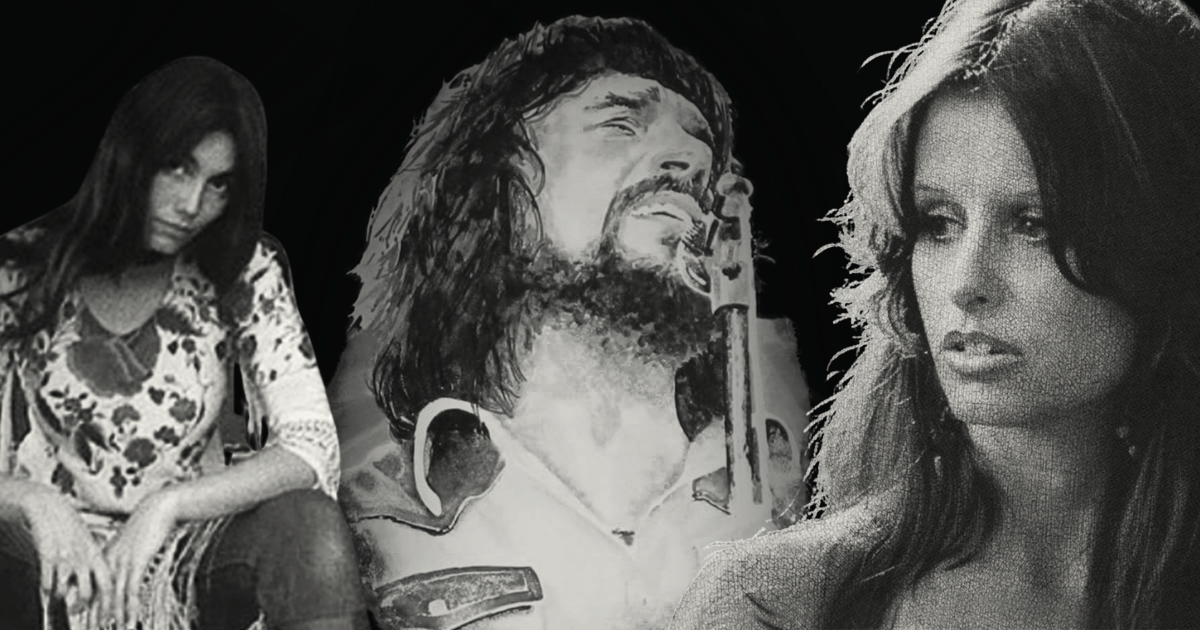
Lead image: Emmylou Harris, Elite Hotel; Waylon Jennings, Waylon Live; Jessi Colter, Jessi.
Classic Country
Is Here to Stay

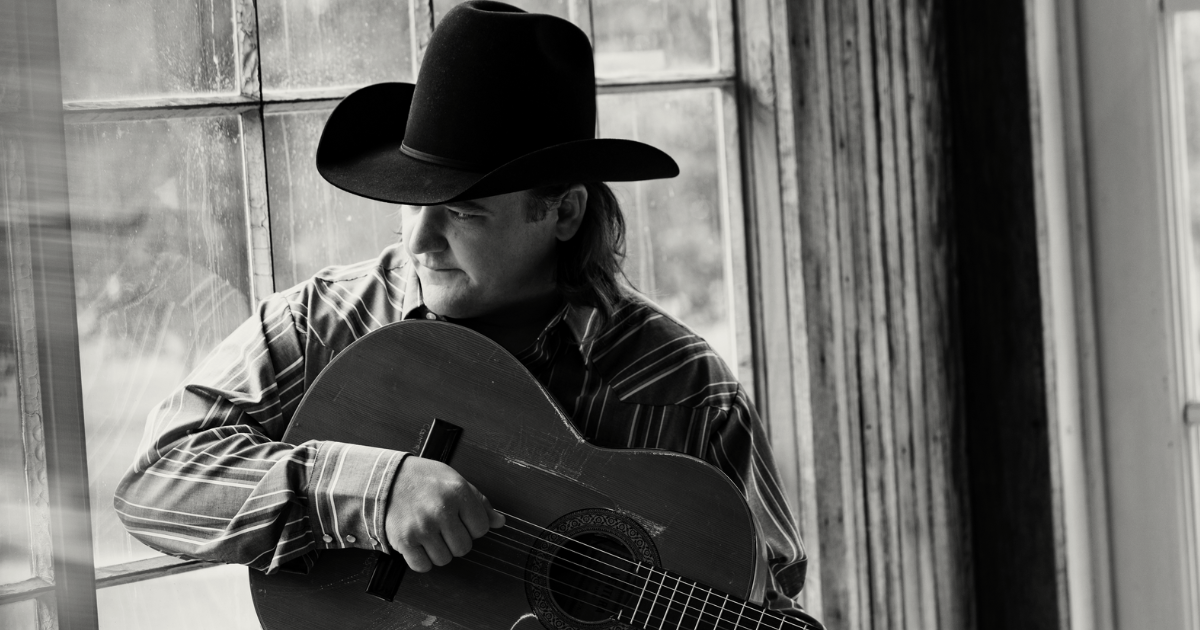
With a new generation boasting unapologetic traditional influence, there’s more classic-sounding country in the mainstream today than in many years before. With his second album, When I Write the Song, Jake Worthington captures one specific aspect of honky-tonk history better than the rest – its sense of humor.

That’s definitely not to say Worthington’s new album is a joke. Far from it. Over 14 songs, the Texas native sinks down into the depths of sorrow and lets his heart believe in miracles all the same. His love of the classic country form is just as authentic as his barrel-chested vocal twang, and with producers Jon Randall and Chuck Ainley joining his team, it gets highlighted with more sincerity than ever. But right from the opening track, Worthington walks in the footsteps of artists like Johnny Paycheck or Jerry Reed; his down-home demeanor is as country as it gets.

Meanwhile, the solo-written title track is almost alarmingly personal and Worthington welcomes Miranda Lambert, Marty Stuart, and Mae Estes as special guests on other tracks. When I Write the Song arrived on September 12 and by touring through the end of the year with both Jon Pardi and Zach Top, Worthington adds even more evidence of an ongoing trad renaissance.

Good Country spoke with Worthington about writing the way he lives and chasing honky-tonk inspiration farther than ever. Plus, he reveals a secret appreciation fans might not suspect.

For fans who don’t necessarily know, you have always been a proud purveyor of the classic country arts. I think that’s pretty fair to say. Are fans going to get more of that on this record or what?

Jake Worthington: Damn right. Yes, sir. I guess that whole narrative don’t ever really change for me. I don’t ever want to make any other kind of music. When somebody listens to a record that I am a part of or put together, I hope they can have a definitive direction to point to and say “That’s what country music sounds like.”

I think that comes across for sure. Now, it’s good timing because there’s kind of a little traditional renaissance going on in the mainstream. Do you agree with that?

Damn right. Absolutely. I’ve never been more inspired in terms of our genre than I am right now. I think a lot of people are writing and singing and recording great country music and I think that folks of all ages are wanting to hear it. Another thing, too, is I don’t think it’s a fad of any sort. I find it interesting – you hear terms like “traditional” or the whole “’90s” deal or whatever. To me, it’s just country music getting made in 2025. I think that’s really exciting, to know that’s the case. It wasn’t like that just a couple years ago.

So you don’t think it’s people cosplaying country?

I know it’s genuine for me. I can’t control what other people do, but hey, if they want to play dress up, that don’t bother me none. I think it’s good for country music. I’m glad that they’re wanting to dress like a grownup.

One thing that I’ve always loved about classic country itself, and something that you do well on this record, is to have a touch of humor. That’s not around as much anymore, but you do that well.

Well, I think it’s funny. I have always struggled with the idea that I never wanted to not be taken serious as a singer or songwriter, but I still like to have fun. I still cut up and it ain’t all rain and storms all the time. I think country music allows room for all of that. There’s definitely a couple songs on this record that is lighthearted, and I guess I was all right with that.

There’s definitely some hardcore heartbreak in here, but the reason I ask is because of the opening track, “It Ain’t the Whiskey.” There are not many songs about getting pulled over and accused of a DUI these days – even fewer that are fun.

Well, some of us write from the research department, I guess. Unfortunately, I was just trying to make light of what was a really shitty situation for me at one point in time in my life. I’ve made some dumb decisions in my adolescence, I guess. That was a good way to look back and laugh at it.

How about “Two First Names”? This one reminds me of a little bit of Joe Diffie and the way he was able to merge classic country and a funny line.

Well, shoot man, thanks. That’s just about a country girl. I’ve got a handful of women I know and love in my life that got two first names and I love that we got away with writing it without ever saying an actual name. … There wasn’t one of us that wrote that song who ain’t from the country, and we’ve all got women we love and know that got two first names. We all love a country girl.

Hell yeah. Now, one thing about this record, you definitely got to work with some big names. You got Jon Randall and Chuck Ainley helping out on production, along with Joey Moi. I wonder with those two guys specifically, Jon and Chuck, did they help you move your sound or your style forward?

Definitely I think. There’s four tracks that I recorded top to bottom with Chuck and Jon … there’s a lot of really awesome things that I got to do through working with Joey. But I think for me, I wasn’t ever totally happy with the way things were ending up sonically. That was my biggest change that I was after, was just kind of where it landed sonically.

Really?

Especially with the vocal. I’m a very imperfect singer. I’m not a perfect singer. I want that to be heard. I don’t want to be masked.

Joey’s amazing, but he definitely comes from a different world sonically, right?

Yeah, and I wanted to work with guys that were making country records that inspired me. But again, I tracked nine of them songs with Joey and man, I love all of it. Chuck wound up mixing the record and Jon come in when we went to track the last four songs and it’s been a dream come true. I get to work with my heroes, man.

You also got to work with Miranda Lambert [plus Marty Stuart and Mae Estes]. Tell me about doing “Hello Shitty Day” with Miranda, it’s a cool broken-hearted waltz. Did you guys get to know each other?

Sure. I mean, I know it sounds a little simple, but she had texted me the song and I asked if I could cut it. She said yes and I said, “Would you sing on it?” And she said, “Hell yes,” so by God, that’s what we did. I don’t know, man. I wasn’t trying to get on the radio with that song. I just thought it was brilliant. I love that song.

One thing I’ve got to ask you, since this is BGS. Do you have any ties to bluegrass, or was that ever a part of what you listened to?

Where I’m from, oddly enough down there in Southeast Texas, we had to go find that stuff. There’s nooks and crannies in East Texas where these cats kinda start out in bluegrass and I think they find it through gospel music and stuff like that. But I wasn’t in the church or nothing – I was baptized in beer and I’m here to testify, you hear me?

Ha!

The great words of Kevin Fowler. But a lot of the stuff I loved the most was coming out of Ohio. When I discovered Dave Evans, that shit knocked me out.

Really?

Oh gosh. There’s something called “99 Years [Is Almost for Life].” One day I’d like to record it, but I understand that bluegrass is just as sacred as country music, so if you’re going to do it, you got to do it right and I think it starts with putting your heart and soul in it.

But I always loved Ralph Stanley. I’ve always loved Flatt & Scruggs and Bill Monroe. I mean, that might sound a little standard, but I love that stuff. Harley Allen’s one of my favorite songwriters and his daddy, Red Allen, I love the records he done. Ronnie Bowman and Lonesome River Band. I like that stuff.

Short answer – yes, sir. Hell yes. I love bluegrass.

That’s amazing. It sounds like you’re deep into it. I mean, maybe it doesn’t show up too much in what you’re doing right now, but maybe one day you ought to do a bluegrass record.

Oh, man. We’ll see, but right now all I want to do is what sounds like country music to me. I think it’s a matter of if you got electrics on it or not. It’s just soul music. It’s gotta come from the heart.

That’s a good segue because I wanted to ask you about the title track, “When I Write the Song,” and writing that solo. You were able to share your pain quite a bit. Where did that come from?

I don’t always wind up writing by myself. I think a lot of us writers sit down and try, and if we could, we would write a lot by ourselves. But that one just kind of fell out. I’d been six, seven years in [to my career] and I don’t know, I think I was a little hurt and kind of angry. I got a whole lot of, “You can’t sing that kind of music. That ain’t never going to work.” Sad songs and waltzes and whatnot. I don’t know why it’s so easy to write about the hard things or the bad things. It seems to be easier than it is to write about the good things sometimes. That’s just kind of where I was at with it.

When I wrote it, I was headed home from some gig and at the time I had been staying at my parents’. They had just got one of them push button door locks to the house with a code on it and I did not remember the damn code. There wasn’t no way I was getting in the house, so I had a guitar and a six pack of beer, a back porch, and plenty of time.

You’re kidding.

That’s what come out of that. I sat on that song for a long time. I was kind of scared of it. I wasn’t sure if it was for anybody. I wasn’t sure if it was any good. But I’m a songwriter and I think that’s just my way of showing it.

That’s real country music to me, so thank you for sharing the story. It’s funny that you got locked out – almost feels meant to be.

I’ve been locked out of a lot of things, hoss.

You’re going to be out on the road with Zach Top and Jon Pardi, right? In their own way, they both definitely inject some classic country into the mainstream, too. Are those tours a good fit for you?

Damn right, man. You tell me anywhere else, you’re going to see three steel guitars and three fiddle players in one stage. … I’m a fan of both of them guys and they know it, and I revere and respect the hell out of them. I’m grateful to get to go work with ‘em. That’s going to be a lot of band, buddy.

All right, Jake, thanks for the time, man. Let me leave you with the big picture. Just tell me what you hope people get from this record.

Well, take away a little piece of my heart while I’m giving it to you. Country music’s here to stay and I don’t think it ever left. I’m just grateful to be a little spoke in the wheels and I hope that when they hear this record, it’s something that they can go to and say, “This is what country music sounds like.”


Photo Credit: Jim Wright

Celebrating Black History Month: Mavis Staples, Chapel Hart, Charley Pride, and More

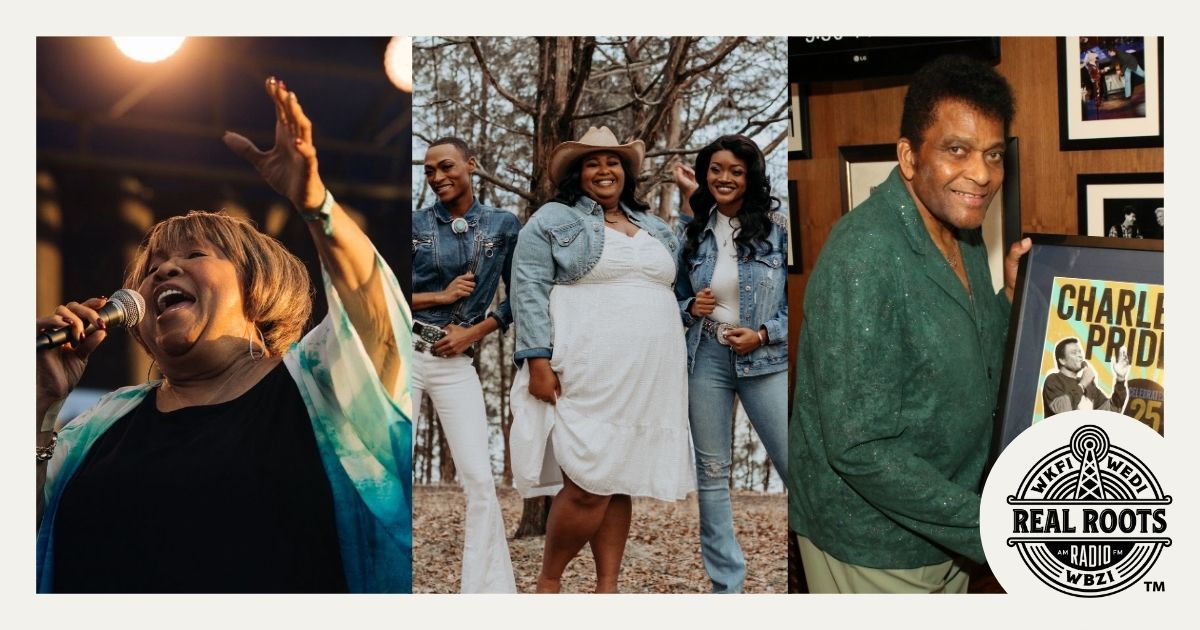
To celebrate Black History Month – and the vital contributions of Black, Afro-, and African American artists and musicians to American roots music – BGS, Good Country, and our friends at Real Roots Radio in Southwestern Ohio have partnered once again. This time, we’ve brought you weekly collections of a variety of Black roots musicians who have been featured on Real Roots Radio’s airwaves. You can listen to Real Roots Radio online 24/7 or via their FREE app for smartphones or tablets. If you’re based in Ohio, tune in via 100.3 (Xenia, Dayton, Springfield), 106.7 (Wilmington), or 105.5 (Eaton).

American roots music – in any of its many forms – wouldn’t exist today without the culture, stories, skills, and experiences of Black folks. Each week throughout February, we’ve been spotlighting this simple yet profound fact by diving into the catalogs and careers of some of the most important figures in our genres. For week four of our celebration, RRR host Daniel Mullins shares songs and stories of Charley Pride, Mavis Staples, Chapel Hart, Carolina Chocolate Drops, and Philip Paul. Be sure to check out week 1, week 2, and week 3 of the series, too.

Today is February 28, so sadly this will be the final installment of our Black History Month celebrations this year. But, as always, we’re committed to bringing you even more music celebrating Black History – and the songs and sounds we all hold dear – not just in February, but year-round.

Plus, you can find a full playlist with more than 100 songs below from dozens and dozens of seminal artists, performers, songwriters, and instrumentalists from every corner of folk, country, bluegrass, old-time, blues, and beyond.

Black history is American roots music history; the two are inseparable. As we celebrate Black History Month and its legacy throughout the year, we hope you’ll join us in holding up and appreciating the artists who make country, bluegrass, blues, folk, and Americana the incredible and impactful genres that they are today.

Chapel Hart (est. 2014)

If you haven’t heard of Chapel Hart yet, it’s time to change that! This powerhouse trio – Danica, Devynn, and Trea – are taking the country music world by storm with their soulful harmonies, fiery energy, and a whole lot of heart. Hailing from Poplarville, Mississippi, these ladies bring a fresh and fearless sound to country music with their family harmonies; Danica and Devynn are sisters, while Trea is their cousin.

The group first began their musical journey by busking on the streets of New Orleans. In 2021 they were among CMT’s Next Women of Country, before making their way to America’s Got Talent in 2022. Their unforgettable run on the hit music competition television show is where the nation first heard their breakout hit, “You Can Have Him, Jolene,” an answer song to the Dolly Parton classic.

Since their time on the competition, Chapel Hart have released “Welcome to Fist City” as well, in response to Loretta Lynn’s fiery “Fist City” per Loretta’s request. They have been frequent performers on the Grand Ole Opry, and have recorded collaborations with Darius Rucker, Vince Gill, The Isaacs and more. Chapel Hart are proving that country music is alive and well – and full of girl power!

Suggested Listening:
“American Pride”
“Welcome to Fist City”

Mavis Staples (b. 1939)

You know Mavis Staples as the gospel and soul legend, but did you know she’s got deep country connections as well? That’s right, her powerful voice and storytelling fit right into the heart of country music.

Mavis grew up singing gospel with the Staples Singers, even marching with Dr. Martin Luther King, before finding success in R&B and beyond. However, her musical influences also include listening to Hank Williams and the Grand Ole Opry. She once said, “Country music is just another way of telling the truth” – and if anyone knows about truth in music, it’s Mavis Staples.

Over the years, her stellar career has included forays into country that include collaborations with George Jones (“Will The Circle Be Unbroken”), Willie Nelson (“Grandma’s Hands”), and Dolly Parton (“Why”). Staples’ recording of “Touch My Heart” for the 2004 tribute to Johnny Paycheck is a masterpiece. She and Marty Stuart are dear friends and mutual admirers of one another’s music. Together, they have recorded wonderful renditions of “Uncloudy Day,” “Move Along Train,” and “The Weight.”

Staples and Stuart were part of a show-stopping performance on the CMA Awards a few years ago alongside Chris & Morgane Stapleton and Maren Morris, tackling Stapleton’s “Friendship” and the Staple Singers’ classic, “I’ll Take You There” in an awards show mash-up.

Mavis Staples is a member of the Gospel, Blues, and Rock & Roll Halls of Fame. Whether it’s gospel, soul, or country, her voice carries a message of love, hope, and resilience.

Suggested Listening:
“Uncloudy Day” with Marty Stuart
“Touch My Heart”
“Grandma’s Hands” with Willie Nelson

Carolina Chocolate Drops (active 2005-2016)

Let’s shine a spotlight on a group that revolutionized old-time string music – Carolina Chocolate Drops. Formed in 2005 by young twenty-somethings Rhiannon Giddens, Dom Flemons, and Justin Robinson after attending the first Black Banjo Gathering in Boone, North Carolina, they revived the nearly forgotten Black string band tradition.

Inspired by the legendary Black North Carolinian fiddler Joe Thompson, Carolina Chocolate Drops brought energy, authenticity, and a fresh perspective to Appalachian folk music and were a powerhouse on stage. The first African American string band to perform at the historic Grand Ole Opry, their GRAMMY-winning 2010 album Genuine Negro Jig fused tradition with innovation, blending deep-rooted folk with modern influences and proving that history and rhythm go hand in hand.

Carolina Chocolate Drops didn’t just perform, they educated, too, sparking a renewed appreciation for African American contributions to folk and traditional music. Over the years they would open for Taj Mahal and Bob Dylan, perform at events like MerleFest and ROMP, appear on Prairie Home Companion and BBC Radio, and even contributed to the soundtrack of The Hunger Games. Though they’ve since been on a hiatus for the last decade plus, their impact on American roots music is undeniable. Look for a reunion at Biscuits & Banjos festival in downtown Durham, North Carolina, in April.

Suggested Listening:
“Trouble In Your Mind”
“Pretty Bird”
“Day of Liberty”

Charley Pride (1934-2020)

He broke barriers and made history. Charley Pride, the son of sharecroppers, a Negro league baseball player, and the Pride of Sledge, Mississippi, became a country music legend.

In the 1960s, when country music was overwhelmingly white, Pride’s rich baritone and heartfelt songs won over audiences. At the urging of Red Sovine and Red Foley, Pride pursued a career as a country recording artist. Cowboy Jack Clement brought some of Charley’s demos to Chet Atkins and he was signed to RCA Records. His first big hit, “Just Between You and Me,” earned him a GRAMMY nomination and soon he was topping the charts with classics like “Kiss an Angel Good Mornin’.” His popularity was undeniable, outselling all of his RCA labelmates except Elvis Presley during his peak.

With over 50 Top-Ten hits and more than 30 Number Ones, Pride became country’s first Black superstar – earning the CMA’s Entertainer of the Year award in 1971. His nationwide popularity was such that in 1974 he became the first recording artist to perform the National Anthem at the Super Bowl.

“Is Anybody Goin’ to San Antone,” “Mississippi Cotton Picking Delta Town,” “All I Have to Offer You (Is Me),” “Roll On Mississippi,” “You’re So Good When You’re Bad,” and dozens of others are essential country listening. Pride would be only the second African American made a member of the Grand Ole Opry and the first Black artist inducted into the Country Music Hall of Fame. His music broke racial barriers, his talent captivated millions, and his legacy? It still inspires artists today.

Charley Pride wasn’t just a country star – he was a pioneer.

Suggested Listening:
“The Snakes Crawl At Night”
“Roll On Mississippi”

Philip Paul (1925-2022)

Philip Paul was a legendary drummer who made history in Cincinnati for decades, making major contributions to classic recordings in rock, blues, country, jazz, bluegrass, and more. Born in Harlem in New York City, he moved to Cincinnati at the urging of jazz legend of Tiny Bradshaw, to join Tony’s band. Post-WWII, Cincinnati became a hub of various music – including bluegrass – thanks to an influx of people migrating to the area for factory work. While playing in jazz clubs in the Queen City, Paul met Bluegrass Music Hall of Fame member Syd Nathan. For a dozen years, Philip Paul was a member of the house band at Syd Nathan’s King Records, where he appeared on countless classic recordings by Cowboy Copas, Hank Ballard, Freddie King, The Stanley Brothers, and more – over 350 records.

Paul is playing on drums on such American classics recorded in Cincinnati as “Fever” (Little Willie John), “Soft” (Tiny Bradshaw), “Alabam’” (Cowboy Copas), “Please Come Home For Christmas” (Charles Brown), and so many more – including the bulk of Freddie King’s catalog. He is also responsible for laying down the rhythm on the original recording of “The Twist” for Hank Ballard & The Midnighters before it was covered by Chubby Checker. In addition he performed on Hank Ballard’s “Finger Poppin’ Time” and added percussion on the overdubbed version by King recording artists, The Stanley Brothers.

For the ensuing decades, Paul would consistently perform at various jazz nightclubs around the Cincinnati area. He received Ohio Heritage Fellowship honors in 2009, the same year he was recognized for his remarkable career during a special presentation at the Rock & Roll Hall of Fame and Museum. The museum’s president at the time, Terry Stewart, had this to say: “If someone were to try to isolate the single heartbeat of the early days of rock and roll, as it transitions from ‘race music’ to ‘rhythm & blues’ to whatever you want to call what early rock and roll is, that heartbeat is Philip. [He is] the thread that runs through so much of the important music of that period.”

Philip Paul even contributed to the 2021 IBMA Album of the Year, Industrial Strength Bluegrass: Southwestern Ohio’s Musical Legacy, playing drums on “Mountain Strings” (Sierra Hull), “Readin’ ‘Rightin’ Route 23” (Joe Mullins & The Radio Ramblers), and “Are You Missing Me” (Dailey & Vincent). These would be the final recordings of Philip Pauls’ remarkable career in American music. He passed away in January 2022 at the age of 96. Phil Paul played drums on some of the most famous recordings in American history, and he did it all at Cincinnati’s King Records!

Suggested Listening:
“Fever,” Little Willie John
“Hide Away,” Freddie King
“Mountain Strings,” Sierra Hull


Want more Good Country? Sign up for our monthly email newsletter full of everything country.

Listen to Real Roots Radio online 24/7 or via their FREE app for smartphones or tablets.

Photo Credit: Mavis Staples by Daniel Jackson for BGS; Chapel Hart courtesy of SRO PR; Charley Pride courtesy of CharleyPride.com.

You Gotta Hear This: New Music From Laurie Lewis, Lonesome River Band, and More

This week, to mark New Music Friday, we have a bevy of brand new music videos from folks like bluegrass legend Laurie Lewis, bassist Nate Sabat, country outfit Jenny Don’t & The Spurs, and flatpicker Rebecca Frazier, who gathers an all star lineup for a new track set to a brand new video. The Reverend Shawn Amos also brings us a delightfully psychedelic visualization to pair with a modern blues and gospel inflected track, “It’s All Gonna Change (For The Better),” that highlights how life on this planet is a gift, not a given. (We couldn’t have said it better ourselves.)

Plus, you won’t want to miss a brand new heartbreakin’ track from first class bluegrassers, Lonesome River Band. And, if you missed our post featuring The Bygones earlier this week, you can check out the duo’s song, “If You Wanted To,” below as well.

It’s all right here on BGS and, to be quite honest, You Gotta Hear This!

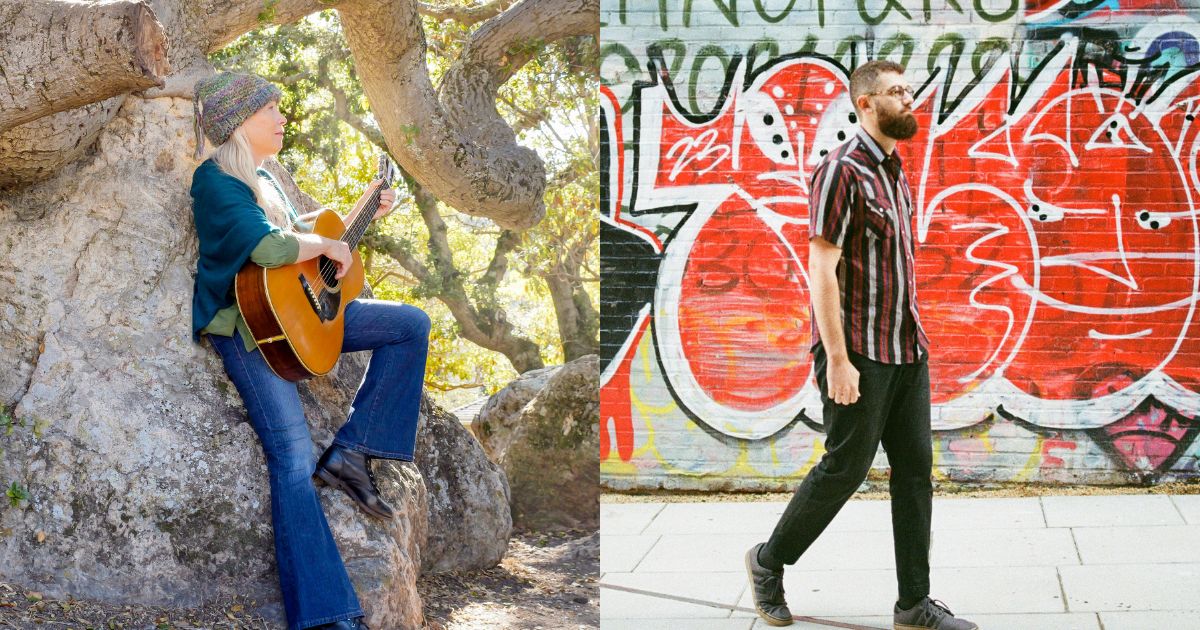
Laurie Lewis, “Long Gone”

Artist: Laurie Lewis
Hometown: Berkeley, California
Song: “Long Gone”
Album: Trees
Release Date: March 29, 2024 (single); May 31, 2024 (album)
Label: Spruce and Maple Music

In Their Words: “I have loved ‘Long Gone’ since I first heard Bill Morrissey sing it a couple of decades ago. Recording it was a blast, and I think that as a ‘returning’ song, it is particularly resonant in these post-pandemic times. We’ve all be long gone, from each other and the world at large. Every time I hear Brandon Godman’s fiddle kick-off, I get excited all over again, to be returning from the virtual to the corporeal world.

“Making this video was about the most fun there is, driving an aging 5-speed stick shift truck up and down Sonoma County backroads in the late winter green of Northern California. I love my job!” – Laurie Lewis

Track Credits: Written by Bill Morrissey.

Laurie Lewis – Guitar and lead vocals
Brandon Godman – Fiddle
Patrick Sauber – Banjo
Hasee Ciaccio – String bass

Video Credit: Bria Light


Lonesome River Band, “Hang Around For The Heartbreak”

Artist: Lonesome River Band
Hometown: Floyd, Virginia
Song: “Hang Around For The Heartbreak”
Release Date: March 29, 2024
Label: Mountain Home Music Company

In Their Words: “This song was sent to us from my good friend, Barry Hutchens, who has been writing some material with his son, Will, and Jerry Salley. I call it a ‘Happy Heartbreak’ song as the chorus goes, “If we chase this feeling down whatever road it leads us/ We’ll never have regrets about a chance we didn’t take/ But if we’re just pretending this might be a happy ending someday/ I’ll still hang around for the heartbreak.” It’s a great perspective put together by Barry, Will, and Jerry and it feels like classic Lonesome River Band. We hope you enjoy it as much as we do!” – Sammy Shelor

Track Credits:

Adam Miller – Mandolin, lead vocal
Sammy Shelor – Banjo, vocal
Jesse Smathers – Acoustic, vocals
Mike Hartgrove – Fiddle
Kameron Keller – Upright bass


Nate Sabat, “Sometimes”

Artist: Nate Sabat
Hometown: New York, New York
Song: “Sometimes”
Album: Bass Fiddler
Release Date: March 27, 2024
Label: Adhyâropa Records

In Their Words: “Until last September, I was playing a completely different version of this song. Written by the great Abigail Washburn, my initial version was essentially a bass-and-voice rendition of the original. In a prep session with my producer Bruce Molsky, we both agreed that it just wasn’t landing. He pulled out a fretless banjo, and suggested I try leaning into a bluesy, modal sound instead. That idea lit a fire in me, and two hours later we had something completely new.” – Nate Sabat

Track Credits:

Nate Sabat – Bass, vocals
Recorded at Spillway Sound in West Hurley, New York.
Engineered and Mixed by Eli Crews.
Produced by Bruce Molsky.
Mastered by Dave Glasser at Airshow Mastering.


The Reverend Shawn Amos, “It’s All Gonna Change (For The Better)”

Artist: The Reverend Shawn Amos
Hometown: Dallas, Texas
Song: “It’s All Gonna Change (For The Better)”
Album: Soul Brother No. 1
Release Date: May 3, 2024
Label: Immediate Family

In Their Words: “There’s a famous comedy bit from George Carlin addressing humans’ disgraceful treatment of Earth. It ends with the punchline, ‘The planet is fine. The people are fucked.’ This song takes a page from Carlin’s book of dark humor. It’s a conversation amongst non-human life counting down the days until these dumbass humans are out of the way. It’s also a simple reminder to ‘WAKE UP!’ as Spike Lee would say. Life on this beautiful planet is a gift – not a given. You dig? Say it with me, ‘We got to all stand up, ain’t gonna take too long. Keep your mind strong.'” – The Reverend Shawn Amos

Video Credit: David Sheldrick


Jenny Don’t & The Spurs, “Pain In My Heart”

Artist: Jenny Don’t & The Spurs
Hometown: Portland, Oregon
Song: “Pain In My Heart”
Album: Broken Hearted Blue
Release Date: June 14, 2024
Label: Fluff & Gravy Records

In Their Words: “Inspired by the writing style of Johnny Paycheck and his classic delivery of telling a story while the band keeps it rollin’ on. I love how some of those old classic country singers charm their way through a song where even though they might be in the wrong you still want ’em to win in the end. ‘Yeah, I know, I’m a jerk – but I love ya. Come on, come back home…’ (Not me personally! But you get the idea…)

“While my usual inspiration when it comes to songwriting tends to lean towards the female icons of the genre, for this album, I veered towards more male influences such as Chris Isaac, Lee Hazelwood, Johnny Paycheck, Buddy Holly, John Fogerty, and Link Wray. These diverse songwriters contributed to the inspiration behind the album.

“I’d also like to emphasize that while I take the lead in songwriting, the songs wouldn’t have evolved into what they are without the invaluable input, musical direction, and insight from my bandmates, Kelly Halliburton, Christopher March, and Buddy Weeks. I’m truly grateful for their contributions and thrilled to have collaborated with them on this fun album.” – Jenny Don’t

Track Credits: Written by Jenny Don’t.

Jenny Don’t – Vocals, rhythm guitar
Kelly Halliburton – Bass guitar
Christopher March – Lead guitar
Buddy Weeks – Drums
Rusty Blake – Pedal steel guitar

Recorded at Revolver Studio in Portland Oregon by Collin Hegna, September 2023.


Rebecca Frazier, “Make Hay While the Moon Shines”

Artist: Rebecca Frazier
Hometown: Nashville, Tennessee (originally Richmond, Virginia)
Song: “Make Hay While the Moon Shines”
Release Date: March 25, 2024
Label: Compass Records

In Their Words:“Growing up in Virginia and spending much of my childhood by the Chesapeake Bay, I’ve always felt an ethereal connection to the moon. To me, it feels like there’s magic in the air when the moon is full. Getting together with Jon and Bob to write this song was a reflection of that excitement – we were all laughing and cutting loose as we came up with double entendres. We wanted to express that light-hearted, anticipatory feeling of a spirited full moon night – after all, the song is a twist on the phrase “make hay while the sun shines,” which means “get your work done.” What is the opposite of that?

“Bill Wolf produced the track with his innate talent for bringing out the best in musicians – he did such an intuitive job bringing musicians in the room who would create and build the climactic moments with their improvisation. I was floored by the performances of Béla, Stuart, Barry, Sam, and Josh. Christopher Gunn’s videography was beyond my imagination. He captured the imagery of a lighthearted, spirited mood while maintaining a dream-like quality, and I think it’s beautiful.” – Rebecca Frazier

Track Credits: Written by Rebecca Frazier, Jon Weisberger, and Bob Minner.

Produced by Bill Wolf.
Rebecca Frazier – Guitar
Béla Fleck – Banjo
Sam Bush – Mandolin
Stuart Duncan – Fiddle
Barry Bales – Bass
Shelby Means – Harmony vocal

Video Credit: Christopher Gunn Creative


The Bygones, “If You Wanted To”

Artist: The Bygones
Hometown: Brooklyn, New York & Nashville, Tennessee
Song: “If You Wanted To”
Album: The Bygones
Release Date: April 4, 2024
Label: Tonetree Music

In Their Words: “‘If You Wanted To’ encapsulates the feeling of longing for acceptance and approval from someone you love that has known you through many chapters of life. People change and grow over time, and one of the biggest pains is when the ones closest to you don’t grow with you or want to get to know the current person you are. Over time, I’ve realized that you can’t make someone see you and love you for the current walk of life you’re in and not for a previous version of yourself, they have to choose to get to know you. Sometimes the ones you love just want to hold on to the version of you they knew that is no longer here.” – Allison Young


Photo Credit: Laurie Lewis by Irene Young; Nate Sabat by Jules Miranda.

BGS 5+5: Joshua Hedley

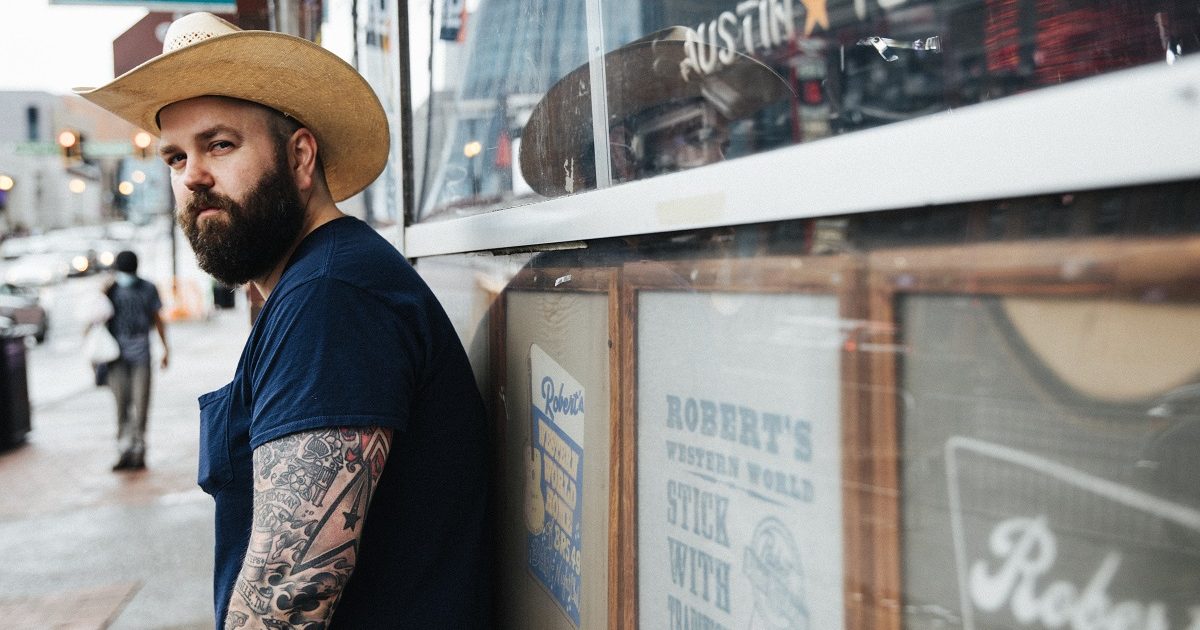
Artist: Joshua Hedley
Hometown: Naples, Florida
Latest Album: Neon Blue
Personal Nicknames: Mr. Jukebox

Which artist has influenced you the most…and how?

I found Bob Wills at a very young age. Probably 10 years old or somewhere around there. I was instantly obsessed. He really struck a chord with me. Something about the blend of country and jazz resonated with me and particularly inspired me to be better at my instrument. I would lock myself in my parent’s bathroom with a CD player and my fiddle and just wear out this Bob Wills greatest hits CD for hours, trying to learn all the fiddle parts and solos and stuff. It really strengthened my ear at that age when you just soak up knowledge like a sponge. I probably wouldn’t be playing at the level I’m at today if I hadn’t discovered Bob Wills when I was so young.

What was the first moment that you knew you wanted to be a musician?

Honestly, it’s almost like I was born into it. I don’t remember the first moment I knew. I just always did. I asked my parents for a fiddle when I was 3. They told me to ask again when I was older, and I did, five years later. They got me one when I was 8 and I just took to it almost instantly. I just knew that’s what I was going to do with my life from then on. I started playing for real, professionally in bands, when I was about 12 and after that it was all over. That was it. I decided then I was going to move to Nashville and play country music for the rest of my life.

What’s the toughest time you ever had writing a song?

I always have a tough time writing. More specifically with finding inspiration and focus. I had this brief period of inspiration when I wrote Mr. Jukebox, but before that and ever since, I’ve always had a hard time writing. I struggle with ADHD, so it’s hard for me to stay focused on a single idea long enough to write a whole song. There’s also a level of self confidence needed to be a great writer that I lack. I can recognize a great song that someone else wrote, but even if other people tell me how much they love my songs, I always second-guess them myself. I always feel embarrassed playing my own music.

What has been the best advice you’ve received in your career so far?

Don’t read your press. Especially the reviews. Good or bad, they’ll affect your ego negatively. Someone once told me when I was just a kid, “You’re never as bad as they say you are, but you’re never as good as they say you are either.” You can’t control what people write about you. If it’s negative, it can crush you, but if it’s positive, it can inflate your ego too much. Neither of those things are good for you. Staying away from your own press seems like good advice to me, even if I don’t always take it.

Since food and music go so well together, what is your dream pairing of a meal and a musician?

You can probably tell just by looking at me that I enjoy food. I like everything from Michelin Star to Taco Bell. My buddy Sean Brock is absolutely crushing the food game in Nashville right now. It’d be cool to do a show where he catered it. Maybe do a bunch of traditional Florida foods like gator tail, smoked mullet, frog legs, Cuban sandwiches, key lime pie — stuff like that. Then me and Elizabeth Cook and Wade Sapp can play a bunch of country music from Floridian artists like Mel Tillis, Pam Tillis, Slim Whitman, Vassar Clements, John Anderson, Terri Gibbs, Gary Stewart (not actually Floridian, but we claim him), etc. Actually…I kind of want to make that happen now.


Photo Credit: Joshua Black Wilkins

WATCH: Kristina Murray, ‘How Tall the Glass’

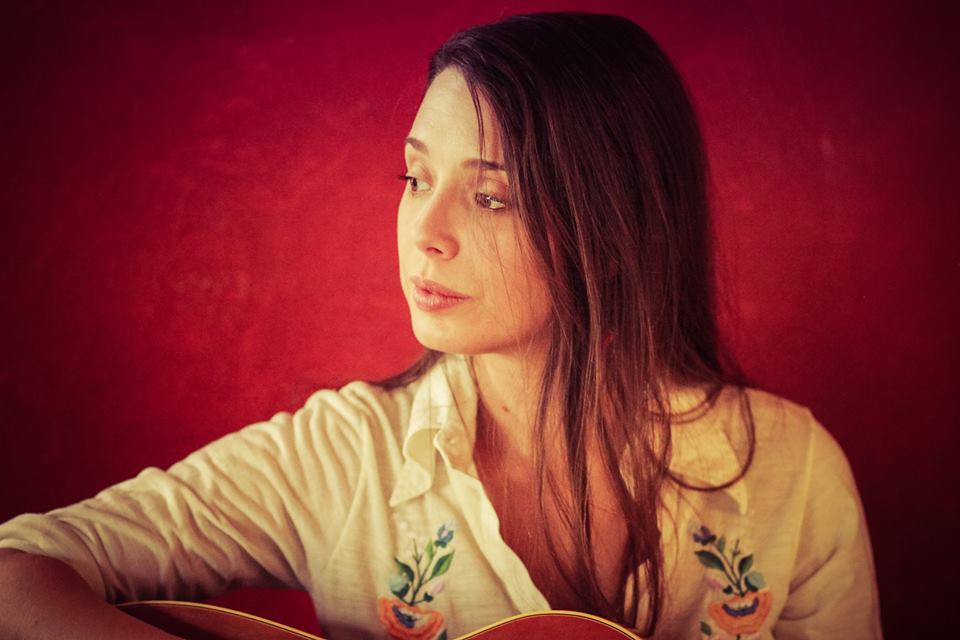
Artist: Kristina Murray
Hometown: Nashville, TN
Song: “How Tall the Glass”

In Their Words: “For a month or so prior to writing ‘How Tall the Glass,’ I’d been on a listening binge of early turtleneck-wearing Willie and pompadour-styling Paycheck, and was just obsessing over both their exaggerated vocal phrasings and unique perspectives on love, life, and drinking — and how and when those things collide. Late one night last November, I’d been sipping Bulleit bourbon, missing my lover, and messing around just writing and picking, when I said to myself — as I reached for another beer — ‘Well, it’s just a two-step process from the fridge to the cup!’ I thought that sounded like something Willie would philosophize, and the song just poured (no pun intended) out from there; it really took shape with the refrain line, which muses and smirks in self defeat, ‘How empty the bottle, how tall the glass.” — Kristina Murray


Photo credit: Sarah McLaughlin

The Taxman Cometh: 9 Songs to Get You Through Tax Day

April 15. Unless you're an accountant or you're owed a big ol' refund, this day probably strikes a unique fear in your heart, one fueled by nightmares of endless paperwork and a Kafka-esque string of TurboTax questions that have you — if you're like me — so flustered you forget your own address. Although this year's tax day is actually April 18, we decided to go ahead and share a handful of our favorite tax-related tunes with you. Whether you're already crying over your return or you're dreading Sunday night's cram session, these nine tracks should hopefully ease a little pain. 

Don't like videos? Listen to the whole thing (with the Beatles' take on "Taxman" instead) on Spotify.

Nickel Creek, "Taxman"

We're all for the Beatles' original version, but who doesn't love Nickel Creek's acoustic take — this live one in particular — on the Fab Four's classic? 

Johnny Cash, "After Taxes"

His last name may be Cash, but that doesn't mean Johnny has money to spare (even though, let's be real, his estate totally does). This song from Cash's 1978 album, I Would Like to See You Again, laments all one loses in the name of Uncle Sam, including a "brand new Pontiac" and "a bracelet for her arm."

Joni Mitchell, "Tax Free"

Off 1985's Dog Eat Dog, "Tax Free" is more political than it is about actual taxes, but that refrain ("tax free") is undoubtedly something we'd all like to be.

Johnny Paycheck, "Me and the IRS"

"Well the bite keeps a-getting bigger and the pay check’s a-getting small / You know the IRS ain’t gonna rest until they think they’ve got it all." We feel ya, Johnny. We feel ya.

Ry Cooder, "Taxes on the Farmer Feeds Us All" 

A 1972 Ry Cooder cut reminds us that, while the merchants may make all the cash, it's the farmers who get us good and fed at the end of the day.

Sharon Jones & the Dap-Kings, "What If We All Stopped Paying Taxes?"

But really … what if we did?!

Kaiser Clifton, "Cash Money Blues"

The title says it all: Who hasn't suffered from the "Cash Money Blues," especially this time of year?

The Gourds, "Gin and Juice"

Because, let's face it, right now your mind is on your money and your money is definitely on your mind.

Old Crow Medicine Show, "Poor Man"

Commiserate with Old Crow Medicine Show after you get up the nerve to mail off that big check.


Lede photo: 401(K) 2013 via Foter.com / CC BY-SA