Maoli Fully Embraces His “Island Country” Point of View

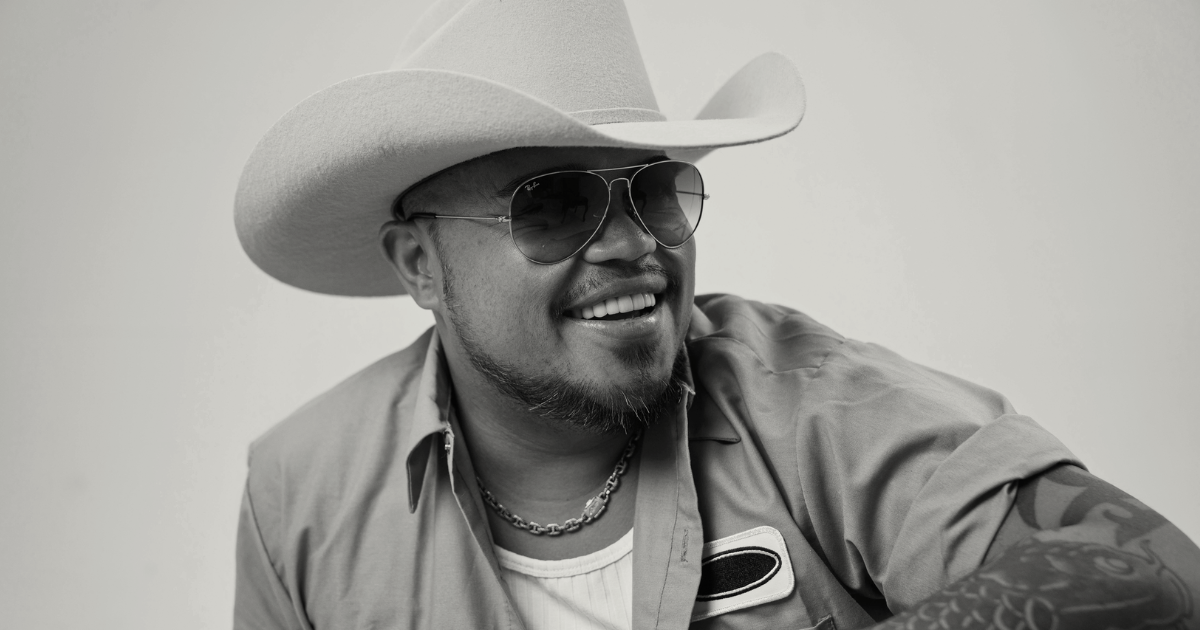
In an era of polarization, social division, and dissent, Glenn Awong, the Hawaiian country reggae star better known as Maoli, believes we’ve all got more in common than not. Awong came to this realization in the late 2010s while he was touring through the US with his band. Show by show, he discovered that life in the American South wasn’t too dissimilar from the cattle ranches and pineapple fields where he grew up on Maui’s North Shore.

Once Awong had those shared realities in mind, he observed that island reggae pop and the soulful sides of country, folk, and bluegrass weren’t that different either. Emboldened, he began to cover popular contemporary country hits like Brett Young’s “Mercy” and “In Case You Didn’t Know,” imbuing their lilting melodies, range-roving rhythms, and plainspoken storytelling with a breezy, coastal shuffle. The results spoke for themselves, catapulting the big-hearted singer into a new tier of success, paving the road towards 2023’s hit-laden Maoli Music Overload album and the innumerable singalong singles that have followed.

Prior to his transformative revelations about island and country, Awong and his band had spent a decade building audiences across Hawaii, the Pacific Islands, and the American West Coast. Once he wholeheartedly embraced his fusion style, the rest of America and locations as far flung as Australia and New Zealand welcomed him with open arms. Since then, it’s been one rodeo after another.

Ultimately, the secret, as Awong has come to understand it, is leaning all the way into his island country upbringing and lifestyle. He didn’t need to disguise himself as someone else. He just needed to be the most unapologetic version of himself.

“I’m really that island guy, but I can go into the country right now and do my rodeo cowboy thing,” he says, grinning from ear to ear on a video call from Maui. “I can hunt, go down to the beach, enjoy a beer, jump in the water and start fishing, all in the same day.”

Several weeks before the release of his latest single, “Runnin’ Me Off” featuring Nashville’s Maddie Font (formerly of Maddie & Tae), Awong spent 45 minutes in conversation with Good Country. Punctuating his thoughts with an infectious laugh, he spoke generously about his musical heroes, island and country life, his experience in Nashville, and the realities of life on the road as an entertainer.

I noticed you follow Aaron Neville on Instagram. What does he mean to your music?

Maoli: Aaron Neville is one of my musical heroes. My grandmother introduced him to me when I was a kid. I was always fascinated by his music. His voice is super unique. He moved me in a way that made me feel like he was the greatest. I used to try to mimic him. You can hear it in my music.

I grew up on his music as well. I was impressed by how effortlessly he could work across genres while always sounding like himself.

I really loved it when he sang a cover of “The Grand Tour” [by George Jones]. I love it more than the original. He’s transcended genre multiple times. He did what I’m trying to do right now. I look up to people who take risks and do things that are not normal. He didn’t limit himself. I love people who take that to heart.

What do you see as the values that underpin your music?

When it comes to country and reggae, it’s really like a lifestyle for me. It’s really who I am. Reggae music comes from Jamaica. Jamaica is an island, but so is Hawaii. We can relate in Hawaii, because we’re both island people. A lot of people don’t get to see this, but in Hawaii, we live country lives as well.

If you weren’t a singer, who do you think you’d be?

I’d probably be some type of farmer or cowboy. I’d probably be cowboying for a living, or I’d be a construction worker, like a lot of people out here. I’d be in some line of labor work.

Which would have probably led you to write songs anyway.

Yeah, that’s true. That’s how songwriting is done. You’re inspired by things that happen around you.

I like how you’ve identified that your music is the outgrowth of a lifestyle.

I see a lot of artists try to copy other people. What they’re missing is that you have to find out who you are. I studied the greats as well, but I always wanted to find my own voice.

What you’re talking about is a durational exercise. It doesn’t happen overnight.

I didn’t find crazy success until five years ago. People don’t understand this, but I was in the game for 15 years before that. I was trying to discover my voice, and it led me back to where it all began, my country lifestyle.

Who are the gold standards for you in country music?

There are so many good country songwriters. Zac Brown is one of them. I love his style, which also comes from that Jimmy Buffett feel. Then Kenny Chesney or George Strait, but I can’t say George was a writer, but I love his songwriters. That type of country. George Jones. I’m an old school guy.

Songwriting, recording, performance. These are all art forms that have to work together. Often, it takes a team.

That’s what I’ve learned in the business. I’ve done covers. I used to get a lot of shit for doing covers. If that’s a crime, you might as well take Whitney Houston and Elvis Presley out of the picture. A lot of your favourite artists do not write their own music.

There’s a process where you find the great songwriters, you find the perfect producer, the perfect engineer, and all that stuff. You gotta create that team. You can’t always do it all yourself. The best of the best have teams.

What are some of your favorite covers to sing, and what did you learn from them?

My favorite cover to play live is “Every Night, Every Morning” [by Maddie & Tae] because that’s the only time I can rest. The crowd sings the whole song. [Laughs] Doing covers helped me as a songwriter. I get to see how these people put these masterpieces together. I don’t just do any cover; it has to move me. The melody and lyrics have to move me.

I thought I was a good songwriter until I went to Nashville and started writing with the best songwriters. They really know what they’re doing. What I learned with them is you gotta have good storytelling, the melodies just gotta come, and all that stuff. It was cool going out there and learning how to write.

What do you think makes a good story?

It has to come from a place of truth. It can’t be fake. I’m not going to name names, but I’ve listened to songs where they’re talking about drinking and partying, and they’ve never touched a beer in their lives. How do you understand that energy if you’ve never partied?

Not everyone will be familiar with the relationship between country music and Hawaii.

People ask me all the time what my shows are like. I always say it’s something you have to experience. It’s the same with our relationship with country music. I’d really have to take you where I’m from so you could see how we live.

Country is country, right?

The country that I love is the songs that really talk about that cowboy life. Hard work, heartbreak, leaving when times are rough, and finding yourself in a bar, drinking your sorrows away. That’s real shit, right there. That’s where the relationship between island and country is very similar in ways. I spent a lot of time in Texas and Nashville. If Polynesians knew how these cowboys really live, they would realize that we’re the same.

If I asked you to name-check some Hawaiian musicians who were combining country and reggae music before you, who would you mention?

I would have to shout out the Kaʻau Crater Boys. They’re the original group that brought country covers and gave them an island reggae feel. I’d also have to say Kapena. Those are the two groups I looked up. They’ve done this stuff longer than I have. I can’t say I created it. They were really popular here. Some people didn’t know their country reggae songs were covers. They became a staple in Hawaii. Even Israel Kamakawiwoʻole, one of our greatest singers, did a cover of “Country Roads” by John Denver. It was one of the biggest songs in Hawaii. People here thought that he wrote it.

At this point, there’s a back-and-forth relationship between American country music and different scenes all over the world.

People don’t always understand. Even for me, when I started going to Nashville, it took me a while to get used to their customs and culture. I would sit in on songwriting sessions with some really incredible songwriters who had written platinum songs and had never heard of me before. I sold 42,000 tickets in Hawaii. I sold out shows in Tahiti and Samoa. I’m not trying to brag, I’m just saying that, for example, I could do all of that, and they still had no idea who I was in Nashville. When they found out who I was and what I could do, they wanted to write with me. If I hadn’t gone there, I wouldn’t have known who they were either.

It’s an interesting situation to be in. When you’re building a career like you have, you might be famous in one country and unknown in another. How do you keep yourself grounded through it all?

I don’t let any of it get to me. I stay neutral. If you tell me I’m the goat, I’ll say thank you. If you tell me I’m a piece of shit, I’ll say thank you. The way I feel is whether I’m selling 42,000 tickets or an unknown in Nashville, I’m the same. You’ve got to be humble in your success. I love going places where they don’t know me, because I can really be myself and not worry about people pulling out their phones to film me.

It seems like a hard thing to navigate in the social media era.

I’ve gotten better at the post-and-ghost thing. When you have a certain level of success, everyone on social media has an opinion. I try to spend as little time as possible on that stuff. There are great things about it as well, but I have a team to handle that stuff. I don’t let it get to me. You can get trapped on social media. Whether what they’re saying is good or bad, you don’t always need to hear it. I don’t want to break my humility. I’m just a regular guy doing my thing.

How important has the West Coast of America been to your growth as an artist?

I think it’s been really important. They were my voice when it came to the States. I started in small little bars with maybe fifty people showing up. I remember playing in venues where I counted 10 people, including security. I just told myself one day I’m gonna sell out arenas. The West Coast really helped me with that. They helped me to cross over to the Midwest and the East Coast, too. The West Coast has always been good to me. I consider them my voice when it comes to the mainland. It all started there.

Those ten people at those shows had a good time, right?

Right! I think the security guards even bought me a couple of drinks. [Laughs]

You must have had some interesting conversations with fans.

People have told me I brought their marriage closer, or I stopped them from committing suicide. There are those people who just come up, say thank you, and tell me they loved the experience. It’s all over the show.

It’s a lot of energy to give out and take in.

It takes a lot of energy to go on stage every night. At the end of the night, I just go back to my bus, green room or hotel, and decompress. It takes a lot, but you get a lot back. I’ve been backstage puking my guts out, or on an IV drip to get hydrated before performing, because I know there is someone in the audience who spent months saving to watch me. I’ve had fans drive 400 miles or fly halfway around the world to see me perform. I don’t take any of that lightly.

Did you watch cowboy movies when you were younger?

I wasn’t really a television guy. We spent a lot of time outdoors. On the weekends, I’d help dad with the pigs and goats, or herding the cows. That was my lifestyle for a long time.

If you could go back, what would you say to that kid?

I would tell that kid to just keep going. Be passionate about what you do, and never give up. They’re going to tell you that you’re crazy, but just keep going. As long as you don’t give up, you’re destined to succeed.

One of the hardest things to master in life is patience. When you’re planting, it takes time. It takes time for the plants to grow and bear fruit. You’re not going to plant the seed and get the fruit tomorrow. You’ve got to water it, let the sun do its thing, and be patient. Everything happens when it’s supposed to happen.


Photo courtesy of the artist.
You, Me, Everybody Grow True Roots in Borrowed Soil

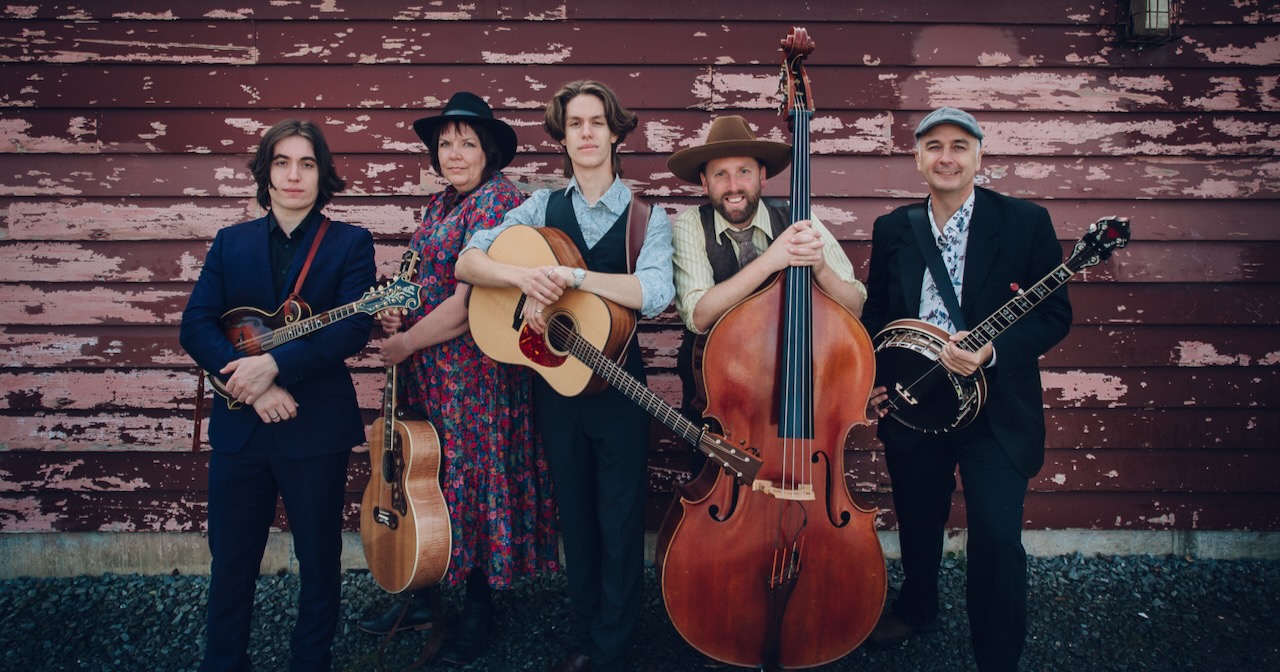
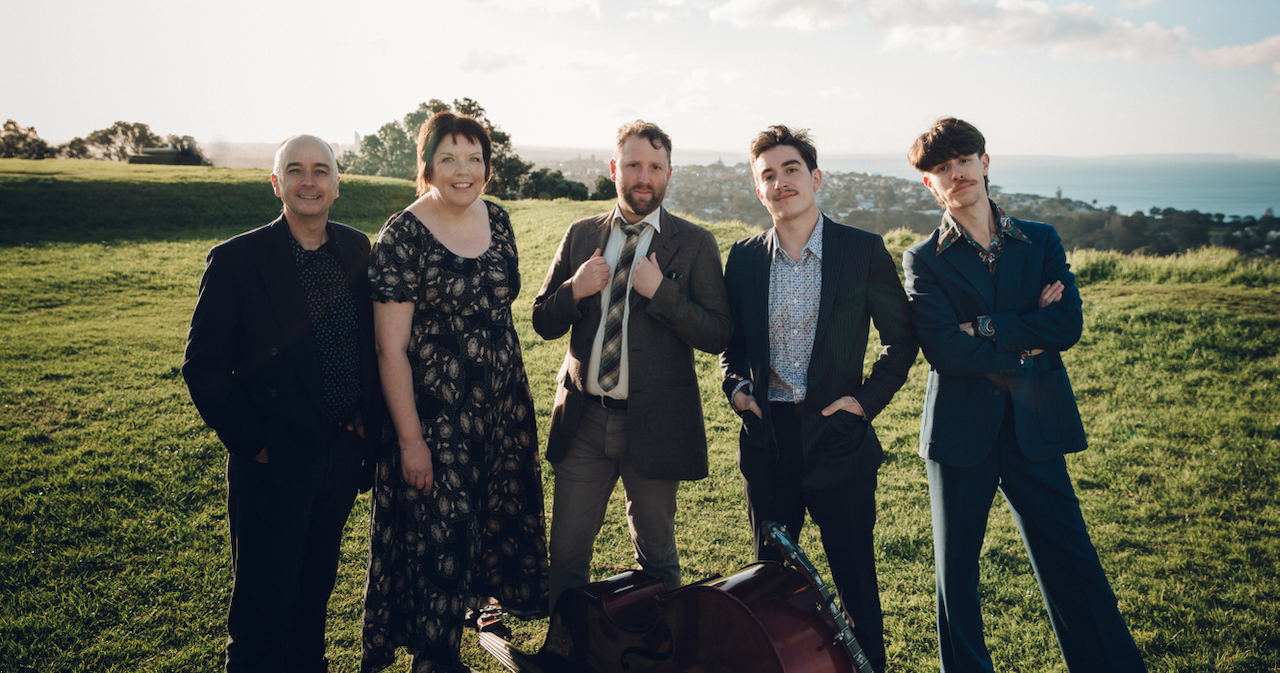
Aotearoa (New Zealand) doesn’t have a strong history of bluegrass bands – except one. If you mention bluegrass to New Zealanders, some will have at least heard of the Hamilton County Bluegrass Band. New Zealand has produced some great players, notably fiddle player George Jackson, banjo player BB Bowness, guitarist/singer Cy Winstanley, and bassist/singer Vanessa McGowan. (Now that we write this, these four would make a great NZ bluegrass band!) But while these names are well known in American bluegrass circles, it is fair to say they aren’t known (outside of folk circles) in Aotearoa.

Many of the songs on our new album, Midnight (out January 30, 2026), are situated within a day, or feature characters who are sitting at the cusp of who they have been before delving into something new. That sense of “in-between” also reflects our place within Aotearoa’s musical landscape, where bluegrass arrives without a long local history, but can be shaped in ways that feel natural to how we live and create here.

“Our Kiwi fans know bluegrass from traditional songs and contemporary artists such as Alison Krauss & Union Station, and Billy Strings. But they are more familiar with the other genres that bluegrass sits alongside. We’re also collectively members of the New Zealand folk, country, and jazz communities,” says our bassist, Rob Henderson.

Midnight starts with bluegrass at its core, but gently widens scope, bringing in different genres with their rhythms, broader chord progressions, and influences drawn from our own environment and lives lived in Aotearoa.

Here are the songs and tunes that anchor us in tradition and inspire us to find our own path as the clock strikes twelve. – You, Me, Everybody

“Ain’t No Grave” – Crooked Still

I love groove and the forward motion in all music, so when I heard this tune for the first time I was naturally inspired by the push of the cello part. This feel was a factor in my own bass playing across the album, especially for up-tempo tunes such as “Misdirection.” – Rob Henderson

“Dorrigo” – George Jackson

George Jackson’s tune “Dorrigo” feels friendly and familiar. It’s one of those tunes that will just keep going around and around the jam circle. When the Dorrigo Challenge did the rounds on the internet a couple years ago, it was a reminder of how a tune can bring people together. I had this in mind while writing “Sam’s Tune” on our album. – Sam Frangos-Rhodes

“Wildfire” – Watchhouse

I find when I sit down to write a song, I usually follow the same template or theme. Of course, there is variation in a lot of my songwriting, but I find rhythmically it’s always much of the same thing. A while back I wanted to break that cycle and try to write a more chilled out, slower tempo song, so I wrote “Heart of Stone,” which leads to “Wildfire” by Watchhouse. I enjoy this song because I think it has a very similar vibe to “Heart of Stone.” For me, it captures the same emotion and feeling I was looking for. I find it’s always nice to find what I was looking for in other people’s writing and relate that back to my own music. – Laurence Frangos-Rhodes

“Heart of Stone” – You, Me, Everybody

Laurence originally wrote this while we were producing our previous album, Southern Sky. I love the backbeat to it, but he also writes great chord progressions; they feel natural and authentic to the song and surprising at the same time. I’ve known Sam and Laurence since they were in their early teens and while our audience love our instrumentation, singing harmonies with them feels like home to me. “Heart of Stone” gives us an opportunity to showcase our vocal blend and milk those beautiful chords Laurence gifts to his songs. – Kim Bonnington

“Railroad” – Béla Fleck & Abigail Washburn

When I try to serve the song with three-finger banjo, I frequently look to Béla Fleck’s work with Abigail Washburn. He plays parts and the two of them fill out the texture of a song so well! Ironically, when we arranged “Silver Spoon,” I was hearing Abigail-like clawhammer behind it, so I did my best to provide that kind of sound with three fingers. – Nat Torkington

“A Hundred and Sixty Acres” – Marty Robbins

Our track, “The Ballad of Bubs and Beautiful,” started when I overheard a conversation between two women shearers in a camp ground in Waipukarau. I knew that I wanted to capture their relationship to each other and their working life, all framed within a day. My Dad’s vinyl collection is 50% Marty Robbins and I remembered the picture that “A Hundred and Sixty Acres” colored of a life well lived. That’s why the first line in “Bubs and Beautiful” is, “Up ‘fore dawn to greet the sun.” There’s a tendency for NZ songwriters to still write about American experiences and places due to an inability to describe ourselves that has been labelled “cultural cringe.” But I knew the description of the women was genuine when I heard someone go, “Oh” as we played the last line live for the first time. – KB

“Orphan Annie” – Tony Rice

As a guitarist, I’ve been heavily influenced by Tony Rice – who hasn’t!? Whenever I listen to the Church Street Blues album it leaves me feeling creative and inspired. I love the minimalism; stripped back to one guitar and vocals telling a story. A lot of the songs on Midnight started in this exact same way, guitar and vocals alone. So it only feels appropriate to give credit to Church Street Blues where credit is due. I cannot pick one track from the album as a favorite because they are all great, but here is “Orphan Annie.” – LFR

“Was It You” – Joy Kills Sorrow

“Was It You” is a song I love for how it drives. That rapid mando chop over a fast rolling banjo held down by a thumping bass is a sure way to make a foot stomper. I took a lot of inspiration from Jacob Jolliff’s mandolin playing in “Was It You” when I put together my part for our song, “Busy Without Me.” – SFR

“Busy Without Me” – You, Me, Everybody

Kim writes wonderful slice-of-life songs. The Midnight album has everything from the plight of an unwed mother to mother/daughter sheep-shearers. “Busy Without Me” is perhaps more #relatable, though: we have a short life with ample temptation for busyness, it says, but it’s important to take moments to “sit and breathe and let the breeze wash over me with nothing in my way.” I love the way the busy-ness of the music reflects the lyrics. – NT

“Caleb Meyer” – Gillian Welch

Country/folk/bluegrass songwriters have always done a great job of writing songs about things we won’t talk about, but make us happy to sing about them. Our song “Silver Spoon” was initially written to an Irish jig. But the joyfulness didn’t eclipse the bleakness of the lyrics. At different times when we were arranging it, different band members would say, “What would Caleb Meyer do?” and our producer Rachel Baiman asked exactly the same question when she arrived for our sessions before we recorded. It’s become the quintessential modern murder ballad. – KB

“Distant Sun” – Crowded House

I grew up in ’90s New Zealand with parents who would play in a country band at the local barn dance while my brother was DJing at the rugby club rooms. So while Marty and Merle would be in one ear, Crowded House was in the other. If you think of great bridges in songwriting, “Distant Sun” has one of them. It also has my favorite line ever in a song: “I don’t pretend to know what you want, but I offer love.” The melody lines in our own track, “The Rest of Us,” hark back to years of admiring Neil Finn as a songwriter. – KB

“The Rest of Us” – You, Me, Everybody

When Kim first brought the concept of “The Rest of Us” to the band I was immediately a fan, and thought it would a great fit on the album. Before we went into the studio we all spent some time together to arrange the new material. As a band I feel like we work uniquely well when it comes to putting a song together and it’s one of our biggest strengths. I think “The Rest of Us” is a great example of Kim’s songwriting and a great example of how we function as a band. – LFR

“Natchez Trace” – Béla Fleck

In my mind, this is the classic G minor banjo instrumental, from Béla Fleck’s landmark album, Drive. Recorded with his B string tuned down to B flat, Fleck often plays it live out without the re-tuning. That was the inspiration for me to write my own Gm instrumental for a banjo tuned to open G major. – NT

“What a Fool Believes” – The Doobie Brothers

I wrote “She’s Alright With Me” a few years ago before I joined You, Me, Everybody. At the time, I had been deep diving into a lot of Doobie Brothers music and the moving parts within their songs. When “She’s Alright With Me” was born, it was originally a heavy keyboard driving tune – having written it on an old 1960s Wurlitizer Piano and styled it on some of the Doobies’ keyboard parts. It’s safe to say it’s transitioned a lot as we don’t have a keyboard part, but you can hear the rhythm now being driven in the same way by Laurence’s guitar. – RH

“Old Train” – Tony Rice Unit

Laurence’s epic album-opening “Misdirection” is a straight-ahead driving bluegrass song, which nonetheless has a few surprise chords in it. For some reason that reminds me of this epic Tony Rice track. – NT

“Misdirection” – You, Me, Everybody

“Misdirection” fits nicely as the opener on our album. It’s a fun example of progressive bluegrass while still staying true to its roots. “Misdirection” is my favorite track on the album and I would like to think the amount of fun we had recording this song is reflected in the final result. – SFR


Photo Credit: Ebony Lamb

BGS 5+5: Catherine “BB” Bowness

Artist: BB Bowness
Hometown: Somerville, Massachusetts
Latest Album: Goodtime Revival (released November 1, 2025)
Personal Nickname (or rejected band names): BB (short for Catherine)

Which artist has influenced you the most – and how?

It’s tough to choose just one person, but I’d have to say Béla Fleck. He has expanded what’s possible on the banjo for all of us banjo nerds. Hearing him play classical, jazz, bluegrass and so many other styles, all with stunning fluency, is such an inspiration to me. And his tune writing is masterful, tunes like “Sunset Road,” “The Overgrown Waltz,” and “Big Country” feel so beautiful and singable to me. It’s really hard to write tunes that come anywhere close to that level of completeness.

What was the first moment that you knew you wanted to be a musician?

I’ve always been drawn to music, since growing up in a traveling New Zealand craft market. There was a stage manager in the fair, Ralph Bennett-Eades, who played guitar and sang really great. His boys played guitar and drums so I always saw the cool, older kids playing music. Then after learning banjo for a few years, I headed to the states for the first time and got to attend some festivals and camps including Telluride and Rockygrass in Colorado. Seeing the amazing musicians perform on stage at those festivals made me really want to try music for a living. Fifteen-year-old me thought, “Wow, people do this for a job?!” Turns out it’s not that easy to get those jobs, but it’s been an incredible journey so far.

What has been the best advice you’ve received in your career so far?

The great Tony Trischka once told me it’s great if you can learn to sing. I’ve thought back on that comment frequently through the years, being primarily an instrumentalist. But it really rings true! Being able to sing in a band and contribute to the show as a vocalist by singing harmonies is a big plus. It’s also so great in general for your musicianship to learn to sing so that your ears are more connected to your hands. Having a decent ear is a must for singers and I’ve found it very helpful for my banjo playing to work on developing my ear.

If you didn’t work in music, what would you do instead?

I’ve always fantasized running a New Zealand coffee shop that sells baked goods. It’s got to be a waterfront cafe so that I can wake up early, go for a surf, and then make coffee and baked goods for people.

What would a perfect day as an artist and creator look like to you?

I love the days where you’re not sitting in a van for 10 hours. Any day where the drive is short and you get to play music with your friends for people who’re listening is a very good day! Throw in some vegetables with dinner and a little private spot to practice some before the show and I’m positively delighted.


Photo Credit: Louise Bichan

You Gotta Hear This: New Music From Brit Taylor, Benson, and More

We’re back with another excellent edition of our weekly roundup of new music, fresh videos, and sneak previews of tracks to yet to come.

Bluegrass power couple Benson – Wayne Benson and Kristin Scott Benson – call on Zack Arnold of Rhonda Vincent & the Rage for their new single, “Bully of the Town,” which drops today. You may recognize the track, which is usually performed as an instrumental, but its unique chord progression shines with Arnold’s vocal as the somewhat unexpected cherry on top. Also in a bluegrass space – bluegrass saxophone, of course – Eddie Barbash continues his mini-series with us of classic bluegrass and old-time fiddle tunes rendered superlatively, as only he could, on sax. This time, we’re sharing his new performance video of “Tennessee Mountain Fox Chase,” shot at Larkspur Conservation in Westmoreland, Tennessee. We can’t get enough solo saxophone fiddle tunes!

From the bottom of the globe, progressive New Zealand string band You, Me, Everybody returns to the pages of BGS with a new music video. “The Rest of Us” is a contemplative, introspective song set to sparkling newgrass that’s about leadership, abandonment, and rising above – if you can. From country, our friend Brit Taylor also debuts a new music video this week for “All For Sale,” her most recent single that released just last month. The new video, which only features a short cameo by Taylor, a new momma, is a fun-fueled yard sale spurred by heartbreak and readiness for a blank, clean slate.

To round out our collection this week, legendary blues master Robert Finley is celebrating a brand new album via Easy Eye Sound today, so of course we’re highlighting a track from Hallelujah! Don’t Let the Devil Fool Ya to mark the special day. “Can’t Take My Joy” is an infectious song with a perennial message that Finley holds at the core of his values system – you really can’t steal his joy. And, with music like this in our weekly roundup, you won’t be taking our joy, either!

It’s all right here on BGS and, just like every week before this one, You Gotta Hear This.

Eddie Barbash, “Tennessee Mountain Fox Chase”

Artist: Eddie Barbash
Hometown: Nashville, Tennessee
Song: “Tennessee Mountain Fox Chase”
Album: Larkspur
Release Date: November 28, 2025 (The album will be released one song at a time with the last track coming out Nov. 28.)

In Their Words: “This song was recorded during a spring sun shower on the porch swing at Larkspur Conservation’s cabin headquarters. A barn swallow was nesting in the rafters just over my head and I was inspired by all of the bird songs around me to improvise this introduction.

“I learned the tune late one night from Ric Robertson after a party/concert in his Washington Heights apartment in NYC. I believe he learned it from Nate Leath and my version is also inspired by his recording. I decided to slow it down a bit and give it a lazier, swingier feel that just feels so good to play on the saxophone.” – Eddie Barbash

Video Credits: Shot and edited by Jeremy Stanley. 

(Editor’s Note: Watch the first video in our mini-series with Eddie Barbash here.)


Benson, “Bully of the Town”

Artist: Benson
Hometown: Boiling Springs, South Carolina
Song: “Bully of the Town”
Release Date: October 10, 2025
Label: Mountain Home Music Company

In Their Words: “I’ve always loved to play this song and didn’t even know it had lyrics for years. The chord progression is just different enough to make it work either way.” – Wayne Benson

“‘Bully of the Town’ is a good example of a song that wasn’t originally a part of the bluegrass genre, but is versatile enough that you can play it many different ways and it sounds like it belonged there all along. Wayne and I are pickers first and this arrangement is really built around being able to play around this fun chord progression, but the vocals are the icing on the cake, because prior to this cut, people typically played it as an instrumental. A lot of people don’t even know it has words, so adding vocals differentiates it and we got a young gun to sing it! Zack Arnold, from Rhonda Vincent & the Rage, did such a great job. He delivers it with a lot of energy, power, and a spirit that accompanies youthful musicianship. He really added excitement to an already-grooving track.” – Kristin Scott Benson

Track Credits:
Wayne Benson – Mandolin
Kristin Scott Benson – Banjo
Cody Kilby – Acoustic guitar
Kevin McKinnon – Bass
Zack Arnold – Lead Vocal


Robert Finley, “Can’t Take My Joy”

Artist: Robert Finley
Hometown: Bernice, Louisiana
Song: “Can’t Take My Joy”
Album: Hallelujah! Don’t Let the Devil Fool Ya
Release Date: October 10, 2025
Label: Easy Eye Sound

In Their Words: “There’s an old saying that I used to hear folks say, ‘There’s joy in the world, can’t take it away.’ Joy is something that can’t be measured by man and can’t be controlled by man. That’s why I say, ‘You can’t take my joy.’ You can take everything else, but you can’t take that. You can take my freedom and I can still be happy. Though there are problems, there is still a way to look beyond the faults and accept the good things in life. Joy is something that no man has the power to give and no man has the power to take away.” – Robert Finley


Brit Taylor, “All For Sale”

Artist: Brit Taylor
Hometown: Hindman, Kentucky
Song: “All For Sale”
Release Date: September 5, 2025 (song); October 9, 2025 (video)
Label: RidgeTone Records/Thirty Tigers

In Their Words: “We wrote this song like a script. There’s so much imagery in the song that it just seemed natural for the video to follow the lyrics. I decided only to make a quick cameo in the video and let my friends be the stars of the show! While it seems counterintuitive to what the rest of the industry is currently doing, it felt right to me. After all, the song isn’t about me, it’s about a story that wants to be told. And, honestly, my friends should probably move to Hollywood, because they really nailed their parts!” – Brit Taylor

Video Credits:
Robert Chavers – Producer, director, cinematographer
Steve Voss – Director
Solar Cabin – Production company


You, Me, Everybody, “The Rest Of Us”

Artist: You, Me, Everybody
Hometown: Ngāruawāhia, New Zealand
Song: “The Rest of Us”
Release Date: October 10, 2025
Label: Southern Sky Records

In Their Words: “I woke up with the melody and the lyric in the chorus, ‘If you’re the one who’s going to give up, what are the rest of us doing here tonight?’ And as much as the melody kept hooking me in, it took a while to find an angle for a song that could only really be about leadership. Even though it’s from the perspective of the people who are left when a leader abandons them, I was writing this with an awareness of how I felt I was letting people down at a time when I wasn’t following through on a commitment I had made. That’s why it’s less about blame and more about the heartbreak of watching someone lose faith in something they’d once worked so hard for.” – Kim Bonnington

Video Credits: Produced and edited by Kim Bonnington. Filmed by Ethan Bryant.


Photo Credit: Brit Taylor by Sammy Hearn; Benson by Sandlin Gaither.

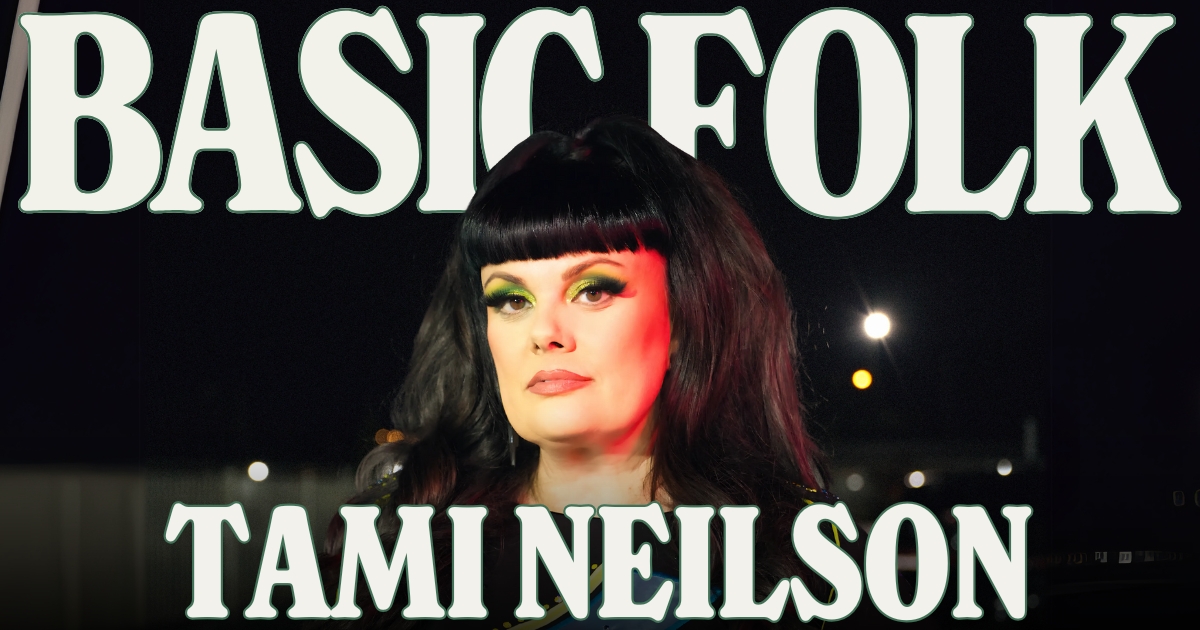
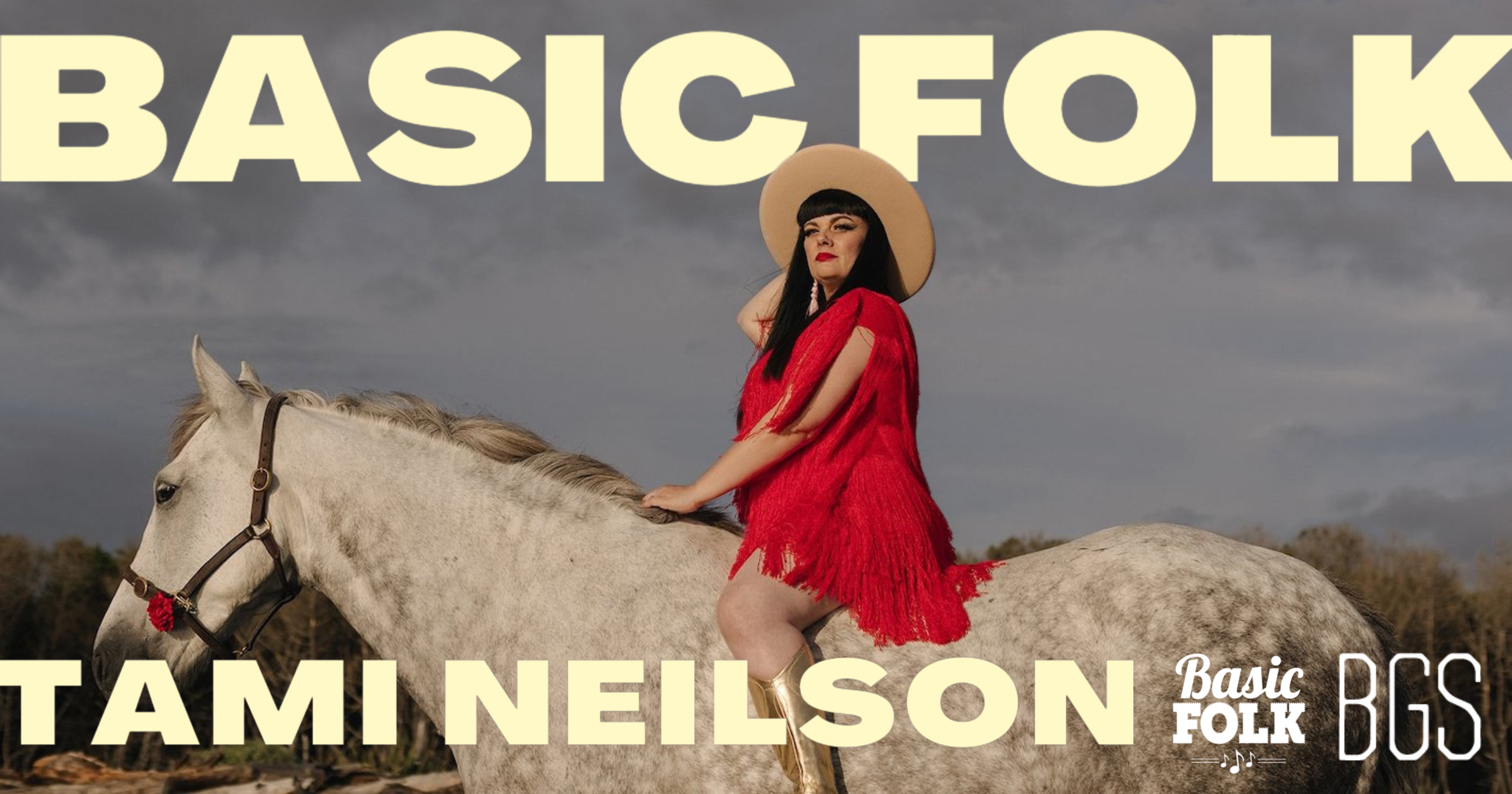
Basic Folk: Tami Neilson

In recent years, Tami Neilson has been learning to carry both great joy and great sorrow simultaneously. The New Zealand-based, Canada-born powerhouse’s new album, Neon Cowgirl, is named after the towering electric figure on a sign that’s overlooked Broadway in Nashville watching over Tami’s career since she was 16 years old. The songs were born from a five-month family road trip combined with a major musical tour that would allow Tami the once-in-a-lifetime chance to really give it her all with her career. It was the chance for her children to experience what her life was like at their age, when she toured the country with her family’s band, led by her eccentric and wildly lovable dreamer-father, Ron Neilson. Before she got the chance to hit the road for that trip, Tami landed in the ICU with sepsis and nearly lost her life. She blessedly recovered, but found that all her priorities centered around trip/tour had changed.

LISTEN: APPLE • SPOTIFY • AMAZON • MP3

In our Basic Folk conversation, we talk about the songs on Neon Cowgirl, her dear friendship and collaborations with Willie Nelson, and Tami’s exciting performances at the Grand Ole Opry. One of the songs on Neon Cowgirl, “Keep On,” was inspired by a cosmic conversation she had with Wynonna Judd. Judd, to her surprise, quoted the same exact phrase – “Keep on, keep on, keep on” – that Tami’s late father had written in one of her most cherished letters. We also talk a lot about her brother, Jay Neilson. For all of her career and life, Jay has been by her side as her guitarist, co-writer, and musical partner. Last July, Jay suffered a rare and debilitating brain injury that he is still recovering from. Tami and Jay have not been able to perform together since that injury. She shares what it’s been like to be without Jay and how it’s been for him to be so public about his condition.

Tami Neilson and I first connected during the pandemic. She was a guest on the podcast after she released her 2020 album, Chickaboom! and again after she released her fifth album, Kingmaker, in 2022. Since those chats, I have loved following her career, listening to her new music, and experiencing her highs and lows with her. She’s one of my favorite guests and I’m thrilled to welcome Tami back to talk about her wonderful new record.


Photo Credit: Alexa King Stone

BGS 5+5: You, Me, Everybody

Artist: You, Me, Everybody
Hometown: Ngaruawahia, Waikato, New Zealand
Latest Album: Southern Sky (January 2021)
Latest Single: “Heart of Stone” (June 3, 2025)
Rejected Band Names: Captain banjo & the Bluegrassketeers

What’s your favorite memory from being on stage?

I remember playing a gig on Valentine’s Day way back in 2013 at Matterhorn in Wellington. There was a huge crowd there and at some point, towards the back of the room, there was a major kerfuffle. Medical staff were on the scene, but the band just kept on playing, having no idea what was actually going on. At the end of the show it was revealed to us that somebody had actually gone into labour, giving birth just outside the venue. I believe that my music had a hand in creating life and am disappointed that the baby was not named in my honour. – Rob, bass

Which elements of nature do you spend the most time with and how do they impact your work?

I have been ocean swimming for about six years now, after decades of not being a swimmer at all. My wife and I each have a swim buddy and we go year-round. The blast of cold water has been a welcome grounding for us both as we lost our son a few years ago. I made it through with water and music: the cold Pacific ocean for clarity and sanity, the band for the transcendent moments of joy that only music can bring. – Nat, banjo

What’s the most difficult creative transformation you’ve ever undertaken?

Playing music from such a young age has meant I have gone through many musical changes. The hardest change in my music career has been going from spending all my time playing music through my teen years to working a full-time job. Transforming my mindset to find balance has been tricky and still is, but music will always be a very big part of my life. – Sam, mandolin

What is a genre, album, artist, musician, or song that you adore that would surprise people?

I am a big-time house music appreciator, so as a bluegrass musician and fan, I think people are surprised to find this out. The two genres don’t really share any instruments in common, but if you strip them back they do have similarities, which is why I think it really resonates with me. Who knows, maybe I will try adding some Roland drum machines to the next YME next bluegrass hit! – Laurence, guitar, vocals

If you didn’t work in music, what would you do instead?

I’m a teacher, Rob’s a teacher. We all have jobs outside of music. For a long time I thought that meant that I couldn’t call myself a musician, but I’ve long ago stopped making excuses about this. So many musicians need other jobs to pay their bills. I taught drama and I’ve found more and more that the creative processes I’ve undertaken with my students now really plays into my writing process and the collaboration we do as a band. We work really hard to try everyone’s suggestions before saying no to something – you don’t know it won’t work until it actually doesn’t. All of my skills tend to come out in everything I undertake. – Kim, guitar, vocals


Photo Credit: Ebony Lamb

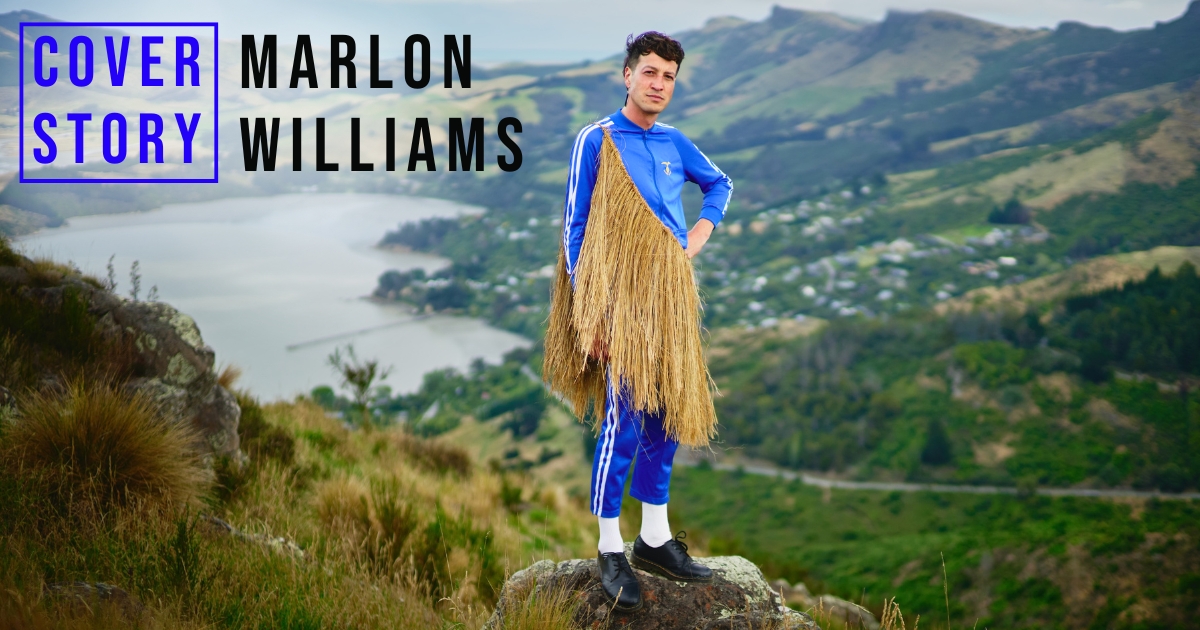
Marlon Williams’ ‘Te Whare Tīwekaweka’ Is a Homecoming Like Never Before

When he was in his early twenties, Marlon Williams watched a series of major earthquakes flatten Ōtautahi/Christchurch, the largest city in Te Waipounamu (the South Island of New Zealand). In the wake of that tragedy, the Māori New Zealand artist ascended onto the national and later international stage as a singer-songwriter, guitarist, and actor with a million-dollar smile and a golden, heaven-sent voice.

As a narrative device, it would be easy to enshrine his experiences during the earthquakes as a baptism by fire, a star emerging from the flames. However, as he puts it, “It’s tempting to say that experience fostered the folk scene here, but we’d been building something for a while before the earthquakes. When you look backwards through the haze of time, it’s easy to start telling yourself stories.” It’s a fitting reminder that things are never as simple as they look on the surface.

Now, fifteen years on, Williams is on the brink of showing us how deep things go with the release of his fourth solo album, Te Whare Tīwekaweka (The Messy House). In a similar tradition to the outdoorsy, range-roving sensibilities of his previous three records, the album represents an antipodean blend of country and western, folk, rock and roll, and mid-to-late 20th-century pop, connecting the musical dots between America, Australia, and Aotearoa (New Zealand).

This time around, however, Williams – a member of the Kāi Tahu and Ngāi Tai iwi (Māori tribes) – made the decision to step away from English and sing in his indigenous tongue, te reo Māori. Therein, his guiding light was a traditional Māori whakatauki (proverb), “Ko te reo Māori, he matapihi ki te ao Māori,” which translates into “The Māori language is a window to the Māori world.” As displayed by the album’s lilting lead singles, “Aua Atu Rā,” “Rere Mai Ngā Rau,” and “Kāhore He Manu E” (which features the New Zealand art-pop star Lorde), he’s onto something special.

During the reflective, soul-searching process of recording Te Whare Tīwekaweka, Williams found solidarity in his co-writer KOMMI (Kāi Tahu, Te-Āti-Awa), his longtime touring band The Yarra Benders, the He Waka Kōtuia singers, his co-producer Mark “Merk” Perkins, Lorde, and the community of Ōhinehou/Lyttelton, a small port town just northwest of Ōtautahi, where he recuperates between touring and recording projects.

From his early days performing flawless Hank Williams covers to crafting his own signature hits, such as “Dark Child,” “What’s Chasing You,” and “My Boy,” Williams’ talents have seen him tour with Bruce Springsteen and the Eagles, entertain audiences at Newport Folk Festival and Austin City Limits, and appear on Later with Jools Holland, Conan, NPR’s Tiny Desk, and more. Along the way, he’s landed acting roles in a range of Australian, New Zealand, and American film and television productions, including The Beautiful Lie, The Rehearsal, A Star Is Born, True History of The Gang, and Sweet Tooth.

From the bottom of the globe to the silver screen, it’s been a remarkable journey. The thing about journeys, though, is they often lead to coming home, and Te Whare Tīwekaweka is a homecoming like never before.

In early March, BGS spoke with Williams while he was on a promo run in Melbourne, Australia.

Congratulations on Te Whare Tīwekaweka. When I played it earlier, I thought about how comfortable and confident you sound. Tell me about the first time you listened to the album after finishing it.

Marlon Williams: It was that feeling of nervously stepping back from the details and seeing what the building looks like from the street. I felt really pleased with how structurally sound it was.

What do you think are the factors that allow you to inhabit the music to that level?

I’ve spent my entire life singing Māori music. No matter my shortcomings in speaking the language fluently and having full comprehension in that world, the pure physiology of singing in te reo Māori has been my way in. There’s a joy and a naturalness that has always been there. That gave me the confidence to take the plunge and really enjoy singing those vowel sounds and tuning on those consonants.

We’ve talked about this before. Part of what facilitated this was singing waiata (songs) written in te reo Māori by the late great Dr. Hirini Melbourne when you were in primary school (elementary school). 

Those songs are so simple and inviting, especially for children. They really help you get into the language on the ground level. A lot of what he did for this country can feel quite invisible, but most of us have some knowledge of the sound and feeling of the language as a result. It feels like a really lived part of my upbringing. His songs gave me a push forward into something that could have otherwise felt daunting and deep.

For those unfamiliar, could you talk about who Dr Hirini Melbourne was?

Hirini Melbourne was a Tūhoe and Ngāti Kahungunu educator and songwriter from up in Te Urewera [the hill country in the upper North Island of New Zealand]. He was born with a real sense of curiosity about the world and a sense of braveness and self-belief about taking on Te ao Māori [the Māori world] and bringing it to people in a really straightforward way. Hirini decided the best way was writing songs children could sing in te reo Māori about the natural world around us.

If you listen to his album, Forest and Ocean: Bird Songs by Hirini Melbourne, you’ll also see a lot of Scottish influence in terms of balladeering, melodies, and instrumentation. Later, he started collaborating with Dr. Richard Nunns. They’d play Taonga pūoro [traditional Māori musical instruments] and go into some very deep and ancient Māori music. Hirini’s whole career was this beautiful journey that was tragically cut short [in his fifties].

When I think about your music, I think about historical New Zealand country musicians like Tex Morton and John Grenell, who emerged from Te Waipounamu before finding success in Australia and America in the mid-to-late 20th century. 

I wasn’t super aware of that tradition until I learned about Hank Williams and completely fell in love with country music. After that, I realised there was a strong tradition back home. I guess it gives you a sort of reinforcement, a sense of history, and a throughline you can follow to the present moment.

I also think about New Zealand’s lineage of popular singers. People like Mr Lee Grant, Sir Howard Morrison, John Rowles, and Dean Waretini, who I see as antipodean equivalents to figures like Roy Orbison, Scott Walker, and Matt Monro. What does it say to you if I evoke these names around your album?

A lot of the celebration around this record is the celebrating the ability of Indigenous people – in this case, Māori specifically – to absorb what is going on in the world and make something from it. You can think about it in other terms, but I think about it in the sense of creativity. If you think about Māori religions like Ringatū [a combination of Christian beliefs and traditional Māori customs], there’s this willingness and this sort of epistemological elasticity to be able to go, “Oh, these things make sense together.” I can wield this tool. I’m going to come to it with my own stuff and create something unique and strong that is a blend of worlds. The main energy that was guiding me on this record was that tradition of synchronisation.

When do you consider to have been the starting point for Te Whare Tīwekaweka?

The literal start point was May 2019. That was the first time I sat down, had the melody and the structure of “Aua Atu Rā” and realised there was an implication in the music of what the song was about. This lilting lullaby was emerging. I’d say it was boat stuff. That was the first moment when I realised I was writing a waiata. I didn’t quite have it yet, but the phrasing was in [te reo] Māori, and I knew where it was telling me to go. At the time, I had a [Māori] proverb in my head, “He waka eke noa,” which means, “We’re all in this boat together.” I’ve always struggled with it. I believe it’s true, but we’re also completely alone in the universe.

From there, everything locked into place.

It strikes me that feeling connected could be considered an act of faith. You have to believe that it’s more than just you.

If I think about faith, I think about surrender, being humble, having humility, and going to a place I can acknowledge as new ground. I think faith is a useful word here.

Tell me about the conditions under which Te Whare Tīwekaweka came together.

It was pretty patchy in terms of the momentum of it. Once I had “Aua Atu Rā” loosely constructed, I took it to Kommi [Tamati-Elliffe], who helped me make sense of the grammar. After that, it sat there for a bit.

Kommi is a writer, rapper, poet, activist and lecturer in Māori and Indigenous Studies and te reo Māori. They perform te reo Kāi Tahu, the dialect of the largest iwi (tribe) within Te Waipounamu (the South Island of New Zealand). How would you describe them?

Kommi is a shapeshifter. I can’t work out how old they are. I found it hard to work out what they thought of me, but I knew there was this lovely softness there that belies a lot of deep thinking and some real sharpness. They’re very enigmatic as a person and a creative entity. One time, we got drunk at a party and talked about some work they were doing on phenomenology through a Te ao Māori lens. We were talking about that and making the most crass puns imaginable. There was this dichotomy of high-level and low-brow thinking that felt really playful.

What you’re telling me is you felt safe with them?

I guess. That’s all I can hope for in a collaborator.

Let’s get back to Te Whare Tīwekaweka

After I’d been sitting on “Aua Atu Rā” for a while, my My Boy album came out. In retrospect, you can also hear a lot of the direction that eventually went into Te Whare Tīwekaweka was already starting in My Boy. That took off for a bit, but all the while, I was back-and-forthing on songs in [te reo] Māori with Kommi. They’d send me lyrics all the time and I’d play around with them without really committing anything to paper.

Once I was near the end of touring My Boy, I started to turn my attention back to Te Whare Tīwekaweka. Then I agreed to let the director Ursula Grace Williams make a documentary about me [Marlon Williams: Ngā Ao E Rua – Two Worlds]. I thought, “Right, they’re filming me, so I better do what I’m saying.” Part of the intentionality was that the documentary would frame it into a real thing and make it happen. There was nowhere to hide.

Across the album, you sing about living between worlds, love, the land and sea, the weather, solitude, and travel, often through metaphors that invoke the natural world. Why do you think you gravitate towards these themes?

On a very basic level, I’m a very sunnily disposed person in terms of the way I comport myself. I feel desperately in love with people in the world and feel terrified of losing people, situations or understandings. These are the things I think about. The fact that I write songs like this is my outlet for ngā kare-ā-roto [what’s going on internally] and my darker side. I like to be warm and friendly in how I deal with people, but a little bit more severe when it comes to matters of the heart.

What do you think it has meant to make an album like this right now in Aotearoa and Te Waipounamu (New Zealand)?

Personally, I have a sense of achievement from having built something in that world. It also does something for my sense of family, in terms of representing a side of them very publicly that hasn’t always been accessible to them. There’s a lot of Kāi Tahu dialect on the album, so in terms of iwi, it feels good to put something on the map that speaks directly to the region. At the same time, this all sits within a very heated and fractious national conversation. On one level for me, it’s by the by; on another level, it’s great to have Māori music accepted into the mainstream. Whatever the political conversation going on is, if you can compel people with music, you’re really winning the battle on some level.

Taking things further, what do you think it means to be presenting Te Whare Tīwekaweka to a global audience?

Most places I go overseas, there is a sense of goodwill and excitement about marginalised languages being platformed. There’s a broader appetite due to people having instant access to a range of music through the internet. The threads you can draw together now are so vast and ungeographically constrained that I think people’s Overton window of what they’ll sit with and take in, even without knowing they’re not fully comprehending it, has shifted. I think people are generally either really open to that or completely shut off, which is something I don’t personally understand.

We can’t get around talking about Lorde singing on “Kāhore He Manu E.” It felt like she really met you where you were standing.

This speaks to the album in general. It was about bringing things to where I was standing. I didn’t want to jump into anyone else’s world. I had it in the back of my mind that I wanted her to sing on it. In the past, she kindly offered, “If you ever want me to sing on something, I’ll do it.” I could hear her on it from the moment I started writing it. There have been a few songs like that which have been very easily labored. They don’t take much writing and are always my favorite songs. It was important to me to get her involved in a way that wouldn’t be a post-hoc addition. She had to be part of the stitching of the record itself.

How do you feel in this moment, as you prepare to see what happens next?

I’m just excited to get these songs out into the world and see what they morph into when I start getting on stages and seeing what they do in a room. That’s going to change the way they feel and the way they want to be played. The second creative part of it is getting to the end of the tour and realising that the songs have become completely different from on the record. That can be a fun thing. Sometimes, it leads to remorse that you didn’t record them in the way they’ve gone. Other times, you realise you’ve completely ruined the song and gone away from what was good about it. I’m excited for the deployment.

Well, there’s always the live album.

Exactly.


Photo Credit: Steven Marr

Basic Folk – Tami Neilson

We go track by track on Canadian-born New Zealand feminist trouble maker and country music superstar Tami Neilson’s fifth album, Kingmaker. Recorded at Neil Finn’s Roundhead Studios, the songs of Kingmaker expose industry systems, exploding patriarchal structures of the industry, society and family. It’s definitely not new territory for Tami — her previous two albums called attention to misogyny and patriarchal structures. She digs into these themes with sophistication, grace, emotion and humor. The way she brings these important messages to life hits you hard, but you can also dance to it.


LISTEN: APPLE • SPOTIFY • STITCHERAMAZON • MP3
This is Tami’s second appearance on the podcast (she was first on episode 79). Definitely check out our first conversation as we talk about her life in her family band, her move to New Zealand and her relationship to fashion and appearance. She also talked about experiencing the death of her father, musician Ron Neilson. He appears on Kingmaker in several forms. For instance, on the song “Beyond the Stars,” written with Delaney Davidson, she sings about the loss and the longing to be with him again, with the legendary Willie Nelson singing the part of Tami’s dad.

Tami’s one in a million! Enjoy this conversation and her brilliant new album, Kingmaker.


Photo Credit: Sophia Bayly

WATCH: Jackie Bristow, “Shakin’ My Bones”

Artist: Jackie Bristow
Hometown: Queenstown, New Zealand
Song: “Skakin’ My Bones”
Album: Outsider
Release Date: March 4, 2022
Label: Mesa Bluemoon

In Their Words: “I wrote ‘Shakin’ My Bones’ after a weekend trip to Joshua Tree. I was playing shows with a couple of my friends, and before the gig, suddenly we were in the middle of a big dust storm and we had to take cover. We were up in this very cool house on a hill and could see the glowing town lights though the dusty mist in the distance. It was moody and magical. It was my first trip to the California desert. It was peaceful and wild. I felt my emotions stirring and slowing down, connecting to the land and the spirit of the place. When I got home to my apartment in LA, I was feeling inspired and I stayed up all night and wrote ‘Shakin’ My Bones.’

“Shooting this video was one of those magical days. I could not shoot the video in the California desert as I am currently in New Zealand so we shot in the Nevis, in beautiful Central Otago, and captured the epic New Zealand desert vibes. It was quite a peaceful day, and a very natural and fun shoot. We were blessed with a beautiful blue sky and a gorgeous sunset. Like being in the desert in California, I felt my mood lift and that same peaceful feeling of being connected to the earth.

“Working with Raj [director/cinematographer Rajendra Patel] was so easy and such a pleasure and before we knew it, we were catching the twilight at 10:30 p.m. I was introduced to Raj through a friend in Queenstown and quickly made the shoot happen. My sister Katrina had told me about the Nevis and what a special place it is. We needed a four-wheel drive as it was a winding dirt road leading us into the valley. The scenery was mind-blowing, expansive and open with such a gorgeous golden light. It was the perfect place to shoot the video.” — Jackie Bristow


Photo Credit: Stacie Huckeba

WATCH: Jamie McDell, “Dream Team”

Artist: Jamie McDell
Hometown: Mangawhai, New Zealand
Song: “Dream Team”
Album: Jamie McDell (early 2022)
Label: ABC Music (AU/NZ)

In Their Words: “We’d stuck it out for about nine months in Toronto. Coming from the coast of New Zealand, the pull of the ocean and the nature we were used to was becoming too hard to ignore. We were unsettled and uncomfortable, but the opportunities of living in the big city were helping us survive. Rain outside, twelve stories up, we’d finished watching Chernobyl and the bathroom had nice acoustics. I had started to get a little bored with the way I was playing my guitar so I put my capo on the 10th fret and started to pick away to a minor-based, squeaky chord progression. The first verse started to flow and the tales that were coming to mind were inspired by those prices we’re willing to pay for power and possession. I’d noticed ‘Dream Team’ on captions of people’s social media posts and it became relevant to the sentiment in the verses.” — Jamie McDell


Photo credit: Jake Smith