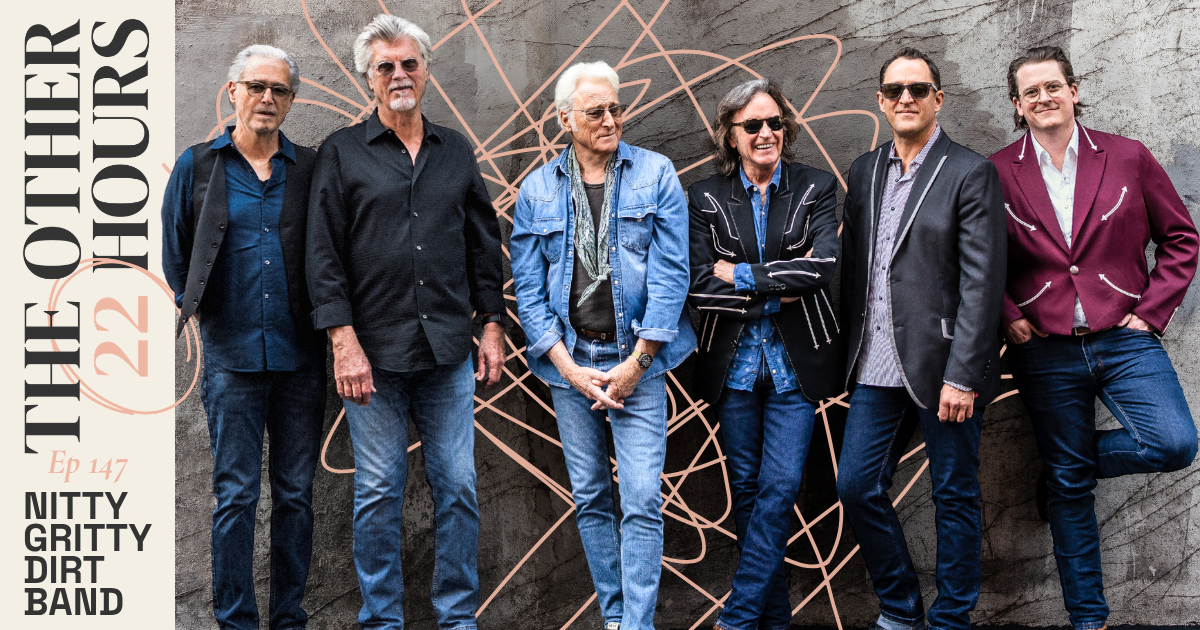
The Other 22 Hours: Jeff Hanna (Nitty Gritty Dirt Band)

As a founding member of the legendary Nitty Gritty Dirt Band and a three-time GRAMMY winner, Jeff Hanna has navigated nearly 60 years in the music industry. His resumé includes credits with the likes of Linda Ronstadt, Emmylou Harris, Johnny Cash, and many others. In this episode of the Other 22 Hours we explore the geography of inspiration, from the 1970s Troubadour scene in LA to his 40 years anchored in Nashville’s songwriting community. Jeff reflects on the economy of a perfect line, the creative vitality of a “hard reset,” and why the bedrock of this work has to begin with the simple intention of having fun.

LISTEN: APPLE • SPOTIFY • AMAZON • MP3

In This Episode:

Jeff Hanna
Nitty Gritty Dirt Band
Matraca Berg
Ep 16 – Rodney Crowell
The Troubadour
The Station Inn
Vinyl Tap
Jackson Browne
Tim Buckley
Poco
Ep 144 – Suzy Bogguss
Ep 43 – Gretchen Peters
Stephen King, On Writing
Jerry Jeff Walker, Mr. Bojangles
The Mavericks
Ringo Starr
Levon Helm
Sheryl Crow
Fred Eltringham

Go Deeper:

Watch: View this entire conversation above or on YouTube.
Explore: Find similar conversations in these themed playlists.
Connect: Join the conversation on Instagram.

The Other 22 Hours is hosted by Aaron Shafer-Haiss (producer, mixer, musician) and Michaela Anne (songwriter, artist, creative coach). More about Aaron’s workMore about Michaela Anne’s work.


Produced by Aaron Shafer-Haiss. Original music written, performed and produced by Aaron Shafer-Haiss.

Photo Credit: Joshua Britt and Neilson Hubbard

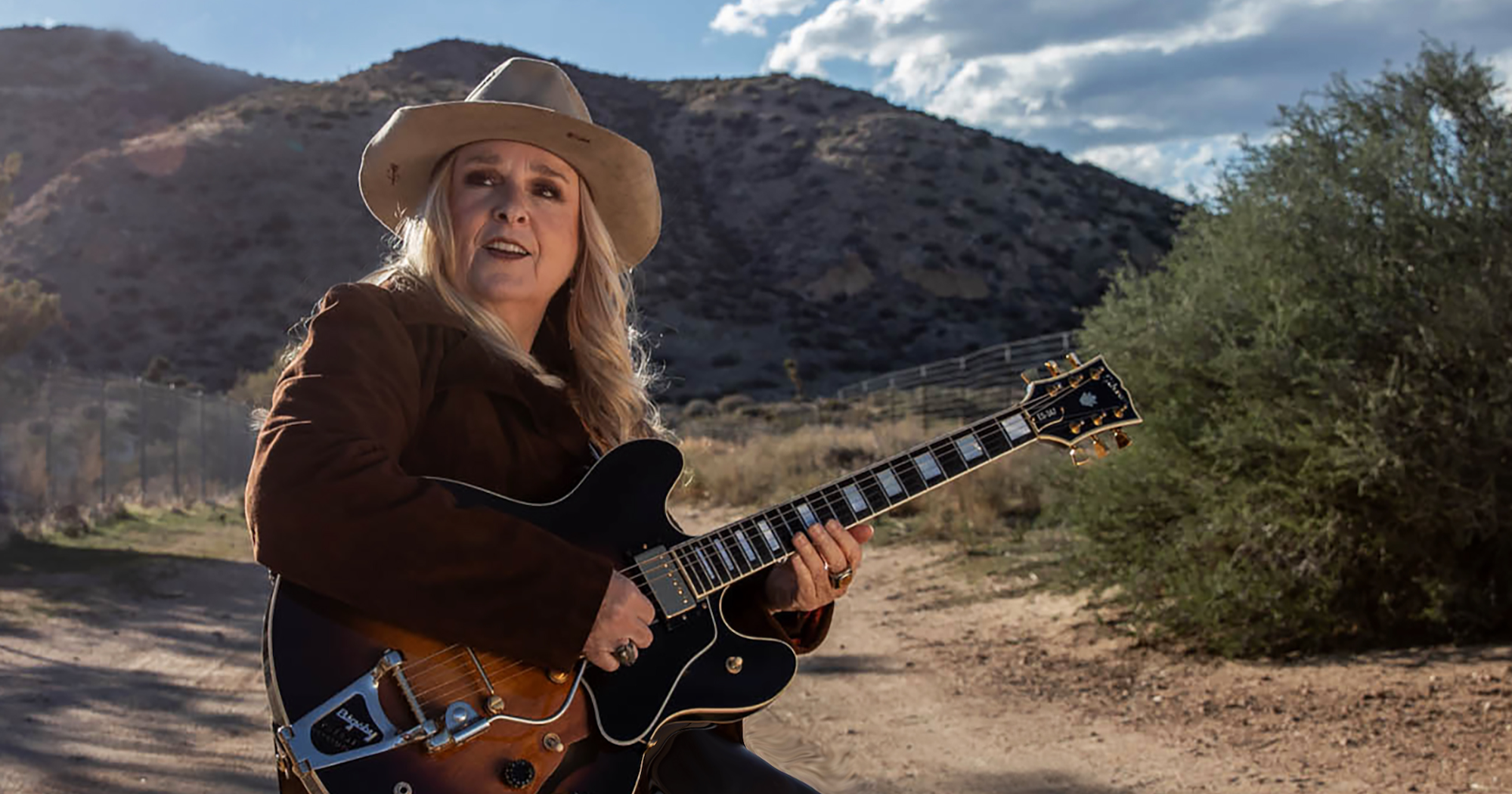
Melissa Etheridge: Rock and Roll and Resilience

Few people have experienced the highs and lows of the music business to the degree that Melissa Etheridge has. Since releasing her self-titled debut in 1988, she has won two GRAMMYs (and been nominated for many others); been hailed as the second coming of Janis Joplin; won the Gibson Award for Best Female Rock Guitarist; become a mom several times over; been a social activist both for the LGBTQ+ community and for people addicted to opioids; written a memoir; and performed a one woman show on Broadway. Not bad for a kid from Leavenworth, Kansas.

That said, Etheridge has also suffered more than her share of setbacks. She has weathered a couple of high-profile divorces, battled breast cancer – who can forget her duet with Joss Stone at the 2005 GRAMMYs when she took the stage bald after undergoing chemotherapy – and, in 2020, lost her son Beckett to addiction.

The one constant throughout all these ups and downs has been her music, a brand of heartland rock that manages to be personal and universal at the same time. Etheridge is nearly as popular with blue-collar men as she is with lesbians, owing to her raspy vocals, formidable guitar chops, and unpretentious persona. And she’s racked up an impressive list of hits over the years including “Come To My Window,” “If I Wanted To,” “Ain’t It Heavy,” “Similar Features,” “I Want To Come Over,” “Bring Me Some Water,” and “I’m the Only One.”

2026 is shaping up to be a big year for Etheridge. She returned on March 27 with Rise, her first studio album in five years. On the eve of its release, she and her band kicked off a six-week tour in Detroit. And for the first time, Etheridge was nominated for induction into the Rock & Roll Hall of Fame this year.

Rise was recorded in Los Angeles with co-producer Shooter Jennings and includes 11 songs. While they’re diverse musically, the album as a whole feels like a complete statement. It’s a testimony to resilience, to sticking with life through all its ups and downs.

The title track and “Bein’ Alive” (which opens the disc) are both life-affirming rockers. “The Other Side of Blue” is a contemplative duet with Chris Stapleton. The playful “If You Ever Leave Me” puts an Americana spin on Mental As Anything’s ‘80s hit, “If You Leave Me (Can I Come Too).”

The shuffling, midtempo “Matches” was inspired by Johnny Cash’s 1970 concert at the U.S. penitentiary in Etheridge’s hometown. But the two final songs on Rise are also its most personal and poignant. “Call You” is a moving tribute to her son Beckett, while “More Love” was written for her daughter Bailey when she got engaged.

BGS recently had the pleasure of catching up with Melissa Etheridge for a Cover Story interview.

Let’s start with Rise. This is your first new album in five years, which is a significant amount of time. But you’ve been very busy in the last five years; I read your book and saw your show on Broadway. So it’s not like you’ve been sitting around! What do you get out of recording an album that you might not get from doing theater or writing a book?

Melissa Etheridge: Even though I haven’t had an album out in five years, the [last] album I put out, One Way Out, was a previous recording that I’d done seven years before that. So it’s really nine years since I’ve written. And I’ve lived so much of life – from loss to the pandemic to just growth. That’s the part about making a record. I knew that I could create a collection of songs that would make an album.

I love the art form of an album. You know, 45 minutes to be with the listener and take them through an emotional journey. That’s my favorite part; the real crafting of it was the writing. And it was about a year’s worth of pulling things together and then writing [in] December of ’24 and January and February. Then going in the studio [last] March. Going in, it’s so much fun with the road band that I have. It’s like putting on a favorite pair of jeans. Then getting Shooter Jennings to produce it! His studio, Sunset Sound, is so amazing. So it was a pleasure recording there.

It really does flow as an album, but it touches on a lot of different moods. Listening to it as one piece, I felt a sense of renewal and also resilience.

Yeah, that’s something I wanted to get across. There’s so much I experienced through the loss of my son five years ago. That’s about the most devastating thing you can go through. Having gone through that loss, [I] decided that I wasn’t going to drown myself in guilt and shame, I wasn’t going to die – that I was going to experience this, heal with my family, keep loving ourselves, knowing that everyone makes their own choices. I could not save him, he had to make the choices for that. And then making art from that – you know, loving yourself enough to be able to say, “God, I love being alive.”

Writing those songs – especially in this day and age when I find such negativity – if you start believing that, then that’s what you’re gonna see. So I wanted to put [out] positivity without being patronizing or [using] platitudes. You know, lifting people up. Going, “Yeah, you’re gonna fall sometimes. You’re gonna taste the dirt. You’re gonna rise.”

[“Rise”] came after the LA fires. That was something I went through with my family. We had to evacuate. It came right up to our neighborhood. I gotta tell you, LA firefighters are heroes. Every single one of ‘em. They were able to keep it from our neighborhood. But there was a moment, when we were watching the fire reports, where it was like, “Okay. There’s a good possibility that we might lose everything.” I was in a hotel with people who were losing everything. To experience that and then say, “They’re just things. We’ve got our health, our family, our pets.” You know, you’re gonna still rise. There are gonna be these things that knock you down, but man! You’re gonna be stronger and better for it. It’s hard to hear but it’s so true.

I was gonna ask you why “Rise” was the title track but you kind of just told me!

The second to last song on the album is “Call You,” which is really moving and I know you wrote about your son. I don’t have children, but two months ago I lost two of my best friends, one to suicide and one to early onset Alzheimer’s. So I’ve been struggling the last couple of months with a lot of existential stuff and wanting to call my friend Mark – and I can’t. So that song really resonated with me. I guess I wanted to share that with you.

Yeah. Life is full of loss. It really is. You’re not living if you don’t have some loss. And the older you get, the more you’re gonna see it. That’s when the existential stuff [comes in]. I am more than just my body, I am a separate soul here experiencing it. The greater part of me is that non-physical place that I’m connected to – that source that everyone is [connected to].

In “Call You,” I tried to simplify that. Because to me, the times when I miss him the most are the times when it’s like, “I wanna call you!” Even my father who died 30 years ago, you know? When I was nominated for the Rock Hall, I was like “Oh, I just wanna call my dad!”

[“Call You”] was actually the first song I wrote for the album. I knew I had to get that emotional experience down. I had to write that song first.

I also wanted to ask you about “Matches.” When I spoke to you last, you told me about Johnny Cash playing in Kansas when you were just a kid and how one of your thoughts was, “Prisons must be the place where you find entertainers.”

[Melissa laughs]

Tell me more about that and maybe your thoughts about The Man in Black.

Well, growing up in a small town, Leavenworth, we have no places for big artists. Kansas City is 45 minutes away. But our town, in the ‘60s, that just wasn’t a thing. All of a sudden, in 1969, he came to the prison. He came to our town! “Oh my god!” Someone who I’d only seen on his television show or [heard] on the radio and was such a cultural icon – he’s in the same space as me! That really kind of said to me, “Whoa. Maybe I could do that.” It felt close to me. [Cash] always made a big impression on me. I always loved his music, his individuality.

“Matches” was supposed to be a scratch pad song for me. I had just come from the I’m Not Broken [docuseries]. I did a concert in 2023 at the Kansas Women’s Penitentiary. So I was still sort of playing off of that and singing. Scratch songs for me are songs [where] I’m writing for fun and it starts the juices flowing. I kept writing these verses and I played a little bit for my wife, [Linda]. And she said, “You have to put that on! What do you mean that’s a scratch song?”

Can you tell me some wonderful things about Linda?

[Laughs] Yes, I can! That’s easy. For 12 years we’ve been married. We were together four years before that. And before that, we were best friends for 10 years! I married my best friend.

She is… everything I needed or wanted or dreamt about. The only way you really get someone like that in your life is to understand your needs and wants. And to have the love for yourself that you are looking for in other people. The minute I really got in contact with myself and understood what I wanted and loved, I was able to see the best kind of love for me. And she was it.

There’s just a constant partnership that is astounding – a love and desire that never goes away. And it’s because I’m not looking for her to fix me or make everything great. I’m looking for her to be by my side as we both make our choices and walk through this world together.

Tell me a little about “The Other Side of Blue” and what it was like duetting with Chris Stapleton.

Ah! Chris Stapleton is just a national treasure. His soul and his talent and his mind and his heart are so beautiful and so rare. He’s such a unique talent and an incredible man.

I really didn’t know him at all, I just was a big fan. And I didn’t really want to do a duet on this album. But I remember telling my manager, “If I ever did do a duet, I would love it to be with Chris Stapleton. Maybe ask him if he wants to write a song together.” So my manager sent out the request. He said yeah, and that made me so happy. I went down and we wrote the song.

We were writing in RCA Studio A in Nashville, which is where Chet Atkins [recorded]. A massive, huge, historic studio! I just walked in and, “Hello, hello.” We sat down and had guitars in hand. We were just talking and five minutes go by and he asked me about my kids. I said, “Well, I had four but I lost one.” He said, “Oh, I’m sorry.” And I said, “No, no. He was my greatest teacher.” He looked at me and he goes, “You talk in song.”

That was the first line: “Sometimes, I listen when she talks in song.” We were writing within 15 minutes of showing up. It just appeared – every line. It took us maybe an hour and a half to write that song.

You mentioned being nominated for the Rock Hall. Tell me how that feels after all this time.

Well, I was eligible for about 12 years. [Laughs] I was like, “Don’t think about it! It’s not a comment on your music.” I didn’t make my music so that I would be in the Rock & Roll Hall of Fame, that’s not what it’s about. It is lovely and feels really good to be recognized by your peers – by a group of people in the music business who say, “Your contribution to rock and roll has meant something.”

I’ve been on the voting body for exactly 10 years now. Obviously, certain things are subjective, but I thought this year there were a lot of good nominees. More diverse than last year’s group.

Yeah, I love Sade. I love Pink. Lauryn Hill I think is a good one. And then Iron Maiden, come on! It’s time, guys!

I always like to ask you about one older song. My favorite, which I’ve already asked you about, is “Ain’t It Heavy.” Is it okay to ask you about one of the really popular ones? I try not to ask the same things everyone asks. But I am curious about “Bring Me Some Water.”

Oh, that’s good! At least it wasn’t “Come To My Window.” No, “Bring Me Some Water” – that’s fun, that’s an older song.

I’d been playing women’s bars in Los Angeles for five years and a lot of record companies came and turned me down. But Chris Blackwell [finally] comes in and signs me right on the spot, for Island Records. Bam! I’d never made a record and I had no idea [what to do]. So my manager gets this producer, Jim Gaines, from San Francisco. This is 1986. It’s the middle of the ‘80s sound – that sort of Steve Miller, Journey [thing]. We made this record and I play it for Chris Blackwell and he hates it! Because it doesn’t sound like the girl he saw at the bar. It sounds overblown – lots and lots of keyboards and my voice way at the top. He hates it and I’m like, “Oh my God, he hates my album.”

I convinced him to give me four days to try it again in the studio. But in between the time that I finished the first album and went into record again – which became the debut – I wrote “Bring Me Some Water” about this relationship I had with a lovely woman named Kathleen. We lived together and we had this open relationship – which is just a mindfuck! [Laughs] I wouldn’t advise anyone to do that.

This is her being gone and me sitting at home in the middle of September, in Los Angeles. I’m living on Melrose and it’s hot. It’s so hot! So I sit down and I’m like, “Okay. I gotta get back to traditional blues stuff.” I’m just playing [the riff], it’s old Muddy Waters but it’s speeded up. I’m singing about, you know, the foul air. I’m just hot and uncomfortable and I’m mad. So, I wrote this song and Chris Blackwell loved it.


Photo Credit: Candice Lawler

Basic Folk: Julian Taylor

One of the things I really enjoyed about interviewing Toronto-born singer-songwriter Julian Taylor is his relationship with the truth. He has a really peaceful attitude towards learning and sharing new information. For example, at the beginning and the end of our interview, there were biographical facts about him that I had gotten wrong in my research. Gently and matter of fact he fact-checked me and we just moved on. It was such a cool example of, “Oh, you’ve got this a bit wrong and it matters that we get it right,” but nothing about that is personal. In an era of misinformation and alternate facts, it feels really grounding to have an hour-long conversation with someone who really cares about getting it right. That shows through in his songs and in his storytelling.

LISTEN: APPLE • SPOTIFY • AMAZON • MP3

Julian experienced an eclectic musical upbringing thanks to his classical-and-gospel musician father, his mother’s love of Motown and folk, and wide influences from pop to blues. Oral tradition in his family shaped how he tells a story. Especially on his mother’s side with his Mohawk grandfather, a pastor who told incredible stories. He also discusses being pigeonholed by race and genre. Oftentimes, people will think that he performs a certain type of music because he looks a certain way. He mentions that audiences can be shocked when he pulls out a country song while sporting hair that looks more reggae than Johnny Cash. Taylor discusses his breakthrough 2020 album, The Ridge, he talks about his writing process (often starting with lyrics), and the intent behind his latest release Anthology: Volume Two – including “Hunger,” “Don’t Let ’Em” (with Jim James), “Dedication,” and “Weighing Down” – addressing mental freedom, identity politics, and self-forgiveness.


Photo Credit: Lisa MacIntosh

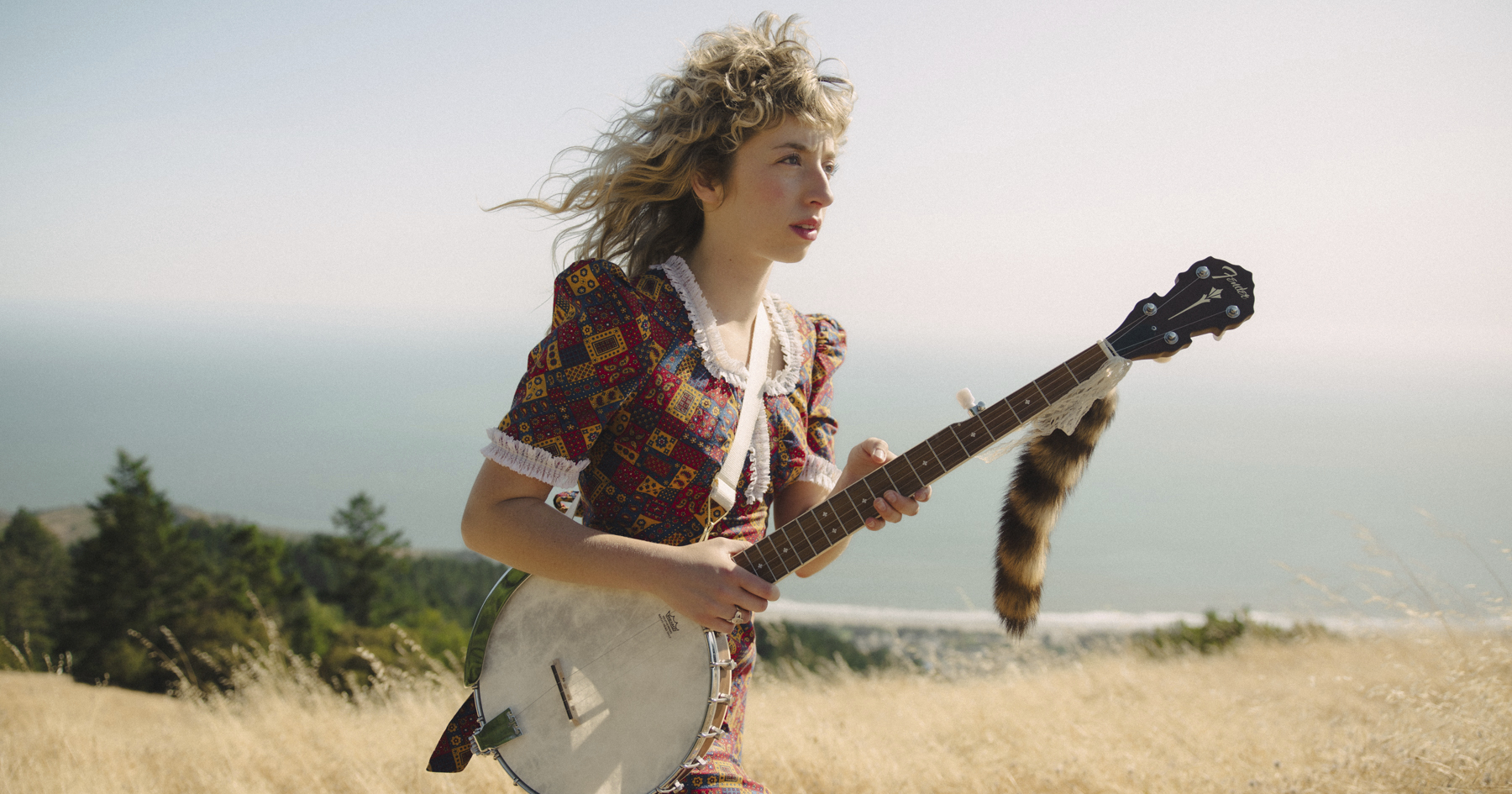
Welcome to Meels’ Critter Country

There are plenty of country subgenres out there, but quickly rising up-and-comer Meels has carved out a unique new niche. The California-born singer-songwriter calls her sound “critter country,” a fitting term for her playful but grounded brand of country-leaning roots music, which takes cues from folk of the ‘60s and ‘70s, traditional bluegrass, and classic country a la Loretta Lynn or Willie Nelson.

On her recently released new project, Across the Raccoon Strait, Meels takes listeners on a colorful, far-reaching tour of critter country and in the process announces herself as a fresh, genuinely exciting new voice in the broader roots music ecosystem.

Folks are taking notice – Meels is one of the first handful of artists signed to the newly rebirthed Lost Highway Records, with a legacy of artists like Lucinda Williams, Lyle Lovett, and Johnny Cash, as well as another left-of-center singer-songwriter, Kacey Musgraves, who was announced as the first official signee when the label relaunched last year. Meels has shared stages with artists like Molly Tuttle and Old Crow Medicine Show, and will appear with Margo Price, Carter Faith, and Nitty Gritty Dirt Band this spring.

Below, BGS catches up with Meels about songwriting, “critter country” and signing to Lost Highway.

In the lead-up to releasing Across the Raccoon Strait you shared that this batch of music feels truest, holistically, to who you are as an artist. Can you elaborate on that? What do you think enabled you to express yourself so fully?

Meels: As a writer and a producer and a songwriter and a singer, I really trust my gut and just follow the wave. With these songs, it was just me doing that. A few summers ago, before I made the project, I dove deep into the country classics – like Loretta Lynn and Marty Robbins and Dolly Parton. I got super inspired, the floodgates opened, and I just started writing like crazy. I grew up on a lot of ‘60s and ‘70s folk and my uncle is actually a bluegrass musician. He gigged around town where he lives in upstate New York. So I was already introduced to that world, but I took a deep dive and felt really inspired. The project just kind of poured out of me.

Would it be fair to say you found some unexpected connection points or overlap in those genres – the bluegrass and folk you grew up with, then the classic country you dove into?

Oh, totally. I also was trying out my own take on all of these genres and, again, trusting my gut with production and with the songwriting, to find a space within the genres that felt right for me as an artist.

You describe your music as “critter country,” which I just love. And that seems to encompass more than just your sound, as you’ve developed this really strong visual aesthetic in your videos and artwork, too. How did the concept “critter country” first come to you?

That came naturally, too. I grew up surrounded by a ton of critters in the woods in Northern California and found myself using animals as metaphors for my life. I went to NYU for music, and I took a branding class. I remember all of my peers were coming up with all these cool names for their genre. The teacher was like, “Oh, come up with a name specific to your genre and who you are as an artist.” I was still figuring out who I was as an artist in college and when I was looking through my lyrics and finding all of these “critter” similarities, I was like, “You know what? Critter country, that has such a nice ring to it.”

Take me back to the early days of making Across the Raccoon Strait. Was there a moment or idea that kicked off the creative process for you?

I think it was probably “Out West.” That track, in itself, encompasses the whole idea of the EP. I wrote it in New York when I was still living there and I’d just decided that I was moving back to California, back to my roots. I was just so excited about the idea of moving back out to the West Coast that the song came ripping out of me in my New York apartment. So that was a catalyst for me. I wrote most of these songs – that are about California and about home, actually – in New York when I was in a state of longing for home.

Did having that physical distance from your California home, and maybe the benefit of hindsight, help you write those songs?

I think so. My whole life, I have felt the most creative when I’m in California. New York is very overstimulating and there’s a lot going on all the time. I feel like, when I was living there, I was very much just absorbing everything that I could, but I wasn’t really writing so much until I was like, “Yeah, I’m gonna move back.” Then all of the sudden, I just started writing like crazy.

Something that stands out in your songwriting is how freely you use humor in your lyrics. You tackle some tough subjects, but never shy away from playfulness and to me it makes the stories feel more realistic, because in real life our experiences are often mixed bags. Are you consciously trying to inject some lightheartedness into your writing or does it just happen that way for you?

I don’t know. I do find myself making little jokes in my songs all the time. For example, in “The Wizard” I’m writing about a heavier topic: my struggles with OCD for my whole life. But I’m writing about it in a way that I’m not trying to hide anything. I’m just trying to put it in a way that’s maybe a little more digestible, and a little silly and a little funny, to help myself work through it a little more. And maybe to make it more digestible for my audience, too. Maybe I use humor as a way to cope.

“The Wizard” really does nail that balance of sharing something difficult and vulnerable while giving a little wink and nod to the listener.

I love a wink and a nod.

Speaking of that song, when you do get into vulnerable territory in your writing, do you ever feel fear or hesitation? And if you do, how do you engage with those voices?

To be honest, I feel like when I’m songwriting I’m at my most fearless. Since I was young, it’s been my way to put it all out on the table and not be afraid. I think me writing in these little critter metaphors, or using humor – maybe that’s my fear talking, I don’t know – but when I’m writing I just want to lay it all out on the table. It’s my one true release, so I try to do it without fear.

It sounds like you had a fantastic group of collaborators working with you in the studio. What was your time together like?

It was so wonderful. We recorded at a studio in Oakland called Tiny Telephone [owned by John Vanderslice]. They actually had old telephones that worked all over the studio. And they had everything you could want and more to play with and to get creative with. The space itself was incredible. We had an incredible engineer named Danielle, and she was also so important in the creative process, you know, running the vocal through this weird flanger and making moves that were so creative and so unique and so cool.

I also co-produced it with Peter [Groenwald] and Mark [Campbell], who made my first record with me, so that felt really comfortable and really safe. I knew nothing was off the table. I could bring up any idea, no matter how stupid I thought it was, and we would try it. Sometimes it worked, sometimes it didn’t. But we had such a good, natural flow in the studio. I brought a lot of friends, too, to play in the band, which was just really great.

You can hear the looseness and camaraderie in the music, in a way that I’d assume can’t be replicated without having close relationships with the players.

I’d always wanted to track a whole record live to tape. And we did that with Across the Raccoon Strait. We didn’t use any click [tracks]. It was just like, “Let’s get this next one tight, guys, let’s go.” We were all having a lot of fun with it.

When I’m in the studio, making music is such a collaborative thing. Even if it’s my song, every musician that I bring in is going to bring something unique. I really love to let them loose and let them rip. We can pull back where we want, but everybody in there plays an instrumental – no pun intended – role in making the music great.

This is also the first project you’ve done as one of the initial signees to the newly relaunched Lost Highway Records. How did you get hooked up with them and what does it mean to you to work with such an historic and impactful label?

This record has opened a lot of doors for me. I made it a little over a year ago and I was like, “I’m gonna quit my day job.” I was living with my grandma in Pasadena. She’s 86 and she’s so cool. “Marsha June” was actually written about her. So, I was basically like, “I’m just gonna give this thing a go.”

I sent this record around to literally anybody that would listen to it. I would send it to venues, because I’d just moved to LA. I was like, “Hey, I haven’t played a lot of LA gigs. Here’s my new record. You want to book me?” I was just kind of fearless about that, too. Some artists are so precious with the new stuff and don’t want to send it around. But I was sending these songs around before they were even mastered.

Eventually, I started working with a manager, I started working with an agent, and then I got a lawyer and did the whole thing. I talked to a lot of great labels, but when I met with Lost Highway I knew that it was the right direction. I’m so, so happy that I’m working with them. It really does feel like a family. It’s such a close-knit team and everybody really cares. … So many of my favorite artists have put music out through Lost Highway. Its legacy just runs so deep. I’m the hugest Johnny Cash fan in the world – and a Willie Nelson fan, and Lucinda Williams. It’s kind of absurd to me that my name could be looped in with all of those other names.


Photo Credit: Jim Hughes

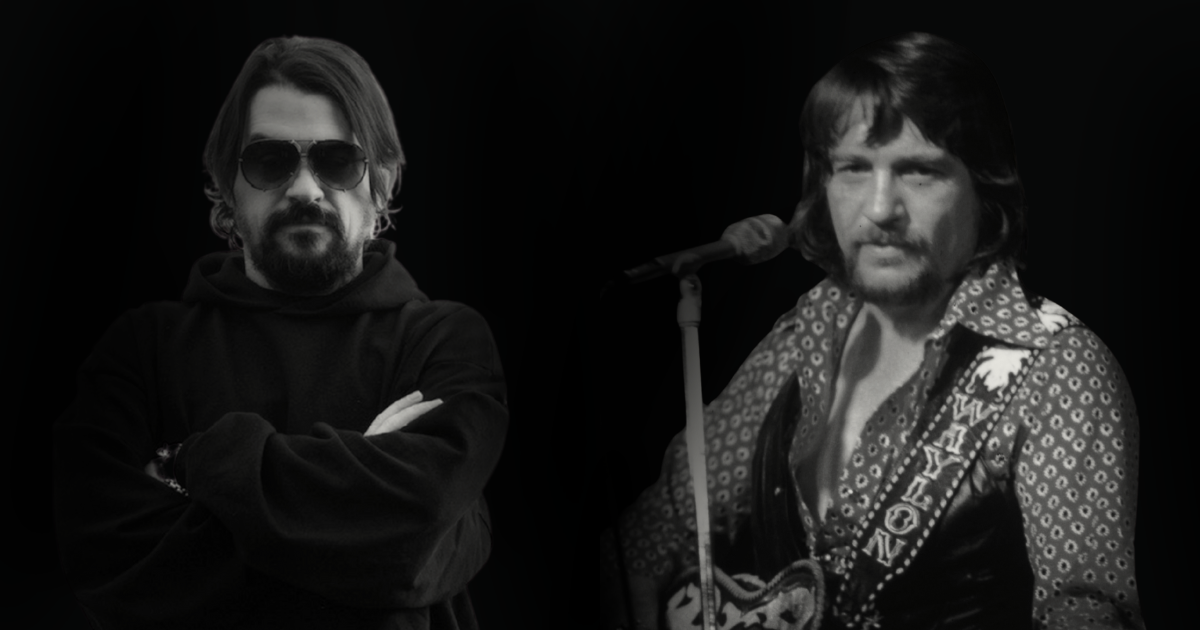
Shooter Jennings’ Heartfelt Tribute to His Legendary Father

Being the son or daughter of a legendary artist can often cause self-esteem and identity problems, especially if offspring choose their famous parent’s profession. But that clearly hasn’t been the case with Waylon Albright Jennings, much better known to music fans as “Shooter.”

The son of greats Waylon Jennings and Jessi Colter, Shooter Jennings has forged an impressive career as a singer, songwriter, instrumentalist, and producer covering over three decades, while displaying an idiomatic flexibility that’s seen him excel with both country and rock projects. Though he never uses the term “prodigy,” he was playing drums at five, taking piano lessons at eight, and sitting in with his father’s band on guitar at 14, while often spending time riding on his dad’s tour bus. Since then, he’s done an array of projects from heading bands to helming sessions, but he’s also always upheld a mantra of his father’s, which is stressing authenticity and passion in whatever he’s doing, writing, or playing.

Towards that end, Shooter’s newest venture both pays tribute to his famous father and reaffirms the musical values both have always championed. That’s the album Songbird (released October 3 via Son of Jessi/Thirty Tigers), which is the first of a planned posthumous trilogy of releases from the famed vocalist, who was one of the most distinctive and dominant voices to emerge in modern country during the ’70s and ’80s. Waylon’s landmark recordings, both as a solo artist and later in collaborations with Willie Nelson, Johnny Cash, Kris Kristofferson, Tompall Glaser and Jessi Colter, not only ushered in the “outlaw country” movement, they signaled a major step forward for artistic independence and creative freedom that resonated across the popular music spectrum.

Waylon Jennings was an innovative and vital figure not only as a performer, but as a personality. His voice and stature helped give gravitas to an otherwise forgettable TV show (The Dukes of Hazzard) and helped fuel a drive for authenticity within country. Still, despite that quest for freshness and originality, Waylon knew how to make hits. He had 16 number one tunes on Billboard‘s Hot Country Songs chart and 11 number one albums on Billboard‘s Top Country Albums chart during his amazing career, while always being a staunch advocate for his view of what constituted country.

Though Shooter has always called himself “an MTV kid who went down the rabbit hole with rock and roll,” he’s also long held a great reverence and respect for country. He began sorting through hundreds of his father’s personal studio recordings during the summer of 2024. Having just begun an exclusive residency at Hollywood’s historic Sunset Sound Studio 3 (which he redubbed “Snake Mountain”), Shooter began examining the tapes with veteran engineer Nate Haessly. Things moved quickly, his initial goal of finding previously lost Waylon songs he could share with the world morphing into instead deciding the best way to present what turned out to be a rich treasure trove of recordings. The material he was hearing was recorded between 1973 and 1984 and featured such guest stars as Tony Joe White and Jessi Colter.

“I started listening to this material last year and knew right away I had to put it out,” Shooter said during a recent phone interview with Good Country. “Once we began thinking about what we would put out there first, ‘Songbird’ just really kind of took over.

“Everyone that I played the song for heard it and they were really emotionally affected. Many broke out in tears the first time they heard it. It was an example of my father’s philosophy about doing songs from other people. Any song that he chose to record he would turn it into his own type of anthem. I really think that was the case with ‘Songbird,’” Shooter continued. “It gives the album a power and special flavor, and I’m really proud of everything on it.”

Songbird was released the first week of October, with Jennings’ evocative and stirring cover of the Fleetwood Mac tune its lead single. It debuted at number six on Billboard‘s Top Album Sales chart and it’s been in either the Top 10 or 20 on a host of other charts as well, representing the highest any Jennings LP has charted in 35 years. The 10-track release contains several other notable singles, most of them already previously complete. But on a couple of cuts, Shooter utilized the talents of surviving members of The Waylors, including guitarist Gordon Payne, bassist Jerry Bridges, keyboardist Barny Robertson, and backing vocalist Carter Robertson to add some spice. Elizabeth Cook and Ashley Monroe were also enlisted to help propel Songbird to new heights. Shooter mixed the songs in a purely analog fashion on Sunset Sound Studio 3’s custom 1976 DeMedio API mixing board.

Another song that’s quite appropriate in these times of extreme social conflict and division is Waylon’s version of Johnny Rodriguez’s “The Cowboy (Small Texas Town),” which finds him urging both cowboys and hippies to direct their ire away from each other and towards those causing greater structural harm to society. Additional recommended cuts include a sizzling Jennings version of Johnny Cash’s “After The Ball” and “I’d Like To Love You Baby” that features Jessi Colter.

Both “Wrong Road Again” and “I’m Gonna Lay Back With My Woman” are trademark Jennings numbers, while his version of Jesse Winchester’s “Brand New Tennessee Waltz” is also solid. The one criticism that some hardcore Waylon fans might make is Songbird doesn’t offer any previously unissued gems that he penned, feedback that Shooter’s been around long enough to anticipate. “What we went through and chose here were numbers that were made memorable through his treatments,” he continued.

“That’s something that my father always talked about and stressed, that whenever you do a song, make sure that you’re not just replicating something else, you’re making your own statement. That’s why Songbird has such an impact and that’s the case with everything on this album. These are songs that he loved from other people and wanted to perform and put his own stamp on them.”

Though born in Nashville, Shooter made the move to Los Angeles in 2001. Since then, he’s comfortably moved back and forth between rock and country. He’s had a mixed amount of success as a performer, cutting 11 albums and EPs in both genres. His biggest country hit came on the 2005 LP, Put The O Back in Country. That album’s lead single, “Fourth of July,” peaked at No. 22. The album version featured a cameo by George Jones, who sang the chorus to his signature song, “He Stopped Loving Her Today,” at the end. Unfortunately that was purged from the radio version, but Jones was credited on the Billboard charts.

The album also spotlighted Shooter’s then-new band, The .357s, which consisted of Leroy Powell on guitar, Bryan Keeling on drums, Ted Kamp on bass, Robby Turner on steel, and backing vocals by Bonnie Bramlett. Later that year his song “Busted in Baylor County” was featured in the 2005 film version of The Dukes of Hazzard. Furthermore, Jennings portrayed his father in the Johnny Cash biopic Walk The Line alongside Joaquin Phoenix and Reese Witherspoon. His rendition of his father’s song “I’m A Long Way From Home” was featured on the film’s soundtrack.

Still, Shooter’s greatest fame has come as a producer for a wealth of recordings. He was introduced to the studio as a child, his earliest exposure being inside Chips Moman’s studio in Nashville. His rock influences come through in his at times freewheeling use of studio technology that wasn’t in general use during his father’s heyday, but on any of his productions he’s never let the artist’s voice be overwhelmed by layers of excessive production or backdrop.

He’s been nominated for five GRAMMYs in that role and won two. A short list of memorable sessions he’s produced include such artists as Brandi Carlile (Best Americana Album GRAMMY), Tanya Tucker (Best Country Album GRAMMY), and American Aquarium, as well as Jessi Colter, Jamey Johnson, Jaime Wyatt, The White Buffalo, Hellbound Glory, The Mastersons, Julie Roberts, Kelsey Waldon, Yelawolf, Marilyn Manson, Jason Boland, Billy Don Burns, Avi Kaplan, Billy Ray Cyrus, and Angry Grandpa. Just this year alone, Shooter Jennings produced acclaimed releases by the Turnpike Troubadours, Charley Crockett, and Jake Owen.

When asked what he enjoys most or looks for in terms of production collaborations, Jennings says, “The people that I truly enjoy working with the most are the ones who have their own ideas of what they want to do, how they want to sound, or what they want to sing. Then they bring those ideas into the studio and we take it from there. I’m not really quite as good when it comes to just taking someone who doesn’t really have a sense of who they are and saying why don’t you try this or try that.

“With Charley [Crockett], for instance, that guy comes into the studio and he’s already got all these things together and we can just hit the road from there and take it forward. A guy like Duff [McKagan], who can just write their ass off, or a group like American Aquarium, I can get really excited. Brandi [Carlile] came to me and wanted me to work with her and that was a fantastic experience. But in general, if you’re someone who has their concept of what they want to do, then we can sit down and really make it work in the studio.”

Shooter also has amassed some good credits in the worlds of broadcasting, film, and television. As well as getting the chance to portray his father in the 2005 film Walk The Line, he has made celebrity appearances on television shows CSI, Marvel’s The Punisher, and American Revolutions, while also playing a gunslinger in the 2013 film The Other Life.

Back in 2009, Shooter participated in a CMT Crossroads session, paired with close friend and fellow musician Jamey Johnson. The evening’s set list consisted entirely of duets, including a cover of “Outlaw Shit” from the Waylon Forever album, two songs from Jennings’s discography – “God Bless Alabama” and “It Ain’t Easy” – and four songs from Johnson’s album That Lonesome Song including “High Cost Of Living,” “Mowing Down The Roses,” “Between Jennings and Jones,” and “In Color.”

Shooter cites Glenn Danzig and the band Oasis as folks that he hasn’t yet worked with whom he’d like to in the future. But right now, his main focus is on the two remaining Waylon Jennings posthumous recordings – though he’s not sure yet exactly when they will come out or what will be on them.

“One thing I can say for sure is that there’s a lot more great music coming,” Shooter concluded. “I was really amazed at how much great stuff is there, and I think the fans are going to really be thrilled when we get these next two out there. My father did a lot of great music before he passed, and we’re going to get as much of it out there as we can.”


Photos courtesy of Shooter Jennings.

Heather Aubrey Lloyd’s Guide to Murder Ballad Survival

As you might guess, there’s tens of dollars to be made working in folk music. One of the more macabre ways I’ve made a living is… um… off the dead, performing educational programs on gender inequality in murder ballads for more than a decade with my band, ilyAIMY (i love you And I Miss You).

Maybe I was just born spooky (Halloween birthday!), but I’ve made the most of my curiosity for folk music’s unnerving and often misogynistic underbelly. All while collecting a few outliers that turn the old tales on their heads.

First found in Europe in the 1600s, murder ballad poems and songs have since become heavily associated with traditional American music. A mainstay in country and folk – whether it’s Polly or Omie falling prey to poor choices, or “Stagger Lee” (a staple since 1897), or Brokeneck Girls: The Murder Ballad Musical selling out its 2023 run – we’re still pressing play on cautionary tales of love inextricably woven with violence and remorseless outlaws. But we’re also starting to look back at the facts, wondering more at why the women of murder ballads are voiceless victims and rarely vigilantes.

I’ve kept the body count relatively low on my new album, Panic Room with a View, but there are a few graves. It is October after all. So, witches, black widows, and wanton women – who makes it out from this Mixtape alive? – Heather Aubrey Lloyd

“Bang, Bang” – Nancy Sinatra

This one might be a metaphor, but the messaging sure isn’t. Love is interlaced with violence right from childhood: “He would always win the fight,” and she should have known better. P.S. Sinatra may be singing it, but this lament from the “female perspective” was written by Sonny Bono.

“Come All Ye Fair And Tender Ladies” – Odetta

In rare cases, it’s not a man’s voice behind the mask, but women warning one another to “lock their hearts” against lying lovers. Cause of death here will eventually be sorrow, but don’t worry – we’re getting to the grisly bits and what happens when you don’t heed the warnings.

“Pretty Polly” – Coon Creek Girls

Appalachian, music academic, or horror movie fan, we all know the rules: the girl getting “busy” is the first body to drop. This song has roots in 1750s English ballads, where the pregnant and unwed victim at least sometimes gets revenge as a ghost. Not so with most American versions of Polly, or North Carolina’s Omie Wise, where the vague-but-violent tale is told with little remorse or consequence.

This is the blueprint of the classic American murder ballad. He’s dug the grave in advance or brought her to the river (no obvious sin-cleansing symbolism here) and “her blood, it did flow.” In some versions of “The Knoxville Girl,” his friends still try to bail him out of jail. Though countless renditions exist (The Byrds, Béla Fleck & Abigail Washburn, etc.), this stark presentation by the Coon Creek Girls has always been my favorite.

“Barbara Allen” – Joan Baez

Controversial opinion alert! I’ve always had a huge problem with the claim of “the world’s most-collected English-language folk ballad.”

Barbara Allen doesn’t die because she loves a man, but because she simply doesn’t. When women refuse there are still consequences, and “hard-hearted” Barb’ry follows “sweet” William to his grave, where he entwines with her in death. Ew. Still, it’s hard to argue with Baez’s perfectly mournful vocal take on this tune.

“The Dreadful End of Marianna for Sorcery” – Malinky

Or, if she says no and doesn’t die of sorrow, you can always cry “witch” and get her burned at the stake. Happy Halloween! You might think it’s a traditional, but this modern murder ballad from the year 2000 has a feminist twist; Marianna gets to tell on the men who wronged her, their hypocrisy revealed, her virtue extolled. This is a significant evolution from the third-person narrator (or male murderer’s perspective) pervasive in classic murder ballads.

“Frankie and Johnny” – Pete Seeger

Let’s get to a murderess. What if I told you Pete Seeger was singing you a lie? Did Frankie shoot her cheatin’ man? Yup, on October 14, 1899, Frankie Baker did. Was she sentenced to the electric chair for it? No. Songwriters didn’t bother waiting on the verdict. Besides, what ideas might women get if they thought they might get away with it?

Just days after the shooting, the streets of St. Louis were already singing. Frankie’s philandering beau, Allen, became “Albert” then “Johnny.” And Frankie, who unsuccessfully sued once a movie was made, was hounded by hundreds of renditions before she died in 1952.

“The Valley Is Ours” – Heather Aubrey Lloyd

Does a folk singer owe listeners absolute truth, or do we use bits and pieces of honesty to shed light on greater truths? As a songwriter and a former journalist, I’ve spent a while reconciling that question. This song from my freshly released album is a perfect example. I weave true stories from various eras of flood-ravaged Ellicott City, Maryland – a news article about a drowning victim, my time sanitizing debris from my friend’s submerged apartment – into a fictional family, unifying the experiences for the greater story representing all those who brave disaster and rebuild.

“Independence Day” – Martina McBride

If you’re an ’80s baby like me, this 1995 CMA Song of the Year (and one of Rolling Stone’s 100 Greatest Country Songs of All Time) was probably the first murder ballad you heard on the radio. Domestic violence, the standard trope, drives the battered wife to finally burn down the house with them both in it, leaving their surviving daughter to wonder, “I ain’t sayin’ it’s right or it’s wrong/ But maybe it’s the only way.”

I’ve spent years thinking about just how many other ways there should be for that woman. And maybe that’s the point of a great line like that. (I was too nervous to ask Gretchen Peters, the song’s writer, when I opened for her in 2022.)

“Silent Little Bells” – ilyAIMY

We all start by mimicking the art we loved growing up. So, it’s no wonder that in 2010 when it came time to write a murder ballad for my own band, ilyAIMY, I couldn’t seem to let the murderess get away with it, either. But my questions were starting. How do I reconcile my love of murder ballads with their problematic or outdated ideas? Can the women get more say in their stories?

“Can it be a sin/ For a woman done wrong to do the man done it/ Do that man right in?”

“Country Death Song” – The Violent Femmes

And I probably threw my fictional characters down a well, because I subconsciously remembered it from this song. We are all the culmination of everything we’ve ever heard and only think we’ve forgotten. This song’s presentation is so deadpan it’s almost parody, like a scary Halloween costume. An innocent daughter falls victim to a father’s starvation and madness. And when the victim is a woman child, at least, the murderer can’t live with the guilt and punishes himself.

“Delia’s Gone” – Johnny Cash

You can’t have a murder ballad Mixtape without Johnny Cash. The man in black – also a kind of persona/costume – put plenty of women in the ground through song, with a vocal delivery that’s dead serious. We know little about Delia’s actual “trifling” offenses, and as with early American murder ballads, much is left to the imagination.

“So if your woman’s devilish/ You can let her run/ Or you can bring her down and do her/ Like Delia got done…” references the old trope that men are somewhat justified killing sinful women, be it 1762 or 1962.

“Church Bells” – Carrie Underwood

Between 2000 and 2016 women got a lot of mixed messages about spousal abuse and murder ballads. The Chicks’ infamous “Goodbye Earl” was met with 14% of Radio & Records reporting stations refusing to play it with accusations the song “advocated premeditated murder.” Um … “Folsom Prison” much?!? Why not the same uproar for 2007’s “Gunpowder & Lead” wherein Miranda Lambert shows she’s willing, but we never get the actual trigger pull, or Underwood’s similar poisoning of an abusive husband in 2016?

Answer: It’s all about the aftermath and the attitude. The Chicks were too undeniably happy. “Church Bells,” meanwhile, walks the line that the bells toll for her in remorse and damnation, or that she finds absolution in the church.

“Pocket of God” – Cory Branan

When asked how the genre is evolving, I can’t hit play fast enough on this tune, featured on BGS in 2022. It has all the vicious, remorseless teeth I want in my bloody ballads – along with a surprising respect for its female victim. “Pocket” is reminiscent of a narcocorrido (Mexican drug ballad), narrated by a dealer who falls for a woman that becomes “a punch” he “couldn’t counter” and someone he “admired” for her intelligence. It’s only when she double-crosses him in business that he’s forced to kill her, like any other rogue henchman, as an example. But she haunts him.

“Oh (Field Recording)” – Laurel Hells Ramblers

Young artists keeping old Appalachian song traditions alive might be killing off a new kind of character – their former selves. Trans songstress Clover-Lynn follows up this boy’s murder by asking her father, “Oh, tell me daddy/ Can you ever forgive/ The death of your son/ So your daughter can live?”

“The Ballad of Yvonne Johnson” – Eliza Gilkyson

Trigger warning: this one’s a hard listen, but the truth always is. Instead of exploiting “Stagger Lee” as a Black anti-hero powerful enough to usurp the devil, or fetishizing Frankie in her kimono, we get the thorough, unflinching story of a Canadian Cree woman’s childhood abuse and the murder it drove her to, told in her words (Johnson shares a writing credit) through Gilkyson. All so that listeners can “awaken to themselves and to all people of this world.” When it comes to the fate of women in murder ballads, we’re starting to make room for greater complexity.

“Sisterly” – Jean Rohe

I’m skeptical that a song can change the world, but this song definitely changed me. When Rohe witnesses an assault on a woman from her window, she hesitates to get involved “in the name of it wasn’t me.”

“I’m not known for being sisterly/ Let the strong girls win and cut the weak ones free/ The boys lie, they say the boys are mean / Said I better get myself a spot on the boys’ team.”

We’re left uncertain of the girl’s fate, but mine was revealed. I was Rohe at the window, who didn’t like women I viewed as weak. I’d learned the rules to survive and they hadn’t. After I couldn’t look away from that part of myself, I started performing with more women, looking harder at where I stand in life and in the songs I love.


Photo Credit: Rob Hinkal

An AKUS Primer: Alison Krauss and (Mostly) Union Station for Beginners

While you know better, there’s a wide swath of the music-listening world in which Alison Krauss is best known as former Led Zeppelin golden god Robert Plant’s duet partner. Yet, Krauss has had a wholly remarkable career going back nearly 40 years, in which she has exhibited profound collaborative instincts and abilities.

On the occasion of the release of Arcadia, her first album with Union Station in 14 years (as well as a reunion with the founders of her former longtime label, Rounder Records), we look back at some of Krauss’ career highlights in and out of Union Station.

“Cluck Old Hen” (traditional; 1992-2007)

We begin with a literal oldie, “Cluck Old Hen,” from the pre-bluegrass era, which demonstrates two things – that Alison Krauss has always revered the history, roots, and traditions of bluegrass; and that Union Station is one incredible ensemble. Recordings of this Appalachian fiddle tune go back more than a century, to country music forefather Fiddlin’ John Carson in the 1920s.

Krauss first released an instrumental version of the tune on 1992’s Everytime You Say Goodbye (her second LP with Union Station), and won a GRAMMY with the onstage version on 2002’s AKUS album, Live. But feast your ears and eyes on this 2007 performance at the Grand Ole Opry, with a pre-teen Sierra Hull sitting in.

1992 studio version: 

2002 live version:


“When You Say Nothing At All” (Paul Overstreet & Don Schlitz; 1994)

After a decade of steadily accelerating momentum, Krauss had her big commercial breakout with this AKUS cover of the late Keith Whitley’s 1988 country chart-topper. Krauss sang it on 1994’s Keith Whitley: A Tribute Album and it served as centerpiece of her own 1995 album, Now That I’ve Found You: A Collection. It reached No. 3 on the country singles chart and went on to win the Country Music Association’s single of the year plus a GRAMMY Award. You can hear why.

Whitley’s version:


“I Can Let Go Now” (Michael McDonald; 1997)

For any interpretive singer, the choice of material is key. And if the singer in question has Krauss’ range and chops and vision, some truly unlikely alchemy is possible. Among the best examples from the AKUS repertoire is “I Can Let Go Now,” a deep cut on Doobie Brothers frontman Michael McDonald’s 1982 solo album, If That’s What It Takes. Another amazing Krauss vocal in a career full of them.

McDonald’s version:


“Man of Constant Sorrow” (traditional; 2000-2002)

Before O Brother, Where Art Thou?, you wouldn’t have called singer-guitarist Dan Tyminski the unheralded “secret weapon” of AKUS. Nevertheless, he didn’t become a star in his own right until serving as movie star George Clooney’s singing voice in the Coen Brothers loopy, Odyssey-inspired farce. “Man of Constant Sorrow” was the hit in the movie and also on the radio, launching Tyminski to solo stardom.

Resonator guitarist Jerry Douglas especially shines on this version from 2002’s Live, recorded in Louisville – you can just tell everyone in the crowd was waiting for the “I bid farewell to old Kentucky” line so they could go nuts. Tyminski would have another unlikely hit in 2013, singing on Swedish deejay Avicii’s “Hey Brother.”

O Brother version:


“New Favorite” (Gillian Welch & David Rawlings; 2001)

Kraus sang on the GRAMMY-winning O Brother soundtrack, too, alongside Gillian Welch. It will come as no surprise that the Welch/Rawlings catalog has been a recurrent favorite song source for her. One of Krauss’ best Welch/Rawlings selections is “New Favorite,” title track of the thrice-GRAMMY-winning 2001 AKUS album. Though it’s edited out in this video, the album-closing version concluded with a rare in-the-studio instrumental flub, followed by sheepish laughter to end the record. Perhaps the AKUS crew is human after all?


“Borderline” (Sidney & Suzanne Cox; 2004)

The story goes that the first time Krauss was on the summer touring circuit, she’d go around knocking on camper doors at bluegrass festivals to ask whoever answered, “Are you the Cox Family?” Once she found them, she didn’t let go, and the Coxes became some of the best of her collaborators and song providers. Along with producing their albums, Krauss covered Cox compositions frequently; “Borderline” appeared on 2004’s Lonely Runs Both Ways, another triple GRAMMY winner.


“Big Log” (Robert Plant, Robbie Blunt, Jezz Woodroffe; 2004)

When Krauss first sang with Robert Plant at a Leadbelly tribute concert in November 2004, it seemed like the unlikeliest of pairings. But here’s proof that they had more in common than you’d expect, with Krauss covering a solo Plant hit from 1983. She sang “Big Log” on her brother Victor Krauss’ album, Far From Enough, which was released earlier in 2004.

This video pairs the Krauss siblings’ version with Plant’s original 1983 video, directed by Storm Thorgerson.


“Dimming of the Day” (Richard & Linda Thompson; 2011)

Fairport Convention guitarist Richard Thompson is one of the finest instrumentalists of his generation as well as a brilliant songwriter, especially with his former wife and collaborator Linda Thompson. This stately, bittersweet love song dates back to their 1975 duo LP, Pour Down Like Silver, and Linda sets the bar high with a stoic yet emotional vocal. Krauss more than lives up to it on the 2011 AKUS album Paper Airplane, which also offers another great showcase for resonator guitarist Douglas.

Richard & Linda’s version: 


“Your Long Journey” (Doc & Rosa Lee Watson; 2007)

Krauss isn’t just a spectacular lead vocalist, but also an amazing harmony singer, one of the few who can hold a candle to Emmylou Harris. Retitled from the Doc/Rosa Lee Watson original, “Your Lone Journey,” this closing track to 2007’s grand-slam GRAMMY winner Raising Sand has Krauss’ most emotional vocal harmonies with Plant on either of their two albums together.

Doc Watson’s version:


“Heaven’s Bright Shore” (A. Kennedy; 1989, 2015)

All that, and she’s an incredible backup vocalist to boot. “Heaven’s Bright Shore” is a gospel song Krauss first recorded as a teenager on 1989’s Two Highways, her first album billed as Alison Krauss & Union Station (and also her first to receive a GRAMMY nomination). It’s great, but an even better version is this 2015 recording in which she’s backing up bluegrass patriarch Ralph Stanley alongside Judy Marshall.

AKUS version: 


“The Captain’s Daughter” (Johnny Cash & Robert Lee Castleman; 2018)

The late great Johnny Cash left behind a lot of writings after he died in 2003, some of which were turned into songs for the 2018 tribute album, Forever Words: The Music. None of his songs ever had it so good as “The Captain’s Daughter.” This superlative AKUS version fits Cash’s words like a glove.


Continue exploring our Artist of the Month coverage of Alison Krauss & Union Station here.

Alison Krauss & Union Station figure prominently in David Menconi’s book, Oh, Didn’t They Ramble: Rounder Records and the Transformation of American Roots Music, published in 2023 by University of North Carolina Press and featuring a foreword by Robert Plant.

Photo Credit: Randee St. Nicholas

GC 5+5: Rebecca Lynn Howard

Artist: Rebecca Lynn Howard
Hometown: Salyersville, Kentucky
Latest Album: I’m Not Who You Think I Am (out May 2, 2025)
Personal Nicknames (or rejected band names): My family and friends call me Aunt B

What has been the best advice you’ve received in your career so far?

The best advice I’ve ever received is to tell the truth, no matter how hard, no matter how messy. People don’t connect with perfection, they connect with honesty. When I started writing from that place, everything changed. Music became more than just a craft. It became a way to heal, not just for me but for my fans too.

What’s the toughest time you ever had writing a song?

Honestly, the hardest songs to write are the ones I need to write the most. There was a time after my dad passed away when I couldn’t write at all. Every time I tried, it felt like I was staring into this giant void of grief and I didn’t have the words to make sense of it. Eventually, I stopped trying to force it and just let myself feel everything. When I finally sat down to write again, the song came out in one sitting. It was like the words had been there, waiting for me to be ready.

Which elements of nature do you spend the most time with and how do those impact your work?

Water, hands down! There’s something about being near water, whether it’s the ocean, a river, or even just a hard rain that takes away the noise in my head. It’s where I think the clearest and where my best lyrics come from. It helps me know that everything moves in seasons, especially the hard things.

If you were a color, what shade would you be – and why?

I’d be a deep blue… the kind that’s somewhere between dusk and the ocean just before a storm. That kind of blue is my favorite color cause it holds a lot of depth, beauty, a little bit of sadness, but also an understated kind of strength.

Since food and music go so well together, what is your dream pairing of a meal and a musician?

I’d love to sit down to a slow, home-cooked Southern meal. Something warm and comforting, like my mom’s homemade biscuits and honey butter, with a side of conversations about Jesus. And the perfect soundtrack? Probably someone like Johnny Cash or Brandi Carlile. Something raw – and real – and full of stories.


Photo Credit: Allister Ann

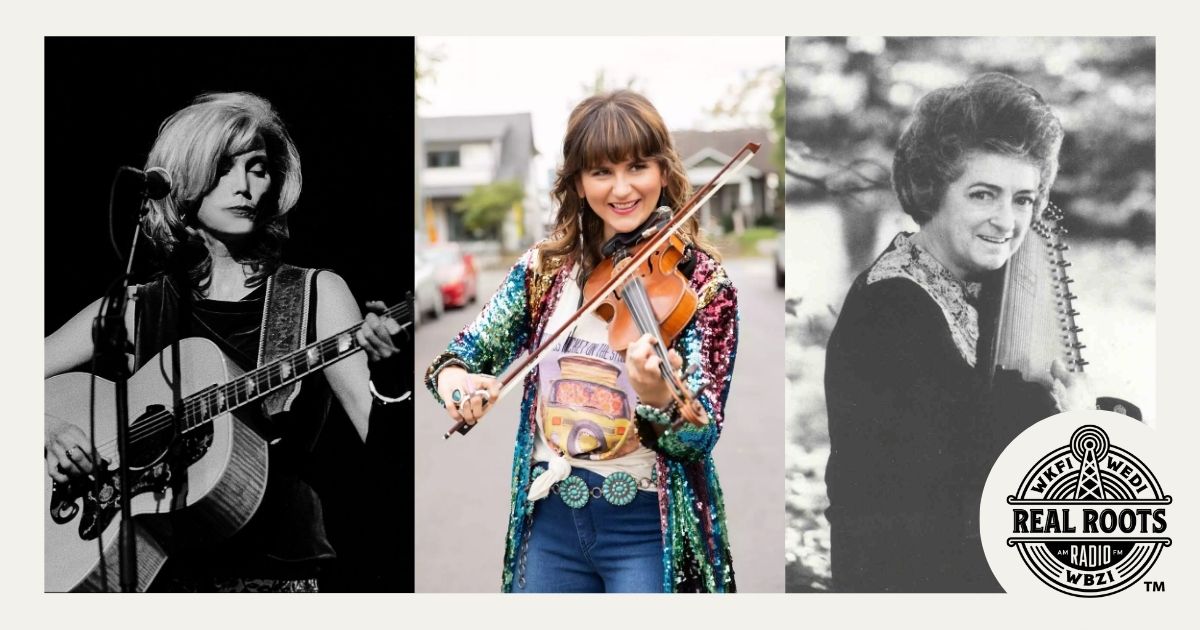
Celebrating Women’s History Month: Emmylou Harris, Mother Maybelle, and More

Our partnership with our friends at Real Roots Radio in Southwestern Ohio continues as we celebrate Women’s History Month. We’re proud to bring you weekly collections of a variety of powerful women in bluegrass, country, Americana, folk, and elsewhere who have been featured on Real Roots Radio’s airwaves each weekday in March, highlighting the outsized impact women have on American roots music. You can listen to Real Roots Radio online 24/7 or via their FREE app for smartphones or tablets. If you’re based in Ohio, tune in via 100.3 (Xenia, Dayton, Springfield), 106.7 (Wilmington), or 105.5 (Eaton).

American roots music, historically and currently, has often been regarded as a male-dominated space. It’s certainly true of the music industry in general and these more down-home musics are no exception. Thankfully, American roots music and its many offshoots, branches, and associated folkways include hundreds and thousands of women who have greatly impacted these art forms, altering the courses of roots music history. Some are relatively unknown – or under-appreciated or undersung – and others are global phenomena or household names.

Over the last few weeks, radio host Daniel Mullins, who together with BGS and Good Country staff has curated the series, has brought you just a few examples of women in roots music from all levels of notoriety and stature. Week one featured Dottie West, Gail Davies, and more. Week two shone a spotlight on Big Mama Thornton, Crystal Gayle, Rose Maddox, and more. This week, we’ll pay tribute to Emmylou Harris, Wild Rose, Goldie Hill, Jenee Fleenor, and Mother Maybelle Carter. We’ll return next week for the final installment of the series – with even more examples of women who blazed a trail in roots music.

Plus, you can find two playlists below – one centered on bluegrass, the other on country – with dozens of songs from countless women artists, performers, songwriters, and instrumentalists who effortlessly demonstrate how none of these roots genres would exist without women.

Emmylou Harris (b. 1947)

Let’s spotlight a true legend of American music: Emmylou Harris. Born on April 2, 1947, in Birmingham, Alabama, Emmylou Harris grew up in a military family, moving frequently across the South. A straight-A student and class valedictorian, she initially pursued drama at the University of North Carolina. However, her passion for music led her to the vibrant folk scene of Greenwich Village in the late 1960s.

Her big break came when she collaborated with Gram Parsons, contributing to the birth of country rock as a genre. After Parsons’ untimely death, Harris embarked on a solo career, releasing her acclaimed album Pieces of the Sky in 1975. Over the next four decades, Harris became a musical chameleon, effortlessly blending folk, country, and rock. Her collaborations read like a who’s-who of music legends, including Rodney Crowell, Mark Knopfler, Ricky Skaggs, and as one third of “Trio” alongside Dolly Parton and Linda Ronstadt.

In 1992, Harris recorded an acoustic album at the Mother Church of Country Music. The historic building had been practically abandoned and nearly condemned, but the success of Emmylou’s live project At The Ryman is largely viewed as responsible for saving the historic landmark. Her 1995 album, Wrecking Ball, is also significant for Emmylou, as she leaned into more of an alt-country space, creating a landmark record for what is now referred to as Americana.

With over 25 albums and 14 GRAMMY Awards to her name, Emmylou Harris was inducted into the Country Music Hall of Fame in 2008 and received a GRAMMY Lifetime Achievement Award in 2018, cementing her legacy as one of the most influential artists in contemporary music. ​Her distinctive voice and heartfelt songwriting continue to inspire artists and captivate audiences worldwide. Whether revisiting traditional tunes or exploring new sonic landscapes, Emmylou Harris remains a beacon of authenticity and artistry in the music world.​

Suggested Listening:
Roses In The Snow
Guitar Town” [Live At the Ryman]
All My Tears

Wild Rose (active 1988 – 1991)

A groundbreaking band in country history, do you remember Wild Rose? Founded by several veteran musicians in 1988, Wild Rose proved that a band with girl power can bring some serious fire power, too.

The group featured Pam Gadd (banjo/guitar) and Pam Perry (mandolin), who had cut their teeth in bluegrass as members of the New Coon Creek Girls, plus Wanda Vick (guitar/fiddle) and Nancy Given (drums) who had worked on the road with Porter Wagoner, and Kathy Mac (bass). Originally known as Miss Behavin’, they would change their name to Wild Rose. Combining country-rock, bluegrass, and more, they were full of energy and sass.

The title track of their debut album, Breaking New Ground, was written by Carl Jackson and Jerry Salley and would be a Top 15 Country Hit in 1989 (and a kickin’ music video as well). Their first album would also include the Top 40 Texas-flavored follow-up single “Go Down Swingin’” and the GRAMMY-nominated instrumental track, “Wild Rose.” With their tight harmonies and hot pickin’, Wild Rose was nominated for Top New Vocal Group or Duet at the 1990 ACM Awards. Their lively stage presence would earn them television appearances on Hee Haw, Nashville Now, and more. The band would release two more albums, Straight and Narrow and Listen to Your Heart, before disbanding in 1991. Many of the gals would continue to work in traditional music as session musicians, songwriters, and more. Although their time together was short-lived, their country-grass sound made waves and made history during country’s new traditionalist era.

Suggested Listening:
If Hearts Could Talk
Go Down Swingin’
Wild Rose

Goldie Hill (1933 – 2005)

Goldie Hill is one of country’s unsung legends. Born in 1933, Goldie was a trailblazer and a shining star in the early days of Nashville. She wasn’t just a pretty face–she was a powerhouse vocalist with a heart full of soul.

Goldie’s breakout hit, “I Let the Stars Get in My Eyes,” soared to the top of the charts in 1953. It was an answer song to “Don’t Let the Stars Get in Your Eyes,” so popular in 1952 that Perry Como, Sketch McDonald, and Ray Price all had separate hit renditions. “I Let the Stars Get in My Eyes” made her only the second female country artist to have a Number One hit song.

Goldie Hill would entertain audiences on radio airwaves through the Grand Ole Opry and the Louisiana Hayride and on television screens through the Ozark Jubilee. With a voice that blended sweetness and grit, she became a favorite of fans and fellow musicians alike. She would go on to have several hit duet recordings with Red Sovine and Justin Tubb. She married fellow country star Carl Smith in the late ’50s, releasing some albums under the name Goldie Hill Smith in the ’60s. Goldie largely retired from the music business by the end of that decade. She and Carl Smith were married for 47 years before Goldie’s passing in 2005. Along with her peers such as Kitty Wells and Jean Shepard, Goldie Hill helped open doors for women in country.

Suggested Listening:
Looking Back To See” with Justin Tubb
Blue Lonely Winter

Jenee Fleenor

When you think of today’s great country fiddlers, one name has to be a part of the conversation – Jenee Fleenor! Born and raised in Arkansas, Jenee picked up the fiddle as a kid after she heard Bob Wills’ “Faded Love” and never looked back. She dropped out of college when she landed her first professional gig playing bluegrass music with Larry Cordle & Lonesome Standard Time.

Since then, she has toured with some of the biggest names in country, including Blake Shelton, Terri Clark, Martina McBride, and George Strait, while also doing session work in Nashville, playing fiddle, mandolin, and guitar on all sorts of hit records – such as Jon Pardi’s fiddle-laden “Heartache Medication.” She’s the first-ever female to be named a CMA Musician of the Year – taking home the honors a whopping four years in a row.

Not only is Fleenor a top-tier musician, but she’s also a talented songwriter, penning hits for artists like Miranda Lambert, Blake Shelton, Darin & Brooke Aldridge, Del McCoury, Adam McIntosh, Rebecca Lynn Howard, Kathy Mattea, and more. Recently, she helped form the hit bluegrass and roots band, Wood Box Heroes, where she lends her talents as a picker, songwriter, and vocalist — a true triple threat! Her skills are shaping the sound of modern country and roots music.

Suggested Listening:
This Train” with Wood Box Heroes
Fiddle and Steel

Mother Maybelle Carter (1909 – 1978)

Referred to as the “Mother of Country Music,” there was only one Maybelle Carter. Born in 1909 in the hills of Virginia, Maybelle Carter didn’t just play the guitar – she changed the way it was played. With her signature “Carter Scratch,” she made the guitar a lead instrument, blending melody and rhythm like nobody had before.

Maybelle, Sara, and A.P. Carter formed the original Carter Family. Maybelle was eight months pregnant in August 1927 when the trio made the trek to Bristol, Tennessee/Virginia, to audition for RCA Victor’s Ralph Peer, part of what we now refer to as the “Big Bang of Country Music.” Peer immediately knew the Carter Family were stars.

The Carter Family’s music captured the heart of America – from “Keep on the Sunny Side” to “Wildwood Flower.” Epitomizing the “Sunday morning” aspect of country’s Saturday night/Sunday morning dichotomy, their songs of hearth and home told stories of love, loss, and life in the Appalachian mountains and became part of the bedrock of country, folk, and even rock and roll.

After Maybelle’s cousin Sara Carter divorced A.P. Carter, the original Carter Family went their separate ways by 1944, with Maybelle taking on a matriarchal role – literally! With her daughters Anita, June, and Helen, “The Carter Sisters and Mother Maybelle” began making waves on radio throughout the southeast, even hiring a young guitarist by the name of Chet Atkins as a part of their show in 1949 and bringing him with them to Nashville when they were made members of the Grand Ole Opry in 1950.

By the latter half of the 20th century, Mother Maybelle was a revered figure in American roots music. She would be a special guest of Flatt & Scruggs on their 1961 salute to the Carter Family. Maybelle and her daughters would frequently tour and collaborate with her future son-in-law Johnny Cash, and would find an enthusiastic new generation of fans thanks to the Folk Revival. In 1972, she would appear alongside other musical pioneers as featured guests on the Nitty Gritty Dirt Band’s platinum-selling Will the Circle Be Unbroken, shortly before her passing in 1978. Mother Maybelle’s influence still echoes today in every twang, every strum, and every song that dares to tell a story.

Suggested Listening:
Keep On The Sunny Side” the Carter Family with Johnny Cash
The Storms Are On The Ocean” with Flatt & Scruggs
Will The Circle Be Unbroken” with the Nitty Gritty Dirt Band


Photo Credit: Emmylou Harris by Paul Natkin/Getty Images; Jenee Fleenor by Katie Kauss; Mother Maybelle Carter via the Southern Folklife Collection at UNC.

The Rambunctious Wisconsin Americana of Them Coulee Boys

Some of more commonly associated marvels of the Badger State are salty cheese curds, verdant farmsteads, and acrimoniously freezing winters – as well as a whole bunch of simple roadside attractions and signature small-town revelries. It’s the adopted home of Harry Houdini and John Muir and the birthplace of a memorable host of charming eccentrics, including Orson Welles and Thornton Wilder.

Soren Staff, lead vocalist of Wisconsin’s homegrown and free-range Them Coulee Boys, was born in the rolling hills of the country. He has spent ample time explaining the sort of commonsensical people and curiously provincial patois that make the state endearing.

“A coulee is a valley with a river in it,” said Staff. “We’ve had to clear up that name every single step of the way.”

Staff hails from just outside of Taylor, Wisconsin, population 400, and he attended high school in Milwaukee. He and his four bandmates now call Eau Claire home, a small city typifying and sharing their Midwest values and sensibilities: an industrious, approachable, and self-effacing kind of existence.

“People in Eau Claire care about art and music and there is a neighborly goodness to life here,” said Staff. “Wisconsin is not a state that people associate with a lot of luminaries coming from, but I like to think we are doing our part, pulling our weight.”

Them Coulee Boys – who are readying a brand new album, their fifth, No Fun in the Chrysalis (set for release February 28 via Some Fun Records), produced by Grammy winner Brian Joseph – are a bunch of small town Wisconsinites who have found a common place to live, where locals have embraced them with joviality and applause. Banjo player Beau Janke comes from Trempealeau, a beautiful village on the Mississippi River. Soren and his brother, Jens Staff, a mandolin player, come from the Taylor area. Bass player Neil Krause was born and raised in Chippewa Falls. Drummer Stas Hable is a native of Eau Claire and a graduate of the University of Wisconsin-Eau Claire’s music studies program.

Staff and Janke met at Camp Chetek, a Christian camping ministry in northwestern Wisconsin. The two camp counselors played music all day long, from the time of morning prayer, through the daily worship services in the afternoon, to evenings spent entertaining teenagers around the campfire. The following year, Jens joined Soren and Beau.

“That’s where we cut our teeth and cultivated our chemistry with each other,” said Soren. “We met at that camp and it has blossomed into a whole career.”

A few years later, Them Coulee Boys formed and the forceful folk-Americana band has lasted 11 years, which could be lauded as an eternity in the seemingly short-lived music business. Indeed, the music of Them Coulee Boys is grounded in their friendship and rooted in their desire to express a walloping good time. Such closeness, conviviality, and simple gratitude elevate the music to higher stages.

“We care about each other,” said Staff. “I trust and love these guys, personally and musically. Still, it took me time to trust in bringing an unfinished song to the others and to realize that their influences and skills and personalities will serve the song best.”

Staff was exposed to a wide variety of music in his youth, from classic rock to ’70s disco and pop, but it was the unaffected, everyday-man songs that he heard on COW97 (a Western Wisconsin country channel and his grandfather’s favorite) that created the largest impression. He was struck by the simple yet deep songs of Roger Miller and Tom T. Hall and songwriting prowess of granite and stone immortals such as Johnny Cash and Merle Haggard.

Staff, who works part-time at a local print shop, has a fondness for the contemplative capacities of the singer-songwriter experience. With mirth in his eyes, he still attends open mic night at The Plus in Eau Claire on Tuesdays, which he has done for about 10 years. But one of the most special things about Them Coulee Boys is that within the group there exists a worship of many varieties of music. Janke was raised on the thunder of Led Zeppelin, which pushes the band’s sound to an altogether different space, allowing them to turn it up to the heights of exuberance, to blaze the woods on fire.

“Finding the balance between introspective songwriting and the energy, bombast, and power of a rock and roll band, there is a good tension there. Striking a balance in that tension carves out a sound that we want to make.”

Them Coulee Boys started in a basement and, quite honestly, they never expected to be out of that basement. They played their first gig at a ski lodge in northern Wisconsin, the only ones seated and listening their parents and girlfriends. Then they signed up for the 10 p.m. to 2 a.m. spell at as many bars in the state as possible. Once, the guys played four hours of music in four separate bars in four small towns, for four nights in a row. The total haul was $1,000, split between four musicians. At that time, Staff considered their take a grand success. In 2016, the group started taking its energetic, impulsive brand of Wisconsin-Americana outside the state in earnest.

Virtually all of the group’s songs begin with lyrics, melodies, and chord structures that first arise in Staff’s head. He comes up with something rough and ready, presents it to the others, and they turn it into something utilizable, a playable song.

“My biggest job as a songwriter is to be a gatherer and be open to ideas,” said Staff. “I let images run through my head throughout the day, waiting for the words that make me want to keep writing. I’m seeking a line to build off of. If it is a good line it will stick around. If you are looking all of the time, it becomes easier to draw from that when you sit down to write something.”

Staff is pleased with the results of No Fun in the Chrysalis, the band’s fifth album. Rambunctious, playful, and wonderfully inspired, the recording is submerged in the mystery of transformation; the relentless blitz of change the most dominant theme of the songs.

“There has been massive change in my life and the other guys,” said Staff. “Kids. Marriage. Switching jobs. There is tension in change and eventually there has to be acceptance. … The first song, change is a question. But by the last song, there is an answer to it.”

The album reflects a few of those inner and interpersonal changes within the band, an encapsulation of their growth spurts and plodding development.

“Musically, we’ve embraced that we are not a string band,” Staff continued. “We have drums, electric instruments, banjos, mandolins. We’ve pushed our sound forward into different spaces, but we’ve also accepted that we come from a string band background, and could harken back to older records. There are contemplative jams. But there is also a stomping song about making out.”

No Fun in the Chrysalis reveals not only a tumultuous, change-filled time in the individual and collective lives of the musicians, but it serves as a lively expression from a band somewhere in the middle phase of their journey.

“On one hand, we are still trying to prove ourselves,” said Staff. “Though on the other hand, we have a decade worth of experience, and it shows. We’ve come a long way from the basement and hope to have many miles ahead.”


Photo Credit: Kenzie Trezise