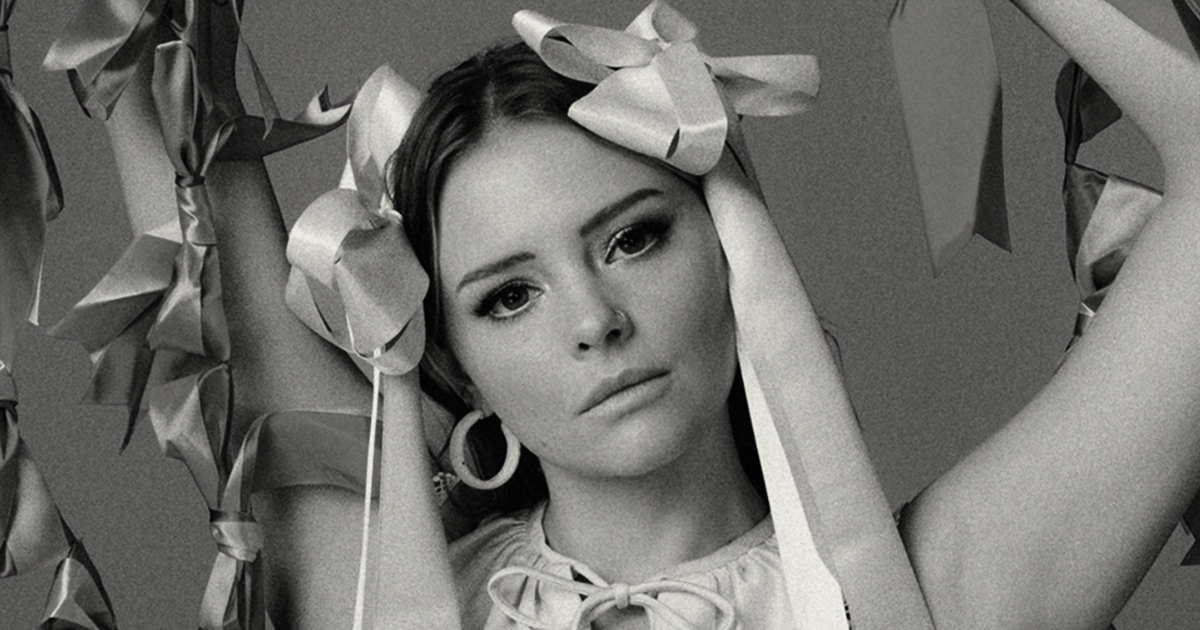
There’s an effortless charm to singer-songwriter Abbie Callahan’s persona when you first encounter her via vertical video. Beautiful and whimsical makeup, adorable wardrobe, hyper-femininity, and a Gen Z polish to her social media presence are all complicated in the most fascinating ways by her music itself. Landing somewhere in between witty and incisive pop country like Kacey Musgraves and gritty, train-hopping Americana such as Sierra Ferrell, you’d be well served not to make assumptions – or to sell Callahan’s songs short based on appearances.
This is not a book you can accurately judge by its cover. Callahan’s songs will reel you in with her sharp, impactful vocals, her deft wordplay and solid hooks, and a wink and sly smile around every lyrical corner. Tracks like “Simon Says” will have your head bobbing before you even realize the devastation and trauma woven through the lyrics. A new, as-yet-unreleased number, “OptiMystic” – debuted, as Callahan tracks often are, on TikTok – lays out her worldview pretty tidily:
I’ve been known to be a little easy on a Saturday
Known to smoke a cigarette and throw up in the alleyway
Checked off greed and lust in a church pew
Had confession in the Red Door bathroom
Who can really say where you can talk to Jesus anyway?
Anyway…
If you were to engage with and enjoy Callahan’s music without any deeper inspection, you’d still come away with plenty. But the real appeal here is that the sweet, sugary veneer on these songs is only to bring you in. It’s the tinges of bitterness, the tannins, the “something much deeper going on below the surface” that will bring you back again and again. However you zoom out or zoom in on Callahan, her lyrics, her process, and the way she brings her songs directly to her listeners there’s subversion, a deliberate and inspired flouting of expectations.
@iamabbiecallahanWho can really say where you can talk to Jesus anyway… anyway🧚🏼♀️🔮♬ OptiMYSTIC – Abbie Callahan
Callahan is intentionally leveraging the way she’s perceived outwardly and visually to “Trojan horse” her way of making music into a country industry that’s often loath to platform artists like her, who build fandoms and idiosyncratic styles on hyper-femininity without apology. Like Dolly, Loretta, Kacey, and so many others who’ve come before her in that age-old country tradition, Abbie Callahan is onto something.
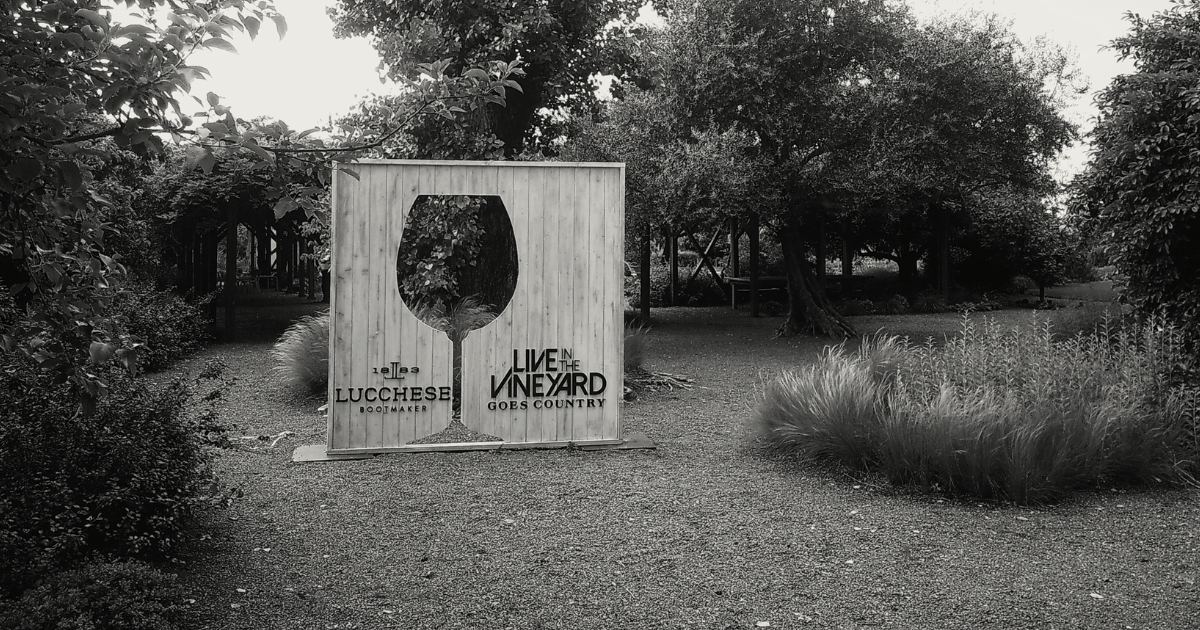
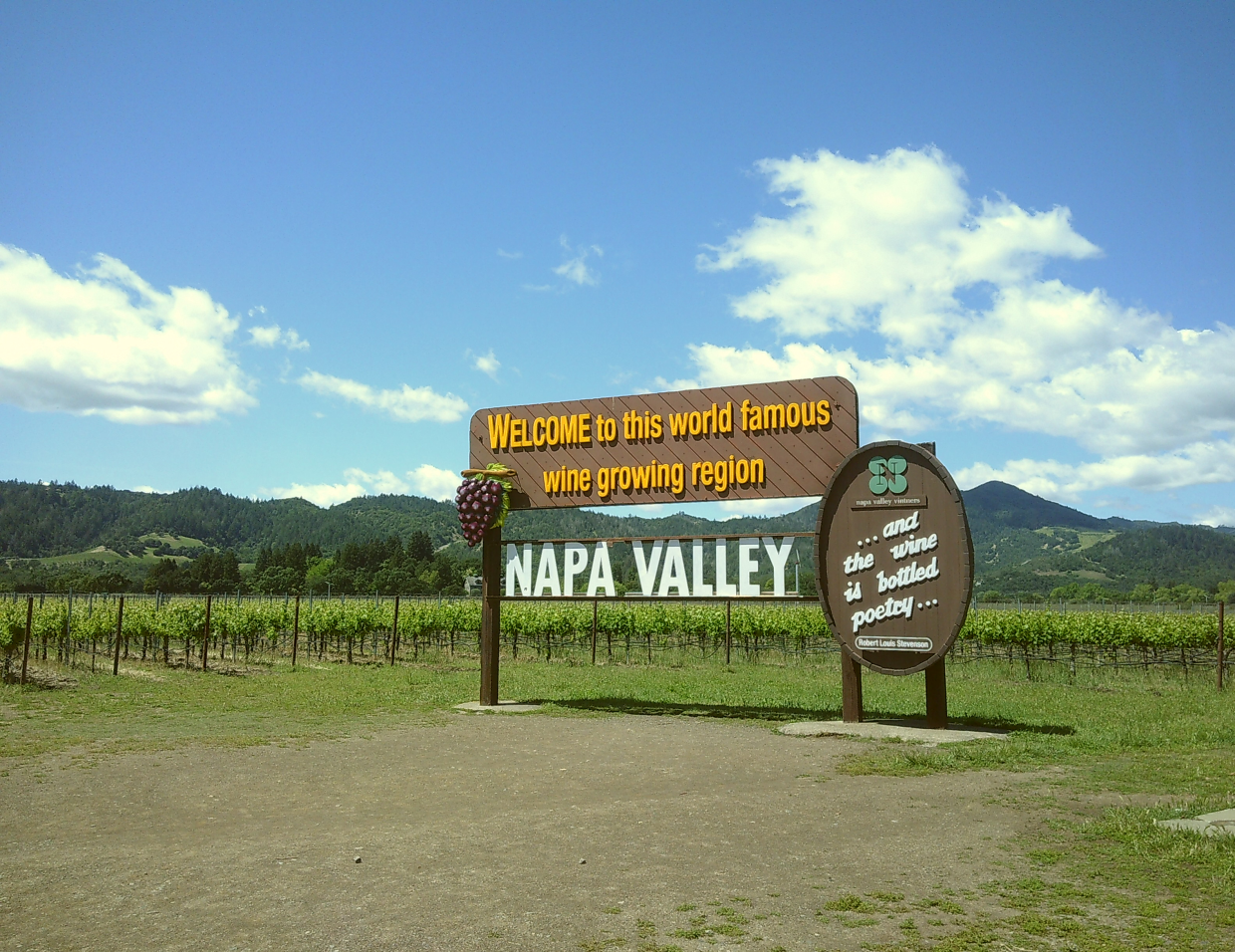
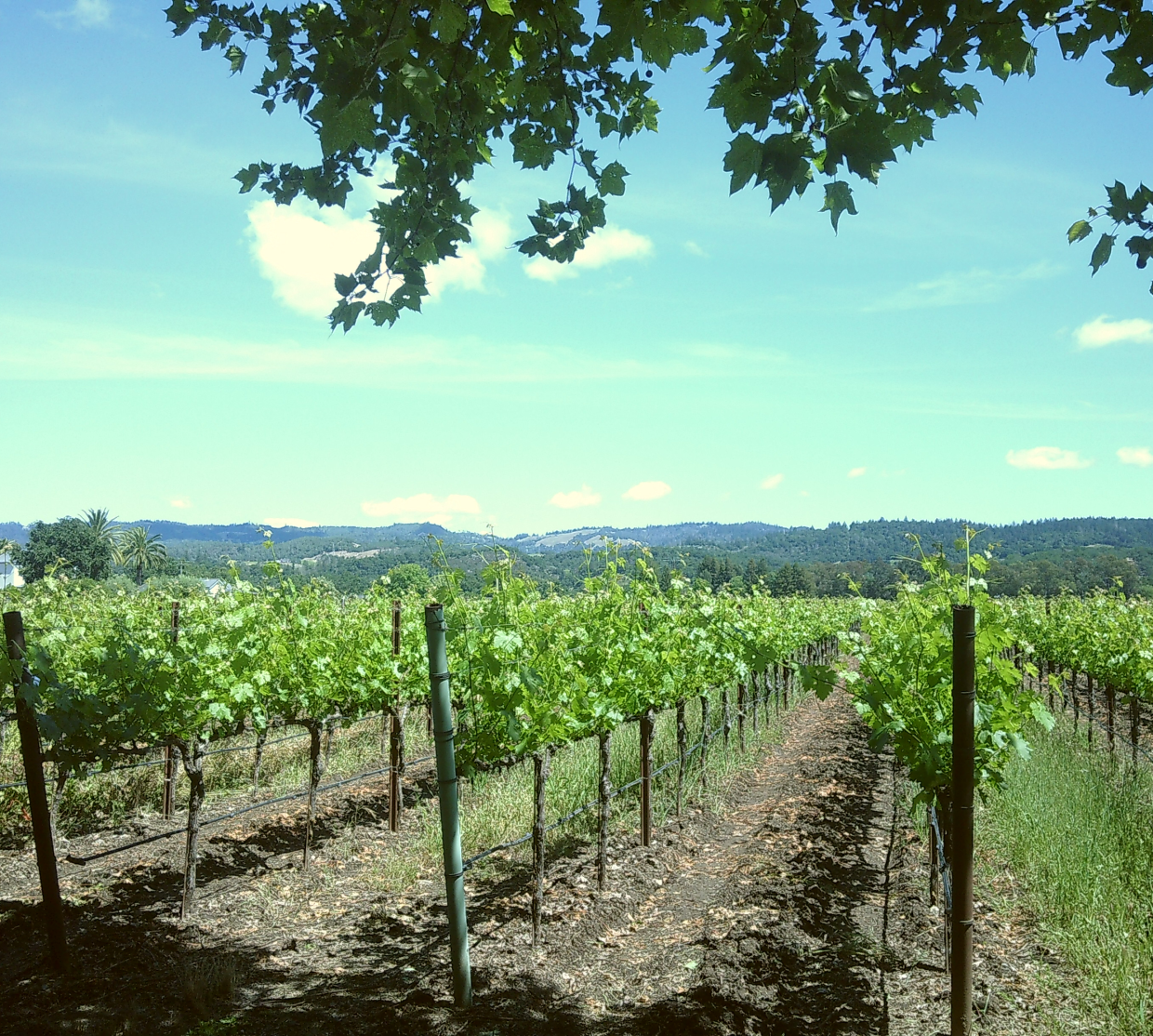
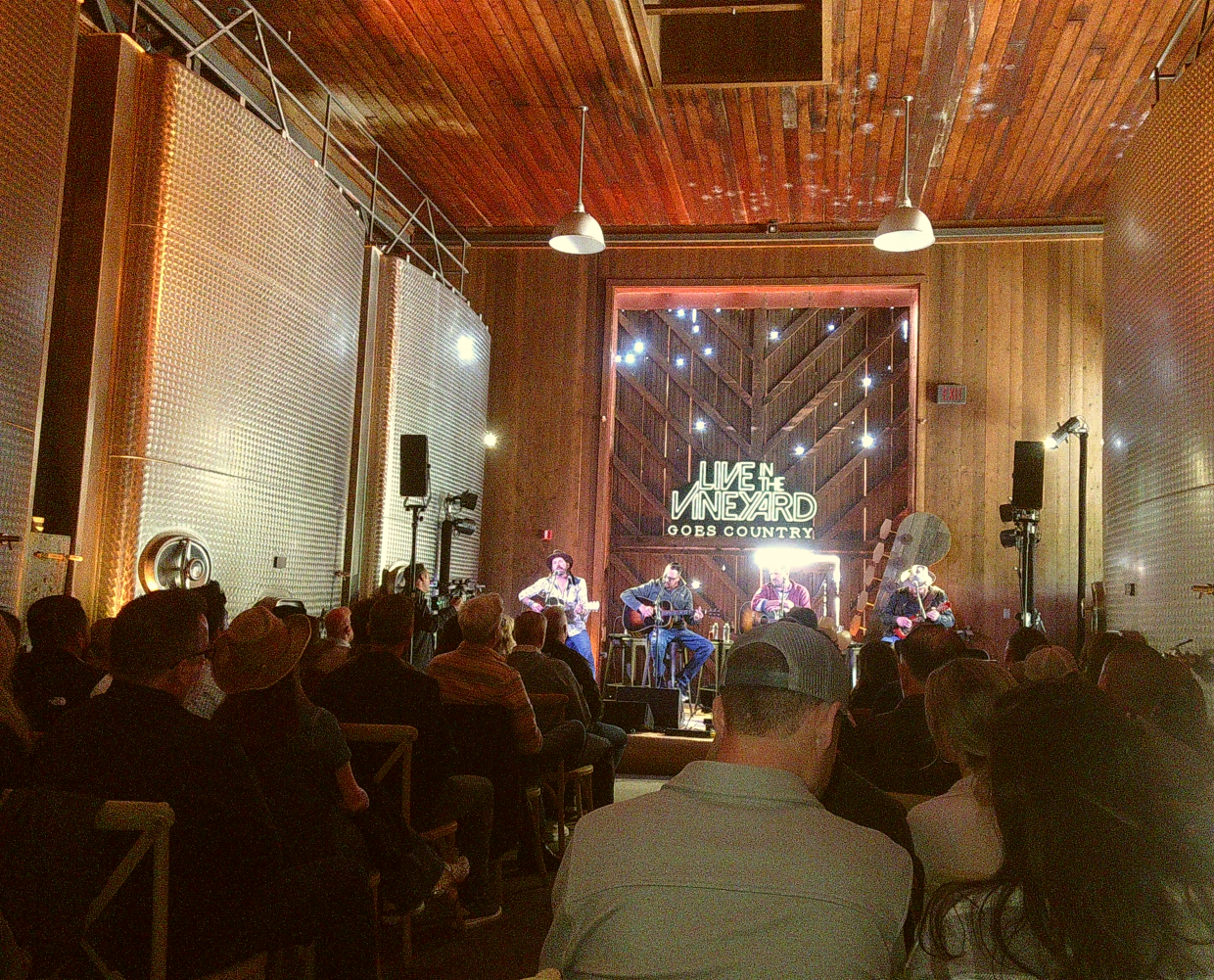
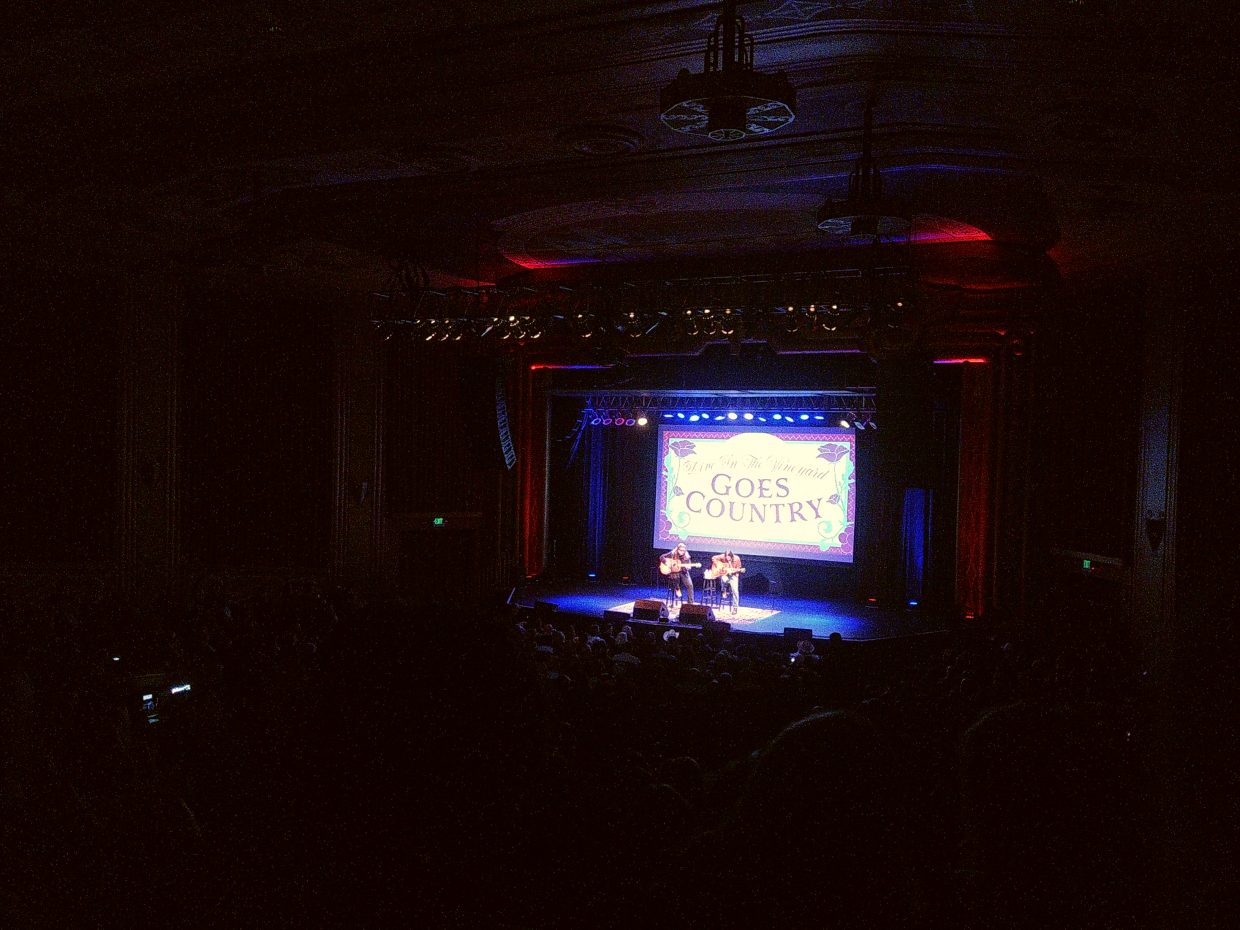
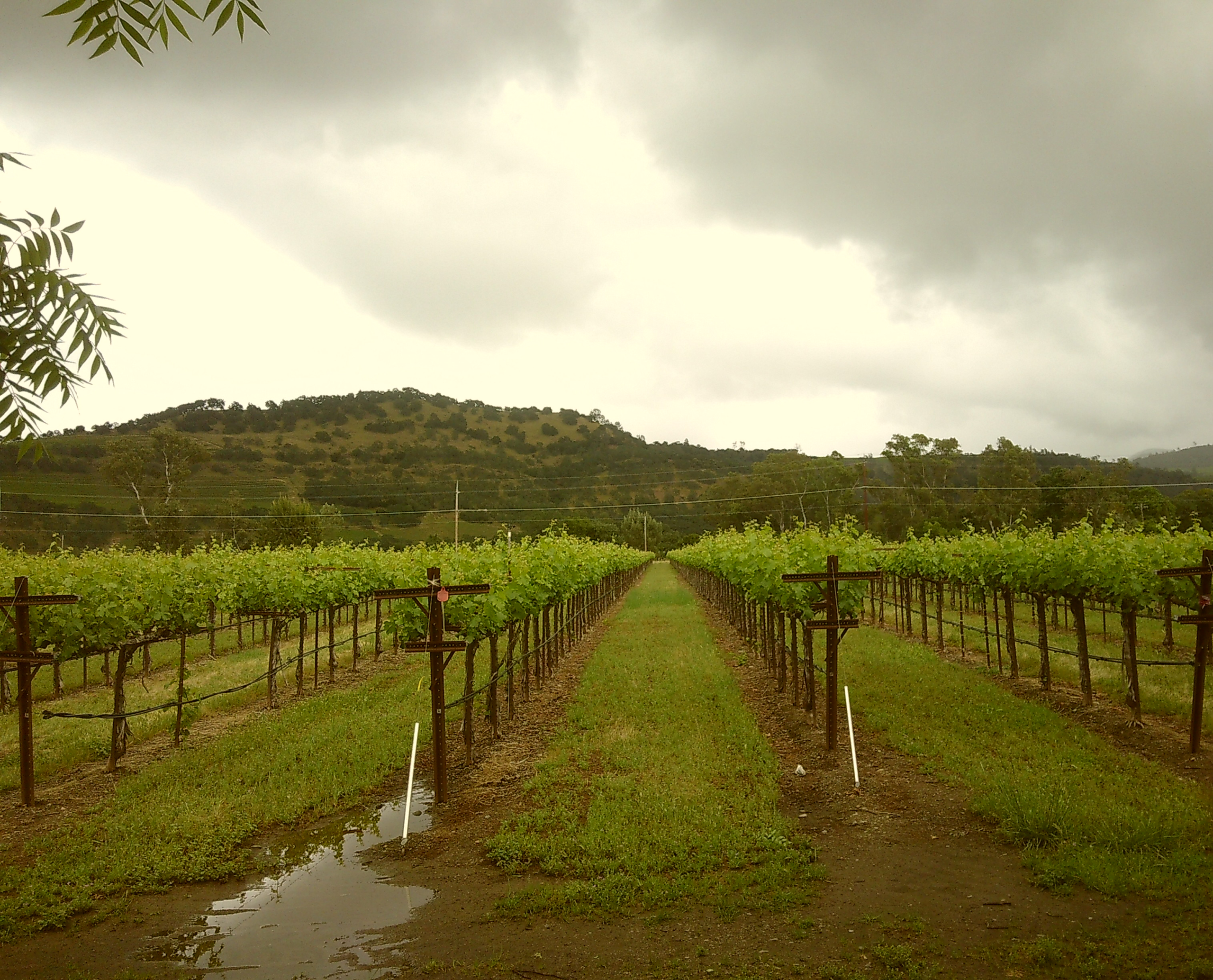
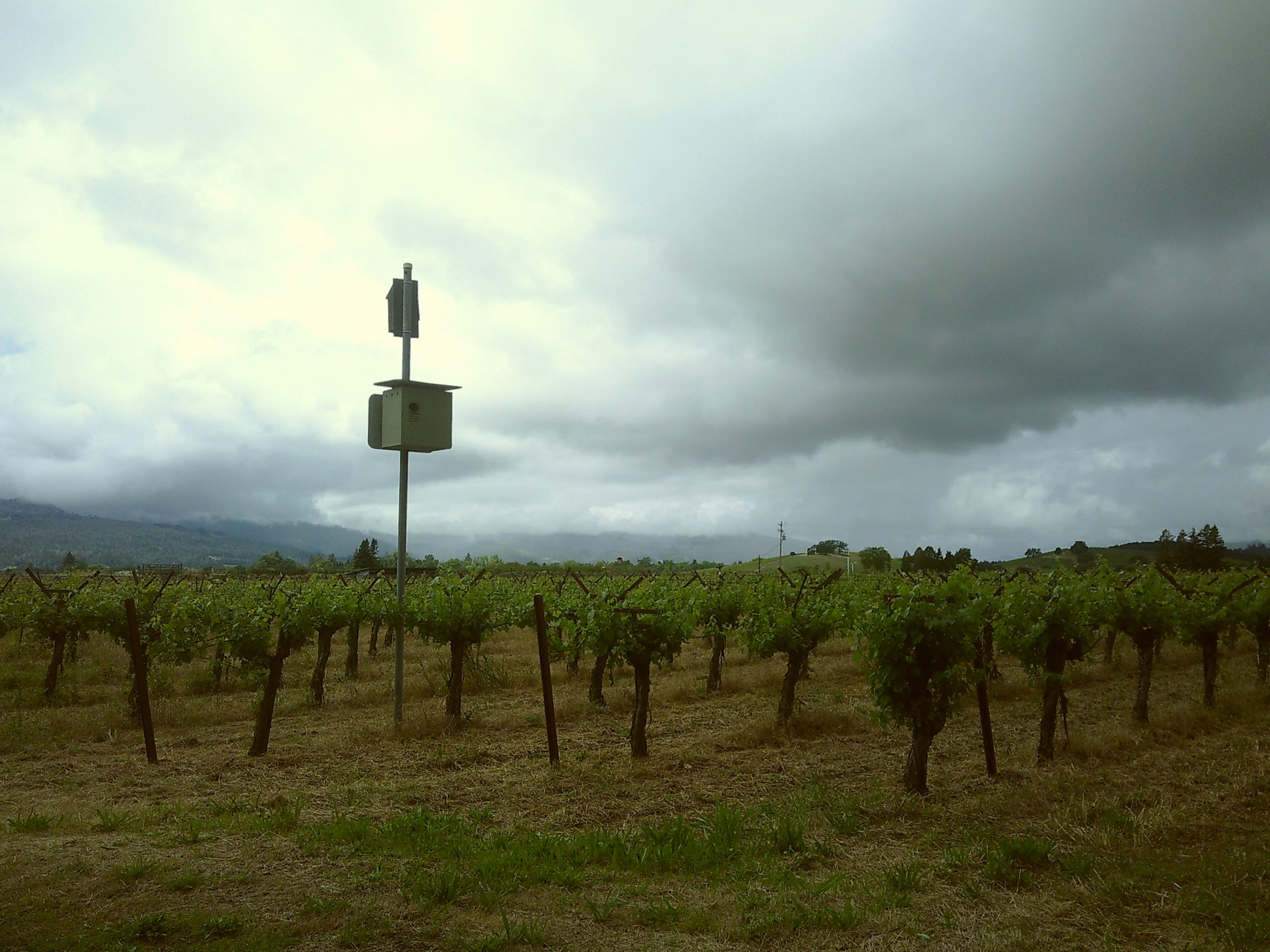
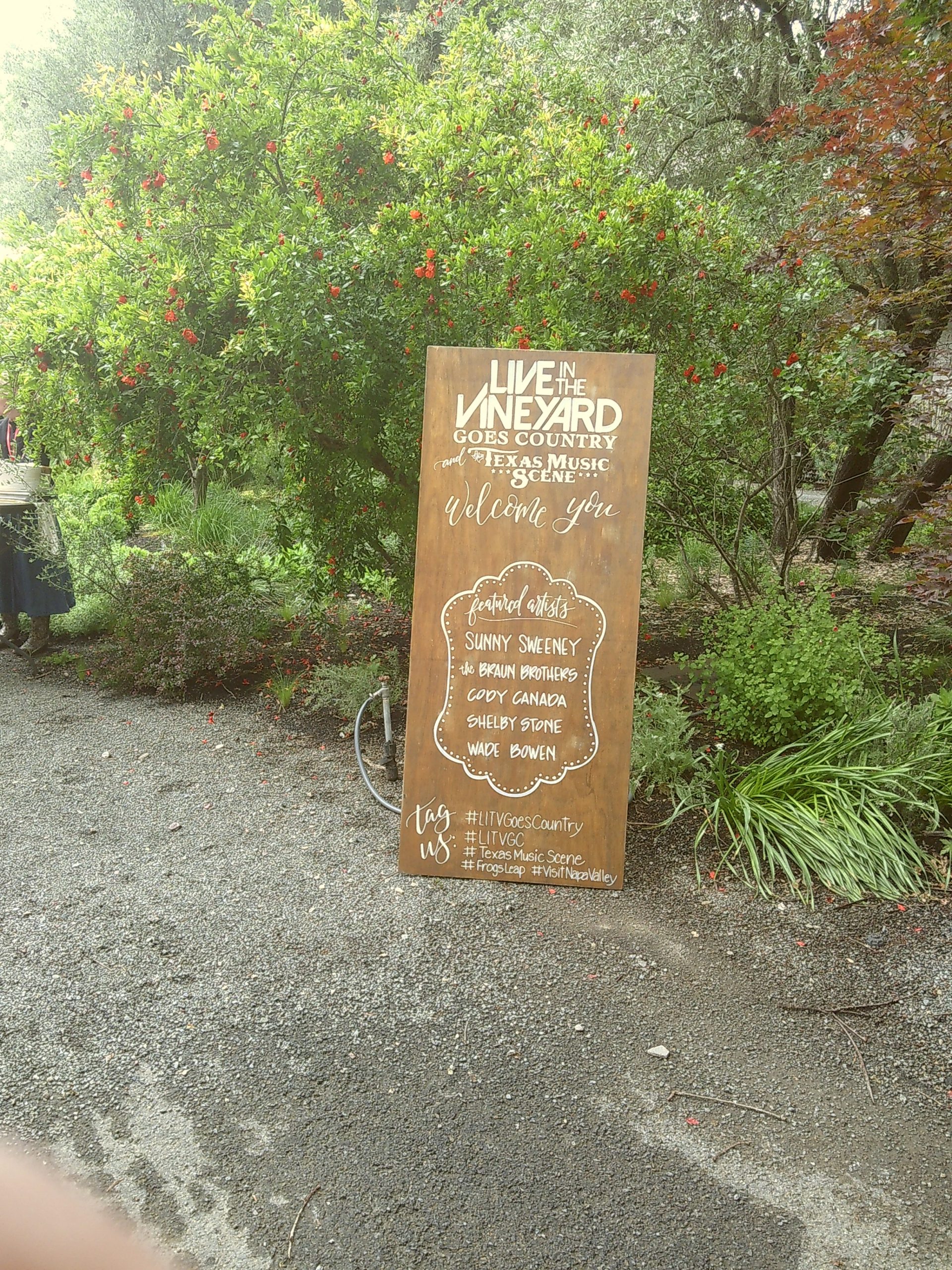
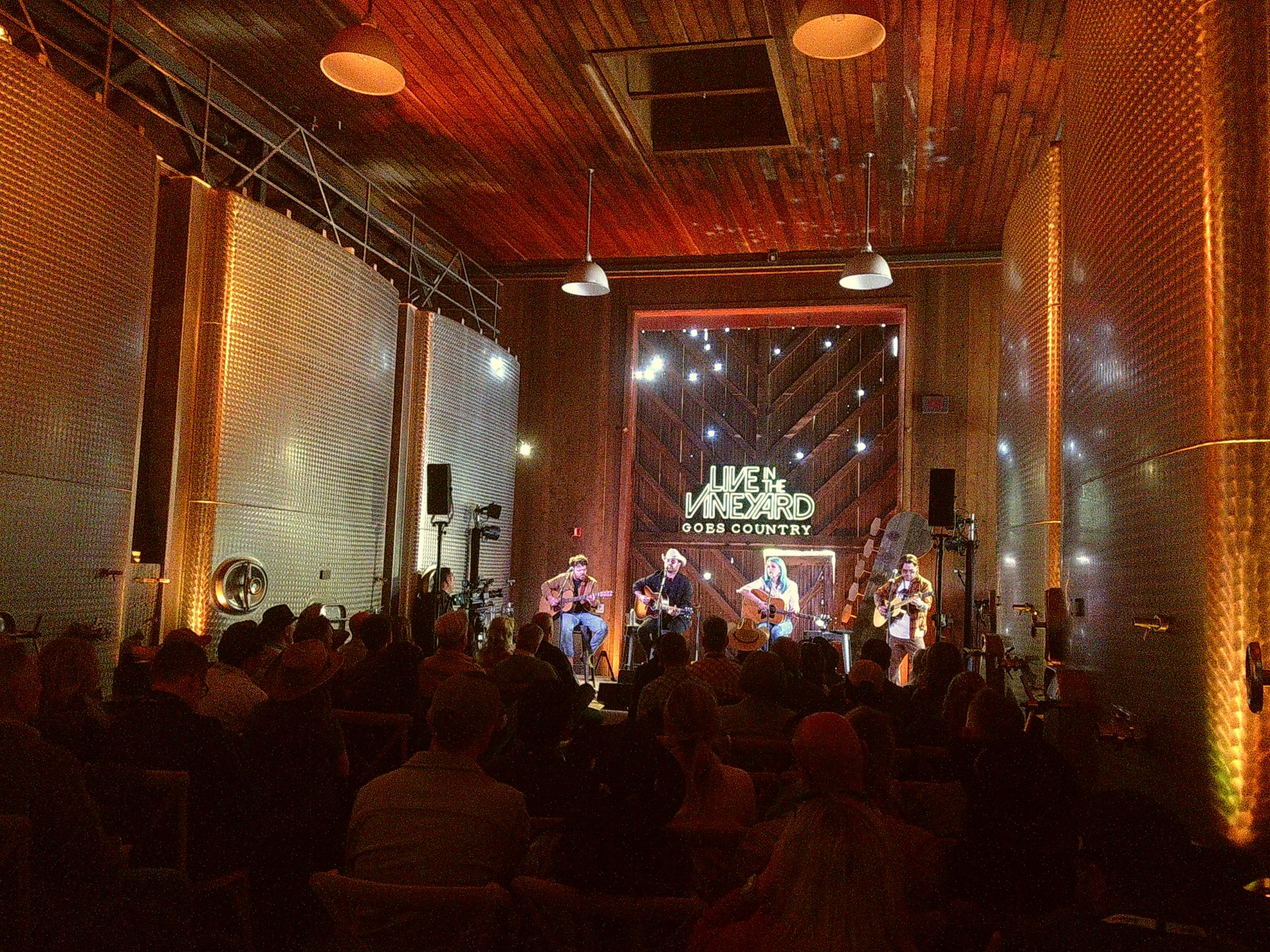
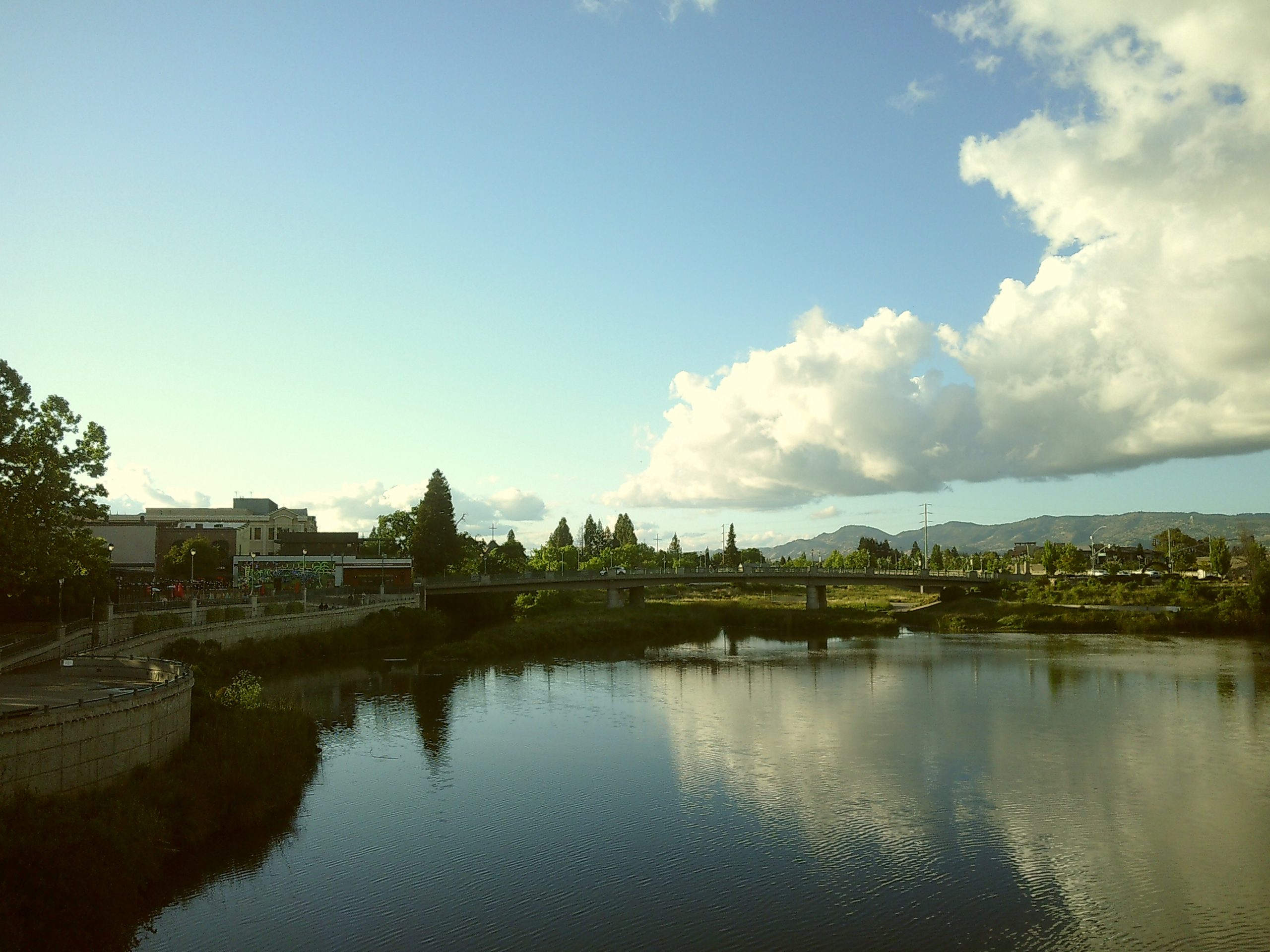
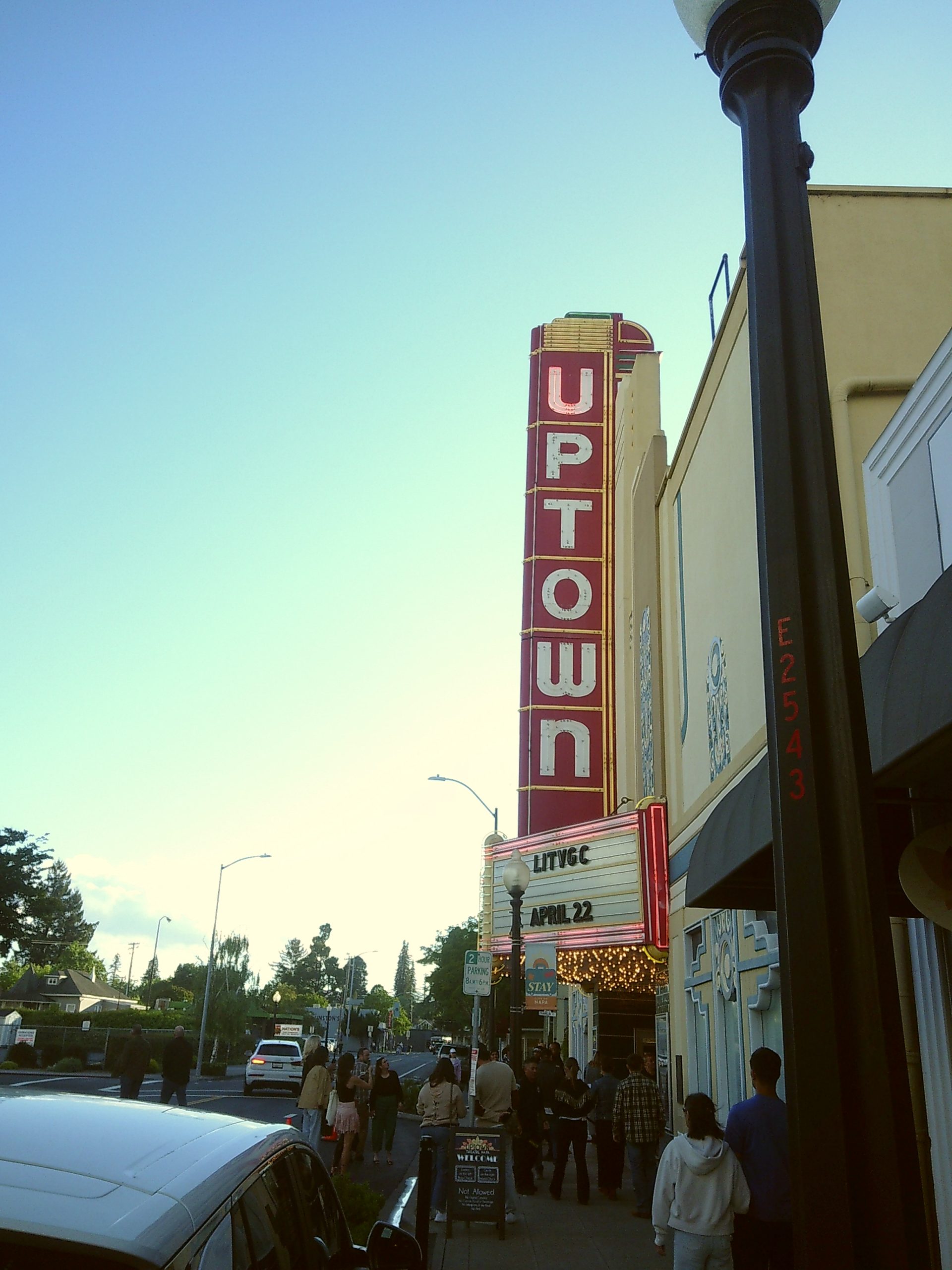
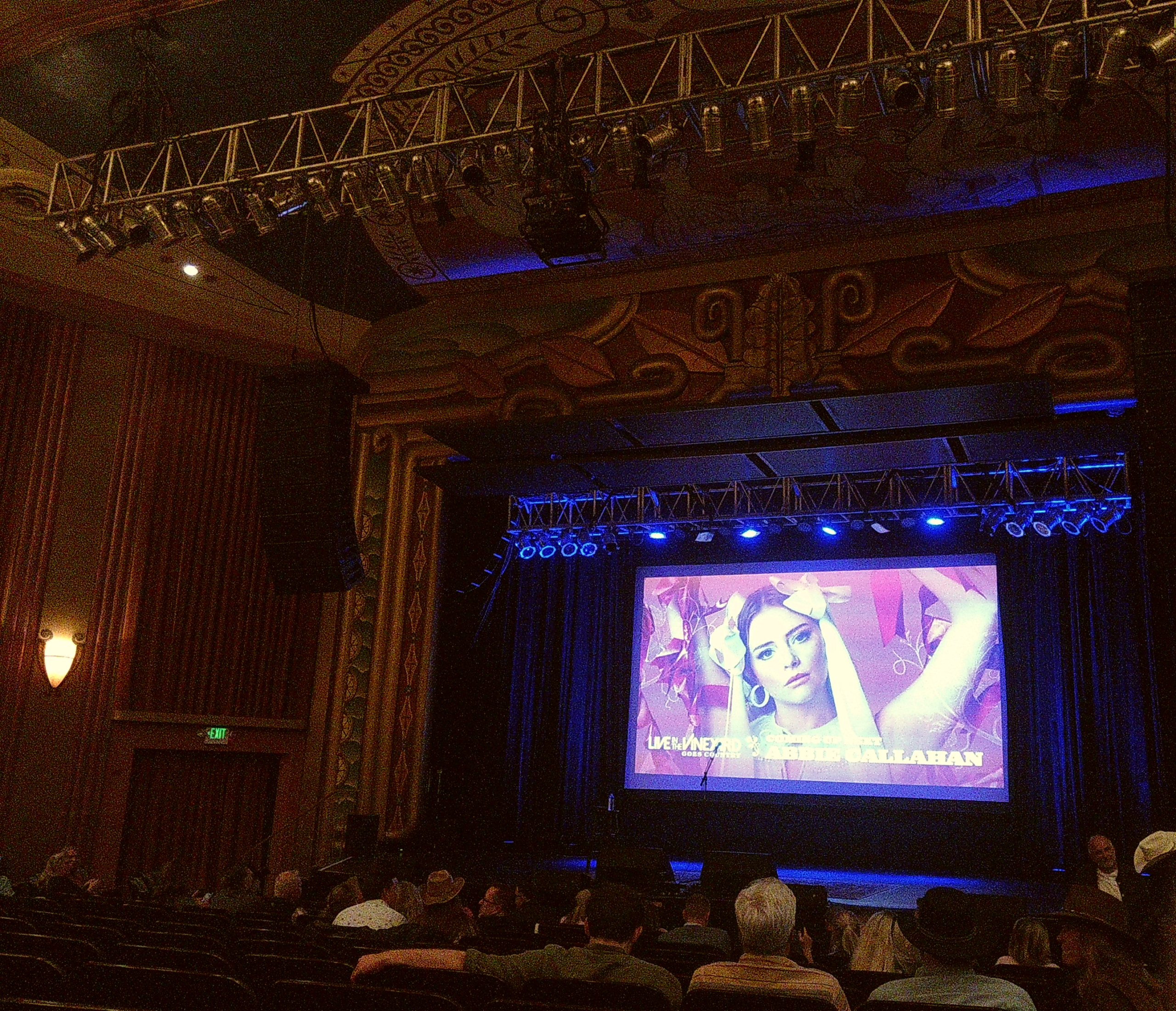
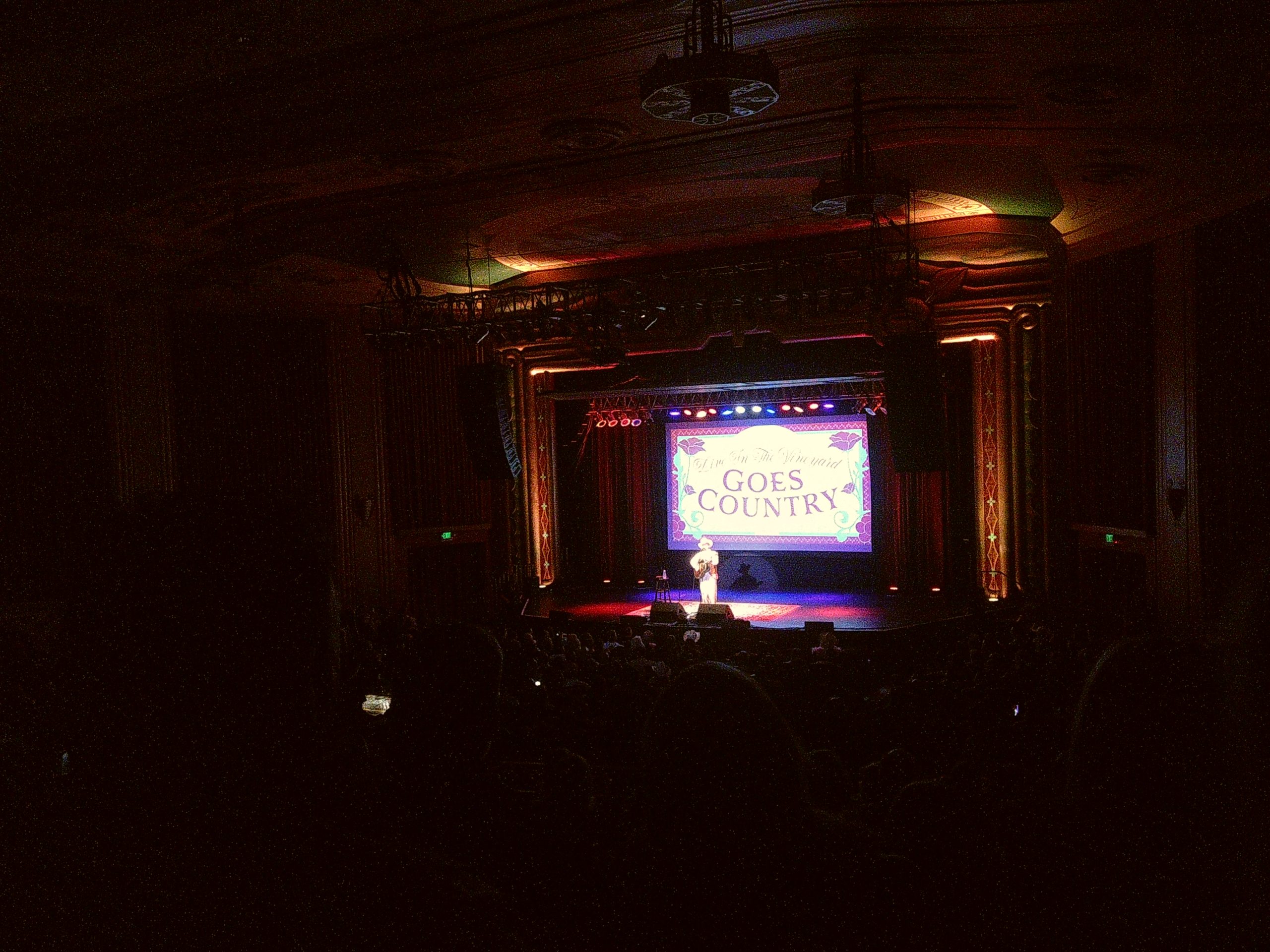
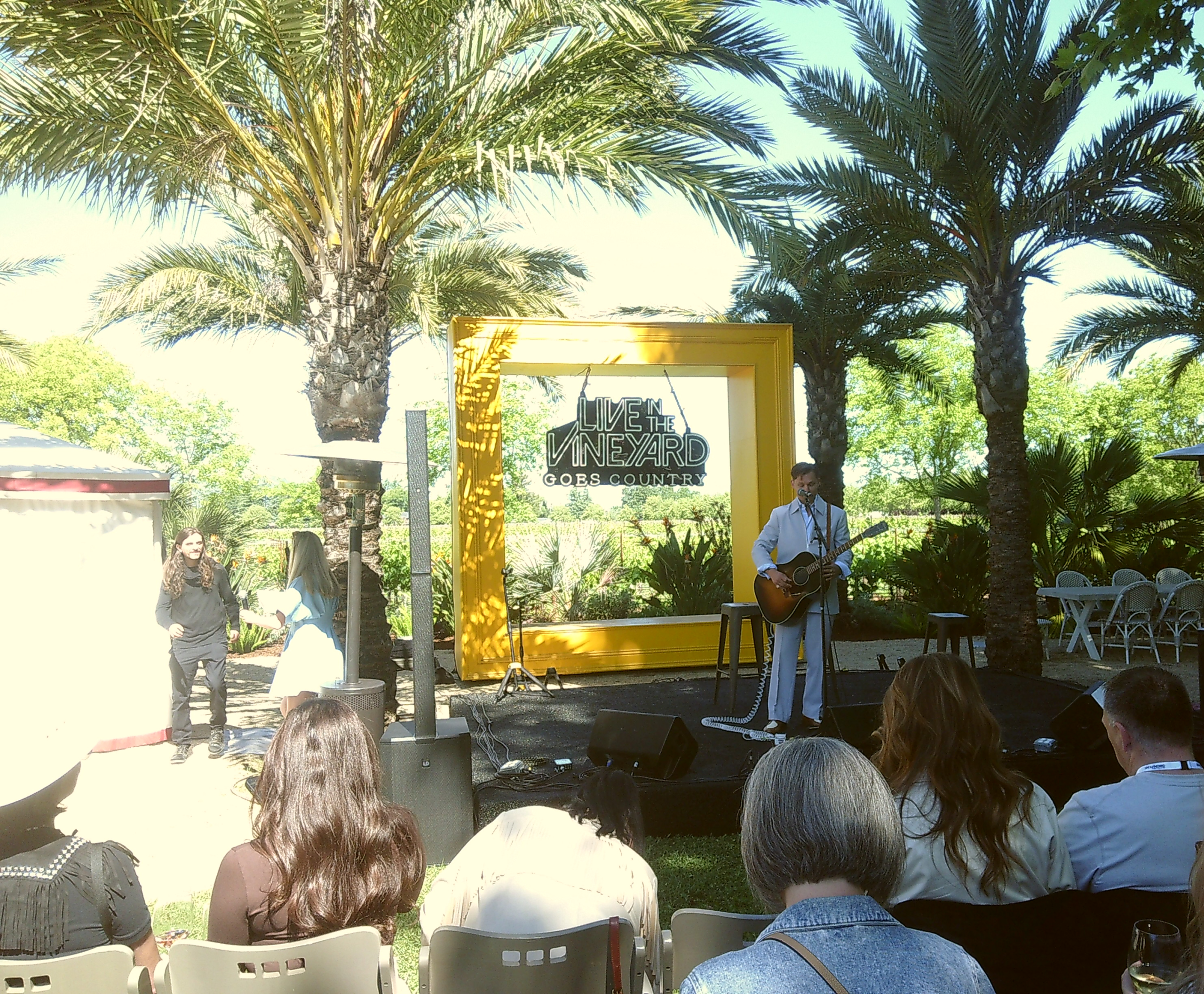
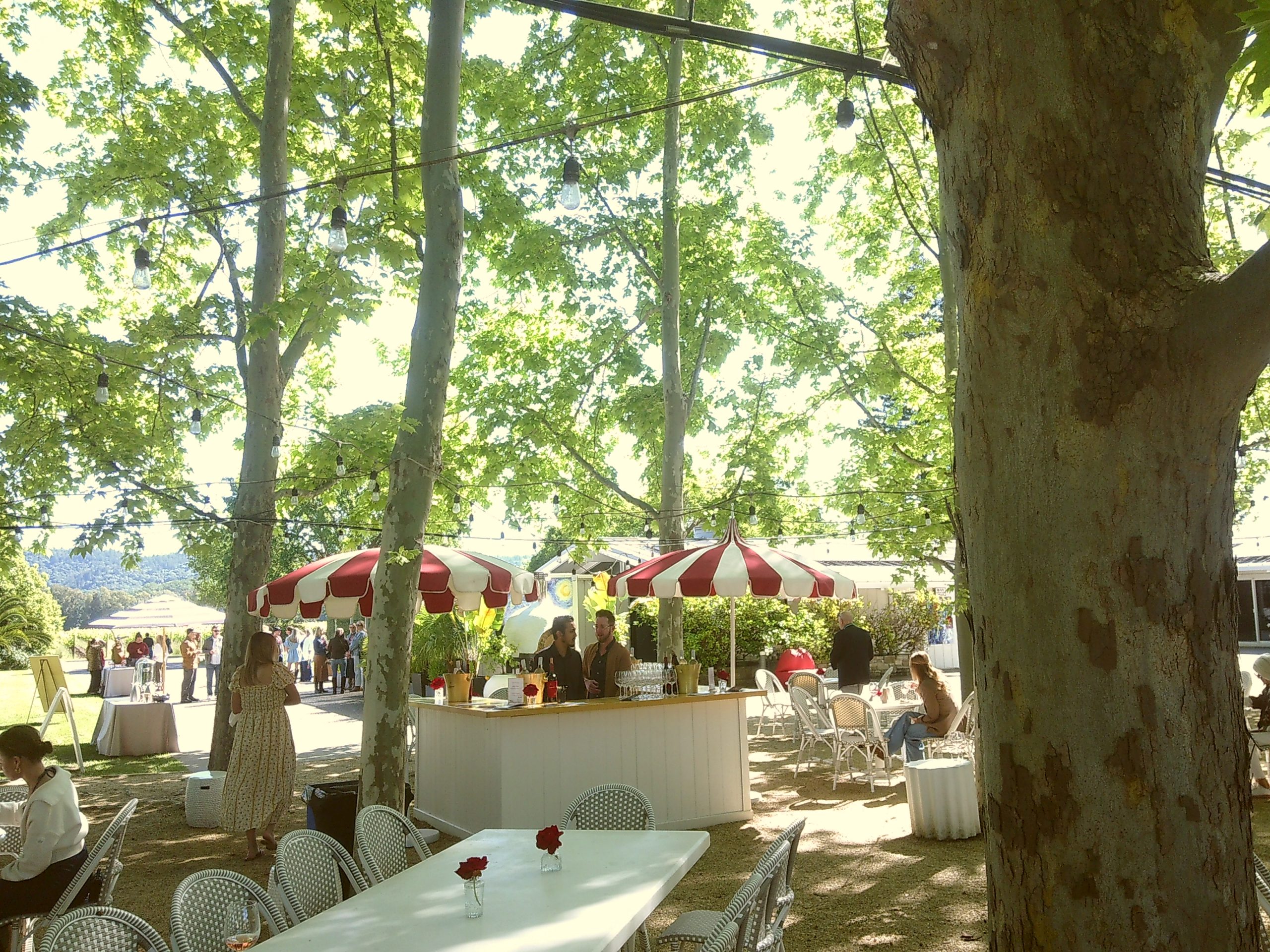
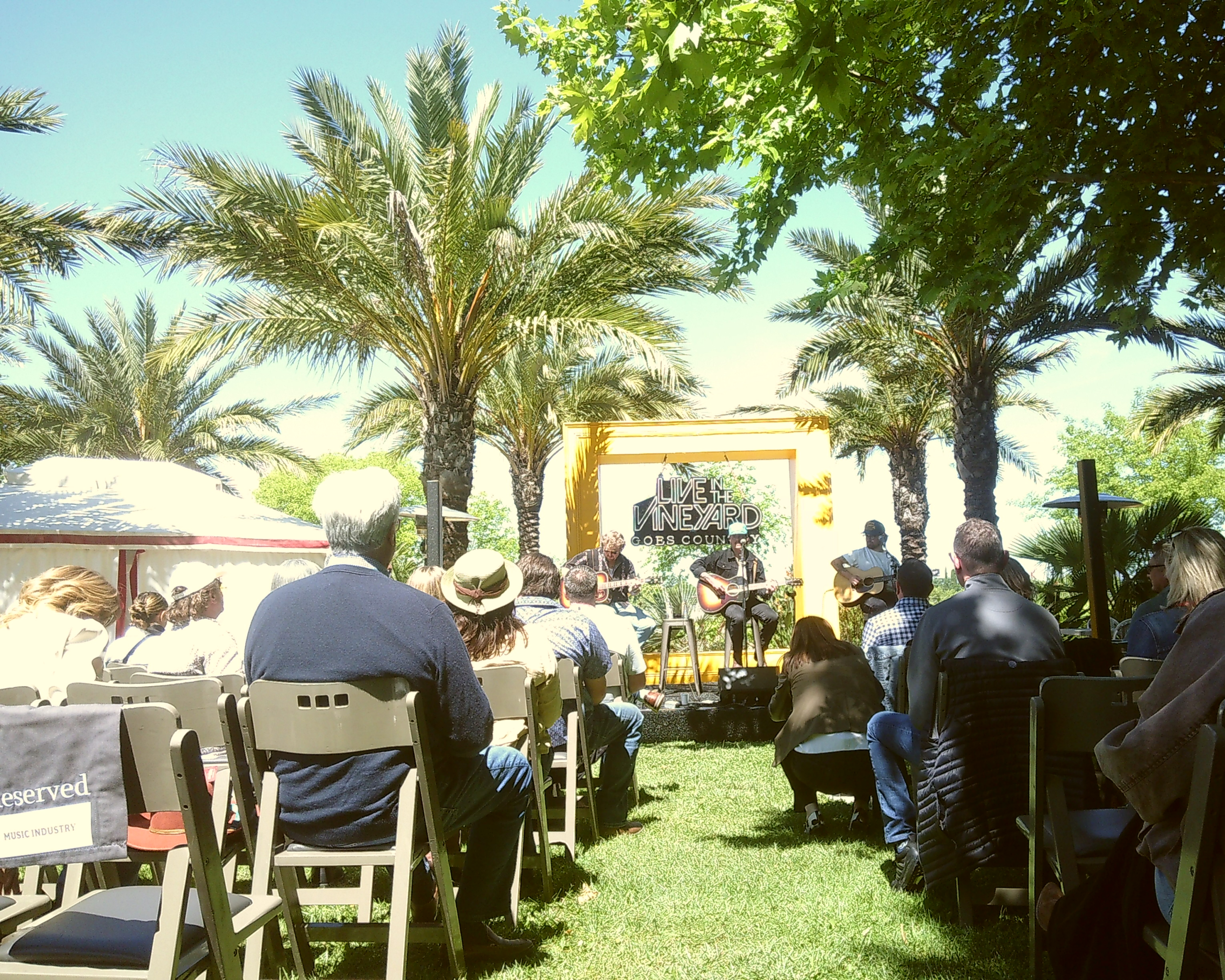
We caught up after a gentle spring rain in Napa Valley, as Good Country attended Live in the Vineyard Goes Country and caught Callahan performing as part of the event. Finding ourselves in such a stunning location, we began our interview chatting about country’s relationship to place and how well-suited this music is to the many settings it finds itself in.
I wanted to start by asking you about country’s relationship with place. Country music is always about place – rural places, urban places; farms and ranches; California, Tennessee, Iowa. We’re at Live in the Vineyard Goes Country here in Napa, so I’m thinking about country and place, and I wonder if you think about country’s relationship to place – and about how this music is so appropriate for so many different contexts, whether you’re in Napa or playing a honky-tonk or a festival. How do you think about country’s relationship to place and to land? It’s interesting to be here in a place like this with everybody sharing a few days in such a beautiful setting.
Abbie Callahan: That’s a great question. Usually I think about it in context of place in genre. It kind of is the same thing to me. My music with a band or just with guitar, I can make it fit into whatever genre I want – I feel like that in place, too.
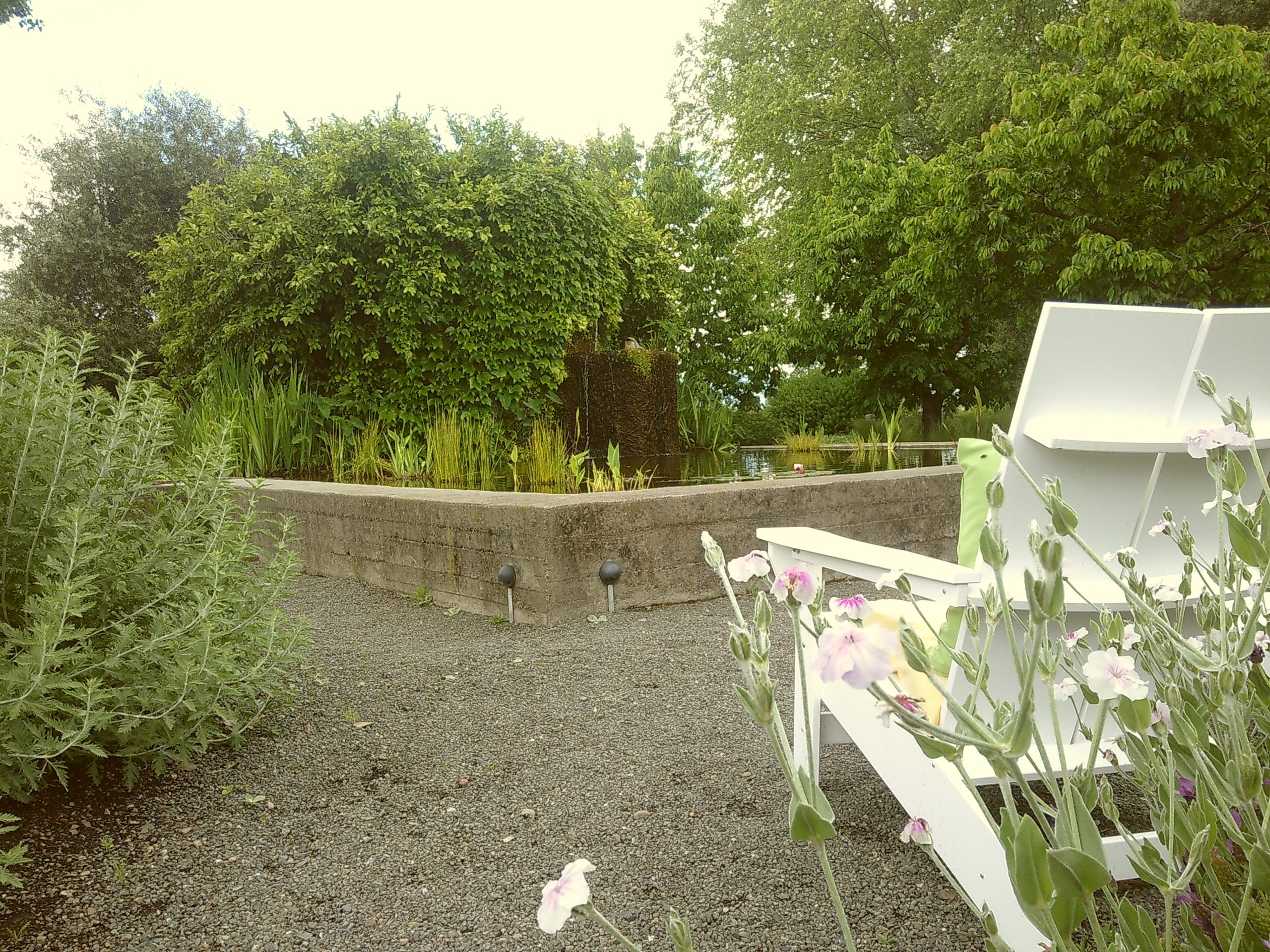
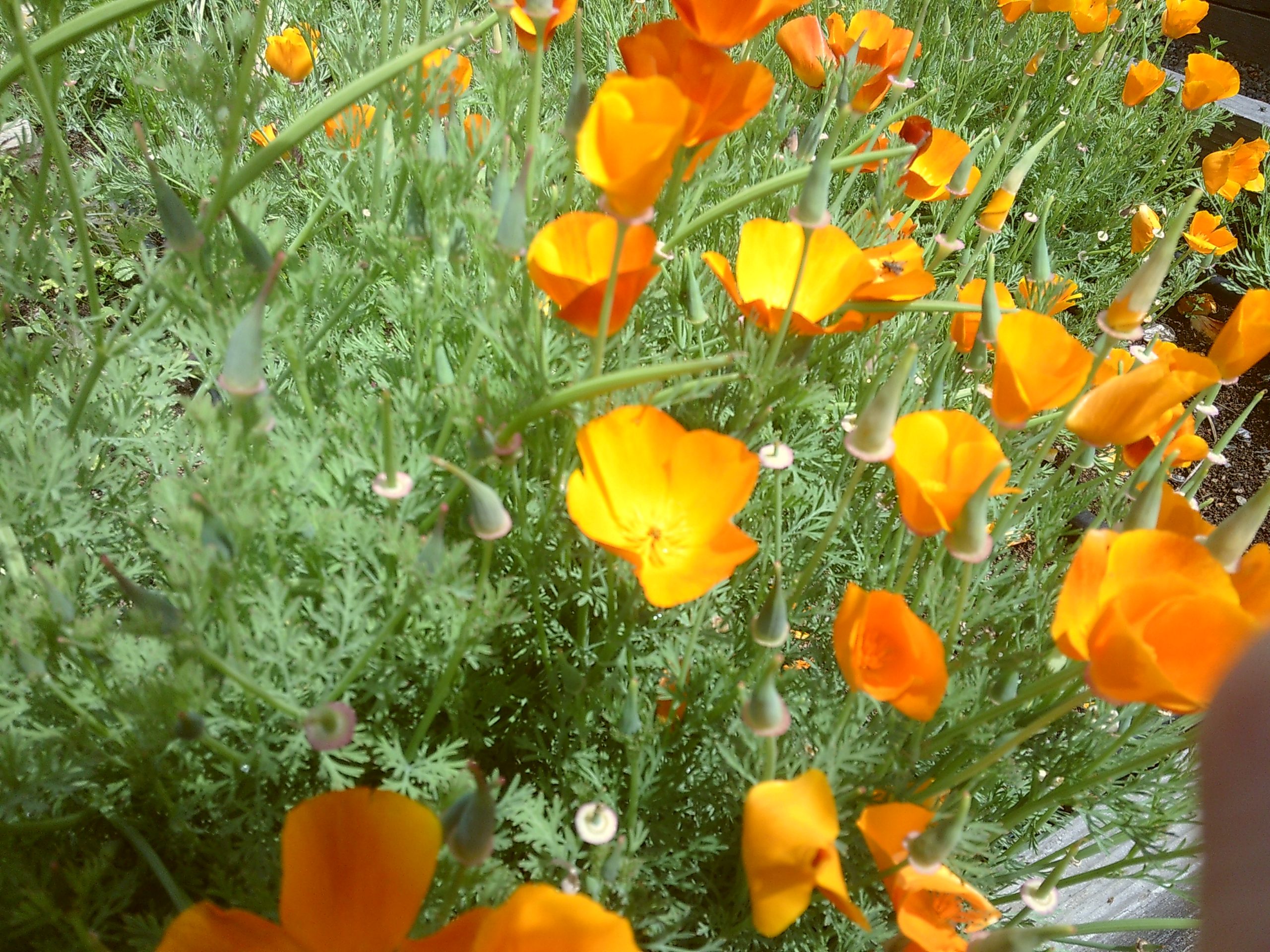
But here [in Napa] it’s spring and the flowers are everywhere, it feels like they are one and the same. Especially my last project, Grossly Aware, with all the flowers – and we have the garden [right beside us] and all that. It feels like this is the perfect spot for me to be.
Two weeks ago we were back where I’m from in Iowa. It was gloomy and rainy and we were playing a bunch of the new stuff. It was, I don’t know, probably a little bit out of place, ’cause it was all fun disco [music]. But maybe it added to [the impact], because it was so gloomy and getting rained out. I don’t know how [my music] relates to place, but I feel like I can make it whatever I want, which is kind of nice. Kind of fits anywhere.
Well, being in California for this interview makes me wanna talk about “Strawberry, California.”
We went there yesterday! We drove through it. It was my first time actually there. We went over the Golden Gate Bridge and I was– I’m from Iowa, so I’m from like, not much. [Laughs] So it’s cool that music can bring you somewhere and you get to see all the things. I don’t think I would’ve been able to see the Golden Gate Bridge and come to California [without music]. Or be in Napa for country music. Napa’s outside of my tax bracket, so it’s nice to be here. [Laughs]
One of the things I noticed when I was listening to “Strawberry, California” to get in the mood for us talking in California is the banjo playing. I love that the banjo is playing the melody along with your voice. And I love that you evoke bluegrass in your music so often. Could you talk a little bit about that song and having banjo in it, and about the bluegrass touchpoints across your catalog?
I was in a rock band that played in downtown Nashville. That’s how I paid for college. I was playing ‘90s grunge, so I’d go home and I want to listen to the opposite. That’s how I found bluegrass – just how simple and deep everything is. It’s different than how I write and talk. It’s so concise and wrapped up so well that I just envy it, in a way. I love listening to it, ’cause I feel like I can learn a lot. But then my setup, my band when I play, is a bluegrass setup. It’s upright bass, me, guitar, fiddle, another guitar. We just added drums, which is a big step.
But that’s when I started listening to bluegrass, ’cause it was like a palate cleanser. I don’t listen to a lot of modern country, because that’s the space I’m in. When I listen to it too much, I feel fatigued from it all. So bluegrass is a nice outlet. It just feels refreshing to listen to. I wasn’t raised on it or anything, so I feel a little bit like an impostor, but I love it so much.
Charlie Worsham played banjo on “Strawberry, California.” He played throughout the whole record, Grossly Aware, on guitar and banjo. “Strawberry, California,” it was tricky to get it right with a band, because of the time changes and how intricate the guitar is. But I pulled it up for him in the studio, he listened to it once, and he was like, “Wow, this is tough.” Listened to it twice, and then had it perfectly. I was like, “What in the world?!” He’s a freak. So good.
I really enjoyed listening to it. And then I also have been listening to your new single, “Drag, Queen.” I love it in so many ways.
It’s a little controversial.
Of course, it’s a little controversial, but also it’s 2026. They can catch up or we don’t need them. [Laughs] I love that, again, you’re subverting expectations. And again, it’s traditional modern country with that big hook, the wordplay is great. The sort of wink and a smile about it. But also I love that it sounds so bluegrassy.
Yeah, it’s the grassiest song I’ll be putting out this year. It’s super grassy. It’s so fun to play live. I played it on tour with Carter Faith this spring. Her audience was so perfect for it, ’cause they love weed and they are awesome. [Laughs] I played it on tour with her and it was probably my favorite song in my set.
I wrote that song last year – last June – and I posted it right away and it’s just been my favorite. I think it’s silly, but it has a lot of layers to it. I had a song, “Marry Jane,” blow up on TikTok. It was my first thing that ever did anything on TikTok, so I got hate for the first time. Which is always an interesting experience. It was all like balding, middle-aged old men being like, “Is this a song about a lesbian or a song about weed??” And I was like, “It’s about both, duh.” [Laughs]
Have you ever heard of an entendre? Yeah, no, you haven’t.
Double it. [Laughs]
[Laughs]
Anyway, it was so funny. But that’s why I wrote it. I was like, “They’ll hate this.”
@iamabbiecallahan Wrote this one yestersay, Marry Jane💌🍃 #maryjane #singersongwriter #nashville ♬ original sound – Abbie Callahan
I also wanted to ask you – femininity and hyper-femininity in country are also traditions. The performance of femininity by folks like Dolly Parton and Loretta Lynn all the way to k.d. lang. I love the way that you inhabit femininity and it’s so clear that you do not feel like it’s a burden, or that it weighs you down, or that it’s something that you could be penalized for. But I wonder how you feel like it’s received – especially on social media, like you mention, TikTok. Do you ever feel like you’re penalized for your femininity?
You know, I think as we’re starting to talk to labels and all that, yeah. I think if I was a man with this amount of monthly listeners and success so far, I would have a deal already. In that way, it’s definitely hindering, but it’s not gonna stop me from anything. I will have more leverage in two years, and that’s fine. [Laughs] But whatever. But because it’s so raw and real and feminine, I feel like my audience is all girls. It’s been really nice. I feel like I can be myself, say whatever I want, and I don’t have to worry about it. [I can] dress however I want – and dress strange – and be something to look at and not just, like, pretty, you know?
And the girls get it. I love it. I don’t think it’s a bad thing at all. It’s what I prefer. …
Another song that really jumped out at me is “Simon Says.”
The production of it started with just me in my room on guitar on TikTok, and then people were like, “I need a full strings version of this. I need a banjo version of this. I need a pop version,” all these different things. When we recorded it for the first time the demo had a synth on it, which is the banjo part. That’s how it started. I knew that wasn’t how it was gonna end, but it was like in demo jail for a year and a half. And I was like, “It has to have that element,” and then it just worked out for the banjo.
I did have a question about TikTok, so it’s interesting to hear you talk about how you’re in the comment section, you’re seeing what people say. It’s interesting to me that you’re responding in your creative process as well. Like what you just said about “Simon Says.” You’re listening to the fans being like, “I need this, I need that.”
If they want an acoustic version I’m like, “If you’ll stream it, I’ll do it.” Without a label right now, that’s been amazing. Something will blow up and in a month and a half or two months later we can have it out. You can’t replace that. It’s been really nice.
How do you feel when you’ve done a bunch of reps of a song, or when you’ve taken it from TikTok, to demo, to recording, to bringing it to an audience – do you feel like the song changes meaning? Do you feel like “Simon Says,” for instance, will always have that tinge of sadness and trauma to you? Or do you feel like the audience takes it, it changes, and then you get up on stage and you don’t feel that anymore? Or does that feeling always stay with you? ‘Cause as a songwriter myself, I feel like I re-traumatize myself every single time I play one of my songs. Is that how it feels to you with a song like that?
I have to write about what I live. I can’t just write to write. I have to put myself through stuff. It’s whatever – “tortured artist,” you know. Every line in there is real, so it’s definitely re-traumatizing.
But I guess it was my first tour, my first time singing it on stage, I was thinking about the writing of it a lot. ‘Cause it’s something so magical, that three people are in a room – or two people or just me – and then now I’m in front of 1,000 people and some of them know the songs. I don’t know, something about that is so special. I wish my co-writers were there to see it. It’s such an intimate thing.
There’s a little bit of a healing moment there.
Totally. It kinda changed what I was thinking about, especially with “Simon” and a lot of the next project. All of it’s co-written, which is different for me. I was just thinking about the people that made it all come to life. When we were in the studio, little ideas that people had. It’s so cool.
So it’s like, less sad now. I guess it depends on the situation. If it’s me on TikTok, I’m getting into the sad headspace. But in person I’m like, “Oh my gosh, this is so fun. My favorite people helped get me here.” I’m like singing “Simon Says” with a pep in my step. Like, what is going on?! [Laughs]
Want more Good Country? Sign up to receive our monthly email newsletter – and much more music! – direct to your inbox.
Photo Credit: Catherine Powell