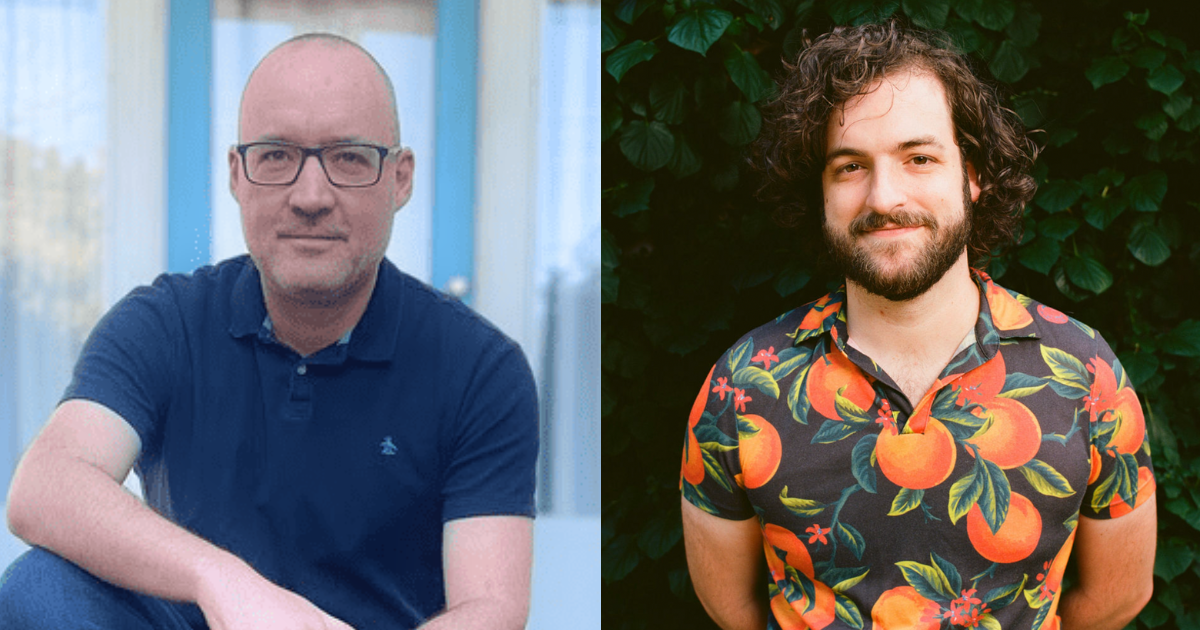
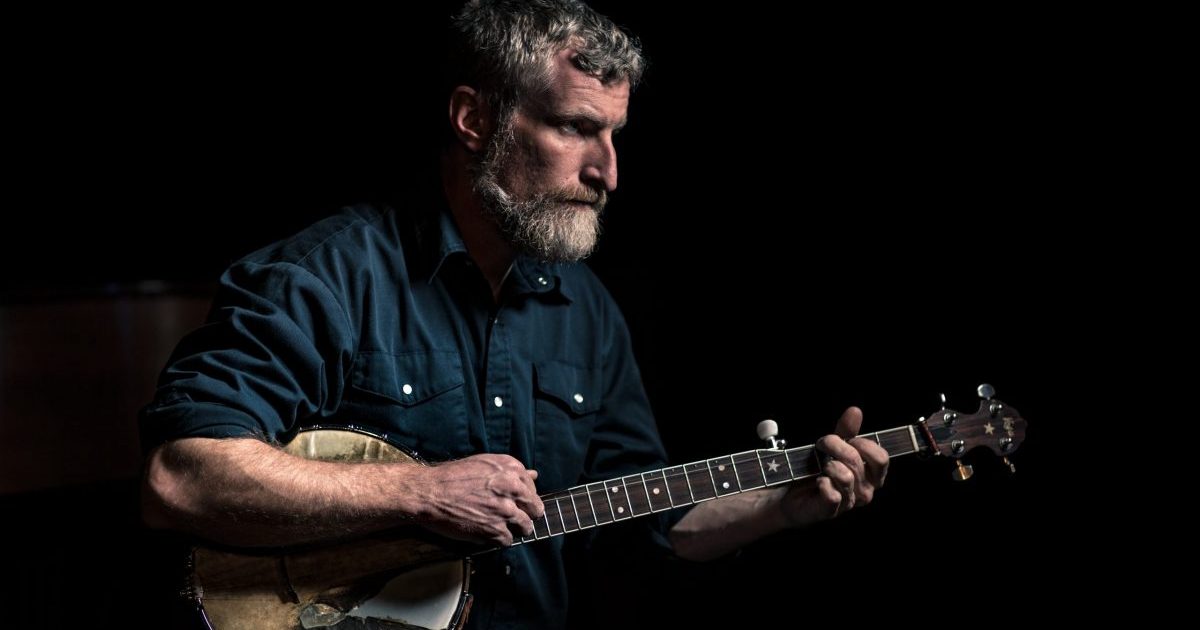
Suzanne Cox & Brandon Ratcliff Follow Their Inspiration

When mother and son Suzanne Cox and Brandon Ratcliff first began posting vertical videos to social media singing harmonies and cover songs together, they were just doing it for fun. Virality hadn’t entered their minds at all. In fact, Ratcliff had almost sworn off the internet, or using social media to advance his artist or songwriting endeavors anymore. Meanwhile Cox had been asking herself, “Am I retired? Does anyone want to hear me sing?”

From their very first videos, the answer was an obvious and resounding yes. The denizens of the internet were apparently starved for Cox’s voice – but of course they were, haven’t we all been? – and were ravenous in their discovery of Ratcliff’s own talents in musicianship and songwriting. Song after song, clip after clip racked up thousands of likes and views, dozens and dozens of new followers (including quite a few celebrities), and built an organic momentum neither artist had ever seen in their music-making careers so far.

Cox, in her late 50s, and Ratcliff, in his early 30s, have both enjoyed numerous successes and accomplishments in roots music. The Cox Family won GRAMMY Awards and IBMA Awards and appeared on the iconic O Brother, Where Art Thou? soundtrack, and are routinely named as one of Alison Krauss’s major influences in bluegrass and harmony singing. They are legends. Ratcliff has had record deals, prominent co-writes, his own solo releases, and been on the Nashville singer-songwriter hustle for more than a decade. But the energy behind their mother-son partnership has been unlike anything either have experienced before.

It’s no surprise, though, viewing their many popular videos or listening to their debut EP, Mother/Son Volume 1, released back in April. There’s something special here that can’t just be attributed to blood harmonies or genetic predisposition or God-given talent or “right time, right place.” There are aspects of each of these inputs throughout their current sky-bound trajectory, but the end result is certainly greater than the simple sum of its parts. And it’s landed them on the Grand Ole Opry, while continuing to garner even more views/followers Looking toward the future with excitement, they still let their inspirations and their audience guide them.

BGS sat down with Cox and Ratcliff at a coffee shop in Bellevue, Tennessee, on an afternoon dotted with sprinkling rain to talk about letting go of expectations, where they’re at now, where they’re headed next, and how badly the roots music world had been missing the inimitable voice of Suzanne Cox.

@therealbrandonratcliff I am weary, let me rest #obrotherwhereartthou #gospelmusic #acousticcovers #family #harmony @Suzanne Cox ♬ original sound – brandonratcliff

I wanted to start by going back to the beginning. Making music has been a lifelong thing for y’all. Your exposure to the music of your family, it being a part of the household. It’s a little bit like “chicken or the egg.” Obviously, y’all singing and being together and making music together would be a part of your family since forever. But I imagine there was a transition point when it went from being like, “We’re mother and son and we sing together,” to being, “Oh, there’s something here that maybe we should pursue.”

Suzanne Cox: I’ll have to let you tell that, ’cause you tell it very well, what happened.

Brandon Ratcliff: Thank you. When we started this really, none of [the business side of things] was on our minds. I keep telling people, “This whole thing has been a happy accident.” This has been a rare thing for me, and I don’t know if this is the same thing for Mom and them [the Cox Family], ’cause it was a different time. But for me, everything I’ve done in Nashville – for the most part, in the business – has felt a little bit like my dad always says, “Pushing a rope up a hill.” [Laughs] It’s like I’m putting so much effort into making something happen. And this [duo] thing kinda felt, for the first time ever, like we were constantly playing catch-up to what was reacting just naturally. Which has been very fun and has made us move very fast.

SC: Oh, it’s like we cannot keep up.

BR: We put something out and all of a sudden it starts working incredibly well and the next thing you know we’re like, “We gotta go record this. What are we doing? We’re late already.” That has been very exciting, fun, refreshing. The other thing is, too, having this kinda direct-to-consumer thing, where you post a video online and it resonates with people – which by the way, just even that was a surprise to us. Mom and I have talked for years about doing a project together or something. But it was mostly just for us. It was just for fun.

SC: “Someday.”

BR: “Someday we’ll do this thing. One day…” [It started when] I was back home for the holidays and we were together anyway, and singing and hanging out like we always do. I was like, “Hey, if we’re gonna sing anyway, we should just post some of these online.” Like, why not? And again, totally not thinking about the outcome. Never once considering–

SC: He was kinda done with TikTok for a little while.

BR: I was holding on loosely with the internet in general at this point. I told Mom right before, “Look, I’m not giving up on the internet, but I’d kinda let the idea that the internet would be my path to success [go].” I was like, I’ll still post, but I’m gonna try not to think about if this is gonna make my career. This was the first time I was kinda letting go of that outcome situation, and then we posted – the first thing, it was a song I was singing on the way over to her house. And it was [sings Roger Miller’s “King of the Road”], “Trailers for sale…”

SC: We were probably in Louisiana.

BR: “King of the Road.” I was singing it while I was riding the roads back there. And it did pretty well [online]. Better than most videos I had posted at that point. I was like, “Oh, this is cool,” but nothing gangbusters. But then the next one we did was a song that Mom sang on the O Brother, Where Art Thou? movie, “I Am Weary (Let Me Rest).” Yeah. We just got out there, started singing it.

SC: In front of an old vintage truck.

BR: Sang it five times in front of this old drilling rig truck. I posted it, forgot about it. My daughter’s third birthday party was later that afternoon, so I had to rush back over, get set up. All of a sudden family starts showing up and I’m getting texts from my cousins and people at the house are going like, “Dude, your video’s going viral.” I got no service out there in Louisiana.
It’s like I’m off the internet. Once I post, I’m done. So I get back on there and, sure enough, I’ve never gotten flooded with so many [notifications]. I open my phone up and it’s about to crash. It’s 400,000 views, 500,000 views. And I’m like, “What the…? This is crazy!” So then I tell Mom shortly after that, I gotta go back to Nashville.

And this, to your point, is where it starts going, “Oh wow, this is something.” This is resonating. There was one week where Rosie O’Donnell and Joe Jonas followed me and started reposting my videos. And it just keeps coming, all these people – Emily Ann Roberts, Ashley McBryde. It just kinda kept growing. Then it was immediately obvious to us and then everybody we were working with – like my producers and songwriter friends – something’s happening. The whole thing’s been like this, just accident after accident–

SC: [Smiling] Which I don’t believe is an accident.

BR: No, it’s divinely orchestrated, for sure. Very divine. The hand of God is all over this stuff.

SC: Brandon’s been at this [a long time], I [have been] for 52 years. And not really doing as much [lately], really at a point in my life where I’m trying to figure out what I’m doing in this new season. And even in prayer: “God, I’ve had a great career.” And I just thought, “Is it a time where I’m just a wife, a mother, and a grandmother?” Which is the best job. I love it. No regrets on that. No regrets. I was at a point before this all happened of just trying to figure out what my new season is. “Does anybody want to hear me sing anymore?” Still love to sing, but just had a lot going on. I had a real hard time. My husband got really sick in 2021. … And it put a lot of age on us both.

BR: Honestly, I think for us both, this season really came [while] we were both in a season of surrender. This openness – “What could happen? What God may do…”

SC: We answered quickly.

BR: It made the soil fertile for this real, raw passion – a just-living-life kinda thing. And I think it came from that season of surrender.

SC: And I was totally fine with that. I felt a calmness in that.

I hear you both communicating not a sense of giving up, but of letting go. Of realizing, “Maybe this isn’t something I need to clutch so tightly anymore.” And there is a freedom in that letting go.

SC: Yep. I agree. And also for it to be such a connection with other people. And that it resonates with people. And I love – I wasn’t reading any of the comments or anything and finally they called me and said, “Mom, you need to read these. You need to see some of this.” It’s just been such a wonderful thing to read what people say. Even if it’s, “My mamaw’s favorite song.” Or, “I bet you she can cook some good meals.” “Can I be adopted?” I just love that.

I think what stood out to me immediately is there’s something here that feels totally distinct from the Cox Family. Fresh and bright and sparkly in so many ways. But also, I was there on TikTok, y’all were on my FYP when that first video blew up. And I, like so many people who grew up with your voice, Suzanne, realized in that moment how starved I was for it. And then to see the world, all of us who did grow up with your singing have that same reaction – and then so many people who didn’t, too, have that moment of, “Who the hell is this?!” That was special to watch happen, even from the outside. Would you have ever believed people were waiting around for you to “come back”?

SC: No, I would not. And like I was telling you, a lot has gone down the pipe since then. It was a lot of heartache that I’ve gone through. We lost our dad in 2019 – so a lot of different issues. So yeah, at some point I was just thinking, “Does anybody ever even want to hear me singing?” I did. I went there. “Do I wanna hear myself sing anymore?” It wasn’t that bad, it wasn’t like I’m bawling in the bathroom or anything.

But we all have those thoughts.

SC: But we do! And it can get to your confidence, because you think that’s something in the past. For me, it was a good run [back then], and it’s been quite a gift for me to hear [the response now].

@therealbrandonratcliff I feel like I’m in a creaky old pew right now #sunday #hymns #hymnfortheweekend #motherson #familyharmony @thesuzannecox ♬ original sound – brandonratcliff

There’s something encouraging in how you’re speaking about yourself, because, to me, to somebody on the outside – you’re one of Alison Krauss’s favorite vocalists of all time! Suzanne Cox has the same sort of existential doubt that anyone might have. “Does my voice matter? Does the music I make matter?” And if we could all remind ourselves that’s just being human, we all have that ebb and flow.

SC: That’s right.

I think for so many of the hundreds and thousands of us, we never would have imagined that you would have that sort of doubt.

SC: It’s a little different these days. A lot of people have said, “Is she in retirement now?” I don’t know! Am I? I didn’t say it, but just life happens. As women, too, we wear just as many hats as a man does–

Even more.

SC: You’re a mother, and you’re a grandmother, and you’re fixing problems. I wasn’t heartbroken. I had a life that was good and felt good, I felt a peace about it. But I am delighted to be able to have a new song in my heart.

BR: And for me it wasn’t a shock, of course, because like you’re saying–

SC: Yeah, he’s always been so encouraging– him and his brothers.

BR: I grew up hearing mom sing and always knew she had a world-class voice. I used to hear mom all the time growing up, and me and dad would talk about it. I’d talk about it with my brother. It was like, “If anybody could hear this…”

SC: This might be when you were clueless. [Laughs]

BR: If anybody could just hear Mom singing around the house! And this kind of points to what we’re talking about again, this free space. If you could hear her sing just around the house, when she’s just messing around, you’d be like, “This woman is insanely good at singing.” It’s amazing, and almost even better than anything you hear on a recording.

SC: I feel so uncomfortable with y’all saying that. [All laugh]

BR: But to your point, though, this is a universal thing. I think this is true of a lot of us. That “dance like no one’s watching” mindset. When you don’t care, and you loosen up–

First take magic.

BR: Yes!

SC: If you’re like my sister, there was a lot of them that she did was her scratch vocal. One take!

BR: I tell Mom this all the time, and you learn this over and over with the internet, because posting online, there are diminishing returns the more you polish it. … We do have a tendency as creative people, as performers, to be perfectionists. Nothing’s ever good enough. We’re our worst critics. We all have a little bit of deep insecurities or impostor syndrome.

One of the things I love most about roots music – whether bluegrass or country or Americana or folk – is it’s always asking us to let the imperfections be. That’s why this music is so good. Because you can’t ever get a banjo in tune. Because the music has pocket. Because when you’re singing harmonies with somebody, maybe sometimes you are singing a dissonant note, or you’re singing a flat seven instead of something that’s diatonic, because “that’s how it goes.” Even though it’s got a little ugliness in it. The internet wants everyone to be perfect, but roots music is never perfect.

SC: Yep. Never perfect. Like you said, that’s what makes it really special.

@therealbrandonratcliff Can’t wait for @unclebsdamnedoleopry with @heyuncleb and the gang! April 28th we are honoring #continuum with some insanely talented artists and musicians by singing through some classics from the goat @johnmayer #motherson #cover #harmony #johnmayer @thesuzannecox ♬ original sound – brandonratcliff

I love how you guys are making cross-generational music in so many ways. But one of the ways that evidences itself is that I think this is some of the more “outside” or progressive music I’ve ever heard you sing, Suzanne. You’re really playing with genre in a really interesting way. Whether you’re singing a John Mayer cover or it’s “Far Side Banks of Jordan,” I love seeing how these sort of modern, more pop sensibilities are coming into the music. Then you also how the Cox Family vocal stylings have always had a modern crispness, modern licks, runs, and turns of phrase. How are you thinking about genre and playing with that?

SC: I don’t know. I’ve told Brandon this, I’ve never been one of those [tradition hardliners]. I know you say our sound [was traditional], but Daddy, from the get-go, we were doing [all kinds of styles]. He was very open. We started out old traditional country. We used to do old hayrides before we went into the bluegrass scene. But he introduced us to Don Reno & Red Smiley, plus Merle [Haggard] and Loretta Lynn. I’m getting a lot of people saying [I sound like] Loretta Lynn. She was a hero of mine, so I see that. Of course, Dolly [Parton] and Patsy Cline. But [Daddy] was really open to [different styles], so I was already at a point where I love what I love.

If I can make it sound like me, that’s what I wanna sing. So [the Cox Family] opened up for the Counting Crows. And did Eagles songs and “Blue Bayou.” We listened to classical and anything that we liked – Kenny Loggins, Loggins and Messina. … I’ve done Marvin Gaye, on that last album… It was good that he encouraged us to be able to be open.

BR: I feel like for me – and again, I wouldn’t have probably said this five years ago. I would’ve probably taken some real credit for this and been like, “I think it’s ’cause of me!” I’m young, whatever. But I think that, now, as I get older and I kinda look at the context of my life and what they did and everything, and how she raised me growing up, I kinda think it’s a natural downstream effect. Outside of just how she raised me on music, I grew up in the late ’90s, early 2000s, so I grew up listening to everything. She raised me listening to everything, like Songs in the Key of Life by Stevie Wonder, Hall & Oates, all the stuff she grew up on. But then Backstreet Boys and the rock groups of the ’90s, Sugar Ray – it was just all over the place.

SC: And Don Reno & Red Smiley. [Laughs]

BR: There’s still a box set of Merle Haggard in my truck right now. I’ve listened to all these kinds of things. I grew up with a very diverse listening, and then I was in the iPod generation, so there was the shuffling music. …

I think when we sing something, even as off the beaten path as it is, I think you just innately are you, and I am innately me. It’s fate, we’re mother-son. We kinda have similar tendencies, to notes and a choice of a run here or not there. I think that’s kinda what gives it that common thread. You can take a hard rock song or you can take an old country song, and as long as it’s me and you singing it…

SC: Sometimes it’s a challenge, too. In a good way! …

BR: But whenever I blend with Mom, it’s like I’m learning how to take the thing that I do that’s really distinct and interesting about myself, but also shed some of the other solo stuff to match with her. Because it’s me and Mom, it kinda changes the alchemy of the song a little bit in a really cool way.

One practical impact of you both being at this point in your careers – Brandon, you have already done two or three or four laps around Nashville, trying to get into the scene in the same way most folks do. Suzanne, you had this vibrant career and were asking yourself, “What now?” So, for both of you to then be able to be like, “Actually, we know we don’t have to do it the ‘Music Business’ way. We know we can just do it the way that we’re gonna do it.”

SC: Exactly. I told Brandon, “I’m 59 this year. And at this age you start relaxing a little bit more.” I could relax a little bit more, my son would say. [Laughs] But I’m learning so much, and I don’t think you can [avoid that]. I don’t think people give up. And I feel like I can still learn a lot. I’m learning from my child, I’m learning from this industry. But we always want to be unique.

BR: That’s one of the cool dynamics about being mother-son. We found a niche, I believe, too. … I’ve seen both sides. In the 12 years I’ve been here, it was the old world one minute and then everything was new. I’ve kinda gotten acclimated to this. And I’m always telling Mom, “It’s really funny we share these stories.” ‘Cause there’s stuff to learn from both eras. I’m always telling Mom, “That thing that you see as messy or weird or, ‘Oh, that was embarrassing,’ I go, ‘That’s when I and everyone else see you shine. You’re funny, you’re smart, you’re incredibly talented.'”

That’s something about this new world, the internet world, that is so different from whenever they were coming up. Where everything was kind of media-trained and scrubbed and, “Let’s shave the edges off.” Whereas now I’m telling Mom, “No, that is the goal.” When you are just yourself and I happen to catch it, that’s the thing that people light up for.

In a world where more and more, when you go on the DSPs and you hit shuffle, you might be hearing AI music, having those moments of real humanity are so important. Maybe it’s imperfect, but it’s real and it’s raw. You see so many videos online that are like three singers in a kitchen harmonizing together “impromptu.” You go to the comments and everyone’s saying, “We can hear the auto-tune.” Audiences know what’s real and what’s fake.

SC: Which is fascinating that you say that, because a lot of people have said, “Oh, there’s no way this is just in your backyard.” [Both laugh]

BR: TikTok has a great reverb, if you only knew.

SC: I think it’s funny.

I want people to think I’m tuned when I’m not!

BR: Exactly. [Laughs] I think people are jaded. I think they’re paranoid – to your point about they’re getting fed so much phony stuff. They don’t know what’s real anymore. That’s one of the encouraging things about the world we live in, I think it is increasing the demand for real human authenticity. That is a positive side of this pendulum swinging. People are fed up with this “sounds too perfect” trend. It’s indiscernible from a robot.

Even to the point that there was a girl who commented on this video we did, I posted a backstage video of us at the Opry. She said, “There’s no way this wasn’t studio-recorded before.” I’m sitting here going, “I’ll take it as a compliment.” ‘Cause I felt like I was all over the place in that video! But thank you for thinking that.

I think people are telling on themselves with a lot of the hand-wringing over what to do about AI. Of course I agree, we should be very careful with how we’re proliferating this technology and protect creators’ rights, but also AI is never gonna be able to do what Suzanne Cox’s voice does, right? And I’ve not yet heard a convincing AI bluegrass banjo player. I don’t think it’s coming for our jobs! I hope that what we’re all doing is real and human enough that AI will never come for these jobs.

SC: When they’re all in the coloring book, inside the lines, we’ll color outside … and the rest of us. We’re gonna color outside the lines. …

BR: I’ll say, I think the one thing I’ve learned from this whole experience is there are no rules.

SC: Yeah, exactly.

BR: This whole idea that you gotta post this many times, you gotta do this, you gotta do that… Blah, blah, blah. People will tell you, whether you’re talking about the internet or anything else, they’ll tell you there’s a certain math to it. I’m like, “Man, I don’t know anything about what I’m doing.” My guesses have gotten better, but I’m still clueless. The only thing I can tell you for sure is that you have to follow the pace of your inspiration. As soon as you start doing it because you feel obligated, you’ve already lost.


Photo Credit: Chase Hentges
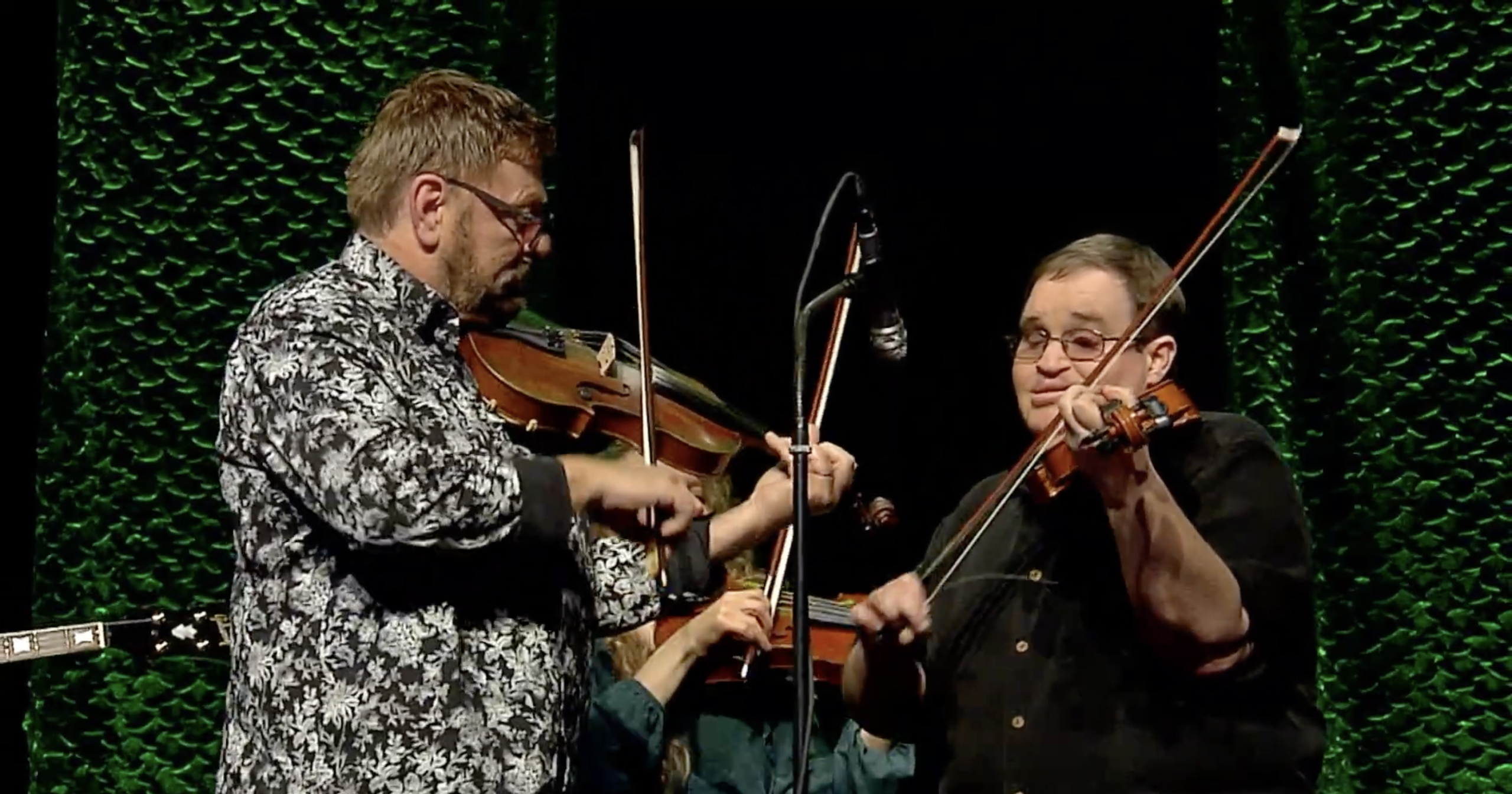
Watch Ron Stewart and Michael Cleveland Perform “Roanoke”

Industrial Strength Bluegrass has a great thing going – in Southwestern Ohio and on social media, too. Awarded Event of the Year by IBMA in 2022 and 2024, the Xenia and Wilmington, Ohio-based festival – run by Joe Mullins, and his family and staff at Real Roots Radio – have amassed tens of thousands of followers on TikTok. Clips from their Summer Fest, indoor festivals, and the radio station have racked up millions of views on TikTok, YouTube, Instagram, and Facebook. And rightly so, their events and airwaves always boast the absolute best in bluegrass.

BGS has partnered with Industrial Strength Bluegrass over the years and this time we’re excited to bring you full-length videos of ISB’s most popular and veritably viral performances. First up, it’s a performance from Industrial Strength Bluegrass’s March 2024 edition indoors in Wilmington, Ohio at the Roberts Centre. In a rare duo appearance, fiddling phenomenons Michael Cleveland and Ron Stewart wowed the ISB crowd. In this video, the pair perform a rip-roaring rendition of “Roanoke” with Joe Mullins himself joining in on banjo, as well as IBMA Award winner Vickie Vaughn on bass, and members of High Fidelity including Jeremy Stephens, Corrina Logston Stephens, and Daniel Amick.

It’s easy to tell why this video was so popular in its shortened, vertical format! Stewart and Cleveland are two of the best, both having won IBMA’s Fiddle Player of the Year (Cleveland an unprecedented 12 times) and both beloved by legions of bluegrass fans, from jamgrass to mash and back again. For an impromptu sort of jam session on stage, it’s a magnetic and impressive performance of a classic fiddle tune. Since 2024, many snippets and clips from Cleveland and Stewart’s 3o-minute performance together at Industrial Strength Bluegrass have taken off on social media. We know we aren’t the only ones who appreciate ISB bringing bluegrass to the masses with their festival content.

Follow Industrial Strength Bluegrass on TikTok, Instagram, YouTube, and Facebook. Make plans to attend their Summer Fest held July 16-18, 2026 in Xenia, Ohio, and future indoor festivals, too. More information can be found here.


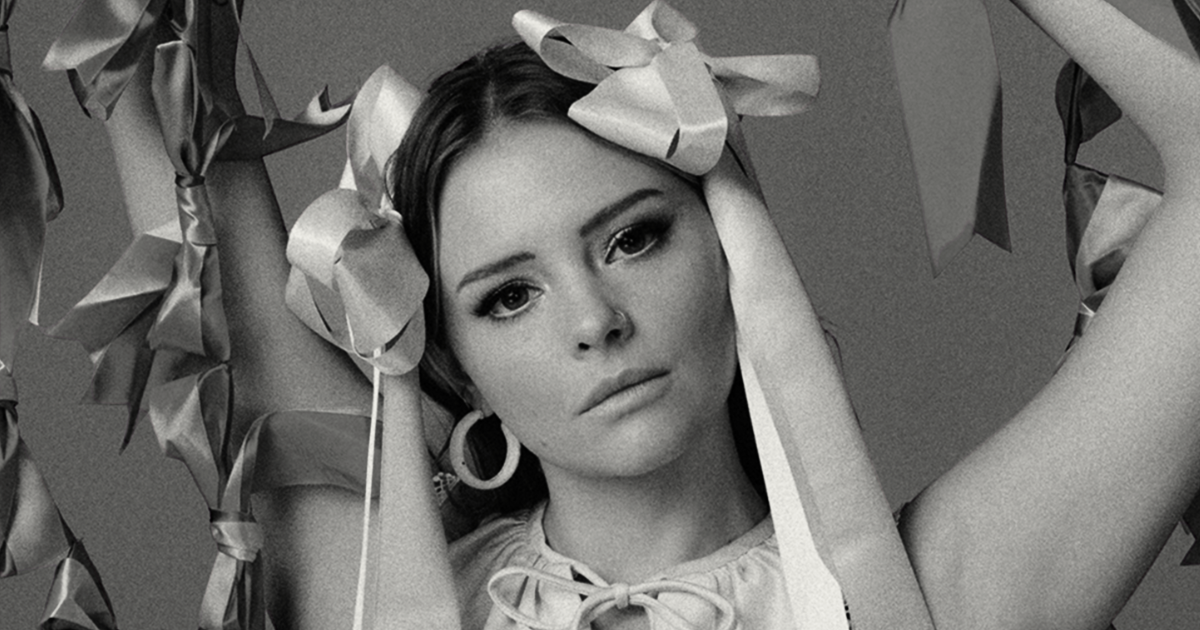
There’s an Edge to Abbie Callahan’s Sugary Country

There’s an effortless charm to singer-songwriter Abbie Callahan’s persona when you first encounter her via vertical video. Beautiful and whimsical makeup, adorable wardrobe, hyper-femininity, and a Gen Z polish to her social media presence are all complicated in the most fascinating ways by her music itself. Landing somewhere in between witty and incisive pop country like Kacey Musgraves and gritty, train-hopping Americana such as Sierra Ferrell, you’d be well served not to make assumptions – or to sell Callahan’s songs short based on appearances.

This is not a book you can accurately judge by its cover. Callahan’s songs will reel you in with her sharp, impactful vocals, her deft wordplay and solid hooks, and a wink and sly smile around every lyrical corner. Tracks like “Simon Says” will have your head bobbing before you even realize the devastation and trauma woven through the lyrics. A new, as-yet-unreleased number, “OptiMystic” – debuted, as Callahan tracks often are, on TikTok – lays out her worldview pretty tidily:

I’ve been known to be a little easy on a Saturday
Known to smoke a cigarette and throw up in the alleyway
Checked off greed and lust in a church pew
Had confession in the Red Door bathroom

Who can really say where you can talk to Jesus anyway?
Anyway…

If you were to engage with and enjoy Callahan’s music without any deeper inspection, you’d still come away with plenty. But the real appeal here is that the sweet, sugary veneer on these songs is only to bring you in. It’s the tinges of bitterness, the tannins, the “something much deeper going on below the surface” that will bring you back again and again. However you zoom out or zoom in on Callahan, her lyrics, her process, and the way she brings her songs directly to her listeners there’s subversion, a deliberate and inspired flouting of expectations.

@iamabbiecallahanWho can really say where you can talk to Jesus anyway… anyway🧚🏼‍♀️🔮♬ OptiMYSTIC – Abbie Callahan

Callahan is intentionally leveraging the way she’s perceived outwardly and visually to “Trojan horse” her way of making music into a country industry that’s often loath to platform artists like her, who build fandoms and idiosyncratic styles on hyper-femininity without apology. Like Dolly, Loretta, Kacey, and so many others who’ve come before her in that age-old country tradition, Abbie Callahan is onto something.

We caught up after a gentle spring rain in Napa Valley, as Good Country attended Live in the Vineyard Goes Country and caught Callahan performing as part of the event. Finding ourselves in such a stunning location, we began our interview chatting about country’s relationship to place and how well-suited this music is to the many settings it finds itself in.

I wanted to start by asking you about country’s relationship with place. Country music is always about place – rural places, urban places; farms and ranches; California, Tennessee, Iowa. We’re at Live in the Vineyard Goes Country here in Napa, so I’m thinking about country and place, and I wonder if you think about country’s relationship to place – and about how this music is so appropriate for so many different contexts, whether you’re in Napa or playing a honky-tonk or a festival. How do you think about country’s relationship to place and to land? It’s interesting to be here in a place like this with everybody sharing a few days in such a beautiful setting.

Abbie Callahan: That’s a great question. Usually I think about it in context of place in genre. It kind of is the same thing to me. My music with a band or just with guitar, I can make it fit into whatever genre I want – I feel like that in place, too.

But here [in Napa] it’s spring and the flowers are everywhere, it feels like they are one and the same. Especially my last project, Grossly Aware, with all the flowers – and we have the garden [right beside us] and all that. It feels like this is the perfect spot for me to be.

Two weeks ago we were back where I’m from in Iowa. It was gloomy and rainy and we were playing a bunch of the new stuff. It was, I don’t know, probably a little bit out of place, ’cause it was all fun disco [music]. But maybe it added to [the impact], because it was so gloomy and getting rained out. I don’t know how [my music] relates to place, but I feel like I can make it whatever I want, which is kind of nice. Kind of fits anywhere.

Well, being in California for this interview makes me wanna talk about “Strawberry, California.”

We went there yesterday! We drove through it. It was my first time actually there. We went over the Golden Gate Bridge and I was– I’m from Iowa, so I’m from like, not much. [Laughs] So it’s cool that music can bring you somewhere and you get to see all the things. I don’t think I would’ve been able to see the Golden Gate Bridge and come to California [without music]. Or be in Napa for country music. Napa’s outside of my tax bracket, so it’s nice to be here. [Laughs]

One of the things I noticed when I was listening to “Strawberry, California” to get in the mood for us talking in California is the banjo playing. I love that the banjo is playing the melody along with your voice. And I love that you evoke bluegrass in your music so often. Could you talk a little bit about that song and having banjo in it, and about the bluegrass touchpoints across your catalog?

I was in a rock band that played in downtown Nashville. That’s how I paid for college. I was playing ‘90s grunge, so I’d go home and I want to listen to the opposite. That’s how I found bluegrass – just how simple and deep everything is. It’s different than how I write and talk. It’s so concise and wrapped up so well that I just envy it, in a way. I love listening to it, ’cause I feel like I can learn a lot. But then my setup, my band when I play, is a bluegrass setup. It’s upright bass, me, guitar, fiddle, another guitar. We just added drums, which is a big step.

But that’s when I started listening to bluegrass, ’cause it was like a palate cleanser. I don’t listen to a lot of modern country, because that’s the space I’m in. When I listen to it too much, I feel fatigued from it all. So bluegrass is a nice outlet. It just feels refreshing to listen to. I wasn’t raised on it or anything, so I feel a little bit like an impostor, but I love it so much.

Charlie Worsham played banjo on “Strawberry, California.” He played throughout the whole record, Grossly Aware, on guitar and banjo. “Strawberry, California,” it was tricky to get it right with a band, because of the time changes and how intricate the guitar is. But I pulled it up for him in the studio, he listened to it once, and he was like, “Wow, this is tough.” Listened to it twice, and then had it perfectly. I was like, “What in the world?!” He’s a freak. So good.

I really enjoyed listening to it. And then I also have been listening to your new single, “Drag, Queen.” I love it in so many ways.

It’s a little controversial.

Of course, it’s a little controversial, but also it’s 2026. They can catch up or we don’t need them. [Laughs] I love that, again, you’re subverting expectations. And again, it’s traditional modern country with that big hook, the wordplay is great. The sort of wink and a smile about it. But also I love that it sounds so bluegrassy.

Yeah, it’s the grassiest song I’ll be putting out this year. It’s super grassy. It’s so fun to play live. I played it on tour with Carter Faith this spring. Her audience was so perfect for it, ’cause they love weed and they are awesome. [Laughs] I played it on tour with her and it was probably my favorite song in my set.

I wrote that song last year – last June – and I posted it right away and it’s just been my favorite. I think it’s silly, but it has a lot of layers to it. I had a song, “Marry Jane,” blow up on TikTok. It was my first thing that ever did anything on TikTok, so I got hate for the first time. Which is always an interesting experience. It was all like balding, middle-aged old men being like, “Is this a song about a lesbian or a song about weed??” And I was like, “It’s about both, duh.” [Laughs]

Have you ever heard of an entendre? Yeah, no, you haven’t.

Double it. [Laughs]

[Laughs]

Anyway, it was so funny. But that’s why I wrote it. I was like, “They’ll hate this.”

@iamabbiecallahan Wrote this one yestersay, Marry Jane💌🍃 #maryjane #singersongwriter #nashville ♬ original sound – Abbie Callahan

I also wanted to ask you – femininity and hyper-femininity in country are also traditions. The performance of femininity by folks like Dolly Parton and Loretta Lynn all the way to k.d. lang. I love the way that you inhabit femininity and it’s so clear that you do not feel like it’s a burden, or that it weighs you down, or that it’s something that you could be penalized for. But I wonder how you feel like it’s received – especially on social media, like you mention, TikTok. Do you ever feel like you’re penalized for your femininity?

You know, I think as we’re starting to talk to labels and all that, yeah. I think if I was a man with this amount of monthly listeners and success so far, I would have a deal already. In that way, it’s definitely hindering, but it’s not gonna stop me from anything. I will have more leverage in two years, and that’s fine. [Laughs] But whatever. But because it’s so raw and real and feminine, I feel like my audience is all girls. It’s been really nice. I feel like I can be myself, say whatever I want, and I don’t have to worry about it. [I can] dress however I want – and dress strange – and be something to look at and not just, like, pretty, you know?

And the girls get it. I love it. I don’t think it’s a bad thing at all. It’s what I prefer. …

Another song that really jumped out at me is “Simon Says.”

The production of it started with just me in my room on guitar on TikTok, and then people were like, “I need a full strings version of this. I need a banjo version of this. I need a pop version,” all these different things. When we recorded it for the first time the demo had a synth on it, which is the banjo part. That’s how it started. I knew that wasn’t how it was gonna end, but it was like in demo jail for a year and a half. And I was like, “It has to have that element,” and then it just worked out for the banjo.

I did have a question about TikTok, so it’s interesting to hear you talk about how you’re in the comment section, you’re seeing what people say. It’s interesting to me that you’re responding in your creative process as well. Like what you just said about “Simon Says.” You’re listening to the fans being like, “I need this, I need that.”

If they want an acoustic version I’m like, “If you’ll stream it, I’ll do it.” Without a label right now, that’s been amazing. Something will blow up and in a month and a half or two months later we can have it out. You can’t replace that. It’s been really nice.

How do you feel when you’ve done a bunch of reps of a song, or when you’ve taken it from TikTok, to demo, to recording, to bringing it to an audience – do you feel like the song changes meaning? Do you feel like “Simon Says,” for instance, will always have that tinge of sadness and trauma to you? Or do you feel like the audience takes it, it changes, and then you get up on stage and you don’t feel that anymore? Or does that feeling always stay with you? ‘Cause as a songwriter myself, I feel like I re-traumatize myself every single time I play one of my songs. Is that how it feels to you with a song like that?

I have to write about what I live. I can’t just write to write. I have to put myself through stuff. It’s whatever – “tortured artist,” you know. Every line in there is real, so it’s definitely re-traumatizing.

But I guess it was my first tour, my first time singing it on stage, I was thinking about the writing of it a lot. ‘Cause it’s something so magical, that three people are in a room – or two people or just me – and then now I’m in front of 1,000 people and some of them know the songs. I don’t know, something about that is so special. I wish my co-writers were there to see it. It’s such an intimate thing.

There’s a little bit of a healing moment there.

Totally. It kinda changed what I was thinking about, especially with “Simon” and a lot of the next project. All of it’s co-written, which is different for me. I was just thinking about the people that made it all come to life. When we were in the studio, little ideas that people had. It’s so cool.

So it’s like, less sad now. I guess it depends on the situation. If it’s me on TikTok, I’m getting into the sad headspace. But in person I’m like, “Oh my gosh, this is so fun. My favorite people helped get me here.” I’m like singing “Simon Says” with a pep in my step. Like, what is going on?! [Laughs]


Want more Good Country? Sign up to receive our monthly email newsletter – and much more music! – direct to your inbox.

Photo Credit: Catherine Powell

Two Women on the Cutting Edge of Bluegrass’s Future

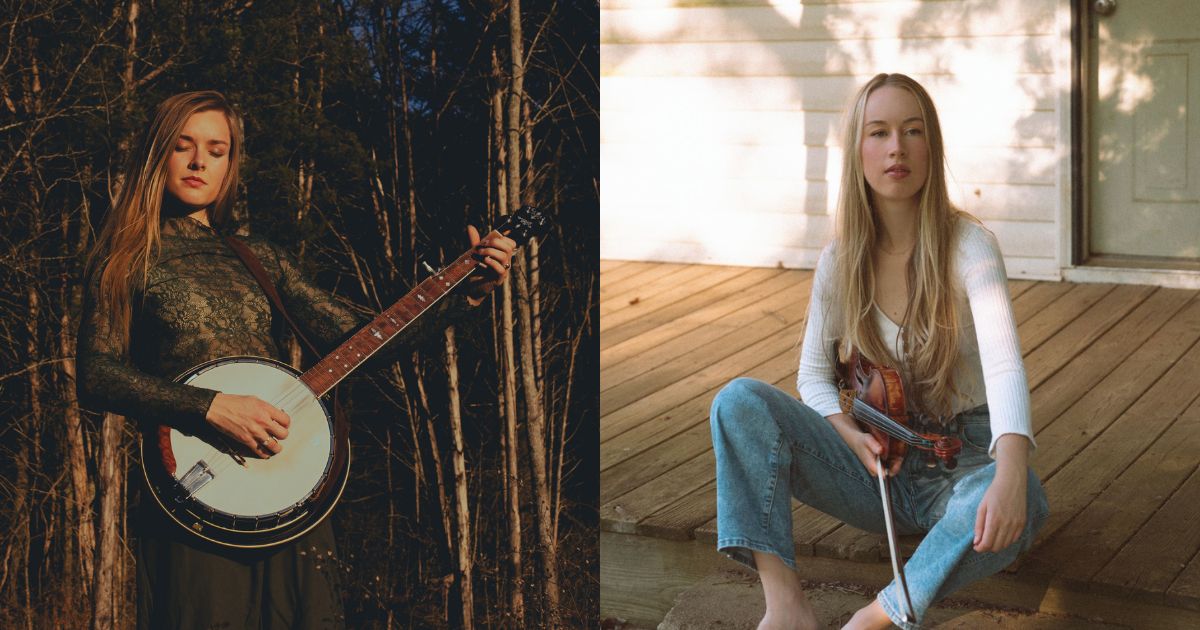
At whatever level you may be plugged into the online bluegrass scene, you have surely heard, seen, or scrolled into content by Bronwyn Keith-Hynes and Brenna MacMillan. These two young, talented pickers are part of a vibrant and blossoming community of traditional musicians and folk artists that includes folks like Cristina Vane, Victor Furtado, Hilary Klug, Wyatt Ellis, and many more.

What makes these creators stand apart, especially Keith-Hynes and MacMillan, is that they aren’t just shoehorning social media into their art-making and creative processes to move up Music City ladders and check abstract music industry boxes. Instead, they’ve intentionally demonstrated how powerful, engaging, and charming content can be when it’s made with art, creativity, tradition, and joyful, cooperative generation as its focal points. Instead of bending over backward to construct virality and lean into transient socials trends, they let their talent, their songs, and their communities do all the talking.

In May, Keith-Hynes released her second solo album, I Built a World, her first project to center songs and her recently-developed, impressive vocals. Drawing on musicians and pickers from her immediate circle and her main gig – Molly Tuttle & Golden Highway – as well as tapping notable country stars and bluegrass legends, the project finds Keith-Hynes at her most confident and unbothered. This is a fiddler-singer-front woman who has found her voice – literally, through work, practice, and vocal lessons as well as figuratively, not satisfied to craft a career on bowing the fiddle alone.

@bronwynmusic Somehow Tonight [Earl Scruggs] SPBGMA stairwell jam!!! Our favorite acoustics for sweet harmonies 😇 🎻: Bronwyn Keith-Hynes 🪕: Brenna @Brenna MacMillan 🎸: Danielle Yother #spgbma #bluegrass #indoor #festival #nashville #harmonies #womeninmusic #banjo #guitar #fiddle #fridaynights #weekend #fyp #stairwellsinging #explore #foryou #bluegrasstiktok ♬ original sound – Bronwyn Keith-Hynes

Later this year, MacMillan will release her debut solo album. Its lead single, “What’s to Come,” features Ronnie McCoury and is indeed a harbinger for the superb album to follow. This project, which highlights MacMillan’s prolific songwriting and features her musical community fleshing out the band, is built directly upon the successes she, Keith-Hynes, and others have found on the internet. Eschewing labels, management, or traditional roll outs, MacMillan will release the project herself, with funds raised on GoFundMe, bringing the music directly to her consumers on her own website and socials channels without “middle men.”

So, not only are MacMillan and Keith-Hynes innovating on ideas around what it means to be a side person, a career picker, and multi-hyphenate, professional traditional musicians, they’re taking all of their expertise as online brands and businesswomen to find success for themselves, on their own terms. They’re focusing on what matters, centering their communities, and making incredible, superlative music at the same time.

BGS connected with MacMillan and Keith-Hynes together via video chat to talk about their unique approaches to making albums, content, and music, while highlighting the deep and tight-knit “bluegrass influencer” circle they’ve each helped create since moving to Nashville and putting their all into bluegrass.

I wanted to start by talking about community and musical community – one of the reasons why I wanted to have you both in conversation with each other is how you each rely on, draw from, and center your musical communities in what you create. It may look like these are solo projects that you’re making, but they’re clearly not solitary projects – and they don’t really feel like vanity projects, either. from the outside looking in either. It really feels you’re making music with other people so you can make music with other people. Could you talk about your work, your solo albums, and working in your communities?

Bronwyn Keith-Hynes: Yeah, I think first and foremost, me and Brenna are good friends and we just ended up being drawn together. We both moved to Nashville around the same time and ended up doing a lot of things together and had a lot of similar interests. That’s cool to find. I haven’t found that many women who have my same interests until I moved to Nashville and then all of a sudden I felt like there was a whole bunch. It’s been really awesome to find that.

First of all, I’m just such a fan of so many people, and I wouldn’t want to make music any other way. My project was based around songs from my community, which was really special to me. It was like a little nerve wracking reaching out to friends and people I respected to be like, “Do you have a song that you’re not going to record that I could record?” But, thankfully, a lot of people did – including Brenna – and I ended up recording one of her songs. And, she sang on it and it was awesome!

I feel like I couldn’t do it alone. I know my strengths and then I know other people’s strengths and I want to make sure we’re all [drawing on our strenghts]. I don’t know if singing is my strength, but it’s something I feel passionate about and feel driven to do for whatever reason. I know the things that I want to put out in the world; I want to make sure the music I’m making has the best parts of myself, but then the best parts of everyone else who’s playing on it.

I think that folks who aren’t just straight white men in this industry, we realize from the get-go that we have to have others with us. We have to do it together. Otherwise we’re not going to go the distance. I feel that in both of your music, as well. But Brenna, I wonder what that question brings up for you, as you’re thinking about and positioning your album to release as well?

Brenna MacMillan: It’s funny, because when Bronwyn asked about songs that I had, I had like a bunch and at that time I wasn’t even thinking about [making] an album at all. I think it was maybe like a couple months later that I decided, based on my friends that kept being like, “You should record some of these songs!” And I was like, “I guess…” I wasn’t thinking about it at all whatsoever.

Then that’s another way like to get my songwriting out there, too. And why wait for someone to come to me for songs if they don’t even know that there are songs? Besides my friends, which is who I first would want to do my songs anyway. It’s funny, because obviously it’s really cool putting out your own music, but I still get more excited when “Riddle” comes on than when “What’s to Come” comes on. [Laughs] That is so cool!

Someone else’s vision for your song, it’s like the coolest thing ever to me. Because, I know what my brain comes up with so it’s not shocking, but someone else’s ideas around something that you wrote – it’s like the coolest thing ever, and I guess that’s why I love the community. I feel like community is like the word that I say way too much, but I do I love it. For Bronwyn, Cristina [Vane], Hilary [Klug], Emily, and Mallory, to some extent back in 2018, we all were moving to town around that time and then 2020 hit and I think that’s when we all got a little closer, because we were all bored and wandering around. I took a lot of walks with my friends, individually, we tried to stay across the path from each other, but I think those bonding moments brought us closer. We were like, “Let’s get coffee” or “let’s get dinner,” and then we ended up making a video or something and it all evolved into great friendship, plus people online being like, “Oh, we like to hear you guys play together!”

@brennamacbanjo Friday night with Lester Flatt! #bluegrass #harmonies #sisters #womeninmusic #fyp #banjo #fiddle #musicians #foryou #friday #weekend #vibes #flatt #scruggs @bronwynkeithhynes @cvanemusic ♬ original sound – brennamacbanjo

One of the things I love most about that whole community of content creators – you’re talking about Cristina Vane and a lot of these other folks you create with here in Nashville – it never feels like you’re trying to shoehorn bluegrass into contemporary content creation. It really seems that making bluegrass music and making roots music with your friends is the impetus, and then you made it fit into social media – instead of vice versa. Like, it’s happened organically and from a community standpoint first, and not just from “I have a social strategy. I have a five year plan.” Do you agree or disagree?

BM: Oh yeah, I agree. There’s not much strategy that’s happened in here. There’s not a lot of that going on. [Laughs]

And yet, I can tell you objectively from the outside looking in, y’all are still operating with 110% more strategy in mind than most of bluegrass. [Laughs]

BKH: I feel like Brenna and I have both talked about – correct me if I’m not saying this right, Brenna – wanting social media to serve us, rather than for us to serve social media. The end goal, for at least for both of us, is not like to become a social media star, it’s to have it serve us, to get our names and our music out to more people.

BM: Yeah! And it felt like it was very random that social media took off for me. I was just like, “Where are you guys coming from? Why do you want to hear me kick off a J.D. Crowe song like every day?” But at the same time, it has its own frustrations and that’s when me – and I think a bunch of the other girls that do this side by side with their music careers – we’re like, “We’re going to have this, but only if it makes sense for helping promote our live gigs and any projects we’re doing.” But as soon as I get nasty comments, or this, or that I’m like, “Oh, I will literally just get off of this app if it’s going to go this direction.” I just block people and then keep going.

I want an audience who will appreciate the things that I want them to appreciate. I think that I’ve trained my audience, too. Basically I shoved it in there, “You are going to listen to this slow song and try to enjoy that. And if you don’t, then I’m going to take you [out of my following]…” Because there have been some people who think that I am a content creator on there, and I’m like, “No, I play music and I took an hour out of my day and posted this video and we’re lucky that happened. Now I’m on my way to a gig and I don’t need some [negative] comment.” But you could come to a live gig and request a song!

Brenna, one of the things I love about your upcoming album and the messaging around it is that you’re really doing  a direct-to-consumer business model and roll out. You’re being like, “Y’all can come to me. You already know how to find me, so this is where you can find the music, too.” I think it’s amazing and again, it’s the cutting edge of what the future of bluegrass will be while it’s also so fucking trad. It’s like back in the day, when bluegrass music required taking the car battery out of the car to play a show in the high school auditorium and then putting the battery back in to drive to the next high school auditorium.

It’s like you’re doing that in the 21st century. You’re being a DIY bluegrass musician, but in 2024. Can you talk a little bit about the direct to consumer model you’re using with your album roll out?

BM: I was like, I need to build a website so that there’s everything in one place – I remember why I did it, too, because there are a bunch of fake accounts. I knew I needed something out there to be authentic and to have all of my official links. That was literally my number one goal with the website. So now, here’s the link to my website, you can find my YouTube channel, my Facebook, my Instagram, my TikTok from there. And you’re going to know you’re in the right place. I’ve basically just started to try to push everything to my website and go from there to everything else, even if it’s taking you back to Instagram. Because [the website is] where everything’s going to happen, so that you know that it’s me instead of some person scamming you. I guess with that in mind, I started trying to link everything, like in my stories, when I’m talking about anything coming up, I just say, “Go to my website!”

Bronwyn, I wanted to ask you again about community and about bringing your circle, your scene into your album. I love all of the features on your album and I also love that it doesn’t just feel like you’re reaching for a Collaborative Recording of the Year nomination. 

[All laugh]

But I wanted to know how it felt to you, as you were thinking about who you wanted to have on the record and why you wanted to have them on the record?

BKH: I’m glad to hear you say that it feels like it’s in service of the music, because that was definitely my intent. It was the funnest part of [recording the album], for me. I did kind of make those decisions after the tracks were done and I’d done my vocals. I just didn’t know how it was going to turn out until I heard it. Then I would brainstorm with Brent [Truitt], and Jason [Carter], and whoever about who to get on it. Dudley Connell was somebody I was really excited about and I’d never met him. I didn’t know him. Someone just gave me his number, I called him up and left him a nervous voicemail. But yeah, he turned out to be the sweetest guy ever – and he’s a bluegrass hero, I love all those Johnson Mountain Boys records.

It’s crazy especially being a new singer, I haven’t heard my voice recorded much ever. Then to hear my voice with all these other voices that I know and I’ve heard a lot – to hear like that combination for the first time – it was like very surreal!

What was it like working with Dierks [Bentley]? We all know his bluegrass pedigree and his connections to the Station Inn and to the McCourys and that he’s always had one foot so solidly in bluegrass, but y’all would have gotten to know him and got to spend some time with him on the road with Molly Tuttle & Golden Highway, too. I wondered how how that conversation happened and also what it felt like to you to have someone who has gold records and platinum records collaborating with you on your record?

BKH: I grew with his Up On The Ridge album, it was literally one of the first bluegrass albums I heard around my college years.
I was obsessed with it and I thought it was so cool. It got me into listening to the more trad stuff, but I’d always loved his music and then being Jason [Carter’s] partner, and Jason and he were friends even before he was famous. So they’ve been friends from the get go.

I’d met him a few times through Jason and then again when we were on tour [opening for him], that was cool. ‘Cause I felt like we could meet [more as peers], not just because I’m somebody’s partner. But now, this is my gig and this is your gig. And you’re asking us to sit in every night. I felt a little bit more comfortable to make that ask. He just came into Brent’s studio one day and tracked it in under an hour. He’s great! Very quick.

Brenna, talk to me a little bit and if you have features on your upcoming album – and if you can’t talk about them yet, that’s totally fine.

BM: I know, I was trying to think of what I should say – I don’t know, I’m the one in charge! But let me check, I don’t know if Brenna wants to tell all that yet. [Laughs]

At the very least, we can talk about Ronnie [McCoury] and “What’s to Come.” Ronnie’s one of my favorites. Talk a bit about, again, bringing in community and bringing in the scene that already surrounds you.

BM: The core band in the studio was [Mike] Bub on bass and Jake Stargel on guitar. Me, I played banjo on four or five of the tracks, but I have been writing a lot on clawhammer lately and I know that I’m not good at it, so I had Frank Evans come in for those and then I had Cory [Walker] play on a couple very last minute. I was thinking, it’s just going to be better if he does it.

When the special guests ideas popped in my brain, I was thinking, “Do I want special guests to be like my friends, my age, or like people that I really are like heroes of mine? Is this the time to ask them? I don’t know.” Nobody knows who I am, but that’s okay. I had met Ronnie a handful of times in kind of settings where it was like, “I’m here with so and so” and I’m just a little curmudgeon. [Laughs]

“What’s to Come,” it’s like a reflective life song. I know that I sound like a small baby when I sing, and I was thinking of someone with an older sounding voice. Like wanting ancient, lonesome vibes so that there could be old and young together, pondering about life. If you’re young or if you’re old, you still ask all the same questions about life.

Also, [Ronnie’s] gritty mandolin playing. I love it so much. Jarrod Walker played on most of the core mandolin stuff, but he happened to be out of the country that session. I was like, this is perfect! But it’s funny, because I didn’t even know if Ronnie was going to bring his mandolin! [Laughs]

To wrap up, here’s a question I had for both of you, because you’re both musical shape shifters. You move in and out of musical contexts so easily; you’re both side people, you’re both front people, you’re both social media brands. How do you maintain your senses of self?

BKH: I feel like I can’t get away from myself! I don’t feel like I ever even think about that. The only way I’ve struggled with that a little bit, or thought about that more, is doing the solo projects. That’s where I’m like, “Wow. OK. What would Bronwyn do next?” But I think I know what I like and I know what I want to do. I’m just like, “How am I going to do that? I need to figure that out.

BM: I think similarly, I don’t really think about it that much. I think I know what I like, too. And I know what I don’t like. From the get go, I’ve very much just been myself online. I come home from the lab job and do a video with dark circles [under my eyes] and grunge and smelling like hemp trash. That’s what I established from the beginning. So now, I feel comfortable being myself.

Pretty much everything has been my own ideas and, it’s funny, because ten of my eleven songs are originals on the album, three of which are co writes, but hearing it come to life in the studio with other people, it still ended up being what I thought it should be. Which is weird, because there’s no way that I could bring some of these musicians into the studio who are eons beyond what I could imagine, but they knew exactly what the track needed. It does sound like me still and what my vision would have been if I had expressed it [all myself].

BKH: I feel like I’m like more myself these days than I’ve ever been. I feel like for a while, starting out in bluegrass, I had a lot of ideas of what a woman in bluegrass needed to look like, or be, or act like. In the last couple years, maybe inspired by being with Molly in Golden Highway, I feel like I’ve been able to let a lot of that stuff go – about how I should dress and whatever. Now, I embrace the things I actually like.


Photo Credit: Brenna MacMillan by Sophie Clark; Bronwyn Keith-Hynes by Alexa King Stone.

BGS Bytes: Your Roots Music Social Media Round Up

Welcome back to BGS Bytes, our monthly column designed to spare you the scroll and key you into the most notable roots-related social media posts! From birthdays to tributes to the dawning of festie season, we’ve got something for everyone. Check out these buzzworthy and viral internet moments from Randy Travis, Molly Tuttle, Chris Eldridge, the Brothers Osborne, and more.

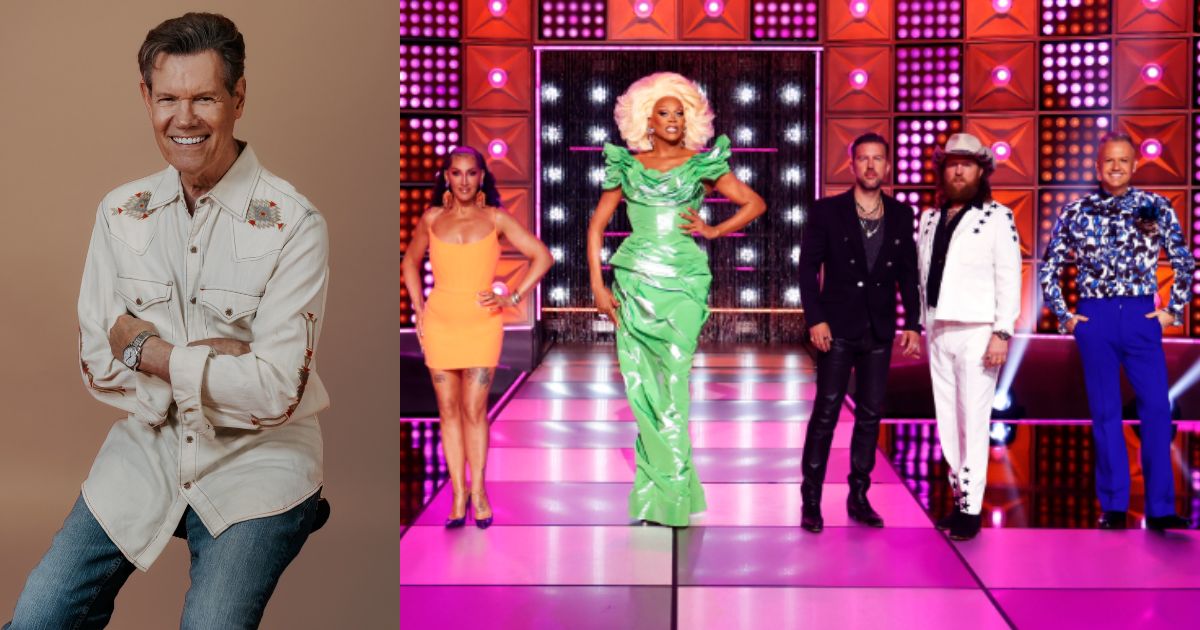
AI Gives Randy Travis’ Voice A Second Chance

@randy.travis Randy’s fans and their desire to hear his voice again inspired Randy to make “Where That Came From” a reality with the help of his team. We are blessed to share this moment with you. Your love inspires Randy to keep on going! Thank you for singing along, always. – Team RT #CountryMusic #NewMusic ♬ Where That Came From – Randy Travis

In 2013, Randy Travis suffered a major stroke following his hospitalization for cardiovascular issues, resulting in aphasia that severely diminished his capacity to speak and sing. Devastated, the world thought Travis might never sing again — until just a couple of weeks ago.

Working alongside Cris Lacy, a co-producer from Warner Music Nashville who previously produced Travis’ music, and Travis’ longtime producer Kyle Lehning, a small team of songwriters, musicians, and computer programers put together a new song for Travis, “Where That Came From.”

The track uses scratch vocals laid down by singer James Dupre, which were then filtered through an AI system informed by dozens of sound bytes from Travis’ catalog. Through trial and error, Lehning and engineers worked to ensure that the song seamlessly evoked Travis’ essence. Travis and his wife, Mary, are absolutely elated by the results, calling the experience “magical,” “beautiful,” and “overwhelming.”

Stevie Wonder Celebrates His 74th Birthday by Becoming a Citizen of Ghana

On May 13th, the legendary Stevie Wonder celebrated his 74th birthday while attending a ceremony that granted him Ghanaian citizenship. The first African country to become independent in 1954, Ghana has historically been an epicenter for many African Americans disenchanted with rampant anti-Blackness in the states. In 1975, Wonder began to dream about moving to Ghana to reconnect with his ancestral roots. Though he reconsidered, remaining in the U.S. to record his lauded Songs in the Key of Life, his 50-year dream came full circle this month.

He spoke on the monumental nature of this moment in his speech at the ceremony, stating, “Now, as a Ghanaian citizen, I am committed to fulfilling the dream we’ve cherished for so long — uniting people of African descent and the diaspora.”

Chris Eldridge Pays Homage To His Father, Ben Eldridge

Throughout its history, bluegrass has been well known as an intergenerational genre, passed down through familial, social, and geographical lineages. One glowing example is Chris “Critter” Eldridge (widely known for his role as a vocalist and guitarist with Punch Brothers) and his father, Ben Eldridge, who sadly passed away on April 14th of this year.

In a beautifully written tribute, Chris speaks about Ben’s incandescent banjo playing, the cultural significance of his band the Seldom Scene within the bluegrass and folk landscapes, Ben’s uncanny knack for mathematics, and his beautiful heart. A legend of his time, Ben will be missed greatly and forever revered.

DelFest Turned into Adelefest

Memorial Day weekend was a legendary one at the 16th annual DelFest, a four-day bluegrass festival taking place alongside the verdant mountains and flowing Potomac river of Cumberland, Maryland.

Listeners were in for a treat when the ethereal Sierra Ferrell came out to join Lukas Nelson’s set with the Travelin’ McCourys for a few songs. Among them was a cover of Adele’s hit, “Someone Like You,” infused with all the melancholy that a little country twang can offer. During a backstage pre-festival rehearsal, Lucas posted a Reel to warn Adele, “You’re going country whether you like it or not!”

Molly Tuttle Pays a Visit to Her First Martin


View this post on Instagram


A post shared by Molly Tuttle (@mollytuttle)

In this sweet and heartwrenching post, Molly Tuttle, queen of flatpicking, tells the sweet story of her first Martin guitar. Penny by penny, she saved up enough at the ripe age of 12 to purchase her very own Martin. It is now on display at the Musical Instrument Museum in Phoenix, Arizona, alongside instruments from musical giants like John Hartford, Elizabeth Cotten, Earl Scruggs, Mississippi John Hurt, and more.

AJ Lee & Blue Summit Release New Single, “He Called Me Baby”

A song that has lived many lives, AJ Lee & Blue Summit put their own spin on the classic, “He Called Me Baby.” Written by Harlan Howard, the song was most commonly sung as “She Called Me Baby” until Patsy Cline covered it in 1963. Throughout its history, it’s shifted through many genres and forms, perhaps most notably becoming a Top Ten R&B hit in 1971 with Candi Stanton’s recording.

The Brothers Osborne Guest Judge on RuPaul’s Drag Race

@brothersosborne Temporarily trading in our guitars 🎸 for the judge’s panel on @RuPaul’s Drag Race #AllStars9 ♬ original sound – Brothers Osborne

And, being that we’re a few days into June, we simply must include a quick Pride Month teaser! This past week, brothers TJ and John Osborne, most commonly known for their country duo The Brothers Osborne, were featured as guest panelists in Season 9 of RuPaul’s Drag Race All Stars. This iconic crossover is the perfect kickoff to a month sure to be filled with reminders of the inextricable weavings of queer culture and roots music.


Photo Credit: Randy Travis by Marisa Taylor; RuPaul’s Drag Race All Stars production still courtesy of QPrime.

BGS Bytes: Your Roots Music Social Media Round-Up

Welcome to the second edition of BGS Bytes! From up and coming artists on TikTok to conversations the biggest artists are having online, we’re here to round up any important things happening online in roots music — so you can save your thumbs a few scrolls!

In no particular order, let’s take a look back at a few notable highlights from bluegrass and country social circles in the last few weeks.

Spotify Stopped Paying Out to Small Artists On Its Platform

In early April, More Perfect Union reported that Spotify has stopped paying out for artists whose songs don’t top 1,000 streams. While this change won’t impact musicians who top the charts, it reduces profitability for smaller up-and-comers. Of course, this also impacts all genres, not just roots music, a genre that has already historically struggled with a digital era. We might have posted some satirical news about Spotify recently, but this is all too real.

I’m With Her Celebrates the Eclipse

Could there possibly be new music on the way?? I’m With Her posted a reunion photo with all three members: Sara Watkins, Aoife O’Donovan, and Sarah Jarosz, as the golden trio took in the eclipse through solar viewing glasses!

Black Opry Hit Mainstream News Talking About Beyoncé’s New Album

Tanner Davenport, co-director of The Black Opry, spoke with MSNBC in March about the record-breaking album, ‘Cowboy Carter,’ that’s been setting tongues wagging since its debut.

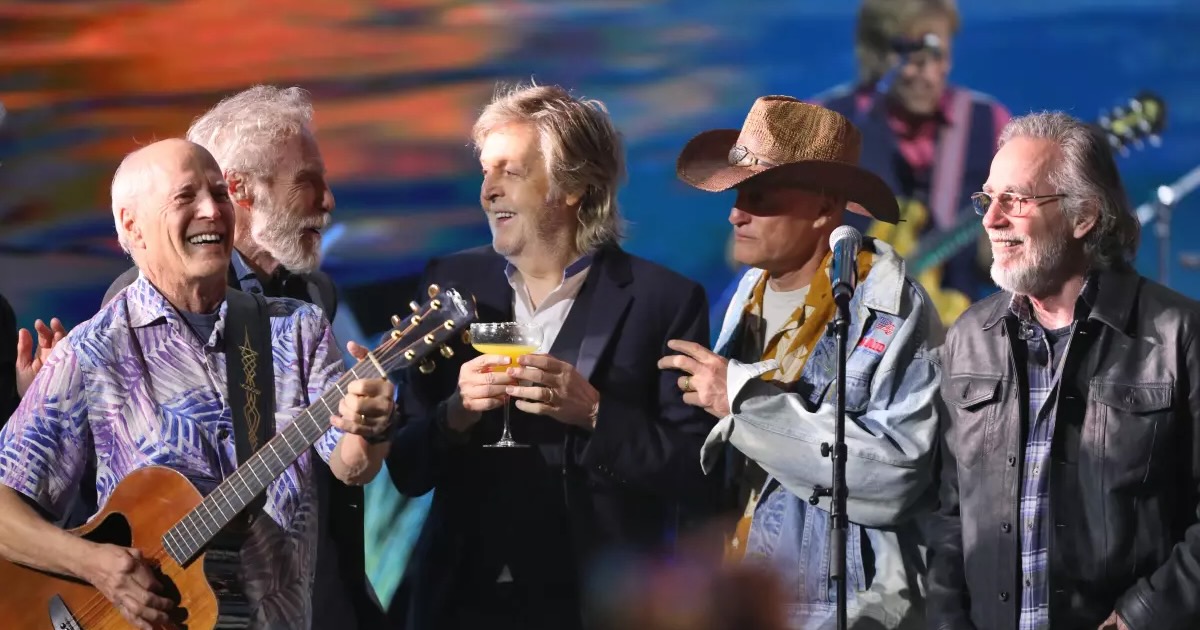
A Star-Studded Cast Paid Tribute to Jimmy Buffet

@amandapaulak the craziest video youll see today #jimmybuffett #maragaritaville #harrisonford #paulmccartney #juddapatow #woodyharrelson #theeagles #pitbull #brandiecarlile #sherylcrow #bonjovi #joewalsh ♬ original sound – Amanda

One of the wildest social media videos you’ll see this week features a surprising crew — watch Harrison Ford, Paul McCartney, Will Arnett, Brandi Carlile, Mac McAnally, Jon Bon Jovi, Vince Gill, and Pitbull on stage singing “Margaritvaille” together. That’s not an exhaustive list, of course, so let us know who else you can spot! It’s hard to count all the celebs in this Jimmy Buffet tribute.

Orville Peck Celebrated His New Release With Willie Nelson

If you missed it, Orville Peck recently released a recording and accompanying music video for “Cowboys Are Frequently Secretly Fond of Each Other” with Willie Nelson. The video has already racked up more than half a million views on YouTube! Turns out there must be many a cowboy feeling the vibes Peck and Nelson are putting out.

Viewers Have Been Digging Tyler Childers’ Live Performances on TikTok

@itscristal.g Most amazing concert 💓#tylerchilders #tylerchildersconcert #mulepulltour #country #countrymusic #concerts ♬ original sound – ⚡️Cristal⚡️

A handful of Tyler Childers’ videos have gone viral in the last few weeks, including the above that’s racked up more than 179,000 likes and nearly two million views. Hey, we can’t blame y’all for loving his music, especially when it’s performed live!

Gary the Snail Sang “Fast Car”

@ai.concerts This version should’ve been performed at the Grammys.. Gary the Snail sings Fast Car by Tracy Chapman #fyp #aicover #spongebob #tracychapman #gary ♬ Gary the Snail Fast Car – AI Concerts

With nearly three million views, Gary the Snail’s version of Tracy Chapman’s “Fast Car” has been taking over TikTok. Just a silly little cover, you’re sure to get a good chuckle, even if you’re not a huge SpongeBob fan.

It’s pretty obvious — a lot happened in March and the beginnings of April! We’ll continue rounding up the hottest social media conversations and goings-on for BGS readers every month — let us know on social media and tag us in a post if you think something deserves to make the next list.


Photo Credit: Jackson Browne, Paul McCartney, Woody Harrelson, and more perform on stage at the Jimmy Buffett tribute on April 11, 2024 shot by Randall Michelson / Live Nation – Hewitt Silva.

BGS Bytes: Your Roots Music Social Media Round-Up

Welcome to BGS Bytes! Our shiny new column has one goal: to bust – or enable – your social media scrolling habit by rounding up all the most important bluegrass and roots music related posts in one place. Give your thumbs a break — we’ll post all the hot goss and goings-on every month.

In no particular order, let’s take a look back at everything that happened in bluegrass social circles in February!

Dolly Parton Responded Gracefully to Elle King’s Grand Ole Opry Debacle

In a positive conclusion to a social media fiasco that lit up news feeds, Dolly Parton responded to Elle King’s controversial January Grand Ole Opry performance. The “Ex’s & Oh’s” singer appeared on the Opry stage January 19 as part of birthday celebration for Parton, who was turning 78. King, however, was quite inebriated and made comments that left some ticket holders and several social media commenters upset at her behavior. In February, though, Parton did an interview with E! News and encouraged everyone to show King support instead of condescension.

“Elle King is a doll,” Parton told the news outlet. “I called her, and I said, ‘You know, there are many F-words. Why don’t we use the right one? Forgiveness, friends, forget it.’ She feels worse about it than anybody. She’s going through some hard times, and I think she just had a little too much to drink and then that just hit her. So, we need to get over that, because she’s a great artist and a great person.”

If only everybody online was as gracious!


Sheryl Crow Plays Her Songs on TikTok Following UMG’s Decision to Pull Their Catalog

@sherylcrow

Anyone else have a Favorite Mistake? 🙋🏼‍♀️ #fyp #favoritemistake #acoustic #acousticcovers

♬ original sound – Sheryl Crow

It’s probably nobody’s favorite mistake — we’re talking about Universal Music Group choosing to remove many of their most popular tunes from TikTok, which is arguably one of the most important marketing tools for musicians currently. Understandably, many artists were upset. Some began to record live performances of their music to share on the app so fans can go on recording videos with their “sounds.”

Sheryl Crow joined the crowd making their songs available in other formats, and the “Soak Up the Sun” singer recorded acoustic versions of songs like “My Favorite Mistake” and “Strong Enough.” Many of the tunes she picked are requests, including “The First Cut is the Deepest.”


After the Tennessee Legislature Refused to Acknowledge Allison Russell, Celebs Voiced Support Online

In February, Tennessee State Rep. Justin Jones proposed resolutions to the Tennessee General Assembly designed to honor both Paramore — who won a Grammy for Best Rock Album and Best Alternative Music Performance — and Allison Russell, who took home her first Grammy for Best Americana Performance. Unfortunately, Tennessee House Republicans allowed the resolution honoring Paramore to pass, but blocked the similar measure honoring Russell, who is Black and won for her song, “Eve Was Black.”

Russell took to Twitter (now known as X) to respond:


“I take as a compliment,” Russell tweeted. “Their bigotry, sadly, is on relentless display. We have a chance this year to make a real change in TN.”

The clearly prejudiced act was at least answered online by celebrity support. Brandi Carlile posted on Twitter that the TN GOP is “scared of” Russell.

Paramore’s Hayley Williams also responded, taking the TN GOP on in media interviews.


Holly G of Black Opry Celebrated Beyoncé’s ‘Act II’

Highlighting everyone from Frankie Staton to Rhiannon Giddens, Miko Marks to The Kentucky Gentlemen, Black Opry co-founder Holly G recently took us all back to school. Class was in session on Twitter as Holly counted down some prolific Black country artists to celebrate Beyoncé’s upcoming album, Act II: Cowboy Carter.


Everyone and Their Mamas Are Line-Dancin’ on TikTok

Speaking of Beyoncé, her new single, “Texas Hold ‘Em,” is only one of many, many popular line dance tunes on TikTok right now. Whether it’s a duo gettin’ down on the pavement outside, or a group boot-stompin’ in a downtown Broadway bar, line dancing is officially cool again!

@lavbbe

This aint Texas 🤠 DC: Us ( me & @jacob.fj ) 🤎

♬ TEXAS HOLD ‘EM – Beyoncé


Willow Avalon Went Viral for New Single

Willow Avalon, an up-and-coming country singer-songwriter, went viral for debuting her new single, “Getting Rich Going Broke,” on TikTok. This tune also comes with a line dance — we told y’all this trend is on fire!

@willowavalon

Do y’all actually want this? #countrymusic #lorettalynn #dollyparton #oldcountry

♬ Getting Rich Going Broke – Willow Avalon


The Super Bowl Got Country-fied!

This year’s Super Bowl halftime show might’ve been dominated by Usher, but our favorite bits of the biggest sports event of the year happened before the game even began. Rapper Post Malone donned a clearly Western-inspired outfit and sang a stunning, acoustic version of “America the Beautiful.”

@postmalone

America The Beautiful 🇺🇸 #SuperBowl #SBLVIII

♬ original sound – Post Malone

And we’d be remiss to leave out Reba McEntire’s excellent version of “The Star Spangled Banner”!

@nfl

Reba McEntire performs the Star Spangled Banner 🇺🇸 #rebamcentire #nfl #superbowl

♬ original sound – NFL


Marcus King Celebrated Molly Tuttle’s Grammy Win With a Sharp Cover on TikTok

Last, but most certainly not least, alt-country singer-songwriter Marcus King gave an excellent cover performance of “Down Home Dispensary” online to celebrate Molly Tuttle‘s Grammy win. Tuttle even responded, commenting that he “crushed” the song — and we agree!

@marcusking

@MollyTuttle congrats on bringing home the Grammy for best bluegrass album! Well deserved!

♬ original sound – Marcus King

So, a lot happened in January, February, and the beginnings of March! We’ll continue rounding up the hottest social media conversations and goings-on for BGS readers every month — let us know on social media and tag us in a post if you think something deserves to make the list!


Your Guide to the Internet’s Essential Bluegrass Content Creators

When I started playing mandolin in 2004, the internet was integral to my experience. I spent countless hours on websites like Mandolin Cafe, used a PayPal account I made when I was 9 to buy albums on eBay, and downloaded countless viruses onto our family computer pirating bluegrass recordings on Limewire. When the internet went public 30 years ago, it immediately changed the world and bluegrass. By the end of the ’90s, blogging had become mainstream and bluegrass had cultivated its own corner of the web with forums and listservs like BGRASS-L. When broadband replaced dial-up, people were able to share large files such as recordings and videos and information sharing exploded.

I grew up in a generation that saw regular people like Justin Kan (who would later go on to co-found Twitch) become celebrities through vlogging and like many people my age, I wanted to be a content creator. “Content” is just the soulless marketing word for the cultural ephemera humans have always created, but in the internet age. When I was in high school, microblogging became popular with platforms like Twitter (now X) while social media sites such as Vine and Snapchat that favored short form content appeared, creating another paradigm shift towards the hyper-specific, unpolished, slice-of-life videos we now see on TikTok and Instagram Reels.

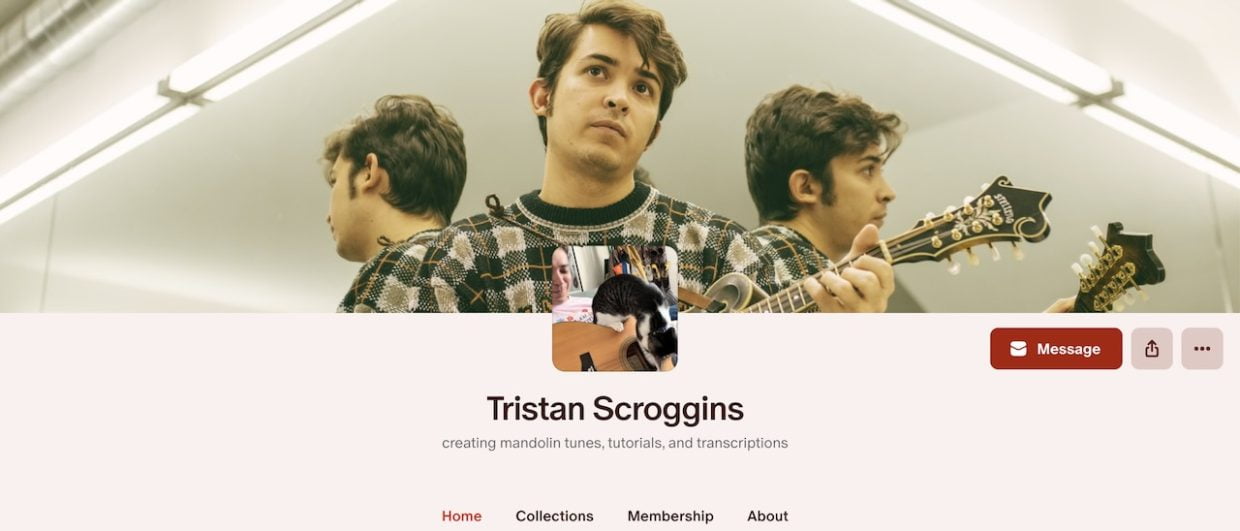
My social media career began in earnest in 2019. I was burned out from touring and was trying to find a way to stay relevant without traveling so much. I started by posting clips of myself playing tunes that I was learning, which eventually morphed into a Patreon page. Patreon became hugely popular with artists after the COVID-19 pandemic hit, but at the time I began using it there were relatively few educational bluegrass pages. I ended up formatting mine in a similar way to podcasts that I subscribed to at the time. I studied up on how the algorithm works and during lockdown began creating and posting fervently.

A preview of Tristan Scroggin’s Patreon profile.

Once restrictions were lifted, I found myself drawn back into performing and had less and less time to consistently post. In the ever intensifying war for attention, consistency is key, but I found no satisfaction in churning out things I didn’t care about and the things I do care about take time. So I found myself burned out again, trying to learn how to slow down. It’s a vicious and common cycle.

Ultimately, I love creating new things and sharing them with people. This is true of all of the people on this list, many of whom are friends and part of a community that openly shares tips and tricks on how to navigate the unfiltered digital miasma of social media. For every entry on this list there are a dozen more who I couldn’t include for space. Separating the wheat from the chaff in the world of online bluegrass content can be difficult, but there are many shining beacons that have and will continue to influence those that follow them.

Billy Strings

Billy had a small cult following in his home state of Michigan before videos of him performing at festivals went viral. Videos became an integral part of Billy’s brand with footage from his concerts becoming inescapable for a time. Taping culture, the act of recording a live show and posting it online – an activity with ties to old school tapes of bluegrass shows that David Grisman, Jerry Garcia, and Sandy Rothman created and distributed along the West Coast to help spread bluegrass – had grown with social media and videos of full performances were shared religiously online. This practice has challenged more traditional bluegrass artists who have often relied on physical CD sales and see digital distribution as undermining that effort. Despite that, Billy’s most recent record Me / And / Dad was #1 in pure album sales in country, and #5 in all of music selling more than 15,000 copies upon release.

Billy’s Youtube channel has more than 300,000 subscribers and currently features everything from music videos to full concerts to behind the scenes mini-documentaries. Billy has since partnered with Nugs.net to livestream and host his current shows. Nugs is a livestream website that provides high quality video and audio of concerts, mostly rock and jam bands providing an updated version of the Grateful Dead tapers from days of yore.

Carter Vintage

Since their start nearly a decade ago, Carter Vintage Guitars has posted demonstration videos and in-store performance footage to their YouTube channel, which became a who’s-who collection of Nashville talent. While the videos started out as informal captures from around the store, by the end of 2016 the production quality had increased with Jon Roncolato and Keith Cypert making sure they looked and sounded great. While there are videos from hugely popular rock and Americana artists such as Jason Isbell, the majority of their most popular videos are from Molly Tuttle and Billy Strings from when they had recently moved to Nashville and were still relatively unknown.

Clover Lynn

@hillbillygothic Heres an old tune called Katey Daley hope yall enjoy #banjo #fyp #bluegrass #appalachia #music ♬ original sound – Clover-Lynn

Clover Lynn, also known as hillbillygothic, is from Southern Appalachia and plays banjo with a dark gothic-esque twist that challenges Steve Martin’s assertion that “you can’t play a sad song on the banjo.” She gained a massive amount of fame on TikTok and later Instagram for dueting posts. (A duet contains two videos in a split screen that play at the same time.) Specifically, she’d duet TikToks featuring men “challenging” feminism, spouting misogyny, or outright supporting violence against women. When they began spewing hate speech, Clover would appear alongside the original video loudly playing tunes like “Foggy Mountain Breakdown” over their bad opinions. This trend was extremely popular; the most popular post I could find had 8.2 million likes. Clover also uses her platform to advocate for the Appalachian region and its often overlooked BIPOC and LGBTQIA+ people, issues, and history.

Dirty Laundry

Marcus Veliz, through his page Dirty Laundry, has created a collection of moments and memories from his travels. Marcus is a wanderer driven by mindfulness. His videos offer short, musical meditations in nature that reflect on the beauty of living in the moment, which then informs his music. It’s all very “carpe banjo.” He has cultivated a following of nearly 40,000 followers on social media, but has deliberately chosen to focus on Instagram, because he values the community that he can build there. When scrolling on an app, these moments can be completely disembodied from the people who made them, but by creating a collection of these moments, Marcus, like a poet’s anthology, has created a digital visage of himself with Dirty Laundry that feels as if Woody Guthrie had an Instagram account. (Read BGS’s 2023 feature on Dirty Laundry here.)

Educational Videos by Eli Gilbert, David Benedict, and Lessons with Marcel

Educational content is hugely popular online. While there are countless pages dedicated to teaching bluegrass, I’ve collected just a few here. All three produce educational content that is supplemented by other work. Eli Gilbert has run his YouTube channel for nearly a decade, growing an audience of people learning the banjo (that included myself). Eli centralized these folks on his Patreon page and Discord server. While he’s not the first to post banjo tutorials or start a banjo Patreon page, he is currently the most popular banjo instructor on Patreon with more than 2,000 subscribers.

David Benedict has been well-known in the mandolin scene for quite some time. He curates a Mandolin Mondays series that’s run continuously since 2016. What started as videos of him playing tunes grew into a collection of over 400 videos in partnership with Mandolin Cafe that feature incredible mandolinists from all over the world. Check out his YouTube channel, too.

Marcel Ardans has over 500 full-length videos on his channel, Lessons with Marcel. Perhaps his most unique contribution to the genre is the bluegrass YouTube video essay. Video essays are exactly what they sound like and in the last decade they’ve gained immense popularity with the general public, especially on YouTube. With educational topics such as A Guide to Bluegrass History by Subgenre to more light hearted ones like The Untold History of Bluegrass Triangle, Marcel is filling a niche in the bluegrass community by providing thoughtful analysis in a style that audiences have become accustomed to. Marcel has also collaborated with many other popular social media pickers in the same sphere such as Jake Eddy and Hayes Griffin.

In 2023, Marcel was an official social media ambassador at IBMA’s World of Bluegrass business conference, where he held a guitar contest in partnership with IBMA and Martin Guitars.

Hillary Klug

Hillary Klug gained international popularity for multiple viral videos featuring her fiddling while buck dancing. In addition to her 100,000 YouTube subscribers, she has more than a million Facebook fans with her most popular video on FB sitting at over 64 million views. Hillary has been able to leverage short form content to reach people all over the world and her frequent collaborators – such as Cristina Vane, Brenna MacMillan, and Bronwyn Keith-Hynes – have also developed substantial followings on these platforms thanks to video creation in this style.

Molly Tuttle

When sites like YouTube and Facebook launched, they created networks that many used to connect with real world friends and family. But videos uploaded to share with distant relatives had the side effect of being visible to the general public. So when Jack Tuttle began filming his children, Michael, Sully, and Molly, to share their musical talent with family back in Illinois, suddenly thousands of people could see their virtuosity. The family formed a band called The Tuttles with AJ Lee, performing regularly and continuing to post videos that would garner hundreds of thousands of views until the oldest, Molly, went to college.

I distinctly remember watching their most popular video dozens of times which featured Michael, the youngest, playing El Cumbanchero. I watched that video over and over again with a sense of both jealousy and admiration. This feeling would become familiar as similar videos – such as a very young Sierra Hull playing with Sam Bush – would also go viral.

Molly has gone on to become one of the most popular bluegrass acts currently touring. She was the first woman to win the IBMA Guitar Player of the Year and she won a Grammy for Best Bluegrass Album in 2022. In that same year, she was nominated for the Best New Artist Grammy alongside hugely popular artists such as Samara Joy and Latto. Molly’s brother Sully also still plays, professionally touring with childhood friend, bandmate, and fellow bluegrass internet child celebrity AJ Lee in her band Blue Summit.

The Petersens

The Petersens are a family band based in/near Branson, Missouri that has played theaters in that area for more than a decade. After their oldest daughter, Ellen, made the top 48 on American Idol (season 16), they began producing videos of themselves performing, which have become extremely popular. A video clip of Ellen’s audition is one of the first videos posted on their YouTube channel and currently sits at over 3 million views. They have since garnered more than 200 million views, which they’ve utilized to gain fans in countries all over the world. This form of vlogging has created an entire ecosystem and a style many other family bands emulate, such as the Sleepy Man Banjo Boys, The Family Sowell, the Cotton Pickin’ Kids, Williamson Branch, and more.

Bluegrass Barbie

A post by bluegrass.barbie on Instagram.

Bluegrass Barbie may not quite belong on this list, but I absolutely couldn’t write a piece about influential bluegrass social media personalities in the year 2024 without mentioning them.

As a chronically online teen, I watched the birth of internet “memes” – a term originally coined by evolutionary biologist Richard Dawkins in 1976. I very distinctly remember the first time I saw a bluegrass meme. Dread washed over me, as I was struck with a haunting vision of a future full of low effort, bottom text memes misquoting Bill Monroe. I lived in this “No Exit” style social media hellscape for years until 2023, when Bluegrass Barbie appeared.

This Instagram account doesn’t have the numbers (239 followers at the time of writing), but they do have the jokes. Rather than “dunking” on Mark O’Connor or Billy Strings ad nauseam, Bluegrass Barbie presents a look at the humor in growing up as a young woman in bluegrass in a way that is relatable, contemporary, and hilarious. It’s the only good active bluegrass meme account; fight me about it.

Russ Carson

Russ Carson, known as the banjo player for Ricky Skaggs and Kentucky Thunder since 2014, runs 81Crowe, a one stop shop YouTube Channel for banjo nerdery as well as a source of high-quality, behind the scenes footage of both his personal and professional life.

Russ creates more traditional vlog content. Videos of jam sessions have shown up on YouTube since the very beginning, but Russ innovated them by implementing a gopro he would wear on his head to film, simulating a POV experience for the viewer as a participant. In addition to performance and educational videos, Russ provides video content of private jam sessions and conversations with talented friends as well as his off-stage experience touring with one of the most well known bluegrass bands out there. His explanation of his personal thoughts on banjo as well as his other hobbies, including photography, are the kind of personal details that make vlogging what it is.

Take’s Bluegrass Album Channel

Takehiko Saiki’s Take’s Bluegrass Album Channel has an air of mystique about it. Since 2014 it has served as a digital museum where out-of-print vinyl records, albums, and CDs have been sporadically posted by the hundreds. In fact, this channel is no longer active. After posting 1,300 albums, Take started Take’s Bluegrass Album Channel Phase Two, which already has 1,000 more albums. Take is a fan of “roots music” in general and runs additional YouTube channels for folk, blues, jazz, and country music, but he seems to have a particular love for bluegrass. In addition to his album channels he has a channel for recordings of live performances from Bill Monroe to the Flying Burrito Brothers and everything in between.

These channels are a treasure trove for fans of classic bluegrass and an invaluable resource for amateur historians like myself. So much so that I felt conflicted about including it on this list for fear that it might disappear. Take is very clear that he will take down anything, immediately, at the request of the owner and states that the channel’s mission is to “make it possible for bluegrass lovers [all] over the world to have access to as many bluegrass albums not available on CD as possible.”


Photo Credit: Hillary Klug courtesy of the artist; Clover Lynn by Madison Tunnicliff.

BGS Announces Behind-the-Scenes Staff Changes

On the heels of being awarded IBMA’s Distinguished Achievement Award, the BGS team is excited to announce a few staff changes in our organization that took effect earlier this summer. Our incredible Managing Editor of 4+ years, Craig Shelburne, was recently offered an opportunity for a once-in-a-lifetime project – more details to come – and consequently has had to end his time with BGS. While we miss him dearly, with his unending dedication to and love of roots music, his singular journalistic perspective, and his legendary puns lighting up our lives, we are so thrilled for him in this next chapter of his career and the entire team wishes him the best.

With Shelburne’s departure, we are absolutely delighted to have longtime BGS team member Justin Hiltner back in the fold, now acting as our Managing Editor. Justin Hiltner is a queer and disabled banjo player, songwriter, and music writer known from Peabody Award-winning podcast Dolly Parton’s America. He recently completed a national tour of Broadway’s Tony Award-winning revival of Oklahoma! and played banjo and guitar for a limited run of the musical Bright Star at the Miracle Theatre in Miami. His debut solo album, 1992, was released in December 2022 and was a Best of 2022 selection by NPR Music, Slate, and more. (We covered the project here.) Hiltner has been nominated for Momentum Instrumentalist of the Year, Momentum Industry Involvement, Writer of the Year, and Collaborative Recording of the Year by the International Bluegrass Music Association (IBMA). In 2016 he co-founded Shout & Shine, a showcase, column, and video series celebrating representation and inclusion in bluegrass with BGS before going on to become our social media director and, later, Digital Brand Director. He also helped found – and currently sits on the board – for Bluegrass Pride, a non-profit with a mission of uplifting LGBTQ+ folks in roots music, and recently he served on Folk Alliance International’s Cultural Equity Council.

Lonnie Lee Hood, BGS Social Media Editor

In addition, we’ve also had the joy of recently adding Lonnie Lee Hood to our team as our Social Media Editor. Lonnie is a journalist and writer located in Middle Tennessee. They are currently working on their debut book, Redneck Revolution, with the West Virginia University Press. They live with their potbelly pig and look forward to building a small, sustainable homestead in the mountains.

Former BGS media director and executive assistant Shelby Williamson has also moved into a new position within our staff, stepping into the newly created Creative Director role. Williamson has overseen many aspects of BGS’ outward facing brand over the past handful of years, from our Instagram channel and email newsletter to the ever-expanding BGS Podcast Network, leading production and development of shows such as Harmonics with Beth Behrs and Carolina Calling. As Creative Director, Williamson will oversee a visual branding refresh coming to BGS soon and will also co-edit a new country-geared vertical within the BGS brand with Hiltner, to be announced soon.

Rounding out the BGS staff are co-founder and executive director Amy Reitnouer Jacobs and web and audience development expert Joe Klingl, in addition to our BGS family of contributors, writers, and creatives. Our team is already enjoying this latest evolution of BGS and we’re excited to continue connecting with our community in this new chapter.


WATCH: Chris Coole, “My Name Is Lie”

Artist: Chris Coole
Hometown: Toronto, Ontario
Song: “My Name Is Lie”
Release Date: August 13, 2021

In Their Words: “I guess this song is a banjo-y meditation on the post-truth era we seem so hopelessly bogged down in. It’s sung from the perspective of the lie itself. I was inspired by the Dock Boggs song, ‘A Conversation With Death’ or ‘O Death,’ where death is given a voice. So, if a lie could talk, ‘My Name Is Lie’ is what I imagine it might be saying in today’s world. I’m not sure how obvious it is, but the last two verses deal with the Pandora’s box that is social media and how it has allowed lies to access ‘light speed’ so to speak.” — Chris Coole


Photo credit: Tyler Knight