Our Trip to Live in the Vineyard Goes Country

Country music is all about place. Songs and locale, joined together. It’s a relationship so ubiquitous within the music we often lose sight of it, forest for the trees. But there would be no country music without… well, the country – or without rural places and their communities; without farms and ranches; without Texas or California; without Appalachia or the Southeast. Country also wouldn’t exist without urban centers, and the country folks who migrated to cities to find work, or reunite with their families, or build a better life. Even in concrete jungles seemingly divorced from country ideals, whether drawn by homesickness or nostalgia or longing for home – real or imagined or aspirational – country music and place always go hand-in-hand.

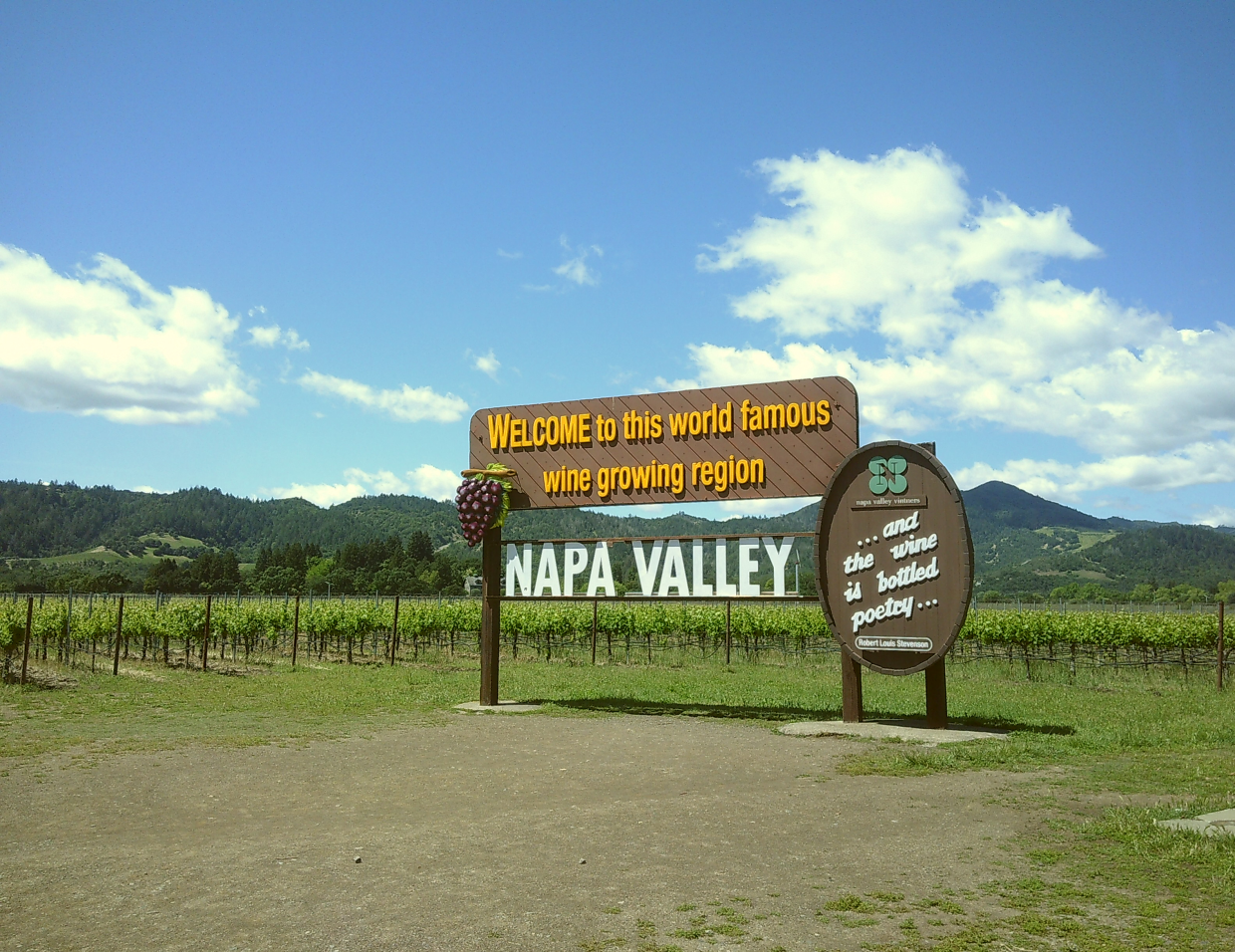
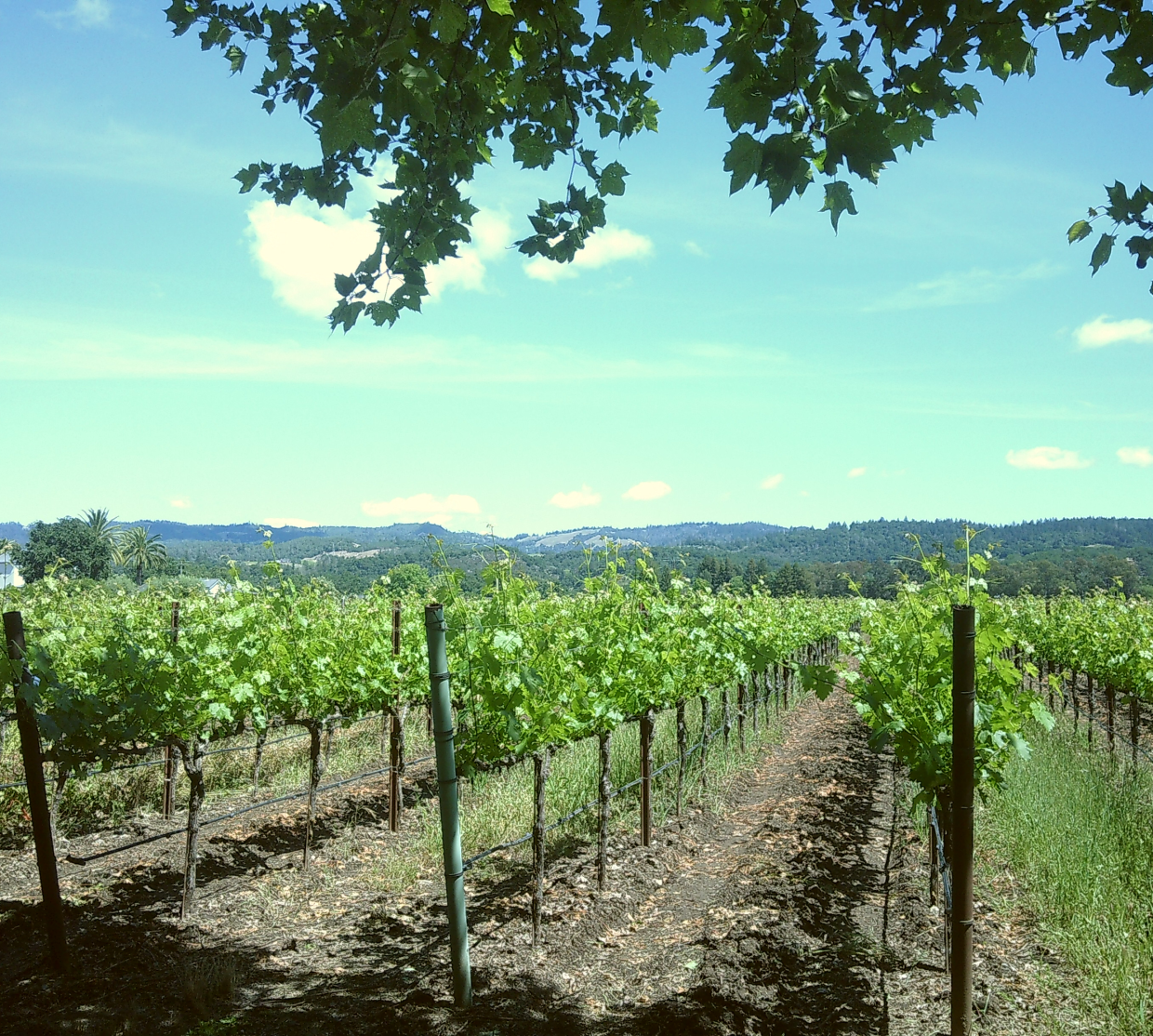
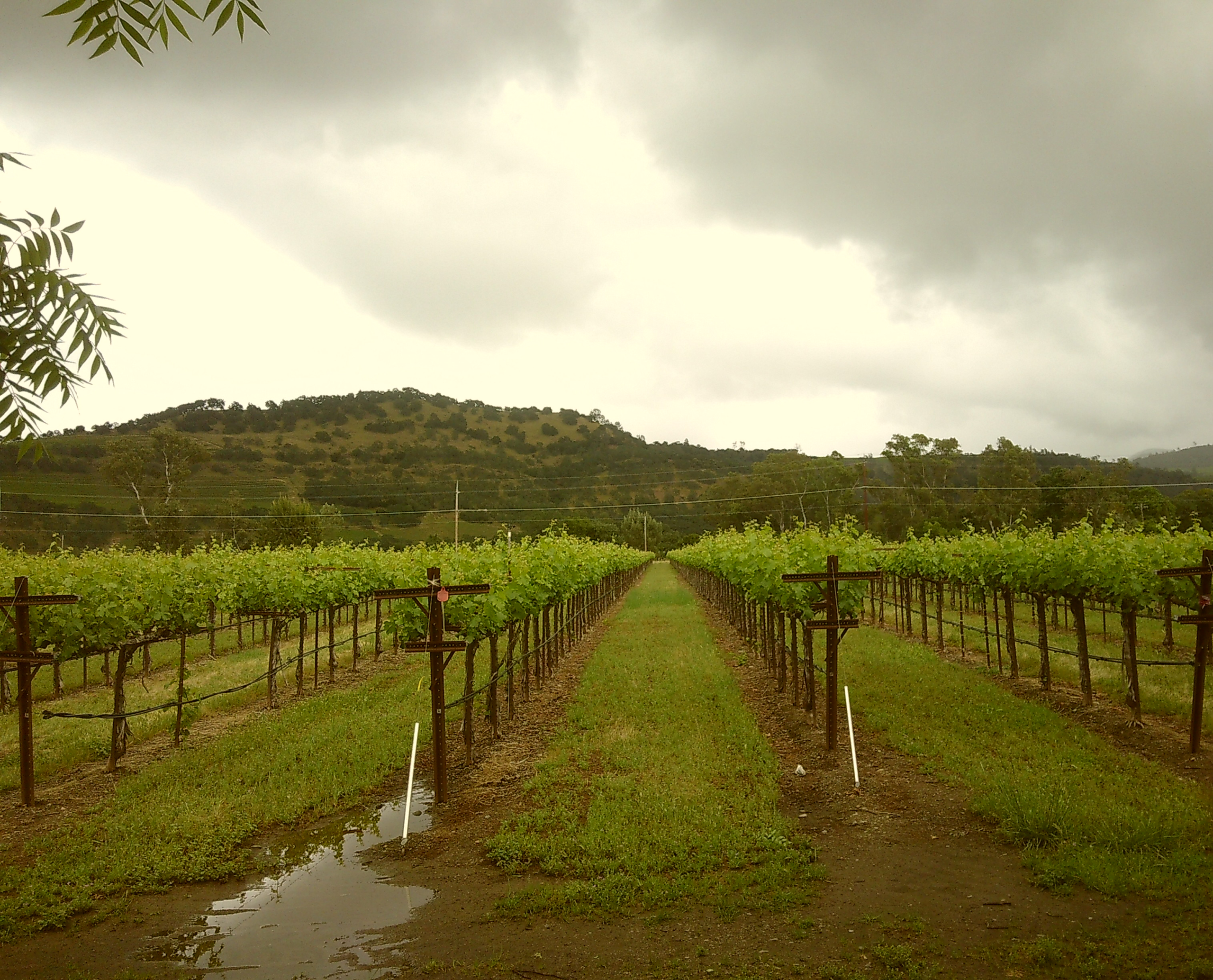
Lucky for all of us, this is a genre well-suited for a variety of places, from honky-tonks to front porches to internationally appealing festivals. Or even Napa Valley, California, vineyards.

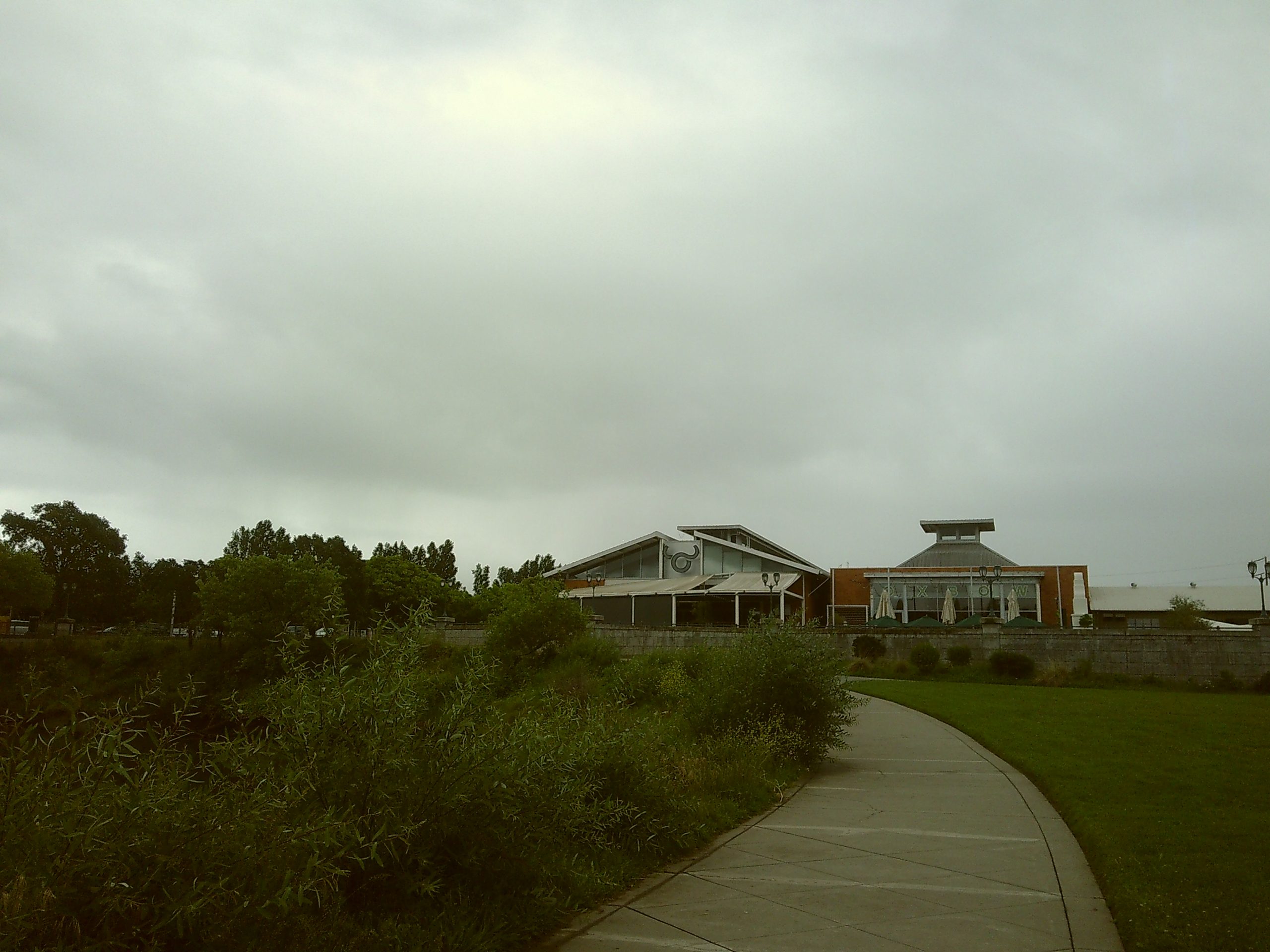
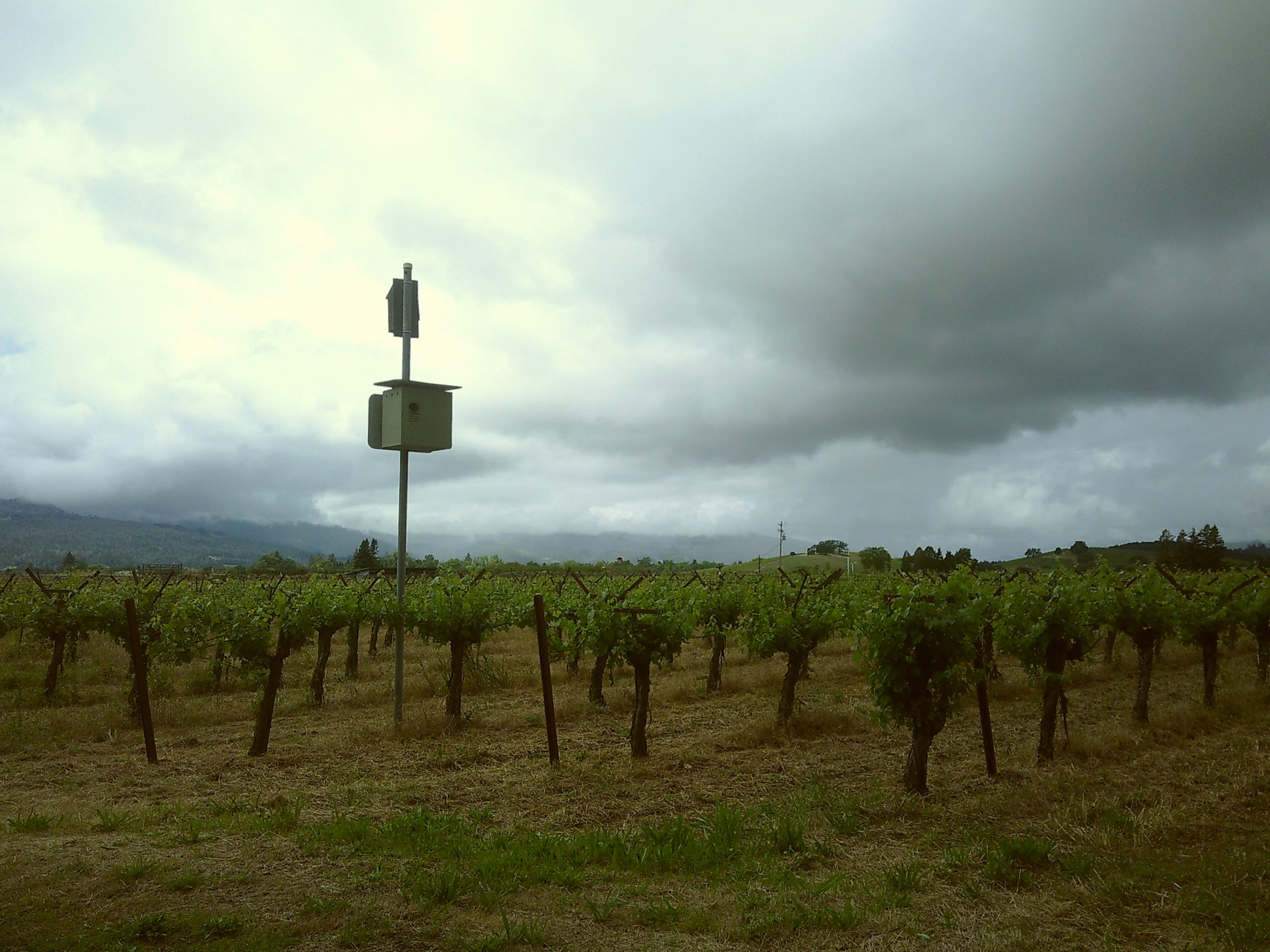
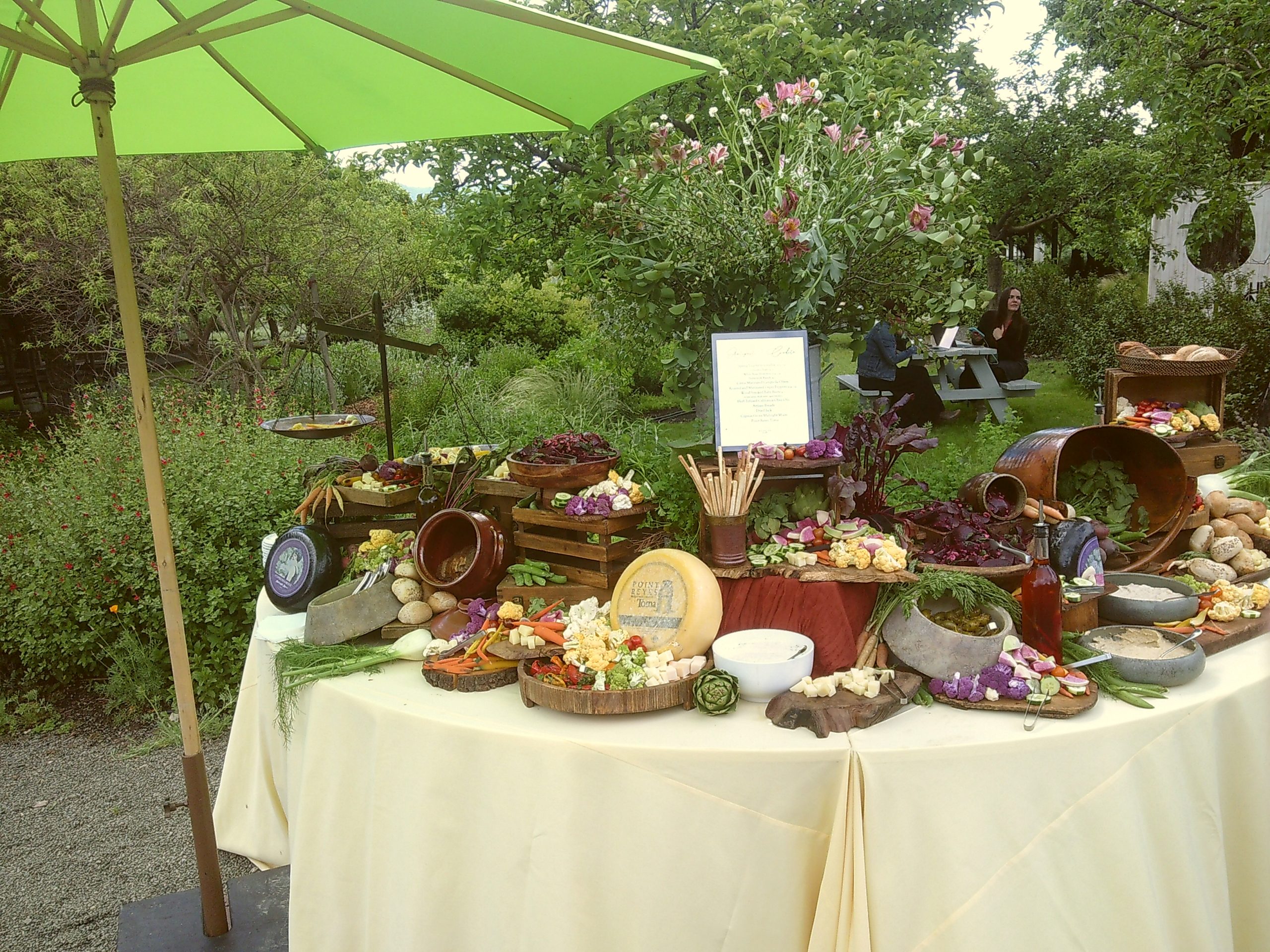
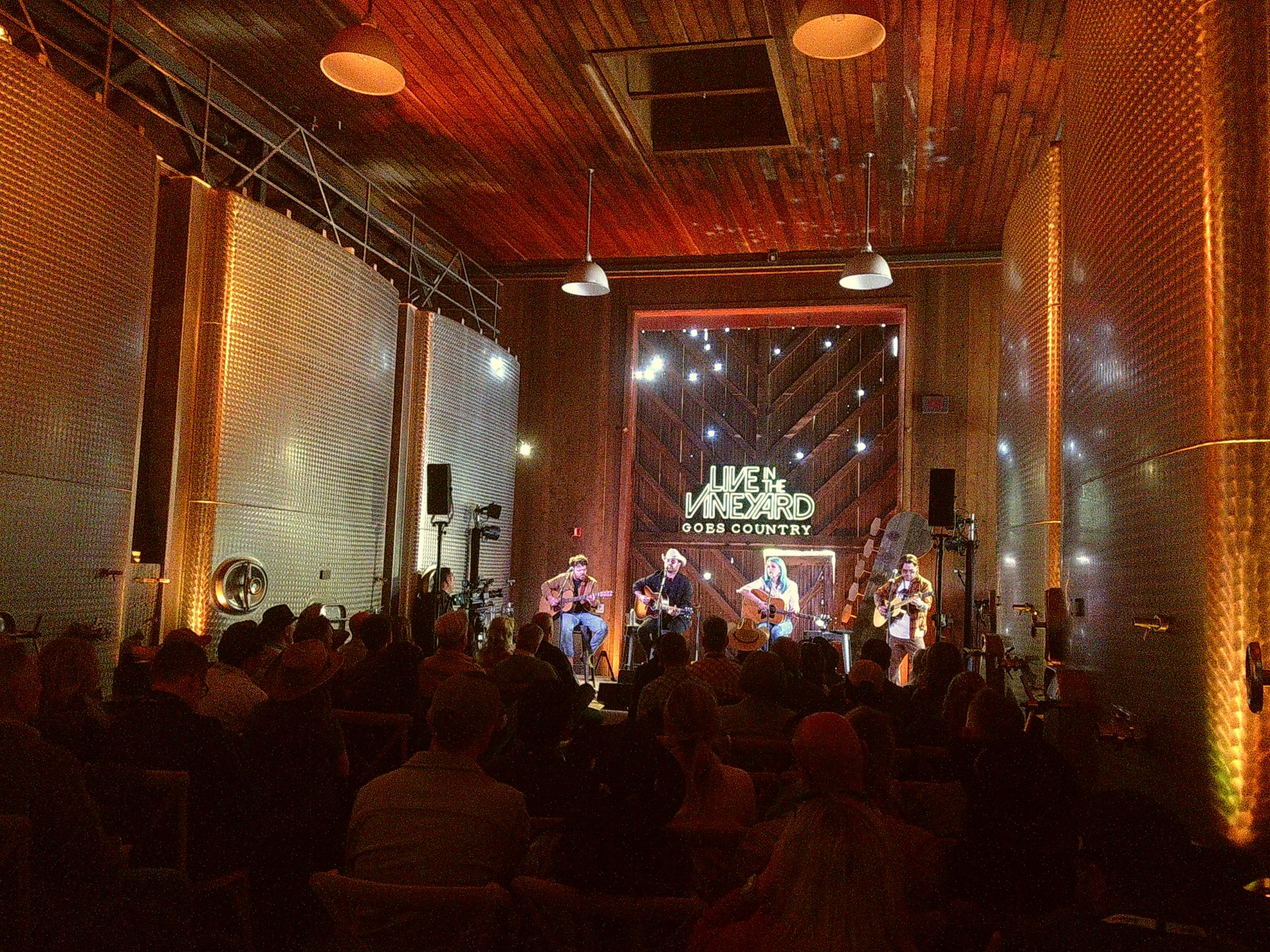
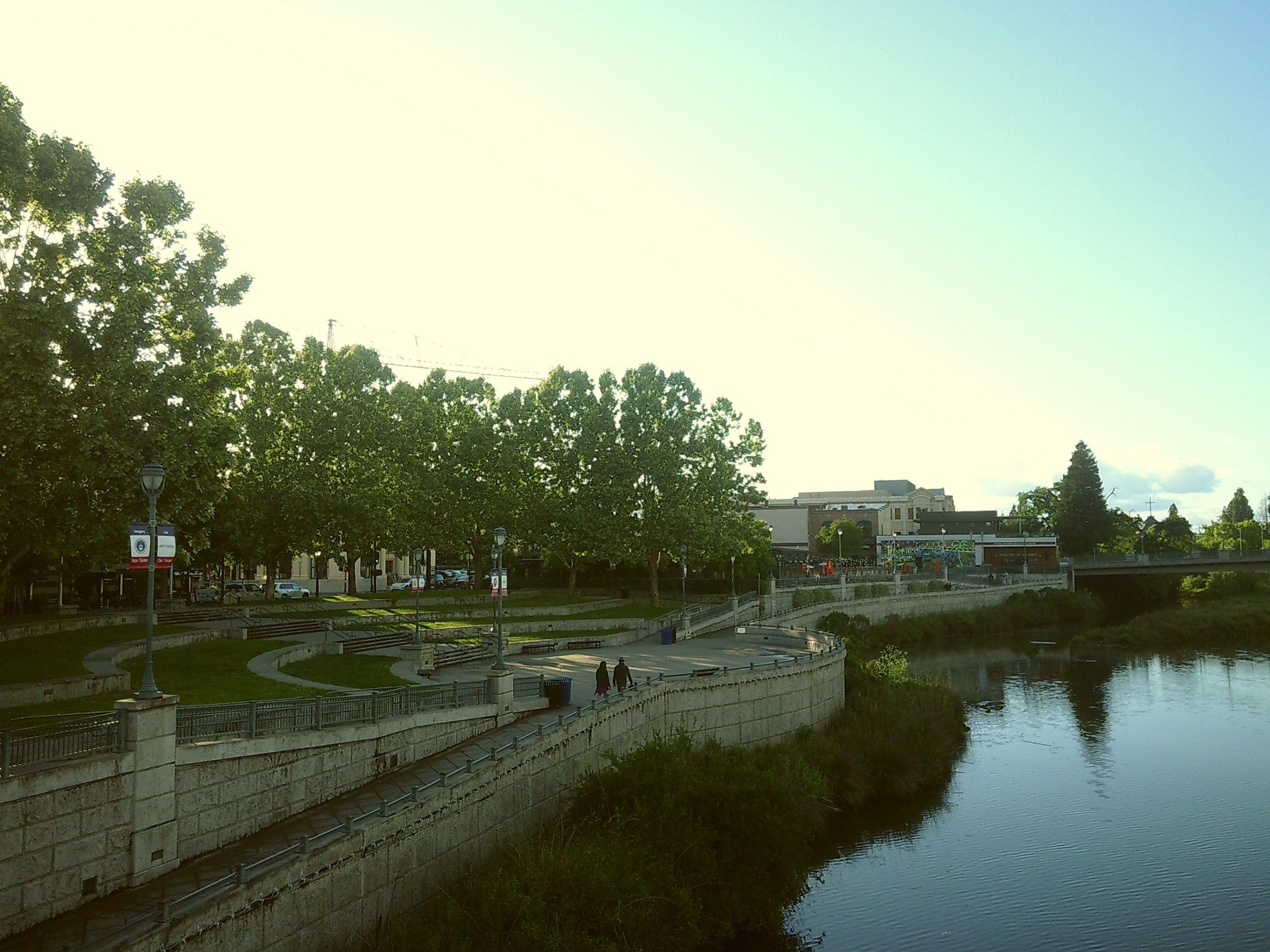
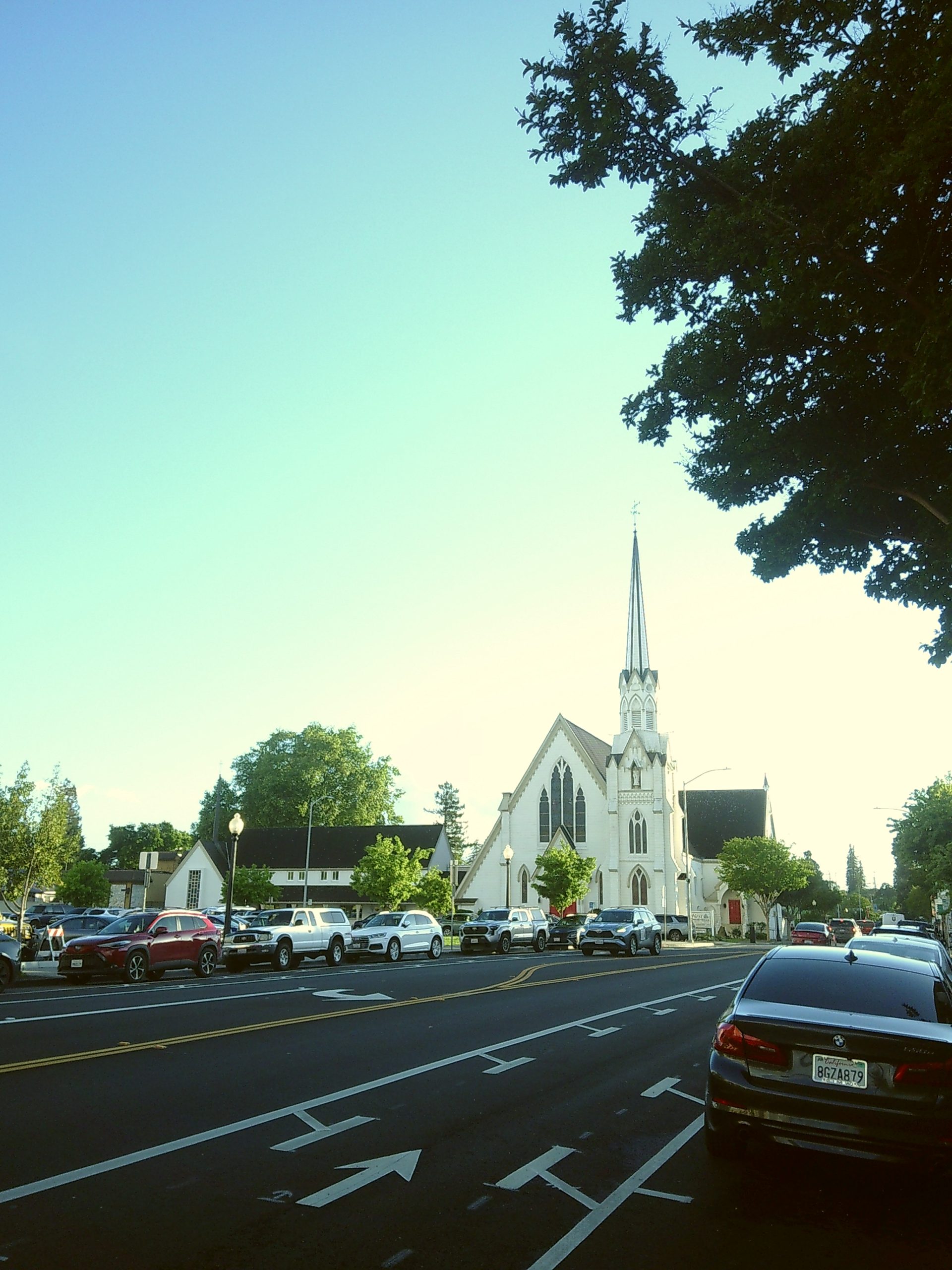
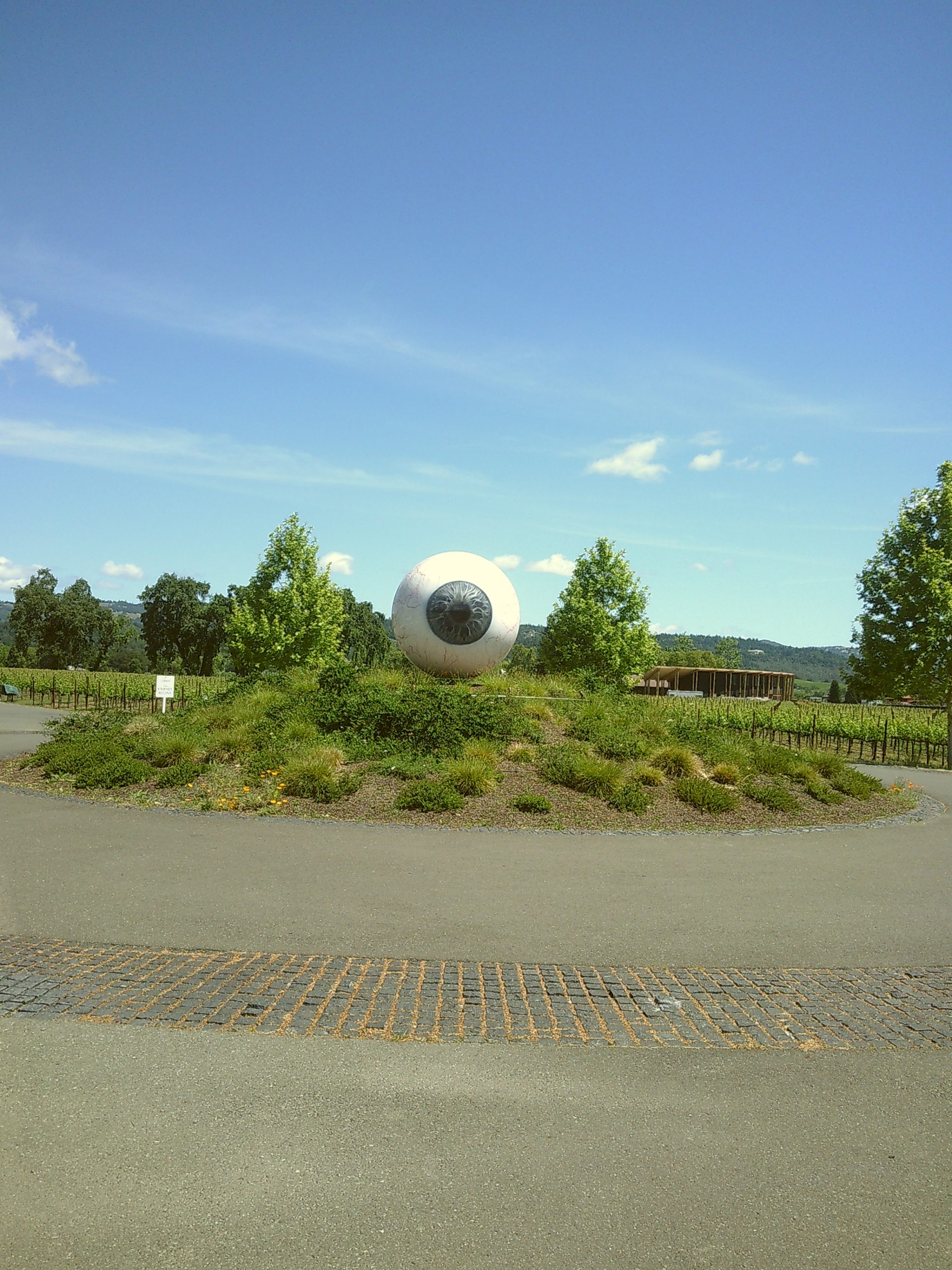
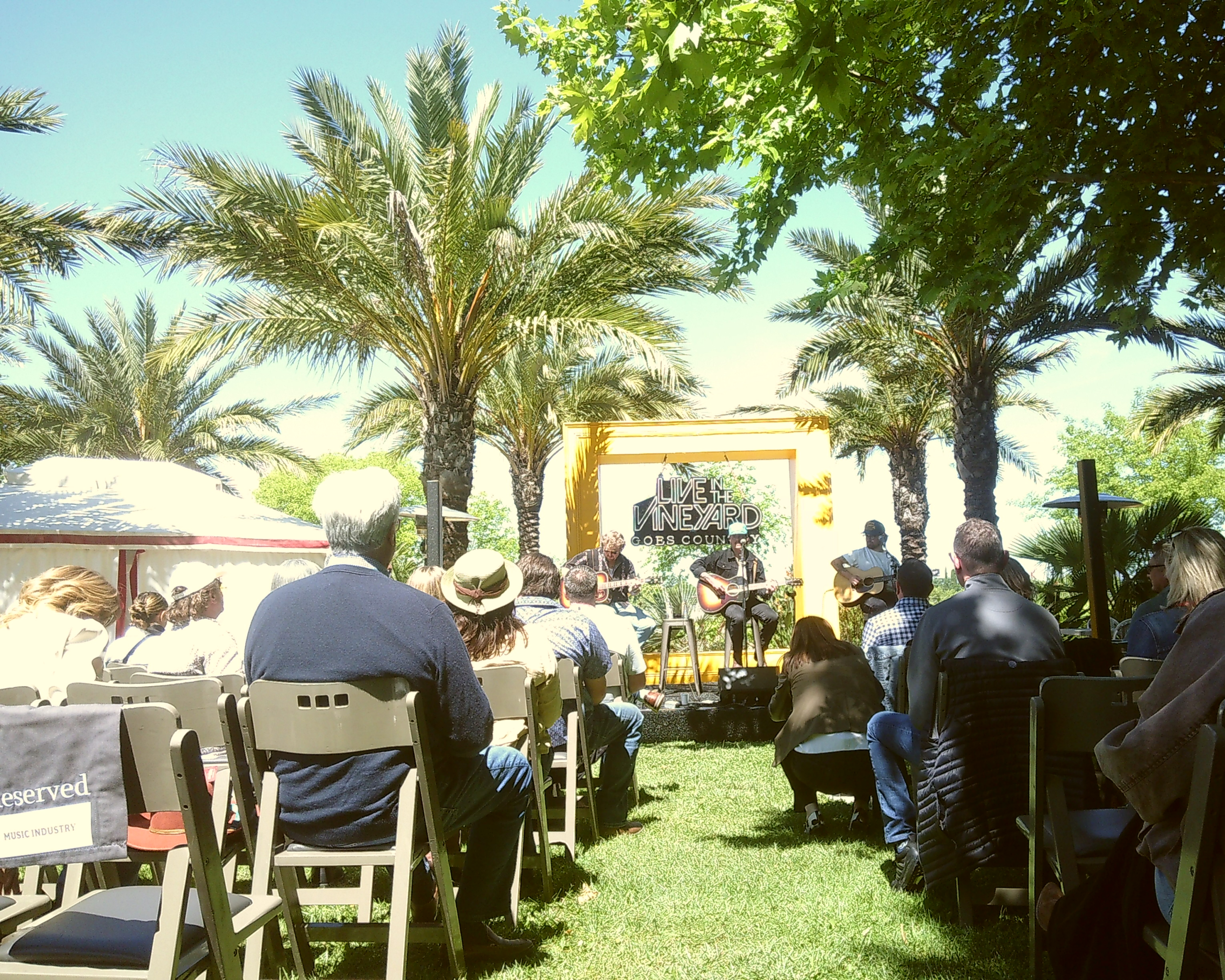
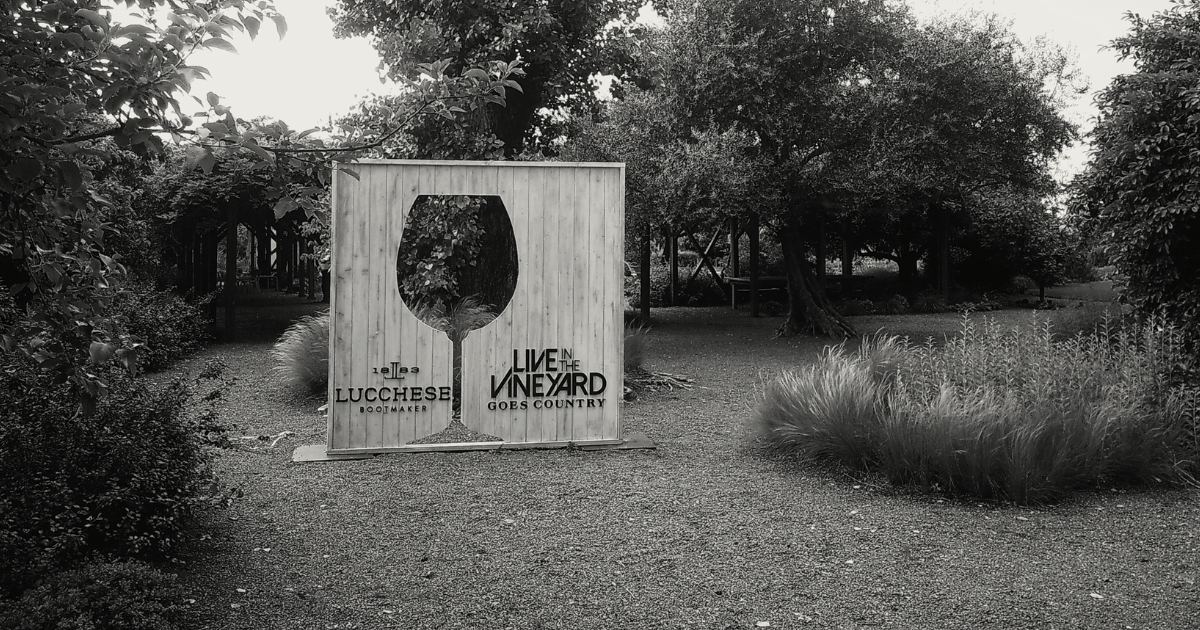
Last month, we attended Live in the Vineyard Goes Country, a production of Austin, Texas’s Forefront Networks, an intimate three-day event that effortlessly denoted and celebrated that relationship between country and place. Guests, industry professionals, and country artists – from festival headliners to fresh discoveries – gathered at gorgeous locations on April 21, 22, and 23, throughout Napa and Napa Valley to enjoy stripped-down and essential performances, gourmet farm-to-table meals, delicious organic and biodynamic wines, and the lovely weather, views, and settings of California’s wine country. The eighth installment of the country edition of Live in the Vineyard, it showcased the genre with an elite yet still approachable level of quality, care, and intention.

Guests enjoyed a welcome reception featuring Jackson Dean, Lauren Watkins, and Chandler Walters on day one, sipping bubbles at Chandon in Yountville during golden hour. From there, separate groups of attendees were sorted into waiting coaches to be swept off to dinner for delicious food paired exquisitely with local wines – and still more small, up-close-and-personal musical performances. Our green group dinner, for instance, were treated to hilarious and touching stories and songs shared by Lauren Watkins and her husband, hit songwriter Will Bundy, at Cakebread Cellars over jaw-droppingly delicious chardonnay and perfectly lacquered short ribs.


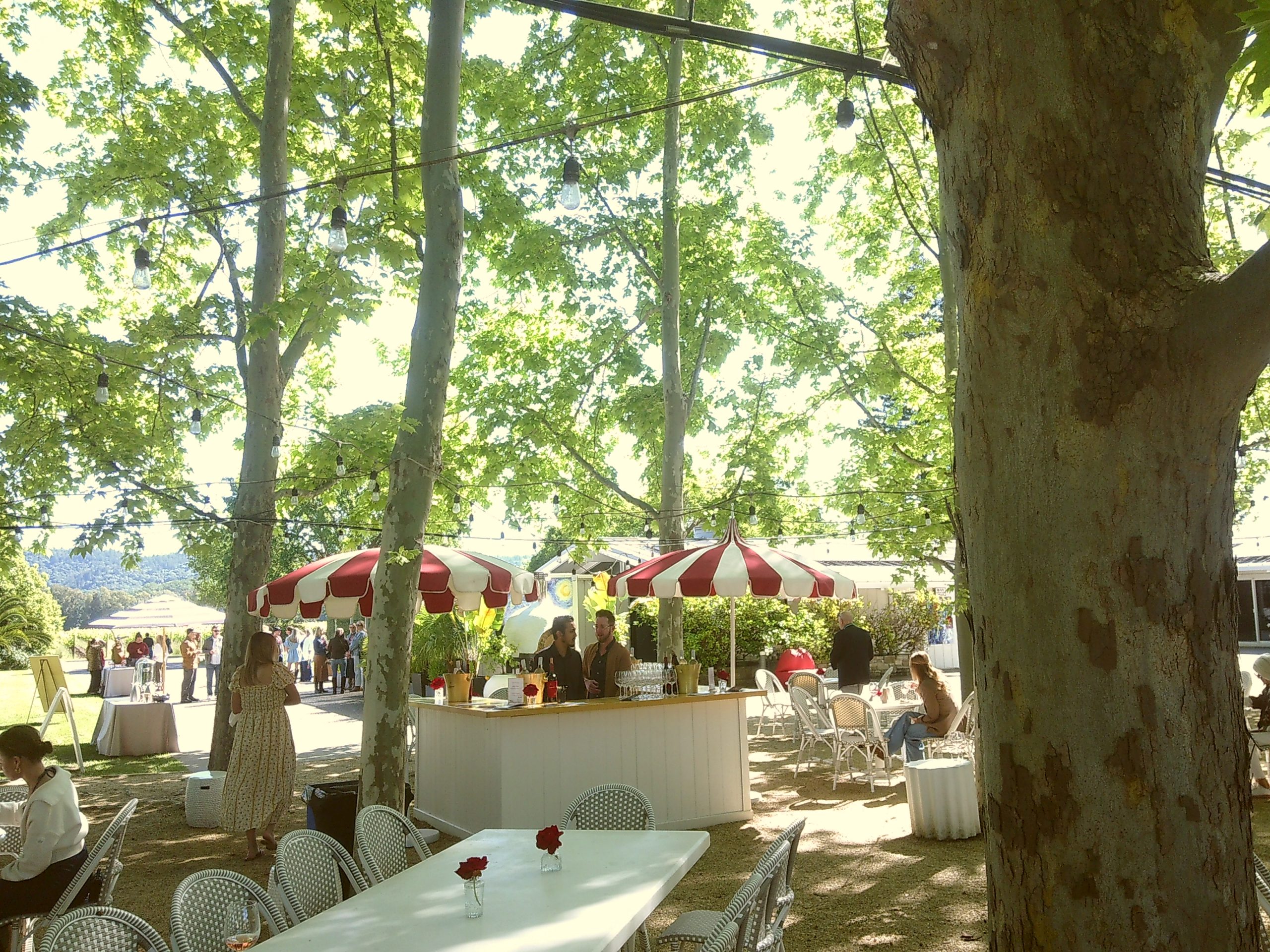
The sun shines on Raymond Vineyards on day three of Live in the Vineyard Goes Country.

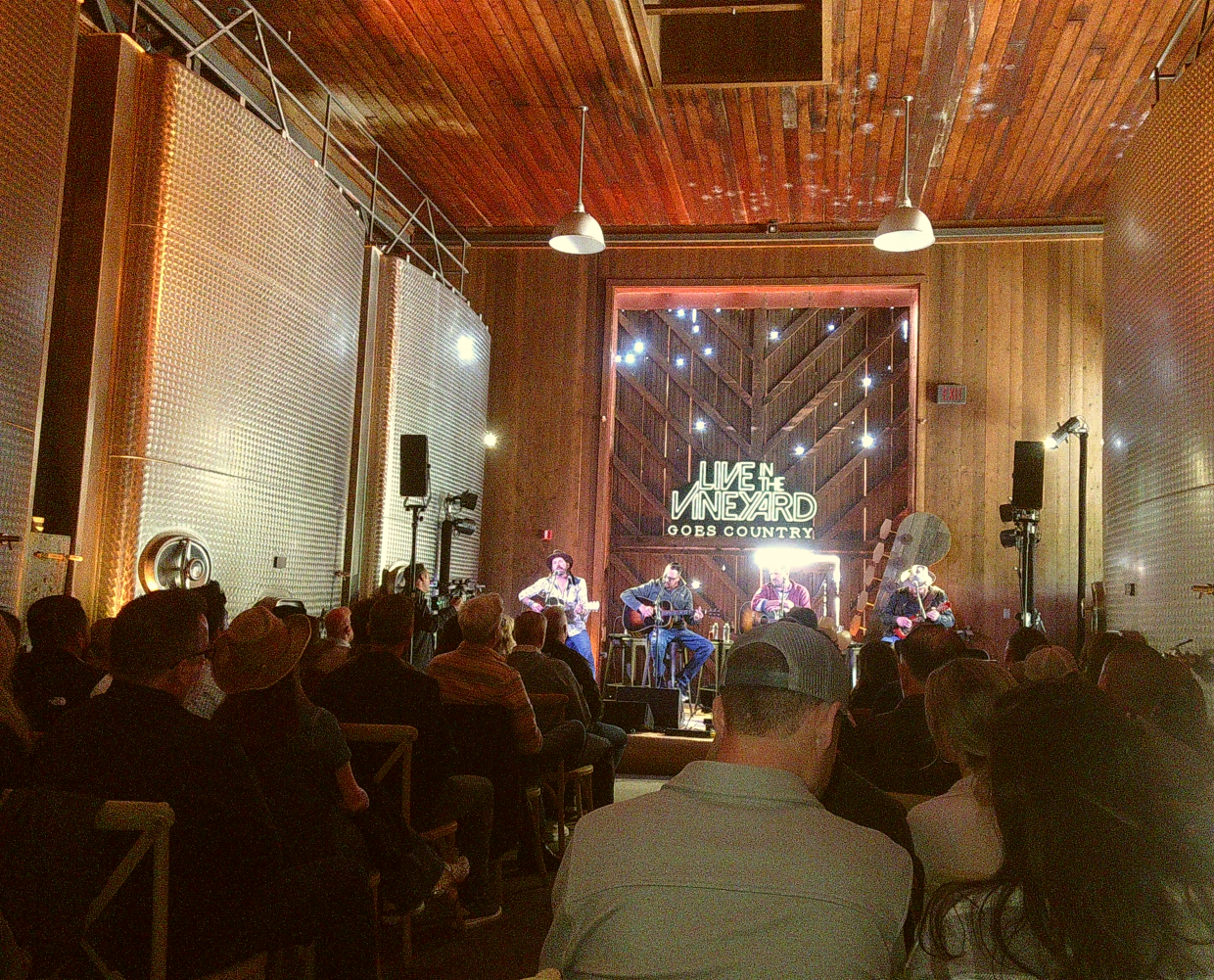
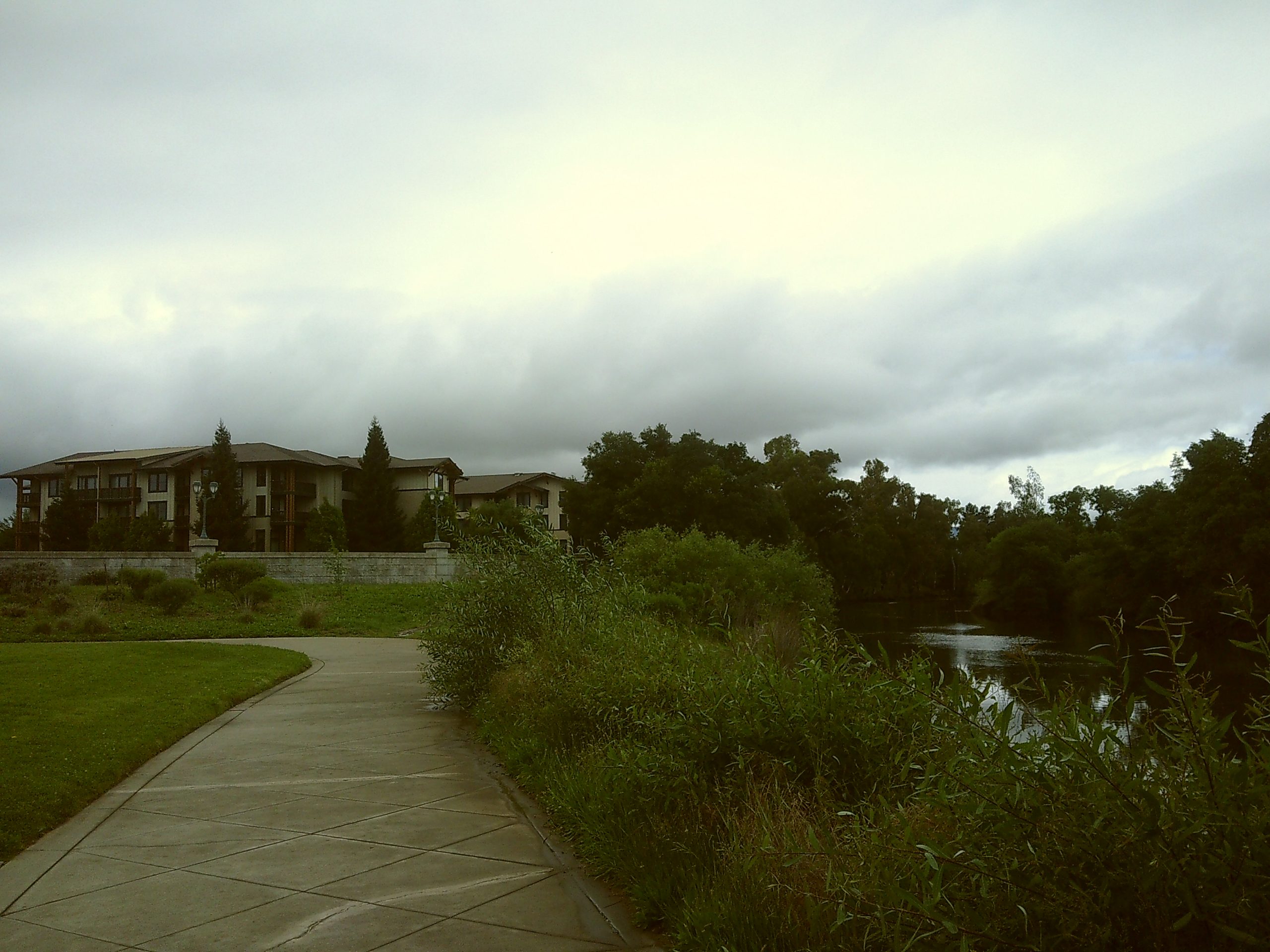
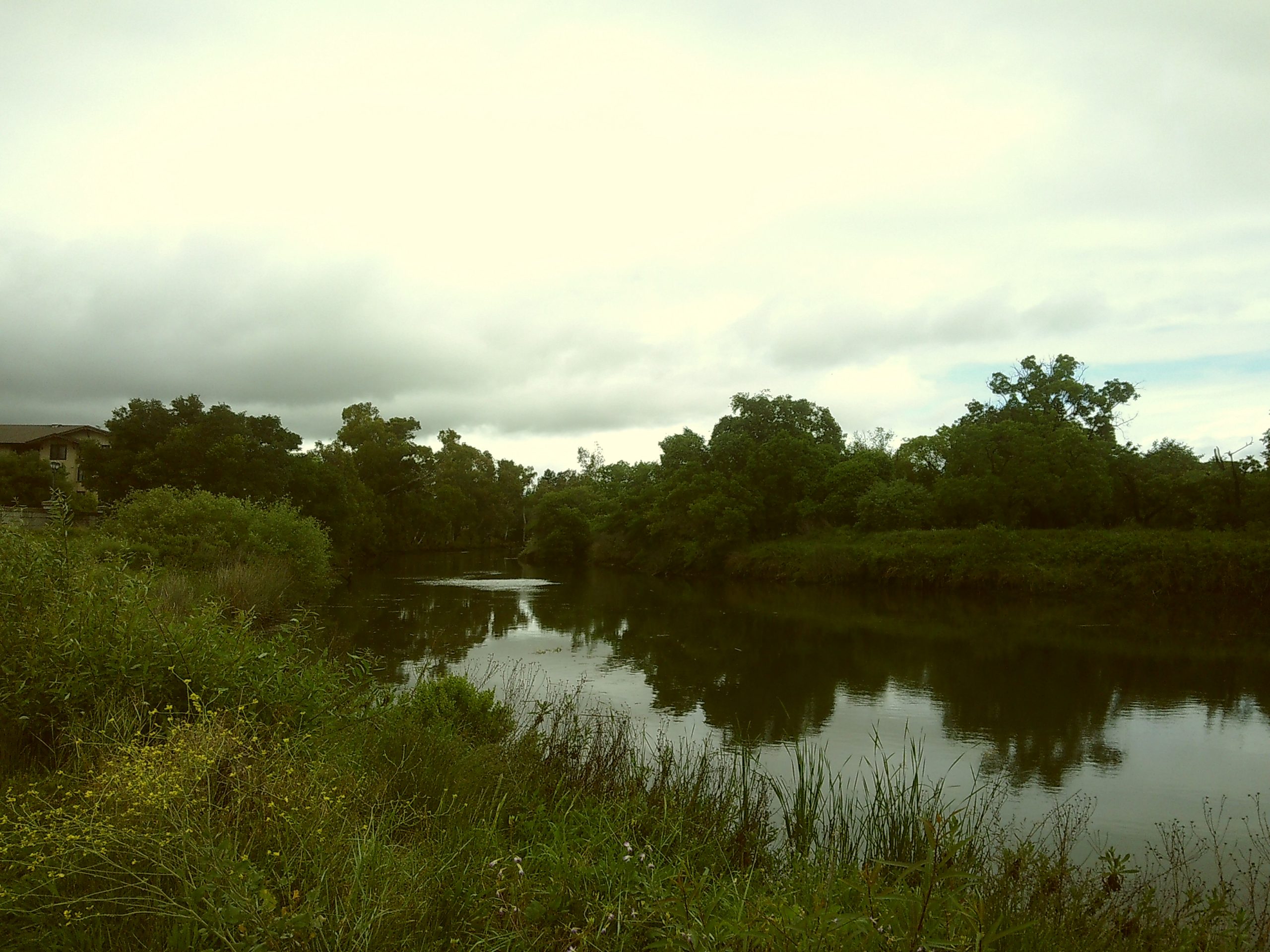
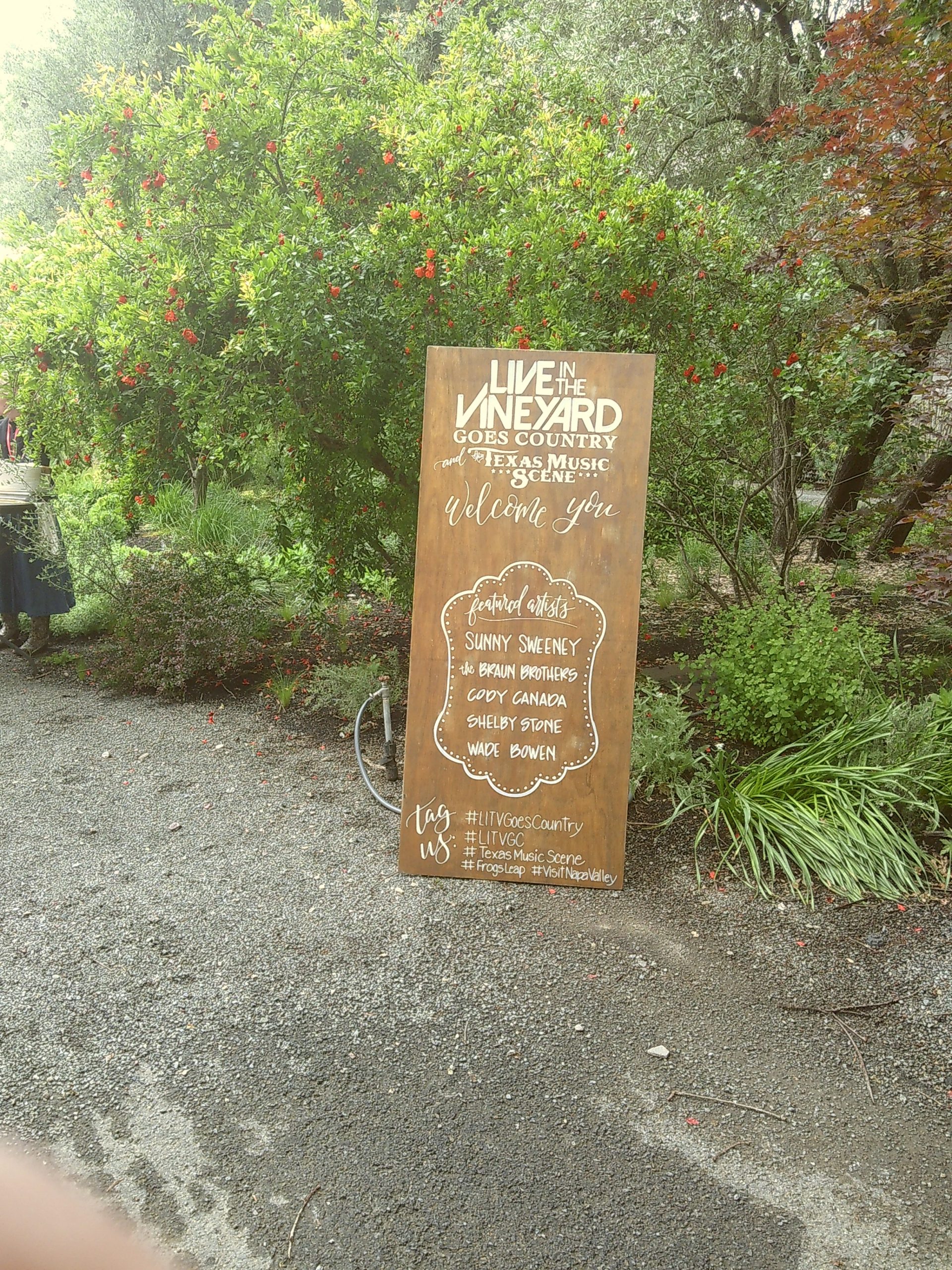
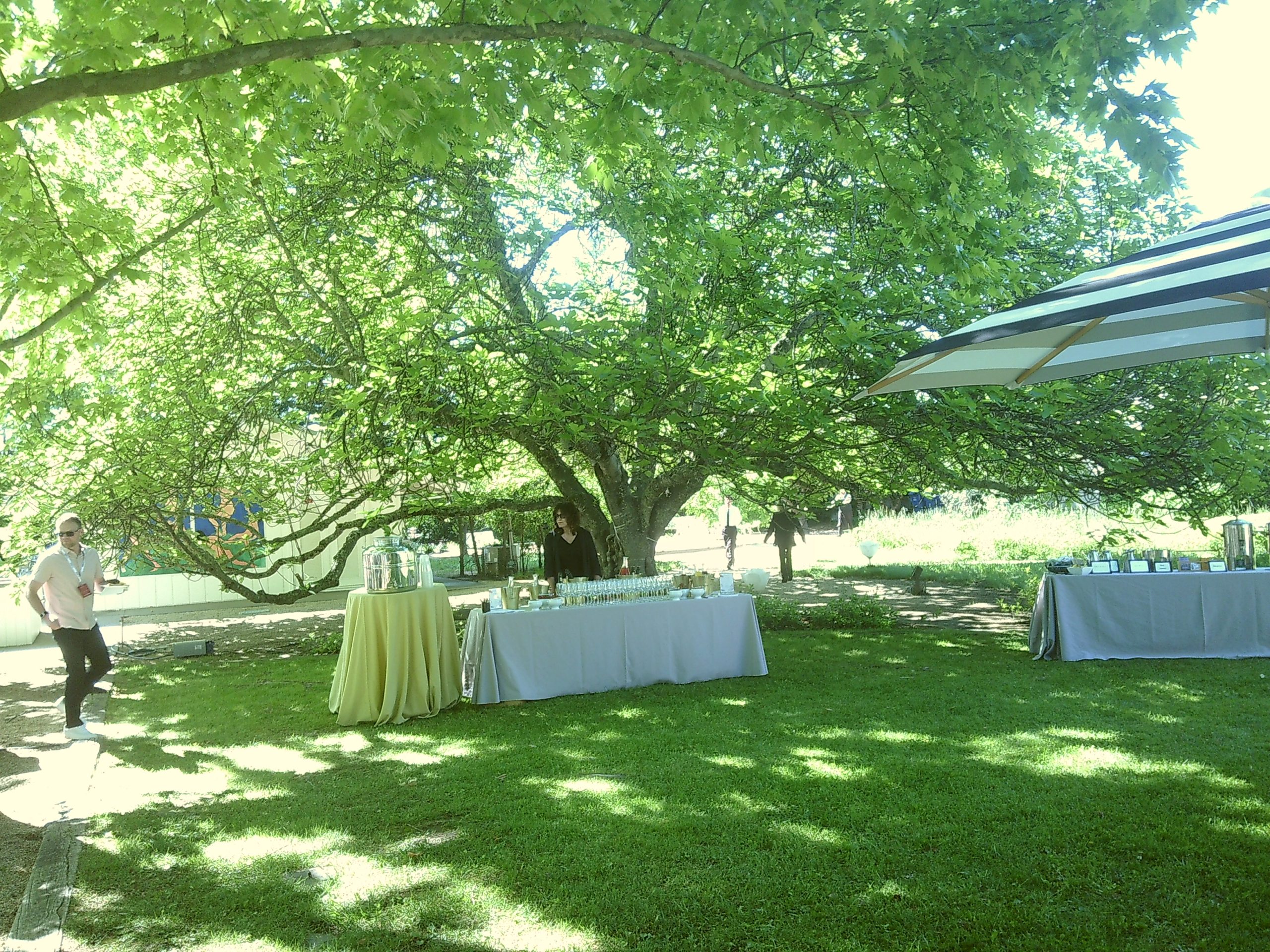
Though days one and two were punctuated with bursts of spring rain, throwing a logistical wrench into the works, the Forefront and LITV teams reacted with grace and ease, allowing attendees to relish the rarity of rainfall in Napa Valley without a second thought, and increasing the magical feeling of country music and country people basking in such a space. Day two began with the Texas Music Scene Tailgate, featuring performances by Sunny Sweeney, the Braun Brothers, and a songwriter round including Wade Bowen, Shelby Stone, and Cody Canada. During the live taping for Texas Music Scene’s long-running TV series, guests relaxed between sets by strolling the grounds, eating fresh Napa-grown produce, enjoying complimentary wines and sweets, and ducking in and out of the Frog’s Leap Winery barn to catch country songs sung amid the bright brass vats.

The Braun Brothers (L to R: Micky, Gary, Willy, and Cody)– known from Micky & the Motorcars and Reckless Kelly – swap songs and stories while performing at Frog’s Leap Winery for the ‘Texas Music Scene’ Tailgate.

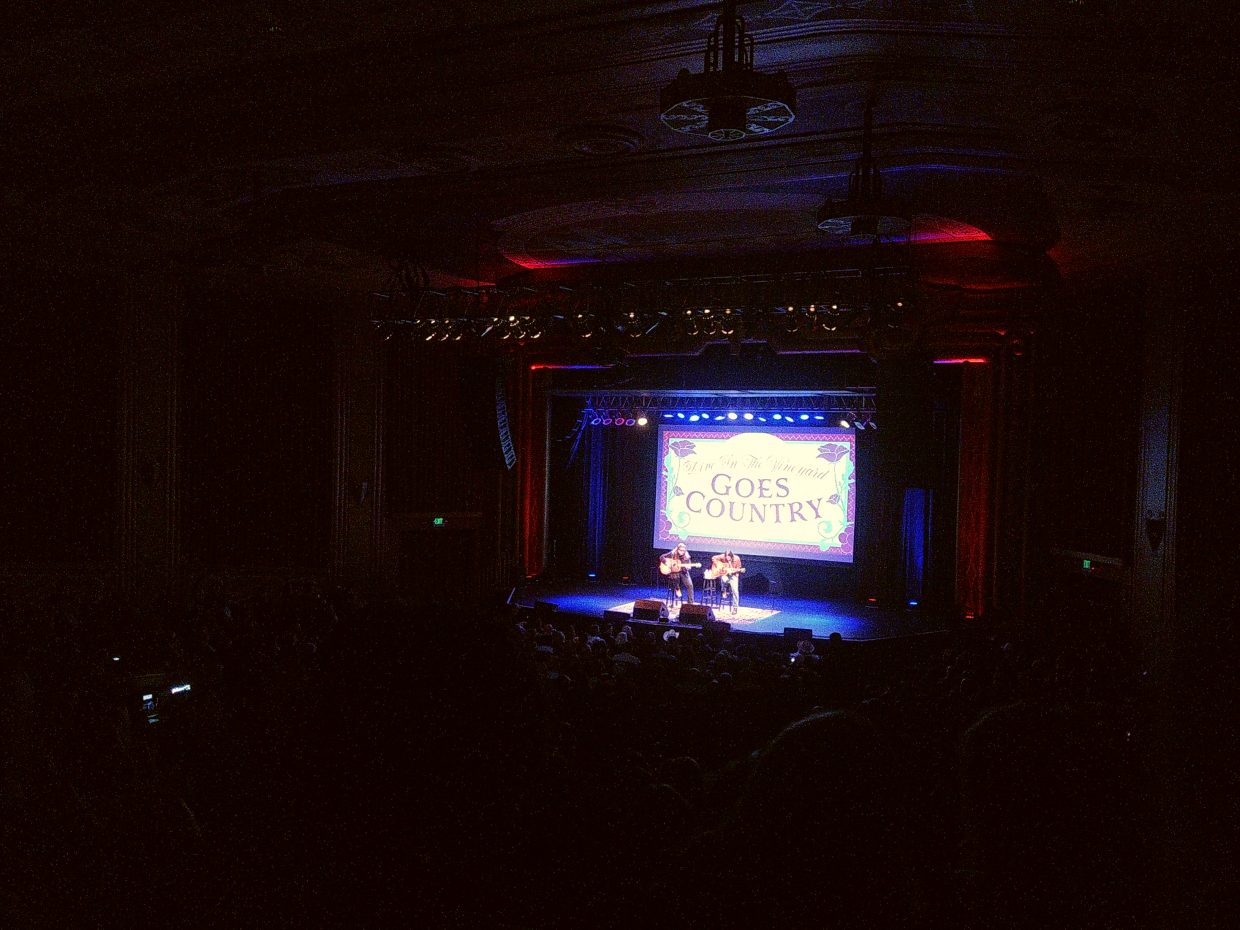
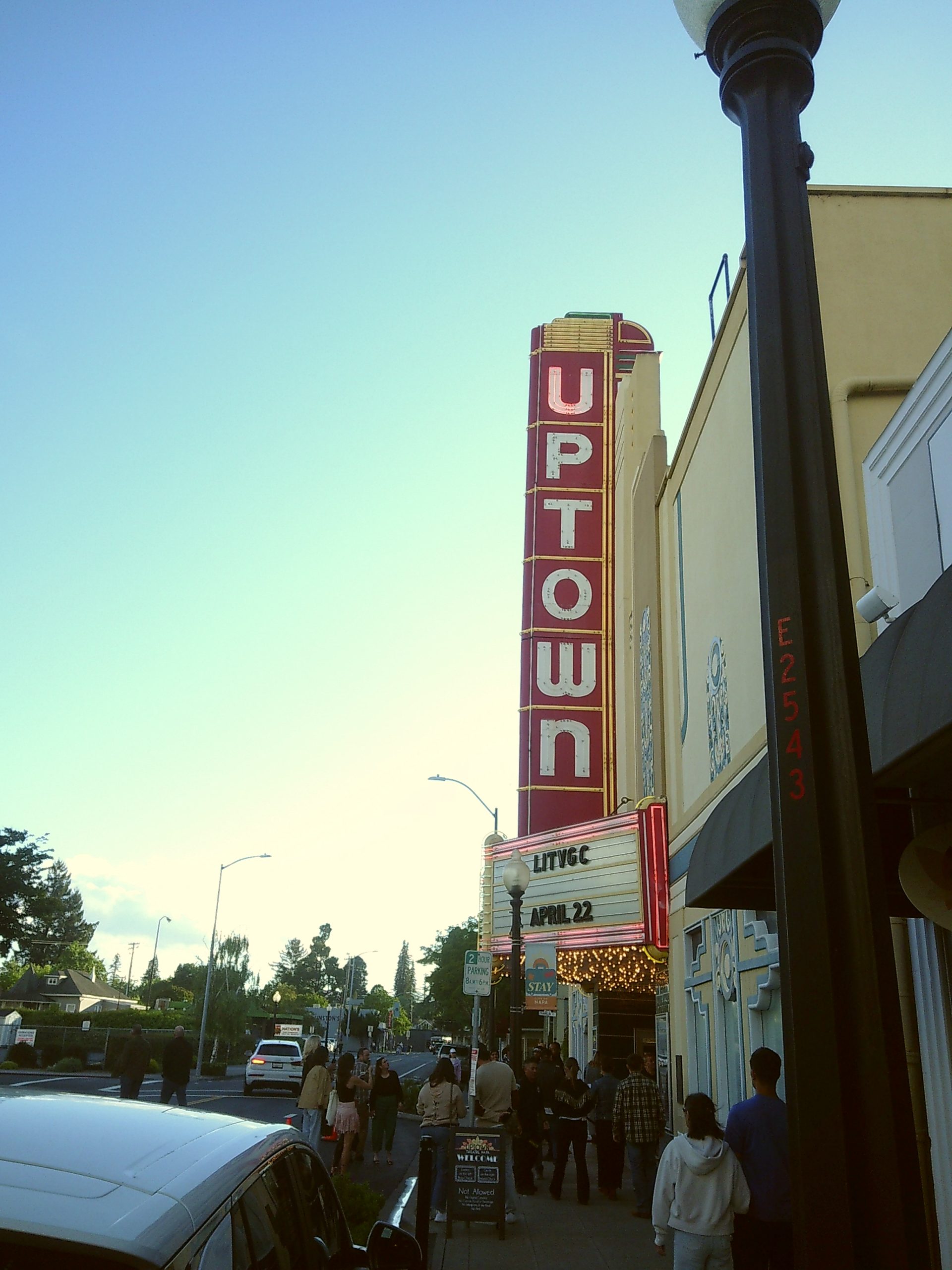
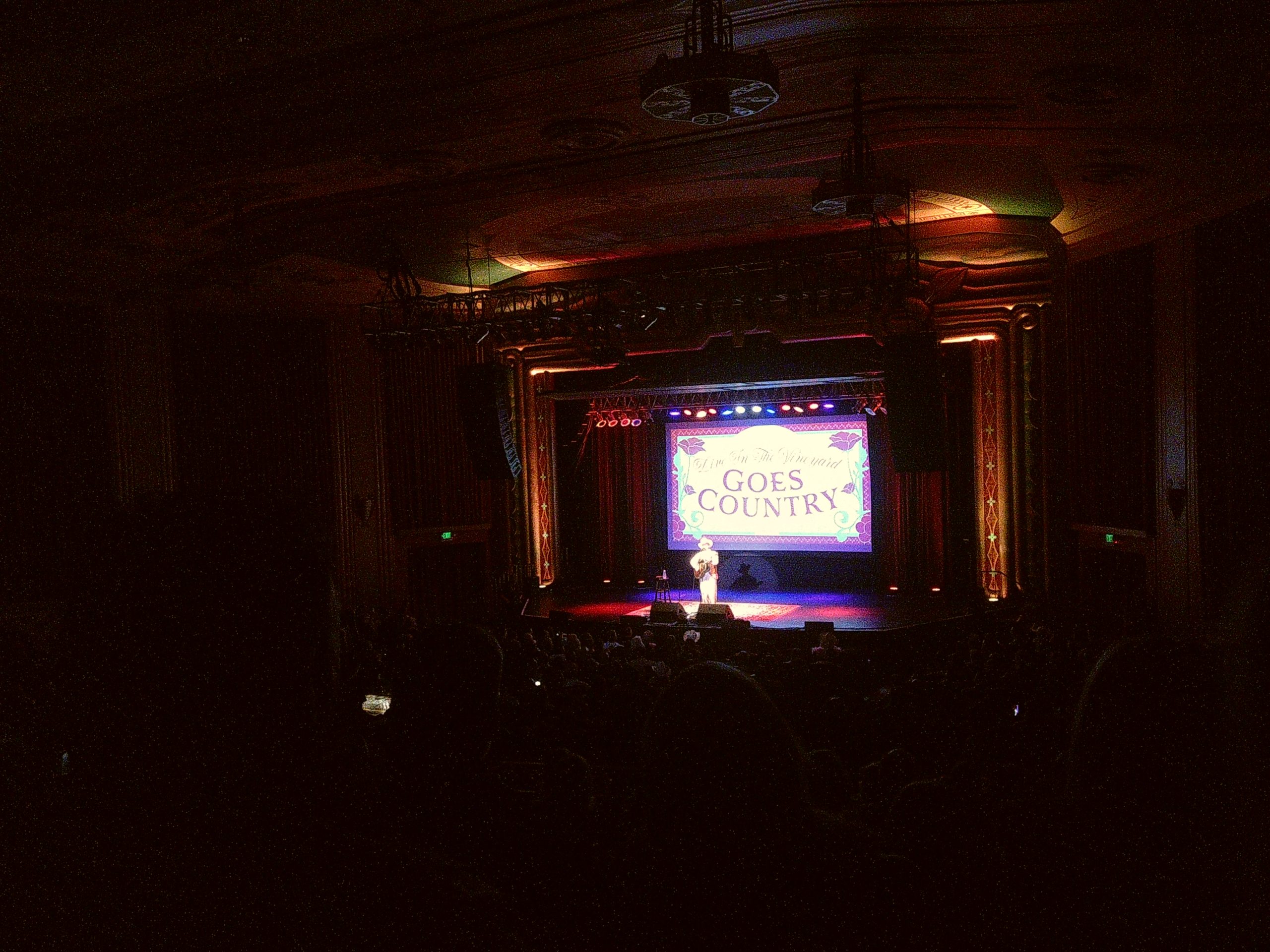
On the evening of day two, the entire Live in the Vineyard Goes Country entourage traveled together to the Uptown Theatre in gorgeous downtown Napa for the headline show of the event, featuring sets by Abbie Callahan, Alex Lambert, and Marcus King. Once again performing in pared-down, intimate setups for the around 800-seat venue, the crowd was nevertheless animated and engaged, hooting and hollering as if they were polishing the floorboards for rowdy, full-band sets on a stage wrapped in chicken wire, rather than a gilded theatre in wine country. Even in as manicured and lovely a location as Napa Valley, the old saying holds: You can take the folks out of the country, but you can’t take the country out of the folks!

Marcus King performs for the Uptown Theatre audience at Live in the Vineyard Goes Country.

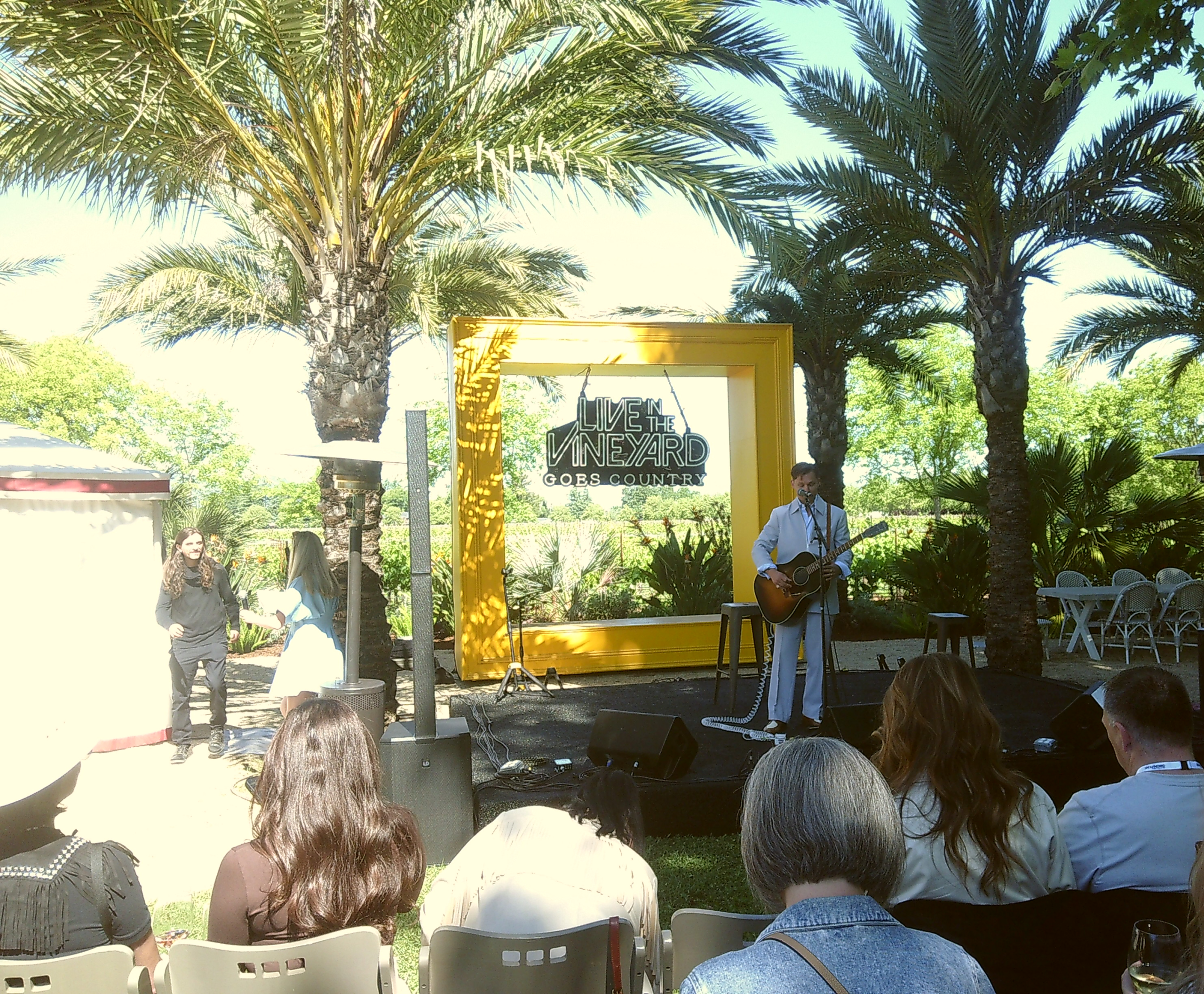
On day three, already feeling like Live in the Vineyard was much too short, attendees gathered at Raymond Vineyards in St. Helena, California, for one final hoorah, a lovely send-off brunch featuring a mimosa bar, lemon-blueberry pancakes, JCB Wines, and performances by Frankie Ballard and Zach John King. In the shade of palm trees and snacking on scratch-made frittatas, it was clear – from start to finish – that Live in the Vineyard Goes Country gives this genre, the folks who make it, and the fans who love it the treatment they all deserve. Yes, country is made for barn dances and radio shows and flatbed trailers in pastures, but isn’t it made for Napa Valley, too? For barns aging fine wine, for farms growing gourmet salads, luxurious wines, and handmade breads?

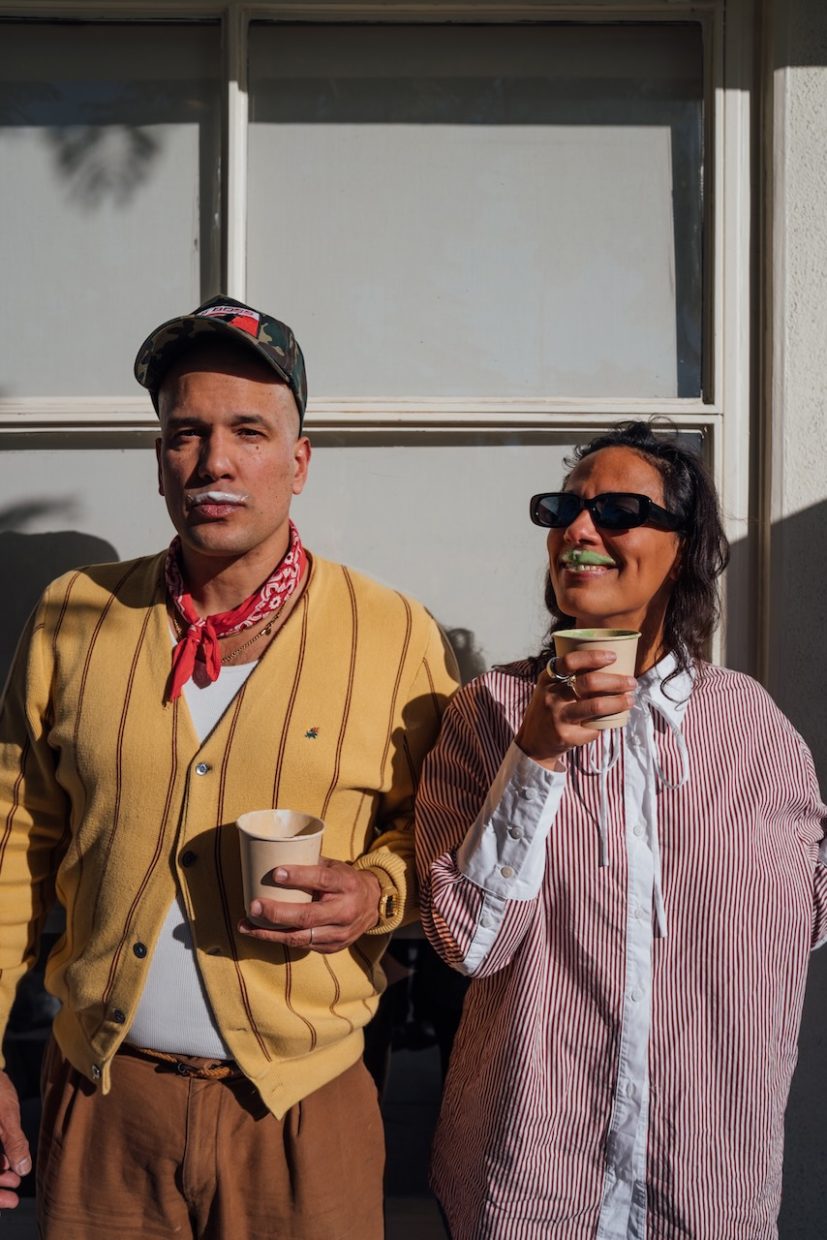
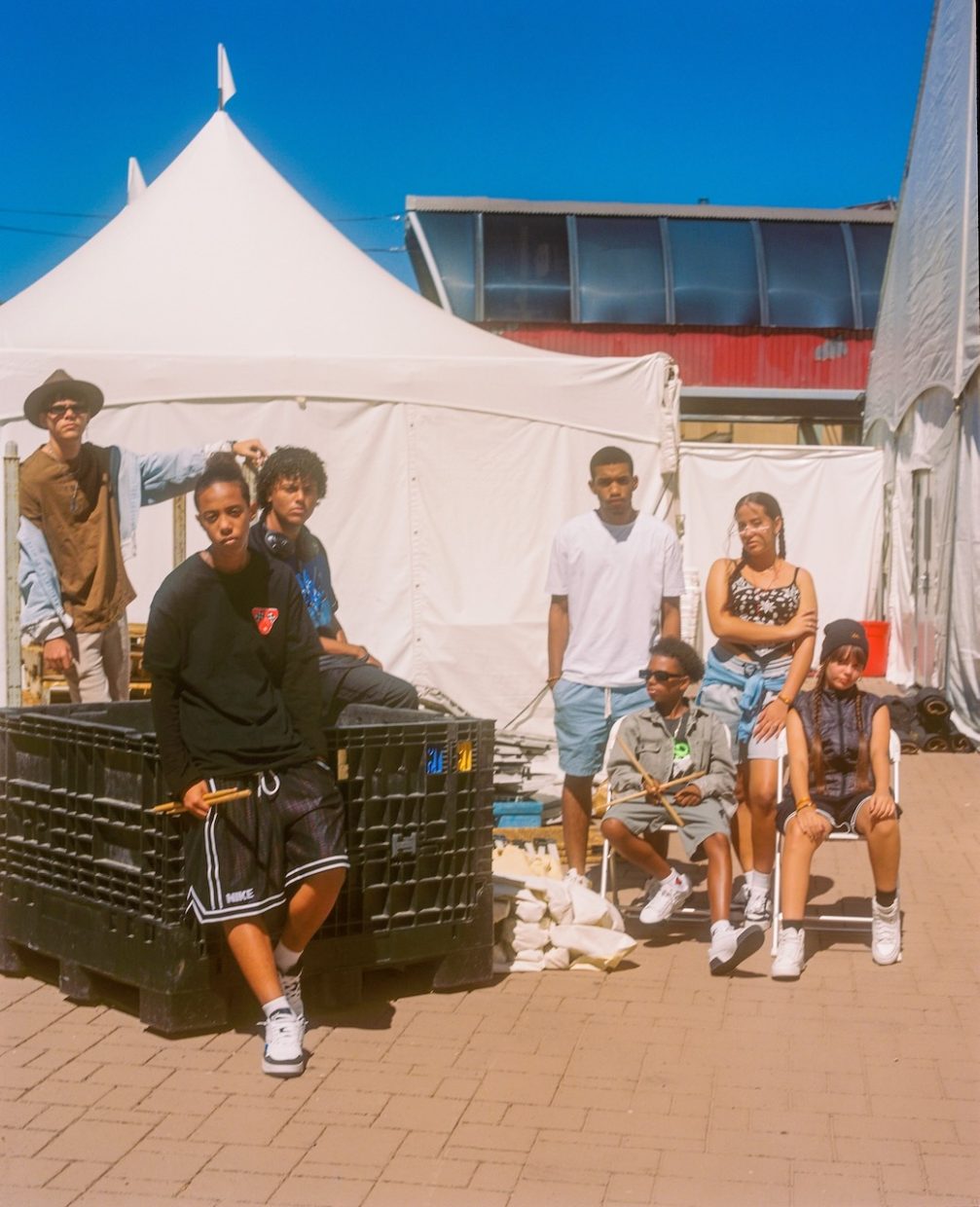
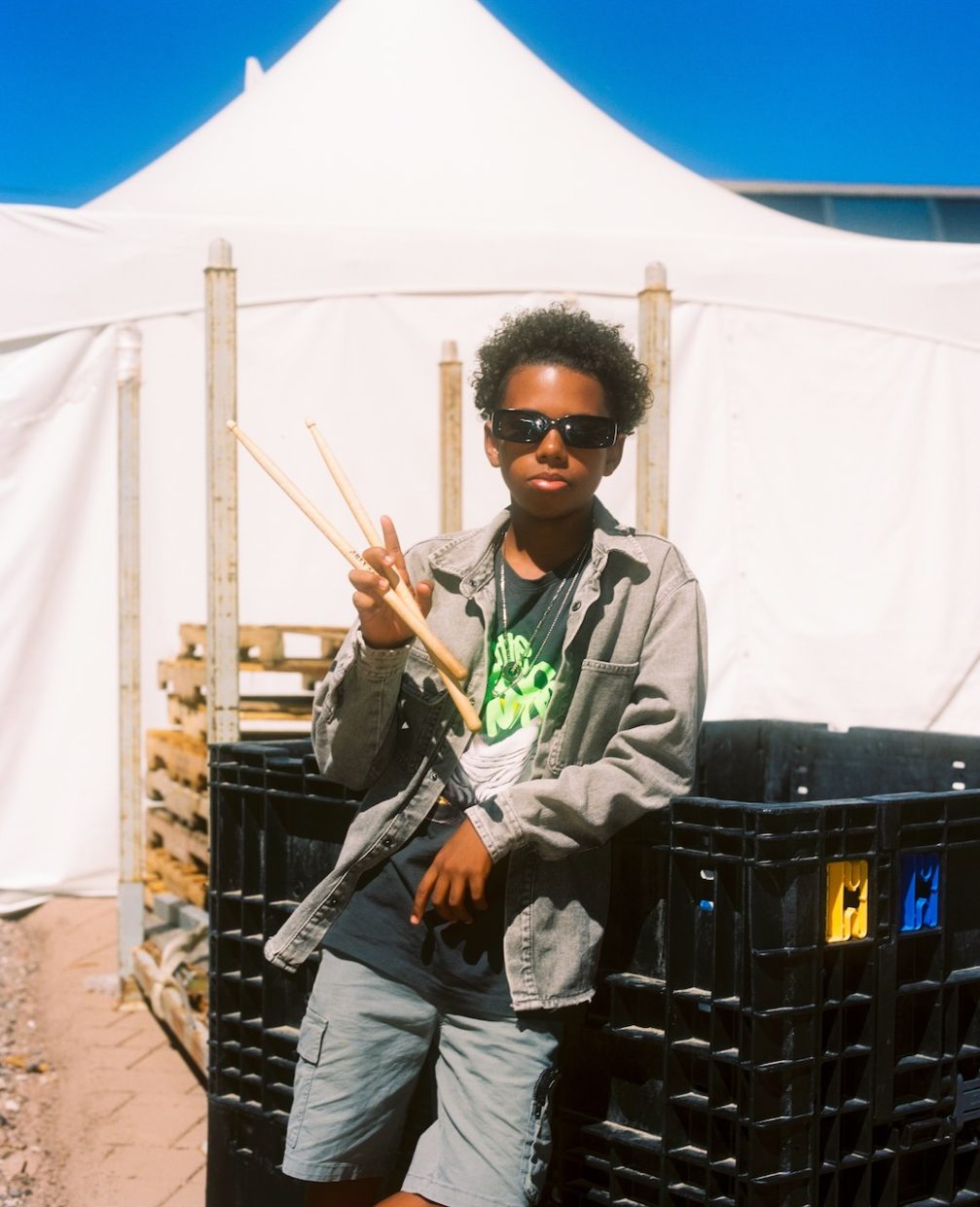
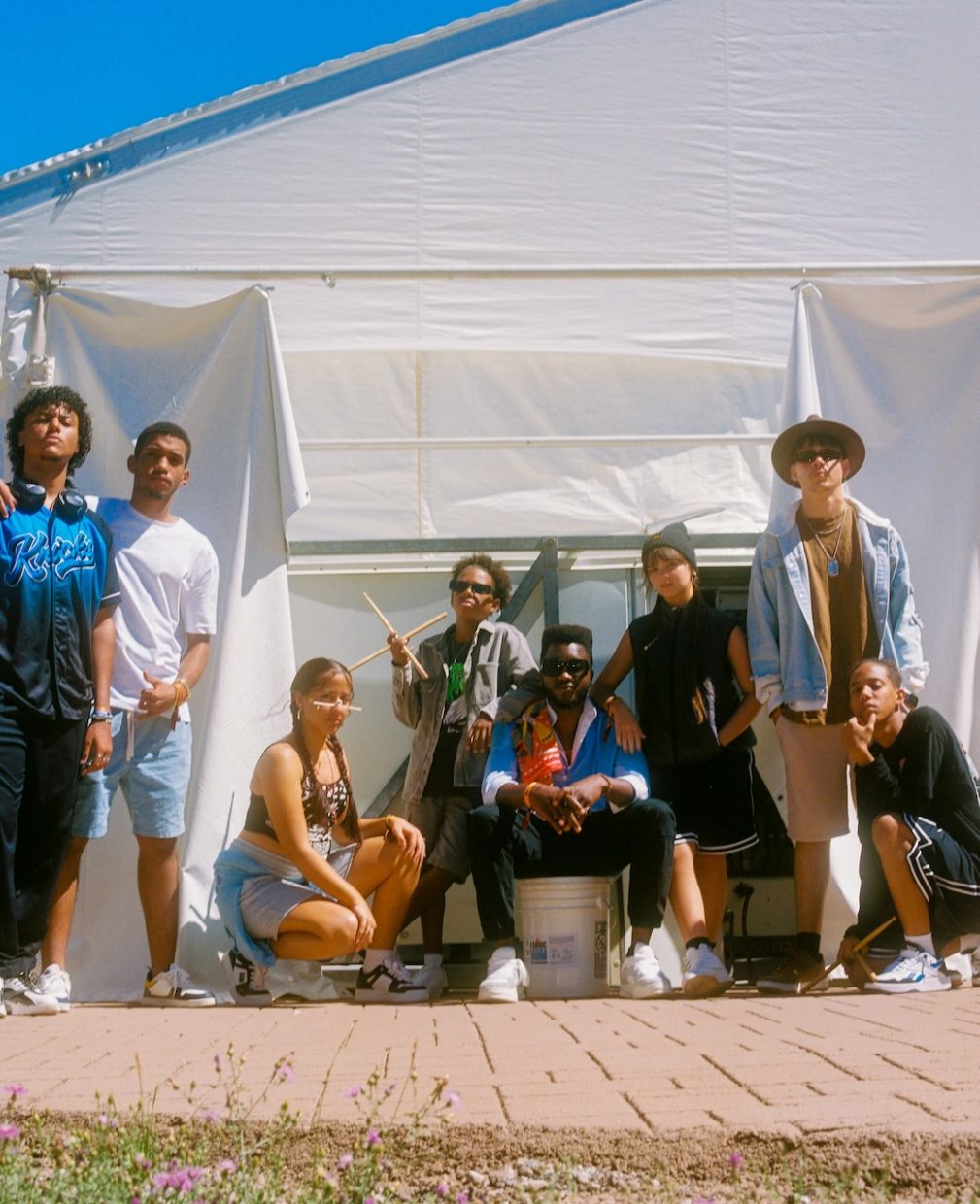
Country is a music for everyone, for every setting, and for every place imaginable. The GC team was excited to be on hand for Live in the Vineyard Goes Country 2026, capturing lo-fi photos with our trusty Camp Snap camera and reflecting on how delicious country music can be when it’s made with this level of intention and care in a beautiful setting such as this. Scroll to enjoy even more photos and dispatch notes from our trip with LITV to Napa Valley.

If you missed Live in the Vineyard Goes Country, don’t worry, Forefront Networks have more music and roots music events on the docket so you, too, can experience country in gorgeous places like this. For a near-immediate fix, Hill Country Reserve will take place in November 2026 in Fredericksburg, Texas. And stay tuned for future editions of LITV, Elevation Bear Creek, and more from Forefront.


All photos by Justin Hiltner, shot on Camp Snap.

Headed to Earl Scruggs Music Festival? Here’s What to See and Do

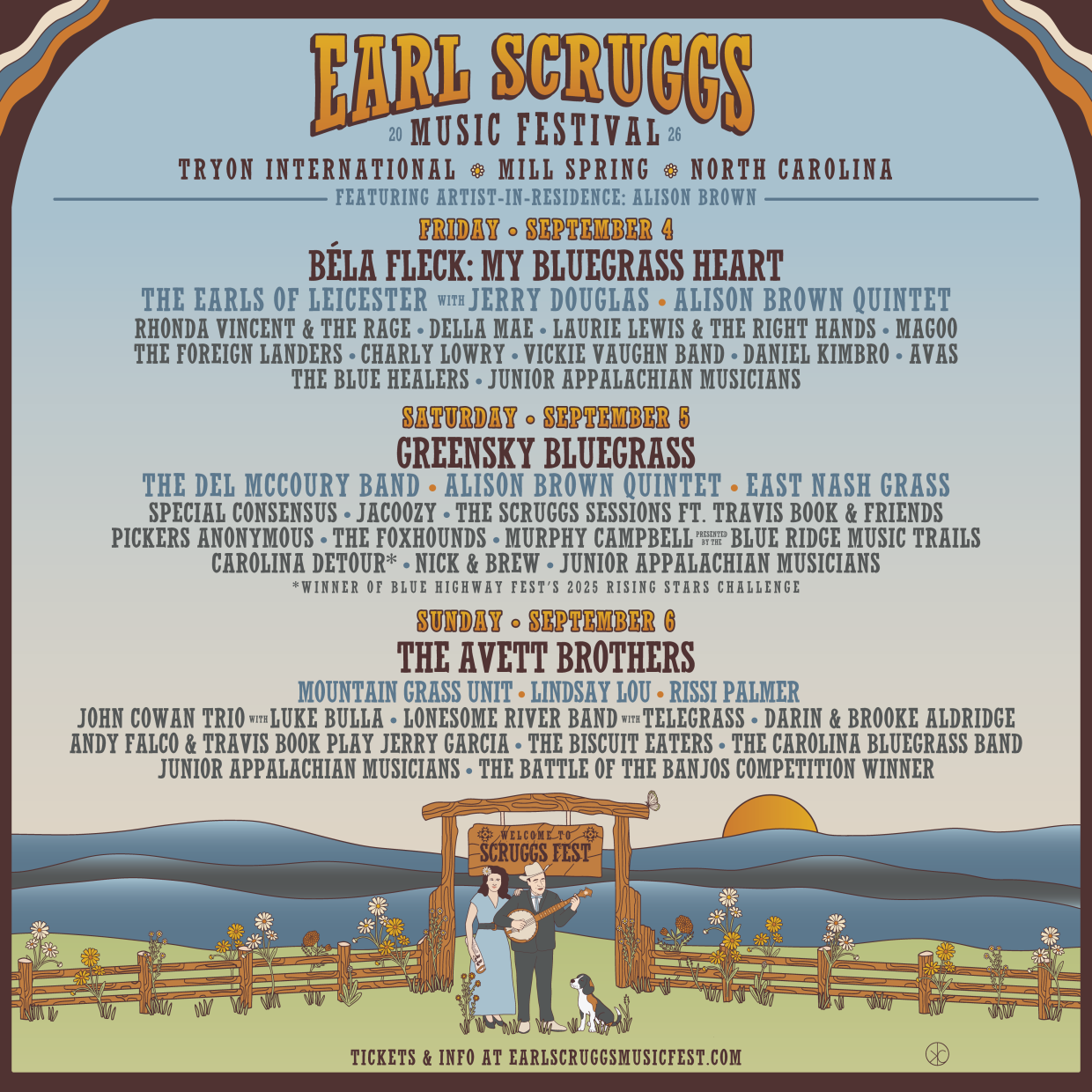
On March 4, 2026, the team behind Earl Scruggs Music Festival announced the lineup for the 5th annual edition of their event, which was recently honored with the 2025 IBMA Award for Event of the Year. Held each year in Mill Spring, North Carolina, at the Tryon International Equestrian Center, the festival will take place September 4 through September 6 with performances from headlining acts Béla Fleck: My Bluegrass Heart, Greensky Bluegrass, and the Avett Brothers as well as many, many more artists and bands. Tickets are on sale now; see the full lineup below.

BGS has been proud to partner with ESMF since the very first year of the festival, presenting special sets of music, doing on-site coverage, and bringing the unique setting and community of the weekend to our audience. This year we’ll be back again for still more of our partnership – and to enjoy some of the best bluegrass, Americana, country, and roots music on offer anywhere in the country.

Get a sampling of Earl Scruggs Music Festival with our photo stories, previews, and recaps from previous years: 2025; 2024; 2023; 2022.

The most striking feature of ESMF each year – besides their superlative lineups, of course – is the grounds and festival footprint. Tryon International is a luxurious, resplendent location for a music festival, featuring brick-and-mortar restaurants (we love Campagna – scratch made Italian and wood-fired pizzas at a bluegrass festival? Yes.), adorable boutiques, horse riding and jumping demonstrations, a shaded grandstand, multiple bars, a general store, posh VIP areas, and much more. There are campsites for RVs and tents, glamping options and tiny homes, and even a just-opened on-site lodge. Tryon International may just be the most amenity-rich site for a bluegrass festival we’ve ever encountered.

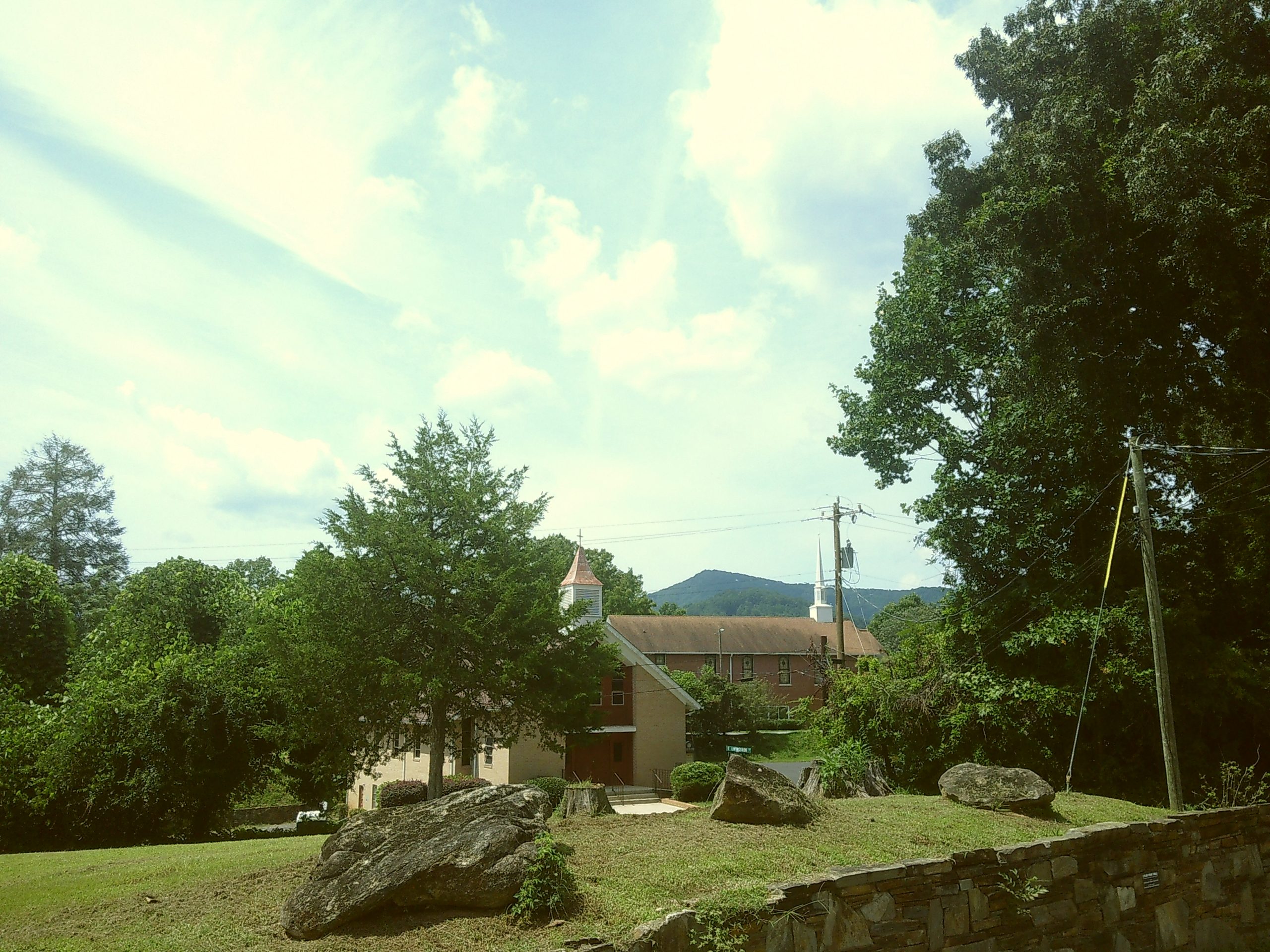
Still, it’s worth getting off-site when you can and exploring the foothills of the Blue Ridge Mountains and the many adorable, vibrant communities surrounding Mill Spring and Tryon International. We’ve attended ESMF for five years now and each time we uncover new (to us) hidden gems, restaurants, activities, shops, and highlights around every corner. In 2025, we decided to take our audience – and any potential ESMF attendees who may need extra convincing – along with us for a Camp Snap photo journey as we adventured down the mountains from Asheville, North Carolina, to the festival and beyond. We stopped in Saluda, Tryon, Shelby, and Boiling Springs, North Carolina, getting lunch, shopping for antiques, stopping in adorable boutiques, and visiting the homeplaces of two local legends: Nina Simone (in Tryon) and Earl Scruggs himself (in Boiling Springs). We also hopped just across the border to Landrum and Gaffney, South Carolina, for more markets, horses, and trains – and live music, too.

We’ve only just scratched the surface but if, like us, you’re looking forward to getting back to Earl Scruggs Music Festival this year, we’ve got the list of things to do and see outside of the festival grounds while you’re there. Make your plans to attend ESMF in 2026 here and scroll for more of our tips, tricks, and local favorites.

Saluda, North Carolina

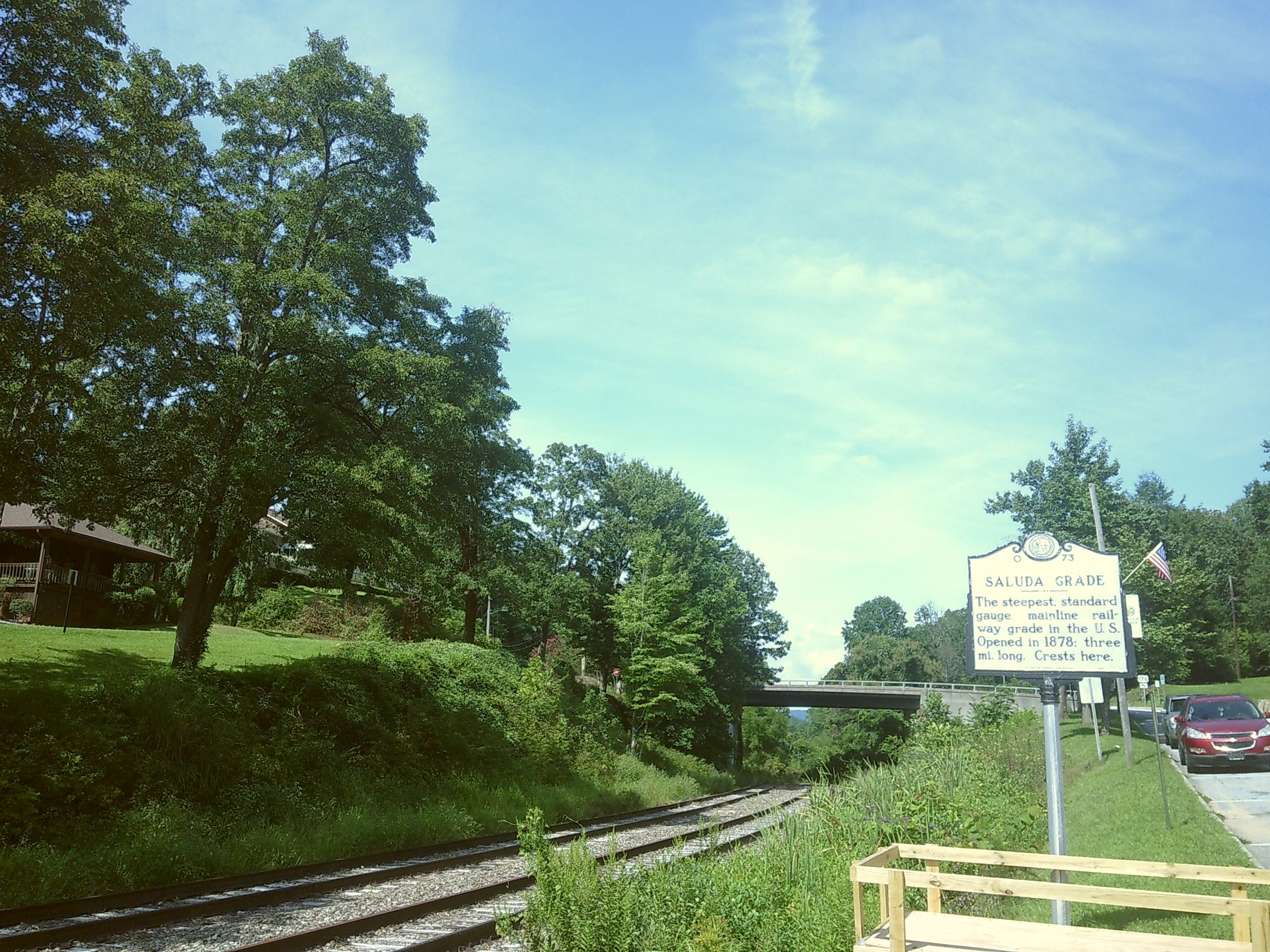
If you’re headed across the Blue Ridge Mountains to ESMF from Asheville, the Asheville Airport, Johnson City, Bristol, TN/VA – or even as far as Knoxville, Nashville, Lexington, or Louisville – a stop in Saluda, North Carolina, is in order before taking on the grade down the mountains to Mill Spring. Here, the United States’ steepest standard gauge railway grade crests in an adorable little music-steeped and outdoor activity-obsessed community.

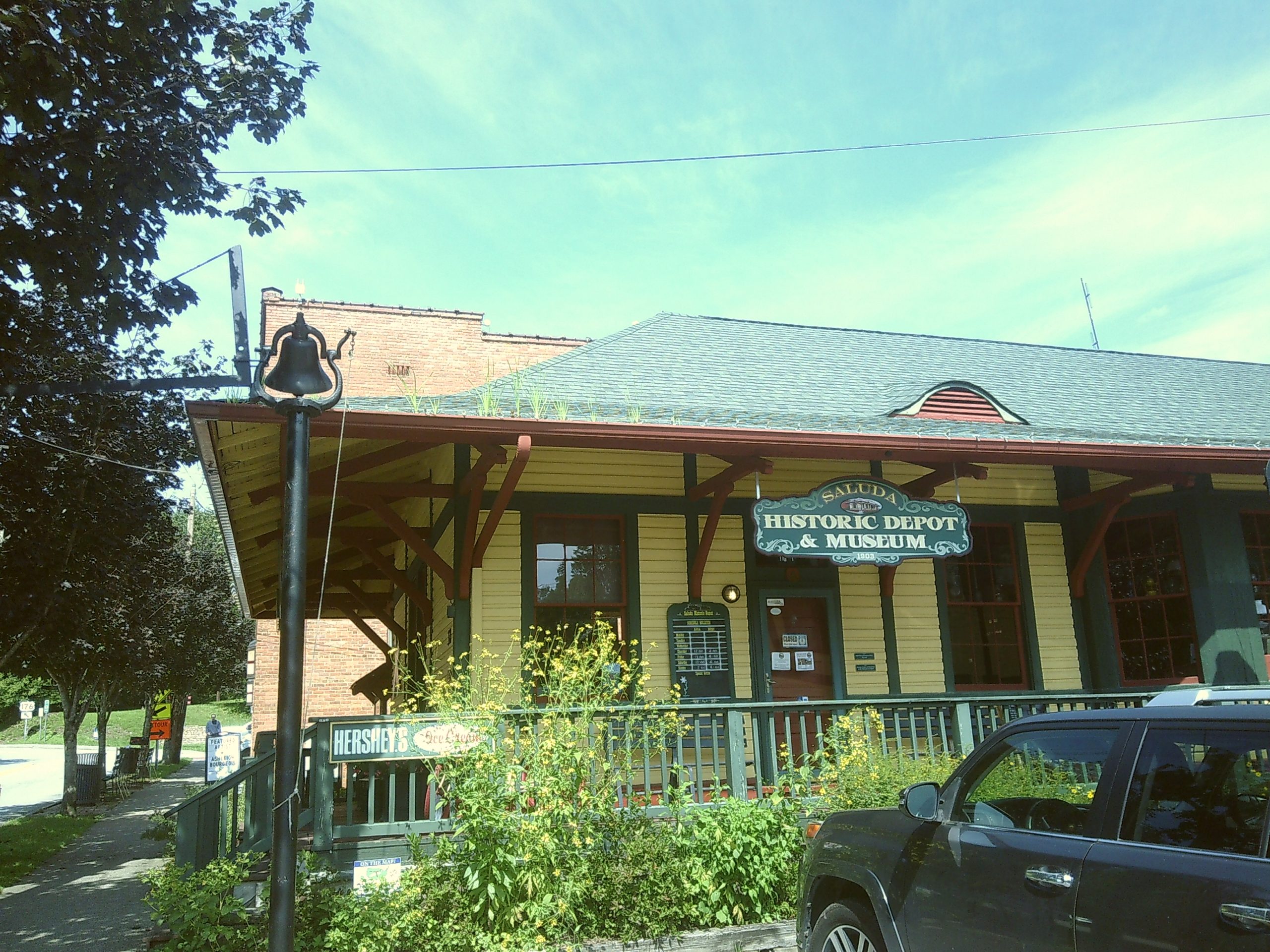
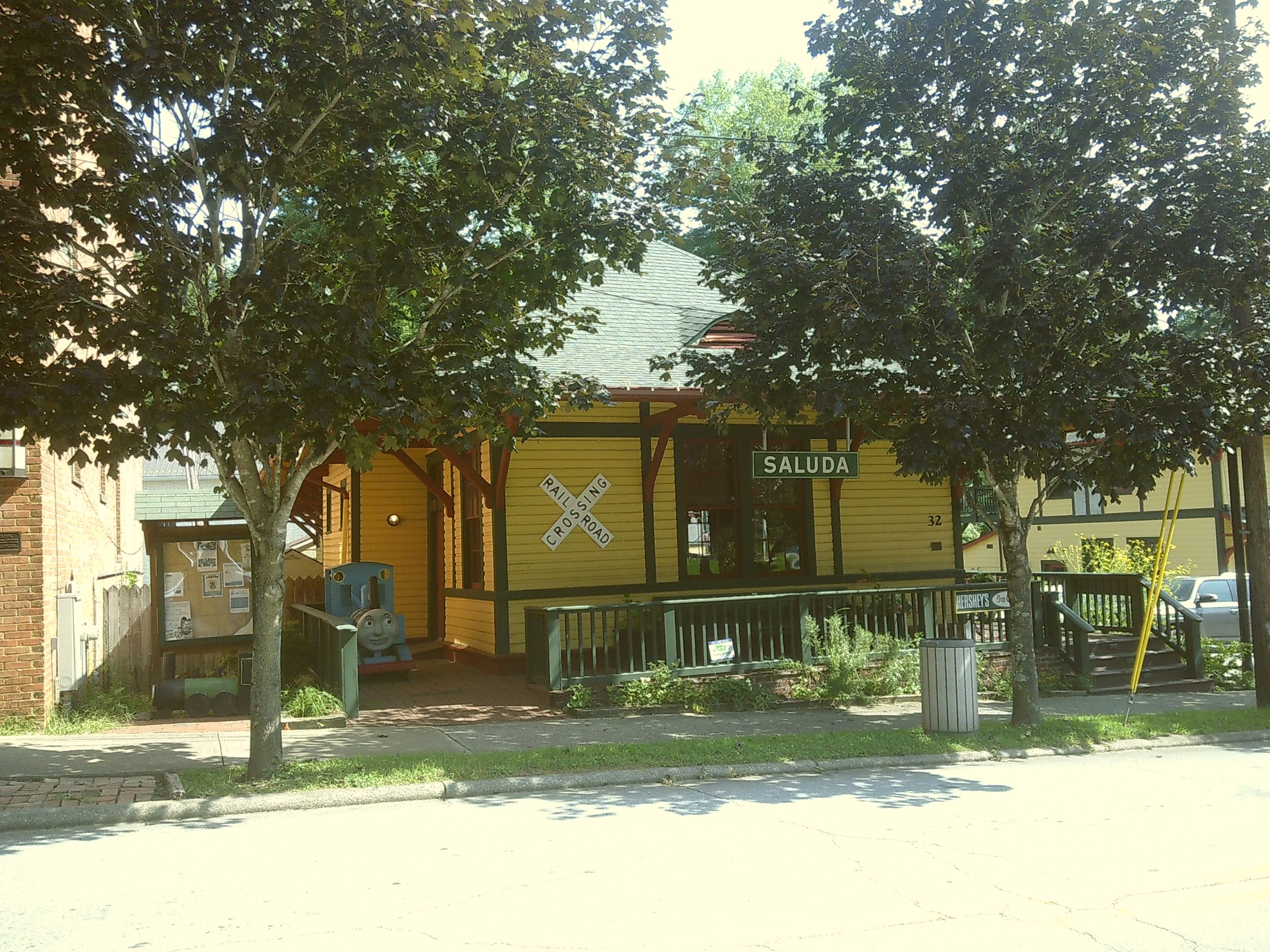
Stop by the Saluda Historic Depot & Museum and the Saluda Visitor’s Center next door – and snack on some delicious ice cream while you’re there.

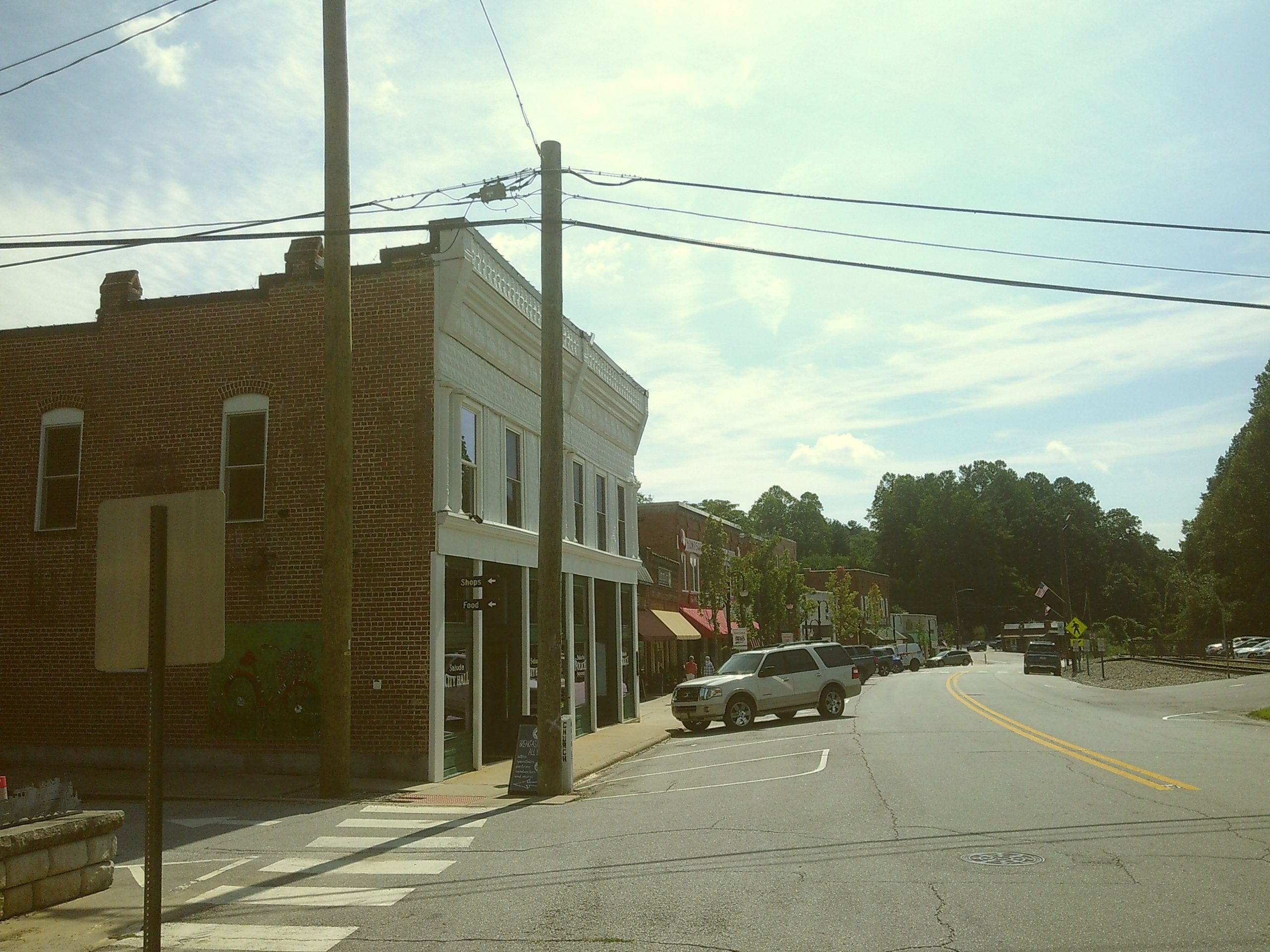
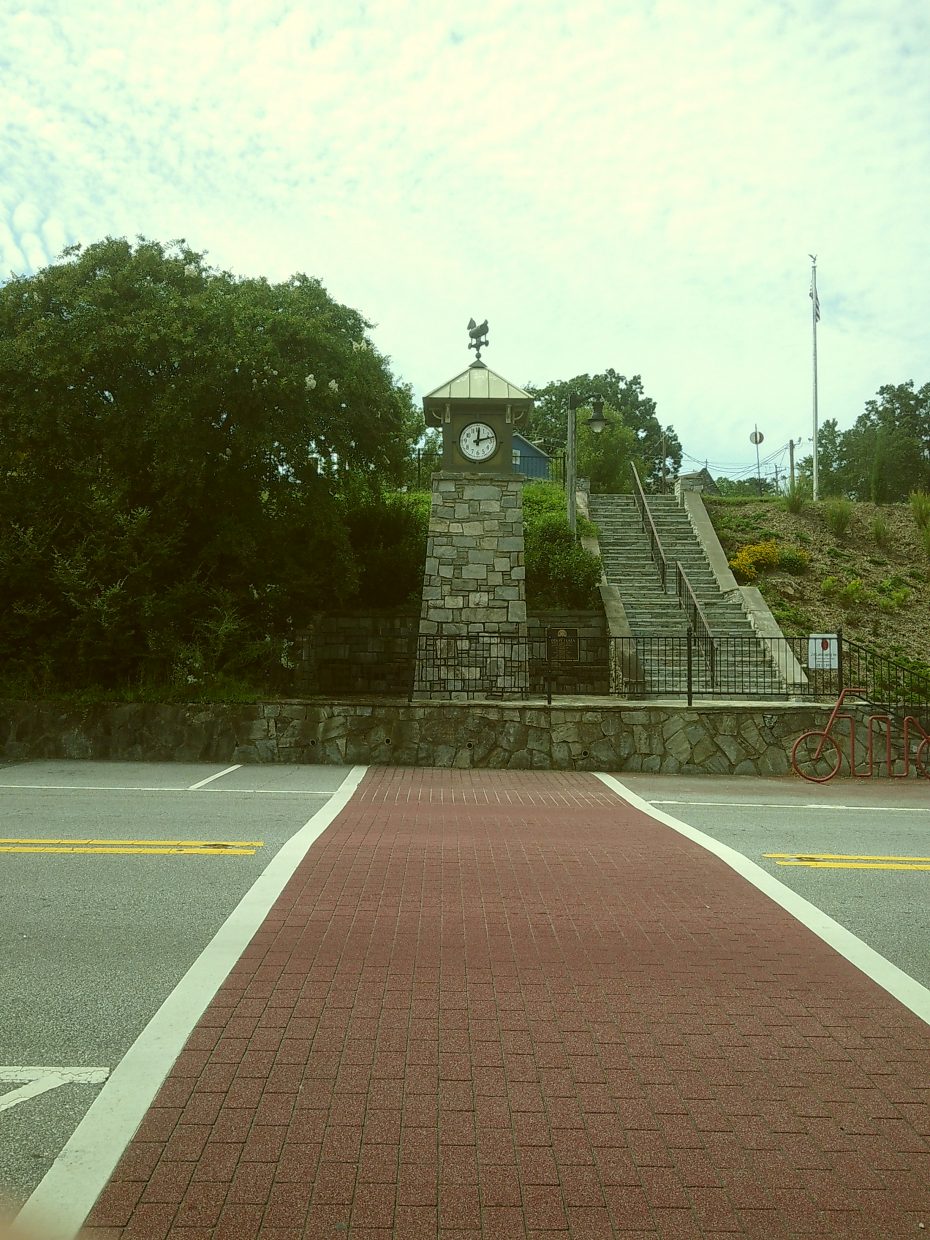
Picturesque and adorable downtown Saluda on a bright late summer day.

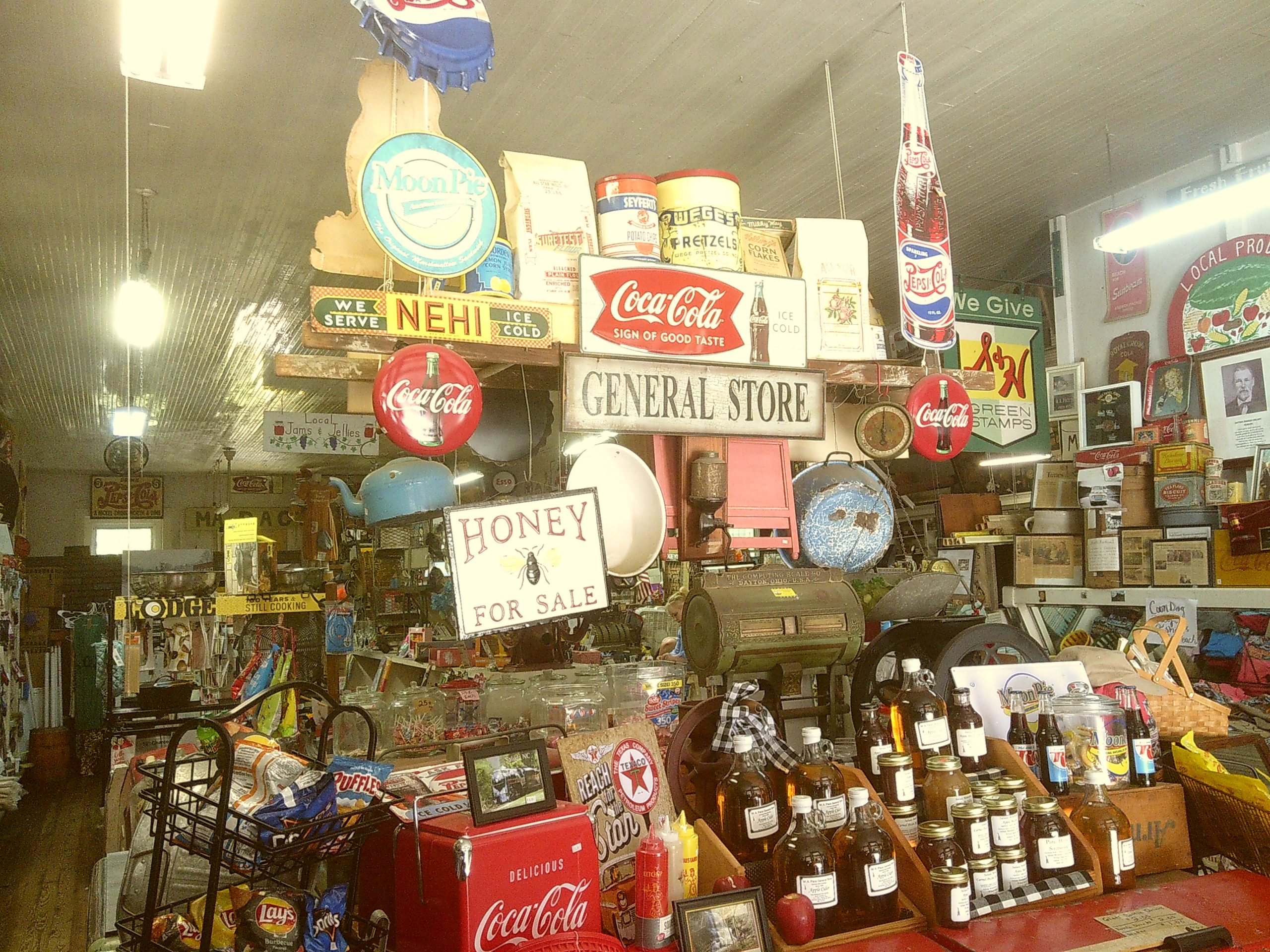
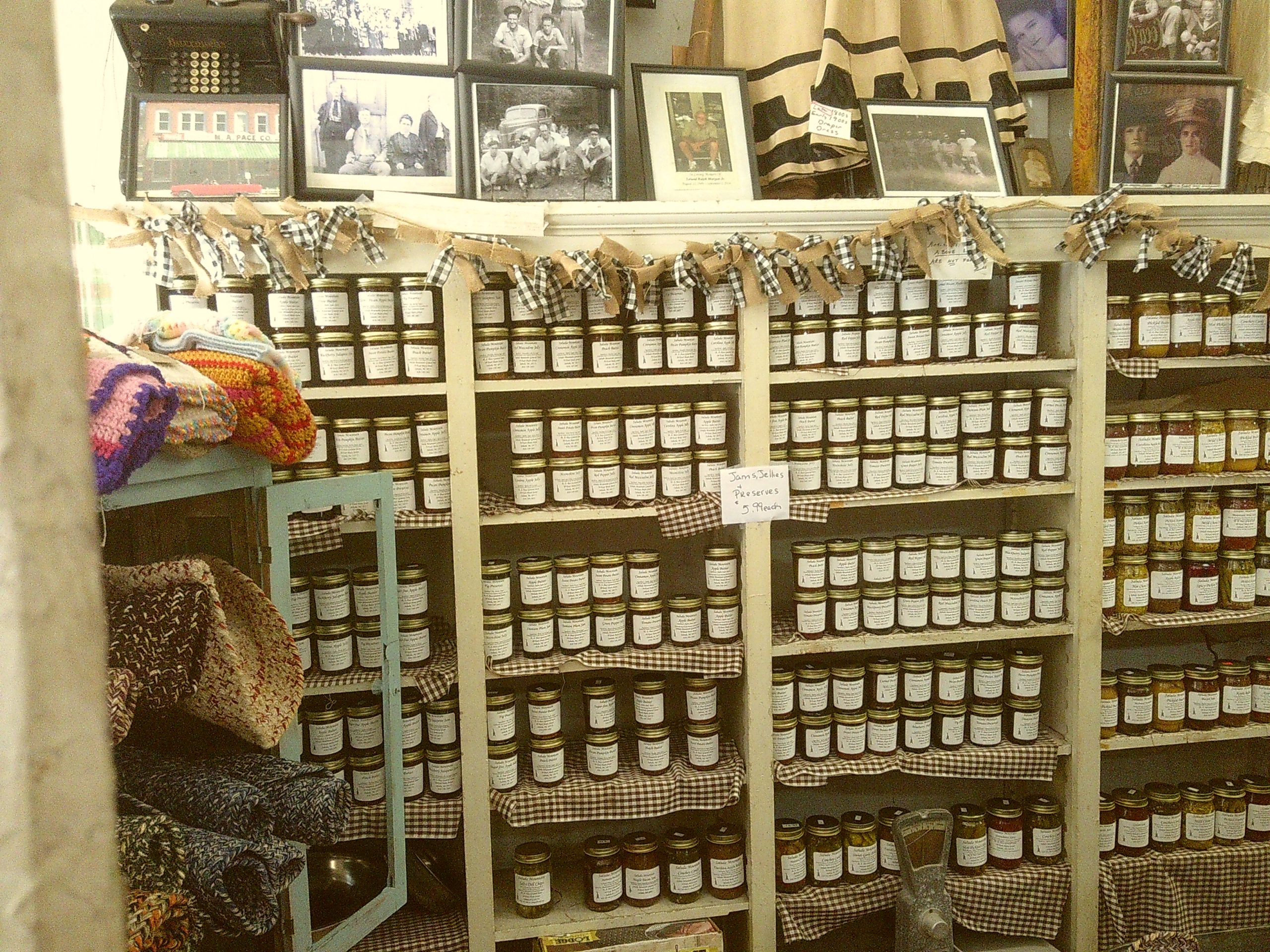
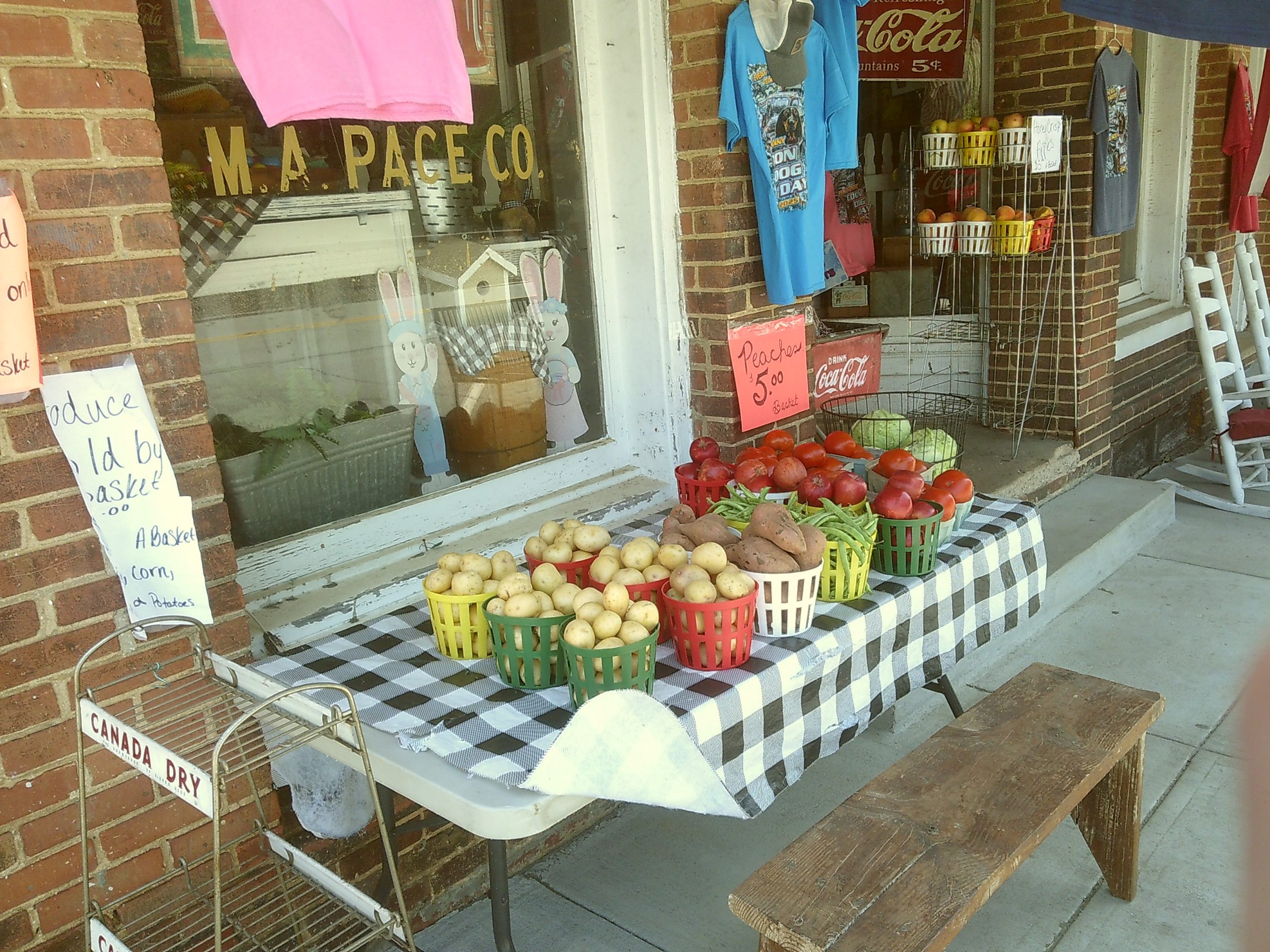
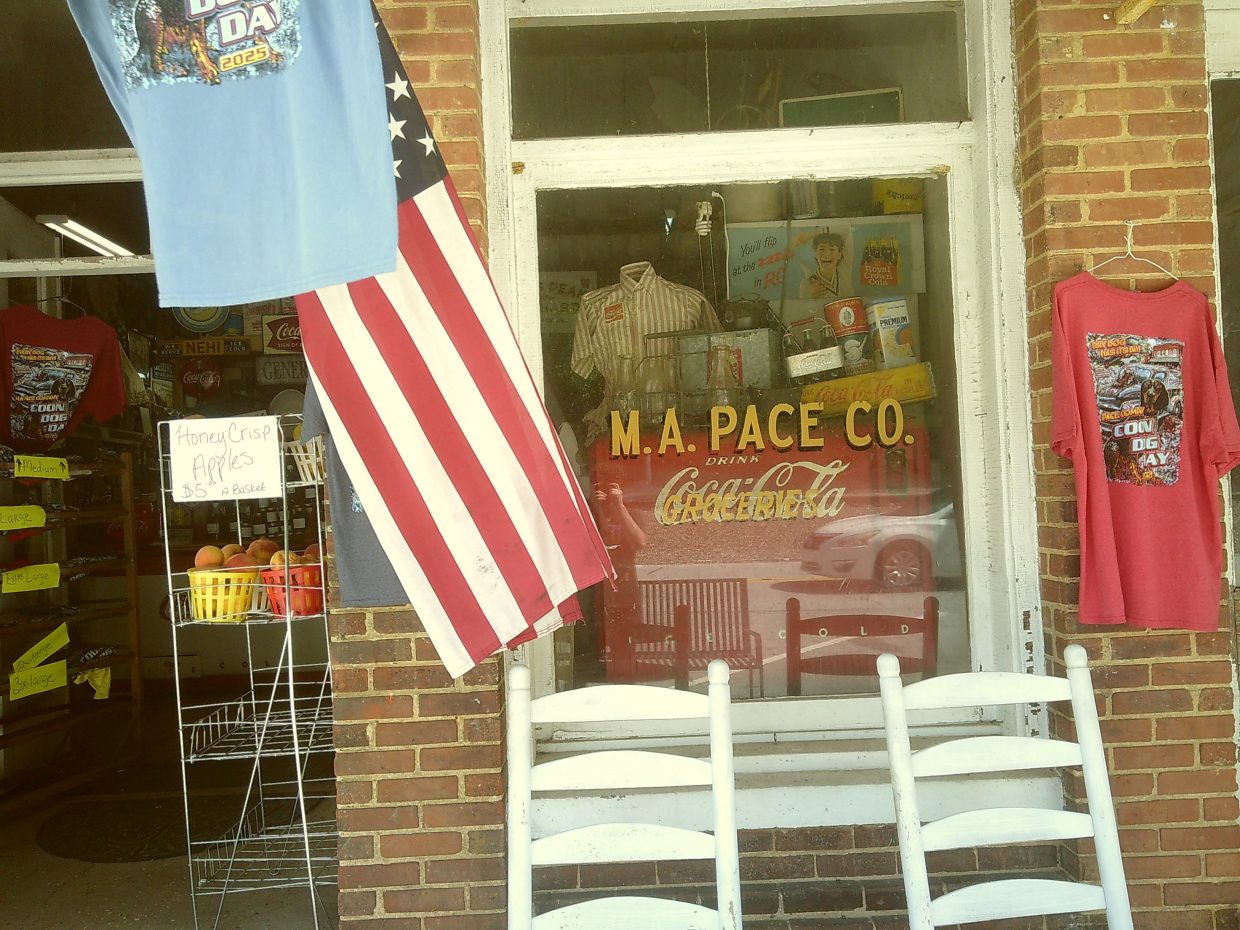
Stop inside a classic, time capsule of a shop, the M.A. Pace Co. General Store, open and in operation since 1899. Refreshing drinks, sundries, souvenirs, local produce, and an array of jams, preserves, sauces, salsas, honey, syrups, and more from local vendors are on sale.

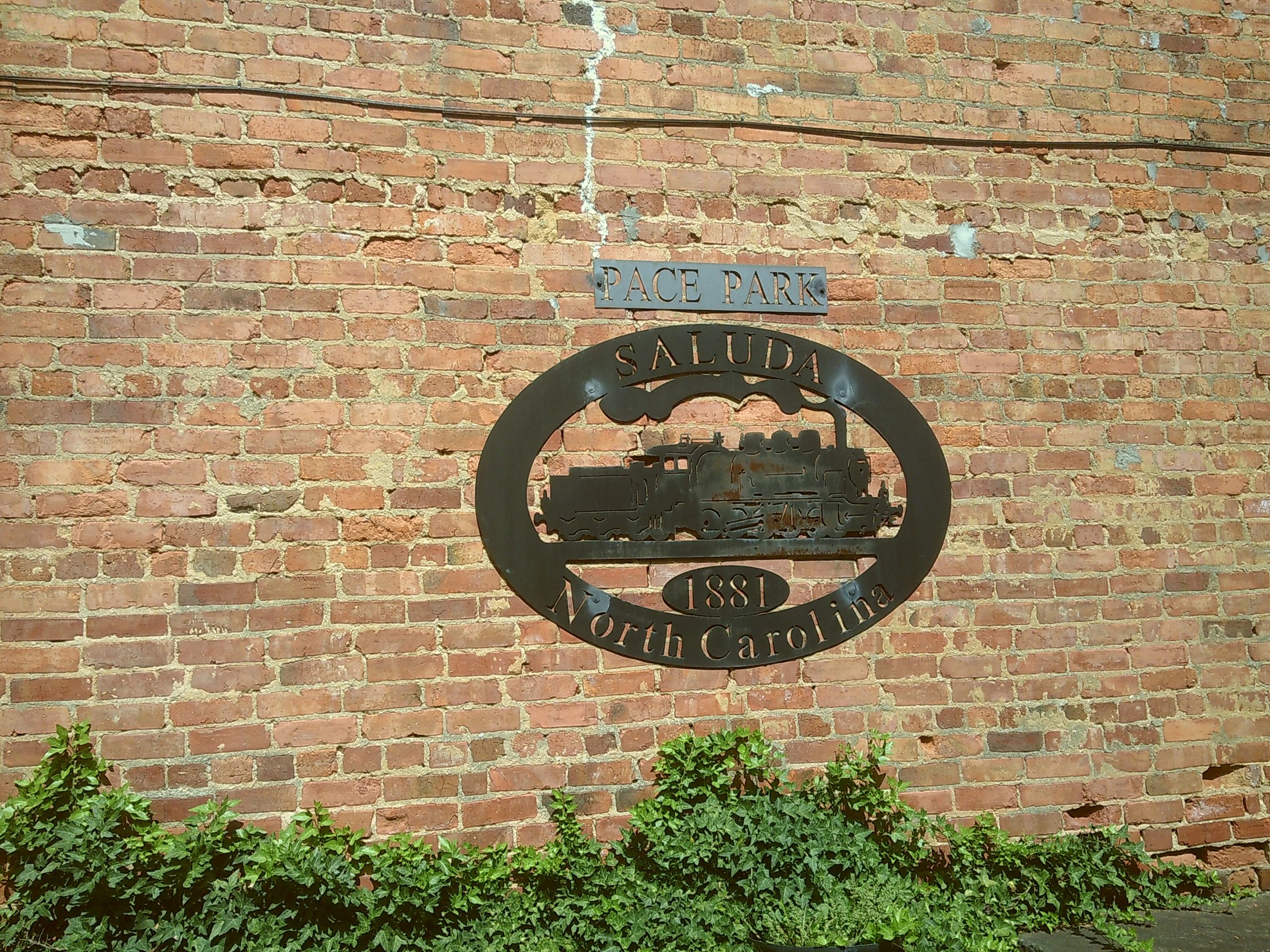
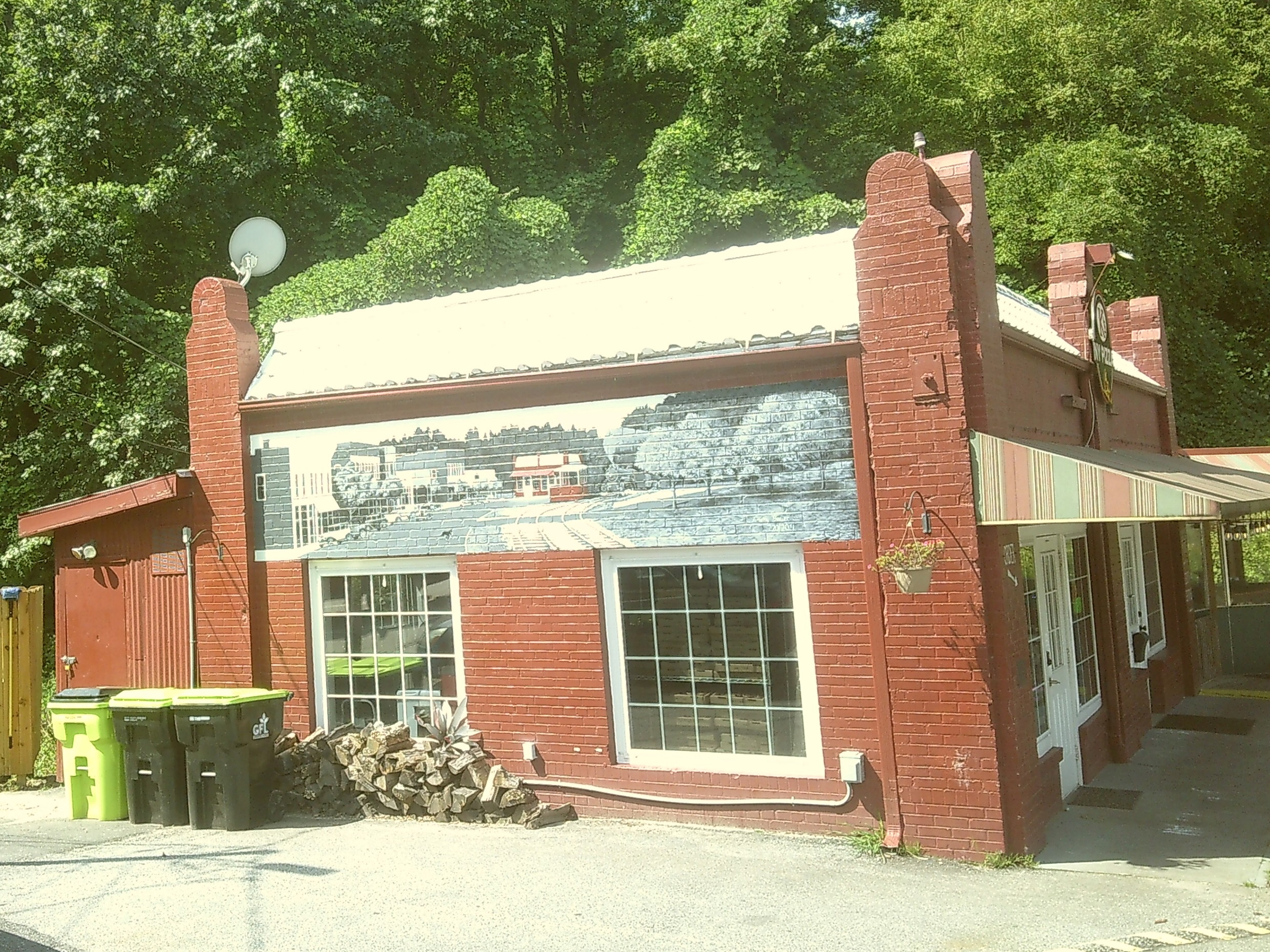
A mural depicting downtown Saluda and the iconic rail lines as seen on side of the building of K’s NY Pizza.

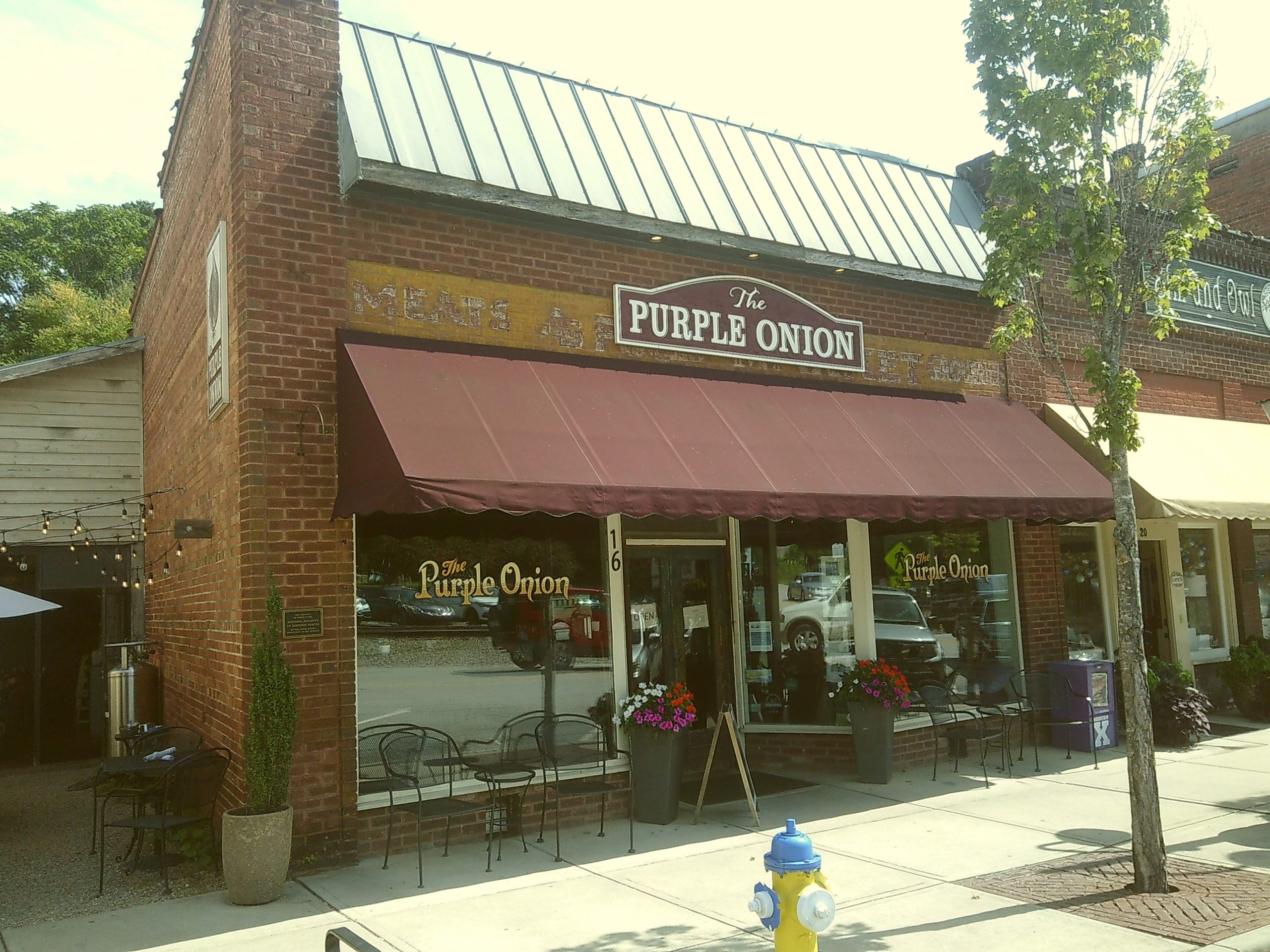
The Purple Onion is an excellent restaurant and cafe and an important community music venue at the heart of Saluda on Main Street. Bluegrass, folk, and Americana artists, bands, and songwriters perform on Thursday and Saturday nights – and select Sundays for their special Sunday Evenings Concert series. It’s intimate, the food is delicious, and the musicians they feature are incredibly talented whether local, regional, or nationally touring acts.

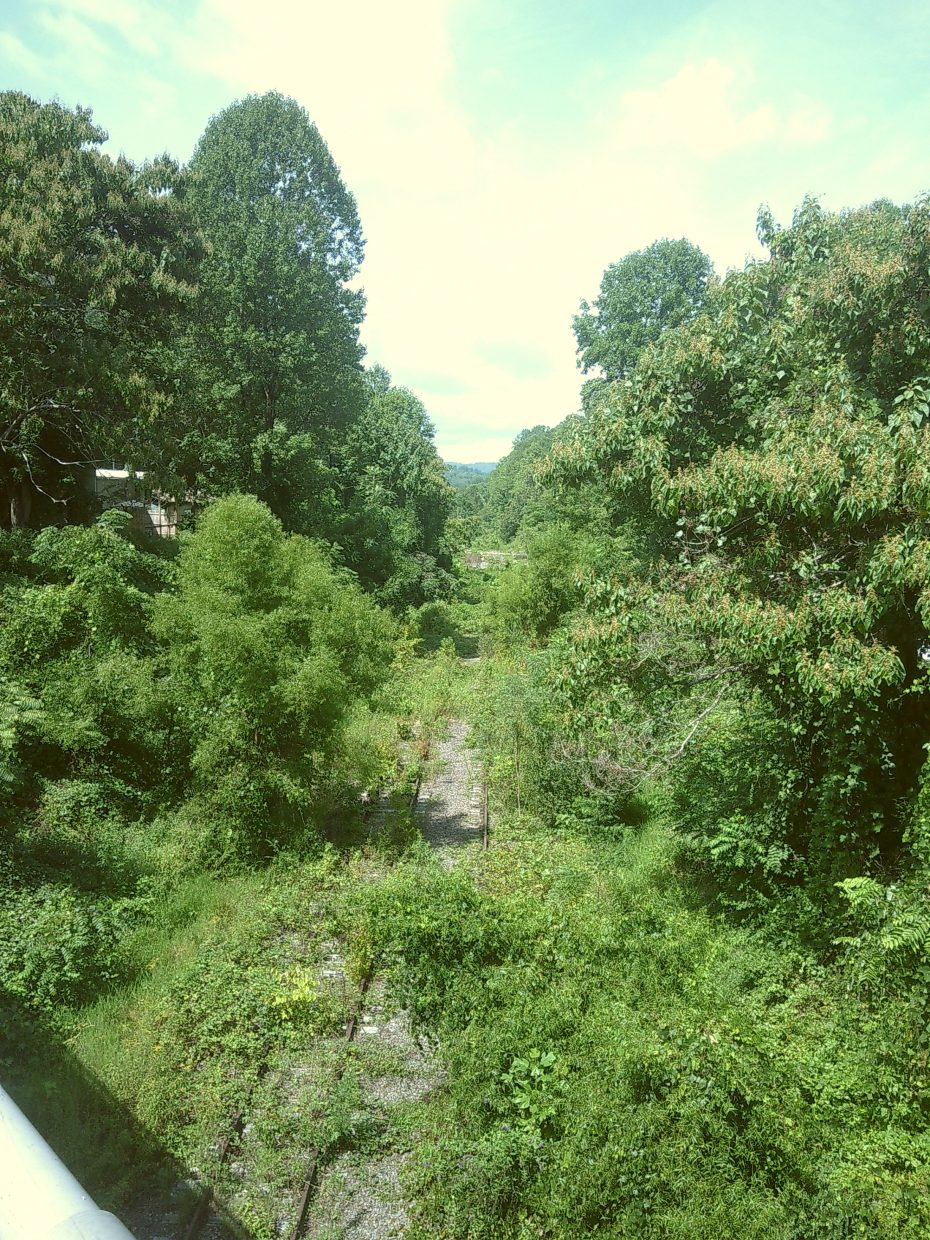
A view of the crest of the now out-of-service rail line topping the Saluda grade.

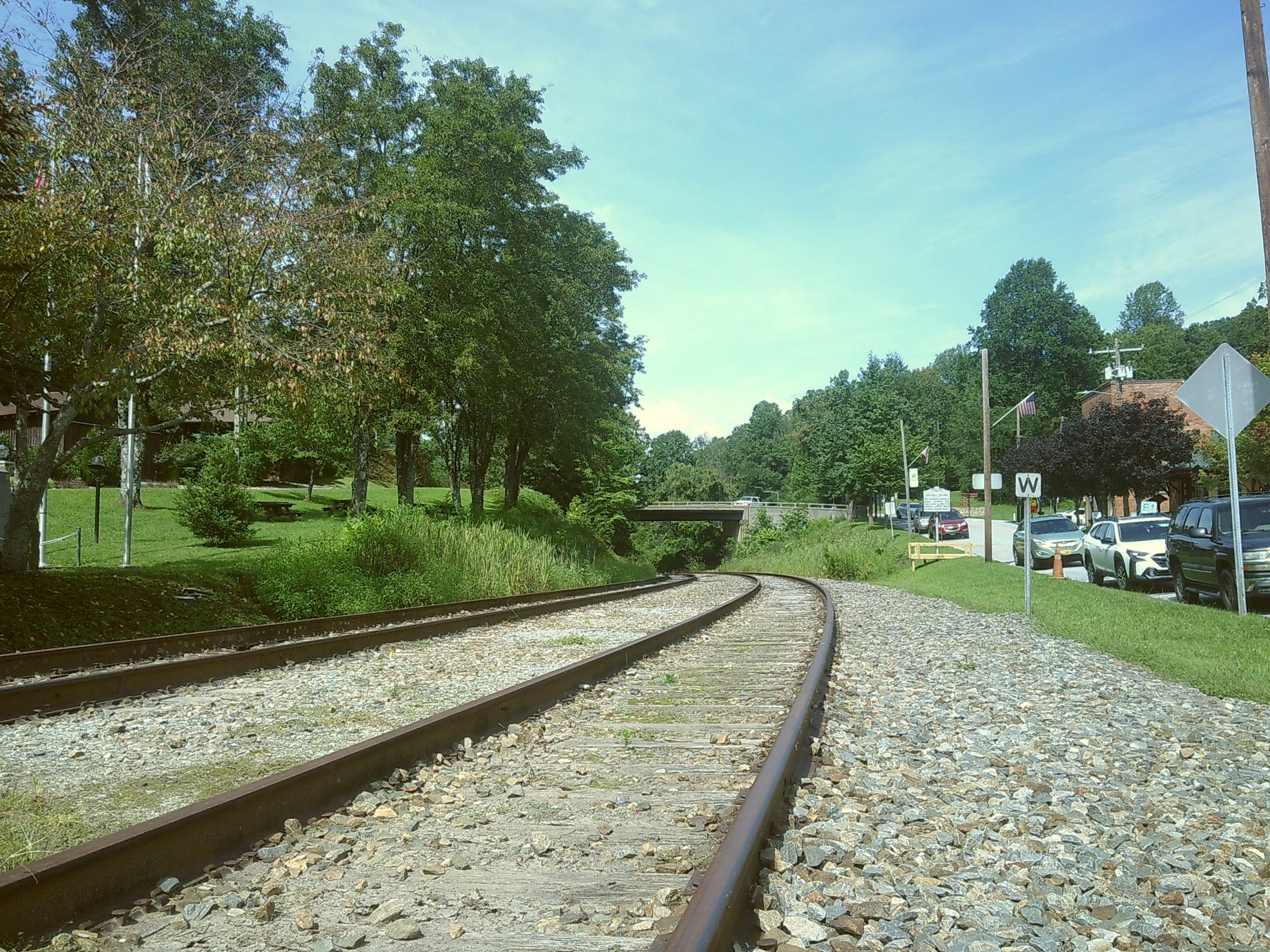
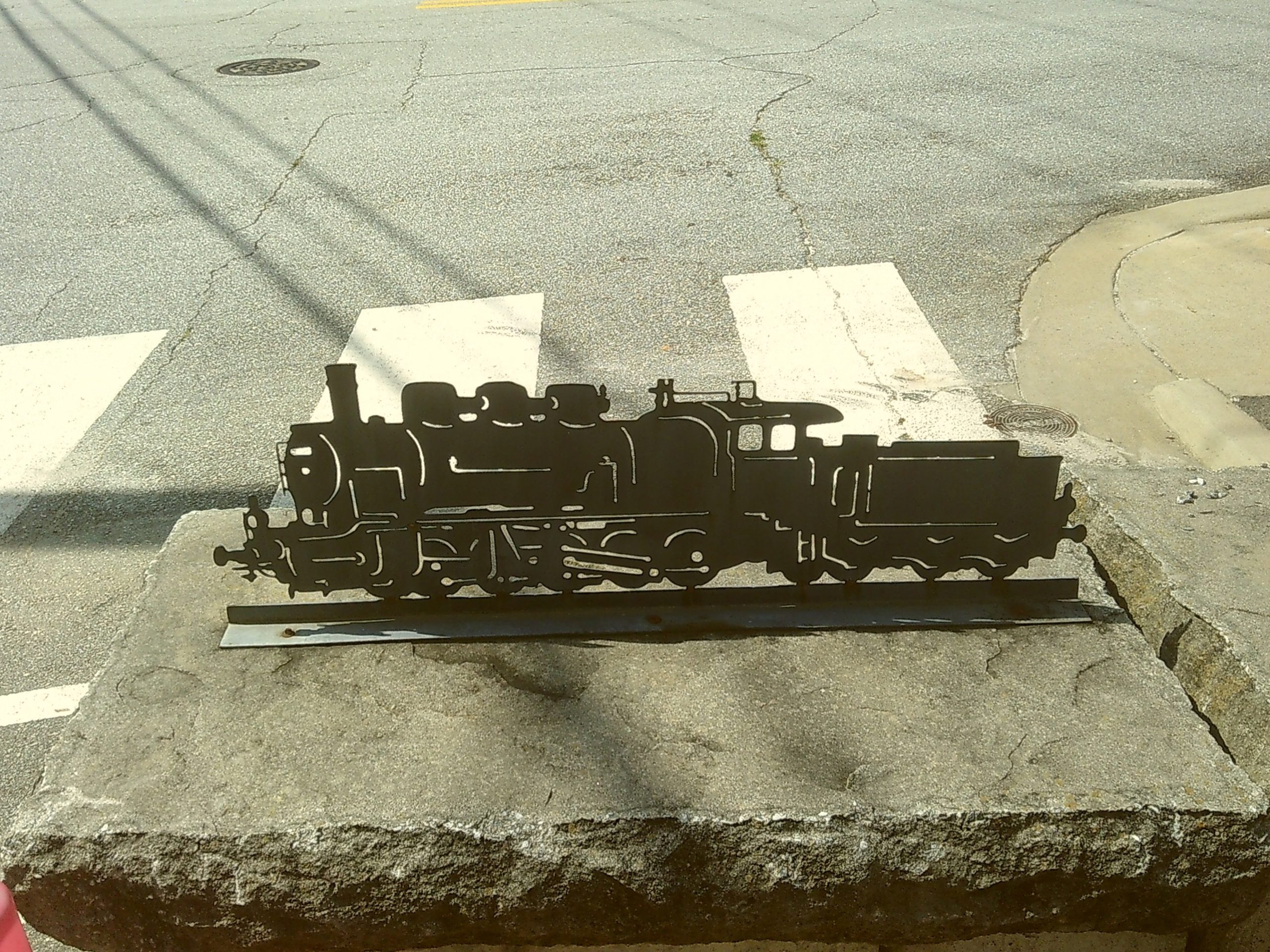
The railroad is clearly an important keystone of the Saluda community, even in the 2020s.

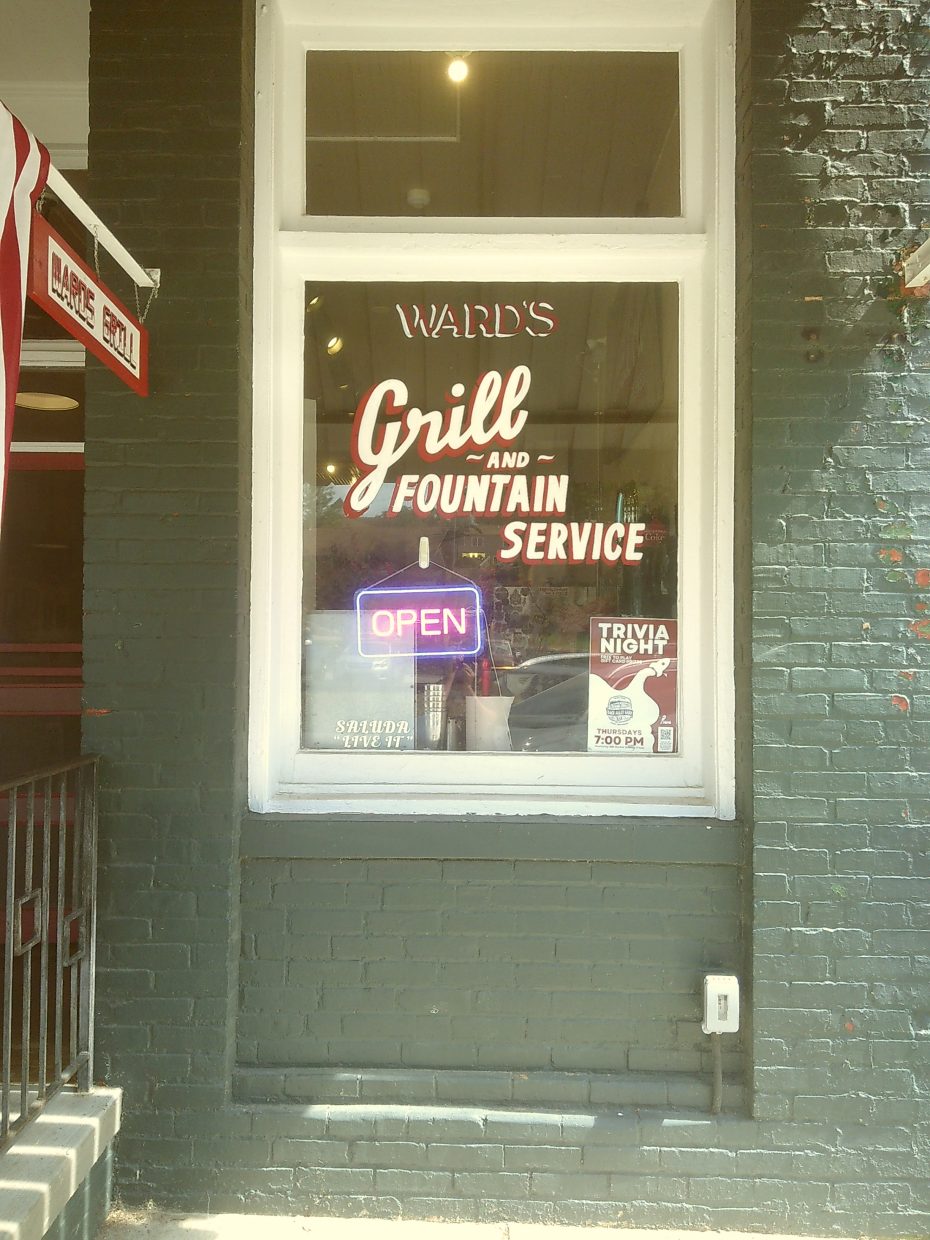
Perhaps stop in for a meal at Ward’s Grill for excellent, down-home Southern cooking and American classics. Wherever you end up in Saluda, there’s plenty to enjoy – and many fine food options for fueling up before heading down the mountains and toward Mill Spring for the festival.


Tryon, North Carolina

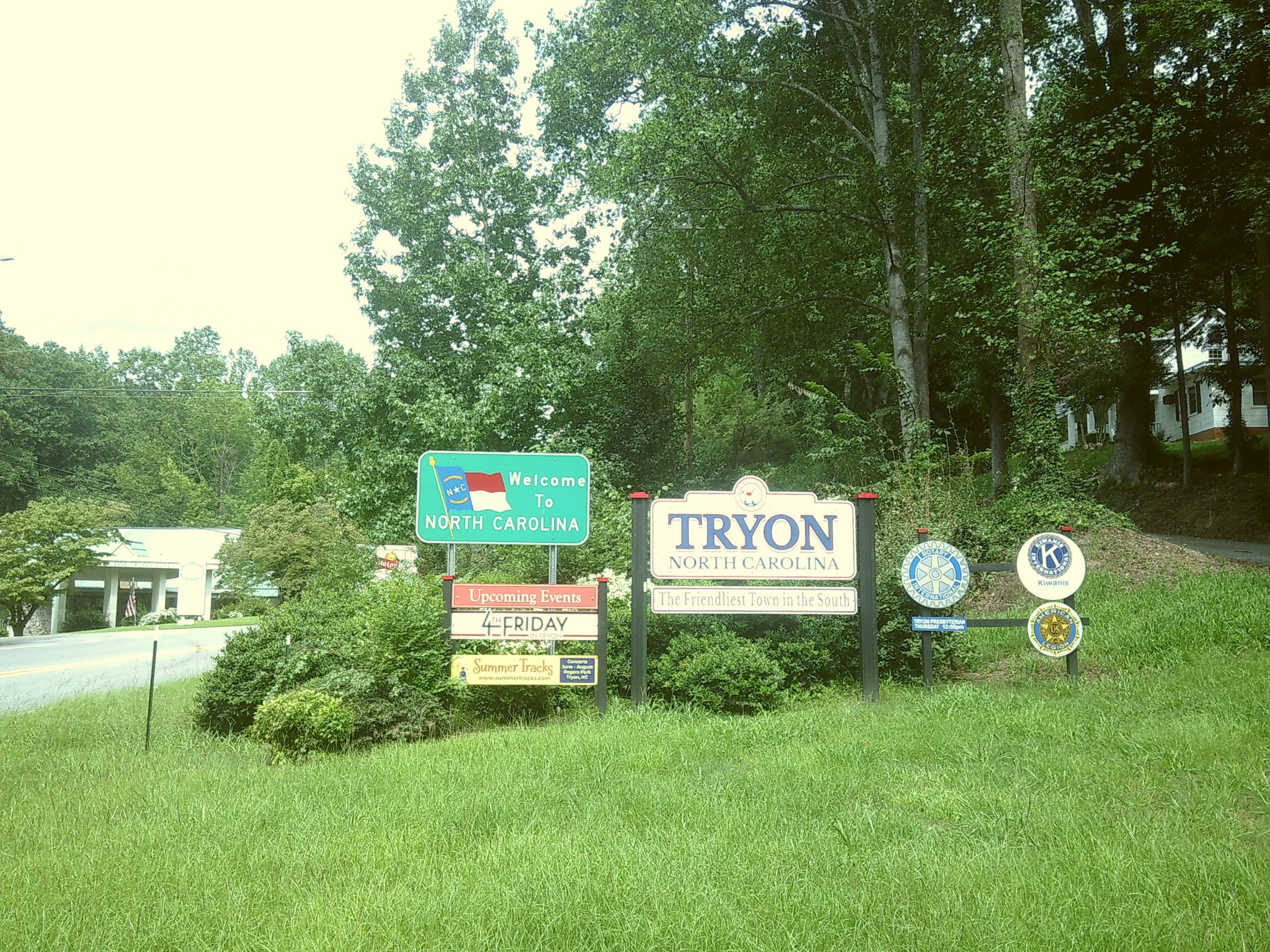
Maybe you’re coming down the grade from Saluda or perhaps you’re driving in from Charlotte, North Carolina, or from Greenville, South Carolina – or beyond! Wherever you’re coming from, Tryon is just a hop, skip, and a jump from the festival grounds at the Tryon International Equestrian Center in Mill Spring. Nestled into a holler in the foothills of the Blue Ridge, it’s a town full of art, music, culture, and heritage. You’ll find that horses and the railroad are important here, too. Stroll down the main drag and enjoy cute shops, tasty food offerings, and more.

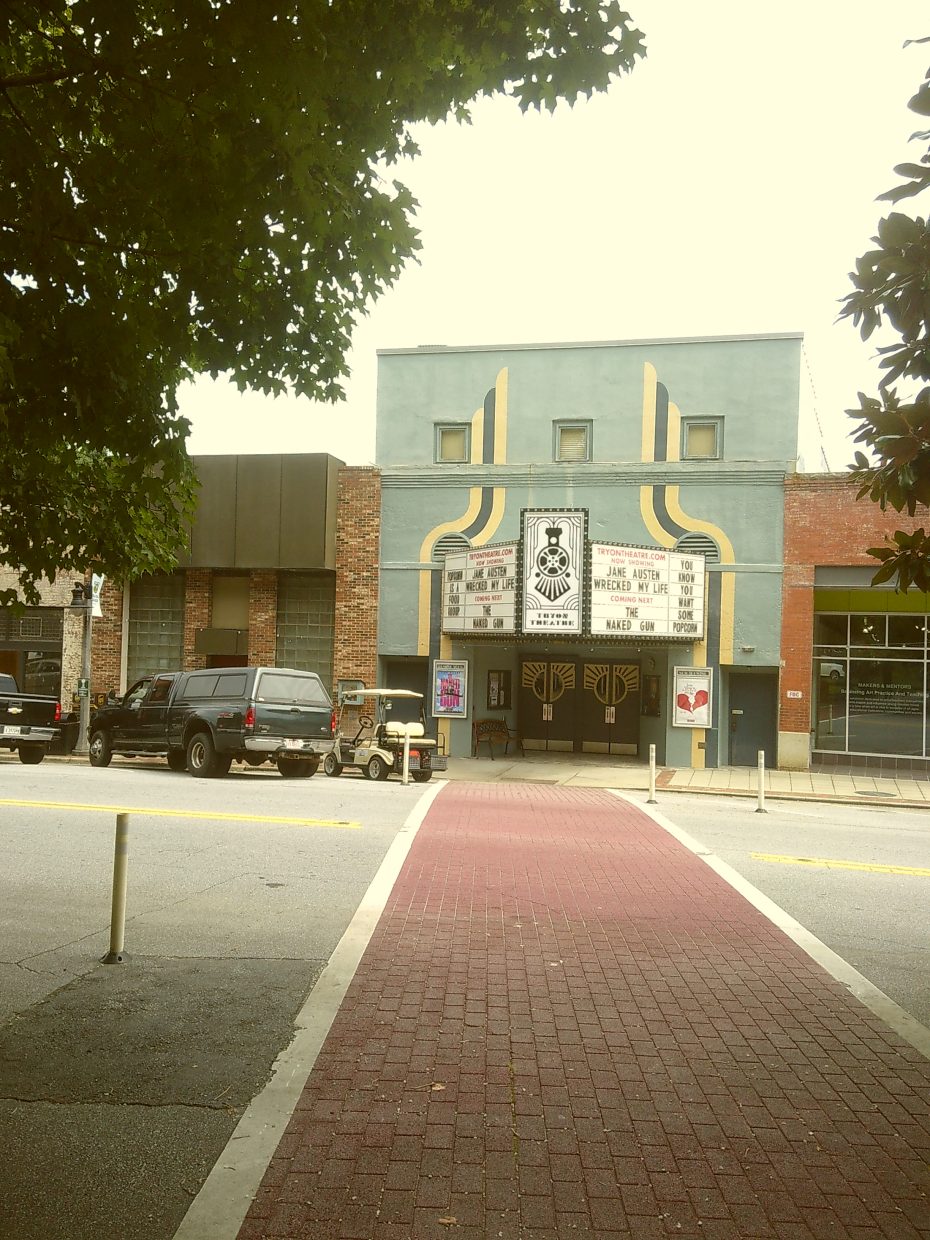
Sometimes it gets hot during the late-August/early-September festival, especially at the lower elevation of the Tryon International grounds, so why not cool off Tryon proper in the cozy dark and air conditioning watching a film at the Tryon Theatre?

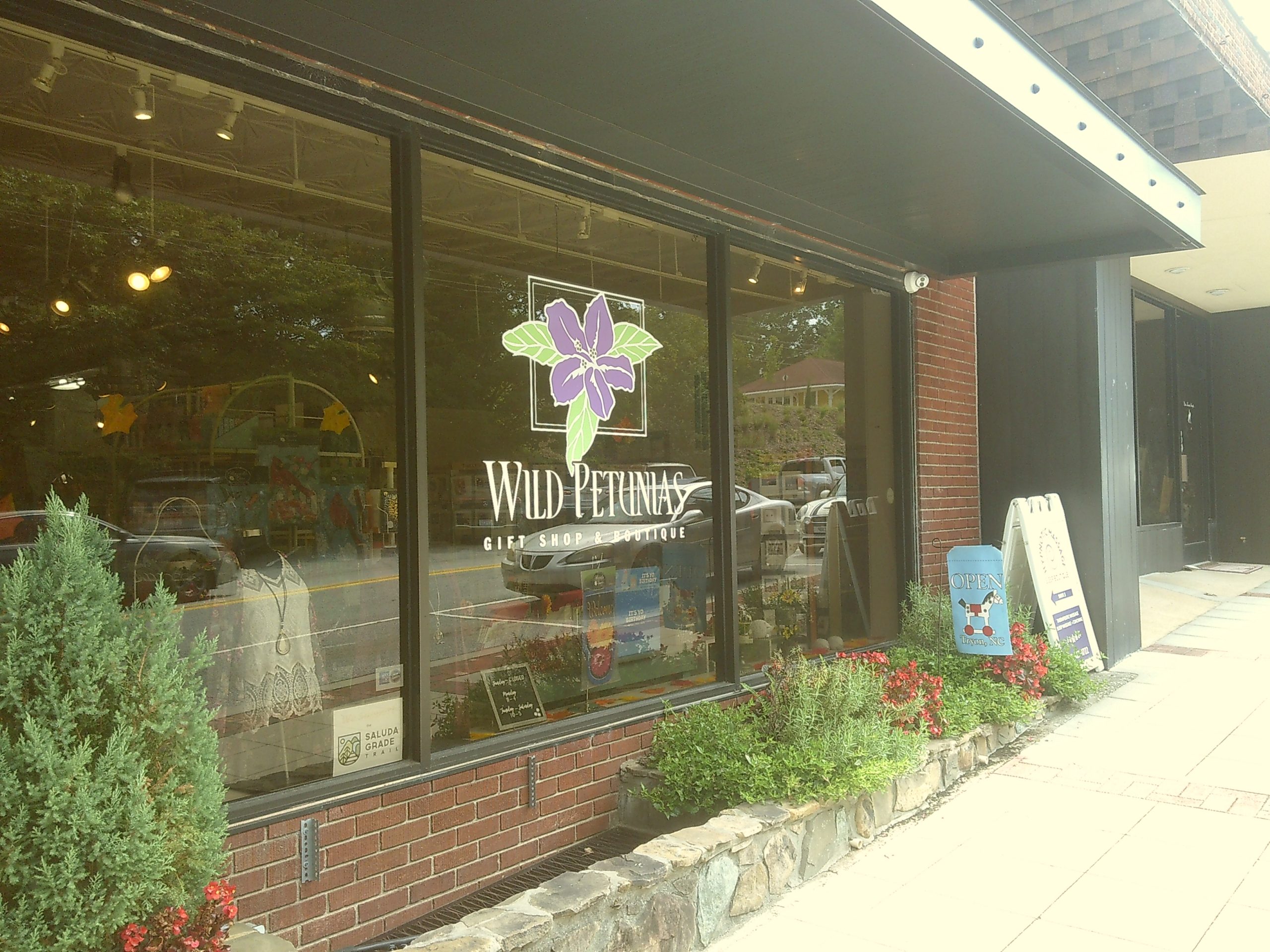
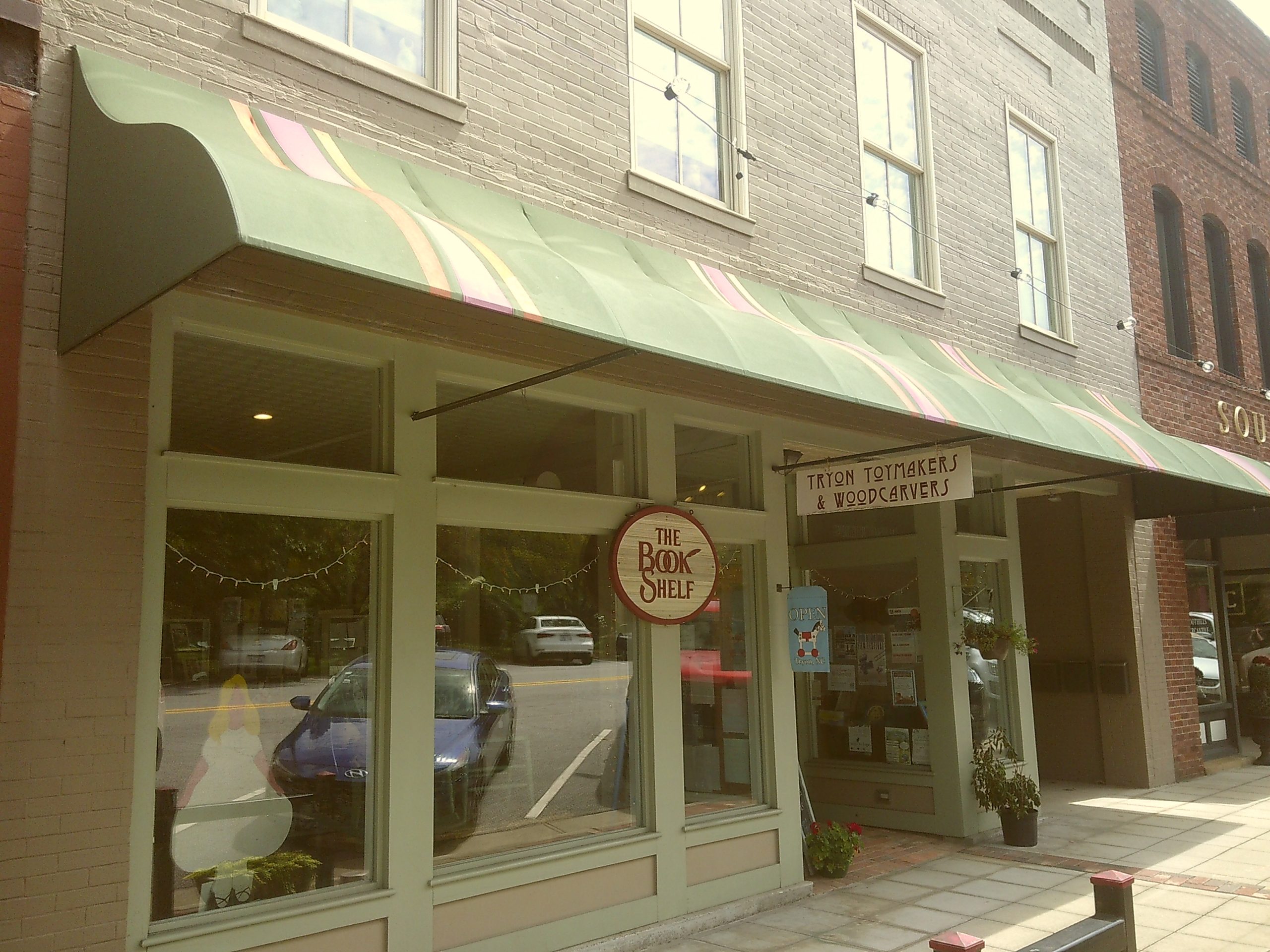
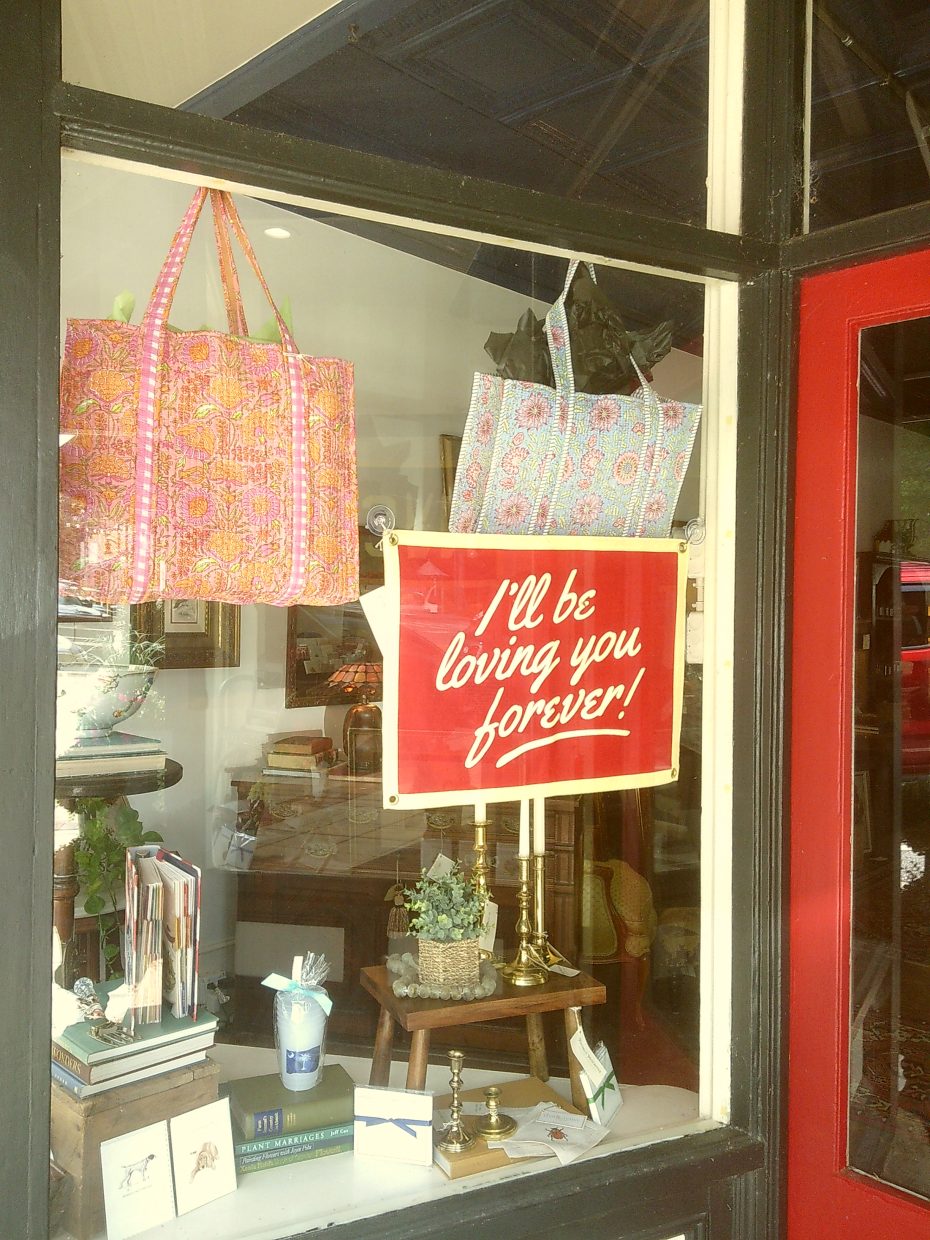
There are plenty of independent shops, boutiques, and retailers in the adorable downtown area offering local and far-flung products.

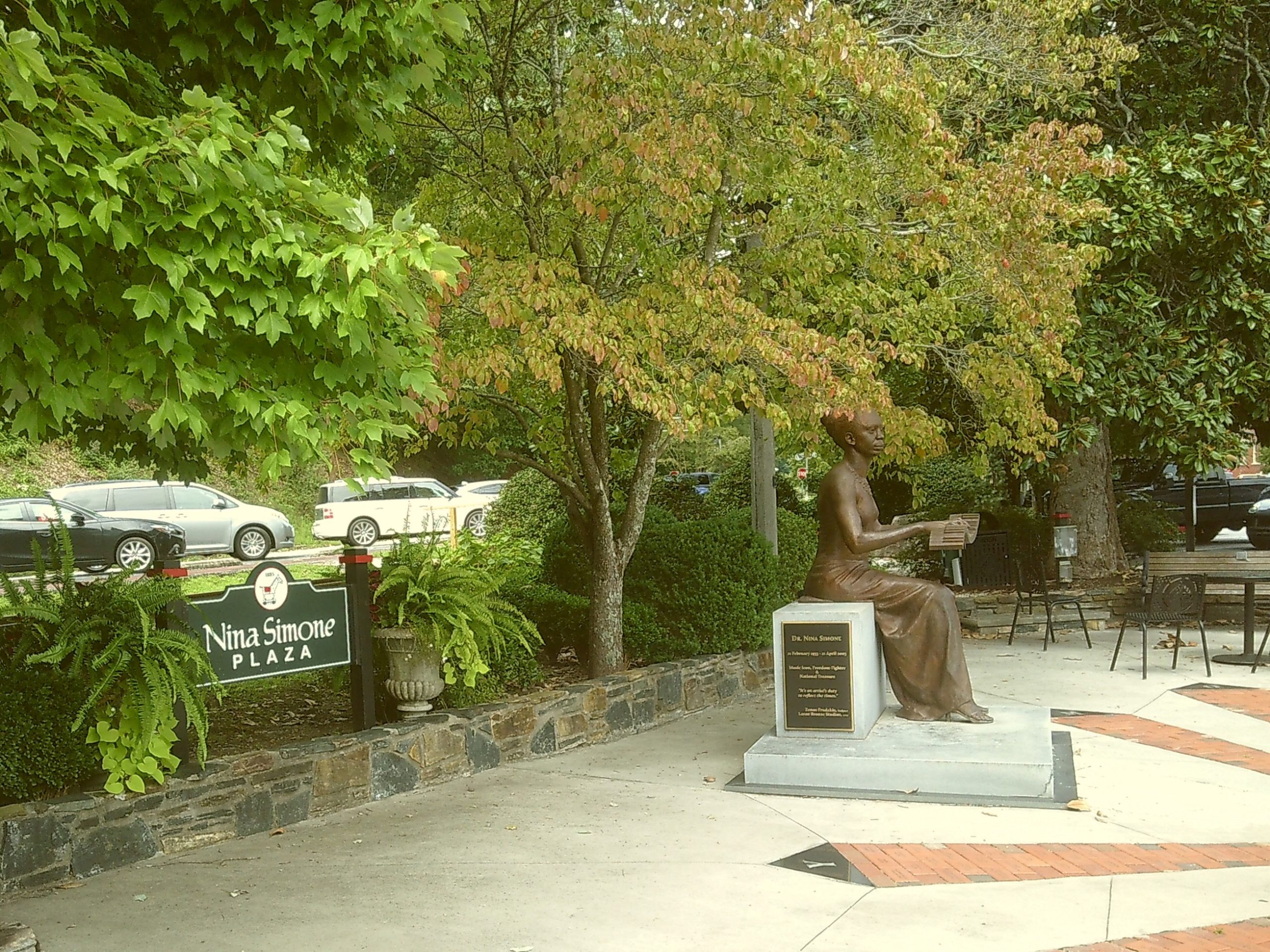
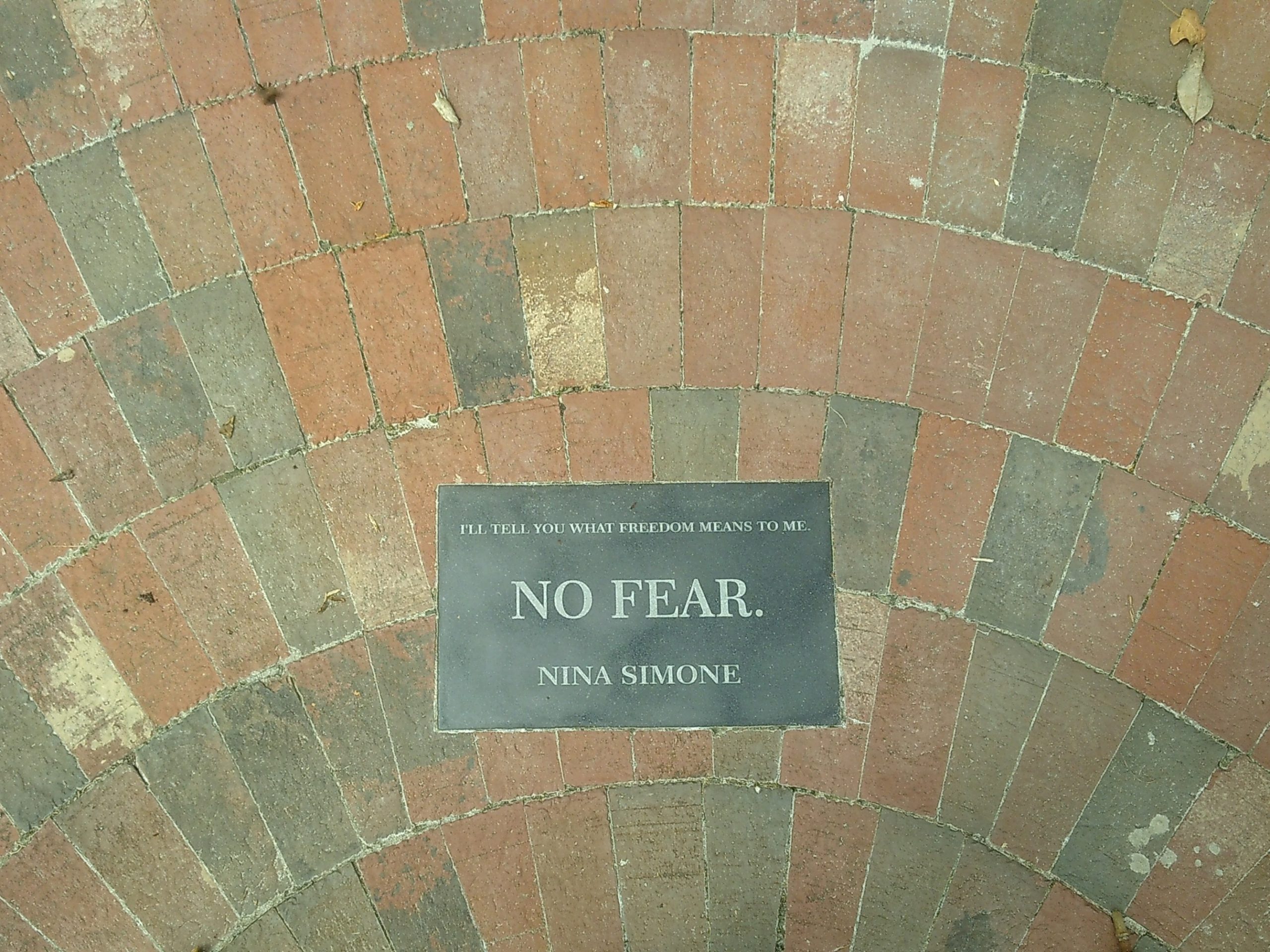
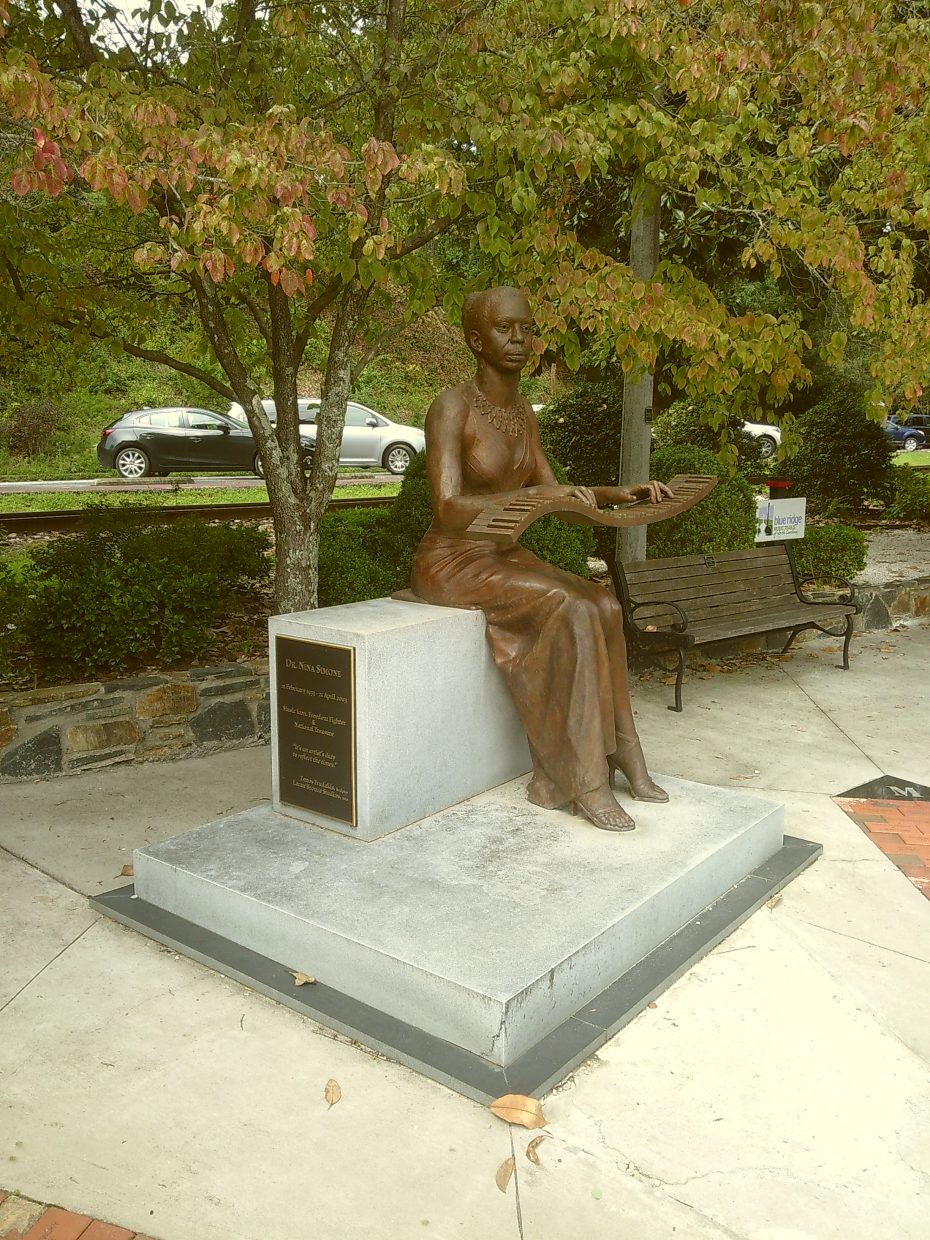
American musical icon Nina Simone was born in Tryon and her presence is felt throughout the little town. Nina Simone Plaza is conveniently located downtown and features a sculpture of Simone by Zenos Frudakis that contains a portion of Simone’s ashes enclosed inside a bronze heart within the gorgeous work of art.

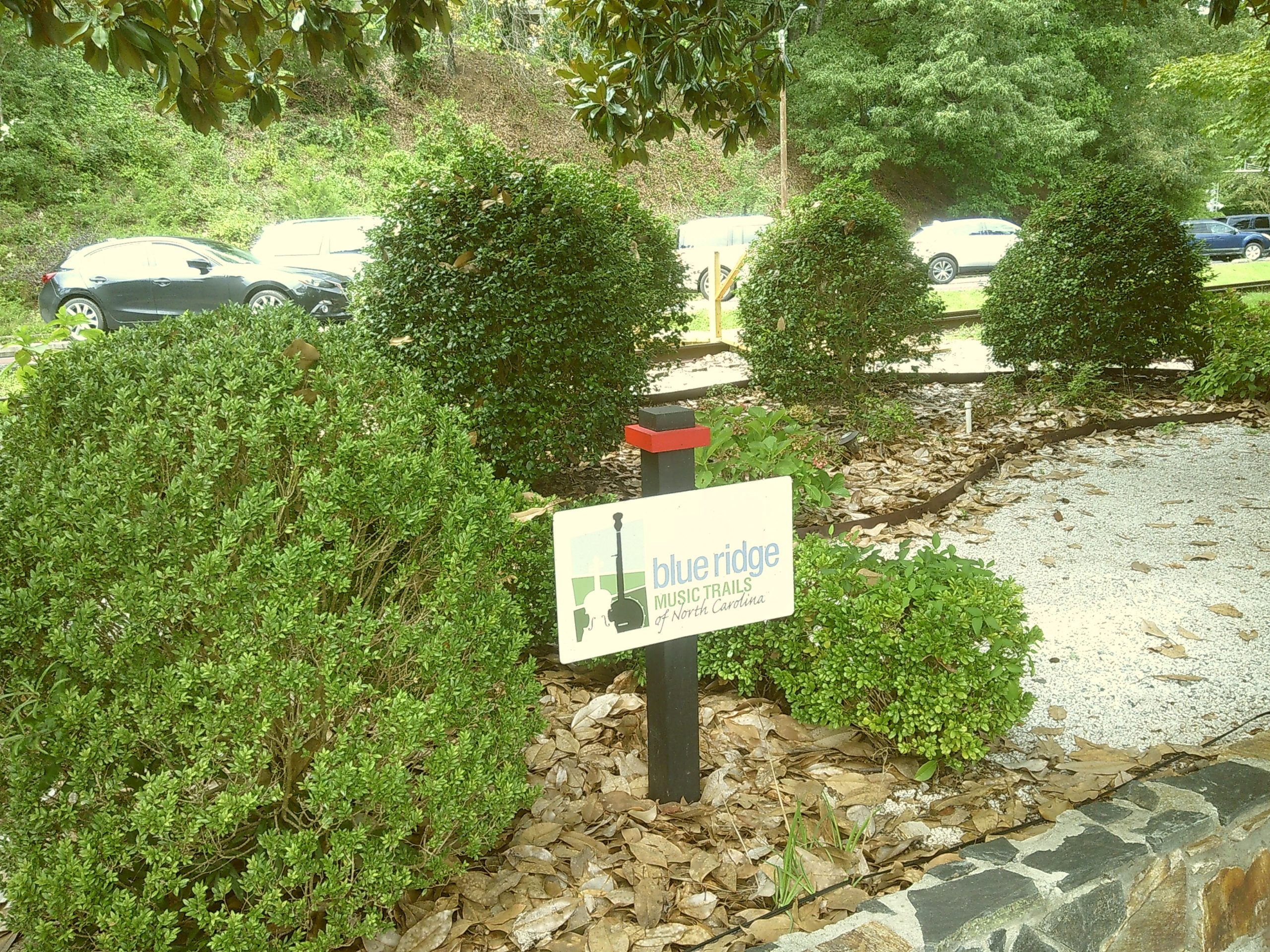
Always a good sign! Blue Ridge Music Trails of North Carolina is such a great resource and community builder in the region, highlighting art and music born in the mountains and made by mountain folk. In 2025, we partnered with Blue Ridge Music Trails, ESMF, and local partners on a special set of music at the festival called “Healing the Hollers,” which raised funds and awareness for the ongoing relief efforts after Hurricane Helene tore through and devastated the area in 2024.

There’s so much more to do, see, and explore via Blue Ridge Music Trails.

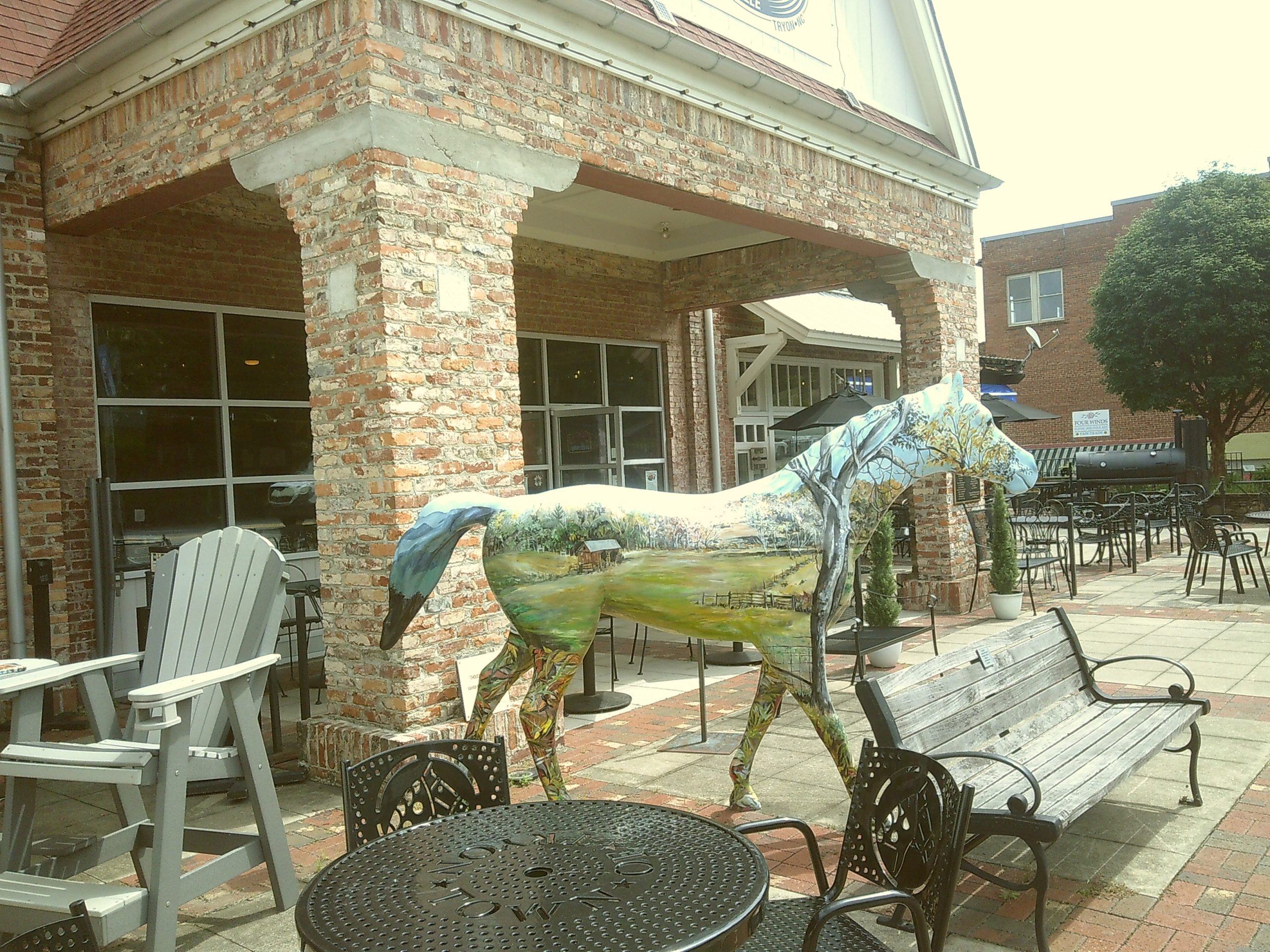
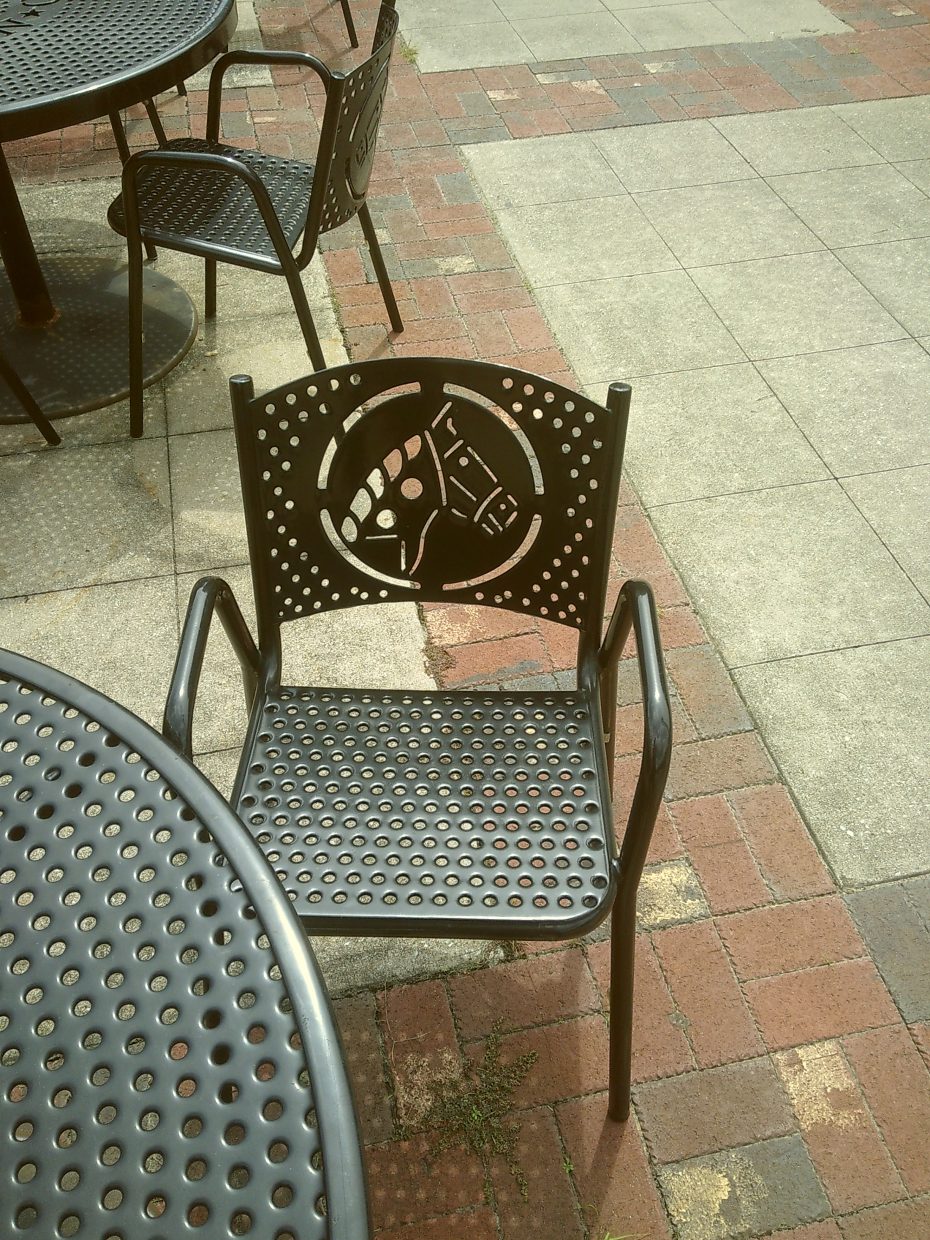
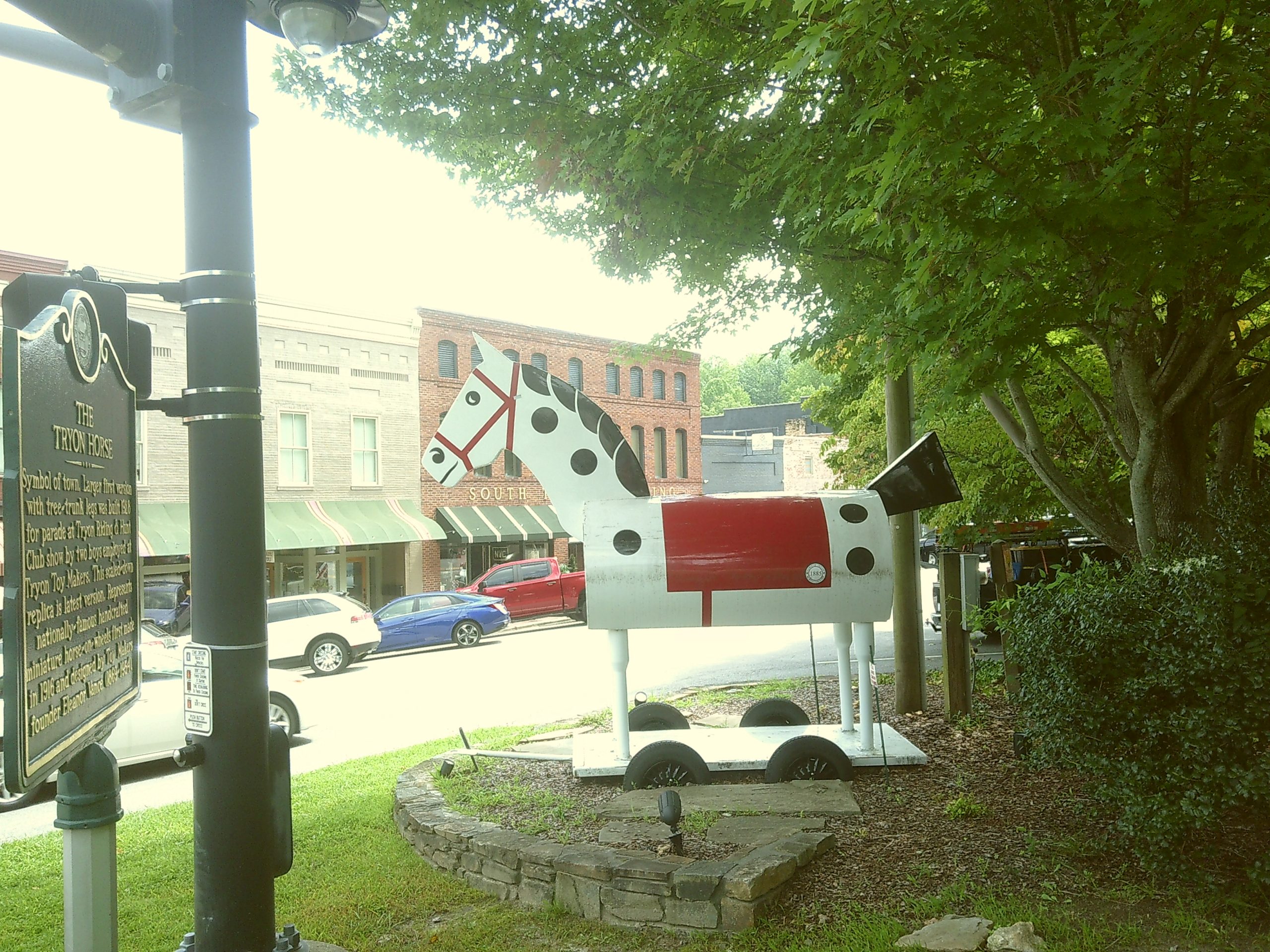
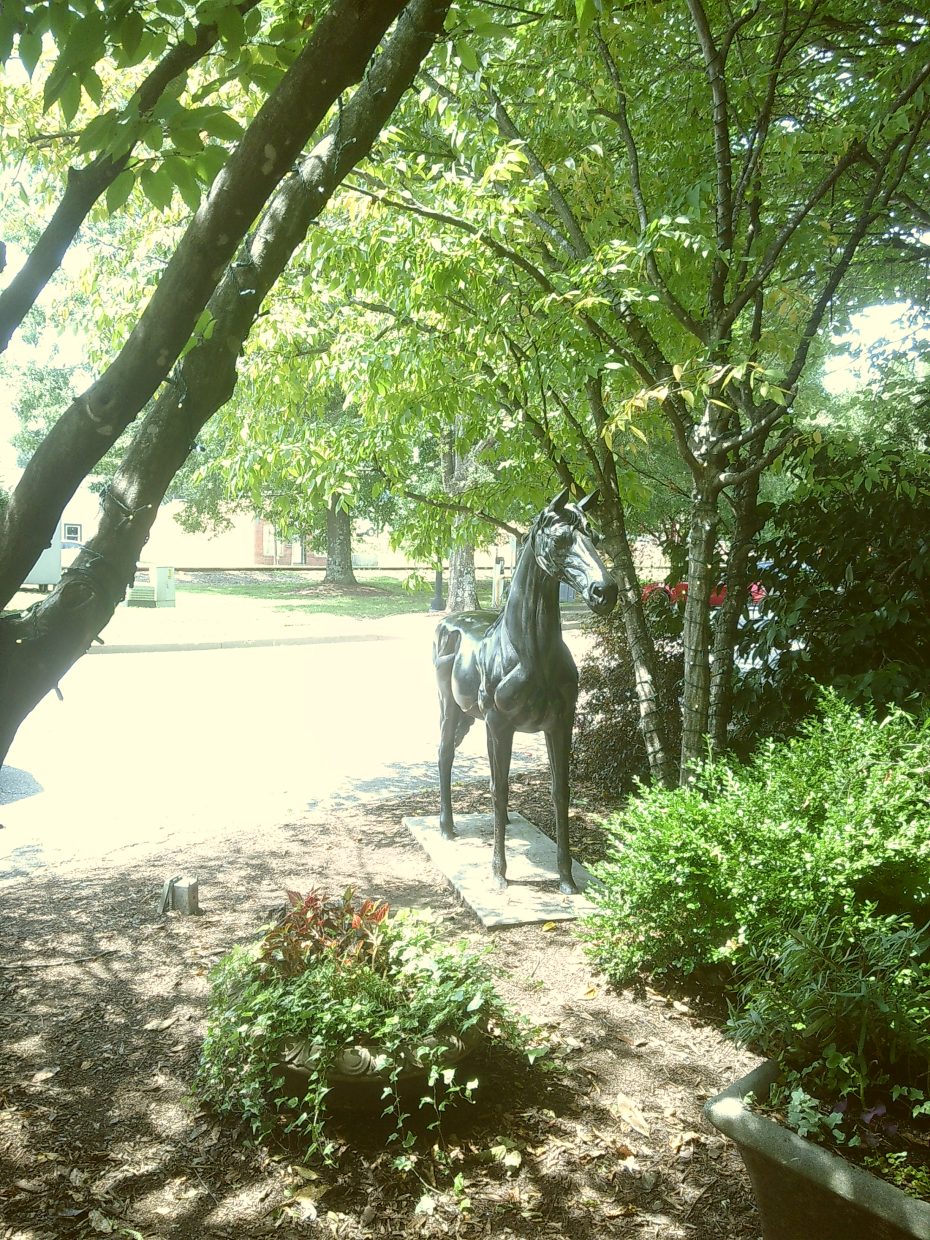
Horses show up in a variety of ways in Tryon – and not just at the equestrian center!

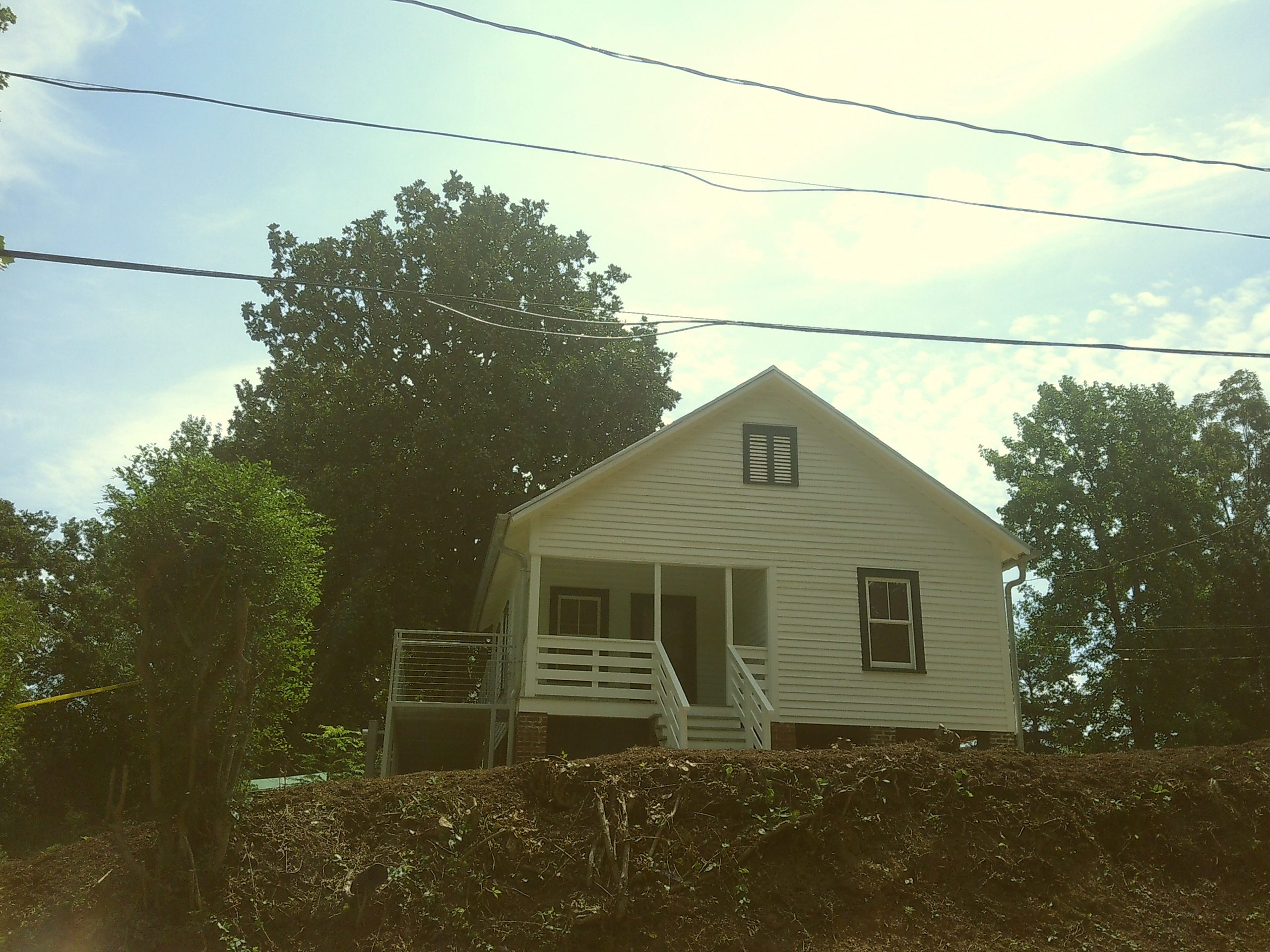
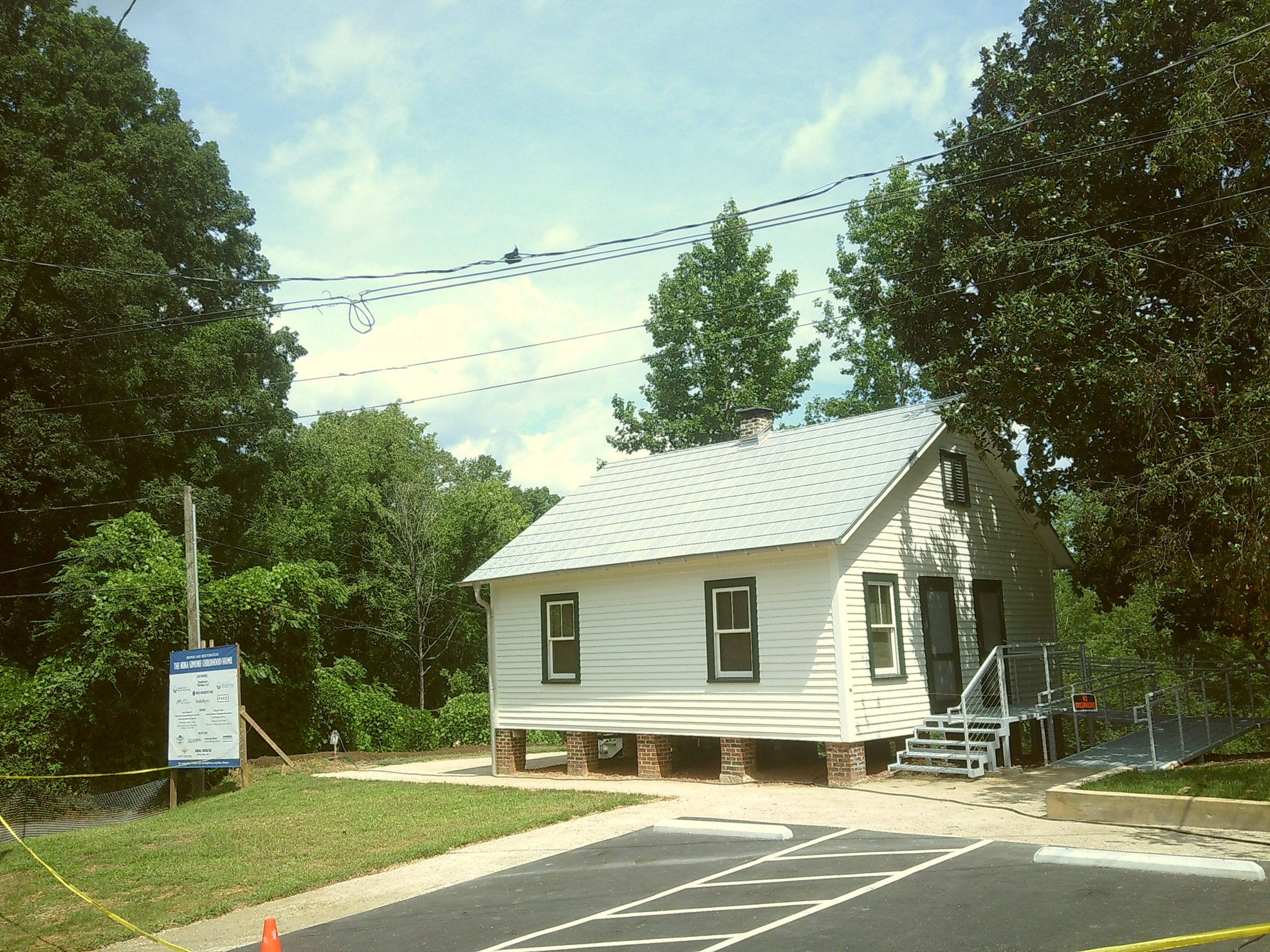
The Nina Simone Childhood Home stands on top of a hill in the middle of Tryon overlooking the village – and with gorgeous views of the surrounding ridge tops. Last year, while traveling to the festival, the humble home was in the final stages of its renovation and preservation by the National Trust for Historic Preservation and many other local, regional, and national partners.

Simone’s impact on American roots music and popular music – nationally and globally – cannot be overstated. Still, she’s rarely placed, understood, or honored as an Appalachian musician, despite where she grew up. A visit to Simone’s homeplace in Tryon is essential for all music fans, especially now that the renovations were completed in fall 2025, just after the festival.

The view of the ridge line of the stunning Blue Ridge Mountains behind St. Luke Christian Methodist Episcopal Church, as seen from the property of Nina Simone’s childhood home.

You can learn more about Tryon and Nina Simone in a bonus episode of our podcast, Carolina Calling, made with Come Hear NC.

Downtown Tryon is full of adorable sights and diverting activities.

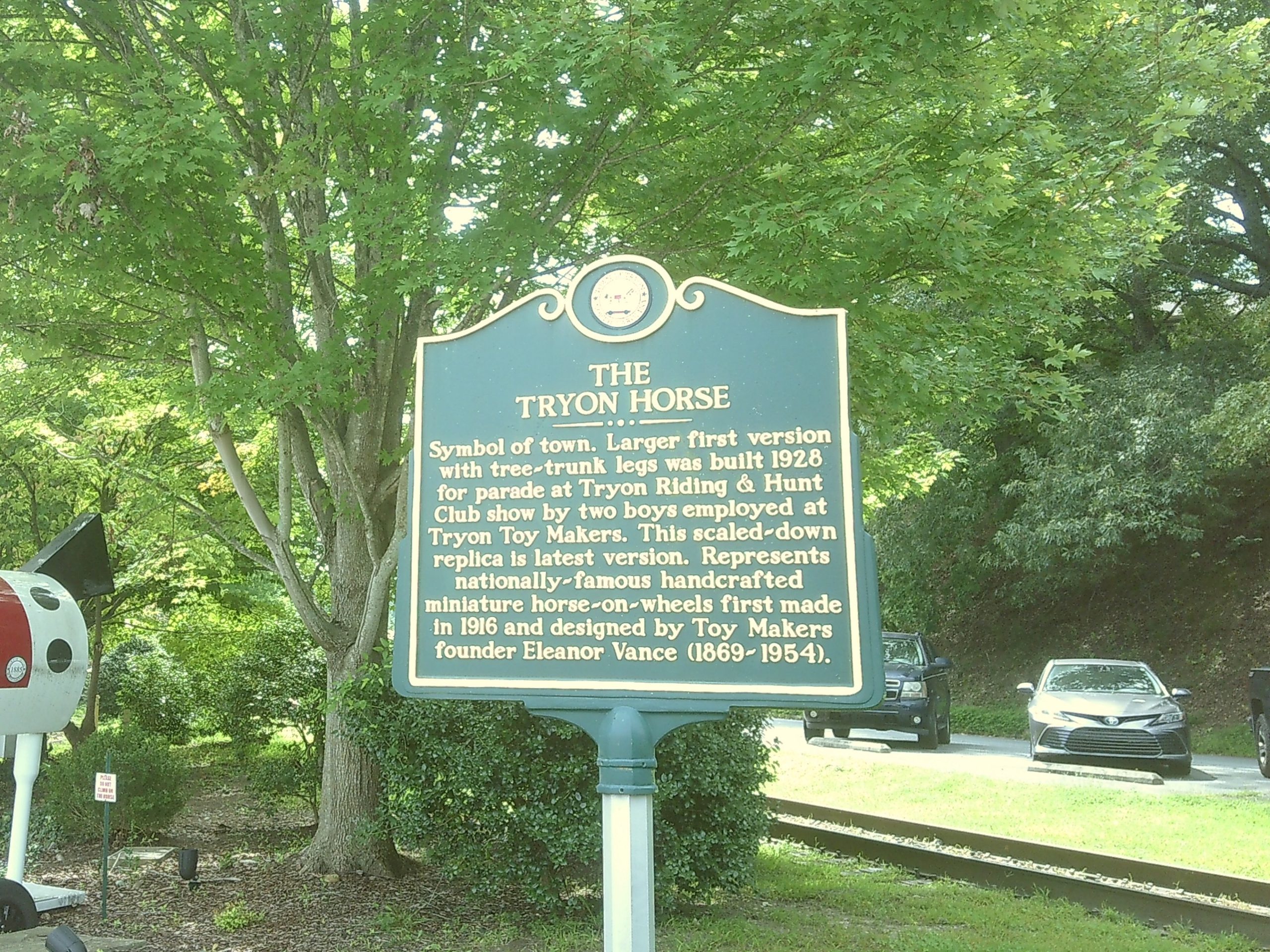
Put “Molly & Tenbrooks” or “Goodbye Old Pal” on the speakers and get into the bluegrass and equestrian mindset. No judgment if your horse is on wheels!

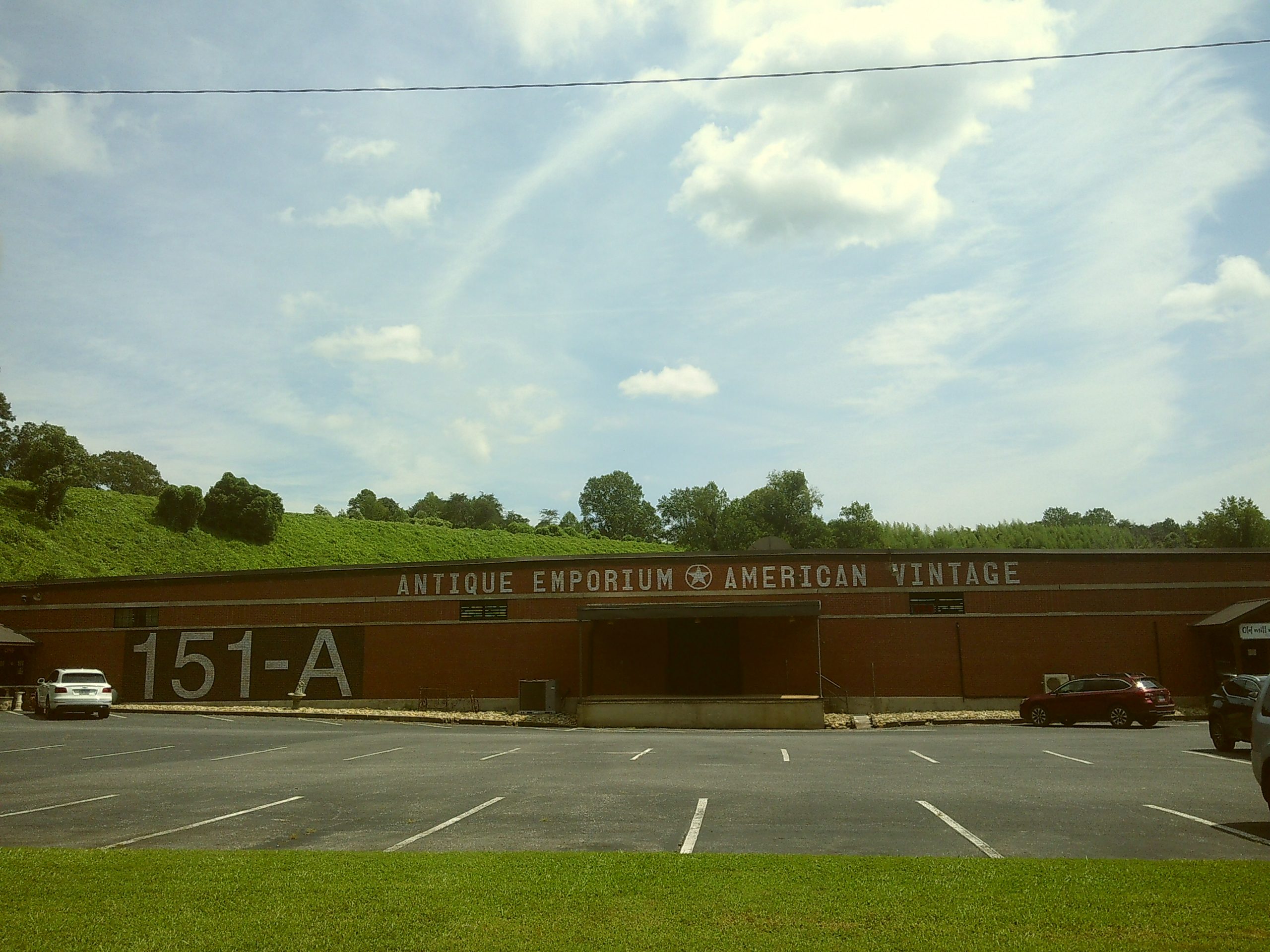
Team BGS always brakes for antique stores, and this area is dripping with excellent shops, flea markets, and antique vendors offering wares at remarkably reasonable prices. On our journey, we traveled from Tryon to Landrum, South Carolina – passing the Antique Emporium & American Vintage, Old Mill Market Square, Tryon Antique Mall & Marketplace, and Dark Horse Antique Market in one fell swoop; all are within a quarter mile of each other and are worth stopping to peruse. Plus, many more antique shops and stands and vintage stores are in the area. Keep your eyes peeled, there are plenty of treasures to find.


Landrum, South Carolina

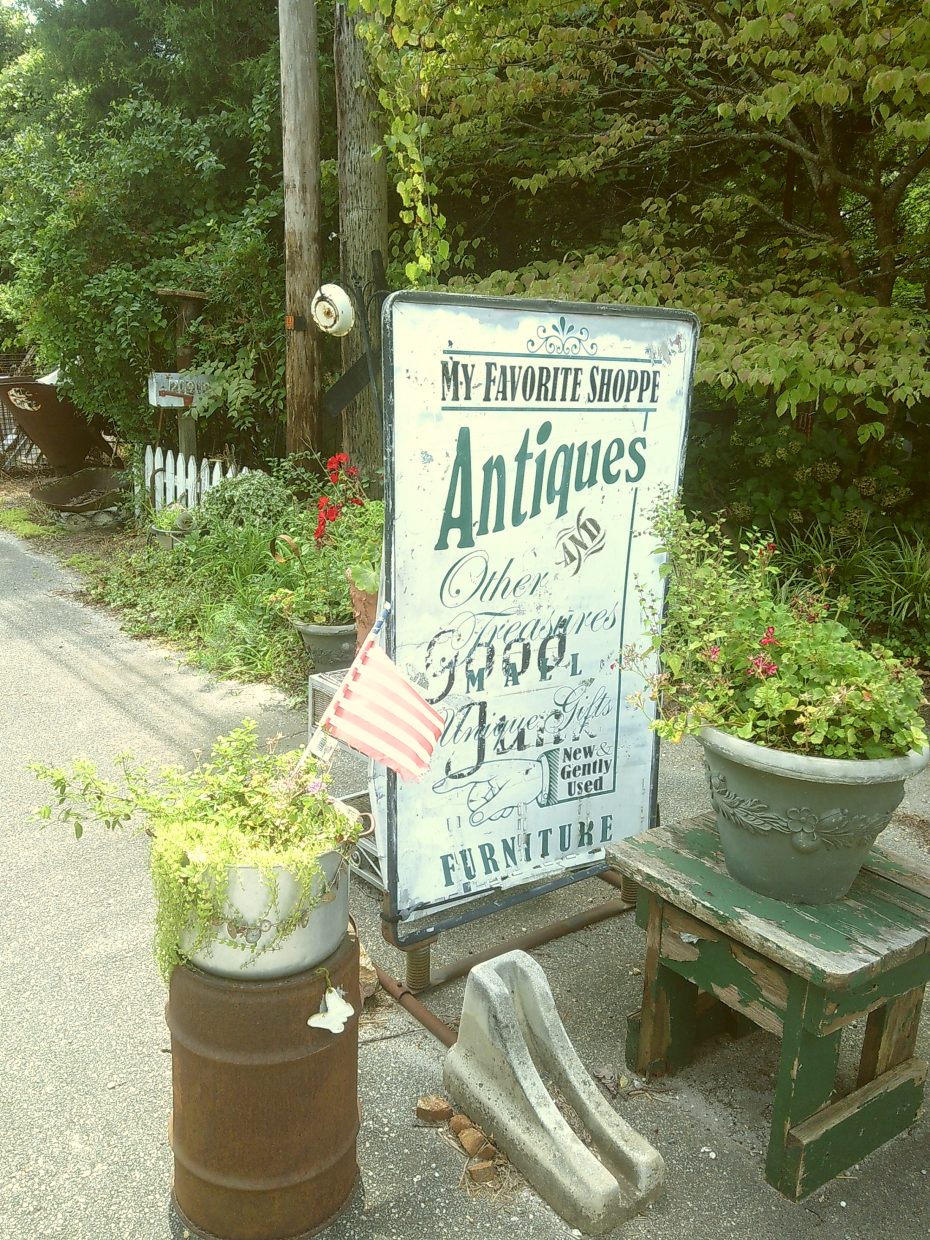
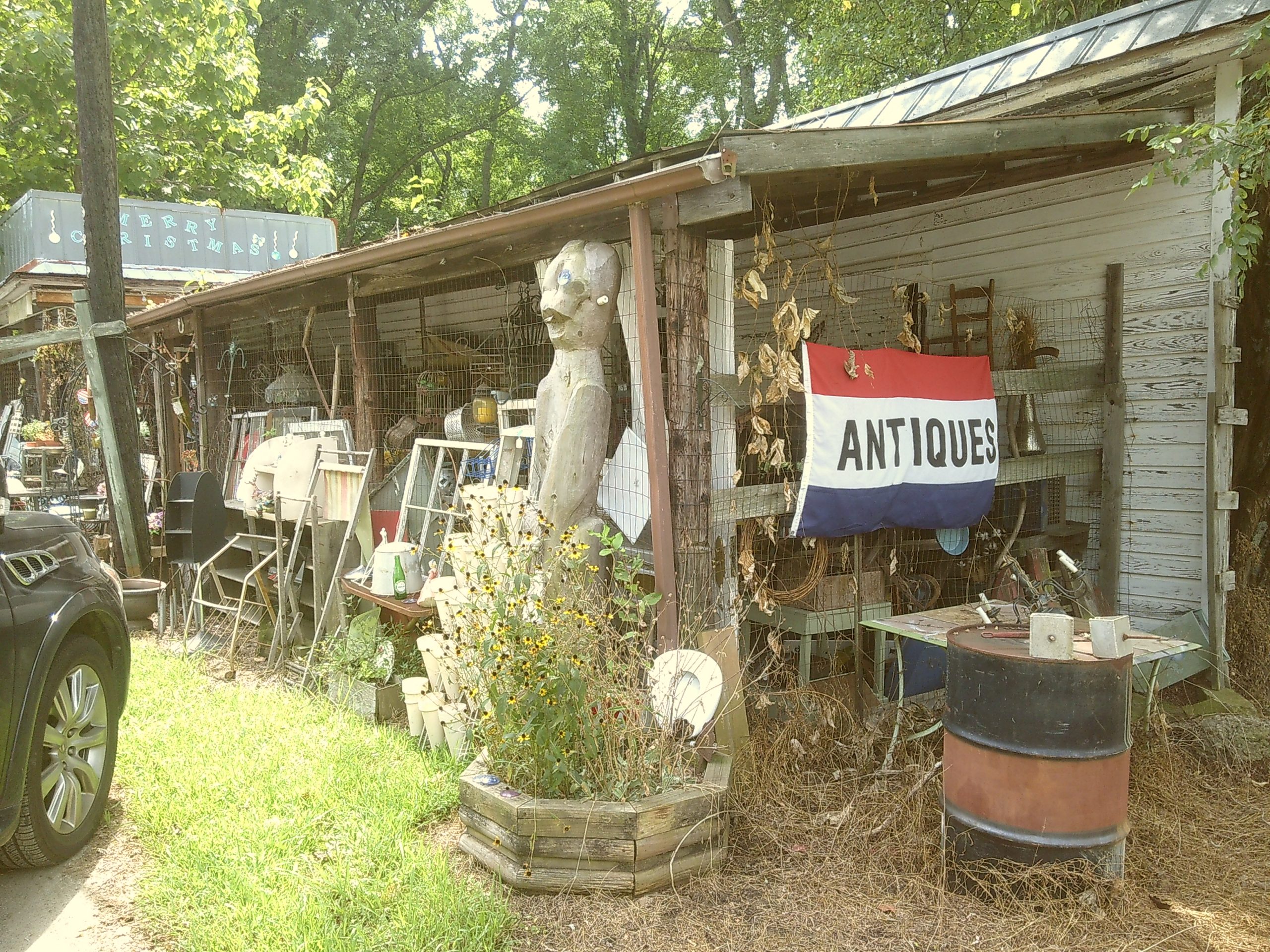
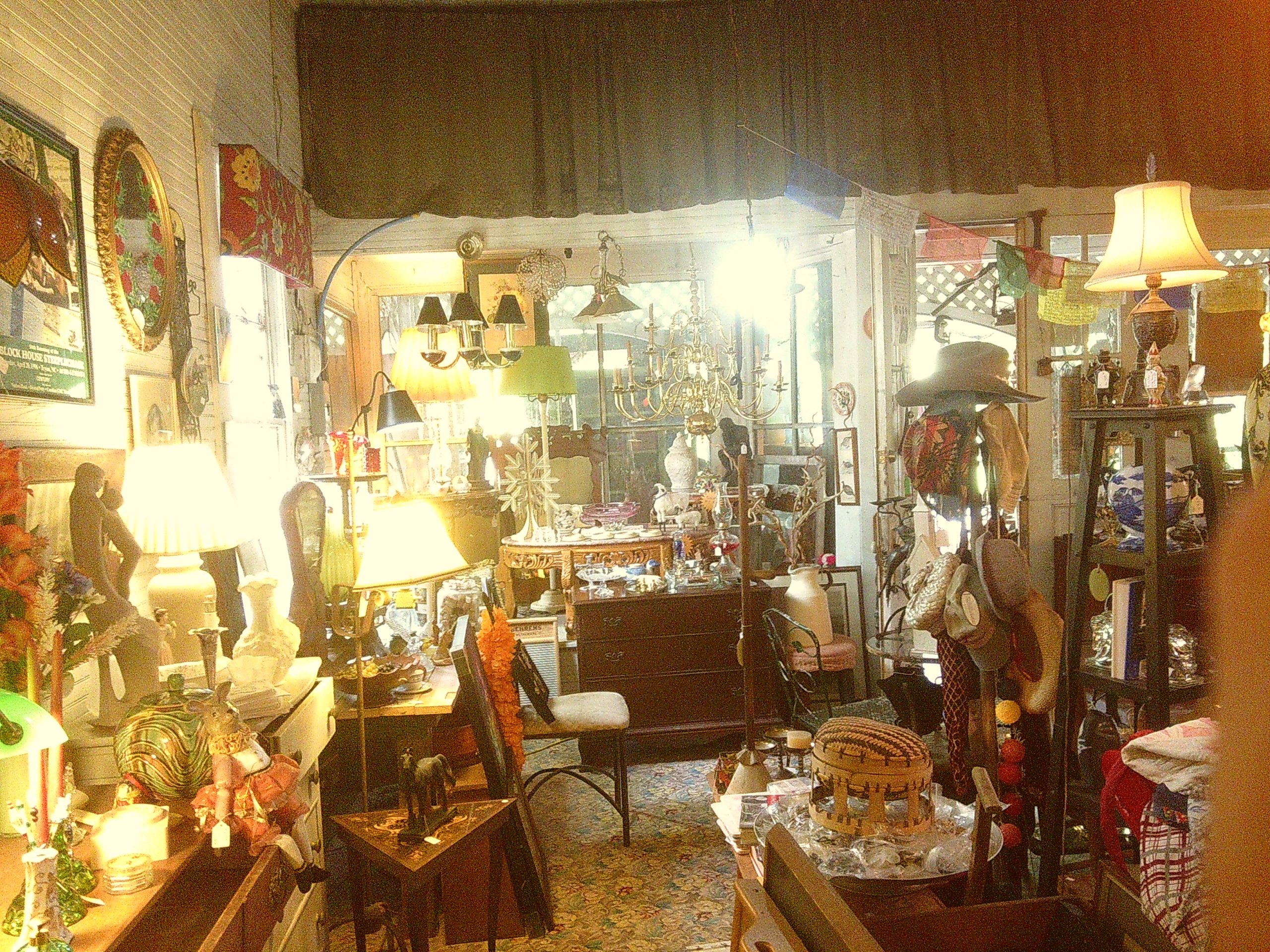
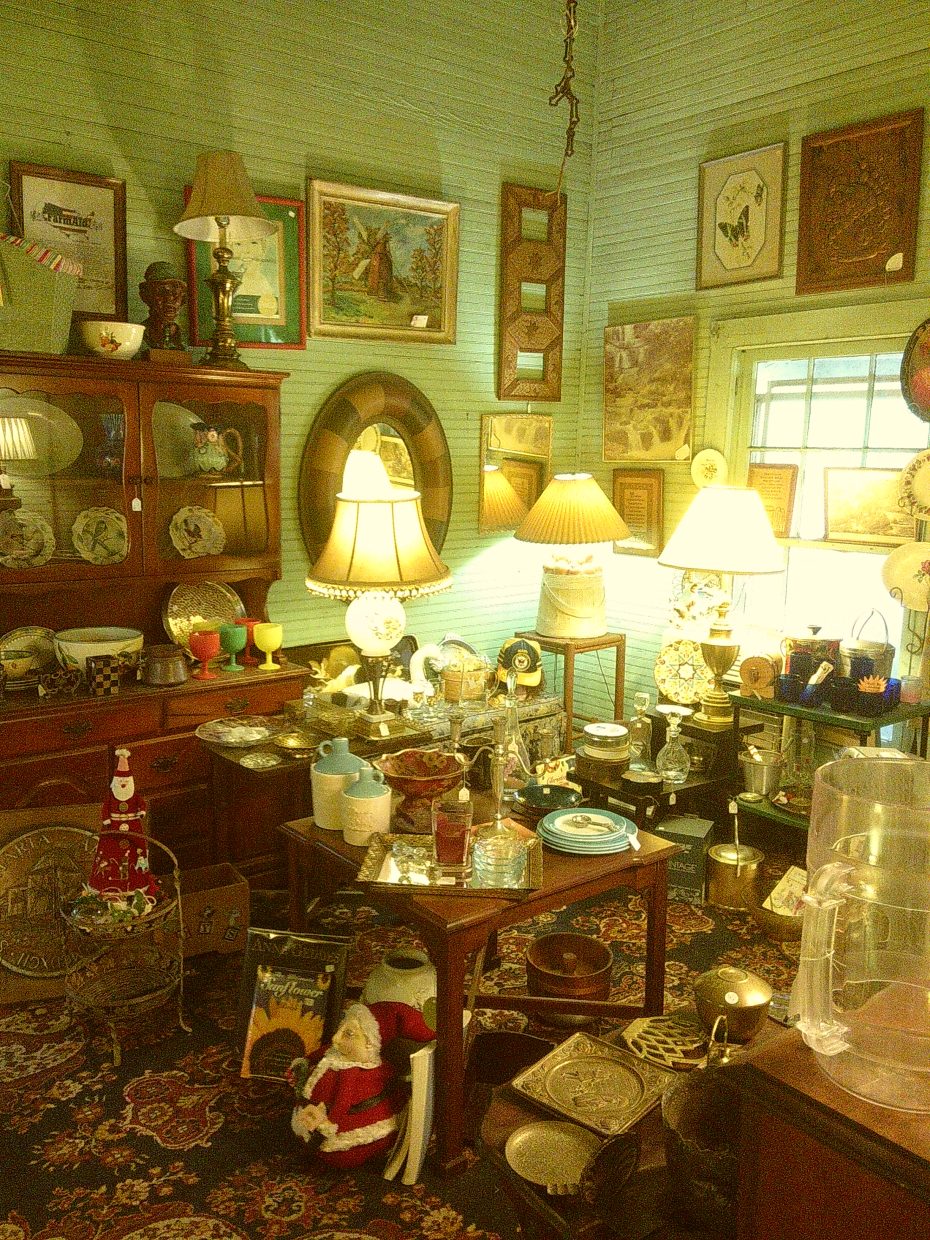
Some of the best little shops and stores we found nearby Earl Scruggs Music Festival, though, were the little holes-in-the-wall or mom-and-pop shops. Our favorite doesn’t have a name, doesn’t have posted hours, doesn’t have a website – or any kind of point on Google Maps at all. Heading out of Tryon toward Landrum, you’ll just cross over the state line on US Highway 176, Asheville Highway, when you come across a couple of small buildings covered in antiques. Stop at the intersection of US 176 and State Rd S-42-183.

Run by a pair of sisters, the shop is only open Thursday through the weekend and takes only cash, but you will find an inventory unlike any other. Sure, they may package your local North Carolina pottery finds in a (clean) reused Burger King bag. It only adds to the charm! The sisters will be happy to give you a tour and show you the historic property. We return every year and strolling through the crowded, historic house full of their collection of finds is a highlight of attending ESMF.

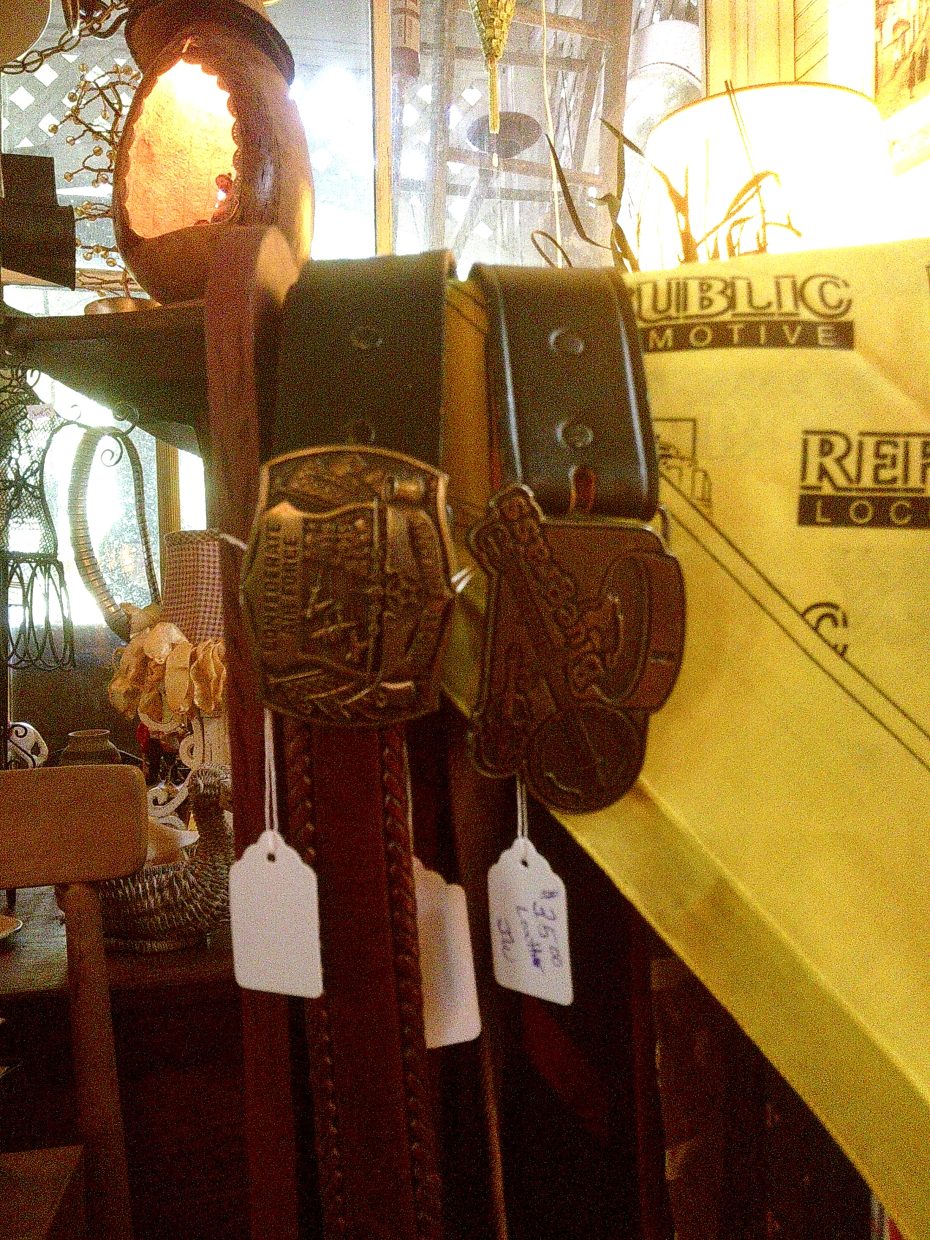
You may even find a bluegrass belt buckle along the way! While we can’t tell you the name of the business or really any more information than what’s included here, we cannot recommend a stop at 21919 Asheville Highway in Landrum enough. It is truly a hidden gem.

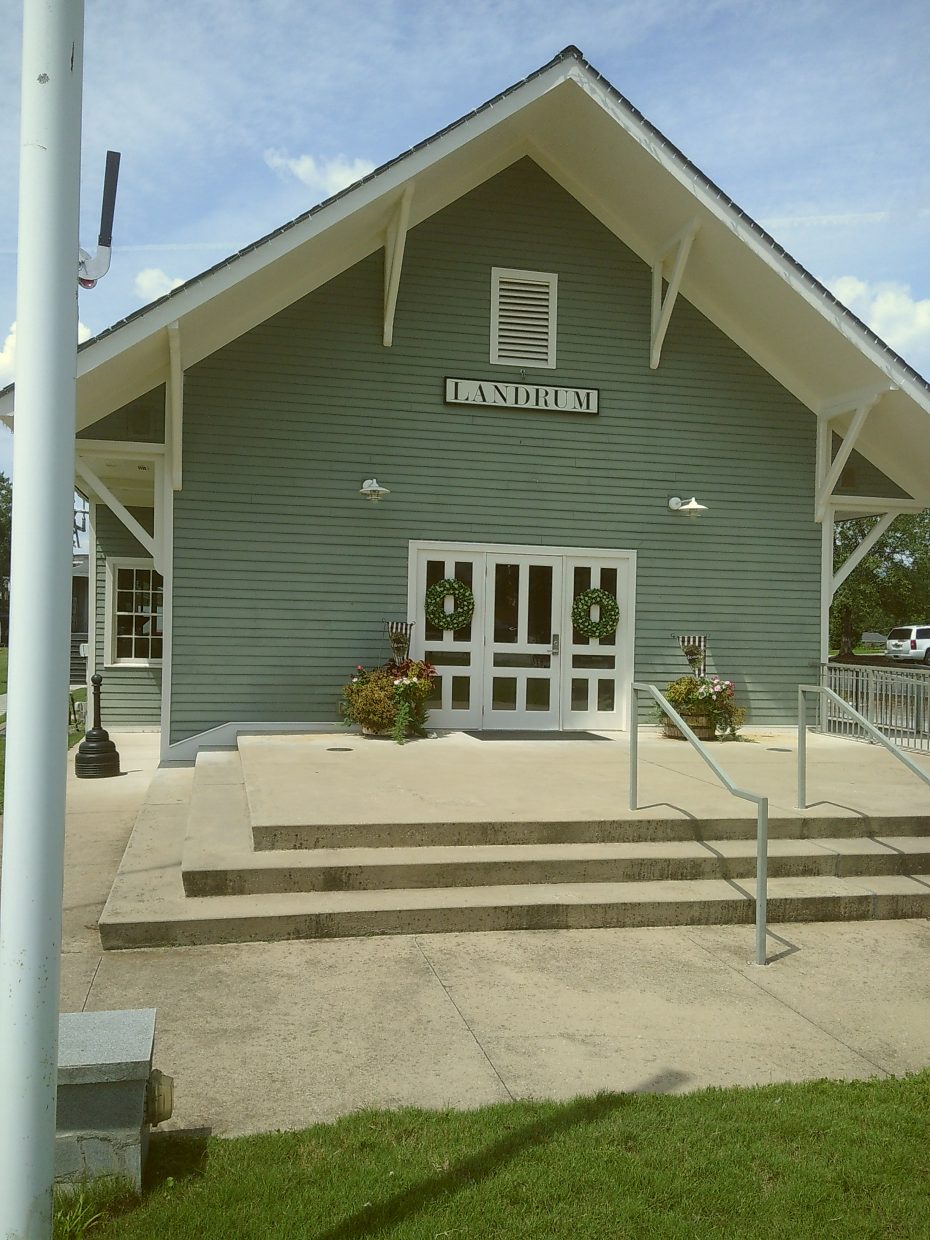
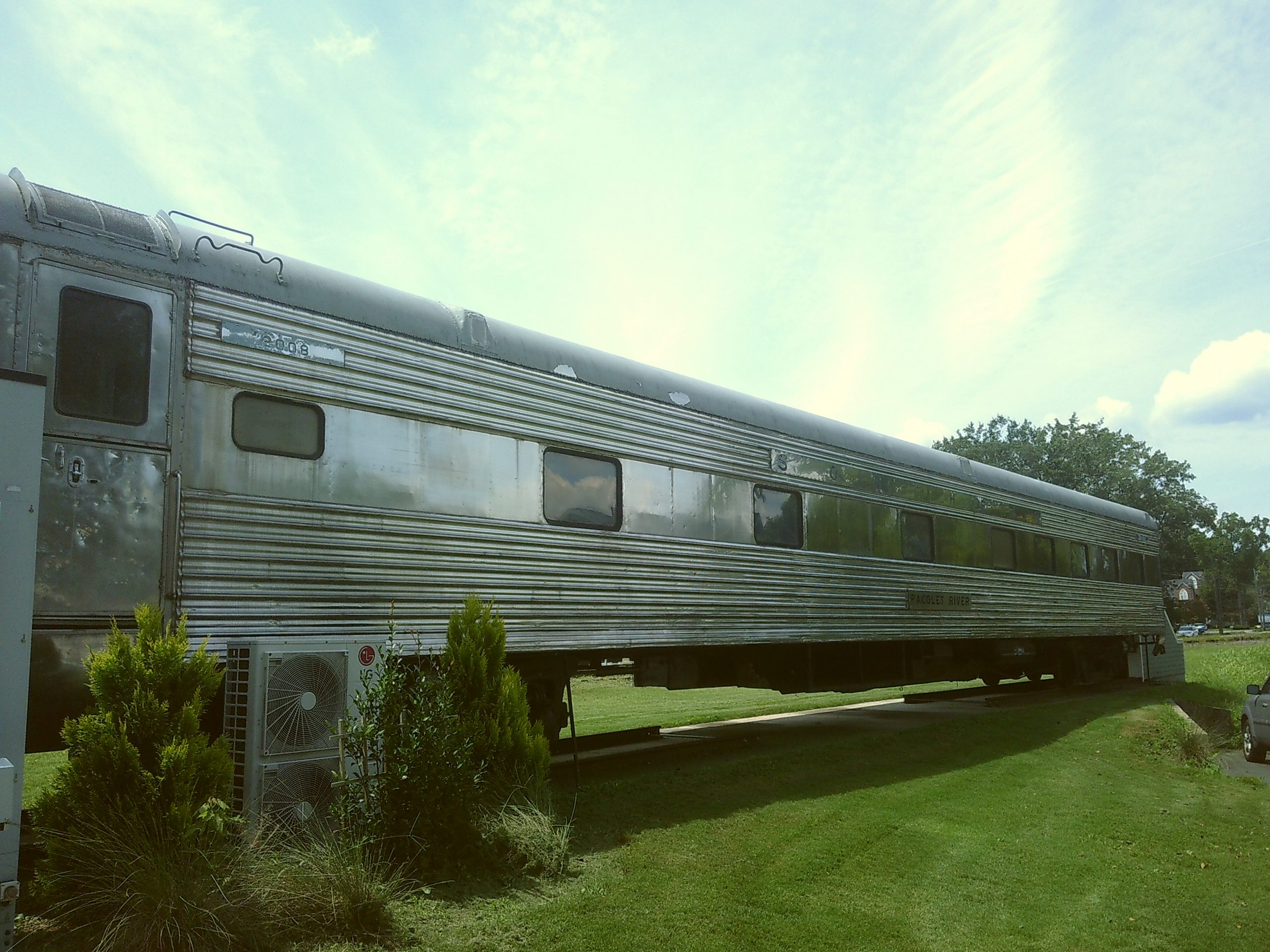
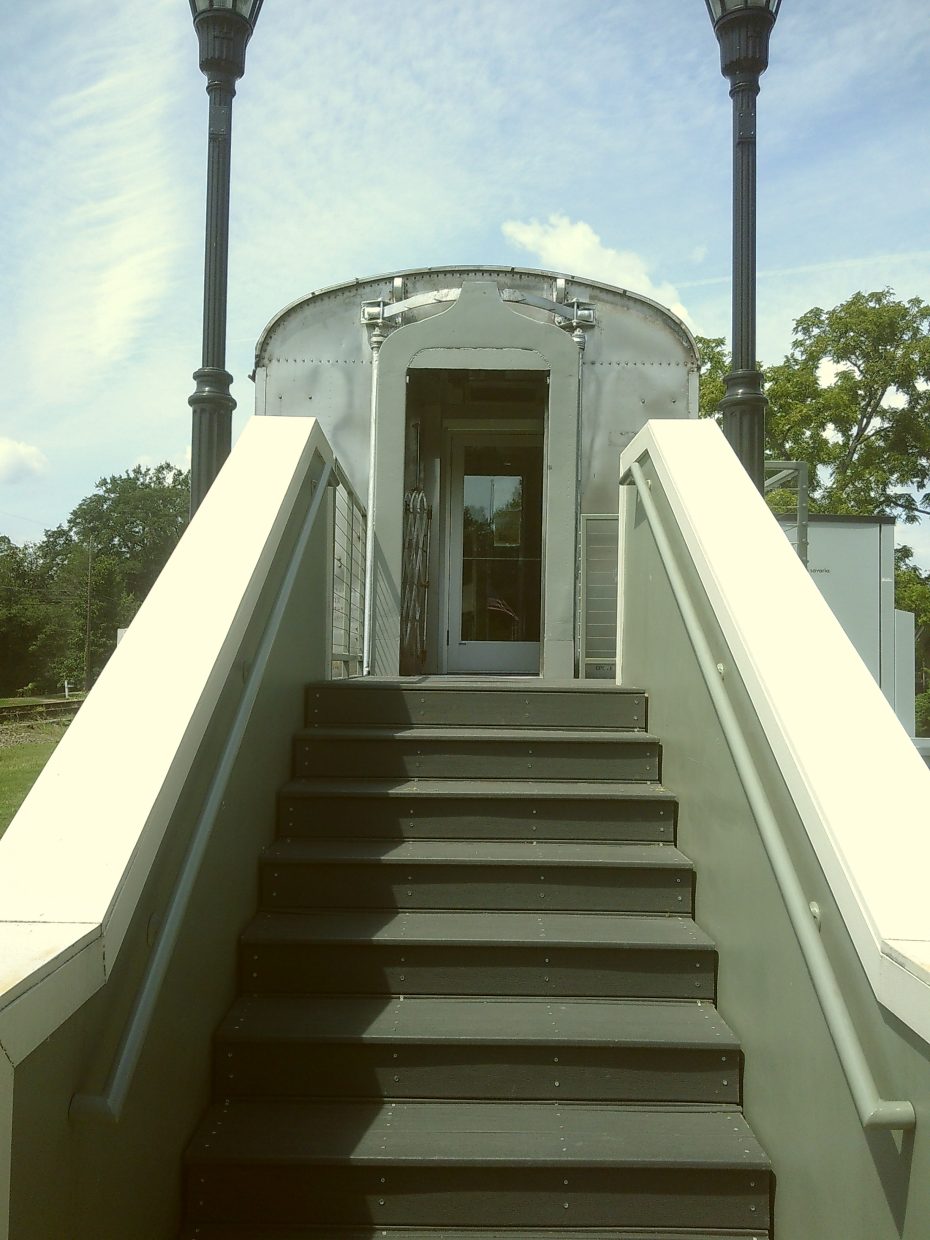
When you get to Landrum, you’ll notice we’ve rolled entirely out of the Appalachian foothills, topographically. Still, horses abound and there’s plenty to do, see, and enjoy. Stop first at the Landrum Depot, a rail and history museum, event venue, and community gathering place – including a refurbished Pullman sleeper car.

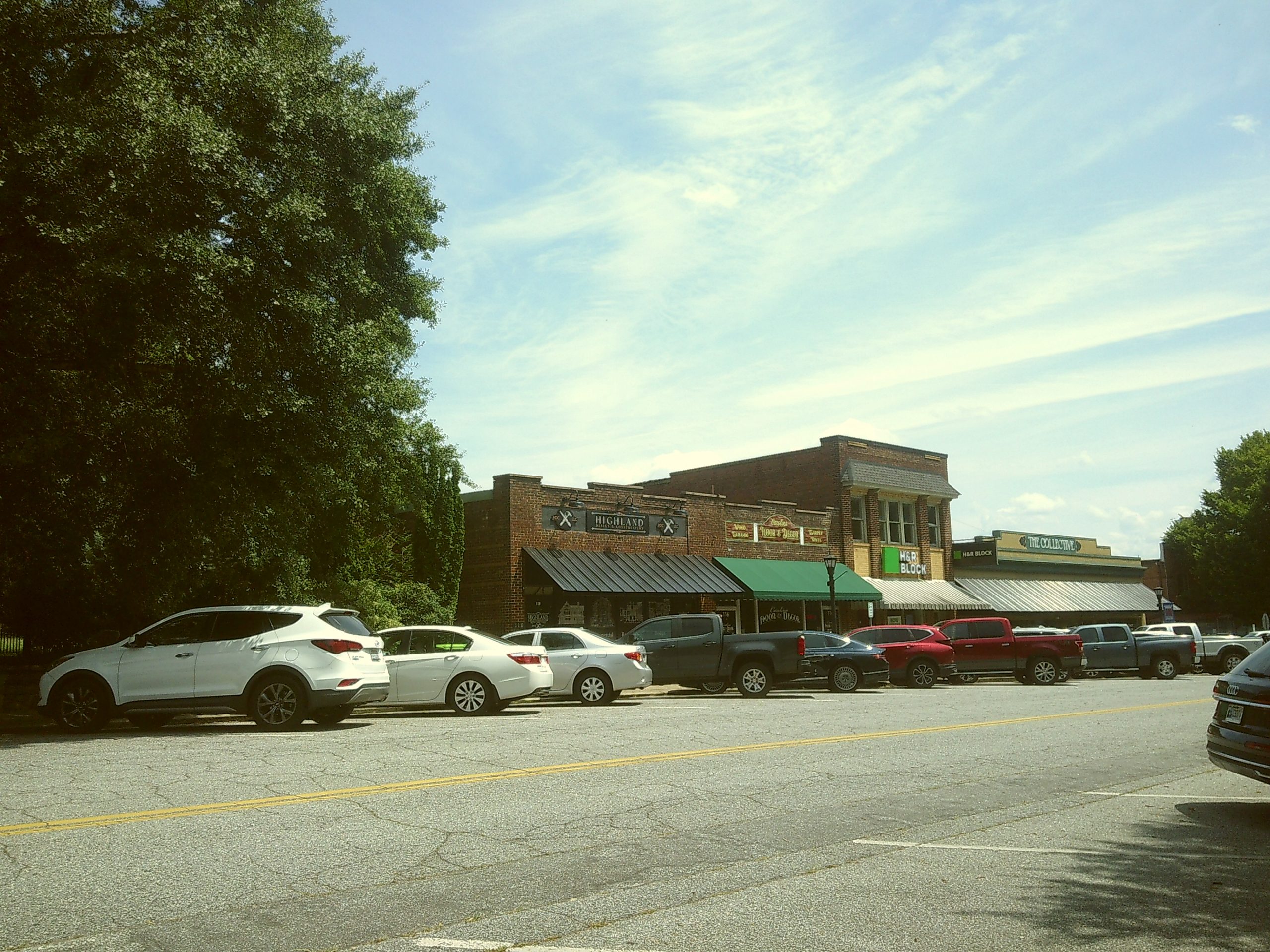
Beautiful and quaint downtown Landrum also includes many restaurants and stores ready for visitors.

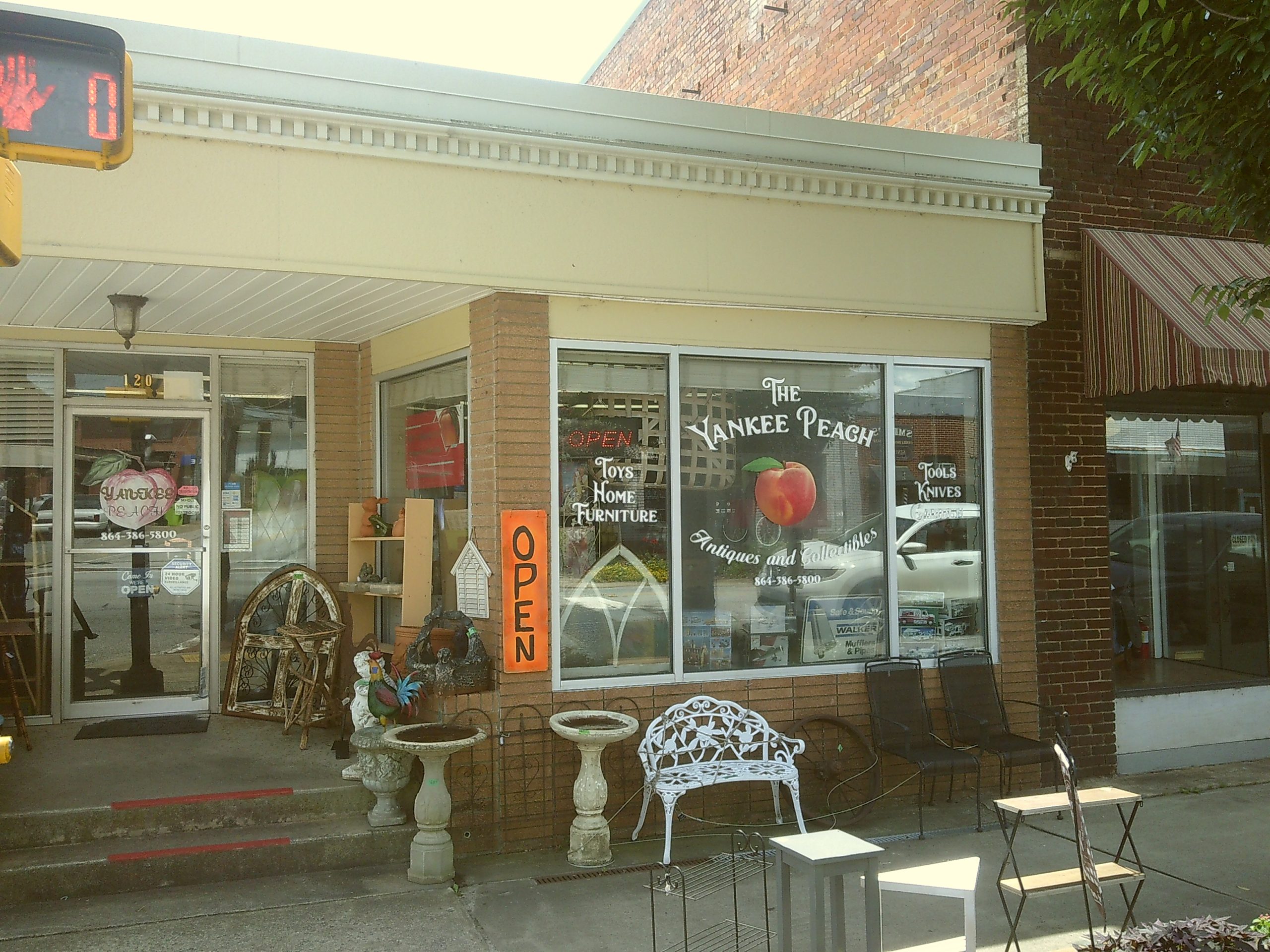
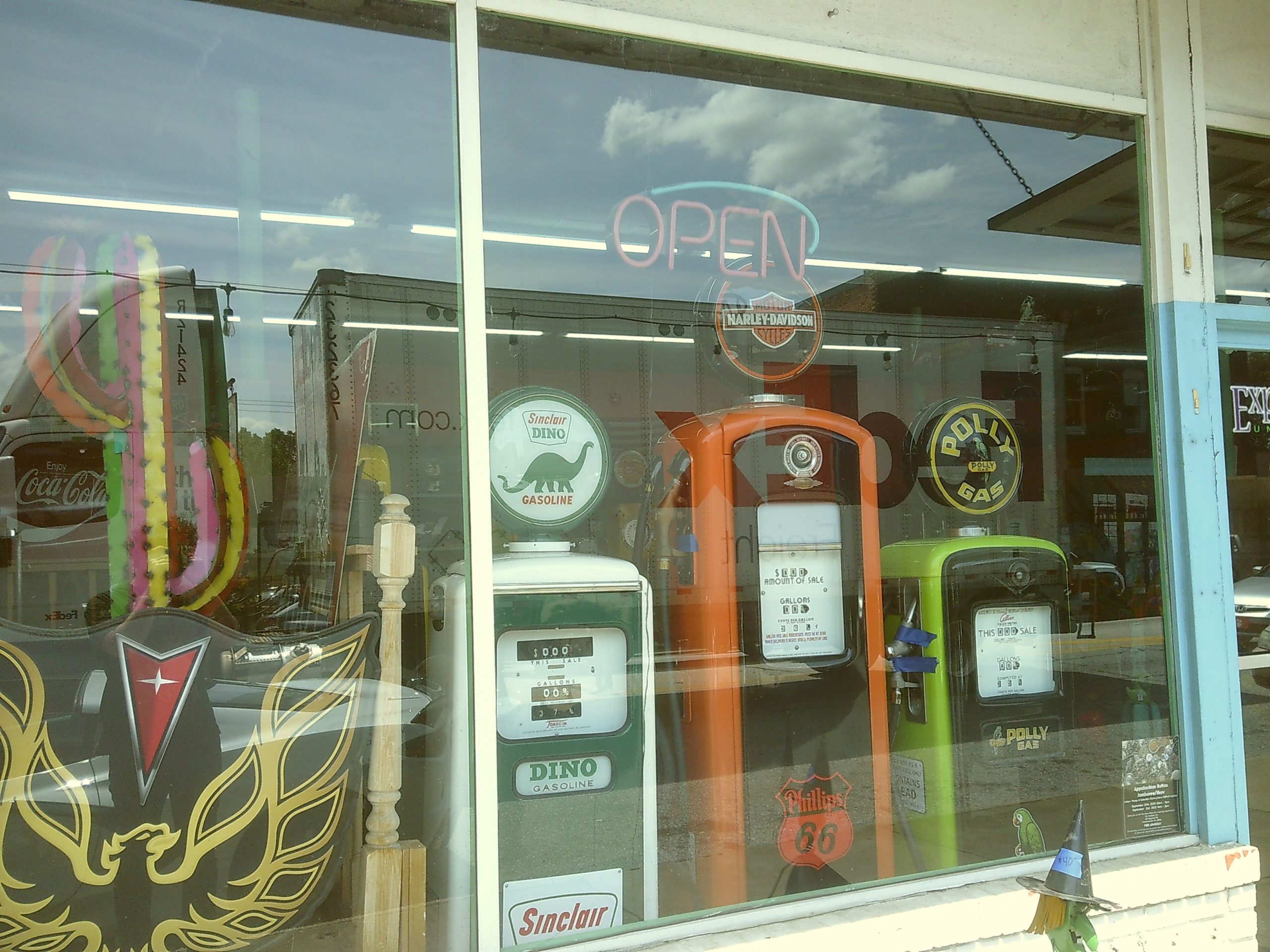
Stop and peruse antiques and goodies at stores like The Yankee Peach (above) or Expressions Antiques (below), just across the street from each other.

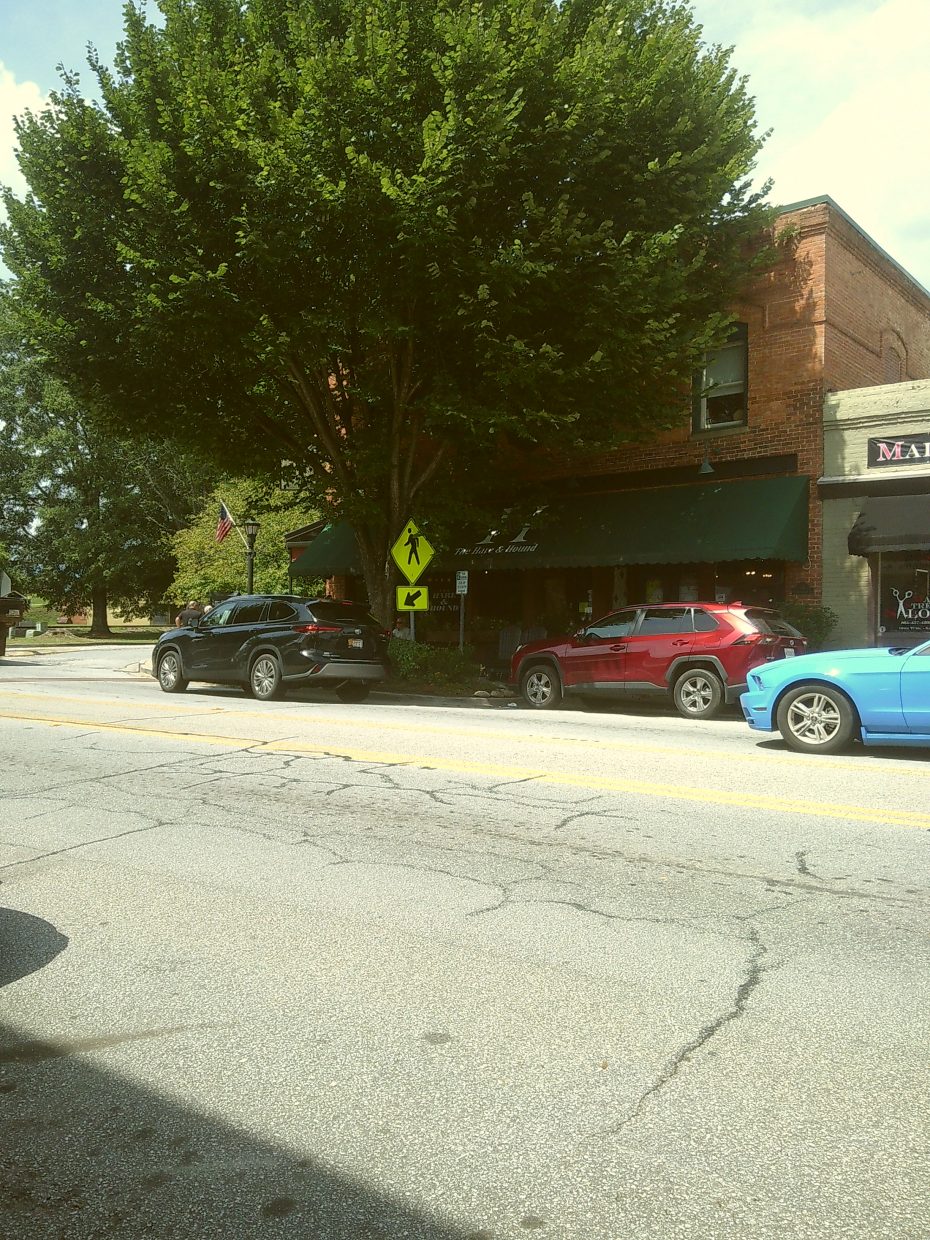
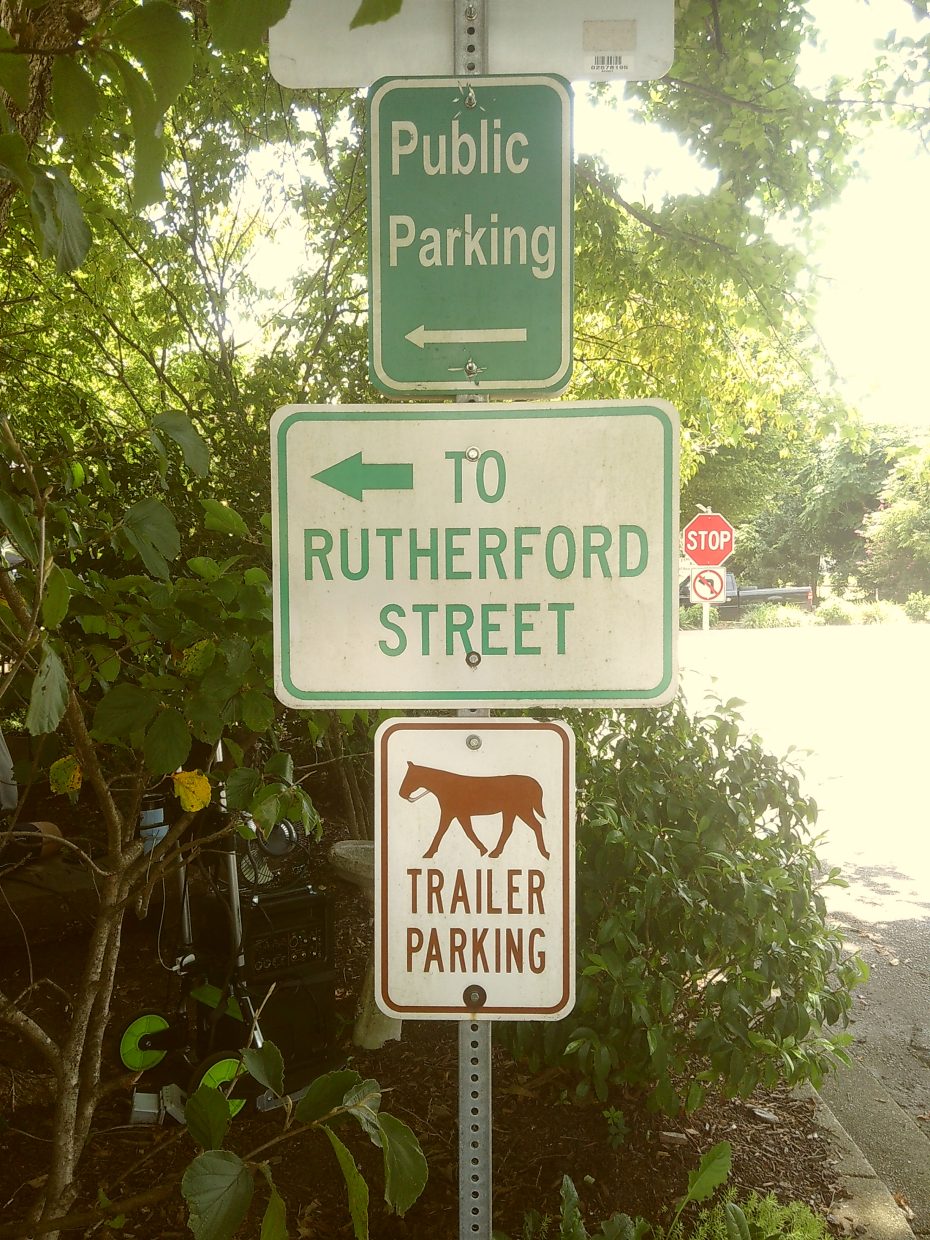
We always enjoy stopping for a drink, lunch, or dinner at The Hare & the Hound in Landrum. They often feature live music and whether you’re sitting in the cozy indoors or outside on the shady street, the vibe is perfect. Need to park your horse trailer? They’ve got that covered in Landrum, too!


The Peachoid, Gaffney, South Carolina

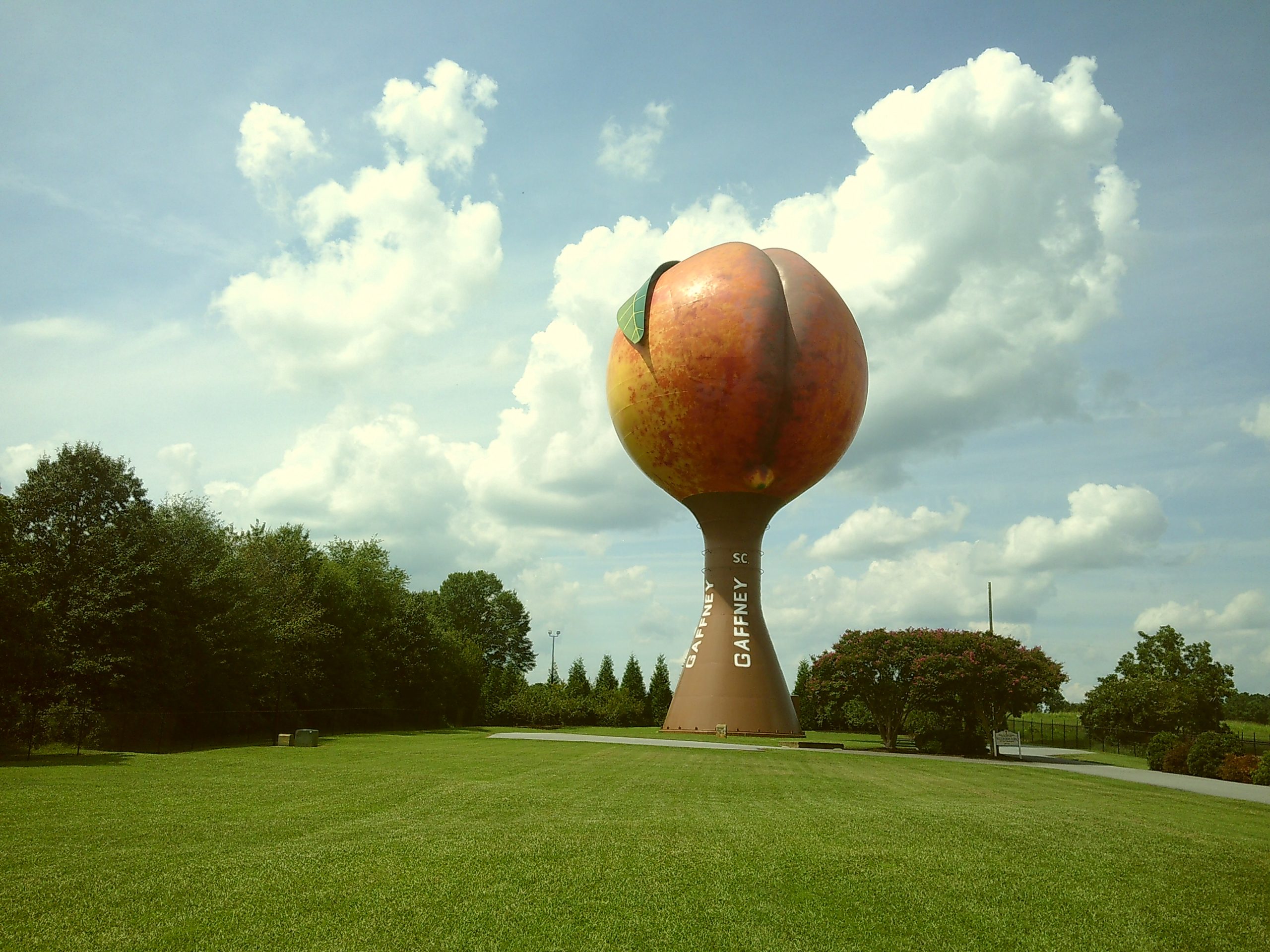
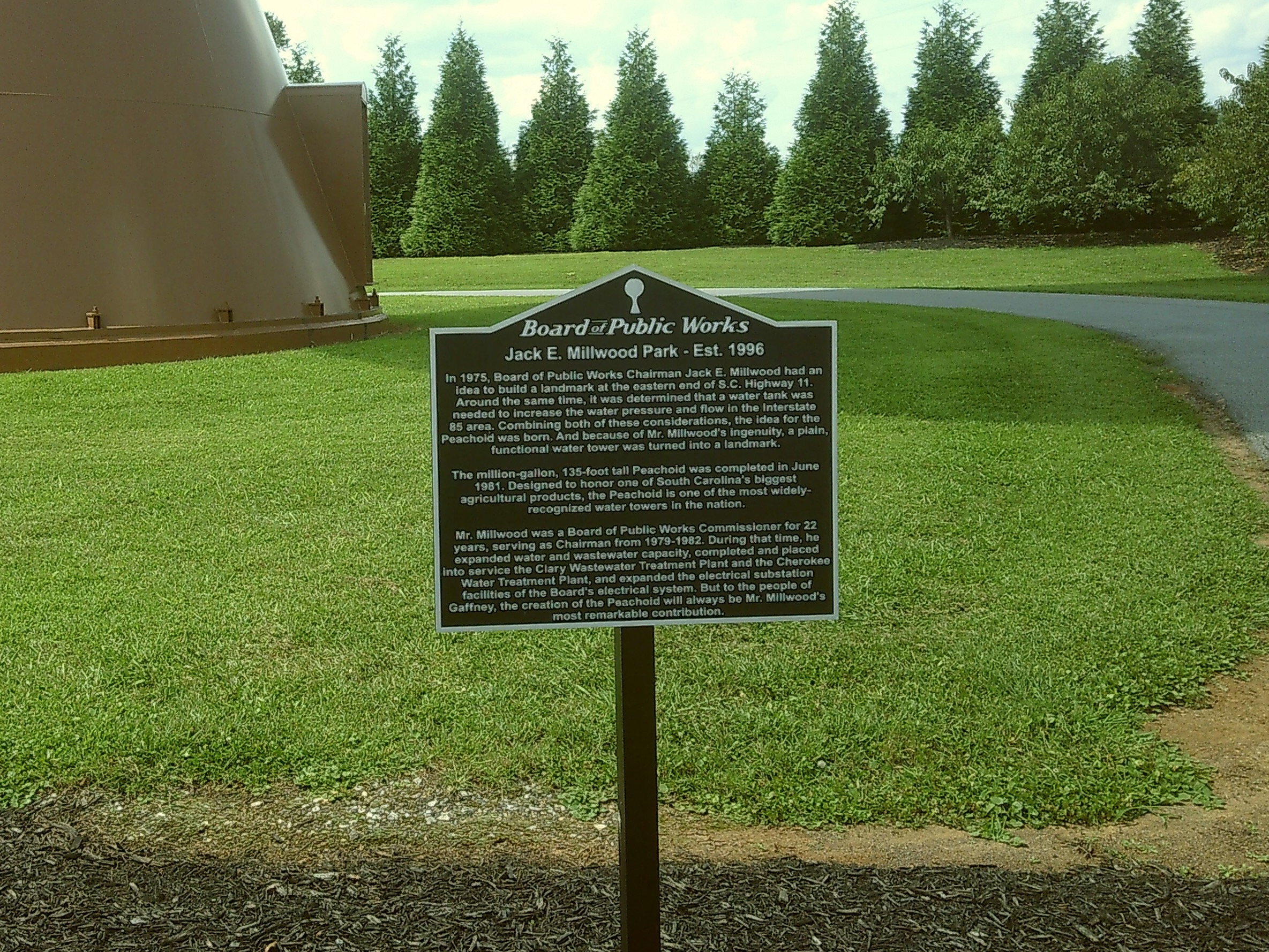
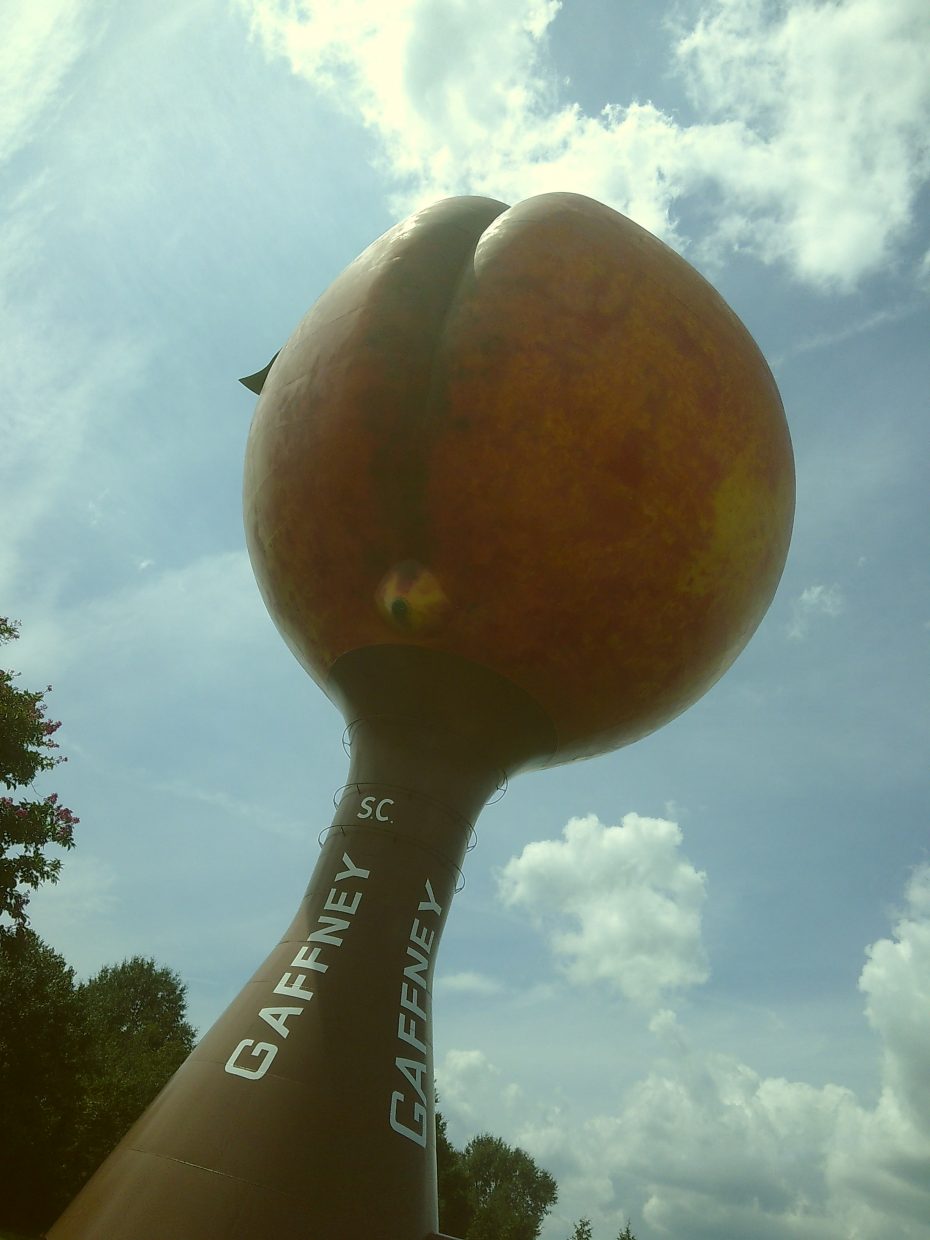
Just around the corner from Landrum and mere minutes from Earl Scruggs’ childhood home near Boiling Springs, North Carolina, is Gaffney, South Carolina, home of the infamous Peachoid. There are lots of prime roadside attractions worth a visit in the area surrounding Earl Scruggs Music Festival, but the Peachoid may top the list.

If you’re heading to or from Scruggs’ homeplace or the Earl Scruggs Center in Shelby, North Carolina, as we were, stop by for a photo opp – and put Netflix’s House of Cards theme song on full blast.


Boiling Springs, North Carolina

Why not take a tour of historic homeplaces while attending ESMF? The musical dichotomy of Nina Simone and Earl Scruggs is perceived as incredibly distant or far-fetched, yet the two were born and raised barely 40 miles from each other. Why do we perceive one of these megaliths of American music as Appalachian, but not the other? (Meanwhile, Scruggs was raised decidedly outside of the mountains in southern Cleveland County, while Simone was raised nestled within them.)

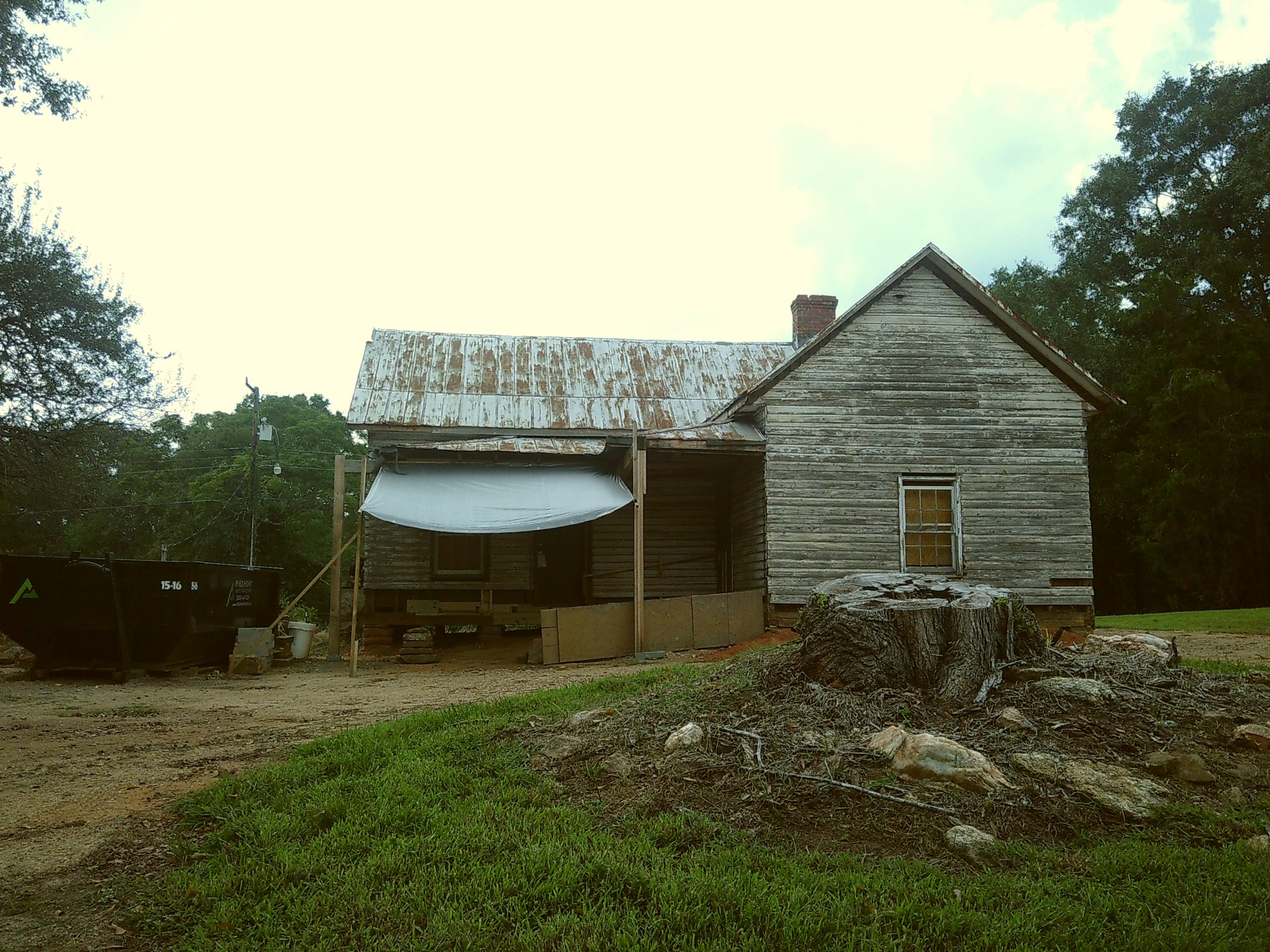
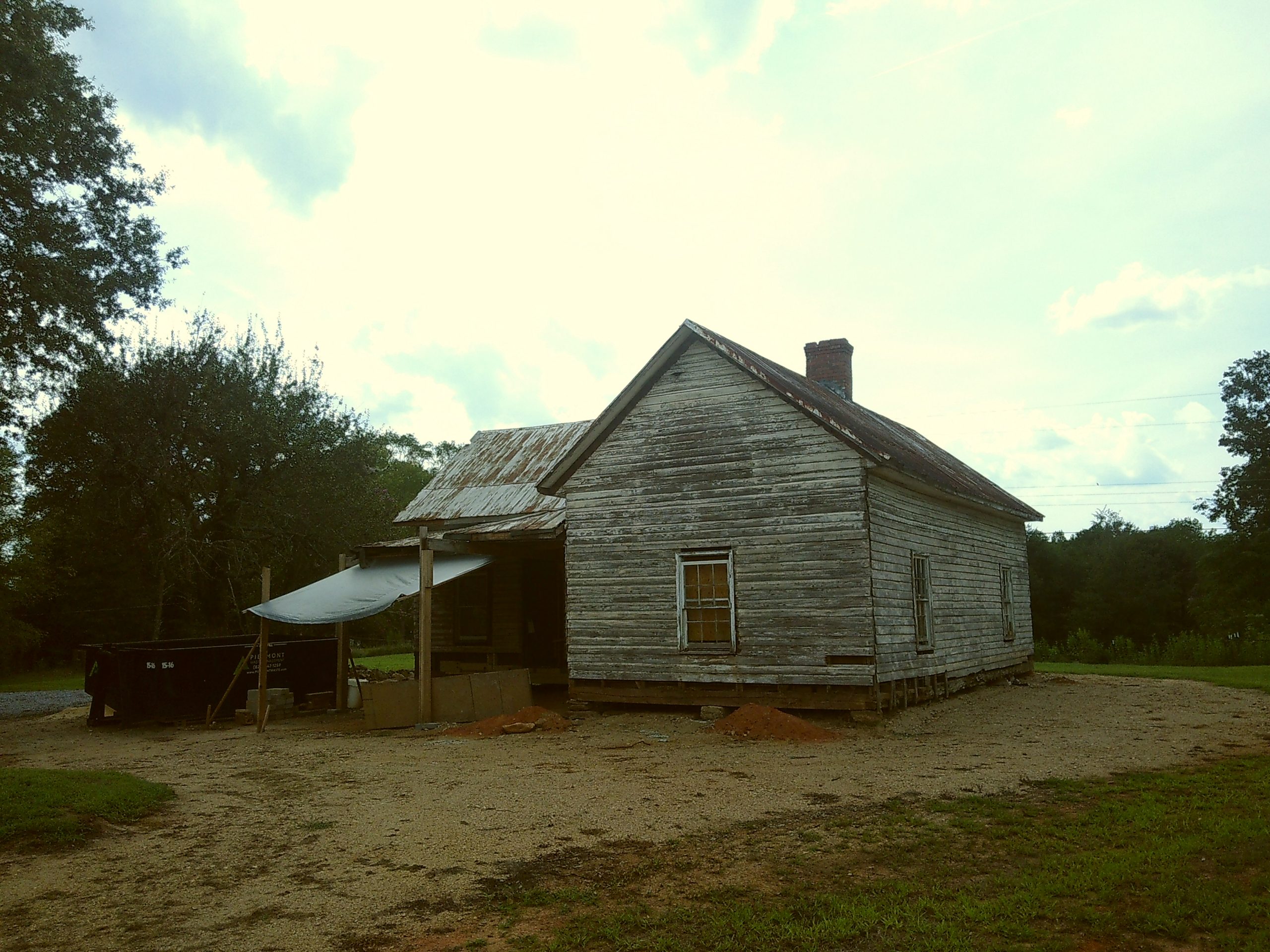
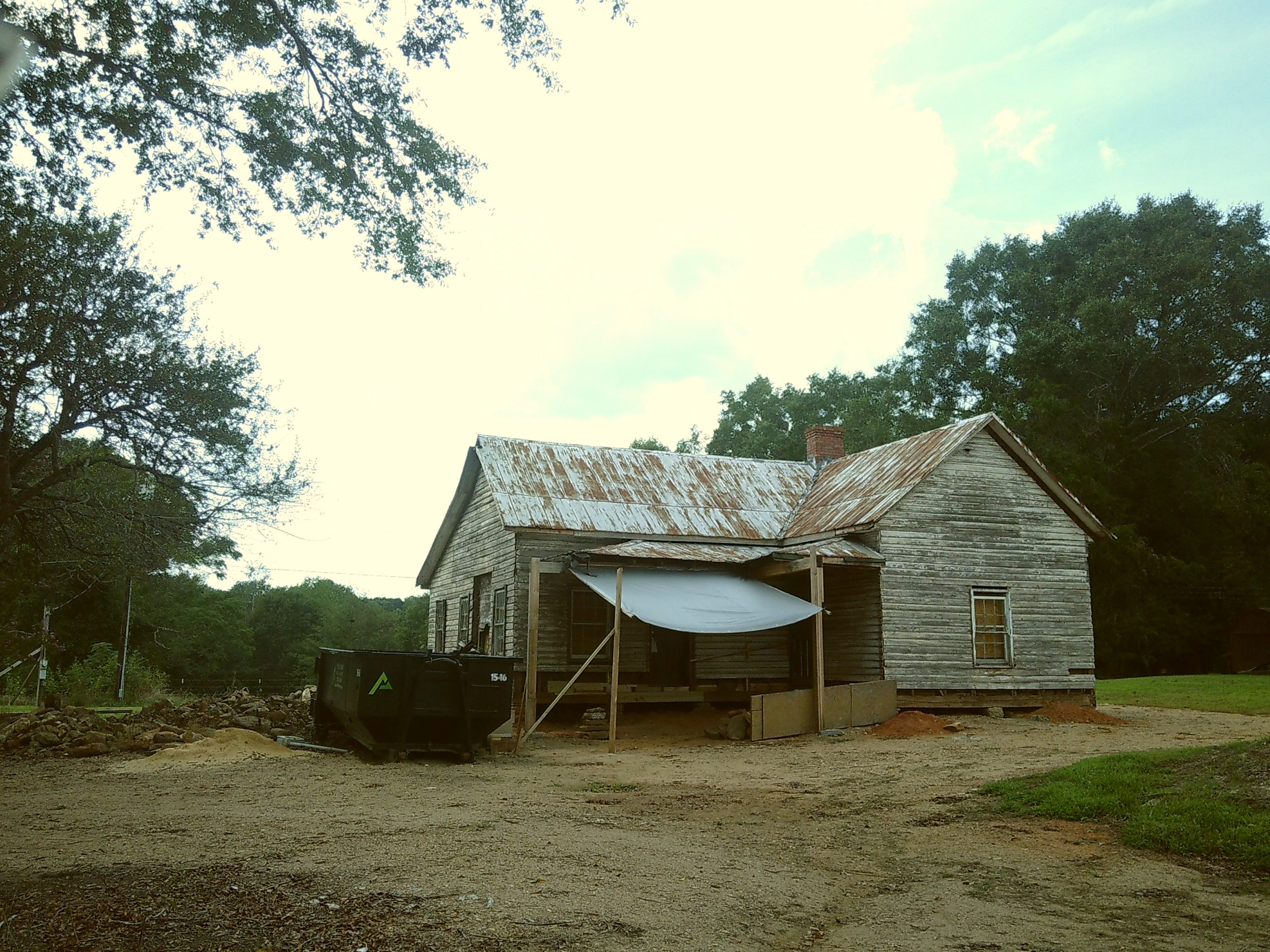
Scruggs’ childhood home was recently purchased by the Earl Scruggs Center and during our visit last year at the time of the festival, preservation and renovation activities had just begun at the property.

Like Simone’s homeplace, the Scruggs property on Riverside Road in the Flint Hill community of Boiling Springs feels sacred, immediately grounding fans, visitors, and passersby while reminding of the humanity of these larger than life musical figures. Hit play on “Reuben” or “Shuckin’ the Corn” and revel in being in the exact place where Scruggs first unlocked three-finger style himself and started a century-long banjo craze that’s still going today, at ESMF and beyond.

Learn more about the Earl Scruggs Center’s plans for Earl’s childhood home here.


Shelby, North Carolina

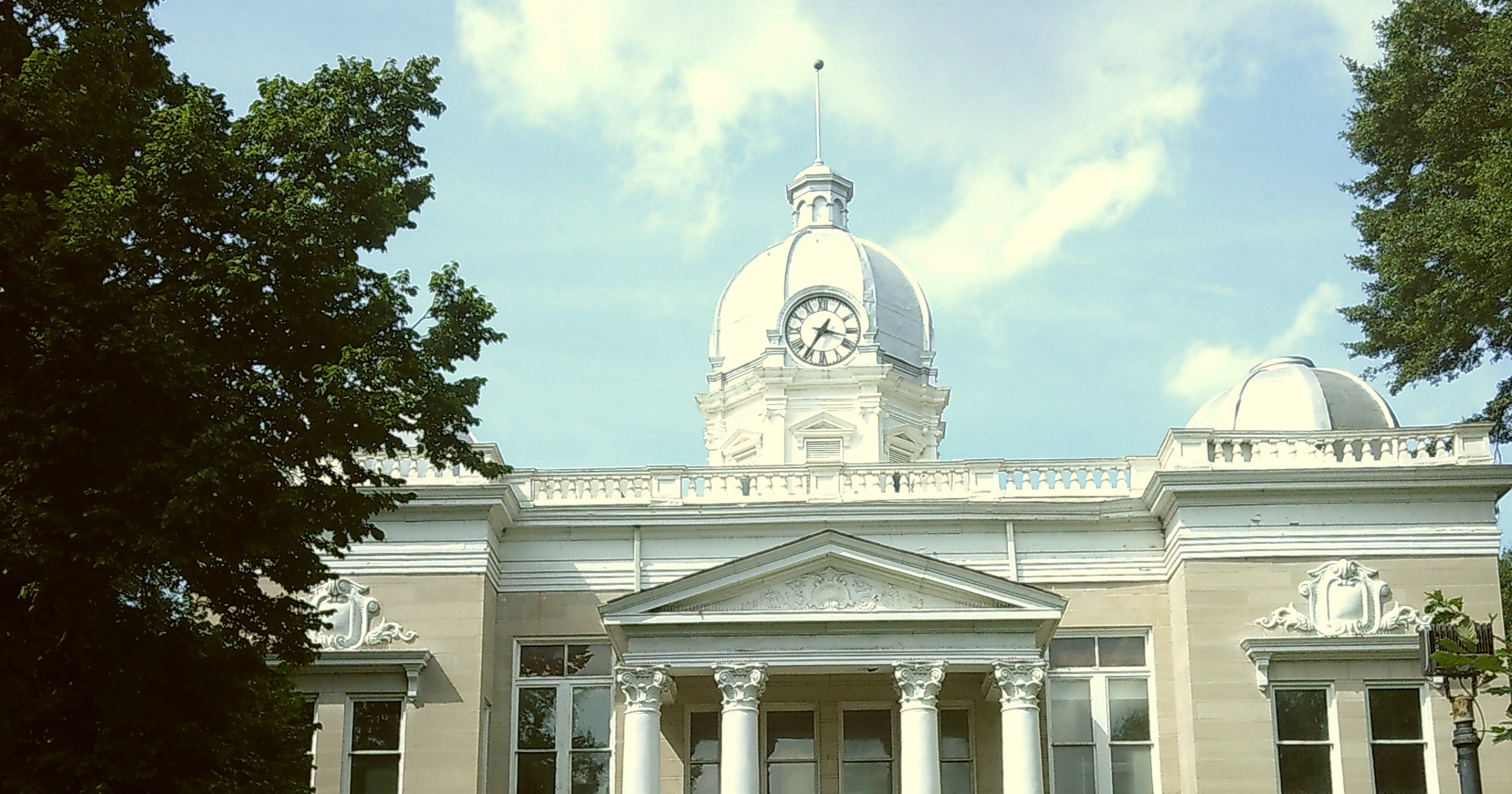
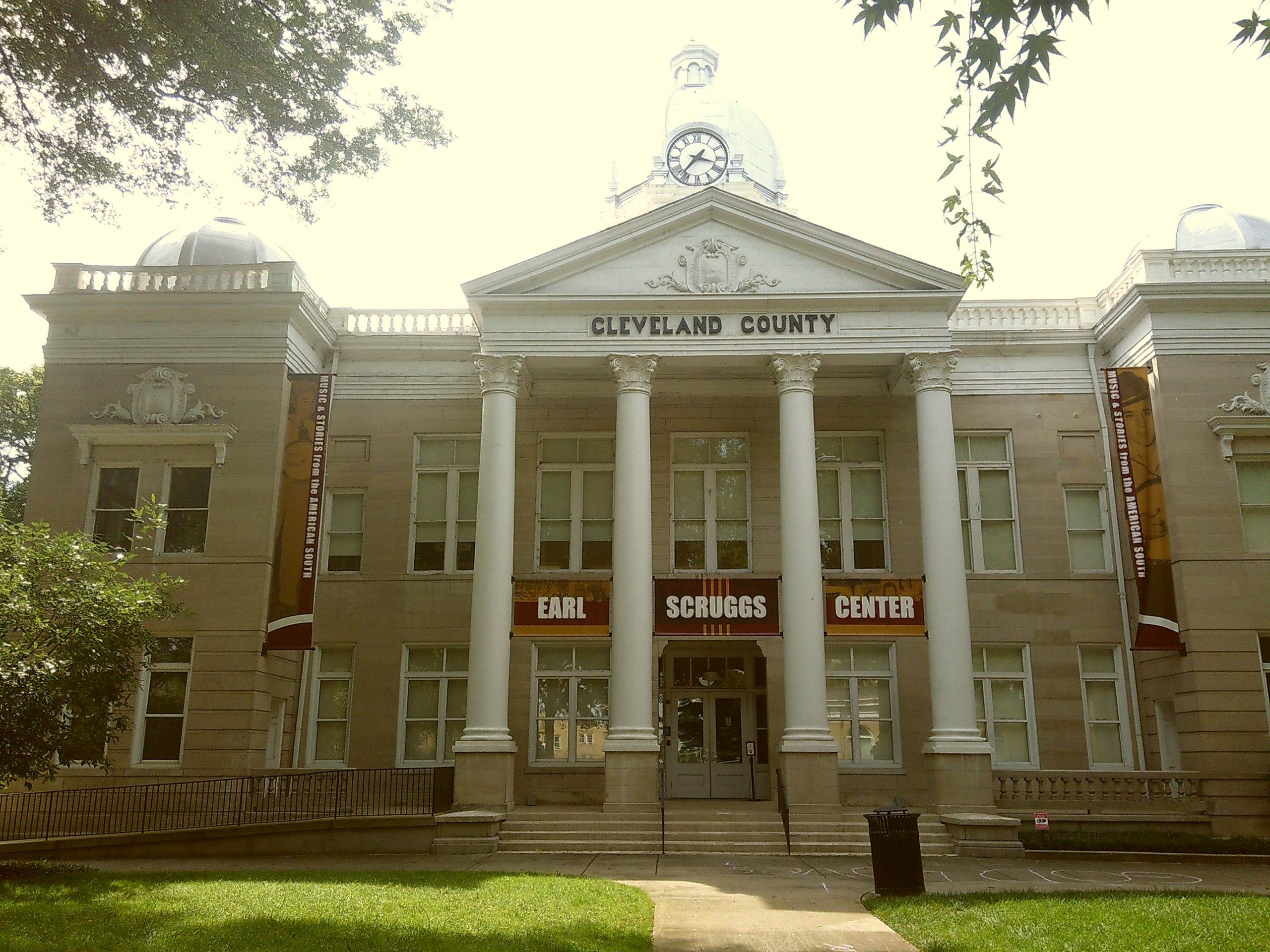
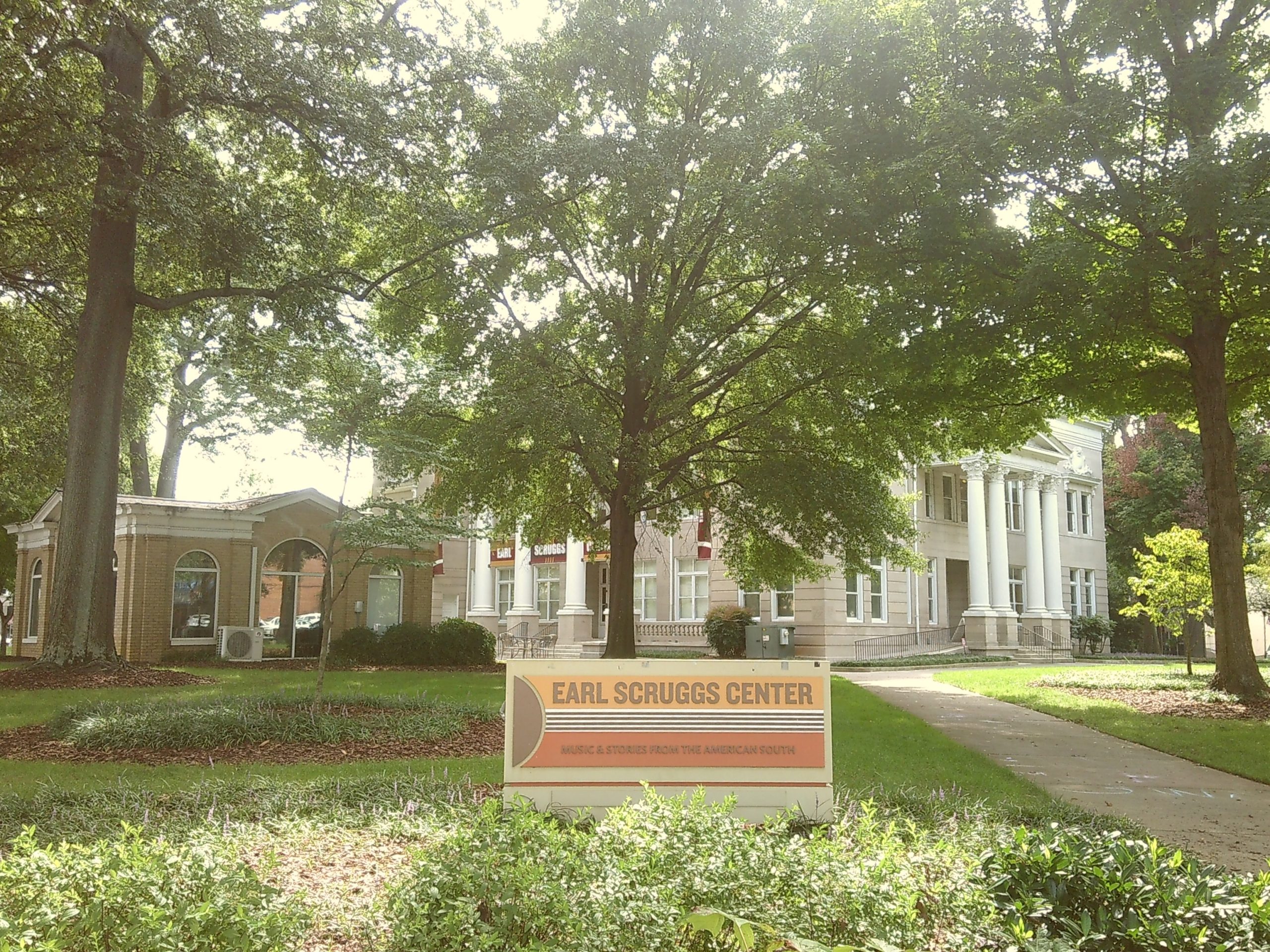
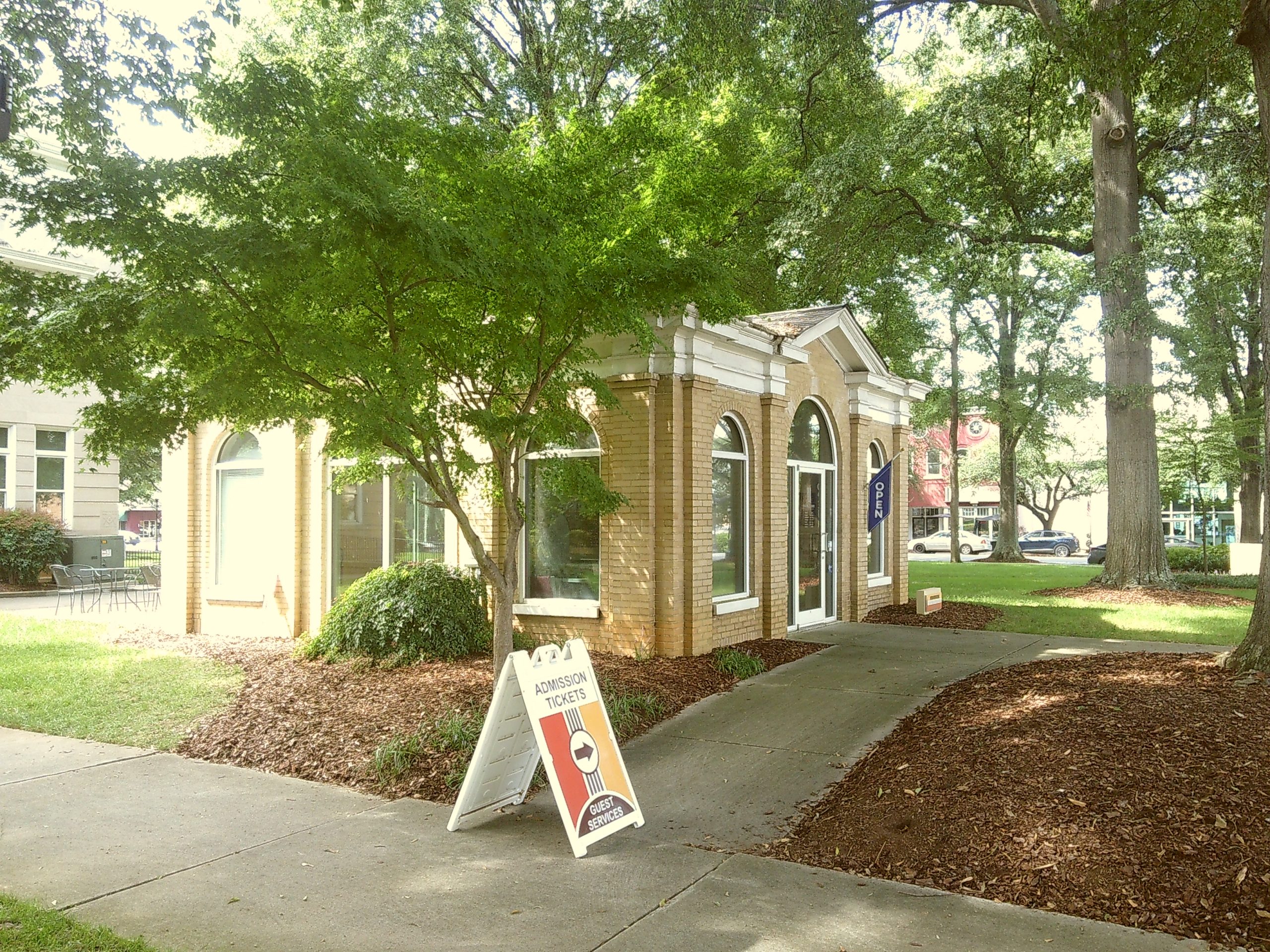
Of course, no visit to Earl Scruggs Music Festival is complete without visiting the Earl Scruggs Center in Shelby, the county seat of Cleveland County, where Scruggs was born and raised. The Center is a host and presenter of ESMF and they offer special events and ticket discounts to ticketholders during the festival.

Over the winter, the Earl Scruggs Center closed for renovations, updates, and new and revitalized exhibits, so it’s worth another visit if you haven’t been in a while. An easy 30 mile drive from the festival grounds, during ESMF there’s plenty of special programming, music, and events worth the field trip. Plus, Shelby boasts great restaurants, breweries, shops, and – of course – antique stores, so there’s something for everyone to enjoy.

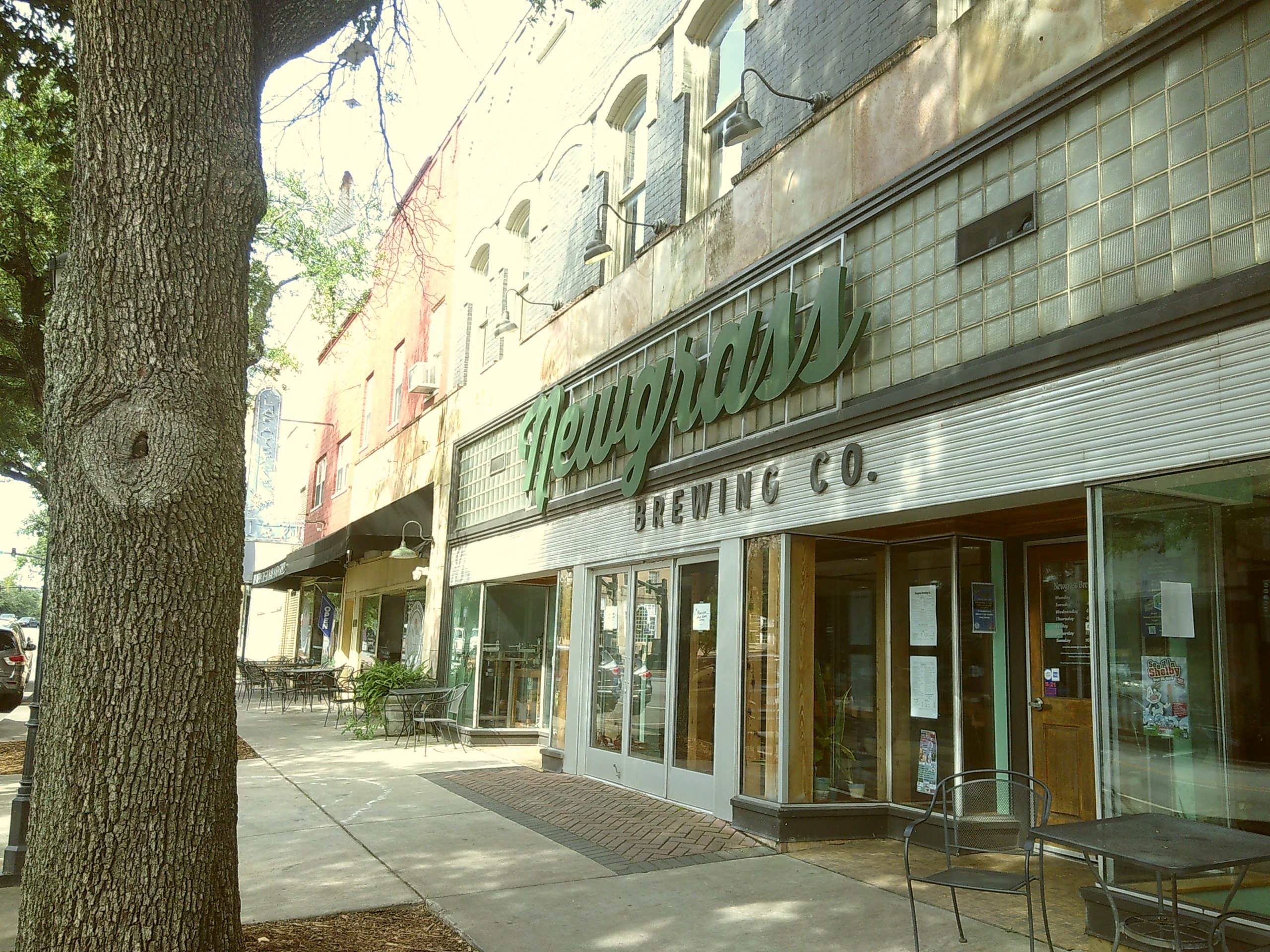
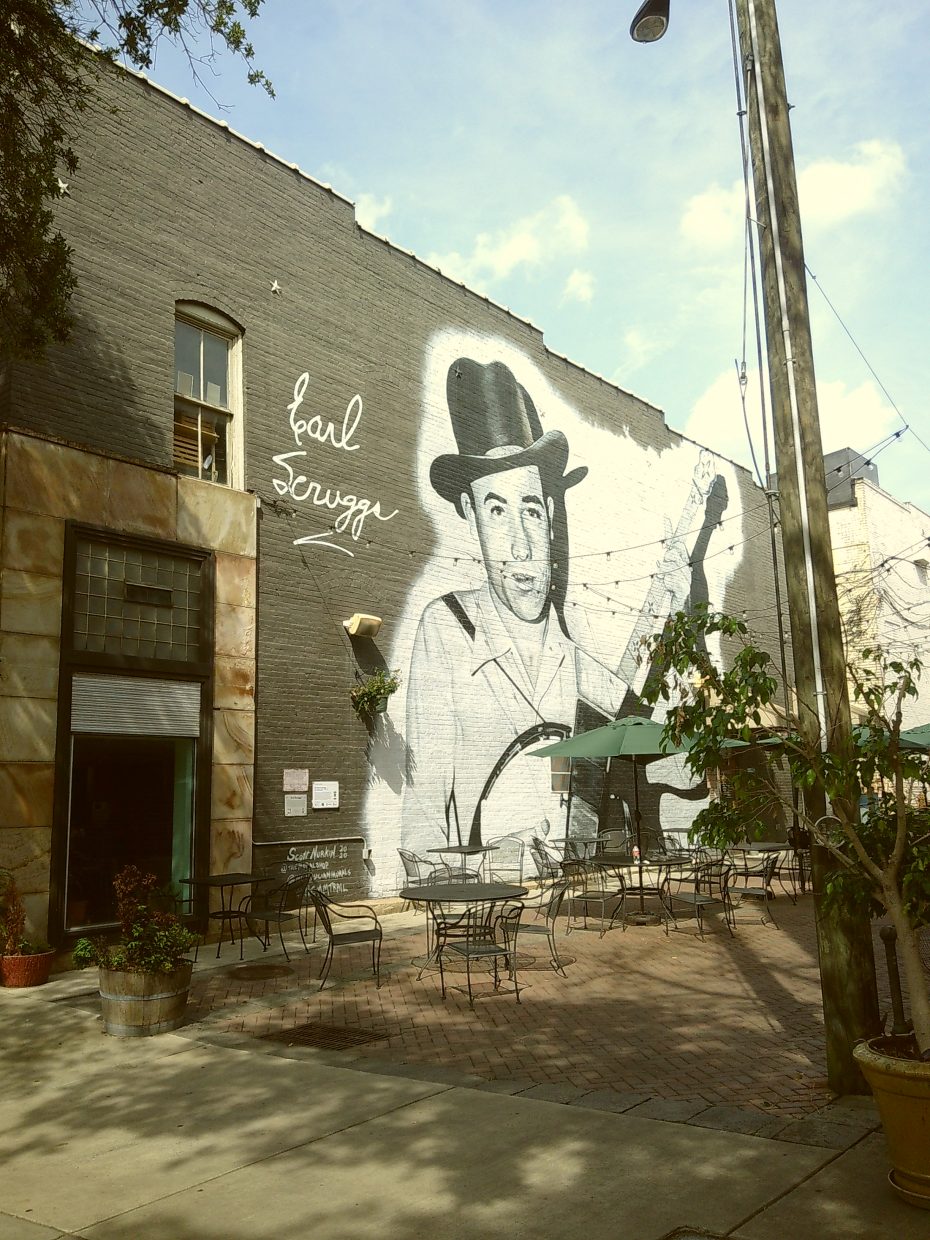
We particularly recommend Newgrass Brewing Co., where the beer is just as good as the name – and the food is excellent, too. Especially the homemade chicken tenders. It’s just around the corner from the Center. Don’t forget to step outside and take a turn into the alley, though, for a superlative mural photo opportunity of the man himself, two stories tall.

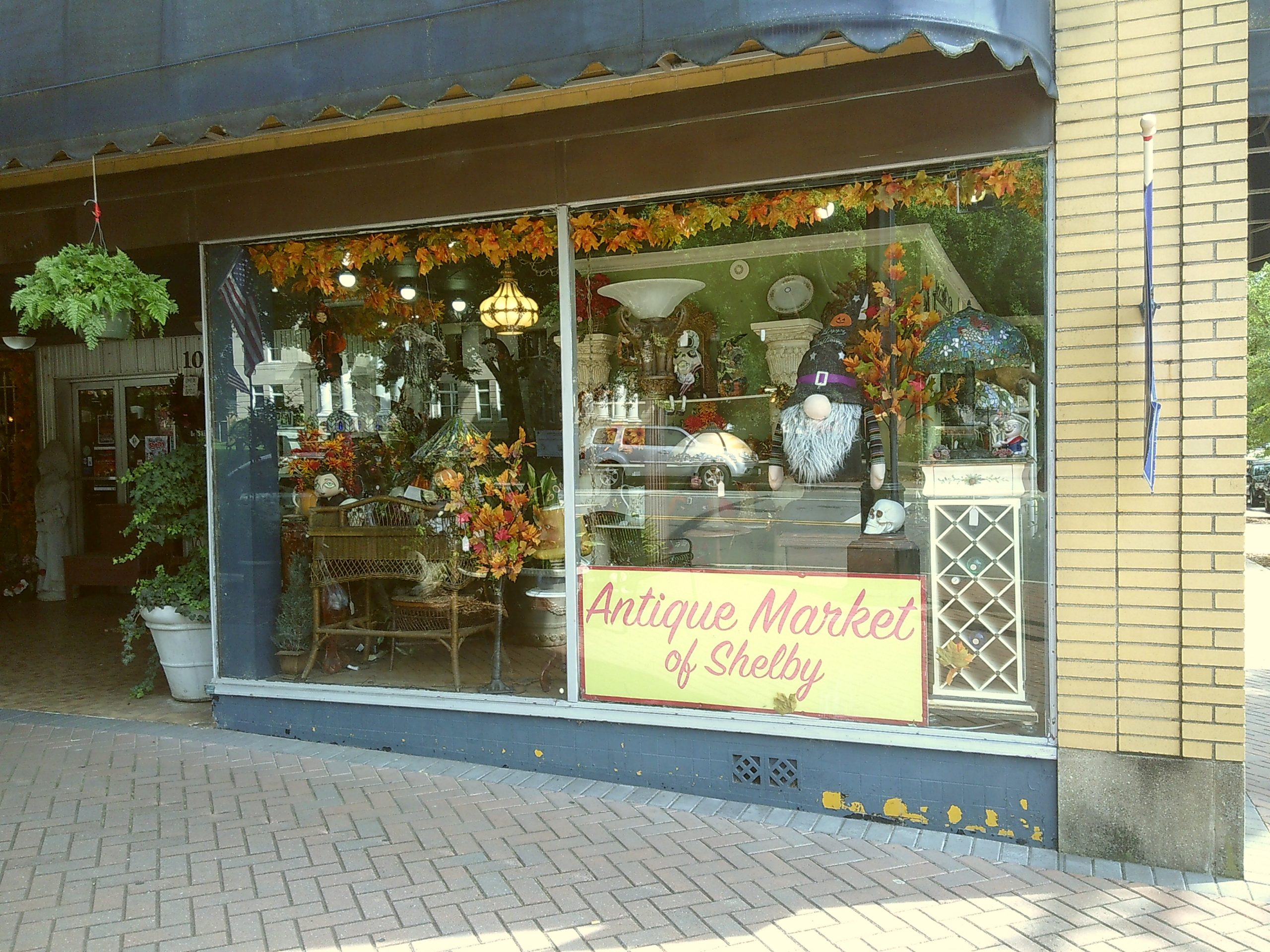
Just across the street from the Earl Scruggs Center on the square you’ll find the Antique Market of Shelby. Because we know, like us, you won’t be sick of antiques yet.

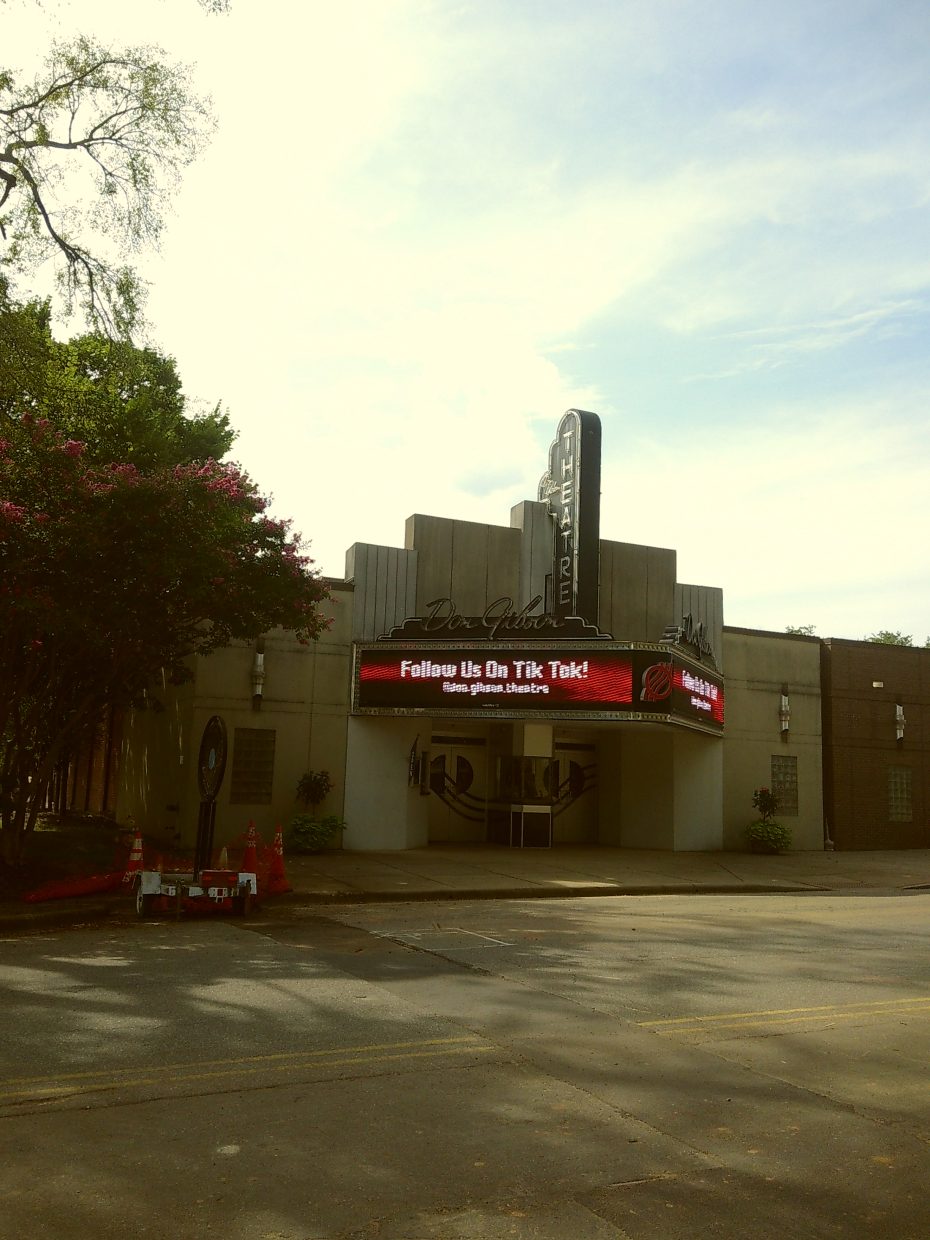
While Scruggs hailed from just down the road in Flint Hill, country star and singer-songwriter Don Gibson was born in Shelby proper. A hitmaker and stalwart of country from the late ’50s through the early ’80s, Gibson’s legacy is on display in Shelby in a variety of ways, chief among them the Don Gibson Theatre. Catch movies, live music, and special events throughout the year – including an incredible slate of bluegrass and country shows. The Don Gibson Theatre is also a stop on Blue Ridge Music Trails.

Learn more about Don Gibson and Shelby in our Carolina Calling episode about the city, featuring Gibson, Scruggs, and more.

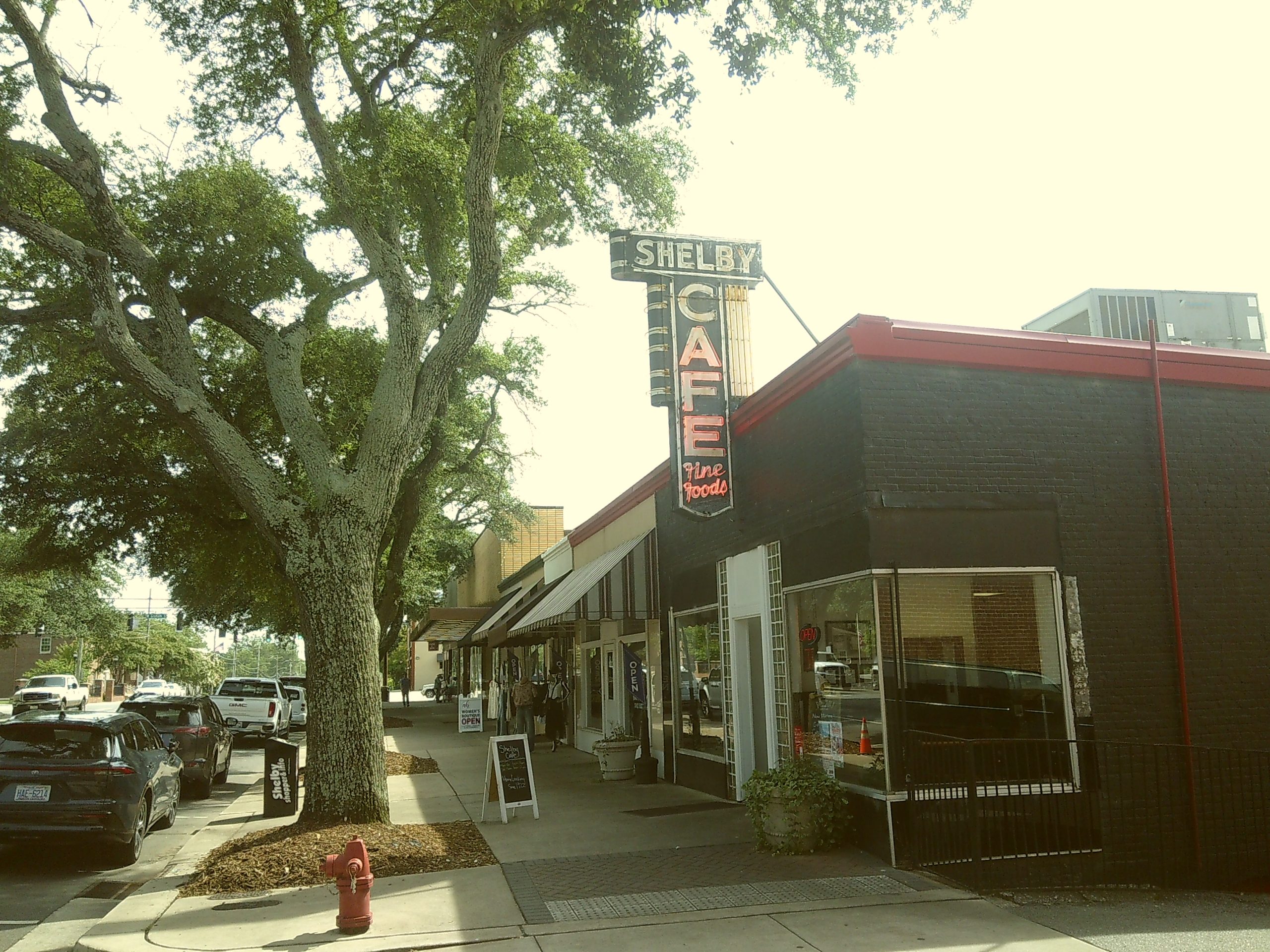
A visit to Cleveland County wouldn’t be complete without a plate of livermush, so head over to the Shelby Cafe for breakfast, lunch, or dinner and a sampling of this local delicacy. Just like Earl would have enjoyed it? Certainly!

There’s so much to see, do, and enjoy at Earl Scruggs Music Festival and the surrounding territory, we know we barely scratched the surface. Hendersonville, Chimney Rock, Gastonia, and Rutherfordton are just up or down the road; so many nature preserves, parks, and trails are nearby; Spartanburg, South Carolina, is a stone’s throw away. While Tryon International is a lush, hospitable location for the festival, we encourage all attendees to get out and enjoy the places that birthed these musical forms we all hold so dear.

We’ll see you in Mill Spring, North Carolina, for Earl Scruggs Music Festival September 4-6, 2026! Tickets are available now. And we hope we run into you out adventuring and antiquing, too. Do you have a favorite local haunt in the area? Let us know on social media.


All photos by Justin Hiltner, shot on Camp Snap. Poster art courtesy of Earl Scruggs Music Festival.

This content brought to you in partnership with Earl Scruggs Music Festival.
Dream Date with JOHNNYSWIM

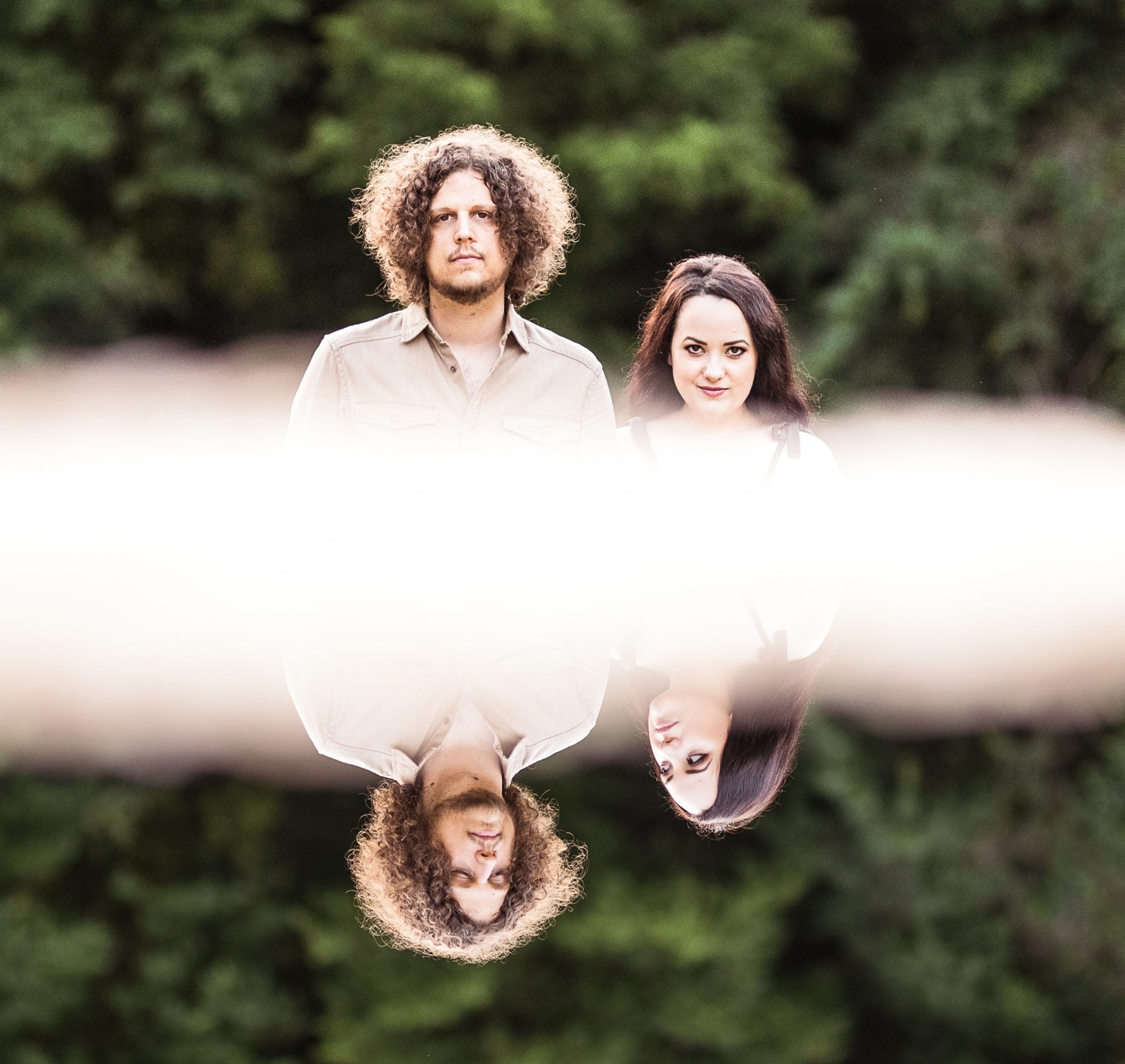
Last week, JOHNNYSWIM – husband-and-wife indie-folk duo of Amanda Sudano Ramirez and Abner Ramirez – released their highly-anticipated new album, When the War Is Over. A stand out track, “Los Feliz,” can be found second-to-last in the sequence.

“Los Feliz” was written by Ramirezes and songwriter-producer Britten Newbill. It kicks in with grooving, pocketed drums and warm electric guitar, loping as if up and down the southern California hills.
“Somethin’ ‘bout LA/ Golden hour getaway/ Oh… I want you close,” Amanda sings the opening lines. Abner picks up where she leaves off, creating another musical dialogue – a common facet of the pair’s music across their twenty-year-plus catalog. Their songs feel like intimate vignettes, a window into their lives, their relationship, their family, and their creative processes.

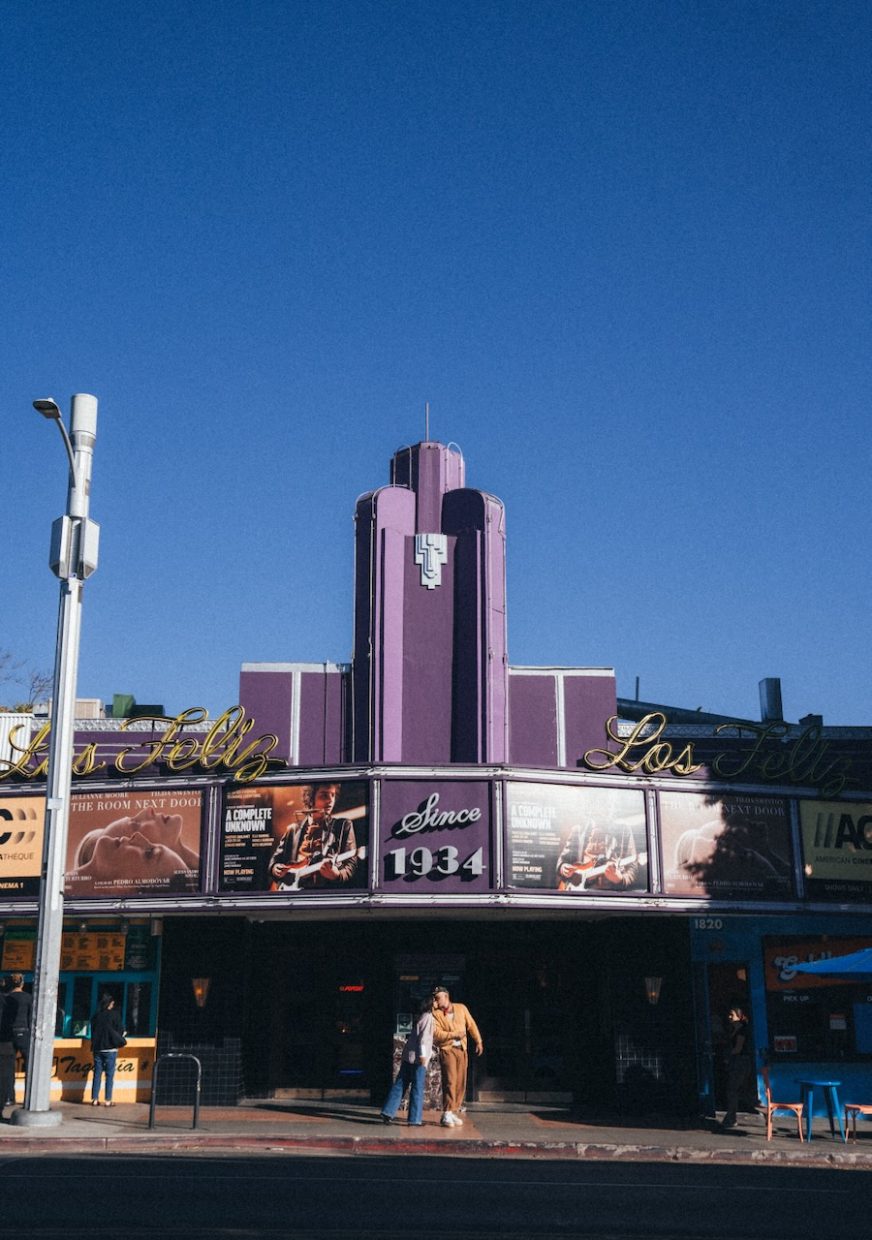
“Los Feliz” is a love song– to each other, to Los Angeles, and to their favorite neighborhood, of course. The lyrics and message feel especially apropos since the devastating LA wildfires, as we all feel heartbroken seeing these neighborhoods we hold dear forever altered. But, like in the track, there’s plenty of redemption to be found in this beautiful city and this sweet corner of the City of Angels.

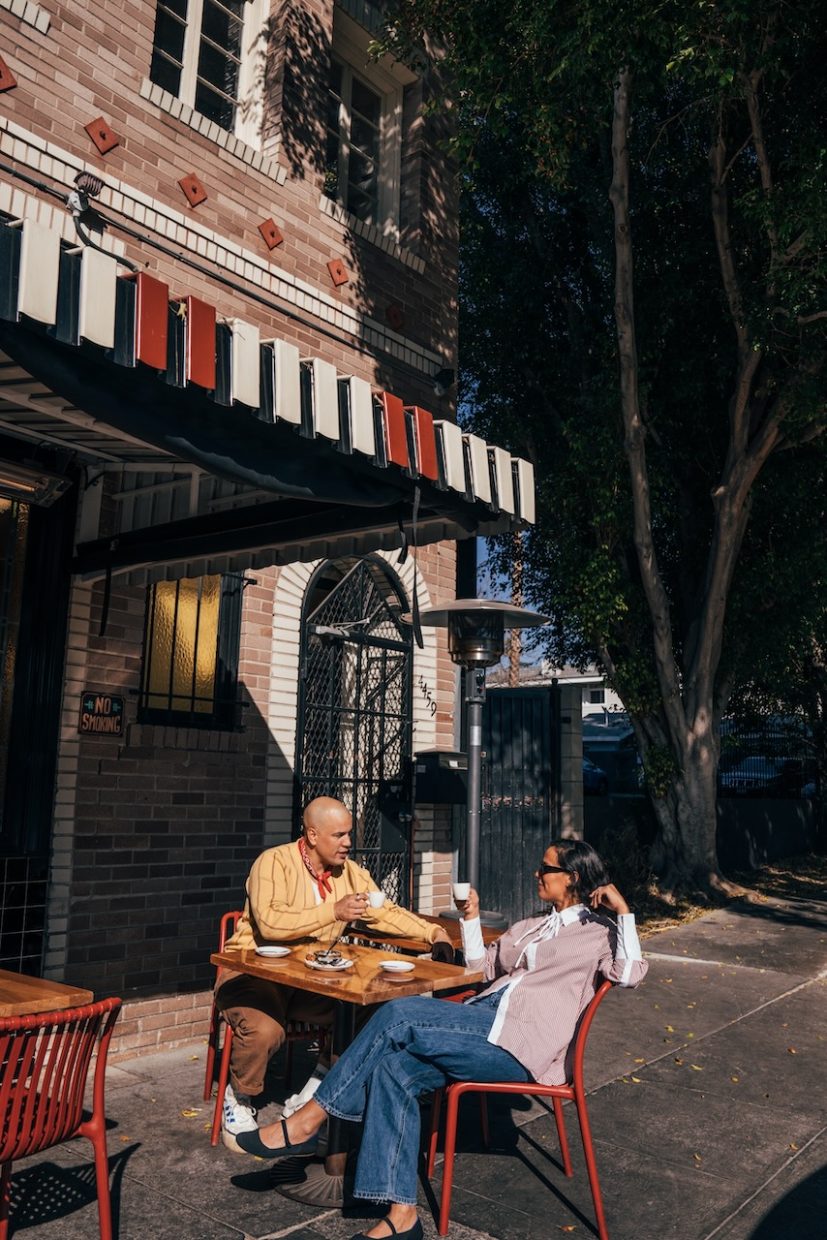
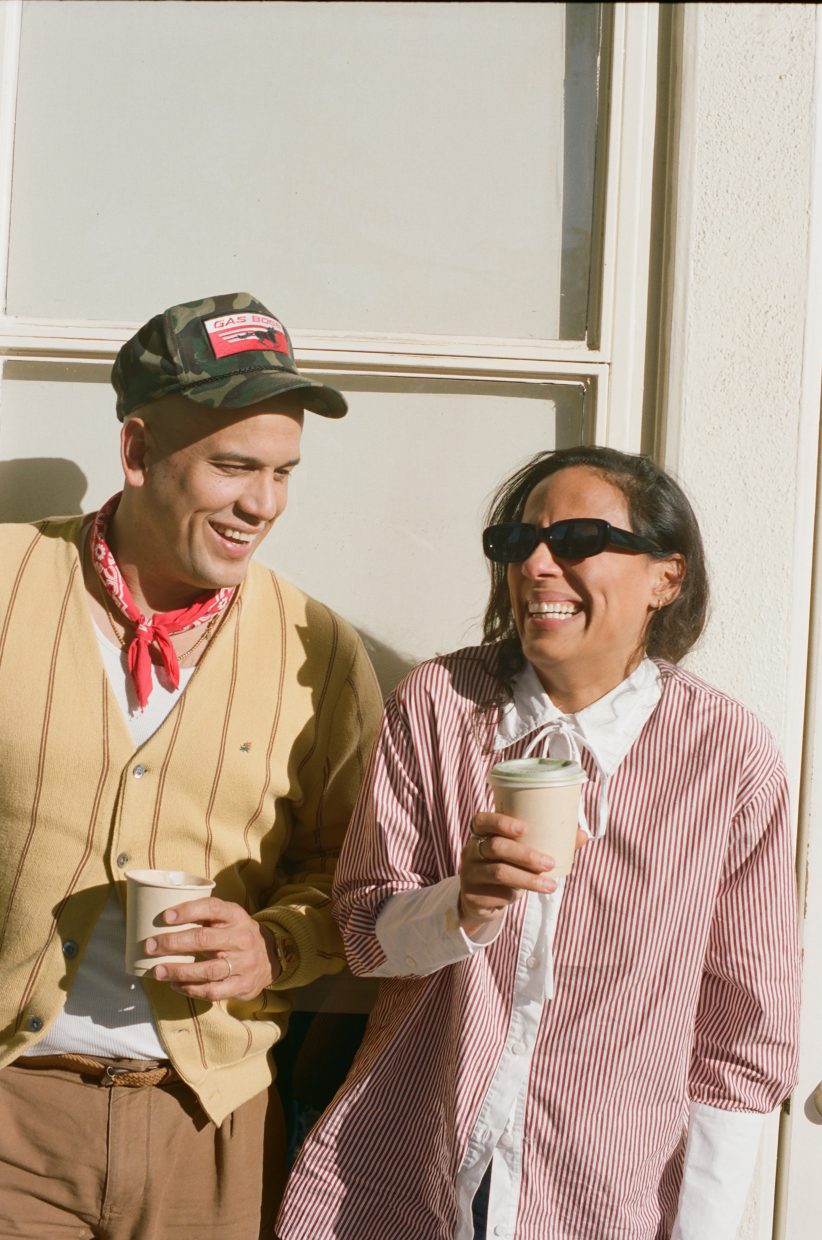
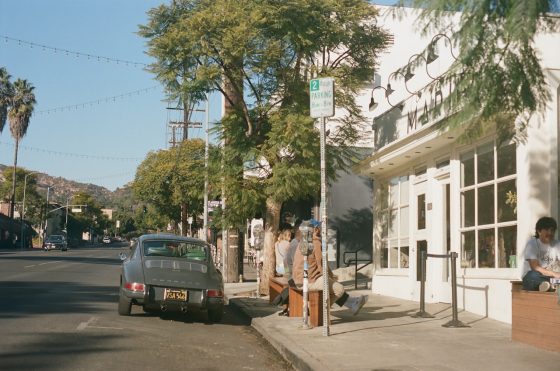
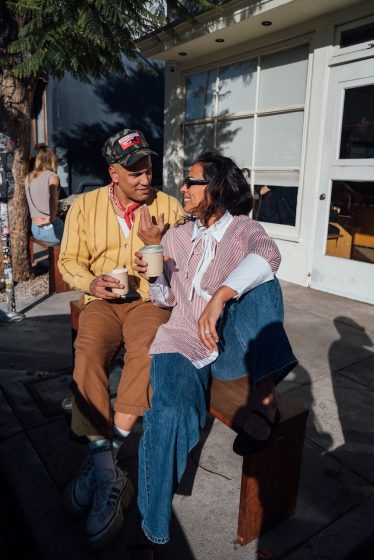
To celebrate When The War Is Over, JOHNNYSWIM brought Good Country along on an adorable Los Feliz date, taking us and our readers to a few of their favorite spots, captured by their longtime friend and photographer Amy Waters.

Below, Amanda describes their date for each of us as we all get the unlikely treat of third wheeling with JOHNNYSWIM.

Little Dom’s

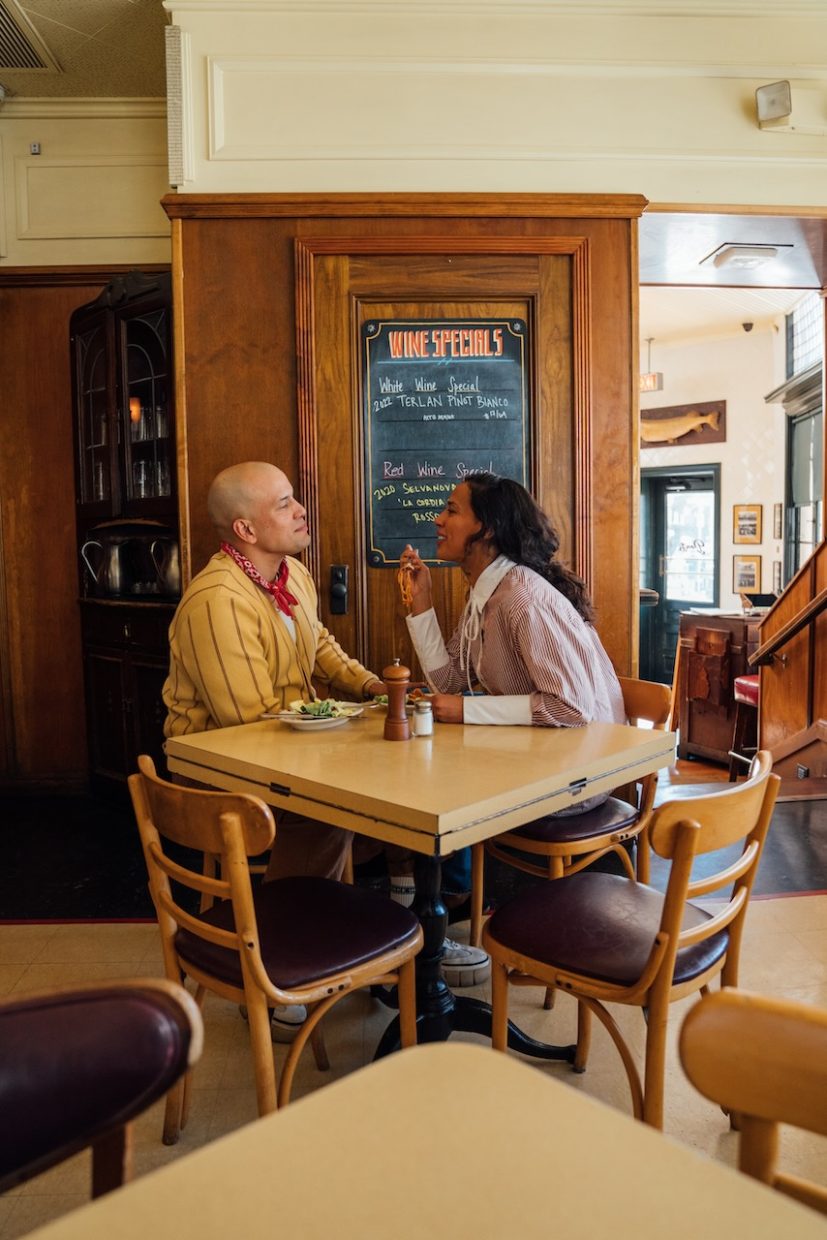
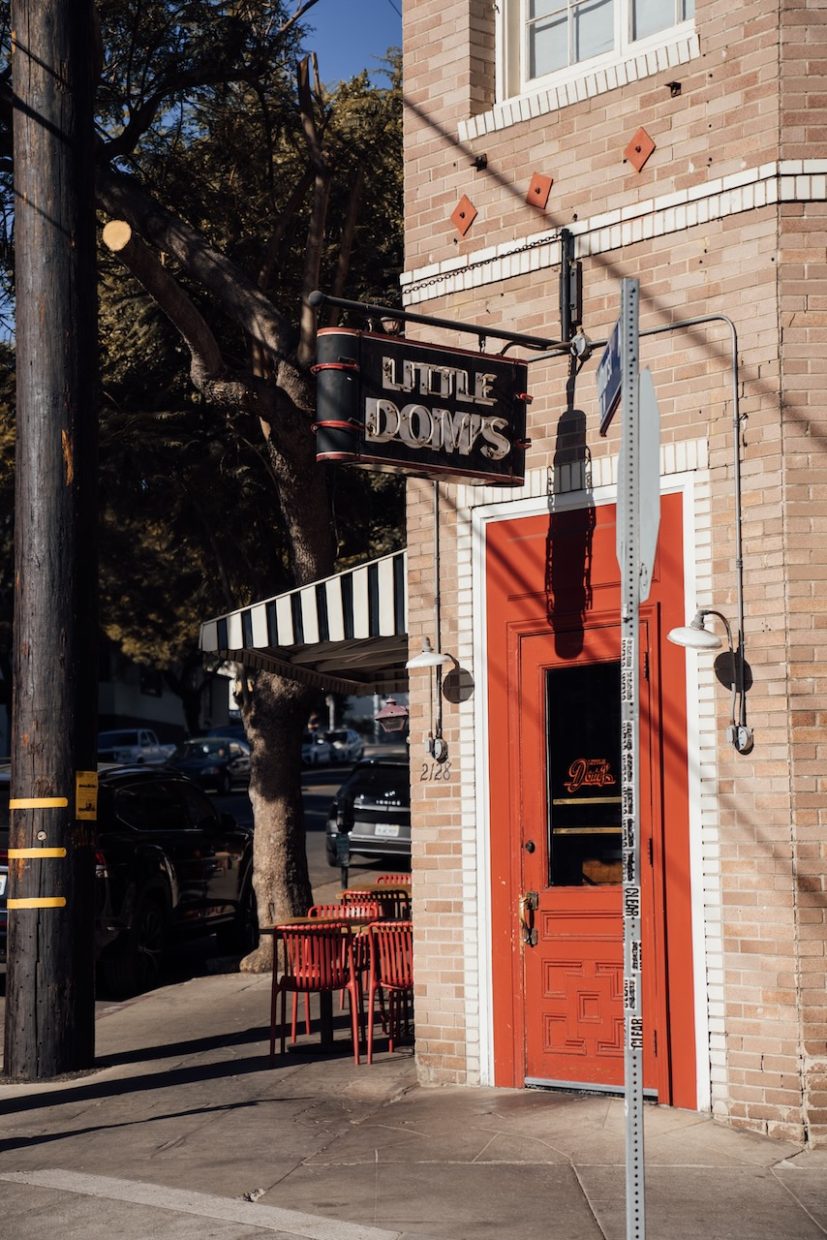
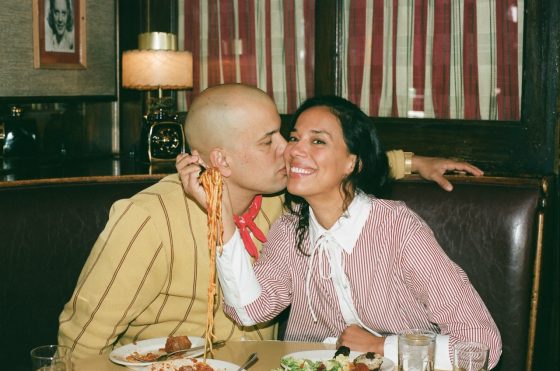
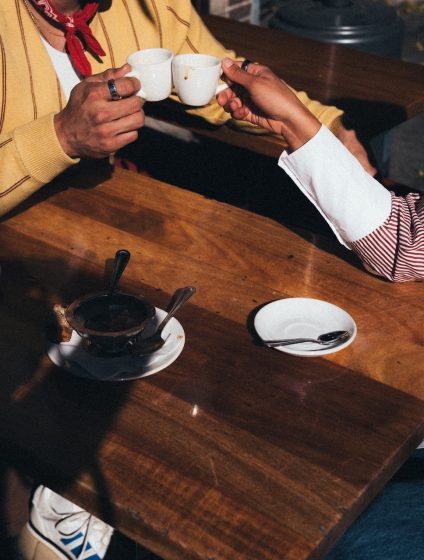
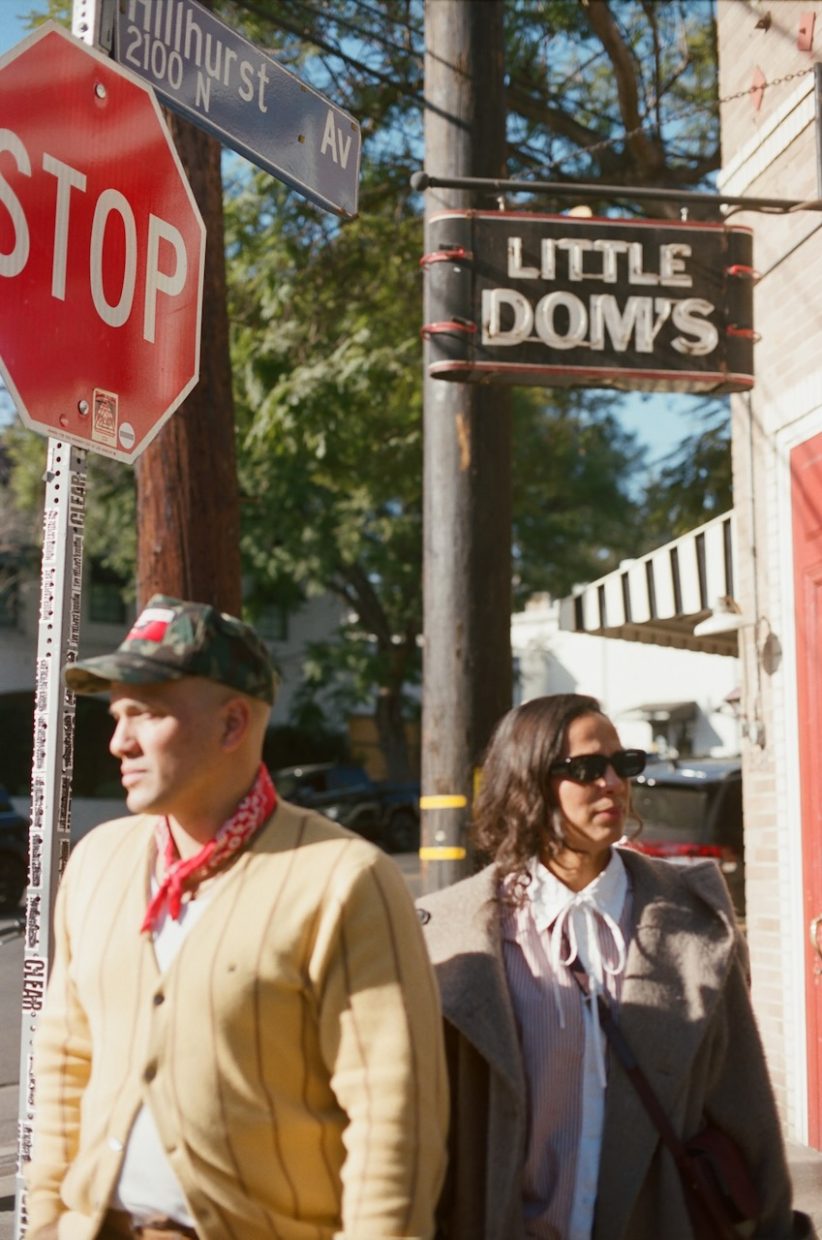
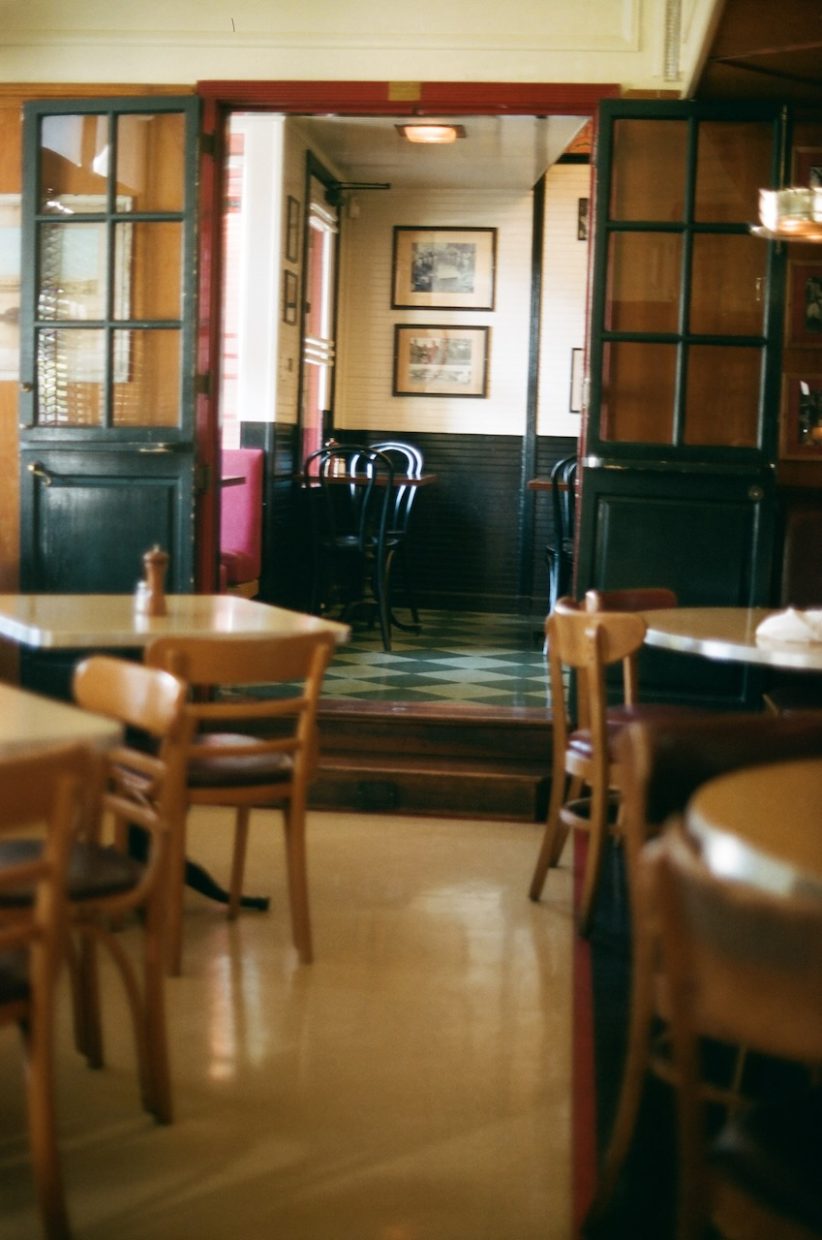
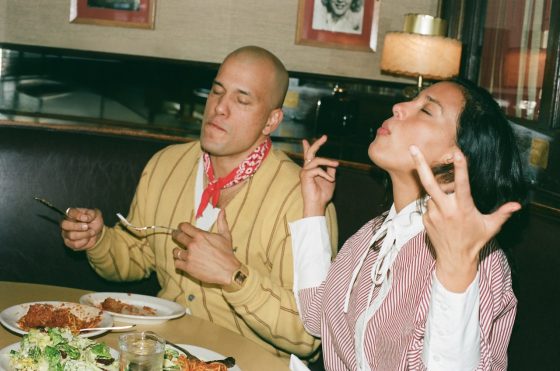
One of our favorite date activities is to go to Little Dom’s in Los Feliz. It’s an old school Italian restaurant with delicious food, a cozy vibe, and it just makes you feel like you’re in a movie.

Reckless Unicorn

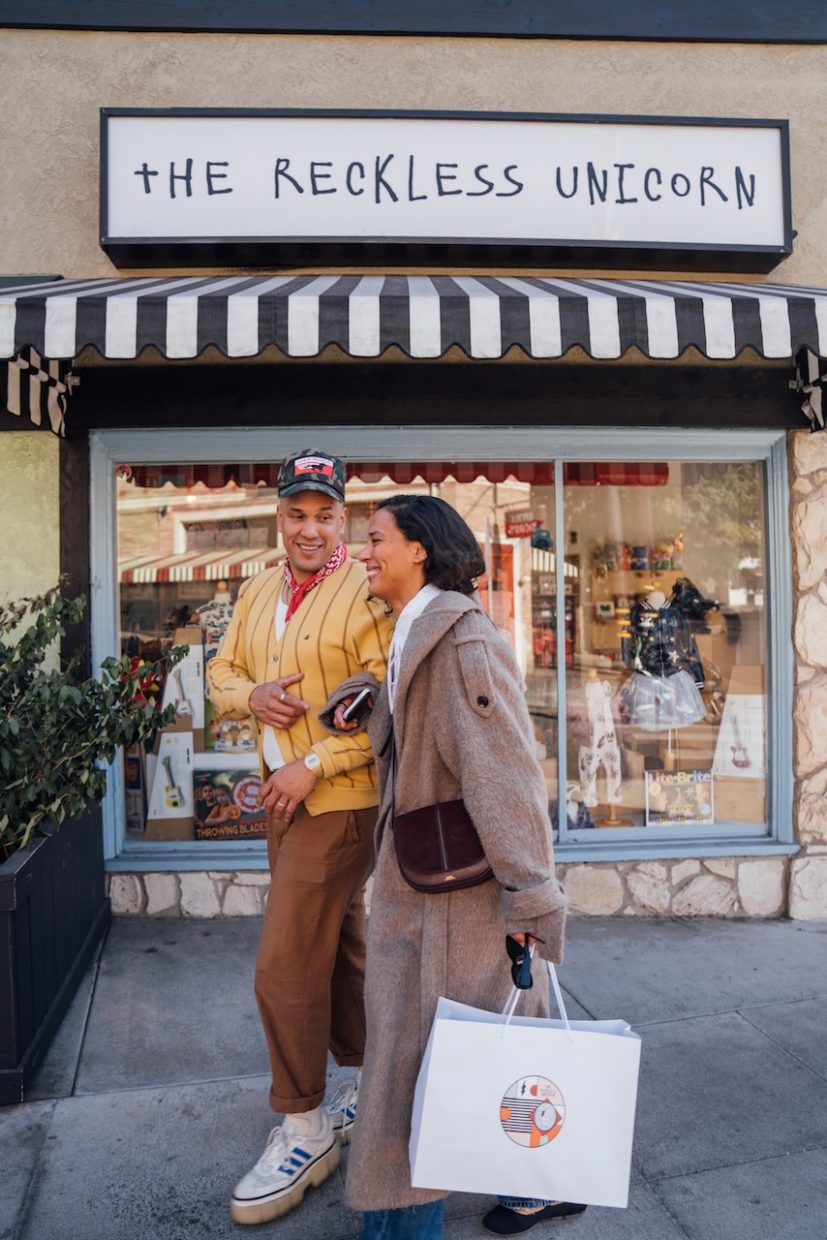
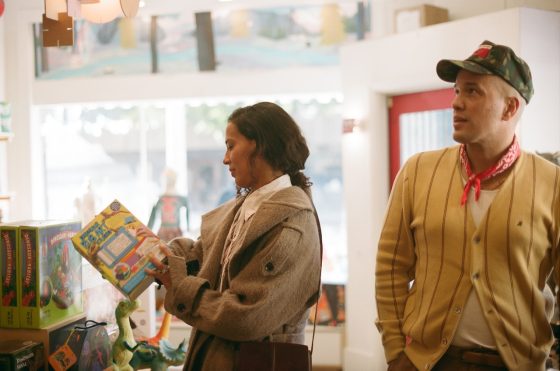
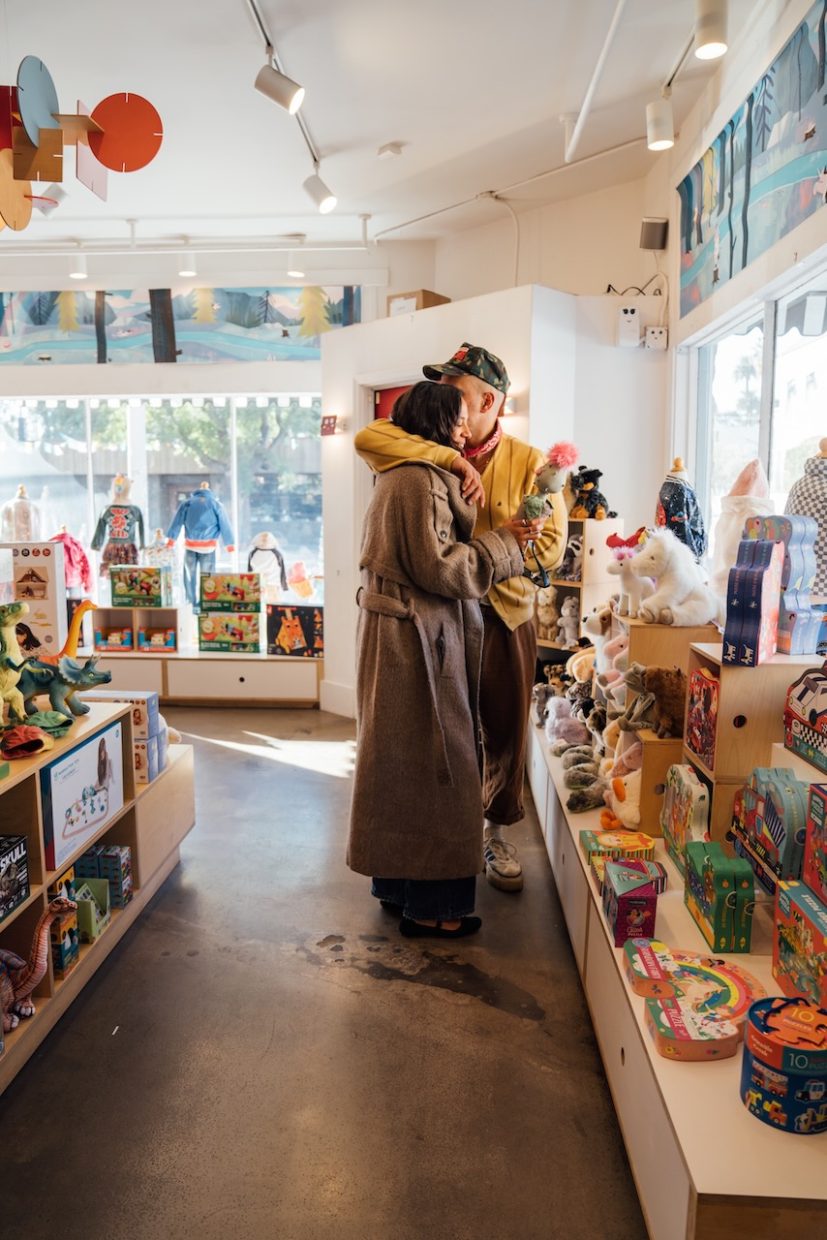
After that, we walk right across the street to an adorable toy shop called The Reckless Unicorn. Because we’re parents (and every parent knows that you can’t go on a date night without talking about your kids), we end up buying our kids presents so they get excited when we go on date nights knowing they’ll usually get a treat when we come home.

Vermont Ave. x Melbourne Ave.

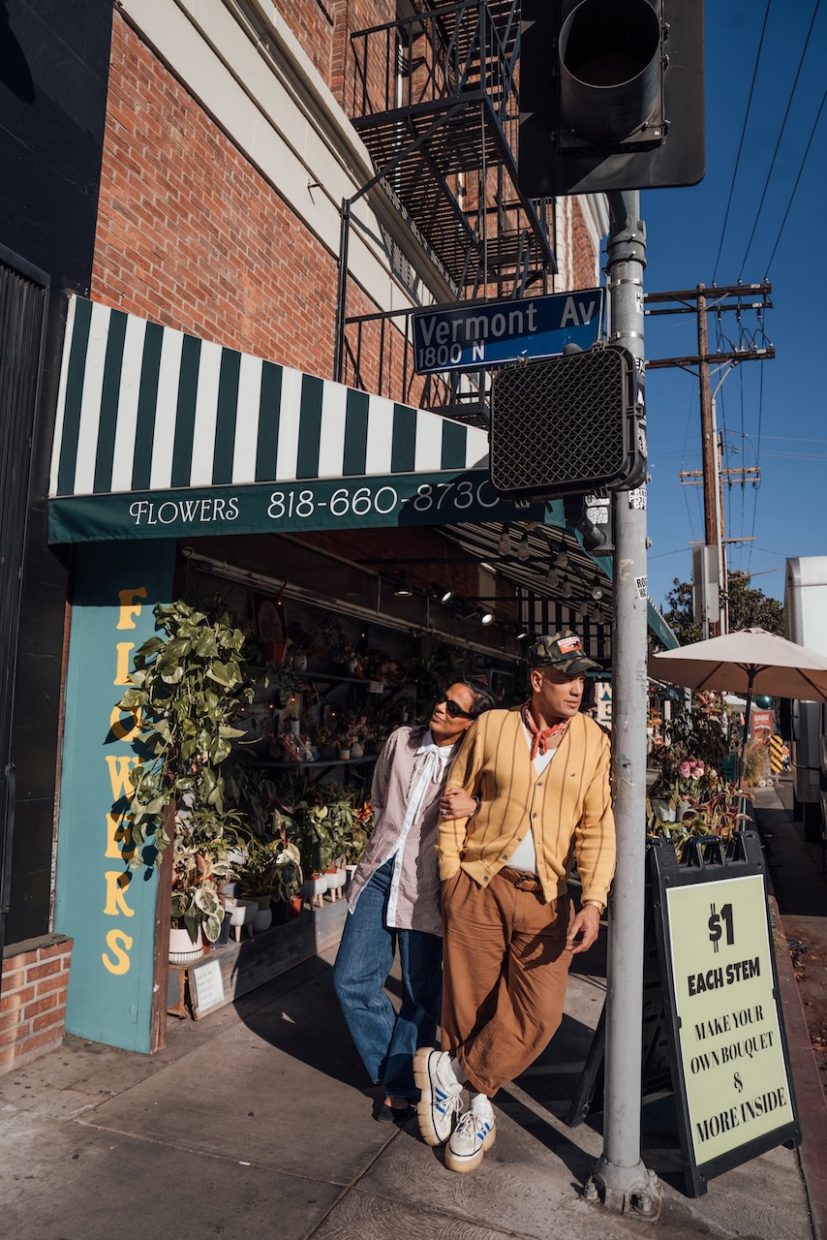
From there, we’ll take a stroll around the neighborhood. There’s a beautiful florist on the corner of Vermont and Melbourne where we’ll pick up some flowers or a plant, or even just smell some roses.

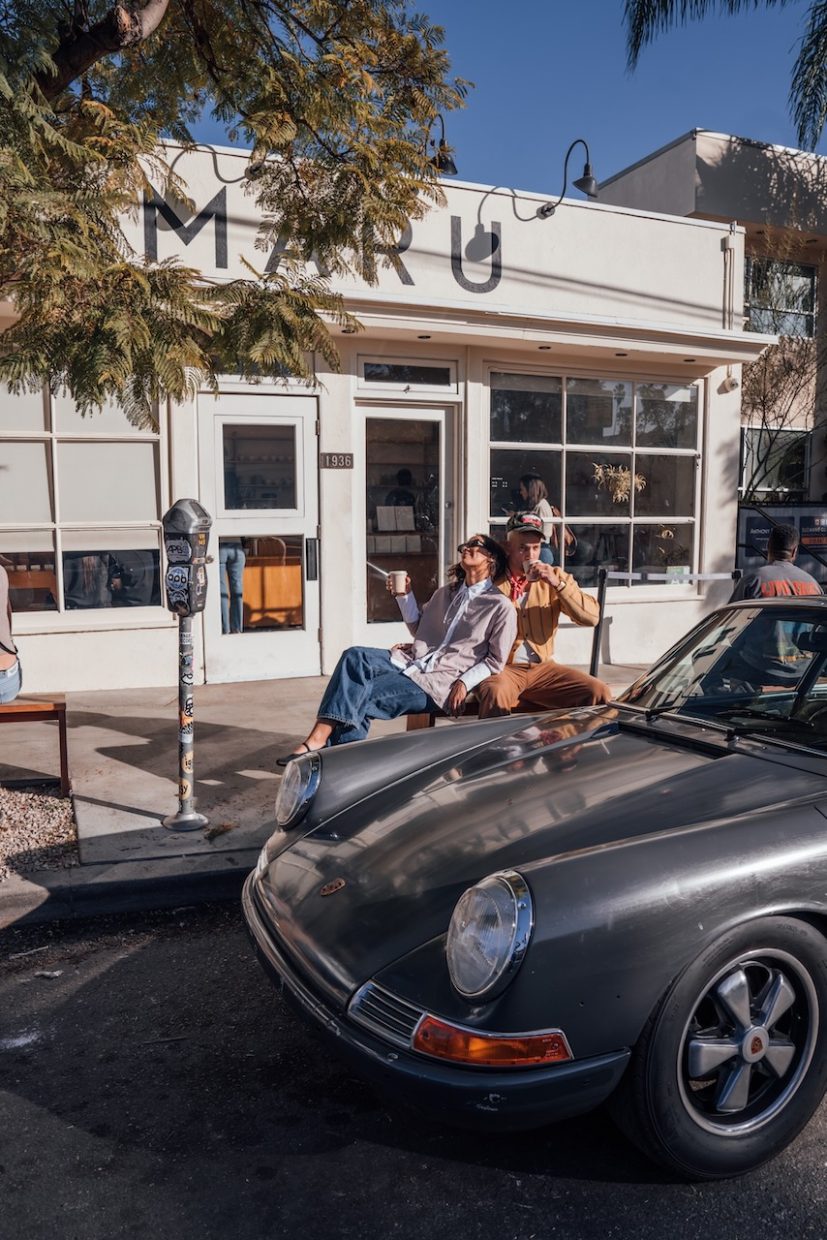
Maru


Want more Good Country? Sign up on Substack to receive our monthly email newsletter – and much more music! – direct to your inbox.

All photos by Amy Waters.

Photographer Mario Alcauter’s Beautiful Portraits From Park City Song Summit

In August earlier this year, BGS was on hand for the latest edition of Park City Song Summit in Park City, Utah. An intentional and unique event focusing on songwriting, songcraft, singer-songwriters, and more – like mental health, community, wellness, and thought leadership from a musical and artistic perspective – PCSS is a premier event. It’s certainly one-of-a-kind, and in so many ways.

This year, the lineup included artists like Nathaniel Rateliff & the Night Sweats, Mavis Staples, Larkin Poe, Tank and the Bangas, Steve Poltz, Duane Betts, and many more, as well as programming like song summits, sound baths, and panels, conversations, and dialogues.

Beautiful Park City is the perfect home for such a festival, with stunning natural surroundings, an excellent art scene, incredible food and restaurants, but a relatively cozy and small-town feel.
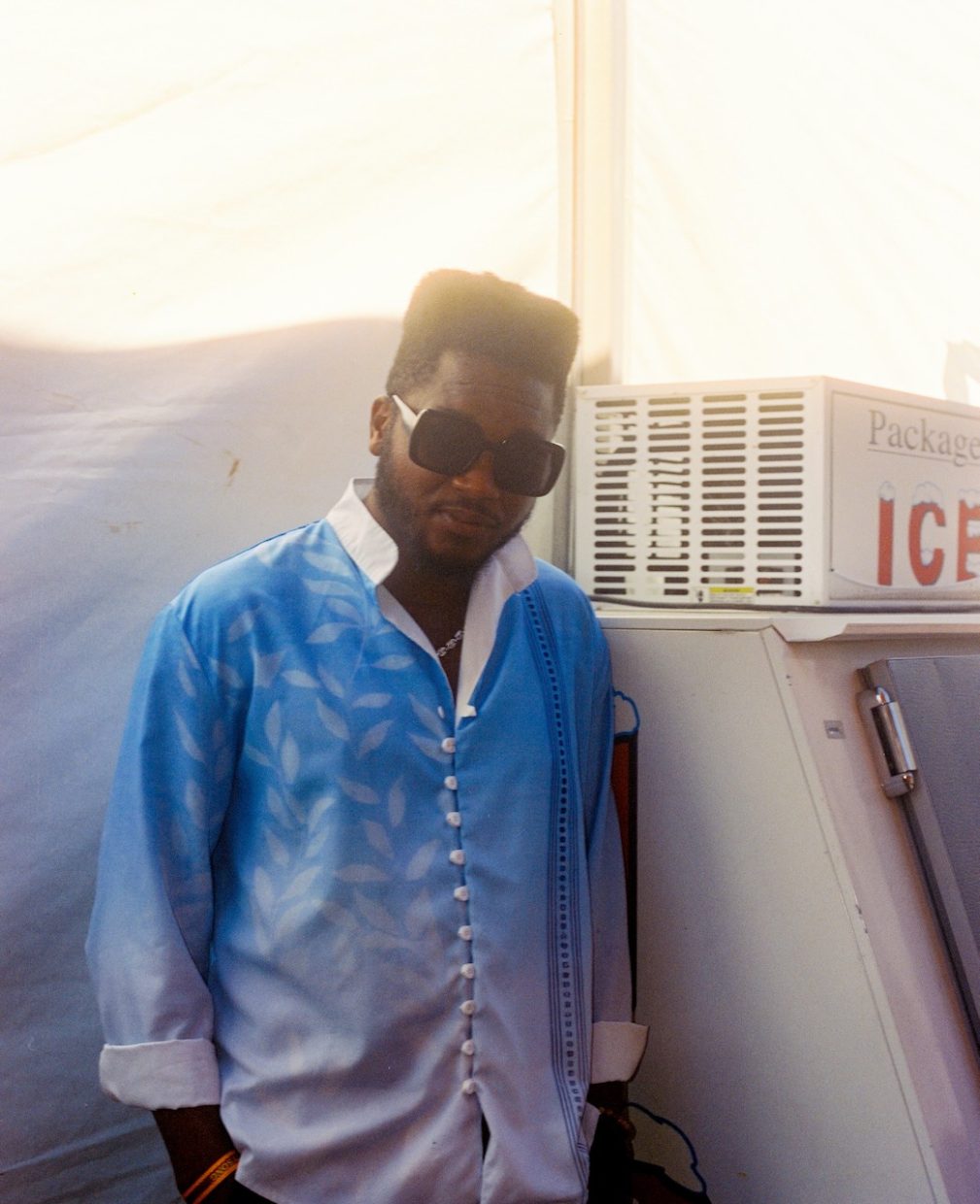
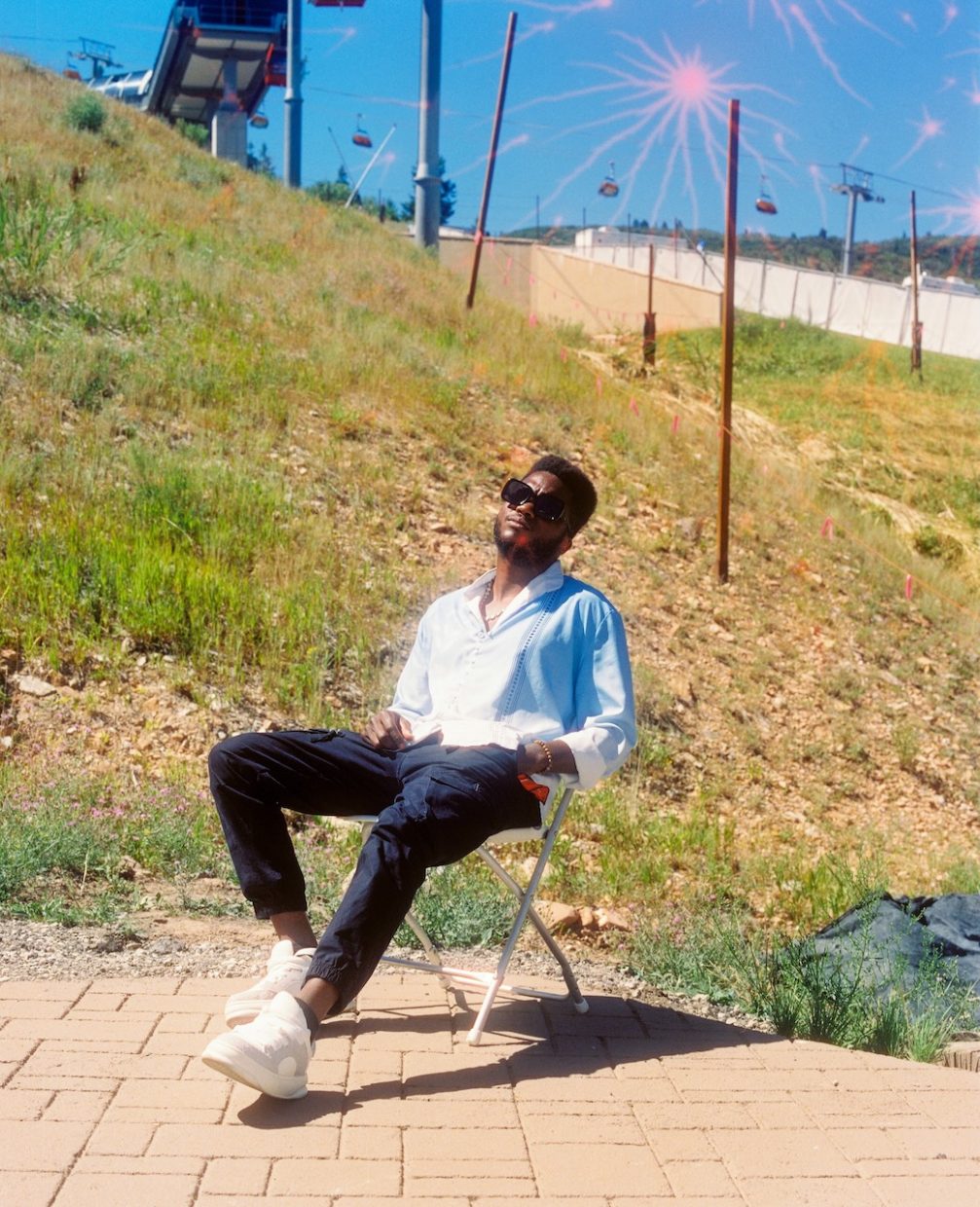
This year at PCSS, photographer Mario Alcauter shot a series of gorgeous portraits of many artists on the PCSS lineup. For BGS, Alcauter collects a handful of his favorite shots and subjects, sharing his thoughts on each.
Check out the photographs below – featuring artists and songwriters Cimafunk, Primera Linea, Sean Marshall, and Jobi Riccio – and make plans to join us in Utah for Park City Song Summit next year, August 14 to 16, 2025.

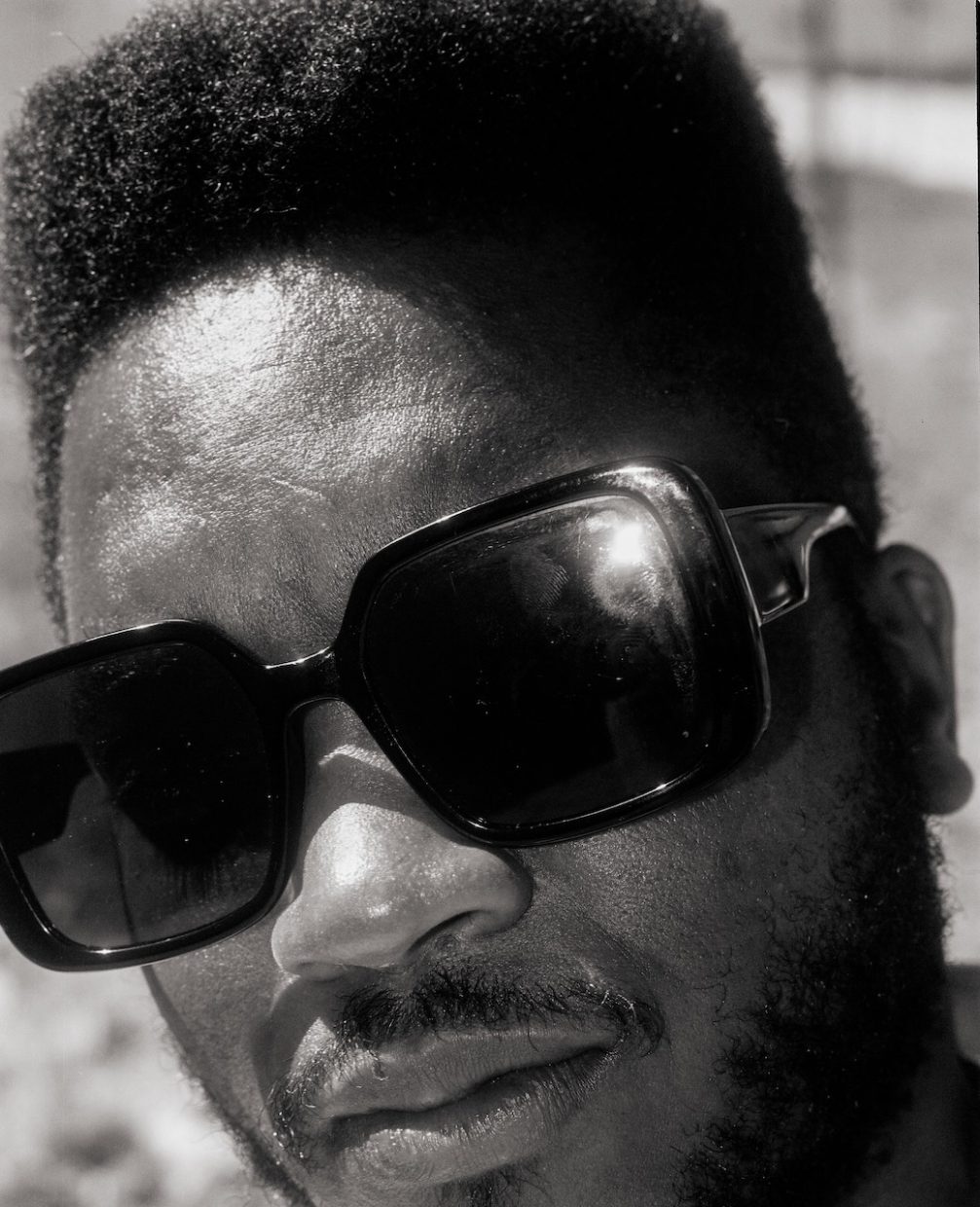
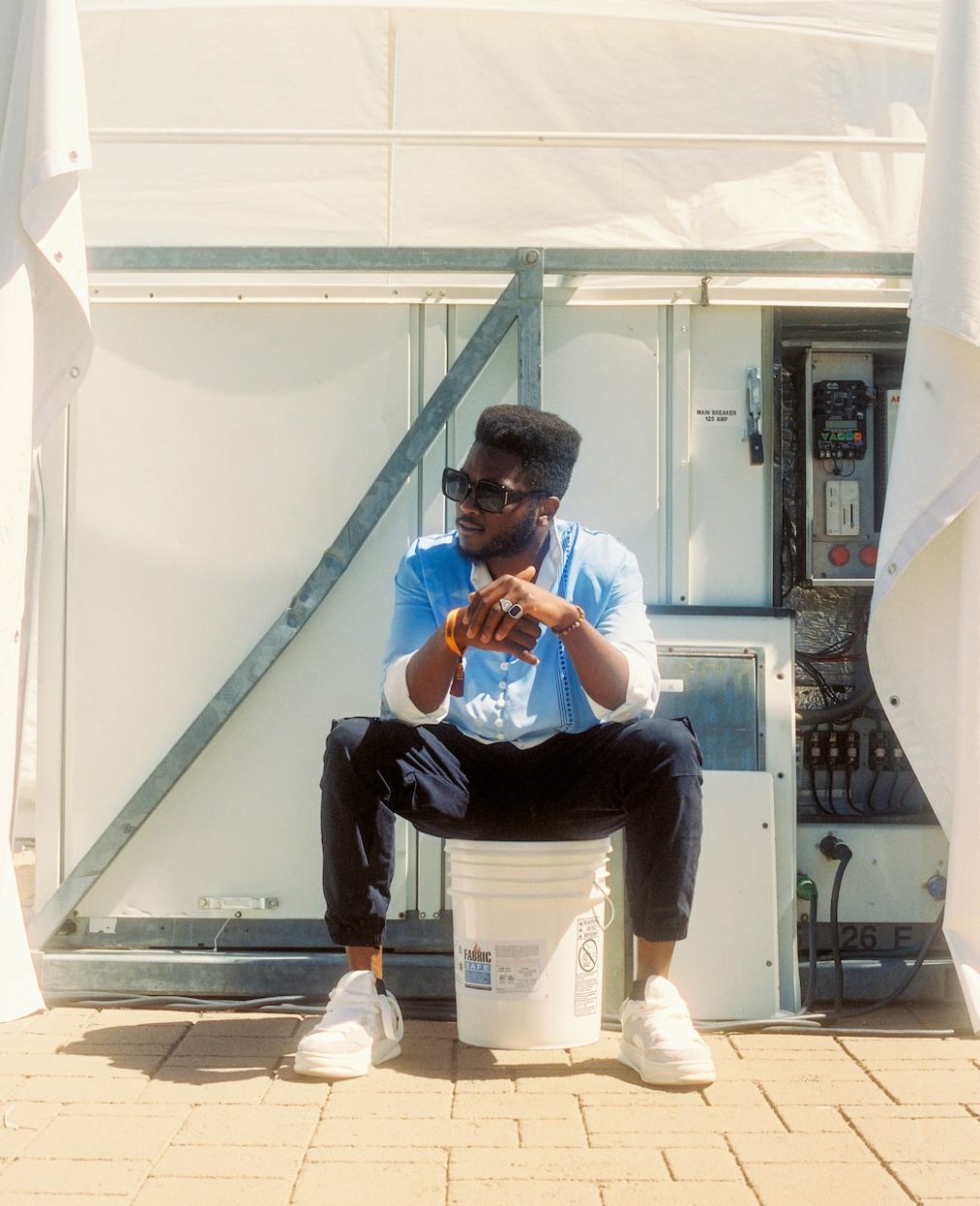
Cimafunk

Mario Alcauter: “Channeling Cimafunk’s vibe – bold, soulful, and effortlessly cool, just like those iconic shades. This is something I wanted to capture with the short time I had with him. His music isn’t just sound; it’s a whole aesthetic.”


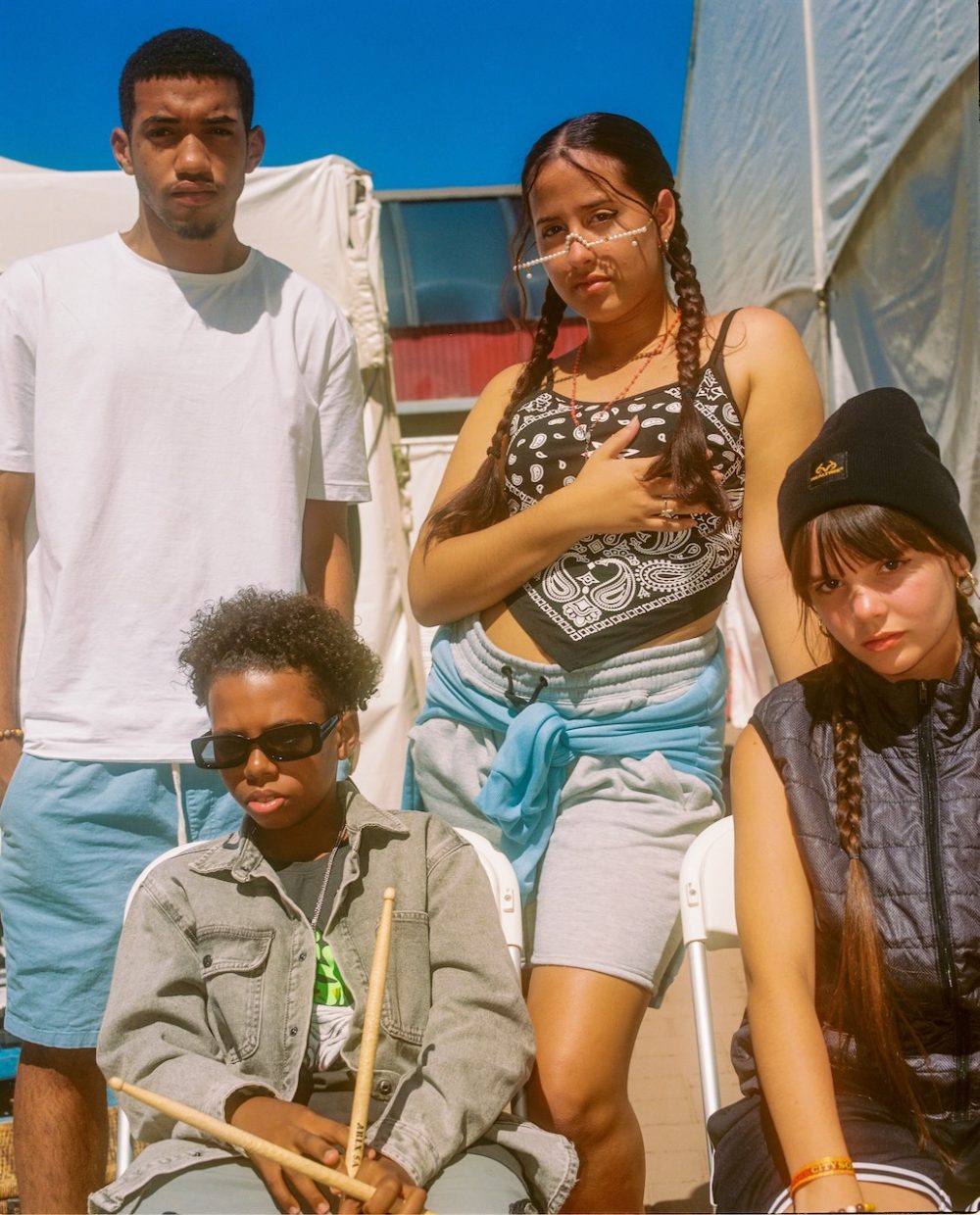
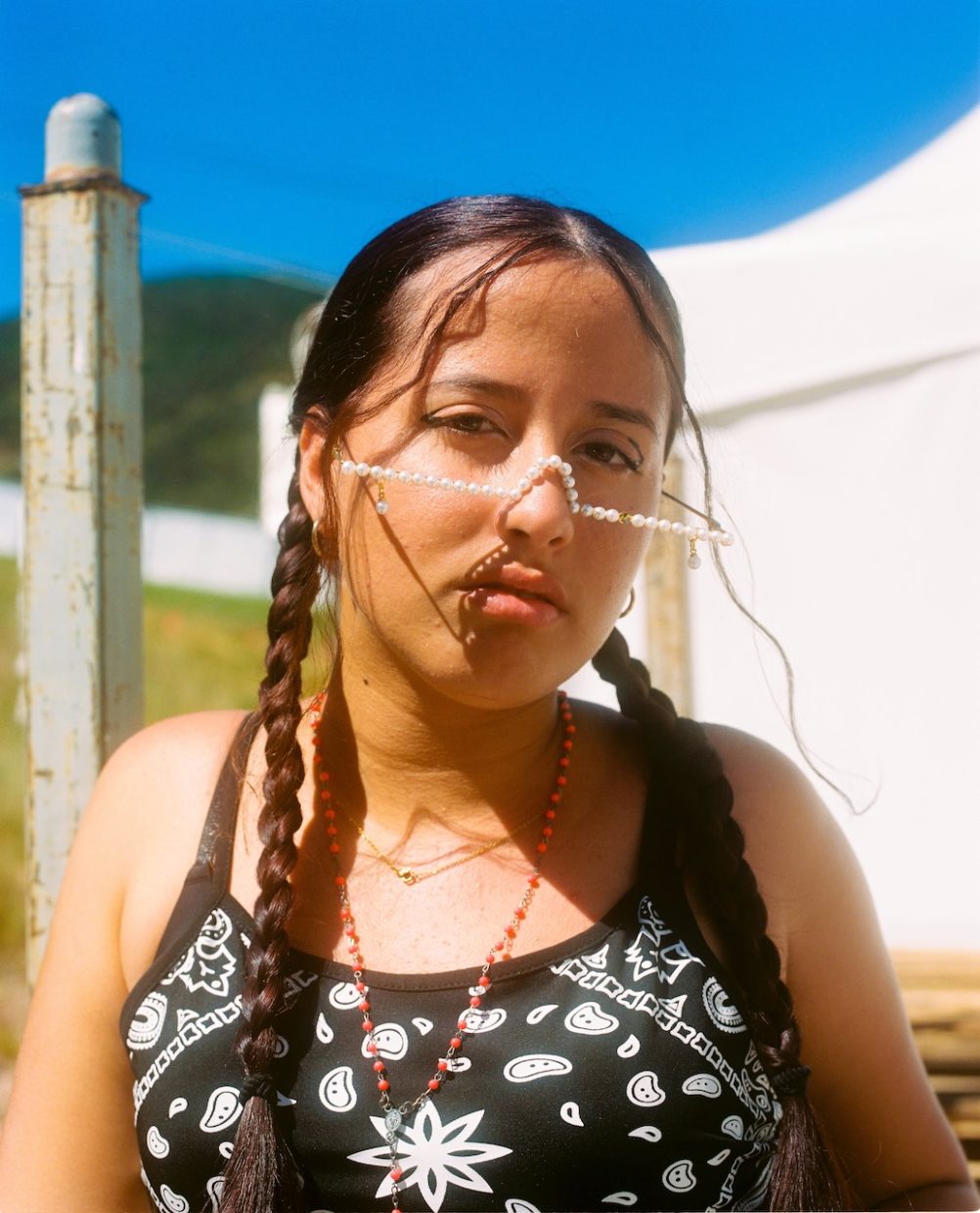
Primera Linea


Mario Alcauter: “Photographing Primera Linea, I wanted to capture their raw, collective energy – young, grounded, and proud of their AfroCuban roots, fused with New Orleans funk. Each member brings their own style, yet together they stand as a united ‘First Line’ from Havana, ready to share their vibrant sound with the world. This shot shows their casual confidence and the pride they carry as they redefine tradition.”


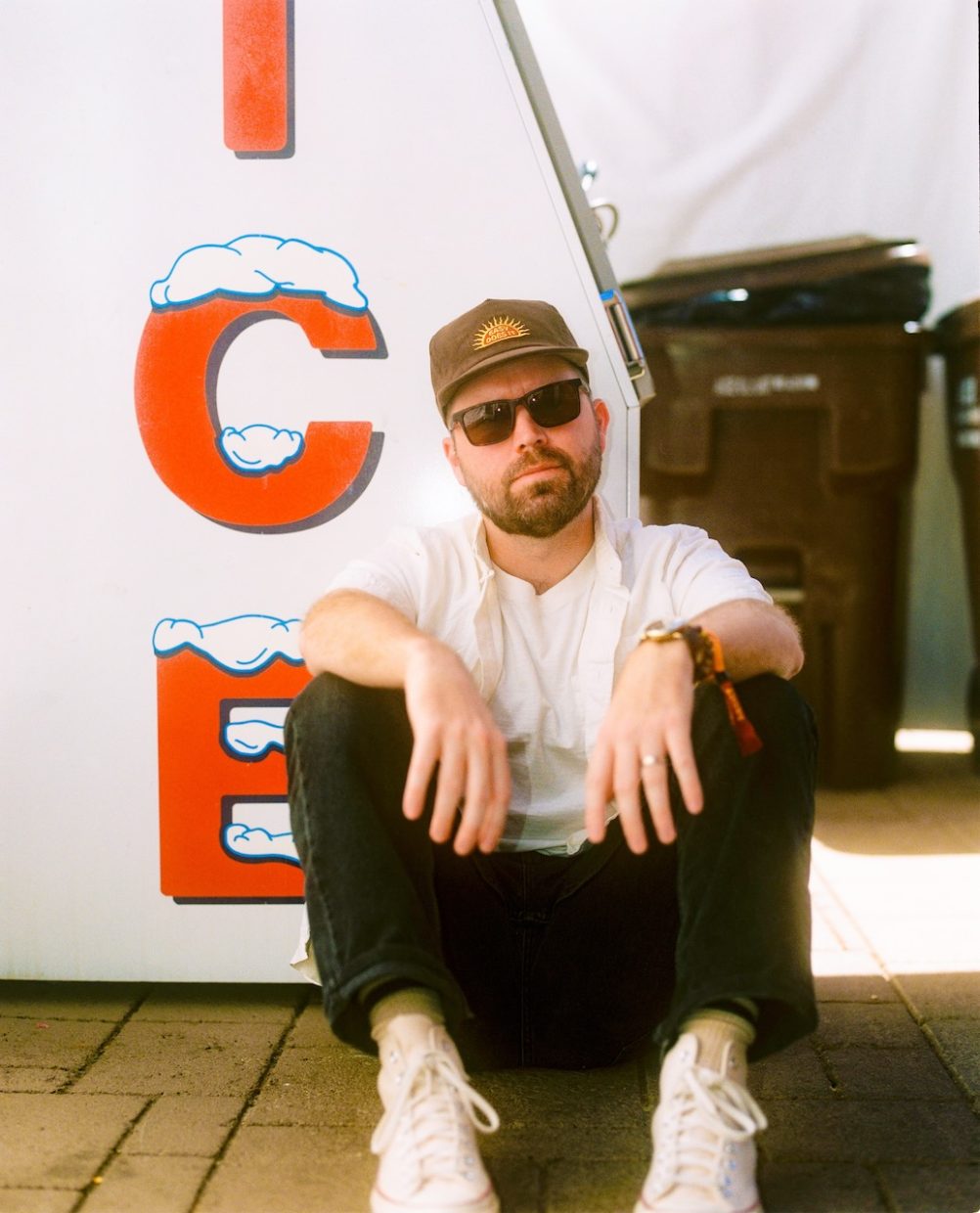
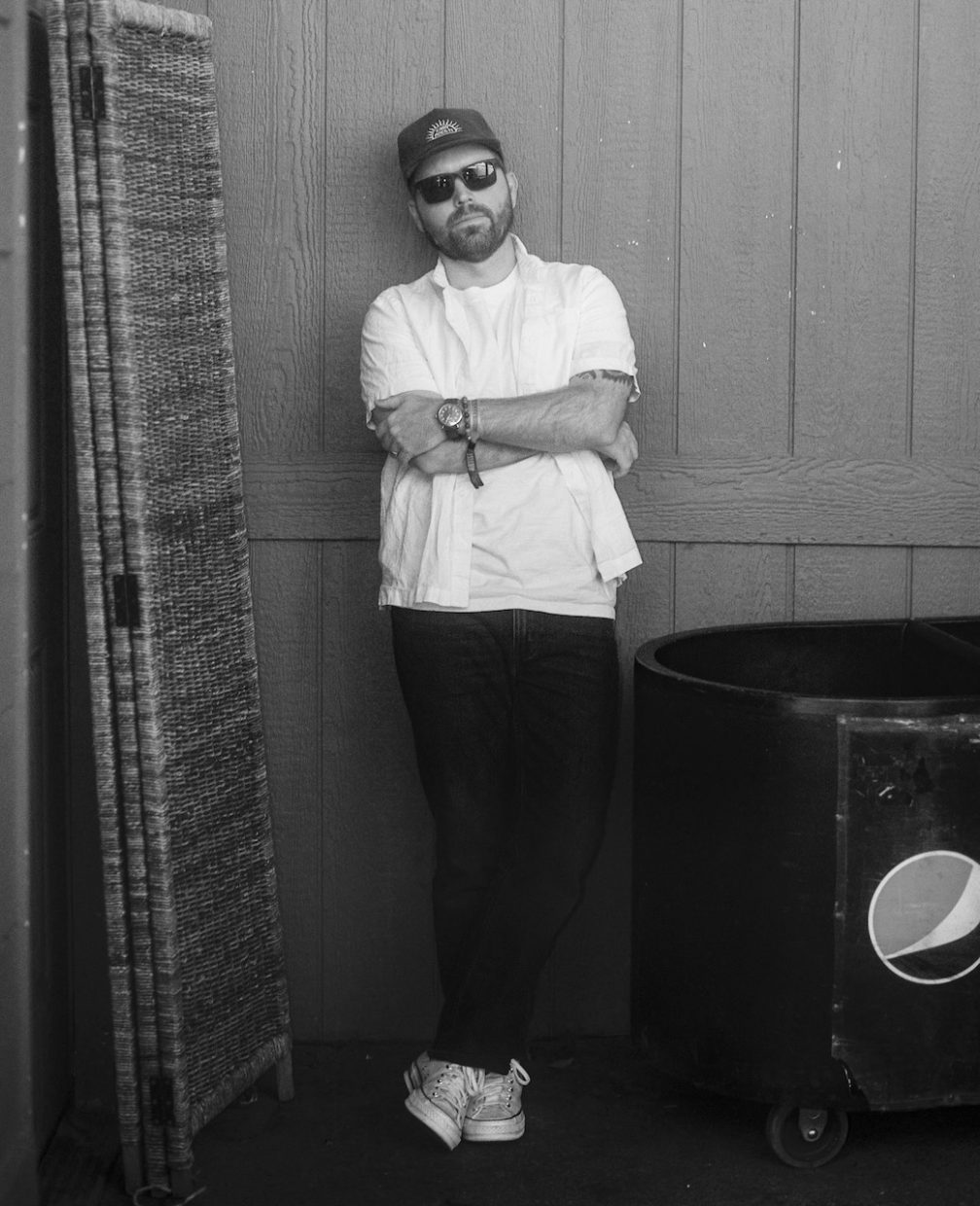
Sean Marshall

Mario Alcauter: “Shot Sean Marshall by an ice machine – low-key and real, just like his blend of folk, indie, and country. His music is as honest and I wanted to capture that in this environment.”


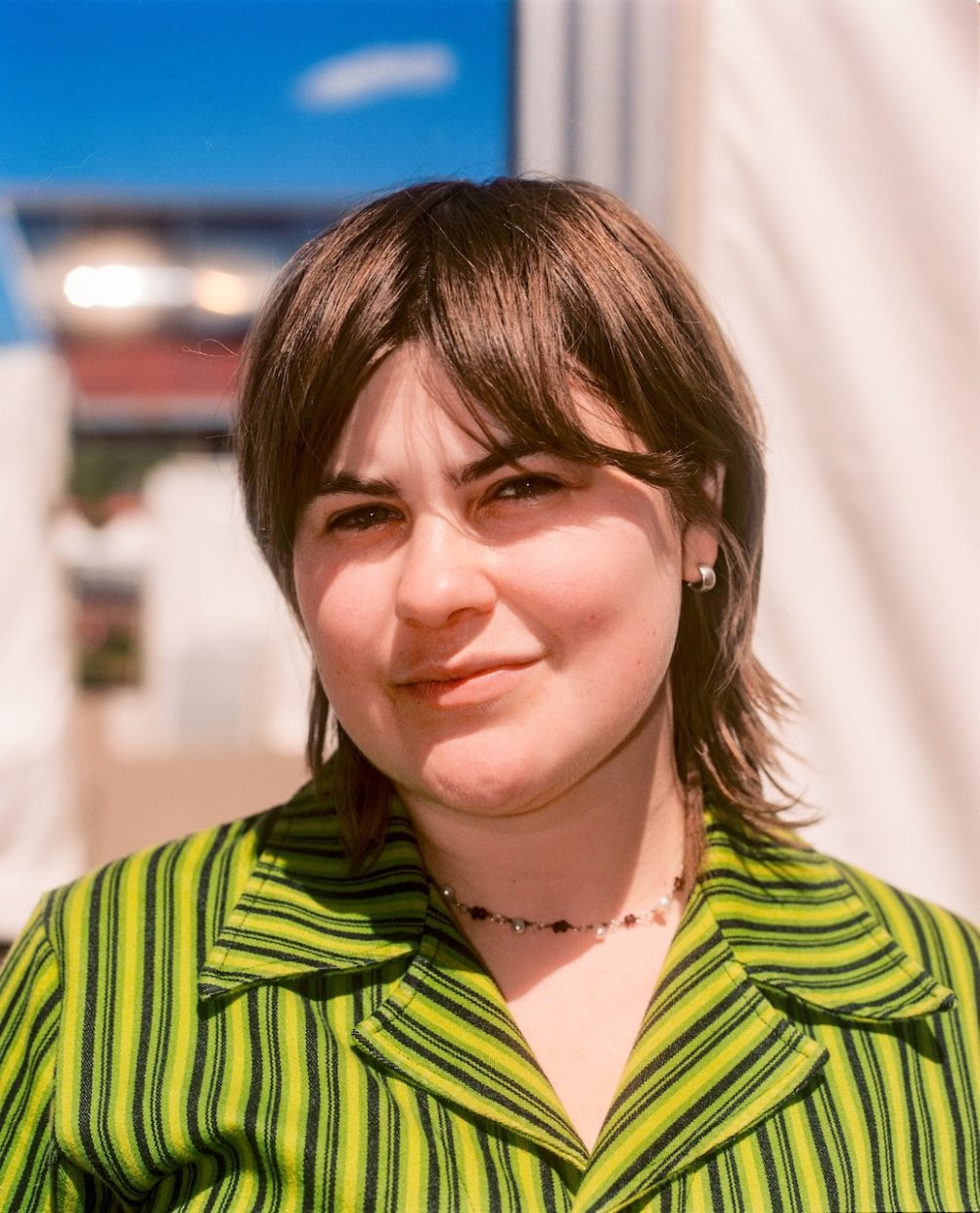
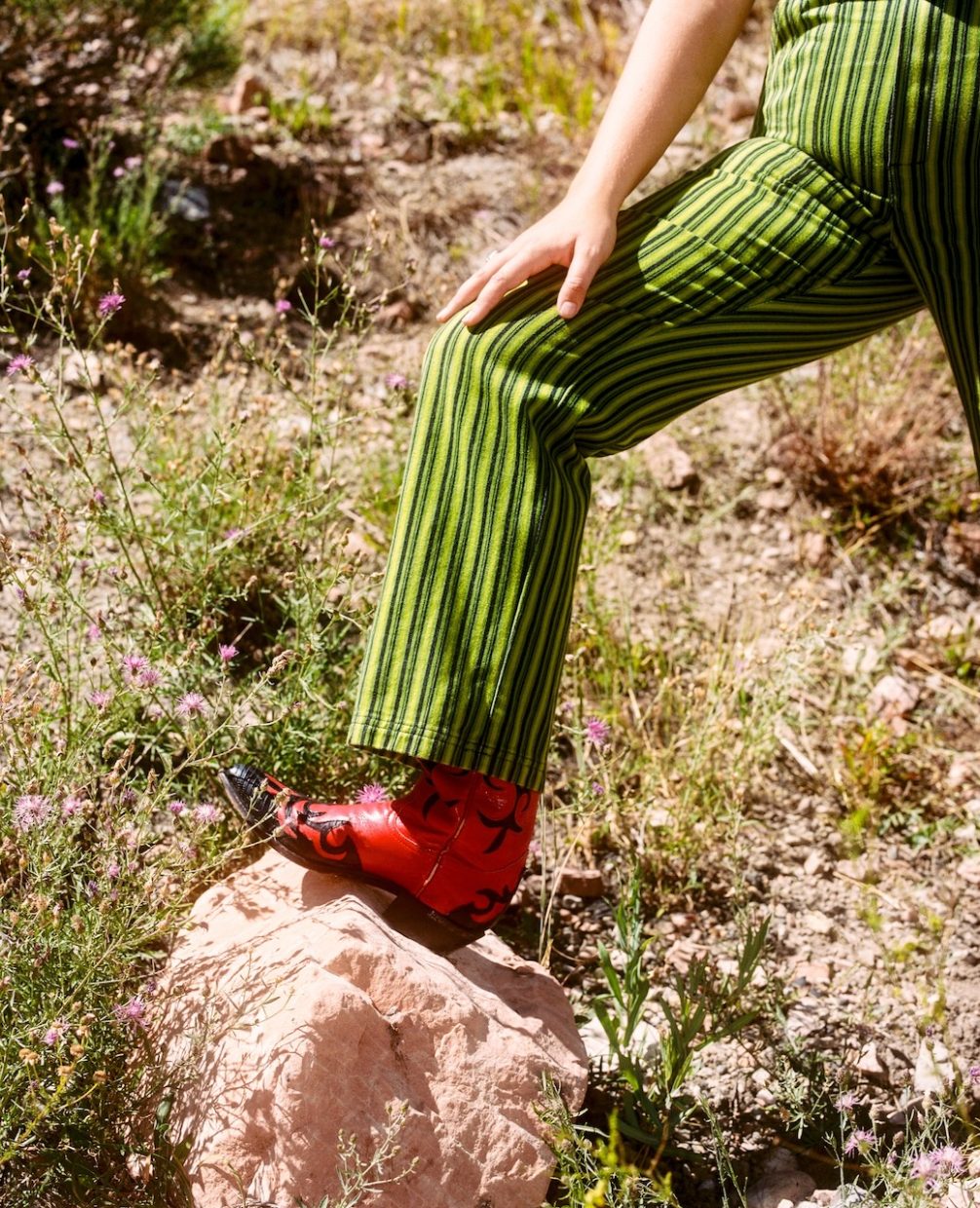
Jobi Riccio

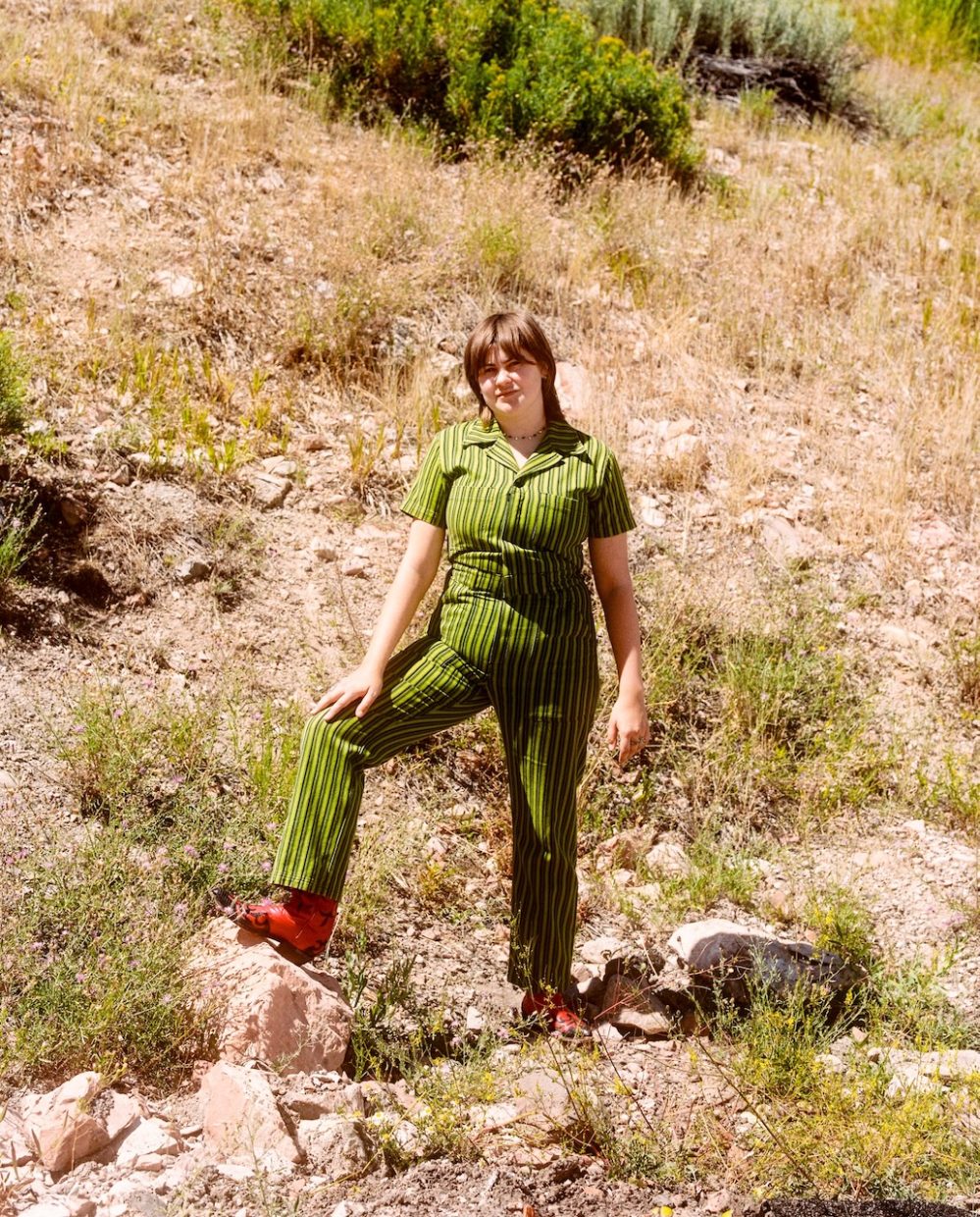
Mario Alcauter: “Capturing Jobi Riccio – authentic, grounded, and a bit rebellious, just like her music. Her songs weave together folk and Americana with a fresh, honest voice, and this outfit – bold stripes, red boots, and all – perfectly reflects that. I wanted this shot to feel like her sound: down-to-earth yet striking, with a personality all its own.”


Mario Alcauter is a Mexican photographer based in Utah who focuses on combining fashion and documentary-style images.

All photos: Mario Alcauter

TRAVELER: Tulsa, Oklahoma With Desi and Cody

Growing up in Tulsa was weird. Mainly because in the ‘90s, it was more or less a ghost town. There wasn’t much to do, and it was honestly pretty sketchy. Downtown was barren and the only good reason to go there back then was to see a show at the legendary Cain’s Ballroom… which would make our list if we didn’t think you should already know about it. Cain’s is legendary, historic, and an absolute no-brainer when it comes to sites to visit in Tulsa. The point of all this is just to say, Tulsa has undergone an absolute renaissance over the last 15 years. A once-barren wasteland is now alive with art, music, and culture. Here are a few of our favorite spots to visit. – Desi and Cody

“Morning” Coffee

We get up not-so-early… because we are musicians and tend to stay up very late. That doesn’t mean we don’t want coffee!! Usually in the late a.m. hours we stop by Hodges Bend, located in the charming East Village area of downtown. They make a mean cup of coffee, and are down to throw in a shot or two of something nice if ya need a little extra pick me up!!! They also have amazing food and craft cocktails, and on certain nights… they host some of Tulsa’s best jazz groups. This place is a great hang, for coffee… and so much more.


Afternoon Out

Tulsa’s brand new park, Gathering Place, is nothing short of epic. The Kaiser Family Foundation and The Zarrow Foundation have been pouring millions of dollars into Tulsa for years, and it has made a staggering improvement to our city. The new park is a $400,000,000 investment and it spans a two-mile section along Riverside Drive at the Arkansas River. This park is a marvel of modern design, and words really can’t describe how amazing it truly is. Kayak ponds, huge playgrounds, basketball courts, and gorgeous architecture are dotted through its beautiful scenery of native plants and trees. If you come to Tulsa, we strongly suggest getting a basket of food and a blanket and visiting this unbelievable addition to Tulsa’s landscape.


Dinner and Live Music

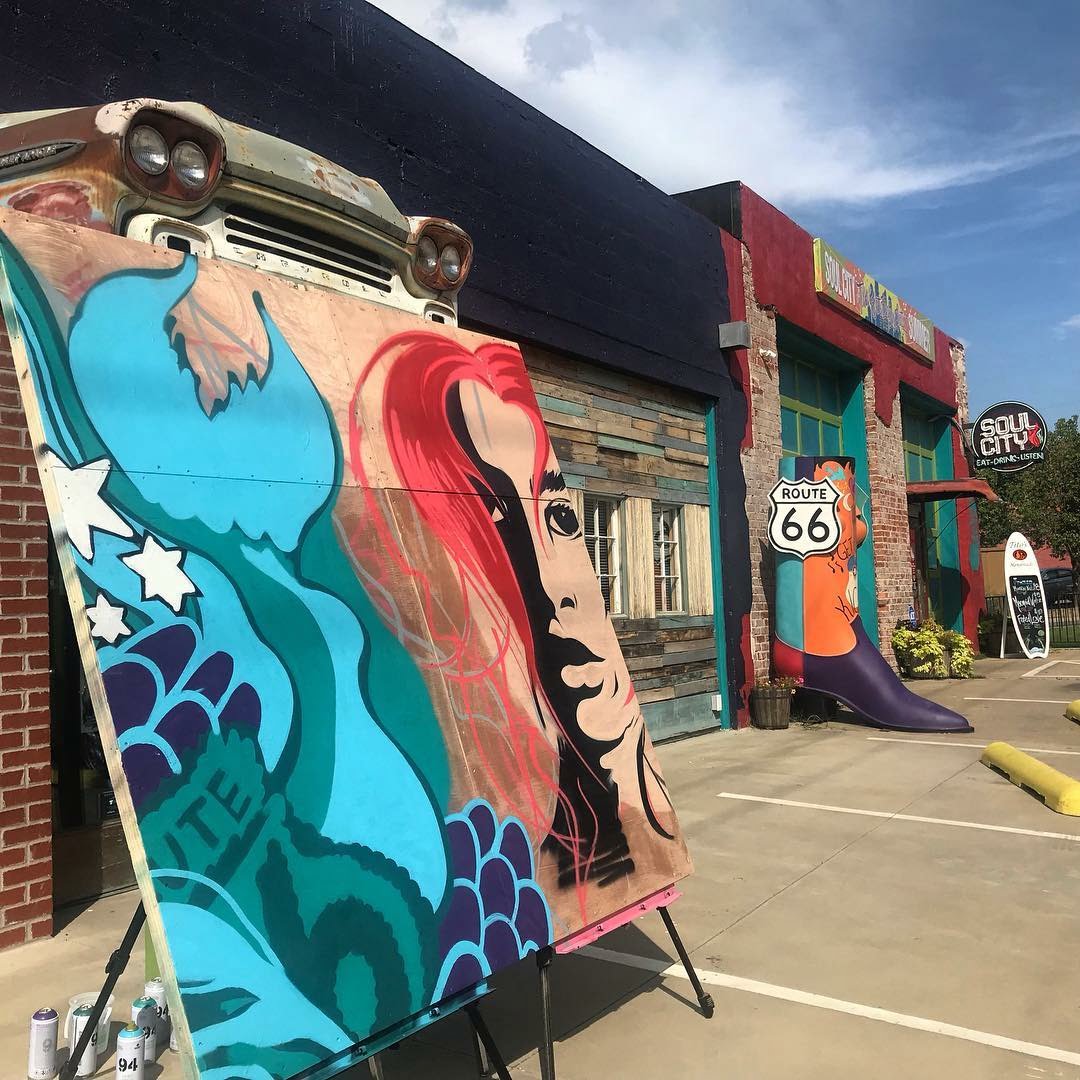
Soul City of Tulsa is where we go in the evening to have a drink, eat some amazing food, and listen to some of our favorite local and live bands. It’s located on Historic Route 66, and has all the charm you would expect of a business on that old stretch of road. Owners Kevin and Amy Smith have been some of the most supportive people in the Tulsa music scene and we love them very much!!! They even gave us a Blonde Fender Telecaster just out of the kindness of their hearts!!! They treat bands well, and are everything we wish every venue owner would be. They are honest. We can’t say enough about this place, so we will just stop with this: go to Soul City, order some tacos, get a beer, and definitely stick around for the live band… they have one every night of the week!!


Late Night Drinks

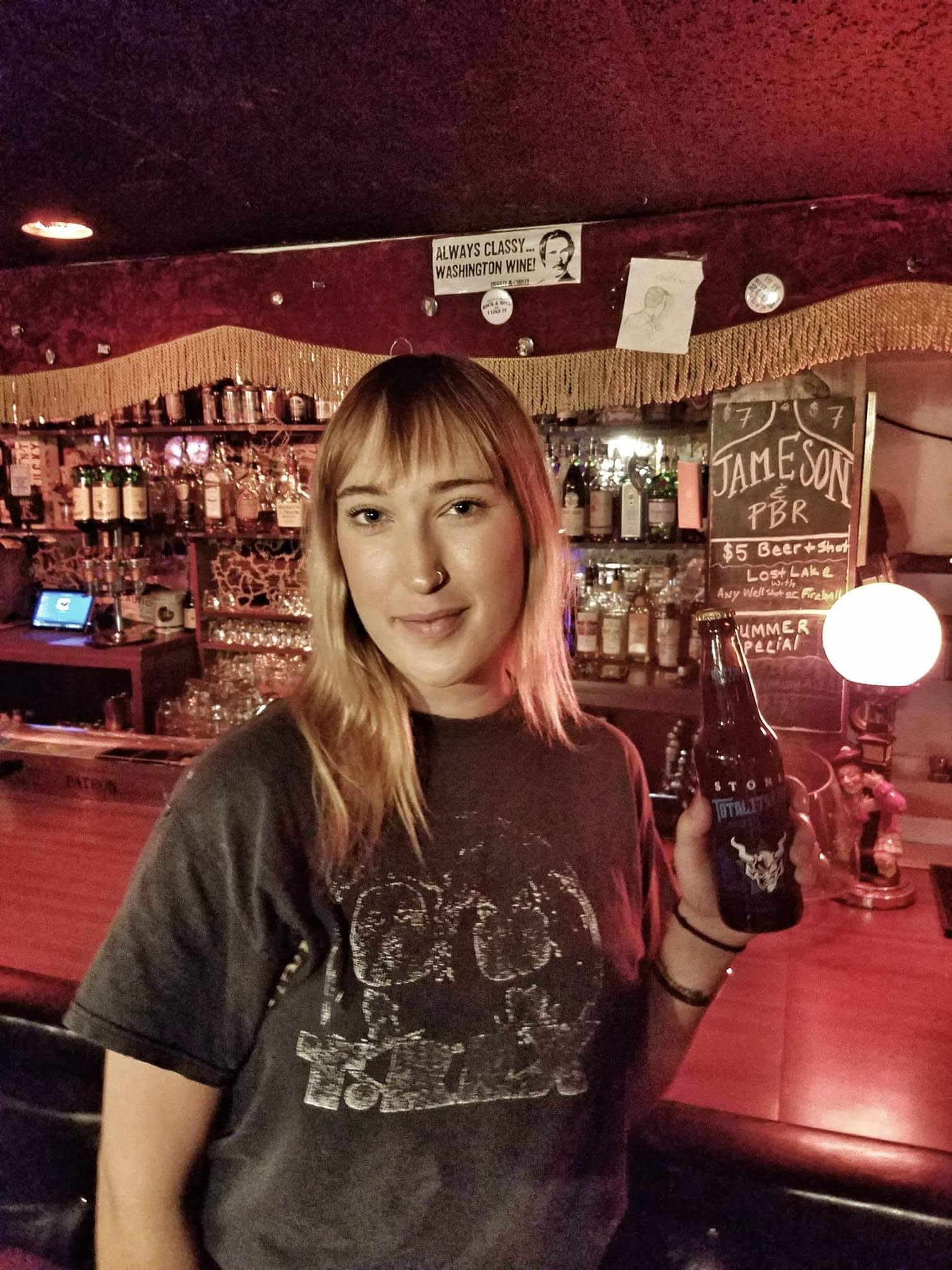
The Cellar Dweller is located beneath a non-descript brick apartment building on the west side of downtown. If you don’t pay close attention… you might miss it. This place is in an old basement and has been around for a long time!! Owner Western Doughty is also one of the bartenders and our favorite barkeep in town. The drinks are affordable, but the place has class and style. They also have good whiskey, beer, cocktails, and Champagne!! (Desi lives for Champagne.) They also have live bluegrass every Wednesday from Tulsa’s own Grazzhopper. If you like a classy speak easy vibe that isn’t “too-cool-for-school,” then the Cellar is your place. We think you’ll love it. We do.


BGS ALSO RECOMMENDS:

-STAY: The Mayo — historic downtown hotel circa 1925 that has retained (and renovated) it’s class, charm, and style

-EAT: Cherry Street Farmers Market — with multiple locations, Tulsa’s Farmers Markets have been a central part of the community for over 20 years.

-DRINK: Saturn Room — funky Tiki room vibes and drinks in the heart of the mid-west

-LISTEN: Cain’s Ballroom — this 1930’s concert hall is on the National Register of Historic Places, and used to host Bob Wills and his Texas Playboys as regular performers.  Today it’s still one of the top music rooms in the state.

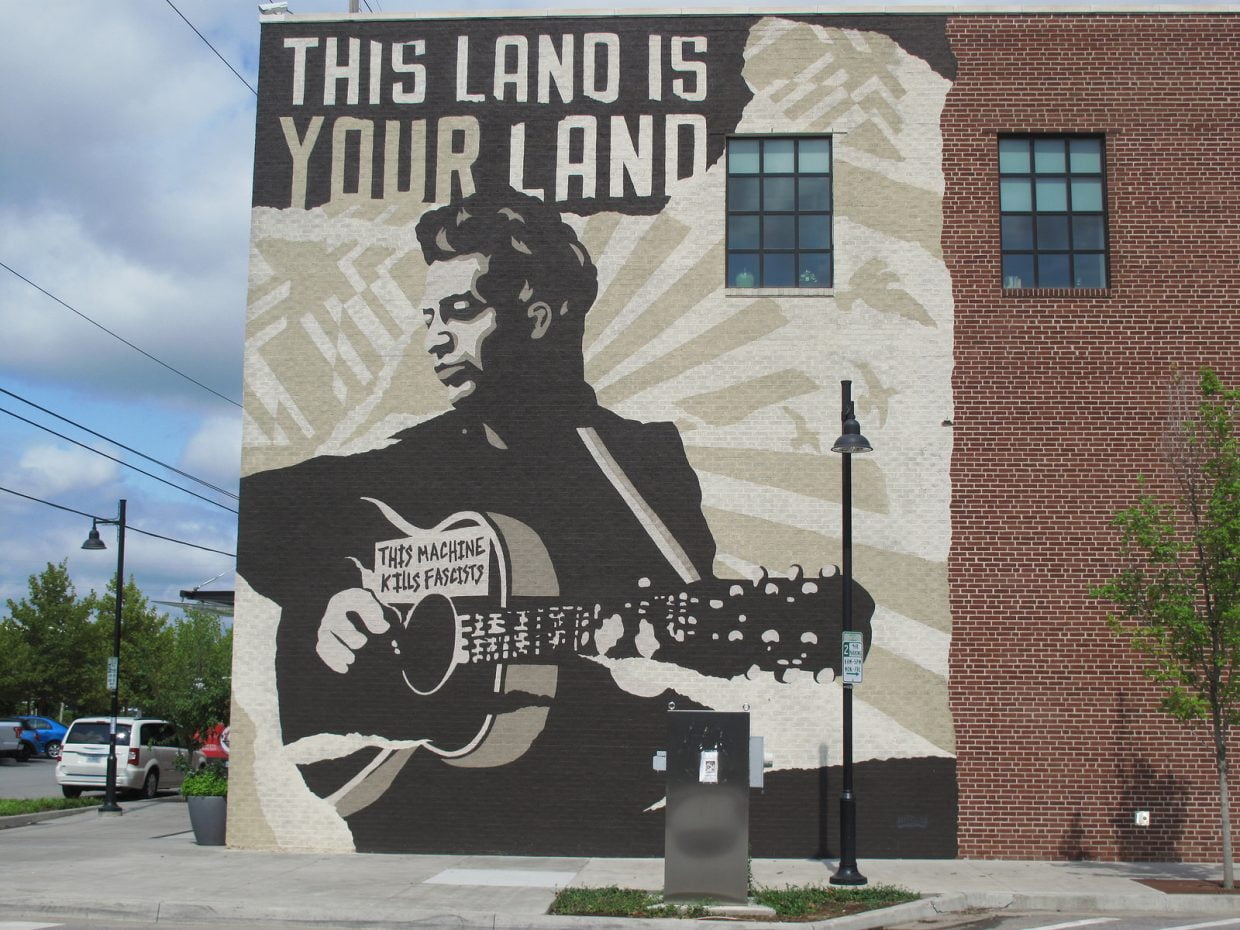
-VISIT: The Guthrie Center — an extensive museum and cultural center dedicated to the life and legacy of Woody Guthrie, (who was born in nearby Okemah, OK).  The city is also home to the Bob Dylan Archive at the University of Tulsa / Helmerich Center for American Research.


Photo of Desi and Cody: London J Smothers
Guthrie Center photo by LukeGordon1 on Foter.com / CC BY-NC-ND
All other photos courtesy of Desi and Cody. 

Feast Your Eyes on Vintage Sheet Music from the New York Public Library

There's old-time music, and then there's this: centuries-old sheet music available for your viewing (and playing!) pleasure courtesy of the New York Public Library's Digital Archives. From songs that eventually inspired country artists like Eddy Arnold to the early works of Tin Pan Alley legends, these amazing finds are crucial pieces of musical history, and are all gloriously free to the public. Check out a few of our favorite finds, and click through to see the full pieces of music.

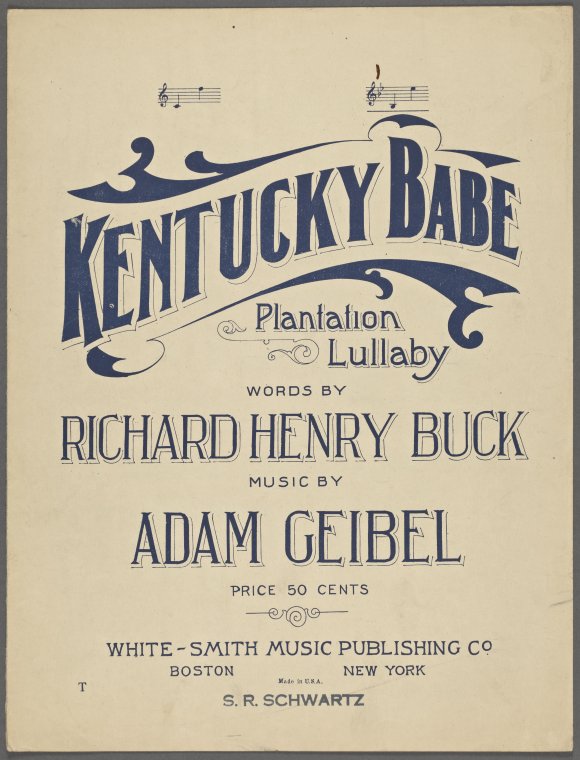
"Kentucky Babe"

Issued in 1896, this sheet music for "Kentucky Babe," with words by Richard Henry Buck and music by Adam Geibel, is an early incarnation of a song that would go on to be recorded and performed by artists ranging from Perry Como to Eddy Arnold. A lullabye, the song implores the "Kentucky Babe" to "fly away, fly away to rest." You can watch Dean Martin perform the tune on a clip from Colgate Comedy Hour, recorded on June 5, 1955, right here.

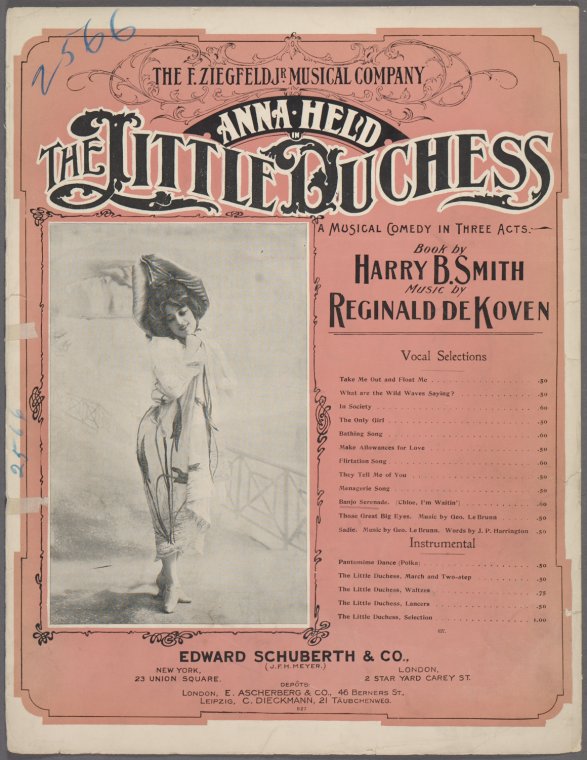
"Banjo Serenade (Chloe I'm Waitin')"

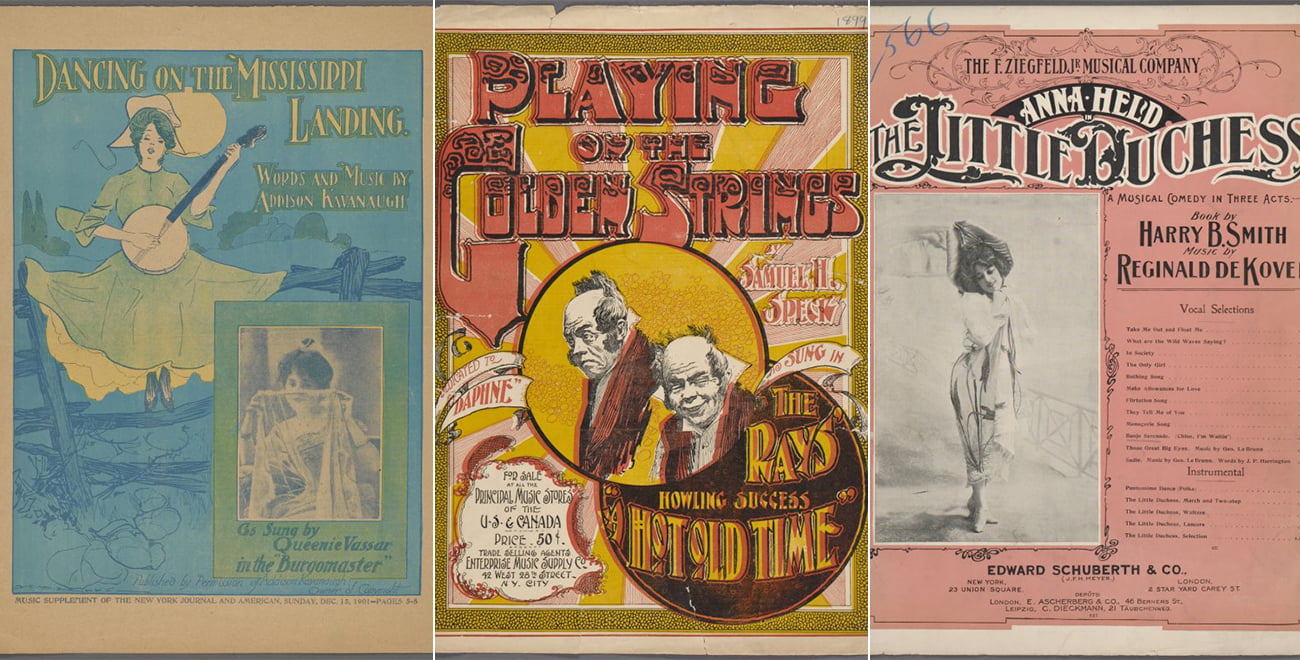
Harry Bache Smith and Reginald De Koven wrote this tune for the musical comedy The Little Duchess, which explains its reliance on banjo: Banjo was an important part of early 20th-century musical comedy. The song was first performed by Anna Held, a Polish/French singer famed for her stage performances and her relationship with Broadway impressario Florenz Ziegfeld, Jr. Smith, known as one of the most prolific writers of stage lyrics of all time, was no stranger to collaborating with Ziegfeld, writing lyrics for the "Ziegfield Follies" Broadway shows, which eventually inspired a radio program and film. 

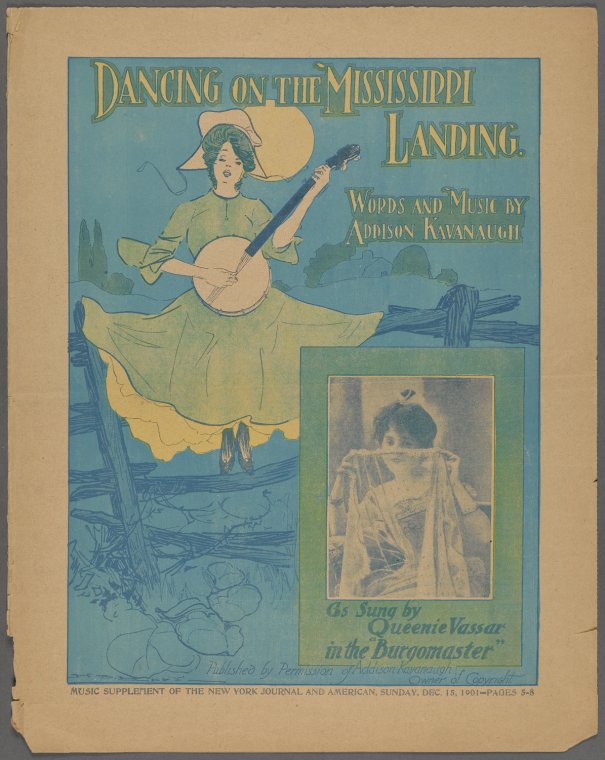
"Dancing on the Mississippi Landing" 

This tune's a little on the risqué side, especially considering its copyright date of 1901. "Then the girls they gather up their skirts, just so," the chorus goes, a line that would probably do just fine on today's Top 40 radio. A popular performance of the song is attributed to Queenie Vassar, a late 19th-century musical star from Scotland.

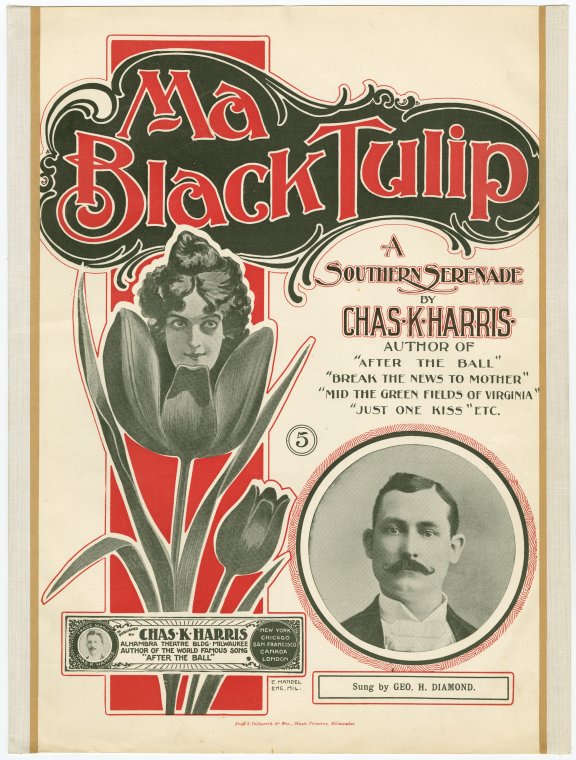
"Ma Black Tulip"

Tin Pan Alley songwriter Charles (Chas) K. Harris penned this 1901 song, which compares the performer's lover to a sweet "mint julep." Known as "The King of the Tearjerker," Harris — the apparent Diane Warren of his time — was known for his love songs which, unsurprisingly, were often dark and sad. He eventually came to work with Oscar Hammerstein, composer, impressario, and patriarch of the legendary theater family.

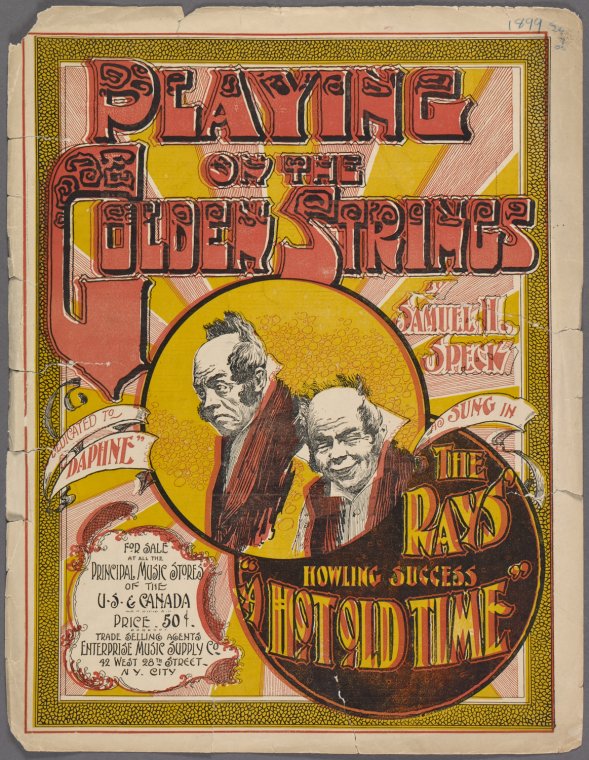
"Playing on the Golden Strings"

Pulled from the early 20th-century stage show A Hot Old Time, described on the music's cover as "a howling success," the first line of this song by Samuel H. Speck is "pick up the banjo." We can get down with that. Apparently critics could, too, as the show's performers, the Rays, were described as providing "scintillating, flashing, sidesplitting merriment."


All images via New York Public Library Digital Collections

Watch 42 Hours of Buckminster Fuller Lectures

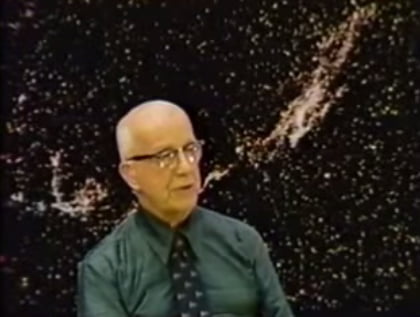
Buckminster Fuller was one of the most interesting figures of the 20th century. The architect, designer, and humanitarian — to name just a sampling of the titles he held throughout his 87 years — innovated everything from transportation, with his Dymaxion car, to architecture, all the while writing prolifically and keeping detailed logs of his day-to-day work and activities. 

While there's no shortage of media available on Fuller (he's been the subject of several documentaries and books), there's nothing quite like experiencing something from the man himself, which is why we're excited to have found a whopping 42 hours of Fuller lectures available to stream for free at the Internet Archive. Fuller recorded these lectures — collectively titled Everything I Know — in 1975 as a way of distilling, well, everything he knows — including his invention of World Game and his popularization of geodesic domes like Epcot's Spaceship Earth — into one narrative. 

And if videos aren't your thing, you can read transcripts of the lectures — also for free! — right here.

Watch the first four clips, and find the entirety of the series here

Everything I Know, Part 1

Everything I Know, Part 2

Everything I Know, Part 3

Everything I Know, Part 4

Dave Stine: From the City to the Woods

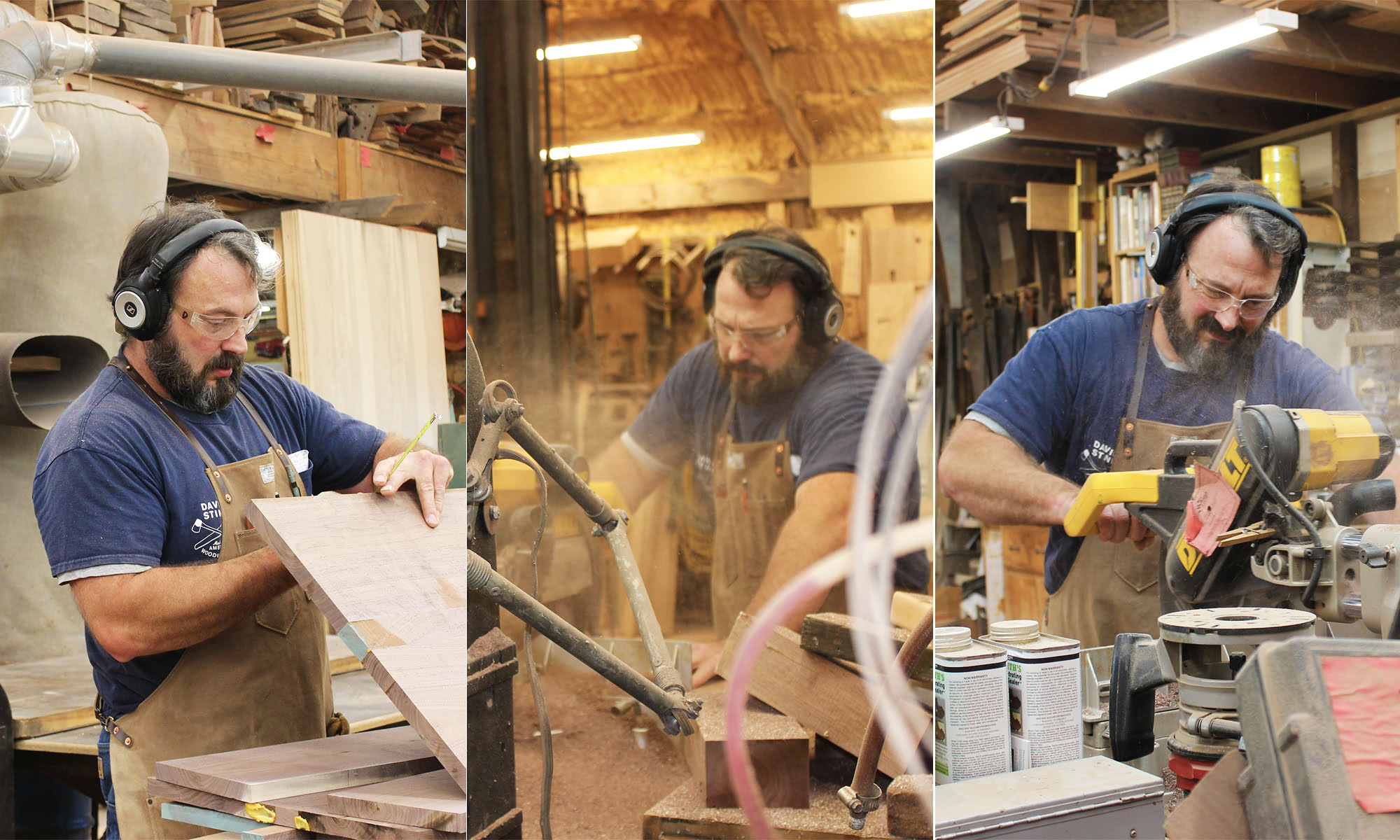
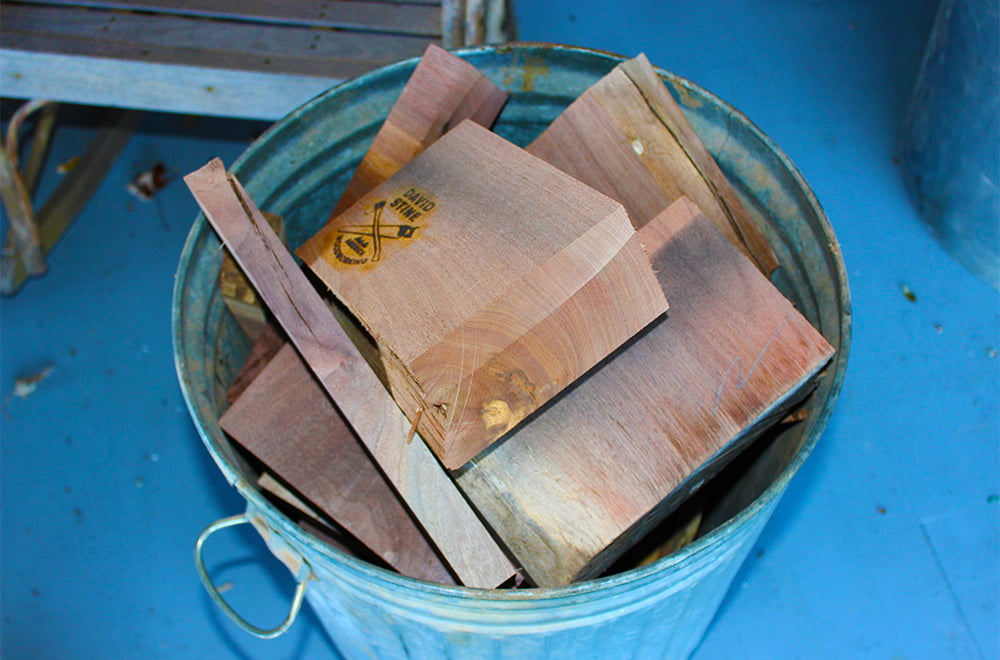
Although he holds a law degree from George Washington University, Dave Stine certainly isn’t what you would call an office type. After a short stint practicing in Washington, D.C., Stine understood that the family farm in Dow, Illinois, was calling him back to what was always in his blood: family, friends, and, just as importantly, woodworking and furniture making.

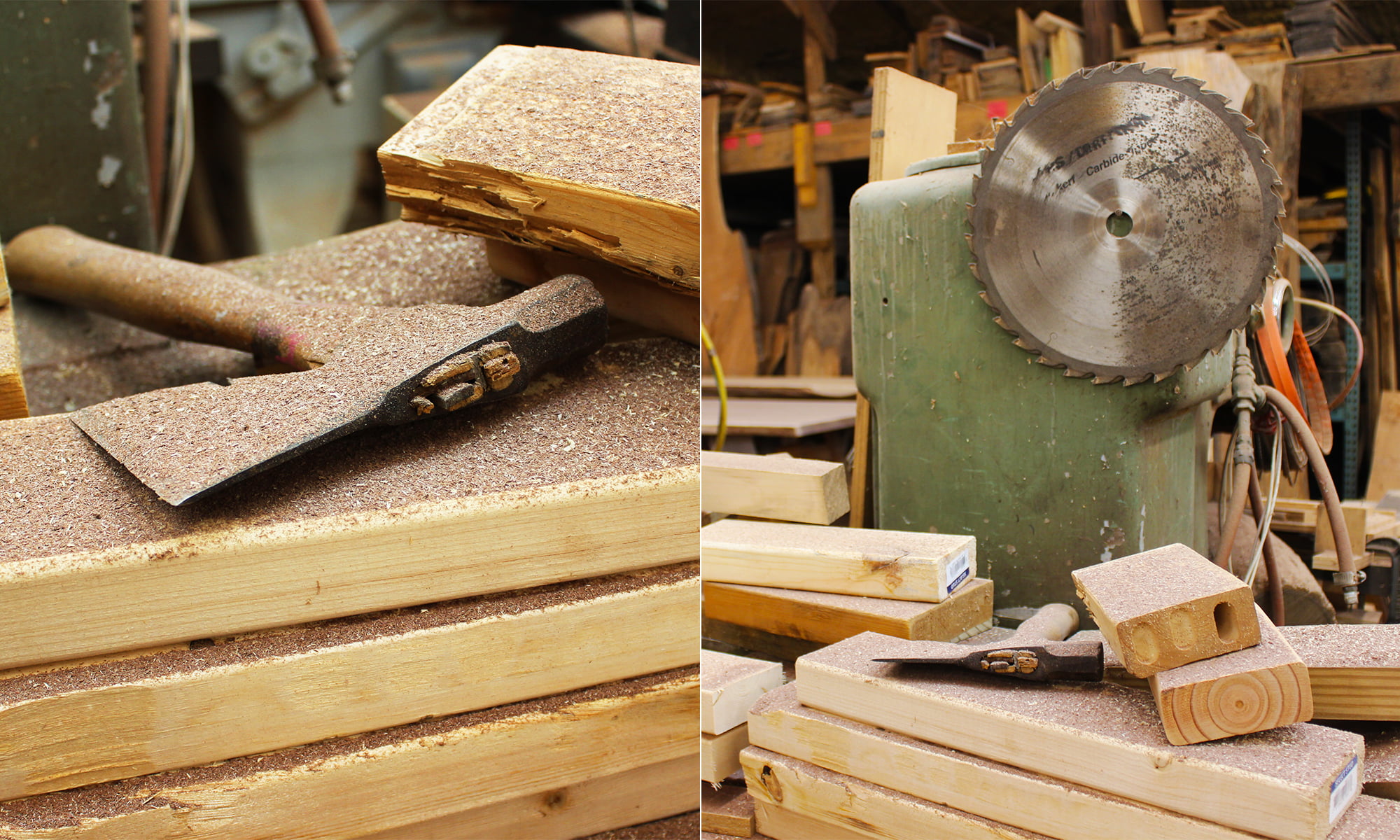
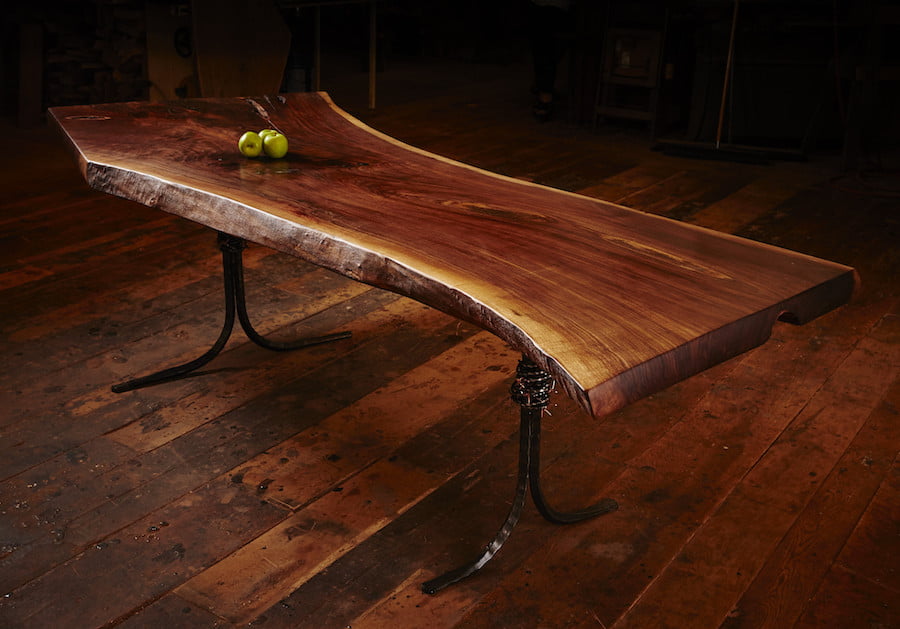
The farm spans four generations. Stine learned from part of these generations the art and precision of handcrafted designs and a love for the land that still ties the family together. Although a thoroughly American phenomenon, Dave Stine makes some of the finest pieces of furniture in the world. From tables to bed frames to whiskey shelves, Stine's live-edge work is exquisite, handmade, American — universal — beauty. An avid outdoorsman, Stine stewards his forests — over a thousand acres spread around Dow — and sees in fallen trees what Rodin might have seen in a block of dead stone: the potential in knotted trees and grainy, dead wood to possess beauty before and after he has milled and cut and worked out what is breathing invisibly within.

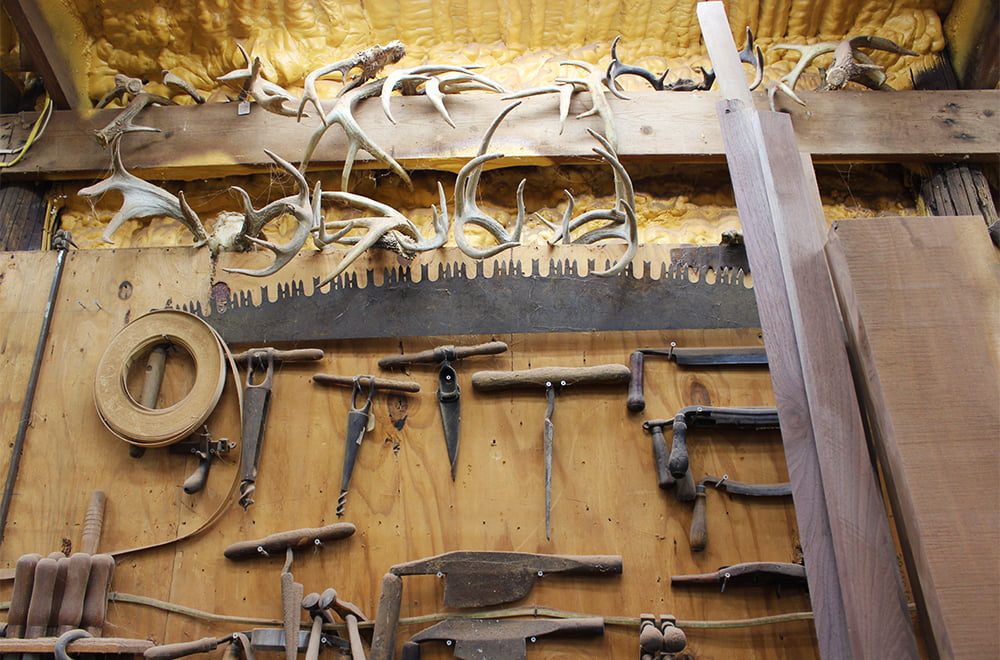
Stine’s clientele includes well-known names, household names even — Michael J. Fox and Andrew Sullivan to name a couple — but he seems much more interested in his day-to-day work within the shop just down the way from his home, and in those family members or comrades that visit or live on the farm and land. His clients respond to his work, to say the least … work done on the family farm. This isn’t a mere commodity. Stine adores what he does, knowing it’s good and true art he makes. He has intense eyes, like those of a wild, early explorer of America, the kind that can pierce through rhetoric and bullshit, yet he is inviting, kind. And, yes, Stine’s beard — long and thick — is something to reckon with. He is a giant in every sense of the word. 

I wanted to know about the transition from law to woodworking. That gets mentioned or glossed over [in articles], but could you talk about why and how it happened?

Well, I grew up on the farm here. We always did everything here with our hands, from cutting lumber to making barns to butchering meat. You name it. So it was always in my blood to do that sort of thing. I’m the oldest in my generation, and my grandfather always pounded it into my head that I had to keep the farm going. It’s four generations, and we’ve got about a thousand acres, and it was always a big concern in my family. My grandfather always made it my problem. “You’ve got to know trusts, estates, taxes …” One of the reasons I went to law school was with that practical view in mind, being able to be able to do that kind of work for my family. And, also, school is awesome, and working sucks, so I stayed in school as long as possible …

Professional student?

Yeah. But all the way through high school, I was a diesel mechanic and put myself through college that way, and I was always doing a bit of woodworking on the side. But when I started in law school, I took a few tools with me. It was during that time when Cigar Aficionado was big, and everybody was into humidors and the whole thing. So, I started making humidors — cigar boxes — with locally harvested wood while I was going to law school. From there it just sort of blossomed. I finished law school, took the bar, got married, started working as an attorney in Washington, D.C. After 10 hours in the office, I’d put in four hours at woodworking. I’m not very good at office life. I don’t get along well with others. And it made sense. I already had a year’s backlog of orders, so it made sense to move forward with woodworking.

So you were getting orders while in D.C.?

Yeah. I was already doing a bunch of stuff with Georgetown Tobacco. Then I hooked up with some designers, and was doing spec and design pieces for them. Over the course of law school, I had gotten a shop space and had amassed a good collection of tools, so it’s funny: In D.C., not a lot of people work with their hands. They’re mostly attorneys or whatever. And so, if you can drive a nail, you’re busy — 24/7. It’ crazy! I had the capability of reproducing moldings, and there was a lot of gentrification going on. People were rehabbing turn-of-the-century houses, and I was able to make moldings and old-school window frames and screen doors and all that kind of stuff. But during that time, I was also doing the live-edge stuff, the stuff I responded to. I’d sell a piece here and there. But then it became more about furniture, live-edge, and it took off from there. But in the beginning, I’d take on anything.

What year did you come back to the family plot?

I started my business in D.C. and started doing it full-time in 1996. But we came back here in 2002.

What’s the process like as far as discovering the “right” tree, and discovering the piece that resides within it?

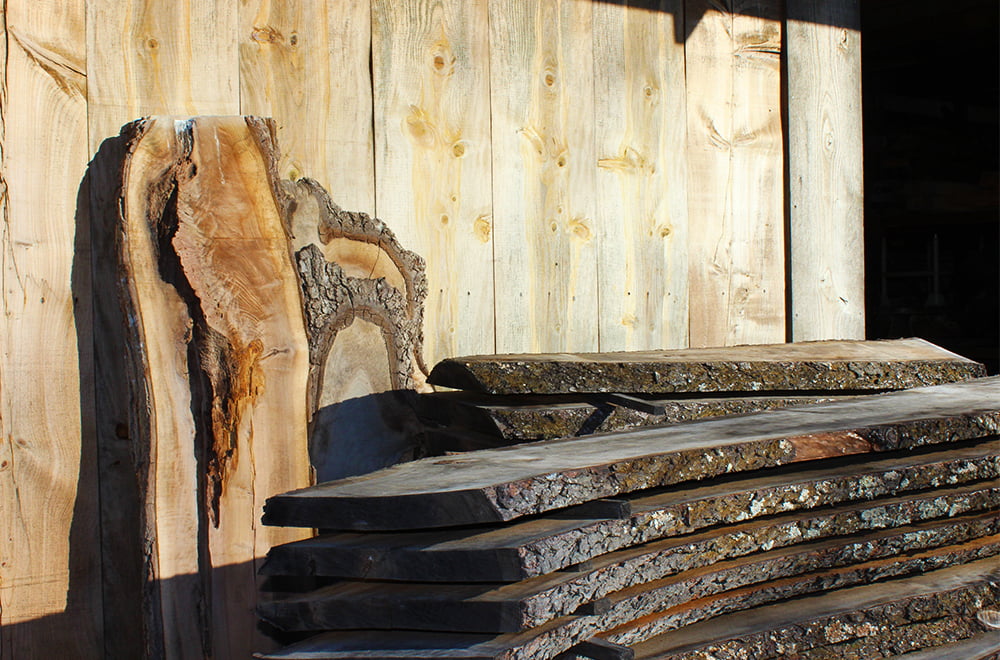
It starts out with a big piece of luck. I try to get to the forest as much as possible. It’s peaceful, it’s calming, it’s good exercise. It’s nice to get out of the shop and off the computer. I try to look for trees that are dying or dead or blown over by the wind … damaged. We have a lot of straight-line winds or tornadoes around here, so I just try to find stuff that’s already past it’s useful life, and then try to make something beautiful. I don’t cut down a perfectly living cherry tree. Some of the trees are young and have just fallen over or died; and some are just giant and have lived past their prime.

We have a naturally occurring forest. When you cut into some of these big trees, you can tell what kind of a life they’ve had. There are scars. There are knots, twists, and breaks that have healed over time. They have character to me, unlike that flat type of Ikea sort of stuff where everything is very uniform. What makes the wood interesting is kind of what makes people interesting: You’ve had scars, experiences, damage, and you’ve overcome it. That’s interesting. I’m lucky to be born into this family. If a storm comes and blows over a tree, you have to pull it and bring it to the shop, and then saw into it. That’s the first part of the process. Once you begin sawing, you’re committed to what’s there.

Is it sort of like sculpture in that way?

It might be. It’s another medium. I could see it like a piece of stone with different things running through it. With a tree, you might have a crotch or a split or knot, but those actually might be things you want to work with or emphasize. Once you make that first cut, you’re in it. You’ve got to have the courage of your convictions. Maybe it’s flat and needs to be a table-top. Maybe it’s wilder and sticks in your mind. I’ve had pieces of wood for 10 years that might be waiting for the right client. But you take what the forest gives you. I mean, the really radical ones stick in your mind. Maybe three months ago, I did a show in St. Louis. A guy took my card. He called sixth months later. He’d had my card, and the piece that he wanted was perfectly suited — a headboard — was perfectly suited to a tree I had cut down over 20 years ago. I’ve had a lot of lumber sitting around here, so it looks like a fucking bomb went off. It takes two or three years to dry. I don’t wait for a client to work. I stockpile material and wait for someone to desire it.

You can’t remember not working with wood. What’s an early memory of an early piece or even your first piece?

I was heavily involved in FFA and 4-H. We made shadow boxes and candle holders. I think the first piece was for a 4-H project. It was a toolbox. It was a harbinger. When you walk around the farm, I can see my grandfather’s hands on everything, my hands.


Photos courtesy of Jill Maurice / Final photo courtesy of Dave Stine

Spotlight: Beth Kirby, Local Milk

If you're an avid Instagrammer, there's a good chance you're familiar with the name Beth Kirby, the mastermind behind the blog Local Milk. Billed as "a cast iron skillet and a camera," Local Milk is a digital ode to the beauty of food — one that's grown so popular that, in 2014, Saveur honored Kirby's project with both Readers' Choice and Editors' Choice Awards for Best Food Photography Blog. 

"Living is a glossy, unctuous thing, and cooking is a divine, ancient art," Kirby explains on her site. "It is the elevation of biological necessity. It is the beating heart. It is an empire built on grain and cacao. It is selenium and potassium. It is kale and cauliflower. It is sustenance. It is actually the art of living."

Below, we've rounded up a few of our favorite Local Milk recipes and Instagram shots. 


A photo posted by Beth Kirby (@local_milk) on

This is what your Thanksgiving table is going to look like, right?


A photo posted by Beth Kirby (@local_milk) on

Vegetable and cheese pot pie, recipe here


A photo posted by Beth Kirby (@local_milk) on

Granola with Lindt chocolate, recipe here


A photo posted by Beth Kirby (@local_milk) on

A table setting for an Anthropologie shoot. 


A photo posted by Beth Kirby (@local_milk) on

We want to go to there.


A photo posted by Beth Kirby (@local_milk) on

Pan fried polenta with wild mushroom ragu, recipe here.