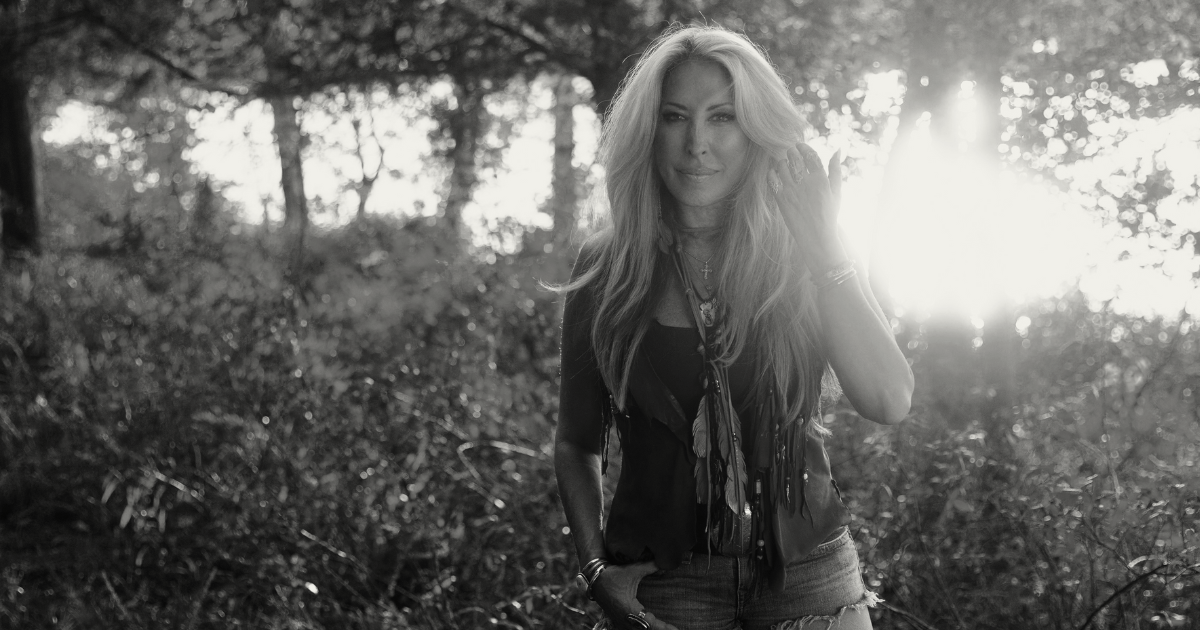
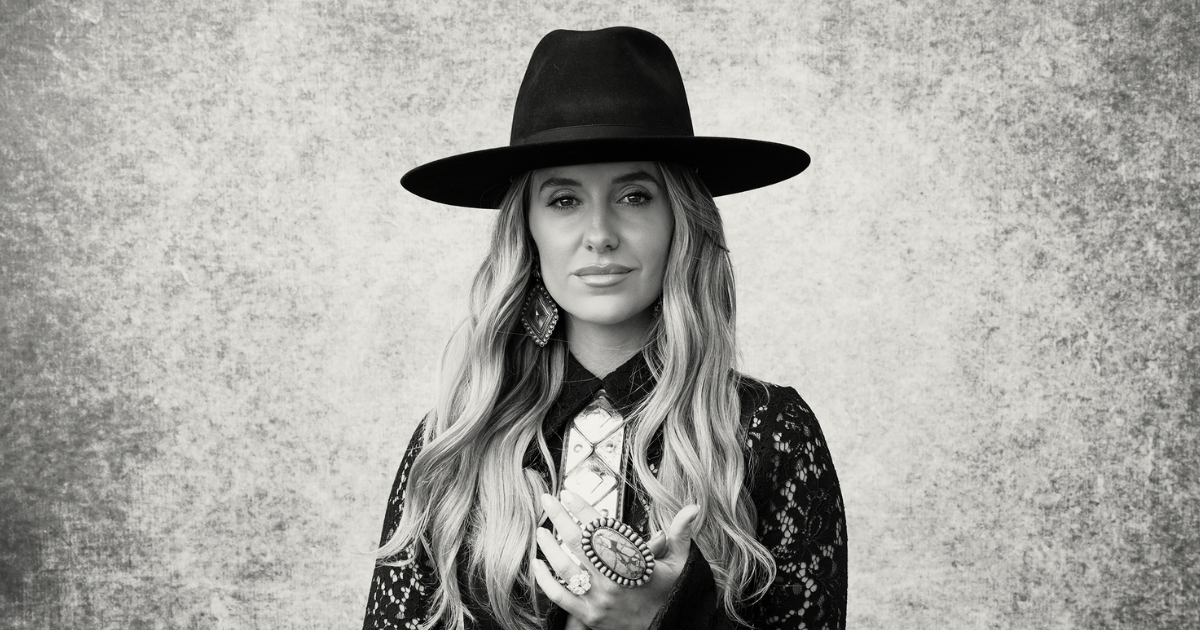
Jo Dee Messina wants to know where the real cowboys are.
“Well, are they in some greener pastures?” she asks on “Where the Cowboys Ride,” a spicy sendup of Tecovas-rocking poseurs and a standout on Bridges, Messina’s first album in over a decade, out June 5.
Sometimes cheeky, often affecting, Bridges condenses a lifetime of lessons into 12 tight tracks. Whether she’s taking a narcissistic partner to task (“It’s All About You”), warning about the dangers of self-medication (“Message in a Bottle”) or setting the record straight on scripture (“The Jesus I Know”), Messina explores life’s complexities with her signature mix of grit and hard-fought joy.
Lead single “Some Bridges” is a power-pop-country belter that recalls the triumphant highs of 1998’s I’m Alright, which spawned three consecutive No. 1s and cemented Messina as one of the leading voices of country pop’s golden age. Like “Bye Bye,” Messina’s indelible ode to putting “a lead foot down on my accelerator” and leaving a bad relationship in the rearview, “Some Bridges” reminds listeners that self-preservation sometimes means burning things down.
“You have to learn to forgive, but do you go back to that abusive situation?” she says. “Do you go back to that addiction? You don’t have to subject yourself to these things.”
Jo Dee Messina is our Artist of the Month for June 2026. She sat down with Good Country to talk burning bridges, her “sweet” relationship with Ella Langley, and what she hopes fans will take away from this new era. Check out our interview and don’t miss our Essential Jo Dee Messina playlist below, too.
Why was now the right time to put out new music?
Jo Dee Messina: Because it was done. [Laughs] I’ve been writing a lot with people, and [my co-writers] are just so encouraging. We’d write a song and they’d be like, “Man, you should record this.” It happened so many times, and I was like, “Well, I think I’m at a stage right now where I have time I can dedicate to a project,” releasing the songs and a tour schedule to support it. It just seemed like the right time.
Do you feel like you’ve gained confidence as a writer as your career has gone on?
I’ve always been a songwriter. I do believe that in the last few years, my songwriting has had time to develop and I’ve written a lot more. I’ve had more time to write, so I’ve had a lot more content.
To hear songs like “Some Bridges” on the radio kind of brings tears to my eyes, because it’s like, I actually wrote this. I actually wrote the songs on this record.
“Some bridges are meant to burn” is a great lyric. Do you feel like you’ve had to burn bridges in your career?
I wouldn’t say career. But with life, sometimes there are situations that aren’t beneficial, or jobs or that really take the life out of you. I think everybody has experienced that. And it doesn’t have to be heavy. It could just be like, “I feel like my talents aren’t being used, and so I’m going to move elsewhere.”
With that song, we were in the writers’ room, and somebody brought up the idea that you can’t be burning bridges. But what if they’re meant to burn? What if that bridge leads you to pain and abuse, or to a job that sucked the life out of you? Forgiveness is for us, we’re not built to carry the weight of unforgiveness, but you can forgive from the other side of the bridge.
“Where the Cowboys Ride” is such a fun song. Did that song come out of any experience in particular?
It’s funny, because it’s not portrayed in the song, but the truth of that song is that a friend of mine went down to Lower Broadway [in Nashville] one weekend and came back and had his foot in a sling. I’m like, “What is the deal? What happened?” And he’s like, “I wore my cowboy boots down to Broadway this weekend.” I was like, “I’ve never seen you in cowboy boots. You wear sneakers every day.” But he dressed the part.
There’s a line in the song about how you don’t see them around here on a Friday night. I want to see the guys that are slinging dirt for a living. I want to meet the guys that will lay their life down for their family. All the things that a true cowboy does.
Everyone’s certainly throwing on the cowboy boots right now. Any theories as to why country music is having such a moment?
Country music tells the story of life. The messages don’t change as far as the relatability to different generations. Dolly Parton wrote “I Will Always Love You” in the ’60s, and then it came back in the ’90s, and people are still cutting it. You ask seven-year-olds and they know that song because their parents are singing it. With some songs, the emotion and the life story behind them doesn’t go out of style.
Of course, some of your older songs have been getting renewed attention as well. You recently performed “Lesson in Leavin’” with Ella Langley at the Ryman Auditorium, and then the two of you interviewed each other at Country Radio Seminar (CRS). Can you tell me about your friendship with her?
That started off with us messaging each other online. She sang “Lesson in Leavin’” on TikTok, and I reached out to her. We talked about writing together, but then life got crazy. Then when she played the Ryman she reached out to me and was like, “Hey, do you want to do this deal with me?” And then she did CRS and asked if I wanted to do that.
I think it’s just a mutual admiration. I’m really proud of what she’s doing and how she’s handling it. We both know Jesus, and we both love Jesus, and so I’m able to have that connection with her, and just say, “Hey, if you need prayer, I’m here. If you need a safe space, I’m here.” It’s a sweet friendship.
“If He Knew Jesus” is one of a couple songs on that album that takes up the topic of faith. What’s the backstory behind that song?
I’ve been a single mom for a while, and it’s difficult because you can’t split yourself up. Especially if you have more than one child, you can’t go to one’s recital at school and one’s hockey game, so one of them is always missing something. Someone had asked me if I would ever consider dating somebody, and my first response was that he would have to love Jesus. And so in these conversations with other moms is where we came up with the line, “If you knew Jesus, there’d be no raising these babies alone.”
I started to cry in the writing room when we wrote that. I was like, “That’s the saddest thing,” and then I went on to other examples: “He wouldn’t crush you beneath all that he did,” all of the hurt and pain and abuse and whatever, where Jesus raises us up. He protects us, and He cares for us, and He puts us first, and He dies for us.
What’s the best thing someone can tell you about what your music means to them?
I think, “It gave me hope. It made me not feel alone.” That would be the greatest thing. “It made me not feel alone in my situation,” whether it’s a happy situation, a lonely situation, a feisty situation, because the songs cover everything. Keep in mind the enemy tries to separate us so we feel alone, and when we’re alone, all sorts of crazy things go through our brains.
Who’s the enemy?
Satan. It’s like, if you get alone, your mind starts going, “Why am I alone? Oh, because nobody likes me, or I’m not good enough.” All these crazy thoughts go through your head, and so you don’t start to think, “Wow, I’m beautiful, and I’m worth it, and I’m treasured.” That’s why it’s called the enemy of who you really are and who God created you to be. He’s working against it.
Are there experiences you’ve had in life where you felt like you were alone?
I think we all have. So I just want to be sure that people know you’re never alone. Even if you don’t see another person in the room, you’re still not alone. Period. God’s word tells us you can never go too high, too low. He’s there. We just have to open our hearts and see it.
I work with teenagers and I remember a teenager saying, “I don’t even think my parents hear what I say.” It was such a sad statement, and it inspired the song “Can Anybody.” In my inner circles, I’ll call that song “The Teenager’s Lament,” because they all feel invisible. It’s why they’re doing things on social media and hanging out with certain people. It’s why they sometimes don’t talk to their parents.
That’s where the first verse came from, and then the second verse came from myself: “I’ve got a history of trying to save myself/ But God, if you’re listening/ I’m screaming out for help.” That’s me. I’m a doer, and I have a history of thinking, “I’ll fix it, I’ll fix it, I’ll fix it.” But there are some things I can’t fix. You can’t fix someone else’s health or their mental state. After my mother had anesthesia, she was confused, and I couldn’t fix that. I tried and drove myself crazy. I’d made her photo albums, and I made her song playlists, and, and I couldn’t do it. She was still confused. It made me realize the humanity of myself and the limits of a human.
After years of building up a fan base through high-energy shows and viral social media posts, nobody is more ready for Braxton Keith’s debut album than… Braxton Keith. Raised in Midland, Texas and living in Nashville, Keith is only half-kidding when he says he’s probably listened to the new project five thousand times. Now he’s eager to hear what everybody else has to say.
His fans won’t be surprised that Real Damn Deal sounds like country through and through. Released on Warner Records on May 15, the album picks up the momentum of Keith’s gold-certified 2024 single “Cozy” and the unlikely embrace of his reverent cover of George Strait’s “The Chair.” Although he was skeptical about re-recording it, Keith found that his take on “The Chair” is serving as a gateway for his younger fans into the trenches of classic country.
Keith co-wrote a majority of the songs on the new album, but also included compelling material by Country Music Hall of Fame member Roger Miller, Americana all-star Jim Lauderdale, and some of Music Row’s most creative writers – such as Jessie Jo Dillon, Tony Lane, Liz Rose, and Morgane and Chris Stapleton, among many others. In this interview with Good Country, Keith talks about discovering country’s legends through his grandparents, learning to love the English language because of dyslexia, and hearing those inescapable ’90s country comparisons.
On this album, “Under Them Neons” sets the scene of a night in a country bar. It has a reference to Keith Whitley in it, too. He had a bluegrass pedigree, as you know, before he became a country star. Did you ever get interested in bluegrass?
Braxton Keith: I would say I have always been interested in bluegrass. Now I, by no means, am a bluegrass picker or anything of that sort, but I’ve always been interested in bluegrass, for sure. It’s such an interesting form of country music, I’d say. Very intricate, and it’s really cool to just watch. In fact, “I Ain’t Tryin’” on this record is written by Brice Long, Carson Peters, and Will Jones, and Carson is a bluegrass picker. He plays in a bluegrass band [Carson Peters & Iron Mountain] and opens up for us every once in a while.
How did you get introduced to Keith Whitley’s music?
Keith Whitley’s probably always been in the background for me. But definitely through listening to whatever was on the radio, listening to my grandparents’ old records and stuff. Keith Whitley has definitely been one that I’ve known about for a long time. I would say him, George Strait, Marty Robbins, and Ronnie Milsap … all the deep divers that you got to go in and figure out yourself.
Is that what you did? Figured it out for yourself?
I just tried to figure out what I liked the best. I really was attracted to these older artists because of the storytelling, but also they have a technical skill about their writing – and their melodies. Some of their melodies are pretty insane that I was trying to emulate, longing to hear again, or to make new.
You say you were listening to your grandparents’ records. Were they vinyl records?
Yes, sir. I don’t remember how old I was, but I remember sitting down and listening to Marty Robbins for the first time and Porter Wagoner. I remember hearing “The Carroll County Accident” and just thinking, “What is this? This is a whole different type of music that I’ve never even experienced before.” I think I was like 13, maybe even younger than that.
Every time we went over there, the Grand Ole Opry was on TV, or CMT was on at least, so we were always exposed to it. I guess I just didn’t realize what was going on until I got a little bit older. I got an iPod, and I think it was the Shuffle. It didn’t even have a screen. You just had to know what your songs were. That was the first time I really got interested in checking out music for myself. I didn’t have to listen to exactly what my parents were listening to anymore.
My mom was a big ‘80s rock person. She really didn’t like country music very much at all, because it’s very sad, she thinks. [Laughs] And my dad was listening to country music, but just whatever was on the radio. He wasn’t very specific in what he liked to listen to.
I’d read that your brothers were athletic, but you were not. However, you had musical talent. Is that accurate to say?
I would say, yeah. I tried to be athletic. I wanted to be, but they definitely had a leg up on me, on the sports and stuff. When I was a little kid we did this thing called Greater Midland Football League. From when you’re in third grade to when you’re in sixth grade you can go after school and do a football program. I never got to do that, because in third grade I actually figured out I was dyslexic. So, every day after school, I would go to classes and learn about the English language, which is probably why I ended up liking writing. So it all works out in the end. I was just a couple years behind when it got to football.
When you were learning about the English language, did you like to read too?
No. That was my big deal, that I struggled – I still do struggle – with reading. It just takes me a little bit longer and I have to really slow down and be thinking about what I’m reading to understand it. I like audiobooks a lot. Anything that I can do where I’m listening to somebody else read helps. But I would say I just liked writing. Before it was songs, I liked writing essays or whatever the assignment was. I’ve always liked writing. Coming up with my own stuff.
Did you play instruments during this time?
Yeah, absolutely. I played piano since I was in kindergarten, and I ended up playing for a while. I played for six to seven years and then I ended up quitting piano. I started piano because I loved Elton John. He was my big inspiration behind music when I was really young. I really wanted to learn “Crocodile Rock” and my piano teacher just wouldn’t let me do it. So I was like, “Man, I gotta go do something else.”
That was about the time I started picking up guitar, because my little brother was playing guitar at the time. So I was like, “Well, I’ll just go to lessons with him.” I started picking it up, got my first guitar, and never looked back. He doesn’t play anymore, but we started out together picking “Hotel California.” I remember us just sitting there for hours trying to get that thing down.
On this album, “Wind Blows” reminds me of how country music sounded in the ’90s. It reminds me of a Tim McGraw deep cut. What do you like most about “Wind Blows”?
I like the story it tells. You know, I grew up in Midland, Texas. And if there’s anything we know about Midland, it’s that there’s a lot of wind blowing in Midland. It’s kind of telling the story of how, when I lived in Midland, Midland was the end of the earth to me. There was nothing else there. And once I left, I never looked back. I went to Angelo [State University in San Angelo]. I’ve moved to San Antonio and Nashville, and we’re traveling all over all the time, just running and gunning. And the road keeps on going, you know? It’s cool to reminisce on the past, but my time in Midland’s gone and it ain’t coming back. That’s kind of what “Wind Blows” means.
Do you like it when people use the ’90s country comparison? Do you think that’s flattering? Or do you have an opinion when people say you sound like ’90s country?
I don’t have an opinion. The thing is, I don’t know if I’ve ever labeled it, which is funny to me. … You’ve heard the record. I would say it’d be very hard to pin that as ‘90s country. I would say that there’s some ‘90s elements in there, but there are elements from a lot of different dates in country music within that. I would just say we’re country, and we’re just trying to be country.
Well, you do start with a Western swing tune on this record.
Absolutely. Have you heard Jake Worthington’s new record? He has a song called “My Home’s in Oklahoma” and that one is a Western swing song. I heard that one after I’d been on a big Bob Wills kick. I just came back from Houston. Most of the rides that I do, I try to listen to different music every time. I was listening to a bunch of Bob Wills. When I heard that Jake Worthington swing tune, it was like, “Oh, son, we’ve got to have a Western swing tune on this record!”
So we called in Brice and Carson. That’s when Carson’s bluegrass magic came out. They ended up writing that beautiful “I Ain’t Tryin’” Western swing song. You couldn’t ask for a better song to start this record off. It’s upbeat, gets you in there. We’ve been ending the set with “I Ain’t Tryin’” lately, and it’s really fun. The crowds dig it. It’s a good one to just swing around to.
Did you ever get pursued to be on The Voice or American Idol or shows like that?
Not until after I was already pursuing this pretty heavily, and at that time, I was trying to stay away from those avenues. I’ve heard some nightmare stories about their contracts and how you are allowed to put out music after the show. And I just kind of knew where we were going. That’s the cool thing about being a Texas artist. There’s so many other Texas artists that are running around on the road, booking their own shows, that you can just learn from some of those guys. That’s basically what I did.
Jake Worthington [who was on The Voice in 2014] had a long talk with me about what he thought about TV and the way that it impacted his career. At that time in my career, I just didn’t think that it was necessary for me to do anything like that. I definitely think it helps put your name out there a lot more. But it also can have some hindrances sometimes.
How did you find the Roger Miller tune, “Am I All Alone (Or Is It Only Me)”?
I do believe Jamey Johnson was talking to William Beckmann one day and telling him, “Man, that’s such a great tune. You should cut that on your next record.” And then me and William ended up going and having a couple drinks, which turned into a bunch of drinks. And he was like, “Man, I listened to this song, and I’m kind of thinking about cutting it.” So I started listening to it. I was like, “Yo, are you gonna cut that song? Because if not, I’m cutting it. Like, I’m going to the studio tomorrow. I’m cutting it.” He was like, “Yeah, go ahead.” So we ended up putting it on the record. It’s one of my favorite songs to play live. It’s one of my favorite songs on the record. It’s such a beautiful song. Every time that I hear it, I’m like, “That is such a well-written song.”
Are there other songs on your record that you would like people to know about?
I would say the only other thing that we didn’t talk about is, there’s a Mae Estes collab on there, “Hurt by Heart.” I met Mae on the road about two years ago, like, less than 100 miles south of Canada somewhere, at a festival. She was singing and just blew me away. Her voice is so beautiful. She has such a great classic timbre to her voice that I knew I needed her on this record.
We’d been looking for a duet piece for a long time. Ended up writing “Hurt by Heart” [with Trent Tomlinson and Scotty Emerick] and pitched it to her. She came over to the studio one day, dressed and ready for a show that she had in Nashville somewhere. She cut her part in 10 minutes and then I spent the next two hours trying to make my part sound as good as hers. [Laughs] I just can’t brag on Mae enough. The audience that hasn’t heard Mae should definitely check her out. Her music is really good.
You’re surrounding yourself with good people. You got Mae Estes, William Beckmann, Jake Worthingon… It’s refreshing to see this new generation cheering each other on.
That’s the way you gotta do it, man. We’re all in this together. Everybody needs to be cheering each other on and helping everybody out. That’s the way I see it.
Want more Good Country? Sign up to receive our monthly email newsletter – and much more music! – direct to your inbox.
There’s an effortless charm to singer-songwriter Abbie Callahan’s persona when you first encounter her via vertical video. Beautiful and whimsical makeup, adorable wardrobe, hyper-femininity, and a Gen Z polish to her social media presence are all complicated in the most fascinating ways by her music itself. Landing somewhere in between witty and incisive pop country like Kacey Musgraves and gritty, train-hopping Americana such as Sierra Ferrell, you’d be well served not to make assumptions – or to sell Callahan’s songs short based on appearances.
This is not a book you can accurately judge by its cover. Callahan’s songs will reel you in with her sharp, impactful vocals, her deft wordplay and solid hooks, and a wink and sly smile around every lyrical corner. Tracks like “Simon Says” will have your head bobbing before you even realize the devastation and trauma woven through the lyrics. A new, as-yet-unreleased number, “OptiMystic” – debuted, as Callahan tracks often are, on TikTok – lays out her worldview pretty tidily:
I’ve been known to be a little easy on a Saturday Known to smoke a cigarette and throw up in the alleyway Checked off greed and lust in a church pew Had confession in the Red Door bathroom
Who can really say where you can talk to Jesus anyway? Anyway…
If you were to engage with and enjoy Callahan’s music without any deeper inspection, you’d still come away with plenty. But the real appeal here is that the sweet, sugary veneer on these songs is only to bring you in. It’s the tinges of bitterness, the tannins, the “something much deeper going on below the surface” that will bring you back again and again. However you zoom out or zoom in on Callahan, her lyrics, her process, and the way she brings her songs directly to her listeners there’s subversion, a deliberate and inspired flouting of expectations.
Callahan is intentionally leveraging the way she’s perceived outwardly and visually to “Trojan horse” her way of making music into a country industry that’s often loath to platform artists like her, who build fandoms and idiosyncratic styles on hyper-femininity without apology. Like Dolly, Loretta, Kacey, and so many others who’ve come before her in that age-old country tradition, Abbie Callahan is onto something.
We caught up after a gentle spring rain in Napa Valley, as Good Country attended Live in the Vineyard Goes Country and caught Callahan performing as part of the event. Finding ourselves in such a stunning location, we began our interview chatting about country’s relationship to place and how well-suited this music is to the many settings it finds itself in.
I wanted to start by asking you about country’s relationship with place. Country music is always about place – rural places, urban places; farms and ranches; California, Tennessee, Iowa. We’re at Live in the Vineyard Goes Country here in Napa, so I’m thinking about country and place, and I wonder if you think about country’s relationship to place – and about how this music is so appropriate for so many different contexts, whether you’re in Napa or playing a honky-tonk or a festival. How do you think about country’s relationship to place and to land? It’s interesting to be here in a place like this with everybody sharing a few days in such a beautiful setting.
Abbie Callahan: That’s a great question. Usually I think about it in context of place in genre. It kind of is the same thing to me. My music with a band or just with guitar, I can make it fit into whatever genre I want – I feel like that in place, too.
But here [in Napa] it’s spring and the flowers are everywhere, it feels like they are one and the same. Especially my last project, Grossly Aware, with all the flowers – and we have the garden [right beside us] and all that. It feels like this is the perfect spot for me to be.
Two weeks ago we were back where I’m from in Iowa. It was gloomy and rainy and we were playing a bunch of the new stuff. It was, I don’t know, probably a little bit out of place, ’cause it was all fun disco [music]. But maybe it added to [the impact], because it was so gloomy and getting rained out. I don’t know how [my music] relates to place, but I feel like I can make it whatever I want, which is kind of nice. Kind of fits anywhere.
Well, being in California for this interview makes me wanna talk about “Strawberry, California.”
We went there yesterday! We drove through it. It was my first time actually there. We went over the Golden Gate Bridge and I was– I’m from Iowa, so I’m from like, not much. [Laughs] So it’s cool that music can bring you somewhere and you get to see all the things. I don’t think I would’ve been able to see the Golden Gate Bridge and come to California [without music]. Or be in Napa for country music. Napa’s outside of my tax bracket, so it’s nice to be here. [Laughs]
One of the things I noticed when I was listening to “Strawberry, California” to get in the mood for us talking in California is the banjo playing. I love that the banjo is playing the melody along with your voice. And I love that you evoke bluegrass in your music so often. Could you talk a little bit about that song and having banjo in it, and about the bluegrass touchpoints across your catalog?
I was in a rock band that played in downtown Nashville. That’s how I paid for college. I was playing ‘90s grunge, so I’d go home and I want to listen to the opposite. That’s how I found bluegrass – just how simple and deep everything is. It’s different than how I write and talk. It’s so concise and wrapped up so well that I just envy it, in a way. I love listening to it, ’cause I feel like I can learn a lot. But then my setup, my band when I play, is a bluegrass setup. It’s upright bass, me, guitar, fiddle, another guitar. We just added drums, which is a big step.
But that’s when I started listening to bluegrass, ’cause it was like a palate cleanser. I don’t listen to a lot of modern country, because that’s the space I’m in. When I listen to it too much, I feel fatigued from it all. So bluegrass is a nice outlet. It just feels refreshing to listen to. I wasn’t raised on it or anything, so I feel a little bit like an impostor, but I love it so much.
Charlie Worsham played banjo on “Strawberry, California.” He played throughout the whole record, Grossly Aware, on guitar and banjo. “Strawberry, California,” it was tricky to get it right with a band, because of the time changes and how intricate the guitar is. But I pulled it up for him in the studio, he listened to it once, and he was like, “Wow, this is tough.” Listened to it twice, and then had it perfectly. I was like, “What in the world?!” He’s a freak. So good.
I really enjoyed listening to it. And then I also have been listening to your new single, “Drag, Queen.” I love it in so many ways.
It’s a little controversial.
Of course, it’s a little controversial, but also it’s 2026. They can catch up or we don’t need them. [Laughs] I love that, again, you’re subverting expectations. And again, it’s traditional modern country with that big hook, the wordplay is great. The sort of wink and a smile about it. But also I love that it sounds so bluegrassy.
Yeah, it’s the grassiest song I’ll be putting out this year. It’s super grassy. It’s so fun to play live. I played it on tour with Carter Faith this spring. Her audience was so perfect for it, ’cause they love weed and they are awesome. [Laughs] I played it on tour with her and it was probably my favorite song in my set.
I wrote that song last year – last June – and I posted it right away and it’s just been my favorite. I think it’s silly, but it has a lot of layers to it. I had a song, “Marry Jane,” blow up on TikTok. It was my first thing that ever did anything on TikTok, so I got hate for the first time. Which is always an interesting experience. It was all like balding, middle-aged old men being like, “Is this a song about a lesbian or a song about weed??” And I was like, “It’s about both, duh.” [Laughs]
Have you ever heard of an entendre? Yeah, no, you haven’t.
Double it. [Laughs]
[Laughs]
Anyway, it was so funny. But that’s why I wrote it. I was like, “They’ll hate this.”
I also wanted to ask you – femininity and hyper-femininity in country are also traditions. The performance of femininity by folks like Dolly Parton and Loretta Lynn all the way to k.d. lang. I love the way that you inhabit femininity and it’s so clear that you do not feel like it’s a burden, or that it weighs you down, or that it’s something that you could be penalized for. But I wonder how you feel like it’s received – especially on social media, like you mention, TikTok. Do you ever feel like you’re penalized for your femininity?
You know, I think as we’re starting to talk to labels and all that, yeah. I think if I was a man with this amount of monthly listeners and success so far, I would have a deal already. In that way, it’s definitely hindering, but it’s not gonna stop me from anything. I will have more leverage in two years, and that’s fine. [Laughs] But whatever. But because it’s so raw and real and feminine, I feel like my audience is all girls. It’s been really nice. I feel like I can be myself, say whatever I want, and I don’t have to worry about it. [I can] dress however I want – and dress strange – and be something to look at and not just, like, pretty, you know?
And the girls get it. I love it. I don’t think it’s a bad thing at all. It’s what I prefer. …
Another song that really jumped out at me is “Simon Says.”
The production of it started with just me in my room on guitar on TikTok, and then people were like, “I need a full strings version of this. I need a banjo version of this. I need a pop version,” all these different things. When we recorded it for the first time the demo had a synth on it, which is the banjo part. That’s how it started. I knew that wasn’t how it was gonna end, but it was like in demo jail for a year and a half. And I was like, “It has to have that element,” and then it just worked out for the banjo.
I did have a question about TikTok, so it’s interesting to hear you talk about how you’re in the comment section, you’re seeing what people say. It’s interesting to me that you’re responding in your creative process as well. Like what you just said about “Simon Says.” You’re listening to the fans being like, “I need this, I need that.”
If they want an acoustic version I’m like, “If you’ll stream it, I’ll do it.” Without a label right now, that’s been amazing. Something will blow up and in a month and a half or two months later we can have it out. You can’t replace that. It’s been really nice.
How do you feel when you’ve done a bunch of reps of a song, or when you’ve taken it from TikTok, to demo, to recording, to bringing it to an audience – do you feel like the song changes meaning? Do you feel like “Simon Says,” for instance, will always have that tinge of sadness and trauma to you? Or do you feel like the audience takes it, it changes, and then you get up on stage and you don’t feel that anymore? Or does that feeling always stay with you? ‘Cause as a songwriter myself, I feel like I re-traumatize myself every single time I play one of my songs. Is that how it feels to you with a song like that?
I have to write about what I live. I can’t just write to write. I have to put myself through stuff. It’s whatever – “tortured artist,” you know. Every line in there is real, so it’s definitely re-traumatizing.
But I guess it was my first tour, my first time singing it on stage, I was thinking about the writing of it a lot. ‘Cause it’s something so magical, that three people are in a room – or two people or just me – and then now I’m in front of 1,000 people and some of them know the songs. I don’t know, something about that is so special. I wish my co-writers were there to see it. It’s such an intimate thing.
There’s a little bit of a healing moment there.
Totally. It kinda changed what I was thinking about, especially with “Simon” and a lot of the next project. All of it’s co-written, which is different for me. I was just thinking about the people that made it all come to life. When we were in the studio, little ideas that people had. It’s so cool.
So it’s like, less sad now. I guess it depends on the situation. If it’s me on TikTok, I’m getting into the sad headspace. But in person I’m like, “Oh my gosh, this is so fun. My favorite people helped get me here.” I’m like singing “Simon Says” with a pep in my step. Like, what is going on?! [Laughs]
Want more Good Country? Sign up to receive our monthly email newsletter – and much more music! – direct to your inbox.
“I don’t know when I became an activist,” MORGXN admits. “I’m just a human being who sings from the heart, but my heart is very broken by the world that we are currently living in.”
The singer-songwriter lived in Los Angeles for 10 years before moving back home to Nashville in 2022. “The minute I came back to Nashville, I ran into a guy once. He was like, ‘I only see you at the Capitol singing,’” he recalls. “When I moved back, they were trying to ban drag queens. They were trying to ban women’s access to health care.”
Most recently, he took to the Tennessee State Capitol to protest bills against same-sex marriage. “This is how rights get tested: one state, one bill, one ‘exception,’ and suddenly the floor moves under all of us,” he wrote on Instagram.
“I don’t even think about it as activism. I think about it as humanity. We are more alike as human beings than the media, the news, and politicians would want you to believe,” he explains. “It breaks my heart. If you have listened to this album, there are songs about love and the human experience. The album is for anybody bold enough to live as who they are in the middle of the heartland.
“That is what I hope people get from this album. I hope they feel less alone in their activism… I wouldn’t even use the word activism. I hope they feel less alone in their humanity, period.”
On March 6, MORGXN released a deluxe edition of his album, HEARTLAND, and while it pulls from country music, he wouldn’t exactly label it as such. “I don’t care what genre you tell me it is. I care that I’m speaking something that is true to me, and that’s how I make music,” he says. “I don’t make music outside in.
“I make music inside out. I find what’s inside, and I try to bring it outside,” he continues. “And the heartland is a place that is normally not reserved for people like me and you. And yet, living in the heartland, I see that everyone belongs in the heartland. The heartland is a space for everybody, and I want to reclaim the heartland for everybody.”
Good Country hopped on a Zoom call with MORGXN a week before the album’s release and chatted about collaborations with Tenille Townes and Maggie Rose, the meaning of community, the political divide in country, and the hardest lessons he’s learned since coming out as gay at 19 years old.
What are some of your favorite lyrics on the album?
MORGXN: “GOD CODED” is maybe the most important song I’ve ever written, whether or not most people hear the song – it’s not a radio song. But it is probably the most important song I’ve ever ushered into being. I have no problem with god or religion. I have a huge problem when people use god and religion as a weapon of their hate.
“WILLOW” I wrote for my friend’s daughter who has cerebral palsy, so that she knows that she is a bright light. Already that song has inspired other people, which really means that she has inspired other people. It’s hard for me to choose… “MIGRATION” is about losing my dog. I don’t have a favorite lyric – it’s like choosing a child. [Laughs]
Okay, here’s my funniest favorite line, “EVERGREENS.” The first line: “Tell me your sign/ And I’ll tell you mine/ And I’ll tell you if we’ll be okay.” I think that’s funny, because if I’m dating somebody, I will be like, “What is your sign?” And I’m going to decide right away if we’re even going to be compatible, which is maybe absolutely chaotic, but I love it.
With the deluxe edition of HEARTLAND you have several collaborators, including Tenille Townes, Ruby Amanfu, and Maggie Rose. How did you choose who you wanted, and what did they bring to the table?
Collaboration is like water to me. You know, I have many liquids here on my table. I am a gay man, so I have tons of liquid everywhere around – iced coffee is always a yes. Collaboration is also like breathing to me. When I think about making music, “the bible” to me is Willie Nelson and “On the Road Again.” The life I love is making music with my friends, and I can’t wait to get on the road again. That is how I think about music.
When I moved to Nashville, there were voices that I saw popping up that were saying really important things, like [Tenille Townes’] “Jersey on the Wall.” They were saying messages that really resonated with me inside of a space that is still not reserved for people like me.
I came here in 2022, which was 11 years after this manager told me I would never make it in music as an openly gay person. In Nashville, there was a thing bubbling up, but it was like you were reserved for this sideshow experience. You can be gay, but only during June, only when there’s a tent for you to stand under. That’s not how I believe in love or life or humanity. I reached out to several people wanting to create. Truth be told, I have people in my DMs who are massive artists, who love what I’m doing, but who can’t align with who I am because it will hurt their fan base. That’s insane. That’s 2026 for you.
But artists like Tenille Townes, Maggie Rose, Ruby Amanfu, Katie Pruitt – who’s obviously a queer beacon – and Langhorne Slim, they were people who were brave enough to collaborate outside of what is the norm for them. I’m really honored that they’re helping me create this version of the heartland where everyone gets to live.
With Tenille, “HEAVEN KNOWS” was the first song we ever wrote together. It was actually the day we met. The song has this sort of inner child: Why do we even keep trying in a world that feels so hard? Why do you love when your heart has been broken so many times? Why do you keep making music when it feels like the music industry is as crazy as ever? And why do you keep being a good person in a world that is hell-bent on trying to make you feel like you are an abomination? I try because I care. I love so deeply, you know.
Having grown up in Nashville, what did community mean to you then, before you came out at 19?
The one thing I’ll say about being queer in America – maybe anywhere in the world – is you’re forced to create community, and sometimes family, when that is not a given for you. I was very lucky that my family was… more confused and scared than they were not accepting. But my husband’s journey with his community – he grew up evangelical and his community kicked him out. He was going to be a pastor, going to seminary, and once he came out, he was kicked out of the church. I didn’t have that experience … but family to me widened the moment I came out. The idea that family was not just the people you were born into, but it is the people and friends and lovers who you collect along the way that were missing for me as a kid. Growing up here, I had a hard time fitting in, because everything I did stood out.
I played the Bluebird [Cafe] last night with Molly Tuttle, Maggie Rose, Liz Longley, and Ketch [Secor] from Old Crow Medicine Show. I’m sitting there singing “MY REVIVAL” – and I’ll cry thinking about this, but it’s like I’m sitting there singing [that song]. My husband is over here and the whole room is singing along with me. I have painted nails, singing my song at the Bluebird with legends. I’m the co-chair of the diversity committee for the Recording Academy in the Nashville chapter. I don’t know if I’ve “made it,” because I don’t think making it is even like the goal here. I want a career and a life, not a moment in time. That’s “making it” to me. For the closeted gay boy who was scared to ever reveal who he truly is, that’s my revival. There’s retribution. There’s deep healing, and there’s tons of gratitude, as well.
The divide in country music right now between people who are willing to sacrifice a fan base and those who aren’t is always widening. It’s cool to see who has come forward to make their voices heard.
Country music is three chords and the truth. That’s still the bible, but it has lost its way. There is a real ricochet happening where people are afraid to be truthful, because truth can sear and truth can be very quiet but very powerful. Nashville is at a breaking point. It’s a small town. We are growing by leaps and bounds. There’s a real deciding line between: do we make this a city for everybody or do we make this a city for the select few? That’s the same for country music, folk, Americana, and gospel.
“HEARTLAND,” the song, definitely pulls on gospel, folk, Americana, and pop, for sure, but it also pulls on country because it’s a story. I thought I’d see my name in lights. I thought that my life would be this flashy thing. It’s not. I fell in love with a man, and we have a farm, and we’re building a life together. That’s love to me. It’s a story. It’s my story. It’s real. So, it’s country; it’s folk; it’s Americana; it’s gospel. Now, will any of those genres accept me? I have no idea.
But the people on my album have accepted me for who I am and love me for who I am. And that, I think, is what the heartland is all about. You know, love thy neighbor. What happened to that?
You turn 39 this year, which happens to be 20 years since you came out. Was there any significance in releasing HEARTLAND (Deluxe Version) this year?
It’s funny. Titles of an album are like mystery buckets. I actually have a title for my next album and I’m so excited about it. Prince once said that he’s like two albums ahead of whatever’s commercially released. And I love that for him. I’m one album ahead of what is commercially released. Album titles visit me like a fever dream. Even HEARTLAND – the song, I gotta call out Josh Dorr, the co-writer on that song, who had a number one with Blake Shelton this year with “Texas.” He’s a legitimate country songwriter. Not even legitimate country songwriters would take a session with somebody like me and it takes guts to do that.
I haven’t thought about how it’s 20 years since I came out, but it makes a lot of sense. I have a song called “home.” When people were like, “Where is home?” I would be like, “Well, anywhere but Nashville, Tennessee, because that place would never accept a person like me.” Now, to be making a life here, building a farm, hosting Pride on our farm, there is something beautiful in that. It may have taken 20 years, but I’m home. It’s beautiful. I hadn’t really thought about time like that.
When we wrote “HEARTLAND,” I wrote it on the piano that I grew up on. There’s always ghosts in the bones of old instruments, but it’s safe where my heart lands. It’s the heartland, but it’s also where my heart gets to land safely. That’s the kind of love and belonging I wish for everybody. I’m not somebody who believes that you have to be in a relationship to be happy, or that you have to be married to be happy. That’s bullshit. That’s heteronormative, capitalist nonsense. You can find belonging amongst community, friends, and lovers. Does your heart have a place to hang its hat? That’s home.
What have been the hardest lessons you’ve learned over two decades?
The thing that comes up in my head is: it’s not over ‘til the fat lady sings. I’ve been a fat lady so… [Laughs] It will fall apart, and that’s okay. The true story is what happens when you pick yourself back up and keep going.
I’m far less interested in talking to somebody who’s never moved across the country once. I can’t really relate to you. If you’ve never sold all your belongings and moved somewhere at least twice, we might not have a lot of similar things to relate to. It doesn’t have to be grand moves. My husband has lived in a bunch of places in Nashville, has not left Nashville, but he’s lived a lot of life. You have to have lost everything once, probably twice, and hopefully that’s it. But it’s really about how you pick yourself back up at the bottom, and keep trying again.
Whether you think it’s good or not, it won’t last, and that’s okay. There’s beauty and grace in that. I have a friend, Kristen Griffith[-VanderYacht], who’s a [floral designer] – I think he’s now in Detroit – and he’s gone through a lot. He was on the Drew Barrymore Show, and the guest host was asking, “How do you keep flowers alive for longer?” Kristen grabbed his hand and he was like, “Here’s the thing, lean in close, I want you to hear this: they’re not meant to last. They’re meant to be beautiful for the moment that they’re there, and you’re meant to appreciate them in all their glory, and then you’re meant to let it go.”
That is really hard. That is maybe [informing] some of the themes about my next album, actually. It’s loving and letting go. Life is not linear. It’s not meant to be. Cherish all of the beauty, because nothing lasts forever. And there’s a ton of freedom in that sentence.
(Editor’s Note: This article originally published on Good Country in December 2024. At that time, Good Country content was available exclusively on Substack.
Townes was included as part of our end-of-year coverage in 2024, examining how many country artists across the continent have blurred genre lines to connect with new audiences and plumb greater depths of self-expression. Jewly Hight spoke to Townes about her recently becoming an independent artist at that time and together they examined where she stood and where she was headed.
Now, on April 10, 2026, Townes will release the first full-length album of her independent era, The Acrobat. To celebrate, we’re naming her our Good Country and BGS Artist of the Month. And we’re re-sharing this piece from the archives to kick off the month. Below, enjoy an excellent interview on our website for the first time and check out our Essential Tenille Townes playlist. Dive into our brand new feature interview with Townes on The Acrobat and a special bonus article of Townes in her own words.)
“Genres are a funny little concept, aren’t they?” Linda Martell poses rhetorically during the spoken intro to “Spaghettii,” roughly halfway through Beyoncé’s western epic Cowboy Carter.
“In theory,” Martell goes on with sly poise, “they have a simple definition that’s easy to understand. But in practice, well, some may feel confined.” Martell knows what she’s talked about. She endured all manner of efforts to hem in her musical sensibilities and diminish her agency back when she was country music’s most visible Black, female talent.
And now, because she lent her voice to a track where Bey and Shaboozey go hard with down-home boasts over a lurching beat, she’s up for a GRAMMY for Best Melodic Rap Performance. Other tracks from Cowboy Carter are in pop, country and even Americana contention, a staggering range of styles for one project to cover.
That’s the kind of boundary-blurring year it’s been, with Shaboozey translating country gestures and imagery to broody, contemporary hip-hop cadences with tremendous savvy and both Jelly Roll and Post Malone furthering their paths from rap origins to ever more fully embracing – and being embraced by – the country music industry.
Things haven’t been any tidier on the rootsy side of the spectrum. After being treated like a pop prodigal during her Star-Crossed era, Kacey Musgraves’ shimmering, urban folk revival-echoing ruminations on Deeper Well have been received as a country homecoming of sorts. Noah Kahan has helped bring on a resurgence of cozily folk-forward, singer-songwriter sensibilities in pop music.
A major country record label snatched up the Red Clay Strays, the type of crowd-pleasing, Southern blues-rockers that have long been celebrated in the Americana scene, where many other pivotal voices – first Allison Russell last year, then Sarah Jarosz, Amythyst Kiah, Adeem the Artist, Kaia Kater and others – experimented with lusher or more polished arrangements and production aesthetics in their latest work.
Tenille Townes offers us a particularly compelling example of an artist charting her course against the background of that extreme slippage between genre lineage, stylistic markers, and industry affiliation. She tried the major label country route in 2018, greeted as a promising new voice at a moment when the broad appeal of Kacey Musgraves’ Golden Hour ruminations made the industry a little more receptive to artists with a personalized, writerly bent, and she’s emerged independent on the other side. In her mind, being unfettered in a time of great genre fluidity is cause for optimism.
Townes began her tenure on Columbia Nashville with spare acoustic recordings, and concluded it this year in similar fashion. She was, and remains, an ardently openhearted singer-songwriter, bent on tapping deep veins of empathy whether she’s in observational or confessional mode. When I first interviewed her, it made all the sense in the world to hear her say she felt a kinship to singer-songwriters like Patty Griffin and Lori McKenna. It also struck me that Townes’ singing – curling syllables and stretching out lines with feeling, a style sometimes called “cursive” singing – was far from the hearty enunciation for which country music has been known.
In between then and now, Townes dropped an album that bore a super-producer’s digitally sharpened touch, won a pair of ACM awards to go with the pile of honors she’s received from the Canadian Country Music Association – which began to recognize her promise when she was a teen with dreams of pursuing music beyond Grande Prairie, Alberta – and she toured with big country names like Miranda Lambert and Dierks Bentley. Townes also faced enough professional hurdles, and observed enough changes in the landscape around her, to reconsider where her songs might belong. And I very much wanted to hear about that.
You’re presently on tour in Canada, aren’t you?
Tenille Townes: I’m having the best time on this run. It feels like a community at these shows. We’ve done a few tours through Canada at this point, but this was our first time going as far east as we did. I feel like live music in general is a little bit more scarce over there. They don’t get as many people making the trek. And so [I could feel] the appreciation.
They sold out the shows so fast and they’re singing all the words. And very quietly listening intently and leaning in a really vulnerable way. And then also having a blast and being loud, which is so cool to me, for it to feel like a living room and a rock club at the same time. That’s been such a big part of my vision.
I don’t know how far out you planned this tour, but I wonder if it’s become an important chance for you to return to your home turf, regroup and get reinvigorated.
Yeah, it honestly feels really essential in my creative journey. I could not be more grateful for the way the timing has aligned this year for this moment on the road. It feels like the ingredient that I’ve been craving. In January, I’m going to be so ready to dive in with my whole heart and make [the music] I’m going to share next. I don’t think that the recipe could have ever been complete without this tour in this moment. It feels so timely, because so much of this past year has felt terrifying.
And just standing on my own two feet as an artist again, pretty much entirely, I feel so excited and grateful to be making this leap into the arms of these people showing up at the shows who are so excited about this new chapter. And it’s such a wave of encouragement to go, “Oh yeah, I think I’m on the right path, doing the right thing.”
How is it different from when you’ve toured the U.S., in terms of headlining versus being an opener, the size of venues and how you’re engaging with the audience?
There’s been a lot of theaters for us on this run, which have a bigger capacity than some of the clubs that we’ve played in these towns before. It’s our first time playing a handful of these [places], but this is our third headlining tour in Canada.
What I noticed that’s different is when it’s our shows and our community, it just feels like people show up with open arms and they’re requesting songs that I haven’t played in so long. They know the deep cuts. They’re showing up excited for a night of feeling whatever they need to feel. And I think that emotional permission feels different at our shows than it does at a show where we’re a guest [in the opening slot] going to make some new friends. And it’s been really cool hearing from people that were like, “I saw you on the Dierks [Bentley] tour and this is our third Tenille show.”
One thing I always say at the top of the shows is I want our time together around my songs to be a place where everyone who walks in the door feels safe to show up and be whoever they are and to feel embraced and welcomed for that. And I thank everyone for buying a ticket and for showing up as that community. And I really feel like they’re embodying what that means.
Years back, I took note of the fact that Corb Lund had what was considered fairly mainstream country success in Canada, but he played Americana events when he came to Nashville. I’m curious whether you’ve seen folk, Americana and country are treated as separate genre categories in the Canadian market, like they are in the U.S. How do you tend to get categorized in Canada?
At least from my experience, it feels different to me. Because in Canada, I have been really grateful to have felt super embraced by the country community, by the CCMAs, by country radio, by the community of people listening to country music. And we have fit in that bubble there. And I don’t know that we fit the same way in the States.
I relate to what you’re saying about Corb Lund. I think maybe the lane is just not as narrow in Canada. And I think that they’re just more in it for live music of any capacity. I think most fans [who come see me] would be like, “Oh, I’m at a country show.” Which is funny because when we play shows here, that doesn’t necessarily feel the same. I do feel like the Canadian country music community definitely jumped on board with what I’m creating. And the music [I release in both markets] is very much the same, so it’s so strange.
I will say that the people coming to our shows, our headline club shows that we’ve done in the U.S., they feel very similar, like-minded people to me.
You’re a little more than a decade into your Nashville tenure at this point. Why is it important to you to stay?
Even though this town has a lot of jagged edges or hard things about it, I really do still feel inspired here. I feel like there’s a tapestry of artists who have come to this town with their dream and worked at sharing their art and building a group of friends and people around them who support that. I have a front row seat, you know, going to an Emmylou Harris fundraiser at City Winery and watching all of these people that she’s embraced in her life that she’s written with or jammed with that’s really a legacy.
I love this community, and I do feel inspired musically, having access to so many songwriters and musicians and producers. There is a heartbeat to this town that I want to continue to be present in and be a part of for sure.
I can picture the show that you were just describing. The atmosphere was very similar at the tribute to Mary Gauthier during Americanafest, a multi-generational gathering of Nashville’s singer-songwriter community.
When we first talked all those years ago, you described being an astute student in Nashville, paying particular attention to singer-songwriters like Lori McKenna and Patty Griffin. At the time, you considered them touchstones because of how they used the language of the heart in their storytelling.
In terms of their career arcs, their material’s been recorded by big names in country, but as respected as they are among songwriting connoisseurs in that world, they’ve had contemporary folk careers as performers. They’ve often released their music on independent labels. Were you also taking note of what their professional paths have looked like? Or are you now?
I honestly don’t know that I was conscious of it back then. It was just the music that I loved. I don’t think I even had an understanding of the choices made on an artist’s path to stay true to that route.
I’ve learned a lot in the last handful of years: “Oh, that makes sense why a certain path, like Patty Griffin’s, unfolds in a certain way.” I never thought of it as a ceiling or an alternate route. It just was where the music had taken her. That’s been inspiring to me.
I never want to look at any options of teams to work with or whatever with any closed-doors feelings. I would love to play the music that I make in stadiums. That’d be great if that still unfolds that way. But I also just really want to tell my stories and my truth, and whoever is going to come as the audience, that’s amazing to me. The idea of seeing it as a wider horizon than maybe a stereotypical path, that doesn’t seem scary to me. I think that’s because I’ve looked up to people like Patty or Lori, people who have always stayed true to what they’re doing and figured out the path there regardless. But I don’t know if I’ve ever actually intentionally thought about it that way.
Your intention has been clearer than ever this year. It wasn’t lost on me that the final two songs you released earlier this year, before you parted ways with your label – “As You Are” and “The Thing That Brought Me Here” – each were expressions of commitment to staying the course. What did you want to communicate?
I love that you noticed these themes. At the end of that journey, “As You Are” felt like such a great theme to end that season on. There was lots of resistance [from the label] in several years of working on music and getting to a point of actually getting to put it out. But that song always had a green light from them, which I really appreciated.
I wrote that song thinking it was about showing up and being a support system for someone. I had friends in mind that I was thinking of. It was just like, “I will be that safe place.” And then listening back to the demo after the [session] on the drive home, I was like, “No, I wrote this ‘cause this is what I want to hear when I’m struggling to let somebody in.” That’s been something that I’ve felt even in my professional journey for sure, just wanting to feel seen.
It really seems like you’re the one communicating on your own TikTok. In recent months, a lot of your posts have been about celebrating your professionally “single” era. When you shared the news that you were no longer in your major label deal, you framed it as a breakup that you were happy about. What felt right about striking that tone?
It felt honest. It was a lot building up to that decision, and it was not easy, and it was terrifying. All of those emotions were a part of it. I just felt like, “I can’t continue to share the music I want to make if I’m not letting people in on my process of that vulnerability, even when it’s hard.” Making those videos felt scary, for sure. But that just feels like the kind of artist that I want to be, to walk the walk.
Also part of my intention was, “This is something that creatively feels really empowering to me, to take back the ownership of my music.” And for any young girls out there, I want them to know, “That’s a possible feeling for you, to stand up for yourself at any moment in any kind of career, or on any path of your life.” It’s brave to take that step. And I guess I just want that invitation to be there for anyone following along.
And I want to bring together the community of people. Like, it is an “independent artist,” but I think it should be called a “community village artist,” because you can’t get your stuff out there without people believing in what you’re doing and coming with you. I wanted it to be very clear that we’re in this together. We’ve always been in it together, but it feels very defined to me now. And I wanted to make sure everyone knew that.
And now we have the benefit of accumulated perspective, so I want to reflect back. At the beginning of your label journey, what was in the atmosphere at the time in Nashville or the country music scene in the U.S. that contributed to a sense of possibility for you?
At the beginning, it was excitement. And [I] look back and think, “How crazy cool that I got to be a part of a major label deal that let me put out a debut single about homelessness, and then follow it up with a song called ‘Jersey on a Wall’ about losing someone in a car accident?” I’m so glad they gave me a chance to put out songs that were different and that sonically didn’t sound like a sure bet. I will always appreciate that. And it set me up with so many people who heard this record and the songs because of the way that they helped lift it up.
So I have nothing but love for that season. It might not have hit the thing over all of the world’s fences by any measure of what you measure as success. But to me, it’s a win to think that I got to share that art and that people found it and that they get to keep finding it because of that.
Years back, you told me that in one of your initial meetings, when you played some songs in a boardroom, the head of the label compared you with Jeff Buckley, which was a funny thing. In hindsight, I think that kind of speaks to the fact that you were bringing a sensibility as a singer-songwriter that might’ve been a little bit outside of their frame of reference.
And maybe the Jeff Buckley comparison – as much of a stretch as it was – was a gesture of someone who lacked the frame of reference or language for what they were hearing. Because the way you elongate your vocal phrases and hold onto lines is more akin to the “cursive” singing style that’s been a thing in indie music, folk, pop and R&B than in country, with its crisp enunciation. What kinds of conversations did you have about what you were doing, how they heard it and how they thought it fit into that world?
It is really fun to reflect on that. I definitely think from that initial meeting, they were going, “This is something that doesn’t necessarily fit in what that normal trajectory would be.”
I think that has been the compass that’s directed it a little bit left of where things would traditionally fit coming out of the system that they’re used to. I think they knew that all along. And at moments, that definitely made things a little bit bumpier or harder, because it wasn’t something that naturally made all the sense in the world, I don’t think. And I’m totally great with that.
I revisited the body of work that you released on the label, and I didn’t hear you bending your songwriting approach, singing style or artistic identity to any kind of mold that was really popular in country music at the time. What did it take to maintain that?
There was never an intention of, “Okay, that’s mainstream, so I’m closing the door to that.” I’ve always felt very openhearted in the writing room. It’s just what was coming out of what I was making that I loved the most. The Lemonade Stand came out in 2020. Then I wrote the songs for Masquerades all on Zoom in my house by myself. It was a time when I didn’t feel as much outside influence of commerciality. I was just honestly writing to express something and feel better.
We certainly, production-wise, had moments of trying to be strategic about what kind of things might — I don’t know — reach more people or something, or sonically be something that could be more mainstream. So there wasn’t a lack of strategy in that. I just had to follow the songs, I think.
On TikTok, you’ve shared clips of songs that you’ve had in the can for years that you said the label didn’t want to release. How did the disagreements over your artistic direction begin to emerge? And what was at stake for you when they did?
I think the biggest rub maybe was being able to plan far enough down an artistic vision, because it was just like, “We’ll see how this one does.” And the targets just kept moving. Mentioning putting out an EP or a record was scary. They were like, “No, we can’t. We gotta just take it one step at a time.” So I think that became the hardest thing, and where a lot of songs fell through the cracks, because we didn’t hit certain measures to be able to go to the next. We still found ways to push through and get music out. It just didn’t happen in a guaranteed, planned-out manner, necessarily.
What brought you to the place where you were ready to part ways?
I could feel it building for a while, for sure. And when it came to the point of putting out “As You Are,” there was a group of songs that were ready, and we were just getting resistance on putting out more than one or two out again. And honestly, they came to us and [said], “I don’t think we can put out the rest of these.” And it was like, “Okay, I think it’s time to go.” It wasn’t like I’d arrived at this place of courage. Circumstances were like, “Okay, I think the arrows are really pointing that this is the moment to take the leap, and I’m just going to do it.”
What did you see yourself as leaving behind and moving towards instead?
The idea of taking back ownership of what I create and jumping into this place of freedom in the sense of less hoops to get through to actually get songs to people. I think creatively, I needed change as well.
I’m so proud of that whole journey. I have no regrets, but in a lot of ways, it’s like the metaphor of having a [limited] number of crayons in your hand and trying to make a picture out of that. I felt I wanted the whole box back. I never felt like I was trying to create something to fit within [the industry], but I do feel like that kind of a system can’t not have an effect on what you’re doing creatively. I feel this freedom in my hands. What do you do? That’s a whole other process that I’m in the middle of right now, trying to figure out exactly what I want to say and how I want to sound next. It’s so liberating, and it’s also just, “Oh, this is up to me now.”
When you look back on it, do you think that label partnership was no longer the right fit for you, or that the mainstream country marketplace that it exists in was not the right fit for you?
I don’t know. I think maybe a little bit of both. But mostly, I think the major label system just ran its course for me. And I feel open to whatever team there may or may not be in the future. I wouldn’t write that experience off ever again. I think it just depends on the season I’m in creatively and what people are behind it.
What’s funny to me is looking back on the history of country music, the things that have [at certain moments] laid on the outside have actually [become] pillars of what’s created the format that we love and know. So it doesn’t scare me to [say], “I don’t actually feel like I belong in what we call right now the mainstream of country music.” I’m just going to do my thing and whatever we want to call it later, looking back, it’s fine with me.
Earlier we were talking about the singer-songwriter ecosystem that’s long existed in Nashville and has amorphous boundaries – those songwriters play their own intimate shows and write for bigger names in other lanes.
But there’s been far more visible crossing of boundaries than that this year. We’ve had pop superstars going country, and Kacey Musgraves – who never fully left her country label, but was viewed as drifting towards pop – made a folk-pop album that’s gotten her country awards nominations again. And then there are artists like Noah Kahan. I know you’ve expressed admiration for what he does. He’s been having great success with songs that are grounded in folk, but he exists in the pop world – and yet he’s also gotten Americana and country nominations. Have you been looking around you and taking note of how other artists are transcending genre boundaries?
Yes, and it feels so encouraging to be like, “How about you just make what’s you?” And then, what if there are different categories of music lovers who want to listen to stories and songs and voices and actually don’t care what sticker you put on it?
[As for] Noah, that’s just songs that are speaking to people at such a loud volume. I don’t know what you call it, and it doesn’t matter. Longterm-wise, I think Brandi Carlile’s path is a flashlight, to have something that’s just evolved with her as an artist and fit in so many different places. And I think about Patty Griffin. Even somebody like Billy Strings, Marcus King, I think is incredibly inspiring looking at all of these people who are not sticking to one lane.
You are actively narrating the decision-making process for your audience and frequently discussing what it looks like to be an independent artist, what that means, what your aims are, what challenges you face. From what I’ve read, you’ve kept some important parts of your team, management and publishing, but other aspects of the model have changed. What do you feel are the most significant differences in how you’re operating at the moment? What do you most want people to know about your present reality?
I think the biggest shift is how much making videos is a part of actually getting a song to be heard at all. And the creative output of just trying to make noise in a place that’s got way too much noise going on, the internet. That’s the most overwhelming thing that’s very different than what I thought it meant to be a singer-songwriter and write songs and tour.
I’m trying to balance the creative output of constantly being like, “Hey, I’m over here. This is what I’m working on.” And also making sure that my soul is in a good place, not just spinning on a hamster wheel, so that I can make something that I’m really proud to stand on in my life.
I’ve heard that you are working on new music. Are you broadening your circle of collaborators?
Yeah, definitely. I’ve been reaching out to people I’ve not written with before, people I’m just fans of their music and [asking], “Hey, let’s write or let’s get together and just jam.” And then I’m in the stage [where] I’m always writing. I’m at a point where I have a lot of songs and I’m trying to just zoom out and go, “Which ones are speaking the loudest to me?” The theme for me right now is very much about betting on yourself and getting to the heart of the matter without everything feeling too heavy and serious.
I’m at the spot of taking song inventory and trying to make some new friends and keep writing, and working on what might be next.
Won’t it be wild if you have an album that is on a Canadian country chart and then in the U.S., is on Americana and folk charts, the same collection of songs?
I think it’s possible. I believe it is. I love you putting that out there. I’m declaring it right now.
The expression of music is going to fit differently in different places. And I think that’s more possible in the landscape we’re in now than it ever has been.
Read our 2026 interview with Tenille Townes on her brand new album, The Acrobat, here.
Want more Good Country? Sign up to receive our monthly email newsletter – and much more music! – direct to your inbox.
Photo Credit: Lead image by Madison Rensing; inset image by Robert Chavers.
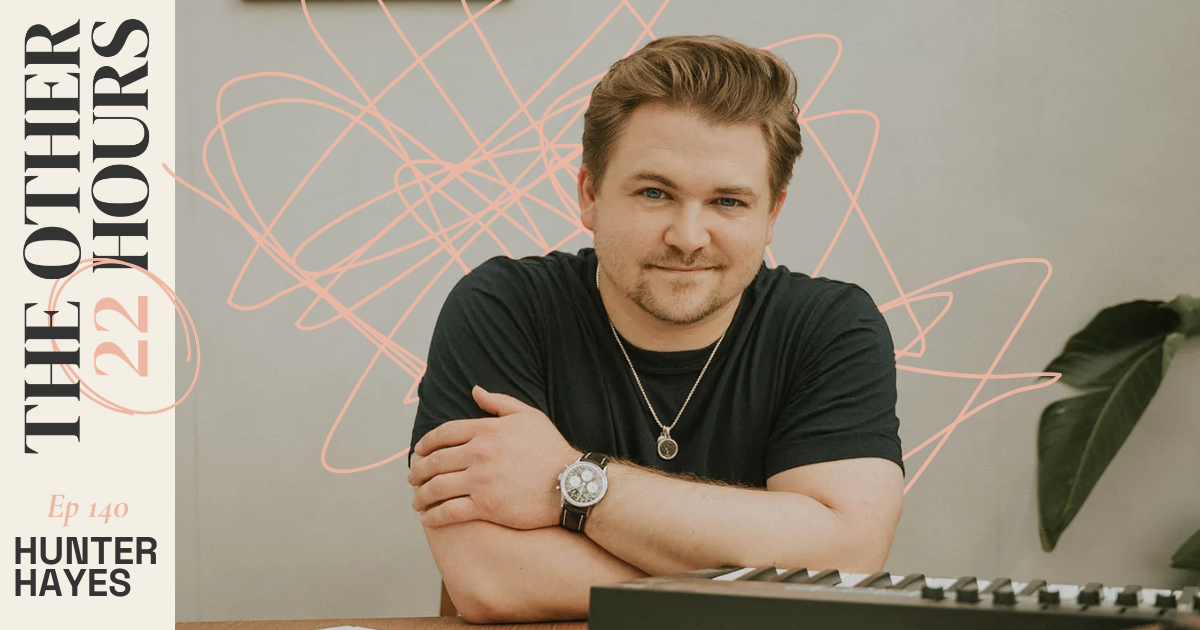
Five-time GRAMMY nominee HunterHayes has spent his entire life on the national stage, from performing at the White House at age seven to sharing stadium spotlights with the likes of Stevie Wonder and Taylor Swift. Yet, behind the multi-platinum accolades was a realization that his professional development had far outpaced his personal life. In this episode of the Other 22 Hours, we explore the vulnerability of “growing up” in the public eye, the paralyzing fear of not being busy, and how a strict routine can actually provide the ultimate freedom to play. And, we chat about how starting from a place of love is the only viable way to build an artistic career that lasts.
If you’ve read about Tucker Wetmore or listened to one of his many interviews, chances are the following subjects were lobbed his way: women, whiskey, blondes versus brunettes.
When the “star-maker machinery” that is the business of music collides with media outlets in search of headlines and algorithm rankings, it can make or break a promising new artist by reducing them to a pretty face with a clickbait story angle, the whole time steamrolling over the singer-songwriter at the core.
Tucker Wetmore is keenly aware of this and proceeds with caution. He’s affable enough to play along and astute enough to know the game. Peel back the layers and you’ll find a thoughtful, hard-working artist rooted deeply in faith and family and with a sense of public image versus personal values, carefully monitoring how and what he presents.
With multiple hit singles, award nominations, over a billion streams, product endorsements and campaigns, television appearances, endless interviews, the 2024 breakout Waves on a Sunset EP, and 2025’s unstoppable nineteen-track What Not To, Wetmore is taking it all in with cautious abandon, savoring the wins as they come.
It’s been a long, hard-fought road in a story now told countless times: he grew up in a small town, was raised in the church, brought up by his mother when his father walked out on the family. Music became vital at a young age, athletic prowess and four state titles led him to college, a severe football injury sidelined his career goals. Back home, he again threw himself into music, moved to Nashville in 2020, and pursued his dream.
On January 25, 2026, Wetmore added another victory to his timeline – this one particularly special, as it brought with it a lifetime of memories. He performed the National Anthem at Lumen Field during the halftime show at a Seattle Seahawks game, in front of a stadium filled with cheering fans.
He was still on that high when he spoke with Good Country only days after – and days before the launch of his Brunette World Tour. “It felt like a full circle moment,” he says of the halftime show. “I’ve been to Seahawks games growing up. I’ve been in that stadium, screaming my face off, cheering for the ‘Hawks. But to be on the field and playing my songs in front of thousands and thousands of people was absolutely surreal, especially for something as big as the NFC Championship. I’ve pretty much seen every NFC Championship since I was born. I was super nervous, but we got through it and we didn’t mess up too bad, so it was a good time.”
You have the biggest country debut album from a new artist in 2025. When did you realize that things were really taking off and it was time to “buckle your seatbelt, because this is happening”?
Tucker Wetmore: I’d say even before the album. The first time I felt like that was when Kameron Marlowe was nice enough to bring me on tour. I had one song out and I hadn’t even dropped “Wind Up Missin’ You” yet. I remember getting onstage at that first show and people screaming my songs back to me, singing every word to the songs I had teased [online]. It was absolutely insane. I was like, “I should probably buckle up. This is getting pretty real.” That’s when I knew I might have a chance to do this.
Can you ever be truly prepared for this level of success?
There’s definitely ways to prepare for certain situations, but there’s curveballs thrown at you every single day, so there’s no way to prepare for that. To put it in sports terms, learning how to sit back on the curve, wait for it to cross the plate, swing, and hopefully hit it.
We know about fan reactions to “What Not To,” and people relating to it from the perspective in which you wrote it. Have you also heard from fathers whom that song is hitting as hard because of what they didn’t do?
I’ve heard stories at meet-and-greets, people spending a little extra time telling me about how much that song has helped them cope. But I don’t think I’ve heard anything from fathers having that realization. That’s a touchy subject, and I hope it moves some fathers to want to be better.
All I can do with my music is write what I’m feeling, produce it the way I think it should sound, and put it out to the world for people to do what they will with it. One of my goals with that song was hopefully this changes some viewpoints on some fathers, and hopefully it helps people learn. It’s a “glass half full” kind of song. It’s saying, “Even though these things happened to me in my life, I can learn from this and use everything as a lesson,” instead of, “Oh, poor me.”
Have you ever fallen into that mindset?
I think we’re all human and we all do it. Not in a really long time, though.
I look at life as an opportunity. Whether it’s good or bad, it’s always an opportunity to learn and grow. I don’t [fall into it] so much anymore, but I remember being young and being pretty upset about some of the cards I was dealt. Luckily, my mom’s great and my family’s super supportive, I’ve got the best friends in the world that think the world of me, and I do the same for them. So I’ve got good people around me to keep my head on straight.
You had to grow up early when your dad left. What are some life lessons you took from those years that apply to your life and career now?
Growing up, I had four sisters and a beautiful mother, so it was a lot of women in the house, but it taught me a lot of things and I wouldn’t have changed it for the world.
There’s definitely times where I thought, “It’d be really nice to go out with another male and throw the ball out in the yard.” But looking back at it now, I learned so much about how to care for women, and how to be a provider, at a really young age, even though there wasn’t much I could do back then. Now I’m taking all those lessons and putting them into real life, like providing for my family, taking care of them, making sure they’re good mentally and financially.
A lot of things I learned at a young age are translating into my life now. Down the road, when I do find that special someone, I want kids someday. I want to build a family and do it right. And so I’d say I’m prepared for when that day comes because I know what to do and what not to do.
In an interview with Billboard, you said about music, “It saved me. It helped me. It was my therapy.” Let’s talk about how music helped you and how it continues to do so.
Music is, in my opinion, the best form of therapy. I think it’s God’s gift to us to be able to create and sing along, or dance, or whatever it is, to a tune. Music has shaped my mindset so much. I started playing when I was 10 or 11 years old and it shaped the way I cope with things. Instead of getting angry or upset or sad or frustrated, whatever the emotion is, I sit down at my piano and I just play for 30 minutes to an hour.
Being creative and having that creative mind, it runs fast and it runs 24/7. It’s … not a double-edged sword, but there’s a yin-yang to it. Music is the thing that drives me crazy because my mind can’t shut up and stop. But at the same time, I was in a write yesterday and the energy in the room was so great for four or five hours straight. We were smiling and laughing and creating the song. So music is my escape from what music does to my brain, if that makes any sense. It helps me ease the craziness of my mind.
During those earlier periods, when music, as you said, saved you, how dark was the darkness?
I lean very strongly on my faith, even during the dark times, and we all get them. I’m the happiest man in the world most days, but I still have days where the weight of the world feels like it’s compressing my spine, in a sense. It’s definitely been dark at times, but I lean on faith and I lean on God, and I lean on my music and other people’s music. It’s easy to snap out of when you have those avenues that are so moving to the soul or the mind.
Has there ever been a time when your faith wavered, or when you questioned it?
Yes. In college … it sounds wrong, and I don’t mean it in this way, but I kind of put my faith on the back burner. I was focusing on other things instead of the most important thing. I was playing football, I was partying a lot with my buddies, I was drinking every weekend to escape whatever it is. I still drink, but I do it with a solid conscience and it’s more celebratory now. There’s a fine line of focusing on worldly things and keeping your eye on the bigger picture of faith and the blessings that God has for us, because there’s so many.
You are giving a portion of ticket sales from this tour to Face The Fight, supporting suicide prevention and mental health treatment for veterans. Why is this the organization you selected to promote and help?
The first time meeting them, I turned to my manager and I was like, “I want a part of this. Let’s find a way to do something.” We put our minds together and it was, “What if we do ticket sales?” I was like, “Yes, a hundred percent.” It’s a huge thing for me because I’ve got a lot of veterans in my family, a lot of men that served and that have given their life on the battlefield.
My grandpa was like my father figure a lot growing up. He ended up taking his life five years ago. He was a very decorated veteran and one of the best people I’ve ever met, but even though it was so many years later, he couldn’t win that battle in his mind.
I think it’s super important to not just shine a light on it, these people that have given so much for our country and the people in it. It is such a selfless act, especially in the heat of war, when you’re fighting for people that you don’t even know, and doing things that no human should do, in my opinion. And then to come home, and 20 or 30 years down the road you’re still thinking about it, and still in that mental space of, “I can’t escape my mind.”
What [Face The Fight] is doing is amazing. It’s a blessing to be a part of. I think if my grandpa had an avenue like that, or knew of an avenue like that, maybe he’d still be here.
In an interview or podcast, you mentioned that you read the comments–
Sometimes.
You must have a really thick skin, because that can wear a person down.
There’s a lot of keyboard warriors out there. I can read the worst comment in the world and it doesn’t get under my skin at all. At the end of the day, I know who I am. The irony behind it is most of the people saying heinous and nasty things online have never created a song. They’ve never sung a tune. They’ve never sat in a room at 3 a.m. because they can’t sleep and put all their feelings on a piece of paper and tried to put a melody behind it. They don’t get it. They see things at surface level. I’m not going to bash on them or say it’s their fault for that. There’s irony behind it and that’s all I take it as. It’s funny to me. It’s almost comical at times.
I heard you use the words “build your brand” during a podcast. There’s a lot of image in this industry: wear the tight jeans, pose with your shirt up – you know what I’m talking about. How do you make sure this doesn’t overshadow the craft? As a new artist, do you have the autonomy to say no, to not answer a question, to stop an interview, to not want to take this picture?
While building a brand, and while creating something that is larger than yourself, it is more important to say no than it is to say yes. I definitely have the autonomy of saying no, and I do say no to a lot of things that come across the table. It’s saying yes to the correct things that align with not just the goal of what we’re trying to build, or the pillars that we are building it on, but morally. I account for my faith in pretty much all the decisions I make.
If I could give advice to any artist coming up – and I’m still making my way there – my biggest piece of advice is, “Say no to things that don’t feel right or don’t make you look like you.” I think I’ve done that pretty decently. At the beginning it’s really hard to say no to things, because you want every opportunity there is. But now I’m saying no to a lot more, saying yes to the correct things, and trusting my people. They know who I am and what we all want to build together, and it makes it a little easier.
Earlier you mentioned people reacting to song teasers. Before this career explosion, was there pressure to keep up when “everyone” is teasing songs on social media and the algorithm is bombarding people? It can turn into artists chasing numbers, which can also affect your mental health. How did you ride that storm without falling victim to it?
The grace of God, honestly. That’s a tough thing. It’s easy to compare yourself to others, based on a numerical scale of, “This got a million views, and I just posted one that’s got 150,000, it’s not being shared.” It’s very easy to get into that comparison mindset, but I do think it’s important to keep posting your stuff. Luckily, I’m getting to the point where I don’t have to post all the time. Posting is one of the most taxing things to my brain. I can’t stand just sitting there and making TikToks or taking photos or whatnot.
I realize the weight that a viral video can hold to your career and to a certain song or a project. It’s an easy way for millions of people to engage with what you’re trying to create. It’s a great tool. That’s the word I’ll use for it: social media is a tool. Some people idolize it and can’t go through their day without it. I look at it as a tool for people to share my music and hear my music and get excited about the things I’m trying to do.
We can’t do this without talking about your mother. She is such an integral part of your life and your career. Without her support, how different would your trajectory have been?
I don’t think there would be any trajectory at all, honestly. After I got injured playing football and dropped out of college, I was living back home. I remember having that conversation with her. I was like, “Mom, I really want to chase this music thing.” It was like a sigh of relief from her, in a sense. Her shoulders went down, she took a deep breath, she goes, “Finally. Finally. I’ve been telling you this for years now.”
She helped me pack up all my stuff and move, and she supported me financially the first couple years of me moving to Nashville. I would be living on the street if it weren’t for her – metaphorically living on the street, because she would never let me do that. She believed in me before I even had good songs. She believed in my work ethic and my mind and my creativity. One of the biggest blessings God has given me is a mother who cares and wants to see her kids succeed in whatever dream they have.
And now she’s doing podcasts and talking about your childhood.
Yeah. Somebody needs to rein her back a little bit!
You love being on the lake. Is water also a form of therapy for you?
Oh, a hundred percent. I grew up in a super small town, Kalama, Washington. Because it’s built up on a hill, pretty much wherever you are, you can see the Columbia River. I spent so much time on that river, or on the Kalama River, or at the lakes surrounding. I feel happiest when I’m at the ocean or at the islands.
I’ve got a lake house in Nashville and it’s a great escape for me to go back home and be able to sit there and look at the water. It helps not just my creative mind, but [also] my mental health. Another thing God has given us as natural therapy is the beauty of a body of water. It’s the most simple thing in the world, but I do not take it for granted.
Is it a spiritual place for you as well, a natural church?
Yeah. Anything can be a church, as long as you’ve got the spirit in it!
What’s on your heart as you’re getting ready for this tour?
Excitement. It’s been a couple months since I’ve toured and I’m itching and eager to get back to it. I’ve had a great break. I’ve had a very creative break. I finished writing my second album yesterday. Obviously, things change and I get new thoughts or whatever, but right now I feel pretty confident in the songs we got, and I’m excited to get back on the road and maybe tease or play some of these new ones and see how people like them.
And I’m excited to just be on the road. I feel most alive when I’m in the craziness of it all. It does get taxing at times, but it’s truly a drug to not just me, but pretty much all my artist buddies. It’s a feeling you can’t really explain, getting up on a stage in front of thousands and having people scream your creations back to you. It’s the coolest thing in the world. I’m excited to see the fans and be with my band, my crew, and my team. It’s a family that we’ve built, and it’s going to be cool. I’m excited.
Since you brought it up, before we close, what can you tell us about the next album?
It is sonically one of the coolest things I’ve heard in a long time. I don’t want to give too much away. I’ve been doing a lot of thinking about what I want this next record to be for the last year already. I think about what I get in my truck and listen to, and I’m kind of an older soul. So it’s very ‘70s-influenced and early ‘80s, with the guitar tones and drums and weird, synth-y sounding steel guitar licks. It’s really cool and it’s fresh, and I don’t think anybody’s really doing it right now, which I’m excited about but which is also scary, because I don’t know how people are going to feel about it because it is different.
I was thinking about this yesterday, actually: “Proving Me Right” is the perfect bridge into this next chapter, sonically. It’s not too far leaning over there, but it’s still got the old tendencies in it. If you were to listen to anything that gets you excited about this next record, I’d say “Proving Me Right” is a great start.
Want more Good Country? Sign up to receive our monthly email newsletter – and much more music! – direct to your inbox.
It’s Friday and it’s new music time! We’ve got a few things on the slate that you simply gotta hear.
Starting us off, quickly rising bluegrass up-and-comer 16-year-old Asher Brinson gives us a sneak preview of his upcoming single, “Midnight Hurricane,” the title track for an album the young songwriter and picker has set for release in early April. “Midnight Hurricane” features Sierra Hull on mandolin and Lindsay Lou on vocals – and Brinson more than holds his own among the talented roster on the track.
Also in bluegrass sounds, Jesse Smathers turns the clock and calendar back to the primordial musical ooze before bluegrass with his rendition of “Take A Drink On Me.” The track was inspired by Charlie Poole and the North Carolina Ramblers, with whom Smathers shares a hometown. As the artist and mandolinist puts it, “This tune is a prime example of early popular dance music” – the kinda stuff that inspired the earliest bluegrass artists like Bill Monroe, Earl Scruggs, and many others. In the hands of Smathers and his band, it’s a bluegrass song fit for any era.
There’s Good Country to enjoy below, as well. Mac Cornish unveils a new track, her cover of Ian & Sylvia’s “Trucker’s Cafe.” You can almost catch the glint of bright sunshine off a chromed truck stop diner listening to the tune, lush with pedal steel and honky-tonkin’ guitar. The boot scootin’ track was recorded in Nashville and produced by Andrija Tokic.
To round us out, Tenille Townes returns to the site with “The Acrobat,” a contemplative and resonant song featuring another of our favs, Lori McKenna. “When you’re barely hanging on it’s easy to let go,” Townes sings, her voice rich with emotion and conviction. The song is the title track for Townes’ upcoming album, set for release in April, and is a fitting nexus point for the LP. “After losing my way for a while,” Townes shares with BGS, “this song felt like such an important anchor for this album.” You can watch the brand new music video for “The Acrobat” below.
Take a scroll and enjoy your listen – You Gotta Hear This!
Asher Brinson, “Midnight Hurricane”
Artist:Asher Brinson Hometown: Newport, North Carolina Song: “Midnight Hurricane” Album:Midnight Hurricane Release Date: March 6, 2026 (single); April 3, 2026 (album)
In Their Words: “When Chris Henry and I got together to write, I told him I was having an ‘off’ day and he said to let it flow – say whatever was on my mind. Those thoughts became the first line of ‘Midnight Hurricane.’ Growing up on the North Carolina coast, hurricanes have always just been a part of my life. And it seemed like they always hit at night! Midnight is quiet, but your thoughts aren’t, and hurricanes are like that — all of your feelings hitting at once. It’s a love story wrapped in chaos and after the storm, there’s a calm that makes you appreciate what’s steady and real. With Sierra Hull on mandolin and Lindsay Lou on vocals, this song instantly became one of my favorites. I feel like they both added just the right touch. While hurricanes unfortunately bring destruction, they also have a way of bringing people and communities together… to uplift each other, support, and rebuild.” – Asher Brinson
Track Credits: Asher Brinson – Guitar, lead vocal Cory Walker – Banjo Jason Carter – Fiddle Christopher Henry – Bass, baritone vocal Sierra Hull – Mandolin Lindsay Lou – Tenor vocal
Mac Cornish, “Trucker’s Cafe”
Artist:Mac Cornish Hometown: Currently Nashville, Tennessee, but grew up in the Bay Area, California Song: “Trucker’s Cafe” Release Date: February 27, 2026
In Their Words: “This single is a cover of the Ian & Sylvia song, ‘Trucker’s Cafe.’ The song is from their 1969 record, Great Speckled Bird, which they also used as the name of their newly formed band, including the likes of Buddy Cage and David Briggs. Ian and Sylvia are a huge influence on me because of their blending of folk, rock ‘n’ roll, and country – especially on this album and this song. The song is a subversive take on the trucking country fad of the 1960s and ’70s, taking the perspective of a heartbroken truck stop diner waitress. The vocals are distinctly folk with their vibrato and falsetto, but the instrumentation is all rockin’ country goodness with walking bass and ripping pedal steel. I’ve always said that the best year in music was 1969. This is one of the many songs I absolutely love from that year in music and it only felt right to record a cover and honor my influences. My cover was recorded in October of 2025 at the Bomb Shelter in Nashville, TN and was produced by Andrija Tokic.” – Mac Cornish
Track Credits: Mac Cornish – Vocals, acoustic guitar Charlie Fuerstch – Electric guitar Jeff Taylor – Piano Cooper Dickerson – Pedal steel Jack Lawrence – Bass Dave Racine – Drums
Jesse Smathers, “Take A Drink On Me”
Artist:Jesse Smathers Hometown: Floyd, Virginia Song: “Take A Drink On Me” Release Date: February 27, 2026 Label: Mountain Home Music Company
In Their Words: “Though my familial roots are deeply planted in Western North Carolina, I was raised in Eden, NC – the home of Charlie Poole. I spent my youth picking and competing at the Charlie Poole Festival there. The festival was held at Morehead Park, on the same grounds where the cotton mill Poole used to work at once stood. I heard the music of Charlie Poole and the North Carolina Ramblers ringing throughout my childhood. He, along with his bandmates, were some of the most prominent precursors to bluegrass stylings that came nearly 20 years later. Tales of Poole, Posey Rorer, and Norman Woodlief are still being told today, as you would expect, with larger-than-life personalities and musicians.
“I often imagine this scene: walking down Morgan Road in Spray (one of three small communities that made up Eden) in 1926 as a bystander and hearing the centric bounce of Piedmont Mill music in the distance. As I approach, I witness the North Carolina Ramblers sitting on a stoop sharing tunes and a jug of the best white liquor that the area along the NC/VA line is so notorious for. That sight is exactly what came to mind when recording this tune and what comes to mind when I hear it back. This tune is a prime example of early popular dance music. Hunter Berry on fiddle masterfully captured the necessary musical essences all while integrating his own spontaneous and playful liveliness. The same can be said of Corbin Hayslett who mixed in popping Charlie Poole banjo techniques. Whether it’s a Coke, glass of tea, a beer, or a jar of Shooting Creek’s finest, all you rounders get ready to party and ‘Take A Drink On Me’!” – Jesse Smathers
Track Credits: Jesse Smathers – Guitar, lead vocal Hunter Berry – Fiddle Corbin Hayslett – Banjo Nick Goad – Mandolin, harmony vocal Joe Hannabach – Upright bass Patrick Robertson – Harmony vocal
Tenille Townes, “The Acrobat” featuring Lori McKenna
Artist:Tenille Townes Hometown: Grande Prairie, Alberta, Canada Song: “The Acrobat” featuring Lori McKenna Album:The Acrobat Release Date: February 27, 2026 (single); April 10, 2026 (album)
In Their Words: “There’s an underlying whisper in this song saying you don’t have to make yourself smaller anymore, and it is my greatest hope that someone hearing this could believe it’s true. I have been navigating a return to self season in my life and reclaiming the belief that I don’t have to contort myself to fit what anyone else needs. After losing my way for a while, this song felt like such an important anchor for this album. Writing this song through the lens of a character helped me to hold enough distance from myself to be able to write the truth, and name the quiet damage that comes from performing, instead of just being.
“Lori McKenna has been a compass influence for me and it’s an honor to have her singing on this song we wrote together. I love how she enters the recording on the line about the fortune teller with all her knowledge, because Lori has been that voice of wisdom for me for years through her songs. The honesty in her lyrics and the way her voice holds emotional tension has given me permission to explore that kind of vulnerability in my own writing. I’m grateful for our friendship, and for the opportunity to share a love for the craft of a song with someone I am still so inspired by.” – Tenille Townes
Photo Credit: Tenille Townes by Madison Rensing; Mac Cornish by Mandi Fountain.
Artist:Jenna Torres Hometown: New York, New York Latest Album:Firebird (released December 5, 2025) Personal Nicknames (or rejected band names): I have been known to answer to JT, Jen, JenJen, Sugar, Honey, and Baby, but my favorite by far is Mom.
If you had to write a mission statement for your career, what would it be?
Living a song-driven life has filled me with a sense of purpose over and over again. It has always been more than a career to me. There is something about being a singer-songwriter that has always felt like a mission. If I have to break it down to a single statement, I would say my mission is to “touch as many hearts as I can.”
What has been the best advice you’ve received in your career so far?
There are a few, but these are my top two. Be you! Be true to your own voice. The world is filled with great artists, but there is only one you. So follow your heartbeat, dance to your own drum, and try not to give too much of a shit about what other people think, because it can get in the way of finding you.
The second piece of advice I got from my A&R person when I signed a fancy deal some time ago. She said, “Celebrate when things are good, because the world of music is full of ups and downs and if you don’t celebrate when things are going well, you will wake up and whatever was worth celebrating will be gone.” Being somewhat superstitious, I missed out on quite a few moments when I could have been having fun. She was right – when things are going well, raise a glass of gratitude and be sure to enjoy the moment!
Which elements of nature do you spend the most time with and how do they impact your work?
I am into human nature. I like to say people are my trees. Growing up in NYC, people have always been my inspiration. My songs are born out of the endless fascination with how we handle what life gives us. I probably get more from riding the subway than a walk in the woods, although there is magic in the woods and the waves. I love to walk down a city street – it inspires me to tell stories.
What’s one question you wish interviewers would stop asking you?
“What or who is your favorite ‘fill in the blank’?” I am kind of an equal opportunity appreciator, if that is a phrase. I do have old favorites, but I seem to have new favorites every day. I am always open to loving something I have never seen, heard, or done before. So yeah – I can’t pick a favorite!
If you didn’t work in music, what would you do instead?
I would be a fortune teller. I love the unseen world. I tend to dig the deep end of the pool, so some helping profession that involves exploring healing from within – which is not that much of a departure from songwriting when you think about it.
On November 19, 2025 the 59th Annual CMA Awards were broadcast live on ABC from Bridgestone Arena in Nashville, Tennessee. Hosted by Lainey Wilson for the second year in a row, the primetime awards show is now streaming on Hulu for any viewers who were unable to tune in live. Wilson not only hosted, she also dominated the awards, taking home trophies for Album of the Year, Female Vocalist of the Year, and the evening’s top honor, Entertainer of the Year. The Louisianan country sensation has now won 12 CMA Awards out of 25 nominations in just four years of eligibility – including two Entertainer of the Year wins.
The other standout award recipient of the night was “you look like you love me,” a viral hit for mainstream country stars Ella Langley & Riley Green. The track garnered trophies for Single of the Year, Song of the Year, and Music Video of the Year. Meanwhile Post Malone, who has now been nominated for CMA Awards five times over the past two years, landed his very first CMA Award for Musical Event of the Year for his song, “Pour Me A Drink,” featuring Blake Shelton. Bluegrass-steeped country phenomenon Zach Top also received his first CMA Award – for New Artist of the Year – after two huge, breakout years for everyone’s new favorite neo-traditionalist.
The broadcast included live performances and exciting collaborations from artists like Wilson, Top, Kenny Chesney, Chris Stapleton, Luke Combs, Miranda Lambert, Shaboozey and Stephen Wilson Jr., the Red Clay Strays, Tucker Wetmore, and many more. Legendary country, bluegrass, and Americana multi-hyphenate Vince Gill was honored with the Willie Nelson Lifetime Achievement Award – the presentation featuring a surprise appearance by last year’s awardee, George Strait. Gill’s longtime pal and collaborator, pedal steel guitarist extraordinaire Paul Franklin, took home the award for Musician of the Year.
Chesney, who recently released a best-selling book, Heart Life Music, performed a medley of “American Kids” and “When the Sun Goes Down.” to mark his induction into the Country Music Hall of Fme, and to celebrate his fellow newly minted Hall of Fame members June Carter Cash and Tony Brown, too. Brandi Carlile and Patty Loveless joined together to honor Gill with a rousing performance of “When I Call Your Name,” a No. 2 Billboard hit for Gill that shone and sparkled on the CMA stage with rich, reedy harmonies by Carlile and Loveless.
Fans can stream the CMA Awards Show now on Hulu. Find the full list of nominees and winners (in bold) for the 59th Annual CMA Awards below:
ENTERTAINER OF THE YEAR
Luke Combs Cody Johnson Chris Stapleton Morgan Wallen Lainey Wilson
SINGLE OF THE YEAR
“4x4xU” – Lainey Wilson Producer: Jay Joyce Mix Engineers: Jason Hall, Jay Joyce
“Ain’t No Love In Oklahoma” – Luke Combs Producers: Luke Combs, Chip Matthews, Jonathan Singleton Mix Engineer: Chip Matthews
“Am I Okay?” – Megan Moroney Producer: Kristian Bush Mix Engineer: Justin Niebank
“I Never Lie” – Zach Top Producer: Carson Chamberlain Mix Engineer: Matt Rovey
“you look like you love me” – Ella Langley & Riley Green Producer: Will Bundy Mix Engineer: Jim Cooley
ALBUM OF THE YEAR
Am I Okay? – Megan Moroney Producer: Kristian Bush Mix Engineer: Justin Niebank
Cold Beer & Country Music – Zach Top Producer: Carson Chamberlain Mix Engineer: Matt Rovey
F-1 Trillion – Post Malone Producers: Louis Bell, Charlie Handsome, Hoskins Mix Engineer: Ryan Gore
I’m The Problem – Morgan Wallen Producers: Jacob Durrett, Charlie Handsome, Joey Moi Mix Engineers: Charlie Handsome, Joey Moi
Whirlwind – Lainey Wilson Producer: Jay Joyce Mix Engineers: Jason Hall, Jay Joyce
SONG OF THE YEAR
“4x4xU” Songwriters: Jon Decious, Aaron Raitiere, Lainey Wilson
“Am I Okay?” Songwriters: Jessie Jo Dillon, Luke Laird, Megan Moroney
“I Never Lie” Songwriters: Carson Chamberlain, Tim Nichols, Zach Top
“Texas” Songwriters: Johnny Clawson, Josh Dorr, Lalo Guzman, Kyle Sturrock
“you look like you love me” Songwriters: Riley Green, Ella Langley, Aaron Raitiere
FEMALE VOCALIST OF THE YEAR
Kelsea Ballerini Miranda Lambert Ella Langley Megan Moroney Lainey Wilson
MALE VOCALIST OF THE YEAR
Luke Combs Cody Johnson Chris Stapleton Zach Top Morgan Wallen
VOCAL GROUP OF THE YEAR
Lady A Little Big Town Old Dominion Rascal Flatts The Red Clay Strays
VOCAL DUO OF THE YEAR
Brooks & Dunn Brothers Osborne Dan + Shay Maddie & Tae The War And Treaty
MUSICAL EVENT OF THE YEAR
“Don’t Mind If I Do” – Riley Green (featuring Ella Langley) Producers: Scott Borchetta, Jimmy Harnen, Dann Huff
“Hard Fought Hallelujah” – Brandon Lake with Jelly Roll Producer: Micah Nichols
“I’m Gonna Love You” – Cody Johnson (with Carrie Underwood) Producer: Trent Willmon
“Pour Me A Drink” – Post Malone (feat. Blake Shelton) Producers: Louis Bell, Charlie Handsome
“You Had To Be There” – Megan Moroney (feat. Kenny Chesney) Producer: Kristian Bush
MUSICIAN OF THE YEAR
Jenee Fleenor – Fiddle Paul Franklin – Steel Guitar Brent Mason – Guitar Rob McNelley – Guitar Derek Wells – Guitar
MUSIC VIDEO OF THE YEAR
“Am I Okay?” – Megan Moroney Directors: Alexandra Gavillet, Megan Moroney
“I’m Gonna Love You” – Cody Johnson (with Carrie Underwood) Director: Dustin Haney
“Somewhere Over Laredo” – Lainey Wilson Director: TK McKamy
“Think I’m In Love With You” – Chris Stapleton Director: Running Bear
“you look like you love me” – Ella Langley & Riley Green Directors: Ella Langley, John Park, Wales Toney
NEW ARTIST OF THE YEAR
Ella Langley Shaboozey Zach Top Tucker Wetmore Stephen Wilson Jr.
Photo Credit: Lainey Wilson by CeCe Dawson
This website uses cookies to improve your experience. We'll assume you're ok with this, but you can opt-out if you wish.AcceptRejectRead More
Privacy & Cookies Policy
Privacy Overview
This website uses cookies to improve your experience while you navigate through the website. Out of these, the cookies that are categorized as necessary are stored on your browser as they are essential for the working of basic functionalities of the website. We also use third-party cookies that help us analyze and understand how you use this website. These cookies will be stored in your browser only with your consent. You also have the option to opt-out of these cookies. But opting out of some of these cookies may affect your browsing experience.
Necessary cookies are absolutely essential for the website to function properly. This category only includes cookies that ensures basic functionalities and security features of the website. These cookies do not store any personal information.
Any cookies that may not be particularly necessary for the website to function and is used specifically to collect user personal data via analytics, ads, other embedded contents are termed as non-necessary cookies. It is mandatory to procure user consent prior to running these cookies on your website.
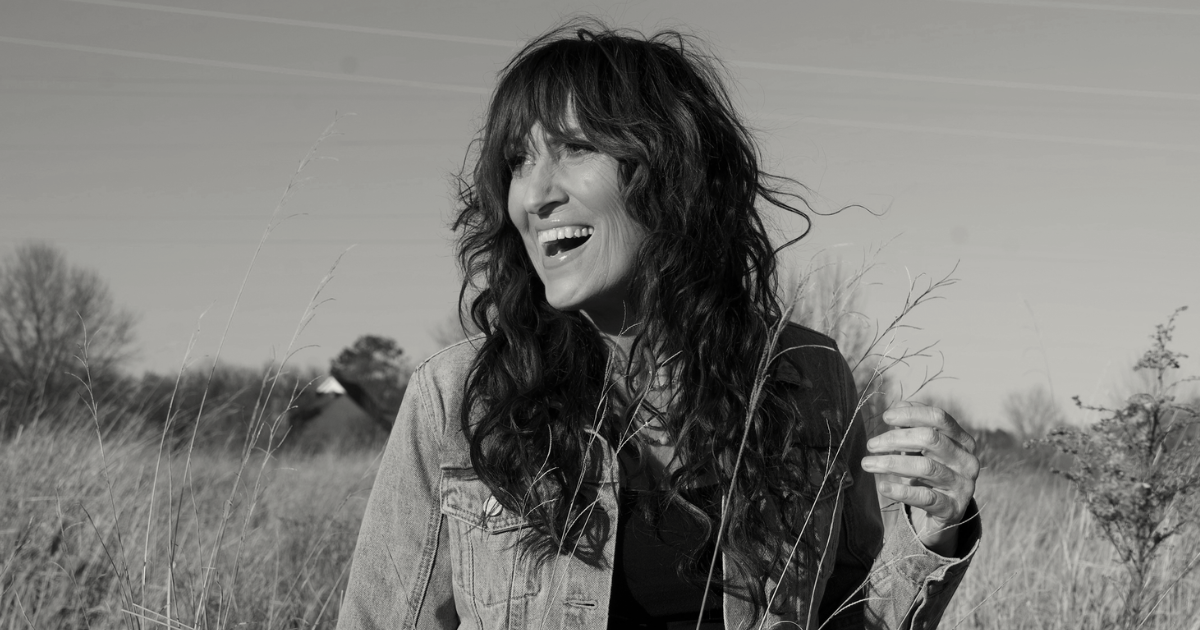
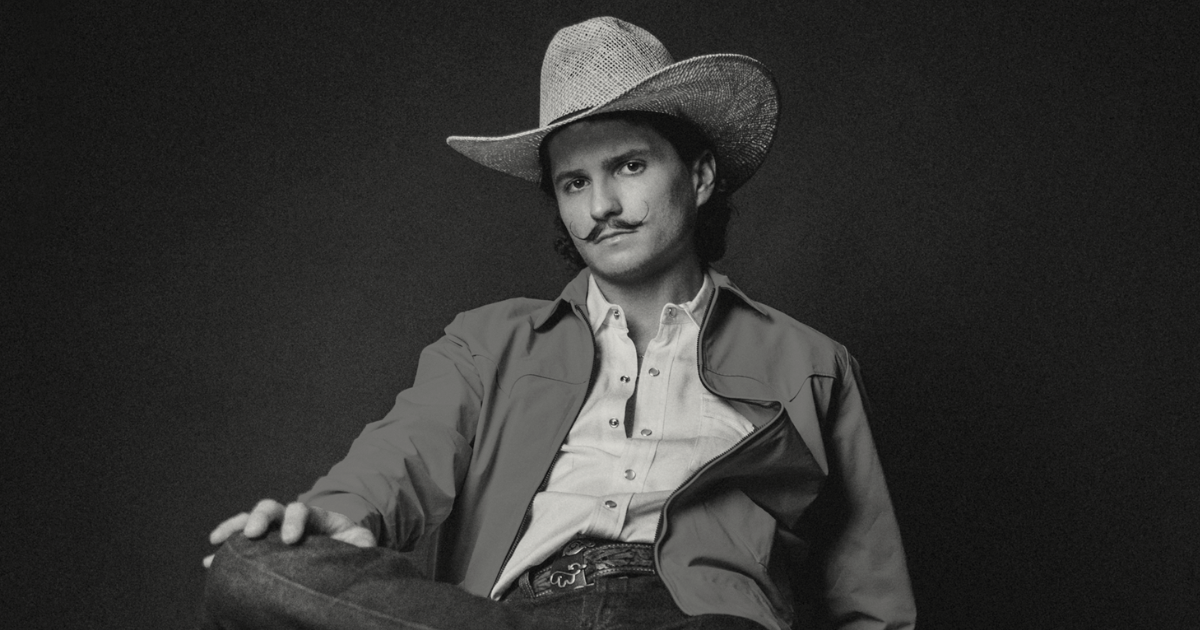
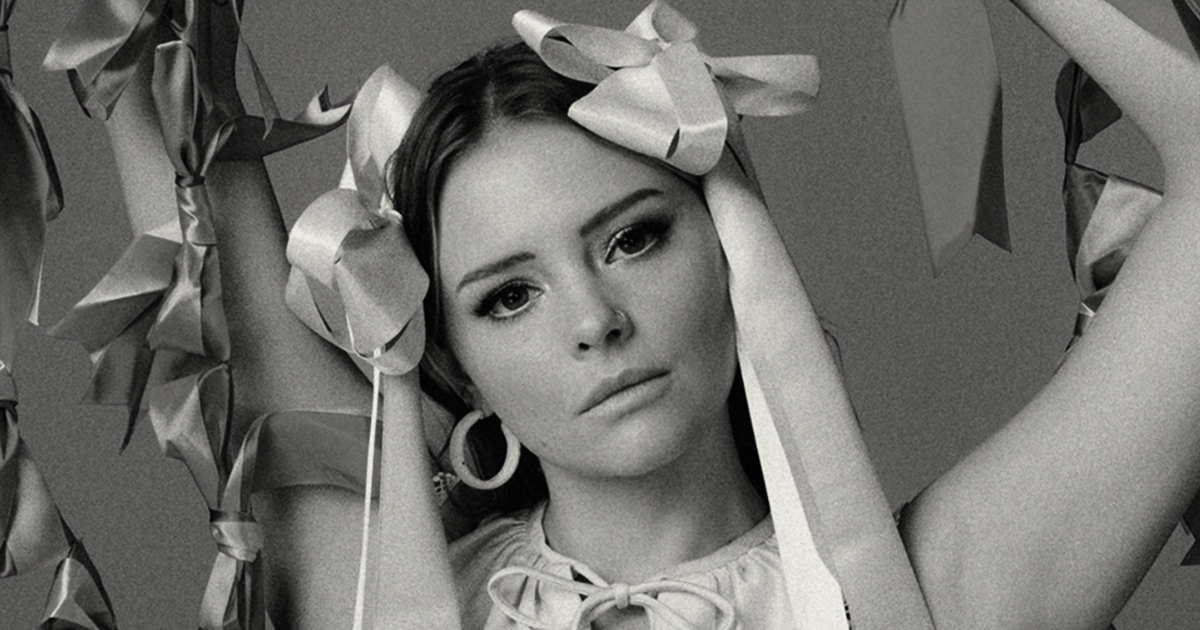
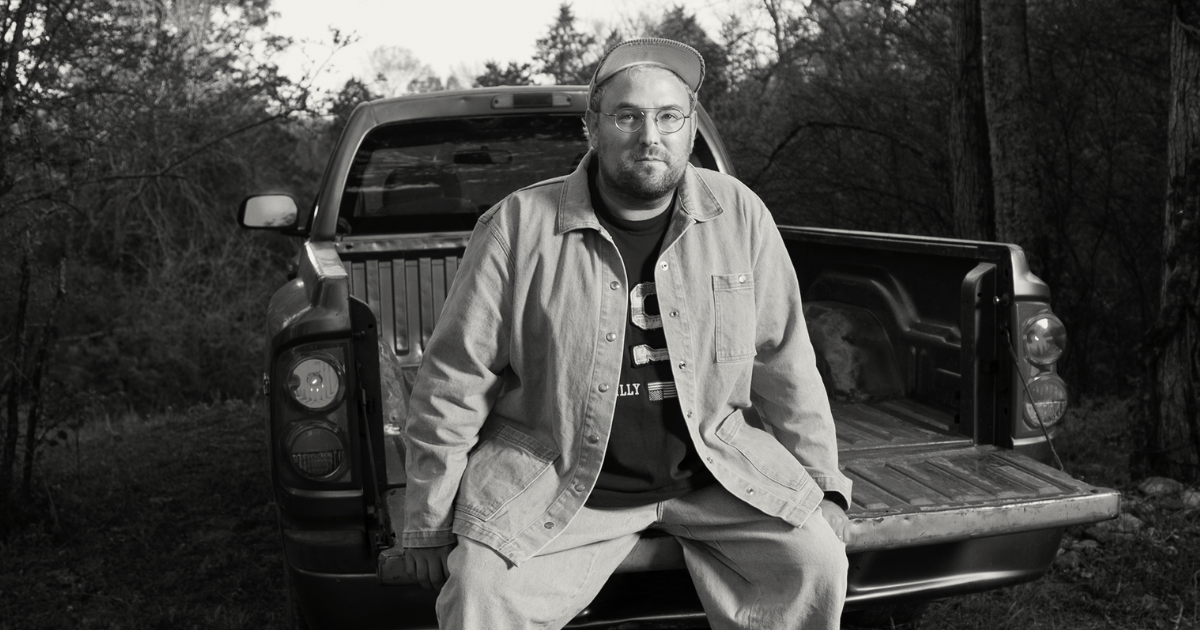
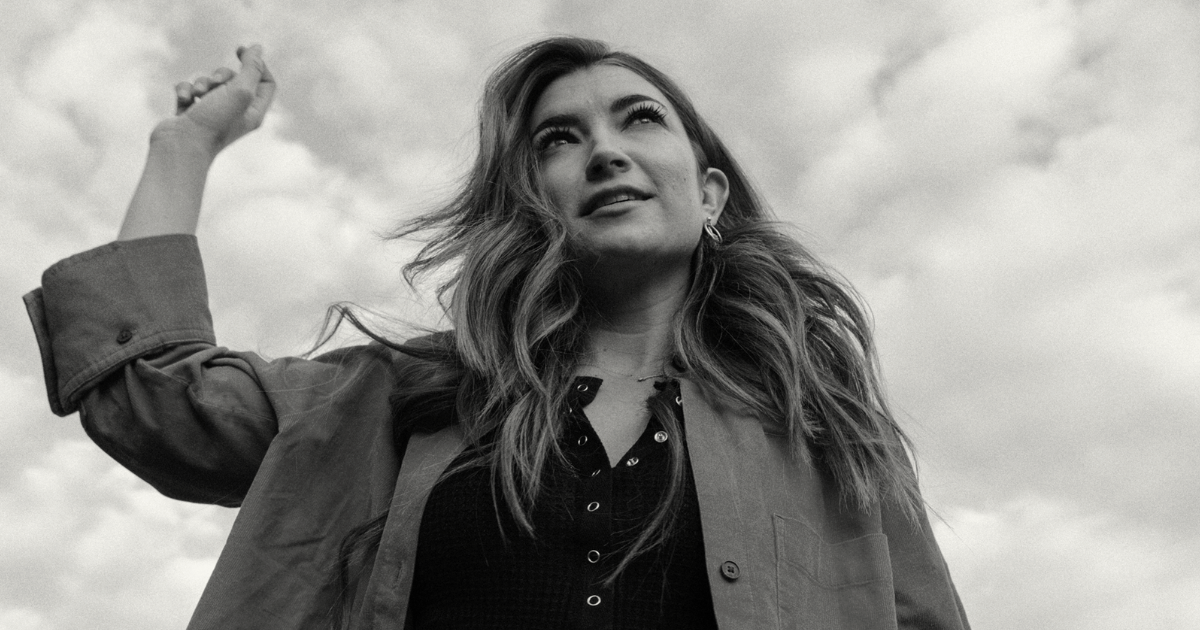
![“It's like the metaphor of having a [limited] number of crayons in your hand and trying to make a picture out of that. I felt I wanted the whole box back.” - Tenille Townes](https://thebluegrasssituation.com/wp-content/uploads/2026/03/TenilleTownes_GC_QuoteGraphic.png)