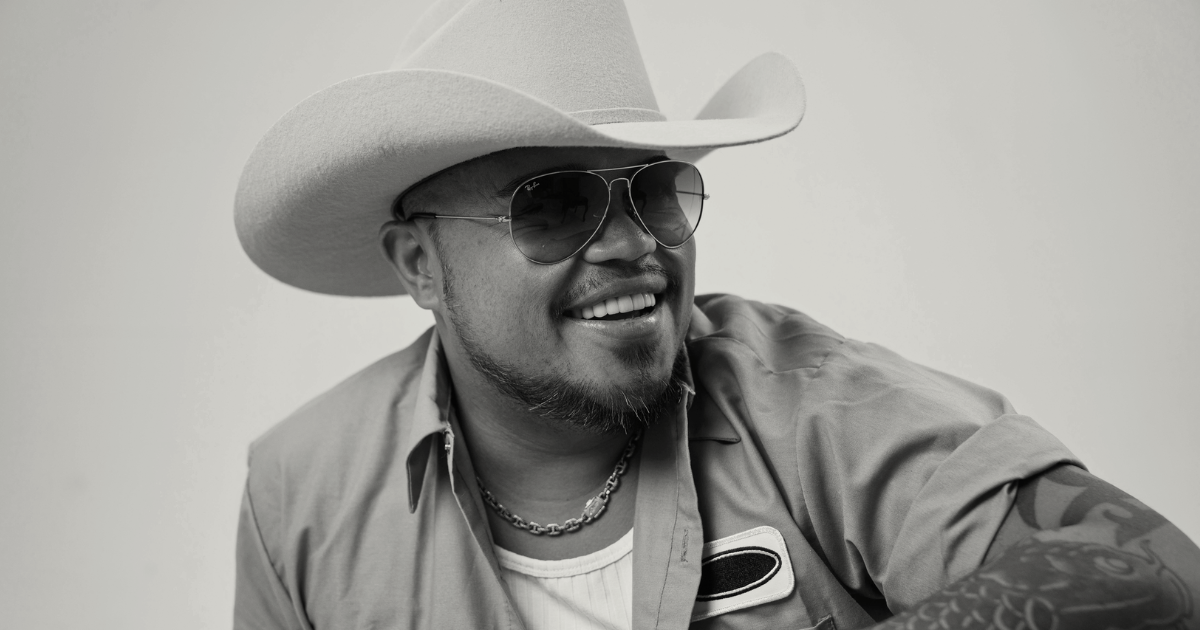
Maoli Fully Embraces His “Island Country” Point of View

In an era of polarization, social division, and dissent, Glenn Awong, the Hawaiian country reggae star better known as Maoli, believes we’ve all got more in common than not. Awong came to this realization in the late 2010s while he was touring through the US with his band. Show by show, he discovered that life in the American South wasn’t too dissimilar from the cattle ranches and pineapple fields where he grew up on Maui’s North Shore.

Once Awong had those shared realities in mind, he observed that island reggae pop and the soulful sides of country, folk, and bluegrass weren’t that different either. Emboldened, he began to cover popular contemporary country hits like Brett Young’s “Mercy” and “In Case You Didn’t Know,” imbuing their lilting melodies, range-roving rhythms, and plainspoken storytelling with a breezy, coastal shuffle. The results spoke for themselves, catapulting the big-hearted singer into a new tier of success, paving the road towards 2023’s hit-laden Maoli Music Overload album and the innumerable singalong singles that have followed.

Prior to his transformative revelations about island and country, Awong and his band had spent a decade building audiences across Hawaii, the Pacific Islands, and the American West Coast. Once he wholeheartedly embraced his fusion style, the rest of America and locations as far flung as Australia and New Zealand welcomed him with open arms. Since then, it’s been one rodeo after another.

Ultimately, the secret, as Awong has come to understand it, is leaning all the way into his island country upbringing and lifestyle. He didn’t need to disguise himself as someone else. He just needed to be the most unapologetic version of himself.

“I’m really that island guy, but I can go into the country right now and do my rodeo cowboy thing,” he says, grinning from ear to ear on a video call from Maui. “I can hunt, go down to the beach, enjoy a beer, jump in the water and start fishing, all in the same day.”

Several weeks before the release of his latest single, “Runnin’ Me Off” featuring Nashville’s Maddie Font (formerly of Maddie & Tae), Awong spent 45 minutes in conversation with Good Country. Punctuating his thoughts with an infectious laugh, he spoke generously about his musical heroes, island and country life, his experience in Nashville, and the realities of life on the road as an entertainer.

I noticed you follow Aaron Neville on Instagram. What does he mean to your music?

Maoli: Aaron Neville is one of my musical heroes. My grandmother introduced him to me when I was a kid. I was always fascinated by his music. His voice is super unique. He moved me in a way that made me feel like he was the greatest. I used to try to mimic him. You can hear it in my music.

I grew up on his music as well. I was impressed by how effortlessly he could work across genres while always sounding like himself.

I really loved it when he sang a cover of “The Grand Tour” [by George Jones]. I love it more than the original. He’s transcended genre multiple times. He did what I’m trying to do right now. I look up to people who take risks and do things that are not normal. He didn’t limit himself. I love people who take that to heart.

What do you see as the values that underpin your music?

When it comes to country and reggae, it’s really like a lifestyle for me. It’s really who I am. Reggae music comes from Jamaica. Jamaica is an island, but so is Hawaii. We can relate in Hawaii, because we’re both island people. A lot of people don’t get to see this, but in Hawaii, we live country lives as well.

If you weren’t a singer, who do you think you’d be?

I’d probably be some type of farmer or cowboy. I’d probably be cowboying for a living, or I’d be a construction worker, like a lot of people out here. I’d be in some line of labor work.

Which would have probably led you to write songs anyway.

Yeah, that’s true. That’s how songwriting is done. You’re inspired by things that happen around you.

I like how you’ve identified that your music is the outgrowth of a lifestyle.

I see a lot of artists try to copy other people. What they’re missing is that you have to find out who you are. I studied the greats as well, but I always wanted to find my own voice.

What you’re talking about is a durational exercise. It doesn’t happen overnight.

I didn’t find crazy success until five years ago. People don’t understand this, but I was in the game for 15 years before that. I was trying to discover my voice, and it led me back to where it all began, my country lifestyle.

Who are the gold standards for you in country music?

There are so many good country songwriters. Zac Brown is one of them. I love his style, which also comes from that Jimmy Buffett feel. Then Kenny Chesney or George Strait, but I can’t say George was a writer, but I love his songwriters. That type of country. George Jones. I’m an old school guy.

Songwriting, recording, performance. These are all art forms that have to work together. Often, it takes a team.

That’s what I’ve learned in the business. I’ve done covers. I used to get a lot of shit for doing covers. If that’s a crime, you might as well take Whitney Houston and Elvis Presley out of the picture. A lot of your favourite artists do not write their own music.

There’s a process where you find the great songwriters, you find the perfect producer, the perfect engineer, and all that stuff. You gotta create that team. You can’t always do it all yourself. The best of the best have teams.

What are some of your favorite covers to sing, and what did you learn from them?

My favorite cover to play live is “Every Night, Every Morning” [by Maddie & Tae] because that’s the only time I can rest. The crowd sings the whole song. [Laughs] Doing covers helped me as a songwriter. I get to see how these people put these masterpieces together. I don’t just do any cover; it has to move me. The melody and lyrics have to move me.

I thought I was a good songwriter until I went to Nashville and started writing with the best songwriters. They really know what they’re doing. What I learned with them is you gotta have good storytelling, the melodies just gotta come, and all that stuff. It was cool going out there and learning how to write.

What do you think makes a good story?

It has to come from a place of truth. It can’t be fake. I’m not going to name names, but I’ve listened to songs where they’re talking about drinking and partying, and they’ve never touched a beer in their lives. How do you understand that energy if you’ve never partied?

Not everyone will be familiar with the relationship between country music and Hawaii.

People ask me all the time what my shows are like. I always say it’s something you have to experience. It’s the same with our relationship with country music. I’d really have to take you where I’m from so you could see how we live.

Country is country, right?

The country that I love is the songs that really talk about that cowboy life. Hard work, heartbreak, leaving when times are rough, and finding yourself in a bar, drinking your sorrows away. That’s real shit, right there. That’s where the relationship between island and country is very similar in ways. I spent a lot of time in Texas and Nashville. If Polynesians knew how these cowboys really live, they would realize that we’re the same.

If I asked you to name-check some Hawaiian musicians who were combining country and reggae music before you, who would you mention?

I would have to shout out the Kaʻau Crater Boys. They’re the original group that brought country covers and gave them an island reggae feel. I’d also have to say Kapena. Those are the two groups I looked up. They’ve done this stuff longer than I have. I can’t say I created it. They were really popular here. Some people didn’t know their country reggae songs were covers. They became a staple in Hawaii. Even Israel Kamakawiwoʻole, one of our greatest singers, did a cover of “Country Roads” by John Denver. It was one of the biggest songs in Hawaii. People here thought that he wrote it.

At this point, there’s a back-and-forth relationship between American country music and different scenes all over the world.

People don’t always understand. Even for me, when I started going to Nashville, it took me a while to get used to their customs and culture. I would sit in on songwriting sessions with some really incredible songwriters who had written platinum songs and had never heard of me before. I sold 42,000 tickets in Hawaii. I sold out shows in Tahiti and Samoa. I’m not trying to brag, I’m just saying that, for example, I could do all of that, and they still had no idea who I was in Nashville. When they found out who I was and what I could do, they wanted to write with me. If I hadn’t gone there, I wouldn’t have known who they were either.

It’s an interesting situation to be in. When you’re building a career like you have, you might be famous in one country and unknown in another. How do you keep yourself grounded through it all?

I don’t let any of it get to me. I stay neutral. If you tell me I’m the goat, I’ll say thank you. If you tell me I’m a piece of shit, I’ll say thank you. The way I feel is whether I’m selling 42,000 tickets or an unknown in Nashville, I’m the same. You’ve got to be humble in your success. I love going places where they don’t know me, because I can really be myself and not worry about people pulling out their phones to film me.

It seems like a hard thing to navigate in the social media era.

I’ve gotten better at the post-and-ghost thing. When you have a certain level of success, everyone on social media has an opinion. I try to spend as little time as possible on that stuff. There are great things about it as well, but I have a team to handle that stuff. I don’t let it get to me. You can get trapped on social media. Whether what they’re saying is good or bad, you don’t always need to hear it. I don’t want to break my humility. I’m just a regular guy doing my thing.

How important has the West Coast of America been to your growth as an artist?

I think it’s been really important. They were my voice when it came to the States. I started in small little bars with maybe fifty people showing up. I remember playing in venues where I counted 10 people, including security. I just told myself one day I’m gonna sell out arenas. The West Coast really helped me with that. They helped me to cross over to the Midwest and the East Coast, too. The West Coast has always been good to me. I consider them my voice when it comes to the mainland. It all started there.

Those ten people at those shows had a good time, right?

Right! I think the security guards even bought me a couple of drinks. [Laughs]

You must have had some interesting conversations with fans.

People have told me I brought their marriage closer, or I stopped them from committing suicide. There are those people who just come up, say thank you, and tell me they loved the experience. It’s all over the show.

It’s a lot of energy to give out and take in.

It takes a lot of energy to go on stage every night. At the end of the night, I just go back to my bus, green room or hotel, and decompress. It takes a lot, but you get a lot back. I’ve been backstage puking my guts out, or on an IV drip to get hydrated before performing, because I know there is someone in the audience who spent months saving to watch me. I’ve had fans drive 400 miles or fly halfway around the world to see me perform. I don’t take any of that lightly.

Did you watch cowboy movies when you were younger?

I wasn’t really a television guy. We spent a lot of time outdoors. On the weekends, I’d help dad with the pigs and goats, or herding the cows. That was my lifestyle for a long time.

If you could go back, what would you say to that kid?

I would tell that kid to just keep going. Be passionate about what you do, and never give up. They’re going to tell you that you’re crazy, but just keep going. As long as you don’t give up, you’re destined to succeed.

One of the hardest things to master in life is patience. When you’re planting, it takes time. It takes time for the plants to grow and bear fruit. You’re not going to plant the seed and get the fruit tomorrow. You’ve got to water it, let the sun do its thing, and be patient. Everything happens when it’s supposed to happen.


Photo courtesy of the artist.

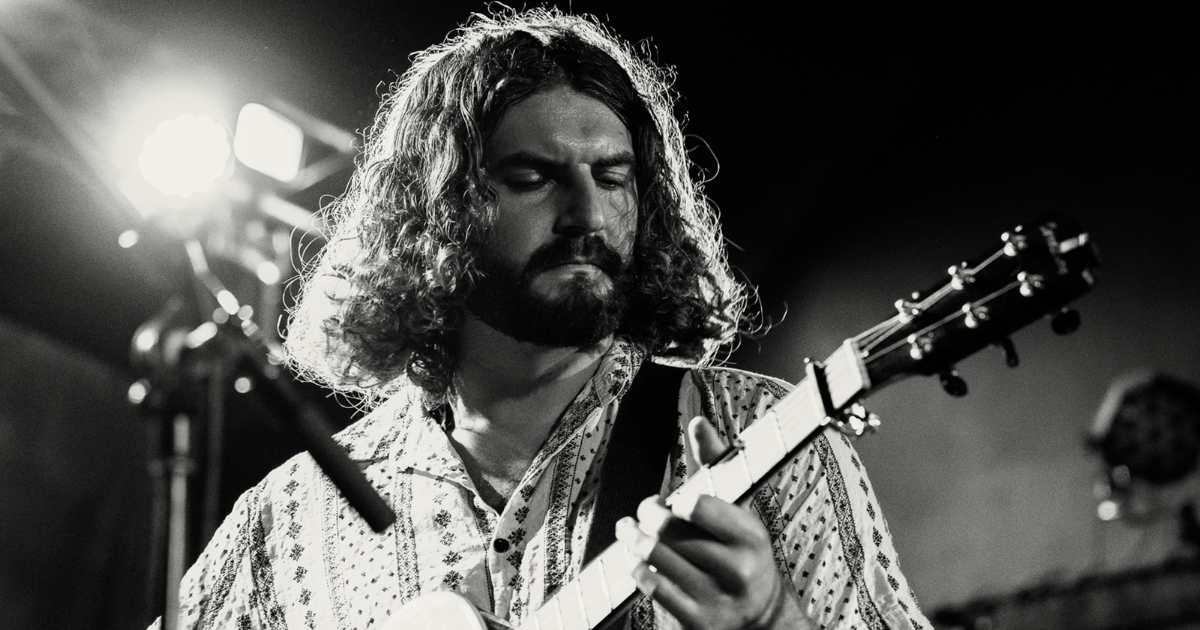
Cole Chaney: In His Own Words

Editor’s Note: Last month, we featured an interview with singer-songwriter Cole Chaney on the site for the very first time. The Kentuckian artist was more than generous with his time, spending a couple of hours speaking to BGS and Good Country contributor Alison Richter. 

Many lovely portions of their interview ended up cut for length, so we’re excited to share a few selections from those edits here as a bonus follow-up to our feature conversation. Below, enjoy Chaney discussing how songs morph and change over time, his practice regimen, guitar and songwriting as crafts and forms of expression, and much more. 

Songs Evolving Over Time

The intention is the same as it was back then [when they were written], but your taste grows as you develop as an artist and musician.

When you listen to the Mercy version of “Ill Will Creek” (above) and the Live AF version, those are two almost completely different songs, but they’re still the same. The thread, the root of the song, remains the same. They’re just wearing a different coat.

Practice and Technique

I don’t have a concrete practice routine. I’ve never been able to sit down and make myself do scales or anything like that. I’d probably be a lot better guitar player if I did more technical playing.

I’ve always idolized guys like Hendrix, and if you look into how he looked at it, he didn’t have time to practice because he was always writing riffs and coming up with cool guitar licks or creating in some capacity. That’s what I do when I have a guitar in my hands. I warm up and play some scales or whatever, but it eventually turns into, “Oh, man, that sounds cool. What can I attach to that?” and I start writing riffs. That’s just how I do it.

I would be a much more technically proficient guitar player if I actually did sit down and make myself practice a lot. But I think a lot of that creativity comes out of me having a weird picking style and not being necessarily educated on what is supposed to sound good and where that’s supposed to go, and just letting stuff happen where it happens.

Guitar As Expression

Especially in recent years, as we talked about the bands I’m influenced by – very guitar-heavy bands, for me – it always starts with a riff. I like chunky, heavy stuff a lot of the time. A song doesn’t always call for that; sometimes you write something that may sound a little more sensitive, but the direction it’s gone with me has been catchy riffs that stay in your head when you play it. That’s when I know I’ve got something cool and that I should keep plugging away.

I sat down last night with a little $300 Breedlove and plucked away at this riff I’ve been messing with for two-and-a-half hours, just seeing what I could add in here, if this would sound cool there. And so, yes, the guitar is just as important, if not more, to my music as the lyrics.

The Craft of Songwriting

It’s not always riffs first, lyrics second, but I find that is most often the way it goes down. I don’t know. I can’t give you a way my songs come together. It feels like it happens in a different way every time. I’m very melody-driven; it’s the way I listen to music. Everybody’s got different things they’re trying to get out of the songs, but, for me, the melody is the most important thing.

Reinterpreting “Spirit” for In The Shadow Of The Mountain

It was a work in progress, because there’s a challenge in having songs be out for two or three years on their own as solo acoustic pieces.

I kind of look at the OurVinyl [Sessions] as demos– in a way, that was not necessarily what I saw as the finished product for any of those songs. And then they get the attention, that becomes the versions of the songs that people know and love, and it puts pressure on the situation of, “Oh, damn, people care about this song now, so I have to do it justice.’ It has to be tasteful, it can’t be too much, and all these things. It’s an equation that you’re trying to find the answer to.

“Spirit” maybe took the longest out of all of them. There’s me and Duane Lundy and Zachary Hamilton co-producing. If you talked to them, they would probably tell you the same thing – it took us the longest to get that song to where we were all feeling really good about it.

We were maybe one day away from having to have the mix completely wrapped up on everything and send it off to be mastered. I was listening to “Spirit” on my way to the studio and I was like, “This sounds really good, the groove is there, but something’s missing and I don’t know what it is.” It was driving me nuts. I was wracking my brain. “What would sound good on this? What would sound good?” And I was like, “It needs a piano, an actual piano.”

I’m a huge Bruce Hornsby fan, so I wanted something nimble like that. The one person I knew I could lean on to do it was Aaron Bibelhauser. I called him, and it was one of those “something that’s meant to be” type of things. It was, “Man, I don’t know if you can get in here today. We’ve only got one day left to finish this thing, but ‘Spirit’ really needs a piano on it. And if you’re around” — he’s from Louisville — “and you can make the trip, I’d love to get you to put some piano on it.” He said, “I’m actually in Lexington right now, so I can just run right on over.”

I think it really tied the whole song together and made it the full picture that I had been envisioning for that song the whole time.

Looking Ahead

I still write and love to write folk songs, but I keep running into this issue while I’m writing folk songs of trying to make them a little too brooding or complex when they don’t need to be all the time. You can have complex folk songs. I think Billy Strings is a good example of that. “Gild the Lily” is a fantastic song, and that’s complex, but it’s still very much a string band song.

There’s a lot of creative energy flying around in the Cole Chaney realm right now. I don’t know what it looks like yet, so I can’t step out on a limb and say a whole lot about it, because there’s nothing certain happening.

But we’re all working on contributing towards something that will be really interesting and cool, if it ends up coming to fruition, which I think it will. It will probably be a thing on its own. I need to do a dedicated rock project — I’ll just leave it at that. I think it’s safe to say at some point there will be electric guitars involved.


Read our full interview with Cole Chaney here.

Want more Good Country? Sign up to receive our monthly email newsletter – and much more music! – direct to your inbox.

Photo Credit: David McClister

Artist of the Month: Jo Dee Messina

Jo Dee Messina wants to know where the real cowboys are.

“Well, are they in some greener pastures?” she asks on “Where the Cowboys Ride,” a spicy sendup of Tecovas-rocking poseurs and a standout on Bridges, Messina’s first album in over a decade, out June 5.

Sometimes cheeky, often affecting, Bridges condenses a lifetime of lessons into 12 tight tracks. Whether she’s taking a narcissistic partner to task (“It’s All About You”), warning about the dangers of self-medication (“Message in a Bottle”) or setting the record straight on scripture (“The Jesus I Know”), Messina explores life’s complexities with her signature mix of grit and hard-fought joy.

Lead single “Some Bridges” is a power-pop-country belter that recalls the triumphant highs of 1998’s I’m Alright, which spawned three consecutive No. 1s and cemented Messina as one of the leading voices of country pop’s golden age. Like “Bye Bye,” Messina’s indelible ode to putting “a lead foot down on my accelerator” and leaving a bad relationship in the rearview, “Some Bridges” reminds listeners that self-preservation sometimes means burning things down.

“You have to learn to forgive, but do you go back to that abusive situation?” she says. “Do you go back to that addiction? You don’t have to subject yourself to these things.”

Jo Dee Messina is our Artist of the Month for June 2026. She sat down with Good Country to talk burning bridges, her “sweet” relationship with Ella Langley, and what she hopes fans will take away from this new era. Check out our interview and don’t miss our Essential Jo Dee Messina playlist below, too.

Why was now the right time to put out new music?

Jo Dee Messina: Because it was done. [Laughs] I’ve been writing a lot with people, and [my co-writers] are just so encouraging. We’d write a song and they’d be like, “Man, you should record this.” It happened so many times, and I was like, “Well, I think I’m at a stage right now where I have time I can dedicate to a project,” releasing the songs and a tour schedule to support it. It just seemed like the right time.

Do you feel like you’ve gained confidence as a writer as your career has gone on?

I’ve always been a songwriter. I do believe that in the last few years, my songwriting has had time to develop and I’ve written a lot more. I’ve had more time to write, so I’ve had a lot more content.

To hear songs like “Some Bridges” on the radio kind of brings tears to my eyes, because it’s like, I actually wrote this. I actually wrote the songs on this record.

“Some bridges are meant to burn” is a great lyric. Do you feel like you’ve had to burn bridges in your career?

I wouldn’t say career. But with life, sometimes there are situations that aren’t beneficial, or jobs or that really take the life out of you. I think everybody has experienced that. And it doesn’t have to be heavy. It could just be like, “I feel like my talents aren’t being used, and so I’m going to move elsewhere.”

With that song, we were in the writers’ room, and somebody brought up the idea that you can’t be burning bridges. But what if they’re meant to burn? What if that bridge leads you to pain and abuse, or to a job that sucked the life out of you? Forgiveness is for us, we’re not built to carry the weight of unforgiveness, but you can forgive from the other side of the bridge.

“Where the Cowboys Ride” is such a fun song. Did that song come out of any experience in particular?

It’s funny, because it’s not portrayed in the song, but the truth of that song is that a friend of mine went down to Lower Broadway [in Nashville] one weekend and came back and had his foot in a sling. I’m like, “What is the deal? What happened?” And he’s like, “I wore my cowboy boots down to Broadway this weekend.” I was like, “I’ve never seen you in cowboy boots. You wear sneakers every day.” But he dressed the part.

There’s a line in the song about how you don’t see them around here on a Friday night. I want to see the guys that are slinging dirt for a living. I want to meet the guys that will lay their life down for their family. All the things that a true cowboy does.

Everyone’s certainly throwing on the cowboy boots right now. Any theories as to why country music is having such a moment?

Country music tells the story of life. The messages don’t change as far as the relatability to different generations. Dolly Parton wrote “I Will Always Love You” in the ’60s, and then it came back in the ’90s, and people are still cutting it. You ask seven-year-olds and they know that song because their parents are singing it. With some songs, the emotion and the life story behind them doesn’t go out of style.

Of course, some of your older songs have been getting renewed attention as well. You recently performed “Lesson in Leavin’” with Ella Langley at the Ryman Auditorium, and then the two of you interviewed each other at Country Radio Seminar (CRS). Can you tell me about your friendship with her?

That started off with us messaging each other online. She sang “Lesson in Leavin’” on TikTok, and I reached out to her. We talked about writing together, but then life got crazy. Then when she played the Ryman she reached out to me and was like, “Hey, do you want to do this deal with me?” And then she did CRS and asked if I wanted to do that.

I think it’s just a mutual admiration. I’m really proud of what she’s doing and how she’s handling it. We both know Jesus, and we both love Jesus, and so I’m able to have that connection with her, and just say, “Hey, if you need prayer, I’m here. If you need a safe space, I’m here.” It’s a sweet friendship.

“If He Knew Jesus” is one of a couple songs on that album that takes up the topic of faith. What’s the backstory behind that song?

I’ve been a single mom for a while, and it’s difficult because you can’t split yourself up. Especially if you have more than one child, you can’t go to one’s recital at school and one’s hockey game, so one of them is always missing something. Someone had asked me if I would ever consider dating somebody, and my first response was that he would have to love Jesus. And so in these conversations with other moms is where we came up with the line, “If you knew Jesus, there’d be no raising these babies alone.”

I started to cry in the writing room when we wrote that. I was like, “That’s the saddest thing,” and then I went on to other examples: “He wouldn’t crush you beneath all that he did,” all of the hurt and pain and abuse and whatever, where Jesus raises us up. He protects us, and He cares for us, and He puts us first, and He dies for us.

What’s the best thing someone can tell you about what your music means to them?

I think, “It gave me hope. It made me not feel alone.” That would be the greatest thing. “It made me not feel alone in my situation,” whether it’s a happy situation, a lonely situation, a feisty situation, because the songs cover everything. Keep in mind the enemy tries to separate us so we feel alone, and when we’re alone, all sorts of crazy things go through our brains.

Who’s the enemy?

Satan. It’s like, if you get alone, your mind starts going, “Why am I alone? Oh, because nobody likes me, or I’m not good enough.” All these crazy thoughts go through your head, and so you don’t start to think, “Wow, I’m beautiful, and I’m worth it, and I’m treasured.” That’s why it’s called the enemy of who you really are and who God created you to be. He’s working against it.

Are there experiences you’ve had in life where you felt like you were alone?

I think we all have. So I just want to be sure that people know you’re never alone. Even if you don’t see another person in the room, you’re still not alone. Period. God’s word tells us you can never go too high, too low. He’s there. We just have to open our hearts and see it.

I work with teenagers and I remember a teenager saying, “I don’t even think my parents hear what I say.” It was such a sad statement, and it inspired the song “Can Anybody.” In my inner circles, I’ll call that song “The Teenager’s Lament,” because they all feel invisible. It’s why they’re doing things on social media and hanging out with certain people. It’s why they sometimes don’t talk to their parents.

That’s where the first verse came from, and then the second verse came from myself: “I’ve got a history of trying to save myself/ But God, if you’re listening/ I’m screaming out for help.” That’s me. I’m a doer, and I have a history of thinking, “I’ll fix it, I’ll fix it, I’ll fix it.” But there are some things I can’t fix. You can’t fix someone else’s health or their mental state. After my mother had anesthesia, she was confused, and I couldn’t fix that. I tried and drove myself crazy. I’d made her photo albums, and I made her song playlists, and, and I couldn’t do it. She was still confused. It made me realize the humanity of myself and the limits of a human.


Photo Credit: Madison Sharp

Braxton Keith’s Real Damn Deal is Country Through and Through

After years of building up a fan base through high-energy shows and viral social media posts, nobody is more ready for Braxton Keith’s debut album than… Braxton Keith. Raised in Midland, Texas and living in Nashville, Keith is only half-kidding when he says he’s probably listened to the new project five thousand times. Now he’s eager to hear what everybody else has to say.

His fans won’t be surprised that Real Damn Deal sounds like country through and through. Released on Warner Records on May 15, the album picks up the momentum of Keith’s gold-certified 2024 single “Cozy” and the unlikely embrace of his reverent cover of George Strait’s “The Chair.” Although he was skeptical about re-recording it, Keith found that his take on “The Chair” is serving as a gateway for his younger fans into the trenches of classic country.

Keith co-wrote a majority of the songs on the new album, but also included compelling material by Country Music Hall of Fame member Roger Miller, Americana all-star Jim Lauderdale, and some of Music Row’s most creative writers – such as Jessie Jo Dillon, Tony Lane, Liz Rose, and Morgane and Chris Stapleton, among many others. In this interview with Good Country, Keith talks about discovering country’s legends through his grandparents, learning to love the English language because of dyslexia, and hearing those inescapable ’90s country comparisons.

On this album, “Under Them Neons” sets the scene of a night in a country bar. It has a reference to Keith Whitley in it, too. He had a bluegrass pedigree, as you know, before he became a country star. Did you ever get interested in bluegrass?

Braxton Keith: I would say I have always been interested in bluegrass. Now I, by no means, am a bluegrass picker or anything of that sort, but I’ve always been interested in bluegrass, for sure. It’s such an interesting form of country music, I’d say. Very intricate, and it’s really cool to just watch. In fact, “I Ain’t Tryin’” on this record is written by Brice Long, Carson Peters, and Will Jones, and Carson is a bluegrass picker. He plays in a bluegrass band [Carson Peters & Iron Mountain] and opens up for us every once in a while.

How did you get introduced to Keith Whitley’s music?

Keith Whitley’s probably always been in the background for me. But definitely through listening to whatever was on the radio, listening to my grandparents’ old records and stuff. Keith Whitley has definitely been one that I’ve known about for a long time. I would say him, George Strait, Marty Robbins, and Ronnie Milsap … all the deep divers that you got to go in and figure out yourself.

Is that what you did? Figured it out for yourself?

I just tried to figure out what I liked the best. I really was attracted to these older artists because of the storytelling, but also they have a technical skill about their writing – and their melodies. Some of their melodies are pretty insane that I was trying to emulate, longing to hear again, or to make new.

You say you were listening to your grandparents’ records. Were they vinyl records?

Yes, sir. I don’t remember how old I was, but I remember sitting down and listening to Marty Robbins for the first time and Porter Wagoner. I remember hearing “The Carroll County Accident” and just thinking, “What is this? This is a whole different type of music that I’ve never even experienced before.” I think I was like 13, maybe even younger than that.

Every time we went over there, the Grand Ole Opry was on TV, or CMT was on at least, so we were always exposed to it. I guess I just didn’t realize what was going on until I got a little bit older. I got an iPod, and I think it was the Shuffle. It didn’t even have a screen. You just had to know what your songs were. That was the first time I really got interested in checking out music for myself. I didn’t have to listen to exactly what my parents were listening to anymore.

My mom was a big ‘80s rock person. She really didn’t like country music very much at all, because it’s very sad, she thinks. [Laughs] And my dad was listening to country music, but just whatever was on the radio. He wasn’t very specific in what he liked to listen to.

I’d read that your brothers were athletic, but you were not. However, you had musical talent. Is that accurate to say?

I would say, yeah. I tried to be athletic. I wanted to be, but they definitely had a leg up on me, on the sports and stuff. When I was a little kid we did this thing called Greater Midland Football League. From when you’re in third grade to when you’re in sixth grade you can go after school and do a football program. I never got to do that, because in third grade I actually figured out I was dyslexic. So, every day after school, I would go to classes and learn about the English language, which is probably why I ended up liking writing. So it all works out in the end. I was just a couple years behind when it got to football.

When you were learning about the English language, did you like to read too?

No. That was my big deal, that I struggled – I still do struggle – with reading. It just takes me a little bit longer and I have to really slow down and be thinking about what I’m reading to understand it. I like audiobooks a lot. Anything that I can do where I’m listening to somebody else read helps. But I would say I just liked writing. Before it was songs, I liked writing essays or whatever the assignment was. I’ve always liked writing. Coming up with my own stuff.

Did you play instruments during this time?

Yeah, absolutely. I played piano since I was in kindergarten, and I ended up playing for a while. I played for six to seven years and then I ended up quitting piano. I started piano because I loved Elton John. He was my big inspiration behind music when I was really young. I really wanted to learn “Crocodile Rock” and my piano teacher just wouldn’t let me do it. So I was like, “Man, I gotta go do something else.”

That was about the time I started picking up guitar, because my little brother was playing guitar at the time. So I was like, “Well, I’ll just go to lessons with him.” I started picking it up, got my first guitar, and never looked back. He doesn’t play anymore, but we started out together picking “Hotel California.” I remember us just sitting there for hours trying to get that thing down.

On this album, “Wind Blows” reminds me of how country music sounded in the ’90s. It reminds me of a Tim McGraw deep cut. What do you like most about “Wind Blows”?

I like the story it tells. You know, I grew up in Midland, Texas. And if there’s anything we know about Midland, it’s that there’s a lot of wind blowing in Midland. It’s kind of telling the story of how, when I lived in Midland, Midland was the end of the earth to me. There was nothing else there. And once I left, I never looked back. I went to Angelo [State University in San Angelo]. I’ve moved to San Antonio and Nashville, and we’re traveling all over all the time, just running and gunning. And the road keeps on going, you know? It’s cool to reminisce on the past, but my time in Midland’s gone and it ain’t coming back. That’s kind of what “Wind Blows” means.

Do you like it when people use the ’90s country comparison? Do you think that’s flattering? Or do you have an opinion when people say you sound like ’90s country?

I don’t have an opinion. The thing is, I don’t know if I’ve ever labeled it, which is funny to me. … You’ve heard the record. I would say it’d be very hard to pin that as ‘90s country. I would say that there’s some ‘90s elements in there, but there are elements from a lot of different dates in country music within that. I would just say we’re country, and we’re just trying to be country.

Well, you do start with a Western swing tune on this record.

Absolutely. Have you heard Jake Worthington’s new record? He has a song called “My Home’s in Oklahoma” and that one is a Western swing song. I heard that one after I’d been on a big Bob Wills kick. I just came back from Houston. Most of the rides that I do, I try to listen to different music every time. I was listening to a bunch of Bob Wills. When I heard that Jake Worthington swing tune, it was like, “Oh, son, we’ve got to have a Western swing tune on this record!”

So we called in Brice and Carson. That’s when Carson’s bluegrass magic came out. They ended up writing that beautiful “I Ain’t Tryin’” Western swing song. You couldn’t ask for a better song to start this record off. It’s upbeat, gets you in there. We’ve been ending the set with “I Ain’t Tryin’” lately, and it’s really fun. The crowds dig it. It’s a good one to just swing around to.

Did you ever get pursued to be on The Voice or American Idol or shows like that?

Not until after I was already pursuing this pretty heavily, and at that time, I was trying to stay away from those avenues. I’ve heard some nightmare stories about their contracts and how you are allowed to put out music after the show. And I just kind of knew where we were going. That’s the cool thing about being a Texas artist. There’s so many other Texas artists that are running around on the road, booking their own shows, that you can just learn from some of those guys. That’s basically what I did.

Jake Worthington [who was on The Voice in 2014] had a long talk with me about what he thought about TV and the way that it impacted his career. At that time in my career, I just didn’t think that it was necessary for me to do anything like that. I definitely think it helps put your name out there a lot more. But it also can have some hindrances sometimes.

How did you find the Roger Miller tune, “Am I All Alone (Or Is It Only Me)”?

I do believe Jamey Johnson was talking to William Beckmann one day and telling him, “Man, that’s such a great tune. You should cut that on your next record.” And then me and William ended up going and having a couple drinks, which turned into a bunch of drinks. And he was like, “Man, I listened to this song, and I’m kind of thinking about cutting it.” So I started listening to it. I was like, “Yo, are you gonna cut that song? Because if not, I’m cutting it. Like, I’m going to the studio tomorrow. I’m cutting it.” He was like, “Yeah, go ahead.” So we ended up putting it on the record. It’s one of my favorite songs to play live. It’s one of my favorite songs on the record. It’s such a beautiful song. Every time that I hear it, I’m like, “That is such a well-written song.”

Are there other songs on your record that you would like people to know about?

I would say the only other thing that we didn’t talk about is, there’s a Mae Estes collab on there, “Hurt by Heart.” I met Mae on the road about two years ago, like, less than 100 miles south of Canada somewhere, at a festival. She was singing and just blew me away. Her voice is so beautiful. She has such a great classic timbre to her voice that I knew I needed her on this record.

We’d been looking for a duet piece for a long time. Ended up writing “Hurt by Heart” [with Trent Tomlinson and Scotty Emerick] and pitched it to her. She came over to the studio one day, dressed and ready for a show that she had in Nashville somewhere. She cut her part in 10 minutes and then I spent the next two hours trying to make my part sound as good as hers. [Laughs] I just can’t brag on Mae enough. The audience that hasn’t heard Mae should definitely check her out. Her music is really good.

You’re surrounding yourself with good people. You got Mae Estes, William Beckmann, Jake Worthingon… It’s refreshing to see this new generation cheering each other on.

That’s the way you gotta do it, man. We’re all in this together. Everybody needs to be cheering each other on and helping everybody out. That’s the way I see it.


Want more Good Country? Sign up to receive our monthly email newsletter – and much more music! – direct to your inbox.

Photo Credit: Benjamin Humphrey

Roots Songs All About Mental Health

May is Mental Health Awareness Month, but for those with lived experience, every day is about mental health awareness. During the most difficult times, many creators and listeners turn to music. It’s where we connect through lyrics and melodies that express the things we so often cannot, will not, dare not say.

The intersection of music and mental health is nothing new. Long before memes and catchphrases about “break the stigma,” Hank Williams did just that with “I’m So Lonesome I Could Cry.” Years later, Porter Wagoner exposed the ugly unspoken truth about “The Rubber Room.” 

Thankfully, through incremental steps, times have changed – although not enough – in terms of media portrayal and public discourse. With great courage, more and more artists are coming forward about their struggles. Dozens of artists and musicians have spoken openly with BGS and Good Country about how mental health challenges move them to create songs and albums that make us all feel a little bit less alone. (Scroll to find our playlist of roots songs all about mental health below.)

Artists and bands like Becky Buller, Courtney Marie Andrews, Sister Sadie, and Tenille Townes give us glimpses at how mental health and self-care inform their creative processes and how they craft their songs, albums, and sets. Groups like Southern Avenue and the Band Loula – who make music built on the sonic and storytelling traditions of the South – subvert regional expectations about what’s “allowed” to be spoken about in the light of day with their approaches to infusing mental health awareness into their songs. Still more conversations with artists like Fruit Bats, Cole Chaney, Emily Scott Robinson, and Chely Wright reinforce that mental health in roots music isn’t a fad or passing trend, it’s an intentional through line. Songwriting and roots music are perfect vehicles for this sort of vulnerability and these once forbidden topics.

The proliferation of YouTube and democratization of music videos in the 2000s and 2010s opened up new dimensions for artists, giving them more formats in which to express themselves, depict their work, and consider mental health. Additionally, of course, it offers live performances that go beyond anything a studio recording can capture.

“I Think It’s Going to Rain Today” – Randy Newman

Randy Newman’s masterpiece has been covered many times, and the internet is full of those recordings – as well as his. This performance, however, at his induction into the Rock and Roll Hall of Fame, may very well surpass them all.

“God, Can You Hear Me?” – Dax

Dax is fearless in addressing the most difficult and “taboo” topics. “God, Can You Hear Me?” asks the unspoken question within the context of a subject that far too many people refuse to address: suicidal ideation. (Content warning: graphic.)

“Let the Circle Be Broken” – Sister Sadie

In genres predicated upon generational legacies and “handing down” tradition, Sister Sadie’s song of release, letting go, and stepping out from underneath the long shadow of generational traumas is more than powerful. By the same token, that it was written and is sung and performed by a band of all women makes it a truly transcendent message. Some circles are meant to remain unbroken, others must be demolished.

“Bench Seat” – Chase Rice

Chase Rice broke down walls and stereotypes and opened doors to discussions about suicide with this multiple-award-winning video. Country needed this. Country needs more of this. (Content warning: graphic.)

“Hurt” – Johnny Cash

Johnny Cash. Enough said.

“I’m Gonna Be the Wind” – Laurie Lewis

Bluegrass legend Laurie Lewis has penned many a fine song tackling issues of mental health, but this is the song for when you’re ready to stride out anew again. It’s a song of strength, resilience, of realizing that often one of the primary forces keeping us down is our own mindset. Tired of being a blade of grass, bent and bruised by the wind? Be the wind!

“Sunday Morning Coming Down” – The Highwaymen

Mickey Raphael described them as “like Mount Rushmore onstage” and called Kris Kristofferson “the Shakespeare of our time.” This is why.

“Will the Sun Ever Shine Again” – Bonnie Raitt

One of the best songs Bonnie Raitt has ever sung and released was recorded for the 2004 animated film Home on the Range. Devastating, endlessly relatable, but ultimately hopeful, the film cut of “Will the Sun Ever Shine Again” is hard to track down on streaming services and online, but it’s truly lovely. A gem of a soundtrack find from an often overlooked Disney children’s movie from the aughts.

“Alone Again (Naturally)” – Gilbert O’Sullivan

In 1971, Gilbert O’Sullivan bravely addressed loss, grief, heartbreak, loneliness, depression, suicidal thoughts, and questions of faith, wrapped them up in a lovely melody, set them to a catchy beat, and rode to the top of the charts with one of the most gutting, most accurate depictions of mental health challenges ever put to song. Decades and numerous cover versions later, stripped down to keyboard and guitar, his voice aged like fine wine, “Alone Again (Naturally)” remains poignantly accurate and relatable.

“Bad Mind” – Erin Rae

A song so perfect in its illustration of how we project and ascribe mental health, onto ourselves and others. We all may know, somewhere inside ourselves, that there is no such thing as a “Bad Mind,” but stigma and internalized expectations leave so many of us feeling broken and “incorrect.” Listening to Erin Rae sing this lovely, devastating song brings an immediate feeling of needing to reassure the singer that there really aren’t bad minds… and thereby the realization we should also apply that grace to ourselves.

Below, you’ll find our full playlist of nearly 8 hours of roots music created by the teams at BGS and Good Country that features some of the many excellent songs that address mental health. For Mental Health Awareness Month and beyond.


Photo Credit: (L to R) Cole Chaney by Anthony Simpkins; Sister Sadie courtesy of the artist; Dax by Annie Devine.

Additional curation and contributions by Shelby Williamson and Justin Hiltner.

There’s an Edge to Abbie Callahan’s Sugary Country

There’s an effortless charm to singer-songwriter Abbie Callahan’s persona when you first encounter her via vertical video. Beautiful and whimsical makeup, adorable wardrobe, hyper-femininity, and a Gen Z polish to her social media presence are all complicated in the most fascinating ways by her music itself. Landing somewhere in between witty and incisive pop country like Kacey Musgraves and gritty, train-hopping Americana such as Sierra Ferrell, you’d be well served not to make assumptions – or to sell Callahan’s songs short based on appearances.

This is not a book you can accurately judge by its cover. Callahan’s songs will reel you in with her sharp, impactful vocals, her deft wordplay and solid hooks, and a wink and sly smile around every lyrical corner. Tracks like “Simon Says” will have your head bobbing before you even realize the devastation and trauma woven through the lyrics. A new, as-yet-unreleased number, “OptiMystic” – debuted, as Callahan tracks often are, on TikTok – lays out her worldview pretty tidily:

I’ve been known to be a little easy on a Saturday
Known to smoke a cigarette and throw up in the alleyway
Checked off greed and lust in a church pew
Had confession in the Red Door bathroom

Who can really say where you can talk to Jesus anyway?
Anyway…

If you were to engage with and enjoy Callahan’s music without any deeper inspection, you’d still come away with plenty. But the real appeal here is that the sweet, sugary veneer on these songs is only to bring you in. It’s the tinges of bitterness, the tannins, the “something much deeper going on below the surface” that will bring you back again and again. However you zoom out or zoom in on Callahan, her lyrics, her process, and the way she brings her songs directly to her listeners there’s subversion, a deliberate and inspired flouting of expectations.

@iamabbiecallahanWho can really say where you can talk to Jesus anyway… anyway🧚🏼‍♀️🔮♬ OptiMYSTIC – Abbie Callahan

Callahan is intentionally leveraging the way she’s perceived outwardly and visually to “Trojan horse” her way of making music into a country industry that’s often loath to platform artists like her, who build fandoms and idiosyncratic styles on hyper-femininity without apology. Like Dolly, Loretta, Kacey, and so many others who’ve come before her in that age-old country tradition, Abbie Callahan is onto something.

We caught up after a gentle spring rain in Napa Valley, as Good Country attended Live in the Vineyard Goes Country and caught Callahan performing as part of the event. Finding ourselves in such a stunning location, we began our interview chatting about country’s relationship to place and how well-suited this music is to the many settings it finds itself in.

I wanted to start by asking you about country’s relationship with place. Country music is always about place – rural places, urban places; farms and ranches; California, Tennessee, Iowa. We’re at Live in the Vineyard Goes Country here in Napa, so I’m thinking about country and place, and I wonder if you think about country’s relationship to place – and about how this music is so appropriate for so many different contexts, whether you’re in Napa or playing a honky-tonk or a festival. How do you think about country’s relationship to place and to land? It’s interesting to be here in a place like this with everybody sharing a few days in such a beautiful setting.

Abbie Callahan: That’s a great question. Usually I think about it in context of place in genre. It kind of is the same thing to me. My music with a band or just with guitar, I can make it fit into whatever genre I want – I feel like that in place, too.

But here [in Napa] it’s spring and the flowers are everywhere, it feels like they are one and the same. Especially my last project, Grossly Aware, with all the flowers – and we have the garden [right beside us] and all that. It feels like this is the perfect spot for me to be.

Two weeks ago we were back where I’m from in Iowa. It was gloomy and rainy and we were playing a bunch of the new stuff. It was, I don’t know, probably a little bit out of place, ’cause it was all fun disco [music]. But maybe it added to [the impact], because it was so gloomy and getting rained out. I don’t know how [my music] relates to place, but I feel like I can make it whatever I want, which is kind of nice. Kind of fits anywhere.

Well, being in California for this interview makes me wanna talk about “Strawberry, California.”

We went there yesterday! We drove through it. It was my first time actually there. We went over the Golden Gate Bridge and I was– I’m from Iowa, so I’m from like, not much. [Laughs] So it’s cool that music can bring you somewhere and you get to see all the things. I don’t think I would’ve been able to see the Golden Gate Bridge and come to California [without music]. Or be in Napa for country music. Napa’s outside of my tax bracket, so it’s nice to be here. [Laughs]

One of the things I noticed when I was listening to “Strawberry, California” to get in the mood for us talking in California is the banjo playing. I love that the banjo is playing the melody along with your voice. And I love that you evoke bluegrass in your music so often. Could you talk a little bit about that song and having banjo in it, and about the bluegrass touchpoints across your catalog?

I was in a rock band that played in downtown Nashville. That’s how I paid for college. I was playing ‘90s grunge, so I’d go home and I want to listen to the opposite. That’s how I found bluegrass – just how simple and deep everything is. It’s different than how I write and talk. It’s so concise and wrapped up so well that I just envy it, in a way. I love listening to it, ’cause I feel like I can learn a lot. But then my setup, my band when I play, is a bluegrass setup. It’s upright bass, me, guitar, fiddle, another guitar. We just added drums, which is a big step.

But that’s when I started listening to bluegrass, ’cause it was like a palate cleanser. I don’t listen to a lot of modern country, because that’s the space I’m in. When I listen to it too much, I feel fatigued from it all. So bluegrass is a nice outlet. It just feels refreshing to listen to. I wasn’t raised on it or anything, so I feel a little bit like an impostor, but I love it so much.

Charlie Worsham played banjo on “Strawberry, California.” He played throughout the whole record, Grossly Aware, on guitar and banjo. “Strawberry, California,” it was tricky to get it right with a band, because of the time changes and how intricate the guitar is. But I pulled it up for him in the studio, he listened to it once, and he was like, “Wow, this is tough.” Listened to it twice, and then had it perfectly. I was like, “What in the world?!” He’s a freak. So good.

I really enjoyed listening to it. And then I also have been listening to your new single, “Drag, Queen.” I love it in so many ways.

It’s a little controversial.

Of course, it’s a little controversial, but also it’s 2026. They can catch up or we don’t need them. [Laughs] I love that, again, you’re subverting expectations. And again, it’s traditional modern country with that big hook, the wordplay is great. The sort of wink and a smile about it. But also I love that it sounds so bluegrassy.

Yeah, it’s the grassiest song I’ll be putting out this year. It’s super grassy. It’s so fun to play live. I played it on tour with Carter Faith this spring. Her audience was so perfect for it, ’cause they love weed and they are awesome. [Laughs] I played it on tour with her and it was probably my favorite song in my set.

I wrote that song last year – last June – and I posted it right away and it’s just been my favorite. I think it’s silly, but it has a lot of layers to it. I had a song, “Marry Jane,” blow up on TikTok. It was my first thing that ever did anything on TikTok, so I got hate for the first time. Which is always an interesting experience. It was all like balding, middle-aged old men being like, “Is this a song about a lesbian or a song about weed??” And I was like, “It’s about both, duh.” [Laughs]

Have you ever heard of an entendre? Yeah, no, you haven’t.

Double it. [Laughs]

[Laughs]

Anyway, it was so funny. But that’s why I wrote it. I was like, “They’ll hate this.”

@iamabbiecallahan Wrote this one yestersay, Marry Jane💌🍃 #maryjane #singersongwriter #nashville ♬ original sound – Abbie Callahan

I also wanted to ask you – femininity and hyper-femininity in country are also traditions. The performance of femininity by folks like Dolly Parton and Loretta Lynn all the way to k.d. lang. I love the way that you inhabit femininity and it’s so clear that you do not feel like it’s a burden, or that it weighs you down, or that it’s something that you could be penalized for. But I wonder how you feel like it’s received – especially on social media, like you mention, TikTok. Do you ever feel like you’re penalized for your femininity?

You know, I think as we’re starting to talk to labels and all that, yeah. I think if I was a man with this amount of monthly listeners and success so far, I would have a deal already. In that way, it’s definitely hindering, but it’s not gonna stop me from anything. I will have more leverage in two years, and that’s fine. [Laughs] But whatever. But because it’s so raw and real and feminine, I feel like my audience is all girls. It’s been really nice. I feel like I can be myself, say whatever I want, and I don’t have to worry about it. [I can] dress however I want – and dress strange – and be something to look at and not just, like, pretty, you know?

And the girls get it. I love it. I don’t think it’s a bad thing at all. It’s what I prefer. …

Another song that really jumped out at me is “Simon Says.”

The production of it started with just me in my room on guitar on TikTok, and then people were like, “I need a full strings version of this. I need a banjo version of this. I need a pop version,” all these different things. When we recorded it for the first time the demo had a synth on it, which is the banjo part. That’s how it started. I knew that wasn’t how it was gonna end, but it was like in demo jail for a year and a half. And I was like, “It has to have that element,” and then it just worked out for the banjo.

I did have a question about TikTok, so it’s interesting to hear you talk about how you’re in the comment section, you’re seeing what people say. It’s interesting to me that you’re responding in your creative process as well. Like what you just said about “Simon Says.” You’re listening to the fans being like, “I need this, I need that.”

If they want an acoustic version I’m like, “If you’ll stream it, I’ll do it.” Without a label right now, that’s been amazing. Something will blow up and in a month and a half or two months later we can have it out. You can’t replace that. It’s been really nice.

How do you feel when you’ve done a bunch of reps of a song, or when you’ve taken it from TikTok, to demo, to recording, to bringing it to an audience – do you feel like the song changes meaning? Do you feel like “Simon Says,” for instance, will always have that tinge of sadness and trauma to you? Or do you feel like the audience takes it, it changes, and then you get up on stage and you don’t feel that anymore? Or does that feeling always stay with you? ‘Cause as a songwriter myself, I feel like I re-traumatize myself every single time I play one of my songs. Is that how it feels to you with a song like that?

I have to write about what I live. I can’t just write to write. I have to put myself through stuff. It’s whatever – “tortured artist,” you know. Every line in there is real, so it’s definitely re-traumatizing.

But I guess it was my first tour, my first time singing it on stage, I was thinking about the writing of it a lot. ‘Cause it’s something so magical, that three people are in a room – or two people or just me – and then now I’m in front of 1,000 people and some of them know the songs. I don’t know, something about that is so special. I wish my co-writers were there to see it. It’s such an intimate thing.

There’s a little bit of a healing moment there.

Totally. It kinda changed what I was thinking about, especially with “Simon” and a lot of the next project. All of it’s co-written, which is different for me. I was just thinking about the people that made it all come to life. When we were in the studio, little ideas that people had. It’s so cool.

So it’s like, less sad now. I guess it depends on the situation. If it’s me on TikTok, I’m getting into the sad headspace. But in person I’m like, “Oh my gosh, this is so fun. My favorite people helped get me here.” I’m like singing “Simon Says” with a pep in my step. Like, what is going on?! [Laughs]


Want more Good Country? Sign up to receive our monthly email newsletter – and much more music! – direct to your inbox.

Photo Credit: Catherine Powell

You Gotta Hear This: New Music From Danny Roberts, Midnight South, and More

Here’s your weekly dose of new roots music! You Gotta Hear This…

A perfect kick-off to the weekend comes from Dominique and the Diamonds, who are previewing their next single, “Cocaine,” ahead of its release next week. Perhaps frontwoman, singer-songwriter (and Honky Tonk Queen) Dominique Gomez, isn’t the “crazy party girl” she once was, but she channels fun rockin’ and rollin’ party energy in full force on the country-folk number.

Next up, Matt Jones and the Bobs share a video for “The Weight of the World,” out today. No matter the burdens we all carry, the song offers a message of hope and resilience. As Jones puts it in talking about the song with BGS, “The song looks at struggle not as defeat, but as a universal weight we all carry and the beauty of having someone there to help lighten the load.” It’s certainly a timely message.

For a little rockabilly-steeped Americana, Arkansas-based country group Midnight South give us an exclusive preview of their upcoming single, “Curves in a Square Body,” set for release next week. Dripping with nostalgia and built around a solid country hook, it’s a twang-ful number perfect for putting the pedal to the metal – even if you don’t happen to be lucky enough to be driving around in a square body. Add this one to the list of actually good country songs about trucks.

Capping off our roundup today is bluegrass mandolinist Danny Roberts, whom you may recognize from The Grascals. Roberts’ brand-new album The Winding Road Leads Home is out today, so we’re celebrating by sharing a lovely and sweet instrumental number – with a funny title, “Tologna Bologna.” (That’s pronounced “Tony Baloney,” per Danny.) If you’re more familiar with the mandolin as a barn-burning instrument, Roberts often shows the depth and breadth of the instrument, as he does on this track.

We’ll let you go so you can get to listening! You Gotta Hear This.

Dominique and the Diamonds, “Cocaine”

Artist: Dominique and the Diamonds
Hometown: Los Angeles, California
Song: “Cocaine”
Album: Honky Tonk Queen
Release Date: May 29, 2026 (single); June 26, 2026 (album)

In Their Words: “‘Cocaine’ is loosely based on a true story. I was a broke and debaucherous 20-year-old in San Francisco with a dealer who incessantly kept asking me out. I started to imagine how my life would have turned out if I did end up going on those dates with him. The song basically wrote itself from there. I’m nowhere near the crazy party girl I once was! But I wanted this song to be the perfect blend of country and rock ‘n’ roll as an ode to that era of my life. ‘Party girl Dom’ was a mess, but I don’t regret a single thing about her.” – Dominique Gomez


Matt Jones and the Bobs, “The Weight of the World”

Artist: Matt Jones and the Bobs
Hometown: Salem, Virginia
Song: “The Weight Of The World”
Release Date: May 22, 2026

In Their Words: “‘The Weight of the World’ reflects on life’s burdens and the quiet strength it takes to face them, while honoring the friends who help shoulder what we can’t. The song looks at struggle not as defeat, but as a universal weight we all carry and the beauty of having someone there to help lighten the load. It is a song about struggle, resilience, and the quiet beauty of friendship, sitting at the emotional center of everything the band has worked toward since their return. For the listeners who have been with them since college and those discovering them now, the message is the same: your story matters, even the hard parts. We have lived that truth, and we are finally ready to tell it in full.” – Matt Jones

Track Credits:
Matt Jones – Vocals, acoustic guitar
Pat Keefe – Electric guitar
Jonthan Crandall – Piano
Trevor Creany – Drums
Andrew Carper – Bass guitar

Video Credits: Matt Jones, Jonathan Crandall, Kevin McNeill


Midnight South, “Curves in a Square Body”

Artist: Midnight South
Hometown: Little Rock, Arkansas
Song: “Curves in a Square Body”
Release Date: May 29, 2026
Label: Rock Ridge Music

In Their Words: “We started with this simple idea of contrast – curves set against a square body – and it just sparked something that felt bigger than the visual. Like a lot of our songs, it naturally drifted into something nostalgic and before we knew it, we were writing about that first truck and all the memories tied up in it.

“From the beginning, the energy of the track pushed us to keep things lively and fun and that really carried through the entire process. Working with Ben Jackson took it to another level – he helped us shape the sound and brought a clarity and punch to the production and mix that really made the song come alive. It’s one of those tracks where everything just clicked in the studio and you can hear that excitement in the final version. We chose it as a single because it feels like a perfect snapshot of who we are right now – high energy, rooted in storytelling, and not afraid to lean into a little nostalgia. At its core, it’s about holding onto those early moments that define you and realizing how much they still ride with you today.” – Darin Davis

Track Credits:
Ben Jackson – Percussion, producer, engineer
Darin Davis – Drums
JL Jones – Acoustic guitar, background vocals
Billy Lowe III – Electric guitar, background vocals
David Tidwell – Bass
Steve Hinson – Pedal steel guitar
Wil Houchens – Keyboards, Hammond B3 organ
Matt Sammons – Lead vocals


Danny Roberts, “Tologna Bologna”

Artist: Danny Roberts
Hometown: Nashville, Tennessee
Song: “Tologna Bologna”
Album: The Winding Road Leads Home
Release Date: May 22, 2026
Label: Mountain Home Music Company

In Their Words: “When I wrote this tune, I had my great friend Tony Wray in mind. He’s played on all of my records and has helped me arrange much of my music, so I wanted to name it for him. If you listen closely to the melody, you might catch a little nod to the old Oscar Mayer bologna TV commercial – which is where the spelling ‘Tologna Bologna’ comes from. (I say it ‘Tony Baloney,’ though.) I hope you enjoy ‘Tologna Bologna,’ and make sure to check out my new album The Winding Road Leads Home that’s out today!” – Danny Roberts

Track Credits:
Andrea Roberts – Bass
Tony Wray – Acoustic guitar, banjo
Danny Roberts – Mandolin
Adam Haynes – Fiddle


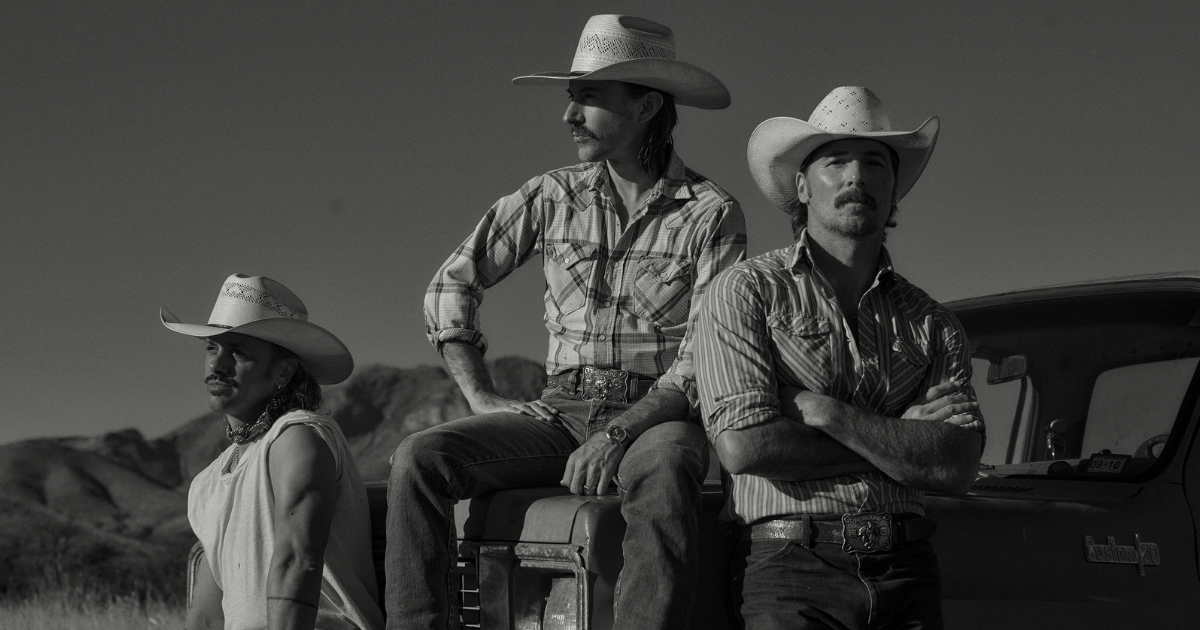
Photo Credit: Danny Roberts courtesy of the artist; Midnight South by RK Barger Photography.

Survival of the Heart and Survival in Alaska

During the Klondike Gold Rush, the Red Onion Saloon in Skagway, Alaska, operated as a thriving brothel and a rare (sometimes) source of autonomy for the women who worked there. More than a century later, Juneau-based singer-songwriter Taylor Dallas Vidic found empowerment at the old bordello too, by offering feminist tours in character as Madam Anya Johnson. Innuendos loosened up tour groups, forging a connection that made them receptive to some serious history lessons – alongside dick jokes.

“What working at the Red Onion did for me was make me feel really comfortable about being a human in front of other humans, and to talk about things that often feel taboo or uncomfortable, and to normalize them,” Vidic says. “It’s translating from making sex jokes to feeling comfortable standing in front of a lot of people and saying, ‘Hey, here’s what it felt like when I broke my heart or when someone else broke my heart.’”

Vidic’s songwriting is warm and vulnerable. She’s equally capable of belting above sultry and coy jazzy tracks, carrying intricate, stripped-down folksongs on her magnanimous voice alone, and building grand theatrical numbers, as well. She does all of it on her debut album, Cat & Mouse, a collection of 13 (mostly) love songs that deliver an expansive, playful representation of what is perhaps humanity’s most perplexing and intoxicating experience. And it’s all rooted in the same multifaceted understanding of shared humanity that Vidic used to bond with strangers on those summer stints in Skagway.

Beyond an exceptional, arresting voice and range, Vidic’s songwriting conveys an acuity of emotion which pushes what is superficially an album of love songs well beyond predictable tropes. “They tell you it takes time, you’ll see/ To remember who you use to be/ Remember how to sit in the quiet/ On your own,” she sings on the album’s opening track, “Falling Out of Love,” which lays out in minute, closely felt detail the experience of returning to self after a breakup:

I’ve learned to fill the space that
I’d kept for only you, dear
I smile at all the faces
Walk past all the places
We used to go
Each breath a little deeper
Each song a little sweeter
Now that the scent of you doesn’t linger on my pillow
Anymore

Heartbreak might be age-old song fodder, but Vidic extends it far beyond breakups to many kinds of aches (loss, longing, unbearable certainty) with an alluring immediacy. In her hands, the simple mechanics of falling in and out of love – or wishing to fall in love, even if just for the evening – become a comforting exercise in self-discovery and relatable human experience.

There’s “In a Song,” about a crush that’s missed its moment. “High,” which yearns for the good parts of a past entanglement. And “In Your Arms,” a cinematic, self-aware disquisition on a relationship’s irreconcilable differences: “I said it’s a big ole world/ The place we could go, the people we’ll see/ Just imagine the strangers we could meet,” Vidic sings, adding: “He said/ My corner’s just fine with me.” By song’s end, Vidic is off on the grand adventures she dreamed for them both, solo.

Part of Vidic’s remarkably evolved approach to love songs derives from practical necessity. Juneau, Alaska – population 32,000 – is small and isolated both from the rest of the country and even the state, by geography; with no roads out of town and flanked by impenetrable mountains, ice fields, and the Gastineau channel, it’s accessible only by boat or plane. Living within those few square miles, it’s impossible to avoid running into an ex regularly. In the same way that Vidic’s ethos accepts humanity’s many facets, so too she’s maintained love and respect for her exes. Indeed, most of them were invited to – and attended – her album release show.

“Finding ways to actively reframe relationships when they have run their course is a matter of survival of the heart. And it would be such a loss to not get to continue to care for the people that I have loved, that have loved me,” Vidic says. “I don’t know if I’m just lucky in that I’ve found people that are willing to do that – even though it is messy and hard at times and a little confusing at times, too, and uncomfortable; we spend so much time with people that we choose to love and we share so much…I really like holding onto those moments.”

Juneau’s geographical limitations and eccentricities crop up on the album in other ways, as well. “I let those mystery boys get me every time/ When the stakes are low I’m better at not losing my mind/ An hour is too far when an airplane is in play,” Vidic sings on “Muse.” Nothing quite as bittersweet as unrequited love, specifically one that’s unwanted.

“Twice a Day,” the album’s opening foray into its folk/Americana B-side, is the only song that doesn’t overtly take place in Alaska, written during a few months in New York City. On it, Vidic, a consummate observer of the world around her, contemplates the near-infinite possibility for human interaction in a big city surrounded by so many more souls than in her hometown: “Maybe I would make you laugh each day/ Maybe when it ended I’d be begging you to stay/ Maybe we’d grow old and see, we’re as happy as we’d ought to be/ But we’re always a platform away.”

First albums are always special. Often, they represent the culmination of years’ worth of a musician’s best and hardest fought work – John Prine’s eponymous debut, Emmylou Harris’ Pieces of the Sky, Guy Clark’s Old No. 1 – and Cat & Mouse is no exception. Written over more than a decade (Vidic penned its oldest song, “Muse,” at 21), the album is, for Vidic, a scrapbook of her life and formative early adulthood.

“I think most people can agree that songs take us back to moments in our lives, be it a playlist that was on the radio a lot when we were in middle school, or that particular song that helped you get over a breakup or a song that makes you think about your parent,” she says. “And these songs do that for me, but they are snapshots of my existence and of the people that I’ve come across.”

From her delivery on stage to the studio production of Cat & Mouse, Vidic also brings the banter and cheek of her madam tour guide gig, as well as the showmanship she’s cultivated as part of burlesque troupe, The Nude & Rude Revue, and through many community arts events she’s helped organize. Leaning into her life’s dualities, Vidic made the album with two distinct sides; Cat, the album’s A-side, is jazzy with a big band sound; Mouse is a stripped-down, folksy, and sparsely-instrumented B-side. It’s a concept that easily could have been sonically incongruous, but both sides flow together through the power of Vidic’s voice, aided by the album’s title track, which she rendered in both styles and delivered at the end of each side, respectively.

Juneau’s geographic isolation can be a mighty impediment for musicians, but it’s also a blessing that breeds collaboration and allows musicians a certain freedom to grow and flourish without the pressures of bigger music cities in the U.S., says Juneau-based musician Andrew Heist. Heist has played in a myriad of bluegrass bands in Alaska over the last 20 years, and lends his scintillating mandolin to “Falling Out of Love.” He also shares stages with Vidic as part of their songwriting group, the Muskeg Collective.

“Without the pressure to get a product out there to build her name in a competitive scene, there’s this community familiarity that is so rare and amazing in Juneau,” Heist says. “It’s sort of like the old soul version of hearing somebody sing, there’s a depth to the way that she brings her music forward.”

Most of Vidic’s songs are exceedingly personal, yet she manages to spin the exquisite pain of heartbreak into something universally relatable, and she’s equally vivid when singing about someone else. Vidic wrote “Wet Tennis Shoes” in part thinking about a friend whose father left when she was too young to remember him. The song effuses not just ache, but a crushing loss of innocence, as well: “Boats made of paper float on the pond/ A little girl playing wonders where you have gone/ You took all the sunshine and made her skies grey.” And though the paper boats do not actually dissolve, the song’s omnipresent drizzle – “Rain on her window/ Rain on her head/ Rain on the rooftop as she lies in bed” – evokes the dissolution even more effectively.

After spending most of the album exploring feelings’ small intricacies, Vidic’s final track before the “Cat & Mouse” reprise is “Stockades,” a showy, declarative pop number about the enormity of falling head over heels. “The Stockades fell/ When he touched my hips/ And he kissed my lips in ways they’ve never been kissed,” she cries before continuing: “Lord knows it took one night to tear this empire down/ The walls we built, they’re falling faster than Jericho to the ground.” Still, kingdoms fall and so do powerful loves; and again by the end of the song, Vidic is reminding herself how to get back up and stand on her own two feet. Now, and always, too.

The strength of Alaskan songwriters’ connections extends beyond helping each other and into the community at large as well. As part of her album crowdfunding (Cat & Mouse was also partially funded by a prestigious local grant), Vidic asked for funds to bring music into the state’s network of nursing homes, a goal inspired by visiting her mother in a long-term care facility and a few concerts she’s already given.

Memorably, Vidic recalls how at a Christmastime performance she stepped offstage to sing among the audience to bring herself into focus for them. Next to a man she’d noticed never uttered a word on previous visits, Vidic sang “Silver Bells.” Part way in, the man joined her, singing along with words he’d learned long ago.

Nursing homes are often undesirable performance locations; they’re sterile, poorly lit, and underfunded, their residents not the most attentive or engaging audience members – yet, Vidic observes, those people deserve live music, joy, and respect, as much as anyone. She plans to rework her stage performance into a version with which to bring music to those spaces where it’s rarely heard, and sorely needed.

“That again brings me back to my time at the Red Onion and finding that shared humanity with strangers, and just feeling like we’re all just human beings doing our best, sharing spaces and trying to find joy and make moments worth living,” Vidic says. “What’s the point without it?”


Photo Credit: Sydney Akagi

Alt-Country, the Blues, and Oklahoma

Editor’s Note: Each issue of Good Country, our co-founder Ed Helms shares a handful of good country artists, albums, and songs direct from his own earphones in Ed’s Picks.

Rodney Crowell

Great news from a roots-country legend, Rodney Crowell returns with a “new/old” album on June 26, Then Again. Largely recorded over two decades ago in the early 2000s with Steuart Smith co-producing and completed with Dan Knobler stepping in, its lead single, “Are You One of Us?,” is the final recording by Crowell and his friend and compatriot Guy Clark. It’s a track perfectly suited for these divided times we’re living in, bringing wisdom and wit like only Crowell and Clark could. We can’t wait to hear more from Then Again!


Shakey Graves

We’ve known, covered, and collaborated with our friend Alejandro for years and years, so we’re especially excited to have him as our current BGS Artist of the Month, celebrating his brand new album Fondness, Etc. For an artist who’s adept at sonic and aesthetic reinvention, his music still always sounds exactly like himself – even as he bends and breaks the barriers of alt-country, neo-folk, Americana, and western to his liking. This is one of our favorite Shakey eras yet.


Taj Mahal

Another legend of American roots music, Taj Mahal is woefully underappreciated and undersung, even while being rightfully worshipped by so many as a keystone of blues, Americana, string band, and country musics. His new album, Time, released with his Phantom Blues Band on Resonatin’ Records/Thirty Tigers, shows that he remains as dynamic and innovative as ever. The title track is a deep-pocketed and smooth never-before-heard Bill Withers number that Taj makes his own. If you’re used to his gritty, playful, and down home blues, the sound here may surprise you – but damn, that’s Good Country, isn’t it?


Reba McEntire

Our queen of country, Oklahoma, and corn dogs is celebrating her 50-year groundbreaking, iconic career with new music – lucky for all of us! A brand new track, “One Night In Tulsa,” leads off an EP that encapsulates a few of her musical tributes to her home state from over the years: “Tulsa Time,” “Oklahoma Swing” featuring Vince Gill, “Does the Wind Still Blow in Oklahoma” with Ronnie Dunn, and the excellent Buddy Cannon-produced “No U in Oklahoma.” “One Night In Tulsa” is a soaring, dramatic, and longing love song to Tulsa and beyond, uttered like only Reba could. This version is the just-released live performance video of the song shot live at Reba’s Place, her restaurant, gift shop, and music venue in Atoka, OK.


Jobi Riccio

Jobi Riccio charmed the country universe with her 2023 debut, Whiplash, but hold onto your necks, ‘cause her brand new album, Face the Feeling, finds the Coloradoan singer-songwriter evolving her production styles and genre descriptors in a big way. She’s infused grunge, alt-folk, and country-rock into these new songs; the results vary from straight-down-the-middle Southern rock to expansive, electronic indie-twang. We especially find Good Country touches in songs like “Pilar, NM” and “Wildfire Season,” but they can be found throughout the rockin’ project.


Listen to this issue of Ed’s Picks in one YouTube playlist here.

Listen to the full Ed’s Picks archive playlist here.


Want more Good Country? Sign up to receive our monthly email newsletter – and much more music! – direct to your inbox.

Photo Credits: Rodney Crowell by Claudia Church; Shakey Graves by Jonathan Terrell; Taj Mahal by Mike Coeyman; Reba McEntire, One Night in Tulsa album cover; Jobi Riccio by Rett Rogers.

From Lonesome, Gorgeous Texas Hill Country
to the World

There’s little to no stage banter when the Droptines play a show, with the Austin, Texas-based band sometimes cramming 30 songs into a 90-minute set. However, as their new album, Drought Flower proves, they still have plenty to say. Their original songs touch on broken relationships (“Old Tricks”), family grief (“Mamaw,” featuring Sarah Jarosz), and losing loved ones to addiction (“What Ate My Friend”). As a nod to classic country, there’s often a little bit of clever wordplay to offset the drama, too.

Named for the downturned deer antlers that are prized by hunters, the Droptines (rhymes with “stop signs”) first took shape with an EP release in 2019. Lead singer-songwriter Conner Arthur has since guided the group through indie albums, relentless touring, and now their debut set on Big Loud Texas, the label founded by Miranda Lambert and Jon Randall. The five-piece band hasn’t yet moved into a tour bus, though. Instead, they travel in a retrofitted school bus with upgrades that would impress any road musician. (It sleeps 10 people and has a bathroom, two air conditioners, and a built-in trailer space.)

Growing up in the Texas Hill Country town of Concan, Arthur watched countless musicians play at his family’s venue, House Pasture Cattle Company, during the summer season of city folks floating the Frio River. But the rest of the year, when nothing was really going in town, influenced him just as much.

“I learned how to be alone in Concan,” Arthur says. “I learned how to clear my mind and ignore my hunger pangs. But I would always watch and study people. Especially because if you’re driving through Concan in, say, January, and you see a car that you don’t recognize or someone you don’t recognize, you’re shocked and you want to go talk to them. You’re just caught in your own little village for so long. Having an outside perspective from my little narrow worldview was very, very important to me.”

A few days ahead of a full slate of tour dates (and just before stocking the school bus), Arthur called into Good Country to talk about what inspired the new music.

For people who haven’t been to the Texas Hill Country, how would you describe it?

Conner Arthur: The drama of the limestone bluffs, the crystal clear waters of the Frio River – man, it’s hard not to have a religious experience every other day. Especially when it rains and the floodwaters start moving. Everything there is so dramatic and explosive and chaotic. From the summer to the off-season, you have three months of complete and utter chaos, then the rest of the year is just silent. There are some days where I’d walk out and just sit there looking at River Road waiting for a car to drive by. And I was starting to freak out, thinking that I was the last person on Earth.

More than likely I think that made its way into my personal life. It’s just a large juxtaposition, and a dichotomy of high highs and low lows. But I learned how to handle it, growing up there. We didn’t get internet or cell phone service until 2012, and that’s a great way to grow up. My backyard was 200,000 acres. I could ride horses without hitting a fence line for miles. I wish that more people had that upbringing. I wish that I could provide that for my kids.

If you didn’t get the internet until 2012, then you got to experience live music at your family’s venue before the cell phones in the air and people documenting every show.

Oh yeah. The funny thing about House Pasture is [that] it’s changed hands but it stayed in the family. My biological father and my uncle started it. They failed, so my grandpa bought it from them. And then it was kind of a “break even” type of venue. It was just an addendum for someone who’s gonna go down to Concan and float the Frio anyway. Like, “Oh, we can go see so-and-so.” I mean, I’ve got scars all from being this tall and women ashing cigarettes out on my collarbone. Not on purpose!

I learned more about what I didn’t want to be, seeing the evolution of the Texas country scene come through there. I saw that evolution get commercialized in the mid-2000s, like 2005 and 2006. But when I was a little guy, I got to see the Great Divide. I got to see Gary P. Nunn. I got to see John Conlee. I got to see Earl Thomas Conley. I got to see all these really high-class acts. Reckless Kelly is still one of my favorites from that era. Robert Earl Keen, the list goes on. Even if I didn’t like it, the song’s going to be in my head. It is still red dirt Texas country. I still know every word to all these other musicians’ stuff that I’m not a fan of, because it’s just ingrained in you. You can’t avoid it in that environment.

What were you doing before you jumped into music?

I was in construction throughout high school and I’ve gone back and forth over the years when I needed money. But when I was 18 years old, my mom pretty much gave me an ultimatum. She said, “If you don’t go to college, you’re cut off.” And I was like, “Well, I don’t really care. I don’t like ultimatums.” So I grabbed my banjo and I hitchhiked the country for about a year and a half.

I got back home, and that was like going 90 miles an hour into a brick wall. The fantasies in my head were dashed out by my mom’s disappointment. She said, “You’re gonna have to get a job.” So I went back to construction for a little bit, then I joined up in the oil field. I was an oil field mechanic for about two years, and I said, “I’m not going to die out here in the Eagle Ford Shale.” So I made a decision. Just to give me some more confidence, I went to the bluegrass program in Levelland, Texas, at the [South Plains] College. I did that for two years and went home and knocked out our first EP with David Beck.

I knew you played the banjo, but I didn’t know that you had studied bluegrass.

Dillon [Sampson], our bass player, and I both went to South Plains and he’s way more of a bluegrass cat than I, but my story about how I got into playing banjo is just kind of happenstance. My older brother came into some money when we were young, and I won’t go into the details on how he got it, but it was burning a hole in his pocket. He bought this Deering Goodtime open-back banjo and it was sitting in the back of his truck. I was about 14 and I had plenty of guitars floating around the house. And I had a piano, but I never really broke through on it because it was just an instrument for me to get a song out.

I don’t know if it was the open tuning or just the fact that it’s hard to not have a good time playing banjo, but I broke through on it. I could start developing an understanding of music theory and scales. I don’t know why it made sense in my mind that it was less intimidating than 72 keys or six strings. You go down that road, and then are you a gimmick banjo player or are you good? That’s what led me to South Plains. I’m not going to disrespect the institution of bluegrass or the instrument of banjo. I’m going to do my best to play it. But I need to play more. I need to stay on it, because that is not a bike. Your agility and endurance of playing the banjo collapses if you’re not tickling it once or twice a day.

Is that the same for writing with you? Do you need to consistently write, or can you put that away for a while and come back to writing?

I’m always kind of writing in my head and building concepts, then I’ll scribble it down. I’ll more than likely lose the piece of paper I scribbled it down on, but I’ve always said if it’s worth remembering, then I’ll remember it. But I probably lost a thousand songs that way. It’s like a floodgate. I sit around and I’ll have an idea, and I’ll get a quarter way through it, blah, blah… But it’s not until the band all sits down in a room and we all have the intention to write, and these things just… “Boom!” There goes the dam.

In several of your songs, there are references to pills or addiction. On this record, you have “What Ate My Friend.” That’s a reality for a lot of people. When you’re tackling a heavy topic like that, how do you get into that headspace, knowing you’re going to jump into something serious?

A lot of that, it’s lived in for sure. I’ve had men that came before me that did it so I didn’t have to. Back to, I know what not to do now. And my brother Landry being one of them. I lost him to all that shit a couple years ago. He and I were Irish twins. The same thing happened to my biological dad’s brother. At the same age, the same exact circumstance, and they both died on their birthday.

“What Ate My Friend,” I can’t even remember writing that one, but I know that I showed up with all of it, and that’s rare. I have this band to lean on, but I showed up with every bit of that. This was all here. It’s not just about my brother, but a couple friends I have. Just like, “I know you’re on meth, dude, but why is it making you a liar?” Like, you can be honest with me, just tell me. It’s getting in the way of our friendship if you’re going to turn into a liar.

I thought there was a nuance, kind of, what I refer to as the days of country gold, the wordplay of like, “She’s Acting Single (I’m Drinking Doubles).” That’s so important in country and bluegrass music – that play on words – and that one is like, “Hey man, what’s eating at you?” All right, what’s the extreme of that? “What ate my friend?” I thought it was pretty decent, but yeah, that’s a rough one, you know, but it’s real, unfortunately. It’s real for a lot of people. And I hate that. I hate that anybody has to suffer.

You’ve been around music from the time you’re a kid, and now you’re doing this full time. What has surprised you the most about this career path that you’re on?

The main one is that there’s viability. I said this in an interview before, but I just thought playing music was a good excuse to be a loser. And then to see it all pan out! It starts to feel like work, but work is good, especially if it bears fruit, which it is, and it’s starting to even more so. But to be able to build a foundation for my future family off of the back of these songs, that right there is top tier, number one, the most important thing. I can’t be more grateful for that and the blessings that God’s given us. Just having people come religiously to your shows, and singing words, it gives you faith in live music, for sure. It is a little shocking to me, at the end of the day that I didn’t make all this up.


Want more Good Country? Sign up to receive our monthly email newsletter – and much more music! – direct to your inbox.

Photo Credit: Jessie Addleman