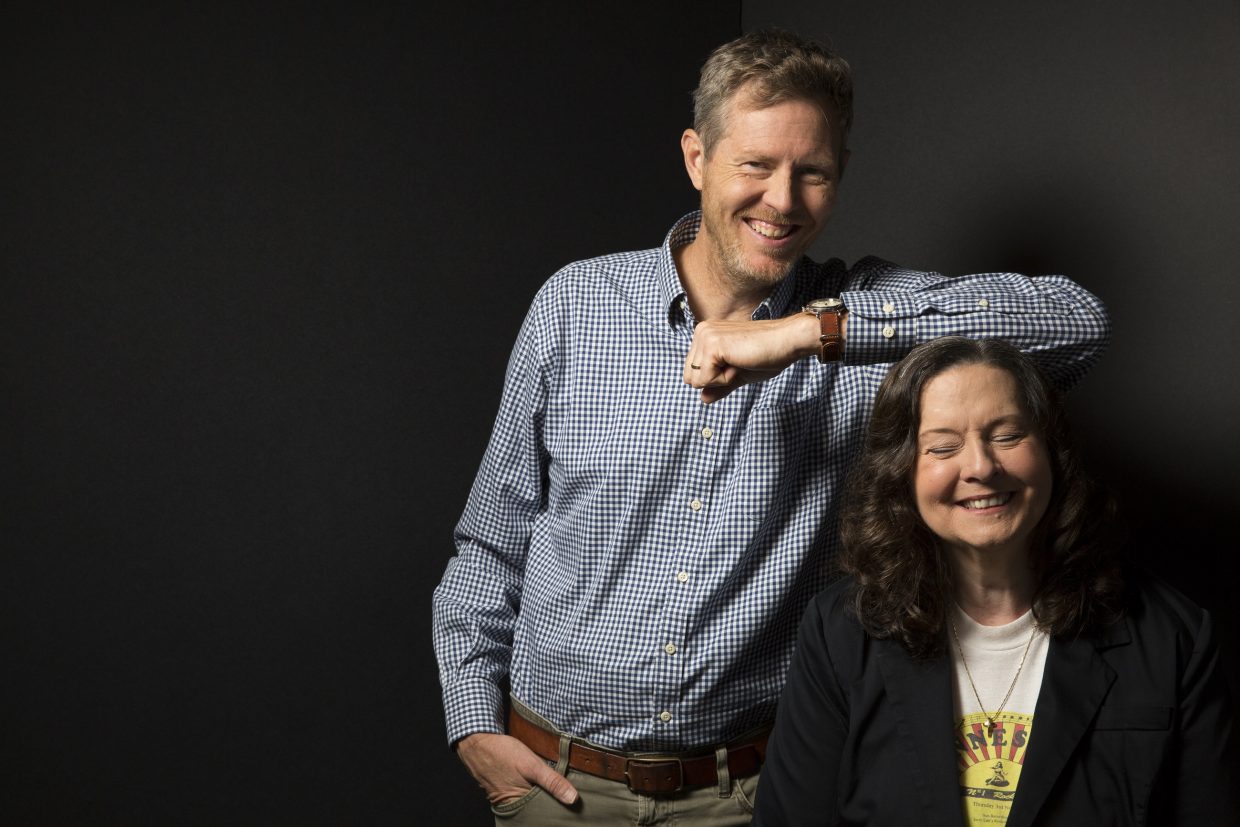
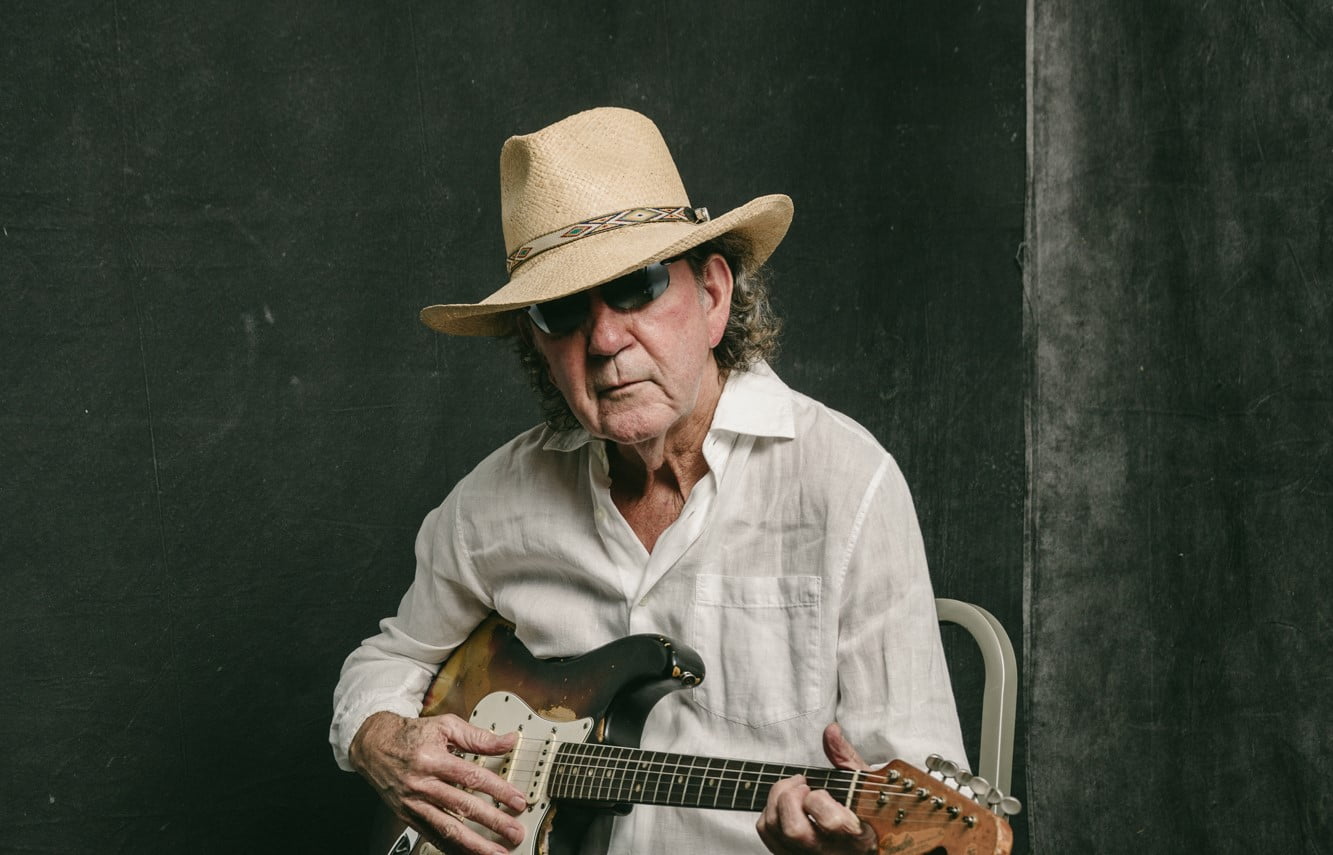
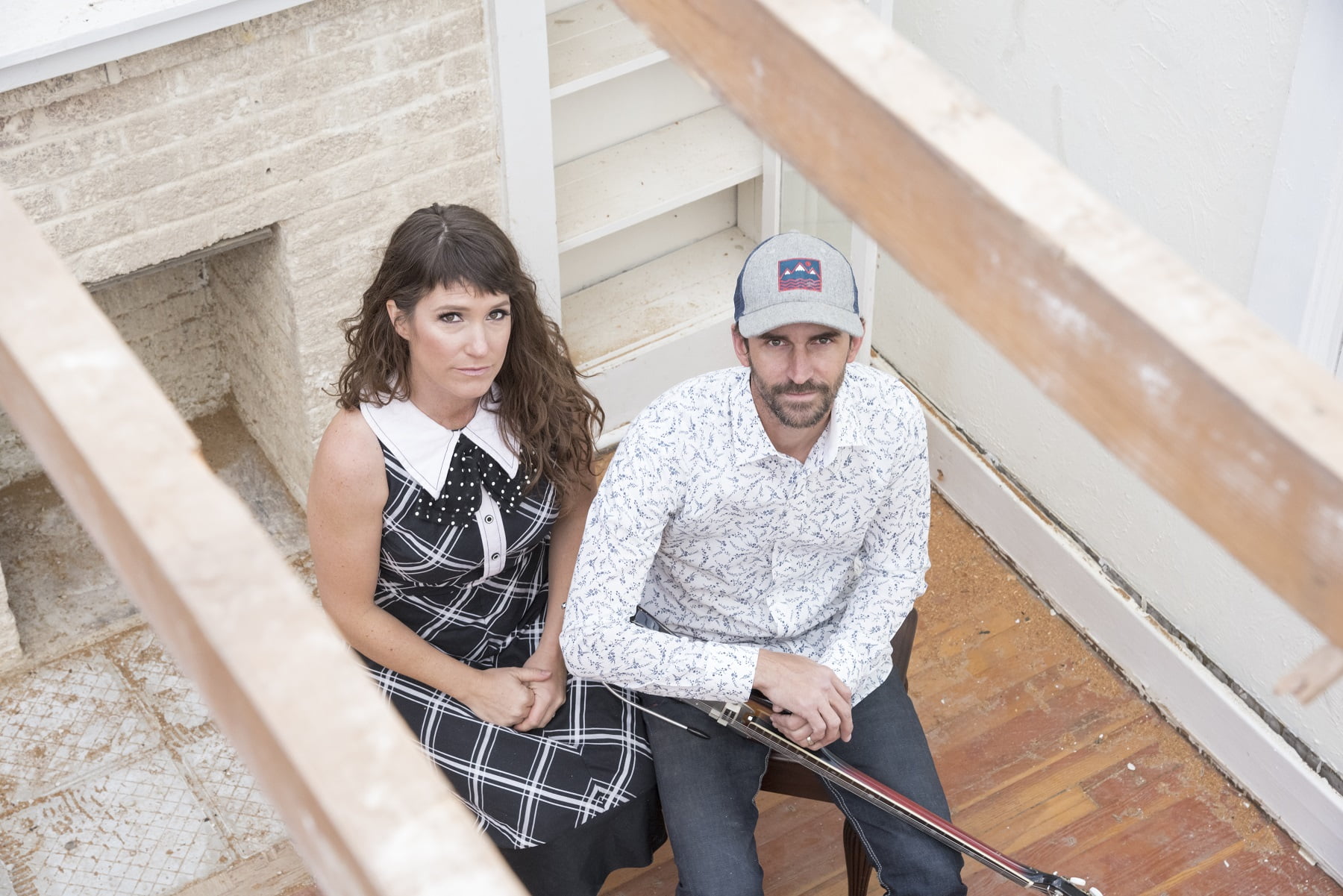
WATCH: Malcolm Holcombe, “Black Bitter Moon”

Artist: Malcolm Holcombe
Hometown: Weaverville, North Carolina
Song: “Black Bitter Moon”
Album: Come Hell or High Water
Release Date: September 14, 2018
Label: Singular Recordings

In Their Words: “This world is full of goodness and a lot of positivity, but it seems like I can relate to the underdog and the downtrodden, for obvious reasons. Those types of songs seem to strike a nerve more deeply than the ‘Yellow Brick Road,’ because I think it’s a struggle for all of us to try to do the next right thing. Some people have the spiritual chemistry to be able to achieve that more easily than others, but I think we all struggle with getting up in the morning and trying to live in our own skin.” — Malcolm Holcombe


Photo credit: Jamie Kalikow

LISTEN: Joshua Hyslop, “No Roots”

Artist: Joshua Hyslop
Hometown: Vancouver, Canada
Song: “No Roots” (by Alice Merton)
Release Date: September 7, 2018
Label: Nettwerk

In Their Words: “With my tour supporting Great Lake Swimmers across the USA this fall, I wanted to try covering a song that was stylistically different from my music. Someone from my record label sent me ‘No Roots’ by Alice Merton, and I thought it would be fun to try it from a folk perspective. I’d never heard her music before so I didn’t have a planned approach, but after I listened through the song once I picked up my guitar and banjo and quickly started piecing together my own version.” — Joshua Hyslop


Photo credit: Jesse Milns

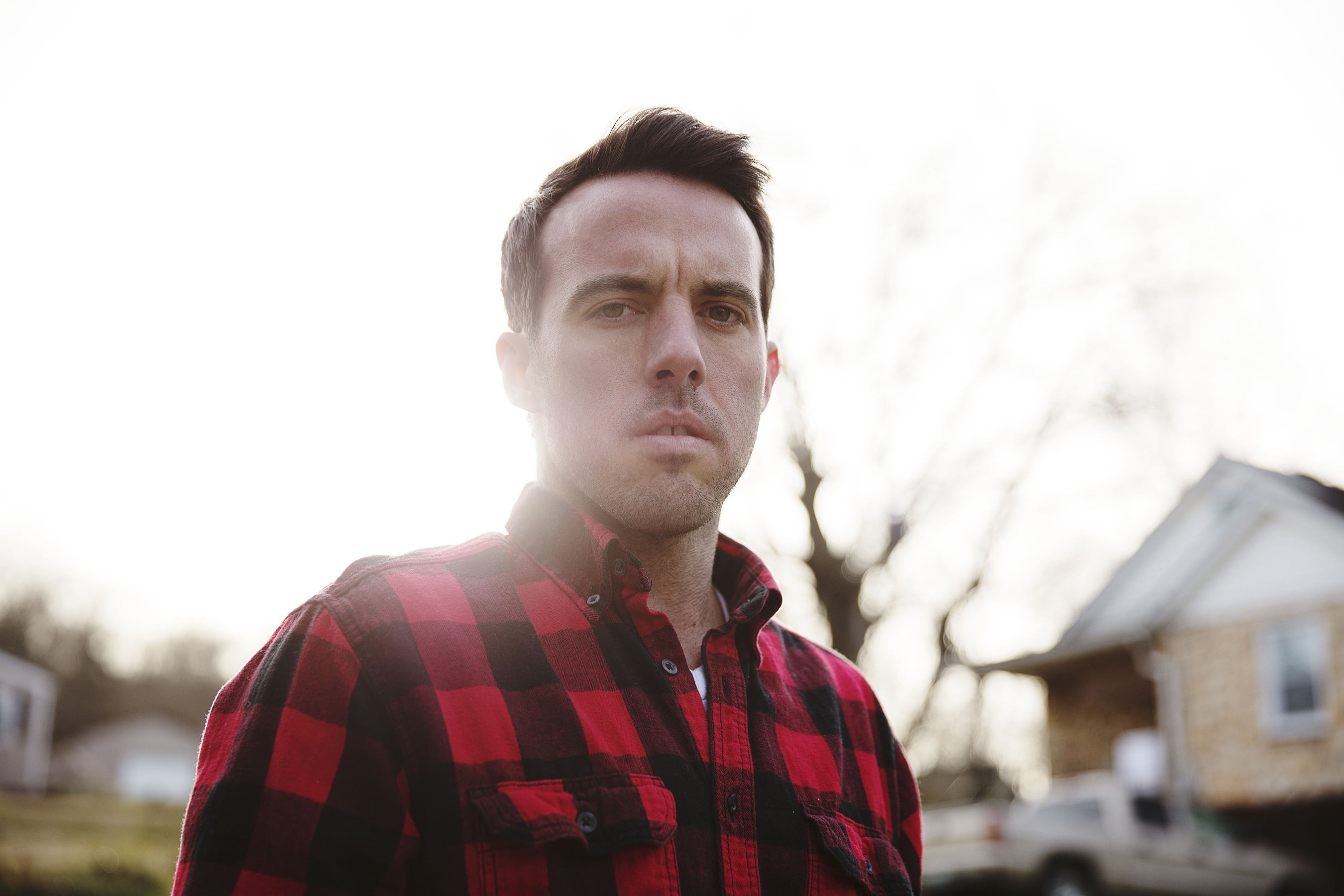
WATCH: Ben Danaher, “My Father’s Blood”

Artist: Ben Danaher
Hometown: Huffman, Texas
Song: “My Father’s Blood”
Album: Still Feel Lucky
Release Date: September 7, 2018

In Their Words: “Growing up with a father as a songwriter meant a lot of things to me. It meant that I had a strong-willed example to follow. Someone who defied social norm, [didn’t] get a 9-5 job and settle for that lifestyle. It might have meant that we grew up poor, but the wealth in living free and happy overshadowed that. We grew up in a house with musical instruments everywhere and both of my brothers played as well. My dad played every night club, festival, restaurant, and nursing home that would let him set his stuff up. He was fearless. Which is amazing because as a songwriter I have learned that rejection and disappointment can be as common as breathing.

The thing I admired the most about my dad, was that despite never getting another artist to record his songs, or having a big gold record, he was writing songs up until the last week of his life. That was a pretty eye-opening realization. There wasn’t a light at the end of the tunnel. There wasn’t a chance to even record them himself. He just did it because he loved it. I feel very lucky to get to step in front of a microphone and sing songs to strangers that I have made up about things I have lived, and am very grateful that people listen or clap or cry, but if I never get a chance to do any more than I have done in this business today, I hope I maintain his persistence and pureness for writing.” — Ben Danaher


Photo credit: Ryan Nolan

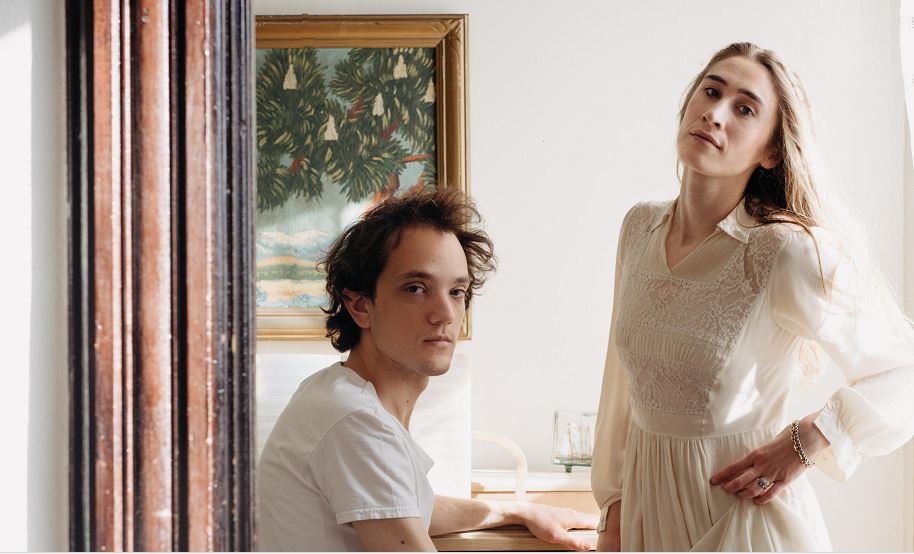
LISTEN: Tanbark, “Châtelet”

Artist: Tanbark
Hometown: Brooklyn, New York
Song: “Châtelet”
Album: Tanbark
Release Date: Fall 2018

In Their Words: “Immediately after finishing a biography about Voltaire’s tumultuous relationship with his lover, Madame du Châtelet, I felt compelled to write them a love song–they were so perfectly suited for each other and also so terrible for each other. But beyond that, I wanted to focus on Châtelet as the subject. She is often treated as just a footnote, but she was a respected philosopher in her own right. She was a translator and a scientist, obsessively gambled, was fiercely maternal, and had lovers when she shouldn’t have.

This is our homage to her, both the real person and our partly-imagined version. As I developed the song, it departed from the strictly biographical. She was becoming a relatable, complicated, modern woman. ‘The way you hold your pen/ you make the men go crazy.’ To us, at least, she still does.” — Tanbark


Photo credit: Zoe Prinds-Flash

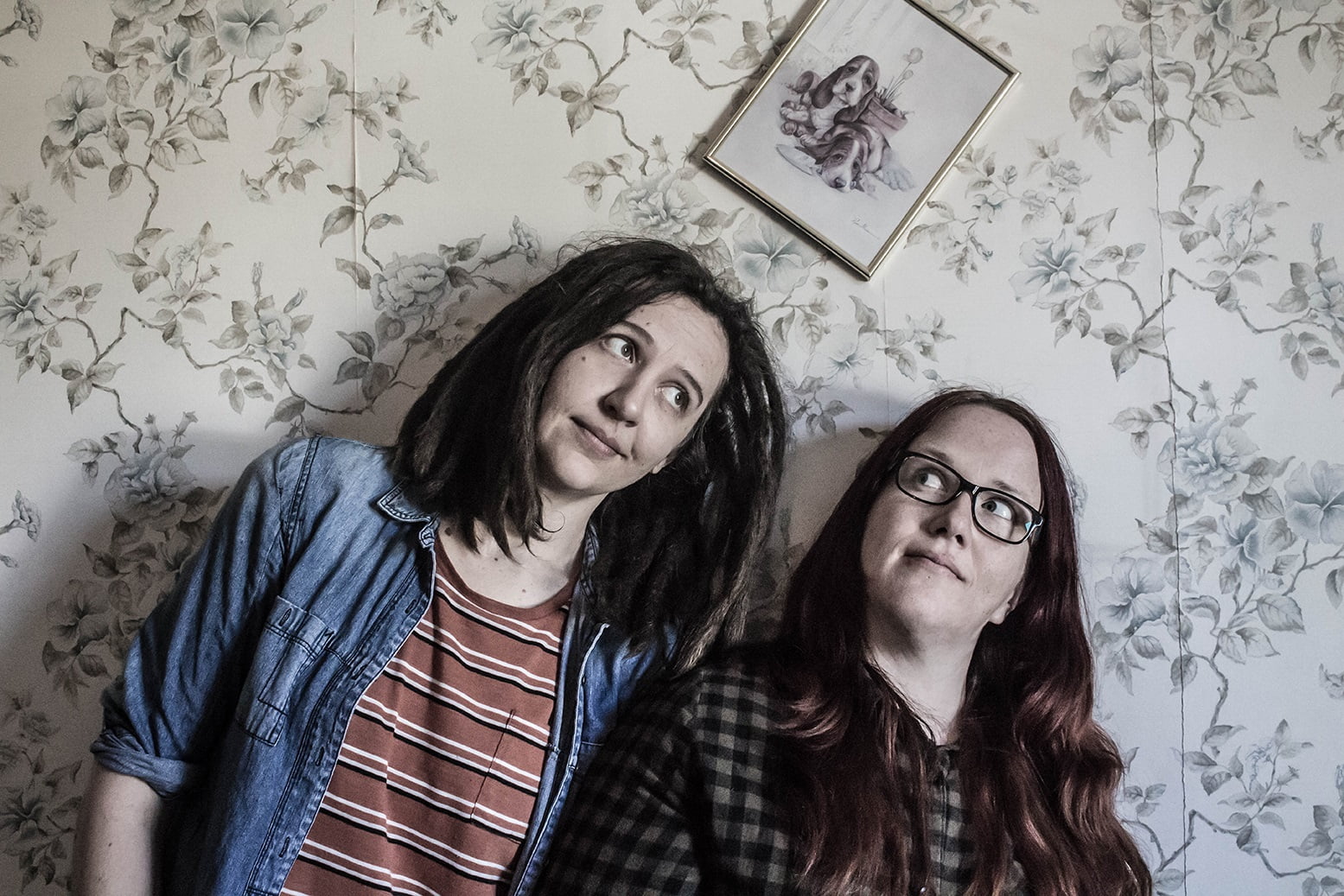
STREAM: Great Aunt, ‘A Mess That I Left’

Artist: Great Aunt
Hometown: Melbourne, Australia
Album: A Mess That I Left
Release Date: August 31, 2018

In Their Words: “It was important that we engineered and produced the songs ourselves, so that we could ensure we captured the right moment and vision we had for each song. We wanted to make a record that was honest, sincere, and intimate, not just from a songwriting and performance perspective, but also by translating that into the technical production of the EP. There’s a lot of deliberateness in small details.

A Mess That I Left is a living, breathing thing: a palpable moment in musical time.

Each song is about a chapter of significance in my life; largely about finding a positive path forward when past traumas still haunt you. I feel like I have left all that mess behind now – although it’s still close, and I can still see it. I wanted to share it in hope to normalise it for me, and for others.” — Megan Bird


Photo credit: Great Aunt

WATCH: William Elliott Whitmore, “Busted”

Artist: William Elliott Whitmore
Hometown: Lee County, Iowa
Song: “Busted”
Album: Kilonova
Release Date: Sept. 7, 2018
Label: Bloodshot Records

In Their Words: “This song was written by the great Harlan Howard. It tells an all too familiar story, being broke but persevering nonetheless. It’s something a lot of folks can relate to and I wanted the video to reflect that.” — William Elliott Whitmore


Photo credit: Doug Ewing

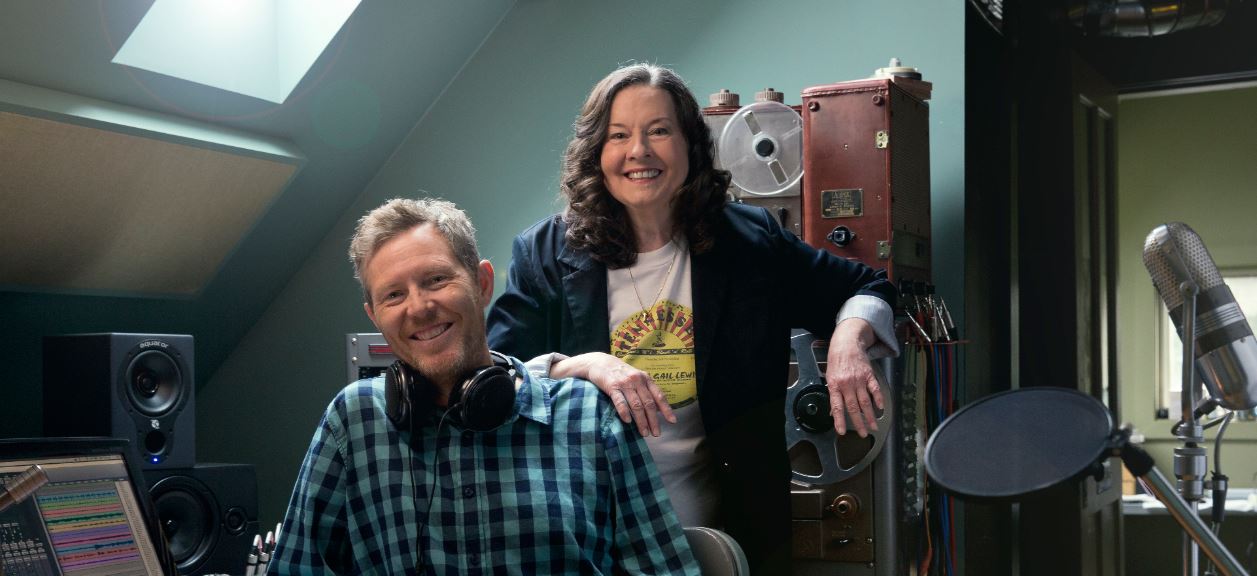
Wild Things: Robbie Fulks and Linda Gail Lewis

Linda Gail Lewis was never destined to be the most renowned member of her family — or second, third or fourth-most famous, for that matter. There’s not a lot of oxygen left in the shotgun shacks of Ferriday, Louisiana or the public mindset when you have original rock wild man Jerry Lee Lewis for a brother and your cousins are Mickey Gilley and Jimmy Swaggart. But unlike her early-starter kin, Linda Gail has come more into her own later in life. The 71-year-old little sis has emerged as a heroine to the rockabilly crowd not just because she trades off the trademark style of the Killer but because she has slayer instincts, too.

Still, she’s traditionally benefitted more from being a duet partner than a solo act. She recorded and toured with Jerry Lee in the ‘60s and ‘70s — the sibling duo had a Top 10 country hit in 1969 with “Don’t Let Me Cross Over” — and then she reentered the consciousness of the music intelligentsia in 2000 when no less a fan than Van Morrison asked her to make a joint album and tour together. Now, she’s on to her third partner in musical crime: the alt-country great Robbie Fulks, who joined her for Wild! Wild! Wild!, an album he produced all of, wrote most of, and participated on as an equal vocal partner only with some urging.

So how does Fulks stack up against his two famous predecessors in the duet partner’s seat?

“I was the best of them all, I would say,” Fulks says. “Oh, sorry, go ahead.”

“Absolutely!” Lewis agrees, although when it comes down to it, she may not quite be ready to declare new Bloodshot Records partnerships thicker than blood. “Singing with my brother and Robbie, I love one as much as I do the other, which is saying quite a lot. And I don’t mean to say anything bad about Van. I appreciated doing the album [You Win Again] with him, and it was good for my career, and… I wouldn’t say it was actually fufn in the studio, but I did get through it, and I lived to tell the tale,’” she says, laughing. “It was impossible to really match up with him on the recording, because his phrasing is so different from my brother’s. But Robbie’s is similar enough that it was easy for me. You’re every bit as great as those other two, Robbie. And don’t tell my brother I said that.”

“I’m not telling anybody you said that,” Fulks says. “Maybe my wife.”

Wild! Wild! Wild! includes five true duets, two Fulks solo vocals, and six that feature Lewis alone as frontwoman. If that math leads you to suspect that the project might’ve started life as a Linda Gail Lewis solo album Fulks was producing before it became co-billed, your guess would be right.

Says Fulks, “The idea was a little bit imposed on us because the label said, ‘Well, we’d rather have a duet record,’ and that wasn’t what I originally had in mind. Duet singing with her, nobody would say no to that. And I think male-female duet singing is just about my favorite kind of country music. So to be able to write to that and then to perform with her was just a whole other level of fun over, you know, sitting in a chair and listening to people play.” Lewis, too, was happy it became a duo project, and cites “I Just Lived a Country Song” as her favorite track on the album, even though that’s one of the two tracks that Fulks sings without her.

To the extent that it’s partly a Robbie Fulks record, it’s an old-school Robbie Fulks album, which should tickle a lot of long-time fans who’ve charted his changes. It harks back to early- to mid-period records like 1996’s Country Love Songs, 2005’s Georgia Hard and 2007’s Revenge! when Fulks was the master of classic country pastiche, writing severely clever tunes with tellingly witty titles like “Goodbye, Cruel Girl,” “All You Can Cheat” and “The Buck Stops Here” (as in Buck Owens, of course).

There is certainly some pure country on the album to go with the more snare-smashing stuff, like their duet on “That’s Why They Call It Temptation,” which he wrote rather overtly in the George-and-Tammy mode. (Sample lyrics — Robbie: “I tried to keep my hands from where they longed to go.” Linda: “And I did all I could to help you, short of sayin’ no.”)

Meanwhile, there’s a Tennessee-meets-New Orleans horn section on a Fulks-penned tribute to Lewis’ adopted hometown, “Memphis Never Falls From Style,” which has Linda singing the lines, “Thank you Memphis for the great insight/That music is a drag if it’s too f—in’ white.” They went back and forth over whether to keep her singing the F-word; “I grew up on the road with a bunch of musicians, and I have no problem with a little profanity,” she says. But ultimately Fulks decided that a loud bleep was called for, out of nostalgia, if not bashfulness. “I remember being 8 years old and hearing ‘Johnny Cash at San Quentin,’ and those bleeps would come on real loud, and it reminded me of being a kid and the joy of bleeped-out profanity, which you don’t get to hear anymore.” For Lewis’ part, “I was worried about being in trouble with my brother. So I was happy to have the bleep,” she laughs. “And I plan to tell him that I didn’t really say it.”

Jerry Lee Lewis was into his country period — having fallen out of favor as the British Invasion superseded America’s pioneer rockers — when he started enlisting his little sister to join him on records and at shows. (For example, a 1973 performance of “Roll Over Beethoven” on the Midnight Special program.) Their sole hit together was a cover of the Carl and Pearl Butler song “Don’t Let Me Cross Over.”

“Jerry was a big fan of theirs and they were good friends of ours, and we never felt right about covering their song,” Linda admits. “But still we did it, and it was Kenny Lovelace’s idea,” she adds, mentioning her brother’s long-time sideman — and one of her ex-husbands. “Jerry and I had trouble getting through it because we were singing a love song and we’re brother and sister. We were on the same microphone, and we would look at each other and start cracking up. We only were able to get through it once.”

“That’s a little like Nancy and Frank Sinatra singing ‘Something Stupid’ together,” says Fulks, “although that was a lot creepier, I think.”

The sibling duo act came to an end out of jealousy, she says. “My sister-in-law at that time hated me and didn’t want me to be around, so I had to go,” Linda says. “And you know, sometimes even your enemies will help you. Because had she not done that, I would never have left my brother, and I would never have had my own career, and I never would have learned to play he piano. All the things my brother had shown me through the years helped me when I started playing rock and roll and boogie-woogie piano in 1987. My brother’s fans were coming to see me, and they wanted to hear ‘Great Balls of Fire,’ so I had to make sure that I could play it, especially because the piano player that I had in my band in Memphis had no feel for it.

“And I’ve had such a wonderful career, and now of course, with, this great album that I have with Robbie, I feel so blessed. To me it’s the highlight of my career, and life. I don’t think I’ve ever been this happy. And I just looooove my ex-sister-in-law that hates me, because she did this wonderful thing for me.”

Before they made the album, Fulks once blogged that hearing Linda Gail play piano put him in mind “of a cotton field with a candelabra in it.” He sounds embarrassed to be reminded of the phrase now. “Oh my God,” he says. “I didn’t realize I said that. It’s alliteration, anyway. It sounds like literature. ‘Cotton fields…’ I better stop blogging.” Lewis offers him a sharp retort. “Don’t you dare! I loved that. I actually saved that in my iPhone so I can just go back and read it over and over.”

In a separate conversation, Fulks talks about how his appreciation for Lewis developed. “You just say Jerry Lee Lewis’s sister and then go on to say yes, she plays like him and she’s a great singer, and she’s been doing it for 50 years or whatever, and that gets people interested. … With Linda, her voice and her career are so tied into his, it would be hard to separate it out too much, and a good deal of her act is a tribute to and an expression of love for him. But to me she’s interesting partly for the fact that she’s a woman in that family, and just as I’m interested in what it was like for people like Jean Shepard to get along on the road with Ferlin Husky and those guys in the ‘50s, I’m interested in what it was like for her to be part of that clan in the ‘50s and ‘60s, and to be holding her head above water.”

And he’s fascinated by the nature-versus-nurture aspects of the playing she picked up later in life. “She’s a great piano player, and it doesn’t really doesn’t boil down to the notes that she’s playing,” Fulks says. “It’s kind of a family style and a genetic style, and there’s something that’s unlearnable about that style. Anybody could read this off of a sheet and make the moves, but nobody could sound like that. I looked at her the other night when we played together, lifting her hands a foot and a half above the keyboard and banging down on two notes repeatedly, and you just think, well, that’s ridiculous! It’s a real mystery, and it’s thrilling to hear.”


Photo credit: Andy Goodwin
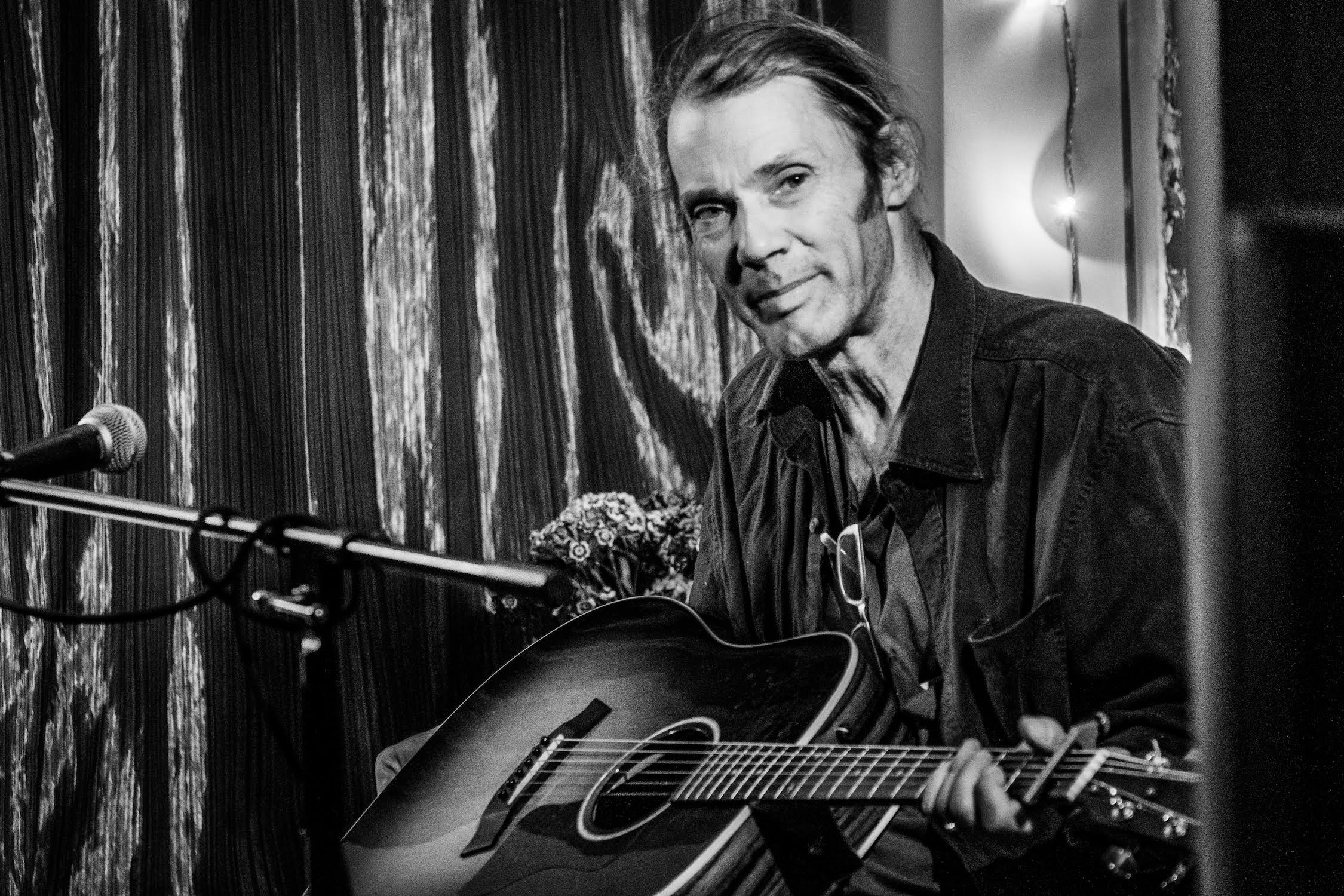
LISTEN: Tony Joe White, “Big Boss Man”

Artist: Tony Joe White
Hometown: Oak Grove, Louisiana (now in Nashville)
Song: “Big Boss Man” (written by bluesman Jimmy Reed)
Album: Bad Mouthin’
Release Date: Sept. 28 2018
Label: Yep Roc

In Their Words: “At the time I was just playing electric guitar and singing. When I heard Jimmy Reed and ‘Big Boss Man,’ I went straight to the music store and bought a harmonica with a holder. I thought I bought the wrong key, but come to find out, all the blues players pull on the harmonica instead of blowing on it so it was alright.” — Tony Joe White


Photo credit: Joshua Black Wilkins

LISTEN: Beth Snapp, “Easy to Love”

Artist: Beth Snapp
Hometown: Kingsport, Tennessee
Song: “Easy to Love”
Album: Don’t Apologize (EP)
Release Date: August 31, 2018
Label: NewSong Recordings

In Their Words: “‘Easy to Love’ is a fun song, but for me, it’s a little deeper than a ditty about some girl planning for her future soulmate. It’s about someone who has fully accepted herself in all her strengths and weaknesses. In fashion with the EP, she is not apologizing for who she is, but instead sending out a disclaimer… she likes herself, she’s proud of where she came from, and if a certain someone can accept and love her for what she is, she’s open for discussion. Otherwise, she’s fine continuing down the path that she’s currently on!” — Beth Snapp


Photo credit: Justin Thomas

LISTEN: Alright Alright, “The Liar”

Artist: Alright Alright
Hometown: Denver, Colorado
Song: “The Liar”
Album: Nearby
Release Date: October 5, 2018

In Their Words: “The start of this song sat in my collection of lines and hooks for a long time. Several years ago, we had been shopping for a piano when a house adjacent to the piano shop caught fire and burned down. Witnessing the event and learning about the situation around it stuck with me as I knew there was a seed of a story in it.

Eventually came an afternoon where we wandered out to the studio to rehearse together and to possibly write some. I had a songwriting workshop coming up, and I threw out the line ‘There was a fire, cross the fairway from our home’ as one we could work with. Within moments, I was off to the races. China politely left the room to make tea, and in about an hour and a half I had written the whole song. I originally thought I would take it in that format to the songwriter’s workshop, but China heard it and we trimmed it up right away. That week, it was in our set list.

That first line became my imagined story of someone witnessing this fire and then taking that cautionary tale into their life. I believe in my own life, as well as for many others, we often think we smoothly learn hard lessons from others. More often than not, our ego tells us we would never do such a thing so we don’t need to take in part of the lesson. ‘Hairspray and a lighter! That’s so dangerous and irresponsible,’ we think. But I also recall writing my name on a sidewalk with hairspray and lighting it out of boredom. I also recall trying to set a guitar on fire fairly recently. Last month, I drove our Soccer Mom SUV full of my children and their cousins on an advanced 4×4 trail until the snow stopped us. That is to say, I, perhaps, should learn all of the lessons.

This realization, in fact, occurred to me while at that same songwriter’s workshop. As part of the larger event, one where many artistic practices come together to be encouraged and sparred on by one another, there was a sort of open mic for musicians, songwriters, poets and prose writers. After hearing some of the most incredible poetry I have heard in recent times, I had to get up there and sing my songs with just me and a guitar. I had to be both straight man and foil, storyteller and comic relief. In the midst of this performer’s dance, while speaking to people I greatly respect, I said something along the lines of, ‘This is a song that I wrote after we watched a tragic situation unfold, and it was one in which we could do nothing to help. I started to think about this life and the story of the situation, and I started to see myself in it. Which is to say that I saw a tragic thing happen to someone else and then wrote a song about myself.’

A rather public confession of my subconscious truth. I was right there and could well have burned down that house with a few dumb actions. I am right here in my relationship and could well burn it down on a daily basis. I value my wife and family more than anything else, and yet a few silly mistakes and poor choices could forever alter my relationships with them. The whole cautionary tale is for me, to hopefully help me know how to clean up the messes before they are too far along. And that is still challenging for me often, and somehow this song is both a picture of who I am and a declaration that I intend to grow.” – Seth Kent


Photo credit: Matthew Greenlee