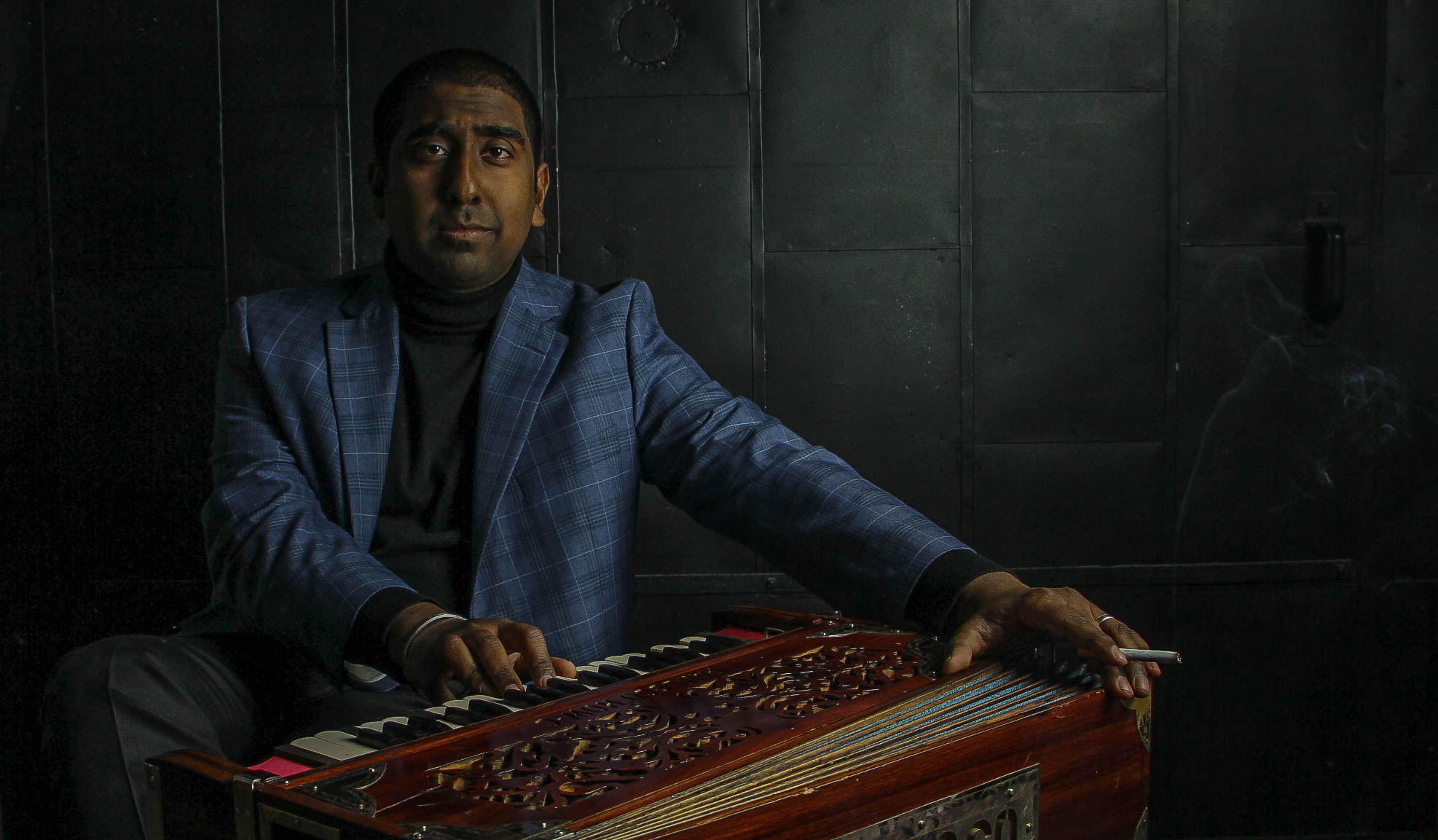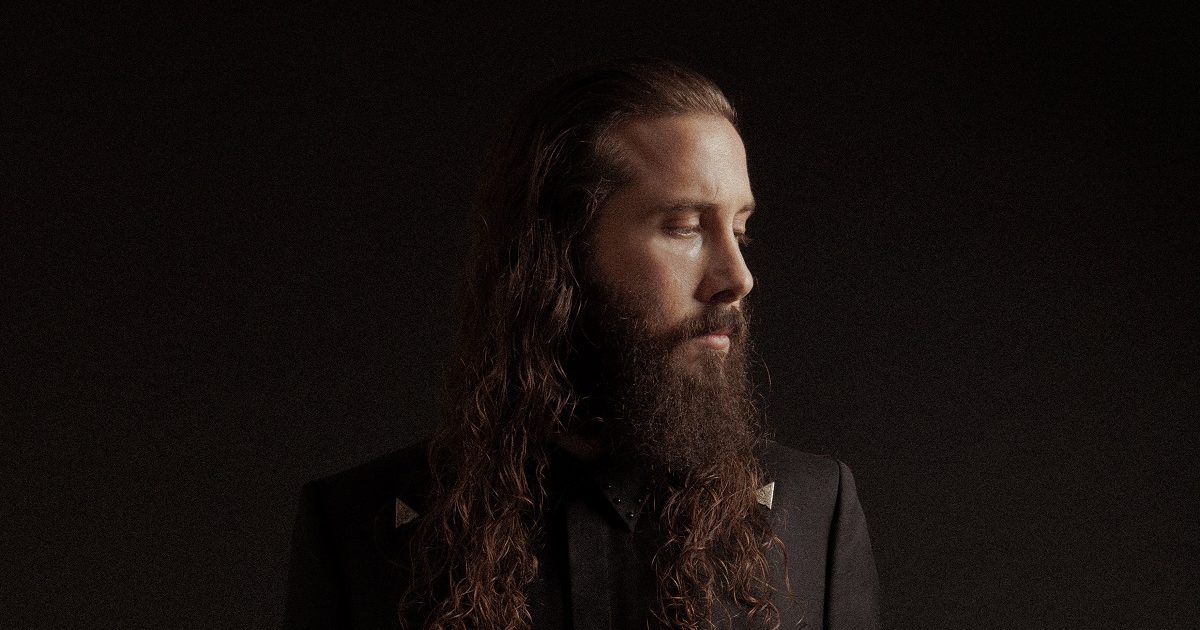
Avi Kaplan Comes Full Circle to Folk Roots on Solo EP, ‘I’ll Get By’

Growing up near the Sequoia forests of Northern California, Avi Kaplan gravitated toward the low-key albums by John Denver, Bill Withers, and Simon & Garfunkel in his parents’ CD collection. But in time, the term “low-key” took on a whole new meaning as his baritone voice dropped dramatically upon starting high school. Suddenly possessing a clear, thundering bass range, Kaplan discovered a newfound confidence and rare vocal ability that ultimately led him away from the dream of becoming a choral director to joining the a cappella group Pentatonix.

After six years as a member of that Grammy Award-winning group, Kaplan parted ways with Pentatonix in 2017 and essentially went off the grid for a year. Now living in a cabin in the woods outside of Nashville, he is ready to reconnect to his roots — as he did on his new album, I’ll Get By. With a speaking voice that’s as resonant as you’d expect, Kaplan caught up with BGS by phone.

BGS: I’ve read that you had an early interest in folk music, so I was curious to know if you’d consider this is a full-circle moment, coming back to the music that you grew up loving?

AK: Oh yeah, absolutely. I grew up listening to it and it’s always the music that I’ve listened to throughout my life. And it’s always the music that I’ve written as well. I had a departure when I went and did the Pentatonix thing, but it definitely is a full-circle thing. It’s really surreal for me.

You released “Change on the Rise” about a year ago and it sent you on the path to this record. Why did you choose that song to usher in this stage of your career?

In the past I’ve written a lot of songs that are softer and maybe on the prettier side. A little fire, a little less power, and more about the soft, serene beauty of folk music. I really wanted to come back with something that just had a little more fire in it, because it was really reflective of where I was in my life. I felt like I really got my fire back. I didn’t want to come back with something people had already heard from me. Even then, people hadn’t heard much from me in general, when it came to a solo voice, or my voice out of its lower register. So I wanted to come back strong.

What was on your mind when you wrote “I’ll Get By”? That seems like an anthem of this record.

Thanks, man. Whenever I write a song, I don’t listen to it for a while. Then I come back and listen to it again so I can hear it on fresh ears, without the critical ear. When you’re in the writing situation, you’re criticizing everything you’re doing, so I had to get myself out of that. And when I listened to it again, I got emotional. It was something that really felt special to me. It felt really strong to me. It felt like it was conveying exactly what I was going through at that time, and hopefully something that would help other people get through the same type of thing.

On another song, “Chains,” there’s a lyrical reference to needing peace, and phrases similar to that. Were you needing peace and quiet to keep on going?

Oh yeah, absolutely. I was living in L.A. for about seven years and I’m just not a city guy in general. But when I wasn’t in L.A., I was touring non-stop. I was always going, so I really feel like I lost myself and I lost touch with the things that I loved the most – hanging out with my family, being in nature, all that stuff. … It was about a year after I left the group that I really started delving into writing. I wanted to do some healing first, but even through that, I was still healing just from a lot of stuff I was going through. So yeah, absolutely I was in that spot.

What did that healing process look like for you? What were you doing that year?

Well, I left the group and I just took some time to do the time to do the things that I’ve been longing to do. So I camped a bunch. I moved out of L.A. and moved into a cabin in Tennessee. But before that, I went back out to the Sequoias, where I’m from, and did a camping trip there. I did a lot of time in the Eastern Sierras and the Mojave Desert, and up in the mountain lakes.

I also went to Holland. I went to Germany and did a bunch of nature stuff. Then I went to Israel and I went hiking out there as well. So, I kind of went all over and just got away from everything as much as I possibly could. I just sought out to heal and find myself again, and just do work on myself. It was really important at that time. It was something that I needed more than I even knew.

Why did Tennessee become the place you ultimately settled?

I knew that I wanted to do music still. And really Nashville is the only music city where you can drive like 15 minutes outside the city and be in the country. And that’s where I wanted to be. That was a huge reason and also my sister lives out here. Also, with the music that I’m doing, I would say it’s more of a hub than I would say L.A. or New York anyway.

So, all signs pointed that way. I never had a doubt in my mind either. It was like, “OK, now it’s time for me to move out to Tennessee. I need to get a cabin out there and be in the forest.” It was all very clear to me what I needed to do. I didn’t exactly know how I was going to get into a place where I was good again, but I knew that’s where I needed to go to do it.

You mentioned earlier that you’re singing in a different part of your range on this record. But not a lot of people can sing as low as you. When did you realize you can do something that very few people can do?

It was my freshman year of high school. I joined the choir when I was in eighth grade but I was a baritone back then. And over that summer between eighth grade and freshman year, my voice changed big time. So I remember coming to the choir room and my choral director was extremely excited to hear my voice because it’s hard to find basses and that’s very much needed in choir. So he was a huge inspiration for me and a huge advocate for me. He helped me realize how different it was and how I could utilize it. I owe a lot to him, definitely.

It sounds like music education in your school is a cornerstone of your development.

That’s huge for me. Now I run a summer camp for high schoolers based around harmony and a cappella, music, songwriting, and all that, because that was such a huge inspiration to me. It changed the course of my whole life. It’s always been something that’s been important for me. Before I joined the group I was on track to be a choral director. I was also studying opera, but being a choral director was the dream, just because it had such an impact on me.

Was country music an influence for you growing up?

I didn’t listen to actual country, like Garth Brooks and that type of thing, but I loved bluegrass. I loved John Denver. Bluegrass is more of what I listened to when I was younger. And the Sons of the Pioneers, old-school country. There was actually a band in my hometown that was very similar to them called that Sons of the San Joaquin that I listened to a lot.

What was your entrance point into bluegrass?

I really started delving into it when I was a bit older. What’s funny is that I got on the Bluegrass Situation’s YouTube channel and I just went down a rabbit hole. I was blown away by some of the newgrass that was going on, and by some of the old-school. I think one of my favorite videos that you did was the one of Tim O’Brien. That blew me away. I love it so much! I would watch it all the time.

Then I started getting into Hot Rize, and an album with Tim O’Brien with Darrell Scott, and then I got into Elephant Revival, then Mandolin Orange, and I kept going down and down and down. I really delved into it and fell in love with it even more because it felt like my roots. I had grown up with that kind of thing, but I had gotten into more of the contemporary modern folk with Iron & Wine and Bon Iver.

I’m a huge fan of bluegrass and I tell people all the time that bluegrass musicians are world-class musicians. They are truly virtuosic. So unbelievably talented. It’s amazing to hear music that I love with such virtuosic musicians. That is something that is always very inspiring to me – a musician’s musician, someone who is really amazing at their craft. And that is definitely what bluegrass is about.

I wanted to ask about auditioning people for your band. What are you looking for when you pick a band?

I’m always looking for vocals. Harmonies. That’s the most important thing to me. Especially with my music, it’s not the toughest stuff to do, instrumentally speaking. With this album, the drums are actually more complex than I thought they were going to be, but at the end of the day, it’s nothing crazy. The harmonies are really where I’m looking for the strength. Yeah, that’s it – harmonies, 100 percent, all the way.


Photo credit: Bree Marie Fish
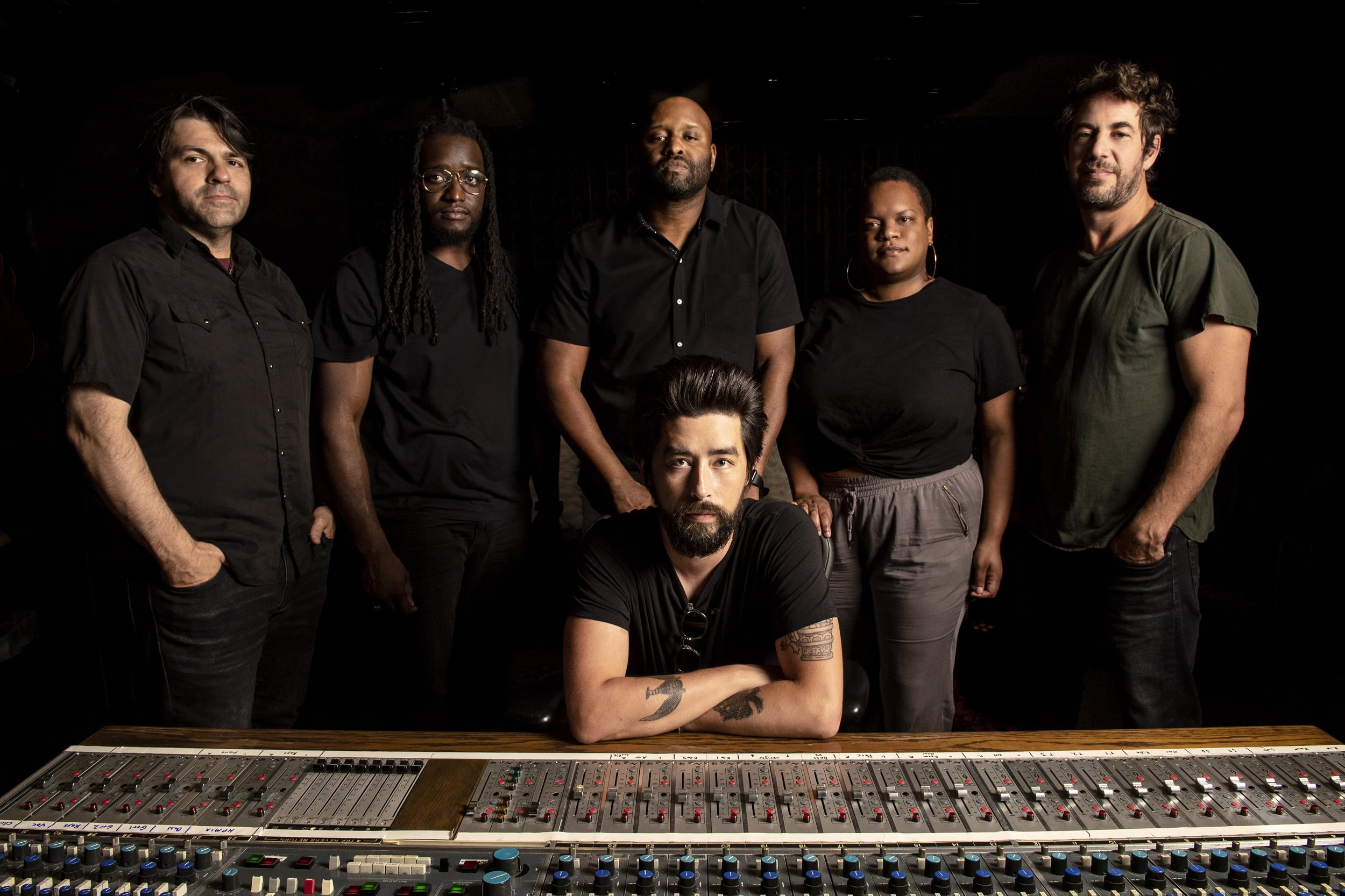
Mixtape: Jackie Greene & Band’s Soul and Funk

This is a playlist about the new band’s favorite soul and funk music at the moment. We’re a diverse group of musicians with different tastes and backgrounds, and these are genres we all like and listen to together while rehearsing and recording.

Jackie Greene (Lead):

Sly & the Family Stone – “You Can Make It If You Try”
Who doesn’t love Sly? This is the funkiest circus I’ve ever heard.

Lee Dorsey – “Neighbor’s Daughter”
Sort of an obscure record, The New Lee Dorsey has a bunch of Allen Toussaint songs and all of them are awesome, but I always really liked this one.

Bill Withers – “Ruby Lee”
One of the baddest, rawest grooves ever. The album +’Justments is one of my favorite albums of all time.


Ben Rubin (Bass):

Marvin Gaye – “Got to Give It Up (Pt. 1)”
I love this song because the pocket is so deep and sparse and Marvin lays on top so sweet (yes I meant that figuratively and literally).

Prince – “Sign ‘O’ the Times”
I love this song, because to me it represents some of Prince’s best work. When the song came out, it was so ahead of the times in terms of lyricism AND production.


Megan Coleman (Percussion):

Aretha Franklin – “Day Dreaming”
The groove and musicality of this song legit brings tears to my eyes. Also, I’m a sucker for a good ole fashioned love song.

Michael Jackson – “Don’t Stop ‘Til You Get Enough”
I mean…how beautiful is he in this music video? This was one of the first songs I fell in love with as a child and it will always hold a special place in my heart.


Jon “Smoke” Lucas (Drummer):

D’Angelo – “Playa Playa”
This is the intro to the era that captured my soul at 12 years of age. The sound, feel, and performance of this record is priceless! All-time favorite of mine…


Nathan Dale (Guitar):

Otis Redding – “Ole Man Trouble”
I wore out both sides of my The Dock of the Bay cassette during the summer of ’92. “Ole Man Trouble” was the last song before the auto-reverse tape deck flipped back to side 1. The song hooked me every time. There is some kind of magic happening between Cropper’s guitar parts and Otis’s painful vocal delivery. Otis opened the door to soul music for me.

Prince – “Sign ‘O’ the Times”
Prince’s brew of pop craftsmanship is something I was never embarrassed to admit I loved. His blend of funk, soul, blues, and R&B along with the addictive hooks is a perfect kind of music to me. The genius of his artistry is captured brilliantly in “Sign ‘O’ the Times.” Its sparse musical approach keeps the funk but leaves room for the lyric’s heavy topics of the 1980s.


Alex Kettler (guitar tech)

Lettuce – “Phyllis”
It’s a simple groove that opens up to a plethora of synths and horns. The song keeps progressing while always lightly grasping the main line until it goes full-circle.


Photo credit: Michael Weintrob. Pictured front: Jackie Greene; Back row (L-R): Nathan Dale (guitar), Jon “Smoke” Lucas (drums), Shannon Sanders (musical director, organs), Megan Coleman (percussion), Ben Rubin (bass).

3X3: Zeshan B on Water, Withers, and Wondering about Twitter

Artist: Zeshan B
Hometown: Chicago, IL
Latest Album: Vetted
Personal Nicknames: Z

If you had to live the life of a character in a song, which song would you choose? 

Definitely NOT Eleanor Rigby

Where would you most like to live or visit that you haven’t yet? 

Brazil. I think I’d make some friends down there. 

What was the last thing that made you really mad? 

Oh definitely the GOP. HANDS DOWN the GOP. I feel like that’s the only thing they’re good at — making me really mad.

Which Judd is your favorite — Naomi, Wynonna, Ashley, Apatow, or Hirsch? 

Mama Naomi. 

Whose career do you admire the most? 

Bill Withers — man did everything on his own terms. 

What are you reading right now? 

There Are No Children Here: The Story of Two Boys Growing Up in the Other America

Are you an introvert or an extrovert? 

Extrovert with surprisingly introverted qualities.

Whiskey, water, or wine? 

Water. Although they say wine does have those antioxidants …

Facebook, Twitter, or Instagram? 

Facebook, for sure. Instagram isn’t all that bad. But Twitter, though — why is it still a thing? I just don’t get it.

The Essential Bill Withers Playlist

Nobody crossed the bridge between R&B and folk during the 1970s quite like Bill Withers. His music embodied the silky groove of Memphis mavens like Otis Redding and Al Green while speaking to the deep acoustic tradition of the American South. It was — and still is — as perfect for a sing-at-the-top-of-the-lungs joyride in a ‘72 Malibu as it was — and still is — the perfect soundtrack for an encounter of the horizontal kind.

For all of his influence on American popular music, it wasn’t immediately evident Withers would make a career out of singing and songwriting. He was born the youngest of six children in Slab Fork, WV. He was just 13 years old when he lost his dad and a mature 18-year-old when he enlisted in the Navy. Singing and songwriting was on his mind as early as 1967, though, when he took his Navy discharge and headed for Los Angeles. During the day, he worked a factory job; at night, he wrote songs, performed the club circuit, and shopped his demos about the industry.

In 1970, he scored a deal with Sussex Records and the legendary Booker T. Jones was hired to produce Withers’ first record. What was planned to be a quartet of quick three-hour sessions ended up trimmed back and spread out over the course of six months. Finally, with Stephen Stills guesting on guitar, Just As I Am was released in 1971. It yielded one of his three biggest hits — the Grammy Award-winning classic "Ain’t No Sunshine" — and launched him on a touring schedule with legends like James Gadson and the Watts 103rd Street Rhythm Band. As his star began to rise, Withers remained professionally conservative, holding down his factory job even after "Ain’t No Sunshine" reached platinum status.

In 1972, during a break from touring, he convened in the studio with some of his touring band members to create his excellent Still Bill album. It was a massive hit, in no small part because of his two biggest singles, "Use Me" (which reached number two) and "Lean on Me" (an all-time pop classic that landed at number one).

Legal wrangling with Sussex in ‘74 found Withers heading off to Columbia Records, leaving behind an album called +’Justments (that was ultimately released in 2010). In the interim, Withers recorded somewhat sporadically over the next 10 years, making four marginally successful smooth R&B records and one million seller — the 1977 long player called Menagerie (which included his hit, "Lovely Day").

Though his work on Columbia has its strengths, it’s his recordings with Sussex that ring true with us. Bearing that in mind, here’s our version of The Essential Bill Withers Playlist, a sweetly concise set of songs that concisely covers the sweetness of the music he made in the early 1970s.


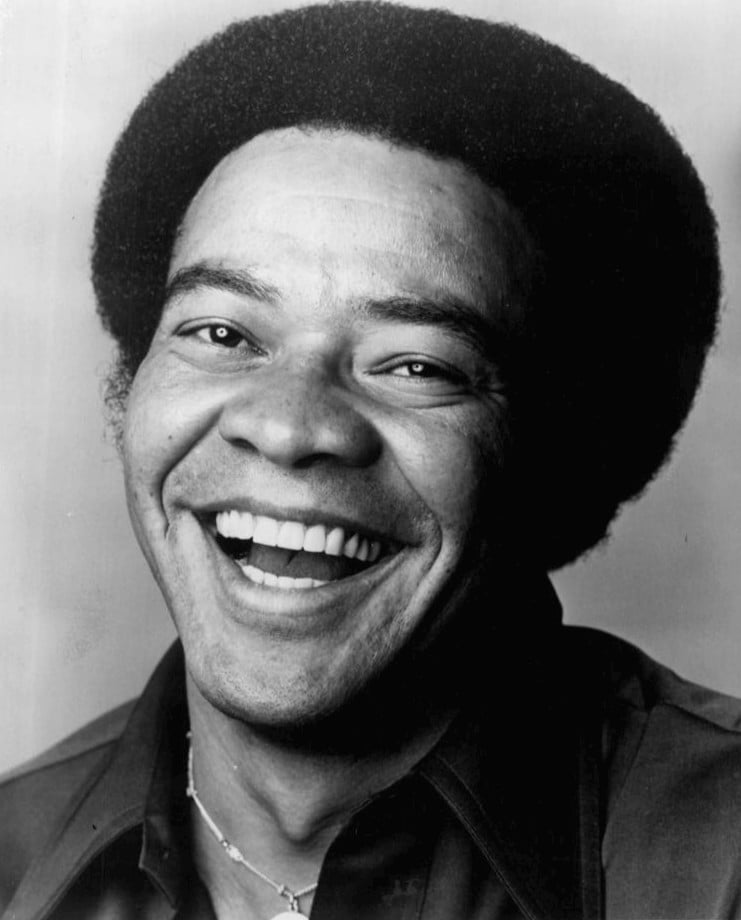
Photo: Columbia Records publicity shot of Withers, circa 1976 (Public Domain)

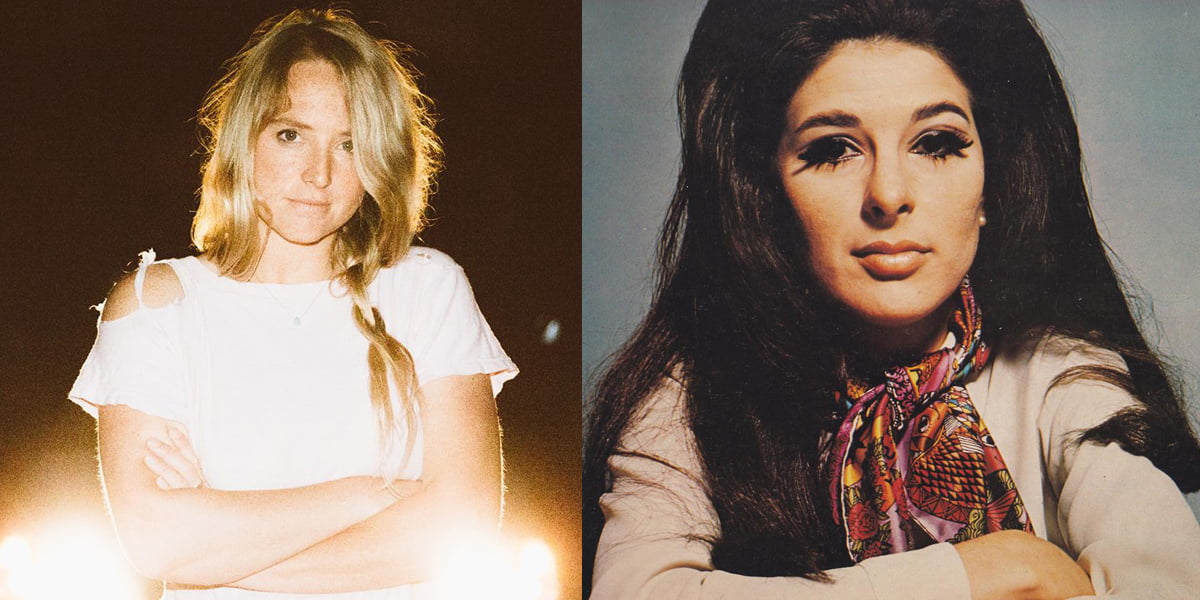
Squared Roots: Lissie on the Stories of Bobbie Gentry

Bobbie Gentry is one of those artists whose legend all-too-often overshadows her artistry. With the surprise — and massive — success of "Ode to Billie Joe," Gentry made a name for herself in multiple music circles. The chart-topping, Grammy-winning song — like so many in her catalog — drew its inspiration from the hard-scrabble lives of her Mississippi homeland.

Gentry knew pretty early on that music was her calling, teaching herself how to play piano, guitar, bass, banjo, and vibraphone before going on to study philosophy at UCLA and composition at the Los Angeles Conservatory of Music. After a bit of modeling and performing around L.A., she eventually landed a deal with Capitol Records in 1967. Though "Ode to Billie Joe" was her first hit, Gentry went on to land 10 more on the Billboard Hot 100 and another handful on the UK Top 40. Then, in 1978, she retired from music, altogether, leaving many to wonder why.

Singer/songwriter Lissie Maurus can relate. Since bursting onto the scene in late 2009 on the strength of her fierce, bold vocals and finely tuned compositions, the Illinois native has released several EPS and three albums — including 2016's The Wild West — to much critical acclaim. But, in Gentry, she sees something of a kindred spirit, having herself considered walking away from the business of music.

Bobbie grew up in Mississippi with her grandparents who traded a milk cow for a piano and she chose her stage name from a film character who was born into poverty but determined to succeed. So, basically, she was scrappy. She knew what she wanted to do and went for it. I see some of that in you, too. But connect the dots between you and Bobbie for me. Why her?

I didn't really know about Bobbie Gentry until some British friends of mine told me about her. I had heard “Ode to Billie Joe” and remembered thinking it was a cool song. But I just got so fascinated with her and fell in love with all of her songs because she really paints a visual picture, in her lyrics, of what is happening in the story she's telling. That's something I admire because I don't think I have the ability to do that.

I liked how she was one of the first female country singers to write her own material and was really, like you said, scrappy. She was really bold and tough, yet really charming, in this man's world in the 1970s country scene. So I just think she's a bad ass. And she was probably writing better lyrics than all of her male contemporaries, in that day and age.

I was shocked to learn that “Ode to Billie Joe” was the b-side of her first single, “Mississippi Delta.”

Yeah. Me, too. We probably read the same Wikipedia entry. [Laughs]

[Laughs] I'm sure.

If we're going to go into her songs more specifically, the song “Lookin' In” … I can sort of relate to it. I think she really struggled between doing music because she loved it and trying to keep up with the business and image side of it — all the papers to sign, traveling everywhere, and just wanting to go home. And, yet, she wanted to share this gift of hers and, ultimately, kind of disappeared and just stopped playing music.

But in between, she was on the Billboard Pop Chart, the Black Albums Chart — which has since become the Hip Hop/R&B chart — and she was also tagged as the Academy of Country Music's Most Promising Female Vocalist. What do you hear in her music that you feel lends itself to that kind of crossover appeal?

I think it's because she's such a great storyteller. “Ode to Billie Joe” was such a huge success because people were so fascinated. They were riveted. They were like, “What did they throw off the bridge?” [Laughs]

[Laughs] And she was going, “You're missing the point!”

[Laughs] Yeah, totally. But everyone was enthralled. She writes such compelling stories that you want to listen to … more so than how I think I would write, at all. I would only ever hope to write like that someday. I might touch on emotions that I'm having in really literal expressions, but she's talking about how they're passing the rolls around the table, and what the person's wearing, and the expression on someone's face, and what the scene out the window is — all the imagery. It's like reading a book. She's telling this story that you want to hear.

But, also, she was pretty and had cool fashion. She was charming and appealing, had a great voice and a good personality. I don't know why, exactly. And that was a different time in music, too, when things were maybe changing culturally or societally, and maybe women were starting to come into their own a bit more and she got to be a part of that.

Do you feel like being able to write story songs versus confessional songs … do you think that's a learned art or is it an inherent gift? Because it sounds like you actively study her craft with an aim toward getting there, yeah?

I think, eventually. There are two ways to write: There's a way that I find — in terms of what I'm best at — is to write about what I'm feeling because that's where all the emotion comes from. I think people pick up on that and can relate to it because it's very direct and honest and coming from an actual situation.

But I think, if I were to want to settle down on my farm and get more into the idea of writing songs that were less about me and even writing songs for other people, I would like to explore doing more of the storytelling like she does. It's weird because, she's just telling these stories, and it's clever, but there's still so much heart and emotion in it … which I find interesting. If I were just making up fake stories, I don't think people would enjoy it as much because it's not as heartfelt. [Laughs] You know what I mean?

[Laughs] Yeah, yeah. Then she also had her feminist bent with “Fancy” and stuff. I've been saying for months that Ashley Monroe or Kacey Musgraves should remake Loretta Lynn's “The Pill” as a benefit for Planned Parenthood.

Oh, yeah!

Maybe you should do “Fancy” as the b-side.

“Fancy” is always my karaoke song.

Is it?

[Laughs] Yeah!

Do you do her version or Reba's?

Well, usually they only have the Reba version at karaoke. A lot of people don't know who Bobbie Gentry is.

I guess not. They know “Billie Joe” and that's it — not even, necessarily, knowing who sang it. Right. And then, like you said, she walked away and went into hiding. What do you think causes an artist to do that? Bill Withers did the same thing.

Well, I'm not currently anywhere near as successful as she was — or Bill Withers was — but last year, I was tempted to … not to stop writing and playing songs and sharing it, but just get out of the game. It can be really soul-destroying. You subject yourself to a lot of pressure and criticism. There's so much stuff that's not about the music that's always being brought up and forced.

She probably just got burnt out. When you listen to her song “Lookin' In,” you can tell she's just burnt out. I also heard maybe she had a child that needed some special care. That's one theory: Once she became a mother, she decided to focus on that. I don't know. She probably just got burnt out, but she was so good, it would be amazing to have more of her material because I feel like I've already listened to everything so many times.

I wonder if it'll be like … you know how they keep uncovering more and more Jeff Buckley recordings? It would be amazing, with some of the artists like her, to one of these days discover a whole, lost treasure trove of Bobbie Gentry tunes that she was secretly recording in her basement.

Yeah. That would be amazing. You wonder, too, though … she hasn't granted any interviews … so you wonder if something bad happened that made her want to turn her back on it so much so that she won't grant any interviews and no one knows where she is. You wonder what the deal is. It's an interesting thing trying to balance creativity and expressing yourself and something that brings you joy when you subject it to the elements. It can be a little hairy and gnarly.

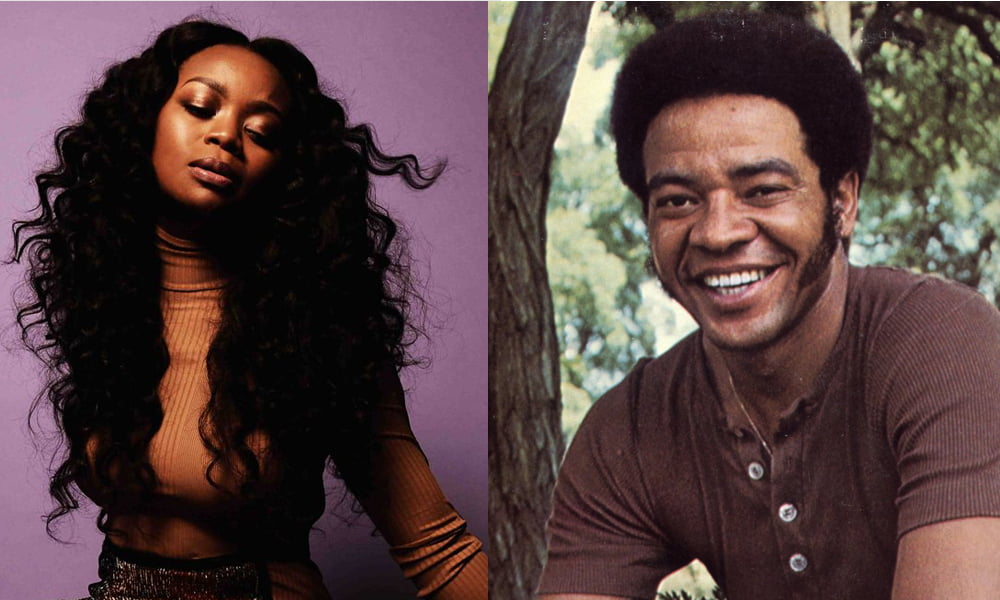
Squared Roots: Ruby Amanfu on the Simple Brilliance of Bill Withers

To escape the wilds of West Virginia, a young Bill Withers joined the Navy, where he worked as an aircraft mechanic. After his service, he landed a job in an airplane parts factory, but soon realized he could get girls by singing, so he decided to give it a shot. He taught himself guitar, wrote some songs, and got a deal with Sussex Records. Fun fact: His first single — the Grammy-winning, platinum-selling “Ain't No Sunshine” — was inspired by the 1962 movie Days of Wine and Roses starring Jack Lemmon and Lee Remick.

Withers kept up that pace with a string of hits that included “Grandma's Hands,” “Lean on Me,” and “Use Me.” After three records on Sussex, he shifted over to Columbia in the mid-1970s, where he released a few more albums … and encountered a bit of resistance. The label execs, which he called “blaxperts” because they were trying to change his sound to sell more records, all but halted his career. Withers has commented that he found it hard to swallow that his label would put out a Mr. T record while preventing him from releasing anything.

Though he collaborated with other artists and issued one more LP, 1985's Watching You Watching Me, Withers pretty much walked away from music. Since then, he has noted, "What few songs I wrote during my brief career, there ain't a genre that somebody didn't record them in. I'm not a virtuoso, but I was able to write songs that people could identify with. I don't think I've done bad for a guy from Slab Fork, West Virginia."

Singer/songwriter Ruby Amanfu was born in Ghana, and moved with her family to Tennessee when she was three years old. Growing up in Nashville, Amanfu couldn't help but gravitate toward music, studying at Hume-Fogg Academic Magnet School before heading off to Boston to attend Berklee College of Music, and finishing up back home at Belmont University. Around the time that Amanfu had a dance hit in Europe (2001's “Sugah”), she also connected with Sam Brooker in Nashville, and the two began writing, recording, and performing acoustic soul as Sam & Ruby. A handful of years on the road landed them a deal with Rykodisc for their debut LP, The Here and the Now, in 2009, and a follow-up EP, Press On, in 2010.

Appearances on NBC's The Sing Off (Season 3) and Jack White's Blunderbuss — as well as collaborations with Brittney Howard, Wanda Jackson, Patti LaBelle, Ben Folds, Chris Thile, and others — eventually led to Amanfu's latest release, Standing Still. It's a collection of songs by Bob Dylan, Brandi Carlile, Jimmie Dale Gilmore, Woody Guthrie, and the Heartless Bastards stunningly re-imagined and rendered in Amanfu's smoky soul voice.

Bill got a late start, but he came out of the gate with “Ain't No Sunshine” and followed that up with “Lean on Me” and “Use Me.” Even now, when he talks about those songs, he plays them way down … as if they hadn't made a mark on music at all. But we know better …

Yeah, yeah. In everything I've seen and heard from him, when he speaks or when people write word-for-word what he's spoken, he seems to be the epitome of humble. And it is so opposite of what most artists are. Most artists feel like, “Well, I need to be not humble because I have to act like I'm the greatest so that other people will believe I'm the greatest.” I'm just so fascinated by Bill Withers, and I adore him so much because he is so humble. And I think that's kind of the mode of operation that is more enticing, at least for me — in how I like music and how I receive music. If I have an artist who is like, “I'm the shit!” then I'm probably, just out of spite, be like, “Uh, nope. You're off my list.”

And yet you recorded a Kanye West tune.

Oh, I sure did. Guess what? That was a battle to the bank, honey. That was a battle to the bank. I had a couple of producers on this project and sometimes you gotta listen when people talk. There were obviously things I had to come around to, and I had to come around to that. What I heard in that song … when “Street Lights” was presented to me, I heard lyrics that I connected with. I heard a story, when I stripped away all of that production and I stripped away his voice, and I just received the words. I was like, “Oh, damn! That's actually legitimate.” He co-wrote that with a fella, Mr. Hudson, who is a brilliant writer and producer. I couldn't do a disservice to Mr. Hudson just because Mr. Kanye West was out there shootin' and salutin' and highfalutin! [Laughs]

[Laughs] That brings up an interesting point. To me, classic R&B like Bill Withers, you can feel the rhythm and you can hear the blues. That's not always the case in contemporary R&B. Sure, there's a slickness to the new stuff, but is there a more significant difference in the artistry between then and now?

Well, yeah, I'd say. With someone like Bill, I don't even know if he knew what slick was. And I think, now, I don't know why this happened, but part of me thinks that, as the world continued, as the years went by, as technology increased, I feel like people — artists and record labels and producers — I think they felt like they had to do more to keep fans' interest and attention. The attention spans, I do believe, have become less and less long. So I think there can be a bit of desperation where some of it is concerned.

I won't say it's all of it because I still listen heavily to R&B, currently. Sometimes you definitely hear production where you're like, “Man, slow your roll. Let's just hear the song.” But there's still a lot of classic-sounding singers out there who are still doing it. Even somebody like John Legend, when he just strips it away and it's him and the piano, he's a great example of somebody … you know that he gets that it's just about the openness and the vulnerability of the music. The attention span is shorter, so you gotta get hyped quickly. Obviously, I didn't do that on this record. [Laughs] I'm trusting that people will be able to take a breath and listen to this record from a completely open place. That's how I fit into this whole thing.

Right. Another difference is that, in the mid '70s, Bill released an album a year for five in a row. To be that prolific and, then, to just turn it off … because he kind of counts that as the end of his eight-year career. What does that take — because he wrote all his own stuff?

I know. I think he got fed up with the system which … [Laughs] is not hard to do. I got my first record deal — I was a baby — in 1999. Even then, the system was baffling. I did it as a means to an end … record deals and management deals and all of that. But it felt sickening on a number of occasions. I did it, but I can see how he, who is who he is unapologetically and is so homegrown and so grounded, that he was like, “You don't care about me. Why am I going to care about you?” This man who was … at first, he still kept his other job, even when he had a couple of hits. That's brilliant because he wasn't resting his laurels on that. Then, the labels were taking advantage of him. I heard once that he'd had a couple of hits and he was going to put out this album and his label said, “We don't hear a hit on that.”

Yeah, they wanted him to cover an Elvis tune.

Oh my gosh, that's right! “In the Ghetto.”

Yeah.

What did he say? Something like, “That's like asking to buy the bartender a drink.” Or something like that. And he was like, “I'm not going to go there.” It cracked me up. Because, exactly! They don't get it. They don't get you. That's the separation that has been cycling through the business.

I will say that I have seen a big difference here, in 2015, because everyone got hip to what was going on and got wiser, started to change the system to make it a little more genuine … at least for indie artists like myself choosing different paths that allow us to have creative rights again, and freedom. But Bill, at the time, was like, “No. That's not good enough for me.” And I respect that.

Well, when one of your A&R guys tells you, “I don't like your music or any black music, period” … you're not off to a great start.

No. No. And that's the thing … he knew it. He was like, “I'm gonna try this out and see what people are talking about.”

[Laughs] Or not.

Yeah. “That's what I thought you were talking about. Goodbye.” [Laughs] It's brilliant. And I'm like that, in a way. I don't think it was arrogance with Bill, and I'm not like that. But I definitely have convictions and sometimes people don't understand or relate to my convictions. But I still stand by my convictions. I have to. I think … I know for a fact, actually, that I have been inspired by Mr. Withers because of that. Because you can stand by your convictions and still do what you do, still be out there doing the music. I oftentimes say that, if I were ever to get to a point where I was surrounded by a team of people who didn't get that, then I would gladly, happily walk away and go put on my apron and start cooking in the kitchen. I would do that. But I'm really lucky right now. It's been a long time coming. This team around me totally gets me — what a concept — and supports me. We'll ride it out that way.

But there are no Withers' tunes on your new album. Are there deep cuts of Bill's that you love?

Well, “Grandma's Hands” I love so much. It's funny … the first version I heard of “Grandma's Hands” was … [Laughs] “No Diggity.”

Oh, yeah yeah yeah. [Laughs]

Sam [Brooker] and I had looked through a bunch of his songs to see what we could maybe do because I've always wanted to do a Bill Withers song. There were some on the short list for this record, too, but I had presented Sam with a song from Still Bill called “Who Is He (And What Is He to You)?” It's so simple, but that song is one for me.

Me'shell NdegeOcello did a pretty slamming version of that one.

She did. She nailed it. That's why I was like, “If Sam and Ruby are going to do it, it's going to be different.” But that's the thing … you bring up a good point … I find myself in that situation because there are some songs on this record that I'm like, “People I admire and respect have done slamming versions of these songs, but they mean so much to me and I believe in them so I'm going to go for it.” Not to do a copied version, but do something different. Obviously, when Brandi Carlile spoke up that she liked what I'd done [with “Shadow on the Wall”] … It was stressful. I was nerve-wracked to do that because I knew what she'd done with it.

But, anyway … the song “Hello Like Before” is amazing. “I Wish You Well” … but that's more of a hit than a deep cut. “Make Love to Your Mind” … that's a great one. That's the thing, just too many.


Photos by Shervin Lainez and Columbia Records