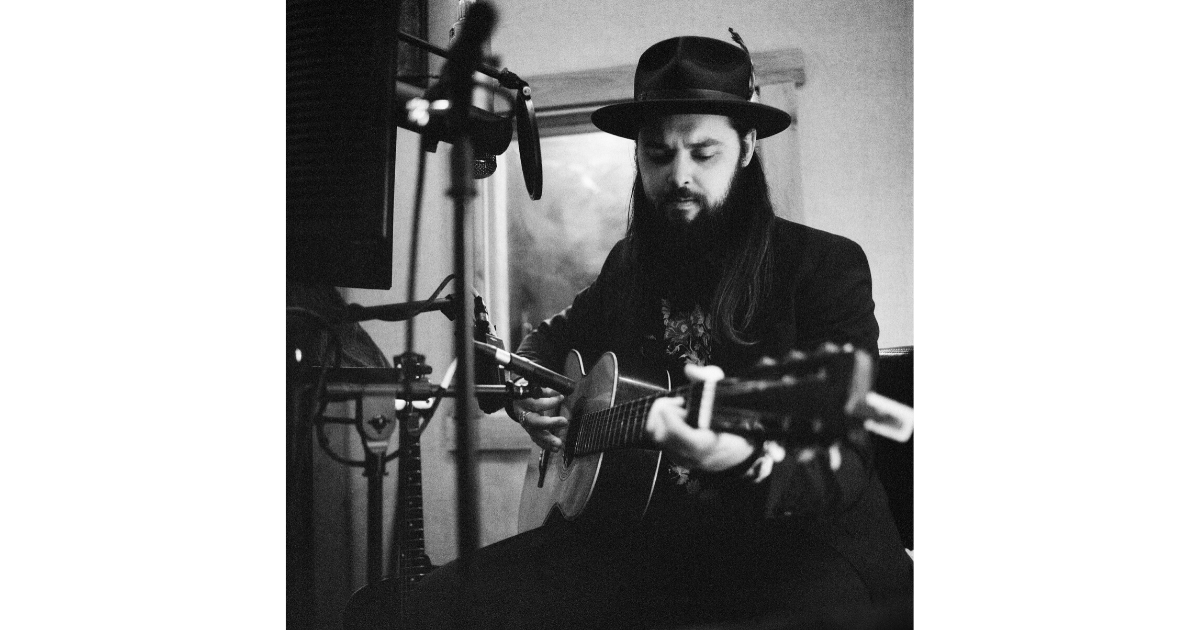
Kashus Culpepper Dreams Big on Act I

Elton John described him as “if Bill Withers made country music,” but for Kashus Culpepper that only scratches the surface of his unique sound, the multitudes of which are displayed in full force on his full-length debut Act I, which was released January 23.

Growing up in Alexander City, Alabama, the singer was always around music, whether it be in church or in the car, but aspirations for a career performing didn’t materialize for the former firefighter and EMT until he found himself stationed in Spain as a Navy corpsman during the pandemic.

“I wasn’t much of a player, but I was listening to so much music growing up,” recalls Culpepper. “I had headphones on all day, even at school, which caused me to get in trouble quite a bit. I would’ve loved to play back then too, but garage bands weren’t really a thing in our town when I was growing up. If they were, I would’ve tried jumping in with folks in a flash.”

During his period of isolation abroad, Culpepper was gifted a guitar, leading him to learn how to play and to eventually post cover songs online. After leaving the Navy in 2022, he returned stateside and began booking cover act shows at honky-tonks and dive bars across the Mississippi Gulf Coast. Although he immediately loved what he was doing, he also noticed that only playing other people’s material would have a short shelf life.

“Once I realized the cover thing would run its course, I knew in order to make a career in music that I needed to start writing my own songs,” he explains. “For so long the thought of writing my own songs and having people sing them back to me was just a silly dream, but now, less than three years later, I’m releasing an 18-track album I helped write the entirety of.”

Ranging from country to blues, rock and roll, pop, and soul, Act I is a full-on musical onslaught that caps off an amazing five-year journey for Culpepper, setting the stage for a continued meteoric rise in the years to come. On the album he’s joined by fellow stars-on-the-rise Marcus King (“Southern Man”) and Sierra Ferrell (“Broken Wing Bird”). But where the compilation really shines is on the tracks in between, like “Alabama Beauty Queen” and “Break Like Me,” that see Culpepper not only pouring his heart out, but doing so with catchy hooks and differentiating styles while remaining fully authentic to who he is – a Southern man making Southern music.

Less than two weeks before Act I’s arrival, Culpepper spoke with Good Country over the phone about his love for Tyler Childers, the importance of co-writing all the album’s material, what it was like earning the support of Samuel L. Jackson, how his collaboration with Sierra Ferrell on “Broken Wing Bird” came about, and more.

How far back do the origins of these 18 songs go? Are most from those early days of writing in 2023 or more recently as you’ve refined your voice?

Kashus Culpepper: Well, the ones that’s already been out [as singles], they’re definitely from around the same time that I was starting out writing. But a lot of songs that haven’t been put out yet, aside from “In Her Eyes” and “Mean To Me,” are all a little more recent.

In reality, none of these songs are that old if you didn’t start writing until 2023!

Exactly! When you think about it, none of these are that old. There’s so many artists who’ve been holding on to songs for years and years – like Chris Stapleton, who just won a GRAMMY for “White Horse” over a decade after first writing it.

Why was it important for you to have a hand in writing all 18 of these songs?

I’m all about developing myself as a songwriter, because it’s something that I can do for the rest of my life even after all the performance stuff is done. Songwriting is something that I truly believe in and love, so I want to be the best at it that I possibly can be. And to be the best at what you’re trying to do, you have to do it all the time and you have to write with people that are way better than you. That’s what I’ve been able to do with this record. I’ve been writing with people that are way better at writing than me. It’s been amazing.

The record is called Act I. Does that mean it’s part of a larger body of music to come?

At the moment, I don’t really know. I called it Act I not as an introduction to who I am, but because I’m a big movie guy. I love theater, movies, dramatics, all of it.

With that in mind, I know you had a run-in with A-list movie star and one of your biggest heroes, Samuel L. Jackson. What was that like?

Samuel L. Jackson is one of my favorite actors of all time. I got a connection with him when “After Me?” was coming out. It definitely makes the world feel a lot smaller when some of your favorite actors or your favorite artists know who you are. A lot of times growing up you think you will never be in connection with your idols, so it really was a humbling experience. It made me realize that anything is possible.

If you have a dream, you can do it. If one day you want to talk to Oprah Winfrey, you can. Don’t take your foot off the pedal just yet!

Has that one happened for you?

No, I have not talked to Oprah Winfrey, but I would like to! And you get a car! And you get a car! [Laughs]

With regard to “After Me?,” wasn’t that one of your first original songs to gain traction online?

My first big song on socials was “Who Hurt You,” but following that I posted a clip of “After Me?” and everything just went crazy. I’m really glad I put it up on socials after writing it with my boy Mark Addison. We didn’t think anything of it at the time – we were just writing. It’s been insane seeing what the song has turned into since then, especially live.

That’s another thing – it’s been cool to see all the new songs develop their own personality with the crowd. For a while, “After Me?” was people’s favorite song, but now it’s been overthrown by some of the newer ones, which I like because it tells me that I’m continuing to write new songs that people want to hear.

Was it always your vision for your debut project to be this massive or did it unknowingly balloon to 18 songs while in the studio?

I think it was the fact that I had so many great songs in my brain that showed the timestamp of a point in my music career and what I’m doing as an artist. Also, I didn’t want to hold back songs that I thought would be cool for my next project – I needed to put them out right now. When people listen to it, I want them to know exactly what was in my head at the moment I was creating it. That way it and everything I do that comes after it can always stand on its own.

You mentioning a desire to curate a specific moment in time reminds me of the intro track that kicks off Act I, where you’re playing the role of a radio DJ on KC 97 FM. Was that intentional on your part?

That’s exactly where I was trying to go with it. I was just trying to show people what it’s like in my head and trying to transport them to a new world as soon as the record starts. If you listen to it start to finish it feels like a radio station tailored by me. My goal is to bring listeners into my world. I hope people don’t skip it, because if they listen to it top to bottom, they’ll understand. It’s like, “Okay, Kash is curating a playlist with all kinds of influences, because he is a man with different sides to him as a person and musically.” I don’t really care about this or that in terms of genre, so long as the song makes me feel something.

And who knows… maybe someday Apple Music or iHeartRadio will come calling and give you the keys to your own real-life KC 97 FM?!

Don’t tempt me! [Laughs] I would love to do something like that. I don’t have time for it right now, but I would make time!

@kashculpeppermusic Messed up kid- Tyler Childers #tylerchilders #countrymusic #fypシ ♬ original sound – Kashus Culpepper

I know the church was a large part of your early musical upbringing, but what role did the radio play in all of it, if any?

For sure. I don’t remember the name of the radio stations, but there was something about summertime in small town ‘Bama, driving around with the windows down that was so freeing. And country music has always given me that same type of feeling. At the same time, I have so many memories not only with country, but also with soul and pop records. I remember a time when I’d even go around singing along to Lady Gaga.

Then when I was in the military and I found out about guys like Tyler Childers, Sturgill Simpson, and Kolton Moore, they turned into my backroad jams and even went on to inspire me to eventually start writing songs myself.

Speaking of Tyler Childers, didn’t you have a moment with his song “Messed Up Kid”?

Yeah, that was one of the first ones that really started popping off for me. Since then I’ve also done “Lady May” – which got a good response, too. I just love Tyler’s music. He’s got one of the most soulful voices I’ve heard in a long time. It reminds me of people I was in church with. In a way, I feel like Tyler and I probably went to the same church growing up. I’ve just connected with his music so much. Not just Tyler, but a lot of other people in Kentucky, too, now that I think about it. One thing musicians from there have in common is they love singing from their soul and being authentic.

Since you were just speaking about soul, one of the most soulful songs on Act I from my perspective is “Break Me Like.” Mind telling me about it?

That song definitely draws from the fact that I am with someone that I should not be with, but it’s okay because we’re in this moment and I know what she’s gonna do to me and it’s fine since right now I need to be with somebody. “Break Like Me” started with that idea in mind, then I had these really weird chords that I came up with while writing with Grady [Block] and Hank [Compton] over at Big Loud. After fumbling around with the lyrics that I had in my head, I came up with something that had a real funky, low-fi kind of vibe. We wanted it to tell a story and be relatively heavy, but while giving it production worthy of cruising to and vibing out with.

What about “Broken Wing Bird” with Sierra Ferrell. How did you bring her aboard, and did you always envision the song as a duet?

I wrote that song with my producer, Brian Elmquist, and at the time wasn’t thinking about it as a duet. We’re both lovers of Willie Nelson and wanted a song that felt like you could be on your back porch and listen to it morning, afternoon, or night with a drink in hand and not have to think about it too much. It’s a song that makes you feel warm and feel at home, but it wasn’t until the production of it when we thought about doing it as a duet.

Once the idea got brought up, one of us made the comment that whoever it is, it would have to be someone that has a voice that feels like it’s not from this time. Eventually Sierra’s name came up and it was like a lightbulb going off. She’s literally the first person that I would want in the whole world to be on this record, but I wasn’t sure if she’d be available to do it. Once we got the green light my excitement went through the roof. I’m so proud that she’s on this record, because she’s an artist that I truly love. I’m hoping somewhere down the line we might have something in the works that’s a bit longer of a project too.

I (and most other people) would not be against that one bit!

Looking back over the past five years, what has your musical journey thus far and bringing Act I to life taught you about yourself?

For so long, I thought I didn’t belong in places, that I wasn’t able to do this or that. The biggest thing I’ve learned is to just dream big because you never know what could happen. You just have to believe in yourself and you can do anything, no matter how crazy it sounds. For the longest time, I didn’t have a dream of doing music because I just thought I couldn’t do it. I thought I wasn’t the kind of person to be singing songs on stage, but look at me now!

With you referencing dreaming big I have to ask, what’s next on your musical bucket list?

My goal is to just keep creating, growing as a songwriter and learning more about myself along the way. If I do that I feel like everything else will follow and I’ll keep growing as a songwriter and as a promoter.


Photo Credit: Cedrick Jones
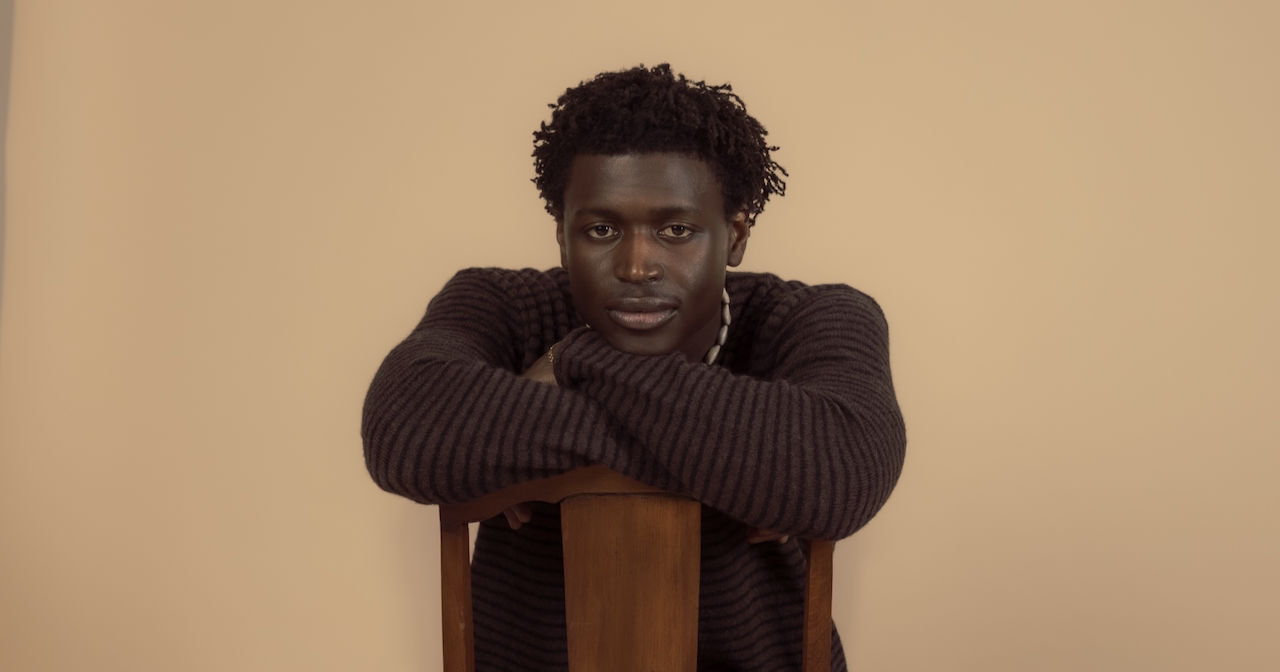
Becoming Himself, Mon Rovîa Helps Us All on Our Journeys of Becoming

Mon Rovîa has kind eyes. Unassuming and watchful, he’s spent a lifetime reading the room and taking the temperature of the situations he’s found himself in. As a child, he was quiet. These days, he exudes calm. When he speaks or sings, people listen closely. If his eyes are kind, his voice is empathetic. Soft and soothing, it embraces the listener like a warm hug from somebody who knows how it feels to be lonesome and wouldn’t wish it on another. Only a fool would take this kindness for weakness. It’s a vulnerable strength, tempered over time in the fires of resilience.

By now, Mon Rovîa’s backstory almost feels etched into stone. Born in Liberia, on the Atlantic Coast of West Africa, he was adopted by Christian missionaries during the violent bloodshed of the Second Liberian Civil War. He traveled with his new family through the Bahamas, Montana, and Florida, before settling by the grandeur of the Appalachian Mountains in East Tennessee. From a young age, he has lived in complexity, contrast, and displacement, a questing soul searching for meaning, purpose, and his place in this world.

As he reveals in our Cover Story interview, he still hasn’t found what he’s looking for. However, through music, Mon Rovîa has uncovered a trail to walk along. In recent years, his distinctive Afro-Appalachian folk music sensibilities have earned him a devoted audience through social media, regular releases, and touring.

Across his debut album, Bloodline, he offers memoir and testimony, sharing yet more chapters from his remarkable story. Written and recorded in Los Angeles with producer Cooper Holzman, the album crystallizes his early promise into something timeless, sublime, and deeply needed. In late December, he made some time to reconnect with BGS.

This is more of a provocation than a question, but the highest compliment I could give your music is that it makes me feel that if we all listened more closely, there would be less need for questions.

Mon Rovîa: Thank you very much. That is beautiful. I’ll have to dwell on that.

When was the last time you cried?

I cried this year. That’s a crazy question, because I ask my friends at least once a year, “When was the last time you cried?” or “Have you cried this year?” What made you ask me that?

You seem like an emotional guy.

I guess I am. I’ve cried a couple of times this year.

It’s been a big year. How has your life changed over the last 12 months?

It’s interesting. From the outside, your friends and family see your life changing in a lot of different ways as they watch. Going through it as the artist, many things remain the same for me. I still spend a lot of time trying to reach something, and only I know where that satisfaction lies.

People can look at [what’s] outward and say, “Oh, he’s reached something.” The hard part, probably many artists go through this as well, is that deep down, the search always continues for something that hasn’t been answered. I couldn’t tell you what this is.

There’s the question of ego as well. I always think about these people, like Bill Withers, who were able to do what they needed to do before stepping away from the spotlight.

I hope I’m more of a Bill Withers. My personality leans towards silence and not being seen in general. I could see myself disappearing at a certain point. That would be nice.

Do you think there’s an inevitability to the pathway you’re on, or could you have become someone else?

I definitely think there are other things I could have been. I look back at the circle. The start of coming from Liberia as a young kid, surviving the war, being adopted and taken to the States. From there, I could have become many people. Perhaps it would have been sports, or a person who was not well-known, working a 9-to-5 job, clocking in and out. I also think about the choices I made. You could look at some of them and say, “Those were really bad choices,” but each thing is a step, a piece of this road we walk.

In the end, all of it became the better choice, because everything – the good and bad choices on the journey – led me to where I am now.

It’s great to spend a lot of time making and playing music, but everything that happens in between writing or recording songs is just as important.

You’re right. I did odd jobs. I worked the grounds, mowing lawns. I made flower beds. I was in tech recruitment. I worked at restaurants. Getting paid nothing. Getting yelled at more than getting paid. I took it in. I learned. All of these things became different parts of the story. They became different chapters of songs and elements.

I was thinking about what André 3000 said when OutKast were inducted into the Rock & Roll Hall of Fame: “Great things start in little rooms.” I agree with that, but I also think great things start as a response to big expanses.

I spend a lot of time in a little room with a ukulele, just singing into the ether, but I need both: the silence of a little space, the expansiveness of the world, and the opening of that as well.

19th-century Dutch painter Vincent van Gogh had this thing about bringing permanence to the impermanent. A flower will last for a season, but his paintings of those flowers still endure with us today. We can immortalise something through painting, or do the same with song.

I find from the artist’s standpoint that is, perhaps, the goal: to make something that is immortalized, that surpasses your own life, and carries on when you’re no longer here or present. I think that would be the greatest achievement. If there were an end goal to make something that lives on longer than I do, that would probably be the biggest joy of my life as an artist.

What does water mean to your music, and could a river be considered a bloodline?

Water is the source of all things. Rivers remember where the headwaters lie. They know where they come from. They never forget, no matter how far they come from the source. Bloodline for me is exactly that. It’s a reclaiming of remembering. A lot of the time in the States, I tried to forget. I wanted to assimilate into an American way of life that is built on forgetting. Over time, music brought me back to remembering the cornerstone of my life, the headwaters – which are Liberia, West Africa – and the gift of being able to make something out of a lot of pain, turmoil, and uncertainty. So water is crucial.

When I think about your story, how and why you left Liberia, and what has happened since you arrived in the United States, I think about how this was all preceded by an even more complicated story. As you’re reminding us, it goes deeper and deeper.

There’s truth there, and it’s crazy to me, too. I love that you brought this up, because there are a lot of people who live on the land here in America who don’t even have that in their consciousness, don’t even understand the relationship between the two countries in a way that isn’t talked about. It’s complex. The Back-to-Africa movement. Monrovia after President [James] Monroe. It’s embedded in the very fabric of the country of Liberia. A lot of Liberians feel a kinship to America, but they don’t understand that America doesn’t think one bit about that.

A fascinating thing about cultural exchange is how, through the good and the bad, it can create new cultures. It’s so deeply woven into the foundations of country, folk, and bluegrass: the musical techniques, the instruments, everything. I imagine you often meet people who are excited to tell you about different musicians, scenes, and eras from the past.

Yeah, people have. Growing up, I was pretty locked into a religious space. I listened to a lot of Christian music, but I had no idea about mainstream anything. That wasn’t based on living in Liberia either; it was just the family I was adopted into. I’ve been enlightened by things in the past, and people have referred to music. More importantly, I’ve learned some things on my own from Appalachia and folk music. As a Black man, one of the things that kept me away from the [folk music] space for a long time was feeling like it wasn’t mine.

The truth of the matter, as you have brought out so well, is that a lot of these things do come from cultures that have mixed over time. Slaves were brought over from West Africa, but they brought those instruments, sounds, and sang those songs. That’s another thing that has been stolen along the path, whitewashed, you could say. It’s been beautiful to reclaim things as they’ve found me unknowingly. I’ve learned a lot by looking back on that. It’s been super special to know that I do have a heritage in this space. It’s a beautiful thing.

How important is food to your music?

Food? How important is food to my music? Well, as someone who doesn’t eat that much food, I tend to be quite empty when I make songs, play shows and stuff. I don’t know why.

Do you think you fast for your art?

Yeah, I fast for my art. Perhaps I’m more filled by what music brings to me lyrically and sonically. Food, I guess, is a necessity to live, but for the soul, it’s music. You’ve got your body, but then the soul has to be higher. What’s filling that for you? People have to ask themselves that question.

Something I notice everywhere is people looking to country music and the culture that surrounds it for some form of direction. We’re two and a half decades into the 21st century, living in what used to be considered the future, and yet so many people are looking backwards through rose-tinted lenses.

If we look closely, the rose is very much withered. You can look back and romanticize the South, and its culture, as everyone in the States is doing; they love to be cowboys and farmers, but you know the hardships and the pain that this land has brought, right? Let’s look back on that, if we’re also going to look back and romanticize this. The piece of clarity people often miss in the whole system is the truth, the full truth.

The truth is ugly.

The truth is ugly, but I’m wondering, though– at least for me, there was a time when it was ugly, but the acceptance of it in my own life has brought some sense of beauty at the same time. Once you see the truth – which you know well – it will never leave you. That’s why people are afraid of it. That’s why they never look at it. They don’t want that thing to haunt them through time.

You give a lot of yourself through your music. How do you fill your own cup?

Honestly, being in nature. Being back home in Chatt[anooga], and also being very far away from music. That’s how I refill, 100%. When I’m back home, I do little things, like going back to where I started, which is being on TikTok, playing for these people. I didn’t know them. They didn’t know me. But they raised me up. So I give back that time. I’ll never stop doing that. No matter how big Mon Rovîa gets, I’ll always go back to the people in that space. That fills my cup.

Also, playing soccer. I play tons of soccer. Outside of music, it’s my favourite thing in the world. I would probably drop everything to be a professional soccer player.

If you’ve spent time in Europe, Latin America or Africa, you know what time it is. For many people in many parts of the world, soccer is more important than life or death. It is the game.

I never get tired of playing soccer. I play all the time. It’s my favorite thing and a big part of my joy. Also, my community here has been so beautiful to me. Whenever I get to be home for a long time, I’m just preparing to be filled, and then hopefully ready to pour it out when the road calls again.

It’s important for an artist to have a relationship with a place and its people. There is a value in being accountable to a community, and having a community that is accountable to you.

I would agree. They get to ask me questions about things I struggle with on the daily, and how I’m actually doing as an artist. People who don’t know me might say, “Man, touring must be the best thing in the world?” They’ll want to see if it’s just parties and going out every night in big cities. It’s not like that for me, but maybe it is for some artists.

How many years do you think it takes to become an overnight success?

I don’t know. Nobody knows the years someone has been working towards something like this. What’s your answer?

Five to ten, but people won’t always be transparent with you about how long they’ve been trying to get there for.

That’s a good point.

@mon_rovia_boy WBU?! This is “heavy foot,” from my debut album “bloodline” which is finally OUT NOW 🫂 #folkmusic ♬ Heavy Foot – Mon Rovîa

The other thing about being a musician or an entertainer is you’re operating in a space where you can easily spend 25 years being 25.

Yeah, and for some reason, it’s allowed. Maybe that’s why people don’t take musicians too seriously until they become really big. It always just seems like a hobby, or like you’re trying to stay young. I’ve always wondered about that. Even with my work, some people don’t understand that it’s my job. I’ve been fortunate enough to be able to pay some bills and live okay, but they’ll still talk to me as if I’m still looking for the dream. Like, “How’s that going? Are you doing okay?”

But maybe there’s a point: so many people grow older, but their mind and spirit stay the same age. I’m not sure whether our dreams should be all-encompassing. I think it’s good to dream, but when you have that big dream, you need to have little dreams as well, things that can come alongside the bigger picture and also bring life to you, because everything is fleeting, right?

Before we wrap up, I wanted to ask you something. When you think about everything that had to happen for you to arrive at this moment, how does it make you feel?

I’ve actually been thinking about this a lot, the feeling of it. Everyone around me is very happy about the things that have come to pass, but a lot of the time, I still feel a very great loss. I think about my mother, my father, my siblings, whom I have not seen, and everything that had to happen for me to come here, and come to it. I often wonder if I would trade all of that, perhaps, to look at my mother’s face, hear her voice, or remember what she looked like. I think all I can say is that it’s a beautiful sadness I’ll carry forever.

The late French illustrator Jean “Mœbius” Giraud loved to tell these stories that were essentially the same story. They’re all about someone who wants something more than anything, and, upon obtaining it, realizes they don’t want it at all.

I have had many thoughts of laying down the pen in that way. It’s a difficult thing. Joy for me is very elusive. I call it the elusive flower. In moments, I feel it, and it is amazing. A lot of the time, it’s very far from me.

I think that was how Mon Rovîa came to be, through my search for joy in all of these things that have happened. Really, happiness has been the connection with people. Having them relate to the songs, and the songs helping them on their journey to becoming.

My purpose is to focus on the human condition and the realities we all live day in, day out. I’m here to tell that story because it is the only one that is truthful currently. I’ll accept wherever that takes me. If it makes me super poor, great. If it makes me able to live a life aloof in the woods with some land and animals, great. At the end of the day, my path is set, and I walk it the way I must.


Photo Credit: Carter Howe

Sawtooth
Country Soul

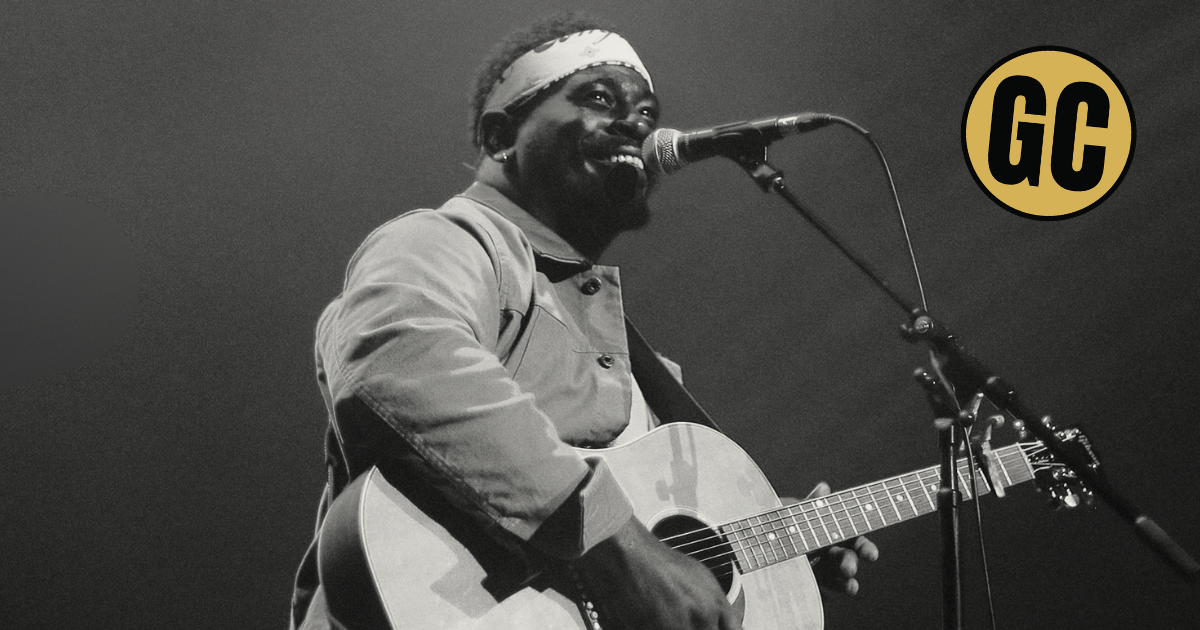
To say Kashus Culpepper’s life has changed over the last five years is an understatement. A former state champion wrestler, firefighter, and EMT, the Alabama native developed a raspy, smoke-and-voodoo vocal while stationed in Spain with the U.S. Navy in 2020, forced to pass the pandemic in his bunk. Since then, he’s knocked over one milestone after another.

With a distinctive mix of country, blues, Southern rock, and soul, the 27-year-old cites Robert Johnson, Bill Withers, and Hank Williams as inspirations and is now bringing his roots-renegade instincts to mainstream fans. Despite only releasing his first official track in June of 2024, the music industry short-timer has earned big-time appreciation.

That includes the respect of heroes like Elton John and John Mayer, a Grand Ole Opry debut, tour dates around the country, and inclusion on 2025 “artist-to-watch” lists at GRAMMY.com, Apple, Billboard, Pandora, and more. Culpepper just finished a run of dates with Leon Bridges and he’ll hit the road with Whiskey Myers in June before joining tours by Sierra Ferrell, Darius Rucker, and others later on in the summer. It would all be overwhelming, if he had time to think about it.

“I’ve just been taking it day by day,” Culpepper tells Good Country with a hearty laugh, waiting to perform at a community festival in Arkansas last month. “I think that’s the best course of action. Don’t think too far in the future and just take each show, each writing session, each recording session one at a time. Just pray everything works out and keep going. … Because when things started happening, I was like, ‘Oh, snap.’”

We wanted to get to know Culpepper before anything else “happens,” and figure out what’s fueling the hype. As it turns out, this all-natural talent is just going with the flow.

I read that you didn’t even start playing guitar until you were in Spain for the Navy, right? What made you want to do that?

Kashus Culpepper: Yeah, in Spain we got shut down and I didn’t have nothing else to do, man. I mean, literally I was bored out my mind. It’s a different type of boredom, because during COVID you couldn’t do nothing. It’s not like you can just go outside or go to a bar or hang with your friends. We couldn’t do nothing. So this was a weird point in my life and my buddy had a guitar in the barracks. I was like, “Well, this is a perfect time. I literally have nothing to do.” I just went on YouTube and looked up covers I wanted to learn. Music has always been something I go back to whenever life is hard. So I resorted back to music and that ended up leading me to learn guitar, eventually learn to write songs.

Thank God for YouTube, huh?

Shout out Marty Schwartz!

You seem to have a lot of diverse tastes, but that bluesy, soulful country thing – why did that speak to you?

I think maybe that’s just my music taste. My first taste of music was gospel, and I’m from Southern Alabama, so gospel there, it’s really rootsy already. It already sounds like a folk song. And the way they sing it sounds so bluesy, like old Son House type of vibes. From there I got into blues music outside of church. I got into country music and R&B and folk music a little. I’m all over the place when I listen to music. I can go from Allman Brothers to a Conway Twitty song really quick.

But I know you like John Mayer and all that stuff, too, right?

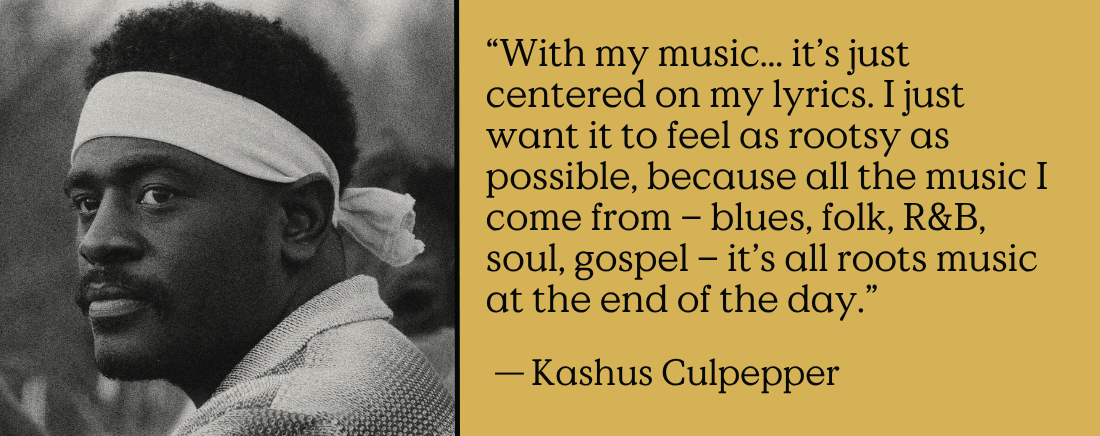
Yeah, yeah. I mean, I love so many of those rock artists, ZZ Top, Led Zeppelin, Skynyrd. People ask me all the time my influence and I’m just like, “Bro, it’s so hard to name everybody.” John Mayer was a huge thing for me. Recently I went back to Norah Jones, I’m like, “Man, I used to love this record.” But with my music, at the end of the day, it’s just centered on my lyrics. I just want it to feel as rootsy as possible, because all the music I come from – blues, folk, R&B, soul, gospel – it’s all roots music at the end of the day.

Your voice is so good at expressing these really raw emotional states, I think. Is that how you are naturally? Or does that only come out in your music?

Most of the time? Honestly man, it’s just with the music. It’s hard to open up to the people. I think for me music has been great, just to express how I actually feel through my singing and my lyrics. I don’t usually just tell people.

So you’re from Alabama. After the Navy, did you go home and keep playing?

I got out the Navy in 2022 and by that point I already had gigs booked on the Mississippi Gulf Coast. I was booked at all these casinos, all these bars. I was booked out for a year in advance. I got out and went straight to full-time doing cover band shows pretty much for another year, until I literally couldn’t take any more of it. Then that’s when I decided I really want to write songs. Literally, I decided “I’m going to move back home to save as much money as I can and move to Nashville.” I was home for maybe a week or two and posting a lot on TikTok and I remember I was in my mom’s living room. I posted a TikTok, I went out because I had an interview for a job, I got back home, and it had reached 100,000 views. From there it was just, “Oh, snap. It’s going on.”

@kashculpeppermusic Replying to @Casey Wayne One week till “Man of His Word” drops! Appreciating all the support on this one❤️ Pre-save link in bio🔥 #country #singersongwriter #original #kashusculpepper #newmusic #livemusic #countrymusic #countrymusiclover #tour #soul #newcountry ♬ original sound – Kashus Culpepper

That’s awesome. Congratulations on how that all turned out. I think one reason for it might be that your music seems so unconventional, almost untamed. Maybe because you did it on your own? Do you feel like fans are hungry for that?

I think so. We talked about John Mayer. John Mayer is kind of like that. He’s all over the place. Sometimes he’ll do a blues song and then straight up pop, and then an R&B song with Leon Bridges. I think people just love that from artists. Artists just being artists. Just do whatever the song feels like. That’s how I feel with songs.

“A Man of His Word” is super soulful, with lots of that gospel influence and a big raspy vocal. Tell me about being the man a girl deserves. Where’s that theme coming from?

I wrote that song with Natalie Hemby and at the time we was just talking about life. The song is from a perspective of a guy looking into a girl and she’s going through hardships, because she don’t have a man of his word. She’s drinking a lot, doing a whole bunch of stuff. The song has a lot of me in it. I grew up with a single mother and you don’t know how those things can affect you without having somebody in your life you can trust. You get the feeling you can’t really trust nobody, because that’s not part of your life, and that leads to mental health problems or substance abuse. You don’t even notice it at the time, until you look back and you’re like, “Dang, that’s why I feel that way.”

After that comes “Broken Wing Bird” with Sierra Ferrell and it’s on the opposite end of the spectrum. Very threadbare and folky, right?

Oh man. So I’m a huge fan of Willie Nelson. One of my favorite songs is “Funny How Time Slips Away” – I just love so much the crooner era that he was doing – and I wanted a song that felt like that.

I wrote the song about somebody that’s not really good for you and you just keep taking ‘em back regardless, because you love them and no matter what they do, you’re always going to. So she’s like my broken-winged bird – no matter what she does, she’s flying back and I’m always going to help her out and then she’ll probably be on her way again.

It’s been good getting to know you a little. Big picture, what do you hope people take away from your music?

I think overall, I hope they can see I’m just an artist trying to express the way I see things, and I hope in some way they can find music that can fit every part of their life. Whether they’re trying to have a good time out partying, or if they want to soak into the sadness of a lover they lost, I just hope my music can fit some aspect of their life. And I hope they can enjoy it.


Photo Credit: Cole Calfee

Sign up here to receive Good Country’s email newsletter direct to your inbox.

This Music Festival’s Goal Is Healing Appalachia, From the Inside Out (Part 2 of 2)

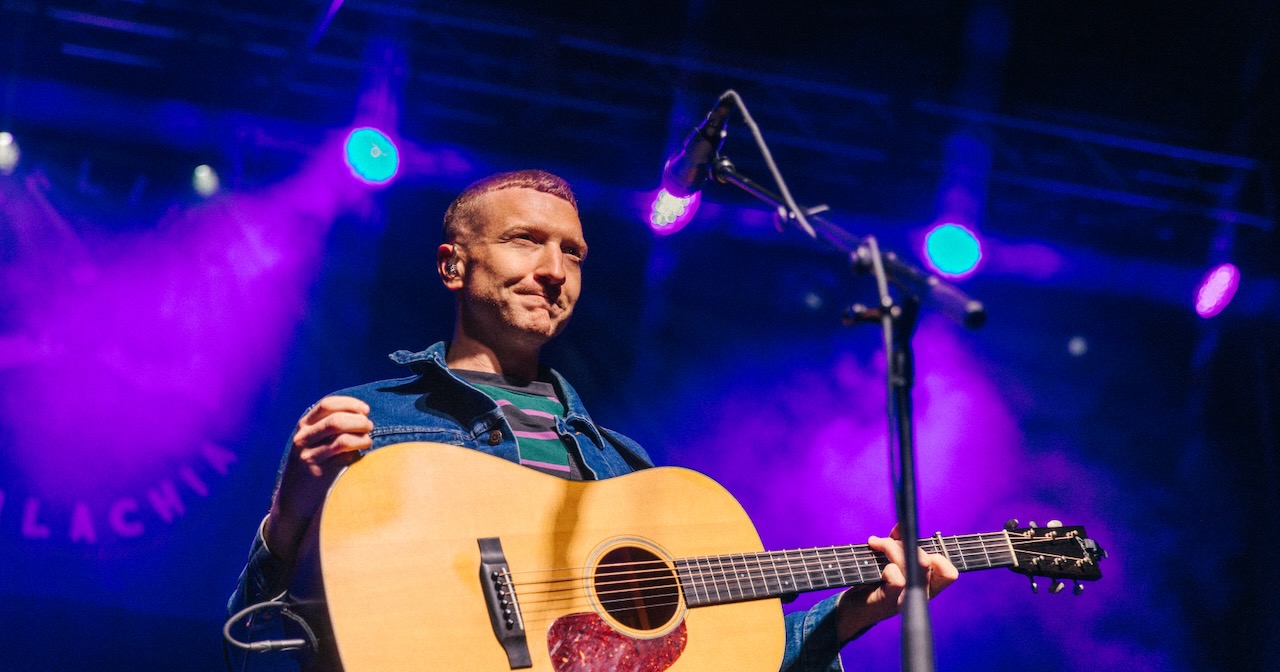
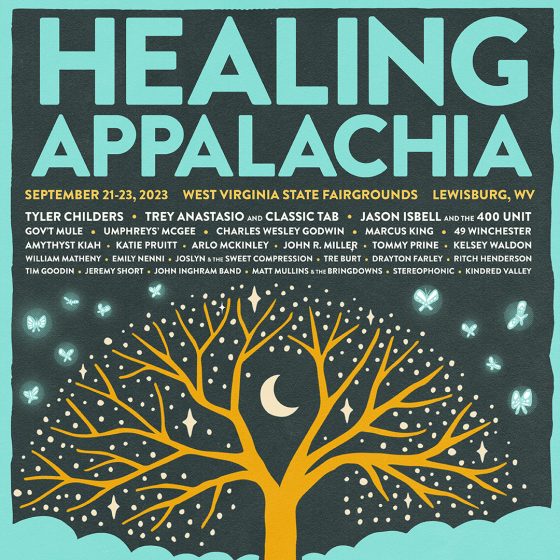
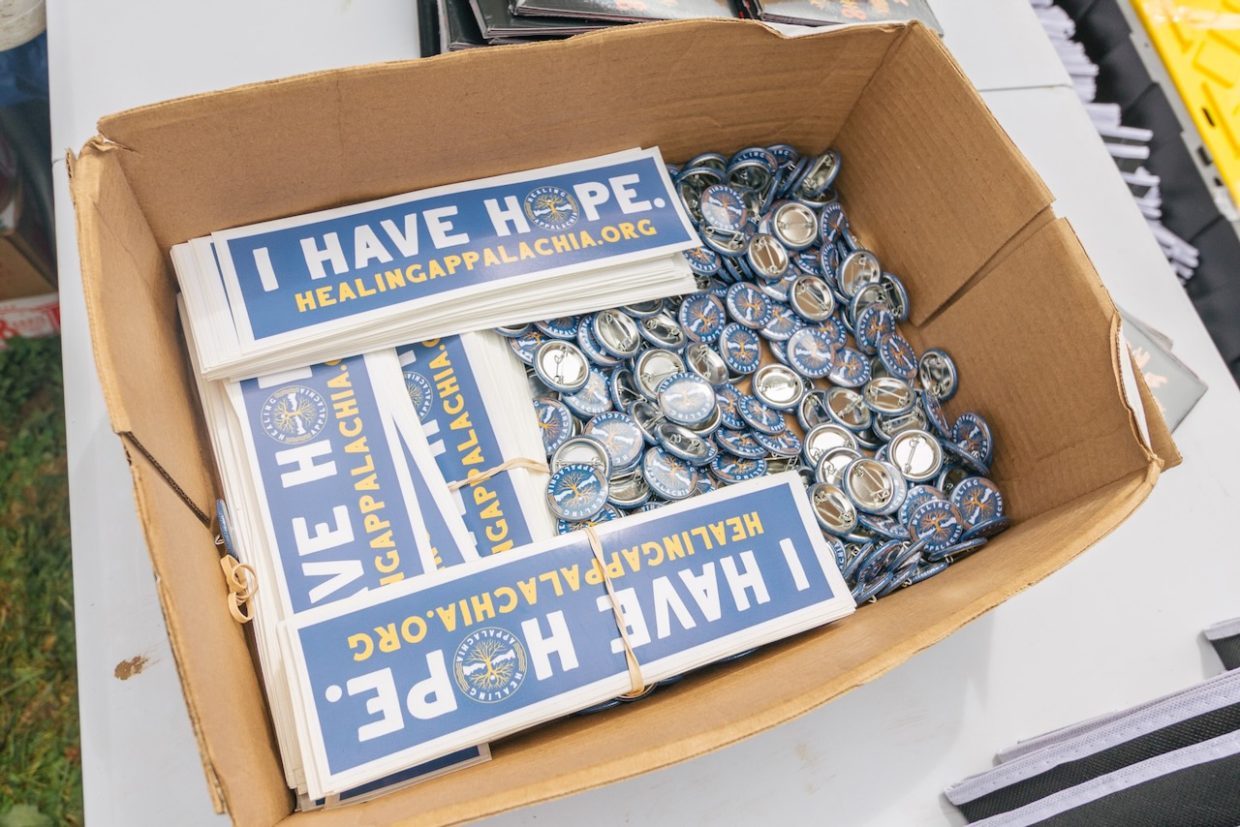
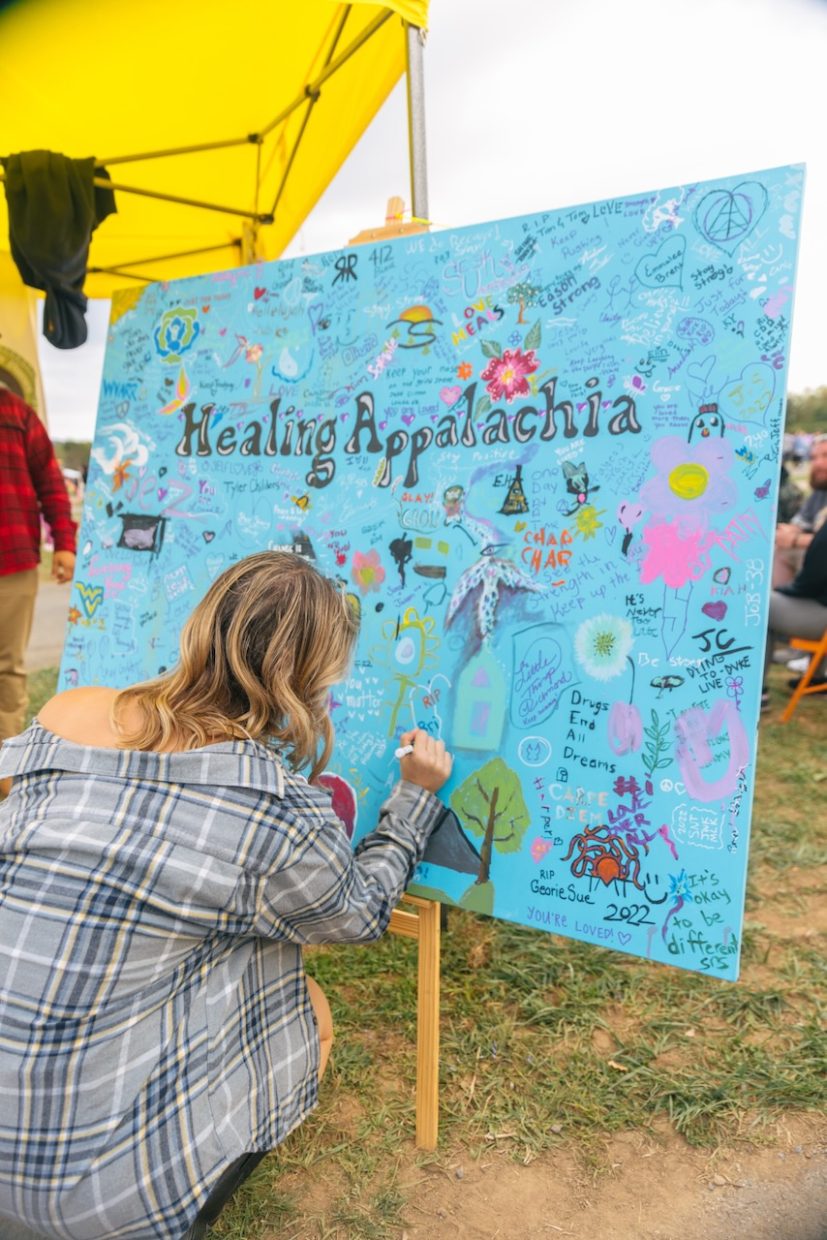
This weekend, September 21, 22, and 23, at the West Virginia State Fairgrounds in Lewisburg, West Virginia, ascendant, down home country star Tyler Childers and his cohort will gather for an event begun in 2018 called Healing Appalachia. The benefit festival, put on by West Virginia based non-profit Hope in the Hills, will include performances by some of the biggest and buzziest names in American roots music: Jason Isbell & the 400 Unit, Trey Anastasio Band, Marcus King, Umphrey’s McGee, Amythyst Kiah and many more.

Healing Appalachia is just one of many such community-led, collective efforts born from within the region in recent years that is working towards effecting positive change while offering local, ground-up solutions to big, systemic problems. Their social media and website put it elegantly and succinctly: Their vision is a prosperous Appalachia, free from addiction. The opioid crisis has hit Appalachia, especially West Virginia and Childers’ home state of Kentucky, incredibly hard. When 26 people overdosed on one day in Huntington, West Virginia, in 2016, the mission for Hope in the Hills and Healing Appalachia was born.

At the time, Childers and his hardscrabble team were still climbing the music industry ladder, building connections and community that would eventually grow and blossom into the multi-day event Healing Appalachia has become today. Childers’ friend and manager, Ian Thornton – who founded WhizzbangBAM, the booking and management company that represents Childers – together with festival program director Charlie Hatcher, Hope in the Hills board president Dave Lavender, and others took that tragic day in Huntington and turned it into an accretion point, around which they gathered and took action. Now, the festival has a local, annual economic impact approaching $3 million while raising thousands of dollars to be distributed to local, on-the-ground organizations and non-profits that specialize in addiction programs, recovery, support, and healing for this long-oppressed region of the world.

We spoke to Ian Thornton and Dave Lavender for a two-part interview preview of Healing Appalachia, that dives into the work of Hope in the Hills and explores this grassroots music event’s community-first mission, that hopes to heal these music-steeped, underestimated communities in Appalachia from the inside out. Read our conversation with Dave Lavender below, read our conversation with Ian Thornton here.

Unable to attend the festival this weekend? You can donate to support the cause here.

Can you talk a bit about the impetus or inspirations for Healing Appalachia?

Dave Lavender: Hope in the Hills, our non-profit, was started in 2017, and then the first Healing Appalachia was held in 2018 as it took a minute for Ian Thornton, Keebie Gilkerson and Charlie Hatcher, and the other OG board members to get the all-volunteer non-profit going.

The birth of the group is rooted in the events of 2016 – two historic things happened that year. In June 2016, central West Virginia got record flooding that killed 23 people. Shortly thereafter, the Huntington music scene, which was really getting built-up in a mighty way with touring bands, came together and raised more money in one night at the V Club than some big corporate fundraisers had in a couple weeks. I think all of us there saw a ragtag bunch of musicians could really make a difference banding together. Interestingly, Tyler Childers and the Food Stamps’ first New York City trip was that August as well, for a West Virginia flood fundraiser organized by our friend, Michael Cerveris, the two-time Tony winner from Huntington.

As that was happening in August 2016, Huntington, West Virginia, hit the world’s headline news with 26 overdose calls within four hours. It might have been a shock to the world, but we were all living around it in West Virginia so Ian, Tyler and Charlie Hatcher, Healing’s co-founder and show producer, knew how bad it was, and knew it was time to project the “bat signal” in the air, and unite their super friends in music to gather again and put on a show to help out the boots-on-the-ground folks overwhelmed and trying to assist in this opioid crisis.

One thing that struck me about the organization and the event is how y’all are from the region and building support systems, resources and pathways for folks from within the region – can you talk about the importance of mutual aid and community to the org and also the event?

DL: Everyone in the world knows the West Virginia theme song is “Country Roads,” but I would say the West Virginia and Appalachian motto is a song from Slab Fork, West Virginia-native Bill Withers. He wrote “Lean on Me” about being raised in the coal camp where you rely on your neighbors. Being from Appalachia, we know help is not on the way and that we are also better and stronger together.

For Hope in the Hills as a granting organization, we try to stay acutely aware of the ever-changing recovery ecosystem and fill the gaps where we can. For instance, I think the general public thinks of the opioid crisis as, “That’s the guy with the backpack at the recovery house.” Yes, true. But, the opioid crisis has created deep and wide fall-out – from historic numbers of kids in foster care (addressed by Barbara Kingsolver in her latest Pulitzer-Prize winning book, Demon Copperhead), to an overloaded prison system with non-violent drug offenders to many governments not wanting to fund harm reduction – even though they know through countless studies that it saves lives. Without harm reduction, communities are likely to get horrific spikes in hepatitis and HIV.

We try to put what funds we have into the gaps to provide a little help, but to also let folks know through our socials about some of these amazing programs happening across the region with things like camps for kids in trauma, and innovative recovery-work programs.

As for the event, I think that “Lean on Me” spirit is really palpable everywhere you look at Healing Appalachia. We’ve modeled ourselves in the spirit of using music to create social change, after Farm Aid. Healing is shining a light on a crisis that many choose to ignore. We’re highlighting amazing people who help daily to deal with that crisis. We’re inspiring attendees through the music, testimonials from the stage, and the dozens of service providers there, to go forth and be the change when they get home from the concert, wherever home is. And that home is widespread – last year we had folks from 38 states and 3 countries.

The message I hope the casual music fan receives in their heart and acts upon from Healing Appalachia is that the opioid crisis is not “us and them,” it’s just us. Last year, we lost more than 109,000 in the United States to overdose. Music is a powerful vehicle for conveying with love that message of empathy. Even if you haven’t lost someone personally to overdose, we lost Prince, Tom Petty, Whitney Houston, and a long list of beloved musicians to opioid overdoses. So I hope that at the very least the casual music fan who comes just to see some amazing bands, goes back home with an improved empathy muscle that allows them to lay down the proverbial stones and jokes and judgment they were set to throw at someone suffering from Substance Use Disorder and in active addiction.

For the recovery service groups coming to Healing – and this year we will have more than 40 from 13 states – I want them to know, that as Mavis Staples sings, “You’re Not Alone.”

That they hopefully will meet folks from organizations like them who are in the trenches everyday, doing the hard, tedious and often-unsung work of helping someone along their journey, and that they may pick up some best practices, some group to ally with, and some friends from across Appalachia who know their struggles and can be an encourager.

Do you have a favorite anecdote or story about a partner organization or individual or program that was particularly impactful, or a perfect representation of why you do what you do?

DL: At Healing Appalachia last year, Kenney Matthews, the ONEBox coordinator for Drug Intervention Institute was one of our main speakers. I’m typically running around taking care of a lot of back-end stuff at the fest, but I was out there with him before he went out. He was really nervous, but I hugged him and told him he was going to crush it. He did, and threw down this beautiful line about “the opposite of addiction is connection.” It really was electric, so real and so true. I was talking with my wife, Toril, after Healing and Kenney – who spent 15 years in prison – told her about running into a prison guard who knew him on the inside at the festival. The guard tells Kenney he never did think he would change and that he was really proud of him, and they both had a moment of healing at Healing. We’ve had LOTS of moments in doing this work and the fest is full of them, but I loved hearing both sides of Kenney’s story and its impact to spread hope.

How do you – either individually or as a group – see music and the arts (especially arts with regional ties, like folk and country music and folk arts) as part of these regional solutions to regional problems?

DL: In Appalachia, storytelling and music are so grapevine-wrapped in who we are, how we think, what we do, so connecting and teaming up with those artists who are using their music with intent and purpose is what we want to do.

As a group, Hope in the Hills, we’ve been building out a Music Is Healing program that has active music therapy programs in East Tennessee with Cecilia Wright (who plays cello with Senora May and who has her own band), and in Eastern Kentucky at ARC and West Virginia with Huntington-based music therapist Margaret Moore (a multi-instrumentalist folk artist who also teaches the Wernick Method bluegrass jams). She also happens to be an expert in forward facing trauma.

The inspiring thing is we are bringing folks like Cecilia and Margaret – with that intersectionality of professional musicianship and therapy – to team up with other regional artists of all genres and do sessions not only at drop-in centers and recovery houses but also at regular music festivals to spread the fact that music is therapy and can be tapped into to get on a higher spiritual plateau.

At Addiction Recovery Care (ARC) Centers in Eastern Kentucky, Margaret gets to work with world-class bluegrass artists Don and John Rigsby, long-time nationally-touring bluegrass artists who are sharing their music to inspire folks on their recovery journey. Through ARC, Don’s built out a studio in Lawrence County, Kentucky, where he is teaching some of the ARC guys the recording industry. Along those career pathway lines, at Recovery Points in West Virginia, Hope in the Hills (Dave Johnson and Charlie Hatcher) have been working with folks there who have in years past helped build Healing’s stages and do stage-hand and festival security work, get paid for additional festival work as a career pathway build-out as an employment option.

Hope in the Hills is also helping fund the WVU School of Medicine’s music therapy program at the opioid unit. We’re also contributing to the inspiring Troublesome Creek Stringed Instruments program with Doug Naselrod in Eastern Kentucky, where Doug is doing music therapy while also carving out recovery-to-work opportunities for his world-class luthier shop making traditional music instruments.

Specifically for Healing, we’ve leveraged the fact that we have a large audience to help train them on using Naloxone. Last year (the first year back after two years off because of COVID), we teamed up with the WV Drug Intervention Institute to have a Naloxone training tent that really broke down the stigmas of Naloxone with a festival spirit. Our buddy Joe Murphy got Gibson Gives involved and we loaded up swag bags with Tyler CDs, water bottles from Healing, and then additional swag from other artists.

Are there particular bands/artists/acts on the lineup this year you’re especially excited about?

DL: Gotta give crazy props to Charlie Hatcher and Ian Thornton for pulling aces and connections to reel in an insanely good lineup that includes 24 national acts. This is only our fourth Healing Appalachia, so to have Marcus King, Umphrey’s McGee, and Warren Haynes and Gov’t Mule back-to-back-to-back – would be the envy of jam band festival in the world! Truly a guitar lover’s feast on Friday. And opening act Joslyn and the Sweet Compression is one of my favorite R&B bands out there.

I’m really knocked out that 49 Winchester (who’s up for Americana Group of the Year) are throwing down for two nights in a row hosting our Late Night Jam with some killer bands and songwriters on those bills.

As far as really impactful musicians and people in that recovery space, we feel beyond blessed to have Jason Isbell & The 400 Unit on Thursday as the headliner and then Trey Anastasio and Classic TAB on Saturday headlining with festival co-founder Tyler Childers and The Food Stamps. Isbell, who was on a recovery panel at SXSW 2022 with our good friend Jan Rader, has put in the hard work to become increasingly more comfortable and sure-footed in that space and has Weather Vanes fresh out — the album to prove it. That’s been inspiring to watch.

We’re over the moon to have Trey (who is 15 years in recovery) with us and bringing Classic TAB, after a full summer of Phish shows, and with the great news that his 40-bed recovery center Divided Sky Foundation is on the way to opening in Ludlow, Vermont.

As a West Virginian, I’m super stoked to get Charles Wesley Godwin back on home turf to do something so real. I think he could grow into the biggest thing out of West Virginia since Brad Paisley. His new 19-song album, “Family Ties,” drops the day after he plays Healing on Thursday.

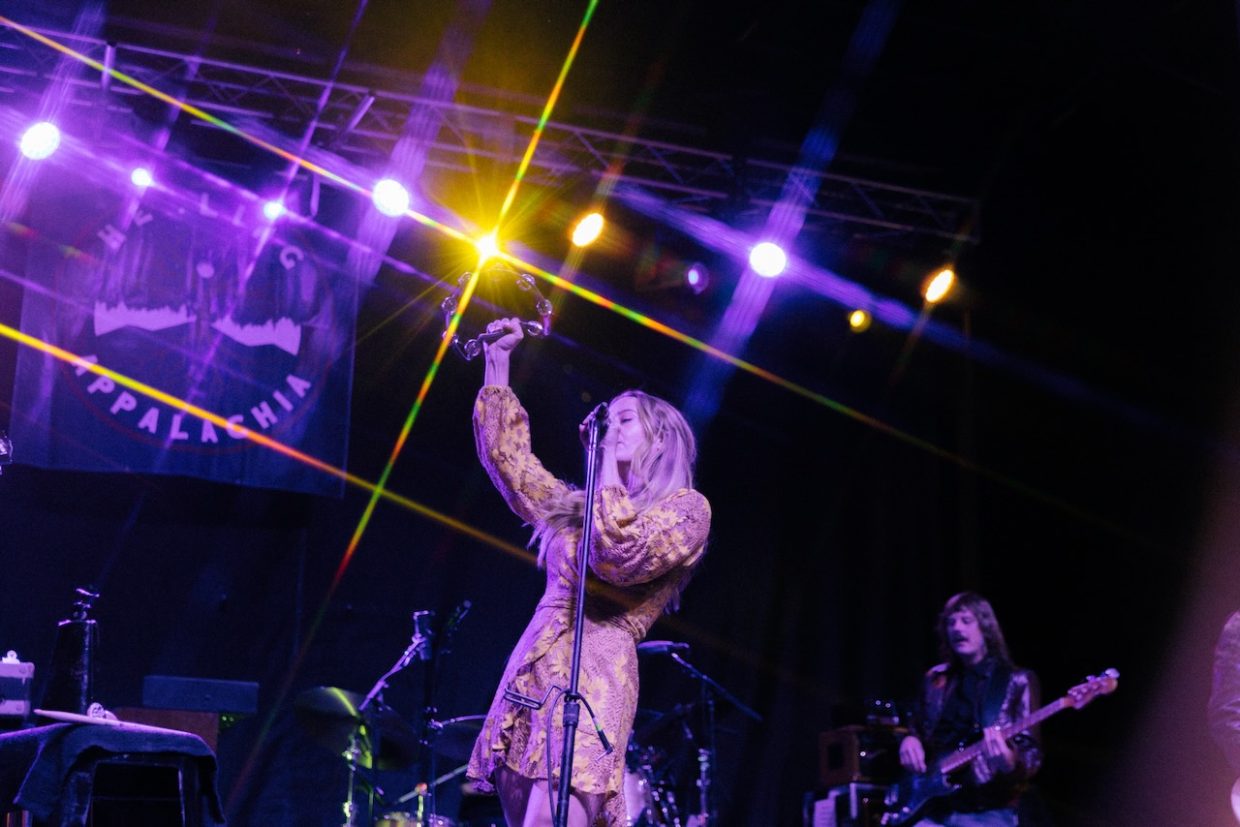
Margo Price performs at Healing Appalachia 2022.

What does a healed Appalachia look like to you?

DL: The problems are many, but the power of collective hope is growing and change is in the air all over Appalachia.

A healed Appalachia spends its riches and resources on mental health and particularly on children, making sure they are loved, nurtured, yet independent, and have all of the coping skills needed. We are now in an era of record kids in foster care and, as we know, childhood trauma is a thread that runs through folks who suffer with Substance Use Disorder. So first order for a healed Appalachia would be a widespread movement and budget shift to help kids in trauma now.

A healed Appalachia is one that has abundant opportunities within a clear line of sight for everyone in the community. A healed Appalachia gives everyone a seat at the table regardless of their past.

I’m a big fan of Brad Smith, who along with John Chambers and others, helping launch and rebrand West Virginia as the start-up state, where we create a really robust small business economy that allows folks here to dream big and launch those dreams here, like Ian, Tyler and the WhizzbangBAM team have done in Huntington, building out a business that builds spiderwebs of creative economy supporting regional musicians and artists.

A healed Appalachia has ample and good-paying sustainable green-energy jobs that pay a living wage and that brings wealth and health and that are not destructive to our beautiful Appalachian Mountains and to the workers.

A healed Appalachia is one with nature, gardening, exercise and healthy lifestyles that bind us to our beloved mountains and valleys.

A healed Appalachia talks less about politics and more about community and being a good neighbor – as the wonderful new Tim O’Brien song, “Cup of Sugar,” suggests we should do.

A healed Appalachia is full of true forgiveness, grace and second chances for folks, making forgiveness not just an often-trotted out word in a book but something real and necessary to heal our communities.

I think that’s probably enough healing or I’ll have to send you a doctor’s bill… [Laughs]

(Editor’s Note: Read part one, our conversation with Hope in the Hills board vice president and WhizzbangBAM founder Ian Thornton, here.)


Photos by Hunter Way / Impact Media

MIXTAPE: Mary Bragg’s Songs That Talk About the Hard Stuff

Working your way through a hard time is pretty much impossible without the relief that comes from listening to music. In the last four years, I’ve focused a large amount of my listening on songs that talk about the hard stuff, just so I can feel better about my own. Coming out; divorce; difficult family dynamics; political divisiveness — any one of those things could send anybody reeling, but put ‘em all together, and wow, time to put on some tunes. — Mary Bragg

Aaron Lee Tasjan – “Up All Night”

Aaron’s sense of freedom and celebration of self combined with his outrageous talent for songwriting and production comes together wistfully in this wild piece of ear candy that I can never get enough of.

Joy Oladokun – “Breathe Again”

“Breathe Again” was the song that introduced me to Joy’s music, and it is just the most life-giving sentiment spoken through pain with honesty. It’s been meditative and healing for me.

Tegan and Sara – “Closer”

What a bop.

Gillian Welch & Dave Rawlings – “Hard Times”

There’s a Gillian & Dave song for every season of life. This one, of course, could apply to any kind of hard time you’re going through, and Gillian’s lilting delivery has me simultaneously sitting in my pain and crawling out of it one refrain at a time.

MUNA feat. Phoebe Bridgers – “Silk Chiffon”

Again with the bops- MUNA flings themselves into romantic pop bliss and brings us along for the party.

Stephanie Lambring – “Joy of Jesus”

People sure love to talk about your “lifestyle choices.” What I know is that living fully in my heart and my body and mind should not put me in a category that’s cast out, made less than, or made the subject of anyone’s ire. I won’t be told I’m going to hell just for loving an incredible human being who happens to be of the same sex.

Erin Rae – “Bad Mind”

It’s hard to believe that in 2022 there are still millions of people who think you’ve lost your mind for loving a person. Loving a person. And yet, those opinions are much stronger and more deeply felt than I ever realized they were; they can creep into your psyche and try to steal your joy, but I’m just trying to live a good life that leads with love, so I keep showing up as myself, trying my darnedest to claim and protect my own happiness.

Indigo Girls – “Closer to Fine”

More so heroes to me now than they already were, returning to this iconic song has taken on new meaning for me since I came out. Amy & Emily have been trailblazers for a long time, and funnily enough, they were the representation I didn’t know I needed as a teenager. I’m so thankful they exist in this world the way that they do — boldly living their lives but always leading with love and respect.

Grace Pettis feat. Indigo Girls – “Landon”

Producing this album for Grace lives in an almost surreal, fantastical pocket of my memory. When I first heard the demo of this song, I was floored by her willingness to talk about formerly being in that place of judgment; she tells the story of a changed friendship, a forgiveness of self, and a reconciliation that we can all hope for. I had this audible vision of the Indigo Girls’ voices taking it to a new place, and wow, did they ever. I’ll never forget how wonderful an experience it was for me to comp their vocals and drop their magic into this transformative song.

Bill Withers – “Lovely Day”

I’m such a fan of Bill Withers. With a penchant for capturing positivity and heartache in a series of brief melodic nuggets, this one pops up as one of the songs I find playing on repeat in my subconscious, willing a lovely day into existence.

Kacey Musgraves – “High Horse”

Craving a common ground where no one’s on any kind of high horse, this one is a gift to me, expressing frustration with the holier-than-thous. I can’t tell you how to live your life, so…

Brennen Leigh – “Billy and Beau”

The fact that Brennen is of our generation is some kind of country music miracle. Extremely well-versed in the great landscape of country music, yet bold as anyone, here she and Melissa Carper give us the sweetest anthem — “the heart wants to go where the heart wants to go, and you can’t undo it.”

Tom Petty – “Listen to Her Heart”

What intentionally uplifting rock-n-roll moment is complete without Tom Petty? I really believe in listening to your instincts — that feeling you know can trust implicitly, which of course cannot be ignored. “She’s gonna listen to her heart” — you betcha.


Photo Credit: Shervin Lainez

BGS 5+5: Matt Andersen

Artist: Matt Andersen
Hometown: Perth-Andover, New Brunswick, Canada
Latest Album: House to House
Nicknames or Rejected Band Names: No nicknames, none that I’m aware of anyway… No real rejected band names either. The first band I was in was called Stubbyfingers. Loved that name and loved the people I played with.

What’s your favorite memory from being on stage?

It was my second tour with Stuart McLean and The Vinyl Cafe. We were making our way across Canada playing all of our largest cities as part of his annual Christmas tour. As the tour was coming to an end, I was lamenting to Stuart how I really wished that my parents would be able to catch the show, but didn’t see it happening as my dad had never been in a plane, and wasn’t keen to ever be in one. We had two shows coming up in Ottawa at the National Arts Centre, a venue that holds around 2,500 people. After passing the phone to Stuart during a call home to my folks one night before a show, he convinced my dad to get on the flight and come see me play. On show day at soundcheck, we got my mum up on stage to sing a song with the band. After seeing that, Stuart decided he’d surprise mum and get her up to sing during the show. Standing beside my mum in that room in front of a sold-out crowd was, and still is one of my favourite moments. It was a beautiful melding of where I came from and where I was.

What rituals do you have, either in the studio or before a show?

Not so much of a ritual, but more of a headspace I like to get in. I love having a quiet room to myself a good 15 or 20 minutes before a show. No distractions or decisions, just a space of time before I hit the stage. If there is an opener on the bill I’ll pop out to check out a song and see if I can get a sense for the energy in the room. If I’m the opener I’ll stick my head out and have a listen to the crowd as they come in. I can often get a feel for them just by listening to the bustle as they get themselves situated. Other than that, I change my strings before every show. More of a necessity than a ritual, but I sometimes feel like that’s my equivalent of a morning coffee before stepping into the office.

Since food and music go so well together, what is your dream pairing of a meal and a musician?

If I try to enjoy a meal and a performance at the same time I find it takes away from both experiences for me. I’m too caught up in the music to really focus on the food that has been prepared and I end up missing the subtle nuances of a song when my head is down searching for the best approach to my plate. For me, the best pairing would be Bonnie Raitt with just her voice and a guitar in a room that is just slightly too warm and small enough that I could hear her voice as much off the stage as I could through the speakers. A generous pour of a peaty scotch would be the perfect accompaniment. After the show… steak and eggs.

What has been the best advice you’ve received in your career so far?

“Always be the worst musician in your band.” A friend/bandmate told me this years ago when I first started going out on my own. I’m not sure if it’s something that he learned himself, or if it’s a wisdom that was passed down to him. I’ve always surrounded myself with musicians that I have to work to keep up with, musicians that inspire and challenge me. It’s a comfort to be on a stage and know that the only person I need to worry about making a mistake is myself.

What was the first moment that you knew you wanted to be a musician?

Music was something I just grew up with. My grandfather was a big influence, as well as my mother. Many other family members played and folks in the community. Whenever there was a gathering at the house, there was music. It was something I did more to fit in and be a part of the family than anything. I never really thought about being a musician. Music has always been there for me. I do recall however the day that I decided to take a swing playing music full time. I’d been gigging on weekends while working through the week at a factory making frozen dinners and fruit pies. One day they called me into the office and gave me the option of putting on a beard net or shaving my sideburns. I gave them my two weeks’ notice.


Photo Credit: Scott Doubt

On These 10 Recordings, Willie Nelson and Black Musicians Share a Creative Vision

Willie Nelson has long been not just an American musical treasure, but an iconic figure with far more appeal across racial and generational lines than often recognized. At 87, he’s achieved a perfect marriage of artistry and commercial success few have in any idiom. While certainly a country legend, and the only person in the genre to ever achieve a Top 10 hit in seven different decades, he’s also collaborated with an astonishing number of artists across a wide swath of musical styles and approaches. He’s penned numerous anthems that have been covered by jazz, blues, R&B, soul, rock and pop vocalists, and this month he released his 70th studio album, First Rose of Spring.

Nelson’s never been afraid to stand up for social justice, even when those words weren’t part of the popular vernacular. Early in Charley Pride’s career, Nelson actually gave him a kiss on stage in Louisiana, quieting an audience that was allowing some of its more verbally racist louts to heckle Pride on stage. He’s always included Black musicians in Farm Aid concerts, had one of his biggest albums ever (Stardust) produced by a Black man (Booker T. Jones, who raved about Nelson in his autobiography) and has maintained a friendship with Snoop Dogg since long before Lil Nas X appeared on the scene. He also enjoyed a very close relationship with Ray Charles, who Nelson lamented he could never beat at chess.

He’s in the same company with people like Duke Ellington, Louis Armstrong, and Bill Monroe, whose output, personality and consistent brilliance has endured despite changes in production, audience preferences, and many other variables that can negatively affect the careers of popular musicians. Part of the reason for that longevity is Nelson’s undeniable skill in multiple areas. He’s penned a host of songs that are every bit as epic as those from the pre-rock canon he often samples. Had he only written “Crazy,” “Funny How Time Slips Away,” or “On the Road Again,” that would have been enough for one lifetime. He’s also a very credible singer, highly effective in pacing and telling a story.

Nelson has consistently embraced and operated in other genres by neither sacrificing his musical individuality and integrity, nor seeming to pander or simply attempting to seem hip. Actually, he’s the epitome of that term, though in a vastly different way from someone like Miles Davis, who was known as much for fashion and fine cars as musical innovation. The fact that Nelson has appeared in more than 30 films just adds weight to his universal appeal.

Trying to pick the best of Nelson’s numerous collaborations with great Black singers and musicians is a tricky thing. One could easily select 10 one day, then come back and tab a different 10 another time. But these are some (far from all) personal favorites. They are ranked in order only by year, nothing more. We picked a mix of singles and LPs, but it’s just a small sample of the many wonderful things he’s done. By no means would we claim this is the definitive list for Willie Nelson’s collaborations with African American artists, but it’s a good sampler and an indicator of how widespread his impact and willingness to work with various musicians actually extends.

SINGLES AND ALBUM CUTS

“Man With The Blues” with Buckwheat Zydeco
From Five Card Stud (1994)

The greatest zydeco master since Clifton Chenier teams with Nelson for a smoky, delightful romp that sees Buckwheat Zydeco also find a comfort zone vocally and instrumentally. As is always the case, Nelson easily works himself into the arrangement, and the two sound right at home in this setting.


“Night Life” with B.B. King
From Deuces Wild (1997)

The King of the Blues sounds happy and engaged on one of Nelson’s earliest compositions, providing some taut guitar licks and outstanding lead and harmony vocals while Nelson doesn’t try to match the improvisational edge, instead easing into a nice zone that’s part complimentary, part quite different in style and sound, but ideal for the situation.


“Still Is Still Moving to Me” with Toots & the Maytals
From True Love (2004)

Toots brings some Jamaican soul and lots of energy to this collaboration, while Willie seems a bit more energetic as the song works its way through. This is one of many performances that earned this LP the Reggae Grammy, and Nelson had such a great time he made a follow-up of his own and paid Toots and company back by having them guest on it.


“Busted” with Ray Charles
From Genius & Friends (2004)

I know “Seven Spanish Angels” was a number 1 hit and more people remember it fondly, but this late redo of an early Charles hit has equal doses of warmth, reflection and edge in both voices. Charles was certainly not at his vocal peak, but he found a way to make his treatment effective, while Willie as always proves the ideal partner in multiple ways.


“Family Bible” with The Blind Boys of Alabama
From Take the High Road (2011)

The album title indicates precisely what Nelson does here, singing with verve and fire while the Blind Boys bring some of their characteristic Golden Age gospel energy and intensity to this rendition that’s alternately wistful, memorable and poignant. This composition dates back to Nelson’s late ’50s catalog, while he was trying to get heard as a songwriter.


“Grandma’s Hands” with Mavis Staples
From To All the Girls (2013)

Mavis Staples has one foot in the church and the other in the street with her customarily powerhouse voice setting the tone. Nelson manages not to get overridden or canceled out in the process as they do their own special version of the Bill Withers hit, which the Staples Singers cut for their 1973 Stax LP, Be What You Are.


“Last Night I Had the Strangest Dream” with Charles Lloyd and the Marvels
From I Long to See You (2015)

The great Memphis jazz man Charles Lloyd and his newest group provide the backing for what comes off as a cross between a nightmarish vision and a marvelous revelation, sung in emphatic fashion by Nelson and punctuated by Lloyd adding some nifty licks underneath and the Marvels adding some musical punch.


ALBUMS

Country Man (2005)

A follow-up to his appearance on Toots’ LP the year before, Nelson goes full bore into reggae territory. Some of it works, some of it doesn’t, but all of it is performed with enthusiasm and joy. Nelson vocally handles the skittering reggae rhythms well, and on the disc’s best songs surpasses what he did on True Love.


Two Men and the Blues (2008)

Wynton Marsalis as a youthful prodigy had a lot of negative things to say about a lot of things back in the ’70s and early ’80s, and country music wasn’t spared in his broadsides. But fast forward all these years later and his gorgeous trumpet solos (both full and muted) made a great musical partner and support system for Nelson, who by now was so familiar with pre-rock, blues, and even traditional jazz tunes and rhythms that it was super smooth sailing from first note to the end. Also recommended: the DVDs Live From Jazz at Lincoln Center with Wynton Marsalis (2008) and Willie Nelson & Wynton Marsalis Play the Music of Ray Charles (2009).


Here We Go Again: Celebrating the Genius of Ray Charles (2011)

Marsalis and Norah Jones joined Nelson to pay homage to his friend Ray Charles, doing wonderful renditions of both hits and more obscure Charles tunes before a rousing audience. Nelson sounded especially energetic throughout, while Marsalis, who’s often been accused of being more technically expert than emotionally powerful, delivered crushing solos and accompaniment, and Jones was equal parts alluring and engaging. As always, Nelson comes across as sincere and genuine, a marvelous mix of down-home sensibility and attitude.


Photos: Pamela Springsteen

Stay On Your Ass: If Days Still Mean Anything to You, It’s a Long Weekend!

Our plans: GET. OFF. YOUR. ASS. 2020: Nope, lol.

In the past, supporting musicians, writers, and creators meant going out to shows, buying drinks at venues, volunteering at festivals, and so much more. But music fans and supporters around the globe are finding new ways to show up for the folks who supply the soundtracks to our lives.

States and local jurisdictions may be loosening coronavirus lockdown restrictions, but the numbers are still very clear. Memorial Day or not, the healthy, safe choice is to just stay distanced, stay apart, and stay on your ass! We’ll continue to bring you a few of our favorite events, livestreams, and COVID-19 coping resources that we’ve scrolled by on our feeds or found in our inboxes each week until that reality changes.

Did we miss something? (We probably did.) Let us know in the comments or on social media!

Rhiannon Giddens Honors Bill Withers, Aids COVID-19 Relief Efforts

In early May, Rhiannon Giddens released a gem from her vault of B-sides and outtakes. Recorded in what she refers to as a “very un-socially distanced time,” Giddens and co. perform a lively tribute to an icon of American music. The release of this cover and music video celebrate the life and music of Bill Withers, while also portraying life in quarantine and raising funds for Global Giving’s Coronavirus Relief Fund.

Like many of his other hits, Withers’ “Just the Two of Us” has an infectious cheerfulness that, especially when juxtaposed with images of quarantine and sheltering in place, can brighten any day. Giddens explains, “When Bill Withers passed, we suddenly remembered we had made this beautiful [cover]… So whether it’s just the two of us, or just a few of us; whether the lockdown has been for months or it’s about to be lifted; COVID-19 is here for the foreseeable future, and the more we can be alone together now, the better the future will be.” 


Whiskey Sour Happy Hour Concludes

Our month-long online variety show came to a close last night with a surprise bonus episode featuring performances from past WSHH performers like Billy Strings, Valerie June, Rodney Crowell, and more. Last week, for the superjam of our final “official” episode, our cast of pickers pulled off this incredible cover of “The Weight,” a perfect finale for the series.

It’s been an incredible journey building and sharing these shows with all of you over the past few weeks, but the fun isn’t quite over yet. We’ve left all episodes of Whiskey Sour Happy Hour online so we can continue raising money for MusiCares and Direct Relief, two organizations leading the charge with critical support for musicians and front line responders facing this crisis.

Over your Memorial Day weekend, why not binge the whole show, enjoy world-class songs and comedy, and if you can, give a little to support the cause, too? Watch all episodes and donate here.Our friends at Direct Relief have been working ceaselessly since the advent of this pandemic to supply personal protective equipment to front line responders. Watch this brief video that captures the importance and the magnitude of the work they’re accomplishing.


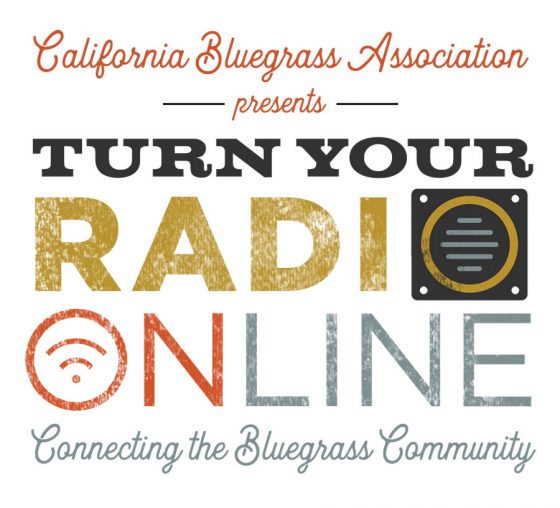
California Bluegrass Association Says to “Turn Your Radio OnLINE”

Founded in 1974, the California Bluegrass Association is one of the oldest and largest bluegrass associations in the world, with over 2,700 members. They produce events throughout the year, including the jewel in their bluegrassy crown, Father’s Day Bluegrass Festival, held every Father’s Day weekend in Grass Valley, CA since just a year after the organization’s inception.

This year, the festival has canceled all in-person programming, asking bluegrass fans in California and around the world to turn their radios “OnLine” to take part in music performances, live interviews, online interaction, and so much more, featuring artists such as Tim O’Brien, Laurie Lewis, Molly Tuttle, Lonesome River Band, Special Consensus, Joe Newberry & April Verch, and others.

The webcasts will be accompanied by an online auction to raise funds for the CBA’s newly announced COVID Artist Relief Fund. Items being auctioned include fine acoustic instruments, books, music lessons, historic bluegrass memorabilia, and items of interest from popular musicians.

Get all of the information, full performance schedules, and more right here.


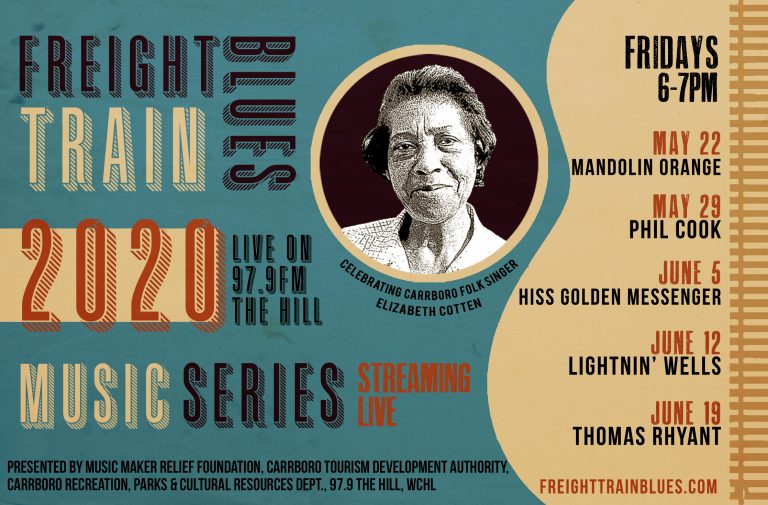
Music Maker Relief Foundation’s Freight Train Blues 2020

Our friends at the Music Maker Relief Foundation, the Hillsborough, N.C. based nonprofit whose mission is to promote and preserve American musical traditions by partnering directly with elderly musicians, have announced their 2020 music series, Freight Train Blues. The event, which ordinarly takes place at Carrboro Town Commons in Carrboro, NC, will now be broadcasted on Facebook, YouTube, and by WCHL 97.9FM out of Chapel Hill.

Featuring performances from Phil Cook, Mandolin Orange, Thomas Rhyant, and more, Freight Train Blues celebrates the life and legacy of Piedmont blues legend Elizabeth “Libba” Cotten, a pioneer in bluegrass, old-time, and blues and whose songs have left an indelible mark on all of American roots music.

You can tune in all through May and June! Get more information from MMRF here.


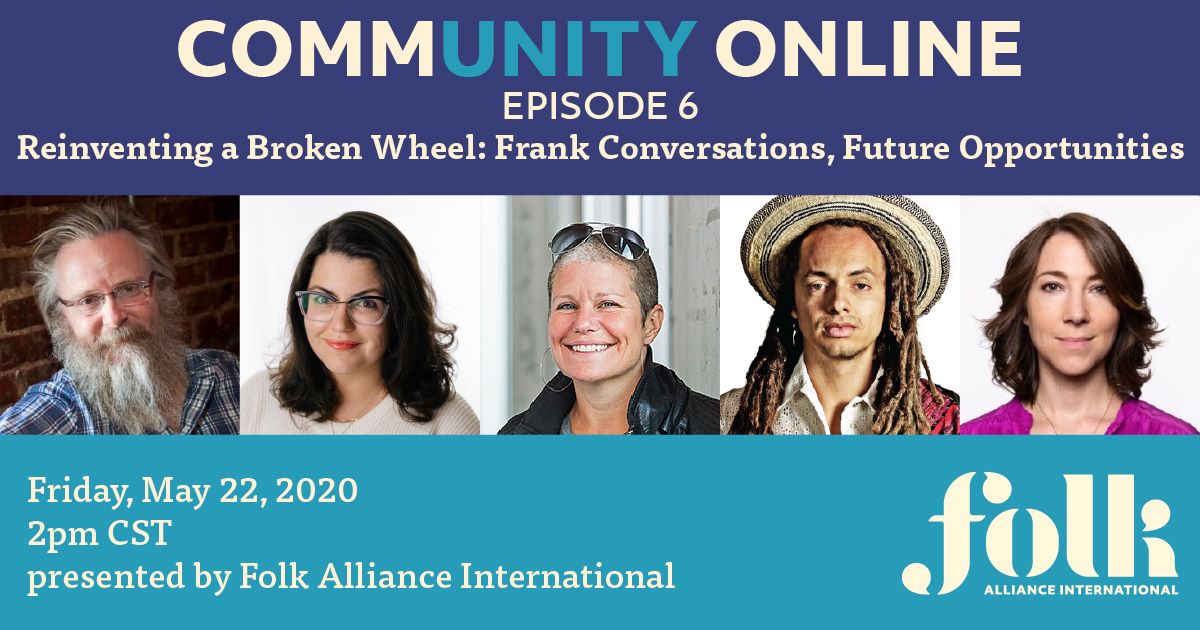
Reinventing a Broken Wheel – Frank Conversations, Future Opportunities


BGS co-founder and executive director Amy Reitnouer Jacobs will moderate the sixth session in Folk Alliance International’s “CommUNITY Online” series of sessions and panels on Friday, May 22 at 2pm CDT / 12pm PDT. Joined by David Macias (Thirty Tigers), Erin Benjamin (President/CEO Canadian Live Music Association), Enrique Chi (artist/activist), and Megan West (Facebook/Instagram) this group of industry experts will discuss, identify, and explore opportunities to innovate, pivot, and move the industry along in new directions. We each have a role to play in constructing our “new normal” — from immediate action to big picture initiatives, this conversation promises to be inspiring, provocative, and realistic.

Register for free, inform the conversation, and participate here.


Justin Hiltner and Jonny Therrien contributed to this article.

BGS 5+5: Ruthie Foster

Artist: Ruthie Foster
Hometown: Austin, Texas
Latest album: Live at the Paramount

Which artist has influenced you the most … and how?

Sam Cooke. Growing up in a mostly gospel singing family, Sam Cooke’s music was playing on the stereo all of the time. He was not only the most melodic gospel soloist I’d ever heard, but he could sing anything from popular songs to fronting a full band with horns, changing stylistically as a singer (Sam Cooke at The Copa). I’d like to think that my music brings a similar energy to the live stage, which is why I decided to record with a big band on my latest release.

What was the first moment that you knew you wanted to be a musician?

I was about 10 years old sitting on the front pew in my family’s church in central Texas watching and listening to my uncle sing a solo one Sunday afternoon. He’d sang the song many times before but this time it was different. Tears were streaming down his cheeks, his voice was shaky, and he had his hand on my other uncle’s shoulder, who was playing the piano. Visibly moved, he changed the energy in the entire congregation. Everyone was crying, me too. I knew then that singing was a true gift that can be used to elevate.

What’s the toughest time you ever had writing a song?

I have a tough time finishing songs when I’m in my head too much; I’ve had no problem starting them at all. “Singing The Blues” is a perfect example. At the time I was getting a little pressure about writing for my next album and I resisted. Touring a lot while house searching from the road and trying to write was stressful. It wasn’t until I decided to put those feelings on paper when I realized that the song was really about my life. So I was able to start and finish it, “Trying to find a new home, trying to write a new song. Trying to find a rhythm, that’ll help me get through it, singing the blues”.

Since food and music go so well together, what is your dream pairing of a meal and a musician?

I love to cook at home when I’m off the road. One of my favorites is baked fish with garlic, fresh dill, seasonal vegetables, and a good wine. I always prep and pair that dish with one of my favorite singers, Tony Bennett!

What’s your favorite memory from being on stage?

One night onstage at a festival I started to lose my voice from really bad allergies. I tried to sing but after a few songs, I was straining and in extreme pain. I stopped and apologized for not being able to continue, but someone in the audience started singing the lyrics for me, then there were more people joining in on a few more songs and before I knew it, the set was complete and sung entirely by my beautiful fans while I played guitar for them! They had lifted and carried me through the show! I was incredibly moved and grateful.

Ruthie Foster – “Singing The Blues”

I’m very proud of being brave enough to tell my own story about how I came to the blues.

Sam Cooke – “Bring It On Home To Me”

Sam was soulful and a skillful in the music business, owning all of his own publishing.

Tedeschi Trucks Band – “Midnight In Harlem”

This tune reminds me of learning to adapt to my new environment while writing songs when lived in NYC.

Bill Withers – “Grandma’s Hands”

This one captures how I felt about my own “Big Mama” and reminds me of how she still sings through me.

Sister Rosetta Tharpe – “Singing in My Soul”

The very first and baddest rocking mama on guitar ever! Huge influence on my playing.


Photo Credit: Yellow House Studios

MIXTAPE: Caleb Caudle’s Country Funk Favorites

There’s a special thing that happens when the groove of soul music meets the sharp pen of country music. I’ve heard folks call it Country Soul, Country Funk, Cosmic American Music or simply “The Rub.” I refer to it as Down Home Funk. It keeps the toes tapping and the mind thinking. The special blend is a sound I gravitated towards a few years ago and it really made its way into my new record, Better Hurry Up. — Caleb Caudle

Guy Clark – “Texas Cookin’”

Guy comes out swingin’ on his sophomore record with the funkiest rhythm to any of his tunes up to that point. It’s so greasy and I’m hungry just listening to it right now. Long live food in songs!

Bill Withers – “Grandma’s Hands”

Drenched with nostalgia, this is one of my favorite tunes from Mr. Withers. He puts his personal experiences in a songs and something personal becomes so relatable. It gets me thinking about my own grandma. I’m a sucker for that Wurlitzer.

Bobbie Gentry – “Louisiana Man”

The first time I heard this tune was on a Doug Kershaw record. I love how she makes it her own. She has one of my very favorite voices. Even got a little bitty muskrat cousin! Bless it.

The Band – “Up on Cripple Creek”

I mean who am I kidding? This whole playlist could be The Band. They changed the way I heard music. They take every brand of roots music and blend it up effortlessly and effectively. God bless Levon Helm and all of his magic. I’ve touched the horseshoe at Big Pink on three separate occasions. It’s a healthy obsession.

Jeannie C. Riley – “Back Side of Dallas”

I got turned on to this tune from the Cocaine & Rhinestones three-parter on “Harper Valley PTA.” I love the vocal delivery here. Total swagger. The band is bold and the lyrics are gritty. Just feels real man, I dig it.

JJ Cale – “Lies”

His groove is so perfect, I feel like he drops the listener right into it. His guitar tone is always so on point. I’ve spent way too much time watching YouTube videos and trying to figure out what all is going on. Lies, Lies, Lies!

Townes Van Zandt – “Where I Lead Me”

I like sad TVZ a lot but I love TVZ when he has a chip on his shoulder and a blues band behind him. Everything feels nice and loose. I’ve always loved the line “In the meantime, make a little money and buy a little mercy”

Aretha Franklin – “The Weight”

As much as I love the original from The Band, I consider this the definitive version. The band is great, especially that slide work from Brother Duane. She is peaking the mic all over this one and it’s just so perfect.

Bobby Charles – “Small Town Talk”

Being from a small town, this one hits home. I love this Bobby Charles self-titled record. I hope more folks get turned on to it. The whole record sounds like a ferry ride down the Mississippi River. Who are we to judge one another? That could cause a lot of hurt.

Dolly Parton – “Jolene”

What hasn’t been said about this tune? I think the greatness comes from it still sounding fresh to this day. The riff, the vocal, the lyrics… this is a perfect song. I’m sure it really stood out on country radio at the time. It’s haunting. I can’t remember a time when I didn’t know this song.

Leon Russell – “Tight Rope”

Like The Band, I’m sure I could have made this whole playlist the master of space and time. He’s peculiar and familiar at the same time. I like the way this one bounces. A great opening track for my favorite record of his, Carney.

Linda Ronstadt – “Willin’”

I was familiar with the Little Feat version because it was all over classic rock radio when I was growing up. I recently got turned on to this take, I really love how patient it is. Great vocal take from Linda.


Photo credit: Laura E. Partain