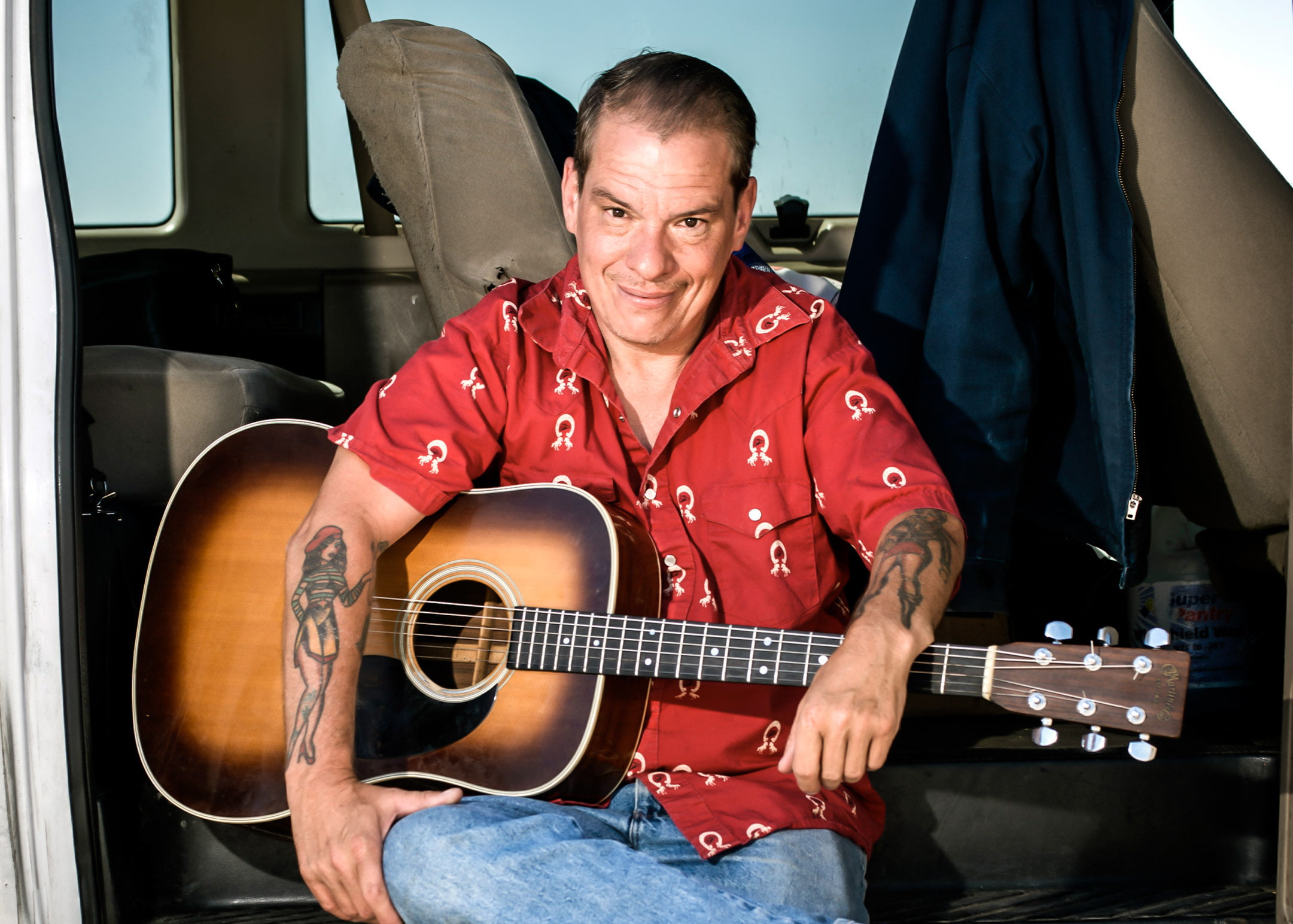
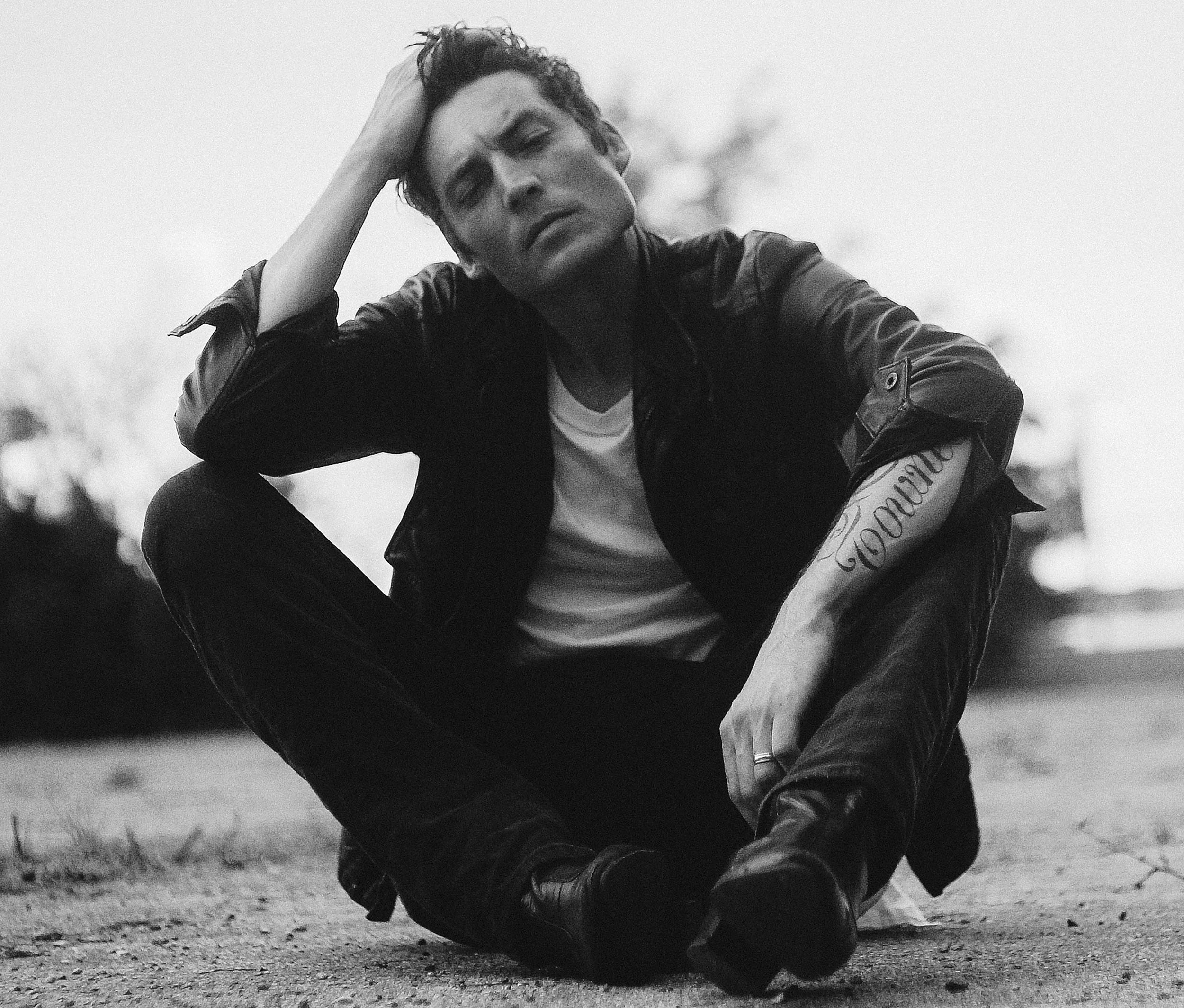
Guy Clark, ‘Just to Watch Maria Dance’

This year, by so many accounts, was a terrible year. From the complete atrocities in Aleppo, to the never-ending police brutalities, to the election of Donald Trump, it's often felt like one disaster after another with no sign of stopping soon. In times of trouble, it's always helped to look to our idols for guidance — particularly in music, for me, at least — which is another way that 2016 was just so damn awful: So many of those very people passed away. Prince. David Bowie. Merle Haggard. Leonard Cohen. Phife Dawg. When the world starts to slide into the ocean like a sand castle that seemed so safe from its waves, these legends always present a certain sense of consistent solace and, once they started to disappear, it seemed like nothing, and no one, was safe.

It's impossible and irresponsible to rank the value of any one departed soul over another, but one of the losses I grieved the hardest was Guy Clark, who died in May. I was quite pregnant at the time with my second baby, and the onslaught of hormones left me staring at the computer screen in shock, tears joining with remnants of last night's mascara and forming trail-maps down my cheeks. Clark's words had always served not only as the basis of his beautiful music, but as something aspirational — even a journalist can take a lesson from the way his lyrics evoke a scene, the way he picked up on the smallest detail or nuance of human emotion. Should he have wanted to, he would have made a world-class reporter.

The last time I saw Clark, in the basement of his home for an interview, I was actually pregnant with my first child. I'd asked him before leaving if he had any advice to me as a new parent — if he knew how I could assure he'd grow up as curious about the world and the art it contains as he was. He said, simply, "Read him Dylan Thomas and play him Woody Guthrie." I took the advice to heart. A few years later, when my daughter was born three months after Clark's death, we named her Dylan. It just seemed a fitting thing to do, and a permanent reminder.

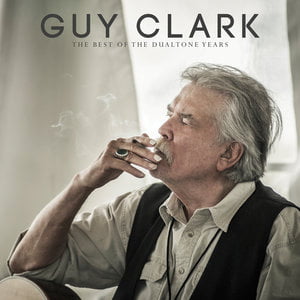
The amazing gift of such prolific minds as Clark's is that, even once they pass, there is often more music hiding in tapes and basements and hard drives, and such is the case with Guy Clark: The Best of the Dualtone Years, out in March. While most of the collection focuses on his work from the last decade of his life that had already made its way onto other records, there are a few unreleased treasures, too. One such song is "Just to Watch Maria Dance," written with Lady Goodman (aka Holly Gleason), included in a demo version. Clark was never one for artifice or studio polish, so his demos sound quite similar to anything mastered up — here, his vocals perhaps just a touch more ragged and the plucking perhaps a little more stiff, like a pair of his signature denim jeans just a hair short of worn-in.

"Empty threats and no regrets, it's time for moving on," he sings. The words are new, but the voice as familiar as ever, even though Clark has now moved on for good. This may have been a terrible year, but little treasures like this add glitter to the darkness, and true gifts, like a daughter who will never forget to read Dylan Thomas, make it still worth living.

STREAM: Michael Harlen, ‘The Big Country’

Artist: Michael Harlen
Hometown: Silver Springs, MD
Album: The Big Country
Release Date: December 16
Label: Dala Records

In Their Words: The Big Country EP is my first solo effort after years of working in bands as a sideman around New York. In addition to writing the songs, I played almost all of the instruments on the recordings which, for me, was a great experience because usually no one lets me play the drums. The songs themselves are tunes I’ve written over the last year or so that I thought were good but not necessarily appropriate for the other projects I was working on. A pack of strays. Won’t you please take them in and give them a loving home on your stereo?" — Michael Harlen

Natalie Hemby, ‘This Town Still Talks About You’

It takes a certain kind of confidence to, as a songwriter, wait patiently while you use your powerful words to serve the storybooks of others — and a certain kind of humility, too. For years, Natalie Hemby's had her tracks cut by the likes of Blake Shelton, Miranda Lambert, and Kelly Clarkson, finding a niche as one of the town's most treasured sources of song, yet only discovered by those fans keen enough to read the liner notes. Of course, the more you know of her, it's actually quite easy to recognize a Hemby tune: the polite middle finger of Kacey Musgraves' "Good Ol' Boys Club," the catchy camp of Little Big Town's "Pontoon," the perfect swampy kiss-off of Lambert's "Baggage Claim." Her fingerprint is unmistakable, her pen so flexible that her visions are only limited by the creativity of whoever is around to interpret them.

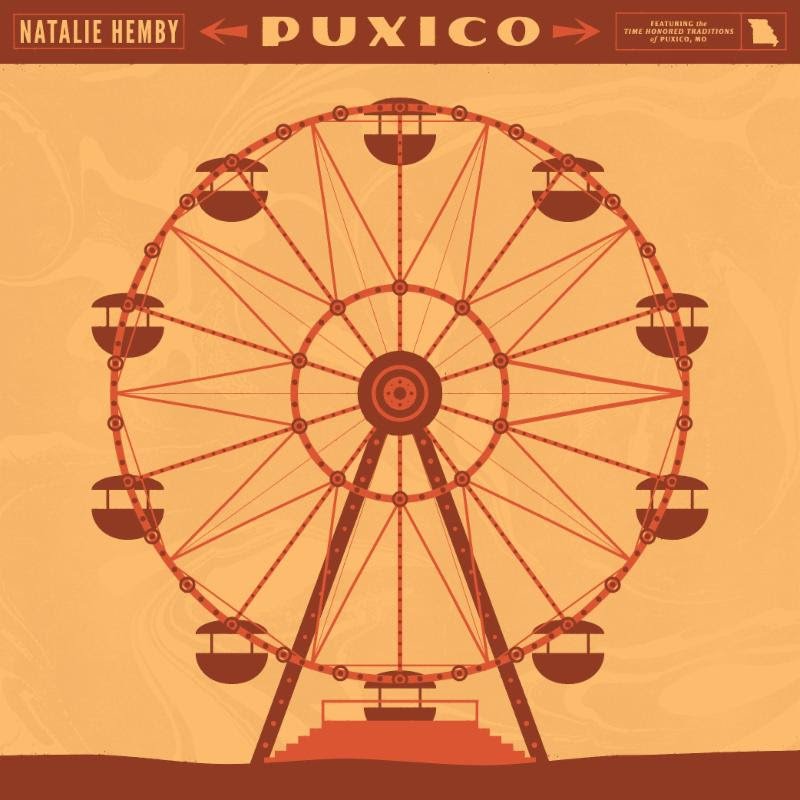
For her solo debut, Puxico, Hemby chose not to use the opportunity to spell a confessional diary of her life or ride a show horse around the stable. Instead, she focused on the tiny town that gives its name to the title, where her grandfather, George Hemby, is from and where she spent much of her childhood. It's about the holes we leave behind in the shape of ourselves that never quite close up even when we drift farther and farther away — and how, in a world that at times feels crushing, there's always a place where we truly belong. "This Town Still Talks About You," which combines a pop-sensible beat with subtle country orchestrations, reminds us that moving on doesn't have to mean saying goodbye. What makes it unique is that Hemby decides to tell this story from the perspective not of the leaver, but of the left behind, full of vivid scenes and snapshots.

"You were so loved, you were one of our own, and it's never been the same, since you've been gone," she sings softly. We all want to believe that, if our high school walls could talk, they'd say the same thing about us.

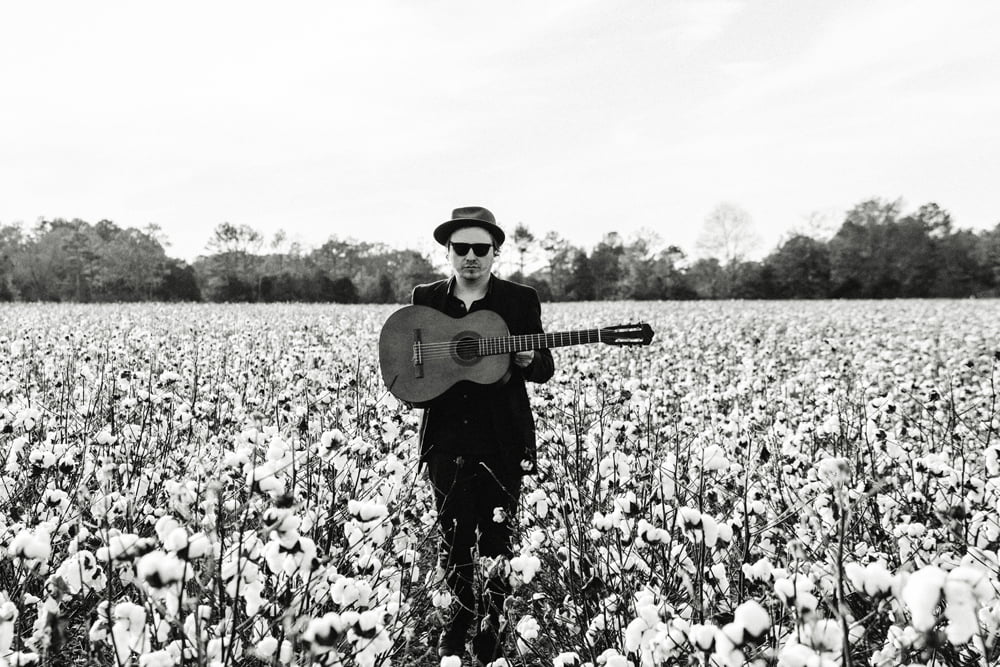
LISTEN: Blake Rainey, ‘Go Find Yourself Another Barroom’

Artist: Blake Rainey & His Demons
Hometown: Atlanta, GA
Song: "Go Find Yourself Another Barroom"
Album: Helicopter Rose
Release Date: December 9
Label: Southern Lovers Recording Co.

In Their Words: "I have always been a fan of smoke- and booze-filled sad country songs like 'Dim Lights, Thick Smoke or 'Sunday Mornin' Comin' Down' or 'If Drinking Don't Kill Me (Her Memory Will),' which usually involve some kind of juke joint or honky-tonk dive bar where the down-and-out congregate. I've spent a whole lot of time in places like these throughout my life. The bar can be a second home for many and an actual home for many more. And, for bar folk, when life throws you a curve ball and sends you more troubles, the bar is the place you want to be — the place where you always go to try and forget things. Unless, of course, they are there to remind you.

"With 'Go Find Yourself Another Barroom,' I asked myself the question, 'If two barflies break up or get divorced, who gets the bar?' It's obviously going to be difficult to belly up and drink sitting next to the ex you now loathe. And not only do both parties have to emotionally move on, but someone has to physically break ties and move on, too. And, of course, everyone involved is too full of pride to think it doesn't have to be them. For me, it helps having been in relationships like this one in the past where too many drinks were had way too often and out comes the screaming match. It may take them a while, but I'm sure they'll work it out in the end as to who gets to stay and who has to leave. The constant reminder of failure and all the late-night heartache they used to make is going to be too much to handle. And there are always other bars to drink at and make new friends and enemies." — Blake Rainey


Photo Credit: Jeff Shipman

Kacey Musgraves, ‘Christmas Makes Me Cry’

Sure, music's supposed to be universal, but there's probably one genre, in particular, that I really have no right to love: Christmas songs. As a Jew, my holiday schedule usually involves Chinese food, not church visits. But, for as long as I can remember, I've always treasured those sonic odes to Rudolf like they were speaking to my own human experience, even if they really weren’t at all. Maybe for that reason, it was always the saddest holiday songs that rung the most true: because that sense of not properly belonging always felt more palpable during December, when no one exactly marketed menorah pajamas and "Secret Chanukah Present-Giver" didn't quite have the same ring to it as Secret Santa. It's all makes for a blue, blue Christmas indeed, with stockings on my feet, not the fireplace.

This year has been overloaded with Christmas albums of all shapes and sizes, perfect for my interloper ears and even better for a momentary escape from the impending political doom, but Kacey Musgraves' A Very Kacey Christmas is the only one to capture that special breed of holiday sadness on "Christmas Makes Me Cry." Written with Shane McAnally and Brandy Clark, it's a delicate, mournful ode to the bitter and sweet that so often exist where joy is supposed to reign. "And they always say, 'Have a happy holiday,'" Musgraves sings in one of her softest, most perfectly fragile vocal deliveries. "And every year, I sincerely try. Oh, but Christmas, it always makes me cry." It doesn't have to be but once a year: This is about anyone who feels sorrow in their heart, when they're supposed to be smiling. I suppose that's what makes it not just a Christmas record, but a country one, too — nothing is just red and green … or black and white. Because behind every jingle bell is a Jewish girl with a carton of takeout, just looking for a soft and snowy place to land and song to understand.

LISTEN: William Matheny, ‘Blood Moon Singer’

Artist: William Matheny
Hometown: Mannington, WV
Song: “Blood Moon Singer”
Album: Strange Constellations
Release Date: February 24, 2017
Label: Misra Records

In Their Words: "'Blood Moon Singer' is the thematic center of Strange Constellations. It was the final song that I wrote for the record and it unified a lot of the strands that I had been following. The last thing that I want to do is squelch anyone's individual interpretation, but for me, this song is about not always understanding your own motives (or, if you're so inclined, not understanding the stars that are guiding you) and how, if you're truly going to love someone or something, you have to get close." — William Matheny


Photo credit: Josh Saul

3×3: Wayne Hancock on Steel Guitars, Thunderstorms, and Toking while Touring

Artist: Wayne Hancock
Hometown: Denton, TX
Latest Album: Slingin’ Rhythm 
Personal Nicknames: The Train

Your house is burning down and you can grab only one thing — what would you save?
My guitar.

If you weren't a musician, what would you be?
A convict.

If a song started playing every time you entered the room, what would you want it to be?
“Seven Nights to Rock” by Moon Mullican

What is the one thing you can’t survive without on tour?
Weed. And that’s the truth.

If you were an instrument, which one would you be?
Steel guitar. When they’re played right, they’re extremely loud.

Who is your favorite superhero?
I guess Mighty Mouse. 

Vinyl or digital?
Vinyl. I just swing that way.

Which primary color is the best — blue, yellow, or red?
Blue. Let’s go with that. There’s something nice about blue.

Summer or Winter?
Summer. I like thunderstorms. I like lightning and severe weather. I like the excitement.

Nothing to Hide: A Conversation with Dan Layus

After more than a decade at the heart of Augustana, Dan Layus recently released an official solo album, Dangerous Things. And anyone who thinks they are going to get another bunch of roots-rock anthems out of Layus has another think coming their way. The sparsely drawn, country-tinged singer/songwriter set summons Gram Parsons, Woody Guthrie, and early Tom Waits as its patron saints, and Layus's Rodney Crowell-esque voice feels right at home in the form. There's a fragility to the whole artistic affair, but one which makes it clear that there's strength in being vulnerable, in asking for or offering help.

I dig this record. A lot. And I'll tell you why: It has a serious lack of pretense. It's not trying to be anything that it's not. You're just putting it out there with nothing to hide behind. How's that feeling?

I appreciate that. Without sounding pretentious, ironically, that's exactly what I was going for — to, essentially, go for nothing. [Laughs] It's like Seinfeld; it's a show about nothing. That's probably my favorite compliment about the record. Thank you. That's very intuitive and a little bit left-of-center approach to describe it. And that's absolutely what I was going for.

Let me put it this way: It felt far too predictable to say, “I think I'm gonna make a country record now. That seems like the thing to do.” It felt like that would've been laughed off the map. Being a self-described narcissist, I know that I care a little too much about what people think sometimes, especially music people. So I needed to challenge myself … I'm joking about the narcissism, by the way. [Laughs]

[Laughs] Yeah, yeah. I gotcha.

I hoped you would. I needed to let go of a lot of the practices — the writing practices, sonic habits I had in the past. It's very easy to fall into a pattern of crutches, when it comes to music. You get used to certain elements around you. Even things as simple as “Where do the drums go on this song? What's the bass gonna do?” — assuming that there needs to be these four cornerstones of a record that make the sound of the record. I think what I was able to do — and it was a greater challenge than I thought — was to just not worry about it at all. Just rely on the characters in the songs, let them be themselves.

I won't lie: I'm absolutely in love with the few elements, sonically, that are implied and nodded to, as far as pedal steel and fiddle and, of course, the Secret Sisters and the female background vocals. I'm in love with those, but I think the subtleties of them are what make it say, “Yes, this is what you think it is, but I'm not going to stand on top of the building and say, 'I'm a country artist now. Hear me roar!' I'm just going to let it be what it's going to be.”

It seems fitting, too, to leave the band name behind with the big, sweeping melodies and the arena-rock drums fills. Just let that all live in its own world.

Right. Yeah.

Why, for you, was that shift in branding and that shouldering of responsibility important? Because, like I said with the music, there's nothing left to hide behind, brand-wise.

That is true. It was kind of for selfish reasons. Sometimes you forget, at least for me, if I'm a fan of a certain artist or singer that's associated with a band, you forget that they have their own feelings of weight or they're battling with their own self-image in that environment. You forget that. “Oh, I just like the music. I like that band a lot.” You forget there are all these times that, potentially, they don't feel totally comfortable in their own skin underneath that umbrella, that moniker, that brand or band name. It comes with a weight. It comes with an expectation of a certain sound, a certain style, a certain form.

I think what happened was, I put out this last record — the last Augustana record — I made it, essentially, by myself with a few producers. It felt like a desperate plea. I loved the songs, but the album felt completely scattered. I tried my very, very best to be myself in that situation and carry it or be comfortable with it. But it became glaringly obvious, after a few years, that this was done. This was not what it once was. To call it a band and call it what it used to be in 2005 is just silly. I'm lying to myself and to the fans. Times change. Things change. Relationships change. People's careers change. One day you work in a business office and one day you don't want to work there anymore. You need to try something new to feel motivated or excited about something.

So it really is more of a reboot than an evolution, creatively, then?

I think so, yeah. I felt that, creatively and in a career-minded way, Augustana had reached its resting place. I have nothing but wonderful feelings about it. Never felt angry about it. Never felt jealous about other people's standings, maybe people we were coming up with and where they ended up, if they ended up anywhere at all. I was always able to keep that all in perspective.

But I think, for my own benefit and the benefit of my family and our future and definitely my future in music, I felt like, “You know what? Let's live in the current place that we are.” And the current place that I am is that I'm ready to make an album that has my name on it and sounds the way I've always wanted it to sound. And nobody's gonna tell me no, that I can't have pedal steel, that I can't have a fiddle. [Laughs] Nobody's gonna tell me that it sounds too Americana.

[Laughs] And it's a fiddle, damn it. Not a violin.

It's a damn fiddle! [Laughs] Nobody's gonna tell me that this isn't gonna work at alternative radio because it's too alt-country or whatever. I'm just gonna make the damn record sound the way I wanted it to, ever since I heard Gram Parsons or Ryan Adams, when I was 16. That's the record I've always wanted to make, but for whatever reasons, I was never able to fully realize that sound and feel. I feel more at home now, than I ever have.

I think that's going to be reflected in the people who respond to it. I'll be honest, I have a few Augustana songs in my iTunes, but I wasn't that big a fan.

Yeah.

But I seriously love this record. It reminds me of Chely Wright's new one. I was never a commercial country listener, so I knew of her and liked a few of her tunes, but on her new record — it's the same thing — she found her true voice. I feel like that's what you've done.

Awww. Thank you. Thank you very much. I appreciate that very much.

You're welcome. And I don't say that just to say it.

[Laughs] I can tell! I can tell that you mean it.

[Laughs] Now, you've talked about having to let go of songwriting in order to write these songs. Is that because of the personal nature of the songs — that they were for your album and not for a singer to be named later or for a band?

Yeah, that's part of it, certainly. I'd be lying if I said that it wasn't partially my fault for investing a lot of time in co-writing with other people over the last five or six years. Especially in Nashville over the last two to three years.

That's the way it is here.

That's the way it is here. I learned a lot. I learned a lot of good writing habits and I learned a lot of bad writing habits over the course of a few years. And I already had my own style of writing, which a lot of people do, when they come to town. I was writing with people in L.A., too. It just has its own thing to it. Coming to Nashville and being like, “Alright. I'm going to try to get some cuts. Some BIG country cuts. I need to make some damn money for my family. I need to let go of my whole artistic thing, because it ain't working out.” [Laughs] “If I'm a music guy, if that's what I'm gonna do, then I better find a way to support my family with music because I don't know what the hell else I'd be able to do. I know I can write a song, so let me get in with some writers. Let me try to get some cuts.”

And it didn't really work out. I had a hard time letting go of my own … I don't know what it is … my own method. I couldn't just say, “It's for the money. It's worth it.” I was never able to go to the point where I said, “Yeah, this song is worth barely being able to sleep at night.” [Laughs]

[Laughs] Well, it's putting a price tag on your soul, right?

Yeah, it really felt like it. I think, at the end of the day, I found that there were a few songs that really impacted me with some of these writers who I'd met in town. And they made the record. They were close to being cut by other, larger artists in Nashville who passed on them and I was like, “You know what? Then I'm going to do it because this feels like my song.” So there are a few of those cuts on there.

The rest of the record, I wrote myself, which I hadn't done 70 or 80 percent of a record on my own for seven or eight years, so that was part of letting go of the songwriting process that I was referencing. After driving into Nashville from Franklin every day from, essentially, 9 to 5, coming home to dinner after writing a pop-country song or whatever it was, it becomes this occupation, this lackadaisical, mediocre endeavor, if you let it.

At some point in that process, it became that. It became very mediocre, very uninspired, and I realized that I needed to stop and stay at home for a minute and not try to go get cuts and write my own songs. I had to figure out how to write my own songs again, by myself without another writer. It sounds crazy, but I needed to. I became too reliant on the process where the goal is just to finish a song a day. That was a very convoluted perspective to develop and I felt like, “Man, I don't know how I lost my way on this one.” So I took a step back, stayed home, and … I don't know what song it was, but it just broke open the floodgates. I was so proud that I could write a song that I could feel something about, that I wanted to showcase and go play. That's what happened, as far as writing was concerned.

Got it. “You Can Have Mine” … it might be my favorite cut. I'm not sure. There's some competition there.

Ohhhh, wonderful!

It reminds me of that old parable of a friend jumping down in a hole with someone because they know the way out. So I wonder if that is that a role you've played for someone … or had someone play for you? Or if music plays that role for you?

You know what? A little bit of everything. That's one of those songs. Two of these songs are written with a wonderful writer named Emily Wright — “You Can Have Mine” and “Call Me When You Get There.” There was a stretch of a few weeks when we were getting together and writing a bunch. It was a wonderful connection, as far as writing was concerned. We saw things in a similar way. Both of those songs kind of just shot right out and felt really great right away.

“You Can Have Mine” — the title just popped into my head and we just started writing it. So I don't know where it came from, specifically, but it came out of something. It definitely came from experience. At that time, either myself or my wife was battling a pretty heavy bout of stock seasonal depression, I think. Which, living down here, as you know, can be very impactful when January, February come around and money's running low and you're feeling tired and estranged from any feeling of inspiration and kind of a little lost or down. That's something my wife and I, and probably most people, go through — just feeling like you've got someone there to go through it with you, you have somebody to call or go home to or get up for the next day. That's something that I don't think I address as often as I should, these bouts of depression that I feel or that my wife feels.

It is something you explore, though, on this record.

Absolutely.

Like on “Only Gets Darker.” For you, it's not a passive state with a big “Time Heals” light at the end of the tunnel. You have to be an active participant in your own healing, right?

Yes. Yes. That was how I felt about it, and still feel about it. This is a long life. Just because I've been sober for five-plus years doesn't mean that's it. [Laughs] It's a constant struggle for anyone to get out of their own way, essentially. That's the battle every day that I feel I'm fighting. It's not just booze or whatever. It's anything. Just trying to move yourself out of your own way and find a way to appreciate the moment that you have, what's happening around and in front of you, people who love you, people you love. That's a challenge. It's easier to see the things you're not getting or that aren't being given to you.

That song, in particular, I never felt as if … and this is just my perspective, everyone feels differently … but my experience is, seeing yourself out of a dark place or having a hand to help you like in “You Can Have Mine,” that feels like the only way. Not only is it empowering to give you confidence for the next time, but it also just feels like the truth. I mean, I've never just woken up one day and said, “Oh, shit. I feel better.” [Laughs] It's a conscious effort. It's a thought process. It's your actions. It's your choices that help you wind up in a better place, mentally and emotionally. But I don't know. That's just me.


For another folk-country songwriter's perspective, read Kelly's interview with Lori McKenna.


Photo credit: Justin Clough
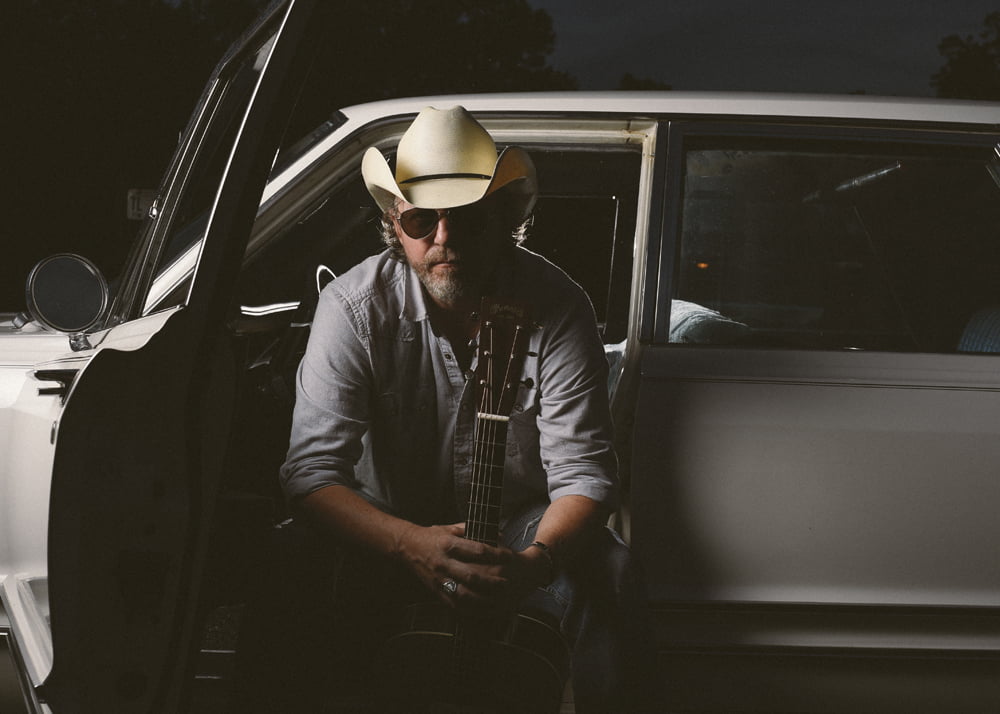
3×3: Darrin Bradbury on Coffee & Cigarettes, Calvin & Hobbes, and the Coming Post-Modern Revival

Artist: Darrin Bradbury 
Hometown: Ridgewood, NJ
Latest Album: Elmwood Park: A Slightly Melodic Audiobook


Just so ya'll have a clear understanding of whose in charge around here @trackmarksjunkshop #mrsfixit

A photo posted by Darrin Bradbury (@darrinbradbury) on

If Jesus, Buddha, Krishna, and Mohammed were in a band together, who would play what?
I'm not quite sure, but I do know their fans would be quite a handful. Press would be tough being that Mohammed can't take any pictures. The whole thing would be a mess. I wouldn't open for them. The world is a safer place, if they all just focus on their solo careers. 

If you were a candle, what scent would you be?
Coffee & Cigarettes

What literary character or story do you most relate to?
Some days Calvin, some days Hobbes.

How many pairs of shoes do you own?
Two: a pair of flip flops and a pair of boots, constantly in flux between extremes.

What's your best physical attribute?
None of the above or below.

Which is your favorite Revival — Creedence Clearwater, Dustbowl, Elephant, Jamestown, New Grass, Tent, or -ists?
I'm holding out for the post-modern revival.

Animal, mineral, or vegetable?
Mineral

Rain or shine?
Rain, it makes doing nothing easier.

Mild, medium, or spicy?
Trick question: Lemmy is God.

WATCH: Country Lips, ‘Grizzly Bear Billboard’

Artist: Country Lips
Hometown: Seattle, WA
Song: "Grizzly Bear Billboard"
Album: Till the Daylight Comes
Release Date: August 19

In Their Words: "'Grizzly Bear Billboard' is the kind of song that, without sadness or regret, remembers the Summer for the beauty that only comes from things that must, at some time, come to an end. In the video — filmed at the Cowlitz County Fair in southwestern Washington — director Coco Foto captures our trusty E350 touring shuttle and the genuine friendship and joy that has kept Country Lips together for the last seven years. Set among carnival rides, fun houses, midway lights, and the Thunder Mountain Pro Rodeo, we do what we do best and manage to stay out of trouble long enough to make a few lasting Summer memories." — Trevor Pendras


Photo credit: Coco Foto