You Gotta Hear This: New Music From River Shook, Bryan Sutton, and More

It’s another edition of our weekly collection of new roots music! You Gotta Hear This…

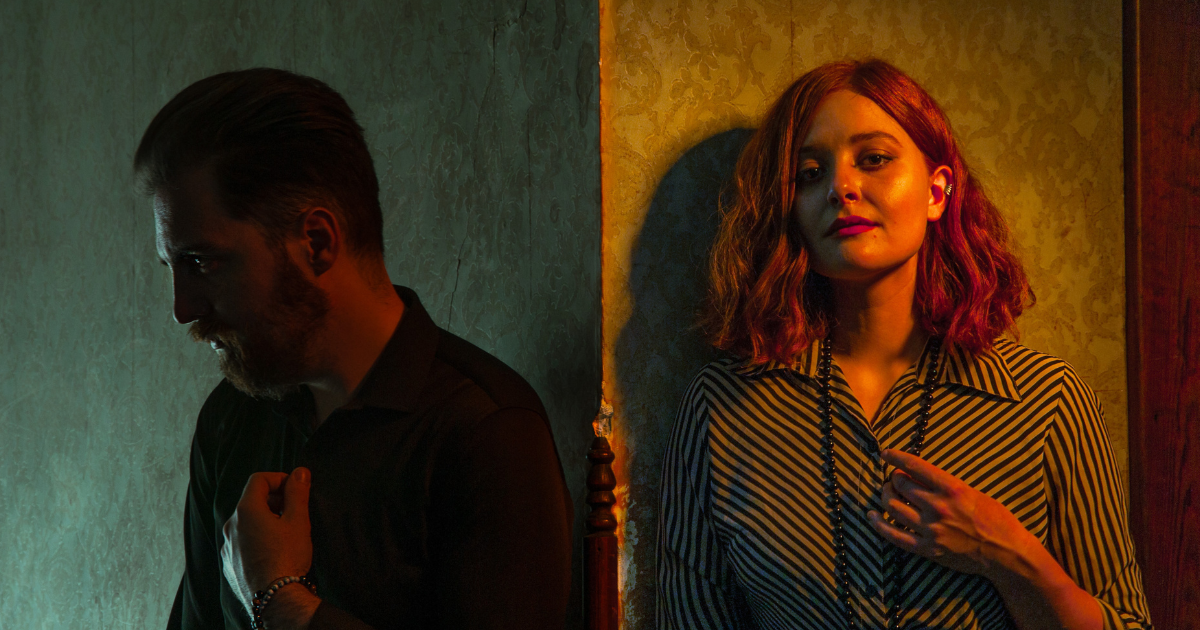
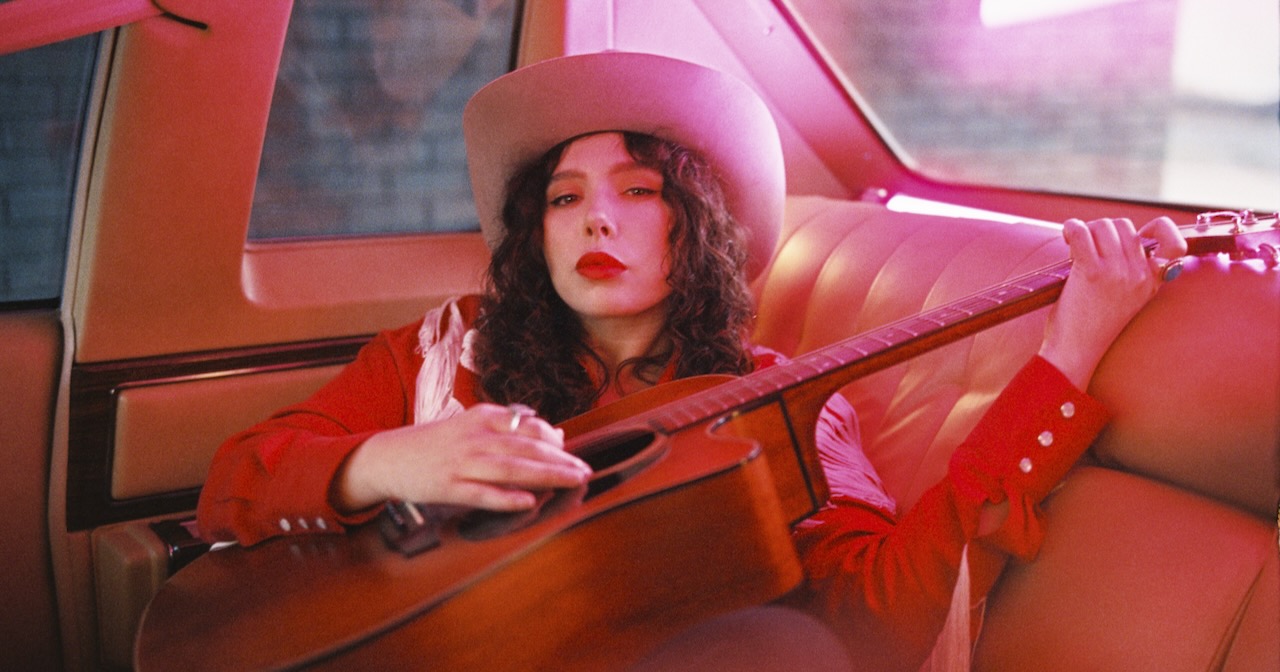
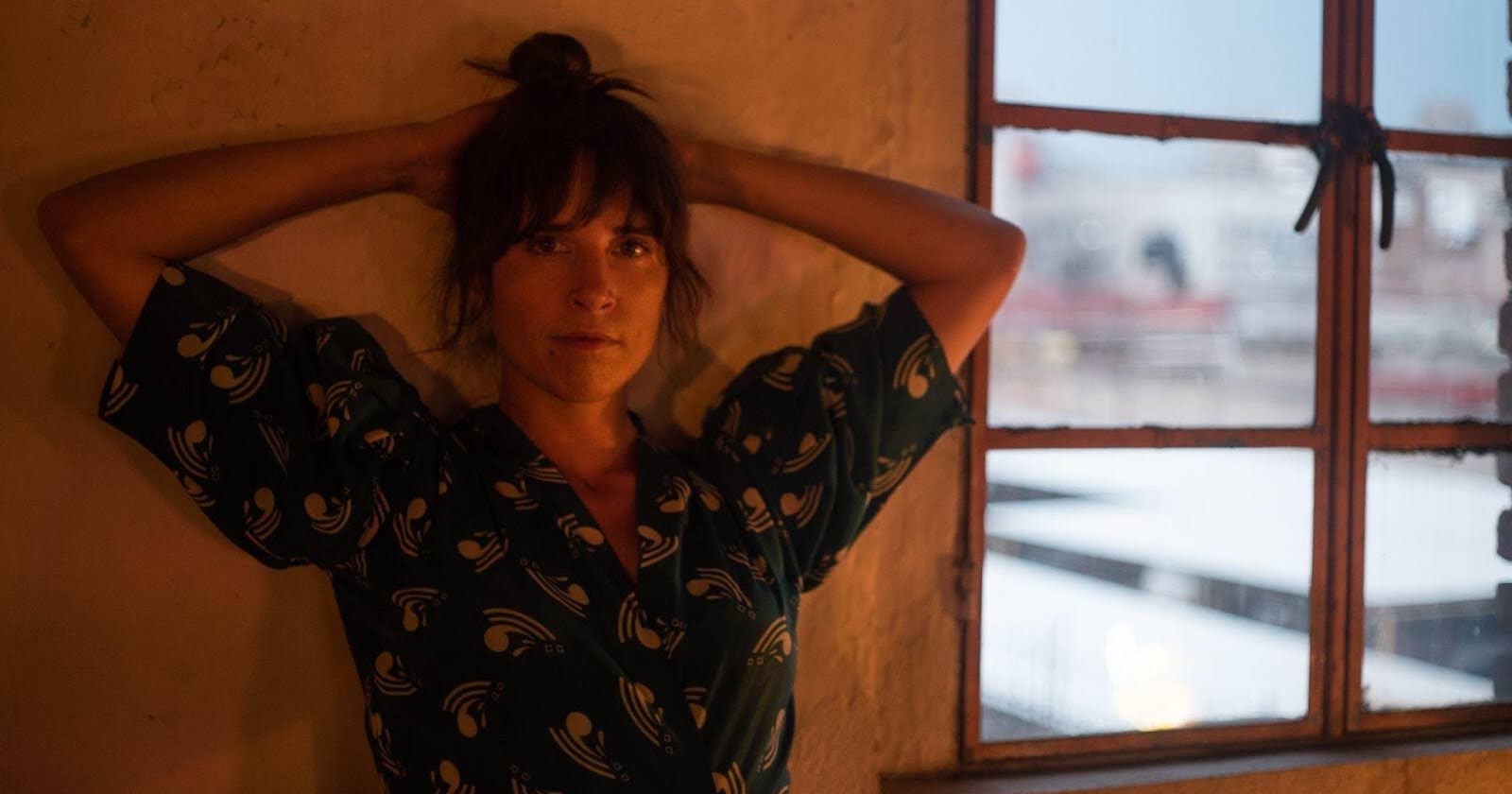
To get us started, singer-songwriter Jenn Grinels is giving us a preview of her upcoming single, “Always On The Run,” which will arrive next week. The track combines Californian indie twang with straight-ahead country & western and a gothic twist. While Grinels is an accomplished songwriter herself, in this instance she composed the music while the evocative, text-painting lyrics were penned by Alfred Howard, a poet and musician. We’re also very excited for new music from River Shook, who you may know from their prior project, Sarah Shook & the Disarmers. Their new roots-folk single, “Wildlands,” is actually a song begun more than 10 years ago – and in a completely different set of circumstances. Shook completed the song channeling feelings from their recent shift from the Disarmers to this new era, performing and releasing music solo, under their own name. With this track, we’re certainly looking forward to what comes next from Shook.

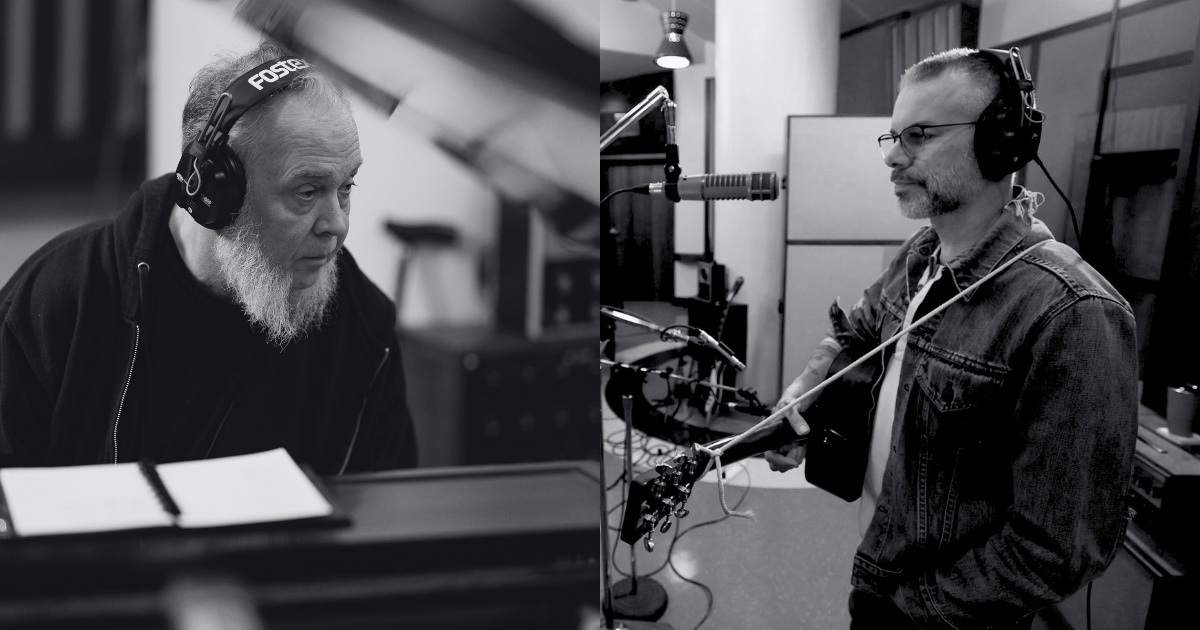
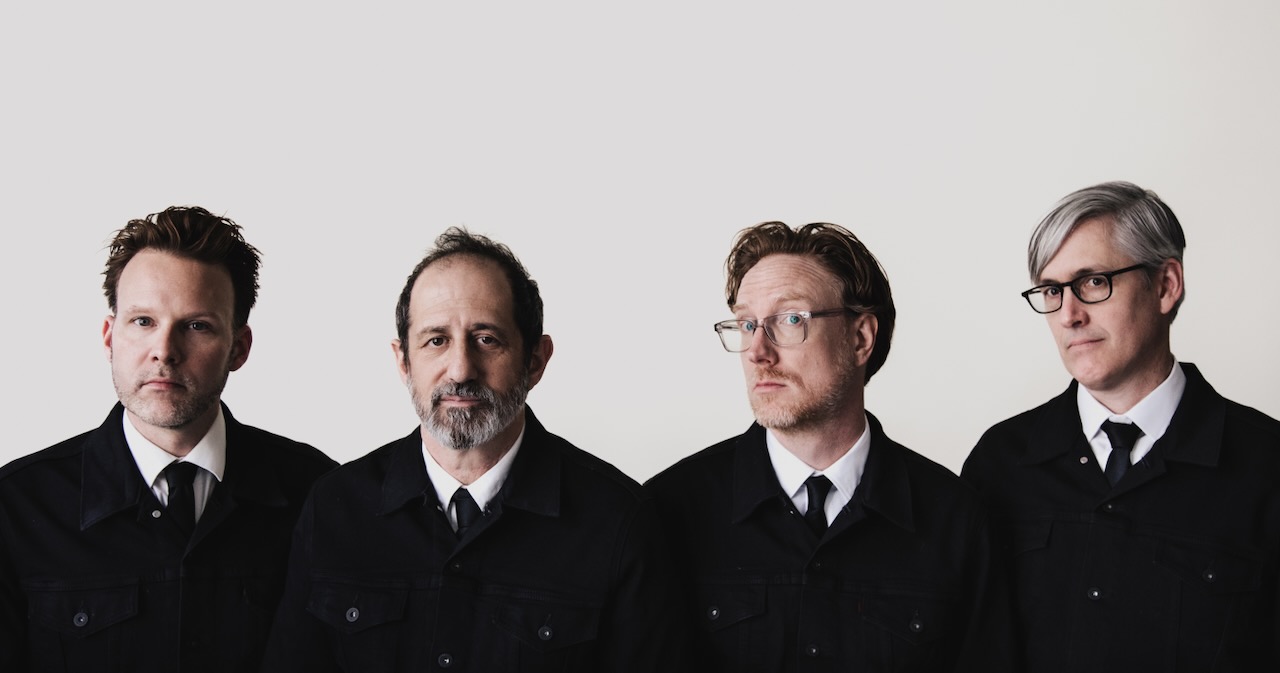
In bluegrass, Lonesome River Band pull a song seen performed by Stringbean (David Akeman) on The Porter Wagoner Show for their new single. “Pretty Little Widow” is hilarious and first rate, even employing an all-too-rare traditional bluegrass instrument, the Telecaster. Its twangy punctuations are a perfect addition to the single, out today. Acclaimed guitarists Bryan Sutton and Kenny Smith also launch a track today, “Three Star Hornpipe,” from Sutton’s upcoming album of six-string duets. Sutton and Smith’s decades-long friendship is easy to hear on the relaxed and loping modern fiddle tune.

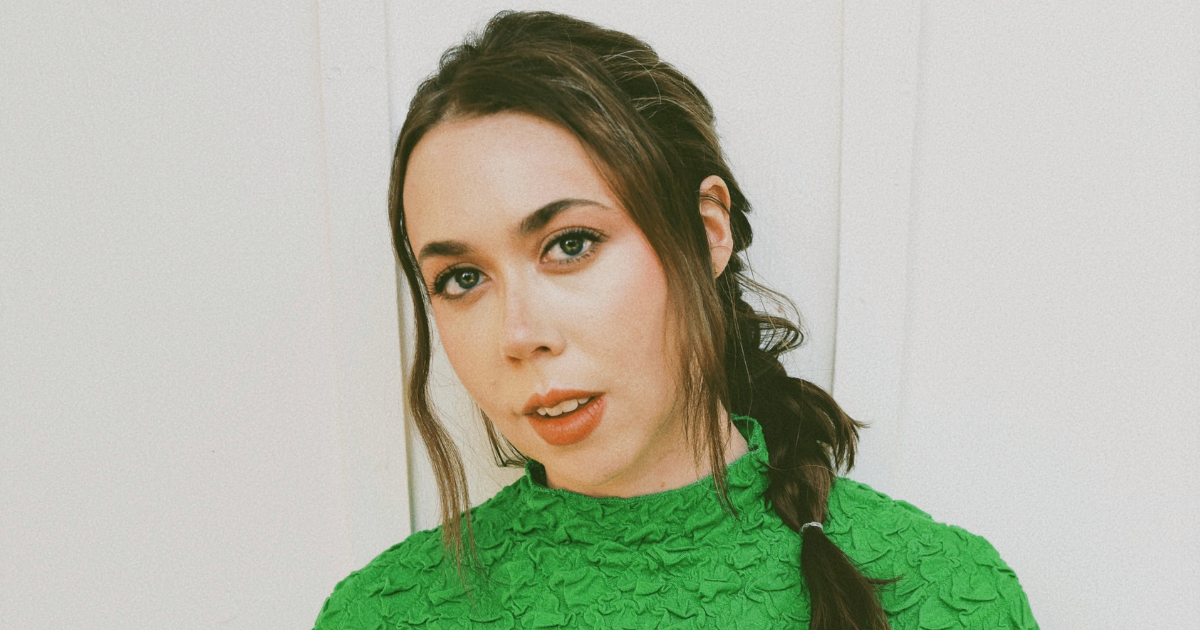
There are a couple of great cover songs included today, too. Nashville-based artist Sweet Megg shares her new video for her most recent single, “Come On Up to the House,” her interpretation of the Tom Waits classic. She was inspired by her own family homeplace, a literal and figurative refuge where she grew up in New York City. Plus, after a lifetime of playing sets of cover songs, Jessie Wilson finally releases a cover – and it’s none other than Dolly Parton’s “Jolene.” A failsafe choice for a first cover release, Wilson’s take on the iconic favorite has a deep pocket, head-bobbing feel changes, and bluegrass instruments tucked into every one of the track’s nooks and crannies.

We hope you enjoy these songs as much as we have. You Gotta Hear This!

Jenn Grinels, “Always On The Run”

Artist: Jenn Grinels
Hometown: Originally Cupertino, California; currently working out of New York City
Song: “Always On The Run”
Release Date: April 10, 2026

In Their Words: “This song is a collaboration, with lyrics by Alfred Howard and music by me. I’ve always admired Al’s poetry, spoken word, and lyricism, so when he first reached out about collaborating, I was thrilled. These were the first lyrics he sent me – of many songs we ended up working on together – and when I read them, I was instantly inspired. The songwriting process was so quick, which definitely doesn’t always happen, and that ease ended up inspiring and setting the tone for the rest of the record.

“The imagery in Al’s writing naturally leant itself to this western feel that carries throughout the album – and a lot of that is rooted in the desert landscapes of Southern California that inspire him.

“At its heart, the song is about endless ambition – and the exhaustion that can come with it. We’re always reaching for our dreams, both of us having spent so many years in this business, constantly chasing that setting sun – and to metaphorically walk into it. It’s special to work with someone who’s in a similar place in life. He can write something deeply personal that I immediately connect to, and that sparks something in me musically.” – Jenn Grinels

Track Credits:
Jenn Grinels – Vocals, acoustic guitar, composer
Alfred Howard – Lyricist
Mike Butler – Guitars, lap steel, percussion, producer, engineer
Jason Littlefield – Bass
Jake Najor – Drums


Lonesome River Band, “Pretty Little Widow”

Artist: Lonesome River Band
Hometown: Floyd, Virginia
Song: “Pretty Little Widow”
Release Date: April 3, 2026
Label: Mountain Home Music Company

In Their Words: “Jesse [Smathers] brought this song to our attention from a video of Stringbean on The Porter Wagoner Show from the 1960s. We all love Stringbean’s music, and it was a song I had not heard before. He was backed by Porter’s country band and the electric guitar had a great part in the song. So it was an obvious choice of tunes for this project. Rod Riley on the Tele captures the vintage sound of that era of country music.” – Sammy Shelor

Track Credits:
Sammy Shelor – Banjo
Jesse Smathers – Acoustic, lead vocal
Mike Hartgrove – Fiddle
Adam Miller – Mandolin, harmony vocal
Kameron Keller – Upright bass
Rod Riley – Electric guitar


Bryan Sutton, “Three Star Hornpipe” with Kenny Smith

Artist: Bryan Sutton with Kenny Smith
Hometown: Nashville, Tennessee
Song: “Three Star Hornpipe”
Album: From Roots to Branches
Release Date: April 3, 2026 (single)
Label: Mountain Home Music Company

In Their Words: “I met Kenny when I first moved to Nashville. He had been there already a few years and was living down there near Wartrace, Tennessee, doing some work with Gallagher. And I forget exactly where I might have met him, but I was probably around the Station Inn or one of the music stores in Nashville. I went down and hung out with him. I had a guitar that I had some questions about and wanted to show it to him – you know, some structural issues – and he took a look at it and we played a little bit and I’ve just known him ever since. This is the early ’90s, over 30 years ago, and I just maintained a friendship with him all through these years.

“I’ve always loved the way Kenny is reverential towards fiddle tunes when he plays. He really finds that sweet spot of his guitar artistry, but you hear the melodies – he’s playing the tune and presenting the melody. I found this old song, ‘Three Star Hornpipe,’ that I’d heard from a fiddler named Roger Howell here in Western North Carolina. Tommy Hunter had recorded it years and years ago. I found an original recording and sent it to Kenny and went like, ‘What do you think? Here’s a tune that neither of us have ever played.’ Again, I didn’t necessarily want to do an obvious, low-hanging fruit kind of fiddle tune. So here was a newer tune and he was game to do it. That’s how we got into that tune, and I just love what he did with it.” – Bryan Sutton

Track Credits:
Bryan Sutton – Acoustic guitar
Kenny Smith – Acoustic guitar


River Shook, “Wildlands”

Artist: River Shook
Hometown: Chapel Hill, North Carolina
Song: “Wildlands”
Release Date: April 3, 2026

In Their Words: “I started writing ‘Wildlands’ when I was seeing a deeply controlling, scary person. One summer day, I snuck out of the house and went to the Haw River to clear my head. I sat writing at the water’s edge, feeling brave for the first time in years, and when I got back home, I hid the piece of paper with the lyrics deep in my closet. Nothing came of the song for almost a decade.

“Last year, when I decided to end my band (Sarah Shook & the Disarmers) and start over under my new name (River Shook), those old feelings came rushing back – fear, bravery, clarity, strength – and I remembered ‘Wildlands.’ I kept the original first verse, reworked the other two, and wrote a new chorus. Releasing this song is such a beautiful full-circle moment in my life. I feel so lucky to share ‘Wildlands’ with you.” – River Shook

Track Credits:
River Shook – Vocals, acoustic guitar, electric guitar, songwriter, producer
Blake Tallent – Drums, bass, acoustic guitar, electric guitar, pedal steel, harmonica, percussion, producer

Video Credits: Samantha Kniskern


Sweet Megg, “Come On Up To the House”

Artist: Sweet Megg
Hometown: New York City; based in Nashville, Tennessee
Song: “Come On Up To the House” (Tom Waits cover)
Album: Massive Negroni
Release Date: April 1, 2026 (single); May 1, 2026 (album)

In Their Words:  “When I heard this song, it reminded me of home – not just a place, but a feeling. My family came from Ireland in the 1920s and settled in the house where my mother grew up and where I grew up too. That house holds so many memories of family and friends. It’s a sacred space.

“When the world feels like it’s on fire, I can step inside and enter another dimension of peace and tranquility. That’s what home can be. This song by Tom Waits carries that feeling for me. It’s an invitation, a prayer I offer to others: when the world is getting you down, come on up.” – Sweet Megg

Track Credits:
Sweet Megg – Vocals
Hunter Strasser – Guitar
Norbert McGettigan – Bass
Chris Gelb – Drums

Video Credits: Filmed and edited by Matthew Farrell.


Jessie Wilson, “Jolene”

Artist: Jessie Wilson
Hometown: Phenix City, Alabama
Song: “Jolene”
Album: Rebel & Reverie (EP)
Release Date: April 3, 2026 (EP)

In Their Words: “As a girl who has played hundreds of cover shows in my lifetime, I’ve never actually released a cover song. I play ‘Jolene’ frequently at my live shows and we perform it a bit different. We play the choruses in double time and the verses in a half time, giving it our own spin.

“I recorded this version after jumping in a session with musicians I hadn’t met yet, who all happened to be monster musicians. We recorded at Station West in Nashville with Ilya Toshinskiy (acoustic guitar), Steven Sinatra (drums), Jimmy Nichols (keys), Kris Donegan (electric guitar), and Rob Cureton (bass). It surpassed my expectations and the session felt so natural and easy despite being in a room filled with all musicians that I was meeting for the first time. Sometimes, you just feel so ‘at home’ with a song, it feels like it gives you no choice but to release it.” – Jessie Wilson

Track Credits:
Jessie Wilson – Lead vocal
Nicole Boggs – BGVs
Steve Sinatra – Drums
Ilya Toshinskiy – Acoustic guitar
Jimmy Nichols – Keys
Kris Donegan – Electric guitar
Rob Cureton – Bass
Andy Ellison – Dobro


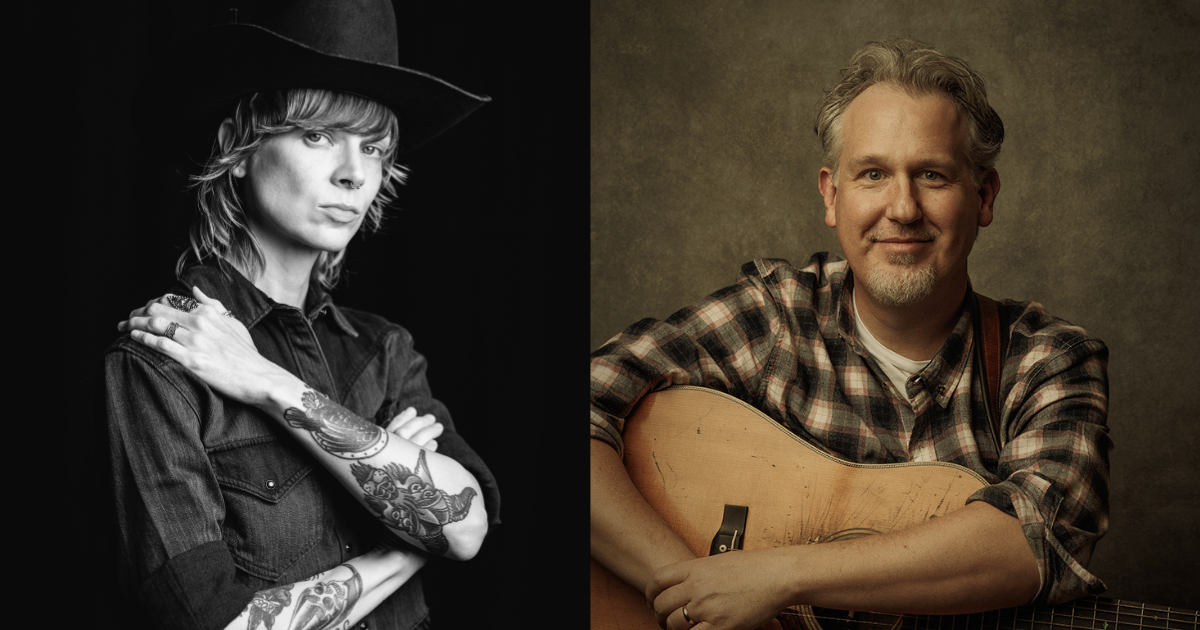
Photo Credit: River Shook by Jillian Clark; Bryan Sutton courtesy of the artist.

Despite a Sad And Beautiful World, Mavis Staples Still Transcends

Such words as “legendary,” “transcendent,” and “magnificent,” while accurate, only skim the surface in describing the greatness of vocalist Mavis Staples. There’s no idiomatic area where she doesn’t excel and no song, regardless of origin or writer, that she can’t turn into a personal triumph. She’s also a genuine survivor, both in the familial (she’s the last living member of the Staple Singers) and socio-political sense (she’s a cultural warrior and champion of the Civil Rights era whose resonant voice has inspired generations of listeners).

For many artists, claiming they’ve gotten better with age is at best polite overstatement, and at worst woeful exaggeration. But Staples at 86 still has the authoritative edge, tonal quality, and lyrical flair that’s always marked her performances. It seems hard to believe she’s been singing since childhood, and listening to the 10 tracks on her newest release, Sad And Beautiful World (released November 7 by Anti), you hear the confident, jubilant sound of a vocal titan.

That Staples can cover with equal distinction and flair songs penned by Tom Waits, Curtis Mayfield, Gillian Welch & David Rawlings, Leonard Cohen, and Frank Ocean reaffirms her versatility. Producer Brad Cook smartly lets her voice dominate through each setting, regardless of instrumental backdrops, tempo or lyrical setting. Her spoken word narrative adds additional punch to the cover of Ocean’s “Godspeed” and underscores its recurring themes of urgency and redemption that fuel the album’s sensibility.

But the album also contains prominent message tracks, most notably “We Got To Have Peace,” a number whose tone and lyrics couldn’t be more timely in an era where it seems lunacy often runs supreme. “Anthem” and “Satisfied Mind” are just as powerful and energetic in their declarations of the importance of persistence, kindness, and goodwill. “Everybody Needs Love” provides the perfect finale, with Staples superbly punctuating its theme and completing a 38-minute epic work. Indeed, songwriter Kevin Morby has offered perhaps the best tribute to Staples’ brilliance possible, when he gave a press statement about what it meant to have her doing his song “Beautiful Strangers,” which is another memorable and passionate number.

“It isn’t easy to put into words what it feels like having one of the best, most important vocalists and cultural figures of both the 20th and 21st century sing one of my songs,” Morby said. “But hearing Mavis sing ‘Beautiful Strangers’ is hands down the greatest moment and highest honor of my career. Far beyond any kind of accolade or acclaim – having one of my biggest heroes sing something I wrote is the most validating and flattering thing that could ever happen to me as a songwriter and person. Thank you, Mavis.”

Staples has been awesome for so long, sometimes it’s easy to forget how many different periods and genres her artistry covers. The original family unit the Staple Singers were gospel and folk song giants. The unit included her sisters Cleotha and Yvonne, plus her brother Pervis, her father Pops, whose roots reached back to the seminal days of Delta blues, and Charlie Patton, who served as anchor, both vocally and on guitar. The Staple Singers began singing in Chicago churches in the late ’40s, became recording artists in the early ’50s, and earned their first hit with “Uncloudy Day” in 1952, recorded for the Black-owned label Vee-Jay. By the ’60s they were a cornerstone unit of the Civil Rights Movement, often accompanying Dr. Martin Luther King at rallies.

Mavis began really getting noticed as a solo performer during their transition in the late ’60s and early ’70s to a soul and pop unit. The decision to sign with Stax Records and the shift to secular music was one Pops often acknowledged as a controversial one, but it ultimately paid off as the group’s status elevated into crossover stars. They had eight Top hits in the early and mid-’70s; “I’ll Take You There” and “Let’s Do It Again” were chart toppers and “Who Took The Merry Out of Christmas” reached number two. Mavis also cut her first solo single in the late ’60s, then a full self-titled release for Stax in 1969. Their songs were expertly produced, featuring the crisp and outstanding backing of Booker T. & the MGs. Other essential hits included “I’ll Take You There” and “Respect Yourself.”

Slowly but surely, Mavis began to establish herself outside the Staples family trademark. Her soundtrack LP, A Piece of the Action on Curtis Mayfield’s label, helped her reach some new audiences, as did another self-titled mid-‘80s LP. But it was a pair of releases produced by Prince in the ’90s that really helped her reach the next generation of listeners. The second by the duo, The Voice, was another masterpiece. It included her magical version of Prince’s “Positivity,” as well as a cover of “Melody Cool” from the film Graffiti Bridge. Staples returned to the church in 1996 for a marvelous release, Spirituals & Gospels: Dedicated to Mahalia Jackson, that personified the close friendship that Jackson had with the entire Staples family and her influence on Mavis, personally and professionally.

Over the course of the 21st century, Mavis Staples has unquestionably become an iconic figure. The roster of artists with whom she’s worked over the course of her remarkable career is an astonishing one, both in terms of talent and musical approach. She’s recorded with jazz guitarist John Scofield, Los Lobos, Bob Dylan, Johnny Paycheck, Natalie Merchant, George Jones, Delbert McClinton, Aretha Franklin, Nona Hendryx, and Ann Peebles, to cite only a handful. Staples has also continued making emphatic message albums, among them the 2017 dynamo If All I Was Was Black. Her voice has been sampled by rappers and hip-hop and pop artists like Salt ‘N’ Pepa, Ice Cube, Ludacris, and Hozier.

Mavis also been featured in a host of television shows and films, among them The Tonight Show with Jay Leno, The Late Show With David Letterman, Conan, and “CBS Saturday Morning: Saturday Sessions,” and she was the featured performer on the very first episode of The Late Show With Stephen Colbert. Her film resume includes appearances in Martin Scorsese’s The Last Waltz and Antoine Fuqua’s documentary Lightning in a Bottle, about the Salute to the Blues concert at Radio City Music Hall in February 2003.

Mavis!, the first feature documentary about Staples and the Staple Singers, was directed by Jessica Edwards and had its world premiere at SXSW in March 2015. It was later screened in theaters and was broadcast on HBO in February 2016, eventually winning a Peabody Award. Her appearance with Mahalia Jackson at the 1969 Harlem Cultural Festival is among the many highlights in the award-winning documentary Summer of Soul, which was released in 2021. Staples has even been portrayed on film, played by Laura Kariuki in the 2024 hit film, A Complete Unknown.

Staples has rightly won numerous awards. The array includes three GRAMMYs and a GRAMMY Lifetime Achievement Award, induction into the Rock and Roll, Gospel Music, and Blues Halls of Fame, and having been a Kennedy Center Honoree. The Rock and Roll Hall of Fame honored her a second time in 2019 with the inaugural Rock Hall Honors Award for her solo work. Rolling Stone named her 56th among the “100 Greatest Singers of all Time” in 2008, though there was already no question about her inclusion in that select company.

Amazingly, there doesn’t seem to be any slowing down for Mavis Staples. She celebrated her 80th birthday at the Apollo Theater in 2019, returning to the famed venue where she first appeared as a teenager 63 years before that date. She did a series of collaborative birthday concerts that year with special guests that included David Byrne and Norah Jones. She also collaborated with Run the Jewels on the track “Pulling the Pin” from their studio album RTJ4. In 2022, Staples released Carry Me Home, a collaborative effort with the late Levon Helm that they recorded together at Helm’s Midnight Ramble in 2011.

She’s already announced upcoming tour dates for 2026 at three famous sites: Chicago’s Chicago Theatre, Nashville’s Ryman Auditorium, and New York’s Beacon Theatre. Mavis Staples also remains a voice for social justice. Way back in 2010, she performed at the Rally to Restore Sanity and/or Fear alongside singer Jeff Tweedy. In 2011, she was joined onstage at the Outside Lands Music And Arts Festival by Arcade Fire singer Win Butler. The two performed a version of “The Weight” by The Band. Shortly after the release of her 2016 LP Livin’ On A High Note, produced by M. Ward with songs written for her by Nick Cave, Justin Vernon, Neko Case, and others, Staples issued these prophetic words:

I’ve been singing my freedom songs and I wanted to stretch out and sing some songs that were new. I told the writers I was looking for some joyful songs. I want to leave something to lift people up; I’m so busy making people cry, not from sadness, but I’m always telling a part of history that brought us down and I’m trying to bring us back up.

These songwriters gave me a challenge. They gave me that feeling of, “Hey, I can hang! I can still do this!” There’s a variety, and it makes me feel refreshed and brand new. Just like Benjamin Booker wrote on the opening track, “I got friends and I got love around me, I got people, the people who love me.” I’m living on a high note, I’m above the clouds. I’m just so grateful. I must be the happiest old girl in the world. Yes, indeed.

Anyone paying attention to the songs on Sad And Beautiful World knows that’s still the case with Mavis Staples’ music.


Photo Credit: Elizabeth De La Piedra

John C. Reilly Is Mister Romantic

As John C. Reilly cavorts around a converted Brooklyn warehouse, his wiry hair branching heavenward, he looks a bit like a heavily rouged version of his eccentric Dr. Steve Brule. But Dr. Brule isn’t here, and neither is Reilly, in a sense. A fellow named Mister Romantic holds court instead, serenading and chatting up audience members in an effort to win their hearts. He swoons and croons, he has a microphone that looks like a rose, and he really, really wants to be loved forever, lest he be doomed to an eternity in a steamer trunk.

Reilly is the rare sort of actor whose talents span cutting dramas and gut-busting comedy antics, and underneath all of it, he’s maintained a soft spot for musical theater. Audiences have gotten a peek at that in Reilly’s Oscar-nominated embodiment of Chicago’s “Mister Cellophane,” and while he’s hammed it up as Dewey Cox in Walk Hard. He’s long nurtured his musicianship, too, with a handful of bands in his youth, a blues outfit, and his more recent cadre of bluegrass friends.

After finishing his duties as Jerry Buss in Winning Time: The Rise of the Lakers Dynasty, Reilly fixed his energy on finding some sort of remedy to the discord that he felt dominating everyday life. Mister Cellophane only got the one song, as Reilly has noted, so he drew upon more than twenty years of his own tune-collecting to develop a repertoire that felt suited to his mission and was close to his own heart. He’s pulled most of his material from the early 20th century body of the American Songbook, which Reilly expands to include a handful of Tom Waits numbers. Though Mister Romantic works a special kind of magic in person, he issued a baker’s dozen of recordings on his album What’s Not to Love? in mid-June, a more permanent evidence of his visitation.

He credits Los Angeles’ famed venue Largo with being the nexus of countless creative relationships – including Mister Romantic compatriots like David Garza, fiddler Gabe Witcher, and Sebastian Steinberg, who joins the ensemble on their recordings. The crew keep remarkably stony faces as Reilly improvises his appeals to the crowd, part of the story built around Mister Romantic’s cosmic arc: “He’s been traveling in this box for thousands of years trying to find love, and he just fails over and over. He doesn’t have a memory of the past, but the band does, and they’re stuck in this purgatory cycle with him,” Reilly says.

In chatting up different audience members between selections (“I’m not gay or straight, I’m desperate,” he offers), Reilly hopes to get everybody in the room feeling like they can open up a little bit. The songs, for Reilly, facilitate that softening in a sort of bucket-brigade through time. “‘What’ll I Do?’ could’ve been forgotten by the 1930s, but people loved that song and kept passing it along, and here I am, doing it again,” he says. “I think that’s the way to pay things forward, to pass along what you think is good.”

Now with an album release and several more Mister Romantic shows in his rearview mirror, Reilly is impassioned and reflective as he considers the value of vulnerability in a prickly modern world. His fervent belief in the fundamental goodness of human nature spills over as he shares his efforts to bring a little more love into people’s lives.

You made a point to tell your first audience participant that you weren’t bringing her up there to shame her or embarrass her, which got me thinking about how you’re watching people react to your character in real time. What has that been like for you with these performances?

John C. Reilly: It’s been a really special part of the show. I don’t know what I expected it to be when I started doing this, just kind of improvising my way through, but it’s been amazingly consistent. I say that stuff about “I’m not going to embarrass you or do anything weird” because people just don’t know what the hell the show is about, what the boundaries are. I really want to make people feel like I’m going to take care of them up there. The joke is not going to be on them.

With the audience, I’ve noticed if you really see people and the best in them, or you look for qualities that you find attractive, and you talk about them – it’s amazing the way people let down their guard and open up. It makes the whole audience feel like I’m talking directly to each one of them, even though I only get to four or five people during each show.

Have you had any reactions that have caught you off guard?

Sometimes I ask pretty heavy questions, like, “Have you ever been in love? How long did it last?” People generally want to play along, there’s no one that has ruined the interaction. People always ask me, “Are those people plants?” They’re never plants. The second thing they ask is, “Does anyone ever not cooperate?” I have to say, it’s like, 100% cooperation so far. I think part of it comes from the loving approach and the fact that I say at the beginning what the mission of the night is going to be.

It’s a really encouraging part of the show for me personally, because you really do want to believe that, in their heart of hearts, people are good. When I do this show, that is what I think when I go through the audience. I try to look at every single person directly at some point. The whole point of the show is connection – to the music, the world, to each other – and creating a live unique moment with a group of people. Whatever’s happening outside in the world is one thing, but in here, we’re all going to be connected by the end of the night.

There was a moment where you kind of scolded someone for having their phone out, but you somehow did it in the nicest way possible, where you brought it back to maintaining a connection in the moment.

I try not to even engage with what phones even are. We try to make it clear that you’re not supposed to use your phone during the show. I called that guy out just because I was surprised to see it in his hand. My point was not to say, “You broke the rules!” or get mad at him. There have been other times when people have their phones out. The point of those interactions is always to point out what’s special about this moment without a phone. When I said that, the audience almost started cheering [note: this is true]. Everyone is getting to this place where they’re starting to realize the cost of using a phone, and the separation that it creates between you and a performance or an experience.

How did Largo get to be such a major fixture in your life?

Largo has been a big part of my life since it opened in the early ’90s. It’s been a big part of my development as a singer and as a musician. I had my bluegrass band there for a long time. Mark Flanagan, who owns the place, creates such a special vibe in there, and does not allow cell phones during the shows. The audience ends up being focused in this way that’s different than other places I’ve been.

It’s kind of this temple of quality and entertainment, especially music. When I first started going to Largo, it was Jon Brion and all these different musicians moving through there – a lot of my friends who I play with now, who I played with in the past in other bands. Walk Hard, the songwriters from there – all those guys were all part of the Largo scene in one way or another. It really feels like home when I’m there, and it has its priorities right. It’s not just a place that’s about profit and selling beers, slamming them in and slamming them out. There’s a real soul to the place. I shudder to think what LA would be without Largo.

Is your bluegrass band something you think you’ll return to?

The blues, bluegrass, and this kind of show-tune world are all different aspects of me. I had a blues band before I had a bluegrass band. But I love bluegrass music, for the same reason I love all these American Songbook standards that I’m doing. That’s part of the conversation about the show that I think is really important, that Americana doesn’t just mean white Southern folk music from the 1930s.

People talk about, “What kind of category does [Mister Romantic] fit in?” To me, it’s Americana. A lot of these songs were written by Americans, and they’re not classical music. I think bluegrass definitely falls under the Americana banner, but I think songs in the American Songbook also fall under the Americana banner. Blues music falls under the banner. Why is blues music separated as African-American music? It’s part of America’s history. We should all embrace under the same umbrella.

You’ve talked about using Mister Romantic as a vehicle for getting people to open up a bit more to love and empathy. I think of romance as only one slice of the pie when it comes to loving or forms of love – why go with “romantic” as your channel into exploring empathy?

To me, romance is appreciating a beautiful sunset, or the way a flower looks or smells. Appreciating some weird little detail about a person that makes them unique, that makes you cherish them. It’s not just a Valentine’s Day card. Think about the reason that you got crushes on different people in the past. Sometimes it’s about the physical looks, but oftentimes it’s like, “Man, I just love the way that person does their art.” You crush out on people because of why they’re special. That, to me, is romantic.

On the surface of it, this guy Mister Romantic is trying to fall in love, but he doesn’t even really know what that is. He has so little experience. All he knows is, it’s a deep connection with someone else that will then stay with you forever. I’m not trying to get anyone to be anything. To me, the show is an opportunity to come together. If you’re craving connection, then you should come. I’m not trying to lecture people. I’m just pointing out the inherent truth about human beings, that we do love each other, that the secret to civilization and the reason that human beings are still around on earth is because of love.

I was seeing a lack of empathy – a coarseness to our dialogue, or a viciousness to our debate, and I thought, “Well, that’s distressing. What could I do that might lessen that?” And I decided I’ll do a show about love, and I’ll invite people to come see it, and maybe they’ll feel what I’m feeling. [Mister Romantic] is more about reminding people of what is true about us. On a good day, I think, everyone feels that people are ultimately good when the chips are down.

There’s a line from bell hooks’ All About Love about how “cynicism is the great mask of the disappointed and betrayed heart,” and when I re-read that recently, it resonated with how the crowd felt at the end of the show—like this cynical layer that a lot of us have was dissolved for a bit while we were laughing and having a good time together.

Yeah! It’s not just about me and what I’m saying. It’s also the music. The music has an alchemical effect on people that does put air in their balloons. I didn’t know that quote, but I agree with it. I say misanthropes are actually the most romantic people of all. They’re the most sensitive. They’re so sensitive that when they experience disappointment, they retreat into this place of, “Well, if it can’t be perfect, then everything is terrible.” But if you’re really truthful about the way life is, there are all these gray areas. Everyone is not an asshole. That’s a generalization. To be a true misanthrope, you’re generalizing, and not seeing what’s really there.

You have to be open to someone being a good person. I think that’s just the truth of the way things are. I do think if you’re worried and you want things to be better in the world and in your own personal life, you have to be willing to be vulnerable, and willing to reflect a world that you want to see. These things sound so rudimentary, or maybe cliché, but that’s where we’re at. We’re having to fight for empathy, to say, “Human beings have value across the board.” Human rights are at stake right now in the world. So it’s not a cliché. It’s not a thing that’s assumed to be true by everyone. These things have to be regenerated, generation after generation.

What’s something you’ve learned about yourself in the process of bringing Mister Romantic to life?

I’ve learned a lot about the courage it takes to invite people to a place and say, “I’m going to sing for you.” I had to learn what my voice is when I’m not impersonating other people. How do I sing? How do I convey my spirit through my voice? Those are big things, and making this album was a huge step. The personal journey to get yourself to believe that it’s good enough to share –that’s a big struggle for everyone, especially the first time they do it. Mister Romantic was a big step in that direction for me saying, “Whatever, I may not be the most perfect singer, but the reason that I’m singing is a good reason, and I’m going to keep doing it.”

You have to kind of have this blind faith in the mission, because there’s all kinds of slings and arrows that you can generate for yourself. But then you remember the core of it – these experiences that you have during the show, that I have from the show – and that tells you what you should be doing with yourself, what is important. If touching people the way this show touches people isn’t important, then I don’t know what is. It has given meaning to my life at a time when I was really struggling for meaning.


Make plans to meet Mister Romantic at a show near you.

Photo Credit: Bobbi Rich

MIXTAPE: Moonrisers’ Instrumental Doom Folk

As a Detroit instrumental duo comprised of a session drummer and folksinger, making instrumental music as the Moonrisers has poured out slow and low.

We love exploring the dark and meditative side of folk music and instrumental recordings from around the world, and love to hear how textures talk to each other within them. Here are some of our favorite songs and inspirations in the realm of instrumental doom folk.

“Tuzna Je Nedelja” – Branko Mataja

A devastating melody made familiar by Billie Holliday’s recording of “Gloomy Sunday.” Branko Mataja was a guitar player and maker from Yugoslavia who survived an Axis invasion and a forced labor camp during WWII. His haunting self-recorded instrumental arrangements of traditional Serbian and Slavic folk songs have thankfully emerged in recent years, with Numero Group releasing two of his albums.

“Company Leaves” – Kinloch Nelson

Kinloch Nelson’s recordings of solo fingerstyle guitar–particularly this cozy, warbled album of demos from the late sixties–feel like a warm, slow autumn day. I love his pace, and the deep open tunings he frequents. There is a real sense of wholeness in his music that I love.

“Memory, Memory, Memory” – Six Organs of Admittance

This song comes from an album full of dark, woody, and meditative instrumentals in tribute to the poet Octavio Paz. I love the low hounding of the bottom guitar string on this song. It sounds so loose that it could fall off if plucked too hard.

“Paper Route” – Calexico

Calexico has a beautiful sense of space and arrangement on this recording. The vibraphone is an interesting part of the foreground, and their analog recordings are totally timeless.

“Caribea” – Moondog

I love how simple, yet complex this arrangement is. The lively hand drums and maracas are signature to the sound of Moondog. Listening to Moondog frees and ignites the joy of drumming.

“Czardas” – Rita Villa

This early-1900s wax cylinder recording of solo harpist Rita Villa from Mexico is totally magical. The song takes so many melodic twists and turns, while each note seems to stand out as an independent entity.

“Knife Chase” – Tom Waits

Love the heavy, low-fundamental stomp percussion against saturated horns and guitar. The lines are totally unpredictable, yet bind together like an unhinged orchestra. The shared admiration of Tom’s music is what brought the two of us together in the first place, and continues to provide us both with so much inspiration and excitement that never runs out.

“Everywhen We Go” – Mike Baggetta, Jim Keltner, Mike Watt

Open-tuned drums played by the legendary Jim Keltner take the floor with a feeling in this spaghetti western-sounding tune. There’s a lot of flexibility between what each instrument is putting down. Jim Keltner’s thumbprint is on so many iconic records, and it’s neat to hear him recorded in a very loose improv context.

“Barakaat” – Abdullah Ibrahim

As with all of Abdullah’s tracks, I love the sparseness and conversations between simple drum and bass lines.
The strings in this add a lot of drama.

“Fruta Prohibida” – Mitchell Froom

This incredible arrangement of classical instrumentation through the lens of Tchad Blake’s dark, emotional production is always a favorite. This record, “Dopamine” is sinister and gorgeous.

“Evensong” – Fripp & Eno

This looped electric beauty came from the 1975 ambient album, Evening Star by Robert Fripp and Brian Eno. Bright and echo-laden guitar notes aren’t often bundled together this densely, and here it creates something odd and captivating. I picture young seedlings emerging from the ground when I hear this song.

“Circle of the Seasons” – Moonrisers

This is the first track of our debut album Harsh & Exciting produced by Dan Auerbach. We recorded this in a house from 1908.

“Paris, Texas” – Ry Cooder

This song is desolate. Every bit of ambience is as important as the slide lead in this song. You are immediately transported to the desert on an empty highway. I became obsessed with this theme song before ever watching the film for which it was written.

“Don’t Blame Me” – Marc Ribot

Marc’s touch is unlike anything I’ve ever heard. It sounds antique- metallic in texture. His chord choices make you feel like you’re immersed in a Duke Ellington recording, while it’s all skin and bones and lonesome plunks. I love how different this arrangement is from the Everly Brothers’. There’s barely any sustain anywhere, and it’s a live wire of emotion as he multitasks up and down the fretboard.

“Joe Kirby Blues” – John Fahey

This track has a tone that’s really pensive. Reverent of the blues form of earlier American guitar greats, there’s a departure in the melodies here that are chilly and ruminative. It’s part of the psychedelic folk-blues masterpiece album “Days Have Gone By”. John Fahey’s renderings of traditional folk and blues songs break all kinds of “rules” in the guitar world, and hence has opened up a huge door in my perception of folksong.


Photo Credit: Jim Herrington

BGS 5+5: Amy Irving

Artist: Amy Irving
Hometown: San Francisco, California
Latest Album: Always Will Be (out April 25, 2025)

What has been the best advice you’ve received in your career so far?

I’ve been an actor all my life. I began on this new path, making music with the band GOOLIS, a few years back. And I’ve been learning so much from them, especially our band leader Jules David Bartkowski.

I remember going into the studio to record our sophomore album, Always Will Be, and Jules suggested I improvise some. Well, let me tell you, as an actress, I had been traumatized in acting school improv class. I was never comfortable acting without a script. I’ve always considered my gift was in interpreting playwrights’ words. So, when I sang, I followed the notes exactly. But Jules and Aaron, our keyboardist, insisted that I try. I complained my mistakes would be so loud and they replied, “Oh yeah, Amy, we never make mistakes here.” Okay, I got it. I did it. And now you can’t keep me down on the farm.

What rituals do you have, either in the studio or before a show?

Before every show, after sound check, I retreat to my dressing room, to meditate and rest my voice. It’s a time to conserve my energy. I eat some protein that will not talk to me on the stage. Half a beta blocker keeps my hands from shaking. I do a vocal warmup, either alone with a taped class or over FaceTime with my wonderful vocal coach, Celeste Simone. Gabriel Barreto, my son and manager and record producer and photographer, then digs his elbows into my tight shoulders. When it’s five minutes to showtime, I usually run to the bathroom and have to throw up (yes, I get terrible stage fright), knock back a shot of tequila, then Jules leads us all in an exercise of shaking all the tension from each part of our bodies.

Genre is dead (long live genre!), but how would you describe the genres and styles your music inhabits?

Working with bandleader Jules is a thrill, because our music covers so many genres, once he decides on his arrangements. He has taken the songs of Willie Nelson and transformed them from punk rock to samba.

Broadly speaking, Jules was going for a kind of golden age of mid- to late-century global pop/rock approach. To offer a more specific example: the first song of the record Always Will Be, “Dream Come True,” was, for Jules, an attempt to channel 1960s Italian rock acts like Mina and Adriano Celentano, while throwing in some Vegas-style late Elvis maximalism and some doo-wop baritone sax. On the song “Getting Over You,” he was trying to find an intersection between The Clash and The Supremes. On “Everywhere I Go” he was trying to mix the Mexican influence of the original with the connected worlds of Klezmer and Balkan music and 1970s Ethiopian jazz.

Since food and music go so well together, what is your dream pairing of a meal and a musician?

I’d like to eat foie gras and fig jam on a baguette with a glass of pinot noir while Édith Piaf sings to me “Non, je ne regrette rien.”

Does pineapple really belong on pizza?

I think anything goes. I remember a long time ago when Wolfgang Puck first opened Spagos on Sunset Boulevard in Los Angeles, I was appalled to see “Jewish Pizza” on the menu. Well, it was smoked salmon and cream cheese pizza and I’m here to tell you it was delicious!


Photo Credit: Gabriel Barreto

MIXTAPE: Lucero’s Ben Nichols & Rick Steff Celebrate the Spaces In Between

(Editor’s Note: Ben Nichols and Rick Steff, two members of Lucero, recently released a special acoustic album, Lucero Unplugged, reimagining songs from across the band’s 25-year catalog. To celebrate its release on January 24, we asked the pair to curate a Mixtape for BGS.)

Rick and I each chose five songs for this playlist focusing on the spaces in between the notes. We feel these songs illustrate that sometimes it’s the notes that are chosen not to be played that add weight and impact. It’s the spaces in between the notes that bring life to the notes that are there. Rick’s picks naturally focus on piano players and my own choices lean more towards acoustic guitars. It’s easy to tell who suggested which songs. But I love the list we ended up with. Thanks for letting us participate in this and thanks for listening. – Ben Nichols

With all these choices it’s the notes not played, the spaces between, the breaths between the sounds. When making Lucero Unplugged these players and records informed a lot of the choices and approaches I took with regards to dynamics and voicings, and mainly just trying to be a solid accompanist for Ben and to the song. – Rick Steff

“Dayton Ohio 1903” – Randy Newman

Randy Newman is the king of piano voicing. Where he places his notes is always perfect. He’s also an amazing accompanist and I always think of him whenever I record piano. This often overlooked song shows all of that as well as being a portal to another time. – RS

“Florida” – Thomas Dollbaum

One of my favorite (mainly) acoustic records. A friend turned me on to Thomas’ album, Wellswood, and I liked it so much I asked Thomas to come to The Whitewater Tavern in my hometown of Little Rock and play my 50th birthday party with me. In the song “Florida” we hear a story that’s rough around the edges sung in a voice that’s vulnerable, but builds with the music and then pulls the rug out from under you, punching you in the gut. He’s so good he makes me jealous. – BN

 “Waterlow” – Mott the Hoople

Ian Hunter. No band was more influential to me than Mott the Hoople and their early records have amazing keyboard parts. “Waterlow” reminds me of Lucero songs compositionally. Beautiful song and lovely piano arpeggio that follows the vocal. – RS

“Goin’ Down South”  – R.L. Burnside

The haunting drone of this early R.L. Burnside recording captured my imagination the first time I heard it. In between the driving acoustic guitar licks and the churning vocals you can hear the Mississippi Hill Country nights. You can see the Mississippi River and feel its meandering presence as it makes its way south relentlessly, through the middle of the country. – BN

“I Keep a Close Watch” – John Cale

John Cale. Again, all about accompanying. This performance has always been a favorite of mine from the ex-Velvet Underground solo catalog. John’s piano work in the Velvets has also influenced and showed up on Lucero records for sure. – RS

“Good Woman” – Cat Power

The Lucero song “When You Decided to Leave,” featured on the new Lucero Unplugged album Rick and I just released, was written after I heard this Cat Power song. The lyrics about leaving something you love, being a “good” or “bad” woman or man, and the conflict and heartbreak bound up in that hit me hard. The instrumentation and performances accentuate that ache and desire. A desire for someone (maybe ourselves) to be a way they cannot be. – BN

“A Salty Dog” – Procol Harum

Gary Brooker was an amazing pianist and this song features something I’ve tried to achieve on various recordings throughout the years, the piano vignette. A small section removed from everything else that resets the song in a unique way. Like a structured solo, sort of. This is to me one of the most moving songs of the sixties and often still brings me a tear. Same band as “Whiter Shade of Pale,” by the way. – RS

“Bruised Ribs” – Joey Kneiser

I’d been a fan of Joey Kneiser’s band, Glossary, for years and when he released this acoustic solo album I fell in love with it. The straightforward presentation with delicate and thoughtful accompaniment lets the power of his simply perfect lyrics shine through. It doesn’t get much better than this. This album definitely influenced me to write some solo acoustic songs myself. – BN

“Ruby’s Arms” – Tom Waits

It’s difficult to choose one Tom Waits song to show his piano style, having spent decades with his music. His barroom piano voicings and dramatic tempo rises and falls – “Ruby’s Arms” showcases those beautifully and heartbreakingly. – RS

“Living on the Moon” – Adam Faucett

Adam is from Little Rock, Arkansas (like me), and this song is one of my favorites. Again, it goes back to the spaces in between the notes– the choices he made about the sounds we hear. We hear everything we need and nothing we don’t for the ultimate emotional impact. There is a preciseness to the recordings of all the songs on this list that I haven’t been able to capture much in my career. But I love it. And I’m still learning and hopefully there is a little of that on this new Lucero Unplugged album. – BN


Photo Credit: Courtesy of the artist.

BGS 5+5: Kiely Connell

Artist: Kiely Connell
Hometown: Hammond, Indiana
Latest Album: My Own Company

What’s your favorite memory from being on stage?

When I got to play The Chicago Theater. I grew up in the region my whole life and things like that feel so far out of reach. The last show I saw at Chicago Theater before I played on that stage was Iggy Pop! If you would’ve told me back then that 5 years later I’d be standing on that stage I would not have believed you.

What other art forms – literature, film, dance, painting, etc. – inform your music?

Reading is always a huge help for me. I’m a big fan of Neil Gaiman, and Anne Sexton, and sometimes just being still and reading something they wrote can help inspire me to write something different. I feel the same way about film. A month ago I was watching that new movie, The Iron Claw, and I was taken aback by all of the memories and feelings that came flooding in. That film is way heavier than I anticipated.

I’m also a lover of visual art and one of my favorite artists is a man they call “The Master of Macabre,” Ivan Albright. I first saw his work at the Art Institute of Chicago and I was just awestruck. I’m not sure I’ve ever been drawn to a painting as much as I was drawn to his painting titled “Into the World There Came a Soul Called Ida.”

What was the first moment that you knew you wanted to be a musician?

I started writing songs at the end of high school, but it wasn’t until college in my dorm room when I realized this was what I was meant to do. The support I got from my peers was unbelievable. Any time I played an open mic the entire theater department would show up just to hear me play three songs. I learned that I could take everything I love about theater and apply it to my music.

What is a genre, album, artist, musician, or song that you adore that would surprise people?

I love doom metal AKA “stoner rock.” I’ve seen the band Pentagram multiple times and I even have a photo with the lead singer Bobby Liebling. I talk about the band on my phone fairly often to the point where my phone started auto-correcting the word “like” to “Liebling.”

Since food and music go so well together, what is your dream pairing of a meal and a musician?

I’d want to have a greasy spoon diner breakfast with Tom Waits. Ideally there would be plenty of classic retro diner décor and bottomless cups of coffee, so he’d have all the fuel necessary to indulge me with a detailed history of his greatest endeavors. The 2003 film, Coffee and Cigarettes, gave us a taste, but I’d still like to experience it one on one in person.


Photo Credit: Alysse Gafkjen

MIXTAPE: Bridget Kearney’s Photographic Memories

From my early days of being photo editor of my high school newspaper to my current tour hobby of photographing bizarre regional potato chip flavors in their native lands for @chipscapes, I have long held a fascination for photography. As life rushes by us at a mile a minute a camera has the ability to freeze the frame for a second, capture a moment in time, and provide photographic evidence that the moment actually existed. Though the waves may have crashed into your impossibly magnificent sand castle, you can keep it standing forever in a photo. And though time may have drowned out a love that once burned impossibly bright, a security camera may have accidentally captured the most blissful moments of that love and if you can track down the footage and find those moments, you could potentially kick back on the couch and watch those moments on infinite loop forever.

This is the premise of my song, “Security Camera,” from my new album Comeback Kid. Beyond that song, the subject of photos, memories, and trying to hold on to a moment for what it was, to love that moment forever in spite of its ephemeral nature, weaves its way through the album as a common thread. I put together a playlist of songs on the theme of cameras and memory and it turns out a lot of my favorite songwriters and biggest influences have also been fascinated by this subject. Recorded music is basically the audio version of a photo/video, so it makes sense. Hope you enjoy these songs as much as I do. – Bridget Kearney

“Kamera” – Wilco

Jeff Tweedy seems to be using the camera as a self-revealing truth teller in this song. He’s lost his grip on reality and only a camera can tell him “which lies that I been hiding.” I have loved Wilco for a long time and have a very specific visual memory of listening to them on headphones in college: I was on a semester abroad in Morocco and I was going for a run along the beach in Essaouira and came upon these big sand dunes. I spontaneously decided to run up to the top of the dunes and then bound down them into the water. This joyous discovery of dune jumping on a perfect sunny day will always be soundtracked to Wilco’s song “Theologians” in my mind.

“Kodachrome” – Paul Simon

Paul Simon was always playing around the house when I was growing up and this song has a particular significance to the origin story of my band, Lake Street Dive: We were on one of our first tours and we were driving my parent’s minivan around the Midwest. The only way to listen to music in the van was through the CD player. It was in the pre-streaming era where we all would have had a big library of digital music on our laptops (probably illegally downloaded from Napster or the like). So we decided to co-create a mystery mix CD by passing around someone’s laptop and letting each of us put in songs one-by-one, not telling each other what we’d put it in. Then we burned out the mystery mix CD and listened to it together.

As four students studying jazz at a conservatory we had mostly listened to Charles Mingus and The Bad Plus together thus far, but the mystery mix exposed all four of us pop music fiends. Song after song kept coming on and we’d go, “Oh my god, you like Lauryn Hill too?!” and “You also know every lyric to David Bowie’s ‘Life on Mars’?!” This culminated in the moment when the mystery mix played Paul Simon’s “Kodachrome” THREE TIMES IN A ROW! That was when we knew we should be a band forever. The groove on this song is also part of the inspiration for the song “If You’re Driving” from Comeback Kid.

“Hey Ya” – Outkast

Not actually a song about photos and you’re not actually supposed to shake Polaroid pictures, but Andre 3000 is one of the greatest musicians of our time and I’ve learned so much from him about music and language and spirit! Also this song is a total jam.

“Security Camera” – Bridget Kearney

I live in Brooklyn and there are security cameras everywhere here – at the bodegas, at the clubs, on the rooftops. Their purpose is to capture criminals in the act of committing a crime, but they are also capturing so many other things. Everyday things and extraordinary things. Moments of extreme beauty and moments of extreme pain. The idea behind this song is to track down security camera footage of the very best moments of your life so you can watch them on repeat.

“Pictures Of Me” – Elliott Smith

I went through a huge Elliott Smith phase in college and had an instrumental Elliott Smith cover band. His harmonies and melodies are so good that you don’t even need the lyrics, but adding them in, of course, makes it all the better. This one seems to say that pictures can lie to you, too.

“Picture In a Frame” – Tom Waits

This is one of those songs that seems like it has existed forever. “Ever since I put your picture in a frame” sounds to me like he is saying, “Ever since I decided to love you.”

“Body” – Julia Jacklin

My friend Michael Leviton (a great photographer and musician!) told me about this song and its passing but gutting reference to a photo. We were talking about how I had realized that a lot of my songs are about cameras and photography and how funny it is to look back at your own songs and see patterns and discover what you’ve been obsessed with the whole time. Michael said his thing is “curtains,” which appear over and over again in his songs.

“Bad Self Portraits” – Lake Street Dive

A song I wrote for Lake Street Dive years ago about what happens when the person you want to take a picture of steps out of the frame. What you’re left with and how to make the most of it.

“Videotape” – Radiohead

I always thought this song was about when you die and you are at the pearly gates of heaven, they are deciding whether you get in or not and watch back videotapes of your life to see if you were good or bad. I don’t know if that’s what Radiohead meant, but that’s my interpretation! The production is so cool, the way the drum loop is slightly off tempo and moves around the phrase slowly as it cycles around. Damn, Radiohead is so cool!!

There are a few songs on Comeback Kid that are directly Radiohead influenced. “Sleep In” is like Radiohead meets Ravel (or that’s what I was going for!) When I graduated from Iowa City West High School, I arranged a version of “Paranoid Android” that some friends and I played instrumentally at the graduation ceremony. In retrospect, that is a really weird song for us to have played at graduation! But I think it’s cool that they let us be brooding teenagers and go for it.

“When the Lights Go Out” – Sarah Jarosz

The song that gave Sarah’s brilliant new record its title, Polaroid Lovers. I feel so inspired by the music that my friends make, and Sarah’s songs from this album really knocked me off my feet when I heard the album and even more so when I heard them live!

“People Take Pictures of Each Other” – The Kinks

A festive little song about taking photos of things to prove that they existed.

“I Bet Ur” – Bridget Kearney

This is a song from the album I put out last year, Snakes of Paradise. The narrative is built around seeing a picture of something that you don’t want to see, letting your imagination fill in the details, and learning to accept it as truth.

“I Turn My Camera On” – Spoon

Groove goals. The camera here puts a bit of distance between you and the world.

“Photograph” – Ringo Starr

A song about photographs by my favorite Beatle? Yes, please!

“My Funny Valentine” – Chet Baker

I love Chet Baker’s singing, his pure, dry, affectless delivery, his deadpan panache. And I love the way this song manages to rhyme “laughable” and “un-photographable” and stick the landing.

“Camera Roll” – Kacey Musgraves

Photography has been around for a long time now but carrying thousands of photos of our lives organized in chronological order in our pockets at all times is relatively new. And both wonderful and terrible.

“Come Down” – Anderson .Paak

Just a passing reference to pictures in this song, but I had to get Anderson .Paak on the playlist because he’s the best!

“Obsessed” – Bridget Kearney

A song about falling quickly, unexpectedly, insanely in love with someone and trying to understand how it happened. You look back at the pictures as evidence trying to gather clues, see the train of events that led to this madness.


Photo Credit: Rodneri

MIXTAPE: In the Same Room with Ethan Lipton & His Orchestra

Last year, my bandmates and I went into the woods to a studio that wasn’t a studio to record this collection of songs, Did You Do The Thing We Talked About? (Out February 16.) Some were songs from before the pandemic that meant a lot to us, and others were new songs I needed to write coming out of it.

Usually, when you go into the studio, you’re trying to maximize control, right? You put everyone in different rooms, isolate each sound, get a basic track, then have everyone redo their part until they’re happy with it. Then you add other instruments, effects, color.

We didn’t do that for this album. Coming out of the pandemic, we needed to share space again. We needed to be in the same room, to see each other’s fingers, to watch the crumbs clinging for dear life to each other’s shirts.

I wanted to make a record that sounded like the four of us communing.We all set up in one big room. Made baffles out of couches and blankets, like you do. We recorded in whole takes without overdubs or extra instruments. Our guitarist, Eben Levy, engineered the tracking. Our saxophonist, Vito Dieterle, and I did the cooking. Ian Riggs, our bass player, kept the tempos and the peace. The album sounds a lot like what our band sounds like on any given night after playing together for 20 years, and that’s just what we were after.

In creating this Mixtape of songs recorded “in the same room,” I was just trying to think of recordings by artists I revere that contain a sense of intimacy and life – I can’t say for sure how they were all recorded. More than anything, these songs make me feel like I’m listening to humans saying human things to other humans. That always makes me feel less alone in the world. – Ethan Lipton

“Walter Johnson” – Jonathan Richman

This is an a cappella recording, so how could it not be intimate? Still, I love this song about one of baseball’s all-time greats, and on this version, Richman sounds like he’s making it all up — lyrics, melody, tempo — as he goes. No one else could do a recording quite like this. Richman occupies a unique space in music, blending folk, garage rock, and proto-punk (?), but it’s his chops as goofball raconteur that I love most. This song also reminds me of my big brother, who introduced me to Richman and a lot of my favorite songwriters.

“Christmas Card from a Hooker in Minneapolis” – Tom Waits

Two pianos, Tom (acoustic) and George Duke (electric). And they create a whole universe together. To me it sounds like Tom is drunk and George is trying to hold him up. There’s so much air and grease and love in it. Blue Valentine isn’t my favorite Waits album — there are too many other exceptional ones — but I’m devoted to the epic narratives of this song and “Kentucky Avenue.” And “Christmas Card” has my favorite lyric ever: “I don’t have a husband / he don’t play the trombone.”

“I’ve Loved You All Over the World” – Willie Nelson

A nearly perfect album, and of course Daniel Lanois got Willie to record it in an old Mexican movie theater. It sounds like every musician on this track is dialed in to every other. I mean, if Bobbie Nelson’s clankity piano doesn’t break your heart, I don’t know what will. And Mickey Raphael’s harmonica is something I hear in my dreams. The drumming takes us into this whole other world. Lanois once said: “We had some nice risers set up for Willie and Emmylou [Harris] and the drummers. So we had a nice time setting it up like a club, and it sounds as though the fun that you’re hearing in the track was definitely in the building at the time.” Amen to that.

“Stardust” – Hoagy Carmichael

I don’t know how this recording was made, but the intimacy of it feels so honest and assured, you almost can’t believe there was a time when it didn’t exist. Nobody sings Carmichael’s songs like he does, and this version is full of his idiosyncratic phrasing. It’s hard not to see Hoagy sitting at the piano when you hear it. And the song itself, I mean ranking is ridiculous, but it has to be one of the best ever written.

Here are a couple of faves from our saxophonist, Vito Dieterle:

“Alone Together” – Lee Konitz, Brad Mehdlau, Charlie Haden

Lee Konitz was a huge inspiration to me. A true improviser. Brad Mehldau took the scene by storm with his virtuosity, but I always knew his roots were in the old masters, and this group showcases all facets of Brad’s talent in ways that few other albums do. And Charlie Haden brings everybody together in a grounding way like only he could.

This group was together only briefly but it captured the essence of playing jazz live and being in the moment with little ego, with true spontaneity and freedom within the confines of the traditional forms of the American songbook. These three were playing live all in the same room/club. The result was just magic. And pure sensitivity and support. I encourage everyone to explore the entire record.

“Fall” – Miles Davis Quintet

This composition by Wayne Shorter is a perfect example of what I consider a “musical trust fall.” A moment when you know everyone in that room has your back, so no matter what, you feel like you can’t fail. The tempo here is liquid, and the chances taken are mighty and bold. You can feel each musician digging into and supporting each other’s choices, and in some cases making those choices even more bold and beautiful in real time. This track changed my life. The first piece of music that truly made me aware of teamwork being the dream work, in a musical context.

Our bass player Ian Riggs wrote about two of his favorites, including another classic by Tom Waits: (The four of us come from different points of musically, but it’s rare for only one of us to like a particular song. In almost every case, one or more of the other three has big love for the same tune.)

“Semi Suite” – Tom Waits

From the quiet count-off to the rousing peak, this song is a wonderful instance of a group of people listening and breathing with each other in the same room. Bones Howe, the producer on this (The Heart of Saturday Night) and other early Waits albums, came from a jazz background and preferred to record musicians that way, without separation. I suppose a multi-tracked version of this song could have also been great, but I’m sure glad they gave this way a shot first.

“Switch Blade” – Duke Ellington, Charles Mingus, Max Roach

The stories about these “Money Jungle” sessions are legendary. They say it wasn’t the best day for Charles Mingus. Apparently he packed-up and stormed out more than once. Duke Ellington and Max Roach (an idol and longtime friend of his) talked him into staying each time. Mingus’ playing is wildly erratic but also beautiful and full of raw feeling. Thank goodness for wise friends who ask you to stay, especially on the bad days.

And here are a couple of picks from Eben Levy, our guitarist.

“Little Ditty” – Cyrus Chestnut

Pianist Cyrus Chestnut’s 1993 album Revelation, with Christopher J. Thomas on bass and Clarence Penn on drums, feels so alive because it’s so live. The liner notes state, “Recorded live to two-track analog at Clinton Studios, Studio B on June 7 & 8, 1993. Complete takes only, with no additional mixing or editing.” It’s all tightrope playing and tightrope engineering. Everyone involved nails the landing, like Kerri Strug. There’s zero filler on this album, but the track “Little Ditty” kills me every time. When Chesntut goes into the very highest keys after the break at about 1:40, the swing is so hard and so light at the same time. Philippe Petit!

“Tight Like That” – Asylum Street Spankers

The 2004 album Mercurial by the Asylum Street Spankers was recorded live in a 100-year-old church direct to a 2-track reel-to-reel tape deck. I love how much the room itself is a voice on the album. The drums are way in the back. The singer is right up front. Wait, holy shit! That harmonica is right in my face! And check out the old 20s barn burner “Tight Like That.” Great solos, and the Spankers mix in some of Jim Carroll Band’s “People Who Died” just to fuck with me.

Now that I see the tunes everyone picked, I can’t wait to listen to this mix-tape!!! There are pieces of all of us in each of these songs. – Ethan Lipton


Photo Credit: David Goddard

Explore the Essential Songs of Sarah Jarosz’s Discography

Stripping away convention, honing in on narrative, and keeping complex melodies afloat with her ethereal vocals, Sarah Jarosz is a superlative presence in the roots music landscape. The daughter of two schoolteachers hailing from Wimberley, Texas, she began learning to play the mandolin at age 9. By the time she turned 12, Sarah was already gracing stages alongside the likes of musical giants David Grisman and Ricky Skaggs.

Her multi-instrumentalist capabilities and songwriting proficiency only grew from there; at the age of 16, Jarosz signed a deal with Sugar Hill Records and released her first album, Song Up in Her Head, in 2009. This critically acclaimed record would be the first of what now surmounts to seven full-length, tremendously lauded projects. Polaroid Lovers, Jarosz’s latest and the muse of her current tour, is set to be released on January 26, 2024.

Over the span of nearly two decades spent recording and touring, Sarah Jarosz has established herself as a foundational thread in the tapestry of modern roots music. From impeccable collaborations (with Punch Brothers, David Grisman, Sierra Ferrell), to forming a supergroup alongside Aoife O’Donovan and Sarah Watkins (I’m With Her), to a whopping 5 hours and 45 minutes of music published under her name, Jarosz stands firmly in her power. As she forges ahead, she only continues to outdo herself.

While her entire catalog is sure to edify any listener, this compilation showcases some of Jarosz’s most essential tracks. Tracing the arc of her musicianship from adolescence to adulthood, the following 17 songs demonstrate the particular sonic maturity, lyrical astuteness, and emotional evocation that span all she creates.

“Mansinneedof”

From Jarosz’s first album, Song Up in Her Head, this indelible instrumental boldly answers the question, “Can a mandolin be a lead instrument?” with a resounding, “Of course!” The first of many Grammy nominations acquired throughout her career, this tune was considered for Best Country Instrumental in 2009. Impossibly advanced beyond her years, Jarosz’s nimble and articulate melody is akin to a sonic coast through star-studded galaxies.

“Come On Up To The House”

In a clear demonstration of the range of her musical influences, the most-streamed song from Sarah’s inaugural album is a cover of Tom Waits’s “Come On Up To The House.” Her cool, slippery voice lends a new angle to the iconic tune. Paired with astute backing vocals from Tim O’Brien and a slick fiddle solo by Alex Hargreaves, this song grooves right along – an ingenious, albeit unlikely, bluegrass cover.

“Annabelle Lee”

Jarosz’s sophomore album, Follow Me Down, is latent with a mystical quality that reaches towards the ethers, shepherded into expansiveness by a creative spectrum of influences. The third track, “Annabelle Lee,” features lyrics adapted from the illustrious Edgar Allen Poe poem of the same name. Jarosz sets the eerie tale against a conglomerate of haunting textures – the heightened pace and drums evoke a sense of urgency while Jerry Douglas makes his lap steel wail, a somber cello moans, and Dan Tyminski’s backing vocals lend fullness to the ravenous depths of this dark tune. It is also worth noting that Jarosz performed and recorded this tune, very fittingly filmed in an old hunting lodge in the Scottish Highlands, for the Transatlantic Sessions in 2011. (Watch above.)

“The Tourist”

Sarah sure knows how to pick a cover. From Prince to the Decemberists to Joanna Newsom, she can masterfully braid her grace and artistry into anything. “The Tourist” offers Jarosz’s take on Radiohead, an influence cited among many of Jarosz’s contemporaries, including Madison Cunningham and Chris Thile. In fact, Punch Brothers provide the musical backdrop on this track, their syncopated rhythms and blustery fills meeting Jarosz and Thile’s airtight harmonies to create a sense of whirling, palpable, delicate angst.

“Build Me Up From Bones”

Off of her Grammy-nominated third album, this titular track received an additional nom for Best American Roots Song of 2014. This song is SJ’s most popular of all time, having racked up a total of 70.7M streams on Spotify. Here, Jarosz’s songwriting forges into new territory; her lyrics are both poetic and measured, imbued with textures of velvety longing. The form matches the content, from Aoife O’Donovan’s dewy harmonies to the pizzicato string section to the gorgeous cello solo. Effectively, listeners are bathed in a most intimate listening experience that beckons infinite re-listens.

“1,000 Things”

In another track off of Build Me Up From Bones, here SJ shares songwriting credits with the legendary Darrell Scott. The result? Pure synastry. Underscored by pulsating Celtic rhythms, this uptempo earworm says 1,000 things despite its brevity.

“House of Mercy”

This tune, along with the album carrying it – Undercurrent – won Sarah her first two Grammys in one night. “House of Mercy” was crowned Best American Roots Performance of 2017, and it was indubitably worthy. Jarosz shares songwriting credits with Australian singer-songwriter Jedd Hughes, and together they achieve a dark story arc as the encumbered narrator addresses an unwanted visitor. Jarosz opens up her sound into cutting, fierce Americana twang – effectively offering audiences a new layer to her multitudes of sound.

“Jacqueline”

The closing track of Undercurrent is stark, honest, and bewildering. The song is named after the Jacqueline Kennedy Onassis Reservoir in New York City where Jarosz, who once lived nearby, would often do her pondering. Accompanied solely by an electric guitar, Jarosz’s voice is agile and glimmering as liquid silver. She muses over the reflective surface and projected companion while disclosing her own state of unease, immersing listeners in an intimate, unyielding pensiveness.

“Your Water” (with Parker Millsap)

The first of a two-single release titled the Luck Mansion Sessions (2017), SJ here collaborates with fellow singer-songwriter and multi-instrumentalist Parker Millsap. The track, written and originally released by Millsap, is delivered as a duet. The groove opens up into a soul-type feel, allowing for Sarah to showcase a more raw, bluesy, unmeasured latitude of her voice.

“See You Around”

“See You Around” is the title track off of supergroup I’m With Her’s first and – to every listener’s chagrin – only full-length album. In 2018, Jarosz linked up with two of the most astounding women in roots music, Aoife O’Donovan and Sara Watkins, to form a trio of unadulterated excellence (it should be noted that that group won Americana Music Association’s Music Duo/Group of the Year). The album waffles between the three songwriters’ contributions, with each vocalist singing lead on an approximately even number of tracks. “See You Around” is driven by Jarosz’s signature poetic lyrics and fluttery melody, elevated to new horizons by the pristine, angelic blend of harmonies from Watkins and O’Donovan. The musical chemistry these women share evokes the divine; every single song on this album delivers listeners into the sublime.

“Johnny”

For her also Grammy-winning fifth studio album, World on the Ground (2020), Sarah Jarosz invites listeners to experience an array of vignettes; her songs on this album, more than ever, become vehicles for potent storytelling.“Johnny” is the second of three tracks on the album named, presumably, for a character the song aims to illustrate. Jarosz has said that during this album, she “[Tried] to take a step back and look out at the world in my songwriting, rather than looking inward,” and spent much time constructing the album as a patchwork of memories from her hometown in Texas, both faithful and fictionalized.

“Johnny” conveys the psychological landscape of a slightly drunk, slightly disillusioned man who is “just waitin’ on the stars/ that will never align.” It’s all slightly devastating, yet the melody latches onto an unforgettable earworm of a hook uplifted by its folk-pop flavor. Jarosz incorporates a strings section alongside drums, electric guitar, and mandolin, seamlessly using the nuances of sound to bolster the complex mundanities of Johnny’s life.

“Pay It No Mind”

Jarosz shares the songwriting credits on “Pay It No Mind” (also off of World on the Ground) with the renowned John Leventhal, who also produced the album and plays a slew of instruments sprinkled throughout. The song begins with just Sarah and a pensive guitar riff, musing upon a bird and her ponderings. The song then builds in dynamics, layering percussion and eventually a full orchestration of instruments and vocals. It’s slick, it’s sly, and it looks at the world with a cool sense of distance.

“I Still Haven’t Found What I’m Looking For” / “my future”

In the midst of quarantine, Sarah Jarosz committed to staying connected with fans by using Garageband and her home microphone to record one cover each week from July to October of 2020. In January 2021, she released two of the covers, U2’s “I Still Haven’t Found What I’m Looking For” and Billie Eilish’s “my future,” on streaming services. These barebones covers are a time capsule of a moment drenched in emotion, isolation, and fear. Catharsis swells through the minimalistic recordings – Jarosz cradles her whole soul into these songs, and the results are absolutely astounding.

“Mama”

For her sixth full-length studio album, Blue Heron Suite (2021), Sarah Jarosz released a song cycle that she first premiered at Freshgrass in 2017, whereupon she was awarded with the Freshgrass Composition Commission. At the time, Sarah was reckoning with her mother’s cancer diagnosis and reflecting upon childhood trips to the town of Port Aransas, Texas, which at that time had recently been severely affected by Hurricane Harvey. Named for the Great Blue Herons she and her mother used to observe along the town’s shore, this album is imbued with love and hope in its deepest forms. “Mama,” the opening track, is an utterly gorgeous, pared-down arrangement of voice and guitar – a most gentle and tender ode to Jarosz’s mother, who is thankfully now in remission.

“For Free” (with David Crosby)

An astonishing songwriter and pioneer of three-part harmony in American roots/folk music as we know it, David Crosby was a long time supporter of Sarah Jarosz’s work up until his passing last January. Sarah graced the title track of Crosby’s final full-length solo album, For Free (2021). The two sing the entirety of this Joni Mitchell cover in tight harmony, their voices mirroring one another perfectly. The pared back solo piano accompaniment highlights the duo’s vocal finesse; every riff is intertwined with precision and elegance.

“Jealous Moon”

“Jealous Moon” was the first of four singles SJ released from her upcoming album, Polaroid Lovers (out this Friday). Co-written alongside Daniel Tashian, the record’s producer, Sarah remarks of the song, “I’m always seeking to push myself into new sonic territory, and this song gave me permission to not hold back.” In this track, she boldly steps away from her traditional acoustic tethers and moves towards a more pop-rock-twang fusion. Jarosz successfully elicits a sense of novelty while still embodying the sense of fullness and depth she puts into all she creates – reminding us that we still have yet to see the full bloom of her artistry.


Photo Credit: Shervin Lainez