Haylie Davis is Keeping Laurel Canyon Sounds Alive and Well

California dreaming has become a sonic reality once more. An affinity for 1960s and ‘70s Laurel Canyon sounds is alive and well, including acolytes from onetime Brooklyn punk-rockers across to Los Angeles-based former pop and R&B singers turned country-rockers. A new cohort of such artists based in Tovaangar (the traditional lands of the Tongva, the region including Laurel Canyon and all of what is now called LA) follows Jonathan Wilson’s coronation as “the New King of the Canyon,” and the historical book round-up Canyon of Dreams published at the end of the 2000s.

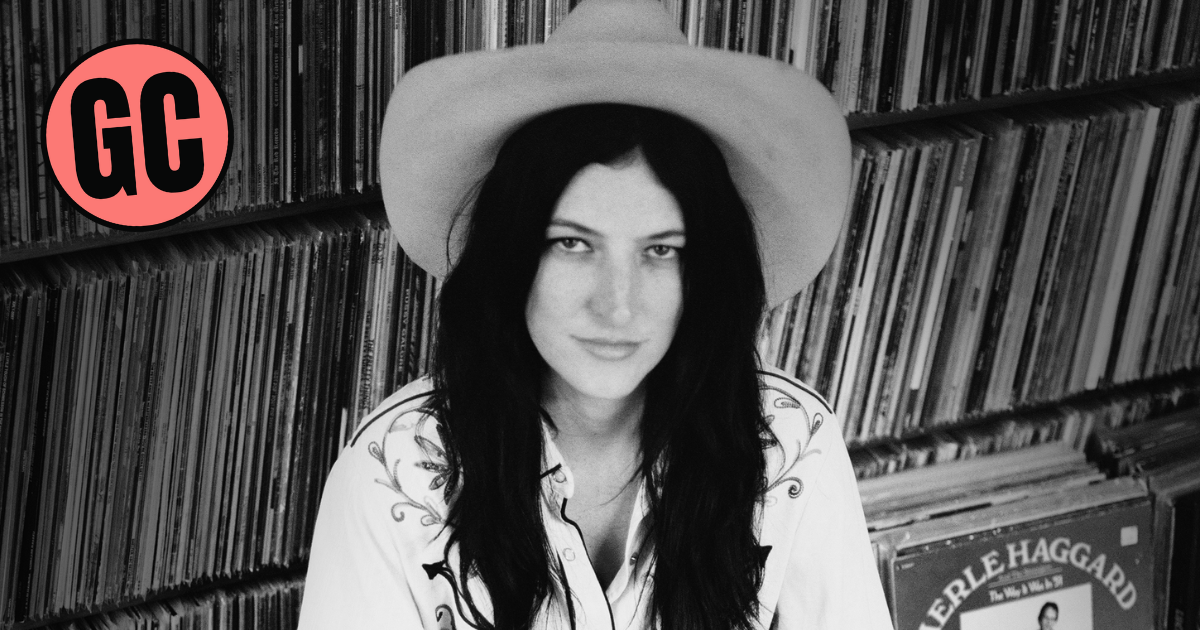
Influenced by Gram Parsons and other period icons, Northern California-born-and-raised singer-songwriter Haylie Davis is a shining star of this current Laurel Canyon wave. Her debut album Wandering Star – released June 5 on Fire Records – situates her well in the cosmic American music pantheon.

Davis has circled the Los Angeles music scene for a spell with previous musical incarnations being as one-half of country duo Will & Haylie (with Will Worden); the folksy Lady Apple Tree; and under her given name, Haylie Hostetter, contributing vocals to projects of her Canyon-rock peers. Davis descends from the sonic lineage of Jackie DeShannon, whose trailblazing 1968 Laurel Canyon presaged Ladies of the Canyon. Her other key foremothers are Mary McCaslin (Mary Noel Singing Bear, Kiowa Apache) – who got her start at the Troubadour Monday Hoot Night in the late ’60s, often plying imagery of old-timey California and the Wild West – as well as Wendy Waldman, who wrote incisive songs about the tangled love affairs of hip LA.

Davis’s pellucid soprano ascends to the stratosphere, displaying that she has the voice, sounds, and image of a singer-songwriter transported to an LA canyon of yore (she did live in Topanga) – and of a singer-songwriter that could be a big star in 2026. Indeed, Wandering Star, showing a young woman artist with mythopoeic songs with quiet thunder and heartfelt illumination, could be enshrined as Carole King’s Tapestry for a younger generation.

What was your musical upbringing like in Northern California?

Haylie Davis: I was fortunate. My high school had a really good music program, so I was able to take vocal ensemble. But guitar, I would say to this day, I’m not the best at guitar. I mostly just write with guitar. I picked guitar up when I was 16 and have since just been kind of figuring it out.

Do you figure out your songs by ear or do you read music from that teaching?

I don’t know how to read music. I don’t know, honestly, much about music theory. I’d say it’s mostly just by ear. I’ve tried to learn more in-depth about theory, but I feel like my brain has a hard time understanding it. It’s still kind of mysterious. I feel like I learned singing best from just mimicking and singing along to songs consistently.

So, how did the songs from Wandering Star flow to you?

I think it’s just kind of a sequel or it’s just a continuation of my first project, which was Lady Apple Tree. I have one album out under that name, and that album was very much a naive, youthful take on music, just kind of starting out. And I think that Wandering Star is kind of a progression of that into something a little bit more mature, a reflection of more time spent in Los Angeles, the people I’ve associated with, and just a little bit more of a growth, you know? I didn’t sit down and just write the whole album as is; I think songs just kind of trickle in as time goes on. And so those were just my favorites from that passage of time.

What was your approach to producing as you did on the new album? How did you find the studio that you used for it?

So, most of the songs were recorded at my friend’s studio named Ian Doerr. He’s not at the same place anymore, but at the time he was in Highland Park in Los Angeles and he has an all-analog studio called Love Magnet.

And I partnered up with Sam Burton, who was my partner at the time as well, and I would say he was probably one of the biggest influences on the sound. He was kind of like my confidant, someone I’d always be asking for his input and advice and his guidance. He’d been in the music industry longer than I had at that point so he had a lot more insight. I just thought that he has a very, very good ear for production, and I think he’s really good at nailing what a song needs. I call it a partnership just because I feel like he took the lead on most of it, but I also have a very specific way that I want things to sound, certain instruments I want on certain things, and certain drum beats, so I participated in that as well.

How do you command your stage?

I feel like that’s definitely been developed over the years, and it depends on if I’m by myself or with band. I was opening for this band called Nude Party, and they were, at the time, a six-piece or seven-piece band of all dudes. And they were kind of rowdy, you know? I showed up by myself. At first, it was kind of hard wrangling a crowd of people who were there to see a full band just playing by myself. I feel like I was almost catering toward them, trying to win their attention over, and it was hard. I was struggling. And then by maybe the third or fourth show, I remember just being like I don’t care. I’m over this. I’m just gonna go up there and play the songs for me and feel them as deeply as I can. And that show literally just switched the energy; people were receptive.

I learned a lot through that experience. I think I learned that it was about communicating the songs as best as you can. You have to go up there and be strong and be unapologetic.

What is the story behind my favorite of the album’s songs which is “Country Boy?”

I actually wrote that song a long time ago, when I was playing with the first band I toured with which was Sylvie and we were all playing together. And I just came up with this melody, chord progression, and words, and I didn’t do anything with it for maybe two, three years, at all. Then, all of a sudden, the rest of the song kind of came together when I was living in Altadena. I feel like most of the people and men I’ve interacted with in the music scene and just in Los Angeles have been transplants from the Midwest or the South and trying to make it in California.

On the topic of California, how do you feel about previous reviews linking you to the Laurel Canyon scene lineage? Do you identify with any of the artists from that history?

Identify is a strong word. I definitely listen, and I feel like they’re all very much close to my heart, you know, I listen to them quite a bit, and I feel like they’re very formative in my music and also how my life progressed. Linda Ronstadt, and Neil Young, and Joni Mitchell, those figures I feel like musically were very inspiring to me. So, I don’t mind comparisons; I get it. Obviously, my goal is to not replicate but make something of my own.

I saw that you’re a fan of Gram Parsons. Do you have any specific influence from him?

Oh yeah, most definitely! I love him. He’s probably one of my top artists as well. I just think that song “Hickory Wind” is maybe my favorite song. Every time I hear that song, I’m just blown away. He’s huge for me; I’m very inspired by him. I was lucky enough to stay at the hotel room that he passed away in, in Joshua Tree, for a couple nights on New Year’s 2026 – which was really special.

I really think Wandering Star could be an equivalent of Tapestry for your generation. I don’t know if you relate to that statement or not?

Thank you! Oh, wow!

Love. Well, it’s hard. I feel like it’s hard to be completely self-aware of […] it’s hard to see yourself how others see you, you know? I’m just like me, and I’m just out here trying to make it, trying to survive. But I appreciate that; it means a lot. Because it takes a lot of work. I like Carole King as well. But I will say, it’s interesting because I do think that there’s been a kind of exodus out of LA at the moment. I’ve moved to Brooklyn.

Since you’ve moved across Turtle Island do you think the “California Dream” is dead for artists?

I think that there are energy hubs, like New York, LA, certain places that I don’t think it’ll ever fully go away. But I do think that there are seasons for places in cities. And I think that, at least for this specific niche that I’m a part of, I think that it’s a little bit in a low season over in LA. I think that it’s swinging over to New York right now.

Speaking of California dreamin’, I heard that you made pictures previously with my friend the photographer Henry Diltz. Do you think what he shot is like the ones that he did for various legends?

I actually took those a few years back. I was dating this guy named Will Worden who plays music. He lives in LA and I don’t know how he got Henry Diltz’s info, but he did. [Henry] came by and just shot us and it was really, really cool. Like, obviously, he’s a legend. I haven’t really posted any of those photos, so maybe I’ll look back and check them out.

Are there some albums that you find you listen to in emotional times that help you through?

There’s some things I always go back to, but right now, I haven’t really been listening to Joni Mitchell that much. I feel like she’s someone that I can listen to at any time. Right now, I am going through a breakup, and it’s crazy, but I’m surprised by the music that I’ve been listening to… I’ve been really into the first Gipsy Kings album – the second song on that record, it just really hits. I’ve been really feeling it. I love Elliott Smith; I’ve been listening to him.

Oh, I’ve been listening to Anita Ward lately, too. She does “Ring My Bell.” You know that song? And she also has a song called “Spoiled By Your Love” that has been on repeat.

What else about Wandering Star do you want known?

One of the reasons why it feels special to me is because of the people who were working on it, just like how much dedication they shared and it means so much. Just a lot of care from people who didn’t have to do that, but they did. It’s like a nice pin in all of our timelines. It’s coming to a point where we’re all kind of moving in different directions in a lot of ways. And I’m happy to have this shared moment.

I’m just grateful for everybody who participated because honestly it couldn’t have happened especially as I was broke. I didn’t have any money to really do it, and everyone just kind of showed up and was there for it. That doesn’t always happen. You don’t always have people around like that, so I really, really appreciate them for that.


Photo Credit: Sarah Ward
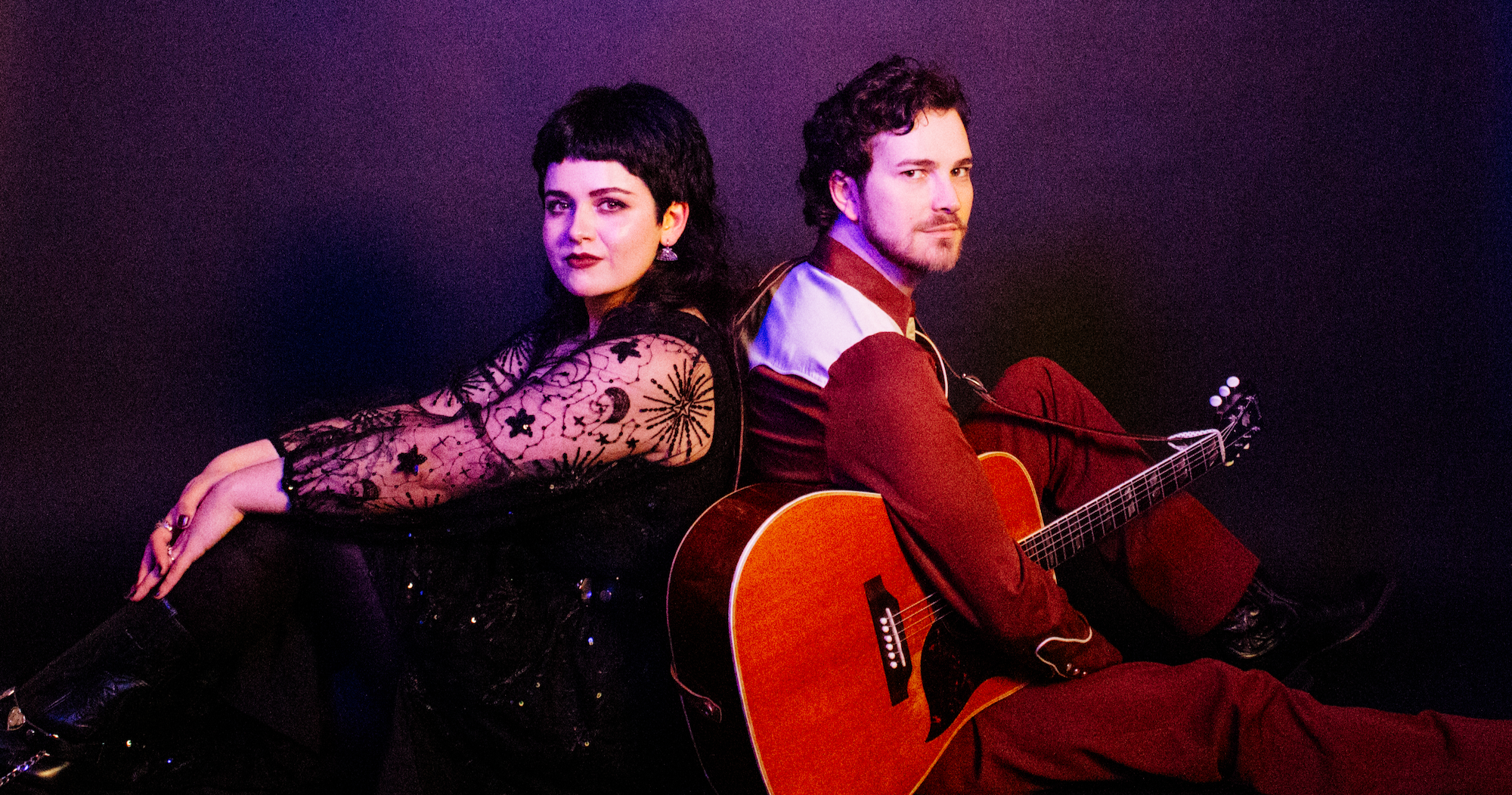
BGS 5+5: The Prickly Pair

Artist: The Prickly Pair
Hometown: Santa Monica, California (Mason Summit), Berwyn, Pennsylvania (Irene Greene). Now Nashville, Tennessee
Latest Album: The Prickly Pair (EP)
Personal Nicknames (or rejected band names): Sharktooth Necklace

What’s your favorite memory from being on stage?

Last year, we were honored to take part in a tribute to one of our songwriting heroes, Gene Clark, produced by Carla Olson at McCabe’s Guitar Shop, where Mason used to work. It was thrilling to perform alongside Gene’s family and collaborators.

What other art forms – literature, film, dance, painting, etc. – inform your music?

We watch a lot of movies together – foreign films, ’40s and ’50s film noir, and horror. Often, we’ll be watching a movie and when a phrase or line of dialogue stands out to us, we turn to each other at the same time and say, “Write that down!”

We’ve also written songs based on true stories and real people. Our song “Wilderness” was partially inspired by Chris McCandless (Into the Wild) and our latest single, “Swamp Angel,” is about Helen Spence, also known as the Daughter of the White River.

Genre is dead (long live genre!), but how would you describe the genres and styles your music inhabits?

We like to call ourselves an “Angsty Americana” duo – twangy music with a dose of melancholy and fatalism. We also love the recently-popularized term “Y’allternative,” as Mason’s production on our records tends to have some lo-fi and psychedelic elements alongside more traditional country instrumentation. Gram Parsons conceptualized “Cosmic American Music” and that phrase resonates with us as well.

What is a genre, album, artist, musician, or song that you adore that would surprise people?

We love Amyl & the Sniffers and saw them put on a phenomenal show at Marathon Music Works in Nashville earlier this year.

What would a perfect day as an artist and creator look like to you?

It’s a great feeling to finish a song and perform it the very same night.


Photo Credit: Bridey Caramagno

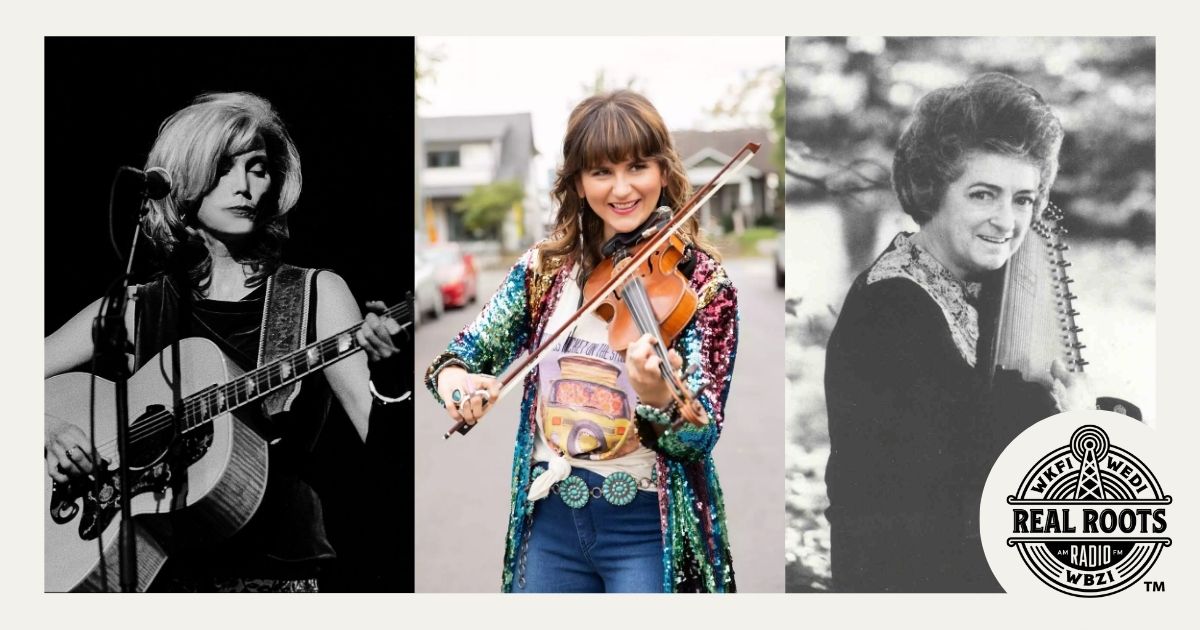
Celebrating Women’s History Month: Emmylou Harris, Mother Maybelle, and More

Our partnership with our friends at Real Roots Radio in Southwestern Ohio continues as we celebrate Women’s History Month. We’re proud to bring you weekly collections of a variety of powerful women in bluegrass, country, Americana, folk, and elsewhere who have been featured on Real Roots Radio’s airwaves each weekday in March, highlighting the outsized impact women have on American roots music. You can listen to Real Roots Radio online 24/7 or via their FREE app for smartphones or tablets. If you’re based in Ohio, tune in via 100.3 (Xenia, Dayton, Springfield), 106.7 (Wilmington), or 105.5 (Eaton).

American roots music, historically and currently, has often been regarded as a male-dominated space. It’s certainly true of the music industry in general and these more down-home musics are no exception. Thankfully, American roots music and its many offshoots, branches, and associated folkways include hundreds and thousands of women who have greatly impacted these art forms, altering the courses of roots music history. Some are relatively unknown – or under-appreciated or undersung – and others are global phenomena or household names.

Over the last few weeks, radio host Daniel Mullins, who together with BGS and Good Country staff has curated the series, has brought you just a few examples of women in roots music from all levels of notoriety and stature. Week one featured Dottie West, Gail Davies, and more. Week two shone a spotlight on Big Mama Thornton, Crystal Gayle, Rose Maddox, and more. This week, we’ll pay tribute to Emmylou Harris, Wild Rose, Goldie Hill, Jenee Fleenor, and Mother Maybelle Carter. We’ll return next week for the final installment of the series – with even more examples of women who blazed a trail in roots music.

Plus, you can find two playlists below – one centered on bluegrass, the other on country – with dozens of songs from countless women artists, performers, songwriters, and instrumentalists who effortlessly demonstrate how none of these roots genres would exist without women.

Emmylou Harris (b. 1947)

Let’s spotlight a true legend of American music: Emmylou Harris. Born on April 2, 1947, in Birmingham, Alabama, Emmylou Harris grew up in a military family, moving frequently across the South. A straight-A student and class valedictorian, she initially pursued drama at the University of North Carolina. However, her passion for music led her to the vibrant folk scene of Greenwich Village in the late 1960s.

Her big break came when she collaborated with Gram Parsons, contributing to the birth of country rock as a genre. After Parsons’ untimely death, Harris embarked on a solo career, releasing her acclaimed album Pieces of the Sky in 1975. Over the next four decades, Harris became a musical chameleon, effortlessly blending folk, country, and rock. Her collaborations read like a who’s-who of music legends, including Rodney Crowell, Mark Knopfler, Ricky Skaggs, and as one third of “Trio” alongside Dolly Parton and Linda Ronstadt.

In 1992, Harris recorded an acoustic album at the Mother Church of Country Music. The historic building had been practically abandoned and nearly condemned, but the success of Emmylou’s live project At The Ryman is largely viewed as responsible for saving the historic landmark. Her 1995 album, Wrecking Ball, is also significant for Emmylou, as she leaned into more of an alt-country space, creating a landmark record for what is now referred to as Americana.

With over 25 albums and 14 GRAMMY Awards to her name, Emmylou Harris was inducted into the Country Music Hall of Fame in 2008 and received a GRAMMY Lifetime Achievement Award in 2018, cementing her legacy as one of the most influential artists in contemporary music. ​Her distinctive voice and heartfelt songwriting continue to inspire artists and captivate audiences worldwide. Whether revisiting traditional tunes or exploring new sonic landscapes, Emmylou Harris remains a beacon of authenticity and artistry in the music world.​

Suggested Listening:
Roses In The Snow
Guitar Town” [Live At the Ryman]
All My Tears

Wild Rose (active 1988 – 1991)

A groundbreaking band in country history, do you remember Wild Rose? Founded by several veteran musicians in 1988, Wild Rose proved that a band with girl power can bring some serious fire power, too.

The group featured Pam Gadd (banjo/guitar) and Pam Perry (mandolin), who had cut their teeth in bluegrass as members of the New Coon Creek Girls, plus Wanda Vick (guitar/fiddle) and Nancy Given (drums) who had worked on the road with Porter Wagoner, and Kathy Mac (bass). Originally known as Miss Behavin’, they would change their name to Wild Rose. Combining country-rock, bluegrass, and more, they were full of energy and sass.

The title track of their debut album, Breaking New Ground, was written by Carl Jackson and Jerry Salley and would be a Top 15 Country Hit in 1989 (and a kickin’ music video as well). Their first album would also include the Top 40 Texas-flavored follow-up single “Go Down Swingin’” and the GRAMMY-nominated instrumental track, “Wild Rose.” With their tight harmonies and hot pickin’, Wild Rose was nominated for Top New Vocal Group or Duet at the 1990 ACM Awards. Their lively stage presence would earn them television appearances on Hee Haw, Nashville Now, and more. The band would release two more albums, Straight and Narrow and Listen to Your Heart, before disbanding in 1991. Many of the gals would continue to work in traditional music as session musicians, songwriters, and more. Although their time together was short-lived, their country-grass sound made waves and made history during country’s new traditionalist era.

Suggested Listening:
If Hearts Could Talk
Go Down Swingin’
Wild Rose

Goldie Hill (1933 – 2005)

Goldie Hill is one of country’s unsung legends. Born in 1933, Goldie was a trailblazer and a shining star in the early days of Nashville. She wasn’t just a pretty face–she was a powerhouse vocalist with a heart full of soul.

Goldie’s breakout hit, “I Let the Stars Get in My Eyes,” soared to the top of the charts in 1953. It was an answer song to “Don’t Let the Stars Get in Your Eyes,” so popular in 1952 that Perry Como, Sketch McDonald, and Ray Price all had separate hit renditions. “I Let the Stars Get in My Eyes” made her only the second female country artist to have a Number One hit song.

Goldie Hill would entertain audiences on radio airwaves through the Grand Ole Opry and the Louisiana Hayride and on television screens through the Ozark Jubilee. With a voice that blended sweetness and grit, she became a favorite of fans and fellow musicians alike. She would go on to have several hit duet recordings with Red Sovine and Justin Tubb. She married fellow country star Carl Smith in the late ’50s, releasing some albums under the name Goldie Hill Smith in the ’60s. Goldie largely retired from the music business by the end of that decade. She and Carl Smith were married for 47 years before Goldie’s passing in 2005. Along with her peers such as Kitty Wells and Jean Shepard, Goldie Hill helped open doors for women in country.

Suggested Listening:
Looking Back To See” with Justin Tubb
Blue Lonely Winter

Jenee Fleenor

When you think of today’s great country fiddlers, one name has to be a part of the conversation – Jenee Fleenor! Born and raised in Arkansas, Jenee picked up the fiddle as a kid after she heard Bob Wills’ “Faded Love” and never looked back. She dropped out of college when she landed her first professional gig playing bluegrass music with Larry Cordle & Lonesome Standard Time.

Since then, she has toured with some of the biggest names in country, including Blake Shelton, Terri Clark, Martina McBride, and George Strait, while also doing session work in Nashville, playing fiddle, mandolin, and guitar on all sorts of hit records – such as Jon Pardi’s fiddle-laden “Heartache Medication.” She’s the first-ever female to be named a CMA Musician of the Year – taking home the honors a whopping four years in a row.

Not only is Fleenor a top-tier musician, but she’s also a talented songwriter, penning hits for artists like Miranda Lambert, Blake Shelton, Darin & Brooke Aldridge, Del McCoury, Adam McIntosh, Rebecca Lynn Howard, Kathy Mattea, and more. Recently, she helped form the hit bluegrass and roots band, Wood Box Heroes, where she lends her talents as a picker, songwriter, and vocalist — a true triple threat! Her skills are shaping the sound of modern country and roots music.

Suggested Listening:
This Train” with Wood Box Heroes
Fiddle and Steel

Mother Maybelle Carter (1909 – 1978)

Referred to as the “Mother of Country Music,” there was only one Maybelle Carter. Born in 1909 in the hills of Virginia, Maybelle Carter didn’t just play the guitar – she changed the way it was played. With her signature “Carter Scratch,” she made the guitar a lead instrument, blending melody and rhythm like nobody had before.

Maybelle, Sara, and A.P. Carter formed the original Carter Family. Maybelle was eight months pregnant in August 1927 when the trio made the trek to Bristol, Tennessee/Virginia, to audition for RCA Victor’s Ralph Peer, part of what we now refer to as the “Big Bang of Country Music.” Peer immediately knew the Carter Family were stars.

The Carter Family’s music captured the heart of America – from “Keep on the Sunny Side” to “Wildwood Flower.” Epitomizing the “Sunday morning” aspect of country’s Saturday night/Sunday morning dichotomy, their songs of hearth and home told stories of love, loss, and life in the Appalachian mountains and became part of the bedrock of country, folk, and even rock and roll.

After Maybelle’s cousin Sara Carter divorced A.P. Carter, the original Carter Family went their separate ways by 1944, with Maybelle taking on a matriarchal role – literally! With her daughters Anita, June, and Helen, “The Carter Sisters and Mother Maybelle” began making waves on radio throughout the southeast, even hiring a young guitarist by the name of Chet Atkins as a part of their show in 1949 and bringing him with them to Nashville when they were made members of the Grand Ole Opry in 1950.

By the latter half of the 20th century, Mother Maybelle was a revered figure in American roots music. She would be a special guest of Flatt & Scruggs on their 1961 salute to the Carter Family. Maybelle and her daughters would frequently tour and collaborate with her future son-in-law Johnny Cash, and would find an enthusiastic new generation of fans thanks to the Folk Revival. In 1972, she would appear alongside other musical pioneers as featured guests on the Nitty Gritty Dirt Band’s platinum-selling Will the Circle Be Unbroken, shortly before her passing in 1978. Mother Maybelle’s influence still echoes today in every twang, every strum, and every song that dares to tell a story.

Suggested Listening:
Keep On The Sunny Side” the Carter Family with Johnny Cash
The Storms Are On The Ocean” with Flatt & Scruggs
Will The Circle Be Unbroken” with the Nitty Gritty Dirt Band


Photo Credit: Emmylou Harris by Paul Natkin/Getty Images; Jenee Fleenor by Katie Kauss; Mother Maybelle Carter via the Southern Folklife Collection at UNC.

GC 5+5: Emily Rose & the Rounders

Artist: Emily Rose & the Rounders
Hometown: Los Angeles, California
Latest Release: “Too Much Too” (single)
Personal Nicknames (or rejected band names): Steve from Pink Mountaintops/Black Mountain calls me E.R., which I like. He’s the only person who calls me that.

Which artist has influenced you the most and how?

I think probably Gram Parsons has been my biggest influence. When I was first learning to sing and play guitar, I would pretty much just play his songs. The earliest incarnation of what would sort of morph into the Rounders was actually a Gram Parsons cover band called the Kickers, where I sang and played drums. Then I started to sort of want to try to write my own material.

[Gram was] an LA guy, his voice is so sweet and sad and his songs are just heartbreaking. I also used to have these wild dreams when I was like 18 or so, where he and I would be driving around in a car, talking. They were recurring and it was very sweet. I’ve just always adored him.

What’s your favorite memory from being on stage?

Definitely playing and singing with Willie Nelson at Austin City Limits. Can’t really top that.

What’s the most difficult creative transformation you’ve ever undertaken?

When I left Ty [Segall’s] band, I really didn’t know what I was doing. I had been playing drums with him since I was 20 years old and I found myself at 27 with a repetitive injury that was making it so that I couldn’t really play drums anymore like I used to. It really messed with me psychologically on the last few Ty and Mikal Cronin tours and I started having stage fright, too, which I had never had before.

Since the crowds were getting bigger than ever, the judgment on my abilities was getting more fierce and I was taking it to heart in a very serious way. I don’t pay much attention to reviews or trolls online anymore, but at the time I really would and all of this was compounding in this really difficult way. I was sort of unsure if I would ever make music again or want to be in the public eye in any way.

Eventually, I sort of just committed to trying to do what I had wanted to do all along, but never had the guts to – which was writing and singing and making country music. Thankfully, I had some encouraging friends and a friend in particular who sat with me many nights a week, teaching me guitar. We’d harmonize together and stuff, and play almost-secret shows out of town and around LA until we had a fully realized thing going on. It was one of the scariest pivots I’ve ever made, but it really changed my life to sort of take the reins and figure out how to express myself musically again and to have fun doing it again. Country music is so cathartic, too, so it was really freeing to share a lot of the growing pains and to turn it into something really positive and productive.

If you didn’t work in music, what would you do instead?

I think I’d want to do something with dogs – maybe I’d be a vet or something or work for a dog rescue? I’m a big dog fan.

I also got certified as a domestic violence and sexual assault advocate over lockdown and volunteer for a non-profit that helps try to arrange housing, healthcare, legal services, etc., for those who need it. That’s something I’d like to be more involved with as well.

If you were a color, what shade would you be – and why?

I think black would be a natural answer, since I basically almost exclusively wear black. But actually, I’ve always thought and been told that my aura was blue!


Photo Credit: Sheva Kafai

MIXTAPE: Daniel Donato’s Cosmic Country

It is a tale as old as time itself. As above so below. Yin and Yang. The explored and the unexplored. The hero’s journey, any and all of them, are exposed to the eternally enduring dance of chaos and order. We must leave the garden, enter into the forest to find the gold, kill the dragon, and return back to where we began, returning back more harmonized, realized, and higher frequency than we began.

Musically, Cosmic Country takes this pattern and uses it as its sole fuel for the soul and all of its musical fruits. Cosmic Country is an approach that uses simplicity, complexity, and truth to tell stories of life that bring beauty and goodness into reality. This 9-track mixtape I have assembled for your enjoyment and exploration today covers some ground of the far-flung lands of music that is Cosmic Country, where the high frequencies fall like rain and blossom like lilies in the fields that never end nor never began. Let’s get Cosmic. – Daniel Donato

“Honky Tonk Night Time Man” – Merle Haggard

This is a country song. But just like any country, there is more nuance to be discovered and brought to light than meets the eye. This is an archetypal honky-tonk song. A few of these will be on here. Honky-tonk songs cover truthful states of life that apply to all of our brothers and sisters sojourning in space and time together down on this chaotic planet. This song talks about relief from the grind and finally getting around to what is right for the soul when quittin’ time comes around.

“Doggone Cowboy” – Marty Robbins

This is also a country song, but it is also more nuanced than that. This is a cowboy song. The cowboy is one of the great American archetypes. The cowboy embraces a life of service, hard work, endurance, adventure, and most enduringly, faith. It takes faith to stay patient and persistent in pursuing your work through realms of chaos that you must travel through and come out on the other side stronger than you did prior. Marty had a way of personifying sorrow, acceptance, reflection, and hope in his delivery of these transcendant, simple lyrics.

“Mystery Train” – Jerry Reed

It can’t be fully Cosmic Country unless it moves you. Internally, songs move us, but sometimes the pocket and groove move us externally, which is a brilliant expression of personality. What I love about this song is that Jerry Reed always had a vision in his mind that could create a groove for people to dance to and for players to have fun-expression in. Everyone knows “Mystery Train,” but this version can make any club, honky tonk, theatre, or arena dance and move all together. Bonus points for a train song. Everyone loves a train song.

“Everybody’s Talkin’” – Harry Nilsson

The bottomline is that we are on our own trip. It is an individual experience of life, personality, and dynamics that only you experience. No one will ever live your life for you or as you. Songs that find promise and truthful reflection on the truly individualized nature of existence are my favorite. The movie Midnight Cowboy turned me onto this song when I was 16. I’ve never wished I had written another song as much as this American classic.

“I Can’t Help It (If I’m Still In Love With You)” – Hank Williams

The Shakespeare of country music. The man who was able to take the power of the word – through a Western lens of faith, hardship, and hard living – and deliver to us some of the most truthful and beautiful songs composed of themes ranging from love, loss, religious experience, jail time, honky tonkin’, and the universe. This song specifically has a brilliant form to it, just one verse and two B sections, coupled with that classic lap steel signature sound from Don Helms.

“Waiting for a Train” – Jimmie Rodgers

Any storyteller of American songs, country songs, any songs based in truth and experience, must tip their “Slouch Hat” to Jimmie Rodgers in one way or another. A lot of everything country begins with the songbook of Jimmie Rodgers. This song is just a fantastic story through and through. The lyrical furniture, the sophisticated use of actual terms of water tanks, brakemen, boxcar doors, all bring the listener into the simulated reality that this song conjures.

“Long Black Veil” – Lefty Frizzell

Murder songs are a necessity. The reaper takes his toll, and with that, law and order speak their truth. One of the brilliant elements of this song is that the perspective is from the deceased character. That is innately Cosmic, especially given the window of time this song was released. Lefty was one of Merle’s favorite vocalists, and was the band leader with which Roy Nichols and Merle Haggard first played together when Merle was 16.

“You Ain’t Goin’ Nowhere” – The Byrds

Even though Bob Dylan penned this one on the side of the road, in the rain, waiting for a motorcycle fix, The Byrds – with Gram Parsons and Clarence White – deliver to us one of the most archetypal Cosmic Country recordings there will ever be. The instrumentation, the vocal melody, and harmonies on this song alone explain this sentiment, but the lyrical detail is another universe worth noting with great reverence. The olden language of the great folk songs of America inform the meter and colloquialisms in this song, giving it an ability to exist in the past through its roots, the present through its great orchestration and arrangement, and the future through its seeds of truth, beauty, and goodness – the only values in any creation that endow it to persist through the fleeting episodes of space and time.

“Truck Drivin’ Man” – Buck Owens

If I left out truck driving songs, then everybody from my time at Robert’s Western World would be ashamed of me. The truck driver is a minister of the highways, the great vehicle of true exploration and discovery. The eternal, long white line drags on and on, and the road songs of her fruits just keep coming, but some of the great ones came from Capitol Records in L.A. in the early ’60s.

An element of Cosmic Country that this song relates to is the overall “sound.” What is “the sound?” It is ultimately unqualifiable – it cannot be fully explained or qualified by words – especially when The Sound is doing what it can be doing in potential, which is rendering feelings that hit deeper than words can describe. With the Transcendant Twang of Don Rich’s Telecaster, the immensely clean and powerfully compressed sound of Mickey Cantu’s snare drum, along with that Tic-Tac Fender Bass playing, Buck Owen’s vocal and story rests upon a divinely simple and reverberated landscape of country gold. If there ever was a record that “sounds” like a country song, this one certainly qualifies.


Photo Credit: Jason Stoltzfus

BGS 5+5: Whitehorse

Artist: Whitehorse (Luke Doucet and Melissa McClelland)
Hometown: Toronto, although the band was conceived while we were living in Hamilton, Ontario — and we’re temporarily living in Winnipeg, Manitoba, for a year. I know… simple question; complicated answer.
Latest Album: I’m Not Crying, You’re Crying (out January 13, 2023)
Rejected Band Names: Yellowknife (also a city in the north of Canada)

Which artist has influenced you the most … and how?

Our band and this record in particular (I’m Not Crying, You’re Crying) was really informed and inspired by our long love affair with Gram Parsons and Emmylou Harris, which began in earnest when we were living in Nashville over a decade ago. We’ve made lots of detours into different corners of the Americana landscape since then, and now maybe for the first time, we’re tying ourselves back to that time and place. There’s a sort of Beauty and the Beast element to Gram and Emmylou that we have always related to — or sought solace in. His vulnerable warble and her impossible majesty bring the songs to life in a way that is hard to define but there’s something beautiful in that juxtaposition. We’ve gleaned a lot from them over the years.

What rituals do you have, either in the studio or before a show?

We have a fairly simple pre-show ritual and that is: one drink; no more, no less. There’s a sweet spot where you’re just loose enough to get lost in the songs and make brave choices but not so loose your playing stinks. And yeah, maybe bring one on stage with you…

Which elements of nature do you spend the most time with and how do those impact your work?

We are spending a year living in Winnipeg, Manitoba, or “Winter-Peg, Man-it’s-cold-out” where as I write, the temperature is a frosty -20°C. We are a walking family — we don’t own a car — so we all have excellent winter parkas and boots to trundle across the frozen prairie city. Manitoba is also a sun bathed province so a blanket of snow and a vast bright blue prairie sky can make for a rare kind of beauty and mystery. We find ourselves leaning on that big sky ambience in the production choices we employ in the studio. Reverb-drenched guitars, midtempos and big spaces are all tributes to the Canadian winter. You hear them in records by Joni Mitchell, Neil Young, Blue Rodeo, k.d. lang, Colter Wall and The Sadies, too. Coincidence? Dunno.

What has been the best advice you’ve received in your career so far?

The best career advice actually came from a running coach on the eve of my (Luke’s) 2013 Boston Marathon race: “The hay is in the barn” is what my coach Tanya Jones offered me when I called her in a panic over my impending pre-race insomnia. She reminded me that the work had been done, the miles had been logged, and that the difference between success and failure would come down to training and hard work — which I had done. Add a dollop of adrenaline and a sleepless night won’t matter, since “the hay is in the barn,” i.e., the harvest had been collected. She was right (2:55:11, meaning I finished my race a full hour before the horrifying detonation of the two bombs that marred the event that year) and that advice has helped me (and us) ever since.

If you had to write a mission statement for your career, what would it be?

Follow the muse wherever she wanders, know that this game is a long one, spend more time on the finer points than you think you need to, assume your fans to be smarter than you and never forget that if you’re lucky, the very act of playing the show is tantamount to stopping to smell the roses.


Photo Credit: Lyle Bell

MIXTAPE: Kitchen Dwellers & Daniel Donato’s Cosmic Cattle Drive

Back when cowboys were king, ranchers used to have to make regular pilgrimages across long, winding trails to sell their cattle at stockyards and make their living. One such trail, known as the “Goodnight-Loving Trail,” extended all the way from central Texas to Cheyenne, Wyoming, and has been immortalized many times over in movies and songs. The journey involved with moving these cattle countless miles on horseback was known as a cattle drive. This fall we’ll be hitting the road on the Kitchen Dwellers and Daniel Donato tour, and we’d like to think of it as a bit of our own “Cosmic Cattle Drive.” We hope you enjoy and hope to see you out on the road this fall.

Selections 1-6: Torrin Daniels, Kitchen Dwellers
Selections 7-12: Daniel Donato

Colter Wall – “Cowpoke”

One of the oldest and most famous cowboy songs to date, this one tells the story of the life of a ‘cowpoke.’ Colter Wall did a damn fine version here, with each country-western instrument beautifully represented — but what really sells it is the ‘cattle call’ in the chorus.

Daniel Donato – “Justice”

This tune was my introduction to Daniel’s music, way back in the spring of 2020. Nothing screams western psychedelia quite like that opening guitar riff, and right off the bat it shows that these boys are masters of their realm in a place of no space and time. Plus the chorus got that Gangstarr reference.

Gram Parsons – “Return of the Grievous Angel”

Gram Parsons is the father of country-rock and maybe the first person to coin the term “cosmic country.” With references to “truckers, kickers, and cowboy angels” and “lighting out for some desert town” — as far as road songs go, this one’s got it all.

King Gizzard and The Lizard Wizard – “Billabong Valley”

“Outlaws on the run, faster than a stolen gun.” KGLW are gurus of many things across the musical spectrum, but above all, they have mastered the dark art of “evil guitar.” That same style of gained up, tremolo-drenched guitar which can be heard across the soundtracks of countless western movies.

Billy Strings – “Heartbeat of America”

As a musician on any road trip, it’s an inevitable fact that you’re eventually gonna start listening to your buddies’ music. Billy and the boys really knocked it outta the park with this one, with instrumental sections that are both bluegrass-laden and psychedelic in nature. We can only hope that once we embark on our journey, we may begin to hear the heartbeat of America out there on the road.

Chris LeDoux – “Horses and Cattle”

Chris Ledoux was sort of a family friend of ours growing up. I was going to his shows long before I was old enough to realize the legend that he was. I honestly don’t know of any other country musicians that can hold both a Grammy nomination AND a Pro-Rodeo Bareback World Championship as accolades. The guy was as western as it gets, and so is his music.

Kitchen Dwellers – “Guilty”

This song is a prime example of how music can be a harmony of light and dark, hard and soft, and reflective and joyful. Emotional content not considered, the arrangement and musicianship The Dwellers play with is inspiring and transcendent.

Jimmy Wakely – “Moon Over Montana”

This song is a transportation device into a Tarantino movie taking place in a spacious and vast unknown Big Sky prairie where the search for the light through the darkness of troubles and sorrow every hero finds on their journey is about to begin.

Waylon Jennings – “T For Texas”

There was a time when country was astonishing in its danger and sensibility of pocket and edge. This live track should satiate any live music experience fix of that special vibe that a listener should have, but in a musical context that is Honky Tonk and Twangy.

Marty Robbins – “Big Iron”

The story is the framework for dark and light, love and sorrow, and life and death. The story that creates the experience that is within this song is pungent and captivating. Also note the fantastic Grady Martin picking the nylon string guitar throughout the song and story.

Khruangbin – “So We Won’t Forget”

There are few things more magnetic than music being made live by a band that understands listening and arrangement, in a format that is easy to access and feel. This song captures a myriad of emotions that feel like nostalgia, joy, and vulnerability.

Little Feat – “New Delhi Freight Train”

Lowell George was a genius in capturing a feeling, and communicating it through his sensibility of arrangement, orchestration, and singing, with these lyrics written by Terry Allen. This song feels like an adventure, like something new is on the horizon, and for all of us, this is the case in this very moment.


Photos Provided by Big Hassle Media

‘Hard Luck Love Song’: It’s Americana Music, But as a Movie

Filmmaker Justin Corsbie’s Hard Luck Love Song is a caring homage to Americana music and specifically to the music and culture born in Corsbie’s hometown of Austin, Texas. The story is based on the famed Todd Snider song “Just Like Old Times” and uses a plethora of songs from many pillars of Americana and folk music. From Townes Van Zandt and Emmylou Harris to Gram Parsons and Daniel Johnston, Hard Luck Love Song sews Snider’s lyrics into the fabric of this timeless music, creating a truly authentic film that immerses the audience in the ethos of Americana.

Asked about music as inspiration, Corsbie says, “Good music creates such a visceral experience, and storytelling songs have always offered a great window into the less explored corners of American life. Todd’s song was a great jumping off point for this film because it set up an amazing vibe and introduced characters that I wanted to know more about. Todd has an uncanny ability to blend drama, humor, grit and wit, and I humbly tried to infuse this film with those ingredients through my lens as a filmmaker.”

As this debut feature has made its rounds at film festivals, piling up awards along the way, it has become clear that Hard Luck Love Song remains a passion project. This talented filmmaker has created a movie using stories, settings, and songs that are incredibly dear to his heart. The film arrived in theaters this month via Roadside Attractions. Check your local listings and see what the heart of Americana music looks like on the silver screen.


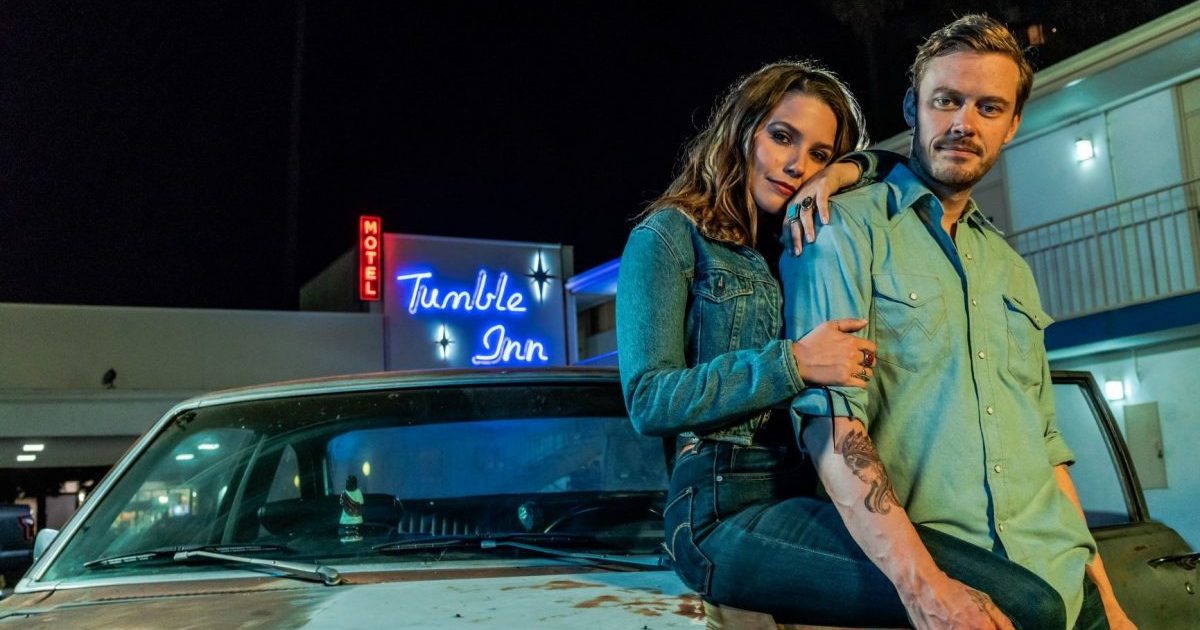
Lead photo: Sophia Bush and Michael Dorman in Hard Luck Love Song
Photo credit: Andrea Giacomini. Courtesy of Roadside Attractions

LISTEN: Shay Martin Lovette, “Parkway Bound”

Artist: Shay Martin Lovette
Hometown: Boone, North Carolina
Song: “Parkway Bound”
Album: Scatter & Gather
Release Date: May 14, 2021

In Their Words: “This song is a tip of the hat to the Blue Ridge Parkway that runs from Great Smoky Mountains National Park on the western edge of North Carolina near Cherokee, to Shenandoah National Park at Rockfish Gap. I consider myself lucky to live near the Blue Ridge Parkway in Boone, North Carolina, and find myself in constant awe of the landscape that this region offers. In ‘Parkway Bound,’ I wanted to capture the natural beauty of the Blue Ridge Mountains in the dead of winter. To me, the hiking trails and scenery in this area offer a means of escape from the confines of normal life and as I got further along in the writing process, I was drawn to the imagery of someone leaving their troubles behind and setting out for the Parkway as I have done so many times. The music could be said to be influenced more by great narrative writers like Norman Blake and Slaid Cleaves than your standard folkies, but there’s a little Townes Van Zandt and Gram Parsons in there.” — Shay Martin Lovette


Photo credit: Julianna Liegel

MIXTAPE: An Indigo Takeover by Spotify’s Laura Ohls

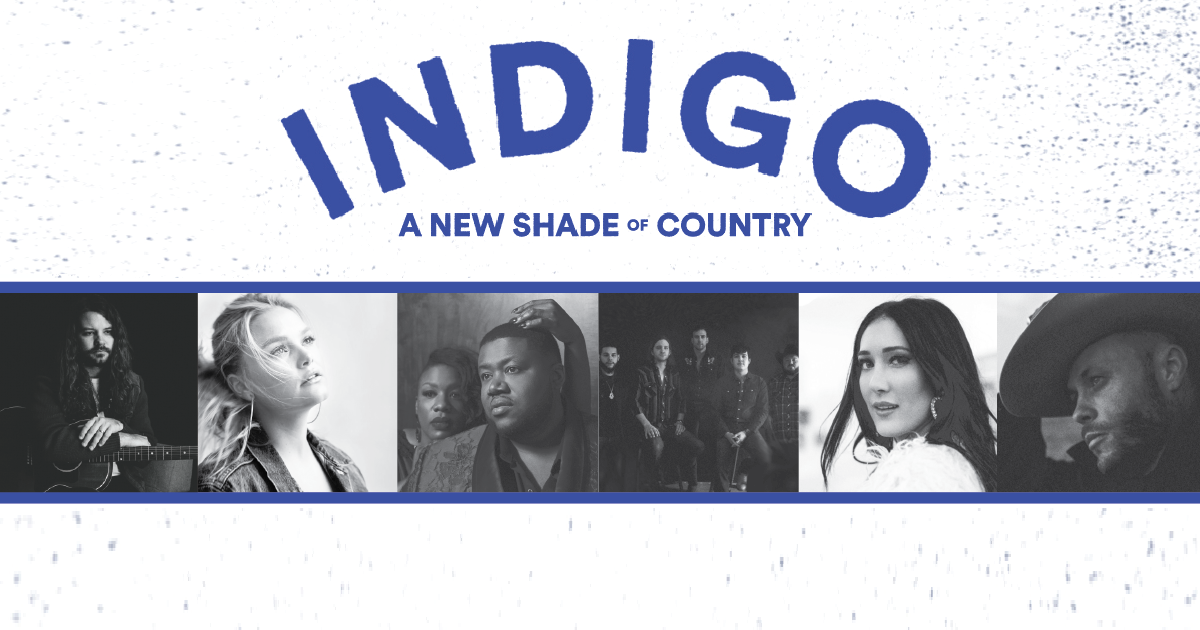
“Our Nashville-based team had been having ongoing conversations since early 2019 regarding just how diverse the taste of our country music audience was. It was clear to us that there were many modern songs in the genre, touching on Americana, rock, roots, and bluegrass, that had sonic and thematic throughlines. We were also seeing many of these artists on the road together (Marcus King Band joined Chris Stapleton, Yola toured with Kacey Musgraves), talking to each other on socials, echoing the strong community within the scene. With this in mind, the goal was to create a playlist brand that reflected these intersections and the audience appetite for a playlist of this nature. With the success of the playlist since its launch in March, Indigo has continued to be a priority for us, which is reflected by enthusiastic listening from users. We’re celebrating the playlist this month with a sizzle video, new video playlist formats, artist sharecards, billboards, and more, in hopes of bringing more fans aboard the Indigo train.” — Laura Ohls, Senior Editor, Folk & AAA, Spotify

 (Editor’s note: Listen to Laura Ohls’ Indigo Takeover Mixtape below.)

Zach Bryan – “Heading South”

Twenty-three years old and on active duty in the US Navy, Zach Bryan might not be what one would expect from a country act on the rise. The Oklahoma native’s self-released material from the fall of 2019 is gaining traction on Spotify, creating buzz throughout the Nashville music industry. At the time of its initial release he had no publicist, no manager, no team to speak of whatsoever, yet his live videos sparked the interest of an audience on social media — which ultimately led to the flood of activity on streaming we are seeing today. His biggest song to date, “Heading South,” has been included in our Indigo playlist since its launch in March and remains a consistent tentpole track. Though he hasn’t had the opportunity to tour as a result of deployments and the pandemic, expect crowds of fans when the time comes.

Caylee Hammack – “Small Town Hypocrite”

One of country’s most notable rising stars, Caylee’s powerful and vulnerable ballad proves how strongly personal songwriting still resonates in the genre. A vocal standout in the playlist, you’ll feel her heartbreak and strength throughout the song.

Flatland Cavalry – “War With My Mind”

While the song was not written during the pandemic and this time of quarantine, the Texas band’s newest song lyrics grapple with internal battles we all face due to lack of stability, isolation, or just general disruption, which certainly resonates with listeners today.

Brent Cobb – “Keep ‘Em on They Toes”

A real toe-tapper, this track encourages the listener to follow your own path versus one that has perhaps been laid out for you. The song also suggests taking higher ground when being tested by others, some sage advice we could all use during these stressful times. Cobb’s classic, warm tone shines through this cut.

Hailey Whitters – “Heartland”

The Iowa-native-turned-rising-country-star pays homage to her roots in this nostalgic song about the place she was born and raised. As the saying goes, you can take the girl out of the Heartland…

Cut Worms – “Sold My Soul”

A hint of Neil Young, a splash of Guy Clark, a shake of Gram Parsons, and you get this great tune from Cut Worms, AKA Max Clarke, embodying country-folk storytelling at its finest.

Jonathan Terrell – “Never Makes a Sound”

I have seen Jonathan Terrell’s music described as “Springsteen in a Honky Tonk,” and no song better reflects said description on Terrell’s new record than this one. Passionate and driving, it’s a real rocker on Indigo.

Aubrie Sellers – “Far From Home”

A little bit country, a little bit rock ‘n’ roll, Aubrie makes the kind of gritty Americana that a playlist like Indigo was made for. The title track and opener off her newest album is a more subtle take on her “garage country,” but is exemplary of how dynamic she is as an artist.

The War & Treaty – “Five More Minutes”

The husband-and-wife duo have always written songs that strike a chord and can often bring the listener (me) to tears, but they’ve managed to accomplish this with a song that feels upbeat and… happy? The roots of the song, however, are quite dark. Michael Trotter Jr, after years of mental and financial struggles, contemplated leaving this world. In response his wife, Tanya, pleaded to him, “Just give me five more minutes. Stay with me. Just five more minutes to love you.”

Charley Crockett – “Welcome to Hard Times”

Is there really another song title on this playlist that is more appropriate for our day and age? Following his 2019 album, The Valley, and a severe health scare, Charley’s newest album (and title track) touches on failures and a system that’s rigged for said failures. Crockett is one of those artists that embodies all subgenres and eras under the American roots umbrella, and it’s songs like these that showcase how his art feels old and familiar while simultaneously being new and exciting.


Images and artwork courtesy of Spotify