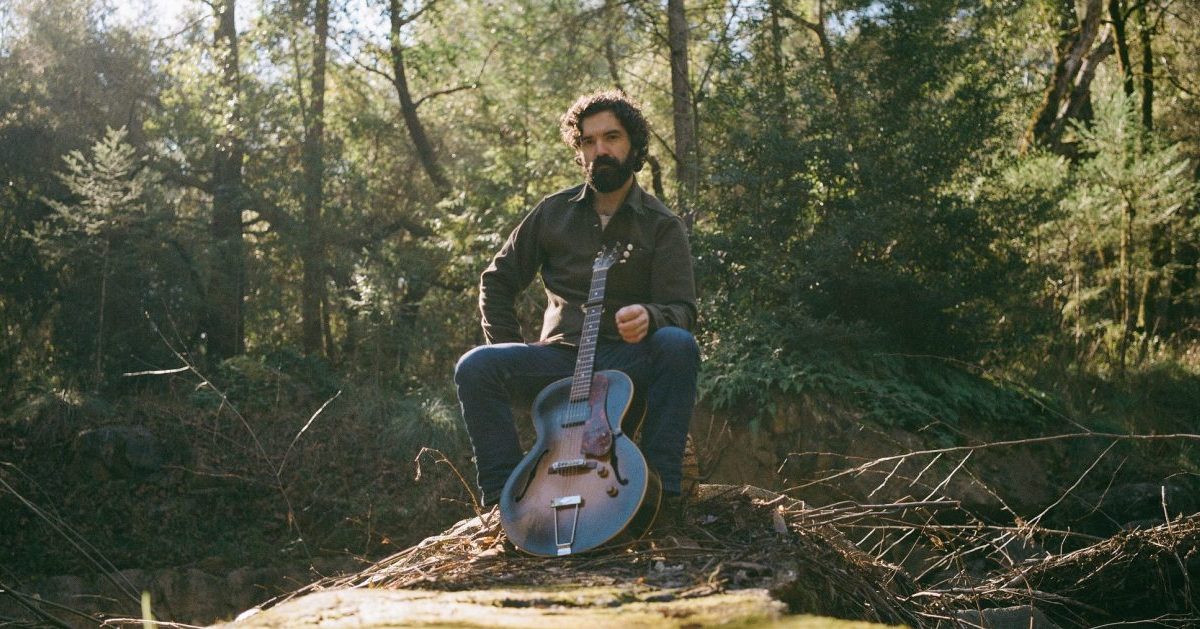
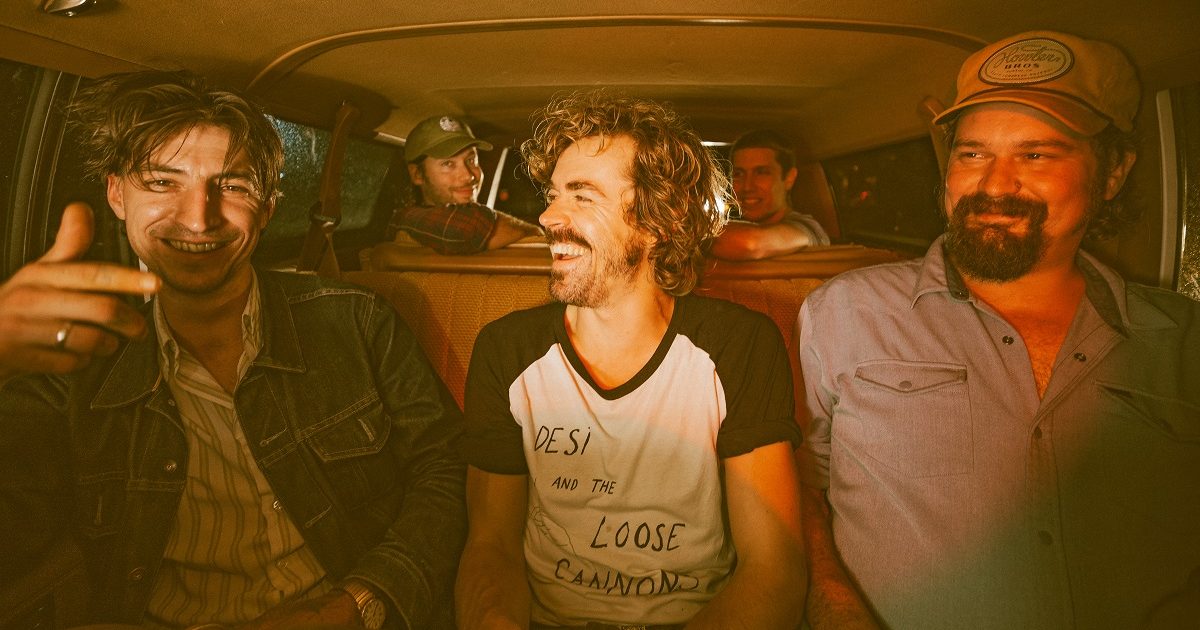
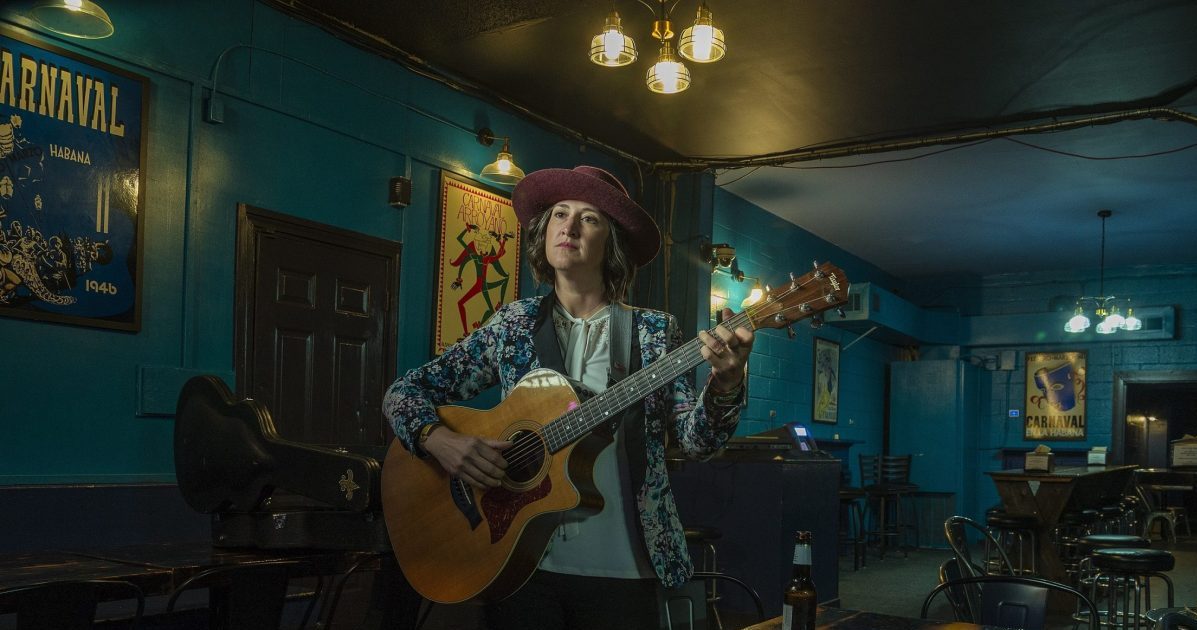
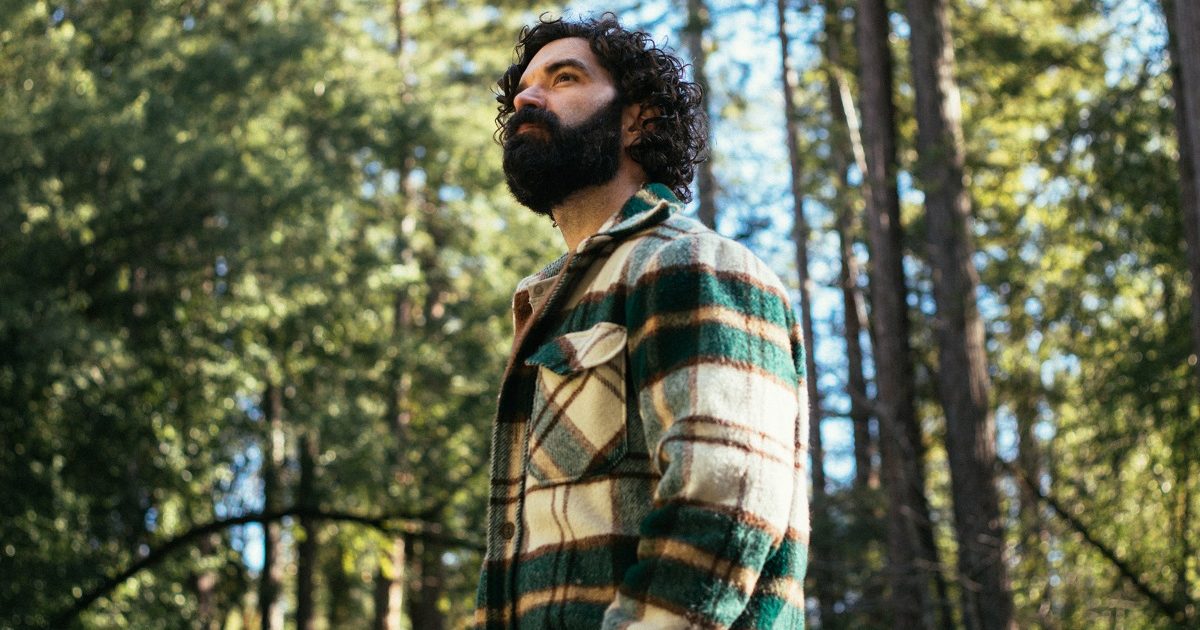
LISTEN: Daphne Parker Powell, “Carry My Cage”

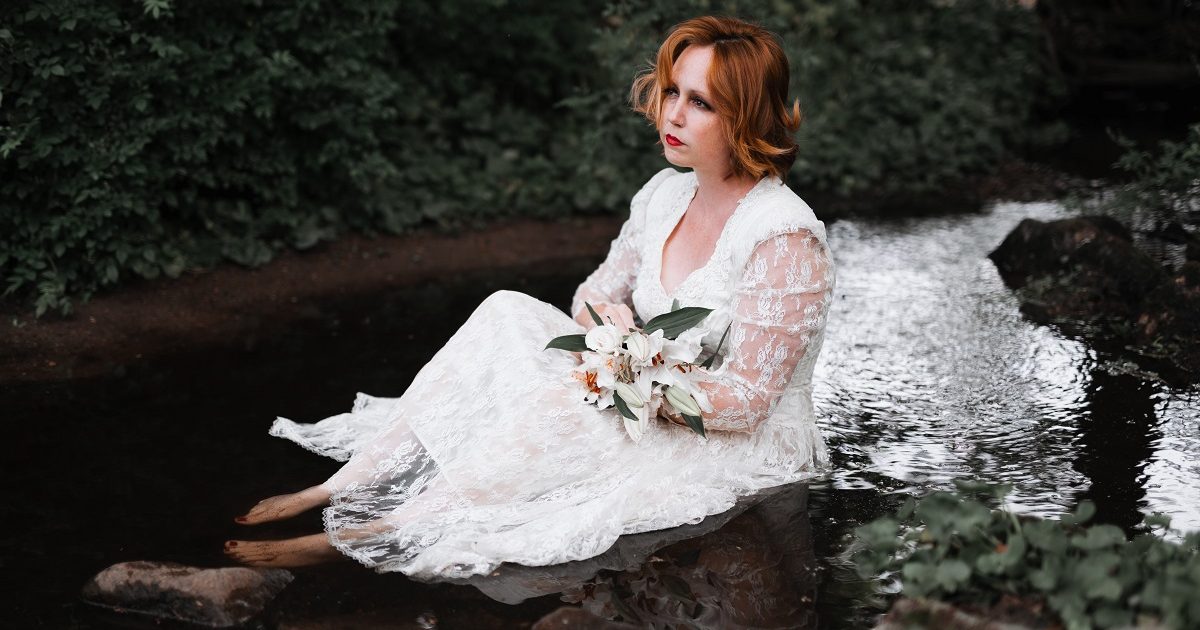
Artist: Daphne Parker Powell
Hometown: I’m calling myself bicoastal right now (New London, CT, and New Orleans, LA)
Song: “Carry My Cage”
Album: The Starter Wife
Release Date: October 14, 2022
Label: Pleasure Loves Company

In Their Words: “‘Carry My Cage’ was one of the earliest pieces written for the album. It’s the one-that-got-away song. When I started dating the man I would later marry, I had been playing music with someone truly incredible, and without even really understanding it at the time we fell very much in love with each other. But I was young, impetuous, stubborn and my penchant for the bad boys won out. I hurt him so deeply when I chose my husband and for a long time we didn’t talk. It was then that I realized how deep our connection was. He moved away, pursued other relationships and musical adventures and I settled down and built a home, but after a time we decided to get back together and have coffee. I don’t think we talked more than an hour that day, we mostly just looked at each other the way Marina Abramović searches the eyes of strangers and finds deep familiarity and hidden love.

“After that day, with its strange silences and riptide of feeling, I came away more deeply self-aware than I could have imagined. I knew every stumbling block I had put in my own way, every decision that had caused hurt along the way and that was the beginning of healing the wounds I sustained with my own first experience of abandonment. For the first time I took responsibility, and I was going to be able, tools in hand, to fix what had been broken so long. I knew that I would always carry the confines of my own soul, flaws, and history, but that it could not keep me from flying anyway. From that moment forward, not only would we be ok, but we would find a way to thrive in each other’s care. Now years later, we are as close as we have ever been. I would change so many things, and I would change nothing.” — Daphne Parker Powell


Photo Credit: Jenny Thompson, Rose Gold Visuals

The Show On The Road – Leo Nocentelli (The Meters)

This week, we dial into New Orleans for a fascinating talk with master funk-guitarist and songwriter Leo Nocentelli. Discerning listeners may known him as the chief groove-creator behind the legendary group The Meters with Art Neville on keyboard, George Porter Jr. on bass, Zigaboo Modeliste on drums. There is no mistaking his soulful dagger-sharp signature sound leading often-sampled treasures like “Sissy Strut” and “Hey Pocky A-Way” (The Beastie Boys were big fans) — or even his slinky masterful backing of Dr. John’s classic Right Place, Wrong Time. But a new generation are learning of Nocentelli from last year’s surprise release of his first and only solo record, the acoustic folk-driven Another Side, which was resurrected and marketed by Light In The Attic Records nearly fifty years after Leo first recorded it.


LISTEN: APPLE PODCASTSSPOTIFYSTITCHER
You don’t usually put your first record out when you’re zooming past your 75th birthday. The story of how Another Side still even exists is quite a yarn (one that Leo goes into great good-humored detail about in the taping) from the master tapes being lost in damage caused by Hurricane Katrina, to a master-copy being found almost impossibly after a storage-unit got foreclosed and the music was traded at a local swap-meet. Hearing him tell it, finding these songs from his younger days, was like finding an essential, lost piece of his soul. The record isn’t polished, but the sense of youthful exploration shines through. He’s searching for his voice in real time.

You wouldn’t think a rock-funk maven like Nocentelli would be inspired by songwriters like James Taylor or Elton John — but in many ways, it was the softer, more yearning, poetic side of rock-n-roll in the early 1970s that intrigued him most when he began writing songs like “Thinking of the Day” in 1972, wondering if his place in the world, his “tomorrow would ever come.” Other standouts like “Riverfront” told the stories he couldn’t tell while penning the Meters’ funky (but often instrumental) dance anthems. With his Meters mates chugging beside him in the studio, he can tell darker, more personal tales about his hard-working friends, like Aaron Neville (who he grew up with in the 7th Ward), and how he used to haul bananas off the boats in New Orleans to get by.

Nocentelli has had his share of ups and downs as a lifer who has rode the tempests of the ever-evolving music industry. It’s a “brutal brutal business” he says at one point — and Leo shares that he had to sell some of his favorite guitars to keep going through the years. The song “Getting Nowhere” leans into the sense of helplessness and frustration many talented session players and touring side-men like him went through when royalties and fame and fortune passed them by as others rose to prominence.

Some things really haven’t changed in fifty years. But only a generational talent like Nocentelli could create sparkling guitar backdrops for artists as diverse as Dr. John, Otis Redding and even Jimmy Buffett, and keep his passion long enough to see new crowds packing houses on tours in 2022. It must be quite the feeling to finally be able to perform his own solo work — a half century after the songs first emerged and were almost lost forever.


BGS 5+5: Andrew Duhon

Artist: Andrew Duhon
Hometown: New Orleans, Louisiana
Latest Album: Emerald Blue (out July 29, 2022)
Nickname: “Duhon” … (Du-yaw if you’re Cajun)

What’s your favorite memory from being on stage?

One recent moment that comes to mind was a gig on Mardi Gras day during the quarantine in New Orleans. Mardi Gras was cancelled, but folks found ways to distance and celebrate. The trio was invited to play a small outdoor gathering on the outskirts of the French Quarter at a place called Jewel of the South. It felt so good to play live and celebrate a little Mardi Gras. Now, I’m mostly an ‘eyes closed’ performer when I’m singing, but I opened my eyes for a moment, and there was this older fella right up close to me, white beard and top hat, dancing and holding a pair of old-time handmade Mardi Gras beads over my head to put on me. I skipped the next lyric to let him put the beads around my neck, my only Mardi Gras beads that year, and I got back to singing the next lyric, eyes closed. When I opened my eyes again, he was gone, like the ghost of Mardi Gras come to visit me, and I wore that pair of beads until they broke and scattered into tiny pieces.

What other art forms — literature, film, dance, painting, etc. — inform your music?

Certainly literature, short stories, poems, films, modern art, nature, anywhere someone or something tells a story. There’s a lineage in the fact that the way stories are told to me forever informs the way I decide to tell my story. You could say my stories are just a paper mache of scraps of the stories told to me, hopefully in small enough pieces that they resemble my own. To me a good story is good because it offers up some truth that we can share together, but even if that truth was what we really needed, it’s the story that causes us to gather around to hear it, to follow along, and it’s how we remember it for years. It’s not to say that ‘truth’ is the same for everyone. I’d think that’s what’s special about storytelling; it lets the listener find their own truths in a good story beautifully told.

If you had to write a mission statement for your career, what would it be?

Oh sure, here you go: “We here at Andrew Duhon Music strive to figure out what the hell it is we have to say, mostly through the tradition of song, in keeping with the clever rhymes and double entendres of all those songwritin’ heroes stuck in our head and hopefully in continuation of those very traditions. We strive to share the songs of ours in recording and in person by interweb and by van, and to remember to be a little less precious for god’s sake, and stop and give the flowers a sniff along the way, because the next song could be inspired by a whiff of something that constant grinding would pass right by.”

What has been the best advice you’ve received in your career so far?

I think the idea imparted by a fellow songwriter, “No one else can write your song” has been empowering and reassuring. I’ve heard so many songs I sure wish I’d have written, or songwriters doing something I do better than I could ever do it, but there’s always your piece and it’s carved out somehow, waiting for you. There’s always your story, and no one else knows it until you decide to figure out how to tell it to them… and hopefully when I figure out the story I’m telling, it’ll be interesting enough to gather around and hear it.

Which elements of nature do you spend the most time with and how do those impact your work?

That’d have to be a river. I think standing in a river moving past me, camping next to a river and seeing it rollin’ on by from the last light of evening and again first light of the morning makes me think of time and my tiny blip in it. I grew up next to the muddy mouth of the Mississippi, wide and treacherous, but from a plane leaving New Orleans, it looks to be doing the same thing a mountain stream is doing, slowly carving at the banks, swaying side to side at a pace my tiny space in time can’t discern. I’m spending my time writing songs and ‘making a record,’ not just the spinning vinyl one, but the one in the fossil record that maybe serves someone after I’m gone. I’d say staring at a river is my favorite way to spend a moment and to see the space it inhabits, long before me and long after me.


Photo Credit: Hunter Holder

LISTEN: The Deslondes, “Ways & Means” (Ft. Margo Price)

Artist: The Deslondes
Hometown: New Orleans, Louisiana
Song: “Ways & Means” (ft. Margo Price)
Album: Ways & Means
Release Date: July 8, 2022
Label: New West Records

In Their Words: “‘Ways and Means’ is just a bunch of internal monologues I strung together. I guess it’s mostly about a person’s pursuit of happiness and how money can complicate all of that. Musically this song started out pretty different from how it ended up. It was pretty downbeat and chill and had different chord changes when I wrote it, but the rest of the band had other ideas. Margo Price is a friend of the band and was gracious enough to drop in and contribute some vocal harmonies which tied it all together nicely.” — Dan Cutler, The Deslondes


Photo Credit: Bobbi Wernig

LISTEN: Ever More Nest, “My Story”

Artist: Ever More Nest
Hometown: New Orleans, Louisiana
Song: “My Story”
Album: Out Here Now
Release Date: August 19, 2022
Label: Parish Road Music

In Their Words: “Everything in the music industry these days is about an artist’s ‘story.’ We like to think the music is what draws people in, but over and over, the machine emphasizes that it’s the narrative or the person behind the music that really matters. Bands go to great lengths to craft an image with rags-to-riches tales, histories of musical family dynasties, or recounts of daring escapes from a bad home life. Sometimes artists just overemphasize a single life detail.

“The concept of fabricating some unique struggle always frustrated me. Of course I had struggles — I was a closeted gay teenager in an abusive relationship in the Bible Belt with a Southern Baptist family that was falling apart at the seams. I’m still processing what the song is for me; I do know that it’s a response to the music industry and to the church. It’s also a message that where we come from, what we experience, what we battle and survive — all these things make us who we are and show in our art. You don’t have to fit in by making your story someone else’s. You don’t have to grow up on the ranch or in the woods to sing Americana music. You don’t even have to wear boots. Just be who you are and let your story tell itself.

“The lyrics ‘This is my story, this is my song’ are echoed from the old hymn, ‘Blessed Assurance.’ On the record, Fats Kaplin plays a violin rendition of the chorus of the hymn as the introduction to ‘My Story.’ The sweet sound was beautiful, but in post-production felt a little too reverent. Dylan Alldredge and I threw a tape warble effect on it, which gave it this unclean ’90s vibe to complement the grit and anger in the song and to date it with where I was, and what I was going through in those years. It has a wonderfully chilling effect.” — Ever More Nest


Photo Credit: Greg Miles

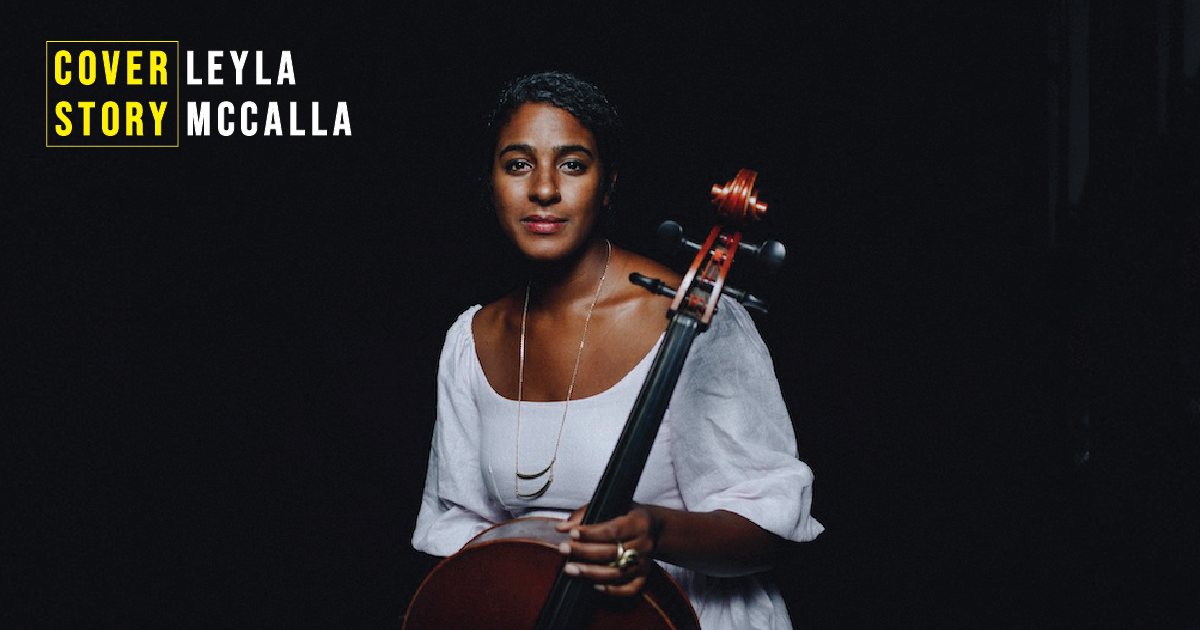
On a Gorgeous New Album, Leyla McCalla Weaves Haiti’s History With Her Own

Leyla McCalla couldn’t have known that, weeks after releasing her fourth solo album, Breaking the Thermometer, the New York Times would publish a major report detailing the long history of Haiti’s mistreatment at the hands of France and the United States. But McCalla, the Haitian American daughter of Haitian-born human rights activists and the granddaughter of a radical journalist, was already well aware of Haiti’s troubled past and present. The subject lies at the heart of this album, which grew from a multimedia theatrical project based on Duke University’s Radio Haiti archives.

Radio Haiti was the first Haitian outlet to broadcast news in Kreyòl, the country’s main native language, while challenging government corruption and brutality; the Duke project’s title, Breaking the Thermometer to Hide the Fever, came from a phrase Radio Haiti founder Jean Dominique used to characterize that government’s violent repression of its citizens. Dominique was assassinated in 2000, 10 years before McCalla, a cellist who earned a music degree at New York University, moved to New Orleans to become a “trad jazz” busker. As she learned more about New Orleans and Haitian history, she discovered banjo had played a prominent role in Haitian music. In time, she was recruited to join the Carolina Chocolate Drops — which eventually led to Our Native Daughters, the banjo-playing collective that Rhiannon Giddens formed with McCalla, Amythyst Kiah and Allison Russell. Both groups have focused on reclaiming Black musical history and shining light on Black experiences.

On Breaking the Thermometer, McCalla delves into the Haitian aspect of Black history, weaving spoken memories and snippets of Radio Haiti broadcasts into a gorgeous musical narrative. Through lyrics sung in both English and Kreyòl, she examines Haiti’s political turmoil, rich culture and deep spirituality, while exploring her own identity and relationship to this complex land.

BGS: How did the commission for the project that led to this album come about?

McCalla: I was at a place that I really wanted to be doing something that would be life-changing; that would change the way I saw things and be creatively challenging and fulfilling. So when Duke University asked me if I wanted to be involved in creating a multimedia performance based on the Radio Haiti archives, I said yes. We ended up creating a piece called “Breaking the Thermometer to Hide the Fever” that incorporates video projection, sound design, music and dance. That was definitely way more mediums than I’d ever worked with or coordinated before. It became really clear right away that I would need to have other collaborators, so I hired Kiyoko McCrae to direct. We did a lot of workshopping and brainstorming and creative writing, trying to get to the source of what this was about. It took a few years of working on the project to realize that I even wanted it to be an album.

I found out later that my father had helped Duke University get in touch with Michèle Montas [Dominique’s partner], the journalist who was hugely a part of the making of this record, to help facilitate the transfer of the archive from Haiti to Duke — and that Duke also acquired the archives of the National Coalition for Haitian Rights, which my father ran. In that archive, there’s a picture of me at a protest with my mom. I think I met Michèle Montas when I was 15, at a screening of The Agronomist, the film about Jean Dominique, who is credited with elevating journalism in Haiti. A lot of serendipity and personal connections have been revealed over time.

I take it your parents are very prominent in the Haitian American community.

I can’t go anywhere without someone knowing my parents [laughs], especially Haitian spaces. And everyone is very excited that I’m talking about Haiti, because there’s a lot to talk about; a lot to discover. There’s so much misinformation — or no information — about Haiti.

One of the things that I’ve been grappling with in creating this piece, and why I inserted my own personal story into this — which was not my idea, by the way; it was Kiyoko McCrae, the director, who [noticed] I was getting a lot of memories coming up [while] listening to these recordings and trying to really understand the culture, because I’m [part of] a diaspora, I’m not Haitian — not just Haitian. My identity has a big duality in it, with my Americanism. That became a big point of conversation in all of our brainstorming, and Kiyoko said, “I feel like we’re going to be able to reach people at the emotional level, at the heart level, If you share your perspective.” So that became a storytelling device.

I started to put the timeline of my own life against the timeline that we’re looking at with Haitian history and Radio Haiti, and seeing all these intersections and filling a lot of gaps in my knowledge. Part of the challenge for me in creating this work is that I grew up in a Haitian family that didn’t speak in Kreyòl to me. … We decided to confront that disconnect head on by inserting my story into the narratives.

Americans have this perception of Haiti as a very poor country with terrible dictators, which may be true, but it’s probably very reductionist. What are we missing?

I think we’re missing historical context and significance of Haiti, which is something that is just now starting to be talked about more. Haiti was the first independent Black nation in the Western Hemisphere, and was founded on the abolition of slavery, on the abolition of an economic system that kept Black people in the so-called New World impoverished. Haiti being born out of this struggle to create an identity that was not about being a slave, that was about surviving slavery, is something that is hugely underestimated as a threat to Western power structures.

I think you just nailed something there. That leads to exactly what’s going on in the U.S.

Absolutely. If people understood more about Haitian history and that Haiti’s sovereignty has always been something that it has paid for, in one way or another — that there’s been a lot of meddling in Haitian politics by the French government, by the U.S. government in particular — maybe Haiti wouldn’t seem so far away then.

And yet we love New Orleans because it incorporates and celebrates that culture.

New Orleans wouldn’t be what it is without the Haitian revolution, which started in 1791. There were masses of immigrants from the island of Saint-Domingue — it wasn’t Haiti yet — and masses of émigrés who came trying to resettle their sugar plantations in France, which was Louisiana.

With Haiti, it’s all political, and it’s all about slavery, about these people whose plantations were slashed and burned. The slaves just burned down all the plantations. People were fleeing the revolution and trying to stabilize their wealth. It was French colonists who considered themselves Saint Dominicans, because they had been there for generations. They’re essentially Haitian, but a lot of them were slave owning, and some of them were free people of color. So you see how that moved to New Orleans and Louisiana.

The economy in the United States flourished, but it was obviously based on this barbaric system, where the justification was that Black people are not human, so they can’t have the same rights and privileges that [whites] have. We are still contending with these issues. Haiti needs to be talked about way more, because Haiti is part of really dissecting how the transatlantic slave trade created the economic systems that we’re still living in. … This isn’t just a pure defense of Haiti. It’s aiming for a more nuanced understanding of history, and our relationship to history on a global level.

Most of this album uses the language of the original broadcasts. Were you worried about making it understandable for people?

Well, honestly, a lot of my work has been trying to understand it better for myself. I realized, in the course of the album releasing, “Oh my God, no one knows about this. It just isn’t part of the conversation that we are having.” Ultimately, I want an album that is fun to listen to. I’m passionate about music, but there is an educational component to what I’m doing, because there’s been so much miseducation.

The Caribbean rhythms and texture that you incorporated are so lovely to listen to. Even though you might be telling us about an assassination, it’s done in a way that you can listen to just for the music, or you can listen to the conversations and extrapolate from that.

I developed this music with a man named Damas Louis. He is a Hougan, which is like a wizard of religion, a spiritual leader. He helped me develop the spiritual foundation for the music. A lot of the songs are based in Vodou rhythms. Vodou is another thing that has been so disparaged — especially in the American imagination — dating back to like, the ‘20s in Hollywood, with depictions of zombies. Even in the ‘80s, during the AIDS epidemic, the CDC said that there were the four H’s for contracting AIDS: hemophiliacs, heroin addicts, homosexuals and Haitians. So there’s been a lot of negative stereotypes about Haitians, and their — our — spiritual foundation, which is the Vodou religion. I’m not a religious person, but it felt like such a natural fit to be part of the music. It also felt like it served as a subversive kind of tool for understanding this history.

Are there any specifics songs that you would like to discuss?

Hmm. They all tell different parts that all feel essential to the story that I constructed, but I am glad that you said the music is enjoyable, because it is deeply spiritual and I sometimes felt like, should I even be putting this out there in this way? Do I have the authority to be playing Vodou music?

It’s not like it’s cultural appropriation.

I don’t think so, either. I just have a sensitivity about how Haiti is spoken of and represented. I’ve done a lot of work on myself to just be able to say, “Hey, this is where I’m coming from. And this is the only place I could possibly be coming from, because this is where I am. And this is who I am. This has been my experience.” All of the songs ultimately come from that place.

In “Memory Song,” I just love that line, How much does a memory weigh? What’s the price our bodies will pay? What was the inspiration for that song?

I was feeling the responsibility of representing Haiti well and fulfilling my mission with this work. And then feeling like I wasn’t sure that I had enough to offer, but also feeling like “You are the chosen one; you have been chosen to create this incredible work.” And I’m like, “Oh, God, what if it’s not that incredible?”

But literally, you were chosen!

It makes me laugh to think about now because obviously I take it very seriously, and I was grappling with a lot of my memories of Haiti and trying to figure out how those could be part of this conversation about Radio Haiti. I was just thinking how our memories are so much a part of our existence in our minds and our experience, even with things we can’t [recall]. What is the effect of that on us, physically and spiritually, emotionally?

The lyrics in “Artibonite” really caught me. It’s such a spiritual call and response. Is there some history with that?

That’s a song I found on the archive, originally written by Sanba Zao, who is part of the musical collective Lakou Mizik. Samba in Kreyòl means poet. He’s a deeply spiritual guy, and he was singing in a language — I actually sent the Mp3 to my dad to try to get a translation, but my even my dad didn’t understand what he was saying. I suspect he was singing in ngas, a language with very voodooist lyricism and these old words from Africa; it’s hard to know exactly where they come from. But I love the melody so much. And there was this call and response with these women singers and the melody he was singing, so I decided to write new words to that song because it was honoring the assassination of Jean Dominique, the significance of that, and I thought that was so beautiful.

It stood out not just because it was in English, but because you could feel the spirituality, and it does take you back to how slaves communicated in the fields. And it’s just such a lovely melody. But I loved the determination in your lyrics, too.

He lives in the fields
He lives in the flowers
Hold on to your strength
Hold on to your power.

I was thinking about Jean Dominique’s life; how he was originally an agronomist in the Artibonite region of Haiti, which comprises most of Haiti’s exports. It’s a super beautiful place, and he really had a close relationship with some of the farmers who were trying to unionize in that region, so I kept with that theme. There’s also a proverb in Haiti that says, “Beyond mountains, more mountains,” which is fitting because ayiti is a Taino word that means mountainous land. There’s a bunch of Haitian proverbs that I always try to incorporate into my songwriting; that’s why I was thinking, beyond mountains there are mountains yet to cross, thinking about the cyclical nature of — I mean, this tragedy and all the repression, and how we’re still fighting in these cycles. And once we get over the next mountain, there’s gonna be another mountain, and how much that is just a part of the human experience and a part of life.


Photo Credit: Noe Cugny
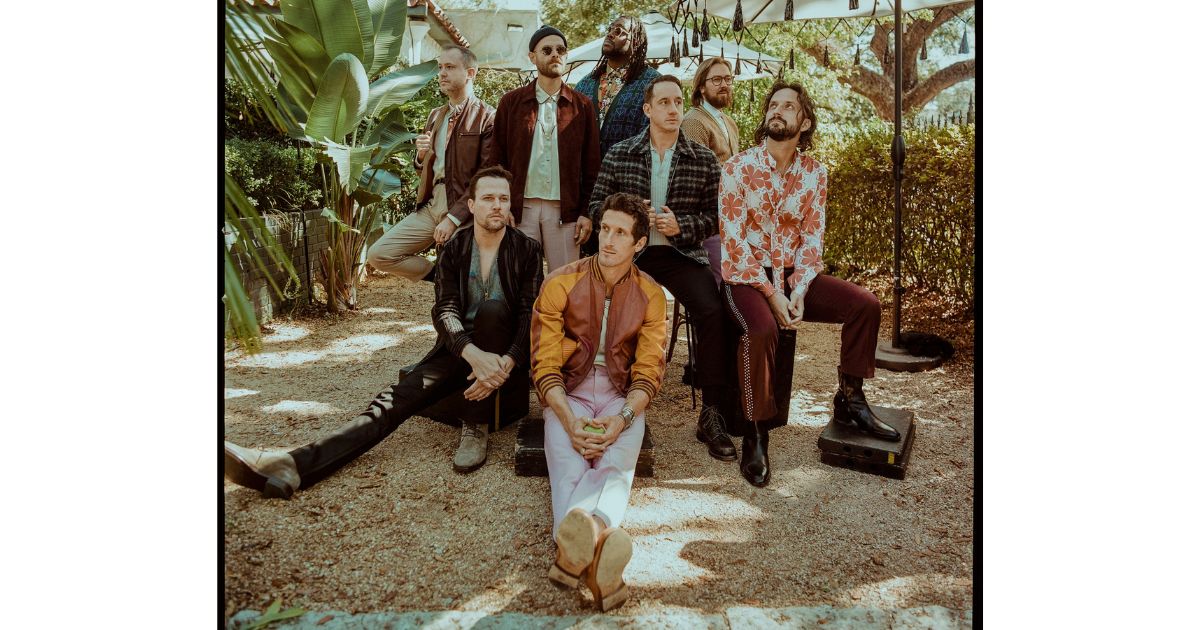
LISTEN: Andrew Duhon, “Everybody Colors Their Own Jesus”

Artist: Andrew Duhon
Hometown: New Orleans, Louisiana
Song: “Everybody Colors Their Own Jesus”
Album: Emerald Blue
Release Date: July 29, 2022

In Their Words: “I was a Catholic schoolboy all the way through high school, and then headed to the secular state university with a Jesus chip on my shoulder. The knock across the head came from a freshman year elective called ‘Religions of the World,’ which made it clear to me just how myopic my perspective was. I can respect the community fostering rituals inherent in much of my experience, but somewhere along the line, I’d convinced myself that my truth was the only truth. I wrote this song about a vague memory from first grade when art and religion came together to teach an unintended lesson, likely the most useful thing I learned in Catholic school.” — Andrew Duhon


Photo Credit: Hunter Holder

WATCH: Hurray for the Riff Raff, “Rhododendron”

Artist: Hurray for the Riff Raff
Hometown: New Orleans, Louisiana
Song: “Rhododendron”
Album: Life on Earth
Release Date: February 18, 2022
Label: Nonesuch

In Their Words: “[‘Rhododendron’ is about] finding rebellion in plant life. Being called by the natural world and seeing the life that surrounds you in a way you never have. A mind expansion. A psychedelic trip. A spiritual breakthrough. Learning to adapt, and being open to the wisdom of your landscape. Being called to fix things in your own backyard, your own community.

“[The video] is really far out and fun. I got this bodysuit that just looks like the inside of the human body. It looks like you’re skinless. It’s in a scene where I’m playing to an audience of plants. Just really absurd, but I put that suit on and I was like man, this feels really good. It feels like, ‘This is who I am. Let’s just take the skin off.’

“With this ‘Rhododendron’ shoot, something clicked in me where I was like, ‘All I have to do is be myself.’ I had been thinking that I had to be something bigger than myself. I felt like I was just never quite making the mark and then something clicked where I was like, ‘I just gotta be me. I could do that. I could show up and be me. And if people don’t like it, then I don’t know what to fucking tell them.’ It was like a brain shift of, ‘Oh, this can be fun. It doesn’t have to be suffering.’ With so many videos and photo shoots before, it really felt like suffering. I felt so uncomfortable being perceived. I didn’t know who I was.” — Alynda Lee Segarra


Photo Credit: Akasha Rabut

LISTEN: Gina Leslie, “I See You Everywhere I Go”

Artist: Gina Leslie
Hometown: New Orleans, Louisiana
Song: “I See You Everywhere I Go”
Album: No, You’re Crying EP
Release Date: February 11, 2022

In Their Words: “This song comes from a small bedroom in a yellow house in New Orleans, where I was nursing my heart back to health after a never-ending ending. Surrounded by the photos on the walls, dead flowers and love letters, I was spinning in my heartbreak. This song came to light as a call to letting go, even when I know there’s no forgetting. I had all the pieces of the song swirling around for some time, and my good friend Elise Leavy helped me finish the puzzle.

“I started recording my EP just a few weeks before the lockdown, and the project got stalled for months, so I holed up in that same room and recorded my own harmonies to stay busy. The most sparse track on the EP, I wanted to keep the raw and intimate feeling that song was born from. I sent it to my friend Alex Hargreaves and he added a ghostly and melancholy string section that makes the hair stand up on the back of my neck.” — Gina Leslie


Photo Credit: Noe Cugny

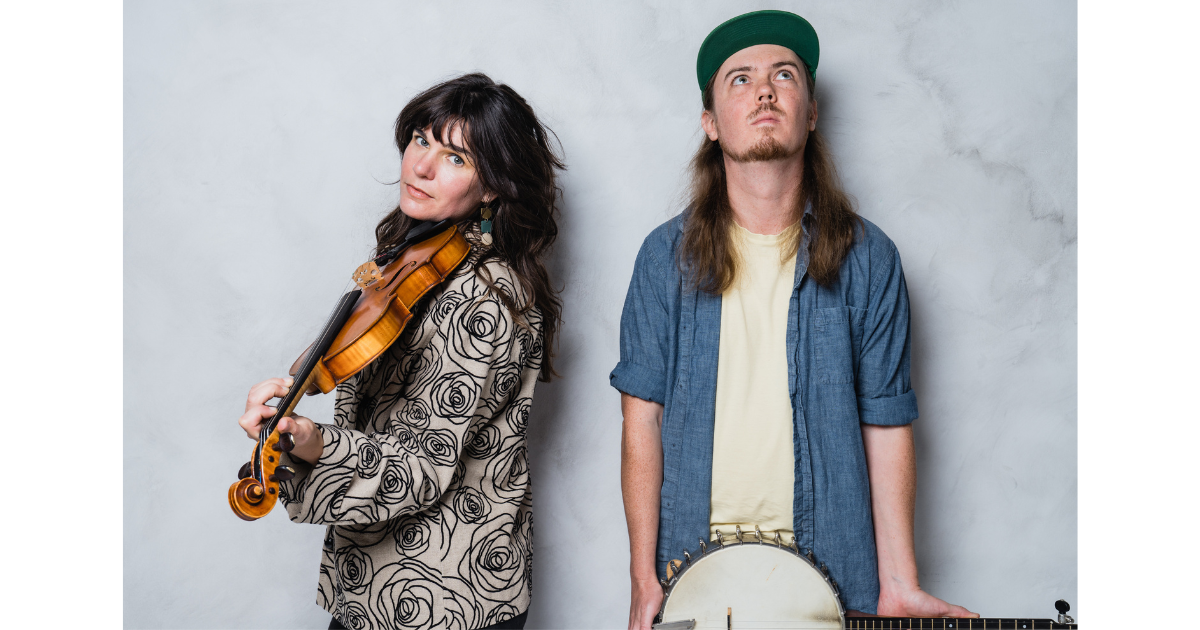
LISTEN: Loose Cattle, “He’s Old, She’s High”

Artist: Loose Cattle
Hometown: New Orleans / New York City
Song: “He’s Old, She’s High”
Album: Heavy Lifting
Release Date: June 4, 2021
Label: Low Heat Records

In Their Words: “It’s great when your friend gets you. But when the friend who gets you is also one of New Orleans’ most celebrated songwriters, can he maybe get you too well? When Loose Cattle’s longtime friend Paul Sanchez (multiple time NOLA songwriter of the year and ex-Cowboy Mouth) told us he’d written a song for the band, we pondered that for half a second. But by the end of the first listen, we threw our arms around him and the song, and turned it into something that we hope would make Porter & Dolly, Johnny & June and John Doe & Exene all equally proud. Even though Kimberly and Michael stopped being a couple years ago, they’re still odd. This one is for all the perfectly mismatched people out there.” — Loose Cattle


Photo credit: Zach Smith