See the Winners and Recipients of the 2026 International Folk Music Awards

Yesterday, Wednesday, January 21, 2026, Folk Alliance International (FAI) – the world’s largest membership organization for the folk music industry and community – announced winners and recipients for their 2026 International Folk Music Awards. The awards show, held during FAI’s annual conference which just began in New Orleans, included handing out honors for the Best of 2025 nominees (which are nominated and voted for by FAI’s voting membership), plus presentations of the Lifetime Achievement Awards, the Spirit of Folk Awards, the People’s Voice Award, the Clearwater Award, the Rising Tide Award, and Folk Radio Hall of Fame inductions. The IFMAs were streamed live on YouTube, fans and viewers can watch the archived broadcast now below.

The awards show included stunning live performances by artists like Kyshona, Yasmin Williams, and Louisiana’s own artists and bands like Leyla McCalla, The Rumble, C.J. Chenier, and more. Taj Mahal, Clifton Chenier (father to C.J.), and Louisiana Folk Roots were each bestowed with Lifetime Achievement Awards. Meanwhile, the People’s Voice Award was handed out to Kyshona; the Rising Tide Award to Yasmin Williams; and the Clearwater Award to the Edmonton Folk Festival.

In the Best of 2025 categories, two acts tied for Artist of the Year: singer-songwriter, activist and protestor Carsie Blanton with folk and bluegrass supergroup I’m With Her. I’m With Her were also awarded Album of the Year.

The International Folk Music Awards show is always a highlight of each year’s Folk Alliance International conference. It’s a sort of kick-off on the first night of the event, a starting bell for showcases official and unofficial and for the next few days, all packed full of excellent folk music from all around the world – and a healthy helping from New Orleans, too.

Below, find the full list of winners (in bold) and awards recipients for the 2026 International Folk Music Awards.

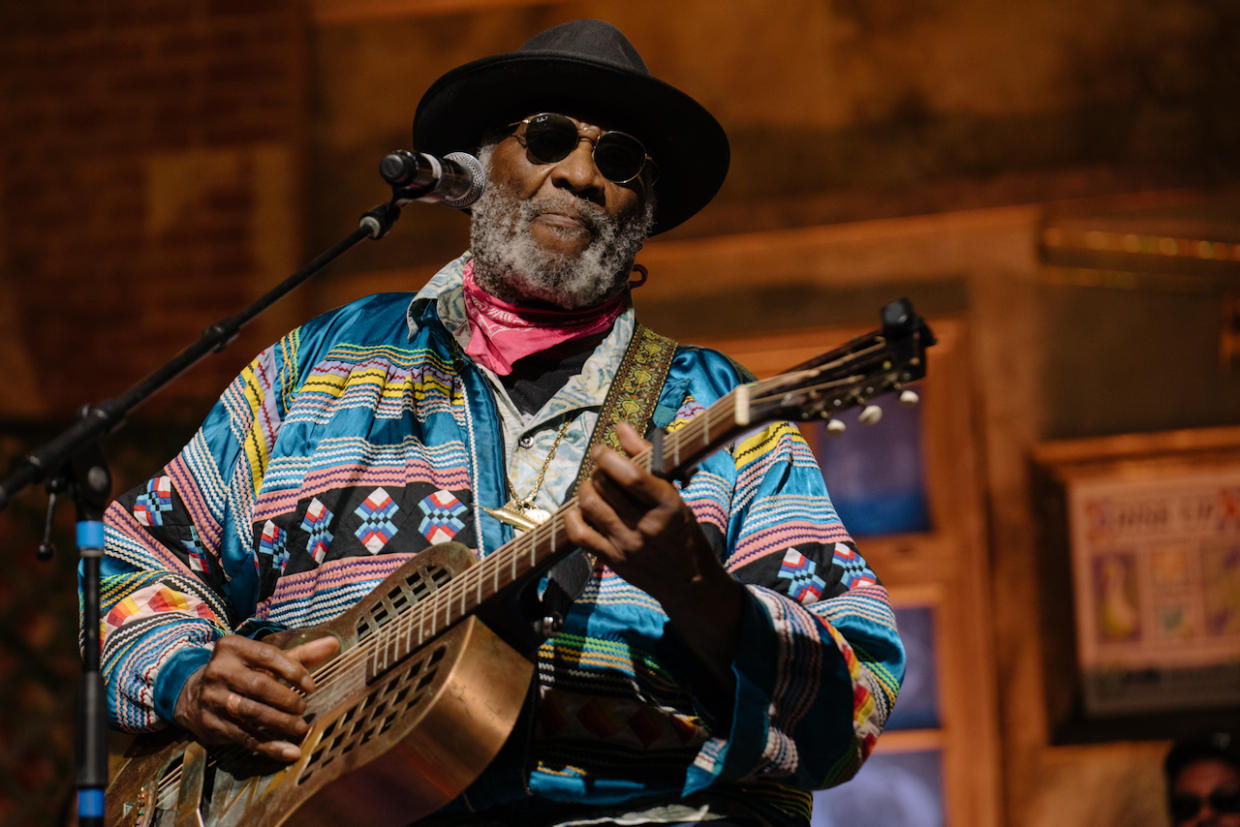
Taj Mahal, a Lifetime Achievement Award recipient, performs during the 2026 IFMAs. Photo by Shadow Scape Records.

Lifetime Achievement Awards

Taj Mahal
Clifton Chenier
Louisiana Folk Roots

Artist of the Year

Abbie Gardner
Carsie Blanton (TIE)
Crys Matthews
I’m With Her (TIE)
Ordinary Elephant
Sam Robbins

Album of the Year

Arcadia, Alison Krauss & Union Station

CHURCH, Flamy Grant

Room On The Porch, Taj Mahal & Keb’ Mo’

Reclamation, Crys Matthews

Wild and Clear and Blue, I’m With Her

Woody At Home: Volumes 1 + 2, Woody Guthrie

Song of the Year

“Ain’t Afraid To Die” – Woody Guthrie (songwriter: Woody Guthrie)

“Crying In The Night” – Andrew Bird & Madison Cunningham (songwriter: Stevie Nicks)

“I BOUGHT ME A PRESIDENT” – Cathy Fink & Marcy Marxer (songwriters: Cathy Fink, Tom Paxton)

“Room On The Porch” – Taj Mahal, Keb’ Mo’, Ruby Amanfu (songwriters: Ahmen Mahal, Henry St. Claire Fredericks, Jr., Kevin R. Moore, Ruby Amanfu)

“Sleeves Up” – Crys Matthews (songwriter: Crys Matthews)

“Sisters Of The Night Watch” – I’m With Her (songwriters: Aoife O’Donovan, Sara Watkins, Sarah Jarosz)

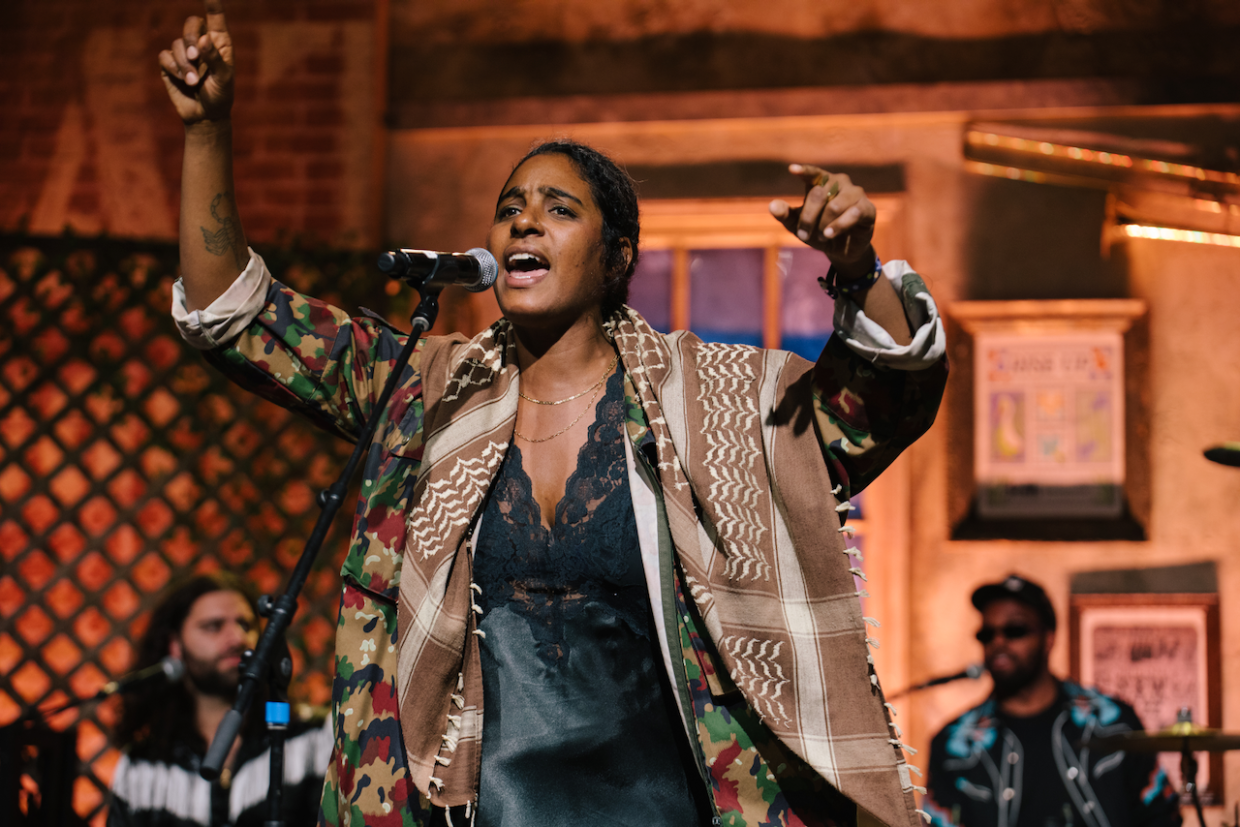
New Orleans’ own Leyla McCalla performs during the 2026 IFMAs. Photo by Shadow Scape Records.

Global Folk Album Award

At the Feet of the Beloved, Rizwan-Muazzam Qawwali

Bagola, Trio Da Kali

Niepraudzivaya, Hajda Banda

Tales of Earth and Sun, Rastak

VÄRAV/VĀRTI/VARTAI, The Baltic Sisters

Vié Kaz, Votia

Spirit of Folk Awards

Laura Thomas, ComboPlate Booking

Rachel Ornelas, Cultural Heritage Manager, New Orleans Jazz & Heritage Festival

Alex Mallett, Deputy Director, Folk Alliance International

Cindy Cogbill, Overton Park Shell and Folk Alliance International

People’s Voice Award

Kyshona

Rising Tide Award

Yasmin Williams

Clearwater Award

Edmonton Folk Festival

Folk Radio Hall of Fame Inductees

Susan Forbes Hansen (WHUS)
Kieran Hanrahan (RTE Radio 1)
Ron Olesko (Folk Music Notebook)
Michael Stock (WLRN)


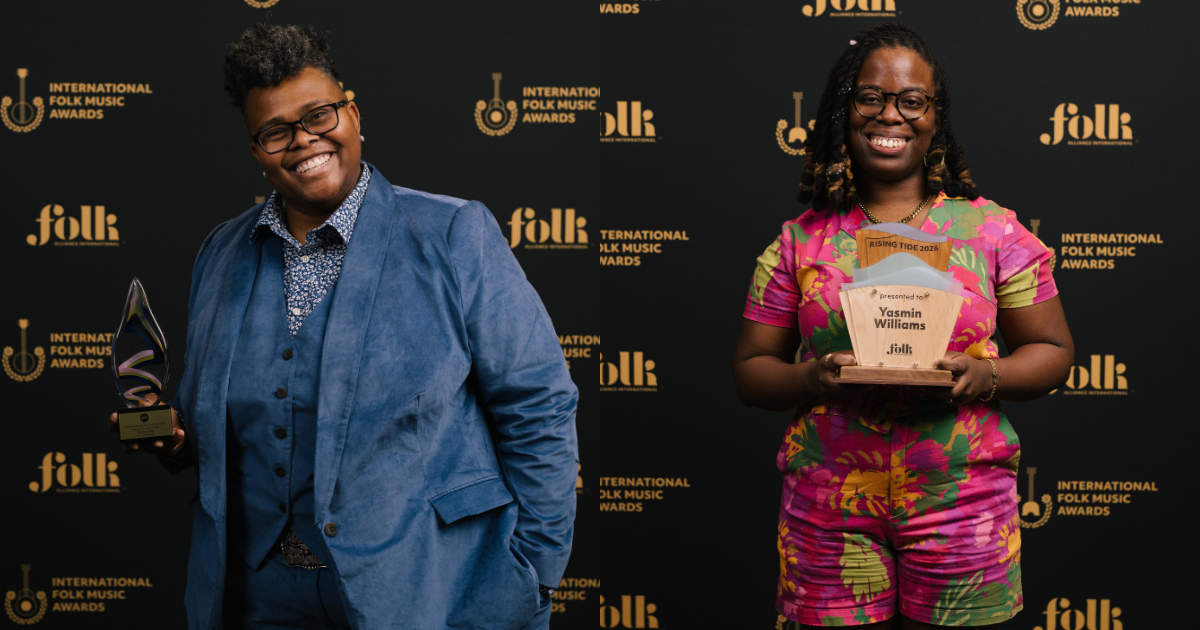
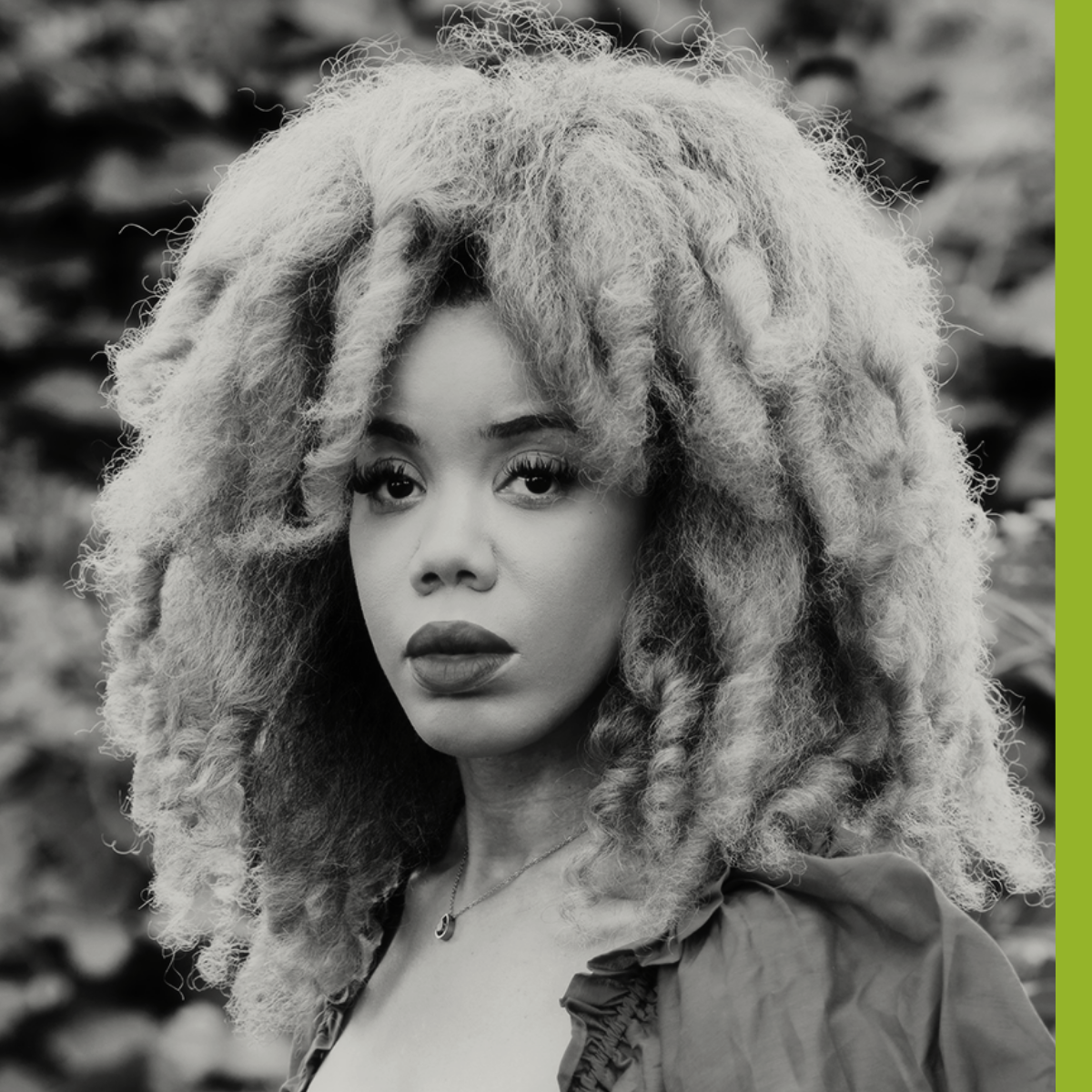
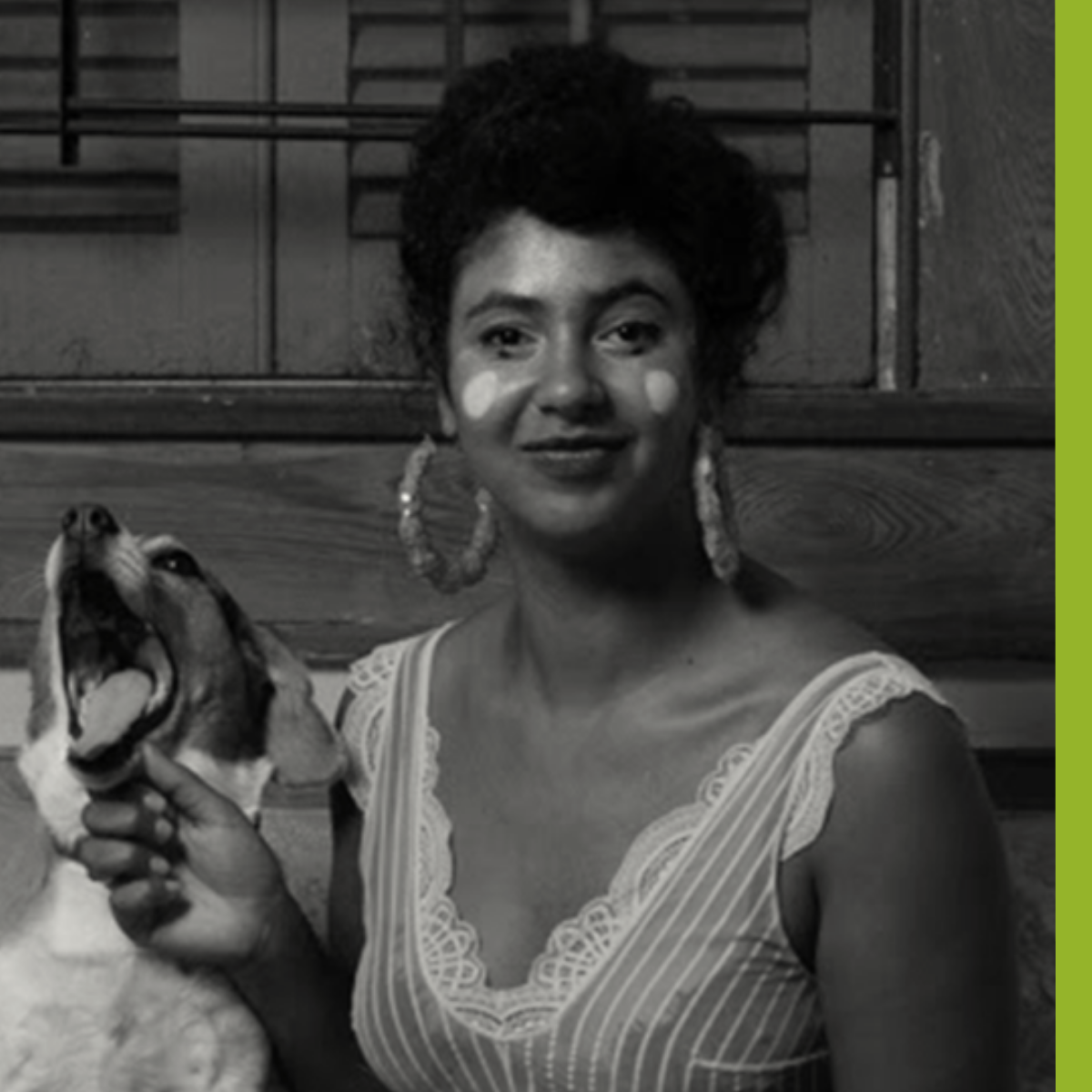
Photos courtesy of Folk Alliance International, shot by Shadow Scape Records. Lead image: left, Crys Matthews; right, Yasmin Williams. 

Sabine McCalla Makes a New Orleans Album Out of Global Traditions

In 1853, a 29-year-old Parisian photographer, Adolphe-Alexandre Martin, delivered a paper to the French Academy of Sciences. In his text, he proposed a process for creating a photographic image on thin, chemically coated metal sheets: the tintype. Between the late 19th and early 20th centuries, his invention became the portrait medium of choice, especially across North America, eventually falling out of fashion in the 1930s. Strikingly evocative, tintypes imbue subjects with a surreal, dreamlike quality, offering an emotional portal into the past.

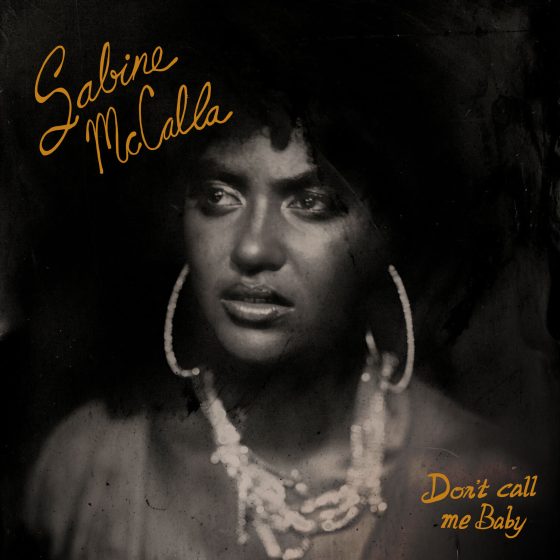
Over a century and a half later, the New Orleans-based Haitian American singer-songwriter Sabine McCalla, younger sister of the influential classical and folk musician Leyla McCalla, asked the tintype revival photographer Meg Turner to take her portrait. For an artist who draws from the past while seeking pathways forward, using an old medium to capture something new was an instinctive choice. Turner’s image became the cover art and a lodestar for the central feelings underpinning McCalla’s debut album, Don’t Call Me Baby, released through Kurt DeLashmet and Nick Shoulders’s Gar Hole Records label.

As we discuss later in this interview, the inspiration for Don’t Call Me Baby wasn’t born from a happy moment. Rather than sinking into sadness, McCalla juxtaposes joy and heartbreak, using narrative storytelling as a vehicle for catharsis across nine haunting, surreal songs. On “Sunshine Kisses” she recalls being lost in liminality after a breakup before letting loose on the classic rock and roll slanted singalong “Louisiana Hound Dog” (a co-write with Dan Auerbach from The Black Keys and Pat McLaughlin). By the time “Two of Hearts” arrives, our protagonist is singing about three different suitors.

Amid the paradisiac instrumentation surrounding her soothing voice, McCalla and her producers, Sam Doores (of The Deslondes) and Ajaï Combelic, collaborate with a cast of more than a dozen musicians from her musical community in New Orleans. Together, they blend rhythm & blues, country, folk, jazz, Tropicália, quiet storm soul, and doo-wop into hypnotic roots music. Song by song, the results reflect a lifetime spent studying traditions from across the Americas, Europe, the Caribbean, and Africa. Equal parts comforting, adventurous, and spicy, she serves up an Americana hotpot that speaks to the world while being informed by it.

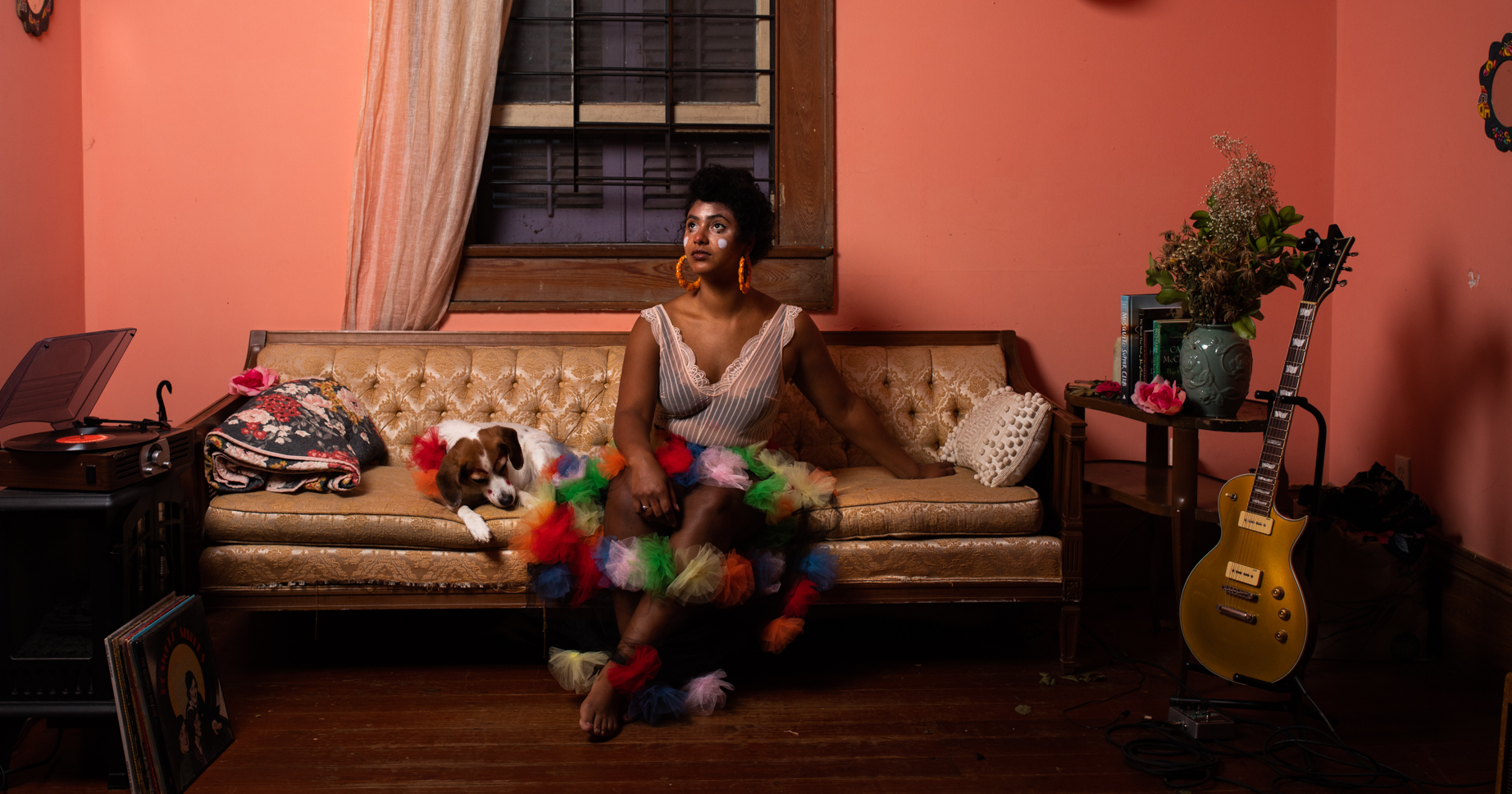
Last month, McCalla joined BGS on a video call. Sitting on a yellow couch surrounded by rosebud-hued walls and framed art, she spent just under an hour with us. In a discursive conversation, we explored the influence of life in Louisiana, her passion for musical history, and, given her background, the inevitability of her worldly confluence of sensibilities. A thoughtful speaker, McCalla isn’t the type to rush her answers. She’s also happy to keep a point simple or, when needed, throw in some extended anecdotes. Sometimes it’s not that deep; other times, it really is.

How important is a sense of place and location to your music?

Sabine McCalla: I don’t know. I mean, it is important. Louisiana and New Orleans have been characters in, or influenced my music a lot. But I’ve certainly written songs outside of New Orleans and Louisiana. I think any land we connect with is important when we’re writing songs.

From the outside looking in, it’s easy to surmise that there is a quality to New Orleans and the musical community that lives there that unlocked something in your artistry.

Yeah, it’s definitely been very inspiring. New Orleans is a very musical city. Nearly everyone you meet is a musician or plays more than one instrument. It’s incredibly culturally rich here. Learning to play music in this environment, you learn certain styles, or you learn with a focus on dancing. There’s a lot of rhythm & blues, soul, and second-line music, and people dancing in the street. I think dancing is something I was thinking of when I thought about how I want these songs to be listened to. Like I’m thinking of a honky-tonk dive bar, hot and steamy, lots of close dancing.

Who says you can’t dance to misery, right?

You certainly can. In fact, you’re probably a better dancer.

There’s something about the juxtaposition between a sad sentiment and a happy rhythm or melody that can be so moving.

I think innately we all want to experience pleasure, and we all have our pains that go with it. I think that’s what people are connecting with.

Unfortunately, or perhaps, fortunately, what is pleasure without pain?

Just a high.

New Orleans looms large in my mind as one of those places where traditions have been kept alive that don’t still exist elsewhere.

Yeah, for sure. There’s a tradition of passing down songs. There’s also so much space to create music here.

Don’t Call Me Baby is an ambitious album, but you succeed in your ambitions. You’ve braided a lot of threads together: different places, genres, periods of time. Was there a specific time in your life when you became interested in musical history, or looking to the past to find new ways to go forward?

I grew up playing classical music. Then I studied some old-time music from Appalachia. I’m interested in learning lots of old songs. I like listening to Harry Smith’s Anthology of American Folk Music. I feel like I’ve dug into a lot of pre-war recordings throughout the South and been inspired by ballad singing.

Like many people, I learned about the Anthology of American Folk Music through Bob Dylan and Joan Baez. There’s something about songwriters who go back and listen to their influences’ influences.

Totally. Shape-note singing is coming back into fashion now. I keep hearing about shape-note festivals around the country. My drummer, Howe Pearson, who also plays in The Deslondes, has been hosting a shape-note singing workshop every Monday.

What was it about the Anthology of American Folk Music that excited you?

They were songs I’d never heard before. I liked the quality of the voices on tape. So emotive and raw. And not just the Harry Smith anthology, Alan Lomax recordings too. I’ve always been interested in ethnomusicology. When I was younger, my sister and I had a mentor who played a lot of blues and jazz. I remember thinking he wrote these songs, until I realized, no, this white man from New Jersey did not write these songs. There’s this beautiful history of Black people in America who sang the blues and jazz and wrote so many songs that have been passed down.

Sometimes I wonder about the impact recorded music had on community singing. I’ve read that after phonograph records turned up, people became more self-conscious about singing at home. They’d hear these great singers and a shyness would set in.

People were keeping the songs they heard alive. They lived when there was no radio, so they were better keepers of songs than we are today. Now everything is so fast. There’s so much music, AI music, the industry pushing constant output, and not reviving songs. But I think a new resurgence of song revivals is happening.

You grew up in a Haitian family in New Jersey. Were your parents encouraging about music?

Yes and no. My sister’s also a musician. My mom was like, “Leyla’s the musician. You need to figure out your own path.” I was like, “No, I think I want to do this.” Both of my parents always encouraged choosing your own path and focusing on it.

It’s not always immediately obvious, but there’s a strong Haitian influence in American music.

Yeah, the Fugees! Lauryn Hill went to my high school. Her album The Miseducation of Lauryn Hill is like a bible to me. It’s a perfect album – the intros, outtakes, transitions. Lyrically empowering. I grew up on her songs. I’m grateful for my high school. We had amazing music teachers.

I graduated with SZA and Dave Authors, and a few others who’ve done great things. My sister Leyla McCalla went there, too. New Jersey is incredibly diverse. A lot of people immigrate to New York and then move into the suburbs, which my family did as well.

Did you grow up on a bit of everything musically?

Classical music. School trips to the opera. My parents played the Haitian groups Boukman Eksperyans and RAM. We listened to The Beatles, Bob Marley, and Rod Stewart.

When I think about Americana, I think about this confluence of cultures and musical traditions that came together in the South. When did it become attractive to you?

It all came together naturally. I was focused on pre-war songs, then going through decades of music. When I moved here, I got interested in The Boswell Sisters and songs collected in New Orleans in the early 1900s. Then I learned about Lonnie Johnson, the godfather of rock ’n’ roll. Through studying songs, I realized that it’s all Americana music. It influenced how I sang and created songs.

In a sense, there’s an inevitability to where you arrived.

I originally wrote and sang songs a cappella. That became my EP, Folk. My friends Leonie Evans and Steph Green helped with backup vocals. There wasn’t much thought about creating a larger sound until I met Eli “Paperboy” Reed. I’d already been listening to New Orleans R&B and soul, and when he put chords to my songs, I was like, “Oh, this is the sound I’ve been looking for.” That changed how I thought about songs. I also grew up listening to [the Tropicália singer-songwriter] Caetano Veloso. I’ve been trying to read his book Tropicalism, but there are so many references to Brazilian artists. It’s going to take forever.

After growing up in New Jersey, you moved to New Orleans, where this was all even more concentrated. There was a weekly jam session you’d go to called the All-Star Covered Dish Country Jamboree.

Yes. The first time I went was in 2014, probably in February. Joy Patterson came up to me – she runs it – and said, “I know who you are.” I was like, “Oh no, this lady…” But I loved it. My sister had been living here, so people were like, “Oh, you’re Leyla’s sister.” I think I saw Sam Doores’ doo-wop group with Casey Jane, Camille Weatherford, Emma Eisenhower, Jon Hatchett, and Max Bien Kahn; they did a little doo-wop show. I thought it was so cute. I wanted to know these people. And I’ve ended up working with all of them.

From there, it became a weekly ritual in your life, right?

Yeah, it was like a church. Going to this country night where I could talk about songs with people and hear a lot of old songs: classic country, classic R&B and soul. Those things lit my soul up.

After all these experiences, what’s your understanding of country music and where you could fit into it in 2025?

I don’t know. Maybe giving voice to other women of color who are interested in country music, not just hip-hop or R&B, but a diversity of sounds. I also lived in Ghana growing up, and lots of people listen to country music in Africa. What surprised me was going to Ghana and someone saying, “Where’s your cowboy hat?” I was like, “I’m from New Jersey, not Texas!”

I get the sense that a lot of your music is therapeutic storytelling.

Yeah, it is. It comes from the heart.

What sort of stories do people tell you about their experiences with your music?

The best one was in London. Someone said their friend’s father passed away and left her a boat. She went sailing for three months. They didn’t listen to music for most of it, then one day she put on my record and that’s all they listened to. That made my heart swell. It’s making me tear up now. Another woman told me she’d separated from her husband and, after hearing my music, reached out to him, saying she was ready to compromise. I was like, damn… Hopefully, this music lets people feel they’re not alone in their feelings.

How much has loneliness driven your music?

It’s been a huge component. I value my alone time, but sometimes it’s a detriment when I’m alone too long or ruminating too long.

You need something to break the feedback loop. Tell me about the backdrop to this album?

I was playing with a lot of ideas. Not everything made it onto the record. A friend visited – she’s an amazing stylist – and I wanted to get a tintype photo done by Meg Turner. We did makeup, hair, clothes, jewelry, so much dazzling stuff, so I’d be shiny in the sun. It was hot in New Orleans. Right before taking the photo, I got a text from someone I was dating, and that’s the true look of shock on my face. After I saw the picture, I was like, “Everything needs to be based around this photo.”

It’s an amazing photo.

Right after that, I wrote “Sunshine Kisses” and then I thought, “What else goes with this?”

What sort of ideas did you have about the threads you wanted to bring together in the music?

I was like: What are all my breakup songs? I wanted it to be haunting, but warm. Some songs I wrote during the pandemic felt too cold for this album. I originally wanted to name it Sudden Blue because I was thinking of a colder feeling. But something transpired while making it; the songs were given a new breath by the people I was working with: Sam Doores, Gina Leslie, Roy Brenc, Howe Pearson, and Ajaï Combelic. It was a warm feeling in the room, lots of laughter. And we were doing it during Mardi Gras, during carnival season, which was wild, because we’d play shows at night and then go into the studio in the morning.

It’s amazing how much other people can make a difference to a creative process.

Yeah. We fed off each other. If there’s negativity or self-consciousness, it’s felt in the music. We were all happy to work out ideas and nerd out about music.

Did you have a heartbreak record, not necessarily one you idolized, but a north star to look towards?

A few albums inspired me. Lauryn Hill’s The Miseducation of Lauryn Hill. Fiona Apple’s When the Pawn… There were also songs: Irma Thomas’s hits, and “Andromeda” by Weyes Blood. It’s such a powerful song about all the emotions we face. Feeling lonely, then liking the loneliness, then changing your mind five times a day.


Photo Credits: Lead image by Camille Lenain; album cover tintype by Meg Turner.

2026 International Folk Music Awards Reveal Nominees, Recipients

Today, Folk Alliance International (FAI) – the world’s largest membership organization for the folk music industry and community – announced the nominees and awardees for the 2026 International Folk Music Awards. The announcement includes Best of 2025 nominees, which are nominated and voted for by FAI’s voting membership, the Lifetime Achievement Awards, the Spirit of Folk Awards, the People’s Voice Award, the Clearwater Award, the Rising Tide Award, and Folk Radio Hall of Fame inductions.

The awards will be staged on the first night of FAI’s 38th annual conference, which will take place January 21-25, 2026 in New Orleans, Louisiana with a conference theme of “Rise Up.” Late last month ahead of the awards announcement, New Orleans icons Big Freedia and Tarriona “Tank” Ball (of Tank and the Bangas) were announced as keynote speakers for the conference.

Nominees for the Best of 2025 categories include artists from across many diverse folk genres like Alison Krauss & Union Station, Taj Mahal & Keb’ Mo’, I’m With Her, Carsie Blanton, Abbie Gardner, The Baltic Sisters, Flamy Grant, Woody Guthrie, Ordinary Elephant, Crys Matthews, and many more. Taj Mahal will also receive a Lifetime Achievement Award. Extraordinary guitarist Yasmin Williams was announced as the recipient of the Rising Tide Award, while singer-songwriter Kyshona has been tapped for the People’s Voice Award.

The International Folk Music Awards show is always a highlight of each year’s Folk Alliance International conference. It’s a sort of evening kick-off on the first night of the event, a starting bell for showcases official and unofficial and for the next few days, all packed full of excellent folk music from all around the world – and a healthy helping from New Orleans, too.

Below, find the full list of nominees and awards recipients for the 2026 International Folk Music Awards.

Lifetime Achievement Awards

Taj Mahal
Clifton Chenier
Louisiana Folk Roots

Artist of the Year

Abbie Gardner
Carsie Blanton
Crys Matthews
I’m With Her
Ordinary Elephant
Sam Robbins

Album of the Year

Arcadia, Alison Krauss & Union Station

CHURCH, Flamy Grant

Room On The Porch, Taj Mahal & Keb’ Mo’

Reclamation, Crys Matthews

Wild and Clear and Blue, I’m With Her

Woody At Home: Volumes 1 + 2, Woody Guthrie

Song of the Year

“Ain’t Afraid To Die” – Woody Guthrie (songwriter: Woody Guthrie)

“Crying In The Night” – Andrew Bird & Madison Cunningham (songwriter: Stevie Nicks)

“I BOUGHT ME A PRESIDENT” – Cathy Fink & Marcy Marxer (songwriters: Cathy Fink, Tom Paxton)

“Room On The Porch” – Taj Mahal, Keb’ Mo’, Ruby Amanfu (songwriters: Ahmen Mahal, Henry St. Claire Fredericks, Jr., Kevin R. Moore, Ruby Amanfu)

“Sleeves Up” – Crys Matthews (songwriter: Crys Matthews)

“Sisters Of The Night Watch” – I’m With Her (songwriters: Aoife O’Donovan, Sara Watkins, Sarah Jarosz)

Global Folk Album Award

At the Feet of the Beloved, Rizwan-Muazzam Qawwali

Bagola, Trio Da Kali

Niepraudzivaya, Hajda Banda

Tales of Earth and Sun, Rastak

VÄRAV/VĀRTI/VARTAI, The Baltic Sisters

Vié Kaz, Votia

Spirit of Folk Awards

Laura Thomas, ComboPlate Booking

Rachel Ornelas, Cultural Heritage Manager, New Orleans Jazz & Heritage Festival

Alex Mallett, Deputy Director, Folk Alliance International

Cindy Cogbill, Overton Park Shell and Folk Alliance International

People’s Voice Award

Kyshona

Rising Tide Award

Yasmin Williams

Clearwater Award

Edmonton Folk Festival

Folk Radio Hall of Fame Inductees

Susan Forbes Hansen (WHUS)
Kieran Hanrahan (RTE Radio 1)
Ron Olesko (Folk Music Notebook)
Michael Stock (WLRN)


Find out more about Folk Alliance International’s annual conference in New Orleans January 21-25, 2026 and make plans to attend the International Folk Music Awards here.

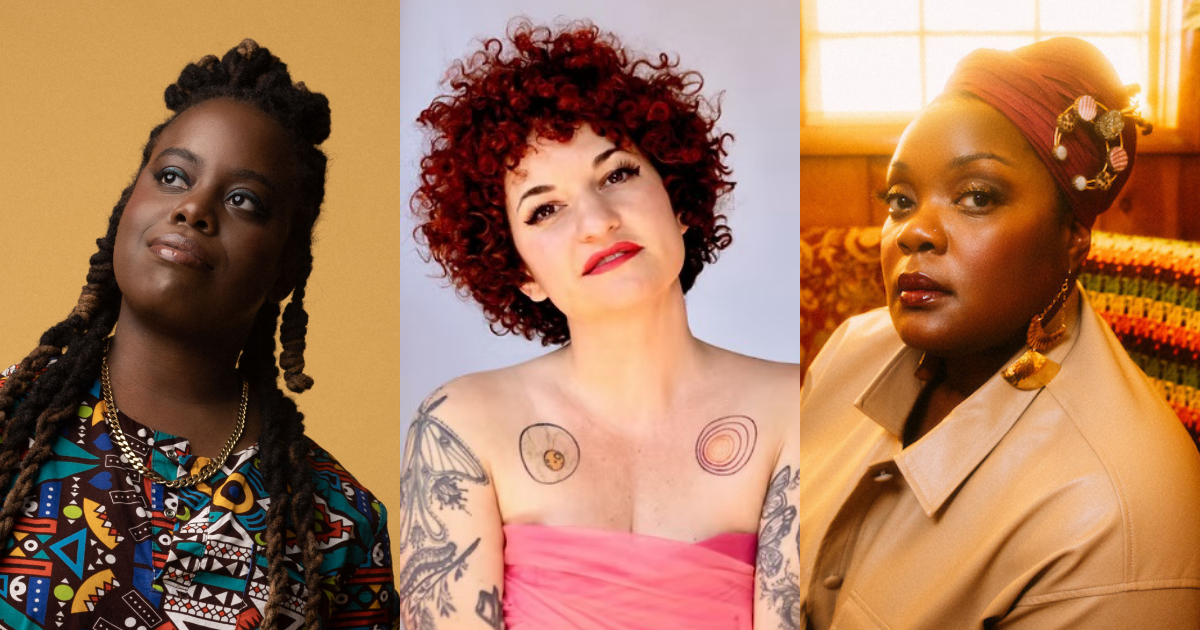
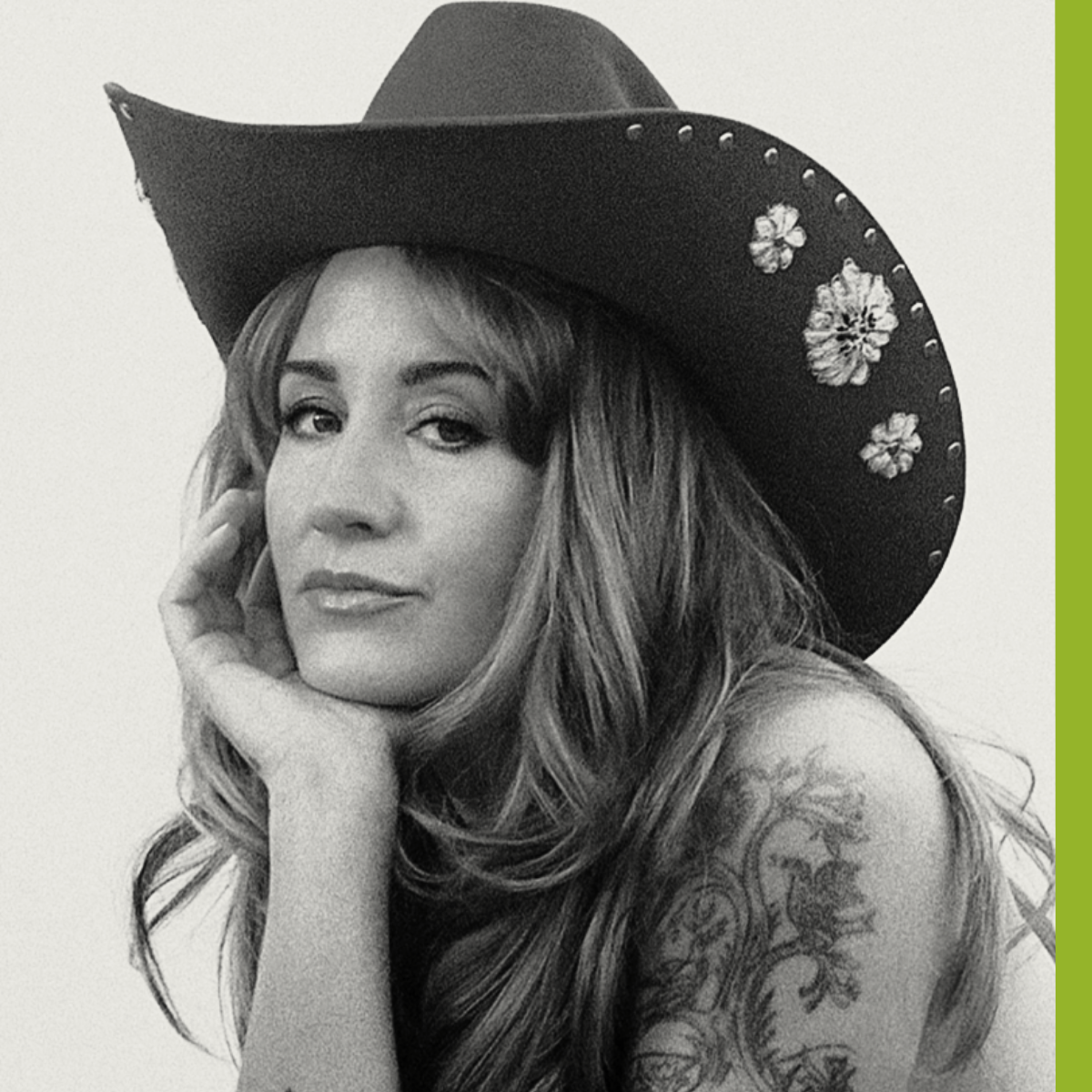
Photos courtesy of Folk Alliance International. Lead image (L to R): Yasmin Williams; Carsie Blanton; Kyshona.

A Country Road Trip

Editor’s Note: Each issue of Good Country, our co-founder Ed Helms will share a handful of good country artists, albums, and songs direct from his own earphones in Ed’s Picks.

Asleep at the Wheel

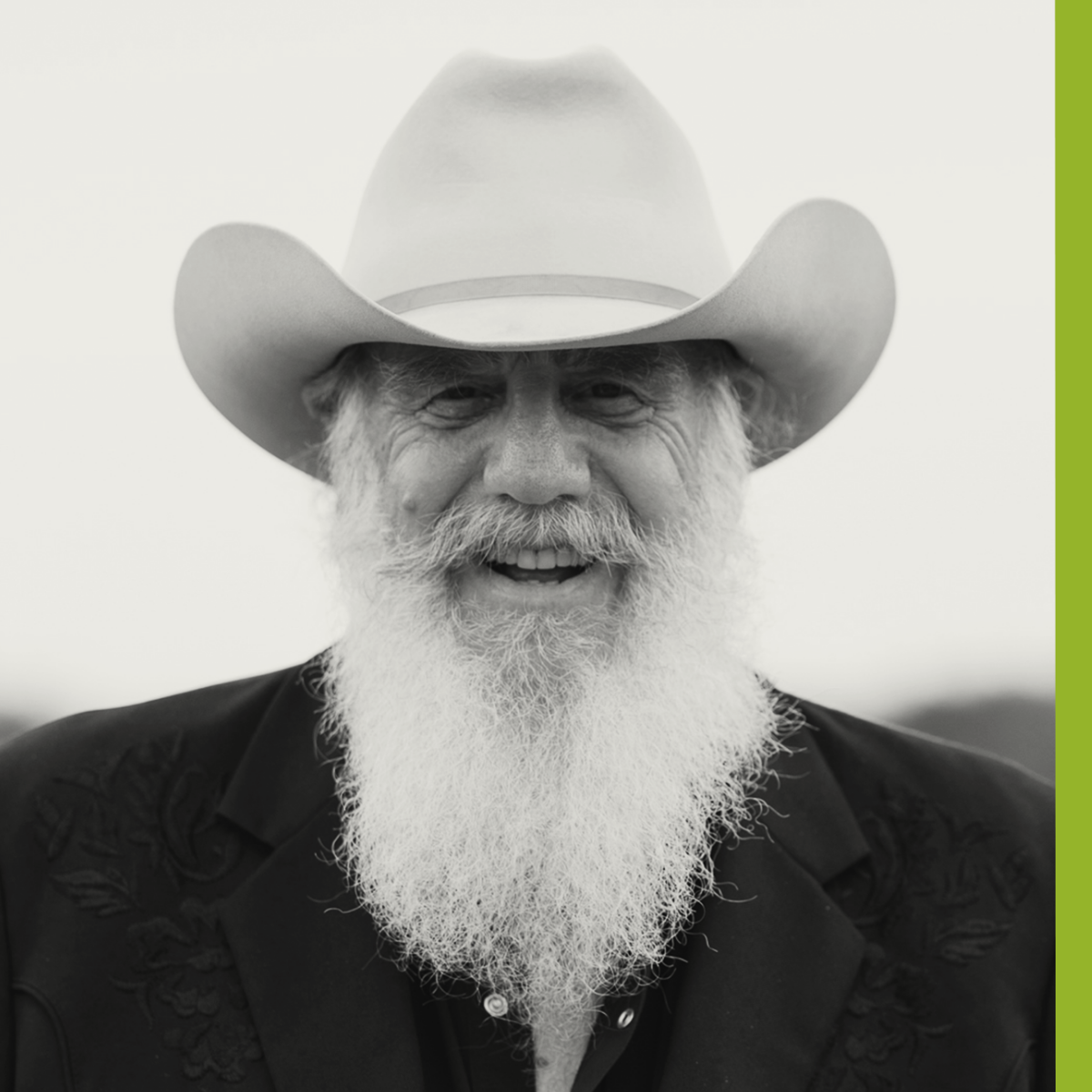
Among the many excellent Texan country & western bands Asleep at the Wheel have been standing tall for more than 50 years. Their new album, Riding High in Texas, collects ten of the best songs about the state from some of country’s most iconic artists and writers – and it features quite a few stellar guests as well, like Lyle Lovett, Brennen Leigh, and Billy Strings.


The Creekers

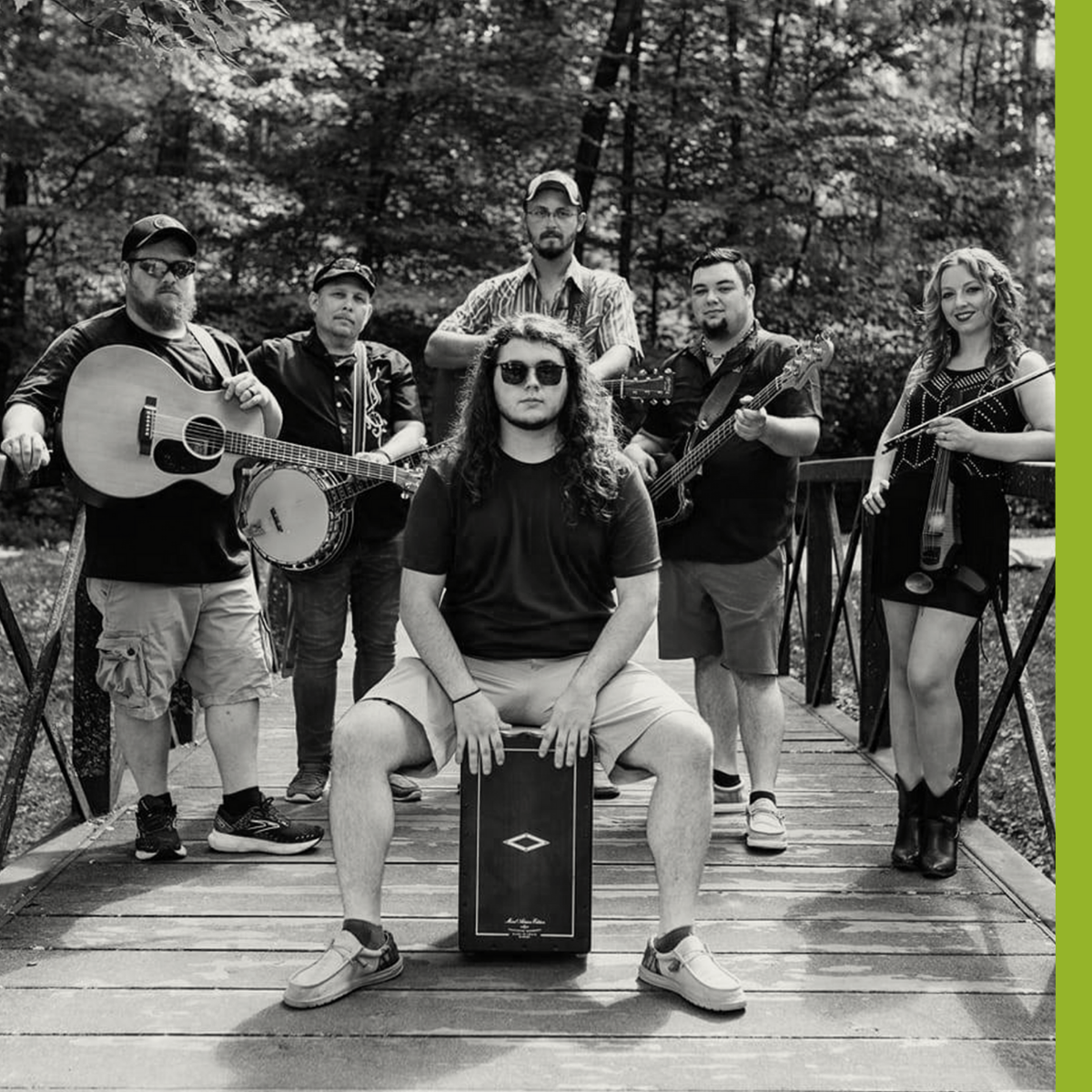
A few short weeks ago, no one would have faulted you for not knowing who Eastern Kentucky bluegrass band the Creekers were. Now, their track “Tennessee” is seemingly everywhere on the internet. The song has been used on more than 36,000 TikTok videos and the group has quickly amassed upwards of 60,000 followers on the platform – plus, “Tennessee” has been streamed more than 3 million times on Spotify and has racked over half a million spins on YouTube! Let the catchy tune do the explaining why.


KIRBY

Here’s some Good Country! Now, it’s true not every track from this Mississippian genre-bender’s brand new album, Miss Black America, would be “permissible” on country radio, there are still plenty of rural, down-home, red clay, Americana moments throughout this impeccable collection. From the visuals of the album and her social media accounts to tracks like “The Man,” “Reparations,” “Mama Don’t Worry,” and “Thick n Country” it’s clear KIRBY and her material would fit right in alongside the best of today’s pop country and country trap – and would certainly outshine most songs in those subgenres, too.


Sabine McCalla

The GC team was first introduced to this incredible singer-songwriter, Sabine McCalla, through her equally talented sister, Leyla. But soon after that she took the internet by storm with her Western AF video performance of “Baby, Please Don’t Go” – which rests comfortably at 1.1 million views on YouTube. McCalla just announced her debut full-length album, Don’t Call Me Baby, arriving November 7 via Gar Hole Records and we can’t wait. The singles she’s released so far promise more lovely and innovative heart-wrenching indie-roots music.


Margo Price

New Margo Price music is always cause for celebration. We’ve worked with Margo a lot over the years, from Bonnaroo to the Good Country Goodtime at Newport Folk Festival this July, and we’re constantly impressed by her drive, grit, tenacity, and the way agency is at the center of all of her work. That’s certainly true for her brand new album, Hard Headed Woman. Don’t ever change, Margo.


Want more Good Country? Sign up to receive our monthly email newsletter – and much more music! – direct to your inbox.

Photo Credits: Asleep at the Wheel by Curtis Clogston; The Creekers courtesy of the artist; KIRBY by Justin Hardiman; Sabine McCalla by Camille Lenain; Margo Price by Yana Yatsuk

Jackson and the Janks Celebrate “Garage Gospel Jank”

Jackson and the Janks, we started in a living room in New Orleans. Piano and guitar playing old gospel songs and trying to make a dance band. First there were two, then a third came in to use the bathroom – he was living in his van out front at the time. He sat down and played along after nature’s call. Over a year it grew from there, adding bass, saxophone, and steel guitar. We started playing shows in New Orleans, sweaty dance shows, and we didn’t have a name other than “the garage gospel band” (officially, Sam Doores’ Garage Gospel Band). We’ve branched out now and adopted New York janks into the family.

The Janks as a name came up, describing all things Janky. An old time, do-it-yourself way of playing, inspired by New Orleans R&B, rock and roll, honky tonk, and of course the sacred songs.

This playlist is a mix of sounds that influence the sentiments of Jackson and the Janks. Rollicking dance music, garage band approach, songs of love and lost love, sweet and sour, irreverent. – Jackson Lynch, Jackson and the Janks

“My Journey To The Sky” – Sister Rosetta Tharpe

There’s something wrong if Sister Rosetta is not in the conversation. True muse and queen progenitor of rock and roll, she kills me with her gospel.

“Rockin’ Bicycle” – Fats Domino

The great Fats Domino. I picked this because it inspires an approach to songwriting that gets overlooked. Have fun with the lyrical content and make fun music.

“Unchained Melody” – The Fleetwoods

I don’t take baths, but listening to this tempts me to try it out. The harmonies do it to me. My favorite version of this song.

“No More Tear Stained Makeup” – Martha & the Vandellas

This one has that lyricism and rhyme that I love. Taking a simple theme and so cleverly making it heartbreaking, don’t see it coming. Smokey Robinson at his best.

“Young Boy Blues” – Snooks Eaglin

New Orleans for real songster Snooks Eaglin played everything. Country blues, jazz, and pop songs of his day. That’s the job: play what people want to hear, do it good, and make it your own.

“Let’s Leave Here” – Jackson and the Janks

It’s about trying to not be the last one at a party that’s going under. Nothing’s happening, but you gotta leave before something does. “Gates are dropped, the service stopped, at the shop on the corner…”

“I Got Loaded” – Keith Frank & the Soileau Zydeco Band

This is a great zydeco version of a swamp-pop party song. Keith Frank (son of the famed Preston Frank) and his whole family make some of the best music I’ve ever had the privilege to dance to.

“Sweet Nothin’s” – Brenda Lee

Sugar, spice, everything nice.

“Sitting on my front porch, well do I love you? Of course,” Brenda growls and tucks me in.

“Who Will The Next Fool Be” – Charlie Rich

This speaks for itself. Just listen to how Charlie Rich sings the word “Who.”

“Life Is Too Short” – Benny Spellman

A great ballad deep cut from the man who gave us that deep voice on “Mother In Law.” Operatic. ”

We do big things in a hurry/ Let’s do what’s right to live…”

“Immigration Blues” – Duke Ellington

This secular hymn is my favorite shit. Early Duke’s orchestrated pieces like this make me regret and hope, sad and happy.


Photos courtesy of Jalopy Records.

Violinist and Singer-Songwriter Anne Harris “Brings Things Up a Level” with New Album

Anne Harris is having a moment. Though many people (this writer included) are just finding out about this Midwestern violin virtuoso this year, she has been making records since 2001. With her new album, I Feel It Once Again (released May 9), Harris decided, in her words, to “bring things up a level.”

Not only is the disc getting rave reviews, it marks the first-ever violin commission in America between two Black women – Harris and luthier Amanda Ewing. The 10 songs on I Feel It Once Again range from traditionals like “Snowden’s Jig” and the closer “Time Has Made A Change” to originals like “Can’t Find My Way” and the project’s title track. Throughout, Harris remains impressive in both her vocals and her violin playing. The album was produced by Colin Linden who has worked with Bob Dylan, Rhiannon Giddens, Bruce Cockburn, and many others.

Harris is currently based in Chicago, but was actually born in rural Ohio. She took to music at a very young age, inspired by her parents’ record collection. After attending the University of Michigan’s School of Music, Harris moved to Chicago, where she delved into the city’s theater and music scenes. Now, she is about to tour with Taj Mahal and Keb’ Mo’ this summer. BGS had the pleasure of catching up with Anne Harris for a conversation about the new album, her Amanda Ewing-built violin, her influences and inspirations, and more.

To start, tell me where and when I Feel It Once Again was recorded.

Anne Harris: I did the record in Nashville. Coming out of the pandemic, I had been writing and I felt like I had a collection of songs – a pool of things that I wanted to be on my next record. I wanted to work with a producer, [but] I wasn’t sure who to work with. All my prior records had just been basement records, basically. Nothing wrong with that, but I wanted to bring things up a level. A friend of mine, Amy Helm – who is an amazing singer-songwriter in her own right – recommended Colin Linden to me.

Colin is Canadian born and raised. Incredible multi-instrumentalist [and] producer that’s made Nashville his home for many years now. Anyone [Amy] recommends I’m gonna listen to. So I started listening to some of the records he made. I got in touch with Colin and sent him, in really rough form, a big basket of songs I was considering. He really loved them and wanted to work on the record. We got the basic core of the record laid down in about a week of intense recording in Nashville and finished up with a few things remotely after that.

Is it true that you first picked up the violin as a kid after watching Fiddler on the Roof?

Yeah! My Mom took my sister and I to see the movie version of Fiddler on the Roof when we were little; I was around three. I was born and raised in Yellow Springs, Ohio. I remember being at this movie theater in Dayton for a matinee. I remember the picture of the screen – you know, this opening scene where Isaac Stern is in silhouette on a rooftop playing the overture. And [my mother] said I stood up, pointed at the screen, and yelled – as loud as I could – “Mommy! That’s what I wanna do!” She was like, “Okay, you gotta sit down and be quiet.”

She thought [it was] maybe a passing thing and that I was caught up in the drama of the music. [But] I just kept bugging her about it. So she let me do a couple of early violin camp kind of things here and there. I just had this intensity about wanting to really study it. So when I turned eight, I started studying privately with a teacher. Suzuki and classical training was sort of my background.

Tell me about the title track, which is also right in the middle of the album. What inspired “I Feel It Once Again?”

A couple of years ago, [my] friend Dave Hererro – who is a Chicago based blues guitar player. Sometimes he’ll come up with a little riff and send it my way and say, “What do you think of this?” He sent me this guitar riff, which is kind of the through line of that song. I heard it and immediately the whole song and story unfolded in my head. I wrote [it] around that guitar riff in, like, one session. I did a demo and I played it for Dave. I’m like, “Dude! I love this so much.” He’s like, “Well, do whatever you want with it!”

Writing is an interesting thing. I’m not super prolific. I’m not one of those people that’s like, “I journal every day for 13 hours!” [Laughs] You know? [I don’t] have a discipline or method other than trying to stay open to inspiration and committing to it when it happens.

[That] was the case with that song. I had the story and a picture in my mind of what that song about. Somebody musing over a loss. You know, it’s twilight and they’re finishing a bottle of wine and mourning the loss of this great love. One part of you is fine when it’s daytime and you can put on a face and you’re going about your business. But then when the curtain comes down, behind that curtain is this loss and this mourning. That’s what that song is about.

Everything looks different at 4am, doesn’t it? [Laughs]

I [also] wanted to ask you about “Snowden’s Jig.” That’s a type of music I know virtually nothing about. I know it’s a traditional.

Yes. “Snowden’s Jig” is a tune that I learned from the Carolina Chocolate Drops record Genuine Negro Jig. It was my gateway into the Carolina Chocolate Drops. I was doing errands somewhere and I had NPR on and [they] were a feature story. And it was just this mind-blowing thing.

Joe Thompson [has] been deceased for a while now. But he was one of the last living fiddlers in the Black string band tradition. They would go to his porch, learn tunes from him, and learn the history of Black string band tradition. That’s sort of how they started their group. [“Snowden’s Jig”] was on that record and they learned it from Joe.

Part of my mission as an artist is to be a bridge of accessibility through my instrument, the violin, to the Black fiddle tradition. There was a time during slavery days when the fiddle and banjo were the predominant instruments among Black players. Guitars were sort of a rarity. That was when string band music was really at its height. North New Orleans was the sort of center of Black fiddle playing. Often time, enslavers would send their enslaved people down to New Orleans to learn how to play fiddle and then come back to the plantation to entertain for white parties and balls.

You’re based in Chicago. It’s a big music city. How has living in Chicago informed your music?

Chicago is known as a workingman’s city, a working class city. There’s something very grounded about Chicago in general and that’s the reputation it has. I’m a Midwestern person [anyway], from Ohio originally. There’s something about us in the Midwest. You know, we’ll never be as cool as New York or LA! But we work our asses off. I feel that translates into the artists in this town. It’s really a place where it’s about the work.

This album apparently marks the first violin commission between two Black women. Yourself and Amanda Ewing?

Correct. Amanda Ewing. It’s the very first professional violin commission that’s been recognized in an official capacity. Amanda has a certificate from the governor of Tennessee – she’s a Nashville resident – citing her as the first Black woman violin luthier in the country.

When I first saw Amanda, it was online. The algorithm basically brought her to my phone. I saw a picture of this beautiful Black woman in a work coat, holding the violin and I about lost my mind. I was so blown away and inspired. I read her story and got in touch with her and told her, “I have to have you make a violin for me. I have to own a violin that was made by the hands of somebody that looks like me.” It never occurred to me, in all my years of playing, what the hands of the maker of my instrument might look like. That’s not an uncommon thing, but it’s sort of sad! It would never occur to me that a Black woman would be an option.

So as soon as I met her, we embarked on a commission that was funded by GoFundMe. She decided she wanted to make two [violins] so that I would have a choice. They were completed in February, a couple of months ago. [One violin] will make its official debut for a public audience on the 23rd of May. I’m gonna be playing at the Grand Ole Opry with Taj Mahal and Keb’ Mo’. I’m going on tour with them.

It’s funny, I was gonna ask you next about that tour! I noticed you had some upcoming tour dates with Taj and Keb’. I wanted to ask your thoughts on that and maybe what people can look forward to on this tour.

A friend of mine is Taj Mahal’s manager and she’s also good friends with Keb’. She said that Kevin [Keb’] had approached her looking for a violinist player for this upcoming tour. They have a new record out as TajMo called Room On The Porch. It’s their second under that moniker and it’s an amazing collaboration. Two iconic figures making beautiful music together. So she recommended me and [Keb’] had seen me before – I think when I was touring with Otis Taylor years ago. He called me and you know I’ll keep that voicemail forever!

As far as what to look forward to, it’s gonna be amazing. The opportunity to work with luminaries… I’m gonna be the biggest sponge, soaking up all of the knowledge from these giants. Taj has been influential to just about everyone on some level. He’s one of those people who’s worked with everybody and done so much. I’m just over the moon.


Photo Credit: Roman Sobus

Solitary Refinement

Ever since she was a child in Arizona, Kassi Valazza has battled crippling stage fright. While that fear has lingered in the years that have followed, on her journeys touring, and living in Portland, then New Orleans, and (soon) Nashville, she’s been able to conquer it with intention, introspection, and consistency.

“I need to be alone for at least 10 minutes before I go out [on stage] so I can relax and do my breathing exercises,” Valazza tells Good Country. “More than anything, just getting into the groove of playing shows helps, because eventually your brain does turn it off a little bit. The nerves never fully go away, but at a certain point things just start to become muscle memory and you’re able to tune the other noise or inner thoughts out.”

Those three pillars also make up the foundation of her third album, From Newman Street, released May 2. On it Valazza spins her most personal web of songs yet, her vintage and Emmylou-esque warble taking listeners on a cosmic Americana journey that pulls back the curtain on vulnerability and universal struggle, forging a soundtrack of triumphant growth.

Songs like “Roll On” and “Your Heart’s A Tin Box” are ripe with melancholy, wisdom, and a bit of hindsight – plus bed-ridden humor – all of which is also reflected in the album’s artwork. It depicts a pensive Valazza in a staring contest with a breakfast-in-bed platter captured by friend and longtime photographer, Kait De Angelis.

“I wanted to capture exactly what I was going through when I was writing this album – I was really depressed, I was in bed, and I wasn’t getting up or going out a lot,” explains Valazza. “There’s also a funny and comedic side to that too where depression and anxiety are very real feelings that a lot of people have that I wanted to present in a playful, but still real way.”

Ahead of the release of From Newman Street, Good Country spoke with Valazza about the solitary environment the songs within it were born from, nature’s influence on her work, how she’s poised for a move to Nashville, and more.

Like the previous installments in your catalog, From Newman Street was self-produced. What’s your motivation behind that?

Kassi Valazza: It started out more from necessity, because then – and even now – I don’t have a ton of money, I’ve just been working with friends. I’m also a little bit of a control freak, too, though. Ultimately, I really trust the people I work with and think we’ve been able to make some great stuff without having to bring in an extra person. It’s made just as much sense to do things that way financially as it has from a creative sense.

Maybe not as much a financial decision, but certainly one that benefited on a creative level, was the move to record in Portland despite leaving there for New Orleans a couple years ago. What was it that took you down to the bayou?

I’d just been to New Orleans a lot and had a solid community of people I knew out there. I spent a lot of the summer on tour before I moved and was seeing a lot of those people, which gave me the idea of giving life in New Orleans a go before trying out Nashville. I’ve really enjoyed my time here, but funny enough I’m actually moving to Nashville in November. I had my little moment here and loved every minute of it, but Nashville is where I see myself ending up.

Why is that?

The thing I like about Nashville is that it’s so open genre-wise. There’s not just country, there’s also a ton of indie artists doing everything from psychedelia to jazz. I also have my booking agent and a lot of good friends there. New Orleans has been really fun but I’m just gone all the time, so I needed a home base that’s a bit more calm and easier to wind down in.

There’s also a bunch of nature [around Nashville]. I really love to hike and be outside, but in New Orleans you’re kind of just stuck there – there’s not a lot of space to leave. There’s a lot more diversity in both landscape and music in Nashville. It makes New Orleans feel like an island by comparison.

Speaking of nature, how does it inform your music and creative process?

On [2023’s Kassi Valazza Knows Nothing] nature was a major influence, because when I was living in Portland I was always outside. I even lived out in the country for a while in a yurt house and wrote a lot of songs there. But on this new album a lot of it was written from my bedroom – or at least somewhere inside – and I think it shows in the lyrics. There’s just not a lot of imagery of the outdoors, which is what makes this project stand out against my others. That being said, I miss having nature as a reference, so it’ll be nice to get back to hiking and camping again soon.

You just mentioned From Newman Street being mostly written in isolation, from your bedroom. Does that mean this is a pandemic record or were these songs born more recently than that?

It’s actually not related to that at all. It’s all pretty recent from the past two years. I went through a weird phase where I was a little bit depressed and shut in and wasn’t going out as much, because my mental health had hit a low. These songs are a reflection of where I was physically and mentally during that time.

With that in mind, tell me about the song “Your Heart’s A Tin Box,” which seems to be a rumination on the sacrifices of being a working musician. Was there a specific moment that inspired the song, or rather an accumulation of many?

It’s a mix of both and definitely a wrap up of my last year. The opening line (“Walking through the airport/ With no money I can spend…”) was written in the airport when I was walking around after just getting back from my European tour. There’s this thing that happens when you play overseas where they don’t pay you right away, because they have to go through all the venues and booking agents first. I had been there for almost two months and had no money, not even enough to buy water in the airport after I landed.

It’s one of those things where I don’t know whose fault it is, but it’s not set up to benefit the musicians at all, which has been really hard to cope with. A lot of friends have been dealing with it, too, because in general there’s not many people or organizations out there protecting musicians these days – it’s kind of like the Wild West.

Nobody should have to beg for money they earned. Due to the touring associated with my work I have all kinds of expenses – from plane tickets for my band and I to hotels, gas money, rental cars, and more – that quickly pile up. You end up having to put it all on a credit card hoping you can pay it off when you’re all done and the timing of it just never quite adds up.


View this post on Instagram


A post shared by Kassi Valazza (@kassivalazza)

The repetitive cycles and costs associated with touring that you touched on there remind me of another song, “Roll On,” which I understand is about repeating patterns, but in the context of a relationship rather than the music business?

Yes! I had been in a relationship that wasn’t working for me, but kept trying and trying to fix it. It felt like I tried 13 times to put a Band-Aid on it, which led to the song coming along very easily almost as soon as I sat down to write it. It was a scenario where I loved the person so much and wanted to make it work before realizing that I just had to let it go.

Listening to it and “Time Is Round” – which directly precedes “Roll On” on the album – I couldn’t help but think of the two as sister songs where you’re trying to chase time only to realize what’s meant for you will come back around eventually?

I’ve never thought about it like that, although they are both about different relationships with people and myself. “Roll On” was about a relationship that wasn’t working and “Time Is Round” is one I wrote at the start of a new relationship and trying to gauge the situation to assess whether I was repeating the same mistakes. Now that you mention it, maybe there is some kind of correlation there.

Glad I could be of service!

One last song I wanted to ask you about was “Birds Fly.” I love everything from the trance-like arrangements on it to the lyrics, which seem to be about sitting around and marinating in your own thoughts as the world moves around you. Is that what you were trying to convey there?

A lot of that song is just me disassociating from my feelings, which is captured in the vibe of the music. It just reflects me laying in bed and avoiding conflict and the various issues in my life.

Erik [Clampitt], who played pedal steel on the album, really leaned into that with the bird sounds he created with the pedal steel. Then you’ve got Sydney Nash playing vibraphone, which is such a calming, comfortable instrument to listen to. Then Tobias [Berblinger] is doing all the synths behind her. I wanted to create a little pad for somebody to lay down on and listen.

Well, mission accomplished! What’s your songwriting process look like – from what I understand you almost exclusively write on your own?

I do, but the process definitely gets changed up a lot. Oftentimes I’ll find something that works and keep doing it until it eventually runs its course before finding something else. Lately it started a lot with the melody first and struggling to find lyrics to put with it. A lot of Knows Nothing – and this record too – came from poems I’d written down in my journal and added a melody on top of. When I hiked a lot they’d sometimes come up at the same time, and other times they’d pop into my head unexpectedly. It’s always different – I’m not capable of relying on one specific process.

Whether it’s sitting with your thoughts in bed, journaling them, or putting them to song, what’s something that music has taught you about yourself?

I have a lot of big feelings and go through waves of depression and anxiety, which can make it hard to know what’s real and focus on the present. The beautiful thing about art and songwriting is that you get to capture a moment that you can look back on later.
Sometimes things aren’t very clear, whether it’s confusing relationships or not being your best self.

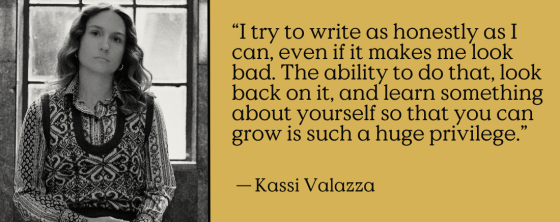
I try to write as honestly as I can, even if it makes me look bad. The ability to do that, look back on it, and learn something about yourself so that you can grow is such a huge privilege and something that’s been wildly beneficial to my mental and physical health. If I wasn’t making art I’d be a much unhappier person, that’s for sure.


Photo Credit: Kait De Angelis

Righteous Babes All Around: Joy Clark in Conversation with Ani DiFranco

Joy Clark and Ani DiFranco connected over something unexpected: a Christmas song. Slated to perform at the same benefit show in 2022, the two singer-songwriter-guitarists were grouped to take the stage together and needed a holiday tune, ideally an original one. Clark’s “Gumbo Christmas” made it to DiFranco before the show, and the legendary artist and founder of Righteous Babe Records heard a hit. Once the pair synced up, they felt an instant musical kinship, and it wouldn’t be long before DiFranco signed Clark to her label.

Last October, Clark released her critically acclaimed debut album, Tell It to the Wind. Informed by her experience as a side player and imbued with a deep reverence for her craft as a solo artist, the record was one of 2024’s finest releases, announcing Clark as an artist with a keen sense of who she is and what she wants to create. The album sonically pulls from Clark’s roots as a Louisiana native and thematically from her experiences as a Black and queer woman making her way through the world. Highlights include “Lesson,” a bluesy, groovy reminder to keep your head up in the face of struggle, and the record’s vulnerable closing title track.

Before the holiday break, BGS caught up with DiFranco and Clark over Zoom to chat about Clark’s signing to Righteous Babe, her album Tell It to the Wind, and what she and DiFranco admire most in one another – as they prepare to hit the road together on tour next month.

Let’s start by having you share how you met and what drew you to one another.

Joy Clark: Well, it started with a Christmas song. It was 2022, and we were both on a Christmas show. There was a big lineup, with Big Freedia, John Goodman, and a lot of other people. So, they tried to group the performers together and I got grouped with Ani and Dayna Kurtz, and I happen to have a Christmas song called “Gumbo Christmas.” My agent contacted me and said, “Hey, can you make a recording of your song and send it to Ani?” He sent it to Ani and I heard back that it was a hit. She liked the song. So, they grouped us together and we performed it.

Ani DiFranco: It’s a total hit, this song. I mean, I don’t understand why people are not holding hands all over America singing this song right now.

JC: I wrote about my grandmother making gumbo every Christmas, it got to Ani, and I think that’s how I got on the radar.

AD: From my perspective, I’m asked to do a benefit and it’s just tons of New Orleans usual suspects involved, like she said. Then, I found out a little later everybody had to play Christmas songs for this thing. I was thinking I’d just show up and play a song or two of my own. I’m like, “Oh, man, Christmas. What the hell?” So, I’m combing through Christmas songs, and I’m like, “I don’t know.” And then I thought, “Oh, I’ll just write one. I’ll write a Christmas song.” I pounded my head against that wall for a few days and discovered that it’s harder than you think to write a Christmas song that anybody ever wants to hear.

Finally, somebody rescued me by saying, “Well, you know, Joy’s got a Christmas song. Maybe you could sing with Joy Clark.” And in comes this little video of Joy singing. I was like, “Oh, my God, that’s the best. That’s the best.” Now I know how hard it is to write a Christmas song, so my respect for this woman is already right up here for making this sweet, soulful Christmas song. And then [Joy] came and recorded it.

You don’t hear many artists getting signed off a Christmas song or even having that be their entry point to meeting their eventual label. That’s a great story.

AD: It was also just hooking up, you know, in person, doing a little rehearsal at Joy’s house, and then going and doing the gig. We got to hang out. It’s not just like I heard the song somewhere. I got to see firsthand that Joy can play and sing her ass off and was an artist in the world doing her thing. I always say that we’re not really a label with tons of resources that can create something out of nothing, or market somebody into existence or something. But what we can do is support working artists and try to get behind them and help facilitate what they’re already doing.

JC: I think that’s the cool part, because I’ve been a working musician for a long time. And not just being Joy Clark, just writing my songs and performing – I played in a lot of different bands, playing guitar, singing harmony. … I’ve really just been working, been doing the thing. I played as a side person for a long time, which is how you learn. That’s how you learn to just be a musician. I feel like that’s been a gift for me. So, now to be able to just to step out up front and write and put out music, I feel pretty lucky. But it also feels really right.

It sounds like you came into the picture with a fully realized sense of who you are and the kind of music you make and what you want to do. And it sounds like the label is a great home for artists like that, who already have strong senses of self and don’t necessarily need, like you mentioned, Ani, a lot of development and marketing.

AD: Certainly at Righteous Babe, you’re not going to have some pencil pusher telling you what you should do with your songs. The thing about an artist-run label is the artist has to follow their heart. That much is clear at Righteous Babe.

Joy, I’m going back to what you were saying a moment ago about being a side player and the opportunities that provides – or sometimes forces – for you to adapt and learn and be able to do things on the fly. How do you feel that those experiences have shaped your solo work?

JC: There’s pressure in it, but then there’s not really pressure, too, because it’s not about me. I think it allows me to just be and not think about, “What do I look like?” or “How do I feel about this certain thing?” It’s giving somebody else space to do their thing. And that gave me a lot of confidence, actually. It gave me a lot of freedom. … I think that helped me step into my work, because when you do need people, when you do need support, you get both sides of it. I think it’s made me more compassionate. I hope I’m not an ass. I don’t think I’m an asshole. [Laughs] I understand what it is to support somebody’s work.

AD: I can really relate, too. I remember the first time I worked on somebody else’s record that wasn’t my shit, and I was like, “Whoa. This is all the fun of making music without the crushing emotional baggage of exposing your guts and putting yourself up for judgment.” So, I completely hear what you’re saying about how it’s a different experience to make music when you’re not on the hot seat, when it’s not you being judged. I love working on other people’s music for exactly that reason. It’s so freeing emotionally. … And now we’re about to go out to make some live music together. That will be fun times.

I wanted to ask about that. As you get ready to hit the road together, is there anything you can share about your plans, or what you’re looking forward to, in particular, about getting to share a bill with one another?

AD: Another thing that is always in the back of my mind with Righteous Babe, if we’re considering releasing a record, is whether this is an artist we could have the means to help. Somebody came to us with a very different genre of music recently and it was a super cool record, but I just thought, “I don’t know how to get to the right audience and get this project where it needs to go.” But from the minute I met Joy and saw her play and interact with an audience, I thought to myself, “My audience will love this person.” So, that’s always in the back of my mind, like, if we put out a record on Righteous Babe, could we do shows together? That’s a really easy way for me to assemble a bunch of people and then point, “Look at her. Check this out.” I just know that they’ll eat you up, Joy. And I haven’t told you yet, but I was hoping to ask you if we could play a song or two together.

JC: Of course! Just let me know what you want. I’ve already been listening. You know it.

AD: I’ll text them to you.

JC: One thing I’m looking forward to is being on a bus. My dates have been fly, pick up a car, then drive, you know? And it’s not like I have a right hand. It’s me and my guitar, driving. When I’m driving, I can’t do anything.

AD: And it’s exhausting. Most of your energy is zapped when you get to the gig.

JC: Yeah, it’s like, “Can I just sit in the green room? Can I just recover from that?” I’m looking forward to having that tour experience of being on a bus and chatting it up and maybe even writing. We’ll see if I can actually write on the road.

AD: Yeah, you need a certain amount of space just to do that, like your own dressing room and your own hotel room. It’s so hard when you’re just out there driving around, doing all the things. Funnily enough, Joy and I were just at another benefit the other night, both playing a tribute to Irma Thomas, singing Irma Thomas songs and benefiting the New Orleans Musicians’ Clinic. We were joking and I was like, “You got to be careful because once you get on that bus, it’s so hard to get off.”

JC: I can feel that coming. I’m looking forward, too, because I’ve really only seen Ani perform once, at French Quarter Fest in 2023. Now, I get to check out the show night after night.

Ani, you mentioned a moment ago that feeling of knowing that your audience will love Joy’s music. I see a lot of connection points in what both of you do. There’s a lot of vulnerability there, for one – I think you described it as “exposing your guts” earlier, Ani, and that feels true for both of you, at least from my perspective as a listener. What points of connection do you see in one another’s music?

JC: I think Ani is a badass guitarist. I respect that, because it takes a lot to be able to play with the band and then to just be a person on stage with a guitar. I think I really connect with that fingerstyle picking. I prefer fingerstyle because it gives you a lot of different textures and it gives you different choices. Instead of strum – a strum is great, it’s just when you can pick, there are these other things happening. These little flavors and lines that I connect with, because that’s the type of player I am. I don’t have the picks on my fingers, it’s just my fingers. But I think that’s how I connect [to the instrument].

AD: Ditto for me. Keep those naked fingers, because it sounds so much better. I put on these plastic nails, but that’s just because I get so violent with my guitar and I bloody myself if I don’t have them. But the sound is so, so great with the real finger and the real nail. I’m really more of a rhythm player, and I just sort of play by ear, but you can play solos. You know what key we’re in and what the notes are supposed to go with that – all the things that I don’t actually freaking know. [Laughs]

I’m just super impressed with anybody who can legitimately play guitar like you do. There’s knowing how to play or knowing how to sing or this or that, and then there’s knowing how to stand there alone on stage and hold an audience. And Joy can do that, too.

I’m glad y’all brought up each other’s guitar playing, because there’s clearly so much passion and care there for both of you. And I don’t think we ask musicians about their instruments enough. People ask a lot of questions about songwriting and lyrics but not so much about, say, devising chord progressions. How does incorporating guitar into your songs work for each of you?

JC: It’s always different. When I write, there is no one way that it comes. But there is a feeling. There are colors that appear. Sometimes, there are sounds that come out. But one thing that I can say, for me, is that [writing] happens simultaneously with messing around on a guitar. I often sing as I play. I’m not usually writing. I do write, but the core of it is a feeling. If it’s something sentimental, then sentimental lines appear. Sometimes it happens if I’m driving, then I pick up my phone and I hum, and then when I pick up the guitar, I’m flowing. There’s an improvisation that happens and it’s a little bit mysterious. I don’t really understand it. It’s just mystery. But I love chords and I love to pick out cool shit. Then, I just put words to the thing that I’m picking.

AD: I can basically relate to everything you’re saying. Same for me. It’s different all the time. There’s no, like, set process, of course, and each song happens in a different way. But generally, it’s just being able to hang out with your instrument and just be with your guitar, hang out, and process your feelings with it. I miss that myself in life these days. I’m older and at a different point in my road than Joy. And I, many moments, wish I could put myself back where you are, Joy, just embarking on something and being really focused and having that guitar by your side all the time. Now, my kids are in the way most of the time, you know? [Laughs] … But that’s really what it is, having a relationship with the guitar that deepens and deepens. The understanding between you and this instrument deepens, and the guitar starts finishing your sentences.

JC: You can find some really pretty jewels in something that didn’t really feel good [while] writing it. But I want something to grow on me. Maybe it doesn’t fit so perfectly, but in time, “Oh, yeah, that does make sense.”

AD: I feel like that’s what you want for other people, too. It’s not necessarily to always be making songs that are instantly like, “Oh, Skittles! It’s sweet and fruity.” But, something that, maybe, on repeated listens, it takes its time to get under somebody’s skin. Then it really lives there. … What I’ve learned over many years and many albums and hundreds of songs is that, even after you get back to your disillusionment or you sour on something that’s not new anymore, you just have to have faith that somebody out there in the world is still going to have that first experience that you had with it. Somebody is going to feel that way about it, even if it’s not you anymore.

That feels like a lovely place to wrap. Before we sign off, do you have any parting words for one another?

JC: I’m really freaking grateful. I’ve been doing my work and I feel pretty lucky that people want to hear what I have to say. And I feel really lucky to have an album out on Righteous Babe, on your label, Ani. I feel like it’s right. I just turned 40 a couple months ago, and I think it’s pretty fantastic to feel like I’ve just started.

AD: Well, I would say – in a way that’s not weird, in a way that [reflects] that we’re on the same level – that I’m proud of you. It makes me so happy to see you stepping into yourself and your music and stepping out there in the world. You’ve paid a lot of dues and you completely deserve this moment. I can’t wait to see what’s next.


Photo Credit: Joy Clark by Steve Rapport; Ani DiFranco by Shervin Lainez.

The Stories and the Storyteller Behind ‘Stelth Ulvang and the Tigernips’

Stelth Ulvang is a storyteller, but as he shares in our conversation, if it hadn’t been for a broken mast on a famous sailboat years ago, his stories might have found a different outlet than music.

Since then, his musical life has unfolded from one wave to the next. From playing with established bands like The Lumineers or his own projects like Heavy Gus to finding pick-up bands in different towns, he is fast and prolific. His latest effort, Stelth Ulvang and the Tigernips, is a ten-song opus, cut in New Orleans by The Deslondes (a band he indeed met through a friend). A self-declared autumnal record, Ulvang grapples with death with a lilting cover of Echo & the Bunnymen’s “Killing Moon” and guides the listener along his travels in “What Three Dogs.” The (mostly) live recordings lend themselves to the raw emotion of the storytelling.

BGS spoke to Stelth Ulvang over Zoom from his home in Bishop, California.

How’s your life?

Stelth Ulvang: Well, we just got back from a family vacation, and our 3-year-old hates us for trying to explain jet lag to him.

It sounds like you were on a real adventure. Where all did you go?

Greece, Turkey, and the Republic of Georgia. We have a friend there that is a wild, wild, Wild West woman.

She won this great horse race, and she’s really into cooking over big fires. She won the Iron Chef competition there. She’s a pretty versatile human, but pretty wild. So it was fun to have a friend in these places. We had friends in Greece and we had friends in Turkey. But we didn’t have instruments. My wife and I play a lot of music together, so we’ve always traveled with instruments, and this time we refused to.

I’ve just been recording all last year. I’m sitting on three records of recordings and trying to just put out one of them right now.

Nice. That’s awesome. Do you write alone, or do you and your wife write together sometimes?

I normally write alone. I have a hard time writing with others. I just haven’t had enough practice with it. With our other project, Heavy Gus, we will bring songs to the table and then we’ll intermingle and edit them together. But for the most part, it always comes from one voice or another. We haven’t sat down and said, ”Let’s write a song.” I find it harder. It’s more vulnerable than the other parts of a relationship, I find. After like sexual or intimate vulnerabilities, I found writing music together was like by far the last tier.

Well, not to make it about me. But I write music with my husband. Co-writing and the kitchen are the only places we fight.

Oh, yeah, totally. It can get really impassioned. You are just opening yourself up on the table in this way, and it can just go so quickly to feeling under attack about this very personal thing.

You’re very prolific. Sounds like you got a lot of stuff in the pipeline to release.

When The Lumineers stopped touring, I kind of just rallied and tried to get everything done. I did a lot of the writing on the road with the band. There was a lot of downtime in hotels. For a long time, I was recording in hotel rooms with my phone on voice memos and stuff like that. But then I got into using Garageband on my cell phone and making more produced tracks. I released a record like that.

Ultimately, I found that my favorite thing to do was to find a band. If we have a few days off in a town, I find a band and go into a studio somewhere and see if we can just record five tracks. So that’s what I kept doing around the States during this Lumineers tour for the past three years. I had written all these songs over COVID. So we’d be in Cincinnati for three days and I’d find a band and record five songs.

When you say “find a band,” what do you mean?

I mean whip a band up. Ideally, find a band that plays together and they’re down to just like learn a song of mine.

Are you meeting them at a show or are these people that you’re like friends of friends with online?

Yeah, sometimes friends of friends, people that I’ve never played with. But for this record, Stelth Ulvang and the Tigernips, this is all people that I had never met. A friend who was going to be on the record but then left for a tour was like, “Well, they’re good people, you’re in good hands.”

It was fun to just use real old gear, old vintage mics and run it all through tape. We recorded everything live. Singing it live, that’s something I’m not as used to. But with this band from New Orleans, the magic was quick to come.

Did you know you wanted to cut it to tape before you headed down there? Or was that circumstantial?

That was circumstantial. It’s funny with tape right now, because obviously, everything just gets digitized. I was trying to think, “Is there a way that we can keep this off of ever touching digital?” And it’s almost impossible. You know it’s possible, but it feels impossible.

With the record I made on my cell phone, I only released it on cassette tape for a while, which was the reverse. So I should have tried to be true to form and release it just on vinyl and tape in analog form. But it’s 2024.

Well, tell me about self-releasing music. What does that feel like in 2024?

It’s like I finally figured out the releasing stuff. I’ve had help through Emily Smith, with the Alt-Country Show. There was a lot of logistical stuff that I was getting new anxieties about – a lot of social media.

You think you have it all figured out and then it’s just all about being a content creator. I feel like an old man. It’s so complex, but it’s true. I finally kind of figured out how to self-release and self-book shows and now that almost feels like an obsolete skill set. I’m doing a whole tour around the Northeast on this record for a few weeks and booked everything myself. Amazing that it like came naturally, just writing people and asking for help. But yeah, the content is a skill set that I forgot to put my 10,000 hours in on.

I feel that. For the tour, is the band that played with you on this album from New Orleans going?

No, they’re all gonna be in Spain at a sick residency that they do every year. The band goes to Spain once a year. They’ve done it for 3 years. Now this will be, I think, their fourth year. And there’s a huge following in Seville of American country and folk.

It’s interesting that country music is getting big. But in Europe right now, it’s getting huge and friends who do country tours in the States are having much more success in Europe right now.

It also feels like the genre is broadening. There’s obviously the stuff at the top of the pyramid that, depending on your ears, can be exhausting. But there’s more room for more kinds of country.

In that realm, I don’t know that I like the song for what it is, but “Old Town Road” by Lil Nas X – to have a gay Black man put out a track at the top of the country charts, I think opened up the the floodgates to be like, “Anything goes.” I think that is an extraordinary gift to any realm of music, to do something so left field and find success for it. So bless Lil Nas X for that and maybe only that.

What’s a Tigernip?

What is a tigernip? I don’t know. I forgot. … I was just trying to think of something that wasn’t a Google trope. But I wanted the combination of very quick, ferocious, and sweet. We recorded half of the album in the space called the Tigerman Den so I was starting to call it “the Tiger Men.” But there were women in the project. I think I said “Tiger Dicks” at some point, and everyone was like, “What the hell is wrong with you?”

But then, something about a tigernip kind of sounded like a tiger lily or catnip.

I wanted it to be clear that the band that recorded on this record was actually a band and it wasn’t me just doing like solo songs. And how much the album was influenced by these relationships that we had over a very short few days. So, that’s why I was really set on trying to find a band name for us.

There’s a frequent revisiting in the songs on this album to the theme of water. And I read that at one point you sailed from Hawaii to Seattle. Since you have this connection to water, I’d like to know about that sail and if you have an everyday connection to water?

It’s funny, I don’t necessarily buy into astrology, but being an Aquarius, I am appalled that it’s not a water sign. I feel completely more watery than airy. [My birthday is] the very last day of Aquarius before Pisces, which is a water sign. So maybe that’s why I’m compelled to lean into the water sign. And my Chinese zodiac is the tiger.

Back to the sailing trip! I did not want to play music before this time in 2008. I met this musician who invited me on this sailing trip and I just wanted to go on an adventure.

Meaning you didn’t want to play music in your life, or you needed a break from it?

I was playing in high school and I tried to go to college for it. I didn’t like it and I dropped out. I just wanted to travel. I had gone on a bike trip, I was hitchhiking a lot, and I was riding trains everywhere. If music could help me travel, I was open to it.

I traveled to Hawaii to pick up this boat that was famous in National Geographic because of this teenager, Robin Lee Graham, trying to sail it around the world in one go. He left his boat in California and it got moved to Hawaii. I had somehow signed up with a buddy that I barely knew to travel with this boat from Hawaii up to Bellingham, Washington, where it was going to sit in a boat museum for its historical significance.

At the time, this was the youngest boy ever to sail around the world alone. The record has since been broken by a young woman. [The boat] had so much repair work that had to be done on it. So we’re in Hawaii for like five weeks, during which I got arrested for shoplifting some food at Sam’s Club, because we’d run out of all of our money that we had saved up to do this journey. I decided, “Screw it. We’re we’re just gonna skip the court date, I’m gonna get on this boat and we’re gonna sail.” So we bail on this court date, establishing a nice bench warrant that I had to deal with much later on. We make it a week out and the mast busts, and we had to get rescued. And I have never sailed extensively since then.

While we’re at sea my buddy had this mandolin. We sit there, and we’re just trading verses back and forth, writing this kind of silly song as this joke idea that we’re these stranded pirates. We’re just coming up with lyrics. We get towed back to Hawaii; I was really nervous about going to jail. We go to the airport and beg these flight attendants to basically put us on standby to get us back to the States. The only flight that they could put us on was one that went up to Seattle. We’re like, well, “We can hitchhike home from there.”

So, we go up to Seattle and we have no money, not even bus fare, to get to my friend’s house that lived in North Seattle. So we sit in the airport and we play this song, making up words on this mandolin with a little hat out [for tips], just for bus fare. As soon as we get the bus fare, we leave and we’re at our friend’s house. We tell him the story and he’s like, “You know, we’re having a show tomorrow night. You guys should play your song at this show that we’re having in our basement.”

That was the first show essentially that I ever played. By the end of the trip, we traveled for another couple of weeks back to Colorado, we’d written an entire album’s worth of stuff. As soon as we got back to Colorado we already had a band name. We had all the songs ready to record and all of a sudden I was a musician again.

Wow! All because of a broken mast. That’s wild.

SU: The boat was called the Dove. And the book that was about the boat is called Dove. So we called our band Dovekins. Never looked back.


Photo Credit: Rachel Deeb

Basic Folk: Chris Smither & Peter Mulvey

Chris Smither has been Peter Mulvey’s mentor since back in 1993, when a young Mulvey opened for the already seasoned Smither. The blues and folk legend liked what he heard and enjoyed their similarities in creativity and quirks; he took that young man on the road with him. Their musical partnership has survived the digital age, the pandemic, parenthood, and the indictment of a former president. Along the way each has worked to influence their best habits and life lessons on the other. As far as mentor-mentee relationships go, this one is for the history books.

LISTEN: APPLE • SPOTIFY • AMAZON • MP3

In this rare joint interview on Basic Folk, we address the important questions: Why do they delight in calling each other by their last names? Smither shares that he was first called by his last name in Paris when he was in school. The two debate who has the better hometown, Milwaukee or New Orleans. Actually, it’s not so much a debate as a reflection on New Orleans music, since that is clearly the better spot to grow up as a musician.

Mulvey reflects on their musical differences, citing some of his main inspirations to be Kendrick Lamar and Ani DiFranco, versus Smither’s affinity for Joni Mitchell and Bob Dylan. There are nods to David “Goody” Goodrich, Jeffrey Foucault, Kris Delmhorst and the woman behind it all, Carol Young (AKA Smither’s long-time manager, AKA his wife). We break down how each feels about fatherhood and try to get Smither to spill his secret to longevity. Spoiler alert: It’s not from remaining still.

Smither’s 20th album, All About the Bones, is out now. Peter Mulvey’s latest is the acoustic retrospective, More Notes From Elsewhere.


Photo Credit: Chris Smither by Jo Chattman; Peter Mulvey by Paul Reitano.