Southern Avenue: Music for Peace, Empowerment, and a GRAMMY Nomination

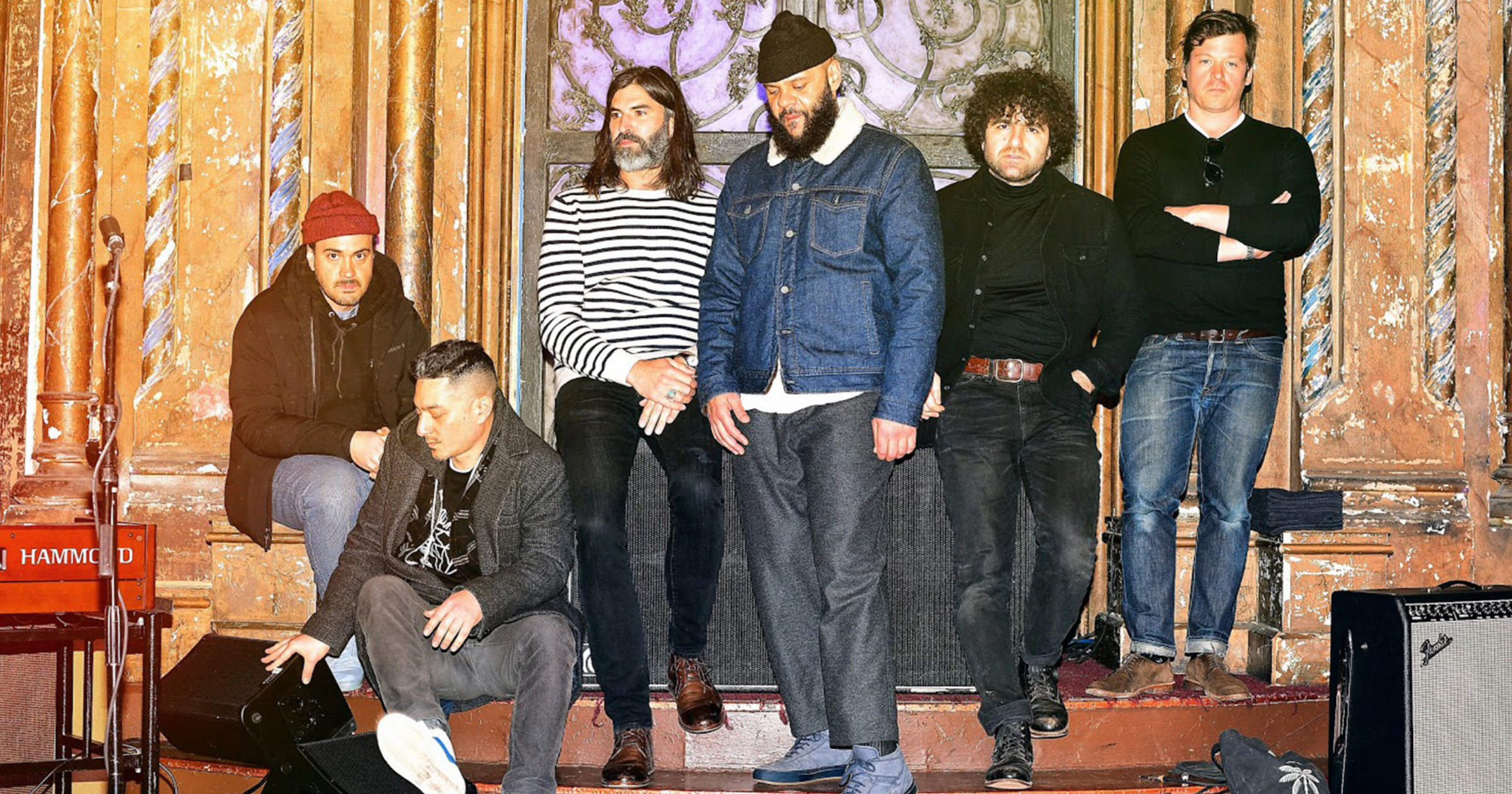
Through joy and sorrow – and they’ve known both in their ten years as a band – Southern Avenue do what they do best: make music. Lead vocalist/songwriter Tierinii Jackson, her husband, guitarist/songwriter Ori Naftaly, and her sisters, drummer/vocalist/songwriter Tikyra “T.K.” Jackson and percussionist/violinist/vocalist Ava Jackson, all reach into their spiritual and emotional wells to tell their stories through song.

It’s there on Family (released in April on Alligator Records), their latest and fourth album. True to its title, it’s a musical journey tracing the band’s personal and professional history. Family was recorded at Royal Studios in Southern Avenue’s home city, Memphis. GRAMMY winners John Burk and Boo Mitchell produced and mixed, respectively.

Southern Avenue write, record, and play with one goal in mind: “We’ve always been a band that speaks about peace and empowerment,” says Tierinii Jackson. “Our music is a place where we can leave the ails of the world outside. We can come together, be equal, and heal.” It’s a noble mission that comes from lived experience and presents in a unique blend of blues, funk, soul, gospel, country, and a healthy serving of guitars.

The rhythmic foundation upon which Southern Avenue is built stems in part from the guitar-and-drums pocket that Naftaly and Tykira Jackson create. “With Ori coming up with really juicy stuff and playing slide, it’s super easy for me to be inspired,” says Jackson. “I feel like what’s actually happening is we all allow ourselves to be creative and truthful to our stories, and we are connected to our ancestors, to our roots, to something much bigger than us. Within that, you get the pocket, because we are locked in.”

Naftaly seconds: “At the end of the day, nothing replaces two people that want to do right by the music, no matter what, and have almost a decade of doing it.”

First interviewed on BGS for Good Country in May 2025, the musicians reunited with BGS just weeks after learning of Family’s GRAMMY nomination for Best Contemporary Blues Album. As requested in their GC 5+5, there were no questions about “how [they] met and how the band started.” You can learn more about that here.

Congratulations on your second GRAMMY nomination. What does this mean to you, musically and personally?

Ori Naftaly: We’re very proud of ourselves, for sure. We felt that this album was special when we were writing and recording it, not just because it’s good music, [but also] because it’s coming from who we are as people. This is the most transparent we ever were. We felt that it is going to resonate. The circumstances for the album are special, and the story behind it. The [nomination] makes us proud because we’ve been so true to ourselves. It confirms our belief that you can create real music, without gimmicks, and it gets appreciated.

Tikyra Jackson: The first time we were nominated [for second album Keep On in 2019], just finding out, in that moment it does something to you that you wouldn’t expect, especially growing up watching the GRAMMYs every year. Five years later, to be nominated a second time, it feels like the first time all over again, because we work so hard.

A lot of times, when you’re the artist, you don’t take time to look at the work you’ve done. You just keep going. With this project being so personal to us, and representative also of our culture and those that came before us, it represents a lot. The GRAMMYs recognizing us also recognizes Memphis in a lot of ways. It gives us hope for the future, that we are becoming the world we live in and not just participants in it; that the world looks like us.

Tierinii Jackson: It makes me feel great. The first time we were nominated, I felt like we had something to prove. We were putting our best foot forward, trying to make everybody happy. But with this project in particular, we really wanted to embrace our roots. It had nothing to do with what people expected of us. It had nothing to do with trying to prove ourselves. It was our time to embrace our lineage, to embrace each other. This nomination is special because it came at a time where we finally found our identity in our journey of self-love. We’re being rewarded for something that’s very, very close to us. We proved we could do it while staying true to ourselves.

Ava Jackson: The previous GRAMMY nomination, I wasn’t [as] involved in the band. I would come in and record background vocals. So the nomination hit, but not as much as it does now. When we found out, my hands were shaking. I had way more involvement in this album as far as contributing to the harmonies, percussion, and fiddle. Having so much of myself involved and getting rewarded with a nomination is something I’m very grateful for. The album is so layered in who we are as individuals and as a family. It’s a triumphant thing to be rewarded and know that you did it wholeheartedly, you put yourself out there, it was authentic. There was so much effort put in even before we stepped into the studio. It’s such a privilege to get a nomination. I’m very appreciative of the process and how everyone has been receiving the album.

In an interview with Rolling Stone, you referred to yourselves as “the spirit of Memphis.” Memphis has a rich musical history … and also a “history.” In those contexts, what is “the spirit of Memphis”?

Tierinii Jackson: The music of Memphis has always reflected the story of Memphis – the struggles, the conflicts, the triumph of being resilient, all the challenges. That’s what we are as a group. We face challenges not only in Memphis, but also in the music business. As young Black women, and for Ori, as a foreigner, we face these challenges, but we turn it into something beautiful.

Our music is uplifting. Our music is positive. No matter what you hear about Memphis and the struggles the city goes through, when you walk into a store, somebody’s smiling at you. You still get that Southern hospitality. It still feels good here. That’s who we are. We are the spirit of Memphis. It doesn’t matter what we’re facing. We come through with this glorious, triumphant spirit. You dance and shout through all those troubles. We have fun. Our crowds – we make sure they’re clapping their hands, and we make it our intention to lift the spirits around us. That’s how you survive in Memphis – by being intentional with your words and how you communicate with your community. That’s how we reflect the spirit of Memphis.

The word “organic” is dreadfully overused, but it’s a bit inevitable with this album. Could you give us some insight into what happens when you create together? Maybe select one track and walk us through the process?

Tierinii Jackson: I would like to start with “Found A Friend In You.” We ladies were raised in church and that was all we knew for years. My father is from Senatobia, Mississippi, and he’s a guitar player. At some point, I wanted to know what the music was like where my father’s from, because I was looking to understand our identity in the blues genre. When I realized that the grooves we grew up playing in church was the sound of North Mississippi blues, we decided to dive in, because that came most natural to us.

“Found A Friend In You” is a Hill Country Blues groove, but it’s also a gospel groove, because blues and gospel are one and the same. That’s what we grew up playing in the church. So, foot-stomping, hand-clapping. It was the easiest to write. The lyrics flowed. The stops you hear right before the choruses – that’s organic. That’s second nature to us. When you hear that “dreadful” word “organic,” [all laugh] it means that when we’re our happiest, that’s the sound you hear, because that’s what comes from inside. That was put in us through generations of rhythms. It’s in our blood.

Tikyra Jackson: Getting into the studio, [there] came organic ideas and things. The tambourines on that song, you’ve got me playing on my hip, and Ava playing as well, and this energy of us being in a setting and worshiping in a way. We’re celebrating. You pull from your environment, and in the environment we grew up in, it was always extra instruments laying around. You just picked up something. In the studio, we came prepared, but a lot was inspired in the moment. When we talk about “organic,” we are so true to the sound and the music that we didn’t have the answers all the time throughout this process, and we trusted that we would find them along the way.

Ava Jackson: We recorded just about everything live and together. We did separate takes of our vocals with separate mics, takes with all three of us on one mic in a booth, and then we doubled all of that. It gives a very dense presence with the harmony. With this song, and in church, we’re hitting tambourines and it’s coming from the Holy Ghost, the spirit, and so you’re hitting it passionately.

What provides the drive in the song is us continuously playing that tambourine rhythm all the way throughout. Sometimes you add rhythmic ad-libs. With the harmonies, it’s like in church – you break out in song and everybody falls into place. I’ll be in the higher range, Tierinii in the mid-range, and TK in the lower range. We break out into that and it continues throughout the song, that reiteration of togetherness and the reflection of how we organically express what we’re singing.

The word “organic”– this style of music is innate for us. You weren’t taught how to do it. You were born into it. The fiddle adds another layer to the harmony and it also feels jovial. So towards the end it’s like you find your way. You’re triumphant. “Found A Friend In You” is like a foot-stomping, hand-clapping, praise type of song, and people receive it that way as well.

Ori, could you address the question from the perspective of guitars within Southern Avenue’s music?

Ori Naftaly: “Found A Friend In You” tells the story of me, Tierinii, and TK meeting and how it felt when we started playing together and finding peace. Past albums were different attempts at “What is the Southern Avenue sound?” When Ava joined full-time, I realized, “We have three singers. This is a family. This isn’t fabricated. This is who we are.” That’s the “organic” we talked about.

We doubled down on what makes us special and that also meant doubling down on guitars. I’ve been listening to Memphis music since I was 6 and I’ve been playing the blues since I can remember. The spirit of Memphis that we talked about earlier also comes from God putting me with Tony Pearson, a Black guitar player from Birmingham, Alabama, for a decade [in Israel], teaching me what it means to play the blues. Many blues purists will tell me that I am not a “blues guitar player,” but the blues is in everything I do; I can’t get away from it. It’s a feeling, not a formula. We play the blues all the time, but we don’t play traditional blues. We play original new music that ends up being blues. So the guitars are a reflection of my existence within the group.

Tierinii Jackson: For years, Ori was the blues guy and me and TK were trying to push the band to be more funk and contemporary. What we’re embracing today, Ori saw years ago. It took us a journey to get to this point where we said, “It’s time for us to embrace our roots and this sound.” We grew up very sheltered, so we were in our rebellious era. We wanted to be rock stars, funk stars, pop stars. We didn’t know who we were. We didn’t know what was special about us. Our fans saw us before we saw ourselves. When we harmonized, they heard the soul, the church, the blues. It took us a while to grow up and ask ourselves, “Who are we?”

When the pandemic set us down and we didn’t have the stage, the crew, the co-writes, and the producers, it was, “Who are we to our core and what can we do?” This is what we came up with. All the tours and festivals that we’ve been through, we haven’t heard anybody do the three-part harmony over the Hill Country grooves. Ori has always been the blues guy. He’s always been trying to get us to see what was special about ourselves. But he also respects us enough to allow us to have this journey.

Given your origin stories, the state of the world, and what you are trying to accomplish – in addition to the stressors of touring, the industry, parenthood, and life in general – how does music help protect your mental health?

Tierinii Jackson: It’s the only tool I’ve had since I was young. I grew up with six siblings. My house was chaos, and I never developed a relationship with my mother where I could talk to her about things and she could give me guiding advice. Music has always been my peace within the chaos. It was always my closest companion. Growing up, I had “friends” at school, but I never had close relationships where I could speak about things. So music has always been my only safe space. When I need to express myself, it’s music that I express myself into. When I need to be hugged, it’s music that will show up in the universe and hit me in the heart. It’s like God’s sign, letting me know I’m not alone. Music is my gift. It’s everything to do with my mental health. It’s the only thing that’s holding me.

Ori Naftaly: All of our albums, we write for our mental health. But there’s two aspects: keeping yourself sane [and] growing spiritually. We do both. We grow spiritually, and we use music as a barrier. We all used music as a gateway when we were kids and as we grew up. We do the same here. We choose to have lyrics that uplift people. If we wrote songs that don’t have messages in them, maybe we wouldn’t touch people the same way.

Ava Jackson: Being raised around music and church, it’s always been a communal thing. There’s always been people jamming and the enjoyment of making music. I think that does provide a certain amount of healing. Music provides release or relief. You hear a song, or you’re singing a song, you’re singing from your heart and soul, and what comes from the heart reaches the heart. Music is where people find true healing and where they can express whatever they’ve been holding in. Music enables you to release all of those emotions or tears. Mentally, I feel a lot better when I’m playing music. If I don’t practice my violin, or if I don’t play for a long time, I start to feel more of a depressive state. But when I do play, I feel that dopamine. I feel the rise in energy and I feel a lot more sharp. To have that at your fingertips is a privilege, and that’s something I know I’ll have forever.

Tikyra Jackson: For me, growing up, music was like drinking water. It was always there. I didn’t know how valuable it was. It was just something I could do. It was music and cinema. We watched so many movies growing up that showed me what the world could look like outside of going to church every day, because that’s really all we did. But in going to church, what did I love about it? The music. Our family was the musicians of the church. My mom was the organist. My dad was a guitar player. My big brother and me — drummers. Then you have the choir. All the girls are in the choir.

Today, music has given me experiences that let me know that as people, it doesn’t matter where you are. We’re all the same. We all want to be understood, we all want to be heard, and we all want to be loved. Music allows me to understand people without having, necessarily, a literal conversation, but a spiritual conversation. Each time you open yourself up in this manner, you evolve, you grow, you expand. Every time you play music, you create new neurological pathways. Within that, I agree with Ava. I have to do this. Music can reach you and touch you in ways that the natural world cannot. It reminds you of what’s important.


Photo Credit: Rory Doyle
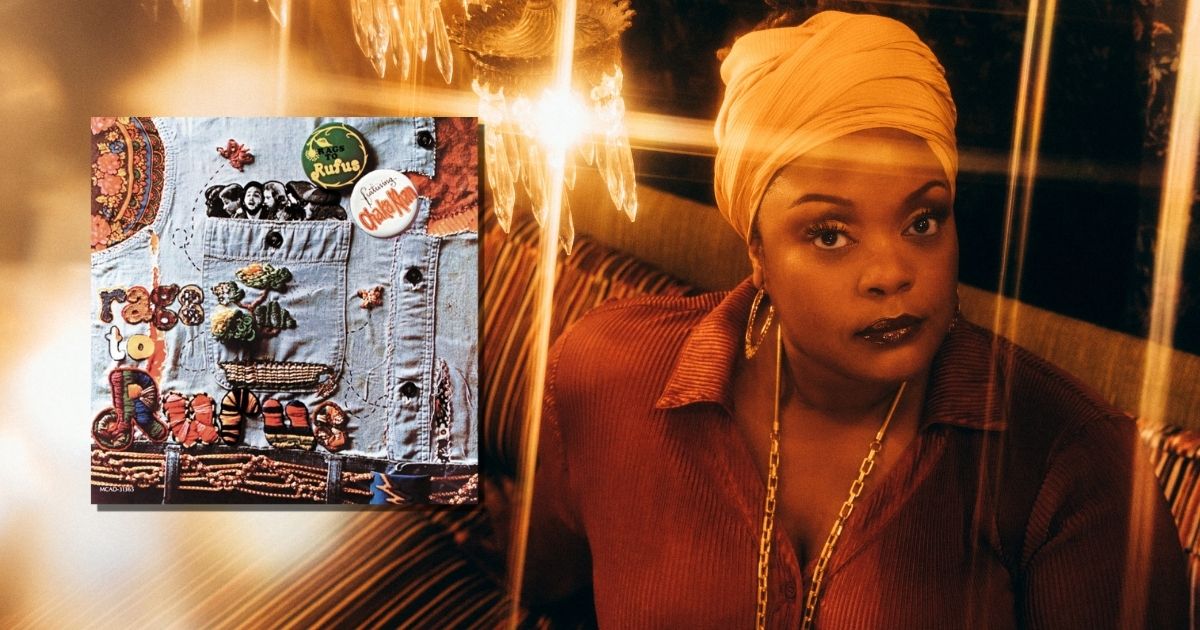
Kyshona on 50 Years of ‘Rags To Rufus’

(Editor’s Note: 50 years ago this month, Rufus released what would become a seminal album in American roots music, soul, and funk, Rags To Rufus, which featured Chaka Khan. To mark the 50th anniversary of this iconic recording, singer-songwriter Kyshona ponders the personal meanings of the project and how it relates to her own brand new album, Legacy.)

My mother is battling dementia, so car rides with her are the perfect time to play music from her younger years, when she was carefree, childless, and she and my Dad hosted an abundance of house parties for their friends and family. I have a playlist of songs from the late ‘60s and ‘70s I’ll put on when we’re shuttling her between doctors’ appointments.

On one of these car rides, I turned on Rags To Rufus. My mom was in the passenger seat, playing “brain games” on her phone to, in her words, “Exercise her mind and hold on to what she’s got.” I noticed she was singing, under her breath, the melodies and choruses of the first three tracks on the album. She turned to me and said, “I’ve never heard this before, who is this? I like it!” This got me thinking beyond personal family legacy and more about musical legacy.

This year marks the 50th anniversary of Rags To Rufus, the album that transformed the trajectory of funk band Rufus and propelled Chaka Khan into the spotlight. Chaka Khan’s music is a soundtrack that has woven itself into the fabric of not only my work as an artist, but also into my personal life.

There is an expectation to conform, to try to categorize and compartmentalize music; I can’t imagine enduring the pressure from the industry, and even society as a whole, as it was nearly a half a century ago, artists and bands trying to squeeze themselves into arbitrary molds. To my ears, Rags To Rufus is the sound of a group of friends hanging out and having a good time – there is a sense of celebration, camaraderie, a sonic journey of Black joy. It feels like an album made for the thrill of being creative, for the sake of unbridled artistic freedom. I have always wanted my music to feel like this, telling stories, playing around with sounds and ideas. When I’m creating, that’s my goal. I write in the style that serves the story that I’m telling, without regard to genre constraints or others’ expectations.

The record begins with empowered swagger and affirmation – “You Got The Love,” which I interpret as, “You belong here.” The sentiment is carried through in “Walkin’ In The Sun,” a song that brings a comforting sense of nostalgia. I can hear my “aunties” in the hook: “Even a blind man can tell when he’s walking in the sun.”

The title track is a funked-out jam session, and then the band brings out old-time fervor in “Swing Down Chariot.”

Think about it – Rufus takes an old gospel song, adds Chaka Khan’s powerhouse vocals, blends it with blues, jazz, funk, soul, and takes it to an entirely new dimension! Forget genre, industry rules, or album cycles. Back in the day, it was just music that made you feel good, it was about that vibe.

As a music therapist, I recognize the profound impact music has on those grappling with conditions like Alzheimer’s and dementia – it encourages lucidity and presence of self. As a daughter, I see how music bonds me to my mother.

In the past, when I’ve done music therapy in nursing home settings, I’ve used songs from the early 20th century – like “Let Me Call You Sweetheart,” “Heart And Soul,” and “Sentimental Journey.” But now, the memory care songs I reach for are songs I grew up listening to in our house, at family reunions, on road trips. How fantastic is it that Chaka Khan’s work throughout her 50-year career can provide a generation-spanning conduit for a mother and a daughter to connect? We can experience that freedom in her sound as we listen together, regardless of the chaos happening around us.

I can’t begin to put into words how much I admire Chaka Khan; with my new album, Legacy, I tell the stories of my ancestors and my family. Chaka Khan’s legacy is intertwined with generations of music-makers.

Over the last 50 years, Khan has been a major influence on pop artists like Whitney Houston, R&B artists like Erykah Badu and Mary J. Blige, and on myself – and so many of my peers in the roots and folk scenes. I learned of her musical magic as a child, listening to my parents’ favorite radio stations, so being able to sing backing vocals for her at Newport Folk Festival a few years ago was absolutely surreal. I can’t imagine the journey she’s been on, but I hope she knows that her existence alone encourages artists like me to keep on being true to ourselves and our art.

Rags To Rufus is a part of my journey. For me, it’s the sound of “blackness.” I hope that 50 years from now, someone will listen to the music of myself and my peers and hear that same resonance of joy, love, and celebration of culture.

We all dream to leave a lasting musical legacy as deep and profound as Chaka Khan and Rufus.


Photo Credit: Anna Haas

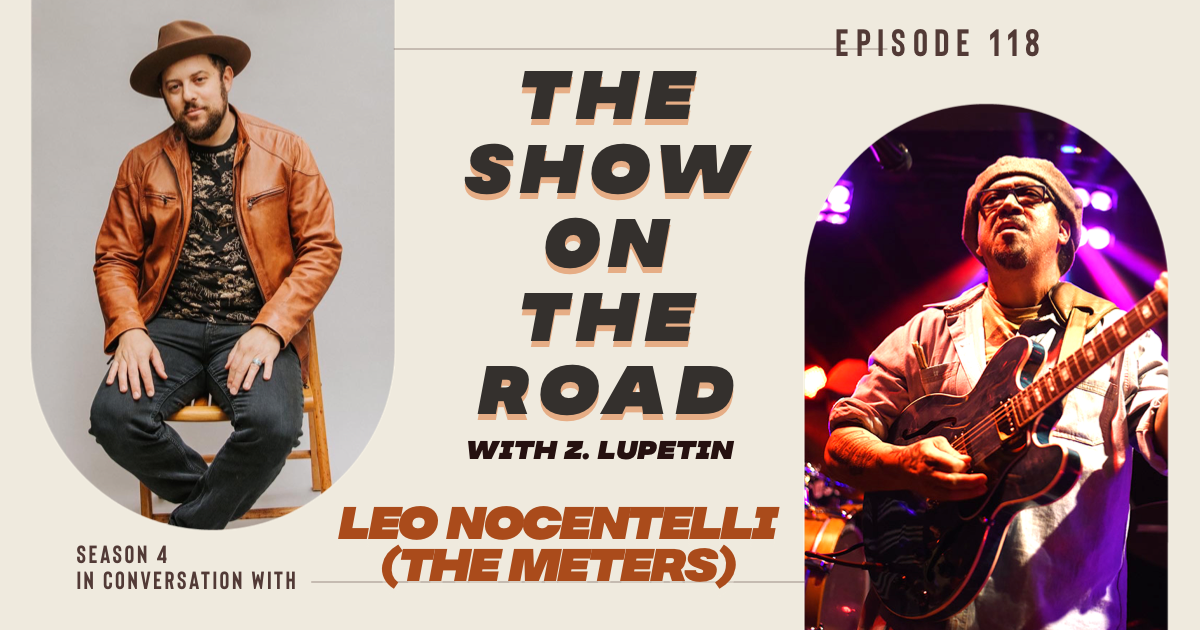
The Show On The Road – Leo Nocentelli (The Meters)

This week, we dial into New Orleans for a fascinating talk with master funk-guitarist and songwriter Leo Nocentelli. Discerning listeners may known him as the chief groove-creator behind the legendary group The Meters with Art Neville on keyboard, George Porter Jr. on bass, Zigaboo Modeliste on drums. There is no mistaking his soulful dagger-sharp signature sound leading often-sampled treasures like “Sissy Strut” and “Hey Pocky A-Way” (The Beastie Boys were big fans) — or even his slinky masterful backing of Dr. John’s classic Right Place, Wrong Time. But a new generation are learning of Nocentelli from last year’s surprise release of his first and only solo record, the acoustic folk-driven Another Side, which was resurrected and marketed by Light In The Attic Records nearly fifty years after Leo first recorded it.


LISTEN: APPLE PODCASTSSPOTIFYSTITCHER
You don’t usually put your first record out when you’re zooming past your 75th birthday. The story of how Another Side still even exists is quite a yarn (one that Leo goes into great good-humored detail about in the taping) from the master tapes being lost in damage caused by Hurricane Katrina, to a master-copy being found almost impossibly after a storage-unit got foreclosed and the music was traded at a local swap-meet. Hearing him tell it, finding these songs from his younger days, was like finding an essential, lost piece of his soul. The record isn’t polished, but the sense of youthful exploration shines through. He’s searching for his voice in real time.

You wouldn’t think a rock-funk maven like Nocentelli would be inspired by songwriters like James Taylor or Elton John — but in many ways, it was the softer, more yearning, poetic side of rock-n-roll in the early 1970s that intrigued him most when he began writing songs like “Thinking of the Day” in 1972, wondering if his place in the world, his “tomorrow would ever come.” Other standouts like “Riverfront” told the stories he couldn’t tell while penning the Meters’ funky (but often instrumental) dance anthems. With his Meters mates chugging beside him in the studio, he can tell darker, more personal tales about his hard-working friends, like Aaron Neville (who he grew up with in the 7th Ward), and how he used to haul bananas off the boats in New Orleans to get by.

Nocentelli has had his share of ups and downs as a lifer who has rode the tempests of the ever-evolving music industry. It’s a “brutal brutal business” he says at one point — and Leo shares that he had to sell some of his favorite guitars to keep going through the years. The song “Getting Nowhere” leans into the sense of helplessness and frustration many talented session players and touring side-men like him went through when royalties and fame and fortune passed them by as others rose to prominence.

Some things really haven’t changed in fifty years. But only a generational talent like Nocentelli could create sparkling guitar backdrops for artists as diverse as Dr. John, Otis Redding and even Jimmy Buffett, and keep his passion long enough to see new crowds packing houses on tours in 2022. It must be quite the feeling to finally be able to perform his own solo work — a half century after the songs first emerged and were almost lost forever.


The Show on the Road – Sammy Rae & The Friends

This week, we talk to Brooklyn-based bandleader and jazz-roots singer extraordinaire Sammy Rae, who for the last four years has barnstormed the country with her kinetic octet, The Friends.

LISTEN: APPLE PODCASTSSPOTIFYSTITCHER

Look, when you’re young and inspired, you drop out of college, you’re waiting tables and you’re thinking about starting a jazzy pop band — most people (as well as common sense and basic economics) tell you to start small. Get a few like-minded musicians in a room, work and work on your best songs, try packing out a few local shows, put some radio-ready singles on the internet, do a music video or two. See what happens. But Sammy Rae does her own thing — and has done pretty much the opposite.

Much like your host of this fine program, Z. Lupetin (who went against all advice and began Dustbowl Revival as an 8 to 10 piece genre-bending, New Orleans-string band mashup in 2008), Sammy has harnessed the open-minded, countercultural energy of Broadway musicals, the slinky funk-pop of the 1970s AM radio, and her own rapid-fire poetic style to create a massive sound that’s made with three singers, two saxophones, and a fearless, seasoned rhythm section. Plus, they are all friends who don’t just treat this as a temporary weekend gig. Too much too soon? Well, ask the packed houses up and down the Eastern Seaboard if they care about playing it safe.

Sammy Rae knows the road ahead for The Friends won’t be easy, but so far, the response from listeners has been undeniable. Starting at tiny supportive clubs in New York like Rockwood Music Hall and graduating to the biggest rooms in one of the hardest towns to impress, the group struck a nerve with their debut EP The Good Life in 2018 — with the standout jazzy experiment “Kick It To Me” gaining nearly ten million steams and counting. “Don’t record songs over four minutes long,” they keep telling us. “No one will pay attention!” Yet their most listened-to track clocks in at nearly seven minutes.

What’s the lesson here? For Sammy it’s finally learning to trust her instincts and be herself. Their upbeat EP Let’s Throw A Party dropped in 2021. Make sure you stick around to the end of the episode to hear how Sammy’s experience as a queer teenager in a Connecticut girls’ Catholic school informed their new track, “Jackie Onassis.”


The Show on the Road – Menahan Street Band (The Daptone Sound)

This week, The Show On The Road brings you a rare conversation with Thomas Brenneck and Homer Steinweiss, the braintrust behind brass-forward instrumental supergroup the Menahan Street Band. If Tarantino and Scorsese ever needed a custom-made, 1970’s greasy-soul soundtrack, MSB might be the perfect choice. While the timeless Daptone Records sound has gone worldwide thanks to breakout stars like the late Sharon Jones and Charles Bradley, most don’t know the bandleaders and songwriters behind their intricately arranged works.

LISTEN: APPLE PODCASTSSPOTIFYSTITCHER

Guitarist/producer Thomas Brenneck has been the secret sauce in helping hitmaker Mark Ronson create vintage backdrops for crossover stars like Amy Winehouse, while Homer Steinweiss’ slinky drumming can be heard across the Daptone universe, including on Jones, Winehouse, and Lee Fields and The Expressions records, not to mention his work with Lady Gaga, St. Vincent, and Bruno Mars. For the first time in a decade, MSB — which includes Dave Guy (The Roots), Leon Michaels (The Black Keys) and Nick Movshon (The Expressions) — have reconvened the troops to create their most effortlessly cinematic collection yet: the cheekily titled The Exciting Sounds Of The Menahan Street Band. The album art alone signifies a sensual, intimate evening is ahead to whoever listens. Is the design NSFW? Maybe.

Brenneck called into the episode taping from outside L.A. and Steinweiss from his studio in New York City. The conservation jumped back to how they formed the group in 2007, how they convinced Bradley to join them in making new music (he had been doing James Brown impression work), and how they find that out-of-body, improvisational zen zone which creates their aural moods of mystery and intrigue — showcased best in the reverb-y Bond-like jam “Starchaser.”

A favorite surreal moment that Brenneck mentioned was driving through Brooklyn hearing their song sampled by Jay-Z. For a moment, their horns were blaring from every car radio in the city. While hip-hop legends often find their beats and backdrops from classic soul and R&B vinyl, notables like Eminem, Kendrick Lamar, Travis Scott and 50 Cent have mined the funky MSB catalog for years. Sir Paul McCartney also used their services. If you need an instant vibe, they’ve got you. Even in sparkling trumpet-led themes like “Glovebox Pistol,” which clocks in at a minute and eight seconds long, you can see a velvet-boothed, smoke-filled scene unfolding, bringing to mind the lush scores of The Godfather or The Score.

Only recently have star backing-bands like The Wrecking Crew, The Swampers, and the Muscle Shoals Rhythm Section come to be appreciated for creating some of the most beloved songs in the American pop canon, from The Beach Boys and Aretha Franklin to Paul Simon, Bob Dylan, and The Staples Singers. It can be argued that in the 21st century, Brenneck and Steinweiss (and the work of The Menahan Street Band) deserve to be included in that conversation. With one listen of The Exciting Sounds Of The Menahan Street Band, you are transported — exactly where is up to you.


Photo credit: Shervin Lainez

LISTEN: Alex Heflin, “Guest Room”

Artist: Alex Heflin
Hometown: Los Angeles, California // Morgantown, West Virginia
Song: “Guest Room”
Album: Room for Everyone
Release Date: March 26, 2021
Label: Hat Full of Rain Records

In Their Words:Room for Everyone as an album was intended to highlight that inclusivity in both genre and personality always adds interest and excitement to a medium. ‘Guest Room’ is meant to represent the core of this message. In a somewhat nontraditional band setup, the mandolin is the focal point of this upbeat ‘Nashville funk’ tune. I played mandolin and guitar on this track and I was lucky enough to have Nick Campbell (bass), Jordan Rose (drums), and Swatkins (keys) fill out the rest of the song. I originally got the idea to write a tune in this style after hearing Chris Thile play with the Fearless Flyers. That idea sat in the back of my head for more than a year before I sat down to write what would become this song. From there I recorded the mandolin and guitar and the rest is history!” — Alex Heflin


Photo credit: Caitlin O’Connell

WATCH: Elizabeth King, “Living in the Last Days”

Artist: Elizabeth King
Hometown: Memphis, Tennessee
Song: “Living in the Last Days”
Album: Living in the Last Days
Release Date: April 2, 2021
Label: Bible & Tire Recording Co.

In Their Words: “There’s so much going on now that you wake up in the morning time and all you hear is something going wrong, you know. It’s affecting your children. People know they wrong but they think it’s right. How is it that a mother can hit a child in the streets and don’t even stop to think. It set my mind back, like in the Bible days, like when the lady went to sleep and killed her child and stole the other lady’s baby. It just let you know that time is getting shorter and shorter every day. If you notice the weather, it look like even the storms are mad. There’s just so many of them. There used to be a storm every now and then. Now, just look like it’s in a hurry to get it over with. I know I’m living in my last days. God already gave me my promise. Every day with him, it just gets sweeter.” — Elizabeth King


Photo courtesy of Nick Loss Eaton Media

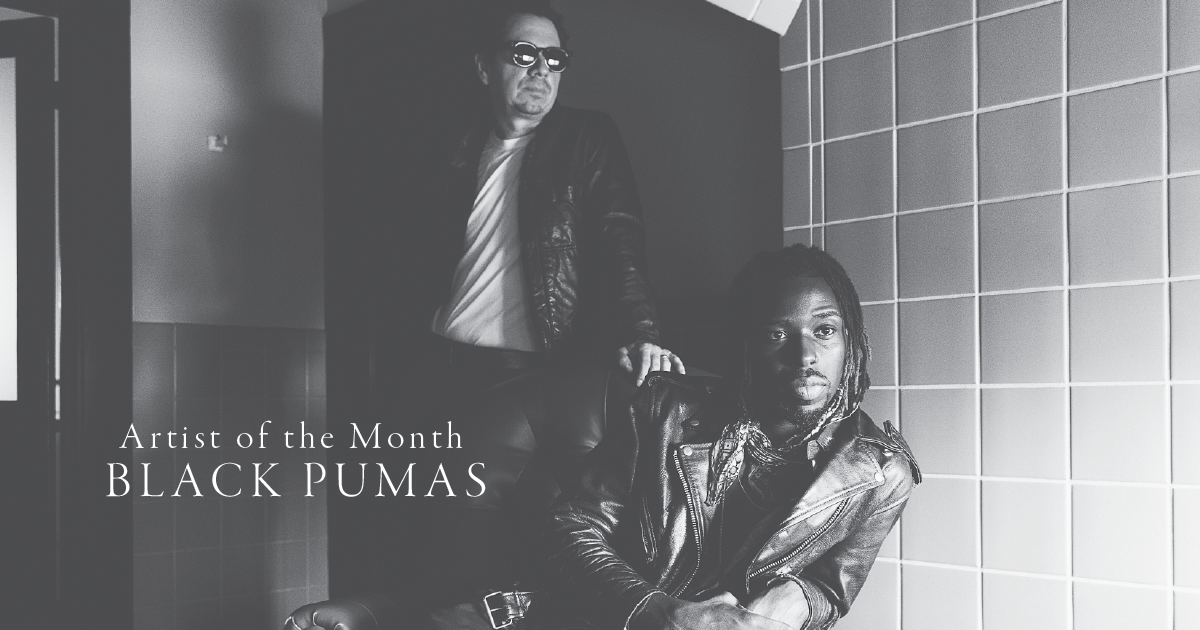
Artist of the Month: Black Pumas

Even without continuing to tour the world, Black Pumas have lost very little momentum since the arrival of breakout singles like “Black Moon Rising,” “Fire,” and “Colors.” The duo of Eric Burton and Adrian Quesada were shocked to land on the 2019 Grammy ballot as a contender for Best New Artist, and in 2020, they picked up nominations in three more categories: Best American Roots Performance and Record of the Year for the irresistible “Colors,” and overall Album of the Year for Black Pumas (Deluxe Edition). That expanded edition collects several new tracks, a few live versions of familiar favorites, and a must-hear cover of Tracy Chapman’s “Fast Car” — a favorite song of Burton’s to sing while he was busking on the Santa Monica Pier, and later in Austin, Texas.

Drawing on folk songwriting as much as soul groove, both men agree that the term American Roots fits their sound well. The Americana Music Association seconds that notion, as Black Pumas picked up that organization’s Emerging Act of the Year in late 2020. And in January, the band performed a dazzling and powerful rendition of “Colors” on the soundstage of Austin City Limits in recognition of the historic win of President Joe Biden and Vice President Kamala Harris.

“The first thing people think of when they say ‘Americana’ is not always music that’s influenced by soul music, but it’s great to be recognized by people that are open-minded music fans,” Quesada tells BGS. “This is every bit as much American music as country music, you know?” Burton adds, “Soul music is just as a part of American music as folk music and country music. This country is a massive melting pot of the different cultures… so we’re honored to be a part of the conversation as we make music in America.”

The two musicians met through a mutual friend as Quesada sought an exceptional singer to add lyrics and a voice to the instrumental tracks he was creating. Little did he know that Burton was around the corner, literally, where Sixth Street meets Congress Avenue. In our two-part interview (Read part one here. Read part two here.), they shared their influences, their first impressions of each other’s talent, and their hopes for the year ahead as our Artist of the Month. Meanwhile, enjoy our BGS Essentials playlist below.


Photo credit: Jackie Lee Young

MIXTAPE: Caleb Caudle’s Country Funk Favorites

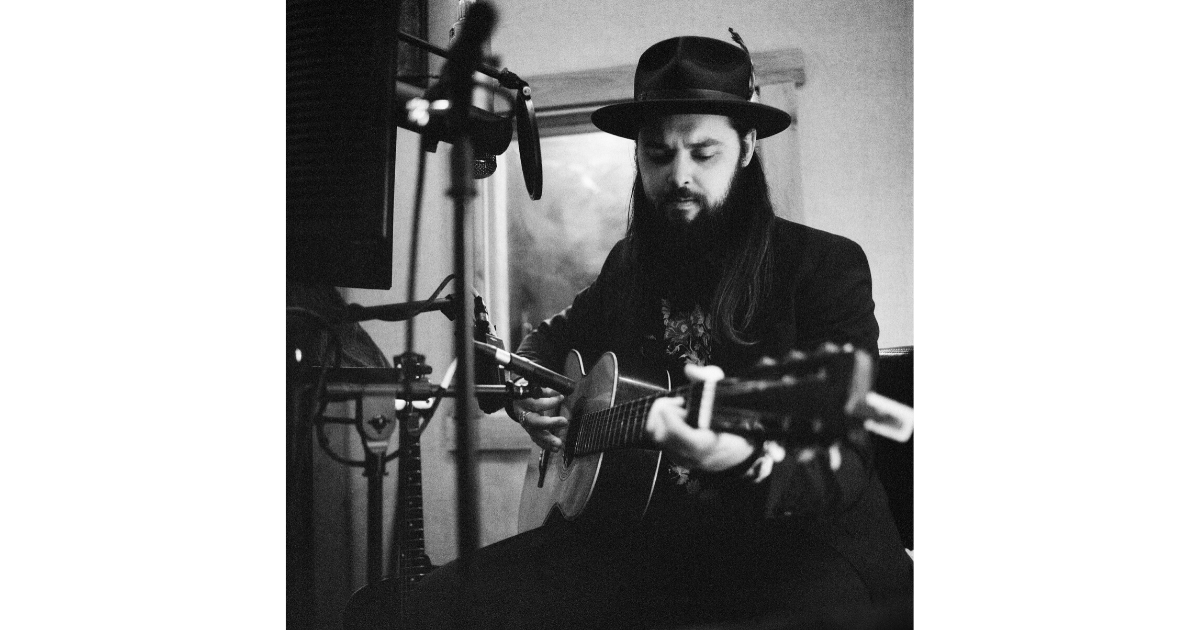
There’s a special thing that happens when the groove of soul music meets the sharp pen of country music. I’ve heard folks call it Country Soul, Country Funk, Cosmic American Music or simply “The Rub.” I refer to it as Down Home Funk. It keeps the toes tapping and the mind thinking. The special blend is a sound I gravitated towards a few years ago and it really made its way into my new record, Better Hurry Up. — Caleb Caudle

Guy Clark – “Texas Cookin’”

Guy comes out swingin’ on his sophomore record with the funkiest rhythm to any of his tunes up to that point. It’s so greasy and I’m hungry just listening to it right now. Long live food in songs!

Bill Withers – “Grandma’s Hands”

Drenched with nostalgia, this is one of my favorite tunes from Mr. Withers. He puts his personal experiences in a songs and something personal becomes so relatable. It gets me thinking about my own grandma. I’m a sucker for that Wurlitzer.

Bobbie Gentry – “Louisiana Man”

The first time I heard this tune was on a Doug Kershaw record. I love how she makes it her own. She has one of my very favorite voices. Even got a little bitty muskrat cousin! Bless it.

The Band – “Up on Cripple Creek”

I mean who am I kidding? This whole playlist could be The Band. They changed the way I heard music. They take every brand of roots music and blend it up effortlessly and effectively. God bless Levon Helm and all of his magic. I’ve touched the horseshoe at Big Pink on three separate occasions. It’s a healthy obsession.

Jeannie C. Riley – “Back Side of Dallas”

I got turned on to this tune from the Cocaine & Rhinestones three-parter on “Harper Valley PTA.” I love the vocal delivery here. Total swagger. The band is bold and the lyrics are gritty. Just feels real man, I dig it.

JJ Cale – “Lies”

His groove is so perfect, I feel like he drops the listener right into it. His guitar tone is always so on point. I’ve spent way too much time watching YouTube videos and trying to figure out what all is going on. Lies, Lies, Lies!

Townes Van Zandt – “Where I Lead Me”

I like sad TVZ a lot but I love TVZ when he has a chip on his shoulder and a blues band behind him. Everything feels nice and loose. I’ve always loved the line “In the meantime, make a little money and buy a little mercy”

Aretha Franklin – “The Weight”

As much as I love the original from The Band, I consider this the definitive version. The band is great, especially that slide work from Brother Duane. She is peaking the mic all over this one and it’s just so perfect.

Bobby Charles – “Small Town Talk”

Being from a small town, this one hits home. I love this Bobby Charles self-titled record. I hope more folks get turned on to it. The whole record sounds like a ferry ride down the Mississippi River. Who are we to judge one another? That could cause a lot of hurt.

Dolly Parton – “Jolene”

What hasn’t been said about this tune? I think the greatness comes from it still sounding fresh to this day. The riff, the vocal, the lyrics… this is a perfect song. I’m sure it really stood out on country radio at the time. It’s haunting. I can’t remember a time when I didn’t know this song.

Leon Russell – “Tight Rope”

Like The Band, I’m sure I could have made this whole playlist the master of space and time. He’s peculiar and familiar at the same time. I like the way this one bounces. A great opening track for my favorite record of his, Carney.

Linda Ronstadt – “Willin’”

I was familiar with the Little Feat version because it was all over classic rock radio when I was growing up. I recently got turned on to this take, I really love how patient it is. Great vocal take from Linda.


Photo credit: Laura E. Partain

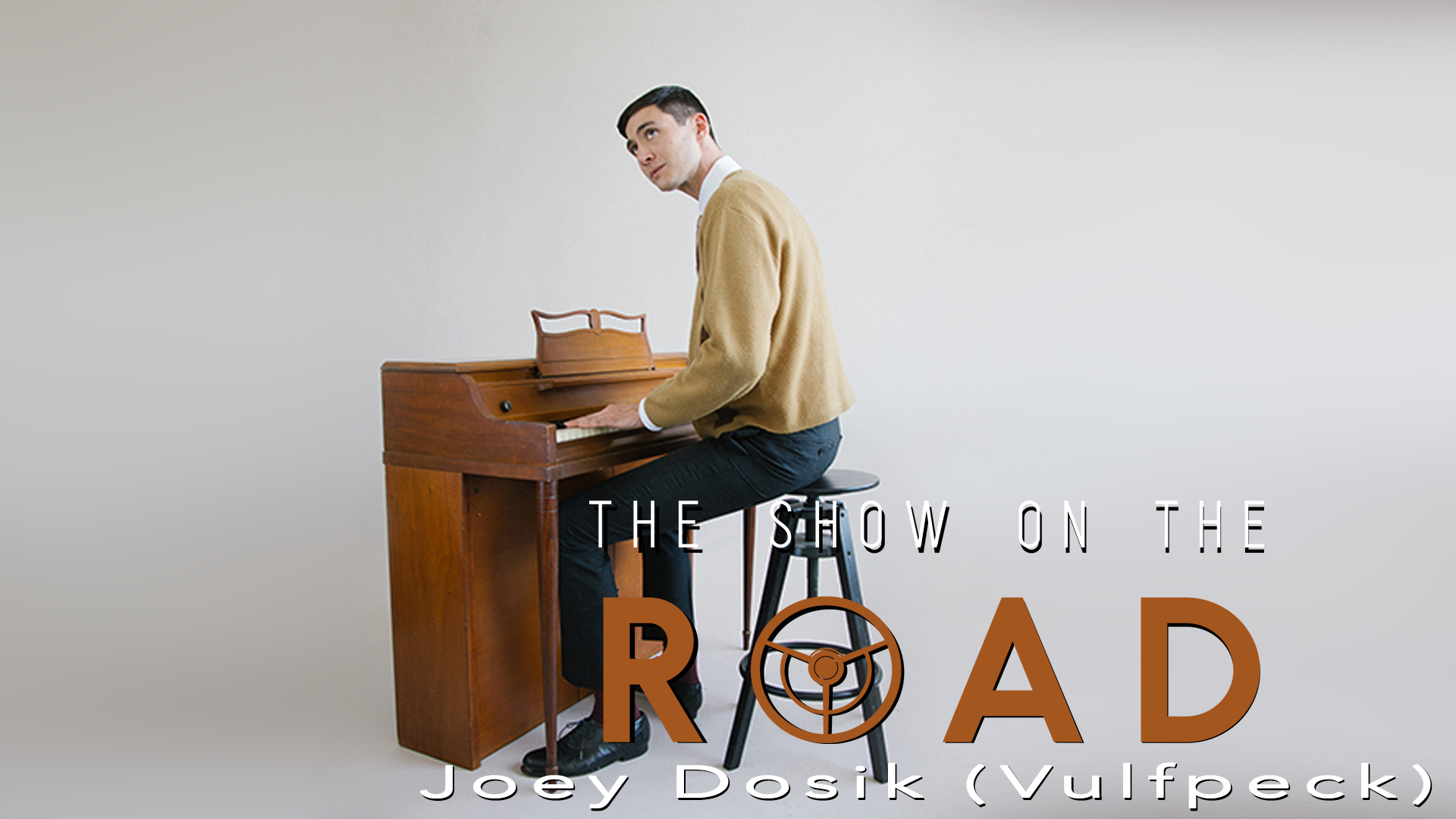
The Show On The Road – Joey Dosik (Vulfpeck)

This week on the show, host Z. Lupetin meets up with Joey Dosik, a silky-voiced songwriter and freaky-talented multi-instrumentalist who writes lush, romantic jams that transport listeners to R&B-tinted, old school FM radio gold.

LISTEN: APPLE MUSICMP3

Some listeners may have learned of Dosik’s talents with DIY, future-funk ensemble Vulfpeck, led by trickster curator/composer Jack Stratton. Vulfpeck went from making goofy viral videos and recording an album of total silence — that scared the shit out of streaming giants like Spotify after it rocketed the band to international notoriety and financial success — to crowdfunding a series of hit funk records and vinyl releases that propelled them to sold out international tours, headlining nights at Red Rocks Amphitheatre in Colorado, and an unprecedented sold out show at Madison Square Garden (all with no record label in sight).

As we honor and celebrate two lost musical greats this week, Bill Withers and John Prine, it’s comforting to remember that we have constant new waves of amazing artists like Joey Dosik coming up who can honor and further their message. In many ways, Dosik’s songs combine the honest earnestness of Prine’s best early work, telling frank stories of family and relationships, with Withers’ deep, church-flavored, down-home groove.