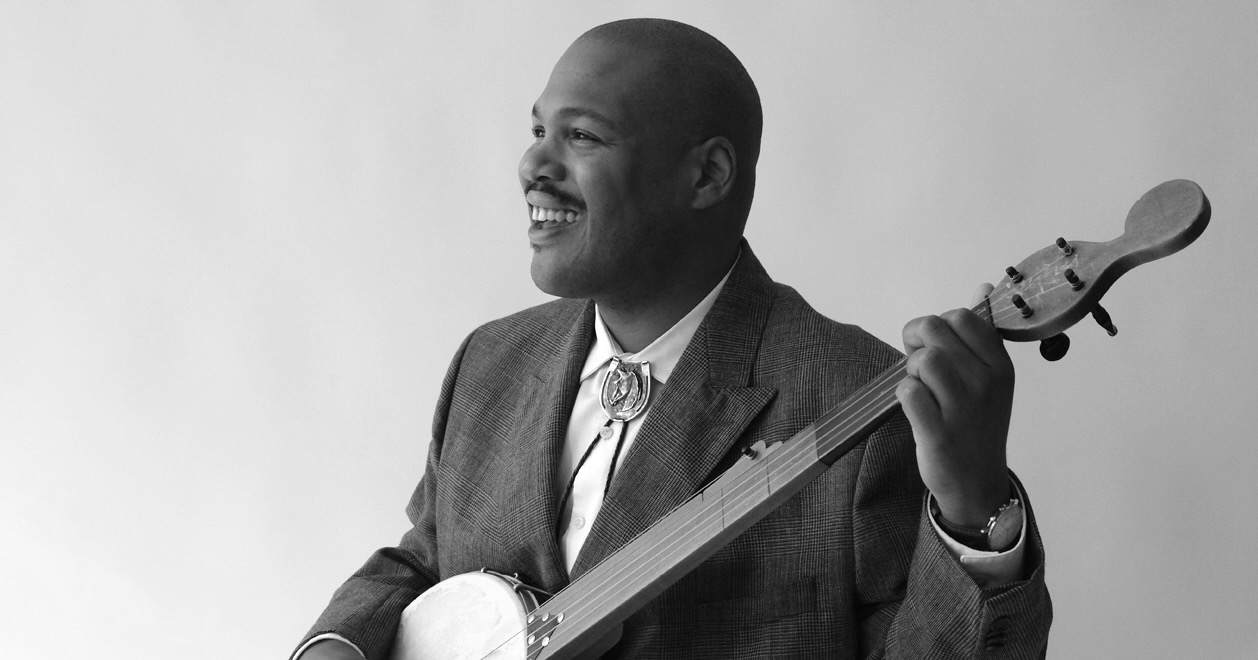
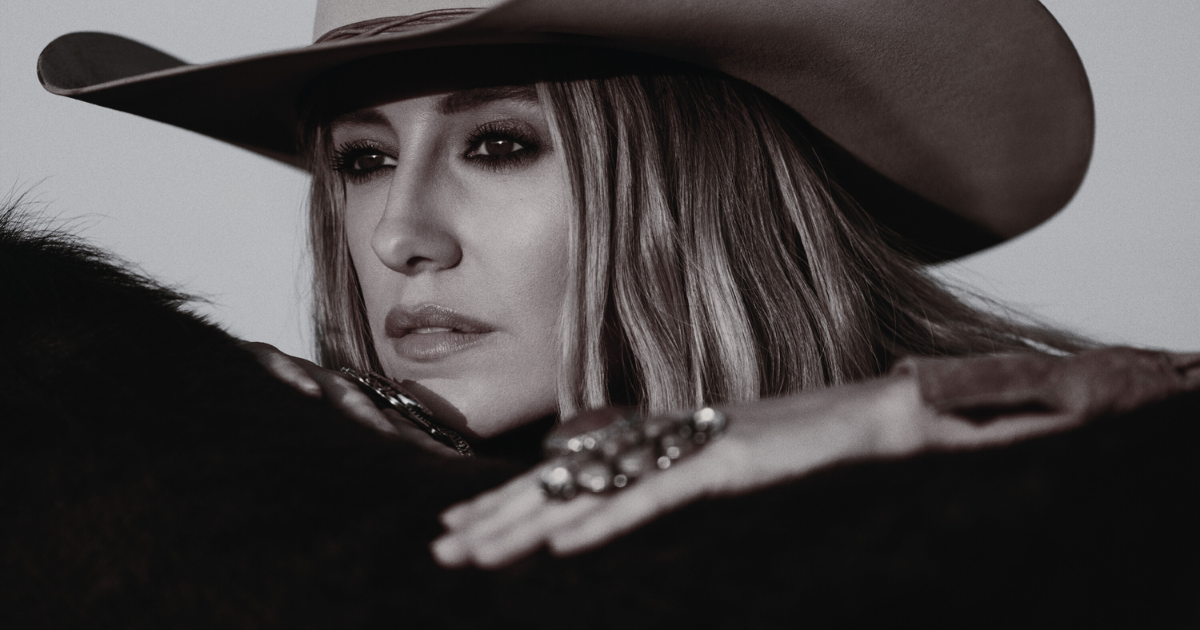
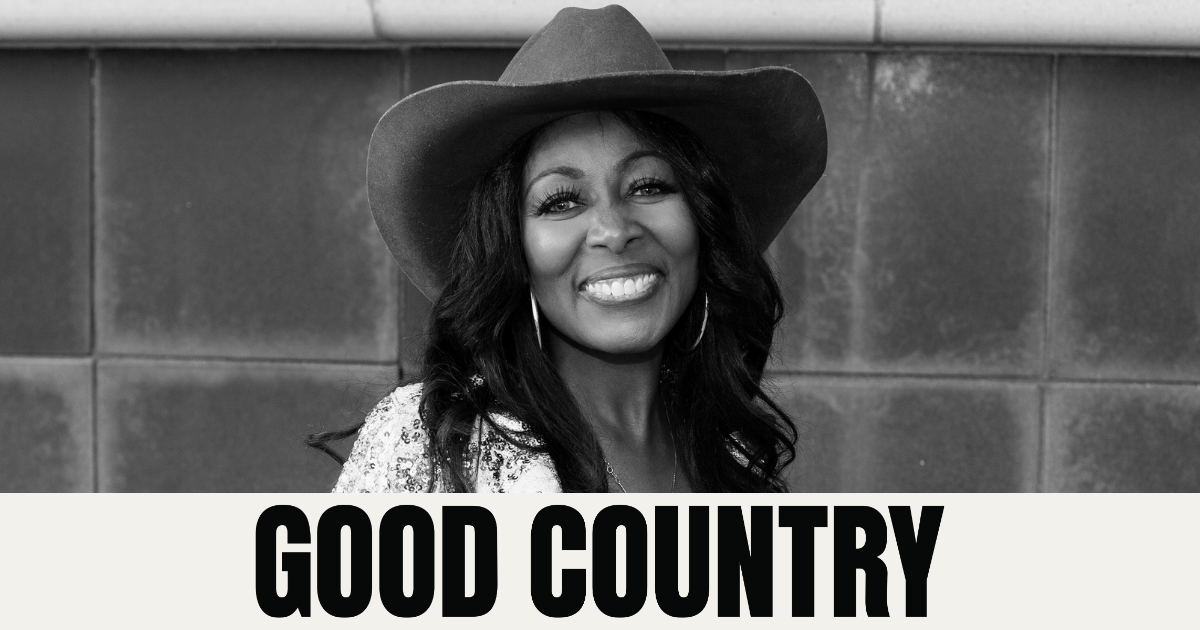
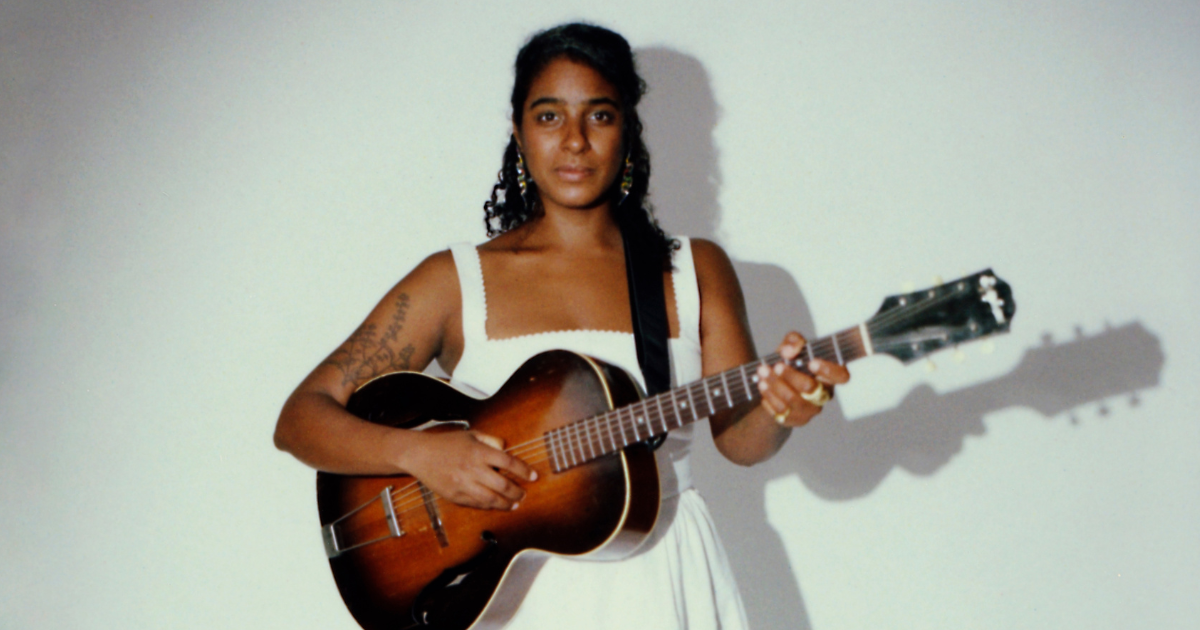
This Mixtape brings a spotlight to the vibrant community that I call home in New Orleans. This is a list of some recordings I’ve been part of as a side musician. There are so many bands that I have played and recorded with through the years, I feel honored to be at their sides. Here are a few memories of moments from the making of these records – and I’ve noted what I contributed to each song.
Thank you for trusting me with your tunes! The life I love is making music with my friends…
I should make a disclaimer – my memories run together and I can’t always remember complete credits for every person on every song… forgive me, for I know these are incomplete! There are so many people who work behind the scenes. One thing I realized while writing this list and wanted to note: Ross Farbe (Video Age) is either a recording engineer, mixing engineer, producer or performer on almost half of these songs. He mixed my whole record. It’s often those working just out of view who make the magic happen. – Gina Leslie
“The World Is Changing” – Gina Leslie
I’ll start off this listening session with the opening track of my new album, I Love You Always No Matter What Happens. I wrote this song sitting around a campfire on a long haul drive from Louisiana to Colorado while going through it. I went to therapy and all I got was this self-love and ability to cope?!? I’m obsessed with the guitar riff that my co-producer Nat Smith added after the hook.
“Little Things” – Bella White
(Bass, harmony vocals.) It’s been a treat to record on Bella’s new album and play in her live band for the past few years. When we met, we immediately clicked about our similar bluegrass childhoods and endless love of singing three-part harmony, and we never looked back. We recorded this album at our friend’s house by the levee in New Orleans.
“Had To” – Esther Rose
(Bass, harmony vocals.) After playing with Esther here and there through the years, we finally got together for a full record together. I loved playing bass and singing harms on her album Want, recorded live to tape at the Bomb Shelter in Nashville. Esther is a well of songs and I’m constantly inspired by her commitment to writing.
“New Believers” – Sam Gelband
(Bass, harmony vocals.) I’ve been playing in different versions of Sam’s band for a long time and we recorded his new album at his house in New Orleans. There’s something about his songs that makes me perfectly happy and sad at the same time. Sam and I are also a rhythm section team, playing with a lot of the bands on this list.
“Jay’n Bee Club” – Max Bien Kahn
(Acoustic guitar, harmony vocals.) Max and I have both been playing bass in each other’s live bands for years. This song is from his upcoming unreleased album where everyone switched instruments constantly; sometimes we would do a take of a song and then everyone swap and do another take. I love how alive it feels.
“Louisiana Hound Dog” – Sabine McCalla
(Bass, harmony vocals.) I’ve got a Louisiana hound dog of my own and she goes wild for Sabine, much like most anyone who hears her. The recording session for this album was the beginning of me playing in Sabine’s band and we’ve been all over the place since then. I love how this album covers so much sonic ground and is layered with harmonies and little ear candies everywhere.
“I Really Do” – Leonie Evans
(Bass, harmony vocals.) Nearly 10 years ago, I got a bootleg copy of a home recording of Leonie singing and nearly crashed my car when I put it on for the first time. I couldn’t believe she was real. Then a few months later, I manifested her into my life and she came to my house straight from the airport to work up harmonies for a gig that night. We’ve been harmony sisters ever since.
“Long Gone” – Chris Lyons
(Bass, harmony vocals.) I was standing outside when Chris put on the rough mixes at closing time at beloved neighborhood dive bar BJ’s, and through the walls I thought it was an old record from the ’70s. Then I came inside and realized it was the Chris Lyons record we had been working on that week. Chris has that classic folk rock sound.
“No Mama Blues” – The Lostines
(Bass, harmony vocals.) The Lostines – songwriting & singing team Casey Jane Reece-Kaigler and Camille Weatherford – were one of the early bands I started playing with when I moved to New Orleans. We recorded this record at the Tigermen Den in early 2022 with a revolving door of friends to ice the sonic cake.
“Chicken Pocket” – Chicken Milk
(Harmony vocals.) I met Dave Hammer, the mastermind behind local cult icon Chicken Milk, on the very first night I came to New Orleans in 2016. We started a band together a few days later. I’d guess we’ve played thousands of hours of music together at this point. Chicken Milk create some of the most unique, joyful, hilarious songwriting and playing I’ve ever heard. I often can’t get through a song without bursting into laughter. This is a tame one.
“Left Side” – Stelth Ulvang
(Bass, harmony vocals.) The day that I met Stelth, we went straight into the studio minutes later and started setting up mics and jamming his songs, capturing some of the first times we ever got through the songs. I love how Stelth is so playful and not precious about the creative process, with everything fully live and breathing. The backing band includes a few of my beloved and most frequent collaborators – Howe Pearson on drums and Max Bien Kahn on guitar.
“Misty Mama” – Rainy Eyes
(Harmony vocals.) The session for this album began in a little cabin in Bolinas, California, before Irena Eide (AKA Rainy Eyes) took a meandering journey to Lafayette, Louisiana, several years later to finish the album. I was so happy to be a part of bringing it to the finish line. Irena writes classic and confessional songs that speak truth to my wandering spirit.
“Oaxaca” – Maggie Koerner
(Bass.) Absolute powerhouse Maggie slid into my DMs a few years ago and asked if I wanted to hang out and try making some music together, wanting more women in the room on her next record. I was so glad to play bass on her album UPSTATE, recorded at Lil Squeeze studio by Ajai Combelic. Maggie’s voice stops me in my tracks.
“Anna Rose” – Ric Robertson
(Harmony vocals.) When I quit my job in 2016, packed my car, and started driving, it was Ric Robertson who told me to come down to New Orleans, where I could sublet a room, have a band of my own, and play every night of the week. It changed the course of my life. He co-produced my EP, No, You’re Crying, and it’s been so special to be a part of each other’s music. I loved singing harmonies here with Appalachian songbird Dori Freeman.
“Yellow Motorcycle” – Gina Leslie, Elise Leavy
(Guitar, vocals.) I couldn’t possibly talk about loving music with my friends without a mention of Elise Leavy. We’ve been dancing with the mysterious art of writing songs together for years, and have never yet run out of songs to sing together. My new album features her on a lot of the harmony singing, as well as two stripped down acoustic duets that we co-wrote.
In 1853, a 29-year-old Parisian photographer, Adolphe-Alexandre Martin, delivered a paper to the French Academy of Sciences. In his text, he proposed a process for creating a photographic image on thin, chemically coated metal sheets: the tintype. Between the late 19th and early 20th centuries, his invention became the portrait medium of choice, especially across North America, eventually falling out of fashion in the 1930s. Strikingly evocative, tintypes imbue subjects with a surreal, dreamlike quality, offering an emotional portal into the past.
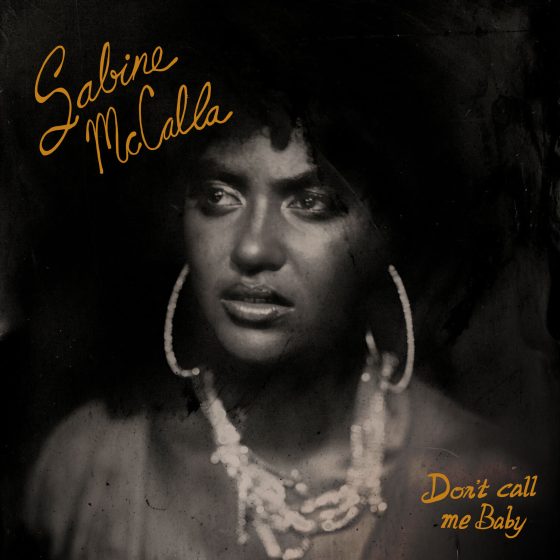
Over a century and a half later, the New Orleans-based Haitian American singer-songwriter Sabine McCalla, younger sister of the influential classical and folk musician Leyla McCalla, asked the tintype revival photographer Meg Turner to take her portrait. For an artist who draws from the past while seeking pathways forward, using an old medium to capture something new was an instinctive choice. Turner’s image became the cover art and a lodestar for the central feelings underpinning McCalla’s debut album, Don’t Call Me Baby, released through Kurt DeLashmet and Nick Shoulders’s Gar Hole Records label.
As we discuss later in this interview, the inspiration for Don’t Call Me Baby wasn’t born from a happy moment. Rather than sinking into sadness, McCalla juxtaposes joy and heartbreak, using narrative storytelling as a vehicle for catharsis across nine haunting, surreal songs. On “Sunshine Kisses” she recalls being lost in liminality after a breakup before letting loose on the classic rock and roll slanted singalong “Louisiana Hound Dog” (a co-write with Dan Auerbach from The Black Keys and Pat McLaughlin). By the time “Two of Hearts” arrives, our protagonist is singing about three different suitors.
Amid the paradisiac instrumentation surrounding her soothing voice, McCalla and her producers, Sam Doores (of The Deslondes) and Ajaï Combelic, collaborate with a cast of more than a dozen musicians from her musical community in New Orleans. Together, they blend rhythm & blues, country, folk, jazz, Tropicália, quiet storm soul, and doo-wop into hypnotic roots music. Song by song, the results reflect a lifetime spent studying traditions from across the Americas, Europe, the Caribbean, and Africa. Equal parts comforting, adventurous, and spicy, she serves up an Americana hotpot that speaks to the world while being informed by it.
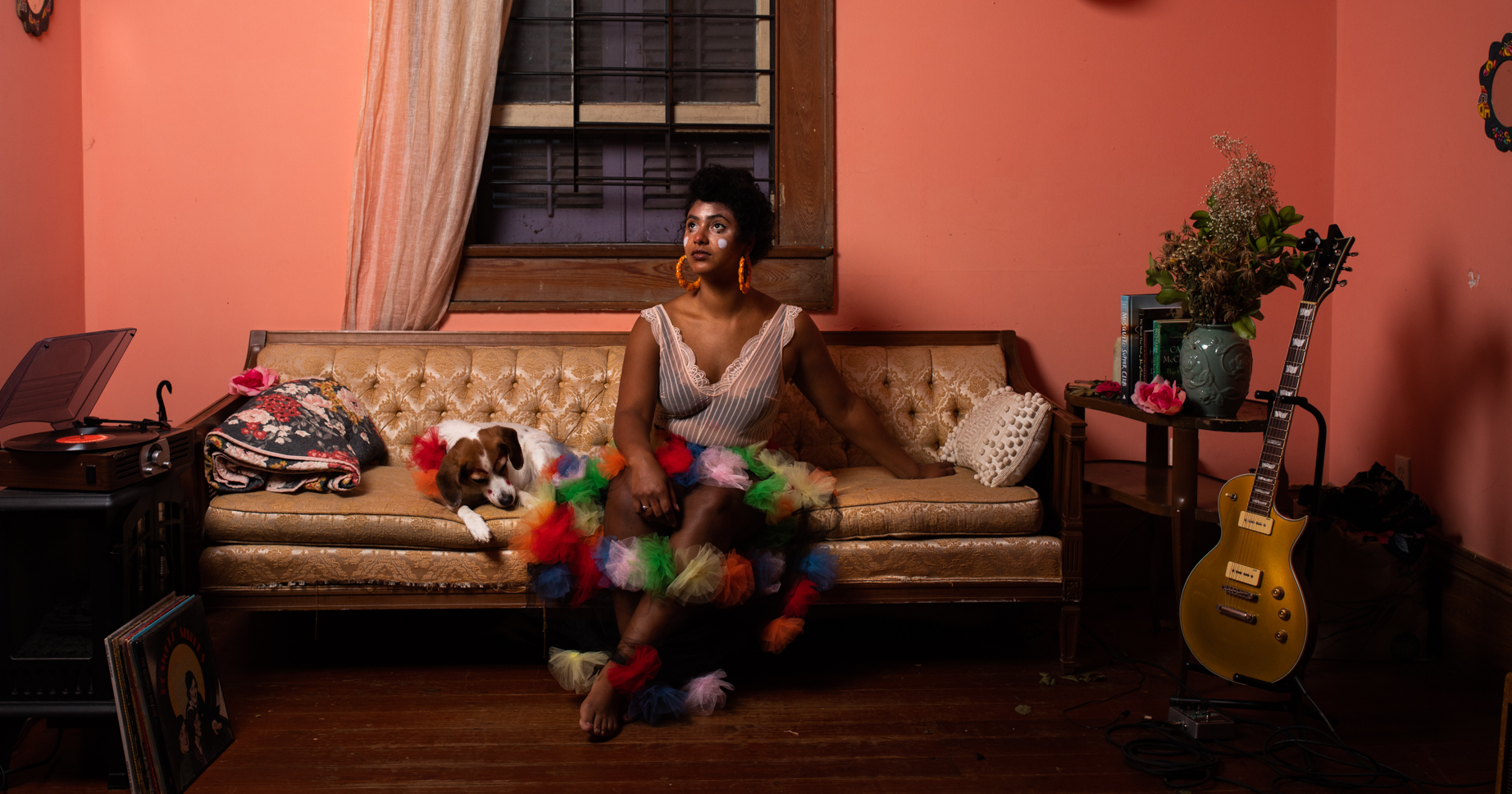
Last month, McCalla joined BGS on a video call. Sitting on a yellow couch surrounded by rosebud-hued walls and framed art, she spent just under an hour with us. In a discursive conversation, we explored the influence of life in Louisiana, her passion for musical history, and, given her background, the inevitability of her worldly confluence of sensibilities. A thoughtful speaker, McCalla isn’t the type to rush her answers. She’s also happy to keep a point simple or, when needed, throw in some extended anecdotes. Sometimes it’s not that deep; other times, it really is.
How important is a sense of place and location to your music?
Sabine McCalla: I don’t know. I mean, it is important. Louisiana and New Orleans have been characters in, or influenced my music a lot. But I’ve certainly written songs outside of New Orleans and Louisiana. I think any land we connect with is important when we’re writing songs.
From the outside looking in, it’s easy to surmise that there is a quality to New Orleans and the musical community that lives there that unlocked something in your artistry.
Yeah, it’s definitely been very inspiring. New Orleans is a very musical city. Nearly everyone you meet is a musician or plays more than one instrument. It’s incredibly culturally rich here. Learning to play music in this environment, you learn certain styles, or you learn with a focus on dancing. There’s a lot of rhythm & blues, soul, and second-line music, and people dancing in the street. I think dancing is something I was thinking of when I thought about how I want these songs to be listened to. Like I’m thinking of a honky-tonk dive bar, hot and steamy, lots of close dancing.
Who says you can’t dance to misery, right?
You certainly can. In fact, you’re probably a better dancer.
There’s something about the juxtaposition between a sad sentiment and a happy rhythm or melody that can be so moving.
I think innately we all want to experience pleasure, and we all have our pains that go with it. I think that’s what people are connecting with.
Unfortunately, or perhaps, fortunately, what is pleasure without pain?
Just a high.
New Orleans looms large in my mind as one of those places where traditions have been kept alive that don’t still exist elsewhere.
Yeah, for sure. There’s a tradition of passing down songs. There’s also so much space to create music here.
Don’t Call Me Baby is an ambitious album, but you succeed in your ambitions. You’ve braided a lot of threads together: different places, genres, periods of time. Was there a specific time in your life when you became interested in musical history, or looking to the past to find new ways to go forward?
I grew up playing classical music. Then I studied some old-time music from Appalachia. I’m interested in learning lots of old songs. I like listening to Harry Smith’s Anthology of American Folk Music. I feel like I’ve dug into a lot of pre-war recordings throughout the South and been inspired by ballad singing.
Like many people, I learned about the Anthology of American Folk Music through Bob Dylan and Joan Baez. There’s something about songwriters who go back and listen to their influences’ influences.
Totally. Shape-note singing is coming back into fashion now. I keep hearing about shape-note festivals around the country. My drummer, Howe Pearson, who also plays in The Deslondes, has been hosting a shape-note singing workshop every Monday.
What was it about the Anthology of American Folk Music that excited you?
They were songs I’d never heard before. I liked the quality of the voices on tape. So emotive and raw. And not just the Harry Smith anthology, Alan Lomax recordings too. I’ve always been interested in ethnomusicology. When I was younger, my sister and I had a mentor who played a lot of blues and jazz. I remember thinking he wrote these songs, until I realized, no, this white man from New Jersey did not write these songs. There’s this beautiful history of Black people in America who sang the blues and jazz and wrote so many songs that have been passed down.
Sometimes I wonder about the impact recorded music had on community singing. I’ve read that after phonograph records turned up, people became more self-conscious about singing at home. They’d hear these great singers and a shyness would set in.
People were keeping the songs they heard alive. They lived when there was no radio, so they were better keepers of songs than we are today. Now everything is so fast. There’s so much music, AI music, the industry pushing constant output, and not reviving songs. But I think a new resurgence of song revivals is happening.
You grew up in a Haitian family in New Jersey. Were your parents encouraging about music?
Yes and no. My sister’s also a musician. My mom was like, “Leyla’s the musician. You need to figure out your own path.” I was like, “No, I think I want to do this.” Both of my parents always encouraged choosing your own path and focusing on it.
It’s not always immediately obvious, but there’s a strong Haitian influence in American music.
Yeah, the Fugees! Lauryn Hill went to my high school. Her album The Miseducation of Lauryn Hill is like a bible to me. It’s a perfect album – the intros, outtakes, transitions. Lyrically empowering. I grew up on her songs. I’m grateful for my high school. We had amazing music teachers.
I graduated with SZA and Dave Authors, and a few others who’ve done great things. My sister Leyla McCalla went there, too. New Jersey is incredibly diverse. A lot of people immigrate to New York and then move into the suburbs, which my family did as well.
Did you grow up on a bit of everything musically?
Classical music. School trips to the opera. My parents played the Haitian groups Boukman Eksperyans and RAM. We listened to The Beatles, Bob Marley, and Rod Stewart.
When I think about Americana, I think about this confluence of cultures and musical traditions that came together in the South. When did it become attractive to you?
It all came together naturally. I was focused on pre-war songs, then going through decades of music. When I moved here, I got interested in The Boswell Sisters and songs collected in New Orleans in the early 1900s. Then I learned about Lonnie Johnson, the godfather of rock ’n’ roll. Through studying songs, I realized that it’s all Americana music. It influenced how I sang and created songs.
In a sense, there’s an inevitability to where you arrived.
I originally wrote and sang songs a cappella. That became my EP, Folk. My friends Leonie Evans and Steph Green helped with backup vocals. There wasn’t much thought about creating a larger sound until I met Eli “Paperboy” Reed. I’d already been listening to New Orleans R&B and soul, and when he put chords to my songs, I was like, “Oh, this is the sound I’ve been looking for.” That changed how I thought about songs. I also grew up listening to [the Tropicália singer-songwriter] Caetano Veloso. I’ve been trying to read his book Tropicalism, but there are so many references to Brazilian artists. It’s going to take forever.
After growing up in New Jersey, you moved to New Orleans, where this was all even more concentrated. There was a weekly jam session you’d go to called the All-Star Covered Dish Country Jamboree.
Yes. The first time I went was in 2014, probably in February. Joy Patterson came up to me – she runs it – and said, “I know who you are.” I was like, “Oh no, this lady…” But I loved it. My sister had been living here, so people were like, “Oh, you’re Leyla’s sister.” I think I saw Sam Doores’ doo-wop group with Casey Jane, Camille Weatherford, Emma Eisenhower, Jon Hatchett, and Max Bien Kahn; they did a little doo-wop show. I thought it was so cute. I wanted to know these people. And I’ve ended up working with all of them.
From there, it became a weekly ritual in your life, right?
Yeah, it was like a church. Going to this country night where I could talk about songs with people and hear a lot of old songs: classic country, classic R&B and soul. Those things lit my soul up.
After all these experiences, what’s your understanding of country music and where you could fit into it in 2025?
I don’t know. Maybe giving voice to other women of color who are interested in country music, not just hip-hop or R&B, but a diversity of sounds. I also lived in Ghana growing up, and lots of people listen to country music in Africa. What surprised me was going to Ghana and someone saying, “Where’s your cowboy hat?” I was like, “I’m from New Jersey, not Texas!”
I get the sense that a lot of your music is therapeutic storytelling.
Yeah, it is. It comes from the heart.
What sort of stories do people tell you about their experiences with your music?
The best one was in London. Someone said their friend’s father passed away and left her a boat. She went sailing for three months. They didn’t listen to music for most of it, then one day she put on my record and that’s all they listened to. That made my heart swell. It’s making me tear up now. Another woman told me she’d separated from her husband and, after hearing my music, reached out to him, saying she was ready to compromise. I was like, damn… Hopefully, this music lets people feel they’re not alone in their feelings.
How much has loneliness driven your music?
It’s been a huge component. I value my alone time, but sometimes it’s a detriment when I’m alone too long or ruminating too long.
You need something to break the feedback loop. Tell me about the backdrop to this album?
I was playing with a lot of ideas. Not everything made it onto the record. A friend visited – she’s an amazing stylist – and I wanted to get a tintype photo done by Meg Turner. We did makeup, hair, clothes, jewelry, so much dazzling stuff, so I’d be shiny in the sun. It was hot in New Orleans. Right before taking the photo, I got a text from someone I was dating, and that’s the true look of shock on my face. After I saw the picture, I was like, “Everything needs to be based around this photo.”
It’s an amazing photo.
Right after that, I wrote “Sunshine Kisses” and then I thought, “What else goes with this?”
What sort of ideas did you have about the threads you wanted to bring together in the music?
I was like: What are all my breakup songs? I wanted it to be haunting, but warm. Some songs I wrote during the pandemic felt too cold for this album. I originally wanted to name it Sudden Blue because I was thinking of a colder feeling. But something transpired while making it; the songs were given a new breath by the people I was working with: Sam Doores, Gina Leslie, Roy Brenc, Howe Pearson, and Ajaï Combelic. It was a warm feeling in the room, lots of laughter. And we were doing it during Mardi Gras, during carnival season, which was wild, because we’d play shows at night and then go into the studio in the morning.
It’s amazing how much other people can make a difference to a creative process.
Yeah. We fed off each other. If there’s negativity or self-consciousness, it’s felt in the music. We were all happy to work out ideas and nerd out about music.
Did you have a heartbreak record, not necessarily one you idolized, but a north star to look towards?
A few albums inspired me. Lauryn Hill’s The Miseducation of Lauryn Hill. Fiona Apple’s When the Pawn… There were also songs: Irma Thomas’s hits, and “Andromeda” by Weyes Blood. It’s such a powerful song about all the emotions we face. Feeling lonely, then liking the loneliness, then changing your mind five times a day.
Photo Credits: Lead image by Camille Lenain; album cover tintype by Meg Turner.
Wherever you are on this wintry week, we hope our collection of roots music premieres warms you all the way up. We expect it will!
In this edition of our premiere roundup, don’t miss a brand new track from stupendous string trio, The Devil Makes Three, who debuted “Ghosts Are Weak” from their upcoming album on Wednesday on BGS. Plus, there’s straight-ahead bluegrass to be found, too, from Tyler Grant, who pays homage to a towering train bridge on “Goat Canyon Trestle.”
Singer-songwriter Bre Kennedy has reimagined “Before I Have a Daughter,” a song co-written with Lori McKenna about breaking generational cycles, healing, and motherhood. (A theme shared with another premiere this week.) And, Tobacco & Rose repurpose a love song infused with a Buddhist twist with their new track, “Tara.”
In the mood for some music videos? Catch Leslie Jordan’s new video for a Sarah McCracken co-write, “The Fight,” that also grapples with parenthood, discipline, and family. And, the sensational Max McNown brings us the video for the title track for his brand new album, Night Diving, which releases today.
Just in time to shepherd out the once-in-a-lifetime blizzards across the Deep South, Miss Tess showcases her music video for “Louisiana,” a centerpiece of her upcoming album, Cher Rêve. Then Sarah Quintana, who calls New Orleans home, brings us down the road to the Big Easy with an artful music video made with Kat Sotelo for the title track of her soon-to-be-released project, BABY DON’T.
It’s all right here on BGS and, you know the drill – You Gotta Hear This!
The Devil Makes Three, “Ghosts Are Weak”
Artist:The Devil Makes Three Hometown: Santa Cruz, California Song: “Ghosts Are Weak” Album:Spirits Release Date: January 22, 2025 (single); February 28, 2025 (album) Label: New West Records
In Their Words: “‘Ghosts Are Weak’ is about breaking free from destructive habits and patterns. It reflects on how leaving behind a substance or lifestyle often comes with losing certain friends along the way…” – Pete Bernhard
Artist:Tyler Grant Hometown: Boulder, Colorado Song: “Goat Canyon Trestle” Album:Flatpicker Release Date: January 24, 2025 (single); March 28, 2025 (album) Label: Grant Central Records
In Their Words: “The largest wooden trestle ever built still stands in the Mojave Desert of eastern San Diego County. I wrote this uptempo bluegrass song to tell the story of the trestle and the ‘Impossible Railroad,’ which was conceived by sugar and shipping magnate John D. Spreckels in 1906 and completed in 1919. History songs are tricky and I am very proud of this one. It will tickle the ears of any enthusiast of the classic railroad songs. I furnish some Doc Watson-style flatpicking and Michael Daves delivers on the hot tenor vocal part. The moral of the story is, if you take on the desert, it will always win.” – Tyler Grant
Track Credits: Tyler Grant – Guitar, lead vocal Andy Thorn – Banjo Adrian “Ace” Engfer – Bass Dylan McCarthy – Mandolin Andy Reiner – Violin Michael Daves – Harmony vocal
Leslie Jordan, “The Fight”
Artist:Leslie Jordan Hometown: Johnson City, Tennessee Song: “The Fight” Album:The Agonist Release Date: April 25, 2025
In Their Words: “‘The Fight’ was written with Sandra McCracken on her back porch in September of 2023. When I read the piece that my grandfather wrote with the same title, I knew I had to save it for my co-write with Sandra. I have long admired Sandra’s ability to tell a story in her songs with honesty and raw vulnerability. I knew she could help me capture the true intention of this piece. It is heartbreaking. Gut-wrenching. A mother’s internal dialogue after she loses control and hits her son. We sat for a while and chatted through what we thought was really happening in the story, how it made us feel, and then I started playing the chord progression you hear. The story my grandfather wrote begins with these two lines:
‘The rebellion was over, and she had sent him to wash-up. There comes a time when children must be made to realize limitations and authority.’
“Sandra immediately started scribbling in her notebook and turned it around to show me.
‘The rebellion was over She sent him to wash his hands She tried to reason with him But he could not understand There comes a time when you find the limit’
“I started singing the words along to the chords and it felt like we had caught lightning in a bottle. I was also very excited to have my friend Brittney Spencer lend her incredible vocals on this song! When she heard it, she immediately had an idea that would lift the chorus. She really brought the song to another level.” – Leslie Jordan
Track Credits: Leslie Jordan – Acoustic guitar, vocals Brittney Spencer – BGVs Kenneth Pattengale – Guitar Harrison Whitford – Resonator guitar Daniel Rhine – Upright bass Joachim Cooder – Drums, percussion Evan Vidar – Pump organ
Video Credit: By Jake Dahm. Edited by Leslie Jordan.
Bre Kennedy, “Before I Have A Daughter” (featuring Lori McKenna)
Artist:Bre Kennedy Hometown: Nashville, Tennessee Song: “Before I Have a Daughter” featuring Lori McKenna Release Date: January 24, 2025 Label: Nettwerk Music Group
In Their Words: “I am so excited to share this version of my song ‘Before I Have a Daughter’ with the one and only Lori McKenna. I wrote this song with Lori a few years back after small talk that led to a conversation about me not knowing my mother, who struggled with addiction as I grew up, and wanting to get to know her and heal with her before I have a daughter. Writing this song was the beginning of a healing journey with not only my mother, but with myself. [It’s] how I have learned to have grace and appreciation for my journey, as well as hers. This song continues to grow with me in real time and I am so honored I get to share this version with Lori with you all from where I am on my journey now.” – Bre Kennedy
Max McNown, “Night Diving”
Artist:Max McNown Hometown: Bend, Oregon Song: “Night Diving” Album:Night Diving Release Date: January 24, 2025 Label: Fugitive Recordings x The Orchard
In Their Words: “We stepped into the writing room and Erin [McCarley] asked, ‘What’s something in your life that you keep fighting and can’t seem to overcome?’ ‘Night Diving’ became the answer to that question – it’s a song that addresses addiction and I think it’ll resonate with people on a lot of different levels. The ‘Night Diving’ song and video contain the deepest waters of symbolism I’ve created to date.” – Max McNown
Track Credits: Jedd Hughes – Electric guitar Todd Lombardo – Acoustic guitar, mandolin, additional electric guitar Jamie Kenney – Bass, acoustic guitars, additional electric guitars, drum programming Aaron Sterling –Drums Max McNown – Lead vocals, background vocals
Miss Tess, “Louisiana”
Artist:Miss Tess Hometown: Nashville, Tennessee Song: “Louisiana” Album:Cher Rêve Release Date: January 24, 2025 (single); February 7, 2025 (album)
In Their Words: “‘Louisiana’ was the first song inspiration for my new album Cher Rêve, coming out February 7. It was deep in the pandemic and I had reached a point where I was really missing traveling, friends, live music, and dancing. I became fixated on my memories of basking in the Cajun culture of South Louisiana (Lafayette & Eunice, mainly during the Blackpot Festival and music camp), and started to write a song about it.
“My excellent co-writer friend and fellow Blackpot visitor, Maya de Vitry, helped me work on it for about six hours one day while she was house-sitting. Since it was a challenging time to hang out with people in person, we finished it over the next month via email. It is one of my favorite songs on the album and really sums up my feelings and nostalgia for being down there, playing and enjoying music beneath the tall Louisiana pines. I am thankful this recording includes the talents of so many amazing Lafayette-area musicians, including Joel Savoy (fiddle + studio engineer), Trey Boudreaux (bass), and our dear friend Chris Stafford (Wurlitzer), who passed away tragically this past May.” – Miss Tess
Track Credits: Thomas Bryan Eaton – Electric guitar, vocals Joel Savoy – Fiddle Miss Tess – Vocals, guitar Kelli Jones – Vocals Chris Stafford – Wurlitzer Trey Boudreaux – Bass Matt Meyer – Drums
Sarah Quintana, “baby, don’t”
Artist:Sarah Quintana Hometown: New Orleans, Louisiana Song: “baby, don’t” Album:BABY DON’T Release Date: January 24, 2025 (single); March 28, 2025 (album)
In Their Words: “Kat Sotelo is the amazing performance artist and videographer behind this video. She designed and executed the concept, built the set, and asked the band to wear blue jeans. We wanted the first single to feel like something off The Ed Sullivan Show in the ’60s with a live performance lip-sync and vintage transitions. Silly moments of stop-motion animation flaunt Adrienne Battistella’s stunning band photos.
“I love Kat Sotelo’s work. She is a longtime friend and collaborator and my muse. She is a lovely human, creative powerhouse and inspiration to us all! She and I have been working together since my first project, Mama Mississippi, in 2012. Thanks for this adorable video, Kat!” – Sarah Quintana
Track Credits: Cello: Chris Beroes-Haigis – Cello Drums: Rose Cangelosi – Drums Saxophone: Rex Gregory – Saxophone Sousaphone: Jason Jurzak – Sousaphone Recorded by Justin Tockett at Dockside Studios
Video Credit: Video and set design by Kat Sotelo, photography by Adrienne Battistella.
Tobacco & Rose, “Tara”
Artist:Tobacco & Rose Hometown: Victoria, British Columbia, Canada Song: “Tara” Release Date: January 31, 2025 (single)
In Their Words: “‘Tara’ is a repurposed love song. The initial melody and lyrics were inspired by a crush that subsided as quickly as it appeared, but I was inspired to revive the song after following along to some guided Tara meditations. The Buddhist deity, Tara, is known for her compassion, but also for her encouragement to action. So I dedicate it to her, and, in fact, the writing of this song spurred into action the completion of my record, as it was the last song I wrote for it, and a standout track at that. I love this song, in part for the unusual wide guitar voicings that I got from my viola studies as a teenager, and for the melody that soars into head voice at the end of the chorus. And lyrically, I treat this song as a Buddhist-themed reminder for myself to stay awake and aware, and to treat all challenges, afflictions, and aversions as opportunities to get better at human being.” – Richard Moody
Track Credits: Richard Moody – Guitar, vocals, strings, keyboards Joey Smith – Bass
Photo Credit: Max McNown by Nate Griffin; Miss Tess by Jo Vidrine.
The music, sparse and spooky, sounds at the same time strangely universal and possibly from the last century, but as Jerron Paxton notes in his album title, Things Done Changed. The major difference on Paxton’s fifth album (including his 2021 duet set with Dennis Lichtman) is a big one. He wrote the songs.
“It wasn’t a very difficult decision,” Paxton said. “I had always had a list of tunes to record of my own compositions. I had to get enough cogent tunes to be an album, because you can’t have something that’s all over the place.
“You can’t have overtures with your hoedowns.”
The material on Things Done Changed is evidence that Paxton is no novice songwriter. These are words infused with hard living, what he calls “a good album full of blues tunes.”
In the standout track, “So Much Weed,” Paxton weaves amusement and a little resentment that there are Black people still serving time for minor drug offenses in an era when legal marijuana stores are in many states.
“Things done changed from the ’90s until now/ Lend me your ear and I’ll sure tell you how/ We got so much weed/ And the law don’t care/ My poor uncles used to have to run and hide/ Now they sit on their front porch with pride.”
A telephone call with Paxton is an adventure. He doesn’t back down and enjoys putting you on the spot if you’re susceptible to that.
A lot of your work is in vintage music styles. Why not a more contemporary sound?
Jerron Paxton: I play a diverse array of styles. I started off playing the banjo and the fiddle. As a matter of fact, I’m one of the few professional Black five-string banjo players in the world.
You have roots in Los Angeles and your family is from Louisiana. How did each of those places affect your music?
Well, I play the music of that culture, so it affected it in totality. It’s like being Irish and playing Irish music.
Could you give me a sense of how you evolved as a musician?
I started off with the fiddle and moved to the banjo and the guitar and piano and things like that. It was just a natural evolution, getting interested in one and that leading to another and to another, growing up in the house that was full of the blues. That’s mostly what my family listened to. [My aunt] almost listened to strictly the blues, while my grandma was kind of eclectic like me, and listened to everything. She liked Hank Williams and all sorts of country music and jazz and everything like that.
… I grew up in, first of all, a family full of Black people. So I got exposed to all sorts of Black folk music and Black popular music of every generation. You were just as liable to hear [Mississippi] John Hurt and Son House and Bukka White in my house as to hear Marvin Gaye, Michael Jackson, and Sam Cooke. If you heard bluegrass, that was mostly me. I was the one blasting Flatt & Scruggs and people like that.
You didn’t grow up in Louisiana, yet your music seems to be tied to music from the South.
My grandparents grew up there. My family migrated to Los Angeles with the death of Emmett Till and they brought their culture with them. But that doesn’t say much, because the majority of the culture in South Central [Los Angeles] is from Louisiana, so it’s not like we went someplace completely foreign. We went someplace where we were surrounded by people who were from where we were from.
I love the song “So Much Weed.” It’s a funny song about a serious thing, that there are many Black people in prison for marijuana convictions on charges that are now legal. Do people laugh when you play it?
I don’t play it live. Well, I don’t play it on stage. I usually play it in small gatherings for close friends.
Would you tell me more about your grandmother and how she influenced your music?
She was a fun, loving lady from northwestern Louisiana. My mother had to work, so I spent most of my time with [my grandmother] and grew up gardening and fishing, and getting the culture that you get when you’re raised in the house with your grandmother. Her mother was across the street. So I had four generations of family on one street.
So some of the songs on Things Done Changed were written some time ago. Why sit on them?
Some of the tunes were kind of personal and I just sort of kept them for myself and my friends. Other ones I had been singing on stage for a little while and said, “Maybe I should record this song first chance I get.” And other ones I had been singing since I was little, since my grandma helped find some words to them. So it’s all kinds of processes. Some of them take a lot of labor.
Do you mostly like to work alone live, or do you like to mix it up with other musicians sometimes?
It depends on the context. If I’m being hired as a soloist, that’s what you do, and that seems to be the most in demand. There’s not too many people who can go on the stage by themselves and hold the audience for 45 or 90 minutes or two hours with just the instrument. So people tend to hire me for that and there’s a lot of solo material unexplored because of that. But I play jazz music, so that’s a collective art. I play country music, which is also a collective art. I play blues music, which is a collective art. So you know, they’re all collective, but the solo is what people ask for. It travels easy.
So how would you like your career to develop? Do you have a plan?
I’d like to be filthy rich, just grotesquely rich and have a mansion with a lake. [Laughs] … But to be honest, I’m kind of enjoying building what I have, and I haven’t really seen any end to it. That might be a good thing. It just seems to be getting better. So I don’t see a need to worry about the end as much as how to make the best parts of what’s happening now last longer.
What kind of rooms are you working? Are you doing clubs for the most part?
I play festivals and basically any place that’ll have it, theaters and places like that. Any place that wants good music, I try to be there to supply.
(Editor’s Note: For the first time, BGS and Good Country are teaming up for a very special crossover Artist of the Month! During the month of August, on BGS and GC we’ll be celebrating music, songs, and stories by and a new generation’s country superstar, Lainey Wilson.
There’s no wrong place to start with Lainey Wilson’s music. Though the small-town Louisiana-born country star is still deepening her catalog, Wilson boasts four excellent records (and a fifth is on the way — Whirlwind is due August 23), each jam-packed with traditionally informed country, swaggering Southern rock, alt-country and roots rock grooves, and no shortage of emotional ballads. Good Country and BGS have compiled our Essentials Playlist of the fiery singer-songwriter’s best and most beloved tunes, with some deep cuts tossed in for good measure.
Despite being a relative newcomer and a woman in a male-dominated genre, Wilson has notched a string of hits since breaking out with her 2021 album Sayin’ What I’m Thinkin’. That record features “Things a Man Oughta Know,” a nuanced take on traditional country gender tropes and Wilson’s first number-one hit on Billboard’s Hot Country Songs chart.
Arriving as Wilson’s ascent grew steeper, 2022’s Bell Bottom Country expands on its predecessor’s sound, giving Wilson space to get more vulnerable – “Watermelon Moonshine” is a sweet and nostalgic tribute to teenage love – and a little funkier, like on her unexpected but perfectly suited cover of the 4 Non Blondes hit “What’s Up (What’s Going On).” That album is also, of course, home to “Heart Like a Truck,” a centerpiece of Wilson’s discography and one of the best examples of her singular songwriting – this is not your run-of-the-mill “truck song.”
Dive into some of Lainey Wilson’s best songs below on our Essential Lainey Wilson Playlist. And stay tuned for more Artist of the Month coverage on Wilson coming soon from BGS and GC.
Recording artist Brei Carter is currently enjoying the best of both worlds for any performer. She’s found her niche artistically and is thriving in it, excelling in a hybrid sound she calls “country soul,” one that nicely blends each genre’s special characteristics: soul’s emotional fury and country’s narrative focus. Louisiana born, she relocated to Nashville in 2019 is now working on an upcoming LP that she promises will really show listeners how much these two genres can be combined into her own distinctive style.
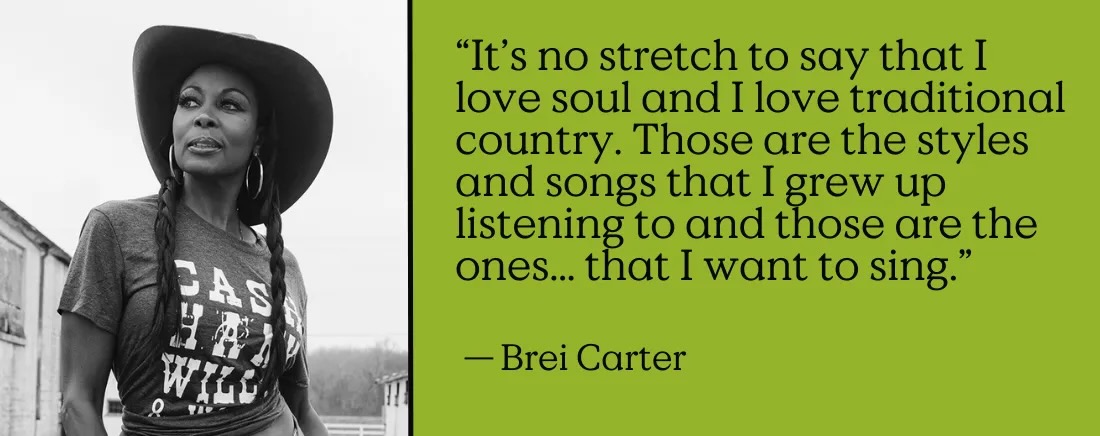
“I’ve always kind of gravitated towards all kinds of music, but vocally I’ve found that soul and country are the styles that work best,” Carter said during a recent interview. “For me, it’s no stretch to say that I love soul and I love traditional country. Those are the styles and songs that I grew up listening to and those are the ones that really are suited for the types of things that I want to sing.”
Considering the long history of performers who’ve taken soul tunes and made them into country hits or vice versa, Carter’s certainly in good company.
But, she’s also enjoying commercial success in a different vein. Her single, “Boots Get To Talking,” has quickly become a line dance staple. An energetic, engaging number that’s also a collaboration with the person she calls “my mentor and inspiration,” Elektrohorse, the song has generated its own line dance, something that Carter immediately credits Elektrohorse with enhancing and developing.
“When I first played him the song and told him what I wanted to do, I had my own ideas for how it would work as a line dance,” Carter continued. “He told me, ‘Brei, I’ve got some ideas, too. I think we can really do something with this.’ He took it and did some things with it that I never would have considered and he made it into something huge.”
“Boots Get To Talking” is one of those songs that really has something for every taste. It certainly has a catchy backbeat, equal parts honky-tonk and hip-hop. There’s some underlying blues feel to it as well, but when utilized in the line-dance environment the tune has an added energy and fury. “It’s my new anthem,” Carter adds, “And I’m so happy that it’s getting such a great reaction and response everywhere. It’s also a signal that people will always respond to good music and songs that make them happy and make them feel good.”
That desire, to reach across boundaries and unite people through music, has always been a big part of Carter’s performing mission. Her musical background growing up in Monroe, Louisiana included equal parts Loretta Lynn, Aretha Franklin, Charley Pride, and gospel music: “Plus a healthy dose of Cajun and Zydeco,” Carter adds. “That’s where my love of dance was developed. In those dance halls, no one ever sits down.”
Carter’s earned impressive academic credentials: a Bachelors in Business from University of Louisiana in Monroe, a Masters in International Relations from Webster University, and a Doctorate in Theology from New Foundation Theological Seminary. She’s also a proud U.S. Army veteran, having served as an enlisted soldier and as an officer.
After deciding that music would be her career path, Carter’s been carefully crafting her style. Her first single, “Gave Him A Girl,” got enough positive attention to lead to appearances on RFD-TV, WSMV-TV, WoodSongs’ Old-Time Radio Hour, among others. She made her CMA Fest debut in 2022, and released her debut album, Brand New Country, which featured a fine cover of Charley Pride’s “Kiss an Angel Good Morning,” and the powerful biographical piece, “Stronger Than That.” Carter released her most recent single last year, “Straight Up Country Crazy,” as well as her first Holiday EP, the critically acclaimed Twinkling Tales of Christmas.
Still, she acknowledges it took a while before she really understood exactly what she wanted to do from a technical perspective. “I realize now that my voice really does fall right in that middle area between country and soul,” Carter continued. “That’s a territory where I’m comfortable, and that’s really the area that I want to emphasize now.” With an upcoming series of concert dates set to begin this month, plus her new LP that will be coming later this year, Brei Carter feels really confident about the future.
“I’m really happy about where things are going for me musically, and what the future holds,” Carter concludes. “I’ve found the right mix musically, and the line-dance hit has really been a blessing, as has working with Elektrohorse. I’m very much ready to see what’s coming next.”
Sun Without the Heat is Leyla McCalla’s fifth solo album, but it is different from past efforts and she brings the listener through the transformative process with her. Produced by Maryam Qudus at Dockside Studio in Louisiana, McCalla dug into her personal history, primary sources from Amistad Research Center at Tulane University’s archives, world musical influences, and her creative trust in her long time bandmates to bring forth a bright, kinetic, and meditative project.
The studio, nestled along the Vermilion Bayou, offered an insular, bucolic setting for the nine days McCalla and band were recording; a place where friends and children could visit and local fishermen provided fresh catch for dinner. Qudus’ direction provided McCalla with space and vision to piece together her research and personal edification, while her relationship with her band allowed a deeply creative process to unfold. McCalla spoke wistfully about the experience, “It was very luxurious to have that kind of space. And it’s just really a very nurturing environment.”
Traditionally a cellist, on this project, McCalla explores her relationship with the guitar. She delves into West African and Brazilian polyrhythms flowing underneath lyrics that, at times, feel like a repetitive prayer or mantra. She balances the seemingly unanswerable aspects of life with the sometimes illusive, but simple notion that many contradictory feelings can be true at once.
BGS spoke with McCalla via Zoom from her home in New Orleans earlier this month. McCalla discussed the experience of researching, writing, and recording, her relationship with fans and supporters, creative freedom, and trusting the process.
I’ve been listening to all your music the past couple of days and I’ve noticed that the sonic palette of this album is somewhat of a shift for you. It seems like there’s a transformation theme running through it, both lyrically and musically, and it seems like even in the process of recording it. So I wanna talk about that on multiple levels, but can we start with the process for this? It sounds like you went into the woodshed and didn’t come out until the record was done.
Leyla McCalla: This is an album that was mostly finished in the studio. I had a pre-production session with Maryam Qudus, who produced the record. It was also just this really crazy time in my life. I was on tour a lot and coordinating with kids’ schedules. We really only had 36 hours of workshopping songs. Maryam was really amazing at being like, “Okay, let’s play with this idea, and come up with a verse and a chorus.” So I think we came out of that pre-production session with about 7 different demos that were just these rough sketches and we sent them all around to the band. When we went into the studio, everyone contributed what they were hearing to the songs. I’ve been working with my band now for about six years. I think that we have developed fluidity in our process of coming up with parts and talking about music. And so I knew that I had these sort of vague notions of delving into psychedelia and Afrofuturism and mining, this incredible music from Africa, ultimately. I think that that’s been a consistent through line in all my work is connecting my music through the ancestral lines of the sounds themselves.
I played a lot more guitar on this record than any other record. For me, it was really about delving into the songwriting and figuring out what I wanted to say. I’d been doing a lot of reading of Black feminist thinkers, and contemporary thinkers like Adrienne Maree Brown, Alexis Pauline Gumbs, and Octavia Butler. I think this record for me was really about, “How am I going to survive life? What does it mean to be resilient? What does it mean to transform and change? And give myself the space to grieve and also to hope and to dream.” There are a lot of things that I was meditating on when I wrote these songs.
I remember feeling very vulnerable, because I was really going back into this more beginner’s mind. I’ve never gone into the studio and been like, “I don’t know what it’s gonna sound like on the other side.” I’ve always had the band pretty well rehearsed and gone in. This time it was like, “These are the things that are emerging in real-time.”
Did you feel nervous about it? It seems like you have a lot of trust with your band, which is a great starting point. And you had the 36 hours of workshopping and all the ideas that you came up with. But were there nerves about it walking in to record?
Oh, yeah. It was not nerves about, “Can I trust my bandmates to be awesome?” It was more nerves of, “Do I suck?” Which is classic imposter syndrome that artists have as part of the process of writing. You get an idea. It’s a good idea. You question whether it’s a good idea.
I’m trying to do a new thing. I’m trying to break new ground in my creative life and in my sonic expression. Within that, I think that there’s a lot of room for self-doubt. That’s why for this album it was critical to have the support of my bandmates and of Maryam, who didn’t have that kind of attachment to any of the songs. They were just there to help execute what I wanted. I think this album really has strengthened my trust in my songwriting and in my creative process. And just knowing that you don’t always have to know what’s gonna happen to know that it’ll be good.
Absolutely. I was just going to say when you said it was a sort of meditative for you, I think that really comes across, lyrically and sonically. There are these phrases that you repeat that are meditative and it seems like you’re asking questions, you’re answering the ones you can, and you’re submitting to the ones that you can’t. What you are saying you wanted to happen comes across.
Yeah, I think so. I think that there is, on a spiritual level, deep healing for me in writing these songs. I was calling that in. I was navigating single motherhood, divorce, breakups, and big deaths in my family. It was like, “How do I call myself back to myself, what is gonna guide me through that?” I think for me, doing a lot of sort of ancestral healing work and meditating on the the gifts and the things that I’ve inherited from my ancestors, those made their way into the songs.
Speaking of process, you mentioned in your liner notes that you are grateful for creative freedom on this project. And I’d love to know what creative freedom looks like for you and how it impacts your work. And maybe what a lack of creative freedom has felt like in the past for you.
I think creative freedom, for me, was kind of twofold. I have a label that is mostly doing stuff outside of the commercial realm. Obviously, we’re part of the music industry, but I never felt like I needed to make a particular album. I felt like the question from the label was, “What kind of album do you want to make? What is coming through right now for you? What do you want to say?” Being able to come from that place is very different than, “Try to take over this part of the market,” or something. It’s a lot more empowering experience. Also, not being afraid to go in different directions. Not being afraid to use weird pedals on my guitars, experiment with synths, have a freaking psychedelic freak out, or have piano on the songs or organ. It was just sort of intuitive, “Yes, this belongs.” And not feeling like anyone was going to disapprove of that.
I never felt that there was a particular agenda outside of the agenda that I wanted to fulfill. That has been a really empowering experience for me, coming off of my previous record where it was like, “Okay, these are these ancient rhythms that are Haitian and African, and this is a mapping of where Haitian people come from.” I felt empowered by that, but in a very different way, almost like I wanted to serve this music. For this record it felt like, “Okay, how can this process really serve me and serve my creative genesis?” Returning back to like a more beginner’s mind, “What are the things that really I love about music? What are the things that make me wanna write songs?”
I didn’t have as much of a mind for that with Breaking the Thermometer, because it had been such a longstanding collaboration that I had been working on for five years with a crew of theater makers and different musicians and then going into the studio.
I always felt like that project was like a garden of weeds that are growing out of control. It could be a book. It could be a theater project. It could be a dance piece. I explored the intersection of all those things together. Whereas this was like, “Okay, I’m just returning back to this one format. We’re making an album.”
It meant connecting with some of my earliest influences. That’s why I went back to listening to a lot of artists from the tropicalismo movement in Brazil, in the ’60s and ’70s. There was all this experimentation with traditional music forms and rock and roll and psychedelia. I love that music. There’s something about it that just really speaks deeply to me. And I think that it’s also because of my generation, who I am, and where I am. I’m drawn to things that are out of the box. And I’m also drawn to really solid groove and feel and deep emotional content. I never had an agenda other than to figure out what I want to sound like and being able to have that space. A lot of these songs were about like, “How do I get out of my own way?”
When you started thinking about making this record did you know that you’d be playing more guitar than cello? Did you write on guitar? What was the relationship with that instrument like?
I was writing a lot on guitar. I wasn’t like, “I’m gonna play guitar and not cello.” I didn’t have an agenda in that way. I really wanted to explore different shapes in my fingers and try different rhythmic structures. Guitar is exciting for me in that way. I’ve done a lot of finger-picking in my work and there’s plenty of that on this record. But I’m like, “What about this inflection? What about this texture? And what about this feel? What does that conjure?” That was really fun for me.
Fun was also really central to the process. I was like, “I want to heal, I want to be creative, I want to expand my sonic palette, and I also want to have fun.” I do this work to have fun. I don’t do this work to be the “king of the capitalists” or something. I want to have a good experience with it and find it enriching. I feel like the guitar is the ultimate symbol of liberation and freedom. It has a different meaning to me than the cello. With cello, I know the notes. I am thinking about technique and I have to think about how I’m holding my body. Guitar is just like, “This is who I am.”
For sure. Partly because the guitar is so mobile. You can walk off into the woods with it.
Yeah, totally. You should see me walk through an airport. I’m carrying my guitar, my banjo, and my cello, and I’m always like, ”Man, life would be so much easier without this cello.” But it’s such a powerful thing. When I’m playing cello, it feels totally like, “Wow, this is also home.”
Cello moves so much air. It can completely change the vibration of a room.
Totally. I always tell my bandmates, “Oh, we gotta be careful with that cello. It’s like melting a dark piece of chocolate on stage.”
I think a lot about sense of place and how a place can affect the creative process. Since you were sort of in a “lock-in” at Dockside Studio, I want to know if that studio and that place had an effect on this record.
Oh, yeah. Dockside is an incredible place. There’s a house with a pool and then a whole other house with a studio. The grounds are beautiful and well-kept. You’re right by the river.
There was a sense of deep relaxation for me there, because it is kind of separate. If it were in the middle of a city, there would be so much more distraction. But because there isn’t, I felt like it really helped me to focus and to tune in. We burnt candles there every day. We were calling in a lot of spirits and support. I did a lot of just sitting by the river and writing and reading in order to write.
And Maryam is amazing. If it had just been me producing the record, it would have been way more disorganized. Maryam was amazing at being like, “Okay, Leyla, we don’t need you in the studio right now. What we really need from you is to go and write.” I feel like I do best in those sorts of relationships, when someone is gently nudging me in the direction of what’s gonna be most productive for me. I was really able to get to a place of being productive and feeling quiet enough to actually hear whatever was coming through. If we had made the record anywhere else, it would have probably sounded completely different. We are all pretty well versed in the different styles of Louisianan music, so we kept thinking, “What is this sound that we’re coming up with?” And we were like, “This is Louisiana tropicalia.” It’s a fun construct.
Tell me a bit about what your relationship is like with fans and supporters of your music and the impact that they might have on your creations or your career.
For my first record, I did a Kickstarter campaign and I asked for $5,000, because I didn’t know how expensive it is to make albums. I ended up making over $20k. That whole process of doing the Kickstarter was such a boon to my career. At that point, I had been touring with the Carolina Chocolate Drops. No one really knew who I was, but I realized that there was support and space for me to be doing these projects that combine research and intellectual pursuits with making music. That’s the line that I have been toeing this whole time. And it is incredible, over the years, the number of connections that I have made from pursuing two things at once and growing this academic life within my body of work as a recording artist.
People have brought me, over the years, limited edition Langston Hughes, Haitian Creole poetry from the 1800s, translations of Zora Neale Hurston books that are in French or German. Those are the kinds of connections that feel so sustaining creatively for me and really enriching. The music industry is so inundated with artists, and everyone’s trying to stand out. That kind of symbiosis, I think, is really critical not only to me as an artist but to me seeking support.
That’s wonderful. There’s something sort of clinical about the traditional record label rollout of material in the past, but now it feels like, because of social media, because of things like Kickstarter and house shows, a wall has broken down.
Totally. And I feel people really connect to that, even sometimes more than the actual songs. Which may be problematic in one way. Everything is kind of about more of this “cult of personality” thing. Not that I’m super invested in developing that, but I do feel like the fan base is invested in me as a person, and wants to want to support the music as a result of that.
Can you talk a little bit about the collaboration with the Rivers Institute and the Amistad Research Center at Tulane, and how that might have informed this project, or what you’re working on in general?
I was invited by the Rivers Institute to be their first music fellow. They have this incredible artist-in-residence program that is in concert with the Amistad Research Center at Tulane University, which is an incredible archive of stuff from all over the South, particularly Louisiana Black culture. There are so many oral history interviews. I discovered writers that I didn’t know about, particularly a guy named Tom Dent, who feels like he’s kind of like the Langston Hughes of Louisiana.
I’ve always known how important archives and libraries are, but it’s just so much information. There’s a woman named Jade Flint who works there who helped me. She was like, “What are you interested in?” I’m like, “I like poetry. I like organizers. I like movement work.” I found myself down this path of discovering letters that Fannie Lou Hamer had written to her best friend. She was from the Delta in Mississippi and in the ’60s was really active in registering Black voters at the height of Jim Crow. She was attacked. She was beaten really badly for that. She just kept on fighting her whole life for Black people to have the right to vote and for political participation for Black people at a time where that came at a great cost to her mental, emotional, and physical health.
There’s an organization called Core New Orleans, which actually did a lot of COVID testing during the pandemic, but they were also working on voter registrations. I was reading their pamphlets that were like, “This is how you deal with potentially violent situations. This is how you approach people about trying to get them to vote.” I was doing that and concurrently reading things about emergent strategy and pleasure activism and comparing notes like, “These are the activists of yesteryear and the organizing principles.”
And then I was reading Adrienne Maree Brown’s books. She’s like, “You’re gonna need to masturbate before reading this chapter, because otherwise you won’t be connected with your pleasure center. That is essential to this activist work.” You could see this sea change in the attitude about what is actually going to aid our collective liberation the most.
During this time, my grandfather passed away and he [had] started a Socialist Haitian newspaper called Haiti Progress. Both of my parents are activists. I’ve been immersed in a lot organizing and activist stuff my whole life like going to protests throughout my childhood, especially regarding Haitian immigrants and human rights issues in the United States.
All of these things just really filled me with this feeling of, “Wow! It’s taken so much bravery to be able to fight the good fight and keep these conversations moving forward.” I think we still have a long way to go. I did a lot of reflecting on that. And that song, “I Want to Believe,” was written during that residency. It’s a simple song, but I wanted to write something that was almost a song that could be sung at a protest, something that was not quite gospel and not quite protest music, somewhere in the middle.
I love a library, I love an archivist, and I love being in that space and finding things that feel like a secret. How you process that as a person in the present, feeling the history in the present, and how it comes across – that is reflected in your lyrics. We have access to so much information today, but that information is very much filtered by these multinational corporations. There’s search engine optimization and all that, and we can’t really dig down until you go into a place like that where those regional details exist, like in an archive or library.
It just is incredible to me, because there’s so much to keep track of. And you know, even the different categories like oral histories or audio interviews or drafts of books or poems. There are unpublished pieces that may only be read by five people every year. Those five people then know about this thing and can share it with their community, and make work from it, or include it in their research papers. There’s there’s endless ways to see the world and then filter this information.
I feel like my job as a musician is looking for those bits of information that feel like the diamond in the rough, like the thing that I’ve been looking for my whole life. That’s really the chase. It really keeps me in the archives.
Can you talk specifically about the title track, “Sun Without the Heat?” In your liner notes, you dedicate the song to Susan Raffo and Frederick Douglass. I’d love to know more about that.
Susan Rafo released a book called Liberated to the Bone: Histories. Bodies. Futures. I went down this rabbit hole of progressive thought. Her book is written for healers, people working within the medical industrial complex, and anyone who’s engaged in healing work, whether that be on a community level or on a one-on-one basis. I read that book, and it was really fortifying for me.
She has this theory of the original wounds of our society, which are the genocide of Indigenous peoples and the enslavement of African people through the transatlantic slave trade. It’s about our inability to grapple with the harm that has been perpetuated and is being perpetuated from those original wounds. It is holding us back from larger systemic change. There’s a chapter where she references a speech that Frederick Douglass gave in 1857 to a room full of white abolitionists. He said, “You want the crops without the plow. You want the rain without the thunder. You want the ocean without the roar of its waters.” I was immediately like, “Those are song lyrics.” I just heard it immediately. Those were just such beautiful words and and phrases and concepts, and I kept on singing that.
It occurred to me, “You can’t have the sun without the heat.” I was like, “There are only three phrases, and I need that one other thing.” I was also thinking about how so many of these songs to me are about transformation, and are about what change really requires of us. And it felt like those phrases spoke so well to that theme.
I read a book called Undrowned by Alexis Pauline Ghums. It’s a Black feminist study of marine mammals off the coast of South Carolina and Georgia and the things that we can learn from them about survival, resiliency, living on this planet, and our inherent connection to nature — you know, how to thrive on this seemingly unsustainable planet. It is also about our connections to each other and community.
For a long time, I think in my own personal life I was like, “I just can’t help but feel like I’m drowning.” But I didn’t want to just make a record about that feeling. I wanted to make a record about getting through that feeling: about breaking through the overwhelm.
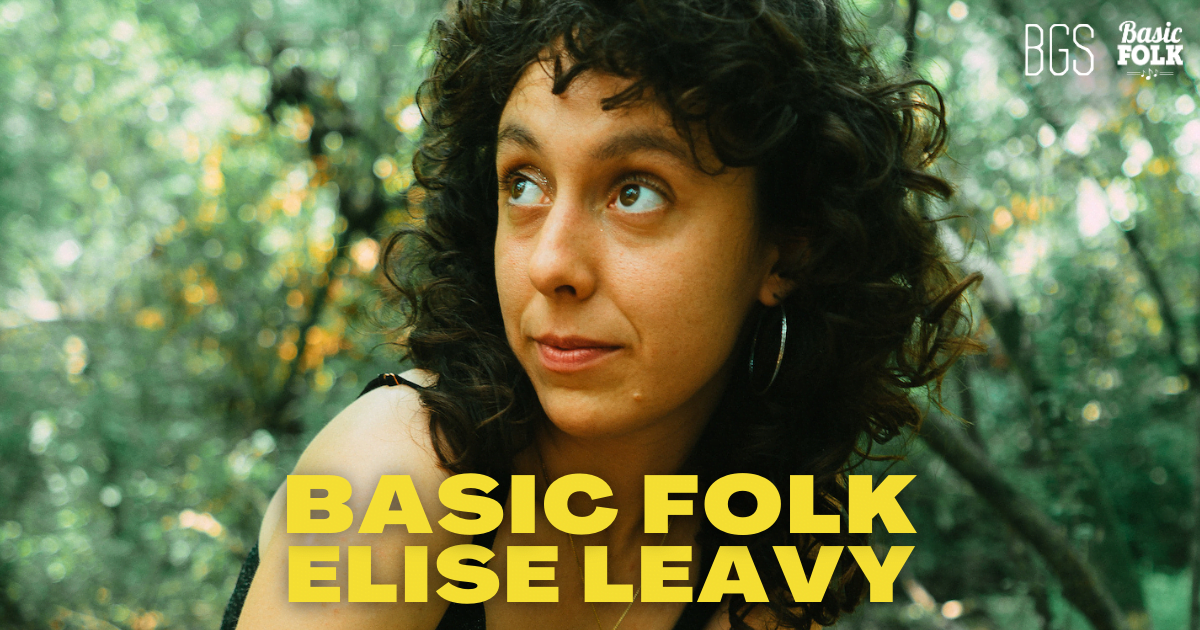
Dive into the enchanting world of Elise Leavy – who hails from picturesque Monterey, California – through her latest album, A Little Longer. Leavy’s artistic journey is steeped in the influences of her magical childhood surroundings. Her life growing up was filled with music and art, thanks to her mom’s painting and her stepdad’s own musical talents. Growing up with a deep appreciation for nature and a belief in faeries, Leavy shares how these elements shaped her musical perspective.
As we explore Elise’s musical evolution in this episode of Basic Folk, we touch on her experiences with live performances, overcoming stage fright, and the art of songwriting. Her unique approach to music, drawing from her magical way of thinking, is reflected in her exploration of various musical instruments – from accordion to guitar, piano, fiddle, and more. We also uncover the impact of her time at summer camps, which fostered a sense of community that continues to shape her artistic expression to this day.
This episode delves into the intriguing intersection of Leavy’s musical journey with homeschooling, highlighting the unconventional path she took to prioritize her love for songwriting and music making. She left public school in eighth grade to focus on her craft and built her schedule around attending music camps. She would go on to study at New England Conservatory and she lived briefly in New York. After several years in Nashville, she has recently found herself living in Lafayette, Louisiana.
The songs on Leavy’s new album, A Little Longer, were mostly written while she was based in the Northeast. In our conversation, Elise opens up about her connections to music, magical creatures, and the harmonious blend of romance and fantasy in her musical creations.
Artist:Clay Parker & Jodi James Hometown: Baton Rouge, Louisiana Album:Your Very Own Dream Release Date: January 19, 2024
In Their Words: “We set out to make this record in early 2020, but things got a bit trivial then. However, we came out of the pandemic with some new ideas on how to approach these songs. Exploring the dynamics of two electric guitars sitting together against starkness was an exciting exploration for us and capturing that became our new focus. As for the songs, we didn’t really lean on any notions of genre; the stories themselves aren’t strictly linear. There are moments of bitter tenderness and some of flat-out absurdity – these songs are from those crossroads. Your Very Own Dream is equal parts plaintive folk existentialism, blue-note bluster, prairie-fire idealism, and fever dream ballad. It’s a raw representation of us searching for and finding a new sound.” – Clay Parker & Jodi James
In advance of the release of Vincent Neil Emerson’s latest, critically-acclaimed album, The Golden Crystal Kingdom – which dropped on November 10 – BGS moderated a conversation between VNE and his friend and peer, country & western singer-songwriter and song-interpreter Charley Crockett.
Both artists cut their teeth in music venues in Texas a decade ago. In our conversation, they tell the story of how they came to know each other and discuss ways they protect each other within the business. They talk about covering and cutting each other’s songs and the importance of telling their truths.
Emerson’s new album, produced by Shooter Jennings, veers his sound toward warm ’60s rock and folk influences. He opens up to Charley and BGS about its creation process and what is on the horizon for him.
Charley Crockett: What’s up, Vincent?
Vincent Neil Emerson: What’s up, my boy?
CC: Another day, another dollar.
BGS: Tell me where you both are in the world right now.
VNE: I’m in Asheville, North Carolina, right now, at an Airbnb.
CC: I’m up here in San Luis Valley in Southern Colorado.
Both really nice places to be in the fall.
VNE: You ain’t wrong.
Can you give us a little bit of context about your relationship, where you know each other from, and how long you have been working together?
VNE: Charley, you wanna go?
CC: Oh man, I always tell that story; I wanna hear it from you.
VNE: I met Charley in Deep Ellum. We were playing around town, playing a lot of shows around there and Fort Worth. That was over 10 years ago, maybe?
CC: I was trying to think about it this morning. I think it had to be ’13 or ’14.
VNE: That’s crazy, man.
CC: He remembers it being at Adair Saloon; I remember it being at the Freeman. It really don’t matter, ’cause I’m sure it was both places.
VNE: I’m sure we went and had a drink at Adairs or something like that.
CC: I remember I walked up on him and said, “I like all them Justin Townes Earle songs.” And he said, “I only played one.” I always liked what he was doing, and he used to play solo and do the guitar pools up at Magnolia Motor Lounge all the time. He’d be up there smoking a cigarette, picking through them songs like Townes Van Zandt, and I thought, “Oh lord have mercy, this boy is a force to be reckoned with.”
VNE: Man, I felt the same way as soon as I heard you, brother. I remember a couple of nights I saw you at the Freeman with this band. You had a bunch of guys up on that tiny little stage, and you were just ripping through all these songs, taking all these old honky tonk songs and flipping them on their head and turning them into blues and vice versa. I always thought that was so cool, man.
CC: I don’t remember that well, but I guess you’re right. In those days, every gig we played for both me and Vincent, we ended up getting booked by the same folks, or they were all standing together in some bar, no matter if it was Ft. Worth or Nashville or Los Angeles. One way or another, all them same business folks been standing pretty close to me and Vincent. And that’s the truth.
Well, that’s convenient if you like to work together, I guess. Charley, do you have questions you want to dig in on?
CC: You know, Erin, I don’t even know what the hell we are doing?
Let’s talk about the release of Vincent’s new album.
CC: Well, let me just do this then. Everything he’s been putting out with Shooter [Jennings], like everything else he’s ever done…If you sit there looking at Vincent and he surprises you, it’s like, “Oh damn, I didn’t know old boy was gonna do that.” The very next thing he does, it just happens again — every single time. I remember when he was playing “7 Come 11” way before anybody gave a damn about him and was looking out for his interests or his career. He had all them songs in his pocket way before anybody had ideas or designs on him and his business. I’ve said for a long time that “7 Come 11” is one of the best folk songs written out of Texas in 20 years. Remember Central Track, Vincent?
VNE: Yeah, they did a lot of write-ups on music.
CC: I will never forget that stuff when you did that record and what you were doing live. Erin, he was playing for 50 bucks and a case of Lone Star in them dive bars in Fort Worth, you know? He was living in a 10×10 room. He was hardly ever even standing inside of the damn joint.
A handful of us showed up at the same time, and we are all moving on our own paths, but we’ve all stayed pretty close, or we damn sure weave it together quite a bit even if we get way out there, you know, in the territories, we always come back to each other. I think I met Leon Bridges right around the same time that I met Vincent. I met him in Deep Ellum, too. There is a guy who plays guitar with me now named Alexis Sanchez. He had a band back then, and he was playing at Club Dada there for some little festival, and Leon Bridges was standing there in a trench coat and a bowler hat. I venture to guess that me and Leon and Vincent met each other damn near about the same time. There were a lot of other folks like that. Ten years later, especially for some Texas guys, you know, we’ve all grown a lot, and I think we have always supported each other and loved each others’ music. That’s only grown, and Vincent is standing there as one of the premier, original, authentic talents to come out of Texas since the turn of the damn century. I’m not blowing smoke. I’m just stating what is already happening.
VNE: Man, that is high praise. I appreciate you sayin’ that, Charley.
CC: Well, they want all this shit to write about it, but that’s just the truth. He was playing in Fort Worth and like I said, playing for all that low money. They were calling him Lefty. Why did they call you Lefty? I figured it was because you had a black eye or something.
VNE: Yeah, I had my left eye knocked out of the socket one time, and the nickname stuck for a while.
CC: I remember they wrote about you pretty salaciously there in the Fort Worth Weekly. I know a thing or two about that myself.
VNE: I would say it was because they were trying to sell papers, but it was a free publication.
CC: Shit, they are selling advertisements. I think the Dallas Observer is still doing that to me.
He was playing them bars, we were playing them bars. I don’t know which one of us is which, but more often than not, he sure seems like if I’m Waylon, he’s Willie. I have felt like that for a long time. You could change the names. I think about this stuff a lot. The business folks, it is always hard to tell what they are doing, but you can be sure they are rolling dice and betting and gambling on folks. It ends up being, a guy like Vincent that somebody like me can lean on a lot more. We can trust those guys, and I’m real happy with who I’m working with, and I’m sure Vincent is, too. It is the other artists living life for the song that gets us through. I know I feel like that about Vincent, and I feel like that about a lot of other guys I don’t know as well as him.
Kind of like Johnny Cash said, “We are all family, even though some of us barely know each other.” I think it is because we can see each other and know we are in the same boat and in that way, care more for each other than other people would. I think it is pretty serious. It is life and death.
VNE: That’s a good feeling to not feel so alone in that way and have people out there and doing things similar to you. They probably think a lot of the same thoughts. Me and you are good buddies, Charley, and I feel that way, too. I feel like some guys out there like Tyler Childers – I really respect him, and I feel like he is in the same boat as us. I’m not as well known as you guys, but I think none of that really matters. I think what it comes down to is that we are all songwriters trying to make our own stories happen and be true to ourselves and honest to the world. I think that the reason we can relate to each other is the same reason the fans can relate. Honesty will cut through anything and bring people together.
CC: One way or another, them folks we are selling tickets to, they know.
VNE: You can’t fake the funk, I guess.
CC: Eventually, it comes through. Speaking of Tyler Childers, we ended up on the same plane flying from Nashville to Austin recently… I was there for the Country Music Hall of Fame induction and I didn’t want to go. I get real antisocial and want to hide out from everybody and shit, and I went to Nashville kicking and screaming. Tanya Tucker was getting inducted to the Hall of Fame with a couple of other people. Patty Loveless and Bob McDill, who I wasn’t that familiar with. I had thought that he’d written the Jimmy C. Newman song, “Louisiana Saturday Night”, which I know real well. To be honest with you, it is the only reason I agreed to go out there, ’cause I love singing that song. I made a lot of money writing songs off of that song, so I figured I owed whoever the songwriter was. Long story short, there in the last week, I found out it was a different “Louisiana Saturday Night,” regularly mistakenly attributed to Bob McDill cause he wrote a totally separate song called “Louisiana Saturday Night” that Mel McDaniel had a big hit with, and that’s the one that goes,
“Well, you get down the fiddle and you get down the bow Kick off your shoes and you throw ’em on the floor Dance in the kitchen ’til the mornin’ light Louisiana Saturday night”
That was a big ol hit, right Vincent? He did “Baby’s Got Her Blue Jeans On,” and a bunch of shit like that that I just didn’t realize. My naive, ignorant ass goes up there to Nashville kicking and screaming, and that’s how I feel. A horse gets led to water or something like that. I saw Tanya get inducted. I damn near built my career off of my version of “Jamestown Ferry” when I was younger, and I realized that she had blazed that trail for me, and I had not shown her enough respect. I really hadn’t. Same thing with Bob McDill. All those songs he wrote and the advice he gave in his speech, and my dumbass could really shut up and pay attention to these folks.
Then I ran into Tyler going from there. He was flying to Austin to do a John Prine tribute. That’s how it is. When I see Tyler, I’m on a plane. When I see Vincent, it is at Monterey Fairgrounds. We are ships passing in the night. All these guys like Tyler, Colter [Wall], Leon, Vincent. Whenever I see them, they got a big light around them, and it is shining. You just want it to keep shining for them, and for myself, to keep it going,
I don’t know exactly where you want to go with this, Erin, but I’m excited about this record. Shooter was telling me about your songs and offered to send them and I was like, “No, I ain’t gonna do that. I wanna be like everyone else.” I wanna watch this thing get rolled out, and I wanna be excited. I’m looking forward to going through the songs.
Vincent, can you tell us about working with Shooter on this record?
VNE: I met Shooter a few times. Me and Charley were at this festival in Iowa hanging out, and Shooter came up to me and tapped me on the shoulder. I’d met him before at another festival but I’d never talked to him. He turned me around and said, “Hey man, I really like that thing you did with Rodney Crowell.” He paid me a lot of compliments, and since then, we talked, and when it came time to make another record, Shooter was the first guy I thought of. I thought it would be such a cool idea to work with him on an album. One thing about him is he really is one of the nicest people I’ve ever met, and he is a genuine fan of music. He’s trying to make cool things happen. I’m so lucky I got to work with him on it. That is the big takeaway from the whole thing for me was making a real good friend like that and meeting someone who gets me excited about songwriting and about making an album and making music in general.
Since Charley cut “7 Come 11” and you cut one of Charley’s songs for this record, can you talk about what prompted “Time of the Cottonwood Trees” winding up in this pile of songs?
VNE: Oh man – that song. Me and you were on tour together for three months, was it last summer? We did a bunch of dates, and we were on the road a long time, and I was listening to Charley do that song every night. It was a brand new song that hadn’t come out on his record yet. I got to hear him sing that song every night by himself, and I just think it is one of the best songs I’ve ever heard. It is one of my favorites from you, Charley. I think it is a fine example of songwriting. When it came time to make this album, I always wanted to pay tribute to you and cut one of your songs on a record because you cut “7 Come 11.” That really ties back into that whole Willie and Waylon and all those old timers who cut each others’ songs and lifted each other up like that. I just wanted to pay tribute to you, and that’s why I put it on the album.
CC: Shit, I appreciate it. I’ll be excited to get the check in the mail. You surprised the hell out of me with that one, you really did. I’ve always wanted people to cut my songs. Sometimes, I think I’d be better off that way. I have so many. I’ve always cut a lot of songs that weren’t mine, probably about half of them. And I got about a 250-song catalog of published shit. I would guess about 40-50% are songs I didn’t write. I feel like I’ve caught a lot of heat for that. People have an idea about me that I never wrote a single song. I think that’s because we live in an era where, like what Vincent was talking about, where all those folks back in the day, across genres, and it wasn’t just country it was pop, folk, soul, R&B. It was everything. Everyone was cutting each other’s songs. I just really think that to write a great song, you have to learn great songs from other people.
You have to watch out for these publishers these days. They’ll just put any piece of junk out as long as they’ve got control over it. They figured out they can make money selling junk. If you can make more money than ever before selling junk and you aren’t principled, and you aren’t that close to the music, well, they don’t see the reason not to do it that way. I think it feels like a renaissance.
VNE: Specifically in the genre of country music, there is a lot of junk out there. I don’t want to put anyone down. Most of the time, I just try to ignore whatever I don’t like. I think that’s the best way to go about it. I think there is room at the table for everybody, whatever you are into. I just think it is so cool that Sturgill and Charley and Colter and Tyler, all these other guys that are out here putting out real, honest-to-goodness songwriter songs. And not just that, but real country music. It doesn’t matter if it is your song or someone else’s; if you are telling that story honestly, I think that’s great. I’ve always appreciated you for that, Charley. I think you are a great interpreter of songs, and I think you are an even better songwriter, man.
CC: Damn, I’m glad I talked to y’all this morning. I feel better.
I’m glad that we are talking about cutting songs because that is such a huge part of country music, interpreting other people’s songs or reinterpreting a song. It feels like that art was lost in the past 20 years or so and it is having a resurgence. I’m excited that you guys are at the forefront of that, because great songs have more than one life. And it is an opportunity for songwriters to make more money.
VNE: I think it is one of the greatest compliments that a songwriter could receive – to have an artist who they love and respect cut one of their songs.
CC: There is no question about that. That is the best feeling.
VNE: It is, cause you know that your songs has legs and can go places that you can’t, which is a great feeling.
CC: It really is. It is such a political world, and it is so divided. There is a lot of pressure on people that you step out there into the great mirror of society, and the more out there in front of the public that you get, there is a mirror that starts projecting on you, and it is tough to deal with. It is hard to know what to do, but the thing about it is – being able to write honest songs and tell the truth in your writing; that is the most rewarding feeling. That is why I always look forward to what Vincent is doing. There aren’t a whole lot of people that I anticipate their new works as much as him, if anybody really. That’s the whole deal. You look over, and he’s writing better and better, and it makes me want to write better, too.
Speaking of, Vincent, can you talk a bit about your writing process for this record?
VNE: I kind of pieced together songs over time. Sometimes they jump out real fast; sometimes it takes a while. And thanks for saying that Charley, brother. Damn.
CC: I’ve been saying it for 10 years.
VNE: That’s kept me going a lot of times and I don’t think you realize that. These songs – damn, what was I saying?
CC: You were saying sometimes they come quick, sometimes they come slow.
VNE: I’m very influenced by the music that I’m listening to and that is why I try to be real careful about what I listen to. I think it is like if I’m making a smoothie. I gotta put certain ingredients in my brain, and it comes out me on the other end, hopefully. I was listening to a lot of Neil Young and Steven Stills and David Crosby. A lot of the ’60s rock and roll and a lot of Bob Dylan stuff. That’s just where I was in my headspace, so I was taking in all that. I try to put it all together to make it my own. That’s where I was at when I was making this album.
By the way, I’m excited about this rodeo we are playing together, Charley.
CC: Oh shit yeah! At the Virgin Theater there? Yeah man, I’m excited about it, too. Thanks for doing it.
VNE: Thanks for having me on.
CC: When it comes to money and shit like that, just any time, whatever you gotta do to make it work cause I wanna keep playing with you as much as we can and build up. I’ve played in some arenas recently, and I really don’t like it. I don’t know if country music belongs in arenas. And I just mean opening. I can’t sell tickets to no damn arena. And I take a cue from Colter cause he and Tyler and them boys, they could be in arenas all day long if they wanted to be. I would rather play rodeos and municipal auditoriums and really special theaters and stack ‘em up. I think we need to get a goddamned Dripping Springs reunion tour going. A real one.
VNE: Man, that’d be great.
CC: You know what I mean, just do some of our own shit. My aunt and uncle and a bunch of people who haven’t been out to see me play in a long time are coming out to Vegas. I used to live with my uncle when I was a kid in Louisiana and Mississippi and shit. He’s gonna flip his shit when he sees you.
VNE: I can’t wait, man, I’ve heard so many stories about him.
CC: He’s wild. We gonna show these folks what country music actually sounds like. They might not be able to tell who is left or right. Nahhh I’m just kidding it is a bunch of cool people.
Thank y’all for letting me be a part of this. I’m just happy to help out or talk about this. I’m real excited about the album for real. The imagery in your writing, man, it’s like everything you write is getting more and more vivid. You paint such a picture. I’ll stop blowing smoke up your ass.
I’m gonna get back on the trail and Vincent, I’ll talk to you soon.
VNE: Thank you for doing this brother, I appreciate you.
Photo Credit: Vincent Neil Emerson by Thomas Crabtree; Charley Crockett by Bobby Cochran
This website uses cookies to improve your experience. We'll assume you're ok with this, but you can opt-out if you wish.AcceptRejectRead More
Privacy & Cookies Policy
Privacy Overview
This website uses cookies to improve your experience while you navigate through the website. Out of these, the cookies that are categorized as necessary are stored on your browser as they are essential for the working of basic functionalities of the website. We also use third-party cookies that help us analyze and understand how you use this website. These cookies will be stored in your browser only with your consent. You also have the option to opt-out of these cookies. But opting out of some of these cookies may affect your browsing experience.
Necessary cookies are absolutely essential for the website to function properly. This category only includes cookies that ensures basic functionalities and security features of the website. These cookies do not store any personal information.
Any cookies that may not be particularly necessary for the website to function and is used specifically to collect user personal data via analytics, ads, other embedded contents are termed as non-necessary cookies. It is mandatory to procure user consent prior to running these cookies on your website.