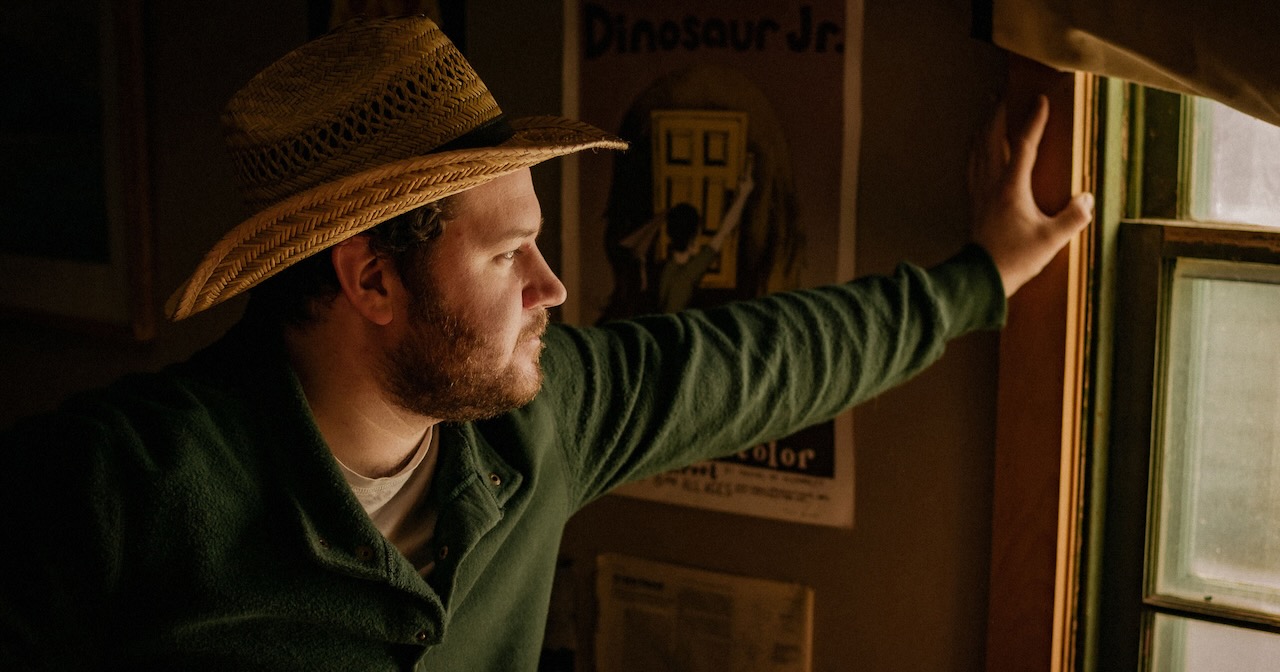
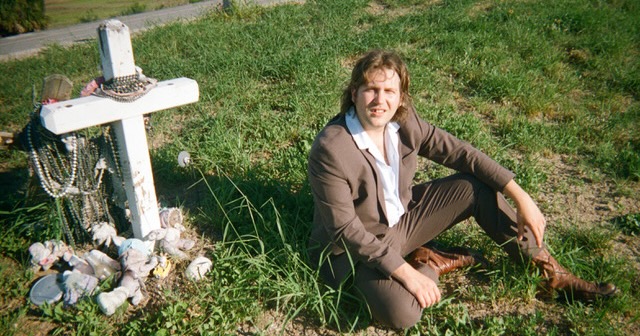
Artist:David James Allen Hometown: Prince Edward County, Ontario, Canada Song: “Holly” Album:By The Summertime Release Date: June 9, 2023 Label: Littleknown Records
In Their Words: “‘Holly’ is a song of drugs, dingey bars, old relationships, and backward priorities. Ultimately, it’s a song about losing an important part of your life to backward priorities, self-destruction, or naiveté, and growing up and confronting yourself in the passage of time. It’s about coming to terms with yourself and what it is you’ve lost, and reflecting on it with regret, sorrow, some nostalgia about it, but also having insight and maturity — a ‘grown-ass-ness’ of realizing things are better off now then they were then.
“In this song, the character is a songwriter who constantly prioritized every relationship they’ve been in after they hit a little success, but it sooner or later backfires. I wanted to write a song about tackling work/life balance and social-party/life balance, and in this case, it’s about a songwriter, because that’s something I know well. I feel like so many different people prioritize and occupy their minds with their work or social lives over personal relationships or family, a decision that may not always be intentional. But it does have a big impact on the ones who are left in the wake of that decision. I’m pretty self-aware of this type of work mindset because I can be a bit of a workaholic with my songwriting and creative work. I get obsessed easily — especially when I’m in the flow. I wear a lot of work hats and now being a new father and family man, I find myself regularly seeking ways to encourage a healthier balance. The social nightlife isn’t as much of a concern to me these days, I tend to enjoy being a bit of a homebody.” – David James Allen
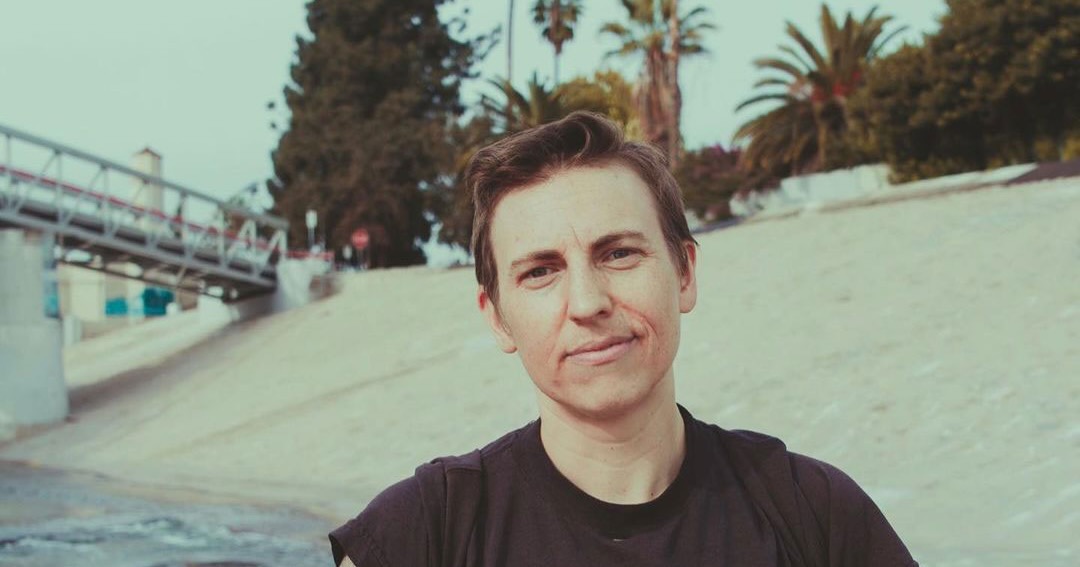
Artist:Joh Chase Hometown: Los Angeles, California Song: “Another Lover” Release Date: June 12, 2023 Label: Kill Rock Stars
In Their Words: “This song began in a writing retreat in Washington State back in 2017 and has had many iterations. This version is the ‘acoustic version’ I recorded and mixed at home in the corner of my living room during insomniatic COVID lock-down nights; [it] speaks of the visceral remorse we feel after nurturing and then losing relationships and just wanting to take it all back.” – Joh Chase
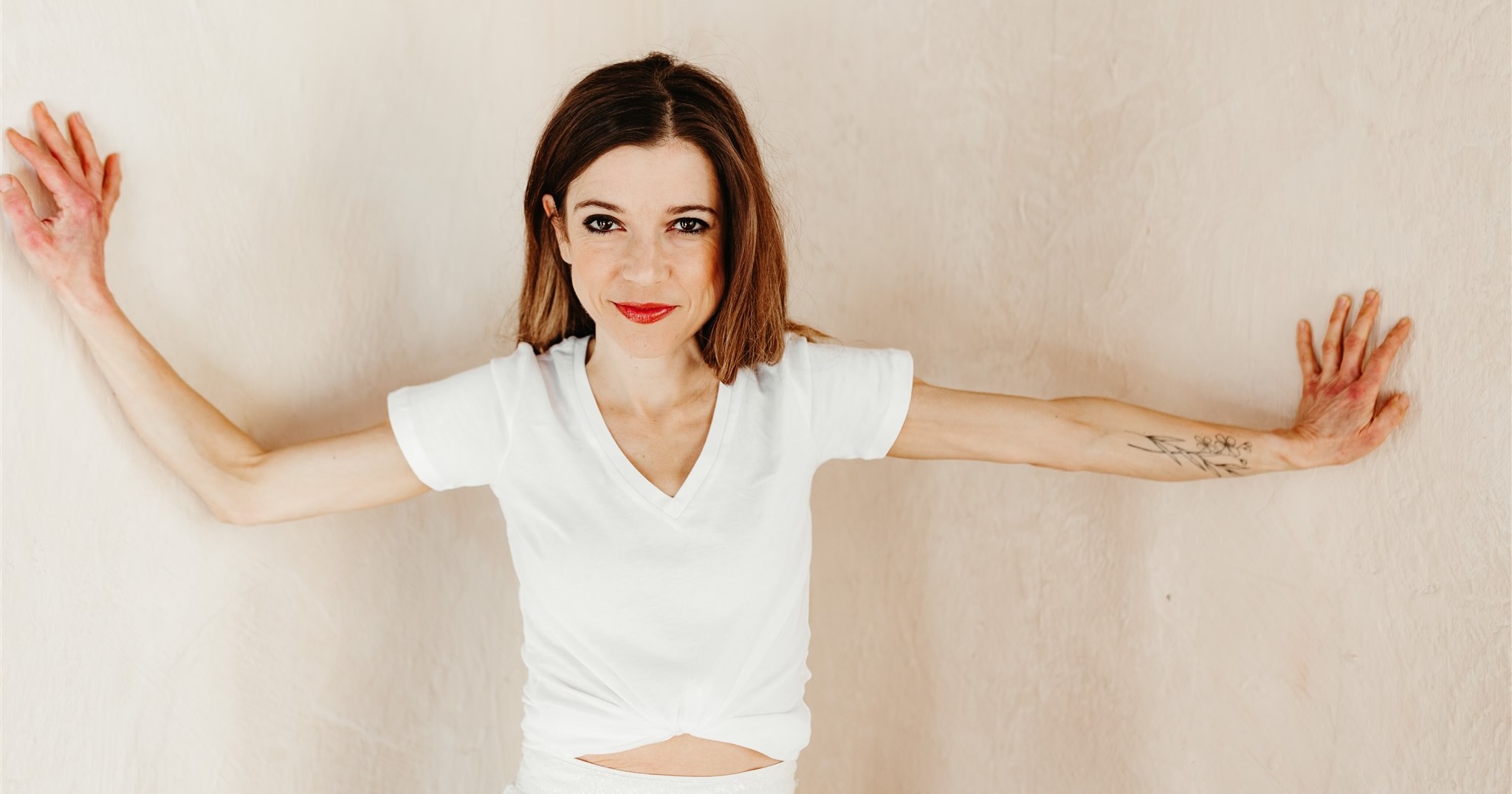
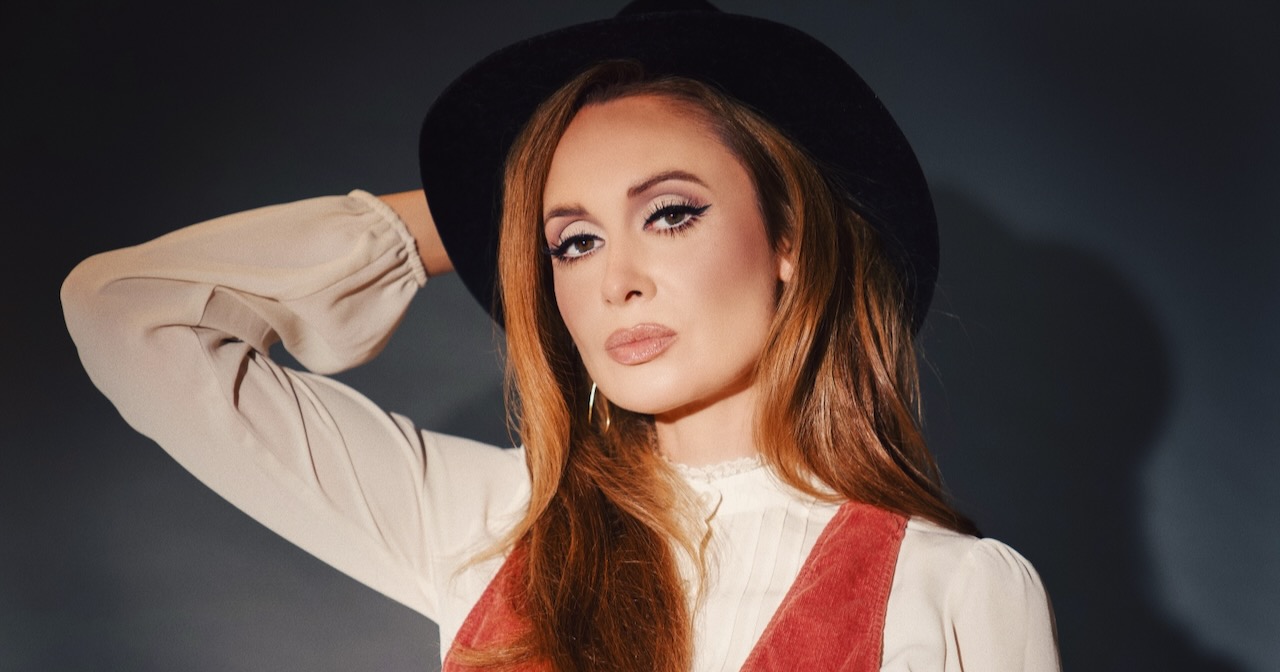
Artist:Sarah Morris Hometown: Shoreview, Minnesota Song: “Ruthless” Album:Here’s To You Release Date: May 5, 2023
In Their Words: “‘Ruthless’ was a writing prompt in the summer of 2019. My initial response was the opening line, ‘Your calloused fingers, my calloused heart, I bet you earned your lack of feeling by working hard …’ My husband has calloused hands from building a cabin for our family, I have earned my own calloused fingers from guitar strings over the years – it was an easy image to grab on to. So often my songwriting takes me to deeply domestic moments and this song felt removed from that in a way that was so fun to write (and now to sing). I’ve written many songs about kindness; offering one another healing, a soft place to fall – it was fun to explore the other nooks and crannies of human emotion and character.
“On a late winter run I was listening to the masters of the album and when ‘Ruthless’ came on, I saw all these images – the two people, the sink, the dark background, a sense of kaleidoscope. As soon as I landed back at home, I emailed the amazing team of Sarah and Erik Elstan to ask if they were up to collaborating on a video again. On a blustery April day, we hid in a Minneapolis studio with Michael Gay, some great vintage pieces courtesy of Seven Suns Vintage out of Eau Claire, and shot the video. What a gift to find people who you can share a tangle of run-induced ideas with, and then they create something so fantastic!” – Sarah Morris
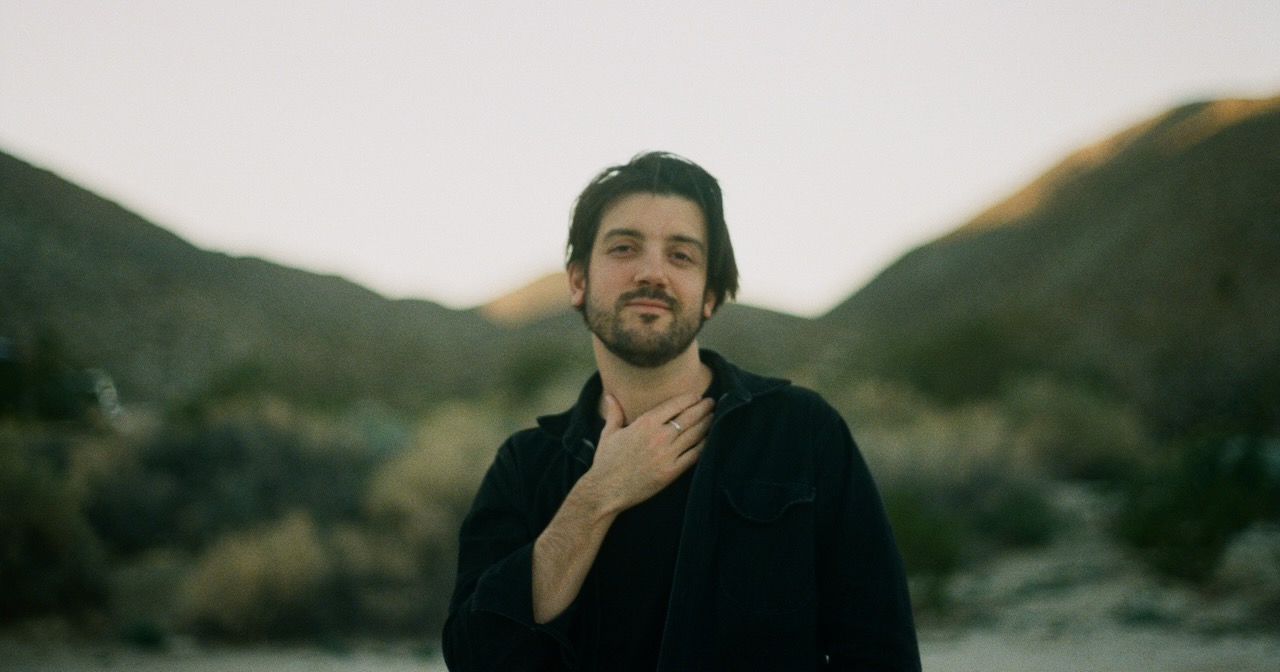
Artist:Jacob Sharp Hometown: Los Angeles, California Song: “Other Side” (feat. Aoife O’Donovan) Release Date: May 26, 2023
In Their Words: “I wrote this song in early 2020 when I was finally still enough to wrap my head around some of my emotions buried deepest. This one’s about a friend losing a battle with addiction, what I wish I had said more, and what I’ve been trying to say to all my people since. For me, music is for making and sharing with people. It’s why I love bands and being in Mipso. I talked myself out of releasing my own music so many times over the past few years, but when I realized it made for a good opportunity to collaborate with dear friends for the first time, it started to feel alright. I got the band of my dreams together and we recorded this one, mostly in separate locations in 2021.
“There is an amazing winemaker, Jude Zasadski, who is my neighbor in Mt. Washington – it’s a little oasis in the heart of Los Angeles – and he is someone who constantly inspires me. I love that dude so much. When I got the final mix for this tune, he was one of the first people I shared it with and he had an immediate vision for how we could show some of the fuzzier sides of memory whilst memorializing the preciousness of time and those moments when you feel your feelings again. We strolled around the neighborhood, got burgers and milkshakes, and then set up a projector in our friend’s garage. And one of my favorite filmmakers, Brady Lawrence, has been a friend for over a decade. His art always gets to emotional depth quickly and he was the perfect person to edit this video.” – Jacob Sharp
Photo Credit: Cate Parker Video Credit: Jude Zasadski (director and videographer) and Brady Lawrence (editor)
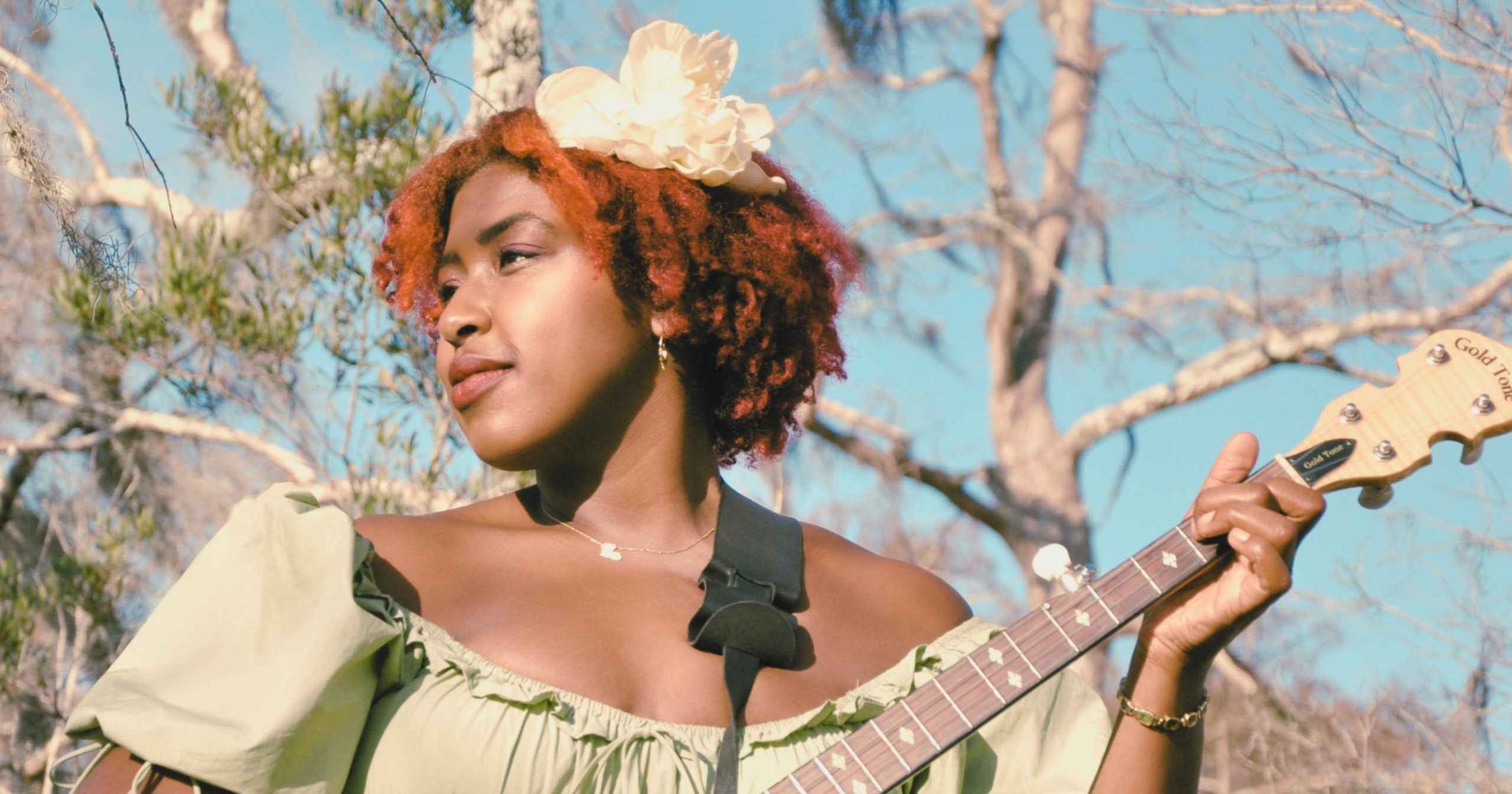
Artist:Dusky Waters Hometown: New Orleans, Louisiana Song: “How Will We Know?” Album:Pass It On Release Date: June 9, 2023
In Their Words: “I am so excited to share the song ‘How Will We Know?’ as the final teaser to the album, Pass It On, that will be released on Friday, June 9! This album captures many special and pivotal moments in time for me and my perspective on navigating the 2020s as a black, southern, millennial woman. I was inspired to write this song during a hiking trip in the Smoky Mountains. The beauty, awe, and uncertainty I experienced on that journey provided some really fitting parallels to the progression and ending of a long-term relationship, which you can hear in the song. My favorite moment on the track is the ending, which features a piano solo by Tommy Henson. Tommy began playing with the band about a year and a half ago and has already left his mark on our sound and brand of Americana. I hope you enjoy the track and also check out the rest of the album when it comes out on Friday!” – Dusky Waters
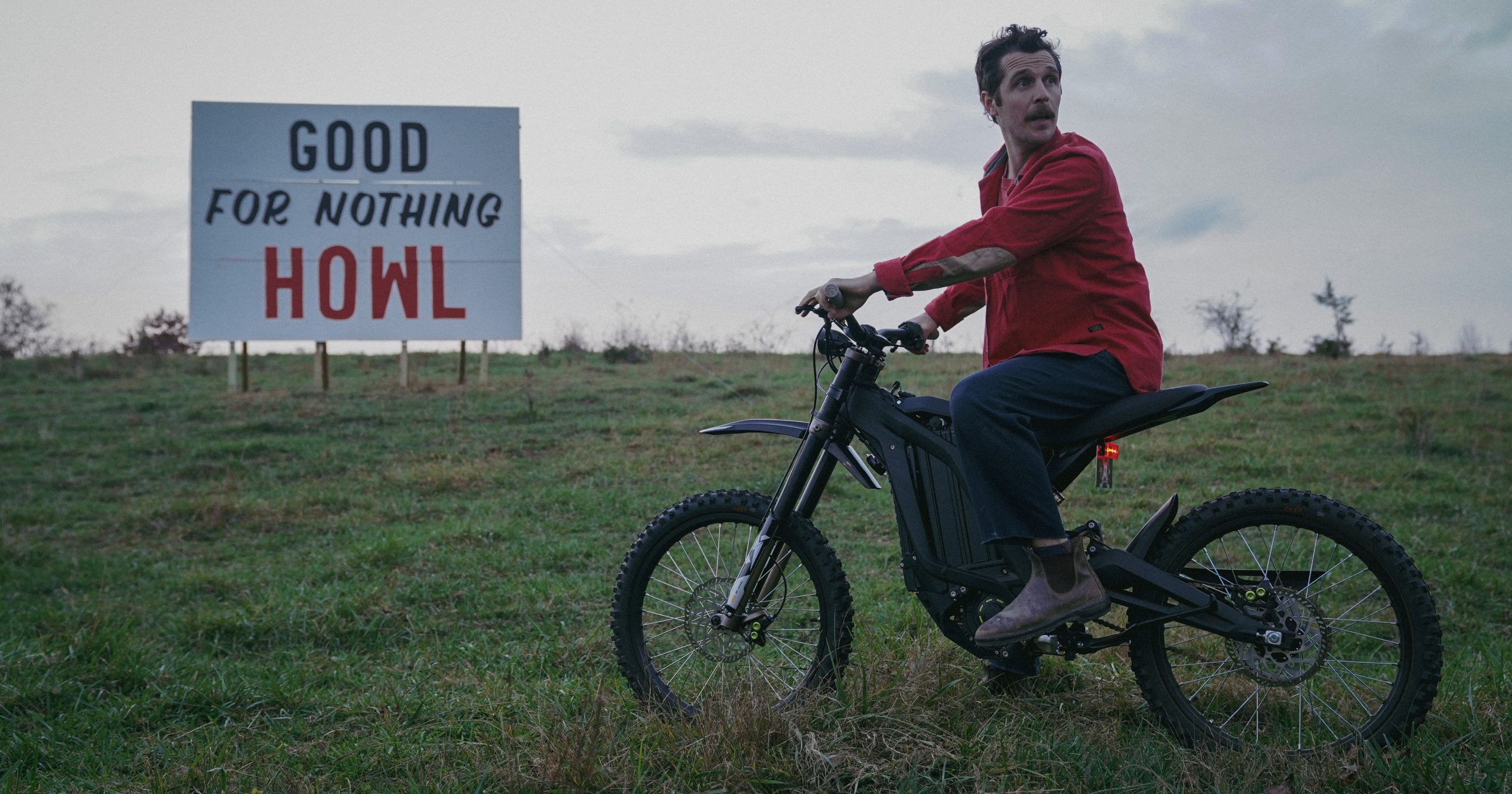
Artist:Joseph Terrell Hometown: Durham, NC Song: “Tallest House of Cards” (featuring Charly Lowry) Album:Good For Nothing Howl Release Date: May 5, 2023 Label: Sleepy Cat Records
In Their Words: “Charly Lowry is one of my favorite singers in North Carolina. I love her voice and her presence and I really admire how rooted she is in her community in Eastern North Carolina (AKA “down east” AKA the most interesting part of the state with the most swamps and collard greens per capita). We met up in Pembroke, NC at Charly’s bar, Credentials Social Club, and she helped me record a beautiful version of this song from my album … thanks to Charly for bringing it to life. Directed by my great buddies Sandra Davidson and Cameron Laws, we made a day trip out of it, got Mexican at Charly’s favorite spot beforehand, and then Cook Out milkshakes afterward (banana pudding). It was a pleasure all around.
“‘Tallest House of Cards’ is about some great duos who burned hot and bright for a little while. You know Bonnie & Clyde, Fred Astaire & Ginger Rogers. Y’all maybe don’t know the story of Charles Mason & Jeremiah Dixon, the surveyors who drew the famous line, but they were a wild pairing, too. I’ve got some other verses (Bert & Ernie, Siegfried & Roy) that I might bust out live.” – Joseph Terrell
Video directed by Sandra Katharine Davidson and Cameron Elizabeth Laws
Artist:Katie Cole Hometown: Nashville, Tennessee (originally from Melbourne, Australia) Song: “Young and Stupid” Album:Rivers & Roads Release Date: June 5, 2023 In Their Words: “This song is truly about the struggles of being young. When I think back to being a teenager or in my early 20s, it’s clear to me how difficult and confusing it was. Technically, at that age we are adults, but we don’t yet know who we are. So there is bittersweet nature to this lyric. The amount of times I cried and felt defeated – I lost count. I played so many gigs each week and would busk til my fingers were raw to pay rent. I would never want to live through that again. But right now, I can look back at my youth and remember how beautiful it all was. Mess and all. When you are young, you don’t yet see what can go wrong, so you are always wearing rose-colored glasses. You just don’t realize it ’til you’re older. To capture the sound of this story, I worked with Producer Howard Willing on the whole Rivers & Roads EP.” – Katie Cole
Artist:Laith Hometown: Portland, Oregon Song: “Texas Birds” Album:Lightning Release Date: June 9, 2023 Label: Fluff and Gravy Records
In Their Words: “‘Texas Birds’ kind of ‘fell in my lap.’ It’s derived from my hazy collection of memories and being a kid in South Texas obsessed with birds. At the time it was written, it felt like the ethos of the record I wanted to make, so much so that I named the band that played on the record and that plays with me live after it. Laith & The Texas Birds. I hadn’t seen the sun in 3 weeks one winter in Portland and all I wanted to see was some birds, but they were all hiding from the rain. The band started around that time, so I made them birds.” – Laith
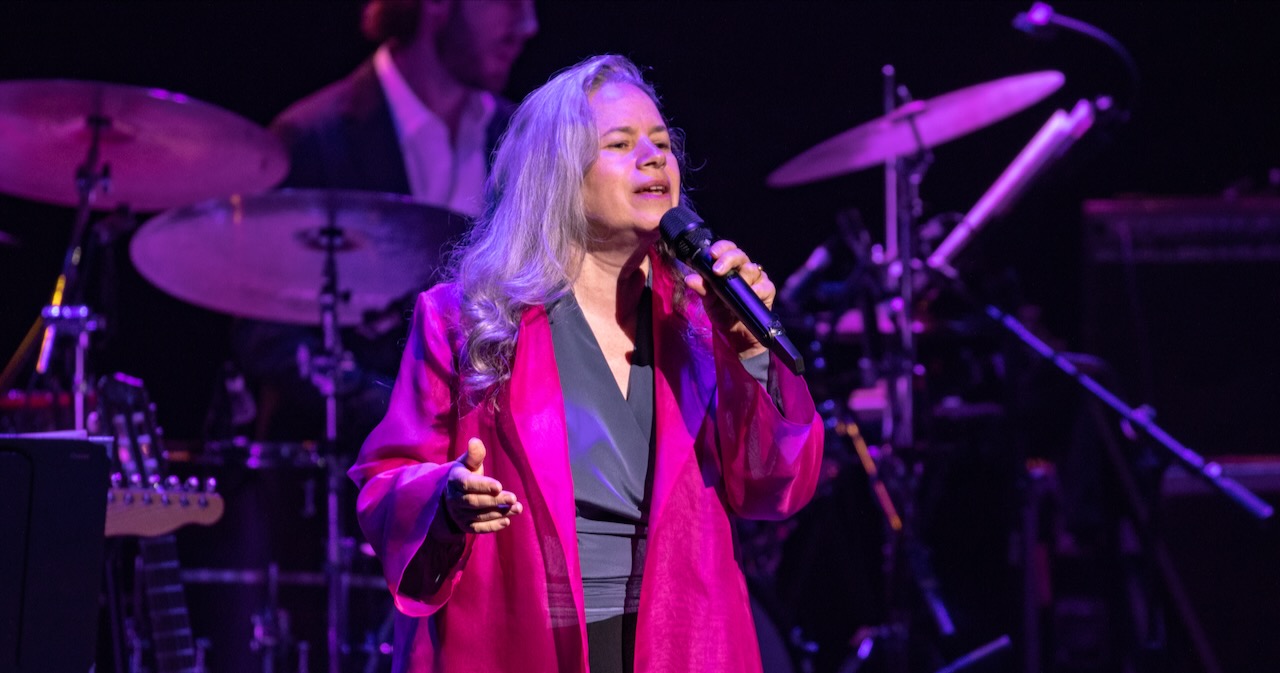
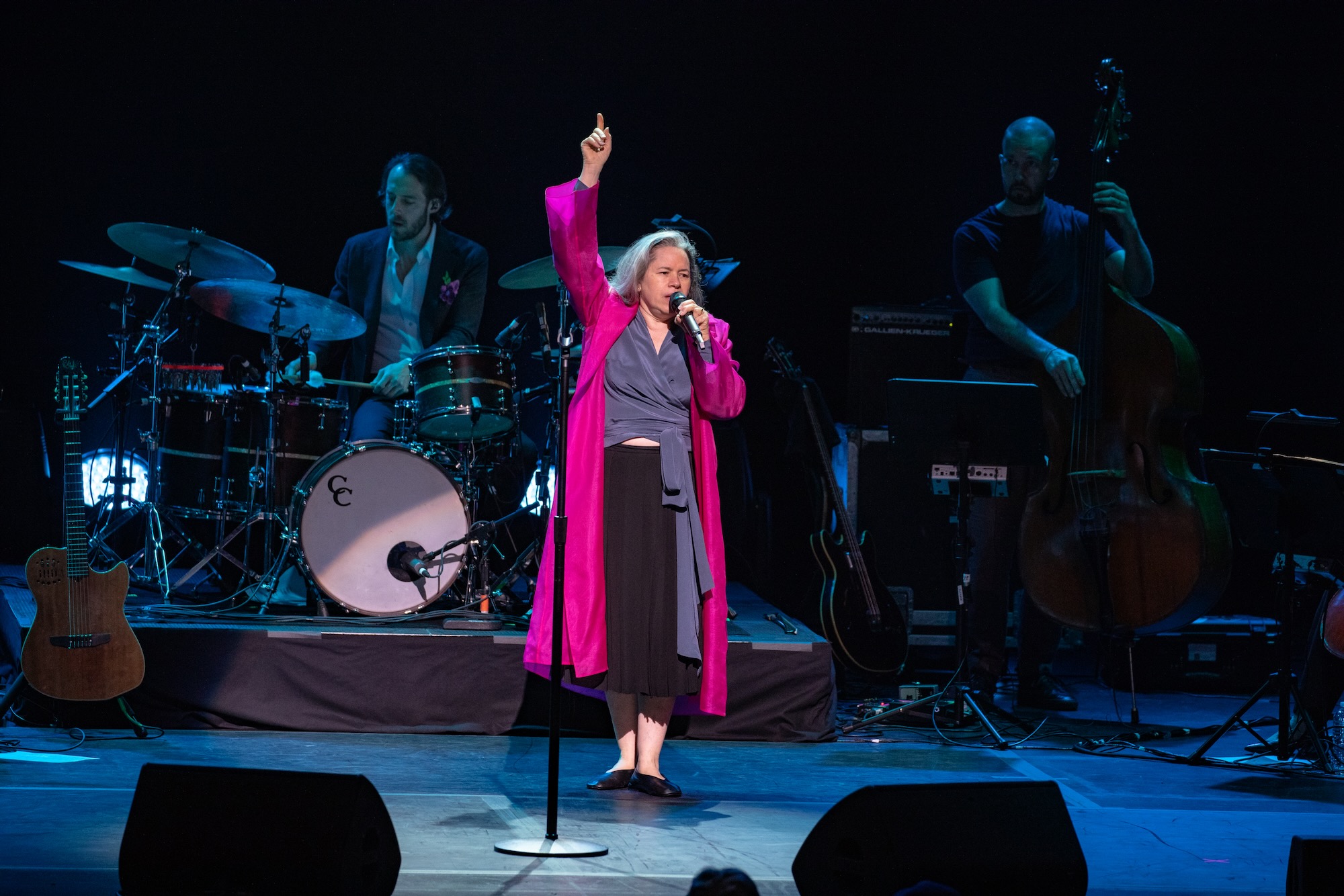
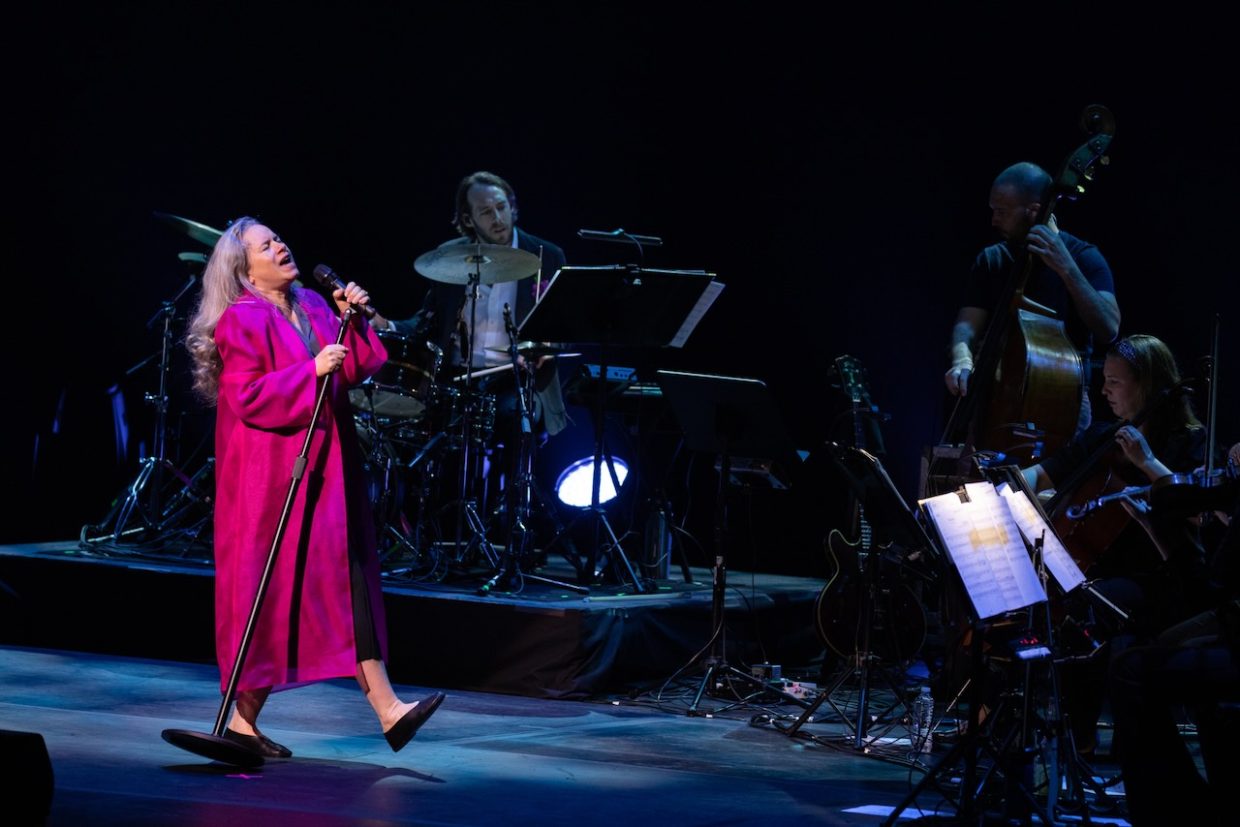
From the moment Natalie Merchant gained fame as the lead singer and lyricist for 10,000 Maniacs, it was clear she was no conventional pop star — in fact, during her dozen years with that band and subsequent decades as a solo artist, she has resolutely avoided the entire notion of stardom. Merchant has instead simply followed her muse, whether it has inspired her to create music, step up as a political activist, work with underprivileged children as a Head Start volunteer, or devote herself to raising her daughter, Lucia, now 20.
Since her multiplatinum solo debut, Tigerlily, came out in 1995, Merchant has released music sparingly; her new album, Keep Your Courage, is her first collection of new material in nine years. Though she has a reputation for writing songs more focused on external issues than her own heart, onthis self-produced effort she takes a deep dive into the subject of love, surveying it from multiple angles via thoughtful, engaging lyrics sung in her deftly nuanced, yet strongly sure voice. Weaving rich — yet never overdone — orchestrations around gospel-soul grooves, bits of Bourbon Street, catchy pop and sometimes Celtic-influenced balladry, Merchant crafts a sound imbued with both elegance and earthiness.
During a long, sometimes quite amusing, dialogue stimulated by her enormous intellectual curiosity and vast range of interests, it becomes clear that “elegant, yet earthy” might describe the woman as well as her art. Surprising tidbits she shared include the fact that she’s named after the late actor Natalie Wood and that she appreciated learning square-dancing in grade school. (“It was so inclusive; everybody got a chance to be someone’s partner.”) She also divulged a penchant for graphically describing the eating habits of avian predators hunting the acres surrounding her home in New York’s Hudson Valley, and confessed that, as a TV-deprived kid seeking thrills in the small upstate-New York enclave of Jamestown, she indulged in all sorts of reckless activity — including hiding near stop signs on icy roads, then leaping out to grab car bumpers and be dragged as far as possible. (“I think it gave us all character,” she says of weathering those risks, though she admits with a laugh, “If I saw my daughter doing that, I would say, ‘Look at yourself. What are you thinking?’”)
BGS: I’m so charmed by this album; the orchestrations are just beautiful. But I want to start with the Joan of Arc image on the cover; you refer to having kept it in your ephemera collection. I love the phrase, and the concept. Can you tell me more about that?
NM: Oh, my ephemera collection — I think I was 14, 13 when I started collecting junk. It’s very well organized. I’m going upstairs to look at it so I can tell you. There is an entire cabinet of glass-plate negatives; tintypes, daguerreotypes … 10 boxes of postcards, catalogs, Victorian parlor photos. I collect real-photo postcards, from the turn of the century to the 1930s; you would have your photographs made into a postcard. … Mentor (magazine) folios, advertiser cards — which I love — studio portraits, childhood images, “Museum of Mankind” — for some reason, I named that box — ethnic costumes, flowers and insects, large photographs, children’s book research, sketches … I started collecting it because I lived in a small town where there wasn’t that much to do. I basically wanted to create my own little museum in a box, so I did. [Laughs] When 10,000 Maniacs started making records and having to make posters and all that, I was responsible for doing a lot of the design work, and I would use my ephemera collection. That leads to the Library of Congress’ American Folklife Center and your appointment to the Board of Trustees. I understand that you’re passionate about making the archives more accessible for research and education. Can you tell me a bit about how you regard those archives and what you’d like to see happen with them?
Well, my appointment happened at the end of November and had to be passed by Congress, so I didn’t get official word that I could be in the building with credentials until Christmas. I went down in early January just to meet the staff and have a tour, then went back a few weeks later because I was so excited. It’s awe-inspiring. They have millions of articles and artifacts, and it’s not just folk music. For instance, they’re in charge of the AIDS Memorial Quilt and all the objects that were donated with the quilt.
When I first heard of the appointment, all I thought [was] it was the Lomaxes, because that’s what I’m familiar with. I did a little research of my own when I was down there last time, just to see how the archive works, and just to be holding the field notes of John Lomax and see the equipment that they recorded with, and they had a card catalog – I love card catalogs! The quote from one of the people on the staff was, “We’re not just about banjos and quilts.”
Your song “Sister Tilly” is an accounting of a time in history and women who created it; that’s folklife.
I found a website that had all sorts of feminist posters from the 1970s of International Women’s Day rallies and things like that. That’s folklife — it certainly is.
And your little museum in a box; man, you were destined for this.
If I hadn’t been a musician, I would have been a librarian or teacher, or a historian.
Your bio contains the statement, “For the most part, this is an album about the human heart,” and you reference both Aphrodite and Narcissus, two ends of the spectrum. You’re beckoning the goddess of love on one hand and singing about the ultimate rejection on the other. Care to elaborate about those choices?
Well, the album’s about love in so many different forms, whether it’s platonic or romantic, or love for a family member. Or in the case of “Sister Tilly,” it’s expressing love and gratitude toward an entire generation of women — my mother’s generation, who transformed our society; women who came of age in the mid- to late ‘60s and up to the mid ‘70s. I really consider those women responsible for making the society that we took for granted.
And in the romantic love column, there’s the ecstasy of falling in love or wanting to fall in love, or invoking the goddess to bring love into my life. And then, in “Big Girls,” I say love can be deceiving and harmful, but [it’s] also encouraging people who’ve been injured in love, both in “Big Girls” and “The Feast of Saint Valentine,” to persevere, to keep their courage, to keep moving forward. The worst thing that can happen is your feelings get hurt. And the best thing that can happen is that even if you’re injured in love, there’s opportunities to grow. I think most of us will admit the most difficult things we faced in our lives were the experiences that made us grow the most.
Let’s talk about another literary figure in your life, Walt Whitman (the subject of “Song of Himself”). When did you fall in love with him?
Uncle Walt. Maybe 20 years ago. I wanted to write about Walt Whitman because I found a lot of solace in his poetry during the recent times of unrest in our country. He had such an expansive, radical love. All inclusive. In a time when people were really limiting the people who were worthy of loving. And he believed in equality — for women, Native Americans, enslaved people, just everyone. And when he went to Washington — he spent three years in Washington — he originally went because his brother was in a hospital in Washington, but he ended up staying. He got a job working as a clerk, and every day, he would go after work and spend time with the soldiers. He didn’t discriminate between Confederate or Union soldiers. They were just injured young men, or dying young men, oftentimes. He would write letters home for them, as they were dying and after they died, to tell their parents what fine, fine men they were.
He saw the humanity, not the side of the argument they were on.
Yeah. And when you’re sitting at the bedside of a 15-year-old farm boy from rural Alabama, I don’t think he understood why he was fighting anyway, other than it got to a point where you were fighting to defend your own family. I don’t think there was a lot of ideology involved in the farm boys from villages all over the North and South.
The funny thing is, Walt Whitman being a great American literary figure, our greatest poet, I wanted [the song] to sound very American. But I tried putting fiddle on it three times, I tried putting banjo on it, and it just wanted to be a song about guitar and piano. I just couldn’t fit those other instruments in. Then it occurred to me that Walt was more of a sitting-in-the-parlor-with-the-parlor-piano [type], and he also loved opera; he went to the opera all time, so I thought, this is probably more representative of him anyway.
How does “Hunting the Wren” fit in?
To me, “Hunting the Wren” is loveless love. That was written by an Irishman named Ian Lynch, who’s in a band called Lankum. I thought it was a traditional song, but when I found out that he had written it, I found an interview with him. The wren is just a metaphor for these outcast women who “flock ’round the soldiers in their jackets so red for barrack room favors, pennies and bread,” and I wanted to know the story behind this brutally simple description of prostitution, the redcoats — obviously, the British — and barracks. What I found out from his interview, it was about a group of women who lived in the most abject poverty and privation you can imagine. The local authorities wouldn’t even let them construct shelters. They lived on the outside of these British barracks, on an open plain called the Curragh, and they would dig holes in the ground and cover them with rags and sticks, to live in. They would go into the village to get food and they would be spat on and beaten. Most of these women had lost their families in the famine. Some were common-law wives of the soldiers, but they weren’t allowed to live in the barracks, and some were prostitutes. The act of sex can be called lovemaking, but if it’s bought and sold, then there’s the loveless love.
So this is an actual story.
This is Irish history. There’s an amazing account that was written by Charles Dickens. The thing that Dickens points out is they had this mutual protection for each other. Some of the women were old, just homeless women; they had different generations. The older women would take care of the children while the other women went to get food or make money in any way they could. They lived like this, I think, 50 years. It was that or the workhouse, and in the workhouse, there was a good chance you would die of disease or be raped or destroyed by working. It was forced labor. It’s pretty grim, but I really was moved by the song and I wanted to include it. And it wasn’t like I was setting out to write a song cycle about the human heart. But when I was writing the liner notes, that’s when it occurred to me that I had written these songs that had some very close connections, and then some very distant connections, but they were there, and it fit in.
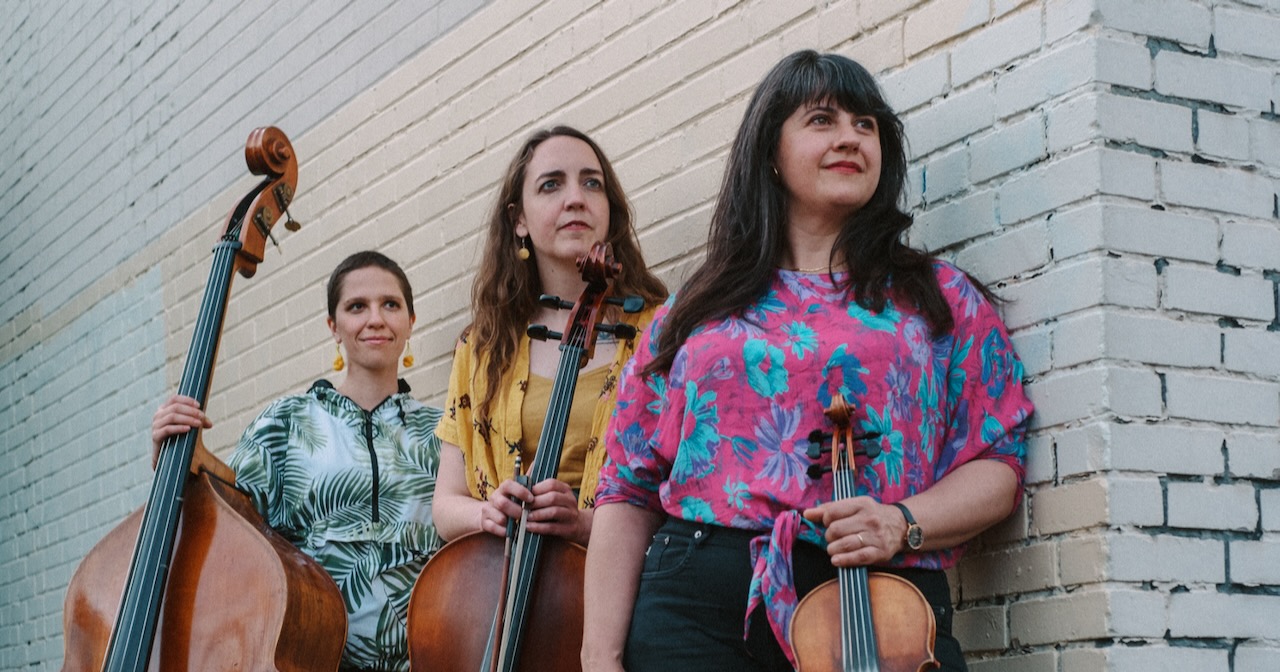
Artist: Laura Cortese & the Dance Cards Hometown: San Francisco, CA / Ghent, Belgium Song: “Three by Three” Release Date: April 28, 2023 Label: Compass Records
In Their Words: “…The song tells the story of a walk [my daughter and I] took together in early Spring 2021. I used her favorite syllables from an old Dutch children’s song in the chorus to see if she noticed. And … she did! The first time I sang it for her, she sang along. So naturally, we had her join in on the track itself.
“After the recording of ‘Three by Three’ in Colorado with Jayme Stone, we headed to Oregon on tour. While there, we were invited by boutique microphone maker, Ear Trumpet Labs, to take a tour of their workshop and film a video using their beautiful hand-built microphones. It had a been a rainy day, but just as we started to play, the sun came streaming through the big glass window at the back of the workshop.” – Laura Cortese
Photo Credit: Marc Ripper
This website uses cookies to improve your experience. We'll assume you're ok with this, but you can opt-out if you wish.AcceptRejectRead More
Privacy & Cookies Policy
Privacy Overview
This website uses cookies to improve your experience while you navigate through the website. Out of these, the cookies that are categorized as necessary are stored on your browser as they are essential for the working of basic functionalities of the website. We also use third-party cookies that help us analyze and understand how you use this website. These cookies will be stored in your browser only with your consent. You also have the option to opt-out of these cookies. But opting out of some of these cookies may affect your browsing experience.
Necessary cookies are absolutely essential for the website to function properly. This category only includes cookies that ensures basic functionalities and security features of the website. These cookies do not store any personal information.
Any cookies that may not be particularly necessary for the website to function and is used specifically to collect user personal data via analytics, ads, other embedded contents are termed as non-necessary cookies. It is mandatory to procure user consent prior to running these cookies on your website.