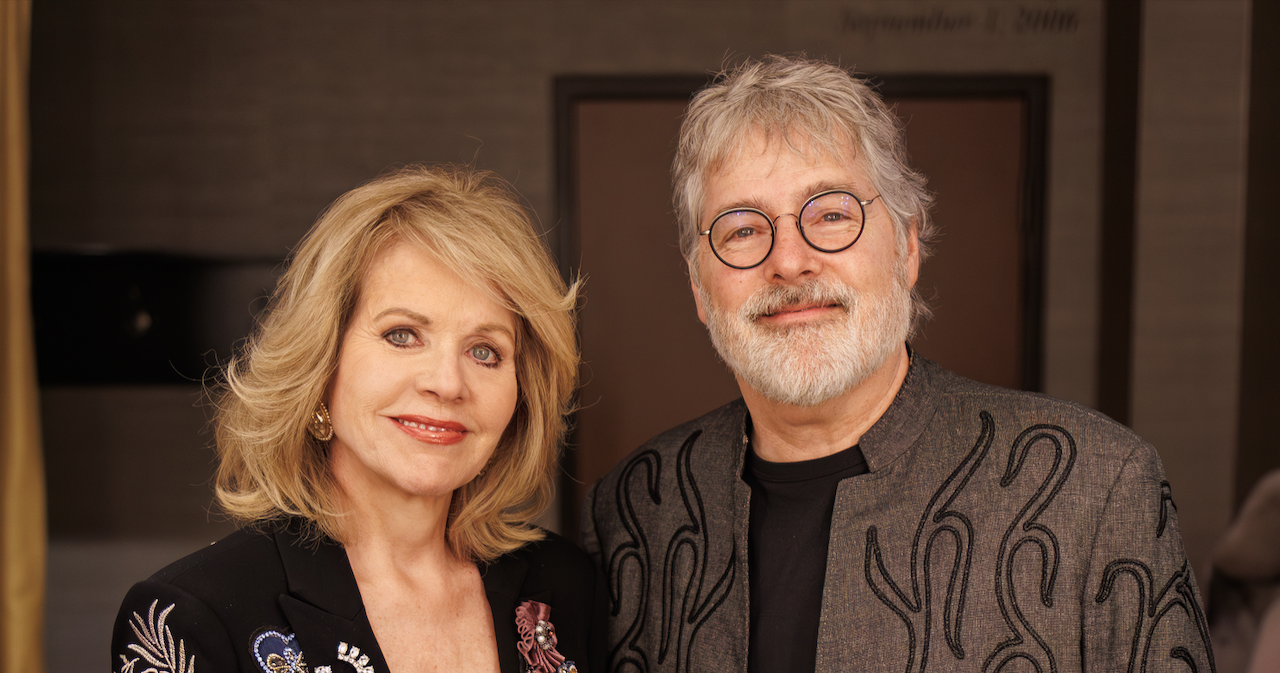
Friends New and Old

Editor’s Note: Each issue of Good Country, our co-founder Ed Helms shares a handful of good country artists, albums, and songs direct from his own earphones in Ed’s Picks.

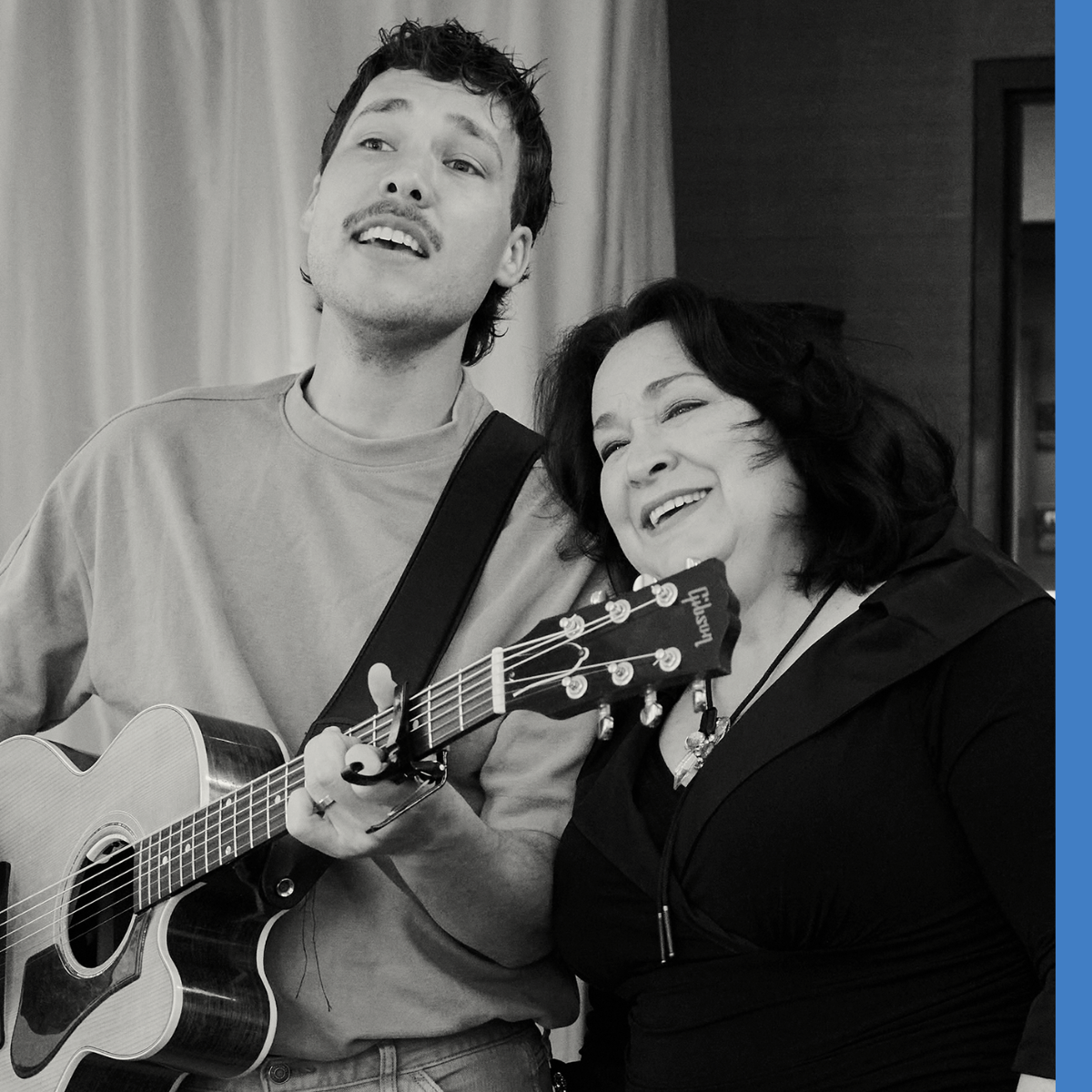
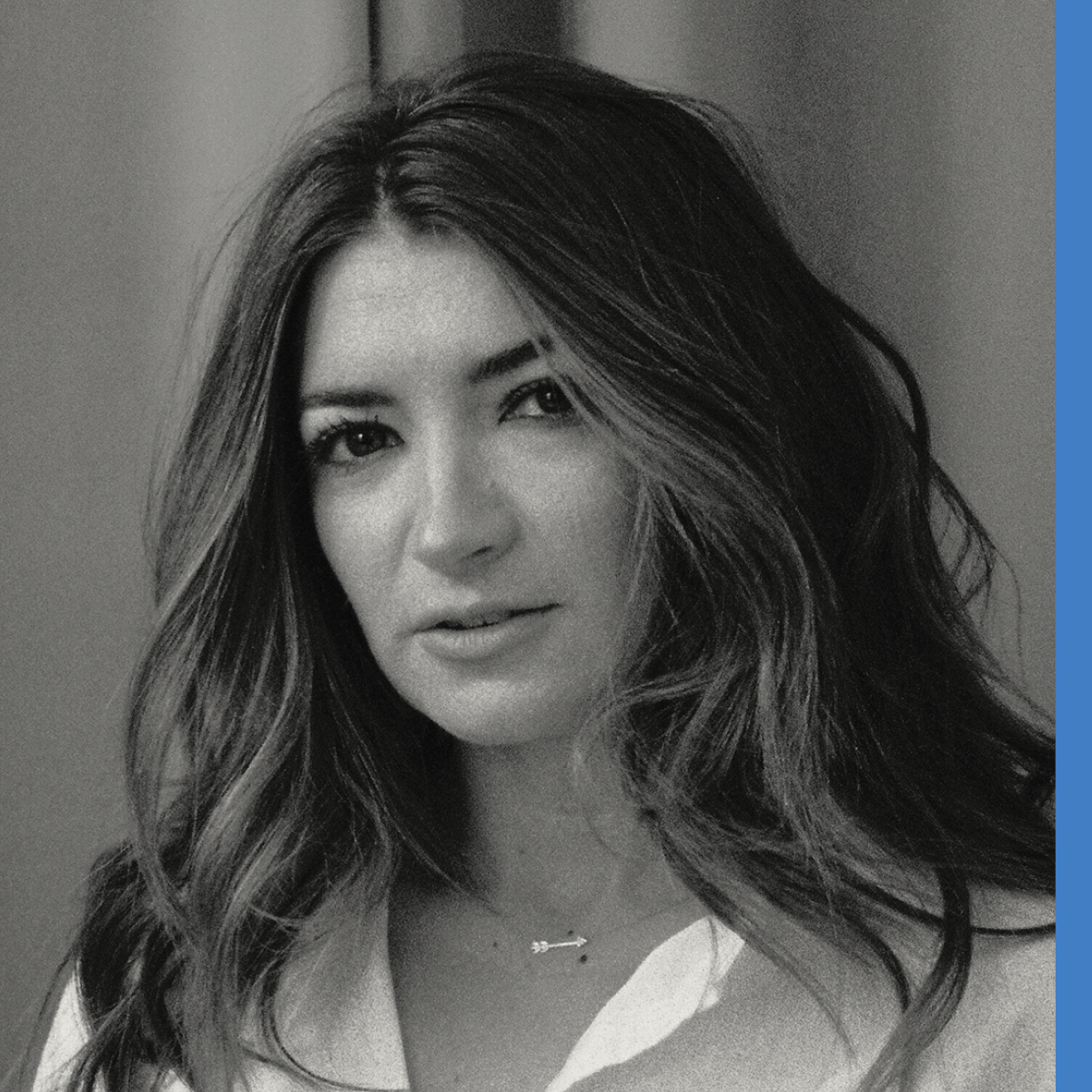
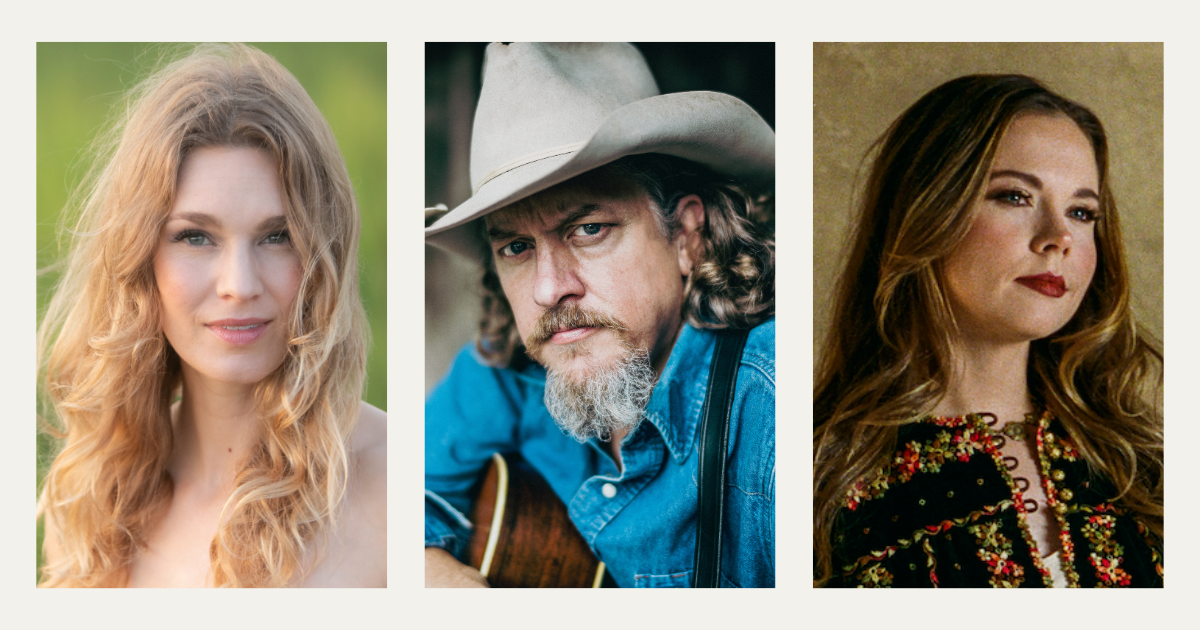
Suzanne Cox & Brandon Ratcliff

Suzanne Cox (of the GRAMMY-winning bluegrass band the Cox Family) and her son, country singer-songwriter Brandon Ratcliff, are taking the internet by storm with their lovely and tender familial harmonies. Their duets have racked up millions of views and likes on social media, leading to a new EP, Mother/Son Volume 1, and a recent appearance on the Grand Ole Opry. Those voices!


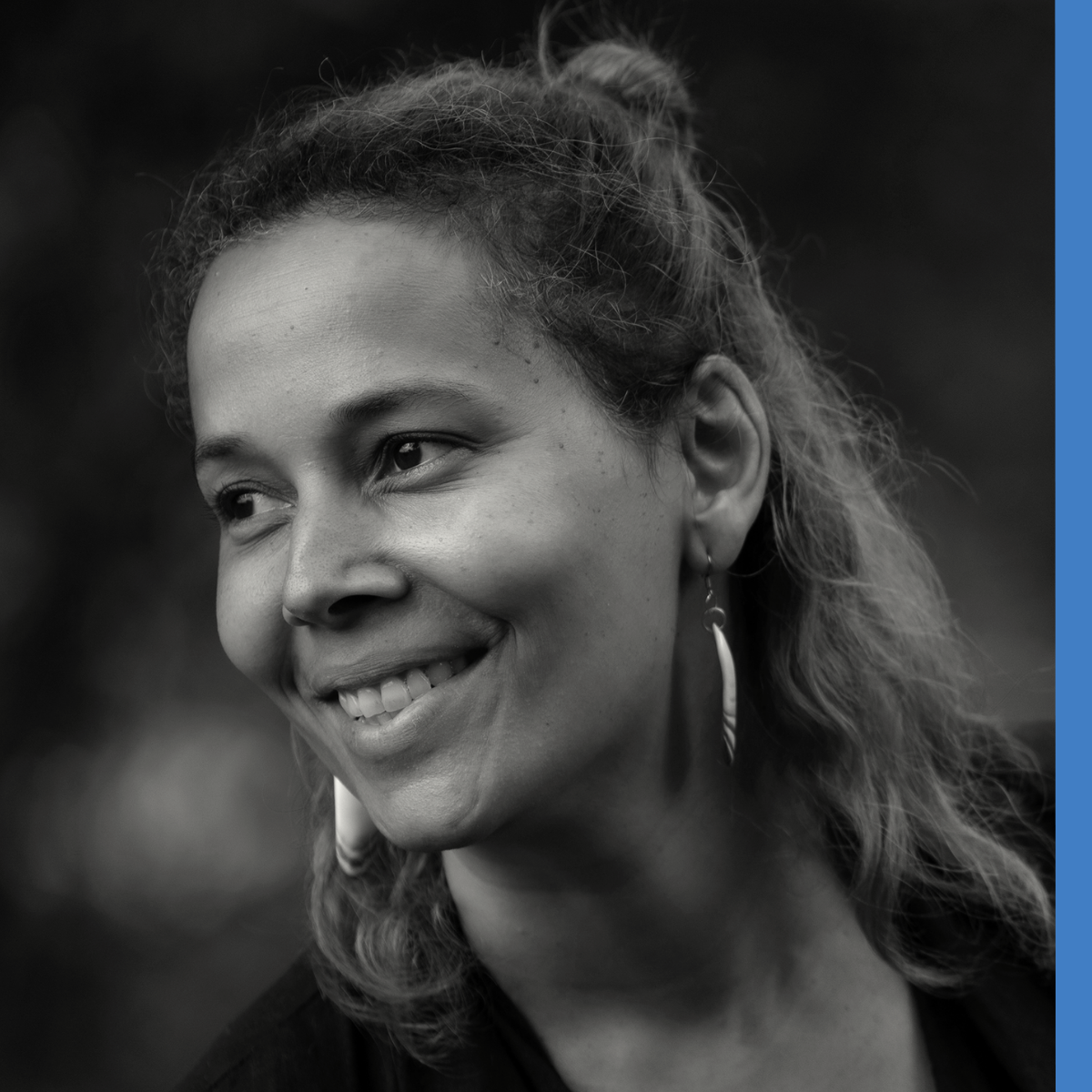
Rhiannon Giddens
Rhiannon Giddens

You may have seen, I’ve had the good fortune of getting to spend a lot of quality time making a film – and doing plenty of banjo pickin’! – with Rhiannon Giddens recently. Since shooting An Ode to Mary Jo together, I keep going back to Rhiannon’s catalog of recordings and cannot get enough. This duet with fiddler Justin Robinson is from her most recent release, 2025’s What Did the Blackbird Say to the Crow. Fantastic old-fashioned, down-home fiddle and banjo music drawn from North Carolina.


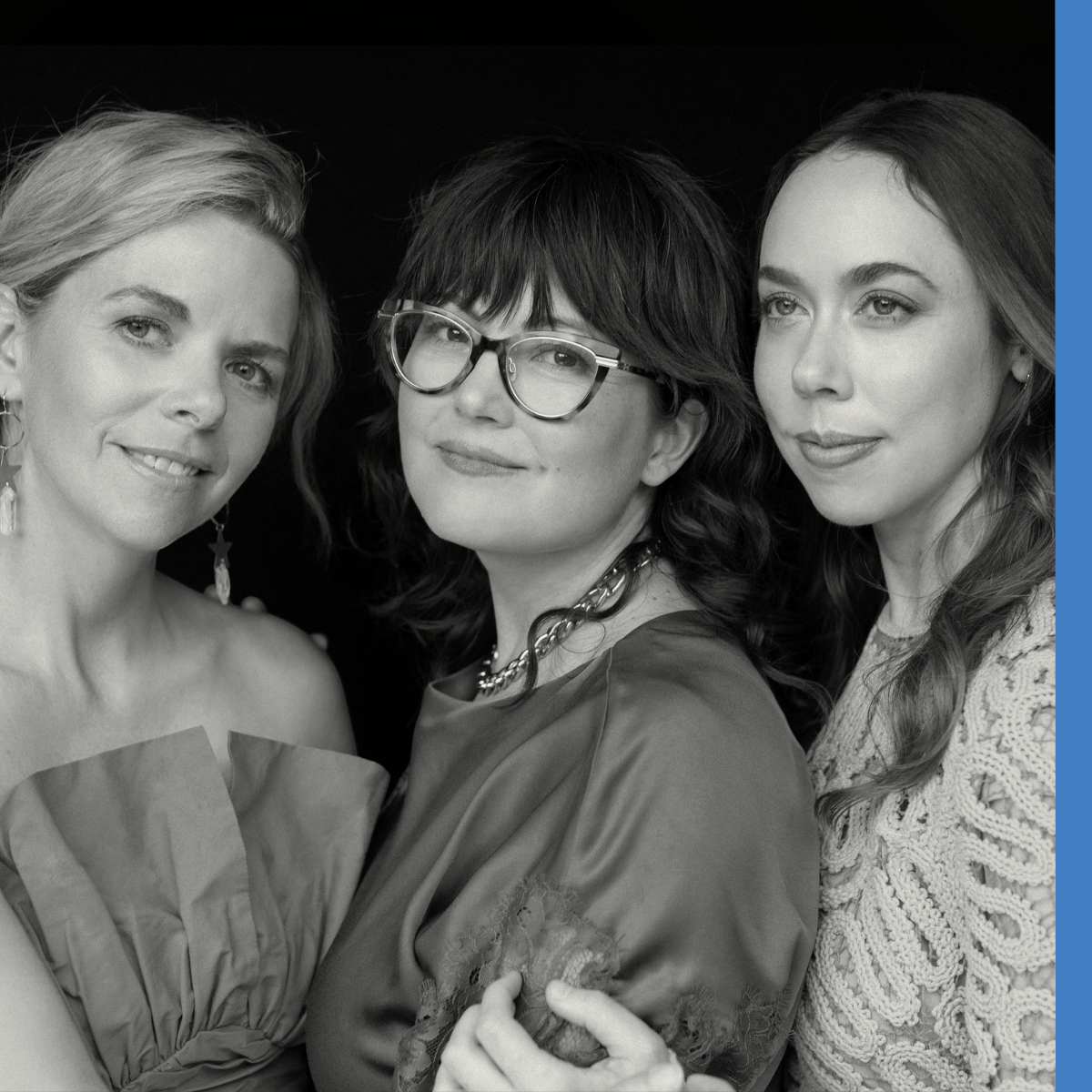
I'm With Her
I'm With Her

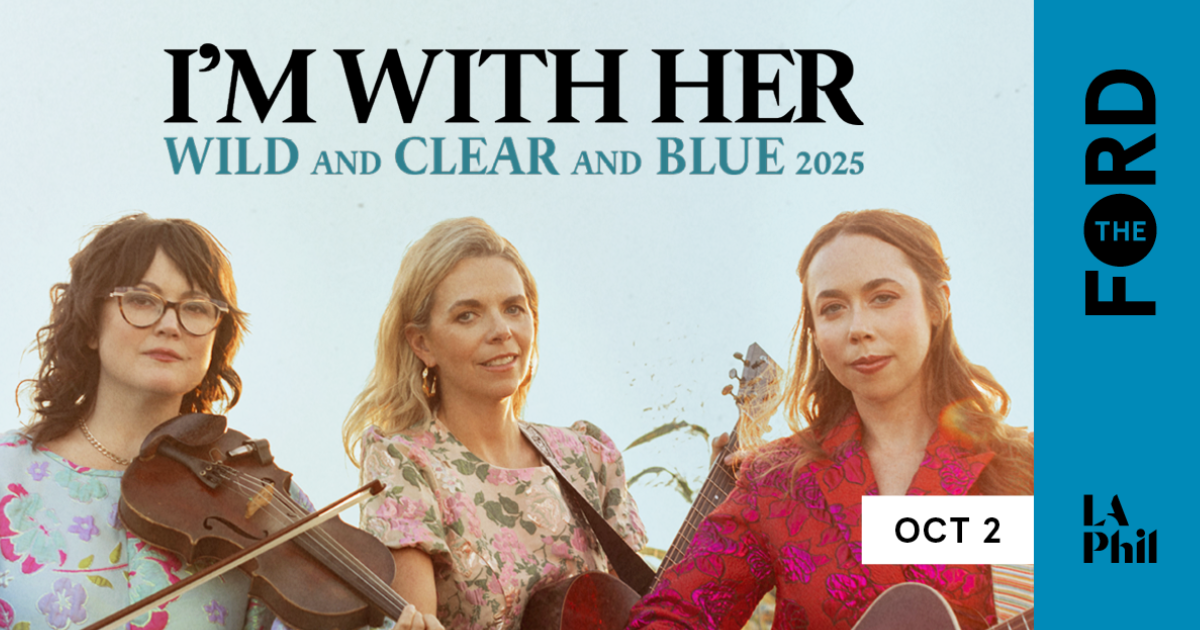
I’m with I’m With Her, too. One of our favorite trios in Americana and bluegrass released a brand new live album today, Sing Me Alive, packed with 20 tracks captured at performances across the country and in Canada. Many familiar favorites can be found alongside cover songs and tracks they’ve never released before. Here, they’re joined by Ye Vagabonds in Rocky Mount, Virginia, on “Rhododendron” in November of 2025.


Tenille Townes
Tenille Townes

Our Good Country and BGS Artist of the Month, Tenille Townes, released the first full-length album of her independent era last week. As she describes in our exclusive Artist of the Month interview, she took a much different approach to recording this music, doing most of the tracking herself, alone. The songs are deep, meaningful, and cathartic – and damn good. But it’s not an entirely solo album, as I’m With Her (how perfect) and Lori McKenna both feature on tracks. Hear McKenna join Townes on the title track, “the acrobat.”


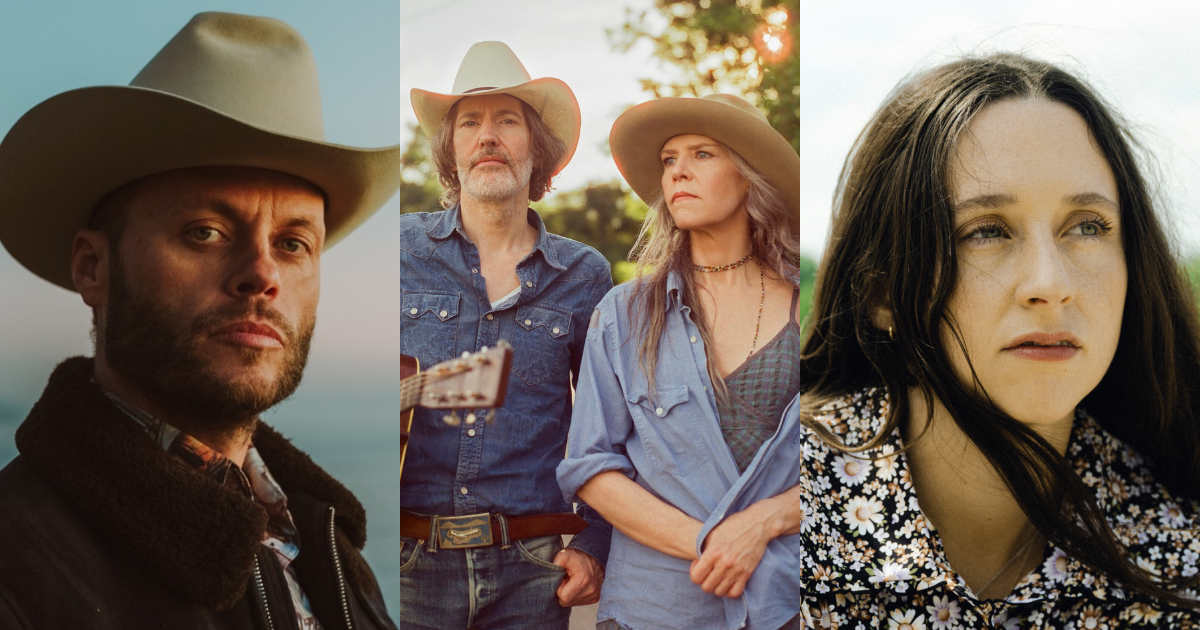
Charlie Worsham
Charlie Worsham

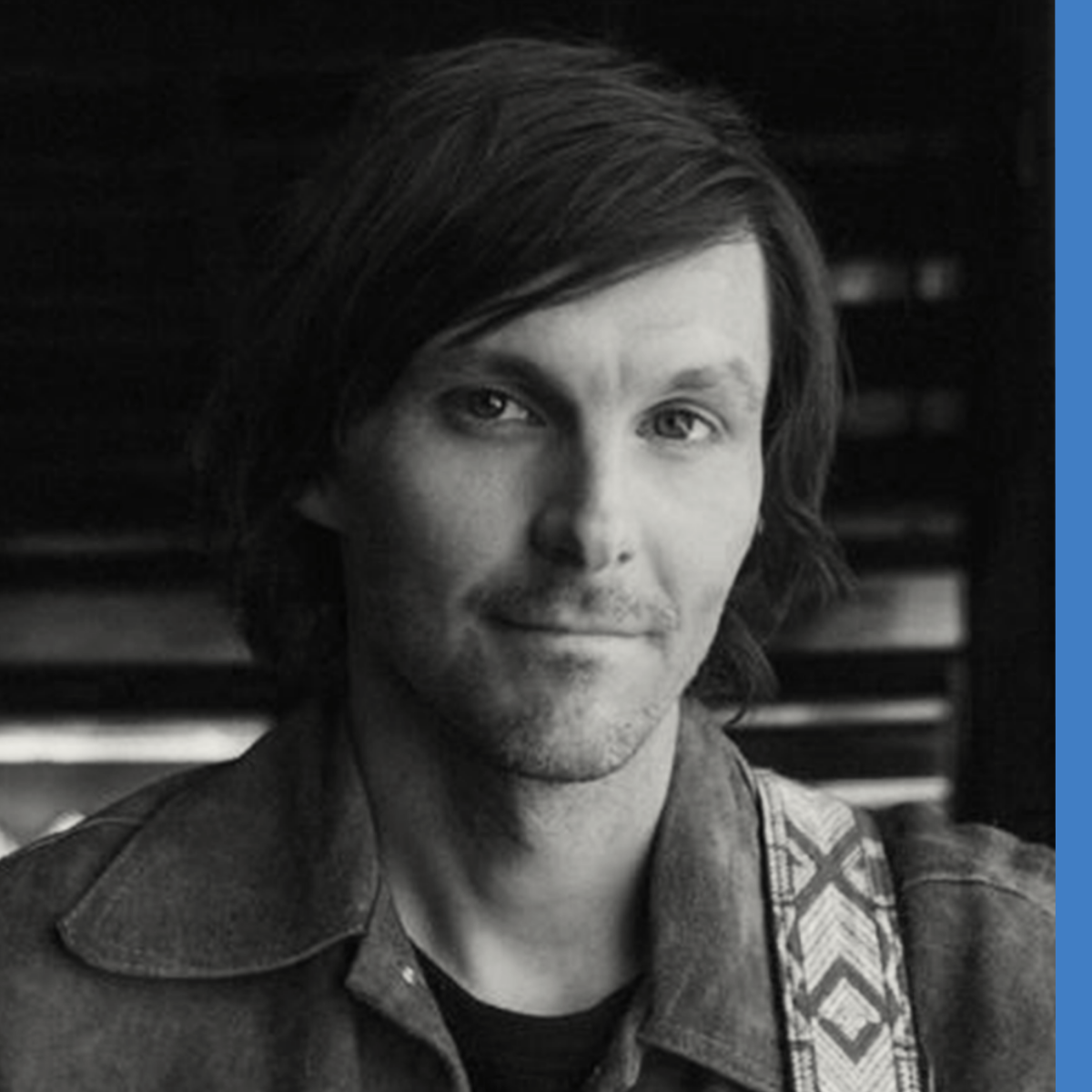
Our old pal Charlie Worsham is back at it – though he truly never stops. A sideman, radio and podcast host, session player, songwriter, and artist, Charlie does it all. He’s got new music of his own out and the GC team can’t wait for more. As he usually does, he’s once again calling on his superlative cohort of friends in Music City. On his most recent single, “They Never Do,” it’s Lainey Wilson joining in. From some teases on social media, though, we’re expecting many more special guests on Charlie’s outings in the future!


Listen to this issue of Ed’s Picks in one YouTube playlist here.

Listen to the full Ed’s Picks archive playlist here.


Want more Good Country? Sign up to receive our monthly email newsletter – and much more music! – direct to your inbox.

Photo Credits: Suzanne Cox & Brandon Ratcliff by Chase Hentges; Rhiannon Giddens by Karen Cox; I’m With Her by Alysse Gafkjen; Tenille Townes by Madison Rensing; Charlie Worsham courtesy of the artist.

See the Winners from the 2026 GRAMMY Awards

The 2026 GRAMMY Awards were handed out on February 1, 2026, by the Recording Academy at the Crypto.com Arena in Los Angeles, California. Broadcast live on CBS, the primetime awards show is now viewable on demand on Paramount+. Earlier in the afternoon, the GRAMMY Premiere Ceremony, which was streamed via the GRAMMYs website and on YouTube, was held at the Peacock Theater, handing out dozens and dozens of additional awards across fields and categories.

Best Bluegrass Album was announced during the Premiere Ceremony. This year, nominees included Michael Cleveland & Jason Carter (Carter & Cleveland), Sierra Hull (A Tip Toe High Wire), Alison Krauss & Union Station (Arcadia), the SteelDrivers (Outrun), and Billy Strings (Highway Prayers). Strings took home the award, racking up his third gramophone in the category. While Hull, who was nominated in four categories, including Best Bluegrass Album, did not take home any GRAMMY Awards yesterday, she was featured during the Premiere Ceremony as a presenter and she made an appearance on the red carpet for the primetime awards show. Roots/bluegrass/folk supergroup I’m With Her – featuring Sarah Jarosz, Aoife O’Donovan, and Sara Watkins – were nominated and won twice, taking home the Best Folk Album trophy for Wild and Clear and Blue and the award for Best American Roots Song for “Ancient Light.”

Tyler Childers, who was nominated in four categories this year, received his first-ever GRAMMY Award for Best Country Song for “Bitin’ List,” a viral sensation from his critically acclaimed 2025 album, Snipe Hunter. The LP had been nominated for Best Contemporary Country Album – in one of the much buzzed-about split categories of Best Contemporary Country Album and Best Traditional Country Album – but the trophy went to Jelly Roll’s Beautifully Broken instead. In the other split category, upstart fan favorite Zach Top took home the Traditional Country honor for his sophomore release, Ain’t In It For My Health. It marks Top’s first GRAMMY Award.

Of course, beyond the Country & American Roots Music field, folk and roots music were represented in peak form across the many genres and categories of the 68th Annual GRAMMY Awards. Album of the Year was awarded to Bad Bunny’s DeBÍ TiRAR MáS FOToS, one of the best roots projects of last year as selected by the BGS Class of 2025. From the Premiere Ceremony and Best Bluegrass Album to the primetime broadcast and Album of the Year, roots music is and always has been a keystone of the biggest night in music.

Below, find the complete list of winners (in bold) from the Country & American Roots Music field, plus select categories featuring roots musicians, artists, and projects from across the various other GRAMMY fields and categories.

Country & American Roots Music

Best Country Solo Performance

“Nose On The Grindstone” – Tyler Childers
“Good News” – Shaboozey
“Bad As I Used To Be” – Chris Stapleton
“I Never Lie” – Zach Top
“Somewhere Over Laredo” – Lainey Wilson

Best Country Duo/Group Performance

“A Song To Sing” – Miranda Lambert, Chris Stapleton
“Trailblazer” – Reba McEntire, Miranda Lambert, Lainey Wilson
“Love Me Like You Used To Do” – Margo Price, Tyler Childers
“Amen” – Shaboozey, Jelly Roll
“Honky Tonk Hall Of Fame” – George Strait, Chris Stapleton

Best Country Song

“Bitin’ List” – Tyler Childers, songwriter. (Tyler Childers)
“Good News” –  Michael Ross Pollack, Sam Elliot Roman, Jacob Torrey, songwriters. (Shaboozey)
“I Never Lie” – Carson Chamberlain, Tim Nichols, Zach Top, songwriters. (Zach Top)
“Somewhere Over Laredo” – Andy Albert, Trannie Anderson, Dallas Wilson, Lainey Wilson, songwriters. (Lainey Wilson)
“A Song To Sing” – Jenee Fleenor, Jesse Frasure, Miranda Lambert, Chris Stapleton, songwriters. (Miranda Lambert, Chris Stapleton)

Best Traditional Country Album

Dollar A Day – Charley Crockett
American Romance – Lukas Nelson
Oh What A Beautiful World – Willie Nelson
Hard Headed Woman – Margo Price
Ain’t In It For My Health – Zach Top

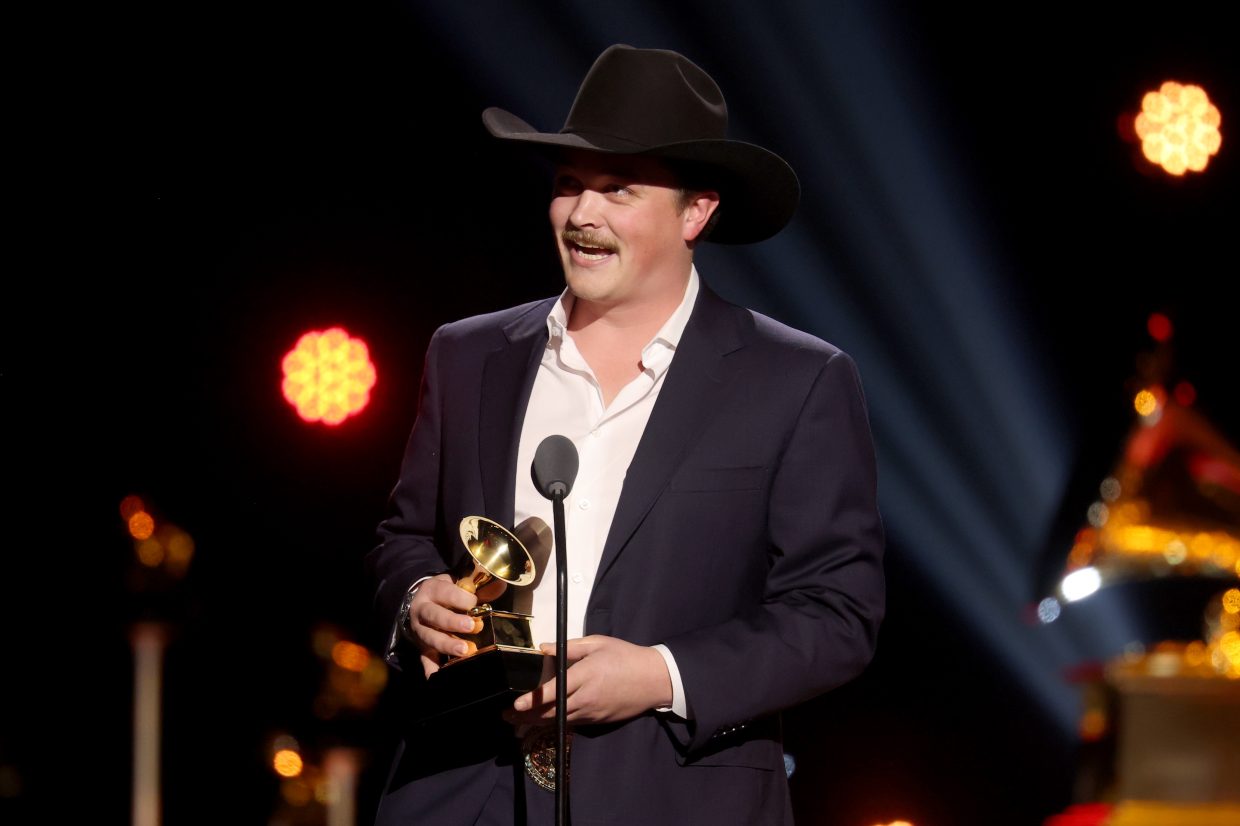
Zach Top accepts the Best Traditional Country Album award for ‘Ain’t In It For My Health’ during the 68th GRAMMY Awards Premiere Ceremony. (Photo by Matt Winkelmeyer/Getty Images for The Recording Academy.)

Best Contemporary Country Album

Patterns – Kelsea Ballerini
Snipe Hunter – Tyler Childers
Evangeline Vs. The Machine – Eric Church
Beautifully Broken – Jelly Roll
Postcards From Texas – Miranda Lambert

Best American Roots Performance

“LONELY AVENUE” – Jon Batiste, Featuring Randy Newman
“Ancient Light” – I’m With Her
“Crimson And Clay” – Jason Isbell
“Richmond On The James” – Alison Krauss & Union Station
“Beautiful Strangers” – Mavis Staples

Best Americana Performance

“Boom” – Sierra Hull
“Poison In My Well” – Maggie Rose, Grace Potter
“Godspeed” – Mavis Staples
“That’s Gonna Leave A Mark” – Molly Tuttle
“Horses” – Jesse Welles

Best American Roots Song

“Ancient Light” – Sarah Jarosz, Aoife O’Donovan, Sara Watkins, songwriters. (I’m With Her)
“BIG MONEY” – Jon Batiste, Mike Elizondo, Steve McEwan, songwriters. (Jon Batiste)
“Foxes In The Snow” – Jason Isbell, songwriter. (Jason Isbell)
“Middle” – Jesse Welles, songwriter. (Jesse Welles)
“Spitfire” – Sierra Hull, songwriter. (Sierra Hull)

Best Americana Album

BIG MONEY – Jon Batiste
Bloom – Larkin Poe
Last Leaf On The Tree – Willie Nelson
So Long Little Miss Sunshine – Molly Tuttle
Middle – Jesse Welles

Best Bluegrass Album

Carter & Cleveland – Michael Cleveland & Jason Carter
A Tip Toe High Wire – Sierra Hull
Arcadia – Alison Krauss & Union Station
Outrun – The SteelDrivers
Highway Prayers – Billy Strings

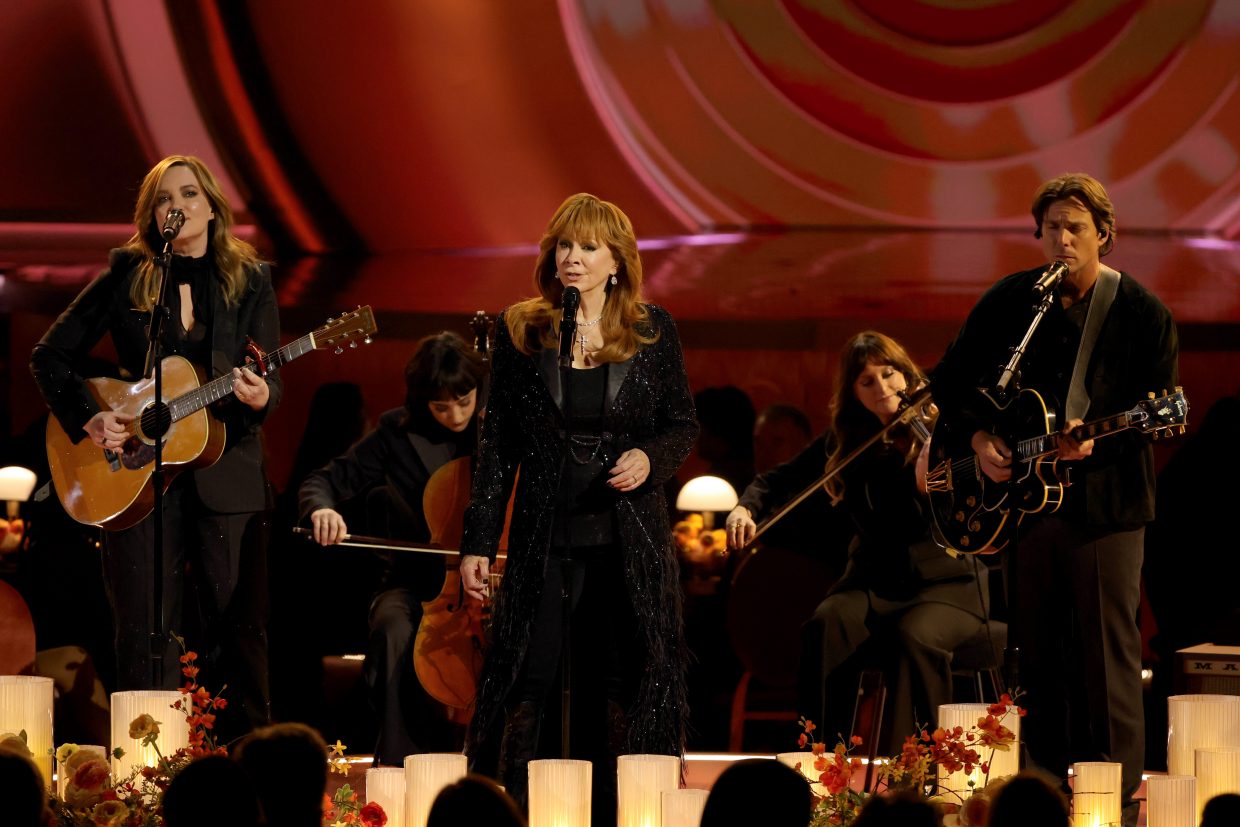
(L-R) Brandy Clark, Reba McEntire, and Lukas Nelson perform onstage during the 68th GRAMMY Awards. (Photo by Kevin Winter/Getty Images for The Recording Academy.)

Best Traditional Blues Album

Ain’t Done With The Blues – Buddy Guy
Room On The Porch – Taj Mahal & Keb’ Mo’
One Hour Mama: The Blues Of Victoria Spivey – Maria Muldaur
Look Out Highway – Charlie Musselwhite
Young Fashioned Ways – Kenny Wayne Shepherd & Bobby Rush

Best Contemporary Blues Album

Breakthrough – Joe Bonamassa
Paper Doll – Samantha Fish
A Tribute To LJK – Eric Gales
Preacher Kids – Robert Randolph
Family – Southern Avenue

Best Folk Album

What Did The Blackbird Say To The Crow – Rhiannon Giddens & Justin Robinson
Crown Of Roses – Patty Griffin
Wild And Clear And Blue – I’m With Her
Foxes In The Snow – Jason Isbell
Under The Powerlines (April 24 – September 24) – Jesse Welles

Best Regional Roots Music Album

Live At Vaughan’s – Corey Henry & The Treme Funktet
For Fat Man – Preservation Brass & Preservation Hall Jazz Band
Church Of New Orleans – Kyle Roussel
Second Line Sunday – Trombone Shorty And New Breed Brass Band
A Tribute To The King Of Zydeco – Various Artists

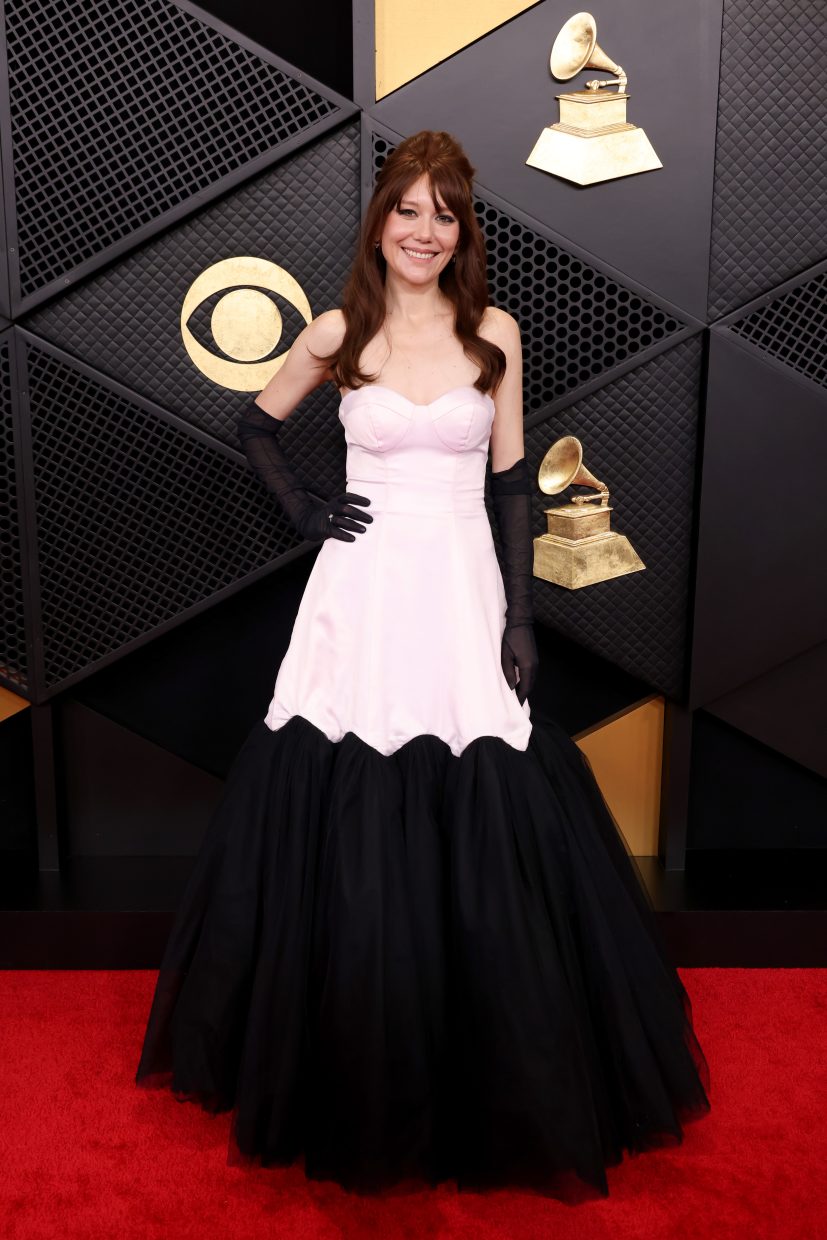
Molly Tuttle walks the red carpet at the 68th GRAMMY Awards. (Photo by John Shearer/Getty Images for The Recording Academy.)

General Field

Producer of the Year (Non-Classical)

Dan Auerbach
Cirkut
Dijon
Blake Mills
Sounwave

Jazz, Traditional Pop, Contemporary Instrumental & Musical Theater

Best Jazz Performance

“Noble Rise” – Lakecia Benjamin, Featuring Immanuel Wilkins & Mark Whitfield
“Windows – Live” – Chick Corea, Christian McBride & Brian Blade
“Peace Of Mind / Dreams Come True” – Samara Joy
“Four” – Michael Mayo
“All Stars Lead To You – Live” –  Nicole Zuraitis, Dan Pugach, Tom Scott, Idan Morim, Keyon Harrold & Rachel Eckroth

Best Jazz Instrumental Album

Trilogy 3 (Live) – Chick Corea, Christian McBride & Brian Blade
Southern Nights – Sullivan Fortner, Featuring Peter Washington & Marcus Gilmore
Belonging – Branford Marsalis Quartet
Spirit Fall – John Patitucci, Featuring Chris Potter & Brian Blade
Fasten Up – Yellowjackets

Best Alternative Jazz Album

honey from a winter stone – Ambrose Akinmusire
Keys To The City Volume One – Robert Glasper
Ride into the Sun – Brad Mehldau
LIVE-ACTION – Nate Smith
Blues Blood – Immanuel Wilkins

Best Traditional Pop Vocal Album

Wintersongs – Laila Biali
The Gift Of Love – Jennifer Hudson
Who Believes In Angels? – Elton John & Brandi Carlile
Harlequin – Lady Gaga
A Matter Of Time – Laufey
The Secret Of Life: Partners, Volume 2 – Barbra Streisand

Best Contemporary Instrumental Album

Brightside – ARKAI
Ones & Twos – Gerald Clayton
BEATrio – Béla Fleck, Edmar Castañeda, Antonio Sánchez
Just Us – Bob James & Dave Koz
Shayan – Charu Suri

Sierra Hull speaks on stage during the 68th GRAMMY Awards Premiere Ceremony. (Photo by Matt Winkelmeyer/Getty Images for The Recording Academy.)

Gospel & Contemporary Christian Music

Best Roots Gospel Album

I Will Not Be Moved (Live) – The Brooklyn Tabernacle Choir
Then Came The Morning – Gaither Vocal Band
Praise & Worship: More Than A Hollow Hallelujah – The Isaacs
Good Answers – Karen Peck & New River
Back To My Roots – Candi Staton

Latin, Global, Reggae & New Age, Ambient, or Chant

Best Música Mexicana Album (Including Tejano)

MALA MÍA – Fuerza Regida, Grupo Frontera
Y Lo Que Viene – Grupo Frontera
Sin Rodeos – Paola Jara
Palabra De To’s (Seca) – Carín León
Bobby Pulido & Friends Una Tuya Y Una Mía – Por La Puerta Grande (En Vivo) – Bobby Pulido

Best Global Music Performance

“EoO” – Bad Bunny
“Cantando en el Camino” – Ciro Hurtado
“JERUSALEMA” – Angélique Kidjo
“Inmigrante Y Que?” – Yeisy Rojas
“Shrini’s Dream (Live)” – Shakti
“Daybreak” – Anoushka Shankar, Featuring Alam Khan, Sarathy Korwar

Children’s, Comedy, Audio Books, Visual Media & Music Video/Film

Best Song Written For Visual Media

“As Alive As You Need Me To Be” [From TRON: Ares] – Trent Reznor & Atticus Ross, songwriters. (Nine Inch Nails)
“Golden” [From KPop Demon Hunters] – EJAE & Mark Sonnenblick, songwriters. (HUNTR/X: EJAE, Audrey Nuna, REI AMI)
“I Lied to You” [From Sinners] – Ludwig Göransson & Raphael Saadiq, songwriters. (Miles Caton)
“Never Too Late” [From Elton John: Never Too Late] – Brandi Carlile, Elton John, Bernie Taupin & Andrew Watt, songwriters. (Elton John, Brandi Carlile)
“Pale, Pale Moon” [From Sinners] – Ludwig Göransson & Brittany Howard, songwriters. (Jayme Lawson)
“Sinners” [From Sinners] – Leonard Denisenko, Rodarius Green, Travis Harrington, Tarkan Kozluklu, Kyris Mingo & Darius
Povilinus, songwriters. (Rod Wave)

Production, Engineering, Composition & Arrangement

Best Instrumental Composition

“First Snow” – Remy Le Boeuf, composer. (Nordkraft Big Band, Remy Le Boeuf & Danielle Wertz)
“Live Life This Day: Movement I” – Miho Hazama, composer. (Miho Hazama, Danish Radio Big Band & Danish National Symphony Orchestra)
“Lord, That’s A Long Way” – Sierra Hull, composer. (Sierra Hull)
“Opening” – Zain Effendi, composer. (Zain Effendi)
“Train To Emerald City” – John Powell & Stephen Schwartz, composers (John Powell & Stephen Schwartz)
“Why You Here / Before The Sun Went Down” – Ludwig Göransson, composer. (Ludwig Göransson, Featuring Miles Caton)


Photo Credit: All photos by Getty Images for the Recording Academy, courtesy of the Recording Academy. Photographer credits as marked.

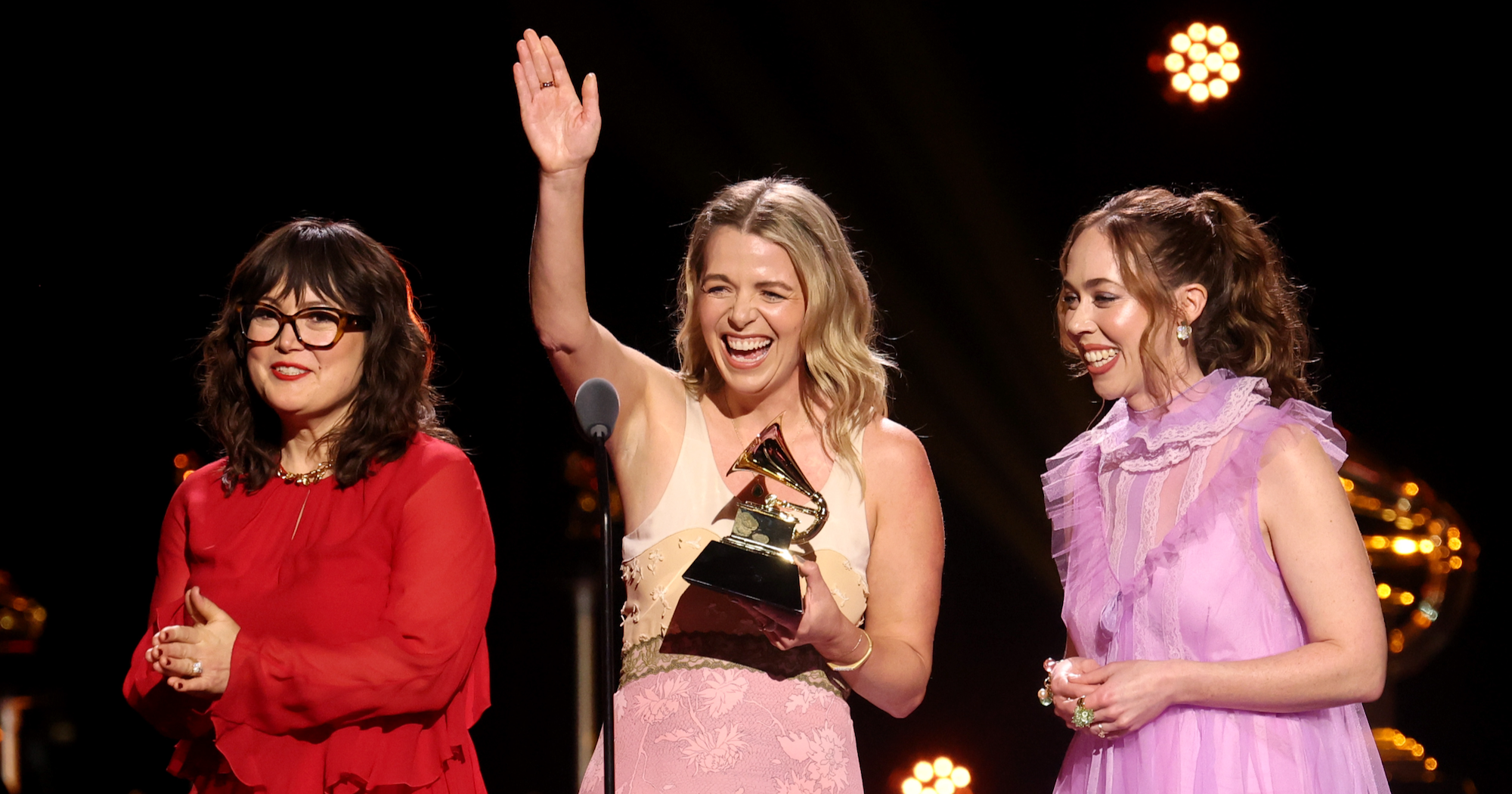
Lead and Alternate Images: I’m With Her, (L to R) Sara Watkins, Aoife O’Donovan, and Sarah Jarosz, accept the GRAMMY for Best Folk Album. Shot by Matt Winkelmeyer/Getty Images for the Recording Academy.

BGS Class of 2025: Best in Bluegrass

If you’re looking for a definitive, qualitative, and deliberate ranking; a firm and scientific rubric; or an unbiased, sterile reckoning of the best albums made in bluegrass this year, this roundup may not be for you.

Truthfully, as someone who’s worked, been acquainted, and become friends with many of the artists on this list in various capacities – from bio writing to onstage performances to media coverage to pickin’ parties to recordings and beyond – objectivity isn’t something I, personally, could establish anyway. And such year-end or other merit-based lists and collections aren’t all that interesting, are they, if not just to argue with their curation and selections.

I would not even attempt such things, because to me – to many of us – that’s not what bluegrass is about anyway. Bluegrass is about a feeling. It’s about innovation. It’s about virtuosity. It’s about tradition, loving it or retooling it or coaxing it or turning it upside down. It’s about adrenaline and a high pulse – and passing a mason jar around. It’s about feeling downtrodden or alone, shedding tears into that very ‘shine, and wailing along with the high lonesome sound. It’s folk music as much as it’s abject commercial country in “poor people drag.” It’s endlessly interesting and complex, but pretty damn simple, too.

Anyone with even an ounce of sense knows and understands that bluegrass can’t ever be objective. So indeed, why try? Why not acknowledge that bluegrass is always a matter of taste, of preference, of whimsical or capricious or convicted opinion? Bluegrass is always debatable, because, after all, bluegrass is always in the eye of the beholder.

In the eyes – and especially ears – of this particular beholder, these albums released in 2025 were the best, the most memorable, the most engaging. These collections stick to ribs like ham hocks, or stick in your throat like the tastiest clod of emotional peanut butter. They each advance, subvert, perpetuate, or wrinkle our core ideas of what bluegrass is – and what it can be.

Are each and every one of these LPs the best in bluegrass from 2025? Perhaps not… But also definitely yes.

Big Richard, Girl Dinner

In January, we gobbled down a heaping helping of Big Richard energy with the nourishing and nutritious Girl Dinner. The project may have been the band’s album debut, but this Colorado all-women quartet had already been making remarkable waves in the bluegrass, jamgrass, and string band scenes – and each of the members had extensive and glitzy musical resumés before they even convened. With a new album, Pet, on the horizon for February 2026, a signing with Signature Sounds, and an upcoming co-bill tour with fellow femme outfit Della Mae, we can tell this Girl Dinner is set to become an ongoing traveling feast.

Shawn Camp, The Ghost of Sis Draper

I remember attending Station Inn shows in Nashville in the early 2010s and sitting with rapt attention – like Martha’s sister Mary at the feet of Jesus – as Shawn Camp performed his suite of Sis Draper songs with his star-studded bluegrass bands. Often you’d hear just “Magnolia Wind” or just “Sis Draper.” Sometimes he would perform a more complete handful of the tracks he had written, individually and with his hero and mentor Guy Clark, about the mythical roots music figure from his home state of Arkansas. Now, he’s collected the slate of material – what could easily become a musical or multi-disciplinary theatre work of some kind – into one commanding, lovely, and visceral album. These are timeless songs, written and rendered as only Camp could.

Jason Carter & Michael Cleveland, Carter & Cleveland

Every now and again a new collaborative duo album comes along and makes you think, “Oh! This must have been what it felt like when Skaggs & Rice was released.” Or Tone Poems. Or Ralph Stanley and Jimmy Martin’s First Time Together. A monumental occasion, captured for posterity’s sake in the studio. When fiddlers Jason Carter & Michael Cleveland released their duo debut, that was the feeling. History made in the present, a work that will be regarded as seminal ages into the future being enjoyed in real time. Carter and Cleveland have collaborated quite a bit over the decades they’ve known each other, but what a gift to have that musical friendship ensconced forever on this album. We hope there is more to come.

Wes Corbett, Drift

Look, if all modernist banjo players sounded like Béla Fleck and Noam Pikelny, that would certainly be great. But thankfully there are dozens of five-string pickers continuing to expand on the Fleck (and Pikelny and Munde and Keith and Trischka) school of Scruggs-style, each in their own veins. Corbett is one of the best. Though he blends effortlessly into Scott Vestal’s former role in Sam Bush’s band – or into any number of recordings and one-off pick-up bands that boast his playing in newgrass and bluegrass and beyond – Corbett is a true idiosyncratic banjo player and composer. Drift, his latest, often employs traditional techniques as tools for innovation and contemporary tunesmithing. He recalls the great melodic pickers while always sounding first and foremost like himself.

East Nash Grass, All God’s Children

A few years ago, if you had told me the ragamuffin band holding down Monday nights at Dee’s Country Cocktail Lounge in Madison, Tennessee, would in 2025 release an album you’d describe as “heartfelt, contemplative, and intentional,” I would have probably laughed. East Nash Grass were just as jaw-dropping good then as they are now, but with that down-home silliness and clumsy charm all the great bluegrass bands born of indentured residencies have had. All God’s Children finds the band all the way grown up (but not really), and they never forsake their banter-rich, never-know-what-you’re-gonna-get roots. That overlap – of silly and heartfelt and virtuosic and not too serious – is where most (if not all) of the best bluegrass is born, anyway.

Sierra Hull, A Tip Toe High Wire

Every single time Sierra Hull releases a new album, journalists and critics love to talk about how she’s now “found herself” and “found her sound.” This writer, however, disagrees. I first saw Hull perform when we were both in our mid-teens and then as now I knew, wholeheartedly, this is someone who knows who they are. Granted, Hull has done plenty of finding herself along the way, as we all do, but the songs and tunes of A Tip Toe High Wire were obviously not born of someone just locating her voice, musically or otherwise. They don’t feel experimental or out on a limb, they are each solidly in her wheelhouse. They do still push the envelope, though, and they all tell personal stories, draw on individual experiences, and chase those treasured Hull-ian melodies wherever they lead.

I’m With Her, Wild and Clear and Blue

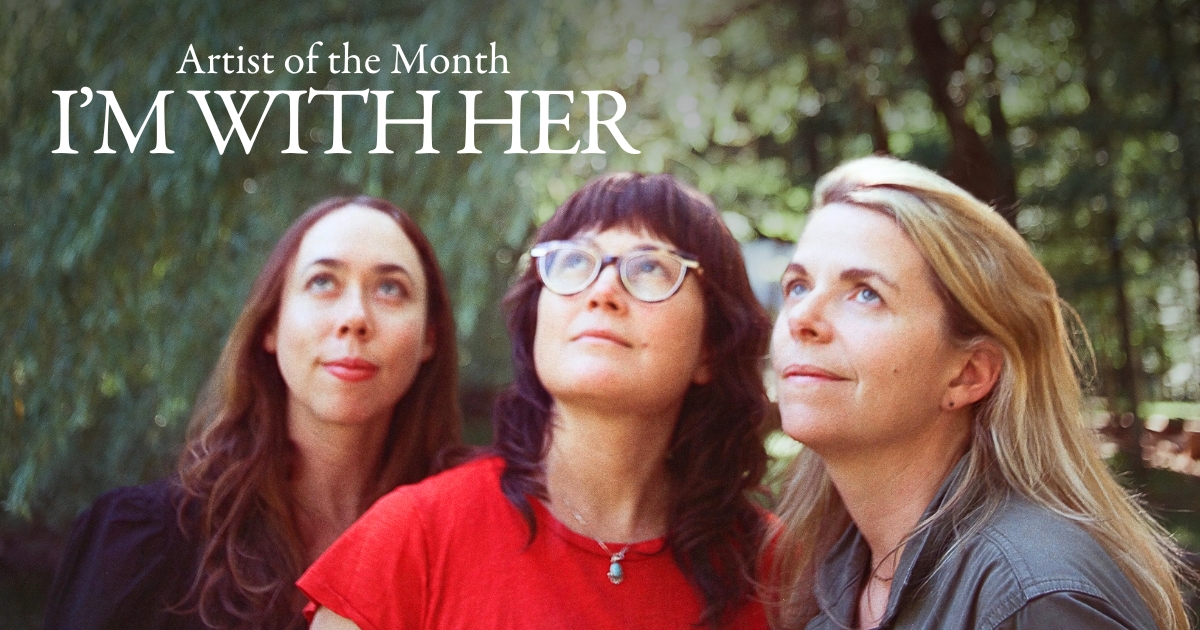
Perhaps all future I’m With Her albums should be made while basking in the “Ancient Light” of a total solar eclipse, given the striking sonic successes of Wild and Clear and Blue. Is that cosmic magic why their second full-length release feels so distinct and metamorphosed from their debut? Is it all the years and personal growth in between recordings? It’s not like they reinvented the wheel, they’re the exact same band – but something feels different here. Whatever the special sauce may be, all of I’m With Her’s offerings over the course of the band’s lifespan have been stellar, but this latest full-length project stands apart. As long as Jarosz, O’Donovan, and Watkins are making music together, we will be unendingly grateful they offer us these recorded windows into their creativity.

Kissing Other ppl, Kissing Other ppl

Bluegrass and old-time birth new projects, bands, and collaborations all the time. Some are purposefully momentary, some are unintentional flashes in the pan, some are such long strings of last names ampersand-ed together you know there’s no future for them. We hope Kissing Other ppl are here to stay. Rachel Baiman and Viv & Riley joined forces on the album – and band – turning mainstream and pop songs into bluegrassy and old-timey string band arrangements that positively vibrate with passion and life. “Sad boi” covers these are not, though you may at times find them subdued or tender or mild. Long may this old-time Americana musical polycule reign.

Cameron Knowler, CRK

If you’ve been craving a contemporary storyteller and poet who utilizes the guitar as their medium – like Norman Blake or Doc Watson or Tony Rice or so many others – I am so pleased to step onto my soapbox to tell you about Cameron Knowler. Also a writer (at times for BGS), archivist, photographer, and visual artist, Knowler’s guitar-centered album, CRK, is almost anything but a “guitar album,” despite each and every composition centering on the instrument. The LP paints vivid and haunting musical portraits of a place Knowler loves, longs for – and despises or begrudges, too – Yuma, Arizona. Knowler wouldn’t even pretend to compare himself to Norman Blake or state that he’s deliberately taking up Blake’s heavy, heavy mantle in the 2020s, but I’m saying he is. Thank goodness.

Bryan McDowell, Bryan McDowell

You may recognize multi-instrumentalist Bryan McDowell from his time performing, recording, and touring with artists like Claire Lynch, Sierra Hull, Molly Tuttle, Alison Brown, and many, many more. He’s an incredibly talented sideman and session player, so when I first received his new self-titled solo album, I imagined the sort of formless instrumental project most pickers with similar resumés create. What a pleasant surprise to find a fully fledged, well-rounded, complete song sequence chocked full of original songs and McDowell’s lovely, honeyed singing voice. (I know Bryan and I didn’t know he sang like this!) It’s on me, really – I shouldn’t have been surprised at all – but McDowell’s skill set is clearly no longer just geared towards backing others up. I am looking forward to seeing what’s next.

Shelby Means, Shelby Means

Speaking of artists ready to step out of the role of sideperson or session musician. Bassist, singer, and songwriter Shelby Means’ debut solo album is fantastic. Since departing Molly Tuttle’s Golden Highway, Means has already built striking momentum as an artist unto herself, and the quick success of her album has played a huge role in that. With originals, tasteful (and surprising) covers, and a star-studded roster of pickers – Tuttle, Ron Block, Michael Cleveland, and more – the project certainly doesn’t feel like a debut. And it shouldn’t, Means has crisscrossed the country and the globe for decades, she’s more than ready to step to the center of the stage. She’s done it before, she’s doing it again – and now a lot more frequently, I’d bet.

The Onlies, You Climb the Mountain

All the best bluegrass is old-time these days. (I say that over and over again, here’s what it means.) While mainstream bluegrass sounds more like ‘90s country played by a bluegrass string band, or jamgrass, or “MASH” – all of which depart greatly from the 1945/1946 sound of its origin – modern old-time becomes more and more of an audio swatch of essential parts of what bluegrass used to sound like and used to include. One album this year that epitomizes this phenomenon is the Onlies’ You Climb the Mountain. Is it phenotypical bluegrass? Oh, no. It’s not. But it also has plenty of textures and tones endemic to original bluegrass that are becoming increasingly rare in its modern forms. I shouldn’t sell the Onlies short, though, they aren’t here because they’re “better bluegrass” than bluegrass, or more authentic, or more “real.” They’re here because this album is excellent, on its own terms.

Danny Paisley, Bluegrass State of Mind

Danny Paisley is celebrating 50 years of bluegrass with his latest album, Bluegrass State of Mind. Still looking for new challenges and trying to add fresh sparkle to his dyed-in-the-wool traditional sound, the new LP includes Dobro (for the first time), drums (sacrilege!), and a bit of an Americana lean. (Don’t you dare call it “grassicana.”) To BGS readers, the project will most likely sound like straight down the middle bluegrass of the highest order. Longtime fans of Paisley & the Southern Grass, though, may notice that very sparkle Danny has been chasing, as he targets new audiences and still sets new goals, five decades into his career as a bluegrass tradesman. It’s the family business.

Missy Raines & Allegheny, Love & Trouble

Missy Raines is one of the winningest musicians in the history of IBMA, amassing 10 Bass Player of the Year trophies over the years and and a handful of honors in other categories, as well. She may have won her biggest prize, though, when she landed on her latest band lineup, Missy Raines & Allegheny, a few years ago now. Her second album with the group, Love & Trouble, continues building upon the chemistry and collaboration that dripped from 2024’s Highlander. They often rise to the occasion of my preferred nickname for them, Mashy Raines & Allegheny, but they remain a consistently dynamic group capable of gritty, barn-burning bluegrass and contemplative and emotive slow burners, just the same.

Red Camel Collective, Red Camel Collective

They began as Junior Sisk’s backing band, and like many of the great “spinoff” bluegrass bands of yore – Quicksilver (Authentic Unlimited), the New South (American Drive), and many more – Red Camel Collective have quickly shown they’ve got the chops to take the same route. Their debut self-titled album was released earlier this year and was made at Sisk’s suggestion – and with his blessing. (He regularly steps off the stage at his own shows to spotlight the Collective and their music, as well.) This band of lifelong pickers have clocked so many miles playing bluegrass and executing the visions of others that, when charting their own course as Red Camel Collective, they’re able to sound exactly like themselves. It’s tough to sound singular in modern, radio-inclined bluegrass. But Red Camel Collective do. Is that why they won New Artist of the Year at the IBMA Awards this fall? It sure ain’t coincidence.

Sister Sadie, All Will Be Well

Sister Sadie’s All Will Be Well is like dropping the needle on a 45-minute bluegrass therapy session. I don’t say it flippantly or sarcastically; it is indeed shocking the level of earnest contemplation, processing, emoting, and growth evident in the songs on this album. At the same time, when you hear the tracks played down at a bustling bluegrass festival or a packed rock club or a subdued listening room, they never feel twee or try-hard or sodden with greeting-card level sentiments. They never feel heavy, actually – this is fun, often hilarious, party-ready music. Dance-along music. Shout-along songs. You’ll laugh, you’ll cry. (At the vocals alone.) These are real human ideas, thoughts, and feelings set to bluegrass. Imagine.

Larry Sparks, Way Back When

How does this album seem like it could have been pulled from any year, any decade of Bluegrass Hall of Famer Larry Spark’s sceptered career? Because it could have been, damnit. He’s Larry Sparks. Way Back When sounds warm and live, like listening to tape or vinyl over earbuds or cell phone speakers. Like being in the room with that resonant, vibrant, and patinated voice. The material is timeless, but never tired or lost in retrospection. Sparks is obviously making bluegrass in the present, as he always has. He just sounds exactly like this. And the way he talks about making music – as he did in a BGS interview set for publish in January 2026 – you can tell, for him, it’s essential to inhabit the present and inhabit the song. Bluegrass really is his calling, and we’re all all the better for it.

Billy Strings & Bryan Sutton, Live At The Legion

One of the best bluegrass albums of the year? Of course. One of the best live shows and tours of the year? Doubly, triply, quadruply of course. You’d think it would be brain-melting to listen to hours of two acoustic guitars and an electric bass pick through bluegrass, fiddle tunes, and Doc Watson classics, but it was divine. Trance-like – not with eyes glazed over, but on the edge of your seat. I wasn’t at that show at the Legion when they tracked the album, but was lucky enough to catch their show this fall at the Ryman in Nashville. If you weren’t so fortunate, don’t worry, ‘cause this isn’t an incredibly exclusive club. This record really does capture all that’s ineffable of being “in the room.” (No one is surprised.) Turns out, you can actually bottle and sell it, if you’re these two. Now if only you could buy the skillset, too…

Thompson the Fox, The Fox in Tiger’s Clothing, vol. 1 & vol. 2

Maybe once a year I trip over or into a new music discovery that gets me so excited I start getting annoyed with myself from having to hear me recommend them over and over again. With Thompson the Fox, it never got annoying (not to me, at least) and the excitement of turning folks onto their music still hasn’t worn off. So here we are, again. If this is your initiation, don’t thank me, thank the people who sent Thompson the Fox my way. Jazz, newgrass, bluegrass, bebop, ragtime, and oh-so-many more styles and textures combine in a completely fresh and distinctive form. I’ve never heard new acoustic music quite like this, yet it’s clearly rooted in that tradition. The simple math of xylophone, banjo, bass, and drums doesn’t quite math, but this group sounds resplendent, rich, and fascinating. Takumi Kodera on banjo is a revelation and Rie Koyama (xylophone), Akihide Teshima (bass), and Tomohito Yoshijima (drums) complete the Tokyo-based ensemble.

Cristina Vane, Hear My Call

Cristina Vane exists at an intersection of roots music that far too few inhabit, because very few can manage there. Vane can. She does blues, bluegrass, old-time, country, and Americana. Sometimes blended, sometimes compartmentalized. She’s got short-form, short-attention-span, vertical-video appeal for days, but her songs are never vapid or playing to any kind of commercial common denominator. Her instrumental skills and the passion for learning and song collection across roots and folk genres that she exhibits bring it all together. I’d not want to subject either woman to the corniness of comparing one to the other, but for folks who love Sierra Ferrell and are looking for more artists in a similar roots-meets-mainstream space, Cristina Vane can do it. She is doing it.

Vickie Vaughn, Travel On

Vickie Vaughn has won IBMA Bass Player of the Year for three years in a row and on the heels of that remarkable accomplishment, she’s released her debut full-length solo album, Travel On. Produced by Deanie Richardson of Sister Sadie, it’s Vaughn’s first recording under her own name released in 10 years. Original songs and covers are packaged in a sound that’s always trad bluegrass, but often infused with a dash of Osborne Brothers from the ‘80s or Jim & Jesse with a drum kit. It’s an Earl Scruggs Revue sort of flair, troubadour-steeped bluegrass-country. And it’s divine.

To conclude this long yet non-exhaustive and surely myopic list of the best bluegrass albums of 2025, let me leave you with this gentle reminder. What’s bluegrass and what’s best are always in the eye – and the ear – of the beholder.

What was your favorite bluegrass album of 2025? Let us know on social media. We hope you discover some new music to love in our BGS Class of 2025 and we can’t wait to make new discoveries with you, too.


BGS Staff contributed to this list.

Photo Credit: Shelby Means by Hunter McRae; Shawn Camp by Neilson Hubbard; Sierra Hull by Spencer Showalter.

Ed Helms Chats With Steve Martin & Alison Brown About Their New Album

They always say, “Don’t meet your heroes,” but in the bluegrass world, I’ve mostly found that not to be true. Take Steve Martin & Alison Brown, for instance – two of the most recognizable and veritable banjo players alive today. Earlier this year, I was fortunate enough to join them (along with Rhiannon Giddens and a formidable lineup of bluegrass, folk, and old-time musicians) onstage at the legendary Hollywood Bowl. It was a night I’ll never forget.

And earlier this month, I had the pleasure of rejoining Steve and Alison in conversation about their new collaborative project, Safe, Sensible and Sane, (out now via Compass Records). It’s a beautiful album filled with original songs, guest appearances from musical friends, and a whole lot of banjos.

Hope you enjoy our conversation!

Ed Helms: First of all, let me just say huge congratulations. An album like this is such a big undertaking and this is phenomenal. I’ve been listening to it basically on a loop for the last couple of days. And my family, my kids are loving it.

Steve Martin: Thanks. Thank you. It’s not easy to rope the family in.

I know! My four- and seven-year-old are extremely critical of anything banjo-related. You won them over.

SM: Awesome.

Right off the bat, what jumps out at me about this album is the title – which immediately strikes me as a kind of direct counterbalance or maybe even a rebuke of these unsafe, nonsensical, and totally insane times that we’re living in. I do think that the album title sets such a warm, funny, and welcoming tone that the music then totally delivers on. Am I getting close?

SM: You’re so far. [All laugh]

Tell me what it is. Walk me through.

SM: I’m almost embarrassed to tell you. Alison, should we confess?

Alison Brown: You told us never to tell, but it’s up to you. [Laughter]

SM: When Alison and I were writing songs together, I had come across a book published in the 1930s on how to improve your letter writing. 80 years old, 90 years old, and it had a list of phrases you can use in your letter writing or business letter writing to brighten up your letters. It said things that are formal phrases, like “thank you for the frank statement of your affairs.” And it went on, things like that.

One of them was “safe, sensible and sane.” I just listed these suggestions and I wrote Alison and said, “I think there’s song lyrics in here somewhere.” Alison organized it, so they kind of rhyme, then Alison wrote this tune for it, and Jason Mraz made sense of it. Because the lyrics are actually nonsense, we have noted that the more we listen to it they actually start to make sense in some way.

That is wild. That is such a weirdly specific rabbit hole of where that came from.

Is the banjo itself something that feels safe, sensible, and sane to each of you in some way? Is it a place of home?

AB: For sure. I think so, certainly speaking for myself. It’s definitely been an anchor for me in my life and I noticed, Steve, watching your documentary, how many scenes the banjo was in the background and realizing that it’s been trailing you your whole life, too.

SM: Yeah. I find you’re right, in the sense that it’s not a “dangerous” instrument like the guitar, sure. Which can be naughty. The banjo is safe, sensible, and sane – but the way Alison plays and the way these great banjo [players] turn it into a kind of extraordinary jazz instrument. It’s too bad that most people probably have an idea of what the banjo sounds like and they’re way off.

I think what you’re saying is that the banjo can be edgy.

AB: it can be edgy, but it can be mainstream, palatable at the same time.

SM: Edgy in the sense of avant-garde, yes. There are some. Didn’t you write a 12-tone banjo song, Alison?

AB: I did. I had a chance to produce and play on a track called “Old Atonal Music” and I actually wrote a 12-tone row banjo solo, which–

Oh my gosh.

AB: Which was then analyzed by the classical community. And fortunately it really was a 12-tone row, so that’s about as edgy as you get.

That’s getting out there.

AB: Boy, are we.

This just got so nerdy so fast.

AB: It sure did. I knew that was gonna happen.

The last time I saw you guys, we had the incredible privilege of joining Rhiannon Giddens at her show at the Hollywood Bowl, and I remember showing up to rehearsal for that and you guys were working on what I thought was just “Cluck Old Hen.” I’m watching you and listening and thinking, “What are these lyrics? What is this? This is so funny.”

Of course, now I know that’s “New Cluck Old Hen,” which is on the album. But what I observed that day in the rehearsal stages was just the rapport that you guys share, which seems so easy and effortless, light, fun, and playful – and well earned. It makes me very curious about the origin of your friendship and was it music immediately? Where did you first connect and what was it you saw in each other?

SM: Go, Alison.

AB: Okay, we were on a Caribbean island at the same time by chance, really just by luck. It was a place that we both vacation regularly with our families and I knew we were gonna be down there at the same time that Steve was gonna be down there. We were gonna overlap for a couple of days and Steve suggested we get together for lunch. Of course, banjos had to be involved, so we had a really wonderful lunch and then sat and spent the afternoon playing banjo together, just sonically clicked really easily.

Because Steve and I both really love finding beautiful melodies in the instrument, we’re both in the same pursuit when we’re playing and composing music. Writing this music, it’s been surprising to me how easy it’s been. It is almost like the tunes were just waiting to be written and we just had to pull them outta the sky.

How long ago was that first connection?

AB: I would say maybe about 10 years ago.

Then was it right away, “Let’s start collaborating!” Or did you guys circle back to each other?

AB: It took me a little while to get up the nerve to see if Steve actually would co-write some music together. [Laughs] I got a chance to do a few shows with Steve and Marty [Short] when the Steep Canyon rangers weren’t able to make shows, so we got a chance to jam some more backstage and play some more clawhammer banjo and three-finger banjo, which is my favorite combination. Like chocolate and peanut butter. Clawhammer and three-finger.

I totally agree. It’s so beautiful. And there are a lot of great players that do both, but usually I think most people assume that a song is in an old-time style or in a sort of three-finger style. So to hear [you] two just beautifully mixed together, you guys are really sharing a language that transcends the style of playing. You’re playing very differently, but there is a fluidness.

I think the song “Evening Star,” which might be my favorite on the album, is such a great example of that, starting out with your three-finger, beautiful lilting rolls and melodic runs. Then Steve comes in picking up the same tune in a [clawhammer] style that feels like a really even, woven-in feel. It doesn’t change the feeling of the song in any way. I think that’s a testament to the connection that you guys share musically.

SM: Our roots and love of the banjo are very similar in the sense of Appalachian sound, the Celtic sound, the modal mountain sound. That’s what gets me. We both like to find those melodies that reside within those tunings and history.

And Alison, as I recall, you sent me this beautiful part and I contributed another part and then Alison found– You can tell the story. You found yourself in Dublin?

AB: Yeah, actually that one, I knew that we were gonna be in Glasgow. I dunno if you have ever become acquainted with the music of John McSherry, Mike McGoldrick, and John Doyle, they have a fabulous trio. They’re completely badass Irish players, Celtic players and I knew that it would sound great to play this tune with them. John Doyle in particular, when he plays rhythm guitar, it’s like riding a big wave. They’re also heroes.

SM: They’re heroes of mine, too.

AB: It’s funny, though, because the genesis of that tune was really Steve telling me about a song he wrote called “Canadian Girl” where he was playing clawhammer in 3/4 time. I’d never even thought about the clawhammer playing in 3/4. But it’s so beautiful. Then I tried to write a melody that could work for both.

I think it’s a real testament to Steve’s banjo playing, too – like you were saying, a lot of banjo players will choose a lane. They’re either three-finger or they’re clawhammer. But Steve’s really unique that he plays both. I think that’s part of the reason why our two banjos go so well together, ’cause he completely understands the three-finger thing. But when he’s playing clawhammer, he brings some of that sensibility to it.

SM: You can also play the modality that you find in clawhammer on three-finger. I remember a song I found on a record recorded by Dick Weissman called “Trail Ridge Road” and it was played with picks, but it had this unique– I just call it modality. I’m sorry to keep using that word, but it had this minor sound that just kept rolling. I always loved it. I think that sound stuck with me forever. I even wrote him once to tell him that.

I think your song, “The Crow,” falls in that category, right?

SM: It is in double C. [It has] that drone sound, ’cause you have two strings tuned to the same note. Yeah, that does have a bit of that in there.

That was one of my favorite songs to learn. I found a transcription in a Banjo Newsletter and I was able to work it up and I love it. Another one of my all-time favorite tunes.

SM: Alison told me that banjo players like to play my songs because they’re easy. [All laugh]

How do you guys collaborate? Walk me through that process. Are you sending each other tracks and just saying, “Hey, here’s an idea.” A little melody or a catch or a hook, and then you’re building on it together? Or do you try to make sure you’re in the same space, just steeping the tea together?

SM: All of the above. Garry [West] and Alison flew out to California, where we spent like three, four days there just writing and recording. We got ideas, initial ideas for songs there. Then we started communicating by text and sending song ideas. It’s the new way to write things. It’s everything.

But we did meet and get that sound of two people together. You’re listening to the other player.

AB: That’s the thing, when I get a chance to sit around with Steve and just play, it always gives me more ideas for where we can take the banjo. Or gives me a new way of thinking about what he’s doing that maybe you could expand on. That’s really exciting. But technology’s totally been our friend, so we’ve done a lot of this by just swapping ideas back and forth and it’s amazing how efficiently you can do that.

How frustrating is it that Zoom, the latency of these video conferences, you can’t quite jam.

SM: You cannot play over the internet! You can’t play, you gotta bounce it back and forth.

That’s [why] I flew down to Nashville to record with Vince Gill, so it’d all be in the same room.

You mention flying down to Nashville to work with Vince and others. This album is so much more than just a double banjo album. It’s this grand collaboration. So many special guests, close friends of yours like Tim O’Brien, Aoife O’Donovan, Sarah Jarosz, Vince Gill, Jason Mraz, Jackson Browne, Jeff Hanna, the Indigo Girls – I’m from Georgia, so that’s a huge one for me. I love, love, love the Indigo Girls.

You two obviously have such a deep well of relationships and friendships throughout music. How did you decide who to rope in on these particular songs? What was that decision-making process like?

SM: I’ve said this before, I’m a talk singer. I sing like Robert Preston, The Music Man. I know Alison sings harmony, but she’s never presented herself as a lead singer, as I know. So we’re forced to find someone to sing these songs. A good example is the song “Michael,” which was written without anybody in mind. The lyrics to that are imperfect in the best sense, in a good sense. Sometimes they don’t quite scan out. Sometimes the rhyme is soft.

Alison was at an event with Aoife O’Donovan and said, “Hey, would you mind singing?” And [Aoife] just understood the song so perfectly. You just go, “Oh, that’s it!” There’s no need to look anywhere. She just really knew how to sing it. You’re looking for people who know how to sing these songs. Like Jason Mraz instantly understood “Safe, Sensible and Sane.” He knew that it was in some way humorous, that none of us could figure out why.

Both of those songs have a little international flair to them. “Michael” almost has a samba or Brazilian feel? And then “Statement Of Your Affairs” with Jason Mraz, is it like reggae?

SM: Is it reggae?

There’s something Caribbean there.

AB: It’s definitely Caribbean, yeah.

Really everything sprang from the banjo. The melody for “Michael,” I just wrote that chorus melody as a banjo tune and really could not fathom how you could do anything other than play a newgrass banjo tune with that melody. It was amazing that Steve could set words to it and then he developed this whole story. It was really fabulous.

SM: What I liked is Alison sent me the tune, I listened to it, and it inspired me to a situation, an atmosphere. And she said, “We can change those lines, some of those melodic lines, and shorten ’em.” I say no. That’s what you want, that unexpected line that extends too long or it forces the words to do something tricky. I really like that challenge.

I love your closing number, “Let’s Get Out of Here” [with] Sam Bush, who counts that one in. I’ve heard it said often that Sam Bush is the best drummer in bluegrass. He sets such a great, driving tempo and rhythm.

SM: I couldn’t play without the mandolin! I’d be all over the place, rhythmically.

AB: No, that’s true. There is nothing like Sam’s chop. When Stuart Duncan and I were teenagers, we were presidents of the “Sam Bush Chop Fan Club.” A super nerdy thing.

This is one for both of you. You’re both multifaceted, creative people. You move so effortlessly between different creative disciplines, collaborative contexts, different bands, different musicians, different media and art forms. Obviously, Steve with film and comedy and writing and performing. You’re also a passionate art collector. Alison, you have tremendous business acumen running Compass Records for so long with your husband.

This is a question as a fellow sort of striving, creative person: How do you balance all of it? I always wonder when I see people like you, is this something that you set aside and approach each discipline as a chunk? Or do you feel more like these are constantly interwoven? Is there a seamless overlap of your various disciplines and ideas and you’re just weaving in and out? Or is it more, “I do this for this time” and now, “It’s comedy time. I’m gonna work on this.” How do you break it down?

SM: Go ahead, Alison. I know my answer.

AB: Okay. So mine probably is less interesting, ’cause mine is kinda like that right brain versus left brain thing. I find that sometimes I’ll be doing just banjo for a stretch of time or music or producing a record or getting to go out and play shows. Other times, I’ll be behind the desk doing spreadsheets and financials – that kind of thing. In some kind of bizarre way, the two things inform each other.

I think for me, I spent so many years in school and got an MBA studying finance. I was an investment banker for a while, so there’s part of me that really enjoys doing all that and feels a responsibility to my mom and dad, too, that I do some of that stuff on some kind of regular basis. I have to look analytically at the music business. I think it helps me when I go in the studio to think about positioning a record – whether I’m producing or just writing my own stuff – positioning it for success, because I understand the challenges of the business landscape in a way that if I was just a banjo player, I wouldn’t understand.

Then when I get to go out and play, it’s like a complete relief just to be out and let your mind be a little bit more free. I know you can be structured and disciplined about creating, but it’s a completely different mindset to sit and look at financials than it is to have enough of an expansive view in your mind to be creative for a moment. But, somehow, the two things work together.

SM: I’ll give my answer. Most people have a job. They maybe, let’s say, go to work at nine and they come home at six – or sometimes they work [until] maybe seven or eight. And if they’re gonna do any extracurricular thing, like practice the banjo, they have to do it at night or on the weekend.

But I just wake up. I don’t have a job, so I can have breakfast and have an idea and go pick up my banjo and go play it. There’s a lot of time where you’re just really doing nothing, because you don’t have a job.

I think it really is that concept they used to apply to basketball players, “being in the zone.” Where you don’t have a sense of time. It’s just there and it’s either working or not. And it’s fun, especially at this age where my creative mind is more agile, where I’m not afraid to go other places or think of things. Ideas seem to come without as much angst, because it doesn’t have to be a success. It just has to be fun.

I know Alison hates hearing that. [All laugh]

AB: No, actually. I’m glad to hear that!

SM: The creative part of my life has become really fun. Whether I’m working with Alison or with Marty or live stage shows… or just dinners! Dinners will be fun.

That’s really beautiful and really inspiring and I’m really grateful to both of you for opening up a little bit and talking me through this. Congrats! This is a fantastic album. It’s a really wide pastiche of different ideas and feelings and vibes, and it all works together. So congrats and thank you.

SM: Thank you, Ed. It’s always great to talk with you. And you’re a great player, too. Don’t forget that!

Thanks, guys.

AB: I’m thinking what we need to do is a triple banjo thing!

SM: I’m up for it! We’ll figure it out.

AB: We’ll figure it out.

SM: Fifteen banjo strings. Can’t get enough. You can never have too many.


Artist of the Month:
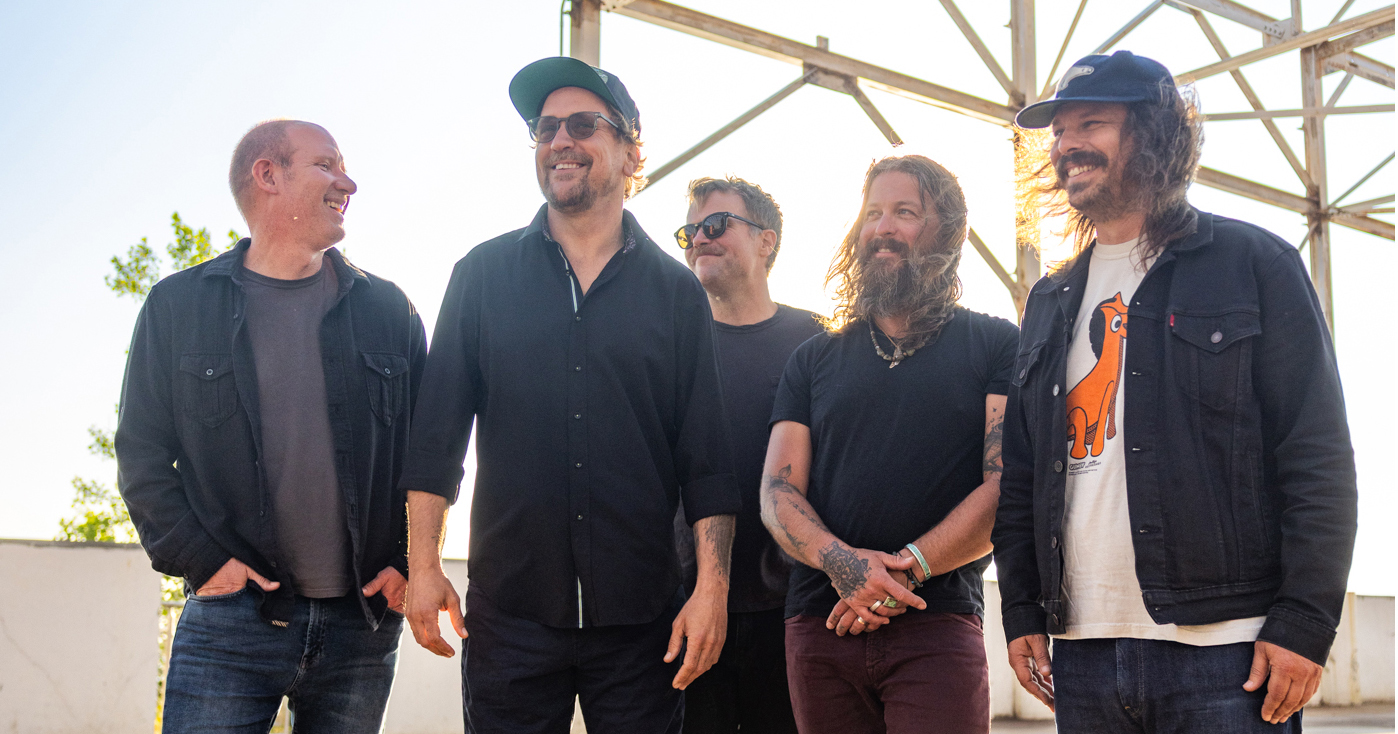
Greensky Bluegrass

Michigan music isn’t just Motown or the MC5, Bob Seger or (ugh) Kid Rock. While it’s seldom mentioned as a modern bluegrass hotbed, the Wolverine State has become an unlikely 21st century hub of the latter-day bluegrass offshoot jamgrass. And at the center of this upland strain of music is where you’ll find Greensky Bluegrass, a quintet that is our Artist of the Month for October.

The roots of jamgrass go back to the 1970s, when New Grass Revival took inspiration from the bluegrass adjacency of the Grateful Dead and other proto-Americana rock acts, injecting rock and roll overtones into their music. It was also during this period that Dead guitarist Jerry Garcia went back to his original folkie roots with 1975’s Old & In the Way, a super-session album that would stand as the top-selling bluegrass LP of all time until O Brother, Where Art Thou? a quarter-century later.

Fast-forward to the 1980s, when New Grass Revival banjo maestro Béla Fleck went in some truly idiosyncratic and worldly directions with his new group The Flecktones. Then came the 1990s-vintage H.O.R.D.E. Festival and a generation of bands like String Cheese Incident, Leftover Salmon, and Phish that further obliterated whatever boundary remained between bluegrass and rock.

That set the stage for Greensky Bluegrass, whose emergence in 2000 cued up another chapter of combining traditional bluegrass with rock-band theatrics (to the point of even including a bitchin’ onstage light show). Greensky originally formed as a trio of mandolinist/frontman Paul Hoffman, guitarist Dave Bruzza and banjo player Michael Arlen Bont, convening in the fall of 2000 after meeting at an open-mic show in Kalamazoo, Michigan.

Greensky had plenty of traditionalist bona fides, covering classic bluegrass pantheon cuts by the likes of Stanley Brothers, Charlie Poole, and Bill Monroe. But they’d cover the likes of Pink Floyd, Bruce Springsteen, Prince, Talking Heads, and (yes) the Grateful Dead, too. That has continued over the years as their lineup expanded to a quintet with the addition of resonator guitarist Anders Beck and bassist Michael Devol. As an indicator of their eclectic tendencies, one of the studio producers Greensky has worked with is Steve Berlin (who handled 2016’s Shouted, Written Down & Quoted), best-known as saxophonist of the acclaimed Latino rock band Los Lobos.

One big milestone of Greensky’s first decade came at Telluride, the storied annual bluegrass festival in Colorado, where they won the band contest in 2006. They’ve steadily built themselves up as a live draw playing bigger venues, becoming a major presence at Red Rocks, the Colorado amphitheater that is the high church of jamgrass. This September, Greensky played the 20th headlining show of their career at Red Rocks.

As they progressed, Greensky provided an inspirational example for younger acts following in their wake, most notably a young guitarist from their home state of Michigan. Born William Apostol in 1992 in the college town of Lansing, he adopted the stage name Billy Strings as a teenager. Greensky was well-established by then and served as Strings’ mentors, collaborating frequently and giving him a choice opening-act slot on a 2018 tour. Strings has gone on to become a worldwide arena-level star, something like the jamgrass genre’s Nirvana equivalent to Greensky’s Sonic Youth.

Fittingly, Strings is one of the cameo guests appearing on the new Greensky album, XXV, which marks the group’s 25-year anniversary with all kinds of star power. Nine of the album’s 13 tracks feature guest appearances from some of the top names in the field.

Sam Bush, a co-founder of the previously mentioned jamgrass pioneers New Grass Revival, opens the first track “Can’t Stop Now” with one of his trademark lightning-speed mandolin runs. Americana stars Nathaniel Rateliff and Aoife O’Donovan turn up to provide lead vocals on a couple of songs. Other tracks feature String Cheese Incident drummer Jason Hann, New Orleans scion Ivan Neville and, from Trey Anastasio Band’s horn section, trumpeter Jennifer Hartswick and trombonist Natalie Cressman. Among the guests with Michigan ties are Phil Lesh & Friends pianist Holly Bowling and, from the Great Lakes State supergroup Sweet Water Warblers, vocalist Lindsay Lou.

Greensky has always been more than willing to expand tunes out to epic, near-galactic dimensions, and XXV has more than enough sprawling solos to satisfy the pickiest of jamgrass fans. Most notable is the 14-plus minutes of “Last Winter in the Copper Country,” on which Bowling’s rippling piano takes center-stage. Bowling also stars on “Windshield,” a longtime Greensky favorite that appeared on the band’s 2014 album If Sorrows Swim in an arrangement of just her piano and Hoffman’s powerful bellow – the closest thing to operatic bluegrass this side of The Hillbenders’ bluegrass take on The Who’s Tommy. That’s only one of the songs from throughout the Greensky discography that they reprise in (sometimes drastically) rearranged form for XXV.

In anticipation of the new album’s release date, which is set for Halloween, check out our Essential Greensky Bluegrass playlist below. Plenty of further Greensky content is also on the way, including a feature interview with the group and plenty of excellent picks from the archives, as well. Follow along all month here on BGS and on our social media pages as we celebrate Greensky Bluegrass as our Artist of the Month.


Photo Credit: Dylan Langille

Charley Crockett, Gillian Welch & David Rawlings, Waxahatchee Among Americana Nominees

The Americana Music Association has announced the nominees for its 24th annual Americana Honors & Awards. This year’s nominations were revealed by Brandi Carlile, Kashus Culpepper, S.G. Goodman, Jim Lauderdale, Kacey Musgraves and Molly Tuttle in a social media announcement.

The winners will be announced during the Americana Honors & Awards on Wednesday, Sept. 10, 2025, at the historic Ryman Auditorium in Nashville. The celebrated program is the hallmark event of AMERICANAFEST, which returns for its 25th year on Sept. 9-13, 2025.

A full list of categories and nominees for the Americana Music Association’s 24th annual Americana Honors & Awards is below the video player.

ALBUM OF THE YEAR:

Lonesome Drifter, Charley Crockett; Produced by Charley Crockett & Shooter Jennings

Foxes in the Snow, Jason Isbell; Produced by Jason Isbell & Gena Johnson

Manning Fireworks, MJ Lenderman; Produced by Alex Farrar & MJ Lenderman

South of Here, Nathaniel Rateliff & The Night Sweats; Produced by Brad Cook

Woodland, Gillian Welch & David Rawlings; Produced by David Rawlings

ARTIST OF THE YEAR:

Charley Crockett

Sierra Ferrell

Joy Oladokun

Billy Strings

Waxahatchee

DUO/GROUP OF THE YEAR:

Julien Baker & TORRES

Dawes

Larkin Poe

The Mavericks

Gillian Welch & David Rawlings

EMERGING ACT OF THE YEAR:

Noeline Hofmann

MJ Lenderman

Medium Build

Maggie Rose

Jesse Welles

INSTRUMENTALIST OF THE YEAR:

Fred Eltringham

Alex Hargreaves

Megan Jane

Kaitlyn Raitz

Seth Taylor

SONG OF THE YEAR:

“Johnny Moonshine,” Maggie Antone; Written by Maggie Antone, Natalie Hemby & Aaron Raitiere

“Ancient Light,” I’m With Her; Written by Sarah Jarosz, Aoife O’Donovan & Sara Watkins

“Wristwatch,” MJ Lenderman; Written by MJ Lenderman

“Sunshine Getaway,” JD McPherson; Written by Page Burkum, JD McPherson & Jack Torrey

“Heartless,” Nathaniel Rateliff & The Night Sweats; Written by Nathaniel Rateliff


Photo Credits: Charley Crockett courtesy of the artist; Gillian Welch & David Rawlings by Alysse Gafkjen; Waxahatchee by Molly Matalon

The Many Journeys of I’m With Her’s Second Album, ‘Wild and Clear and Blue’

More than eight years since the February 2017 release of their acclaimed debut album See You Around, Aoife O’Donovan, Sarah Jarosz, and Sara Watkins have come back together with an abundance of history, both individual and shared, on which to reflect as they began to craft I’m With Her‘s second full length album, Wild and Clear and Blue.

The three multi-instrumentalists and songwriters are beloved in folk and bluegrass circles and known cumulatively for a treasure trove of work as solo artists, in ensembles, and as co-writers and producers. Internationally renowned live performers, they were most recently celebrated under their collaborative moniker as part of the 62nd GRAMMY Awards, when their original single, “Call My Name,” was awarded Best American Roots Song. This accolade alone showed just how creatively in sync these women continued to be, even as time marched forward and each turned their focuses toward individual projects and significant personal life changes – marriage, next generations, moving homes, passing on of family – all while discerning unique perspectives about the broader transformations of society around them.

Once they felt the spark to start a second album, finally reuniting in 2024 to write and record, the embers of Wild and Clear and Blue grew not only from Watkins, Jarosz and O’Donovan’s pool of collectively evolved musicianship and artistry, but from their sharing of experiences and emotions as they cheered each other on from afar. The candid nature of the trio fully reuniting opened new paths of empathy and resonance between them – paths which go beyond their stunning musical chemistry and into a deeper space of what Jarosz earnestly calls “chosen family.” The songs tell assorted stories, nodding to the familial bonds and identities the three women hold dear in their respective lives but as a unified album, Wild and Clear and Blue is also an eloquent expression of the profound appreciation O’Donovan, Jarosz, and Watkins have for each other, as well as for the support and understanding they have realized and embraced in their ever-evolving bond.

Continuing our Artist of the Month coverage, O’Donovan, Jarosz, and Watkins spoke with BGS about the organic spirit of creativity built into Wild and Clear and Blue, how the preciousness of different relationships in their lives is embodied in the music, the one-of-a-kind nuances that make the experience of listening to the album especially distinct, and more.

You mention the album providing a focus on “connecting with your past and figuring out what you want for your future.” How did each of you decide what parts of your past you felt most inclined to explore and what feels most important to you going into the future?

Sara Watkins: When we came together to write the album, there was a time of just reconnecting. We haven’t seen each other or really been with each other for a couple of years and we wanted to reconnect in a way, [asking ourselves] “Who are we now?” You know, now that we’ve all gone through so much since our last record. A lot of things that we were talking about and processing in our personal lives were overlapping with each other and so it felt clear to us. The things that came up in the songwriting process all felt like it was self evident that that’s what we wanted, or desired, to share and to mine [through] a little bit.

And so it’s less of an abstract strategy of, “I’m going to share this about myself. I’m going to open up this chapter of my life for this album,” and more like, “What’s coming to the surface right now that’s affecting me and that I’m sorting through?” We found that a lot of what we were sorting through overlapped or that we related to each other, and that was the stuff that we ended up writing about.

You express that there’s an “ease to letting go when something isn’t working.” What does it look like when things are “working,” versus when something doesn’t fit and you collectively decide to move on?

Aoife O’Donovan: I think when we’re in the writing room, it’s always such an exciting moment when something starts to click and we start jamming on it and we start figuring out the groove and figuring out the melody. Then we’ll maybe get into a vibe [where] we’ll all kind of put our heads down on our laptops and be typing out words and be like, “Okay, let me try something.” When you sort of bring a line or change your melody note here, or add a harmony part, or it says this – it’s an exciting sort of burst. It’s like the champagne bottle pops and you’re like, “Okay, yes! Let’s keep going, let’s keep going!” It really fuels the next thing. And I think that with this trio, one of my favorite things to do is write music with Sarah and Sara. It doesn’t feel like a chore in the way that sometimes writing [solo music] for me can feel like a chore. When we’re together writing, it’s almost like you get to the party and you see what’s going to happen at the party.

Sarah Jarosz: The songwriting process has always felt like an extension of the vocal arranging process in a way, because I feel like that’s how we started out before we ever tried to write together. We arranged songs together. We arranged “Crossing Muddy Waters” together and that was a really cool precursor to know how we communicate with each other with a pre-existing song. Then that sort of carried over into the songwriting process to be this amazing, like Aoife said, light bulb movement. When it’s flowing, it’s just flowing so well and things that don’t work are just sort of easily falling aside. It’s really special. We’ve all worked with a lot of other people, so I think we all know how rare that is when it does just flow.

The way you all talk about the dynamic of working with each other has this very uplifting, very, “it’ll all work itself out in the end,” kind of mentality, which I think speaks a lot to your collective experience with each other.

SJ: Just to add to that, the three of us, I think, have pretty similar work ethics. It’s not just, “Oh, well, this is all free and easy and breezy.” I think part of the reason that it feels easy is that we put a similar amount of effort into it. Really showing up for each other, energetically giving each other the attention and the love. A lot of these songs start out as conversations, like Sara said, just that shared energy.

SW: I think it’s important to note that, yes, it’s magic and it works. We are so compatible. But part of that work ethic that Jarosz was talking about is staying at the table and not giving up on something completely. Maybe putting something aside and coming back to it later while you work on something else.

I love working with with these two who, if something’s not right, if any one of us isn’t completely excited about something or feels confused about the direction of a song or lyric, we all are very willing to stay at the table until things come together, until we’re all happy, or it’s really clicking on all sides. I think working and staying with it while it’s not working is what makes those beautiful moments [happen] when things are all yesses and when we are in flow. It shows the magic, because it doesn’t always happen but we were able to work through it in a way that’s crucial, I think, for ultimately getting something that we’re really proud of.

AO: It also gives a really unique sense of ownership over all of the material in this band, for each of us. I feel like when we finish a song and when we finish this album, we really can listen to the entire thing and be like, “Yep, I stand behind it” – at least that’s how I feel. Like, “I stand behind all the decisions, and I fully support how every single song turned out. And I really feel like this is our thing, and it’s not just one person’s thing.”

Sarah Jarosz mentions there’s something “beautiful” about having “Ancient Light” start the album, because it’s “addressing the heavier themes of the album in a way that’s more a celebration of life rather than grieving what’s been lost.” Yet,“Wild and Clear and Blue” was the first song written for the project and it establishes your shared embrace of generational connection as the inspired theme. These two songs feel like they could be fraternal twins of introductory tracks. To that end, how was the process of deciding track sequence, particularly given how it can significantly affect the trajectory of an album and how it’s received?

SW: We were at Outlier Studio, listening back to a couple of things and one of us started writing, maybe it was Jarosz, a sequence. We were passing this little paper back and forth. I still have this paper that has like, three separate sequences that we were considering as initial ideas. I think that it ended up somewhere close to what we came to, that first day of writing sequences, because it is so, so important. One thing that I really love, that I think we all really love, starting with “Ancient Light,” [it’s] a little bit more produced. It’s one of the more produced songs on the album or, it’s in the more produced half of the album. We wanted people to hear that. Going to “Wild and Clear and Blue” afterwards, it felt like we were letting people come back to a sound that felt more like the live shows we did on the last tour and more like the first album. It was a nice way of connecting the projects, I think. But we really wanted to have an arc, in terms of the content, and to consider all those things that then make an album feel more like a unit than a series of segmented songs.

SJ: I feel like sometimes making records, I have a sense much earlier on of what should be where, but I feel like this one it took until that last day or so to have this feeling of the arc. But, with that being said, I feel like a lot of us were saying, “Oh, ‘Ancient Light,’ it’s kind of an obvious opener for setting the stage.”

AO: I think also the opening lyric of “Ancient Light,” to me, is the biggest reason why I love that the song opens the record. “Better get out of the way/ Gonna figure out what I’m gonna say/ It’s been a long time coming…” – I just love that idea, that it has been seven years since our last record. Maybe it’s too on the nose, but I think it’s a great opening to bring people in, to sort of invite people back into our world.

You talk about a sense of unspoken synergy but conversely, how much would you say you lean into individual qualities of your writing that make each of your styles memorable?

SJ: I’m not sure that there’s a whole lot of conscious effort going into thinking, “How would each of us represent our own style?” I think that just largely happens naturally. At the end of the day, we’re trying to incorporate musical and lyrical decisions that make us stoked, that get us excited.

When we’re writing, it’s just the three of us. So I think we’re trying to utilize musical tools. That sounds really sterile, but [we’re trying] to make it interesting within the confines of just three people. And then, kind of figuring out, “How do you make a song come alive?”

This album totally feels so, so deeply visual. I feel like we were more tapped into that with this record than with the first. Utilizing those [visual ideas] in a way throughout the songwriting process that make us have a chill moment or maybe a moment where you’re moved to tears, or just doing the thing that gets you excited about the song.

Family, motherhood, and sisterhood make up prominent undercurrents of the album, but especially the latter. As you’ve formed these different bonds and have related to one another in these different ways over the years, how have these identities impacted your shared experience as a group, especially while working on Wild and Clear and Blue?

AO: Two of us are mothers and Sarah Jarosz is not a mother at this point in her life, but I think what’s been really beautiful about this record and about the themes that you brought up – the themes of sisterhood, motherhood, and the themes of being an only daughter – something that I’ve loved to point out to people is that Sarah Jarosz is an only daughter and Sara Watkins and I both have only daughters. When I was listening to this album for the first time with my daughter Ivy Jo, she was listening to it and when the song “Only Daughter” came on she said, “Mommy, is this about me?” It makes me almost cry, retelling that story, because in many ways, yes, it’s this universal experience that our daughters share with our dear friend and bandmate as an only daughter and I love that sort of circle of being.

We’re at different points in our lives within this band. Over the last several years, there’s been a lot of things that we’ve experienced – like huge life events since our last album came out. I lost my father. Sarah Jarosz got married. There have been many big moments that we’ve walked through alongside one another and I think those experiences have definitely shaped who we are, who we were when we went into the studio, and who we continue to be.

SJ: As this band has evolved and grown, those kind of shared family moments have absolutely drawn us closer as a band and allowed the music to reach this deeper level. I think one of my favorite memories as a band was actually in 2018 at Telluride, when all of our families were there. I think it was the only time when everyone was in the same place. Just getting on stage and seeing my parents, all of our parents and children, it was incredibly special and kind of rare. I feel like it has inevitably affected the music in a truly beautiful and full circle way.

In “Sisters of the Night Watch,” the verses mention things about personal sinfulness, being forced to crawl in the mud on your knees, and running into ghosts, with respite from all these things only being found in sisterhood. What inspired these particular images and personal trials?

SW: A lot of this song is about getting through the wilderness that is life and finding your respite, finding your people, or your place – even if it’s not a final destination and just along the way. I think that could take any form in someone’s life. But it does feel sometimes like we’re crawling through the mud in life, making very little progress, like everything is just wilderness around you, and you’re trying to make sense of it all. I think we’ve all felt like that at various times and are just looking for a moment or a day, where you feel safe. It could just be emotionally safe or it might just be some rest – just a break from feeling like everything is hard. I think it’s trying to find those people and trying to find that thing that makes you feel like you can rest for a little bit and you’ll be okay.

SJ: This also feels slightly related to “Only Daughter” in a way, at least for me, this idea of “Sisters of the Night Watch” that was sort of emerging in the writing process. For me, I am an only child and daughter and this band is the closest thing I’ve felt to having sisters, something we talked about a lot. I believe Aoife’s beautiful statement about our shared deep connection with our families is so amazing in this band. But also, your chosen family, as you go through life and who you walk and processes and choose to do life with, I feel like we’re this band of sisters, but then it can be so much more than that as well.

Much the same way you connected with particular artists and songs that your families shared with you in the past, what do you hope that younger generations and generations yet-to-come will connect with through this album?

AO: I hope that people will listen to Wild and Clear and Blue and be able to see themselves in these songs. This album is such a journey – I hate to use the word because it’s so overused – but it really is. There are so many songs, even when you guys are talking about the lyrics of “Sisters of the Night Watch” and crawling through the dried out river on your knees, that song is a journey. It’s one character on that journey. “Find My Way to You” is maybe a different character on the same on the same journey, but maybe experiencing it from a different perspective. Even in “Ancient Light,” you’re trying to get to that clearing and you’re trying to say that when you get there, you’re not going to put up a fight.

It’s sort of like, what is the end goal here? I think that listening to that, people who are young, old, people who are yet to come, I hope that this album does stand the test of time and that people can pick it up in an apocalyptic world, put it on, and be able to relate to it.


Find more of our Artist of the Month content on I’m With Her here.

Photo Credit: Alysse Gafkjen

Basic Folk: Sara Watkins

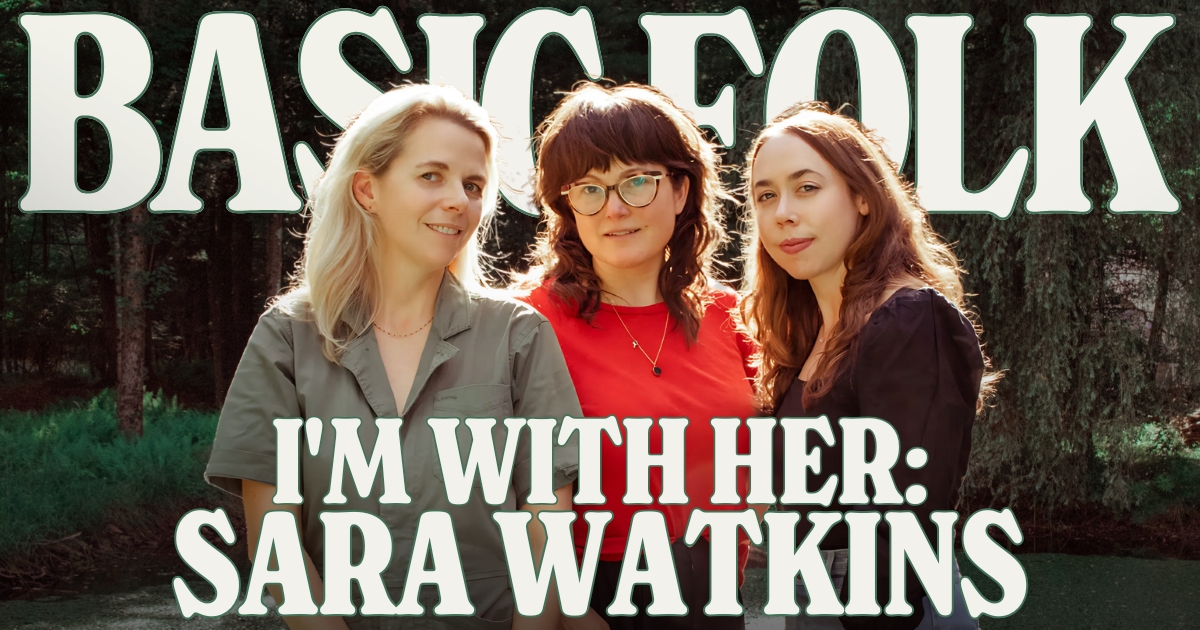
Sara Watkins joins Basic Folk to talk about Wild and Clear and Blue, the new album from I’m With Her, her band with Sarah Jarosz and Aoife O’Donovan. The new LP was inspired by looking back on your life in order to move forward, with a very witchy manner of speaking that encompasses the ancient, mysterious, and spiritual. Sara shares insights into the unique telepathic connection they feel within the band, which was palpable from their first public appearance in 2014. Watkins is at it again with her incredible vocal performances on this album, bringing to mind Fiona Apple – especially on the “Sisters of the Night Watch.”

LISTEN: APPLE • SPOTIFY • AMAZON • MP3

A longtime Angeleno, Sara gets into the meaning of another song, “Standing on the Fault Line,” which finds her reconsidering what’s safe, what’s permanent, and what is essential in order to remain in California. She also explains how the group’s tight-knit sisterhood and collaborative efforts have strengthened over the years. Elsewhere, we talk about the meaning of a “supergroup” versus a cohesive band, artistic processes, and how personal history and motherhood have impacted their music. Additionally, we explore the challenges of balancing life on tour, the importance of small talk, the necessity of doing music as a hobby for personal fulfillment, and the massive annual band party that inspired “Year After Year.”


Explore more of our Artist of the Month content on I’m With Her here.
Listen to Sarah Jarosz on Basic Folk here. Listen to Aoife O’Donovan with Dawn Landes on Basic Folk here.

Photo Credit: Alysse Gafkjen

Artist of the Month: I’m With Her

Do you remember the human being you were in 2017? When the “first” North American total solar eclipse of the 2000s criss-crossed the United States, stunning millions of sky-gazers? Do you remember how dissimilar life felt then? When you look back, do your memories contain the same person you are now, or is there a vast difference between who you were then and who you are today?

In 2017, I’m With Her – an iconic assemblage of award winning roots musicians Sarah Jarosz, Aoife O’Donovan, and Sara Watkins – were already a band, but a tangible group identity had yet to fully coalesce – and external viewers, listeners or fans or industry professionals, couldn’t tell if this was a temporary “supergroup” or something greater and long-lasting. Yes, they first collaborated as a trio in 2014 at Telluride Bluegrass Festival and their chemistry, musically and otherwise, was immediately palpable. They wrote, toured, and released music together in 2015, 2016, and 2017, appearing on Prairie Home Companion, Live From Here, and festival and venue stages all across the country and around the world. “Crossing Muddy Waters,” a John Hiatt cover and their first release together under the “I’m With Her” moniker, was released in ’15; “Little Lies” followed in ’17. Then, their acoustic cover of Adele’s “Send My Love (To Your New Lover)” performed live with Paul Kowert on tour with Punch Brothers became a smash viral hit later that same year, barely a month after the moon then blocked out the sun.

By all measures, I’m With Her were a very different group 8 to 10 years ago. Neither Watkins nor O’Donovan were yet mothers. The trio had not yet been nominated for a GRAMMY (“Call My Name” would snag a gramophone for Best American Roots Song in 2020). They wouldn’t put out their debut album, See You Around, until 2018. Yet today, on the precipice of what is somehow only their sophomore album, Wild and Clear and Blue (out May 9 on Rounder Records), whether deliberately looking back or relying solely on one’s memories and recollections, it might seem like I’m With Her has always had this outsized presence and impact in bluegrass, folk, and Americana.

Auspiciously, the celestial and grounded, fantastic and natural Wild and Clear and Blue was tracked in New York State coincidentally during/under the more recent total solar eclipse of 2024. The track of that heavenly alignment almost directly crossed the studio where the trio were crafting the new album with producer Josh Kaufman (Bonny Light Horseman, the National). Leave it to the stars, the universe, and these three otherworldly musicians to convene to build yet another masterwork under such an unlikely omen as an eclipse. The results are truly magical. O’Donovan, Jarosz, and Watkins are already writers and pickers who draw heavily on the natural world, the earth, and their own bodies, hearts, and minds not only as intellectual tools, but also as biological beings to fashion their particular style of roots music. It’s difficult not to see how the ’24 eclipse – along with their journeys together over the last decade – greatly informed this new collection.

Solidarity, women uplifting women, motherhood and family, communion with the world around them, connection to nature, challenging the painful realities of our current day-to-day, and – perhaps above all – convivial, heartfelt fun run through Wild and Clear and Blue like shimmering, cosmic rays of light. Where their past releases together have been quite stark and stripped down, often utilizing only as many voices and instruments as the trio themselves could wield in realtime, Wild and Clear and Blue is expansive, confident, and bold. Are these the same humans who first began creating together only just over a decade ago?

Of course not. None of us are the same beings we were back then. Certainly not I’m With Her. They’re GRAMMY winners now, all three married and beginning families, O’Donovan and Watkins by now veteran moms. They’ve had multiple eras together as a band and multiple solo releases unto themselves, individually, too in the meantime. The miles have sped away underneath their feet as they code switch between being an ensemble and being individual artists – while racking up accolades, awards, and listeners as a collective and separately, too. They’re seen alongside other so-called supergroups like boygenius, Bonny Light Horseman, and more; not as novelties or accessories to the “real” artistry of their constituent work unto themselves, but as a sum greater than their parts. Rightfully so!

How lucky are we to be witnesses to that growth, to each of these women’s ceaseless commitment to challenging themselves – and their communities – to move forward, to crest that next mountain, to sculpt that as-yet-undiscovered song from shapeless musical clay? How lucky are we that these three women bathed in the ancient, timeless light of a solar eclipse and alchemized their experiences into this resplendent album?

The path of this incredible trio, unlike the planets in the sky, has been anything but linear – or concentric, or predictable. Still, there’s endless insight and so much joy to be gained from inhabiting this intersection, the confluence of so many occurrences: the trajectory of the group; the track of a total solar eclipse; the Wild and Clear and Blue writing and recording sessions; the terrifying and shocking burning of our planet; the rapid return of abject fascism in this country; the consideration of how to be artists – family members, mothers, community builders – amid all of these realities. It’s a bewildering intersection, but one we’ve all become undoubtedly familiar with since 2014… since 2016…  since the sun disappeared in 2017 and 2024.

Wild and Clear and Blue is a soundtrack for togetherness. For being present. For capturing the infinitesimal moments that make life what it is. It’s no surprise I’m With Her were able to create such an awe-inspiring and heartening second album with these celestial (and terrestrial) ingredients. It’s impeccable roots music made for bathing in the ancient light, for standing at the fault line, for staring into the wild and clear and blue with courage, with love, and with songs.

I’m With Her, for the very first time, are our Artist of the Month! Dive into our Essentials Playlist below and make sure to spend time with our exclusive interview with Jarosz, O’Donovan, and Watkins on the making of the project. Plus, Watkins is a guest on Basic Folk talking about the album this month, as well – and you can listen to archive episodes with Jarosz and O’Donovan, too.

And, we’ll be dipping back into the BGS archives for all things I’m With Her throughout the month of May! Each of the trio’s members have been featured as AOTM individually and/or in other groups and we have plenty of playlists, articles, interviews, and even Sitch Sessions to return to featuring their supreme talents. Buckle up for a transcendental Artist of the Month celebration.


Photo Credit: Alysse Gafkjen