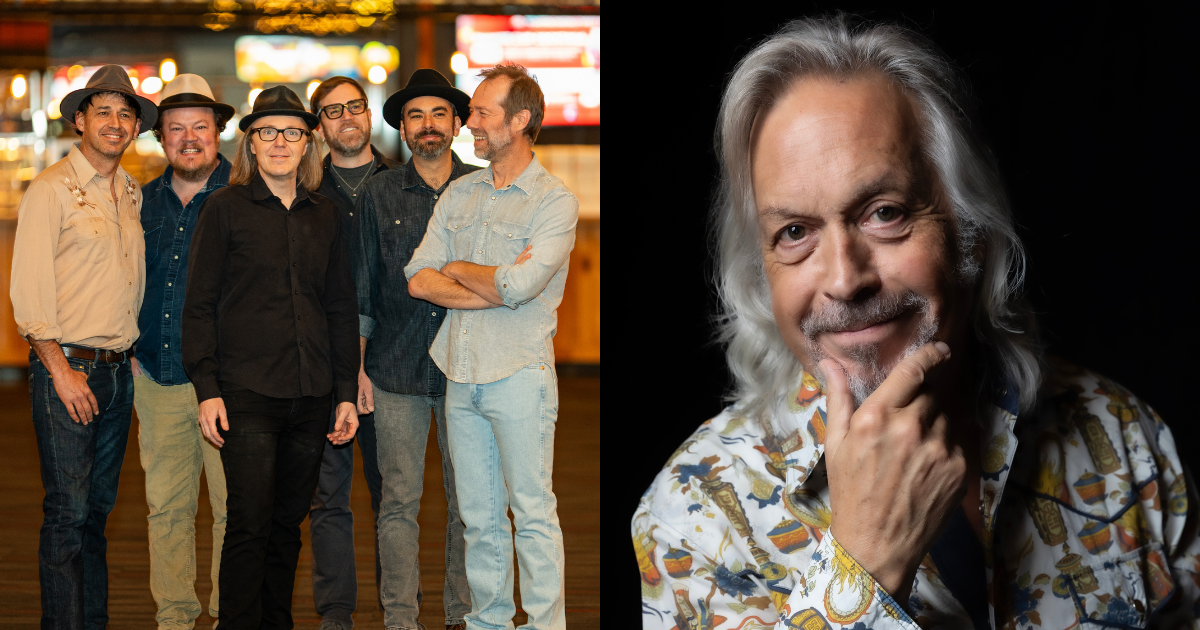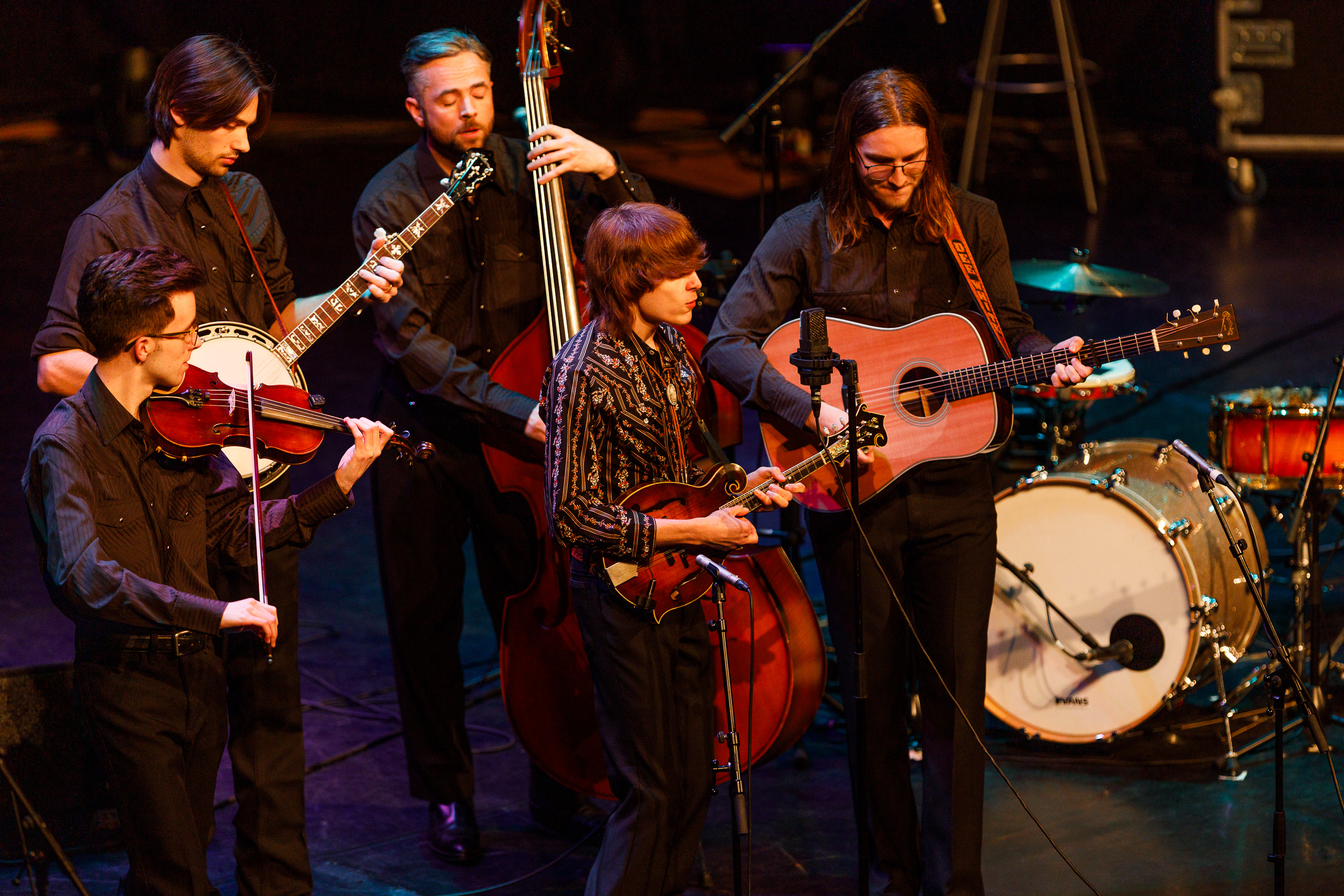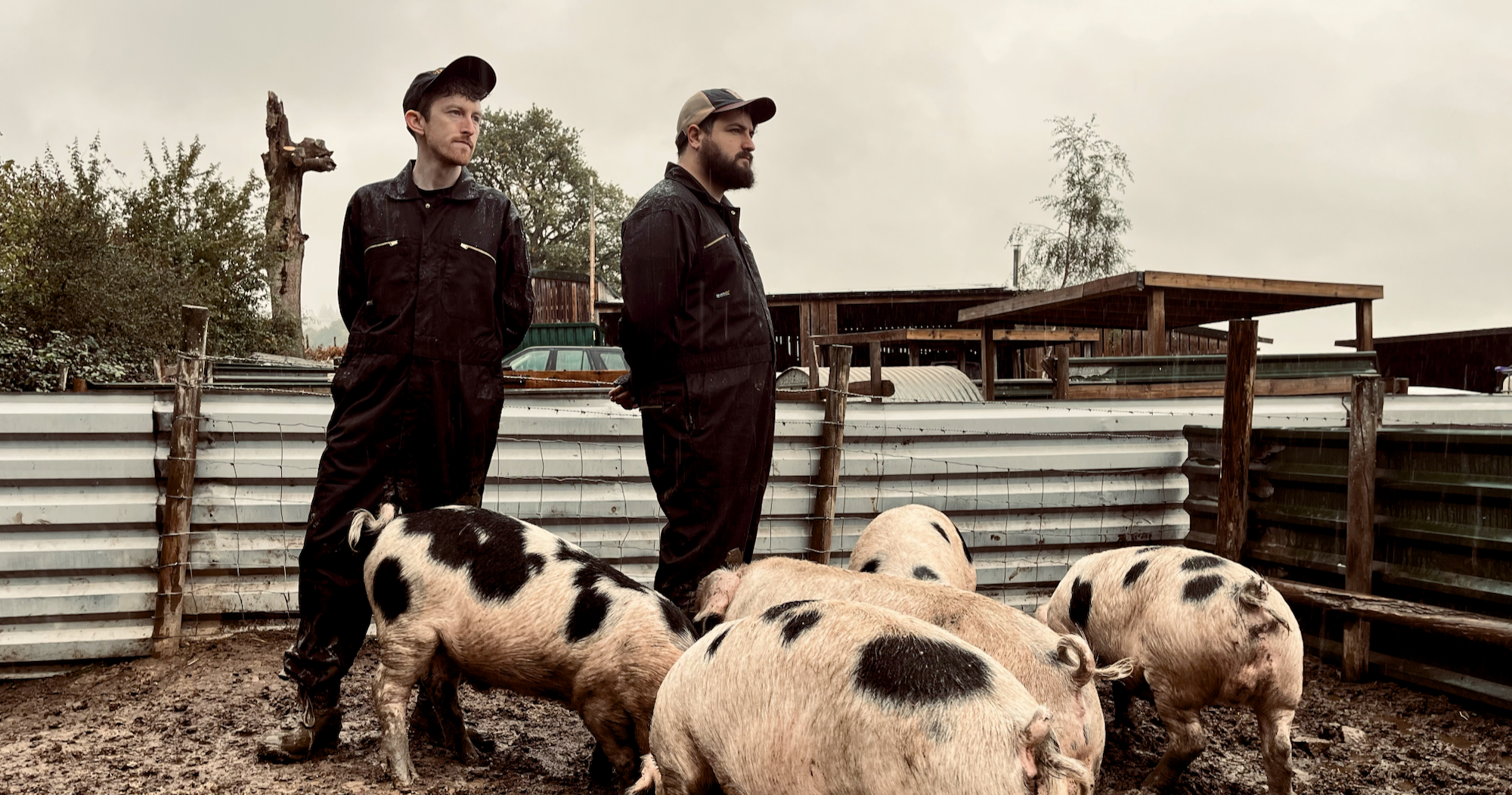
Old Spot’s Transatlantic Old-Time Playlist

(Editor’s Note: Below, United Kingdom-based old-time duo Old Spot – Rowan Piggott and Joe Danks – curate a Mixtape for BGS celebrating old-time music of the UK and Ireland. In order to include as many tracks as possible representing the vibrant string band scene in the UK, some selections are shared via Spotify and others via Bandcamp, depending on availability. We hope you enjoy listening and learning about transatlantic old-time – and that you support all roots musicians directly whenever possible.)

This is a Mixtape designed to highlight some of the amazing old-time string band music coming out of the UK and Ireland at the moment. Old Spot is a product of a vibrant scene, with the fiddlers and bands around us just as influential to us as their American counterparts.

This playlist looks to reflect some of the musicians performing string band music today, whilst shining a light on lesser-known gems. In compiling it, we’ve realized how much of the music we love on the old-time scene here isn’t on Spotify – if you love any of this music, buy it from the artists who made it! Anyway… less jawin’ more sawin’… – Old Spot

“Elzick’s Farewell” – Rattle On The Stovepipe

Rattle On The Stovepipe formed in 2003 and have played up and down the UK spreading old-time with band stalwarts Pete Cooper and Dave Arthur joined later by Dan Stewart – probably our favorite banjo player in the UK. This groovy version of “Elzick’s Farewell” is from their first album with Dan, No Use In Cryin’.

“Maggie Mead” – Follywren

Follywren is the brainchild of Bristol musician Kai Carter. We love lots of stuff that Kai does – his old-time trio is great and his original music (Kai & Hollis) is also a tour car staple. We have a real soft spot though for this amazing Follywren album, described as a kind of New Orleans-inspired electric string band. The tuba and electric banjo actually end up landing you somewhere between Clyde Davenport, Ghanaian Highlife, and Captain Beefheart’s Shiny Beast era… a good place to be.

“Rainbow” – Cath & Phil Tyler

Cath & Phil Tyler straddle the traditional and experimental music scenes in the UK and run the Newcastle sacred harp singers. Their albums are a treasure trove of ballads, with Phil’s mesmeric guitar and banjo playing supporting Cath’s one-of-a-kind, transportive voice. In some ways though, they are at their best a cappella where their background in shape note style really shines.

“Shanghai Skyline” – Jeri Foreman & Ruth Eliza

Jeri Foreman & Ruth Eliza are a powerhouse fiddle and banjo duo and you always want to see them on a festival lineup. Where these guys go, good tunes follow and their debut album shows off their musical connection beautifully. Recorded live, we’ve chosen one of Jeri’s tunes to highlight here.

“Chicken & Dumplings” – Ben McManus

Welsh musician Ben McManus is a multi-instrumentalist and promoter of old-time music in the UK. He’s schooled in the history of old-time and has done a number of interesting projects exploring the connections between Wales and Appalachia. He’s also interned at the Smithsonian – absolute dude. This is a laid-back clawhammer guitar and cello version of “Chicken & Dumplings,” a favorite of UK sessions. This record makes us miss Ben, and not just because he makes a mean Negroni.

“Dormae” – Hannah Read

Hannah Read’s first Fungi Sessions album is one of our favorite ever records as a band. We loved the sonics of it so much that we travelled to the studio in Scotland where it was recorded to make our new album. Hannah is now based in the US, but hails from Scotland and comes over frequently to collaborate with the incredible Michael Starkey. Hannah has collaborated with indie royalty Big Thief, Julien Baker, and Lucy Dacus, and you can hear this broader sonic palette across her output. But the real star of these Fungi Sessions albums is her incredible composition and the subtle magic of her bow arm.

“Wolves A’ Howlin'” – Kieran Towers & Charlotte Carrivick

Kieran Towers & Charlotte Carrivick can most often be found in the bluegrass scene in the UK, but came together for this one-off old-time album of absolute rippers. Charlotte, one of the best flatpickers in the UK, reveals herself to be one of the finest clawhammer players, and Kieran, best known for shredding bluegrass solos, turns into prime Bruce Molsky. Being able to just casually drop this album as a side project is outrageous. A frustratingly brilliant album from two undeniable musical geniuses.

“Glory In The Meeting House” – Ben Paley & Tab Hunter

In our opinion, Ben Paley is the jewel in the crown of British old-time music. He’s performed in loads of different lineups with musicians from the South of England – probably most notably The Long Hill Ramblers and with his dad Tom Paley of The New Lost City Ramblers. His fiddling is just as good as it gets, full of character, groove, and skill. On this record from 1999, he’s backed by Tab Hunter who is an old-time backer with taste, power, and pocket.

“Pterodactyl” – One Night Stringband (Old Spot, Jeri Foreman, Ruth Eliza)

We recorded this collaborative album with Jeri Foreman and Ruth Eliza over the course of one night and a bottle of whisky. We put it out the following day after some hungover mixing and now we perform sporadically as The One Night Stringband for square dances and concerts. We’ve got our seventh and eighth gigs together this summer!

There’s a kind of exploratory madness in these recordings and we all chose tunes we couldn’t get to hang quite right in our duos. There’s a raging version of Rhys Jones’ “I’ll Reap What I’ve Sown,” a version of “Josie-O,” and this, Ruth’s prog-y old-time wig-out “Pterodactyl.”

“Benton’s Dream” – High Strung Trio

From Cork, Ireland, this is one of our favorite old-time records of the last few years. From ex-members of the Grits & Gravy Stringband comes a new trio record of uncompromising ragers. Fiddle player (and luthier) Ian is an absolute machine on this record, laying down danceable bangers like it’s nothing. A great record to pick up new tunes or to power a long car journey, we can’t stop listening.

 “Two Little Sisters” – Sugarwell Hill

Sugarwell Hill is a trio from Leeds in Yorkshire. This is a new record from them that the scene has been anticipating for a while. Recorded confidently and simply, it’s a great snapshot of what is so magical about this laid-back band. “Two Little Sisters” features Simon’s relaxed vocal delivery and groovy banjo playing set against Mick’s gritty fiddle playing. We’re so lucky to have these three in the scene over here, and can’t think of a bad time to stick this beautiful new record on.

“Walk Me Round” – Rhona Dalling

Rhona is another Bristol-based fiddler, singer, and banjo player. This record is, so far, her only recorded output, but like so many of the best trad musicians, her best music happens in sessions and muddy fields. She has an incredible fiddle style, full of poise and effortless technique, and a beautiful voice. This quietly beloved record features a great waltz and her tune “Balfour Road,” which is played in trad sessions up and down the country and has really transcended the old-time scene, thanks to a recording by bal folk band Topette!. Perfect for a rainy day.

“Bear Creek” – Lankum

Whilst most of their repertoire is drawn from Irish folk, experimental trad behemoths Lankum often close their sets with this old-time tune. We couldn’t not include it after watching 20,000 people bouncing up and down to it at Glastonbury!

“Bowling Green” – Joe Mansfield & The Temperance Two

Bristol-based Joe Mansfield is another person you love to see walk through the door at a jam. He’s got an amazing repertoire and is a great hang. He’s got a new duo called The Low Line (watch that space), but he gigs out all the time with the Temperance Two. This is a great version of “Bowling Green.”

“The Roustabout Song” – Old Spot

We heard “The Roustabout Song” sung at a Morris Dance festival singing session. The song sounded distinctly American – a bit of digging led us to English folklorist Sandy Paton and, in turn, the songwriter Dillon Bustin. The song was written at Pinewoods Camp and according to Paton presented both a cappella and with a “lazy river” banjo accompaniment. We’ve done a new joyful fiddle-singing version, bringing out the song’s subtle political undertones. Unfortunately the parasols are twirling faster than ever.

“June Apple” – The Firecrackers

The Firecrackers are five of the UK old-time scene’s stalwarts, and they whip up a frenzy wherever they go. This album of field recordings is a good snapshot of them doing their thing and Benton Flippen’s “June Apple” is their signature tune.

One of the band’s fiddle players, Dave Proctor, edits Old Time News, the quarterly old-time magazine published by FOAOTMAD (Friends of American Old Time Music and Dance), a grassroots organization that has supported the growth of old-time in the UK so much over many years.


Photo courtesy of the artist.

Joshua Burnside’s It’s Not Going To Be Okay is an Absolutely Shattering Album

Irish folksinger Joshua Burnside has always shown an affinity for expressing grief, once calling it the reason he began writing songs as a precocious 13-year-old. He’s 36 now, and that sense of grief has never felt as overt as it does on his latest music. Burnside’s It’s Not Going To Be Okay is absolutely shattering, an album that more than lives up to its title. Written and recorded in the wake of the death of Burnside’s best friend Dean Jendoubi, who died of a drug overdose in August of 2024, the album is a bittersweet requiem.

Burnside’s previous albums combined Irish folk with electronic flourishes, worldly rhythms, and elements of sonic collage. His multi-layered experimentation reached a peak with 2025’s Teeth of Time, a record that felt like a major statement and milestone. Barely a year later, It’s Not Going To Be Okay could almost be his Nebraska move – bare-bones stark with minimal embellishment, focused on unadorned voice and guitar in the service of deep, deep mourning.

It’s a state of mind where everything brings back memories of the departed, like the opening of “The Last Armchair”:

Oh, the last armchair you ever sat on
Before you overdosed
Is the one I sit in every morning
To eat my egg and toast…

Ahead of the album’s release on March 20, 2026, we caught up with Burnside for a Zoom interview about his musical past, present and future plans.

It’s Not Going To Be Okay is quite a title. How did that come to be the name of this body of work?

Joshua Burnside: These songs are about the inevitability of pain, suffering, and death, which is what I was dealing with while accepting the loss of my friend. But it was at least a little bit tongue-in-cheek, too, such a ridiculously depressing statement to make. I thought it would be funny in a way. In Northern Ireland, we have a very strong sense of gallows humor. So I was drawing on that a wee bit. I don’t think it’s supposed to be taken literally.

How did you and Dean Jendoubi first meet?

Our paths crossed briefly in school and then we met playing music. Formed a band with a few other people. He and I were maybe 14 and got on immediately. Then there was a trio when we were 16. He played drums, I played guitar, and another friend played bass. We didn’t really gig, just played for the fun of it at his parents’ house. He was a great musician and songwriter himself. His music is amazing and beautiful and weird and dark, like him in many ways. He released a few EPs. The last one is called Skin Hunger and I sing on one of those tracks. Recorded in his mum’s greenhouse, our summer shed 10 years ago.

Since it’s been not much more than a year since Teeth of Time was released, when did you make It’s Not Going To Be Okay?

My sense of time has been so terrible the last few years. It was maybe a few months after Dean passed away in 2024, which is strange to say now. So, end of 2024 is when I started writing and recording and I finished it up autumn of 2025. I was recording it as I was writing it, and the last song I wrote was “It’s Not Going To Be Okay.” It was in the last month of making the record that that one happened.

Is it unusual for you to be working ahead like that, on the next record before the last one was even released?

It’s not typical. It was five years between Teeth of Time and Into the Depths of Hell. That one was a similar dark-humor title, but then COVID hit not long after I’d written those songs. That was some strangely perfect timing. So no, it’s not really normal for me to write and record this quickly. But I just felt an urgency, because one of the main ways I’ve always processed painful feelings is writing and singing about them.

The songs came quickly and easily. I had not planned to focus on just one topic, but most of what came out happened to be that. It felt natural to have them all together like this, almost like a grief journal. That’s the story. A lot of people thought some songs on Teeth of Time had been about Dean’s passing, but they were all written before that. Some of those songs seem resonant with this new record. That seems to happen to me a lot, I’ll write a song and then it seems like life imitates it. If I were not of sound mind, I’d start to worry about ever writing anything tragic or sad.

Was it your intention from the start for this one to be so sonically spare?

Absolutely. I’d been listening to Bill Callahan and Smog, A River Ain’t Too Much To Love. I love how sparse his records are – guitar and cymbal and voice – and they’re still so alive and rich. So sparse, you hang on every word. His voice is so clear. I wanted to do something like that.

Teeth of Time had a lot going on, so I wanted to go with more of a less-is-more principle. See if I could make the songs simpler, almost minimalist, and keep attention with straightforward and very to-the-point lyrics. So I challenged myself. Before that, I was almost hiding behind production and layered instruments. I’d maybe felt a little insecure. But after all these years, I’m feeling more confident.

What has the response been to this record and these songs?

It’s been interesting. I’ve already been playing a lot of these songs live, and so many people come up afterward to say how they lost a friend, dad, uncle, and how much it means to them to connect with my music in a time of grief. That’s powerful, makes me think it’s worthwhile to make music and do this at all. It’s special. I feel a great responsibility not to take this lightly.

I did send the album to Dean’s family, my family, his closest friends, to make sure it’s okay and wouldn’t upset anyone to put this out in the world. My brother and dad knew Dean as well and they told me they couldn’t finish it at first. Just too painful. It took them a while to come around to it. It’s so raw for people who knew him. A bit of an emotional whirlwind in general.

Touring with a record this intimate and personal seems like it would be challenging. Does it feel like you’re delving into difficult feelings every night?

Actors have an ongoing debate about performance technique, whether you should act an emotion or actually feel it. I think it’s similar to performing as a musician. I don’t know what’s more correct or authentic, but the main thing seems to be to stay present in the moment. Playing these songs does make me revisit those feelings a little bit. But I have to be careful with that because I only have so much emotional bandwidth. In performance, I try to remain as present as possible with the feeling of the song, the melody, sound of the words, and craft of the song, as opposed to tapping directly into the original emotion. Sometimes I’ll do that and it’s powerful. But I can’t do that the whole gig or every night, because then touring would be too much.

How many of these It’s Not Going To Be Okay songs will be in your every-show setlist this go-round?

I’ve been toying with the idea of playing all of it start to finish. I was thinking of it that way while writing these songs, how I wanted to play every track and have it hold up even if it was just me. I need to get into the rehearsal room with my bandmates to see if we can crack it. Would be nice to make some different arrangements with electric guitar and cello. We’re a three-piece most of the time.

What were you listening to while growing up?

Lots of heavier stuff, hardcore and post-hardcore, new metal, funk, grunge. Nirvana, Offspring, Fall of Troy. An endless list of screaming, shouting, loud bands, which I still love. But alongside that, I also got a heavy dose of what mom and dad were listening to – Simon & Garfunkel, Fleetwood Mac, Alanis Morissette. Jagged Little Pill was a favorite of my mom’s and I still love that one. Great pop record.

You’ve often cited the experimental duo The Books as a major influence and the source of some of your experimental tendencies.

I saw The Books playing when I was a student in Manchester 15 years ago and they just knocked my socks off. It did not sound like any music I’d ever heard before. All the sampling and found-sound collaging was just eye-opening, a completely different way of making music. I loved the aesthetic, the sound, the folksiness of banjo and cello with all that. It was just inspired.

I would not think about music the way I do without The Books. I still listen to them all the time, and you can hear their influence on loads of my tracks. “Under the Concrete” has city noises I recorded in a park in Belfast, sirens in the distance. I wanted that song to have the feeling of being set in that park in that city. It felt like that’s where it had to take place emotionally.

After two such vastly different records back to back, what’s next for you?

I don’t know yet. I need a bit of time for gestation and recalibrating why I make music and to try to come at it from a different angle. I’m very excited at the prospect of making something new that goes away from what I’ve done before, something a bit more experimental. That’s where my head is at now. Maybe someplace percussive. At the moment all I’ve got are loose imaginary mental soundscapes, but that’s enough to keep me happy for now.


Photo Credit: Tom Johnson

You Gotta Hear This: Steep Canyon Rangers, Jim Lauderdale, and More

Welcome to the conclusion of another week. With it, we’re once again sharing our weekly roundup of brand-new tracks, singles, videos, and more. You Gotta Hear This!

To start us off, Kentuckian singer-songwriter and instrumentalist Adam Chaffins shares a lyric video for “Sugarcoat It,” a new original song about the temptation and believability in misinformation these days. Chaffins and his collaborators leverage groove and catchy hooks for a meaningful and oh-so-timely message in the rockin’ Americana track. Also bringing a topical and cutting central thesis are Joe Troop & the Truth Machine, who have released a new live performance video for “Billionaires.” Bluegrass and old-time stemming from Southwest Virginia are the musical trappings for a funny, satirical song taking the 1% of the 1% to task. Troop and his queer cohort are well equipped to proffer their message with silliness, joy, and string band music.

From across the Atlantic, Spanish (via Amsterdam) singer-songwriter Liza Lo shares “Birdsong,” a tender and vibing alt-folk number zooming in on the present moment. “Life can get overwhelming and the simple things are quickly forgotten or overlooked,” she explains to BGS, using the song to remind all of us – and herself – not to lose sight of the beauty in the simplest of everyday things.

Bluegrassers Chris Jones & the Night Drivers have a new single out today. “Steal My Today” is the band’s first recording released with their latest member, Nelson Williams, playing the bass. Plus, Italian resonator guitarist Paolo Ercoli guests on the track, which also features banjoist Grace van’t Hof throwing some accordion into the mix. It’s also a song about the present moment, and not letting it be soiled by another. Meanwhile, perhaps the most prolific recording artist in roots music has announced a new project. Jim Lauderdale once again teams up with the Po’ Ramblin’ Boys, this time on his upcoming album The Birds Know – out in April. The lead single, “We Look At Things In Different Ways,” furthers our unofficial theme today of examining societal discourse, by pointing out you actually can love and care for another even with disparate points of view.

And, you won’t want to miss the latest from Western North Carolina’s bluegrass troubadours the Steep Canyon Rangers. Earlier this week they launched “Rumble Strips” a new single that will be included on their May Yep Roc Records release, Next Act. Written by Aaron Burdett, it’s a straight ahead bluegrass jam about getting back on track after you’ve wandered a bit from your lane and hit the rumble strips. But hope need not be lost, as Burdett points out, often you “maybe only need a little course correction to get back on the right path.”

Just in time for St. Patrick’s Day next week, country rockers Reckless Kelly share a reimagined, “evolved” acoustic version of “Seven Nights in Eire.” They originally released the song in 2005 on Wicked Twisted Road and it’s since become a fan favorite. This new edition of the track features mandolin, fiddle, pedal steel, and more combining country, Celtic, and string band in a pub-ready blend.

Check it all out below, right here on BGS. You Gotta Hear This!

Adam Chaffins, “Sugarcoat It”

Artist: Adam Chaffins
Hometown: Nashville, Tennessee, via Louisa, Kentucky
Song: “Sugarcoat It”
Release Date: March 13, 2026 (single)
Label: Spirit Nashville Recordings / Fluid Music Revolution

In Their Words: “Lately it just feels harder and harder to tell what’s real and what isn’t with so much information flying at us all the time. Sometimes, you hear something so outrageous you assume it can’t possibly be true – until you realize it is. That tension really shaped the song. It’s got sweet, sugary, sticky hooks and a groove you can’t help but move to, while shining a little light on how the truth can sometimes be deceiving. It was a lot of fun to track this playing upright bass. Along with Frank Rogers and the crew we really brought it to life. We’ve got a lot of new music on the way and we’re really excited to kick it off with this one.” – Adam Chaffins


Chris Jones & the Night Drivers, “Steal My Today”

Artist: Chris Jones & the Night Drivers
Hometown: Nashville, Tennessee
Song: “Steal My Today”
Release Date: March 13, 2026 (single)
Label: Mountain Home Music Company

In Their Words: “This song represents some firsts for us: it’s our first release to feature Nelson Williams on the bass (including some bowed bass). He’s the newest Night Driver, though he’s already been with us for over two years. It’s also our first time to feature Italian Dobro player Paolo Ercoli as a musical guest. He and I have been doing duo tours in Europe and in the U.S. for a few years now. Grace van’t Hof and I co-wrote the song, one about not letting the material loss of a breakup take away the joy of the present moment. Grace also played banjo and even added some accordion to the recording.” – Chris Jones

Track Credits:
Chris Jones – Acoustic guitar, lead vocal
Nelson Williams – Bass
Mark Stoffel – Mandolin, harmony vocal
Grace van’t Hof – Banjo, accordion, harmony vocal
Tony Creasman – Drums
Paolo Ercoli – Resonator guitar


Jim Lauderdale, “We Look At Things In Different Ways”

Artist: Jim Lauderdale & the Po’ Ramblin’ Boys
Hometown: Troutman, North Carolina
Song: “We Look At Things In Different Ways”
Album: The Birds Know
Release Date: March 13, 2026 (single); April 24, 2026 (album)

In Their Words: “This song came through me to speak to these times of divisiveness in our world. It was an important message I wanted to get out: that you can still love somebody even though your views might differ.” – Jim Lauderdale


Liza Lo, “Birdsong”

Artist: Liza Lo
Hometown: Amsterdam, the Netherlands
Song: “Birdsong”
Release Date: March 18, 2026
Label: Gearbox Records

In Their Words: “‘Birdsong’ reminds me of a new love, a gentle morning walk, or a hug from a friend. Life can get overwhelming and the simple things are quickly forgotten or overlooked. First morning coffees, meeting someone new, real connection, holding hands, song of birds in the garden, the smell of spring air, sunlight on your face after a long period of rain and grey. ‘Birdsong’ is written to remember the beauty in the smallest of things life gives us, I hope it can be this reminder for you too.” – Liza Lo

Track Credits:
Sean Rogan – Acoustic guitar
Chris Rabbits – Double bass
Owen Spafford – Fiddle
Liza Lo Hoek – Vocals, acoustic guitar


Reckless Kelly, “Seven Nights In Eire (Alternate Routes)”

Artist: Reckless Kelly
Hometown: Austin, Texas
Song: “Seven Nights in Eire (Alternate Routes)”
Album: Alternate Routes
Release Date: March 13, 2026 (single)
Label: No Big Deal Records

In Their Words: “‘Seven Nights In Eire’ is a collection of stories based on trips taken to Ireland by myself, my dad Muzzie, and our old friend Pinto Bennett. We had all been there individually a time or two and had had some amazing experiences that we wanted to write about. We got together at Pinto’s house in Boise, Idaho, and after a couple hours and a few beers, we had the song down. We basically just sat around swapping stories and telling jokes and working them into the verses that became the song as you know it today.

“The original version was recorded for our 2005 release, Wicked Twisted Road. Over the years it’s become a fan favorite and one of our most popular songs, so we decided to include it in its new evolved version on Alternate Routes. We had our friend Kym Warner come play some mandolin on it and we did the version we’ve been playing live over the last several years. It’s a little different from the OG, but it’s one of those songs that has stood the test of time and will definitely continue to be a staple on the set list.” – Willy Braun


Steep Canyon Rangers, “Rumble Strips”

Artist: Steep Canyon Rangers
Hometown: Asheville, North Carolina
Song: “Rumble Strips”
Album: Next Act
Release Date: March 10, 2026 (single); May 22, 2026 (album)
Label: Yep Roc Records

In Their Words: “My friend Nate is fond of saying when a person has gotten off track a little bit and notices they’ve ‘hit the rumble strips’ and maybe only need a little course correction to get back on the right path. I took this imagery and applied it to a relationship. Some ongoing conversations between Graham [Sharp] and I filled this one out.” – Aaron Burdett, songwriter, guitarist, vocalist


Joe Troop & the Truth Machine, “Billionaires”

Artist: Joe Troop & the Truth Machine
Hometown: Winston-Salem, North Carolina
Song: “Billionaires”
Album: The Truth Machine (EP)
Release Date: March 13 2026 (video); April 3 2026 (EP)

In Their Words: “I formed this band with friends that I made at the Galax Fiddlers Convention many moons ago. This track has Southwest Virginia written all over it. It’s Southern bluegrass gospel with four-part vocal harmonies in the Stanley Brothers style.

“Lyrically, it’s unabashed political satire, a high lonesome roasting of MAGA and their principal talking points. But funnily enough, people often approach me after gigs to thank me for singing it without realizing it’s satire. Yikes! Is media literacy a problem in this country? On occasion, some folks have walked out on our show during this song. One couple told the presenter that they didn’t pay to be insulted – they work hard for their money! And while we aren’t ragging on anyone for accumulating wealth, to add some perspective: a million seconds is 11 days. A billion seconds is 32 years. Who needs that much money!? What could you possibly spend it on?! Election meddling, propagating divisive talking points? Beyond partisan politics, the wealth disparity in this country ought to alarm everyone. We plebs are not that different. Let’s rally together around music, laughter, and class justice in this billionaire-induced hellscape of a country. It’s time for a change!

“‘Billionaires’ is part The Truth Machine, a five-track EP that drops everywhere on April 3, 2026. It is available for preorder now on my website.” – Joe Troop

Track Credits:
Joe Troop – Banjo, vocals
Lu Furtado – Guitar, vocals
Malia Furtado – Fiddle
Olivia Fernandez – Mandolin, vocals
Jimmy Washington – Bass, vocals

Video Credits: 
Kayla L Oelhafen – Producer
Alexei Mejouev – Videographer
Andy Augustyn – Gaffer
Larry Vellani, Toni Murray – Location coordinators


Photo Credit: Steep Canyon Rangers by Jay Strausser; Jim Lauderdale by Jeff Fasano.

Foy Vance’s The Wake Is Really a Celebration

The second track on Foy Vance’s new album, The Wake, is simply titled, “Hi, I’m The Preacher’s Son.” Among a beautifully intricate and incredibly serene record dealing with overcoming deep grief and prolonged sorrow, the tune hits at the core theme and genuine emotion offered up within the entire body of work – learning to love yourself as you grow older.

“I am no fortunate son/ I am no favoured one/ I am but a loaded gun/ Fired into a world gone wrong,” the Northern Ireland-raised singer-songwriter rumbles through the song. “Face down in the dirt I learned/ You don’t always get what you deserve/ I can hide, I can try to run/ But I am what I have become.”

Captured by acclaimed British producer Ethan Johns, The Wake closes the door on the artist’s 26-year trek, both physically and emotionally, in dealing with the death of his father – what it means for Vance to let go of the pain and finally set his parent free, and himself, as well, within that process.

This journey began in January 1999 on the Spanish island of Lanzarote. Vance was in the midst of a performance when he slipped into this surreal, overwhelming trance, one that felt like the line was being blurred between reality and the cosmos above. The following day, Vance was informed of his father’s passing from a heart attack the previous evening.

“Only time will tell if I know you well/ Or if I did not know you at all,” Vance ascends on “I Think I Preferred the Question,” a selection from the album that squarely aims to put Vance’s past behind him. “It’s heaven, it’s hell/ It is well/ The spell dispels the more that I talk about it.”

The key to The Wake is the number seven. There’s a reason this chapter of Vance’s existence concludes on the seventh of his albums, all of which were inspired by his father. It’s directly linked to an ancient saying often used by Vance’s father, a traveling preacher, which eventually soaked into his son’s heart and soul: “Give me the boy to the age of seven, and I will give you the man.”

“You’ll be up high on the mountain’s peak/ Seeing everything that you just might seek,” Vance rolls through the final track, “Bathed in Light,” an uplifting tent revival number of redemption and closure. “When it gets time for town again/ I’m gonna tell you how you’ll feel right then/ Like nothing will ever bring you down.”

What Foy Vance has presented with The Wake is a raw and real album of sheer vulnerability and human strength, all wrapped up in melodies of such creative depth and sonic splendor. It’s a ceremonial, hallowed shedding of spiritual skin by one of the great songwriters of our day.

Where’s your head space at right now?

Foy Vance: Very good, the field is open. I feel like I walked a narrow road for 26 years, pretty single-minded and focused on one thing. And I don’t think I was even as aware of that at the time I was coming up on the seventh album, realizing that I’d set out on that journey and that was it. So, as you can imagine, finishing a journey that you self-imposed came with a sense of pleasure. Completing something feels good, but there was a bit of dread also, if I’m honest pretty straightaway. But, as is always the way, the end always reveals the new beginning, you know?

You talk about 26 years since your father passed away. What was that heaviness? Was it the relationship you had with him? Things that weren’t said? Things that could’ve been?

I came out [of the womb] singing. There were tapes of me singing at three years old, shutting my brothers up ‘cause they were singing it wrong, saying “No, I’m doing it well.” Music was huge in my life [growing up]. I had just turned 24 when my dad died. I was already playing music and trying to sing a career in it and trying to write songs. And I moved to Lanzarote to try and get away from the humdrum, the comfort zone of life. At home, it was just too easy to become comfortable. I wanted to go and find some time away from all that to seek songs.

And boy, did I find them, but I didn’t expect to find them the way I did. I think it was all the stars aligned at that moment. The moment my dad died, I’d already begun the song the night before as he was dying, and I didn’t even know that bit until the next day. But, the second I found out, I went back and I wrote the first song that mattered to me, the first song that was healing.

It’s like when those musicians were on the Titanic and they played “Amazing Grace” as it was going down. They weren’t playing that for a fee or for applause. Why were they doing that, Garret? You know what I mean? Therein lies something inherent in music that we’ve all but forgotten for the most part. And I think I had that moment [when my dad died] – everything became clear. I realized I’ve been sort of conning music into trying to make it fit my regime. And the whole time, it’s quietly beckoning me to grow and learn and glean. I’m glad I can pay my rent with [music], but that’s not what this is about. It’s not what music is. It’s not what it means.

Did you know that when your dad died or was it this revelation that came in later years?

No, I think I realized immediately, the second that song came and you realize it can come that way. It was like my antenna was out. A thin space was created between me and my dad. And obviously there’s a lot of things going on when you have that shock of grief, a monumental figure like a parent. I’m sure there are a lot of similarities between bouts of great creative inspiration and bouts of mental instability. Like an episode, if you will. So, I was making all kinds of connections that day. I guess I was grasping at anything to make sense of something and give myself something to hold onto and stick to and walk a narrow road with, and just stay focused. My dad was a big figure, and without him it was sink or swim – music was a vehicle for that.

Was he a tough love, hard to read kind of guy?

No. Tough love with three older brothers, for sure. But not so much with me. I think they wore him down by the time I came along. He was very soft and gentle, but he was a rough man. He was from East Belfast, born in 1945. He came from a tough background.

What is it you’re letting go of this far down the road since his departure?

The fact [the album] is called The Wake, it’s the end of it. Where I come from, [at a wake] you go to celebrate the life of someone, not to commiserate the death. You go and tell stories and you laugh your hole off. You raise pints and you sing songs and you have a wake. I realize it’s not the end of “the grief journey,” it’s the end of a grief journey – it’s never going to go away. I hope it doesn’t, because he’s been my co-writer, and I hope it remains that way. But, it just changed. It’s hard to put my finger on what lifted. Something lifted.

You know, I never went to college, I never even passed my school exams. I just left and got a job, didn’t even show up for the exams. I think this is as close as I’ll feel to walking [at graduation]. Like, setting out on a journey and then completing it and there’s your certificate.

In a short documentary about the album, one of the things you mentioned that really struck me was what your father would say to you, “Give me the boy to the age of seven, and I will give you the man.” How has that statement affected you as you’ve gotten older?

Well, because I have two boys. One of ‘em is still under five and I know that by the age of seven, that’s him – he’s locked and dialed. Whoever he is, it’s in there. I’m aware of that and I want to put as much good information in there as you possibly can, all the strong stuff that will be core beliefs when he grows up. [And] being very careful about how you speak to them, the tone you take, making sure that when they hear your voice in their head and you’re not around, it’s a comforting one, it’s a welcoming one. That all takes time and attention to detail and nuance.

I think it’s the same in work in art, like making those seven albums. It was like the making of me as an artist, I guess in my mind. Give me the artist of the age of seven albums and I’ll give you whoever he is. I guess I was making those sorts of connections in my mind. Like, I will have become whatever I am probably by then, I’ll be settled into something.

I have a lot of solidarity with that statement because it plays into another statement that “you learn most everything you need to know in life in the sandbox.” When you look back at who you were at seven, how much of that person is still who you are?

Garret, I’m 51 now. It’s taken me a long time to wander through some wild places, but I finally got back to [myself]. I was right at seven. You can trust your seven-year-old self.

One of the things I’ve noticed as I’ve gotten older is how much, in certain ways, I’m turning into my father. Do you notice anything like that?

Well, I think that’s what I got caught up with on “Hi, I’m the Preacher’s Son.” No matter how much you get away, try to run away from what your dad did. What I do is not a million miles away. Let’s face it, I’m just not preaching any truth of any sort, just talking about what’s happening, reflecting my own experience here or whatever. But, it’s not a million miles away [from what he did], that you go off and you dig for details and you articulate them. He always spoke in parables and riddles, so it’s not surprising that I became a songwriter.

Well, whether you perform onstage or you’re in a pulpit, you have everyone in that room facing the same direction, and everyone’s in there for a different reason. In the church or at a live concert, they’re focused on what you have to say and hopefully walk away with a better feeling of themselves.

Yeah. I guess the main difference is I’m not trying to sell them anything. I’m there having an experience, too. I’m caught up in the music. I, too, get lost in those two hours that we’re onstage. I go there. You can’t take anyone anywhere you’re not willing to go yourself.

Do you look at The Wake as maybe a death of an ego?

I’ve never really thought about it like that, but yeah.

It’s also a shedding of your own skin.

Yeah. Perhaps every album is a bit of a death of an ego. Putting to bed, marking the end of that journey and heading out into the next one. At the end of The Wake, I genuinely didn’t know if I was just going to take a few years off or what was going to happen. And then, I exploded, just absolutely exploded. By the time I got into the car [at the recording studio] in Bath, [England], and got home, I just wrote for the next two weeks. Endless ideas. What I thought was going to be the end was very quickly becoming a beginning.

It became fuel on the fire.

It really did.

What would your dad think about where you’re at right now?

It’s hard to gauge, because my dad applauded anything I did. If I boiled rice, he’d be calling my mom in to see how well I boiled the rice. He was very proud, so I don’t know if he could handle this. And I think it’s sort of sad that he doesn’t get to see it. But, at the same time, I wouldn’t have it without his passing – it’s the strangest gift I’ve ever been given.

There’s a lot of heaviness with the album. But, it does feel like, at the same token, there’s a big sense of release. It sounds like you’re in a good place right now.

Yes, I am. I’m done commiserating. I’m ready to celebrate. It’s the wake, you know what I mean?


Photo Credit: Gregg Houston

The Foreign Landers Celebrate the Banjo in Ireland & Northern Ireland

The five-string banjo is often associated with Appalachian music, but its reach has always extended beyond one place. In Ireland, the banjo is traditionally heard as the four-string tenor banjo, a cornerstone of Irish folk music. This playlist celebrates the banjo in Ireland and Northern Ireland, but focuses instead on five-string banjo players, highlighting Irish and Northern Irish artists who are bringing bluegrass banjo into folk, Americana, and contemporary acoustic settings. The tracks here feature musicians working across traditions and genres, using the banjo as a bridge rather than a boundary.

For us, The Foreign Landers, this playlist is closely tied to our own story. Our songs, woven throughout the playlist, reflect life lived between Northern Ireland and the U.S., and the relationships, faith, and sense of distance that shape that experience. In a small way, that mirrors the five-string banjo’s own journey across time and place. Our new album, Made to Wonder, is our expression of these ideas; including our music alongside these other innovative artists helps frame our transatlantic sound within a much larger conversation.

Alongside our music, you’ll hear boundary-pushing banjo work from artists like Flook, JigJam, Damien O’Kane, Ron Block, I Draw Slow, Brian Finnegan, and NÁVA, each offering a different answer to the same question: What does bluegrass banjo become when it’s rooted in Irish soil?

The result is a playlist that honors tradition while continuing to move forward. We hope you enjoy. – The Foreign Landers

“Made to Wonder” – The Foreign Landers

The title track from our new album, this banjo-centric song is about stepping away from noise and busy-ness to find true rest and belonging in Christ, whose yoke is easy and burden light. Featuring Tristan Clarridge (Crooked Still) on cello, adding depth and resonance.

“Road to Errogie” – Flook

There’s something infectious about Flook’s craftsmanship and energy – especially when five-string banjo enters the mix, played by the incredible Leon Hunt of the UK. A major influence on our sound.

“Gold Mine” – I Draw Slow

Irish-based and deeply rooted in both Appalachian and Irish traditions, this clawhammer-driven track blends heritage with heart.

“Johnny’s Peacock / The Red-Tailed Hawk” – The Foreign Landers

Two original tunes deeply informed by Tabitha’s heritage, joined by John Doyle, Brian Finnegan, and Cathal Murphy, bringing Irish tradition and bluegrass energy together.

“John D. McGurk’s (The Heartbeat of St. Louis)” – JigJam

JigJam seamlessly bridge U.S. and Irish folk scenes. Irish banjoist Daithí Melia delivers powerful five-string work on this fun, high-energy track.

“Mario Kart Rides Again” – Ron Block & Damien O’Kane

Two banjos – five-string and four-string – done right. Ron Block of Alison Krauss & Union Station and Damien O’Kane of the Kate Rusby band make for an unxpected delightful pairing. Here is a playful, virtuosic track from their album Banjovial that’s near to Mario Kart-loving hearts.

“Pictures” – The Foreign Landers

Led vocally by David with Tabitha on banjo, this original song draws on our own experience of long-distance dating. “Pictures” captures the quiet weight of distance – and how old photographs can briefly collapse time and place. The unconventional role of banjo on this track is one of our favorite sounds on the new album.

“Marga’s” – Brian Finnegan

A must-include from the County Armagh master himself, featuring Crooked Still with Greg Lizst on five-string banjo. Both four-string and five-string banjo shine in this expansive, genre-blurring piece.

“The Thrifty Wife” – Ron Block & Damien O’Kane

Another Ron and Damien double-banjo banger. Their three collaboration albums are essential listening when talking about banjo in Irish music. Bonus mando moments from Sierra Hull seal the deal.

“Traveler”– The Foreign Landers

Narrated from the perspective of Tabitha’s parents back in Northern Ireland, “Traveler” reflects on growing older, separation, and the tenderness of loving someone from afar. Another unconventional banjo track that we loved making.

“Magic Box” – Nava

Irish Americana and folk meet Persian influences, led by Ireland’s Paddy Kiernan on five-string banjo. A rich example of cross-cultural musical exploration.

“Hope” – Cup O’Joe

Featuring Tabitha’s two brothers (alongside David and Tabitha), this title track from Why Live Without blends Northern Irish roots with progressive Americana.


Photo Credit: Nicole Davis, Storied Artisan Photography

Your Roots Are Showing Conference Unites Nashville and Northern Ireland

Always in search of a balance between the traditional and the contemporary, the official Sister Cities of Nashville, Tennessee, and Belfast, Northern Ireland, shared the spotlight in a special conference called Your Roots Are Showing, held January 13-18, 2026 in Belfast. Across six days, music industry leaders and artists from both countries mingled at panels and showcases – and perhaps an Irish pub or two. Immediate friendships were formed throughout the event, proving that folk music still has the power to bring strangers together.

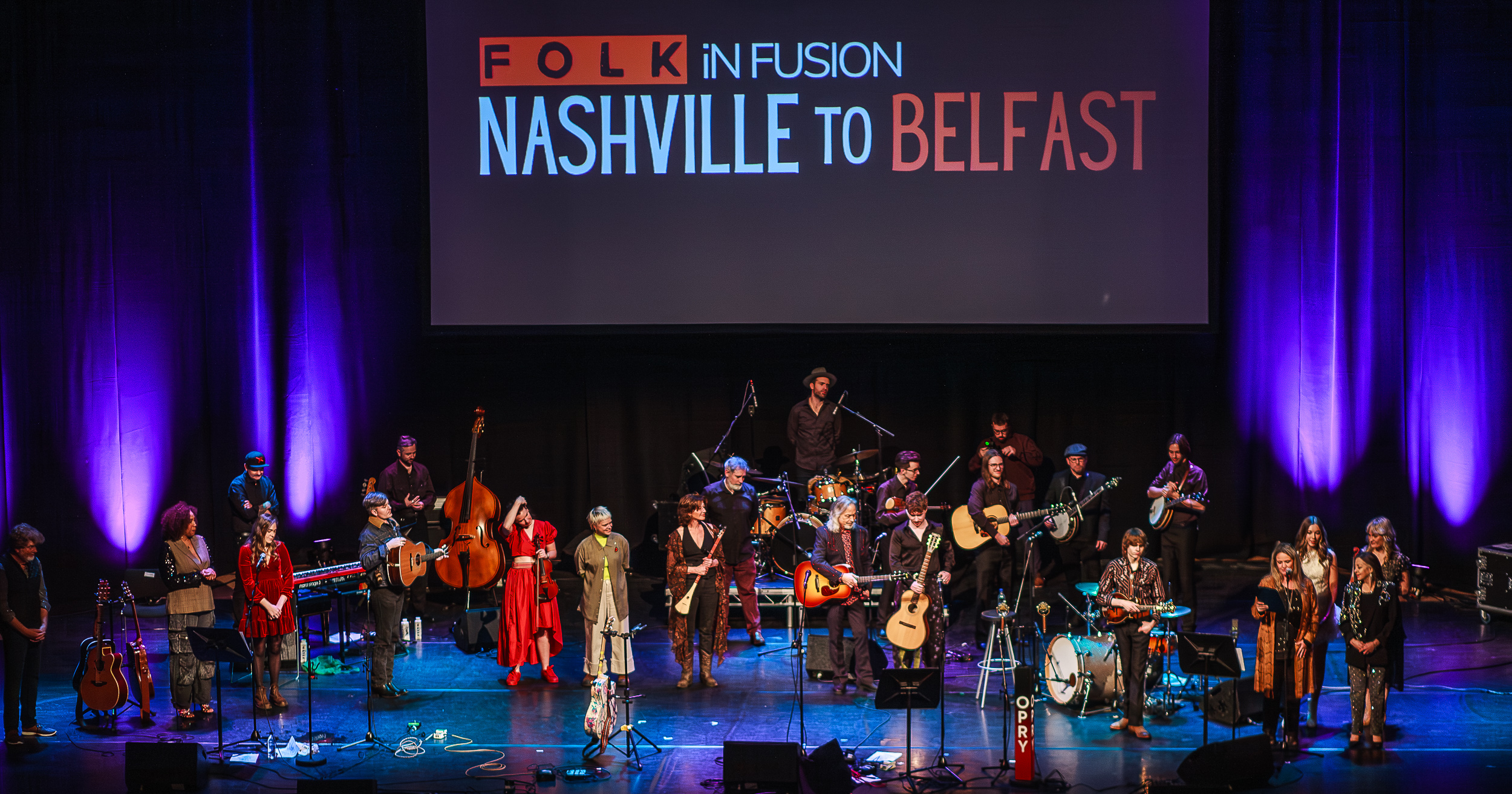
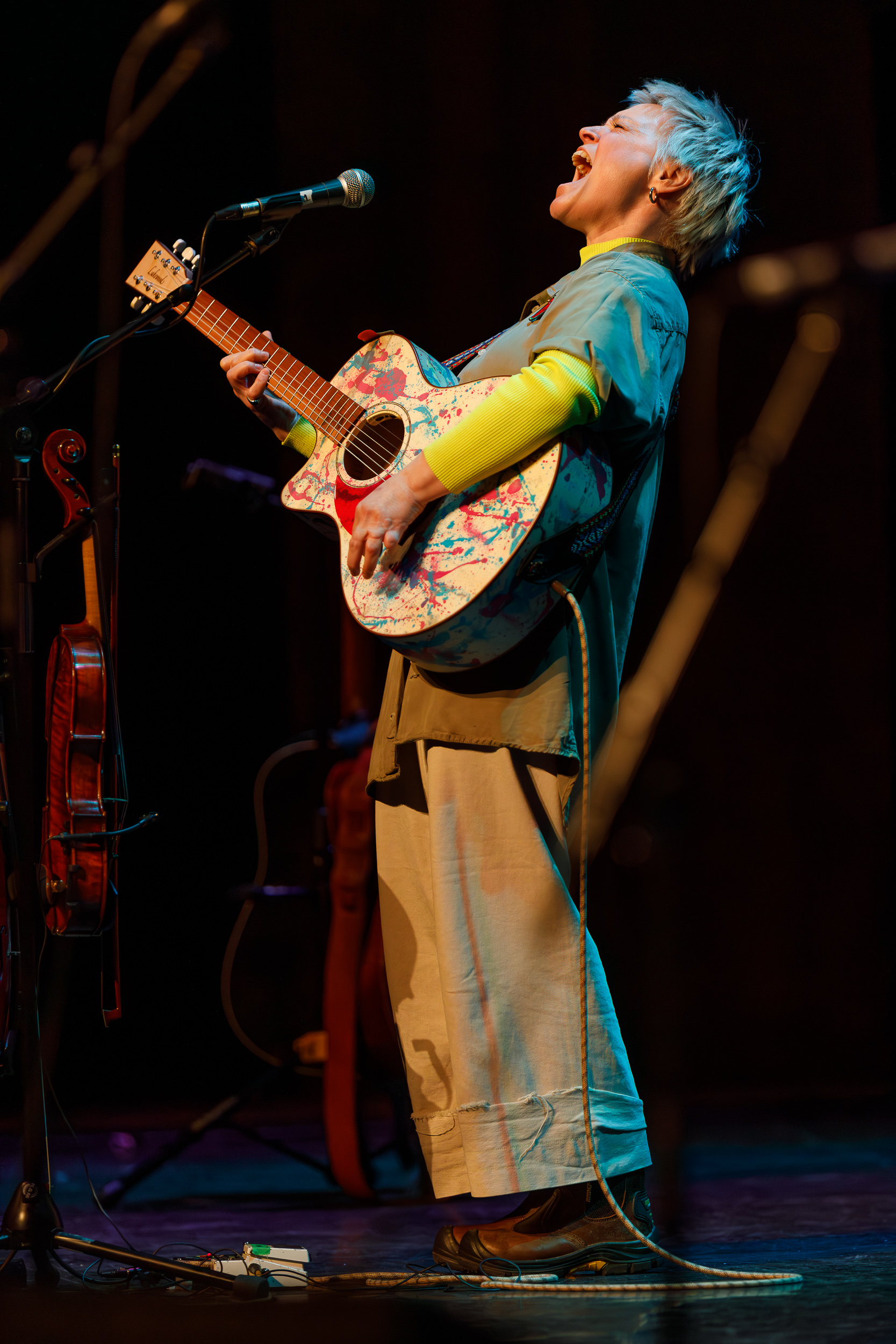
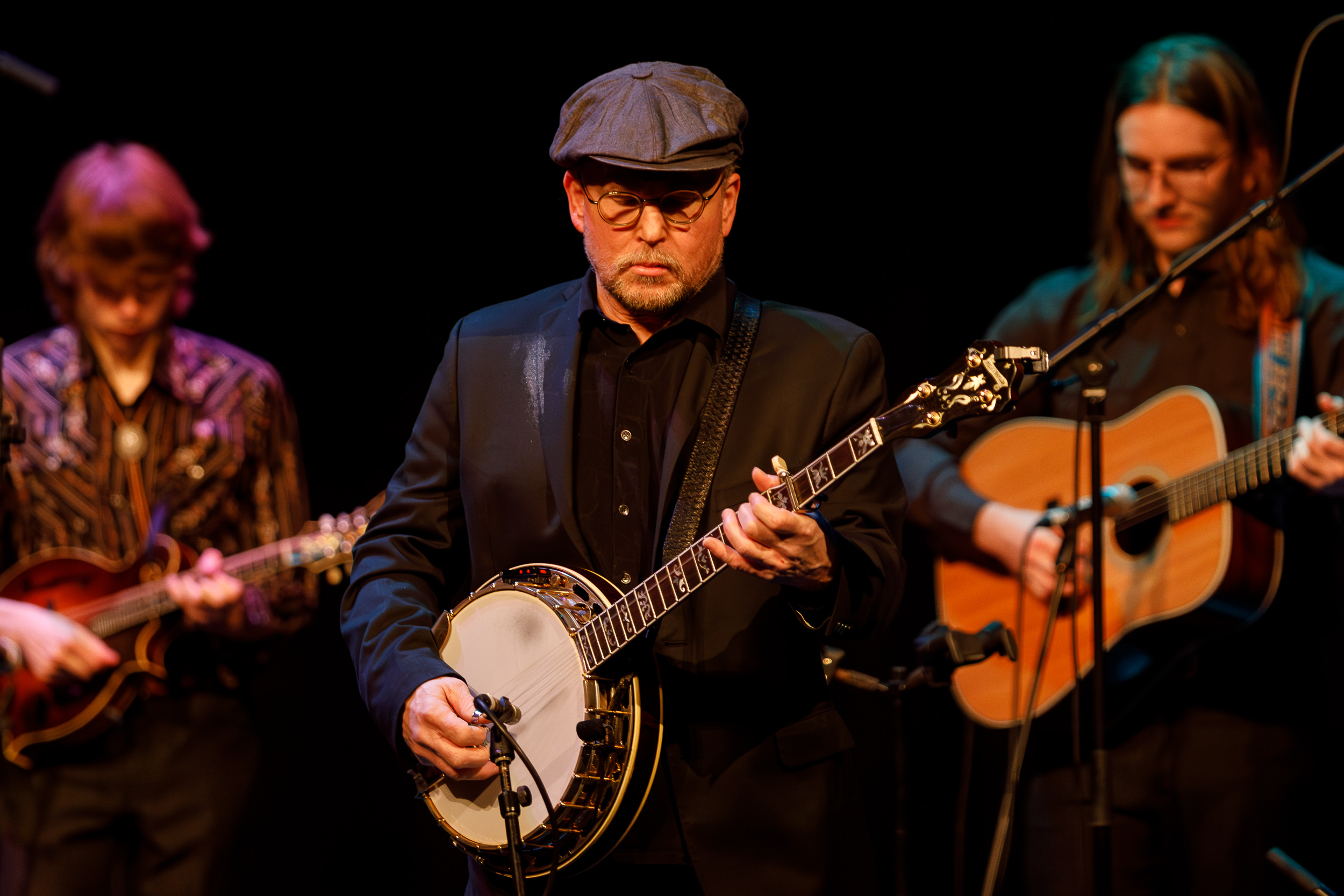
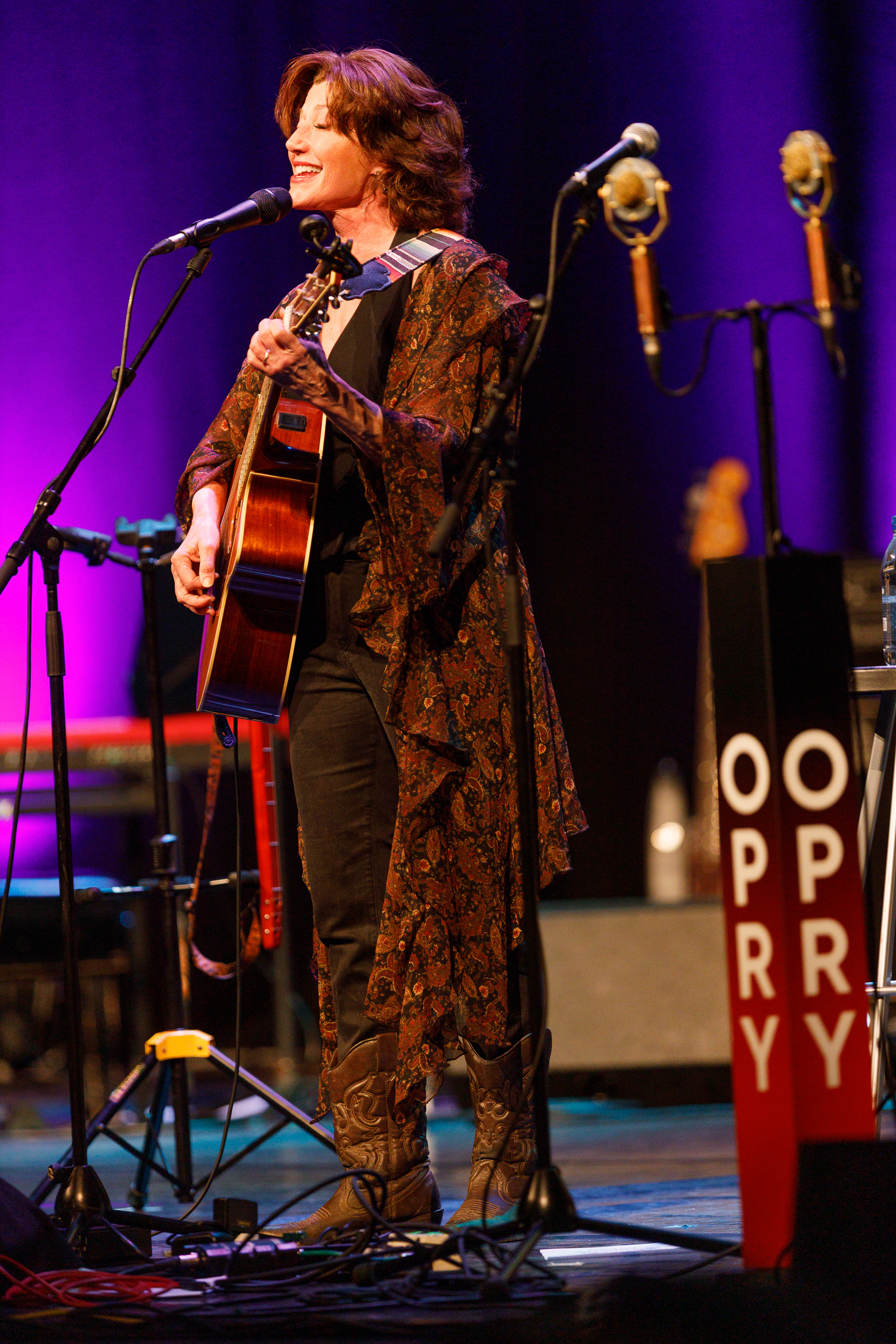
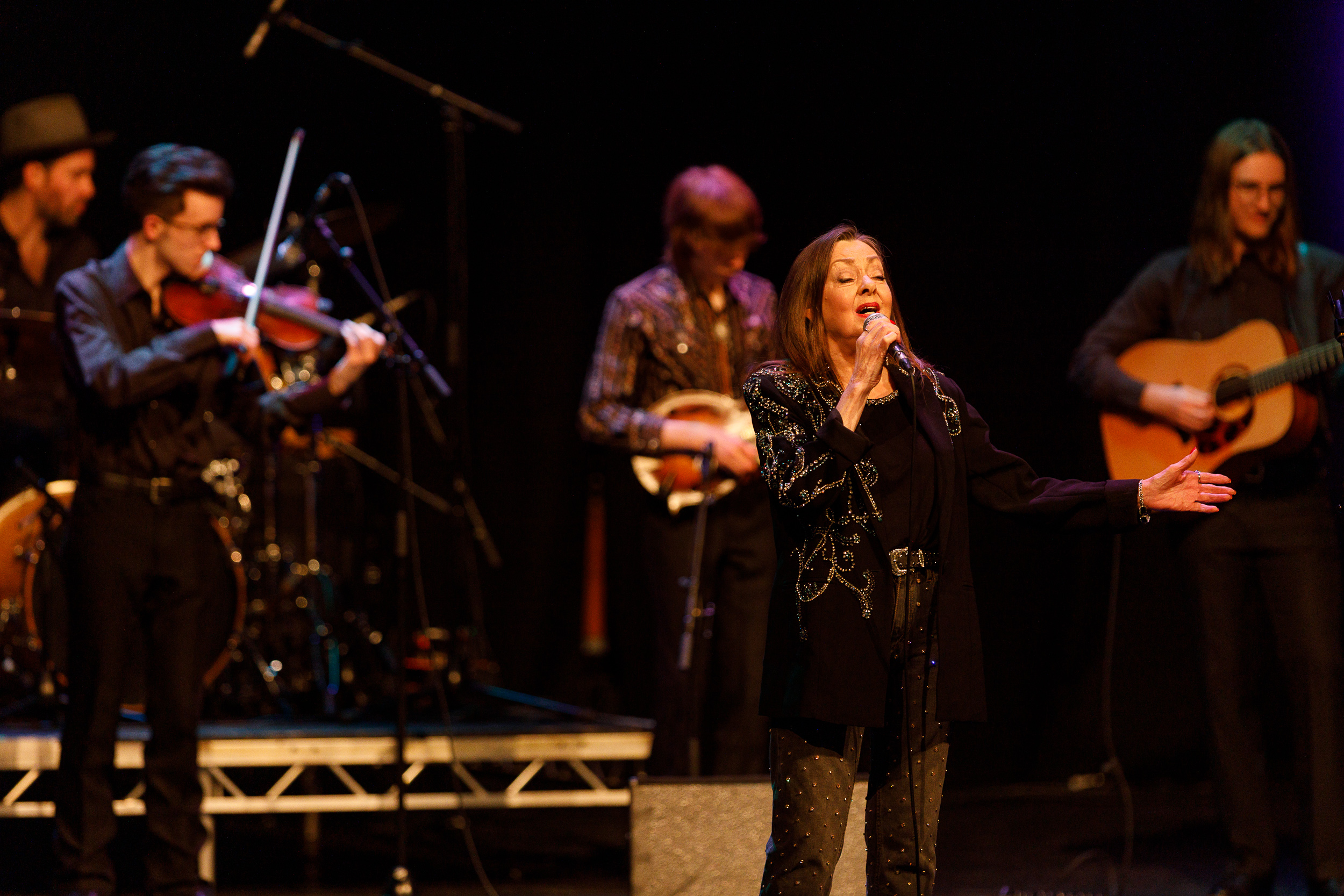
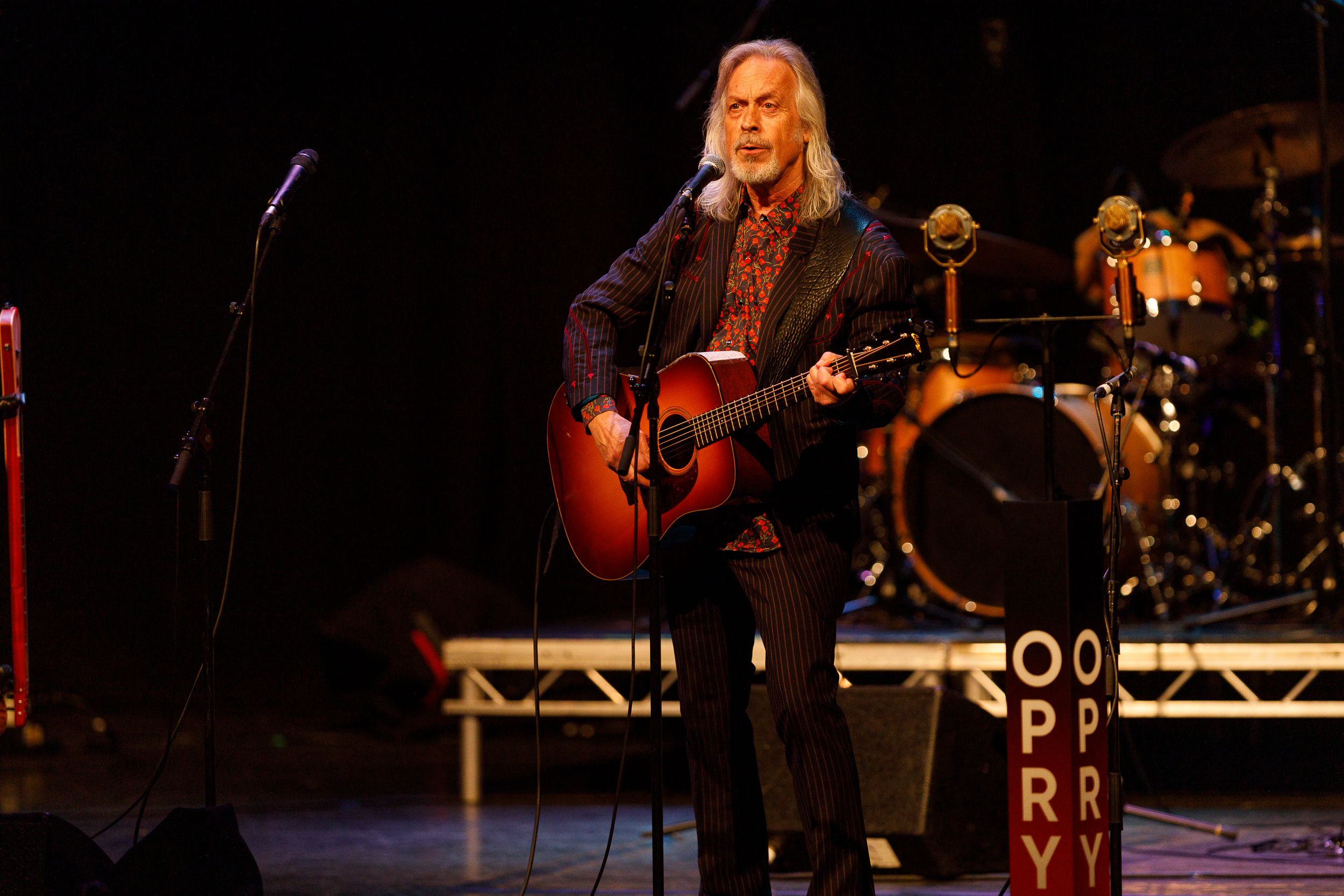
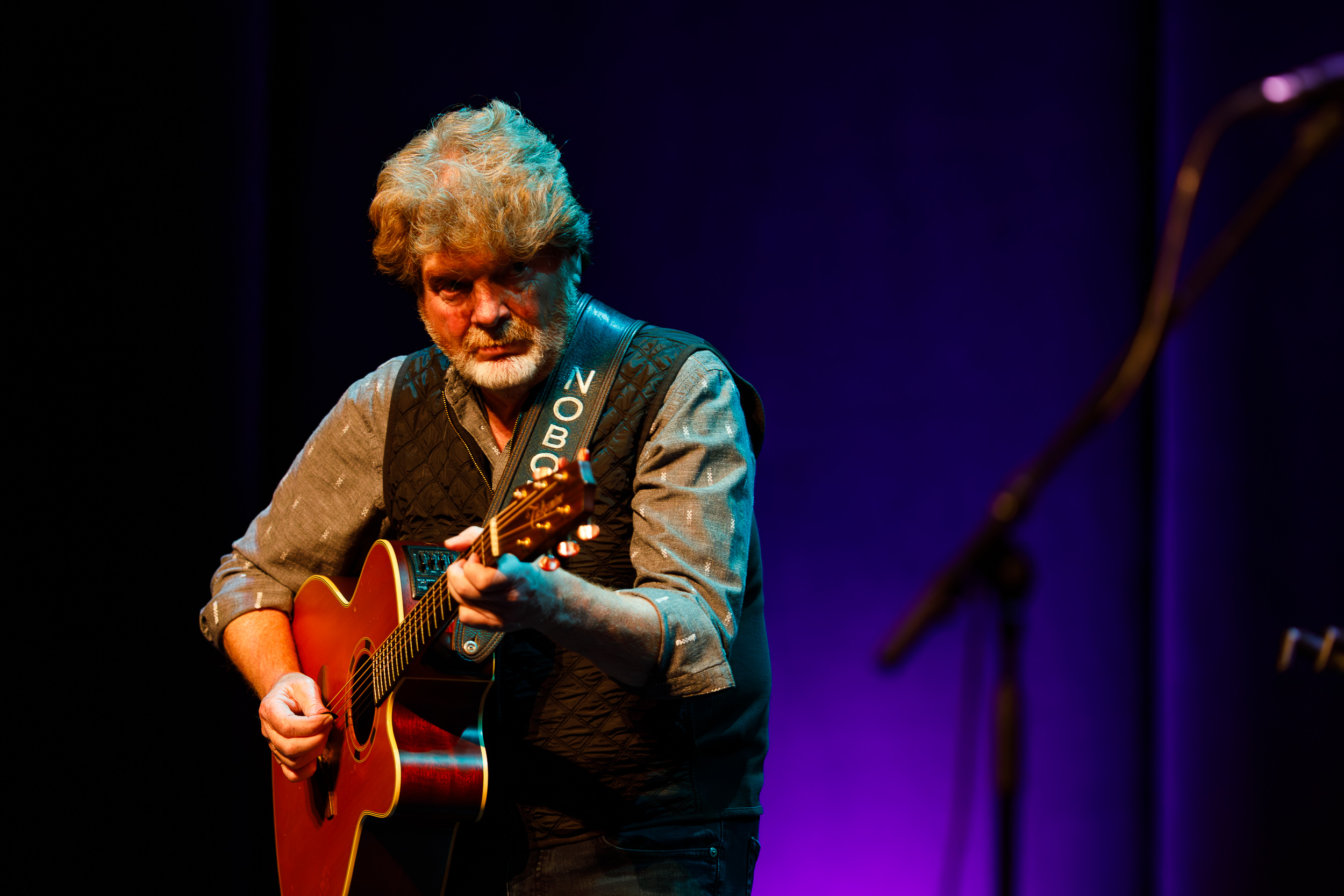
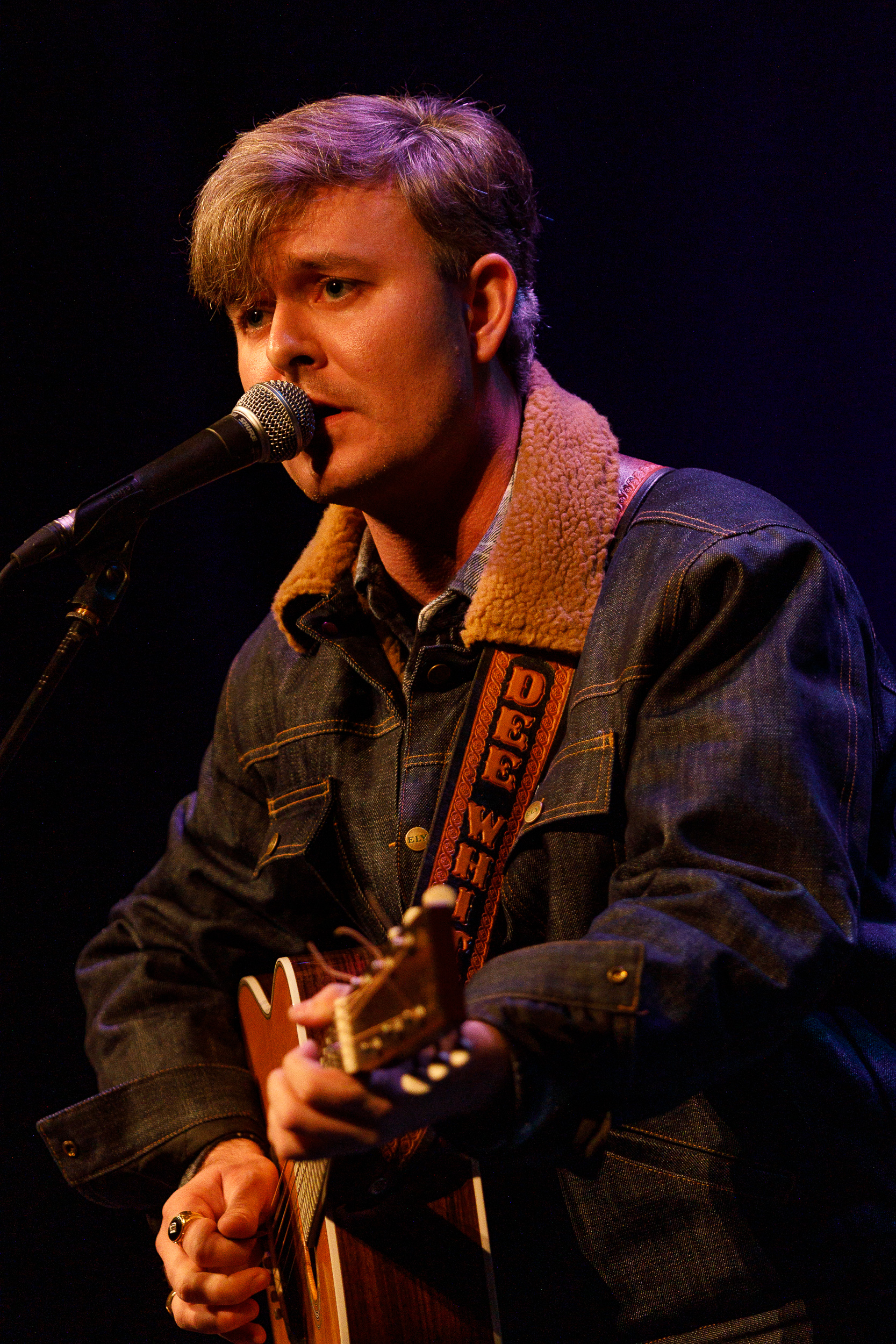
Nashville Songwriters Hall of Fame members Amy Grant, Jim Lauderdale, and Mac McAnally led the impressive list of Nashville artists at the Folk iN Fusion concert event at Waterfront Hall on opening night, alongside Irish performers such as Wallis Bird, David Keenan, and Lorraine Nash. Other American roots artists taking the stage included Ron Block, Wyatt Ellis, Jessica Willis Fisher, Rissi Palmer, and Dee White, while Lorraine Nash, harpist Niamn Noade, Gerry O’Connor, and Clare Sands represented the Emerald Isle with their folk songs.

In addition, Paddy Keenan of the Bothy Band was recognized with the Anam Award at the opening night concert, with lifelong friend Paddy Glackin accepting on his behalf. Irish music icon Sandy Kelly performed and co-hosted Folk iN Fusion with Brenda Willis. The all-star evening concluded with a group performance of “Nashville Blues,” “People Get Ready,” and “We All Shall Be Reunited.”


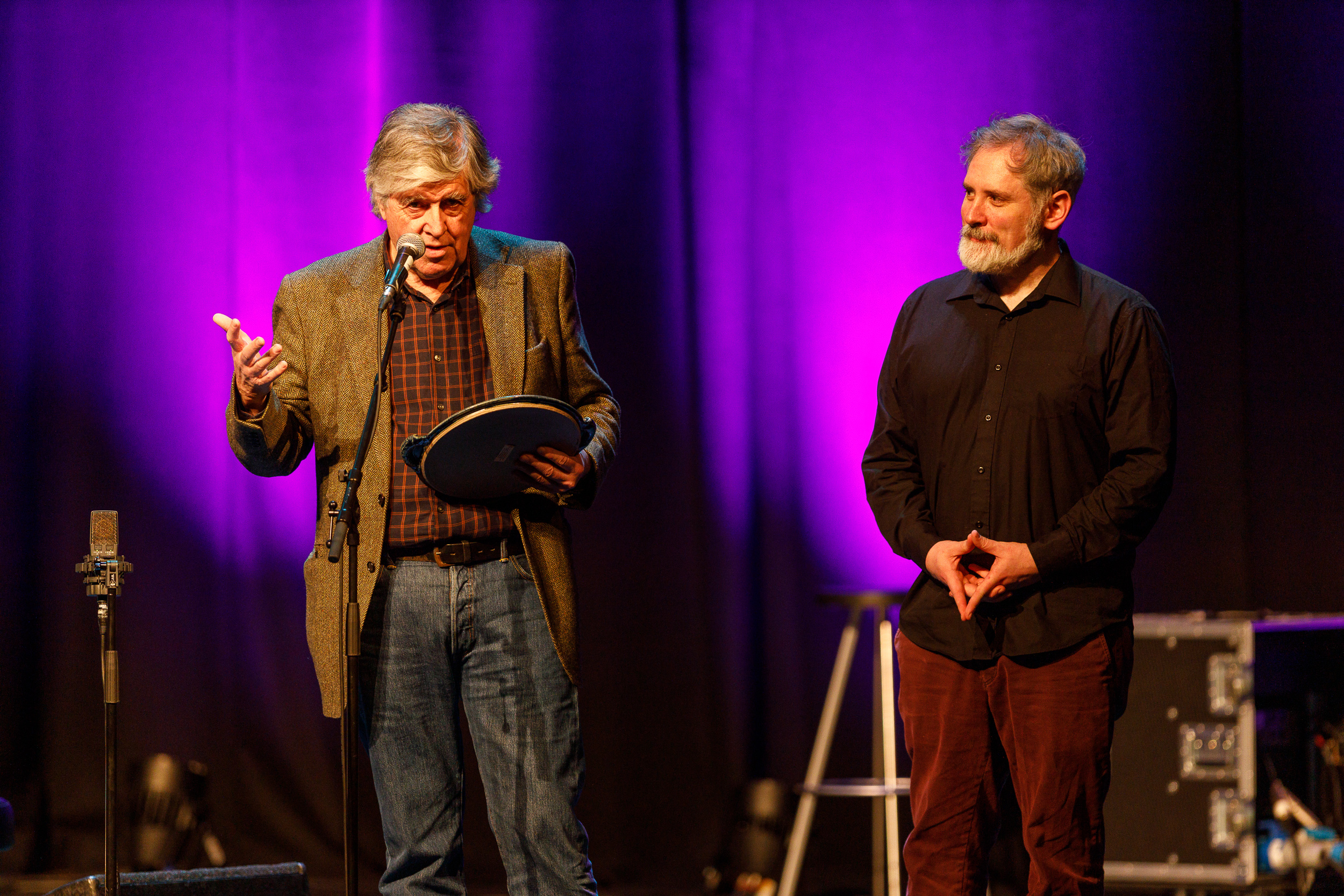
Through a wide variety of panels, leading industry figures shared their knowledge and experiences with an audience of aspiring artists and others in the international roots music community. The Lord Mayor of Belfast, Tracy Kelly, personally welcomed attendees to a panel discussion about the 100-year history of the Grand Ole Opry, moderated by author Craig Shelburne with panelists such as former Opry GM Pete Fisher and performers Amy Grant, Rissi Palmer, Jessica Willis Fisher, and Brenda Willis.

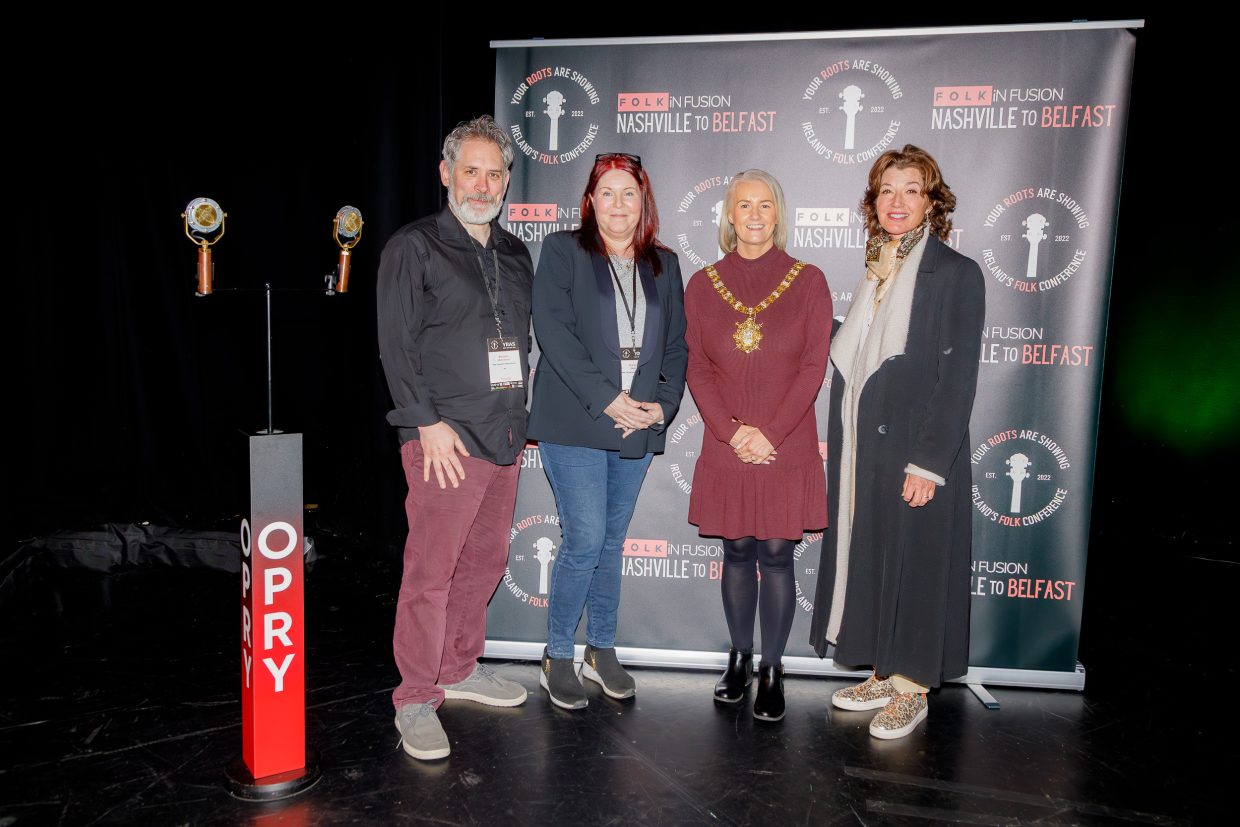
Conference producers Charlene Sloan and Brendan McCreanor, Lord Mayor of Belfast Tracy Kelly, and Amy Grant pose for a photo at Your Roots Are Showing. Photo by Colin Gillen.

Other panels offered insight on booking agencies, contracts, distribution, publicity, publishing and social media, among many other topics. Wyatt Ellis led a mandolin workshop, songwriters and producers Kristian Bush and Brandon Bush hosted a conversation about the role of rules in the creative process, and music supervisor Andrea von Foerster of Firestarter Music shared stories about placing music in TV series such as Yellowstone and Landman. On Friday afternoon, Amy Grant discussed the origins of her career in a keynote interview before taking questions from captivated audience members.

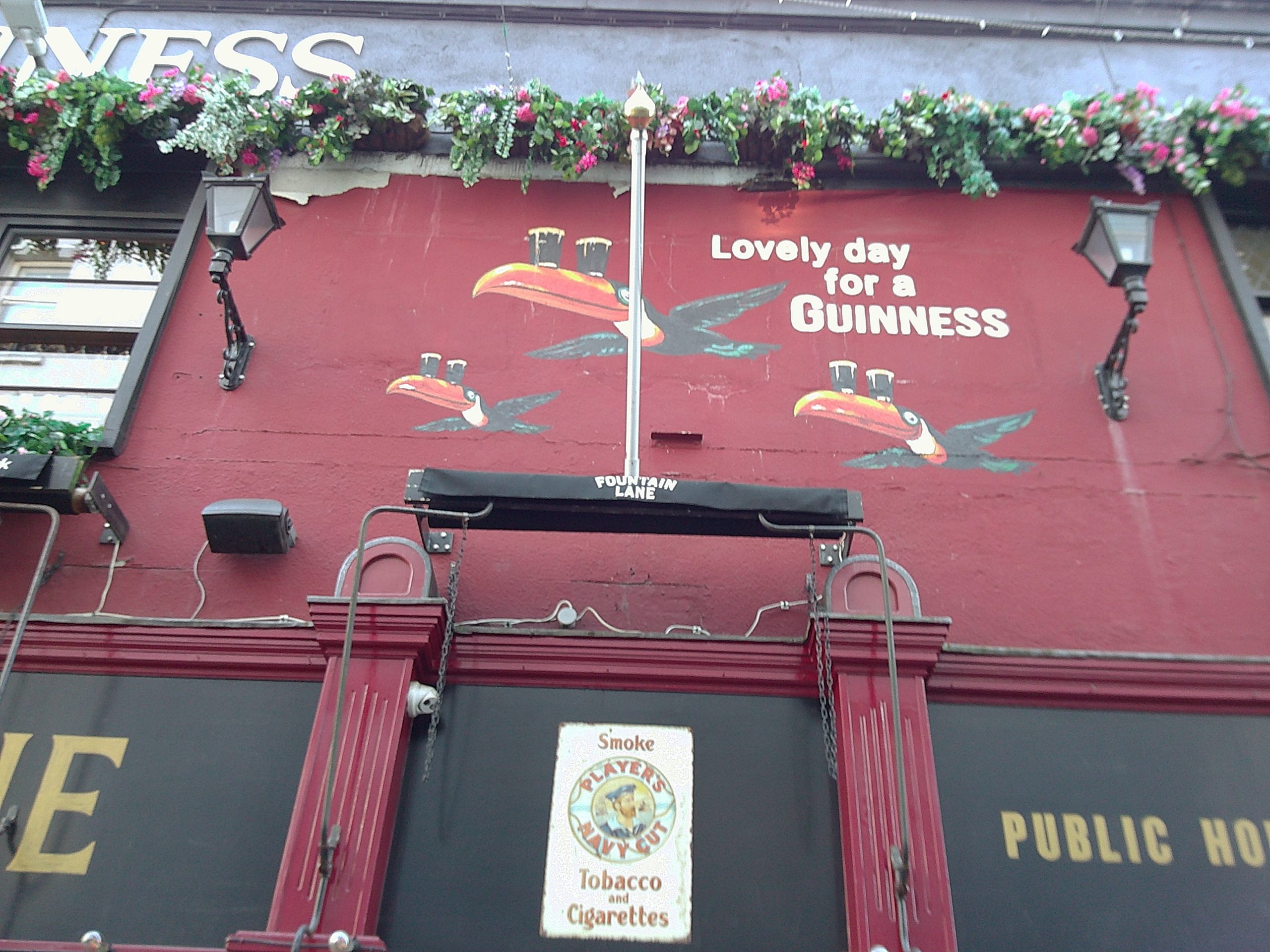
While many of the showcasing artists are based in Ireland and Northern Ireland, listeners were also treated to showcases by performers from Australia, Canada, Czech Republic, England, France, Italy, the Netherlands, Norway, Scotland, Spain, Sweden, the United States, and Wales. During programming breaks, some attendees ventured into Belfast for a visit to the Titanic Museum, St. George’s Market, or a Black Taxi Tour. Others simply explored the streets of the city center, taking photos of the architecture or seeking out a perfectly poured Guinness. BGS staff strolled the picturesque city taking photos on our Camp Snap camera.


Photo Credit: All photos from Your Roots Are Showing and Folk iN Fusion by Colin Gillen, courtesy of Your Roots Are Showing.
Lead image: The entire lineup of Folk iN Fusion join each other on stage for a concert finale.

Camp Snap photographs shot by BGS Staff.

Laurel Premo’s Songs of Grief and Opening

On Halloween, I released an album of griefwork music. Laments features four compositions for solo fiddle and voice born out of an instinctive and spontaneous draw into lamentation when my body demanded it as part of its healing processes.

In both my vocal and instrumental soundings, the role of a traditional lamenter has long been rooted in my identity and how I seek to be of service as a community member who helps others enter into emotion or move through to the other side of an emotion. That work is not limited to sorrow, but can move joy as well. Music can help to bring more aliveness and connectedness to one previously detached, as I’ve been lucky to experience in my work of being a dance musician or a wedding fiddler.

Since my initial education on the topic of “lament” around age 20 while studying in Helsinki, I have held the possibility of a similar role as a guide into or through feeling at the core of my work. It wasn’t until the middle of the last few years, when I had been writing this music on fiddle and voice, wailing music with few words, that I realized I was working with actual lament and that I had found myself knee deep in a river of tradition. So I am here, coming full circle.

Seventeen years later, I returned to research and to listen to archive sources after I had birthed this work, to begin to understand the context of my path, to grab on to some railings, and to move into whatever comes next. I have since come to understand that performative ritualized mourning is a global phenomenon of traditional cultures. While my record is a performance of prepared arrangements and echos of what I experienced in liminal spaces, as opposed to my live lamentation or ritual, it’s my hope that the music can represent the shallows of what is available inside of the great depths of the tradition. (For more reflections on this work, read on via the extended notes booklet for Laments.)

For this Mixtape, I thought back through time to craft a collection of tracks that have been medicinal to me in seasons of heaviness, in times when I needed assistance to reopen a closed self. The tunes span many genres – please take them with open ears and meet them with what they offer. Through different modes, they all have the power to help bring in a glimpse or a full serving of transformation, whether that’s delivered from the quietest breath of the mechanics inside of a piano or from the wall of supportive pressure that is the embrace of the Scottish smallpipes. Three traditional lament forms are featured (Ireland, Scotland, and Peru) nestled here alongside music that I think works in related ways. It is music that helps us enter ourselves. – Laurel Premo

“Riverside” – Tim Lowly

(Listen on Bandcamp.)

This is the first song that came to my heart for this Mixtape, possibly because it was an early memory of the expansive potential of music as a tool in grief. I heard Tim Lowly sing this song at an intimate house concert in Kalamazoo sometime in the 2010-2015 range and his album traveled with me over many touring miles in America that decade. Tim is a painter and writer, and the central protagonist of much of his work has been his daughter, Temma, who has cerebral palsy with spastic quadriplegia. The melody and lyrics in this piece surrender to “slipping down” until they land on some solid new core.

“Pililiù” – Bridghde Chaimbeul

I’ve been very moved by the sounds from Scottish pipes player Bridghde Chaimbeul, who’s just recently completed her first US tour. I listened to her rendition of “Pililiù” during a high intensity breath practice once and it produced an immediate outpouring of tears. Some deep thread of connection existed there. A few months later, while researching vocal roots and lamentation, I recognized that this melody that she had recorded instrumentally is indeed an example of a traditional keening melody. The melody of this lament is a recreation of birdsong of the Redshank. In Scottish tradition, this coastal bird inhabits the liminal space between solid earth and the vastness of the fluid ocean, between known and unknown eternity.

“Body” – Emma Ruth Rundle

A few winters ago Engine of Hell hit me in a heavy way and seemed to be the exact medicine of resonating my own experience that was needed. When music reflects some color of what we’re feeling, it can vibrate our emotional body into become something bigger than we can see and relate to, converse with, question, and be held by.

“Visit Croatia” – Alabaster DePlume

This nostalgic journey is created from patience, deep listening, and real breath. Alabaster DePlume is an English musician and poet.

“Batonebo – Rachan” – Ensemble Ialoni

This is a pre-Christian healing song from an incredible Georgian women’s ensemble. In traditional Georgian belief, “Batonebi” is the name of spirit beings that are the cause of childhood infectious diseases. Songs like this are sung to these spirits, alongside other ritual, to appease them and ask them to leave the sick child so that they may heal. This whole record contains traditional folk song in complex harmony that work as chants for the singer and listener (including the Batonebi spirit audience!).

“My Friend The Forest” – Nils Frahm

Nils Frahm presents deep texture and intimacy here. The flex and breathing of the piano, akin to the live breath of the forest, takes you on a whispering trail of release. Other tracks that have a similar vibe from this record are “A Place” and “Forever Changeless.”

“Gorm” – Susan McKeown

I was introduced to this recording through the master’s thesis of Michelle Collins who investigated the de-ritualization and re-ritualization of keening in contemporary Ireland. This original song from 1996 is written in the traditional form of Irish lament and sings grief related to emigration and grief caused by AIDS. Listen for the traditional cry of “ochón.”

“Nude” – Radiohead

Bringing in some movement now after our ‘set one’ of still listening. Feel the tilt of this waltz gently push you around while the vocals reach and spin.

“Without The Light” – Kelly Joe Phelps

Kelly brings in some sonic reverence here, reaching upward and swimming through memory. “I can see better without the light.” This relaxing into surrender here, perhaps even some praise for the grief in how this song is presented, is an important point in the process. We throw up our hands at the mystery of it all. We sit in awe of the many threads that connect to our heart from all we’ve lived through, from all those we have shared love with. This expression of love – our grief – is actually nourishment towards those living strands that connect us through worlds.

“Vuela Golondrina” – Coral Rojo

Morning light beams through this tune from Chilean vocal ensemble Coral Rojo. The lyrics here speak (again) of birds, both the swallow and the condor, of water, of revolving and renewing time, and the patterns and daily rituals of the natural world healing and waking us to new days. “Cry your sorrows while the mountain range shines as the day arrives.”

“Acid Rain” – Lorn

I’m including this dark ambient, industrial track from Milwaukee artist Lorn to honestly reflect the variety of tunes that do this work for me, personally. Here, bringing in the big guns of bass and synth grit to massage out angst and sorrow stored deep in the muscle. Sometimes you need to order size large.

“Surrender” – Rotana, Superposition

The tunes on this project from Palestinian/Saudi vocalist Rotana and duo Superposition are truly animated prayers and meditations. By that I mean, breathing life, bringing into life, and making alive old and new words. It takes a lot of experience and intention to keep that devotion in your music. Rotana sings codes of freedom.

“Song of Marriage” – Young girl in Huancavalica, Mountain Music of Peru, Vol. 1 

I found this song very recently while listening through a track that shared five-second samples of all of the music on Voyager’s Golden Record (a project that served as a “message in a bottle” for extraterrestrial life led by Carl Sagan in the 1970s). It stuck out to me, even though it was a sweet young voice, I could tell it was some form of blues. Looking up more information about the track, I learned that it was actually lament. Across cultures, in addition to lamentation being used to accompany death, laments are sung quite often to accompany the journey crossing the threshold of entering marriage, as ritual protection in that liminal space, particularly for the bride leaving her family and entering a different life.

“Oh Aadam, sino essitus” – Anonymous, Heinvaker

This project from an Estonian vocal ensemble featuring folk hymns and runic songs was one I listened to a lot in the first summer of the pandemic. The sound is such a balm. A close friend once remarked that this music gave him such pride and hope in what humans are capable of. The actual singing of it, that we are capable of creating this resonance with each other, shows us that we hold such power to shape our world, that we can be positive citizens in the large environment. On our theme today, let this tune speak to the transformation that we lead ourselves on through the journey of grief. We are capable, and we are deeply belonging to this big web of creation.


Photo Credit: Harpe Star

Basic Folk: Paul Brady

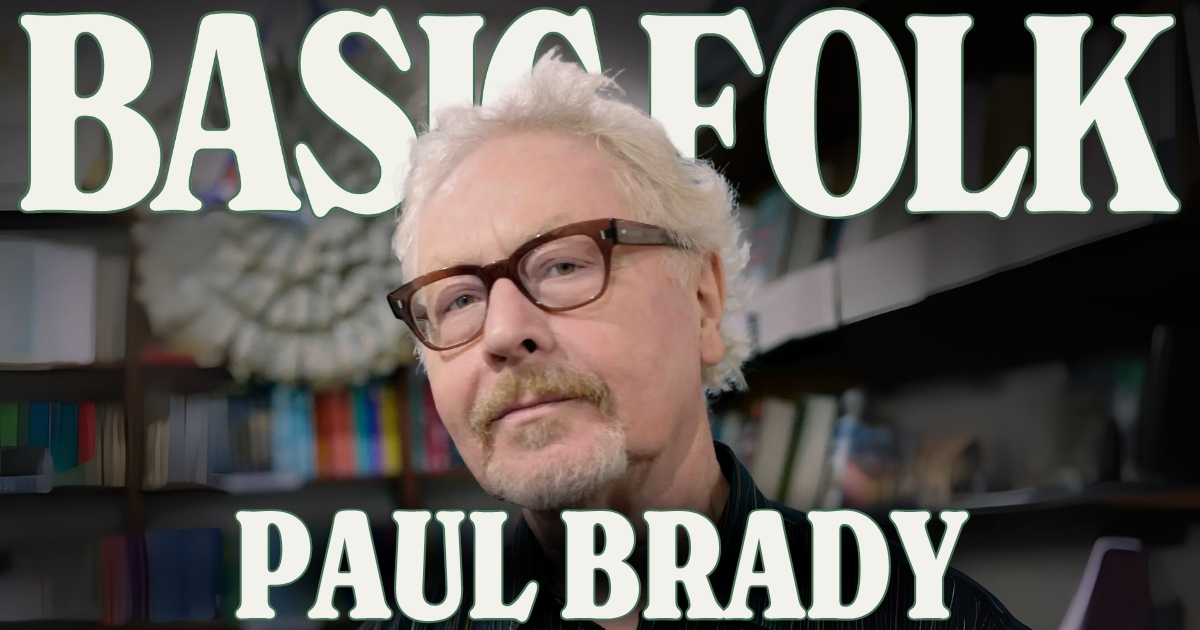
Bob Dylan once called Paul Brady a “secret hero” and meant it as a compliment. The Irish songwriting legend has not been bothered by the fact that his profile has not risen as high as some of his peers. Starting off in the world of traditional Irish music, Brady spent time in the hugely influential Irish group Planxty until they disbanded in 1975. After that, he and bandmate Andy Irvine recorded a record of trad music together. In 1981, Brady released an album of original songs titled Hard Station that was based on his experience of growing up during The Troubles in Northern Ireland. It was a huge left turn for him stylistically and in being so personal with his writing. After that, Brady’s songwriting career took off; he has written songs for Bonnie Raitt, Santana, Tina Turner, and many others.

LISTEN: APPLE • SPOTIFY • AMAZON • MP3

In our Basic Folk conversation, Brady reflects on his upbringing and how music served as his reliable companion. He also discusses his parents’ artistic influences, particularly his father’s passion for acting and how it shaped his own stage performances. We touch on themes of perfectionism, impostor syndrome, and the inherent pressures of the music industry. Additionally, Paul talks about his latest massive box set, The Archive, which features rare demos, live recordings, and unique collaborations, offering a comprehensive look at his extensive body of work.


Photo Credit: Stuart Bailie

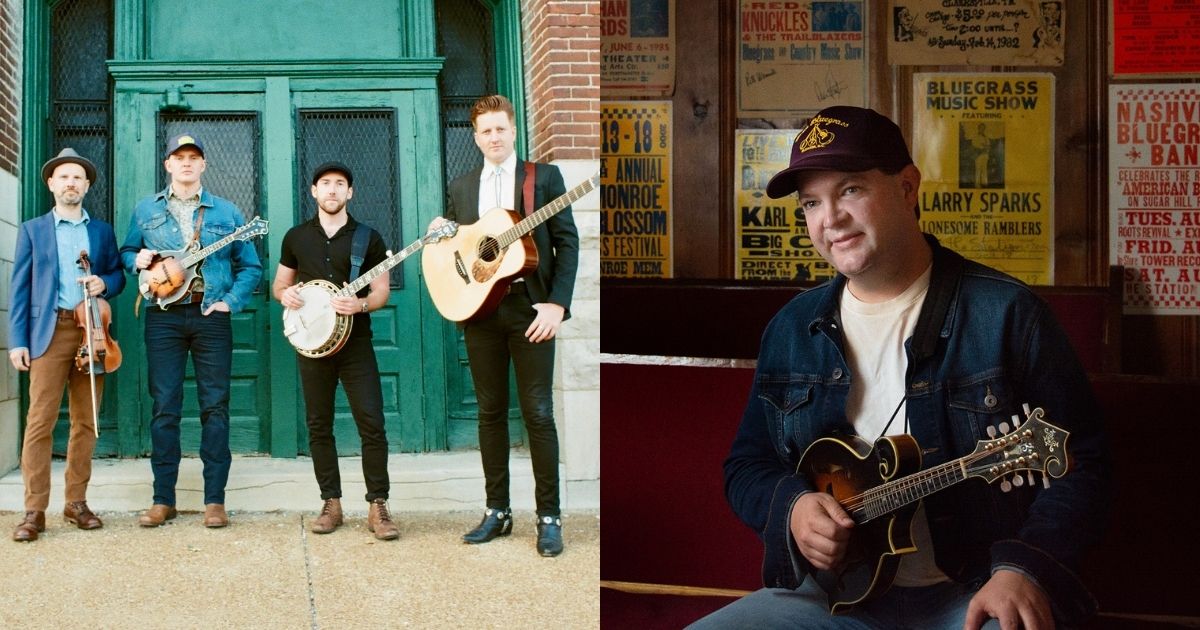
You Gotta Hear This: New Music From JigJam, Ashby Frank, and More

A long weekend requires great music on the speakers, doesn’t it? Here are a handful of brand new tunes to add to your playlists for the festivities – You Gotta Hear This! This week, our roundup includes bluegrass from the Carolinas and from across the pond, too.

Below you’ll find fun-filled Irish bluegrass and string band JigJam enlisting Lindsay Lou for their new track, which releases tomorrow, called “Running Back to You.” It’s a delightful, traditionally-crafted song of love, longing, and life on the road.

From the foothills in upstate South Carolina, husband-and-wife duo Benson – Kristin Scott Benson (the Grascals) and Wayne Benson (IIIrd Tyme Out) – are joined by their friend from just up the mountains, Woody Platt, on a song written by Grant Williams. “Lover of the Road” continues in a similar vein to JigJam’s new number, lamenting the haunting and nagging feelings of being gone from the people you love while off traveling.

Rounding out our collection this week is Ashby Frank, Nashville-based North Carolinian mandolinist, singer, and songwriter, who’s assembled quite the band for his latest, “Everybody’s Got Their Nine Pound Hammer.” Frank found the song through Tim Stafford, one of the track’s co-writers, and was immediately drawn to the universality of its central sentiment.

It’s a mighty trifecta of bluegrass sampled from across this genre’s spectrum of sound – and geography. And you know what we think… You Gotta Hear This!

Benson, “Lover of the Road”

Artist: Benson
Hometown: Boiling Springs, South Carolina
Song: “Lover of the Road”
Release Date: July 4, 2025
Label: Mountain Home Music Company

In Their Words: “I’m really happy with how ‘Lover of the Road’ turned out. It was written by my best friend from college and we were so lucky to get Woody Platt to sing it. I’ve enjoyed the heck out of getting to play some shows with Woody and he sang this song perfectly. His vocal embodies the haunting, nagging feeling any of us can experience when trying to maintain relationships while traveling.” – Kristin Scott Benson

“Here’s a song by Grant Williams, who also wrote ‘Sleeping with the Reaper’ for the Grascals. The first time I ever heard Grant’s material was when he recorded a demo at our house, 20 or 25 years ago. He’s an eclectic writer and it’s been fun to watch him take an interest in bluegrass and see how appropriately he writes for us. We’re always trying to wisely pair songs with vocalists and Woody Platt did a great job delivering this one. Woody is well-known for good reason and we were really happy when he agreed to sing it.” – Wayne Benson

“I’ve long admired Kristin and Wayne Benson for their individual brilliance and their powerful partnership in shaping bluegrass music. Their influence on the genre and the industry is truly remarkable. It was an absolute honor to record ‘Lover of the Road’ with them!” – Woody Platt

“There’s something in me that loves being out on the road, but more than that, I love being at home with the people I love, my dog, and my bed. This song was what I imagined it would be like if those two loves traded places in priority in my heart.” – Grant Williams, songwriter

Track Credits:
Wayne Benson – Mandolin
Kristin Scott Benson – Banjo
Woody Platt – Lead vocal
Cody Kilby – Acoustic, harmony vocal
Kevin McKinnon – Bass
Mickey Harris – Harmony vocal


Ashby Frank, “Everybody’s Got Their Nine Pound Hammer”

Artist: Ashby Frank
Hometown: Nashville, Tennessee
Song: “Everybody’s Got Their Nine Pound Hammer”
Release Date: July 4, 2025
Label: Mountain Home Music Company

In Their Words: “I was immediately drawn to ‘Everybody’s Got Their Nine Pound Hammer’ when my good friend Tim Stafford shared a work tape with me. He co-wrote it with Eric Gibson and Greg Cornett. I loved the way it focuses on the everyday struggles we all face and it really has that traditional bluegrass feel. To bring this song to life, I brought in some incredibly talented musicians, including Matt Menefee on banjo, Seth Taylor on guitar, Jim VanCleve on fiddle, Tony Creasman on percussion, and Travis Anderson on bass. I was also honored to have Tim and my friend Kelsey Crews add those high and lonesome harmonies. They truly made the tune come alive and gave it a timeless quality. I’m really excited for everyone to hear it!” – Ashby Frank

Track Credits:
Ashby Frank – Mandolin, lead vocal
Seth Taylor – Acoustic guitar
Travis Anderson – Bass
Matt Menefee – Banjo
Jim VanCleve – Fiddle
Kelsey Crews – Harmony vocal
Tim Stafford – Harmony vocal


JigJam, “Running Back to You” (Featuring Lindsay Lou)

Artist: JigJam
Hometown: County Offaly, Ireland
Song: “Running Back To You” (Featuring Lindsay Lou)
Release Date: July 5, 2025 (single)

In Their Words: “I wrote this song on the road last year. Constantly being on the move going from hotel to hotel after shows isn’t easy when you’re away from a loved one. Having that someone to go home to after a tour can keep you going when the going gets tough and that’s where ‘Running Back to You’ comes from. Knowing there’s someone waiting for you at the end of a tour makes it a lot easier and worthwhile. The recurring fiddle tune part came to me first one day as I was on the I-55 from Chicago to St. Louis and the song was pretty much built around that tune. We thought Lindsay Lou would be a great fit for this song. We’re big fans of Lindsay’s music and her vocals have really complemented the track in both lead and harmony roles throughout. It’s a lively number and one we really enjoy playing at live shows!” – Jamie McKeogh


Photo Credit: JigJam courtesy of the artist; Ashby Frank by Melissa DuPuy.

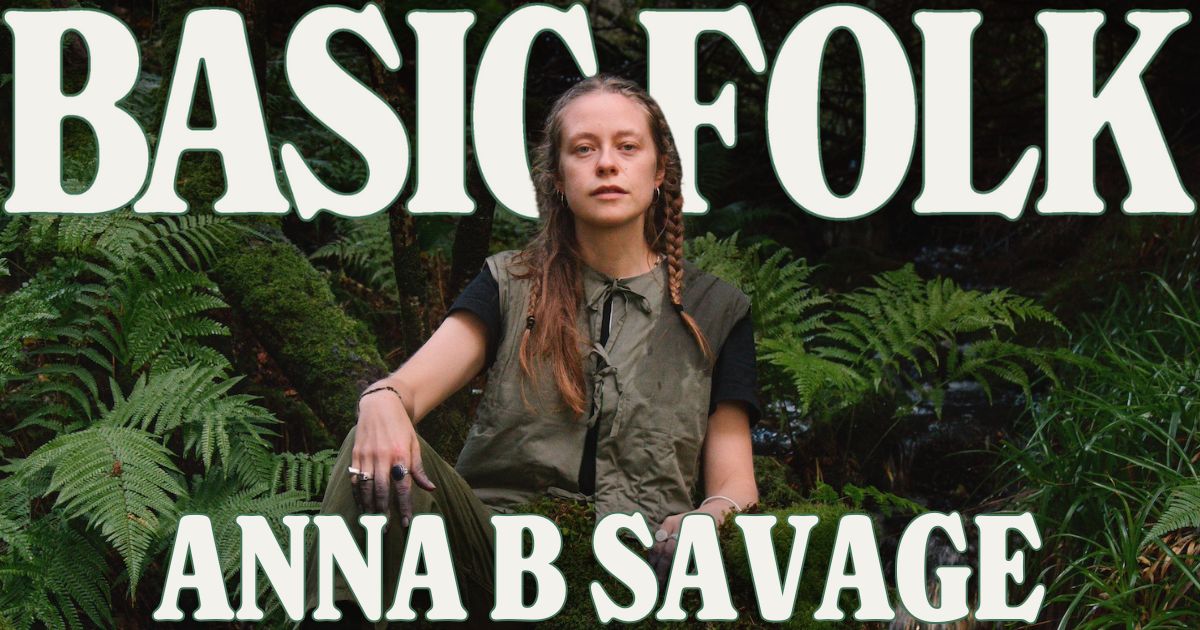
Basic Folk: Anna B Savage

Anna B Savage is down-to-earth and witchy as hell at the same time. Over her three albums, she’s cultivated a mesmerizing sound and epic image – like David Bowie, Björk, Kate Bush, etc. – that’s gained her a godlike reputation. A reputation which preceded the actual human being behind the art, leaving some to wonder what it would be like to speak to her. Turns out, she’s a grounded, kind of goofy, and perfectly normal person. In our Basic Folk conversation, we explore the duality of her persona – Anna Savage versus her stage name of Anna B Savage – and how her new album, You & i are Earth, reflects a blending of these identities with a focus on nature and love.

LISTEN: APPLE • SPOTIFY • AMAZON • MP3

In this episode, Anna reflects on the realization of her parents’ unusual musical paths (they are both opera singers) and how it influenced her own creative pursuits. We delve into her songwriting journey, her love for birds, and the evolution of her unique singing voice, which blends classical influences with a jazz singer’s sensibility. Anna also opens up about her stage fright and the progression of her confidence as a performer. She touches on the complexities of being an English person living in Ireland and the importance of understanding the historical context of her new home.

As we navigate the themes of You & i are Earth, Anna reveals the inspiration behind the track “Agnes” and the mysterious allure of the 17th-century plate that inspired the album’s title. With a lighthearted lightning round, we learn about her favorite birthday tea, her ideal stage outfit, and her witchiest recent activity, too.


Photo Credit: Katie Silvester