WATCH: Guthrie Brown, ‘Day to Day’

Artist: Guthrie Brown
Hometown: Montana
Song: “Day to Day”
Album: Natural
Release Date: November 18, 2016

In Their Words: “The process of making this music video is accurately summed up by lyrics of the song. It was such an ‘in the moment’ experience, and I feel like that spirit shines through in the video.

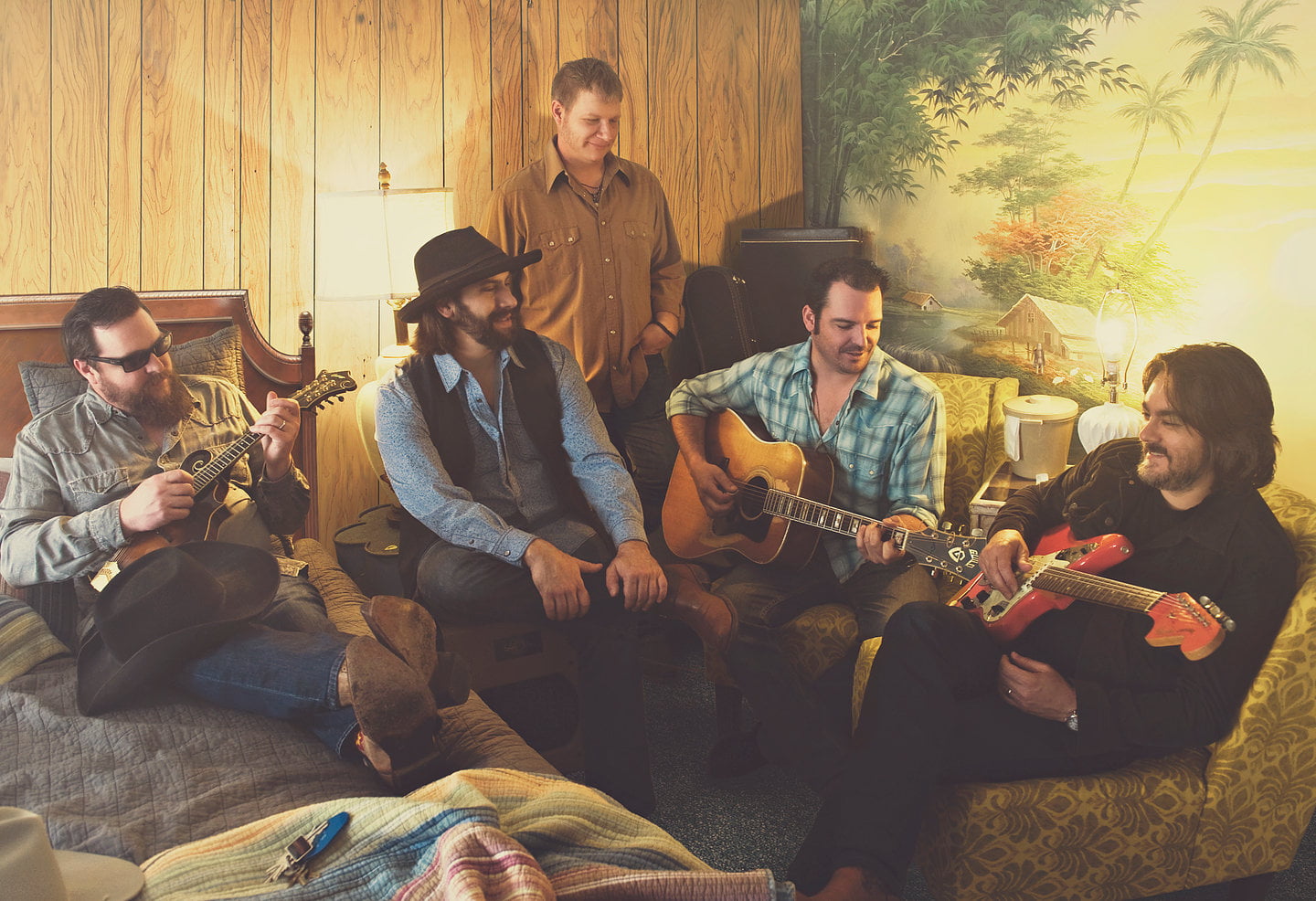
My band and I were on tour opening for Jonny Lang over the Summer. We had a few days off, so we went to my parents house on Flathead Lake in Montana. Our good friend Luke Enyeart joined us halfway through the tour and brought his camera. We didn’t have any real vision for the music video; we just thought it would be fun to get a ton of footage. Once we got to Montana, it was clear that we had to make a music video for ‘Day to Day.’ We took a boat ride to Wild Horse Island (which is located in the middle of Flathead Lake) and started filming. There were some big horn sheep hanging out in the valley of the island, and I immediately said, ‘We gotta go get shots of the sheep!’ We brought a mini portable speaker so that I could hear the recording of the song as I sang along to it. The big horn sheep must have dug hearing the music because they curiously started walking toward us as we were playing the song.” — Guthrie Brown


Photo credit: Andrea Behrends

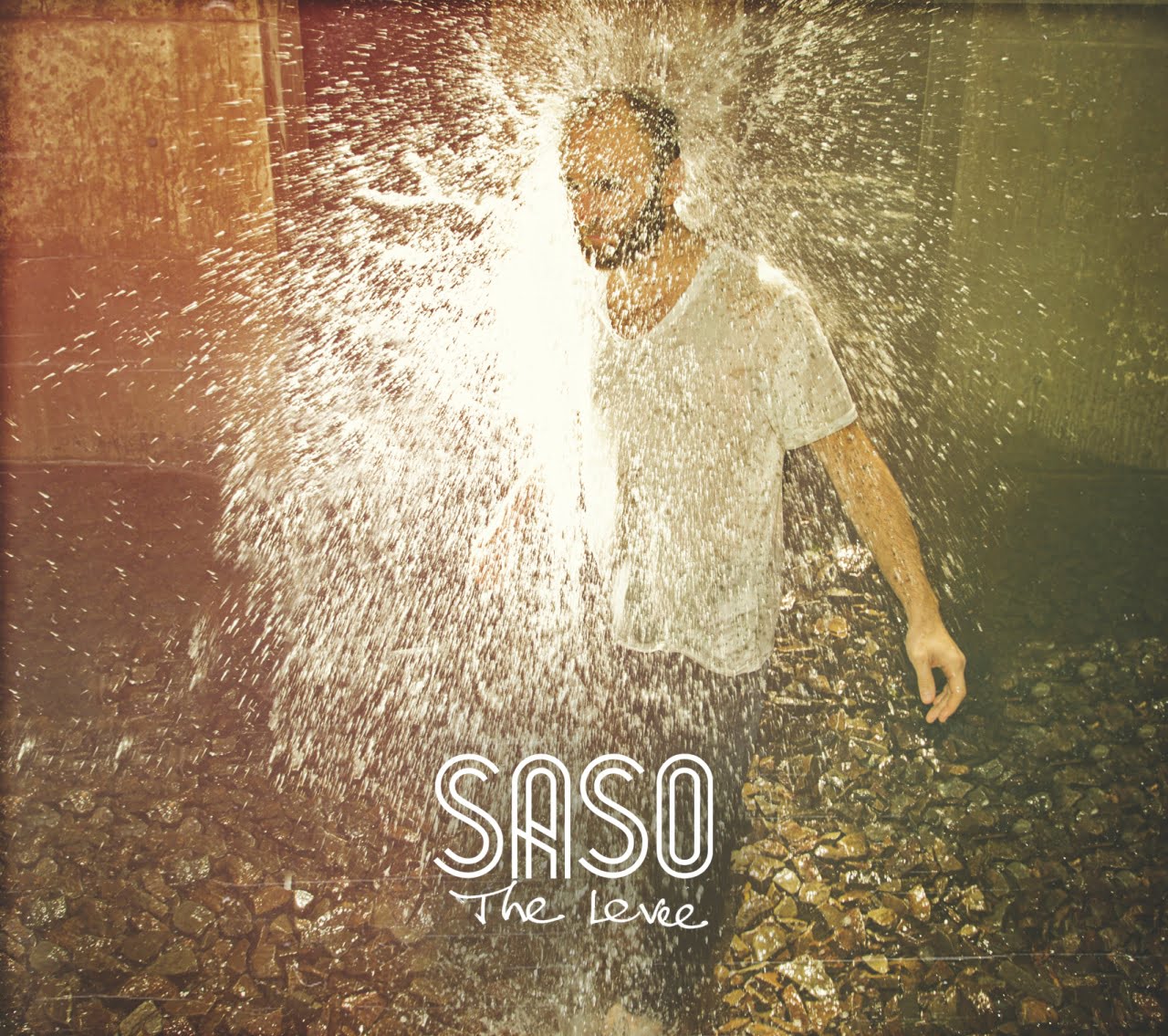
STREAM: SASO, ‘The Levee’

Artist: SASO
Hometown: Dallas, TX
Album: The Levee
Release Date: January 20, 2017

In Their Words: “As a whole, the album represents a journey. From the opening seconds, you get a sense that you’re going somewhere and, as the last song comes to an end, you get the feeling that you’ve arrived. Everything in between is up to the listener to experience and interpret in their unique way.” — Jaime Saso


Artwork by: Oh Jee Nam/Rhombi Survivor

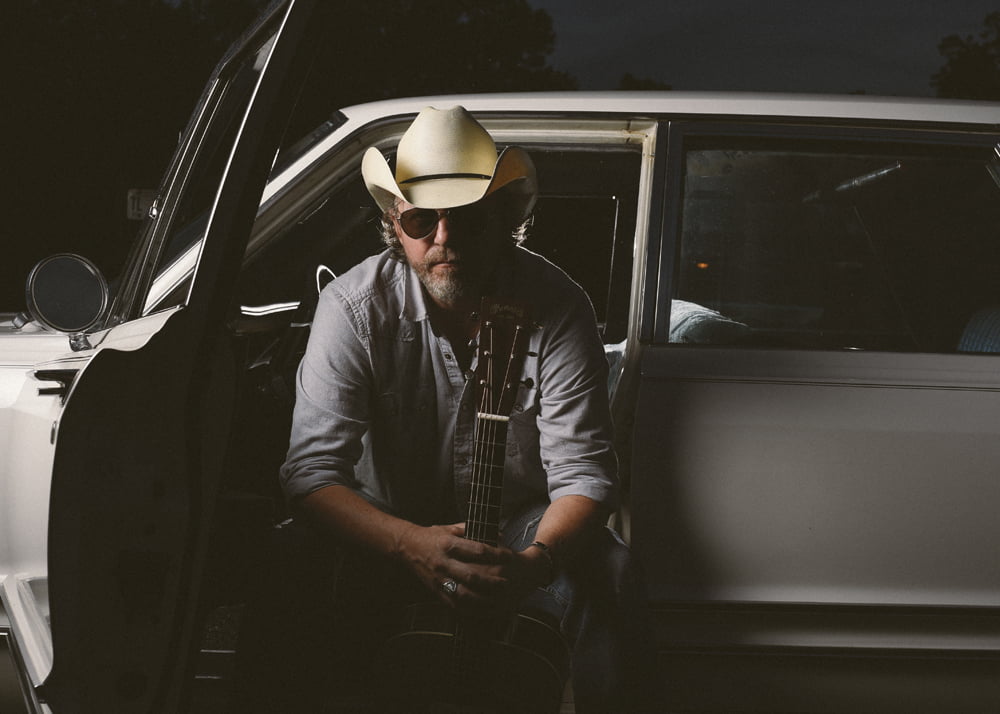
WATCH: Chris Stalcup, ‘Burnin’ Up These Highways’

Artist: Chris Stalcup
Hometown: Atlanta, GA
Song: "Burnin' Up These Highways"
Album: Downhearted Fools
Release Date: September 16, 2016
Label: DirtLeg Records

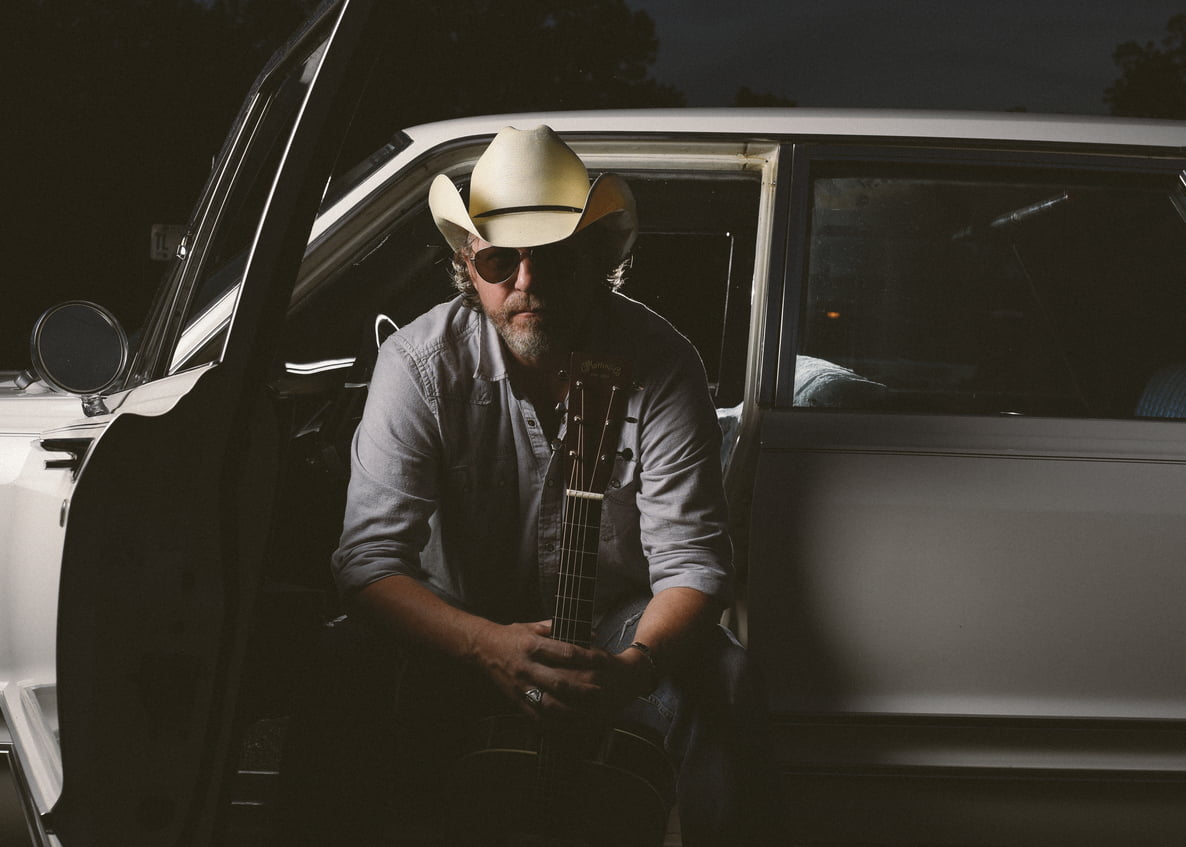
In Their Words: "'Burnin' Up These Highways' was written as a snapshot of my life at the time of writing and recording Downhearted Fools. For me, it captures the realities and fears of the life you leave behind when you're gone from home for extended periods of time. I was spending most of my days on the road driving from town to town, either with the band or solo. I had recently gone through a break up that had me questioning a lot of my decisions for putting so much effort into my time spent touring and making this record. This song was a very sobering look at all the things I thought I was doing right but, in hindsight, realizing I just wasn't doing a very good job at simply communicating. I realized that I would much rather communicate by writing songs than talking to (most) people these days. So I was writing a song about all the things I wanted to say but never did and how before you know it time slips away and you don't have the chance to say those things." — Chris Stalcup


Photo credit: Bret Falcon

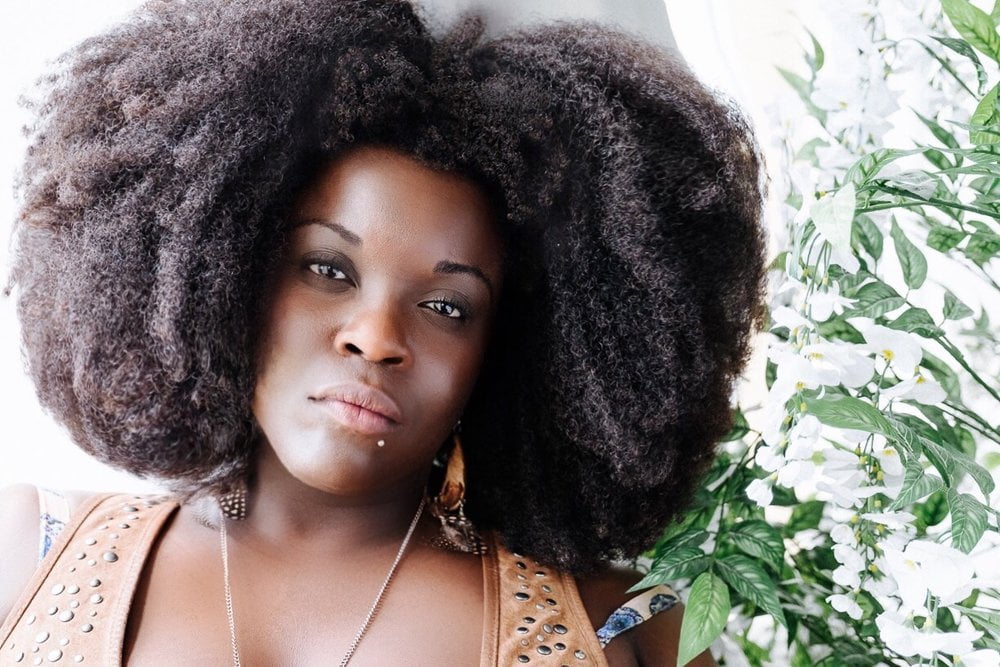
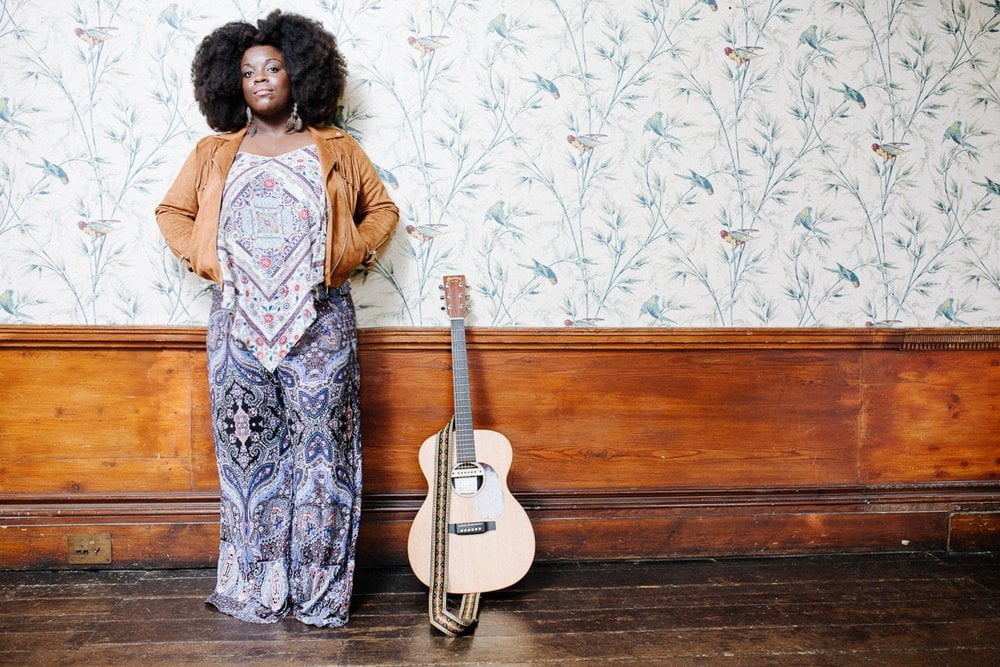
Lightning Bolt Writing: A Conversation with Yola Carter

Yola Carter had planned to start her solo career slowly. Play some shows, work up some songs, settle in with a band. Make an EP. Take her time with an album. Build up an audience gradually and carefully.

It’s not going that way at all.

Following a brief UK tour this Summer, she made her U.S. debut at AmericanaFest in September, which was rapturously received and put her in touch with numerous labels along Music Row. Suddenly everything sped up. That EP wouldn’t wait, and Carter released Orphan Offering in November. She is set to sign with a label and launch more tours in 2017, with a full-length debut not too far off on the horizon. She is one of the grassroots success stories of 2016.

“I had planned to do a small thing and put it out on Bandcamp or TuneCore,” she says. “Just something to say, 'This is what I’m about. I’m here.' Then I got to Nashville, and it did not check out like that. So this whole slow thing I was doing — it’s over. It’s a real blessing, but it does make you hectic.”

Hers is an inevitable, but still somewhat unlikely, rise. Carter possesses a voice that is at once powerful and gentle, exuberant and melancholy, with a subtle, soulful drawl bending her vowels. She might be an even better songwriter, though, breathing new life into familiar country and gospel conventions and making them sound fresh and urgent. And yet, at a time when Beyoncé’s foray into Dixieland jazz and Nashville twang stirred up a controversy about what is and isn’t country music, this “Black chick from the UK” is intent not so much to break new ground, but to show that the ground she’s standing on is historically solid.

“All of the things that fall under the umbrella of Americana are so intrinsically linked,” she says. “I think that’s why I love it so much. I think that’s why I connect to country of the past. I love how closely connected everything was — gospel and country and soul and everything.”

Growing up as one of very few Black children in a predominantly white seaside town near Bristol, Carter gravitated toward country music — the Byrds and Dolly Parton — feeling a connection to these stories of poverty and struggle, of determination and self-definition. But the market for a Black, English country singer was nonexistent, and Carter felt her only outlets were with other genres. So she toured with Massive Attack and West London DJ collective Bugz in the Attic before forming a band called Phantom Limb, which released two solid country-rock albums.

Carter spent years building up to a solo career, but the struggle has been worthwhile, if only because it gives her perspective now that everything is speeding up. “I’m not a spring chicken,” she says with a laugh. “Maybe if I was in my late teens, I would be bricking it, as we say in the UK. If you don’t know what you want from a scenario, it’s scary for sure. But I’m not here to date. I’m a marriage kind of artist.”

Orphan Offering is, of course, an extremely important record for you. What did you want to get across to people on your first solo release?

This record was very much like the tip of the iceberg for me. At the time I came up with a collection of songs, I had a small setup — cello and fiddle and acoustic and electric. I was just calling people up to see how the songs would turn out and, when I realized they were going to turn out, I thought I should get some of them down. So these songs were the beginning of a bigger story that’s going to be told over the next two records, one of which I’ve already written and the other I’m almost finished writing. The EP is part of a greater thought. Everything I’m writing is very autobiographical.

But I also want to get across my love of country and Southern soul and the Staple Singers. I understand that country means different things to different people. Some people are more on the bro side of things, and some people think the Byrds are country. That’s the crowd I sit in. Hey, I’m just a Black chick from the UK, but Sweetheart of the Rodeo is a big record for me. I have this conversation with people all the time. They ask me, "How country are you?" And I’m like, "I’m country. Cooouuunnntrryyy." As opposed to the kind of rock music country that we have nowadays. So it’s important for me to express my love for that ‘60s country and that ‘60s gospel, Stax and Muscle Shoals and stuff like that. I think it’s country of an era more than it’s country of a particular place.

Some people in the States wouldn’t consider a lot of that music to be country, but it all definitely comes from the same place and, in some cases, from the same people.

I’ve been having this conversation with myself. Is it through the prism of my blackness that the music becomes something other than country? If I don’t sing it with exactly the same lilt as someone else would, does it then turn back into something else? Are we going to racialize music forever and ever? And, if we are, what do we say about hip-hop when white people do it? What do we call that? We don’t have another name for it. And we shouldn’t have another name for it. Music should be judged by your ears. It is what you think it is. Whatever gets you off.

Have you noticed a difference between UK and U.S. audiences? Do they respond differently to your music?

It’s still the early days with this project and, really, the only tour we did was this Summer. But my experience of that tour in the UK was really great, really well received, and really enthusiastic. I got the same thing when I was in Nashville [for AmericanaFest]. The distinction that I make is that American audiences might be more expressive in one way and British audiences might be expressive in another way. It’s more about language than enthusiasm.

There really is a massive appetite for American music over here, and the entire infrastructure has expanded to compensate for it. You’ve got to understand: We didn’t have an Americana chart or an awards show or radio shows dedicated to playing roots or country or whatever you want to call it. But over the past five years or so, it’s just grown and grown. It’s changed our perception of what we’ve been able to do with the genre in this country, which is encouraging to me because I’ve been trying to peddle it for such a long time. So it’s a really wonderful thing that’s happening over here right now. It’s exciting.

Do you think you could have gotten such an enthusiastic response at an earlier moment?

It’s definitely good timing. The environment has changed for the genre. The infrastructure has changed. That whole process of spending your radio time explaining to people what your genre is, what your connection to it is as a Black woman … that conversation is getting shorter. The upside is that you can move along to actually promoting your record instead of leading a class in American Music 101. People don’t want to feel like they’re going to school when they’re just trying to enjoy themselves and connect with something.

But we still have people with a selective memory, when it comes to the origins of rock 'n' roll or the influence it had on the genesis of country music as it transformed out of mountain music. We’re still having a conversation about Beyoncé and how appropriate that is for the CMAs. That’s not surprising over here, but it does seem like we’re having a lot less of them. So that’s great. And it’s good that we’re talking about it and people are writing about it. It’s important to have that conversation about American music, because it’s a rich, amazing history.

I read that you play fiddle. Are you playing on the EP?

No, I’m not playing on the EP, but I used to play fiddle. My bow hand is still alright. It hasn’t got all heavy and clunky and confused. It’s still good. I can hold a melody. That was me growing up. I got attached to things in bluegrass because of the fiddle. I love double-stop fiddles and I think that was one of my gateway drugs into Americana music — CSN to start with and Neil Young. I was very much on the alt side of things when I came in, and then I slowly centered on Dolly and the Byrds. It was all very piecemeal, which is what you got in this country. It’s like you’re just bumping into things over and over and, every time you bump into something, you get a greater understanding of what it speaks to in you.

As a kid, it was Dolly and the fact that she was a woman writing about her life. That really got me because of my own environment. I wanted to write like her and sing like her. Then I bumped into other people. I had a lot of Gene Clark for a while, just for song structure, and I had my time with Joni [Mitchell] — maybe less than I should have. I started getting into the Dillards and just all the way across American music. The Staple Singers landed about that time, and Mavis is still one of my greatest heroes, musically. Soul Folk in Action changed me. We all know Ray Charles did what he did with that amazing country record, but I needed to hear someone with a similar vocal timbre doing things that I was reaching for. As female singer/songwriters, we need matriarchs sometimes.

Before she passed, my mum told me that she had a Staples' record that she used to play in the house when I was really small. It was the only one of that kind of music she had, so she wouldn’t let me touch it. So I never touched it and never knew it was there until she told she’d had the thing the whole time. Are you kidding me? I‘d been trying to reach for something, but didn’t know what it was. My mum was really into music and had a sizable record collection that was pretty diverse. She used to be a hospital DJ. She was a psychiatric nurse, and she’d play mostly disco, but sometimes soul music for the mentally infirm. That was her job.

Orphan Offering seems to be addressing some aspects of your youth.

“Orphan Country” is very much about me growing up in that seaside town. There’s a show in the UK called Keeping Up Appearances, and the title says everything. It’s about the working class in the UK trying to deny where they’re at and trying to be socially mobile. Where I grew up was very much like that. It was people buying just outside of what they could afford and either keeping their shit together or going into debt. I grew up in that kind of insular environment. There was nothing there. It was a very conservative and pretty racist environment, so music was a real escape and a way to express myself without acting out. “Orphan Country” is about growing up in that place, being from a broken home, being from a place that doesn’t accept you one bit. All the things that are going on now are things that I grew up with.

People are talking about how surprised they are that this is still happening, but it’s not surprising if you grew up with it and lived with it. "Oh surprise, I was really racist." Yeah, we got the memo about 20 years ago. You can pretend you’re not racist, but we’ve got good Spidey sense for that institutional stuff and we know it’s just a matter of time before it rears its ugly head again. It goes in cycles, like ‘70s fashion. "Oh, flares are back? Great!" We won’t talk about these issues for a while, but then people will feel like they can punch a Black person again.

You mentioned that your next two albums will continue the narrative you started on Orphan Offering. It sounds like you’re writing with some very specific themes and stories in mind.

I’m dealing with a lot of personal issues that have been going on in my life, and I’m never going to get all of that onto just one record. These are the things that have been happening in my life and that are happening politically at the moment, which have to do with the perception of race. If you’re a Black woman, people automatically assume that the prefix “strong” can be applied to you, regardless of how you’re feeling at the time. I’m dealing with that. In this solo environment, I have new opportunities to express myself in less general ways than I have in the past. I don’t have to write about everyone. I can be personal. Freedom isn’t something that I’m used to, because I’ve never gone solo before. But I’ve got a lot to stay about these issues and about life, in general, especially coming out of a really awful, awful relationship.

It’s obviously cathartic, but I think it’s essential that I don’t just write in a woe-is-me way all the time. I’m writing to make people aware of situations or to be a mouthpiece for something that happens to my particular demographic or to us in the West on a grander scale. So this little EP — bless it — is the tip of a slightly angry iceberg. I do a little venting, but there’s a lot of hope and love and kindness. And a lot of "What the fuck?!" People always ask me, "What are your themes? What are you working with?" I’m working with "What the fuck?!" A lot of people are working with that sentiment right now. I think it’s appropriate.

I know I’m not going to save the world with a song, but I am going to be able to process things. And that’s enough. People are starting to feel a need for a little bit of protest. Not too much. We need to have fun, too. It can’t all be serious all the time, but I’m going to try to keep the tradition alive that’s been going on since the ‘50s and ‘60s: uptempo music with a happy melody and sad subject matter. There’s a song that will be on the album, I hope, when I find the producer I want. It’s called “Free to Roam,” and you listen to it and you swear it’s the greatest party you’ve ever been to. But then you read the words — it’s not exactly joyful. You have to put a little sugar with the medicine.

It’s the Woody Guthrie approach. You add a little humor and humanity to the anger and the outrage.

That’s the balance I’m after. I wrote about 50 songs. They just appeared out of nowhere in a very short space of time. I had been backed up, creatively, so I had a big old purge. And it hasn’t stopped. My writing process involves a lot of waking up with an idea. I call it lightning bolt writing. It just arrives. I’m just waiting. I’m dousing for it. I’m always trying to get myself into the right headspace for a song to turn up, and I’ve started getting very good at creating a good environment for that process. So I’m hoping that some of the songs are quite immediate, that they really get you. I go to shows and I see people mouthing the words. The band just learned the song, and people are already singing along!


For more on the intersection of race and country music, read our Squared Roots interview with Rhiannon Giddens about Dolly Parton.


Photos courtesy of the artist.
MIXTAPE: Patterson Hood’s Americana 101

Americana was a name that used to trouble me when it first came into semi-vogue in the late 1990s. I didn’t really like alt-country, either. So many people tended to love the music and hate the various names for the genre that the original No Depression magazine even poked fun at that on their nameplate. That said, it was probably the most exciting sub-genre of its time and has had a quite impressive afterlife, growing to actually be a somewhat mainstream way for a wide variety of excellent artists to be marketed to an increasingly larger audience.

My playlist leans heavy on the turn of the (last) century’s roots of this genre, but I also hope to incorporate a little of the more interesting current songs and maybe a couple that pre-date the movement that are excellent examples of its origin. — Patterson Hood, Drive-By Truckers

Son Volt — “Windfall” (from Trace, 1995)

Probably the one song that best exemplifies and encapsulates everything that is great about this genre in three glorious minutes of musical confection that is so good it set up a blueprint for a genre and transcends most everything that followed that path.

Lucinda Williams — “Drunken Angel” (from Car Wheels on a Gravel Road, 1998)

Lucinda’s long-delayed Car Wheels on a Gravel Road survived its troubled gestation to become one of the genres first breakout hits and turned her into a bonafide star, winning Grammys and a life-long following along the way. Picking one song from this album was hard, but to me, the best of all was this ode to the life and untimely death of Austin Texas singer/songwriter Blaze Foley. Stunning.

Merle Haggard — “If I Could Only Fly” (from If I Could Only Fly, 2000)

Merle predates anything else in the Americana genre, but his music defined the best that it had to offer. By 2000, country music had moved in a much more mainstream direction, and Merle found a new following among the disaffected punks and roots rockers that alt-country drew and that he continued to inspire. ANTI- Records seized this opportunity, and gave Merle the chance to make exactly the kind of album that mainstream country wouldn’t. He rose to the occasion with this masterpiece. Merle was, himself, one of the best songwriters of all time, but for this compilation, I chose his cover of Blaze Foley’s masterful song that Merle loved enough to make the title cut of his “comeback” album.

The Silos — “I’m Over You” (from The Silos, 1990)

Although Americana is most widely associated with the late ’90s through the present, it had roots dating back to The Basement Tapes by Bob Dylan and the Band and the tons of incredible albums that it inspired, followed by the cult status of a wonderful band from St. Louis, Missouri, called Uncle Tupelo. However, in the most unlikely of times — the ’80s, which were way better known for new wave and bad drum sounds — R.E.M. and the Silos made records that took the best elements of those sounds and made them their own. The Silos never had near the amount of fame that they deserved, but their records still hold up as among the best albums of their time and beyond.

R.E.M. — “(Don’t Go Back to) Rockville” (from Reckoning, 1984)

Although they are usually better known for their later hit records, this gem from R.E.M.’s second album helped lay out a blueprint for the Americana genre and still holds up as an example of just how wonderful they always were. There’s no overstating what a breath of fresh air this song was to our ears in the mid-80s nor how great it still sounds over 30 years later.

Steve Earle — “Ben McCulloch” (from Train a Comin’, 1995)

Another artist that pre-dated (and probably hated the term) Americana, Steve Earle broke big in the ’80s with his debut album, Guitar Town, before descending into a haze of addiction and even jail time. Upon his release from jail, he laid the groundwork for his comeback with this stripped-down collection of excellent songs, none better than this tale of a scared and disgruntled Civil War soldier.

Townes Van Zandt — “Waiting ‘Round to Die” (from Live at the Old Quarter, 1977)

Although mostly pre-dating the term Americana, no one better represented all that was great about it than Townes. Steve Earle once famously said that Townes was the greatest songwriter in the world and that he would stand on Dylan’s coffee table and shout it out anytime. I imagine that that quote has out lived its intention, but this song shows a little bit of what Mr. Earle so grandly stated. This version — and the live album that it comes from — is a great introduction to the majesty of Townes’s songwriting and the power of song in general.

Gillian Welch — “Revelator” (from Time (The Revelator), 2003)

Gillian sprung from the mid-90s Americana scene and was further propelled by the success of the Coen Brother’s 2000 film O Brother, Where Art Thou? and its breakthrough soundtrack. Then she suffered a backlash from people accusing her of being a retro-novelty act. She fired back with this shape-shifting and time-traveling masterpiece that condenses a history of folk and blues into her personal here and now and, at the same time, takes two acoustic guitars and two singers and somehow, without a hint of shouting, manages to rock like Zeppelin and Crazy Horse. Over a decade later, I’m still in love with every song on this album, but this one seems to be the one that best encapsulates it all.

Wilco — “California Stars” (from the Billy Bragg and Wilco album Mermaid Avenue, 1998)

When Uncle Tupelo broke apart in the early ’90s, the two principles formed Son Volt and Wilco. Although initially considered the lesser of the two, Wilco has gone on to become one of the foremost bands of the last 20 or so years creating an eclectic body of work that still manages to challenge and surprise each time out. In 1998, Wilco joined forces with British folk singer Billy Bragg to put music to and perform previously unheard lyrics from Woody Guthrie. The result was two of the best albums of their time. The standout and breakthrough track off this collaboration was “California Stars” — a sublime piece of work that connects several generations of artists and shows the timelessness of great songs.

Centro-matic — “Flashes and Cables” (from Love You Just the Same, 2003)

One of the greatest and definitely most underrated of bands of the last couple of decades, Centro-matic hailed from Denton, Texas, made over a dozen wonderful albums, and toured relentlessly for nearly 20 years before disbanding in 2014. Prolific to a fault, many of those songs sound like mega-hits that somehow forgot to become such. None more than this track from their 2003 masterpiece. I can’t listen to it without visualizing an arena full of fans singing along with the catchy “bye-dee-ahhs” of the finale, a musical hook so relentless and endearing that it frequently soundtracks my dreams.

Jason Isbell — “Elephant” (from Southeastern, 2013)

I first met Jason in 2000, and it was love at first song. He was barely 20 and about to drop out of college, and I was blown away by his talent as a singer, songwriter, and guitar player. A couple of years later, he began a five-year stint playing in my band. By the time he left to pursue his solo career, he was drinking very heavily and his life was spiraling out of control. In 2011, he quit drinking and pulled his life back together, documenting it all in a masterpiece of an album called Southeastern. The standout track (and that’s saying a lot, in itself) is this song about a friend’s struggle with cancer. It’s literally a perfect song.

The Bottle Rockets — “Kerosene” (from The Bottle Rockets, 1993)

Barreling out of Festus, Missouri, in 1993, Bottle Rockets put the pedal to the metal, blasting dive bars across the country like an unholy amalgamation of Skynyrd and Doug Sahm mixing punk smarts and country fury with great songs and a rocking live show. Their literary smarts were never better represented than on this gem from their self-titled debut. “Kerosene” tells the tale of being down-and-out white trash, giving heart, soul, and life to a story that — on the surface — sounds like a laughable headline of Darwinistic stupidity. A trailer fire, told from the grave with simplicity and grace: “If kerosene works, why not gasoline?” Like the best songwriting, what’s said is only a fraction of the story and the real majesty is in what is left untold. One of my all-time favorite songs.

Kelly Hogan and the Pine Valley Cosmonauts — “Papa Was a Rodeo” (from Beneath the Country Underdog, 2000)

Kelly Hogan hailed out of Atlanta, Georgia, was one of the founders of its ill-fated Redneck Underground scene, and was the lead singer in the Jody Grind, who were poised to great success before a tragic van accident that killed two of its members in 1992. Later, Kelly (who was thankfully not in the van at the time) relocated to Chicago, Illinois, where she has enthralled everyone who has ever heard her magnificent voice. She has made several albums as a solo artist, and served as a much in-demand backup singer (Neko Case, the Decemberists, Jakob Dylan). For her second solo album, she was backed up by Jon Langford’s ensemble, Pine Valley Cosmonauts, and here, along with Atlanta crooner Mike Geier, she covered the Magnetic Fields classic and made it her own. Sublime and timeless.

This is just a surface scratcher, but hopefully it will serve as an invitation to delve further into these great artists and so many more. ENJOY!


Photo credit: rkramer62 via Foter.com / CC BY

MIXTAPE: Bruce Warren’s Americana Roots

I was raised in the '70s — the greatest decade of music ever. Here’s a playlist of songs that I put together built on the new and the old, all tied to the music I grew up on — from the singers and the songwriters to the classic rockers, plus some new tunes from musicians carrying on the traditions I fell in love with as a high school kid. — Bruce Warren, Program Director for WXPN

Aaron Lee Tasjan — Memphis Rain”

With repeated listens, Tasjan’s new album, Silver Tears, unfolds like a great book, with great stories and photographs that linger long after the song ends. This is one of them.

Little Feat — Skin It Back”

I had no idea who Little Feat were when I bought their 1974 album Feats Don’t Fail Me Now as a high schooler based solely on the cover art by legendary illustrator Neon Park. But, man, did it change my life. This album is like the grandfather of Americana records, in the purest, broadest sense of the genre as roots music. It was R&B, soul, rock, and gritty and swampy, and this band could play like my nobody’s business. Lowell George on slide and funky guitar and that rhythm section pulsing out deep grooves … Mmm-mmm.

Yola Carter — Fly Away”

One of this year’s outstanding showcases in Nashville at the Americana Festival was British singer/songwriter Yola Carter. She’s sung with Massive Attack, and cites Dolly Parton and Emmylou Harris as major influences. She’s a star. Hold on.

The Dream Syndicate — “Tell Me When it’s Over”

Psychedelic, punk, and pre-Americana all coming together in one place at one time on one glorious record — The Days of Wine and Roses by Steve Wynn and his pals, in 1982.

The Allman Brothers — Southbound”

You can make 100 mixtapes of music for driving and this is the song you’d want to put on every single wione of them. Shout out to Chuck Leavell on that piano, though.

Michael Kiwanuka — “Love & Hate”

British soul-folk singer Kiwanuka delivered one of the best albums this year on which he mined the spirit of Marvin Gaye’s What’s Going On and the soul-folk work of Terry Callier.

Terry Callier — 900 Miles” and “It’s About Time”

Speaking of Callier, there are any number of musical places you can start with the Chicago folk/soul/jazz singer/songwriter whose music shared spiritual commonalities with Tim Buckley and his Chi-town kindred spirit Curtis Mayfield. Start with his 1968 The New Folk Sound of Terry Callier, an American music masterpiece not given its full due.

Norah Jones — “Don’t Be Denied”

Norah drops a very respectable cover of a Neil Young song that originally appeared on my second favorite Neil album, Time Fades Away. (My very favorite Neil record being On the Beach.)

Wilco — “Sunken Treasure”

Side three, track one, Being There. For me, the sonic and songwriting genius of Wilco records like Yankee Hotel Foxtrot and A Ghost Is Born can be traced back to this song. That final verse, however, is super inspiring, even though the song is an emotional sad sack.

“Music is my savior
I was maimed by rock and roll
I was tamed by rock and roll
I got my name from rock and roll”

John Moreland — High on Tulsa Heat”

Prior to this year’s Americana Music Fest, singer/songwriter John Moreland was barely on my radar. But when Taylor Goldsmith raved about him on the stage of the Ryman during the awards, I went back to my hotel and bought a copy of High on Tulsa Heat. It’s been in heavy rotation on my personal stereo since. Moreland is an amazing storyteller and lyricist. Here’s hoping his music reaches more people.

Bonnie Raitt — “Give It Up or Let Me Go”

Still making music after all these years, Bonnie’s second album, released in 1972, is one of those records you can go back to time and time again, and it continues to sound great. Sure, she covered Jackson Browne, Barbara George, Chris Smither, and Eric Kaz and Libby Titus’s gorgeous “Love Has No Pride,” but it is her self-penned title song that sets the tone of this record.

Mekons — Hard to Be Human Again”

Insurgent country starts here, with Mekons’ punk and country masterpiece 1985’s Fear And Whiskey.

Root 66: Reckless Kelly’s Roadside Favorites

Name: Reckless Kelly
Hometown: Austin, TX
Latest Project: Sunset Motel

Tacos: Living in Austin, Texas, is like living in taco heaven. There’s a taco on every corner and you really can’t go wrong. We are currently involved in a breakfast taco war with San Antonio, which I believe we’re winning. They have some good tacos, too, but for my money, I’d have to say that Maudie’s has the best tacos in town, and if we’re gonna get specific, Pete's tantalizing breakfast tacos are the bomb. Flour tortillas filled with eggs, potatoes, cheese, sausage, and serrano peppers. They are already hotter than the fiery bowels of hell, but I like to put a little of their fantastic salsa on there, too … really ties the room together. 

Burger: One of the greatest little greasy spoons in the world is a little dive called Brown’s Diner in Nashville, Tennessee. It’s a little café with about an eight- or 10-stool bar that’s usually filled with songwriters eating their world famous cheeseburgers and fries while washing it down with a Budweiser for $1.10. We’ve been known to log in some serious sessions there … the kind where you order a second cheeseburger a few hours later because you’re still there and smelling those burgers will get you every time. I’m pretty sure they’ve never cleaned the grill, which may be the secret to the success of the cheeseburger. The also have a world class jukebox, filled with classic country.

Record store: Bop Street, in Seattle, Washington. It used to be right next door to the Tractor Tavern where we almost always play. They’ve moved a few blocks away, but as far as I know, are still alive and well, which says a lot in this day and age. I was in there once looking for a British copy of Revolver and the owner asked me what I was looking for. I told him I didn't see one, and he took me down to the basement where he had what he estimated to be 750,000 albums and three full shelves of Beatles. He had about 20 copies of Revolver, and I picked one out. I bet he had several hundred Beatles albums, an instant stamp of approval in my book.

Book store: Kevin and Dustin Welch always told me about City Lights Bookstore in San Francisco. It was on my list for quite a while before I finally made it in and, since then, I don’t miss an opportunity to stop in when we’re in town. I was on a big Steinbeck kick a few years back and was having a hard time finding some of his lesser known works. City Lights had them all. I think I spent a couple hundred bucks on Steinbeck alone and then had to haul a huge bag of books all over town for the rest of the day, but it was worth it. I still don’t think I’ve read them all yet.

Backstage hang: Speaking of San Francisco, there is a festival there called Hardly Strictly Bluegrass that is our favorite backstage hang. The festival is put on by the Helman family and they treat the artists and fans like royalty. It’s free to the public and there are no corporate sponsors, so basically, it’s all about the music. The back stages are all set up with comfy couches, chairs, and everything you might want backstage. The staff is second to none and they aim to please. They also have artist-only pathways between stages so you can easily get from stage to stage to watch other bands or get someplace fast, if you need to jump up and jam with someone. 

Gear shop: It’s called Austin Vintage Guitars. They have a huge collection of great old guitars and amps. They also have the best amp service in town and, for my money, the world. It’s the kind of place where, if you’re not in the market to buy anything, you better not go in, because there’s always a guitar or amp calling your name and making you re-evaluate your current financial situation: “Well, I guess I could sell the car, and do the kids really need new shoes?”

Listening room: There are some great listening rooms out there … but when someone says “listening room,” I immediately think of the Birchmere in Alexandria, Virginia. We played there with Robert Earl Keen a few times when Robert used to take us out on the East Coast with him when we were just getting our feet wet. They have a strict "no talking over the band" policy, and it was one of the first places I’ve ever seen people really listen like there was gonna be a test at the end of the show. It’s a beautiful room. I’ve heard a few people say things like, “I don’t like the Birchmere because they won’t even let you talk …” I’m always thinking, "Exactly."

Music Festival: I may be biased, but my favorite festival is one that my parents have been putting on since I can remember. The Braun Brothers' Reunion started in Stanley, Idaho, about 30 years ago and was held there on a flatbed stage at the scenic city park. We moved the fest to Challis, Idaho, about 15 years ago, and have built a permanent stage on the driving range at the local golf course. The driving range is a perfect natural amphitheater where fans spread their blankets, set up chairs and awnings. Kids will be rolling down the hill and tossing frisbees around while the music plays in the background. The views are incredible and the little town grows from about 800 to about 3,400 over the three-day weekend. Almost everyone camps out in RVs or tents since there are only a couple hundred rooms available, so there are all these little makeshift villages of people who return every year and reconnect with other music fans they’ve met there over the years. What started as a couple local bands playing to a couple hundred people from the back of a flatbed trailer has turned into a three-day event with acts like Chris Hillman, Alejandro Escovedo, Robert Earl Keen, and the Randy Rogers band. The list goes on and on … It’s a unique festival and we’re really proud of it!

Driving album: My favorite driving music lately is live Bruce Springsteen bootlegs. I have a place up in Idaho that’s exactly a four-hour drive from the airport to the front door, and my friend Dale is a big Boss fan so he always sends me Bruce bootlegs. Since he varies his set list so much and plays for almost four hours a night, one show will pretty much get me home, and another will get me back to the airport. It’s a great way to pass the time on a drive that I’d otherwise be getting pretty sick of.


Not a bad view from tonight's show at #LazyGators in Lake Ozark, MO!

A photo posted by Reckless Kelly (@recklesskelly96) on

Car game: Our favorite car game as kids was “Name That Tune.” The rules were simple: We’d crank up the radio and the first person to yell out the artist and song got a point for each, and a bonus point for getting both. If you guessed wrong, you lost a point. We also had what we called a lightning round, which was when dad would hit the scan button and it would stop on every station for about five or 10 seconds. You could really rack up the points during a lightning round. If dad was falling behind, he’d always stop on the oldies station for a few songs and kick our asses.

Dive bar: There are so many great dive bars out there that it’s hard to narrow it down to one favorite. I have my favorite one here in Austin, but I don’t want it overrun with hipsters, so I’ll tell you about another one … Mary’s Club in Portland, Oregon, is one of the best dives ever. It’s a little hole in the wall with cheap drinks, classic drunks, and great bartenders. It’s also the oldest topless bar in Oregon, but you’d hardly know it was a strip club except for the topless dancers who pick their own songs on the jukebox that’s on stage, and sometimes they have to borrow a buck from someone to get started. We’re not really big strip club guys, but in a world of great dives, this one is right up there … and there just happens to be a topless dancer in the corner.

Highway stretch: Of all the cool stretches of highway in America, I’d have to say the coolest and most breathtaking one is Route 1, or the Pacific Coast Highway, out in California. You’ve got the ocean on one side and hillsides on the other. You pass through Big Sur and a bunch of cool little overlooks along the way. It’s hard to keep your eyes on the road! I’ve written a lot of songs about the road and that stretch of highway has inspired a few of them. I camped out on a cliff overlooking the ocean for a few days one time and wrote songs. When I left, a guy pulled in with his camper and asked if he could take the spot when I left and that he had always tried to get that particular site for years and couldn't believe his luck. Since I was flying out, I gave him a few leftover bottles of good wine a friend in Carmel had given me. I thought he was going to cry. Pay it forward! 

Root 66: Chris Stalcup’s Roadside Favorites

Name: Chris Stalcup
Hometown: Acworth, GA
Latest Project: Downhearted Fools

We tend to spend a lot of time in the Southeast and especially around Charleston, South Carolina. There is so much great food to be had there that it is hard to limit our favorites from all over, but there is something to be said about consistency and we hit these spots more yearly than any others it seems, so here goes:

Favorite BBQ: Home Team BBQ — Charleston, SC. Everything is fantastic, but their smoked wings and mac 'n' cheese are the best on the planet! They have three locations now in and around Charleston, and we have played each one of them. On top of great food, they are just awesome places to hang out full of great people. They only book Americana and they certainly know how to take care of the bands.

Health Food: The Tomato Head — Knoxville, TN. We look forward to playing the WDVX Blue Plate Special so we can go eat here after the gig. I don't now if it is considered "Health Food," but it is about as healthy as any of us eat in one sitting together, so we will give it that. Half the band is vegetarian and they have lots of great veggie options.

Cinnamon Rolls: Lost Dog Café — Folly Beach, SC. Cinnamon rolls are a crutch and, if they are made in-house, then I have to try them anywhere we go. The bar is high on this one for us, as our producer/engineer Ben Price's mother makes them from scratch and those just can't be beat, but if anyone comes close, it is most definitely the Lost Dog Café. They are huge and amazing. They are actually called "Awesome Cinnamon Rolls" on the menu and the place is awesome, too.

Tacos: Juanita Greenberg's — Mt. Pleasant, SC. We eat tacos everywhere. Something about Juanita Greenberg's tacos, though, seem so fresh. Plus, they are open late, so we can usually grab a few after a gig. I am a sucker for shrimp tacos and fresh salsa.


Low and Stalcup together again at last!

A photo posted by Chris Stalcup & The Grange (@stalcupandthegrange) on

Favorite Pizza: Basically anywhere that has pizza after a gig. If we find a local pizza spot before a gig and we know they will be closed once we are done, then we get a large cheese pizza to eat for later. There is a spot next to Juanita Greenberg's in Mt. Pleasant we try to hit when we can called Andolini's Pizza. Great, laid-back spot with plenty of room for a band to hang out, too.

Favorite Road Snack: Besides boiled peanuts just about anywhere, Holy City Popcorn in Charleston, SC, rocks my world. I can eat bags of their "Pinckney's Pecan" (caramel and pecan) popcorn while driving with coffee. Anytime we play Charleston, we meet up with them and get about a dozen bags and usually three or four of them are gone the first night.

Listening Room: High Cotton Music Hall — Hartwell, GA. This place has been a bluegrass venue for decades, lined with church pews and stadium seats, and it holds about 100 people — all real music lovers. The staff is laid back and friendly, and the people that come to hear you are some of the nicest folks and biggest supporters you will ever meet. We even had a guy bring us an entire Boston Butt he had smoked for us the last time we played there! If you play here, bring lots of merch!

House Concert: Scott Low's Grouse Mountain House — Clayton, GA. Scott and I have become friends through playing gigs together (and he is one hell of a musician). When he is not on the road hustling it like the rest of us, he puts on these house concerts in his living room in the mountains of North Georgia. Grouse Mountain House is a cabin on top of a mountain with spectacular views. Lots of local folks show up on a Sunday night for a potluck-style dinner and several great local and traveling acts. It is one of the most peaceful and pleasant gigs, packed with the most attentive audience sitting inches from you. No P.A. — just you and your instrument belting out your tunes. (Note: This also contends for best backstage hang.)


Hendershots Coffee. 8pm.

A photo posted by Chris Stalcup & The Grange (@stalcupandthegrange) on

Music Festival: Wildwood Revival — Athens, GA. Just on the outskirts of Athens, on a 30-acre farm, with "the soul of a juke joint, the wild spirit of a honky tonk, and the camaraderie of a supper club." We haven't played it yet (wink wink) but it is our kind of place — laid back and chock full of amazingly talented musicians and artists. Definitely one of the most intimate festival experiences I have ever attended.

Airport: Savannah, GA. The easiest and cleanest, by far. Get in and out with no wait, usually, and so easy to navigate. Quick flights to and from Atlanta make it easy for us to get down to Richmond Hill to write songs like "Ogeechee River."

Driving Album(s): There is no way to pick just one or a few, but here are a couple that I lean on heavily. Hiss Golden Messenger, Poor Moon: This album was on repeat as I drove solo across the West for days. I could actually just listen to the song "Blue Country Mystic" forever. It is the most amazing piece of music I have encountered in a long time. Lucero just slays me. I got to open for them once, and that's another story, but they are as real and raw as it gets for me. And we also listen to any and everything our buddies are doing. We have some amazingly talented buddies making some of the best music right now. Check it out on the playlist. 

Radio Station(s): WNCW out of the North Carolina when we can get it. This is where I first heard Ryan Adams on a radio station, long ago. Driving to Charlotte in the middle of the night, "Oh My Sweet Carolina" came on, and I knew if they were playing him that I had to find out who else they played. My band and I, at the time, would scour WNCW for new music and find tons of great stuff we had never heard of. I am also loving this brand new all-Americana format station in Murfreesboro, TN — 89.5 WMOT. We did an interview in-studio last week at a station next door to them at MTSU with Justin Reed and, after our 7:30 am sleepy performance and awkward pre-coffee banter — sorry Justin — I walked over and, lo and behold, there was John Walker at the helm. It blew my mind, and I didn't know what to say, so I gave him a copy of Downhearted Fools and tried to play it cool. I don't do that very well, so I'm sure it was nowhere near as smooth as I was hoping for.


Rock 'n Roll Breakfast! Thanks @theholycitypopcorn #popcorn #Coffee

A photo posted by Chris Stalcup & The Grange (@stalcupandthegrange) on

Highway Stretch: I-16 in Georgia from Macon to Savannah. Desolate as all hell to drive through the night on, but so good to ponder life and wonder why anyone would choose to do this for a living. It is usually my drummer Paul Barrie and me talking about the expanse of the universe and what it all means while we count the deer.

Coffeehouse: It is a tie between Rev Coffee in Smyrna, GA, and Hendershot's Coffee in Athens, GA. They both make great coffee, but the people and the environment at both feel like a living room — so relaxing. Hendershot's has a great stage and the sound is amazing there. Make sure to try their Nitro Coffee.

Backstage Hang: Awendaw Green Barn Jam — Awendaw, SC. If you haven't been to a Barn Jam at Awendaw Green, I suggest you remedy that immediately. This place is some kind of wonderful with brass instruments hanging from old live oaks, lots of great food, and usually about five to seven bands per night. I am pretty sure they do this every Wednesday night, rain or shine. They have had us down a few times, and we always try to fit it into our runs when we are down that way. I have met some of the most interesting people there and some amazing musicians.

The 2016 Americana Music Awards Winners

The 15th annual Americana Music Association Honors & Awards Show happened last night at Nashville’s famed Ryman Auditorium. Led by host Jim Lauderdale, the festivities honored Bob Weir, Shawn Colvin, Billy Bragg, William Bell, and Lauderdale with Lifetime Achievement Awards.

Each of those recipients also performed, along with Rodney Crowell, Steve Earle, Emmylou Harris, Jason Isbell, Nitty Gritty Dirt Band, Bonnie Raitt, George Strait, Alison Krauss, and quite a many more backed by a Buddy Miller-led house band. Presenters include Jack Ingram, Timothy B. Schmit, Taylor Goldsmith, Wynonna Judd, the Indigo Girls, Bruce Hornsby, and Joe Henry.

Winners are in bold.

Album of the Year
Something More Than Free — Jason Isbell, Produced by Dave Cobb
The Ghosts of Highway 20 — Lucinda Williams, Produced by Greg Leisz, Tom Overby, and Lucinda Williams
The Very Last Day — Parker Millsap, Produced by Parker Millsap and Gary Paczosa
Traveller — Chris Stapleton, Produced by Dave Cobb and Chris Stapleton

Song of the Year
"24 Frames" — Jason Isbell, Written by Jason Isbell
"Dime Store Cowgirl" — Kacey Musgraves, Written by Kacey Musgraves, Luke Laird, and Shane McAnally
"Hands of Time" — Margo Price, Written by Margo Price
"S.O.B." — Nathaniel Rateliff & the Nightsweats, Written by Nathaniel Rateliff

Artist of the Year
Jason Isbell
Bonnie Raitt
Chris Stapleton
Lucinda Williams

Duo/Group of the Year
Alabama Shakes
Emmylou Harris & Rodney Crowell
Lake Street Dive
The Milk Carton Kids
Tedeschi Trucks Band

Emerging Artist of the Year
Leon Bridges
John Moreland
Margo Price
Nathaniel Rateliff & the Night Sweats

Instrumentalist of the Year
Cindy Cashdollar
Stuart Duncan
Jedd Hughes
Sara Watkins