You Gotta Hear This: Vickie Vaughn, Theo Lawrence, and More

Every Friday, BGS shines a light on some of our favorite new tracks in bluegrass, folk, Americana and beyond. Then we ask the artist about the inspiration behind the music and pass their wise words along to you.

This week, we bring a new video from bluegrass group Ashleigh Graham & Appalachian Highway, who bring their song “Pinewood Prison” to life inside Brushy Mountain State Penitentiary in East Tennessee. Meanwhile, Los Angeles musician Paula Fong puts her own spin on “Turn, Turn, Turn” with a feature from Sean Watkins, while Alex Miller & Carson Peters offer a satisfying rendition of the Delmore Brothers classic, “Hillbilly Boogie.” In addition, Lost Dog Street Band frontman Benjamin Tod digs into the bluegrass canon with Larry Sparks’ “Natural Thing to Do” and Vickie Vaughn tips her hat to John Hartford on “Paducah.”

Nashville fans of Alison Krauss & Union Station will have a lot to look forward to as Theo Lawrence opens the ensemble’s shows at the Ryman Auditorium later this month. Get a taste of his style with “Today Is a Good Day,” which he wrote with Opry legend Bill Anderson. Finally, don’t miss Texas musician Red Shahan’s first-person reflections in “14 Miles From Home” or folk poet Amy Speace’s thoughtful original, “Days of Letting Go.”

We mean it when we say, You Gotta Hear This!

Ashleigh Graham & Appalachian Highway, “Pinewood Prison”

Artist: Ashleigh Graham & Appalachian Highway
Hometown: King, North Carolina
Song: “Pinewood Prison”
Label: Pinecastle Records

In Their Words: “‘Pinewood Prison’ grabbed me from the very first listen because it isn’t just a song—it’s a story that unfolds in your mind like a movie. When we decided to take that story to the screen, we knew we wanted to create something that felt bigger than a traditional music video, and filming inside the walls of Brushy Mountain State Penitentiary gave us an atmosphere we never could have manufactured.

“There were moments during filming when the place became so quiet and intense that you almost forgot there were cameras rolling. You could feel the history around you, and that brought an emotion and authenticity to the performances that I think people are going to see immediately. We wanted the video to be cinematic, but most importantly, we wanted viewers to become completely invested in the story. This was one of the most unique creative experiences I’ve ever been part of, and I’m incredibly proud of what we captured. Turn the lights down, turn the volume up, and watch all the way through!” — Ashleigh Graham


Paula Fong, “Turn, Turn, Turn” (Ft. Sean Watkins)

Artist: Paula Fong
Hometown: Los Angeles, California
Song: “Turn, Turn, Turn” (ft. Sean Watkins)
Album: A Bird on the Wing
Album Release Date: October 2, 2026
Label: Head Bitch Music

In Their Words: “With 10 songs already tracked, the album felt nearly finished but still needed something to round it out. We went through countless ideas before my manager Steve finally suggested a cover of ‘Turn, Turn, Turn’ – that timeless scripture-turned-song I’d grown up hearing from the Byrds. It was my producer Justin Sinclair who introduced me to Pete Seeger’s original, which I’d never heard before, and something about it felt magical enough to chase. It’s one thing to play a cover live, but my co-producer Phil Glenn felt strongly that a studio cover needed a real reason to exist. So we pulled ideas from several different versions of the song and shaped them into an arrangement of our own.

“As we talked through what that arrangement could be, the idea emerged to build it around artists who’ve influenced my music along the way. Abby Posner was an easy first call, I knew I wanted Justin’s voice on it, and Phil’s playing was clearly already woven throughout the entire track. In what seemed like an amazing moment of serendipity, Justin’s growing connections in Bell Choir Studios led to Sean Watkins agreeing to come play guitar on the track as well. On recording day, Sean laid down a series of gorgeous solo takes, and then even hopped up to the mic to sing on it as a featured artist. All in all, it felt like the stars aligned in a way that I couldn’t have imagined to bring this track into being and I’m incredibly excited to get it out into the world.” — Paula Fong


Theo Lawrence, “Today Is a Good Day”

Artist: Theo Lawrence
Hometown: Paris, France
Song: “Today Is a Good Day”
Release Date: September 4, 2026
Label: Warner Records

In Their Words: “When I heard I was going to be on the Opry, it felt like a good time to release a country song I’d been playing on tour with Alison Krauss called ‘Today Is a Good Day.’ It had been getting a warm response every night, so I called my friend Chris Scruggs and a few days later we recorded it together, leaning into that early ’60s Nashville sound. I wrote the song in Nashville with Bill Anderson, who knows a thing or two about country songs. His first big hit as a writer was ‘City Lights’ for Ray Price back in 1958. The song is about that moment when doing something sad feels like the right thing to do. Packing up and leaving before your heart gets broken beyond repair.” — Theo Lawrence


Alex Miller & Carson Peters, “Hillbilly Boogie”

Artists: Alex Miller & Carson Peters
Song: “Hillbilly Boogie”
Album: A Century of Strings, Stories & Songs: A Tribute to The Delmore Brothers
Album Release Date: October 1, 2026
Label: Billy Blue Records

In Their Words: “‘Hillbilly Boogie’ is a song that my grandad introduced me to, and it has remained a very special song to me! He had the 78 of The Delmore Brothers singing this song and I vividly remember cranking up his old Victrola and learning to sing it. Recording this song was one of the best days I’ve ever had in the studio, and I hope it shows when you put your ears on it. I was honored not only to be on this project and work with my producer, Jerry Salley, but also to pick with my good friend, Carson Peters. Carson’s musicianship is unmatched, and he’s one of the best songwriters and singers in Nashville. Hopefully this is the first of many collaborations to come.” – Alex Miller

“I am so happy to be a part of this project, and to be on one of my favorite Delmore Brothers songs with one of my favorite people in town, and produced by another one of my favorite people in town, makes it even better! Alex is part of the refreshing, authentic kind of talent that the current country music community is embracing nowadays, and I’m honored to be on this track with him. I can’t wait for the people to hear it!” – Carson Peters


Red Shanan, “14 Miles From Home”

Artist: Red Shahan
Hometown: Bluff Dale, Texas
Song: “14 Miles From Home”
Album: Hard Land
Release Date: August 6, 2026
Label: Make Wake Records

In Their Words: “I’ve had it in my head that I would never record this song for almost 20 years but maybe I’m getting soft, or maybe my wife and friends finally talked me into it. Regardless, getting to cut this one with Josh Serrato whom in a previous band we had played this one night after night made it worth it alone.” — Red Shahan


Amy Speace, “Days of Letting Go”

Artist: Amy Speace
Hometown: Nashville, Tennessee
Song: “Days of Letting Go”
New Release: The Cardinals (a collection of poems)

In Their Words: “I went to graduate school in Louisville, Kentucky, and somewhere on 65 North there was a large black billboard with white writing that said, ‘Opium Kills. Jesus Saves.’ I was working on a series of ‘persona poems’ – poems where the narrator isn’t me, is a character, a specific voice – and I imagined it as a male narrator driving back home after the funeral of his father. Of course, my own father had died in late 2019 and that was also a subject I was writing about in my work at the time. I wrote the poem with the repeating refrain – clearly in song form – but wanted to keep it a poem, until one of my mentors asked me why it wasn’t a song. I sang the whole thing to my friend Vance Gilbert and he said, ‘You know what would be cool? If you spoke the verse lyrics.’ And I told him it was originally a poem and he laughed.” — Amy Speace


Benjamin Tod, “Natural Thing to Do”

Artist: Benjamin Tod
Hometown: Sumner County, Tennessee
Song: “Natural Thing To Do”
Album: Country Is Dead
Release Date: September 4, 2026
Label: Thirty Tigers

In Their Words: “This has become a bluegrass standard in many circles now and I became obsessed with it after hearing it at a honky-tonk in Nashville at some point. Something about the brokenhearted longing and relentless loyalty harkens to something I can relate with personally. It is a natural thing to love someone enough to intentionally ignore trifling behavior. I believe this song sits well in a country western format and I love singing this one in the shower.” — Benjamin Tod


Vickie Vaughn, “Paducah”

Artist: Vickie Vaughn
Hometown: Nashville, Tennessee
Song: “Paducah”
Label: Mountain Home Music Company

In Their Words: “The first time I heard John Hartford’s ‘Paducah’ was when a friend performed it about twenty years ago on Murray State University’s campus. I thought it was so dang cool and humorous that I asked him about it immediately after he played it. Since then, I’ve been dying to put my own spin on it. Paducah is and will always be the most creative city I’ve known. I was lucky to grow up in the river bottoms on a farm in Symsonia, Kentucky, 20 minutes away from town. Paducah is full of hard-working, wildly creative people who let their hearts lead them in their artistic endeavors. It’s rich with the most talented, down-to-earth people you’ll meet. It’s easy to see how Hartford loved it so.” — Vickie Vaughn


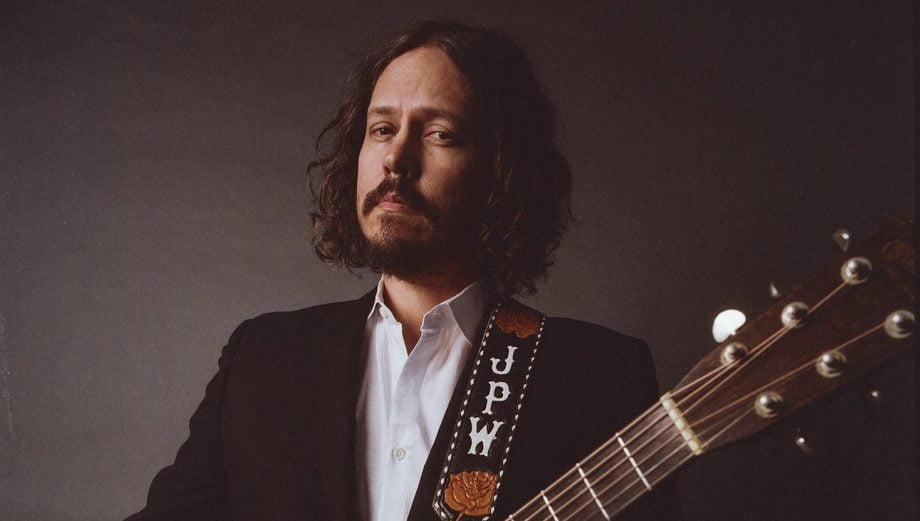
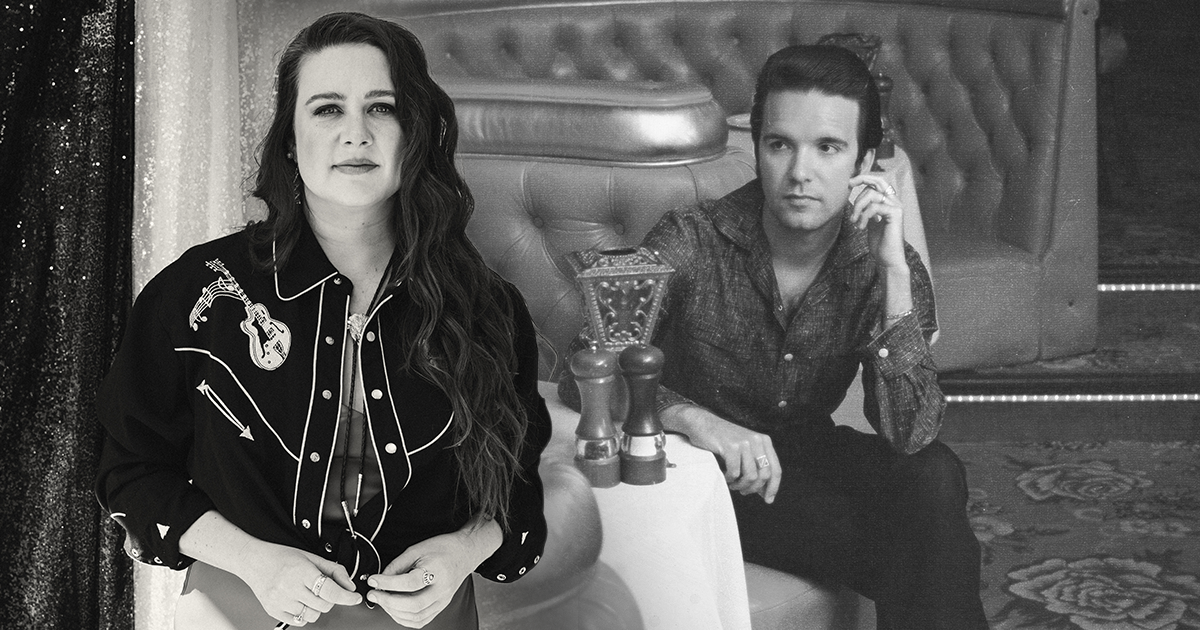
Photo Credits: Laura Schneider (Vickie Vaughn), Jo Anna Edmison (Theo Lawrence)
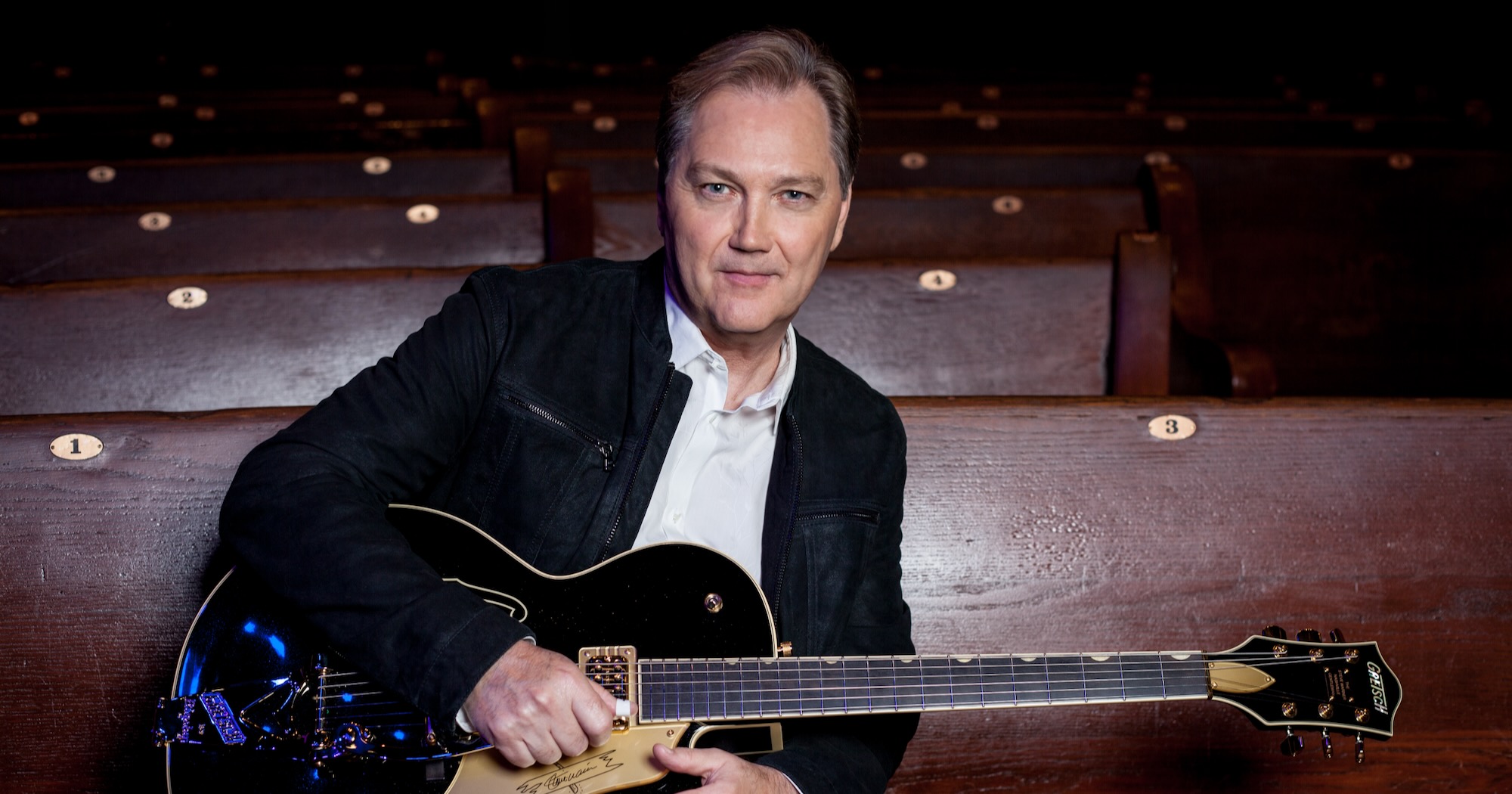
Steve Wariner Draws Parallels Between Music and Painting

When the world locked down during COVID in 2020, Steve Wariner was determined to use his time productively by dedicating himself to his two passions: guitar and art. That meant a lot of writing, practicing, and painting – and expanding his skills by exploring new areas.

“I told myself that I’m going learn some things, I’m going to go to work,” he says. “Of course I started writing. I’m always writing songs, so the music part of what I do will never go away. I write all the time, and I’m lucky to write with some wonderful co-writers. I wrote with a lot of people by Zoom. That was a weird thing. I did a bunch of that.

“I painted every day and built up a pretty good body of work. I started diving into oils, which I never did much before. I didn’t like how long it takes to dry, and using chemicals with it – turpentine, linseed oil, so forth. But the reasons I was hesitant are the exact reasons I love it now. You can go back and paint a week later, it’s still wet, and you can add things to it.”

He worked diligently with no specific goal in mind, other than broadening his horizons and satisfying his need to create. “I really paint for myself,” he says. “It’s like my songs. I just write, and if they get heard, if they get out there in the world, that’s great. If not, that’s cool too. I write for me, mainly, and same way with painting. I’m lucky that people every now and then hear my songs and cut them, and every now and then I sell paintings.

“I sold a couple pieces last year. And of course, this year at the show we’ve sold some. But it’s not something I’m aspiring to do all the time or make a living doing it. It’s something I do because it’s therapy and something I love. It’s joyful to get out and paint. You get in the zone, too. It’s real easy to get lost in it.

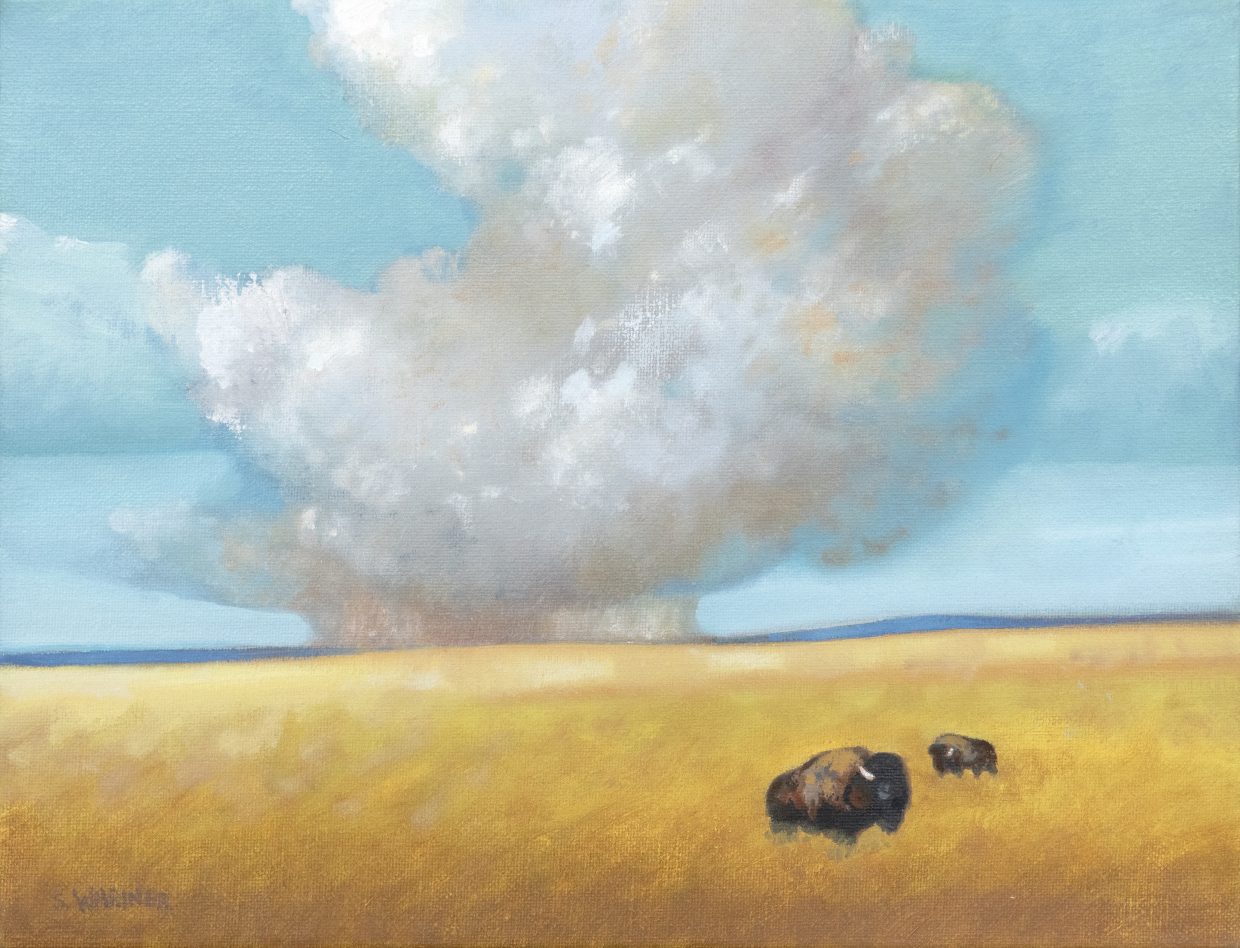
“Rain Out There” by Steve Wariner.

What he didn’t expect was that his time and effort would lead to the aforementioned “show.” Through mutual friends, the staff of the Monthaven Arts & Cultural Center, in Hendersonville, Tennessee, found out about his work and requested a viewing. The result is the Flip Side, a collection of 60 pieces in various mediums. The show opened on June 21 and runs through July 26. On June 25, Wariner performed an intimate concert as part of The Monthaven’s Heritage Music Series, making him the first artist/musician to simultaneously exhibit art and perform onstage.

Music has always been Wariner’s first love. His tremendously successful career is filled with dozens of Top 10 and Number 1 hits and a multitude of industry awards and recognitions. He has also painted throughout most of his life, and sold his first piece, a pencil drawing of a country store, when he was a high school sophomore – his art teacher purchased it for twenty dollars.

He is no stranger to exhibiting his work, and sometimes donating it to the best possible causes. In 2014, he created a fiberglass Basset Hound statue for Old Friends Senior Dog Sanctuary’s fundraising auction. In 2016, he participated in an artists’ exhibit at the Tennessee State Museum.

Between then and now, he has shown his paintings in California and sold numerous pieces, but “never anything on this scale,” he says about The Flip Side. “When this started out, we were talking about 35 to 40 pieces of art, and I thought that was pretty overwhelming. I’ve got tons of art, but Ruth Chase, the curator, and Cheryl Strichik, the executive director of Monthaven, looked at about 89 pieces of my work, total, and wanted to run with 60 pieces for the show.

“It is daunting, the work that goes into doing this. People don’t see that work and I never realized it either, to be quite honest. It’s time-consuming, and it takes a lot to frame and wire and get everything ready. Even placing it on the walls, matching it up, is an art. When you walk into the museum, it’s really nice; it’s got a nice flow to it, how they put it together. I’m really pleased.”

Let’s try something different with this interview, drawing parallels between painting and playing guitar. Let’s start with the tools: selecting the medium, brushes, paper, and so forth and selecting guitars, amps, pedals. The signal chain for each craft.

Steve Wariner: My first thought was watercolors would be like the acoustic guitars. In my guitar collection I have some old Martins and an old Epiphone Broadway that’s more of a jazz kind of guitar. Watercolor is very loose and free and unforgiving. If you mess up with watercolor, you start over because there’s no fixing it, unlike other mediums. I think that’s why a lot of times watercolor is harder than anything.

I think people take acoustic guitar for granted sometimes. If you’re not in that bluegrass or Americana world, where it’s very acoustic-driven, a lot of people think, “Oh, yeah, that’s acoustic.” No. It’s an art unto itself. People that play acoustic really well, the great players like Tony Rice, Mac McAnally, Bryan Sutton, they make it look easy, but it’s not. And that’s watercolor.

An oil painting, let’s say a beautiful English landscape, is like a vintage D’Angelico or Gretsch or some kind of beautiful archtop electric guitar that’s smooth and nice and elegant. That’s what I would equate with an oil painting. If you switch over to an abstract painting, something that’s more hard, that’s very expressive and can be loud, that would be the rock guitars, a Les Paul into a Marshall amp, or a Fender Strat, something very expressive, with a Nobels pedal or any kind of overdrive. That’s the abstract painting.

There are so many parallels with music and art. You start with a blank sheet of paper and you start writing, you start making something out of nothing. You start writing a song and you put a few words on there. On the blank canvas, you start putting a few colors on it and then, “Oh, this looks good with that.” With writing a song, you go, “Oh, that sounds good with that. If I say this, maybe I should…” It’s same with painting. It builds up as you go along.

With music and art, it’s not about what you hear or see. It’s about what you feel. A lot of people don’t understand why they love a painting, and it doesn’t matter; they just love it. A lot of the reasons why are the colors, the values, the way it’s put together, the composition, the harmony of it. In music you talk about tone, harmony, values, space. You hear a song and you love it right away. The song just hits you and it connects with you.

We always hear that tone is in the hands, it’s in the individual player, which is a parallel to painting and the individual painter.

Two people can pick up the same guitar and it sounds different. Two artists will look at the same thing, their paintings look different, and both are beautiful. I really do believe … a little bit of my faith has to come through because I think it’s a God-given talent in a way. You can hone it, like music, and when you love it so much, you’re going to do it. You’re driven to do it. But part of it is a God-given thing. I think you’re just born with it. You can hone it. It can be taught. But a lot of it is natural ability, too, I believe, and it’s something you’ve just got to do.

Does mood affect the choice of medium and, if so, how does that parallel mood and choice of guitar?

It is the mood. Some days I feel like doing a watercolor, and some days I say, “I’ve got a giant canvas out there and I want to just put some paint on it. I don’t know how I’m going to do it, or what or where it’s going to take me, but I’m going to put my old overalls on and paint.”

That’s me with the guitar, too. Some days I go out to my recording studio and, for example, I’ll say, “I feel like doing a Hawaiian song today,” and I’ll get out my Rickenbacker lap steel and start. It’s where the mood takes you. That’s what you feel like doing, and you can dive in and be creative.

You mentioned that with watercolor, you can’t make mistakes. Watercolor is to painting what tape is to recording?

That’s exactly correct. Chet Atkins used to talk about direct-to-disc recording, which means they would have one shot at it. It’s basically being cut into a disc when they record it, and you didn’t want to be the one making a mistake, because if somebody messed up, that’s it. That’s a watercolor painting.

The musicianship in that era was so strong. Their ear training was great because they had to figure everything out. Technology today makes it easy. You can tune it, fix it, slide it, do all these things. Don’t get me wrong – there are some great players today. But tape makes you really on point because if you mess up, it’s over with.

That’s the way it is with watercolor. If you mess up, you have to start over, and that’s what I like about it – the danger thing. I’ve done it before, where you have a beautiful thing going and you have to start over. With oils it’s still wet, so you can wipe it away and go over it, or when it’s dry, just paint over it.

Oil is Pro Tools. You can fix it in the mix.

Totally. Absolutely. The “undo” button makes you bold!

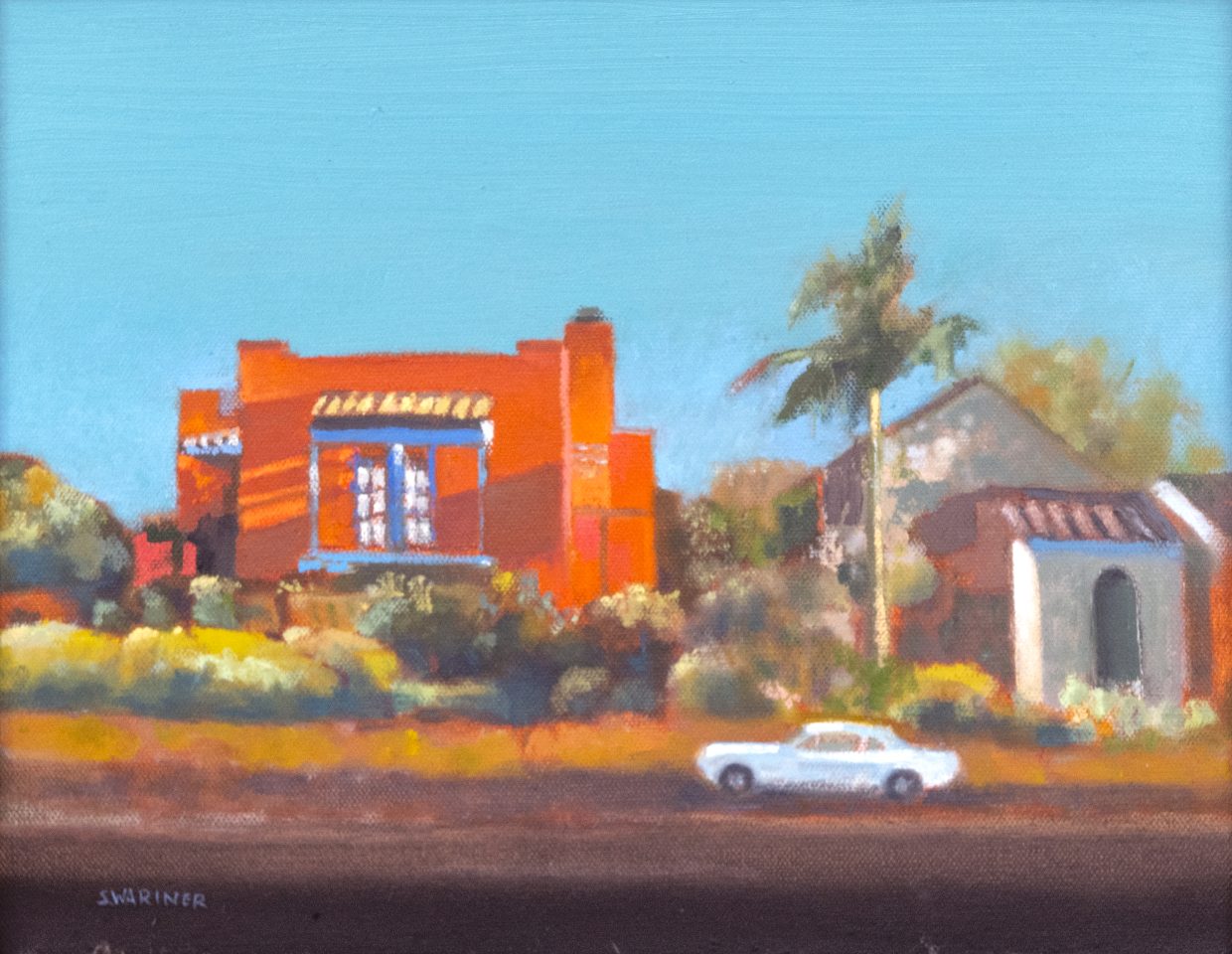
“A Glorious Day in Berkeley” by Steve Wariner.

Do you sometimes sketch first, or do you go directly to paint?

I do both. I keep sketchbooks and I sketch. My wife Caryn and I have a little RV and sometimes we go on road trips. I don’t want to carry all my stuff, so a lot of times I’ll just sketch, make notes on colors, and go back to it later. I also use my phone and iPad sometimes.

Sketching is the demo process, the pre-production.

That’s correct. There’s the demo in my sketchbook, now let’s make a record. Let’s get out the big canvas and make the painting.

Does your music or your guitar playing ever inspire a painting, and conversely, do you sometimes paint something, “hear” it on the canvas, and then it becomes a riff or a melody?

The answer is yes, to the first. I have thought of some guitar pieces, compositions. Both are compositions, but I have thought of that. Sometimes I paint with a certain mood or riff or song in mind, and if I have a name for the music piece, I call it that.

I have a piece in the show called “The Ocean’s A Little Bit Bigger Tonight.” It’s the name of the painting. It sold the other night. It’s a large abstract landscape, but it was inspired by a song I wrote with Bill Anderson called “Two Teardrops.” The first line of the chorus is, “Oh, the ocean’s a little bit bigger tonight, two more teardrops somebody cried…” That song is about the circle of life, and that’s the painting. As I was painting it, I kept thinking you could see the ocean way back in the back. It’s very abstract, but it has a lot of textures.

Bill came to the opening of my show and I showed him that painting. I said, “Bill, it’s like you when we first started writing this,” because he had part of it started and he was saying, “Wariner, you’re going to think I’ve either lost my mind or I’m a genius, I don’t know which, but it’s about two teardrops talking to each other.” The painting is that way. I told Bill, “You may think I’ve lost my mind with this abstract painting, but to me, that’s what it represented: two teardrops.”

Could abstract art be parallel to instrumental music? It’s open to interpretation from the viewer or listener, versus a painting of a specific subject being more like lyrics – even though those things can certainly mean different things to different people, too.

That’s a good way to look at it. It could be instrumental music, or more to me, I think freestyling. When you look at a jazz or bluegrass band, they get to the back half of the song and they’re just passing it around. Everybody’s playing – “Now you play eight bars, now you play eight,” or whatever. They’re freestyling. To me, that’s more what it is. It’s whatever you feel, it’s whatever you are interpreting, and I always loved that.

My first thought is Sam Bush. I love playing with him because with those songs where you do freestyle, I can’t wait for him to get ahold of his eight bars when it’s his turn, because he’s into it all the way. A lot of times that’s what I think an abstract might be, something like that. I like jazz, too, and some of those players get lost in their own world. They’re painting, they’re really layering and throwing some colors on there. It’s about the freedom.

You had to select 60 pieces for this exhibit. Is that parallel to putting together a song list for a show or sequencing an album?

Yes. It came down to that. It was interesting for me and very liberating, because I wasn’t in on making the set list necessarily. My suggestions were there, but that would be the difference. When I play, I make the set list, but they had the curator Ruth Chase, who’s wonderful, and she’s an artist in her own right. She had some great suggestions and great ideas, so she helped me put together the set list.

The curator is the co-producer.

Exactly, and the director is the engineer. She puts the whole thing together. It really is a team, the players.

In addition to your exhibit, something else that’s in the news is 75 years of Telecasters. Would you agree that it’s still the guitar that defines and is associated with country music?

That’s true. Number one, it’s so versatile. Maybe distinct is a better word. The West Coast guys, Roy Nichols, Buck Owens, Merle Haggard … they were certainly using them in Nashville, too, but the Bakersfield records really made the Telecaster, in my mind. It’s an iconic instrument.

James Burton turned me on to the Telecaster, no question. I saw him bending strings when I was a kid. I didn’t know how he was doing it, but I wanted to do it. It was like a magic trick I had to learn. Later we became great friends and we still communicate. He’s the king of the Telecaster, in my opinion. Roy Nichols was a big influence too.

We know you have quite a guitar collection. When did you get your first Tele?

I didn’t own a guitar until I was a sophomore in high school. I learned to play on my dad’s Jazzmaster, which he bought brand new in, I think, 1962. I still have it. Every time I played it, I dreamed and acted like it was a Telecaster. In my mind, it was a Telecaster, even though it didn’t sound or twang like a Telecaster.

When I was a sophomore, I had saved up about 400 bucks and I bought a Telecaster sight-unseen from a catalog. I ordered it from a store in Fort Worth, Texas. It was a ’71 or something like that. They sent it to me and I drove like a maniac to what is now Indianapolis International Airport to pick it up. I had an old 1964 Volkswagen and I blew the engine up going to get that guitar. I left it on the side of the road on [Interstate] 465, called my dad at work, and he came and got me and took me to pick up my guitar. We left my car sitting there for five days. I got my Telecaster and I was absolutely thrilled. That was my first guitar, and it’s now on display in a case at the Musicians Hall of Fame.

With all this talk of guitars and painting and writing, are we going to enjoy new music from you anytime soon?

I’ve got a stockpile of songs that I’ve been writing and going, “Ooh, I like this. I’ll put that over here.” I’ve got probably thirty songs or so that I just love, new ones I’ve written and that I’ve not really pitched around. I don’t have any plans right now. I don’t play them for anybody. I just sit on them. But I’ve thought about getting back in, getting some players together, having some fun, and see what comes out.

In the press release about the exhibit, there’s a quote: “Painting has always been a kind of therapy. It’s my sanctuary and escape.” How do painting and guitar fulfill and heal you therapeutically?

I think any artist will attest that you’ve got to find a place that you can go and just get away, get in a zone. It’s the free time that you’re not thinking about [anything else]. Music does the same thing. If I’m writing a song, I’m concentrating on what the song says. I have to force myself not to write about what I’m trying to escape from. But that’s good, too, to actually talk about it sometimes.

Painting is a place where I can turn my phone off. I’m listening to music in my headphones and I’m painting. I don’t know what time it is and I don’t care. I just go and go. No phones, no bother, nobody worrying you, nothing going on. It’s an escape and it’s great. It’s a really safe, free place.


Photo Credit: David Abbott. 

Reproductions of Steve Wariner’s visual art appear with permission, titles as marked. Images courtesy of the artist.

John Paul White Captures the Countrypolitan Era

John Paul White, who rose to prominence as half of The Civil Wars, has just delivered his most fully-realized solo set, The Hurting Kind. When he couldn’t find a modern album that gave him the feeling of his favorite countrypolitan recordings of the ‘50s and ‘60s (think Patsy Cline and early Roy Orbison), White set out to make an album that would capture the aesthetic of that era without going full-on retro. He wrote with some legendary songwriters of those decades still working in Nashville, including Country Music Hall of Fame members Bill Anderson and Bobby Braddock. One of those Braddock collaborations, “This Isn’t Gonna End Well,” is included here as a duet with Lee Ann Womack.

Recorded at his own Sun Drop Sound studio in Florence, Alabama, with producer Ben Tanner (Alabama Shakes) behind the console, The Hurting Kind finds John Paul White going for broke as a vocalist, flexing his creative muscle as a country songwriter, and speaking his mind about what it means to live and work in Alabama in 2019.

BGS: When you were growing up, your father’s record collection contained a lot of classic country albums, but you didn’t gravitate towards those sounds back then?

White: When I was growing up, I hated those records. It was not my cup of tea. I was more of a rock ‘n’ roll guy. I was listening to Black Sabbath and Led Zeppelin and AC/DC — stuff like that that. When I got to college I started listening to Steve Earle and Rosanne Cash and Emmylou Harris. I realized the reason I was digging those records so much is because of all those country records I grew up with. That’s what they grew up with, too, so we had a common DNA. So, I dug back into all those records that I knew by heart and realized how much I loved them. They influenced my decisions musically all the time whether I knew it or not. I finally just fully embraced it.

Over the last few years, you’ve been drawn to music from the countrypolitan era. Why did you want to tap into that for The Hurting Kind?

I think it was just a huge hole in that part of my discography that I was listening to. I was looking for that stuff everywhere. I’d worn those records out, and I knew them backwards and forwards. I was trying to find something in a modern setting that was doing that thing, because that’s just what I craved and what I wanted to listen to.

I then went out and made the record that I was looking for. I decided, “Well, I’m going to find the guys that wrote a lot of those songs.” So I got to write with Whisperin’ Bill Anderson and Bobby Braddock for this album. I got the seal of approval from them that I was on the right track. That’s huge.

You wanted to capture that countrypolitan aesthetic, but you didn’t want The Hurting Kind to sound retro. How did you achieve that?

I didn’t actively do anything to keep it from sounding retro. I wanted it to sound like a modern record, but with those same sensibilities of the string arrangements, vocal harmonies and that country-jazz Chet Atkins-type guitar style. But I wanted to capture it in the way you capture sounds today and not feel like you have to use all old ribbon mics and old RCA microphones that they were forced to use. We have lots more tools at our disposal. If we had finished this record and were just following our guts and it sounded like an old record, then so be it. But I’m glad it sounds like its own thing.

The aesthetic I was going for was really captured in the songwriting process. I arranged all these songs in my head the way that I thought they should sound, and the way they should progress dynamically, before I ever walked into the studio.

“You Lost Me” is such a great cheating song, and one of the most devastating on an album full of heartbreak songs. How are you so good at writing these sad songs?

I’m not meant to write songs to cheer you up. I’d fail miserably because they don’t move me. They don’t make me feel something. My songs aren’t necessarily sad as much as they’ll stir up an emotion. It might be longing or it might be love, but at an angle. Like, “I love you and you’re so horrible for me.” That’s more interesting to me, ‘cause just the straight up love songs, it’s been done. I come at it from a completely different perspective.

Doomed love is also the topic of “This Isn’t Gonna End Well,” a duet with Lee Ann Womack. Why was she the right fit for that song?

I needed a timeless voice — a voice that could straddle genre, but also, I won’t lie, I wanted a voice that would be recognizable. Lee Ann was every one of those boxes checked. She’s really made strides towards creating true, traditional music and sort of separating herself from the typical Music Row stuff. We’ve known each other for a while and have talked about collaborating and never have. I knew, because of Bobby writing it with me, I could be confident enough to walk in the room and ask her out, as it were. She said yes.

You’re singing with a lot of emotion and vulnerability on this album, which isn’t common for a man to do in 2019. Why is that?

Because it’s ain’t cool, I guess. I love Roy Orbison and Marty Robbins — the guys that just put their heart on their sleeve and are not afraid of the drama and bowl you over with it. They make sure you know exactly what they’re feeling with those big notes and the trills and stuff. I think ever since Nirvana came along, so many wonderful things about that whole movement, but it also became so much shoe-gazing. That’s fine, and I like some of that music, but what I really like is a guy up front with confidence putting it all out there and letting you know exactly how he feels and not giving a shit what you think about it.

It’s not easy to pull that singing style off, either. Your voice has really evolved on this album.

I appreciate you saying that. I think it was a confidence thing, too. I think it was a conscious decision to step forward and be counted and give people what I have and not hold back. Not give them 80 or 90 percent. I honestly feel like I’m singing better now than I ever have. I feel like every time I get in front of a microphone or get onstage or am in the studio, I figure something out. I tweak something that makes it a little less hard, a little more comfortable or easier to project — a little better tone, and that’s exciting.

Being an Alabama native like yourself, I’ve found a lot of meaning in the album’s opening song, “The Good Old Days,” with the news coming out of the Alabama state legislature. You’re now performing that song all across the country and overseas and in some ways representing the state to your audience. I have to say, it’s complicated to be from Alabama these days.

It most certainly is. I get it left and right. I’m proud to be known as an Alabamian. I don’t take that lightly. I don’t tend to want to be the preachy guy around here, because I’ve never gravitated towards those sorts of people anyway. The whole proselytizing thing of, “This is what you should believe and this is what you should not believe” does not sit well with me. But at some point around here, it just gets to a fever pitch to where you can’t keep your mouth shut.

That song was definitely a big middle finger to the idea of “Making America Great Again,” because for most people in this country that aren’t white, straight dudes, it wasn’t great. It hasn’t been great. I’m trying every day to teach my children about tolerance and compassion and making sure they know this country was really, really hard on a lot of people that didn’t fit what people considered the norm.

I don’t ever want to see that shit happen again. I don’t want it on their watch. I want to make sure they’ve got their eyes open and that they change things and don’t ever say we should have it back like it used to be. No. I don’t want that for a minute. I want it like it says in the song, “Our best days are in front of us.” I have to believe in that. There are days when I wonder, but I have to have that hope.


Photo credit: Alysse Gafkjen