LIVE AT LUCKY BARN: Little Freddie King, ‘Tough Frog to Swallow’

We've teamed up with the good people at Pickathon to present a season's worth of archival — and incredible — videos from the Pacific Northwest festival's Lucky Barn Series. Tune in every fourth Tuesday of the month to catch a new clip.

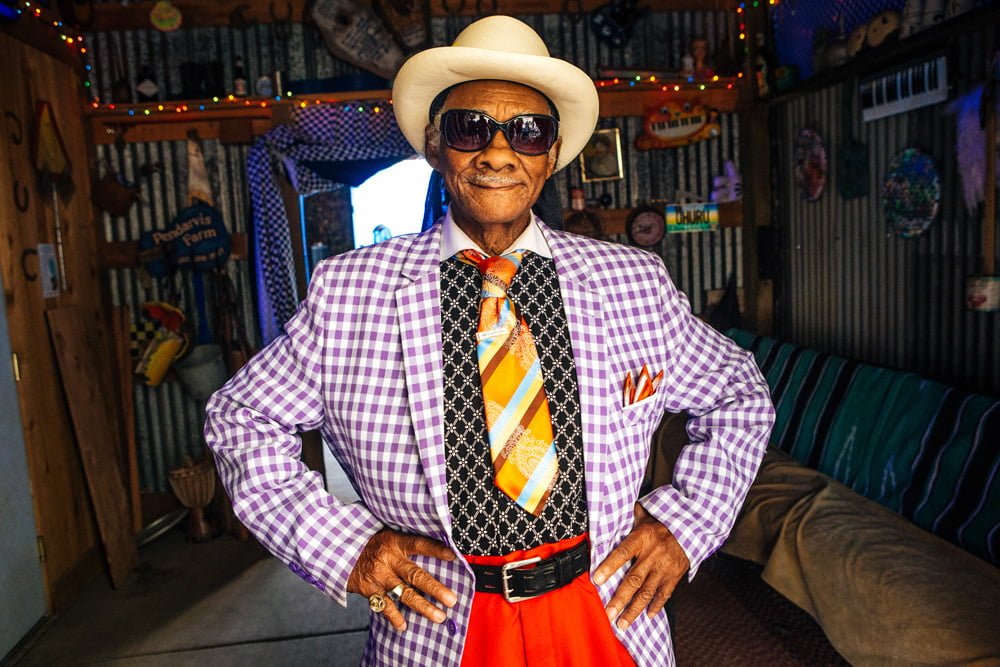
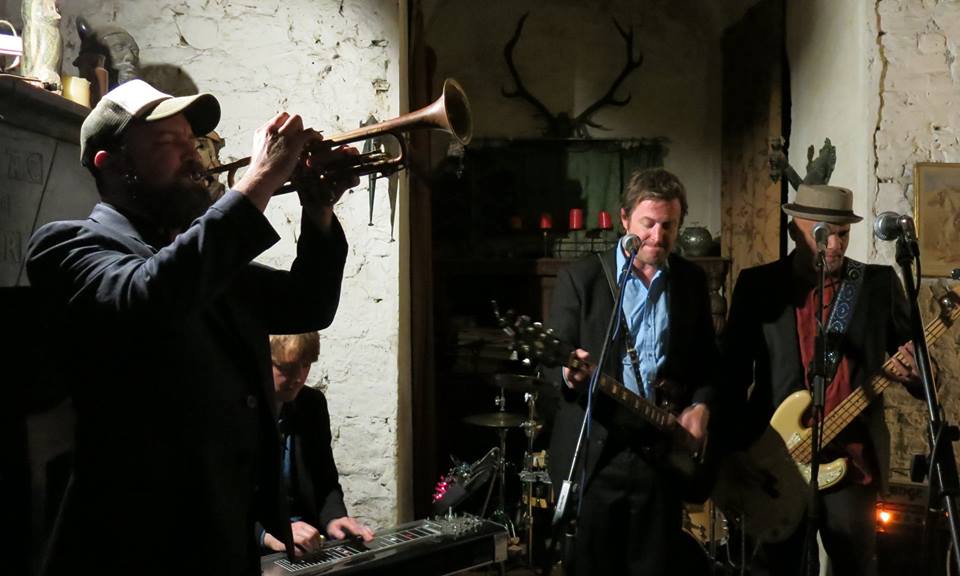
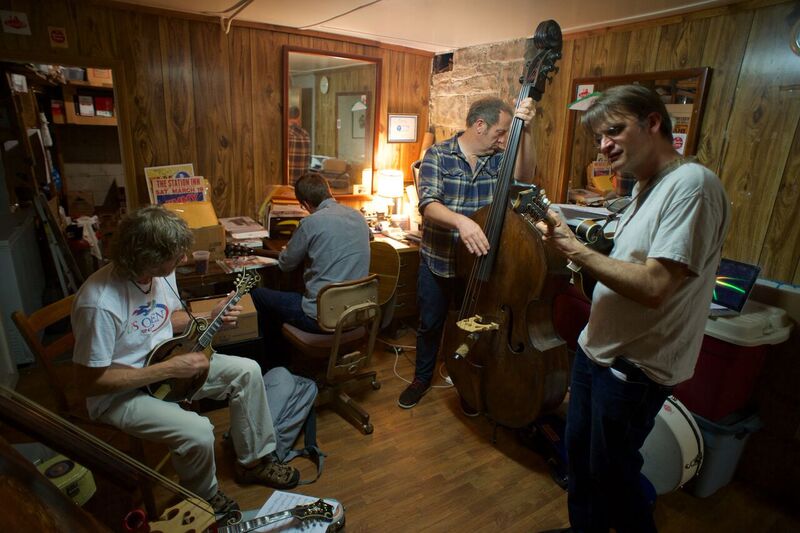
The third episode from the Spring season of the Lucky Barn Series features blues man Little Freddie King rumbling and rocking through "Tough Frog to Swallow." After pulling off a leg split that would make Chuck Berry proud, King talks about the first records he ever bought: Lightnin' Hopkins, Muddy Waters, B.B. King, and Albert King. Of emulating Hopkins, King says, "I couldn't play just like him, but I loved his style … I got pretty close to him, but I couldn't reach him."

Pickathon comes back to the Pendarvis Farm in Happy Valley, Oregon, from August 5-7, 2016. Recent additions to the festival lineup include Mac DeMarco, King Sunny Ade, Thao & the Get Down Stay Down, Joseph, Ry X, Cory Henry, Promised Land Sound, Town Mountain, Myke Bogan, Blossom, Caleb Klauder & Reeb Willms, Open Mike Eagle, and Chanti Darling. Tickets and the full lineup are available now.

Click here for more, and stay tuned for another wonderful season of Lucky Barn videos. 


Photo credit: Todd Cooper

Take This Hammer, Blow Your Kazoo: Skiffle in the 1950s and Beyond

In July, 1954 — the same month that Elvis Presley unleashed his first two world-changing singles — a Scottish-born singer and trad-jazz musician named Lonnie Donegan released a cover of “Rock Island Line” with backing on washboard and bass. Inspired by the African-American singer Lead Belly, Donegan explains the rules of the rails in his spoken-word intro and includes the shouts and cries of the engineers. Though he strums his guitar in a persistent rhythm to evoke the chug and drive of a freight train, the song picks up speed along the way, finally achieving a breakneck momentum as Donegan’s high-pitched vocals grow wilder. It’s a remarkable performance, studious to the point of mimicry, yet reckless like a runaway train.

It took two years, but the single finally caught on and started climbing the British pop charts in 1956. Donegan followed it up with a full-length album, An Englishman Sings American Folk Songs, which became a massive hit on both sides of the Atlantic. In its wake, a series of like-minded folk acts starting popping up all over Britain: young men and women well-schooled in American folk music yet too irreverent and too wiley to be classified as traditional. Emphasizing ingenuity and spontaneity, they played rhythm guitar almost exclusively, along with whatever instruments happened to be on hand: usually kazoos, banjos, washboards, tea cabinet bass, and assorted homemade noisemakers. This was closer in spirit, if not in sound, to the rock 'n' roll coming out of the American South.

Thus was born skiffle, a short-lived scene with a lasting influence.

The word itself has a long history that reveals the concerns of its mid-century practitioners. Skiffle originated in the 1920s as a word to describe wild, impromptu jazz that mixed blues, ragtime, and folk. When Donegan and a few other musicians began playing sets of folk tunes during their trad-jazz shows, he called them “skiffle breaks,” borrowing the term from the semi-popular ‘30s jazz act the Dan Burley Skiffle Group. Eventually, the break would become the entire show, with Donegan and his small outfit often improvising their covers.

After the success of “Rock Island Line,” skiffle groups came out of the woodwork, with trad-jazz musicians migrating to this more lucrative market and kids picking up guitars for the first time. The Chas McDevitt Skiffle Group enjoyed a hit with a cover of Elizabeth Cotton’s “Freight Train” featuring Nancy Whiskey on vocals. A London outfit called the Vipers Skiffle Group — later known as simply the Vipers — rivaled Donegan as the trend’s guiding light, thanks to a string of smash singles like “Cumberland Gap” and “Don’t You Rock Me, Daddy-O” (which was produced by George Martin, later known as the Fifth Beatle). America even produced its own skiffle star, Johnny Duncan, who was born in Oliver Springs, Tennessee, but found fame in the clubs and charts of England with his 1957 hit “Last Train to San Fernando.”

As Rob Young writes in his indispensible 2010 guide to British folk music, Electric Eden: Unearthing Britain’s Visionary Music, “Skiffle’s accelerated swing rhythms and domestic equipment — kazoos, harmonicas, comb and paper — placed music-making in the hands of the amateur, as well as opening up a conduit for the dust-bowl and rust-belt blues and folk poetry of Woody Guthrie and Lead Belly to be siphoned into British ears.”

Like the trad-jazz scene and like the blues revival of the following decade, skiffle was a result of Britain’s obsession with American traditional music. During the post-war years, even as many musicians strove to define and preserve a specifically English folk tradition in pubs and social clubs, much of the country looked west for musical inspiration, finding it in the music made by poor Americans often in rural settings. Granted, those folk songs could be traced back to European sources, brought over by immigrants generations before and gradually mutated over the years, but by the middle of the 20th century, the music sounded distinctly American.

What distinguishes skiffle from imported jazz or blues is its emphasis on labor and class. Most of the main skiffle hits were about workers’ laments: engineers and linemen, sharecroppers and cotton pickers, migrants and chain gang prisoners. Weirdly, skiffle was viewed as largely apolitical at the time, a harmless fascination with another country’s past. However, the subject matter of these songs reinforces the populism that lies at the heart of all folk music, which likely made it more appealing to everyday Brits, especially teenagers.

As Alan Lomax noted at the time, “At first, it seemed very strange to me to hear these songs, which I had recorded from convicts in the prisons of the South, coming out of the mouths of young men who had suffered, comparatively speaking, so little. But I soon realized that these young people felt themselves to be in a prison — composed of class-and-caste lines, the shrinking British empire, the dull job, the lack of money … things like these. They were shouting at the prison walls, like so many Joshuas at the walls of Jericho.”

Skiffle left a mark on an entire generation of men and women who picked up guitars and created some of the best music of the 1960s. The list of musicians who started out in skiffle is long and impressive: Jimmy Page, David Gilmour, Ritchie Blackmore, Pete Townshend … even Cliff Richard. Van Morrison was not only a huge fan of the genre, but also recorded an album with Lonnie Donegan and Chris Barber in the late 1990s. And one obscure skiffle group from Liverpool eventually changed its name from the Quarrymen to the Beatles.

The craze lasted barely five years, replaced by the screams and shouts of American rock 'n' roll, which offered similar freedoms and pleasure. Skiffle remains a brief chapter in pop history, but its lasting influence belies its short life. Although it remains obscure today — unknown by pop fans and often overlooked by folkies — the genre reinforced the idea that popular music is often best left to the amateur, the unschooled, the self-taught: those artists who innovate intuitively, without anyone telling them what they can’t do.


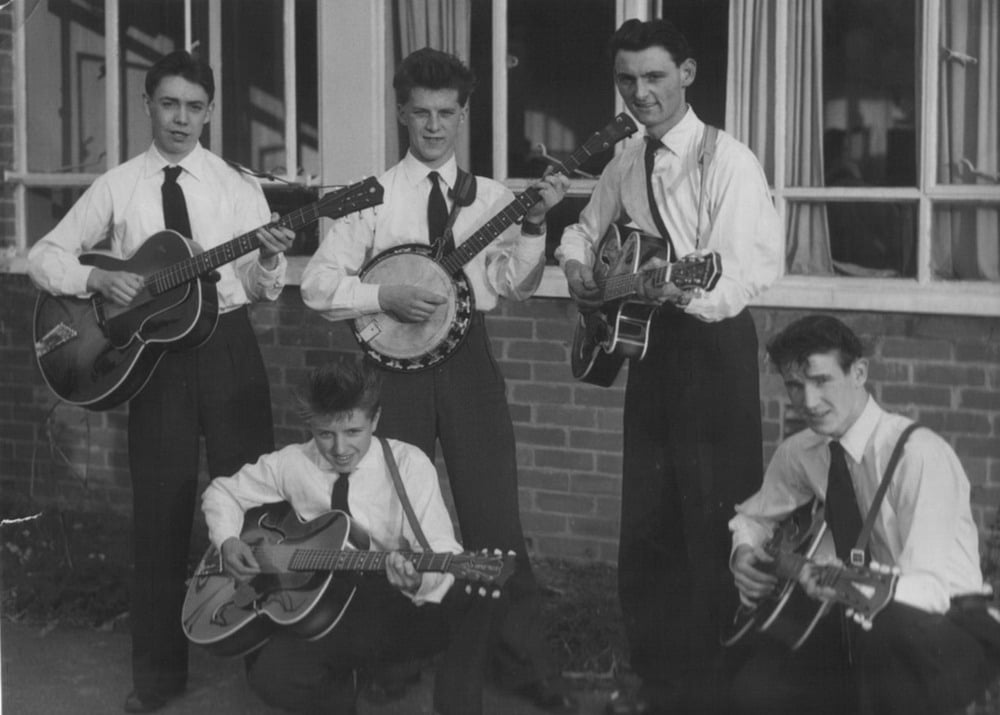
Dewi Peter's Skiffle Group outside Kayser Bondor, Pentrebach C.1957. Photograph courtesy of Clive Morgan.

Counsel of Elders: Jimmy “Duck” Holmes on Learning the Blues

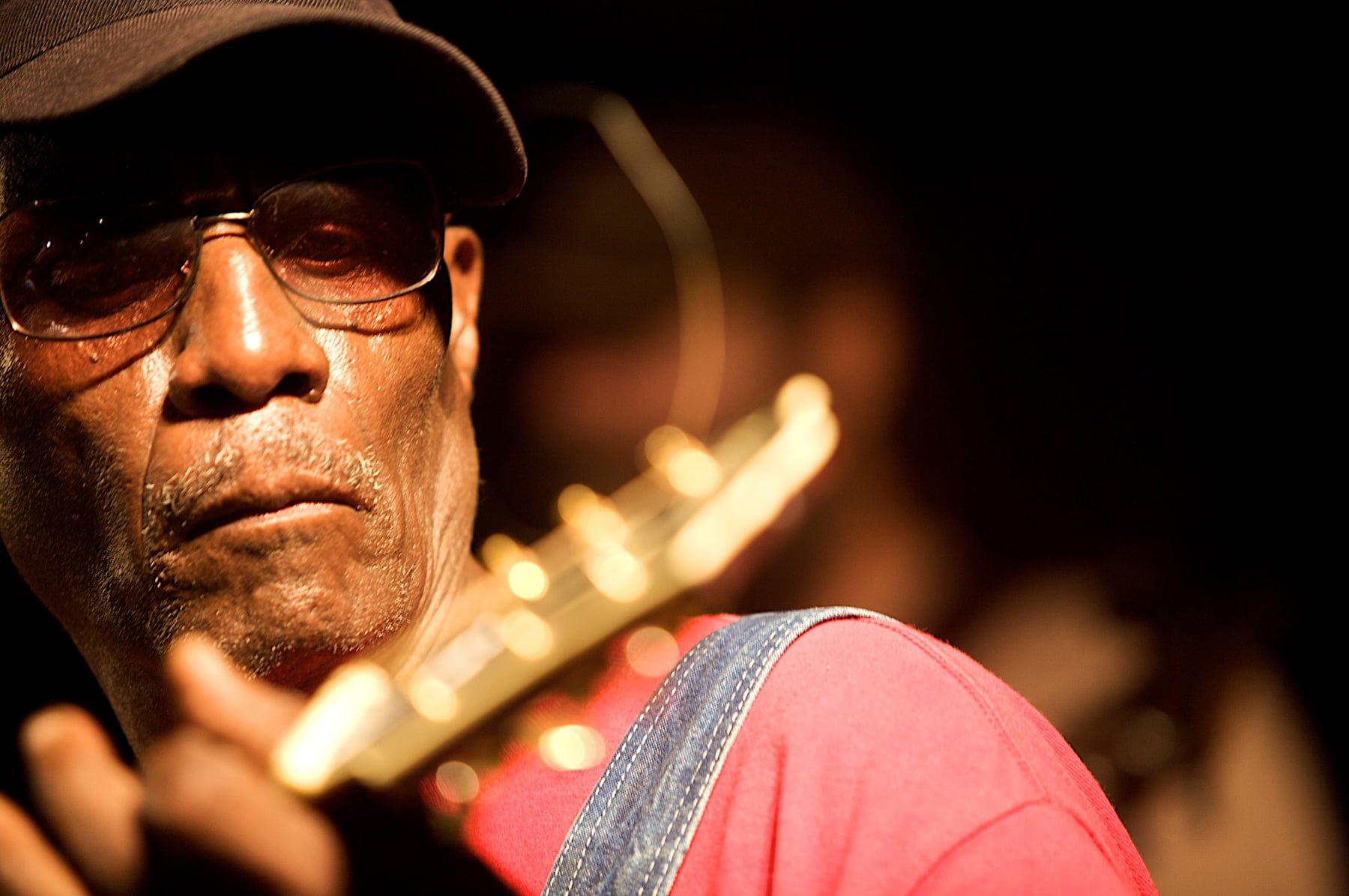
Simply put, Jimmy “Duck” Holmes is a living legend. As the last of the Bentonia bluesmen taught by Henry Stuckey, he is carrying the torch for this much-beloved rural blues tradition. Holmes was born in 1947, and his parents owned and operated the legendary Blue Front Café. The oldest still-operating juke joint, it is considered the birthplace of Bentonia Blues. Skip James and Jack Owens popularized these dark acoustic blues. Holmes took over the Blue Front Café from his parents in 1970 and has been busy spreading the music ever since. He’s pushing 69 years old and showing no signs of slowing down. On June 17, he is releasing his latest album, It Is What It Is.

Congratulations on your upcoming release,  It Is What It Is. I want to ask specifically about the first song, “Buddy Brown.” It has a much harder and distorted sound than you are usually associated with. What brought about this change and did recording at your Blue Front Café affect how you approached these recordings and the overall sound?

Recording at the Blue Front Café was normal to me. I’ve been around the Blue Front Café my whole life. My parents started it when I was only 1, but I’ve been skipper of the ship for the last 46 years. It’s where I learned to play and where the Bentonia Blues grew. I’ve recorded here before. As far as that particular song, I wanted to play a song to show what I had learned from Tommy West. He lived in Bentonia, but he played hill country blues. So I played a little hill country blues in the Bentonia style.

Your vocals sound amazing on these tracks. How do you keep it in such good shape?

I don’t know. It just comes natural, I guess. I would say I get my singing from my mama. She used to sing gospel songs when she was cooking and things.

Seeing as you and your siblings spent much of your childhood at the Blue Front Café, did it operate as a juke joint from the beginning or did the live music come along later? Have the blues always been a part of your life?

I’ve been around the blues all my life. I couldn’t necessarily go into the Blue Front when I was a kid, but I was around it for as far back as I can remember. Now, historians who keep track of these things say that the Blue Front Café is the oldest surviving juke joint in the state of Mississippi. It’s never been closed. Back in the day, there were also juke houses. Jack Owens had a juke house for a long time. I believe Skip James had one for a short time. But the Blue Front Café has been a juke joint from the start.

Let’s go back to the beginning, when did you start playing music?

The first guitar I picked up belonged to Henry Stuckey. It was around 1957, but I didn’t play too much then. I didn’t start playing in earnest until the early 1970s.

I’ve read that you were the last person taught by Henry Stuckey. He has taken on a mythical status over the years. My understanding is that he served in the military and learned the open E-minor tuning from Bahamian solders. When he came back to the States, he was almost like Johnny Appleseed, but he was spreading this new guitar technique and sound instead of seeds and trees. What was your relationship like with Stuckey? Was it a formal tutelage?

I didn’t have any formal lessons from Henry Stuckey. He lived in the original Blue Front Café after my parents moved it into town in the early 1950s. He would sit on the back porch and play guitar, and I would play and carry on in the yard, when I wasn’t working. I would sit and listen to him play. That planted the seed in my mind and put that sound in my ear. Like I said, I picked up his guitar and messed around some playing.

I’ve read that you were friends with Jack Owens and Bud Spires. Did they have any advice or help out when you were starting? Was there anyone else that took you under their wing?

How much time do you have? Jack is the man! Jack, Bud, Cornelius Bright, Tommy West, Cleo Pullum, and others would come to the Blue Front Café to hang out and listen to each other play. I guess you could say that I sort of got drafted into it. Jack realized that there weren’t many younger players of the Bentonia blues and he wanted to keep it going. He understood the music better than anyone, but he couldn’t tell me to play an A or E or whatever. But he was determined for me to learn how to play.

We would sit there and he would tell me, “Watch my hands.” He would play and then want me to do what he just did. We’d spend many days at the Blue Front Café doing just that — watching his hands. Watching Bud and Jack play also helped me learn to play the harp. I can’t play it like Bud could, because no one could, but I play a little harp on my new record. The other guy who taught me to play was Tommy West. He was a hill country blues player and helped me learn how to use the low E as a bass string. He could play with the best of them.

Are there any younger acts that you enjoy?

Other than a handful of guys like Bobby Rush, Leo “Bud” Welch, Gip Gipson, Little Freddie King, Big George Brock, and a few others, most everyone else is younger! I like a lot of blues. I enjoy blues musicians who genuinely love the music. I like to invite people to play at the Bentonia Blues Festival. This year, from June 13 through June 17, we’ll have music at the Blue Front Café every evening. Then, on Saturday, June 18, we have the main day of the festival out at my farm just north of Bentonia. It’s an all-day event with real country blues from Bill Abel and Cadillac John Noland, Randy Cohen, McKinney Williams, Lightnin' Malcolm, Leo, Roosevelt Roberts, Wes Lee, David Raye, and the Blues Doctors. We also got Mike Munson and Dave Hundreiser from Minnesota and Tito Deler from New York. It’s going to be a great festival. These guys can play.

Are you working directly with any younger artists?

I’m not rushing him, but I’ve been teaching my grandson, EJ Fox, how to play in the Bentonia style. I’ve shown lots of people a few things here and there over the years. Chris Bradshaw from Bentonia is good. Jack taught my nephew, Larry Allen, a few things, but hasn’t played in years. He’s been coming by the Blue Front Café to play, and I’ve been helping him remember what Jack had taught him.

Do you have any advice or words of wisdom for up and coming musicians?

Pertaining to old-school blues, for it to continue, someone needs to learn it. You don’t have to love it, but you need to appreciate the blues as a foundation. You can’t do much on the guitar without learning some blues licks. Now, you have to practice every day. And you need to develop your own signature sound so that way people will know it’s you when they hear it.


Photo credit: Lou Bopp

3×3: Richmond Fontaine on Ennio Morricone, Merle Haggard, and the Finest of the Flavors

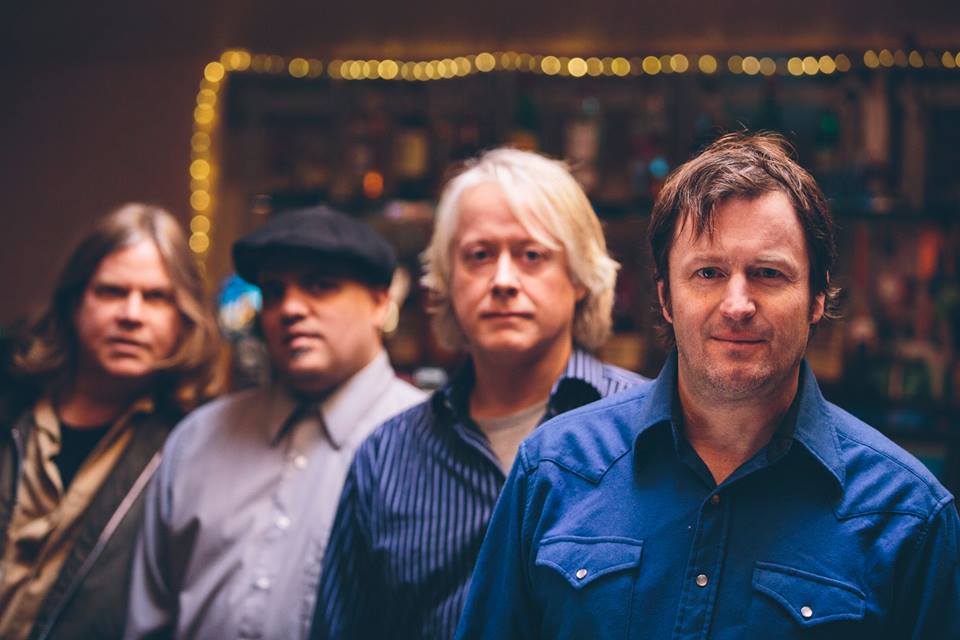
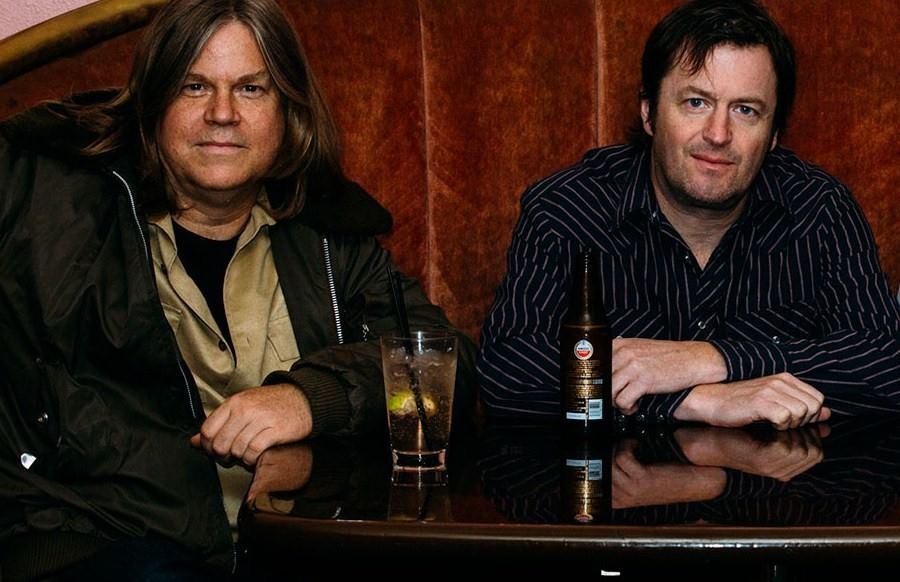
Artist: Willy Vlautin (of Richmond Fontaine)
Hometown: Portland, OR
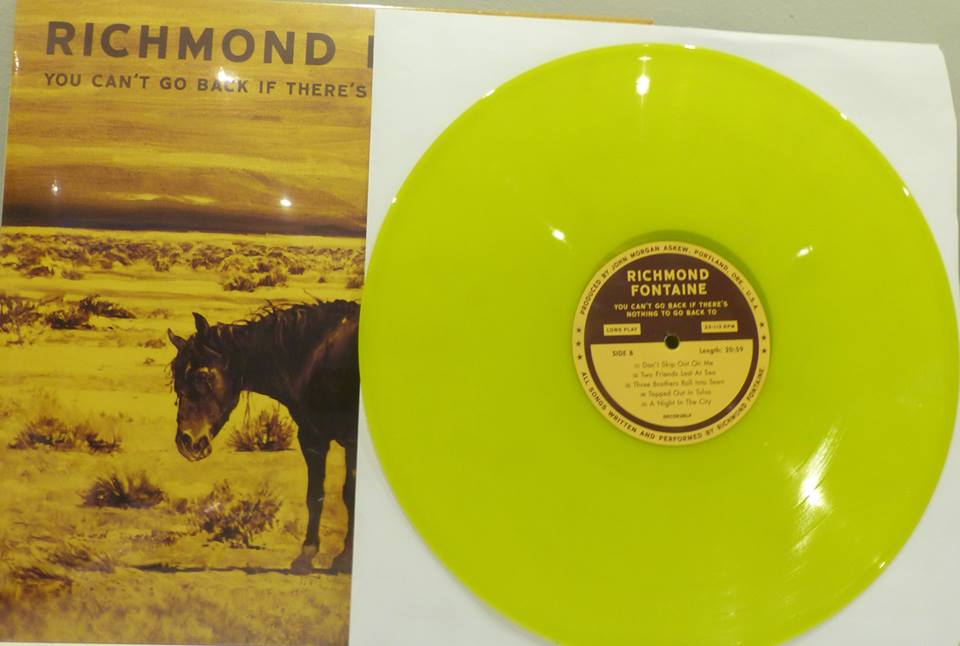
Latest Album: You Can’t Go Back If There’s Nothing to Go Back To
Personal Nicknames: Hatchet

What was the first record you ever bought with your own money?
"Kids Are Alright" by the Who

How many unread emails or texts currently fill your inbox?
176

If your life were a movie, which songs would be on the soundtrack?
Ennio Morricone’s songs

What brand of jeans do you wear?
Levi's

What's your go-to karaoke tune?
"Big City" by Merle Haggard

If you were a liquor, what would you be?
I wish I would be Cententario tequila, but mostly I would be Old Crow.

Poehler or Schumer?
Poehler

Chocolate or vanilla?
Vanilla

Blues or bluegrass?
Blues

3×3: Matt Flinner on Ross Martin, Steve Martin, and Which Schumer Is Which

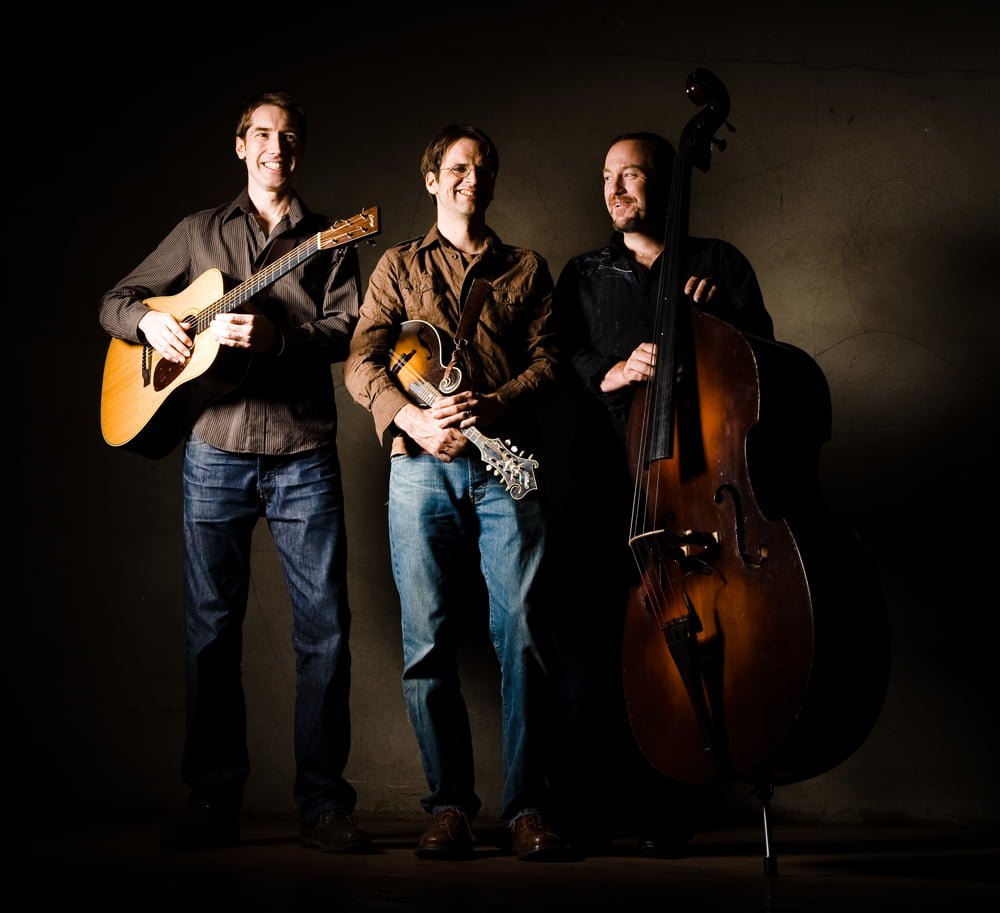
Artist: Matt Flinner
Hometown: Pueblo, CO
Latest Album: Traveling Roots
Personal Nicknames: For a while when I was growing up, my nickname was "Bob" (my dad's name). In England, where I am right now, it's "Simon" (from a Mike Myers character on Saturday Night Live). I call Ross Martin, our guitar player, "Pollock," and Eric Thorin, our bassist, "Francis Bacon" … for reasons that are maybe best left out of this article.

What was the first record you ever bought with your own money?
A 45 of Steve Martin's "King Tut" when I was about seven years old. I loved that record! I had nothing to do with the banjo or bluegrass at that point (and neither did that record), but when, years later, I played on Steve Martin's The Crow album, I thought it was sort of bringing things around full circle.

How many unread emails or texts currently fill your inbox?
3,792

If your life were a movie, which songs would be on the soundtrack?
I think this changes constantly, but the low D-string on a banjo played over and over again would be my underlying soundtrack. To me, it's sort of a cosmic note that brings well-being to myself and the world around me.

What brand of jeans do you wear?
Levi's

What's your go-to karaoke tune?
"The Chicken Dance"

If you were a liquor, what would you be?
Akvavit

Poehler or Schumer?
Schumer (You mean Chuck, right?)

Chocolate or vanilla?
Chocolate

Blues or bluegrass?
Bluegrass — especially bluesy bluegrass


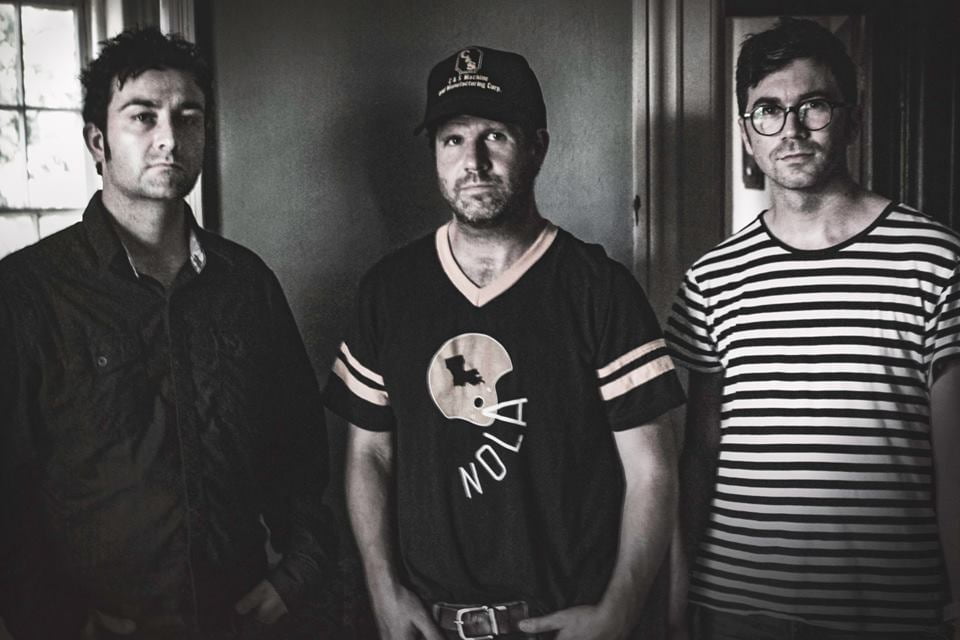
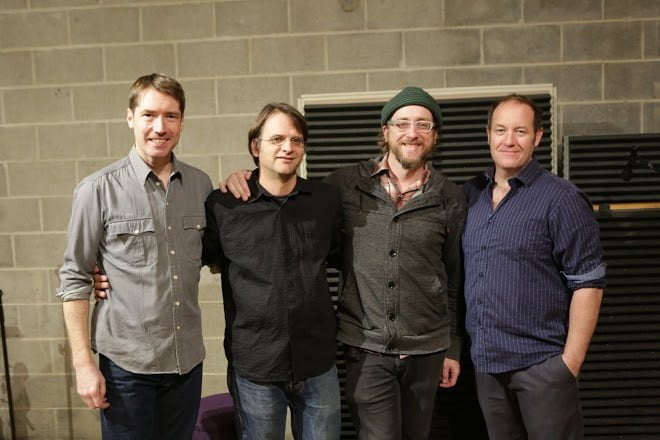
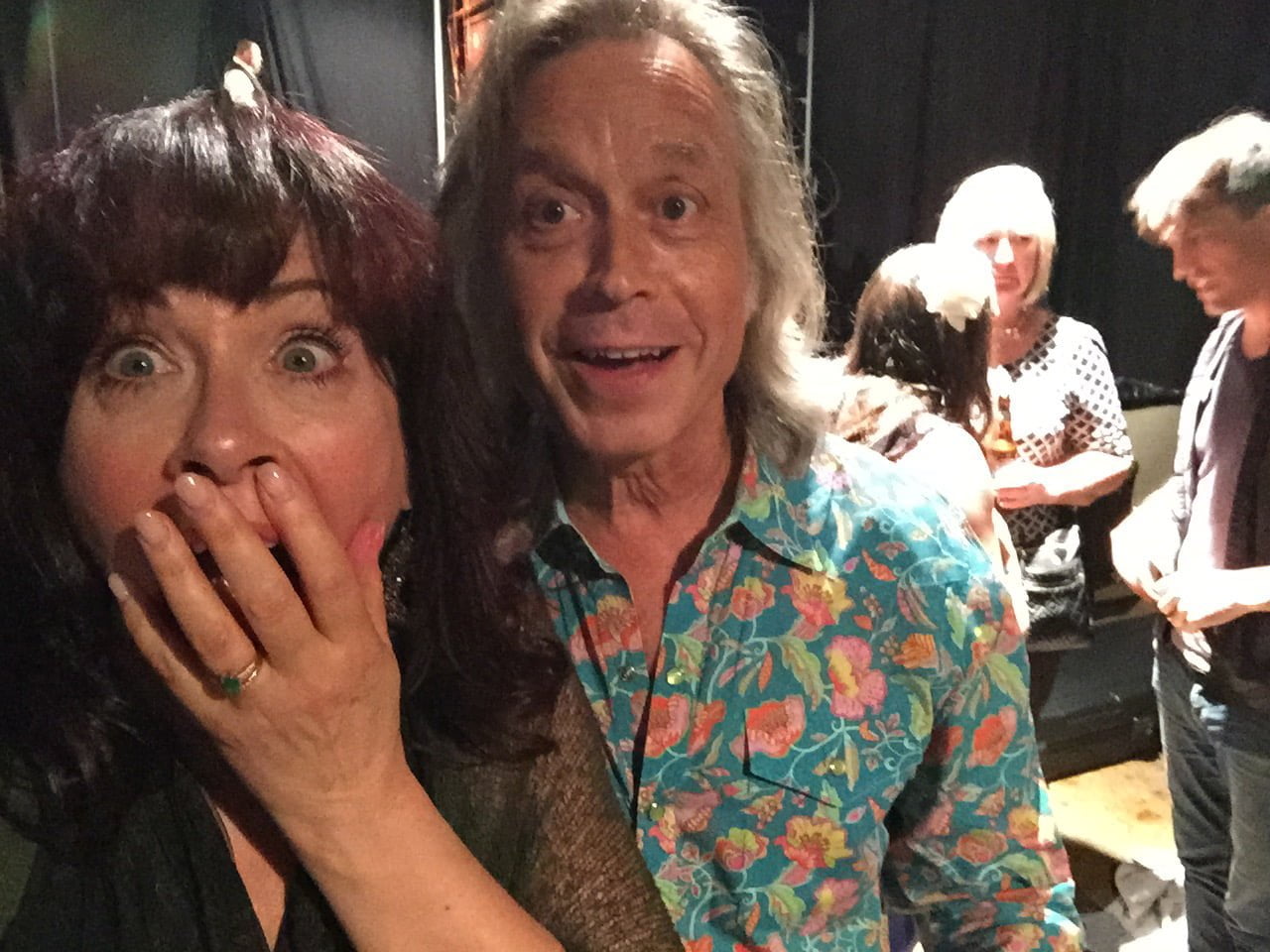
Photos one and three by Mark Woodland and Mike McGrath, respectively, courtesy of the artist.

3×3: Janiva Magness on Husbands, Lawyers, and the Battle Between Vinyl and Digital

Artist: Janiva Magness
Hometown: Los Angeles, CA by way of Detroit, MI
Latest Album: Love Wins Again
Personal Nicknames: Sis, Magna, Magneeto, The Boss

Your house is burning down and you can grab only one thing — what would you save?
My husband, my cats, my laptop. I would grab all of them in that order. 😉

If you weren't a musician, what would you be?
Maybe a lawyer or a school teacher, if I could stand school!

Who is the most surprising artist in current rotation in your iTunes/Spotify?
Jordi Savall and Hesperian XX

What is the one thing you can’t survive without on tour?
Yoga

If you had to get a tattoo of someone's face, who would it be?
Pippi Longstocking

Who is your favorite superhero?
Iron Man

Vinyl or digital?
Both — why do I have to choose?

Dolly or Loretta?
Loretta

Meat lover's or veggie?
Veggie, most definitely

What We’re Buying on Record Store Day 2016

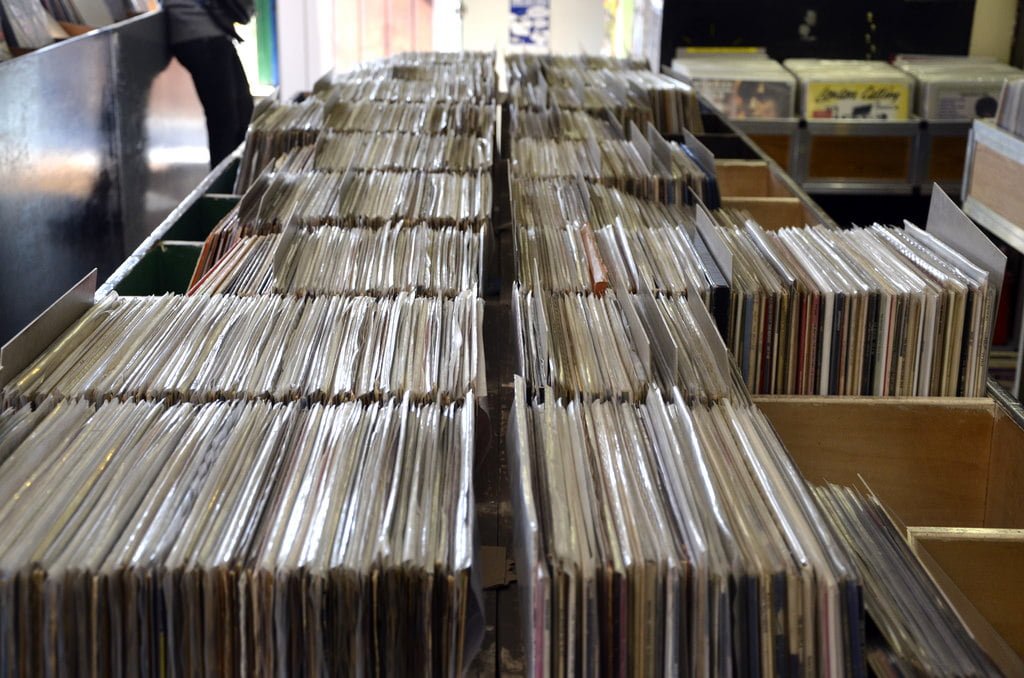
Ah, record shopping … There's nothing quite like the thrill of sifting through crates of old vinyl and finding a hidden gem — except, of course, the thrill of shopping on Record Store Day. A vinyl lover's Christmas, each Record Store Day brings with it tons of new and exclusive releases. We like to approach Record Store Day with a plan of action, because nabbing the coolest new picture disc or the most sought-after reissue — while certainly rewarding — isn't a task for the faint of heart.

To help you plan your own Record Store Day 2016, check out our list of all the rad new releases we're hoping to snag, ideally at one of our favorite independent record shops. And for a comprehensive list of what's available on Record Store Day (and to find an independent record store near you), click here.

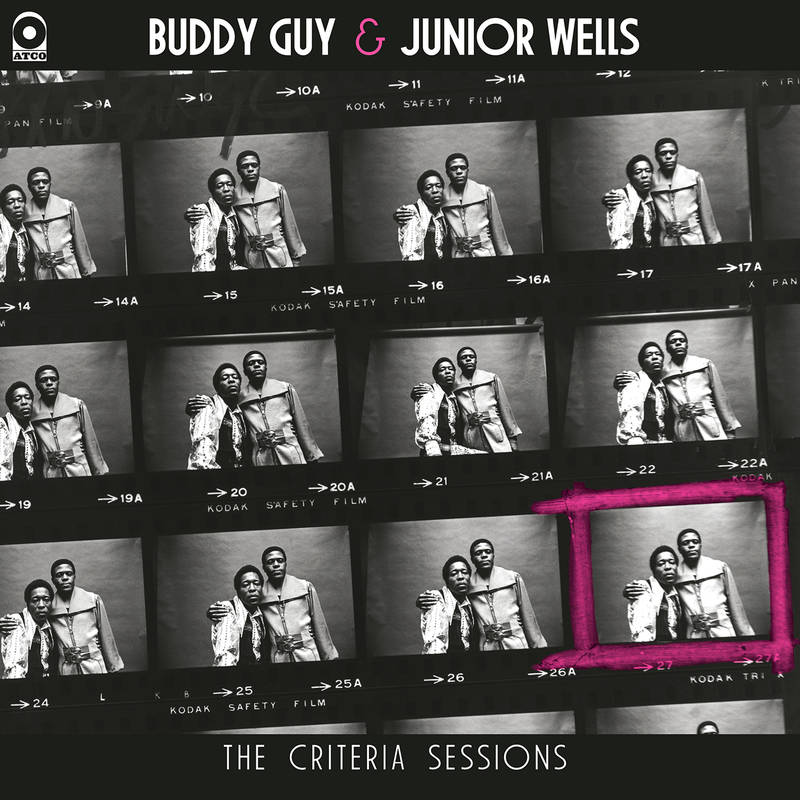
Buddy Guy and Junior Wells, The Criteria Sessions (Rhino)

The second offering from Rhino's Play the Blues, this LP, limited to 3,500 pieces, features two of our greatest bluesmen together on songs like "Tears, Tears, Tears" and "Sweet Home Chicago."

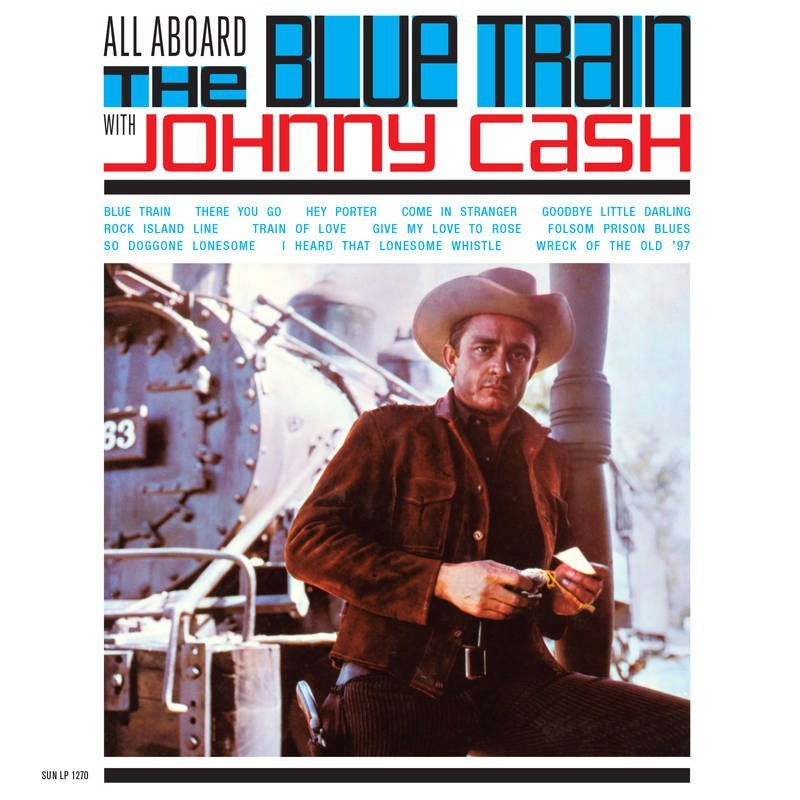
Johnny Cash, All Aboard the Blue Train with Johnny Cash (ORG Music)

This 1962 Johnny Cash album has been out of print for years now, but is making its return with a 3,000-piece blue vinyl run.

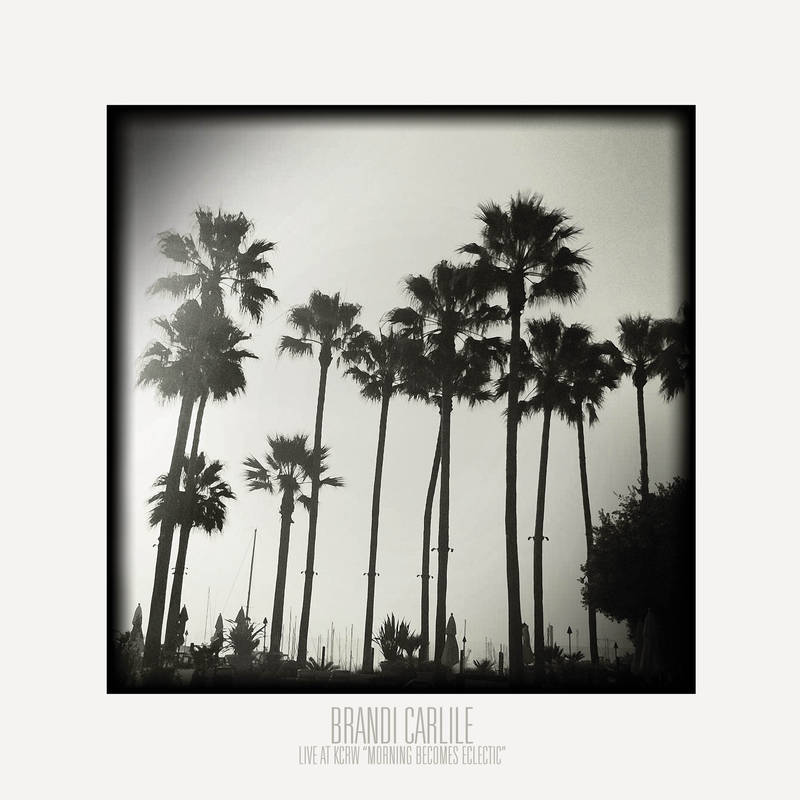
Brandi Carlile, Live at KCRW 'Morning Becomes Eclectic' (ATO Records)

A 2,500-piece Record Store Day Exclusive, this six-song live EP from Brandi Carlile features performances of "The Things I Regret" and "The Eye."

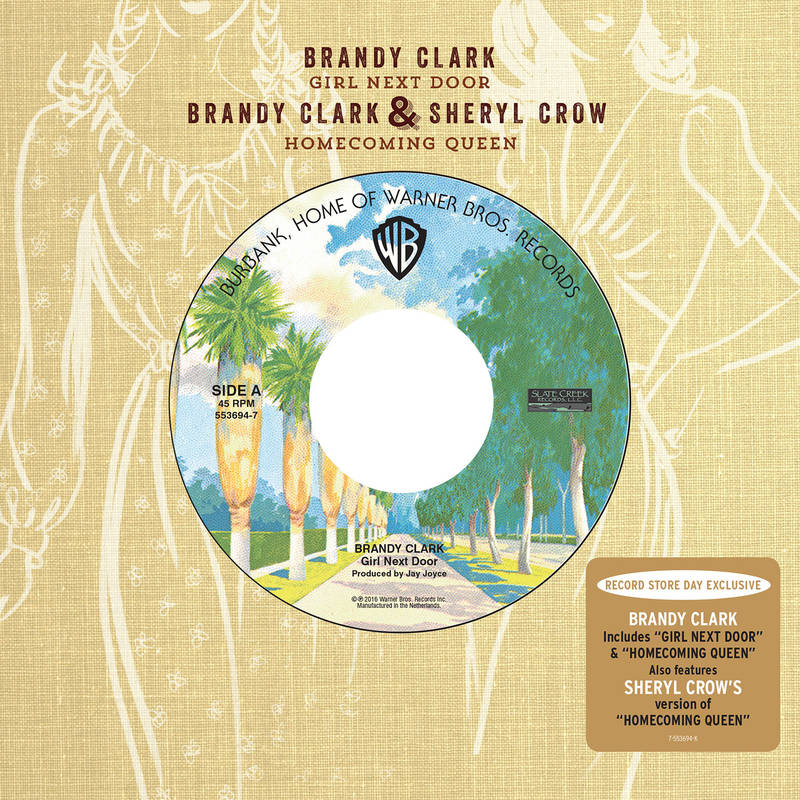
Brandy Clark/Sheryl Crow, "Girl Next Door"/"Homecoming Queen" (Warner Bros.)

On this limited-to-3,000 colored (You get red, blue, or yellow … it's a surprise!) 7-inch, you not only get two tunes from Nashville darling Brandy Clark, but also Crow's take on Clark's song "Homecoming Queen."

Shawn Colvin & Steve Earle, "Wake Up Little Susie"/"Baby's In Black" (Fantasy)

Two covers from two master songwriters make it onto the 2,000 copies of this 7-inch, which features Colvin and Earle duetting on the Everly Brothers' "Wake Up Little Susie" and the Be

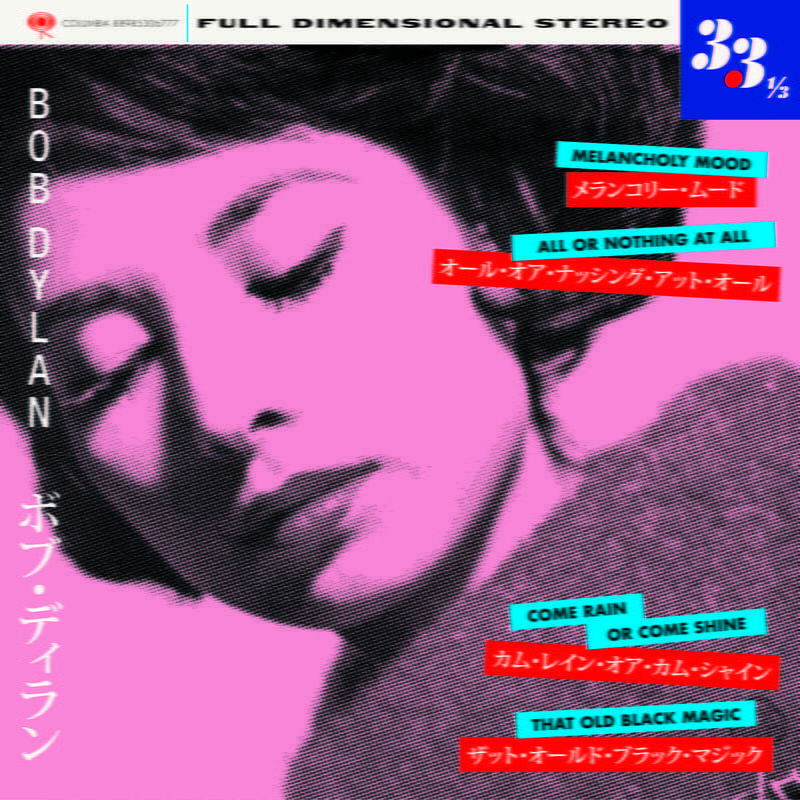
Bob Dylan, "Melancholy Mood" (Columbia)

Unless you caught Dylan on his recent Japanese tour, this is your first chance to snag one of these beauties — red vinyl EPs featuring four tracks from Dylan's upcoming album, Fallen Angels.

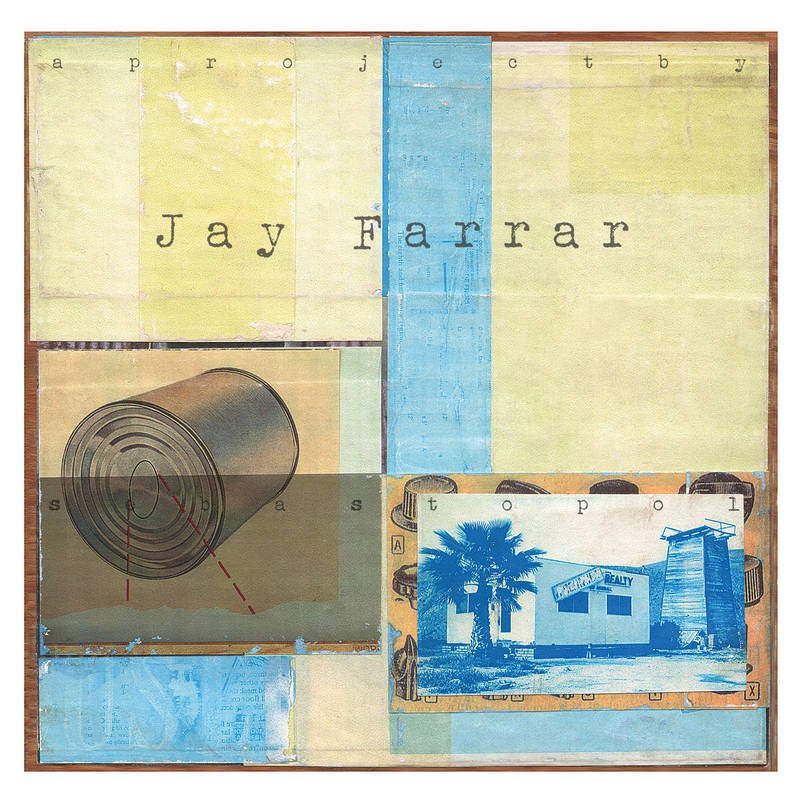
Jay Farrar, Sebastopol/thirdshiftgrottoslack (Transmit Sound)

This is a must-have for Jay Farrar fans (and it's limited to 1,000 pieces, so get in line early). It's the first time Farrar's Sebastopol has been pressed to vinyl, and also includes a five-song EP.

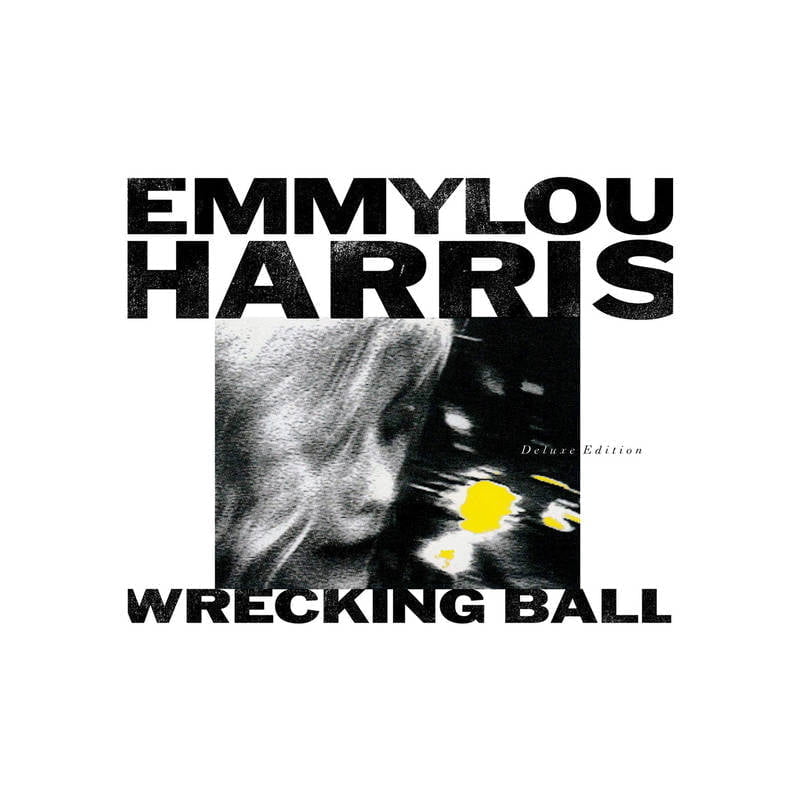
Emmylou Harris, Wrecking Ball Deluxe Vinyl Version (Nonesuch)

A deluxe version of a fantastic Emmylou Harris album? Sounds like reason enough to try and snag one of the 5,000 three-LP sets.

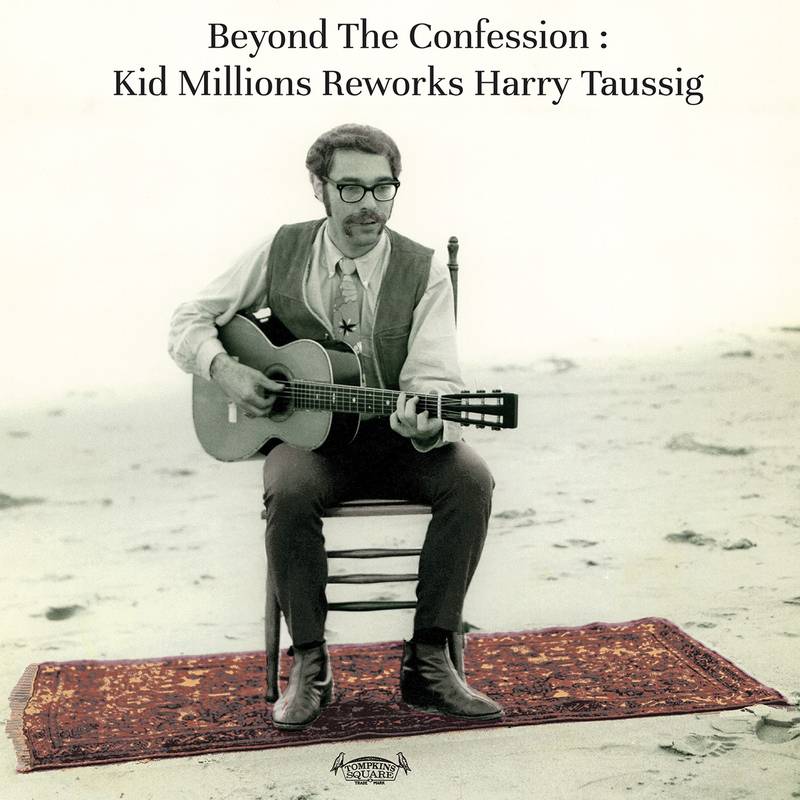
Kid Millions, Beyond The Confession: Kid Millions Reworks Harry Taussig (Tompkins Square)

You've never heard primitive guitar music like this, reimagined and remixed by drummer Kid Millions.

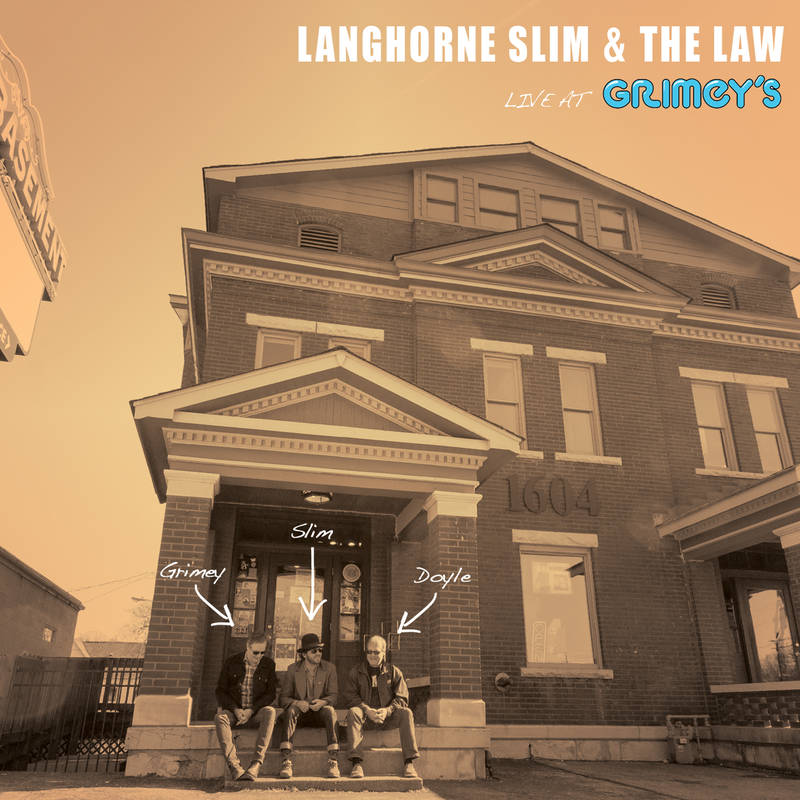
Langhorne Slim & the Law, Live at Grimey's (Dualtone Music)

We love Langhorne Slim and we love Nashville's famed independent record store Grimey's, so we sure hope we snag one of the 1,500 copies of this eight-song live album.

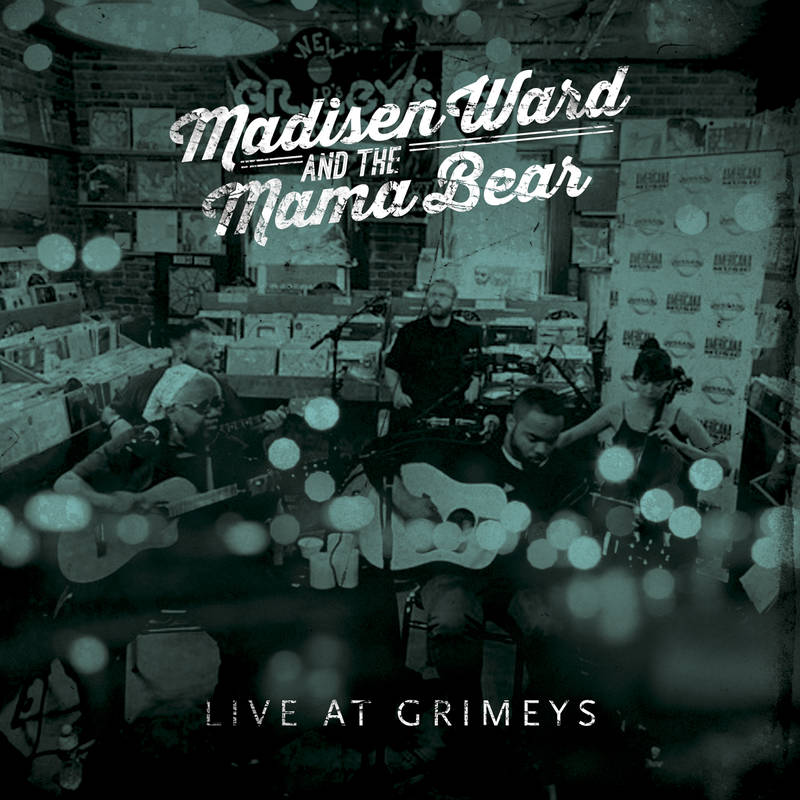
Madisen Ward & the Mama Bear, Live at Grimey's (Glassnote)

More Grimey's! Madisen Ward & the Mama Bear! If you didn't make their in-store performance (or if you did and want to relive it), you can listen to it anytime you'd like if you grab one of these 1,500 EPs.

Jason Molina, The Townes Van Zandt Covers (Secretly Canadian) 

Jason Molina and Townes Van Zandt aren't often mentioned in the same breath, but this two-song EP, limited to 3,500 copies, proves maybe that shouldn't be the case.

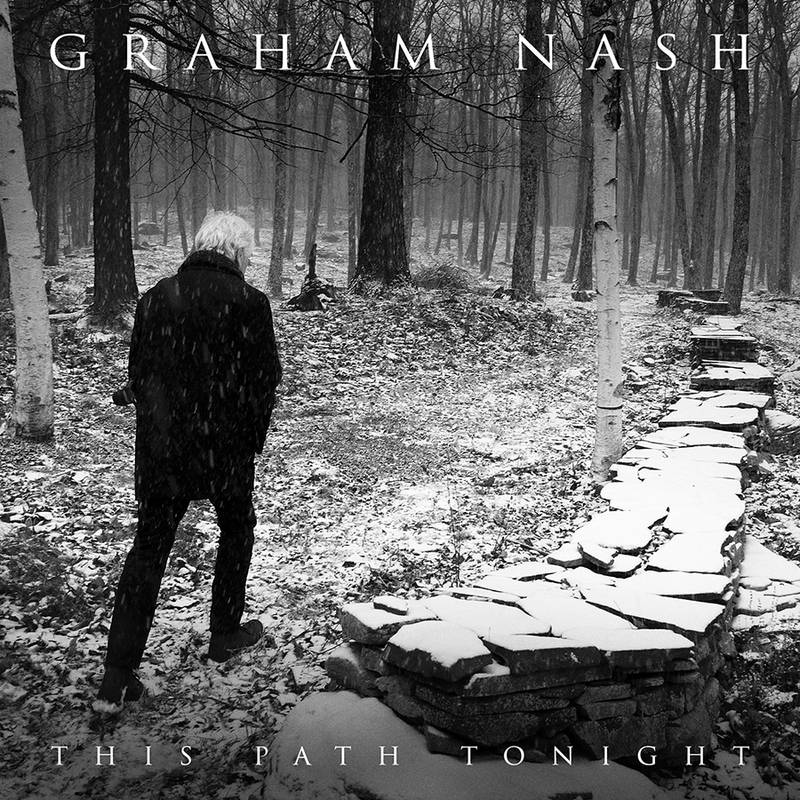
Graham Nash, This Path Tonight (Blue Castle Records)

Our Artist of the Month is releasing a deluxe version of his new album on Record Store Day, complete with bonus 7-inch. 

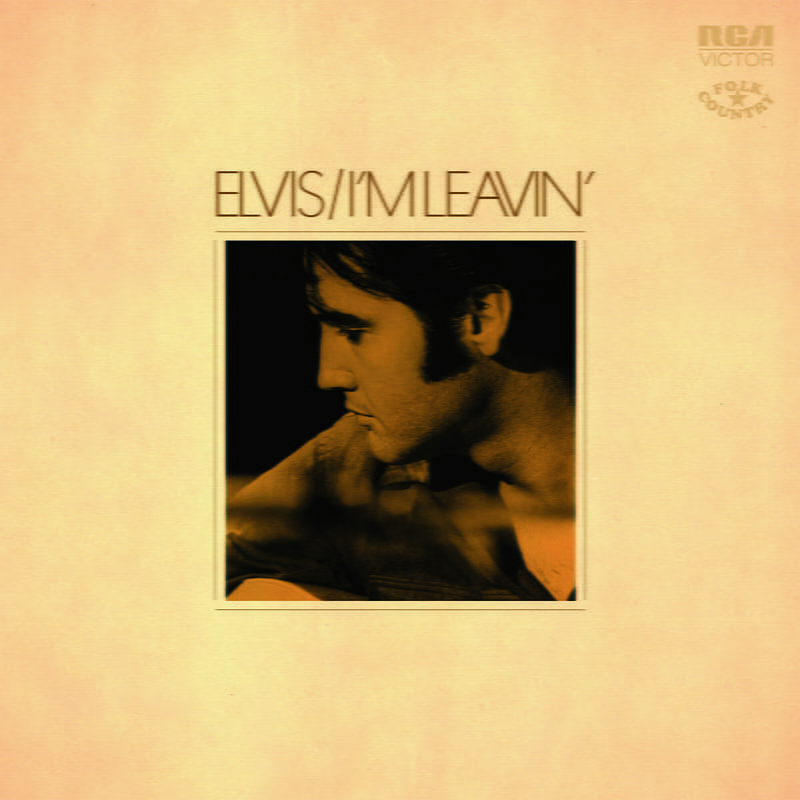
Elvis Presley, I'm Leaving: Elvis Folk-Country (Legacy)

Culled from RCA Studio B sessions held between 1966 and 1973, this limited edition LP features 12 of Elvis's greatest contributions to country and folk.

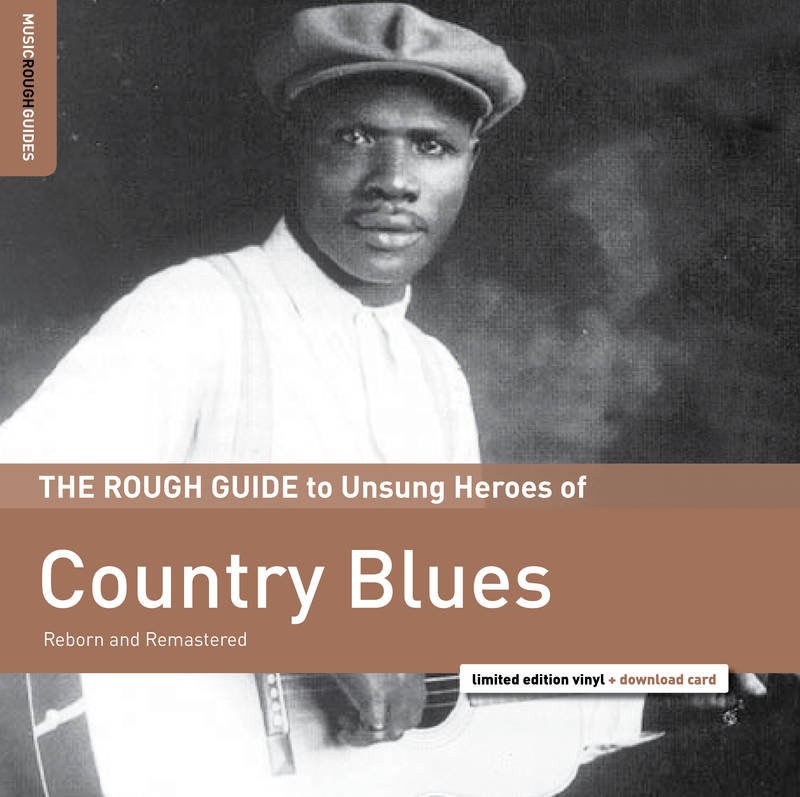
The Rough Guide to Unsung Heroes of Country Blues (World Music Network)

Whether you're a longtime blues fan or looking to learn more about the genre, this limited edition compilation — complete with a digital download card — doesn't disappoint. 

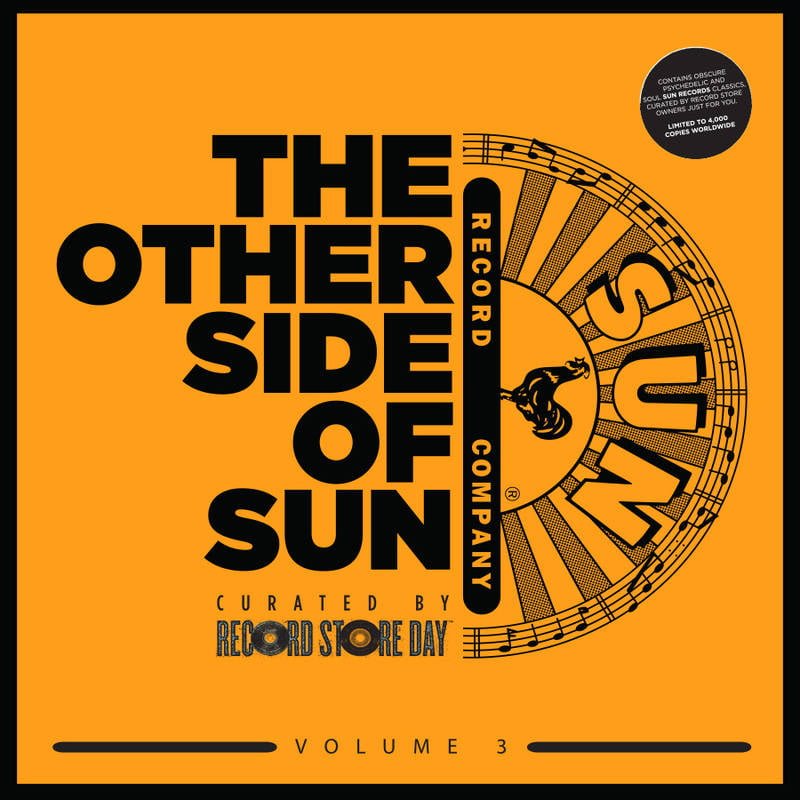
Various Artists, The Other Side of Sun: Sun Records Curated by RSD, Volume 3 (ORG Music)

In the third offering of Sun Records Curated by Record Store Day, we get a taste of some lesser-known recordings from the famed label, including tunes from Betty LaVette and Soul Suspects.

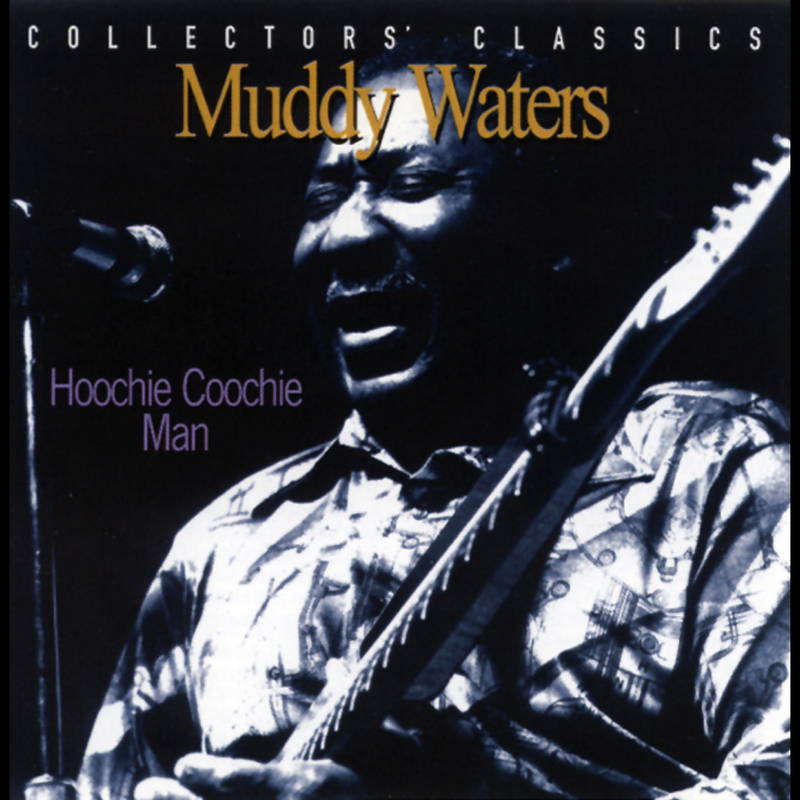
Muddy Waters, Hoochie Coochie Man– Live at the Rising Sun Celebrity Jazz Club (Justin Time)

Muddy Waters had one of the greatest backing bands around, and this two-LP live set — pressed on colored vinyl and limited to 2,000 pieces — is an amazing document of an amazing group of musicians.

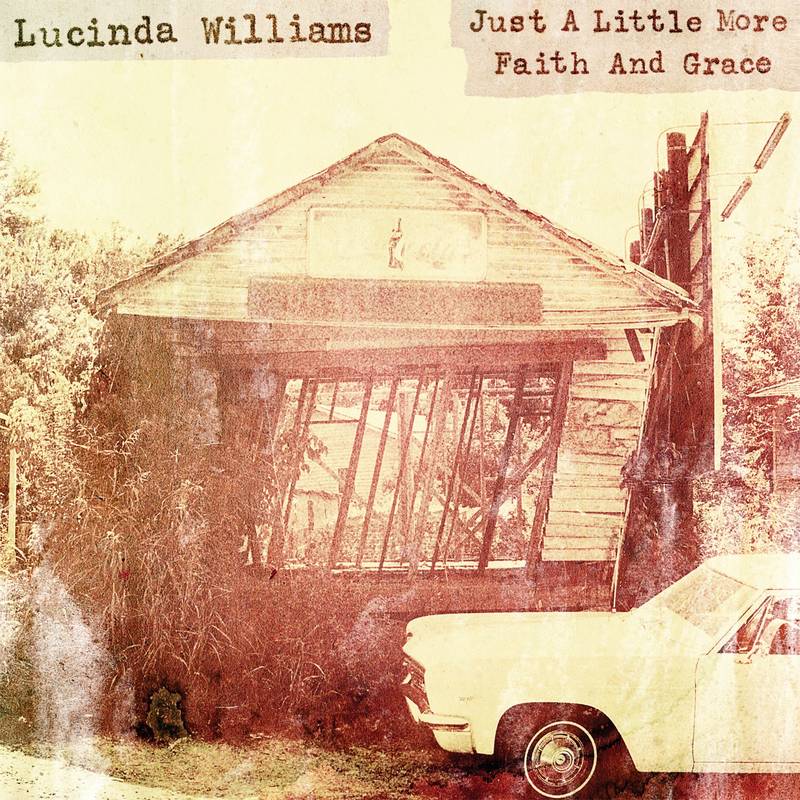
Lucinda Williams, Just a Little More Faith and Grace (Highway 20)

Get some alternate takes from Lucinda Williams' excellent new album The Ghosts of Highway 20 on this three-song EP, limited to 3,000 copies.


Lede photo via Marc Wathieu via Foter.com / CC BY

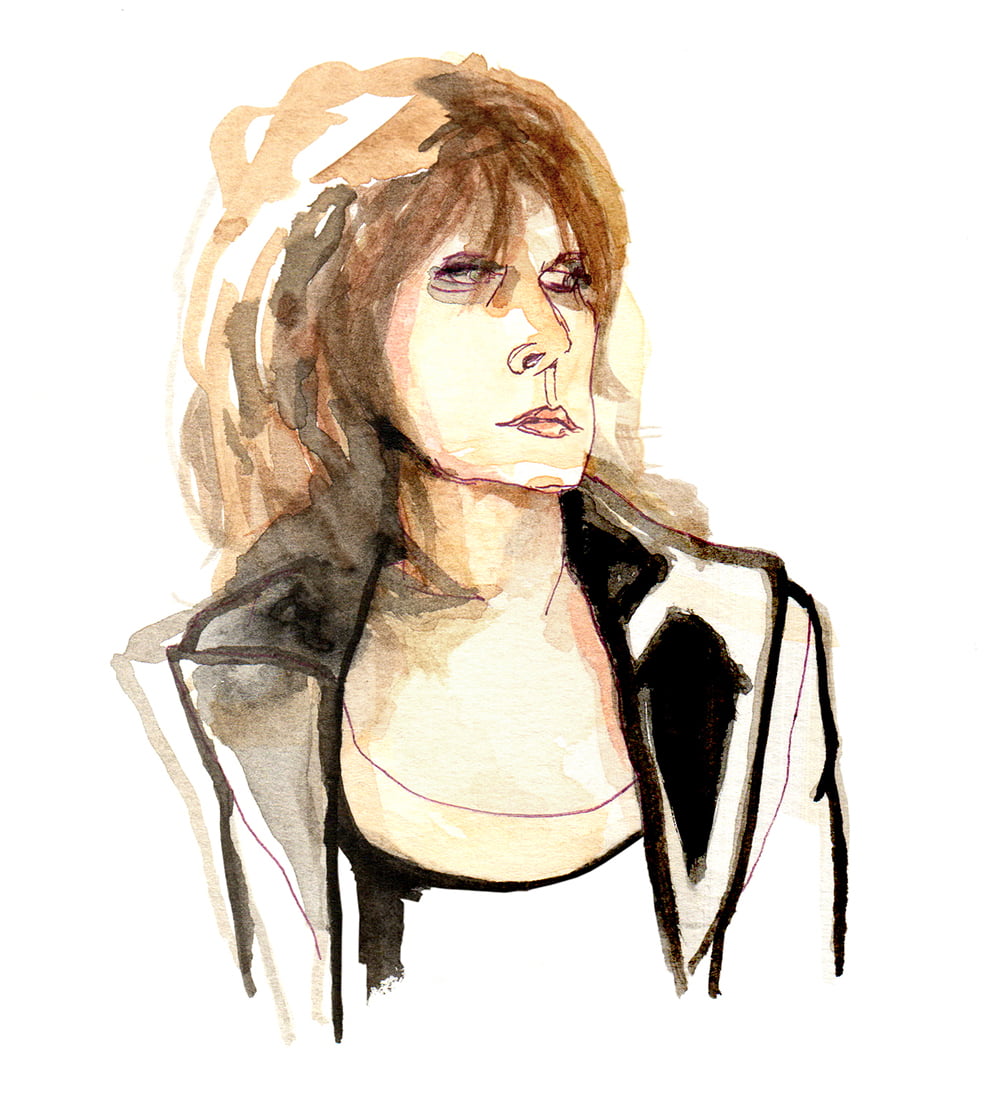
Lucinda Williams: Every Exit Leaves a Little Death

The Ghosts of Highway 20 may sound, in title, like it has traces of wanderlust, but the ideas behind the 14 songs on Lucinda Williams’ latest record find their weight in where they come from rather than where they’re going. In many ways, Ghosts is a record that honors Williams’ father, poet Miller Williams, with opening track “Dust” its most obvious but certainly not its only homage. The song is her second re-imagining of one of Miller’s poems, expanding on his composition of the same title after finding success with a similar endeavor on 2014’s “Compassion.”

“[‘Compassion’] was not the first time I’d tried to tackle it. I’d been, for years and years, wanting to take one of his poems and turn it into a song, but I hadn’t been successful at it — it’s really quite challenging,” she says. “When you sit down to do it, you realize the difference between poetry and songwriting. You can’t just take a poem and slap a melody onto it. You have to take the lyrics and rearrange them into something that looks like a song.”

“Dust” is the only track on The Ghosts of Highway 20 that directly stems from the poetry of her father, but the record is filled with glimmers of his influence. “If My Love Could Kill,” a gut-wrenching glimpse into the pain of watching a loved one grapple with Alzheimer’s, directly draws from her father’s battle with the disease. But Ghosts isn’t limited to honoring Lucinda’s roots alone: There are fathers and grandfathers and brothers and sisters whose stories fill the lines of the expansive record, too. Bruce Springsteen’s “Factory,” the record’s lone cover song, finds its meaning in Lucinda’s father-in-law, who spent over three decades working in the factories of Austin, Minnesota.

“First of all, it’s a great song. I love doing it. But, also, it’s sort of a tribute to Tom's [Overby, husband and manager] dad. It’s a short, just really sweet song that’s very concise,” Lucinda explains. “It says so much in so few words. The line that I love is, ‘They walked through the gates with death in their eyes.’ I remember Tom saying to me, ‘I’ve seen that. I saw the men walking out of the factory. I could have been one of them.’”

It’s a haunting image, and one that isn’t a far cry from the fire-and-brimstone billboards and desolate stretches of road that set the tone for the entirety of the record. “Every question and every breath, every exit leaves a little death,” she sings on the album’s title track. Highway 20 weaves its way through many of the towns in the South that have held memories for Williams, so much so that the fascination with its reach began when she was naming her label, Highway 20 Records.

“I was looking at this map — I think Tom and I were talking about different towns in the South — and I saw Highway 20 and all the towns that it was running through,” she says. “It runs through all these towns where I grew up. My brother was born in Vicksburg, Mississippi. My sister was born in Jackson. I started school in Macon. Monroe, Louisiana — it also runs all the way through there.”

The exits that dot I-20 played host to some of the more formative experiences in Williams’ life, from growing up to experiencing music and, later, finding familiarity amidst a life of back-to-back shows and endless touring.

“I went back to play in Macon, Georgia, a few years ago at the old Cox Theatre in downtown Macon, which is one of the first places the Allman Brothers got started,” says Williams. “It’s this really cool little theatre. I hadn’t been to Macon, been back there, in however long, and I remember it amazed me how little had changed. It’s one of those Southern towns that, unlike places like Nashville that are kind of ‘boom’ towns right now, one of these towns you go back and hardly anything’s changed.”

Williams started elementary school in the small Georgia city and, even in those early years, her father was exposing her to art and music in its natural environment.

“One of the reasons it’s so significant for me is that I remember my dad taking me to downtown Macon to see, back then, this blues — gospel blues — blind preacher street singer guy named Blind Curly Brown. He never got real well-known or anything,” she says. “Needless to say, that was a significant moment because there I was, six years old, listening — that’s seeping into my little six-year-old mind.”

Williams tagged along with her father often during that time period, even chasing peacocks on the estate of his great mentor and friend Flannery O’Connor and, ultimately, finding O’Connor’s work to be a jumping-off point for her own. Songs from throughout her career — the vivid, dark imagery on 2003’s “Atonement” or the symbolism in 1998’s “2 Kool 2 Be 4-Gotten — exemplify the way Williams’ art was informed by the classic Southern writer. On Ghosts, this reveals itself in tracks like “Louisiana Story,” a tale of abuse masked in Southern idioms. Meanwhile, “House of Earth,” a song with borrowed lyrics from Woody Guthrie, continues Williams’ tribute to her influences in a tangible way without sacrificing her own distinct voice.

“I was actually sent those lyrics,” remembers Williams. “[Nora Guthrie] sent me the lyrics to [“House of Earth”]. She said, ‘You know, the lyrics are not your average Woody Guthrie lyrics, and I thought of you when I was trying to think of who might want to try to put music to them. I thought, if anyone can do it, you would be the one to do it.' So I read them, and at first I went, 'Wow.' Especially for that time — it was written in the ‘40s — it’s basically about him visiting a prostitute. It’s pretty liberal thinking, especially for that day.”

Nora was right, though: If anyone was up for the challenge, it was Williams, who went on to perform the provocative number at the Kennedy Center in Washington, D.C. before eventually recording it for The Ghosts of Highway 20.

“One of the things my dad taught me as a writer was to never censor yourself,” says Williams. “I’ve always been a rebel at heart, so I think I like to push people’s buttons a little. I like to make people think, like any good artist does, I think, whether it be a painter or a songwriter. I think it’s good to make people go, 'Wow, what was that?'”

The Ghosts of Highway 20 was largely recorded along with songs from Williams’ last record, 2014’s Where the Spirit Meets the Bone. Working with the intention of releasing it via her own label — and producing the record with her trusted team at the helm — helped her to solidify which songs were a fit for the unconventionally long record.

“I feel secure,” she says. “It makes me feel secure if I’m working with people I trust, and I think that’s the bottom line.”

Williams’ tranformative work on songs like “Dust” or “House of Earth” makes for its own road map of the way art can reimagine itself, paving a formidable road for artists of a new generation to look back on her work for their own cues. In many ways, Lucinda Williams’ creative output mimics the unwieldy stretch of road that’s borne witness to it; like an expansive Southern highway, the best records are never really finished being explored.


Lede illustration by Cat Ferraz.

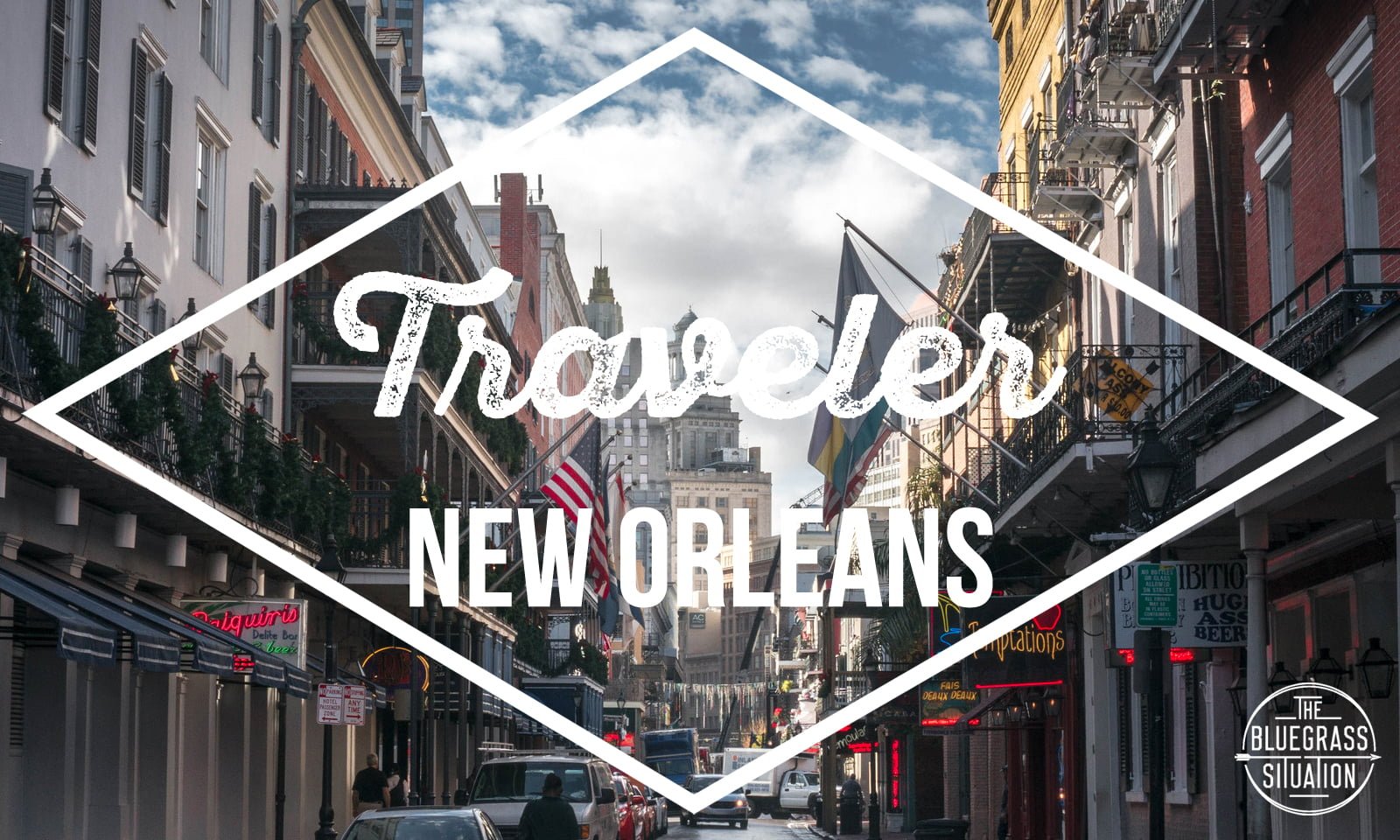
Traveler: Your Guide to New Orleans

I’ve got a soft spot for New Orleans. No matter how many times I visit, I always find more to love. Tourism is the heart of New Orleans’ economy. In 2014, nearly 10 million people visited bringing in nearly $7 billion dollars. Everywhere you go, there is a celebration of New Orleans’ rich history — usually accompanied by lots of drinks and revelry. Needless to say, this town will show you a good time.

Getting There

For many travelers, getting to the destination is half the fun. Others prefer being there. If you are the latter, New Orleans is home to Louisiana’s largest airport. All major airlines fly to it. If you are the former, take the legendary Highway 61 — the Blues Highway. Be sure to stop in Clarksdale, Mississippi, which is home to juke joints and good eats. Also, take a photo at the crossroads where Robert Johnson supposedly sold his soul.

Accommodations


Hotel Saint Pierre. Photo credit: Numinosity (Gary J Wood) via Foter.com / CC BY-SA.

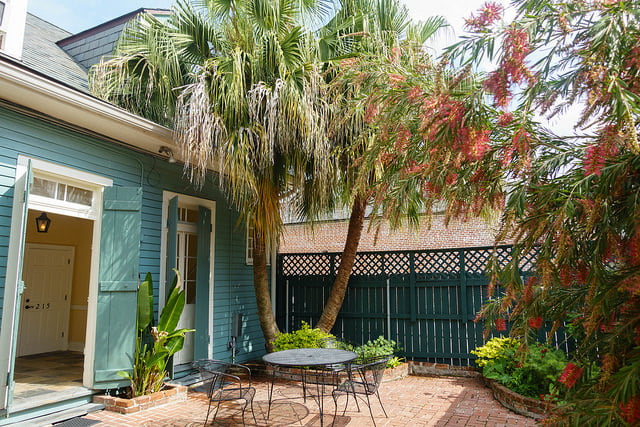
The fantastic Hotel Saint Pierre is not one building, but several historic buildings occupying both sides of an entire block nestled between the Tremé and the French Quarter. The Garden District House is another good choice, if you’re looking for an affordable, uptown hostel in the Garden District, a gorgeous neighborhood that is home to New Orleans’ elite where mansions and former plantations intermingle with upscale restaurants and cemeteries. Best of all, it is near the streetcars for quick access to downtown and the French Quarter.

If money is not an issue, class it up at the Roosevelt Hotel, a centrally located picture of luxury which houses some of New Orleans’ best restaurants and classiest bars. Even if you do not stay here, swing by for a drink and check out the lobby. (More on the Roosevelt further down.)

The business district is another solid choice that is easy on the pocketbook and within walking distance to the French Quarter. There are some great stays, like the Whitney Hotel. It is a former bank, has good rates, and offers a unique New Orleans experience.

Food


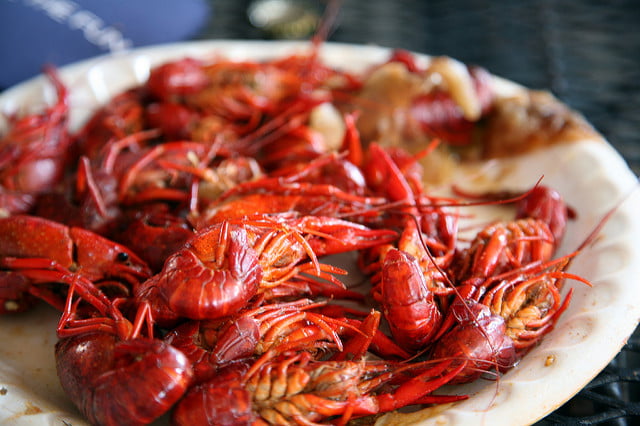
Boiled crawfish. Photo credit: kittenfc via Foter.com / CC BY.

In New Orleans, it is not where you eat, but what you eat. You need to get some crawfish. The Original French Market Restaurant is a good place to start. I recommend the crawfish boat — it comes with potatoes, sausage, and corn boiled with two pounds of crawfish to create a flavor assault on your mouth.

You also have to get a po’ boy. NOLA Poboys is a good spot in the French Quarter, but there are hundreds of others to choose from.

You need to get a beignet and it might as well be at Café De Monde, which is a New Orleans landmark dating back to 1862. Today, Café Du Monde is open 24 hours a day, seven days a week — only closed on Christmas Day and during the occasional hurricane. All the world’s beignets are judged against theirs, as they set the benchmark.

You should also eat a muffuletta. Central Deli and Grocery originally concocted this beast of a sandwich that consists of olive salad, mortadella, salami, mozzarella, ham, and provolone on a Sicilian bun. It is intense. Central Deli and Grocery is still operating, so swing by their Decatur Street location. You may want to split the sandwich.

When you are ready for a healthy meal, head down by the Warehouse Arts District to eat at Seed. It is a vegan restaurant, but your tastebuds won’t know it. Seed offers a variety of fresh juices and smoothies to help with hangovers, and their menu is a healthy version of classic New Orleans dishes for a good change of pace after all the po’ boys and muffulettas.

Drink


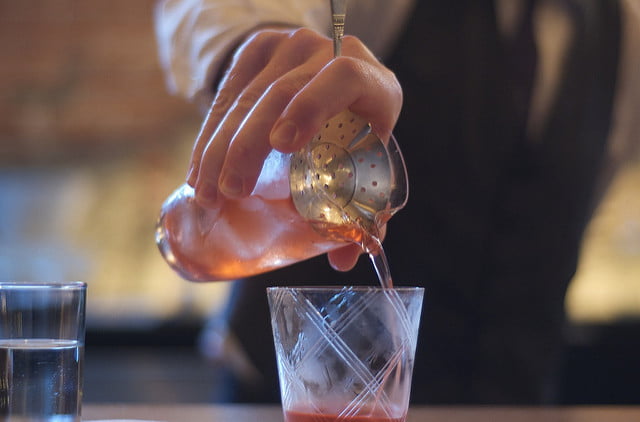
Sazeracs. Photo credit: susanna bolle via Foter.com / CC BY.

There is no shortage of bars in New Orleans. You must walk down Bourbon Street — get a to-go beer and have a nice stroll. Stop at Marie Laveau’s Voodoo Shop for souvenirs, and try to avoid tripping over the passed out frat boys. There’s a lot of fun amidst the chaos.

The sazerac was the first cocktail invented by Antoine Amédée Peychaud in 1838. When he died in 1893, the Grunewald Hotel acquired the rights. In 2009, the former Grunewald reopened as the Roosevelt. Swing by their Sazerac Room and enjoy this New Orleans cocktail.

If you love dive bars, check out Molly’s in the French Quarter. They have a great jukebox and cheap drinks. You can get a beer and a shot for $5. For outdoor seating, go to Pat O’Brien’s next to the Preservation Hall. Perfect for warm Southern nights, the cobblestoned patio tables are nestled amongst fountains and flora, while pianos duel inside.

Coffee


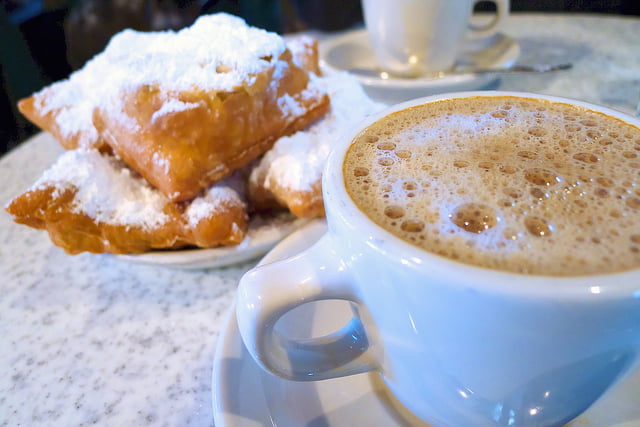
Café’ au lait and beignets. Photo credit: kaige via Foter.com / CC BY-ND.

You are already going to Café Du Monde for beignets, so you might as well get some of their famous chicory coffee. Though chicory was a coffee substitute during the Civil War, today, the coffee and chicory are mixed to create a wonderful earthy flavor with a hint of chocolate.

Mister Gregory’s on Rampart Street is another great coffee shop. It is a French casual café in a great location — far enough off the beaten path that you can sit for awhile, but not so far that your feet will get sore walking to it.

Live Music


Preservation Hall. Photo credit: Phil Roeder via Foter.com / CC BY.

The French Quarter is still home to some great live music. Fritzel’s European Jazz Bar on Bourbon Street is fantastic. On Sunday afternoons, they have stride piano and, every night, they have top-notch, live jazz. If you need convincing, check out Fritzel’s New Orleans Jazz Band on Spotify. There is never a cover, although there is a drink minimum.

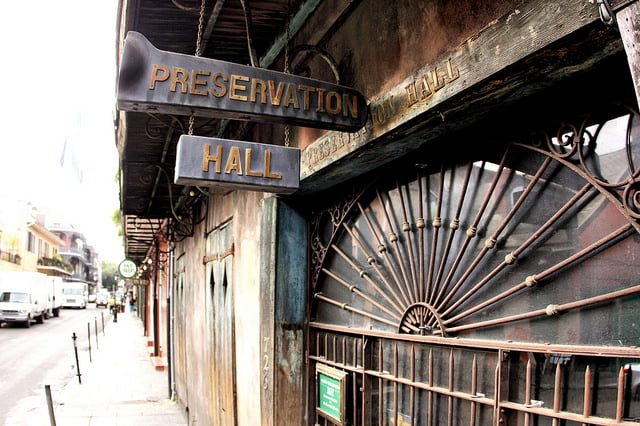
Preservation Hall’s history, alone, is worth the admission, and the music makes it one of the best deals in town. Get there about 30 minutes early, as the room is small and sells out.

Frenchman Street is also home to a bustling live music scene. The Maison has some great jazz and funk in a large room with room to dance. I highly recommend visiting d.b.a on Monday nights. When he’s not on tour, Luke Winslow-King plays every Monday at 7 p.m. His last album, Everlasting Arms, was one of my favorites from 2014. Right down the street is the Spotted Cat Music Club. It is home to some of New Orleans’ best traditional jazz, though most of the bands are younger and many have an Americana Twist.

Local Flavor


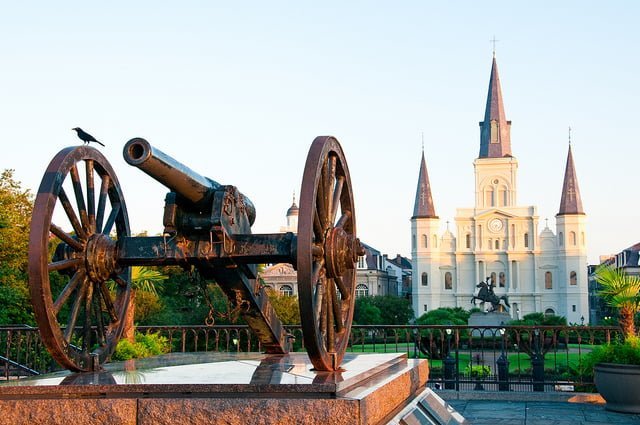
Jackson Square. Photo credit: christian.senger via Foter.com / CC BY.

There is more to New Orleans than just drinking and music. Take a riverboat cruise. You’re on the Mississippi River, after all. Enjoy it! There are three riverboat cruise companies. I recommend the Creole Queen. Their paddleboat is the nicest, their crew is the best, and the bar has live music. The cruise stops at Chalmette Battlefield, where the Battle of New Orleans was fought. Most historians consider it the last great fight in the War of 1812.

I also recommend checking out a burlesque show by Fleur De Tease at One Eyed Jacks. One Eyed Jacks makes some of the best cocktails in town. The show is wonderful. Be warned, it sells out fast. Get your tickets early.

Designated by Congress as America’s official museum about World War II, the National World War II Museum is ranked by TripAdvisor as the #1 attraction in New Orleans. USA Today also named it the best place in the U.S. to learn military history, so it is a must-see for history buffs.

If you prefer serial killers and vampires to military history, take a haunted tour to learn about New Orleans’ seedy past while sipping hurricanes. It is informative, fun, and a great way to explore the town.

I also recommend visiting Congo Square at Armstrong Park. It is the birthplace of jazz. In the 18th century, enslaved African vendors gathered there. On Sundays, they sang, danced, and traded. The cultural expressions developed into the Mardis Gras Indian traditions, the Second Line, and, finally, New Orleans jazz. It is one of the most important squares in the United States. Armstrong Park is also home to an amazing sculpture garden.

On the way to Armstrong Park, check out the Washing Cycle. Located kitty-corner from the park, it formerly housed J & M Studios. Early rock pioneers like Little Richard, Fats Domino, and Dave Bartholomew first recorded here. J & M Studios was integral to the development of early rock ‘n’ roll, though it is now a laundromat.


Lede image: Bourbon Street. Photo credit: Eric K Gross via Foter.com / CC BY.

Squared Roots: Luther Dickinson Carries the Torch for Jim Dickinson

Jim Dickinson was a musician’s musician who worked with everyone from Bob Dylan to the Replacements to Sam & Dave. One of his earliest gigs was in the Dixie Flyers, a group much like the cats in Muscle Shoals who backed a multitude of great soul artists on big hits. But, on the advice of Duane Allman, Dickinson jumped ship in 1971 to go it alone. Though he made a few solo records — and various band records, as well — what Dickinson will likely be remembered for is his work as a side player and producer. Whether toiling alongside Ry Cooder or the Cramps, Dickinson always brought a little bit of Memphis with him.

He also passed that same Memphis mojo on to his sons, Luther and Cody. The two have spent the past 20 years as the North Mississippi Allstars, at least when Luther wasn't playing with the Black Crowes, producing records for Otha Turner, or working on solo records, like his recently released Blues and Ballads: A Folksinger's Songbook, Vol. 1 & 2 which finds him carrying on his dad's song collecting tradition.

I'm excited to talk to someone who has first-hand knowledge of the subject at hand. Usually, we're just speculating about “Why do you think Bobbie Gentry slinked away into obscurity?” or whatever. So … your dad was born in Little Rock, grew up in Chicago and Memphis. That's some blues cred, right there.

Yeah!

But he was so much more than just the blues. Did his passions run just as wide, or did he have a secret favorite style that he kept to himself?

You know, he was a song collector. When we were young and he started to teach us — because we were so interested, he said, “Okay, I gotta teach 'em.” He didn't force it on us. He started teaching us his repertoire and each song was a wildly different genre. But it all fell under roots music. There would be a Texas swing song into an R&B ballad to a country-honky tonk number to a blues song or a folk song or a jazz song that we were all struggling to get through. He just loved songs. And he really loved words. He was of a generation that really had its formative years without television, listening to the radio shows. Also, his vision was really bad, and he learned how to memorize what he heard because it was so hard for him to read. He just really had a way with words.

He was just a baby in Chicago … I think he was nine when he moved to Memphis. But growing up in Memphis — for a kid searching for, pre-rock 'n' roll … he'd hear some dixieland or some boogie-woogie that would have that feeling that the whole generation was reaching for. I think this is true of people from all walks of life: You can be a politician or a doctor or an athlete but, in that generation, the American cultures were really reaching for each other and music brought them together. Like on WDIA in Memphis, that's where he heard some R&B and some gospel, then found blues.

In the '60s blues revival, when the blues masters who were living in the South were rediscovered, that really changed everything. At this point, this is post-rock 'n' roll because the rock 'n' roll heyday was really short: Elvis went to the Army. Chuck Berry went to jail. Jerry Lee Lewis went to England. Carl Perkins had the crash. It was a really short explosion, but then folk music came and the song collecting came.

But, then … and this is what was so amazing … just the cultural phenomenon of North and South … the young music lovers from the North, they had the perspective to literally drive to the South and find the blues men and pluck them out of obscurity, rediscover them. Dad, you know, he'd listened to the records, he'd been to the library, he'd read about these men. And, through no fault of his own as a kid, the segregation was such that it took the musicians from the North to come down, to cross those lines. That's a beautiful thing, that perspective. Once that happened, that's when, in Memphis in the mid '60s, there's Furry Lewis, there's Sleepy John Estes, there's Bukka White, there's Reverend Robert Wilkins, there's Fred McDowell. It was unbelievable.

And, in Memphis, dad's generation … they weren't hippies. They were bohemians. They were behind the times. They didn't really like the hippies. They were a little bit older. When the art community and the blues men discovered each other in Memphis, a good time was had by all. [Laughs]

[Laughs] That's part of what I love about his career. He came up with the Dixie Flyers playing on all those great soul tracks with big artists. But he also championed underdogs, and found those folks who were either up-and-coming or somehow lost in the shuffle. He didn't just go for the gold. He really went for the music.

It's true. I think he felt like a bit of an outsider himself. That's part of how he perceived himself which becomes part of how you're perceived. But he left Memphis and went to college in Texas. He was so afraid of the draft, so he ended up going to Baylor because there was no ROTC. [Laughs] He didn't want ROTC. He didn't want fraternities. But he had to go to college to keep from getting drafted, so he went to Texas. When he came back, all of a sudden, he sees what is to become Stax. It took him a while to catch up.

His concept of “Memphis music” was that it was a group of outcasts making music in the middle of the night. And it goes back to Sam Phillips, really, because he was so ahead of his time. Sam Phillips and Dewey Phillips … Dewey Phillips was a disc jockey who would play any genre of music and that's, really, where that comes from. In dad's book that we're just now working on a deal for, he talks about how Dewey Phillips addressed his audience on the radio as “good people.” It was, “Hey, good people.” It wasn't a Black audience. It wasn't a white audience. It was just good people, and he would play any type of music — blues next to Hank Williams next to gospel.

But Sam Phillips, man … he was really searching for something and he pushed these people to invent rock 'n' roll. He discovered Howlin' Wolf in 1951. In Memphis, to enable the African-American artists like that is so heavy. Sam said discovering Wolf was more important to him than discovering Elvis. So, he recorded the blues catalog. But then, he found the young white kids and everyone searching for a new sound and he's turning them onto the catalog … it's the oral tradition. That's the American roots art — the oral tradition of the lyrics. He was searching for what became rock 'n' roll. He was trying to bring the cultures together to make a new thing.

And your dad was deep in all of that with a bunch of different bands. It seems like being just a side player wasn't quite enough for him.

Ohhhh … that was his favorite! He loved that.

Was it? So, when it was all said and done, was the level of success and respect he achieved enough for him? Or did he have bigger ambitions that never quite materialized?

Well, he was so happy to have played with the Rolling Stones on “Wild Horses.” He definitely wished that he could have toured with them. But, he did play on “Wild Horses,” and he loved it. He was also so thrilled when he did Time Out of Mind with Bob Dylan because that was one of his ambitions that he fulfilled. And it was so fulfilling. He would say, “A lot of things in life disappoint. Bob Dylan is not one of them.” He was thrilled. In typical Dylan form … dad was standing in the parking lot one day, smoking a joint, and Bob wandered over and said, “Hey, man, you know Sleepy John Estes, right? How do you make that C-chord, man? How do you play that lick in 'Drop Down Mama'?” [Laughs] So they hit it off!

Of all the many projects he played on, what's your favorite — the one that you always go back to or the one that you can't get over the fact that it's your dad on it?

Oh, man. Wow. [Pauses] You know, the Ry Cooder records, Boomer's Story and Into the Purple Valley, are really, really cornerstones. It's that whole idea of … I mentioned song collectors and the idea of repertoire in roots music — meaning anything from blues to country to gospel to jazz to anything under the umbrella — and reinterpreting it. With his band, they would improvise and play the music so loosely and unrehearsed and aggressively interpretive, they thought of playing roots music as jazz. So, that's one thing.

But the Ry Cooder records … Cooder was a song collector, but he had that California twist. He had the whole of Hollywood musicians and instruments in the palm of his hand. He could get the best musicians playing the most exotic instruments with a phone call. When Cooder recognized dad for who he was and what he knew and was capable of in the recording studio and hired him as a producer, they really made some great folk-rock records that still … there's just nothing like them.

What was interesting for us … we grew up learning Furry Lewis and Bukka White and Sleepy John Estes from our father and his friends. And his friends' sons all became musicians. The scene was so strong. Their band was Mudboy and the Neutrons. Our band is Sons of Mudboy and we keep the repertoire alive. The repertoire is what has to be protected and carried on. It can be interpreted however you like — that's the freedom. It's just about the melodies and the poetry.

The blues was something secondhand to us. We learned it through our parents. But, then, in the early '90s, I discovered Otha Turner and his family. And that was a lovely thing. But they played fife and drum music. Then, Kenny Brown, who was our friend and was a guitar player. But THEN, when I finally heard R.L. Burnside and went to Junior Kimbrough's Juke Joint, it was multi-generational, electrified country-blues in my backyard.

R.L. Burnside took me under his wing and took me on the road. He and Kenny showed me the ropes in '97, and we've been touring ever since. He literally took me out of town. [Laughs] I'd never been anywhere before. What blew dad's mind was that the blues exchange happened again. He didn't think that his sons would be able to learn and play with real blues men.

It just keeps going.

Yeah. You know what's something else? There was a period of time when they all passed away and we were all recovering. Everyone — the blues men, our father, his friends. It's just part of growing up and regaining your feet. I like writing songs about people, championing them as folk heroes in my art. Because Stagger Lee and Casey Jones were men who walked the earth, once upon a time. It was the songs that made them legends, so you sing the legend. [Laughs]

[Laughs] Exactly. Larger than life. Let 'em live on.

Exactly! The repertoire and the new songs about them.

So when I came home to the Hill Country Picnic, which is when everybody in Mississippi gets together, I couldn't believe there was this whole group of young kids playing with Gary Burnside, Dave Kimbrough, Duwayne Burnside … driving them around and letting them borrow their equipment, giving them lunch money. These kids, they didn't know R.L. and Junior. But, to them, Gary, Dave, and Duwayne are R.L. and Junior. It's happening again!


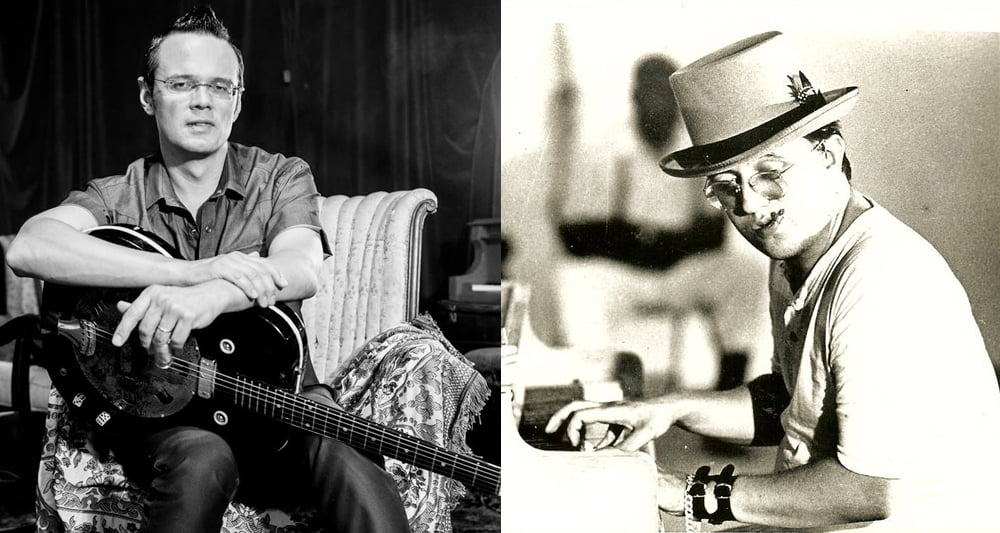
Luther Dickinson photo by Don VanCleave. Jim Dickinson photo by