Southern Avenue: Music for Peace, Empowerment, and a GRAMMY Nomination

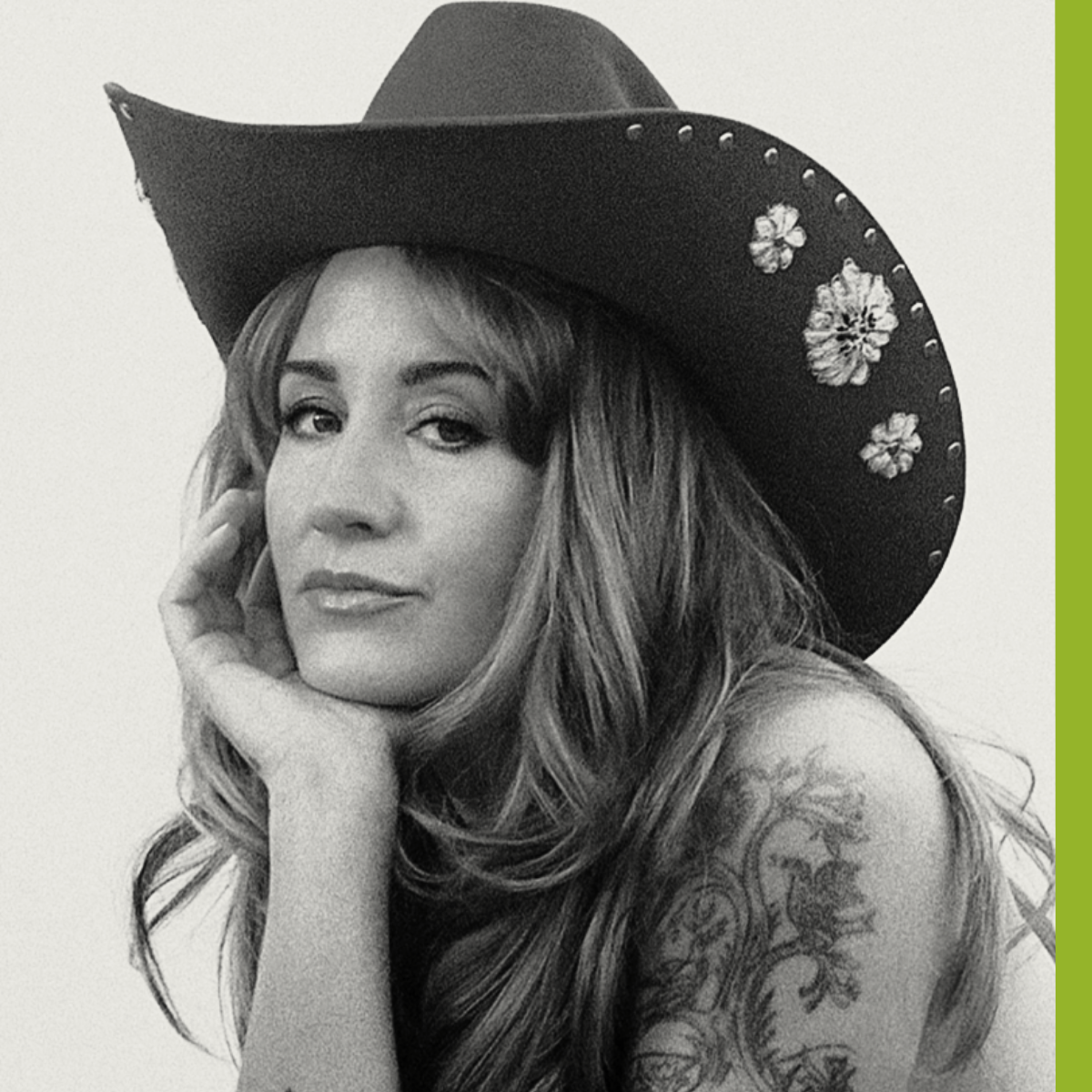
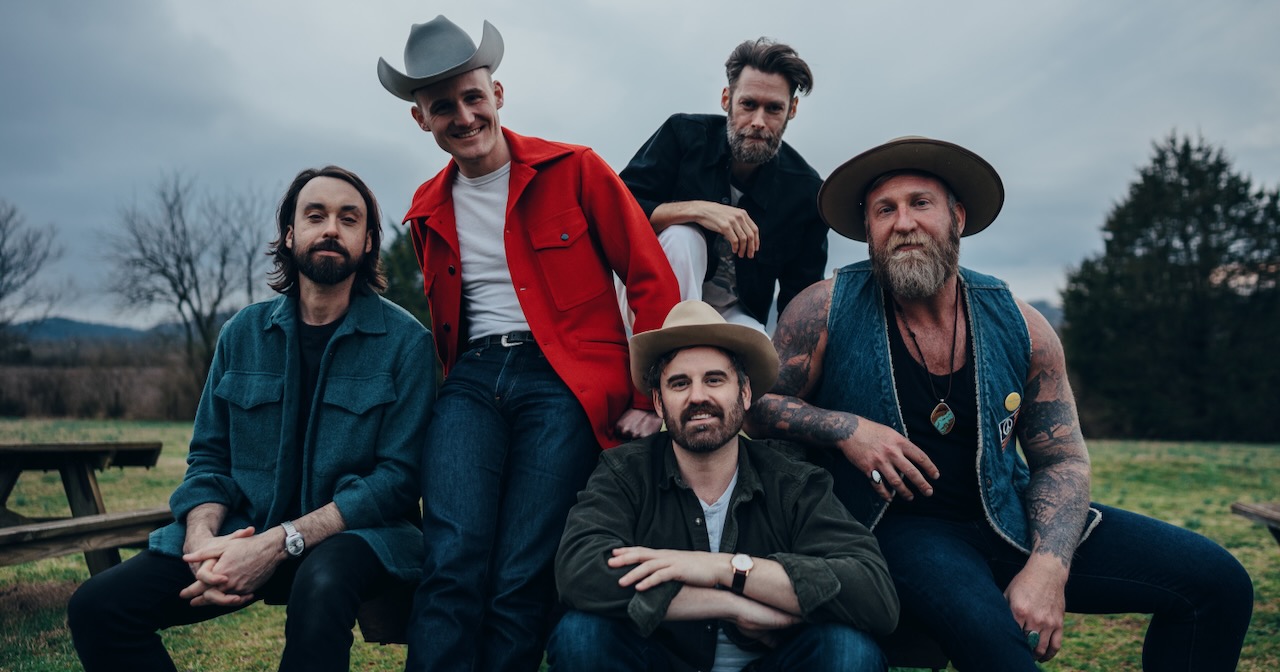
Through joy and sorrow – and they’ve known both in their ten years as a band – Southern Avenue do what they do best: make music. Lead vocalist/songwriter Tierinii Jackson, her husband, guitarist/songwriter Ori Naftaly, and her sisters, drummer/vocalist/songwriter Tikyra “T.K.” Jackson and percussionist/violinist/vocalist Ava Jackson, all reach into their spiritual and emotional wells to tell their stories through song.

It’s there on Family (released in April on Alligator Records), their latest and fourth album. True to its title, it’s a musical journey tracing the band’s personal and professional history. Family was recorded at Royal Studios in Southern Avenue’s home city, Memphis. GRAMMY winners John Burk and Boo Mitchell produced and mixed, respectively.

Southern Avenue write, record, and play with one goal in mind: “We’ve always been a band that speaks about peace and empowerment,” says Tierinii Jackson. “Our music is a place where we can leave the ails of the world outside. We can come together, be equal, and heal.” It’s a noble mission that comes from lived experience and presents in a unique blend of blues, funk, soul, gospel, country, and a healthy serving of guitars.

The rhythmic foundation upon which Southern Avenue is built stems in part from the guitar-and-drums pocket that Naftaly and Tykira Jackson create. “With Ori coming up with really juicy stuff and playing slide, it’s super easy for me to be inspired,” says Jackson. “I feel like what’s actually happening is we all allow ourselves to be creative and truthful to our stories, and we are connected to our ancestors, to our roots, to something much bigger than us. Within that, you get the pocket, because we are locked in.”

Naftaly seconds: “At the end of the day, nothing replaces two people that want to do right by the music, no matter what, and have almost a decade of doing it.”

First interviewed on BGS for Good Country in May 2025, the musicians reunited with BGS just weeks after learning of Family’s GRAMMY nomination for Best Contemporary Blues Album. As requested in their GC 5+5, there were no questions about “how [they] met and how the band started.” You can learn more about that here.

Congratulations on your second GRAMMY nomination. What does this mean to you, musically and personally?

Ori Naftaly: We’re very proud of ourselves, for sure. We felt that this album was special when we were writing and recording it, not just because it’s good music, [but also] because it’s coming from who we are as people. This is the most transparent we ever were. We felt that it is going to resonate. The circumstances for the album are special, and the story behind it. The [nomination] makes us proud because we’ve been so true to ourselves. It confirms our belief that you can create real music, without gimmicks, and it gets appreciated.

Tikyra Jackson: The first time we were nominated [for second album Keep On in 2019], just finding out, in that moment it does something to you that you wouldn’t expect, especially growing up watching the GRAMMYs every year. Five years later, to be nominated a second time, it feels like the first time all over again, because we work so hard.

A lot of times, when you’re the artist, you don’t take time to look at the work you’ve done. You just keep going. With this project being so personal to us, and representative also of our culture and those that came before us, it represents a lot. The GRAMMYs recognizing us also recognizes Memphis in a lot of ways. It gives us hope for the future, that we are becoming the world we live in and not just participants in it; that the world looks like us.

Tierinii Jackson: It makes me feel great. The first time we were nominated, I felt like we had something to prove. We were putting our best foot forward, trying to make everybody happy. But with this project in particular, we really wanted to embrace our roots. It had nothing to do with what people expected of us. It had nothing to do with trying to prove ourselves. It was our time to embrace our lineage, to embrace each other. This nomination is special because it came at a time where we finally found our identity in our journey of self-love. We’re being rewarded for something that’s very, very close to us. We proved we could do it while staying true to ourselves.

Ava Jackson: The previous GRAMMY nomination, I wasn’t [as] involved in the band. I would come in and record background vocals. So the nomination hit, but not as much as it does now. When we found out, my hands were shaking. I had way more involvement in this album as far as contributing to the harmonies, percussion, and fiddle. Having so much of myself involved and getting rewarded with a nomination is something I’m very grateful for. The album is so layered in who we are as individuals and as a family. It’s a triumphant thing to be rewarded and know that you did it wholeheartedly, you put yourself out there, it was authentic. There was so much effort put in even before we stepped into the studio. It’s such a privilege to get a nomination. I’m very appreciative of the process and how everyone has been receiving the album.

In an interview with Rolling Stone, you referred to yourselves as “the spirit of Memphis.” Memphis has a rich musical history … and also a “history.” In those contexts, what is “the spirit of Memphis”?

Tierinii Jackson: The music of Memphis has always reflected the story of Memphis – the struggles, the conflicts, the triumph of being resilient, all the challenges. That’s what we are as a group. We face challenges not only in Memphis, but also in the music business. As young Black women, and for Ori, as a foreigner, we face these challenges, but we turn it into something beautiful.

Our music is uplifting. Our music is positive. No matter what you hear about Memphis and the struggles the city goes through, when you walk into a store, somebody’s smiling at you. You still get that Southern hospitality. It still feels good here. That’s who we are. We are the spirit of Memphis. It doesn’t matter what we’re facing. We come through with this glorious, triumphant spirit. You dance and shout through all those troubles. We have fun. Our crowds – we make sure they’re clapping their hands, and we make it our intention to lift the spirits around us. That’s how you survive in Memphis – by being intentional with your words and how you communicate with your community. That’s how we reflect the spirit of Memphis.

The word “organic” is dreadfully overused, but it’s a bit inevitable with this album. Could you give us some insight into what happens when you create together? Maybe select one track and walk us through the process?

Tierinii Jackson: I would like to start with “Found A Friend In You.” We ladies were raised in church and that was all we knew for years. My father is from Senatobia, Mississippi, and he’s a guitar player. At some point, I wanted to know what the music was like where my father’s from, because I was looking to understand our identity in the blues genre. When I realized that the grooves we grew up playing in church was the sound of North Mississippi blues, we decided to dive in, because that came most natural to us.

“Found A Friend In You” is a Hill Country Blues groove, but it’s also a gospel groove, because blues and gospel are one and the same. That’s what we grew up playing in the church. So, foot-stomping, hand-clapping. It was the easiest to write. The lyrics flowed. The stops you hear right before the choruses – that’s organic. That’s second nature to us. When you hear that “dreadful” word “organic,” [all laugh] it means that when we’re our happiest, that’s the sound you hear, because that’s what comes from inside. That was put in us through generations of rhythms. It’s in our blood.

Tikyra Jackson: Getting into the studio, [there] came organic ideas and things. The tambourines on that song, you’ve got me playing on my hip, and Ava playing as well, and this energy of us being in a setting and worshiping in a way. We’re celebrating. You pull from your environment, and in the environment we grew up in, it was always extra instruments laying around. You just picked up something. In the studio, we came prepared, but a lot was inspired in the moment. When we talk about “organic,” we are so true to the sound and the music that we didn’t have the answers all the time throughout this process, and we trusted that we would find them along the way.

Ava Jackson: We recorded just about everything live and together. We did separate takes of our vocals with separate mics, takes with all three of us on one mic in a booth, and then we doubled all of that. It gives a very dense presence with the harmony. With this song, and in church, we’re hitting tambourines and it’s coming from the Holy Ghost, the spirit, and so you’re hitting it passionately.

What provides the drive in the song is us continuously playing that tambourine rhythm all the way throughout. Sometimes you add rhythmic ad-libs. With the harmonies, it’s like in church – you break out in song and everybody falls into place. I’ll be in the higher range, Tierinii in the mid-range, and TK in the lower range. We break out into that and it continues throughout the song, that reiteration of togetherness and the reflection of how we organically express what we’re singing.

The word “organic”– this style of music is innate for us. You weren’t taught how to do it. You were born into it. The fiddle adds another layer to the harmony and it also feels jovial. So towards the end it’s like you find your way. You’re triumphant. “Found A Friend In You” is like a foot-stomping, hand-clapping, praise type of song, and people receive it that way as well.

Ori, could you address the question from the perspective of guitars within Southern Avenue’s music?

Ori Naftaly: “Found A Friend In You” tells the story of me, Tierinii, and TK meeting and how it felt when we started playing together and finding peace. Past albums were different attempts at “What is the Southern Avenue sound?” When Ava joined full-time, I realized, “We have three singers. This is a family. This isn’t fabricated. This is who we are.” That’s the “organic” we talked about.

We doubled down on what makes us special and that also meant doubling down on guitars. I’ve been listening to Memphis music since I was 6 and I’ve been playing the blues since I can remember. The spirit of Memphis that we talked about earlier also comes from God putting me with Tony Pearson, a Black guitar player from Birmingham, Alabama, for a decade [in Israel], teaching me what it means to play the blues. Many blues purists will tell me that I am not a “blues guitar player,” but the blues is in everything I do; I can’t get away from it. It’s a feeling, not a formula. We play the blues all the time, but we don’t play traditional blues. We play original new music that ends up being blues. So the guitars are a reflection of my existence within the group.

Tierinii Jackson: For years, Ori was the blues guy and me and TK were trying to push the band to be more funk and contemporary. What we’re embracing today, Ori saw years ago. It took us a journey to get to this point where we said, “It’s time for us to embrace our roots and this sound.” We grew up very sheltered, so we were in our rebellious era. We wanted to be rock stars, funk stars, pop stars. We didn’t know who we were. We didn’t know what was special about us. Our fans saw us before we saw ourselves. When we harmonized, they heard the soul, the church, the blues. It took us a while to grow up and ask ourselves, “Who are we?”

When the pandemic set us down and we didn’t have the stage, the crew, the co-writes, and the producers, it was, “Who are we to our core and what can we do?” This is what we came up with. All the tours and festivals that we’ve been through, we haven’t heard anybody do the three-part harmony over the Hill Country grooves. Ori has always been the blues guy. He’s always been trying to get us to see what was special about ourselves. But he also respects us enough to allow us to have this journey.

Given your origin stories, the state of the world, and what you are trying to accomplish – in addition to the stressors of touring, the industry, parenthood, and life in general – how does music help protect your mental health?

Tierinii Jackson: It’s the only tool I’ve had since I was young. I grew up with six siblings. My house was chaos, and I never developed a relationship with my mother where I could talk to her about things and she could give me guiding advice. Music has always been my peace within the chaos. It was always my closest companion. Growing up, I had “friends” at school, but I never had close relationships where I could speak about things. So music has always been my only safe space. When I need to express myself, it’s music that I express myself into. When I need to be hugged, it’s music that will show up in the universe and hit me in the heart. It’s like God’s sign, letting me know I’m not alone. Music is my gift. It’s everything to do with my mental health. It’s the only thing that’s holding me.

Ori Naftaly: All of our albums, we write for our mental health. But there’s two aspects: keeping yourself sane [and] growing spiritually. We do both. We grow spiritually, and we use music as a barrier. We all used music as a gateway when we were kids and as we grew up. We do the same here. We choose to have lyrics that uplift people. If we wrote songs that don’t have messages in them, maybe we wouldn’t touch people the same way.

Ava Jackson: Being raised around music and church, it’s always been a communal thing. There’s always been people jamming and the enjoyment of making music. I think that does provide a certain amount of healing. Music provides release or relief. You hear a song, or you’re singing a song, you’re singing from your heart and soul, and what comes from the heart reaches the heart. Music is where people find true healing and where they can express whatever they’ve been holding in. Music enables you to release all of those emotions or tears. Mentally, I feel a lot better when I’m playing music. If I don’t practice my violin, or if I don’t play for a long time, I start to feel more of a depressive state. But when I do play, I feel that dopamine. I feel the rise in energy and I feel a lot more sharp. To have that at your fingertips is a privilege, and that’s something I know I’ll have forever.

Tikyra Jackson: For me, growing up, music was like drinking water. It was always there. I didn’t know how valuable it was. It was just something I could do. It was music and cinema. We watched so many movies growing up that showed me what the world could look like outside of going to church every day, because that’s really all we did. But in going to church, what did I love about it? The music. Our family was the musicians of the church. My mom was the organist. My dad was a guitar player. My big brother and me — drummers. Then you have the choir. All the girls are in the choir.

Today, music has given me experiences that let me know that as people, it doesn’t matter where you are. We’re all the same. We all want to be understood, we all want to be heard, and we all want to be loved. Music allows me to understand people without having, necessarily, a literal conversation, but a spiritual conversation. Each time you open yourself up in this manner, you evolve, you grow, you expand. Every time you play music, you create new neurological pathways. Within that, I agree with Ava. I have to do this. Music can reach you and touch you in ways that the natural world cannot. It reminds you of what’s important.


Photo Credit: Rory Doyle
A Country Road Trip

Editor’s Note: Each issue of Good Country, our co-founder Ed Helms will share a handful of good country artists, albums, and songs direct from his own earphones in Ed’s Picks.

Asleep at the Wheel

Among the many excellent Texan country & western bands Asleep at the Wheel have been standing tall for more than 50 years. Their new album, Riding High in Texas, collects ten of the best songs about the state from some of country’s most iconic artists and writers – and it features quite a few stellar guests as well, like Lyle Lovett, Brennen Leigh, and Billy Strings.


The Creekers

A few short weeks ago, no one would have faulted you for not knowing who Eastern Kentucky bluegrass band the Creekers were. Now, their track “Tennessee” is seemingly everywhere on the internet. The song has been used on more than 36,000 TikTok videos and the group has quickly amassed upwards of 60,000 followers on the platform – plus, “Tennessee” has been streamed more than 3 million times on Spotify and has racked over half a million spins on YouTube! Let the catchy tune do the explaining why.


KIRBY

Here’s some Good Country! Now, it’s true not every track from this Mississippian genre-bender’s brand new album, Miss Black America, would be “permissible” on country radio, there are still plenty of rural, down-home, red clay, Americana moments throughout this impeccable collection. From the visuals of the album and her social media accounts to tracks like “The Man,” “Reparations,” “Mama Don’t Worry,” and “Thick n Country” it’s clear KIRBY and her material would fit right in alongside the best of today’s pop country and country trap – and would certainly outshine most songs in those subgenres, too.


Sabine McCalla

The GC team was first introduced to this incredible singer-songwriter, Sabine McCalla, through her equally talented sister, Leyla. But soon after that she took the internet by storm with her Western AF video performance of “Baby, Please Don’t Go” – which rests comfortably at 1.1 million views on YouTube. McCalla just announced her debut full-length album, Don’t Call Me Baby, arriving November 7 via Gar Hole Records and we can’t wait. The singles she’s released so far promise more lovely and innovative heart-wrenching indie-roots music.


Margo Price

New Margo Price music is always cause for celebration. We’ve worked with Margo a lot over the years, from Bonnaroo to the Good Country Goodtime at Newport Folk Festival this July, and we’re constantly impressed by her drive, grit, tenacity, and the way agency is at the center of all of her work. That’s certainly true for her brand new album, Hard Headed Woman. Don’t ever change, Margo.


Want more Good Country? Sign up to receive our monthly email newsletter – and much more music! – direct to your inbox.

Photo Credits: Asleep at the Wheel by Curtis Clogston; The Creekers courtesy of the artist; KIRBY by Justin Hardiman; Sabine McCalla by Camille Lenain; Margo Price by Yana Yatsuk

Finding Lucinda: Episode 6

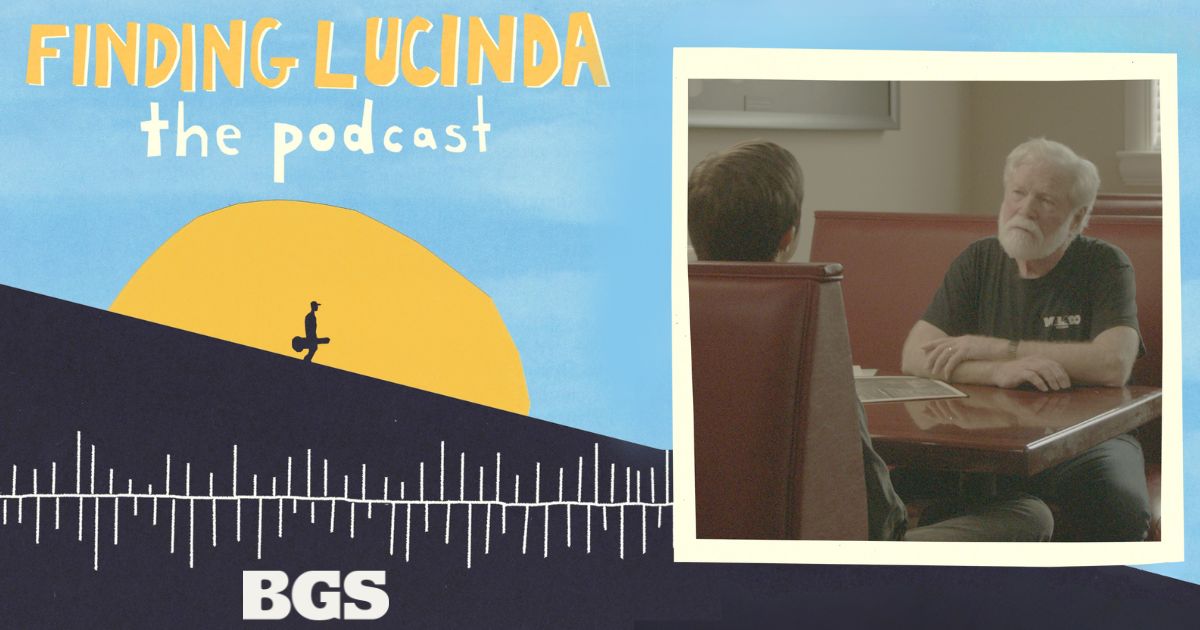
Ismay travels from Texas to Mississippi to visit the studio where Lucinda Williams made her first record. There, Ismay interviews Wolf Stephenson, who was the engineer that day in 1978, to learn about what happened during the session and whether Lucinda was confident through that initial challenge of recording. They discuss what results when artists get rejected and what keeps certain artists moving forward in spite of various roadblocks. Stephenson oversaw the development of Malaco Records, which produced R&B, soul, and gospel hits. Elsewhere in the episode, Ismay also takes time to visit the stretch of country between Austin, Texas, and Jackson, Mississippi, in order to understand the landscape that informed Lucinda’s work.

LISTEN: APPLE • SPOTIFY • AMAZON • MP3

Produced in partnership with BGS and distributed through the BGS Podcast Network, Finding Lucinda expands on the themes of Ismay’s eponymous documentary film, exploring artistic influence, creative resilience, and the impact of Williams’ music. New episodes are released twice a month. Listen right here on BGS or wherever you get podcasts.

Finding Lucinda, the documentary film that inspired and instigated the podcast, is slated for release in the fall. Both the film and podcast showcase never-before-heard archival material, intimate conversations, and a visual journey through the literal and figurative landscapes that molded Lucinda’s songwriting.

Credits:
Produced and mixed by Avery Hellman for Neanderthal Records, LLC.
Music by Ismay.
Artwork by Avery Hellman.
Jackson, MS Recording: Recorded at Malaco Studios.
Sound Recordist: Rodrigo Nino
Producer: Liz McBee
Director: Joel Fendelman
Co-Director & Cinematographer: Rose Bush
Special thanks to: Mick Hellman, Chuck Prophet, Don Fierro, Jacqueline Sabec, Rosemary Carroll, Lucinda Williams, & Tom Overby.


Find more information on Finding Lucinda here. Find our full Finding Lucinda episode archive here.

Mississippi Multi-Hyphenates

(Editor’s Note: Sign up here to receive Good Country issues when they launch, direct to your email inbox via Substack.)

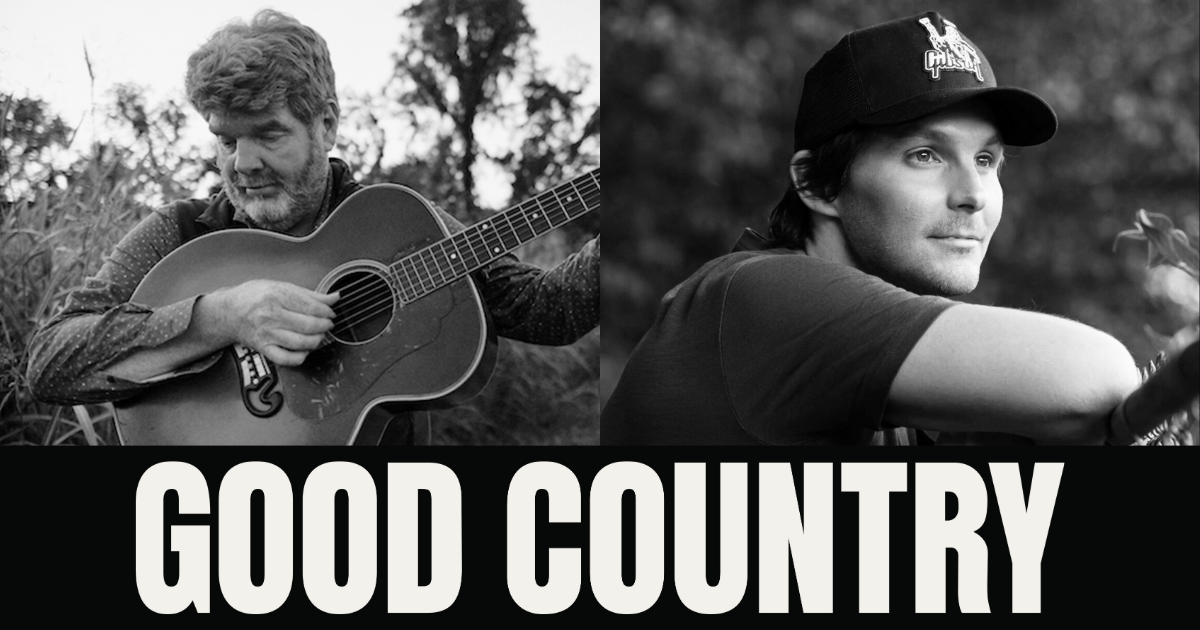
Mississippi is well-known for storytellers who craft in multiple mediums. From songwriter-guitar shredder-photographer Marty Stuart, to filmmaker-actor-business owner Morgan Freeman, to author-TV personality-business magnate Oprah Winfrey, the list of multi-hyphenates originating in the state is formidable. Hailing from different parts of the state and from different generations, Charlie Worsham and Mac McAnally are both known as consummate songwriters, instrumentalists, storytellers, singers, producers, and prolific performers. 

McAnally frequently jokes that spare time is the chief export of the state of Mississippi, and while hyperbolic, this does underline the fact that it takes time and space to become an expert music creator. Whether Mississippi afforded them both the opportunity to develop their crafts or whether their own obsessions forced them to carve pathways to success for themselves, we’ll never know. 

The way the pair speak about playing instruments is reminiscent of the youthful compulsion with which some people describe playing video games or sports. Both Worsham and McAnally started very young. By age 12, Worsham was on the Grand Ole Opry’s hallowed stage. McAnally grew up playing in bars and honky tonks on the Tennessee state line and started playing sessions in Muscle Shoals studios by his early teen years. 

In an industry rife with surly personalities, both McAnally and Worsham have reputations of kindness that precede them. It is no coincidence that both of their calendars are fully booked with tours, both solo and in support of other artists and acts, studio work, and various and sundry creative projects. Worsham’s most recent solo release, Compadres, is a who’s who of modern Nashville duet partners; he’s also a current member of Dierks Bentley’s band. McAnally has a fully packed solo tour schedule after losing his long-time collaborator and Coral Reefer Band leader, Jimmy Buffett, just last year and is currently collaborating with Disney on updating the Country Bear Jamboree. 

Good Country spoke with Worsham and McAnally from their homes in Nashville. Worsham was making Valentine’s Day memes, preparing for a run of solo shows, and balancing it all with a toddler in the house. McAnally was fresh off a week-long run of shows in Hawaii co-headlining with fellow multi-hyphenate, Jake Shimabukuro, and gearing up for a run of solo shows himself.

The discussion was a mutual admiration society as they are clearly big fans of each other’s work. They talked about their progressions to becoming multi-hyphenates, the benefits of being able to pivot, what their younger selves would think about their careers, and in a Substack-exclusive epilogue, they paid tribute to the fellow multi-hyphenate greats that we lost this past year, Jimmy Buffett and Toby Keith. 

As you both became multi-hyphenate creators, were there people in your pasts who either discouraged you from this or encouraged you towards this?

Mac McAnally: Well, I began just by being pretty much fascinated with everything. As far as the multi-instrumentalist part of it, that came from my dad, because he kept the books at an auction and he came home every week with some musical instrument, and it wouldn’t be connected to the last one that he brought. He was just fascinated with music, too, so he would trade up a saxophone one week. He’d have a clarinet the next week, a fiddle the next week. And then drums, which he was kind of glad I didn’t stick with. I was always interested and fascinated by what kind of sounds they made, whether I could help make them or not. 

When it became the studio application, I don’t wanna say I was discouraged, but my application in Muscle Shoals was that there wasn’t really a dedicated acoustic guitar player. There was a rhythm section at every studio. Broadway had a rhythm section. Fame had a rhythm section. Muscle Shoals Sound had a rhythm section. Wishbone, where I was working mainly, had a rhythm section. But none of them had a dedicated acoustic player, so it allowed me to go cross-pollinate those different rhythm sections and learn with different producers. 

I wouldn’t say I was discouraged, but initially, I was encouraged to be primarily an acoustic player. But I think just because I’m so fascinated with all of it, I was paying attention to all of those jobs; to what the engineers were doing, to what the producers were doing. And then, as I began to have opportunities to do some of those other jobs later on, I certainly believe that having done a few of them gave me more consideration or compassion for everybody that was doing them. I think that it is a good thing to go through life with respect for everybody, and how they’re doing their job. So the more jobs you’ve done, the more you can identify with individual situations of those jobs. 

Charlie Worsham: I couldn’t agree more on that last statement. You know, I always have felt that way, and all my favorite people in music are people who have worn different hats over the years, because they have that added perspective and appreciation. And I think it was similar for me, Mac. I was curious. I wasn’t really good at sports, so for me instead of picking up a new sport, it was picking up a new instrument. I was fortunate to have supportive parents who would help me acquire that instrument and acquire a connection to someone who could give me lessons, or a book or video tapes to learn from, or whatever, or just be playing along to records.

That was a big driver for me – and I don’t think anyone ever discouraged me in a similar way. It wasn’t discouragement so much as an encouragement in the other direction, which was because I was a bluegrass kid. There were a handful of people in the bluegrass world who sort of said, “Hey, if you want to be a fiddler, or if you want to be a banjo player, you need to dedicate everything you got to that one instrument,” and I figured out pretty early on I that I was too curious about the full picture, like you said. I wanted to get a little bit of understanding about it all, especially once I got the bug for recording equipment.

I had a chance to come to Nashville when I was 13 and make a bluegrass record. And this guy named Bobby Clark, who played mandolin with Mike Snider at the time, had a 2-inch tape machine in the guest bedroom. I walked in, saw that thing, and I was hooked. It was game over. And so, of course, my new mission became that I had this room full of instruments and I needed a way to record them. That’s what got me into being a songwriter. It all kind of snowballed, because I ran out of fiddle tunes to record. I was like, well, I need to write something now that I’m running out of material to record. By the time I got to Nashville, my motto in those early years was, “Say yes, ‘til you can afford to say no.”

I really wanted to be the big ol’ electric solo rippin’ guitar player. But everybody was an electric guitar player, like you said. A lot of times they needed an acoustic player or the band needed a harmony singer and someone who could play mandolin. So it was a way to always be able to pay the rent. And then, as I got more and more connections, and I guess my stock rose, then I could afford to choose a little bit more what I wanted to do specifically. Looking back, I wouldn’t have wanted to do it any other way, because I love being able to pivot.

I have a question for your 16-year-old selves. What hat do you wear today that you would be most surprised about?

CW: So if 16-year-old us popped into the future and said, “Wow, I didn’t see that coming?” Man! What’s yours, Mac?

MM: I probably didn’t understand what record production was, so it would have seriously surprised my 16-year-old self. A), That there was a job that was really what this is, and B), I wanted to do it. My 16-year-old self just wanted to be a guitar player in a band. At the time I was kind of having to be a piano player in the band, because I knew the notes on the piano and that pretty much disqualified me as a guitar player. Everybody played a little guitar in North Mississippi and almost nobody played the keyboard. If you had a keyboard, you were a keyboard player. I had a Fender Rhodes, which meant I was gonna load it by myself every night and blow my back out by the time I was 20.

I didn’t want to be a singer. I didn’t think I could sing. I wanted to be a guitar player, and I didn’t even want to be the guy playing the solo. I honestly think that’s probably what’s got me so many gigs in bands, because I would always just sit and play rhythm for two hours while somebody jammed over “Down By the River.” I was just trying to make it groove.

My adult self is fueled a little bit by my ignorant teenage self, and like you, I wasn’t necessarily inclined to sports, but I was a big enough guy that they expected me to play football in Belmont, Mississippi. I was blessed by the fact that Belmont, Mississippi did not own a helmet that would go on my head – even in junior high school. My head is huge, and the high school coach took me into the equipment room and said, “Son, see if you get any of these high school helmets on that head of yours. You’re a big boy, and we’d love to have you out on that field.” And I sat and mashed as hard as I could. It looked like Mr. Peanut. I went trotting out on the field, and the coach said, “No, that ain’t on, son.”  The face mask was still over my hairline, you know, so I didn’t get to play football. 

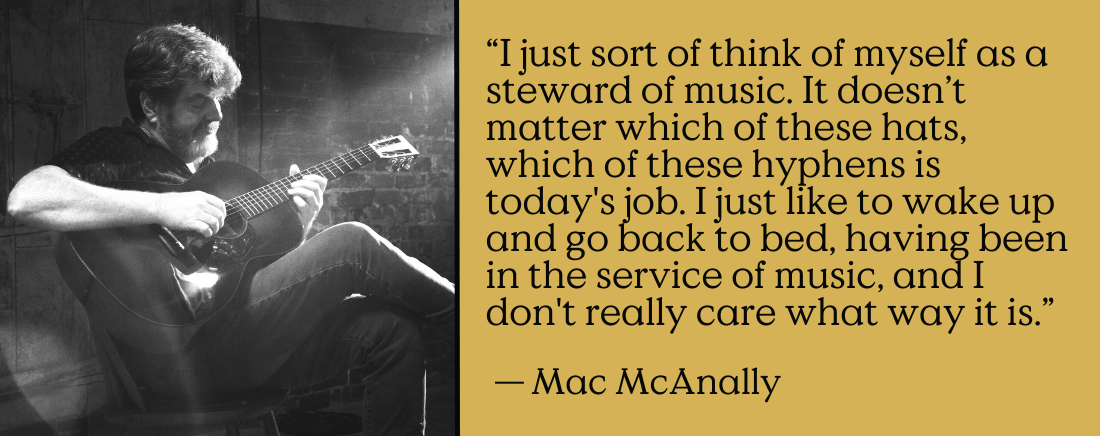
But a record producer, somebody that is in the service of the music and in the service of helping somebody’s dream come true, I didn’t understand what that job was. I don’t view myself as particularly good at it, but I relish the fact that I get to do that on occasion. I just sort of think of myself as a steward of music. It doesn’t matter which of these hats, which of these hyphens is today’s job. I just like to wake up and go back to bed, having been in the service of music, and I don’t really care what way it is.

CW: It’s interesting, because I think I’m closer in my mindset today, for the first time, to my 16-year-old self than I’ve been since then. In that, like you, I just wanted to be where the music was. I wanted to be involved. By my early twenties, there was a part of me that if I brought my 22-year-old self to the present he’d be going, “Where’s the building you own on Music Row? And where’s your wall full of plaques and all your 10 number ones?” I was pretty fired up by then to go out and change the world and be a star. But at 16, I just wanted to be around the music. I wanted to get to Nashville and be in those rooms. I think that the part of me that’s fueled by gratitude and excitement, that 16-year-old self, would be blown away by how much music I get to make and the people who I get to make it with. And the fact that the liner notes legends that I revered and learned from know me and that people like Vince Gill, who were my ultimate North Star and still are, that they would know me, and even respect what I do, and want me to be around to help.

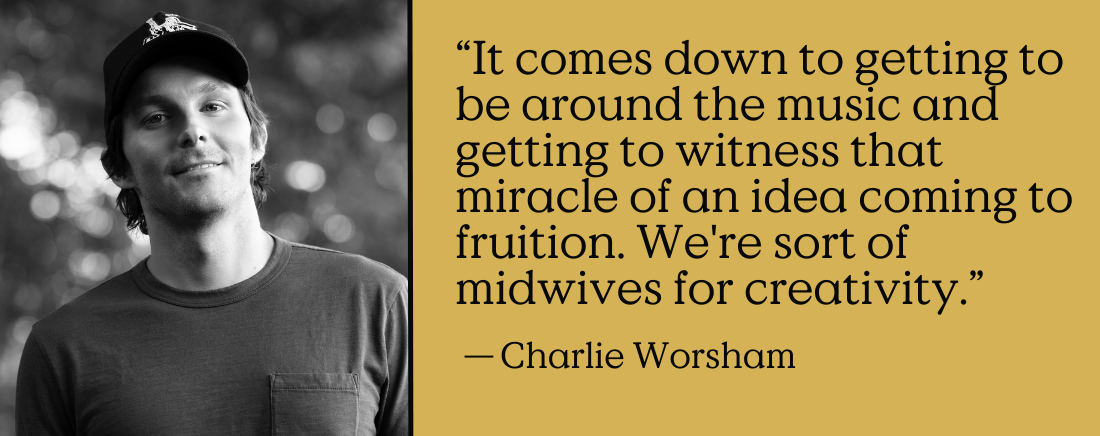
That early 20s self, who just thought I had to have the number ones and thought I had to have it a certain way, has given way to realizing that it’s unfolded in a much cooler way. Had I had that one hyphen, the guy in the spotlight, and if everything had gone the way I thought I wanted it to go, I would not have gotten the chance to do all these other things. Being a big star means that’s really all you have time to do. I’ve had the chance to be on the tour bus with Vince, with Old Crow Medicine Show, or right now with the Dierks Bentley gig. And I’m still hungry for certain things in the spotlight part of the hyphen, but it’s way cooler now – and I have so much more perspective and gratitude. It comes down to getting to be around the music and getting to witness that miracle of an idea coming to fruition. We’re sort of midwives for creativity. 

MM: That’s well said, and I almost bet as many of these multi-hyphenates as you talk to, they are gonna have that in common. I didn’t even desire to get a record deal, but I got a record deal when I was 19 and I had a record on the charts when I was 19. I was just really on a dare out there. I was like, “They’re gonna send me back home within 6 months.” I didn’t have any ambition to be in the middle of the stage at all. And still don’t. It’s Old Testament miracles, daisy-chained together, that I ever got a record deal, because I never even played my songs to my parents. I was so bashful.

But had the record deal been a big blow-up kind of deal, as you said, Charlie, it takes up all your time, and it also can shorten your career.

CW: So true.

MM: You can only take the hard spotlight for a few years and then people kinda want you out of their living room. 

Charlie, you’re actually a few decades closer to your 16-year-old self than I am. I still have the mindset of that, and I’m grateful every day, really, that I didn’t blow up when I was 19, because I didn’t have a clue how to handle that. It allowed me to watch a bunch more people, how they do it, how they make records to get to play along with a bunch of people, and, as you said so well, I got to play with heroes of mine that I would never dream to be even shaking hands with. All of that is partly a result of not being a big deal when I was 19. 

CW: We do it backward, right? Because I think when people hit about 40, that’s when they’re actually finally prepared to be a big star and they’re at their peak. That’s one of the best pieces of wisdom I’ve been fortunate to glean from Vince in particular, as the great mentor that he is. He’s making the best records he’s ever made now, and that’s my own hope, too, that every 10 years I can be proud of the music I’m making today, and I can look back at the music I made 10 years ago. I’ll still be proud, but also part of me cringes a little bit, because that means I’m growing. That’s the dream really.

MM: I couldn’t say it better. 

Can you both talk about what being from Mississippi means to you as music makers and in terms of how you developed as music creators?

CW: The older I get, the more I recognize that you can tell the whole story of America, and particularly American music, through the lens of Mississippi. All the really inspiring parts and all the really scary parts and tragic parts of it, too. It’s all wrapped up there, and somehow, it just seems like the folks who came out of Mississippi with music in their heart did just a bang-up job of documenting all of that.

I think back to when I first acquired an electric guitar. It took me a while. I had the banjo, I had the mandolin, and I was playing all the acoustic and bluegrass instruments. But I still wanted to be Vince Gill or Marty Stuart. And I finally got that electric, and it was B.B. King records that I used to learn first. The reason was I thought, “Oh, he didn’t play that many notes. I’ll figure all this out in no time. One weekend and I’ll be playing like B.B. King.” I very quickly learned, no. He might only be playing one note, but the way that he bends a note is like watching Mozart compose. 

Growing up [in Mississippi], there was that factor of seeing Marty Stuart on TV, knowing he grew up where I grew up. Same with B.B. King and Pops Staples. And same with you, Mac. I’ve always looked up to you, as well. If there’s anything I know about Mississippi, I know the only thing bigger than our mosquitoes are our stories. We really know how to tell a story.

MM: It is the truth. I got to run around with Jimmy Buffett for years, he was a Mississippi guy who had done well and I respected him. And the same with all of the blues guys. I wasn’t so much a student of blues, but I knew that the blues essentially came out of our delta. I appreciate and honor the fact that it came out of our soil there. 

Our home state is fiftieth in most things. We’re the poorest and the least educated, and the most overweight. We get the number 50 a lot. But I also think that the spirit of community– when everyone’s kind of close to one another because nobody’s that far apart. The poor and middle class are almost everybody. So you kinda know your situation and how everything you do affects everybody you know. It gives you a big picture from a small town. That is a big picture that applies to the whole world. There’s a ripple of good or bad, according to whether you’re doing good or bad, it goes out through your community. That, I think, informs our storytelling nature. 

If you had to boil it down today and you could only pick one thing that you do, what would you choose? 

CW: Today? There’s a part of me that wants to say, “Play mandolin,” as crazy as that sounds. It’s probably number six on the list of things I do. I learned over the years that being on tour and playing that two hours of music every night doesn’t necessarily mean that you keep your chops, because you’re playing the same two hours of material. And so over the last few years, I’ve sort of set a mission ahead of every tour: I want to pick a music nerd project – and last year it was mandolin. So I try to put in a couple of hours every day out on the road, learning solos I always wanted to learn, or just playing along, or jamming with the other guys in the band.

Since I’m sort of in the middle of a mandolin renaissance, there’s a part of me that would be relieved to just go, “Oh, that’s all I’m gonna do is just go get really good at mandolin right now.” Just because it’s what’s fueling my curiosity and my creativity. I also think it’d be impossible for me to not pick songwriting, especially off the heels of us talking about being from Mississippi and the fact that we’re kind of born into telling stories growing up there.

I process so much of my life and my feelings through writing songs. If I don’t get it out, it builds up and it comes out all sideways. One of my life’s mantras is “I ain’t right if I can’t write.

But most days, to make a long story short, I just want to play guitar. You give me a guitar and I just want to play, and that’s fine by me. 

MM: You could just superimpose my voice on what Charlie said pretty much. I love everything that I do. But I just came home from working every day for a long time and literally, before I took my shoes off, I was playing a guitar. Like you said, Charlie, on tour you play what you already know how to play. You don’t really challenge yourself, because you’re spending two hours just trying to make that show be as good as you can. 

But I know that I still want to get better. At a certain age, you also want to maintain. I’ve got arthritis in my hands. I remember my grandmother, who was a musician as well, she crocheted all the time, and she crocheted things that we didn’t need, because she was afraid to stop. She was afraid her hands would lock up if she stopped, so we got sweaters and doilies and blankets and bedspreads. She was really just trying to keep her hands active. There’s an element of that in what I’m doing, too. But it also lights me up. I can’t imagine being separated from a guitar for any long period of time. That’s sort of terrifying.

CW: I brought a guitar on my honeymoon. That tells you how bad it is.

MM: Yeah, I was just all week last week with my buddy Jake Shimabukuro, and he’s blessed by the fact that his passion is the ukulele. He literally doesn’t go to dinner without it. Anytime we get in the van to ride from the airport to the hotel, I make a personal bet with myself whether we get to the first speed bump on the way out of the airport before he’s playing. He’s still just as fired up about it as ever, and that’s inspiring to a 66-year-old. And I hope there’s some 78-year-old that’s looking at me going, “Look at that idiot! He’s playing guitar before he sets his suitcase down!”

Even though you’re in different generations, the modern-day music business is so different from when either of you guys were coming up. And there’s a lot of extra hats that you guys are having to wear. Given that it is a different landscape, do you have advice for people coming up who aspire to do what you two do?

CW: Most of it is stuff I’m passing on secondhand. I’d love to start by saying I believe we are in the best time in my lifetime to go into this world of music with this multi-hyphenate mindset. My dad was a banker and my mom was a teacher, both professions that they held for decades. I grew up with this message from the world that this is kind of how it works, right? You get a job, and you keep that one job, and that’s what your job is. That has kind of gone away. I’m actually particularly grateful now that I never had a plan to stay on one track. Generally music, yes. But I was always prepared to pivot. Looking at where we are now, I think that the ability to pivot is going to be the most important skill someone could have, especially in music going into the future. 

I could give you tons of great advice from other people like, never be the best musician in your band, because then you don’t have anything to learn. You’re gonna learn more if you’re the weak link in that band. 

But in terms of personal advice that I can give, I think it’s figure out how to have a sustainable and not-so-toxic relationship with your public-facing platform, most of the time that’s going to be through whatever social media is happening. And you can count on that changing. It’s TikTok today. It’ll be something else in a couple of years. But I have found success in finding something that I know I can commit to, that I know I can be consistent with, and that isn’t going to just drain my soul. 

You know, the definition of integrity I keep is that the insides match the outside. If it’s guitar nerd stuff, I know there are other guitar nerds out there, and I know that’s something I can always put 10 minutes of my time into. I do believe that our presence online, in so many ways, is becoming the currency of the future. I mean, even for songwriters, even for session players. You know, if someone heard your name twenty years ago, they’d pick up the phone and call a musician they trust and say, “Hey, have you heard about this kid? What are they like? Have you worked with them?” And basically, that was your best shot at getting called by that person. But now they’re more likely to just search you online and look at your YouTube or your Instagram. Iif you’re there and you have a consistent presentation of who you are, they can get to know you really quickly. You also have to keep in mind that it isn’t everything. There are seasons in life where it’s okay to let that go and shut it down and focus on something else. But it is something you kind of have to at least keep on the back burner.

Ultimately, if it ain’t who you really are, it’s just not gonna work long term. And if there’s anything I’ve learned, it’s that if you can’t pull it off long term, it’s not worth doing. Like Mac said earlier in this conversation, being a big star isn’t made for thirty years. You’re not meant to stand in that bright of a light for a long time. The real trick is being able to run the full marathon. With social media, you have to really be careful not to lose your spirit in it.

MM: I have missed my opportunity to take some of your good advice, because social media came too late into my life. I’m probably not ever gonna be anybody that posts a lot, but I will say just in general, whatever the new thing is tomorrow, that was the old thing yesterday.

What I would say to folks starting out is to widen the lens, to dream wider. When you are a teenager, when you’re full of hormones, you tend to dream narrow. There’s so many rewarding aspects of what’s available to us that you don’t know about in your teen years and if you narrow your dreams down to where all bands suck except the one you like, you eliminate not only a lot of career opportunities, but you eliminate a whole bunch of joy that’s just sitting there waiting in the music.

There are just all sorts of payoffs to leaving everything as a possibility. And then, besides that, I would just say, in the context of all success, in all the ways that we measure it and quantify it, if you can just remember that the music is the reward. It is the primary reward. Everything else, as wonderful as everything else is, is secondary to the music itself. Nothing will ever compete with that to me. The things that I’ve gotten to be part of, or play on, or make a little bit better just because I was there, that is the most career reward that I’ll ever have, regardless of how much revenue I ever generate or how many people mistake me for the musician of the year, or whatever songwriting accolades that we get. All of those are great, but they’re secondary to the work. The work is the reward.

CW: That is incredibly profound and true. I relate to that every day these days. It calls to mind for me, too, that when we talk about awards, number ones, or getting big checks in the mail, you don’t often in those kinds of conversations hear people talk about respect. I’ve found that the work is the reward. But to feel the respect of people that you admire and look up to, respect is about as sweet a feeling as anything you could get. 

MM: It is awesome

CW: And it’s also kind of a hedge against hard seasons. If you operate with empathy and respect for others, one of the best ways to get respect is to respect other people in the first place.

MM: Absolutely

CW: It is a bit of insurance, I think, against hard times, because it means in your lowest point you got people you can call who are gonna shoot you straight, who are gonna help in any way they can. There are people with big mansions and number ones, and all the things who don’t necessarily have respect, and if I had to pick one or the other, I’d rather have the respect and not have all the rest than have all the rest, and not have respect.

MM: No, that’s correct. And there is no hard turn or dark corner that music can’t get you out of. Not necessarily financial and success-wise, but whatever headspace you’re in, music can turn bad into good. There aren’t many things that do that and we’re connected to one of those. The worst thing that ever happens to you can become a song that makes somebody else’s life better who is going through a similar thing. And they couldn’t articulate it. They couldn’t speak it. But we can help with that and help ourselves at the same time.


Read our Substack exclusive epilogue to Mac and Charlie’s conversation, including their chat about Jimmy Buffett’s recent passing, here.

Editor’s Note: Longtime BGS and GOOD COUNTRY contributor Erin McAnally is the daughter of Mac McAnally.

Sign up here to receive Good Country issues when they launch, direct to your email inbox via Substack.

Photo Credit: Mac McAnally courtesy of the artist; Charlie Worsham by Jess Williams.

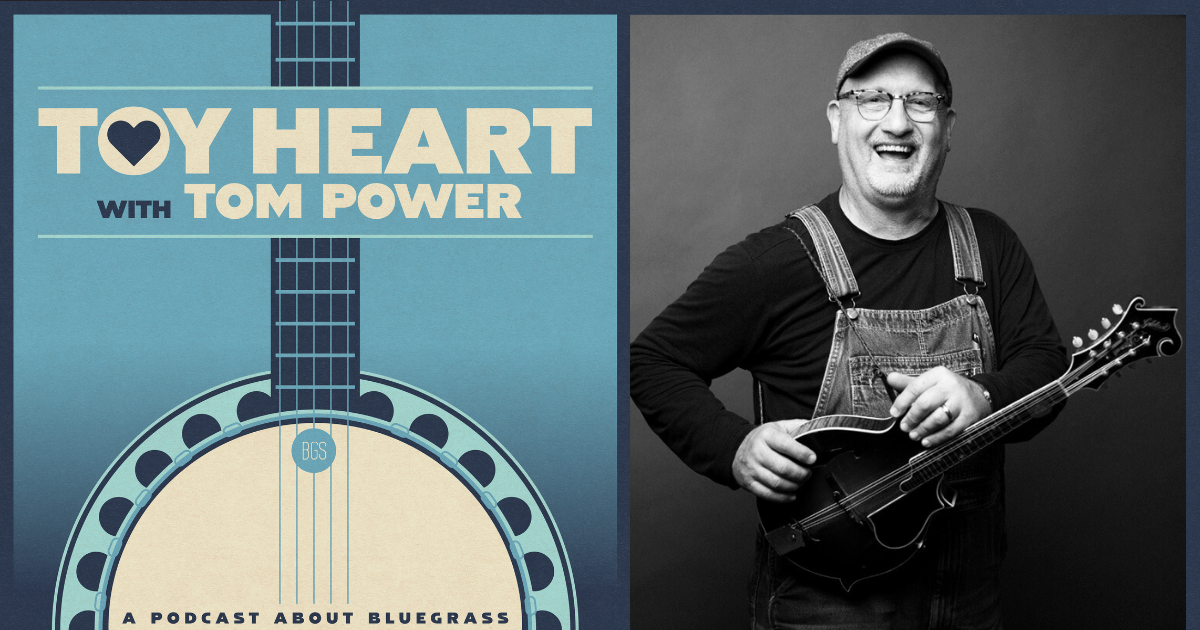
Mike Compton – Toy Heart: A Podcast About Bluegrass

Bluegrass fans know Mike Compton from his long and eclectic resumé, including decades of touring and recording traditional Monroe-style mandolin with greats like John Hartford, Doc Watson, Peter Rowan, Ralph Stanley, Alison Krauss, and David Grisman, as well as venturing into more mainstream music with with Sting, Gregg Allman, Elvis Costello, and many others. He was also heard on the soundtrack for O Brother, Where Art Thou? and traveled with the smash hit tour, Down from the Mountain, which highlighted the artists and musicians on that incredibly popular soundtrack.

But, as Toy Heart host Tom Power points out, it’s not just virtuosity that makes Compton stand out as a mandolinist – it’s just as much about the heart, feel, and grit that he brings to the instrument.

LISTEN: APPLE PODCASTSSPOTIFYMP3

Tom speaks with Compton for over an hour for this exclusive Toy Heart interview, walking through his life and career, from the musical influence of his great grandparents and growing up in Meridian, Mississippi, to the indelible mark left on his own playing style by Bill Monroe. Compton also recalls his childhood, skipping school to hide out in a “dirt pit” to practice all day, his time in Nashville – including a historic visit to China with the Nashville Bluegrass Band – and recounts his collaborations with the legendary John Hartford. You’ll also hear Compton discuss the impact that playing on O Brother, Where Art Thou? had not only on himself and his own career, but on bluegrass as a whole.


Photo Credit: Scott Simontacchi

WATCH: Hogslop String Band, “Mississippi Queen”

Artist: Hogslop String Band
Hometown: Nashville, Tennessee
Song: “Mississippi Queen”
Release Date: October 6, 2023
Label: Tone Tree Music

In Their Words: “‘Mississippi Queen’ is a story about an escaped inmate during the construction of the Richmond-Danville railroad. I wrote it years ago, and we have occasionally worked on it over the years, but we recently came up with a new arrangement of it that felt really good. The main character escapes on foot, follows the Tennessee River south, then across Alabama to find his family in North Mississippi. Ultimately, it’s a story about being separated from loved ones and doing whatever it takes to make it back home, which I think a lot of people can relate to.” – Daniel Binkley, banjo


Photo Credit: Josh Goleman

Step Inside Charlie Mars’ Stunning Yalobusha County, Mississippi Home

(Editor’s Note: Charlie Mars takes BGS readers on a photographic, first-person tour of his gorgeous Yalobusha County, Mississippi home.)

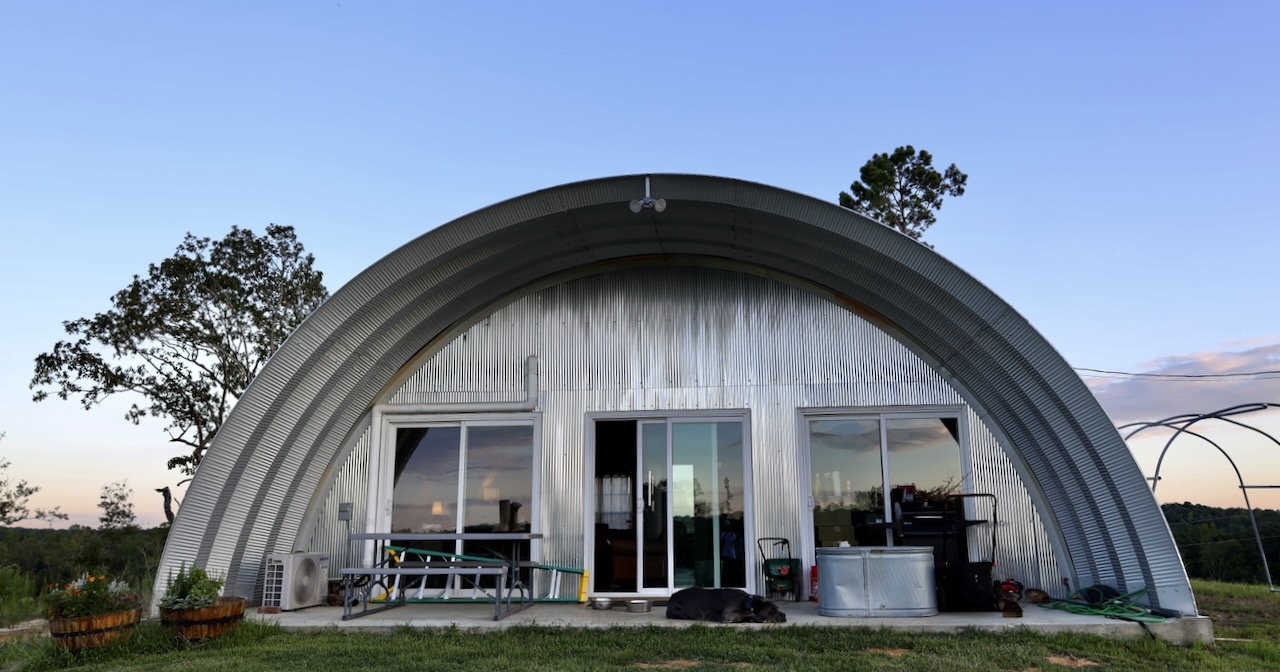
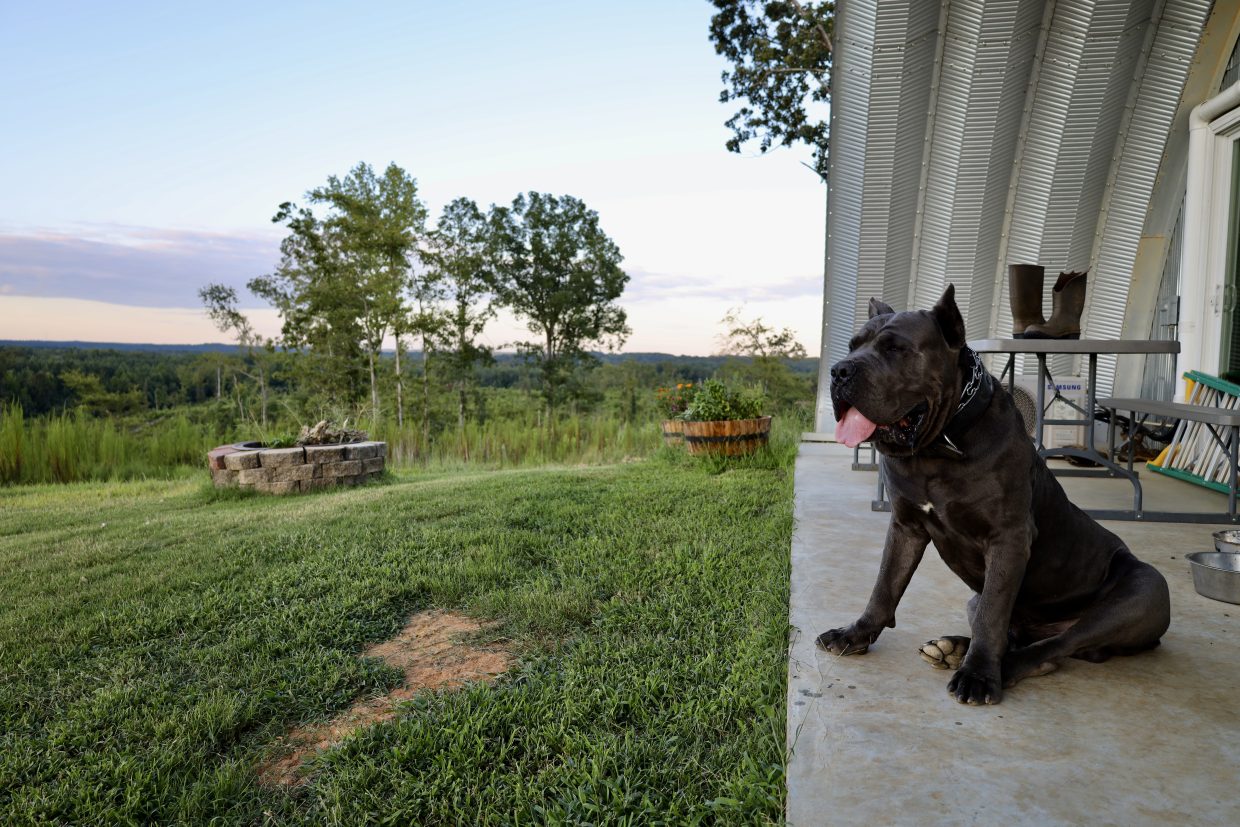
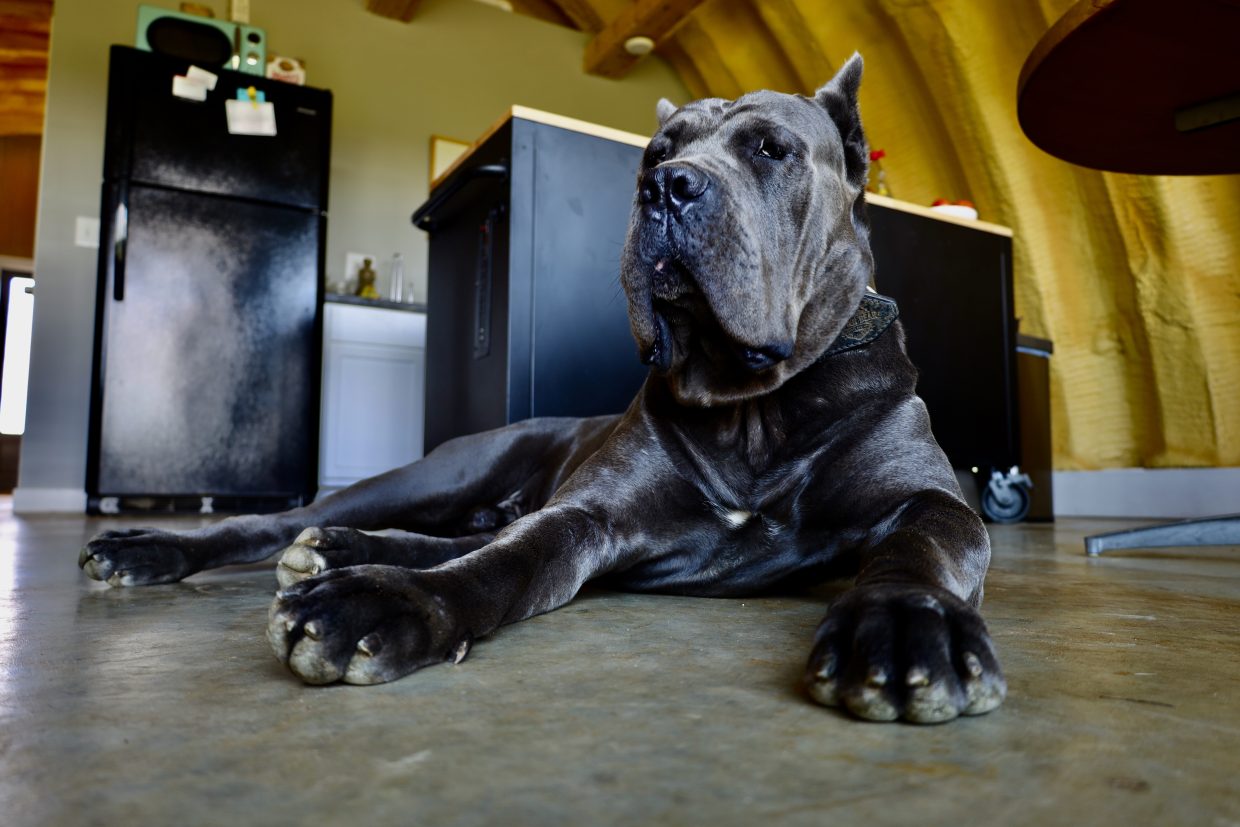
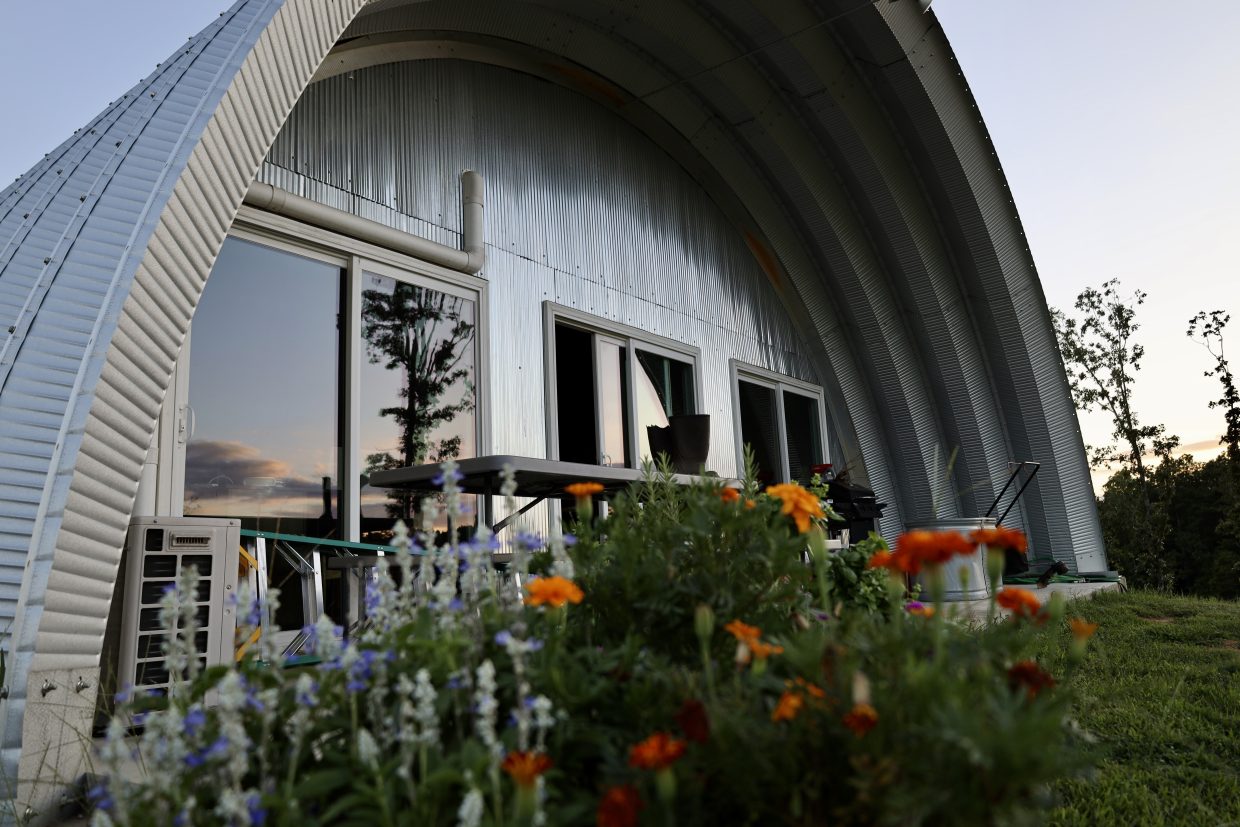
A few years ago I finally got a dog. He’s a Cane Corso mastiff named Kudzu. He’s kind of a handful, so I started looking to move out into the country to give us both a little space. My brother found a finished-out quonset hut on 43 acres for sale in Yalobusha County, Mississippi. It was built on one of the highest points in the county and you can see for 20 miles from the back door. Kudzu liked the view. I bought it and moved in.  

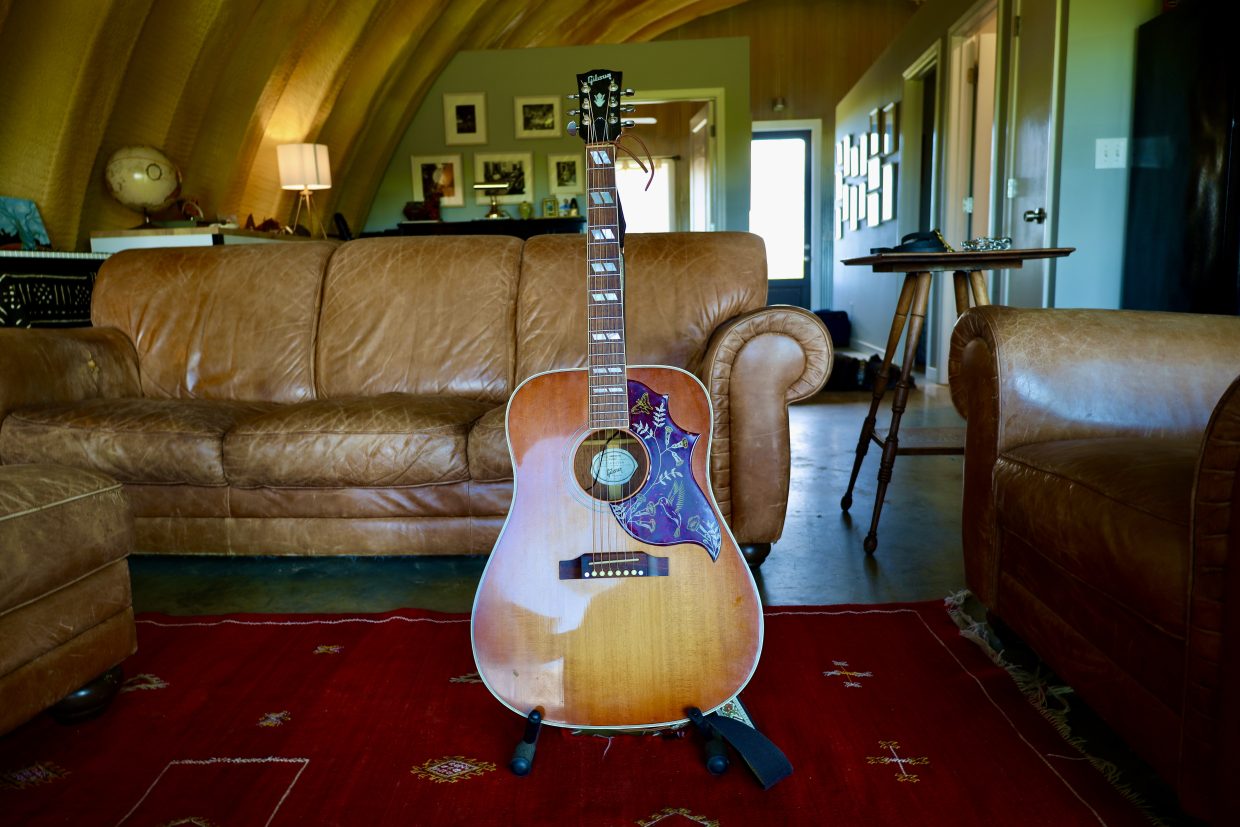
My new album, Times Have Changed [out October 6, 2023], was written on this guitar. I’ve played every show for 15 years on that Gibson Hummingbird. In a transient world, it’s nice to have well made things that work. I toured with REM once, and at the last show Peter Buck told me I had to go to Morocco. He was one of my heroes, so I went straight there from Denmark after wrapping up the tour. I bought that red rug in a Marrakech market and had it shipped to the Memphis airport. Kudzu chewed a hole in it. I saw Peter Buck in Austin a year later and told him I went…”What? I’ve never been there,” he said.  

My grandfather, Charles Mars, was in the Army Air Corp in World War II. He taught me my first notes on the piano. He was a great tap dancer. As a boy, he would take the train from Meridian, Mississippi, to New Orleans, tap dance all day for tips, and take the train home in the evening. I was fortunate enough to spend a great deal of time with him the few weeks before he died. That watch was beside his bed when he passed. Times have changed.  

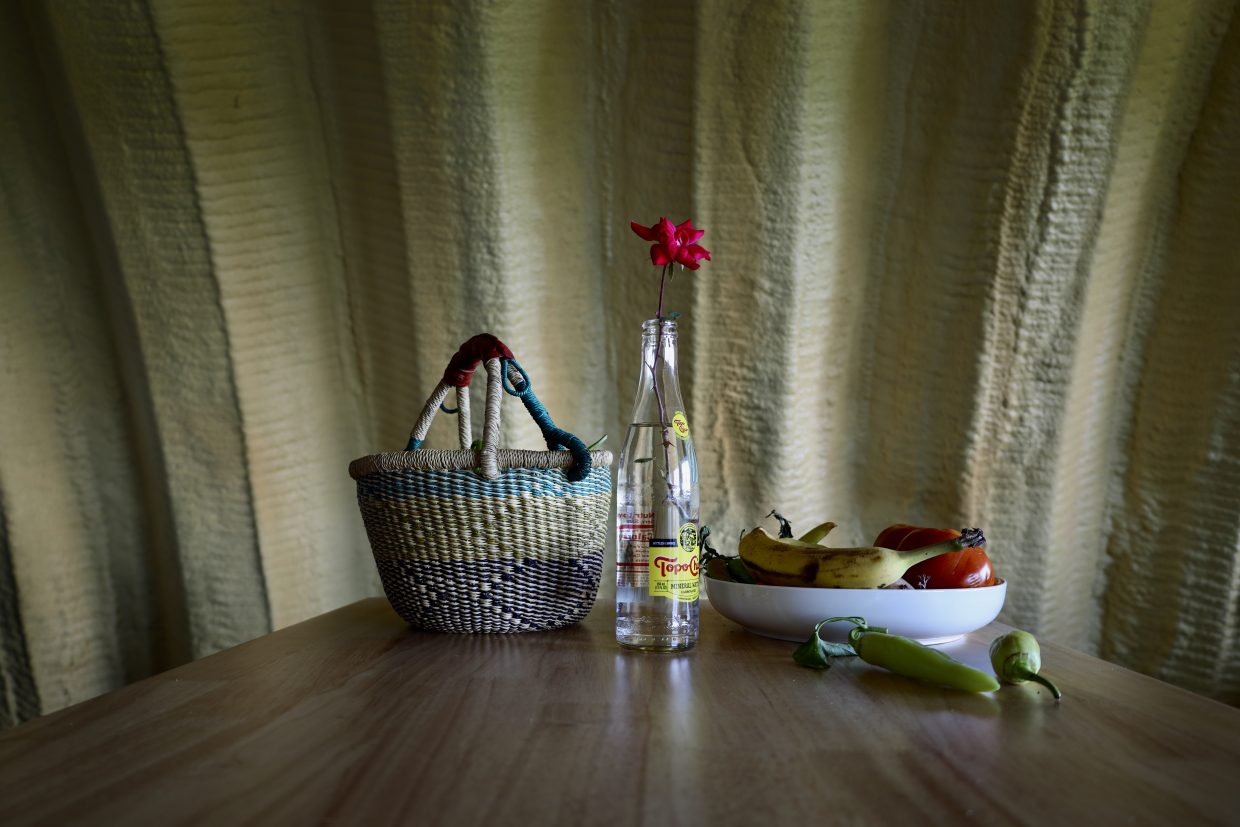
Eating something I’ve cared for and grown just hits differently. I planted my first rose bush this year. It’s nice to have a little living color in the house. 

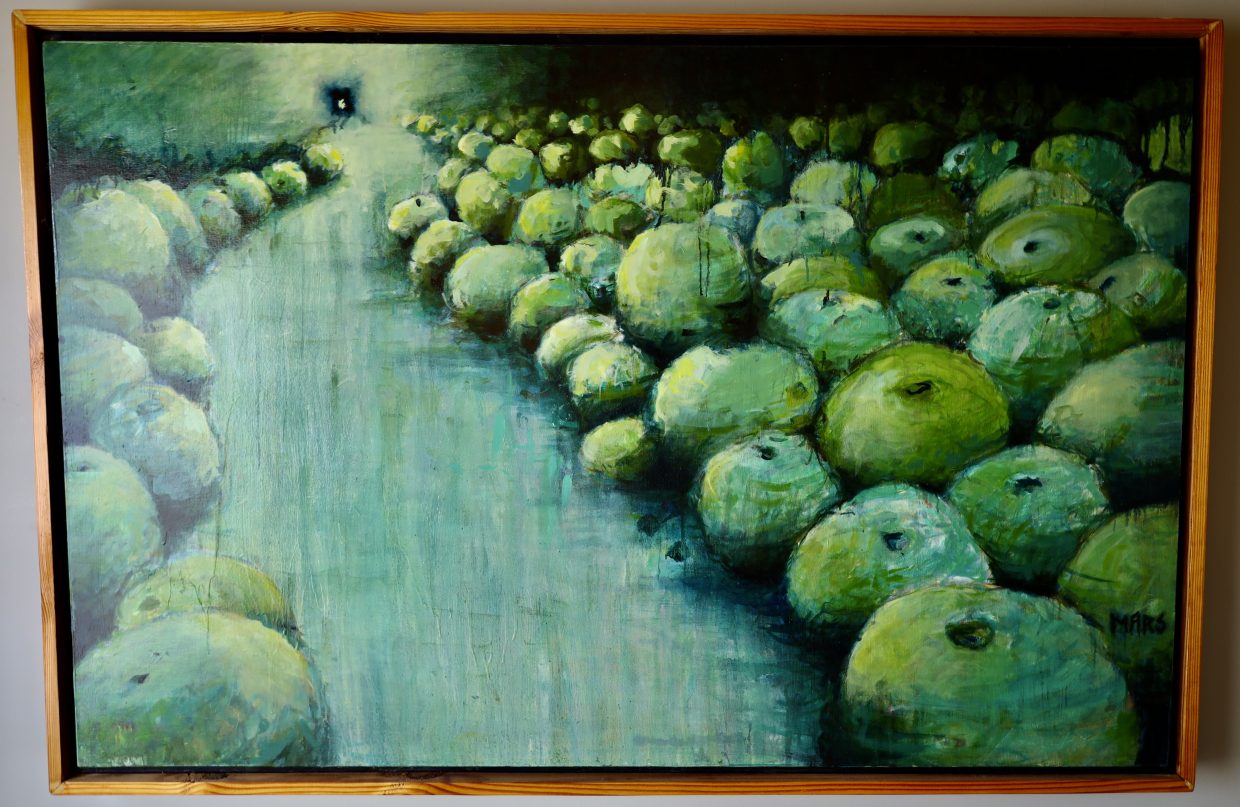
My brother, Chad Mars, is a painter. This is one of his first paintings he ever did. It’s of a pumpkin patch in the courtyard of the Episcopal Church in Oxford, Mississippi. I hope I make it through that light at the end of that tunnel one day.  

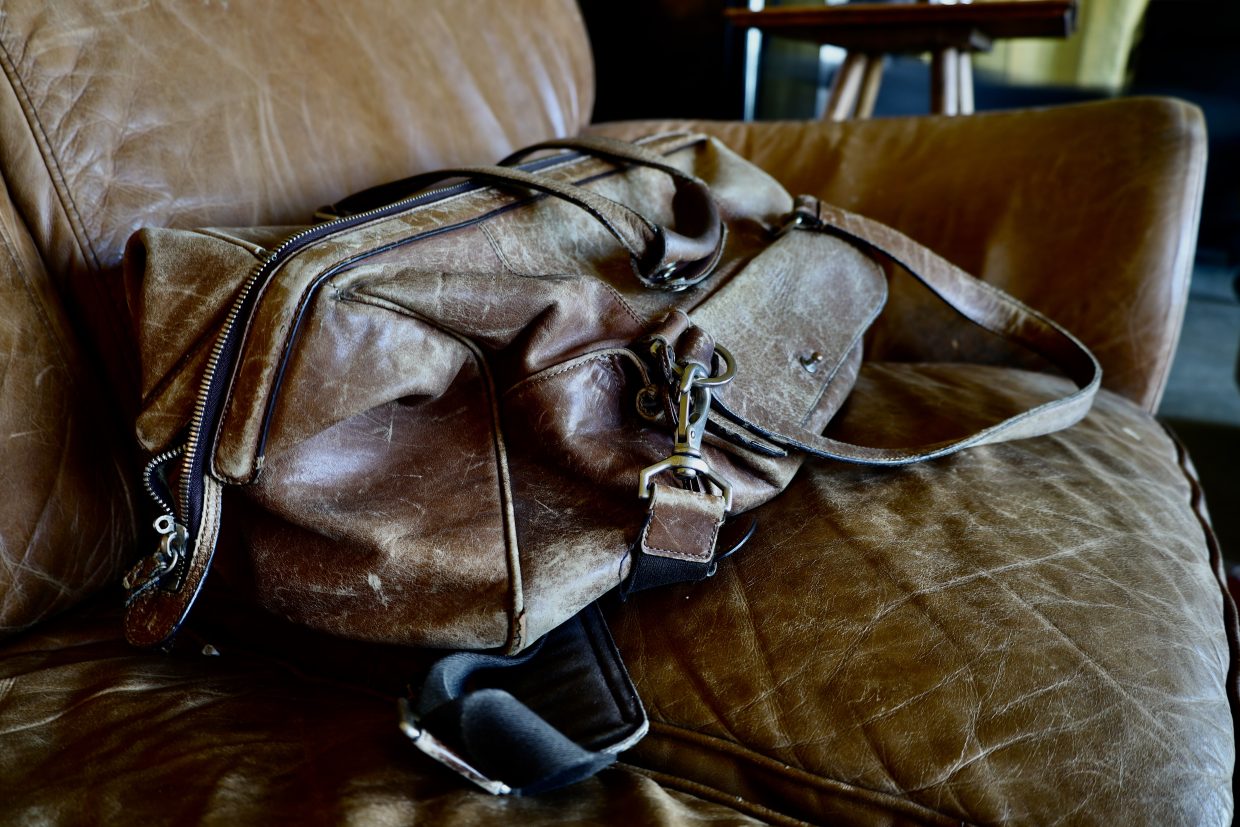
I bought this bag 20 years ago from my friend Mark, who works at Hinton and Hinton on the Oxford, Mississippi, town square. I’ve traveled with it to every show since. It’s an old doctor’s bag made by Trafalgar. I love that damn bag.  

I bought a Husky toolbox to use as my kitchen island. Kudzu likes to park it on the concrete floor and watch out for intruders.  

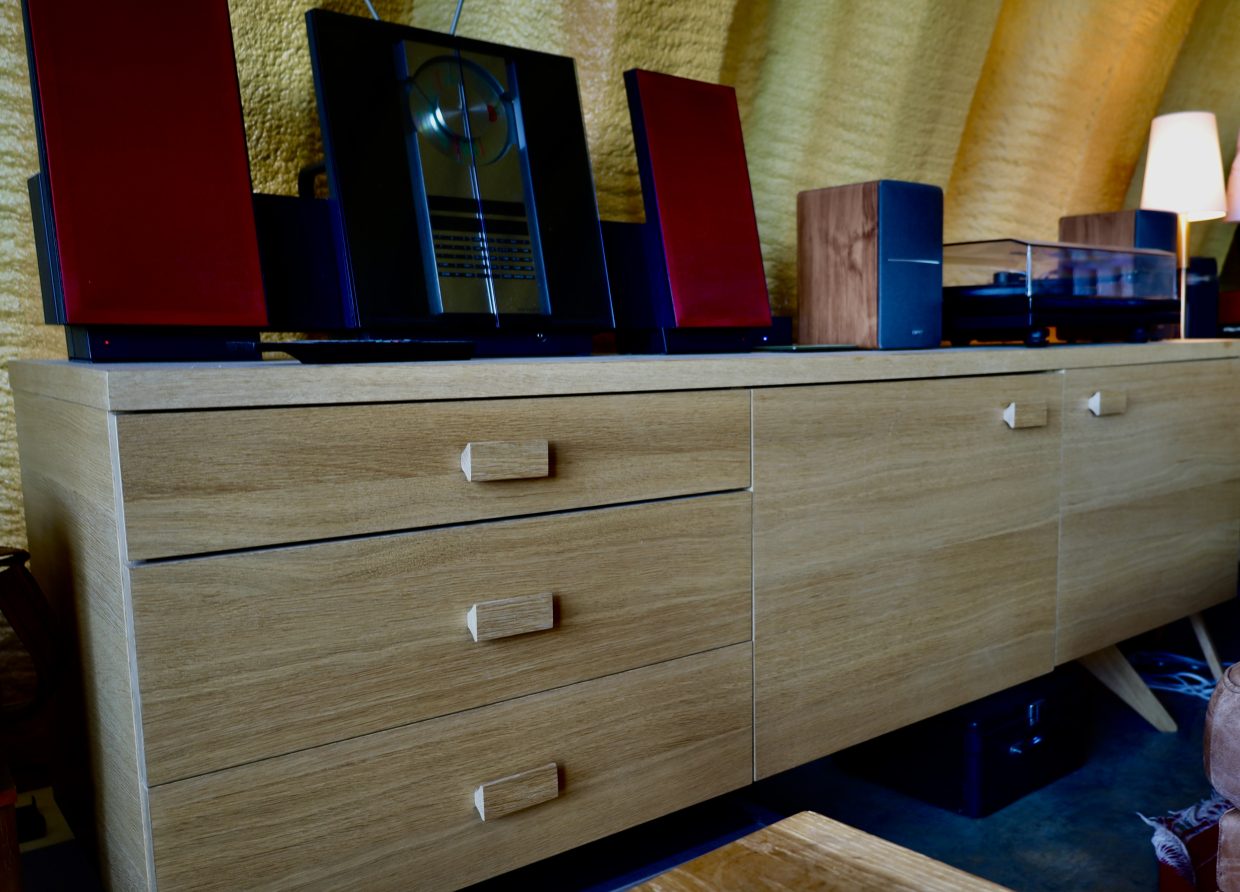
I drove a 15-passenger van for many years. I played a show in Austin one night and used the cash to buy that dresser. It was a really fancy store. I told them I was paying cash and taking it with me. “We only take cash if you have exact change, and we normally ship,” he said. It fit in the back of the van with half an inch to spare.  

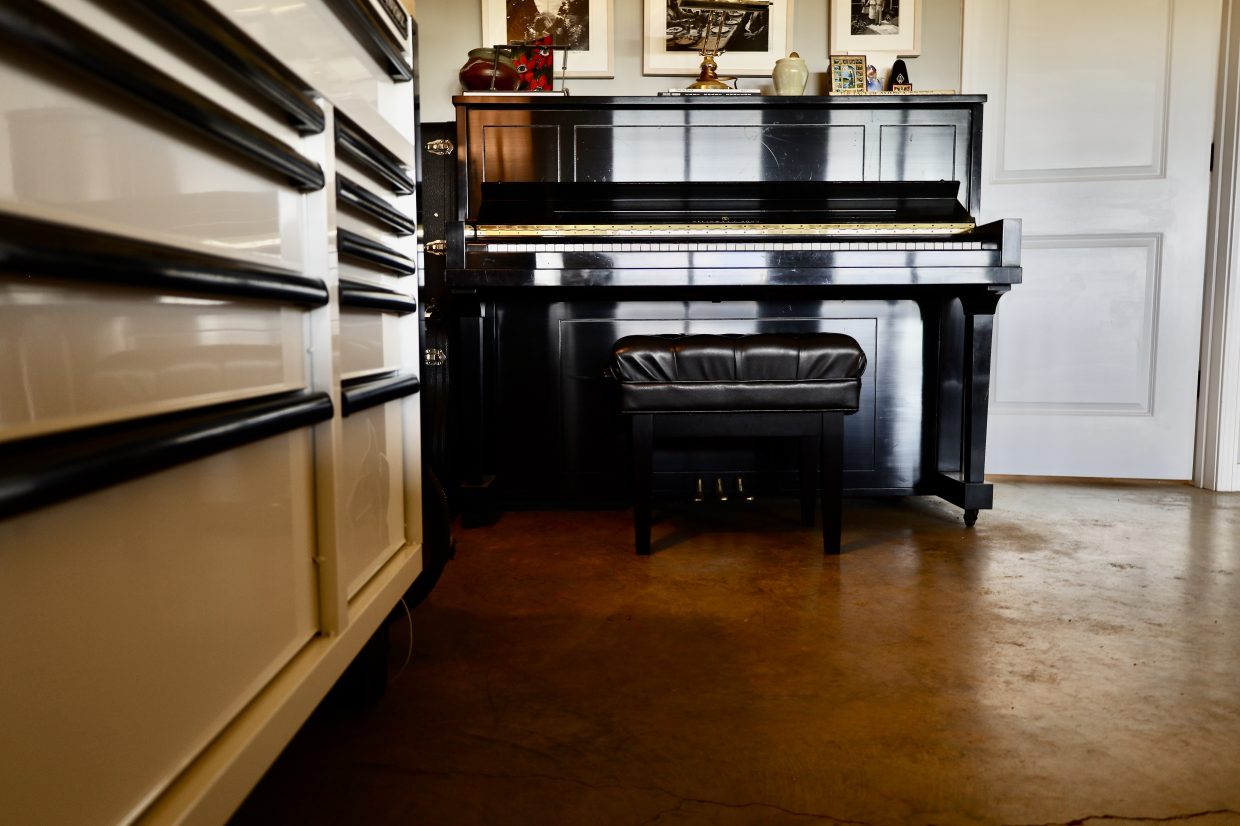
I had a big night in Vegas many years ago. I came home and bought that Steinway upright piano. I wrote the songs “Country Home” and “Silver Dollar” from the new album on that black beauty. It’s been an inspiration. Quonset huts don’t have a lot of storage, so the Husky tool boxes come in real handy.  

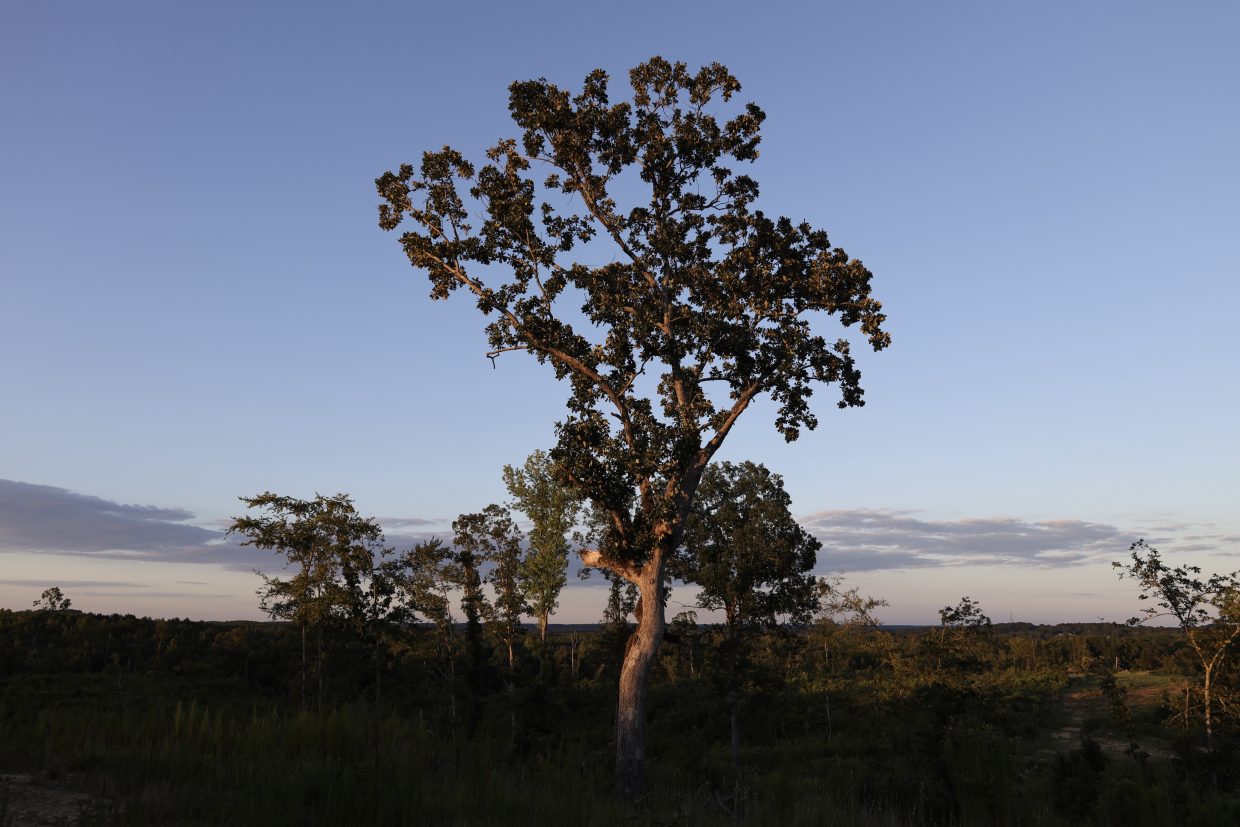
My property was clear cut about 4 years ago. Things have started to grow back. They left enough trees to leave the place looking pretty. I think they left the ugly trees they didn’t have much use for. I like the ugly trees.  

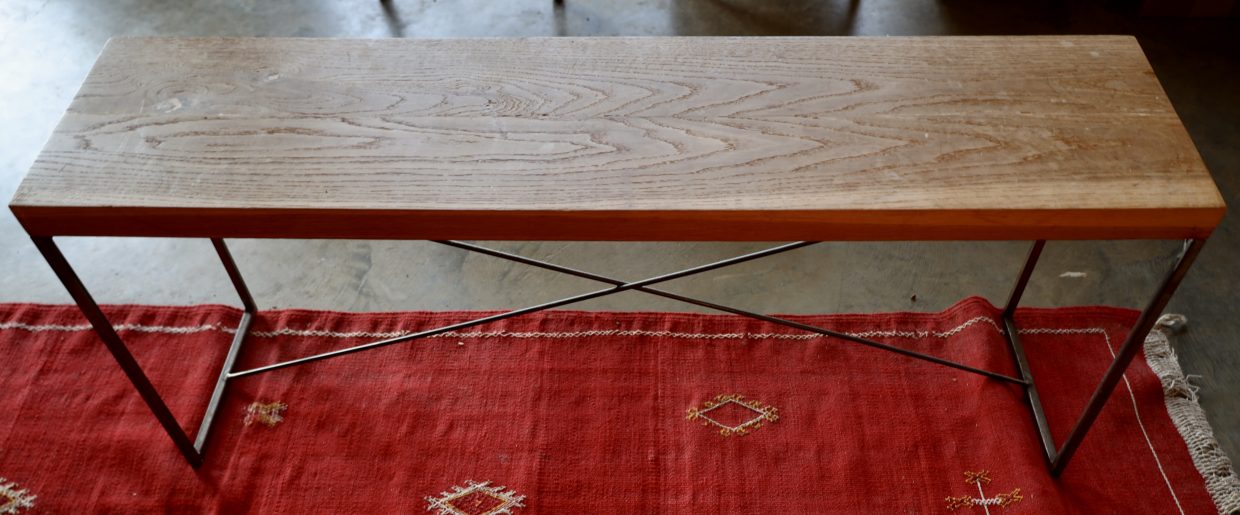
I played the El Cosmico festival in Marfa, Texas, one year. My friend Liz Lambert payed me 300 dollars. There was a girl there selling t-shirts and she used that bench to display the shirts. I asked her if the bench was for sale. She said she’d made it and it was her first piece of furniture she’d ever made. I gave her my 300 bucks and she shipped it to me in Mississippi. I love how simple and sturdy it is.  

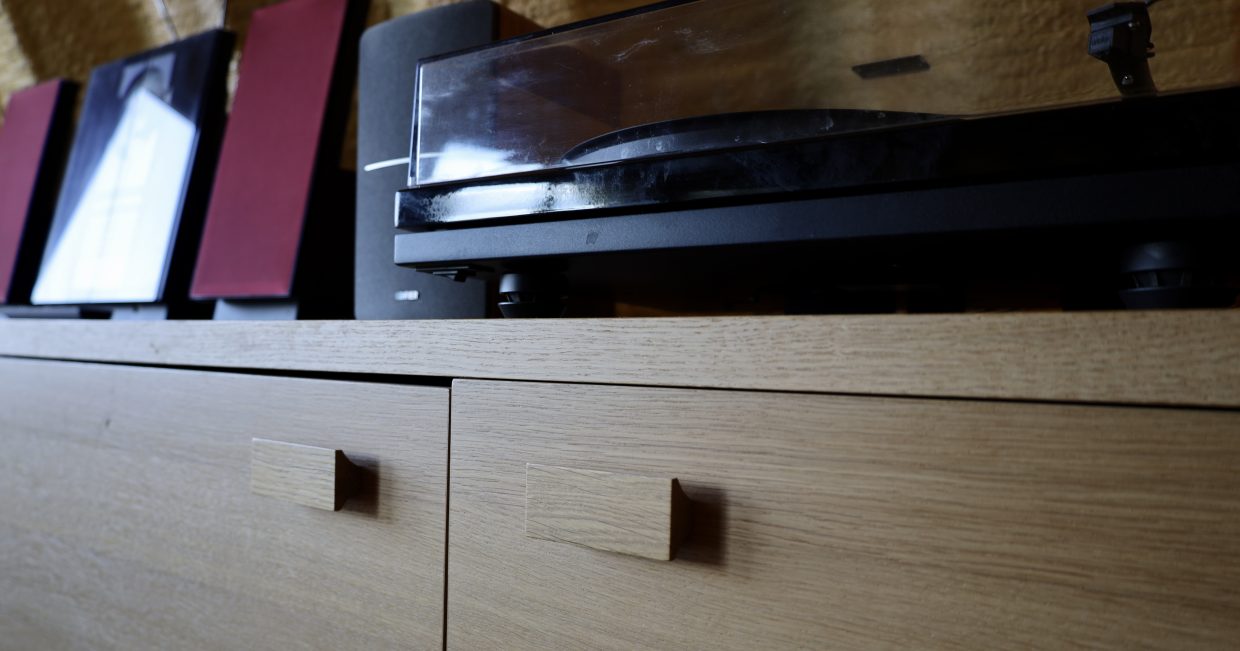
I bought that Bang and Olufson stereo in 1997 in Atlanta. It still works like the day I bought it. I remember when the attendant waved his hand in front of it and the glass doors opened… I was sold.  

We filmed the video for my latest single, “Country Home,” in one take at my quonset hut home. Some of my neighbors came over and made cameos in it. Brock rode a three-wheeler, Earl rode a side-by-side, and Eric rocked the tractor. I don’t know where I’d be without my neighbors.  

In the title track, “Times Have Changed,” the chorus says:  “What happened to no sir, yes ma’am, looking folks in the eye? To family and the good Lord and thanking him every night? / I ain’t saying I wanted things to stay the same… but man times have changed.” In the country, things change in harmony with nature. Life is hard, and the reward comes from making it through the hard times. I don’t just know my neighbors, I need them. It’s a different rhythm. All of the songs on my new album come from that different rhythm. I’m grateful to be singing a new song about old ways.


All photos by Charlie Mars

LISTEN: Anthony Howell, “Salt River Canyon”

Artist: Anthony Howell
Hometown: Kosciusko, Mississippi
Song: “Salt River Canyon”
Album: Hold Back the Dawn
Release Date: March 14, 2023

In Their Words: “I first heard this song a few years ago, when I was working with Williamson Branch. It’s off of a solo album that Kevin Williamson released in 1993 called Write Between The Lines. Kevin’s a great songwriter, and I tend to think that this is one of his best! I love this song because it really paints a picture. When you listen to the song, it speaks of the Salt River Canyon at night. Imagining the canyon at night with a full moon and stars, shining into the Salt River, would be a beautiful sight to see. With the unique chorus melody, and the harmony stack, I fell in love with the song, and I’m very excited to have recorded the song myself. I loved the song so much that I wanted to release it as the leading single from my new album. I actually used a line in the third verse for my album title, Hold Back The Dawn. This track features Kevin Williamson on lead vocals, Shawn Lane on tenor vocals, and myself on baritone vocals and all of the instruments.” — Anthony Howell


Photo Credit: Gerry Sanders

LISTEN: Schaefer Llana, “It’s Gonna Take Some Time”

Artist: Schaefer Llana
Hometown: Batesville, Mississippi
Song: “It’s Gonna Take Some Time”
Release Date: October 26, 2022
Label: Big Legal Mess Records

In Their Words: “I was on the road with Jimbo Mathus, playing in his rock n roll band. We were outside of Boston, and I was missing the love of my life — my dog Ralph Stanley. Jimbo was sleeping in the back of the Murder Van, and the rest of the band had gone off to explore the city. I stayed back, grabbed the van’s Stella guitar, and found a patch of grass. Lucinda Williams was the only thing I was listening to that week, and I think she moved through me when I started strumming. The words fell out of my mouth. I showed Jimbo my song when he woke up, and we started playing it a few nights later.” — Schaefer Llana


Photo Credit: Ziggy Mack

LISTEN: Serabee, “Drunk Woman’s Words”

Artist: Serabee
Hometown: Kiln, Mississippi
Song: “Drunk Woman’s Words”
Album: Hummingbird Tea
Release Date: October 14, 2022
Label: Rabadash Records

In Their Words:In vino veritas: ‘In wine there is truth.’ Some folks may be turned off by drinking songs, but I feel that young girls need to hear stories I’ve lived and avoid the mistakes I made and stop wasting their youth on relationships that don’t serve them.

“This song tells the classic story of losing reasoning skills stifled when you drink. People tend to tell the truth while intoxicated — the old Latin phrase in vino veritas offering up brutally honest and unfiltered opinions without fear of consequences. I’ve done a lot of emotional work over the last few years, and I’m living proof that if you find your purpose and hold on to your dreams, you can find healing.

“The song has all the right ingredients: the pedal steel guitar whirling around the piano with a big, deep drum sound that shakes your core. This song gets gritty while still giving me that familiar nostalgic sound of my youth when I hear the Hammond organ peeking around into the music. Of course, the guitar solo rocking after the bridge quickly reminds you this isn’t church music, even if it does make you wanna sing along and lift your hands in the air!” — Serabee

Jill Kettles · 4 Drunk Woman’s Words

Photo Credit: Derek Fountain