Traveler: Your Guide to Memphis

There are two types of people in this world: those who love Nashville and those who prefer Memphis. I fall into the latter. Located on the banks of the Mississippi River, Memphis is one of the South’s most diverse cities. The music history is rich. Jazz and blues incubated on Beale Street. Stax Records brought the soul. The trail of tears crossed the Mississippi. With so much to see and do, it’s important to go in with a plan and some sights in mind.

Getting There

Unless you’re coming from nearby, the most obvious choice would be airplane. Memphis has a major international airport, so you should have no problem getting a flight. If you are coming from down South, take Highway 61. It might take a bit longer, but you’ll come up the blues trail. Be sure to make a pit stop in Clarksdale, MS. It’s full of juke joints and good eats. You’ll pass the crossroads where Robert Johnson allegedly sold his soul … It’s now a parking lot.

Accommodations

The Peabody Ducks. Photo credit: Roger Schultz via Foter.com / CC BY.

Memphis is not an expensive city to visit and there are ample places to stay. I stayed at my friend Tim’s house, but that’s not an option for you: He’s a private person and doesn’t take kindly to unannounced strangers.

A good place to start on a moderate budget is downtown. Most of the hotels have decent prices and are also close to all the sights. If money is not a problem, check out the Peabody Hotel. It is a National Historic Hotel and famous for its ducks. The penthouse is home to a family of ducks. Every morning at 8 am, they take the elevator to the lobby. They march to the central fountain and then swim for the rest of the day. At exactly 5 pm each night, they take the elevator back upstairs. It’s been happening for countless generations. A duck walk of fame surrounds the building. Of course, the ducks aren’t the only reason it is listed as a National Historic Hotel. The Peabody is beautiful and emanates old school glamour.

If you are the adventurous type, check out the Big Cypress Lodge at the Bass Pro Shops at the Pyramid. I know, it sounds bonkers. Bass bought the Pyramid that formerly housed the Memphis Grizzlies. They retrofitted it as a massive retail store and hotel. It is amazing. They spared no expense. The closest comparison is Disneyland’s Splash Mountain. There are water features and catfish and dioramas. An enormous faux cypress tree reaches the upper decks of the pyramid. It’s worth a visit, even if you decide on a more practical sleeping arrangement.

Food

Photo courtesy of Central BBQ. 

Though famous for its barbecue, Memphis has wonderful food, all the way around. But, playing to its strengths, Central BBQ is a good spot to try out some different styles. Be warned: It’s popular and it gets crowded. Don’t be afraid of their hot barbecue sauce. It wasn’t very spicy. The mustard and vinegar sauces are worth a dip or two. Be sure to check out the great Mississippi Blues Map mural in the backroom.

How about a bit of soul food for brunch? Check out Alcenia’s. For $12.95, you can consume a week’s worth of calories. I had the sausage omelet with fried green tomatoes, a biscuit, potatoes, and coffee. I still had at least one more side choice. All of their food is good. The chicken and waffles are top notch. You’ll also get a kiss on the cheek if Miss BJ, the proprietor, is there. Plan on spending some time at this joint. It isn’t fast food, but it is well worth the wait. Don’t hold it against them that Guy Fieri recommended them. I know he’s a divisive figure, but he’s right about Alcenia’s.

Soul Fish Café was my favorite restaurant this time around. The blackened catfish is absolutely phenomenal. (The fried catfish was also delicious.) I can’t recommend the Soul Fish Café enough. The tables fill up fast, but there’s usually room at the counter. Highly recommended.

In short, I would be enormous if I lived in Memphis.

Drink
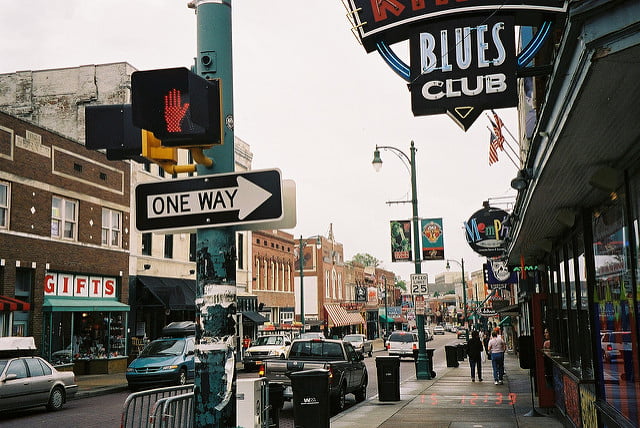
Beale Street. Photo credit: charley1965 via Foter.com / CC BY-SA.

If you’re going to Memphis as a tourist, you need to do some touristy things. One of those things is getting drunk on Beale Street — the Bourbon Street of Memphis. Lined with bars, Beale Street is where you’ll find dueling pianos and Stax cover bands. There’s Almost Elton, an Elton John cover artist, and a gazillion blues groups. You can drink in the street, so it’s a good time and it’s probably not somewhere the locals want to hang, but it’s worth visiting while on vacation.

The Cooper-Young neighborhood is another great area for drinks. The Slider Inn is a popular joint. There’s also Young Avenue Deli, which has pool tables and airs the games. Don’t worry if you don’t like sports, the games are muted. Another Cooper-Young neighborhood joint is the Celtic Crossing. On the weekends, they have live Celtic music, often accompanied by clogging.

Best of all, beers are cheap in Memphis. You won’t break the bank with a wild night on the town.

Coffee

Photo courtesy of Café Keough.

Visit Coffeehouse Row. (Nobody in Memphis calls it this, but I think it has a nice ring.) On the way to Cooper-Young, you’ll drive down Cooper Street. You have three different, but good, coffee choices. The first is Muddy’s Bake Shop. This is a cutesy place. You can get cupcakes here. If it were an online retailer, it would be Etsy. Next, you have Other Lands. It’s a bit grittier. They sell beer. If it were an online retailer, it would be Craigslist. Your final choice is Tart. It’s the artsy coffee house. They have a huge outdoor patio that’s great for smoking cigarettes and getting deep. If it were an online retailer, it would be Ziibra. But Café Keough is my favorite coffee shop. It’s downtown and one of the only places with bagels. The place is huge and has a comfortable atmosphere. They also have great t-shirts.

Live Music
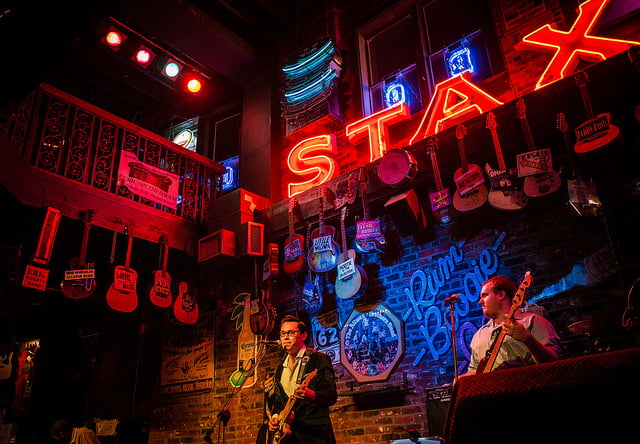
Boogie on Beale Street. Photo credit: Heath Cajandig via Foter.com / CC BY.

Hi Tone is one of the best rock ‘n' roll venues in America. We caught a great show while in town — local band the Dead Soldiers were back in town after a long tour. They brought the house down. There were sing-alongs and inside jokes, as drunk people fell off their chairs waving their hands in the air. (It was like they just didn’t care.) There was a lot of love in that room, and it was a pleasure to bear witness. Also, the beers were cheap. I loved it.

Wild Bills is the best blues joint in town. It’s a bit isolated, but they have some great acts. They also serve 40s. Be warned that the music doesn’t start until 11 pm. 

If you make it to Beale Street, you’re going to catch a lot of live music. Every storefront offers up something new — traditional jazz, blues, rock ‘n' roll, and soul. The history of Memphis music is proudly displayed seven nights a week on Beale Street. The Southern Folklore Center also puts on some great daytime concerts. Located downtown, they curate an excellent roster that ranges from gospel to blues and everything in-between.

Local Flavor

Graceland living room. Photo credit: Rob Shenk via Foter.com / CC BY-SA.

Memphis has four must-see destinations. You need to go to Graceland. Don’t worry about the plane tour and all the add-ons. They pile up quick. Just go and see the mansion. It’s $36, and well worth it. It comes with a guided iPad tour that is narrated by John Stamos. (Yes, Uncle Jesse from Full House.) The tour is informative and Stamos’s voice sounds a bit like George Clooney, which I had never noticed. The Jungle Room is one of the coolest living rooms ever. The Pool Room is lined in fabric and feels like a 1970s opium den. Elvis didn’t care what was cool. He liked what he liked and the results are a one of a kind home.

Next, you have to visit Sun Studio. So many iconic records were recorded there. It’s where Elvis and Johnny Cash got their start. Howling Wolf cut some amazing sides at Sun before heading up to Chicago. To stand where so many greats have stood before is a powerful feeling.
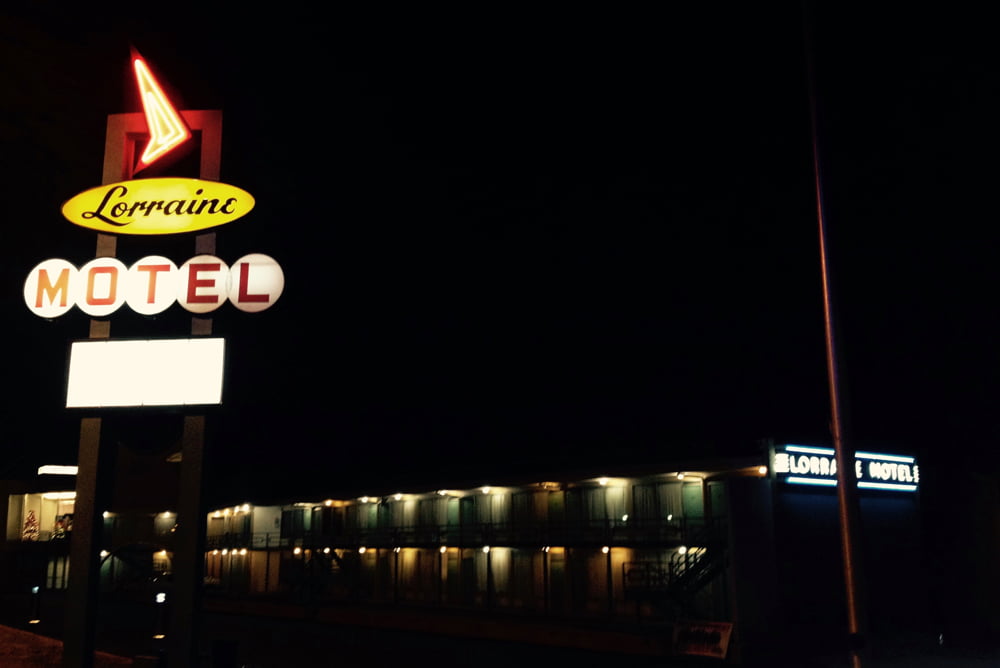
The Lorraine Hotel, now the National Civil Rights Museum. Photo credit: Andy Miller.

Any Memphis trip is incomplete without a visit to the Lorraine Hotel. This is where Dr. Martin Luther King, Jr. was shot. It’s now the National Civil Rights Museum. It’s heavy. And it will depress you. That being said, it is important to remember our past mistakes in order to learn from them, especially in today’s extreme world.

Finally, you need to visit the Stax Records Home of American Soul Museum. Isaac Hayes's gold-plated Cadillac is on display and Otis Redding cut his classics in those same halls. If you were ever on the fence between Motown and Stax, you will leave with two feet in Stax’s backyard.


Lede photo credit: BlankBlankBlank via Foter.com / CC BY.

7 Very Cool Kurt Vile Tunes

Kurt Vile is one of those artists who might not, at first blush, seem like an obvious choice for the BGS. But he very much is. We're all big fans of his folky/bluesy riffs, quirky takes, and esoteric arrangements. Here are a few of our favorites:

"That's Life, tho (almost hate to say)"


Mix one part chillaxing, one part Stay Puft Marshmallow Man, many parts existential dread. Stir, sip slowly, and pretend you're a certified badass out for a night on the town.

"Wakin on a Pretty Day"


Waking up is the absolute worst part of every day … even the pretty ones. This song doesn't help, but we still dig it deep.

"Pretty Pimpin'"

This track is so bad-ass, Kris Orlowski wrote a whole short story based on it.

"Baby's Arms"


Because there actually is a woman with "shining, shining secret stones" in her hands (or, at least, in her pockets) and she loves this song.

"All in a Daze Work"


Because this one goes with that one … and you just know that any woman who comes "flying through like a traveling gypsy show tornado" is going to have some secret stones of her own.

"Life Like This"


The rhythm of his phrasing dances to a different — and fabulous — beat. It's almost hip hop-esque.

"My Sympathy"

On this one, the guitar work gets the point across so well, he only needs four lyrical lines to round it out:

So you wanna marry me, oh you got my sympathy
In a daydream, I saw my soul in a flashing neon sign waving to myself
So you want a baby, well it's got my sympathy
In a nightmare, I saw myself briefcase, watch, and a tie


Photo credit: Marina Chavez

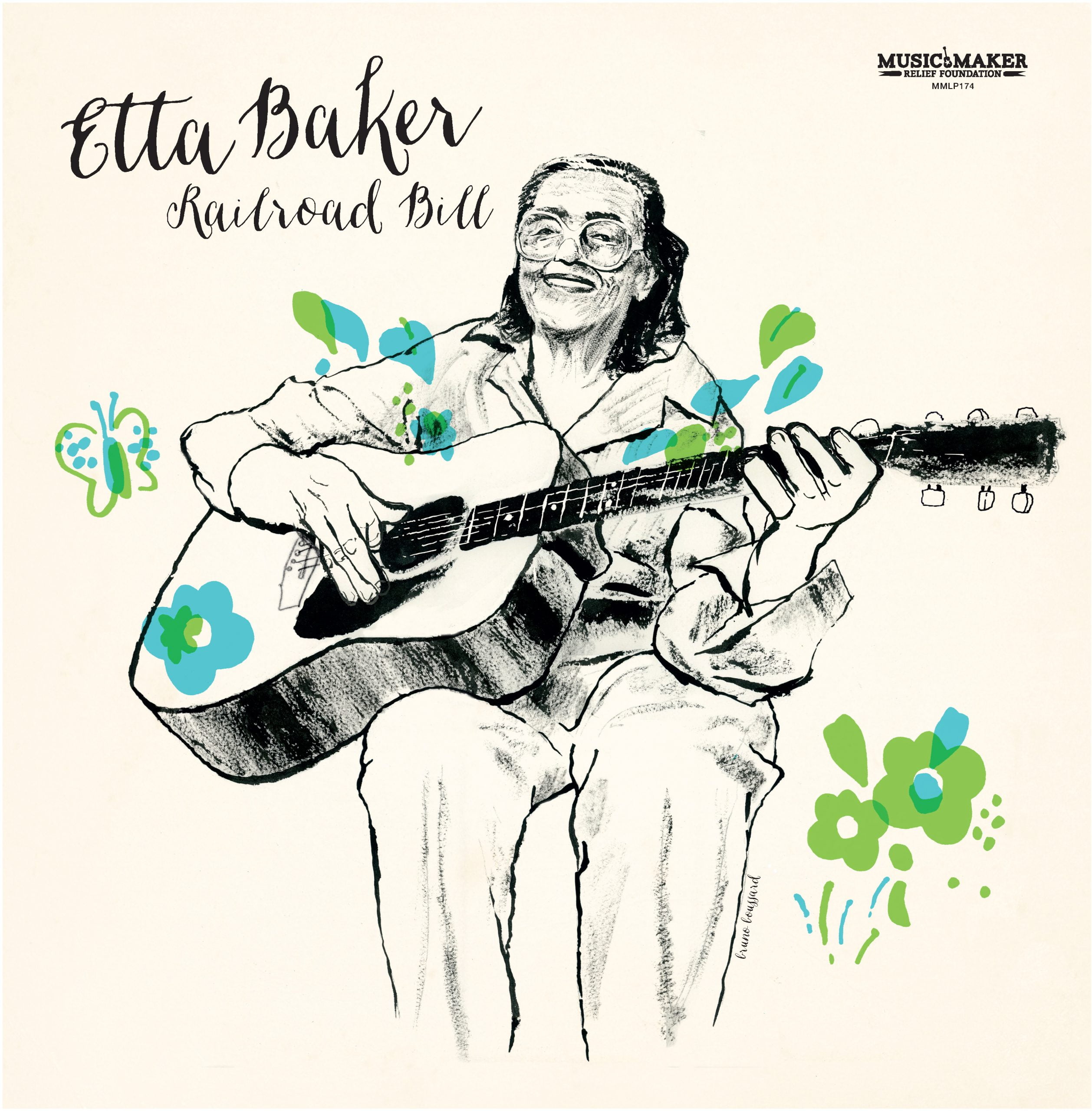
STREAM: Etta Baker, ‘Railroad Bill’

Artist: Etta Baker
Hometown: Morganton, NC
Album: Railroad Bill
Release Date: February 19
Label: Music Maker Recordings

In Their Words: "Possessing a stunning beauty, Etta's husband refused to let her travel and perform away from home. She never stopped playing music! This gracious grandmother was the source of a great deal of joy and surprise when I found out that she still played guitar after I heard her early recordings in the '60s. One of the signature chords of my guitar vocabulary comes from her version of 'Railroad Bill.' This was the first guitar picking style I ever learned." — Taj Mahal

To Spend Your Life in Pain and Misery: An Interview with Eric Burdon

Lead Belly Fest is coming to Carnegie Hall. It is a fitting venue, as Lead Belly’s last performance was at Carnegie Hall in 1949. An all-star lineup is paying tribute on February 4, 2016 with Eric Burdon of the Animals co-headlining the festival. The Animals first rose to fame in 1962 with an electrified version of Lead Belly’s “House of the Rising Sun.” It was an unparalleled success and influenced everyone from Bob Dylan to Jimi Hendrix, and inspired countless aspiring musicians to pick up the guitar. It was the “Smells Like Teen Spirit” of the 1960s. Now, Burdon circles back around to honor his hero.

Thank you for taking the time to talk before the Lead Belly Fest at Carnegie Hall. They must be very excited to have you headlining. Have you performed at Carnegie Hall before?

No, but it will be an honor to pay homage to Lead Belly in a place like Carnegie Hall, which represents the pinnacle of venues around the world. It will be a thrill to share the stage with blues legend Buddy Guy, so I'm really looking forward to it.

The two most influential versions of “House of the Rising Sun” come from you and Lead Belly. At this point, you must have performed “House of the Rising Sun” more than Lead Belly or anyone else. How do you feel about the song?

I will probably be singing this song as they lower me into my grave. It's a song that is closely associated with me, and I can't tell you how many people have told me it was the first song they learned how to play on guitar or was in the background for their first kiss. I first heard this song in the folk clubs of Newcastle and immediately fell in love with it. It somehow clicked and connected with me. I chose the song because it has a mysterious vibe, a haunting melody, and a good story to it. I stand by it today as one of the best songs I've ever heard and, no matter how much I fight it, I still always enjoy singing it for people.

Has it taken on new meaning for you? What about the song did you relate to as a young man? What do you home in on now?

I related to it then, as now, as the tale of an outsider trying to make it in this cruel world. Nothing in the past 50 years has changed that feeling. It's a universal situation, whether one is young or old, to be faced with one's mortality and desires.

Growing up outside of the U.S., what was the first version of the song that you heard? I know Roy Acuff had a much earlier version and the Lomaxes first released it in the early 1930s, but I don’t imagine the Grand Ole Opry was as popular in England.

Everyone in the world has recorded that song, but if you go back in time, it was based on an English hymn. It probably goes back to the 15th century. In fact, if you listen to “Greensleeves,” which was written by Henry V, there is a great similarity between those two songs, which makes it a pure folk song.

I believe it was Dave Van Ronk who said there are older versions of the song that are about a woman joining a convent. It seems like the “House of the Rising Sun” can represent almost anything. Do you relate it to the more traditional idea of it being a brothel or do you think there’s more to it?

It can represent almost anything — the brothel in New Orleans, the coal mine in Newcastle, the state of mind that you are stuck someplace, a bad marriage or any soul-crushing job. There are hundreds of thousands of people who spend their lives in pain and misery and even people who have the money, the clout, and the lifestyle to escape pain and misery who find themselves in that state. It's not just a story of a woman who works in a whorehouse or a guy visiting one. It's a song of soul-searching. It's a song of redemption. "To spend your life in pain and misery" could be about any place one needs to escape from.

In your book Don’t Let Me Be Misunderstood, you describe being invited to the actual House of the Rising Sun. It must have been heavy visiting the supposed source material of the song that kick-started your career. Is there any new information about the house since you visited? Has it been authenticated? I would love to visit sometime — is it open to the public or are there any plans for it?

I don't know if it has been authenticated. For sure, there are several places that claim to be the true, one, and only House of the Rising Sun. But this two story building on St. Louis Street in the French Quarter had me convinced that there was some magic there. It was kept in immaculate condition, pretty much the way it had been at the turn of the century. It was owned, at the time, by a madame — Marianne Soleil Levant, which translates to Rising Sun. Today, it belongs to a female lawyer. There were paintings imported from France, and a mural in the courtyard that was painted with colors made from plants. I wanted to photograph it before it disappeared. Unfortunately, when I went back there a year later, the mural was almost gone, but the vibe was still there. Heavy rain had drained away most of the coloring. A totally unique and fascinating place.

The woman who owned it had the New Orleans city records with an entire history of how many times the house had been used as a brothel. That's how she determined it was the House of the Rising Sun. During the Civil War, when the Union Army came to New Orleans, they needed a whorehouse for the officers, so they made it legal. Then, when the union Army left, the house was shut down.

These pleasure houses were not cut and dry houses of sin. The girls who worked in these places were usually chosen by the madams for their light-colored skin, their ability to deliver sexual pleasure, and, more importantly, for their skills in natural medicines. Skills that they inherited from Africa. These girls knew the plants that grew in the jungle regions of New Orleans — how to identify them and use them to heal the elderly bodies of their customers.

For me, the most intriguing part is the music. It's said that that's where jazz got its start. Jelly Roll Morton brought ragtime music to these houses. Ragtime suited the joy, the merriment that was going on there. Later on, Morton claimed to be the inventor of jazz.

When I visited the alleged House of the Rising Sun, there were 12 nuns there, in their habits, and they asked me to sing the song, which I did, a cappella. After that, they said they would pray for my mortal soul — an experience I'll never forget.

It’s been a big year for Lead Belly fans. Smithsonian released an unheard track, “Queen Mary,” and an extensive box set. The Lead Belly Fests have been traveling the world. He seems as important now as when he was still alive. What do you think it is about Lead Belly’s music that still resonates so strongly?

Lead Belly didn't just sing the blues. He wrote and recorded songs that can be heard today in modern popular culture. He was the first Black folk singer who actually turned the essence of blues into commercial songs, which were recorded by other people, such as "Goodnight Irene." Lead Belly was an artist of incredible depth. A totally unique character. He was a convicted murderer. Through his music, he was able to free himself. He did not do only one type of music and, in fact, did not wish to be known as a blues singer. He sang about the hardships of life and he sang songs for children, influencing everybody from Woody Guthrie on. His importance will always be felt and his music will always resonate for anyone who experiences real human emotions.

Lead Belly’s song “Bourgeois Blues” is one of my favorites. It deals heavily with poverty and race, and it seems particularly relevant today in the U.S. with the decline of the middle class and the Black Lives Matter movement. What are your views on “Bourgeois Blues” and Lead Belly’s more topical material? Would you ever perform it? If so, would you keep it in first person or switch it to third?

I have not yet fully absorbed “Bourgeois Blues,” but Lead Belly influenced everybody to sing topical songs. His words are as powerful as ever — and just as relevant. That's because he sang about real life. Songs like that are needed now as much as they ever were. Nearly all of his songs dealt with poverty and race. In London, at Royal Albert Hall, I performed "In the Pines," and it was only after several performances that I began to see the meaning of the song in a different light — with "In the Pines" as a modern tale of love gone wrong, something like a domestic dispute.


Photo credit: Marianna Burdon

WATCH: Paul Burch, ‘Fast Fuse Blues’

Artist: Paul Burch
Hometown: Nashville, TN
Song: “Fast Fuse Blues” 
Album: Meridian Rising
Release Date: February 26
Label: Plowboy

In Their Words: "'Fast Fuse Blues' imagines Jimmie's [Rodgers] last visit to Coney Island — one of his favorite places to visit in New York. Jimmie was a frequent visitor, and there are several photographs taken of Jimmie enjoying the beach and boardwalk with his producer Ralph Peer and their families, as well as unknown female admirers. Jimmie visited Coney Island shortly before he died in May, 1933." — Paul Burch


Photo credit: Emily Beaver

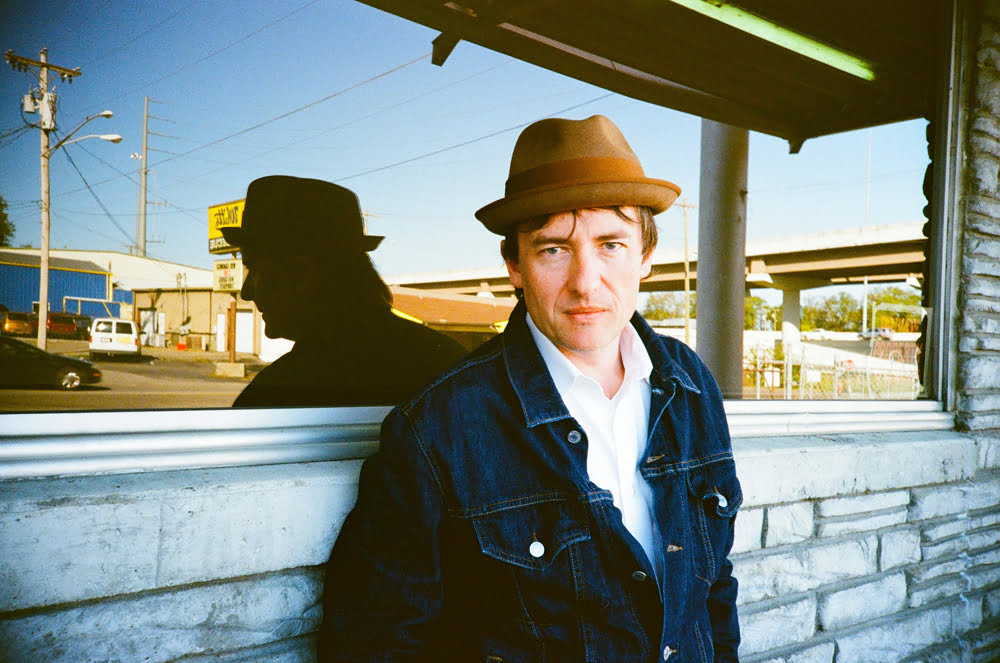
Adventurous Listening: The World According to Dust-to-Digital

Lance Ledbetter purchased his copy of Harry Smith’s Anthology of American Folk Music the way other people might buy drugs: out of the trunk of a car, in an empty parking lot, in the dead of night.

It is, he says with a laugh, a lot more innocent than it sounds. “I worked at the college radio station at Georgia State, but my friend at another radio station got a better Folkways discount. So we all gave him money and he ordered five box sets for us. We had to drive out to meet him one night, and he pulled them out of his trunk. It seemed a little shady.”

Ledbetter remembers the night very well, because buying that box set — the 1997 CD reissue, of course, not the 1952 vinyl original — was a turning point in his life. “I remember the hype surrounding that reissue. It was so big," he says. "All those magazines, like Mojo and Uncut, were talking about it. I remember listening to it for the first time. I took it back to my apartment, put it on, and thought, 'Oh my God, I know what they’re talking about.' It was an incredible experience, and the Anthology was really what introduced me to this world of 78s.”

That moment — opening up that trunk, handing over the cash, ripping off the plastic, hitting PLAY on his CD player — is arguably when Dust-to-Digital was born. The Atlanta-based company, run by Ledbetter and his wife April, is one of the best reissue labels in the world, specializing in folk music from America and around the world.

The Anthology not only introduced Ledbetter to the music he would devote his life to researching and releasing, but created a world in which the label could thrive. “The original issue of the Anthology in ’52 gets so much credit for spawning the ‘60s folk revival, and I think the CD reissue in ’97 is a touchstone for people like me. It was the spark that led to this reissue culture that we see now.”

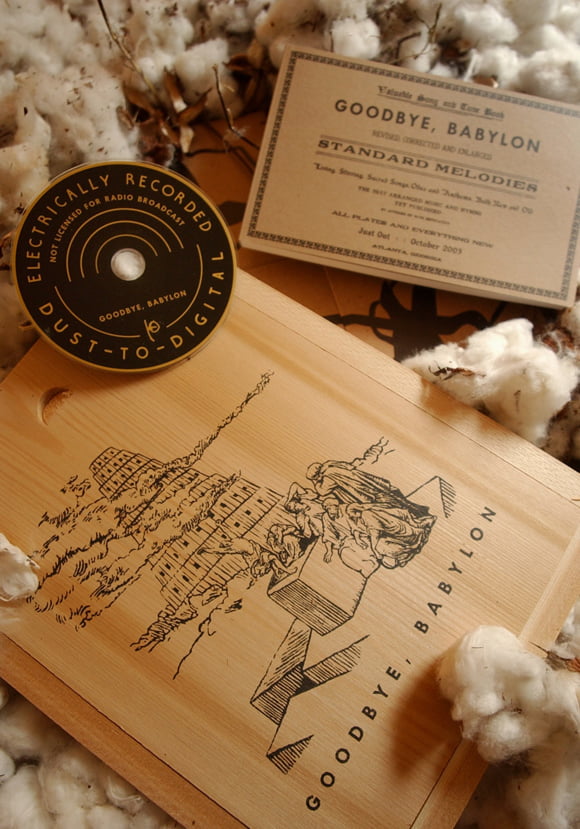
Dust-to-Digital itself has had nearly as powerful of an impact. Two years after first listening to the Anthology, Ledbetter dreamt up his own box set — a collection of early 20th-century gospel songs by artists both popular (Hank Williams, Blind Willie McTell) and obscure (Sister O.M. Terrell, North Carolina Cooper Boys). From conception to release, it took Ledbetter nearly five years to make Goodbye, Babylon a reality, partly because he was a novice at collecting, digitizing, and securing rights for old 78s, but mostly because he wanted to make sure everything was thoroughly researched and exquisitely presented.

“It’s our job to communicate to people why this music is important,” he says. “There are a lot of ways you can do that. There’s the packaging. There’s the design. There’s the way you write the onesheet.” While subsequent releases may not be quite as extensive or elaborate — none, for example, are packaged with bolls of raw cotton — every Dust-to-Digital release is presented with great care and affection, with the Ledbetters collaborating with scholars, musicians, and bloggers around the country. You don’t merely listen to their box sets; you lose yourself in them, immersing yourself in the music, the text, the photos, even the DVD documentaries.

“When we did Goodbye, Babylon, we had more than 300 tracks in consideration, which we whittled down to 160. Of those 160, a lot of them featured multiple musicians and performers. And I think there were maybe four or five people still living. The core belief of this aesthetic is that, if these people could see what we put together, I would want them to feel honored and proud. I would want them to feel like we had done right by their legacy.”

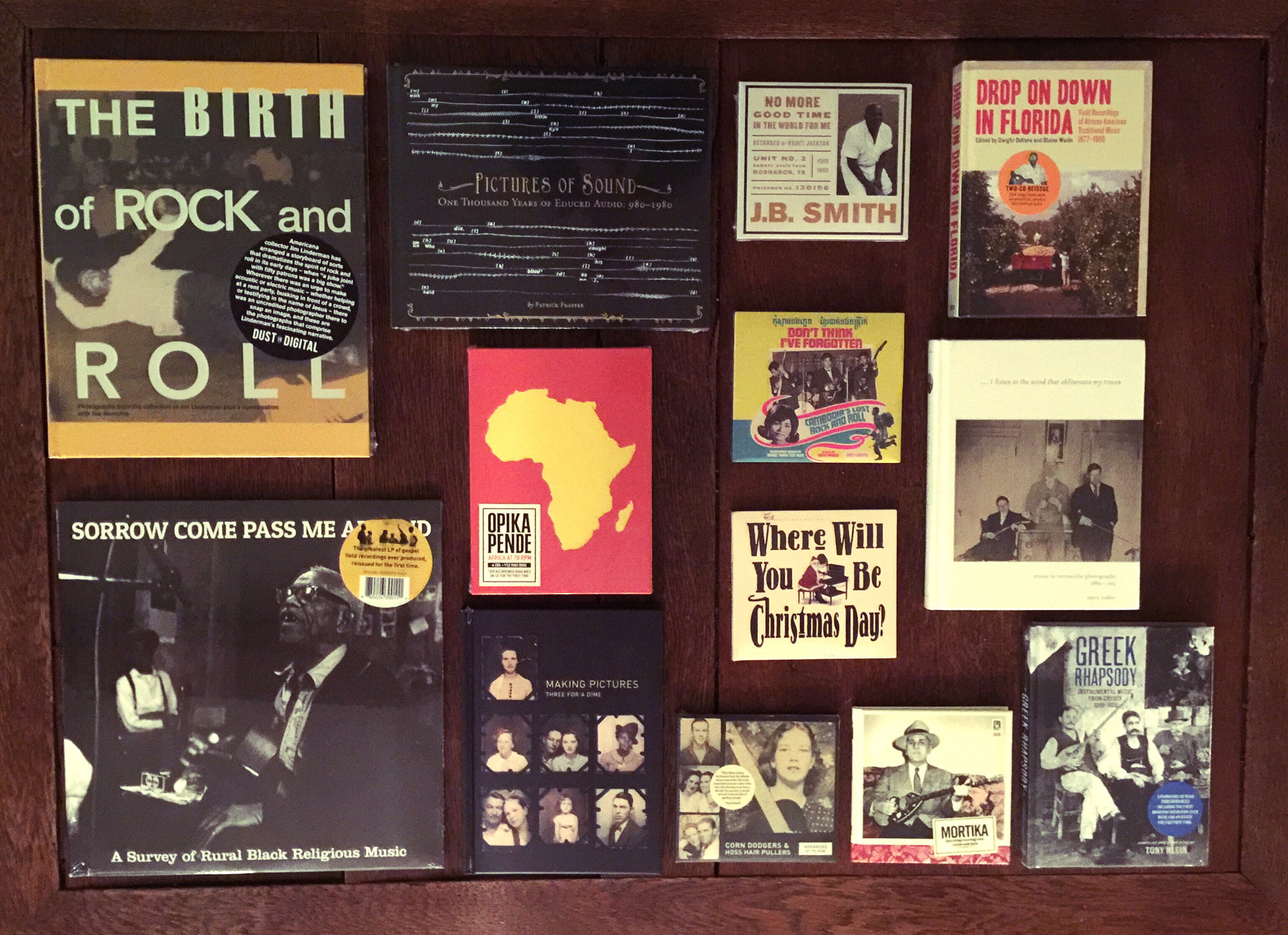
Ledbetter’s expertise lay in old-time gospel, but Dust-to-Digital’s purview has expanded well beyond any genre or geographic boundary. The label’s growing catalog includes collections of old African 78s, reed music from the Middle East, odd “educed” music dating back 1,000 years … even old-time Christmas music. There are single- and multi-artist collections, not to mention compilations around playful themes, such as a history of the string bass or two decades’ worth of bawdy pop music.

“It’s adventurous listening,” says Ledbetter. “We listen to all types of music. But everything we put out is definitely not for everyone in our audience. We just want to get it out there and give people an access point to this very rich music that has been overlooked.”

With that in mind, here are 10 essential Dust-to-Digital releases — not necessarily everything you need to hear, but a good place to start digging around the catalog and perhaps find your very own Anthology.

Various artists: Goodbye, Babylon — 2004

This is the box set that introduced the Dust-to-Digital philosophy. The set was nominated for two Grammy awards and has been rightly praised for its elaborate packaging: a cedar box containing six CDs and a 200-page hardbound book, all packed with bolls of raw cotton. The set proved just as ambitious in its scope, gathering tracks from a range of artists — popular and obscure, black and white, rural and urban, sanctified and secular — and painting a portrait of a distinctively American God feared and praised in equal measure.

Various artists: Fonotone Records Frederick, Maryland (1956-1969) — 2005

One of the most under-celebrated figures in American music, Joe Bussard founded Fonotone Records out of his parents’ basement in the D.C. suburbs. For 14 years, he released seminal recordings of American folk music: blues and rambles, reels and jigs, and pretty much everything in between. Dust-to-Digital spared no expense repackaging the label’s catalog as a five-CD, 161-track box set that includes postcards, a cigar box, and a bottle opener. (Bussard recently started his own imprint at Dust-to-Digital, which allows him to curate releases like last year’s The Year of Jubilo: 78 RPM Recordings of Songs from the Civil War.)

Various artists: How Low Can You Go? Anthology of the String Bass (1925-1941) — 2006

Often overshadowed by flashy brass and strutting guitar, the string bass has provided the low-end groove for nearly a century, and this rambunctious, occasionally even raunchy, single-disc collection argues for its primacy in jazz, blues, folk — any American form of music. It’s an important historical document of the era and the evolution of popular music, but it’s arguably more useful as a party-starting romp.

Various artists: Art of Field Recording, Vol. 1 & 2 — 2007/2009

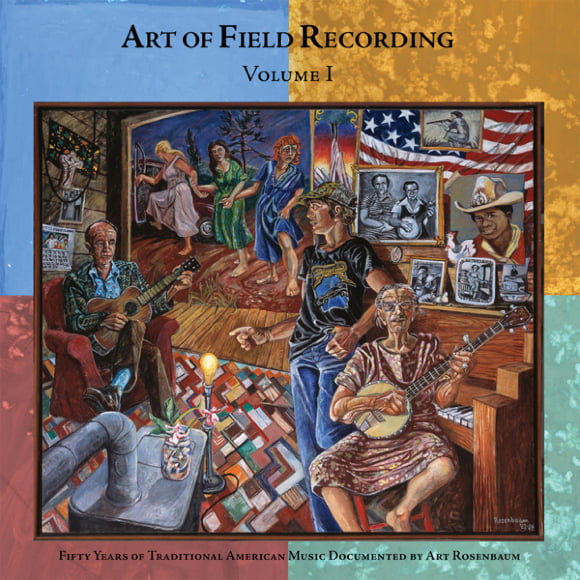
Compiled by folklorist Art Rosenbaum, this pair of box sets documents a time when producers and engineers traveled to the performers, not the other way around. The fact that there are two four-CD sets speaks to the depth of Rosenbaum’s collection. The fact that you could easily compile three or four additional volumes speaks to the tireless efforts of those field recorders.

Various artists: Baby, How Can It Be? Songs of Love, Lust, and Contempt from the 1920s and 1930s — 2010

Anyone who thinks old-time musicians were paragons of virtue and decency should spin these uproarious discs, curated by musician John Heneghan. Each CD tackles a different subject and the best, of course, may be Lust, which features a memorable single entendre by Harry Roy & His Bat-Club Boys. Their memorable “Pussy” is about his girlfriend’s … cat.

Let Your Feat Do the Talkin’ — 2010

This isn’t an album, but a documentary about septuagenarian buckdancer Thomas Maupin, who used dance as a form of percussion — making music with your whole body. Following his battle with cancer, as well as his life as one of the last living practitioners of an old American art form, the film itself is fascinating and poignant, but the true highlight of the DVD may be an hour-long dance lesson from Maupin himself.

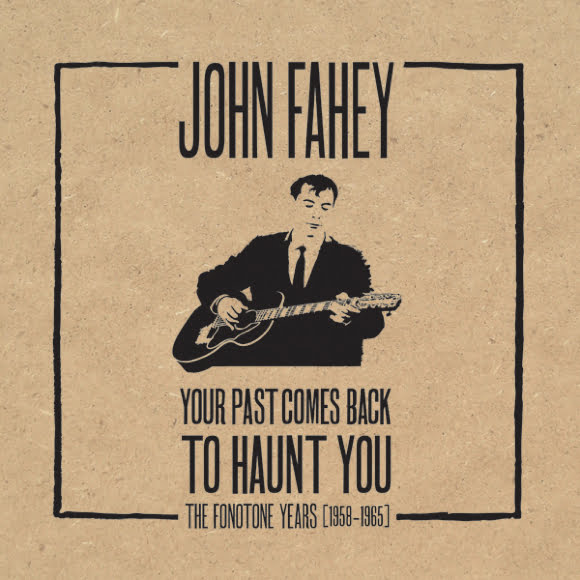
John Fahey: Your Past Comes Back to Haunt You (Fonotone Recordings 1958-1965) — 2011

Gradually and quietly, John Fahey has become one of the most influential guitar players of the 20th century, inspiring a new generation of pickers and strummers that includes William Tyler, James Blackshaw, and Ryley Walker. This five-CD box set is a kind of Bible for the new American Primitivist movement, chronicling Fahey’s long and productive tenure on Joe Bussard’s Fonotone label and showing his considerable stylistic range and his almost inconceivable musical innovation.

Patrick Feaster: Pictures of Sound: One Thousand Years of Educed Audio, 980-1980 — 2012

This book is one of the weirdest and wildest installments in Dust-to-Digital’s catalog. A professor and archivist at Indiana University, Feaster tracked down old illustrations of music — from hand-drawn illustrations to newspaper print ads — and managed to “educe” audio from the pictures. There’s something miraculous about listening to these unlikely sounds, not to mention a perverse joy in hearing distorted speech and indescribable tones coalesce into enjoyable and exciting music.

Various artists: Don’t Think I’ve Forgotten: Cambodia’s Lost Rock and Roll — 2015

All music is world music, and Dust-to-Digital has extended its reach well beyond American borders. This soundtrack to John Pirozzi’s documentary of the same title chronicles Cambodia’s raucous rock scene in the years leading up to the Khmer Rouge. The upbeat energy and boundless vivacity of these rock tunes sounds all the more desperate and remarkable when you realize that many of the musicians on the album would be executed simply for making art.

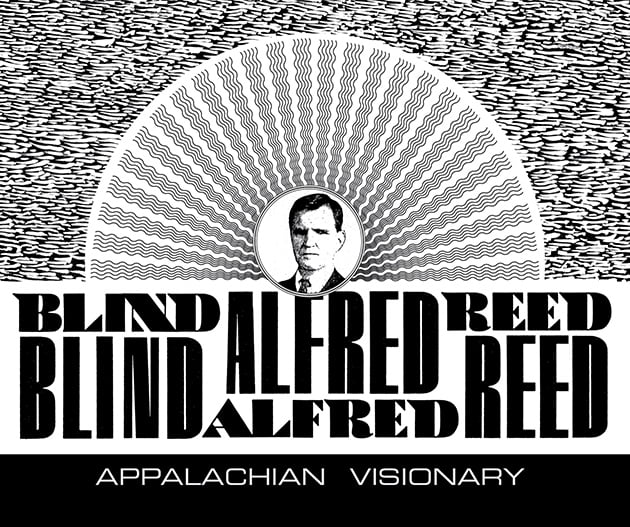
Blind Alfred Reed: Appalachian Visionary — 2016

Blind Alfred Reed was a supremely influential musician who participated in Ralph Peer’s historic Bristol, Tennessee, sessions (alongside the Carter Family and Jimmie Rodgers) and who summed up the plight of the American everyman in songs like “How Can a Poor Man Stand Such Times and Live?” He’s been covered recently by Bruce Springsteen and Ry Cooder, among many others, but this is the best and most comprehensive collection of his short career, which kicked off in 1927 and wound down in 1929. Featuring liner notes by historian Ted Olson, it’s a lovely reminder of the central role music can play in addressing current events and the plight of the average American.

3×3: Marcus King on Underwear, Underdog, and Unread Emails

Artist: Marcus King (of the Marcus King Band)
Hometown: Greenville, SC
Latest Album: Soul Insight
Personal Nicknames: MK


Bob Forte photography 11-7-15

A photo posted by The Marcus King Band (@themarcuskingband) on

Your house is burning down and you can grab only one thing — what would you save?
Big Red ( my guitar)

If you weren't a musician, what would you be?
Psychologist or therapist

How many unread emails or texts currently fill your inbox?
Usually pretty good about responding pretty quick, so at the most maybe 5-10.

What is the one thing you can’t survive without on tour?
Clean underwear

If you had to get a tattoo of someone's face, who would it be?
A.J Benson

Who is your favorite superhero?
Underdog


MKB is NYC bound!

A photo posted by The Marcus King Band (@themarcuskingband) on

The Simpsons or South Park?
Simpsons

Dolly or Loretta?
Loretta

Meat lover's or veggie?
Meat


Photo credit: Jay Sansone

LISTEN: Reed Turner, ‘Swim or Drown (Let the Lord Decide)’

Artist: Reed Turner
Hometown: Austin, TX
Song: "Swim or Drown (Let the Lord Decide)"
Album: Native Tongue EP
Release Date: January 22

In Their Words: "This was one of my favorite songs to track — the groove is just so thick. I sent out a rough demo to the guys, and when Pat walked into rehearsal with that bass line, everything fell perfectly into place. It reminds me of that great Tom Waits quote: 'I like beautiful melodies telling me terrible things.' When we play it live and the crowd starts moving, I can’t help but smile and think, 'Do they know what they’re dancing to?'" — Reed Turner


Photo credit: Nicola Gell

LISTEN: Luther Dickinson, ‘Hurry Up Sunrise’

Artist: Luther Dickinson
Hometown: Memphis, TN
Song: "Hurry Up Sunrise"
Album: Blues & Ballads (A Folksinger's Songbook: Volumes I & II)
Release Date: February 5
Label: New West Records

In Their Words: "Otha [Turner] and I would spend evenings on his porch, playing hill country riffs on guitars, drinking moonshine, and shooting the breeze. Otha would berate us for playing without feeling, but would reward spirited playing by singing along improvising his corn field blues. Only his corn liquor got the neighborhood as excited as Otha busting into song, throwing his hat down, jumping up, and dancing.

Otha passed at age 94, after which I transcribed a few recordings of these nights. 'Hurry Up Sunrise' is a collection of his improvised couplets. My father recognized the song as a duet, and it was a pleasure to record the song with Otha's granddaughter Shardé [Thomas]." — Luther Dickinson


Photo credit: Don VanCleave

LISTEN: Lew Card, ‘Baby Won’t Ya’

Artist: Lew Card
Hometown: Austin, TX via Chattanooga TN
Song: "Baby Won't Ya"
Album: Follow Me Down
Release Date: January 8
Label: Monomer Recording Company

In Their Words: "This little ditty was one of the first new songs I wrote for Follow Me Down — and it holds the line to the title of the record. Musically, it's a play on any of the countless blues songs that influenced me, but with a little bit of swampy funk thrown in. I really wanted it to be something simple that you could dance to.

Lyrically, I feel that everyone can relate to any one of the verses, in some way. The line 'Baby, won't you follow me down. Seems like every time I think I'm going up, turns out, I'm just fooling myself' — it really describes all of my friends over 35. Nobody really has a hold on getting older, and we're all just trying to get a little piece of the action by filling in the in-between." — Lew Card


Photo credit: Felicia Graham