LISTEN: The Lied To’s, ‘Cruel World’

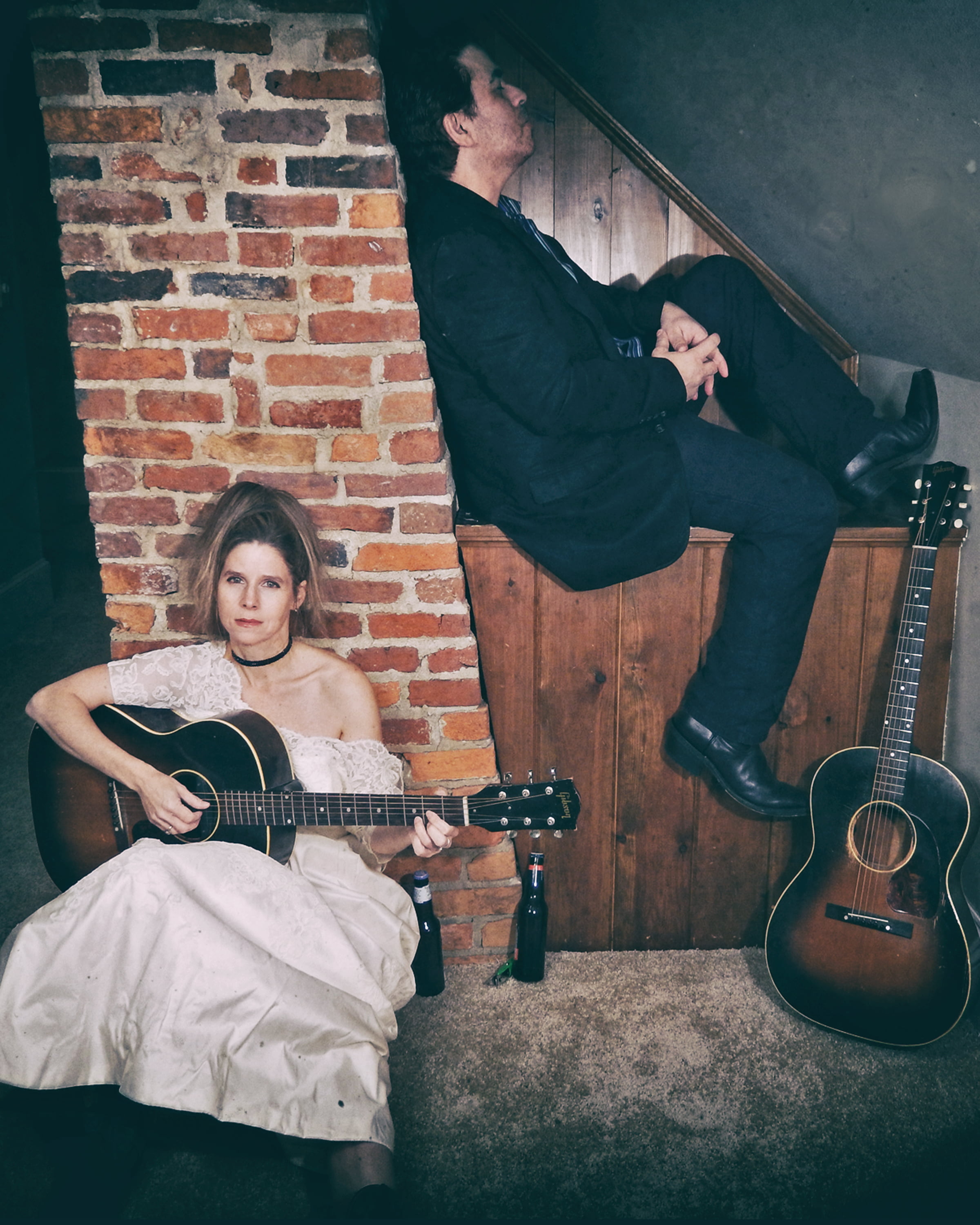
Artist: The Lied To’s
Hometown: Boston, MA
Song: “Cruel World”
Album: The Lesser of Two Evils
Release Date: May 11, 2018

In Their Words: “‘Cruel World’ is a full-fledged ‘F-U’ to life and its misfortunes. It’s more than just angry in its lyrics; it’s downright ornery. Musically, it borrows from country music’s original angry songwriter — Johnny Cash. We spit out lines together, like, ‘Now I’m staring out the window to see what’s coming next, popping pills to ease my troubles, then go dealin’ with my ex’ in a raw blues harmony that sounds like a three-minute fiery exorcism.” — Doug Kwartler


Photo credit: Doug Kwartler

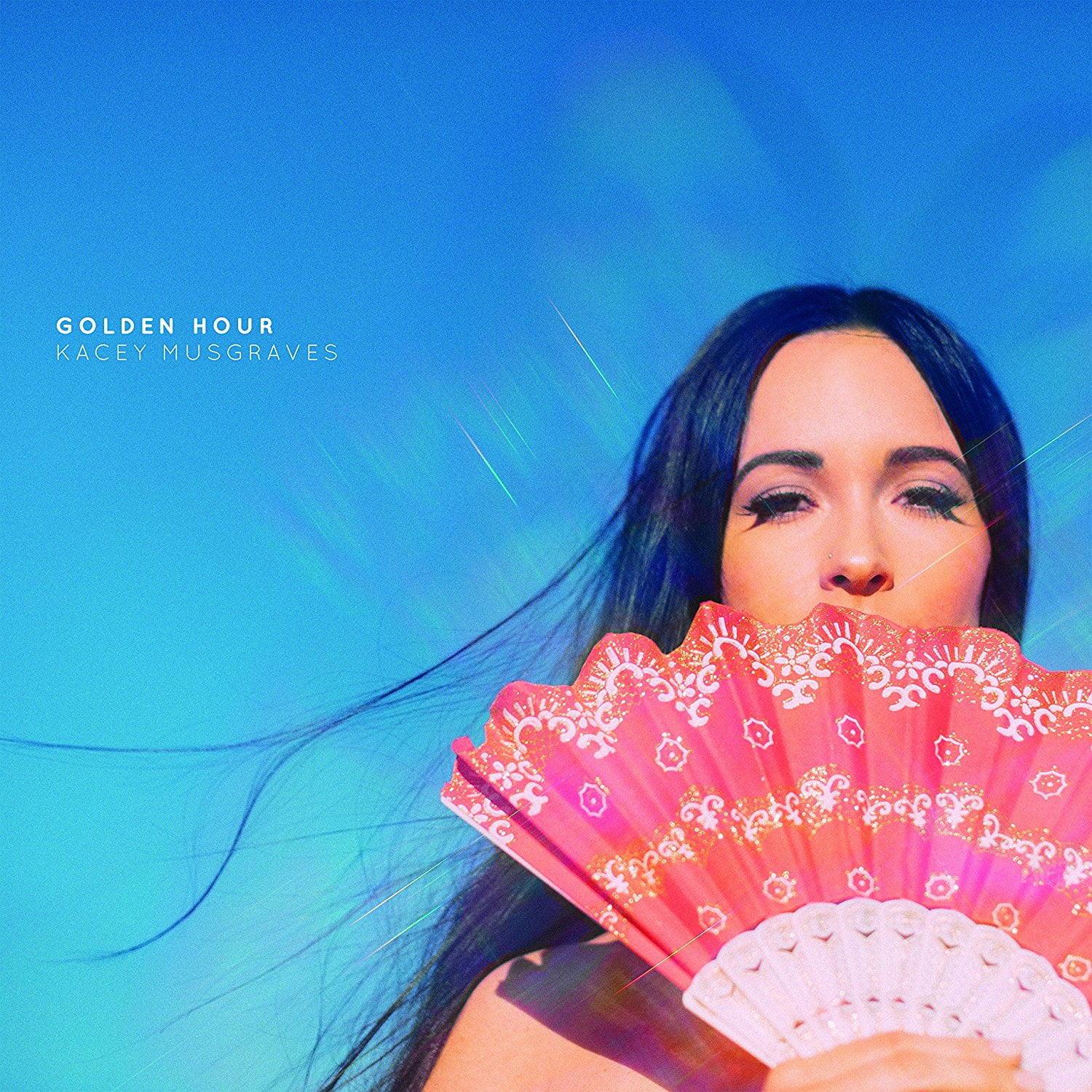
Kacey Musgraves, ‘Oh What a World’

In these tense and fraught political times, the desire for country artists to become more outspoken and opinionated has started to reach a fever pitch: After Route 91, will they speak out about gun control? Will they respond when Trump stokes hate on Twitter or refuses to condemn white supremacy? Will they support equal rights and reinforce that love is love, no matter the gender of the lovers?

Kacey Musgraves has always been one of the few outliers who existed on Music Row without having to play by the rulebook of being politically neutral — particularly in the arena of human rights (and, of course, marijuana use). She praised equality on “Follow Your Arrow,” from her debut LP, Same Trailer, Different Park. The line that gets the most attention is “kiss lots of boys, or kiss lots of girls,” but the more simple phrase of “love who you love” is equally poignant. Inclusion has always been part of who she is and her process — a bit ironic, considering that her attitude toward inclusion is exactly what’s had her excluded from country radio.

Her third album, Golden Hour, has been discussed and deconstructed as being less inherently political or mischievous (though, overall, she’s rarely been explicitly partisan in terms of left or right) and more about love … specifically, her relationship with her husband Ruston Kelly. It’s filled with meditations on kindness and romance and self-worth, and what it means to be alive, and on what it might mean to die, too, and the infinitely depressing and unstoppable passage of time — particularly the difficulties in enjoying a moment while knowing that its about to inherently be gone forever.

But in 2018, under a Trump presidency, Golden Hour is actually new kind of political, and, along with the songs of May Your Kindness Remain, the new LP from Courtney Marie Andrews, presents a different breed of protest song: one where there’s protest in kindness, in the appreciation of beauty and a sense of being grateful about the world. “Oh What a World,” a superb work of gauzy modernist folk-pop that balances both vocoder and traditional country orchestration in uncanny ways, is perhaps the album’s best example. “Oh what a world, don’t want to leave,” she sings, “There’s all kinds of magic, it’s hard to believe.” They’re simple words, really, but they sting.

Musgraves proceeds to lists some various wonders, from neon fish to magic mushrooms, and then moves on to a simple reminder: “These are real things,” she sings softly. “These are real things.” Fake news, Twitter wars, social media profiles don’t actually reflect who we are at all. Here, Musgraves is doing something just as mischievous and political as she’s always done, but in different clothes. She’s reminding us all that life is short and the world is beautiful. It a simple idea, but one too often forgotten.

Love, beauty, kindness, appreciation … these are real things. And, these days, they’re resistance.

LISTEN: Tami Neilson, ‘Stay Outta My Business’

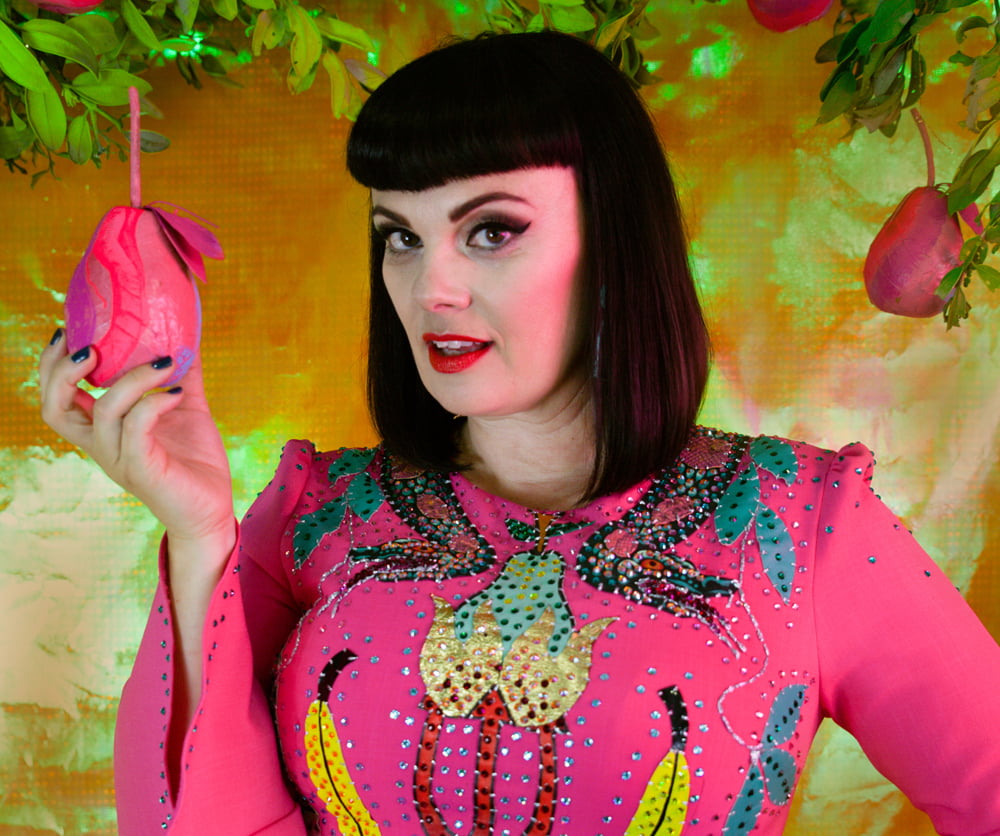
Artist: Tami Neilson
Hometown: Auckland, NZ
Song: “Stay Outta My Business”
Album: SASSAFRASS!
Release Date: June 1, 2018
Label: Outside Music

In Their Words: “‘Stay Outta My Business’ is something I never would’ve written in the past. It is the musical result of me coming into my full confidence as a woman and realising that I don’t need to take the opinions of others on board. It’s very freeing to just shut all that negativity down in four words! I’ve had numerous people approach me, after performing this song live, saying it is their new anthem. I love that this song is empowering and emboldening others to just say no to engaging with all the bullsh*t!” — Tami Neilson


Photo credit: Ashley Church

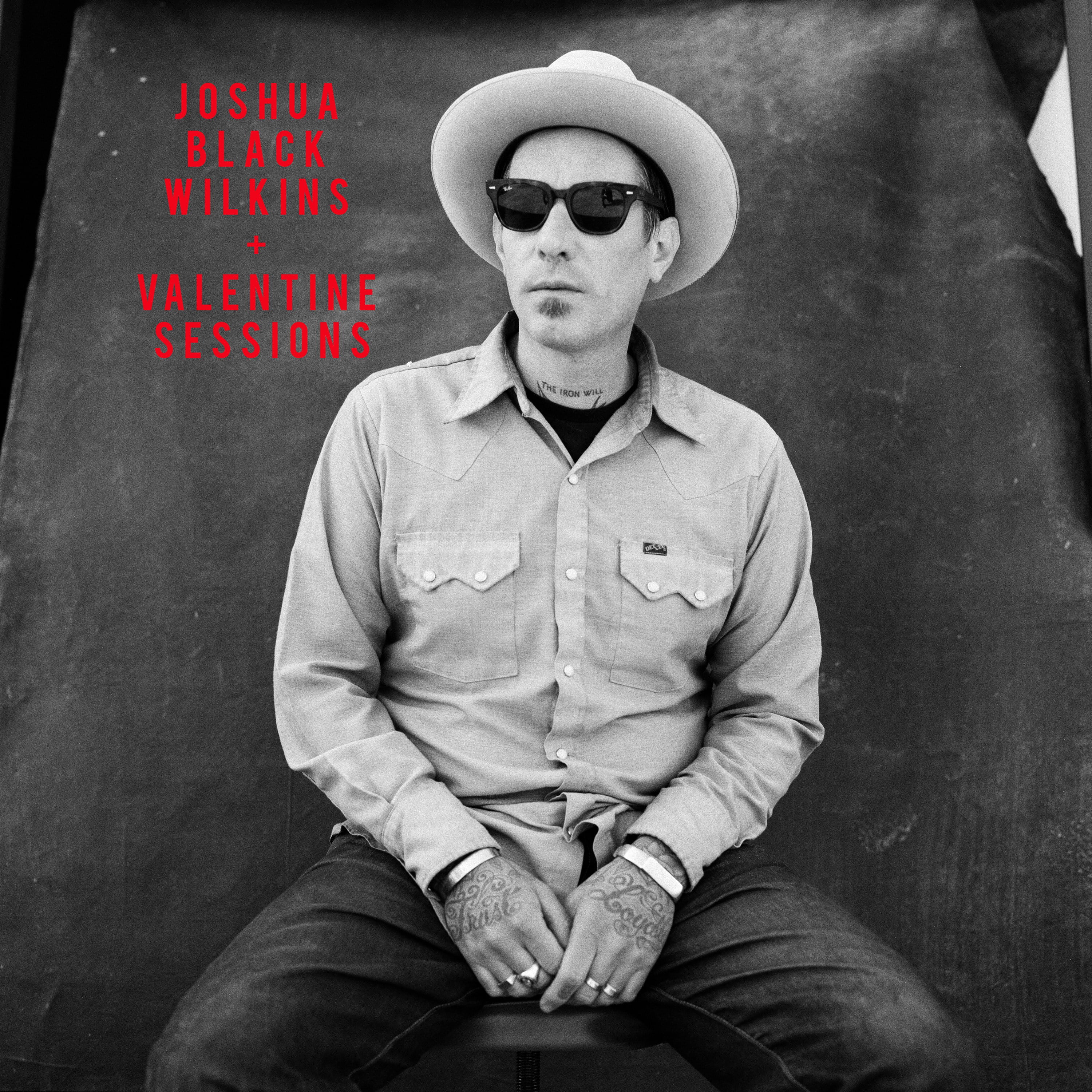
Joshua Black Wilkins, ‘Cops and Robbers’

In the era of Instagram, everyone fancies themselves as amateur photographers, snapping pictures of their vacations, their coffee cups, or, of course, themselves. But a fancy filter or a string of tweak-able iPhone settings does not a photographer make. It takes a keen eye, a lot of training, and a certain kind of gift to see the world in moments worth capturing, and moments that speak more than words, or even several minutes of moving film, ever could. And a great photo, like a great song, is often more simple than meets the eye: Stripped of its color to black and white, it relies on pure emotion, a visceral connection with a smile, a smirk, a feeling.

Joshua Black Wilkins, a photographer and songwriter, is deeply in tune with the power of eerie simplicity. His portraits rest less on pretty and more on the idiosyncrasy, discomfort, and true beauty that lies beneath than traditional glamor. His songs, from his newest record, Valentine Sessions, do the same. With his gravely voice layered atop fingerpicking guitar, he keeps things paired down but no less evocative. “Cops and Robbers” is a prime example of the allure of this recipe — a stripped-down folk ode to the lure of a lover, that plays with child-like colloquialisms in a very adult way. “Sticks and stones, but the words won’t come,” Wilkins sings. Like his pictures, “Cops and Robbers” leaves an impression that lasts much longer than its two short minutes on your speakers.

MIXTAPE: Lloyd Green & Jay Dee Maness’s Steely History

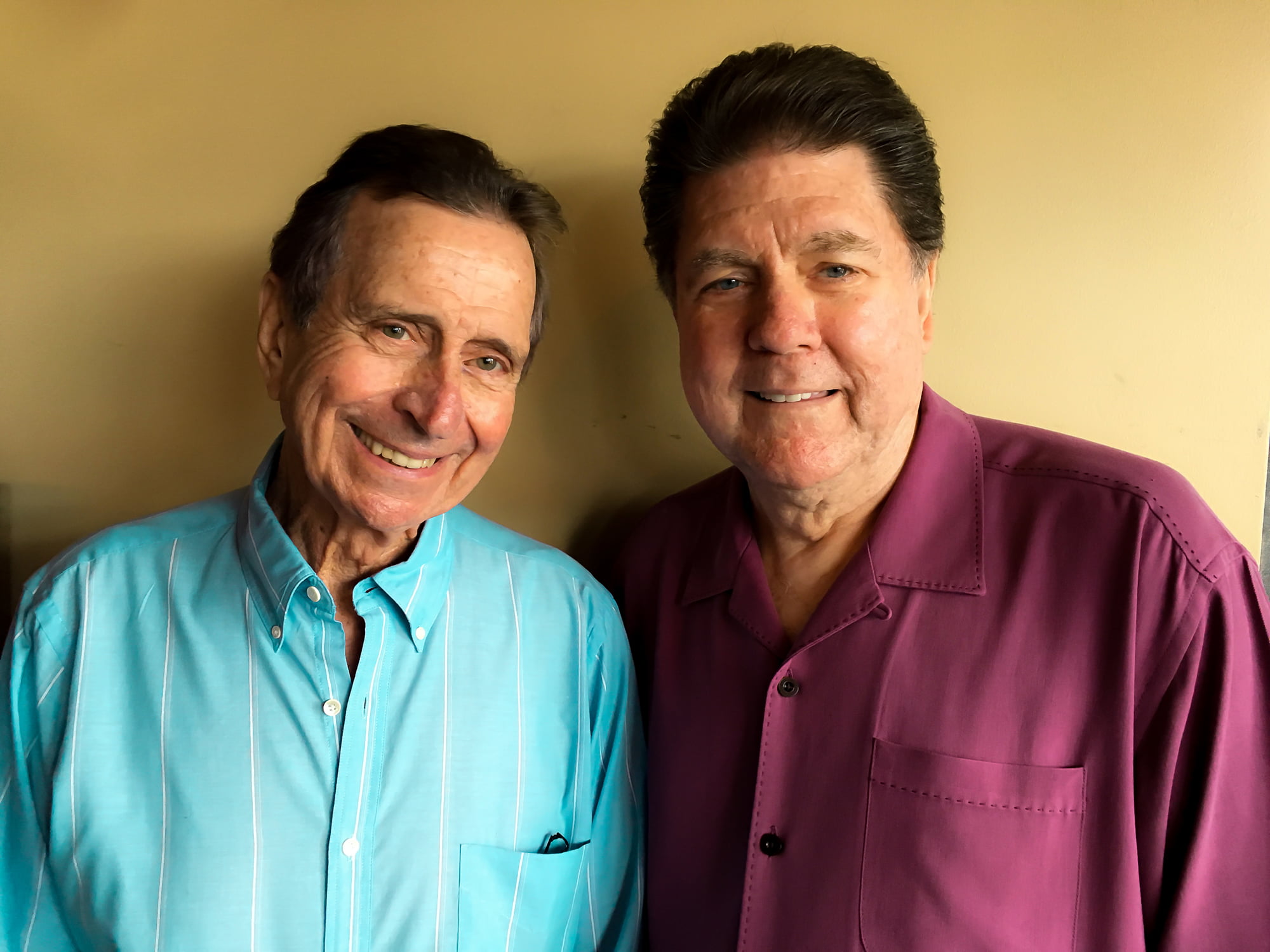
Fifty years ago, the Byrds set out on an ambitious path to deeper explore the country music they had flirted with on previous records with Sweetheart of the Rodeo. In addition to introducing Gram Parsons to a larger audience, it was the first country-rock record to be recorded by an established rock act. The record continues to open the eyes of new generations to country music. Recorded in March of 1968 in Nashville, Tennessee, and April of the same year in Los Angeles, California, the original record utilized the amazing steel guitar talents of Lloyd Green (Nashville) and Jay Dee Maness (L.A.), both established session musicians. The freshness of their playing added not only an authenticity to the sessions, but opened the eyes of a whole new audience to the sound of the pedal steel guitar.

Now, 50 years later, the original steel guitarists have reunited to make a stunning instrumental tribute to this ground-breaking record. Over the intervening decades, the two masters have played on countless songs. Here are some of their favorites.

LLOYD GREEN

Warner Mack — “The Bridge Washed Out”

Owen Bradley, the producer, did not want to use me since he didn’t know me nor my capabilities. He insisted on Pete Drake, who Warner said could not possibly play this new idea and sound I had discovered. Owen reluctantly let me be on the session, and it became Warner Mack’s first and only number one record, for which Owen Bradley then took credit, telling people that he knew they had a hit with my sound on that record. It was my career-launching recording.

Tammy Wynette — “D-I-V-O-R-C-E”

Producer Billy Sherrill heard me doodling with a new sound I had discovered, recognized its uniqueness, and told me that was going to be the signature of the song. It was and quickly became a number one record for Tammy, where I introduced the last remaining missing component of the E9th commercial tuning heard on most records which had remained unknown — the E to F pedal change. It now is part of our tuning on all steel guitars which use the commercial E9th neck.

Freddie Hart — “Easy Loving”

George Richey had gotten in an argument with Freddie about how we should record this song and, wisely, went outside for a smoke and to cool off. So Charlie McCoy, Billy Sanford, and I said, “Let’s cut this damn thing,” which we did in two takes. Richey came back in and asked if we were ready to cut it, but I told him we already had. He listened with a bored look on his face and said, “Sounds okay, next song.” Little did he know we had just cut Freddie’s career song which sold around two million copies and became a number one, and also became one of only three records to ever become the Country Music Association’s Song of the Year two years in a row, in 1971 and 1972.

Gene Watson — “Farewell Party”

We had recorded Gene’s new Capitol album but lacked one more song to complete the music. Having but 10 minutes left in the session, both Gene and his producer, Russ Reeder, came over to me and asked if I would just do an intro and a solo in the middle real quickly so they could finish the album and not have to pay the musicians overtime. I did. We cut the song in one take and left for our next sessions. While not becoming a number one record for Gene, it quickly became his most famous recording and he even named his band Farewell Party. The song became a cult favorite among steel guitar players around the world.

Alan Jackson — “Remember When” 

Keith Stegall, Alan’s producer, called me when he heard I was coming out of a 15-year retirement to again record, asking me to cut with Alan Jackson. It was my first time back in the recording studio. On the session, Alan told me his favorite steel solo of all time was what I played on “Farewell Party.” He asked me to give him another “Farewell Party” solo. The song, of course, went to number one, like all of Alan’s records and, ironically, became the last major country music record with a significant 16-bar solo. Steel is no longer featured on most big recordings.

Leslie Tom — “Hey Good Lookin'”

“Hey, Good Lookin'” is a Hank Williams song I’ve played since the age of 13 or 14 in the bars and clubs in Mobile, Alabama. I can still play it exactly like Don Helms recorded it back on non-pedal steel guitar in 1951 with Hank. But … I only honored him with some key phrases on this modern Leslie Tom recording. My entire recording career has been built around creating sounds, not imitating others. Leslie’s version, while also honoring Hank, has a bit more swing and sizzle to it, so that’s the direction I went. It is really good, and I am honored to get to record with such a talented, beautiful lady. Leslie sings it with fervor and an obvious love for Hank Williams’ music.

JAY DEE MANESS

Gram Parsons — “Blue Eyes”

I got a call to work on an album called International Submarine Band with Gram Parsons. When I got to the studio, I found out that Glen Campbell would be playing acoustic rhythm guitar. This was my first encounter with both Gram and Glen. In addition to myself on steel, the album had Jon Corneal on drums, Joe Osborn on bass, and Earl Ball on piano. This album was produced by Suzi Jane Hokom. The album was eventually released in 1968, after the group ceased to exist. Some might say this was a precursor to the Sweetheart of the Rodeo album.

Ray Stevens — “Misty”

In 1974, I was lucky enough to record in Nashville on a song called “Misty” with Ray Stevens. Shortly after the session, I moved my family back to Los Angeles. One day, Ray called and said he had been nominated for a Grammy for “Misty,” and asked if I wanted to play on the Grammy Awards. Of course, I said yes. I was thrilled to get to play the Grammys on national TV with Ray Stevens. During rehearsal, all went well. Once it was our turn to be on stage — live — and it came time for my “solo,” I broke the third string on my steel guitar. This string is very important to the sound of the solo so, on national TV, and I had to “fake” it. This was a very embarrassing moment.

Eddie Rabbit — “Every Which Way but Loose”

In 1978, I received a call to do the soundtrack and had a bit part in the movie Every Which Way but Loose, which was produced by Clint Eastwood. All the bar scenes were being filmed at the Palomino Club, so Clint decided to use the house band in the movie. I had already received the call to do the soundtrack and to play with Eddie Rabbit on the title song and to play on Mel Tillis’s “Send Me Down to Tucson.” Soon enough, I was called to do the Any Which Way You Can soundtrack, too. In addition to the soundtrack, I was able to play with Shelly West and David Frizzell on “You’re the Reason God Made Oklahoma.” I also had the opportunity to work on “Bar Room Buddies,” sung by Clint Eastwood and Fats Domino.

Anne Murray — “Could I Have This Dance”

I had the privilege of working with Anne Murray on her hit song “Could I Have This Dance” which was produced by Jim Ed Norman. “Could I Have This Dance” was also in the Urban Cowboy movie and soundtrack. Later on, I got a call late one evening from Jim Ed Norman asking if I could come over to his studio after my gig at the world famous Palomino Club. He said, “I have a record for you.” I thought it was a copy of the album which had the tune on it. When I got to the studio, he presented me with a platinum record of “Could I Have This Dance” from the Let’s Keep It That Way album to hang on my wall. This was the first of many albums from various artists that I now have on my wall.

Eric Clapton — “Tears in Heaven”

When I got to the studio to record with Eric Clapton, I was told Eric was not feeling well and could I come back the next day. The next day, I came back and started recording. We took all day to record Eric’s song called “Tears in Heaven.” I was packing up my steel guitar, when Eric came out into the studio and said, “I would like you to play the solo.” That’s when I got scared. I played the solo (melody) on the steel and, after I left, Eric put the harmony part on top of my melody. “Tears in Heaven” became a number one hit for him. I feel very privileged to have played on it.

Photo credit: John Macy

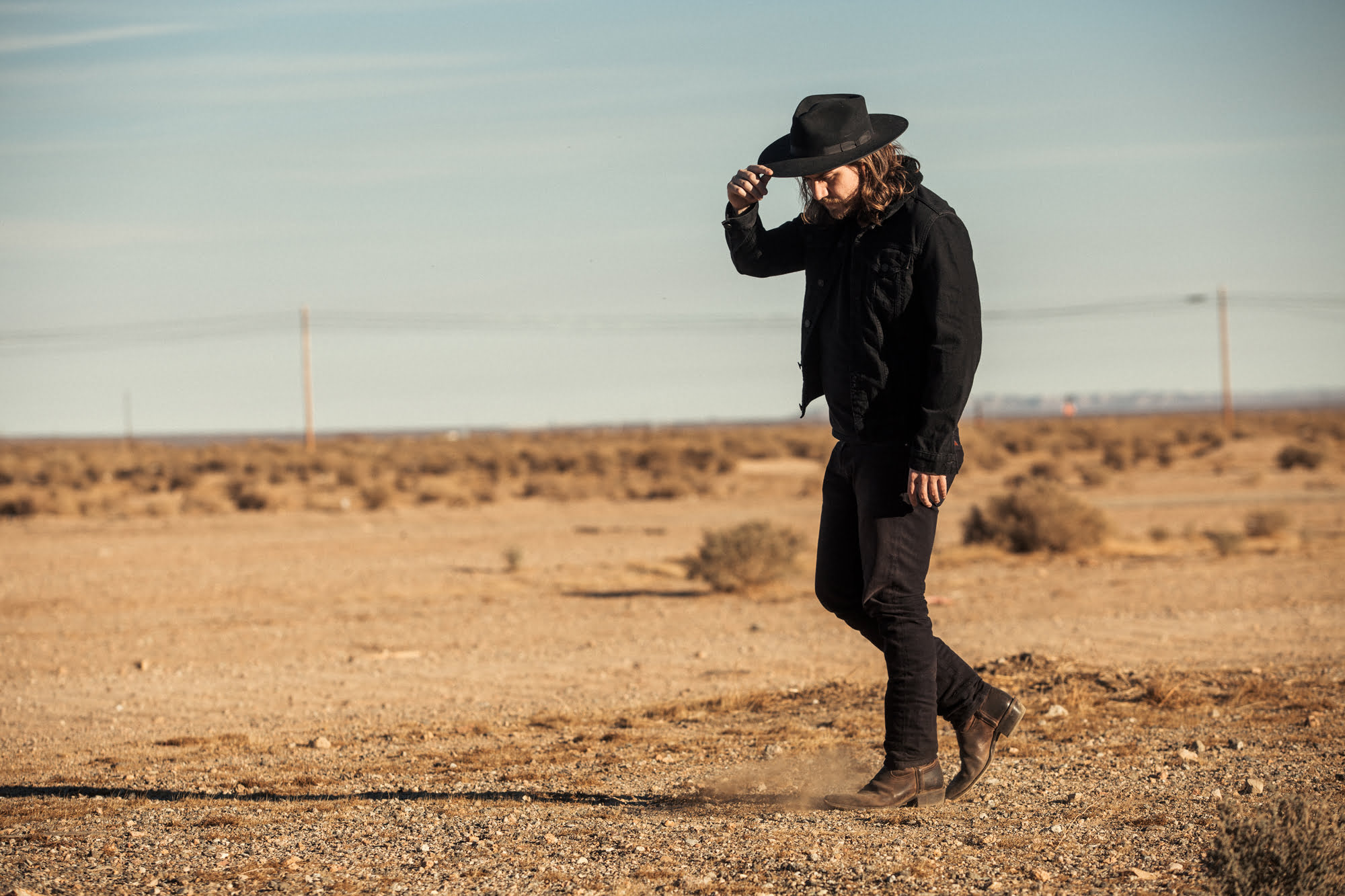
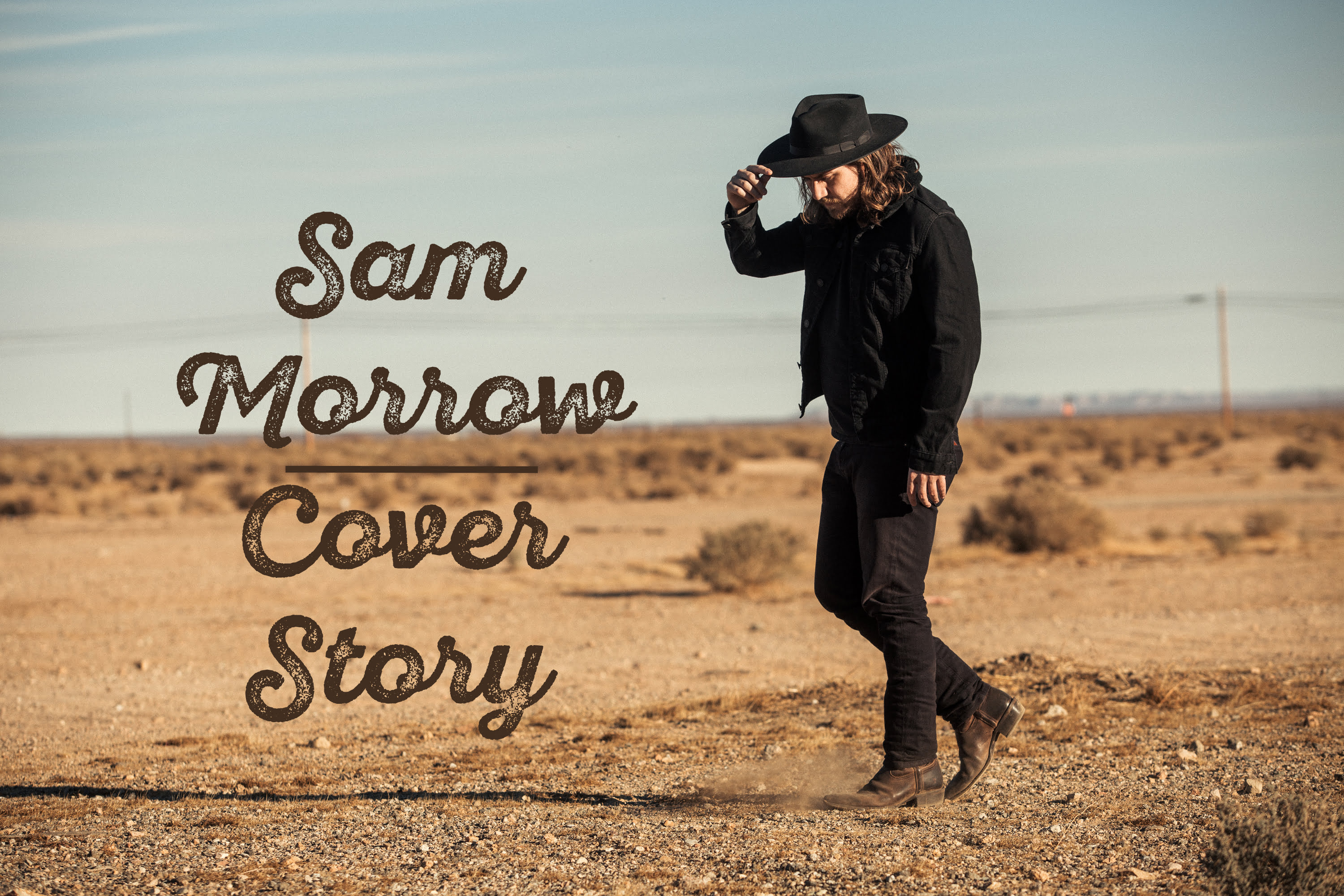
LISTEN: Sam Morrow, ‘Heartbreak Man’

Artist: Sam Morrow
Hometown: Los Angeles, CA
Song: “Heartbreak Man”
Album: Concrete and Mud
Release Date: March 30, 2018
Label: Forty Below Records

In Their Words: “For some time, whenever I sat down to try and write, the term ‘Heartbreak Man’ kept coming up, and I couldn’t figure out exactly why. I decided I wanted to challenge myself and use it for a song. It naturally matched up with the breakup I had just gone through. Breaking up with this person was one of the hardest things I ever had to do, but I wanted for this song to make it sound easy. I wanted this song to have a naïve strut that illustrated a broken man breaking anything that’s in his way — a man that knocks a lamp off the table and claims that its the table’s fault. That table should’ve known who he thought he was and that lamp never looked good there in the first place. I cowrote this song with the great Ted Russell Kamp and Eric Corne.” — Sam Morrow


Photo credit:Chris Phelps

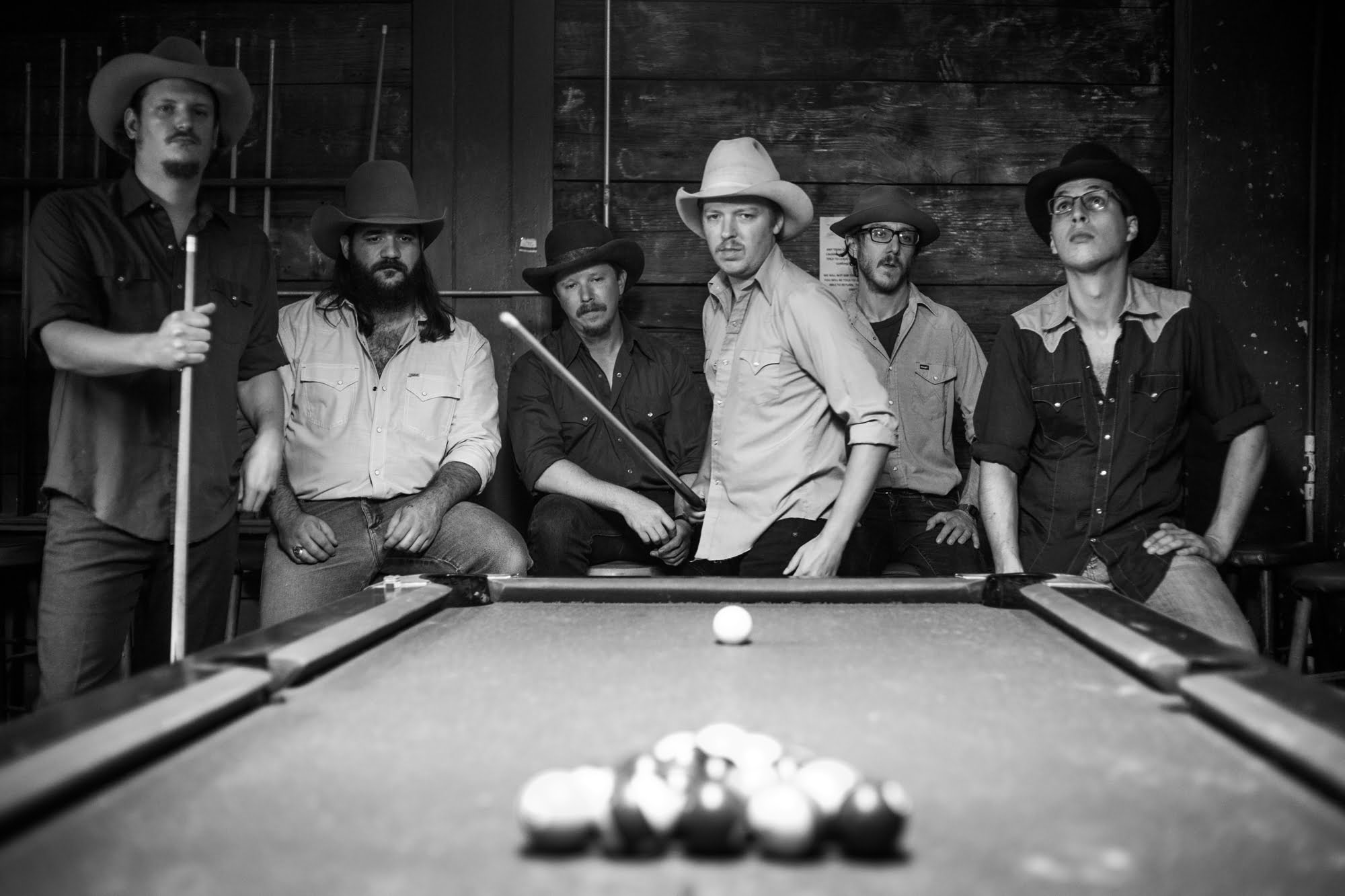
LISTEN: Mike and the Moonpies, ‘Steak Night at the Prairie Rose’

Artist: Mike and the Moonpies
Hometown: Austin, TX
Song: “Steak Night at the Prairie Rose”
Album: Steak Night at the Prairie Rose
Release Date: February 2, 2018

In Their Words: “’Steak Night at Prairie Rose’ is a nod to my very first gig. When I was 14, my dad booked all my shows. I played every Wednesday night at a bar in Decker Prairie, Texas, called the Prairie Rose. Wednesday was always ‘steak night,’ and there was always a game on while I played. I told my wife that story a while back, and she said it would make a great song title. My wife is always right. Everything in this song is true, other than the very end. My dad is still alive and well, and loves the song.” — Mike Harmeier


Photo credit: Greg Giannukos

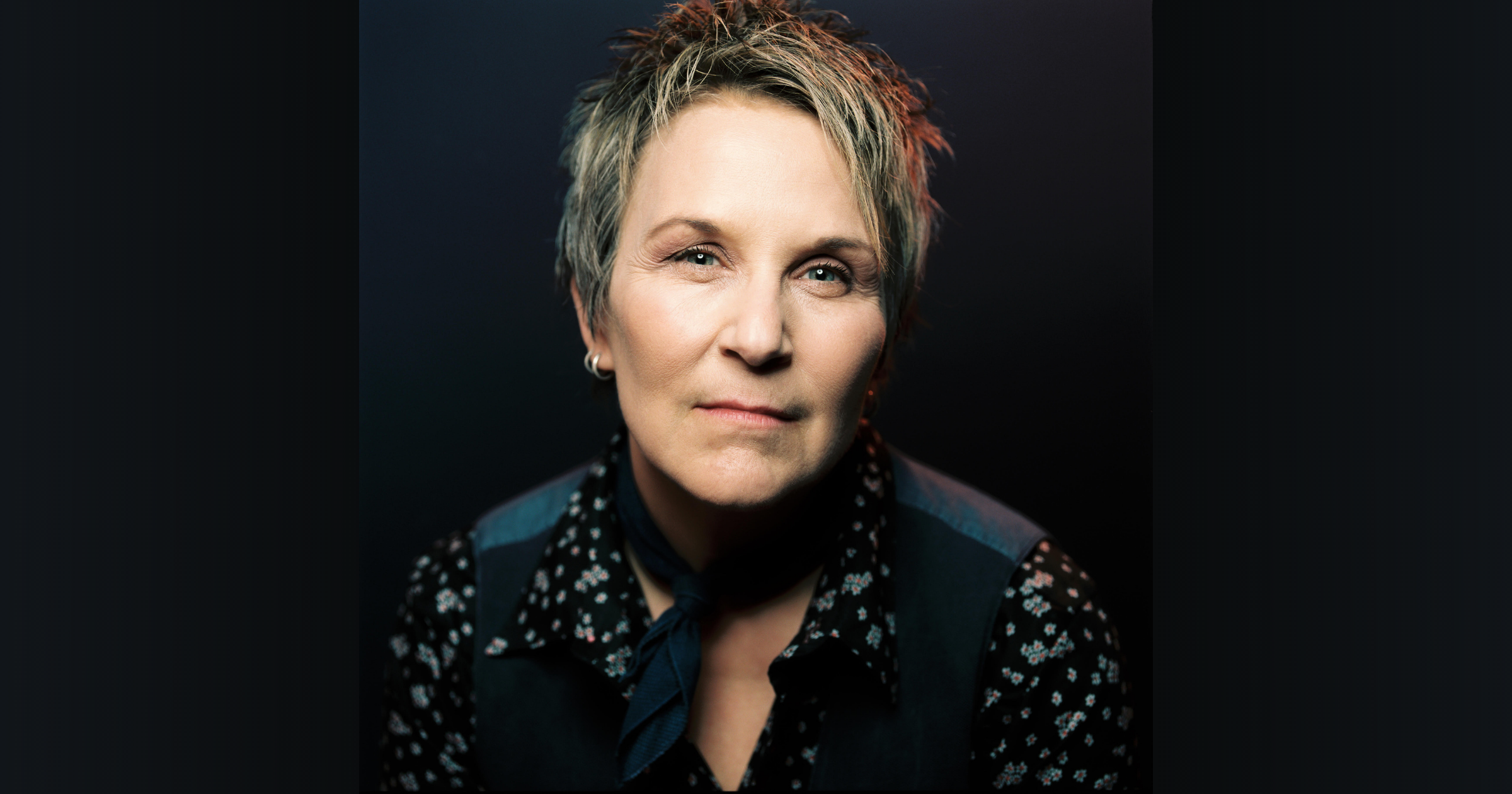
Mary Gauthier: Finding Each Other in Song

When singer/songwriter Mary Gauthier plays the Grand Ole Opry, she knows the crowd can sense that she doesn’t quite fit the mold. “I can tell that the audience can tell that I don’t look like Carrie Underwood,” she laughs. “I’ve got a gay look. I don’t mean to have a gay look, but I’m gay!” The stage where country music was born wouldn’t be the first place to come to mind when considering where an LGBTQ+ person might belong, but the Opry house’s response to Gauthier isn’t cold or forbidding; in fact, it’s the opposite. “I’m going to stand up there. [My queerness is] going to be obvious. Some people will accept it, but some people will struggle with it. I’m going to talk to them as if they’ve already accepted it, and I’m going to send love out to them. My fear of rejection will not supersede my intentional effort to connect and be loving.”

Connection and loving are core values, a strong and sturdy backbone, through Gauthier’s music and life. She’s faced abandonment, addiction, and otherness, but through the struggles of her own life, she realized that loving others, seeing others, listening to others, and putting empathy out into the world are surefire ways to find healing within. Her new album, Rifles & Rosary Beads, is a perfect continuation of these practices. Gauthier has co-written an album of absolutely poignant, heart-wrenching songs with veterans of the armed forces, all the while focusing on not just loving, seeing, and listening, but propagating these skills, as well. The record is a sorely needed standard for how to traverse the divides and chasms that seem to criss-cross our country, society, and globe. Whether they exist between gay and straight, civilian and military, or left and right, the only bridge we need is empathy.

There’s this cliché or this stereotype that LGBTQ+ people and the military are diametrically opposed, whether this comes from issues such as the trans military ban or Don’t Ask, Don’t Tell, so it might surprise people that you took on this project. It must challenge the assumptions of some people who might not expect a progressive, LGBTQ+ person to collaborate with veterans.

I think the idea of the straight white guy soldier is a dated stereotype. That’s really not who our military is any more. In my experience working with members of the military over the last five years, the soldiers I’ve worked with look like people you’d see walking down the street in Manhattan. Our military is very diverse. It’s made up of all segments of society, including gay, lesbian, and trans people, people of color, Hispanic folks, and a whole lot of women. So we need to update our visuals around what we think a veteran is.

Today’s military scans 55 percent Democrat. People don’t know that. It’s a younger military. The conflicts in Afghanistan and Iraq are being fought by a group of people that are much younger than what you would think. We have to match our visuals to the reality of who’s wearing those boots on the ground.

I’d like to speak to the unsuccessful and failed trans military ban. The reason that it probably became an issue is because there are quite a few transgender people in the military. I don’t know the numbers, but it’s in the thousands. These are people who are volunteering to serve and are serving well. Our justice system has done the right thing in upholding their right to serve. Judgment about whether or not someone is worthy of service has not a thing to do with sexuality or gender.

Yes! Absolutely.

It’s irrelevant. It’s parallel. It has nothing to do with any of the requirements around the ability to serve. The justice system and the judges are upholding the current law because it’s the right thing to do.

When I listen to the album, I wonder how those veterans’ feelings — of loneliness, of facing a forbidding world that can’t really understand, of walking through life and not seeing oneself or one’s experiences reflected back by society, of coming home to a place that they don’t recognize anymore, to people who don’t recognize them anymore — these feel like they relate pretty easily to the queer experience.

I never thought of that. I don’t know. I’d hate to generalize. [Pause] What I do know is that an awful lot of our veterans are experiencing trauma — traumatic brain injuries and PTSD. The trauma that they carry becomes a life and death issue for them. It doesn’t heal itself. It doesn’t get better over time. It holds its own. We’re dealing with somewhere in the neighborhood of 22 suicides a day by military members.

There may be a parallel between that and the trauma a gay kid feels, being beat up. It’s a different trauma, but trauma is trauma. There’s been, as we well know, a huge problem with suicide in our gay kids. Now in our trans kids. The way that we’ve dealt with it, the way that works to help ease people’s burdens, is to tell them that we love them. We see them. They’re valuable. They matter.

I feel that message when I hear you singing these songs. I feel that emotion. I feel you, yourself, living through each of these co-writes with each of these veterans. I love that this is a testament to the fact that the “divisiveness” we hear about every single day is not actually a barrier between all of us.

Here’s what I know for sure: We’re in an empathy crisis.

Yes!

And this empathy crisis, from what I can see, has created a divide. The divide, politically, is between the left and the right, but we’re also in a civilian-military divide. Civilians don’t understand or even know people who have served in our military, particularly in the wars in Afghanistan and Iraq. But this divide started in Vietnam, after our soldiers came back really rejected and treated so poorly.

I think the divide can be bridged through empathy. The way I know how to create empathy is through song — not preachy songs, not songs that tell people what to think, but songs that tell the story of what people are going through, so that we can see inside and know how they feel. This is the job of the artist and the job of art — to generate connection and empathy. That’s my belief.

So [when writing for Rifles & Rosary Beads] we stayed away from ideology. We stayed away from policy. We stayed away from lecturing. All politics is off-limits. These are songs that tell important stories. If you want to come up with policy after you empathize, that’s whole different discussion. In my years of writing with soldiers, I have never gone to politics ever, because it’s not going to get us a good song! It’s just going to be a rabbit-hole, and we’re not going to get where we need to go to get to a good song, which is connecting and feeling each other, knowing each other’s heart. Whether or not we agree with the politics that got us into the war — wars — is one thing, but I think we can agree that those who served, who are hurting, who are struggling, who are in pain, who need our hand, we can reach out to them.

That makes me think about roots music’s transportive quality. These genres came out of very downtrodden, forgotten places as a vehicle to take people out of the harsh realities of their everyday lives. I’m convinced that that quality of roots music really is available to everyone, whether we’re talking about someone who’s LGBTQ+ or these veterans.

There’s a couple of big thoughts in there. One is, roots music is the best place for story songs. The best music always comes from the worst pain, from the soul howling in pain. “Does anybody see me?” “Am I alone here in my sorrow?” The response to that call is, “No, you are not! We see you! We feel you!” This is why singing the blues together makes you feel better. There’s an alchemy that happens when you’re able to sing your sorrows inside a group, singing not alone.

At the end of the day, the important thing about writing with people who are dealing with trauma, particularly veterans, is giving voice to something that is very, very hard to talk about. It may even be ineffable. There may be no way to talk about it, but we can sing it. We know it, when we sing it. We feel it. That is, I think, one of the most important uses of songs — to reach the ineffable. Melody helps move meaning into people’s hearts.

On the song “Brothers,” I felt the Venn diagram between the LGBTQ+ experience and the military experience overlap the most. The line, “Don’t that make me your brother, too?” Coming from the perspective of a female soldier, it is such a distillate of what we’re trying to accomplish with empathy, reaching out to people who have opposing views. Where did “Brothers” come from?

It came from these two women’s experiences. They lived it. My co-writers lived it. They were of the first generation of females in our military sent to combat. At the time, all of the language was male. They served with valor and courage in a situation that was really, really hard for them. What the females went through is a whole lot like what people of color went through when the military was integrated. It was very difficult.

There was a moment, after [one of the women] got home, when one of their friends raised the flag on Facebook on Veterans’ Day for “all the men who served.” She was shot at. She was in combat. She would’ve died for her brothers. She felt very excluded by the sexist language. The statement [in the song], “Say it for me. Say it for your youth. Your sisters are your brothers, too,” is a howl. “Don’t you see me? What do I have to do to be seen?” Of course, every marginalized community has had that howl. “What do I have to do to get your respect? I’ve done everything within my power, and I’m still invisible. I am hurt and I want to be respected.”

Honestly, in the five years I’ve been doing this, the language has been changing. Now people in the military, when they speak of the kinship, I’m hearing more and more “brothers and sisters.” It’s expanding. The first generation of female combat veterans had it hard, but it’s changing because people like them are brave enough to stand up and say that it hurts. It’s not “servicemen,” it’s “service members.” It has to be updated. They’re going to get there, but it takes time and people get caught up in a culture that doesn’t see them.

I want to ask you about that. You were recently on Sarah Silverman’s Hulu show, I Love You, America, and the overarching message through the show, which is somewhat radical these days, is seeing people — seeing people for who they are, accepting people for who they are. You being a guest felt so natural, because this is kind of the backbone of what you do as an artist, as well. Like you said, empathy first, empathy through song. How do we spread this idea? How do we translate and illustrate this intensely personal and individual reality of being on the fringes of society to help others understand the importance of empathy, of choosing to see people?

It’s a big question. No easy answer. What we can do, for example, is what I’m doing. To come out, to be seen in the truth of who we are, and to challenge people’s prejudices through loving, through kindness and tenderness and love. I’m working with veterans because I love them. Because I love them, it would be very difficult for them to reject me because I’m gay. They’re in a place, most of them, where they’re so grateful to be seen and loved that they open their arms and bring me into their family. I couldn’t have imagined five years ago, starting this, that it would lead me here. There’s a place for going in the streets and protesting, but there’s also a place for what Sarah [Silverman] is doing, what I’m trying to do, what Brené Brown is talking about, what Father Gregory Boyle over in Los Angeles is tackling with the gangs. What we’re talking about is sitting down and listening.

We may not agree on a single thing, politically, so let’s not talk about politics. Tell me how you feel. Tell me how it was for you, coming back from the Middle East. Tell me what it’s like now. Where does it hurt? I’m listening. I’m not in judgement. I think that empathy and listening is a big damn deal. What maybe happens when we’re young — I’m older now, you know? — when we’re young, we want to be heard. I wanted to be listened to. I felt as though what needed to happen was people needed to hear me. I’m older now, maybe it’s emotional maturity, but I realized what might be even more transformative, instead of me demanding that I be heard, is that I sit down and listen to other people. To give them the empathy that heals me. This is cliché sounding, but what I get from this work far, far surpasses what I give.

I love that. It’s one of my favorite things about these conversations. If we’re open and vulnerable and real with each other, we will constantly be surprised by each other in the best way.

Yep. And we find each other.


Photo credit: Laura E. Partain

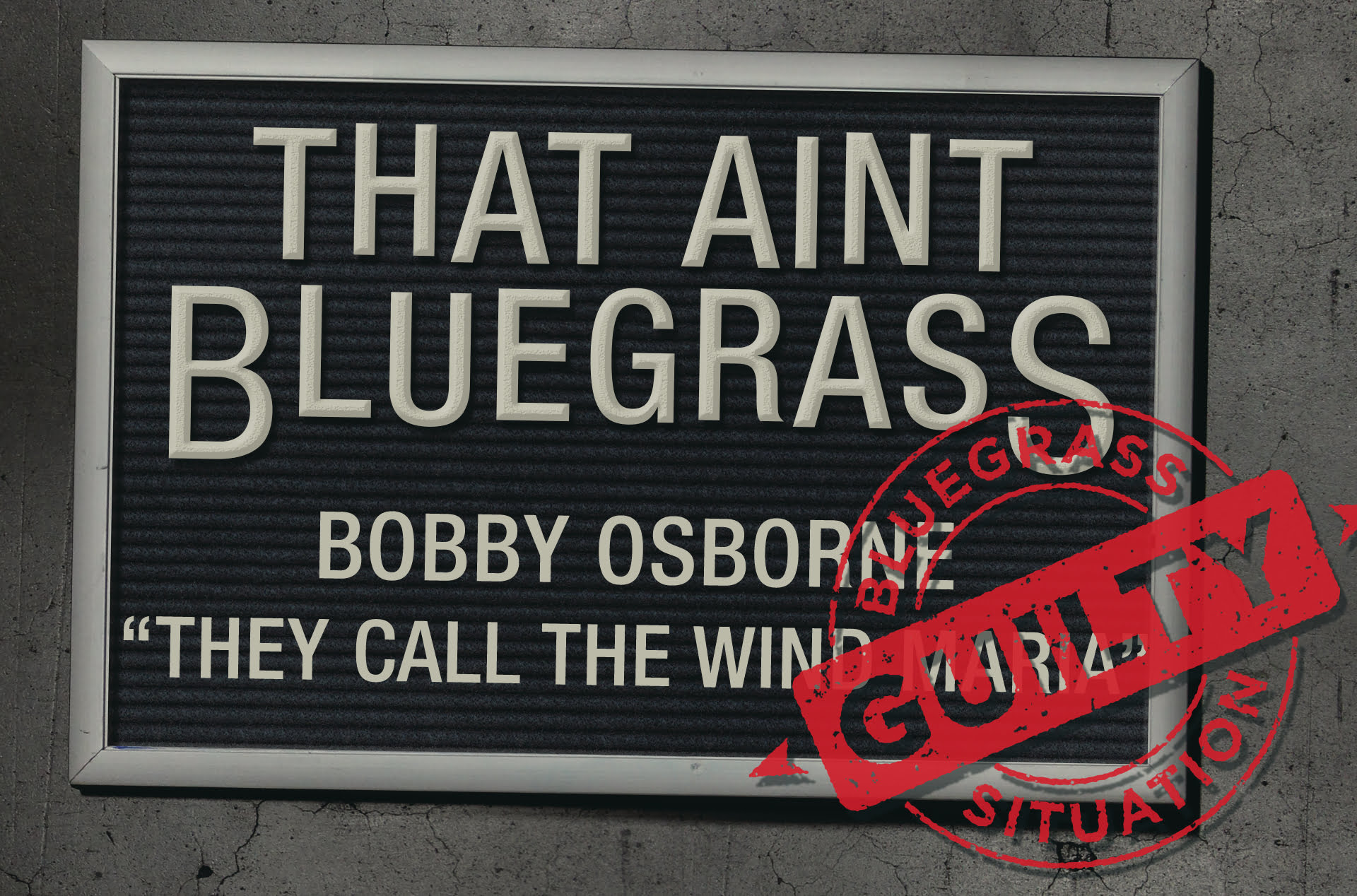
That Ain’t Bluegrass: Bobby Osborne

Artist: Bobby Osborne
Song: “They Called the Wind Maria” (originally from the 1951 Broadway musical, Paint Your Wagon)
Album: Original

Where did you first hear this song?

The first ones I ever heard do it were the Browns — Jim Ed and Maxine Brown. I kind of liked it then, but my brother and me didn’t want to cover it right then. It’s been a long time ago since I heard it. This project that Alison [Brown] came up with, with me and Compass Records, I thought about that song. My son and me were trying to get some songs together so we put it down on the list. The chord progression on it and the song itself, I’ve always really liked it. Of course, the Browns did a great job with the recording they had on it. I never did hear anybody else, maybe I didn’t listen, but I didn’t hear anybody else do it.

When I put it down on the list, Alison wrote me back, she said, “That was one that I wanted you to do!” [Laughs] So that turned out real good. Then I had to learn the thing, then. The melody and the harmony and all that on it. To me, it was just right down my alley.

What about the song made you think it would be such a great fit for bluegrass?

Well, it’s different from what most people would do, I think, in the story of it. A lot of people nowadays are doing arrangements like that, something similar to the way the melody and the harmony goes with that song. A lot of people are doing stuff that they didn’t do back when the Browns did it. If you went into a key that wasn’t just G, C, and D, you lost a lot of people, way back then. Nowadays, why, it’s not unusual at all.

My brother and me did some things — I don’t know if we were the first or not — but a lot of people in country music were doing that [sort of a thing]. But, as far as bluegrass goes, most of the time it was just plain Monroe-type music, Flatt & Scruggs, and the Stanley Brothers. A lot of folks didn’t go to those keys — what I always called it, the off-keys — with the melody of a song. My brother and I, we got tied in with that harmony we’d come up with and the endings that we had, everything just fit right into the melody of “Maria.” I was really familiar with that type of thing.

Fans might think, “He’s changed that around. I don’t like that kind of music.” But the song was written like that, so you can’t deny that. It fit us so good. Alison said it was always one of her favorite songs, too. Her being the producer, she asked me to do that, and it just tickled me to death. The more we worked with it, the better it got. It turned out to be a great recording.

You and your brother have always covered non-bluegrass songs throughout your career, and it’s kind of a tradition in bluegrass to take songs from outside the genre and repurpose them for bluegrass. Why do you think this is a tradition and why have you always made a point of recording these types of songs throughout your career?

You remember the song, “Once More”?

Yeah, of course!

We were doing just plain bluegrass, you know, Monroe-type and Flatt & Scruggs. Just G, C, D, bluegrass — three chords to it. Well, we were up in West Virginia, and a man up there by the name of Dusty Owens had a band and he had written that song, “Once More.” He had recorded it on a little label up there. He gave me one of the copies of it and, when I listened to it, I felt that would be a great thing for us to do with the harmony that we had. When we first recorded it for MGM Records, they were strictly [having us record] three-chord bluegrass.

I got the words to “Once More.” We had a couple hundred miles to drive home from Wheeling, and Red Allen was with us at the time — it was just three of us. We got to singing it just like we would normally do any other song, but there was just something missing with it. Of course, we were just doing regular harmony singing then. We had never featured a high lead on a thing in the world. My voice being the type that it was, it was made for high lead. We were just sitting in the car driving along. We didn’t have any instruments or nothing. We were just trying to learn the song. All of a sudden, I don’t know, I started singing the lead in a way-up-higher register. Red Allen was a tenor singer when he came to work with us, so he just started singing the tenor, but then it was the low part. My brother was good on the parts and chimed right in with the middle part and, boy, when we got to singing it like that, we knew right there we had run into some kind of harmony that we had never heard before. We had 200 miles to go and we sang that song all the way home so that we wouldn’t forget what we had learned. That’s how we came across that type of harmony.

When we went to Nashville to record again, we were dead set on putting that on a record, because that was brand new and it was different from Monroe, Flatt & Scruggs, and all that. It was so different from anybody. Wesley Rose was the A&R guy for MGM at that time, so we approached him with that type of harmony, and he looked at us and said, “You can’t do that. That’s some other kind of music and harmony besides bluegrass.” We had a talk and talk and talk. He said, “You put something like that out after what you’ve already done, you’re liable to lose your recording contract.” We were so set on it we said, “We’ll just take a chance on it, if you don’t care.”

When we recorded it, we had been using everything regular bluegrass people used — fiddle, mandolin, guitar, banjo, and bass. We figured the snare drum was perfect with bluegrass. We went back to [Wesley] and said we wanted to add dobro and drop the fiddle. Well, he had a fit over that, too. We hesitated to mention that there was one thing we’d like to do with the rhythm on it, the snare drum, but just the brushes. The guy says, “You’re getting completely away from bluegrass!” Well, no. It’s just going to match our singing. We finally talked our way into him letting us do “Once More” just like the recording is now. He was not happy with that at all.

Well, we all know how that turned out!

[Laughs] Back then, I think it was on the top 40 country, I believe. It made number 15 or 16 on the charts. We never heard another word out of Wesley. [Laughs] That right there led us into going deeper and deeper into that kind of harmony. It became our trademark.

What’s your favorite thing about performing “They Called the Wind Maria”?

I kind of like the hesitation between each line, you know? I like that because we were kind of used to that kind of thing and changing from one key to another. That’s one of the main things that really took the song off with me. The hesitation between each set of two lines. Then the tune of it, the melody to the song. When we put the three parts to it, it really dressed it up and made it even different from what the Browns did.

Now you know that ain’t bluegrass, right?

Well, after what me and my brother have done, there’s not much we can say to argue with what anyone thought! [Laughs] People still ask us about it.

When we switched from MGM to Decca Records, Owen Bradley was the producer over there. He knew about us and he latched onto [what we were doing] in a hurry. He said, “Do what you want to do. You know more about what you want to do than I do.” We got a taste of country to go along with the bluegrass, and he went right along with us. It really worked out pretty good. When we were allowed to just do what we wanted to with the harmony, the instrumentation, and the lyrics to the songs, when we got into that, it became a standard thing for the Osborne Brothers. A lot of other people jumped on that type of harmony in a hurry. It became a standard thing about every one of them wanted to do.

I love that on your latest record, Original, you’re carrying on that tradition of doing songs that some people might not expect to be on a bluegrass record.

Oh yeah, that was a thing we knew [from the begining] with one playing the banjo and one playing the mandolin and singing [in the Osborne Brothers]. There’s no way we’d ever get away from the sound of bluegrass instruments. What we had in mind was to play those instruments and make them fit with what we were doing. We were putting bluegrass and country music right together, and people just loved it. Our harmony singing fit bluegrass and country music, both. In one sense of the phrase, we had it made right there.

Being Your Own Gravel Road: A Conversation with H.C. McEntire

Singer/songwriter H.C. McEntire has been making music for many years now — formerly with the punk band Bellafea and more recently with the indie country outfit Mount Moriah. But last year, she paused that trajectory to tour with Angel Olsen. Speaking from her home in North Carolina, she explains, “There are not many voices I’d put my own career on hold for.” The opportunity was an exciting one, but McEntire’s not prone to multi-tasking, so she found it hard to stay connected to her own creative direction while touring someone else’s.

Enter: Bikini Kill’s Kathleen Hanna. A chance encounter between the two women developed into a professional acquaintance, which eventually became a strong friendship. Upon request, McEntire sent Hanna her entire hard drive of demos, hoping Hanna could forge a path through the disparate songs she’d written outside of Mount Moriah’s catalogue. “A lot of it was weird, abstract punk stuff that didn’t fit in to other things I was making, and some of it was real sweet pop, kind of twee,” she says. “It was all over the place.” Rather than cull together the raucous material, Hanna saw something in McEntire’s folk-driven country tunes, so the pair worked closely to refine the ideas that’d been bubbling on the margins for years. Sometimes, in order to find your voice, you need someone to guide you back to it.

McEntire’s resulting debut solo album, LIONHEART, sets about reclaiming country music from the bros, belles, and other tropes that fail to leave room for new stories because they’re proscribed as “the norm.” Growing up a queer woman in the South, she’s familiar with such labels and how they’re used as an exclusionary tactic.

McEntire was raised in a Southern Baptist family; she learned about the communal inclusivity church can offer only to experience its steely opposite when she came out. The hymnal ballad “When You Come For Me” finds her questioning her place in the land that birthed her against woozy pedal steel and a quavering rhythm. “Mama, I dreamed that I had no hand to hold. And the land I cut my teeth on wouldn’t let me call it home,” she sings, her voice forthright.

She’s struggled with her faith, her family, and even herself over the years and, with Hanna’s guidance, has channeled the result of those trials and the subsequent peace she’s found into LIONHEART. On “Quartz in the Valley,” the conventional images that have long embodied the South shed their sheen: Mascara-caked lashes smear after a long, passionate night, bouffant hair wilts with the sunrise. McEntire repurposes the region in her image, making a space for herself rather than waiting for a space to be made. There’s no metaphor more assertive than when she sings “this gravel road don’t need paving.”

What does Americana mean to you, and how have you found yourself defining it in your own terms?

It’s situational for me. I think a lot of us end up using it, and we don’t totally know why or, at least, I don’t know where it all started.

It’s a more recent definition for a lot of different styles, like an umbrella term.

That’s how I feel, too. Not that it doesn’t have value, but I think it’s kind of … I’m sure there’s a fancy word for it, but just like a term that gets used so much you forget what it means.

And yet somehow manages to be exclusive.

Right, because people think Americana isn’t country, like there’s a hard line there. So I guess my answer is I don’t know.

You’ve played other musical styles in the past, your musical career, but the traditions you cull on LIONHEART harken back to your upbringing. Why was it important to use that music to make this statement?

I think as I’ve gotten older — and maybe it’s something that you do, you know, reflecting on your childhood and what you cut your teeth on — it just kinda happened. I started remembering what music I loved and it was a natural thing. Maybe it’s like a language that I stepped away from and lost a little bit, and I’ve been slowly trying to relearn and reconstruct in this way that fits my life.

There’s something powerful about co-opting the language that can be used against you and making it your own, so I could see musical styles serving that same idea. What did you grow up listening to?

All my family lives on one road. There’s a communal farm in the middle, and that was the hub, that was the homestead. My uncle ran a mechanic shop there, and there was always country music playing from the radio — ’80s country, pretty much — which is a lot of the country I love. Also, I was privy to all the old-time and the bluegrass that trickled in from community get-togethers, like church. Lots of hymns. That’s a big pillar for me. That’s what I remember listening to, up until I started getting some cassettes, like Bruce Springsteen and the Beach Boys. Those were supplemental, but the foundation was whatever was circulating through the radio dial or the church.

You said you’ve strengthened your connection to your faith in recent years?

It’s definitely a process that I’m still refining. I grew up in a Southern Baptist family, and the church was really close to our house; my great-great-great-whatever grandfather founded it back in the 1700s. That’s just what you did. I never really thought about it. I had moments where I connected with it on a deep level, and I had a lot of moments and years where I was sort of robotic. As a teenager and later in my teens, I realized, as I started forming my own beliefs, that a lot of those were incongruent to what I was hearing on Sunday mornings, and it was really confusing. I struggled with that for a very long time. When I went off to college, I shut the door on organized religion. I felt kind of betrayed by it. It was painful; I didn’t think I had a place in it. I was bitter and, for many years, I could not talk about religion.

I can see how you’d want to stop trying to connect.

Exactly. All the while, I really felt a void. I was hungry for those moments when I was younger, when I was sitting on the pew, and I felt this profound power in the form of a congregation. Those moments where I did feel love, and I did feel faith, I was hungry for those again, but I wanted them on my own terms. They needed to make me feel valid and whole. Over the last 10 years, I lowered my guard — a lot of this is in this record, I did that. I had to be really vulnerable.

On “Quartz in the Valley,” you’ve got one of the finest metaphors I’ve heard in some time: “This gravel road, it don’t need paving.” How did you set about clearing a space for yourself in a home that hasn’t always been accepting?

That’s a cool line.

It’s a great line!

I hadn’t thought about it that way.

I thought it was such a great declaration, and I don’t even know if you meant it like that.

I definitely think I was alluding to something. All I can say is, it’s taken a long time, and a lot of stops and starts, and a lot of being vulnerable and really being active about researching certain spiritualities that I’m interested in, or experimenting with different churches in the area. It was really hard walking through the door of the first church that I went back to, but once that happened, it’s been so liberating and I realized that it’s not a formula. Re-discovering that and reconnecting with [my spirituality], I feel more whole. I feel whole in a way that I’ve never felt. I’m allowing my spiritual journey just to be whatever it is. I don’t really adhere to labels or anything, so I just want to grow.

I feel like any time you add a descriptor to an experience like that, people tend to characterize it in terms of exclusion.

Exactly. That word “exclusion,” to me, that is really confusing when you talk about spirituality because it’s the opposite of exclusion. But there’s so much of that, especially in the South. Certain groups find power and they quell their own anxieties and fears by excluding other people.

It’s the opposite of the message.

Exactly.

Your relationship with the land comes across powerfully in “When You Come for Me.” Where does it stand now?

When I wrote that, I was imagining the land I grew up on — the road I’m talking about with my family — and I think it also was inspired a little bit by … several years ago, I learned that my parents had bought my brother and me this plot in the church cemetery. That is actually a normal thing to do, just buy up a whole thing so your family can be together, but it made me think what that actually meant. I’ve carried a lot of pain with me over the years. I grew up in a very tight-knit family, and I love the land I grew up on. It’s in the foothills of the mountains in western North Carolina; it’s a small town. I’ve been in a lot of pain with how to relate to that particular area, socially, culturally.

Right. If they’re not making a space for you, then how do you see yourself as part of the community?

I think it’s actually more of a question to my family. It’s something I’ve been grappling with. My self-identity and yearning for that land and that inclusion, but I’ve never totally been accepted by my family. I’m still coming out to them over and over again.

Do you feel like you’ve reached a shift from proving yourself to making a statement?

There’s some peace in it. I feel I’ve reached this point where I don’t want to say I’ve stopped trying, but I’ve stopped forcing it. A lot of LIONHEART has been me reckoning with all this we’re talking about, so there must be some sort of peace that I’m at least able to write about it in a poetic way. That’s a challenge I liked: How can I connect with these communities and with different layers of myself and do it in a poetic narrative instead of a punk song or a hit-you-over-the-head anthem? I’m interested in finding that medium place where I can relate to all sides.

Kathleen Hanna isn’t exactly an artist I would place under the umbrella of Americana, but I love that you two connected and she kept wanting to talk about your music. Can you delve into that collaboration?

I’m sometimes still surprised.

It feels like kismet!

Yeah, it was a real gift that the universe gave me. I’ve looked up to her for a long time. We peripherally had been friends, but just through the music scene — the punk scene. She provided this mentorship that — I’m going to get emotional — it came to me at a time when I needed some direction. I was pretty lost creatively: I wasn’t sure where Mount Moriah was going, I’d just taken this job singing in Angel Olsen’s band that I knew was going to physically and creatively take me away from certain things.

This record would not be … it just tears me up. She didn’t have to do all that. She didn’t have to be this editor and mentor and fan of what I was doing, but it just shows what kind of person she is. She asked me to send her demos. None of us knew exactly what her role was going to be, whether it would be her producing or me and her co-writing things, and it kind of became all of the above. I sent her everything I had on my hard drive, like six or seven years. I anticipated her to be drawn to the more rocking, cathartic music that I knew she had made, but everything she picked were all the country songs. I think that’s when I knew that it was real. I needed to trust her and step back a little bit and let somebody have the first shovel dig.

Especially if you’re going through creative doubts, to have someone step in and build you up is worth more than gold.

Oh, totally. It’s been one of the most powerful things in my life. I needed someone to believe in me. I’d lost sight of that. I loved singing with Angel; I loved my role in that band, but it psyched me out too because I’m not very good at multi-tasking. There are not many voices I’d put my own career on hold for, but in the middle of all that, I got lost and Kathleen … like you said, it’s one of those things that even further connects me to the spiritual world, quite frankly.

It almost, in its own way, feels like amends for what you’ve been through.

Damn, dog. Yeah! That is a really amazing way to think about that.

Just having her listen through your entire hard drive of music … that alone … not many people would spend that kind of time.

It was symbiotic in a lot of ways. I think she got a lot out of switching gears and trying on a different hat. We were both new at all angles of it.

Are you ready to loose it on the world?

I’m ready to see what this year has in store. I’m trying not to have expectations, because this record could get panned a lot of different ways, and I could get pigeonholed a lot of different ways. It really got me out of a dark place, so I’m grateful to it, no matter what happens.


Photo credit: Heather Evans Smith