Old Crow Medicine Show’s Ketch Secor Learned This From ‘Country Music’ (Part 2 of 2)

In Ken Burns’ documentary opus Country Music, a weaving path from the hollers of Appalachia to Garth Brooks’ theatrical stadium concerts was laid out for all to see. But mapping that trail has always been a complicated, cumbersome task.

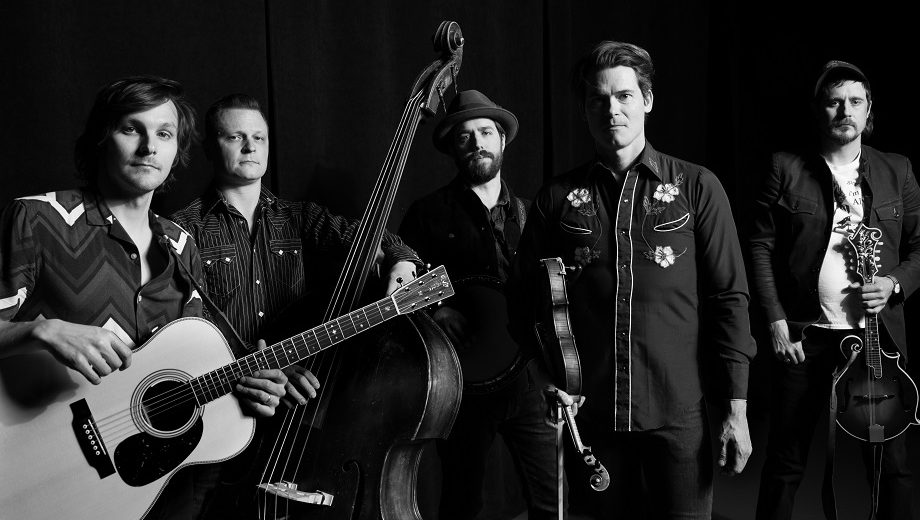
The sheer number of influences at play required 16 hours of footage for Burns to tell the story – and lots of help from the artists themselves. One of those artists was Old Crow Medicine Show’s Ketch Secor, who gladly jumped in to tackle the unwieldy narrative of his favorite subject.

Secor had a two important roles to play in the series. Most obviously, he related a lifetime’s study of country’s earliest touchstones and how they combined into something uniquely American. But the outspoken frontman was also tapped in the beginning of Burns’ process as a behind-the-scenes consultant, helping guide the project’s tone and ultimately delivering one of its final and most powerful lines.

“It’s almost like [country music] needs to be exhumed, and new life breathed into it,” Secor proclaimed. “The part that is the songs of the people, the hopes and aspirations of the people — the pain and suffering of the people — that needs to remain embedded in country music. If it isn’t there, I’m out.”

Backstage at the Grand Ole Opry House on the night the series premiered, Secor explained what the project meant to a history buff like himself, and how Burns unwittingly played a role in Old Crow’s founding.

BGS: Old Crow Medicine Show’s music has always shined a light on the past. What made you interested in that to begin with?

Secor: I was always interested in history, and I really attribute that to Ken Burns – I saw The Civil War when I was 11 years old. I lived in the Shenandoah Valley, and I wondered why the kids went to Robert E. Lee High School and why we played Stonewall Jackson, why the name of the shopping mall and the subdivision and the motel was what it was — it was all the war. It was everywhere, and we took some field trips but I didn’t really understand it. I could feel this echo, though. Seeing that movie on PBS really helped me to take this tour of my own backyard and see how history was alive. I credit that to him.

Knowing how deeply you care about country music’s history, what did you think when you found out Burns was going to present it?

I thought immediately, “Thank God. Finally somebody is going to tell our story and get it right.” I don’t trust any of these people to our story [gestures to photos Opry stars dotting the dressing room walls] because they’re all right in the middle of it. Everyone here has a very, very different story, and everybody has “The True Story” — but only their truth. Country music is richer than any one truth, so it takes an outsider’s perspective because of Nashville’s tendency toward this clan-ishness, the good ol’ boys network and these sorts of forces.

I mean, we’re the genre that has told its own history ever since it started. The radio charts today are full of songs about the good old days — and they’re talking about the ‘90s. That’s the good old days now. But it doesn’t matter, whatever the good old days were, the ethos here is that times ain’t like they used to be, they used to be better. That’s what they’ve been selling from the start, but they can’t tell our history without making it a commodity. So it takes this outsider, and you can’t ask for a better outsider than America’s most beloved documentarian, because he was the outsider who told us how jazz was born and flourished, how baseball was created, the Roosevelts, the National Parks, the Brooklyn Bridge. Country music is just as important as all that.

What did they actually ask of you?

I talked about slavery and the plantation system, the penal system — because incarceration was a great cultural conversationalist. It kept people locked up in isolation, which is one of the keys to making country music so rich. How long did the Scotch-Irish people live in Appalachia before being disturbed? Well, the great disturbance comes in Bristol in 1927. The record companies came in and said “Whaddya got?” And what they had was so specific to one region that it might sound different one holler over.

Then I talked about the Opry, and then I tried to talk about more New Age-y hip-fangled things, but they didn’t use any of that [laughs]. The other way I’ve been involved is by being an advisor to the film, so I read all the early scripts for the past eight years. But it was great, they just asked me, “How would you tell the story? Where was the birth? Who was important to mention?”

This has been in the works for eight years?

Yeah, he conducted like 140 interviews, and of that maybe 50 or 60 of his interviewees have died. See, the other thing about Ken is he knows when it’s time to tell a story, and by doing the story when he did, he was able to get Little Jimmy Dickens, Merle Haggard, numerous artists who wouldn’t be here — George Jones is in this film.

Did you get surprised by anything?

Oh yeah, a trove of knowledge is in this documentary, I learned a ton. And lots of things made me cry. What I learned primarily was a real self-reflective thought of, “Oh my God, this is my life.” I think almost all of these folks on the wall are in the movie, and when they watch they’ll be crying, too, because they’ll see themselves in the Bristol Sessions. They’ll see themselves at the earliest days of the Grand Ole Opry, they’ll compare themselves to the Outlaw movement and the traditional movement of the ‘80s, the development of the star system, and contextualize their own career.

You talked about isolation. We’re in this weird moment where country is more popular than ever, but rural life is changing fast. It’s easy to connect with people all over the world. How does the film address that?

One of the things that’s great about the film is that it stops around 1996, because Ken Burns isn’t a journalist, he’s a documentarian. He’s not making a movie about today, and here’s why: Historians say you’ve gotta have a generation pass before you can tell what happened. I just think it’s gonna go a lot deeper than anybody could say right now.

Like if you told the story of why Randy Travis mattered in 1986, it would be a lot different. And also the forces that are at play in country music, they need time to gestate for us to understand what they’re saying. Who’s gonna last? Who are we going to be talking about in 25 years? Blanco Brown? Chris Stapleton? Who’s gonna have their picture on this wall in 25 years? I don’t know.

Editor’s Note: Read Part 1 of our interview with Old Crow Medicine Show’s Ketch Secor.


Photo credit: Crackerfarm
Ken Burns, Vince Gill Discuss ‘Country Music’

For the most dedicated country fans, the moment has finally arrived. The 16-hour documentary Country Music is complete and headed to PBS stations on Sunday, September 15. Across eight episodes, filmmakers Ken Burns, Dayton Duncan, and Julie Dunfey tell the story of country music from its beginnings through the mid-1990s

On Today, Burns stated, “This is American history firing on all cylinders. It’s who we are. It’s another way to see the complicated 20th century, and it’s also for today a time where we can bring ourselves together. Country music reminds us we’re all the same boat together. The themes of a country song are the themes of human experience, of love and loss — two four-letter words that most of us are uncomfortable with.”

He added, “You know, we disguise it and say it’s about good ol’ boys, and pick-up trucks, and hound dogs, and six-packs of beer. That’s a small, tiny, little sub-genre. When you hear ‘Go Rest High on That Mountain’ by Vince…. He says, ‘At the end of the day, all I ever wanted from music was to be moved.’ Country music at its heart is telling us about basic human experiences, and that we’re all together in this. It’s only us, there’s no them, and that’s good medicine right now.”

Asked about the evolution of country music, Gill responded, “I think if you’re going to do a comparison, you have to do all music. It’s not fair to just take country music and say only country music has changed. Because jazz has changed, rock ‘n’ roll has changed, rhythm and blues has changed, there’s hip-hop, there’s rap. Every kind of music has found a new way to communicate with people. And we’re no different.”

He continued, “We are so grateful to Ken and Dayton and Julie for taking this on. And from my viewpoint, finally giving us some dignity and some respect that we have longed for ever since we started making this music.”

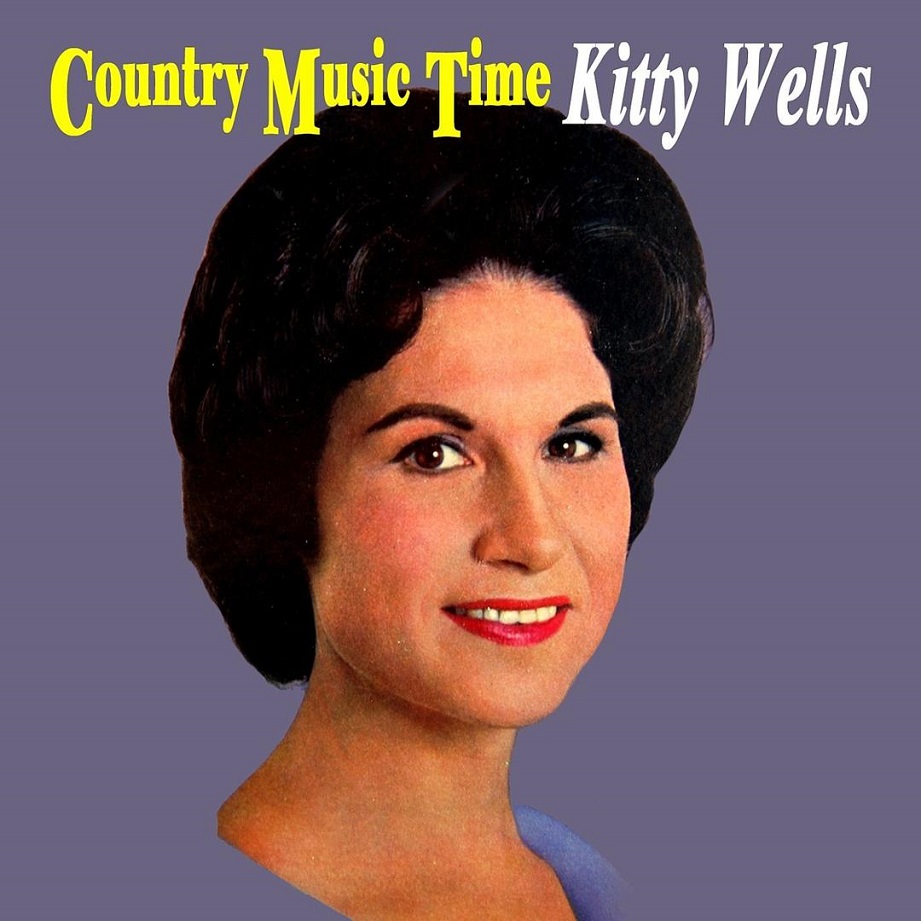
Kitty Wells at 100: Still the Queen of Country

Kitty Wells, who shall always remain the Queen of Country Music to its most traditional fans, would have marked her 100th birthday today. Her legacy is secure, due to the 1952 smash, “It Wasn’t God Who Made Honky Tonk Angels.”

Wells lived to be 92 years old, long enough to enjoy an exceptional exhibit about her life and career at the Country Music Hall of Fame and Museum in 2008. The hometown salute — she was born in Nashville — brought her back into a much-deserved spotlight one last time before her death in 2012.

And to think, she just about quit the music industry altogether after initial dismal response to her early records. Even though she recorded it with a $125 paycheck foremost on her mind, according to the Los Angeles Times, “It Wasn’t God Who Made Honky Tonk Angels” turned things around in a big way.

Beloved by fans and her peers, Wells was inducted into the Country Music Hall of Fame in 1976, while her singles were still charting. In all, Wells placed 81 singles on the Billboard chart, including classics like “Making Believe,” “Heartbreak U.S.A.,” and “I Can’t Stop Loving You.” Here are some of her finest moments on record.

14 Songs for Roller Skating in Buffalo Herds

No matter where you may stand on the Lil Nas X viral sensation “Old Town Road” and the associated media firestorm, Twitter debates, and raging country-purity authenticity signalling, we should all be able to agree on one thing: country music has always been a welcoming home to musical memes. Sure, that term may be more recent, a product of the internet age, but ever since the dawn of country as a format silly, tongue-in-cheek, self-deprecating, hilarious, and downright foolish songs have been just as integral a part of the genre as heartbreak, cheatin’, booze, and trucks.

We thought it’s high time we celebrate the knee-slappin’, gut-bustin’ history of country music’s meme-ready songs from across the decades. Here are fourteen of our favorites — yes, just fourteen. We can assure you there are dozens and dozens more where these came from.

“A Boy Named Sue” – Johnny Cash

The man in black, one of the most iconic personas in the history of country music, famous for his grit, his stoicism, and his rough-hewn voice wasn’t even “above” recording a song steeped in satire. Hopefully in 2019 life is getting easier for boys named Sue.

“What a Waste of Good Corn Liquor” – Tennessee Mafia Jug Band

Originally recorded by Country Music Hall of Fame and Bluegrass Hall of Fame member Mac Wiseman, this disconcertingly happy-sounding song tells a story with a moral: moonshine will melt you. Don’t spoil the moonshine.

“The King Is Gone (So Are You)” – George Jones

A song about Elvis, Fred Flintstone, drinking, and heartbreak. This one ticks all of the boxes. Even the “use yabadabadoo in a song” box.

“Did I Shave My Legs For This?” – Deana Carter

Country, after all, is all about the relatability of the human condition. Jilted would-be lovers everywhere have felt your pain, Deana. We truly have.

“Don’t Let The Stars Get In Your Eyeballs” – Homer & Jethro

The original Weird Al Yankovics of country and bluegrass, Homer & Jethro wrote (and re-wrote) scores of songs with wacky, eye roll-inducing, laugh-out-loud funny lyrics, ad libs, and arrangements. Check that steel solo!

“I’ll Oilwells Love You” – Dolly Parton

No, Whitney Houston did not cover this one. But that would have been magnificent.

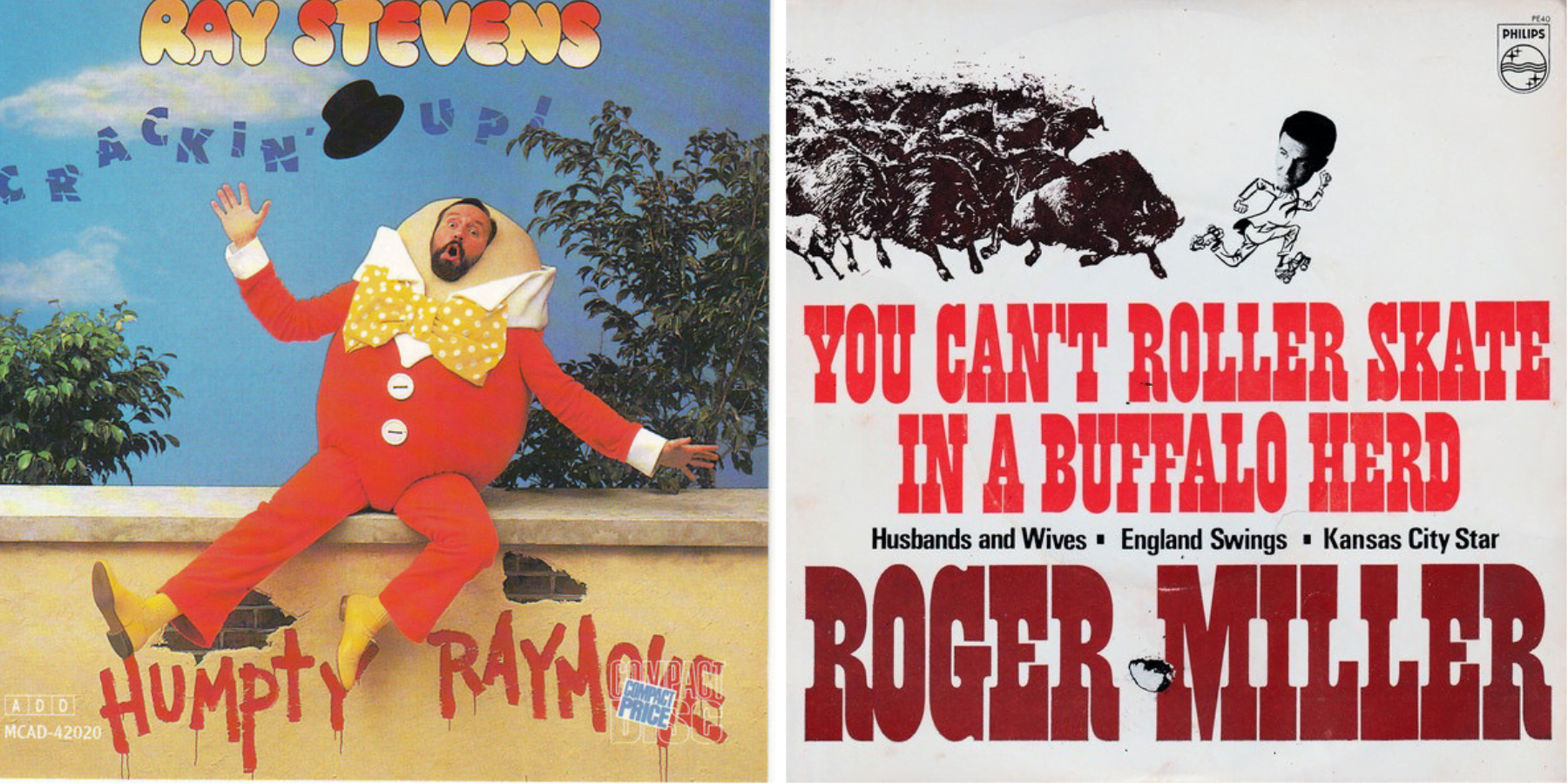
“You Can’t Roller Skate In A Buffalo Herd” – Roger Miller

One of country’s humorous kings, Roger Miller recorded a host of silly songs over the course of his career. We chose this particular number because of its evergreen wisdom. Of course.

“You’re The Reason Our Kids Are Ugly” – Loretta Lynn & Conway Twitty

But you know what? Looks ain’t everything. And money ain’t everything.

“I’m My Own Grandpa” – Willie Nelson

Get out a piece of scratch paper and sketch this family tree as you go. Does it seem a little… circular? Yeah… that’s the problem.

“Would Jesus Wear A Rolex” – Ray Stevens

A modern country parable. Again, an artist with plenty of silly and sarcastic songs to choose from — and Ray Stevens is being inducted into the Country Music Hall of Fame this year. Sounds pretty country to us…

“Cleopatra, Queen Of Denial” – Pam Tillis

Yes. More country songs with outright puns as their hooks, please. And of course, we’ve all been there, Pam. Denial is a popular destination.

“Illegal Smile” – John Prine

On the opening track of his debut album Prine immediately set the tone for his entire career with some of the most nonsensical and witty lyrics ever set to song. “Well done, hot dog bun, my sister’s a nun.”

“I’ll Think Of A Reason Later” – Lee Ann Womack

If you’ve never driven down the road shouting along with this one, we highly recommend that you do — as soon as possible. The song’s main character has a remarkable sense of self-awareness for being so viscerally incensed. If you really hate someone — who may or may not have ended up with your former significant other — it may be your family’s redneck nature.

“My Give A Damn’s Busted” – Jo Dee Messina

Look, if you’ve gotten to the end of this list and you haven’t enjoyed yourself, or maybe you don’t get the point, or maybe you think this is just useless clickbait… whatever the case may be, this song counts as our response. “Nah, man. Sorry.” (Isn’t country the best?)

Capturing the Outlaws: Country Music Hall of Fame Salutes the 1970s

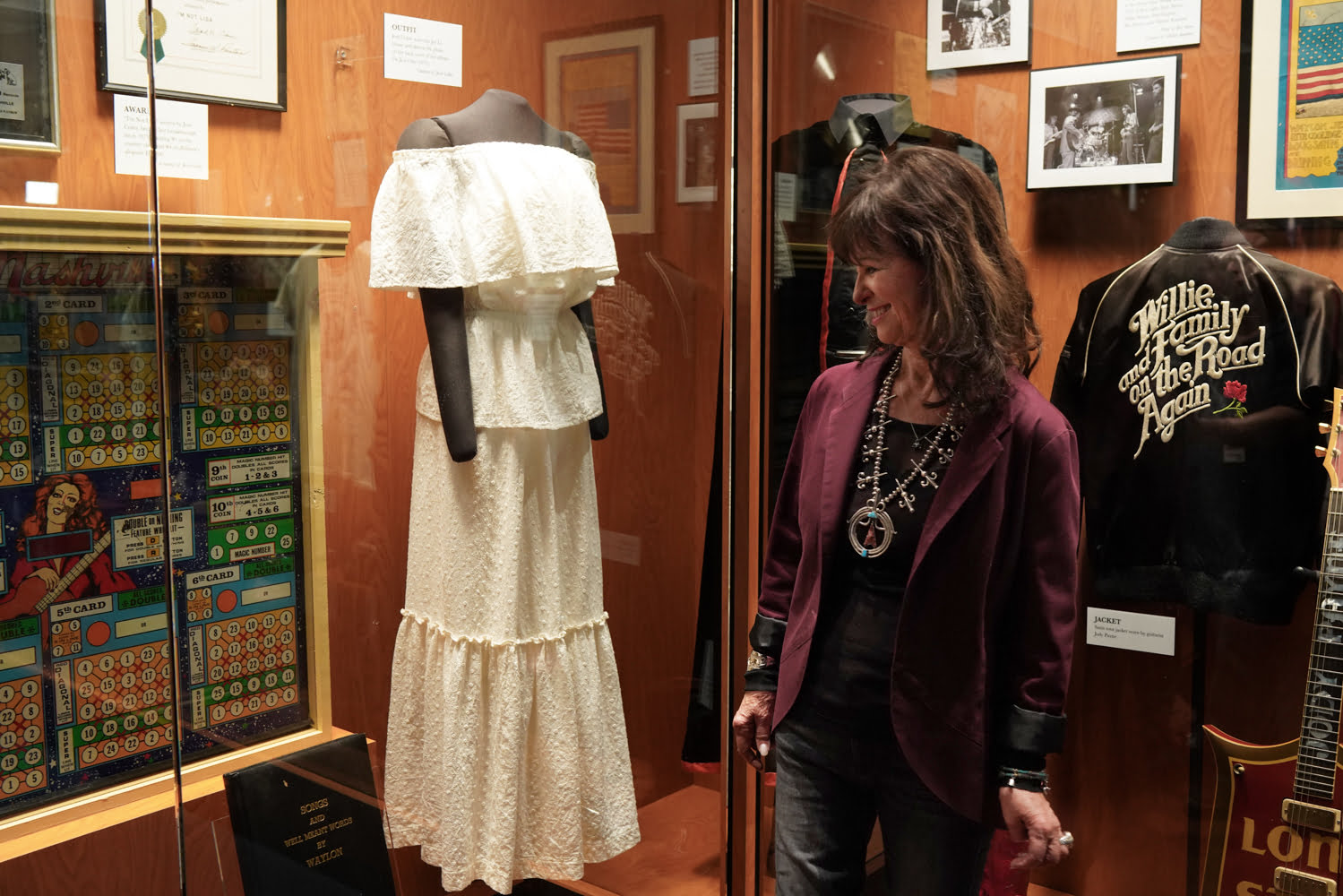
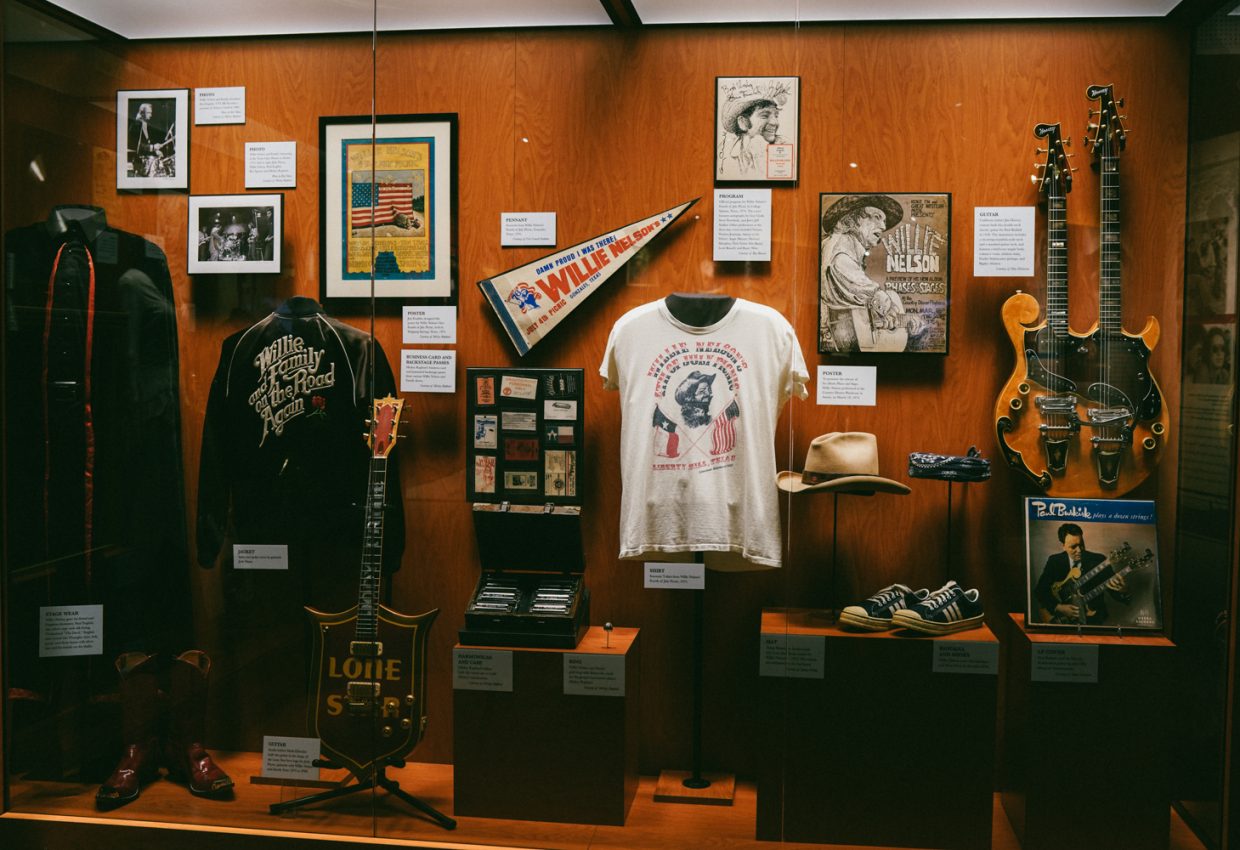
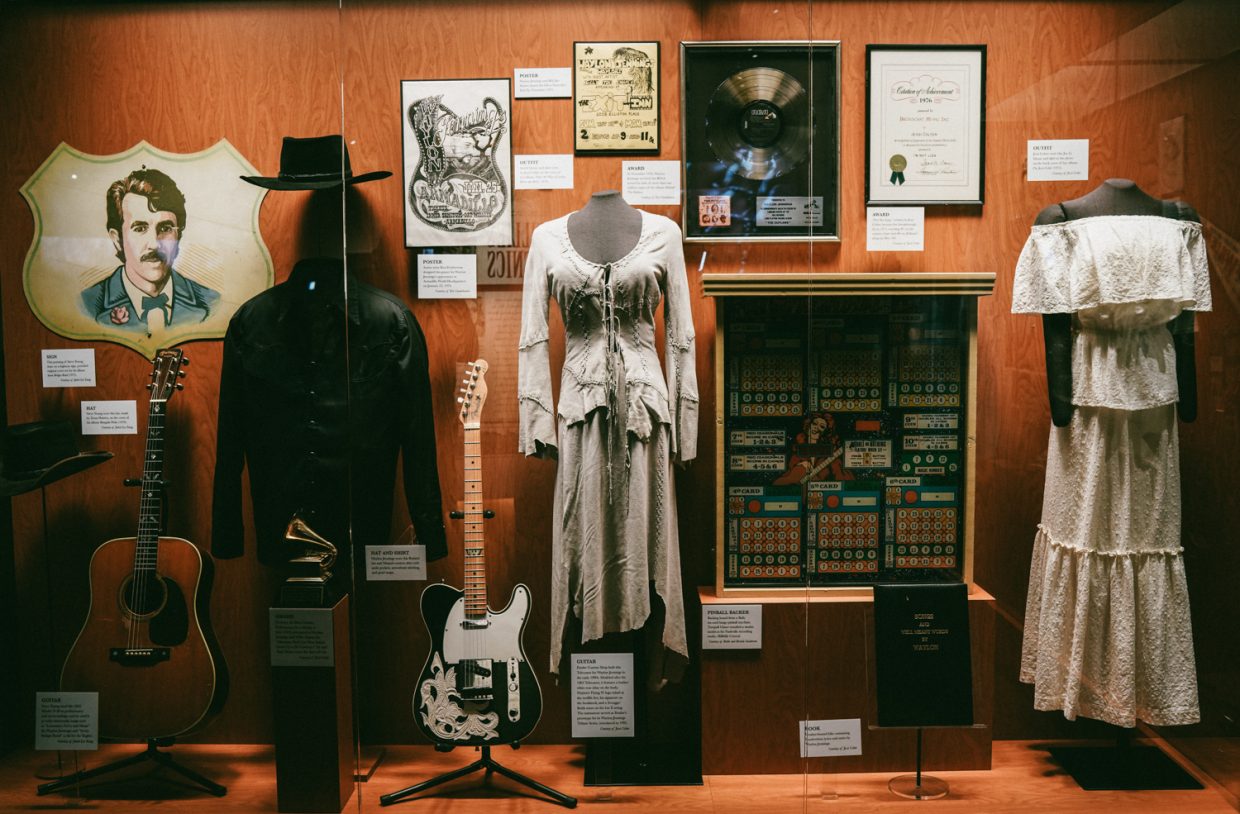
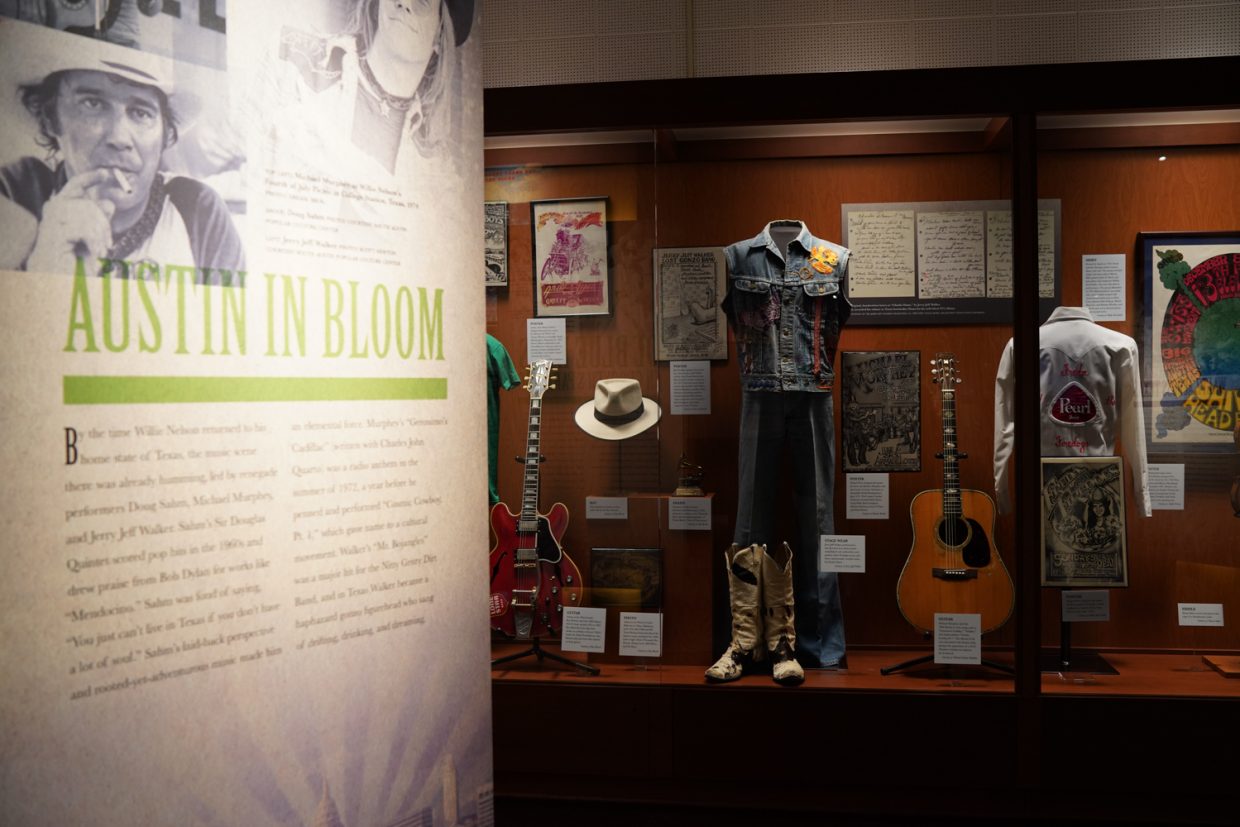
Waylon Jennings and Willie Nelson are familiar to every country fan – and more than a few would consider them the original Outlaws. In a brand new exhibit, Outlaws & Armadillos: Country’s Roaring ’70s, the Country Music Hall of Fame and Museum in Nashville strives to explain how that name stuck. More importantly, it traces the connection between Nashville and Austin to show how these cities shaped country music in the 1970s, considered one of the genre’s most incredible periods of creativity and individuality.

The emergence of Willie Nelson as an iconic Texas musician is central to the exhibit. His blue sneakers and other parts of his casual wardrobe are emblematic of how he stood apart from country entertainers in that era.

Waylon Jennings and his wife, Jessi Colter (shown above), appeared on the first-ever platinum country album, Wanted! The Outlaws (1976). Guitars, a Grammy Award, and posters from Jennings’ performances in Nashville and Austin are on display.

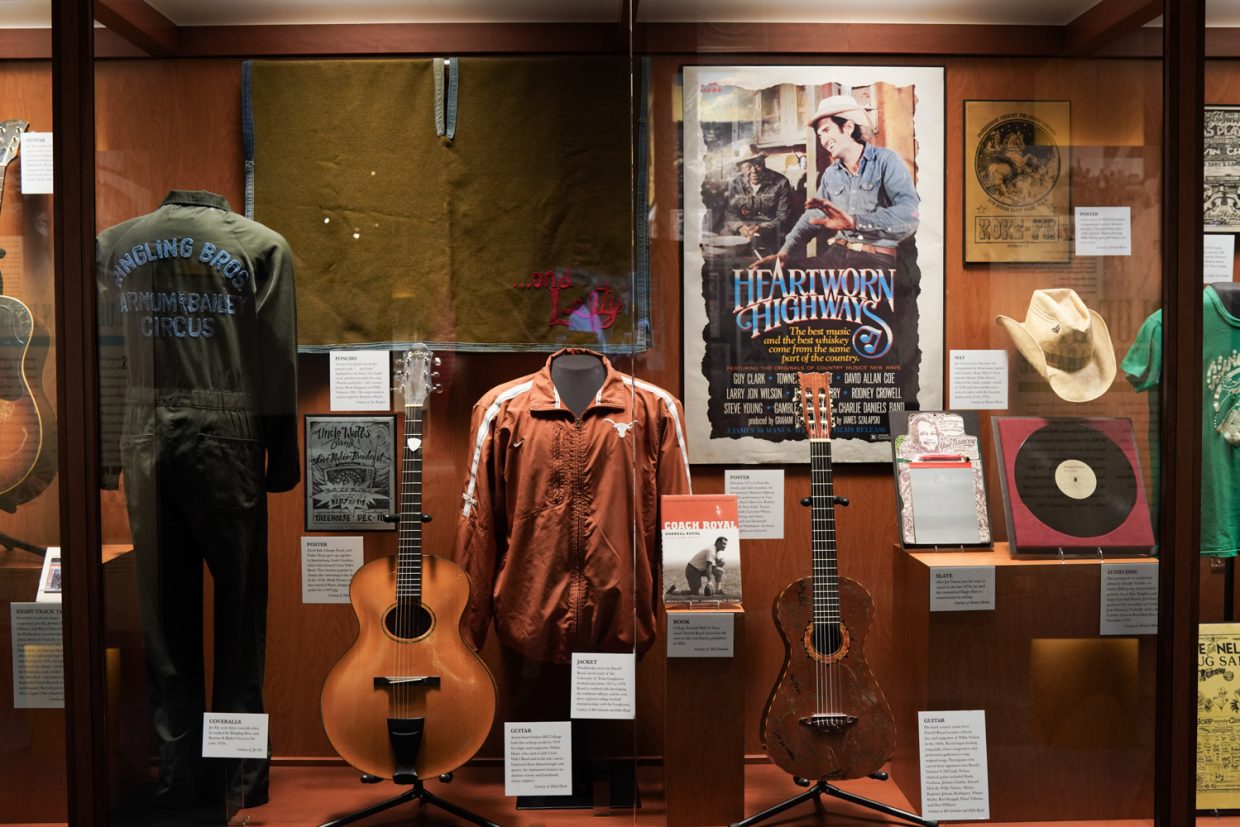
A poster of the film Heartworn Highways is displayed next to a poncho embroidered with “… and Lefty,” which belonged to Townes Van Zandt. Items from Guy Clark, coach Darrell Royal, Alvin Crow, and Uncle Walt’s Band are also featured.

The comprehensive exhibit explains the contributions of Jerry Jeff Walker, Asleep at the Wheel, Michael Murphey, Doug Sahm and Freda & the Firedogs, through rarely-seen memorabilia provided by the artists.

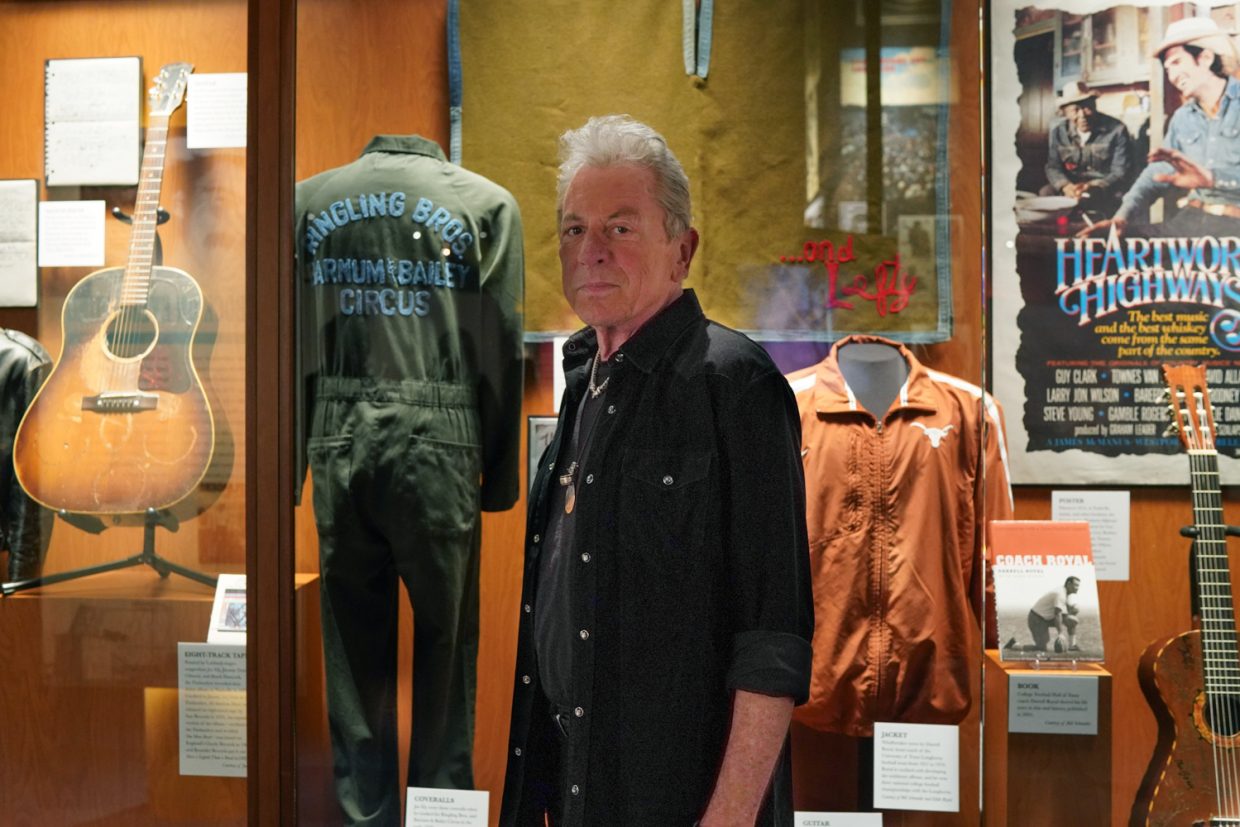
Joe Ely poses next to the uniform he wore while working for the circus. Ely became a force in Texas music as a member of The Flatlanders and through a number of acclaimed solo projects. He also performed on opening night.

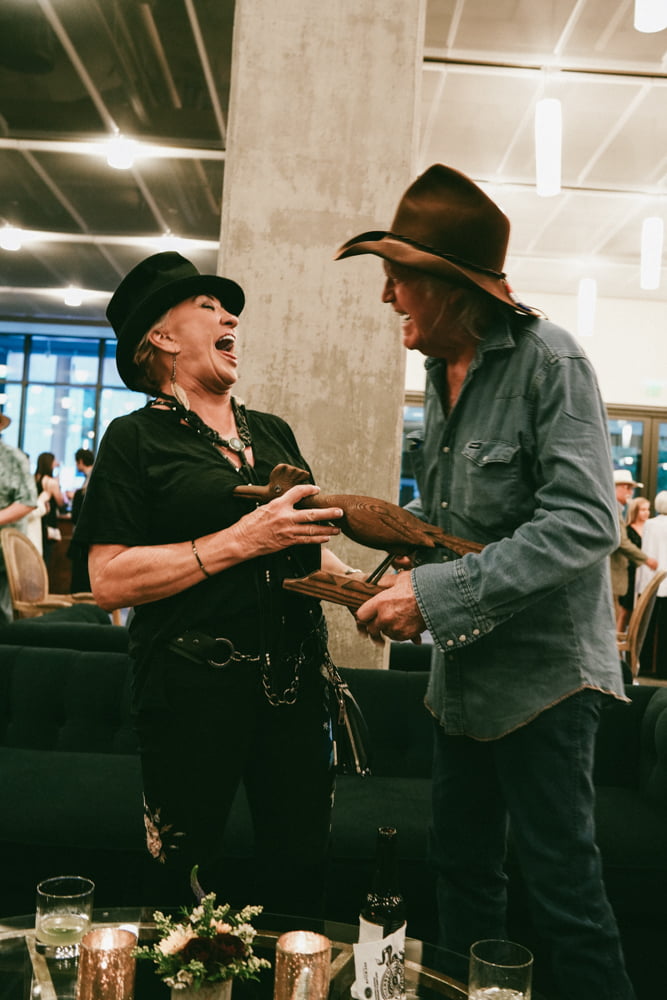
Texas natives Tanya Tucker and Billy Joe Shaver catch up at the opening night party. Jennings’ 1973 album, Honky Tonk Heroes, is composed almost entirely of Shaver’s songs. Tucker broke through in 1972 with “Delta Dawn.”


Text by Craig Shelburne

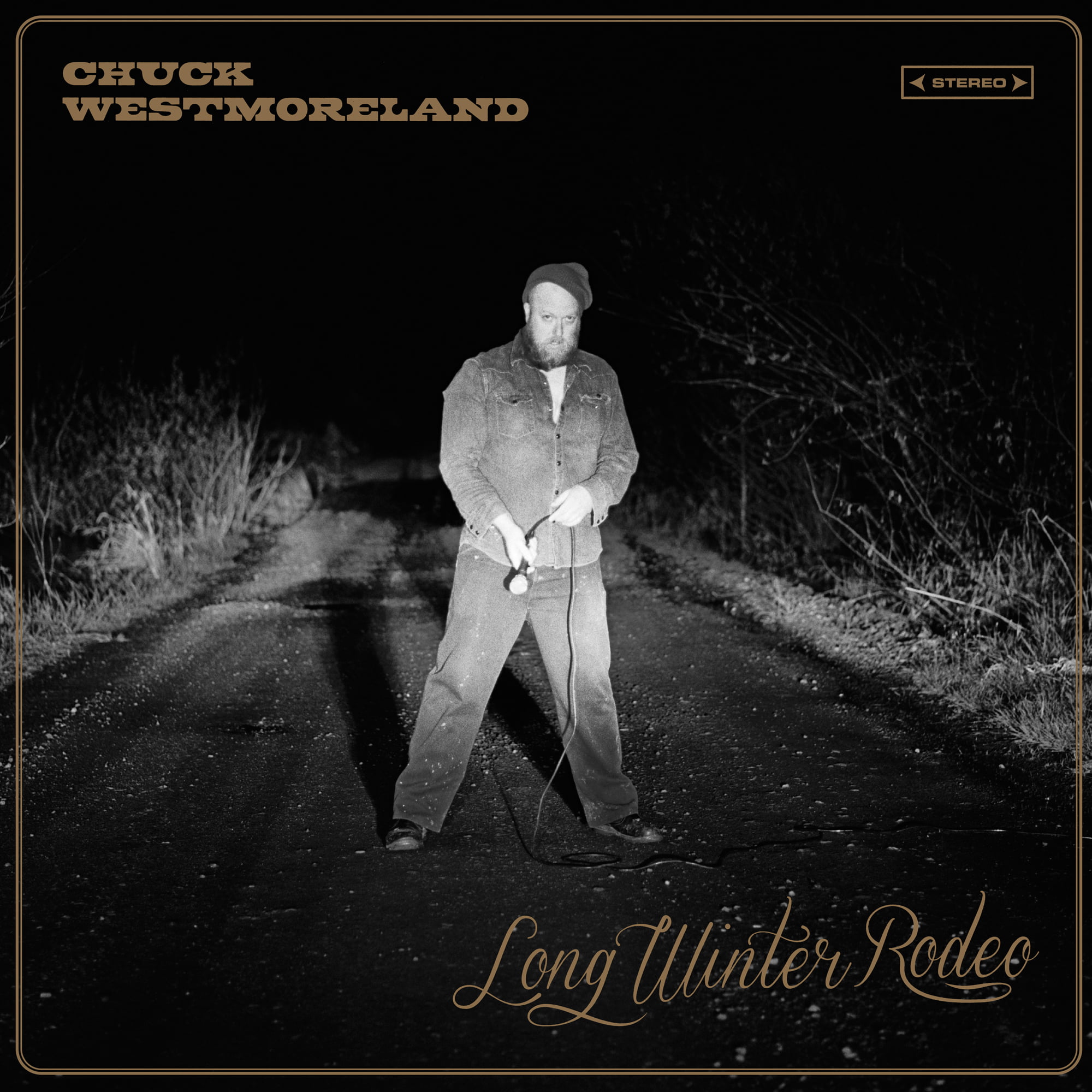
STREAM: Chuck Westmoreland, ‘Long Winter Rodeo’

Artist: Chuck Westmoreland
Hometown: Portland, OR
Album: Long Winter Rodeo
Release Date: June 1, 2018
Label: Black and Gold Records

In Their Words: “A lot of the songs on the record are about someone being stuck in a place they don’t want to be or having to leave a place they love. There are a lot of moments on the record where someone is either one step away from total disaster or they’ve just crossed the line into that disaster, but can still see back over to the other side.

These are the first songs I’ve written since having a child, so there’s a lot more on the line for the characters in these stories. They have a lot more to lose now, but there’s also more joy. The backdrop for the record is the Tygh Ridge Rodeo Grounds that I drive by a lot, when I’m fishing. In the morning, it’s all covered up in fog and looks like the most desolate, lonely place imaginable, but when the fog burns off, it looks beautiful and you can see every mountain in Oregon.” — Chuck Westmoreland

Live What You’re Singing: A Conversation with Sarah Shook

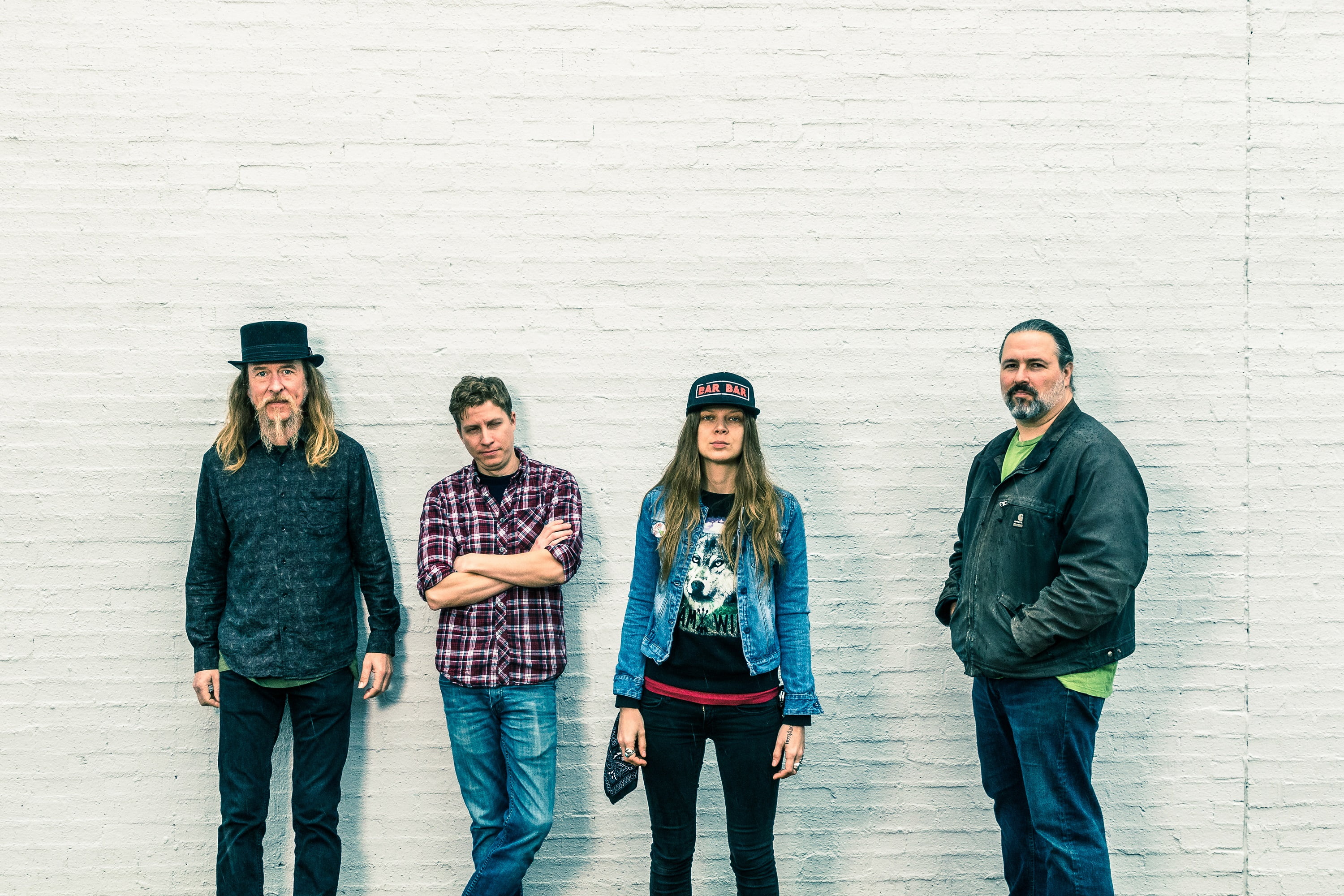
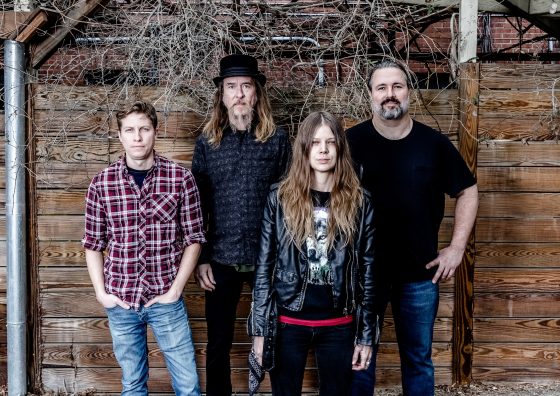
Within the bounds of country music, pronoun play doesn’t come easy, but Sarah Shook believes listeners are more than capable of finding ways to see themselves in her songs. With her band, the Disarmers, she deals with gender in her songwriting as a means to challenge the heteronormative forms of representation within country music.

On “The Bottle Never Lets Me Down,” from the band’s new album, Years, she sings about becoming the man she used to be, while on “Parting Words,” she addresses a woman, her former lover, about the way things ended. Not only does she weave together traditional country, honky-tonk, blues, punk, and more, but she conscientiously flips country music’s perspective around in order to be more inclusive.

There’s a definite sense of who belongs and who doesn’t in country music, but that’s slowly shifting.

It’s a really very cool and exciting time for women making country music, especially the sort of throwback traditional country. There’s a lot of buzz centered around this new wave of women outlaw country artists. I think that’s a really good thing, and industry-wide it’s a lot more prevalent than you realize. One of the things that was frustrating for me last year when we put Sidelong out, I probably did 50-some odd phone interviews, and two of them—two of them!—were with women. I had a whole conversation with my manager, like it’s hard enough being a woman playing music, but it’s a tough field to be a woman in journalism. This year with this release, I feel like there’s been more of a balance as far as speaking with male and female journalists, and that’s been encouraging too.

You’ve been mentioned along with country outsiders like Sturgill Simpson and Margo Price. How do you see your relationship within the genre?

I think that we’ve been branded outlaw, and I feel like people interpret that in different ways. Of course outlaw country is the super old school Waylon Jennings beat, but I think the term is evolving pretty rapidly into something that is more inclusive to people doing it their own way. That’s one of the things that was really cool about country music in its heyday, when it was first starting out and all those classic artists were on the radio. As soon as the song started—a few bars in—you could tell whose band it was because all those bands had such a distinct sound. That is really hard to find today, everything sounds the same. It’s very clear that people are just looking for patterns that have achieved success and are popular. And then you have folks out there like Margo Price and Kelsey Waldon and Kacey Musgraves, and they’re kind of doing their own thing. Their bands have respective sounds that are unique and identifiable. That is really cool and very exciting.

You’ve been forthright about your sexual identity. How do you navigate your personal story within the larger scope of representation?

To a degree, I feel like there are certain points in time where it’s paramount to be very outspoken about that stuff. Most of the time, I feel like doing what I’m doing—touring relentlessly, putting out records, and being unapologetically myself—is a very powerful and political maneuver as well. Sometimes it’s more effective in a palpable way to live what you’re saying and be the person that you’re talking about. I think it’s a cool and different way for people to realize, especially within country music, which has a certain, specific demographic of people, that, yes, you can be a pansexual atheist vegan making country music, and does that affect the music? Sometimes lyrically, yes, but the overarching theme is just that I don’t necessarily have to have everything in common with my fans. We can have differences. It’s really cool to have interactions with people who are like, “I never felt comfortable with the idea of homosexuality or bisexuality, and I meet you and we’re talking and hanging out and having a good time. You’re just a regular person.” I’m like, “Exactly, we’re regular people, believe it or not.” [Laughs]

When you put it like that, it’s so depressing, but it rings true. Every time I meet someone who’s uncomfortable about anything outside heterosexuality it’s usually because they haven’t spoken to anyone who’s different from them.

Exactly. And that is such a big thing. We can play New York City and that’s a totally different experience than playing a small town in Alabama. I think consistently being the person who is always willing to talk to fans after a show and be real and be myself and form unlikely friendships, I think that’s a really cool way to create change.


I always thought action over verbiage is the way to go about it. But then looking back, we’ve seen from the Dixie Chicks how speaking your mind can be dangerous. Do the repercussions ever concern you?

You know, I’ve never been concerned about that because I feel it’s important to be honest and forthright as a human being, and as an artist and certainly lyrically as well. The other thing to me that’s really important, from the word go I’ve been very strategic about how I wanted to grow this band and how I wanted to see success. It’s never been my prerogative to go after the country music fan base—and certainly that’s the majority of our fan base. My thing was, “Yes, this is country music, but this is music for anyone who likes it.” It’s inclusive, and anyone that these songs resonate with, it’s for you. Taking that stance and being strategic about it has certainly helped. It’s really encouraging to be a country band playing outlaw country and have a very diverse audience, and I think that’s a thing a lot of traditional artists struggle with. They get pigeonholed. Being outspoken in an honest fashion but not a combative fashion, I feel that’s really helped push our music to demographics that it wouldn’t necessarily otherwise reach.

All this talk of the new outlaw makes me excited for a tour one day, or even a festival.

We need our own cruise. [Laughs] That would be amazing.

An outlaw lady cruise.

Exactly. Oh my god, that’d be a lotta fun.

Critics have referenced the underlying sense of menace in your voice, but your vocals on “New Ways to Fail” have such a biting, sarcastic note. Where does that darker sense of humor come from?

I’m very nihilistic. [Laughs] I’m one of those people that thinks life is way too short to take yourself too seriously. Within this world, there’s this huge danger of being, “I’m so and so, do you know who I am?” I’m just a person playing music and having a good time. Music should be fun, and, yes, it’s business too, but if it’s all business you’re going to get burnt out. You gotta have fun with it.

There’s also a tone of defiance in both your voice and music, which requires constantly stoking that fire inside you in order to stay angry enough to fight. How do you find yourself doing that?

I definitely have a lot of personal experiences that certainly stoke the fire. I have a lot of trans and non-binary friends here at home in Chapel Hill. Chapel Hill is a progressive little community, but even within the context of a progressive community, I’ve been out at bars before and had people give them shit about how they look. That’s a real thing. It’s so wild to me that the trans community is what’s being targeted because they’re already vulnerable to begin with and they’re probably the most non-combative people. They’re not putting up fights, they’re just trying to exist and have a life and be comfortable, like everyone else wants to do. You witness injustice like that firsthand, and you try and de-escalate situations like that. It’s a very real thing and there’s still a lot of work to be done in terms of showing people that we’re not the enemy, and yeah we’re kind of freaks but we’re not out to destroy morality.

Everyone can exist together.

Exactly, yup.

I noticed you play with gender a lot in your lyricism, either by not using specific pronouns or by flipping them in other interesting ways. Can you talk a bit about that process?

I’ve always liked pushing the boundaries with that. I think blurring gender lines is really important because it totally leaves the story open to listener interpretation. People can be like, “Well, I’m not really sure if this song is written from a man’s point of view about a woman, or a woman whose woman lover left her.” Leaving that open to interpretation and letting people wonder and figure it out for themselves and how it applies to them personally, I think that’s a cool way to let people arrive that their own conclusions, and also realize that they feel perfectly OK not really knowing.


Photo credits: John Gessner

MIXTAPE: Eric Corne’s California Country

California country has deep roots and an enduring influence. It’s given us the Bakersfield Sound, country-rock, cosmic country, cow punk, and much more. I love the more raw/less polished sound and how its artists tend to chart their own course. Nashville was a company town; California was where the mavericks went. I have a strong personal connection to California country, stemming from my work as Dusty Wakeman’s engineer at Mad Dog Studios in Los Angeles. Dusty played bass with Buck Owens, engineered Dwight Yoakam’s seminal albums, and co-produced Lucinda Williams’ first two albums. There’s still a strong core of musicians in L.A. with roots stretching back to these earlier generations, and it’s a thrill and an honor to be writing and producing records with such soulful and beautiful people, many of whom populate the selections below. — Eric Corne

Buck Owens — “Streets of Bakersfield”

Buck Owens is, of course, a pillar of California country and a pioneer of the Bakersfield Sound. An iconic harmony guitar riff provides the instrumental theme, with gorgeous vocal harmonies and pedal steel lifting the choruses. This song really encapsulates what California country represents to me — the desire to be oneself.

Merle Haggard — “Working Man”

This is one of my favorite Merle songs. It’s got a great groove and terrific guitar playing with lyrics that clearly represent the blue-collar ethic he embodied.

Lucinda Williams — “Sweet Ole World”

Lucinda really helped broaden the boundaries of country just by doing her own thing. This song has an angelic vocal melody with beautiful harmony and precise responses from the guitar. Immaculately recorded and co-produced by my mentor Dusty Wakeman.

Dwight Yoakam — “It Only Hurts When I Cry”

Dwight and Pete Anderson were real students of classic country music, especially the Bakersfield Sound, and they were at the center of the cow punk movement, along with X, Lone Justice, and others. This is a great song with witty lyrics, perfect production, and top-notch performances.

Jean Shepard — “If Teardrops Were Silver”

Raised in Bakersfield, Jean Shepard was a pioneer for female country singers and one of its first great stars, following on the heels of Kitty Wells’ breakthrough. She had a really pure voice with a lovely vibrato and a great ability to interpret a song.

Bob Wills — “Bubbles in My Beer”

It could be argued that Bob Wills is the godfather of the Bakersfield Sound. He played there regularly and had a strong influence on both Buck and Merle … something I can really hear in this song.

Sam Morrow — “Skinny Elvis” (Featuring Jaime Wyatt)

I’m really proud to work with these two brilliant, young, California country artists who are getting well-deserved national attention. I wrote this one for Sam’s album, Concrete and Mud. It’s a little reminiscent of the Gram/Emmylou song “Ooh, Las Vegas,” so I thought it’d make a great duet with Jaime. I recruited legendary Gram Parsons/Byrds pedal steel player Jay Dee Maness to play on it, which was quite a thrill, as you can imagine.

Guy Clark — “L.A. Freeway”

Guy Clark wasn’t in L.A. for long, and this song is about leaving, but it’s a beautiful farewell song. The song makes reference to another beloved and iconic figure of California country — “Skinny” Dennis Sanchez who played bass with Clark, and ran in circles with the likes of Townes Van Zandt, Rodney Crowell, and Steve Earle. There’s also a thriving honkytonk in Brooklyn named after him. It’s an incredible performance, very dynamic, with a sympathetic arrangement including Wurlitzer piano, weepy fiddle, moaning harmonica, and gorgeous chorus harmonies.

Jade Jackson — “Motorcycle”

Here’s another great, young country singer coming out of Cali right now. I love this lyric and vocal performance — intimate with a dark, rebellious under current.

Linda Ronstadt — “Silver Threads and Golden Needles”

Her early career country records are really underrated. This is a killer country-rock version of a Dick Reynolds/Jack Rhodes classic song with strong ties to the Flying Burrito Brothers. I think Ronstadt is also important to include here, due to her work with Neil Young, the Eagles, Jackson Browne, and others in the L.A. country scene of the late ’60s and early ’70s.

The Byrds — “Hickory Wind”

No playlist of California country would be complete without a song from the Byrds’ seminal country album Sweetheart of the Rodeo. My first gig in Los Angeles was assisting Dusty Wakeman on the mixes for the Gram Parsons tribute concert at which Keith Richards did a beautiful heartfelt version of this song by his old pal, Gram.

Sam Outlaw — “Jesus Take the Wheel (And Drive Me to a Bar)”

An instant classic by one of the brightest stars of the current generation of California country singers with outstanding production by Ry Cooder and Bo Koster of My Morning Jacket on keys, who also guests on my new record.

The Flying Burrito Brothers — “Hot Burrito #1”

Even though Gram Parsons and Chris Hillman’s importance is already represented here via the Byrds, I wanted to include this achingly beautiful Burrito song, partly because of Gram’s incredible vocal and melody, and partly due to Bernie Leadon and the link he represented as a member of both the Burritos and the Eagles, the latter heavily influenced by the former.

Gene Autry — “Mexicali Rose”

Gene Autry’s singing cowboy films were instrumental in bringing country music to a national audience in the 1940s. I was very fortunate to record Glen Campbell on his version of “Mexicali Rose,” but thought I’d include Autry’s version here.

Crosby, Stills, Nash, & Young — “Helpless”

I think the Laurel Canyon music scene played an important role in California country and Neil Young, in particular — first with Buffalo Springfield, with songs like “Learning to Fly” and “I Am a Child,” and later with his Nashville-recorded classic, Harvest. “Helpless” to me represents the seeds of Harvest.

Eagles — “Tequila Sunrise”

Not much needs to be said about the first two Eagles’ albums and their role in the popularity of country-rock. Not to include them would seem an oversight. This also represents the beginning of the fruitful Glenn Frey/Don Henley songwriting partnership.

The Simplicity of a Song: A Conversation with Kelly Willis

Kelly Willis almost gave it up 20 years ago. After being dropped by not one but two major labels, the Lone Star singer/songwriter wondered if there was room for her in country music. “It was a huge struggle,” she says today. “I just didn’t know if there was a place for me. I wasn’t going to stop making music, but I didn’t know if I was going to be able to keep making records.”

Fortunately, Willis broke through on 1999’s What I Deserve, an album of dusty, sturdy country tunes that introduced her sharply broken-hearted voice to a wide audience and allowed her to settle into the industry on her own terms. Her story is proof that artists can still thrive professionally well outside the mainstream, and her longevity is almost as impressive as the music she makes, both as a solo artist and as a duets partner with her husband, Bruce Robison.

Back Being Blue is Willis’s first album in more than a decade, and even its title announces a return to what she does best: singing low and lonely country tunes that signal a deep understanding of country music without sounding beholden to any one particular trend or tradition. The title track is a languid third-wheel lament with a breezy country-funk rhythm section. “I’m a Lover Not a Fighter” is an energetic Texas swing cover of the Skeeter Davis hit. “Modern World” sets an elastic pop groove loose in a middle-of-nowhere roadhouse. “Freewheeling” is a spare countrypolitan weeper that she describes as the most personal song on the record.

Produced by Robison and recorded in his rural Texas studio (“I was driving out there one morning and almost hit a huge hog in the middle of the road!”), Back Being Blue sounds like a survey of the influences that have informed each one of her albums, from swing to twang to punk. Uniting these diverse sounds is a voice that conveys dignified heartache as its default setting.

This is your first solo record in 12 years. What inspired you to make a return?

I was having a lot of fun making records with Bruce, and that was taking up all my time and energy. I tried to force myself to get into the studio a few times over the years, but it really felt forced. Honestly, I think what happened was that I wrote that song, “Back Being Blue,” and when I finished it, I felt like there was a shift in my world: “Oh, okay, now I know what I’ doing.” The ball just got rolling. I had something I wanted to say. I had motivation. All it took was a little light bulb going off.

What about that song opened things up for you?

There was a simplicity about it. I’d been trying to write some really impressive songs — deep, meaningful, complicated songs — and none of them were coming together. Then this one came along, and it sounded so simple. It reminded me of the songs I was listening to when I was first getting into music — something from the ‘50s or ‘60s, like Buddy Holly or someone. It just had this vibe that got me excited to write more in that vein. It did open things up, because it gave me some ideas for the choices you make, when you’re writing a song. I could do that. “Okay, let’s simplify.” Or, “Let’s do an old-time country sound.” When you have some direction, it helps you make those decisions.

One of the things I was trying to do was get more universal and less specific about the details of my experience. They’re based in my experience, of course, but I wanted to broaden it and take out the little details. A song like “Freewheeling” is more personal. But they’re all personal, right? It’s all about heartbreak and love, and you draw on your own memory of that, when you’re writing and singing. And that’s what I love about country music. I love being able to sit at a bar with a beer and listen to the jukebox and hear a song that speaks to you. It makes you feel so much better to hear somebody express your own feelings. You feel like you’re not alone.

Did you know at the time that you were writing for a solo album? Or did you think these songs might end up on a duets album?

It was always going to be a solo album. It was time for that. Bruce and I always knew that we were not closing any doors, when we decided to play together; we were just opening more doors. So we were fully aware that we would go back to making solo records again. It just felt like the right time. He made one a year ago, and then I finally got it together to make mine. I wanted to have a record with a purpose and a point. I got lucky with that. I like a deadline, and maybe the deadline helped.

Did you give yourself a deadline, or was one imposed on you?

Bruce and I have to take turns with this stuff, due to our family schedule. It was really the most opportune time for me to make it happen, and it made sense to have it out before the summer, because that’s the best time for me to tour. If you back up from there, you know you have to get it done by this point, which helps me get started writing and recording and seeing what I’ve missed and what I still need to do.

I really thought I wouldn’t make this record with Bruce. I thought we would benefit from having a breaking in all the problem-solving that we have to do together, either raising a family or being in a band together. It seemed like a good chance to do something different and to miss each other. But he was so encouraging about the songs I was writing, and he really got what I envisioned. He would suggest that I work on that song some more or maybe do something with the tempo on this song. I shared with him this playlist of songs that were inspiring me, and he was like, “Oh, there’s a specific reverb on all of these.” He was a great partner, and it made sense to do this together. The conversation was easy. It felt like a no-brainer.

Did you look into other options for producing or recording?

I definitely thought about it. I had a list of names to consider, but I didn’t want to have a big-name producer just to have a big-name producer. And I know myself: I know I’ll lose confidence in what I want to do. If I’m around someone who has a style of their own, I’ll just say, “Your style is great, so let’s just do that,” rather than sticking with whatever weird, quirky thing I wanted to do. Since I hadn’t made a record in a long time, I wanted to stay true to my little artistic expression. Half the fun, for me, was figuring that out and trying to create a unique sound. I thought about a lot of different things, but this felt like the right way to go.

You mentioned a playlist. Who all was on there?

I had some Nick Lowe and some Marshall Crenshaw, the Louvin Brothers, and Skeeter Davis. I think we managed to represent all of my inspirations on there, and it’s stuff that has contributed to the music I’ve made over the years. I was thinking about when I first moved to Austin and started making music, when I was in a rockabilly band and people were really starting to experiment with blending country and punk. First it was called cowpunk, and then I don’t know all the different names it had. I just knew I wanted to look at some of my favorite music that really made me want to make music myself.

What did you learn revisiting some of that music? Did you hear it differently so many years later?

I probably listen to that stuff frequently enough that it didn’t feel like something I was going back to. But when you’re listening to figure it out, you think of it in a different context. It was fun to hear what people were doing with reverb, especially some of those country artists in the ‘60s. That reverb is so cool. We tried to do some of that, but it didn’t work in this modern context. It was fun to revisit Skeeter Davis and think back on my first foray into being in a band.

I was a huge rockabilly fan, so Wanda Jackson and those artists were heroes to me. I felt like I could hear the evolution of my own singing. When I first started singing, I would just copy those people, but I would lose my voice trying to belt like them. It can be embarrassing, but that’s an important part of the process and, eventually, you do find your own voice.

You signed with a major label and released three albums in the early 1990s. Did that disappointing experience affect your relationship to that material? Do you hear those songs differently now?

Some of them I do. I’ve had my favorites that I’ve clung to over the years. Although, at this point, I’ve done so many records that I can’t do more than one song from some of those older ones. And there are only a handful of people in the crowd who go all the way back to the first albums. A lot of people first heard of me when I did What I Deserve, so they might not be familiar with my three MCA records. I always like to do “I Don’t Want to Love You” and “River of Love” from [1990’s] Well Traveled Love. And I do “Hidden Things” from [1991’s] Bang Bang. I try to stay familiar with those records so that, if somebody calls out a song from one of them, we can play it. It’s a little tricky, but I’m proud of that material.

When I made those records, I remember distinctly thinking I was always in the opposite of whatever the prevailing trend was. When I wanted to do Fender guitars, everybody else was doing fiddles. When I brought fiddles back in, they were doing Fender guitars. It seemed like I was out of step with whatever was happening at the moment. But I was at least staying true to my vision.

The first time I heard you was on your cover of Townes Van Zandt’s “Rex’s Blues,” off the Red Hot & Country compilation. How did you that come about?

That was a really cool turning point for me. I had been dropped from my MCA deal, and I was trying to start over. I thought I needed to be at a label that would look at me like I have no history whatsoever and just let me create whatever it is I wanted to create without them trying to decide who I am. I was signed to A&M and released an EP, even though I never released a full-length album.

At the time, the Red Hot & Blue people asked Jay Farrar to do a song for that album. At first, they wanted it to be all duets, and they asked him who he wanted to sing with. He picked me. It was a wonderful experience to make music with him and be part of that project, and it really opened people’s ears to me. It made people look at me differently, I think: “Oh, if Jay Farrar wants to sing with her, then maybe there’s more there than we thought.”

After having so much trouble with labels, did you ever think about quitting?

When I got the chance to make What I Deserve [in 1999], I really thought that it was going to be the last record I would get to make. I was only 19 or 20, when I got signed to my Nashville deal, and I had made these three records that were not what they wanted. It was a huge struggle, in that regard. I just didn’t know if there was a place for me after that. I wasn’t going to stop making music, but I didn’t know if I was going to be able to keep making records. Luckily, What I Deserve ended up being the most well-received record I’ve made, and it gave me a fresh start.

And now it seems like you’ve carved out this very particular niche for yourself in the country music community.

I hope so. Don’t quit. Don’t stop. Just keep going. A lot of my favorite musicians just keep going, and what they’re contributing is really worthwhile and valuable. I’m grateful that they’re still doing it. I think I was lucky that I made my entrance when I did, because I got this national exposure with MCA and a kind of platform that other artists these days aren’t given. These days, labels aren’t investing in young artists. They’re not grooming them or giving them time to grow. I was lucky to get to do that.

And I live in Texas, where there’s a great music community throughout the state. You can play and play, and people always come out. I think it has something to do with the dancehall culture, which was such a community experience. Everybody went out to dancehalls and took their families, and that became part of the culture here. Whatever the reason, I feel lucky to be here.


Photo credit: George Brainard

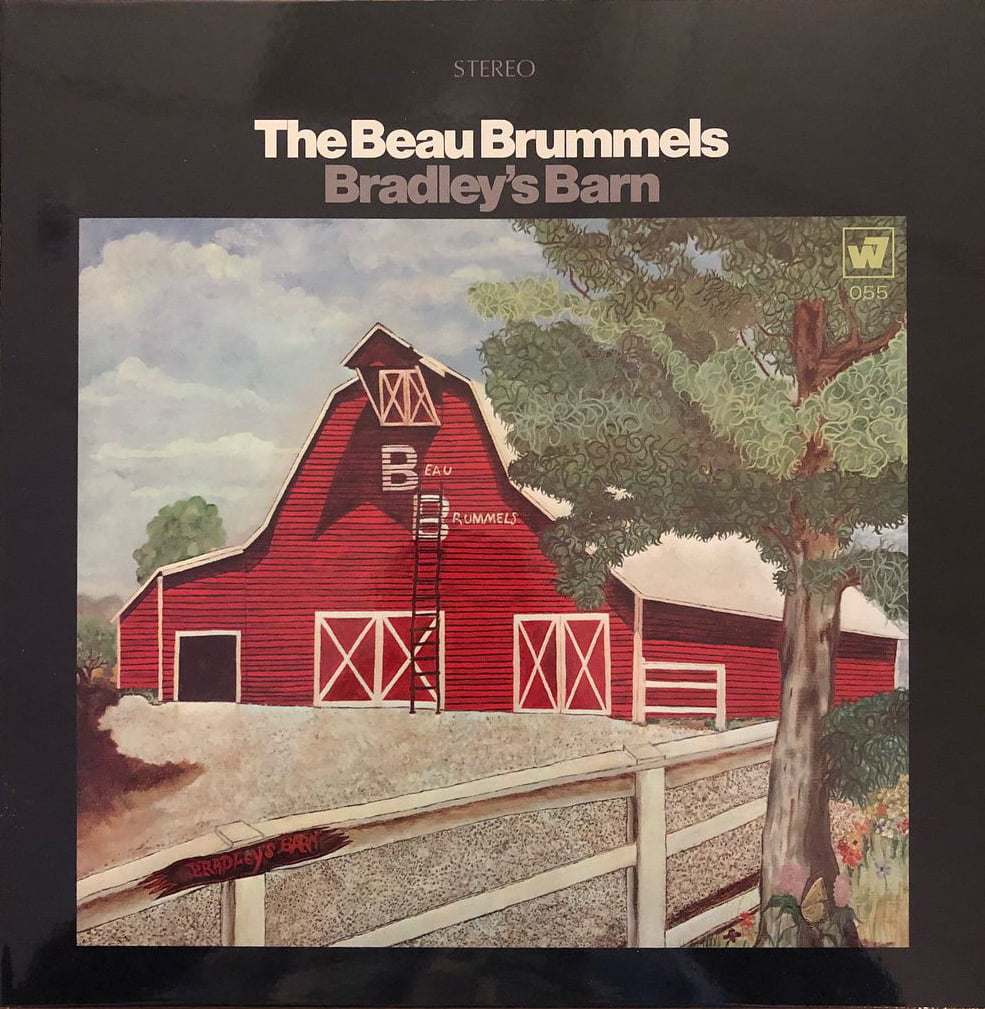
Canon Fodder: The Beau Brummels, ‘Bradley’s Barn’

Who invented rock ‘n’ roll?

Don’t answer that: It’s a trick question. Rock ‘n’ roll, like most complex sounds and genres and world-conquering forces, wasn’t actually invented. Instead, it germinated and mutated and mushroomed and erupted. It’s not the product of Elvis Presley or Sam Phillips, nor of Jackie Brenston or Louis Jordan. Rather, it is the product of all those people and more — all conduits for larger cultural ideas and desires. Rock wasn’t an invention, not like television or the telephone or the automobile or the atomic bomb. Similarly, its sub-genres and sub-sub-genres in the late 1960s weren’t inventions, more like waves swelling and cresting through pop culture.

The Beau Brummels didn’t invent country-rock in the 1960s, although they did help bring it into being. Long before the San Francisco rock explosion in the late ’60s shot the Grateful Dead and Jefferson Airplane to national prominence, they were gigging around the Bay Area as one of the first American bands to respond to the British Invasion. In 1965, they recorded their breakout hit, “Laugh Laugh,” with a kid named Sly Stewart, later known as Sly Stone. They held their own against Southern California groups like the Byrds, the Standells, and the Electric Prunes (who were marrying their garage rock to liturgical music in one of the most esoteric experiments of the era). While tiny Autumn Records could never fully capitalize on their success, the Beau Brummels did achieve enough notoriety to appear in films and television shows. (The quality of those outlets, however, remains questionable: Village of the Giants, a kiddie flick starring Beau Bridges and Ron Howard, was skewered on Mystery Science Theater 3000.)

They have a full slate of excellent hits, each marked by songwriter/guitarist Ron Elliott’s melancholic lyrics and Sal Valentino’s unusual vibrato, which had a way of turning consonants into vowels and vice versa. The line-up shrunk from a sextet to a trio, which meant fewer harmonies, but a more streamlined sound. Released in 1967, Triangle strips away the electric guitars and, in their place, inserts folky acoustics and chamber-pop flourishes. It’s a song cycle about dreams, simultaneously baroque and austere, and it finds the band stretching in weird directions. For example, they cover “Nine Pound Hammer,” which had been a hit for country singer Merle Travis in 1951. Perhaps more surprising is how well they make it fit into the album’s theme.

In fact, the Beau Brummels had been peppering their sets with country covers since their first shows in San Francisco, and their 1965 debut, Introducing the Beau Brummels, included a cover of Don Gibson’s 1957 hit “Oh Lonesome Me.” They weren’t alone, either. As the “Bakersfield Sound” became more prominent on the West Coast for mixing country music with rock guitars, rock musicians were completing the circle and borrowing from country music. In 1967, Bob Dylan traveled to Nashville to make John Wesley Harding, his own stab at a kind of country-rock.

The trend culminated in 1968, when the Beatles covered Buck Owens on The White Album and the Everly Brothers released Roots. In March, the International Submarine Band released their sole studio album, Safe at Home, and five months later, the Byrds released Sweetheart of the Rodeo. Both were spearheaded by Gram Parsons, a kid out of Florida who was in love with the kind of mainstream country music that most West Coast hipsters had long written off. He is still identified with the country-rock movement, often declared its architect or instigator — and with good cause.

Early in 1968, at the behest of their producer, Lenny Waronker, the Beau Brummels decamped to Nashville — or to rural Wilson County, just outside of Nashville — to record a new album at the headquarters of Owen Bradley. The previous decade, Bradley had helped to define what came to be known as the “Nashville Sound,” a more pop-oriented strain of country music meant to appeal to as wide an audience as possible — not just rural folk, but urban listeners, as well. Even so long after his heyday, he would have been revered for countrypolitan classics by Patsy Cline, Brenda Lee, Loretta Lynn, and Conway Twitty.

Although it bears his name, Owen Bradley didn’t produce the Beau Brummels’ Bradley’s Barn. Instead, Waronker remained at the helm. But working in Nashville meant they had access to local session players, including Jerry Reed on guitar and dobro, Kenny Buttrey on drums, and Norbert Putnam on bass. The Beau Brummels had withered down to a trio at the beginning of the sessions and, by the end, bassist Ron Meagher was drafted into the Army and sent to Vietnam. As a duo, Elliott and Valentino were able to craft a very distinctive sound that’s more than just rock music played on acoustic instruments.

Bradley’s Barn crackles with ideas and possibilities, from the breathless exhortation of “Turn Around” that kicks off the album, to the ramshackle lament of “Jessica” that ushers its close. “An Added Attraction (Come and See Me)” is a loping rumination on love and connection, as casual as a daydream under a shade tree. The picking is deft and acrobatic throughout the album, as playfully ostentatious as any rock guitar solo, and Valentino sings in what might be called an anti-twang, an un-locatable accent that renders “deep water” as “deeeep whoa-ater” and pronounces “the loneliest man in town” with a weeping vibrato.

Bradley’s Barn wasn’t the first, but it was among the first country-rock albums. It was recorded and mixed by March 1968, when the International Submarine Band’s Safe at Home was released, but for some reason, the label shelved it for most of the year. It was finally released in October, perhaps as a means to capitalize on success of the Byrds’ Sweetheart of the Rodeo, which hit stores in August. Once leading the way in country-rock, the Beau Brummels were suddenly playing catch-up. And yet, compared to those two Parsons-led projects, Bradley’s Barn feels like much more of a risk, less self-conscious about its country sound. Safe and Sweetheart were primarily covers albums, with only a few of Parsons’ originals and a handful of Dylan compositions. Their purpose was to define a sound, to translate hits by Merle Haggard, Johnny Cash, and the Louvin Brothers into the language of rock ‘n’ roll. As such, they’re landmark albums, showing just how malleable rock ‘n’ roll could be — how it could stretch and bend to accommodate new sounds and ideas.

Save for the Randy Newman tune that closes the album (and was recorded in L.A. right before the Beau Brummels went to Tennessee), Bradley’s Barn is all originals, each one penned or co-penned by guitarist Ron Elliott. He has a deceptively straightforward style, evoking complex emotions with simple words. Alienation and isolation are his favorite topics, which lend all of his songs, but especially this album, its distinctive melancholy. “Every so often, the things I need never seem to be around,” Valentino sings on “Deep Water.” “Every so often, I pick up speed. Trouble is, I’m going down.”

On “Long Walking Down to Misery,” Reed’s dobro answers Valentino’s vocals with a jeering riff, turning his yearning for love and comfort into something like a punchline. That sadness and the music’s response to it — alternately bolstering it and undercutting it — is perhaps the most country aspect to this country-rock album. Elliott, in particular, understands how country works, just as much as Parsons does or Dylan does. Every song is a woe-is-me lament, lowdown and troubled, but not without humor or self-awareness. Even “Cherokee Girl” uses the imagery that would be identified with outlaw country in the next decade.

Bradley’s Barn flopped, when it was finally released, overshadowed by the Southern California bands and generally abandoned by the label. In 1969, when “Cherokee Girl” failed to register on the pop charts, the Beau Brummels broke up. They’ve reunited a few times since then, most famously in 1975, but generally they live on in reissues and oldies playlists. “We weren’t trying to do country,” Elliott told rock historian Richie Unterberger in 1999. “We were trying to do Beau Brummels country, which was a totally different thing. But it didn’t really catch on.”