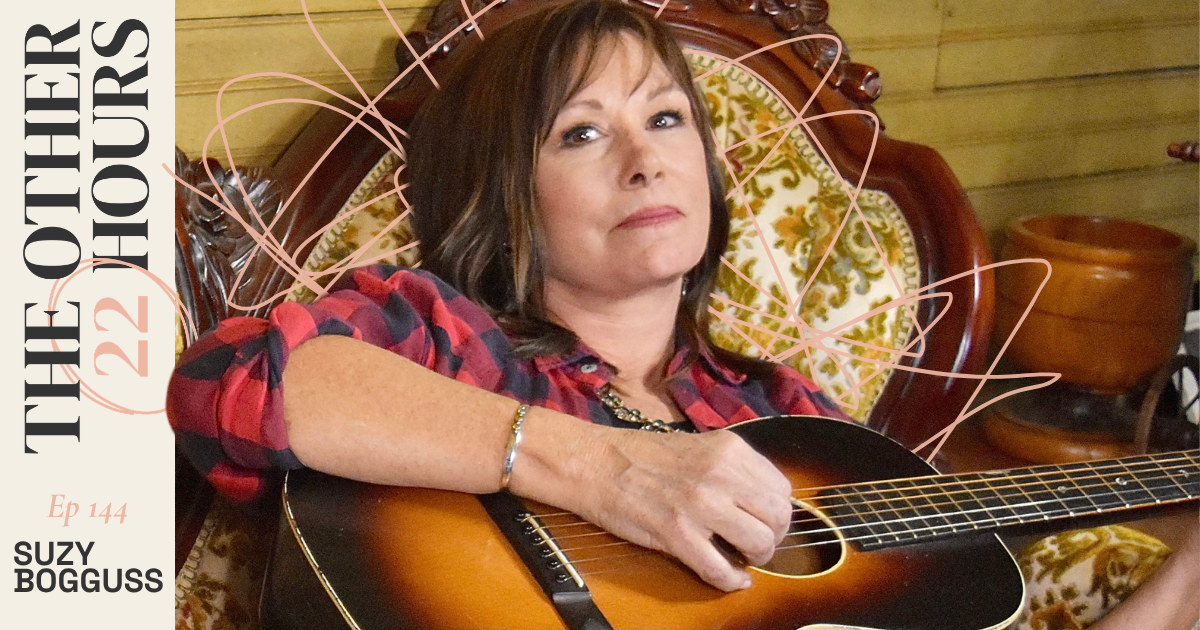
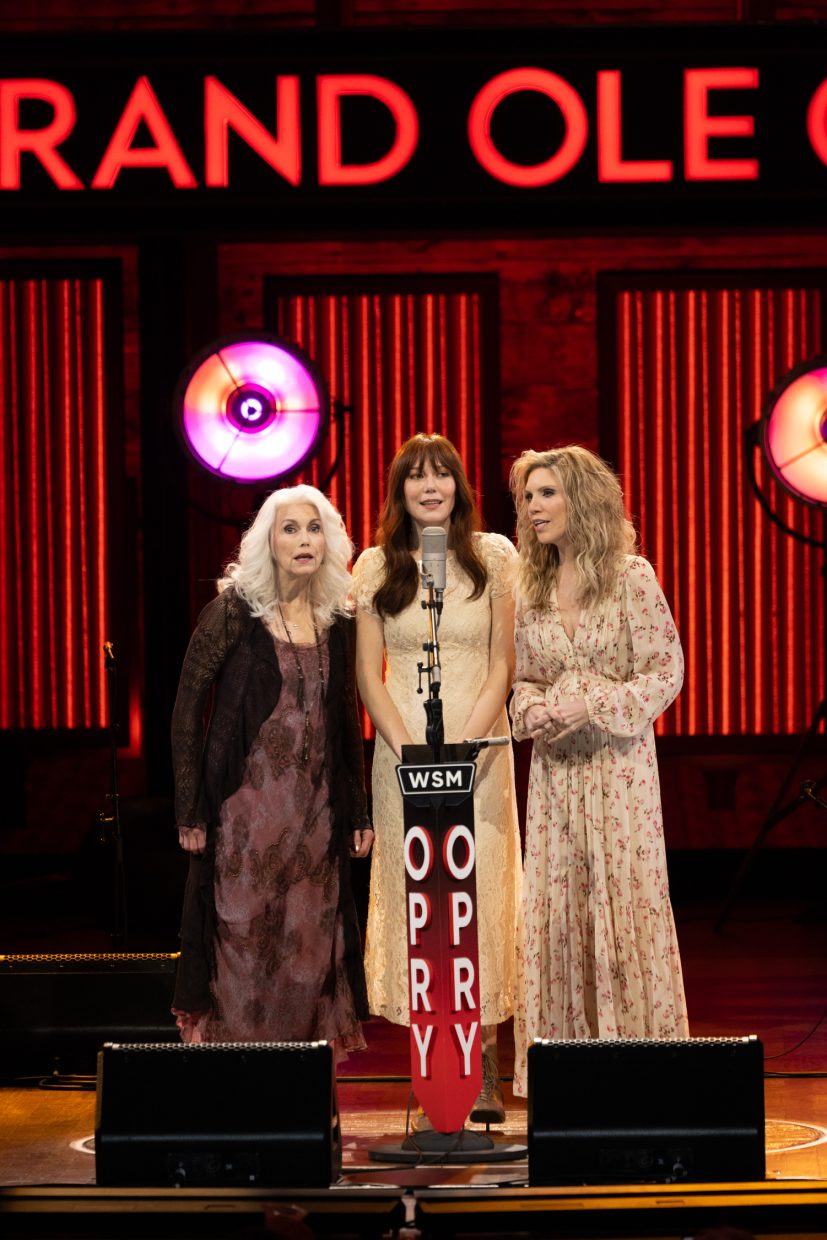
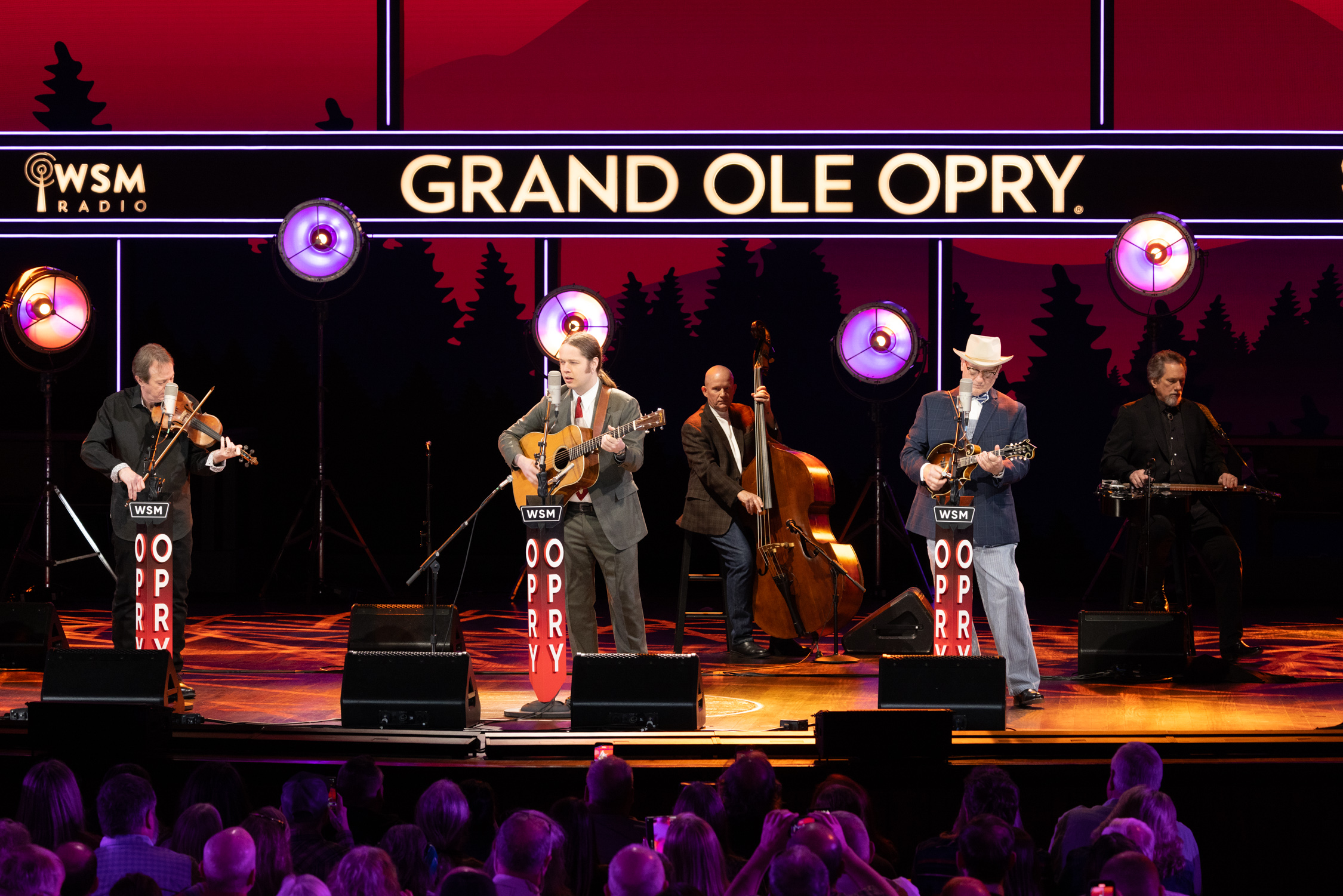
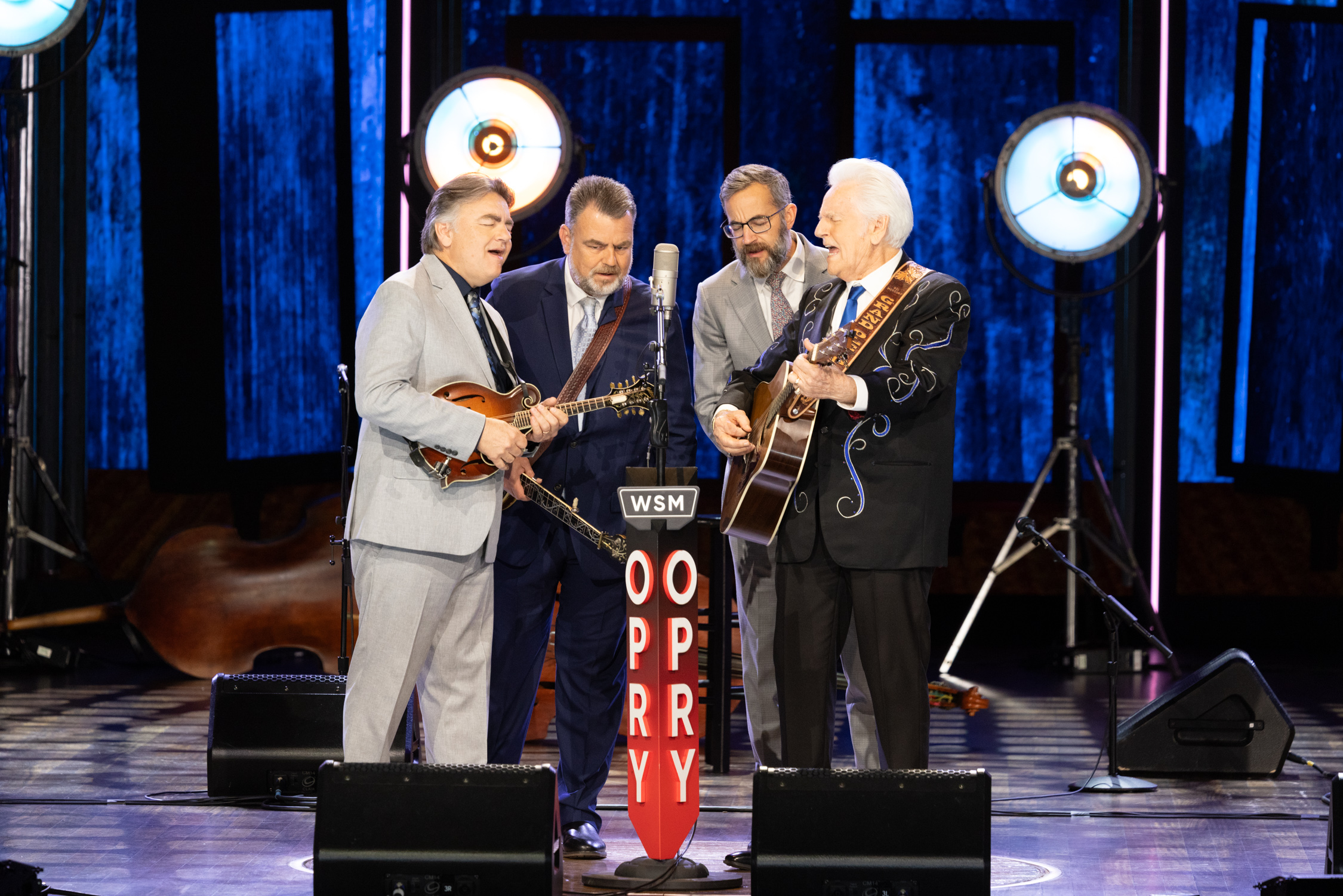
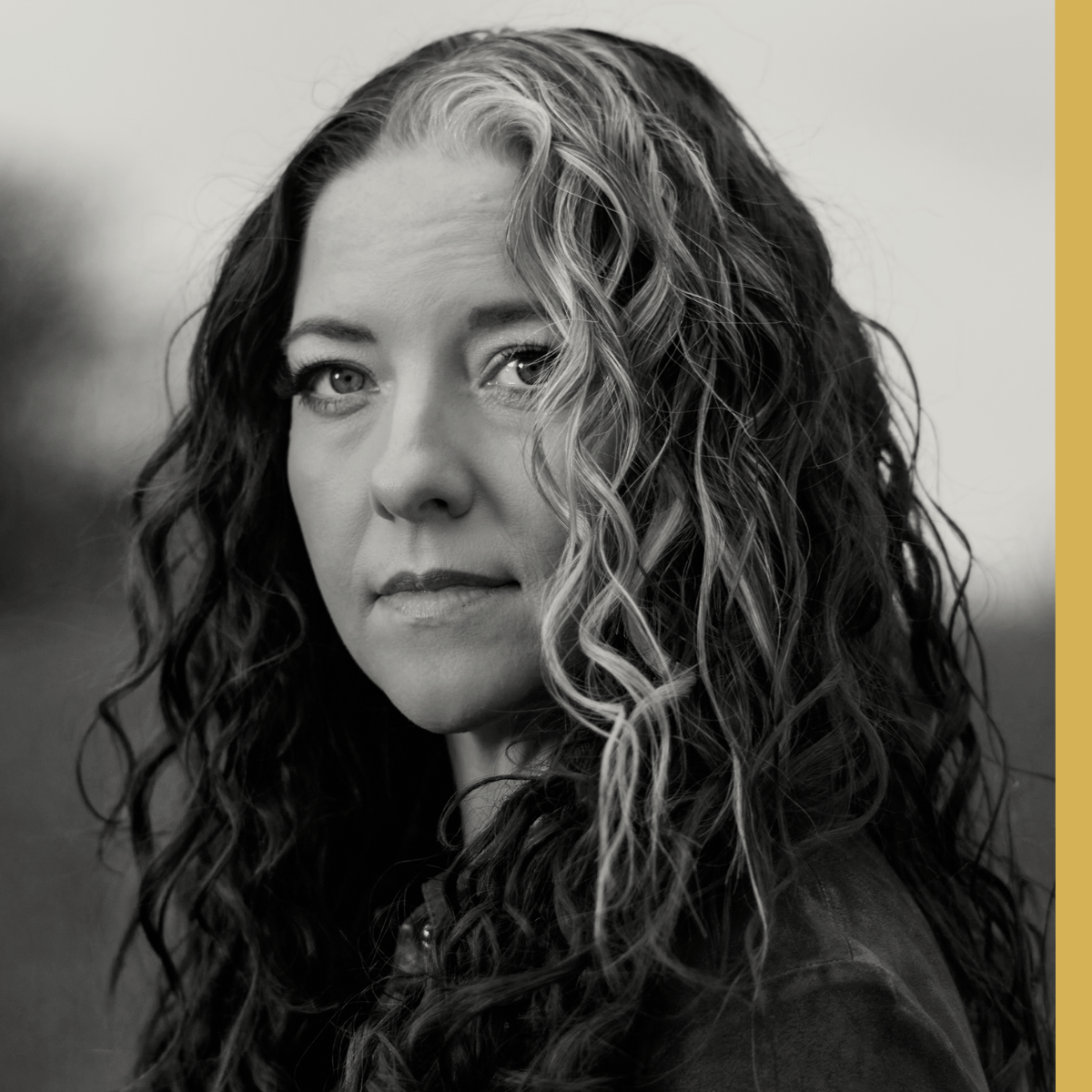
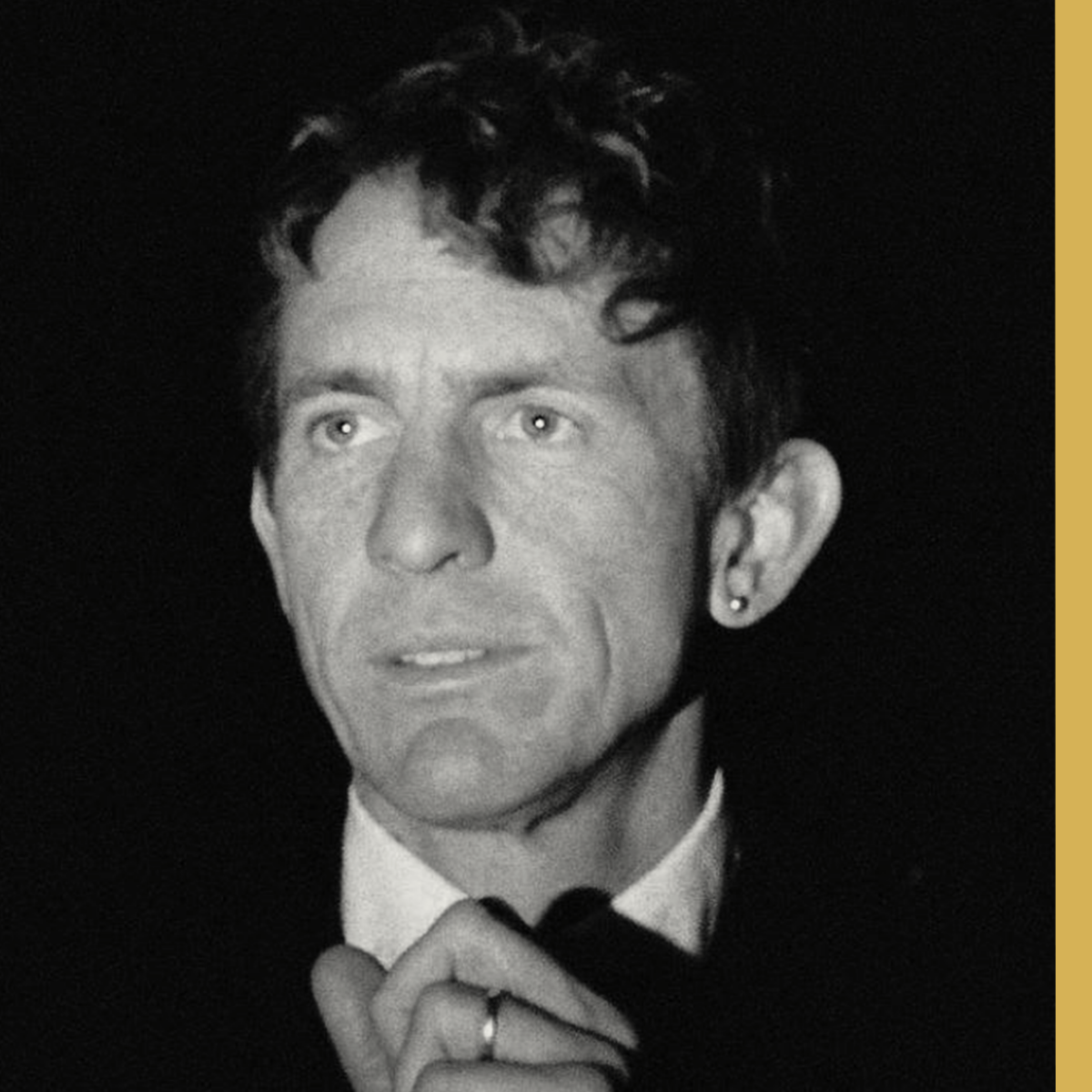
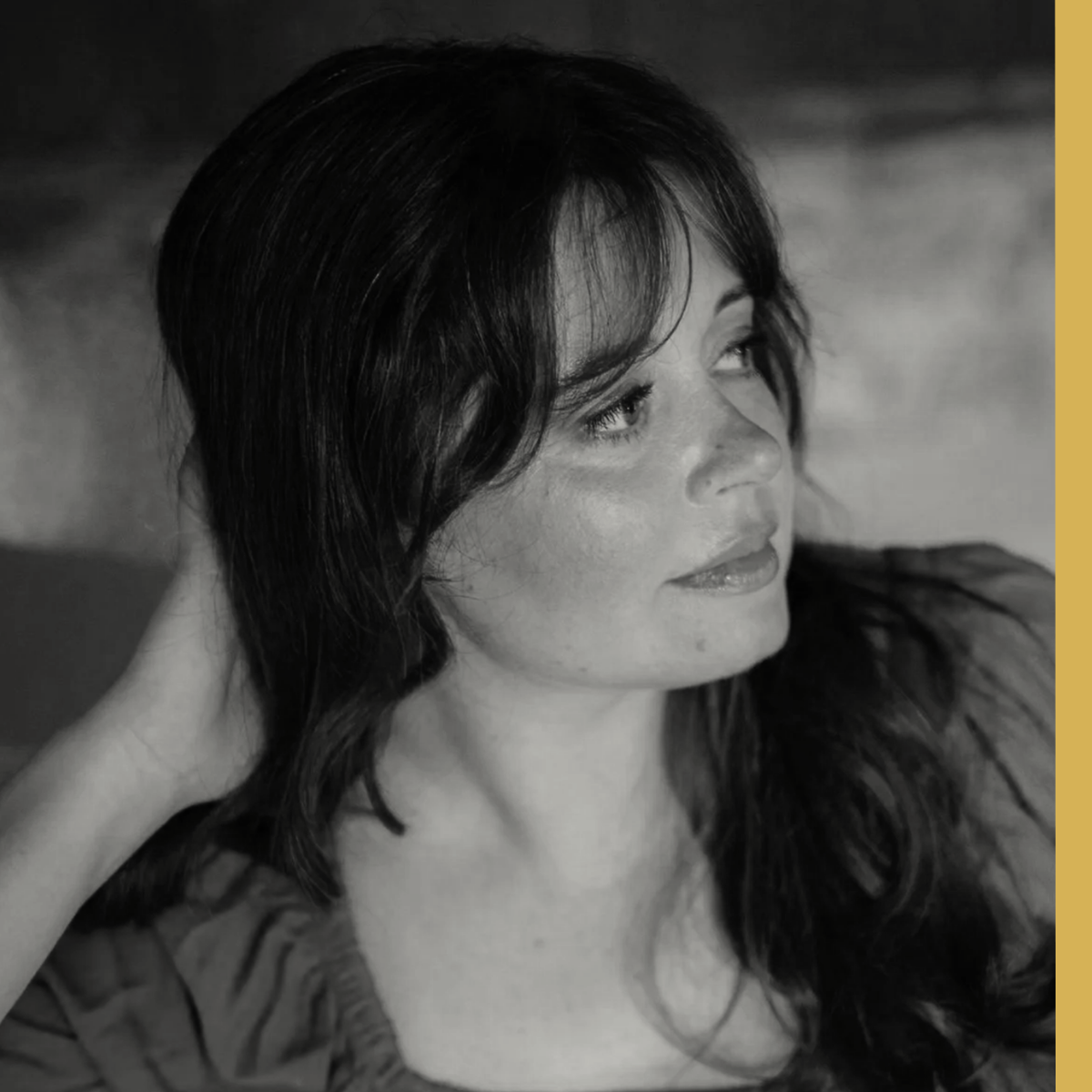
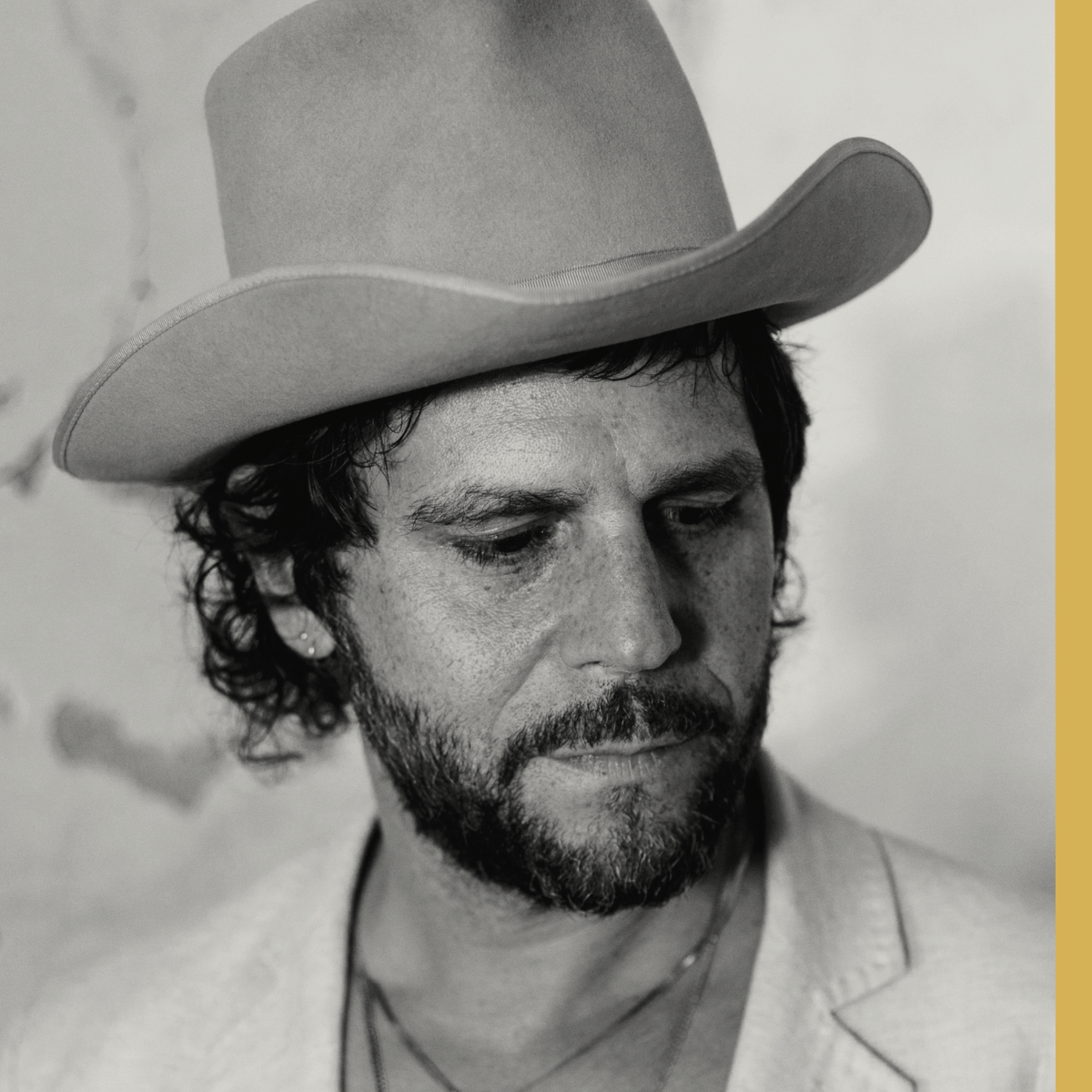
How does an artist outlast the industry machine to build a career entirely on her own terms? We sit down with GRAMMY-winner, 1989 ACM Top New Female Vocalist, and 1992 CMA Horizon Award recipient SuzyBogguss to explore the evolution of her 40-year career, which includes platinum records and her 2026 induction as a member of the Grand Ole Opry. Our conversation is an invitation to reconsider what we all value, moving away from the noise of major label machines and toward a philosophy of quality over quantity, independence, and deep community.
Bluegrass picking, soulful singing, and clever comedy complemented a night of contemporary country music as two of America’s longest-running institutions reunited in New York City on Friday, March 21, 2026 when the Grand Ole Opry returned to Carnegie Hall.
Amidst the elegant surroundings, the evening offered a prestigious Carnegie Hall debut for all six performers: Opry members Kelsea Ballerini, Henry Cho, Scotty McCreery and Rhonda Vincent, and special guests Wyatt Flores and The War and Treaty. Although there wasn’t a barn backdrop or a velvet curtain, the ivory walls were often lit up in red reminiscent of the Grand Ole Opry House in Nashville throughout the night.
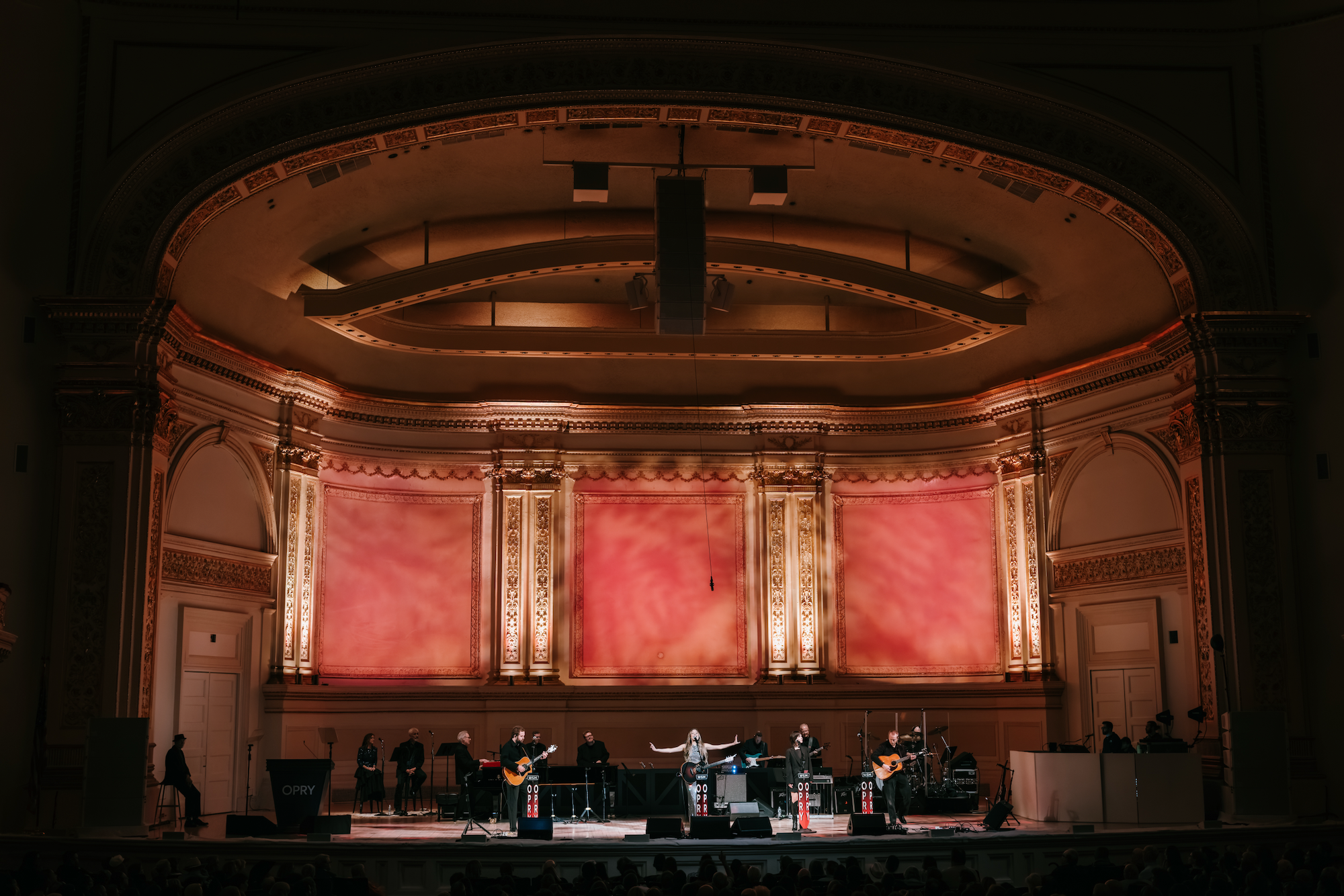
Kelsea Ballerini performs with a gorgeous and iconic Carnegie Hall backdrop.
If you poke around long enough, there are hints of Carnegie Hall’s connection to country music – an autographed photo of Emmylou Harris in an upper tier, a souvenir program on display from Johnny Cash’s 1962 debut, and a collage of albums recorded at the venue, including the iconic one from Buck Owens & The Buckaroos in 1966. Of course, bluegrass fans also know that the Country Gentlemen and Flatt & Scruggs recorded landmark live albums from the fabled stage, too.
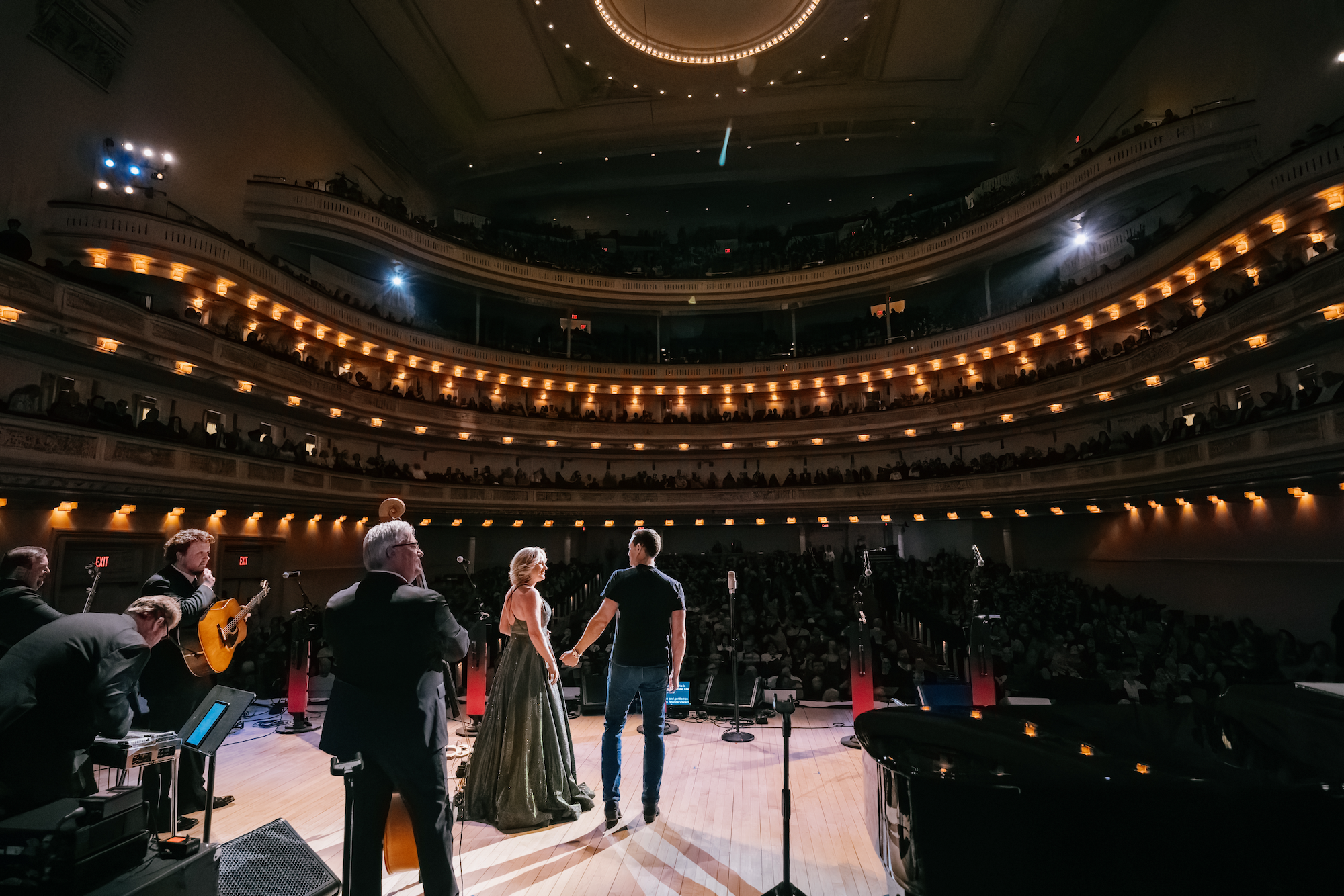
Scotty McCreery joins Rhonda Vincent & the Rage on stage at Carnegie Hall for “Blue Moon of Kentucky.”
Rhonda Vincent & The Rage carried on that bluegrass tradition by opening the show with a rendition of Bill Monroe’s “Blue Moon of Kentucky.” McCreery also stepped onstage to give an Elvis Presley-inspired performance of the classic song, which Monroe wrote. After some welcoming remarks from Opry host Charlie Mattos, Vincent resumed her energetic performance with “Kentucky Borderline,” a bluegrass cover of Dolly Parton’s “9 to 5,” and a pleasant sing-along version of John Denver’s “Take Me Home, Country Roads.” Keeping with bluegrass tradition, Vincent also introduced her beaming band members: Aaron McDaris on banjo, Adam Haynes on fiddle, Zack Arnold on guitar and vocals, and Mickey Harris on bass.
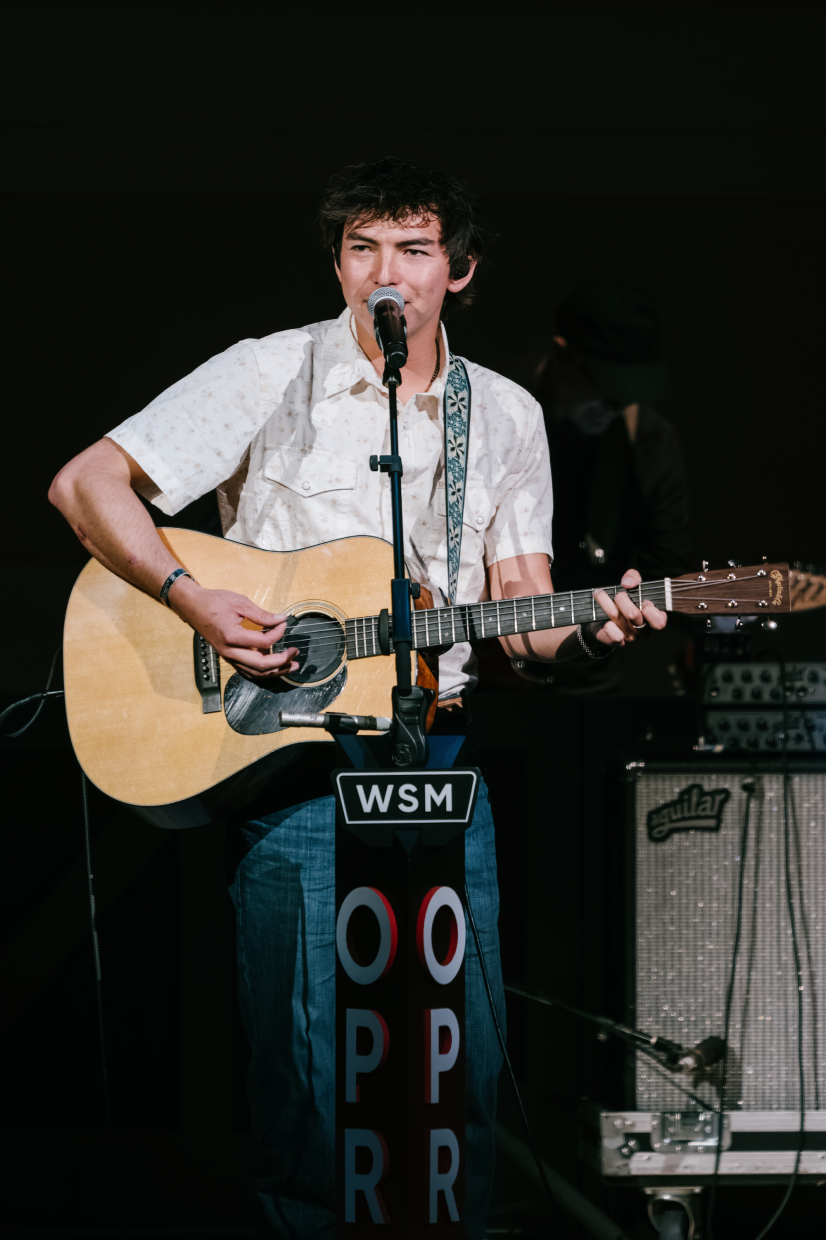
Wyatt Flores made his Carnegie Hall debut.
Wyatt Flores, a fast-rising, 24-year-old newcomer, admitted he was nervous to play Carnegie Hall since many of his favorite live albums were recorded there. However, the raspy-voiced Oklahoma native confidently delivered a well-received set of new songs, including “Runnin’ on E,” “Half the Man,” and “South Dakota.” Flores told the audience he was sharing this career achievement with his parents (on their first-ever trip to New York City) and his girlfriend (the inspiration for “South Dakota”).
The War and Treaty’s Michael and Tanya Trotter lifted up the crowd with “Five More Minutes,” then slowed things back down with an emotional interpretation of Otis Redding’s “Sittin’ on the Dock of the Bay.” Michael Trotter took a few moments to speak about the duo’s musical influences and the artists who inspired them, including Ray Charles, Rissi Palmer, and John Prine. They concluded the first half of the show with strong performances of “Yesterday’s Burn” and “You Can’t Hurt Me Anymore.”
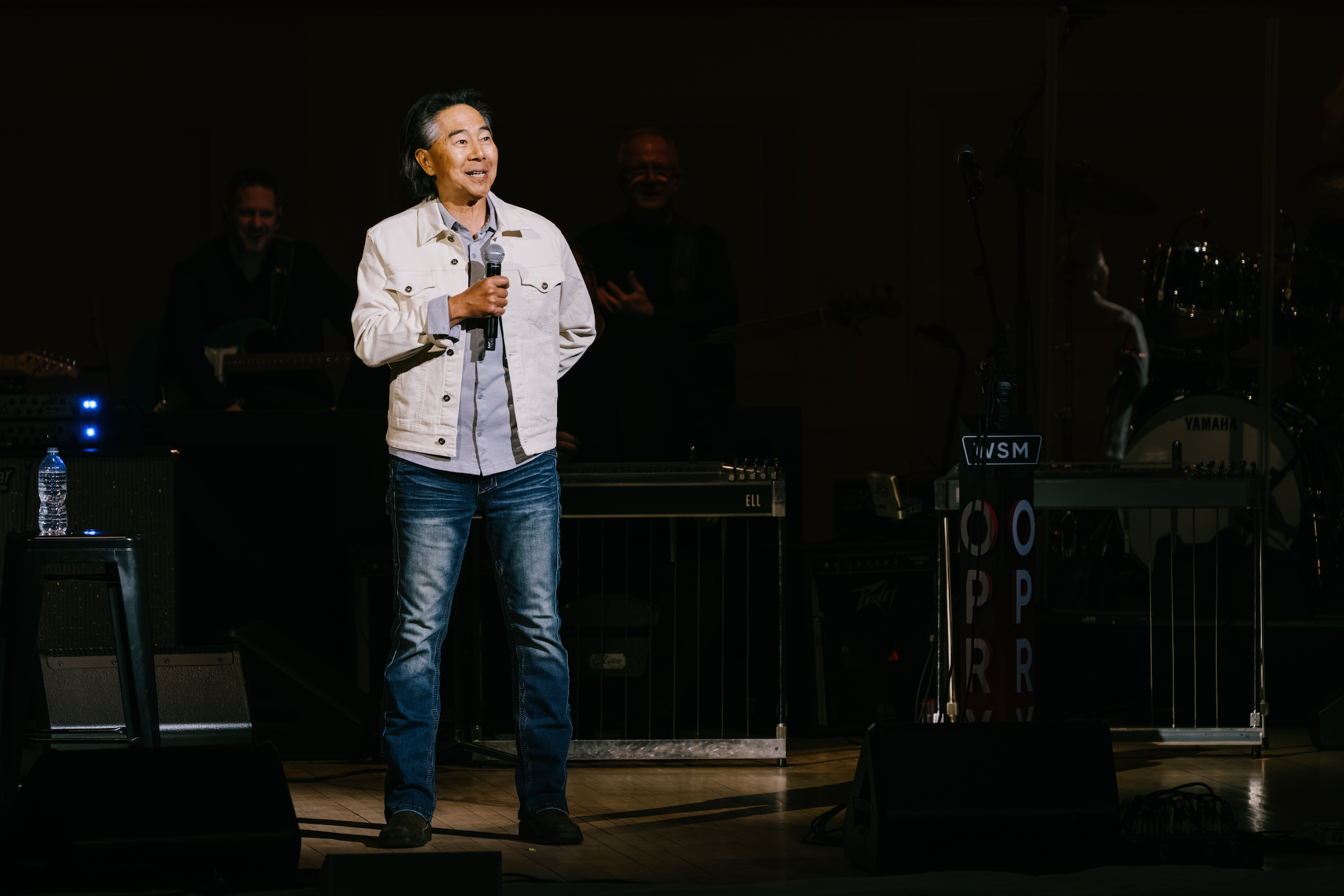
Grand Ole Opry member, comedian Henry Cho performs during the show.
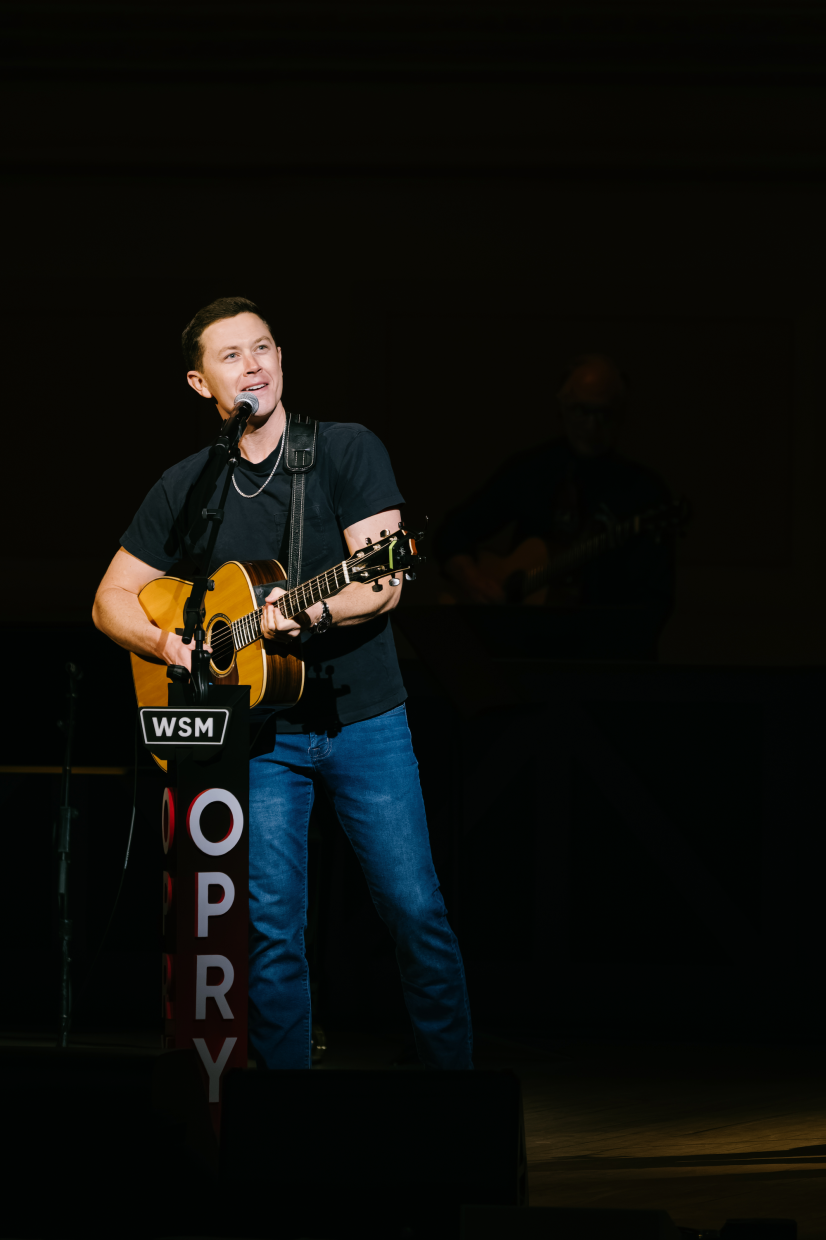
New York City is obviously a comedy town and Henry Cho rose to the occasion with a mix of signature quips and amusing stories about his wife, kids, and friends. Fresh off a European tour, the good-natured Scotty McCreery worked the stage as he sang some of his best-known radio hits, including “It Matters to Her,” “Damn Strait,” “Five More Minutes,” and “Bottle Rockets.” East Tennessee native Kelsea Ballerini closed the evening with conversational banter, an announcement that she’s now living in New York City, and a country-tinged selection of fan favorites, such as “Baggage,” “I Sit in Parks,” and “If You Go Down (I’m Goin’ Down Too).”
‘American Idol’ winner and Grand Ole Opry member Scotty McCreery delighted the NYC audience.
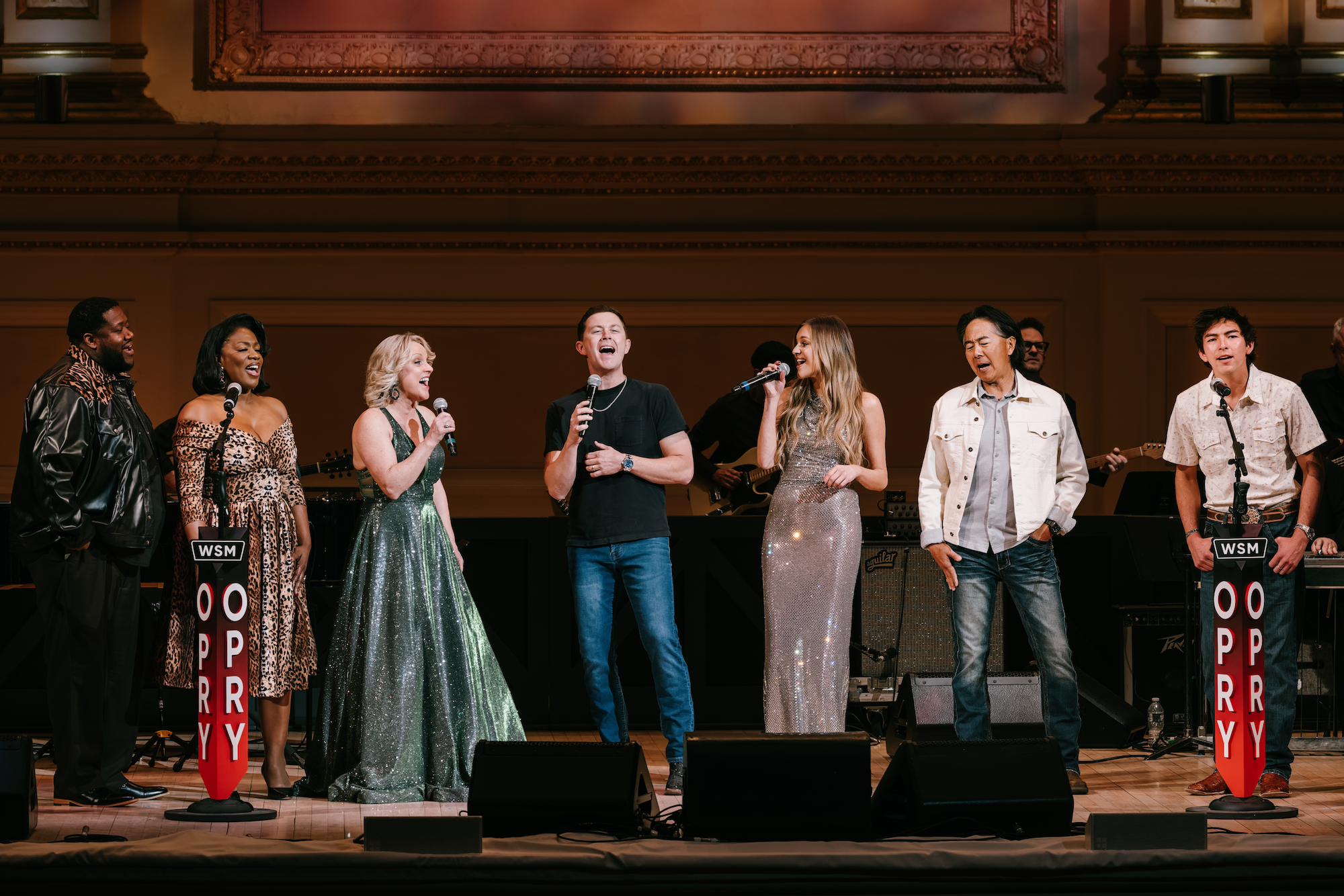
Among the night’s performers, Ballerini has surprisingly been an Opry member the longest. Prior to joining the roster in 2019, she would often sing a country classic during her guest appearances. At Carnegie Hall, she revived “Make the World Go Away,” which she learned from Martina McBride’s 1995 album of country classics, Timeless. She also shared her belief that country music is for everyone, a fitting comment on a night that explored the breadth of the genre. Many of the Opry’s special nights conclude with an all-sing finale of “Will the Circle Be Unbroken,” and this performance was no exception.
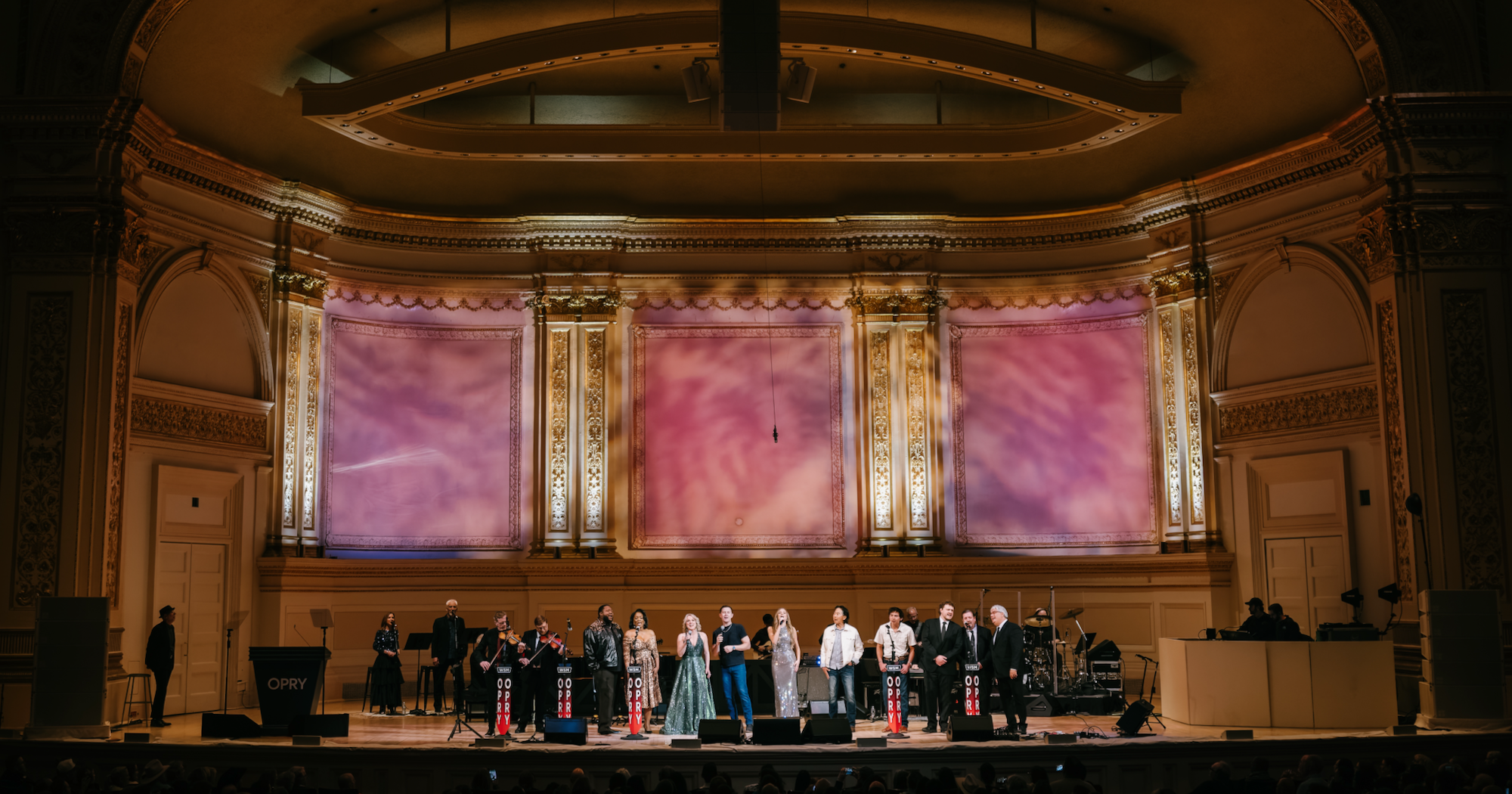
The star-studded cast of the Grand Ole Opry at Carnegie Hall sing “Will the Circle Be Unbroken” together to conclude the evening.
During his hosting duties, Mattos mentioned that Carnegie Hall opened in 1891, just one year before the Ryman Auditorium in Nashville, the Opry’s former (and still occasional) home. Yet this is only the show’s fourth time at Carnegie Hall, following visits in 1947, 1961, and 2005. The fortuitous timing for this event is part of Carnegie Hall’s United in Sound: America at 250 series and coincides with the Opry’s 100th year. (The world’s longest-running radio reached that milestone on November 28, 2025.) With country now reaching more listeners than ever before, here’s hoping for a New York City encore as the Opry’s new century begins.
All photos shot by Fadi Khelr, courtesy of the Grand Ole Opry. Lead Image: The entire cast of the evening return to the Carnegie Hall Stage to perform “Will the Circle Be Unbroken” together.
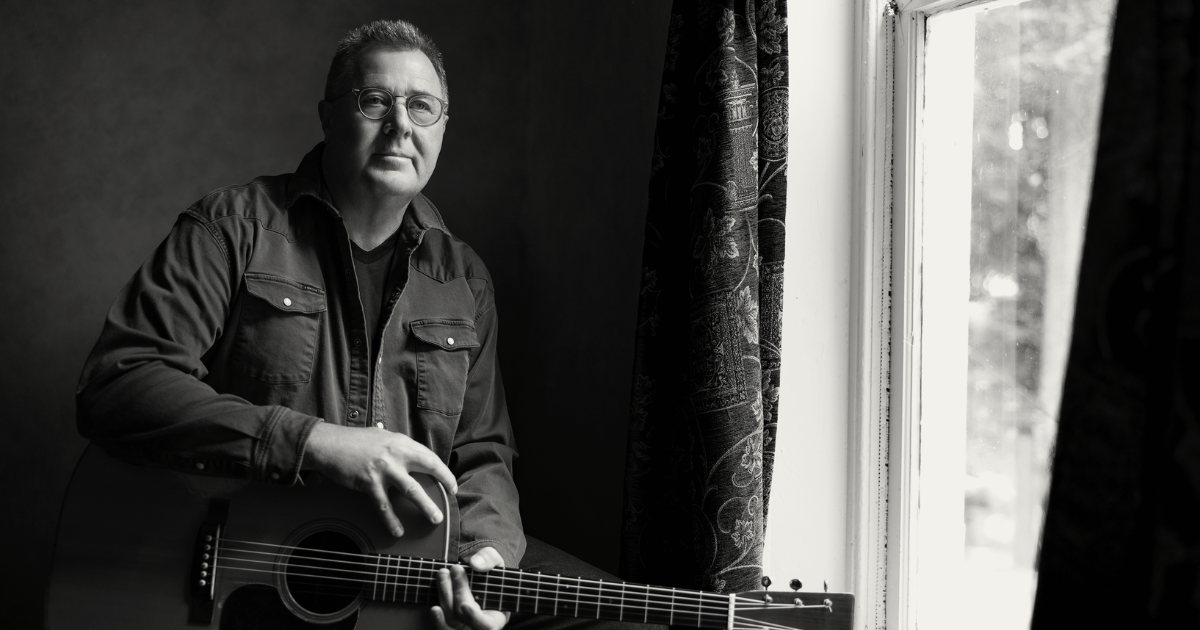
Vince Gill doesn’t give interviews; he gives conversations – lengthy, engaging conversations filled with the same reflection and storytelling that make his songwriting so relatable and successful. Factor in his enviable mastery of guitar and other instruments and the result is a well-rounded artist who has won 18 CMA awards, 22 GRAMMY awards, and eight Academy of Country Music Awards.
In 2025, he was presented with the CMA Willie Nelson Lifetime Achievement Award, and this year, on May 6, he will receive the Ken Burns American Heritage Prize. He’s been a member of the Grand Ole Opry since 1991 and in 2005 was entered into the Nashville Songwriters Hall of Fame. Two years later, he was inducted into the Country Music Hall of Fame.
Over the course of 21 albums his sales exceed thirty million with 45 chart singles. Coming up is a summer tour, which will wrap with a six-night residency at the Ryman Auditorium, while continuing his ongoing schedule with the Eagles. All of this is only a cursory glance at his many accolades.
Gill’s accomplishments, and the experiences that accompany them, are at the core of his latest project, 50 Years From Home, a yearlong series of monthly EPs marking the fiftieth anniversary of his leaving home to pursue a music career. Each collection features themed new songs and revisited classics, with photos of select guitars on the covers. The EPs are introduced via detailed conversations with friend and colleague Charlie Worsham – watch all episodes on Gill’s YouTube channel.
Down At The Borderline, released February 13, is the fourth and latest EP in the series, while the next installment, Lonely’s What I Do, already arrives this Friday, March 13. A few weeks prior to the release of Down At The Borderline, Gill made himself available for more interviews and conversations, including a talk with Good Country.
At this point, it’s difficult to imagine anything Vince Gill hasn’t done. In fact, there are two key things, neither of which he cares to pursue:
“I’ve never sent a text,” he says, “because I prefer talking to people. What you find out [with texts] is how many people really don’t want to talk to you!” And, “I’ve never posted anything on the internet,” although he does have a scrolling habit, which he gladly admitted to during this discussion.
As you move through endless interviews around these EPs, is there something you’ve always wanted to talk about but have never been asked? Now’s your chance to tell the world!
Vince Gill: I wouldn’t have a clue! I never was much of a planner. I think it’s a blessing that I just live in the moment. I don’t look ahead, I don’t look back much, and there’s not a lot of regrets in my life. I figure the mistakes I made were valuable to learn something. I never planned any of this. I didn’t sit down and have a diary that I’d go, “When I’m this age, I want to have done this and this.” I just answered the phone.
You should probably give classes on that, because this is an industry of nonstop worry: What’s going to happen? Will this work? Will this not work? To move from project to project, stage to stage of your career with that mindset is impressive.
I started out with absolutely not one dollar, so money has never been the reason for any of it. I bought a guitar when I was 18 years old and I moved away from home. It was an old pre-war Martin that was perfect for bluegrass. I spent every dime I had on it and I didn’t worry. I said, “My rent’s $15 a month, I’ll make a couple hundred bucks a week when we work, so I’ll be fine.”
Amazing.
Speaking of going from stage to stage of your career, the EPs are each a chapter told with collections of songs. Tell us more.
The majority of it is fairly new. From the time I started in 1975, there was no reason to have a publishing deal for a long time. Even after I had a record deal, I didn’t see the need because I had a place for my songs to land on my own records. I never partnered up with a publisher, to give away half the money, to give a monthly draw to help pay my rent or whatever. I was able to always pay the rent somehow – my house note, whatever it was – with playing and singing.
Three or four years ago, Jody Williams, who’s a lifelong publisher in Nashville and a friend of mine for 40-something years now, called me and said, “You’ve never had a publisher. Would you consider letting me manage your songwriting for a while? I think you still have a lot to say as a songwriter.” I said, “Yeah, I’ll try that out.”
He would call great songwriters and say, “Would you like to write a song with Vince?” I was never a very good self-promoter, so I would never do that on my own. I just let it unfold with people I would meet. So it started me down this path of writing a lot of music, and over the last three or four years I’ve written twice as many songs as I’ve recorded on this new 50 Years From Home project. I think I’m writing the best songs I’ve ever written. With time you should get better, and I think I have.
I don’t want to check out someday and have all these songs lost in a desk drawer somewhere, so I’ve started recording them all. It’s a different world now, a different way. If you want to release 75 songs, you can do it. You don’t have to have one album with 10 songs on it anymore. So I started thinking about what it would be. My first conception was to release two songs a week, like an A-side and B-side of a 45. “It’s Monday, it’s time for a couple new Vince songs.” The record company came up with the idea of, “Why don’t you do a series of EPs and have six or seven songs on each one?” I said, “That sounds cool. We’ll put one out a month.”
That’s where the whole thing started. I was trying to find a way to put all this out. I realize at this point in my life, I’m almost 69, I don’t have as much time left to be creative as I’ve had to this point, obviously. How much more it matters now is palpable. It really means something to me to be creative, and if I see myself improving, I want to nurture and foster that and continue, because it’s so dear to me, being musical, being creative, coming up with an idea, coming up with a story that could potentially move somebody, touch somebody. It’s unbelievable to be able to have that gift, to be able to do that. So I’m trying to take full advantage of it.
But 68 or 69 today is not the 68 or 69 of our parents’ years. When you’re a kid, your parents turn 50 and it seems ancient.
That’s true. My mom’s a hundred years old.
See? You have many more years to go, especially if you’re still 17 in your head, which happens in this business.
Yeah, and I am. I don’t feel any different than when I pulled out of the driveway and took off. I still have the same love and I’m so drawn to playing music. It’s such a huge part of me. I tell everybody, “My mom’s a hundred and I hope I’m really her son, so I have those genes! For all I know, she might have rented me out of a yard in southern Oklahoma somewhere!” But my dad checked out early. He died at 65 – and I was afraid of being 65. There’s so many instances of people passing at the same age as their parents and whatnot.
I’ve heard from others that it’s a strange feeling when you reach the age when a parent passed.
Absolutely. But my dad drank a lot, he smoked two packs a day, and he didn’t take very good care of himself. I don’t think I have too many of those qualities. I don’t smoke and I don’t drink. I eat bad, but that’s about it.
You’ve stated many times that your goal was always to be a recording musician. With reality shows and social media, do young players have that same goal, or is a lot of it about chasing clicks and stardom? Are you concerned about the future of musicianship?
No, because there are plenty of young kids out there that can play their brains out. There’s so many of them that you don’t worry about it. I tell people all the time, “If American Idol was on in 1948, Little Jimmy Dickens would’ve been on it.” I don’t really care for those shows – and not in a bad way, because a lot of talented people go on them – but sadly, you don’t see that really bear out with a lot of artists coming from those shows that have longevity. They have that moment, but we’re so ready to slide our thumb and move on to the next scrolling thing. It’s the same way with those shows: “The season’s over. Okay, who are the new ones?” And I never like seeing creativity be a contest.
But I don’t worry too much. You see someone like Sierra Hull, who can play better than anybody in the whole world, and Michael Cleveland, and so many that come along that can completely annihilate their instruments. It’s beautiful to watch. I don’t think that’ll ever go away.
Does AI-created “music” concern you?
Of course, but when I’m asked about it, I say, “The people who create it, deep down, they know they haven’t done anything. They know they’ve done nothing.”
As a recording and performing guitarist, singer, and songwriter over a lot of years, how has your approach changed? Your technique, your picking style, your ear, your tone?
It’s a combination of all of those things. I’ve spent the latter years realizing what I don’t need, what I don’t need to do, what I don’t need to play, what I don’t need to sing, what I don’t need to say in the lyrics. To me, the beauty of it is your willingness to try to say the most with the least.
I like my singing better now than I did when I had hits. I much prefer the way I sing and play my songs today. That’s motivation enough, that I feel like I’m better now than I ever was. My ears have never lied to me, and with that, if I feel like I’m making progress, that’s all the reason in the world to keep doing it. If I start wheezing like an old woman, I probably won’t wanna go out there and sing. But, thank God, that hasn’t happened yet,
With music, the more you do it, the more you learn. The point of it is not to impress, but to move people. If you can move people with what you play and sing and write, that’s the real gift. That’s when you really get something that matters out of it, rather than a big “Woo, that was incredible! That was impressive.” That’s fleeting in a way. I like the long haul.
I could have very easily stopped working on other people’s records and being a sideman and a harmony singer and guitar player and what have you. But I love doing that so much, because I always thought it was a harder job to complement somebody and what they’re doing, more so than doing what you want and having everybody follow you. It took more talent to do that – better ears, bigger ears, that kind of stuff. So I continue to do that. I’ve worked on over a thousand artists’ records in the last 50 years. The diversity of that, the willingness to go into any kind of world of music and try, and not just be shortsighted and only do this and only do that – I love all of it. I’ll find something good in any of it. If I can play a part in making something better that’s being done, then that’s a good feeling.
Can you draw a through line from your bluegrass roots to what you’ve done and what you do now?
“When I Call Your Name” wouldn’t have sounded like it did had I not played bluegrass. That high lonesome sound was totally taken out of my love and life of bluegrass. A song on one of my new records [Secondhand Smoke, EP 2] is called “Hill People,” with [harmony vocalist] John Meador – great singer, great player, it just blows my mind how good he is. That sounds the way it does, it was written the way it was, because of my history of bluegrass.
I was never one of those guys that [would say], “I can only play bluegrass and it has to be traditional.” I loved New Grass Revival. They were different than Bill Monroe and I loved it all. If you take whatever’s great about something and cast the rest aside, then you’ve done your job. I’m not critical of young people that don’t do it the way I did it, or the way my heroes did it. That doesn’t serve anybody any good, to be critical of stuff. I remember hearing Billy Strings talk about how he would go to jam sessions and felt unwelcomed, and that killed me. I felt so bad for him.
I experienced that once when I was 17. We were playing some bluegrass festival, a hardcore traditional-minded festival. We were up there playing “Rocky Road Blues,” which is a Bill Monroe song, but we were doing it real bluesy. The promoters kicked us out of the festival and said, “You can’t be playing that kind of music!”
As they were kicking us out, Jim & Jesse were playing Chuck Berry’s “Johnny B. Goode.” I said, “Now wait a minute. We’re playing a Bill Monroe song and we’re going to get kicked out, and they’re playing ‘Johnny B. Goode’ by Chuck Berry? What’s cool about that?” They go, “Their suits match. Get outta here!”
I’ve known Sam Bush for 50-something years. The story he tells about Monroe is that he said, “What is it you call that music you play?” Sam said, “We call it New Grass.” He goes, “Yeah, I hate that.” That kills me, but it didn’t impact Sam one bit. But that hardline thing – I don’t go for it.
You’ve said that the role of the artist is to speak for others. Are there songs that speak for you, or to you, in those moments?
I like the things that are the most honest, that are not trying to be something they’re not. I’m not a fan of singers that alter the sound of their voice to make it do something it doesn’t naturally do. I heard Merle Haggard say, “Man, just tell the truth.” That’s where I’m finding the biggest inspiration in songs is being truthful. I think the truth has always been the greatest thing you can lean on.
People talk about country music, and if you could point somebody to what you think country music is, I’d say Merle Haggard’s “Mama Tried.” How it starts– “I turned 21 in prison doing life without parole.” That’s pretty dark. That’s pretty sad. And then, “No one could steer me right, but Mama tried.” There’s your hope.
One thing they’ve never taken away from me is hope. Even though they quit playing my records on radio stations and I don’t have hits anymore, I’m always hopeful that something will slide through and move people. I had hope when I made my first record at 16 or 17 years old, and lo and behold, some radio station played it and I heard it in my pickup truck. That instilled a hope in me that’s never faded. They can pass on songs, they can not play them, they can do all that, but they have never dinged my hope in my heart for what it is that I want to try to do.
Where were you in your truck when you heard yourself on the radio for the first time?
I-40, Oklahoma City. I was driving and all of a sudden they started playing “July You’re a Woman.” It’s a John Stewart song and we’d done a bluegrass version of it. I was singing lead. I think some other bluegrassers had done that same song. I’m driving and all of a sudden they started playing it on the radio station and I get on the CB radio and start screaming, “You’re not going to believe it! They’re playing our record on the radio!” Truckers were coming back saying, “Hey, you sound good, kid! Hang in there.” Wow.
The first record I ever made, I heard on the radio. It put that dose of hope in me that has never faded.
Editor’s Note: Read part two of our Good Country conversation with Vince Gill here.
Want more Good Country? Sign up to receive our monthly email newsletter – and much more music! – direct to your inbox.
In an all-star acoustic tribute, the timeless music of O Brother, Where Art Thou? rambled across the Grand Ole Opry airwaves for a 25th anniversary celebration on Saturday, February 28.
In some ways, this night in Nashville felt different from a typical Opry show – no drum kit, no square dancers, and not a lot of commercials. On the other hand, it would be hard to find a more suitable place to stage a salute to O Brother than on the world’s longest-running radio show.
The GRAMMY-winning, 8-times platinum soundtrack was performed in its entirety by Opry stars such Alison Krauss, Emmylou Harris, Del McCoury, Old Crow Medicine Show, and the Whites, as well as guest performers like the Alaskan Sunnyside Sisters, the Fairfield Four, the Fisk Jubilee Singers, and Colin Linden alongside contemporary masters like Sarah Jarosz, Billy Strings, and Molly Tuttle. (To put the time frame in perspective, Jarosz was 9 years old when the soundtrack was released, Strings was 8, and Tuttle was 7.)
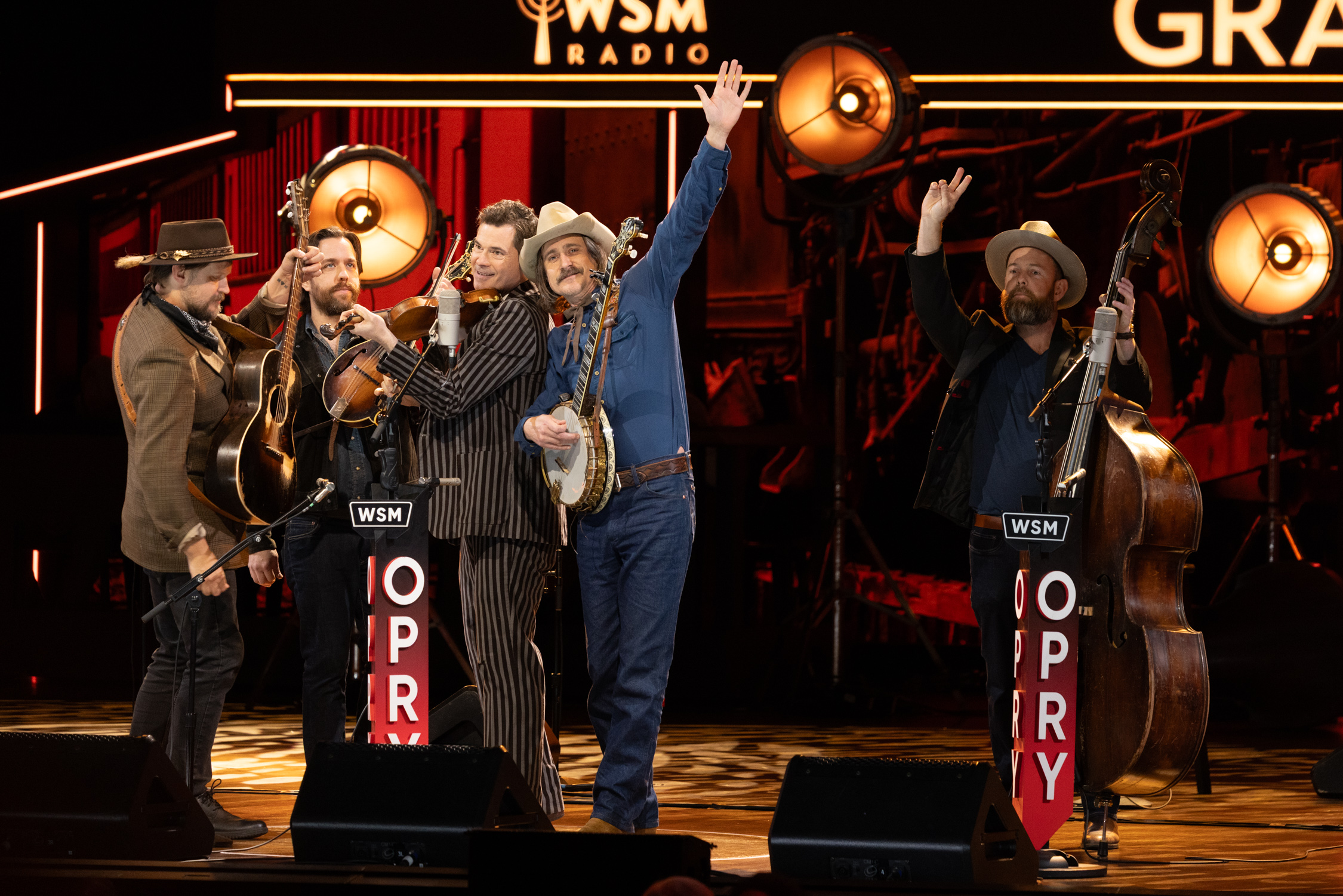
Old Crow Medicine Show perform during the Opry’s tribute to ‘O Brother, Where Art Thou?’
In addition, Chris Thomas King and Tim Blake Nelson also reprised their performances from the film, while the A-list house band was composed of Mike Compton on mandolin, Dennis Crouch on bass, Jerry Douglas on Dobro, Stuart Duncan on fiddle. And what O Brother tribute would be complete without Dan Tyminski delivering “I Am a Man of Constant Sorrow”?
As a bonus selection not included on the landmark collection, Krauss and the Fairfield Four opened the special evening with a lively rendition of “Every Time I Feel the Spirit,” which immediately immersed the audience in that same spirit. After Krauss stepped away, the Fairfield Four performed the soundtrack’s original opener, “Po’ Lazarus,” accompanied only by hand claps. Old Crow Medicine Show roused the crowd with “Big Rock Candy Mountain,” an enthusiastic choice that fit their high-energy demeanor. Bandleader Ketch Secor also co-hosted the event alongside Opry announcers Bill Cody and Mike Terry.
Dan Tyminski sings “I Am a Man of Constant Sorrow” with the evening’s house band.
Backed by the house band, Jarosz engaged the audience to sing along with a perennial favorite, “You Are My Sunshine,” and the sold-out Opry House was happy to oblige. Krauss returned with the Fisk Jubilee Singers for a sterling performance of “Down in the River to Pray,” where the audience sat almost perfectly still in reverent silence. Following the song, Krauss was presented with a commemorative scarf designed by the famed clothier Manuel; all Opry members are receiving the scarf as part of the Opry 100 celebration. The house band then shared an instrumental version of “A Man of Constant Sorrow,” which was a nice touch referencing the handful of variations of the song on the soundtrack.
That soundtrack practically came to life with Colin Linden and Chris Thomas King’s “Hard Time Killing Floor Blues” and The Whites’ “Keep on the Sunny Side.” Jarosz on mandocello and Molly Tuttle on guitar teamed with the house band for a wonderful take on “I’ll Fly Away.” Emmylou Harris and Alison Krauss then stood on either side of Tuttle for a trio rendering of “Nobody But the Baby.” (Gillian Welch, who sang with Harris and Krauss on the original album, was unable to participate in the show.)
Emmylou Harris and Alison Krauss, both of whom appeared on the soundtrack, are joined by Molly Tuttle for an a capella rendition of “Nobody But the Baby.”
Folks, that’s only the first half!
After decades away from the spotlight, the Peasall Sisters returned to the stage to introduce “In the Highways,” the song they recorded as children; on this night, it was sung by an endearing kid quartet – and viral internet sensations – the Alaskan Sunnyside Sisters. Molly Tuttle returned for the emotional “I Am Weary (Let Me Rest),” which led into bluegrass phenomenon Billy Strings singing “Wild Bill Jones,” which appeared on the 2000 O Brother concert album, Down From the Mountain. Strings then welcomed Dan Tyminski for a duet of “O Death,” which was sung by the late Doctor Ralph Stanley on the soundtrack. (Incidentally, Stanley joined the Opry cast the same year the O Brother soundtrack was released on Lost Highway Records. The newly resurrected label co-presented the show with the album’s award-winning producer, T Bone Burnett.)
Billy Strings takes the stage to sing “Wild Bill Jones” with the house band.
The audience especially loved seeing and hearing one of the film’s stars, Tim Blake Nelson, revive “In the Jailhouse Now” on the Opry stage. Tyminski (who voiced George Clooney’s singing in the film) naturally brought the house down with “I Am a Man of Constant Sorrow,” then Old Crow Medicine Show offered the vivacious “Indian War Whoop,” recorded by John Hartford for the original project. The Fairfield Four also returned to the stage to sing “Lonesome Valley” just ahead of Del McCoury Band’s performance of “Get Down on Your Knees and Pray.” (That one’s not in the film, but it was a terrific addition.)
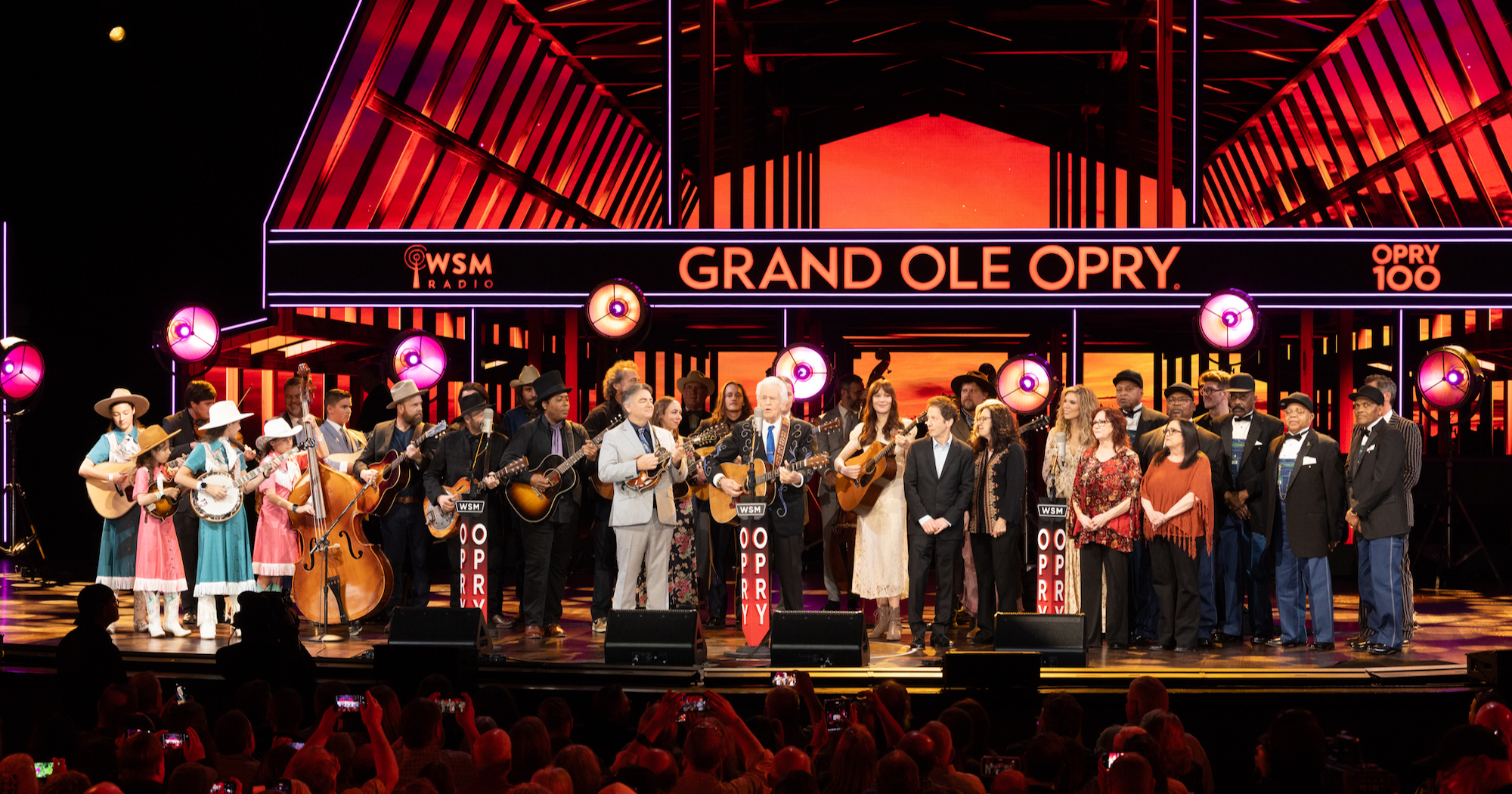
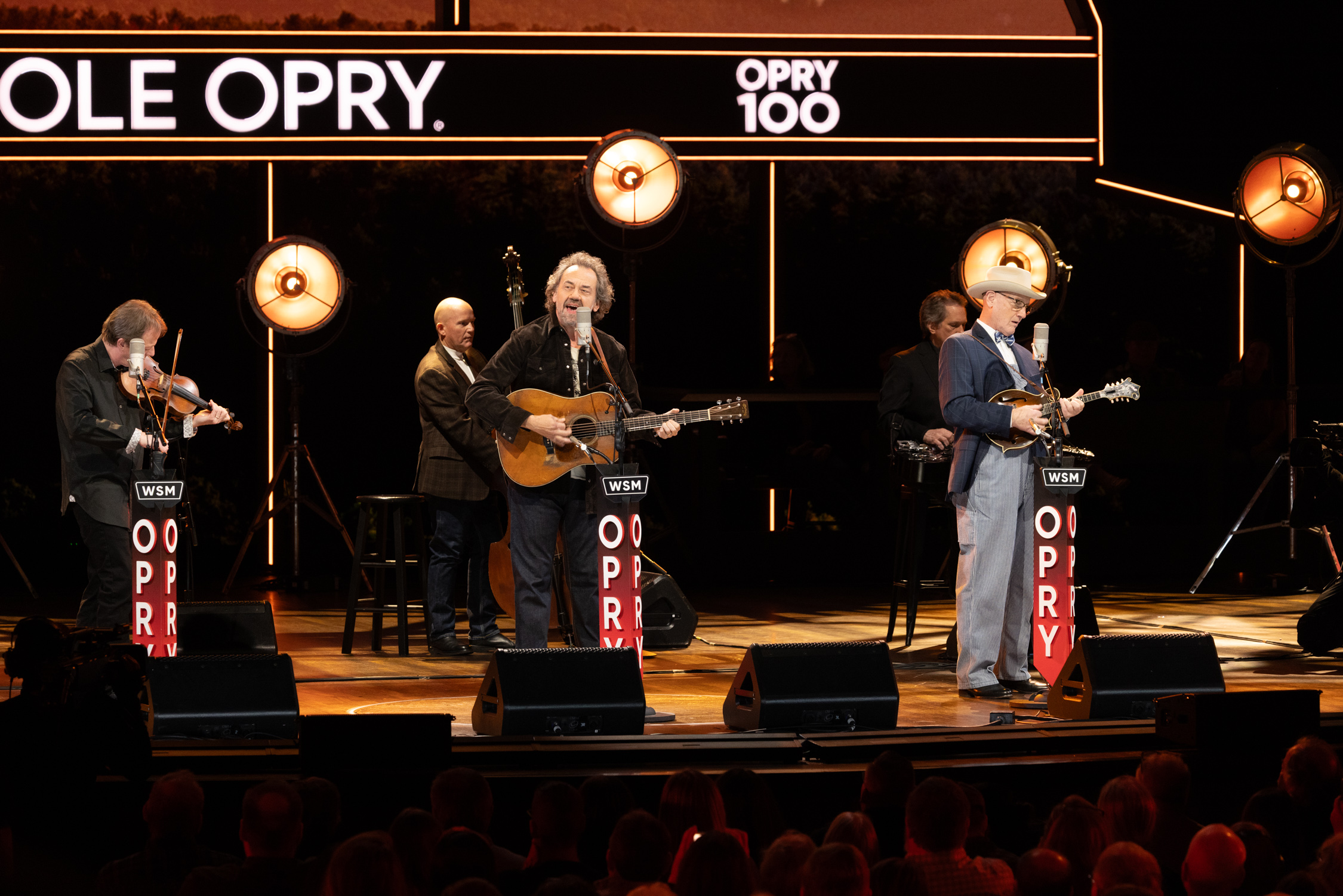
The Del McCoury Band sing “Get Down on Your Knees and Pray” before leading a sing along with the entire cast of performers.
In his brief remarks, Burnett took a moment during a brief speech to acknowledge Denise Stiff, a visionary Nashville manager who recruited many of the musicians for the soundtrack back in the day. But of course, it wouldn’t be a tribute without everyone coming back on stage and singing at the end – in this case, “Angel Band” and a reprise of “I’ll Fly Away.”
Twenty-five years ago, the O Brother soundtrack brought old-time and bluegrass music into the national spotlight. This long-awaited encore underscored the staying power of this classic album.
Photo Credit: All photos by Chris Hollo for the Grand Ole Opry.
Lead Image: The entire cast of the Opry’s O Brother, Where Art Thou? tribute show take the stage to sing “Angel Band” and “I’ll Fly Away” to conclude the evening.
Editor’s Note: Each issue of Good Country, our co-founder Ed Helms will share a handful of good country artists, albums, and songs direct from his own earphones in Ed’s Picks.
Ashley McBryde gets the year started off right with a soaring, anthemic new single. As you’ll see with “What If We Don’t,” Good Country and arena country aren’t mutually exclusive styles. Garage rock, country grit, and stadium-ready flair – McBryde is doing it better than almost anyone else out there.
Not your mamaw’s “Ring of Fire.” Big Thief’s Buck Meek launches his upcoming solo album, The Mirror, in just a couple of weeks. Its songs were grown where alternative, indie, folk, and country overlap, though each feels just outside of reach of any single one of those terms. Featuring Adrienne Lenker on BGVs, “Ring of Fire,” like Johnny’s classic by the same name, is about love and connection – but is perhaps the flipside of the Cash coin.
You can always trust the John Prine-founded Oh Boy Records to put out amazing music by generational songwriters. Emily Scott Robinson is certainly one. Her new album, Appalachia, embodies her heart-forward, community-minded approach to songcraft and musicmaking. Stand outs include “Hymn for the Unholy,” “The Time for Flowers,” the album’s title track “Appalachia,” and this lovely duet with John Paul White, “Cast Iron Heart.”
Read our recent interview with Emily Scott Robinson here.
Speaking of rock ‘n’ roll, our old pal Langhorne plugs in and turns up on his new album, The Dreamin’ Kind, which was produced by Greta Van Fleet’s Sam F. Kiszka. Slim’s personality – and the signature, charming touches that made us all fall in love with his music – is front and center on the new collection, however far into rockin’ territory he brings his Americana and folk sensibilities.
Find out more about
The Dreamin’ Kind in our recent Cover Story interview.
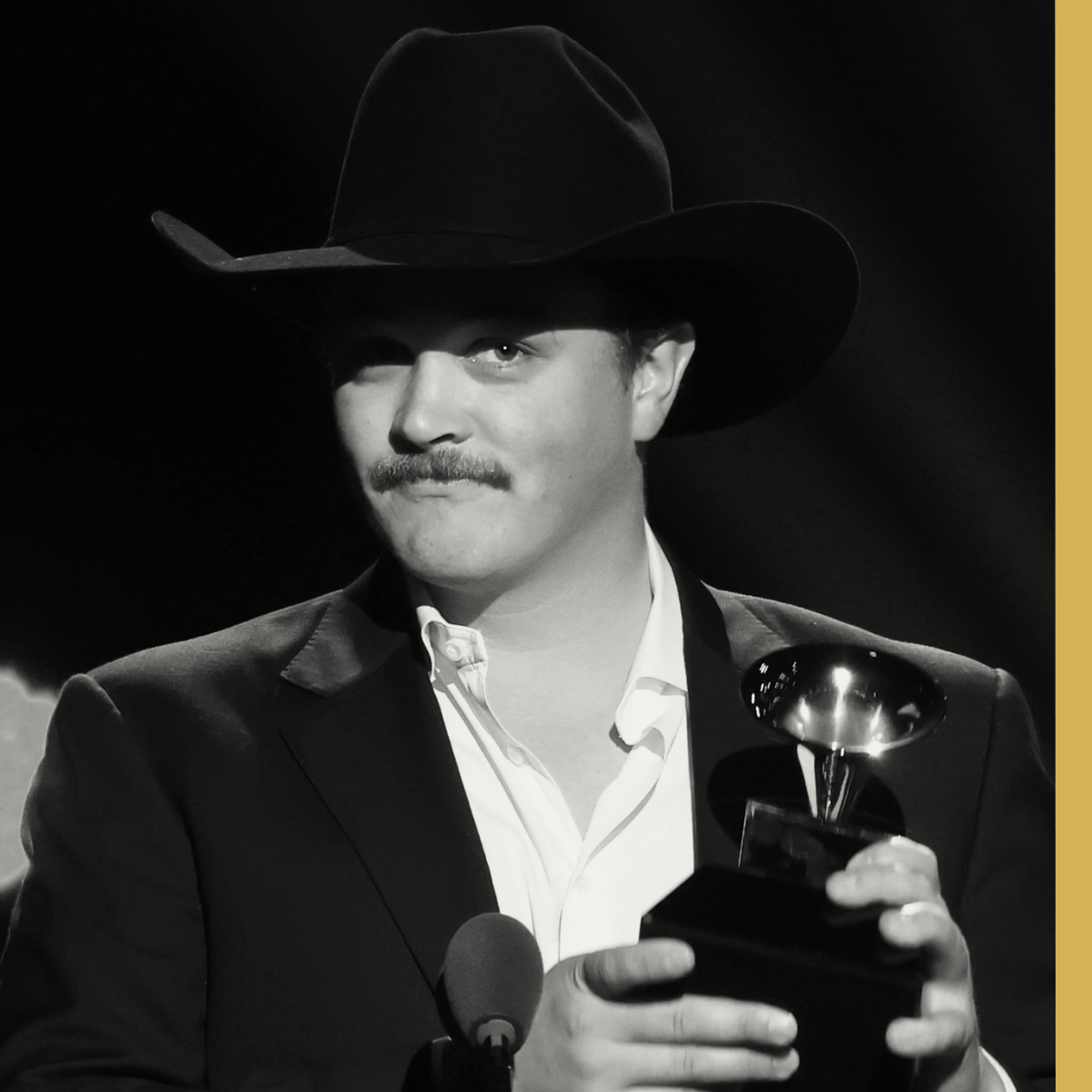
He started as a bluegrass picker in a family band and a Keith Whitley and Tony Rice diehard. Now everyone’s favorite trad country revivalist is a GRAMMY Award winner. Top took home the trophy for Best Traditional Country Album for his sophomore release, Ain’t In It for My Health earlier this month. He’s the first awardee in the buzzed-about new category opposite Best Contemporary Country Album. Well deserved!
Want more Good Country? Sign up to receive our monthly email newsletter – and much more music! – direct to your inbox.
Photo Credits: Ashley McBryde by Nathan Chapman; Buck Meek by Germaine Dunes; Emily Scott Robinson by Angelina Castillo; Langhorne Slim by Savannah Lauren; Zach Top by Getty Images for the Recording Academy.
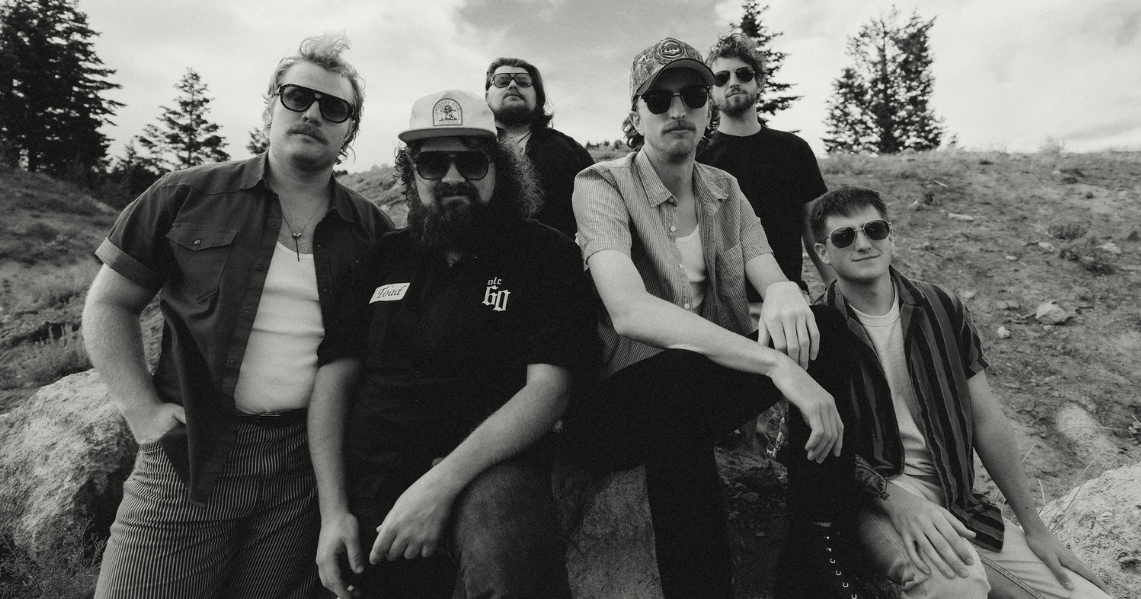
Pairing the slouchy charm of indie grunge with roots-rocking, small-town punk energy, Ole 60 spent 2025 becoming one of the most intriguing new acts in Americana.
With their debut album Smokestack Town – plus some fun-loving video content, huge opening-act performances with Zach Bryan, and first-time trips to Lollapalooza, the Ryman, the Grand Ole Opry, and more – the six-piece band came a long way from their blue-collar hometown of Hawesville, Kentucky. They even finished off the year with their biggest show yet, selling out their first-ever arena gig with an Owensboro homecoming. But there’s still more to do.
Inspired by a world of shift work and shitty luck, and powered by a rusty Toyota rolling on four bald tires, frontman and primary songwriter Jacob Ty Young fills his songs with vividly conflicted characters. Soaring garage-pop singalongs stand alongside sucker-punch ballads of screwing up and flaming out, each one struggling with the urge to get the hell out while still loving where you’re from. It’s a feeling anyone nursing big dreams in a small town will recognize, and Ole 60 shares it with a fresh voice.
In late January, Young told Good Country about the band’s quick rise and biggest year yet, while looking ahead to what comes next. There’s already a level-up tour underway and new music in the works. But Young pledges not to forget where they got their start – a pizza shop game room in a Smokestack Town.
In 2025, Ole 60 was out on tour, did big shows with Zach Bryan, made an Opry debut and released your first album. What’s it been like processing all that in the last month or so?
Jacob Ty Young: You try to take it in as it’s happening, but it’s a lot easier once you have some time to think. … I think it was definitely the best year we’ve had and now that we’ve had some time off, I’m eager to get back out and start touring again.
And I’ve been writing a lot. After putting out that first record, it was something that we’d never really done before. It was our first time making an album and we learned a lot of things and I think that everybody’s in the headspace that this next one’s going to be even better, so we’re working hard.
What was the common bond that brought you all together musically? You blend influences all the way from Smashing Pumpkins and Metallica to John Prine, right?
Five of the six of us are all from the same little small town in Kentucky, or bordering towns within about 30 minutes of each other. I kind of knew everybody before we started the band. We just got together and started jamming. I’m a huge Smashing Pumpkins fan. Most of the guys are big metalheads. They love Metallica, Black Sabbath, Primus, all that stuff. I think everybody bonded over just our love for rock music. There is obviously some country influence, but I never really considered it that. We were just a garage band, and it’s hard to not bond when you’re sitting there in a garage playing cover songs. The Pumpkins, Stone Temple Pilots, Black Crowes. It was that kind of grunge stuff that really glued us all together.
You can hear that still, and then there’s a rootsy folk side to it, too. When did you start writing songs?
I’ve been writing songs my whole life, but nothing ever really serious. I would write funny songs when I was in high school and I wrote a song about our basketball team one time, just as a parody thing. And I always really enjoyed playing guitar and being creative. I was into visual art and graphic design for a while. Then I kind of went through some stuff in my personal life and decided I wanted to sit down and write some songs about it. That ended up being the first EP [three twenty four]. That would’ve been 2023, I think. I always loved guys like John Prine and Bob Dylan and even Billy Corgan of the Pumpkins, just the uniqueness of the songwriting. I think for lyrics, I look to those guys, and then for the music we kind of look all over the place.
I hear there’s a pizza shop in there somewhere, right? We keep seeing pizza references in the socials and songs. Is the shop like an easter egg for you?
Yeah, I think so. I worked at a pizza restaurant in Hawesville, Kentucky, for about four years when I would come home from school. And then there’s another guy in the band, Ryan, his brother owned the pizza restaurant, so he worked there as well for years. When we first started practicing, rehearsing, and getting ready to go around playing bar gigs, we would rehearse in the back of Galaxy Pizza after close. We’d set up all our equipment back in the arcade section and jam until one in the morning. And then we got our bass player, Colby, and he had a garage, so we moved to his garage. But yeah, I grew up right next to Galaxy and it’s kind of a staple in our hometown, so we just try to let that side of us show through our content and all the visual side of stuff.
Tell me about putting the album together. Smokestack Town was one of my favorites of the year, so congratulations on how it came out. What did you want? I mean, creating a debut album is a pretty big moment. It might seem like an overwhelming task, so what were you going for?
We didn’t have a hardcore plan. I was just writing songs and I got six of ’em that I was really proud of. We went recorded and I was like, “Okay, I think this could be an album.” So I was writing as we were recording the album, and then the last song that I wrote was “Smokestack Town.” I was like, “That seems like a good name.”
I just wanted to push ourselves and try to do something different sonically than we had before. We got together with Jacquire King who produced it, and he’s one of the best of the best. He took my vision and ran with it and we’re very happy. We just wanted to put ourselves out there and let people in, see what kind of music we listen to.
That’s interesting, because it’s been presented as a concept album. But it sounds like you were building the concept as you went.
If it’s a concept album, it’s more so on the visual content side of things, because we’ve been putting out these little short videos of character acting. Taking the lead from the Foo Fighters.
Totally!
But there were just a lot of overarching themes in the record about home. Missing home, being homesick, being young. Plus that idea of small town, kind of dystopian … but not really.
Right, you wrote all these characters who are definitely small town people, with small town stories. But the thing I appreciate was they’re not stereotypical tailgate anthems or “I’m so country.” Nothing like that. Where were you coming from?
After I left Galaxy, I worked in an aluminum mill for a year and a half, and my dad works at the paper mill. Hawesville is a very industry-driven town. I think it’s different from your typical country town because it’s so labor-driven and everybody’s proud to be union and blue-collar. It’s less sitting on tailgates and drinking beer and more going to work a 16-hour shift and coming home and sleeping.
I wanted that to come through, because in country music it is a lot of sitting out in the boonies, drinking beer, and sitting on a tailgate. But I wanted to write my experience growing up in my little country town. There’s nothing to do, so we just ran around all the time and went to all these different places and got into trouble there. I wanted to write about that side of stuff, and less about the country stuff.
Being a new band coming into the indie and roots music scene, did it feel like there’s a lot of opportunity and energy out there?
Everything’s been so great. We kind of blew up on social media and I don’t know if any of us were ready for that to happen, but it did. I think that the reception’s been great. We went out and started headlining shows fairly early and we were selling them out. That’s a great feeling, because when you do blow up like that on social media, it’s hard to really put a gauge on what that means – until you go out and play a headline show and you see the crowd and they’re singing, and you go play a festival with all these big names and it’s your first time out there, and the crowd’s into it. And that’s kind of how it was.
True, and you finished last year with a huge statement in Owensboro, right? Hometown show, New Year’s Eve. Your first arena show and you sold it out. What was the feeling like on stage?
It was weird because it was both the most nervous I’ve ever been and the most comfortable I’ve ever been. You look out in the crowd, you see people you know, and you don’t get that a whole lot when you’re touring. It was just super cool. I got to sleep at the house I grew up in. The whole day just felt good. It was nice to be home and have family coming in and out and friends. Just the perfect way to end the year.
Y’all cleaned up nicely in the tuxedos. Did you put some extra polish on the performance, too?
Yeah, I thought it was New Year’s, we might as well get some tuxedos. I thought everybody looked nice. I want to do it more often. I dunno how the other guys feel about it. We’ll see.
You’re getting back on the road for the Smokestack Town Tour this winter. What’s everybody looking forward to? What’s the vibe?
The new year feels like a fresh start to change the show and really put a lot of thought into what we want to do with it. We’ve got some new production stuff, new lighting, and I’m really excited for everybody to see it. I think everybody just wants to go out there and every night needs to be the best show we’ve ever played. We’re playing bigger shows this year and we’re super excited, super grateful.
Earlier you said you’ve been writing, can you give us a hint about what’s been inspiring lately?
Yeah, I’ve been listening to a lot to indie rock, and what I listen to comes through in what I write. So definitely it sounds like Ole 60, but it’s new, and I’m still kind of figuring it out. But I’m really excited that the direction everything’s headed. I don’t have any idea about timelines for new music, but I have been writing a lot and I’m really excited about all of it.
Jacob, thank you for the time. I’ll leave you with the big picture – I always ask people what they hope listeners take away from their work. So what’s that look like to you?
I just hope that our story can be inspiring to others through the fact that we came from a town where after you graduate, you either go to college, you go to the military, or work in a factory, and that’s your options. And there’s always other options out there. You just got to put your head down, work hard and good things will come.
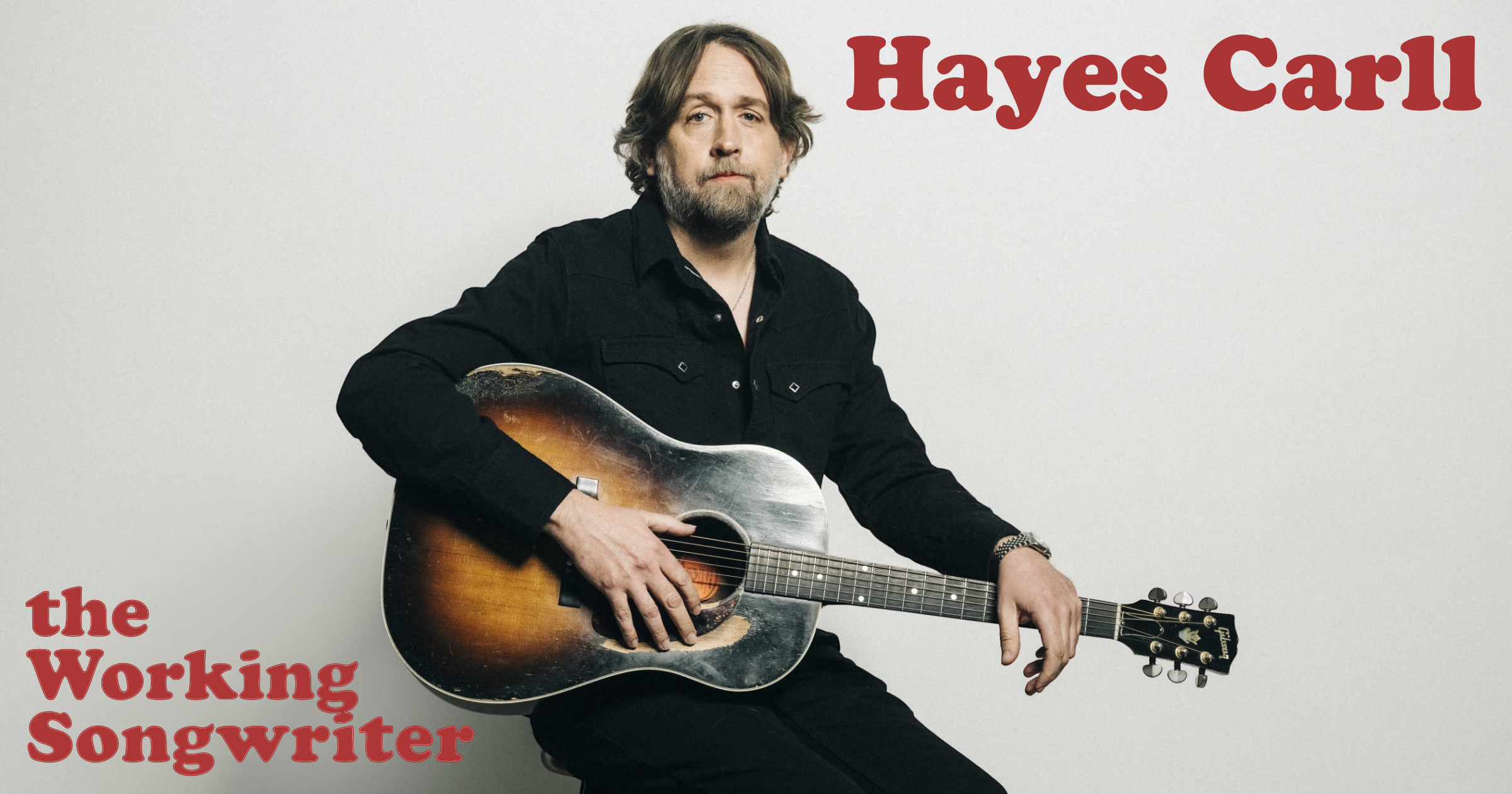
Welcome to The Working Songwriter, the show where today’s best songwriters come to talk shop. Each episode we host a distinguished guest and we ask them to go deep on their inspiration, their process, and the general ups and downs of making a life in music. Whether you’re a grizzled veteran picking out custom chrome trim for your tour bus or a scrappy upstart, trying to determine whether your Toyota Tercel can make it through a three thousand mile tour, this is your show. Because, ultimately, it is what every writer seeks most. An ironclad excuse to put off actually writing.
Our guest this week on The Working Songwriter hails from The Woodlands, Texas. Hayes Carll is a singer, songwriter, and storyteller whose sharp wit and plainspoken poetry first broke through with his 2002 debut, Flowers & Liquor. That was followed by 2008’s Trouble in Mind, which delivered the hit “She Left Me for Jesus” and cemented his place among the genre’s most distinctive voices.
Carll has toured with artists like Old Crow Medicine Show, Todd Snider, and Alison Krauss and his songs have been covered by Miranda Lambert, Lee Ann Womack, and Kenny Chesney. He’s recorded for Lost Highway, Dualtone, and Thirty Tigers and he’s performed on stages from Newport Folk Festival to Austin City Limits and the Grand Ole Opry.
Rolling Stone praises his work for its “razor-sharp wit and lived-in warmth,” while NPR notes his “keen eye for the human condition wrapped in disarming charm.” American Songwriter calls him “one of Americana’s most reliable truth-tellers.”
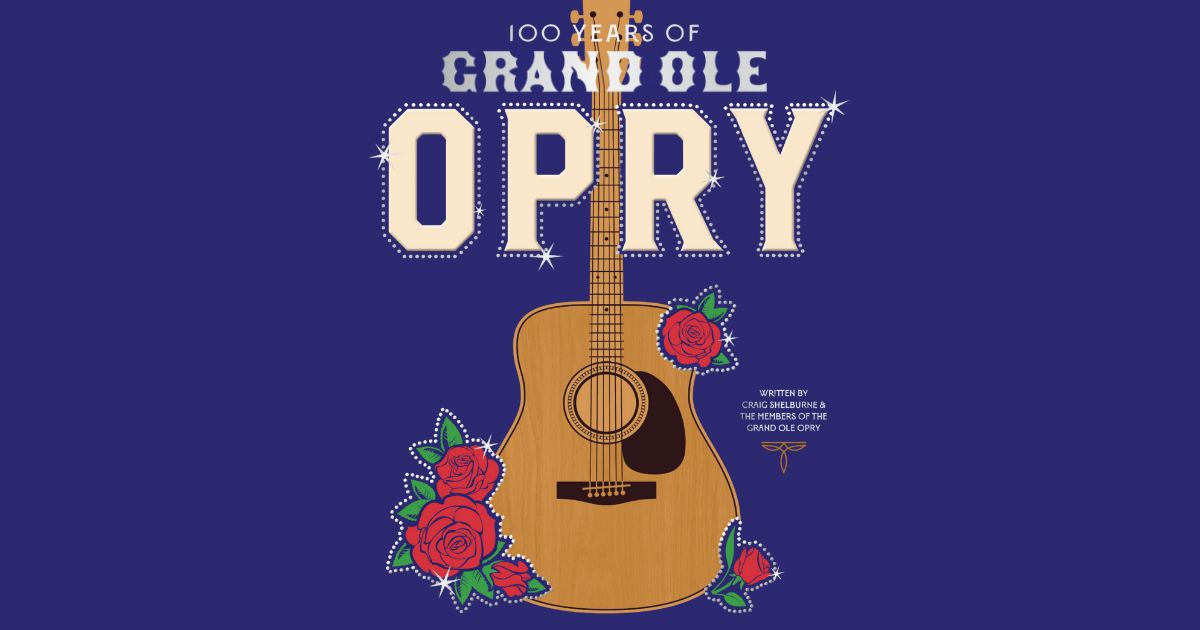
Last month, we celebrated the 100th anniversary of the Grand Ole Opry as our Artist of the Month. We dove into the history of the world’s longest running radio show, we celebrated the music made on its hallowed stages, and we spoke to author Craig Shelburne about undertaking the gargantuan task of squeezing all of that rich history into a book, 100 Years of Grand Ole Opry. That coffee-table-ready tome is 350+ pages of photos, stories, interviews, and Opry lore.
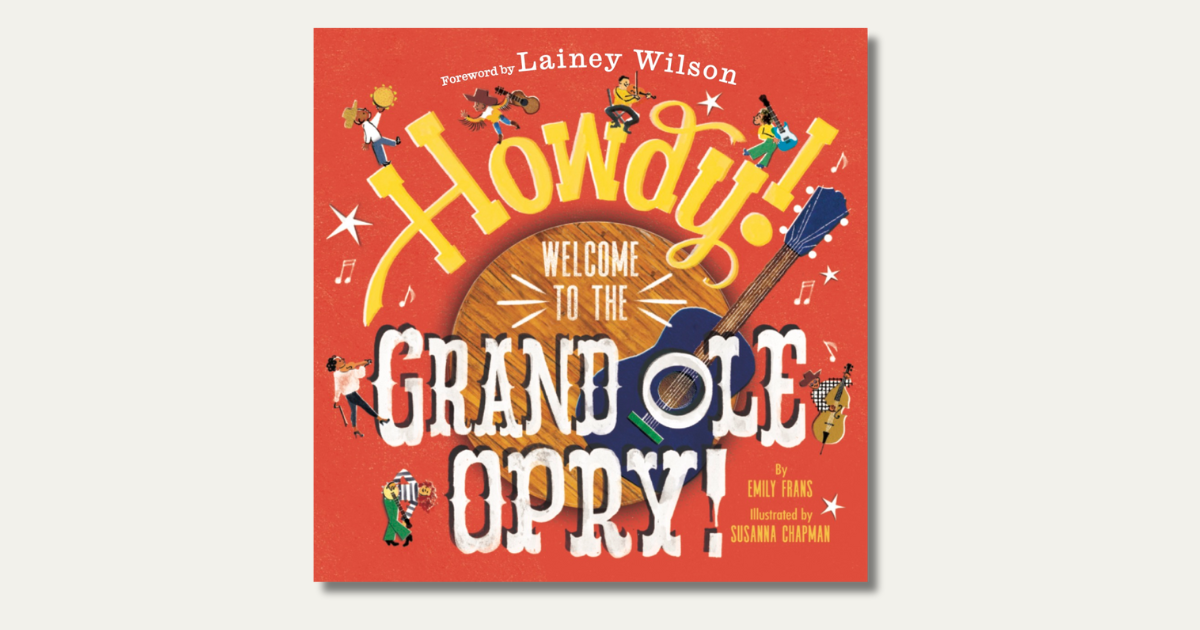
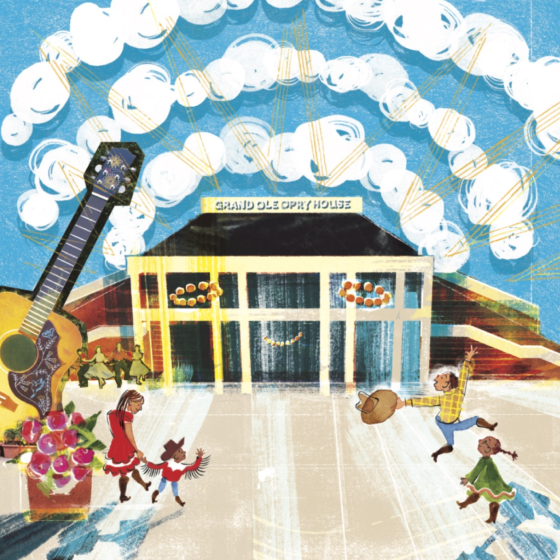
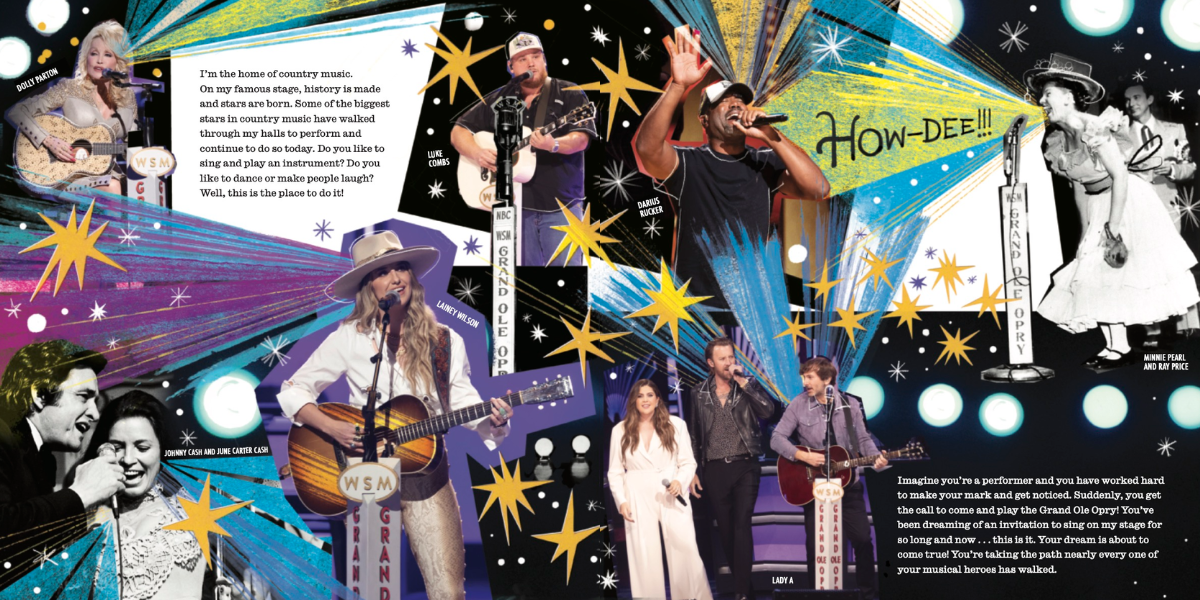
Now, imagine the same task for Opry employee, archivist and content manager Emily Frans – but squeezed into a children’s book. The new title, Howdy! Welcome to the Grand Ole Opry!does just that. One hundred years of history, illustrated gorgeously and fantastically by Susanna Chapman alongside words and story by Frans, it distills the magic of the Grand Ole Opry for its tiniest audience members and fans. With a foreword by Lainey Wilson and stories from Dolly Parton, Lauren Alaina, and more, it’s an Opry 100 celebration that can be appreciated by country music fans of any/all ages.
Whether a gift for the holidays, an everyday present for the youngsters in your life, or pro-country-music propaganda (which we can always get behind), the new kids’ book is certain to inspire oncoming generations of would-be stars, pickers, and songwriters, seeding dreams of someday stepping into that hallowed circle on the Opry House stage. We spoke to author Emily Frans about the project and the special balance of telling a complete Opry history that engages, inspires, and stokes the imagination of children all around the world.
It must have been a difficult enough task for your colleagues to write the 350+ page 100 Years of Grand Ole Opry book that distills the immense history of the Opry into a single volume — it’s hard to imagine condensing all of that history, all of those stories, and all of that music into an even smaller space, a kids’ book! How did you go about it?
Emily Frans: You’re right! After pouring so much time into artist interviews, research, and trying to cover 100 years of history in as much detail and photography that a 350+ page book will allow, shifting gears into a children’s book was a completely different challenge. The biggest task was figuring out what not to include.
With kids, it’s all about clarity, pacing, and imagination, so I asked myself: What moments spark imagination? Which people feel larger than life? What stories can light a fire in a young mind? I tried to frame the story as kind of an adventure that kids could really imagine themselves experiencing while still including historical facts and details that they could learn from.
What do you see as the essential “nuts and bolts” of the Opry story that could – or should – be translated to country fans of all ages? What is the central idea or mission here, as far as putting this incredible, respected show in front of its youngest audience?
As a parent to young daughters, I realize how important it is for the youngest generation to understand not just what the Opry is, but why it matters. This book was written to bridge that gap and to spark wonder, inspiration, and to continue cultivating the tradition that we all cherish. In an age where attention spans are short and kids can choose their entertainment with a swipe of a screen, creating a book to share the Opry with children felt more important than ever.
The Opry is different than any other stage because of the way it connects people – artists to fans, parents to kids, and one generation of country music to the next. That emotional connection is the heartbeat of the Opry, and why, at 100 years old, it continues to thrive. I wrote this book with the goal of sparking that connection with our youngest generation.
The book has a foreword by Lainey Wilson and includes Opry stories from folks like Lauren Alaina, Dolly Parton, Kelsea Ballerini, and more. Country artists often have very special, down-to-earth relationships with their younger fans — these artists especially. Can you talk about curating the artist stories for the book and what Lainey Wilson brought to it with her foreword?
The artists featured in the book all share a genuine connection to the Opry and a real heart for their younger fans. I wanted to include messages that would almost feel like a little spark of mentorship coming straight from the stage, conveying the gravity of being asked to perform on the Opry while also making it sound achievable.
Lainey Wilson embodies that spirit so naturally. Her message is all about believing in yourself and honoring the roots that helped shape you. When she talks about stepping into the circle, she makes it sound magical, but also achievable. That tone set the stage for the rest of the book beautifully.
The book was illustrated by Susanna Chapman — the Grand Ole Opry and its history, especially its visuals, branding, costumes, and pageantry, are simply perfect for a children’s book like this, aren’t they?
Absolutely. The Opry has always been visually rich – from stage lights to rhinestone suits to the red barn set, it was practically begging to be illustrated! Susanna Chapman did an incredible job and brought a wonderful balance of authenticity and imagination. She captured the physical space of the Opry and infused her illustrations with movement, color, and emotion.
In fact, she spent time with one of my daughters during an Opry show trying to understand which elements of the sights, sounds, and even smells stood out to her so that she could create illustrations that really make the reader feel like they were there. The words are important, but it is the visuals that really draw kids to a book and Susanna knocked it out of the park.
So many kids have made appearances on the Grand Ole Opry — Sierra Hull, Wyatt Ellis, Charlie Worsham, Vassar McCoury, and many others — do you think this book will birth a new generation of youngsters itching to step into the circle?
I really hope so. One of my goals with this book was to show kids that the circle isn’t just for legends, it’s for dreamers, too. The Opry encompasses the past and present of country music, but also its future. If even one child reads this book and thinks, “Maybe that could be me someday,” whether they imagine themselves on stage or in a seat, then it’s done its job.
Why do you think the Grand Ole Opry has such broad appeal — across identities, geography, genres, communities, and age groups?
I think the Opry continues to thrive because it offers authenticity, tradition, and genuine connection all while continuing to evolve. On any given night, you can see legends, today’s hitmakers, and up-and-coming artists sharing the same stage. That blend of past, present, and future gives the Opry a real uniqueness and, unlike a typical concert, provides a platform for guests to discover music they may have otherwise missed out on. And the emotional connection is what brings both artists and fans back night after night. When an artist steps into the circle for the first time, guests can feel it. They can sense the history, the honor, and the gratitude and that the artists are there because it matters to them. That kind of sincerity creates a powerful bond between the stage and the seats.
All images courtesy of Ryman Hospitality Properties, illustrations by Susanna Chapman.
As our second year of Good Country comes to a close, we’re reflecting on another 12 months’ worth of the best in country music. Whether Americana, bluegrass, or string band, blues, outlaw, or Western swing – or any of the many styles of country we know and love – there’s been plenty of excellent picks from my ear buds directly to your inboxes and playlists.
We sampled post-modern Mississippian country from KIRBY, got funky and soulful with Memphis family band and GRAMMY nominees Southern Avenue. We celebrated Suzy Bogguss’ invitation to join the Grand Ole Opry and traveled to the remote center of the Pacific Ocean for Maoli’s particular twang.
Fiery twin fiddle by Jason Carter & Michael Cleveland had our jaws on the floor, while we were surprised – but not really – at how well Brooks & Dunn went together with the Earls of Leicester. Huge stars like Billy Strings, Warren Zeiders, Sabrina Carpenter, and Carín León were enjoyed alongside everyday working musicians like Jordan Tice, The Creekers, Nick Shoulders, Sunny War, and more.
That depth and breadth – of artists and styles, of notoriety, or approach – is exactly what we’re going for with Good Country.
Good Country isn’t any one thing. It’s a feeling. It’s a place. We’ll be chasing more Good Country feelings and places in 2026, and we’re so grateful to have you along for the ride. Look back at all of Ed’s Picks for 2025 with our master playlist.
Want more Good Country? Sign up to receive our monthly email newsletter – and much more music! – direct to your inbox.
The sheer variety and singularity of the Grand Ole Opry – whether in just one of its shows or in just one of its many eras – would be paralyzing enough, if tasked with telling its complete, unabridged story to a broad audience. The assignment of taking the entire century-long history of the world’s longest running radio show and condensing it between the covers of a book would have to be heart-stopping. How could one ever take such a complex story full of twists, turns – and plenty of the idiosyncrasies found in human beings who make and love country music – put it down in 350+ pages?
It’s hard to imagine, but that’s exactly what writer Craig Shelburne, historian Brenda Colladay, and a host of Opry members have done with the brand new book, 100 Years of Grand Ole Opry. Shelburne – a BGS contributor and former managing editor for our website – worked with Colladay to penetrate the vast, lush archives of the Grand Ole Opry to posit its history decade by decade, chapter by chapter in the new hefty, coffee-table-ready tome. They completed dozens and dozens of interviews with Opry members, artists, musicians, employees, executives, and broadcasters and, as a result, the history book feels remarkably alive and vibrant – just like the show itself.
The book, released in April of 2025, demonstrates and reiterates time and again that the Grand Ole Opry isn’t a relic – nor has it ever been. It’s a living, breathing, adaptive being that’s enacted by a strong community of stakeholders not only from across the company that owns the brand, Ryman Hospitality, but the music industry as a whole, too. 100 Years of Grand Ole Opry showcases a country and cultural icon not waning or winding down after a century of triumphs (and trials and bumps and scrapes, too). No, instead, this book finds the Opry, beloved by all of us, merely at its next transition point, moving purposefully from the last 100 years to the next 100 years.
We sat down with Craig Shelburne on the phone to chat about the immense undertaking of writing this book, the surprises found and lessons learned along the way, and what makes the Grand Ole Opry so special, all for our Artist of the Month celebration of Opry 100.
This is such a gargantuan task, staring down the entire 100-year history of the Opry and being asked to turn it into a book. Where do you even begin? How did you take that first bite? What did it feel like to you to enter this process of creating a book?
Craig Shelburne: Yeah, 100 years is a massive undertaking and we – my co-writer Brenda Colladay and I – spent some time at Frothy Monkey in East Nashville sketching out some of the important Opry milestones in those eras when things really seemed to be shifting. As we did that, we realized that we could probably have each chapter be roughly a decade. At one point, we realized we wanted to have some breakout sections, but we didn’t know how to do that.
I wanted the book to be very readable, [without] a whole bunch of sidebars. So instead of designing sidebars, we have these pages that are interludes in between the decades, in between the chapters. You have the history of bluegrass, or the ways that the Opry has been on television, or what the Opry looked like when it went into the 21st century and a new era of technology. [That] was our chance to expand on one particular theme, rather than try to weave [those themes] into the narrative or take away from the narrative. It could be distracting if you dropped [a sidebar] into the manuscript every time the Opry was on television. Those interludes also gave us a chance to use some of these magnificent color photos [from the Opry archives] just because they’re beautiful photos. We didn’t have to necessarily set them up within the text. …
It was intimidating for a while until one night, late at night, I was writing and I realized that the main character of the story is the Opry itself. There are so many people that have passed across the stage, from Roy Acuff and Minnie Pearl up to the modern era. I wanted the artists and the cast members to be represented well, but really the main figure throughout this 100 years is the show itself. And it’s a show. It’s not a stage, it’s not a building. It’s a show.
Once I could get my head around the fact that this was the leading character in a 100-year story, the narrative started to fall into place. That was a breakthrough for me.
I also love how that format parallels the structure of the show itself. That you have segments, sets of artists performing, you have commercials and announcers and little games with sponsors, and you have talk-back sessions from artists. When you go to a show, it’s not just one thing from start to finish, it’s a bunch of different things – and there are obviously lots of interludes built in. So there’s something about the structure of the book that parallels the show in a nice way.
And telling the story of how the segmented portions of the Opry came to be was one of my favorite parts of writing the book. Basically, the Opry hired their music librarian – who was a very organized individual – to try to reign in some of the chaos from when the Opry was at what is now the Belcourt Theater [in the 1930s]. I think back then it was called the Hillsboro Theater. His name was Vito Pellettieri and he realized if he could wrangle three or four artists within the same timeframe, then these performers would now have a rough idea of when they needed to be standing side stage, instead of disappearing as musicians might have been wont to do.
Then of course, being the Opry, owned by an insurance company, the business people sensed an opportunity there and thought, “Let’s sell those segments to sponsors and advertisers.” And so that’s how the 30-minute segments came to be. Whether it was dog food or condensed milk or tobacco, if there was a sponsor for each segment, the Opry made more money that way, too. The Opry has been pretty creative in how it positions itself and how it can take advantage of good ideas quickly.
I know you spoke to dozens of artists, stakeholders, musicians, executives, broadcasters, and announcers. You and your co-writer Brenda Colladay must have done hours and hours of interviews for this book. Can you tell us a bit about that process and who you most enjoyed or were most excited to sit down with?
On one hand, the general narrative crafting you’re talking about sounds like really grueling work, but on the other hand, it sounds like doing that through these interviews was probably the most fun part of this process.
I would say the interviews were the most fun. I agree with you on that. I have the Opry show schedule as a shortcut on my smartphone now, because I would always try to figure out who was playing and who we needed to talk to.
As it should be, we started our interview series with the one and only Jeannie Seely. We felt like she needed to be first, and she deserved that. She only got about halfway through what she wanted to say [during our first meeting], so we set up another interview. It was wonderful to talk to her. Both of those afternoons were great, because with Jeannie, she’ll tell you the way it actually was. Some of it was very positive and some of it was critical, but it’s her perspective. And she was there! I didn’t get to see the Opry in the ‘60s or ‘70s, and she did. Getting to hear it directly from her was fantastic. She was also hilarious, when you got to sit down and joke around with her a little bit.
It was really important to talk to people firsthand and to go deeper than just, “Hey, what do you think of the Opry? Why is it important?” So the Opry opened up its entire archive to me, which was videos, books, newspaper clippings – pretty much anything that I wanted to look at, read, or watch. When I knew I had an interview coming up, I would spend several hours reading clippings and reading stories in order to come up with questions specific to their Opry experience. Rather than just, “Tell me about when you moved to Nashville. Tell me about this. Tell me about that.” Those aren’t questions, those are just prompts. When the people came in to talk to us, we were usually in pretty much a supply closet for camera equipment. It was a really small room. We didn’t have any cameras. We wanted everybody to be casual and comfortable and not worry about makeup and hair.
Then it became a very comfortable conversation. We started every interview with the same question, which was, “What is going through your mind in those moments before the curtain comes up?” Everybody had a different answer. That put them in the frame of mind of talking about the Opry, I think, more than talking about themselves. They went pretty deep, back in their memories, of how they discovered the Opry and what it’s meant to them. Quite a few of those artists went to the Opry as kids. So then they started talking about their family and what the Opry meant to their family, there were a lot of emotions.
I think some of those artists expected it to be like a 10 or 15 minute interview to grab that [sound] bite that says, “I sure do love the Opry.” But we went really deep and spent more than an hour talking with some of these artists. You don’t get to put everything like that into the book, but suddenly now we have an oral history from these modern contemporary performers that will live forever. When somebody writes about the Opry in 50 years from now, they have it straight from the artists, [speaking] about their path to that stage.
I think that’s one of the best accomplishments of this book, that it tells the story in such a rich, full way that isn’t just the mythology and isn’t just the good parts and the glitzy parts. It sounds like part of how you were able to accomplish that is by having these interviews set up in such a way that you could build trust with folks, so they didn’t feel like they were just giving you that marketing sound bite. They could really tell you those full stories.
I think a lot of that came from the Opry headquarters. They wanted us to tell [it] the way it happened. A woman named Jenn Tressler, she handles a lot of the talent requests there and I think she primed most of these artists about what the interviews would be like and what the goal was. Just [so they would] be comfortable and [know] no topic is off limits. Artists were asked some pretty sensitive questions sometimes about the relationship with the entertainment industry in general, including the Opry and the artists rose to the occasion.
We wanted to tell the actual story. I’ve often felt that nobody wants to read a book where everybody’s happy and there’s no conflict. There’s conflict in this one.
From your interviews or from writing this book, what was a story or two about the Opry that stuck out to you or surprised you? Or, that brought you to learning something new that maybe you wouldn’t have tripped over into if you hadn’t done this book? Is there a story or two that stand out to you?
The first one would be just how young everybody was when they got involved with the Opry. George D. Hay was a young man; Harry Stone, who was one of the early program directors, had just turned 30 when he took on that role. The artists were [in their] 20s and 30s. You had a very young Bill Monroe, Roy Acuff, Minnie Pearl, coming on the stage and changing the game for country music.
Sometimes the Opry is perceived as the elder statesman of country music – and that’s true and they’ll always have a place there, it’s wonderful. But a lot of the shake-ups at the Opry and a lot of the progress that’s been made was because of these young, innovative perspectives. That happened over and over. I think without that viewpoint from people who were younger, the Opry would’ve struggled through the last hundred years. There would’ve been times somebody might’ve said, “I want it to stay the same way, ’cause this is how we’ve always done it.” It’s never the right answer, to do it just because it’s always been done that way. I think that was pretty fascinating to me.
The other thing I didn’t realize was that it was not until I believe 1978 that the Opry was ever aired on television. It was a PBS special. If you wanted to see the Opry, you had to come to Nashville for the first 53 years. After that one night on the PBS special, it didn’t happen again until the following year. Being able to see the Opry, you had to come to Nashville, and I think executives at that time feared that if you put it on television, people would stay away from the show and they wouldn’t sell tickets anymore. But time has proven just the opposite. People saw it on television, how exciting it was and they felt like they needed to be there, myself included. I watched it growing up in Nebraska as a teenager and I just was fascinated by it. By that time, of course, it was on TNN.
I watched it many a Saturday night with my grandparents and I didn’t always know who those legendary figures were that were sharing the stage with Alan Jackson or Clint Black or Alison Krauss. But because of the Opry, I got a country music education as a teenager before I moved to Nashville in 1994. By the time I got here, I feel like I had a leg up on other people who wanted to write about country music that were my age.
You’re pointing out another fact that we often forget about country music, hillbilly music, these traditions that made these musics. It’s that all of them are constantly changing and growing, morphing and adapting to the future – and responding to the present.
Like, the reason the Opry became what it is today was because of technology, because of the “Air Castle of the South.” Because of radio, because there wasn’t a lot of competition on the literal bandwidth, and because the tower was so tall it could reach so many people all across the country. To think that, nowadays, when we view “tradition” in 2025, we think that means not changing something.
Wrong!
But the Opry has always been changing and always been using cutting edge technology to do that. And country wouldn’t exist without technology, without the railroad, without industrialization, without radio, without recording technology becoming portable and handheld.
Oh, absolutely. Well said. It has to change, and the Opry does figure out a way to reach new listeners and engage with people that have never been there. Obviously, when you go to the Grand Ole Opry House for a show now, the emcee will say, “Who’s never been to the Opry before?” And a lot of hands go up. They’re constantly marketing the show – as they should be. They want people to have a seat in the Ryman or the Opry House to see how special the world’s longest running radio show is. I give them a lot of credit for always trying to reach new people and not just looking for what they’ve done already in the past. They take a lot of pride in the fact that no two shows have ever been the same.
I was just listening the other night [on the radio] and I was able to catch the Opry debut of Grupo Frontera. I thought it was such a perfect example of what you’re talking about, that a Spanish-speaking, Spanish first language group that makes country. Of course, it’s Mexican folk and Tejano and Latin folk and all these other things as well – but it’s certainly country & western. [They were] making their debut and you could hear the building shaking through the radio. It felt like one of those iconic ovations we hear about from the old days, with everybody stamping their feet in the balcony of the Ryman. The Opry is still doing that. And not only are they doing it, but this year for Opry 100, they’re doing it over and over again where they’re having these shows with these special moments, reaching new audiences.
And it was a brilliant move, because those fans now have a general idea of what the Grand Ole Opry is, how it is performed, and they got to hear some music from people they maybe hadn’t heard of. I know Frank Ray was on the show that night, he might’ve gained some fans from those who came to see Grupo Frontera. It’s a win for everybody when an artist of that caliber plays the Opry.
There was a great moment, after doing some digging, where I found the full performance of when Porter Wagoner invited James Brown to come play the Opry. It was like a 20-minute segment – there are some things online where you hear bits and pieces of it. But the Opry archive had it from start to finish, so I just sat there and listened to it. There was some screaming and hollering going on that night, too. It was exhilarating to listen to it. Then I found an oral history from Porter Wagoner – I quoted it in the book – that said, when you bring someone of world-renowned stature to the Opry, it benefits the Opry. You want the Opry to be in the news, because it draws attention to the show.
We’ve already talked about Jeannie Seely, but I wrote my concluding question with her in mind, as well. She passed in August of this year and when she did she had performed on the Opry almost 5,400 times. (The number is 5,390-something.) That longevity is incredible. So thinking about longevity, we’re standing here at the milestone of a hundred years of the Grand Ole Opry, looking at potentially another 100 years of the Grand Ole Opry coming up.
Do you see this modern era of the Opry as its golden age? Do you think the golden age of the show is yet to come? And who are you seeing that’s just getting their start “in the circle” nowadays that is gonna be like Jeannie Seely in a few decades, thousands of appearances into their Opry career?
Yeah [the future] looks strong to me, too. Something I never put into context until I wrote the book was that in the 1990s the Opry lost Roy Acuff, Minnie Pearl, Grandpa Jones, Bill Monroe, and Dottie West. And you just think, “How do you recover from that?” They did. They figured out a way to press on.
There were definitely growing pains and bumps, but some of those figures that they picked out in the early 2000s have become advocates for the Opry, champions for the Opry. The ‘90s country stars that I love, like Lorrie Morgan, Pam Tillis, Vince Gill, Steve Wariner, and Marty Stuart are still out there. They still play the Opry – and they’re the elder statesmen now. I do think the cast members that joined in the ‘90s and 2000s are gonna become a foundation for the show.
I think you’ll be seeing Trisha Yearwood out there quite a bit as she settles into the “twilight years” of her career. I sense that she will be out there singing alongside Kathy Mattea and Suzy Bogguss. I think Opry is in really good hands with the young women that they’ve invited to be part of the cast. More than once, without any prompting, artists like Carly Pearce and Lauren Alaina have said they feel the responsibility to be here. And I think Lauren Alaina is very likely to inherit the comic routines of Jeannie Seely – she’s pretty much already there. She had us rolling in laughter in her interviews. She’s got the natural timing of a comedian, but she’s got hit songs, too.
I think the Opry is in really good shape right now. They’ve done a good job of connecting to a younger audience that wants to play it. It’s a career goal now for a lot of inspiring artists. I think when I moved here in the ‘90s it was seen as living history and you had to have some history to get on that stage. But now you just have to have a good story, some musical talent, and an ability to connect with an audience. That’s easier said than done, but if you can have those three things, the Opry will take a chance.
I think they’ve found a recipe for success. They set themselves up to succeed. There are times in the music industry where it seems like things are crumbling or those pillars are not as strong as they used to be. But I think right now the Opry is as strong as it’s ever been. I don’t see it going anywhere anytime soon.
Lead image courtesy of Ryman Hospitality Properties.
This website uses cookies to improve your experience. We'll assume you're ok with this, but you can opt-out if you wish.AcceptRejectRead More
Privacy & Cookies Policy
Privacy Overview
This website uses cookies to improve your experience while you navigate through the website. Out of these, the cookies that are categorized as necessary are stored on your browser as they are essential for the working of basic functionalities of the website. We also use third-party cookies that help us analyze and understand how you use this website. These cookies will be stored in your browser only with your consent. You also have the option to opt-out of these cookies. But opting out of some of these cookies may affect your browsing experience.
Necessary cookies are absolutely essential for the website to function properly. This category only includes cookies that ensures basic functionalities and security features of the website. These cookies do not store any personal information.
Any cookies that may not be particularly necessary for the website to function and is used specifically to collect user personal data via analytics, ads, other embedded contents are termed as non-necessary cookies. It is mandatory to procure user consent prior to running these cookies on your website.