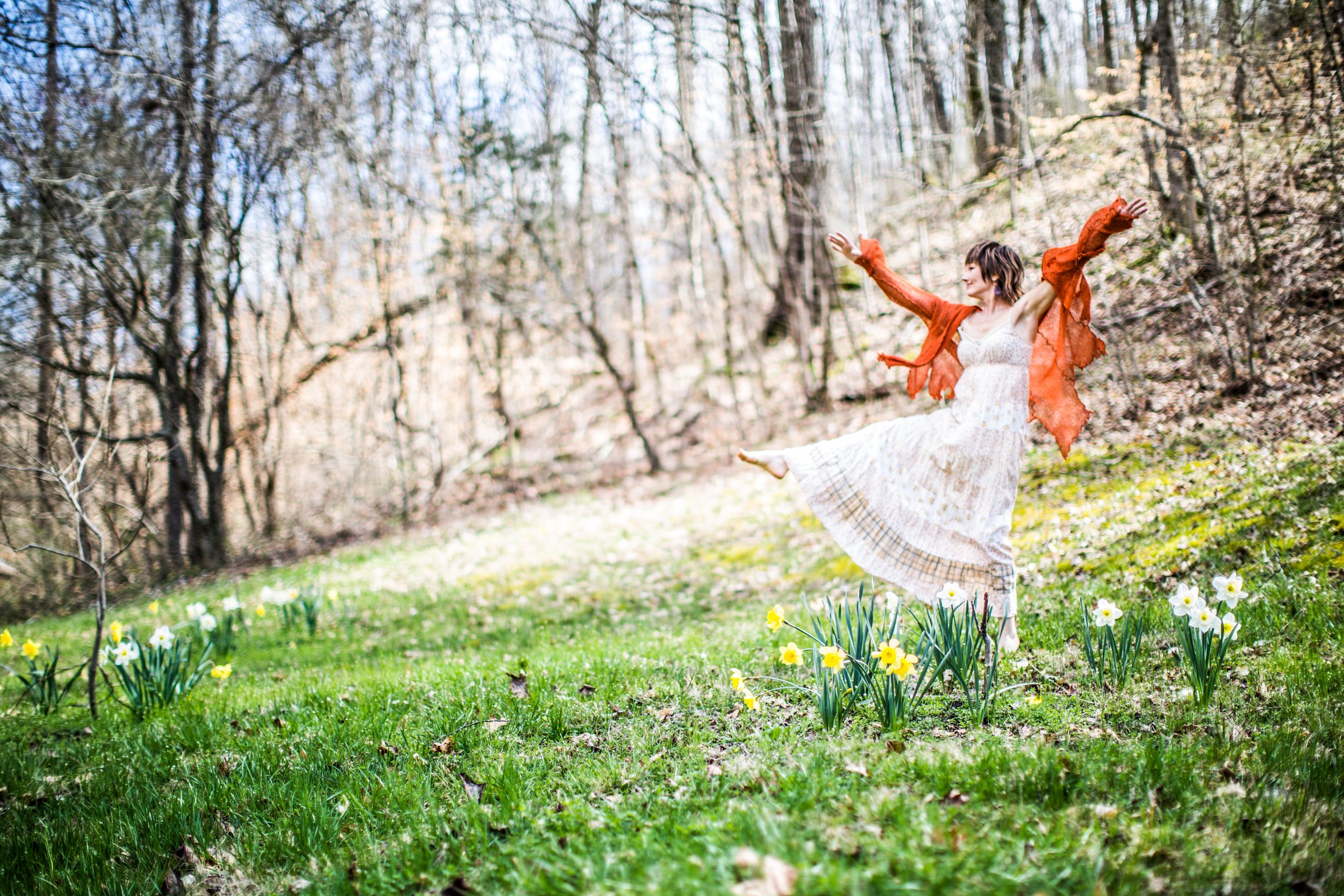
WATCH: Adrian + Meredith, ‘More Than a Little’

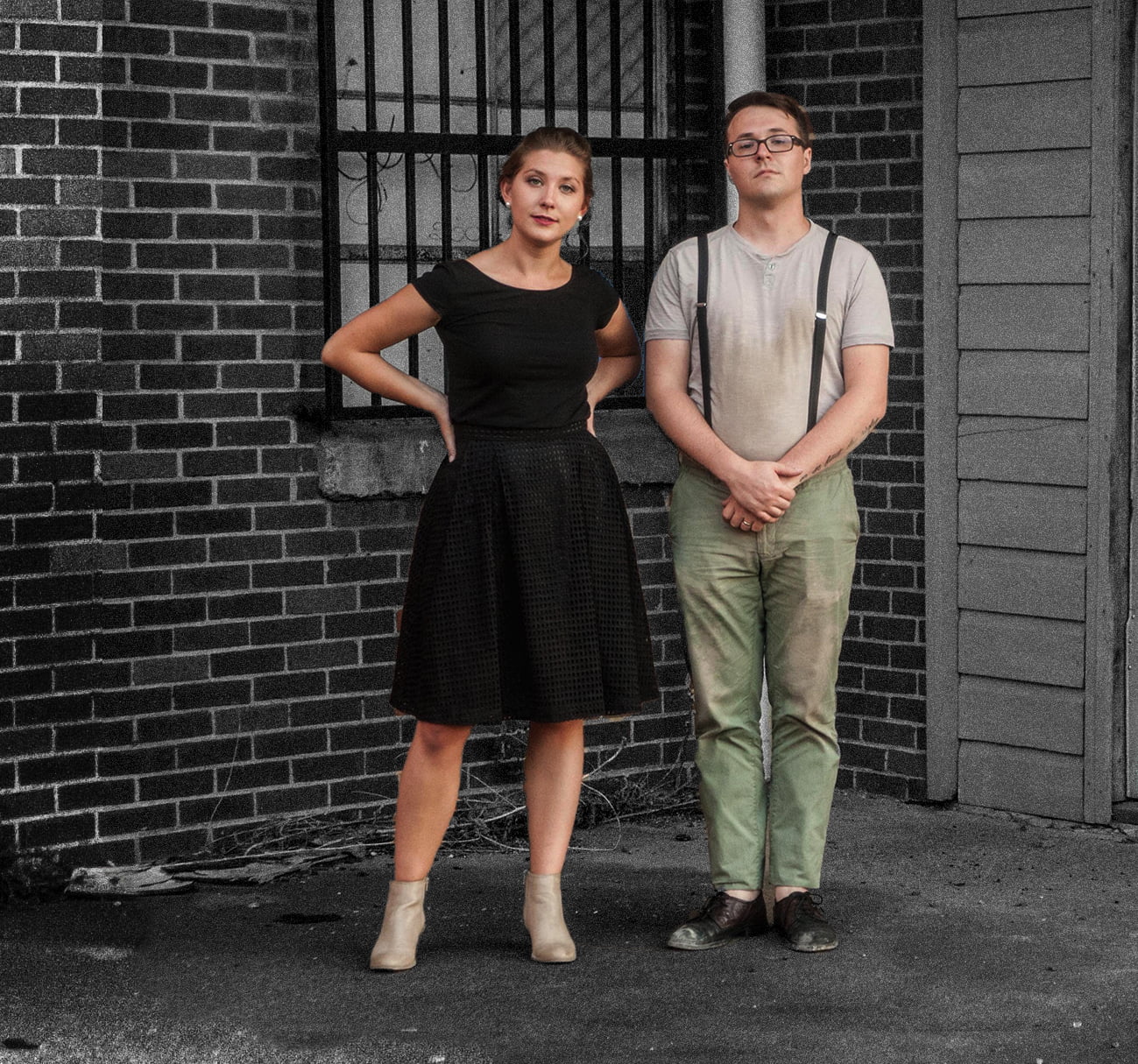
Artist: Adrian + Meredith
Hometown: Nashville, TN
Song: "More Than a Little"
Album: More Than a Little
Release Date: November 4

In Their Words: "'More Than a Little' had to be our title track. It signifies everything this record is to us. It was our first co-written song as a duo and it solidified the project, the sound, and direction of the following record. Festival editorials have been speaking to Meredith's driving rhythm and hook on this particular track, since we started playing it live.

Living in changing Nashville for five years already, the tunnel vision was strong with the branding, marketing, and push that city has a history with. I took a step back, left our current management, and got back to the root of the entire industry — the creative process. Once on the outside looking in, it became obvious that the generic and crowd-pandering lyrics, the already-been-done-before sounds/songs, and the built-for-commercial successes that I was living and participated in. With new perspective — mostly upon my own craft — came an honest, brutally truthful, and cleansing display of self- and scene reflection. The chorus tagline came first: 'Theres a science to selling bullshit by the pound,' meaning anything can be sold and bought. Do songs lose authenticity of honest emotion, when it's so calculated?" — Adrian Krygowski


Photo credit: Lauren Hanson

Amanda Shires Flips Her Lid

The only place I would ever call home, outside of the Lone Star State, would be Tennessee. Sure, one is in the South and has the best fried green tomatoes and hot chicken. The other is in the West and has breakfast burritos and endless amounts of Topo Chico (if you don’t know, now you do), but there is definitely a common thread between these two states when it comes down to the people, music, and style.

Being the clothing junkie that I am, one of my style connections between Texas and Tennessee is the love of hats and boots. (We will save boots for another day.) Much like a graphic tee, a hat can tell you a lot about a person without spelling it out. With the switch of a hat, you can take your look from Doll to Outlaw, and vice versa. (Speaking of Outlaws … any fellow hat lovers crushing on the Waylon-inspired collaboration between Stetson and Midnight Rider? I can’t wait to get my hands on the Lash Stetson.) That’s why I never leave home without one on my head, in my car, or stuffed in a bag.

One of my most-favorite style secrets is my hats. It’s especially great if you are a traveler, like me. You would be surprised at how different your look will change based on a few items. When I pack, I am often limited to one bag so I have to be mindful of what I pack. This isn’t such a bad thing — who wants to lug around a ton of stuff anyway? In my bag I put my favorite hat, a pair of boots to compliment the hat, one pair of denim, a jacket (denim or leather, depending on season), and I fill the rest with various top options.

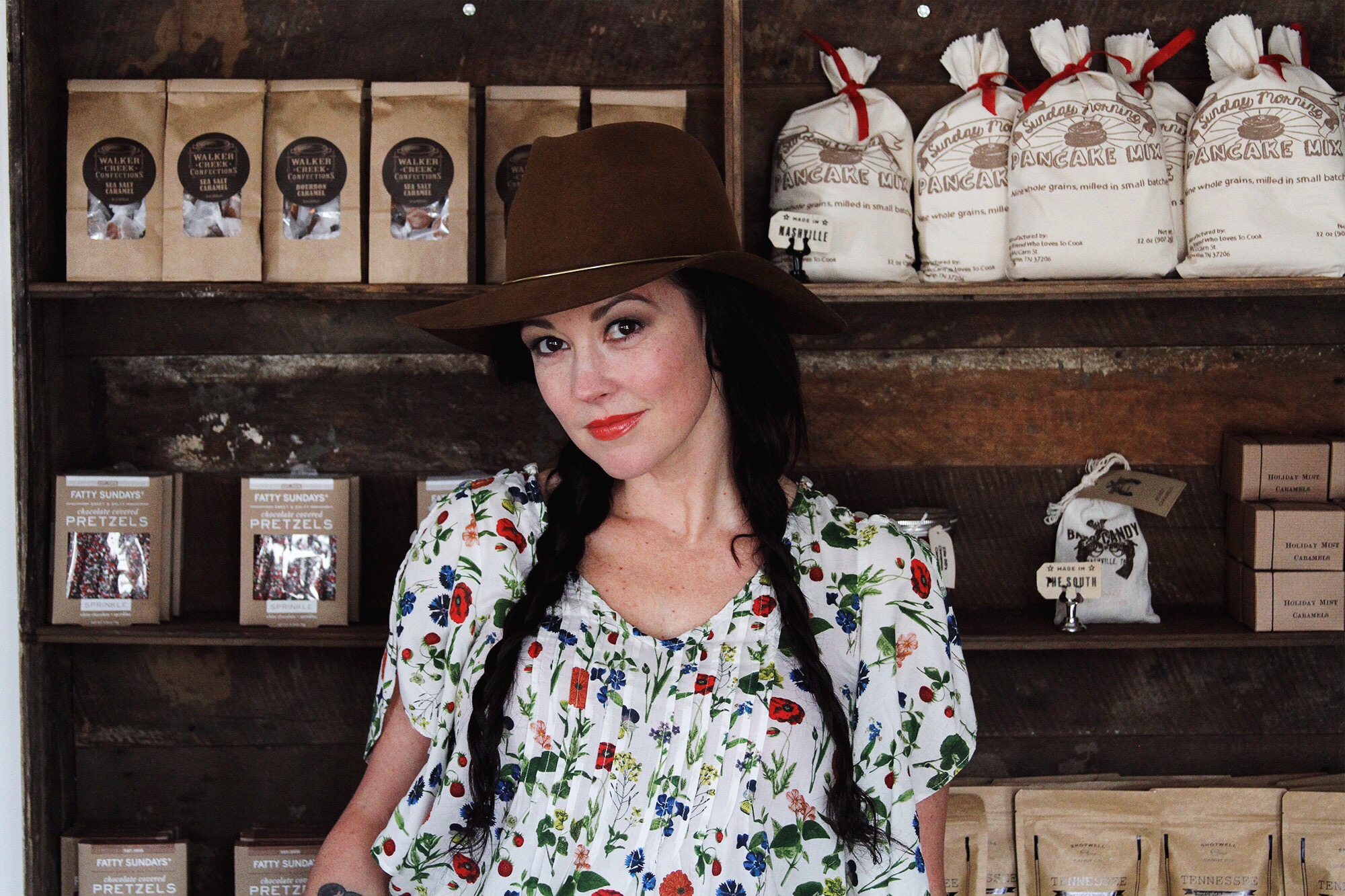
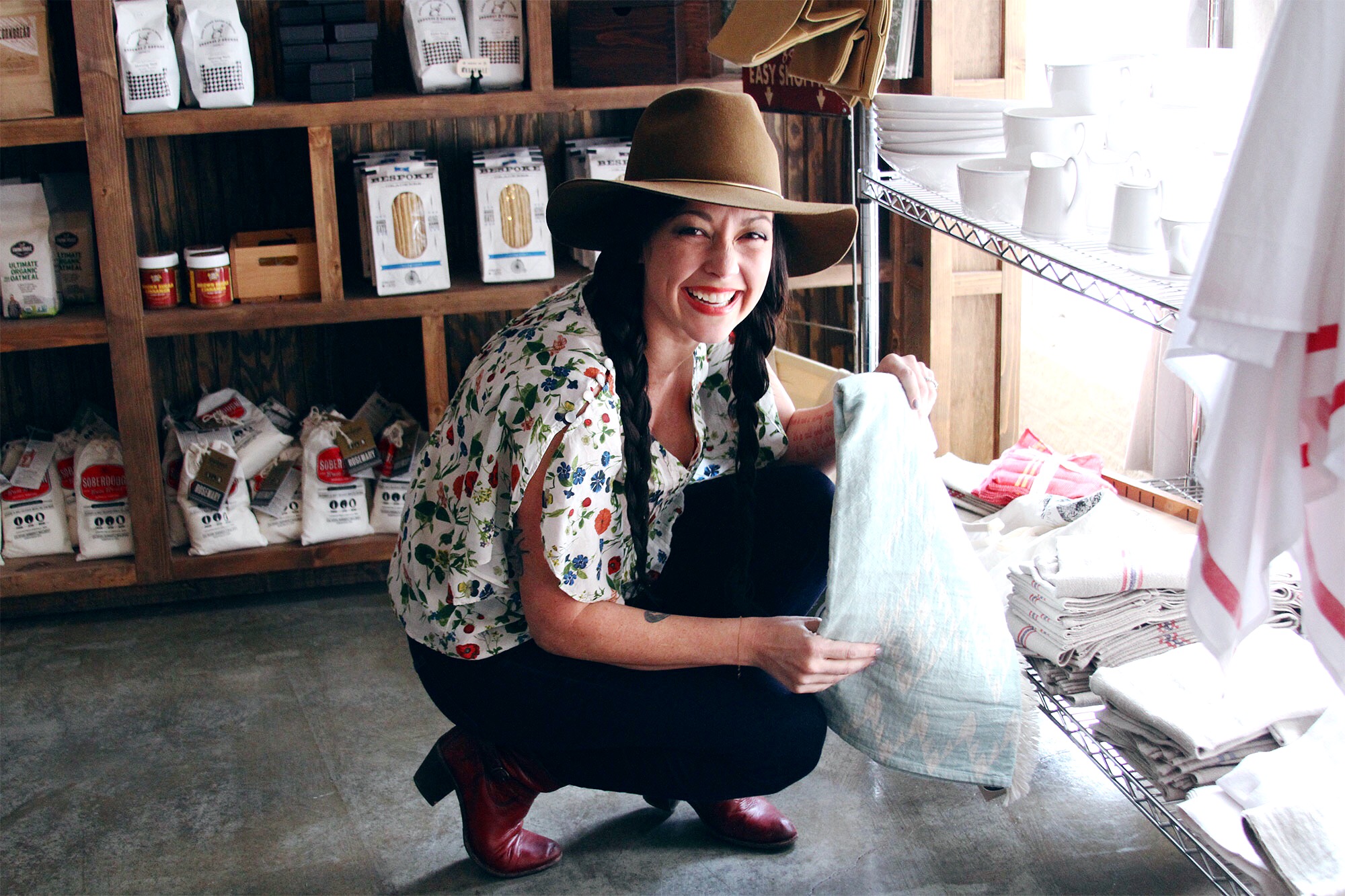
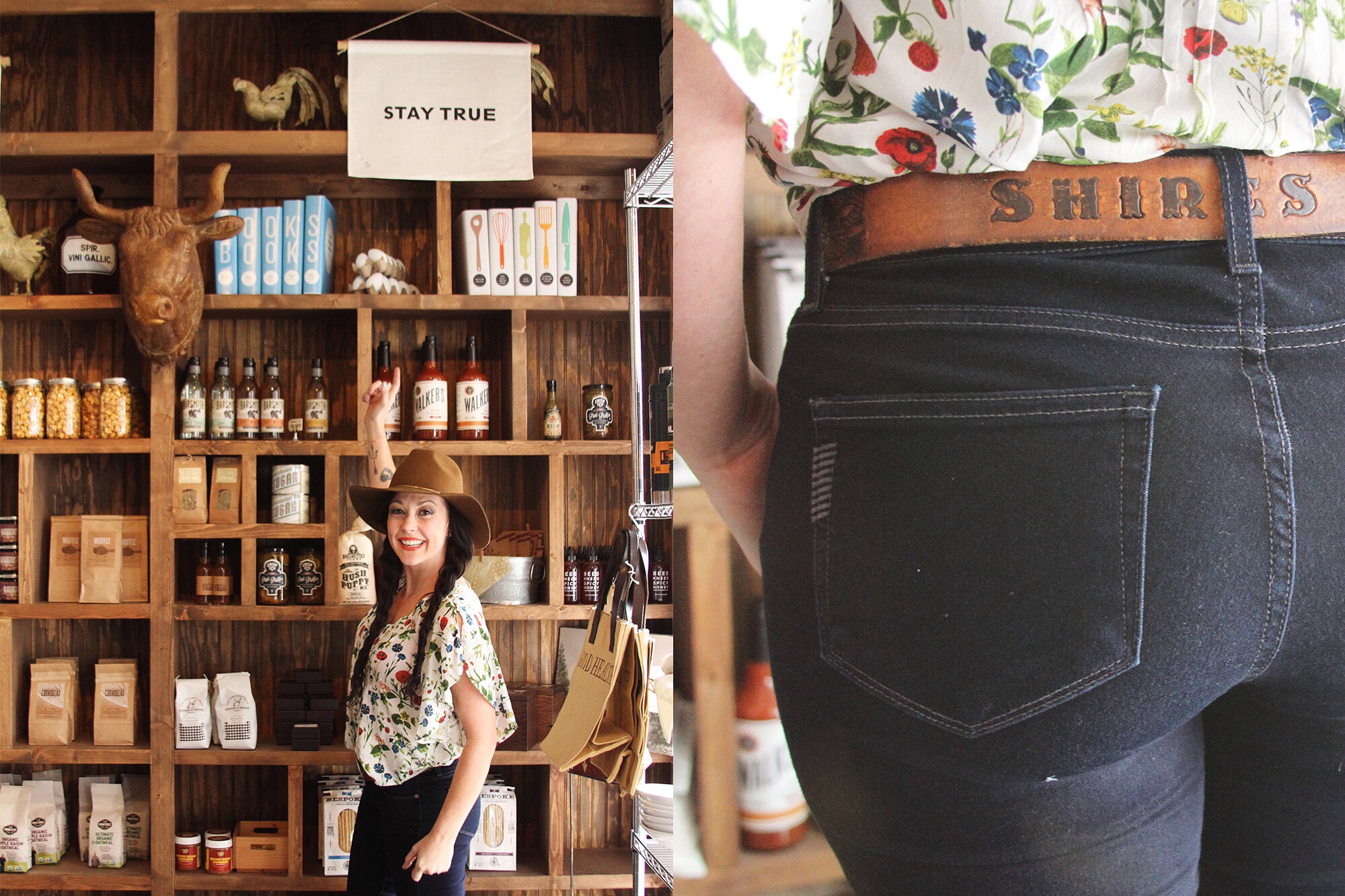
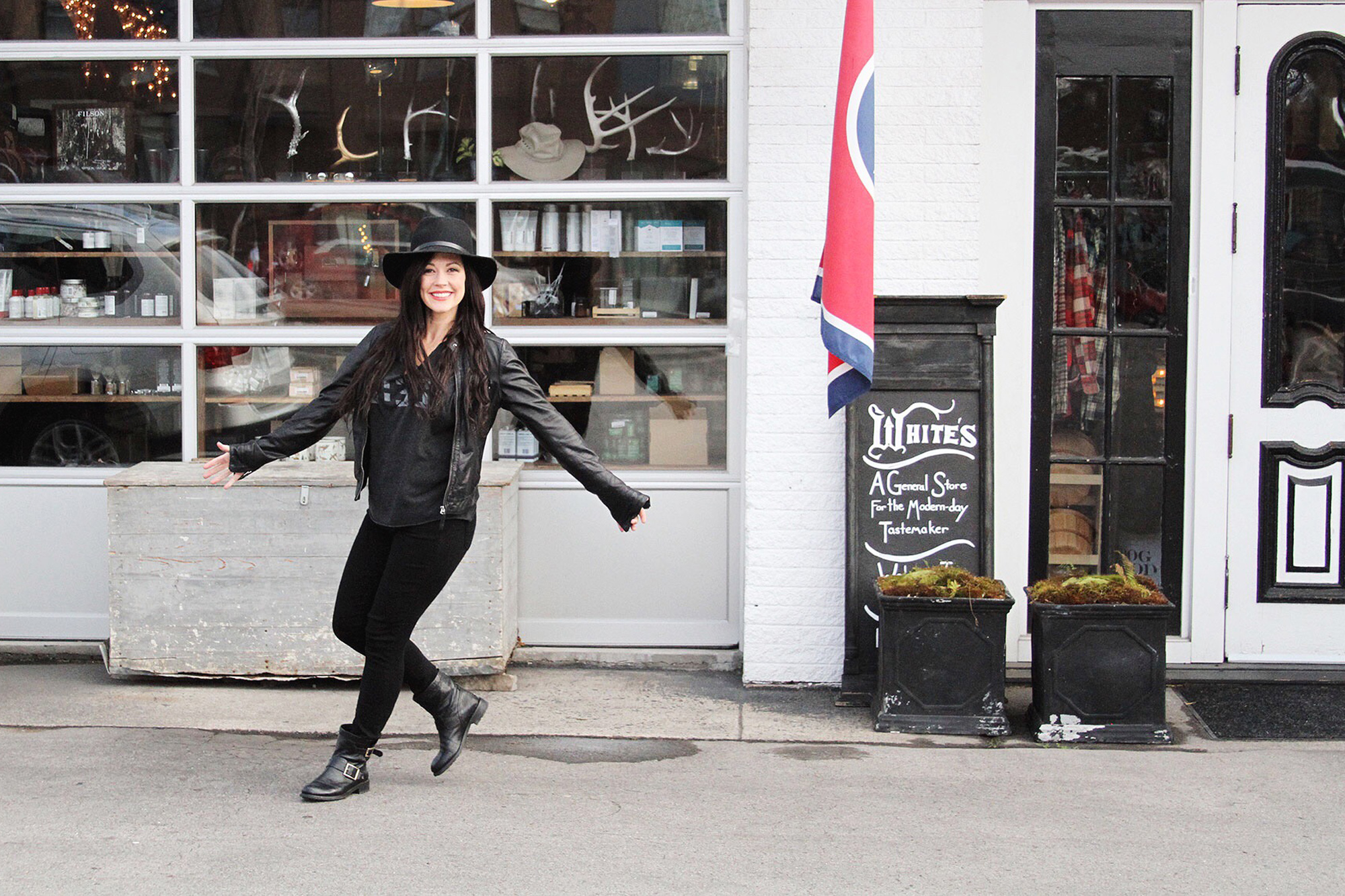
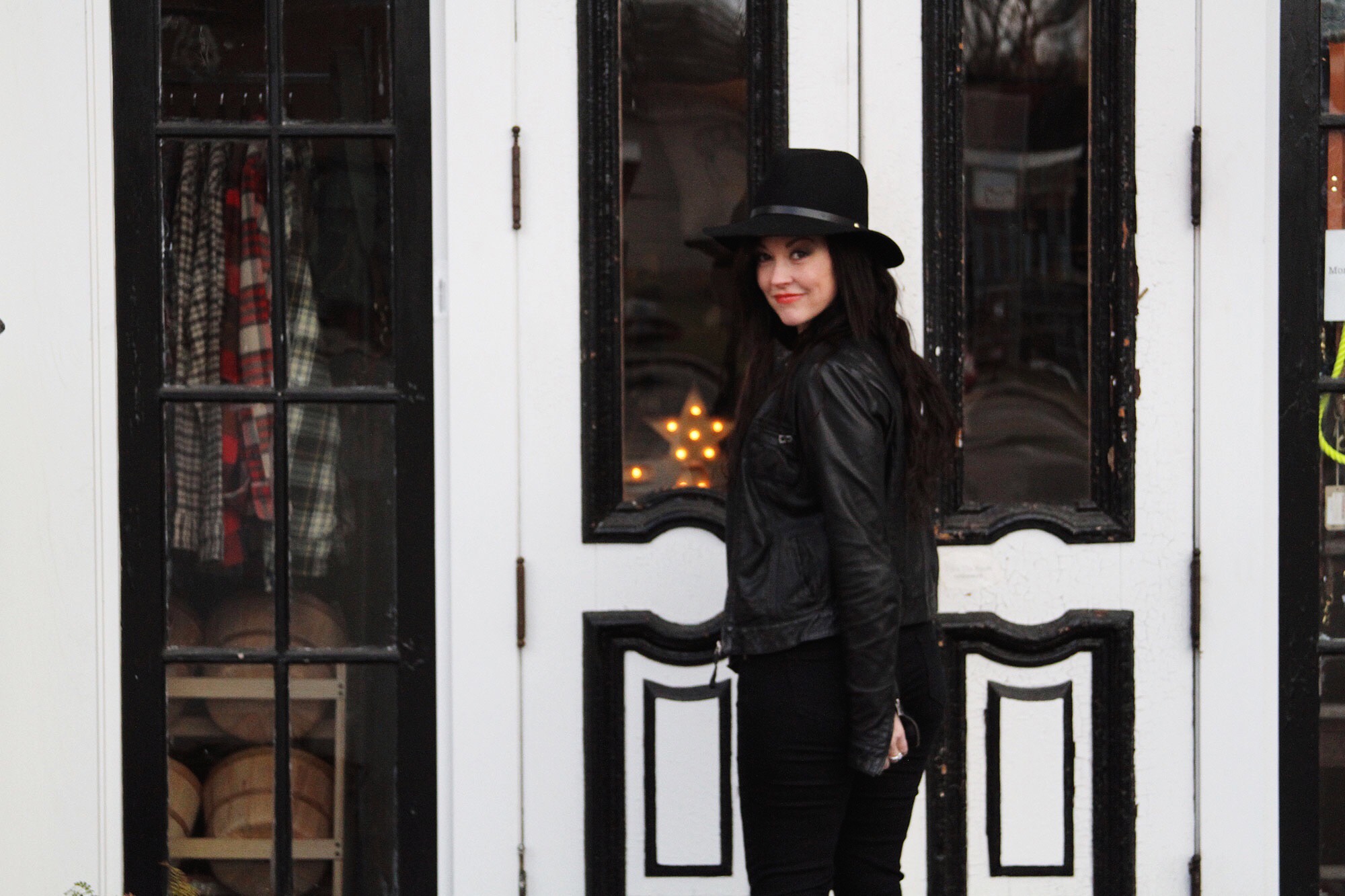
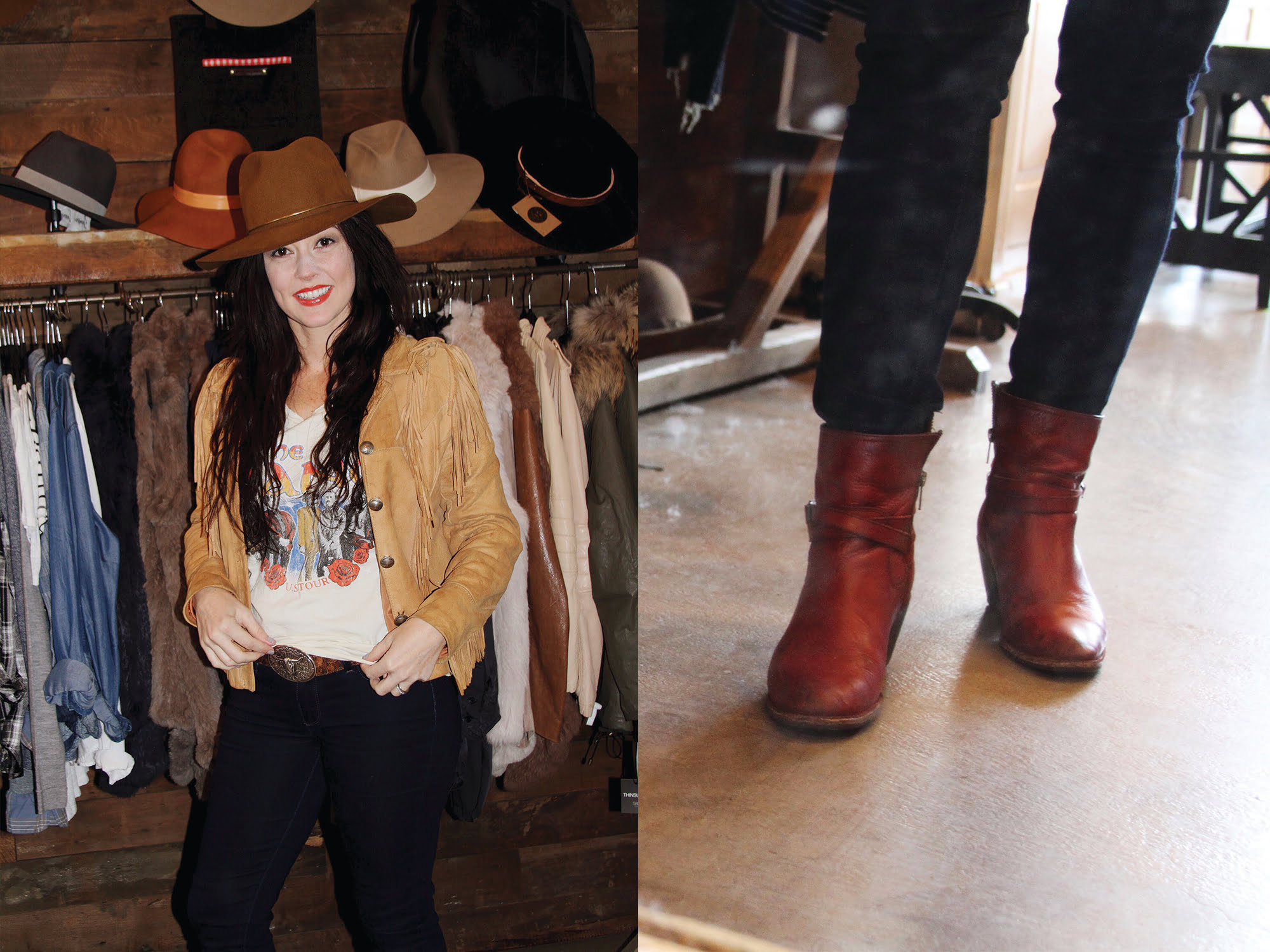
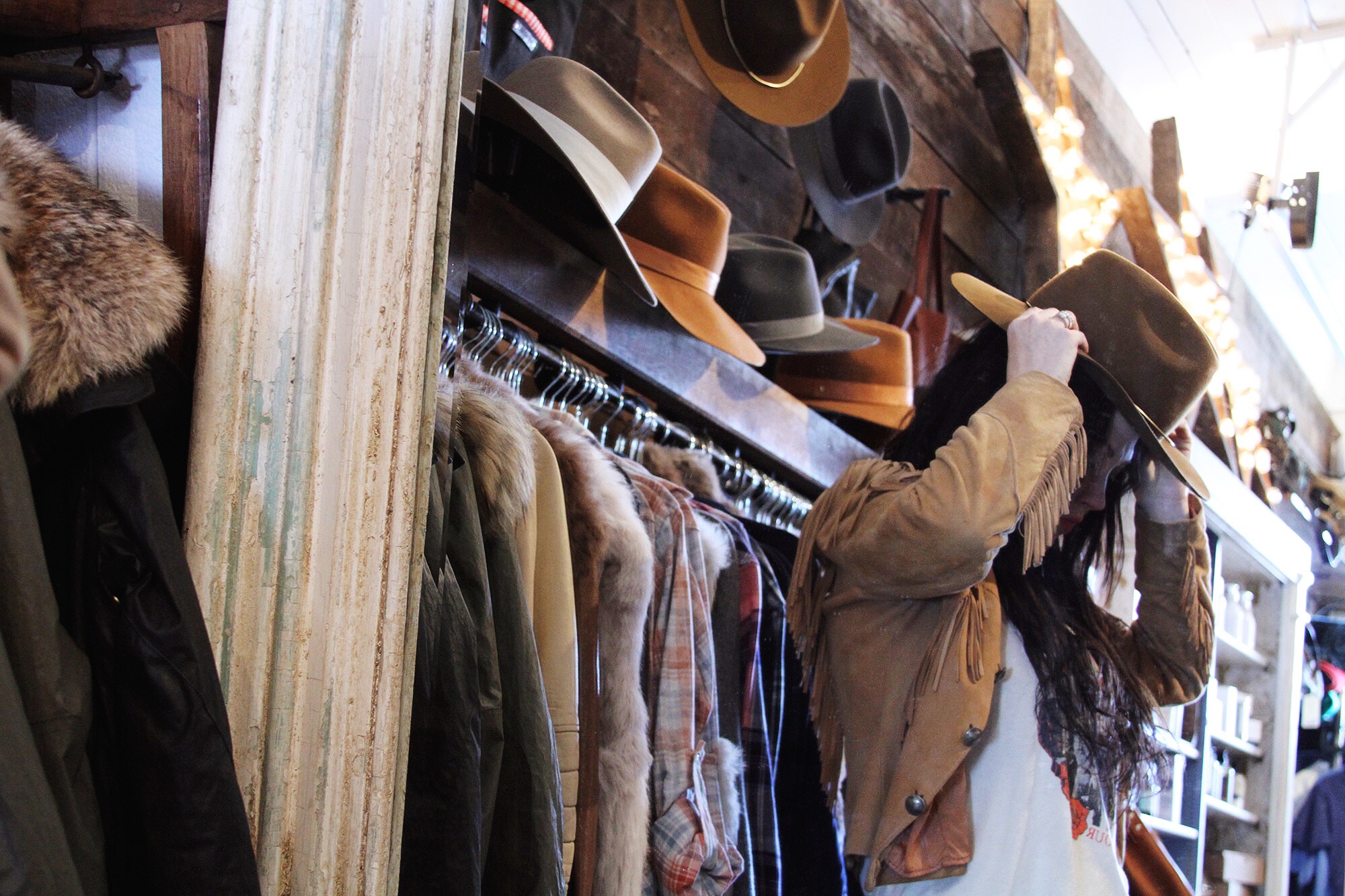
Amanda Shires is one of my favorite people to travel with and she happens to have a killer hat collection. Also from Texas, she’s a lover of quality hats like the Stetson, and is always introducing me to new hat makers and designers. When I met up with Amanda a couple of weeks ago, she was rocking an awesome, wide-brimmed hat from White’s Mercantile. What really set the hat apart for me was the thin gold metal hatband. Needless to say, this lead to a fun afternoon of trying on the Mercantile's great selection of hats. The two beautiful hats shown in the photos are James (brown) by Janessa Leone and the Floppy Brim Fedora by Rag and Bone (black). Amanda wears them with some of her favorite Midnight Rider t-shirts. 

Grab your best friend and go try on some fun hats. Pick something you wouldn’t normally go for. Maybe that means a larger brim or brown versus black. I promise you’ll walk away with a big smile and rocking a new style. I’m interested to know where you are finding your awesome hats. Let us know!

Sean McConnell’s Denim on Denim

“I’ve gone through many 'looks' … if you can call them that. As I get older, I know what I want and who I am and what I feel comfortable in and what reflects my insides. It’s kind of like songwriting: As you get older, you’re trying less to sound cool and just trying your best to be honest.” — Sean McConnell

It’s your favorite outfit. You put it on to grab a drink with friends at the local dive or new restaurant in town. It’s what you are wearing every time you leave for tour or head into the office. Whatever the occasion, we all have our default items/combinations we depend on for confidence. A sure win. Whether we meant to or not, we have begun creating uniforms for ourselves.

As a kid, dressing myself was one of the first forms of creative expression I knew — my first taste of independence, even. The thought of trading that in to look like everyone else in a school uniform was the worst thing ever! Parents held the control over my schedule, diet, haircuts, etc. But the one thing I had was a closet full of decisions I got to make. Even before kindergarten, my mom let me pick out my (mostly cringeworthy) outfits from my hodgepodge of hand-me-downs. I was enthusiastic when it came to creating a new outfit, makeup, and hairstyle every day.

So what changed?

We all started out associating uniforms with the idea of looking just like everyone else. Our only association to the uniform was private school, military, or the service industry. Structure and conformity? No thank you!

Once I put some miles between myself and my youth, I started realizing that, in a way, having the very thing I avoided in my youth could now be the factor that sets me apart. Embracing a personal uniform is not the same as sporting a group uniform. Taking that thought a step further: Creating a uniform for yourself that is based on what fits you best, regardless of trends and hype, pulls your further away from the majority of shoppers, making your style and outfit different. The bonus here is that, once you have identified the outfit that works best for you and commit to it, your mornings get longer and your bed won't be covered in clothes from failed attempts of “What should I wear?” Sure, I get that not everyone cares about time, identity, and efficiency. But if you are an entrepreneur, musician, fashion junkie, sleep-deprived parent, or under the limelight in anyway, exploring a personal uniform might not be so bad.

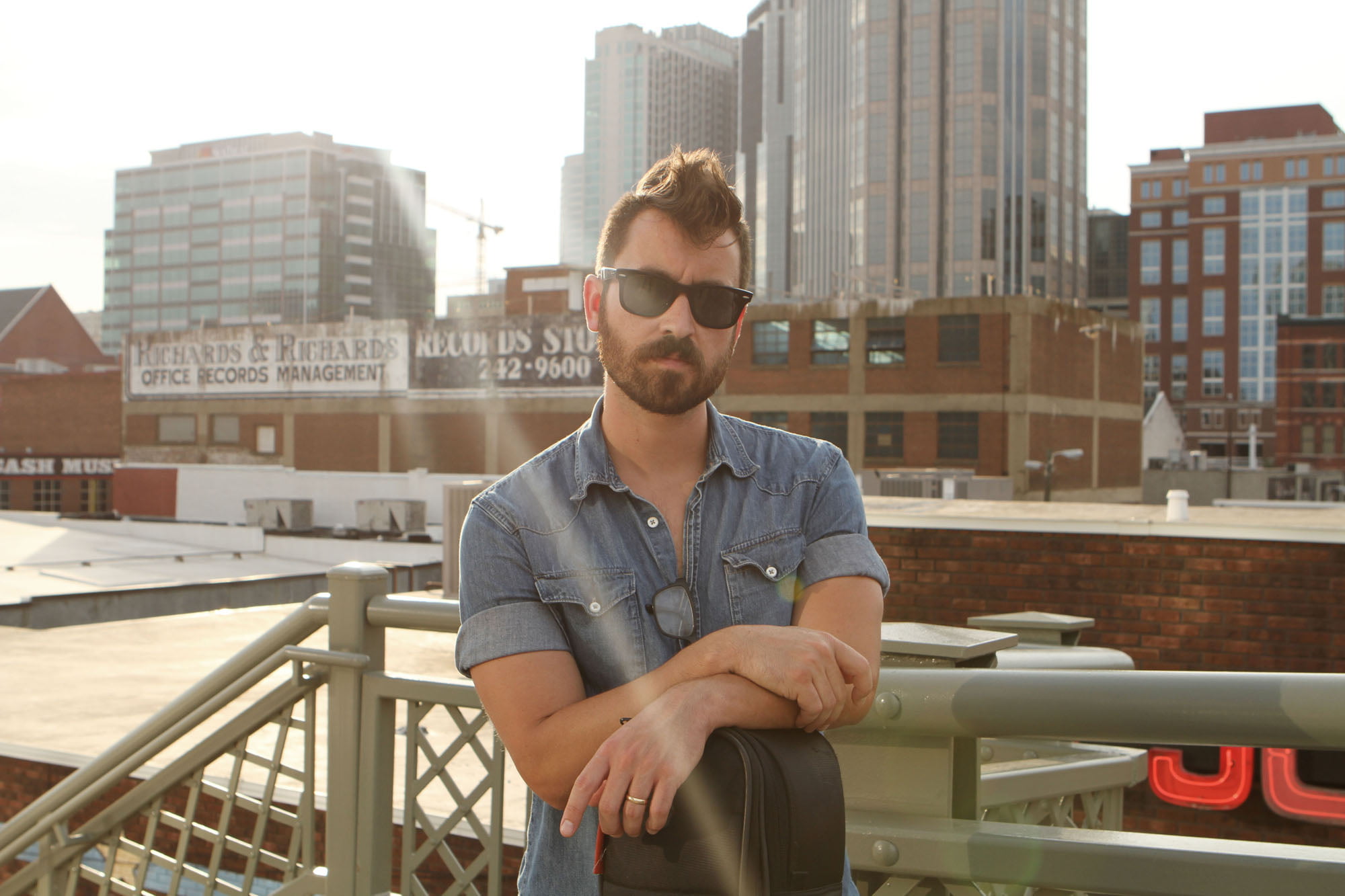
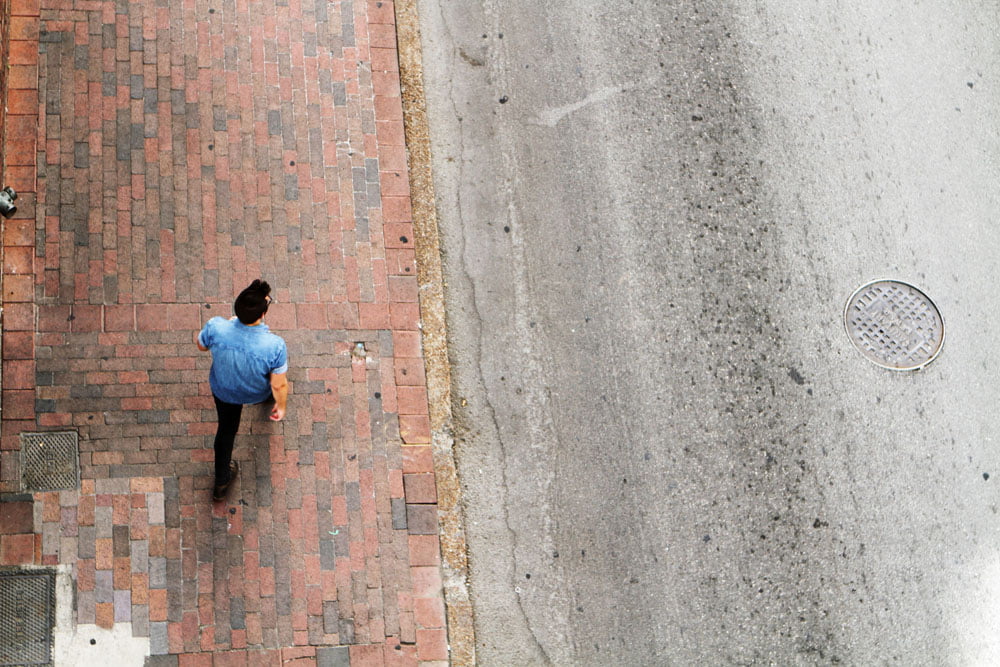
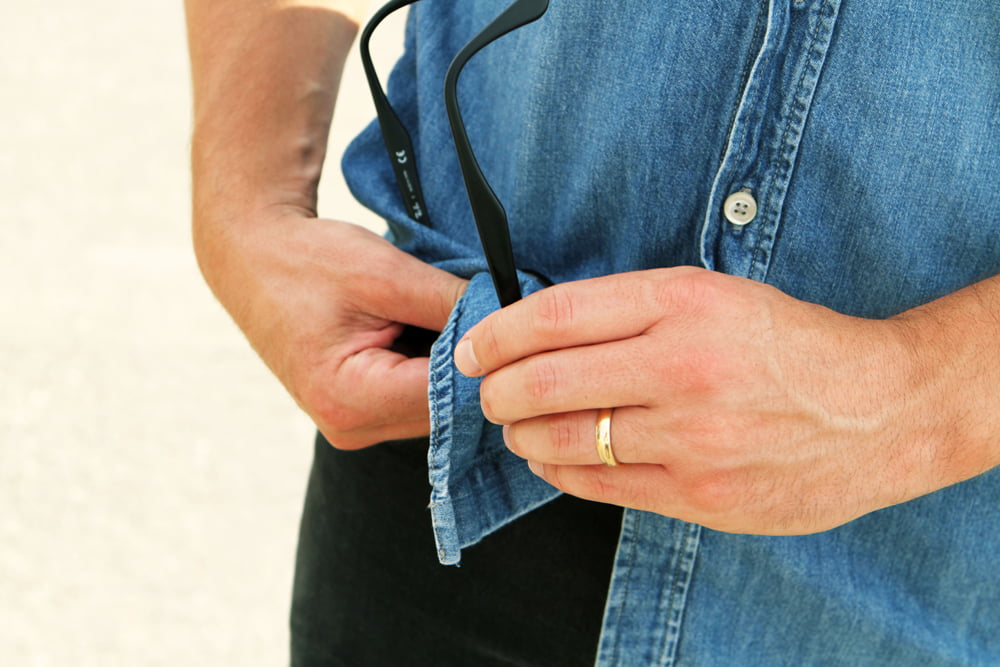
One Nashville local getting cozy with their uniform is singer/songwriter Sean McConnell. When it comes to Sean’s uniform, he likes to stick to the three Southern style basics: denim, denim, denim. Any time I’ve seen him around town, he’s sporting a denim button-down, denim jeans, Doc Martens, and maybe, if the wind is blowing just right, a denim jacket. His denim uniform is almost always accompanied by either Ray-Ban sunnies or glasses. If frames are missing, you know he woke up on the wrong side of the bed.

Having a uniform doesn’t mean trying hard, either. I feel it’s more of the opposite: Identifying your personal uniform and letting go of all the extras. It’s being comfortable with yourself to know what you like and know what fits best, and walking with confidence because you know what you’re wearing is what works. A few notable public figures ranging from Steve Jobs to Vera Wang have been questioned about their outfit-repeating. The discussions range from the practical response of simply avoiding “decision fatigue” to the more style-conscious end of curating the closet to obtain a strong signature look.

I’d love to say I fall on the brainier side of the whole shebang and be all about saving my brain for more important decisions, but that’s not me. I fall somewhere between style consciousness, shallow pockets, and being a creature of habit. I don’t think I’ll ever fully commit to one uniform — I’m more of a uniform of the week kind of gal — but I do enjoy seeing others practice a solid signature look.

Lera Lynn Gets Her Jacket On

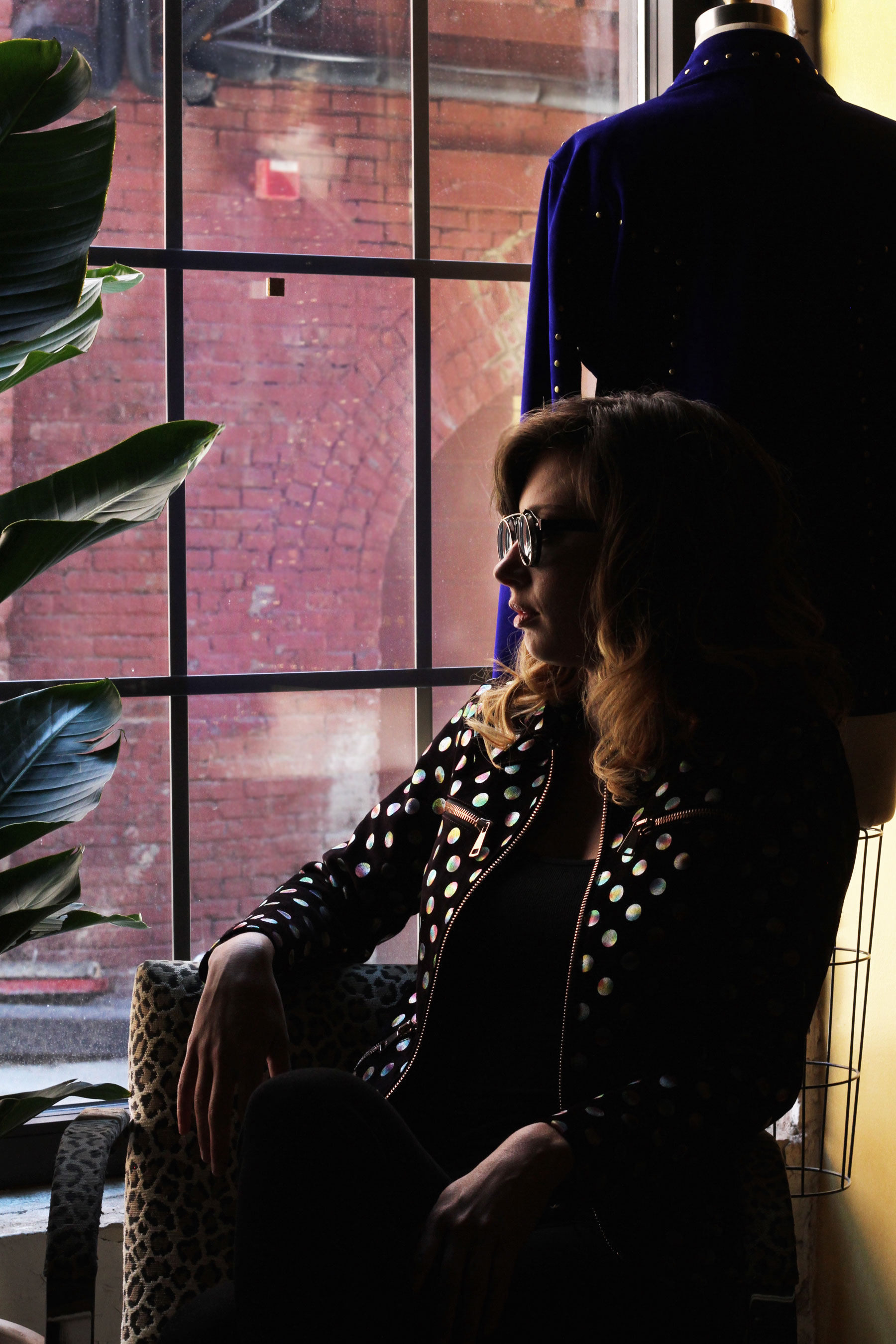
Like the rest of us fashion junkies, singer/songwriter Lera Lynn’s style steadily evolves year to year reflecting her current interests. But the one thing that remains constant is her affinity for fun, unique pieces. With a particular love for jackets and rare blazers, she knows a thing or two about the perfect leather jacket. If finding the perfect leather is as good as finding gold, thanks to Lera, I have found the treasure trove.

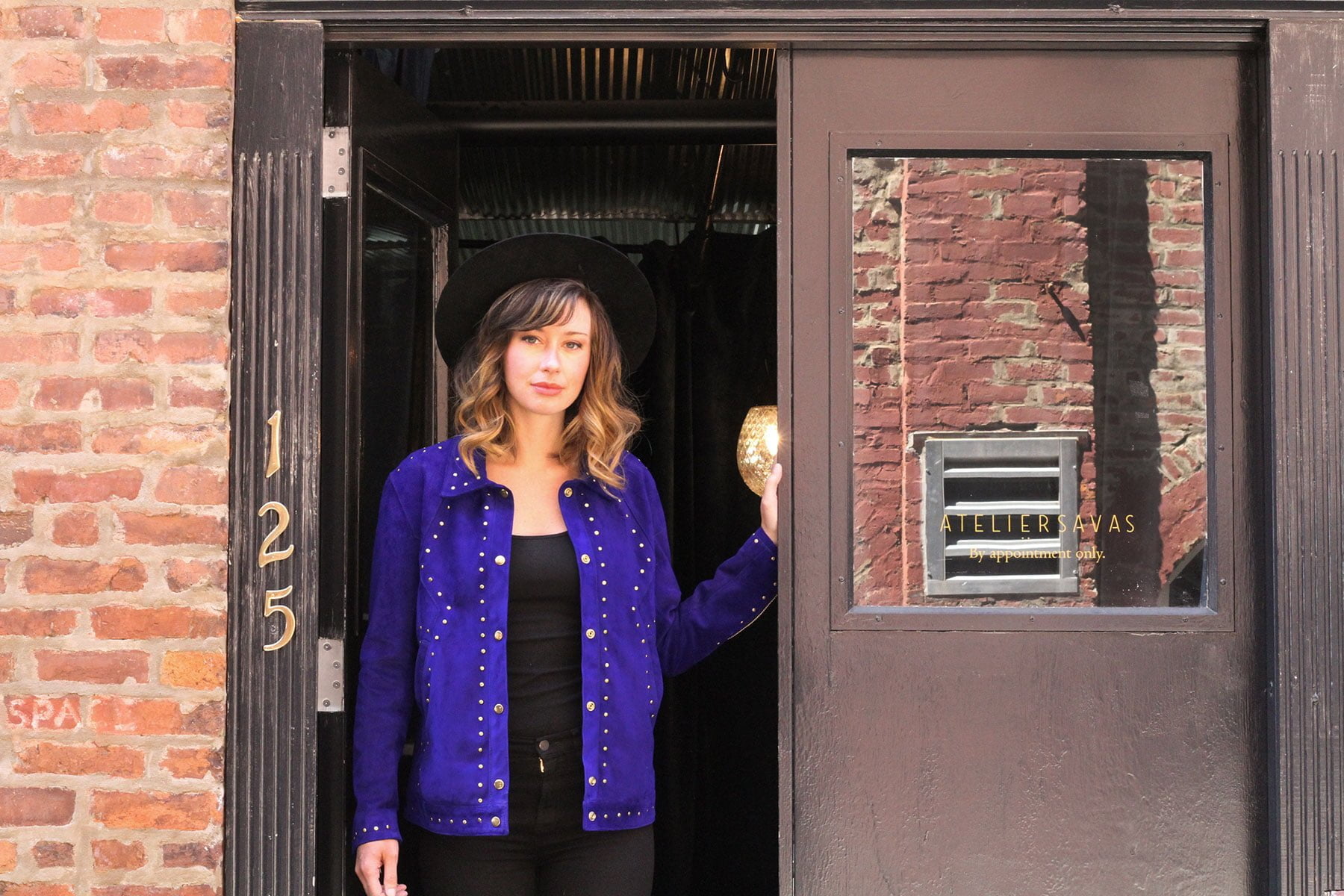
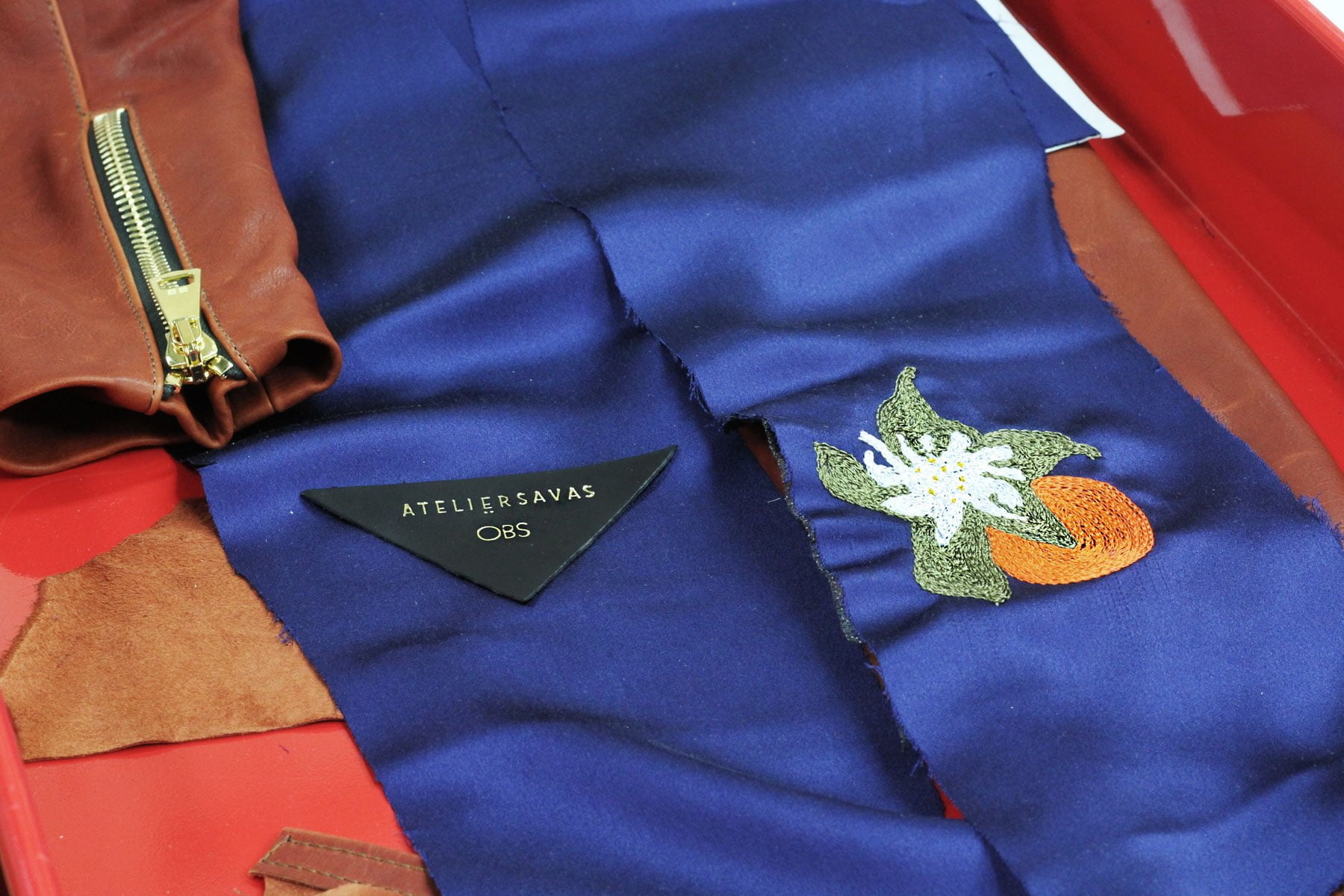
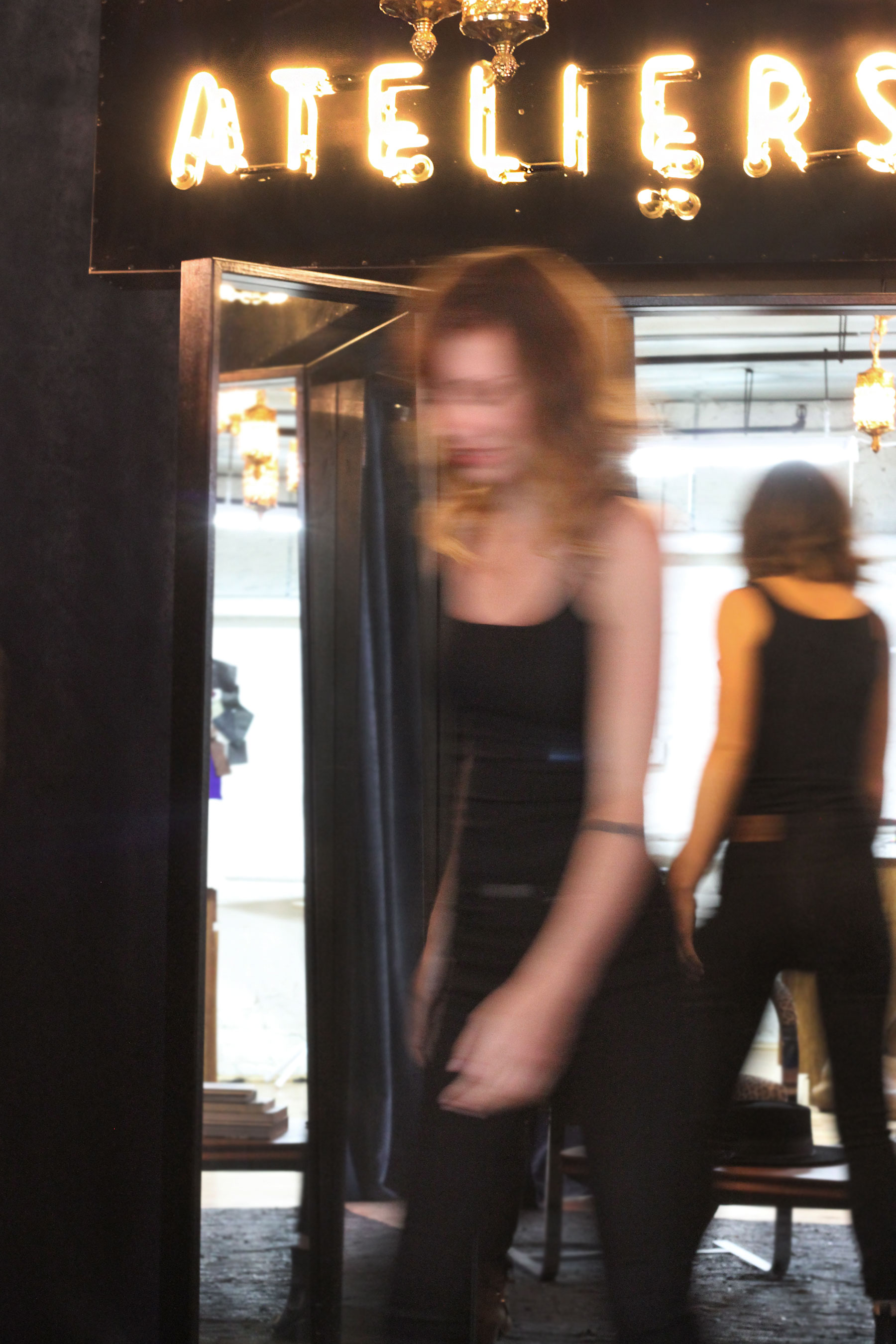
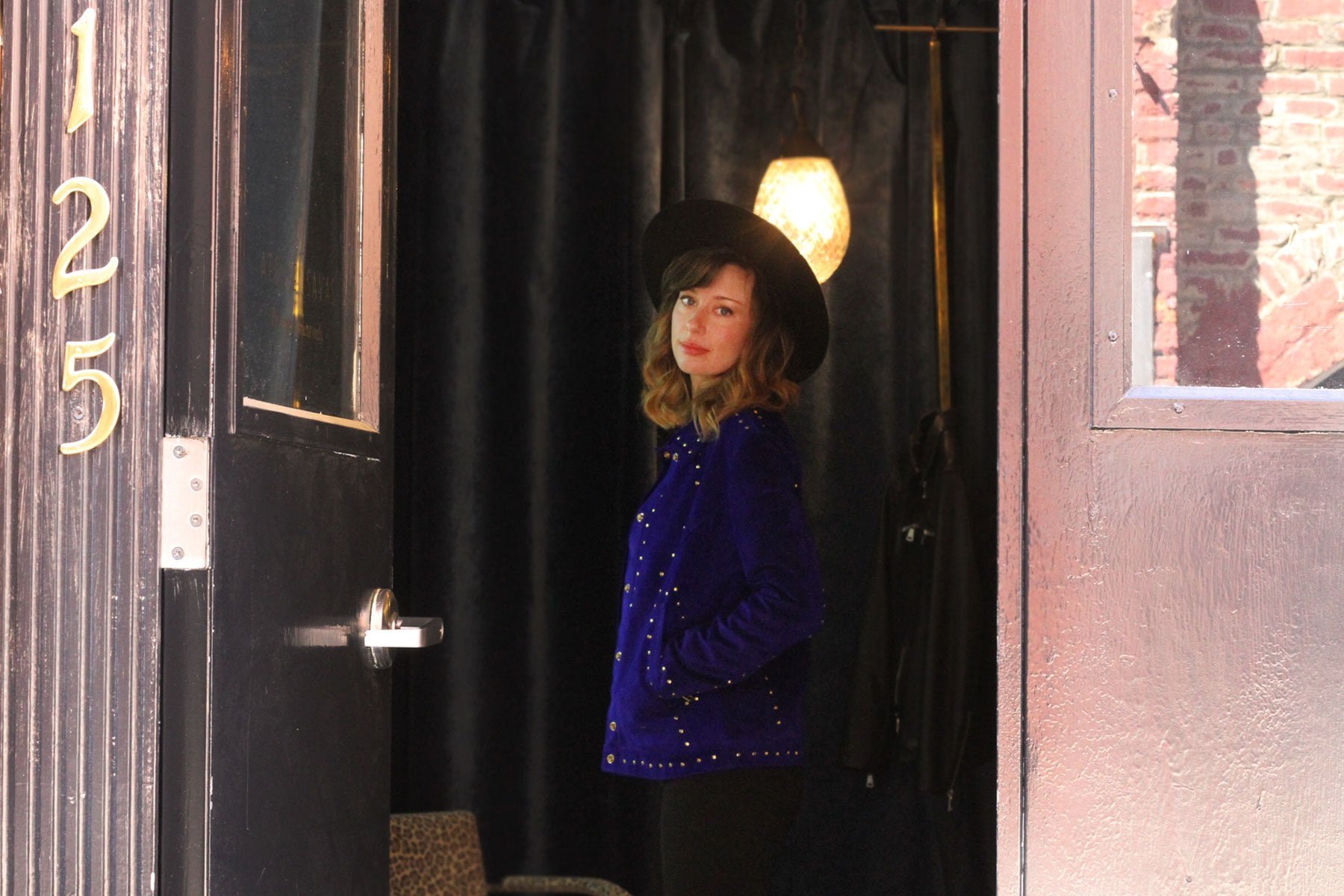
Hidden in plain sight, AtelierSavas is located down an alley behind Cannery Row right here in Nashville, Tennessee. It is there you will find Savannah Yarbrough, creator of one-of-a-kind, bespoke luxury leather and fur outerwear. Once you walk through the black double doors addressed 125, you will begin the flawless process that will result in you standing an inch taller and feeling like a baller. There’s no better way to express creativity and make a statement about who you are than with a distinctive wardrobe piece that no one else can duplicate.

At AtelierSavas, Savannah brings both her unique design perspective and technical skills for tailoring to the table with each leather jacket made. This — along with the fit, style, attention to details, and craftsmanship — are what make these leathers unmatched.

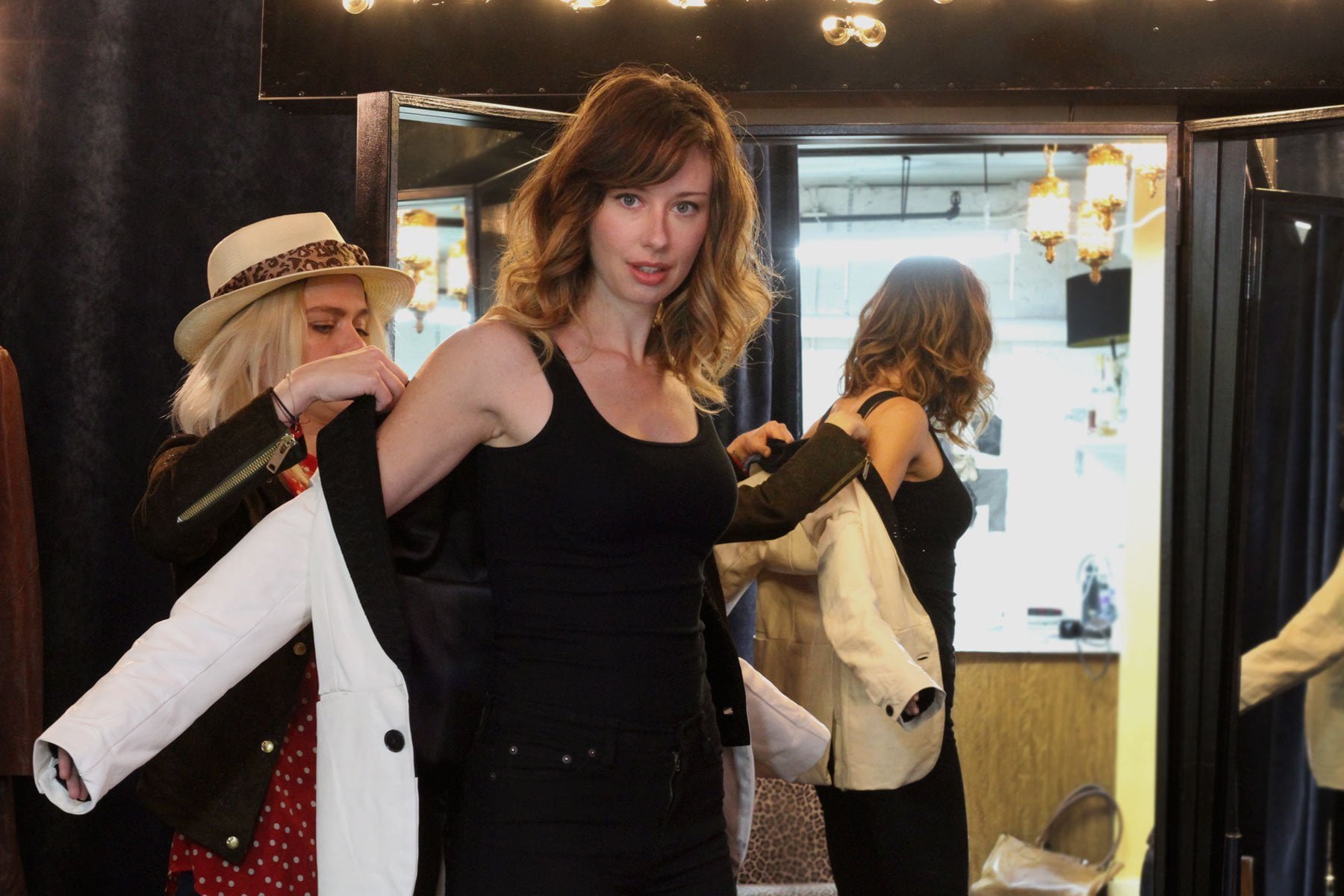
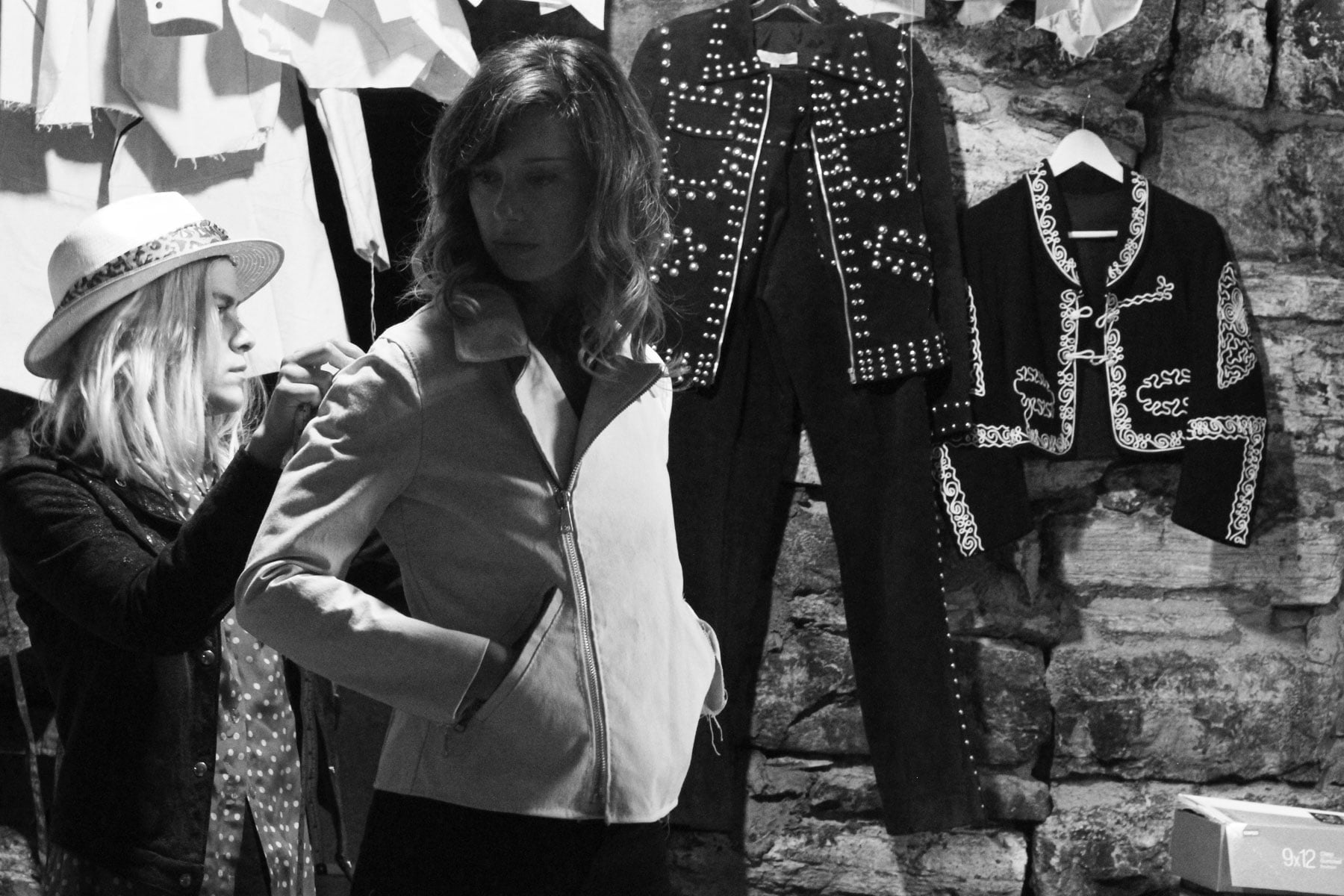
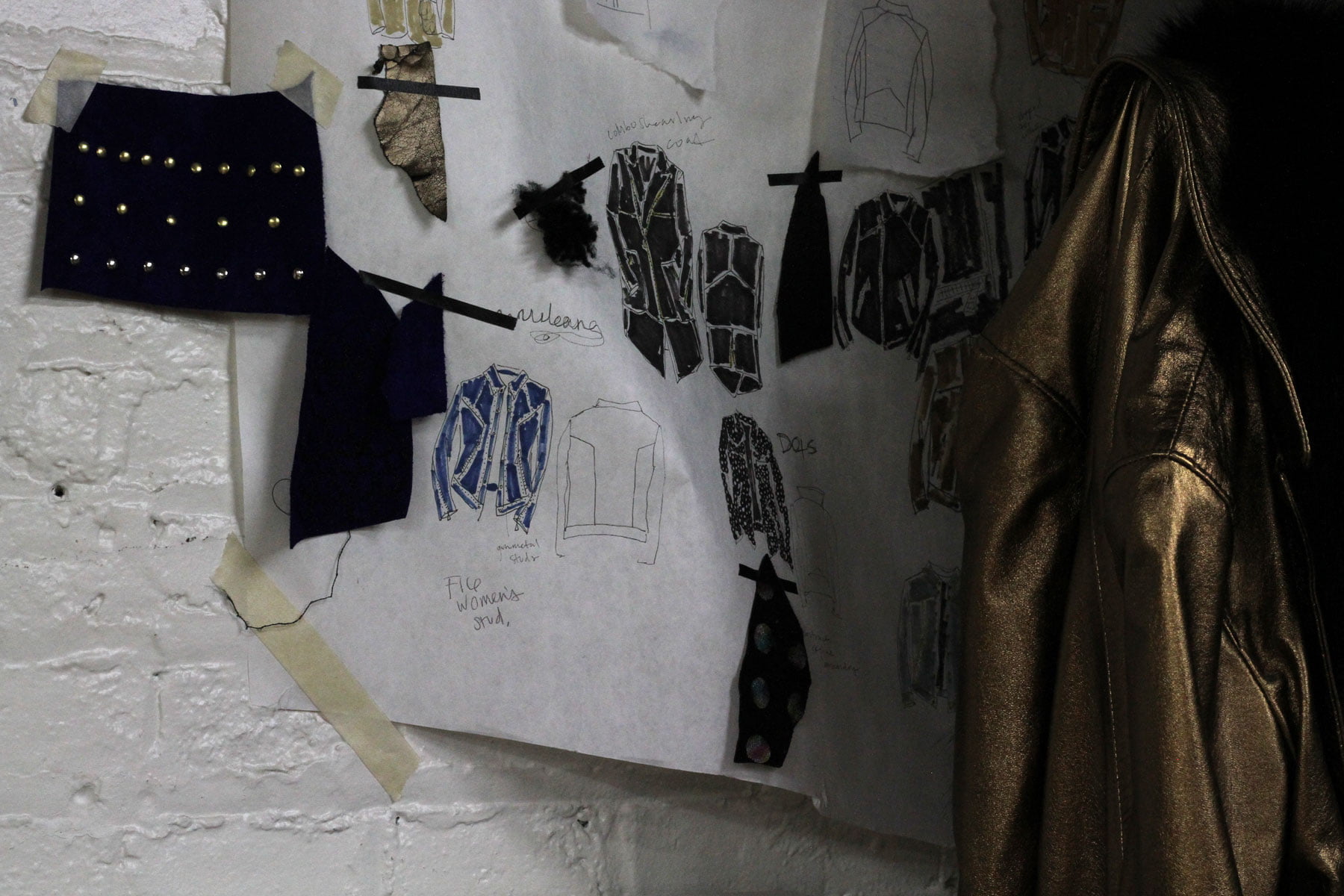
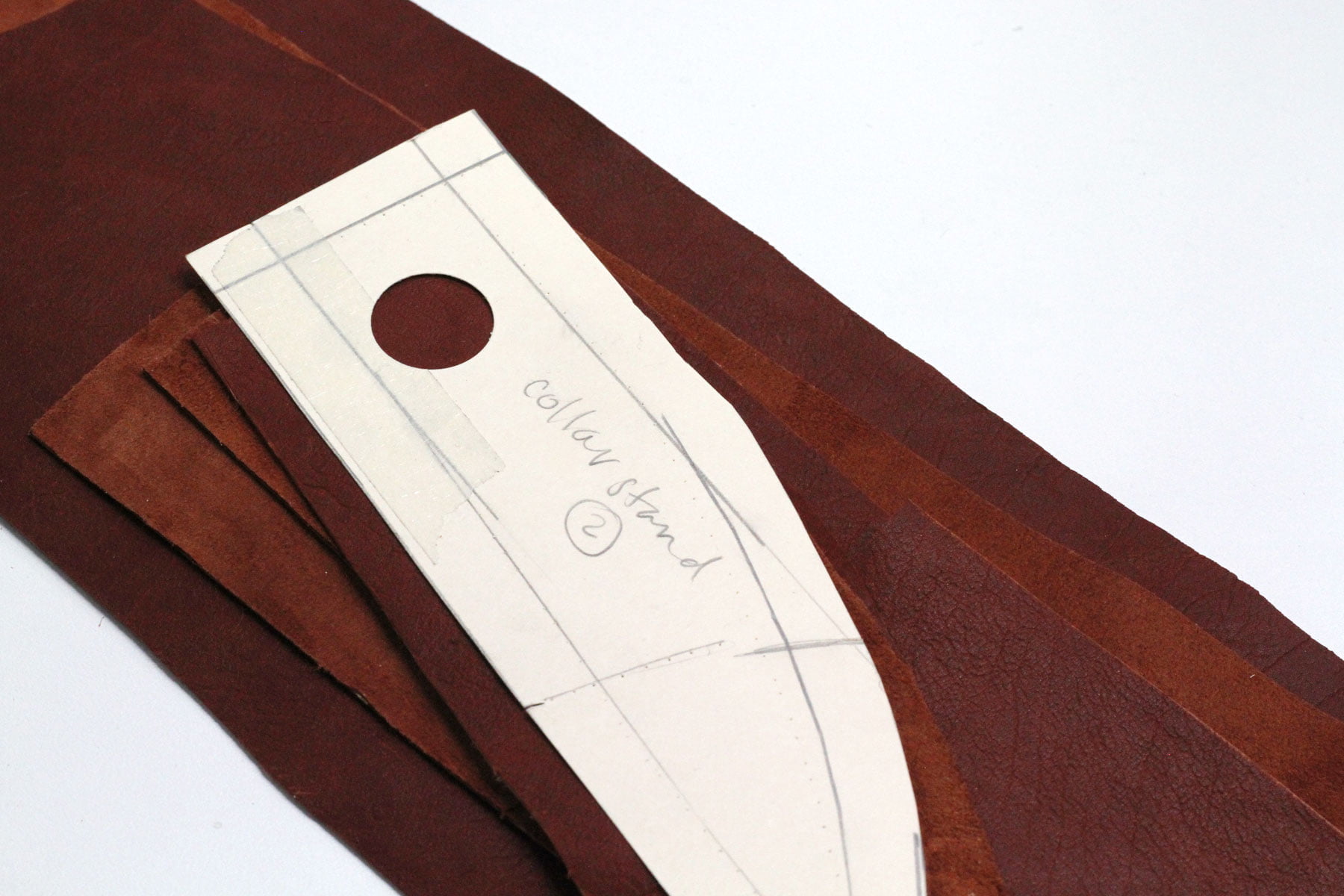
To give you a brief understanding of the Savas journey, every leather jacket begins with a client meeting in which the measurements are taken to tailor the fit perfectly to that client’s individual body. Leathers are chosen, custom details discussed, and a sketch is drawn up. From there, patterns are made and a fabric mock-up of the leather jacket is created. There’s a fitting and adjustments are made to both details and fit. Once approved, the leather jacket of dreams finally arrives in this world.

Although each of these beautiful jackets is unique, Savannah has a few signatures, distinguishing them as her works of art. My favorite AtelierSavas style signature is something you catch from the profile view. There’s a curve from the arm hole to the wrist, inviting movement and creating a lived-in feel. Complimenting the arm curvature is the back hem resting slightly higher up than the front hem, which is damn sexy.

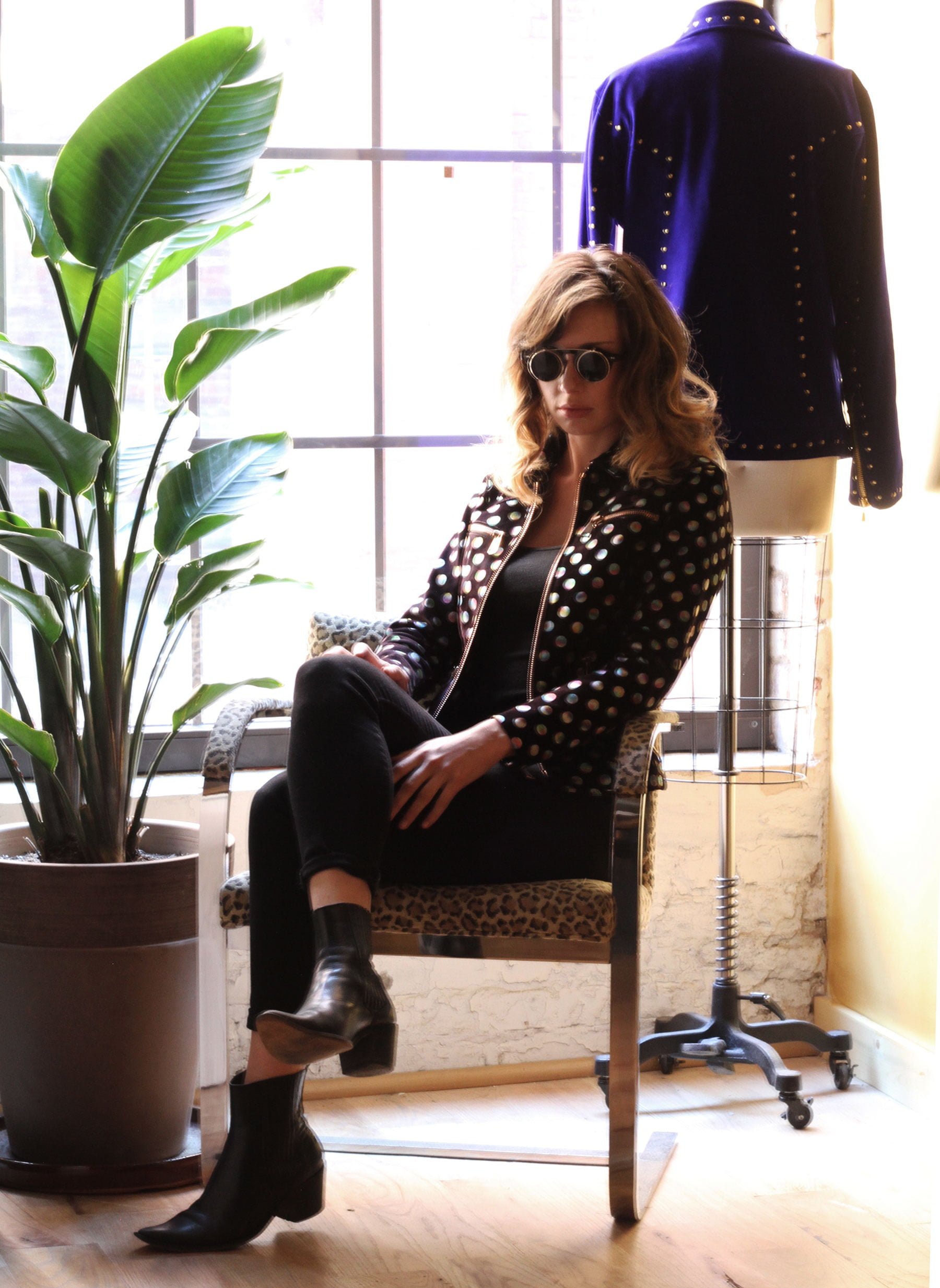
Whether you want your leather to make a subtle statement in a brown washed leather or a loud one in shiny gold or polka-dots, these jackets are designed to be an everyday piece. They are meant to become a part of your daily journey, continuing to tell your story. Like us, this wardrobe staple gets better with age.

Since you and this jacket will live out the rest of your days together, it’s important that it meet your specific daily routine needs. If that means extra pockets in the lining for your favorite pen, cigarettes, or even your snake-killing pistol, Savannah will customize the jacket in the design stages to make sure you have what you need and make it look good. Other custom details include chain-stitched designs on the jacket lining. An AtelierSavas jacket will compliment your quirks, as well as your inner badass. It will capture the story you wish to tell and with a medium so unique and well-crafted, you are sure to have an audience. Trends come and go, this tried and true is forever.

Tats and Tees Tell the Elise Davis Tale

I can’t quite pinpoint what makes singer/songwriter Elise Davis’s style so dang appealing. Yeah, it differs depending on whether you catch her on a show day or an off day, but there’s something effortless, confident, and unique that remains constant, on and off stage.

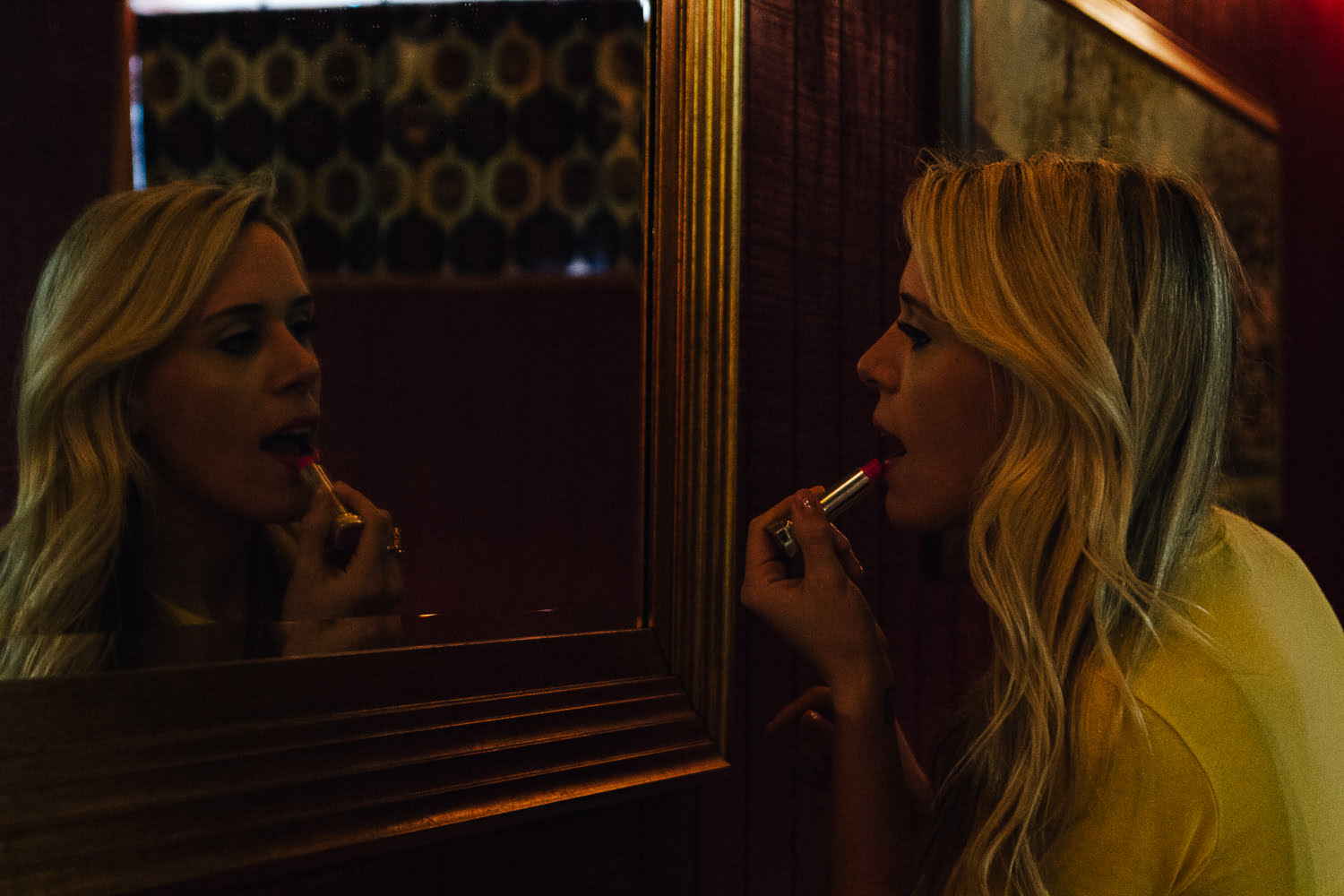
Onstage, her priority is feeling comfortable and confident, to minimize distractions for her and her audience during her set. For Elise, something high-waisted and all black helps create this comfortable blank canvas. Other components to this look are her signature smokey eyes, bold lips, and bright blonde hair. By creating a look that instills self-confidence, she has unintentionally created a mysterious, grungy, sexy vibe that sparks curiosity and matches the mood and tone of her latest album, The Token. It’s interesting finding the things that stay the same and those that change from onstage to off.

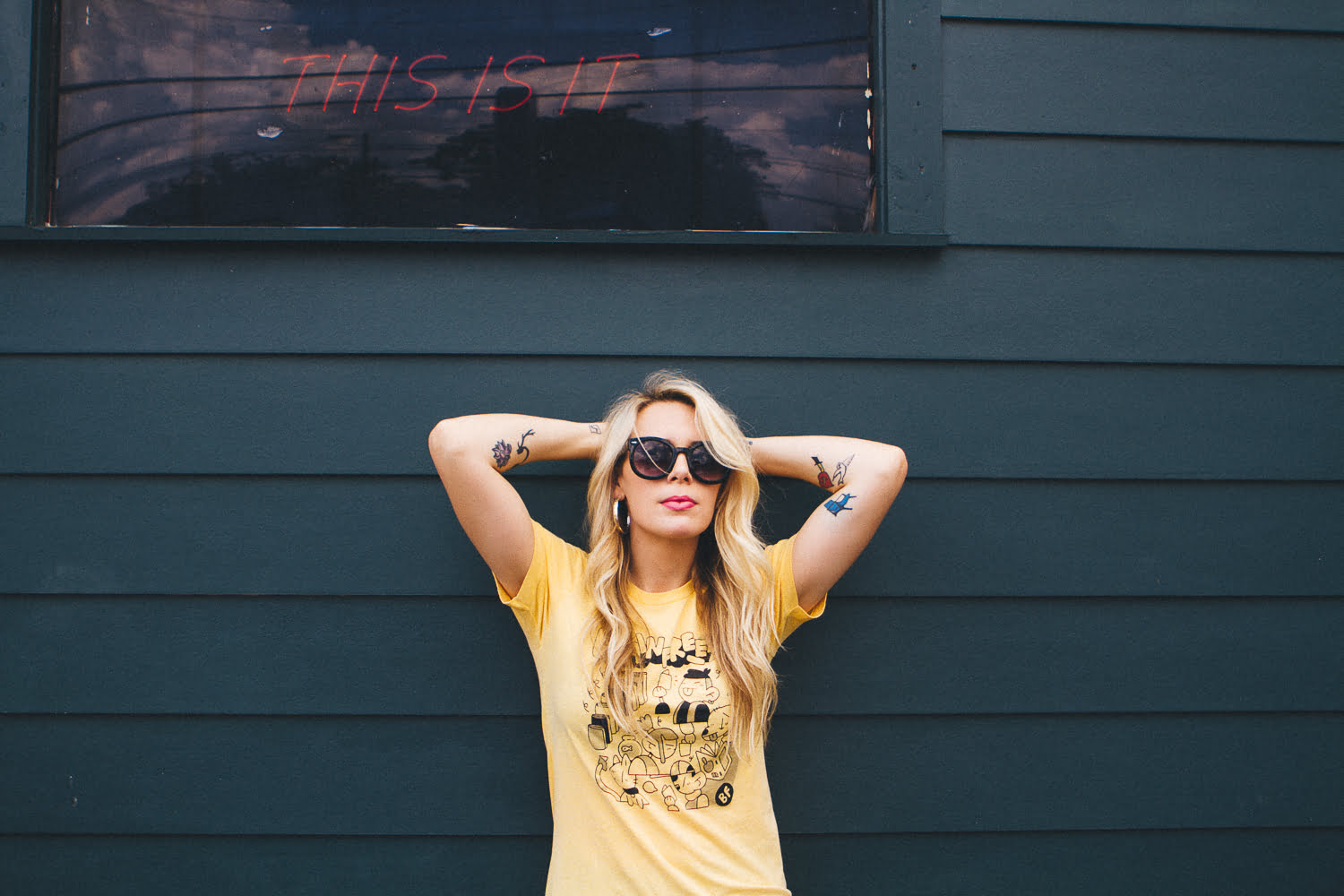
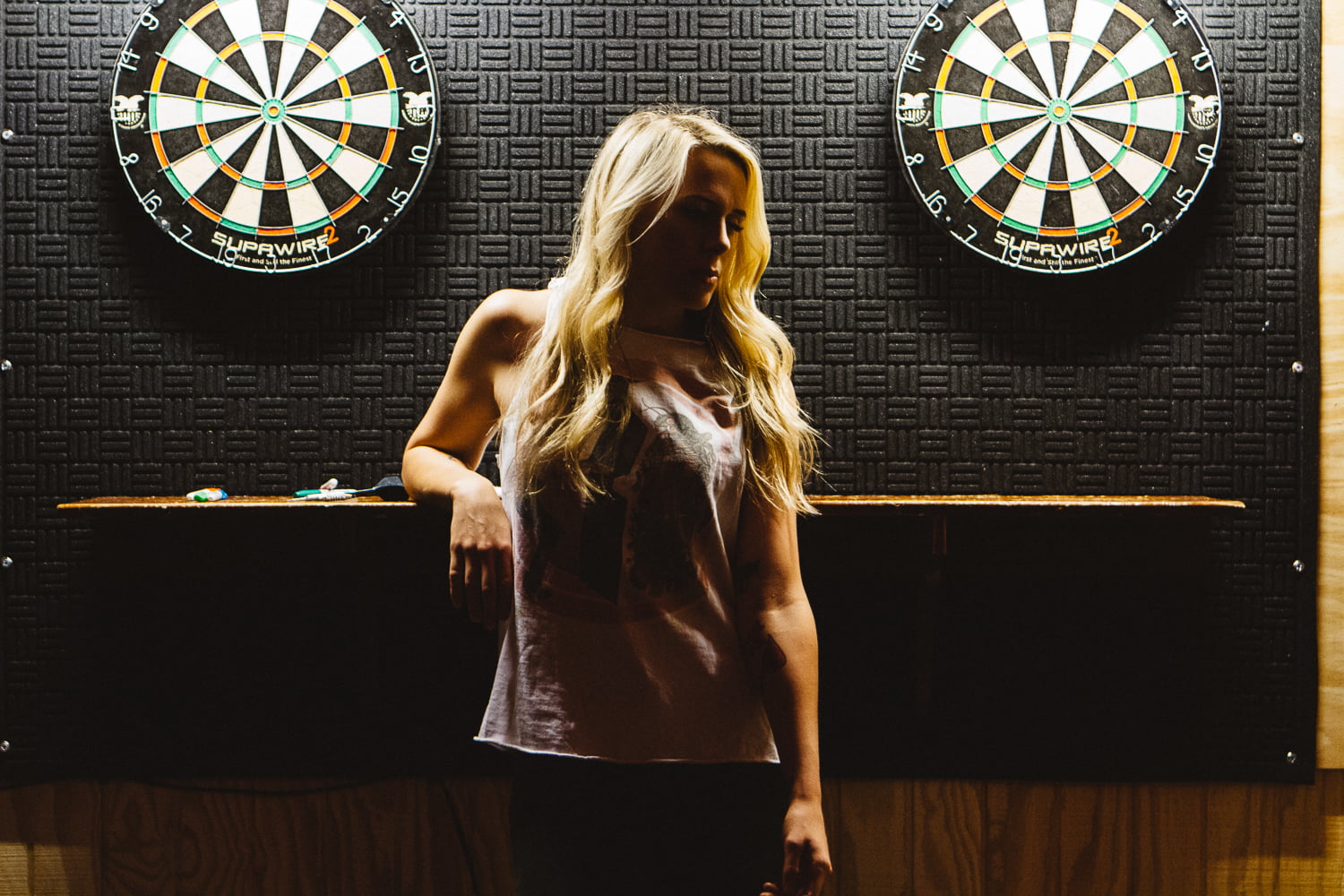
Unconcerned with minimizing distractions on “off days,” Elise’s focus shifts from a blank canvas to a colorful one which reveals her interests and hobbies, as well as the art of those she admires. Any normal day, you are likely to find her in her jeans and tees, proudly displaying her tattoos. All while continuing to rock her big, bright, blonde hair, bold lips, and that steady confidence.

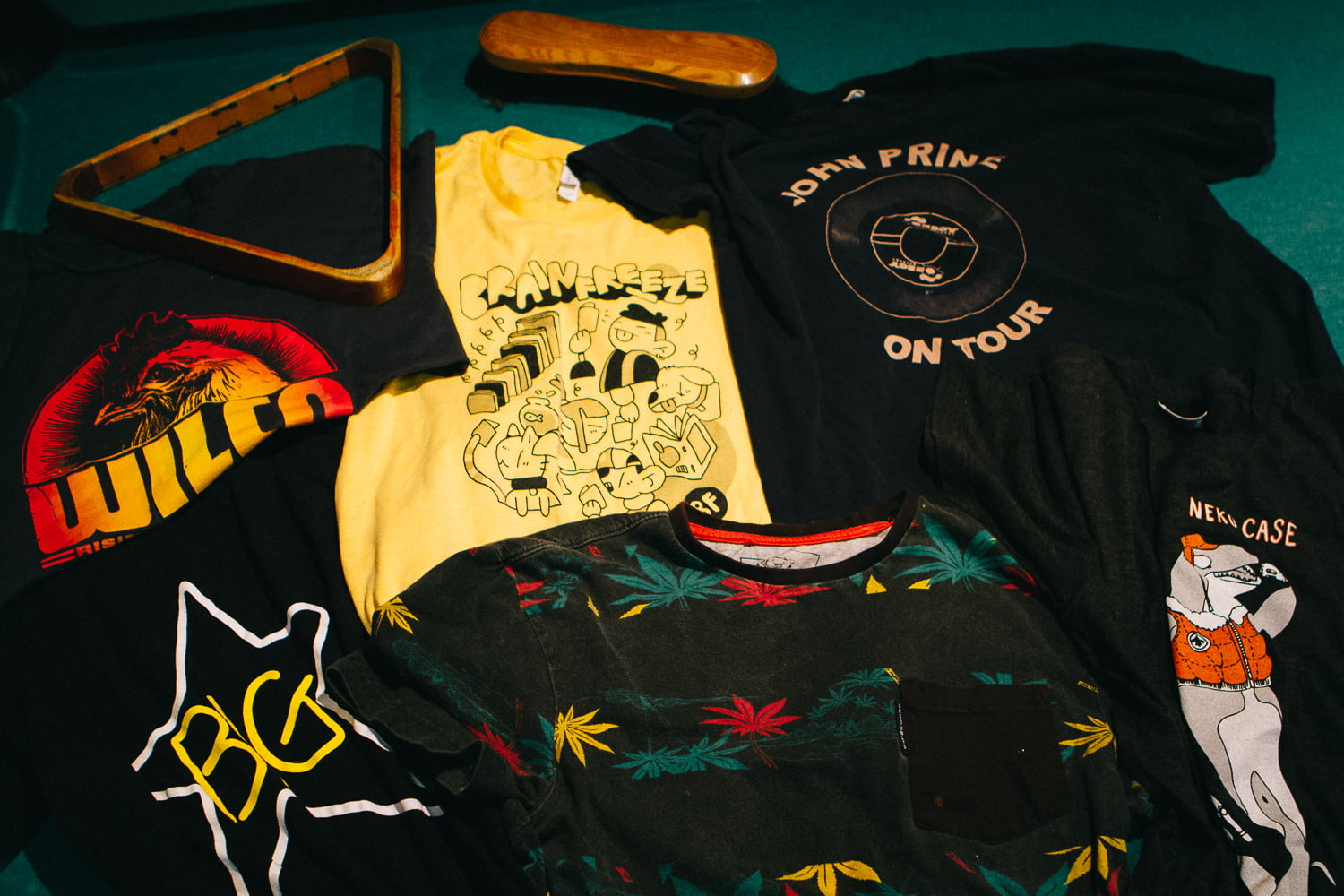
Her tees are intentionally selected to represent bands, businesses, and activities she loves and supports. She shared a few of her favorites with me when I met up with her at Mickey’s Tavern.

Out of the tees pictured above, the ones I immediately recognized were John Prine, Neko Case, Big Star, marijuana, and Wilco … leading me to believe we were going to get along great. The only tee I wasn’t familiar with was Brain Freeze. Elise went on to tell me about this awesome Nashville gem that sells alternative and small press zines. I had no idea Nashville had a shop like that or that Elise was into comics and zines! Brain Freeze even sell Elise’s illustrated poem, "It’s Okay to Be Broken."

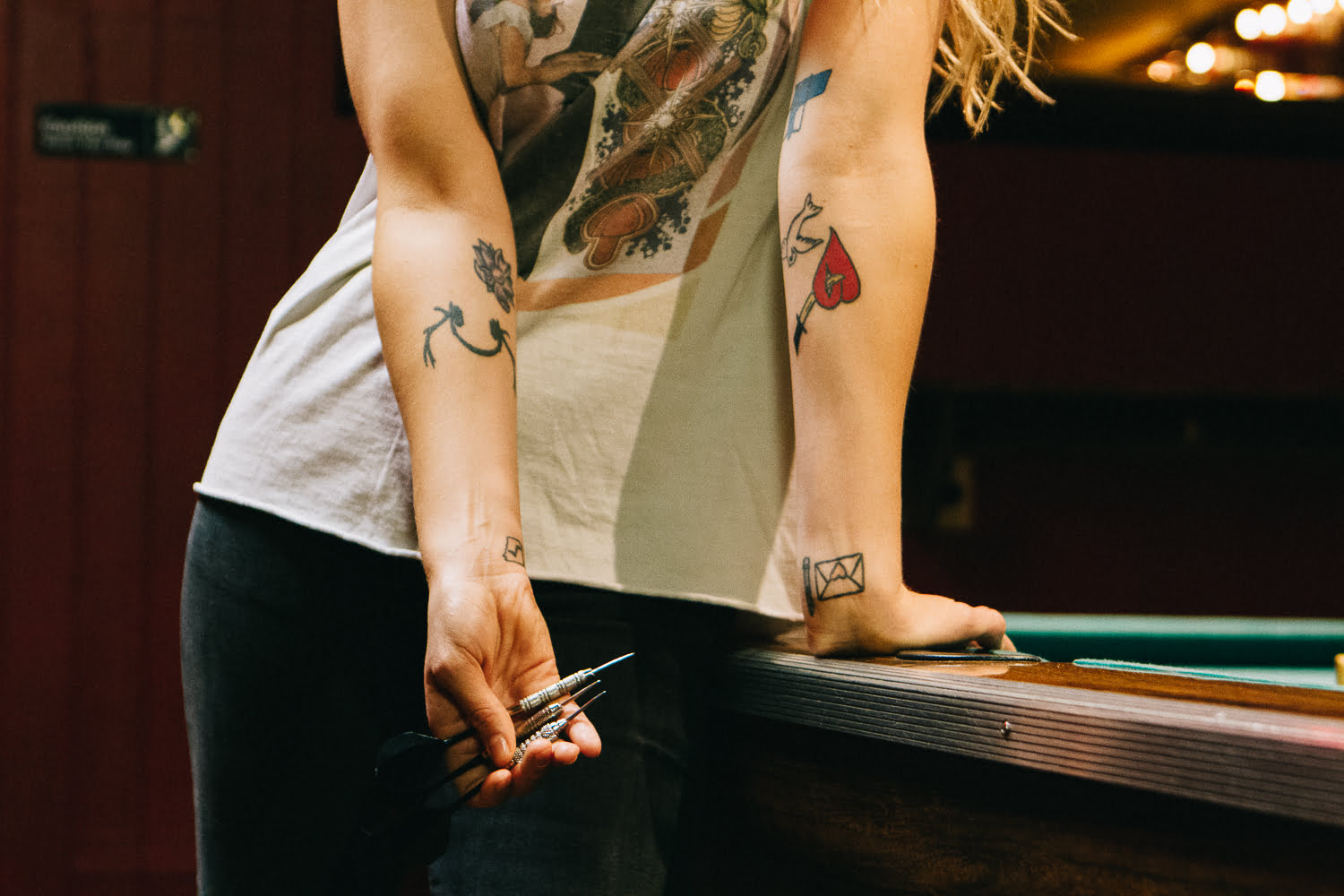
She keeps her accessories to a minimal because she considers her tattoos to be accessories. They stand alone and subtly accent whatever she wears. Each one holds an important memory or influence in her life. My favorites include the Lucinda Williams (her hero) heart, the drunken teenager tattoo, and the logo from the recording studio that The Token was recorded at. Elise explained that the whole experience was unlike any other music experience she has ever had. It impacted her life so much so that it made the list of permanent memories on her arm.

Although fashion isn’t her top priority, between her minimal stage attire and her tees and tattoos, this gal is stylistically packing punches.

MIXTAPE: 3rd & Lindsley

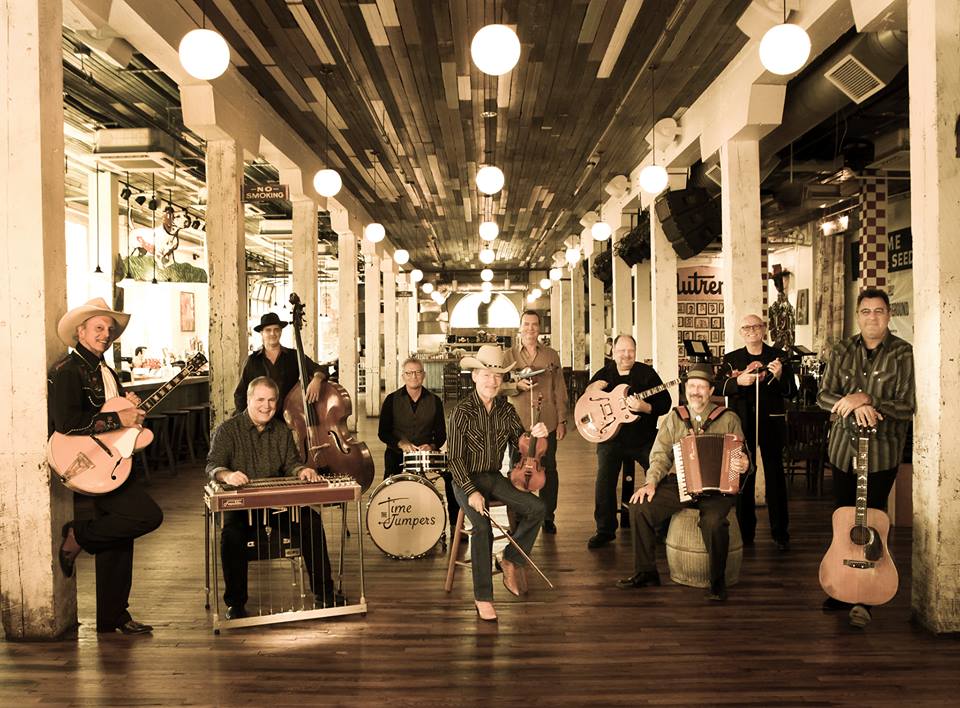
For music venues in Music City, the competition for both artists and audiences is stiff. But Ron Brice and his 3rd & Lindsley crew — which includes the same door man, head chef, and sound engineer since the club's opening — have made a successful go of it for the past 25 years. Along the way, they've enjoyed a weekly residency with the Time Jumpers (featuring Vince Gill), a 20-year partnership of weekly broadcasts on WRLT-FM, a talent buyer (Santo Pullella) whose first confirmed act was Chris Stapleton, and a calendar filled with legends — and legends in the making.

Here, Pullella selects some of the artists the club is proud to have hosted: 

The Wood Brothers — “Postcards From Hell”
Chris and Oliver Wood blew us all away with their 2006 debut album, Ways Not to Lose, and a performance at 3rd & Lindsley. Now, they’re an international success and one of the world’s best bands.

Sturgill Simpson — “Brace for Impact (Live a Little)”
Sturgill’s name and music had been on our radar, but when he opened for the Devil Makes Three in 2013 on a cold January Lightning 100 Nashville Sunday Night, it looked like the world would know him soon.

The Devil Makes Three — “Do Wrong Right”
We think about whiskey and dark places when we hear this band, and seeing them live is only a real good time.

Nikki Lane — “Seein’ Double”
She is living proof that it is "always the right time to do the wrong thing," and it really works for her! She’s just cool with always being herself — and that’s a unique woman.

Chris Stapleton — “Might as Well Get Stoned”
Chris is a man who worked so hard for so many years in Nashville until it all seemed to tip in his favor, all at once. We’re really happy for him … and even proud.

Lucinda Williams — “Can’t Let Go”
The legendary songwriter has no fear of digging deep into herself and showing it to the world.

Ray Wylie Hubbard — “Mother Blues”
Ray, the National Treasure! Storytellers do not get any better than Ray.

Paul Thorn — “Pimps & Preachers”
Paul is a part of the family here at 3rd & Lindsley. He walks in and its non-stop one-liner jokes and stories until the night is done. Killer band, killer show.

The Mavericks — “All Night Long”
When these guys got back together a few years ago, it was like a legendary athlete showing up at halftime, telling the coach he’s going in, and then taking over. And none can make their sound.

Sam Lewis — “3/4 Time”
We’ve been watching him for the past year, and he’s someone everyone should be watching with his style of blue-eyed country soul. There’s some Van Morrison, James Taylor, and a whole lot of Sam Lewis here! He’s doing a lot of dates this year with Chris Stapleton. The future is very bright for him.

Lake Street Dive — “Call Off Your Dogs”
We’re very happy for Rachael Price and the band. Many, many years of hard work is paying off.

Margo Price — “Hands of Time”
Another artist we’re so proud to see achieving what they deserve. Her two-night run this June sold out fast, and it doesn’t appear there is a limit to her success.


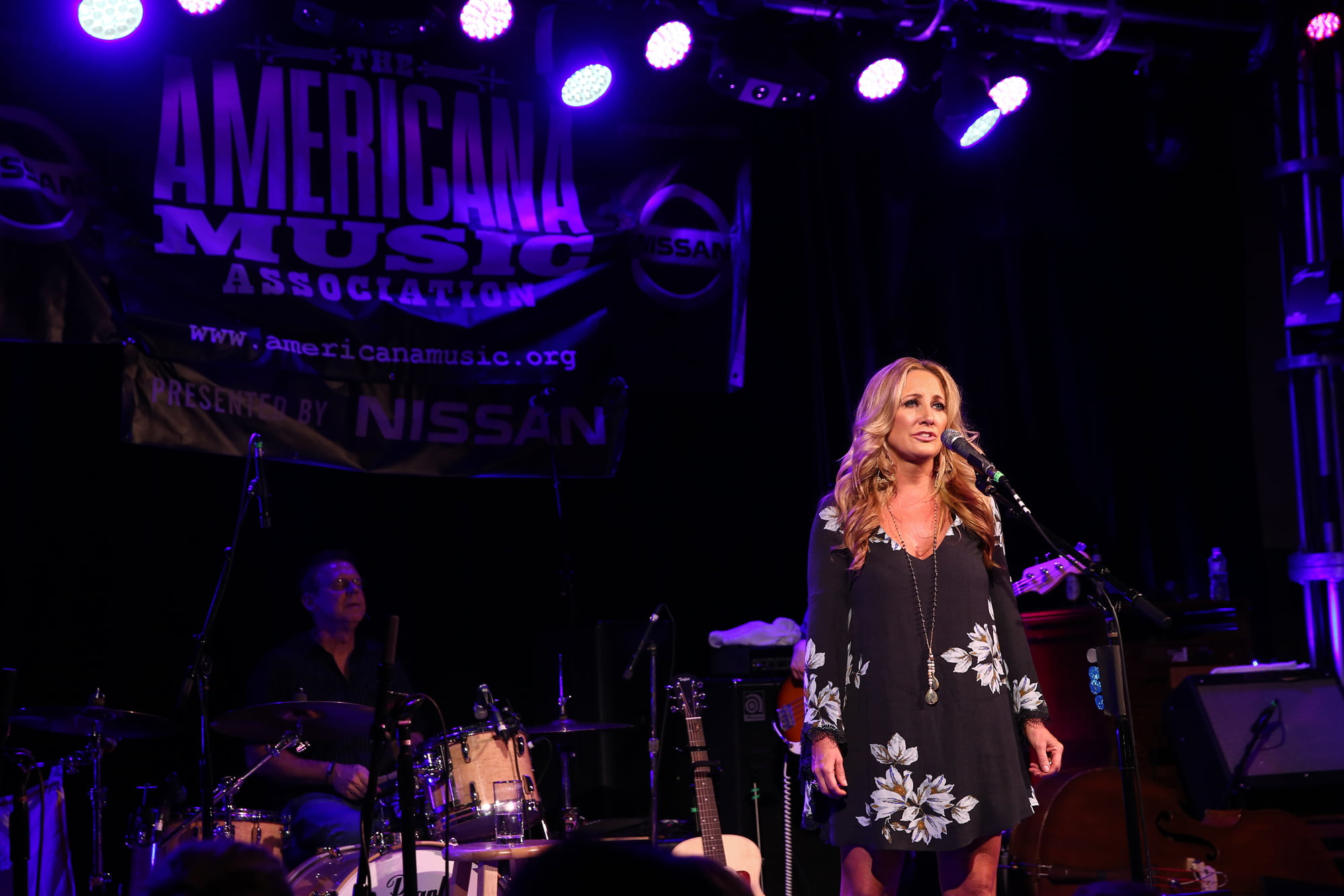
Lede photo: Lee Ann Womack performs during the 16th Annual Americana Music Festival & Conference at 3rd & Lindsley on September 18, 2015 . Photo credit: Terry Wyatt/Getty Images for Americana Music.

In Honor of a ‘Savagely Great’ Singer: A Conversation with The Time Jumpers’ Vince Gill & Kenny Sears

Any fan of roots, country, or Americana music has surely heard the Time Jumpers before — rather, they’ve likely heard at least some portion of the Time Jumpers before. A top-notch collection of session musicians, songwriters, and performers, these star players have made Monday nights in Nashville — first at Station Inn, now at 3rd & Lindsley — an international destination for fans of traditional country and Western swing music. The regular lineup features industry legends like Vince Gill, “Ranger Doug” Green, Jeff Taylor, Billy Thomas, Larry Franklin, Brad Albin, Joe Spivey, Kenny Sears, Paul Franklin, and Andy Reiss, whose names are sprinkled across the liner notes of some of the biggest records in music history — within country’s confines and beyond.

As the Time Jumpers, the group’s standing live gig has led to tours, studio sessions (keep an ear out for the band on Kacey Musgraves’ upcoming Christmas album), and most recently their own original full-length, Kid Sister. The album has been more than two years in the making, finding its meaning in the tragic loss of Time Jumpers’ female vocalist, Dawn Sears, whose husband Kenny remains an integral part of the group.

The Time Jumpers are a bunch of individuals who have plenty of other musical outlets in their lives. Where does this standing gig with the Time Jumpers and the music you make together fit into your life?

Kenny Sears: We actually got started jamming in the dressing room over at the Grand Ole Opry. There were several of us that would get together in the dressing room, and we were playing Western swing and traditional country kind of things. We had such a good time doing that we decided to find us a place to play — play once a week — and just have fun with this.

A former member, Hoot Hester, who just passed, and I were playing fiddles and he found the Station Inn, which had always been closed on Monday night. They had never had a show on Monday. It worked out perfectly, because Monday was a good night for us; it didn't interfere with anything else. That's how we started. We just started getting together to play for fun.

In those days, we outnumbered the audience most of the nights, but we didn't care. We didn't care! It's not why we were there. We were just doing our thing and having fun and people found out about it. The crowds grew and grew. We outgrew the Station Inn and had to find a bigger place because we were turning away so many people. There'd be people coming from other countries — they'd come and plan their vacation around Monday night and then they couldn't get in. So we started playing at 3rd and Lindsley, and now we pack that out every Monday.

Vince, you came along later — what got you into the group?

Vince Gill: It's just a bunch of great musicians that play predominately a lot of Western swing music, which I grew up listening to — being from Oklahoma and immersed in that world. They played every Monday night, and several of my friends were in the band. I found myself down there on a lot of Monday nights just listening and occasionally sitting in.

They started asking me to sub for different people that couldn't make a Monday. One thing led to another and they said, "Would you ever have an interest in being in the band?" I said, “Sure, I could do this,” honestly thinking it was going to be predominately Monday nights. I was never working very often on a Monday, so I said yes. Then everybody wanted to make some records, so we stated making a few records. Then we had the opportunity to maybe go out and do a little bit of traveling and do some gig dates, so that's been fun. It's blossomed into more than I thought it would at the get-go, but it's just always been about trying to play great music with great musicians. Those guys are a great example of that.

More than anything else, these gigs just sound like fun. Do they affect the way you approach your other projects?

VG: I think, at the end of the day, what this really does is make me a better musician. Getting to play with these guys and play more of a bee-bop and swing and jazz spirit than so much country and blues or rock 'n' roll or any other those things that I normally associate myself with. It's a chance for me to become a better musician and a little more well-rounded.

KS: Most of us have made a living recording for other people most of our lives, and that training just conditions you to be somewhat of a chameleon. You have to be able to play any- and everything, if you want to eat. We're all pretty good at adapting, you know.


For

I don't know if Time Jumpers affect other recordings, but all of that experience certainly affects Time Jumpers recordings. When we go in there, we kind of just get together and work out arrangements on the spot. There are no egos involved, so we just choose the best ideas. Everybody throws in an idea and we're all very good at picking what works, and we'll go with that, no matter who came up with the idea. We do that when we're recording for ourselves.

VG: It’s a lot of fun. We all call it therapy — go down there and get to play what we love. All the guys in this band are people that play for other people, or record for other people, travel with other people. It's the one avenue where everybody gets to play what they want and they have their own voice. It's kind of neat to see a band of musicians that had always been hired guns, for the most part, get to do what they want to do.

What do you love most about this kind of music?

VG: I just think it's a fun feeling. Music makes you feel good when you hear this swing beat.

I joined the band and wanted my contribution to be from a songwriter's standpoint. They have plenty of great musicians and I'm chipping in and playing some guitar and all that, but to have this kind of band with original material? I think it makes us more interesting. If we're all just out there rehashing the same songs that everybody else has been doing for the last 60 or 70 years, that's fun, too — but if we could have a presence of our own songs that feel like they're steeped in the history and in the way that kind of music feels …

I've always felt that it was a great task to write a new song and make it feel old. Not all new songs have to sound like new songs. They don't have to sound like what's going on today. On this record there's a song called "True Love Meant for Me" that sounds like an old pop standard from the ‘40s. It is possible to write those kinds of changes and those kinds of melodies, lyrics included. That's what I think is the unique about this band is the material we choose. We have an original presence.

This project, in particular, has been in the works for at least two years. Tell me about how Kid Sister came about.

VG: I had written a bunch of songs I thought suited and fit the band, so we decided to start a new record. Right after we started the record, Dawn [Sears] unfortunately fell ill and was diagnosed with cancer. She kind of lost her voice, so we shelved the record hoping that she would get better and we would just pick it up when she got better.

KS: We put it on hold for a year-and-a-half and during the time, of course, she passed. In the summer this year, we talked about it and decided that she would want us to finish this and continue on. And so we did: We sucked it up, went in, and finished recording the album.

VG: What started as just a normal record, in some ways, became a way to honor her. The first song on the record was a song that was the first thing we cut for the record. We never did get her vocals finished on it — we just had the track vocals when we cut the tracks. I didn't quite have enough to put together a complete vocal that would have passed her litmus test. She was a savagely great singer. So we came up with the idea of maybe making it a duet with Kenny.

KS: It was Vince's idea. He said, "How do you feel about singing this and we can keep the tracks?" So I said, "Okay. Well, let's see what happens." So I did. It wasn't exactly in the best key for me, so there were some lines that weren't very good, but I did. He realized the ones that she had recorded that were good were not the ones that I had, so he was able to put it together and make a duet. That's how that happened.

VG: I actually like it as a duet. So there we had a piece of Dawn singing that we didn't expect to have. The next song on the record is a song called "I Miss You" which was a song that I had written for a record of mine a couple years prior that Dawn had sung with me on. So I had a finished, just splendid vocal of the two of us singing together on this song. I thought, "I've got this song. What can I do here?" So I got the Time Jumpers to come and replace the music, play it in the style that they play in. Then we kind of re-did the song to our vocals.

You originally co-wrote “I Miss You” with with Ashley Monroe, but you re-wrote the lyrics for this album. Tell me more about that — how did it change to fit with the overall theme of Kid Sister?

VG: The original song was a song about a breakup. It started out, "Oh, how I'd wish you'd stay, your sweet love I'd betrayed.” It was in that vein. I needed to make it more about the loss of someone rather than a breakup. Then the lyric changed to "Oh, how I'd wish you'd stay, all the memories we made. I'll always wear your ring for the comfort that it brings." Then the lyric is very pointed and more about the truth of what we were all dealing with …

The last track on the album is a song that I wrote for Dawn the day after she passed. She sang in my band for, gosh, over 20 years, and was a great, wonderful harmony singer with me and sang on many of my records. She entertained live with me for all those years and she felt like my kid sister that I got to sing with.

KS: That's a song that he wrote for her funeral service. That's what she wanted. She wanted Connie Smith to sing and Vince to sing and I said, "Well, what do you want them to sing?" She said, "I don't care. Whatever they want to sing will be fine." Vince wrote one and he wrote that for her.

VG: Therein lies the reason for that song and the name of that record. We all wanted to honor our sweet friend, you know?


For more from Vince Gill, read his conversation with Margo Price.

The Producers: Lari White

“We called it the Holler because we live out in the country in the woods,” says Lari White of her home studio, located just outside of Nashville. “Our house is tucked back in the Tennessee hills, in this real Loretta Lynn holler. We thought it was funny to have this very high-tech studio and call it the Holler.”

White has made a lot of music at this remote studio, both as a recording artist and as a producer. There is always a bustle of activity there, whether she’s writing songs with her husband (Chuck Cannon), tracking sessions in the studio, or running overdubs. Recently, she manned the boards for Shawn Mullins’ latest album, My Stupid Heart, and for Old Friends, New Loves, a double-EP of covers and originals that marks her return after a 10-year hiatus.

White is one of the most eclectic producers in — or just outside of — Nashville today, but she’s also one of the most ground-breaking. After establishing herself as a recording artist in the late 1980s and 1990s, she took on more and more producing gigs, including Billy Dean’s 2005 breakthrough, Let Them Be Little. When she helmed Toby Keith’s 2006 album, White Trash with Money (arguably the best entry in his sprawling catalog), she became the first woman to produce a platinum-selling album by a male country star.

Producing, however, is only one creative outlet among many for White. In addition to her six solo albums and a greatest hits compilation, she also appears in movies (Cast Away, Country Strong) and on Broadway (Ring of Fire, featuring the songs of Johnny Cash). But recently she finds herself drawn more and more to the Holler, where she is currently working with two up-and-coming acts: the Fairground Saints and Julia Cole, a young singer/songwriter from Houston.

“Right now we’re in the sweet spot, because there’s not a record label involved in other of those projects. So there is this blissful freedom of just being in the creative playground, where you write and record for the joy and the challenge of it.”

You started out as a performing artist. How did you make the transition into producing?

It really started as a kid, as a music fan. I just loved records. I loved the experience of music, and I loved making music. I loved live music. Really, I became a lover of music because of recorded music, the records that my parents had in our house. I was fascinated with playing records, back in the vinyl days. I would sit next to our turntable and just play records over and over and over. Even as a kid, I loved not just the song experience, but the record experience — how the guitars sounded, what kind of space the vocals were in, the sounds they created on Dark Side of the Moon, the soundscape, the whole environment of it.

I’ve always been fascinated by records, but I didn’t really understand that, as a gig, until I went to college and got into the music engineering school. I knew I wanted to be a recording artist and, when I got to the University of Miami, I discovered a whole new program that I’d never heard of before. The music engineering students got to have the studio in the school from midnight until 8 am. There were many, many all-nighters pulled while we were recording somebody’s new song. It was a great experience, and it made me realize: This is how you do it. This is the equipment that you use to get those sounds. This is the kind of microphone that you use to get this kind of sound. This is the kind of microphone you use to get this totally different sound. That’s when I thought, "I’m going to be a producer."

So that pursuit went hand-in-hand with becoming a performing artist.

Pretty much everything I’ve ever done in my life has been to support my performing habit. I looked for anything that would help me get up on stage in front of an audience and make music. That’s why I started writing songs — so I would have material that I could get up on stage and sing. It’s all about performing and sharing that experience with an audience. So I would have to say my first love is the stage. That’s just my happy place. I’ve really grown to love the experience of making records and being in the studio. It’s a very different animal, especially having a studio of my own and having the luxury of being able to be home, raise a family, have a somewhat normal life, and make music. That’s as good as it gets.

Does having a home studio allow you to have a routine as far as working and making music?

There really isn’t so much of a routine, except to make something every day. To sustain a creative life over the years and decades, you get to where you try to make it happen any whichaway. Starting with a song or with a groove, or a piece of poetry — however you can spark it. So I don’t know if there’s a routine, except just trying to listen to a song and get a feel for what it wants to be. It always starts with a song, either one we’ve written or one another artist brings in. Every song has its bones, and the bones might be a programmed drum loop or a guitar riff or some melodic signature. There can be a lot of information in there: Is it a rhythm section kind of record? Or is it a layered wall of sound? Does it need thick, dense textures? We try to figure out what it wants to be.

I’ve read some stuff about Michelangelo, who believed there would be a sculpture inside a rock. The sculpture already existed inside the rock, and he was just taking away what didn’t belong in the sculpture, getting rid of the extraneous material. It’s a little bit like that with a song. It feels like there’s a lot of inherent information in the song itself, and you have to get rid of everything that doesn’t belong.

So you’re not coming into the studio with a finished song. It sounds like you’re doing a lot of exploration in the studio, a lot of trial and error.

Until recently, most of my work in the studio has started with a complete song, but that’s just because I’m coming out of the Nashville songwriting community, where you have to be able to sit and play a song with just a guitar or just a piano. That’s how you test the song and know if it’s alive, if it can live on its own, just stripped down to the bare bones like that. Most of my production has been in that context, where we go in with finished songs.

But recently, I’ve been more into writing loops or creating instrumental environments that we can flesh out into a melody or a lyric. I’ve been writing with a couple of different artists, and the writing and recording process has been much more integrated. The track informs the writing of the song, and the song informs the development of the track. I’ve read about how Fleetwood Mac and a lot of rock bands will go into the studio with no complete songs, and they’ll generate songs and a complete record. That sounds like a really exciting way to work, and I’m getting a taste of that right now.

How do you balance the aesthetic demands of writing a song and the technical demands of working in the studio? Are you trying to keep them compartmentalized?

Like a left-brain/right-brain kind of thing? I can say this: I personally do not engineer my own tracking dates. If I’m producing a session with a studio full of musicians, I hire an engineer because I don’t want to be thinking about microphone placement on the kick drum. I want to be listening and responding to the sounds and to the emotional experience. So maybe that’s a partial answer. I hate to say "compartmentalize" because it’s never that neat. It’s more of an emphasis. On a tracking date, my emphasis is on the overall picture of how everything sounds together, how it feels — the emotional environment that the musicians are experiencing and the music is creating. I’m not ignoring the technical. It’s just a question of emphasis.

I really like engineering overdubs, where I can work really closely one-on-one with a musician to get a particular sound to drop into a track. I love cutting vocals and engineering vocals, because I work well with singers. I know how critical it is to hear your voice coming back at you, how important that can be to how you perform, how you use your instrument as a singer. It’s easier for me to integrate the technical into the musical in those situations, where it’s just one singer or one musician overdubbing. But I don’t like to be thinking of technical stuff at all, really. Unless it’s like, "We’re not getting the right sound, so let’s try another microphone."

You definitely seem to have a facility with singers. Something that struck me about Shawn Mullins’ new record, as well as Toby Keith’s White Trash with Money, is how you put their vocals in all these different settings, yet you allow them to move very fluidly from one style to the next.

I think I’m hyper-sensitive to that, being a singer who has had great experiences in the studio and some really miserable experiences, as well. When you’re giving a vocal performance that’s going to be captured forever and that’s going to define your identity as an artist, it can be really high pressure. So it’s important for me to create an environment where the singer feels comfortable and excited and energized and free to experiment and be spontaneous, yet safe to find their outer limits. That’s a big part of my process — making sure the vocalist feels good and empowered.

How do you do that?

I can’t tell you. It’s a trade secret.

I honestly don’t know. You just feel your way. It’s a very personal process with each singer. I don’t do a lot of passes. I never make somebody sing something more than a handful of times. Sing it just enough to warm up, make sure their instrument is ready to use, then sing a few passes. Then comp it up and let them listen to it, let them take it away and live with it for a day or two, so they can listen and make decisions about what they want to accomplish, so that next time they come in, they can still execute those choices with a sense of spontaneity.

Also, I have a kickass vocal chain. I have a serious M49 microphone that Bill Bradley did some beautiful work on, and I’ve got a lovely vintage tube tech compressor. I’ve got a hard pre-amp that is so transparent and so robust. I’ve had some great results with that vocal chain. That’s a big part of it — creating a sound that sounds like the singer. There isn’t anything in the chain that is coloring or noticeably filtering or altering the quality of the singer’s instrument, so that when they hear themselves back in the headphones, they feel like themselves. They feel natural and honest. That’s a technical part, but it’s a tender thing.

You just produced and released a double EP under your own name. How is producing yourself different from producing another artist?

It doesn’t feel different, except that I know my personal goals. As a producer working with other artists, I’m always making sure they’re happy and feel like this is the record they want to make, this is the sound they want to put out there. When I’m doing it for myself, I know whether I’ve nailed it or not. But it’s a pretty similar process, a similar mission, to ring some internal bell. You work on it and mold it and play with it until you’re ringing that bell.

Recording artists are always asked about their influences, but I’m more curious about producers’ influences. Who has been a guide or an inspiration for you in this particular field?

I’ve worked with some great producers, starting with Rodney Crowell. I owe him a great debt of gratitude for opening that door professionally to me as a young artist and as a young woman at a time when there weren’t many women producing. There was Gail Davies and Wendy Waldman, but female artists weren’t given that credit or that opportunity very often. Rodney watched me work with his band out on the road and, when I got a record deal, he said, "Listen, you know what you’re doing, so why don’t you and I producer this record together?" That was a very generous gift to me, professionally. I got to watch him work, and he’s a master at working with musicians and walking the line between spontaneity and craft.

And then there’s Garth Fundis, Dan Haas, and Josh Leo. I’ve really learned a lot from working with every one of those guys, but I also learn a lot from just the musicians I work with. In Nashville, we have an embarrassment of riches. You can pick up the phone and have these world-class musicians out to your studio in 24 hours. I’ve learned so much just picking the brains of Tom Bukovac, Michael Rhodes, and Jim Horn.

Does that factor into who you work with? Are you calling up people you want to learn from?

I think it has more to do with casting. You cast certain actors in certain roles for a movie and you cast certain musicians in a song. Or you cast them to complement an artist or create a rhythm section. But I’ve definitely reached out to musicians that I wanted to work with, just to tap into their genius. It’s all about collaboration. Very few records are made alone. Rarely is it a solo effort. It’s all about a team, and every team is going to look different: The collection of skill sets, the collection of experiences, the collection of wisdom … it’s all going to be different. What a producer does is make the most of whatever team they have the opportunity to work with.

In every context, the producer will have a different skill set or a different level of experience, even a different personality. Some producers bring a lot of technical skills and some bring more musical skills, but in the end, what it’s all about is having the intelligence and the humility to maximize the varied resources you’re applying to the project. And that’s what human beings do better than any other creature on the planet. We’re incredibly good at collaborating with each other and making the most of our individual potential. What can be accomplished by a group of human beings with a shared intention is formidable. That’s a lot of power to unleash. It’s beautiful.


For another female perspective on producing, read Stephen's conversation with Alison Brown.


Photo courtesy of Lari White

7 Amazing Oral Histories from the Southern Foodways Alliance

If you're unfamiliar with the Southern Foodways Alliance, you're missing out on one of the most important contributors to culinary culture — Southern or otherwise — operating today. Housed at the University of Mississippi's Center for the Study of Southern Culture, Southern Foodways "documents, studies, and explores the diverse food cultures of the changing American South." Through research, outreach, events, a fantastic podcast and print journal, and a number of other efforts, SFA has become the go-to authority on the South and its intimate connection to food. 

A primary component of SFA's work is producing oral histories — a series of in-depth, multimedia interview projects that offer glimpses into overlooked communities, tackle tough subjects like race and class, and shine a much-needed light onto some of the region's most storied culinary traditions. There's an entire online archive of oral histories worth poring over, but here are some of our favorites. 

Bluegrass & Birria

This oral history looks at the quickly growing Latino population in Kentucky, focusing on the growing trend of regional dishes popping up at Mexican restaurants. Interviews feature several Louisville-based restaurant owners, including the husband and wife owners of Con Huevos, which specializes in serving desayuno (Mexican breakfast), and the owner and chef of the Mayan Café, a purveyor of Yucateco cuisine.

Women Who Farm: Georgia

According to this oral dispatch from Georgia, "women are the fastest-growing group of farmers in the country." Dig into tales of farming with several badass Georgia-based female farmers, including a Jamaican transplant educating her Atlanta community about farming and a fifth-generation farmer tending land in the small town of Bluffton.

Carter Family Fold

The Carter Family is perhaps the most famous family in roots music, but they also established a culinary legacy at their small Virginia venue, the Carter Family Fold. Hear first-hand accounts from visitors, musicians, and family friends of the delicious cornbread and homemade cakes served at the famous Fold. 

Restaurants of Oxford's Past

Best known as either a college town or the home of William Faulkner, depending on who you talk to, Oxford, Mississippi, is also home to a vibrant restaurant scene. Learn about several historic Oxford restaurants — some still serving delicious food, others defunct — in this assortment of interviews.

Kentucky Bacon

Ah, bacon, pork fat supreme and public enemy number one of would-be vegetarians across the globe. Kentucky is home to some of the country's greatest bacon, and this series of interviews provides a glimpse into why the Bluegrass State should consider changing its name to Hog Heaven, as well as the challenges that have afflicted the industry in recent years.

Nashville's Nolensville Road

Nashville may be in the news for its influx of hip farm-to-table joints, but the real eats are along Nolensville Pike, a stretch of road south of town that boasts some of the best international cuisine around. Visit with restaurant community pillars from Ethiopia, Bhutan, UAE, and beyond in this oral history project.

Louisville Barroom Culture

Go on a virtual bar crawl and learn about the history of booze and bars in bourbon-soaked Kentucky in this set of interviews which features, among other storied establishments, the Seelbach Hilton Hotel which is famous for housing Al Capone during Prohibition and plying literary boozehound F. Scott Fitzgerald with its renowned cocktails.


Lede screenshot via Southern Foodways Alliance

7 Authors to Catch at This Year’s Southern Festival of Books

Since its inception in 1998, Nashville's Southern Festival of Books has grown to be one of the most celebrated book festivals in the Southeast. This year's festival is poised to be one of the biggest yet, with a diverse range of authors from all over the country (and the globe) flocking to Music City for three days of readings, panels, and, of course, live music. You'll want to cram in as  many activities as possible, but we've given you a head start with a list of seven authors you won't want to miss.

Peter Guralnick

Peter Guralnick expertly tells the story of Sam Phillips, head of legendary Sun Records. Through extensive interviews with Phillips himself and a number of Sun's most prominent artists, Guralnick paints the portrait of a man who forever changed the course of popular music. 

Ann Patchett

Ann Patchett has long been a heavyweight of contemporary literature, but since opening Parnassus Books in 2011, she has becoming something of a literary guardian angel for the city of Nashville. Her newest novel, Commonwealth, released in late Summer, is already a critical success.

Bill Anderson

Whether or not you're familiar with Whisperin' Bill, you're certainly familiar with any number of the famous country songs he penned. Hear his star-studded story in his own words in this new autobiography. 

Valerie J. Frey

There are few family traditions more sacred than the sharing of recipes. In this book from educator and archivist Valerie J. Frey, learn how to keep your family's culinary legacy alive. 

Michael Jarrett

If you want to learn the true history of an album, there are few better sources to consult than the album's producer. Michael Jarrett has done the legwork for you on some of jazz's greatest albums in this soon-to-be-released volume of oral histories from some of the genre's biggest producers.

William Ferris

This beautiful hardcover photography book from folklorist Richard Ferris documents daily life in the South during one of its most tumultuous and significant periods: the 1960s and 1970s.

Ben Sandmel

Ernie K-Doe was one of the most important figures to emerge from New Orleans' vibrant music scene, and New Orleans journalist/folklorist Ben Sandmel thoughtfully tells his story through dozens of interviews with musicians, family members, and the legendary Ernie K-Doe himself.


Lede photo via Facebook