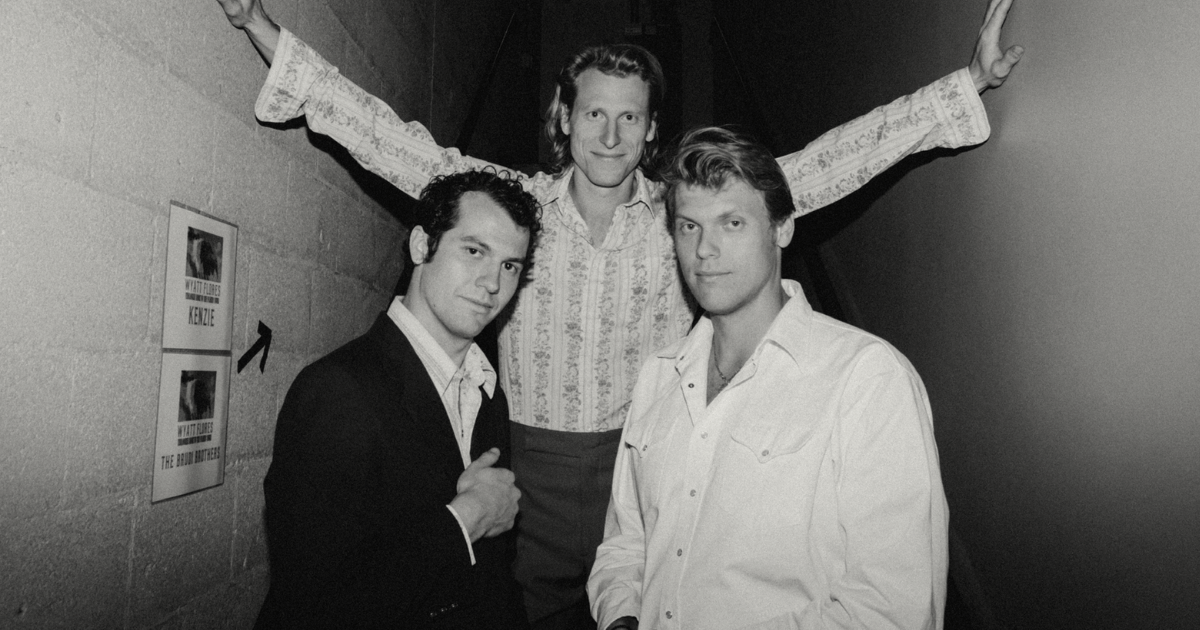
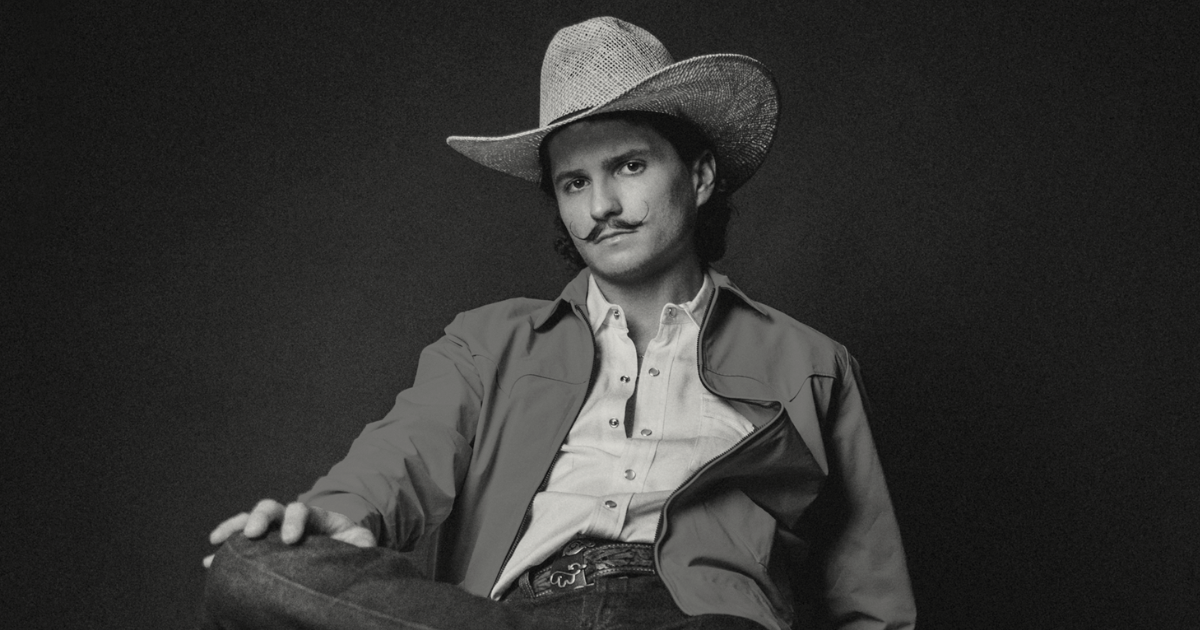
Braxton Keith’s Real Damn Deal is Country Through and Through

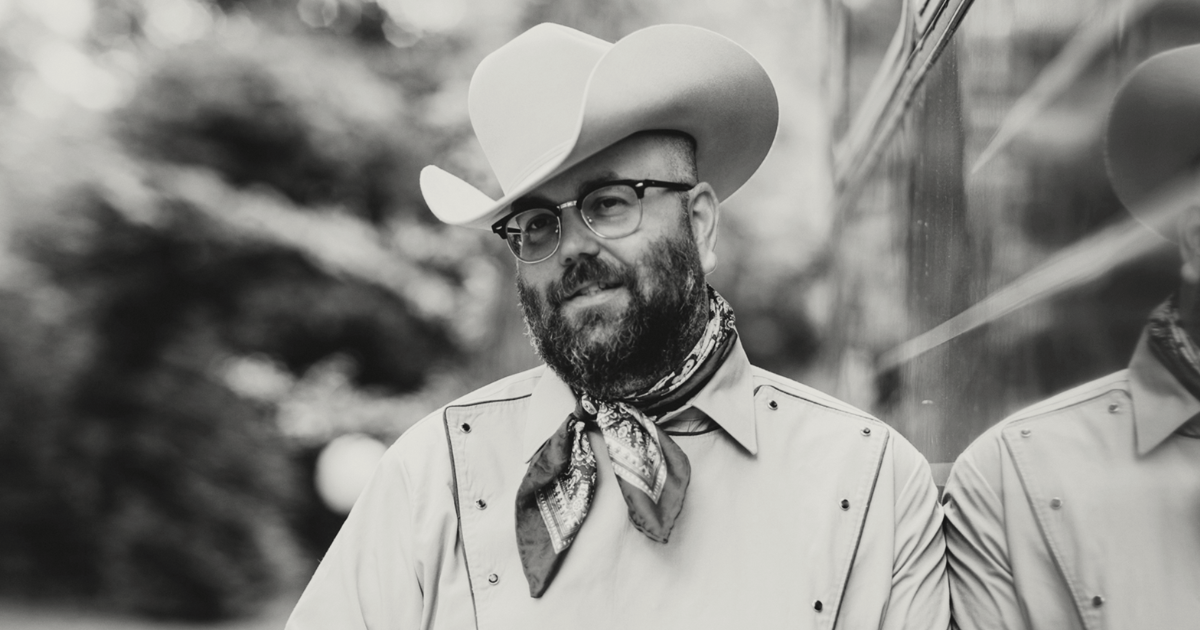
After years of building up a fan base through high-energy shows and viral social media posts, nobody is more ready for Braxton Keith’s debut album than… Braxton Keith. Raised in Midland, Texas and living in Nashville, Keith is only half-kidding when he says he’s probably listened to the new project five thousand times. Now he’s eager to hear what everybody else has to say.

His fans won’t be surprised that Real Damn Deal sounds like country through and through. Released on Warner Records on May 15, the album picks up the momentum of Keith’s gold-certified 2024 single “Cozy” and the unlikely embrace of his reverent cover of George Strait’s “The Chair.” Although he was skeptical about re-recording it, Keith found that his take on “The Chair” is serving as a gateway for his younger fans into the trenches of classic country.

Keith co-wrote a majority of the songs on the new album, but also included compelling material by Country Music Hall of Fame member Roger Miller, Americana all-star Jim Lauderdale, and some of Music Row’s most creative writers – such as Jessie Jo Dillon, Tony Lane, Liz Rose, and Morgane and Chris Stapleton, among many others. In this interview with Good Country, Keith talks about discovering country’s legends through his grandparents, learning to love the English language because of dyslexia, and hearing those inescapable ’90s country comparisons.

On this album, “Under Them Neons” sets the scene of a night in a country bar. It has a reference to Keith Whitley in it, too. He had a bluegrass pedigree, as you know, before he became a country star. Did you ever get interested in bluegrass?

Braxton Keith: I would say I have always been interested in bluegrass. Now I, by no means, am a bluegrass picker or anything of that sort, but I’ve always been interested in bluegrass, for sure. It’s such an interesting form of country music, I’d say. Very intricate, and it’s really cool to just watch. In fact, “I Ain’t Tryin’” on this record is written by Brice Long, Carson Peters, and Will Jones, and Carson is a bluegrass picker. He plays in a bluegrass band [Carson Peters & Iron Mountain] and opens up for us every once in a while.

How did you get introduced to Keith Whitley’s music?

Keith Whitley’s probably always been in the background for me. But definitely through listening to whatever was on the radio, listening to my grandparents’ old records and stuff. Keith Whitley has definitely been one that I’ve known about for a long time. I would say him, George Strait, Marty Robbins, and Ronnie Milsap … all the deep divers that you got to go in and figure out yourself.

Is that what you did? Figured it out for yourself?

I just tried to figure out what I liked the best. I really was attracted to these older artists because of the storytelling, but also they have a technical skill about their writing – and their melodies. Some of their melodies are pretty insane that I was trying to emulate, longing to hear again, or to make new.

You say you were listening to your grandparents’ records. Were they vinyl records?

Yes, sir. I don’t remember how old I was, but I remember sitting down and listening to Marty Robbins for the first time and Porter Wagoner. I remember hearing “The Carroll County Accident” and just thinking, “What is this? This is a whole different type of music that I’ve never even experienced before.” I think I was like 13, maybe even younger than that.

Every time we went over there, the Grand Ole Opry was on TV, or CMT was on at least, so we were always exposed to it. I guess I just didn’t realize what was going on until I got a little bit older. I got an iPod, and I think it was the Shuffle. It didn’t even have a screen. You just had to know what your songs were. That was the first time I really got interested in checking out music for myself. I didn’t have to listen to exactly what my parents were listening to anymore.

My mom was a big ‘80s rock person. She really didn’t like country music very much at all, because it’s very sad, she thinks. [Laughs] And my dad was listening to country music, but just whatever was on the radio. He wasn’t very specific in what he liked to listen to.

I’d read that your brothers were athletic, but you were not. However, you had musical talent. Is that accurate to say?

I would say, yeah. I tried to be athletic. I wanted to be, but they definitely had a leg up on me, on the sports and stuff. When I was a little kid we did this thing called Greater Midland Football League. From when you’re in third grade to when you’re in sixth grade you can go after school and do a football program. I never got to do that, because in third grade I actually figured out I was dyslexic. So, every day after school, I would go to classes and learn about the English language, which is probably why I ended up liking writing. So it all works out in the end. I was just a couple years behind when it got to football.

When you were learning about the English language, did you like to read too?

No. That was my big deal, that I struggled – I still do struggle – with reading. It just takes me a little bit longer and I have to really slow down and be thinking about what I’m reading to understand it. I like audiobooks a lot. Anything that I can do where I’m listening to somebody else read helps. But I would say I just liked writing. Before it was songs, I liked writing essays or whatever the assignment was. I’ve always liked writing. Coming up with my own stuff.

Did you play instruments during this time?

Yeah, absolutely. I played piano since I was in kindergarten, and I ended up playing for a while. I played for six to seven years and then I ended up quitting piano. I started piano because I loved Elton John. He was my big inspiration behind music when I was really young. I really wanted to learn “Crocodile Rock” and my piano teacher just wouldn’t let me do it. So I was like, “Man, I gotta go do something else.”

That was about the time I started picking up guitar, because my little brother was playing guitar at the time. So I was like, “Well, I’ll just go to lessons with him.” I started picking it up, got my first guitar, and never looked back. He doesn’t play anymore, but we started out together picking “Hotel California.” I remember us just sitting there for hours trying to get that thing down.

On this album, “Wind Blows” reminds me of how country music sounded in the ’90s. It reminds me of a Tim McGraw deep cut. What do you like most about “Wind Blows”?

I like the story it tells. You know, I grew up in Midland, Texas. And if there’s anything we know about Midland, it’s that there’s a lot of wind blowing in Midland. It’s kind of telling the story of how, when I lived in Midland, Midland was the end of the earth to me. There was nothing else there. And once I left, I never looked back. I went to Angelo [State University in San Angelo]. I’ve moved to San Antonio and Nashville, and we’re traveling all over all the time, just running and gunning. And the road keeps on going, you know? It’s cool to reminisce on the past, but my time in Midland’s gone and it ain’t coming back. That’s kind of what “Wind Blows” means.

Do you like it when people use the ’90s country comparison? Do you think that’s flattering? Or do you have an opinion when people say you sound like ’90s country?

I don’t have an opinion. The thing is, I don’t know if I’ve ever labeled it, which is funny to me. … You’ve heard the record. I would say it’d be very hard to pin that as ‘90s country. I would say that there’s some ‘90s elements in there, but there are elements from a lot of different dates in country music within that. I would just say we’re country, and we’re just trying to be country.

Well, you do start with a Western swing tune on this record.

Absolutely. Have you heard Jake Worthington’s new record? He has a song called “My Home’s in Oklahoma” and that one is a Western swing song. I heard that one after I’d been on a big Bob Wills kick. I just came back from Houston. Most of the rides that I do, I try to listen to different music every time. I was listening to a bunch of Bob Wills. When I heard that Jake Worthington swing tune, it was like, “Oh, son, we’ve got to have a Western swing tune on this record!”

So we called in Brice and Carson. That’s when Carson’s bluegrass magic came out. They ended up writing that beautiful “I Ain’t Tryin’” Western swing song. You couldn’t ask for a better song to start this record off. It’s upbeat, gets you in there. We’ve been ending the set with “I Ain’t Tryin’” lately, and it’s really fun. The crowds dig it. It’s a good one to just swing around to.

Did you ever get pursued to be on The Voice or American Idol or shows like that?

Not until after I was already pursuing this pretty heavily, and at that time, I was trying to stay away from those avenues. I’ve heard some nightmare stories about their contracts and how you are allowed to put out music after the show. And I just kind of knew where we were going. That’s the cool thing about being a Texas artist. There’s so many other Texas artists that are running around on the road, booking their own shows, that you can just learn from some of those guys. That’s basically what I did.

Jake Worthington [who was on The Voice in 2014] had a long talk with me about what he thought about TV and the way that it impacted his career. At that time in my career, I just didn’t think that it was necessary for me to do anything like that. I definitely think it helps put your name out there a lot more. But it also can have some hindrances sometimes.

How did you find the Roger Miller tune, “Am I All Alone (Or Is It Only Me)”?

I do believe Jamey Johnson was talking to William Beckmann one day and telling him, “Man, that’s such a great tune. You should cut that on your next record.” And then me and William ended up going and having a couple drinks, which turned into a bunch of drinks. And he was like, “Man, I listened to this song, and I’m kind of thinking about cutting it.” So I started listening to it. I was like, “Yo, are you gonna cut that song? Because if not, I’m cutting it. Like, I’m going to the studio tomorrow. I’m cutting it.” He was like, “Yeah, go ahead.” So we ended up putting it on the record. It’s one of my favorite songs to play live. It’s one of my favorite songs on the record. It’s such a beautiful song. Every time that I hear it, I’m like, “That is such a well-written song.”

Are there other songs on your record that you would like people to know about?

I would say the only other thing that we didn’t talk about is, there’s a Mae Estes collab on there, “Hurt by Heart.” I met Mae on the road about two years ago, like, less than 100 miles south of Canada somewhere, at a festival. She was singing and just blew me away. Her voice is so beautiful. She has such a great classic timbre to her voice that I knew I needed her on this record.

We’d been looking for a duet piece for a long time. Ended up writing “Hurt by Heart” [with Trent Tomlinson and Scotty Emerick] and pitched it to her. She came over to the studio one day, dressed and ready for a show that she had in Nashville somewhere. She cut her part in 10 minutes and then I spent the next two hours trying to make my part sound as good as hers. [Laughs] I just can’t brag on Mae enough. The audience that hasn’t heard Mae should definitely check her out. Her music is really good.

You’re surrounding yourself with good people. You got Mae Estes, William Beckmann, Jake Worthingon… It’s refreshing to see this new generation cheering each other on.

That’s the way you gotta do it, man. We’re all in this together. Everybody needs to be cheering each other on and helping everybody out. That’s the way I see it.


Want more Good Country? Sign up to receive our monthly email newsletter – and much more music! – direct to your inbox.

Photo Credit: Benjamin Humphrey
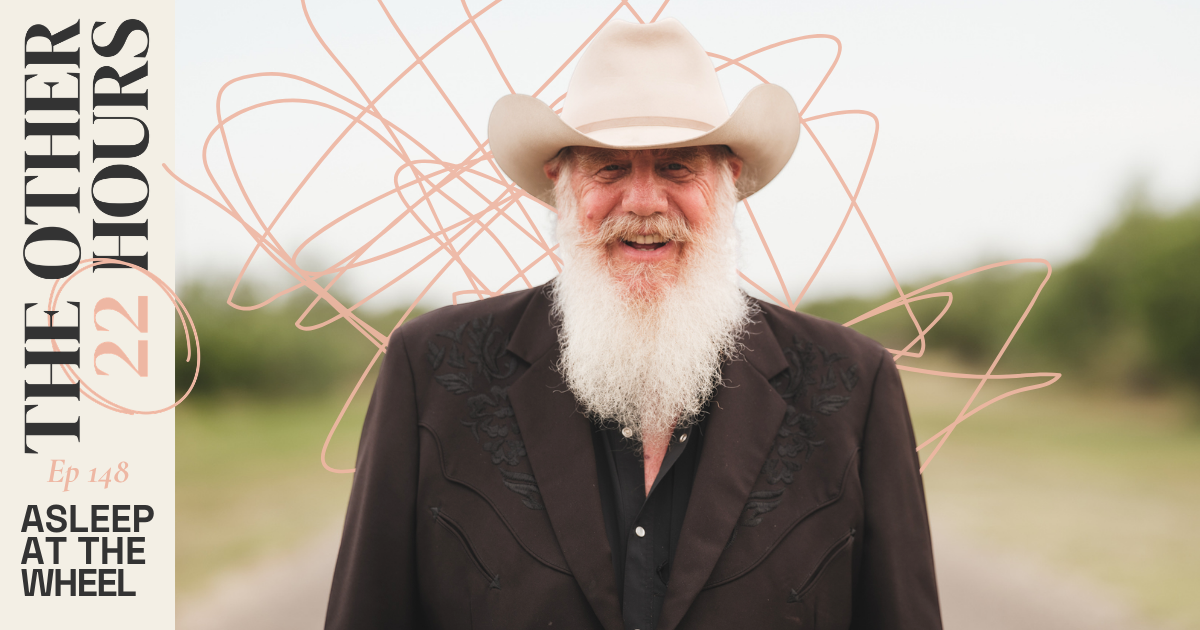
The Other 22 Hours: Ray Benson (Asleep at the Wheel)

Ray Benson is an absolute pillar of American music, a nine-time GRAMMY winner whose band, Asleep at the Wheel, has defined Western swing for over half a century. In this episode of the Other 22 Hours, we talk with Ray about the “geographical imperative,” rebuilding his career from a broke-down bus to a musical institution, and the delicate balance between the craft of music and the business of image. This is an exploration of longevity, team building, and the importance of finding a “moral compass” in leadership.

LISTEN: APPLE • SPOTIFY • AMAZON • MP3

In This Episode:

Ray Benson
Asleep at the Wheel
Peter, Paul, and Mary
Pete Seeger
Woody Guthrie
Van Cliburn
Lester Flatt
Marty Stuart
Marc Copland
Paul Motian
John Abercrombie
George Strait
Vince Gill
Tower Records
– “The Letter Johnny Walker Read
Merle Haggard
Lawrence Wright
Mumford & Sons
Aaron Dessner
T.S. Elliot
Health Alliance for Austin Musicians
Chris Scruggs
Molly Tuttle
Ep. 86 – Tommy Emmanuel

Go Deeper:

Watch: View this entire conversation above or on YouTube.
Explore: Find similar conversations in these themed playlists.
Connect: Join the conversation on Instagram.

The Other 22 Hours is hosted by Aaron Shafer-Haiss (producer, mixer, musician) and Michaela Anne (songwriter, artist, creative coach). More about Aaron’s workMore about Michaela Anne’s work.


Produced by Aaron Shafer-Haiss. Original music written, performed and produced by Aaron Shafer-Haiss.

Photo courtesy of the artist.

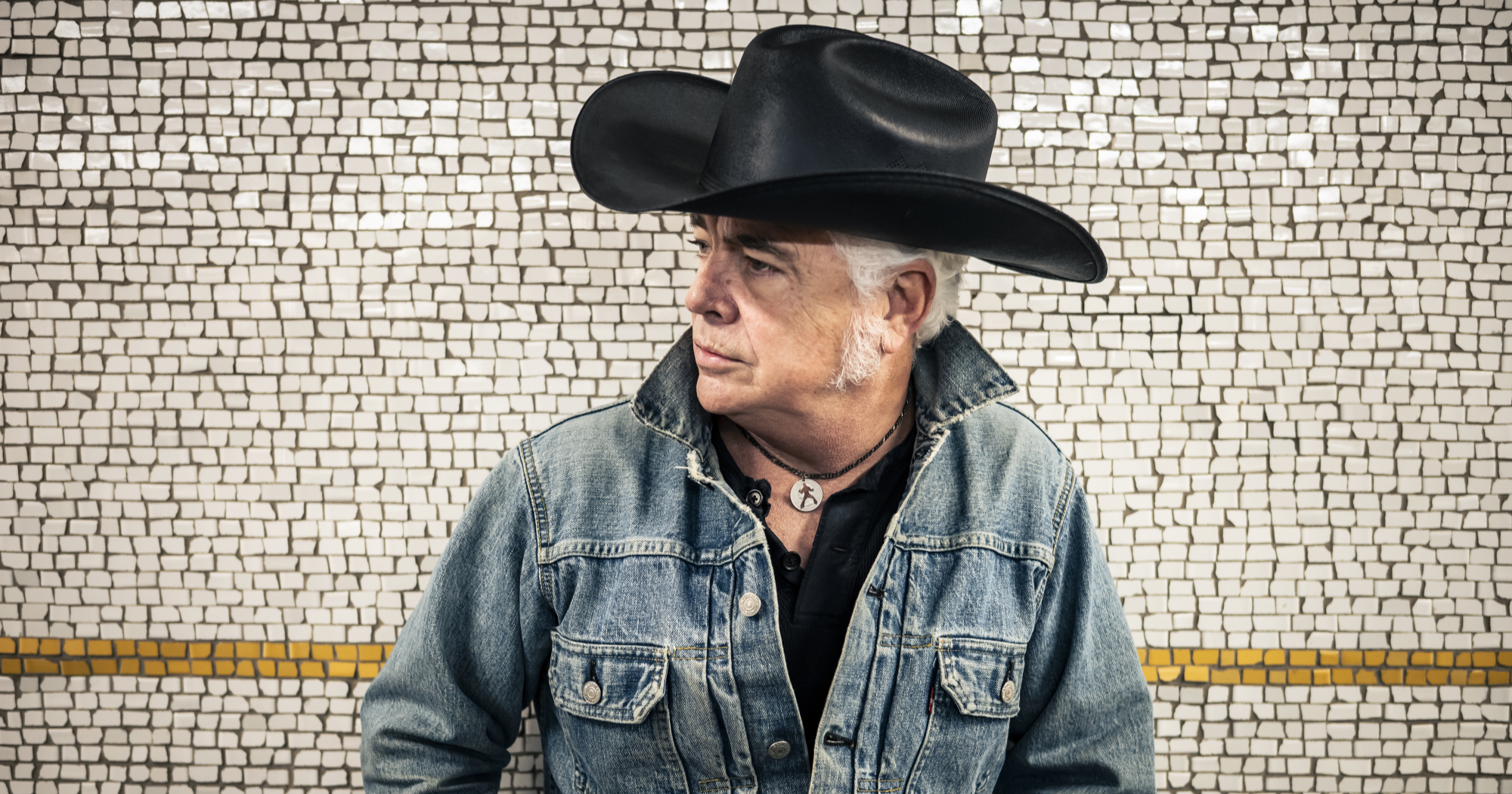
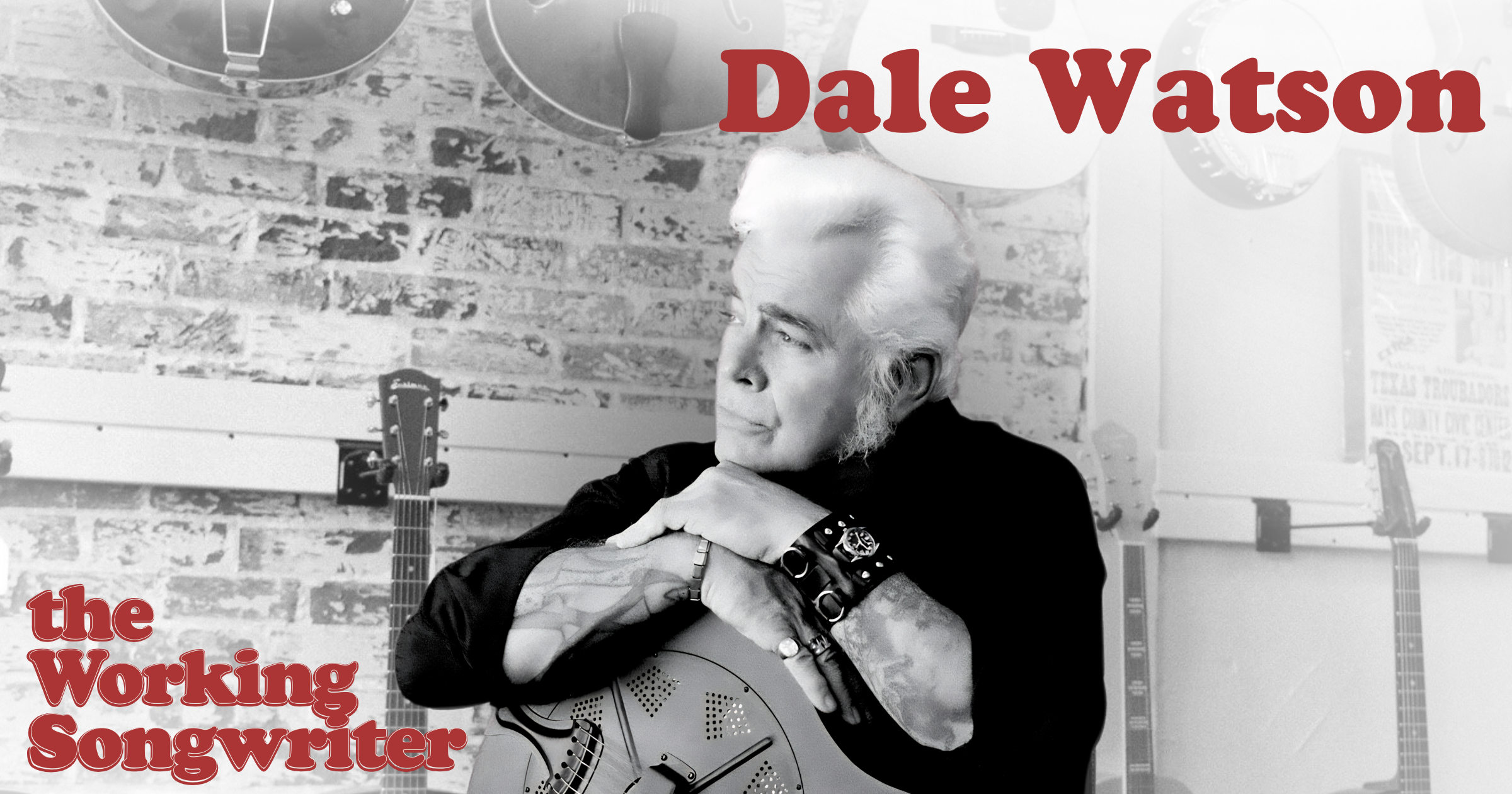
Dale Watson’s Ameripolitan Today Playlist

Ameripolitan music can be best defined as original music with prominent roots influence, and it has four categories: honky tonk, Western swing, rockabilly, and outlaw. My Mixtape features a song by an artist that represents the roots and then I’ll play a new artist that directly was influenced by them. You can hear the natural growth of country music when you listen to Lefty Frizzell and Merle Haggard or Kitty Wells and Loretta Lynn back to back. (Many of the roots artists had nicknames, I miss that.)

While some may hear an artist’s influence and say they are copying them, I’m of the opinion that John Lennon shared when asked about The Beatles’ influences. He said, and I paraphrase here, “One’s originality comes out in their inability to imitate their influences.” Very well said. – Dale Watson

“Who’s Gonna Take The Garbage Out” – Loretta Lynn, Ernest Tubb

Ernest Tubb had a distinctive voice as you hear on this song he sings with Loretta Lynn. Here’s the Texas Troubadour with the Coal Miner’s Daughter.

“My Wife Thinks You’re Dead” – Junior Brown

And no one is more evidently influenced by him than Junior Brown.

“Undo the Right” – Johnny Bush

Johnny Bush, otherwise known as the “Country Caruso,” was a drummer for Ray Price, the Cherokee Cowboy, before going out on his own. You would definitely hear that influence if you back-to-back Ray Price to Johnny Bush. Both are huge influences to every singer that grew up in Texas.

“Texas Honky Tonk” – Justin Trevino

This young man from Texas is carrying the Bush torch.

“D-I-V-O-R-C-E” – Tammy Wynette

The First Lady of Country Music, Tammy Wynette was married to the Possum, George Jones. She is easily at the top of women that influenced the newer singers.

“Houston Belongs To Me” – Sunny Sweeney

Singing her own divorce song, here’s Sunny Sweeney!

“Big Balls in Cowtown” – Bob Wills & His Texas Playboys

In the Western swing category this is the master, Bob Wills & His Texas Playboys.

“Riding High in Texas” – Asleep at the Wheel, Billy Strings

Though they’ve been around a while, they still burn up the road and proudly wear Bob Wills as their biggest influence. Ian Stewart sings as guest picker Billy Strings shines.

“Here in Frisco” – Merle Haggard

The Hag has influenced generations and even in death he still does. He once told me he forgot he wrote this song and was glad I brought it up so he can add it to his playlist again.

“This Highway” – Zephaniah OHora

Zephaniah OHora is now based in Nashville and he’s got a lot of great original songs. On this song you can hear the Hag in him.

“Bob Wills Is Still the King” – Waylon Jennings

In the outlaw world there is none more influential than Waylon, and in Texas we were all influenced by Bob Wills.

“Long White Line” – Sturgill Simpson

This particular song draws heavily on Waylon’s influence. And I like it.

“Ramblin’ Man” – Hank Williams

Hank Williams’ voice is one of the most recognizable in music. His songs are timeless and still inspire singers and songwriters alike.

“Thunderstorms and Neon Signs” – Wayne Hancock

You can definitely hear Hank in Wayne Hancock, but his own voice is definitely original, too – as well as his great songwriting.

“Guitars, Cadillacs” – Dwight Yoakam

Dwight Yoakam has influenced many a newcomer. Just as he was obviously influenced by Buck Owens. He came along when Nashville needed reminded of its roots.

“Lost in the City Lights” – Johnny Falstaff

Though not well known as of yet, Johnny Falstaff is picking up Dwight’s hat.

“Blue Kentucky Girl” – Loretta Lynn

The Coal Miner’s Daughter definitely left big shoes to fill, but her sassy songs inspired many women artists.

“Don’t You Ever Give Up On Love” – Brennen Leigh

That inspiration can be traced right to Brennen Leigh.

“Good Hearted Woman” – Waylon Jennings, Willie Nelson

Here’s the quintessential outlaw song by the most famously influential artists, the Red Headed Stranger, Willie Nelson, and Waymore, sometimes called Wautawsha, Waylon Jennings.

“Willie Waylon and Whiskey” – Dale Watson

The last song I’ll put in here’s is mine, because with pride I will state, yes, I am heavily influenced by Willie and Waylon. And sometimes whiskey.


Photo Credit: Jacob Blinkenstaff

2025: Another Year of Ed’s Picks

As our second year of Good Country comes to a close, we’re reflecting on another 12 months’ worth of the best in country music. Whether Americana, bluegrass, or string band, blues, outlaw, or Western swing – or any of the many styles of country we know and love – there’s been plenty of excellent picks from my ear buds directly to your inboxes and playlists.

We sampled post-modern Mississippian country from KIRBY, got funky and soulful with Memphis family band and GRAMMY nominees Southern Avenue. We celebrated Suzy Bogguss’ invitation to join the Grand Ole Opry and traveled to the remote center of the Pacific Ocean for Maoli’s particular twang.

Fiery twin fiddle by Jason Carter & Michael Cleveland had our jaws on the floor, while we were surprised – but not really – at how well Brooks & Dunn went together with the Earls of Leicester. Huge stars like Billy Strings, Warren Zeiders, Sabrina Carpenter, and Carín León were enjoyed alongside everyday working musicians like Jordan Tice, The Creekers, Nick Shoulders, Sunny War, and more.

That depth and breadth – of artists and styles, of notoriety, or approach – is exactly what we’re going for with Good Country.

Good Country isn’t any one thing. It’s a feeling. It’s a place. We’ll be chasing more Good Country feelings and places in 2026, and we’re so grateful to have you along for the ride. Look back at all of Ed’s Picks for 2025 with our master playlist.


Want more Good Country? Sign up to receive our monthly email newsletter – and much more music! – direct to your inbox.

The Latest of Joshua Hedley’s Many Hats

As one of Nashville’s key classic-country connoisseurs, fiddle maestro Joshua Hedley has long been a musician of many hats. In 2018 his first solo album Mr. Jukebox tapped 1960s-style countrypolitan. 2022’s Neon Blue embraced the lush warmth of the ‘90s-era format, and he regularly thrills crowds with cover sets from across time at the famed Nashville honky-tonk, Robert’s Western World. Yet with his new album All Hat, Hedley dons the metaphorical cap he’s long obsessed over – the wide-brimmed stetson of his Western Swing heroes.

A titan of twang and perhaps Broadway’s finest down-home devotee of the traditional arts, All Hat finds the lifelong Bob Wills fan going back to his roots. Produced by Western Swing icon and Asleep at the Wheel founder Ray Benson, the album captures the upbeat joy of an eminently danceable (yet often overlooked) country style, which Hedley has been loving and learning since he was 8 years old.

Over 11 tracks of old-style originals, he celebrates a genre defined by jaunty rhythms and euphoric solos meant to keep a crowd dancing long into the night. With an already-respected resumé, Hedley still calls All Hat his “pièce de resistance,” and feels Western Swing deserves its due in this era of cultural callbacks.

“It’s definitely not seen the renaissance that say bluegrass or the outlaw country sound have,” he laments.

Joshua Hedley spoke with Good Country about the new album, the differences between Western Swing and other country styles, and what it’s like to be produced by one of your heroes. Plus, he explains how “getting stoned and playing country music” is the best cure for creative burnout.

Your new album is called All Hat. But that term is famously used to describe posers – and you don’t fit that bill when it comes to country. So why are you calling it All Hat?

Joshua Hedley: Well some people disagree, man. [Laughs] I don’t know what constitutes “not a poser.” I would think playing country music since you were 8 would take care of that, but apparently not.

Really?

It is what it is. I don’t really give a shit, but it was just kind of poking fun at myself and those criticisms. I just think it’s funny. But honestly, for the album, I was working on a different album. I was writing for something else and I was on the road with Asleep at the Wheel and Brennen Leigh – we were doing a package show tour together – and I was just hanging out with Ray. He was like, “You ought to let me make a record on you.” I’ve been wanting to do another Western Swing album for a long time and I was just like, “This is it.” When Ray Benson wants to make a record on you, you make a fucking Western Swing record.

It came out really great. I’m enjoying it for sure. I wonder, how are you feeling about your craft these days? Like you said you’ve been doing this since… well, your whole life really.

Man, I’m feeling good about it these days. This album in particular has been just a joy all the way around. Writing – it was really fun. Recording – it was really fun. Playing these songs live is super fun, and it’s something I’ve been needing. You get pretty burned out when you do it this much. I come off the road and I go back to playing music just at home. When you play like that, you get burnt out hard – and I was really burnt out. This record is kind of pulling me out of the burnout.

That’s interesting. I’ve been watching you at Robert’s Western World for years and it’s always felt like you had that dialed in. I mean, you’ve earned the respect of everybody in the field, and you could probably be making a more commercial play, but it seems like you’re more inspired to make music with your friends and do small residencies. Is that a more satisfying life?

Definitely. I’ve done a lot of touring and all of that, but when I’m really having fun is when I’m down at Robert’s or Dee’s [Country Cocktail Lounge] or Skinny Dennis. I’ve been playing these solo acoustic shifts at Dee’s, it’s just two hours a week and I just sit there with my guitar and get stoned and play country songs. It’s kind of empty in there, and I get to do whatever I want. I forgot how much fun I have doing that, so I’ve been leaning more towards playing at Robert’s and doing the honky-tonk thing lately, just because at the end of the day, you got to do what makes you happy. If I was going to do something I wasn’t enjoying, then I could get a desk job and probably make a lot more money than I make doing this.

Maybe.

I wonder, do you ever feel like you know a secret that some of your peers are missing? I mean, when you talk about that burnout phase, and being able to sit down and just get stoned and play country music, is that a secret hack of the lifestyle?

I don’t know about a hack or anything like that, but for me, I am having the most fun when I am playing covers and just singing old songs that I really love. You hear a great song on the radio and the feeling that you get from hearing that song? Imagine the feeling you get from singing it. That’s my jam.

You’ve been calling All Hat your “pièce de resistance.” And I cannot speak French, so I can’t say that phrase. But how do you figure?

I love country music in all its forms – well… maybe not all its forms. But most of its forms. Western Swing has always been my very favorite thing to play and sing, and I actually made a tribute to Bob Wills when I was 15 with Buddy Spicher and his band up here in Nashville.

What? Really?

Yeah, it’s all Bob Wills covers, and a lot of ’em, I think probably I learned them from Asleep at the Wheel. … It’s just always been on my mind that I should write one of these instead of just doing Bob Wills songs, and always wanted to do it. And then getting to do it with somebody like Ray and with the players who are on the album – guys I’ve looked up to my whole life. I don’t know, it’s just the vibe was in the room and this record came out better than I could ever imagine.

Tell me a little bit about your songwriting on this one. What do you do differently when you’re writing a Western Swing tune?

Oh yeah. It is actually quite different because a lot of those melodies come out of the pop world. And when I say pop, I mean like ’30s and ’40s pop.

Like the original pop.

The original pop. Big band music and stuff like that. Country’s very structured, at least the classic kind that I do to where you’re verse, chorus, turnaround, chorus, outro, something like that. It’s real regimented and formulaic and it’s a different approach to writing Western Swing. A lot of those songs are just one verse, and then you play a bunch of solos, and then you just repeat that verse and take it home, which is a very jazz standards thing to do.

I guess I never thought of that.

Like on “Fresh Hot Biscuits.” I kind of approached that how Bob and them would approach “Ida Red” or something, which is really just a fiddle tune that he wrote words to. I leaned into borrowing old lines from old blues songs and tried to find some of those old lines. Like in “All Hat” – “I know a gal up over the hill/ She won’t do it, but her sister will.” That line’s as old as time.

Right. So the structure, is that because it’s made for dancing?

Yeah, the vocal is secondary a lot of the time, and the lyrics certainly are. It’s more about dancing and the whole thing evolved out of square dance culture and callers where there weren’t lyrics to the songs. It was just a guy telling you what to do on the dance floor. The lyrics are kind of secondary to the overall vibe, and the musicianship is really a big part of it, too.

I did want to ask you about “Stuck in Texas” because that one’s got Ray on it. It’s got that jumpy beat, and a little bit of yodeling in there, too. Where did that one come from?

I had wrote several songs that had really similar chord progressions at that time. I had written them in a row, and I was trying to get out of that. And I’m also trying to push myself on guitar to write outside of three chords, four chords. I just kind of came up with that. I was thinking about the Sons of the Pioneers when I wrote that song, wanting a real good guy, cowboy-movie cowboy. Thinking about Gene Autry and stuff. Then it was just a no brainer for Ray to step in on. Mr. Texas.

What’s it like to be produced by a guy like Ray Benson? Is it different than playing in his band?

It is different than playing in his band because his band is his brainchild and he knows exactly what he wants it to sound like. I think he recognized that this was my brainchild and we all kind of did it together. Ray, he kind of choreographed a lot of it being like, “We should throw the ensemble part here and twin this,” and “We got to have fiddle on the intro,” that sort of thing. But a lot of it was just a group of guys that play together all the time getting together and playing these songs. And what happened was just natural.

You said somewhere in your bio that you grew up playing fiddle with guys who were in their 50s and 60s, and learning from them. I just wonder, is that what you aspire to be one day?

Yeah, definitely. There’s actually this kid Nash [Grier] that comes down to Robert’s whenever Brazilbilly plays and it’s always a treat. He’s like six or seven years old and he’s a really great fiddle player. He comes up and he sings “Hey, Good Lookin'” and he plays “Orange Blossom Special” behind his back – all the little things I used to do when I was his age. Now that I’m 40 years old, I’m like, “Man, look at that little guy.” It really brings back memories. I was that kid and I love seeing a new generation embracing all this stuff. It’s really special to get to pass it on.

What you hope people take away from this one. I know it’s a labor of love for you and a lot of fun to do, but what do you hope people get from this thing? Do you want to spark a revival?

I don’t know about any revival, but I hope people have fun with it. I hope that they don’t take it too serious. Music can get so heavy these days, and I get it. But I want to remind folks that you can just keep it light and make a great record. Sometimes it’s nice to just dance, to just do some two-stepping, learn how to polka and not be so serious all the time. It’s all fun. That’s why we got into this. So I just want people to remember to enjoy themselves.


Photo Credit: Joshua Black Wilkins

A Country Road Trip

Editor’s Note: Each issue of Good Country, our co-founder Ed Helms will share a handful of good country artists, albums, and songs direct from his own earphones in Ed’s Picks.

Asleep at the Wheel

Among the many excellent Texan country & western bands Asleep at the Wheel have been standing tall for more than 50 years. Their new album, Riding High in Texas, collects ten of the best songs about the state from some of country’s most iconic artists and writers – and it features quite a few stellar guests as well, like Lyle Lovett, Brennen Leigh, and Billy Strings.


The Creekers

A few short weeks ago, no one would have faulted you for not knowing who Eastern Kentucky bluegrass band the Creekers were. Now, their track “Tennessee” is seemingly everywhere on the internet. The song has been used on more than 36,000 TikTok videos and the group has quickly amassed upwards of 60,000 followers on the platform – plus, “Tennessee” has been streamed more than 3 million times on Spotify and has racked over half a million spins on YouTube! Let the catchy tune do the explaining why.


KIRBY

Here’s some Good Country! Now, it’s true not every track from this Mississippian genre-bender’s brand new album, Miss Black America, would be “permissible” on country radio, there are still plenty of rural, down-home, red clay, Americana moments throughout this impeccable collection. From the visuals of the album and her social media accounts to tracks like “The Man,” “Reparations,” “Mama Don’t Worry,” and “Thick n Country” it’s clear KIRBY and her material would fit right in alongside the best of today’s pop country and country trap – and would certainly outshine most songs in those subgenres, too.


Sabine McCalla

The GC team was first introduced to this incredible singer-songwriter, Sabine McCalla, through her equally talented sister, Leyla. But soon after that she took the internet by storm with her Western AF video performance of “Baby, Please Don’t Go” – which rests comfortably at 1.1 million views on YouTube. McCalla just announced her debut full-length album, Don’t Call Me Baby, arriving November 7 via Gar Hole Records and we can’t wait. The singles she’s released so far promise more lovely and innovative heart-wrenching indie-roots music.


Margo Price

New Margo Price music is always cause for celebration. We’ve worked with Margo a lot over the years, from Bonnaroo to the Good Country Goodtime at Newport Folk Festival this July, and we’re constantly impressed by her drive, grit, tenacity, and the way agency is at the center of all of her work. That’s certainly true for her brand new album, Hard Headed Woman. Don’t ever change, Margo.


Want more Good Country? Sign up to receive our monthly email newsletter – and much more music! – direct to your inbox.

Photo Credits: Asleep at the Wheel by Curtis Clogston; The Creekers courtesy of the artist; KIRBY by Justin Hardiman; Sabine McCalla by Camille Lenain; Margo Price by Yana Yatsuk

BGS Wraps: Patty Loveless, Darin & Brooke, Brei Carter, and More

How is December already half over? Christmas is merely 10 days away – and in just over six days, Winter Solstice will bring the light back into our lives. We hope your home smells of evergreen and sugar cookies and that a seasonal roots music tune is wrapping you up in wintry coziness. If that isn’t the case, we can help with the rootsy seasonal tunes bit!

For our third week of BGS Wraps, we have celebratory bluegrass alongside loping country, introspective indie and gothic Tim Burton-esque tales, too. Plus, don’t miss Jeannie Seely as Grand Marshal of the Donelson Hermitage Christmas parade in Nashville tomorrow.

Whatever you’re celebrating this season, we’ve got the music, songs, albums, and events to pair with your peace and joy.

Darin & Brooke Aldridge, Hometown Holiday

One of bluegrass’s preeminent couples, Darin & Brooke’s new Christmas album, Hometown Holiday, feels like an afternoon visit in their living room, as they play down a few of their favorite seasonal numbers. The husband and wife duo are known for their covers of non-bluegrass songs, and several among this collection truly shine – like Joni Mitchell’s “River,” rendered beautifully by Brooke. You’ll hear country piano, a modern classic popularized by Amy Grant, “The Chipmunk Song,” and more, all packaged with a neat and tidy bluegrass bow.


Beth // James, Christmas at the Burchills

Friends of BGS will know this team loves a good tiki drink, so including this Beth // James original seemed essential for our holiday Wraps. “Tiki Christmas Land” is one of four originals – joined by a cover of “Blue Christmas” – on Beth // James’ new EP, Christmas at the Burchills. Make yourself a holiday mai tai or painkiller and enjoy your visit with Beth, James, and the Burchills.


Brei Carter, Twinkling Tales of Christmas

Your cheeks may be a bit rosier after listening to Brei Carter’s jazzy, pop country holiday collection, Twinkling Tales of Christmas – and not just because of the chill in the air! “50 Shades of Christmas” will certainly get you in a festive and adventurous mood, and “Santa Wontcha” is for all Christmas season fans who proudly extend the season well prior to Thanksgiving. But “Bow on You” and “Christmas Is You” are certainly the stand out tracks.


38th Annual Donelson Hermitage Christmas Parade December 16, with Grand Marshal Jeannie Seely

If you’re near to Music City USA, head out to Donelson tomorrow afternoon, December 16, to catch country legend Jeannie Seely as she Grand Marshals the 38th Annual Donelson Hermitage Christmas Parade. Seely is standing in for Brenda Lee, who ended up being unable to attend the event – and who better to step into Lee’s Christmas hit-singing shoes? Seely has been involved with the parade many a time before and this year is an especially perfect time for the Grand Ole Opry member to Marshal, as she just released a holiday single with the Flat River Band entitled “Christmas Time.”


Pat McGrath, “Let’s Just Get Past Christmas”

A smooth, swingin’ Christmas song from singer, songwriter, studio musician Pat McGrath that looks forward, willing the new year to come fast and wipe the slate clean. A great tune for anyone who feels the holidays are often bittersweet, with a heavy dose of love and putting one foot in front of the other, you can get past just about anything. Christmas included.


Drake Milligan, “Cowgirl for Christmas”

More Christmas songs need yodeling, right? Right. Drake Milligan’s “Cowgirl for Christmas” is a delight, from the sound stage music video set that feels direct from a ‘50s western to the catchy, yodeled hook, to the danceable, western swing beat. Not a brand new track or video, but one worth remembering each year when December rolls around for sure. You’ll be wishin’ for a cowgirl under your tree, too.


The Nields, “The Darkest Day”

A harmony rich neo-folk song from The Nields, “The Darkest Day” was released earlier this year on their brand new album, Circle of Days. To herald solstice, they’ve brought out a video to highlight the track and ask the titular question, “What do you want on the darkest day?” A timely reflection, as we welcome back the sun and look ahead to spring – however far away it may feel.


Malin Pettersen, “Santa”

Malin Pettersen’s first ever Christmas song is an entire vibe. With a classic R&B back beat and conversational tone with Americana touches, Pettersen lays out her wishes for the holiday – for her longing to end and for some light to brighten the holidays and dark January. Whomever you’re trying to manifest into or out of your life, Pettersen can offer a shortcut to writing your letter to the big man at the North Pole.


Hannah Rose Platt, “The Wendigo Rag”

Wendigos and skinwalkers, oh my! If your TikTok For You Page knows that you love a cryptid tale or the paranormal or other unexplained phenomenon, Hannah Rose Platt has made a wintry, stop motion, Tim Burton-esque video just for you. And if you’d like to continue your rootsy Wendigo songs playlist, we have another selection from back around Halloween by Thunder & Rain you’d enjoy, too.


Larry Sparks, “White Christmas”

Each Christmas we’re reminded of this amazing album by bluegrass legend Larry Sparks and especially of this four-chord version of a holiday classic, “White Christmas.” Only a picker like Sparks could pave over such an iconic chord progression without leaving the listener missing it – at all. “White Christmas” is a jam buster no more, anybody can play along. We put this album on every year around the holidays and are never disappointed.


Sofia Talvik, “Alone for Christmas”

Swedish folk and Americana singer-songwriter Sofia Talvik utilizes jazz touches and dramatic strings to paint a lonesome Christmas portrait that both relishes and abhors the season. Playing around within that paradox – how can lonely holidays feel so bereft of Christmas spirit, while also epitomizing so many of the feelings of the season? The repetition in the song (“Alone for Christmas… Again. Again.”) underlines how being “Alone for Christmas” really isn’t as uncommon or unfamiliar as any of us would hope it is.


The Wildwoods, “Somewhere in the Snow”

Nebraska-based folk trio The Wildwoods offer their first-ever holiday song, “Somewhere in the Snow,” replete with a Peanuts-style animated video. It’s gauzy and sweet with a burnished patina and tone of redemption. Whether you love or hate the snow, it certainly seems like a perfect place to bury your troubles and fears.


Our Classic Holiday Album Recommendation of the Week:
Patty Loveless, Bluegrass & White Snow, A Mountain Christmas

Patty Loveless’s bluegrass bona fides are unassailable, it’s true, but this album might clinch her claims to the genre, if ever challenged by a naysayer or proverbial chair snapper. Bluegrass & White Snow is a perfect combination of classic, sing-along carols and bluegrass staples, plus a couple of bespoke beauties, too, sung as only Patty could sing them. With a big, belty voice that carries with it some of that signature high lonesome grit. Dr. Ralph would be proud. (And he was.)


Photo Credit: Darin & Brooke Aldridge by Kim Brantley; Brei Carter courtesy of the artist; Drake Milligan courtesy of the artist.

LISTEN: Brennen Leigh, “If Tommy Duncan’s Voice Was Booze”

Artist: Brennen Leigh
Hometown: Fargo, North Dakota
Song: “If Tommy Duncan’s Voice Was Booze”
Album: Obsessed with the West
Release Date: May 6, 2022
Label: Signature Sounds

In Their Words: “When I was a kid and I first heard Bob Wills and His Texas Playboys, I assumed (as a lot of people do) that Bob was the singer. In reality, it was usually Tommy Duncan, who’s remembered for his relaxed, beautiful, distinctively Texas voice. To me, he sounds like drinking a chocolate milkshake feels. That’s the feeling I wanted to convey with ‘If Tommy Duncan’s Voice Was Booze.’ I was telling my friend Paul Kramer that I’d drink Tommy’s voice if I could; that it’s so sweet and smooth I wanted to make dessert out of it. Intoxicating. So we found a way to tie that idea to some other things we liked…wishes we had…and gave it what I call the Jimmie Rodgers treatment. Paul brought a little jazz influence into the room and we called it a song.” — Brennen Leigh


Photo Credit: Lyza Renee

Texas Songwriter Vincent Neil Emerson Believes Indigenous Music Is Folk Music

The self-titled country album by East Texan singer-songwriter Vincent Neil Emerson (Choctaw-Apache) oozes of the iconic “Wild West” with honky-tonk sensibilities and bluegrass touches that combine so many favorite textures and styles of country and Americana’s primordial ooze. His personality and identity are forward in every aspect of the project, from the lyrics to the production to the genre fluidity of each individual track – all of which marvelously combine into a cohesive whole.

In Emerson’s exclusive Shout & Shine live session (watch below), he performs two tracks from the album, “High on Gettin’ By” and “The Ballad of the Choctaw-Apache,” a song that dutifully tells the story of his grandmother’s community which was impacted by the creation of a man-made lake, the Toledo Bend Reservoir. The flooding of Toledo Bend had a disproportionate impact on impoverished, rural, and marginalized communities – including many Indigenous people – on the Texas-Louisiana border. 

On first listen, “The Ballad of the Choctaw-Apache” feels like many classic country songs telling of injustice and standing in opposition to empire and “the man,” but Emerson’s personal connection to the tale is the entrancing spotlight under which this song shines. As you enjoy Emerson’s performance, take in our interview, when we connected via phone to discuss the album, Emerson’s creative process, and the overarching fact that, as he puts it, “Indigenous music is folk music. Indigenous stories are part of American folklore.”

BGS: I loved listening to the album and something that’s striking to me is that it feels so country, but also combines a lot of different genre aesthetics from different subsets of country in a unique way. I hear bluegrass in it, I hear string band music in it as well as western swing and classic country. How do you approach production and deciding which songs sound like what? There are a lot of different flavors here, but they still sound cohesive as well.

Emerson: With this one I got really lucky having Rodney Crowell producing the album. I think a lot of his ideas were what I was hearing in my head anyways. It matched up very well. As far as instrumentation, song by song we sat down and said, “Here’s what I think the song needs.” We were trying to fit the instrumentation around the song and around the story of the song. As opposed to doing it the other way around. If it sounded bluegrassy, that’s because it probably needed it, I guess! 

To me it sounds like that golden age of country before it was divided into sub-genres and all country was just country. 

I appreciate that! 

What was it like working with Rodney? What was the balancing act like as far as his fingerprints being on the music and yours? 

Nothing was forced, it was kind of like, “We got this song and this is what we’re going to do.” And, “Yeah, that sounds good!” [Chuckles] I wouldn’t say he was very hands-off, he knew exactly what he was doing. I didn’t really question any move that he made. It was kind of surreal getting to work with him. 

A bystander, or a casual listener, when they hear “Ballad of the Choctaw-Apache” might just hear a country & western song, but I know for you it’s not just a classic, archetypical country song tale, it’s much more personal. It tells the iconic story of this country and this continent of the theft of land, culture, and ways of being from natives. I wonder if you could tell us a bit more about that song and how it’s more than just you writing a “rootsy” song.

I started writing that song after I sat down and talked with my grandmother about her upbringing, what she went through, and how the whole Toledo Bend Reservoir [creation in Texas and Louisiana and the displacement of natives and entire communities] affected her family. As I’ve been learning more about my tribe I felt that it was necessary to write something about that. I haven’t heard any songs written about it – in fact, not a lot of people talk about it. I thought it was needed. 

Sometimes music like yours can get pigeonholed as “time capsule music” or throwback music. Something I love about this collection of songs is that, even though it’s classic and timeless, it doesn’t feel dusty or antiquated or divorced from the present. Can you talk a bit about that? Your music is down to earth, too, but it doesn’t feel like you’re trying to make music that’s retro. 

There are a lot of bands out there that sort of play dress-up. There’s nothing wrong with that! I respect that and I’ve done it, too, but they’re trying really hard to be a certain era. I love all that music from the old school — I love Bob Wills — it’s just a personal choice. I don’t feel the need to “dress up” or try really hard to make the music sound like it was from back then. I’m so heavily influenced by the people around me and what’s going on around me constantly. 

One guy who really had a good mix of that, too, was Justin Townes Earle. He had the old-time thing going on, then he could bust out “Rogers Park,” a piano ballad, and move in and out of [many different styles]. A personal style of songwriting should be a melting pot, it should be all eras – past and present. 

Music is so subjective, I’m a firm believer in the idea that however you hear it is what it is. Whether that’s a positive thing or a negative thing to someone, I think it’s their right. I can’t tell anybody they’re wrong for forming their own opinion about my music – or anybody’s music. 

It sounds like the process of letting a song have a life of its own is a big part of the process for you and that you understand an audience is always going to project onto or perceive meaning maybe where you didn’t yourself. 

I don’t like to bounce my stuff off of people that much, because I’m going to write what I’m going to write. I don’t want to let people influence me too much in that way. But it is a really good feeling whenever you write something and you get a positive reaction or positive feedback. I think I’m more focused on the songwriting. As long as I’m being one hundred percent honest with myself in the song then I feel like it’s a tool for me to express myself completely. I feel that’s good enough. 

A point that I always try to make about country, Americana – especially “country & western” specifically – Texas swing, and western swing traditions is that none of these genres would exist without the contributions of Indigenous folks. Especially when you think about Indigenous folks living in the occupied “Wild West” before any other folks did. And there were Black and brown folks who were cowboys before white folks ever were. I feel like that’s always missed, forest-for-the-trees style, by the roots music establishment these days. Country wouldn’t exist without Indigenous folks. Do you have thoughts on that? Have you thought about how your music draws on that legacy? 

That’s something I’m still trying to understand myself and really learn about. I think you definitely have a great point there. If you think about it, the settlers came over and they didn’t know how to work the land, they didn’t know how to hunt over here. Natives taught them all that and the settlers took that information and they thrived with it. Our society would not exist in the U.S. if it weren’t for the people who were here before. And it applies to the music as well, yeah.

The album feels so western. Like rhinestones and cactuses and false-fronted buildings. It feels so “authentic,” but it’s not just about the nationalism of settling the Wild West and it’s not about these white supremacist myths about cowboys and western culture. Could you talk a bit about that aesthetic? How Texas and the West and something like cowboy poetry and storytelling come through your songwriting? 

I never really set out to try to write about these things, it’s just the things I’ve been surrounded by. I worked on a ranch for a little while. “High on the Mountain,” that song came to me while I was literally on the top of a mountain – well, it was more of a hill – while I was in Palo Duro Canyon. Growing up in Texas, seeing all that stuff, it kinda [left an impression]. A lot of it, as far as stylistically, comes from listening to people like Bob Wills and Townes Van Zandt and Blaze Foley. Anyone that I’ve been influenced by, their influence creeps into it. It’s definitely not just a brand, it’s more my life. [Laughs] I never really thought about it, actually! 

I grew up between a horse ranch and a cow pasture in East Texas. I grew up in the middle of nowhere. When you get into cities like Dallas, Fort Worth, Houston, Austin, San Antonio, these bigger cities, there’s a lot more to the area I’m from than just little podunk country towns. I learned that when I was 19. I moved over here [to the Fort Worth area] and was like, “Holy shit!” There was a lot going on. There’s a lot of rich, cultural, musical history. I’d like to dive more into that on the next record. I want to try to put some Tejano music in the blender. Maybe some polka and western swing. See what happens! If you go down around the Hill Country there’s a lot of German music, German immigrants, there are entire communities that still speak German over there. 

Maybe this is a good way to wrap up our conversation: Who’s inspiring you right now? Who are you listening to? 

As far as Indigenous artists go, I think folks really need to listen to Leo Rondeau. He is one of the baddest motherfuckers out there doing it right now. Really, really great music. In the realm of music I play, there’s not a whole lot of Indigenous people doing it. Of course, I think there are a lot of people with Indigenous heritage, but as far as being able to immediately trace your roots back like my grandmother who is Choctaw-Apache from Ebarb, Louisiana, there’s not a lot of that. It’s kind of a shame. And I’m not the end-all be-all on the subject! I’m not the most up to date on things. I’m sure there are a lot more, I’d love to learn more and hear more. It’s a good thing to bring up and a good question to ask, because it’s something people should be thinking about. 


Photo credit: Melissa Payne

Asleep at the Wheel Turns 50, But Ray Benson Didn’t Know If It Would Last

The term eclectic hardly seems broad enough to accurately describe either the approach of the marvelous band Asleep at the Wheel, or the energetic and fluid style of its lead vocalist and guitarist Ray Benson. The band he formed along with Lucky Oceans and Leroy Preston while farm-sitting in Paw Paw, West Virginia, 50 years ago is now an American cultural institution, although things didn’t really explode for them until they relocated to Austin.

Their latest release, Half a Hundred Years, pays homage to Asleep at the Wheel’s diverse and impressive legacy, although it’s one Benson freely admits he never seriously thought would continue for 50 years.

“Well, when you’re a 19-year-old kid, you don’t even know if the band will be around for 10 years,” he tells BGS with a laugh. “It really wasn’t something at the time that I had any notions about, things about legacy or impact. We were a band that wanted to play a lot of different types of music and enjoyed being around each other. That’s kind of been the trademark ever since.”

Country and Western swing are the foundational genres of their music, but the ensemble is hardly restricted or limited by them. Over their tenure Asleep at the Wheel’s repertoire has also included R&B, blues, jazz, rock and pop, while their albums and live shows feature a constantly evolving blend of originals and inspired covers. In addition, the band seamlessly maintained its trademark sound through numerous personnel changes, while navigating shifts in audience tastes and music industry practices.

“I’ve always been a real music lover, and that’s what’s driven the band all these years,” Benson continues. “Of course, the music business today is so different from the way it was when we started out. Hell, when we started they didn’t even have fax machines. You really thought in terms of radio and marketing a song, and you were trying to get your album played and then that would be the springboard for having it sold in the stores. Today, there’s such a focus on streaming. Vinyl’s made a bit of a comeback, but that’s because CDs are doing so poorly. Then the technology changed so dramatically, with the ability to sonically do things in the studio that we didn’t even dream about back in the ’70s.”

Indeed, Benson’s entire career — inside and outside the band — has been one of variety and experimentation. He taught himself to play the guitar as a 9-year-old. The first song he ever played completely came from a beer commercial he heard during broadcasts of his hometown Philadelphia Phillies. Benson teamed with his sister in a folk group The Four G’s at 11, then while in college he encountered a group whose concept he utilized (with variations) upon forming Asleep at the Wheel. It was that Commander Cody & His Lost Planet Airmen concert in Washington, D.C., where Benson saw and heard a band brilliantly mixing multiple genres in a free-flowing performance mode.

Following their time in West Virginia, Asleep at the Wheel relocated out west in the early ‘70s, playing in various East Bay clubs in California. A show where they shared the stage with Van Morrison, followed by his raving about them in Rolling Stone, began to open some doors. They toured with Black country vocalist Stoney Edwards in 1971, cut a debut LP that did well in the Southwest, then moved to Austin in 1973 after being encouraged by Doug Sahm and Willie Nelson. Upon their arrival in Texas, their second LP was issued by Epic.

However it was after their third LP, with the Top 10 country hit “The Letter That Johnny Walker Read,” that Asleep at the Wheel emerged as a top attraction. By 1978 they were winning the first of their 10 Grammys. They survived a lean period in the ’80s, then bounced back in the ’90s. Benson made another savvy decision that helped sustain the band’s success, recruiting several top country artists to cut two Bob Wills tribute LPs. Then came another hit in 2000, “Roly Poly,” with the [Dixie] Chicks. As a result, Asleep at the Wheel became one of the few country acts that’s managed to have chart records across four consecutive decades.

Their journey is duly reflected in Half a Hundred Years. “I looked at this album as a way to kind of look back and ahead at the same time,” Benson continues. “It covers everything that we’ve done and are doing.” Besides including such heavyweight guest stars as Lyle Lovett, George Strait, Lee Ann Womack, Willie Nelson and Emmylou Harris, the CD is sequenced in an intriguing fashion. The first 11 songs are new tracks featuring original band members. Songs 12-16 (with the exception of 14) feature the current band teaming with various band alumni. Cuts 17-19 are previously unreleased material, while track 14 combines the current band with two of Asleep at the Wheel’s former female singers. “We’re putting this out pretty much every way (configuration) that you can,” Benson adds.

Despite the pandemic, Asleep at the Wheel’s already done several shows and plans more in the near future. Benson has also branched out over the years to do things outside the band arena, among them being on the board of Austin City Limits, a role that led to his hosting the regional TV series Texas Music Scene for several years. He’s also been a prolific producer on LPs by Dale Watson, Suzy Bogguss, Aaron Watson, James Hand and Carolyn Wonderland, plus singles for Willie Nelson, Aaron Neville, Brad Paisley, Pam Tillis, Trace Adkins, Merle Haggard, and Vince Gill. Benson even cut a solo LP, Beyond Time, in 2003 and his autobiography Comin’ Right at Ya was published in 2015. In addition, he’s a founding member of the Rhythm & Blues Foundation, and the owner of a recording studio and label (Bismeaux Studios/Bismeaux Records).

Though it doesn’t seem possible that there are things in the music world Benson hasn’t done yet, he’s quick to list a few people he’d love to work with. “Well, I always wanted to record with Tony Bennett, but he’s retired now,” Benson says. “I’ve sung with Boz Scaggs, but have never done a whole album with him. I’d really enjoy doing that. Also, Billy Gibbons of ZZ Top. He’s someone else I’ve sung with, but really would like to do a complete project.”

He concludes, “At this point I really don’t even think about how much longer Asleep at the Wheel will go on because who would ever have given us 50 years? But I can say that I’m still really enjoying it, and this latest project and going out and playing to support it, and the reaction of the people even with everything that’s going on now… well, that tells me we’ve still got a lot of folks out there who enjoy what we do.”


Photo credit: Mike Shore