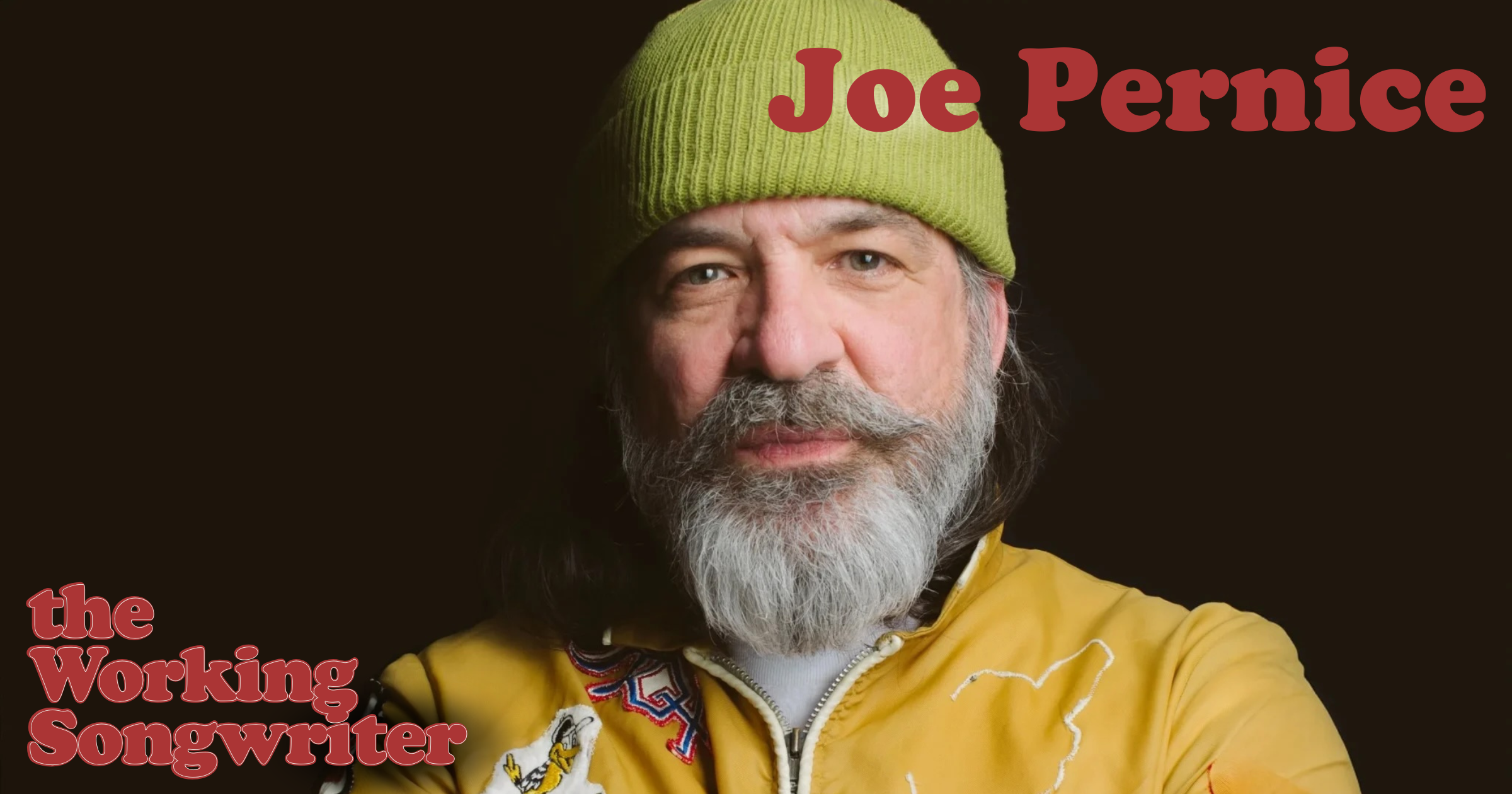
The Working Songwriter: Joe Pernice

Our guest on the Working Songwriter this week originally hails from Boston, Massachusetts, and now makes his home in Toronto. Joe Pernice got his musical start, though, in Northampton, Mass. At the time, it was a hot bed of indie music creativity. His band the Scud Mountain Boys built a loyal following in the 1990s with a string of critically acclaimed releases. He’s recorded for Sub Pop, One Little Indian, Team Love, and New West Records.

LISTEN: APPLE • SPOTIFY • REDCIRCLE • MP3

Over the years Pernice has collaborated with a variety of blue-chip songwriters such as Aimee Mann, Neko Case, Norman Blake (of Teenage Fanclub), Jimmy Webb, Rodney Crowell, and Jim White. He’s also a man of many talents; his novel It Feels So Good When I Stop was published by Penguin Books in 2009. NPR calls him “a workhorse of a songwriter who delivers hard truths with the softest of whispers.” Brooklyn Vegan declared, “Few songwriters today imbue frustration and anguish into the sweetest of melodies as Joe Pernice.”

I got a chance to catch up with him a few months ago to hear about his musical journey so far.


Photo Credit: Colleen Nicholson

Alt-Country, the Blues, and Oklahoma

Editor’s Note: Each issue of Good Country, our co-founder Ed Helms shares a handful of good country artists, albums, and songs direct from his own earphones in Ed’s Picks.

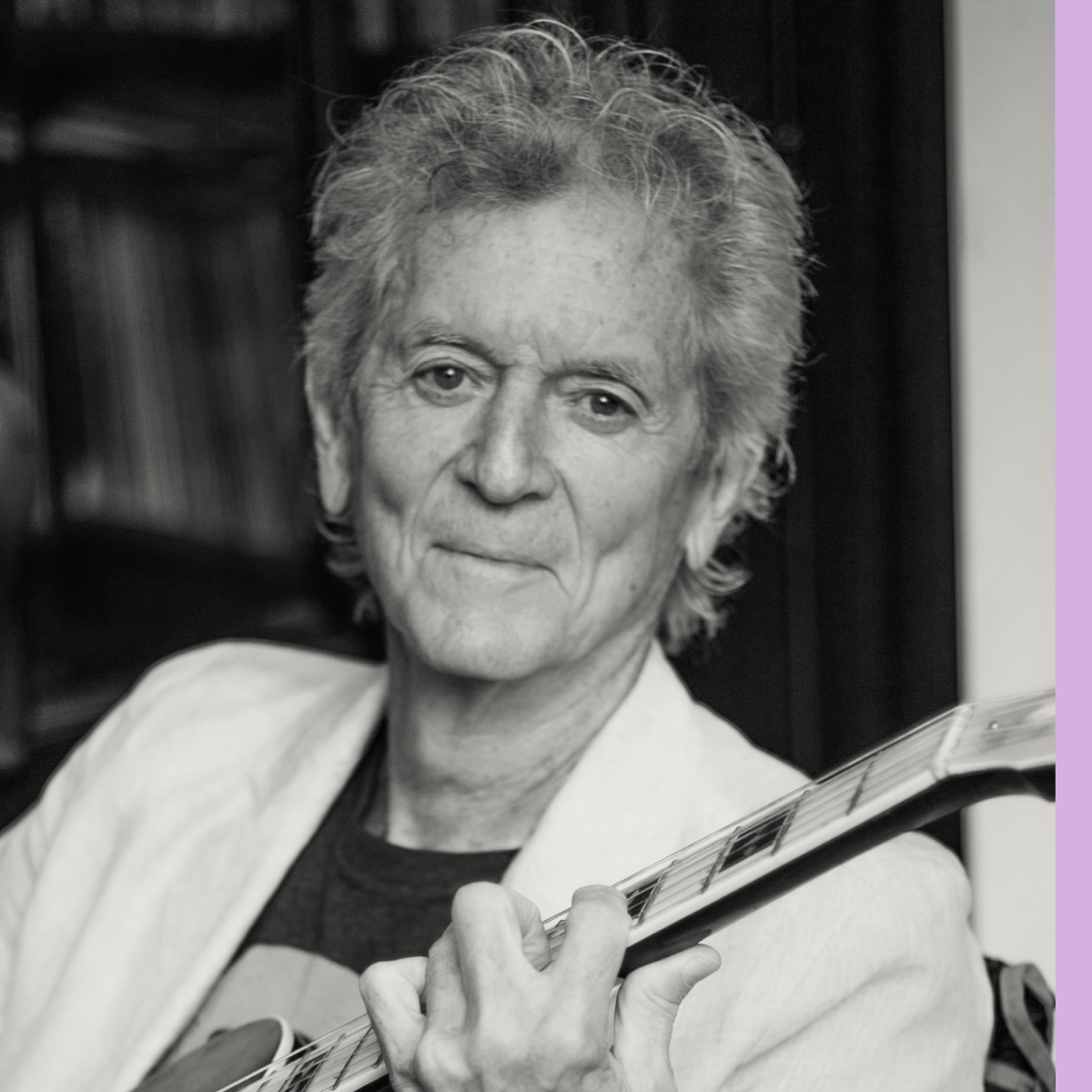
Rodney Crowell

Great news from a roots-country legend, Rodney Crowell returns with a “new/old” album on June 26, Then Again. Largely recorded over two decades ago in the early 2000s with Steuart Smith co-producing and completed with Dan Knobler stepping in, its lead single, “Are You One of Us?,” is the final recording by Crowell and his friend and compatriot Guy Clark. It’s a track perfectly suited for these divided times we’re living in, bringing wisdom and wit like only Crowell and Clark could. We can’t wait to hear more from Then Again!


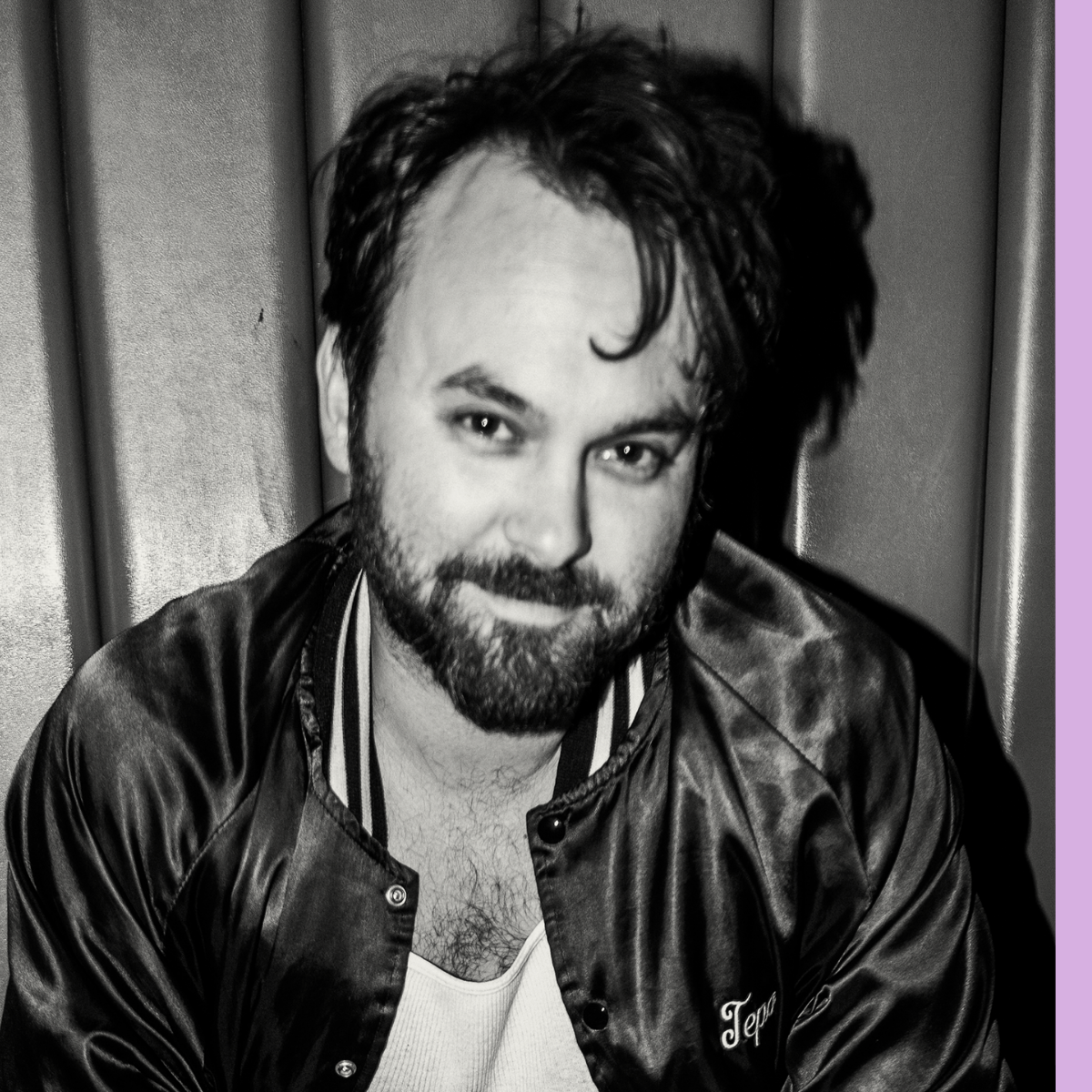
Shakey Graves

We’ve known, covered, and collaborated with our friend Alejandro for years and years, so we’re especially excited to have him as our current BGS Artist of the Month, celebrating his brand new album Fondness, Etc. For an artist who’s adept at sonic and aesthetic reinvention, his music still always sounds exactly like himself – even as he bends and breaks the barriers of alt-country, neo-folk, Americana, and western to his liking. This is one of our favorite Shakey eras yet.


Taj Mahal

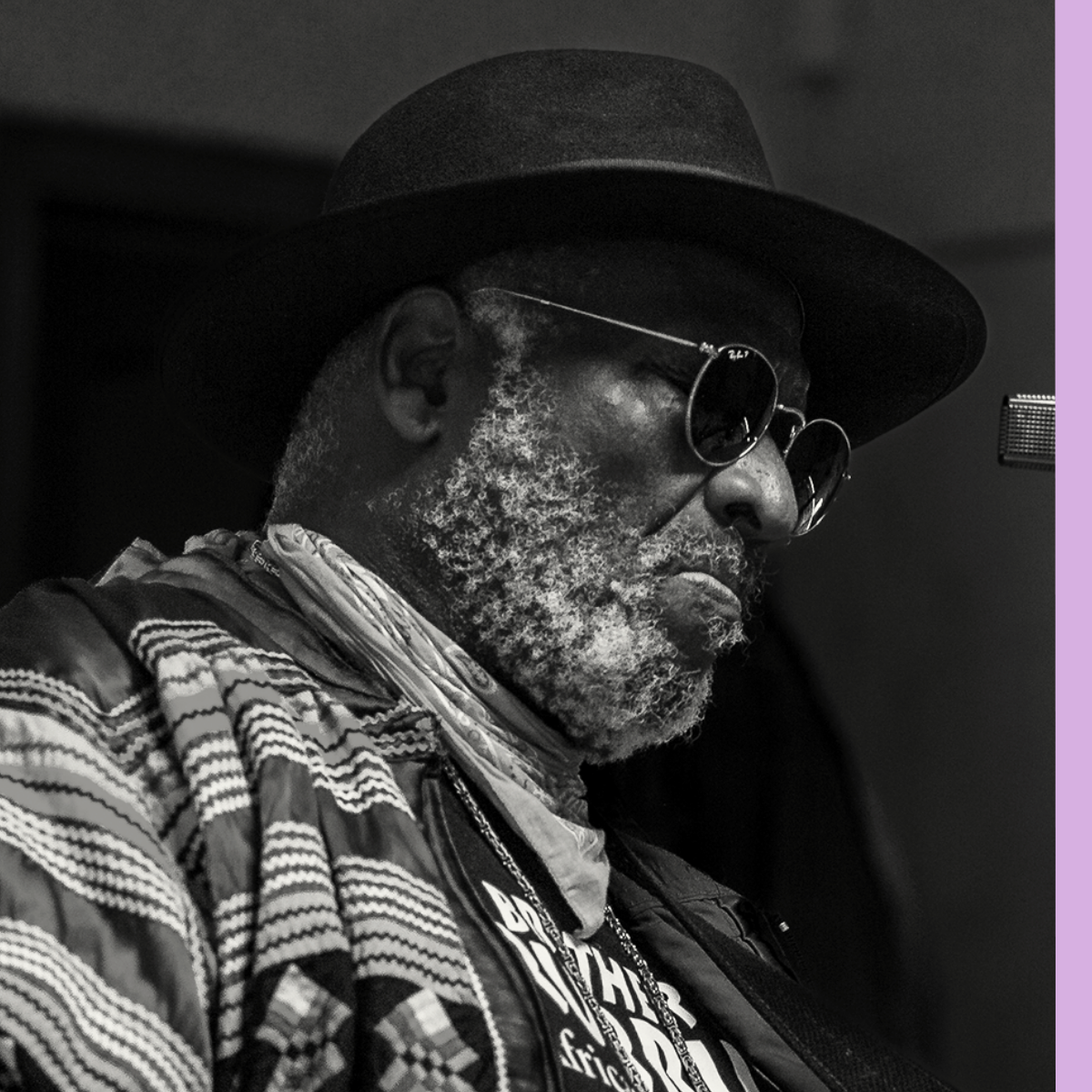
Another legend of American roots music, Taj Mahal is woefully underappreciated and undersung, even while being rightfully worshipped by so many as a keystone of blues, Americana, string band, and country musics. His new album, Time, released with his Phantom Blues Band on Resonatin’ Records/Thirty Tigers, shows that he remains as dynamic and innovative as ever. The title track is a deep-pocketed and smooth never-before-heard Bill Withers number that Taj makes his own. If you’re used to his gritty, playful, and down home blues, the sound here may surprise you – but damn, that’s Good Country, isn’t it?


Reba McEntire

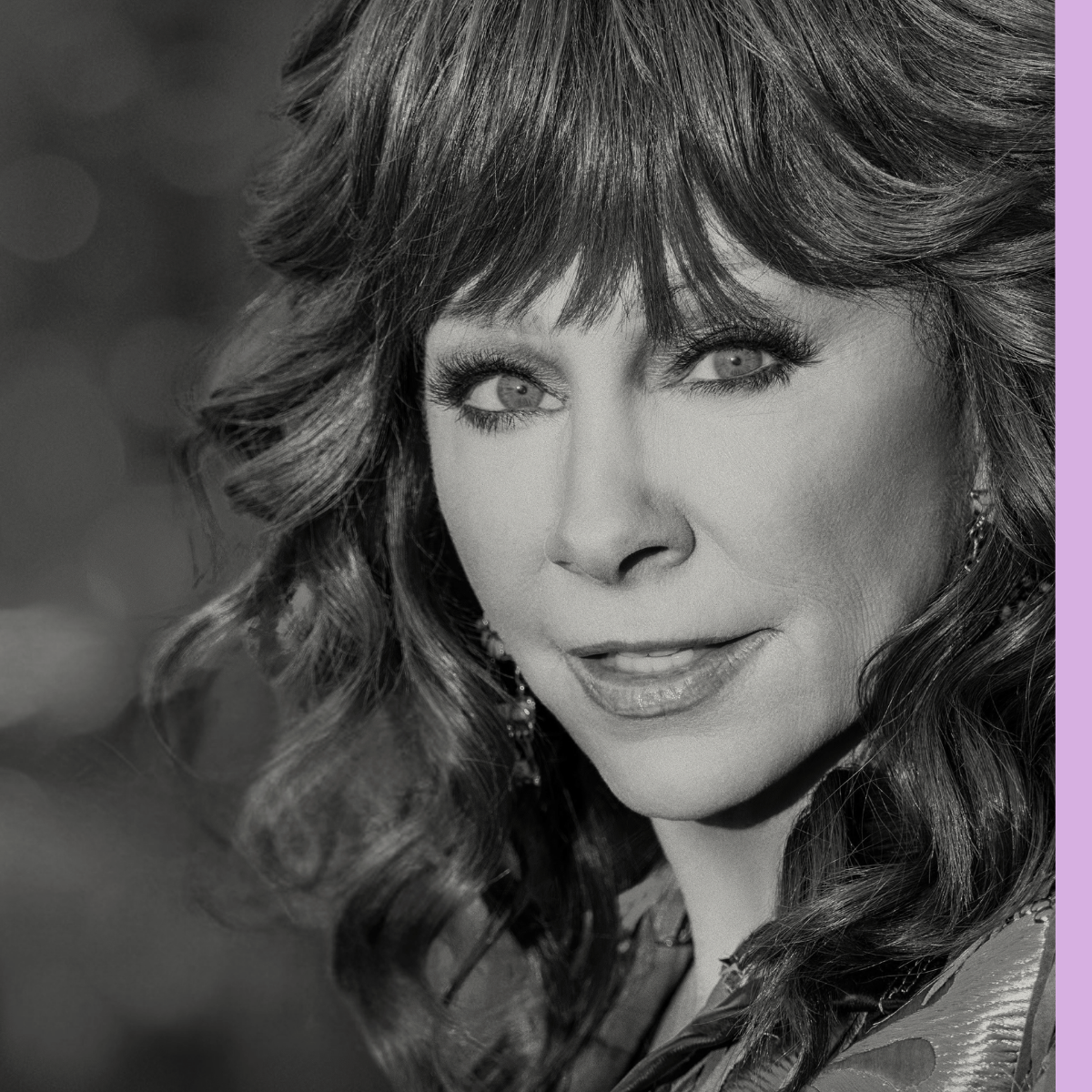
Our queen of country, Oklahoma, and corn dogs is celebrating her 50-year groundbreaking, iconic career with new music – lucky for all of us! A brand new track, “One Night In Tulsa,” leads off an EP that encapsulates a few of her musical tributes to her home state from over the years: “Tulsa Time,” “Oklahoma Swing” featuring Vince Gill, “Does the Wind Still Blow in Oklahoma” with Ronnie Dunn, and the excellent Buddy Cannon-produced “No U in Oklahoma.” “One Night In Tulsa” is a soaring, dramatic, and longing love song to Tulsa and beyond, uttered like only Reba could. This version is the just-released live performance video of the song shot live at Reba’s Place, her restaurant, gift shop, and music venue in Atoka, OK.


Jobi Riccio

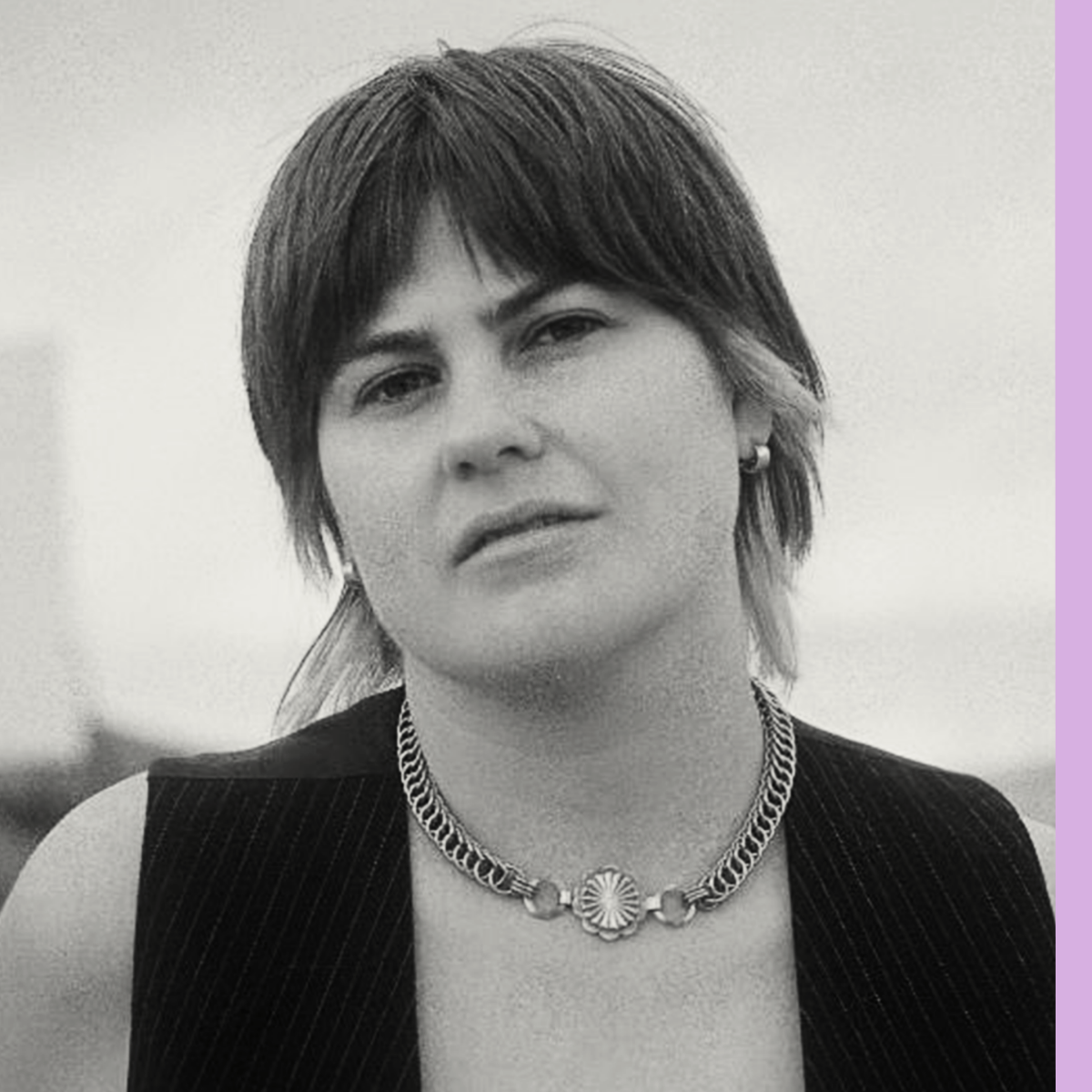
Jobi Riccio charmed the country universe with her 2023 debut, Whiplash, but hold onto your necks, ‘cause her brand new album, Face the Feeling, finds the Coloradoan singer-songwriter evolving her production styles and genre descriptors in a big way. She’s infused grunge, alt-folk, and country-rock into these new songs; the results vary from straight-down-the-middle Southern rock to expansive, electronic indie-twang. We especially find Good Country touches in songs like “Pilar, NM” and “Wildfire Season,” but they can be found throughout the rockin’ project.


Listen to this issue of Ed’s Picks in one YouTube playlist here.

Listen to the full Ed’s Picks archive playlist here.


Want more Good Country? Sign up to receive our monthly email newsletter – and much more music! – direct to your inbox.

Photo Credits: Rodney Crowell by Claudia Church; Shakey Graves by Jonathan Terrell; Taj Mahal by Mike Coeyman; Reba McEntire, One Night in Tulsa album cover; Jobi Riccio by Rett Rogers.

Another Glorious Voyage Aboard
Cayamo: A Journey Through Song

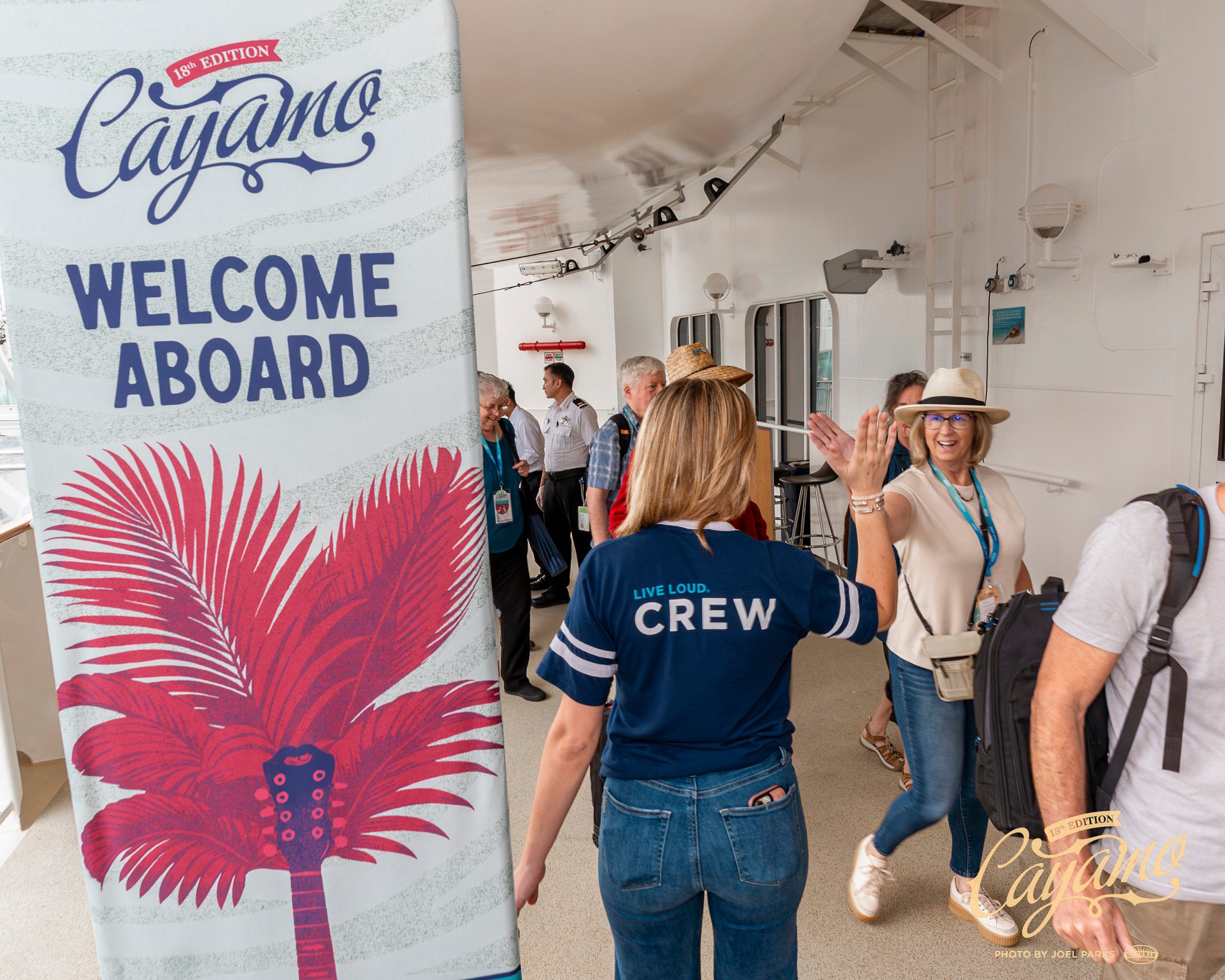
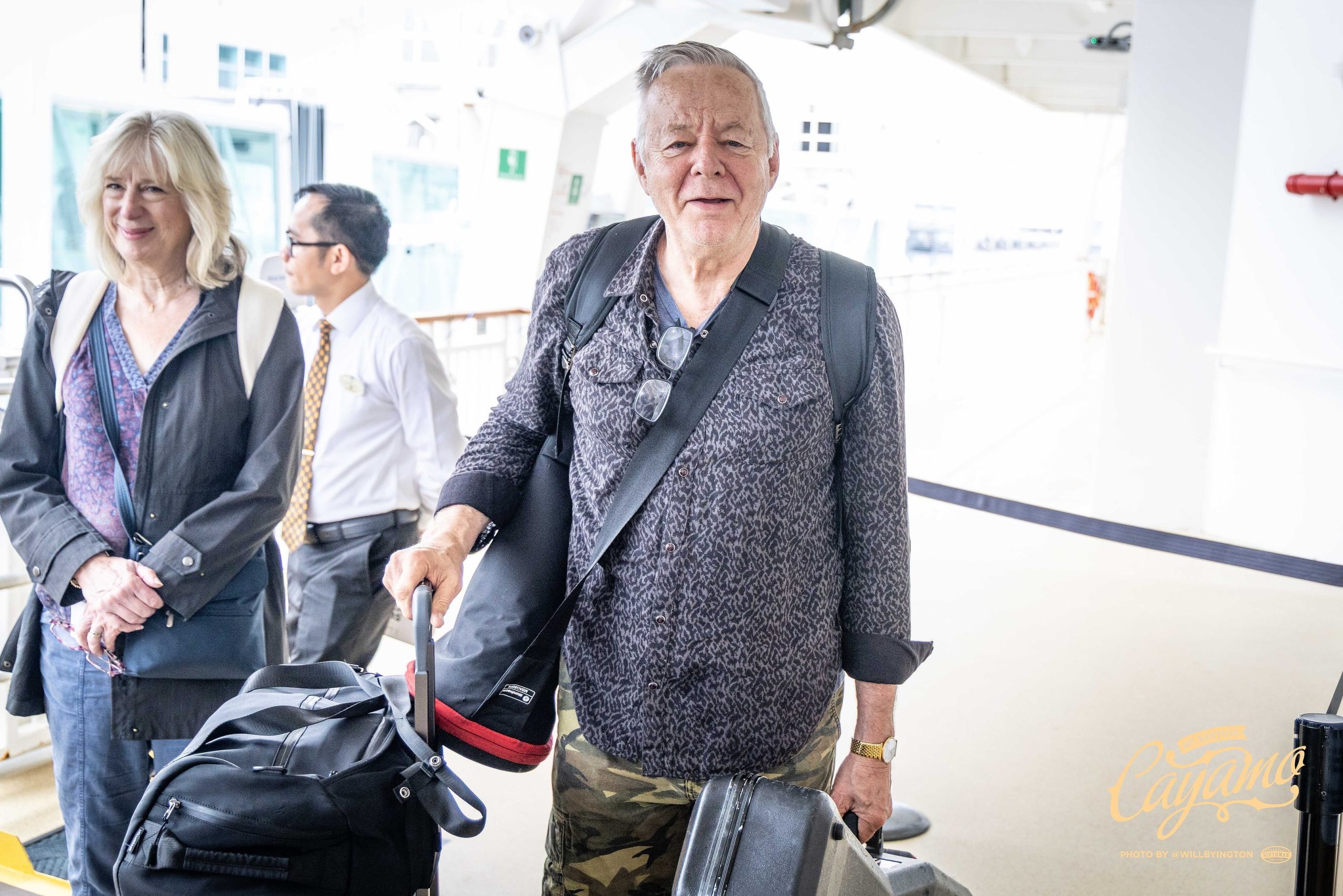
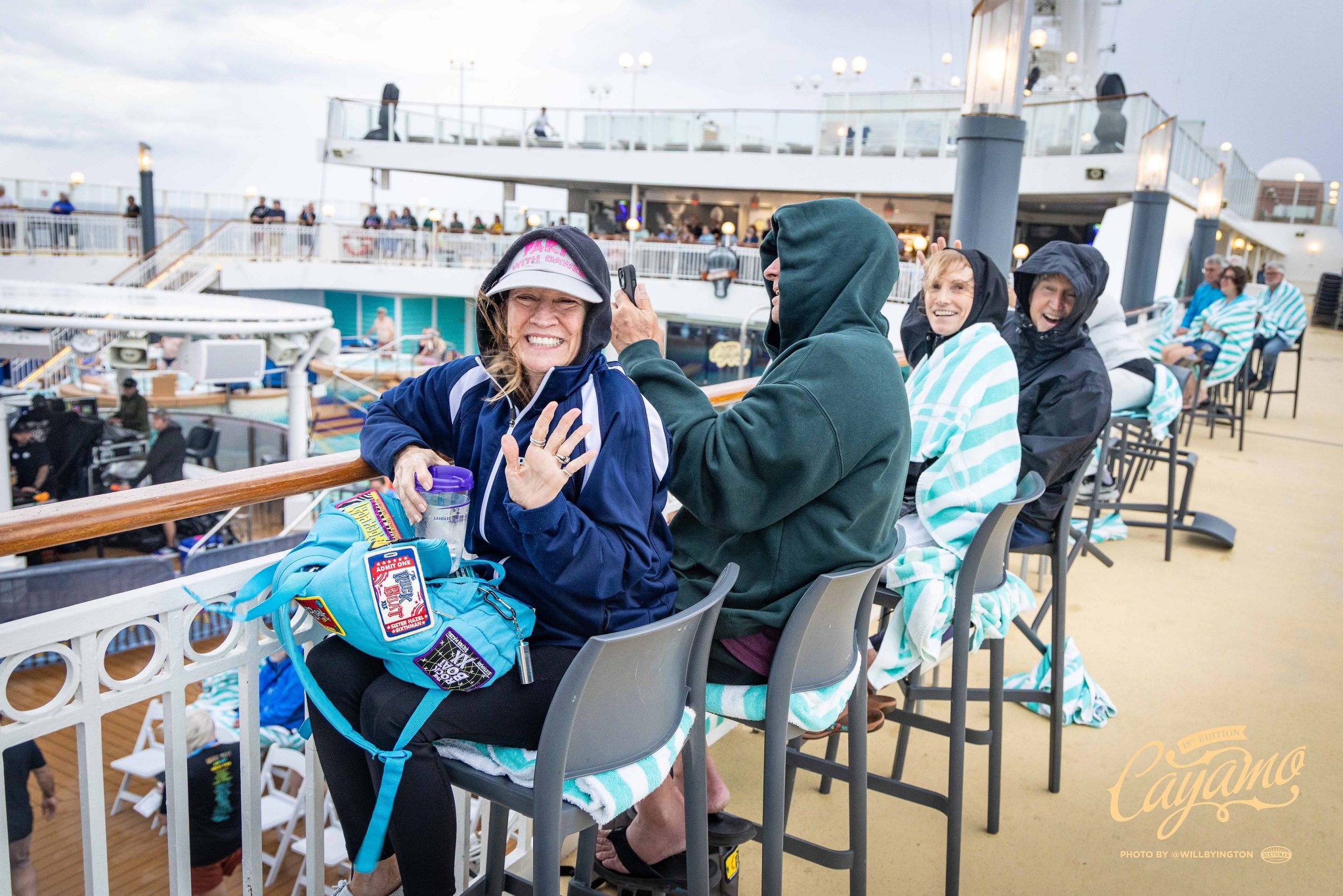
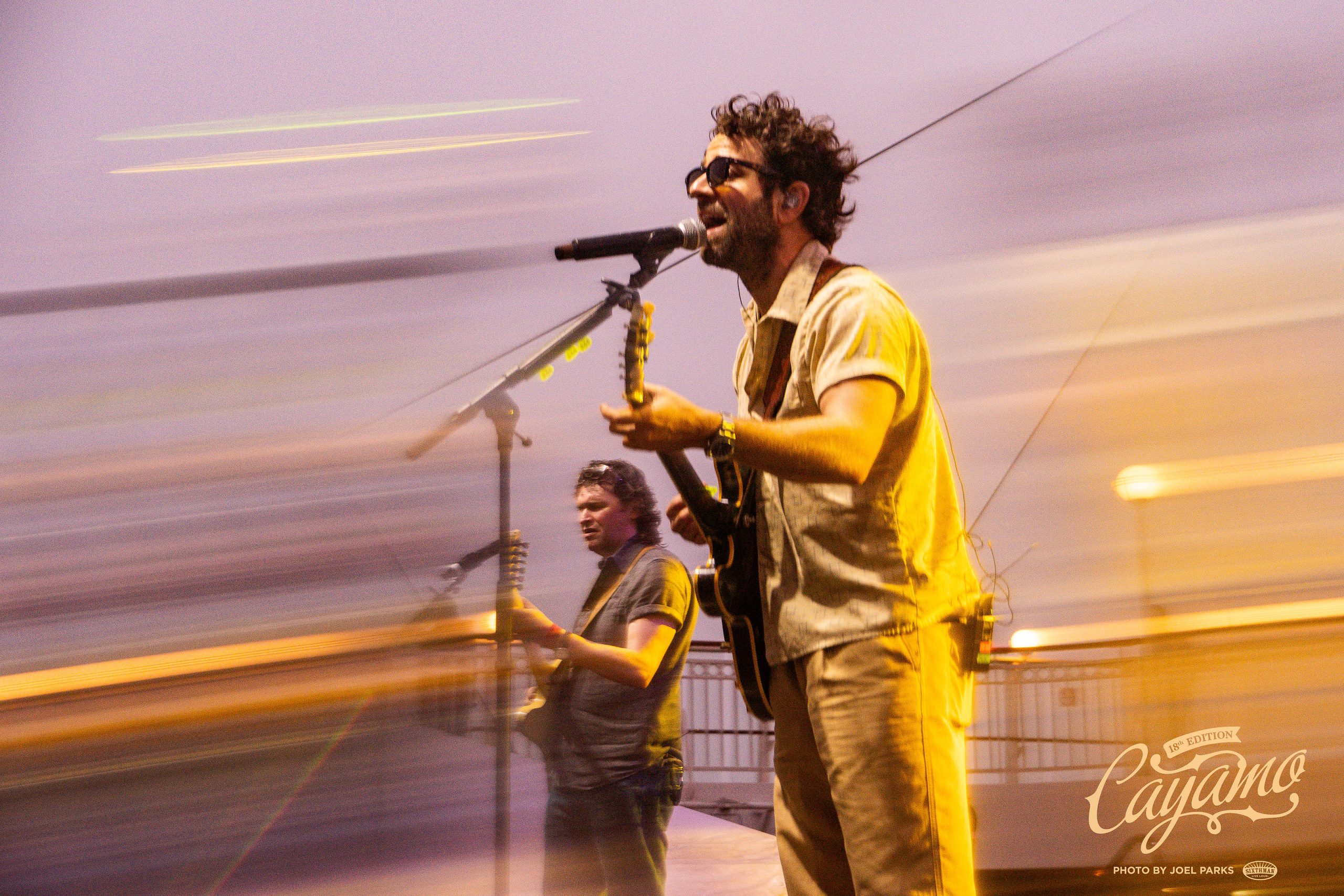
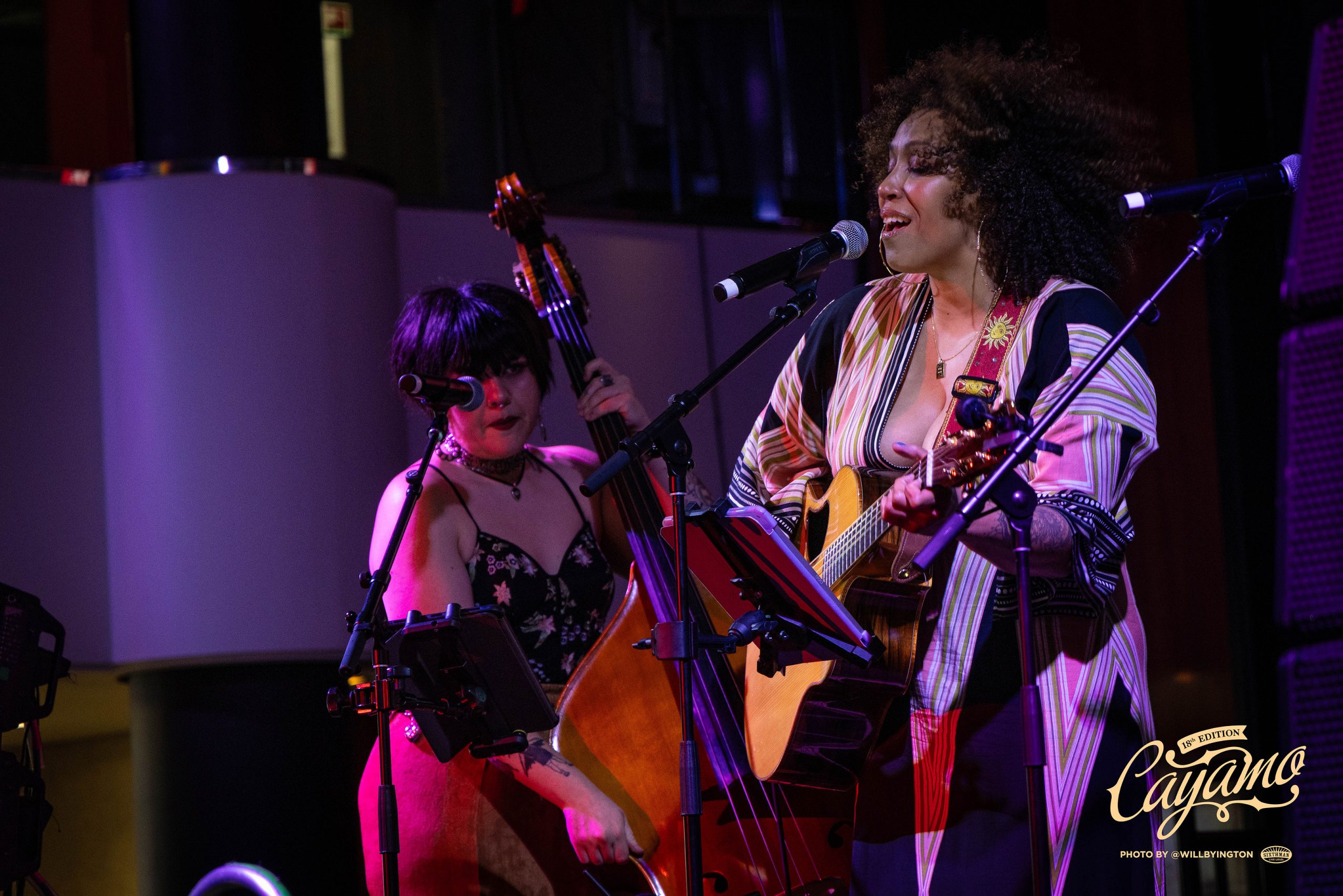
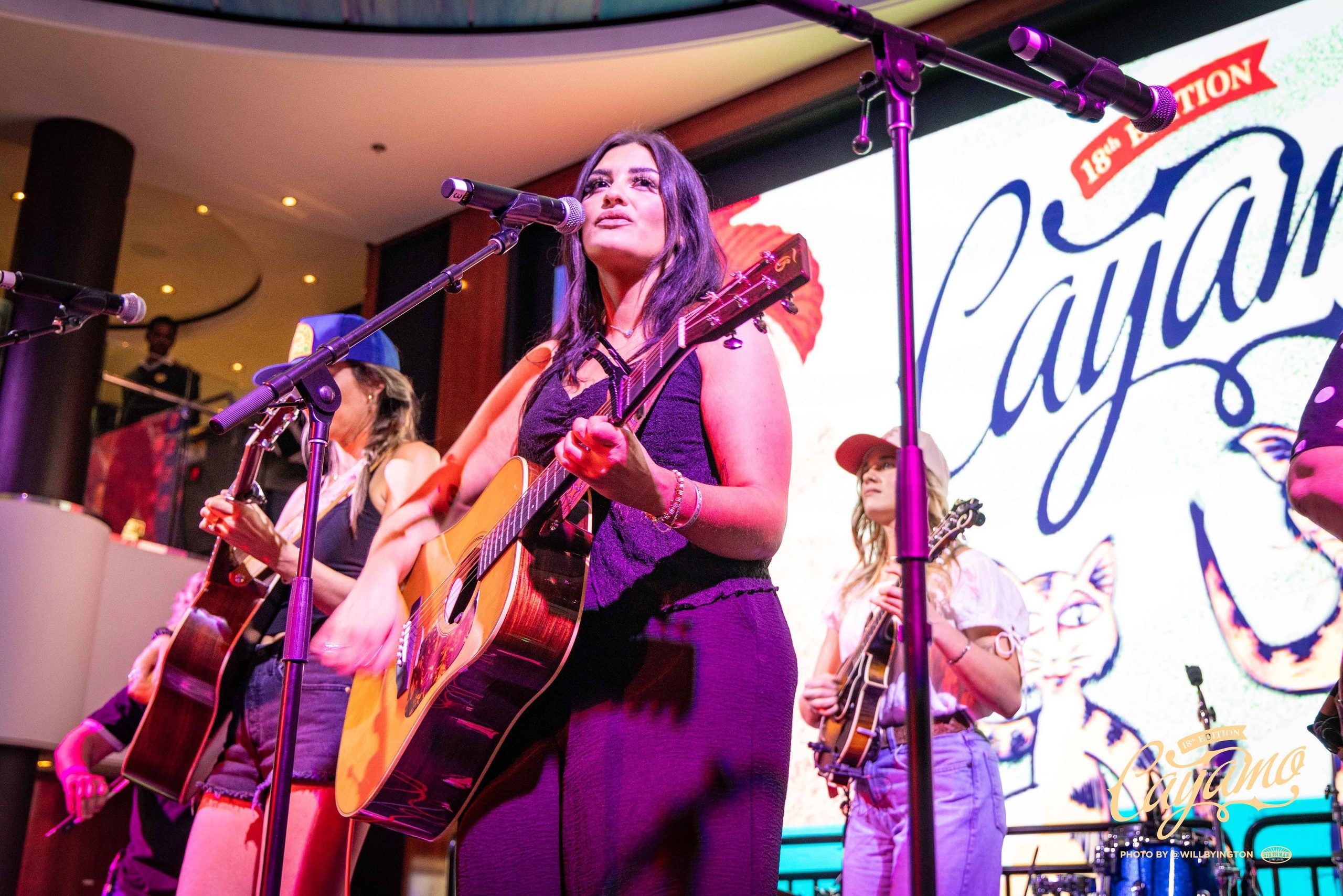
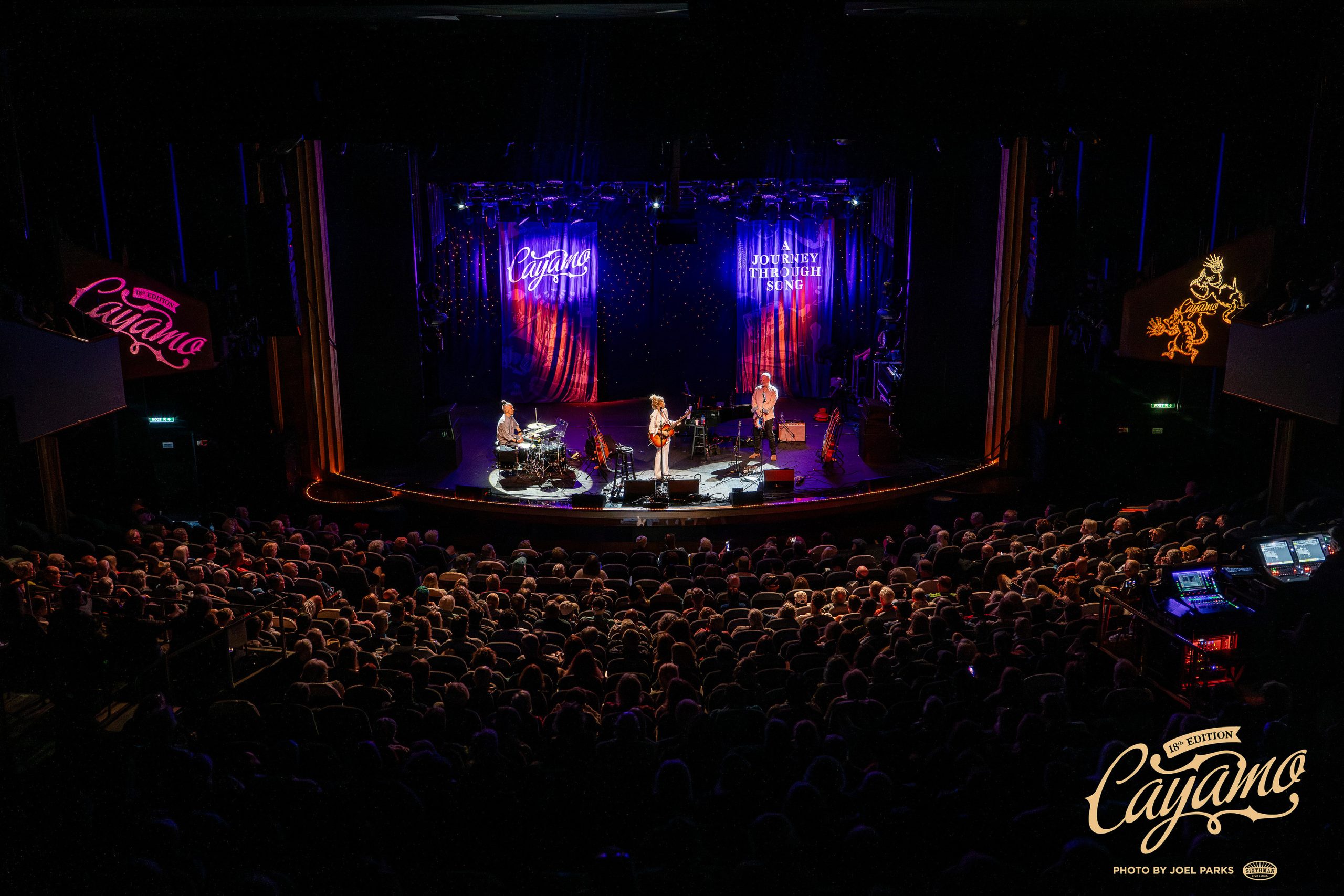
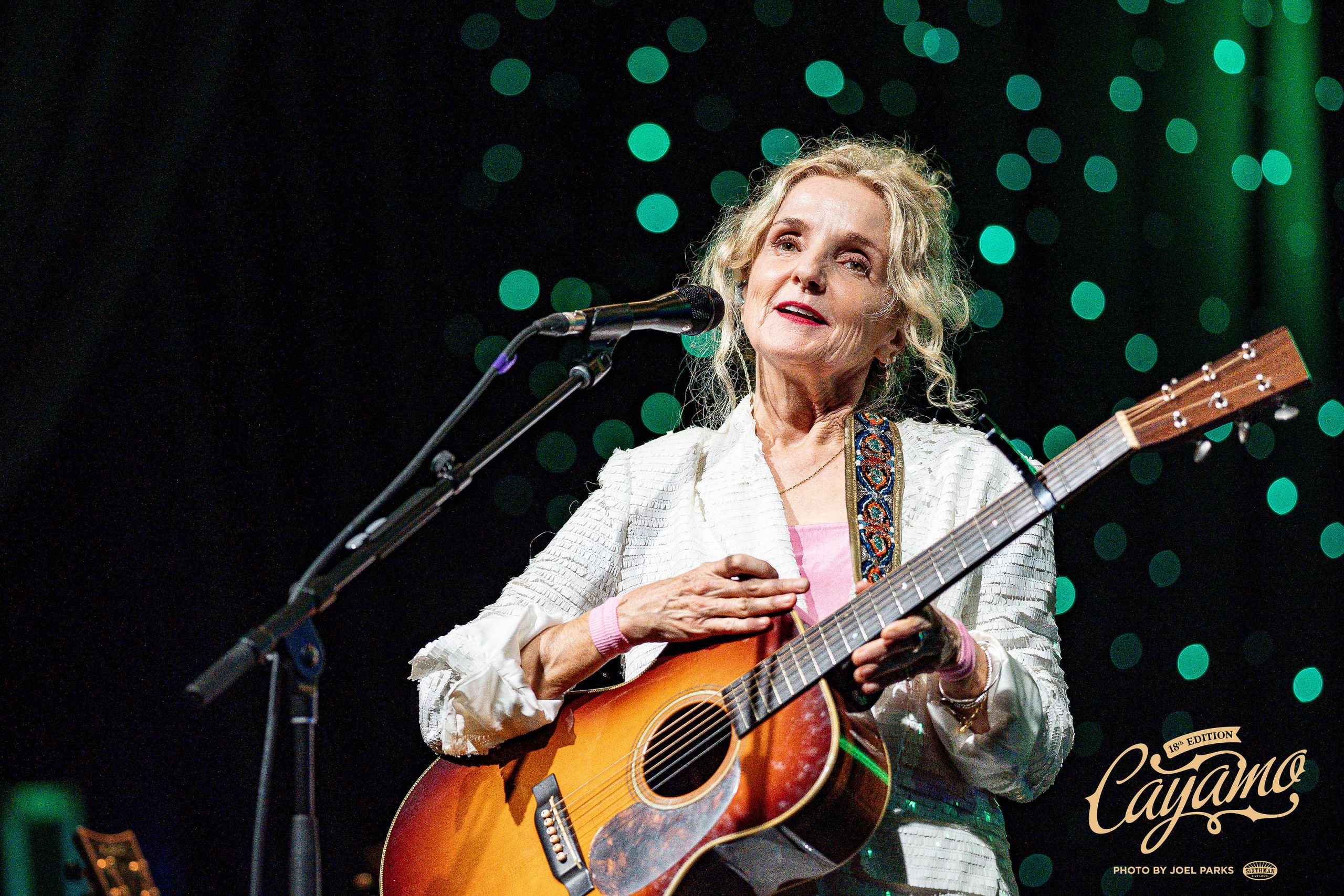
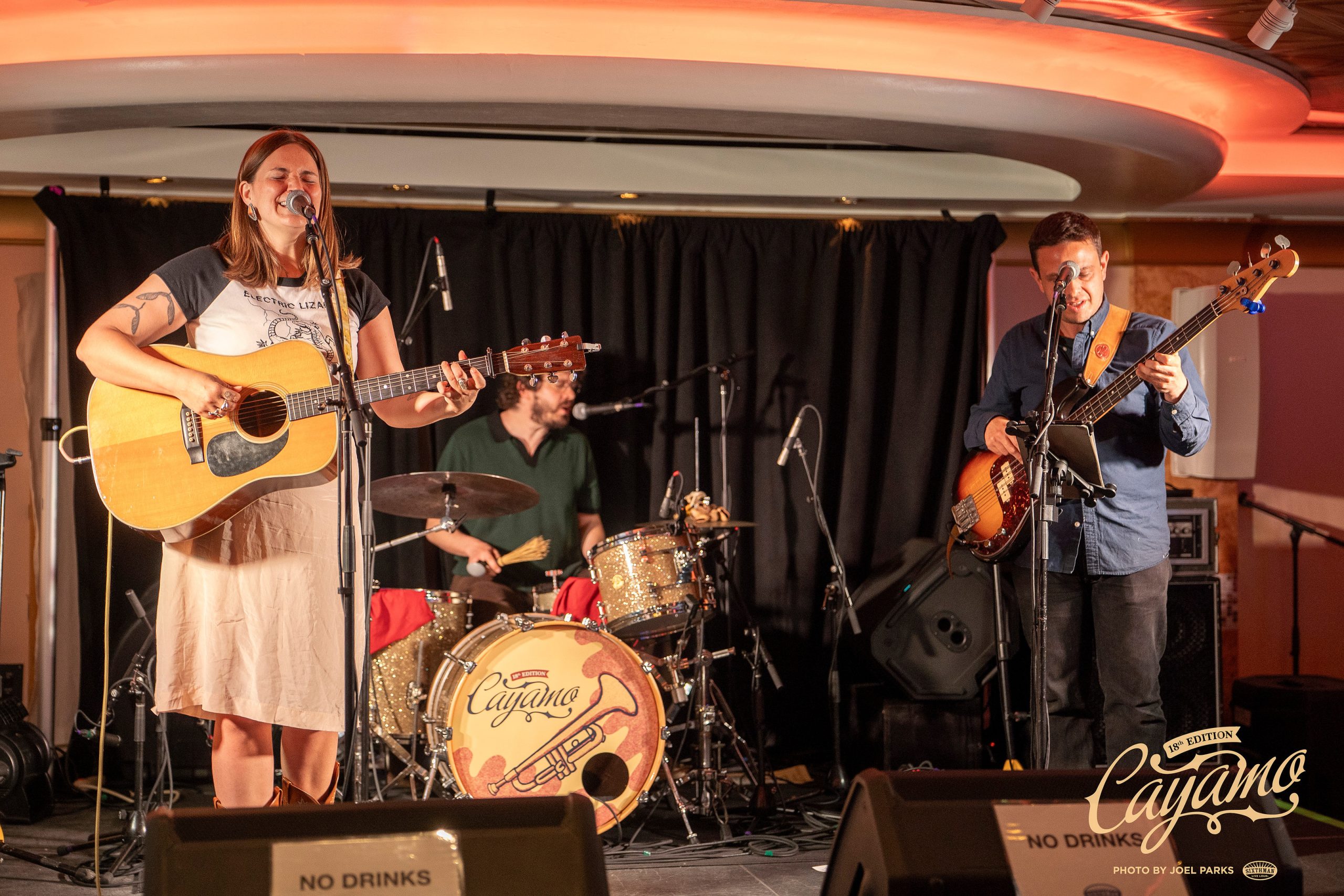
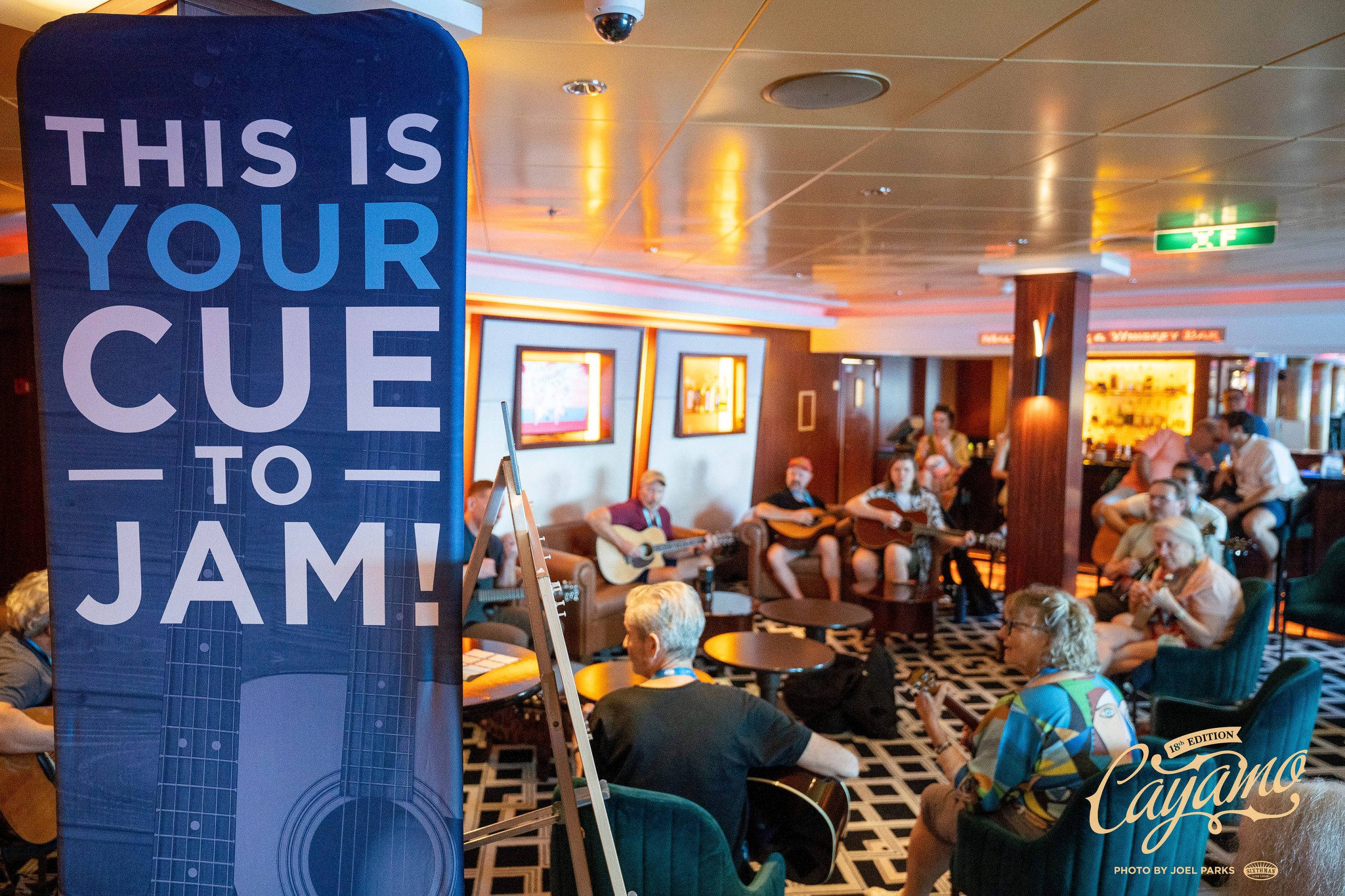
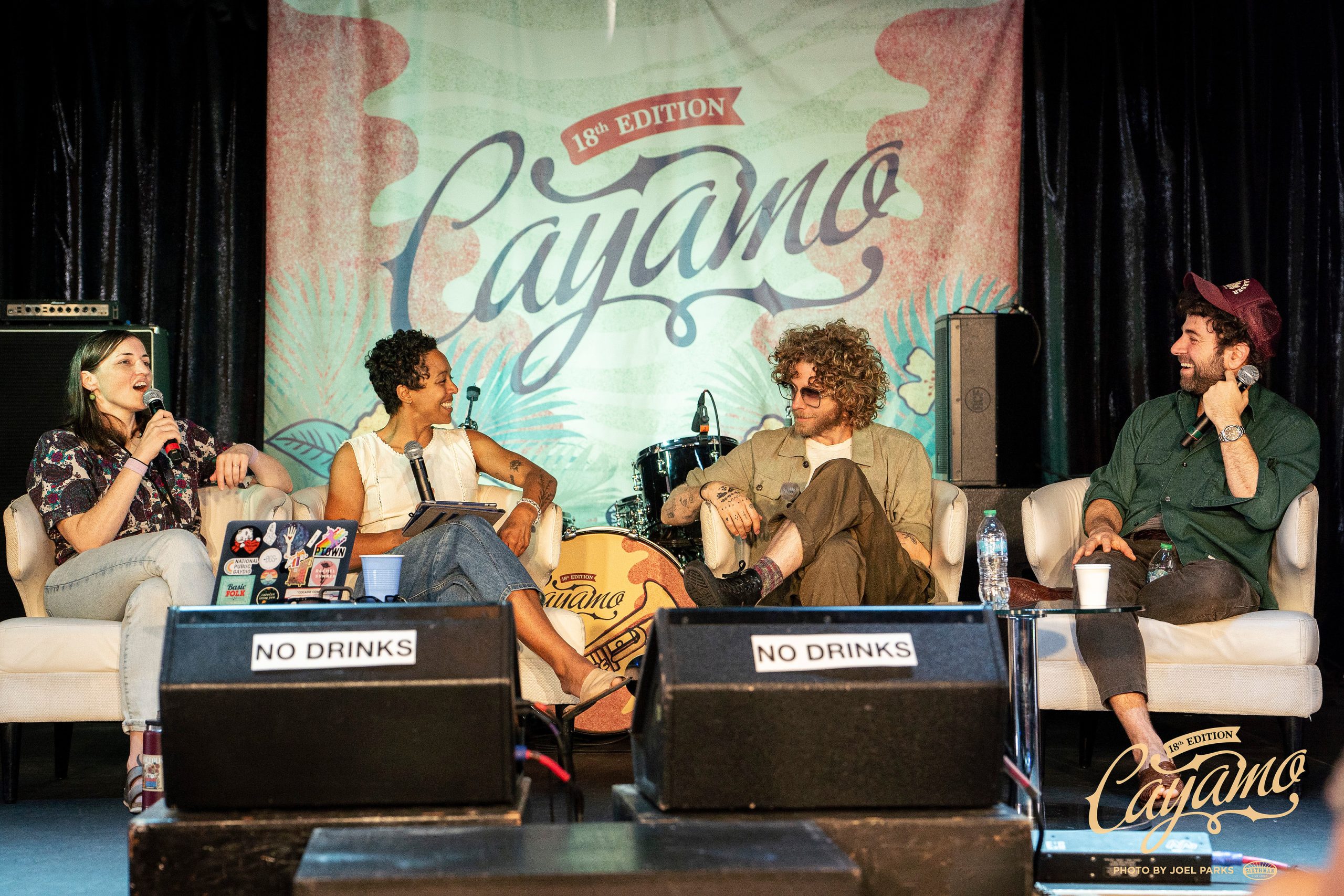
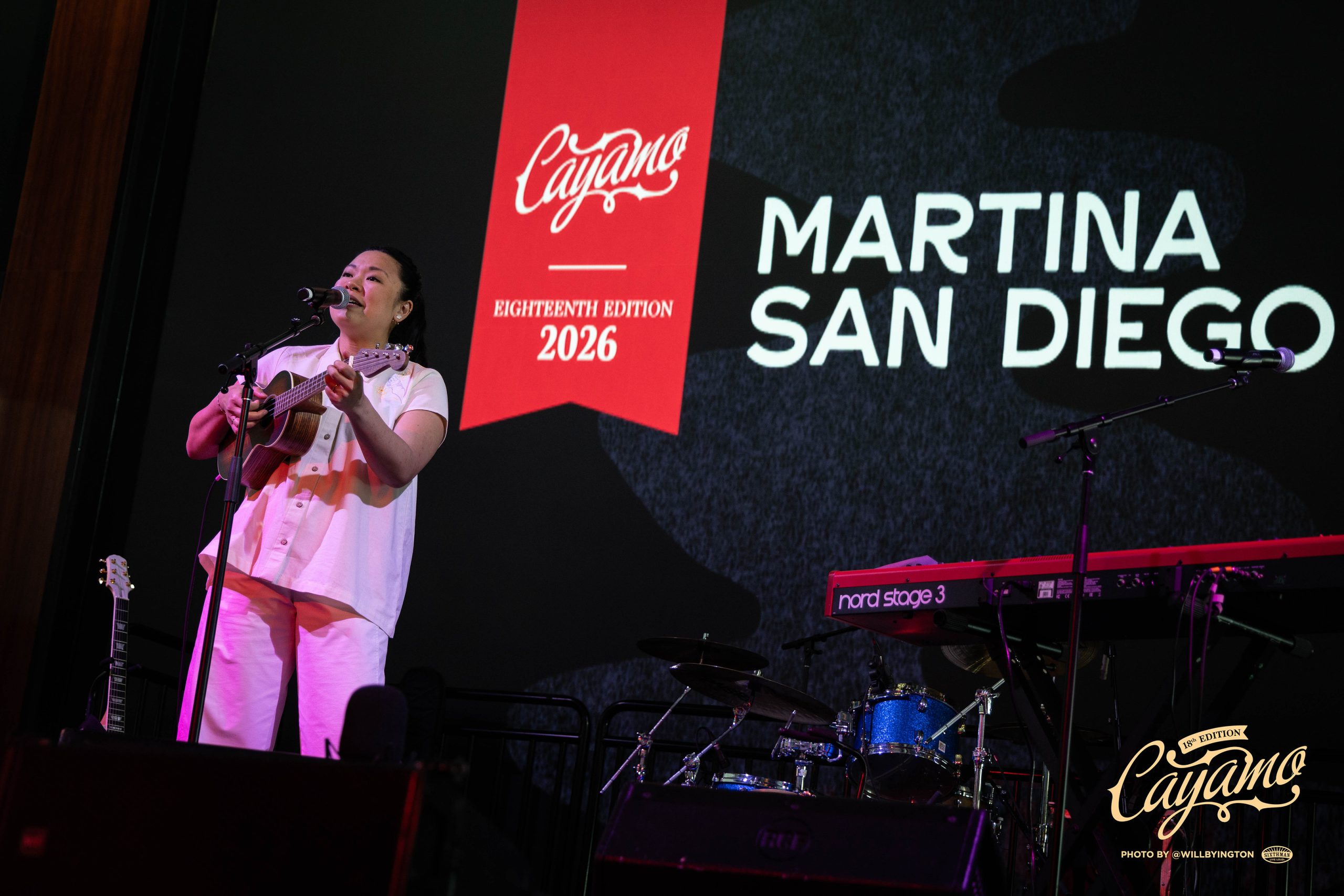
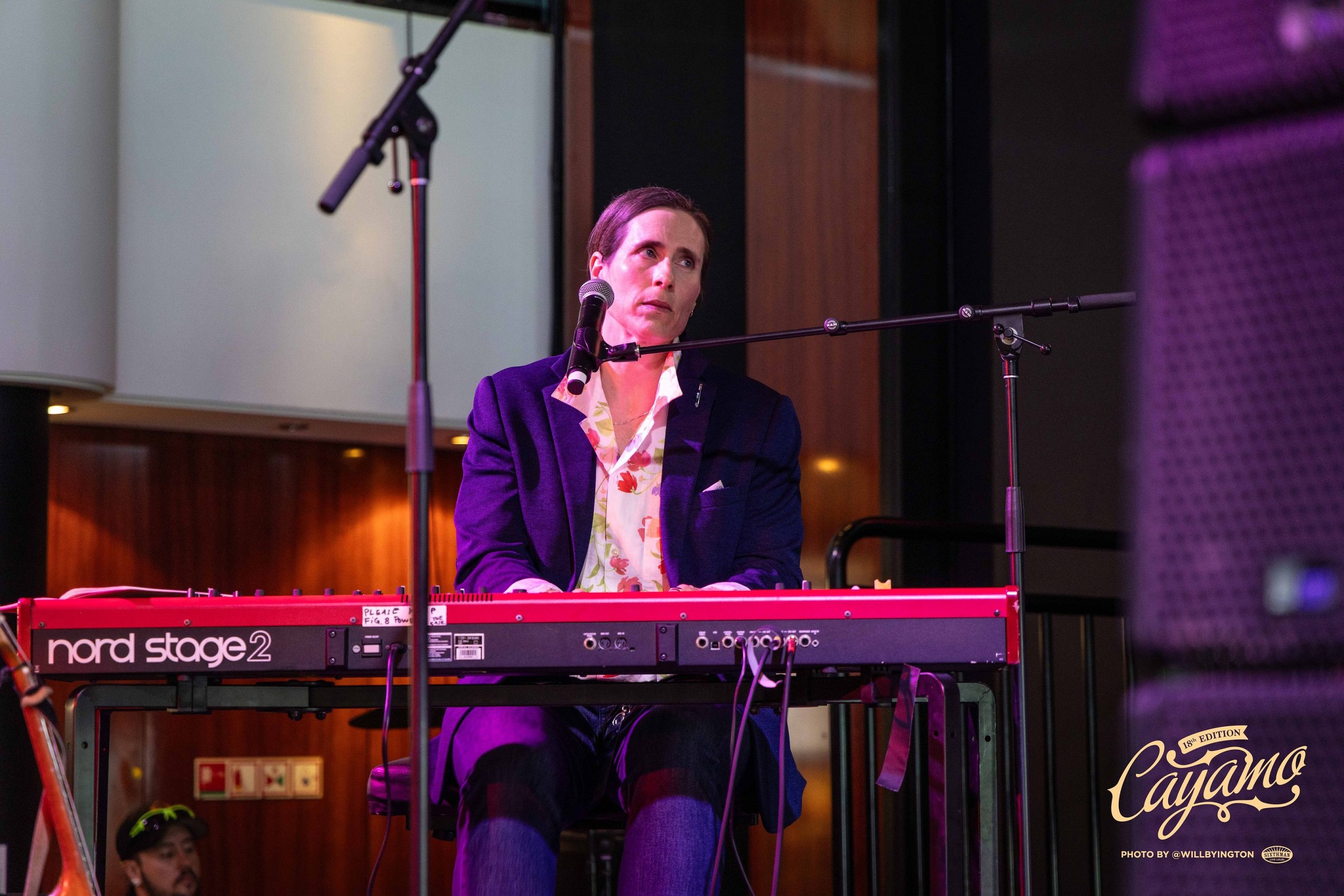
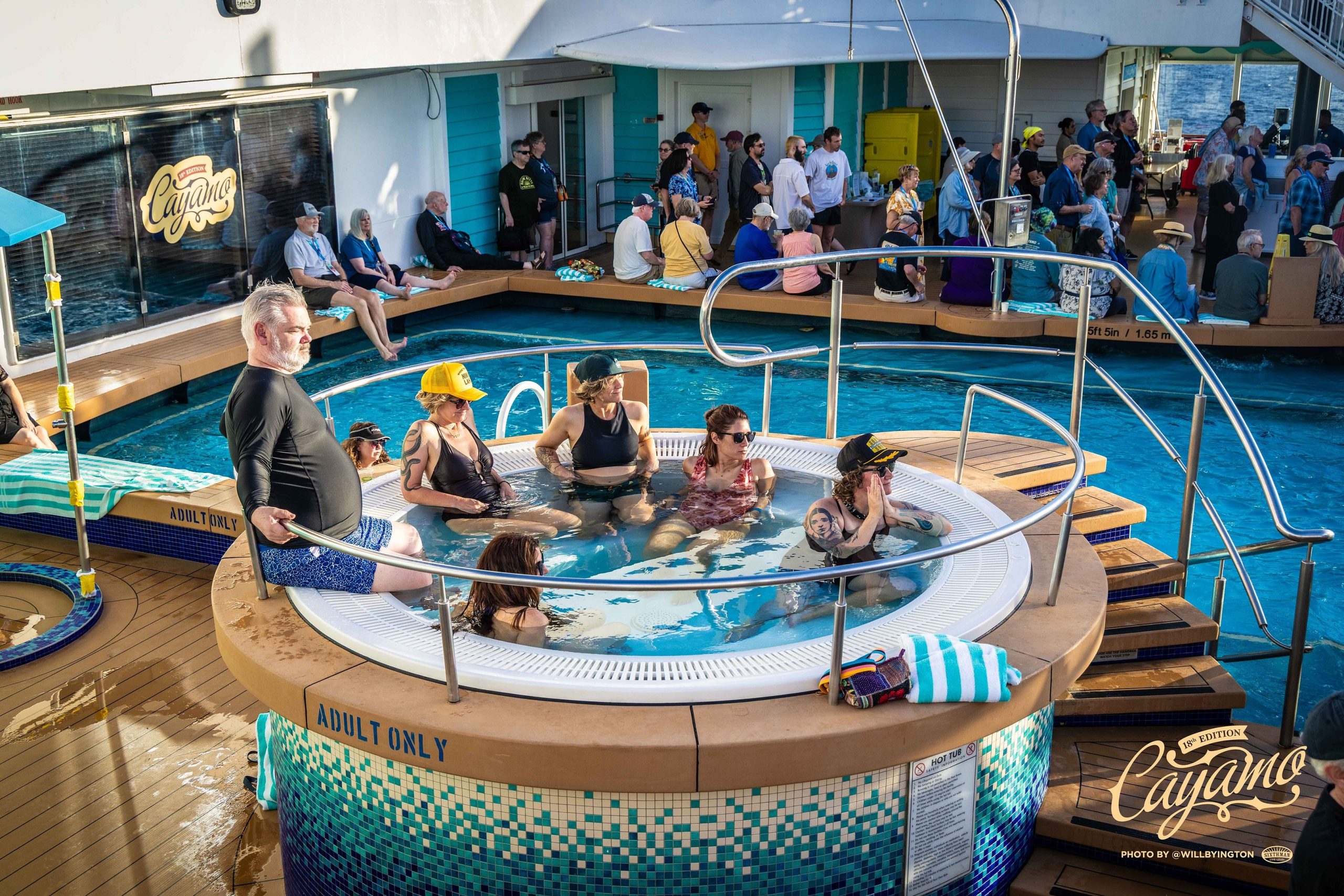
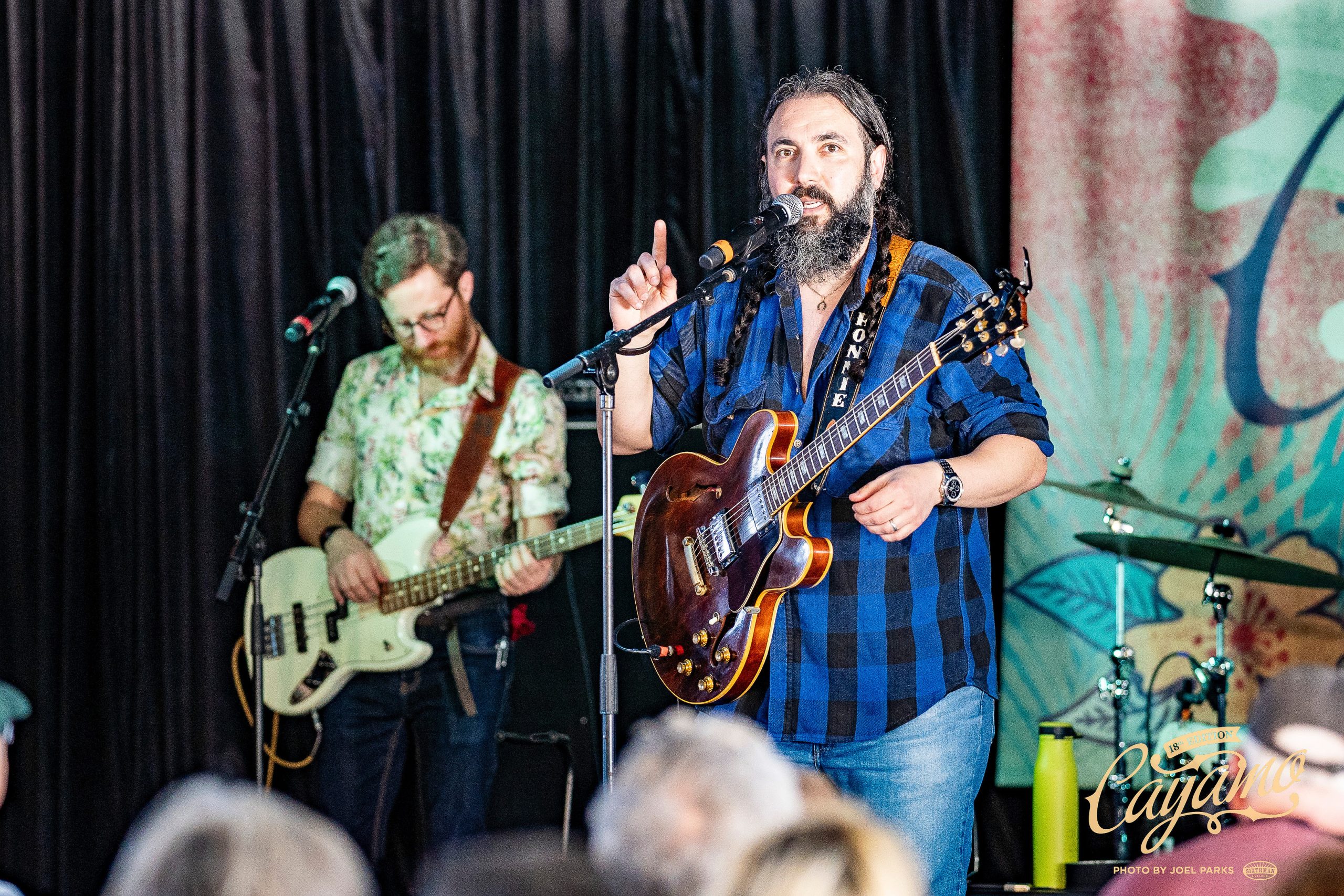
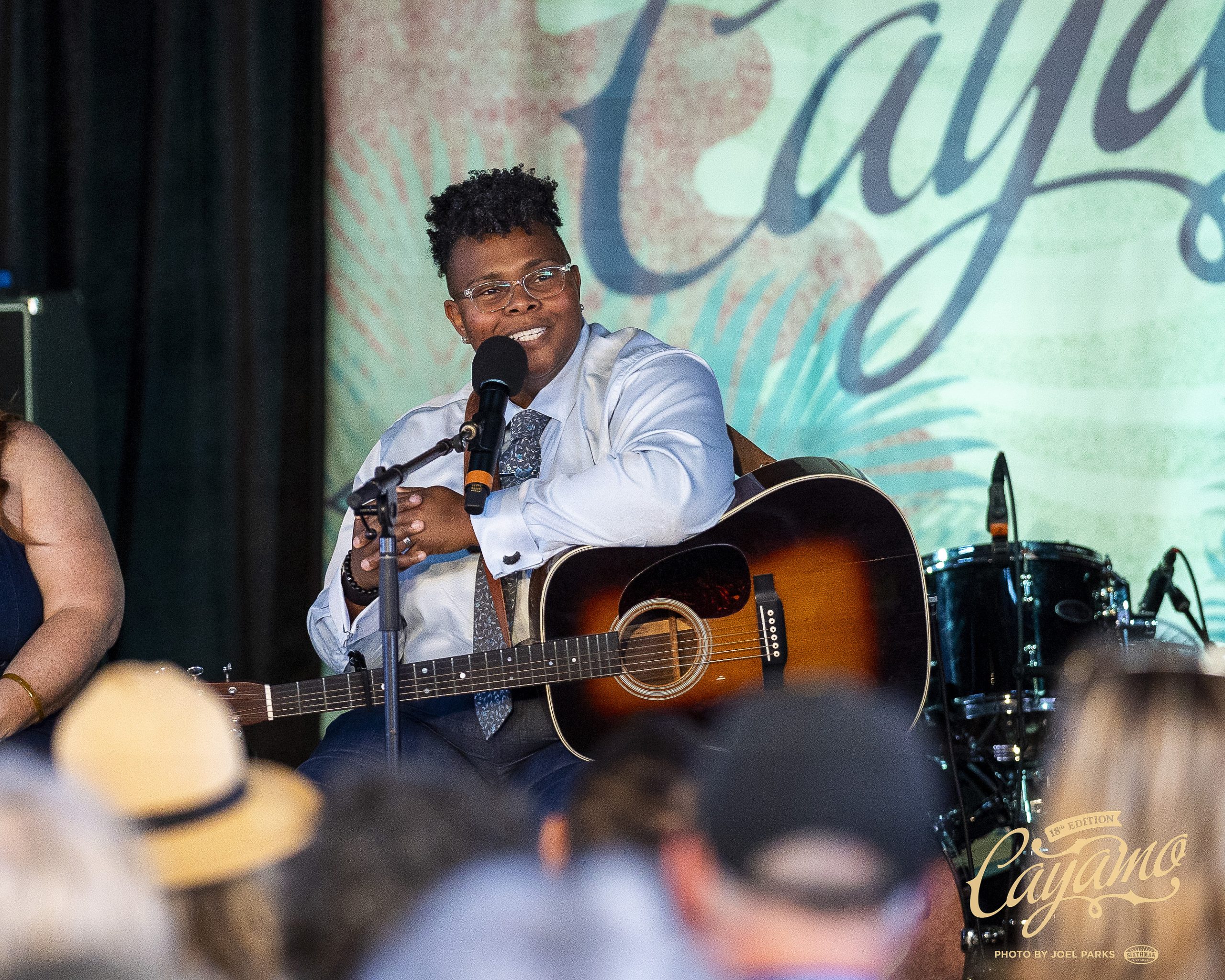
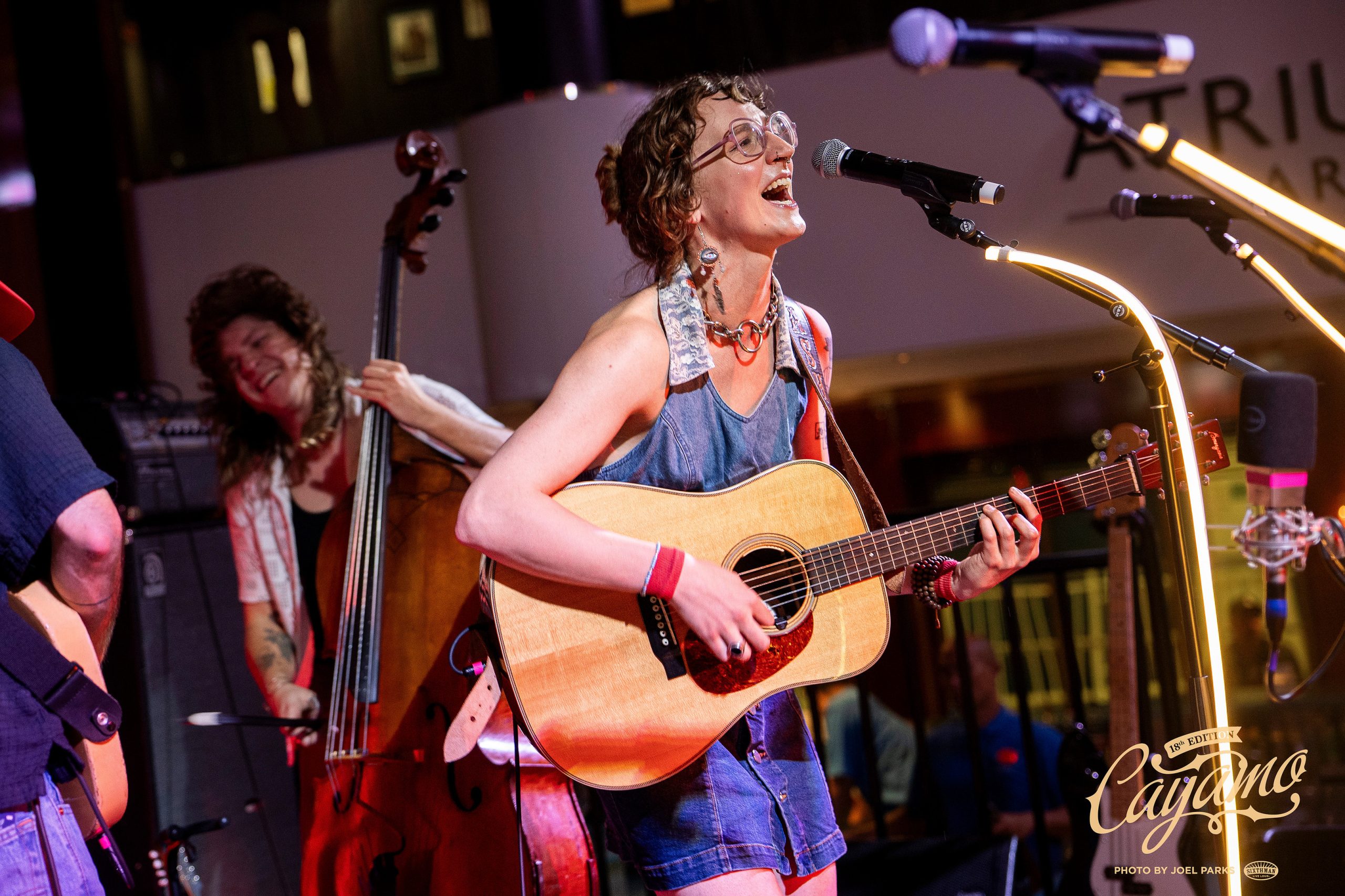
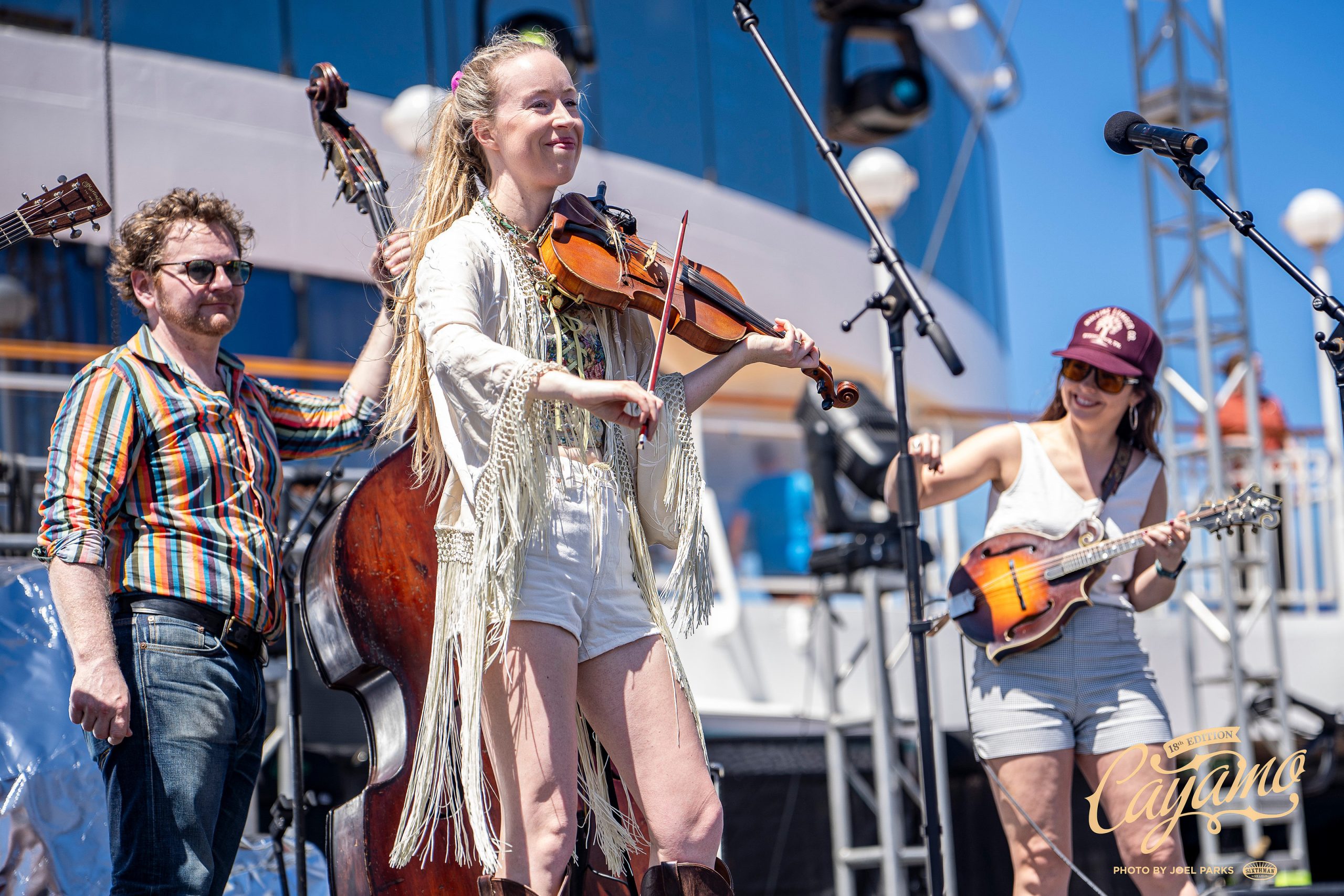
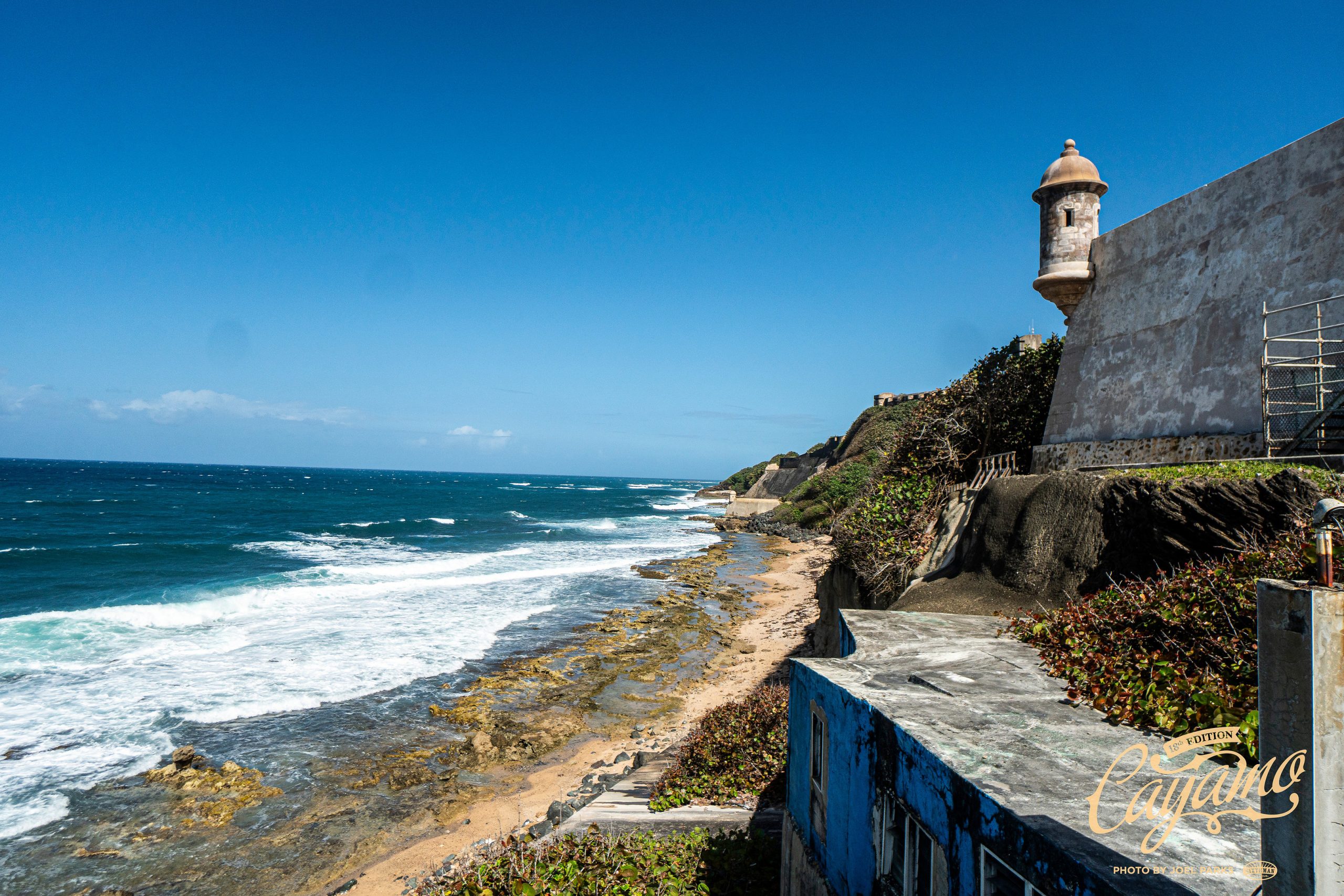
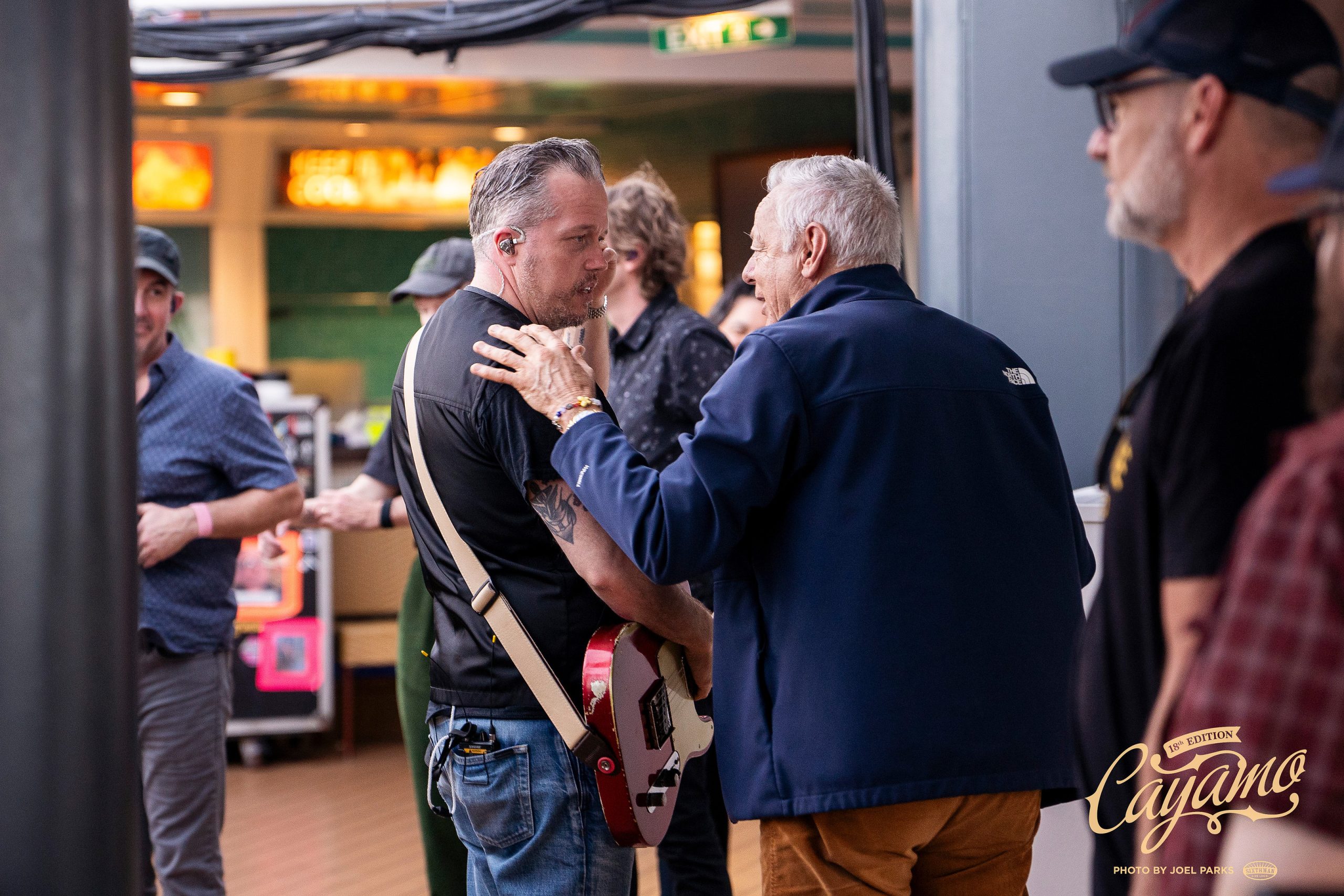
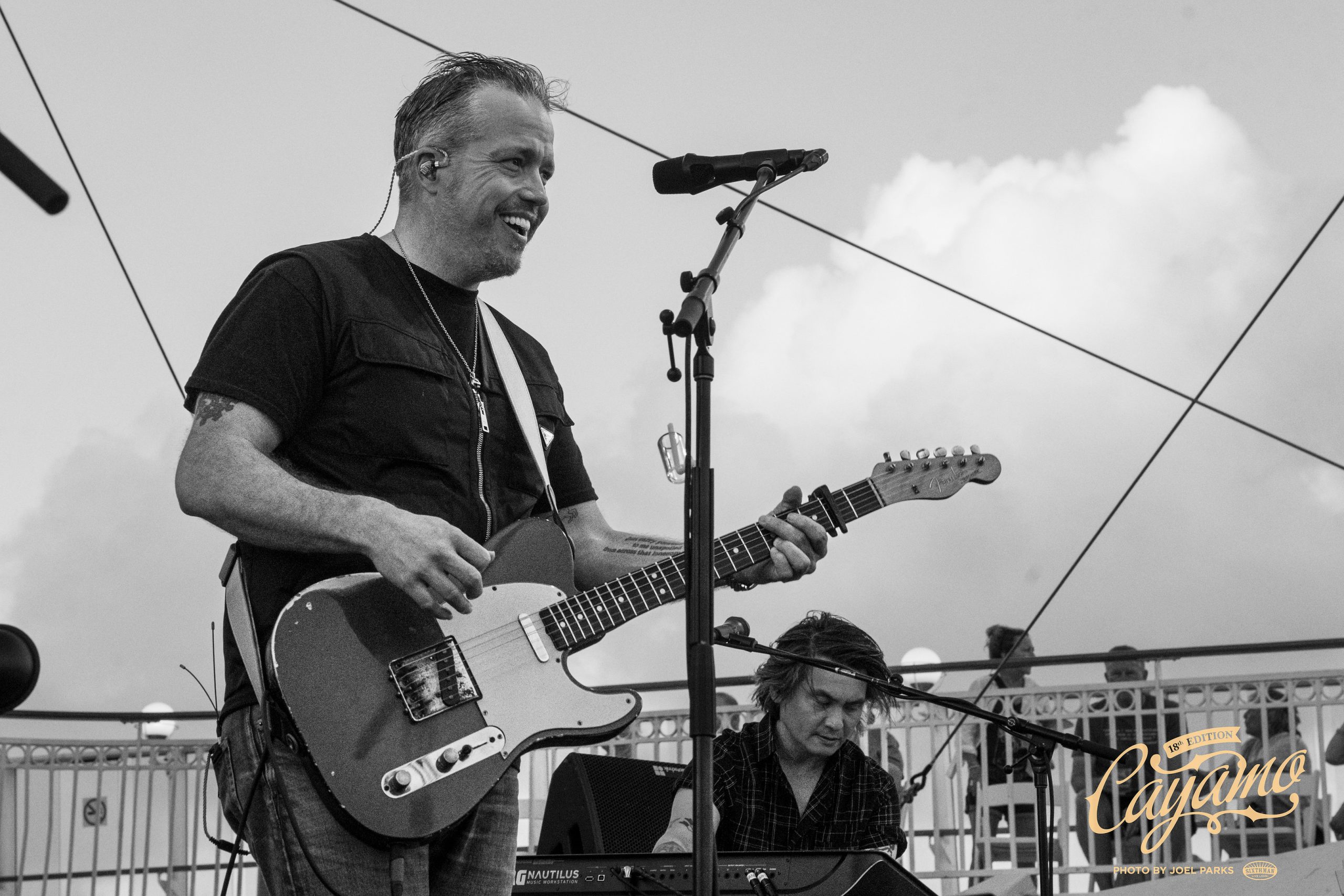
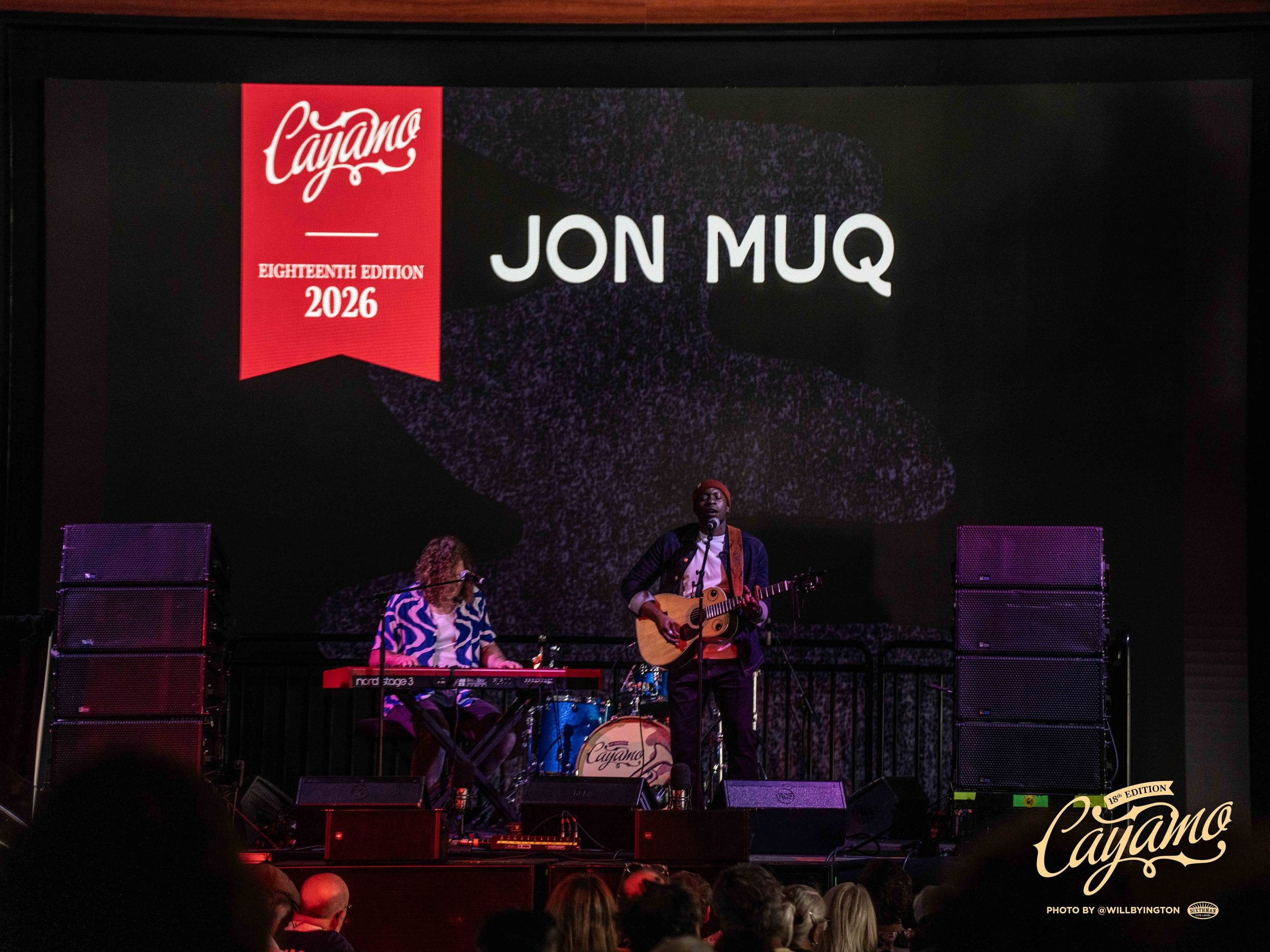
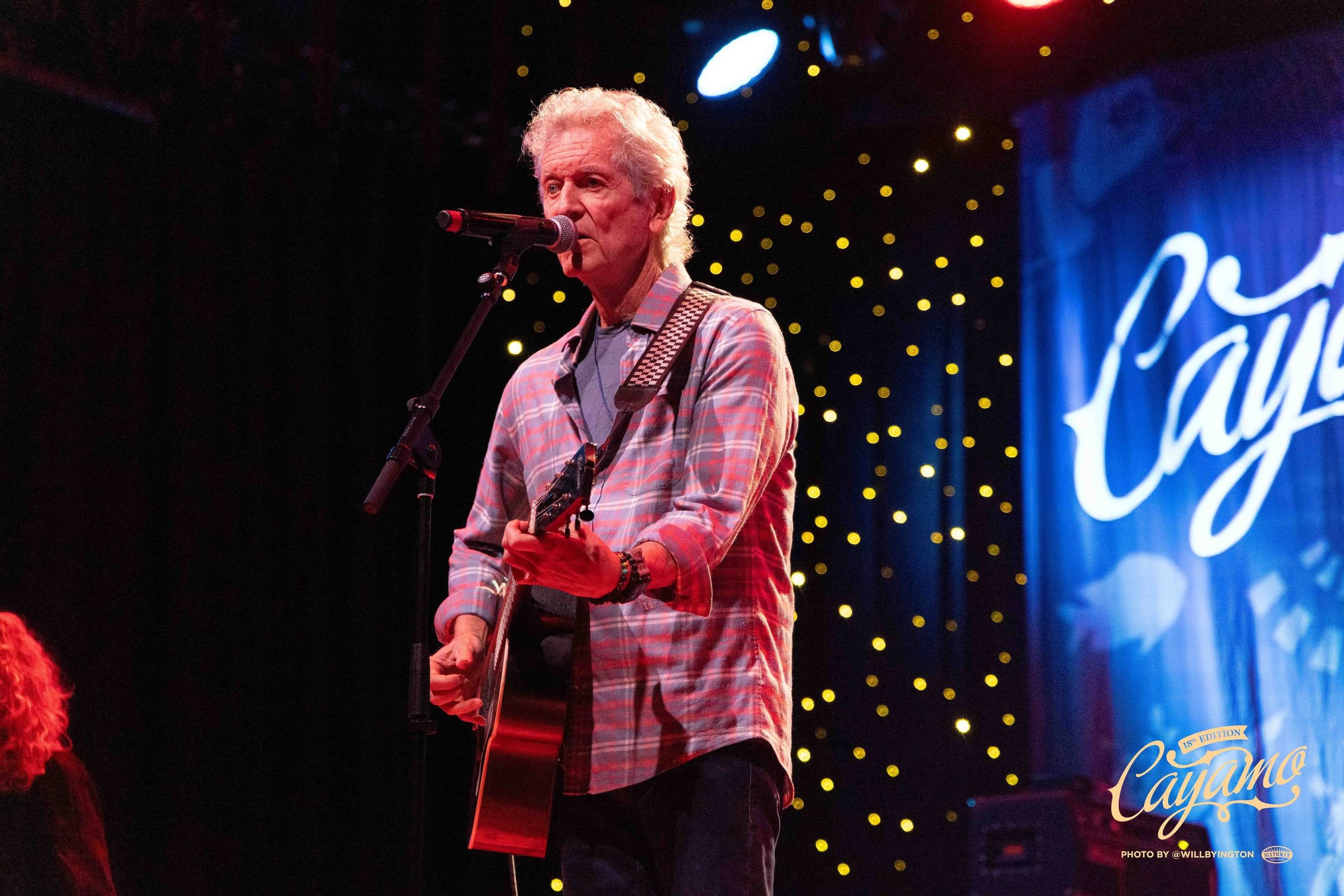
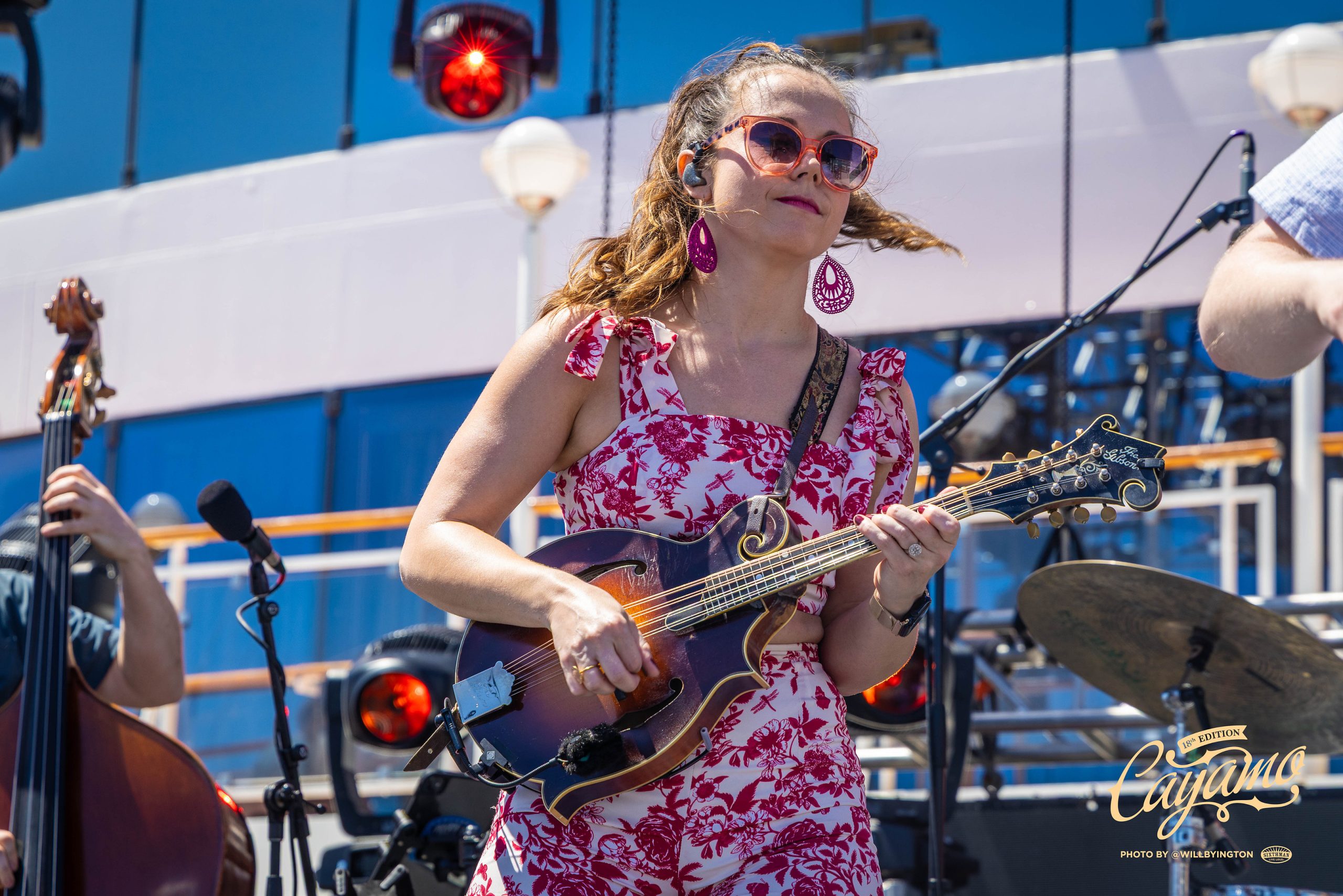
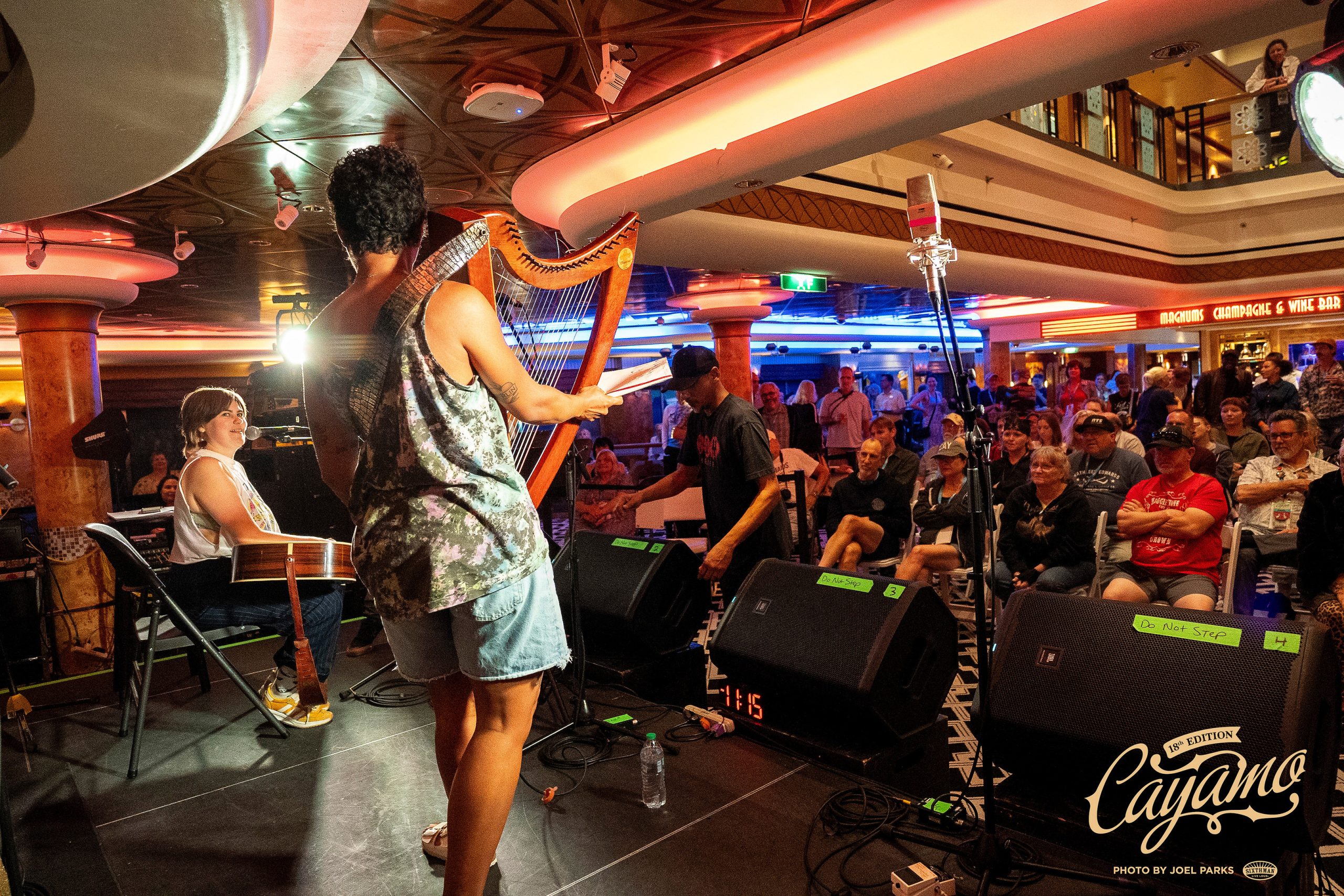
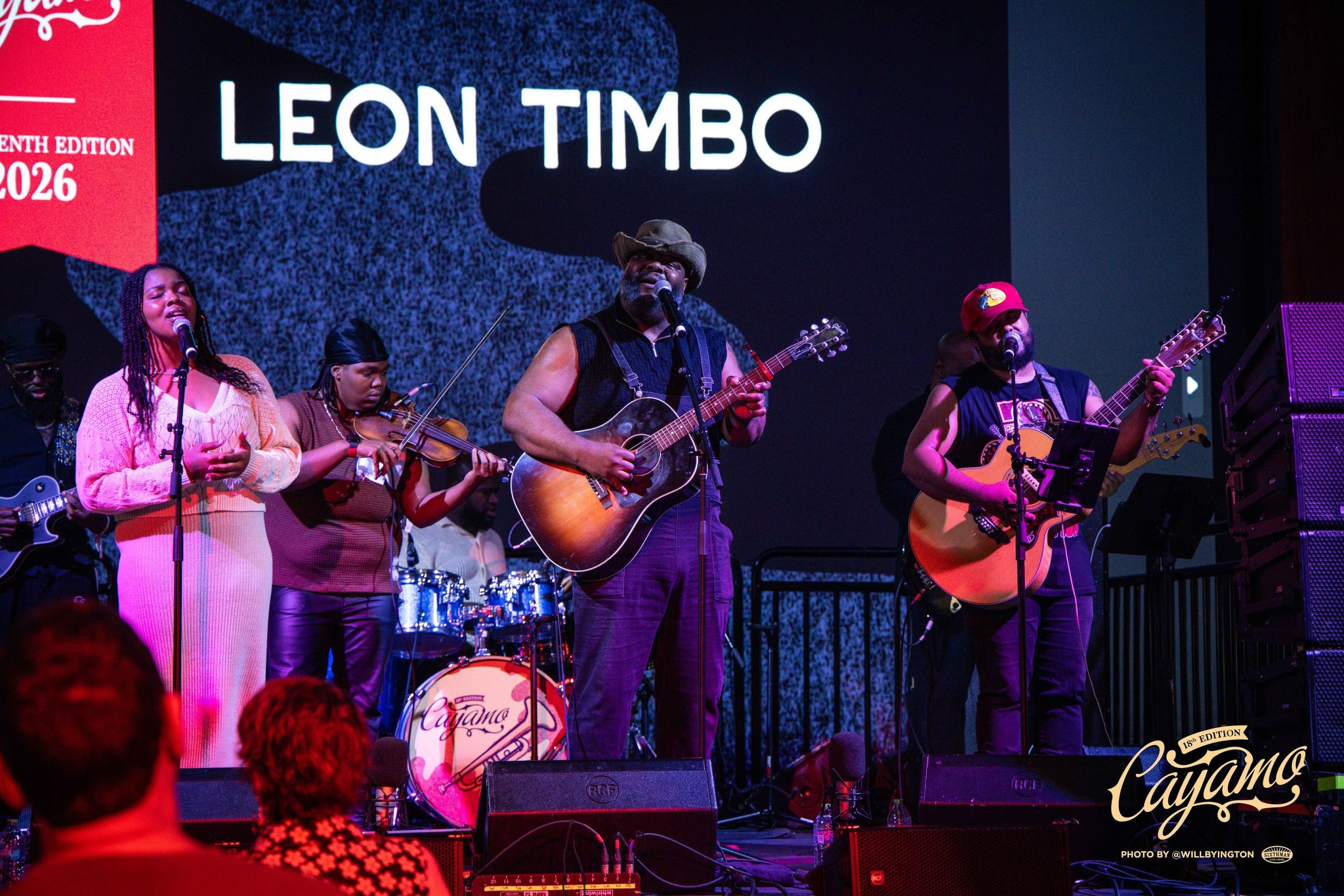
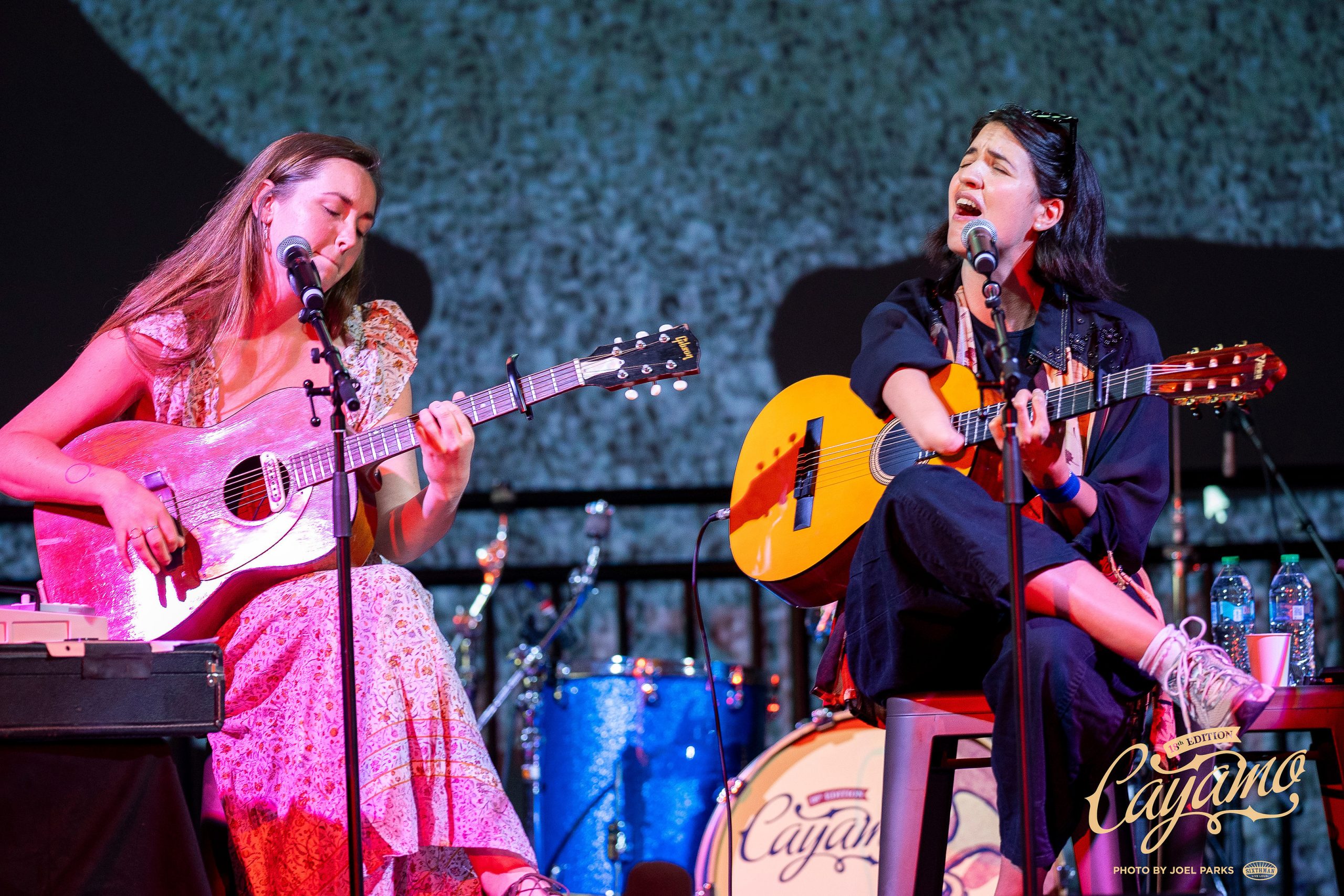
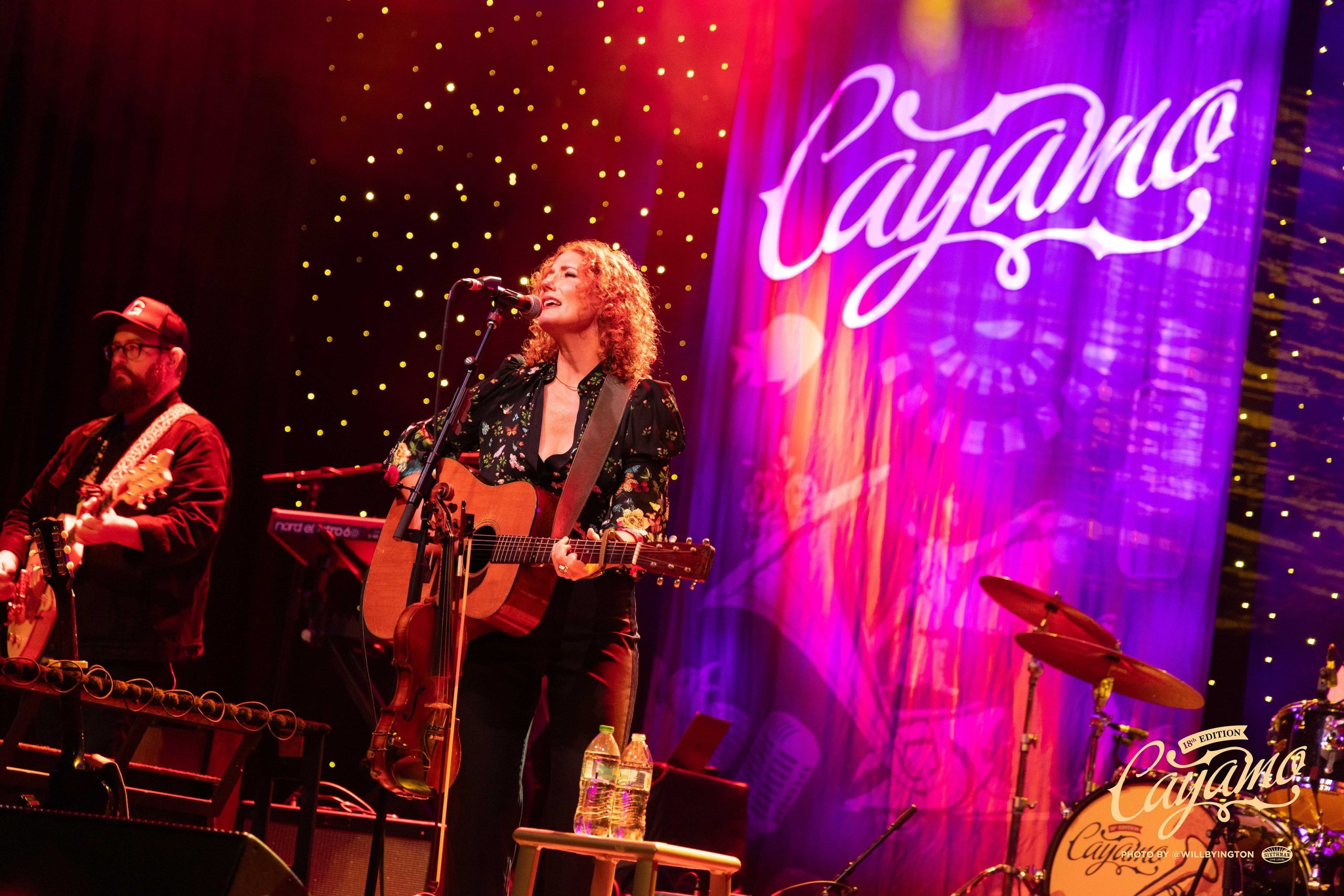
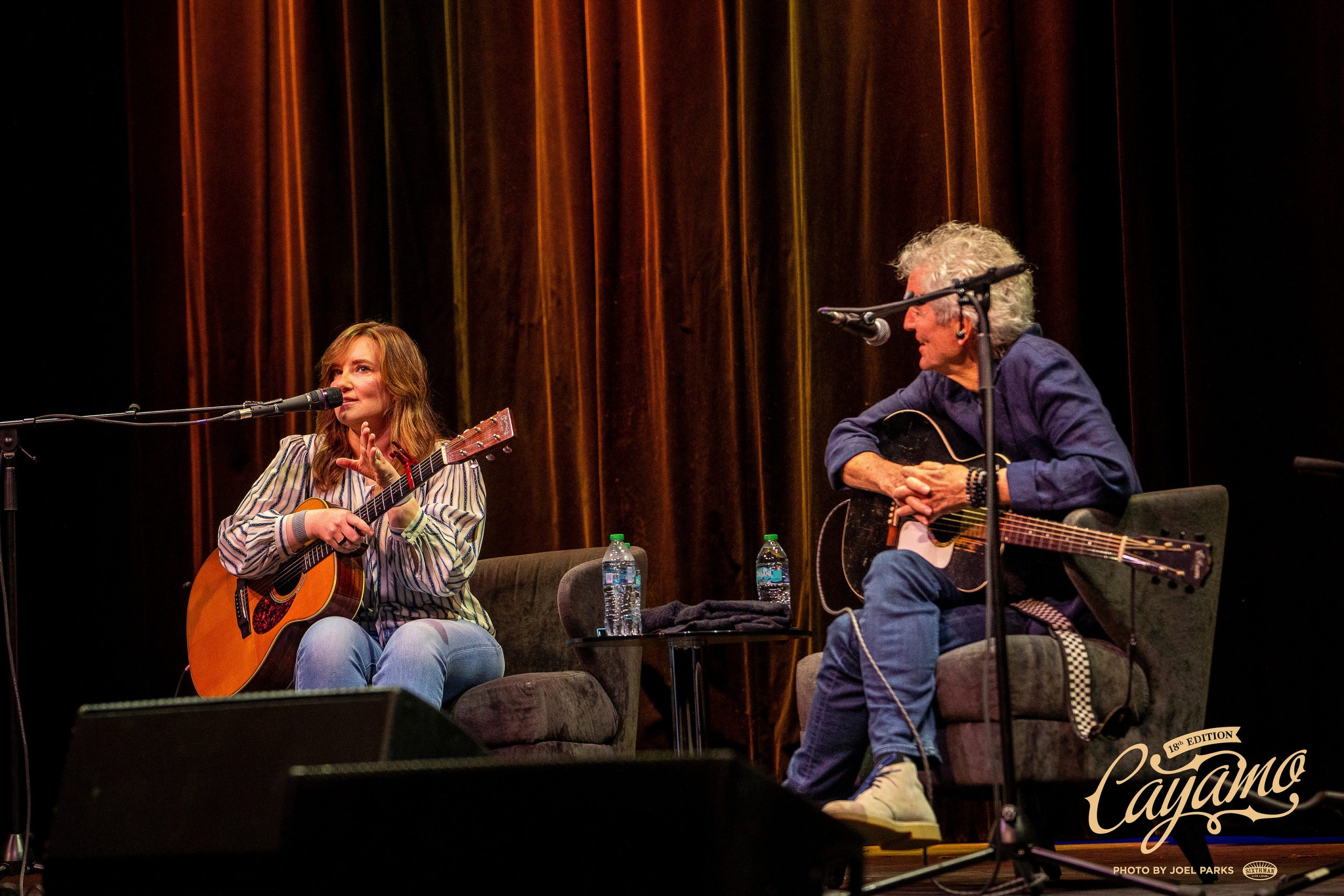
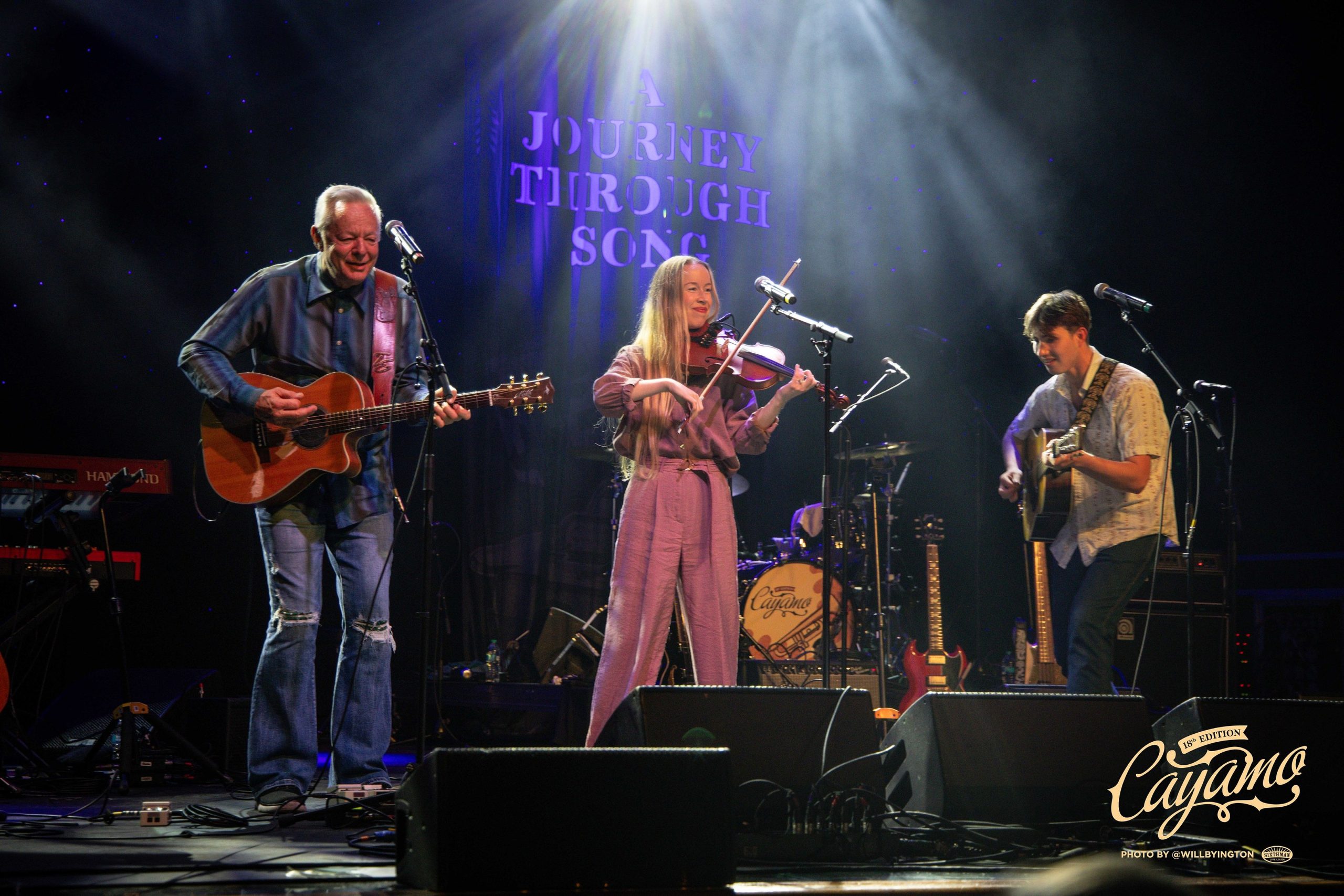
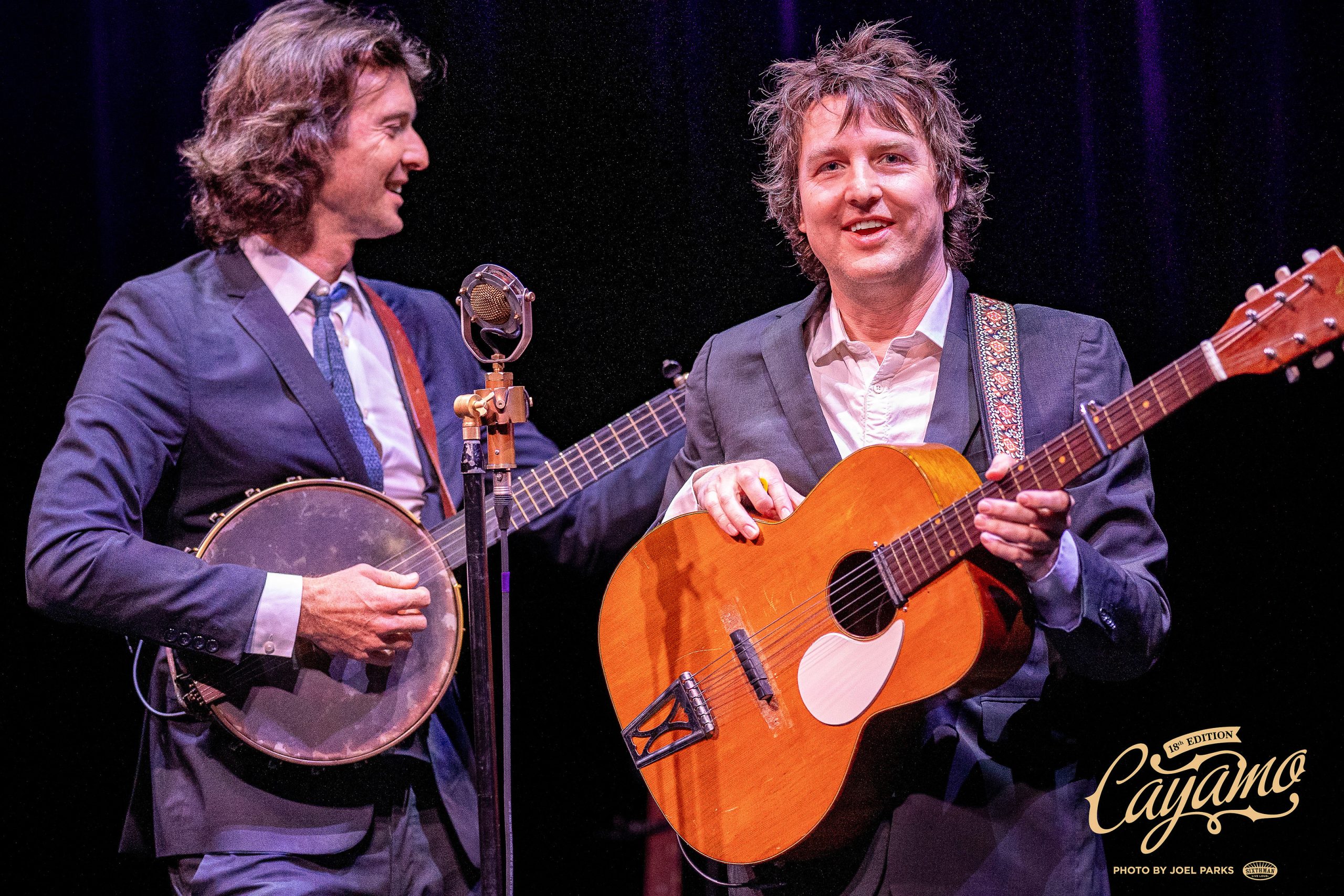
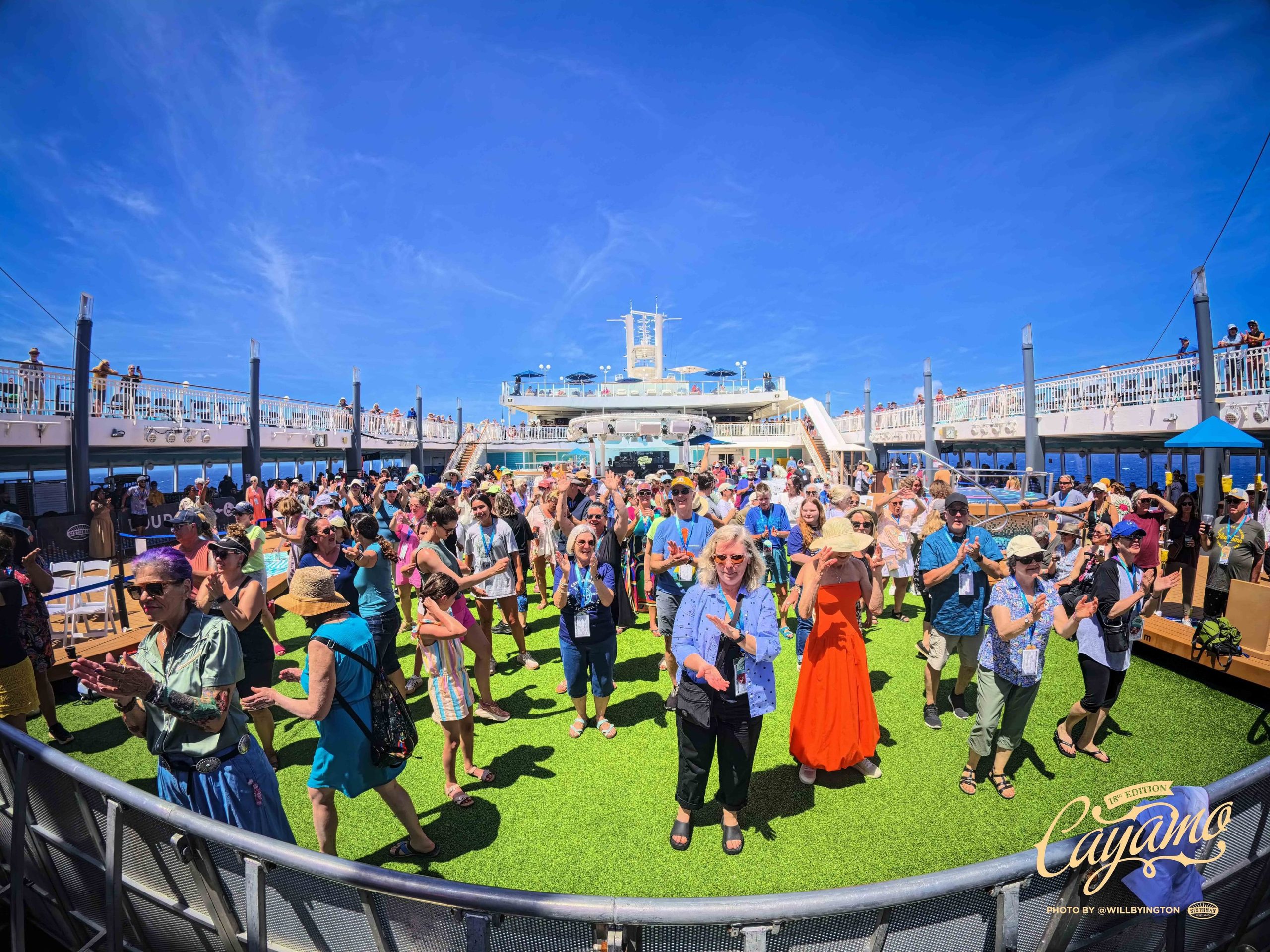
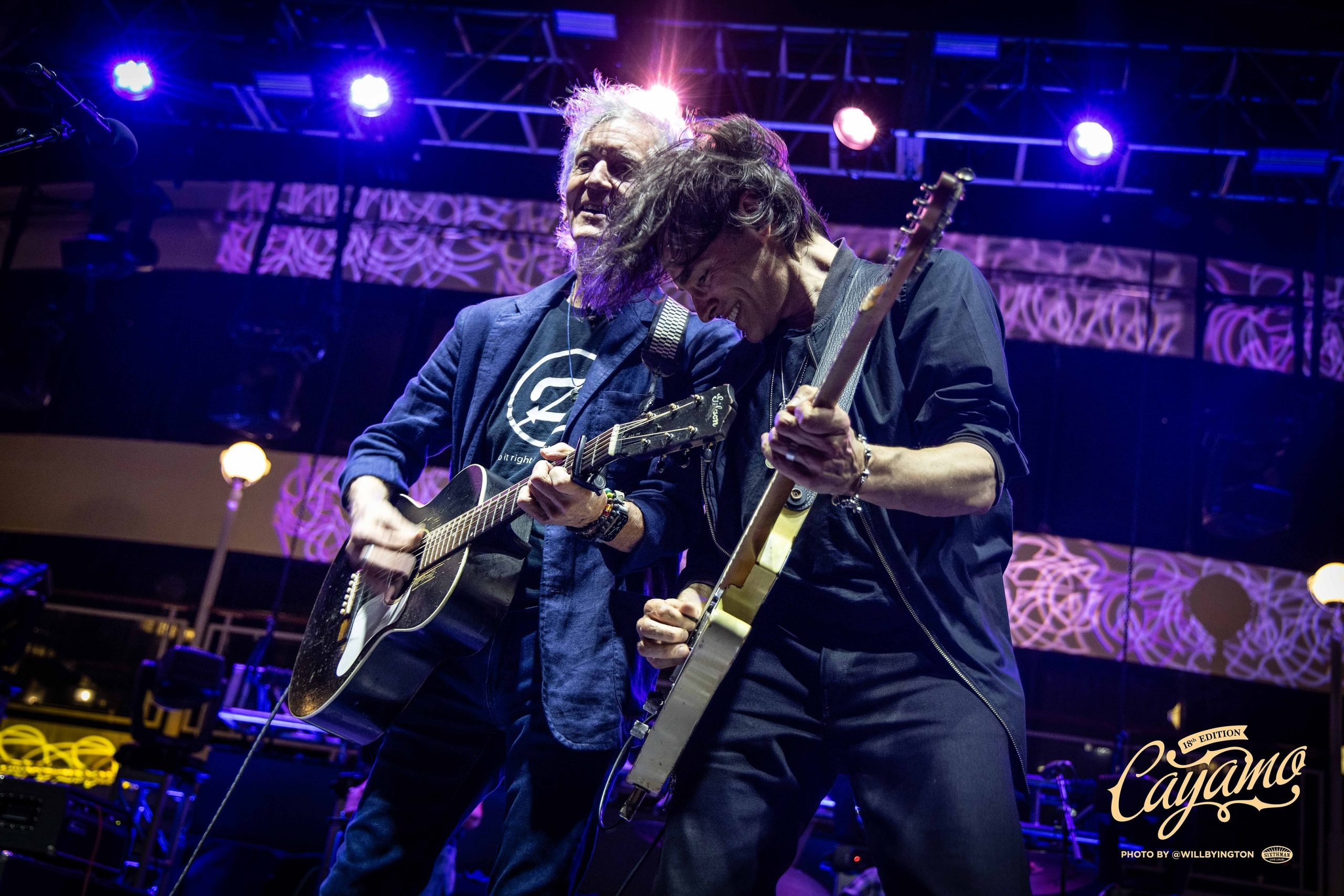
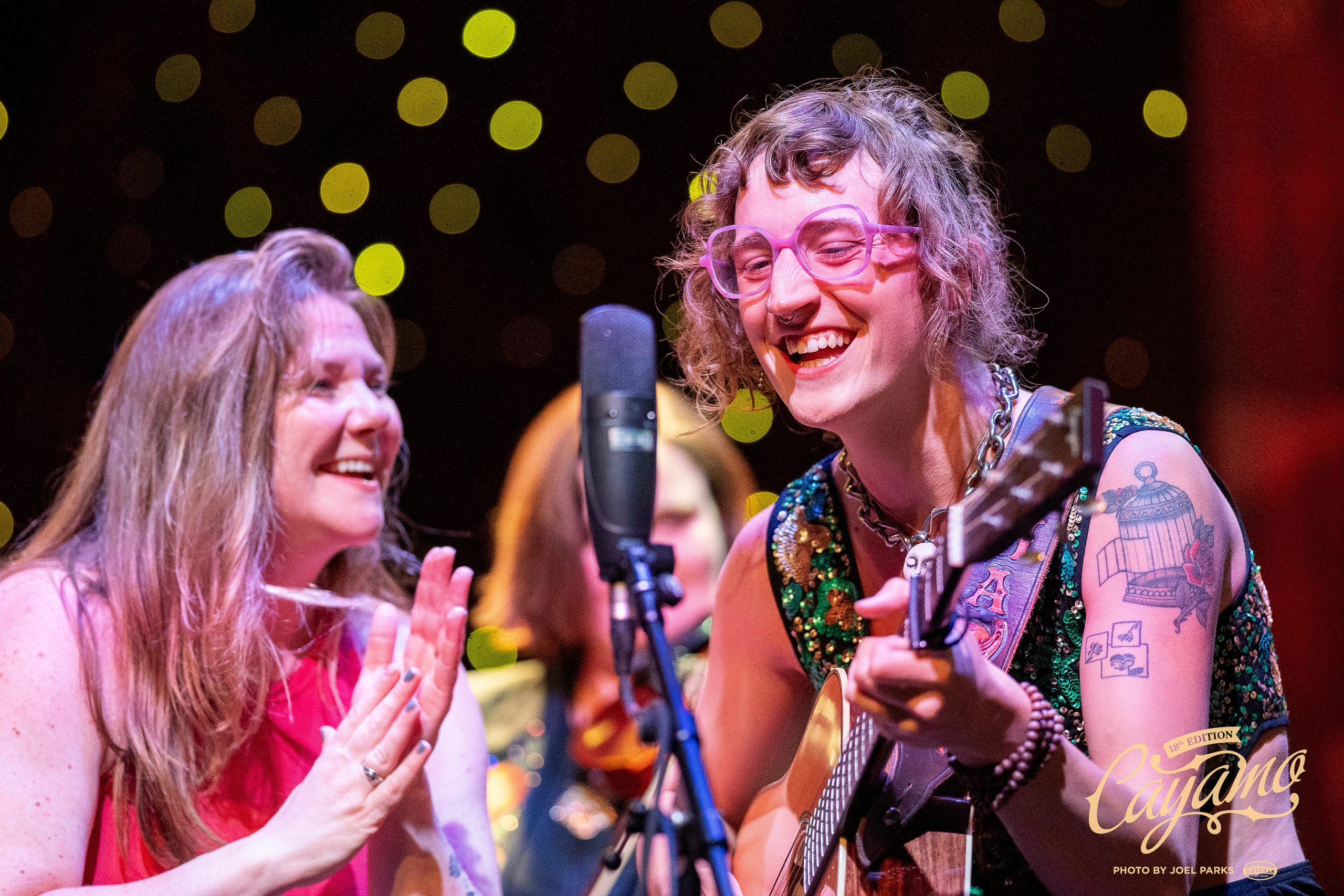
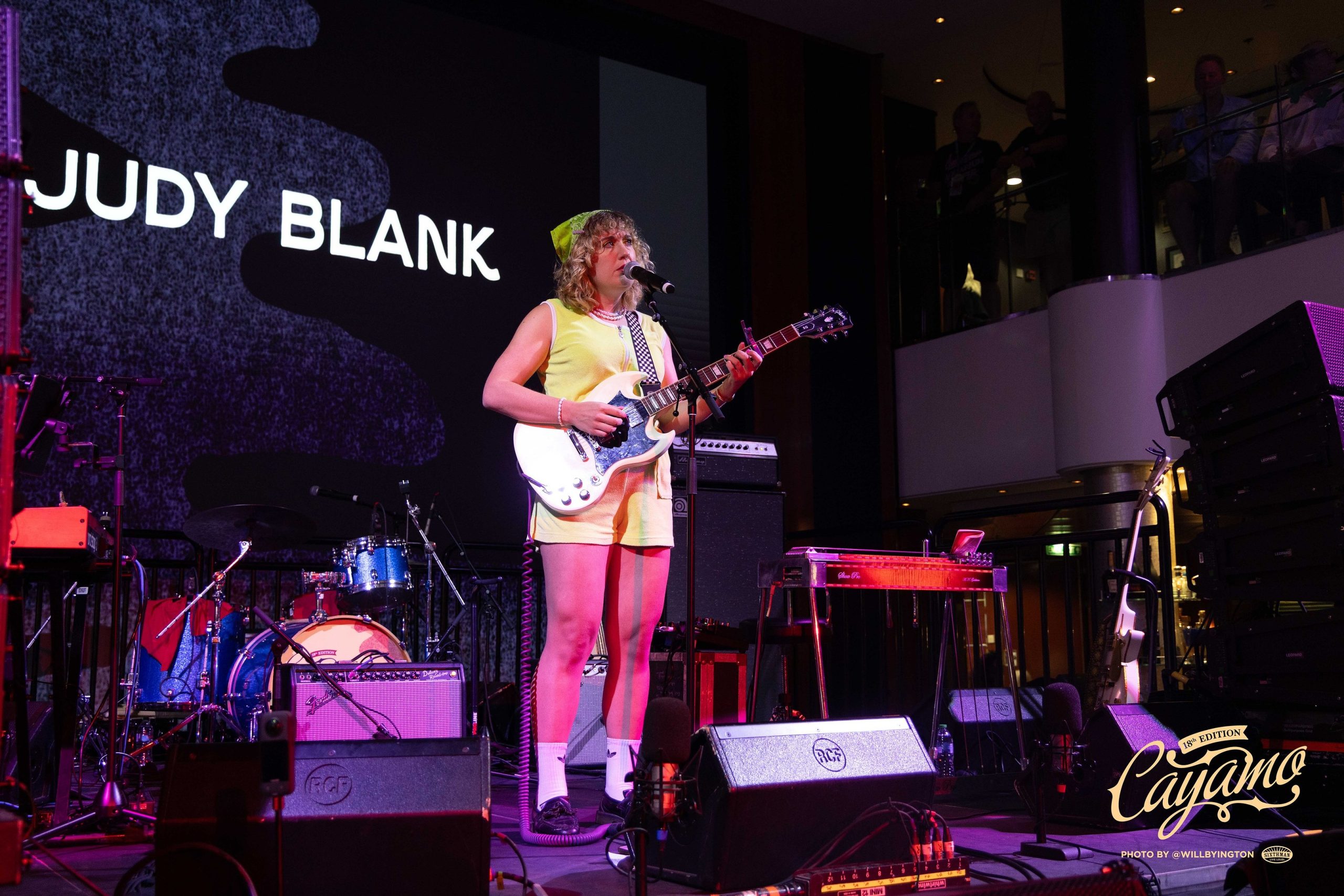
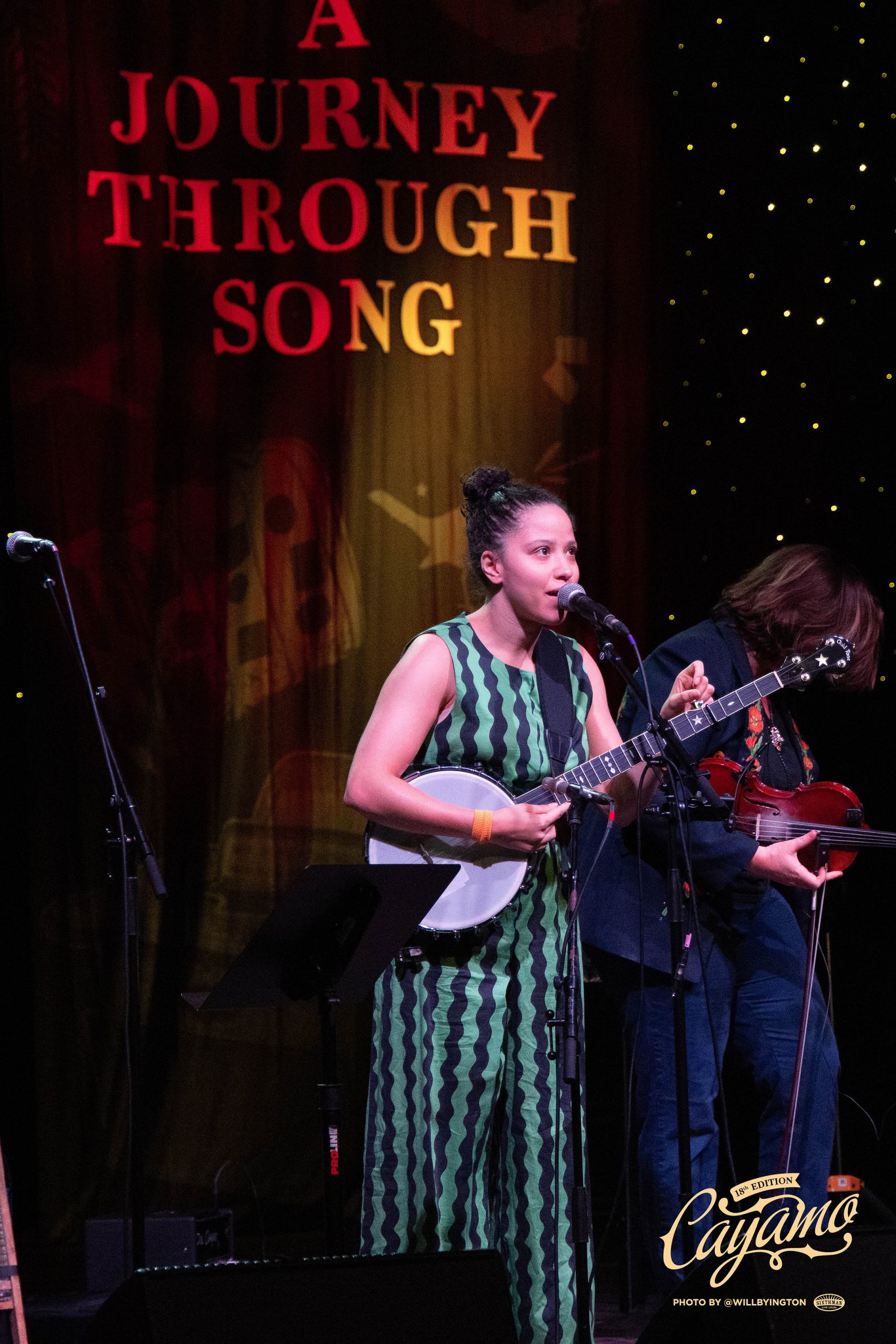
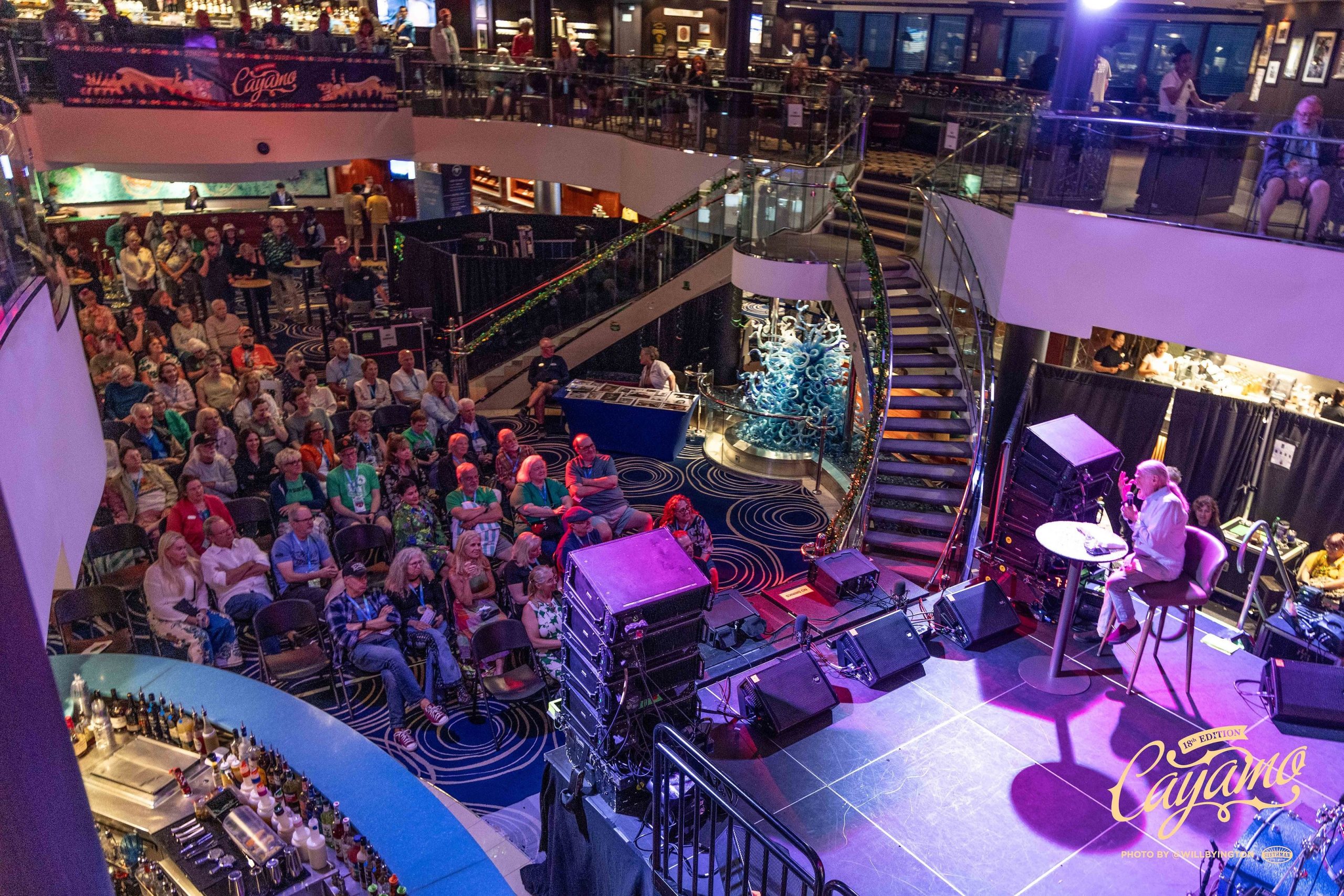
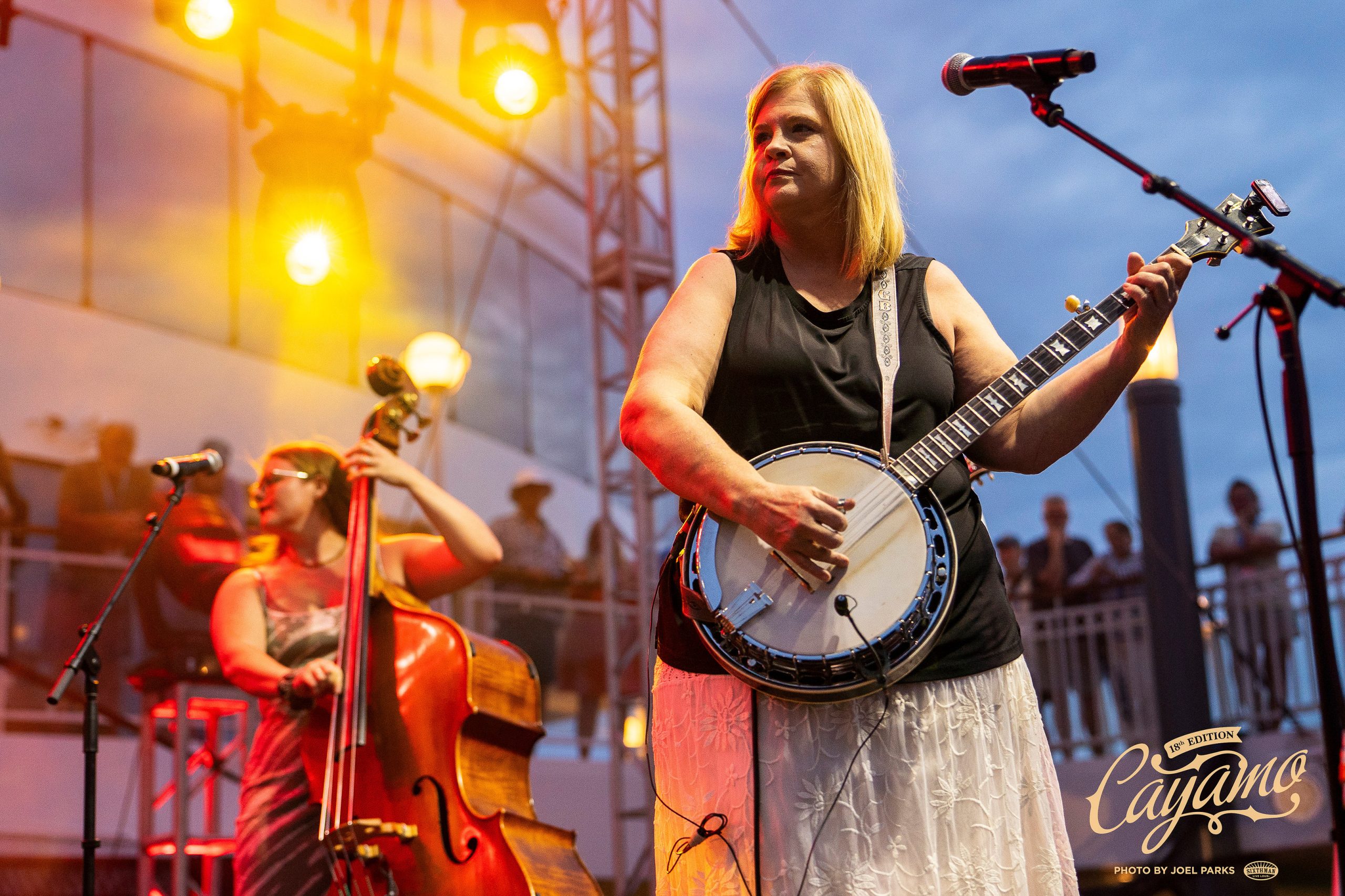
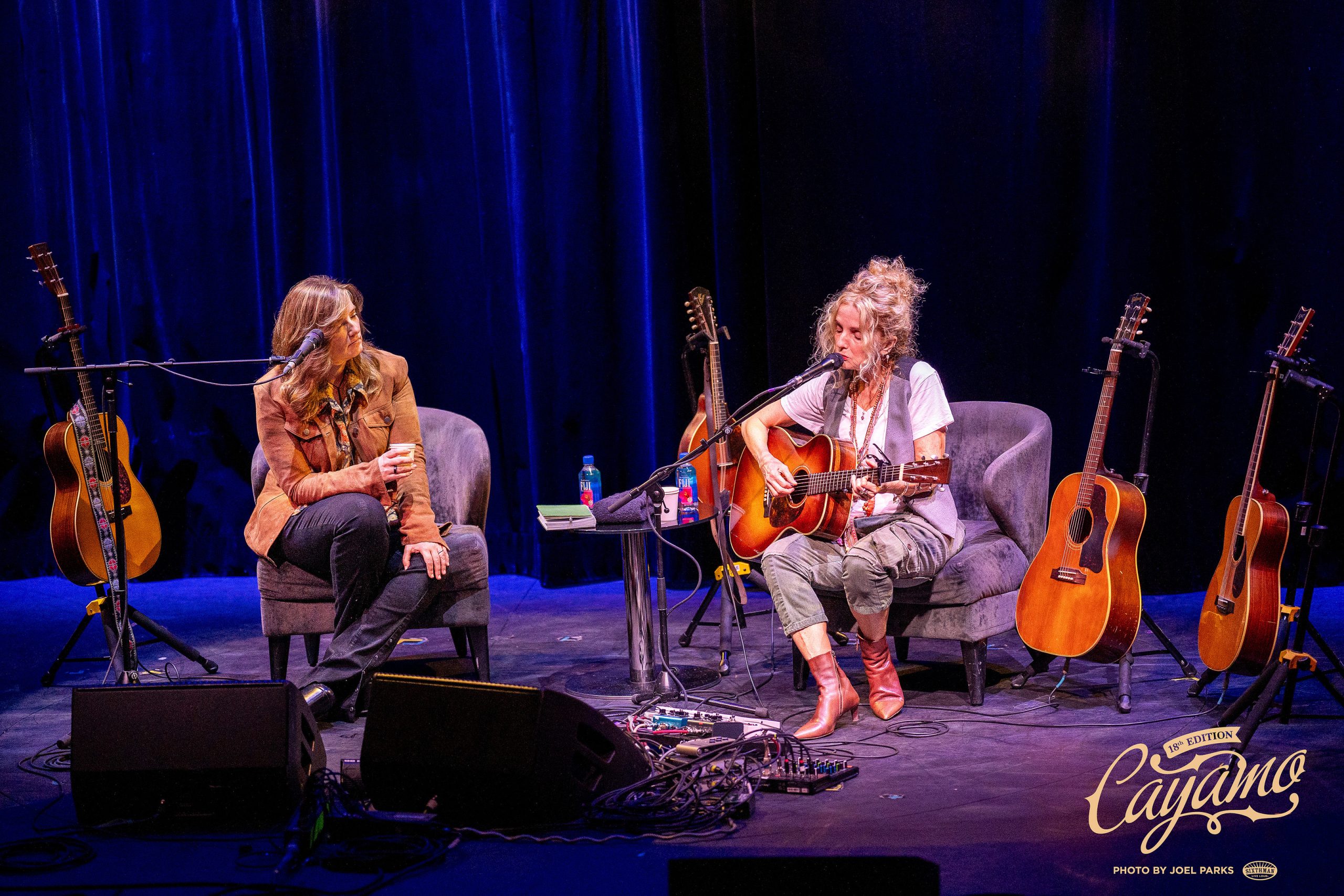
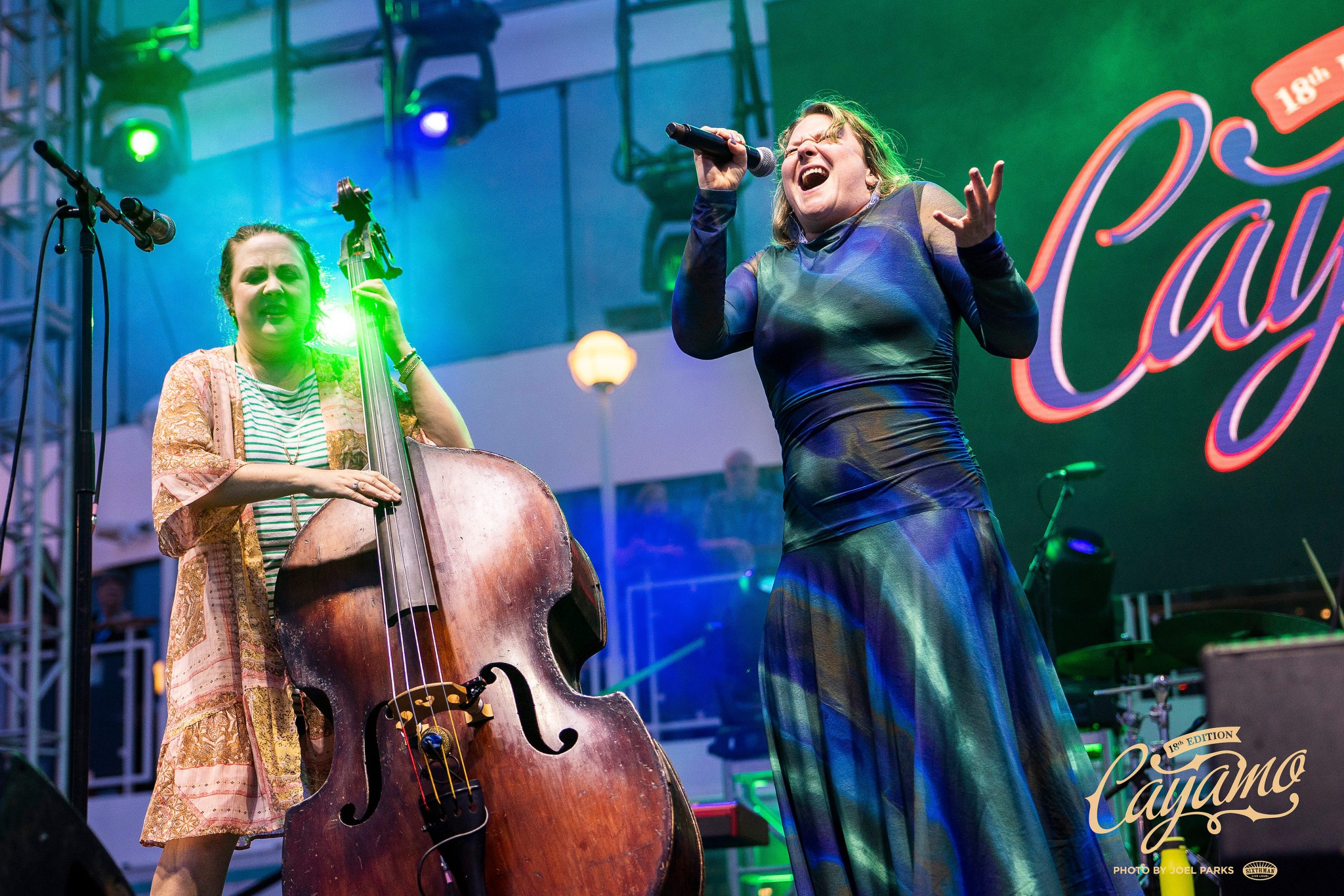
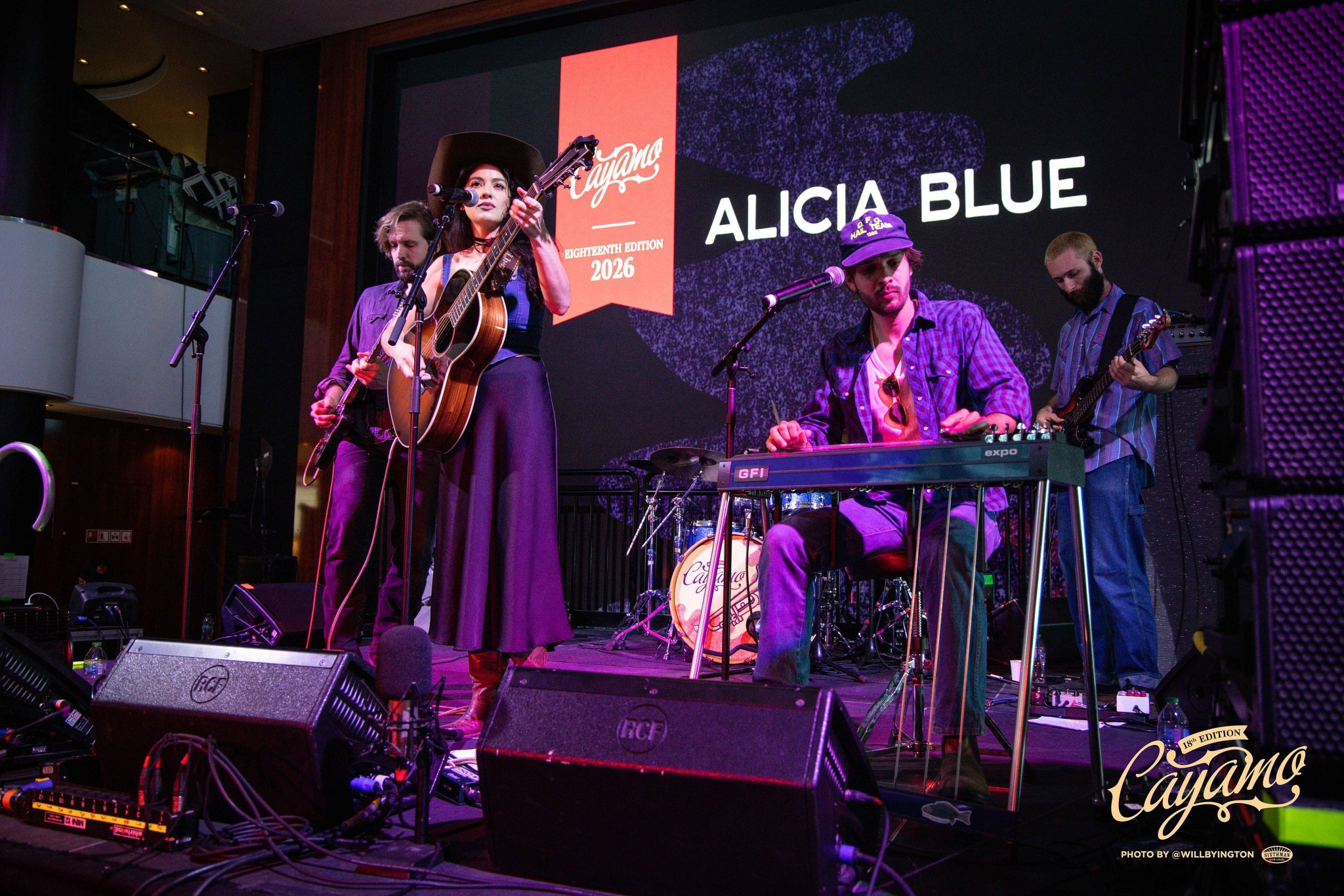
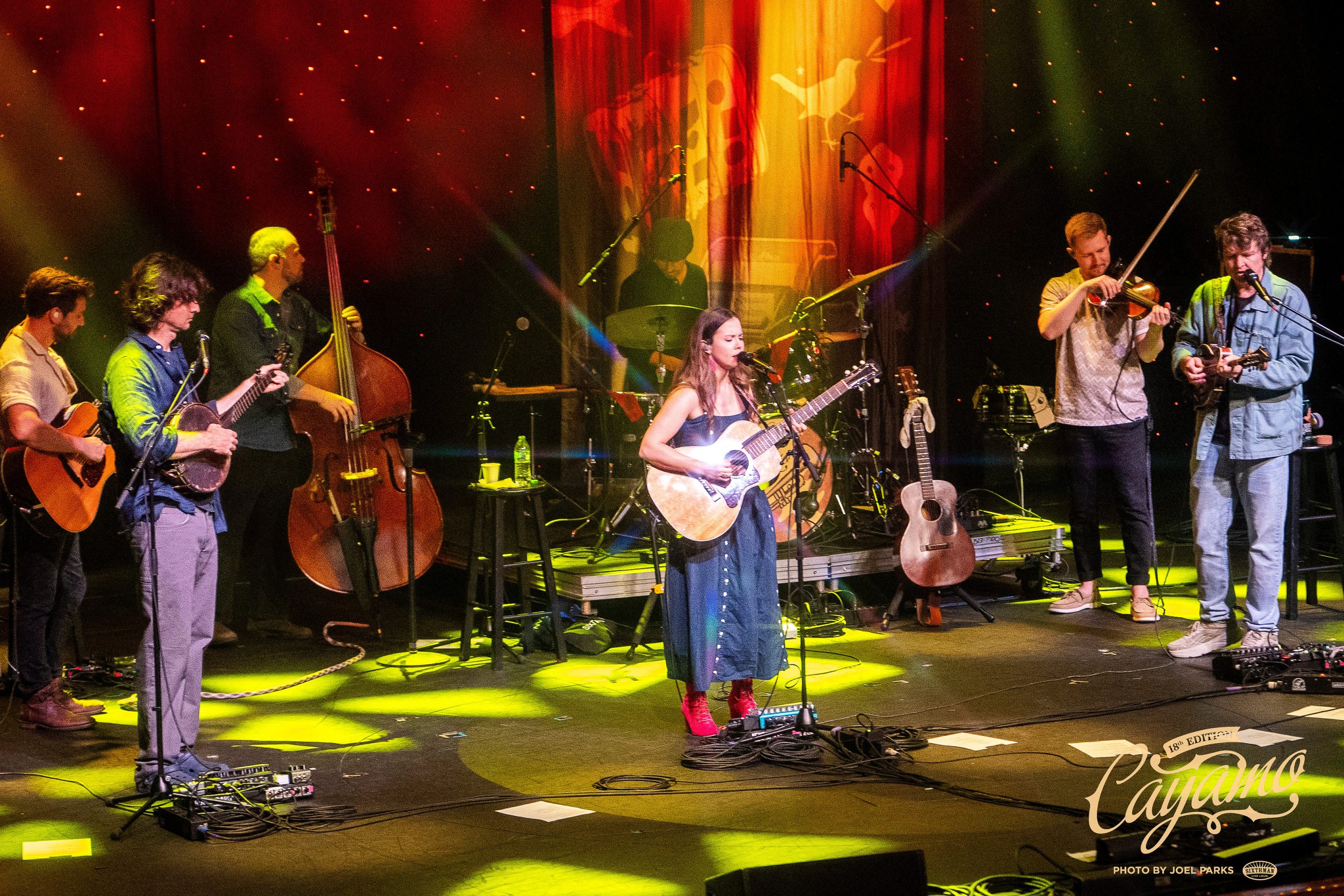
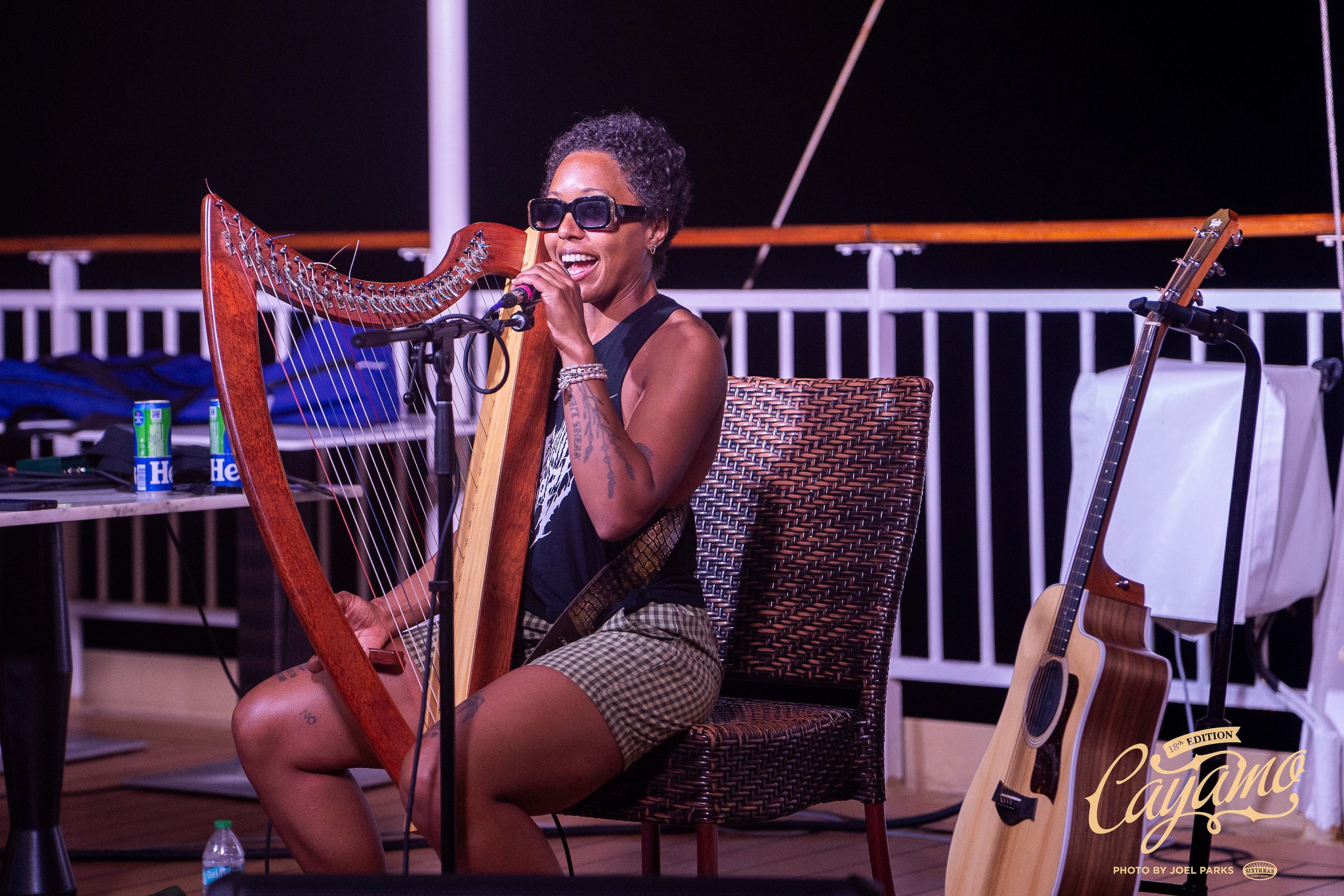
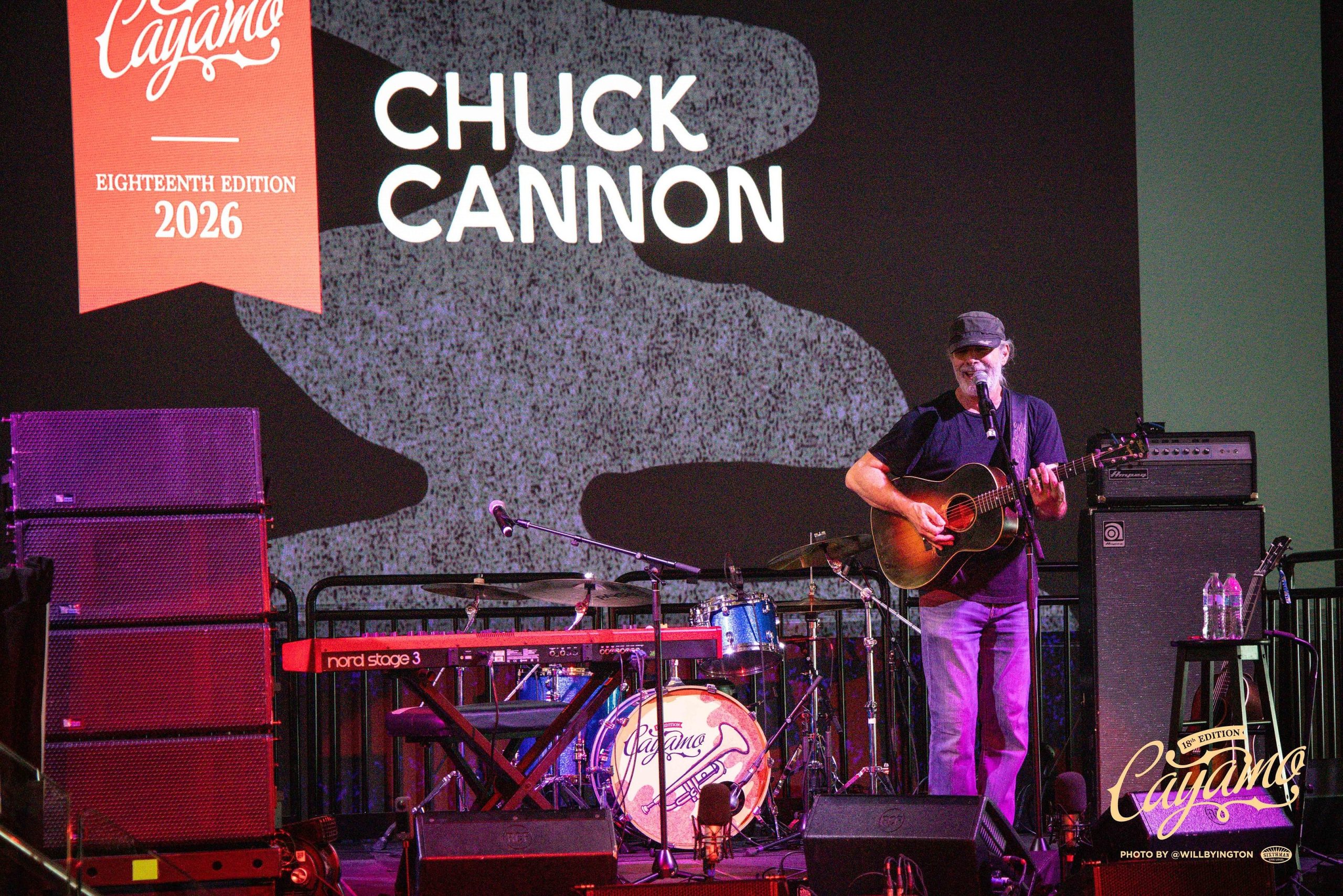
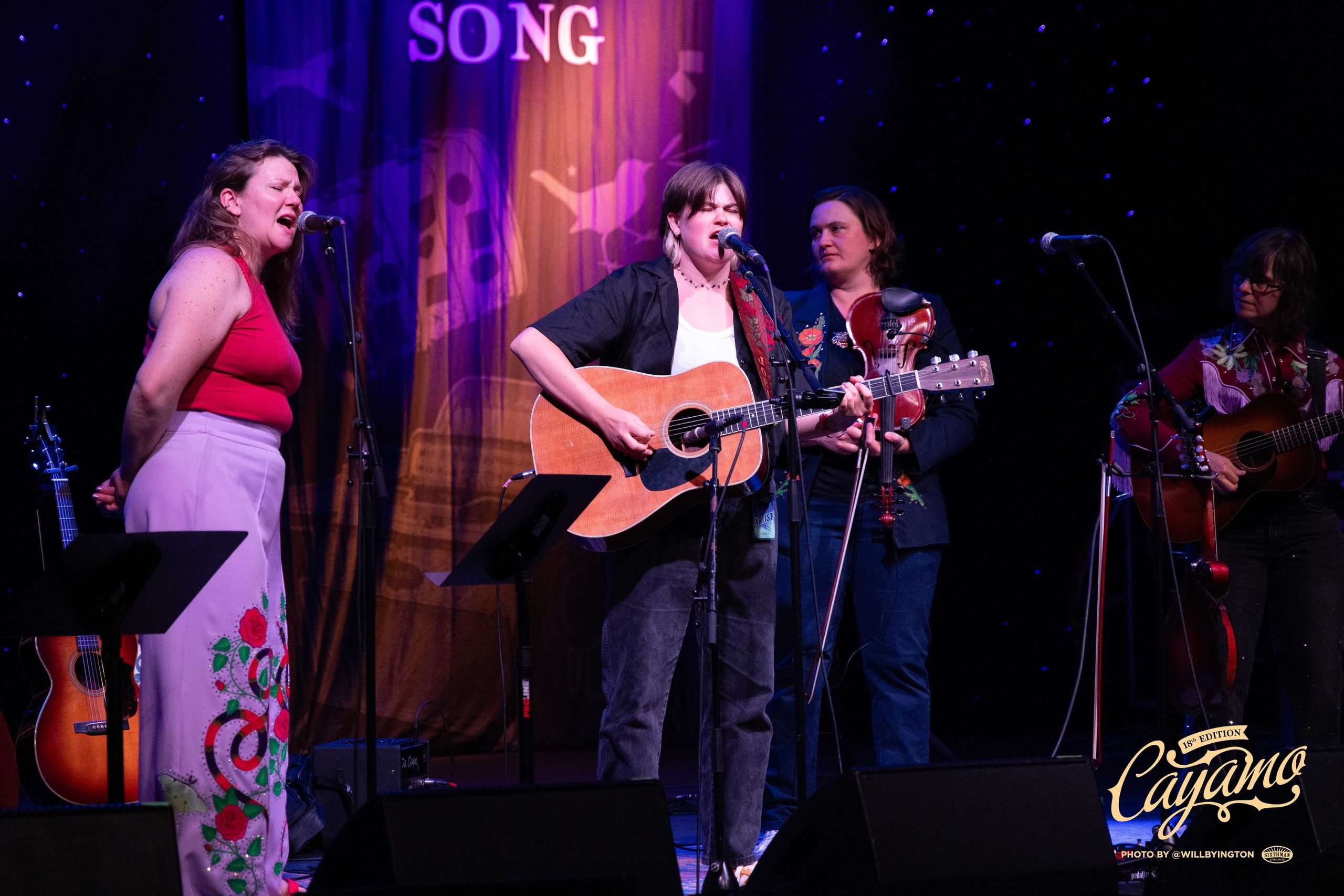
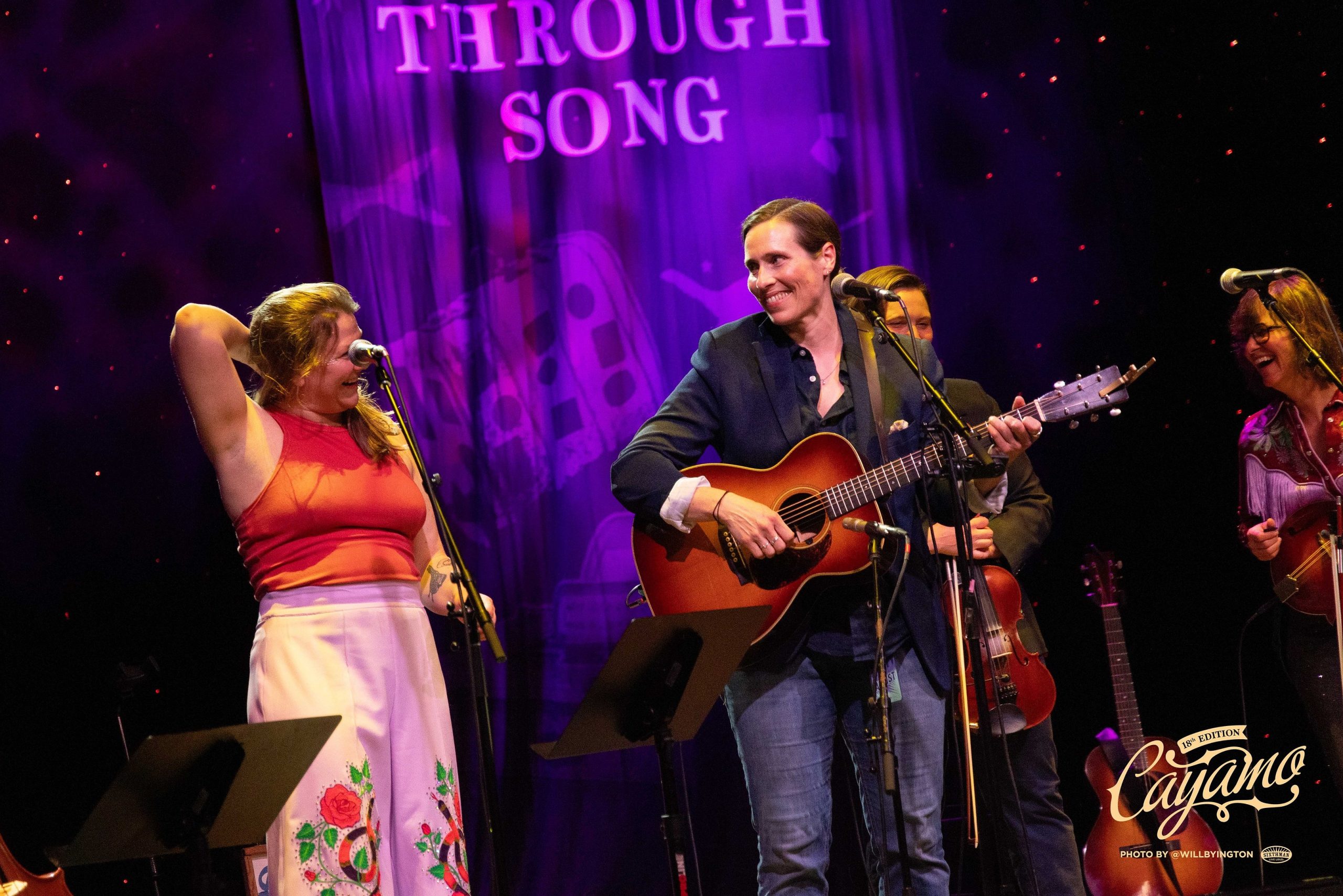
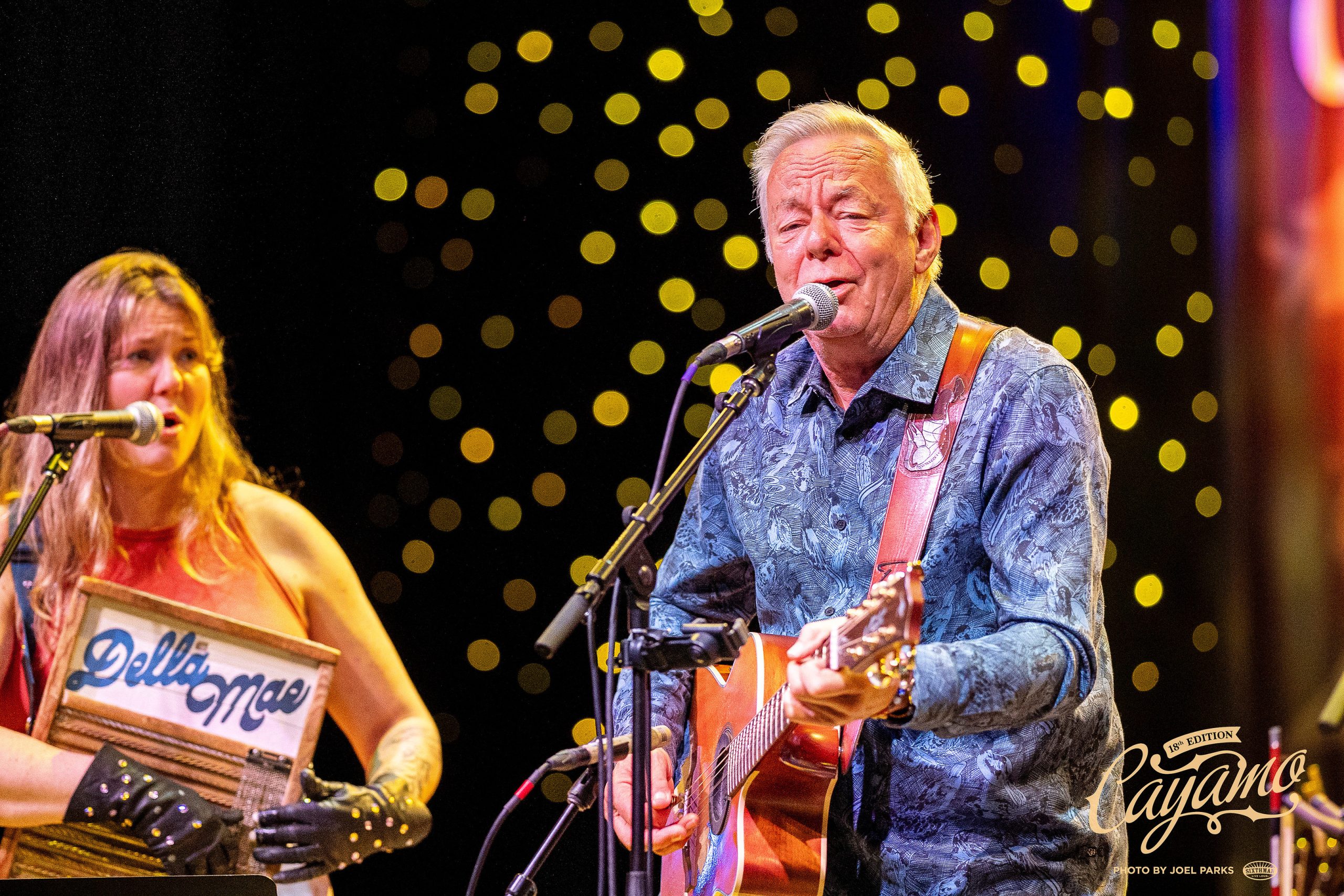
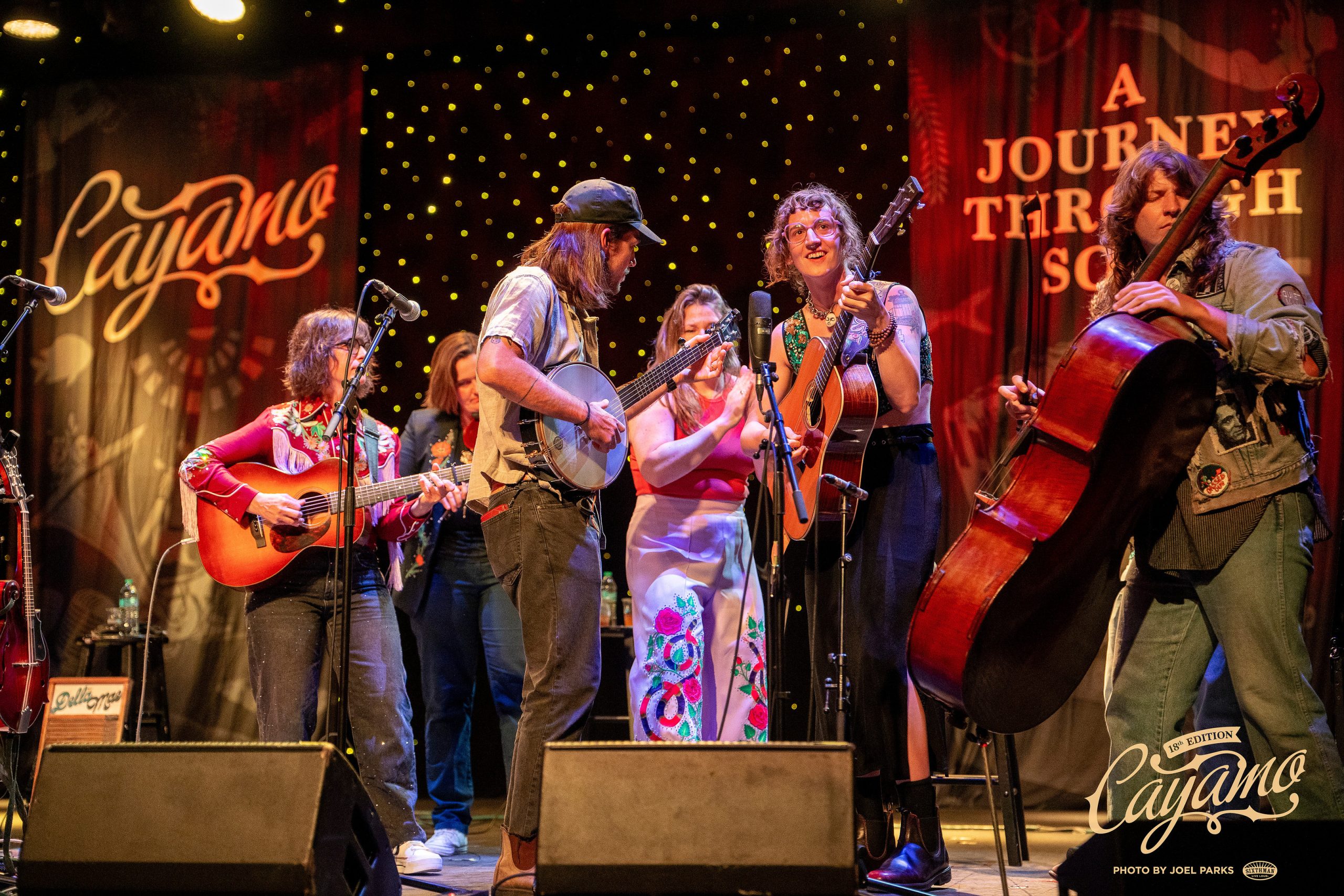
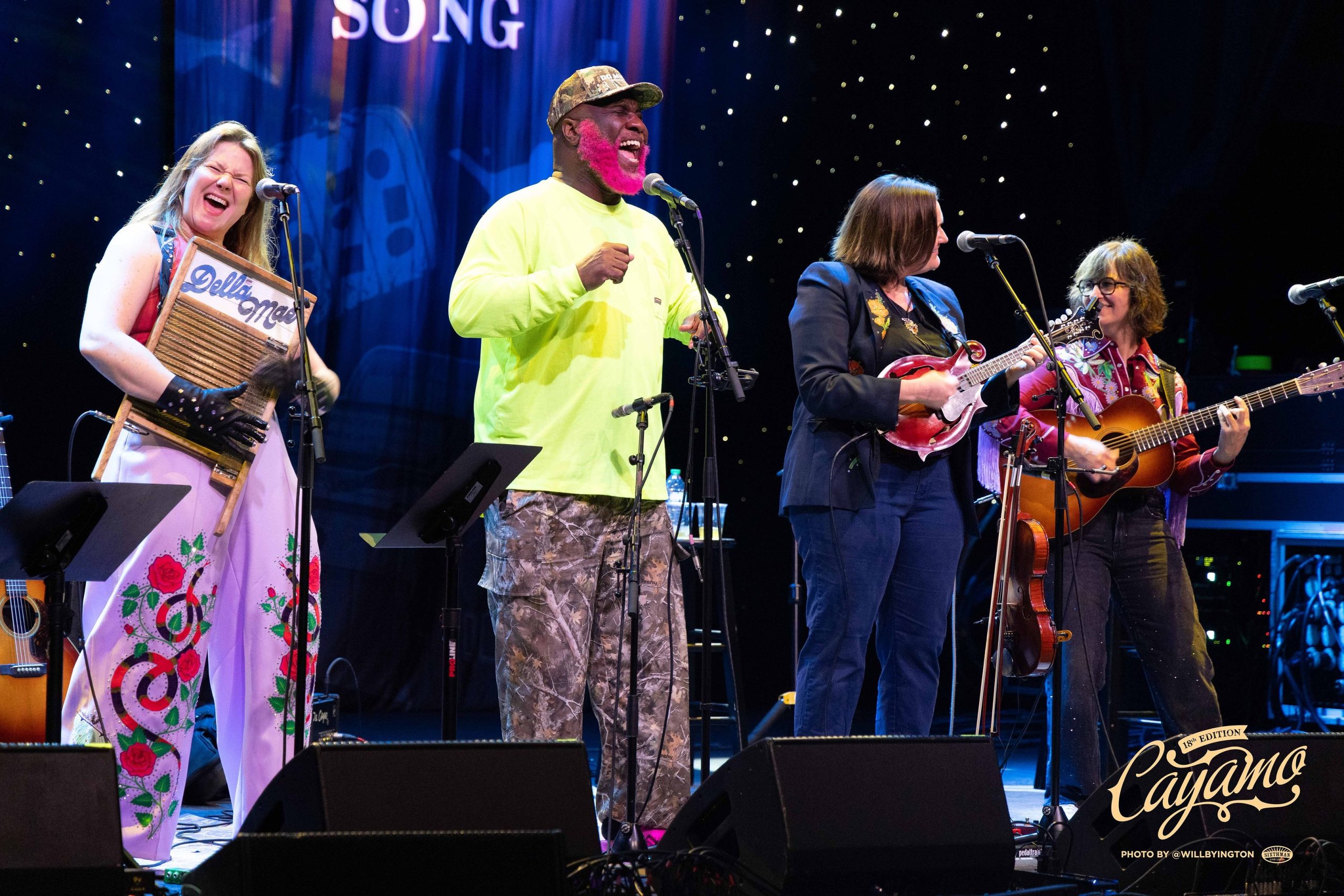
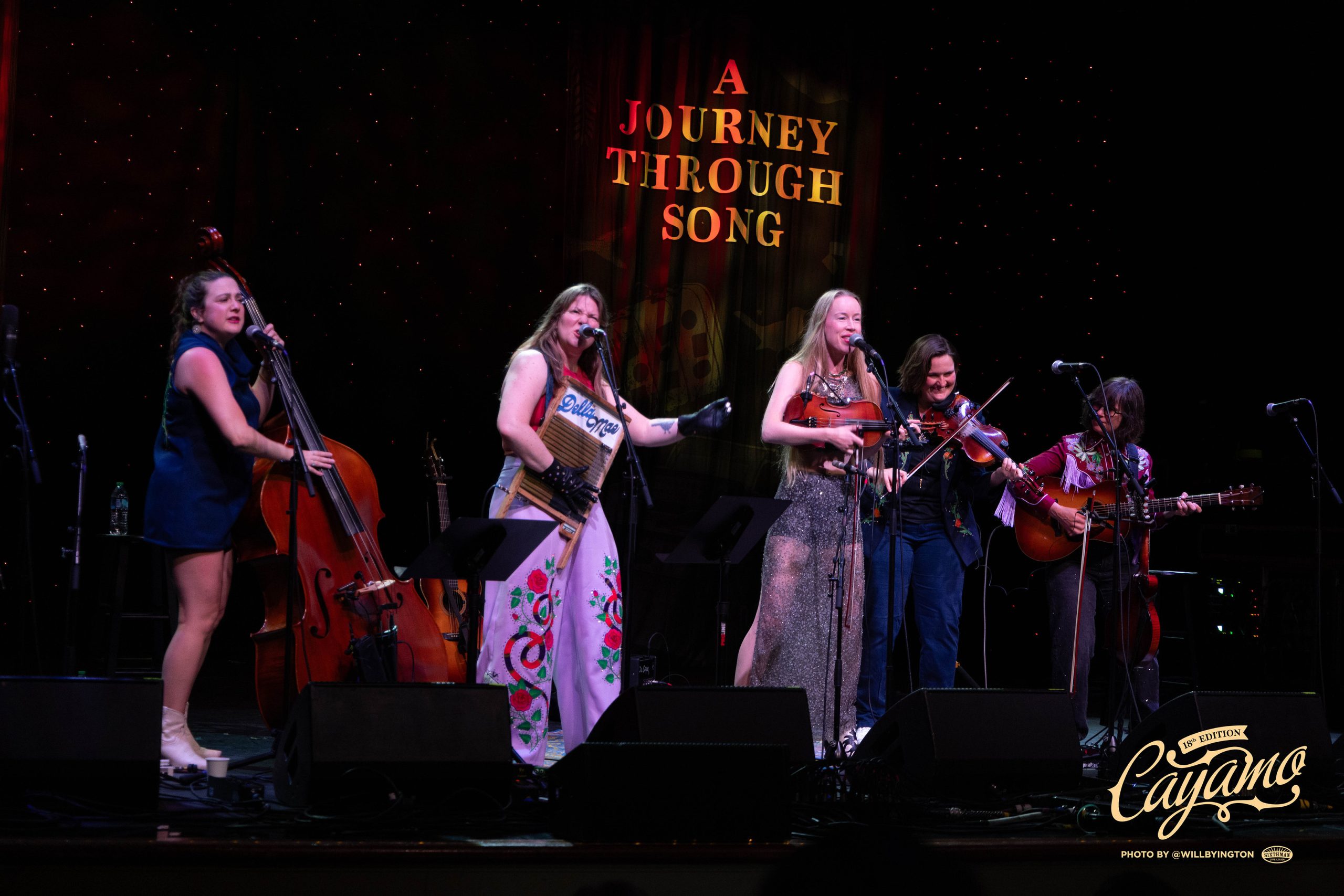
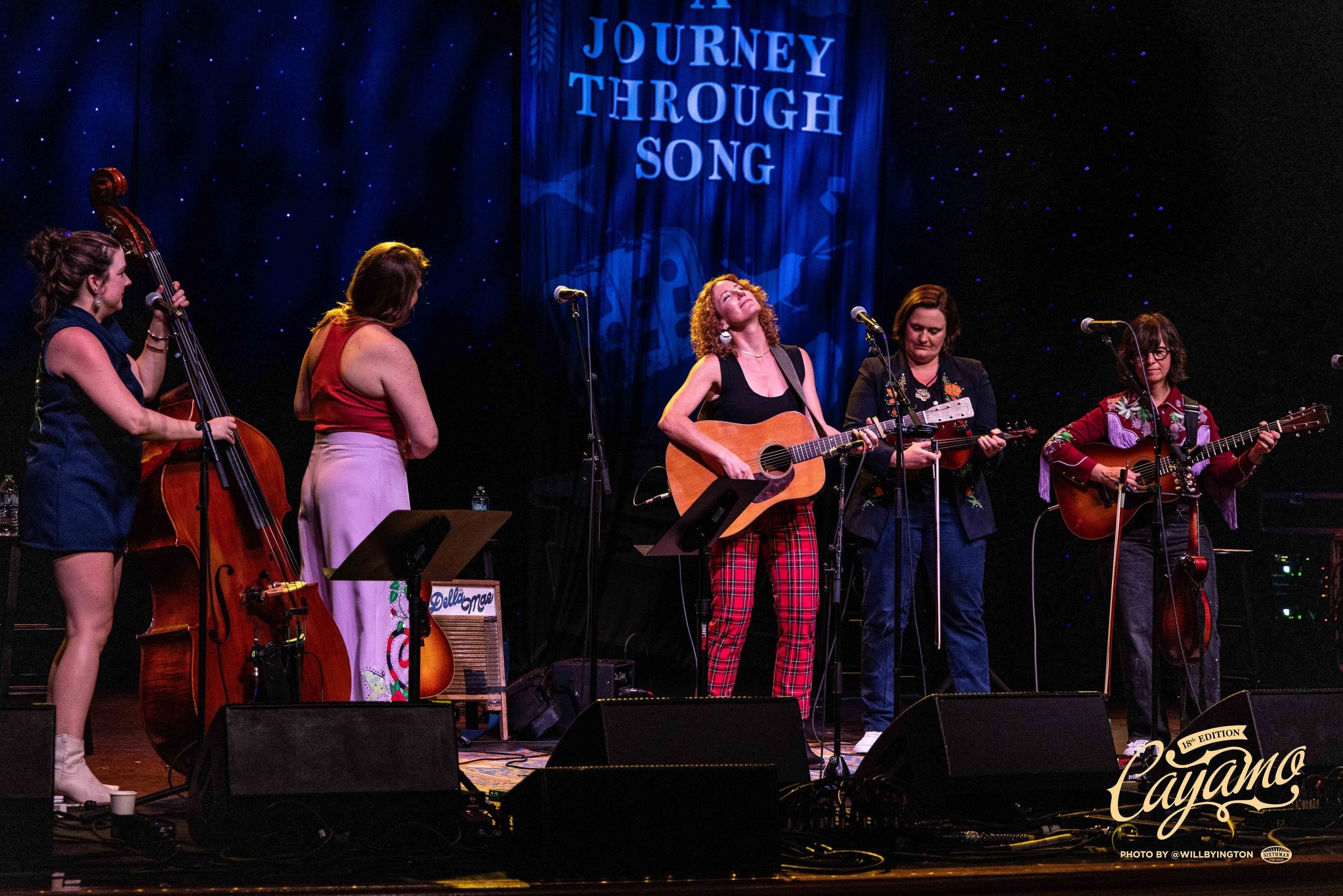
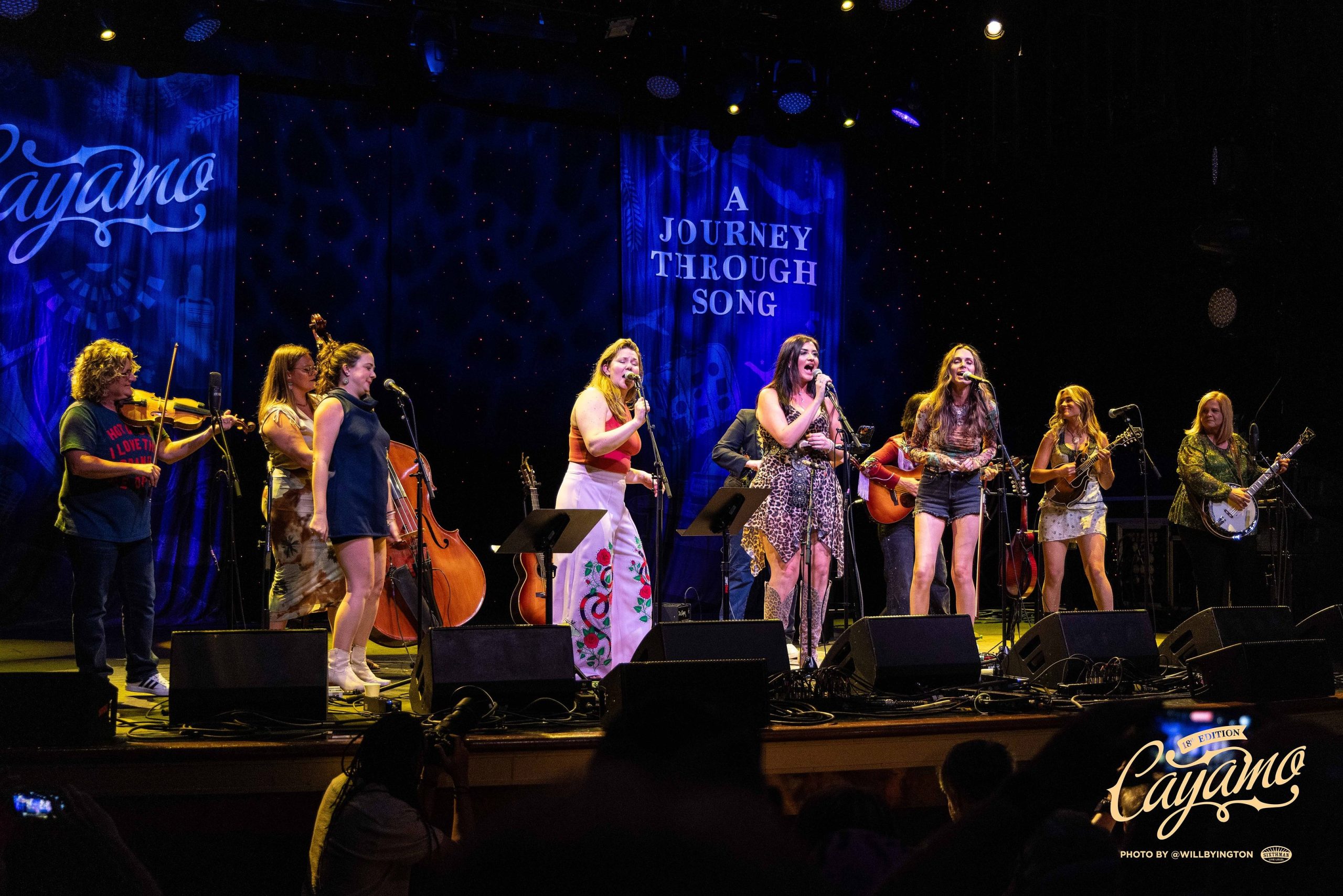
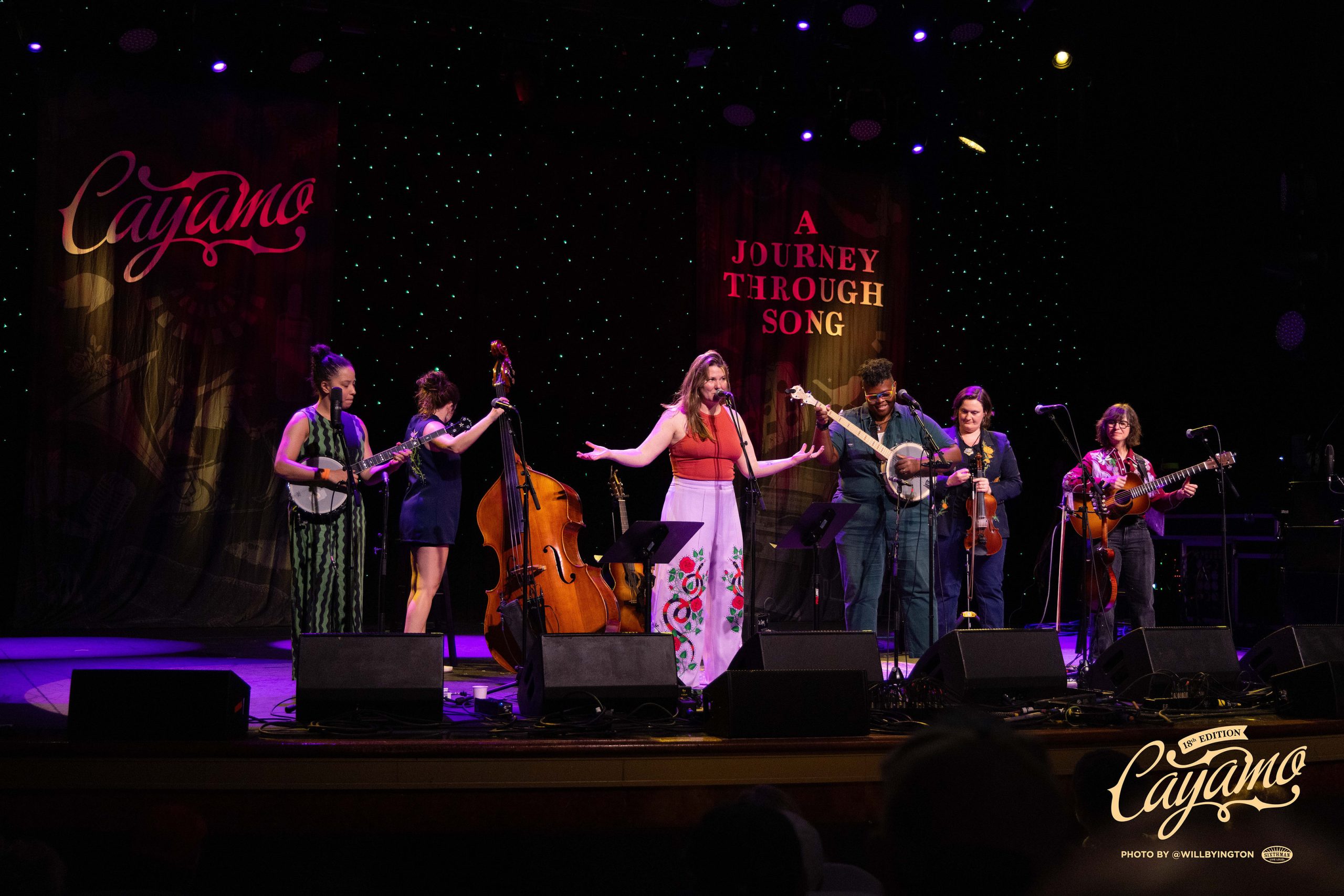
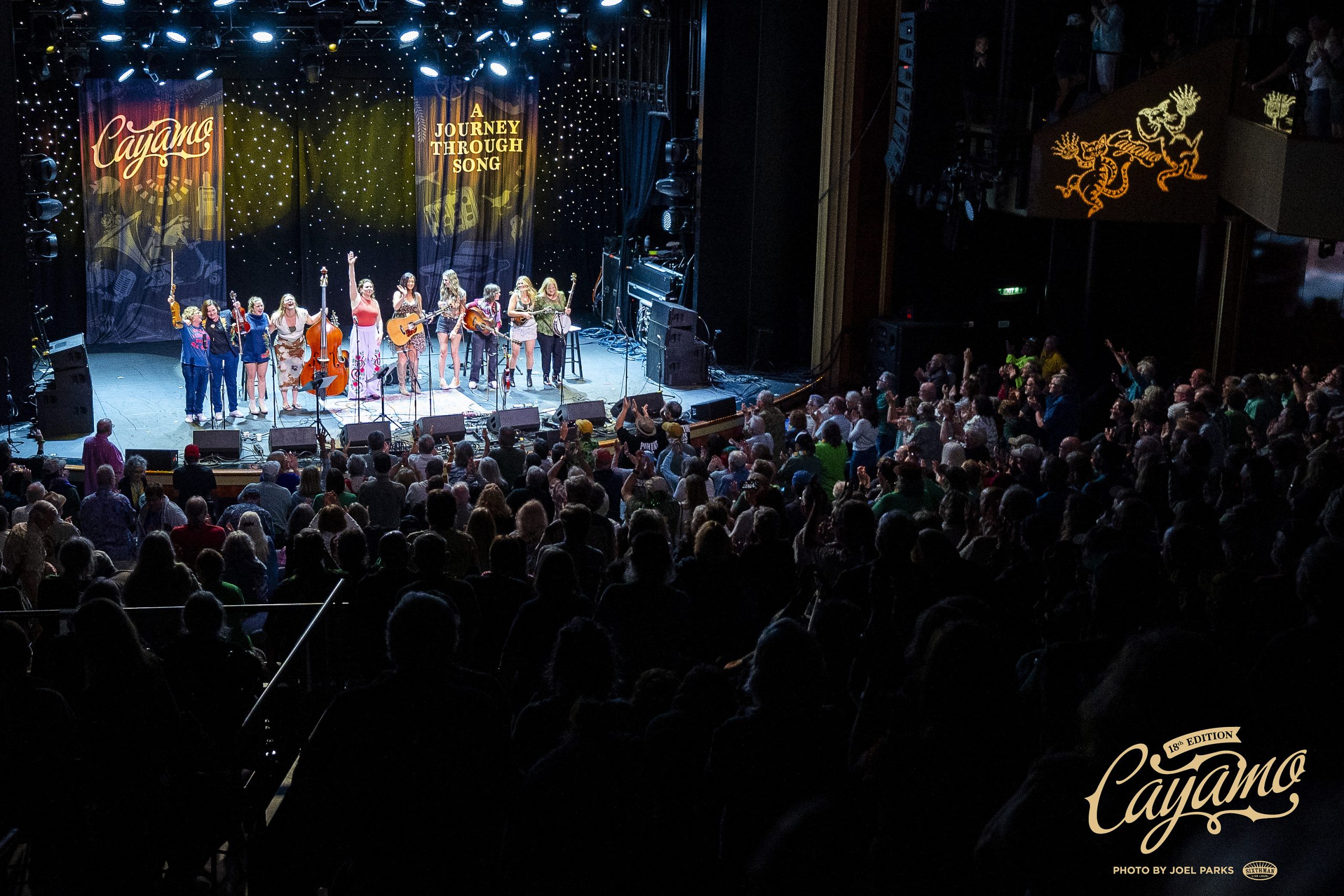
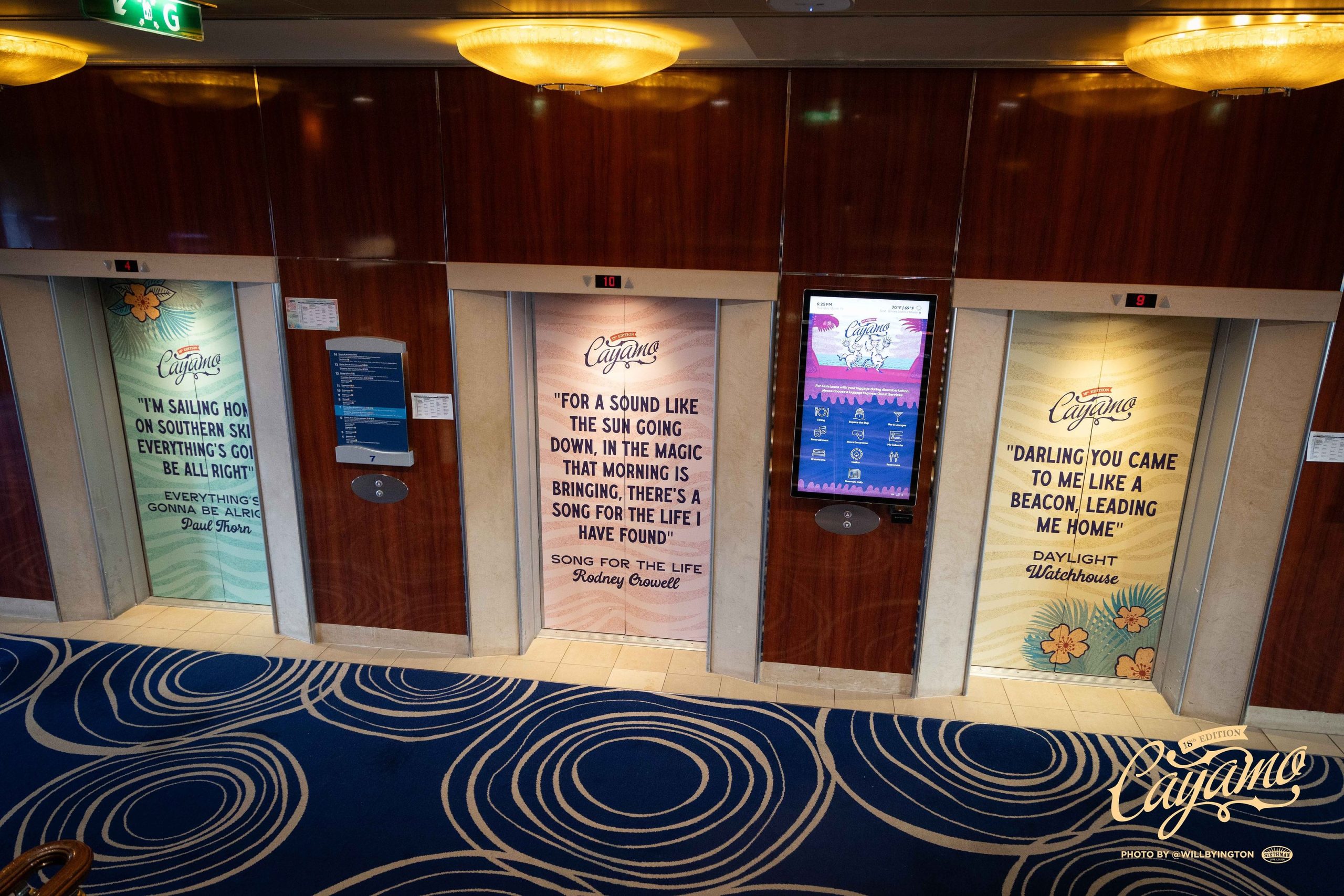
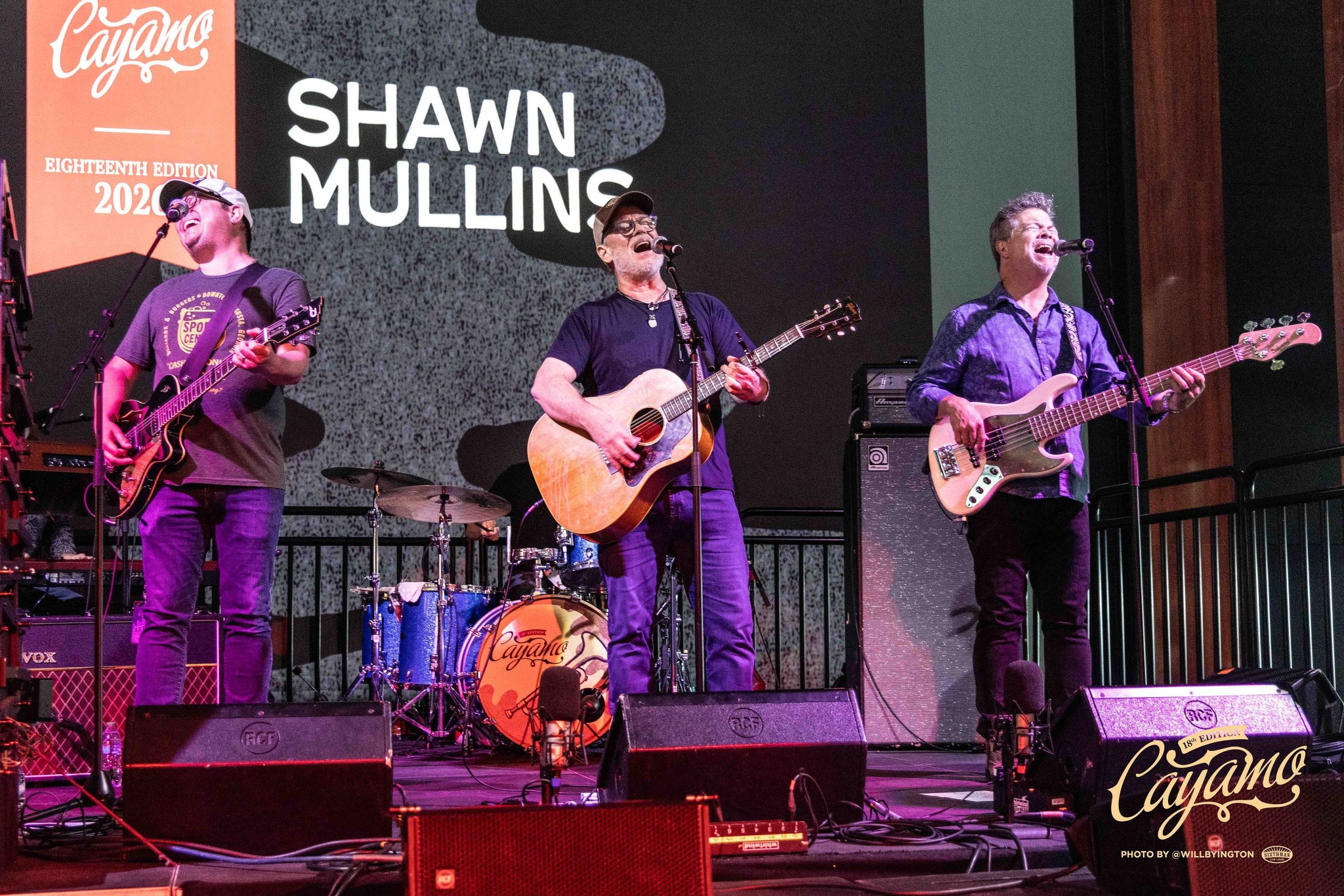
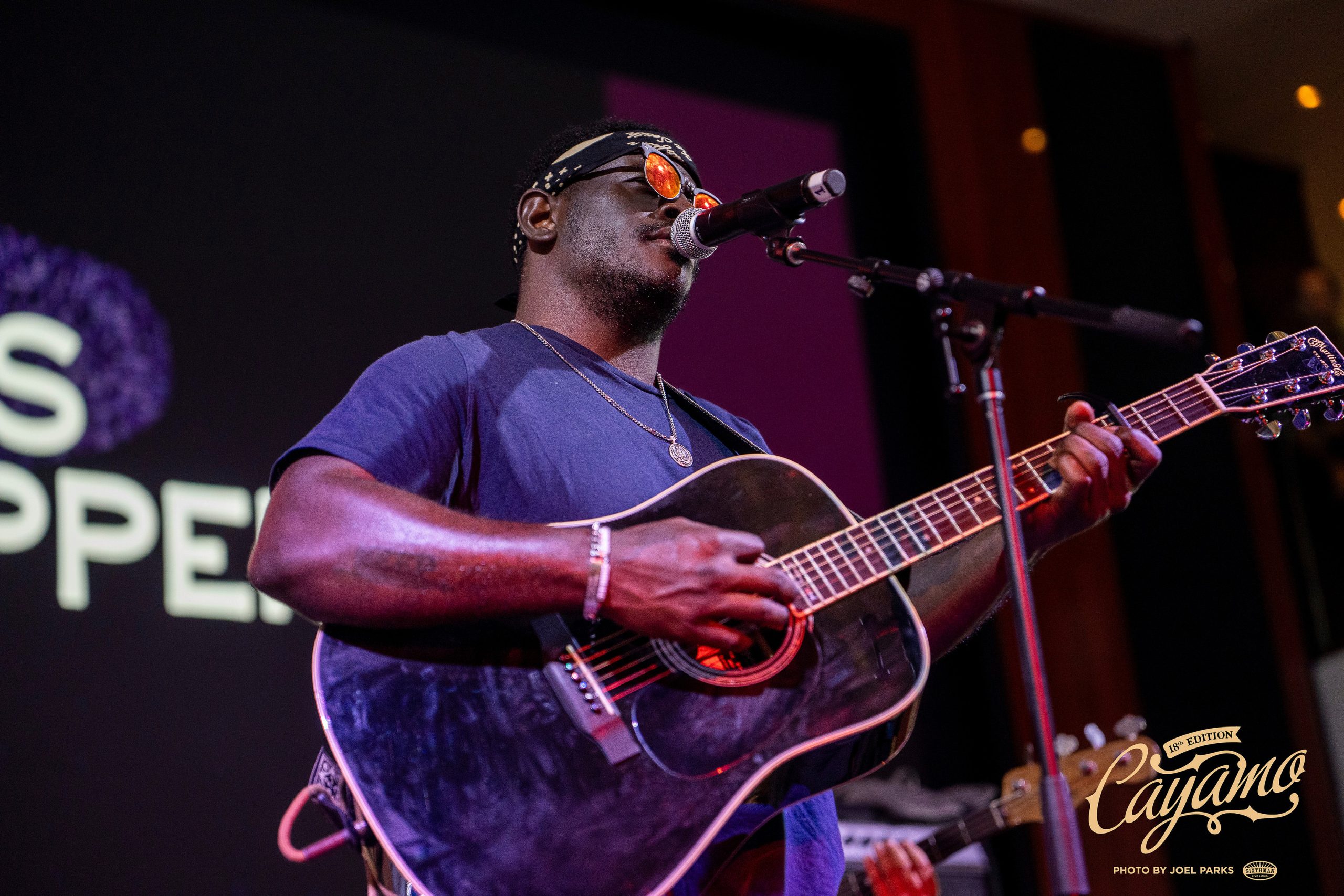
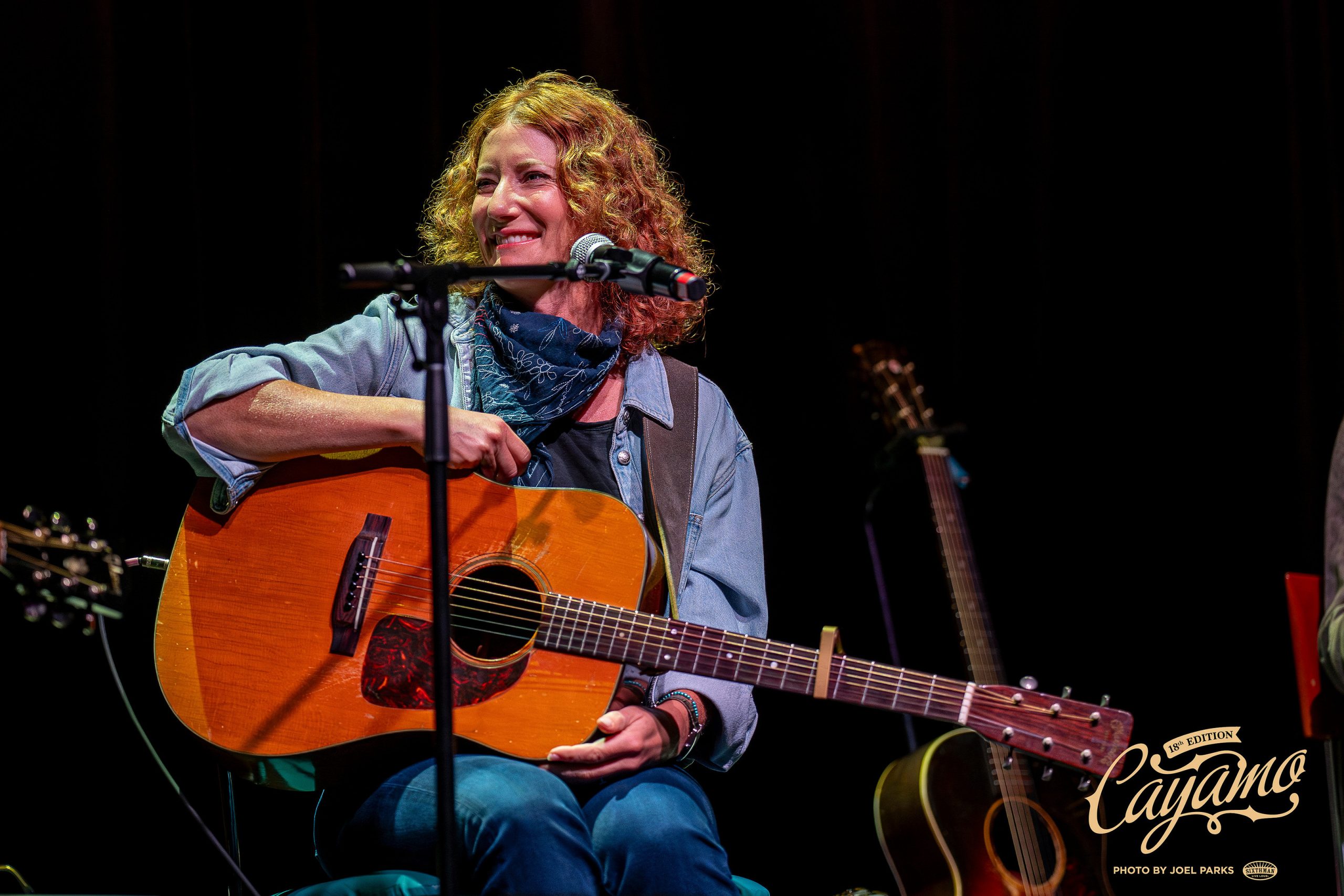
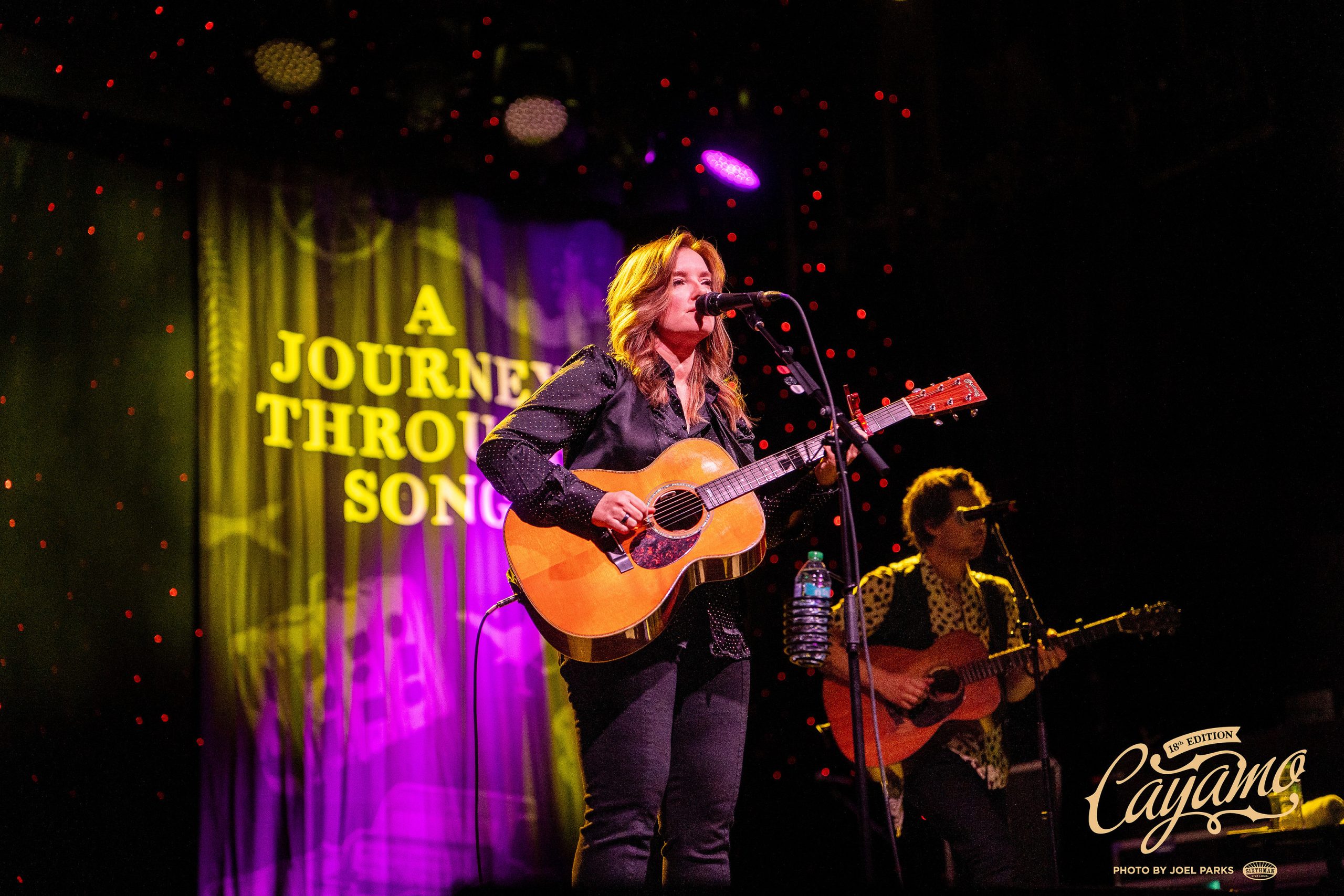
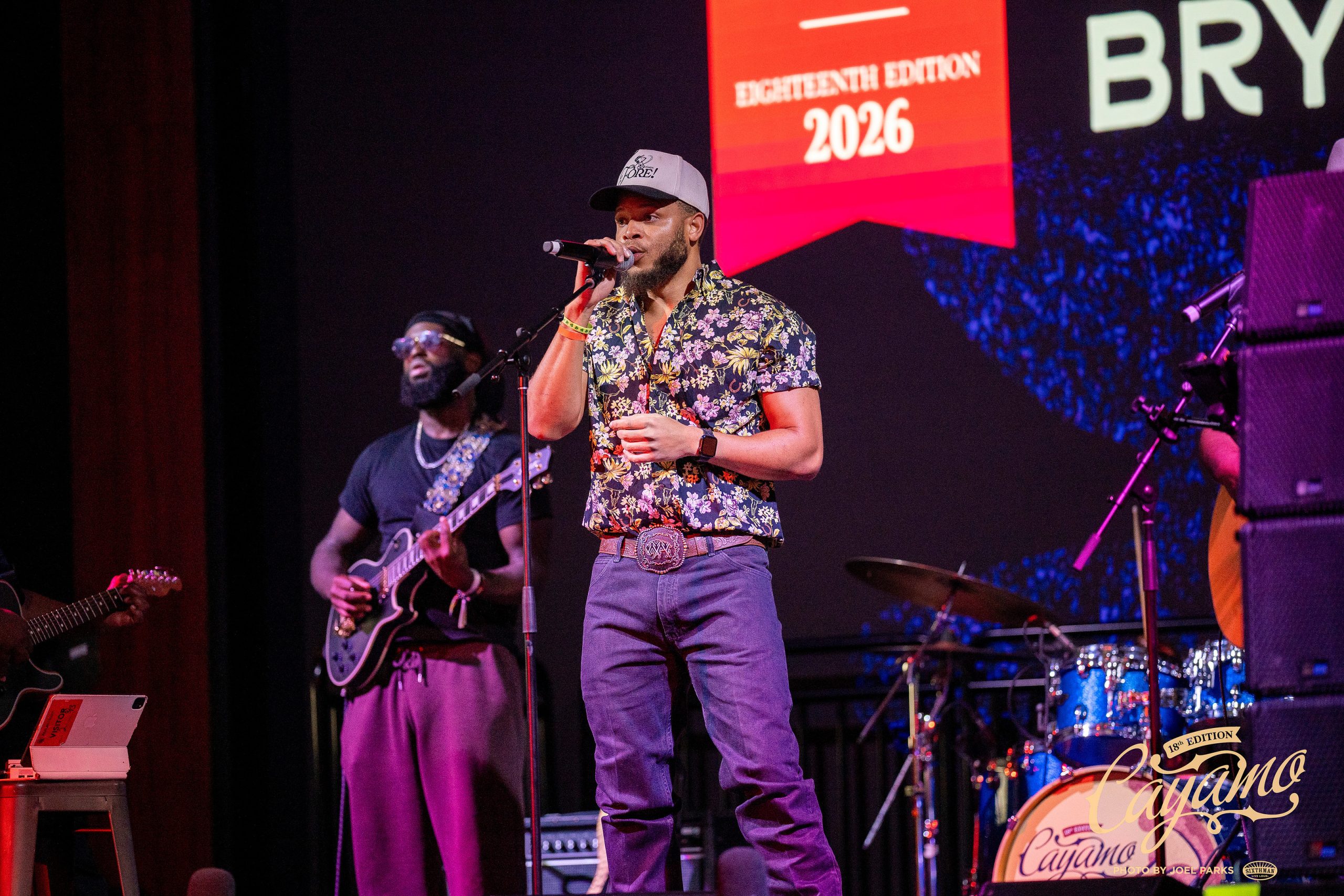
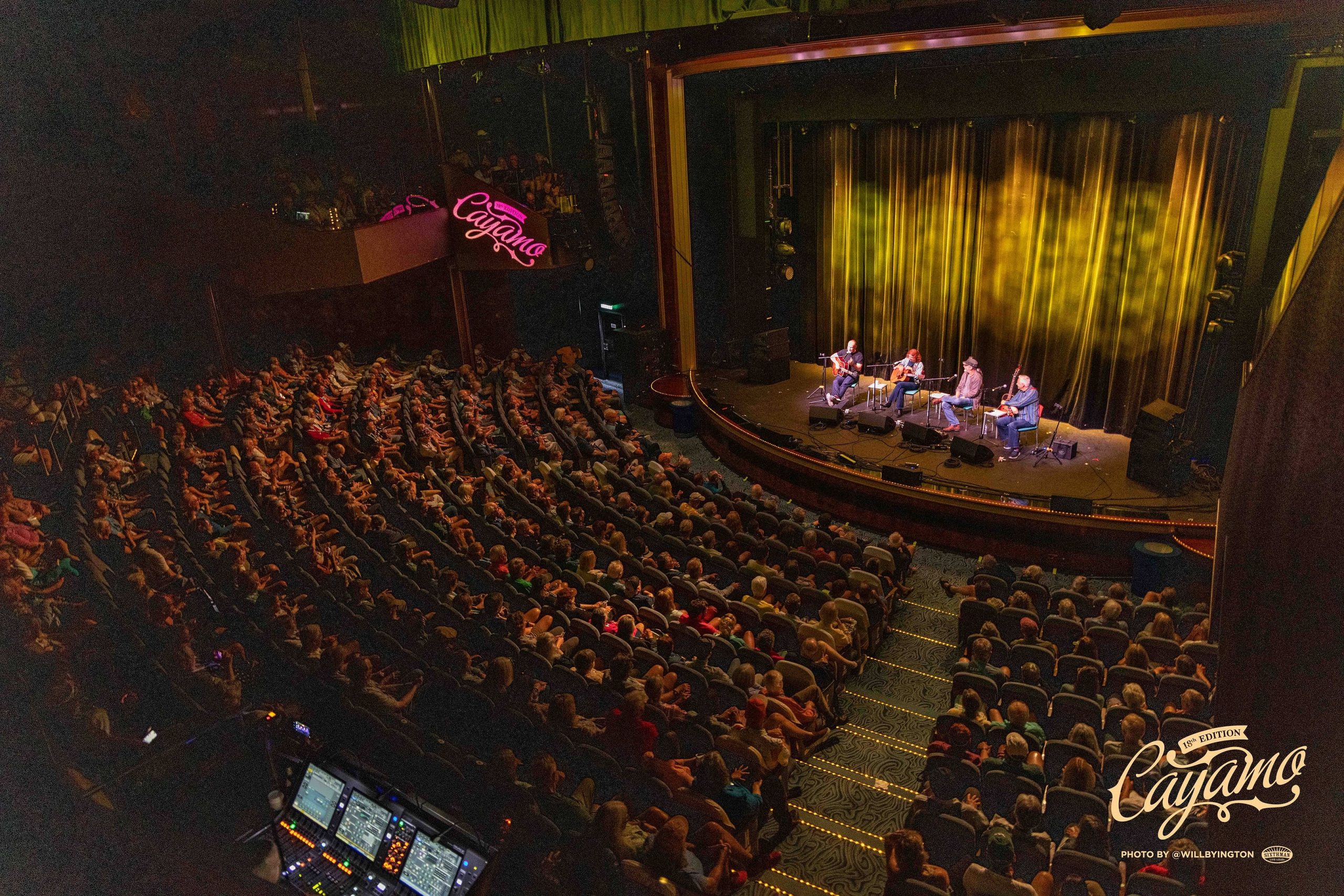
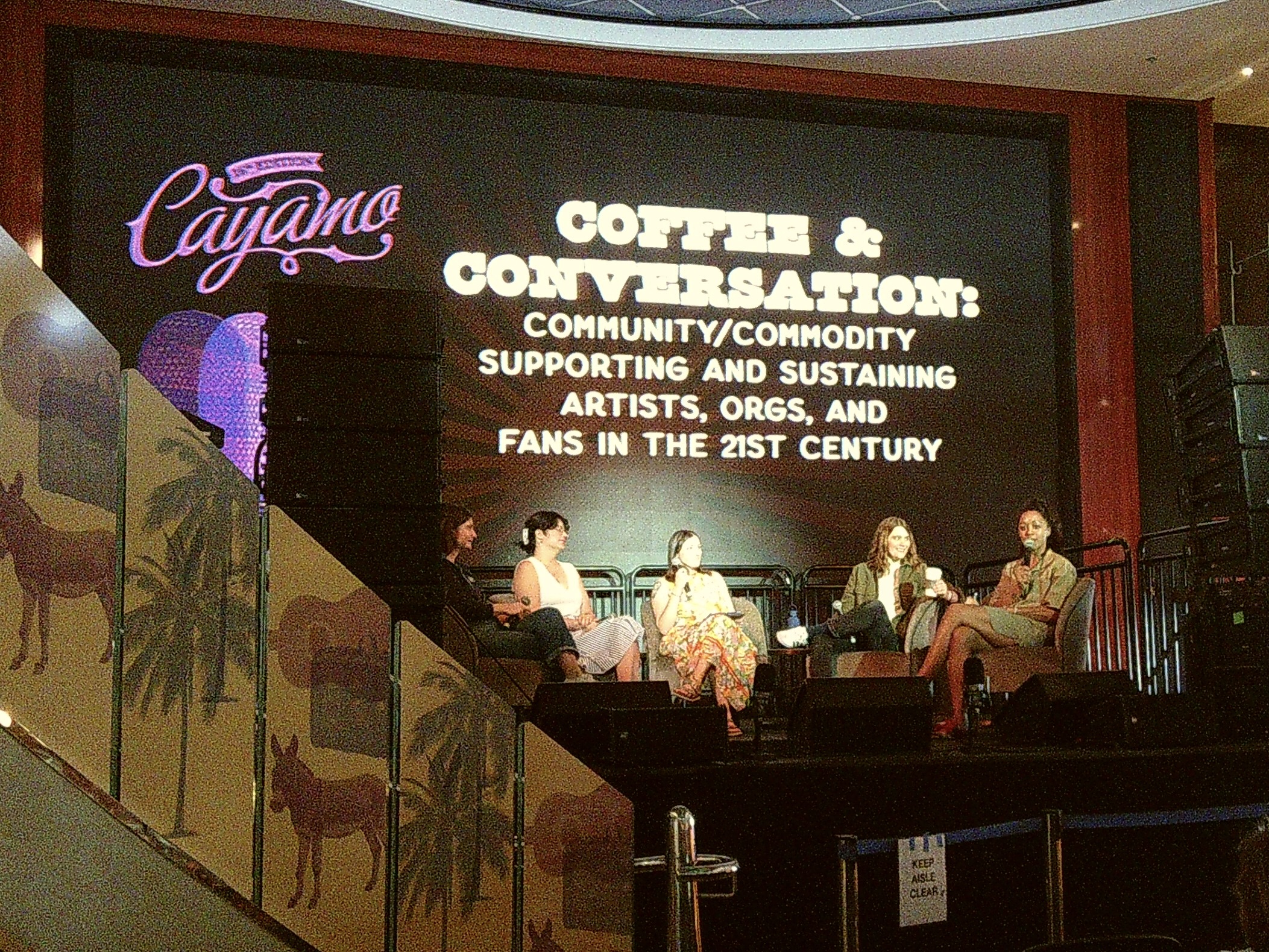
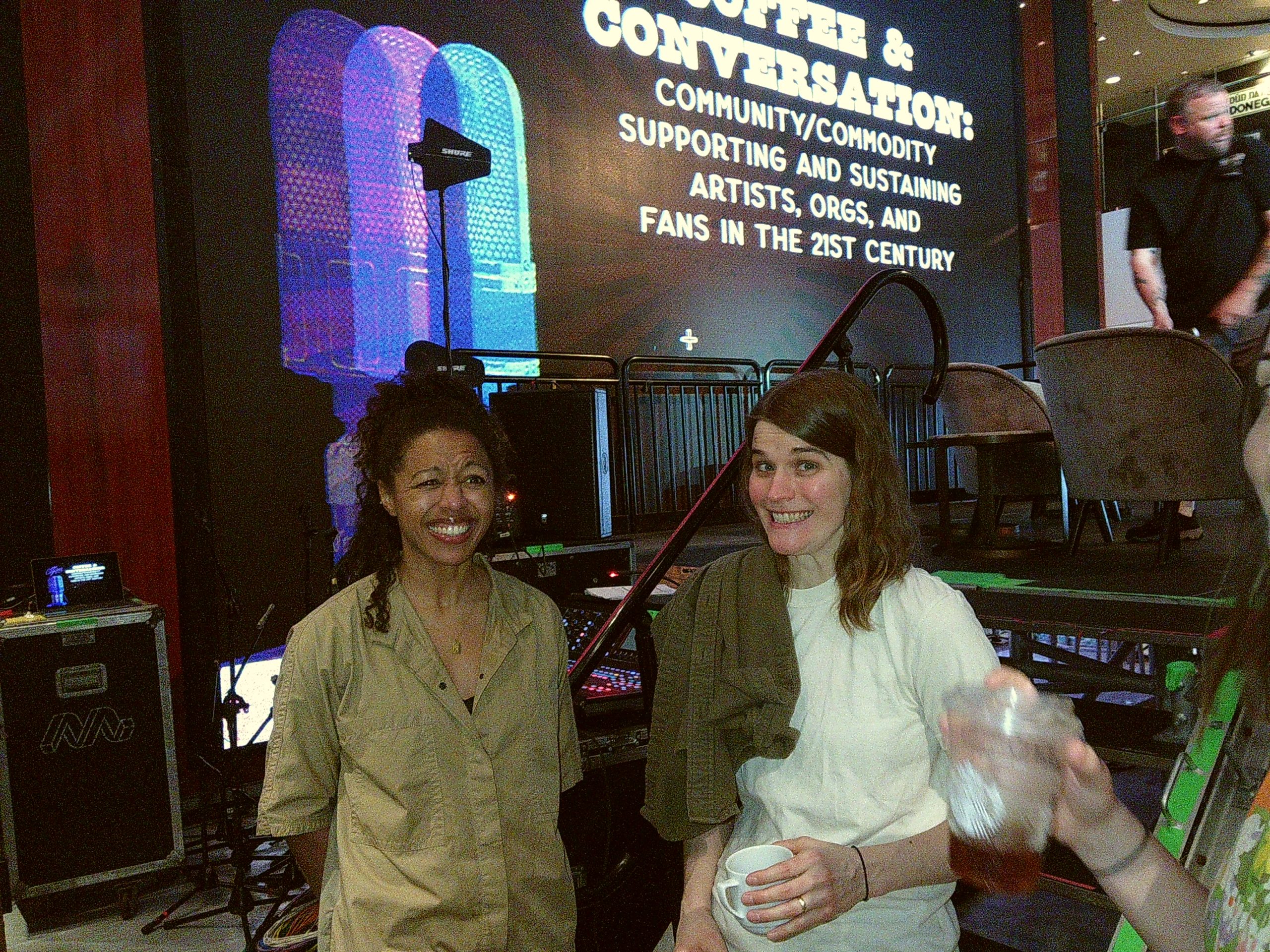
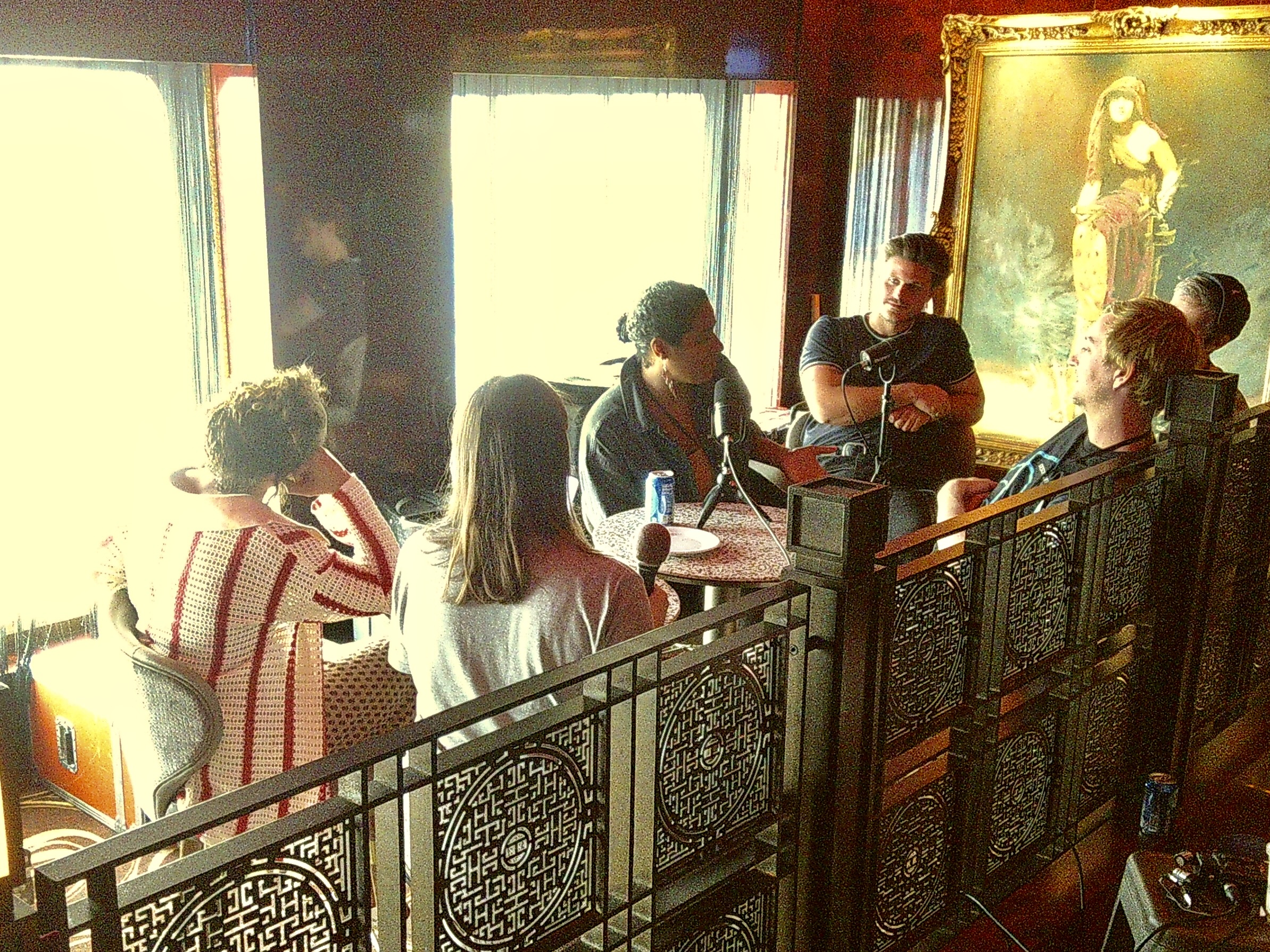
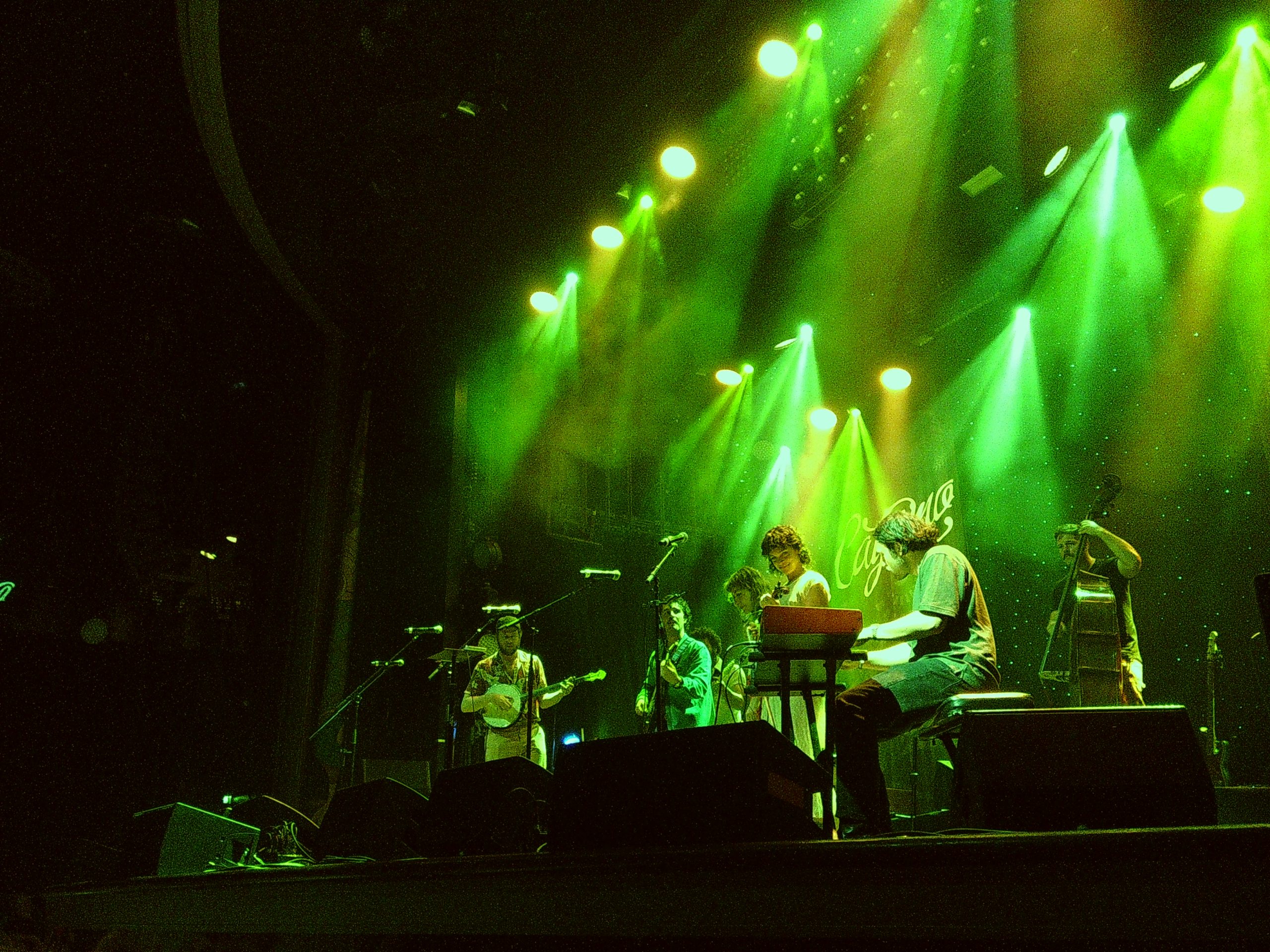
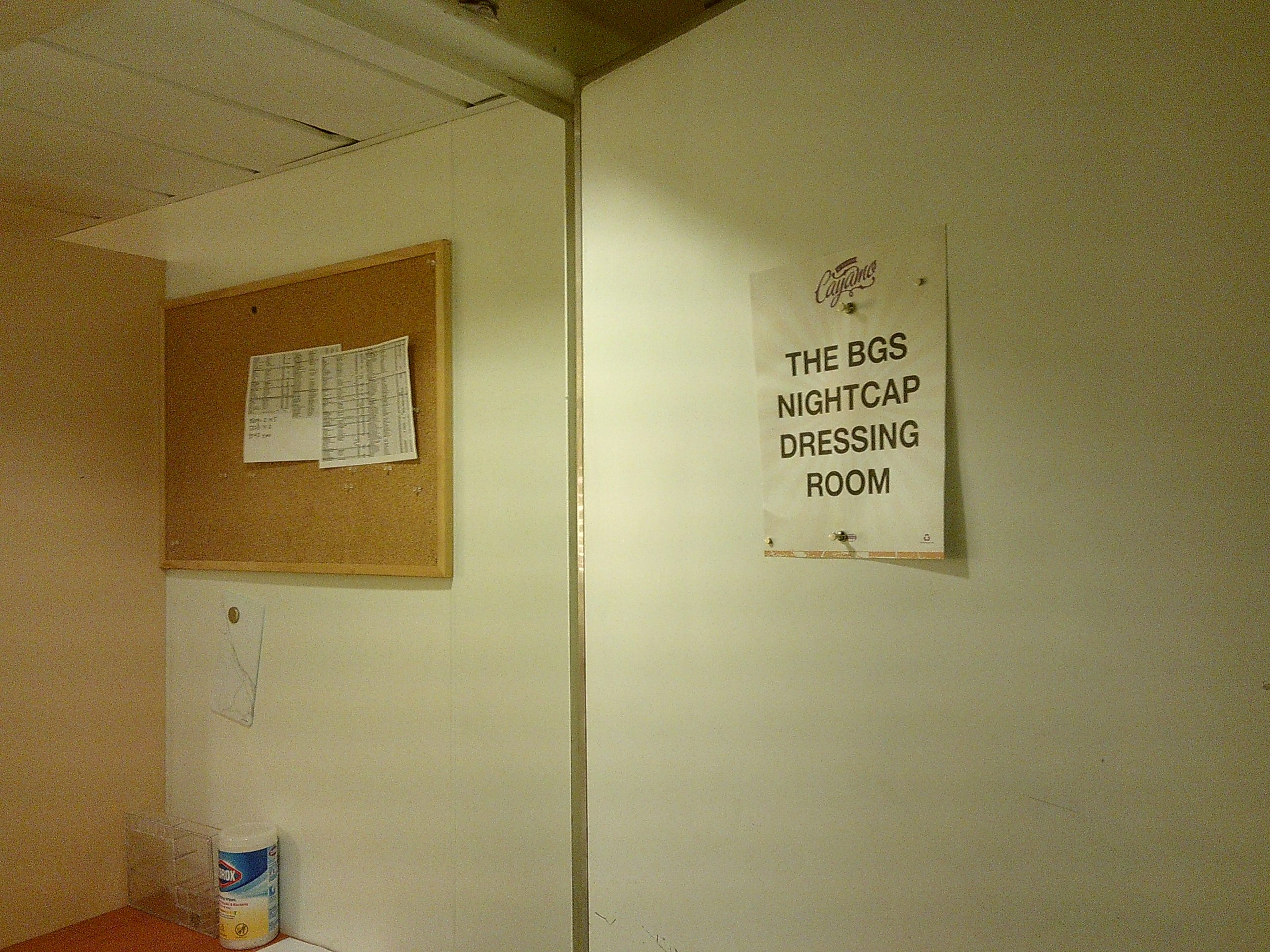
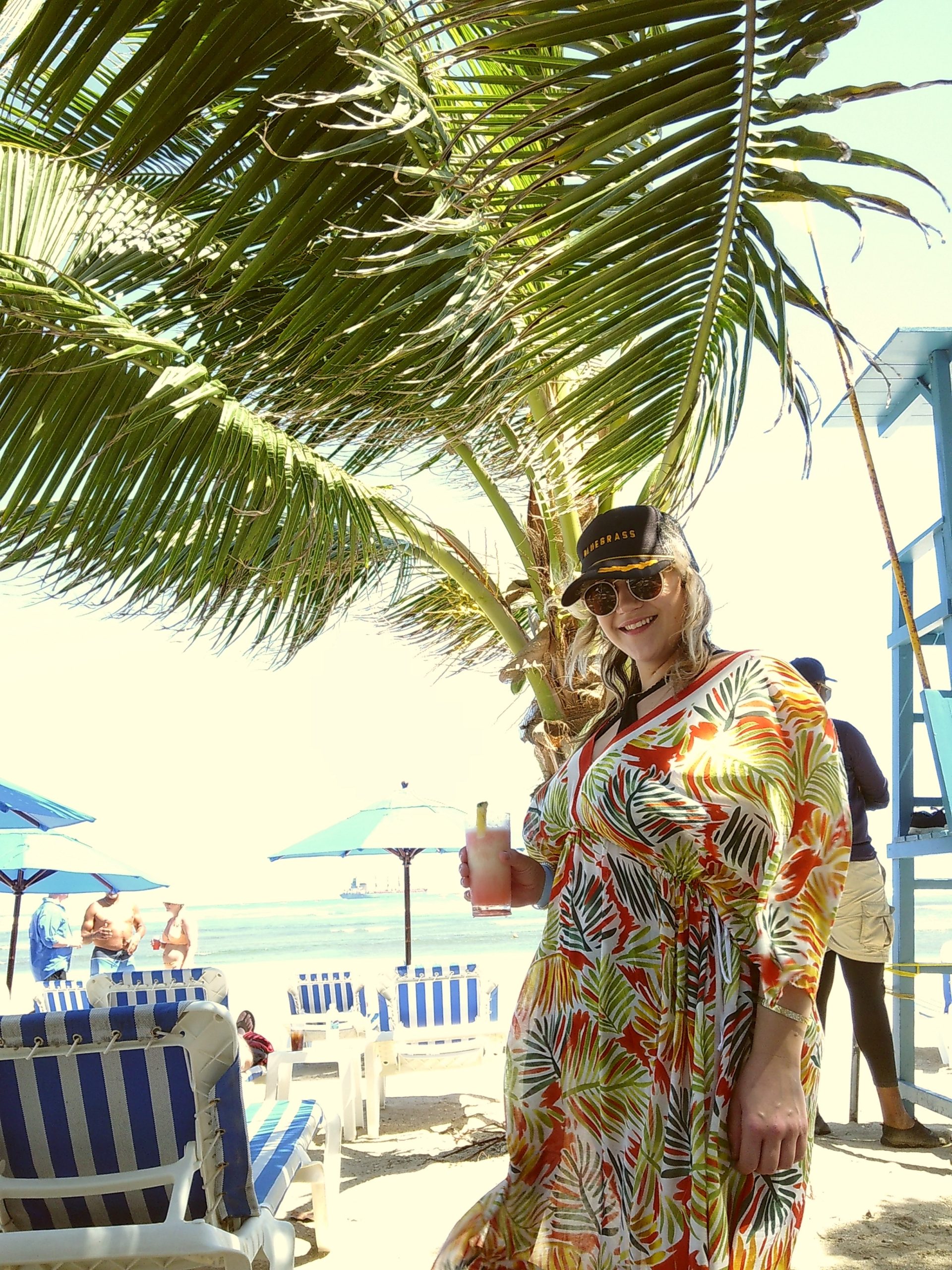
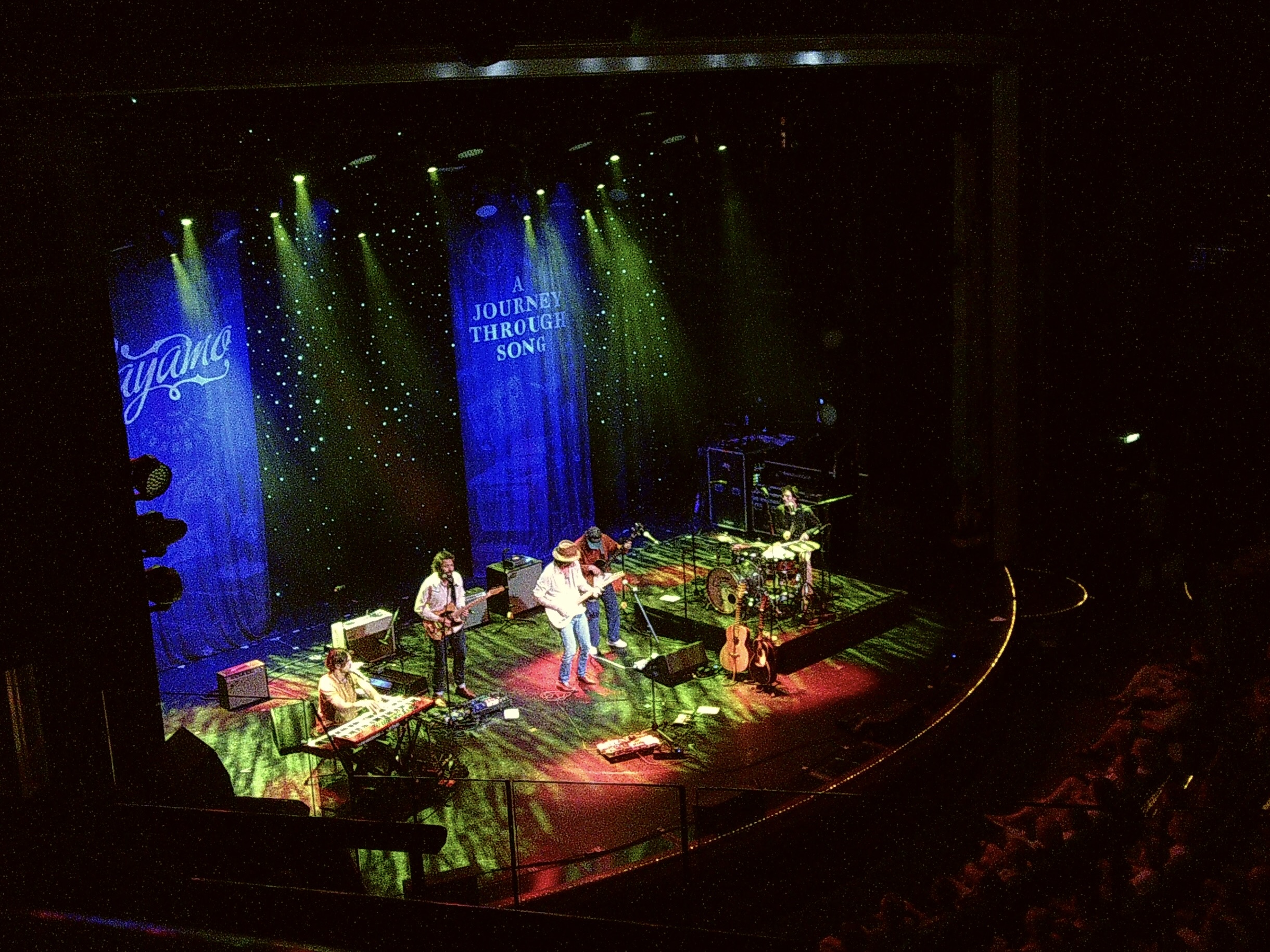
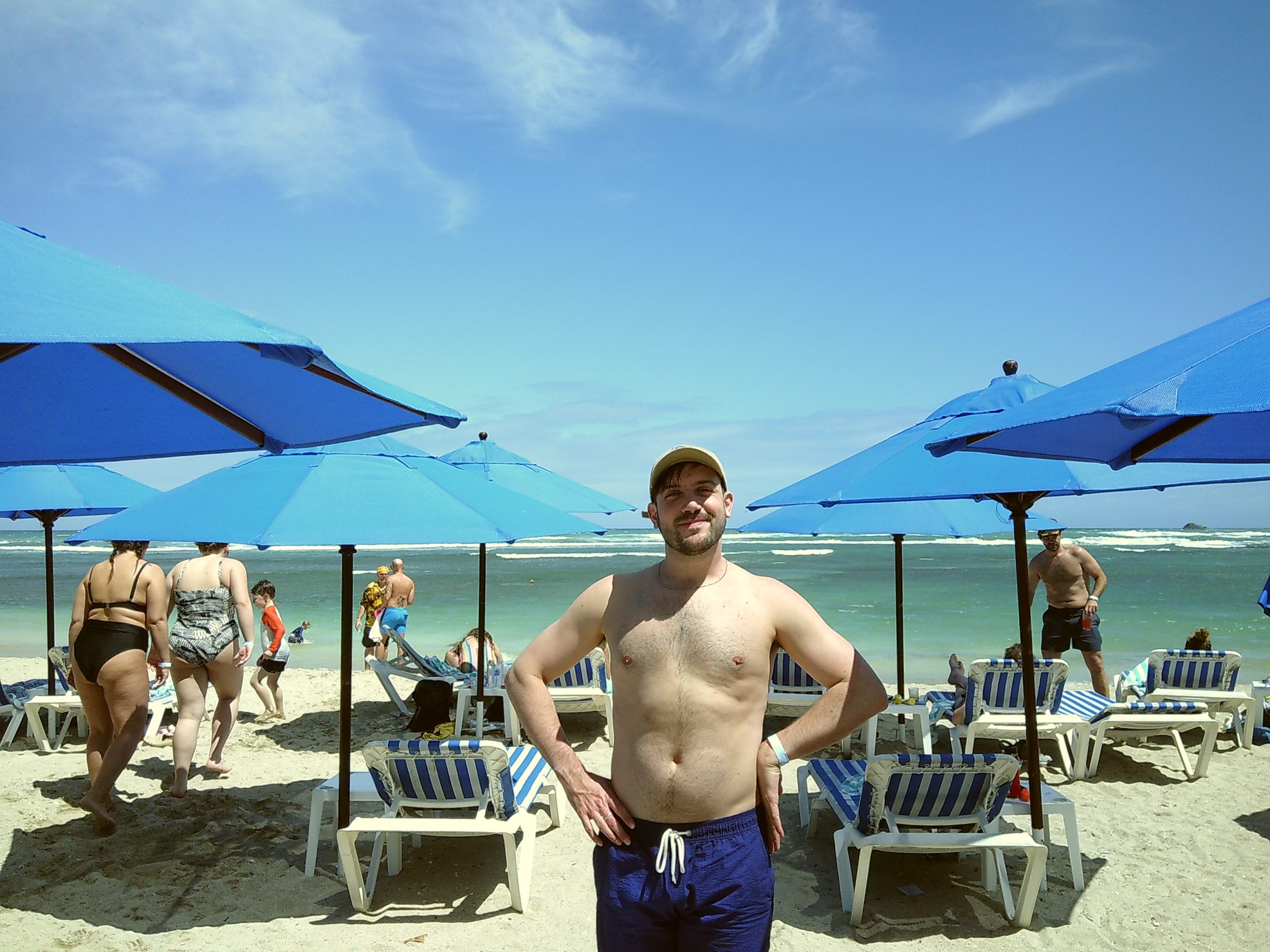
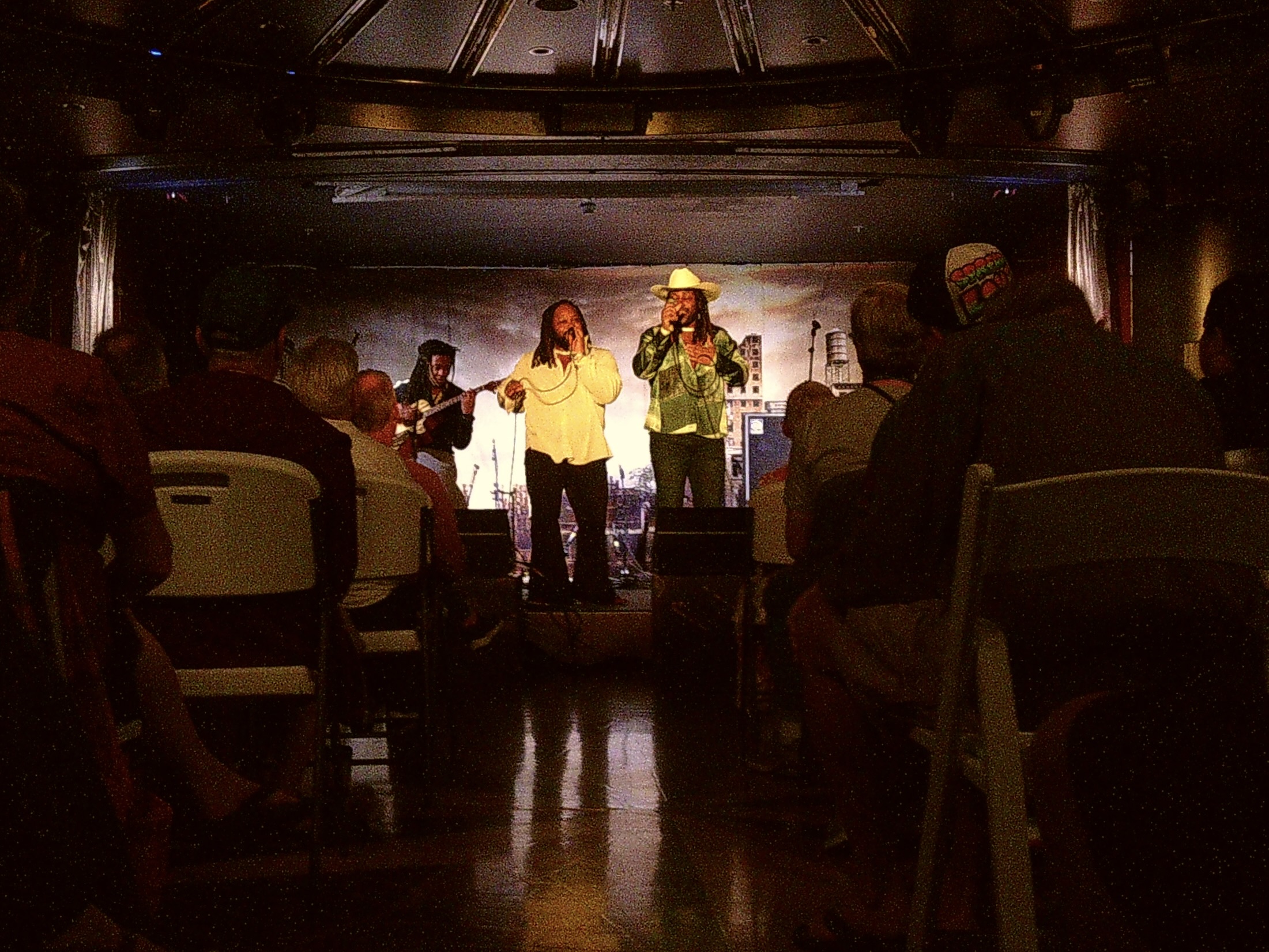
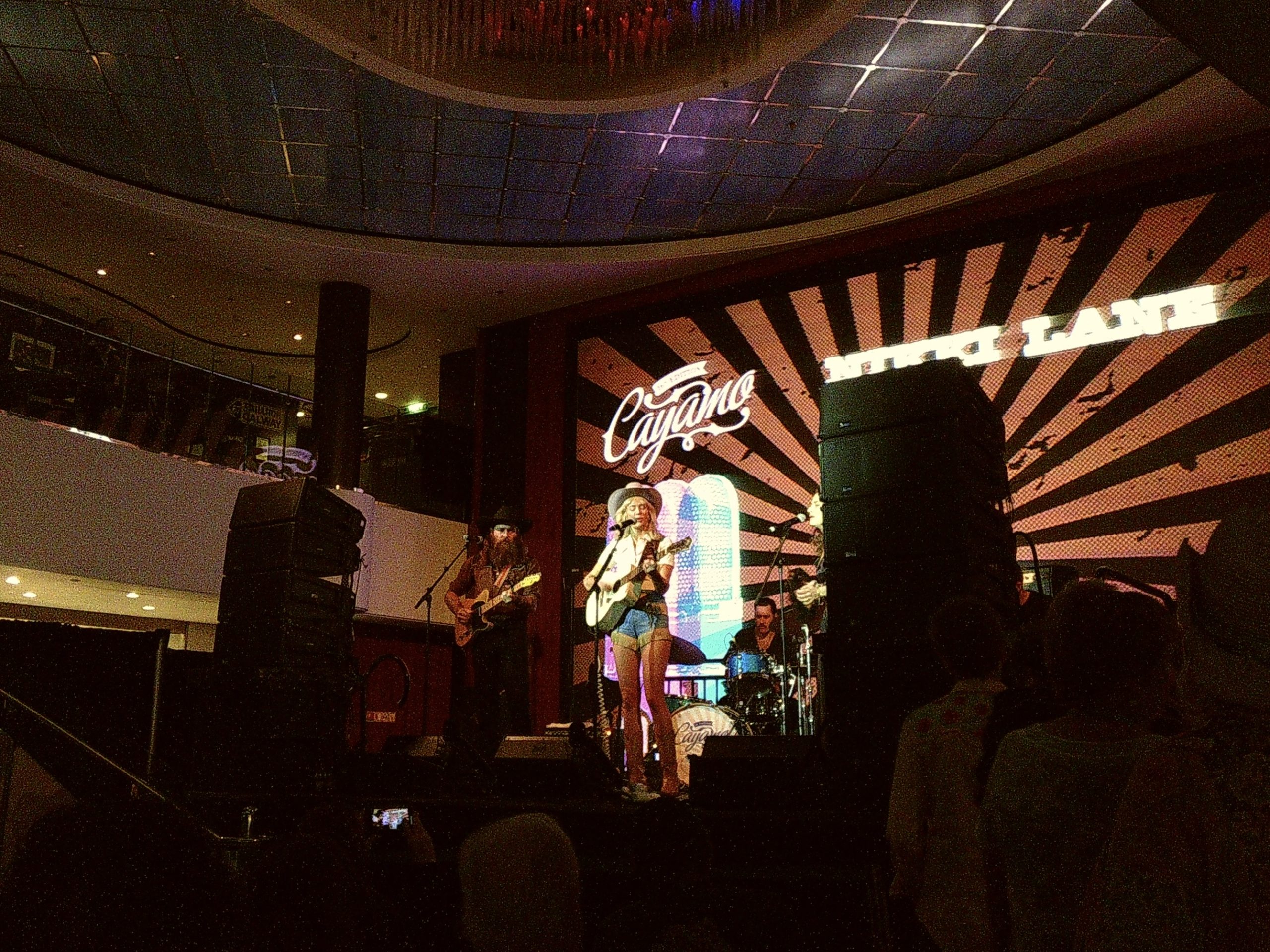
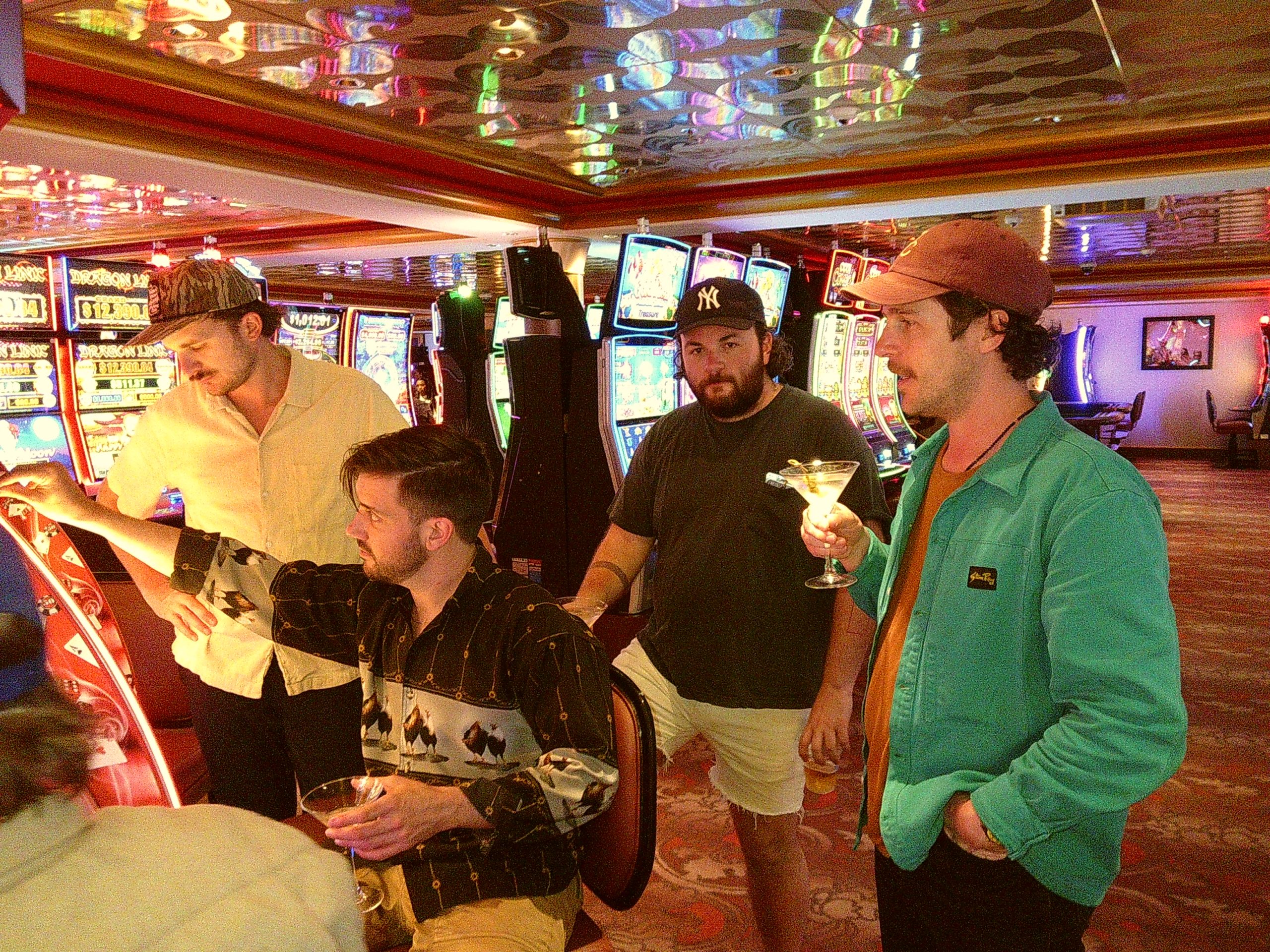
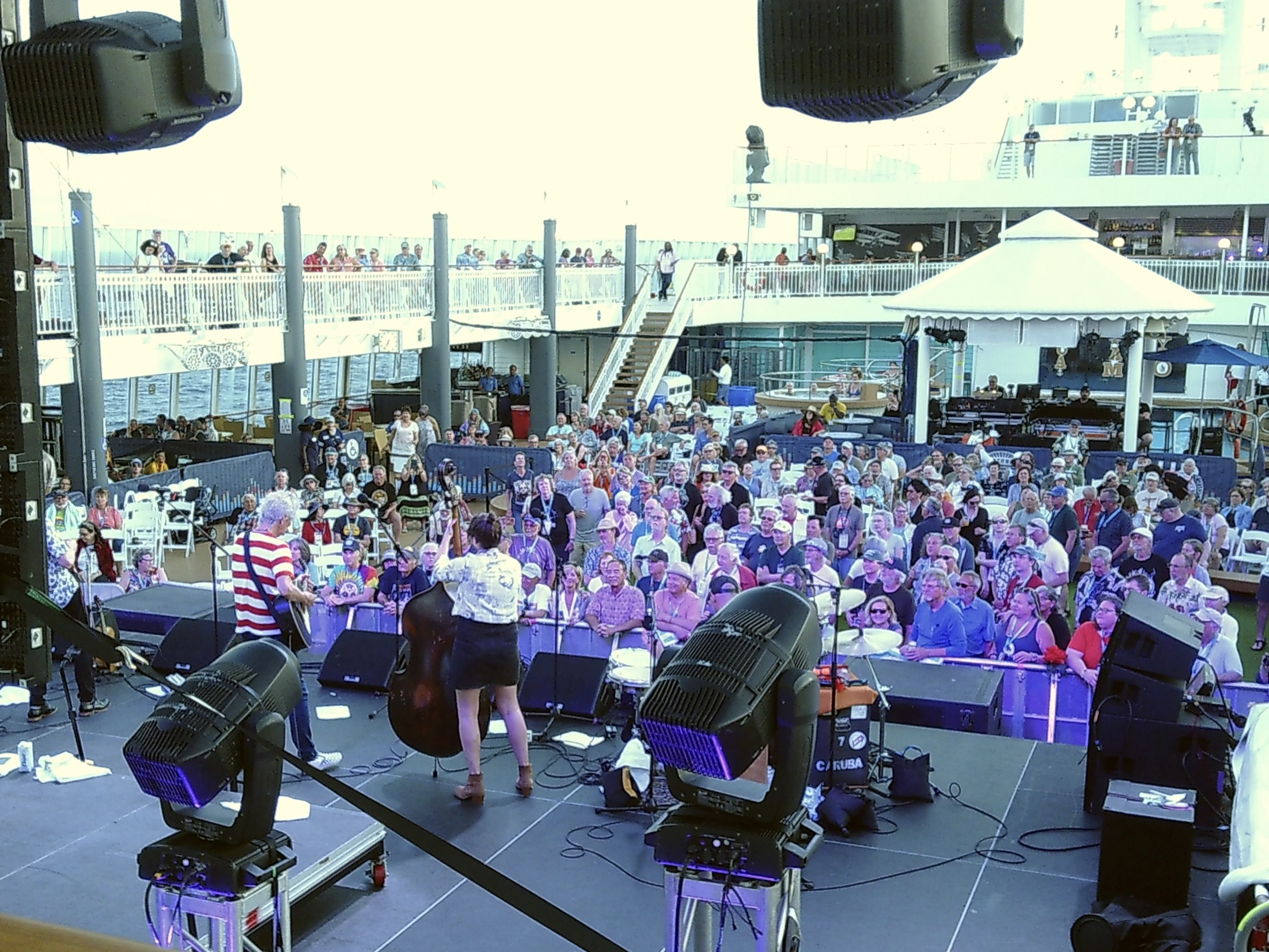
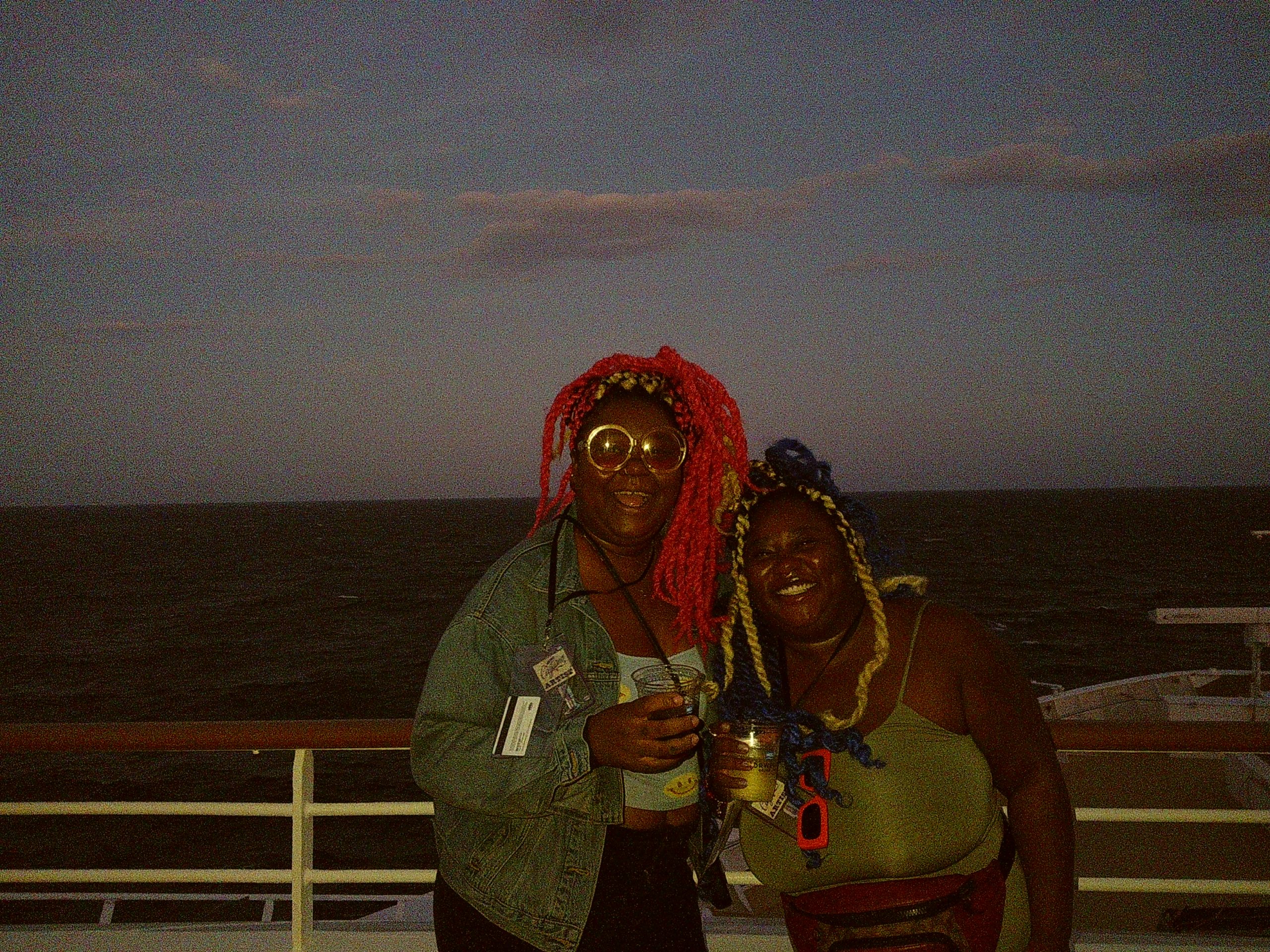
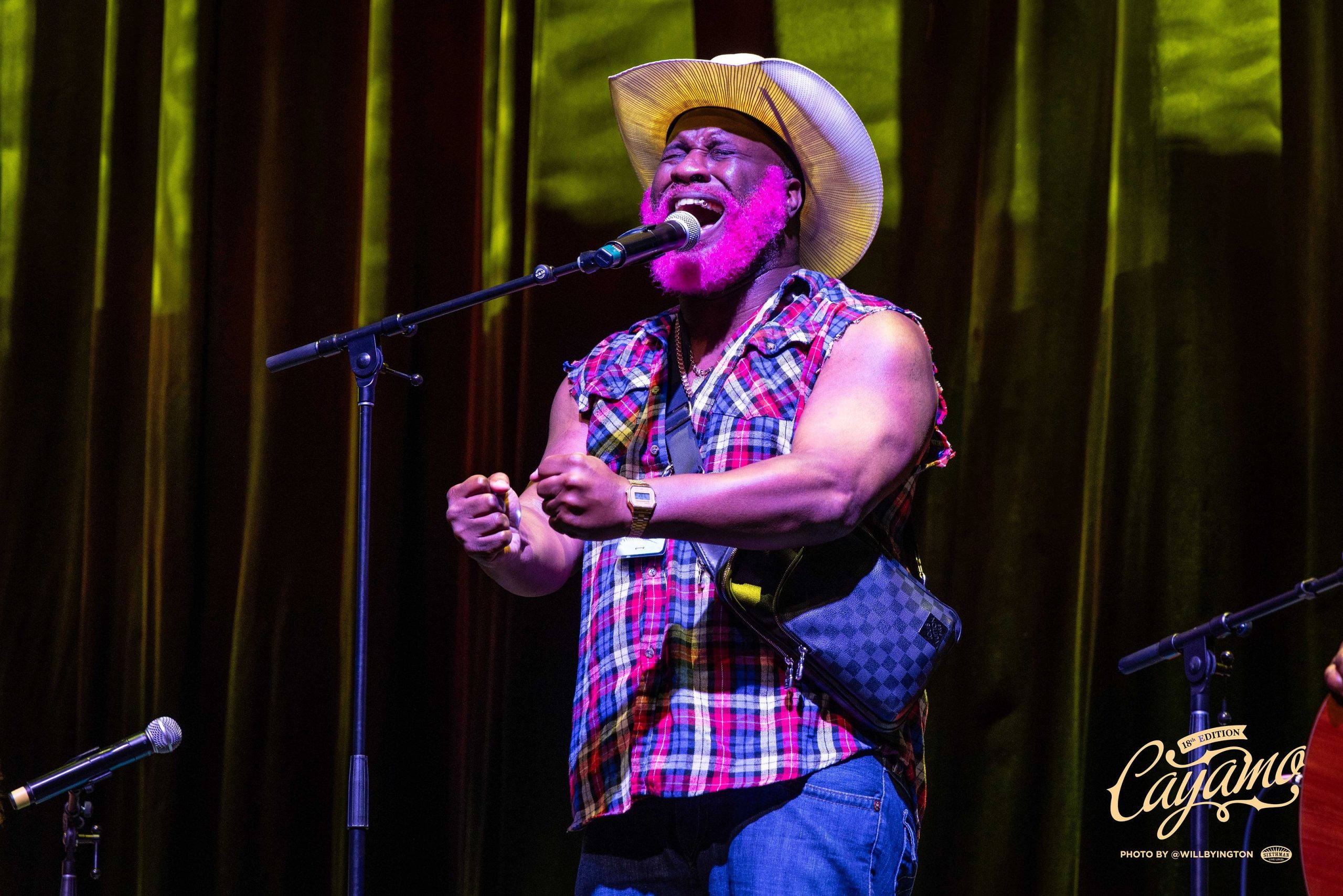
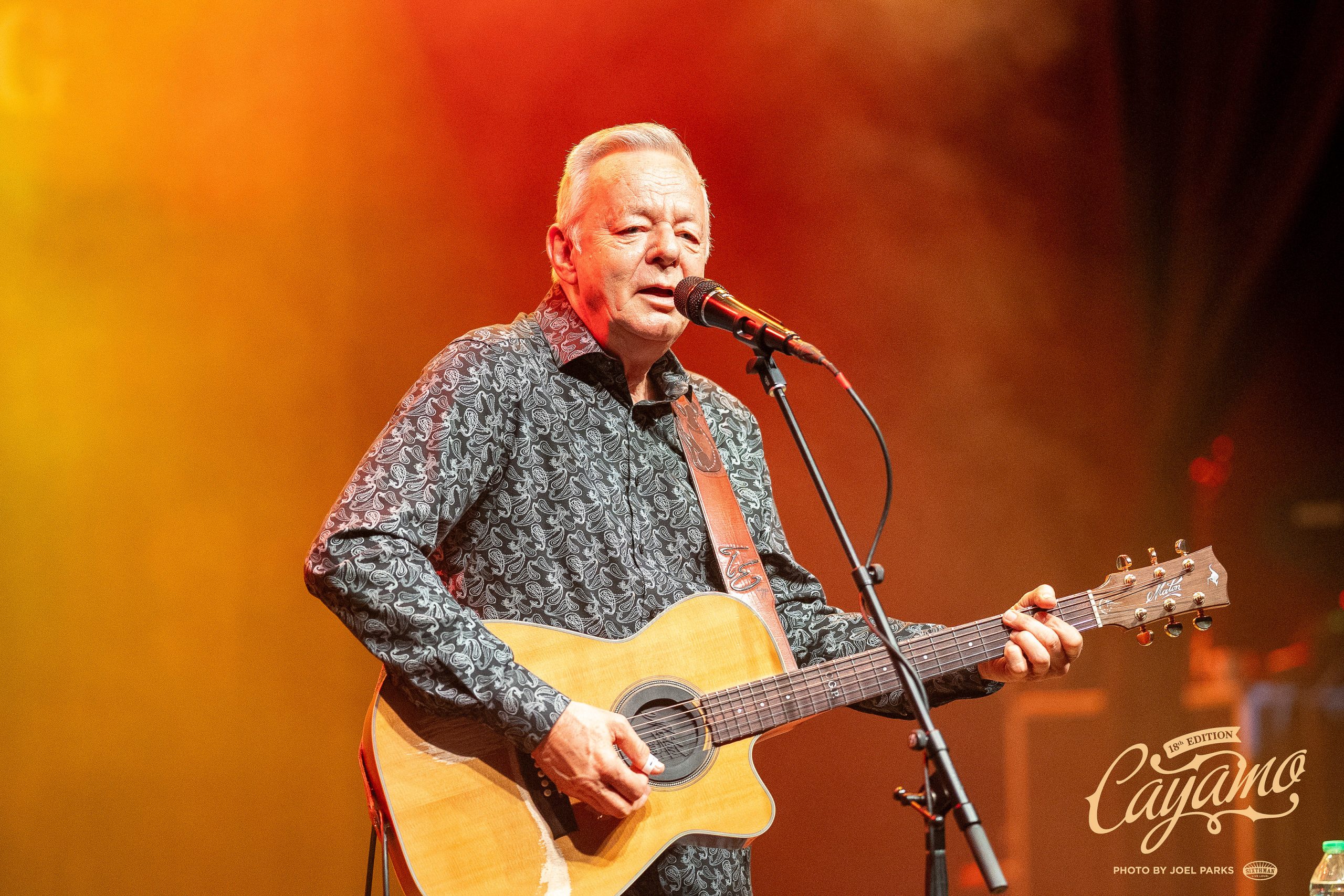
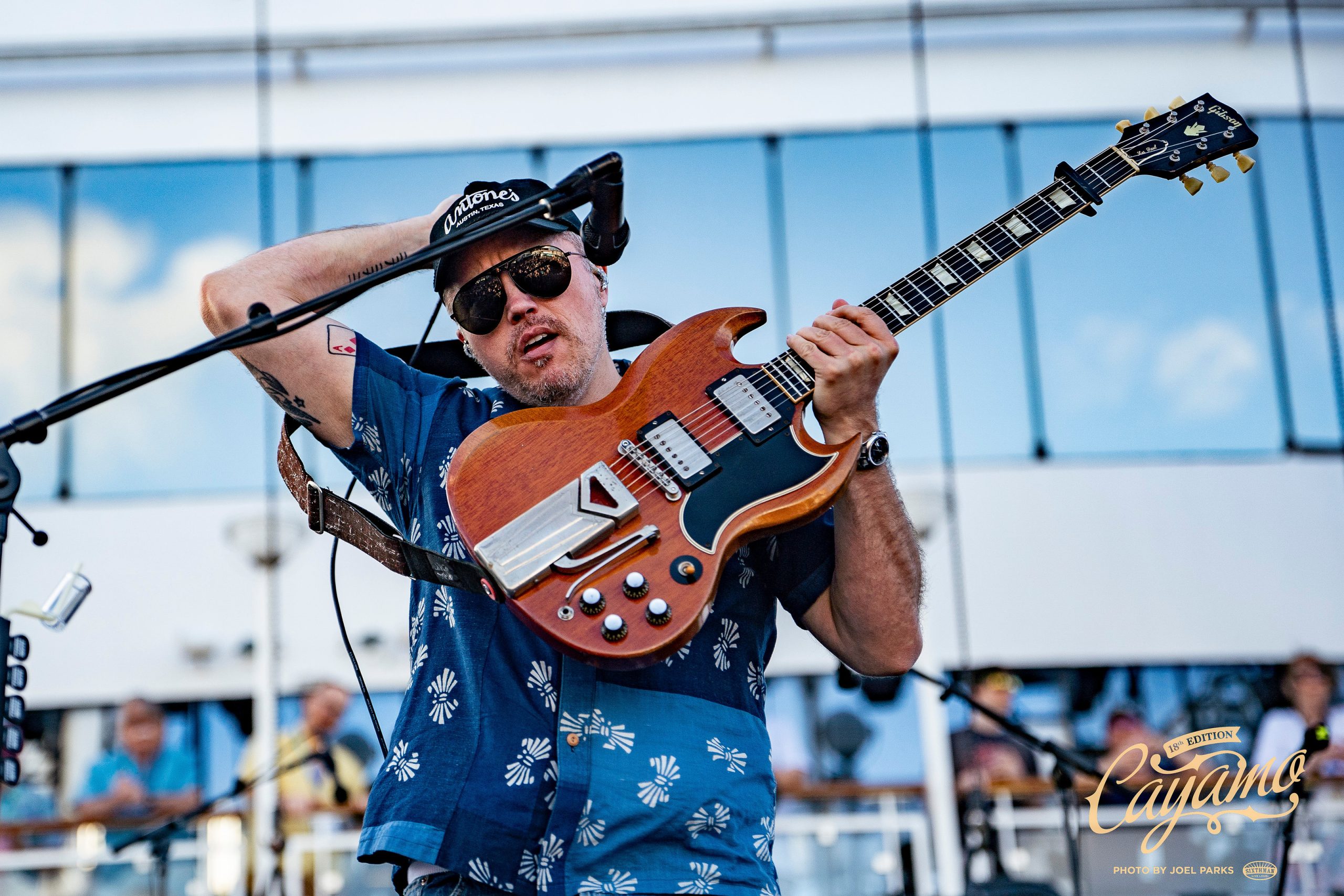
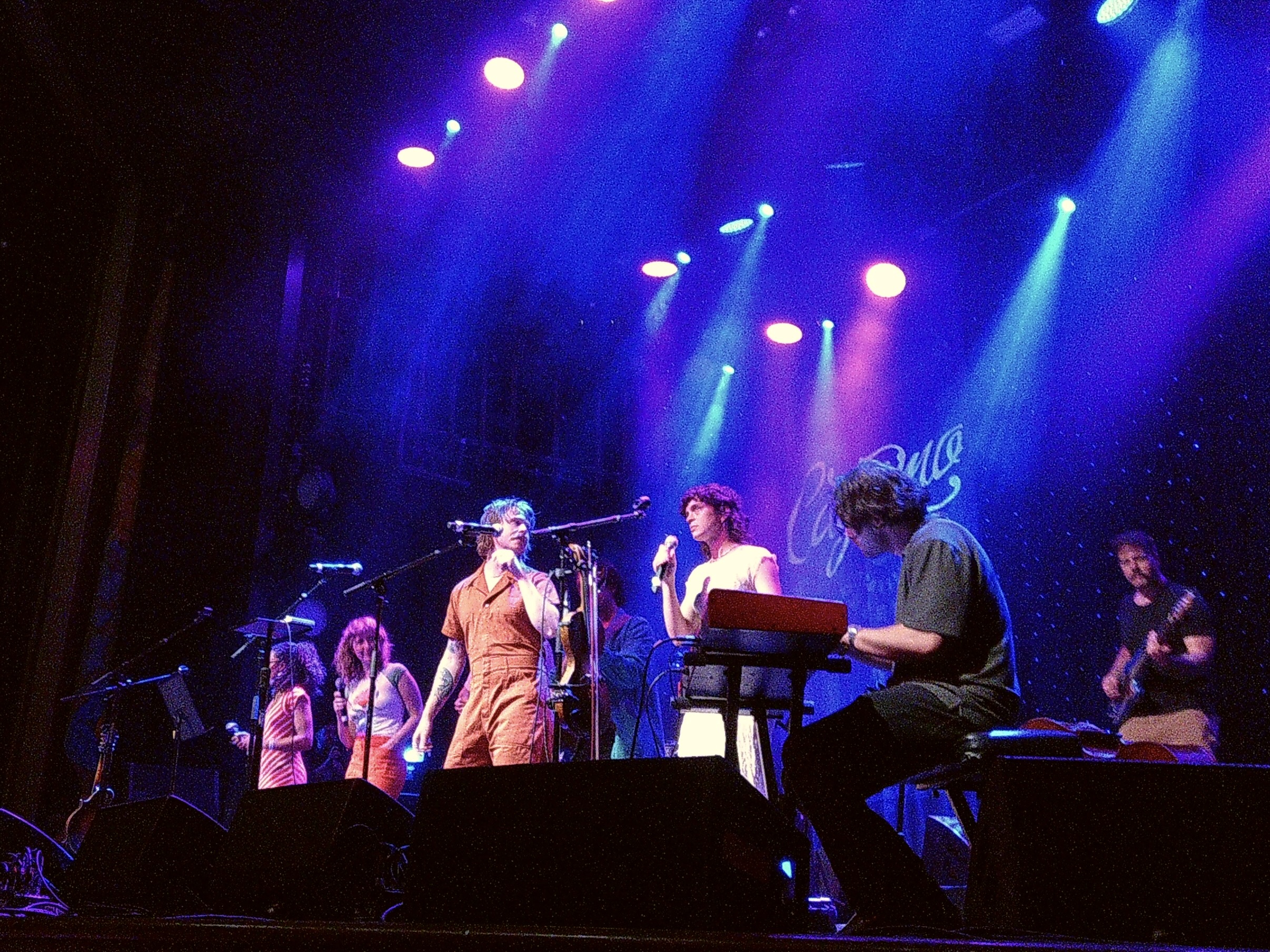
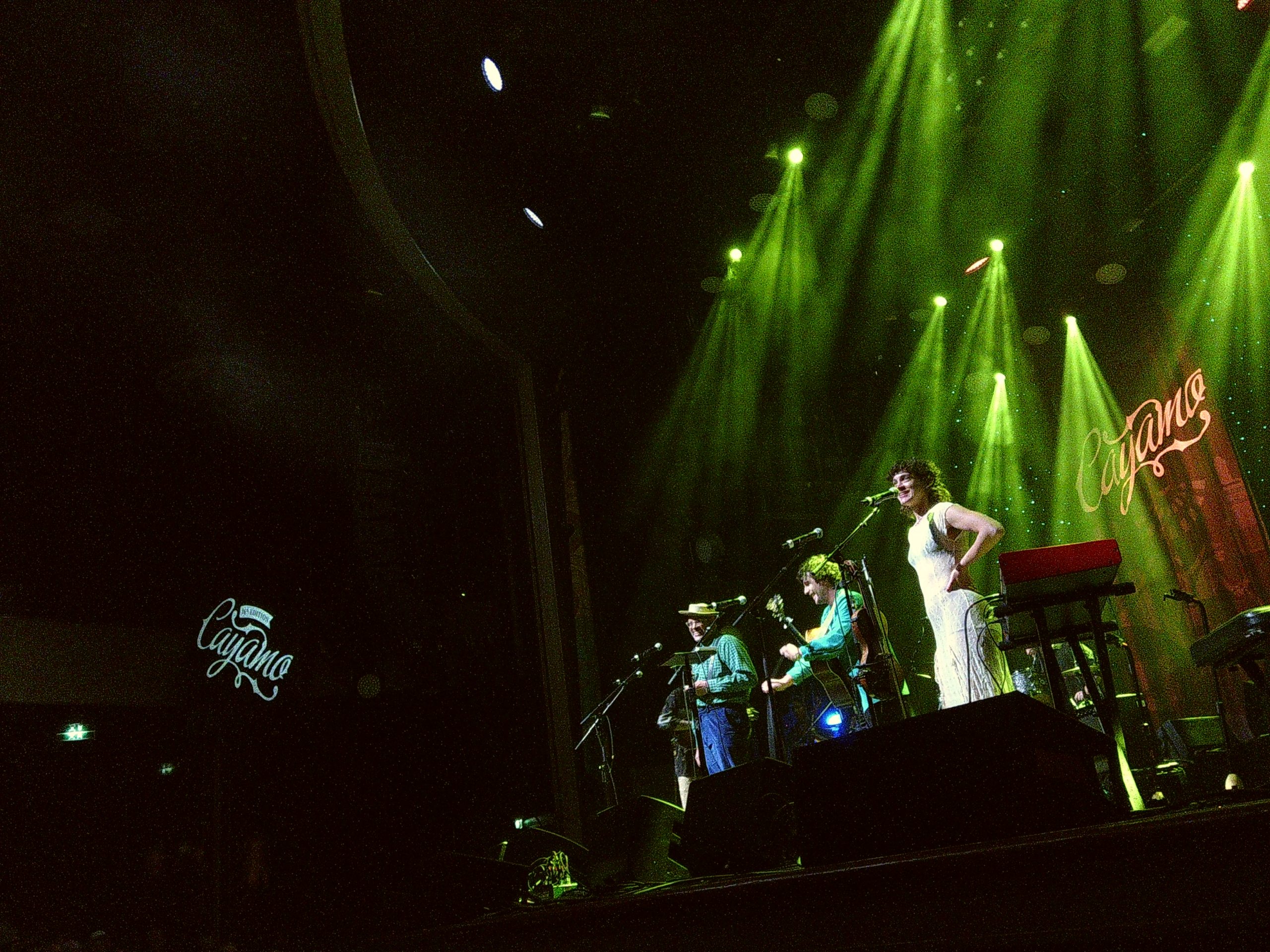
Last month, the BGS team once again embarked on Cayamo: A Journey Through Song, the 18th edition of the beloved week-long floating roots music festival that crisscrossed the Caribbean aboard the Norwegian Pearl. With performances by Jason Isbell & the 400 Unit, Dawes, Watchhouse, Patty Griffin, and many, many more, plus port visits in San Juan, Puerto Rico and Cayo Levantado, Dominican Republic, our team was more than ready to yet again partner with Cayamo and Sixthman to bring you special Basic Folk podcast live tapings on board and our fan favorite BGS Nightcap jam set, our fourth edition of the event.

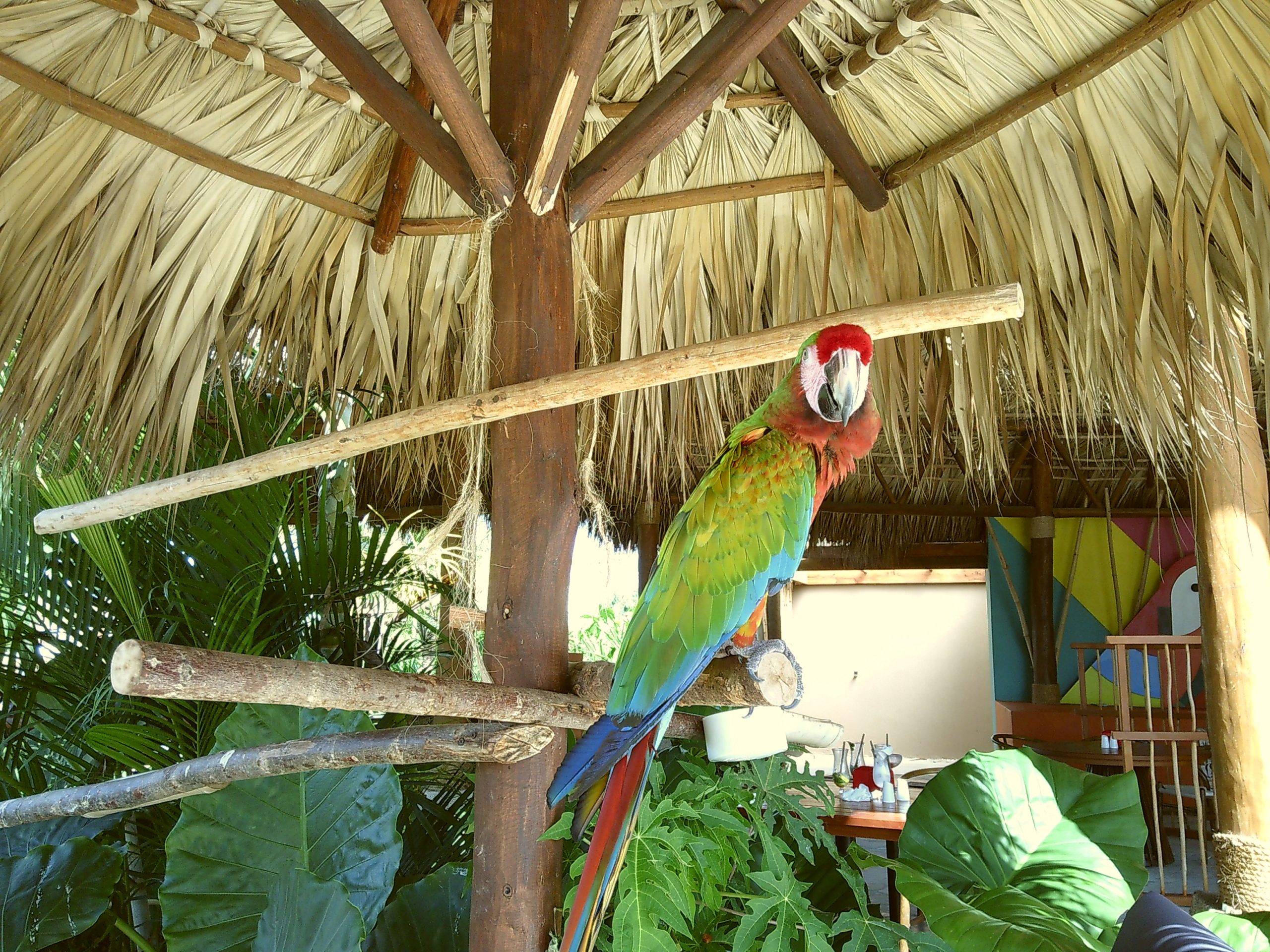
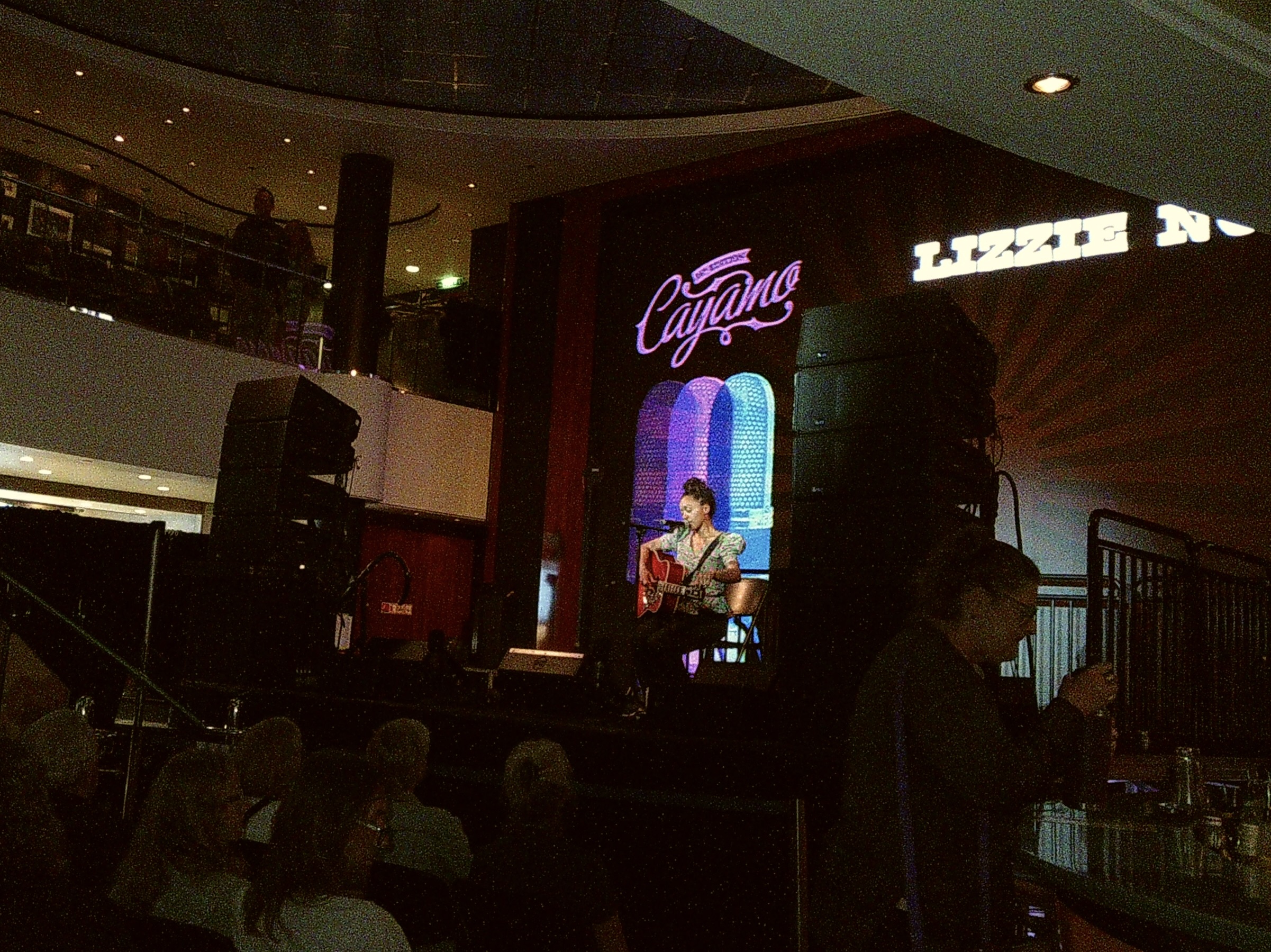
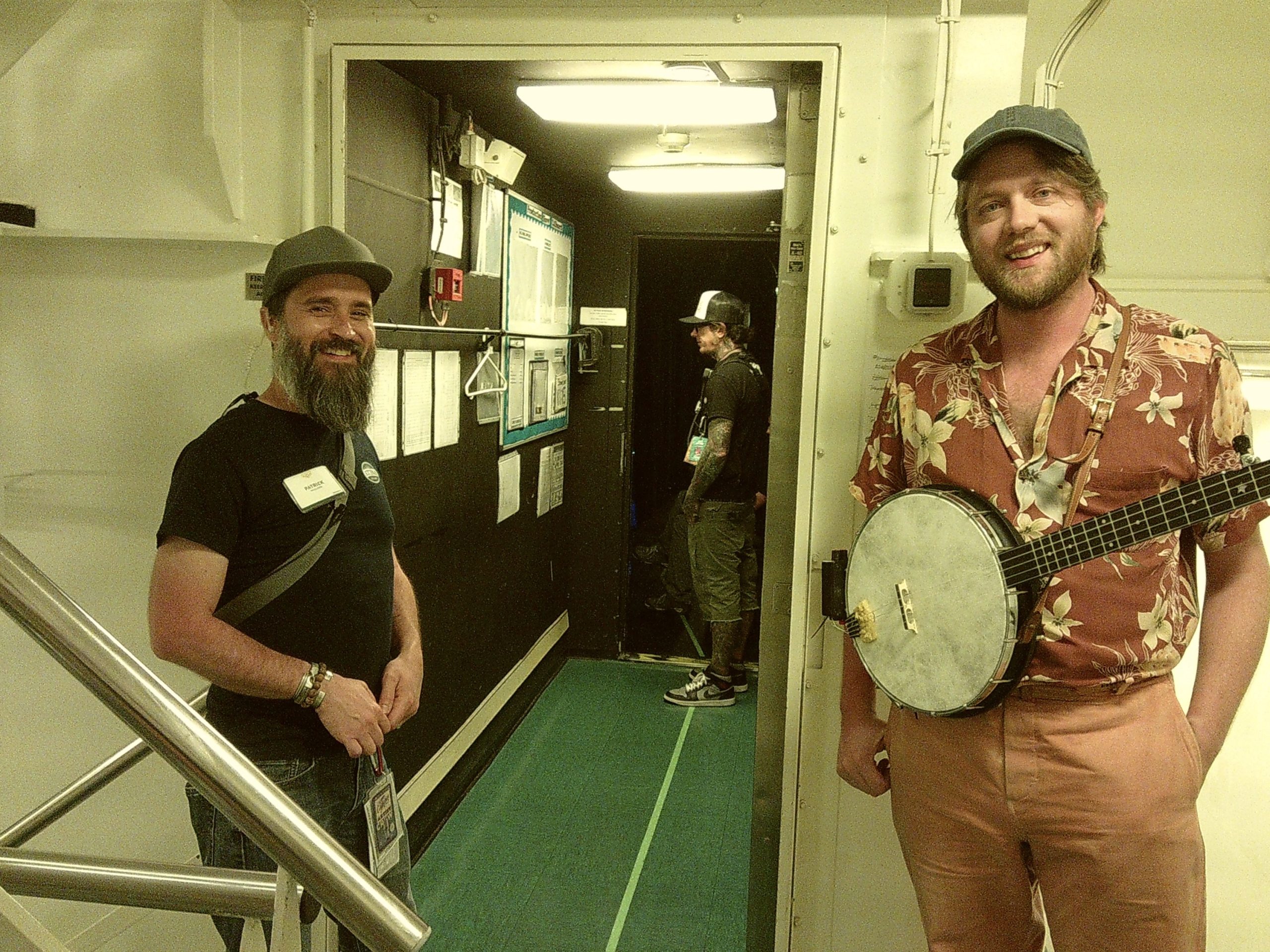
There’s no festival or live music event quite like Cayamo, where ardent roots music fans and the best and most buzzed-about artists and bands come together on a floating sanctuary to enjoy music, art, community, and togetherness – and a break from the wintry weather, too. Below, enjoy a couple of clips captured on board and a series of photos from Cayamo 2026 that clearly demonstrate the joy and fun of this one-of-a-kind event.

Great news, too! The 2027 lineup for Cayamo: A Journey Through Song has already been announced (see above). Tickets go on sale on April 16th at 2pm EDT, but you still have time to join the final presale. More info here.

Days 1 & 2


Sierra Hull and the Milk Carton Kids perform “Everybody’s Talking” at the Stardust Theater during Cayamo 2026, captured by BGS on board.


Days 3 & 4


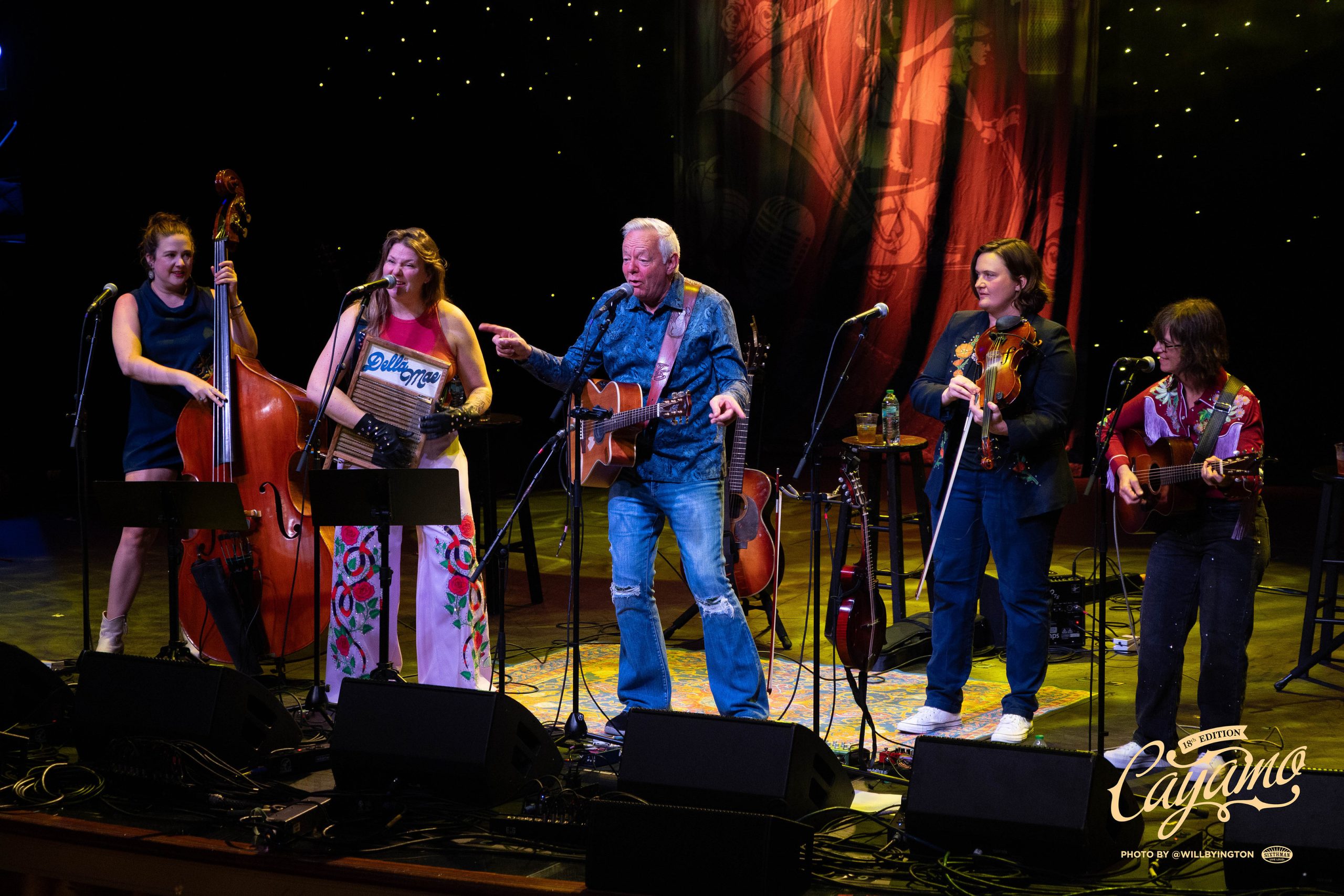
During our favorite event of the voyage – ahem, the BGS Nightcap of course – Kathleen Edwards joined Della Mae to perform “Six O’Clock News.” Thanks to Della Mae for recording and sharing this clip.


Days 5 & 6


BGS Nightcap

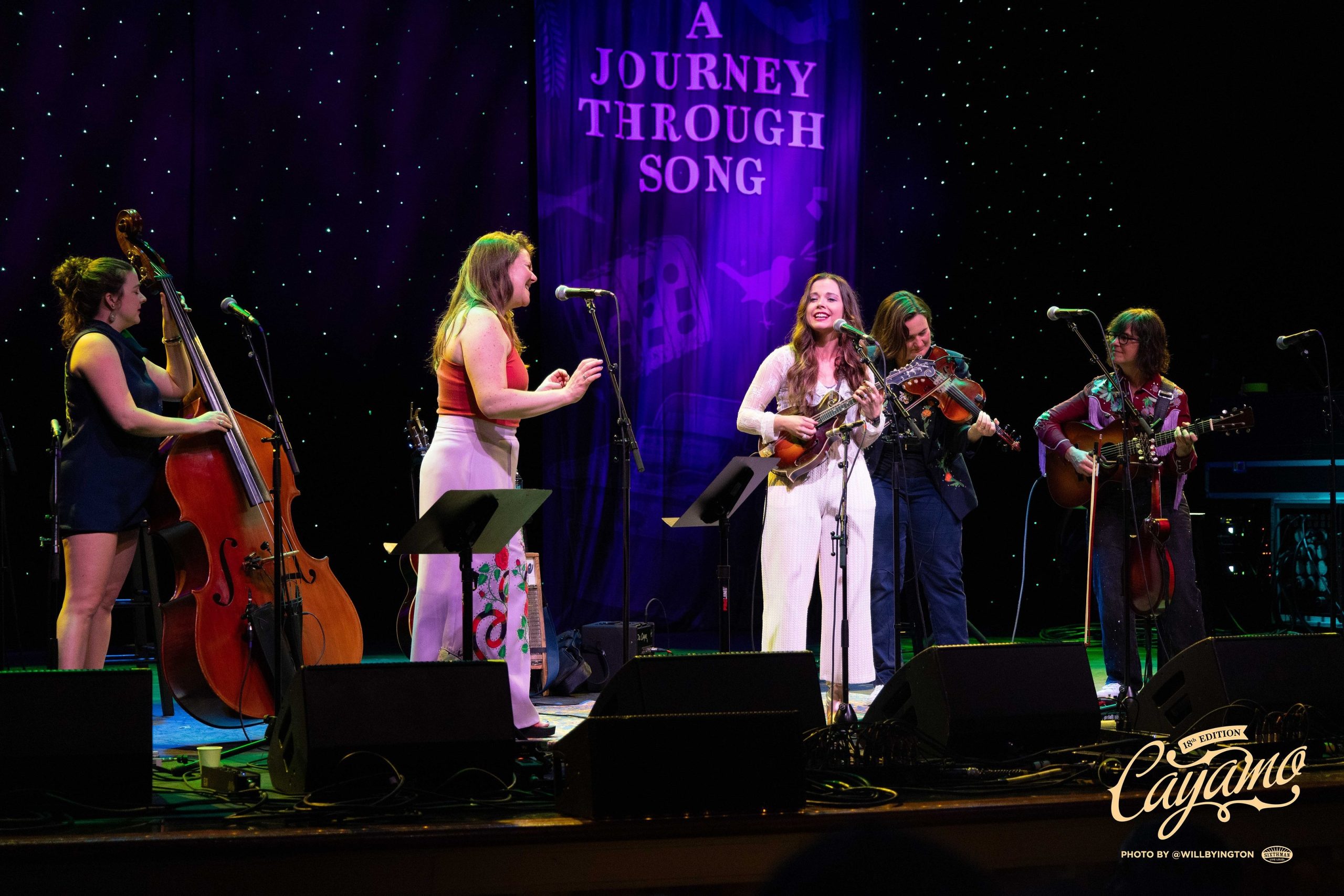
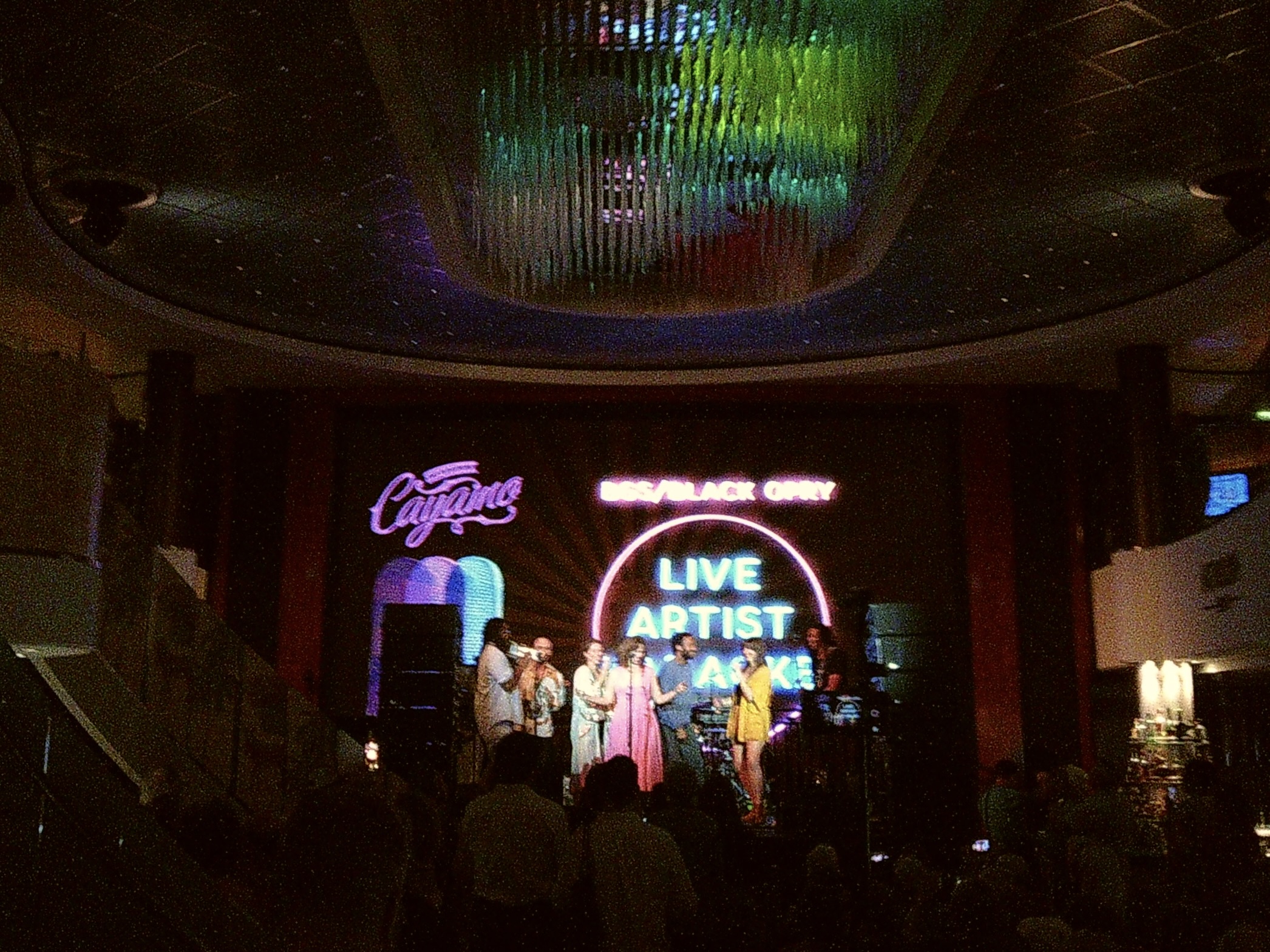
The BGS highlight of the week! A Nightcap jam session is our favorite pastime, especially aboard Cayamo. What a lineup of artists and bands and special collaborations. And this year it happened to fall on St. Patrick’s Day itself – perfect for a roots music party.


Day 7


Photos courtesy of Sixthman, credits as listed in each watermark. Lead image: Will Byington.

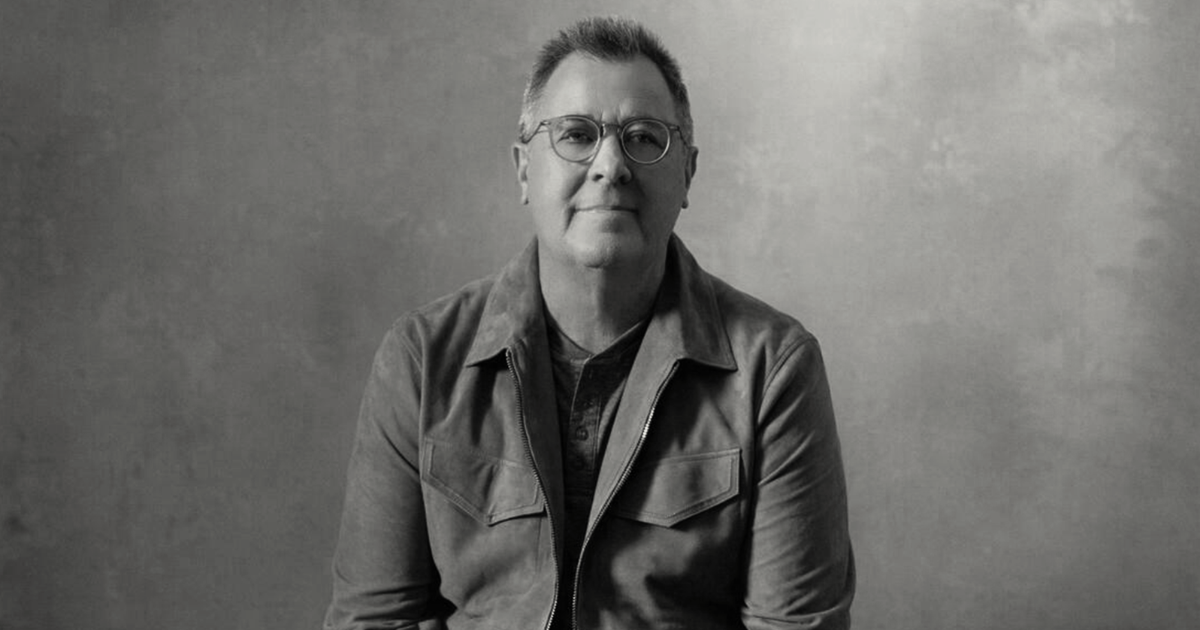
Vince Gill Has Done It All (Part 2)

Poaching from Elvis, well over 50,000,000 Vince Gill fans can’t be wrong.

The longevity Gill discussed in Part 1 of this interview has taken him from bluegrass beginnings to a genre-inclusive 50 years as one of country’s most beloved and sought-after artists.

It’s not always been easy, however. No one, regardless of talent or fan loyalty, is immune from freedom of the keyboard and Gill is no stranger to the highs and lows of public opinion. Mostly it’s outpourings of gratitude from the millions whose lives his music touches. Sometimes it’s claptrap about his now decade-long tenure in the Eagles, or venomous spewing over songs like “March On, March On,” from Secondhand Smoke, the second in his series of retrospective EPs being released monthly.

In Part 2 of his conversation with Good Country, Gill discusses, among other things, the aforementioned decade-long tenure with the Eagles, bullying – with a few choice words for those who inflict it – his scrolling habits, and he indulges us in a rapid-fire round of closing questions.

In the arc of this 50-year project, it is not unnoticed that Hotel California turns 50 this year. Do you have memories of listening to that album as a young man, as you now find yourself onstage playing those songs?

Vince Gill: I had all the Eagles records. We did a lot of their songs in my bluegrass days, and it’s completely surreal. I’m starting my tenth year of being in that band and continuing that legacy of songs. What I value most about getting to play with these guys, what I’ve learned most, is how important songs are – all the notes, all the licks, all the riffs, all that stuff. Getting to relearn that at this stage of life has been pretty profound in the way that I’m trying to write songs. I’m patient in the way I write. I’m patient to wait for it to come – the right words, to not settle on anything, and really edit and work and edit and work and continue to try to be mindful of how important the song is.

What I’m mindful of with the Eagles is the tragedy. More important than the fact that I get to do it is that if Glenn had not passed away, I would not have gotten to do this and I’m grateful I’m the one they called. I met all those guys in, I think, 1980, when I was living [in California]. In a million years, would I have ever thought this would have happened? No. But I am careful of how I couch everything, because it came from something tragic and I am respectful of that.

Glenn was a really good friend of mine, actually, and his son Deacon is doing a great job up there of carrying on his dad’s tradition. I think I’m a great fit for them in the way I play guitar and sing, and sing harmony, and play all the instruments I do. I’m not saying I’m better than anybody else they could have gotten. I’m just saying what I do suits them really well.

Jedd Hughes described you as “one of the greatest band leaders I’ve ever worked with. He’s listening to everything and everyone, always, so you can read his cues pretty easily.” First part of the question: Where did you learn to lead?

Because I’m a musician, I think I come at it different and I operate under the mindset that every note is equal. You’re not more important because you’re the lead singer. You’re not more important because you play the lead solo in the song. I value every note the same. Spending my life in the studio like I have, knowing what you play and do has to sit well and play well with others, you have to listen to everybody else.

It’s amazing what you can accomplish if you don’t care who gets the credit. Sometimes people play only to be noticed and that doesn’t necessarily constitute the right thing for the song. They say in Nashville all the time, “Just serve the song.” That’s all I’ve ever tried to do. If someone’s playing something and doing something, don’t do something to distract it. Do something to enhance it, to support it.

Second part: How does that translate to arrangements and contributions from the musicians you work with?

Great players all listen to each other and you’re dealing with a caliber of musicians that already know what not to do, so you don’t have to waste time going, “Hey, don’t play that, that’s too much, that’s not necessary.” Every time I’m in there playing, I take every note, examine it, and make it move me, make it sit just right.

Once again, if you’re playing with that caliber of people, which I fortunately am – my band is usually made up of a lot of studio musicians and amazing players – they like playing with me because I’m a player, too. I’m not just someone up there singing the songs. So I think I have their respect, and that points you once again towards, “What’s the best thing for the song? What’s the best arrangement idea? What’s the best part to play? What’s the best part not to play?” That’s it in a nutshell.

I’m surrounded by musicians that can all play me under the table, straight up. That’s the truth. I’m grateful to have them, grateful to get to play with them, and it makes for a very democratic spirit. Even in the way we record, I’m not heavy-handed. I’m not telling people what to play. Oftentimes we’ll be in there and they’ll say, “Do you like this?” I go, “I don’t have any idea. I’ve never even heard this song before. I know I wrote it, but we’re in here trying to figure it out, so we’re just going to figure it out all together.”

It creates a great spirit in there if everybody feels like they’re all walking on equal ground, everybody has a right to an opinion, everybody has a right to try something, nobody gets shut down, nobody gets put off. It’s an amazing experience. I don’t ever do demos with my songs. I just write them and then I show them to the guys on the floor. I go, “This is how it goes. Let’s figure it out.” They naturally gravitate towards something great and you just follow them off the cliff! It’s wonderful to watch other people’s gifts.

Earlier you described yourself as “the happiest son of a bitch in the world” who just loves sad songs. In that happiness, however, you have experienced much grief. Your faith is strong. Have you ever lost or questioned it during times of loss?

When I think about faith, I don’t think of it so much [from] the religious point of view. I think faith in humanity – more than Baptist or Methodist, or heaven or hell, or any of that stuff. None of these questions have ever been answered, so to pretend you know the answers seems a little, I don’t know, pretentious almost. That might not be a good word. But, no. It all comes from loving deep. The people I love, I love them deeply. They matter to me.

Music is where I go to grieve. It’s where I go to get through loss. It’s where all those things are. I tell everybody it’s cheaper than therapy. I just write about it.

I never feel the need to fix everything in my life. My relationship with my dad, if it was funky or whatever, I said, “It’s not my place to change him. It’s my job to accept him.” Once I could do that, we had a great relationship. You don’t have to be like me for me to like you. You don’t have to think like I do for me to like you.

I’ve been told more often than not, “Why I like your songs is you are able to say what I wish I could say. You are able to express feelings I have that I don’t know how to.” Maya Angelou sought me out and asked me to come and meet her when she was in Nashville years ago. She told me, “‘Go Rest High’ was a lifesaver to me. It helped me get through the loss of my brother.” Those kinds of things make you go, “I’m going to try to find a way to be emotional about things and not only help myself, but help other people too.” I think if you can portray in a story what someone’s going through, you have a chance to make people feel better.

You can’t name-drop Maya Angelou and just go on to the next question! We need to back up a little bit.

She was speaking at Vanderbilt and wanted to meet. [My wife] Amy [Grant] and I went and afterward we got to go back and say hi. She said, “You mean a lot to me, because your song helped me get through one of the hardest times of my life.” It was a great visit.

You’ve released the fourth EP in your series. Which chapter is this and do you know what’s to follow?

It’s uptempo-y and groove-y, kind of like “Liza Jane” and “One More Last Chance” and some of those fun songs. Each record is, on purpose, similar-driven. The record after this fourth one will be a lot of real country-country stuff, real traditional stuff. The one after that is going to be more like “I Still Believe In You” and “Don’t Let Our Love Start Slippin’ Away,” from a more rocking side. I don’t want to say the word “pop,” but it is. It feels like an Eagles record or a Fleetwood Mac record at times. The inspirations are all in there.

The one after that is real bluesy R&B-ish. Are you hip to Lamont Landers? He’s a soul singer from Alabama. You look at him and go, “There’s no way this voice is coming out of that dude.” He does all these really cool things. I found him and I got him to come and sing on one of my songs that’s coming out later in the year. He’s just such a cool dude. I’ve been trying to turn people on to him.

How did you find him?

Scrolling.

You’re a scroller!

Oh, heavily guilty. I tell Amy it’s my TV now instead of channel surfing. Once in a while you’ll come upon a great young musician, or a great young singer, or a great comedian. There’s so many options, and if you stop on something, it’ll start giving you hundreds of things just like that.

The algorithm gets you.

Yeah, exactly. But it’s entertaining, and I found a couple of people to track down and
have them sing on my record because I like what they do.

What do you scroll?

YouTube, Facebook, Instagram. Most of the stuff is pointless, but there’s a nugget once in a while.

How do you handle the cruelty of social media? It can get to anyone, especially when it’s directed toward you.

It can, if you let it. That’s the life we live in now. You can’t go perform and not have everybody have a camera out and put it up and showing it and seeing it. You have a bad night and everybody’s going to rip you for it. It’s like, “How much negativity can you continue putting out there, saying negative things?” It’s never going to stop, you know that, but it’s still entertaining to read.

I read it to be informed and I don’t mind taking it. I’ve lived with critics being critical of everything I’ve ever done. It comes with the territory. If you’re brave enough to stand up there and speak through a microphone, you know you’re going to get judged to some degree. Once in a while, somebody will say something and I say, “That’s fair. That’s truthful.” Other people will say things and I go, “You don’t even know what the hell you’re talking about, but you have an opinion that’s inflammatory towards me, and you couldn’t be more wrong.” I know that, so it doesn’t have an impact.

Sadly, people have to get on there, the keyboard warriors. They think they finally have a voice. Being able to post and have an opinion, they think that gives them a voice. But in the grand scheme of things, it doesn’t. I know that, so I just take it with a grain of salt and move on.

Perhaps being 68 years old with experience and success makes that easier than for a young person just starting out.

People are still critical of me being in the Eagles. They say, “Now it’s a cover band and you shouldn’t be there,” blah, blah, blah. You know it’s coming, so press on. Say whatever you want. Say it to my face and see what happens to you!

I can’t control any of it. I can control me. I can control my heart, what my heart thinks, what my heart feels. If you hate what I do, that’s okay. A lot of people don’t like what I do. I’m used to that. You’re not going to stop me.

Earlier we talked about hope. I just hope people respond. I don’t mind if they respond negatively. You don’t want that, you’d rather not, but it’s funny how you can get a hundred good reviews on a record and one bad and you only remember the bad one. That’s human nature. It’s not a weakness. It just goes to show how being cruel and negative towards someone has an impact.

I think about the times I was in school and was talked to in a negative way, and how it lasted. I remembered it forever. There was a girl I was in a band with for a little bit. She sang in this choir at the school that was really well thought of, and the choir director told her, “You are wasting your time with that guy and his banjo and bluegrass. He’s a fool.” And I just want to go, “Na-na-na-na-na!” But you remember it. And an English teacher that kicked me out of the class for saying something she didn’t like and painted me a certain way. You remember it.

My own kids, one teacher said to my youngest daughter, “My dog has more manners than you.” Things like that … my hundred-year-old mother is still pissed off about that! She’s still, “I’d like to get my hands on that teacher!” We’ve got a good bit of redneck in us!

I watch my sweet wife take slings and arrows all the time and the way she handles it is so beautiful to watch and so inspiring. It’s helped me do the same thing.

Can you play everything you hear in your head?

Probably. I hope so! It’s funny you brought that up, because being a musician and a singer, people say, “How do you get inspired to sing?” or “How do you get inspired to play?” Well, before I play something, in my head, I’m saying, “How would you sing this?” And when I’m getting ready to sing something, I ask myself, “How would you play this? What kind of rhythm? What kind of phrasing?” All those things.

I think the real difference [between] a good singer and a great singer is the way they phrase. Ray Charles could phrase like nobody’s business. Jerry Lee Lewis, when he sang country songs, could phrase like nobody else. George Jones could phrase like nobody else. You go on and on and look at all the greatest singers, and they’re unique because more so the way they phrased than how many notes they sang.

What is the difference between playing guitar and being a guitarist?

Oh, man. I don’t know if there is. I think it’s the same thing. It all comes from the same heart. It all comes from the same ears. I just play what I think fits. I think that’s what being a great guitarist is – playing what fits.

I saw something the other day that said, “I refuse to name who I think the greatest guitar player is,” and it makes sense to me because there’s no such thing. Everybody goes at it in a different way and has a different spirit about it, has a different way they want to play and statement they want to make. Then it becomes a matter of your preference, of what you like best, that defines what the best guitar player is.

I just like people that are gifted, and people that are musical, and they play what’s in their hearts and what they feel. If you feel it like they do, game over. If you don’t, you move on. Not every great guitar player moves me. It might move you. I think we’re lucky that we can be subjective and not have to all feel the same way about the same things.

Let’s close with a lightning round. Anything goes, whatever comes to mind. An album you wish you had played on.

Hotel California.

A song you wish you had written.

’Till I Gain Control Again” by Rodney Crowell.

A session in which you wish you could have been a fly on the wall.

Together Again” by Buck Owens.

A concert you attended that made your head spin.

Paul McCartney.

A guitar solo you wish you could claim as your own.

Oh, gosh. I might have to go with a Chet Atkins solo, because he’s the first person I ever saw play live when I was a little boy.


Editor’s Note: Check out part one of our Good Country conversation with Vince Gill here.

Want more Good Country? Sign up to receive our monthly email newsletter – and much more music! – direct to your inbox.

Photo Credit: David McClister
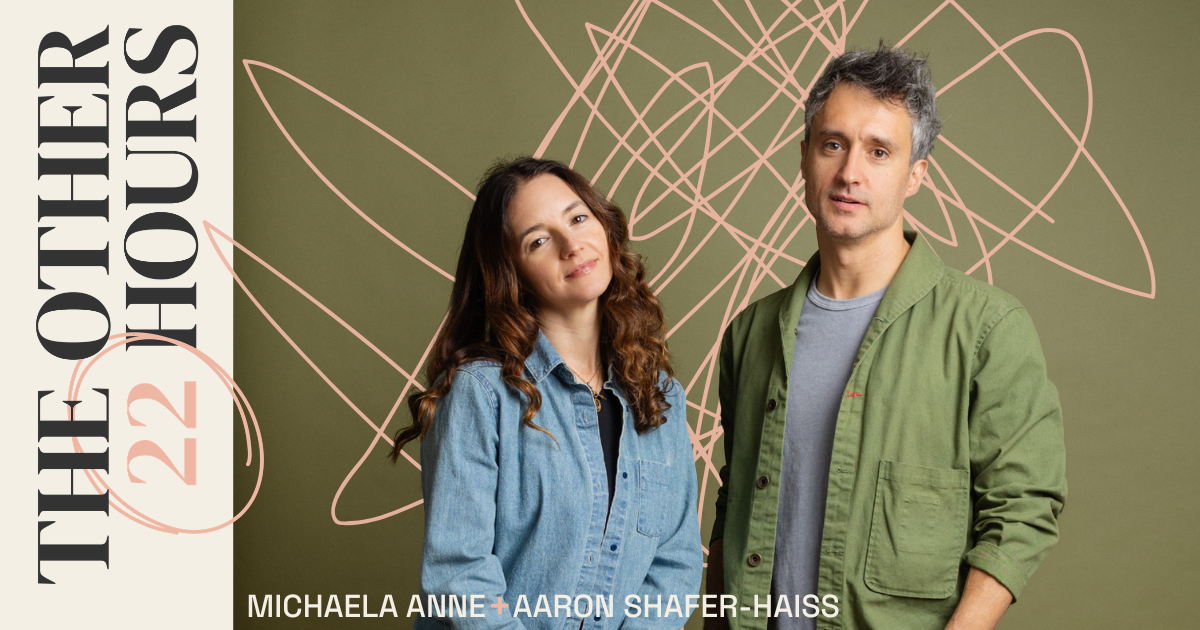
The Other 22 Hours Joins BGS Podcast Network

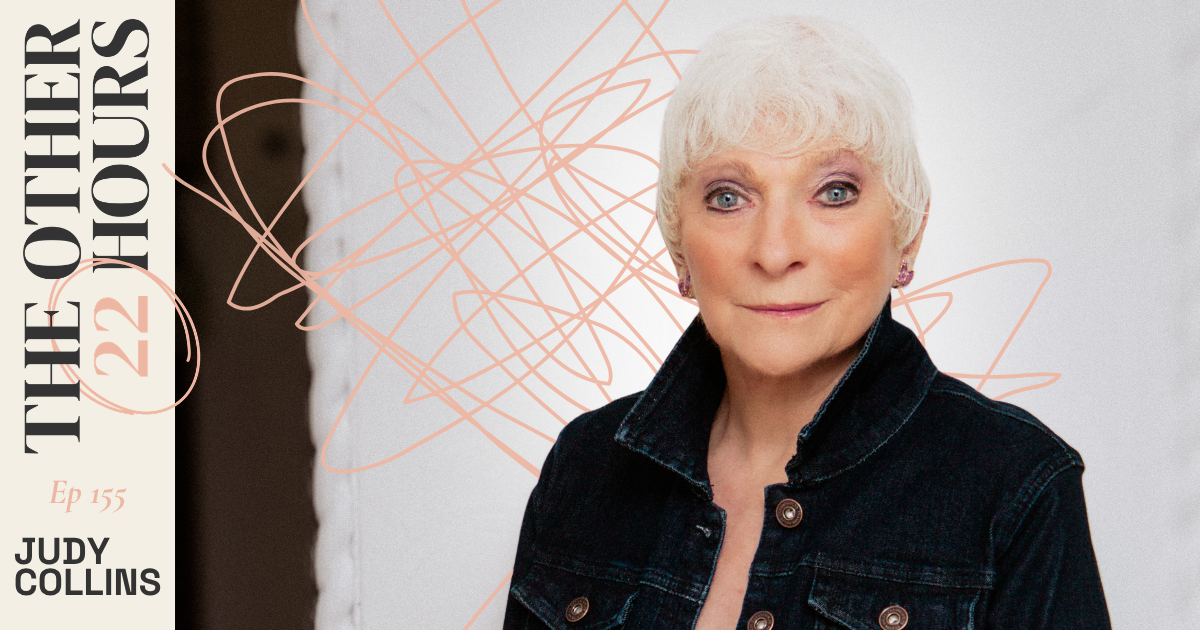
BGS is ecstatic to announced The Other 22 Hours, a beloved podcast hosted by singer-songwriter Michaela Anne and music producer Aaron Shafer-Haiss, is joining the BGS Podcast Network. Beginning Wednesday, March 4, new episodes of The Other 22 Hours will be distributed by BGS and hosted right here on our website, as well. Founded in 2023, the show has produced more than 130 episodes – which drop weekly – featuring conversations with renowned musicians and artists who share tools for resilience, helping all kinds of creatives to feel more inspired, connected, and confident in their creative journey. If an artist, creative, or musician is “performing” only a couple of hours each day, what do they do with the other 22 hours? The brand new season of the pod will launch Wednesday with an interview with producer, musician, and singer-songwriter Butch Walker. Subscribe now.

“BGS is thrilled to welcome The Other 22 Hours to the BGS Podcast Network,” said Cindy Howes, who directs the network for the Bluegrass Situation and Good Country. “Michaela and Aaron have developed a beautiful space to hold conversations that offer a unique look behind the humans who make the art we love. There’s so much the public at large does not know about what it takes to live and maintain a creative life; Michaela and Aaron help us all be more responsible patrons of the arts as well as seeding inspiration for our own creative endeavors.”

SUBSCRIBE: APPLE • SPOTIFYAMAZON

Michaela Anne is a celebrated singer-songwriter and folk/Americana artist who has been covered by BGS and featured on our stages many times over the years. Shafer-Haiss, her husband and collaborator, is an accomplished record producer, drummer, songwriter, and composer. Together, they’ve have had thoughtful and down-to-earth conversations over the past few years with incredible creatives like The Milk Carton Kids, Leyla McCalla, Rodney Crowell, Adia Victoria, Mary Gauthier, Lori McKenna, Watkins Family Hour, Miko Marks, Brandy Clark, Tift Merritt, Raye Zaragoza, and many more.

“We’ve been friends and occasional collaborators with the BGS family for years,” Michaela Anne and Shafer-Haiss share via email, “so bringing The Other 22 Hours to the network feels like a bit of a homecoming. Our show has always been about the reality behind the highlight reel, a community-built road map to sustaining a creative life. We’re thrilled to get to align our conversations with a network that values the craft just as much as the art.”

To celebrate the Other 22 Hours joining the BGS Podcast Network and in anticipation of the new season launching this week, we’re sharing five of ours, Michaela Anne’s, and Shafer-Haiss’s favorite archive episodes from the podcast’s three existing seasons. Dive in, catch up on what you missed, and stay tuned for more episodes of The Other 22 Hours coming weekly right here on BGS and wherever you get podcasts. More info on the show here.

Rosanne Cash (EP 100, April 2025)

“We talk with the legendary songwriter about navigating insecurity and imposter syndrome, measuring your own success by your talent and not your validation, and allowing yourself to be called an artist. We also get into prose vs. songwriting, respect for yourself and for the audience, and Cash’s rituals.”

Maggie Smith (EP 96, March 2025)

“We talk with New York Times best-selling author about keeping the purity of your creativity, being integrated as a human, and trusting yourself to do what’s needed to keep this career going. Plus, being your own safety net, being open to completely revamping work, and arm wrestling.”


Yancey Strickler (EP 126, October 2025)

“We talk with the co-found of Kickstarter (and the Creative Independent, Metalabel, and Artist Corporations) about revolutionizing the creator economy. We talk about his concept and creation of Artist Corporations – think incorporating independent artists – the systemic exploitation of artists, how DSPs trade convenience for meaning and depth, platform boycotts, and ‘winning’ in its purest sense.”

JOHNNYSWIM (EP 113, July 2025)

“We talk with the folk/soul/pop duo about staying curious in your pursuits and creating space for wonder and childlike-ness. They offer their thoughts on how to rejuvenate yourself and your creativity on the run, the blinders of fixation, family, and more.”


Joe Henry (EP 39, 2023)

“We talk with the acclaimed songwriter and producer about keeping yourself in the creative stream, knowing when to step away, acceptance, and the quote, ‘How you do anything is how you do everything.'”


Photo Credit: Sam Wiseman

Kim Richey Travels the World in Search of ‘Every New Beginning’

With a voice that shimmers like sunlight on a rippling lake and songs that step deftly through ever-shifting emotional terrain, Kim Richey is the queen of understated finesse. On her latest album, Every New Beginning, she carefully tempers the ache of loss with moments of humor and even optimism. Produced by Doug Lancio (Patty Griffin, John Hiatt) and containing collaborations with Don Henry, Mando Saenz, Jay Knowles, Aaron Lee Tasjan, and Brian Wright, among others, it provides yet another elegantly nuanced reminder of why other singer-songwriters revere her talents.

Dozens of country and Americana artists have invited her to sing on their albums and/or recorded her songs or ones they co-wrote, including Rodney Crowell, Vince Gill, Martina McBride, Patty Loveless, Will Kimbrough, Chuck Prophet, the Chicks, and Brooks & Dunn. Radney Foster had a No. 2 hit with their co-write, “Nobody Wins;” Richey earned a Grammy nomination for co-writing Trisha Yearwood’s No. 1 song, “Believe Me Baby (I Lied).”
In October, she’ll open the final show of Jason Isbell’s annual Ryman Auditorium residency; last year, she helped celebrate the 10th anniversary of his career-making Southeastern album by reprising her vocal contributions. During Brandi Carlile’s solo-set debut at the 2019 30A Songwriters Festival, she spotted Richey and declared, “Kim Richey has been my hero since I was 16!” Citing the Ohio-born East Nashville resident as a major influence, Carlile beckoned Richey onstage to sing “A Place Called Home.” Turns out that wasn’t the first time — and, as Richey notes in this interview, conducted during her recent U.K. tour, it wouldn’t be the last.

Listening to these songs, one could assume this is a breakup album. But you’ve mentioned that songs like “Take the Cake” aren’t necessarily about a specific person. Are there breakups reflected within these songs?

Kim Richey: People always assume they’re breakup songs. [The “Feel This Way” line], “It hurts like it’s always gonna feel this way” — my mom passed away in November. It can be the loss of a friend, the loss of a family member, or it’s just a lot of looking back. COVID really had an effect on me that way, and maybe a lot of people as well, where I had old friends getting in touch out of the blue, and people taking stock, and that’s stuck with me.

You could hear “Feel This Way” as a song about grief or even generalized depression, which certainly doesn’t have to be precipitated by an event.

Or [the song] “A Way Around,” it’s like, “Oh, man, things are not going my way.” It can be general. That’s a great thing about songs; people can have their own interpretation of them and it can connect with them and help them. Maybe it’s something that they’re going through, which was not necessarily my intention when I wrote it, if that makes any sense. If I’m going through a hard time, it’s just nice to hear a song and think, “They know exactly how I feel.” You don’t feel alone.

I think that’s one of the major functions of songs — giving us something to connect to, even if it’s just to pull the tears out. Sometimes that’s all you have when you’re feeling like that. But let’s talk about something that must have been a really happy time: Brandi’s Girls Just Wanna Weekend in Mexico. Was that the first time you got invited, or the first time it worked out to go?

I actually did get invited a couple of years ago, but I’d already promised my parents I was going somewhere with them. But this was getting organized while my mom was in the hospital and everything, so I went down [in January] not really having any idea what to expect. When I got there, they asked if I could come to the rehearsal for Ladies of the ’80s, so I go to the rehearsal, and there’s Annie Lennox. And that was just the start of me crying the entire weekend.

Then I got to meet Wendy & Lisa, and Wendy was so sweet. And when the four of us — Brandy Clark, Brandi Carlile, Mary Chapin [Carpenter] and myself — were onstage playing songs, the crowd was so overwhelmingly amazing that Chapin and I just sat up there and cried in-between songs. It was absolutely one of the most intense and beautiful musical experiences, really, ever, for me. It’s hard to explain the vibe of it. The feel of the festival is so inclusive, and so kind and fun. I’ve never been to anything like that before.

Brandi’s always been really great to me. Like that year of the Pilgrimage Festival, that’s right outside of Nashville, got rained out [2018], her people called City Winery and said “Hey, can we come there and play?” and they packed it out. I had just gotten home from a tour and she texted and said, “Hey, you want to come and play with me tonight?” and I’m thinking, “Absolutely not. I don’t know who you are. I’m in a bathrobe, and I’m gonna watch TV and do absolutely nothing.” I texted back and said, “Who is this?” And it was Brandi and it’s like, “OK, I’ll be right over!”

I love seeing your Instagram traveling pictures. It seems like you seek out interesting places wherever you go. Is that something you’ve always done?

I always want to explore the places where I go, whether it’s a big famous place or some town nobody’s ever heard of. I don’t want to sit in a hotel. I like to find the local great food or coffee or something. One of my most favorite parts about doing music and playing shows is the touring and getting to go and see all these different places. It doesn’t have to be some really exotic place, because one of the things I love about touring in the states is you get to see some of these smaller towns and out-of-the-way places that you would never go to on purpose, because you don’t even know they’re there. I’ve found some fantastic restaurants and sites and hiking places; there’s all kinds of fantastic places in the states. Like, I love Michigan, the Great Lakes; that’s beautiful.

That brings me to the song about your home state, “Goodbye Ohio,” which you describe as “a leaving song.” Do you still have ties there?

Well my mom’s gone, but my stepdad still lives in Ohio and I’ve got my cousins and auntie. I still have a lot of people in Ohio. I go back up there pretty regularly.

So it’s not bittersweet to go home.

Oh, no, no, no. I got all the time in the world for Ohio. I like the people there. It’s very Midwest, and I like that. It’s interesting, too, because the different parts of Ohio are really different, like Southeastern Ohio has more in common probably with West Virginia. And then when you get further up toward Cleveland and Akron, that’s more Northeast-y vibes. It’s great; it’s got a lot going on.

What are some other destinations you would recommend?

I love Glasgow, that’s always been one of my most favorite places. Mostly these days, I’m not in a [tour] bus, I’m in a car or a van. You actually can see all these places you’re driving through, and then you have the ability to go, “Hey, what’s that weird shop there? Let’s pull in and see what that is.” When you’re on a bus, you’re just [taking] the quickest and easiest way to get from one point to the other. So I’ve really enjoyed that part of traveling in a car.

I’ll tell you someplace I just went that was absolutely amazing. My friend Dean Tidey was playing guitar with me and we had a couple days off on the West Coast, so we went to Sequoia National Park and stayed for a couple days in this Airbnb that was right on this beautiful mountain stream. And since it was still early springtime, there weren’t a lot of people there. There was still snow on the ground. I love doing stuff like that. The more I travel, the more I want to see. And the more I travel, the more I know there’s just so much stuff out there to experience and see.

Gosh, I’ve been all over the place. I love London; I lived here for five years. I love Belfast. I got to go to Croatia last year on a boat trip with the Accidentals, and that was amazing.

I love that band! Tell me how you wound up on a boat trip with them.

Well, they asked me to come along. It was a fan trip, and we played and slept on the boat and went to these different harbors. We docked in a different place every night – it was just a cool trip. There were bike rides; there was a lot of swimmin’. We went to Dubrovnik and toured different cities; we were all over the place. And I had no idea. I didn’t think of that as being a Mediterranean country. The food is fantastic. The people were super, super nice. I really loved being there.

You have such a great body of work, and younger artists who appreciate that, and appreciate you, they’re hooking into you and having you play. It seems so important for that kind of give-and-take to happen, in both directions.

It’s great for me, because I get excited about stuff. I love writing with Aaron Lee. He used to live just across the alley from me, so that’s how I got to know him. He’s definitely one of my favorites and one of the most talented musicians and songwriters. He’s great with lyrics and music, the whole deal, and a brilliant player. So it’s fun for me, too, to find somebody new that I really love writing with. It’s one of my favorite things, to write with other people.

Is there anything else you want to talk about?

Well, I would like to like thank the guys who played on the record, especially Doug Lancio, who did so much great work. He played most every string thing aside from when Aaron Lee played on a couple songs. And we had [bassist/mandolinist] Lex Price, who I’ve been wanting to work with for a long time. And Dan Mitchell and Neilson Hubbard; I’ve been playing with those guys for years. And the Accidentals came and put strings on a couple songs. So I just really want to give a shout out to the musicians, and my songwriting friends.

One song, “The World Is Flat” is an old one that I wrote with Peter Vetesse. He lives in Bristol, [England], and we played and he came and we got to play the song that we wrote together. I just never recorded it because it was so sad. I have a lot of sad songs, but there’s always a little kernel of something [positive]; “The World Is Flat” was like, you’ve just kind of given up. But the demo that he made was so beautiful, I just thought if I never make another record, I want people to hear that song.
You just said, “If I never make another record” – obviously, we hope that’s not true. Do you feel like you’re at a point now where you think in those terms?

A little bit. I do enjoy playing, but [touring is] tough physically. But I love to travel and I have super-close friends over here, in New York, in Washington state. Playing and touring allows me to go and spend time with those people. I do love playing for people and writing songs and making records, so we’ll see. I don’t know how much longer I’ll do it. This could be my last record, but you don’t want to say it is, because you never know.


Photo Credit: Stacie Huckeba

Cayamo 2024: A Behind the Scenes BGS Photo Diary

BGS’s third year on board Cayamo’s Journey Through Song brought no shortage of familiar faces and “fun in the sun” vibes.

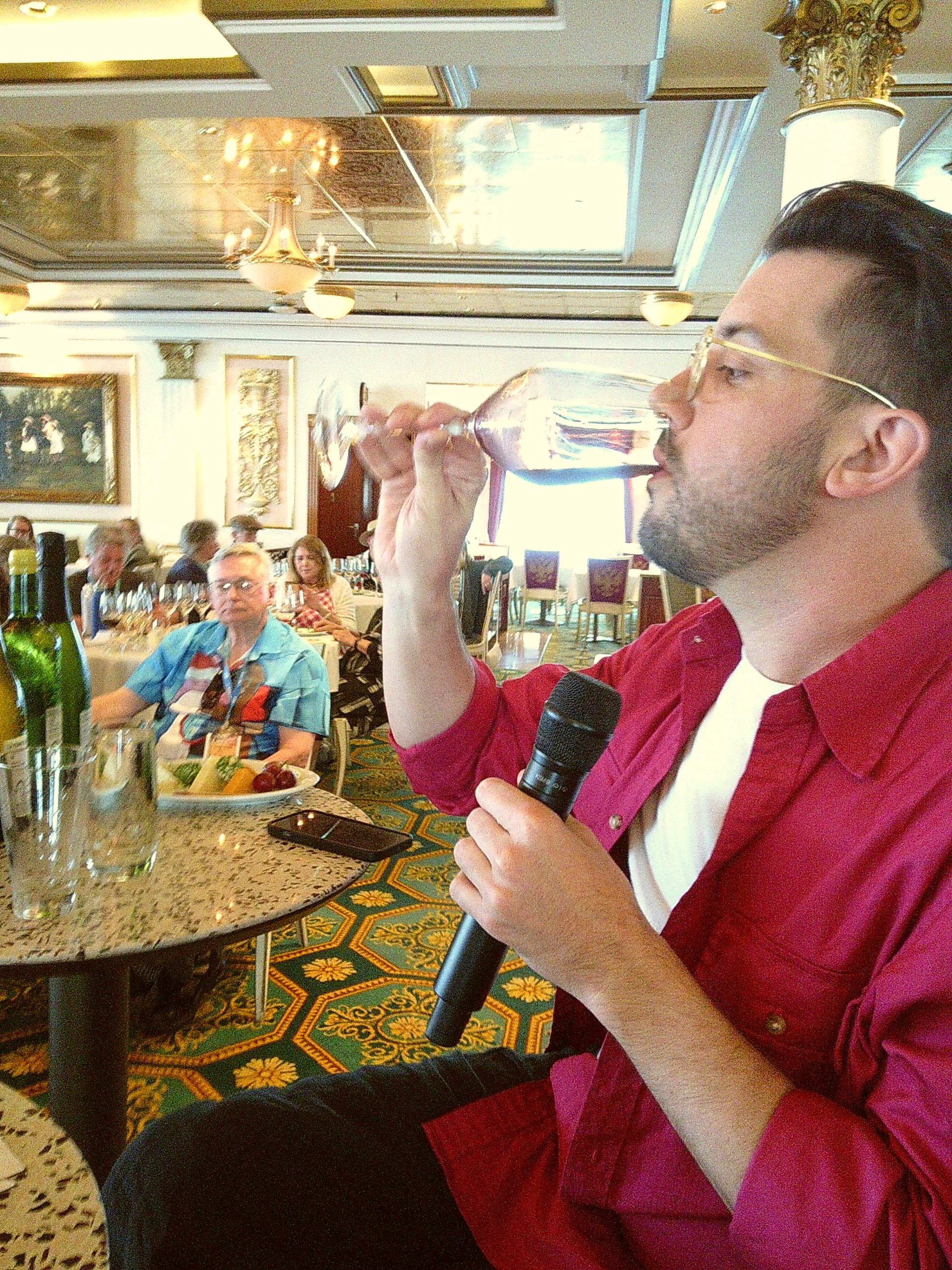
From a jam-tastic BGS Nightcap set lead by our pals Mipso – which included appearances from Hiss Golden Messenger, Dom Flemons, Lizzie No, Rachael Price of Lake Street Dive, and Taylor Ashton – to live podcast tapings with Basic Folk hosts Cindy Howes and Lizzie No. There was our exclusive wine tasting experience hosted by myself and Mipso’s Jacob Sharp (who moonlights as a wine rep for Terrestrial Wines). There were stopovers in Aruba and the Dominican Republic and countless musical sets from the likes of Lyle Lovett, Lake Street Dive, Rodney Crowell, Shawn Colvin, the Black Opry, Waxahatchee, and so many more! Our eight days on the high seas went by way too fast.

Our team documented the whole thing (on our new Camp Snap screen-free digital camera!) so you, too, can soak up the sunshine and memories. Will you join us on board next year? The 2025 lineup was just announced and suffice to say we’ve already got some great things cooking for Cayamoans. But hurry, because this is one fest that sells out faster than you can say piña colada… – Amy Reitnouer Jacobs, BGS executive director

Booking information and more details available at Cayamo.com


All photos by Amy Reitnouer Jacobs shot on Camp Snap.

GIVEAWAY: Enter to Win a Free Cabin on Cayamo’s 2024 Voyage

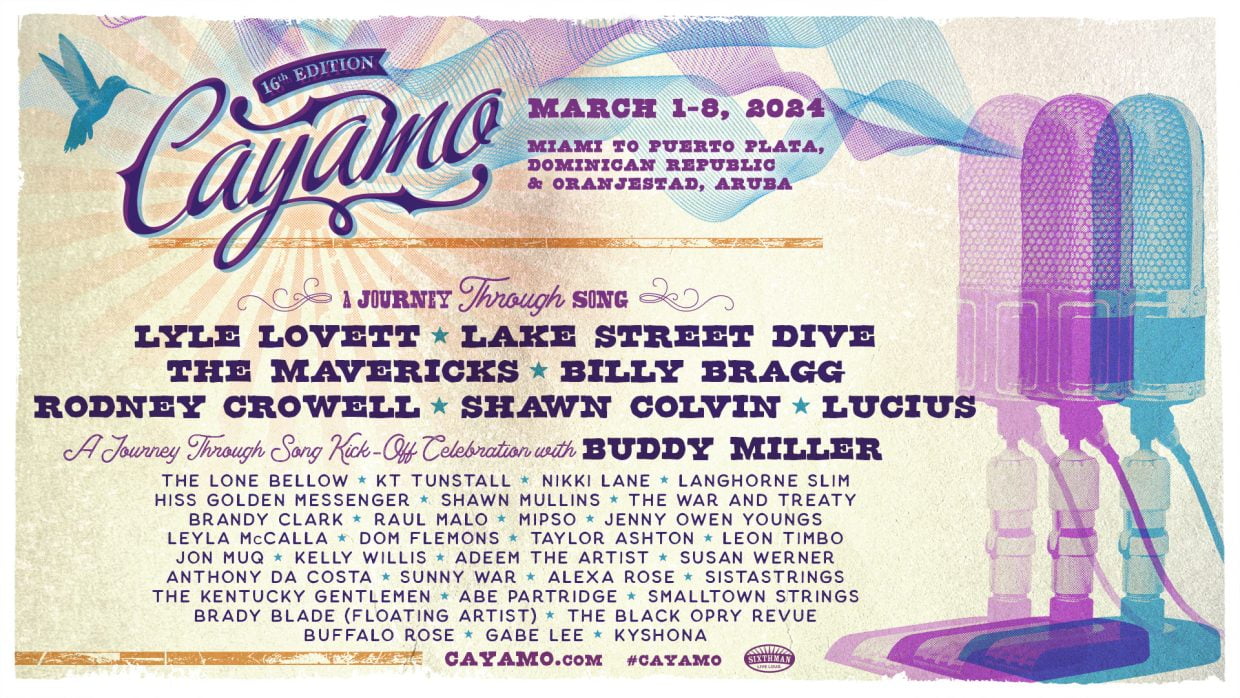
BGS is so excited to be returning to Cayamo in 2024 to once again set sail with the premier roots music cruise! From March 1 to 8, 2024, Cayamo will set sail from Miami, Florida porting in Puerto Plata, Dominican Republic and Oranjestad, Aruba while the greatest artists and musicians in Americana soundtrack the picturesque voyage.

In partnership with Cayamo and Sixthman, we’re honored to once again be giving away a FREE CABIN to a lucky roots music fan, who will join their fellow roots-music lovers on board the sold-out journey. Enter to win here.

In addition to a complimentary cabin, the winners of this giveaway will enjoy concerts and performances by Lyle Lovett, Lake Street Dive, the Mavericks, Billy Bragg, Rodney Crowell, Shawn Colvin, Lucius, and many, many more. Plus, don’t miss our BGS-hosted events, parties, and shows – to be announced soon!

Enter before December 31, 2023, for your chance to win a free cabin on the 16th edition of Cayamo. Winners chosen before January 31, 2024. Official rules viewable at this link.


Artwork courtesy of Sixthman and Cayamo.

From ‘Heartworn Highways’ to Chicago, Rodney Crowell Keeps Getting Better

There is a crossroads of 1970s folk, blues, and nonconformity in Texas. Ask students of it about Rodney Crowell, and chances are, visions of a lean, baby-faced guitar picker belting out “Bluebird Wine” at Guy and Susanna Clark’s kitchen table flood their brains. It’s a scene from Heartworn Highways that is both wild and tender, captured when Crowell was just 25 years old. Today, that Houston kid is 72. He’s won Grammys, topped charts, pushed the musical and literary boundaries of songwriting, and continued to write and record, as friends and mentors passed away.

Produced by Wilco’s Jeff Tweedy, Crowell’s new album The Chicago Sessions is the latest evidence that Crowell isn’t just continuing: He keeps getting better. The 10-track collection was recorded live in Tweedy’s warehouse studio, perched atop a northwest Chicago building. Crowell had always wanted to record in Chicago. “That would be Chuck Berry, Howlin’ Wolf, Muddy Waters, John Prine, and Steve Goodman who have a lot to do with that,” Crowell says. “The Rolling Stones, as soon as they got to America, said, ‘Let me go to Chicago.’”

The ghosts and recordings that drew Crowell to Chicago did right by him. Surrounded by his own go-to players (guitarist Jedd Hughes, pianist Catherine Marx, and bassist Zachariah Hickman) plus two drummers of Tweedy’s choosing, Crowell sounds smooth, sly, and often downright happy. “It was liberating. I felt no pressure whatsoever,” he says. “If I’m producing myself, I’m wearing one too many hats. I’m helping everybody else and making sure I can make them get to where we’re all going, sometimes to my own detriment. But with a producer like Jeff Tweedy or Joe Henry, hey, I’m freed up. I’ll just play and sing.” He pauses, then adds, “I’m really good when I just play and sing.”

Gratitude and race, self-worth and religion, cynicism and hope: The songs on The Chicago Sessions cover ample ground without feeling disconnected.

A swampy shuffle, “Somebody Loves You” is a master class on cultural commentary and exposing shifty motivations. With subversive conviction on par with Tom Waits, Crowell implicitly questions people in power who shush the disenfranchised with assurances that somebody — in this case, Jesus — loves them.

There’s lead in the water, knees on your neck
Son of your father, born to neglect
Mind your own business, siren gone’ wail
Make one false move brother wind up dead or in jail
It’s been 400 years right down to the day
Somebody loves you, least that’s what they say

“As a writer, I need the stakes to be high,” Crowell says. “I am hard on myself as a singer because I’ve heard Ray Charles, and I’ve heard Don Everly. I’ve heard Aretha Franklin. ‘Look, man,’ I say to myself: ‘You don’t have that voice. But you gotta deliver on what you got.’”

Crowell confesses that really, he didn’t care for his own voice much at all until he was about 50 years old. “I knew I was writing — I developed early as a songwriter,” he says. “But I wasn’t delivering at the level I wanted to deliver when I would record those songs. I stayed with it, and I outgrew it.”

But to the rest of us, Crowell’s voice is and always has been lovely: steady, expressive, and charged, like an electric orb capable of warm light or hot sparks. Another album standout, “Loving You Is the Only Way to Fly,” which Crowell co-wrote with Hughes and Sarah Buxton, is a pining love song, perfectly executed. The sweet keys and strings are timeless. Tweedy’s production throughout the record is exquisite. “Making Lovers Out of Friends,” another track off The Chicago Sessions, is a testament to the power of a great producer and a great song, reminiscent of Billy Sherrill’s work with Charlie Rich, both in sonic texture and achievement.

As a writer, Crowell doesn’t cut himself any slack as a protagonist. Over the years, he’s developed a habit of being hard on himself in lyrics — or perhaps, of seeing himself clearly and confessing self-perceived shortcomings. “Lucky,” a piano-driven song he wrote as a birthday gift for his wife Claudia, plays with a bit of exasperation: “Anyone with eyes could see, I’d had about enough of me.” The record’s sauntering blues track “Oh Miss Claudia” hits similar ideas.

But it’s not just songs written recently. The Chicago Sessions also includes Crowell’s self-penned “You’re Supposed to Be Feeling Good,” originally recorded by Emmylou Harris in 1977. Oscillating between stripped-down acoustic and groovy full-band swells, the song picks up the same self-deprecating themes: “You’re supposed to be in your prime / You’re not supposed to be wasting your time / Feeling like you’re down and out over someone like me.”

Crowell often credits friends or lovers with seeing the best in him or pulling him through tough times. “I know it seems like that, honestly,” Crowell says of being hard on himself, then laughs a little. “They deserve the credit.”

Crowell doles out credit when it comes to his craft, too. “Guy and Townes [Van Zandt] were right there at the beginning of my development,” he says. “Guy was a generous mentor, in a way — the way we talked about writing. Discussed it. Examined it. Townes was around intermittently because he was traveling a lot. When he was around, he was a bit jealous of my relationship with Guy. And rightfully so. He and Guy were tight friends before I ever came around.”

Then, Crowell sets the scene: “Did you ever see Don’t Look Back? Remember Bob Dylan and Donovan in the hotel room? Donovan plays this kind of sappy, folky, flowery song for Bob Dylan, and then Dylan picks up a guitar and sings, ‘It’s All Over Now, Baby Blue.’ He slaughters Donovan’s song with a masterful song. Well, I had that same experience with Townes, just in the privacy of the breakfast table at Guy’s house.”

Crowell pauses, then explains, “‘No Place to Fall’ is exactly what happened. I was sitting there, going on about something, and Townes said, ‘I’m going to play you a song.’ And it just crushed me.”

In a nod to his artistic education and one of the figures who delivered it, Crowell recorded “No Place to Fall” for The Chicago Sessions. “Listen, if Townes had not crushed me with ‘No Place to Fall,’ I wouldn’t have written ‘Till I Gain Control Again,’” Crowell says. “It was like, ‘Oh, that’s what it is. That’s what you aim for. If you don’t aim for that, you’re selling the whole deal short.’”

Crowell pondering where he’d be without Van Zandt’s lyrical gutting spurs a bigger question: Where would roots music be without Crowell? His sheer musicality, instincts, and determination to recognize greatness and then, instead of feeling defeated, aspiring to match it in his own way, has propelled an entire art form forward.

Widespread mainstream success — especially at the high levels Crowell has achieved — can lead to oversights of actual artistic achievement. While Crowell himself often describes his relationship to Van Zandt and Clark as one of student and teachers, over the last five decades, Crowell’s consistently brilliant output has proven he shouldn’t be framed solely as a disciple of songwriting giants, but as their peer.

Clark and Van Zandt were the sons of attorneys. Crowell was the son of a heavy drinking dive bar musician, born on the wrong side of the tracks. He comes from East Houston, historically an industrial sector, marked by factories and proximity to oil refineries. He’s never shied away from his past and people. “Houston, Wayside Drive — Avenue P, where my parents lived when I was born,” Crowell muses. “It always meant something to me.”

After a brief stint in college, Crowell sought knowledge on his own — perpetually. His lilting cadence and thoughtful care with language is like that of a professor, especially when he dissects music or history. His curiosity isn’t just intellectual, but spiritual, too. He explores and sings about acceptance and peace, especially when talking about friends, himself, or even people with whom he disagrees. The Chicago Sessions’ closer, “Ready to Move On,” is a meditation on balance, and Crowell’s pursuit of it.

“I’m sitting out here, listening to the wind go through the trees, thinking, ‘Wow, I live on top of this hill, surrounded by all this green. Man, how did I get here from East Houston?’” Crowell is talking about his home, just outside of Nashville. “The way I got here was, I fell in love with the sound of these songs, from my father singing them to me when I was a wee child. It makes me humble, in a way. God, I have gratitude for that. Whatever my sensibilities are that came through DNA from my parents that made me so attuned to the sounds that were coming at me, all the way through Merle Haggard, the Beatles, anything that moved me. It’s like, ‘Whoa, man. What a lucky break I got.’”


Photo Credit: Claudia Church