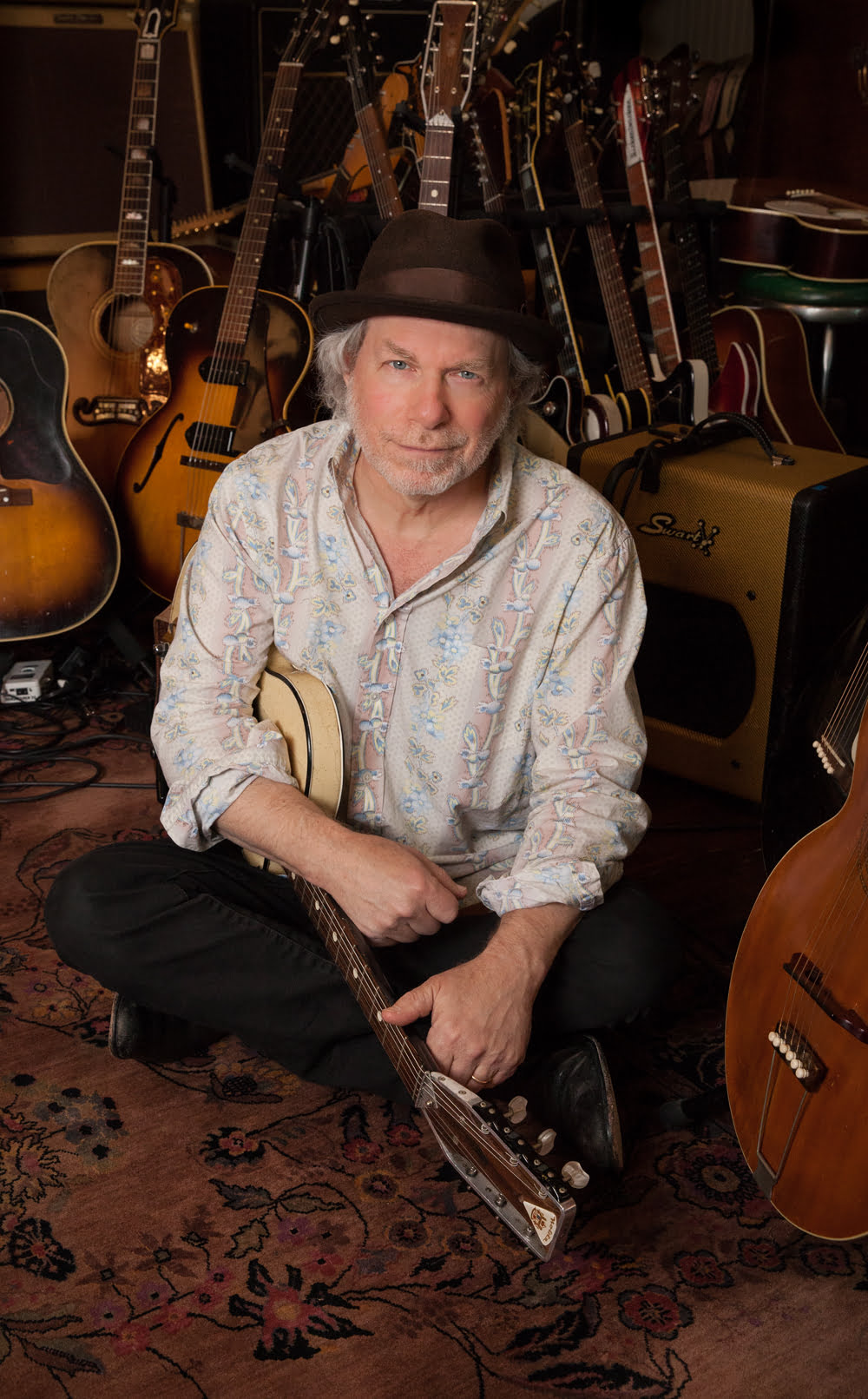
Derek Hoke, ‘Trouble in Mind’

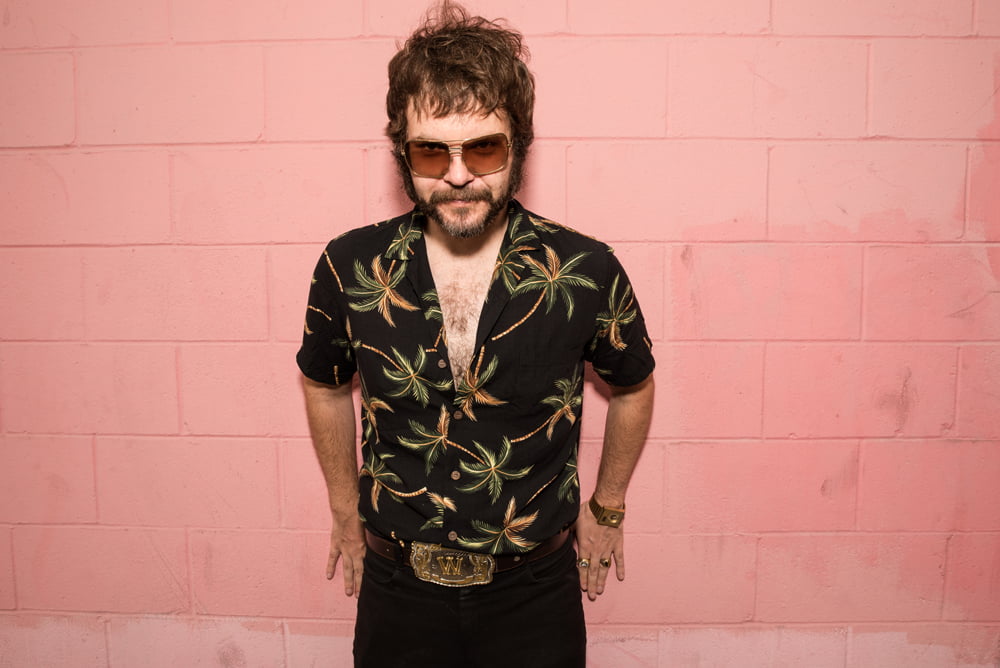
If you live in Nashville — specifically East Nashville — then Derek Hoke is your eminent host, with his weekly $2 Tuesdays event at the 5 Spot serving as your best bet to catch a smartly curated collection of emerging talent, drink cheap beers, or make an unexpected musical discovery. (Usually, it's all of those things.) But he doesn't just throw the party; he makes its soundtrack, too. Hoke appears on stage most Tuesdays, where he works through a catalogue of songs that shudder, shake, and groove with the steely composition — and slick propriety — of boogie-woogie kings like Roy Orbison. There's a classic touch and reverence for the dying rock 'n' roll tradition of occasionally keeping it clean — crisp lyrics, tight production unmarred by fuzz, tasteful riffs, and unwrinkled blazers — with an emphasis on putting the grit where it belongs. And that's in a dirty guitar vamp or wail of the harmonica.

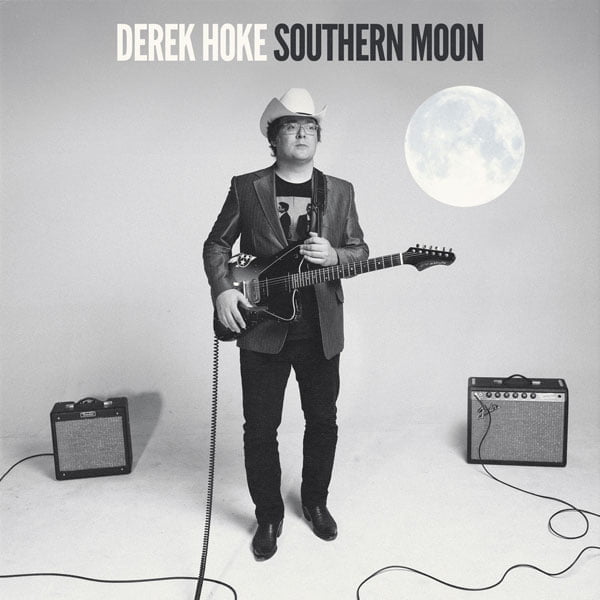
Nowhere is this tactic more apparent than on "Trouble in Mind," off of his new third album, Southern Moon. With mouth harp courtesy of Willie Nelson's right-hand man, Mickey Raphael, the song slinks in with a bluesy roll that Hoke's smooth vocal croons right over. Like the Black Keys on "Howlin' for You," Hoke knows the power of a good Lightnin' Hopkins-era riff sidelined by a thumping drumbeat to propel a song straight to both the balls of the foot and the gut.

"I feel it down in my soul, into my heart, out of my head, I'm always thinking of you," Hoke sings. He's got trouble in mind, alright, but it's the music itself that hints at just what kind of mischievous behavior he might be after.

New Book Pulls Back the Curtain on Nashville

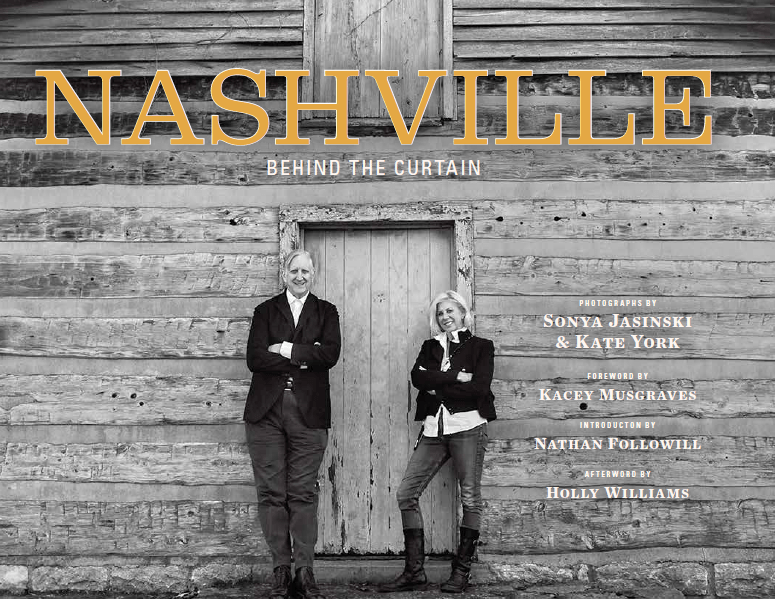
Nashville has had a rich cultural legacy for decades now, one deeply rooted in country music and Southern tradition. In more recent years, however, Music City's lesser known, non-country creative community — which boasts talent from all genres of music, as well as fields as varied as the culinary and visual arts — has gained national attention, earning praise from the New York Times, inspiring the televison show Nashville, and drawing an average of 1,500 new residents per month. In short, Nashville has been having a moment. Photographers Sonya Jasinski and Kate York sought to capture Nashville during that moment in their newly released book, Nashville: Behind the Curtain.

"Almost three years ago, Sonya was traveling back and forth, shooting artists here and we met through a mutual friend, Lucie Silvas, in town. Once I saw her photography — and I had just started taking photos myself — we both realized we had similar eyes," York says. "We started talking about what was happening in Nashville right now and how it’s such an incredible place that everyone seems to be wanting to move to, and it’s not just about country music anymore. I’m a songwriter and I was finding myself in a lot of interesting spots, as far as people I was collaborating with and moments that I really wanted to capture. So we decided to put this project together about all of the different creatives in Nashville, from songwriting process to the artists and producers and the whole collaborative part."

The book — which features a foreword from Kacey Musgraves, an introduction by Kings of Leon's Nathan Followill, and an afterword by Holly Williams — highlights Jasinksi's and York's insider's view of the city, with a stunning collection of portraits of Nashville figures, ranging from country legend Emmylou Harris to Nashville actress Connie Britton to super producer Jay Joyce. A songwriter herself — she's responsible for several of those Nashville tunes you know and love — York counts many of these figures as friends, giving the book itself that same feeling of community for which Nashville has come to be known. 

"I’ve been writing in town for over a decade, so a lot of the people in the book were already friends of mine," she explains. "Through the show Nashville, as well. Everybody just seemed really on board with it. We pitched the idea, and then our publisher wanted us to incorporate stories, as well. Originally, it was just going to be photography and it sort of morphed as we were putting the project together and it turned into us getting artist contributions and stories, asking everybody a few questions like, ‘What’s your favorite Nashville moment? What do you love about this town?’ As the stories started coming in, that’s what solidified it for me as a project. It made it feel real, and not just photography. "

Those stories, which show a deep affection for the city from both old and new residents, paint Nashville as a haven for creativity, making it no wonder so much talent and so many people have flocked here in the last few years.

"Reading people’s stories that are newer in town and seeing their outlook on how everybody has embraced them was really special, I thought," York says. "Mary Steenburgen … her contribution is one of my favorites in the book. We were writing together a few years back and that’s how I got to know her, because she’s become a songwriter later in life. She comes from the whole Hollywood scene, obviously, and once she moved to Nashville, she could not believe how many friends she had overnight. Whereas in L.A., she’s been there for probably 30 years and she said she can count on two hands how many close friends she had. When she moved to Nashville, she felt like she had a hundred immediately. I think people that move here from other cities, that seems to be kind of the overall feeling of Nashville. It’s very welcoming and not competitive. There’s a very strong community here, and you can feel that."

Get your own copy of Nashville: Behind the Curtain here.

Get Off Your Ass: May Is Upon Us

The Cactus Blossoms // Echo // May 1

Luke Bell // Echoplex // May 1

Jackson Browne // Thousand Oaks Civic Arts Plaza // May 3

Chris Pureka // The Satellite // May 12

John Prine with Jason Isbell and Amanda Shires // Greek Theatre // May 13

Richard Thompson // Teragram Ballroom // May 14

Andrew Bird // The Theatre at Ace Hotel // May 14-15

Joseph Arthur // Troubadour // May 16

Damien Jurado // Troubadour // May 18

Tim O'Brien // McCabe's Guitar Shop // May 22

Petunia & the Vipers // El Cid // May 26

Brett Dennen // El Rey Theatre // May 27

Punch Brothers // Schermerhorn Symphony Center // May 2

Bonnie Raitt // Ryman Auditorium // May 3-4

Charles Bradley // Exit/In // May 4

The Avett Brothers // Bridgestone Arena // May 6

Lucinda Williams // Ryman Auditorium // May 8

Hayes Carll // The Basement East // May 11

Fruition // Exit/In // May 12

Old Crow Medicine Show // Country Music Hall of Fame // May 12-13

Dale Watson // Nashville Palace // May 13

Dylan Fest featuring Jason Isbell, Emmylou Harris, Kacey Musgraves, Holly Williams, Nikki Lane, Rayland Baxter, Ruby Amanfu, Amanda Shires, Cory Chisel, Robert Ellis, and more  // Ryman Auditorium // May 23-24

Billy Joe Shaver // City Winery // May 28

Will Hoge // City Winery // May 29

Carrie Rodriguez // National Sawdust, Brooklyn // May 1

Mary Chapin Carpenter // 92nd Street Y // May 1

Delta Rae // Bowery Ballroom // May 2

Elephant Revival and Ben Sollee // Bowery Ballroom // May 4

M. Ward // Webster Hall // May 4

James Taylor // Carnegie Hall // May 5

Joan Osborne // City Winery // May 8

Loudon Wainwright III and Iris Dement // Tarrytown Music Hall // May 13

Graham Nash // Town Hall // May 14

Parsonsfield // Mercury Lounge // May 20

Lindsay Lou & the Flat Bellys and Ana Egge // Rockwood Music Hall, Stage 2 // May 24

Roosevelt Dime & the Bruce Harris Orchestra // National Sawdust // May 29

Brandy Clark: Sassy, Sentimental, and Sultry at Sold-Out Nashville Show

The thing about shows in Nashville is, even though there are sometimes way too many of them happening at once, local artists gone big often try to do something special for the hometown crowd. So, for her second-ever Music City show with a full band, Brandy Clark played the songs from her upcoming album (Big Day in a Small Town, out June 10) last night at a sold-out Basement East, and it was, indeed, something special.

Coming off the wild success of 2013's 12 Stories, Clark had a high bar to clear with her sophomore set: making a record that would please not only her loyal fans, but also her major label, music critics, and radio programmers. Based on what we heard last night, she has cleared that bar with room to spare. It really is a record with something for everyone, as the crowd — which included representatives from all those demographics — was equally responsive to the radio readiness of “Girl Next Door” and “Love Can Go to Hell,” as well as the stone cold country of “Drinkin' Smokin' Cheatin'” and “Daughter.”

Because Clark wields sass so well, as evidenced again and again in this new batch of songs (“Big Day in a Small Town” and “Broke,” among quite a few others), it would be easy to peg her as a certain kind of songwriter. But she's no one-trick pony; she also knows how to get to the real heart of a matter, even when the story isn't her own. “Three Kids No Husband” and “Since You've Gone to Heaven” fit that bill very, very well. While the sassy and sentimental perspectives were both present on the 12 Stories tunes, this time around, Clark sneaks in a third glance in the form of the sultry-as-all-get-out love song that is “You Can Come Over” which she sang the hell out of last night.

After making her way through the BDST material, Clark closed her set by reaching back in the catalog for “Get High” and “Hungover” because songs about weed and booze always, ALWAYS go over well with the country crowd. In fact, they went over so well that the calls and applause for more lingered long after the house music was already up. For Brandy Clark and everyone at the B-East, it was a big … night in a not-so-small town. And it was wonderful.

Set List
“Soap Opera”
“Girl Next Door”
“Homecoming Queen”
“Broke”
“You Can Come Over”
“Love Can Go to Hell”
“Big Day in a Small Town”
“Three Kids No Husband”
“Daughter”
“Drinkin' Smokin' Cheatin'”
“Since You've Gone to Heaven”
“Get High”
“Hungover”

Dear Chris Stapleton

From: Patrick Haynes
To: Chris Stapleton
Date: Monday, April 4, 2016 at 11:44 AM
Subject: write?

Hey man!

How’s it going, Chris? I’m in Nashville for a few weeks visiting from L.A. to see if I want to pursue songwriting full-time. I’ve been busking outside the bars on Division trying to meet some fellow troubadours, earn a few bucks, and score pub deals. I got some weird looks for setting up my iPad and Square inside my guitar case, even though that’s how most of us West Coast songwriters and bums get paid nowadays.

Anyway, I’ve been asking around town to see who’s hot these days and your name keeps coming up. You’re definitely at the top of my list of people I want to connect with while I’m in town, so I wanted to see how your schedule looks the next couple weeks. I bet if we got together in a room for an afternoon, we could knock out a huge hit.

A little about me: My style is a bit Sheena Easton meets Skrillex, with a dash of New Jack Swing for good measure. My mom sang at church and my dad was always playing the radio in the car, so I come from a very rich musical background. I definitely want to get into country music — Kid Rock and Hootie were formative influences on my songwriting.

Oh, and I have a beard and a hat that’s never been washed, too! Great minds, right? 

And, hey, Chris, if you don’t have time this week to schedule a co-write with me, maybe we can just grab a beer with Dave. Would love an intro. What’s your cell?

All warms,
p.


The above is a work of satire. Any resemblance to actual persons, living or dead, or actual events is purely coincidental … although entirely likely.

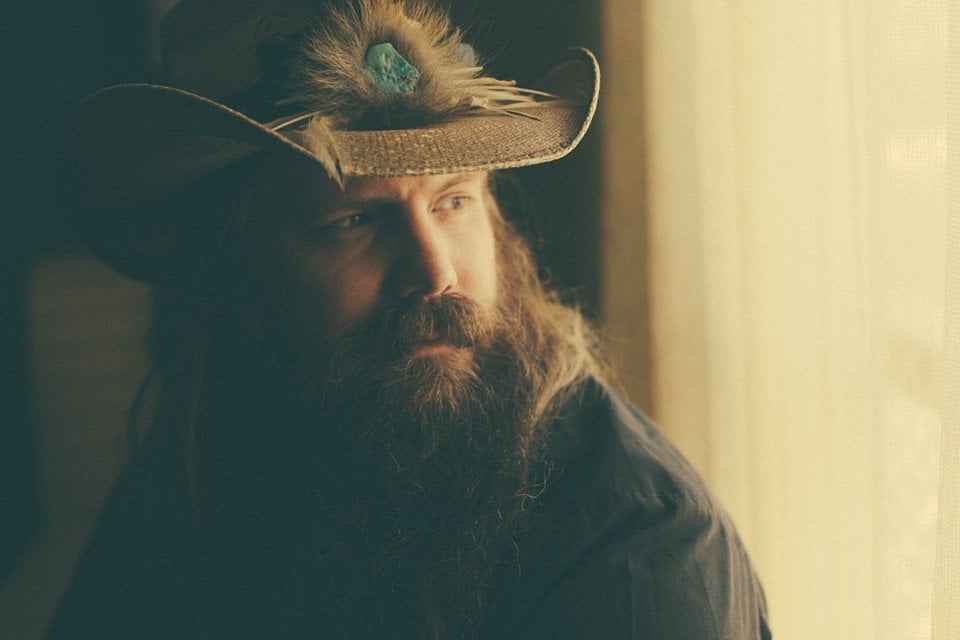
Photo courtesy of Chris Stapleton

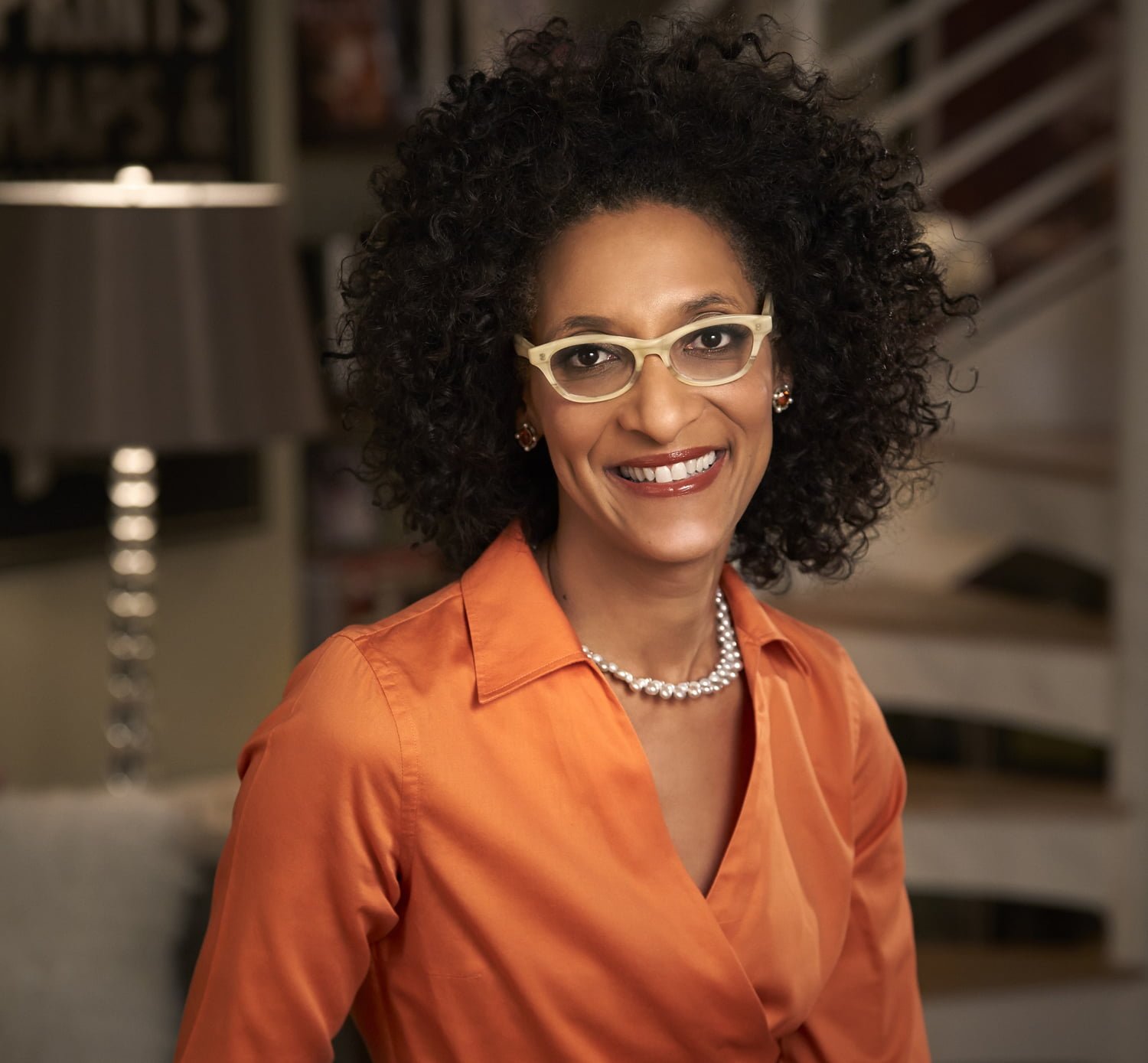
SHIFT LIST: Chef Carla Hall Likes a Little Rhythm in Her Blues

Carla Hall had been on television a lot before she filmed the debut episode of The Chew, the food-focused daytime talk show she co-hosts on ABC alongside Mario Batali, Michael Symon, Clinton Kelly, and Daphne Oz. After all, she had been a finalist on Top Chef in 2008 and the fan favorite a few years later Top Chef: All-Stars, thanks to her indefatigable positivity, vibrant cooking, and cheery catchphrase — “Hootie hoo!” But reality TV hadn’t really prepared her for being filmed on stage in front of a live audience in the fall of 2011.

“I was so nervous on the first day,” she says.

Luckily for her, the DJ who was keeping the crowd entertained played something that struck a chord. (She doesn’t remember what, admitting, “I’m the worst when it comes to remembering people or their songs.”)

Whatever it was, it inspired her to run out into the crowd and begin dancing. A network executive, who was watching the scene unfold, ordered the crew to have a high-energy, Carla-specific playlist created. Now, it blares out of the speakers before almost every taping of the show. “It’s a way for me to connect with the audience, get out of my head, and loosen myself up,” says Hall, who put together this playlist to create a similar atmosphere.

Her gig at The Chew has given the Nashville-born chef a chance to hang out and cook with some of her favorite musicians, including Kimberly Schlapman of smooth-singing country quartet Little Big Town, Patti LaBelle, and Gladys Knight. “Food and music go hand in hand,” says Hall. “A lot of these guys spend a lot of time on the road, so they focus a lot on getting good food versus just having crap food from craft services.”

On this particular day, she’s prepping to tape a segment with Seal, where they’ll be cooking a blackened shrimp salad. “I’m so excited,” she says. “I can’t wait to meet him. There’s some music that reminds you of a certain time in your life. He reminds me of being in London when I was just beginning to get into food.”

Her mind is equally occupied with the upcoming debut of Carla Hall’s Southern Kitchen, which is set to open in Brooklyn, New York, in late April. Inspired by the cooking of her birthplace — she now divides her time between her home in D.C. and New York City, where The Chew is taped — the restaurant will specialize in Nashville hot chicken. “Because it’s a Nashville thing, there has to be country music,” she says. “It will range from bluegrass to country rock and country pop, as well as blues and R&B — some old; some new.”

It’s a far cry from what Hall listens to in the kitchen when she’s cooking. “I want something that’s really low-key, because I want to hear the food make sounds,” she says. “If I have something in the pan, I want to hear it sizzle. But if all the food is done and I’m plating up, that’s another story. Then the music becomes much more upbeat, as I shift into party mode.”

3×3: Julie Christensen on SXSW, Senior Year, and Splitting the Geographic Difference

Artist: Stone Cupid / Julie Christensen
Hometown: Nashville, TN
Latest Album: The Cardinal
Rejected Band Name: Piehole


On my walk this morning.

A photo posted by Julie Christensen (@stonecupid) on

If you had to live the life of a character in a song, which song would you choose?
I have lived the character in the Randy Newman song "Marie." I think she may be the girl in "The Cardinal."

Where would you most like to live or visit that you haven't yet?
I had "astro-cartography" done a long time ago, and was told to go to the Portuguese islands of the Azores in the Atlantic. So I would like to go. They're supposed to be what's left of the lost civilization of Atlantis.

What was the last thing that made you really mad?
I can't tell you what it was exactly … probably a friend getting sick or dying because of the inequity in our health care system.


Oh, hell yeah.

A photo posted by Julie Christensen (@stonecupid) on

What's the best concert you've ever attended?
I can't decide between two concerts: In 2008 during SXSW, I heard Chuck Prophet and the Mission Express in a sweaty basement full of 300 people rock with the same fire and abandon we all carried in the '80s in that punk scene in L.A. (So glad I have that Chuck Prophet song on The Cardinal.) Same with X at the Ryman last year: John Doe said "Ernest Tubb must be turning over in his grave …"

What was your favorite grade in school?
When I was a senior, all I had left to take was French IV, dance team, and Chorus.

What are you reading right now?
A book of stories by Canadian author Alice Munro that my co-producer Jeff Turmes gave me, called The Love of a Good Woman. I've been savoring, for a good while, her exploration of the depth inside these Great Plains "plain folk." These are my people. Kind of dark down in the soul.


Vintage Feet. Well-traveled.

A photo posted by Julie Christensen (@stonecupid) on

Whiskey, water, or wine?
For the last 28-and-a-half years, water.

North or South?
Somewhere in the middle.

Pizza or tacos?
Tacos. Hello.


Photo credit: Michael Kelly

The Producers: Buddy Miller

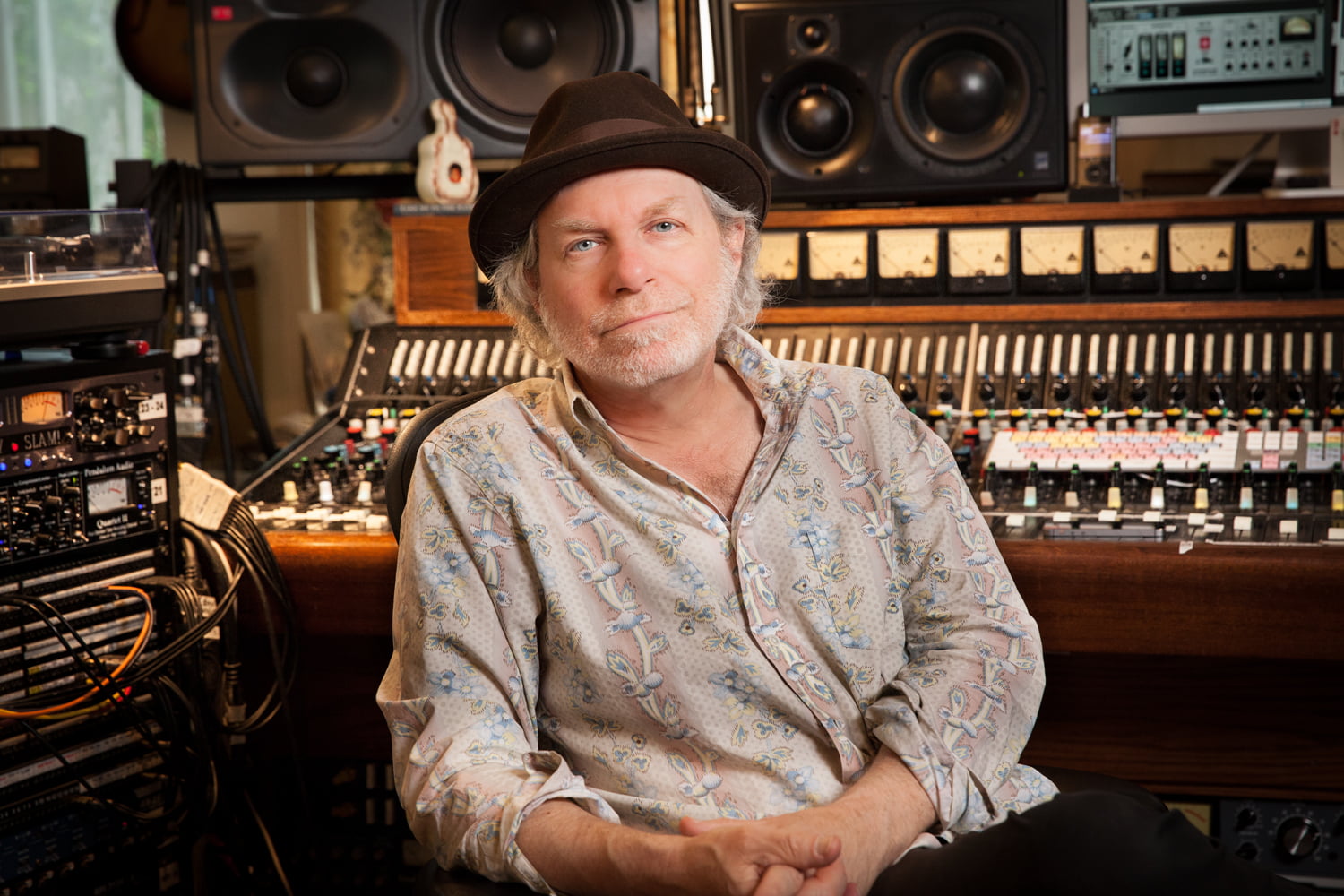
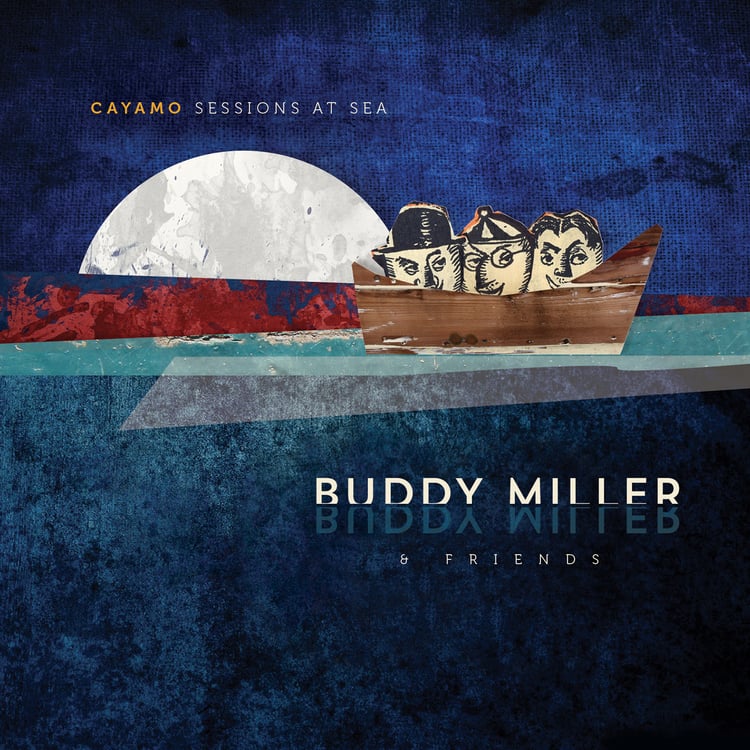
Even if you weren’t already aware that Cayamo Sessions at Sea was recorded on a cruise ship, even if the title didn’t spell out the circumstances of the album’s creation, you could probably guess as much. Featuring several generations of roots artists covering old country songs, the record sounds sunny and breezy, light but not lightweight. Buddy Miller and Lee Ann Womack make “After the Fire Is Gone” sound more about the make-up than the break-up, and Elizabeth Cook emphasizes the buying rather than the crying on “If Teardrops Were Pennies.” Even Kris Kristofferson’s new take on “Sunday Morning Coming Down” sounds like nothing so serious as having to disembark at the end of a week at sea.

It’s to Miller’s considerable credit that none of that is a bad thing. A producer and central performer, he keeps things light, as though you’re flipping through vacation photos, but that strategy showcases the amiable dynamic between performers and singers more than the ocean-bound environs. It sounds like it would have been a blast to make, even if they held the sessions in an outhouse or a bank vault.

For nearly a decade, Miller has been a prominent figure on the Cayamo Cruise, which sails from Miami to St. Maarten and Tortola and features a who’s who of roots and country artists. In that time, he’s only missed one boat, and that’s only because he was recovering from a heart attack. It struck him onstage but, professional that he is, he finished the song.

Over the last 40 years, Miller has emerged as one of the most imaginative musicians in Nashville, both on the stage and in the studio. A former Deadhead turned sideman turned producer, he has helmed albums for a mind-boggling range of artists: Shawn Colvin, Emmylou Harris, the Carolina Chocolate Drops, the Devil Makes Three, the McCrary Sisters, Dr. Ralph Stanley, and Robert Plant. When Patty Griffin wanted to make a gospel record, he had her sing at the pulpit of the Downtown Presbyterian Church in Nashville, with the band on the floor playing up to her.

“Every record has a story to tell,” he says. “Every record is a whole different world. I don’t come into anything with a preconceived nothing. I might hear things before we go in, but I won’t impose that on an artist. I just hire the players I love and see what’s going to happen.”

Why did you want to make an album on the Cayamo Cruise?

I grew up loving music, in general. I loved blues. I loved rock. I loved folk. I was a Deadhead at the age of 14. When their first record came out, I bought it pretty much for the cover. And then I started going to every show I could make it to, until around ’72 when Porter Waggoner, Tammy Wynette, and Ralph Stanley won that war. I stayed in that country music camp and gradually drifted away from the Dead. But I remember, from that very first show, there was a sense of one big family coming to those Dead shows. Now, it’s legendary and they make movies about it, but even at those first shows, you’d see the same people. They were immediate friends — an extended family. Everybody loved each other and everybody was there for the same reason.

I guess that’s a long way of saying that there’s a similar feeling on the boat, although it’s a different … I hate to use the word “demographic.” Is that what the politicians are using these days? It’s a different set of people, but all with the same heart. They’re all there for the music. It’s not a party boat. It’s a lot of people — 2,000 or 2,500 people — and I just want to hang out with them all. They’re all great. And I thought it would be interesting for them to have the veil pulled back on the process of recording. That’s why I did it. I don’t think people have any idea how records are made. I don’t even know how magical records are made. How does that magic happen? So we’re showing them the nuts and bolts — what musicians do, how they play together in a room, pick a track, fix it up, do all that stuff. I thought that would be of interest to these people that I love. That, and I worked on this television show called Nashville. I don’t know if you’ve ever seen it …

Definitely.

I worked on the pilot for Callie [Khouri, who created the show], and then, when the first season got picked up, I worked with T Bone Burnett producing [the music for] it. Most of the things we produced together, I would say. I continued with it, but I think it drove him crazy. I have a higher tolerance for bullshit, I guess. But now I love it and I love the people — especially these two little girls, the Stella Sisters. John Prine was going to be on the cruise, and what I wanted to hear was those two little girls, the Stella Sisters, singing, “Daddy, won’t you take me back to Muhlenberg County?” And then John would come in singing the verses to “Paradise.” It seemed like a good thing to document. It’ll make the sweetest record. Unfortunately, John got sick and couldn’t make it.

But that was where the idea came from. What I do is, I try to engineer collaborations. That’s just how I think: Let’s pair this with that. I think in collaborative terms. I don’t know if it’s because I’m lazy and don’t want to do all the work by myself. But I think it’s because I just want to hear certain things. Shawn Colvin asked me to do a record of hers a while back, and I thought, "You know what? Brian Blade and Bill Frisell. I would love to hear her voice framed by those two musicians." That’s what I’m talking about. It’s all about coming up with your dream teams.

Tell me about setting up a studio on the boat.

I asked one of the engineers I work with, Gordon Hammond, if he wanted to go on this cruise. We bought a bunch of microphones, a lot of gear, and set up in what was a bowling alley on the ship. We managed to turn it into this vibey … I hate that word, “vibey.” It’s very homey and warm, with all our gear set up and the band set up in a circle. There are about 100 chairs, because we couldn’t fit more than that in there and I didn’t want the sound of more than 100 people breathing on the same time to work its way onto the record.

What are some of the challenges that come with recording on a boat?

I guess I don’t look at it that way. There are certainly challenges, like when somebody turned on the wrong light switch. Boats just have a lot of switches on them. We couldn’t always tell what they were for, so somebody turned on the disco ball accidentally and it started blasting some dance song. That was actually a fun moment. And an easy problem to fix. You just don’t want to stop if there’s a flow going. It’s as much about the lighting in the room, the air in the room, how it feels. All of that affects the music. Outside of that, there aren’t really any challenges that are any different from recording on land.

The one and only cruise ship I’ve been on felt very institutional to me. Aside from the scenery and the sun, it didn’t feel like it would be especially conducive to making music.

That could be anywhere. That could be any recording studio. It’s all about … I don’t want to use the word “staging.” I’ve been working on television too long. But it’s about the feel of the room, how close people are together. I like people to be right on each other. You can bring in nice-looking rugs, even on a cruise ship. You can drape things on the wall, turn the lights down. You can make any room feel nice. That’s what we did in that bowling alley, which actually felt pretty nice to begin with. And it felt great when we had it set up and started recording. I think everyone enjoyed themselves — the artists and the audience. They loved to see that recording process, even though this isn’t really the process. The vocals went down with the track, and the track went down fairly complete. Maybe a couple of tracks have two or three overdubs and a few vocal fixes, so it’s not really like making a record. It’s a little more honest than that, but it still gives people a view into that world.

So there’s an instructive or an educational element to this project.

Exactly. I thought, if people love music enough to get on the boat, then they might love to see that process and see how artists say, "You try singing that part. Let’s flip on the chorus, and you take the harmony while I take lead. Let’s leave that line out. Hold the drum till the chorus. Don’t have the bass come in until the fourth bar." All of that stuff is worked out long before the audience gets involved, so they don’t know what goes into it. This is a very, very simplified version, but it’s still something I think they find fascinating.

There’s a nice range of artists on this album. You have younger artists like Kacey Musgraves alongside older singers like Kris Kristofferson. Was that something you were thinking about, that generational exchange?

Yeah. It’s a funny thing: My name is on the record, so I have to be involved somehow, playing or singing or just having a presence on it. My part is very minimal, but I had to be there. If it was just me doing whatever I wanted to do, I probably wouldn’t even be on half of those tracks. I would have put Kacey singing with Kris or someone else, not me. But it’s my record company and my name goes on the album, so I have to do something. I think it’s a good record. I like it. Maybe because I don’t hear myself is why I like it so much. That’s what makes my records so hard to listen to.

Nashville is like no other place in the world for songwriting. People come here from all over the world — songwriters, young singers, all these young women. In addition to the cruise and the television series, I do a radio show on Sirius XM. Usually it’s weekly, or just whenever I can get it done. I have a guest come over every week, and lately I’ve had some of these younger writers that I run into. I find it amazing that they’ve been doing this since the age of 13 or 14. That’s when I knew I was going to be making music for the rest of my life, but some of these kids have already started writing songs. A lot of them have their parents’ support, too. That was something that wasn’t really around, when I was a kid. My parents wanted me to do anything but music, maybe because there was this whole other subculture that was tied to the music. I think there’s less money in it now than there was when I got started. I think. I don’t really know much about that end of it, but it does seem like the music business has dried up. You might know more about that than I do.

I hear conflicting reports. Some people say it’s still possible and there’s great music being made, and others are very pessimistic. I guess it all depends on who I’m talking to.

There’s always great music. Sometimes you just have to look a little harder for it. I think with downloads and iTunes and everything, it’s more about singles than it is about albums. That’s the part I miss. You would make a record. The Grateful Dead made Anthem of the Sun in 1968, and you wouldn’t think about chopping it up into 10 little songs. Ralph Stanley made Something Old Something New back in the early ‘70s and, even though I’m sure there was no intention of it being a themed record, it just flowed together so well that you had to listen to it in that sequence. You wouldn’t want to download just one song. Or Porter Wagoner. He was doing concept records before the Beatles. So I’m glad vinyl’s making a comeback.

I think that’s something that’s overlooked in country music, especially. There are so many incredible singles, but there are a lot of amazing albums, too. Making a good record is a very different process than making a great song.

I don’t know a whole lot of big country artists. Well, I know some, I guess, and I think they still look at it as as making a record. And gosh, when I was growing up — and I’m old! — it was about the single. That’s what got played on the radio, in mono. It was all about the mono mix. So, maybe, in a way it’s not so different; but I would make a point to buy the albums and listen to side one all the way through, then side two. There might be a stinker in the middle of side two, but that was all part of the package.

When you start working with an artist, is that what you’re thinking about as a producer? Are you looking at these projects as albums rather than songs?

Completely. It’s funny you ask that, because I’ve never thought about it. I think that’s because I don’t produce anything that is going to end up where people are going to care about singles. In my mind, the audience is buying an album, so we’re making an album. I just finished a record with Steve Earle and Shawn Colvin — a duets record. They’ve made some incredible records, and all they cared about with this one was the vinyl. Steve, in particular, was very concerned with sequencing for vinyl. We cut a lot of songs together, but we just put enough songs on there that would fit and sound great on vinyl. I’m happy to be thinking along those lines.

That’s one thing I actually went to school for as a kid, was to learn to use a Scully lathe. For most of my life, that was a great skill to have. Then it became pretty useless. I don’t actually have a lathe. I have enough useless stuff in my house that weighs 500 pounds. But I like being around all that old equipment with all of its old smells.

I do think the weight of that equipment — the tactile quality of it, the smell, and look of it — does add to the way you experience music.

I’ve got so many old, heavy microphones. I guess the heaviest one I have is an RCA 44-BX, that big … I don’t know what you call that shape. Not the big egg, but the one with the angles on it. You see Frank Sinatra singing into it all the time. It weighs a ton. It’ll take down any mic stand. It’s a warm mic, a beautiful-sounding mic, so it’s difficult to record with. But I’ll put that up or my old Neumann U47 because they take the singer someplace. You look into that thing; you get up close to it and you can smell it. You look into that thing and you start singing and you think about who has sung into it for decades. That’s part of creating the world that you record in, and it affects the music. There are great new microphones, of course. I keep buying new ones that sound really good, but when it comes to the singer trying to tell a story, you have to give them a mic that’s really been down the road.


Photo credit: CJ Hicks
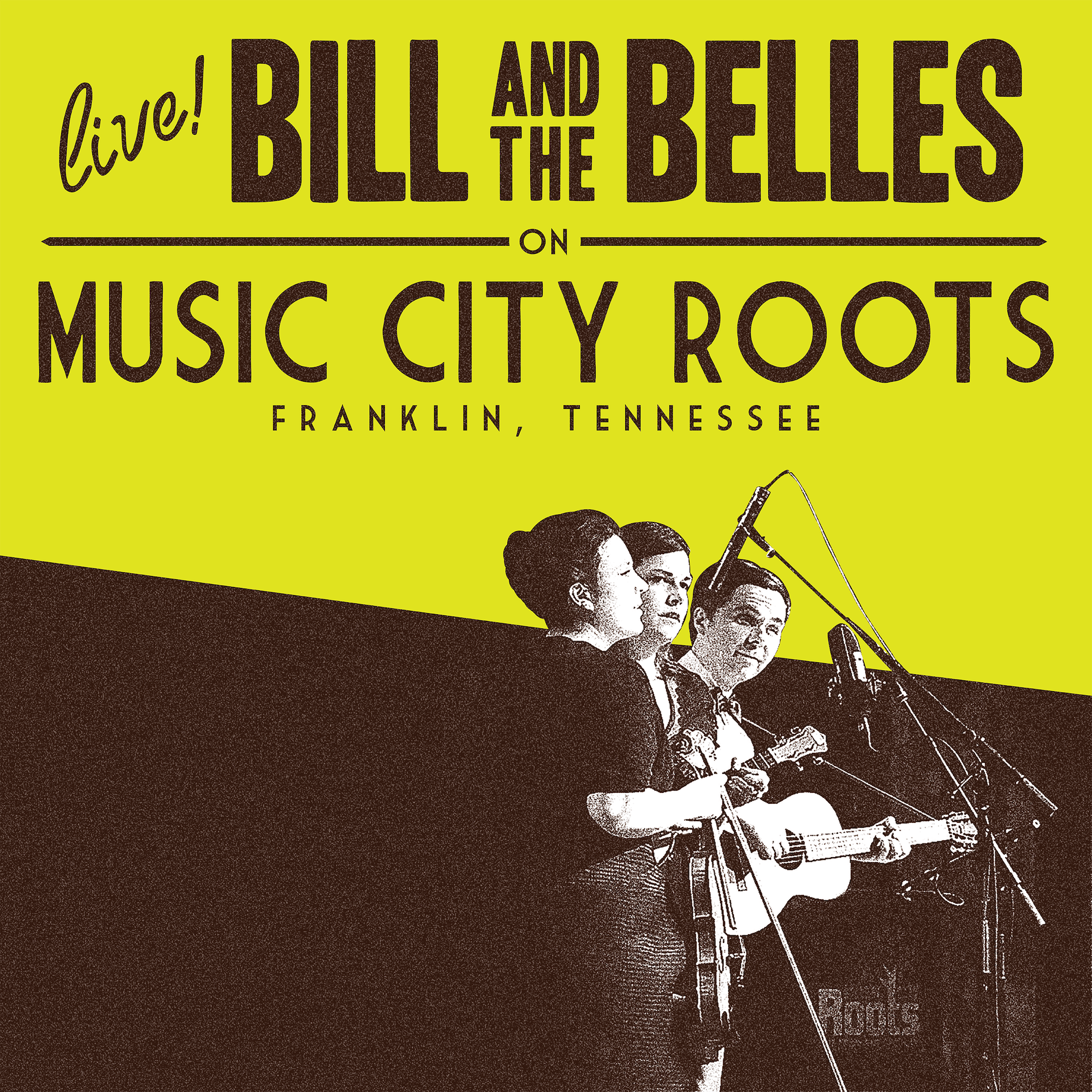
WATCH: Kris Orlowski, ‘Carry Your Weight’

Artist: Kris Orlowski
Hometown: Seattle, WA
Song: "Carry Your Weight"
Album: Often in the Pause
Release Date: May 6

In Their Words: "When I was writing the last album, I spent a lot of time in Nashville and L.A. This is one of the tracks that came from my time in the South. On this album, we pushed for more of a band sound than my singer/songwriter roots. This track feels like it bridges the gap between where I've been and where I'm going. It was a relief when we finished recording it as a band, because it feels like it maintains the soul of the original version written with a guitar and voice. It was nice to add a visual to the song, because it gave us a chance to put a different lens on it without being too literal." — Kris Orlowski


Photo credit: Jake Grabrot

Experience Your Favorite Cities Through These Vintage Photo Collections

Everyone likes to talk about the "good ol' days" of their city — the days before high rises and high-end coffee shops took over and a little bit of history got squeezed out as a result. Most people, however, neglect to look much past the decade or two they've lived in a certain spot, forgetting the years of growth and change that brought the city to its current incarnation. We've rounded up some of our favorite spots on the web to check out cool, historic photos of some of our favorite cities, and you can give them a look.

Nashville, TN

Bob Grannis and Leila Grossman

Grannis Photography has an extensive collection of vintage photos of Nashville, from way back when at the Grand Ole Opry to the days when Green Hills Market was a fixture in what is now Trader Joe's and Whole Foods territory. The site is run by professional Nashville photographer Leila Grossman, who bought the photo archives of Bob Grannis in 1997.

Denver, CO

Photo via Denver Public Library

The digital archives of the Denver Public Library are a gold mine of historic photos, many of which are essential to understanding Western history. With over 50 collections of photographs available, the archive is sure to have something for everyone.

Chattanooga, TN

Chattanooga has a lot of history, and Deep Zoom Chattanooga is one of the web's best resources for exploring it. The image galleries, which are categorized by decade and go back to the 1800s, were pulled together by Sam Hall, a history enthusiast who spent years making the project into what it is today. 

Portland, OR

City of Portland Archives, Oregon, SE 4514 E Burnside Street near SE 45th Avenue, A2011-013, 1964

Vintage Portland is a photo blog created and run by the City of Portland Archives and Records Center. With categories broken down by both decade and geographic location, the blog is a wonderful source for anyone looking for the history of a specific Portland locale.

Los Angeles, CA

Photo via Shorpy

Shorpy, an online archive of historic photos from all over, has an extensive collection of vintage photos of Los Angeles, ranging from Old Hollywood to early businesses in some of the city's most popular neighborhoods. 

Chicago, IL

Photo via Shorpy

Shorpy is also a wonderful resource for historic photos of Chicago, collecting early images of landmarks like Grant Park and showing what 1910 Chicagoans saw as a "Changing Chicago."


Lede photo: City of Portland Archive, Oregon, Logan Oldsmobile Company on the corner of SE Grand Avenue and SE Yamhill Street, A2011-013, 1961