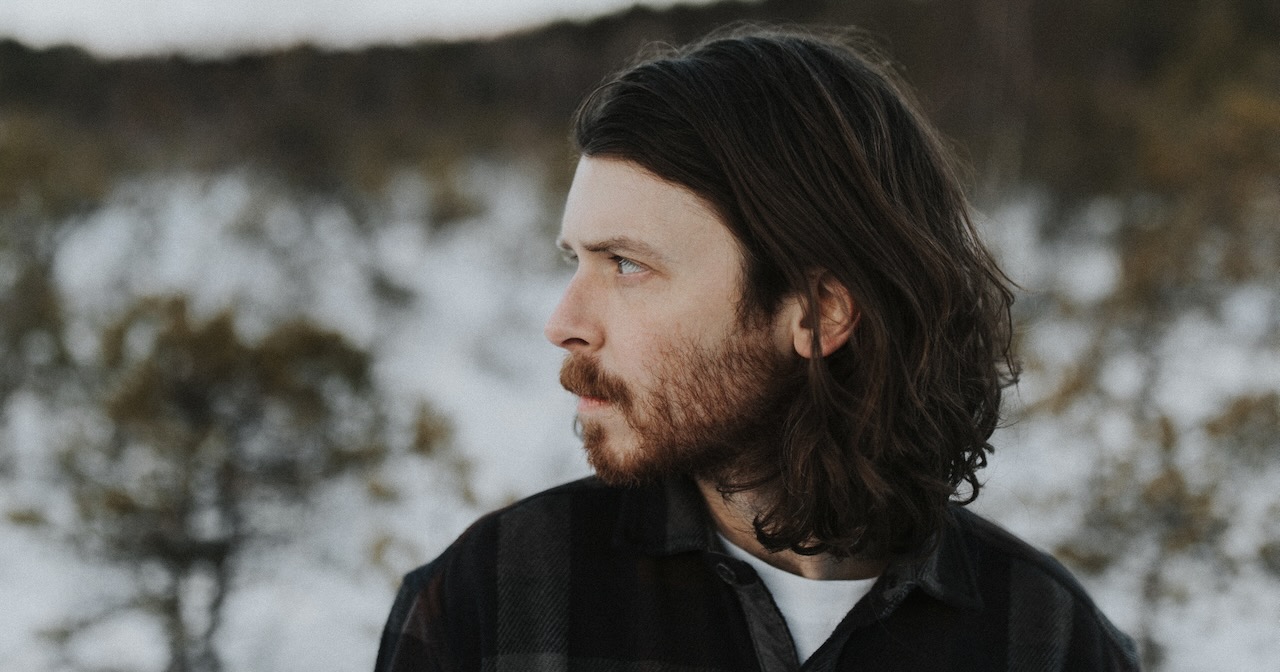
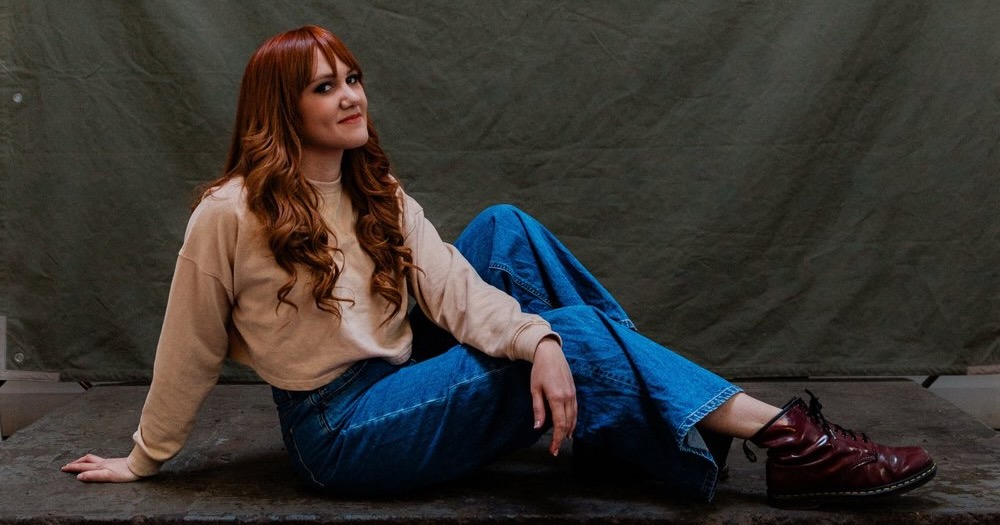
Welcome to The Working Songwriter, the show where today’s best songwriters come to talk shop. Each episode we host a distinguished guest and we ask them to go deep on their inspiration, their process, and the general ups and downs of making a life in music. Whether you’re a grizzled veteran picking out custom chrome trim for your tour bus or a scrappy upstart, trying to determine whether your Toyota Tercel can make it through a three thousand mile tour, this is your show. Because, ultimately, it is what every writer seeks most. An ironclad excuse to put off actually writing.
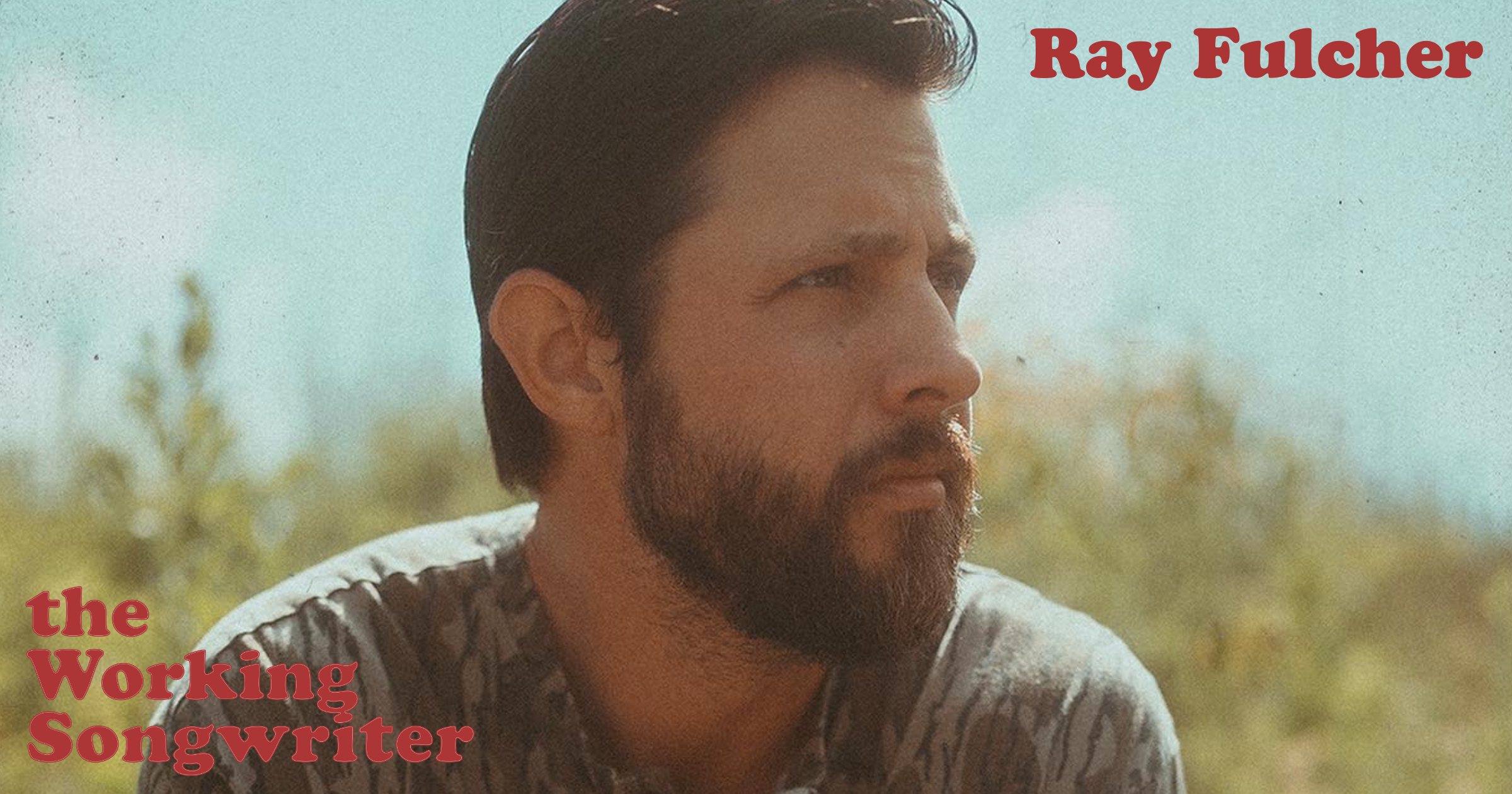
Our guest this week hails from Harlem, Georgia. Ray Fulcher is one of Nashville’s most sought-after modern country songwriters. He first broke through co-writing a string of chart-topping hits for Luke Combs – including the multi-platinum “When It Rains It Pours” – before stepping into the spotlight with his own recordings on his 2022 debut album, Spray Painted Line.
Fulcher has toured extensively, sharing stages with Luke Combs, Ashley McBryde, and Matt Stell, and his songs have been streamed hundreds of millions of times across platforms. He has written for artists like Riley Green and Cody Johnson, including Johnson’s recent hit “The Fall.” Billboard highlights his “unmistakable narrative grit,” while Holler celebrates his “clean-cut melodies and lived-in honesty.” Taste of Country notes his “ability to turn small-town details into widescreen emotion.” I caught up with him recently on The Working Songwriter to hear about his musical journey so far.
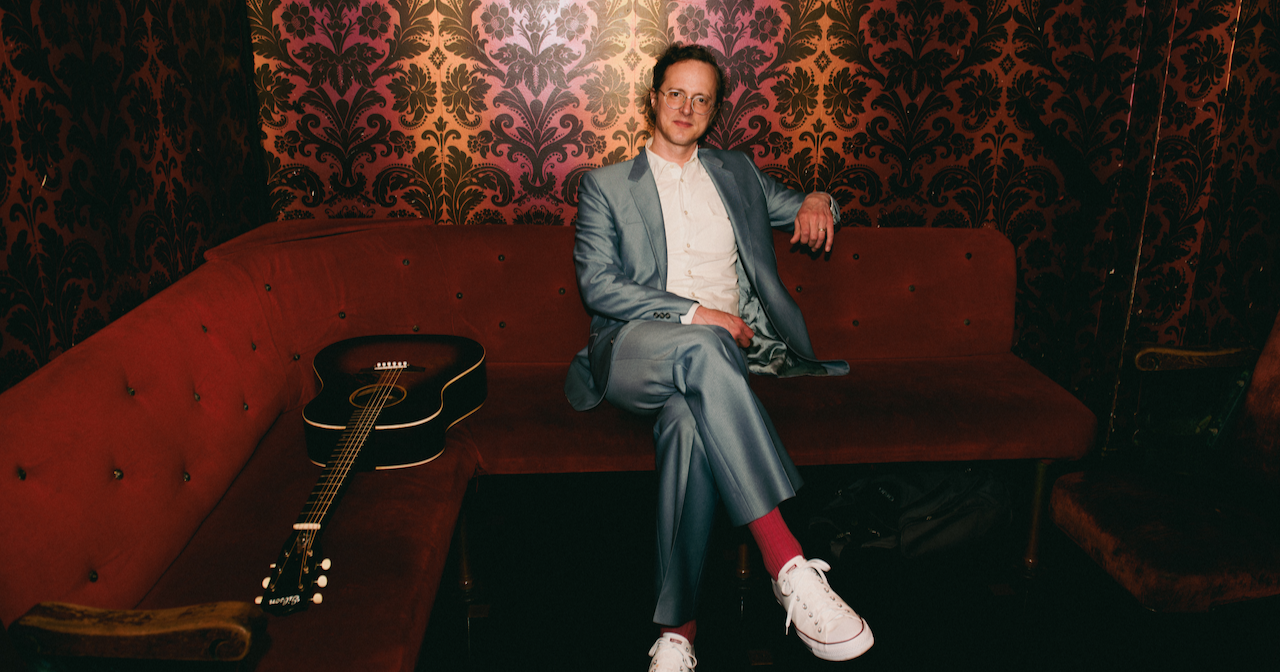
Although he lives in New York now, Michael Daves’ Southern roots permeate his music. That characteristic goes further than ever before on the newly released Fables, a six-song EP that reconstructs songs from fellow Georgia band R.E.M.’s 1985 album Fables of the Reconstruction.
In celebration of the record’s 40-year anniversary, Daves enlisted his longtime quartet bandmates – fiddler Alex Hargreaves (Billy Strings), mandolinist Jacob Jolliff (Béla Fleck, Yonder Mountain String Band) and Erik Alvar (Nefesh Mountain, Billy Strings) – and others to reinvent songs like “Green Grow The Rushes,” “Wendell Gee,” and of course, “Driver 8.” Together, they turn each track on its head, fully leaning into their bluegrass prowess while continuing to hold each song and their original formats in high regard. It’s something that Daves has plenty of experience with, having released the dual acoustic and electric bluegrass covers compilation Orchids and Violence in 2016 and Early Morning Sun – an EP of bluegrass and country standards from Ola Belle Reed, Dolly Parton and others – in August 2025.
“It was really important for me to try to make something that would stand on its own, even if people didn’t have any connection with R.E.M. or don’t even like them,” explains Daves. “I tried to make something that just works by its own logic as much as it’s paying homage to the original.”
During a Zoom call with BGS on release day in December, Daves spoke about his motivation for doing this cover EP, how he decided which songs to include on it, the plans for his label Wild Geranium Records, and more.
What motivated you to not only make an EP of R.E.M. covers, but to do it with songs from Fables of the Reconstruction?
Michael Daves: It’s an album I grew up with. R.E.M. was one of my first musical obsessions. I first discovered them in the late ‘80s at summer camp in Toccoa, Georgia, not too far from Athens where R.E.M. was from. All my camp counselors were [University of Georgia] kids, so I fully downloaded their musical tastes, which fortunately were pretty good.
As far as taking on the Fables thing now, there were a couple inspirations. For one, it’s the 40th anniversary of that record and it’s one that I don’t feel like a lot of younger people have heard or appreciated. People seem to know more of R.E.M.’s pop stuff from the ‘90s and beyond, but that ‘80s stuff was so good and weird. I also have this quartet I’ve led since about 2019 with Alex Hargreaves, Jacob Jolliff, and Erik Alvar in New York. They’re all incredible musicians who are very well versed in traditional bluegrass but also very adept at adapting music from outside the fold. We’d done some other projects over the years – like we did a whole mini set of Jimmy Webb songs one time including “MacArthur Park,” “Wichita Lineman,” and “Galveston” – and they learned that stuff in one rehearsal and just rendered it so beautifully. It made me realize that this is a quartet that really can handle a challenge.
The Fables idea came up because of the anniversary, but also because in August I had done a tribute along with Peter Rowan to the 1973 Muleskinner record that he was a part of. Initially he united with Bill Keith, Clarence White, David Grisman, Richard Greene, and Stuart Schulman to share a TV show with Bill Monroe, but Monroe never showed up. His bus broke down, so they ended up having the whole show to themselves and wound up getting an album deal out of it. Then they made this record that didn’t go anywhere because Clarence White died before it came out.
I taught a class about Clarence’s guitar playing on that record and through that became inspired to do a tribute to it with Peter at Vermont’s Green Mountain Bluegrass & Roots Festival this past August. When studying that Muleskinner record I discovered it had the same producer as R.E.M.’s Fables, Joe Boyd, who’s also worked with everyone from Nick Drake to Fairport Convention and Pink Floyd. That strange coincidence led to a Fables tribute show, which is then where the idea for this EP really came to life.
How’d you go about dwindling the original Fables of the Reconstruction down to the six tracks that are on this EP?
It was an interesting process choosing which songs to do. It was a combination of practical considerations, because when the quartet and I worked up this music for that one-off show in Brooklyn I initially picked songs that I thought were achievable on our tight constraints and would translate well to a bluegrass ensemble. There were definitely other songs on the original record that would have worked, but I’m feeling good about the song choices we made because the original record is sort of sprawling with a lot of digressions. There’s a lot of dreamer logic and a Faulknerian non-linearity in the writing, so to pare that down into what I think works as a distillation of the original recording that probably is more of an interesting statement on the original than if I just recorded the whole thing, you know. As my wife put it, we took it from a sprawling Faulknerian epic to more of a Flannery O’Connor gut punch.
Do you have any specific favorites of the six songs making up this project?
As far as song selection, I kept the first and the last songs from the record in their normal position. The record opens with “Feeling Gravity’s Pull” and ends with “Wendell Gee” so I kept those because the beginning and end of the story just felt right.
There’s something about the song “Good Advices” that just always just gets me with its meditations on mortality. It’s classic R.E.M. in the sense that it can be hard to parse the lyrics because they’re based more in dream logic than confessional writing. However, they still carry a lot of emotional weight and a sense of meaning that’s oftentimes hidden. For some reason, that song is the one that just always gets stuck in my head and gives me all the feels.
Part of this is due to the structure of the song, which is repetitive and drony. The bridge is basically four measures of the G chord and then it’s out, which I think is just brilliant how that works in the song. It was those repeated drone lines that Alex played over while the rest of the band had these repeated melody things going on. For me it’s the quintessential song off of the record. I don’t think it was a hit or anything at the time – that goes to “Driver 8” – which I almost didn’t include because it was the best known song off of that record.
The opening track, “Feeling Gravity’s Pull,” is one that was never my favorite track from the original record, but in rendering it I started liking it a lot more. I particularly like what Duncan [Wickel] brought to it on cello as well as the background vocals on it, especially at the end. That’s Jefferson Hamer from The Murphy Beds and Sean Cahill from The Next Great American Novelist. The parts they added took the song in this almost metal-like direction, which felt really good and different from the original, especially considering we’re all acoustic musicians. The whole experience with that song felt really cathartic. There’s an intensity that I always want out of bluegrass but don’t always hear, so I ended up being really happy with how that one came out.
This is the second release on your own label, Wild Geranium Records. What are your plans with that?
This is the second release on Wild Geranium. The first was my EP Early Morning Sun, which came out in August and was just a solo recording. The third one is coming out in March and is a full-length duo record with me and Jacob Jolliff where we’re paying tribute to Jim & Jesse, [who] are part of the first generation bluegrass legends. But most of what I do under Wild Geranium will be EPs and other shorter recordings.
Do you plan to record other folks on the label, or just your own projects?
It’s intended as a platform for various collaborations that I’ve had as well. All of the releases I’ve put out so far have zero original material, but some of that will be coming soon, too.
You’re also releasing Fableson cassette? What’s behind that decision?
The cassettes were part of the concept of Wild Geranium from the beginning. Cassettes first came back within the indie rock world almost 10 years ago, but to my knowledge isn’t something that’s been done much in the bluegrass world. I’ve had people joke with me and say, “Oh gosh, I’ve got to dust off my ‘78 Dodge Charger to play this!” [Laughs] In the age of streaming, I think having a physical item that is a little more affordable, easier to produce and keep in stock than vinyl is more important than ever.
The idea was to also include at least one song on each cassette release that’s not available digitally. On Fables that’s actually two bonus tracks – a duo version of “Green Grow The Rushes” with me and Jacob Jolliff and the other’s a live version of “Can’t Get There From Here,” which was from a full-band show back in August where we debuted the material. I just wanted to offer something unique and special to the listeners who care. If you get the cassette, you’re gonna have something that no one else is gonna have. It’s not bouncing around the internet, you have to have the physical thing. From a production standpoint, it’s an opportunity to tell a slightly different story than the digital release.
Do you have any other cover EP/album ideas up your sleeves?
Aside from the Jim & Jesse project, I also have some original material on the back burner. It’s fully demoed and is all music connected to Ponce de Leon Avenue in Atlanta where I grew up. It includes some stuff that I’ve written and co-written along with songs by family members and friends from that area and era. I’ve been performing music from that project for quite some time now, but haven’t made the record yet. So that’s something I’m hoping to make happen that would be another full-length, full band record.
What has bringing this R.E.M. covers EP to life taught you about yourself?
This R.E.M. stuff was among my first musical obsessions, so for years that’s just been baked into how I hear music in an uncritical way. So to actually get in there and break down what went into this record and think about how to render it in this other context was really interesting for me and fun to make a statement with that’s not based in nostalgia.
I also enjoyed getting to explore my feelings about how I want string band music to work. On my last full-length record Orchids and Violence I utilized a double-record concept where each disc had the same track list, but the first one was a very straightforward bluegrass record and the second disc is like all electric, experimental rock renderings of the thing. Fables was a little bit more like uniting both sides of Orchids and Violence into a string band expression, which is something I’d be open to doing more of in the future.
Artist:Michael Daves Hometown: Atlanta, Georgia (originally); New York, New York and Adams, Massachusetts (currently) Song: Can’t Get There From Here Album:Fables (EP) Release Date: December 19, 2025 Label: Wild Geranium Records
In Their Words: “As a Georgia boy growing up in 1980s, R.E.M. was my first musical obsession and I still love those early albums. The dream logic, the obscure references to Southern culture, the addictive hooks, the ghostly background vocals. I thought it would be interesting to adapt one of them to bluegrass and it happens that Fables of the Reconstruction is celebrating its 40th anniversary this year. It’s an arty rock album, but there’s a lot of droney stuff in there that sounds like it came from mountain dulcimer, banjo, and mandolin. The quartet I lead with Hargreaves, Jolliff, and Alvar has proven very adept at interpreting music from non-bluegrass sources and though they had no prior knowledge of this music, they were open to it and knocked it out of the park.” – Michael Daves
Track Credits: Michael Daves – Guitar, vocals Alex Hargreaves – Fiddle Jacob Jolliff – Mandolin Erik Alvar – Bass Duncan Wickel – Cello Sean Cahill – Background vocals Jefferson Hamer – Background vocals
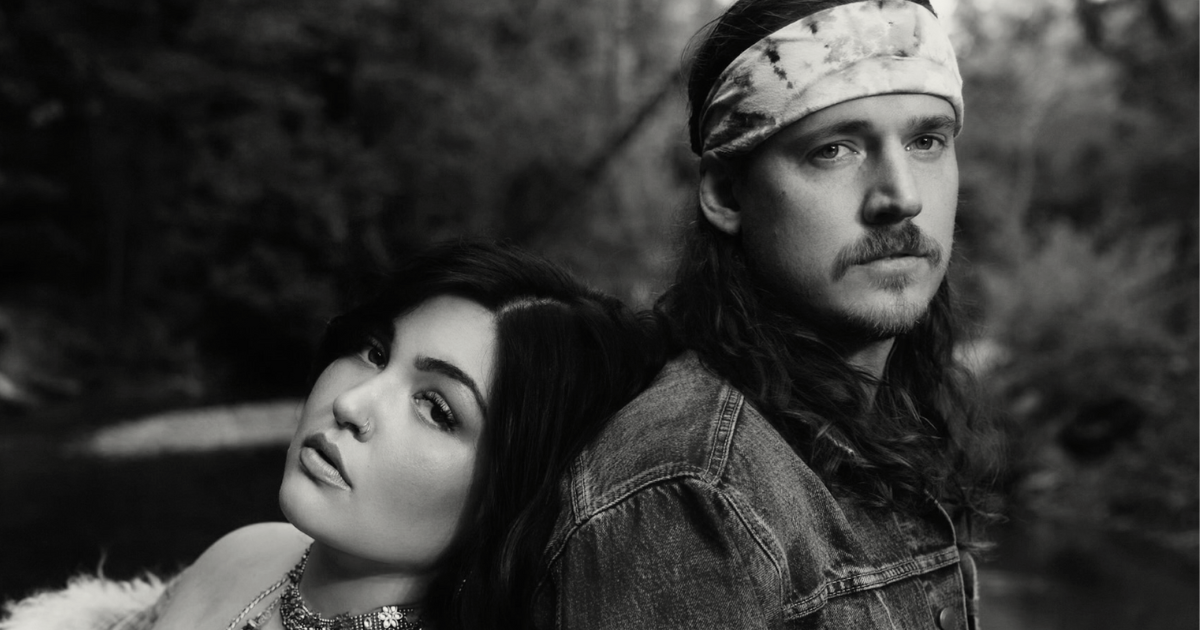
If you’ve spent enough time within the sacred walls of a sanctuary, chances are you’ve witnessed or experienced church hurt – the trauma foisted upon others, by others, under the guise of scripture. Logan Simmons – a woman of deep faith and former worship leader who grew up in the church and cultivated her powerhouse vocals in the sanctuary – knows this too well. Together with her best friend and musical other half, Malachi Mills, Simmons channeled her wounds into The Band Loula’s single “Running Off The Angels,” an unfiltered exposé of damage done in the name of religion. Reaction has been overwhelming, as both song and video cut deep into listeners who recognize their own stories in the song.
This isn’t the first time the songwriting team of Simmons and Mills has made a bold statement. Tackling and confronting dark subjects usually swept under rugs and stuffed away in family closets seems to be their comfort zone. “Marshall County Man” began as their take on the traditional “murder ballad.” However, with its challenging lyrics and graphic video, the song quickly pivoted to an outcry about domestic violence and generational trauma, speaking loudly to systemic treatment of victims/survivors.
All is not grim in the world of The Band Loula. Far from it, in fact, as evidenced on their debut EP, Sweet Southern Summer, which was produced by Brothers Osborne’s John Osborne, with additional production by Greg Bieck. The six songs – “Running Off The Angels” among them – are a slice of life reflecting Simmons and Mills’ experiences growing up in Gainesville, Georgia, up to the present. The two attended school and sang in church together and became best friends along the way. At one point, their paths diverged. Mills pursued music full-time, including an American Idol audition (fun fact: Luke Bryan voted him a firm “no”), a solo career, and writing for and working with other artists, while Simmons built a successful photography business.
Music, however, had the strongest hold, bolstered by their enduring friendship. They launched The Band Loula in 2020 and officially debuted as such in 2022. They independently released singles recorded at Ivy Manor Studios, where they worked with close friend, co-writer, and guitarist Gary Nichols. Universal Music Publishing Group discovered, auditioned, and signed them in 2023; Warner Music Nashville did the same the following year. They spent 2024 on the road with Brothers Osborne, Ashley McBryde, Paul Cauthen, Brent Cobb, and Elle King.
This year, The Band Loula and their band – Gary Nichols on guitar, Jamie McFarlane on bass, Justin Holder on drums, and Diana Dawydchak on fiddle – are spending the summer touring with Dierks Bentley and Zach Top. When they spoke again with Good Country, they were weeks away from a date at Madison Square Garden and from their Opry debut, and equal parts overjoyed, incredulous, and grateful for all that has happened and is yet to come.
Let’s begin by having you introduce each other to readers.
Logan Simmons: I’m Logan, I’m half of The Band Loula, and Malachi is the other half who leads us very well. He’s been writing songs and playing music since he was 16 or 17, and we’ve been friends since we were 14, so I’ve gotten to watch that whole journey. He had his own career going, added me into the mix once we found that we had some magic, and we created The Band Loula. We bring different things to the table. He is an incredible singer and guitarist, and he’s the planner of the group. He’s got all the logistics underway. He knows what everybody’s doing and at what time. I’m pretty much the opposite of that. I’m very Type B. He keeps us together. He’s definitely the glue of the band.
Malachi Mills: I’m Malachi, and as Logan mentioned, we met when we were 14 years old. When I first saw her, she was performing a skit onstage with her cheerleading squad doing a Justin Bieber dance. We were friends through high school, went to church together, and sang together in church a handful of times. I also got to watch Logan’s career as a photographer. She started when she was still in high school and now she is critically acclaimed. Along that journey she learned so much about visual arts, marketing, and things that are a major part of her role in The Band Loula. She is the brains behind our social media and she’s an absolute visionary. Big visions, big emotions, a great songwriter, and obviously an excellent singer. Half the time I’m just trying to keep up with her vocally.
Logan, is it correct that you first heard Malachi sing at a Relay For Life event?
LS: Yes. It was the same event he’s referring to. We both signed up for karaoke, essentially. I saw him first. He was onstage singing “When a Man Loves a Woman” by Percy Sledge. I did not see him when I was onstage in my Justin Bieber outfit, with Ray-Bans on, because I couldn’t see much of anything! But yeah, that was the first time I ever saw him. That’s how we met.
Universal Music Publishing Group came to see you at a gig in a Gainesville parking lot. What, exactly, is the story?
LS: In April 2023, we got an email from Ron Stuve at Universal Music Publishing Group. We had plans a few days later to play under a little pop-up tent by the lake in Gainesville. It was a Food Truck Friday event. Ron came to Georgia with his family and saw us play there for the first time. We didn’t expect this at all. At first, we thought the email was spam because we didn’t have any followers. We were a very small band. But Ron came and he believed in us.
How did he find you?
MM: Ron was on his iPad early one morning and saw an Instagram video of our song “Getting Clean.” He didn’t know how to save it, so he left his iPad open on the charger, for hours, after he had woken up, so he could step away! Thankfully, we were still there when he came back. He submitted a form on our website to email us. We only had that video at the time. It had about 10,000 views, which, when you’re a small band, is a lot. But in the grand scheme of how many views happen daily in the world, that was pretty small odds, so we definitely think it was meant to be.
It’s quite a jump from a food truck gig to Madison Square Garden. Can anything prepare you?
MM: There’s nothing we could have done to fully prepare for the mad rush that has happened over the past two years of our career. It’s been a very quick rise, a lot of opportunities that came fast, but in a weird way we’ve had peace about it the whole time. With our separate journeys, we’ve been able to build the skill sets to come together and be ready for the opportunities that have been given to us. All that to say, stepping out onstage at Madison Square Garden … you can call us back in a couple weeks and see if we feel the same!
LS: There’s nothing to prepare you for something like that except thoughts, and prayers. We’re not even halfway up the ladder. It still feels like we’re babies and a lot of what happens to us doesn’t really hit us until it’s happening or after the fact. We don’t expect anything. We just put our heads down, work, hope that what we believe in is connecting with people, and we’re really thankful when it does. We’re grateful for all the opportunities we’ve been given.
How did your separate journeys help lay the groundwork for the band?
MM: I’ve always had a strong love for songwriting. I looked at the artist side of it as supplementary to that. It’s given me an outlet. I never felt I had a place as an artist until The Band Loula, because there’s so much identity and chemistry in what we have together. All that experience came into play when we started to really commit to this, for sure. You learn what to do and not do, and I was able to bring a lot of what we probably shouldn’t do on our journey as artists, because I had lived and learned in some of those areas.
LS: It taught me a lot about life in general. I shot my first wedding when I was 14 or 15. My dad drove me. One of my cheerleader friend’s sister asked me to shoot her wedding, which is a very important thing. I couldn’t believe she asked me to do it. I learned a lot over twelve years of doing it professionally. You can’t replace the connections you make in that kind of business, where you deal with people of all ages and from all walks of life every day. At one point I was traveling every week, meeting new people, driving across the desert in a podunk car, and sleeping in the car, just to make it to the next shoot. It’s life lessons and learning about yourself.
Now that we’re in the music industry, I find myself using those tools. The photography world is a lot of people-pleasing and deadlines. It tests your strength and emotional intelligence, which is a real skill that you can use in every industry. I feel like I have mastered some corners of that, of being emotionally intelligent, reading people, making real connections, and how that can get you to the next step. Every milestone and opportunity we’ve gotten as the band has been a product of how well we treat the people around us and how we reciprocate the love that’s given to us. I’ve learned how to master that because of all the people that were put in my life during my photography years. I’ll never forget what I learned and the people I met. I [recently] had some backstage guests at a show with Dierks Bentley and it was two people I shot a wedding for in Maine a few years ago. Watching those people become our fans is irreplaceable for me.
What were your goals for Sweet Southern Summer?
MM: Our main goal was to show our listeners a different side of us. A lot of the tracks we’ve put out so far have done a great job of showing a more emotional side. Usually, people don’t come in off the bat with emotional songs. They come in with lighter or more topical songs. We came in with a pretty heavy side of us, and I think that’s why our fans appreciate us. But we wanted to show our fans that we also have songs that are a little less gothic and more bluesy and rocking and soulful.
LS: With this EP and beyond, the goal is to show a different side of us each time, so our fans feel like they are learning more about us, and the relationship gets deeper and deeper. But we also are keeping the common thread of who we are and who we’ve always been. This EP is so exciting because it’s fresh and different, but it is obviously working toward a goal of a debut album. I think these songs will maybe surprise people and keep them on the journey. We really believe in this EP and we hope it connects with folks.
You’re both very open about your faith. How does that guide you and keep you grounded?
MM: A big hinge point in faith is being grateful. Whenever you’re grateful, you’re reminded where opportunities and things in life come from. To think that we could have put all this together with our own two hands would be egotistical. We’ve worked very hard and intentionally, but we believe that if we take care of the small steps, put one foot front in front of the other, and stay grateful for the opportunities that are coming, God will continue to bless us with those opportunities and take care of the big picture.
LS: I agree. Malachi has been a really good leader in that way to point us toward the bigger picture, which is having faith and believing that God will get us where we need to be. I led worship for a long time, but I had a falling out with church and a large moment of my life that was hard to believe that something … I don’t know. It’s a lot to chew on. For the past few months it’s been lovely to watch Malachi lead our band in prayer and keep God and our faith at the center, because I was not previously doing that. I had a really hard time getting past some church hurt and realizing that God is the reason why we’re here and why we’re doing this. That is what I believe now, and that’s what I’m getting back to after a lot of trauma, a lot of hurt, and a lot of figuring things out.
Thankfully, that’s why God put us in a duo – because we’re two different people and we’re able to lead each other in different ways. I’ve continuously been watching Malachi lead in that way and help me regain faith. We like to keep that at the center of our band. I can’t walk onstage without him praying for us now. We both believe we’re not here because of us or something we’re doing with our two hands. It’s a lot more divine than that, and it’s a beautiful thing.
Church hurt is an inconvenient truth mostly swept under the rug, which speaks to the overwhelming positive response to “Running Off The Angels.” Did you also experience blowback?
MM: We don’t ever want to be divisive in any way. Our main goal, without being too specific, is to promote love first. We don’t want to promote judgment. There’s a lot of judging people before you even get to know them, and I think our songs do a good job of reminding people of that reality. I think the ones who get frustrated might be actively judging in that way, or maybe they’re coming to grips that they’re ready to change for the better.
LS: “Running Off The Angels” has been interesting for us, because we weren’t a hundred percent sure we were going to put it out when we first wrote it. It was very specific to my experience and it crosses some lines. We got a wonderful response. We went out on a limb a little bit and were like, “Let’s just post this on social media and see what happens,” and it went viral. There was a lot of blowback, too. On social media, in the Facebook world, people like to talk. They like to hide behind their keyboards. So we did get people who didn’t enjoy the song. But at the end of the day, you can write about experiences that don’t necessarily encapsulate who you will be forever.
When we wrote, “I quit church and never went back, sang my last red-covered hymn,” that isn’t necessarily completely true to me now. But the song has so many truths to it, and it’s something that needs to be said, because people are struggling every day with church hurt and trauma, and it’s not talked about enough. There are wonderful communities and people and churches out there, and I’m thankful for that. And then you have wonderful churches that have people in them with bad intentions or who don’t understand how to treat people. We hope that people always turn toward love, if they can. That’s all that song is about. But it was wonderful writing it, recording it, teasing it, releasing it, and gaining new fans from it.
One of your social media posts says, “Songwriting is an ugly truth. It makes you dig through trauma with your hands, open up an emotional filing cabinet that you locked away and somehow come out on the other side with something you’re proud to sing in front of folks.” How does music help you heal that trauma and protect your mental health?
LS: Music is everything. I’m very much an empath, so music and songs that make me feel something shape who I am and affect me in different ways. That sentiment has amplified now that I’m a songwriter, because I get to create the music that is helping heal me. It’s not just I hear a song that pertains to me and takes me to a place. Now we get to write music that is about what we are feeling and what we experience. That’s therapy. It has deeply affected who I am. It has healed me in many ways. Most of the trauma I went through was recent, in my twenties, so this career choice, leaning into this passion and into music, happened exactly when it was supposed to happen, because it has helped pull me out of some deep, dark places.
MM: I agree. Songwriting and music are very cathartic. The fact that there is a song in my heart, in my brain, inside of me, and having the ability to get it out into the world, is very healing. Also, when you’re able to say things that other people don’t feel they have the words or the song inside of them to say, that is very special, because it makes you feel like you’re really making a difference.
Editor’s Note: Each issue of Good Country, our co-founder Ed Helms will share a handful of good country artists, albums, and songs direct from his own earphones in Ed’s Picks.
Gospel-infused, blues-inspired “swampgrass” from North Georgia, this Americana duo reminds of the Civil Wars, the SteelDrivers, and the Secret Sisters. Even so, they certainly have a sound all their own. Their new EP, Sweet Southern Summer, arrives August 22.
Read more about the Band Loula in conversation with Dierks Bentley here.
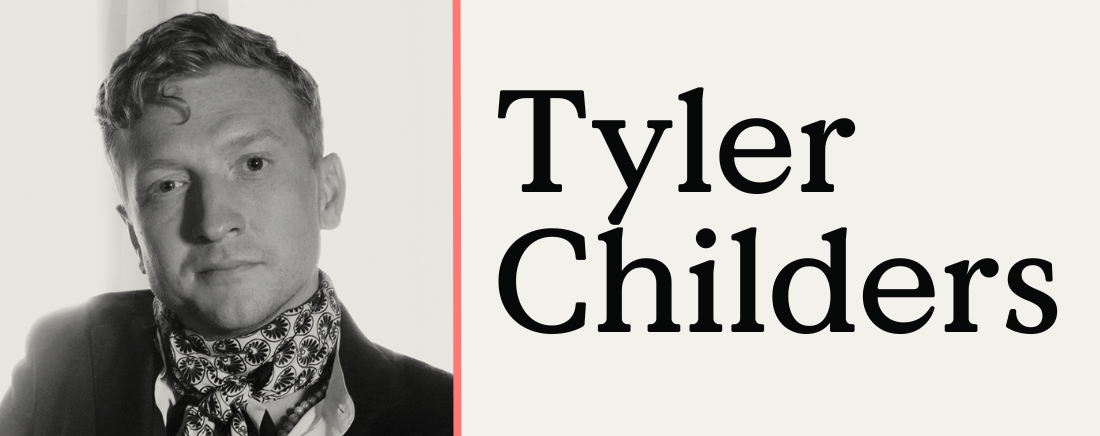
Our old favorite Timmy Ty has done it again! Snipe Hunter is a masterpiece of traditional postmodern Appalachian music. It’s hilarious and heartfelt, entirely unserious and devastating, too. No matter the textures and genres he references in his work, Tyler has always been Good Country (and very bluegrass, too).
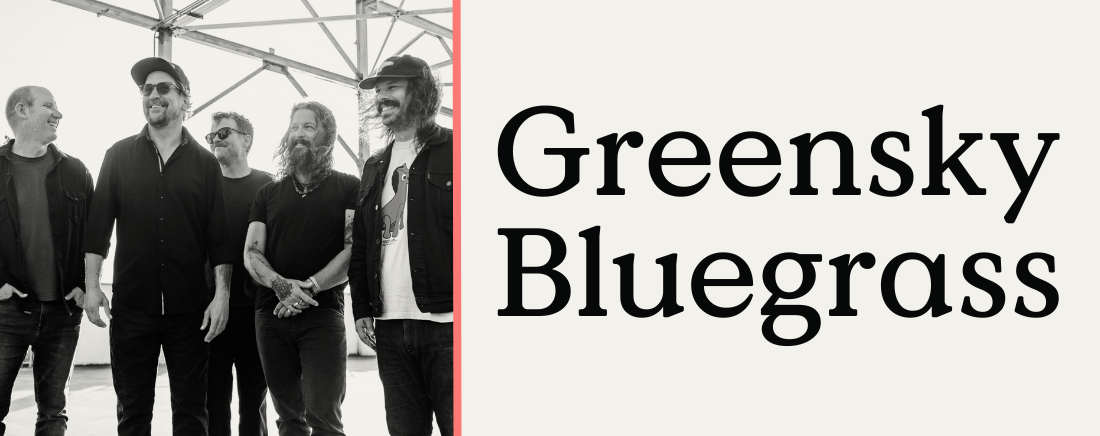
Bluegrass and jamgrass fans rejoiced in late July when our longtime pals in Greensky announced their upcoming album, XXV, marking 25 years of this incredibly impactful string band. With the announcement they released “Reverend,” featuring their Michigan compatriot Billy Strings. Here’s to the new album – and to the next 25 years! We can’t wait.
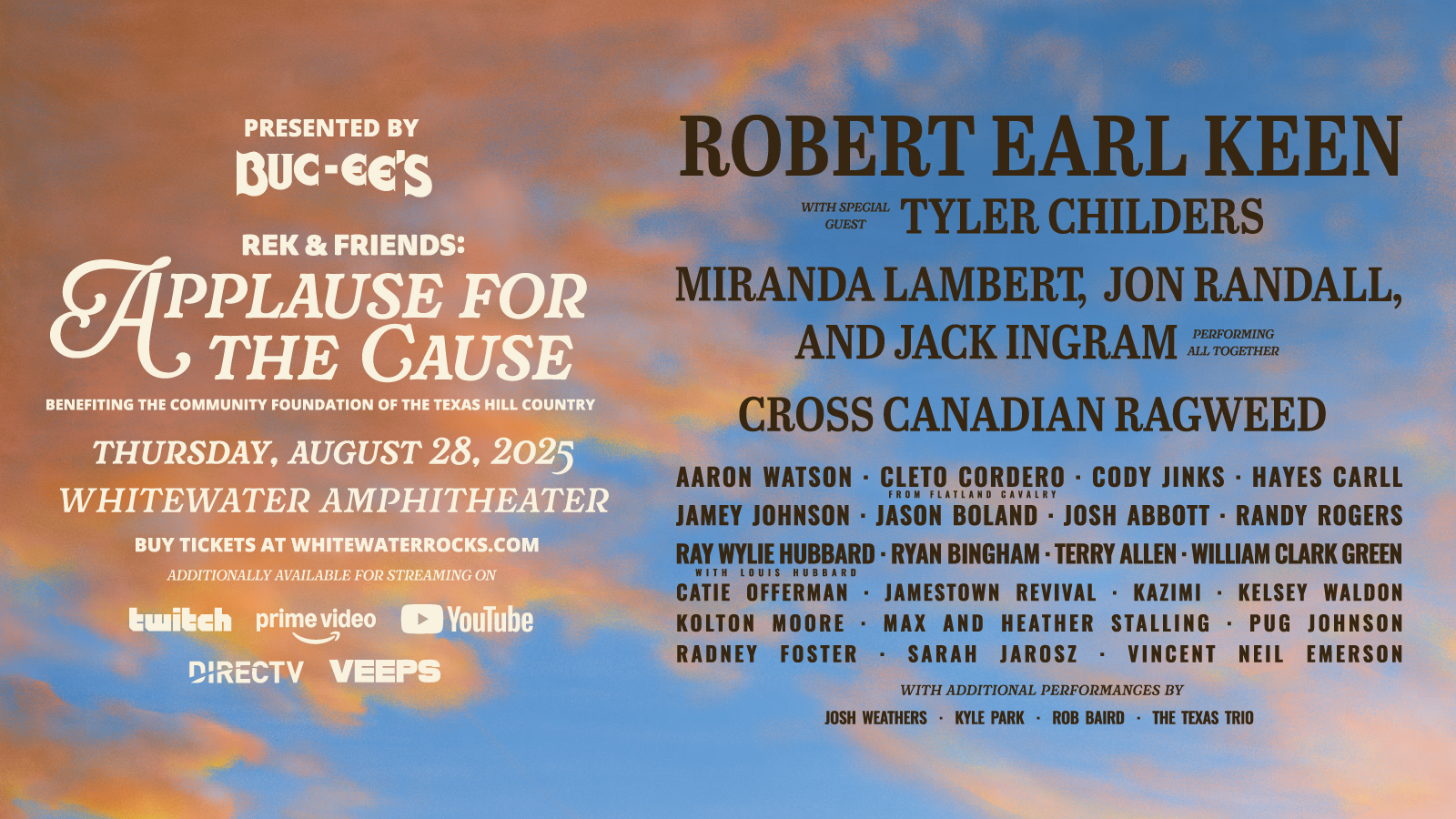
The Texas Hill Country floods devastated fertile territory for roots music and Good Country in west Texas in early July. The artistic community has responded en force, quickly assembling quite a few star-studded benefit shows, concerts, and on-the-ground relief efforts.
Robert Earl Keen – together with a host of partners and sponsors – has convened a superlative lineup for just such an event, Applause for the Cause, to be held August 28 in New Braunfels, Texas. Featuring appearances by luminaries such as Tyler Childers, Miranda Lambert, Cody Jinks, Ray Wylie Hubbard, Kelsey Waldon, Jamey Johnson, and many more, the show almost immediately sold out. The good news is you can watch the performances via streaming (Amazon Music, DIRECTV, Veeps) and REK’s YouTube channel. The even better news is you can still donate directly to the Community Foundation of the Texas Hill Country, beneficiaries of the evening, to support the cause.
Yes, Trisha Yearwood is a country legend of stage and screen, but did you know she’s a stellar songwriter as well? Her brand new album, The Mirror, reflects this fact with 15 tracks all co-written by the Grand Ole Opry member. Plus, the collection features guests like Jim Lauderdale, Charles Kelley, and Hailey Whitters. THIS is Good Country!
Want more Good Country? Sign up to receive our monthly email newsletter – and much more music! – direct to your inbox.
Photo Credits: The Band Loula by Sara Katherine Mills; Tyler Childers by Sam Waxman; Greensky Bluegrass by Dylan Langille; Robert Earl Keen by Emma Delevante; Trisha Yearwood by Russ Harrington.
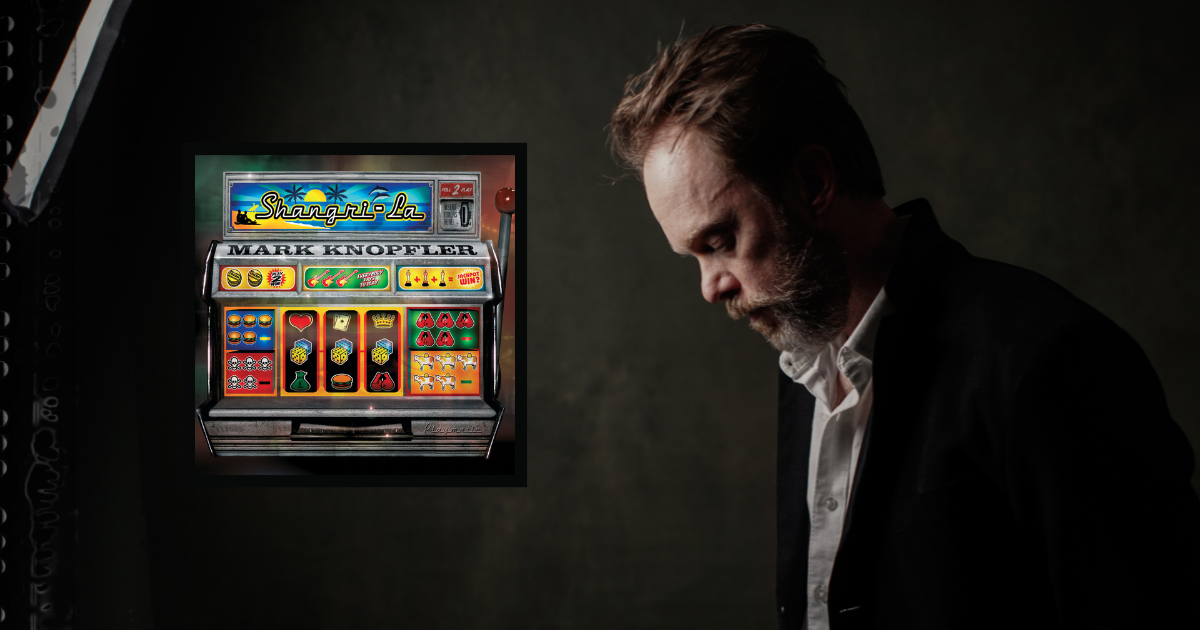
(Editor’s Note: No Skips is a brand new feature from BGS that asks artists, songwriters, musicians, and industry professionals what albums they regard as perfect, with every track a masterpiece – i.e., No Skips!
For the first edition of the column, songwriter-artist-musician Adam Wright highlights Mark Knopfler’s seminal album, Shangri-La, as we look ahead to Wright’s own upcoming project, Nature of Necessity, coming later this year.)
There are only a few times in your creative life when someone’s work hits you so hard it rearranges your artistic DNA. I could probably count those moments for me on one hand.
Shangri-La was a big one. It told me that you can write away from the outside understanding of things. That you can start from the inside of your own knowledge and continue inward. It also taught me that you can write about anything you find interesting. That being understood is not as important as whether or not you’ve put something down worthy of working out for whomever decides to try to understand it. And that there are so many things to write about that are not falling in and out of love. (People probably could have stopped writing love songs in 1950 and we still would have too many.)
The depth and perspective of the storytelling, the crafted excellence of the writing and the sublimely tasteful musicianship make it, to me, Knopfler’s masterpiece. He’s done this on all of his albums, they all include brilliant gems of songs, but Shangri-La is just perfection from top to bottom. – Adam Wright
“5:15 AM” (Track 1)
Like all of the songs on this album, “5:15 AM” is exquisitely written and recorded. It is the story of a coal miner on his way home from the night shift discovering a murder victim who turns out to be involved with organized crime. It is chock-full of lingo and references to specifics about gambling machines, nightclubs, and lots of mining terms. The way Mark weaves all of this language into lyricism and brings it back to the tragic lives of the coal miners at the end is exceptional and beautiful writing. The recording is gorgeous and still somehow earthy as dirt. Just a masterclass in songcraft.
“Boom, Like That” (Track 2)
“Boom, Like That” is about the rise of Ray Kroc from a milkshake salesman to a fast food emperor. Like “5:15 AM,” there are plenty of specific references in this one. “Going to San Bernardino, ring a ding ding. Milkshake mixes, that’s my thing now.” You’re in the middle of the beginning of a story right off the bat. I love songs from the character’s perspective and few writers do that as well as Knopfler.
The movie The Founder was filmed in my hometown of Newnan, Georgia. I noticed the town when I saw it, so I looked it up and read a bit about the filming. While the song was inspired by the book about Kroc, I’d read the movie was actually inspired by the song. Even if the song weren’t so well-written, the riff at the end of the chorus is enough to keep any guitar player happily busy for days.
“All That Matters” (Track 11)
Much of Shangri-La is written from the perspective of the characters in its songs. The title track and “All That Matters” seem to be more personal. “All That Matters” is just a sweet, simple song from a father to his children. Again, beautifully written and pretty as porcelain. It has some surprising chordal and melodic turns in the B section to juxtapose the nursery rhymey-ness of the verses. Just perfect. And a nice respite from the mostly cynical tone of much of the album.
“Stand Up Guy” (Track 12)
“Brew the coffee in a bucket/ Double straight man and banjo/ If you don’t got the snake oil/ Buster, you don’t got a show.”
Again, you’re right smack dab in the middle of someone’s story. This time it’s a musician in a group of traveling, Victorian-era pitchmen. They apparently have teamed up with “the Doctor” who peddles snake oil medicine to townspeople and does it well enough to keep them fed on beefsteak and whiskey. Just wonderfully interesting, both lyrically and musically.
If you wanted to become a very good songwriter (or musician or producer, for that matter), you could only study Shangri-La for years and get a very long way toward the goal. I’ve been mining this album for inspiration for twenty years. It always gives me something more.
Growing up in rural Georgia, Jontavious Willis discovered blues through a YouTube video of Muddy Waters and immediately immersed himself in the genre. At 14, he began playing acoustic guitar, he started gigging as a college student, and released his first album, Blues Metamorphosis, in 2016. Two years later, he opened on the TajMo tour with Taj Mahal and Keb’ Mo’. They co-produced his GRAMMY-nominated second album, Spectacular Class.
Offered the opportunity to record his new album, West Georgia Blues, in Nashville, Willis’s response was a resounding “No.” Tracking in his home state was non-negotiable, as that DNA was critical to his vision and sound. “Georgia was a big part of the story and I wasn’t going to fold on that,” he says. “I wasn’t going to let up.”
The singer-songwriter-guitarist and his musicians gathered for ten days at Capricorn Studios in Macon. Willis produced while engineer-guitarist John Atkinson mixed (and contributed guitar work on “A Lift Is All I Need”). They tracked some 200 songs, 80 of them usable, says Willis, and pared those down to the 15 that became his third album.
Willis’s fingerpicking style is rich in tradition and, as he’ll tell you, contemporary because it exists – now. With that, being featured alongside bluegrass and country music on a website such as this is a perfect fit, as he explained during his recent interview with BGS.
What were your goals going into this record?
Jontavious Willis: My goal was to show growth and stay away from carbon copies of other songs. I hear it all the time – you take a song and change a few words around, but it’s still B.B. King, it’s still Robert Johnson. I tried to make each song its own and if I did take from other folks, I did it my own way.
We get so wrapped up in saying, “Oh, I can play old music, so let’s stay there,” that we forget to create. I wanted to show my writing ability, my producing ability, and I wanted to show a difference. I’m glad I put space in between the albums to really show growth. Since the album’s complete, I’ve been getting great reception. But beyond that, I made an album I can listen to from beginning to end.
You didn’t feel that way with your other albums?
The first one, I knew I was green, but I had to put something out there. I’m always happy in the beginning. Then, when you listen to it long enough, you’re like, “I should have did this and this.” But I really can listen to this one. Truly, honestly, the first one, I wasn’t as good a player. The second one, I wasn’t playing at my full capacity or with blues players. I was playing with session musicians. This one, I played with people that knew the references to blues.
You’re a blues musician being interviewed by BGS, a bluegrass website, with a country music “sister” website, Good Country. That might seem like a big jump to some people, but the genres have common threads. Music historian that you are, could you address those connections?
Music was the most integrated pastime, prior to the big record labels coming in and separating them. One of the first integrated groups was actually in Georgia, called the Georgia Yellow Hammers. It featured a fiddle player named Andrew Baxter.
When some people think of country, they think of a particular sound. When I think of country, I think of rural. A lot of people say “simplistic,” because it sounds so peaceful and melodic, but it can be some of the hardest music ever. When I think of the intertwining of country music, I think about the early pioneers, like the first star of the Grand Ole Opry, DeFord Bailey, a Black fellow that played harmonica. Hank Williams learned from Tee Tot, [Rufus Payne]. Johnny Cash spent a lot of time with Gus Cannon and Furry Lewis and old blues folks like that. You can go on and on. A lot of the repertoire of blues artists isn’t just blues. Some of it could be classified as country.
Over time, with new talent, genres expand and change and self-proclaimed “purists” get ruffled. As an artist with deep roots in traditional and contemporary music, what are your thoughts?
I’m kind of with them and not with them. The reason I say this is because I feel like it is good to identify things sonically. When I listen to classical music, I think about what makes it classical. When I listen to jazz, I think about what makes it jazz. The same with blues, because what I’m seeing now is that blues have been overtaken by rock, and I don’t like that, because rock is not blues. It’s definitely a sub-genre or even a whole ’nother genre of blues, but it’s not interchangeable. A lot of the audience the rockers had kind of melted over into the blues, and a lot of people didn’t learn the blues from the front. A lot of ’em came through the back door, through these rockers and other big bands.
So I feel like it is good to identify what it is, but also understand that music changes. But call it what it is. If I’m playing blues-rock, I’m not playing natural blues. If I’m playing contemporary gospel, I’m not playing traditional gospel. The guys that made these beautiful songs that sold millions of copies — they didn’t get money for it. They didn’t get their due. It’s time for folks to stand by the genre of music they do and tell folks what it is.
Let’s talk about those sub-genres and what they mean, if anything.
It’s hard to really define the categories. With blues, they chop it in two main categories, at least for the GRAMMYs: contemporary and traditional. Contemporary means you’re keeping with the times. So by me living and writing music, that is being contemporary. Traditional means I’m a part of the tradition. So I can be traditional and contemporary at the same time. It is not one or the other. It’s a safe room for both.
Scholars made these terms up. Black folk wasn’t calling their music Delta blues or Piedmont blues until they heard so many folks saying it. Then they started saying it. But nowadays, those terms don’t mean nothing unless you’re from those places. I’m from Piedmont, so I’m a Piedmont player by default. I even went one step further to say I play West Georgia blues. What is West Georgia blues? I don’t know. I’m from West Georgia and I’m playing the blues in West Georgia. I can say that’s my style. A lot of people say Delta blues. Delta blues is a region, not necessarily a style. I can name three artists from the Delta that don’t sound alike. It varies from musician to musician.
It’s nicer for the listeners to think it’s categories, so you can navigate your way. But it also pigeonholes the artists and doesn’t really showcase the music and what it is. This is freeform music that people created. The record industry had a big hold on all of it, and that’s how they separated bluegrass from blues and country music. So I think you have to be a purist in a sense to maintain. If not, everything could spill over into everything, which is a good idea, but in essence, you want to identify the different sounds and nuances.
How does Georgia – its music, its history, and your history – inform your music?
Every state has salt-and-sugar history. I grew up in a predominantly Black town. Greenville, Georgia, is 70 or 80 percent Black. We’ve got a rich gospel history, and Georgia overall has Buddy Moss, Blind Willie McTell, on and on. So being in Georgia, always loving history, and always being around my family definitely shaped my music, the good and the bad. That’s what life is about, the good and the bad. Most of all, my hometown shaped me, more so than the famous people.
The blues people from Georgia definitely shaped my music. I was always aware of the other folks, like Little Richard, James Brown, Ray Charles, and Otis Redding, but they didn’t shape me. I listened to the old blues players and it was a great awakening for me to realize that Georgia has blues, because if you listen to a lot of folks, you’ll only think that it’s in Illinois and Mississippi. But the first studio in the South was in Atlanta in 1923. Everybody had to come to Georgia to record.
I know the United States has got twisted history, and that’s part of the blues. The blues is free Black people speaking their mind and saying how they feel, not always being political but just being true to themselves. To me, Georgia is family, struggle, prosperity, farming, food, life. It’s everything. I’ve been to a lot of places in the world, in Europe, to 46 of the 50 states, and ain’t no place like home. I’m looking at it now – the contrast of this dark green and light blue and these hills. You can’t beat that, man. Georgia’s everything to me.
What was it about blues that spoke to you as a 12-year-old? What has or hasn’t changed?
When I was a kid, I was singing gospel music about going to heaven and wasn’t I thinking about dying! A lot of those blues guys started out young. They were teenagers. Helen Humes, Buddy Moss, Josh White … Robert Johnson was 27 when he died, so he had to be singing the blues when he was young.
I’ve loved the blues since I was 12 years old, two years before I started playing guitar. I was at the age where I could appreciate it. The blues makes you think. Technically, some of those sounds aren’t supposed to be happening. Some of the stuff don’t make musical sense because lot of these folks aren’t trained musicians. But the stuff they put out – I can listen to it because it’s relatable to me. They talk in the way I understand. They sing in the way I understand, and man, it can just do something good to me. I don’t know what it is, but Jesus, it’s so good!
Running has been a way for me to balance the highs and lows of the music industry. It gives me time to process my thoughts and decisions, and it’s also the perfect time for me to discover new music. In a chaotic world, running helps clear my mind and give me better energy throughout my day. I like to change up what I listen to, but below are a few of my go-to favorites. – Old Sea Brigade
“Starburster” – Fontaines D.C.
This was one of those songs that instantly grabbed me the moment I heard it. When I’m out running, I like to find songs where the beat is consistent. I think the scarcity of the instrumentation lets the drums and vocals just put you in a trance. It’s a perfect pace setter to start out your run.
“Midnight Rider” – Allman Brothers Band
Though I live in Sweden now most of the year, this song always brings back memories of growing up in Georgia. My mom’s from a small town in south Georgia called Brunswick and to get there from Atlanta (where I grew up), we’d always stop for a while in Macon, GA, home to the Allman Brothers. Every time I hear this song I oddly feel nostalgic for those blistering hot July drives through south Georgia to visit my grandparents. It’s a nice memory of home when I’m on a run through the streets of Gothenburg.
“New Noise” – Refused
Switching gears here… but I grew up playing in heavy bands and Refused were a pivotal band to me within hardcore music. I think this is the perfect mid-run song to help kick in those endorphins.
“You Think I Ain’t Worth A Dollar, But I Feel Like A Millionaire” – Queens of the Stone Age
A lot of times when I’m running, I like to daydream I’m the drummer in a heavy band. There’s definitely been a number of occasions where I’m air-drumming to this one on a run. Hopefully, no one has that on video.
“Seventeen” – Sharon Van Etten
The lyrics to this song hit me with every line. Such a beautiful song with an equally magnificent production. The driving drums make it perfect for a run.
“Centurion” – King Buffalo
This song hits so hard, plus I love a good stoner rock jam. Fun one to run to.
“Run To Your Mama” – Goat
I love the Black Sabbath feel here and the consistent guitar rhythm. Sets a nice pace for running
“Under The Pressure (Live)” – The War on Drugs
I like to time this to be one of the last songs of my run. When the guitar solo hits at the end, it’s absolutely amazing. What an incredible live band.
“Punk Rock Loser” – Viagra Boys
I love this band. I was a little late to the party, but this was one of the first songs I heard from them.
“Broken Man” – St. Vincent
I’m obsessed with St. Vincent’s production on this one. I love how drastic the new instruments are introduced here.
Artist:Grace Pettis Hometown: From Mentone, Alabama and Decatur, Georgia. Currently living in Nashville, Tennessee. Spent my formative musical years in Austin, Texas. Latest Album:Down To The Letter (out June 14)
Personal Nicknames (or rejected band names): I was Gracie Pettis ’til age 8 or so. When I was in the 5th grade, I made everyone call me “Bob,” because I thought it would be hilarious to be a 10-year-old girl named Bob. My Nobody’s Girl bandmate BettySoo calls me “Graceface” sometimes. I really tried to get my first band to go by “The Bluebirds.” Nobody was into it but me. I wanted Nobody’s Girl to be “The Starlings,” but it didn’t stick. I’ve got a thing for bird band names, including a really good one I’m holding on to, because I might use it one day. Robby Hecht and I think “Dessert Island” would be a great band name. (That’s a recent favorite from a long list of possibilities Robby has going on his phone.)
What’s your favorite memory from being on stage?
When I was 24, I was in the Kerrville New Folk songwriting contest. I’d been dreaming of going to Kerrville and getting into the contest since I was a kid, because my dad Pierce Pettis was a winner back in ’87. I remember being so incredibly nervous before playing. I was wondering if the judges would like my songs, if I’d be able to hit all the high notes, etc. And then when I was actually up there on the stage, I had this moment of clarity, where I realized that everyone in the audience was on my side. As in, everyone there was hoping and expecting that I’d be great. They were ready for me to be really good; in fact, they wanted me to succeed, not to fail.
Something about that realization – that the audience is not my enemy – helped me relax. And over the course of a few days, I realized that the other “contestants” were actually the friends I was making that would last me for the rest of my musical life. The word “contest” implies competition. But what I understood in that moment was that music is a collective and collaborative act. The audience and the performer are in it together; everybody wants it to be a great experience. And we artists are a tight knit community. We write together, play together, stay on each other’s couches. Music can be an ecosystem, and not a battle.
What rituals do you have, either in the studio or before a show?
I like to watch a little comfort TV on my phone while I’m curling my hair and putting on my makeup. Popular choices have included Star Trek, The West Wing, and Late Night with Stephen Colbert. It really helps me zen out and relax. That hour before the gig – when you’ve got a million thoughts in your head about the set list, and remembering the sound person’s name, and setting up merch, and making sure you put those names on the guest list – it’s really nice to get to sink into a familiar routine. Curling hair, putting on mascara, etc. It sounds silly, but that time is really important to me.
When I’m playing and traveling with friends, I like to have a “human” moment before the gig – just a second to check in with each other. Maybe tell a few jokes, have a bite to eat, or share how we’re feeling (physically, emotionally, etc.) before we have to be “on” with an audience. It’s easy to forget to check in with each other in the busy hustle of the pre-show and post-show check list.
If you had to write a mission statement for your career, what would it be?
“Make it mean something.” As in, the song, my day, the show, my life. I want the things I make and the time I spend on the planet to mean something, firstly to me, and also to others. I actually wrote that mission statement into a song (“Mean Something”), which I recorded on my album Working Woman (2021). It’s great to have a song that’s also a mission statement. I sing it a lot during sound checks and during shows, when there are obstacles getting in the way of me being able to center myself and be present in the moment. Maybe the sound system is not cooperating. Maybe there’s a disrespectful person in the crowd. Maybe it’s a noisy bar and the game is on the TV overhead. Maybe I’m sick, or tired, or just in a bad mood. “Mean Something” helps me remember why I’m on the planet and here in the room that I’m in. It connects me with my purpose, gratitude, and joy.
If you didn’t work in music, what would you do instead?
When I was a very little kid, I also wanted to be an artist – as in a painter or illustrator. I wanted to write books too. Later, in middle school, I briefly wanted to be a school counselor, but dismissed the idea because I didn’t want to be in the same office every day, five days a week. In high school, I was into the idea of being a truck driver. The whole world is your office and your view changes every day. And you can eat as much junk food as you want and use those cool portable devices that plug into your truck engine. Little stoves and TVs. I love gadgets like that. And I love the idea of listening to audiobooks for hours on end. My music job is pretty similar to truck driving, really. I do a lot of driving, and loading and unloading of gear. More junk food than I would like. And a lot of audiobooks.
What is a genre, album, artist, musician, or song that you adore that would surprise people?
I’ve always been a really big Jennifer Lopez fan. When I was a guest on my bandmate BettySoo’s virtual show during the pandemic, we were asked to play “guilty pleasure covers.” I covered “Love Don’t Cost a Thing.” I maintain that it’s a jam.
Knowing how 2020 and the years that followed would unfold, the dynamism of Katie Pruitt‘s debut record is even more awe-inspiring. Expectations introduced the Nashville-via-Georgia singer-songwriter alongside her deepest aches and most intimate struggles as an openly queer individual raised as part of a devout Roman Catholic family in the conservative South. It would go on to earn a GRAMMY-nomination and ample praise for her lyricism, empowered performances, arranging, and instinct for production. In short, it’s undeniable that Pruitt set quite the high bar of expectations for herself and the music she would choose to share next.
Four years later, Pruitt has unveiled Mantras. While flashes of brilliance from a familiar autobiographical lens inform and inspire the 11 track recording, these aren’t simply more straightforward, memoir-style anecdotes. The truths and experiences Pruitt shares on Mantras feel more revealing than Expectations, as this time, Pruitt’s lens looks decidedly more inward at what she has lived through, reflected on, and learned from since writing her last album.
Not only is Mantras‘ thought process largely internal in nature, but each song leads to paths, stories, and developments that have yet to be fully resolved – if ever they will. The album showcases a great deal of inspiring perseverance in the self-contained conclusions of songs like “Self-Sabotage” and “Worst Case Scenario” and more generally, it unveils a journey of self-healing from start to finish.
However, while Mantras ultimately provides reassurance, peace, and closure, the takeaway isn’t meant to be one of permanent resolution or rigid perspective around anything Pruitt has seemingly conquered in each song. Like the recapitulating nature of a mantra, she is mindful of being continuously attentive and compassionate towards her inner struggles, rather than seeing them as singular moments of adversity.
Speaking with her by phone, BGS shared an insightful conversation with Pruitt about how her focus on inner-healing shaped the sound of Mantras, how her perspective around disagreement and connection has changed, how she cultivates inner strength, and much more.
How was it navigating the presence of expectations for Mantras, considering your intent to move away from a focus on external validation?
Katie Pruitt: On the first album, I was dodging different expectations, you know? I was dodging expectations of my parents or of how people in my hometown saw me and who I am now. I sort of accidentally set high expectations for this next record. I felt like I was competing against myself in a lot of ways and I really had to find moments to just surrender, come back to center, and just focus on the fun feeling in the present moment and talk about that, instead talking about things that I think people want me to say. I needed to focus on what I needed to say, which is maybe different than what other people expected or wanted to hear on this album.
Knowing this album is an expression of personal growth and a journey of sorts for you, what does it feel like to just now be talking about these songs after holding onto them for so long?
Coincidentally, I feel like everything on Mantras is lining up with my life as it’s coming out.
With me talking about my parents selling my childhood home [in “Naive Again”], yeah, my parents are selling my childhood home as we speak. And when I finished a lot of the songs about my partner slowly checking out and leaving, maybe a week after I turned in the record, we broke up. So I’m still experiencing a lot of these things in my life. It’s kind of a first for me, because when Expectations came out, I had kind of already patched things up with my parents and there were things in my personal life were kind of resolved. But then I was having to dive back into those issues every day on stage or whenever I sang those songs. This is different, honestly. It kind of feels good to be able to deal with what’s going on in my life with the songs in real time.
You’ve talked about building “the tracks from the ground up as opposed to cutting everything live, which gave so much more room to let the songs evolve and become what they needed to be.” What does that mean for you and what did those moments of full realization for the music feel like for you, and producers Collin Pastore and Jake Finch?
Jake and Collin’s workflow is very quick. And that was a challenge for me, but I felt like we challenged each other in the right ways. They move very fast and I was like, “Wait a second. Let’s take a look at this. Let’s sit with it for a second and make sure we like it.”
I think having the option [to record parts individually] instead of having all this pressure to be in the studio with a full band and having everyone play the right parts at the right time, was nice for us – to just build one part at a time and ask ourselves, “Is this correct? Does this fit?” And if it doesn’t, we’d say, “We can always mute it.” … There’s not necessarily a wrong answer. We’re just trying to evoke a feeling and if we feel it then other people will too.
What brought you together with Christian Wiman’s work, ultimately inspiring you to writing the album title track?
I was listening to this poetry podcast, [Poetry Unbound], I was really into that during the pandemic and that was obviously a tough time for a lot of people, [creating] a lot of points of contention, especially around beliefs and belief systems. I just felt like, my parents believe different things than me and my friends started to believe different things than me. So that poem, [“All My Friends,”] just really resonated as this “A-ha!” moment.
At the very end of the poem [Wiman] says something like, “My beautiful, credible friends.” In the first part of the poem, you almost feel like he isn’t mocking them, but like, he’s kind of poking fun at how many rabbit holes there are to go down, as far as spirituality goes or, finding yourself goes. Then at the end, he’s like, “And all of them are credible, all of them are valid.” And that really struck a chord for me and I just think that’s a really powerful statement.
Given the open and accepting mindset you impart through “All My Friends” and its juxtaposition with the piercing, personal insights you share in “White Lies, White Jesus, and You,” where would you say religion, particularly Christianity and Catholicism, exists for you now, compared to when you were writing Expectations?
I really try to make clear to my parents or to some of my friends who are still Christian, that [the song] is talking about people who take the Bible and abuse it for their own benefit – whether that be political or just to justify shitty behavior on their end, like saying, “Oh, well, it says that gay people aren’t allowed in heaven. So I’m allowed to say this.”
That’s the part of [Christianity] that really turns me off to it in general. And that’s a shame, because the dude in the Bible, Jesus, the version that I have kind of come to discover as I’ve gotten older, is a pretty progressive dude. And I don’t mean that in the political sense. I mean, in the sense of he’s accepting of everyone no matter what their background is. Like, Jesus himself never says anything about gay people. He’s friends with kind of some sketchy characters if you were going to look at it through a lens of today. So that’s the Jesus that I wish I were taught more about when I was growing up. I think “White Lies, White Jesus and You” was a way for me to process the [version of] Jesus that I have experienced as a closeted gay kid and how the ways that version hurt me and put that in the past and put that behind me.
In what way would you say your journey of self-healing helped you to stop seeing religion as having the power to dictate your worth?
I let go of religion dictating my self-worth a while ago. But then I let other things [take its place]. I used to seek external validation from the church or from my parents or from older mentors in my life. I let that go as I became a young adult and then I started giving other things power to do that. Like success and relationships. I let those things dictate my worth. But then I started delving into the power that intrinsic happiness has.
We really fully don’t have control over what happens in our life. We have some control, but very little. And if your worth can come from within, then those moving parts of life have less control over you or less effect on you … once I learned that, I was able to focus more heavily on, “Let’s have this voice in my head be kind and then I can go from there.” Just me practicing being kind to myself first kind of put this armor up around me and it helps me navigate the world.
What’s changed about your songwriting process since you’ve taken on more personal strength and inner compassion?
For a long time, when my inner voice was more critical and cutthroat and editorial, I couldn’t really write. I wasn’t able to get the thoughts just out of my head and onto the paper, which is the first step you know? Then you have something to work from when you’re able to just say what you feel. But I was just so scared to write a bad song that I wouldn’t write anything. And I think that’s the worst mistake you can make. There’s no harm in writing a bad song.
I think that it’s just about setting the bar, taking a chill pill and [remembering], “Oh yeah, songwriting is fun, songwriting should be fun.” It should be a way for me to get an outlet, a way for me to get this out of my head and look at it. So removing the critical voice is huge. And that was connected to therapy and to me slowly learning how to be kind to myself and slowly learning how to just enjoy writing songs again.
Where, with whom, or in what, do you find your hope and strength to persevere when life feels overwhelming or your inner reserves are running low?
The past or other people’s experiences really help me. I read a lot of Patti Smith and sometimes I’ll just open to a random page and it’ll be the piece of advice that I needed. So definitely words and art and poetry. Another thing would be when I’m feeling, “Okay, all hope is lost,” I have this urge to just run to nature and I just go to the mountains or go sit by a river for a long amount of time and think and meditate and try to put my problems and my fears and everything into perspective. I think, “Well, I’m on this planet right now and I’m sitting by a river. How cool is that?” Just kind of zooming out and not zooming in so closely – that helps me. And like, just good friends and just laughing and having buddies that you know you have a drink with or dinner with and just fuckin’ laughing about the crazy things that have gone wrong. Like, laughter is huge. I know it’s like, “Oh, laughter is medicine,” but it literally is.
Photo Credit: Alysse Gafkjen
This website uses cookies to improve your experience. We'll assume you're ok with this, but you can opt-out if you wish.AcceptRejectRead More
Privacy & Cookies Policy
Privacy Overview
This website uses cookies to improve your experience while you navigate through the website. Out of these, the cookies that are categorized as necessary are stored on your browser as they are essential for the working of basic functionalities of the website. We also use third-party cookies that help us analyze and understand how you use this website. These cookies will be stored in your browser only with your consent. You also have the option to opt-out of these cookies. But opting out of some of these cookies may affect your browsing experience.
Necessary cookies are absolutely essential for the website to function properly. This category only includes cookies that ensures basic functionalities and security features of the website. These cookies do not store any personal information.
Any cookies that may not be particularly necessary for the website to function and is used specifically to collect user personal data via analytics, ads, other embedded contents are termed as non-necessary cookies. It is mandatory to procure user consent prior to running these cookies on your website.