Acoustic Guitarist (And Instagram Star) Jake Eddy Is Still Mesmerized by Music

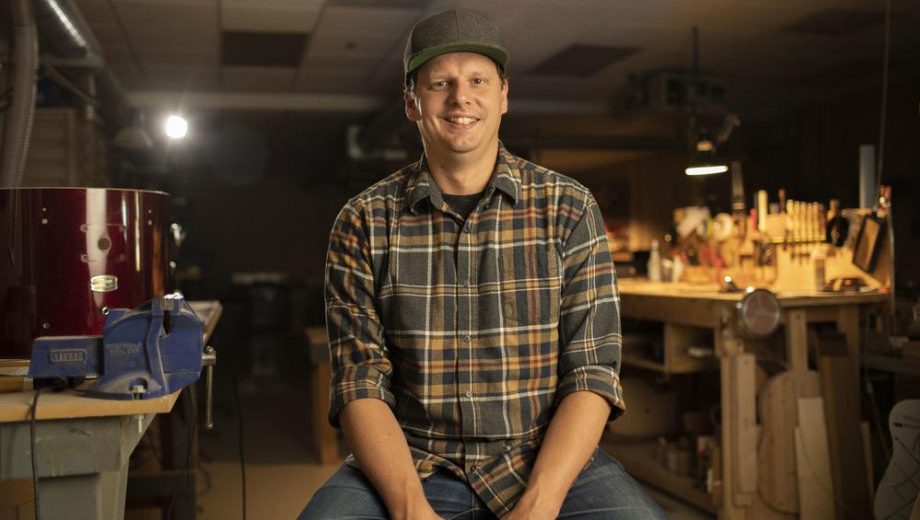
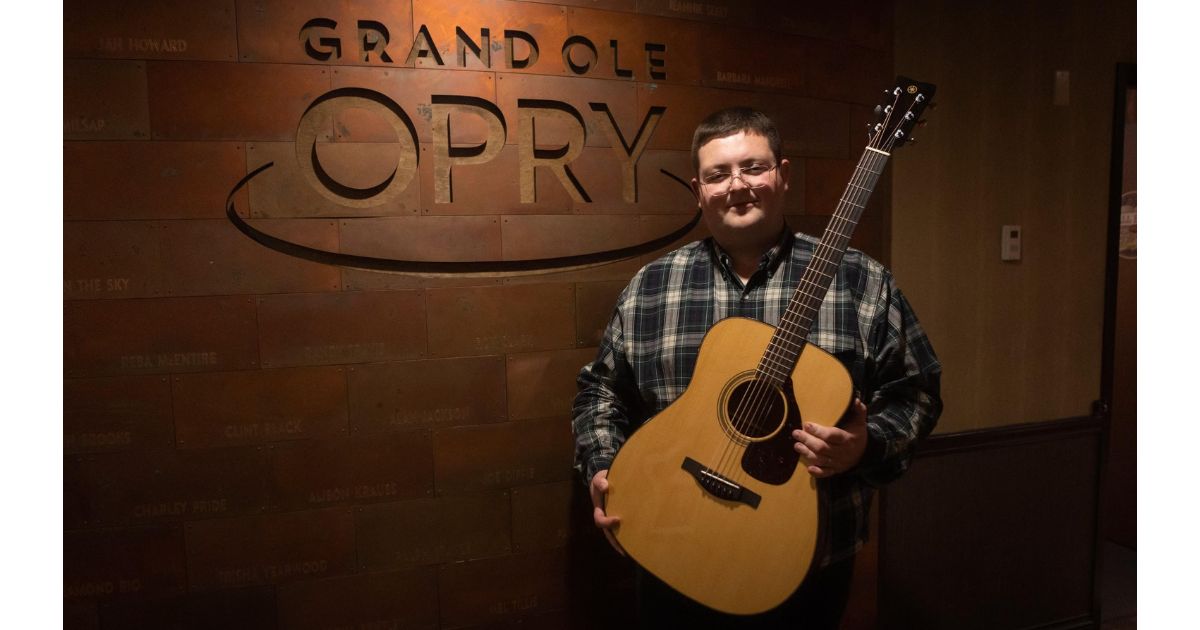
Jake Eddy is among a new generation of bluegrass musicians who are making a name for themselves on social media. Jake’s videos on Instagram and other platforms garner thousands of likes and even more views thanks to his technical skill, wit, and charisma. But Jake is not a mere internet sensation. His bluegrass roots run deep through his family in Parkersburg, West Virginia, where he grew up playing with local traditional music legends. While touring with the Becky Buller Band, he made his debut on the Grand Ole Opry stage, which led to Jake and his brother Carter accompanying bluegrass/jazz/klezmer mandolin legend Andy Statman on the Opry. Jake stays busy with a full teaching schedule in addition to his time on the road with Andy, his own band, or as a solo act. BGS caught up with Jake to learn more about his early interest in bluegrass, his experiences in music school, and his upcoming Yamaha custom guitar.

How did you get into playing music?

Eddy: My grandpa was a picker, and my mom played, and I had two cousins that fiddled on the Opry back in the ‘70s on my dad’s side. So it was just kind of the usual thing for bluegrass people from my region. I was just surrounded by pickers and wanted to be one.


View this post on Instagram


A post shared by Jake B. Eddy (@thejakeeddy)

When did you start on the guitar?

Banjo was really my very first when I was a kid. I started working on guitar simultaneously. Because of the technique, or maybe the lack of technique, being taught by old-timers around here, playing the banjo became uncomfortable and a little bit painful, and I could feel like it just wasn’t the best fit for me in the long term. I still do play banjo on some sessions and stuff like that, but as far as touring, playing banjo, it’s not in the cards for me. I prefer to play guitar anyway, so it’s okay.

When did you decide to make a career out of music? Or did it just sort of happen?

Yeah, it was pretty natural. I did the family band thing a little bit when I was real young. And then I got a call to go play banjo for Melvin Goins when I was in middle school. That experience was awesome, like going to bluegrass school. It was really crazy and had some great and terrible things both going on. But it was really cool because my parents let me go on the road under the condition that I would bring an adult with me at all times. They had played music so they were hip to what it can be like on the road. The deal ended up being that my grandpa would chaperone me on the road. So he came with me, and on the first show, Melvin had this blowout with the bass player, and the bass player quit. And I tell Melvin, like, “Hey, my grandpa is a bass player.” And he filled in on one show with us and got offered the gig. So we actually were both in the band for two years together. It’s a great memory, and it grew me up really fast, but it was cool.

That’s a great story. It’s hard to explain to other people what that experience is like as a kid. All the good and bad and how much you learn.

You can imagine. You know, those old-timers. It’s a different lifestyle.

How long did you play with Melvin?

I think it was two years. I think I got hired when I was 14. I think I was in 7th or 8th grade and probably quit when I was in the 10th grade or something like that.

Did you end up going to music school?

Yeah, I did music school for a little bit, and I was a horrible student. The usual, playing a bunch and giggling a bunch, but not going to class a whole lot, and just decided that it seems silly to me that a lot of the really great players I knew at music school were not doing very well at school. And a lot of the so-so players were passing with flying colors. So it just started to seem silly.

It’s definitely funny to go to school to theoretically get a job that you already have.

Yeah, man, that was the thing. They would get on me about attendance, and I would be like, I’m playing gigs. And I get it that you can’t bend the rules but I figured it wasn’t a fit for me.


View this post on Instagram


A post shared by Jake B. Eddy (@thejakeeddy)

Where were you going?

I was going to Ohio University in Athens. It’s this little, cool, artsy, open-minded kind of bubble in Ohio. And OU Music School, in my eyes, was a place for a lot of your local music educator-type people, but it also had this population of disgraced jazz players from CCM, which is a bigger school in Cincinnati. So there were some good players floating around, but just a weird scene.

Were you studying jazz then?

Technically the degree was Guitar Performance, maybe? Or guitar something. But yeah, I was in the jazz track, so all my ensembles and all my instructors were jazz players, and I had played that music a bit before. I learned things in music school, but if given the opportunity again, I don’t know if I would have gone that way.

You’re playing with Andy Statman now, right?

Yeah, a bunch. Man, it’s cool. I assume you’re hip to Andy’s playing because, like, all the mandolin nerds love him. He’s the coolest. I hired him to cut a couple of tracks that I wrote, and we ended up really hitting it off and we hung out some and decided to do a couple of one-off shows. And it just snowballed into doing some tours. Andy is Orthodox Jewish, so he doesn’t work weekends, so our touring is limited in some ways. But we’ve gotten to play quite a bit and we’re about to go out again in the spring, it’s looking like, and we got a record coming out on his label, so, yeah, some things happening there for sure.

What’s the material you play like?

Andy’s a huge Monroe buff, so there’s a lot of nights where we’re playing things like “Evening Prayer Blues” or “Tombstone Junction” and all these Monroe tunes, but they can quickly take a musical turn and he’s a pretty deep musician. It’s definitely traditional material, but it’s through the lens of a pretty free approach, I think is the way I’d put it.

What was your practice regiment growing up? How do you think you got so technically good?

I’m sure in a lot of ways my brain is totally broken and that’s why this has worked out for me. I think a lot of musicians are that way. I think if I was completely normal, I’d probably just like music in a hobbyist, healthy way. When I was a kid, I hesitate to put a number on it, but I’d say when I was really into soaking up everything, I was probably playing eight or 10 hours a day. That’s before school, after school. I would try to skip a class here and there to play, or I would skip lunch or I would fake sick at a gym and go get the guitar. I was always working an angle to be playing more. And then after school, playing until bedtime and playing gigs with the family band on the weekend.

It was an extreme focus on picking. I think I was lucky just being exposed to music a bunch. I worked really hard at it, but my parents made it seem cool and made it seem accessible. And I think that plays a pretty big part as well, right? There are still some days where I’ll go in my studio for eight or 10 hours with the metronome on full blast just going crazy in there. And then when it’s done, you feel totally drained. I feel like my brain is melted. That’s not how I tell my students to practice. I tell them to do something that’s manageable and that’s part of their normal routine. But I’m certainly not following that advice.


View this post on Instagram


A post shared by Jake B. Eddy (@thejakeeddy)

I’ve always felt like if somebody wants to get that good, they’re going to do that regardless of what tools they have. You can’t really convince someone to be that obsessed with it.

Yeah, man, I think so. It’s a blessing and a curse kind of thing. But I still feel a ton of amazement and wonder by the guitar and by music. And that’s the secret thing you can’t teach anyone. I still think music is so mesmerizing and just so damn cool.

You’ve been working with the Yamaha custom shop on a guitar. Can you tell me about that?

Yeah, I don’t have it in my possession yet, but I have a prototype that’s really good. I played some of their prototypes at the Fretboard Journal Summit in Chicago last year. I thought it was a good guitar and one of the better ones I played there that weekend, which was really surprising because Yamaha doesn’t historically have a huge reputation in the bluegrass world. So they called me and sent one and then they had me come down and play at IBMA. It’s just one of those luck things. Bumped into the right guys and it kind of snowballed. I went out with Jordan Tice and filmed some promo stuff for a new model and demoed the guitars. I think my custom’s going to be done any day now. They’re cool, man. And they’re not cheap guitars — these are nicer models. They’re not trying to be old-sounding guitars by any means. It’s modernly voiced and it’s cool.


View this post on Instagram


A post shared by Jake B. Eddy (@thejakeeddy)

When you say these guitars are “modernly voiced,” what did you mean by that?

In one sense it sounds new. It doesn’t sound particularly dry and woody like an old guitar might, but it’s really slick and it’s loud and it’s balanced. It’s great up the neck. It has a little more sustain than something like my old D-18. Talking about guitars is kind of like talking about wine tasting or something. It’s hard to explain.

Yeah. I always find the word choice very funny and completely arbitrary.

It means nothing but you can hear the differences when you play them. They’re really fast. When you play the note, it’s right there. It has good attack. It’s super-even and balanced. Those are the main kinds of things I like out of my D-18. But it’s a different voice. I think when the demos and stuff come out, it’ll make more sense when people can hear it.

What did you go for in your custom model? I feel like people are always really specific with custom instruments and I have no idea what I would ask for on something like that.

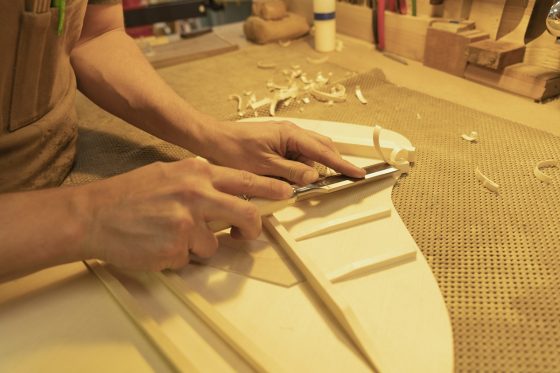
Yeah, I went with things that I knew were good. I think a lot of people, when they get a custom build, they have the tendency to try to be cutting-edge or to be a smarty-pants about it and be like, “Oh, I want this certain type of wood from this certain type of tree with the grain like this.” I just went for a mahogany guitar, spruce top. It’s really simple and lightweight. I think you can get carried away wanting a special guitar more than you want a good guitar. There’s no inlay on it. And I really pushed them for a double pick guard. I don’t know if they’re going to go for it because a lot of the aesthetic stuff is controlled by the guys in Japan. But fingers crossed. I’m excited to get it in my hands. If it’s anything like the prototypes, it’s going to be pretty sweet.


Photo Credit: Madison Thorn
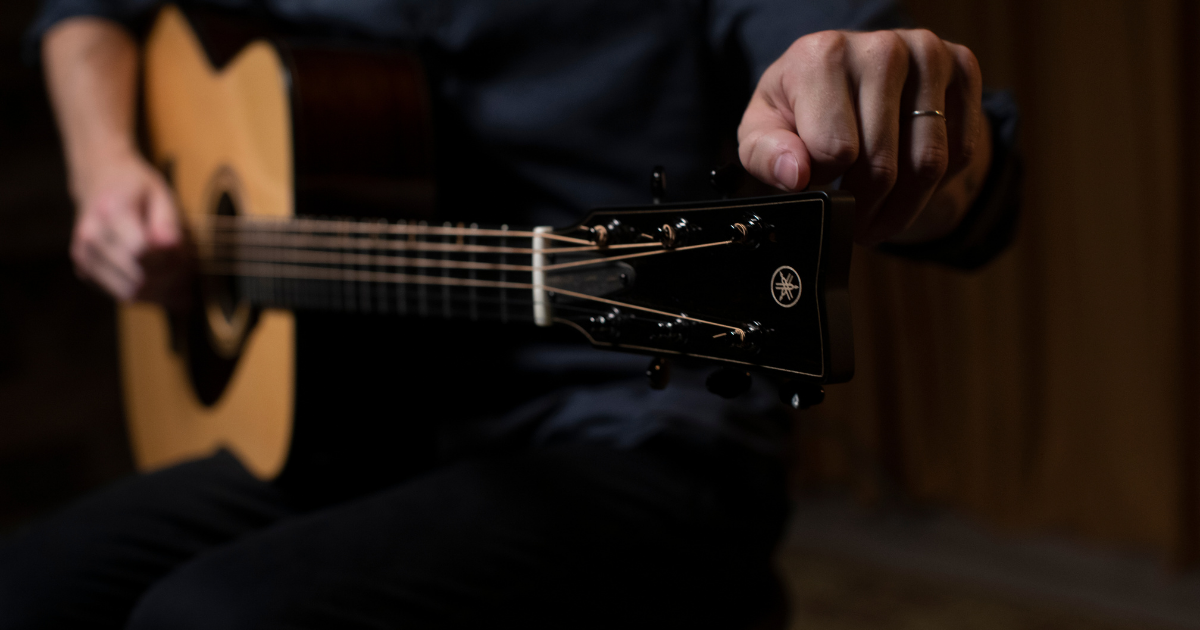
Rising Bluegrass Artists Hear Something Special in Yamaha Custom FG Guitars

Bluegrass music is based in tradition, yet every guitarist brings their own touch to the genre. Among a new generation of acoustic musicians, Yamaha Custom FG guitars have become a welcome addition on stage and in the studio. From the design to the tone to the overall feel, Yamaha Custom FG guitars bring out the best in these players, who have been making their mark in bluegrass music. Within mere moments, they have noticed the attention to detail and craftsmanship of Yamaha’s Senior Acoustic Guitar Builder Andrew Enns and his team.

Fred Kosak of Stillhouse Junkies plays a custom Yamaha FG made to complement his musical approach in a variety of settings. Hailing from Durango, Colorado, the band won an IBMA Momentum Award for Band of the Year in 2021, and they have continued to build their fan base through touring, especially in Colorado and Utah.

“I’ve long believed in the power of the connection between instrument and player,” Kosak says, “and that’s why I’ve worked with custom builders over the years to imagine and build instruments that suit my individual attack, style, and taste and with which I feel an immediate bond. My custom Yamaha FG is no exception: from the first strum I knew that Andrew Enns had created something special. He captured a sonic signature and vibe that I could take on stage with me in any situation knowing it would respond exactly the way I wanted it to. Yamaha has taken a ground-up approach to design and rolling out this new line of acoustics that I think is very player-centric and unique for a larger manufacturer, and the results are easy to see in every instrument they’ve produced.”


West Virginia musician Jake Eddy, a 2022 IBMA Momentum Instrumentalist of the Year nominee, has played music professionally since he was a teenager. In addition to touring in bluegrass songwriter/fiddler Becky Buller’s band, he’s recorded an album of fiddle tunes on guitar. He played his new Yamaha custom FG prototype at the Fretboard Summit.

“The new guitars being built by Andrew Enns at Yamaha are great!” Eddy says. “My old D-18 will always be a part of my life, but this guitar has really squeezed its way into my musical world. It feels and sounds how a mahogany guitar should. Lightweight, and fast!”


Theo MacMillan had his heart set on acoustic music from an early age, playing in churches and local talent shows as a kid. He surrounded himself with bluegrass as a college student in Kentucky before moving to Nashville after graduation. The versatile musician (who also plays fiddle) presents his original music through performing as a solo singer-songwriter as well as singing with his younger sister in the Theo & Brenna Band. He says he’s been pleased with his Yamaha Custom FG for a variety of reasons.

“Since I got the FG from Yamaha, I’ve been pleasantly surprised at how great it sounds plugged in. This is a new experience for me (playing live with the pickup) and it has significantly affected my live performances. I’m a big fan of the tone that the FG is capable of even when it’s plugged in. Andrew and I talked about giving it extra low and high end (more of a scooped eq) — the result was a guitar very capable of acoustic lead and bass-y rhythm. I’m finding it to be my guitar of choice if I’m playing duo shows or solo for a songwriter round, although it definitely holds its own for pure bluegrass rhythm playing. In addition to the sound, the guitar is absolutely gorgeous. I get comments on its aesthetic all the time.”


Jordan Tice is a member of progressive bluegrass band Hawktail and also performs with Yola. His fifth album as a solo artist, Motivational Speakeasy, puts his voice and his guitar front and center. Based in Nashville, Tice is eagerly awaiting his Yamaha custom FG to be completed and delivered.

“I really enjoyed playing that new Yamaha FS model with mahogany back and sides for my Fretboard Summit show in Chicago,” Tice says. “It had the features I love from old Yamahas combined with high quality materials and modern boutique craftsmanship. It had quite a nice range but remained balanced and focused and I was also impressed with the depth of the tone — a good amount of low end without feeling muddy, tubby or unclear. It plays very nicely too — love the feel of the neck and it had a very nice string tension. A lot of great music has been made on Yamaha guitars over the years and hearing them take these styles to the next level is really cool. I would play that guitar all the time both live and at home if I had it.”


As a singer-songwriter, Isaac Horn from The Arcadian Wild believes that a guitar’s rosewood back and sides can “hug the voice and create this really wide, open area that you can sing into.” Upon first seeing the prototype of his own Yamaha custom FG, Horn noticed a design on the fret overlays that he had never seen before. He also admired the beauty and elegance of the rosette, the purfling, and even the pickguard. The Adirondack top of the guitar was also shaved down to allow for the quiet playing that Horn sometimes prefers.

“It was really reassuring because I knew that Andrew and the team were making choices that were really creative and intentional,” he says in a video interview about the guitar. “My expectations have been exceeded for sure.”


Editor’s Note: Read our Q&A with Senior Acoustic Guitar Builder Andrew Enns and see how Yamaha Guitars have guided numerous well-known musicians to their signature sound.

Yamaha Guitars Have Guided These Musicians to Their Unique Sound

Yamaha is on a never-ending pursuit to inspire players to find their unique sound and express their own distinctive, individual musical art. The original FG180 became a bestseller in America, setting a foundation for the development of the L Series and the A series, as well as the FG Red Label series in 2019.

Yamaha leverages their second-to-none technology and traditional luthier craftsmanship to offer high-end acoustic guitars that rival other premium guitar manufacturers. In fact, Guitar Division said of Yamaha, “Their high-end professional grade guitars are made with attention to detail, and even down to their midrange and beginner series you will see quality at least as good as any other popular brand.” Meanwhile, Sixstringacoustic.com observed, “Throughout its history the company has been dedicated to providing novices and professionals with the high-quality guitars, without being too much of a hit on their wallets.”

There may be a number of artists you never knew played a Yamaha Guitar. Since the 1960s, Yamaha acoustic guitars have influenced and inspired many top musicians.

Designed to John Lennon‘s exacting standards in 1977, his custom CJ52 is constructed with a red dragon inlaid on the black body of the guitar. According to Guitar World, “The inlay work employed a traditional Japanese technique called Maki-e, a style of inlay not usually employed on musical instruments because it requires the use of a high-humidity steam kiln that wreaks havoc on the music-making properties of wood. Yamaha’s custom guitars builders found a way to pull it off, creating the dragon from a drawing by Lennon himself. The instrument is the most expensive Yamaha guitar ever made.”

Lennon formulated the idea of that guitar after playing Paul Simon‘s Custom CJ52. Jimmy Page toured with a CJ52 from the 1975 Led Zeppelin World Tour to the 1998 Page/Plant “Unledded” Tour. In addition his own fondness for the Custom CJ52, John Denver often performed with his beautiful L-53 throughout the 1970s (check out that beautiful Yamaha headstock in the video above) Bruce Springsteen‘s CJ52 from 1987 became part of his musical identity at the height of his popularity.

Yamaha made American music history as “Country Joe” McDonald played an FG150 on stage at Woodstock (you can glimpse it briefly around 1:26 in the video below). James Taylor incorporated his L-55 Custom and FG2000 into his exceptional albums and tours in the 1970s.

Yamaha’s current cache of artists is no less diverse or impressive. The acclaimed singer-songwriter Butch Walker, who plays an FGX5, was named by Rolling Stone as Producer of the Year in 2005. He speaks about his producing guitar in this video interview. In addition, David Ryan Harris is an accomplished solo artist and guitarist who tours and records with John Mayer using his Yamaha FSX5. He showed off the Yamaha A5R ARE in a series of videos for the brand.

Yamaha continues to capture the imagination of rising artists, including The Arcadian Wild’s Isaak Horn and Stillhouse Junkies’ Fred Kosak. Don’t miss our Yamaha x BGS Artist Sessions with both bands below.

Yamaha is not finished with their never-ending pursuit of the masterpiece. Senior luthier Andrew Enns in Yamaha’s Calabasas, California, custom shop is teaming up with the master technicians in Hamamatsu, Japan, to develop even more advanced acoustic guitars that will soar to even greater heights. The bluegrass community eagerly awaits their next level guitars that are expected to set a new standard of tone, quality, and playability.

Singer-songwriter Laura Jane Grace of Against Me! and the Devouring Mothers, who plays a Yamaha LL16 and CSF3M, said in a recent interview with the brand, “I believe every guitar has a soul; not quite a consciousness but pretty close to it.”  When it comes to beautiful custom instruments, we couldn’t put it better ourselves.

Discover more about Yamaha Guitars and their custom shop at YamahaGuitars.com

Custom Acoustics from California: A Look Inside Yamaha Guitar Development

Yamaha Guitar Development is a custom shop in Calabasas, California, where luthiers build acoustic, electric, and bass guitars for Yamaha artists. The shop is also a research and development facility, contributing to production guitars that are available to customers around the world. In this interview, Senior Acoustic Guitar Builder Andrew Enns talks about his approach to the craft and his collaboration process with the engineers in Japan.

How did you get into guitar building?

Before I started building acoustic guitars, I was building electric guitars as a hobby. Then I got a job building classical guitars and learned acoustic guitar construction from master luthier Kenny Hill. From there, I learned everything I could from Kenny and other acoustic builders I met, then applied that knowledge to my guitars.

What is your approach to the craft of building guitars?

My approach is very traditional. I’m not trying to reinvent the acoustic guitar — I am trying to make a better acoustic guitar. There is still quite a bit of mystery involved with guitar and what makes one sound a certain way and a seemingly identical one sound different.

My goal at Yamaha is to combine my intuition as a builder with the engineering knowledge and technological capabilities from the team in Japan. We’re trying to essentially break the code for total control of shaping a guitar’s sound and applying that to our production models.

How does the research and development at the shop connect to the production guitars that customers can buy?

All new Yamaha models go through the development process before hitting the production factories, and part of that process is building prototypes. The YGD custom shop builds all the initial prototypes for potential new models. We collaborate with the team in Japan and experiment with new shapes, materials, bracing ideas, construction methods, etc., to improve on existing designs and invent completely new ones as well.

What does the collaboration between the YGD custom shop and Japan look like?

I collaborate with the team in Japan on a daily basis. We collaborate to develop new construction methods and building techniques, and then we work together to train the luthiers at our factories who build our production guitars.

Could you pick a favorite guitar that you’ve designed or built at YGD?

My favorite project is almost always whatever I am currently working on. Sometimes I look back and think of a specific guitar that really stood apart from the rest. But mostly, I’m always in the mindset that the guitar I am building now is going to be the best one yet.

Discover more about Yamaha and their custom shop offerings at www.YamahaGuitars.com.

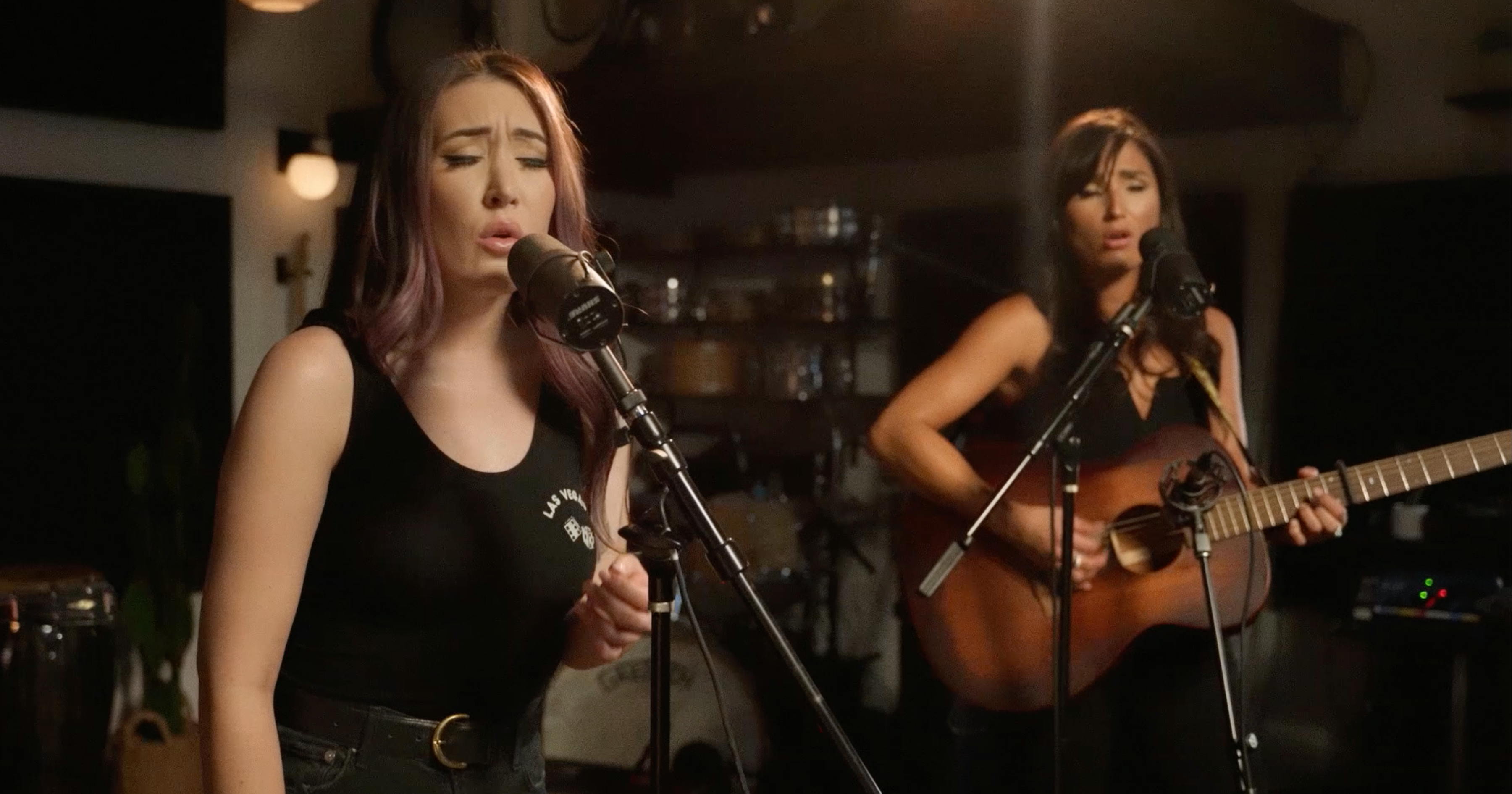
WATCH: Jackson+Sellers, “Hush” (Yamaha x BGS Artist Sessions)

Artist: Jackson+Sellers (Jade Jackson and Aubrie Sellers)
Hometown: Los Angeles, CA and Nashville, TN
Song: “Hush”
Album: Breaking Point
Release Date: October 22, 2021
Label: ANTI-

In Their Words: “I really loved [Aubrie Sellers’] voice and asked if she’d be interested in doing a co-write / duet. I wasn’t expecting a response but moments after I sent the message she responded with she’d love to. I knew the song would benefit from heavy female vocal harmonies, but working with Aubrie was such a boost. Collaborating with someone who’s so energetically strong, it gives you even more creativity and license to explore.” — Jade Jackson


Editor’s note: Watch more of our Yamaha x BGS Artist Sessions here.

BGS, Yamaha Partner on SXSW Official Showcase

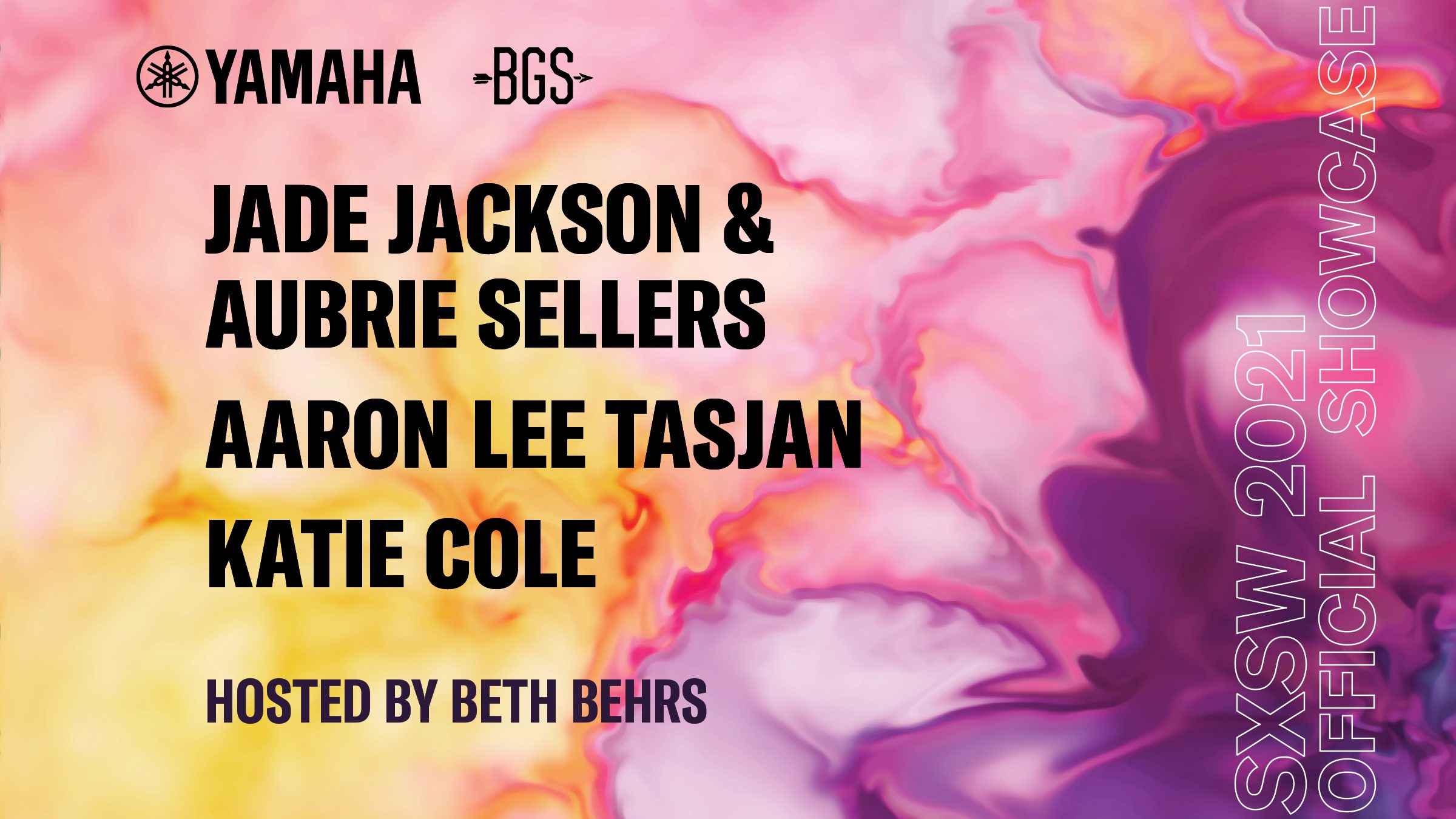
BGS is thrilled to partner once again with our friends at Yamaha to bring you the Yamaha Guitars x BGS SXSW Official Showcase. While this year’s music festival may look a little different than the standard event, the essence is still the same: bringing together an international community of artists and music professionals for a unique celebration, discussion, and exploration of music.

Hosted by actress and Harmonics podcast host Beth Behrs, this hour-long virtual performance features mini-sets from four artists we can’t wait to hear more from in 2021, including:

• Jade Jackson & Aubrie Sellers
• Aaron Lee Tasjan
• Katie Cole

The Yamaha Guitars x BGS showcase premieres for all SXSW virtual attendees on Saturday, March 20 at 4p PT / 6p CT and will be available to re-watch for one week.

Clips from each artist’s performance will be released via the BGS website at a later date!

To register for SXSW, visit SXSW.com

Discover more about YamahaGuitars at YamahaGuitars.com


BGS, Yamaha Guitars Partner on Folk Alliance Spotlight Showcase

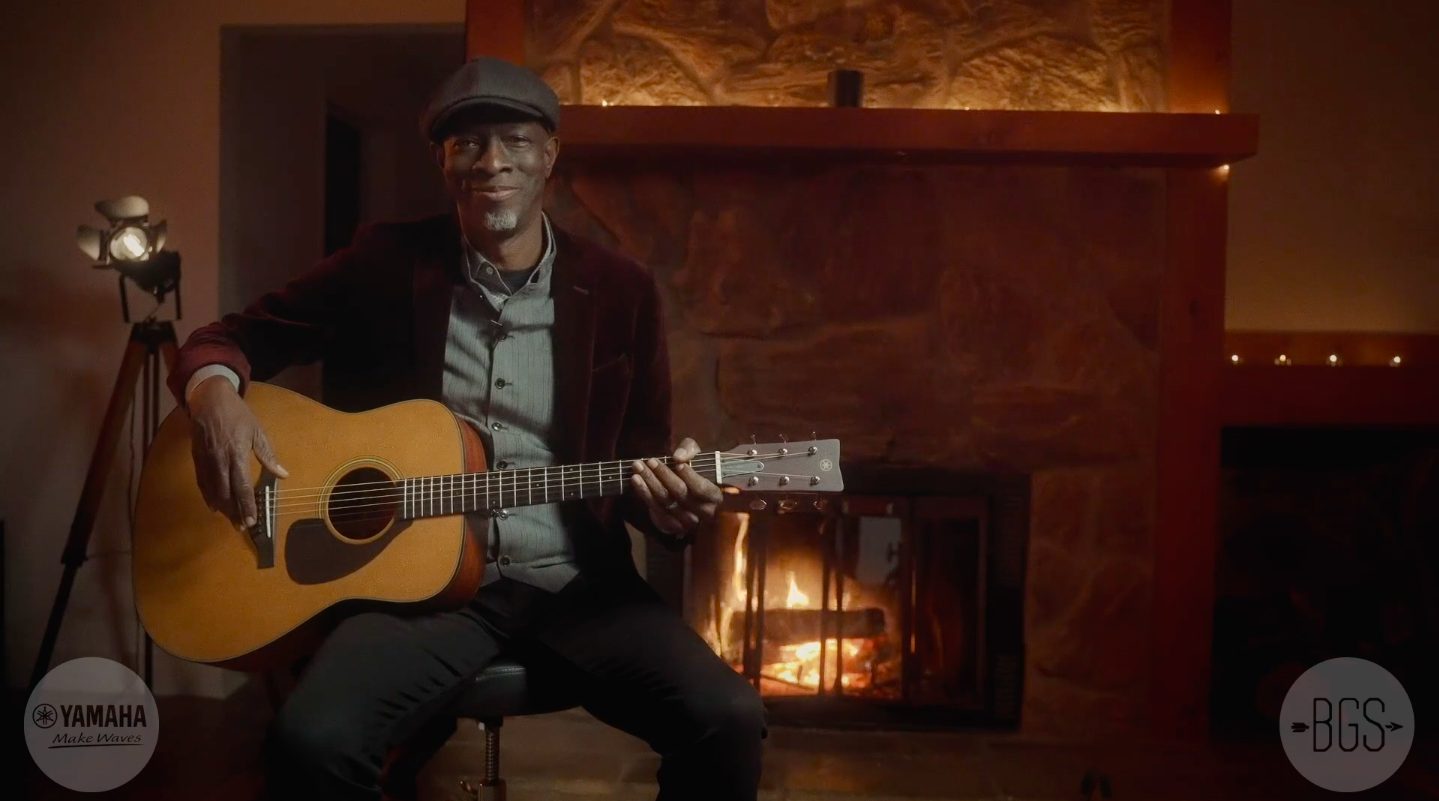
BGS is proud to announce our partnership with Yamaha Guitars for Folk Alliance International’s 2021 virtual conference, Folk Unlocked. Join us on Thursday, February 25, 2021 at 5:30pm CST for the Yamaha + BGS Spotlight Showcase, hosted by friend of BGS and acoustic blues and Americana veteran Keb’ Mo’.

Yamaha Guitars tapped BGS to collaborate on the curation of the Spotlight Showcase, which highlights Yamaha official artists, instruments, and gear as well as music from folk scene stalwarts and newcomers alike — from all across the continent and around the world. The hour-long virtual showcase features intimate, acoustic performances that certainly capture the atmosphere of connection and discovery that typically permeates FAI’s in-person conference.

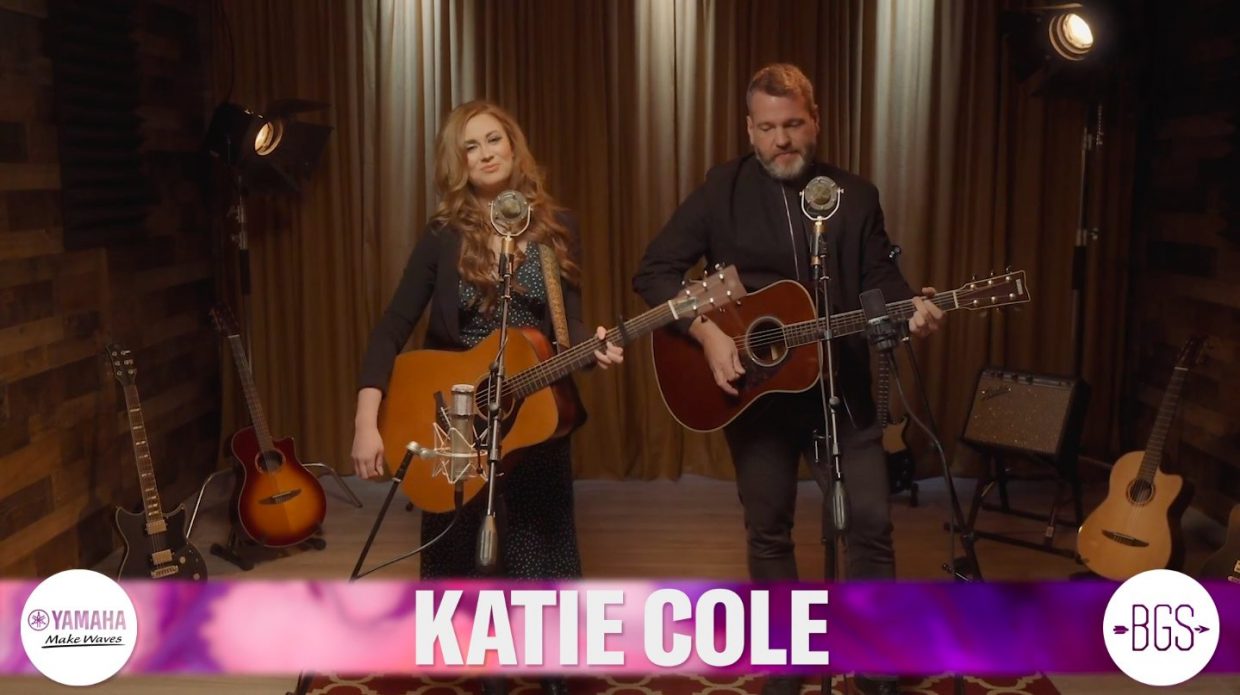
Yamaha official artist Katie Cole performs during the Spotlight Showcase.

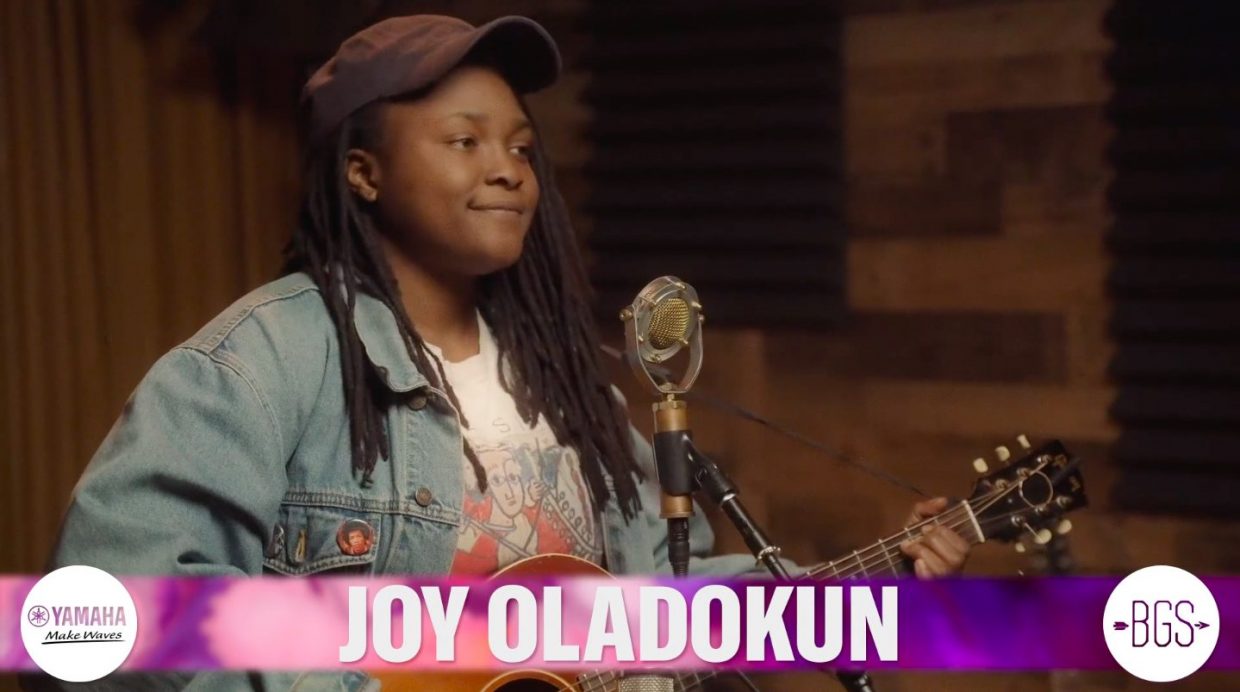
To lead us off, Australian singer-songwriter Katie Cole flavors the program with her pop-influenced alt-Americana material. A fresh face in bluegrass and old-time, Bella White sings her original Gillian Welch-meets-Hazel Dickens tunes with a warm honey yodel just breaking through her voice. You’ll also hear a captivating performance from Joy Oladokun, one of the buzziest names in the indie-folk world at the moment, and soaring tunes from American-Canadian folk duo Birds of Chicago, who headline the event with a trio set that feels as full band as a pandemic would allow. Our talented host, Keb’ Mo’, will treat our audience to a couple of selections as well.

In the coming weeks, BGS and Yamaha will release individual sessions from our Spotlight Showcase film! Stay tuned for more music and content from this exciting partnership.

Joy Oladokun is featured during our Yamaha + BGS showcase.

In place of an in-person conference this year, Folk Alliance International is hosting Folk Unlocked, a five-day virtual event for the entire international folk community to come together for panels, workshops, showcases, affinity and peer group meetings, exhibit spaces, networking, and mentorship. FAI are actively unlocking the doors and windows of the house of folk to be as broad and inclusive as possible, inviting those who have been loyally attending Folk Alliance International conferences for years while aiming to reach folk musicians and professionals who have never benefited from or attended FAI before.

Usually, the in-person version of this amazing event is only available to artists and industry professionals, but this year, thanks to the virtual nature of the conference, anyone can tune in from anywhere! Conference registration and Spotlight Showcase and Unlocked Showcase access are all available on a sliding scale, with the cost to attend being decided by each individual. In addition, donors to Folk Alliance’s Village Fund receive showcase access as well. There are so many ways to support Folk Alliance and attend our Yamaha + BGS Spotlight Showcase.

Get more information on Folk Unlocked and find out how to attend our Spotlight Showcase on Thursday, February 25 at 5:30pm CST here.