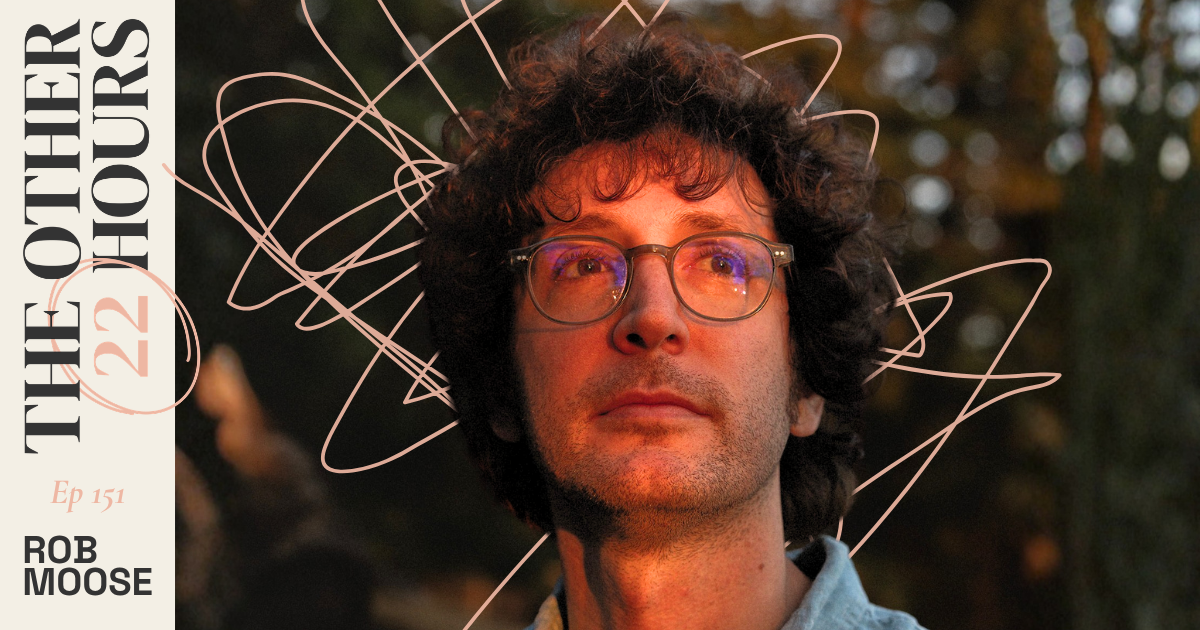
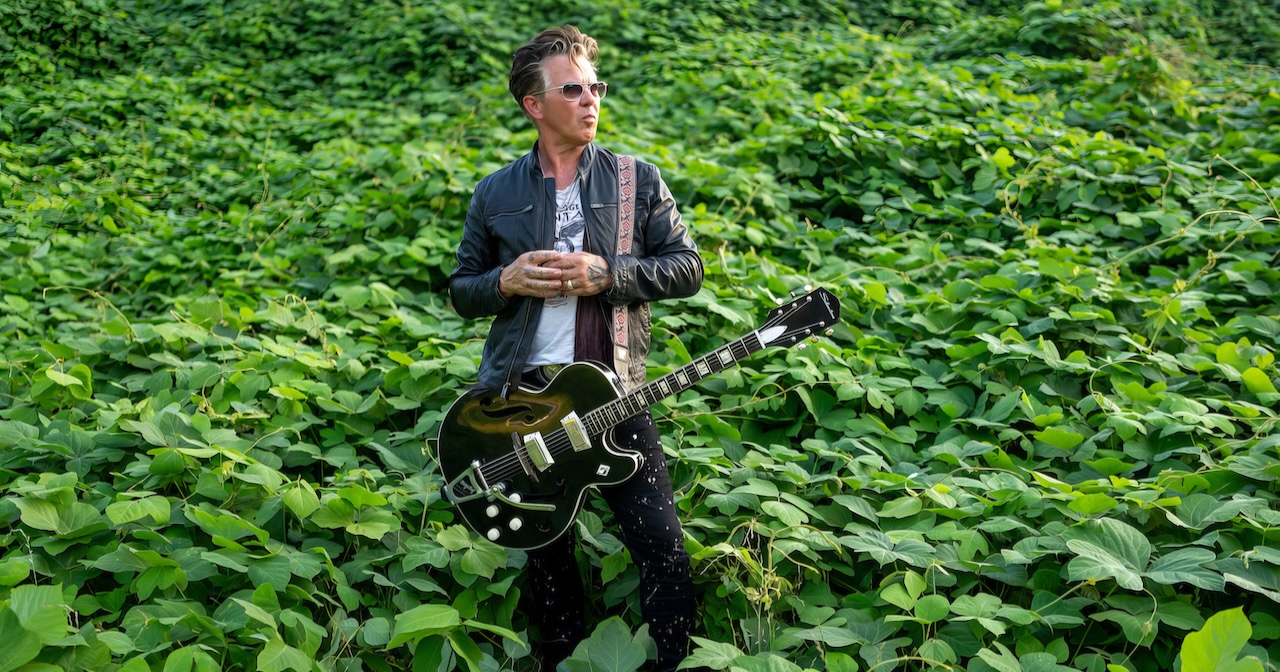
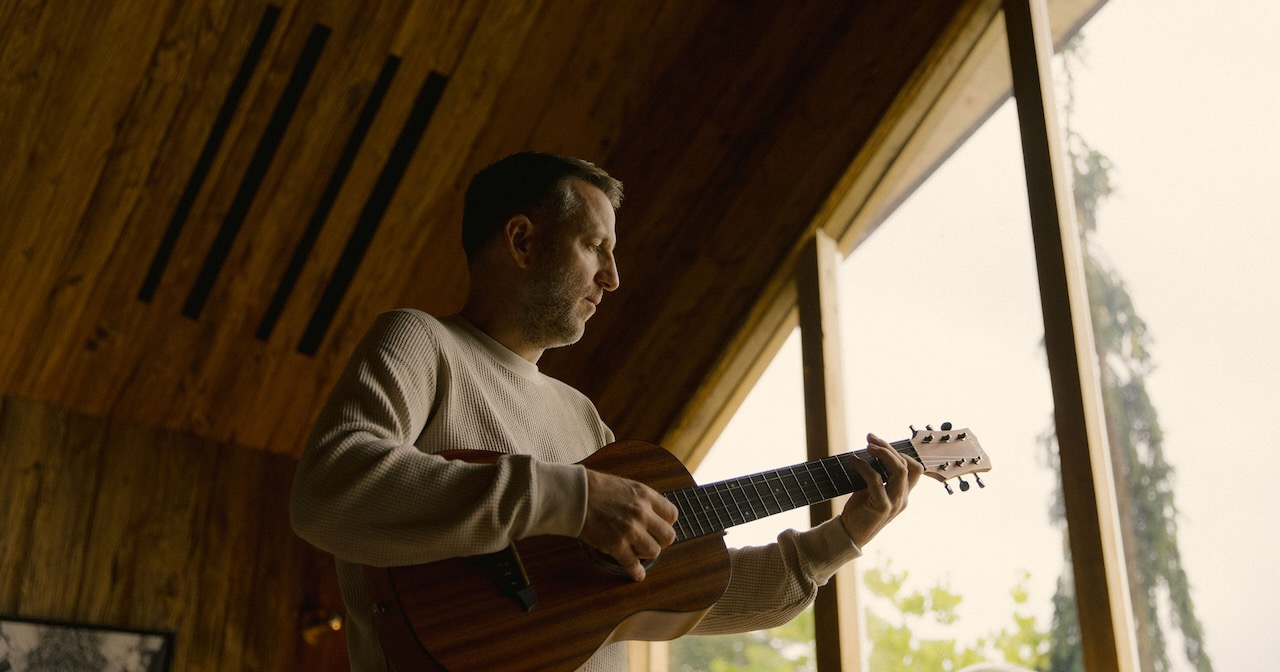
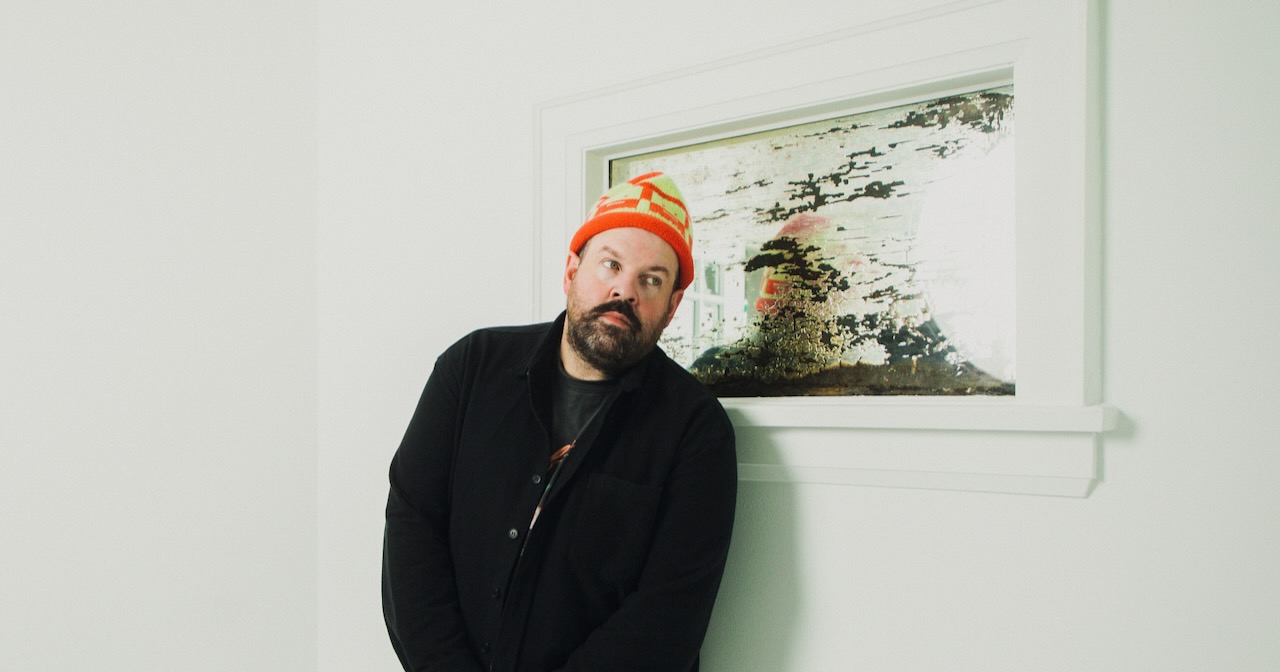
Behind nearly every influential indie-rock and pop record of the last 15 years has been the brilliant mind and hand of string arranger and multi-instrumentalist Rob Moose. The three-time GRAMMY winner has contributed to thousands of records by the likes of Paul Simon, Taylor Swift, Phoebe Bridgers, Bon Iver, St. Vincent, Bruce Hornsby, and Mumford & Sons. In this calming, deeply reflective conversation on The Other 22 Hours, Rob opens up about “peaking” in the live touring industry, the transition to a studio-centric life, and how fatherhood has introduced a powerful focus into his creative process. It is an exploration of legacy, creative boundaries, and why sustaining a 20-year career ultimately comes down to treating music not as an athletic feat, but as a deeply human relationship.
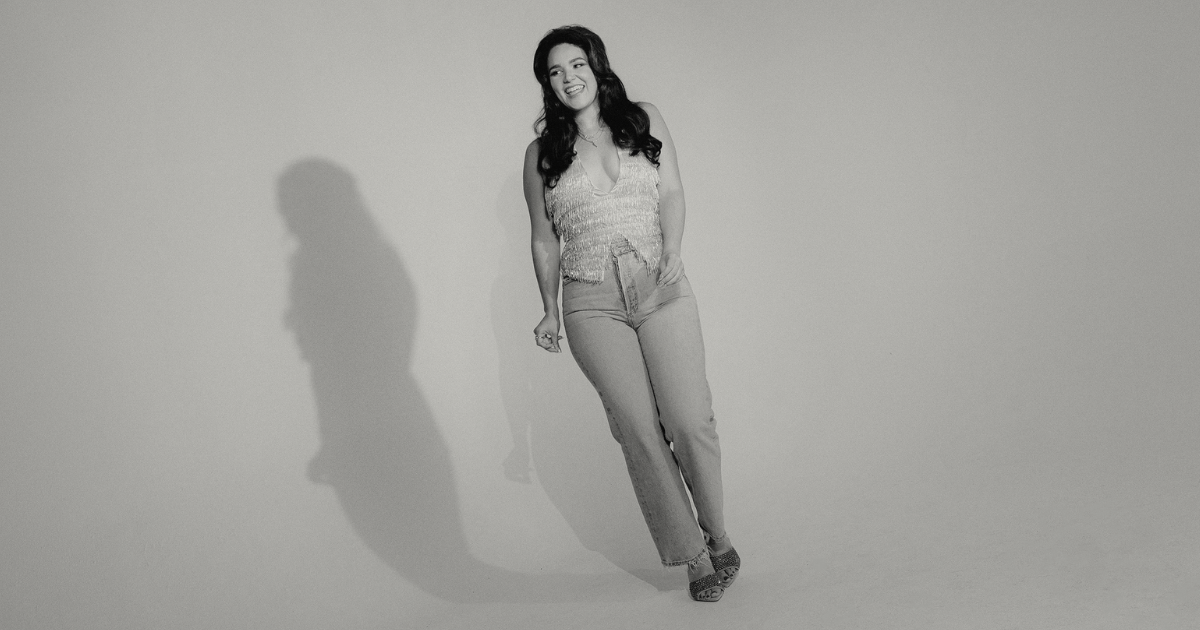
After spending time On The Ranch in 2022 and hopping in the car for 2024’s Drive & Cry, Emily Nenni now finds herself out on the dance floor with her latest record, Movin’ Shoes. Released May 1, the album is the California-born, Nashville-based singer’s third project in collaboration with New West Records.
It’s also her most ambitious and vulnerable to date, with Nenni singing about everything from feeling comfortable in her own skin (“Livin’ In Shame”) to getting caught up in a heated argument (“You Only Said It To Hurt Me”) and doing what makes you happy (“Not A Winner”). All amid a backdrop of Stax horns, pedal steel, and other accompaniments captured in Memphis with producer John James Tourville (of the Deslondes) and engineer Matt Ross-Spang. The two also worked with Nenni on Drive & Cry, but this time around the setting was at Ross-Spang’s new Southern Grooves studio, which offered up new opportunities to stretch out and experiment musically.
The result is a mix of honky-tonk and Southern soul that invokes Booker T & the M.G.’s and B.B. King (“Movin’ Shoes”); William Bell and Aretha Franklin (“What Have I Done Wrong”); Diana Ross (“Not A Winner”) and the Supremes (“Livin’ In Shame”). Even more crossover moments occur with a bluesy rendition of Paul Simon’s “Tenderness” and a reimagining of Cass Elliot’s (of The Mamas & The Papas) “Talkin’ To Your Toothbrush” that illustrate Nenni’s confidence in full bloom.
“This isn’t strictly honky-tonk like my former records, even though it’s still all the same influences,” Nenni explains. “I’m just drawing from more artists and genres than I have in the past.”
Ahead of Movin’ Shoes’ release, Nenni spoke with Good Country about the evolution of her sound, the relationship she has with her dog Edna (whom she sings about on the song “Home With My Dog”), her reverse lip sync video for “Livin’ In Shame,” and more.
One of my favorite songs from Movin’ Shoes that captures your new sound is “Yes It Hurt.” Did you always plan to incorporate horns in it?
Emily Nenni: “Yes It Hurt” was probably the most outside of what I’ve done on any of my past three records. It was a bit nerve-racking, because I initially just planned to record the phrase “yes it hurt” repeated with some harmonies to use as an interlude. I never envisioned it being a full song, but JJ [John James Tourville] came up with a whole thing around it that I added verses to the day before we went in to record. I didn’t really know what I was doing, but I trusted him, and getting to see three horn players shred on my song made it all worth it. I’ve always wanted horns on my record, but didn’t want it to be such a big departure from what I’ve been doing.
What was the timeline for these songs coming together?
Aside from the covers, the entire record was written over the course of a month and a half. I sent JJ voice memos of most songs about a week before heading into the studio, which left him no time for pre-production. We had been talking, though, and had both the musicians and space to record, so I just trusted it would all come together.
The only song I had to build my lyrics around JJ’s production was on “Take My Money.” I had all the lyrics but no melody, because everything I tried didn’t fit right. Then he went and made it into this really cool and funky honky-tonk type song that has become one of my favorites on the entire record.
Was this your first time recording in Memphis?
Yes. We recorded Drive & Cry at the Creative Shop in Nashville, but it was actually mixed in Memphis with Matt Ross-Spang. When JJ and I drove down there for that I could just tell the two of them would work really well together on a full record, so around six months later I emailed them both asking about it. It was bittersweet because this is the first record where I haven’t worked with Jake Davis as an engineer. That being said, we did capture some vocals for “What Have I Done Wrong” at his house, so he still was able to be part of the mix, which was very important for me.
What led to you making “Movin’ Shoes” the album’s title track?
After I wrote the song I began thinking it would be a good name for the record, because I primarily write for the dancers at our shows – it’s my favorite thing! Some of these songs aren’t in that vein as much, but you can dance to anything.
In the end, the idea of moving and the content of that song touching on how you treat others when you’re out in the world is an overarching theme of not just it, but the record as a whole, which made it a natural fit to place as the title track.
You’ve always been an empathetic songwriter. What made you want to lean into that side of yourself even more on this collection of songs?
I spend a lot of time with myself, especially when we’re off the road. I’ve taken time to sort out my thoughts about the world we’re living in and that can get really heavy. It’s starting to affect the way people are interacting with each other, so with every encounter I have I’m thinking nonstop about the best way to handle it. It’s so important to think about and discuss not just how we’re treating each other, but ourselves too. When you’re in a funky headspace it’s nice being able to put on a song as a reminder for how to exist. Sometimes we need encouragement to be ourselves. My hope is that this album can help to remind folks of that.
You just mentioned spending time alone, which I know is at the center of the song “Home With My Dog.” I also love how it directly follows a cover of Delbert McClinton’s “Honky Tonkin’ (Guess I’ve Done Me Some),” a song about wild nights inside Texas dance halls. Did you notice their contrasting messages when you placed them back to back?
They are very much like two sides of the same coin. I’m only 32 now, but in my early 20s I could go out six or seven nights a week and could get up early the next day with no problems, but nowadays I need five nights’ rest for every night I do make it out of the house. [Laughs]. But aside from that, our dog Edna had some health issues while we were on the road in Europe a couple years ago. So now when I’m off the road I just want to be home with her and that’s all that matters. Even though “Honky Tonkin’” is a cover, it got me thinking about my early days in Nashville, hopping around the bars and in and out of conversation, and what those conversations consisted of. It all made me realize what’s most important, which is being here with our sweet little girl, taking care of myself, and not being out past my bedtime.
I can totally relate. I don’t get out anywhere near as often as I do now. However, I also don’t live in Nashville. I imagine the pressure to make appearances is amplified there with everything going on and the industry so close?
Exactly! We also live really close to Skinny Dennis – which I love – but it’s also really easy to go there and have too much fun and [then I] can’t hang around with anyone for a while. [Laughs] It is wonderful though, so I do remind myself to remain involved in our lovely community here. It’s nice being around so many honky-tonk women and checking in to see how they’re doing or sharing stories. The world is a heavy place right now – from what we see in the news to the realities of life on the road – so being home is a good chance to reset. Even if I do it too much. [Laughs]
You also cover Paul Simon’s “Tenderness” and Cass Elliot’s “Talkin’ To My Toothbrush” on Movin’ Shoes. How do you go about deciding which songs from others to tackle?
I often will come up with a list of potential cover songs before going into the studio, because I always like having one to cover. But with this record we wound up doing three. It’s fun to pick a random song that somebody maybe hasn’t heard, to introduce them to a new artist’s catalog. I decided to cover “Honky Tonkin’” because I couldn’t get enough of it and thought it would be a fun one for the dancers, and the riff is really great. Then with “Tenderness,” lyrically it reflects a lot of the message of this record, which is how we’re treating each other. Sonically, I thought Paul Simon’s recording was a nice combination of country and soul and something I could replicate while also making it my own as well. And with “Talkin’ To Your Toothbrush” I just thought it was a great song that would be fun to cover. Cass has such a dreamy voice, and the Dobro on that song was so good too.
How did you get the concept for your reverse lip sync music video of “Livin’ In Shame,” which reminds me of a similar trick you used a few years ago on a video for “On The Ranch”?
Joshua Shoemaker developed and directed both of those videos! “On The Ranch” is a one-take and “Livin’ In Shame” is multi-take and backwards. This was my third music video with him – he also did “Get To Know Ya” [from Drive & Cry]. For “Livin’ In Shame,” Joshua heard the message clear as day, so it was filmed backwards to convey it. Wiping away makeup and left with just me!
The message of “Livin’ In Shame,” feeling comfortable in your own skin, goes hand-in-hand with another of my favorites on the record, “Not a Winner,” and its declaration of realizing your worth. What are your thoughts on those two songs and how they tie together?
The two songs are big on self-reflection. I have put in a lot of work to be more patient and present with myself and my journey. It’s certainly easier some days than others, and that’s okay. I hope these songs help listeners be kinder to themselves too.
Movin’ Shoes is dropping the same day that you celebrate 12 years in Nashville. What’s the biggest thing you’ve learned from your dozen trips around the sun in Music City?
I’ve just learned to be more confident in my own songwriting and the band I have around me. When recording and collaborating, I’ve also gotten more comfortable contributing my own thoughts. When I first moved to town my lack of confidence had me shying away from putting myself out there and sharing what was on my mind. I’ve got everyone I’ve played with these past 12 years to thank for welcoming and embracing me. They’ve all been very non-judgmental, and that’s made all the difference in the world.
What has bringing this record to life taught you about yourself?
That it is okay to step outside of your comfort zone. Trying new things like using different instrumentation, recording outside of Nashville and being more outspoken about asking for what I want have all helped to build my confidence too. I’m more comfortable than ever with the “new” and with myself, which I think will be very helpful to me in all aspects of life, not just music.
Other than releasing Movin’ Shoes, what’s next for you?
I have already started writing a new record and I’m looking forward to getting back to the studio!
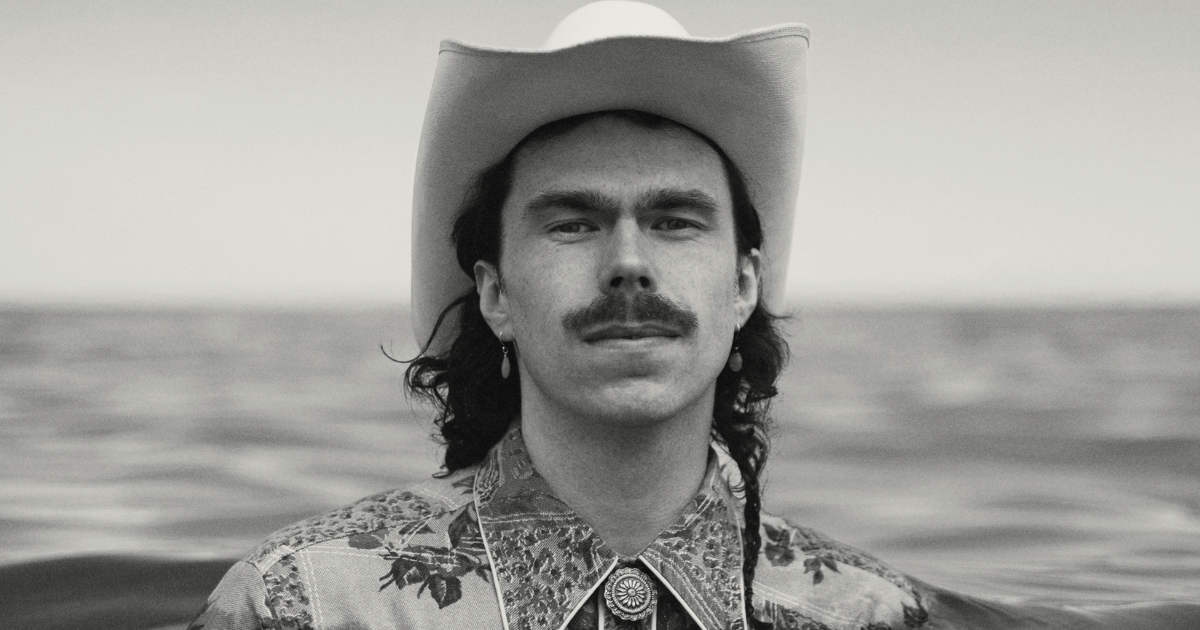
Lots of people are taking a shine to Boy Golden lately. Radio stations in Canada sent his populist pop single, “Suffer,” to the top of the modern rock chart. He produced William Prince’s 2025 album, Further from the Country, which recently received a Juno nomination in the Contemporary Roots Album category. And he’s among the new additions to the esteemed Telluride Bluegrass Festival lineup in June.
Offstage, Boy Golden is Winnipeg-based musician Liam Duncan. (His mother’s maiden name is Goulden, so he conjured the stage name Boy Golden.) In addition to jumping across genres, he’s also crossing the Canadian/American border this spring, with dozens of U.S. tour dates to promote his new album, The Best of Our Possible Lives. Duncan recorded the project in Los Angeles with fellow Winnipeg guitarist Austin Parachoniak, producer Robbie Lackritz, and cream of the crop LA studio players.
Duncan called in to Good Country to talk about making the new record, though the conversation also gravitated toward his abiding love for bluegrass music.
“Suffer” has been a big hit for you in Canada. What do you remember about trying to get “Suffer” to sound the way you wanted it to sound? Was it hard to come up with that song?
Boy Golden: No, that was a quick one. I sat down and wrote it all in one chunk. I remember it taking about an hour, maybe. But then I did make several demos of it, and throughout that process, I did edit it a fair bit and experimented with different lyrics and arrangements. By the time I got to the studio, I was really confident in the foundation, the bare bones of it. I could trust the musicians there, and they nailed it.
On that song, Pino Palladino plays the bass, which is really cool because he’s a legend, and then Abe Rounds is on the drum kit and he’s a really great drummer and musician. We had a few drummers we were thinking about asking, but I listened to Abe’s solo album – which is called The Freedom to Make Mistakes – and his percussive sensibilities on percussion instruments, beyond just the drum kit, were so spot on. It made it an easy decision, because I really wanted a lot of percussion on this album.
Why is that?
A lot of records that I love have a lot of percussion, first off. I was listening to a lot of Ry Cooder. I was listening to a lot of Paul Simon. The percussion on those records is fantastic. But also I was thinking about the first record I made as Boy Golden and I really went overboard with the percussion on that album. I hadn’t listened to it in years, I was in a store in Portland, and the guy running the store put on my song while I was in there. I was like, “Oh gosh, this is really great!” [Laughs]
I went back and listened to the record and I was like, “I should do that again,” because the records that I made between that first one and this one were way more stripped back. I made both of them on different types of 8-track tape machines so there’s just not as much room to go crazy with it. And I knew I was gonna have the freedom to do anything on this record.
The album before this one [For Eden] had a lot of banjo. Are you still grabbing the banjo from time to time?
Oh, yeah. I made a demo yesterday that has a bunch of banjo on it. And I spent the Christmas holidays just shedding some old-time, which is a really fun thing to do and does not bother my family much!
When did you pick up the banjo originally?
When did I pick up the banjo… 2020? 2019? Somewhere in there. It wasn’t, like, always a thing, but I’ve always loved bluegrass, and I’ve always listened to a fair bit of bluegrass, but I was just in a big phase. And I think part of it was, I was like, “I am never going to be a good enough guitar player to really play bluegrass, so maybe I should try a different instrument.”
You included “The Year Clayton Delaney Died” on that first record. Is Tom T. Hall somebody that you gravitated toward?
Yeah, particularly his bluegrass record, The Magnificent Music Machine. It’s such a good album! Something I love about that album is, a lot of bluegrass is pretty dry, and that record is not. It just sounds like a bunch of people playing in a big room, like maybe a church or something. I don’t know how it was recorded, but I love the energy on that record.
What are some of your other favorite bluegrass records?
My favorite bluegrass records are the Bluegrass Album Band’s Volumes I through III. [Laughs] They’re my favorite. I love a lot of what’s going on in the old-time scene right now, like Nora Brown and Stephanie Coleman. And I love playing music acoustically with friends. I love sharing songs that way. I grew up going to the Winnipeg Folk Festival, and that was where I was first exposed to bluegrass, and it has been a lifelong love. And I feel like it does make its way into my music, even though I write kind of pop songs or something. I like to produce in all sorts of different ways, but on each song on this album, I tried to have at least one element that felt distinctly rooted in roots, whether that was a guitar part or a banjo part or a pedal steel or whatever. I just tried to always have some sort of grounding in the roots.
Reading up on you, I found that you were a Gillian Welch fan.
Yeah, I saw Gillian and Dave for the first time this [past] year at Winnipeg Folk Fest. It was very emotional for me. I cried a lot because I had a friend pass away right before we made this record. We had made a record together, me and this friend, and one of the songs was called “I Dream an Ocean,” which was inspired by “I Dream a Highway.” We would just bond over those records so much. … I could cry right now thinking about listening to Gillian and Dave when he was here. It was super affecting and really gorgeous.
I’ve enjoyed the videos that you put out so far and I think visuals must be really important to you. Can you talk about the concept of the video for “Cowboy Dreams”?
Yeah. I had a couple pretty specific visual references. One of them was the Brazilian tune “Águas De Março,” which has a great video you can find of Elis Regina and Antônio Jovian duetting that song together on an old stereo capsule mic. You can put [that mic] off-axis and then you can both sing into it. Anyways, it’s just a really beautiful video, and I love watching it because they have such chemistry. Me and my friend Cat [Clyde] have a great creative chemistry as well. We wrote that song together and made the demo together. So, I thought we could basically steal that concept and make it a little more cinematic by putting a 360-degree dolly camera around it. I love that shot.
The other one was a killer Sade video that’s all in black and white, and she’s galloping on a horse bareback, which is beyond my skill level, and it’s just so cool. Cat’s a really good rider. I was not a great rider. I’m still not a great rider, but I took a bunch of riding lessons leading up to that video shoot and got myself to the point where I could gallop comfortably. The ranch where we shot the horse stuff is run by some friends of mine, and they gave me, like, a Cadillac of a horse, so it was super easy.
You’re riding a horse in that video and you’re in Lake Winnipeg on your album cover. I’m assuming you’re pretty outdoorsy. Do you like the great outdoors?
I do, yeah. Yes sir. There are references to the natural world in my writing a fair bit.
Say you’ve got a free afternoon, what would you do?
Well, right now in the winter, I go cross country skiing. I go a couple times a week, usually. And I love cross country skiing, because it’s very meditative once you get into the flow and if the conditions are good – kick, glide, kick, glide. … And you can get into the woods with it, which is what I like about it. I mean, you can’t downhill ski where I live, because it’s just flat, but on cross country, you don’t need a lift pass. You don’t have to pay any money, usually. Maybe a trail fee of like $5 but once you get going, you can get onto this trail and you’re in the woods in the middle of winter. It’s a pretty special experience, not something everyone gets to enjoy, or even maybe realizes is as wonderful as it is. You know, to be out in the woods in the middle of winter, it’s sweet. And in the summer, I like to hike. I like to backpack.
That reminds me of the song “Blue Hills” from one of your past records. That one seems more of a country-leaning song to me. What inspired you to write that song?
I was thinking about being in high school actually. The town I grew up in is called Brandon and Brandon famously has hills [laughs] in Manitoba and they’re called the Blue Hills of Brandon, ostensibly because from a distance, they kind of look blue, I guess. And I was under the impression when I wrote that song that I had a great aunt or some ancestor who had written an old song called “The Blue Hills of Brandon.” I found out later from my dad that I must have made that up, because I don’t! That person who wrote that song is not my ancestor.
But either way, at the time, I thought she was, so I was like, “I’m gonna write my own version,” which I thought would be really special. I was thinking about high school, I was thinking about my late grandma and grandpa. Thinking about how those really early memories of love are so tangible, no matter how old you get. That’s why I say, “It’s the only thing I know to be true.” It’s like, that early love just was true.
When did the spark start for you as a songwriter?
I always wanted to write songs, but I was really blocked until I was about 21 or 22. And then I had a relationship end. It’s a common story, and I think I was so heartbroken that I didn’t really care if I wrote anything bad. And then it was like a spiritual revelation for me.
Had you been on stage a lot before that moment?
Yeah, I toured with my high school band all over. We played over 600 shows together. I’ve been in some sort of band with friends since I was like 14, so it’s been a lifelong thing. But I kind of thought I would just be a producer. To be honest, I never really thought I’d end up doing this.
When did you turn the corner? When did you decide, “All right, let’s make it happen”?
I guess when I had enough songs. And then I made a record that came out under my own name, which you can’t really find anymore. And then I came up with the Boy Golden character and idea and had a bunch of songs that I felt like were in the Boy Golden world. And ever since it’s been an obsession.
Photo Credit: Best of Our Possible Lives album cover
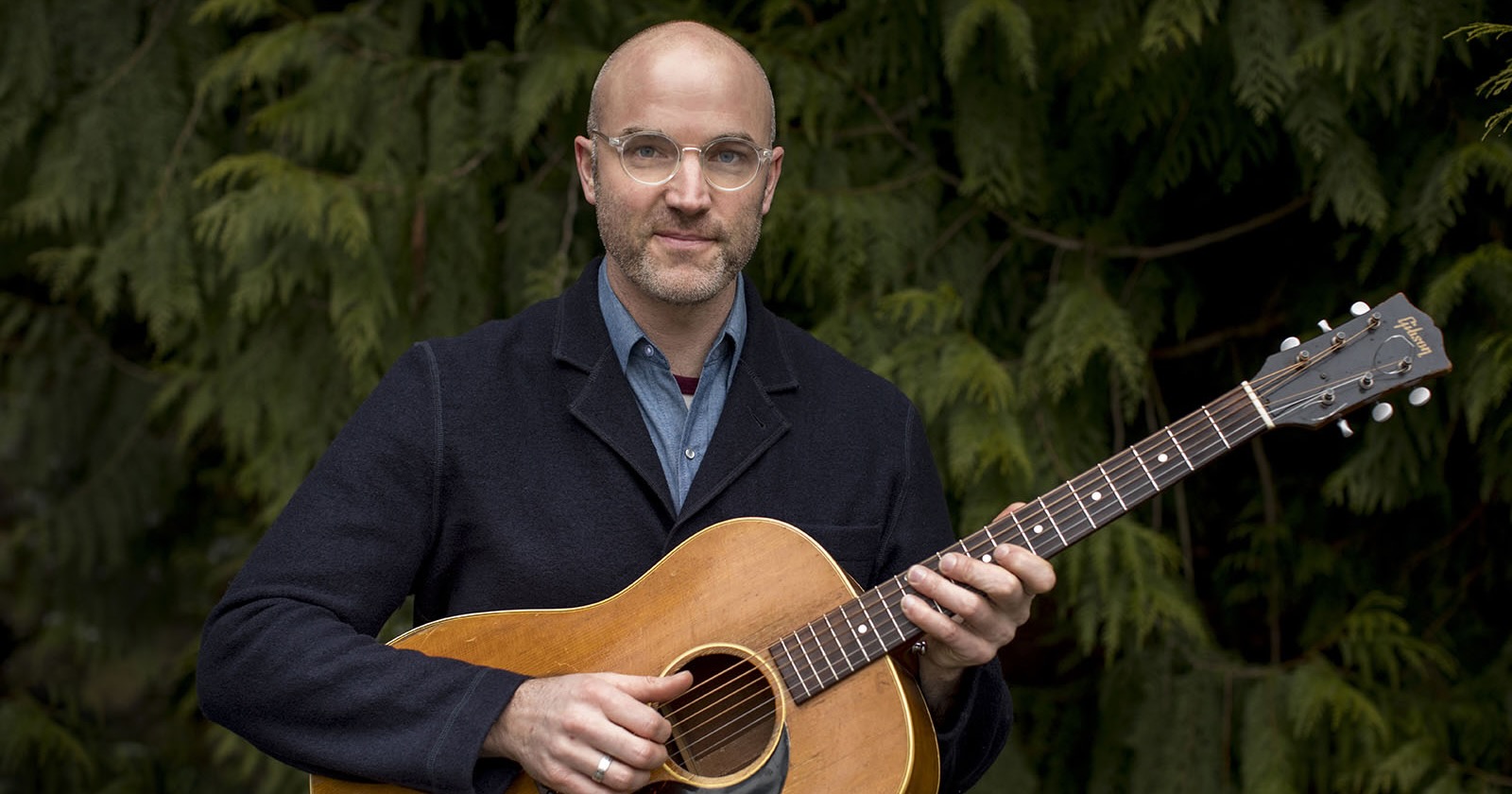
Eli West first rose to prominence in the acoustic music world as part of a duo with fellow singer-songwriter Cahalen Morrison. After creating three highly regarded albums together in the 2010s, West set off on his own. In 2016, he released The Both, featuring appearances by folks like Dori Freeman and Bill Frissell and on 2021’s well-received Tapered Point of Stone, West led a band that included Watchhouse’s Andrew Marlin and Clint Mullican and fiddler Christian Sedelmyer (Jerry Douglas Band).
This summer, the Seattle-based musician delivered his third solo album, The Shape of a Sway, where he is backed by his current sidemen, fiddler Patrick M’Gonigle and bassist Forest Marowitz, along with longtime collaborator Matt Flinner (mandolin, banjo) and an old college buddy, Peter Hatch (harmonium, piano).
West didn’t take a straight line to becoming a professional musician. Although he played violin and guitar growing up in the Pacific Northwest, he studied visual arts and political science in college. Then he headed east, where he went to timber framing schools in Vermont and Maine. Returning to Seattle, he got a job as a graphic designer.
Dissatisfied with his 9-to-5 existence, he quit his desk job after several years and went to Seattle’s Bainbridge Graduate Institute to study business. About halfway through, he realized business school wasn’t for him. It was around this time that West, who was getting more interested in bluegrass, met Morrison. He quickly decided to take a big leap and start playing and touring with Morrison. “My 30s were my 20s and it was awesome,” he shares with BGS. “And music was the means for that.”
West took some time to talk about his new album and his life while loading up a rental truck with timber frame kit to take to Orcas Island off the coast of Washington, where he and his wife own the Victorian Valley wedding chapel.
The Shape of a Sway is your third solo album. What type of a musical evolution do you see with this album?
Eli West: [With] each sequential record since my project with Cahalen, I’ve just been kind of establishing myself as a solo artist and singing my own music.
Tapered Point of Stone occurred right after my dad died and then this [album] occurred right after I became a dad. And making it halfway through life, turning 40, thinking about the second half. So, there’s kind of a transition theme. Looking up to someone and then all of a sudden looking down to my kids. Kind of switching teachers. My parents were my teachers and now my kids are my teachers. That’s a really abrupt shift.
I was writing for my last two records, but with this record I’m finally singing my songs that matter to me in a way that if they fall on other ears and feel good, I’m stoked. But I’m mostly happy with them as my own journal entries.
You have said you had something of a late start as a songwriter. How did your recent significant life events – your father dying, you getting married, and having children – influence your songwriting?
It took me so long to start songwriting, because I felt like I was cocky if I was putting my songs out if I hadn’t lived life. So, I needed to experience death. I needed to experience life on the other end, being a dad. I just didn’t have enough to say until then. It felt arrogant to do that without those experiences.
I have more certainty in whatever I’m doing. And I honestly needed a few years to think about my dad dying before I became a dad. And that certitude I feel in my music now, too.
I’m not writing to anything. I’m writing for myself. I have a lot of friends in Nashville, but I hate Nashville, because everyone’s writing to something. Not everybody, but there’s a big trend of writing to something to get awards or get someone to cover it – you know, that kind of thing.
How did you select the ten songs – did you pick them because they felt like a piece or because they were the ones ready to record?
It’s half matchmaking and half just the dam breaking because it was time. Making sense of getting half of your life, getting married, settling down, not road-dogging anymore, and ultimately deciding to have kids. So the matchmaking was finding the songs that spoke truth to being a new parent, I guess.
Are there tunes that you feel especially stand out to you from a songwriter’s perspective?
Well, “Ever Lovin Need To Know” doesn’t have a lot of meaning and it’s kind of filling syllables and it just feels good. It had meaning, but it was more about the feeling of the song than the content. “Spite and Love” is maybe the other end, where I had read this article in the New York Times about crows holding grudges and that just kind of launched it. I’m really proud of the lyrical content of that song.
And what songs served as the impetus for the album?
“Ever Lovin Need To Know” kind of felt like the tipping point where I could start assembling songs… And then “Rocks and Trees” is the most pertinent to my current situation. I have a nine-month-old daughter and that is speaking to that reality of who she is in my life.
“Rocks and Trees” also contains the line that you used for the album’s title.
Yeah, I don’t like naming a record after a song title. I think picking a lyric is way more interesting. I think there’s more satisfaction in finding that as a listener, than having a song title be the album title. So, “the shape of a sway” was kind of a secondary line that ended up meaning a lot to me. I have this newborn daughter, and I feel like I really know her not in a cognitive sense, but in a feeling sense. And “the shape of a sway” is this kind of different way to know somebody.
It feels like your lyrics often concern people exploring, examining, and searching for answers, but you don’t necessarily provide answers or explanations. Also, several songs (“All The Saints,” and the cover of Jean Ritchie’s “Cool of the Day”) have spiritual or religious imagery. Is this intentional or coincidental?
I’m glad you brought that up. I grew up in the church but then realized there’s just such a bigger common denominator than religion to get to know the world and people. So, I’ve happily delivered myself from that. But I think I ask better questions of myself because I acknowledge that human experience is bigger than any one religion.
I’m kind of looking back on those religious questions with a humanist empirical perspective, and I think that’s pretty fascinating to look back at the same questions but have a deeper well of experience and knowledge.
Was it difficult to quit the more structured world of graphic design and later business grad school for a life of a musician?
I think we’re all trying to reclaim this word “freedom” in this time and the definition of freedom for me was choosing a creative pursuit. There was some privilege and luxury in that, but it just felt like freedom. And I am grateful.
Has your background in design influenced the way you make music, similar to the connection that people have drawn between music and math?
Yes, spatial thinking – relative understanding based on space – what it feels like to be in one room and look into another room. I think of music and arrangements like that. The flow of walking through space and anticipation and memory, that’s really how I navigate music. That sounds kind of cocky, but I think you know what I mean.
You have talked about how collaborations are important to you. And this album features performers who you are familiar with (Patrick M’Gonigle, Forest Marowitz, Peter Hatch, and Matt Flinner). So, I was wondering how you walked the line with the arrangements and the collaborating, when it’s your name on the cover.
Yeah, I think any relationship [involves] grabbing onto the things that are important. The first line of this “Rocks and Trees” song is “a heavy rock that’s lightly held.” So, how to grab on to important things, but not white-knuckle them. I mean, I had this a few times, mostly in relationships, but also in musical collaborations that you seize the moment, but you don’t pretend it’s eternal.
And there’s a kind of like healthy promiscuity in music that just feeds the creative side. That said, this band that I play with right now – I feel so lucky. They’re just some of my favorite musicians. Besides Matt, we’re all in the Northwest now. And I think beyond anything, that’s why I do this – it’s just to play music with pals that I appreciate.
I had tried to record this a year previous, [and] it was basically too lightly held. I went in with a framework, but not enough rehearsing or structure around mostly [the] arrangements. And it was a great session. Those songs sound great. But it just didn’t have that kind of cohesive thing. So, I think my ideal process is leaving like 20% to be determined the day of recording. And then like that shit is always so great. But I need the 80% structure there.
You play a rather impressive variety of instruments. Guitar is your main instrument, but you play mandolin on this album’s two original instrumentals (“Gentleman’s Bulldog” and “Thanks and Sorry”). And you also play banjo and pedal steel. Do you feel like you have a particular facility with playing instruments?
I did Suzuki violin as a kid, which focuses mostly on ear training and that really helps to be fluid on instruments later in life. So, I’m really grateful for this Suzuki method!
This album has a little less bluegrass sound to it. Songs like “Spite and Love” and your reworking of Paul Simon’s “Hearts and Bones,” in particular, have real adventurous arrangements. Listening to it, the album sounds more genre-less – in a good way.
Yes, I am without genre. I just am drawn to good music, and I don’t like bad music. That’s how I define genre. There’s a lot of whim and not feeling bound to anything. So, that’s a freedom, and I kind of don’t care.
The Shape of a Sway also contains fewer instrumentals than your prior albums, was that by design?
I also love instrumental music…But the lyrical content of this record is important enough that I think that the instrumentals are just kind of supplemental.
You end the album with a real lively version of “I’d Rather Be A Train.” Was that on purpose?
[Chuckles] That Larry Sparks song was mostly just to make sure I still love bluegrass or to show that I love bluegrass.
Playlists are the new Mixtape – and who doesn’t love a good Mixtape? With the release of my brand new album, The Sound of Muscle Shoals, recorded at legendary FAME Studios in Muscle Shoals, Alabama, I thought it would be cool to highlight not only a few of the most important – albeit ubiquitous – classic songs, but more importantly some of the rare gems from the legendary Muscle Shoals canon. For a nerd like me, to be able to have personal access to reach out to guys like Norbert Putnam and David Hood and ask, “Where was this recorded?” is a surreal and cherished thing. I had no idea that Leon Russell’s “Stranger in a Stranger Land” was recorded down there– just amazing.
For this list, I didn’t want to put just the usual suspects on it, but how could you do a Muscle Shoals playlist and not include the song that launched Aretha’s career, “I Never Loved a Man”? For me, everybody on this list is owed some more attention, but the big three that jump out to me that should be way more well known, in my opinion, are Candi Staton, George Jackson, and Arthur Conley. Enjoy! – Mike Farris
“You Left the Water Running” – Otis Redding
Written by the great Dan Penn along with Rick Hall and Oscar Franks. I believe this may be the only record the Big O recorded at FAME – Rick Hall had merely asked Otis to sing the demo for an upcoming Wilson Pickett session – as this predates Otis’ ascension the King of Soul. This is one of the many great songs Dan Penn had a hand in, by the way.
“I Never Loved a Man (The Way I Love You)” – Aretha Franklin
A must for any Shoals playlist. The song that launched the Queen of Soul!
“Stranger in a Strange Land” – Leon Russell
I actually had no idea “Stranger” was recorded with the Swamper crew. There was a lot of confusion online about this one, but in the sometimes surreal nature of the music business, I realized that I could just text the great David Hood and simply ask him about it, which is nice. And he did, in fact, confirm it was recorded at Muscle Shoals Sound.
“Mustang Sally” – Wilson Pickett
Another must-have. I always imagined being in the studio watching everyone’s expressions on their faces while WP sang. It had to have been unreal. Also, this groove is DEEEP!
“Ease On” – Mike Farris
I tried to demo this song a few times, but it never came close to what I was hearing. From the moment we stepped out on the floor with all the FAME guys in FAME Studios’ legendary Studio A, I knew this song was being delivered to the right guys. It’s everything I imagined it to be and then some…
“You Better Move On” – Arthur Alexander
Arthur Alexander gave Rick Hall and FAME Studios their first hit record with “You Better Move On” and he was just getting started.
“Heart on a String” – Candi Staton
Candi is one of the greatest R&B singers, period. I could literally fill this playlist with all of the great Candi Staton songs.
“You Got a Lot to Like” – George Jackson
George Jackson was one of the most prolific and important writers in the Southern R&B and rock and roll world, make no mistake, but he was also a great artist in my opinion. This one highlights his great vocal ability.
“I’m Your Puppet” – James & Bobby Purify
A great song by the great Dan Penn and Spooner Oldham. In addition to being an all-around damn fine composition, “I’m Your Puppet” has to be one of the hardest hittin’ mid-tempo grooves of all time.
“When a Man Loves a Woman” – Percy Sledge
I once asked Spooner Oldham and the late Jimmie Johnson why they chose to use a Farfisa instead of a Hammond organ on “When a Man Loves a Woman.” I would actually throw these questions out knowing full well that it would spark a long, meandering, completely engaging conversation with them that could and would take you all over town and back before finally coming back around to what would typically be a simple answer. This question was no different. The answer, given by Jimmie and agreed upon by Spooner was, “We used the Farfisa because that was all we had.”
“I’ll Take You There” – The Staples Singers
Produced by Al Bell, possibly the biggest hit by The Staples features an iconic shoutout by Mavis to the legendary “Swamper,” David Hood, on bass. Jimbo Hart pays homage to his hero, David, on “Learning to Love,” from my new album, The Sound Of Muscle Shoals, which I am forever grateful for.
“Loves Me Like a Rock” – Paul Simon
One of my favorite songs growing up. I clearly remember hearing this song play over WCDT 1510-AM radio station in my hometown as a kid and being completely taken with the backing vocals of the great gospel group, The Dixie Hummingbirds.
“Sweet Soul Music” – Arthur Conley
Classic soul swing-dance groove with one of the most explosive and iconic horn intros of all time! Soon as they heard that intro in the control room, you just know that they knew they had a hit on their hands.
“I Worship the Ground You Walk On” – Jimmy Hughes
Jimmy Hughes at his best with a very underrated classic
“This Love of Mine” – Arthur Conley
Incredible number with an amazing arrangement by the one of the greatest soul singers of all time, Arthur Conley.
“Before There Was You & I” – Mike Farris
I had the verses and chorus when I showed up at FAME. What I didn’t have was the B section for the solo break and the outro, which the great Will McFarlane came up with. It made the song
“Lovin’ the Easy Way” – Candi Staton
This has to be one of the steamiest, sexiest songs ever.
Answering this question became one of the main themes in my lyrics over the last several years – especially on my new album, Anything At All. After touring consistently for the first 15-20 years of my music career, I finally bought a house in South Philadelphia. Ten years later, my family and I relocated to my hometown, Lancaster, Pennsylvania. Before moving back to Lancaster, most of the places I lived felt kind of like a coat rack. Sure, most of my belongings were there, but I knew I’d be traveling again soon – things that felt centering or “home-like” to me existed outside of the confines of a space.
My current life is a lot different than that time. Now I am a husband, a dad of two young kids, a carpenter, and a part of my local community. I spend a lot of time trying to build a comfortable and consistent home life for myself and my family. My idea of what a home means is changing yet again. I’ve compiled a few songs that encompass the various meanings of “home” to me. – Denison Witmer
“Homesick” – Kings of Convenience
I think this is one of the best opening tracks on any album. The way the two guitars immediately start walking down the scale is captivating. My favorite lyrics are the last few: “A song for someone who needs somewhere to long for/ Homesick because I no longer know where home is…” It makes me think about the many days I’ve spent in headphones traveling in trains or tour vans, leaning my head against the window and listening to music that made me feel at home.
“Rene And Georgette Magritte With Their Dog After The War” (Original Acoustic Demo) – Paul Simon
I put this song on almost every mix I make. This is Paul Simon at his finest – just him and a guitar. In this story we follow Rene and Georgette Magritte as they reflect on the differences between their time in New York City and their lives in Europe during WWII. Ordinary moments like opening dresser drawers or window-shopping trigger memories of home.
“Just A Song Before I Go” – Crosby, Stills, & Nash
Starting with a crash cymbal and leading right into a fuzzy guitar riff, this song has an instant warm vibe. I’ve always loved the way Graham Nash leans into writing about his life as a musician/songwriter. There’s a risk that it might not be relatable to a wider audience, yet he always finds a way to make the feeling universal. The lyrics “When the shows were over/ We had to get back home/ When we opened up the door/ I had to be alone…” connect deeply with me.
There were a lot of times on tour that I felt like I was turning into a ghost – passing through towns and people with no real sense of deeper connection or longevity. No real sense of home. Sometimes weeks would pass with mostly small talk and I would lose sight of who I was. Finally getting home, dropping my bags, closing a door behind me, and spending a week alone in silence was just what I needed to recoup.
“In Tall Buildings” (Live) – Gillian Welch
A lovely song written about returning to and centering your life around the things that really matter to you. I love the lyrics “When I’m retired/ My life is my own/ I made all the payments/ It’s time to go home/ And wonder what happened/ Betwixt and between/ When I went to work in tall buildings.” It’s a beautiful reflection on the things that we leave behind either knowingly or unknowingly when we get swept up in the paths our lives take. Gillian Welch’s vocal delivery is always beautiful. The way she can take any song and filter it through her own style with honesty and sincerity is incredible.
“A House With” – Denison Witmer
Yes, adding one of my own songs here. It fits with the theme. Mid-COVID lockdown, my wife and I got really into two things: birding and plants. We did everything we could to get birds to visit our yard. We did everything we could to green the outside and inside of our house. This led to hanging bird feeders all over the place and planting everything from shrubs to trees to lots (and I mean lots) of indoor plants.
This song started as kind of a joke. I often walk around my house playing a small classical guitar and making up goofy songs to make my wife and kids laugh. This song started that way — I was watching the birds on our feeder and naming them as I saw them, then I went from room to room naming the plants we have in our window sills. I recorded an iPhone voice memo and forgot about it. I’m not sure what motivated me to share it with Sufjan (who produced my new album and this track), but I think it was because I knew he is a fan of concrete nouns and words that are interesting phonetically. He ended up choosing this from the batch of demos I presented to him. I am glad he did, because it’s one of my favorite songs on the album.
Sufjan didn’t like the original lyrics of the last verse… I remember him saying, “In the first two verses you are telling us what you are doing and how it fills your heart, but you never tell us why. You should try to answer that question for yourself.” I rewrote the ending and it was at that moment that things clicked into place for me.
“Take Me Home, Country Roads” – John Denver
You can’t really go wrong with the earnest nature of John Denver. I love the lilting quality of this song – lyrics about longing juxtaposed against the happy upbeat sound. It’s a love song to a place. I have a lot of respect for John Denver, because he was always unapologetically himself. He talked about how he wanted to not just entertain people, but also touch them. I think he understood the magic of music and connection. Listening to John Denver also makes me think about my dad because he was his favorite musician.
Growing up in a musical family, I was exposed to a lot of different sounds from an early age – a lot of them, not by choice. I had a dad who preferred country radio and led gospel music at our church. My mom played classical and Civil War songs on the piano daily while I played with my toys. Next were two older siblings using seniority to lord over the dials at every chance – they also both played classical piano.
As I got older and carved away at my own musical sensibilities, these dictates became accidental influences to the soundtrack of my life and shaped who I have become as a songwriter and musician. This playlist includes some early influences along with music that has turned me on for one reason or another, which I’ll do my best to explain. Thank you to everyone who has helped shape the soundtrack of my life so far, especially my family and mentors. – Nathan Trueb, Another Glory
“Surfer Girl” – The Beach Boys
Some of my earliest memories growing up involve the Beach Boys. I remember the Endless Summer cassette tape and its painted album cover distinctly. We would listen to it on road trips and I remember my dad and his friends playing guitars and singing these songs. My older brother got really into the Beach Boys and I remember he loved this song. Even though he told me he didn’t know why, but it made him sad. It also became my 2-year-old daughter’s favorite song and band.
“Why Not Me” – The Judds
As much as I didn’t want to like country music, it started to become harder to make excuses as to why just as soon as I started to play the guitar and take music more seriously. If you were to ask anyone in my grade school what music they liked, the only acceptable answer was, “Everything BUT country.” The more discerning my ear became I couldn’t deny the masterful playing and even, dare I say, “shredding” of the players on these then-contemporary records. The other thing that country brought to the table were some perfectly crafted, three-minute-and-twenty-nine second pop masterpieces like this one. Although I couldn’t show it outwardly to my family, I was rocking out on the inside.
“Black Cadillac” – Lightnin’ Hopkins
We used to go over to my uncle’s house from time to time when my mom was at work. On one visit, around the time when I had just started playing guitar, I found out my uncle played a left-handed acoustic guitar that I really admired. I also had no idea that he had been learning some blues and showed me a few licks and we jammed together. He had a few records laid out and this one leaped into my hands. He put it on and I couldn’t believe my ears. The voice, the guitar, the storytelling and humor. I did that thing where I didn’t let go of the record until my uncle suggested I take it home. I still play that same copy to this day.
“Going to California” – Led Zeppelin
I owe the most to my brother as a musical influence – I guess just influence in general. He was always there with the next record I needed to hear. It was a pipeline from his friends to him, him to me, and then me to my friends. I’ll never forget the day that he played me Led Zeppelin and it completely blew my mind. Growing up in a conservative household, I had never heard anything like it and everything changed after that. I became obsessed with Led Zeppelin like people get obsessed with Harry Potter or WWII. “Going to California” came to me around the time of first loves and I really got it. “Sell the Farm” off of the Another Glory record is a direct hat-tip to this song. I love the way it made me feel and how it still transports me to long phone calls in my attic room in the summer time.
“Michelle” – The Beatles
My first memorable crush was named Michelle. She was my sister’s friend and would visit our house often. We grew up on a farm and that meant that my brand of flirting was often hurtling cow pies at my sister’s friends. Somehow that first love was unrequited.
I remember a trip to the Puget Sound where my brother loaned me his Beatles 1962-1966 disc (the red one with the whole apple/cut apple on the compact disc), popping it in the Discman, putting the headphones on, and listening to that song over and over. I loved it, but it made me sad. Now I knew how my brother felt when he listened to “Surfer Girl.” I sing this song to my daughter and it’s still amazes me that they wrote it. Like, how? I’m sure there’s a story about it somewhere, but I don’t think I really want to know. My wife and I have been together since high school and the first time I visited her bedroom she had every single Beatles album in a dedicated, spinning CD tower.
“Naptown Blues” – Herb Ellis
My mom was driving me to school one day my freshman year and I had the local jazz radio station on, 89.1 KMHD. I think playing the guitar a lot when I was homeschooled for a couple years took me on a trajectory from Led Zeppelin to Steely Dan to trying to understand jazz by listening to the radio. This song came on as she dropped me off. I said, “I don’t know what this is, but I want to play like that.” Bless her heart, she must have written it down as the DJ read that title after the song ended (in their soft, publicly-funded morning voice), because I unwrapped this CD for my next birthday and I remember listening to it while I went to sleep until I had every part memorized.
“Don’t Think Twice, It’s Alright” – Bob Dylan
Speaking of girlfriends, my first real girlfriend in high school had an older brother who was a Dylan fanatic. I remember looking through his 72-disc Case Logic CD case. I opened up the first page, Dylan. Second page, Dylan. The entire thing was filled with Bob Dylan. He asked me if I was a fan and I remember saying, “not yet.” For some reason I had a feeling I might be someday.
Well, I don’t remember how, but when I moved out of my folks’ place this song hit me like a freight train. Dylan’s influence is so obvious in any modern music, especially when you are a guy fingerpicking a guitar, but we have to give credit where it’s due. I’d like my old girlfriend’s brother to know that I finally crossed the Rubicon.
“My Funny Valentine” – Bill Evans & Jim Hall
I’ve had a few guitar teachers in my life and had the pleasure of taking some lessons in college from Jerry Hahn. He had his own books and I think was a big fan of Jim Hall. He turned me on to this record and this style of walking bass with chords. He also taught me to keep a list of “must-have” or “must-find” records in my wallet for the record store. I still have a list to this day in my notes. He said this one should be on there. Years after taking from him, I found an original copy somewhere in California. This is one of my all-time favorite records.
“Run That Body Down” – Paul Simon
I got pretty into this record at some point and into Paul Simon’s writing in general. I used to have two enormous PA speakers that we used for band practice in my basement. Late at night I would sit between them and listen to music very loud. This song was on and the guitar solo caught me by surprise. I looked up the song to find out who played the solo. It was my old teacher, Jerry Hahn!
I ran into him at a jazz club not too long after and asked him about it. He recalled it perfectly and said he turned down the offer to come to the studio because he was “too busy.” They kept calling, so he went and remembered being frustrated. Take after take, Paul wasn’t getting what he wanted. Finally Jerry took the solo in a totally different direction, against his good sense, with the wah pedal and all. After the take Paul exclaimed, “That’s it!”
“One Mo’Gin” – D’Angelo
After listening to all of the Motown one can get their hands on, you start to wish there was more. Or, that it continued to evolve into modernity with class and style instead of flaming out, morphing into disco dances by designer drugs. Like when your parents started “raising the roof.” At some point you just have to put it down, like Old Yeller. Then decades later someone comes along who has filled themselves to the brim with that old tonic and others that had filled up on the same, and it comes spilling out in biblical proportions in a perfect statement. Voodoo is that album. D’Angelo is that prophet. I have listened to this record so much in my life that it’s hard to state exactly what influence it has had on me. “Fool For You” was a song written a long time ago and it was a direct attempt to do something in that vein.
“I Don’t Know” – Nick Hakim
As you get older it gets harder to get the same high from music that you did when stuff first really freaked you out – or maybe that’s just me. So, when you find that something or someone, it might become an instant obsession. Nick Hakim had that effect on me. I loved everything he was doing; it was so different, sonically, than most of the bedroom pop stuff or neo-soul. It felt like a modern psychedelic Voodoo, but also just heartbreakingly beautiful. His ability to mix his jazz-school-kid sensibilities with gospel and indie-rock set a high bar and still does.
“The Only Thing” – Sufjan Stevens
It seems that everyone has a favorite Sufjan. His prolific list of albums seem limitless in their scope and bending of genres. The only Sufjan for me is Carrie & Lowell. I don’t think there is an album that equals it in creating a soundtrack for sadness, grief, regret, love, life, and death – at least not that I have found. His lyrical imagery seems to be divinely inspired and it’s hard to pick one part of the song, so I’ll quote the first words:
The only thing that keeps me from driving this car Half-light, jack knife into the canyon at night Signs and wonders: Perseus aligned with the skull Slain Medusa, Pegasus alight from us all
“The Magician” – Andy Shauf
This song came on the radio while I was driving in Portland over a bridge with a view of the river and the city behind it. (I often remember an exact time I heard a song with perfect clarity. Maybe everyone does? “Mo Money Mo Problems” I was passing the Chevron on Molalla Ave., Oregon City, circa 2001.)
After the 8-bar intro to this intriguing new single on the local indie radio station, I nearly crashed my car. I instantly remember being like, “OKAY!” and banging my head when the beat dropped. It’s a perfect song to me and a perfect recording that is perfectly produced. You can’t say that about every song you love.
“If I’m Unworthy” – Blake Mills
Every guitarist sooner or later was exposed to Blake Mills. A friend of mine turned me onto his first album early, before all the hype, and I quickly became a fan. His songs and voice weren’t typical and were totally unique to him. I had watched a lot of videos of him playing and he quickly became the best living guitarist that I was aware of.
His long-awaited sophomore album was finally announced. When he came to town to support the record he was booked in a small room, seated. His name was so unknown I couldn’t find anybody to go with me. I also had inside knowledge that his then girlfriend, Fiona Apple, was likely to make an appearance. So I stood silently in line to the sold-out night and kept my mouth shut.
During his set, I popped out to the bar to get a drink and bellied up to the bar. I let the woman to my left go ahead of me. It was Fiona Apple. She laughed when I nearly spit out my drink. “If I’m Unworthy,” in the moment it was released, became the new “guitar song” for guitar nerds. Every single guitarist has to learn it, as a rite of passage; like Stevie Ray Vaughan or “Sweet Home Alabama.” The song is a snapshot of the Blake Mills that revolutionized guitar once again and then quickly retired, confounding dad-rockers with little tube amps and glass slides adorned to their fingers. Will the real Blake Mills please stand up?
“Body” – Julia Jacklin
MLK & N Fremont, near the Chevron. That’s where I first heard this song. Maybe I only have autobiographical, photographic memories of songs if they involve a gas station, specifically Chevron. We were riding in a friend’s Subaru, which we always drove around in. A peace-sign necklace swinging from her rearview mirror, rain hitting the windshield, the music always blasting. I had never heard the song before and I was all-in from the downbeat. Such a heavy song and so personal.
Julia’s lyrics make you feel like it was you yourself on that Sydney tarmac. And the haunting question, “Do you still have that photograph?/ Would you use it to hurt me?” Like the photograph, the song is naked and circles around a singular progression, building tension until finally quietly cracking open for some light at the end.
“I guess it’s just my life, and it’s just my body…” which, on the first listen, could sound sarcastic, but on the repeat she sounds relieved or at least vindicated. And of course it is probably both. The progression gives hope that this chapter of her life, or ours, is closed. In my experience, that is what a lot of good songs do: close a chapter for the artist and the listener.
“Are You Looking Up” – Mk.Gee
Not a secret any more. Still mysterious, but not just the guitar-guy in the Dijon video. Still shy, but now he’s in the spotlight. The leap from his 2018 album to Two Star & the Dream Police might as well have been a tightrope walk over the Grand Canyon. I loved the old stuff, but when I saw the live video of “Are You Looking Up” with Mk.gee hanging out of a tour bus or train car – whatever it was – I nearly fell out of my chair. I had a hard time explaining why to some who just heard Doogie Howser synths.
His way of playing might not sound outwardly complex or groundbreaking, but in my opinion, it is. Everything about the homespun, demo-quality recordings reminds of me of how a Wu-Tang record sounds completely superior to anything else on MTV at the time, not due to its polish, but rather its grit. Mike’s voice has the perfect dichotomy of rasp and softness. He has a unique ability to sing almost indecipherable lyrics over such memorable melodies that the words could be an afterthought, not unlike Bon Iver.
I had the pleasure of meeting Mike when he came through Portland. He is shy and a lot of lyricists seem to guard their lyrics due to insecurity, but the lyrics are so good, too. I see Mk.gee as the new guitar gunslinger with his outlaw jacket as his cape. He’s single-handedly doing for guitar what The Mandalorian did for Star Wars.
Welcome to my dinner party. It’s a potluck, of course, and because I can’t cook so well, I picked up a few cases of Miller High Life. Maybe a couple bottles of chilled red: delicious! Someone cooked an orzo salad, someone else made Ina Garten’s Engagement Chicken, maybe some tomato/mozz/basil type of dish – I don’t know. That’s up to you!
All my friends are here; some people even flew in from out of town. It’s the kind of night that you don’t want to make a big deal out of, but somehow someone’s crying happy tears over dessert and saying, “I can’t believe it’s been so long, why don’t we do this more often?” It’s the nights you took for granted in those early years after college, the ones that seemed to come together so easily, like a puzzle for children where all the pieces fit in such an obvious way. We fall into friendships; the hard part is keeping those friendships strong as we get older and move to different cities.
That tension exists at the heart of Eating & Drinking & Being in Love, my debut album that came out on September 20. It’s the tension of life, man! And that’s what makes it so beautiful. I hope you enjoy my Dinner Party Playlist – I’ve organized it into courses of a meal, highlighted as such for your digestion. – Theo Kandel
Appetizers:
“Sky Blue Sky” – Wilco
This is the easiest song of all time – you can listen to it when you’re sad, happy, angry, whatever. Breezy drums, melancholic lyrics. Welcome in!
“Honeydew Moon” – Theo Kandel
The first song on the album (not counting the intro), “Honeydew Moon” is for sunset cocktails, tasteful hors d’oeuvres, and saying, “How the hell are ya?” to friends you haven’t seen in a while.
“Fool” – Adrianne Lenker
Man, I love Adrianne Lenker. She is making beautiful music with thoughtful lyricism and melodies that float, but somehow still dig deep to scratch whatever itch you’ve got.
“Me and Julio Down by the Schoolyard” – Paul Simon
Okay, things are ramping up here. People are getting loose – people are drinking – people are starting to think to themselves, “Jeez, I hope we get to eat the real food soon.”
Entrees:
“Magnet” – NRBQ
Uh oh! We’ve sat down at the table and this funky ass jam pops on. People are cheersing, laughing, digging in.
“Tall Boy” – Abby Webster
Country alert! We’re cracking fresh beers, and they’re ice cold, baby.
“The Dress” – Dijon
Somehow, this wistful song still bangs hard at a dinner party. Dijon makes you think about your past, but also the awesome night you’re about to have.
“One More Night (With My Friends in the City)” – Theo Kandel
This song is really my ode to this kind of dinner party. Who brought the pizza? Who brought the beer? In this crazy universe, we all did.
“All Right” – Christopher Cross
Did you know that Billie Eilish was the first person to sweep the “Big Four” categories at the GRAMMYs since Christopher Cross in 1981? Of course, his best song (in my opinion), “All Right,” was not on Sailing, but still. This guy rips.
“Rosanna” – Toto
I put on “Rosanna” at every party I’m at. It’s a song that requires no introduction – quite literally, the drum intro speaks for itself.
“Dancing Queen” – ABBA
Okay now! Someone put ABBA on the speakers and people are getting out of their seats to dance. Everyone has finished eating, and it took only that iconic piano sweep to get everyone up and at ’em.
Desserts:
“April Come She Will” – Simon & Garfunkel
Everyone’s sitting on the patio/balcony/fire escape, sipping on the rest of the red wine and smoking cigarettes. It’s winding down, but not in a sad way, just in the way that a beautiful night with friends does.
“Perdido de Amor [Lost in Love]” – Luis Bonfá
I wish I knew any Portuguese, but luckily you don’t need to know any to understand this song. It’s so viscerally romantic, with Bonfá’s gorgeous guitar playing supporting his voice. Yes.
“I Must Be in a Good Place Now – Live at Spacebomb Studios” – Fruit Bats, Vetiver
This live cover of Bobby Charles’ original song makes me feel like I could cry tears of joy every time I hear it (secret: I have). Everyone is sitting comfortably at the end of the night, just happy to be here. Hope you enjoyed the party.
Donovan Woods is not really the solid, secure man you might think you know through his thoughtful, deceptively soothing songs.
But he’s working on it.
“A lot of my songs are much more magnanimous than I am in real life,” said Wood, 43. “So I often am wrangling with that feeling of people thinking that I’m a very morally superior person, when in fact, the reality of me is not very close to that.”
Woods, a burly, bearded, soft-spoken Canadian who has been consistently releasing quality albums and touring since 2007 (except for the COVID years), recently released his new album, Things Were Never Good if They’re Not Good Now. It’s a typically solid offering from a writer who writes deeply personal songs, some of which work as mainstream country hits, like “Portland, Maine” for Tim McGraw.
Though modest and self-depreciating, Woods knows he’s come up with something special with “Back for the Funeral,” a song on the new album that captures the stage of life when the only time you see old friends is when one of them has died.
“After the service we’ll all meet up at the bar,” he sings. “Where my dad used to drink, now he just drinks in the yard/ And we’ll laugh about all the young dumb dreams we had/ And we’ll pretend we’re all only sad/ Because we’re back for the funeral.”
The song, written with Lori McKenna, is one of those that doesn’t seem like a new one. It feels familiar, like it’s always been there. McKenna had the title and it turned out Woods lived through the experience a few months earlier, when he returned home to Ontario to attend two funerals.
“Not all those details are exact, but I’m trying to get at that weird feeling of when you go home and you’re able to see it all at 30,000 feet for some reason, because you’re in the throes of grief,” he said.
In our exclusive BGS interview, we spoke about grief and mental health, poetry and Music Row songwriting, and more.
So I understand the new songs were influenced by therapy you underwent for your mental health. Is that true?
Yes. I’m as liberal as they come, but I think I still have this toxic masculinity in me. I do think that expressing need threatens my masculinity and it’s such a deep, ingrained thing in me. It’s embarrassing to admit, but I still do have those hang ups.
What kind of therapy did you have?
I had probably what would be considered a midlife crisis. … I felt like I was losing touch with my life slightly. I was unwell and I could tell [it was true] by the reaction of people in my life who weren’t particularly thrilled with me. I did some addiction therapy, I did some standard stuff and I did some couples therapy with my wife.
Like a lot of men, I wasn’t admitting when I was sad or when I was upset or when I was unhappy, because we love this image of this stoic individual that we’ve all grown up adoring — this unaffected, unflappable man. You’re trying to be that, because you think that’s the right thing to be for your family. I let that get away from me. I had become two guys, my internal self who knew that I was upset or hurt or I need something, and then this forward-facing person that I created, which was sort of a lie. I had to reunite those two things again, and I found it really difficult.
Your rather gentle singing sometimes belies the depth and the hurt in your lyrics. Is that an artistic choice you’re making?
That’s kind of just how my voice is. In the days before microphones, I don’t know that I would have been able to have this job. I don’t talk that loud or sing that loud, either. Singing is more like self-soothing to me than it is communication. I do it because I like it. It makes me feel good. When I’m stressed, I do it. It’s like being nice to myself.
Your lyrics are effective even separated from the music. Have you done any poetry or prose writing?
I appreciate that. My heroes are the people who are actually singing poets, like Paul Simon and John Prine. I feel like that’s what a singer-songwriter is at the core. … I will write poetry for myself now and then. I have tried to write short stories and I’m not good at it. I don’t know how to do long things. The idea that it can be anything is terrifying to me.
You must like Mark Cohn too, based on your cover of his “Don’t Talk to Her at Night” on the new album.
He’s kind of a high-water mark in songwriting for a lot of writers, especially men. There’s an elegance in his writing that is so unreachable to me. His American earnestness is not available to me as a Canadian. I always think I have to be self-deprecating or not showy in my writing. I think it’s just like the mindset of a Canadian. My dad is a big fan, and I have listened to him my whole life.
Do you have a family background that pointed you toward becoming an artist?
I grew up in a really working class town [Sarnia, Ontario], where everybody’s dad works in these petrochemical plants around the border of Michigan. My dad worked in construction estimating jobs. … My friends all work in petrochemical plants, or they work in adjacent fields to those plants. One of them is a chiropractor, which actually is adjacent to the petrochemical plants too, because everybody has a bad back in the entire city. … I was not a wonderfully artistic kid. I was given a guitar by my mom and I took like, four or five months of lessons. I just really enjoyed writing songs, and did it for myself for a decade before I ever did it publicly.
Is it true your dad named you after the folk singer Donovan?
I am. He’s one of my dad’s favorite singer-songwriters, along with Fred Eaglesmith. I got to tell [Donovan] that once, too. I’ve never seen anybody be less interested in something.
Do you still live in Canada with your family, or have you moved to one of the music industry cities in the states?
I have three kids. I have one ex-wife and my wife that I’m married to now. I live in Toronto mostly, and I’m in Nashville sometimes to write.
Do you do the Nashville writing thing where you have appointments and try to write hits with other writers?
I still have a publishing deal in Nashville, so I’m there writing sometimes with other people. I do it less than I used to, but I still enjoy that very much. I love other songwriters. It’s pretty rare that I don’t like a songwriter. So I enjoy that, that afternoon of trying to finish something.
And that’s worked out for you sometimes with hits, right?
There’s a song called “Grew Apart” that was a hit for Logan Mize. When somebody else wants to record one of your songs, that’s about as good of a compliment as you can get as a writer. It’s always really flattering. I hope [more of] that happens. … I mostly fail at writing Nashville songs. I fail like about 95% of the time.
You’ll be heading out on tour this fall to promote the new album. Are you looking forward to that?
I am always on the road more than I would like to be. But I’ve had much worse jobs. I enjoy 85% of it.
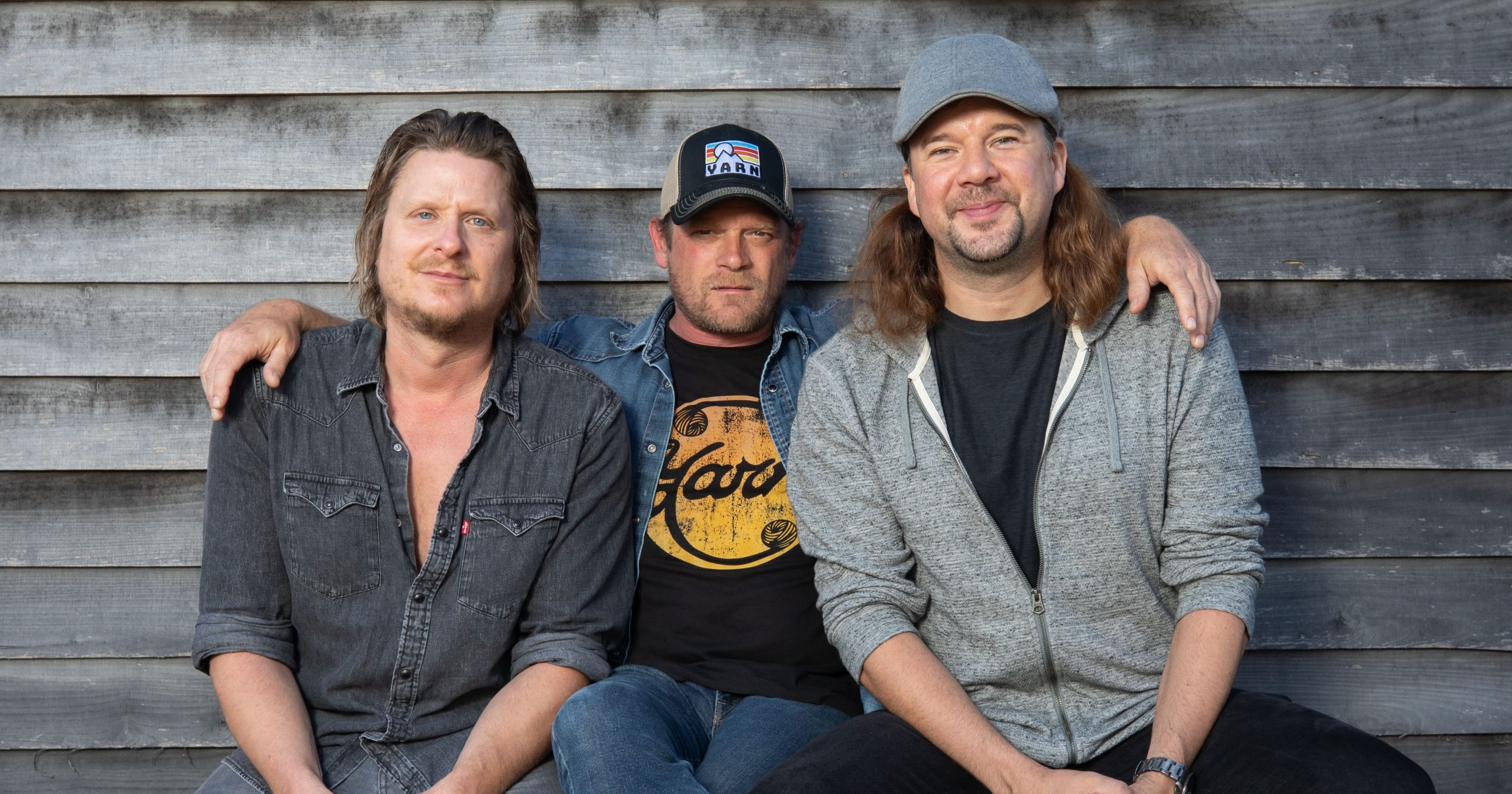
I make a lot of references in Yarn’s music about other bands, artists, movies, actors, etc… I didn’t realize how much until I started working on this Mixtape. Just a few of the things I mention are Jim Croce, Dolly Parton, The Allman Brothers, George Burns, Bob Wills, Waylon Jennings, Velvet Underground, Rex Moroux – and the list goes on. This Mixtape will include references to other artists, food, and places famous in the world of pop culture during its given time of release. – Blake Christiana, Yarn
“Play Freebird” – Yarn
I figured I’d start and end with two of our songs from our new album, Born, Blessed, Grateful & Alive. My wife started writing this one about her father and I took it over and finished it. The entire song is based around another super famous song that Mandy’s dad used to play around the house when she was a kid. And now, if anyone yells out ‘Free Bird’ at one of our concerts, we’ve got something to give ’em.
“You Never Even Called Me By Name” – David Allen Coe
Such a perfect song for this Mixtape. Coe even impersonates the singers he references in this song as well as poking fun at the entire country music genre. Pretty brilliant. Waylon Jennings, Charley Pride, Merle Haggard, and he even references his own name.
“Calling Elvis” – Dire Straits
We could do a giant Mixtape with songs that just reference Elvis alone. I love this one, because just about every lyric is a reference to Elvis and the songs he recorded. Also, Mark Knopfler is THE MAN. More Elvis to come on this list.
“Bette Davis Eyes” – Kim Carnes
I had to include a quintessential ’80s tune on here and this is it. Great voice on Kim Carnes, the perfect sultry rasp. Of course she references the actress, Bette Davis, as well as Greta Garbo.
“Mrs. Robinson” – Simon & Garfunkel
Here’s one with a sports icon reference. Paul Simon has done a lot of these kinds of references in his songs, too, and I’ll include one of those later in the tape. Joe DiMaggio, the famous New York Yankee who married Marilyn Monroe, is mentioned here as ‘Joltin’ Joe.’
“Candle In The Wind” – Elton John
Nice little transition here from The Yankee Clipper to Marilyn Monroe. This entire song is written about Monroe.
“Man on The Moon” – R.E.M.
Lots of references here, but the main star of the song is Andy Kaufman, the brilliant comedian who starred in Taxi in the ’70s. Love Andy Kaufman and R.E.M. Great song. Other honorable pop-culture mentions in this song are 21, Checkers, Chess, and of course Elvis. Also a great Elvis impression from Michael Stipe.
“Nobody Home” – Pink Floyd
The Wall might have been my favorite album as a kid. And in this particular song off that album, Roger Waters sings ‘the obligatory Hendrix perm,’ a direct reference to Jimi Hendrix and his hair style. Glad I got to include Pink Floyd on here. Beautiful song.
“Walkin’ In Memphis” – Marc Cohn
This song just had to be on here. More Elvis for ya, along with WC Handy, Beale Street, Al Green, and more. Another fantastic song.
“Graceland” – Paul Simon
What do you know, more Elvis. I think I need to write a song about Elvis now. This song is too good, it paints a picture as good as any song ever written. Enough said.
“Dairy Queen” – Indigo Girls
I thought we needed some pop-culture food references, so I included these next two songs. Not to mention, Indigo Girls and Amy Ray are my wife’s favorites. Amy Ray’s recent solo records have all been really great and everyone should have a listen.
“Factory” – Band of Horses
I love this tune and its reference to the candy of my youth, Now and Laters. To me, Band of Horses is like a modern day Beach Boys. Great band, great songs, and great harmonies. This song reminds me how half my life is spent in a hotel room.
“I Want You” – Yarn
I reference the 1980 movie, Honeysuckle Rose, with Willie Nelson & Diane Cannon. Not sure anyone saw it, but it’s about an affair on the road between musicians Nelson and Cannon, and the song itself follows a similar plot line. I wrote this song with my longtime writing partner, Shane Spaulding.
Photo Credit: Bob Adamek
This website uses cookies to improve your experience. We'll assume you're ok with this, but you can opt-out if you wish.AcceptRejectRead More
Privacy & Cookies Policy
Privacy Overview
This website uses cookies to improve your experience while you navigate through the website. Out of these, the cookies that are categorized as necessary are stored on your browser as they are essential for the working of basic functionalities of the website. We also use third-party cookies that help us analyze and understand how you use this website. These cookies will be stored in your browser only with your consent. You also have the option to opt-out of these cookies. But opting out of some of these cookies may affect your browsing experience.
Necessary cookies are absolutely essential for the website to function properly. This category only includes cookies that ensures basic functionalities and security features of the website. These cookies do not store any personal information.
Any cookies that may not be particularly necessary for the website to function and is used specifically to collect user personal data via analytics, ads, other embedded contents are termed as non-necessary cookies. It is mandatory to procure user consent prior to running these cookies on your website.