These Seven Small Actions Could Make a Big Impact on Your Music Community

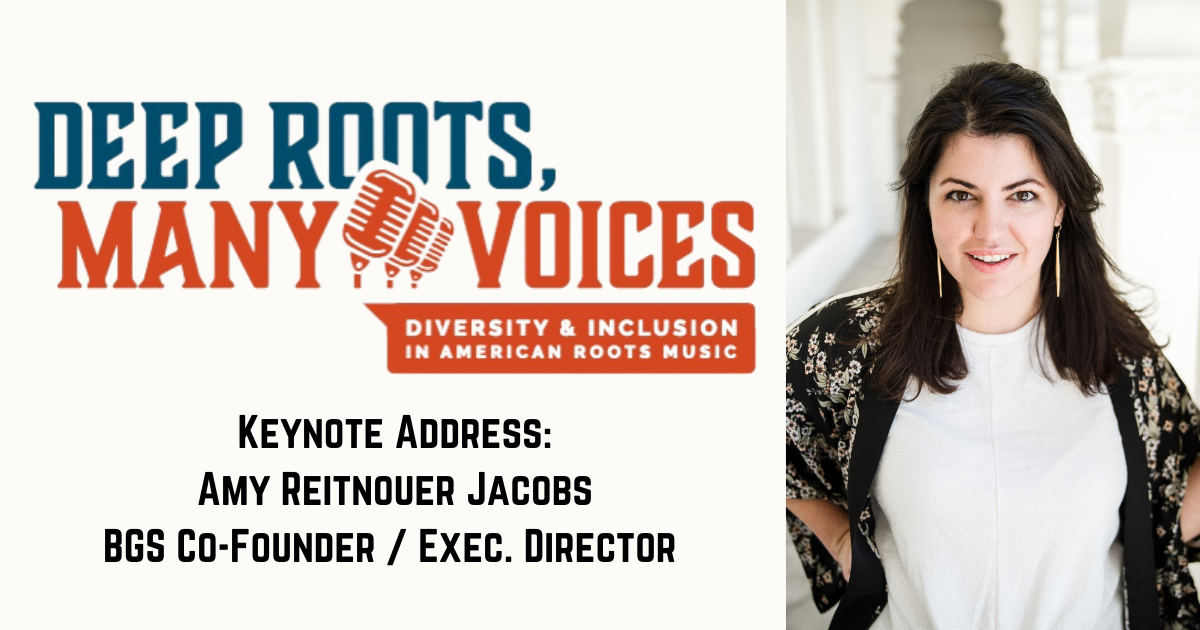
Editor’s Note: The following feature is a keynote address from The Bluegrass Situation co-founder Amy Reitnouer Jacobs.

Welcome and thank you for joining me today at Blue Ridge Music Center’s Deep Roots, Many Voices symposium.

My name is Amy Reitnouer Jacobs, and I am speaking to you today from the indigenous land of the Keech, Tongva, and Chumash people, now known as Los Angeles, California.

A little background about myself. In 2012 I co-founded The Bluegrass Situation with my business partner Ed Helms, with the goal of bringing roots and traditional music in its many incarnations to a younger, more internet savvy generation of existing and potential fans.

Since that time, my role within this industry has expanded, I have been an event producer for the International Bluegrass Music Awards, Bonnaroo Music Festival, the LA Bluegrass Situation, and other live activations; I’ve been an artist manager for talent ranging from Aubrie Sellers, Jamie Drake, and Matt the Electrician to Wilco’s Mikael Jorgensen; and I’ve proudly served for the last eight years on the board of directors of Folk Alliance International, where I am currently Board President.

Truth be told, I never intended this career. I moved to Los Angeles to work in the film and television industry, but quickly – albeit somewhat accidentally – found that my “people” were not in corner offices of movie studios, but playing their own style of bluegrass music in sweaty, crowded bar venues on the west side of the city. Once I entered the scene, however, I could clearly see where the genre’s biggest needs were – pay gaps, lack of representation, and a general disregard by an old guard for those who were too young, or female, or gay, or not-white-enough. In the years that followed I have re-focused my attention on giving a platform to those who have long deserved better.

I recently heard someone say “being of good intention does not always equate to action.” So today I’d like to present to you several small action items that you can to do that can make a big impact in your musical community.

So here we go: seven small ways to make a better industry (in any way you can!):

  • Number One:
    Consciously push yourself to discover music outside of the algorithm → Your musical world is much broader than you think. For the first time in human history, we have the entirety of recorded music instantaneously available to us. And what do we do with it? We listen to the same records over and over, and are told what we might like based on a computer program vs. a real live music editor.
    Start stepping outside of your comfort zone. Don’t just research your favorite artist’s influences and collaborators – look up that generation’s influences and collaborators. The world’s musical family tree is vast and much more interconnected than you’d expect. See where branching out takes you – both personally and creatively.
  • Number Two:
    Take up space → create opportunities that lift up yourself and others. If you’re unhappy with how and where you’re getting to perform, then produce the opportunity that
    you’ve always wanted. This can apply to festival showcase rooms, conference panels, house concert locations, touring bills, anything. It will not always be easy, but given the right amount of time and consistent dedication, it will draw in the right like-minded people and positive attention.
  • Number Three:
    Diversity and equity are only performative if changes aren’t implemented at every level – from the board room to the green room. It’s one thing to diversify a festival roster with gender parity and BIPOC artists, but it’s important for these standards to continue in hiring practices and leadership development. If you have the power to make these changes yourself – do it! If you witness performative diversification without deeper action – call it out!
    Nine years ago at Folk Alliance International, our Board was less than 50% female, had one non-white Board member and no directors from outside of North America. Through the concerted efforts of the nominations committee and executive leadership, that same Board now consists of over 50% women, multiple non-white directors, and has added representation from three different continents in less than a decade. Real, effective change can take place in so many minute, collective ways.
  • Number Four:
    Don’t just promote that which is popular. Promote that which is good. This may seem like an obvious one, but it is more uncommon than you’d think. Similar to my first point, it is easier for promotion and reporting these days to simply be a regurgitation of what the algorithm tells us. If you have a platform, podcast, or a channel where you can highlight other artists, use it to showcase those who may have been overlooked, or not had the budget to pay for the shiniest PR firm, but who deserve accolades nonetheless.
    This is not to disparage those who have managed to capture the cultural zeitgeist, but trust me, more often than not they will draw enough attention on their own. And at the very least, it’ll make you a more interesting person with real opinions about music.
  • Number Five:
    Mentorship matters. Find someone who will help guide you through the hard stuff – because chances are they’ve gone through harder. Even better, become a mentor to someone else. Often we only think of mentors as elder statesmen. And while it is *sometimes* true that age begets wisdom, mentorship can also come from people with a different life experience or background. The key in mentorship is honesty, vulnerability, and trust. One thing I know for sure is that I would not be anywhere near where I am today without a few key people I know I can always count on. Which takes me to…
  • Number Six:
    Find your people. I cannot emphasize this enough. Your job will not be there if you’re down on your luck, or sick in the hospital, or grieving a loss. Your people will. I realize this is not specific to our industry, but the fact remains that the most important thing you can invest in are the people around you – friends, peers, mentors, collaborators, family members. These are the ones who will show up in the middle of the night; will inspire your most beautiful art; will keep you accountable; will celebrate your wins and embrace you through your losses. If we learned one thing from the pandemic, it is that things we considered guaranteed can disappear in an instant, but having a solid community – no matter how small – is a vital part of making sure you can take care of yourself and show up for others. That’s a nice segue to my final suggestion…
  • Number Seven:
    Do not forget that self care is a radical choice. In an industry that pushes us to never stop working – whether that be creating content or touring or networking or pushing ourselves to put in more hours than there are in a day, taking the time and courage to say No (and meaning it) in order to prioritize ourselves can be a superpower. Saying “No” or “I don’t have time” doesn’t have to mean, “literally every second of my schedule is accounted for,” but rather “I’m giving as much of myself as I am currently able to give.” 

In a world that is consistently overwhelming, it can be difficult to feel like our actions can lead to any real difference. And many of these issues – specifically those faced by women, black and brown people, the AAPI community, and queer and trans folks – have been built to systemically oppress over hundreds and hundreds of years.

Rhiannon Giddens was recently quoted in a Vulture magazine interview, saying, “It’s not going to change overnight, but we can change a lot of little things quickly.” These are some of the most important changes of all – small and deliberate and real; over time, these are the actions that seed lasting change.

Folk and roots traditions are by definition the music of all people. It may take some longer to see that the music we love and represent was not just magically invented out of thin air by a few old white dudes from the past. So let’s start changing that story by working on our own tiny actions every single day.

Thank you to the Blue Ridge Music Center for your invitation to speak today. I am consistently impressed by your wonderful team and your extraordinary work. Thank you for showing all of us how rich and deep of a story there is to tell, and how much more there is to learn; and special thanks to all of you for being here and listening – I hope to see you down the road soon.
BGS10: We’re Celebrating Ten Years of the Bluegrass Situation in 2022

It’s hard to believe that the better part of a decade has passed since the original BGS website went live. That humble iteration was the brainchild of myself and Ed Helms back in 2012, when we merged our two passion projects – Ed’s LA Bluegrass Situation festival at the city’s famed Largo at the Coronet Theatre, and my humble BluegrassLA blog. Back then, we posted stories and interviews once or twice a week and featured show listings for bluegrass and Americana bands along the West Coast. I was serving as editor, writer, AND brand manager at the time, while still working a full time job in the film industry!

From that first incarnation to the multi-faceted, inclusive, international brand BGS is today, our entire team is so excited to celebrate ten years (!) of amazing musical moments and memories all year long. Each week, we’ll be unveiling one of the “Top 50 BGS Moments” — highlights, milestones, and other things you might have missed — and we also have a whole host of special BGS10 live and virtual events that we’ll be announcing over the next few months.

At the end of the day, we wouldn’t be who we are or WHERE we are without you, our amazing community. You have shown us what we suspected all along: that roots music fans and artists are more different, diverse, and discerning than has ever been reflected in modern music media, and we promise to continue to represent the full spectrum — past traditions, present trends, and future talent — of bluegrass, folk, Americana, blues, trad, country, and beyond.

Harmonics with Beth Behrs: Time for Some Music Recommendations

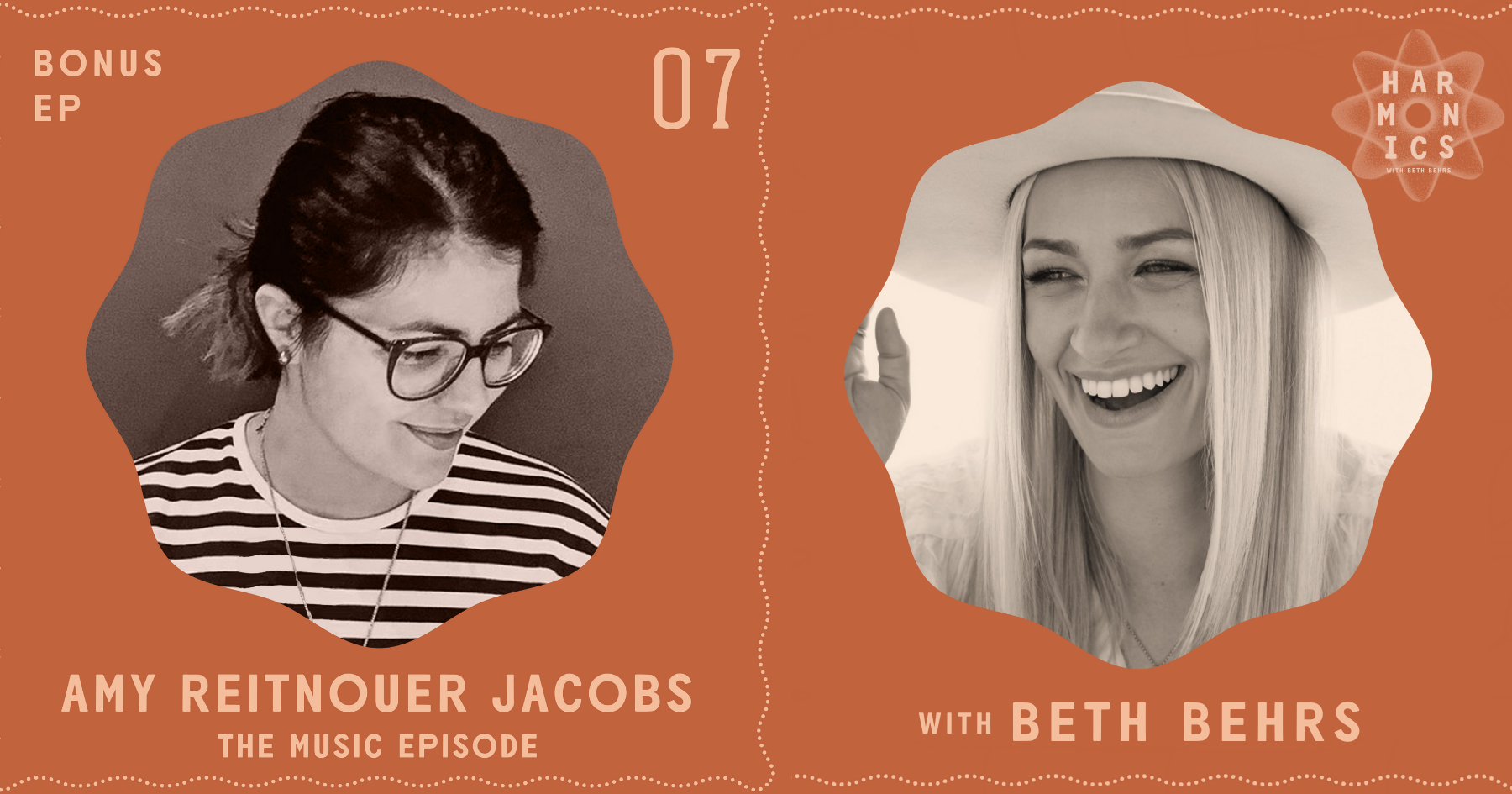
Let’s face it: times are pretty dark right now — but what else is new? Harmonics was born out of a love for music and its healing powers, and we are once again turning towards art to pull us through. Today, Beth is joined by Amy Reitnouer Jacobs — our very own BGS co-founder and executive producer of Harmonics — who shares with us the fruits of her curatorial labor in the form of her top albums getting her through the summer: from heart-wrenching yet uplifting folk songs by Allison Russell, to the vibey, Don Henley-esque sounds of John Mayer’s recent release, on through to ’70s Japanese pop, and stopping everywhere in between.

LISTEN: APPLE • SPOTIFY • STITCHERAMAZON • POCKET CASTS

Allison Russell – Outside Child

BGS readers will be familiar with this first pick. We’ve long sang the praises of Allison Russell (she was our Artist of the Month for May of this year) and when asked their favorite albums of the year, essentially every member of the BGS team chose her solo debut Outside Child. This is a very special record — for so many reasons — that you do not want to miss. And your listening experience will only be enhanced by learning the context in which it was written. Russell shared her painful story with us back in Season 1 of Harmonics, then came back and breathed uplifting hope into that story through the beautiful music of Outside Child.

Dante Elephante – Mid-Century Modern Romance

This album has been Amy’s weekend soundtrack for some time now. Throw this record on first-thing Saturday morning, and you, too, will be grooving, coffee in hand, in no time.

Tony Joe White – Smoke from the Chimney

This posthumous album from Tony Joe White features vocals from acoustic demos the roots legend recorded shortly before his passing, brought to their full potential through the lush arrangements and editing magic of Dan Auerbach.

Valerie June – The Moon And Stars: Prescriptions For Dreamers

Fall into the weird and wonderful world of Valerie June through the intricately layered yet completely raw and vulnerable musical journey of her latest album. Don’t try to define this album — just allow yourself to get wrapped up in whatever it is.

John Mayer – Sob Rock

While Amy has admittedly not dug into any John Mayer album since his 2001 debut Room for Squares, her love for the newly coined “Bistro Vibes” aesthetic (read into this y’all, and just trust us…) has led her to Mayer’s latest summer release: a more-than-likely pandemic-fueled nostalgic nod to the sounds of the ’80s a la Don Henley, Dire Straits, Steve Winwood, and Phil Collins, paired with songwriting that taps into the isolation and despair we’ve felt for the past year and a half.

Yellow Magic Orchestra – Yellow Magic Orchestra

The experimental nature and endlessly chill vibes of Japanese pop of the ’70s and ’80s make for the perfect summer soundtrack, and the traceable influence on today’s indie music is fascinating. Bonus points if you can listen on vinyl, as the depths of these recordings are all the more rewarding and delicious in this format.

Sara Watkins – Under the Pepper Tree

While the beautiful Under the Pepper Tree — a collection of lovely lullabies, both original and classic favorites — was recorded and released for Watkins’ small daughter, we, as adults, have been unable to take it off of repeat since its March release. While some may laugh at the idea of being so enamored with a “children’s record,” we dare them to experience the comfort of Watkins’ magical collection — especially amidst the tumultuous year we’ve had — and not fall in love. She pulls out what is so beautiful and lasting about these songs, and what makes us connect with and feel through them.


Listen and subscribe to Harmonics through all podcast platforms and follow Harmonics and Beth Behrs on Instagram for series updates!

Harmonics with Beth Behrs: May is for Mental Health

This week on Harmonics, host Beth Behrs slows things down and checks in with a dear friend: our very own BGS co-founder and Harmonics executive producer Amy Reitnouer Jacobs!

LISTEN: APPLE • SPOTIFY • STITCHERAMAZON • POCKET CASTS • MP3

While the pandemic is beginning to subside here in the U.S. — and what a wonderful thing it is — let’s be real: it’s a weird time right now. Folks are getting vaccinated (on so many different timelines, might we add) and some are immediately diving head-first back into society and socialization, six feet be damned. With everyone at varying levels of anxiety, with differing expectations on what “comfortable speeds” of fully returning to the ways of the “before” times means, and after a year-plus of having our mental health challenged from every possible direction, we think it’s important to take this month of May, Mental Health Awareness Month, to give ourselves and others some grace and set some boundaries. Our mental health is worth it.


Listen and subscribe to Harmonics through all podcast platforms and follow Harmonics and Beth Behrs on Instagram for series updates!

‘Harmonics with Beth Behrs’ Debuts on BGS Podcast Network on September 8

The Bluegrass Situation is thrilled to announce the newest addition to the BGS Podcast Network: Harmonics With Beth Behrs. The eight-episode podcast explores the intersections of music, creativity, wellness, and healing. (Subscribe here.)

Hosted and produced by actress, comedian, and banjo lover Beth Behrs (The Neighborhood, 2 Broke Girls) each episode features a deep dive conversation into topics such as mental health, sound healing, songwriting as therapy, ancient musical traditions, and the power of the creative process on our physical bodies and emotional selves.

The first two episodes of the series premiere on Tuesday, September 8, kicking off with guests Glennon Doyle (New York Times bestselling author of Untamed) and renowned sound healer Geeta Novotny. Other featured season one guests include Brandi Carlile, Mary Gauthier, Mickey Guyton, Tichina Arnold, and Allison Russell.

Behrs says, “Songs are simple ways of telling stories, you can find a song to fit any mood you’re in. That’s because music bypasses the intellect and goes straight to the heart. I’ve always felt that healing is creative and creativity is healing. Maybe it’s magic? I want to feel closer to the magic. I want all of you to feel closer to the magic. Harmonics was born so we could explore the intersection between music, healing, creativity, and spirituality- and in doing so, makes ourselves feel a part of something bigger. Less alone. More connected.”

Amy Reitnouer Jacobs, co-founder and executive director of BGS, says, “Developing this show with Beth was a dream — we’ve wanted to do something together for a long time. During this time when we’re all refocusing our lives and constantly assessing the state of the world, creating a space where women could be honest and vulnerable about so many topics — such as maintaining creative processes under stress and maintaining mental and physical health at home — seemed more relevant and necessary than ever before. We’re honored to feature so many incredible talents from the roots music world, but I think the breadth of our guests will show our audience that so many of these themes are universal and relevant across the creative spectrum.”