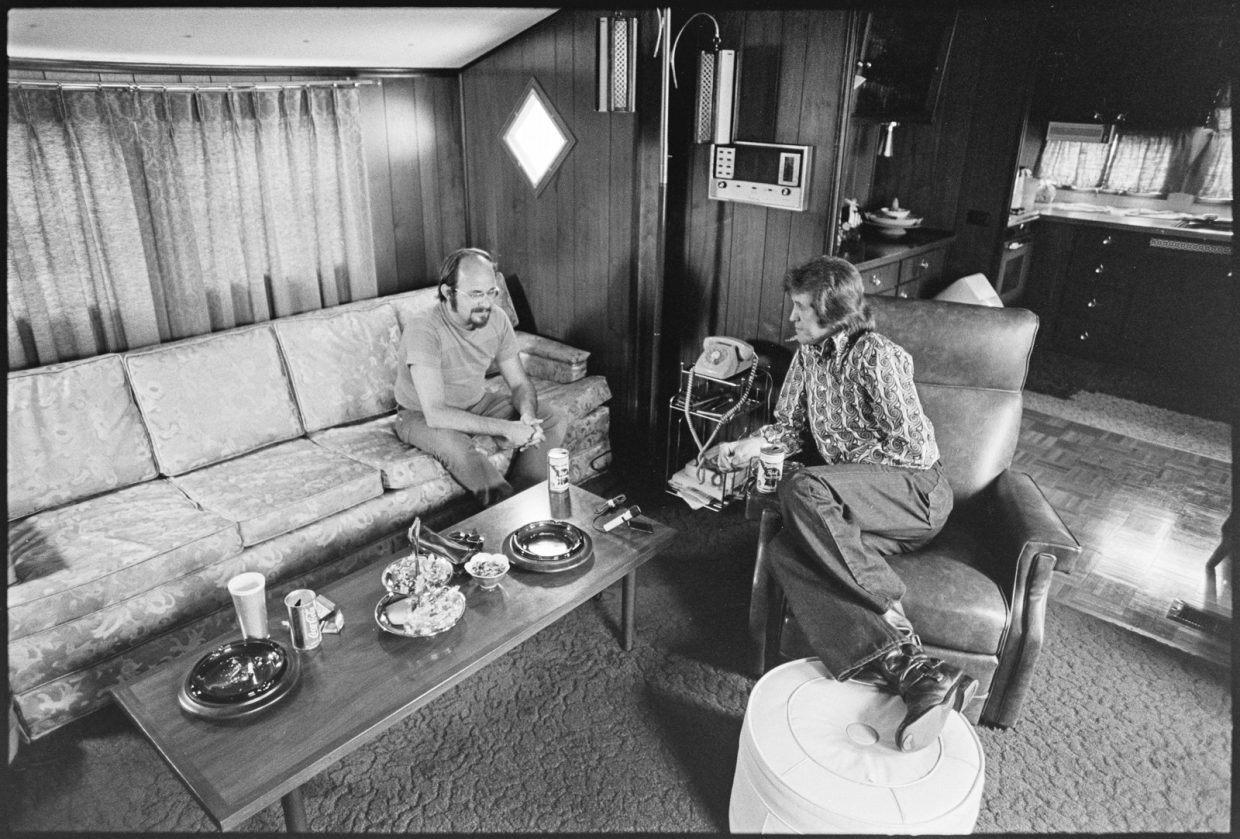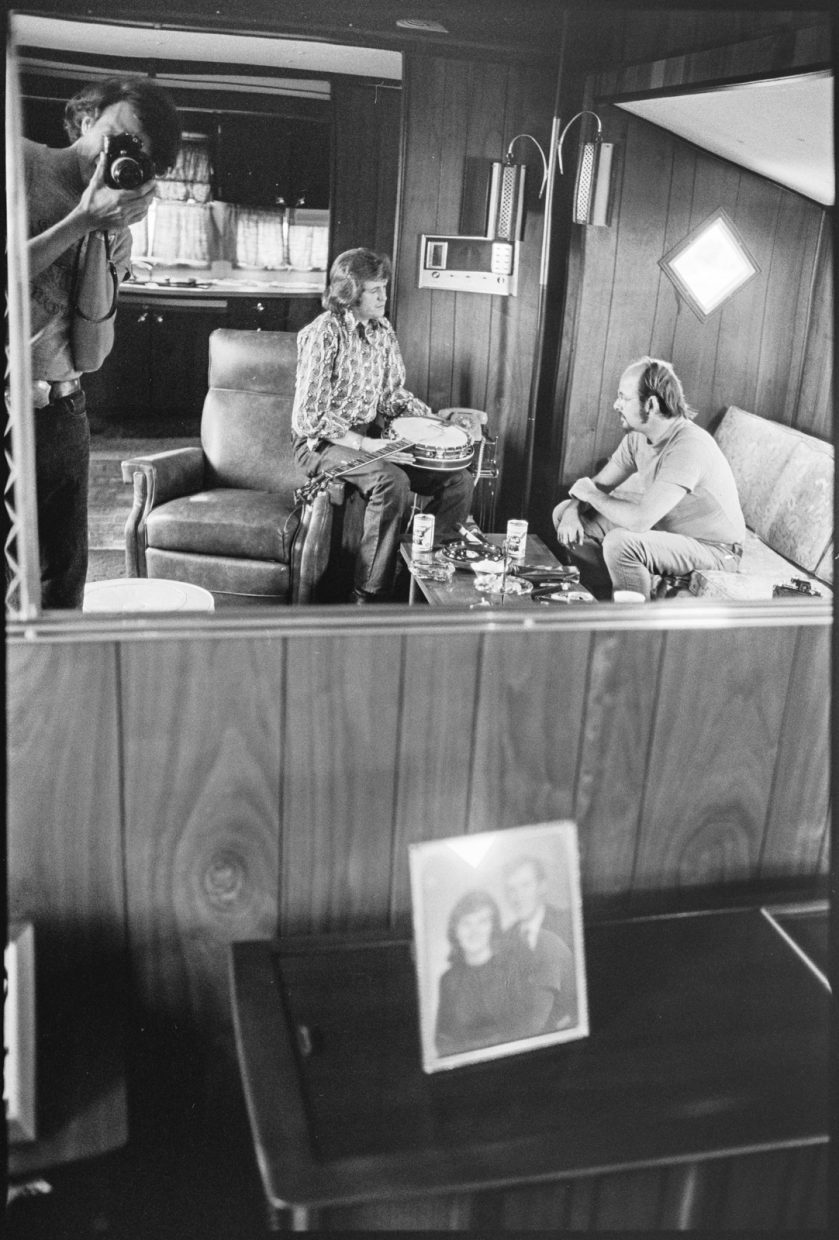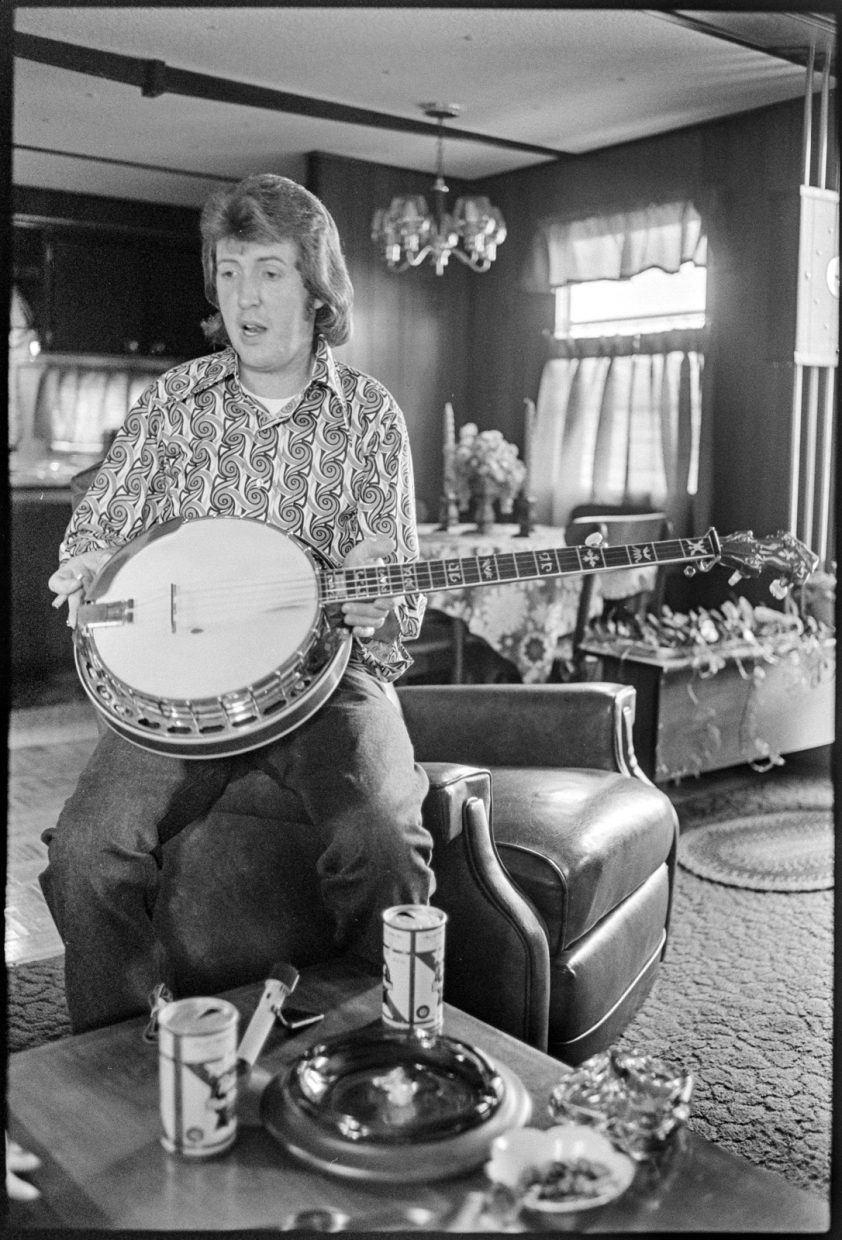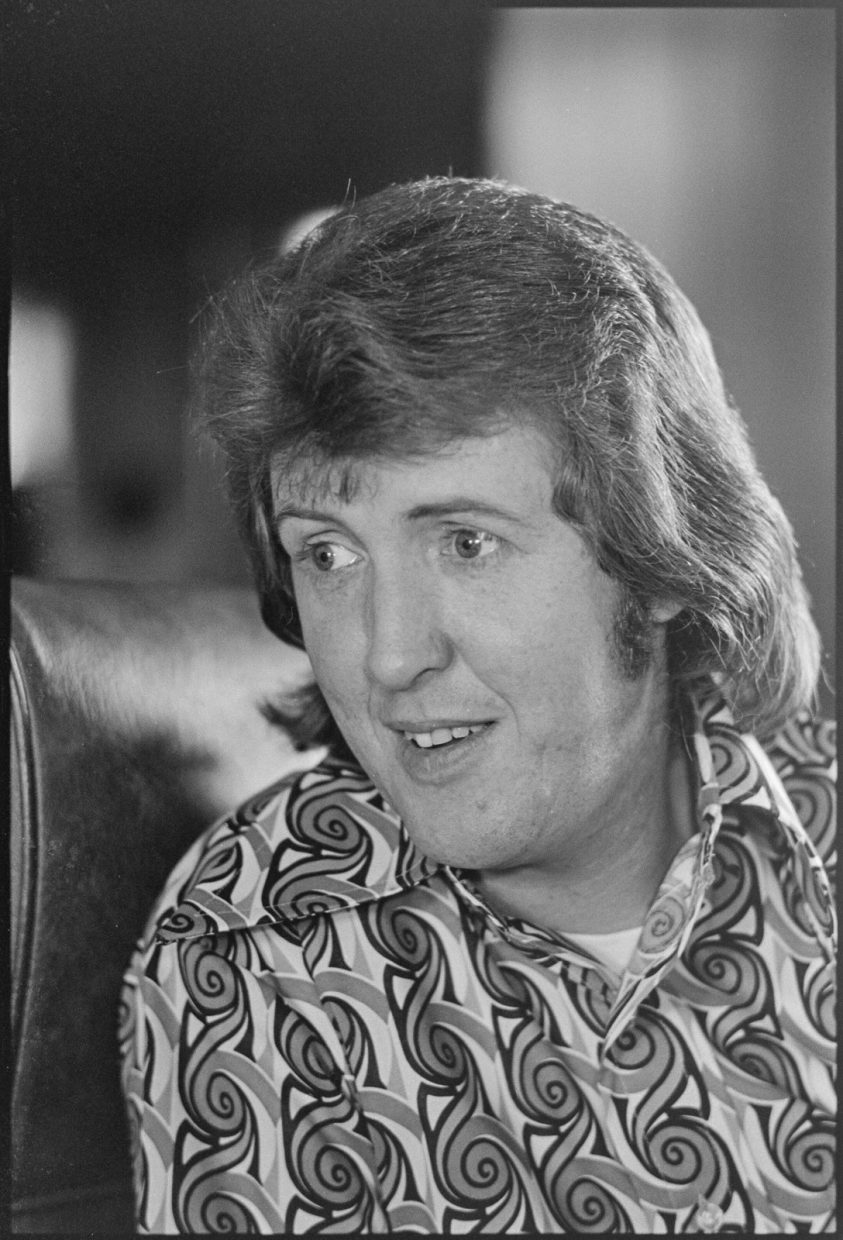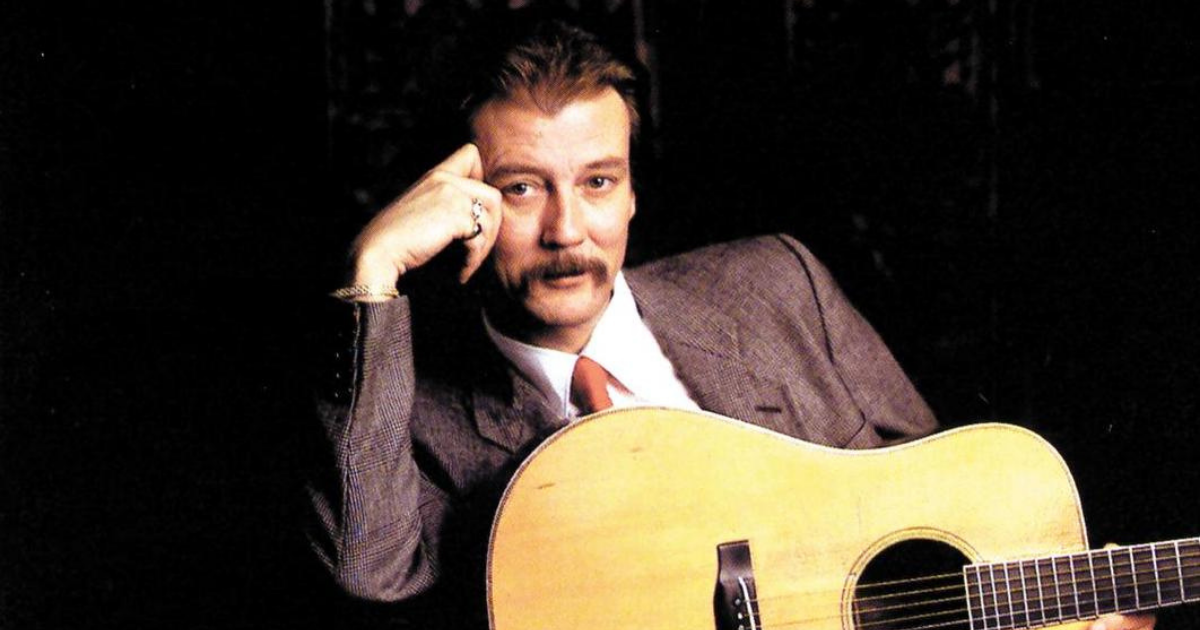
The first time I ever heard Tony Rice play and really heard it, I was a teenager. I was listening to one of the few regular broadcast outlets for bluegrass music in the Tri-Cities region of Upper East Tennessee and Southwest Virginia that I was aware of at that time, WQUT-FM’s “Bluegrass Hour,” sometime in the late ’70s. I believe the song was “Way Downtown.” I hadn’t heard Doc Watson’s version, and all I could think was, “Who the HELL is this?” Literally.
A relative newcomer to the music, I recognized that voice as the same one I’d heard on some tunes from J.D. Crowe & the New South, the eponymous masterpiece that had come out in 1975. But the guitar seemed so different than any I’d ever heard; I could feel that and I wasn’t even a guitar player yet. The leads seemed to flow like silk and the tone was so large and woody. As a banjo player at the time, it made such an impression that I didn’t even pay much attention to the banjo break by my favorite player – Crowe.
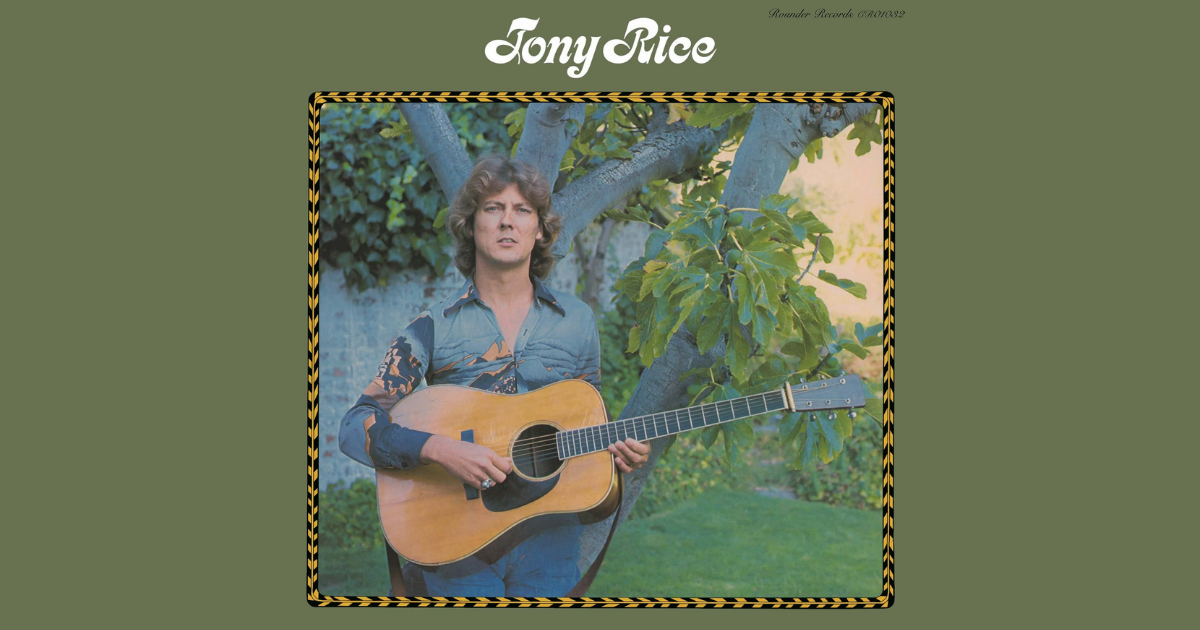
Turns out, it was “Way Downtown” from Tony Rice, which was originally released in June 1977. ROU 0085 is an album that I, along with so many bluegrass fans, came to know and love. At the time I didn’t know that it was Tony’s first solo record for Rounder, the company with which he would spend virtually the rest of his recording career. Or that it was the first LP since he had left J.D. Crowe’s New South. He had recorded two solo records while in Crowe’s band: Guitar (Red Clay 103, King Bluegrass 529, Rebel 1582 – 1974) and California Autumn (Rebel 1549 – 1975). Now, nearly 50 years later, Craft Recordings has remastered 0085 and it will be available once again in a fresh pressing and as high-res digital audio on June 5, sounding better than ever.
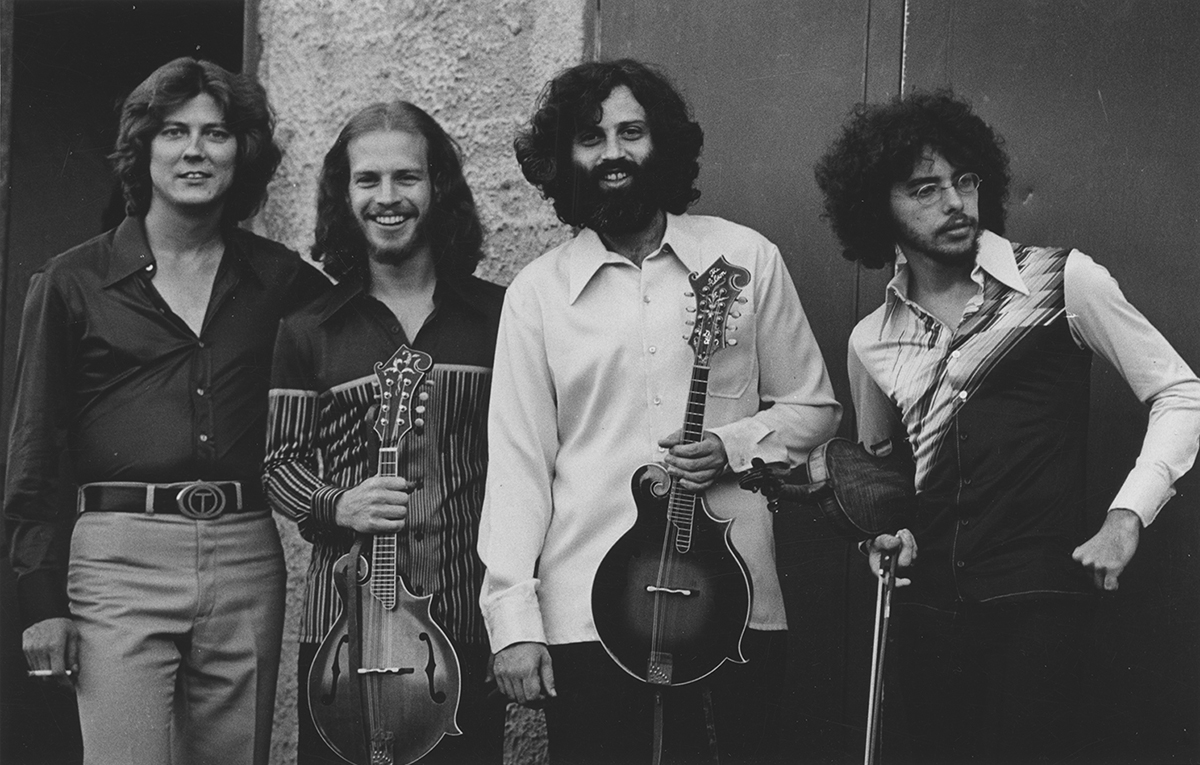
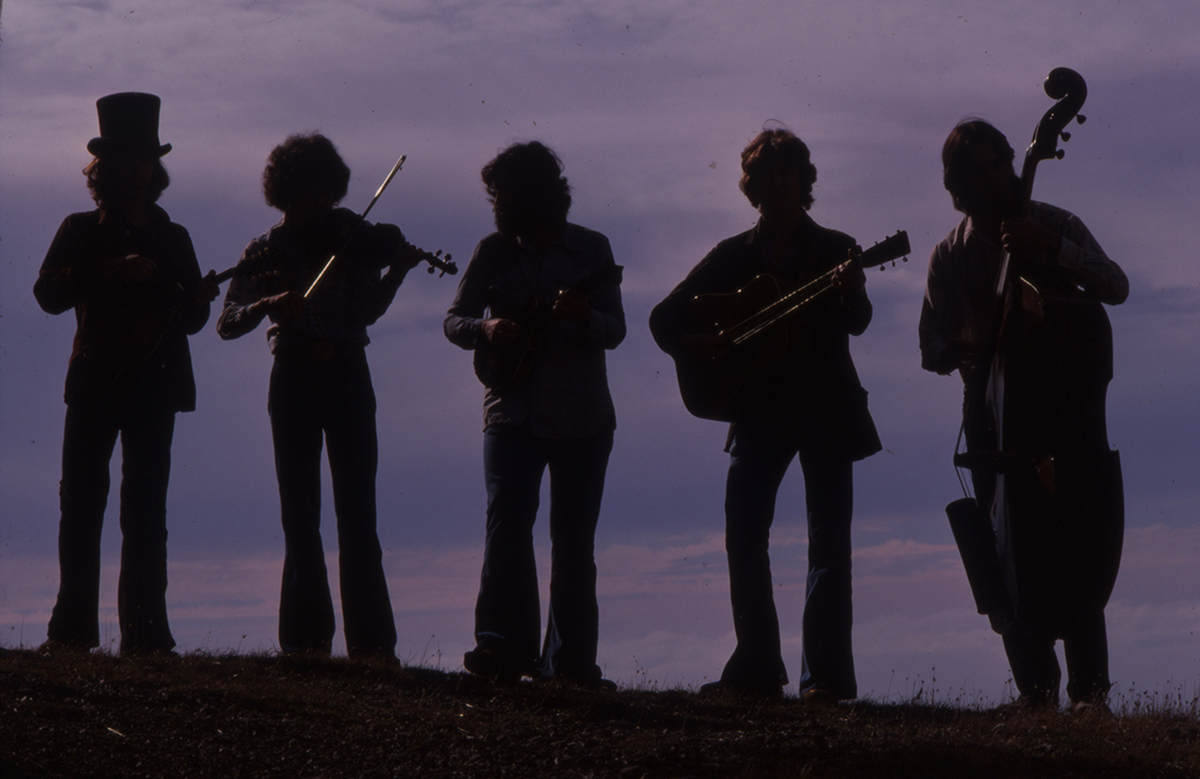
Tony left the New South, one of the greatest bluegrass bands ever assembled, in 1975 to play music with mandolinist David Grisman, who soon put together a supergroup of his own in the San Francisco Bay Area that didn’t exactly play bluegrass or jazz, but something in the middle – something new. Tony had met Grisman while recording Bill Keith’s Something Auld, Something Newgrass, Something Borrowed, Something Bluegrass (Rounder 0084 – 1976).
In an interview my Still Inside co-writer Caroline Wright did with Tony in 2003, he recalled the Keith project as an “…amazing recording, I think. Stuff where Keith somehow was able to pull more out of me than I thought I had in me.”
At the same time, the musicians gathered for Keith’s record ended up recording Tony Trischka’s Banjoland (Rounder 0087 – 1977). During the session, Grisman played Rice a recording of the music he was making with the Great American Music Band featuring Richard Greene, John Carlini, Taj Mahal, Joe Carroll, and others. To say Rice was moved is an understatement: “…This music that I heard Grisman play on that tape machine, it instantly started flowing through the veins. I’d never heard a sound like that. I was in heaven.”
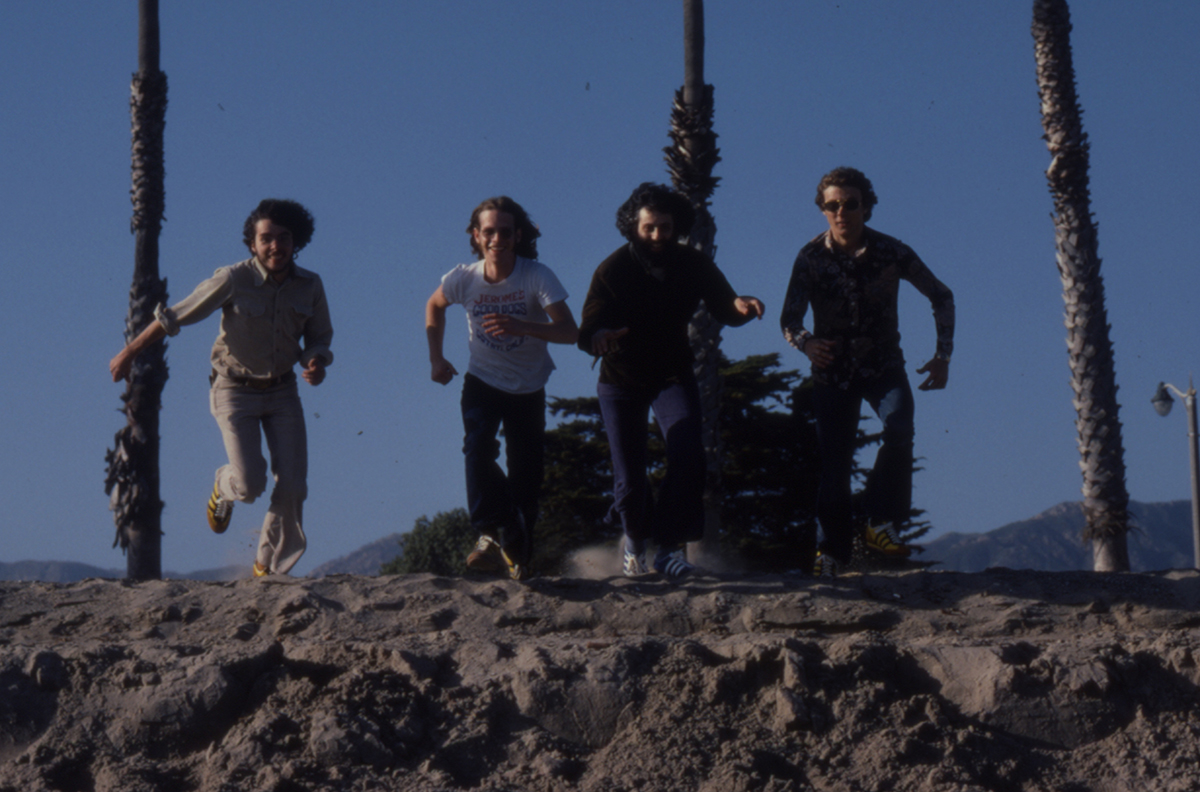
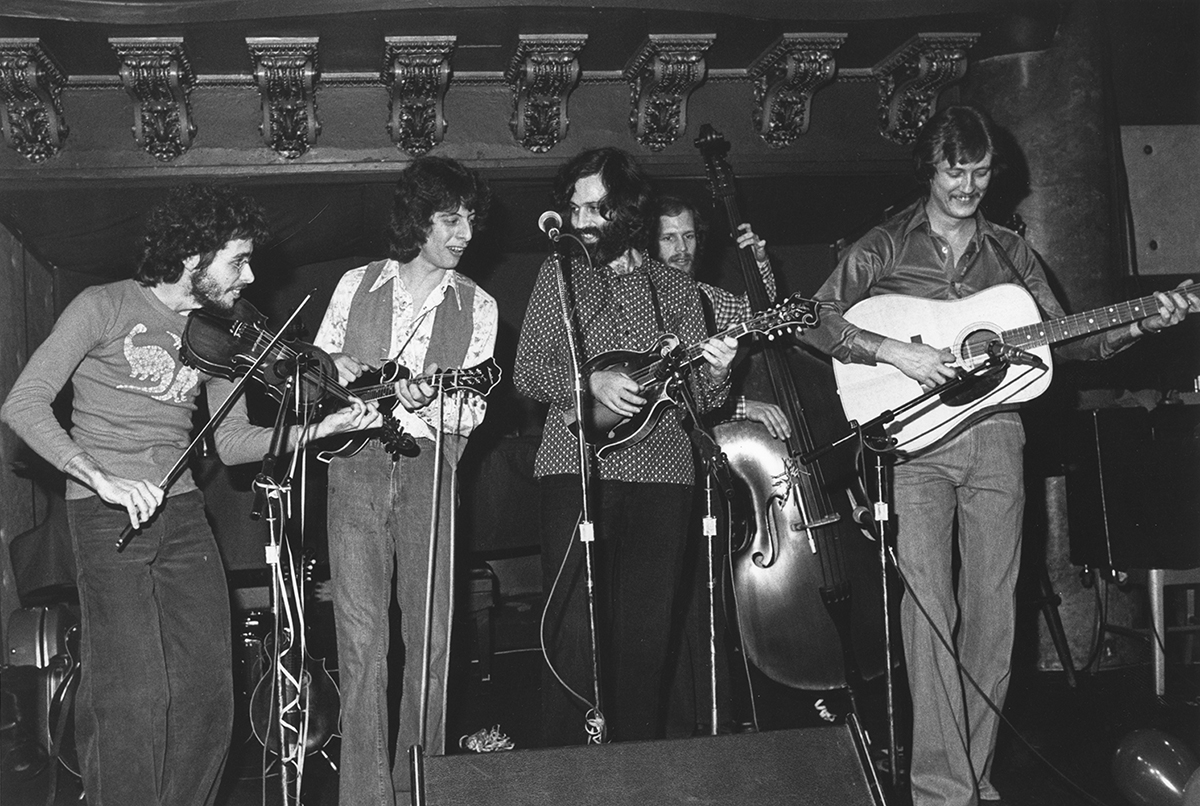
After moving to the Bay Area and staying in Grisman’s basement for a few months, he played on David’s first Rounder release in 1976, The David Grisman Rounder Album (Rounder 0069). Tony would also become a huge piece of the DGQ’s groundbreaking first recording, The David Grisman Quintet (Kaleidoscope F5; Pastels 2016; Rhino 71468), released the same year as Tony Rice. The bluegrass feel he added to “Dawg music” gave it much of its distinctive sound.
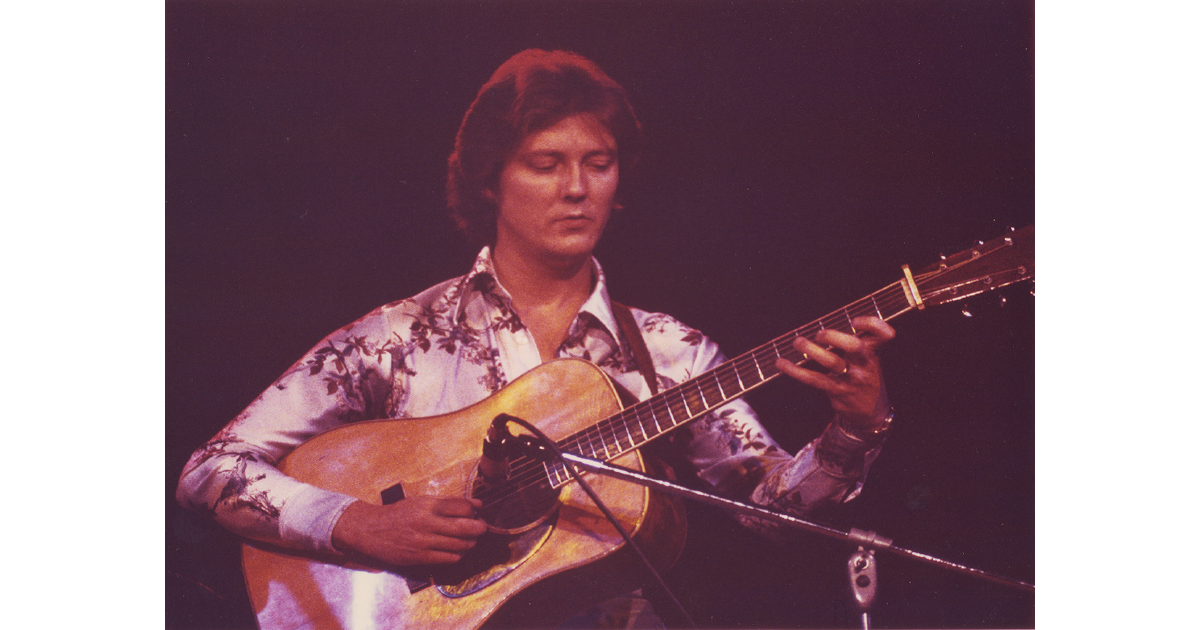
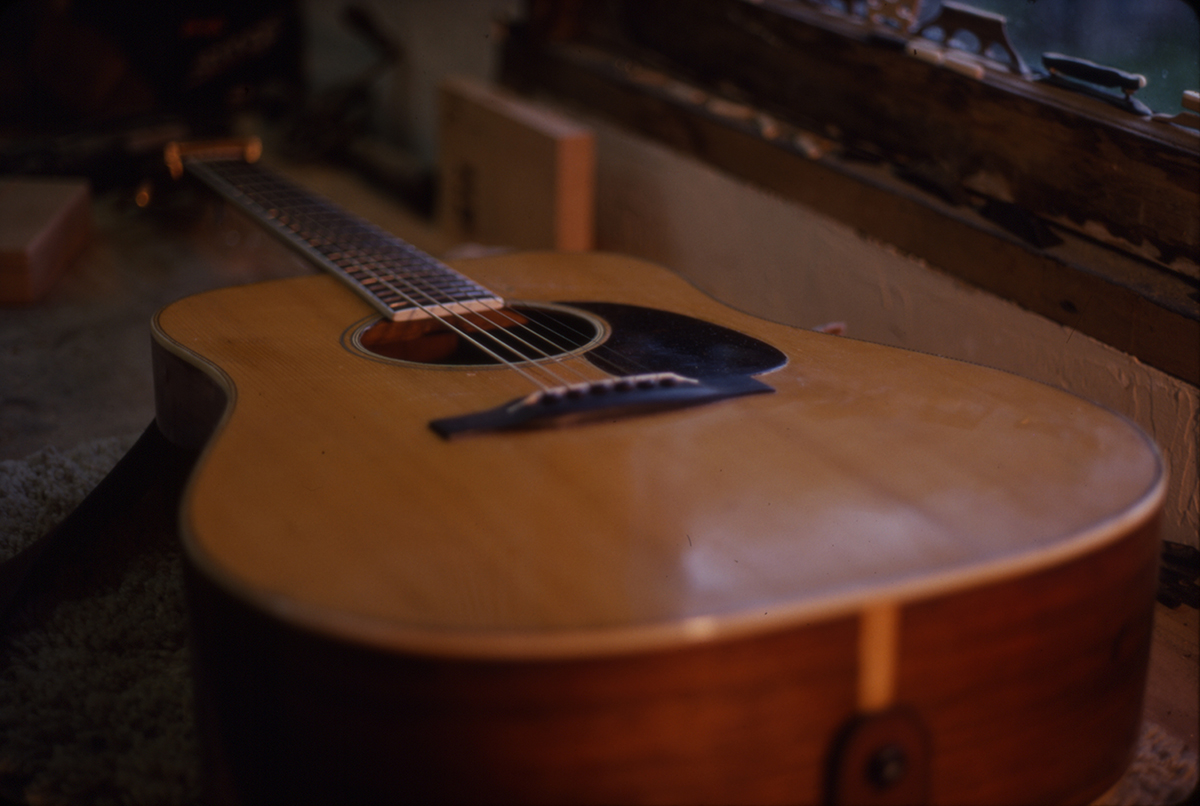
When he started recording Tony Rice in July 1976, it had only been three years since the great Clarence White, Tony’s mentor and hero, had been killed in a tragic accident in California. White’s influence is strong on the record, although Rice was blazing his own path by then. 0085 was the first Tony Rice record to feature “the Antique,” his 1935 Martin D-28 Herringbone serial number 58957, which had once belonged to Clarence. The distinctive power and tone of this instrument became a signature part of Tony’s sound from this point forward.
In his liner notes for the record (one of two sets of liners, the other by Philip Elwood of the San Francisco Examiner, who noted the power of “urgency” in both Tony’s guitar playing and singing), Jack Tottle called Rice “…quite probably the most important living bluegrass guitarist.”
It was hard to argue with that. But Rounder 0085 served to keep Tony – an emerging superstar even then – in front of the bluegrass audience at a time when he seemed to disappear from it back East. Ralph Stanley & the Clinch Mountain Boys lead guitarist, the late James Alan Shelton, said, “Because at that time now, nobody had seen Tony. He was like Santa Claus. He was somebody you hear about, but he didn’t make many appearances!”
Such was the mystery engendered by records like Tony Rice, as well as Manzanita (1979), Skaggs & Rice (1980), The Bluegrass Album (1981), Vol. 2 (1982), Vol. 3 (1983), Church Street Blues (1983) and Cold on the Shoulder (1984), that when Tony finally came back east and played live in front of a bluegrass audience at Denton, North Carolina, in 1984, he got a standing ovation for his soundcheck.
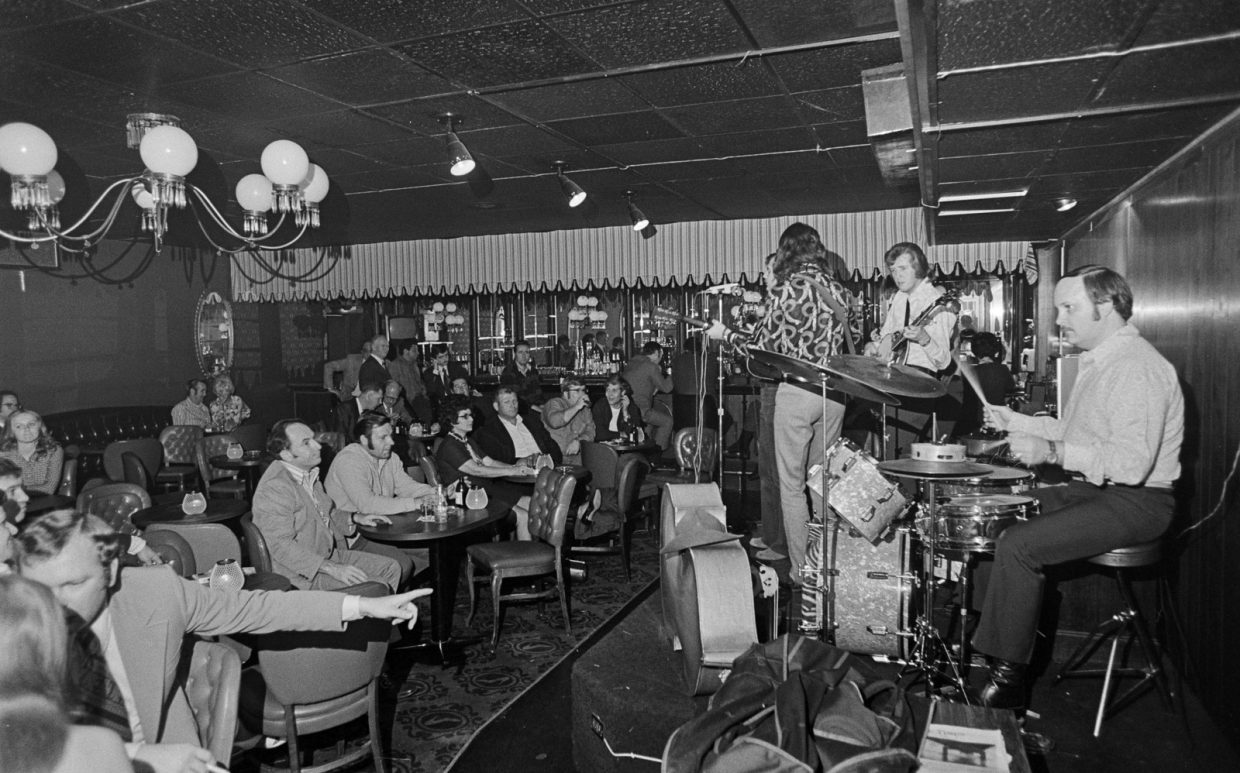
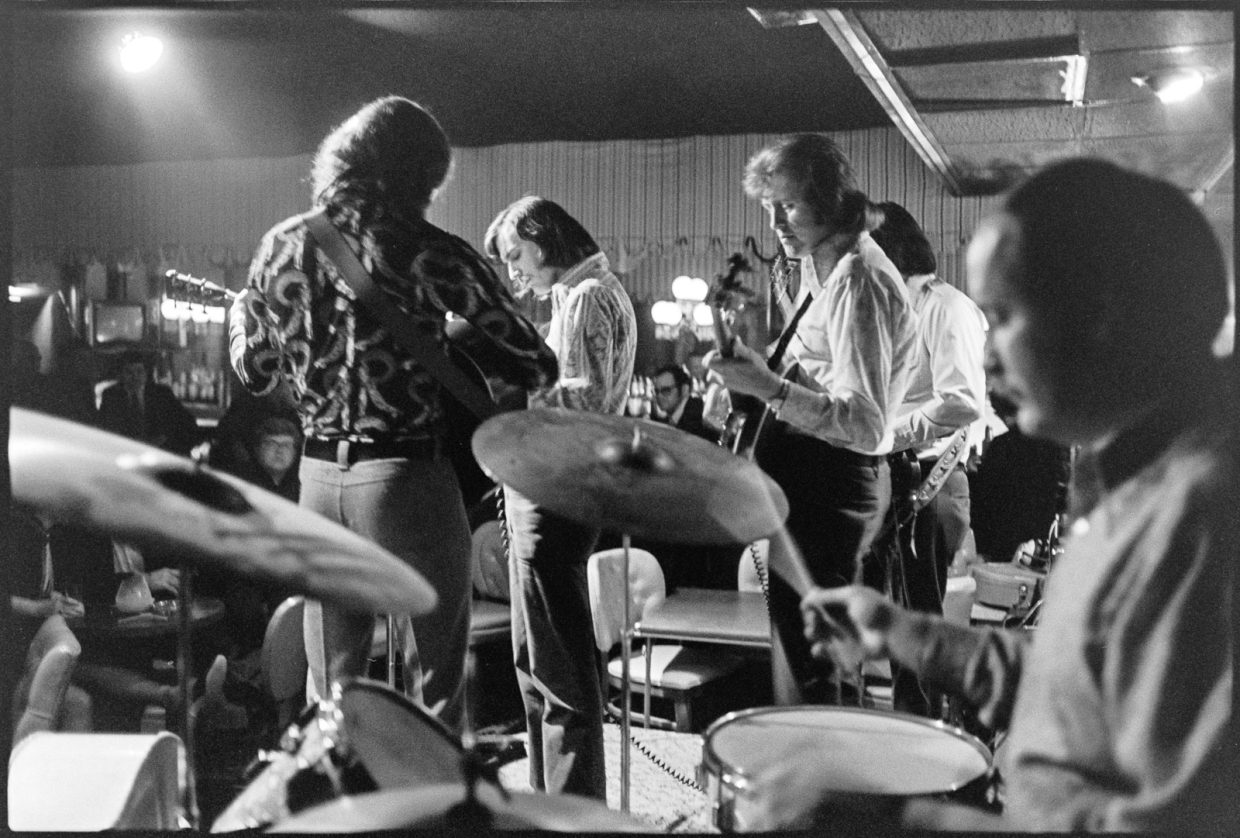
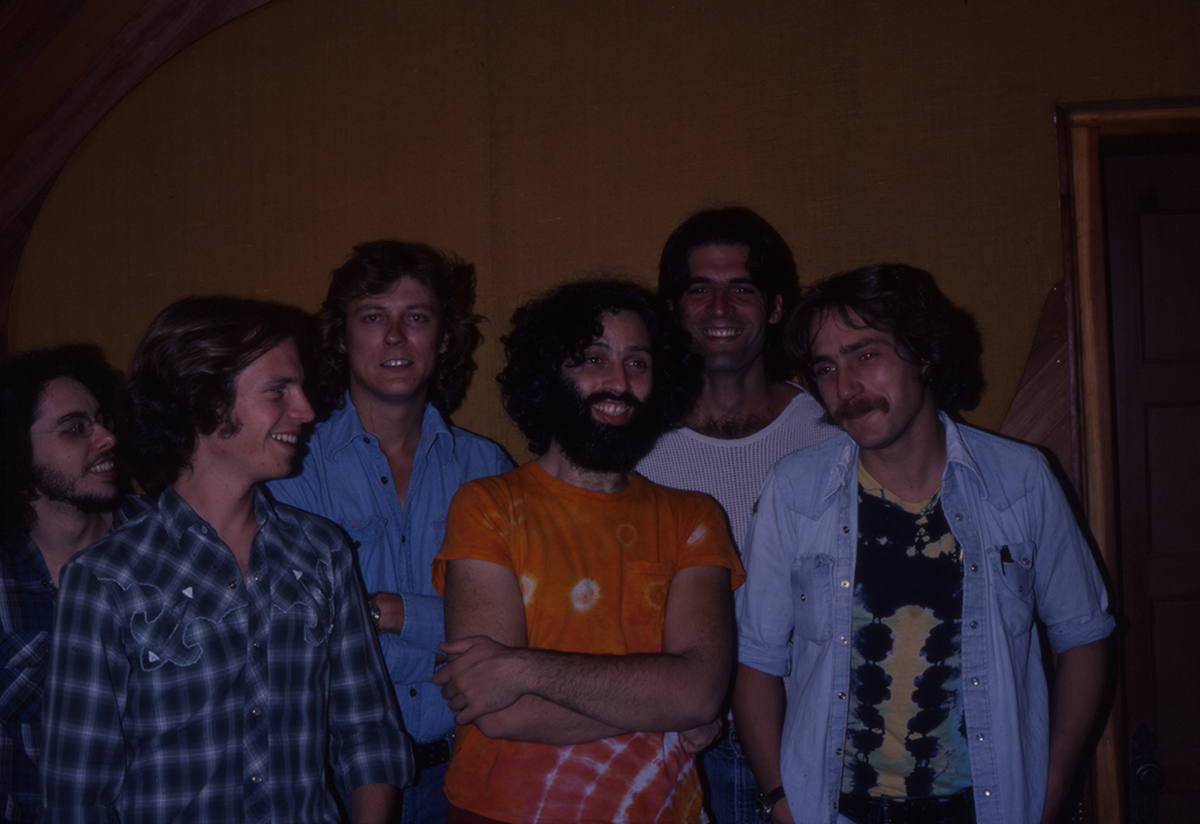
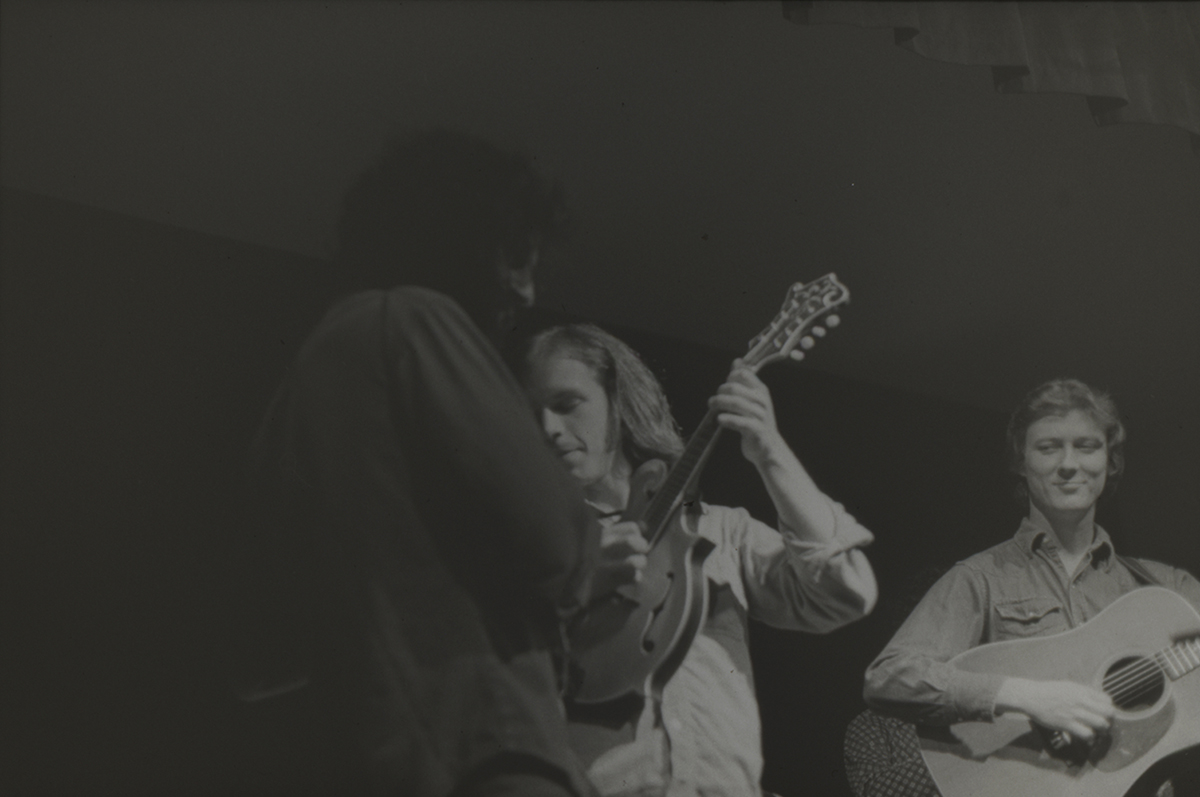
The musicians helping out on 0085 were a perfect mix of Tony’s most recent bands – and also mark a dividing line between them. New South alumni Larry Rice, J.D. Crowe, and Jerry Douglas meshed with with DGQ bandmates Todd Phillips (this time on bass), Darol Anger, and David Grisman, as well as violinist Richard Greene at 1750 Arch Studios in Berkeley, California, with engineer Bob Shoemaker – Grisman’s engineer and later Rice collaborator Billy Wolf was not available. Tony chose a number of standards as the bedrock for the album, but he also cast a gaze forward with experimental tunes like David Nichtern’s “Plastic Banana,” and “Rattlesnake,” the first “Dawg Jazz” tune David Grisman ever wrote in 1966.
In The Book of Dawg: Dawg Jazz Grisman says, “Although I had already written some atypical (for bluegrass) melodies in minor keys, this one utilized some chord types – minor 6th, 7ths and flat 5s – that are more commonly found in jazz, as well as four bars where the time signature changes from 4/4 to 3/4 and back.”
Even classic old-time/bluegrass numbers on Tony Rice – like “Eighth of January” – feel like Dawg tunes, with unique fiddle/mandolin harmonies and jazzy improvs. And they should, since the tune was part of the Quintet set list and was something listeners in the Bay Area heard at live gigs at the time.
The bluegrass selections ran the gamut from Jimmy Martin stalwarts “Don’t Give Your Heart to a Rambler” and “Mr. Engineer” to “Banks of the Ohio,” “Hills of Roane County,” “Way Downtown,” and “Farewell Blues,” a Crowe showpiece that Tony also wanted to do because Clarence played it a lot. In between were fiddle tunes like “Temperance Reel” and bluegrass instrumentals – one from the Monroe canon (“Big Mon”) and another from Jim & Jesse (“Stoney Creek”).
Tony described the record as “keeping a foothold” in bluegrass but admits he “didn’t know what he was doing” when he went in the studio to record it.
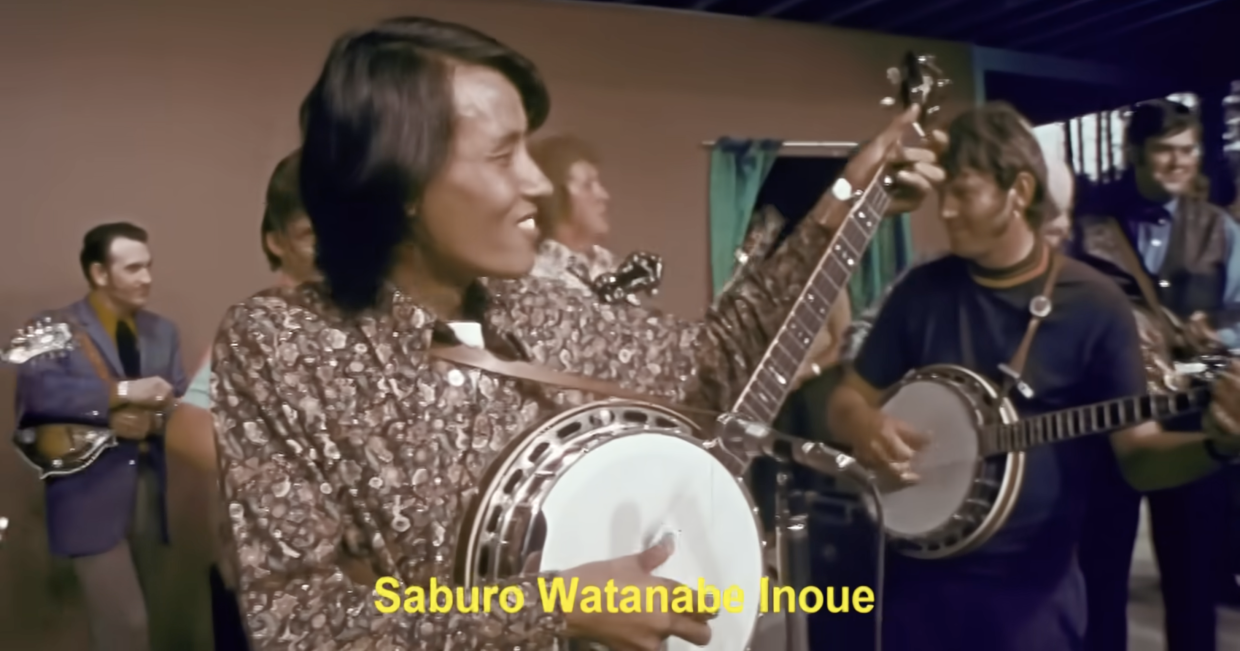
That may be one reason that of all the records Tony recorded in his long career, this was tied for his least favorite. In his authorized biography Still Inside – written by myself and Caroline Wright and released in 2010 – he said, “I don’t like that album. Something is missing; I can’t explain what it is… The only two albums of my own I can’t stand are the one I did for Sab Watanabe and the first one I did for Rounder. If I never hear them again, it would be too soon.”
He likened it to James Taylor getting physically sick once in a restaurant upon hearing Sweet Baby James, which many people considered his masterpiece. “He said it was literally torture…,” Tony said. “I thought, ‘Damn, I’m probably one of the few people who can appreciate that!’”
But Rice devotees all include songs from this album in their favorites list, especially numbers like “Don’t Give Your Heart to a Rambler” – where, as Philip Elwood says in the liners, “…Tony seems to vocally leap into the lyrics and in doing so generates an excitement the whole band picks up on…” This is also true on “Hills of Roane County,” another favorite.
The album was recorded at a time where Tony was near his vocal peak, showcasing his voice in all its warmth and contemporary clarity that endeared him to recent bluegrass converts – who might also be fans of, say, the Seldom Scene – as well as traditional fans who loved his renditions of the bluegrass standards here. For my generation and those to follow, Tony’s versions of these tunes became standards.
The real standout to my ear is “Hills of Roane County,” which is based on a poem Tennessean Willis Maberry finished while serving time for the 1884 murder of Thomas Galbreath. The song was first recorded in the country tradition by the Blue Sky Boys in 1941 and later by the Stanley Brothers (perhaps the ultimate bluegrass cover was by Paul Williams in Jimmy Martin’s band). Tony’s haunting, brooding version of the tune features wonderful twin fiddling from Richard Greene and Darol Anger, a great drop-D guitar break, and what was, in 1977, an utterly modern live vocal rendering of the old melody that perfectly fit the upper ranges of his baritone. Although he complained in Still Inside that “…if I could go back and do it again, I wouldn’t have used as many ornaments with the vocal. I overdid it, but in the moment, you don’t know that.”
But Rice’s wistful emotion and phrasing on lines like “Just three months later I’d taken Tom’s life…” make it sound like he absolutely knew the man and regretted it. The end of the guitar break features a flat 7 movement with jazz piano voicing similar to Tony’s kickoff to “Ten Degrees” from J.D. Crowe & The New South two years earlier. Shew…
Once again, James Alan Shelton echoed the opinions of so many guitarists: “I’ve never heard a guitar sound any… boomier and still have good tone as what he got on ‘Hills of Roane County.’ That guitar just sounds like it comes out of the depths of hell.” When I interviewed Tony in August of 2006, he said, “I don’t even remember that guitar break.”
The remastered version of the record, out via Craft Recordings on vinyl and digital platforms – and high-res audio – has more presence and power than the original by far to my ears; it’s great to finally hear this record the way Tony and the crew probably heard it in the studio going down. This is particularly important since the record was done almost completely live with very little overdubbing or editing.
Kudos to mastering engineer Kevin Gray of Cohearent Audio, who also handled the Craft Recordings re-release of Tony’s only solo project, Church Street Blues as well as Rice’s favorite of his solo records, Backwaters. The masters for all these Craft releases were made from the original analog master tapes.
Tim Stafford lives in Greeneville, Tennessee and is the co-author with Caroline Wright of Tony Rice’s authorized biography, Still Inside. He was awarded IBMA Liner Notes of the Year in 2021 for his work on Rebel Records’ reissue of Tony’s second album, California Autumn. An alumnus of Alison Krauss & Union Station, Stafford co-founded Blue Highway, which is celebrating 32 years in 2026; their most recent project is Live at ETSU! on Down the Road Records. Stafford was named IBMA Songwriter of the Year in 2014, 2017, and 2023.