Roots Songs All About Mental Health

May is Mental Health Awareness Month, but for those with lived experience, every day is about mental health awareness. During the most difficult times, many creators and listeners turn to music. It’s where we connect through lyrics and melodies that express the things we so often cannot, will not, dare not say.

The intersection of music and mental health is nothing new. Long before memes and catchphrases about “break the stigma,” Hank Williams did just that with “I’m So Lonesome I Could Cry.” Years later, Porter Wagoner exposed the ugly unspoken truth about “The Rubber Room.” 

Thankfully, through incremental steps, times have changed – although not enough – in terms of media portrayal and public discourse. With great courage, more and more artists are coming forward about their struggles. Dozens of artists and musicians have spoken openly with BGS and Good Country about how mental health challenges move them to create songs and albums that make us all feel a little bit less alone. (Scroll to find our playlist of roots songs all about mental health below.)

Artists and bands like Becky Buller, Courtney Marie Andrews, Sister Sadie, and Tenille Townes give us glimpses at how mental health and self-care inform their creative processes and how they craft their songs, albums, and sets. Groups like Southern Avenue and the Band Loula – who make music built on the sonic and storytelling traditions of the South – subvert regional expectations about what’s “allowed” to be spoken about in the light of day with their approaches to infusing mental health awareness into their songs. Still more conversations with artists like Fruit Bats, Cole Chaney, Emily Scott Robinson, and Chely Wright reinforce that mental health in roots music isn’t a fad or passing trend, it’s an intentional through line. Songwriting and roots music are perfect vehicles for this sort of vulnerability and these once forbidden topics.

The proliferation of YouTube and democratization of music videos in the 2000s and 2010s opened up new dimensions for artists, giving them more formats in which to express themselves, depict their work, and consider mental health. Additionally, of course, it offers live performances that go beyond anything a studio recording can capture.

“I Think It’s Going to Rain Today” – Randy Newman

Randy Newman’s masterpiece has been covered many times, and the internet is full of those recordings – as well as his. This performance, however, at his induction into the Rock and Roll Hall of Fame, may very well surpass them all.

“God, Can You Hear Me?” – Dax

Dax is fearless in addressing the most difficult and “taboo” topics. “God, Can You Hear Me?” asks the unspoken question within the context of a subject that far too many people refuse to address: suicidal ideation. (Content warning: graphic.)

“Let the Circle Be Broken” – Sister Sadie

In genres predicated upon generational legacies and “handing down” tradition, Sister Sadie’s song of release, letting go, and stepping out from underneath the long shadow of generational traumas is more than powerful. By the same token, that it was written and is sung and performed by a band of all women makes it a truly transcendent message. Some circles are meant to remain unbroken, others must be demolished.

“Bench Seat” – Chase Rice

Chase Rice broke down walls and stereotypes and opened doors to discussions about suicide with this multiple-award-winning video. Country needed this. Country needs more of this. (Content warning: graphic.)

“Hurt” – Johnny Cash

Johnny Cash. Enough said.

“I’m Gonna Be the Wind” – Laurie Lewis

Bluegrass legend Laurie Lewis has penned many a fine song tackling issues of mental health, but this is the song for when you’re ready to stride out anew again. It’s a song of strength, resilience, of realizing that often one of the primary forces keeping us down is our own mindset. Tired of being a blade of grass, bent and bruised by the wind? Be the wind!

“Sunday Morning Coming Down” – The Highwaymen

Mickey Raphael described them as “like Mount Rushmore onstage” and called Kris Kristofferson “the Shakespeare of our time.” This is why.

“Will the Sun Ever Shine Again” – Bonnie Raitt

One of the best songs Bonnie Raitt has ever sung and released was recorded for the 2004 animated film Home on the Range. Devastating, endlessly relatable, but ultimately hopeful, the film cut of “Will the Sun Ever Shine Again” is hard to track down on streaming services and online, but it’s truly lovely. A gem of a soundtrack find from an often overlooked Disney children’s movie from the aughts.

“Alone Again (Naturally)” – Gilbert O’Sullivan

In 1971, Gilbert O’Sullivan bravely addressed loss, grief, heartbreak, loneliness, depression, suicidal thoughts, and questions of faith, wrapped them up in a lovely melody, set them to a catchy beat, and rode to the top of the charts with one of the most gutting, most accurate depictions of mental health challenges ever put to song. Decades and numerous cover versions later, stripped down to keyboard and guitar, his voice aged like fine wine, “Alone Again (Naturally)” remains poignantly accurate and relatable.

“Bad Mind” – Erin Rae

A song so perfect in its illustration of how we project and ascribe mental health, onto ourselves and others. We all may know, somewhere inside ourselves, that there is no such thing as a “Bad Mind,” but stigma and internalized expectations leave so many of us feeling broken and “incorrect.” Listening to Erin Rae sing this lovely, devastating song brings an immediate feeling of needing to reassure the singer that there really aren’t bad minds… and thereby the realization we should also apply that grace to ourselves.

Below, you’ll find our full playlist of nearly 8 hours of roots music created by the teams at BGS and Good Country that features some of the many excellent songs that address mental health. For Mental Health Awareness Month and beyond.


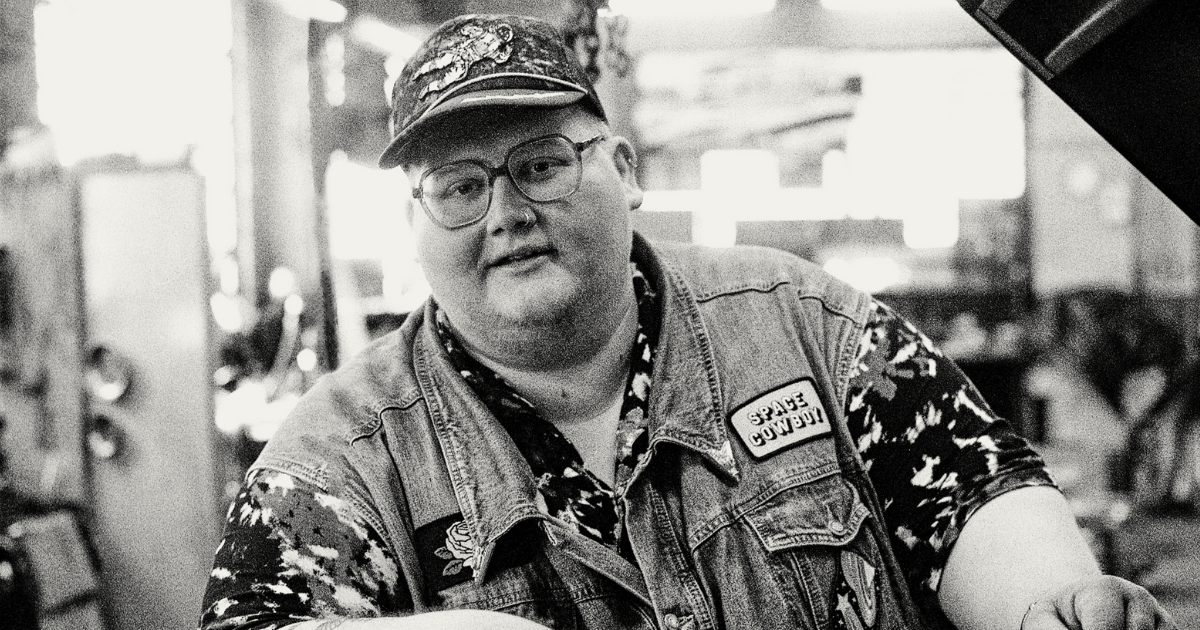
Photo Credit: (L to R) Cole Chaney by Anthony Simpkins; Sister Sadie courtesy of the artist; Dax by Annie Devine.

Additional curation and contributions by Shelby Williamson and Justin Hiltner.
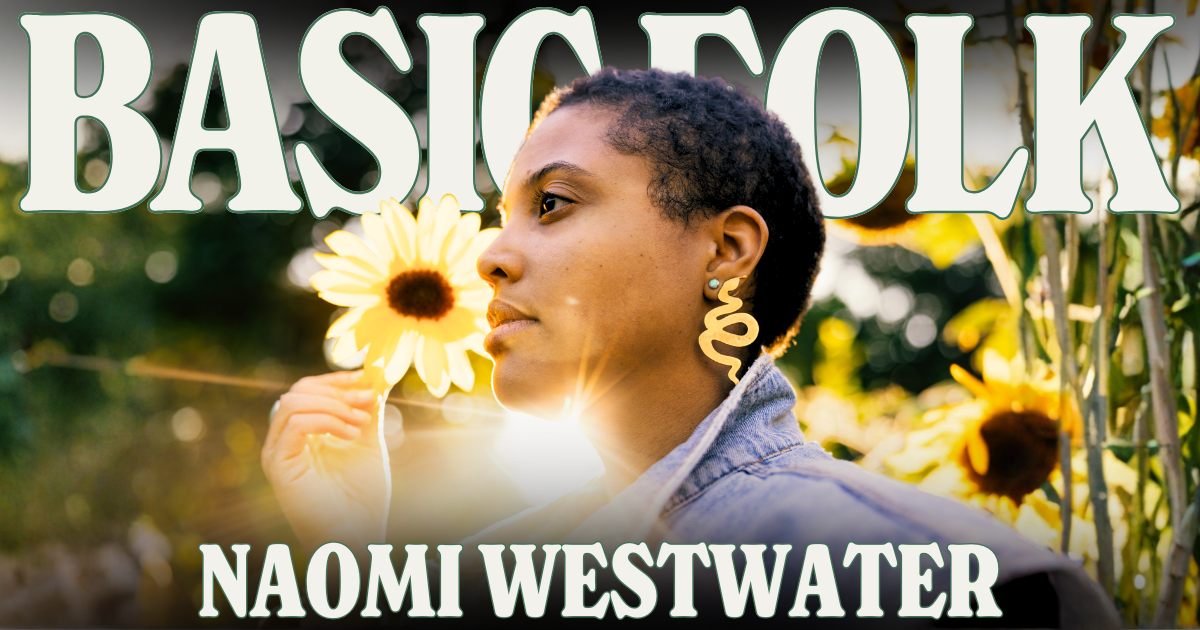
Basic Folk: Naomi Westwater

Something you might notice about Boston musician Naomi Westwater is that they have both sides of the brain on lock. They are very good at community organizing, grant applying, advocating, and other “left-brained” activities. However, they are also a creative, deeply spiritual, open-hearted person, traits typically associated with the right brain. That’s not always something that goes hand-in-hand, but it is a beautiful thing when it does!

Westwater, who identifies as queer and Black-multiracial, grew up on Cape Cod in Massachusetts, where they never felt like they fit in. Thanks to their parents, there was a lot of music being played: reggae, jazz, funk, classic rock and ’70s feminist folk. There was always a deep connection with nature, which plays into their spiritual practice and their songwriting, two areas they previously kept separate.

LISTEN: APPLE • SPOTIFY • AMAZON • MP3

On their album, Cycle & Change (released May 9, 2025), Naomi made an effort to fully embrace her identity as a songwriter and a witch. She shares, “Each song ties back to its seasonal context, weaving a story that spans spring’s hopeful beginnings, summer’s vibrancy, autumn’s introspection, and winter’s quietude…” Right in the final stretch of preparing to release the album, all these very hard things happened: the sudden loss of Naomi’s father; they went through a divorce; and they relocated. It was as if, with the album, they had created the blueprint for remaining grounded during these challenging life changes. We get into all of this on Basic Folk, as well as navigating self-advocacy while struggling to get their endometriosis and adenomyosis diagnosed and treated and the impact their father’s death had on their creativity.


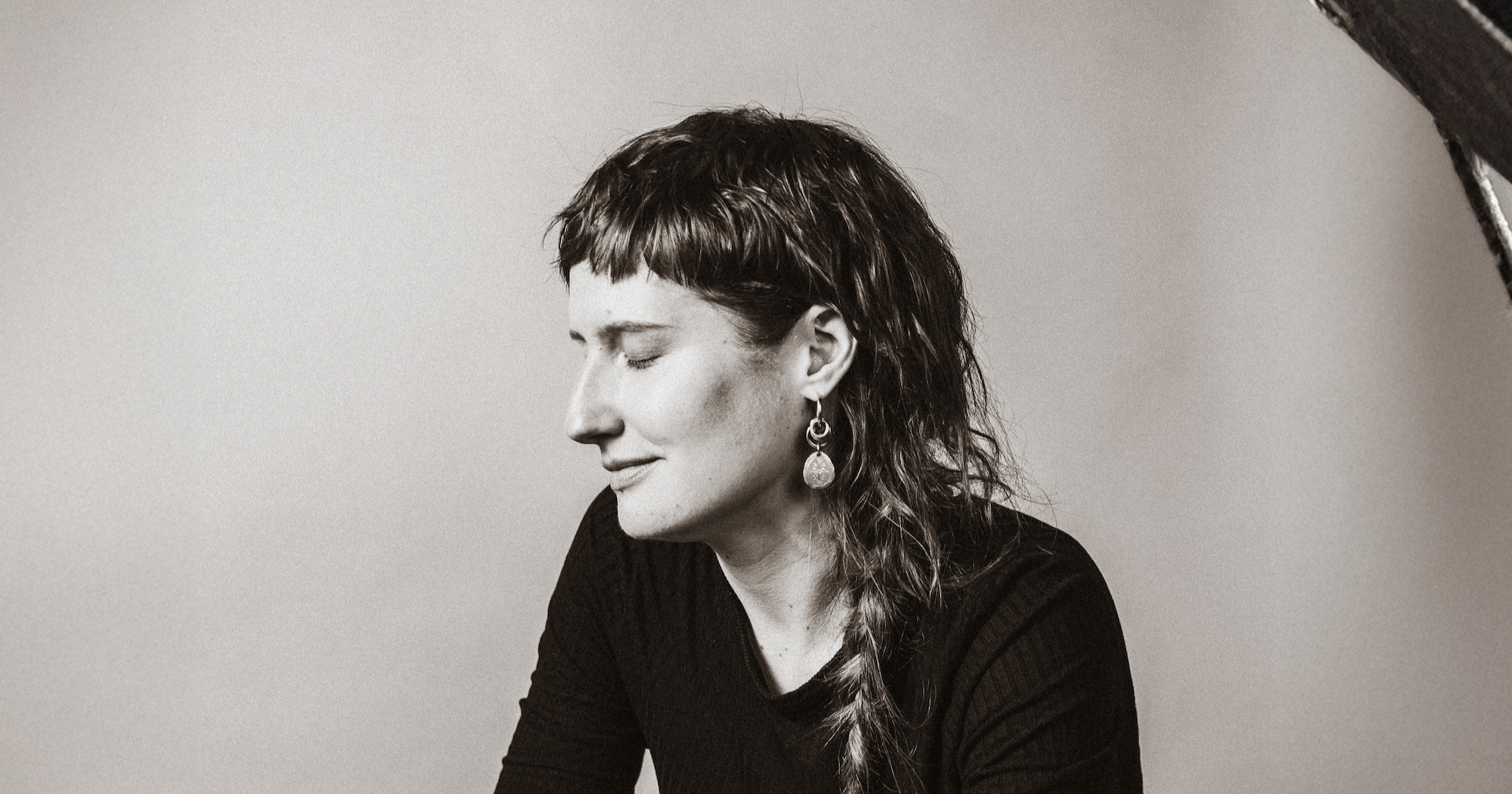
Photo Credit: Ally Schmaling

Joshua Ray Walker Has Got the Stuff

When Joshua Ray Walker received a cancer diagnosis in early 2024, he thought he only had months to live. This led him to contemplate not only his life and what he’s done with it, but his possessions and what would happen to them if he were to perish.

His latest album, Stuff, is the culmination of that pondering. Across 10 songs, the Dallas-based singer breathes life into a variety of inanimate objects ranging from a brick to the scent of perfume on sheets, bowling balls striving for perfect games, and even Barbie dolls eyeing everlasting love. Despite its deeply personal nature, the record leans into universal themes of grief and mourning since we’re all ultimately destined to suffer the same fate.

“We’ve all had someone in our lives die,” he says. “That’s why love and death are go-to topics for most songwriters – they’re two of our most universal concepts.”

With his future uncertain, Walker threw the rule book out for recording Stuff. Teaming up with longtime producer John Pedigo inside his home studio, the duo laid down everything on their own in a week – even instruments like the synth and melodica that Walker had never tinkered with before. The result is the “Sexy After Dark” singer’s most personal, dark, experimental, and hopeful album all rolled into one.

“Growing up everyone wanted to make records in their bedroom, but I never knew anyone with nice enough equipment to actually do it,” says Walker, who’s now stacked up a year’s worth of clean CT scans. “In junior high and high school I remember recording vocals in my friend’s laundry room or sneaking into a friend’s house whose mom had a piano and recording parts on it on the fly. There’s just always been something really fun about trying to make something sound the way we wanted from a sound people wouldn’t expect.”

Ahead of Stuff’s release, Walker spoke with Good Country from inside his van stacked to the gills with merch ahead of a run supporting Molly Tuttle. Our conversation covered his health struggles, the healing nature of writing these songs, experimenting in the studio, and more.

How’d the idea for this album come about?

Joshua Ray Walker: Before I even got sick I had thought about writing a song or album from the perspective of inanimate objects. Once I fell ill, I made a plan with my best friend and producer, John Pedigo, to write a song every week so that at the end of my year [at] home doing treatment I could have 50 new songs. When you’re planning to write that much, it’s easier if you pick a theme.

At the time, I was also starting to do estate planning for myself due to the nature of my advanced cancer. Even though I had multiple family members die where I was the main person who had to deal with their belongings after they passed, it was an eye-opening experience. So somewhere between the inanimate object song idea and thinking about where all my personal belongings would go if I died, I came up with the idea to write a whole album of songs from the perspective of stuff that was left over at an estate sale.

Subconsciously I was feeling like a burden to people. Anytime you’re sick, it’s a lot of effort that your loved ones have to put in, and even though they reassure you that you’re not a burden, it doesn’t stop you from thinking that way. [On this album] I was trying to think about that while projecting onto these items how leftover stuff can be a burden even after its owner is dead and gone.

Were any of the songs on Stuff more difficult to bring to life than others?

There were around 30 different ideas for the actual items, so the ones that got made were the ones that came the quickest since we were in a time crunch to make the record. If it was difficult it just didn’t end up getting written.

That being said, there was definitely some unexpected stuff. Like on “Brick” – I wasn’t necessarily expecting a brick to make it on the record, but it actually ended up being one of my favorites. I’ve always been very nostalgic for physical items as well, which only made it easier to connect with these objects. It made for a fun challenge writing from these perspectives and trying to get people to relate to it or have some emotional response. I’m known for being able to write from a character’s perspective and have been fascinated by how fictional characters can conjure up real emotions. It made me wonder if I could take things a step further and get people to feel something for these fictional objects.

Well, I’d say mission accomplished!

In addition to the concept and lyrical depth of these songs I also adore the sonic direction as well, which pulls from your previous material at times while navigating into pop, electronic, and other territory elsewhere. What motivated you to take that approach?

Because of where I was at with my health when we were conceptualizing the record, I really just wanted to explore some sounds that I’ve always loved and been influenced by, but didn’t make sense for the projects I worked on previously. Since I wasn’t sure how many more records I would be able to make I wanted to have as few limitations on what I was making as possible. If you put yourself in a box it forces you to be pretty creative. The rules were that John and I had to play all the instruments and we could only use ones we already had inside his home studio. It forced us to stretch a bit from our normal production style and was a lot of fun to make. We did it all in a week, locking ourselves in the studio for as many as 14 hours a day to get it all done.

Were there any instruments you played that you hadn’t tinkered with much before, if at all?

I played a lot of the keys, which I’d never really done before.I’d never played synths or melodica before, either. There were also just a lot of weird ambient sounds on the record. At one point we even had a sponge tucked under the bridge of a guitar as I was playing the strings with drumsticks, giving it a dulcimer-esque sound. We also utilized paper clips on ukulele strings to make them rattle, the pull string from a lamp on a cymbal so it would sizzle and random cups and pillows as percussion on the song “Stuff” – we wanted to turn non-instruments into instruments.

One of the songs I love most on Stuff is “Barbie,” a song about playing with dollhouses that contains some of the best one-liners on the whole record like, “…Do you want to play house with me and practice making babies?” Tell me about how it came to be?

Like you said, it’s a song about kids playing house put onto the characters of Barbie and G.I. Joe. It’s Barbie looking out her window and seeing G.I. Joe get played with in the sandbox and pining for this love connection. For one reason or another, G.I. Joe makes it into the house one day and they have the chance to run off in her Jeep and canoodle. When you’re a kid you don’t even really know what that means, but if you watch kids play with dolls at some point they’re going to make them kiss. They know people fall in love, but they don’t understand how or why – they’re just acting out what they see their parents doing. Such a big part of childhood is trying to figure out what all that means, so I thought it’d be funny to have Barbie trying to work that out for herself in this song.

Sounds like it has the potential to lead to a lot of conversations about the birds and the bees between parents and their kids. [Laughs]

Another song I want to ask you about is “Bowling Ball,” which features by far your lowest vocal register on the entire album. Tell me about your decision with that along with what made you want to bring a bowling ball of all things to life?

I don’t bowl much anymore, but used to be in a league when I was a kid. There’s a local bowling alley in my neighborhood called Jupiter Lanes that I’ve been very nostalgic for since I had a birthday party there and won a Johnny Bravo bowling ball when I was eight. [John Pedigo] is also a good bowler who grew up with a mom who worked at a bowling alley. We both know more about bowling than the average person, which allowed us to write a song from the ball’s perspective pretty well.

It’s got the best beginning, middle, and end to any song on the record, because it’s one short story about someone getting ready to finally bowl a perfect game. Only a frame away they throw too hard and pick up a chip or crack in the ball return, leading to a “put me in coach” or Rudy moment. They’re contemplating whether to walk over to the pro shop to get a new ball to finish out their first perfect game or continue on with ole faithful that got you there.

In terms of the vocal delivery, that’s pitch-shifted down with a Whammy pedal – I simply don’t have that kind of range on my own. That’s also something you’re just not allowed to do on a typical country record, which is another rule I guess we broke.

I gotta know more about this Johnny Bravo bowling ball!

I got it from that bowling league I mentioned, which was sponsored by Cartoon Network. At the end of the league, if you placed in the top three you were able to pick out a custom ball with whatever Cartoon Network character you wanted on it. The color was called galaxy, which is this purple kind of nebula-like color with Johnny Bravo etched into the side. It was awesome!

I remember choosing between him and Dexter, but I wound up choosing Johnny because of my dad, who would jokingly do an impression of Johnny Bravo’s voice that I loved. I also just related to that character and had a blonde pompadour haircut of my own.

You mentioned the song being about the journey to bowling a perfect game. Have you ever tossed one?

Definitely not. [Laughs] The best I’ve ever done is in the 220 range. I peaked at bowling when I was around nine years old. If I were to go bowling right now I would not do well at all.

With how much you’ve stepped outside your comfort zone on Tropicana and Stuff, what direction do you see taking next, musically?

I have a lot of projects, but only thought I’d have a couple years to make them, so I focused on jotting all of them down since I tend to see records as entire concepts, not just collections of songs. I have an autobiographical project I’m wrapping up now, but I also have a western trilogy on my mind along with a bluegrass record and even something a bit heavier.

Hopefully I’ll get to keep making records and all of these projects will come to light. Even though my music sounds different record to record they’re all still country in my mind. I’m always trying to make country music, whether it sounds like that or not.

What has Stuff and everything you’ve experienced the last couple of years taught you about yourself?

I hold onto things a lot less now than I used to. But in general, I just want to spend more time doing things I like with people that I like. This health scare has taught me to make music however I feel like making it and to do it as much as I can while I still can.


Lead image courtesy of the artist.

Laurel Premo’s Songs of Grief and Opening

On Halloween, I released an album of griefwork music. Laments features four compositions for solo fiddle and voice born out of an instinctive and spontaneous draw into lamentation when my body demanded it as part of its healing processes.

In both my vocal and instrumental soundings, the role of a traditional lamenter has long been rooted in my identity and how I seek to be of service as a community member who helps others enter into emotion or move through to the other side of an emotion. That work is not limited to sorrow, but can move joy as well. Music can help to bring more aliveness and connectedness to one previously detached, as I’ve been lucky to experience in my work of being a dance musician or a wedding fiddler.

Since my initial education on the topic of “lament” around age 20 while studying in Helsinki, I have held the possibility of a similar role as a guide into or through feeling at the core of my work. It wasn’t until the middle of the last few years, when I had been writing this music on fiddle and voice, wailing music with few words, that I realized I was working with actual lament and that I had found myself knee deep in a river of tradition. So I am here, coming full circle.

Seventeen years later, I returned to research and to listen to archive sources after I had birthed this work, to begin to understand the context of my path, to grab on to some railings, and to move into whatever comes next. I have since come to understand that performative ritualized mourning is a global phenomenon of traditional cultures. While my record is a performance of prepared arrangements and echos of what I experienced in liminal spaces, as opposed to my live lamentation or ritual, it’s my hope that the music can represent the shallows of what is available inside of the great depths of the tradition. (For more reflections on this work, read on via the extended notes booklet for Laments.)

For this Mixtape, I thought back through time to craft a collection of tracks that have been medicinal to me in seasons of heaviness, in times when I needed assistance to reopen a closed self. The tunes span many genres – please take them with open ears and meet them with what they offer. Through different modes, they all have the power to help bring in a glimpse or a full serving of transformation, whether that’s delivered from the quietest breath of the mechanics inside of a piano or from the wall of supportive pressure that is the embrace of the Scottish smallpipes. Three traditional lament forms are featured (Ireland, Scotland, and Peru) nestled here alongside music that I think works in related ways. It is music that helps us enter ourselves. – Laurel Premo

“Riverside” – Tim Lowly

(Listen on Bandcamp.)

This is the first song that came to my heart for this Mixtape, possibly because it was an early memory of the expansive potential of music as a tool in grief. I heard Tim Lowly sing this song at an intimate house concert in Kalamazoo sometime in the 2010-2015 range and his album traveled with me over many touring miles in America that decade. Tim is a painter and writer, and the central protagonist of much of his work has been his daughter, Temma, who has cerebral palsy with spastic quadriplegia. The melody and lyrics in this piece surrender to “slipping down” until they land on some solid new core.

“Pililiù” – Bridghde Chaimbeul

I’ve been very moved by the sounds from Scottish pipes player Bridghde Chaimbeul, who’s just recently completed her first US tour. I listened to her rendition of “Pililiù” during a high intensity breath practice once and it produced an immediate outpouring of tears. Some deep thread of connection existed there. A few months later, while researching vocal roots and lamentation, I recognized that this melody that she had recorded instrumentally is indeed an example of a traditional keening melody. The melody of this lament is a recreation of birdsong of the Redshank. In Scottish tradition, this coastal bird inhabits the liminal space between solid earth and the vastness of the fluid ocean, between known and unknown eternity.

“Body” – Emma Ruth Rundle

A few winters ago Engine of Hell hit me in a heavy way and seemed to be the exact medicine of resonating my own experience that was needed. When music reflects some color of what we’re feeling, it can vibrate our emotional body into become something bigger than we can see and relate to, converse with, question, and be held by.

“Visit Croatia” – Alabaster DePlume

This nostalgic journey is created from patience, deep listening, and real breath. Alabaster DePlume is an English musician and poet.

“Batonebo – Rachan” – Ensemble Ialoni

This is a pre-Christian healing song from an incredible Georgian women’s ensemble. In traditional Georgian belief, “Batonebi” is the name of spirit beings that are the cause of childhood infectious diseases. Songs like this are sung to these spirits, alongside other ritual, to appease them and ask them to leave the sick child so that they may heal. This whole record contains traditional folk song in complex harmony that work as chants for the singer and listener (including the Batonebi spirit audience!).

“My Friend The Forest” – Nils Frahm

Nils Frahm presents deep texture and intimacy here. The flex and breathing of the piano, akin to the live breath of the forest, takes you on a whispering trail of release. Other tracks that have a similar vibe from this record are “A Place” and “Forever Changeless.”

“Gorm” – Susan McKeown

I was introduced to this recording through the master’s thesis of Michelle Collins who investigated the de-ritualization and re-ritualization of keening in contemporary Ireland. This original song from 1996 is written in the traditional form of Irish lament and sings grief related to emigration and grief caused by AIDS. Listen for the traditional cry of “ochón.”

“Nude” – Radiohead

Bringing in some movement now after our ‘set one’ of still listening. Feel the tilt of this waltz gently push you around while the vocals reach and spin.

“Without The Light” – Kelly Joe Phelps

Kelly brings in some sonic reverence here, reaching upward and swimming through memory. “I can see better without the light.” This relaxing into surrender here, perhaps even some praise for the grief in how this song is presented, is an important point in the process. We throw up our hands at the mystery of it all. We sit in awe of the many threads that connect to our heart from all we’ve lived through, from all those we have shared love with. This expression of love – our grief – is actually nourishment towards those living strands that connect us through worlds.

“Vuela Golondrina” – Coral Rojo

Morning light beams through this tune from Chilean vocal ensemble Coral Rojo. The lyrics here speak (again) of birds, both the swallow and the condor, of water, of revolving and renewing time, and the patterns and daily rituals of the natural world healing and waking us to new days. “Cry your sorrows while the mountain range shines as the day arrives.”

“Acid Rain” – Lorn

I’m including this dark ambient, industrial track from Milwaukee artist Lorn to honestly reflect the variety of tunes that do this work for me, personally. Here, bringing in the big guns of bass and synth grit to massage out angst and sorrow stored deep in the muscle. Sometimes you need to order size large.

“Surrender” – Rotana, Superposition

The tunes on this project from Palestinian/Saudi vocalist Rotana and duo Superposition are truly animated prayers and meditations. By that I mean, breathing life, bringing into life, and making alive old and new words. It takes a lot of experience and intention to keep that devotion in your music. Rotana sings codes of freedom.

“Song of Marriage” – Young girl in Huancavalica, Mountain Music of Peru, Vol. 1 

I found this song very recently while listening through a track that shared five-second samples of all of the music on Voyager’s Golden Record (a project that served as a “message in a bottle” for extraterrestrial life led by Carl Sagan in the 1970s). It stuck out to me, even though it was a sweet young voice, I could tell it was some form of blues. Looking up more information about the track, I learned that it was actually lament. Across cultures, in addition to lamentation being used to accompany death, laments are sung quite often to accompany the journey crossing the threshold of entering marriage, as ritual protection in that liminal space, particularly for the bride leaving her family and entering a different life.

“Oh Aadam, sino essitus” – Anonymous, Heinvaker

This project from an Estonian vocal ensemble featuring folk hymns and runic songs was one I listened to a lot in the first summer of the pandemic. The sound is such a balm. A close friend once remarked that this music gave him such pride and hope in what humans are capable of. The actual singing of it, that we are capable of creating this resonance with each other, shows us that we hold such power to shape our world, that we can be positive citizens in the large environment. On our theme today, let this tune speak to the transformation that we lead ourselves on through the journey of grief. We are capable, and we are deeply belonging to this big web of creation.


Photo Credit: Harpe Star

Open Mic: Charlie Peacock Pushes Through Chronic Pain on ‘EVERY KIND OF UH-OH’

With a 40+ year career spanning virtually every aspect of the music business – from performing and songwriting to production, development and even education – Charlie Peacock has battled myriad creative challenges. A standout in the Contemporary Christian format who was also deeply involved in the Americana folk boom of the 2010s (he was even the driving force behind The Civil Wars’ mainstream emergence), no problem seemed too big to handle. But for his new album EVERY KIND OF UH-OH, Peacock had to overcome an obstacle unlike the rest: a rare, debilitating health condition.

Diagnosed with Dysautonomia and Central Sensitization, Peacock has essentially been experiencing a never-ending headache since 2017 – seven grueling years and counting. Needless to say, it has upended the GRAMMY winner’s life, and while some days are better than others, the chronic pain prevented him from music making all together– until a flash of writing in 2023, that is.

Featuring 10 all-new songs penned in a two-week flurry, EVERY KIND OF UH-OH finds Peacock getting back to work, but with fresh appreciation for life’s messy beauty. Co-produced with his son Sam Ashworth, a peaceful mix of dream-folk and gospel match a tender, feathery tenor, as Peacock explores against-the-odds optimism with spirituality, purpose, and humor. In the end, it feels like a veteran songsmith’s statement of revelation; and a set of life lessons delivered with knowledge, not judgement.

Still fighting symptoms on the morning after a party celebrating the album’s arrival, Peacock spoke with BGS about how his life transformed and how it forever changed the way he makes music. Peacock also plans to release his memoir, Roots & Rhythm: A Life in Music in February.

We’re really interested in the way things like creativity and mindfulness and health intersect, so I’m fascinated by your story. Can you just tell me how you’re feeling today – both in a micro sense and in terms of the bigger picture with everything you’ve been through?

Charlie Peacock: Well, just for the background, I have a neurological disorder called Central Sensitization, which is a pain management disorder between the brain and the central nervous system about how pain is managed. So, my brain got tricked into thinking I am in trouble, and it’s sending me pain signals. Basically in the same way that if I scratched my arm on something, that scratch pain is there to tell me, “Hey, there’s something wrong with your arm. You might want to take a look at it.” Well, the brain functions in that way for all our pain management throughout our entire body.

So mine, this disorder that I have is that everyday for almost eight years, I’ve had an intractable headache. I’ve had an eight-year headache basically, and it goes up and down in terms of intensity. Sometimes it’s “You’ve got to go to the hospital” intensity. And most of the time it’s just sort of like a three or a four [on a scale of one to 10]. And I’ve learned to function through various methodologies and mindfulness and various kinds of treatments that I’ve done.

I imagine on top of the physical side of things, it has impacted your creativity. How did this change the way you look at making music?

Well, it got me back in some ways. It got me out of the music business and back into music making.

Really? How so?

At the point when I got sick, I was just turning 60 years old. So I was a 60-year-old man who’d been in the music business for 42 years, who was in writing rooms with 20-somethings. And even though part of my whole thing as a songwriter and a producer is that I’ve stayed relatively current, you’re still a person of your time and your generation. It’s like, could I make a trap song? Absolutely. But will I make one that is convincing to people who listen to trap? Maybe not. …

I was functioning more as the older, experienced sage that comes in and cleans up people’s songs. And so what the illness did was it put me back in that more childlike place of working on my own music and experiencing just the joy of creating, rather than coming in as the expert who’s going to be the song doctor or the producer who’s going to give that artist that extra 23% that makes them commercially viable or something like that. So that has been a real joy. And then of course, as I’ve said many times, it’s like you take care of the music and it takes care of you. That’s been the case just in terms of imagination and creativity during this illness, where it’s been a part of my medicine for sure.

Here we are eight years after the illness started and you’ve got a new record. What changed to bring this music out?

Well, [before] this illness period I had gone to Lipscomb University and created their commercial music program, and then became the head of the School of Music for a year. And it was during that time that I got sick. I was already kind of moving out of the producer-for-hire model and kind of had this education piece that was on my bucket list. So I had gone and done that and then I was just here working, making a lot of music, doing a lot of writing, working on a family, a screenplay for a family story from the 1800s, just doing a bunch of different creative things. …

[After the illness], I just had a willingness to say, “If my music career is over at this point, then I will have been really grateful.” And this memoir is kind the period on the end of the sentence. Then all of a sudden it was like I woke up one morning like “Is that an idea for a song?” It was brewing. So I started working on it and then a few more. And then I asked my son, “Hey, you want to help me finish this song?” I go out to his house and we hang and work on this song. We’re both super excited about it. And then he finally, after hearing more of the music, he was like, “Dad, you got to promise me you’ll take this seriously. Don’t just tell everybody, ‘Hey, I have a new record out on Friday and buy a couple ads on Facebook and call it a day.’ I think you need to actually do an old school release and get a distributor and have them set the record up.”

I said, “I don’t know if I have the energy for that.” But [Sam] said, “Well, I’ll help you.” And so he did help me. Really, the whole family has been a huge help. Sam came alongside me and he co-produced the record and we co-wrote three songs on it. And literally, it’s a 10-song album. Within 14 days. I had all 10 songs written. And it was just one of those times where it was just time to do that. I didn’t know it was, but it was.

Fortunately, I also had some pretty good windows of health that I could [record]. I had some days when I tried to sing where it’s just like, “Man, it’s just not happening.” But I’d wait a few days and get rested up again and go up to the studio and sing, and it would still be there. I was actually surprised myself, some of the range that I was able to sing at still.

Have the songs taken on a new shape for you or a new dimension, topic-wise and thematically?

Well, my great-grandfather was a fiddler in Louisiana and my grandfather from Oklahoma loved to sing all the Okie songs of the era. And I thought, let me just lean into that a little bit. So I would say this record is a little taste of that, especially the instrumentation is pretty much still the same in terms of rootsy guitars and just simple drums and bass and fiddle and pedal steel. And the only difference between this record is I really leaned into the gospel vocal sound. A lot of my friends that have been dominant in Black gospel music. And so that’s a difference. Narrative-wise, I was really trying to do this kind of literary thing that was a mix of plain-speak American roots, with these literary elements, and then also take a spiritual element, but not make it religious, and try to create a narrative that was uniquely American. I think in its influence, it’s almost like reading some of the classic American novelists.

There’s a wonderful mix of storytelling and deeper spirituality, for sure. Thank you, Charlie. I’ll just leave you with the big picture. What do you hope people take away from this record?

I think for me, even listening to the songs and seeing the reaction from folks, what they said afterwards is, “This is a world that I want to enter into. There’s something about what you’re creating on this record, this musical world, and this invitation to come on in that feels really safe and that I will belong here and I’ll be well loved, cared for, not judged – allowed to just be myself.”

And I think that’s what we want. I mean, I think that’s what makes our heart beat, is that we just want to be known totally. We want to be known like the intricacies of our personalities. We don’t want to be known superficially. And I hope there’s something about this music that sends that signal that, yeah, I do too. Come on in and listen and see if you find some of that here.


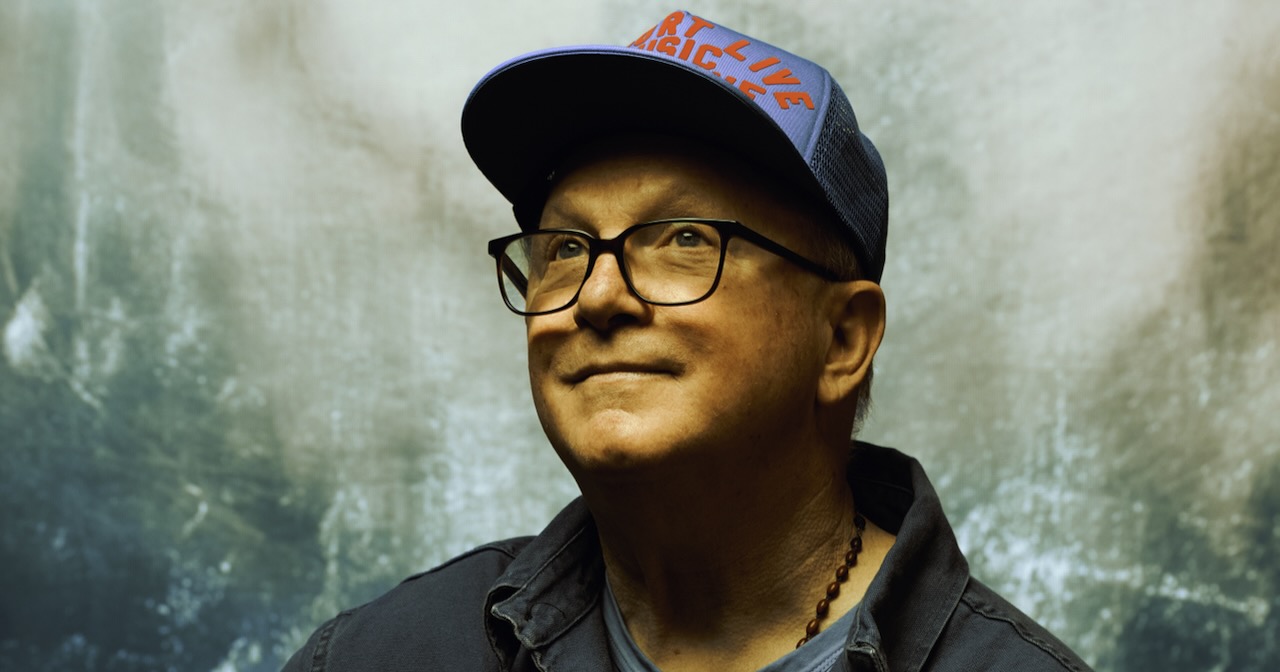
Photo Credit: Jeremy Cowart

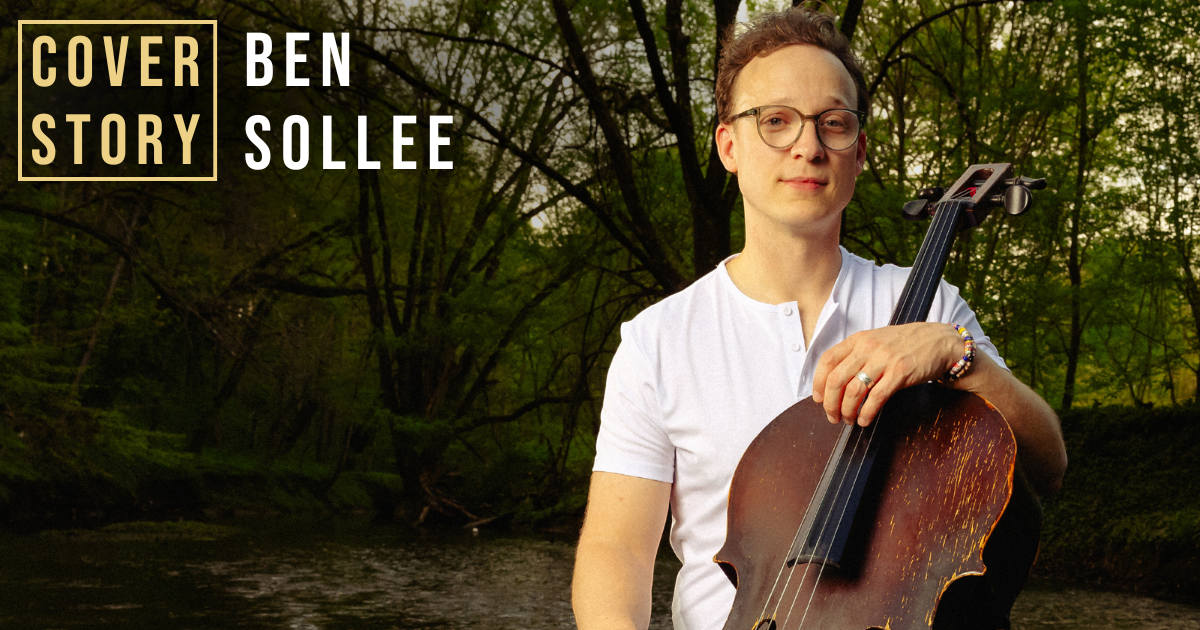
Ben Sollee’s Renewed ‘Long Haul’ Perspective on Earth, Life, and Music

Seven years have elapsed between Ben Sollee’s last studio release, his 2017 album with Kentucky Native, and his new one, Long Haul (arriving August 16). Much has happened in Sollee’s life since ‘17. His family has grown by two children. He worked on a number of soundtracks, even winning an Emmy Award in 2018 for his score on the ABC special, Base Ballet. The Kentucky born and based singer/songwriter/cellist, who has long been an advocate for environmental and other social causes, also helped launch a nonprofit named Canopy, which helps businesses in his home state positively impact people, the planet, and the future.

When COVID hit, it hit Sollee hard. “I was one of the early folks to get COVID in fall of 2020 and it stuck with me in a way that didn’t stick with other people.” During his prolonged recovery, he had to change how he ate, what he drank, how he slept, and how he exercised. “It turned into a journey of inward exploration and changing my external life. I really changed pretty much everything… It wasn’t until I started emerging from long haul [COVID], I was like, ‘Oh, I think I’ve got something to say about this.’”

While this album grew out of Sollee’s personal health crisis, it also was greatly affected by the death of his close friend and long-time collaborator, Jordon Ellis, who died by suicide in early 2023.

Always ready to blur genres, Sollee felt more free to expand his sonic palette on Long Haul, which includes a gospel-style choir, a Little Richard-inspired rock ‘n’ roll rave-up, West African rhythms, and Caribbean grooves. He purposely wanted to have lively, rhythmic melodies to balance deeply thoughtful lyrics.

“The same way,” he explained, “That Michael Jackson would have these big statements in the middle of these dance songs.” Sollee also recorded a special Dolby ATMOS Spatial Audio version for this album – a first for him – to underscore Long Haul’s immersive sound quality.

Part of what the title Long Haul refers to is your serious battle with long COVID and it also addresses life as being a long haul. How did the two interrelate for you, personally?

Ben Sollee: [COVID] definitely put me in relationship with my body in a way that I had never been before and once you start that relationship with your body, you realize just how interconnected everything is. I mean, we’re all on this long haul together… and I realized that maybe the most radical thing that I could do was to care for myself. That really shifted how I think of my live performances and really my purpose for being out on the road, [which] is to help people connect with themselves. Because once they connect with themselves, then they can have the capacity to be in relationship with nature, other people, animals, you name it. How I be in the world has shifted. It’s subtle from an external view, but internally it’s pretty profound.

How did this all affect your approach in making this album?

I realized that I had a very exploitative relationship with my creativity over the years, where it was just like: Here’s a project, just make stuff. And that was just really eye-opening.

I took a couple of different approaches in the making of this record. The passing of my friend and musical collaborator, Jordon, in the process of writing this record was really profound, because he was such a keystone to my creative process. It kind of forced me to think about how I was approaching music-making in the record without him.

So, I tried a couple different mantras, and one of them was “follow the resonance.” If it said something to me, I didn’t need to figure out why it said something to me, even if that is Polynesian flute playing or this sort of strange Tejano Caribbean groove – just follow it. In the past, I would kind of hedge; like I would hear something, I’d be really into that sound, but I wouldn’t feel like I could, for whatever reason. Like it’s not part of my cultural heritage. I would come up with a reason to be like, I shouldn’t make music with that sound or influence.

Another mantra was “show our fingerprints.” The way that we recorded the record – it was about hearing the hands and the strings and hearing the breath. I chose instruments that would really feature those human aspects of breath and touch. We incorporated woodwinds, which you can hear prominently on the first single, “Misty Miles.” We incorporated choirs in this record for the first time, because I really wanted that breath and sound. Much of the percussion is hand percussion. It’s a very tactile record… very high touch record.

You produced Long Haul. What was the recording process like?

It was a very intuitive, collective approach, and it meant that not only did the music turn out as a surprise to me and others, but it also meant that it was a very engaged, emotional journey. Adrienne Maree Brown [author of the book, Emergent Strategy] is really the inspiration for this – instead of having a singular artist’s vision, you really bring together a group of people in a facilitated way.

It made me maybe a little bit more brave and confident that wherever things went, we could execute that… I mean, musicians left the sessions crying, because they had such a good time and they felt seen and heard. And that, to me, means as much as the music that came out.

Did your experiences composing film soundtracks serve at all as an influence?

[Film work] also inspired me to explore Atmos. I really wanted this record to be an immersive experience, kind of like a sonic film. In keeping with that, there are a few songs that actually have sound design incorporated into them. It’s the first time I’ve done it in such an intentional and immersive way where we’ve got cars driving by with “Hawk and Crows.”

There is a real stylistic diversity to the sound of this album, like “Under The Spell” is one song with a funky dance groove to it.

[Laughs] I wasn’t trying to make a dance track. It started with that cello lick that you hear at the beginning. And it’s sort of this hypnotic West African loop of a lick that really began as kind of me trying to figure out some old-time banjo, like clawhammer music, on the cello.

The words are referencing this kind of duality… dealing with identity and self and how often we are under the influence of the stories that people tell of us. Every time I have this ambition, desire, and even just like the idea of me having something, it sets me down a path of being unsatisfied, which causes a lot of harm to other people and myself in the world. So, the words can go as deep as somebody wants to, but it’s also if people just want to release and have some sort of existential-like dance experience – then let’s go, let’s dance!

It touches on an evolution that I don’t expect anybody to notice in my music and career. My early records had a lot of direct social and political statements in the song. I realized that they were a little bit superficial and surface-y. They weren’t really getting it to the core of those issues. So, I’ve kind of moved into, I guess what I would call like a “post-activist” stance. My music has moved away from direct political commentary most of the time to more of a foundational, fundamental idea of togetherness, of connectedness.

“One More Day” stands out as a key song too.

I guess the original seed of that song emerged as I was beginning to travel again after Jordon had passed away – to places where he and I had traveled so many times. I started thinking about what would I have said had he called me in that moment of decision before he took his life? But the only thing that I would have really said to him is, “Listen, I hear you, I respect your decision, but what’s the rush? Like, if you’re going to do it, you’re going to do it, but you don’t have to do it right now. Just give it one more day, give it one more sunrise. Just get one last look.”

I think that’s what I would have said to him. And the song makes that case through different vignettes of our time together on the road. And, it does it over this Caribbean, Tejano groove that must have come from some jams that he and I did together. It must have. It just feels like a very Jordon groove. What I love about that is it has this real joyous, almost like early Police kind of vibe to it. There’s some really tough content in there and I just love the idea of people dancing at a festival – and just saying, “Give it one more day.”

The closing song, “When You Gonna Learn,” features a rousing gospel-style choir and addresses following your inner voice. It launches the listener out of the album and into the world in a very uplifting way.

I wanted to end with that message, because as a father I watch my four- and six-year-old who have yet to really settle into a sense of self or identity, and they are just so connected to their world and just basic truths about caring for things and protecting things and love and justice. And I think that it’s just more proof to me that there are things we know that get taught out of us. This song just is like: When are you going to learn that you already know?

You address a lot of tough issues on the album, but do so with a sense of humanism and spirited music that offer a hopeful way out of these challenging times.

I often reflect on that “Pale Blue Dot” image that Voyager took looking back at Earth and it’s just black and there’s just one little, tiny dot. And that dot really says it all, because it’s all there, as Carl Sagan says: every love, every heartbreak, every war, every church, it’s all on that one little dot.

So, we got to make it work here. And I think that’s the biggest challenge that we have right now. How do we make this work? I get that we’re going to make some big mistakes along the way. I sure have in my life. That’s where the grace comes in, but we got to make it work here. We don’t have another spot.


Photos courtesy of Big Hassle.

Harmonics with Beth Behrs: Time for Some Music Recommendations

Let’s face it: times are pretty dark right now — but what else is new? Harmonics was born out of a love for music and its healing powers, and we are once again turning towards art to pull us through. Today, Beth is joined by Amy Reitnouer Jacobs — our very own BGS co-founder and executive producer of Harmonics — who shares with us the fruits of her curatorial labor in the form of her top albums getting her through the summer: from heart-wrenching yet uplifting folk songs by Allison Russell, to the vibey, Don Henley-esque sounds of John Mayer’s recent release, on through to ’70s Japanese pop, and stopping everywhere in between.

LISTEN: APPLE • SPOTIFY • STITCHERAMAZON • POCKET CASTS

Allison Russell – Outside Child

BGS readers will be familiar with this first pick. We’ve long sang the praises of Allison Russell (she was our Artist of the Month for May of this year) and when asked their favorite albums of the year, essentially every member of the BGS team chose her solo debut Outside Child. This is a very special record — for so many reasons — that you do not want to miss. And your listening experience will only be enhanced by learning the context in which it was written. Russell shared her painful story with us back in Season 1 of Harmonics, then came back and breathed uplifting hope into that story through the beautiful music of Outside Child.

Dante Elephante – Mid-Century Modern Romance

This album has been Amy’s weekend soundtrack for some time now. Throw this record on first-thing Saturday morning, and you, too, will be grooving, coffee in hand, in no time.

Tony Joe White – Smoke from the Chimney

This posthumous album from Tony Joe White features vocals from acoustic demos the roots legend recorded shortly before his passing, brought to their full potential through the lush arrangements and editing magic of Dan Auerbach.

Valerie June – The Moon And Stars: Prescriptions For Dreamers

Fall into the weird and wonderful world of Valerie June through the intricately layered yet completely raw and vulnerable musical journey of her latest album. Don’t try to define this album — just allow yourself to get wrapped up in whatever it is.

John Mayer – Sob Rock

While Amy has admittedly not dug into any John Mayer album since his 2001 debut Room for Squares, her love for the newly coined “Bistro Vibes” aesthetic (read into this y’all, and just trust us…) has led her to Mayer’s latest summer release: a more-than-likely pandemic-fueled nostalgic nod to the sounds of the ’80s a la Don Henley, Dire Straits, Steve Winwood, and Phil Collins, paired with songwriting that taps into the isolation and despair we’ve felt for the past year and a half.

Yellow Magic Orchestra – Yellow Magic Orchestra

The experimental nature and endlessly chill vibes of Japanese pop of the ’70s and ’80s make for the perfect summer soundtrack, and the traceable influence on today’s indie music is fascinating. Bonus points if you can listen on vinyl, as the depths of these recordings are all the more rewarding and delicious in this format.

Sara Watkins – Under the Pepper Tree

While the beautiful Under the Pepper Tree — a collection of lovely lullabies, both original and classic favorites — was recorded and released for Watkins’ small daughter, we, as adults, have been unable to take it off of repeat since its March release. While some may laugh at the idea of being so enamored with a “children’s record,” we dare them to experience the comfort of Watkins’ magical collection — especially amidst the tumultuous year we’ve had — and not fall in love. She pulls out what is so beautiful and lasting about these songs, and what makes us connect with and feel through them.


Listen and subscribe to Harmonics through all podcast platforms and follow Harmonics and Beth Behrs on Instagram for series updates!

Harmonics with Beth Behrs: Kristin Chenoweth

This week on Harmonics, in honor of Mental Health Awareness Month, we bring you an emotional conversation with Tony- and Emmy-winning actress and singer Kristin Chenoweth.

LISTEN: APPLE • SPOTIFY • STITCHERAMAZON • POCKET CASTS • MP3

Having recently lost a lifelong voice teacher and dear friend to COVID-19 at the time of this interview, Kristin Chenoweth brings a very open conversation about grief and mental health, talking with host Beth Behrs about her struggles with depression and anxiety during the pandemic, and throughout her life — accepting that she does need to acknowledge her mental health struggles, even though due to her public persona, most people expect her to be “rainbows and glitter” 24/7.


Listen and subscribe to Harmonics through all podcast platforms and follow Harmonics and Beth Behrs on Instagram for series updates!

Harmonics with Beth Behrs: Carly Stein

This week on Harmonics, host Beth Behrs speaks with entrepreneur Carly Stein, founder and CEO of wellness brand Beekeeper’s Naturals.


LISTEN: APPLE • SPOTIFY • STITCHERAMAZON • POCKET CASTS • MP3

Stein talks with Beth about the journey that brought her to the founding of the company, from a childhood and young adult life afflicted with chronic illness and an allergic reaction to Western medicine, to a seemingly miraculous discovery of propolis (a substance created by honeybees) as an aid for said illness, and her subsequent endeavors in bringing authentically organic, high quality, natural bee products to North America through her own beekeeping. Carly’s story is an eye-opening look into the sometimes murky world of wellness, and an inspiring tale of determination and vision.


Listen and subscribe to Harmonics through all podcast platforms and follow Harmonics and Beth Behrs on Instagram for series updates!

Harmonics with Beth Behrs: Episode 7, Mary Gauthier

Singer, songwriter, activist, and all-around badass Mary Gauthier joins host Beth Behrs on this episode of Harmonics. The two talk about why superheroes are so often adoptees and orphans (and vice versa), the power of songwriting for veterans of the armed forces, her last live show immediately before the shutdown, and so much more.


LISTEN: APPLE • SPOTIFY • STITCHERAMAZON • POCKET CASTS • MP3

Mary Gauthier’s name is spoken with reverence in songwriter circles. She’s won countless awards from organizations like the Americana Music Association, GLAAD, and Folk Alliance International, and was nominated for Best Folk Album at the 2019 Grammy Awards.

A Louisiana native, Gauthier has been releasing her own music for over twenty years, but her 2019 record Rifles & Rosary Beads brought a whole new level to her art, when she collaborated with the Songwriting With Soldiers project to put wounded veterans’ stories to song.