An Opry Celebration of the O Brother, Where Art Thou? Soundtrack

In an all-star acoustic tribute, the timeless music of O Brother, Where Art Thou? rambled across the Grand Ole Opry airwaves for a 25th anniversary celebration on Saturday, February 28.

In some ways, this night in Nashville felt different from a typical Opry show – no drum kit, no square dancers, and not a lot of commercials. On the other hand, it would be hard to find a more suitable place to stage a salute to O Brother than on the world’s longest-running radio show.

The GRAMMY-winning, 8-times platinum soundtrack was performed in its entirety by Opry stars such Alison Krauss, Emmylou Harris, Del McCoury, Old Crow Medicine Show, and the Whites, as well as guest performers like the Alaskan Sunnyside Sisters, the Fairfield Four, the Fisk Jubilee Singers, and Colin Linden alongside contemporary masters like Sarah Jarosz, Billy Strings, and Molly Tuttle. (To put the time frame in perspective, Jarosz was 9 years old when the soundtrack was released, Strings was 8, and Tuttle was 7.)

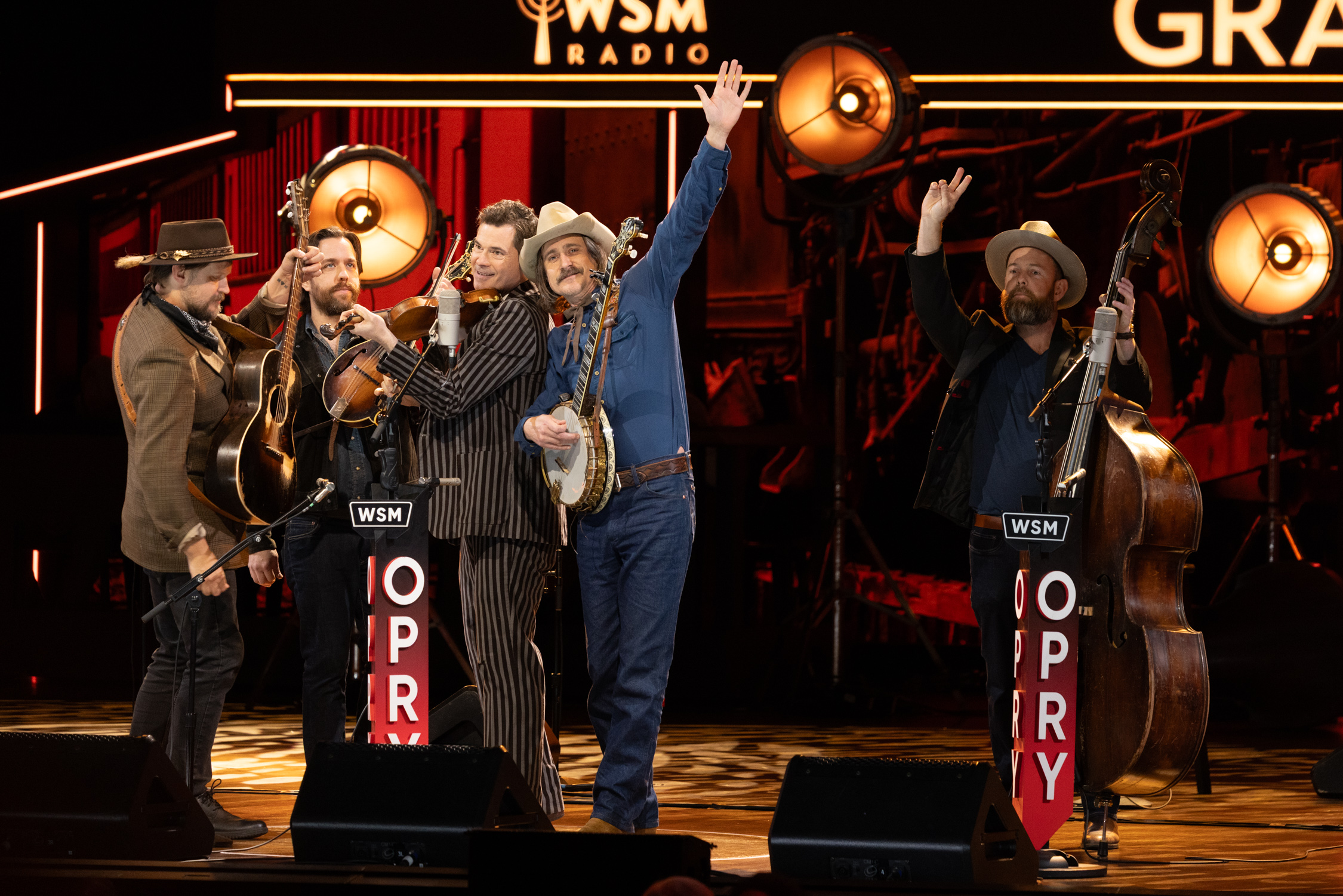
Old Crow Medicine Show perform during the Opry’s tribute to ‘O Brother, Where Art Thou?’

In addition, Chris Thomas King and Tim Blake Nelson also reprised their performances from the film, while the A-list house band was composed of Mike Compton on mandolin, Dennis Crouch on bass, Jerry Douglas on Dobro, Stuart Duncan on fiddle. And what O Brother tribute would be complete without Dan Tyminski delivering “I Am a Man of Constant Sorrow”?

As a bonus selection not included on the landmark collection, Krauss and the Fairfield Four opened the special evening with a lively rendition of “Every Time I Feel the Spirit,” which immediately immersed the audience in that same spirit. After Krauss stepped away, the Fairfield Four performed the soundtrack’s original opener, “Po’ Lazarus,” accompanied only by hand claps. Old Crow Medicine Show roused the crowd with “Big Rock Candy Mountain,” an enthusiastic choice that fit their high-energy demeanor. Bandleader Ketch Secor also co-hosted the event alongside Opry announcers Bill Cody and Mike Terry.

Dan Tyminski sings “I Am a Man of Constant Sorrow” with the evening’s house band.

Backed by the house band, Jarosz engaged the audience to sing along with a perennial favorite, “You Are My Sunshine,” and the sold-out Opry House was happy to oblige. Krauss returned with the Fisk Jubilee Singers for a sterling performance of “Down in the River to Pray,” where the audience sat almost perfectly still in reverent silence. Following the song, Krauss was presented with a commemorative scarf designed by the famed clothier Manuel; all Opry members are receiving the scarf as part of the Opry 100 celebration. The house band then shared an instrumental version of “A Man of Constant Sorrow,” which was a nice touch referencing the handful of variations of the song on the soundtrack.

That soundtrack practically came to life with Colin Linden and Chris Thomas King’s “Hard Time Killing Floor Blues” and The Whites’ “Keep on the Sunny Side.” Jarosz  on mandocello and Molly Tuttle on guitar teamed with the house band for a wonderful take on “I’ll Fly Away.” Emmylou Harris and Alison Krauss then stood on either side of Tuttle for a trio rendering of “Nobody But the Baby.” (Gillian Welch, who sang with Harris and Krauss on the original album, was unable to participate in the show.)

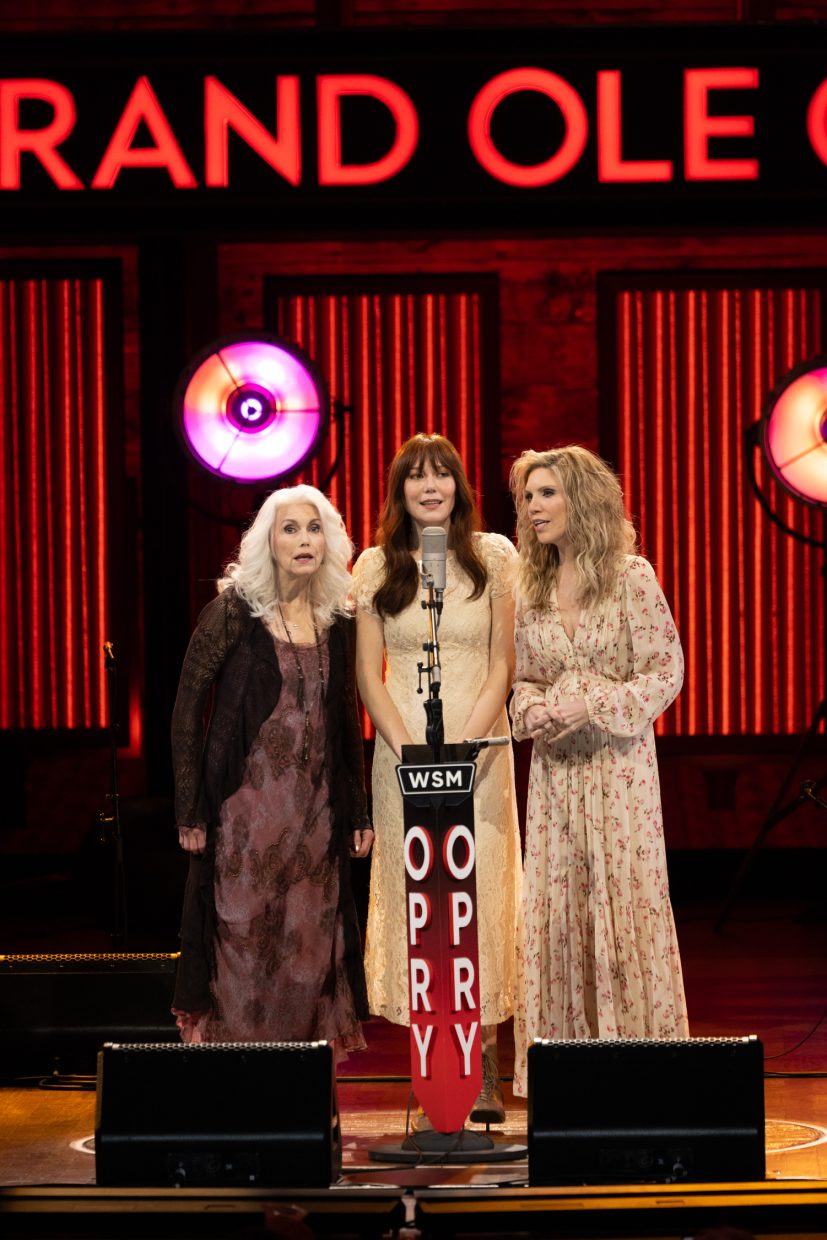
Emmylou Harris and Alison Krauss, both of whom appeared on the soundtrack, are joined by Molly Tuttle for an a capella rendition of “Nobody But the Baby.”

Folks, that’s only the first half!

After decades away from the spotlight, the Peasall Sisters returned to the stage to introduce “In the Highways,” the song they recorded as children; on this night, it was sung by an endearing kid quartet – and viral internet sensations – the Alaskan Sunnyside Sisters. Molly Tuttle returned for the emotional “I Am Weary (Let Me Rest),” which led into bluegrass phenomenon Billy Strings singing “Wild Bill Jones,” which appeared on the 2000 O Brother concert album, Down From the Mountain. Strings then welcomed Dan Tyminski for a duet of “O Death,” which was sung by the late Doctor Ralph Stanley on the soundtrack. (Incidentally, Stanley joined the Opry cast the same year the O Brother soundtrack was released on Lost Highway Records. The newly resurrected label co-presented the show with the album’s award-winning producer, T Bone Burnett.)

Billy Strings takes the stage to sing “Wild Bill Jones” with the house band.

The audience especially loved seeing and hearing one of the film’s stars, Tim Blake Nelson, revive “In the Jailhouse Now” on the Opry stage. Tyminski (who voiced George Clooney’s singing in the film) naturally brought the house down with “I Am a Man of Constant Sorrow,” then Old Crow Medicine Show offered the vivacious “Indian War Whoop,” recorded by John Hartford for the original project. The Fairfield Four also returned to the stage to sing “Lonesome Valley” just ahead of Del McCoury Band’s performance of “Get Down on Your Knees and Pray.” (That one’s not in the film, but it was a terrific addition.)

The Del McCoury Band sing “Get Down on Your Knees and Pray” before leading a sing along with the entire cast of performers.

In his brief remarks, Burnett took a moment during a brief speech to acknowledge Denise Stiff, a visionary Nashville manager who recruited many of the musicians for the soundtrack back in the day. But of course, it wouldn’t be a tribute without everyone coming back on stage and singing at the end – in this case, “Angel Band” and a reprise of “I’ll Fly Away.”

Twenty-five years ago, the O Brother soundtrack brought old-time and bluegrass music into the national spotlight. This long-awaited encore underscored the staying power of this classic album.


Photo Credit: All photos by Chris Hollo for the Grand Ole Opry.

Lead Image: The entire cast of the Opry’s O Brother, Where Art Thou? tribute show take the stage to sing “Angel Band” and “I’ll Fly Away” to conclude the evening.

Joe Pug’s The Working Songwriter Joins BGS Podcast Network

The BGS Podcast Network is proud to announce our first addition of a new (to us) show in 2026, bringing artist and singer-songwriter Joe Pug‘s hit podcast, The Working Songwriter, on board. Beginning January 9, the Working Songwriter will be distributed exclusively through BGS and available wherever you stream podcasts.

“After ten years and over three hundred episode of doing this podcast independently, we’ve decided to go pro!” Pug says. “[BGS] is the perfect home for our show. They focus on American roots music, but ultimately they celebrate any kind of songwriting as long as it’s of a very high quality. I think that’s pretty similar to the ethos of The Working Songwriter.”

SUBSCRIBE: APPLE • SPOTIFYLIBSYN

Over a decade of work and hundreds of episodes, Pug has explored songwriting, music-making, artfulness, and creative practices with some of the most thoughtful and entrancing voices in Americana, country, roots music, and songwriting as a whole. Over the years, guests have included such luminaries as Jerry Douglas, Charlie Peacock, John Hiatt, ERNEST, Chuck Prophet, Kim Richey, Bonny Light Horseman, Hunter Hayes, Iris Dement, Del McCoury, Keb’ Mo’, Darrell Scott, and countless others. Alongside these songcraft heavy-hitters are just as many fresh discoveries, newcomers, and essential-yet-underrated voices in the space, too.

The overlap between our rootsy BGS purview and Pug’s roster of guests is vast and varied, illustrating how perfect a fit the show will be for the BGS Podcast Network. “With their network,” Pug continues, “we’re gonna be able to get guests that we’ve never had before. We’re gonna be able to produce more content and we’re gonna be able to lean into video quite a bit more. I’d like to thank Cindy Howes and Amy Reitnouer Jacobs for believing in our show and helping to shepherd it to the next level.”

“The Working Songwriter has set the standard for long-form interviews with our favorite songwriters in the roots music world and beyond,” responded Cindy Howes, director of the BGS Podcast Network. “Joe’s ability to open up his guests in relaxing conversations on the craft of writing is endlessly impressive. The fact that a podcast of this caliber that legitimizes the best working songwriters is joining our roster is an honor. We are beyond excited to work with Joe and his team on this wonderful show.”

The latest season of the Working Songwriter will premiere this Friday, January 9, with guest Evan Bartels. Bartels, a singer-songwriter, burst onto the national scene with his 2017 debut, The Devil, God & Me. He has toured with American Aquarium, The White Buffalo, and John Moreland; he records for MCA/Universal; and he’s performed at Mile of Music, Americanafest, and the C2C Festival. We’re looking forward to beginning this new era for The Working Songwriter with Joe Pug, Evan Bartels, and all of you, right here on BGS.

To celebrate the announcement and the upcoming season premiere, listeners can subscribe to the Working Songwriter wherever they listen to podcasts. While you do, revisit and enjoy all past episodes of The Working Songwriter – including these five of our favorite selections below, chosen from over 10 years of superlative work.

Remembering Todd Snider (March 2020, rereleased November 2025)

Joe originally sat down with The Bard of East Nashville back in March of 2020, but after his untimely passing in November 2025 at the age of 59, TWS reissued this beautiful episode in his honor.


Jerry Douglas (June 2025)

An artist who needs little introduction to BGS audiences, GRAMMY-award winner Jerry Douglas is considered the contemporary master of the Dobro. Joe talks to Jerry about his long and storied career, playing alongside everyone from Ray Charles to Billy Strings.


Ashe (September 2024)

TWS covers songwriters of all backgrounds and genres, as demonstrated in this 2024 episode with Ashe.  The Berklee College of Music grad discusses her years writing songs for other artists such as Demi Lovato, only to find her own distinct voice (and a legion of obsessive fans, including the late Diane Keaton) in the last five years.


The Swell Season (October 2025)

The Oscar-winning and decades-spanning musical partnership of Glen Hansard and Marketa Irglová has captivated worldwide audiences, but this conversation with Joe from 2025 celebrated their first album together since 2009 (Forward), and showed their connection and chemistry was as deep as ever.


Bonny Light Horseman (February 2023)

Each member of the folk supergroup trio of Anaïs Mitchell (Hadestown), Eric D. Johnson (Fruit Bats), and Josh Kaufman (The National, Bob Weir, Josh Ritter) could easily deserve their own deep-dive episodes, but put together it’s clear that they are greater than the sum of their parts. Joe digs in with the three GRAMMY nominees to peek behind their magical music-making curtain.


Lead image courtesy of New Frontier Touring.

Our McCoury & Douglas Family Pickin’ Party Playlist

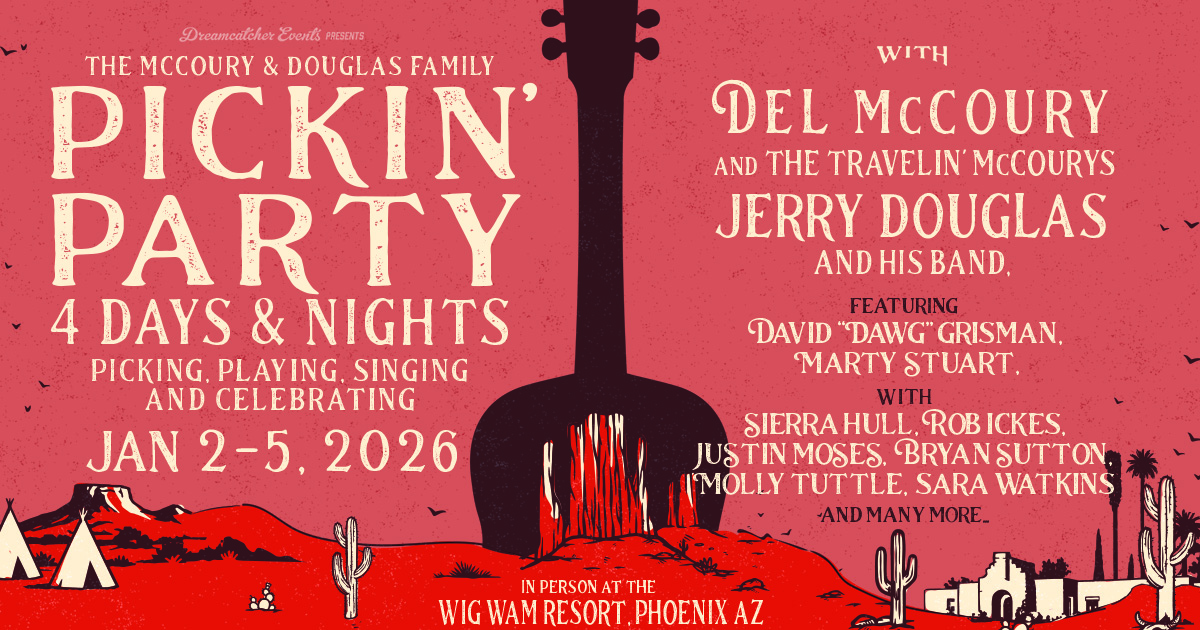
Have you ever dreamed of hanging out, jamming, and learning from your all-time favorite bluegrass artists? Then you don’t want to miss your opportunity to be part of the best pickin’ party ever, The McCoury & Douglas Family Pickin’ Party happening January 2-5, 2026 in Phoenix, Arizona.

We’ve assembled an exclusive playlist (listen below) featuring all of the amazing artists who will be on site for four days of masterclasses, performances, and workshops, including Del, Ronnie, and Rob McCoury, Jerry Douglas, Bryan Sutton, David “Dawg” Grisman, Sara Watkins, Molly Tuttle, Marty Stuart, Sierra Hull, and more.

Limited spots for this one-of-a-kind experience remain. And if you’re already registered, start getting excited by jumping into our BGS playlist. Registration and more information can be found at DelMcCouryPickinParty.com.


This content brought to you in partnership with the McCoury & Douglas Family Pickin’ Party and Dreamcatcher Events.

Mumford & Sons Continue to Matter, In Americana and Beyond

“Well, we’ve been here before…”

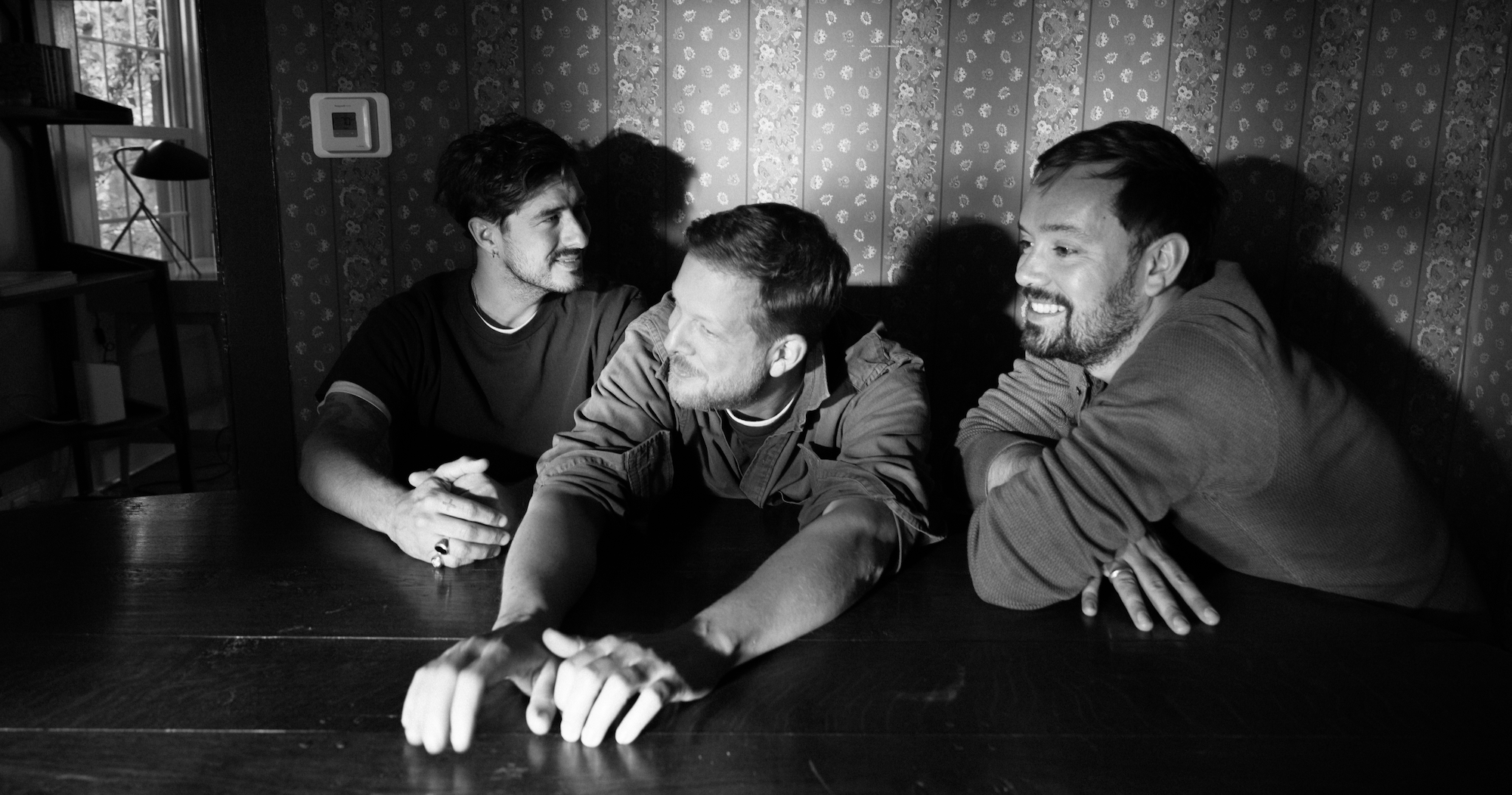
When Rushmere was released in March of this year – Mumford & Sons’ first album in seven years – critics noted its homecoming feel. The songs, the sound, the oh-so-yearning lyrics; they all combined to take the listener back to the beginning.

Tracks like “Malibu” and “Caroline” do not, perhaps, hit the wild highs of “Little Lion Man.” There’s a subtler expression at play in the album, reflecting an evolution from youthful exuberance to the quiet wisdom that only comes with experience. But a decade and a half on from Sigh No More, the band have clearly doubled back from their more experimental forays – 2018’s Delta; Marcus Mumford’s solo project, (self-titled) – to celebrate what brought them together in the first place. In Rushmere they had returned to their rootsy roots, and found peace there.

This month, the band heads back out on tour to Chicago, Philadelphia, Montréal, and more. In November, they’ll return to Europe, and ultimately to the UK, where their final leg will climax at London’s 20,000-capacity O2 arena. Months on the road this year and playing to sold-out venues have proven one thing: people still can’t get enough of them.

And yet the world is a very different place to when their debut album hit the shelves in 2009. When Mumford & Sons first toured Sigh No More, Barack Obama was President of the United States. In the UK, the biggest question on people’s lips was what Kate Middleton would be wearing at her royal marriage to Prince William.

Today’s social backdrop feels meaner, more fractious, less optimistic. Widening rifts in society have made it harder for people to celebrate shared values, even cherish the same moments together. Mumford have split with one of their own band members as a direct consequence of our rapid political polarization. What is it, then, that felt so fresh back then – and that still appeals today?

Matt Menefee first encountered the Mumford sound when his progressive bluegrass band, Cadillac Sky, were at their peak. “We were heading up out of Texas to play Telluride in 2010, and we played some gigs en route,” says Menefee. “So we’d stopped at a hotel, and there was Marcus on MTV, and someone said, ‘Oh, this band’s headlining the festival.’ Our lead singer already had the record and so we listened to it all the way up there.”

For a group of musicians that favored a raucous, punk rock vibe, Mumford’s gleeful-yet-soulful energy was something new. “We were like, ‘Oh man, this is something else!’” Menefee recalls. “To hear these cohesive, in-your-face anthems… it was raging. The melodies and the lyrics were beautifully crafted as well. It was a force that blew our guys away.”

Mumford’s Telluride set became an instant classic (it’s still spoken of in awe today). “It was just a party,” remembers Jerry Douglas, whom the band had asked to join them on stage. “The guys looked so excited. I’ve been to that festival so many times and you can get jaded. But I’m watching them jump up and down and I’m going, this is what it’s supposed to feel like.” He describes that electric closing set as one of the best he’s seen in Telluride’s 51 iterations.

Douglas is one of the many Americana musicians that Mumford and bandmates Ben Lovett, and Ted Dwane sought out to learn from in their early years and have built enduring relationships with. They included Douglas in their performance at the SNL 50th anniversary show, after he had recorded lap steel for Rushmere track “Caroline” – although he laughingly points out that it didn’t make the final mix. “It changed it, it took the band away from just sounding like themselves. I kind of Jackson Browne-ed them a little bit…”

Those collaborative relationships are one of the reasons that Mumford & Sons continue to matter, not least to the musical communities they’ve done so much to elevate. After their first meeting, Menefee became a regular guest artist with the band and has been their go-to banjo player since Winston Marshall’s departure. “You watch them interact with people,” says Menefee, “and they’re so humble, so sweet, so encouraging. They really look after everybody. They’re good, good dudes.”

In August, Mumford & Sons relaunched their Railroad Revival Tour, whose 2011 iteration involved travelling the Southwest in vintage trains alongside Old Crow Medicine Show and Edward Sharpe and the Magnetic Zeros. This summer’s rolling festival picked up where that one had left off, traveling between New Orleans and Vermont. The long list of musicians joining them on board ranged from Nathaniel Rateliff and Ketch Secor to Lainey Wilson and Molly Tuttle to Trombone Shorty and Chris Thile.

Lucius’s Jess Wolfe was one of the musicians sharing the stage with Mumford, after forging a bond with Marcus at celebrated, now infamous jams arranged by Brandi Carlile in Joni Mitchell’s living room. “Sitting listening to our hero sing – that’s such a humbling experience, it’s going to bring people close quite quickly,” laughs Wolfe. She describes Mumford & Sons as “natural collaborators – they feel like brothers from the minute that you step foot in the room with them.” It’s that comforting familiarity that expresses itself in their music and forms a major part of their appeal.

Having first heard their sound while working on the Brooklyn open mic circuit, Wolfe was struck by how it reflected the songs that her peers were writing, “except that these were songs that everyone could suddenly, with ease and without thinking, just sing along to. It was like a conversation you were having with an old friend.”

Their pulsing, anthemic melodies, underlaid with a signature stomp, quickly became an in-demand and much replicated sound in the industry. Banjo and mandolin players found themselves getting far more calls for session work. For musicians like Menefee who had spent years justifying their choice of instrument and trying to persuade a sceptical mainstream of its charms, the change was remarkable. “When Mumford hit, it was like, banjo’s cool!”

“I’d go do demo sessions for songwriters on Music Row and for years the publishers would ask you for ‘like, a Mumford thing,’” Menefee continues. “And I should say that’s not all they do – their Delta record is one of my favorites, with its beautiful marriage of electro pop and effects. But I witnessed the success of the other bands that followed in Mumford’s wake. They had a huge influence.”

Douglas believes it’s no exaggeration to say they changed the sound of the musical landscape. “And people either liked it or they didn’t. But it’s a heartbeat, you know? That’s the thing about it. It gets people excited and it makes them feel good. That endorphin rush happens and everybody goes to their happy place. And we need that right now. We need to go to our happy place.”

There, perhaps, lies the key to their successful return after seven years away from the limelight. Every night they play, Menefee sees crowds “losing themselves” in the singalongs. “There’s an anger and a vulnerability that really pierces the heart,” he says. “And it’s so freaking singable.”

The band themselves have admitted to be “stoked” to be headlining festivals in the UK again and there’s little sense of ego at their appearances. Instead, they host shows that have the feel of a party at which they themselves are enthusiastic guests. “It’s just so much fun,” says Menefee. “There’s a real joy in it, a rest from all the chaos.”

Perhaps, right now, we all need a bit more Mumford in our lives.


Photo Credit: Marcus Haney

50 Years of 0044: JD Crowe & The New South’s Landmark Album

Writer Marty Godby called it “The convergence of 1975.”

The elements: a band that would only be together for 10 months, a benevolent venture capitalist who loved bluegrass, and an upstart record label from Boston. The resulting product was unprecedented and unforgettable: The New South, Rounder Records 0044. Bluegrass fans know it simply as “0044.”

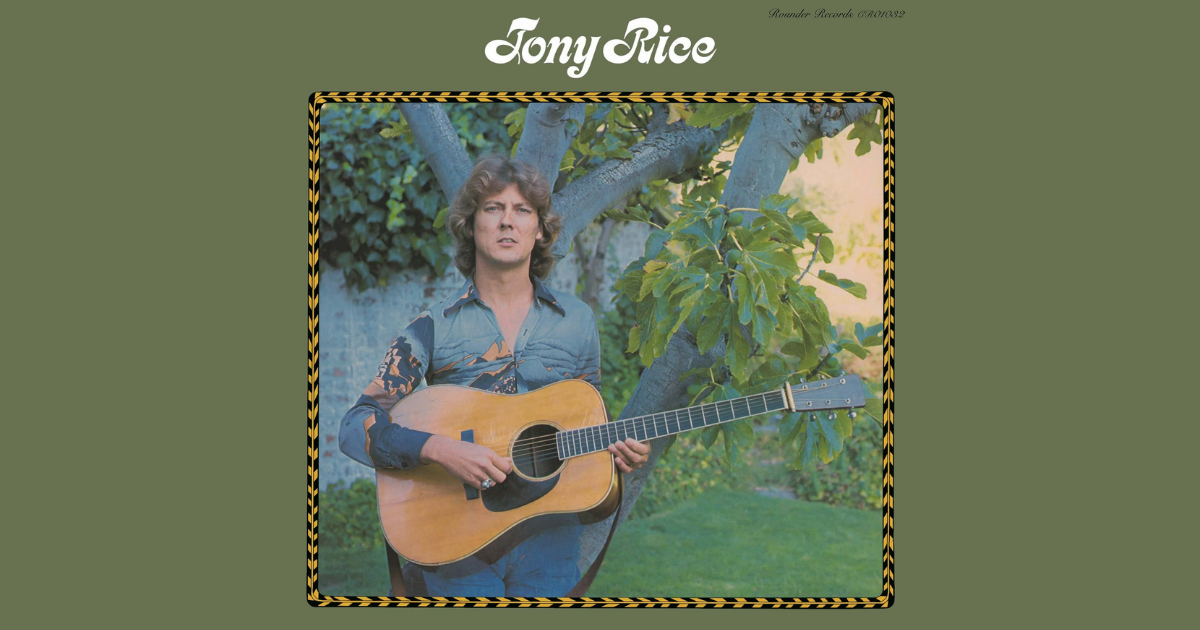
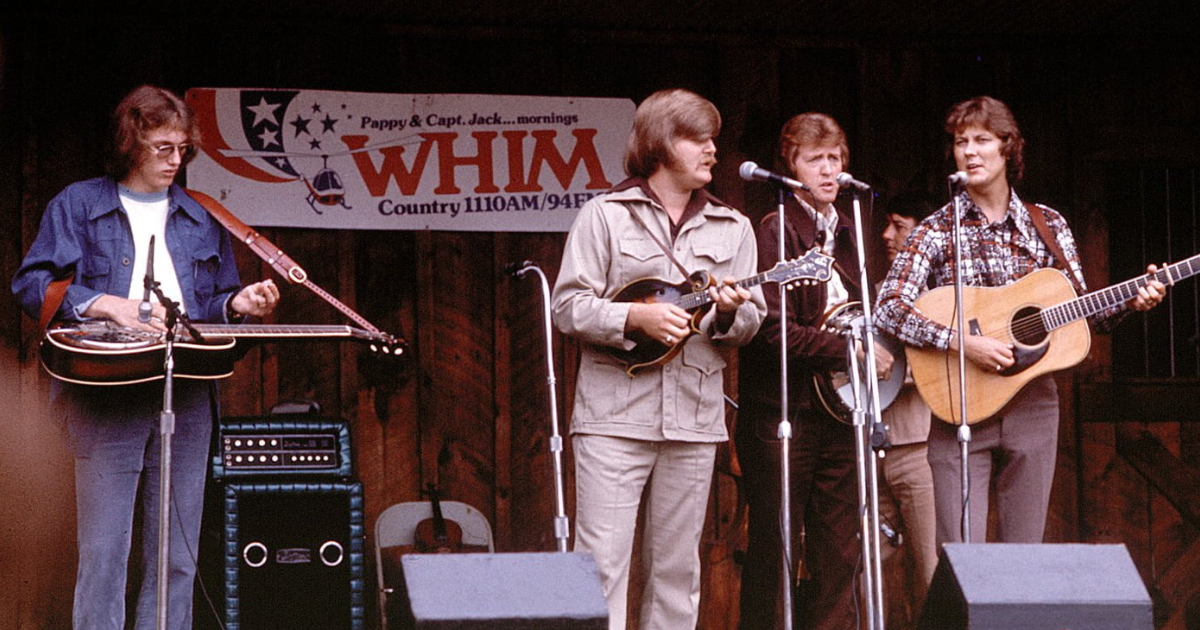
The New South of this recording was J.D. Crowe on banjo; Tony Rice on guitar; Ricky Skaggs on mandolin; Bobby Slone on bass; and Jerry Douglas on Dobro. The impact of that configuration and the album were stunning. Yet, within a year of the recording, Rice would leave to become a founding member of the David Grisman Quintet. Skaggs and Douglas formed Boone Creek. Crowe and Slone continued performing together for years.

Rounder 0044 was influential enough to be preserved in the Library of Congress’ National Recording Registry in 2024 and was awarded induction into the GRAMMY Hall of Fame this year. This month, Real Gone Music will re-release the album on vinyl, as will Craft Recordings later this year on compact disc.

Both the origin story and legacy of 0044 have inspired great narratives, probably more than any other bluegrass album. Bill Nowlin, one of the three founders of Rounder Records, wrote three articles for BGS on the album’s 40th anniversary. They offer a step-by-step look at what happened in 1974 and 75, plus hilarious and poignant anecdotes and quotes.

David Menconi dedicated a chapter of his excellent book, Oh, Didn’t They Ramble: Rounder Records and the Transformation of American Roots Music, to 0044. In 2016, radio host Daniel Mullins focused his college history capstone project on the album. Of course, it was 44 pages.

THE SHORT VERSION


J.D. Crowe, already revered for his banjo playing and baritone singing, led a band called The Kentucky Mountain Boys. From 1968, they had a six-nights-a-week gig at the Red Slipper Lounge in a Lexington, Kentucky Holiday Inn. Crowe added non-traditional bluegrass instruments and songs to the Holiday Inn repertoire. This was as much to please a diverse audience as it was to keep the musicians from getting bored. In 1971, Crowe changed the band’s name to The New South.

Of the name change, Rounder’s Marian Leighton Levy said, “It was obvious that this was a new kind of bluegrass.” From a broader view, “It was an era when the South was, in a way, trying to self-consciously reinvent itself as a new, modern place. And they [The New South] were kind of the musical representation of that wider political context.”

It was the ’70s, and change was brewing – even in the tightly controlled world of country music, Levy noted. Around the same time, Willie Nelson and his Outlaw Country compatriots were reaching out to new songwriters and moving away, physically and musically, from “the factory system of Nashville publishing companies.”

In 1974, lead singer Larry Rice left the New South and brother Tony took over singing lead. Ricky Skaggs’ pure tenor mixed with Rice’s unmistakable mid-range voice, creating a new, dynamic tension for their duets and trios. In the summer of that year, Crowe and the band toured without any product to sell. At the annual Gettysburg Blue Grass Festival, Crowe, his friend and manager, venture capitalist Hugh Sturgill, and the young founders of Rounder Records initiated “The Great Convergence” – an agreement for a studio recording. An innovative contract led to the first New South album.

THE BLUEGRASS WORLD EXPLODED


As soon as they heard the test pressing, the Rounder founders knew they had something remarkable on their hands. “Jack Tottle [who, along with John Hartford, wrote liner notes for the album] was stunned, and he kept saying, ‘This is one of the most amazing records ever made.’ And he was not given to exaggerating,” Levy said.

“It was clear. It was crisp … and the more you played it, the more you wanted to hear it.”

0044 came out in the spring of 1975. Levy said by festival season, other bands were playing the tunes from the record “pretty much note for note.” One observer said that at one festival, almost every band on stage played “Old Home Place.”

So, what is it about that record? Let’s start with the musicians. Skip Heller, who initiated the 0044 Real Gone Music reissue, said everyone in that group of players “would talk about it like it was high school prom and their first love … they had all been in good bands before, but this was the first time they had been in a band that was as great as anything in bluegrass music had ever been.”

Levy said, “They absolutely knocked each other out. … And I think that long before anybody heard the record, they knew the band would stand the test of time – because of all of them, not just one person.”

The record’s title was The New South. Only after the first printing sold out, three band members had moved on, and it was time to redo the cover (read about the cover photo – a great story in itself), was it retitled J.D. Crowe & the New South. Crowe, born in 1937, was the venerated elder and a banjo icon. After entering Jimmy Martin’s boot-camp-of-a-band at age 18, he developed impeccable timing, his own take on Scruggs-style banjo, and excellence as a baritone singer. And he knew how to pick his band members.

The influences of Tony Rice (age 24 at the time) on bluegrass and related music are limitless – from cementing the role of guitar as a lead bluegrass instrument, to modeling impeccable rhythm playing and singing, to excelling in so many genres outside the bluegrass boundaries. At 21, Skaggs had the instrumental chops, a stunning voice and the instincts to become successful in both country and bluegrass. Rounder’s Ken Irwin attributes much of 0044’s innovation to Skaggs, including bringing a teenaged Douglas into the mix.

Douglas is to Dobro what Rice is to lead guitar. Fifty years later, after 14 GRAMMY awards and countless other honors, he continues to inspire and encourage musicality and creativity in Dobro playing. Touring with Alison Krauss since 1998, it’s likely that he has been heard live by more people than any other resophonic guitar player. Of the veteran, Bobby Slone, Mullins said, “Everyone in the band wanted to make sure that Bobby got a lot of credit. … He was such a rock solid force on that band, not just on bass, but as far as camaraderie was concerned.”

By the time The New South entered the studio, Crowe, Slone, and Rice, later joined by Skaggs, had spent hundreds of hours performing together at the Holiday Inn. Individually, they were superb musicians. Together, they were as tight as a band could be.

THE SONGS


Long before 0044, Crowe had blasted out from under bluegrass constraints, incorporating songs like Fats Domino’s “I’m Walkin,” and at Larry Rice’s suggestion, The Flying Burrito Brothers’ “Sin City.” The songs on 0044 were just a small set of a huge repertoire. While the unconventional musical choices sparked controversy among traditionalists, they also sparked a flame of excitement that spread quickly and widely.

In 1975, Mullins said, Ralph Stanley & the Clinch Mountain Boys, Jimmy Martin, and Bill Monroe were still “killing it” at festivals with their first generation bluegrass sound. “On the other end of the spectrum, Seldom Scene recorded Live at the Cellar Door,” an immensely popular recording, that year. Like the Country Gentlemen, the Scene had been recording songs totally out of the bluegrass box, using bluegrass instrumentation, but with an emphasis on rich melodies and harmonies, rather than just the drive of traditional bluegrass.

Mullins said, “You go to Crowe, who’s got the street cred from all his records with Martin, but he’s also looking ahead, and so he’s able to get it all in there. A lot of bands were playing to one side or the other … but to have one that hit right in the middle, right at that time, was unreal.”

“When they saw J.D. Crowe’s name up front, and they knew that he had played banjo with Jimmy Martin on all those records they had loved for 20 years, it probably made some of those hard-edged fans pay more attention,” he said.

Whatever the dynamics of the time, The New South became synonymous with great bluegrass. And 0044 made Ian Tyson’s songs forever acceptable in bluegrass jams.

ON AND ON


Kristin Scott Benson, six-time IBMA Banjo Player of the Year, was born the year after 0044 came out. Benson said she was about nine the first time she saw J.D. Crowe. He was playing with the Bluegrass Album Band, “and that was a formative experience. That band was so explosive, and the crowd had an air of chaos, because everybody was so excited to hear the band. Every time Tony Rice ended a solo, you couldn’t hear any music.” (Because of the crowd noise.)

It would be four years until she picked up the banjo, and two more years until she learned about The New South album – and what it meant to a banjo player.

On 0044, she says, “If you just talk quintessential banjo solos, you’ve got ‘I’m Walkin’ and ‘You Are What I Am.’ His tone is aggressive. It’s just such confident, groovy, greasy, pristine banjo. It’s impossible to overstate how good it is and how influential it is.”

“But I think you should listen to his contributions on the less banjo-friendly songs [‘Home Sweet Home Revisited,’ ’10 Degrees’], because Crowe was great at that. He was a magical backup player.”

Billy Failing, who currently plays banjo with Billy Strings, agrees. Failing started out his banjo life drawn to more progressive players like Béla Fleck. But, he said, “As time goes on, the more I circle back to J.D. Crowe. I think of how much of a gold standard he is for bluegrass banjo, and how interesting his playing is.”

“He’s considered a traditional player,” Failing continued, “but then I’m always hearing some lick that surprises me. It’s been a gradual thing, but it becomes more meaningful as time goes on. I was just listening to The New South album, and on ‘Cryin’ Holy’ – it’s just so slamming! He’s turned it up to 11 constantly on that one.” And, like Benson, he points out what he calls Crowe’s “intricate touch” on banjo.

“It’s such a cool kind of push and pull between whether he’s out front or whether he’s playing backup … it catches your attention in such a cool way.”

Benson said, “It’s easy just to be drawn to those obvious picks [like ‘Old Home Place’] but the album is so much deeper than that. This particular band presented a tightness and a level of execution that was new – I don’t think there had been a bluegrass record up until that point that was so well done.”

“The vocals, the arrangements are so well thought out. Everybody’s playing so well together. It was just a special moment and a special group of people, and I think it raised the bar for bluegrass albums,” she said, and made an imprint on so many contemporary musicians.

Benson poses the question, “Who’s the most influential modern bluegrass guy? It would have to be Tony Rice, because he affected the genre with his rhythm guitar playing, which is phenomenal. And that type of rhythm playing affects the entire groove of the band. It became the new standard, what most people go for.”

“Never discount the importance of his rhythm,” she continued, “and then obviously his lead playing, but also his singing and his material choice … so if someone pinned me down and I could only name one, he might be the guy.”

Failing, speaking of his bandmates, said, “Everybody’s inspired by The New South. I hear Billy [Strings] constantly talking about his inspiration by Tony Rice, and Jarrod [Walker] by Ricky Skaggs.” (Walker wrote liner notes for the Real Gone Music re-release.)

Mullins noted that the Rice/Skaggs blend – a lead singer with a baritone-range voice coupled with a high tenor – established a hair-tingling blend that continues to be emulated, from Ronnie Bowman and Don Rigsby in Lonesome River Band through Alison Krauss’ duets with Dan Tyminski and Russell Moore.

Benson said, “It’s an important record for the genre as a whole, and it’s also an important record to me, personally, and really, to any banjo player who is serious about learning. It’s one of those essential albums.”

UNANSWERED QUESTIONS


First, how did it come to be widely known as 0044? Well, nobody’s sure. Irwin and Levy remember being in the very early stages of their operations at the time – with both a new label and a new distribution company. All three Rounders had been totally immersed in music, but they were learning the business as they went, developing it on their own terms.

Levy speculated, “It is possible that it went back to when we were just calling records by their numbers,” when there just weren’t that many products. “So, it may have been something we started when we were talking, and other people picked up on it, not intentionally. And we thought it was sort of humorous.”

And how did members of Emmylou Harris’ Angel Band get left off the credits, as well as the fact that J.D. played guitar on it? John Lawless goes into depth in his fascinating Bluegrass Today article.

HAPPY 50TH BIRTHDAY


As the liner notes to the Real Gone Music re-release say, “Virtually no other album anywhere in history is known to its audience by its label number. Not Kind of Blue, nor Pet Sounds, Glenn Gould’s Goldberg Variations, none.”

That says quite a bit about the recording’s importance. So does the fact that two labels are issuing re-releases this year.

The Real Gone Music edition is pressed on gold-colored vinyl for its golden anniversary. Both re-releases contain two cuts not included on the original product: “Why Don’t You Tell Me So?” and a version of “Cryin Holy” with Emmylou’s voice in the mix.

Failing sums up what 0044, J.D. Crowe, and the musicians he surrounded himself with mean to him and to many of the pickers making the best music today.

“Every time I circle back to the Bluegrass Album Band, The New South, and J.D. Crowe, I’m reminded, ‘that’s how it’s done!’”


Photo Credit: Phil Zimmerman

Wear your love for 0044! Shop our exclusive RR 0044 tee on the BGS Mercantile here

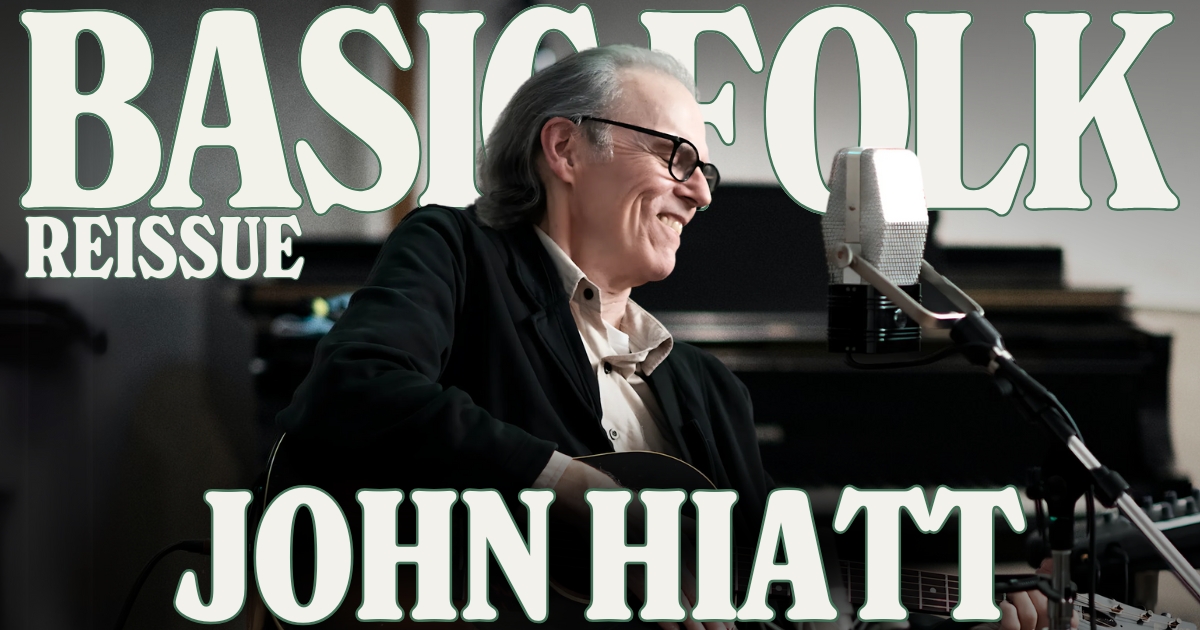
Basic Folk: John Hiatt (Reissue)

(Editor’s Note: Welcome to our Reissue series! For the next several weeks, Basic Folk is digging back into the archives and reposting some of our favorite episodes alongside new introductions commenting on what it’s like to listen back. Enjoy!)

In 2021, John Hiatt released Leftover Feelings (which is still his latest album, by the way), a collab with bluegrass great Jerry Douglas as producer and his band as backup. Hiatt’s digging into some serious past memories for these songs, which include one about his older brother, Michael. Michael died by suicide when John was only nine and it’s only recently that he chose to write about the experience with the track, “Light of the Burning Sun.” Jerry knew that the material was very serious and approached it lovingly with John and band. On Basic Folk, John expands on his grief and talks about giving himself the time and space to mourn. We also chat about the importance of radio in John’s young life: he would listen to WLAC from Nashville as a kid around 11 years old. There was a gospel show on Sunday night and the station would go to a different Black church every week to broadcast services. As
Hiatt has said, “Those gospel shows used to scare the shit out of me.” That opened his world to a completely different way to relate to music, in terms of faith.

LISTEN: APPLE • SPOTIFY • AMAZON • MP3

Hiatt picked up the guitar at 11 years old, partially to cope with the trauma resulting from being an overweight child. This was especially hard because he was a bigger kid at a time when it was rare for a child to be heavier. He discusses how music and, surprisingly, drugs and alcohol helped him overcome his weight issue. Then, of course, the drugs and alcohol led him to new problems in his adult years, requiring overcoming that addiction to live a sober life. John also talks about his kids, which includes musician Lilly Hiatt. Lilly said in an interview once, “I was crying over the fact that my career seemed stalled and I wasn’t the flavor of the month, and Dad said, ‘Lilly, we will never be hip. We’re just not those people.’”

John Hiatt has been a steadfast songwriter since the ’70s who’s written many well-loved songs such as “Have a Little Faith in Me,” “Cry Love,” and, of course, “Thing Called Love.” The writing on Leftover Feelings spans several decades and confronts some of his most vulnerable feelings. To be able to talk to John Hiatt about this project was a sincere privilege and we hope you enjoy!


Photo Credit: Patrick Sheehan

Bringing ‘Arcadia’ to Life, Alison Krauss Saw Its Songs Like Movies in Her Head

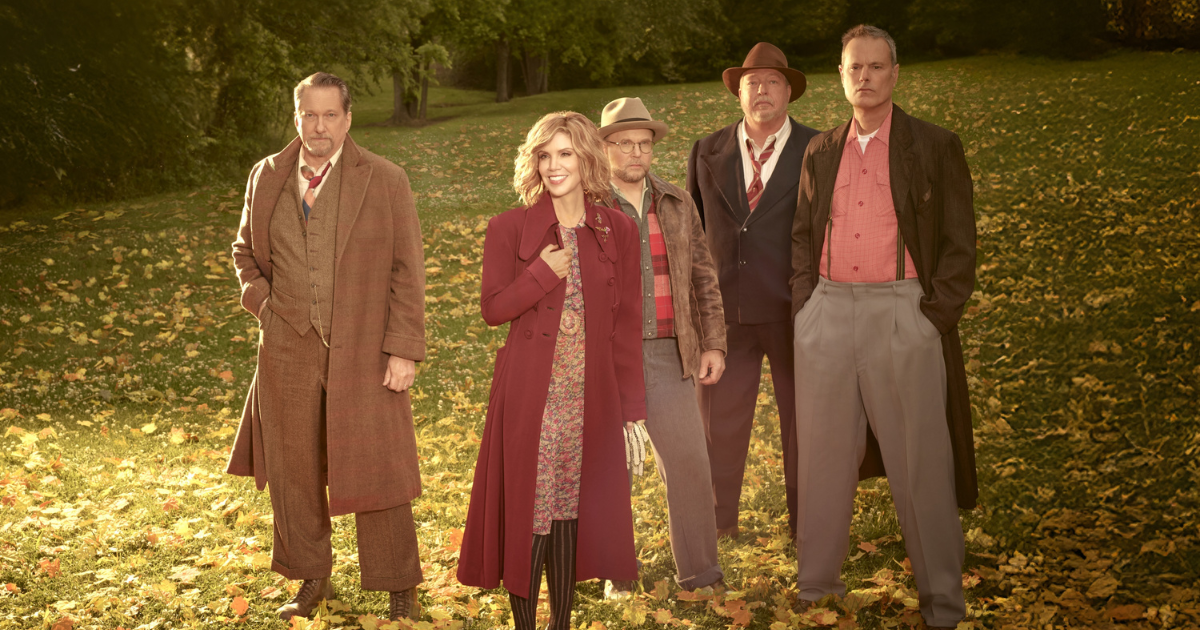
From her early days as a young fiddler picking up prizes at youth fiddle competitions, accomplishment has defined Alison Krauss’ career. She’s cleaned up on trophies from the Recording Academy, the International Bluegrass Music Association, and numerous other acronymned institutions, and earned the highest civilian honor in her birth state of Illinois last year. She continues to rack up the achievements at an easy clip: Arcadia, her newest album with Union Station and their first together in 14 years, debuted at No. 1 on Billboard’s bluegrass chart.

Amid a return to themes of yearning love and rich storytelling, Arcadia marks a new chapter for Union Station with a changing of the guard. Dan Tyminski, the group’s longtime vocalist and himself a heavily decorated picker, revealed his departure from the band late last year. The ensemble – with Jerry Douglas, Barry Bales, and Ron Block still in the fold – enlisted bluegrass veteran Russell Moore to step in with them to sing, along with fiddler Stuart Duncan joining them on the road. Krauss recalls first encountering Moore and his singular voice at a Kentucky Fried Chicken bluegrass festival as a 14-year-old, and she’s been a devoted fan ever since. As a part of Union Station, Krauss sees Moore as an enlivening addition, and her admiration for her colleague hasn’t waned. “He’s like a nightingale!” she exclaims.

The time between Union Station records has manifested both another solo album, 2017’s Windy City, and the more recent Robert Plant reunion, 2021’s Raise the Roof. In the years prior, Krauss had to recuse herself from singing due to a bout with dysphonia, which had stricken her hero, Tony Rice, too. Her fight, in turn, inspired Rice to rally his voice in her honor when he was inducted into the Bluegrass Music Hall of Fame in 2013 (Krauss was inducted herself in 2021).

As she stares down a strident tour schedule that extends through the end of the summer, Krauss remains careful to protect the instrument that has connected her to millions of people over her decades in the bluegrass business. Pausing amid Union Station rehearsals ahead of their run together, Krauss unravels some of her thinking around Arcadia, and how songs transport her through time and memory.

What made you feel like the time was right for another Union Station record?

Alison Krauss: ​​It’s always a process to get the right songs together. I’ve been looking for songs since we made Paper Airplane. I’m sure if COVID wouldn’t have happened, we probably would have been in there sooner. I sent out a group message in the beginning of 2021, like, “I think we’ve got some good songs here, we want to get together and listen.” Whenever we record, we find the first song that sounds like the opening to the record and have one that feels like that for a while. Then you find another one that might feel that way. When I heard “Looks Like the End of the Road,” it really felt like, for a listener, an introduction to new music.

You’ve talked about the record snapping into place around “Looks Like the End of the Road” elsewhere, too. What about it made you feel that way?

When you hear them, you just see [them], it’s like a movie. They just come alive. You see the story, and it’s spontaneous thought. You know you can’t control it and you’re a passenger to the story, and that’s what happens with things. It happened with that tune, “Looks like the End of the Road,” the first half, the first verse, when I heard it, I was like, “Oh boy, here we go.”

I think I wrote [the band] the next day. But then everything, all the stuff I’ve been holding on to, just fell into place. It was great. Luckily, when we played everything for the guys, they felt good about it. If they were in disagreement, it wouldn’t have worked.

On Arcadia, you’ve got “The Hangman” about resisting evil, “Granite Mills” about workers dying in a factory fire, and the lament for a young soldier in “Richmond on the James.” To what extent did these songs come from a sense of historical resonance with our present day?

It’s strange, you find you gravitate to certain things, and then you go, “Well, here’s the pattern.” It’s not beforehand, at least for myself. The songs find you and then you kind of find a pattern within them, how they fit together.

I’m not a songwriter. A songwriter, they’re writing how they feel, and if you gather tunes from when they’re writing during a certain time in their life, there’s going to be similarity in there. After we’re collecting these things, you do find a thread.

As a listener, what makes a song stick in your memory?

Anything that makes you daydream. You automatically go there. It’s so personal, those thoughts that you have regarding music, regarding any art. It makes one person feel some certain way, another will feel another. The things that come into your mind that are only for you. I love that private, personal experience you have with these things. I always think about what makes a person who they are, what they daydream about. Songs are more powerful than political people, when you look at it—they start movements, they change the way people see themselves.

It’s been like that throughout history. It has a way of changing the atmosphere, how you feel in three minutes, and the way your day goes. The whole thing is important to people and how they get around. You may need joy. You may need to have someone sing your story for you. You may not have known that this was your story.

It’s a magical thing, music in general, and to be a part of it is a really powerful experience. I find it – I don’t know what other word to use, other than magical. It’s costly to your emotions. Done well, you’ll feel it. That’s what we’re here to do.

Why does daydreaming hold such importance for you, when we’re so often discouraged from it as adults?

It has possibilities in every area of how you see yourself, how you see others, how you see the world. You may have an understanding of another person you didn’t have, because some musical moment took you some place you didn’t think it would. You have things you’re familiar with that will take you to the same place.

I’m careful with certain records because, when I hear them again, I don’t want them to change where they took me as a kid. I’ll go, “I’m gonna listen to this today, and I’m gonna put it away again, because I want to keep that place that it takes me for myself.” I don’t understand why it works that way, but it does. I always feel like you’ve got to be really careful with the words that come out of your mouth when you’re singing, because they’re powerful. You know you have to be in agreement, in your mind and in your heart, about what words are coming out of your mouth, because you are in agreement with them.

I’ve felt that way about records, where it’s like I don’t want to “tape over” whatever memories or feelings I already have associated with them.

It’s the same with me: “I’d love to hear that, but I’m gonna wait.” I don’t want to mix my life up with what that [music] did back then. I go watch YouTube, which is the greatest invention. Just the other day, I watched Nashville Bluegrass Band from 1985 or something. You watch that stuff, and it’s just so emotional. It’s costly when you remember hearing something for the first time, and you go back. It’s so bittersweet, so inspiring, and sad, because you can’t go back. The only thing that lets you go back is hearing these tunes again.

Looking back on your experience with dysphonia, and the time you took away from recording and public performance, what do you see about that period now that you couldn’t see while you were going through it?

Years ago, the only time you thought about your voice, really, is if you got the flu or something. I had never had that happen, where the throat would tighten up. It was disturbing. I went to the same voice teacher I see now, who helped me through that. He said, “You’ve got to clean off your desk,” which was really funny, because anytime I’d go to the studio, I used to literally clean the desk off. He’s like, “No, you’ve got too many other things on your mind. It has to be free.”

When there’s grief or too much stress, your throat tightens up, like if you want to cry or you’re angry, and it stays like that. How can you move through it? I try to stay on it, try to find other ways to make sure I don’t get bogged down. But you can’t always control it.

My voice teacher says some really funny stuff at times that I probably can’t repeat. I go see him pretty regularly to get ready. When you count on [your voice] and it goes away one time, you don’t feel so secure anymore. It’s maintenance. I went back to him one time, like, “I’m worried, why is this happening again?” And he goes, “Well, you don’t sweep the floor one time and it’s done forever. You gotta keep sweeping the floor.” That helped.

I’ve got to keep sweeping the floor.


Continue exploring our Artist of the Month content featuring Alison Krauss & Union Station here.

Photo Credit: Randee St. Nicholas

An AKUS Primer: Alison Krauss and (Mostly) Union Station for Beginners

While you know better, there’s a wide swath of the music-listening world in which Alison Krauss is best known as former Led Zeppelin golden god Robert Plant’s duet partner. Yet, Krauss has had a wholly remarkable career going back nearly 40 years, in which she has exhibited profound collaborative instincts and abilities.

On the occasion of the release of Arcadia, her first album with Union Station in 14 years (as well as a reunion with the founders of her former longtime label, Rounder Records), we look back at some of Krauss’ career highlights in and out of Union Station.

“Cluck Old Hen” (traditional; 1992-2007)

We begin with a literal oldie, “Cluck Old Hen,” from the pre-bluegrass era, which demonstrates two things – that Alison Krauss has always revered the history, roots, and traditions of bluegrass; and that Union Station is one incredible ensemble. Recordings of this Appalachian fiddle tune go back more than a century, to country music forefather Fiddlin’ John Carson in the 1920s.

Krauss first released an instrumental version of the tune on 1992’s Everytime You Say Goodbye (her second LP with Union Station), and won a GRAMMY with the onstage version on 2002’s AKUS album, Live. But feast your ears and eyes on this 2007 performance at the Grand Ole Opry, with a pre-teen Sierra Hull sitting in.

1992 studio version: 

2002 live version:


“When You Say Nothing At All” (Paul Overstreet & Don Schlitz; 1994)

After a decade of steadily accelerating momentum, Krauss had her big commercial breakout with this AKUS cover of the late Keith Whitley’s 1988 country chart-topper. Krauss sang it on 1994’s Keith Whitley: A Tribute Album and it served as centerpiece of her own 1995 album, Now That I’ve Found You: A Collection. It reached No. 3 on the country singles chart and went on to win the Country Music Association’s single of the year plus a GRAMMY Award. You can hear why.

Whitley’s version:


“I Can Let Go Now” (Michael McDonald; 1997)

For any interpretive singer, the choice of material is key. And if the singer in question has Krauss’ range and chops and vision, some truly unlikely alchemy is possible. Among the best examples from the AKUS repertoire is “I Can Let Go Now,” a deep cut on Doobie Brothers frontman Michael McDonald’s 1982 solo album, If That’s What It Takes. Another amazing Krauss vocal in a career full of them.

McDonald’s version:


“Man of Constant Sorrow” (traditional; 2000-2002)

Before O Brother, Where Art Thou?, you wouldn’t have called singer-guitarist Dan Tyminski the unheralded “secret weapon” of AKUS. Nevertheless, he didn’t become a star in his own right until serving as movie star George Clooney’s singing voice in the Coen Brothers loopy, Odyssey-inspired farce. “Man of Constant Sorrow” was the hit in the movie and also on the radio, launching Tyminski to solo stardom.

Resonator guitarist Jerry Douglas especially shines on this version from 2002’s Live, recorded in Louisville – you can just tell everyone in the crowd was waiting for the “I bid farewell to old Kentucky” line so they could go nuts. Tyminski would have another unlikely hit in 2013, singing on Swedish deejay Avicii’s “Hey Brother.”

O Brother version:


“New Favorite” (Gillian Welch & David Rawlings; 2001)

Kraus sang on the GRAMMY-winning O Brother soundtrack, too, alongside Gillian Welch. It will come as no surprise that the Welch/Rawlings catalog has been a recurrent favorite song source for her. One of Krauss’ best Welch/Rawlings selections is “New Favorite,” title track of the thrice-GRAMMY-winning 2001 AKUS album. Though it’s edited out in this video, the album-closing version concluded with a rare in-the-studio instrumental flub, followed by sheepish laughter to end the record. Perhaps the AKUS crew is human after all?


“Borderline” (Sidney & Suzanne Cox; 2004)

The story goes that the first time Krauss was on the summer touring circuit, she’d go around knocking on camper doors at bluegrass festivals to ask whoever answered, “Are you the Cox Family?” Once she found them, she didn’t let go, and the Coxes became some of the best of her collaborators and song providers. Along with producing their albums, Krauss covered Cox compositions frequently; “Borderline” appeared on 2004’s Lonely Runs Both Ways, another triple GRAMMY winner.


“Big Log” (Robert Plant, Robbie Blunt, Jezz Woodroffe; 2004)

When Krauss first sang with Robert Plant at a Leadbelly tribute concert in November 2004, it seemed like the unlikeliest of pairings. But here’s proof that they had more in common than you’d expect, with Krauss covering a solo Plant hit from 1983. She sang “Big Log” on her brother Victor Krauss’ album, Far From Enough, which was released earlier in 2004.

This video pairs the Krauss siblings’ version with Plant’s original 1983 video, directed by Storm Thorgerson.


“Dimming of the Day” (Richard & Linda Thompson; 2011)

Fairport Convention guitarist Richard Thompson is one of the finest instrumentalists of his generation as well as a brilliant songwriter, especially with his former wife and collaborator Linda Thompson. This stately, bittersweet love song dates back to their 1975 duo LP, Pour Down Like Silver, and Linda sets the bar high with a stoic yet emotional vocal. Krauss more than lives up to it on the 2011 AKUS album Paper Airplane, which also offers another great showcase for resonator guitarist Douglas.

Richard & Linda’s version: 


“Your Long Journey” (Doc & Rosa Lee Watson; 2007)

Krauss isn’t just a spectacular lead vocalist, but also an amazing harmony singer, one of the few who can hold a candle to Emmylou Harris. Retitled from the Doc/Rosa Lee Watson original, “Your Lone Journey,” this closing track to 2007’s grand-slam GRAMMY winner Raising Sand has Krauss’ most emotional vocal harmonies with Plant on either of their two albums together.

Doc Watson’s version:


“Heaven’s Bright Shore” (A. Kennedy; 1989, 2015)

All that, and she’s an incredible backup vocalist to boot. “Heaven’s Bright Shore” is a gospel song Krauss first recorded as a teenager on 1989’s Two Highways, her first album billed as Alison Krauss & Union Station (and also her first to receive a GRAMMY nomination). It’s great, but an even better version is this 2015 recording in which she’s backing up bluegrass patriarch Ralph Stanley alongside Judy Marshall.

AKUS version: 


“The Captain’s Daughter” (Johnny Cash & Robert Lee Castleman; 2018)

The late great Johnny Cash left behind a lot of writings after he died in 2003, some of which were turned into songs for the 2018 tribute album, Forever Words: The Music. None of his songs ever had it so good as “The Captain’s Daughter.” This superlative AKUS version fits Cash’s words like a glove.


Continue exploring our Artist of the Month coverage of Alison Krauss & Union Station here.

Alison Krauss & Union Station figure prominently in David Menconi’s book, Oh, Didn’t They Ramble: Rounder Records and the Transformation of American Roots Music, published in 2023 by University of North Carolina Press and featuring a foreword by Robert Plant.

Photo Credit: Randee St. Nicholas

You Gotta Hear This: New Music From BEATrio, Graham Sharp, and More

From banjo geniuses to borderless country and folk, this time, our weekly new music and premiere roundup has a little bit of everything!

Kicking us off, BGS Podcast Network host and singer-songwriter Bri Bagwell, who’s behind the Only Vans podcast, brings us a lovely fresh country track called “Border Girl.” It’s about how close we all really are to each other, and how the culture, communities, and music of our neighbors really do rub off on all of us. From across the state line in Texas, Jack Barksdale accomplishes the complex through simplicity with “A Funny Song,” which is equal parts satirical and contemplative in an ethereal indie-folk package.

Virginian Jesse Smathers offers up his version of a Randall Hyton number, “Good Time Get Together,” and with the roster of bluegrass pickers he had join him in the studio for the recording, it surely must have been the titular good time get together just to make the single. Plus, Kenny Feinstein steps away from his band Water Tower for just a moment to release a bluegrass single under his own name, “Old Richmond Prison,” a “fast waltz” about mistakes, consequences, and redemption.

Banjo virtuosity brings us home, first with BEATrio featuring Béla Fleck, Edmar Castañeda, and Antonio Sánchez blending styles, sonics, and banjo, harp, and percussion on “Walnut and Western.” Not quite jazz, folk, jam band, or string band alone, the instrumental draws from seemingly endless inspirations, combining each with expertise and ease. The track is, of course, infinitely charming, raucous, and fascinating. Five-string aficionado Graham Sharp (who you’ll know from Steep Canyon Rangers) releases his brand new solo album today, How Did We Do It. We’re sharing “Living Like Thieves” from that project, an original which features Jerry Douglas, Lyndsay Pruett, Michael Ashworth, and more trotting towards a getaway while having a good time and with a vacation in mind.

It’s all worth a spin, that’s for sure! You know what we’re going to say– You Gotta Hear This!

Bri Bagwell, “Border Girl”

Artist: Bri Bagwell
Hometown: Las Cruces, New Mexico
Song: “Border Girl”
Release Date: April 18, 2025

In Their Words: “I am from the border of New Mexico, Mexico, and Texas. My hometown of Las Cruces, New Mexico, is a very beautiful blend of people and cultures. I believe a lot of people feel that they ‘belong’ to different places, straddling a line between ethnicities and geographical influences that shape who they are. Instead of wrestling with the idea of feeling very deeply rooted in Hispanic culture without having it in my blood, I always have embraced the idea that where I am from seeped into the fiber of my being, and that is a beautiful thing. Being from the border of all of these places created a girl who sings in Spanish every night, loves both Selena and George Strait, and knows that the Rio Grande is just a divider for map (and not for a heart).

“My boyfriend Paul Eason really took to this song after I wrote it and recorded all of the instruments and my vocals in our home studio in New Braunfels, Texas. It features harmonies by Lyndon Hughes from The Wilder Blue, and receives a big reaction at shows when I play it live. I think people really relate to the idea of loving where you are from and embracing all of your geographical and cultural influences!” – Bri Bagwell


Jack Barksdale, “A Funny Song”

Artist: Jack Barksdale
Hometown: Fort Worth, Texas
Song: “A Funny Song”
Album: Voices
Release Date: April 25, 2025 (single); June 13, 2025 (album)
Label: Truly Handmade Records

In Their Words: “I’m really interested in ways to inspire nuance and complexity with songwriting, which can be a surprisingly tough task. Somewhat counterintuitively, the way I tried to achieve that complexity in ‘A Funny Song’ is through simplicity. Sometimes if you strip something back to its simplest form and try to understand it through that point of view, you can gain a deeper understanding of it or, at least, a good foundation for future understanding. It’s not the final destination, but it’s good start. In this song, I used that same framework to try and understand some of, what you might call ‘the big questions.’

“This song borders on satire and works in pretty much the same way as satire, where the substance isn’t really in what’s being said, but in the listener’s reaction to what’s being said. Ultimately, I’m not trying to simplify ‘the big questions’ by telling a black-and-white story. I’m trying to create more nuanced thought around these questions in the minds of listeners, whether they agree or disagree with what the song has to say.” – Jack Barksdale

Track Credits:
Jack Barksdale – Vocals, acoustic guitar, songwriter
Diana Burgess – Cello
Jared Reynolds – Uke Bass


BEATrio (Béla Fleck, Edmar Castañeda, Antonio Sánchez), “Walnut and Western”

Artist: BEATrio (Béla Fleck, banjo; Edmar Castañeda, harp; and Antonio Sánchez, drums)
Hometown: Nashville, Tennessee
Song:Walnut and Western
Album: BEATrio
Release Date: April 16, 2025 (single); May 16, 2025 (album)
Label: Béla Fleck Productions

In Their Words: “Here’s a tune I have had for many years that’s been looking for a home and the right band. I am positive that this is the best setting it could have, and thrilled that I waited! Antonio and Edmar knew exactly what to do. This project kind of reminds me of the early days of the Flecktones, when audiences would go, ‘How is this supposed to work?’” – Béla Fleck


Kenny Feinstein, “Old Richmond Prison”

Artist: Kenny Feinstein
Hometown: Los Angeles, California
Song: “Old Richmond Prison”
Album: Kenny Feinstein
Release Date: April 18, 2025 (single); TBA (album)

In Their Words: “There’s something magical about siblings making music together. The way Jake and Carter work together reminds me of Ralph and Carter Stanley – it’s like they share a musical language that only brothers can understand.

“The song is about mistakes, consequences, and redemption – themes I’ve grappled with in my own life. There’s a universality to the story that I think anyone can relate to, whether it’s the weight of regret or the hope for a second chance. Water Tower will always be my home base, but this album is a chance to explore the music that shaped me as an artist. It’s a love letter to the sounds and stories that have been with me through every high and low.” – Kenny Feinstein


Graham Sharp, “Living Like Thieves”

Artist: Graham Sharp
Hometown: Asheville, North Carolina
Song: “Living Like Thieves”
Album: How Did We Do It
Release Date: April 18, 2025
Label: Enchanted Barn

In Their Words: “For me, this tune is about being in tune with the moment, paying attention to the magic when you find it. I was sitting at friend’s one afternoon thumbing through this melody and it seemed to capture the time and place (‘The prettiest thing that I know right now/ Is these little chords and the way they move/ The only place that I wanna be/ Is where I’m playing them for you”). I leaned on a recollection of an afternoon several years ago on vacation with my sweetie for the first verse. I’ve always loved Earl Scruggs’ banjo style in open D Reuben tuning and it happened to fit this song really well. Having Flux and this group of Western NC all stars on the track brought the whole thing together and made it sing!” – Graham Sharp

Track Credits:
Graham Sharp – Banjo, vocals
Ryan Stigmon – Guitar
Michael Ashworth – Bass
Jerry Douglas – Dobro
Lyndsay Pruett – Fiddle
Drew Matiluch – Mandolin


Jesse Smathers, “Good Time Get Together”

Artist: Jesse Smathers
Hometown: Floyd, Virginia
Song: “Good Time Get Together”
Release Date: April 18, 2025
Label: Mountain Home Music Company

In Their Words: “When I first ran across this old Randall Hylton tune, I knew it was something that I wanted to record. I sought out the lyrics and Wanda Dalton, Randall’s sister, wrote them out for me. I truly cherish this tune and its uplifting melody and message. When I think of my friends, loved ones, and heroes that have gone on, it is a beautiful and consoling thought to think of the music making that will happen once we get to heaven. It will truly be a ‘Good Time Get Together’!” – Jesse Smathers

Track Credits:
Jesse Smathers – Guitar, lead vocal
Hunter Berry – Fiddle
Corbin Hayslett – Banjo
Nick Goad – Mandolin, harmony vocal
Joe Hannabach – Upright bass
Patrick Robertson – Harmony vocal
Dale Perry – Harmony vocal


Photo Credit: BEATrio (Béla Fleck, Edmar Castañeda, Antonio Sánchez) by Shervin Lainez; Graham Sharp by Nathan Golub.