Editor’s Note: Each issue of Good Country, our co-founder Ed Helms shares a handful of good country artists, albums, and songs direct from his own earphones in Ed’s Picks.
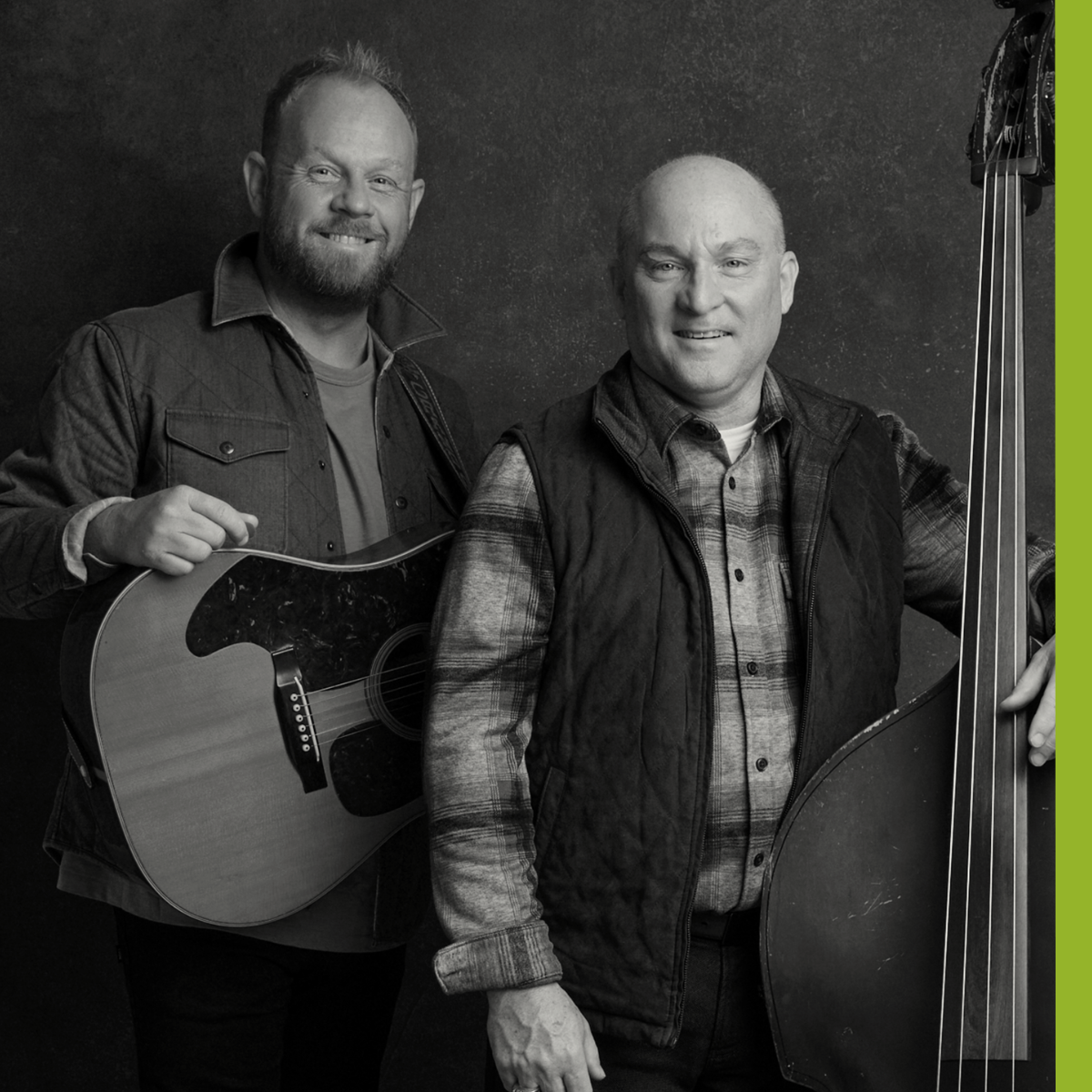
A premier modern bluegrass duo, Dailey & Vincent return today with a brand-new album, A Beautiful Life. Their harmonies, polish, and showmanship are unparalleled in bluegrass – and beyond. Yes, they have bluegrass and string band music in their bones, but limiting them to just ‘grass would be selling them short. They’re also country, gospel, Americana, and so much more.
Watch for more coverage of Dailey & Vincent and A Beautiful Life coming soon to BGS.
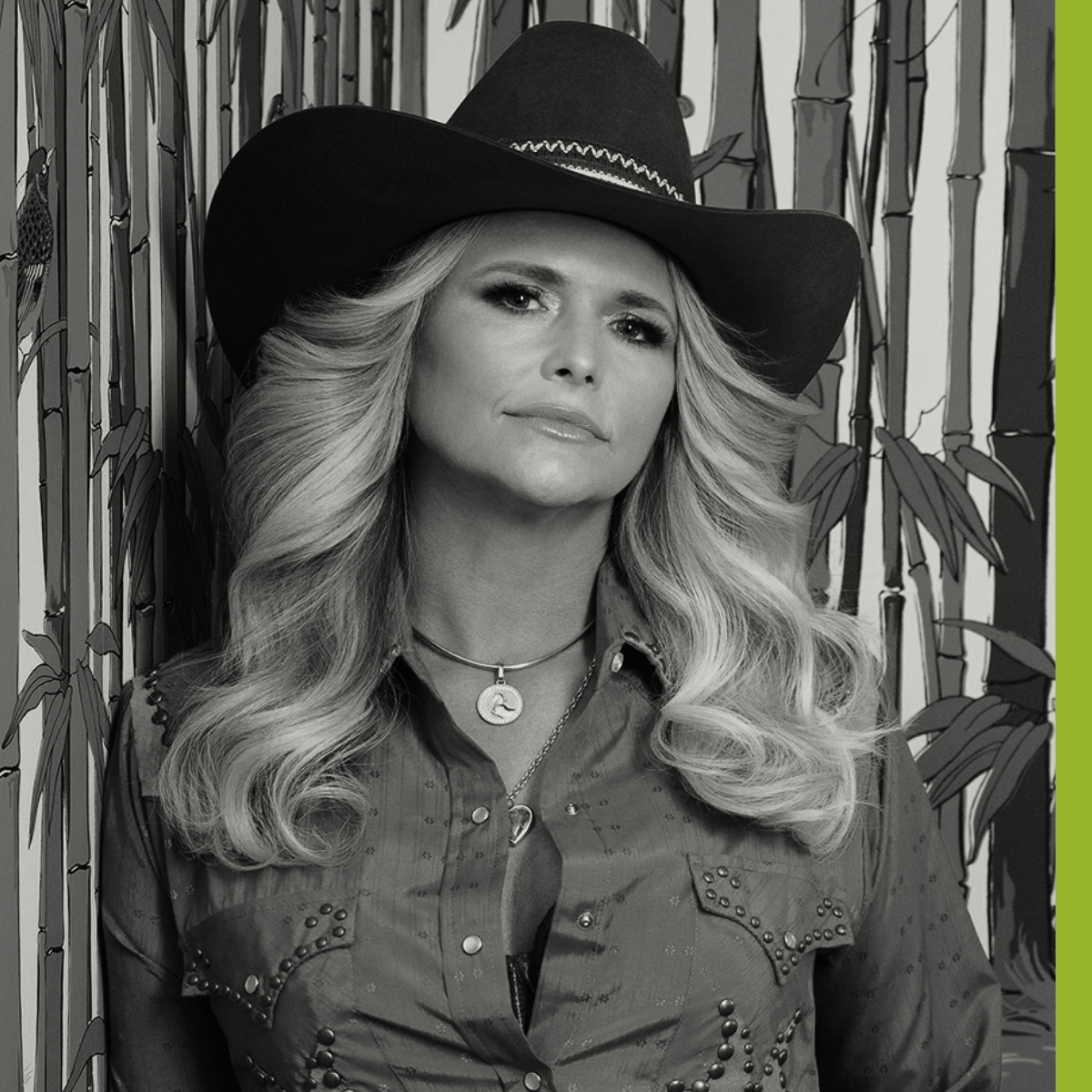
From Sturgill Simpson to Abbie Callahan, from the Cowgays to Miranda Lambert, the intersection of country and disco is a hoppin’ address at the moment! Lambert’s quippy, light, and fun track built on a portmanteau of the two genres is as Southern as it gets, from vegetable shortening to the dance floor sparkling under a disco ball. Country-disco is a decades-old tradition and we’re here for this resurgence.
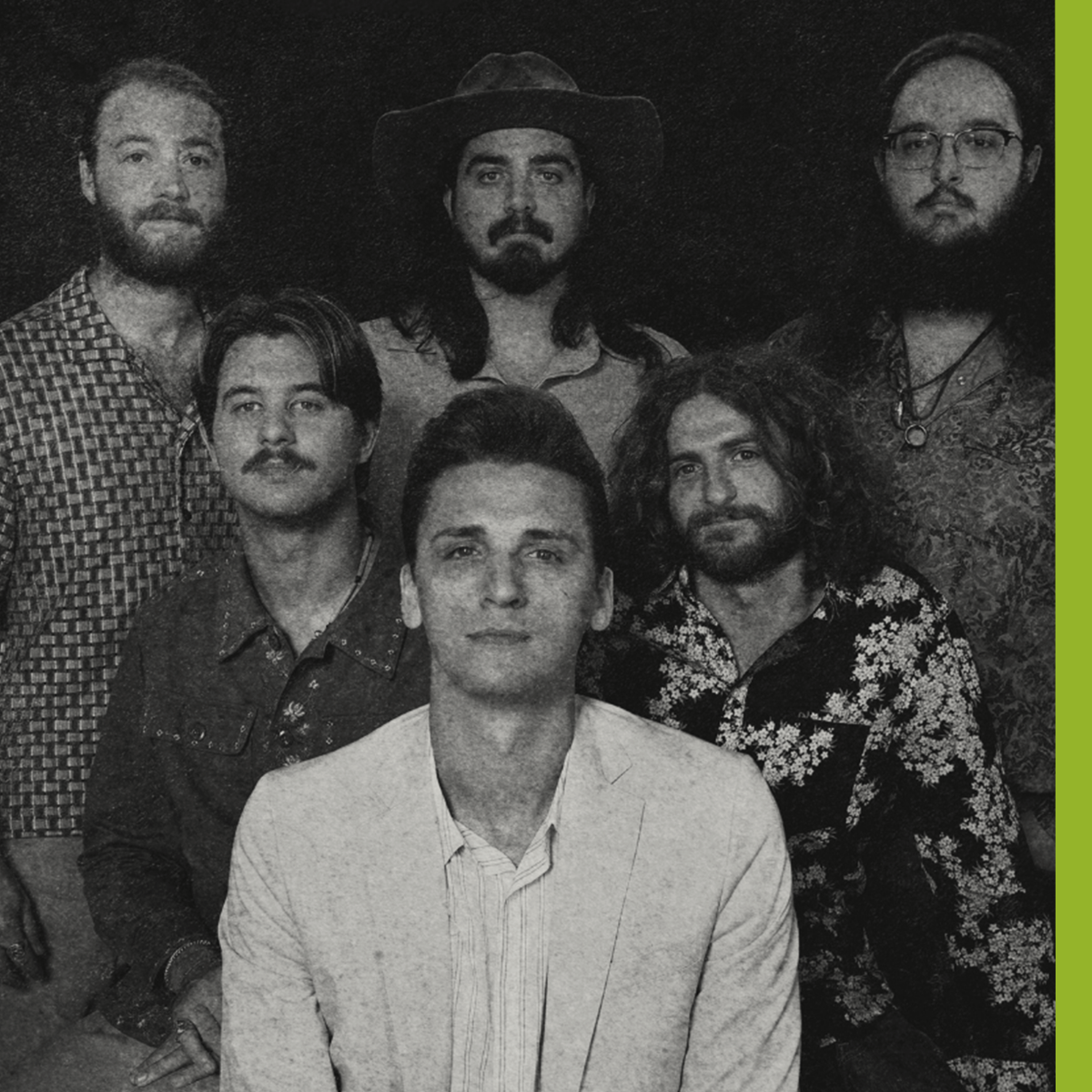
Speaking of blending styles, the Red Clay Strays are doing it better than almost anyone these days. To the GC team, the skyrocketing Alabama outfit always sound like country, but it’s obvious their sound is so much more – rockabilly, soul, grunge, punk, golden-era rock and roll, garage country. Whatever they infuse into their music, it always feels right at home in Good Country. Their brand new album, Grateful, is out now.
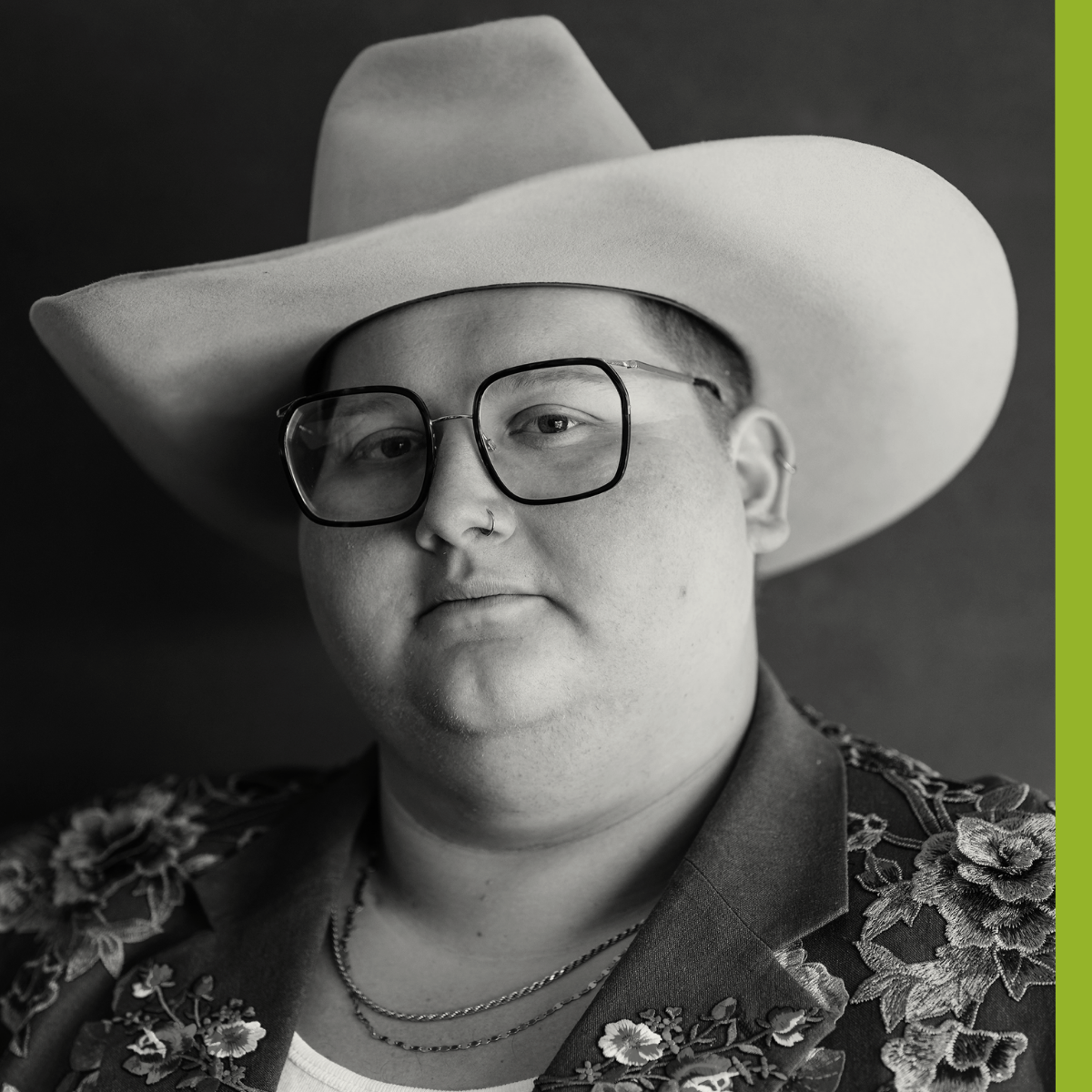
Last month, Texan country crooner Joshua Ray Walker returned with a new LP, Ain’t Dead Yet. Don’t be dissuaded by the thread of winking mortality and silly macabre that he continues to trace through his songs; after his own brush with death – he was diagnosed with cancer in 2024 – Walker’s sardonic and witty style of country & western has found a charming and entertaining edge by staring the shortness of life dead in the eye. (Pun intended?) Another excellent set from an essential contemporary traditionalist.
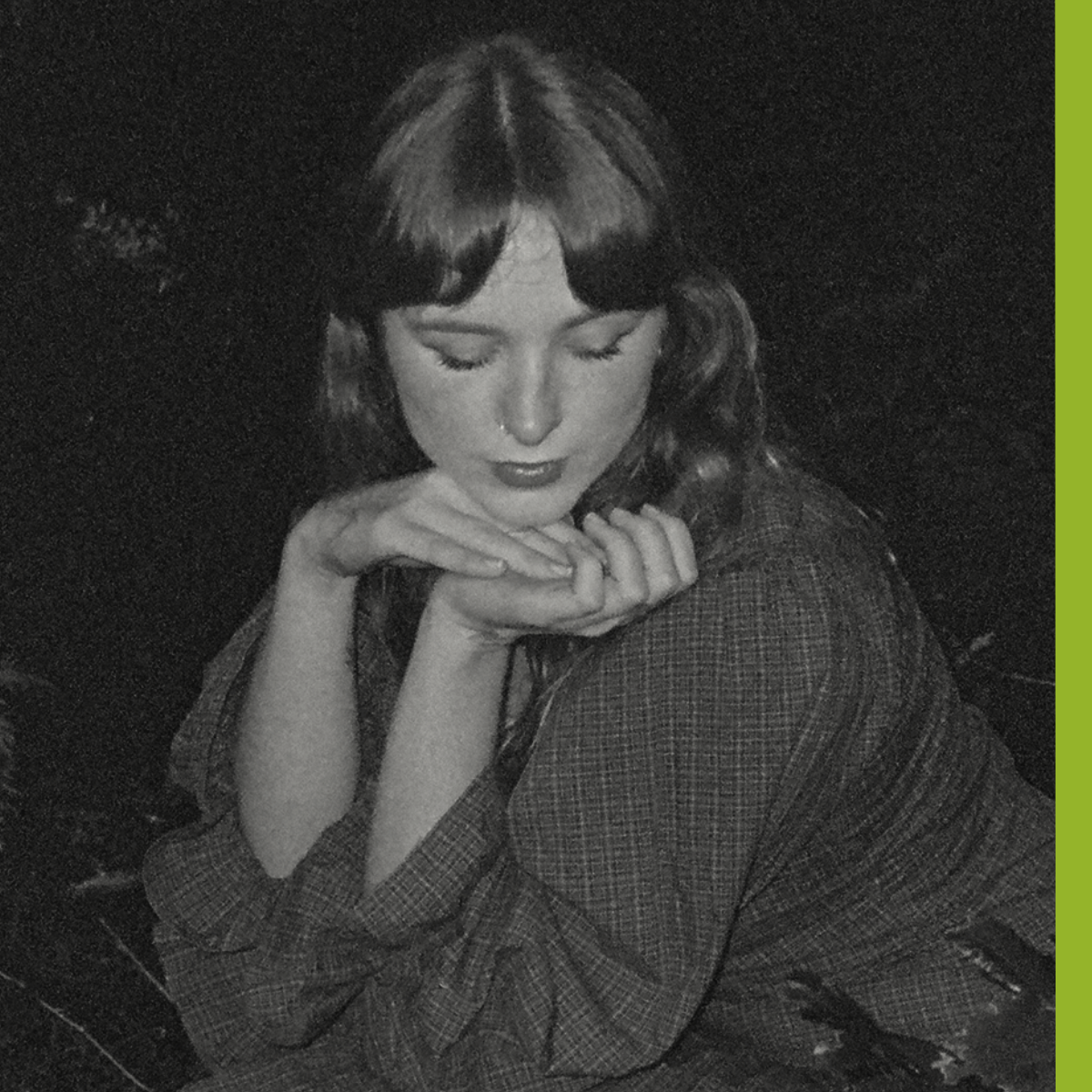
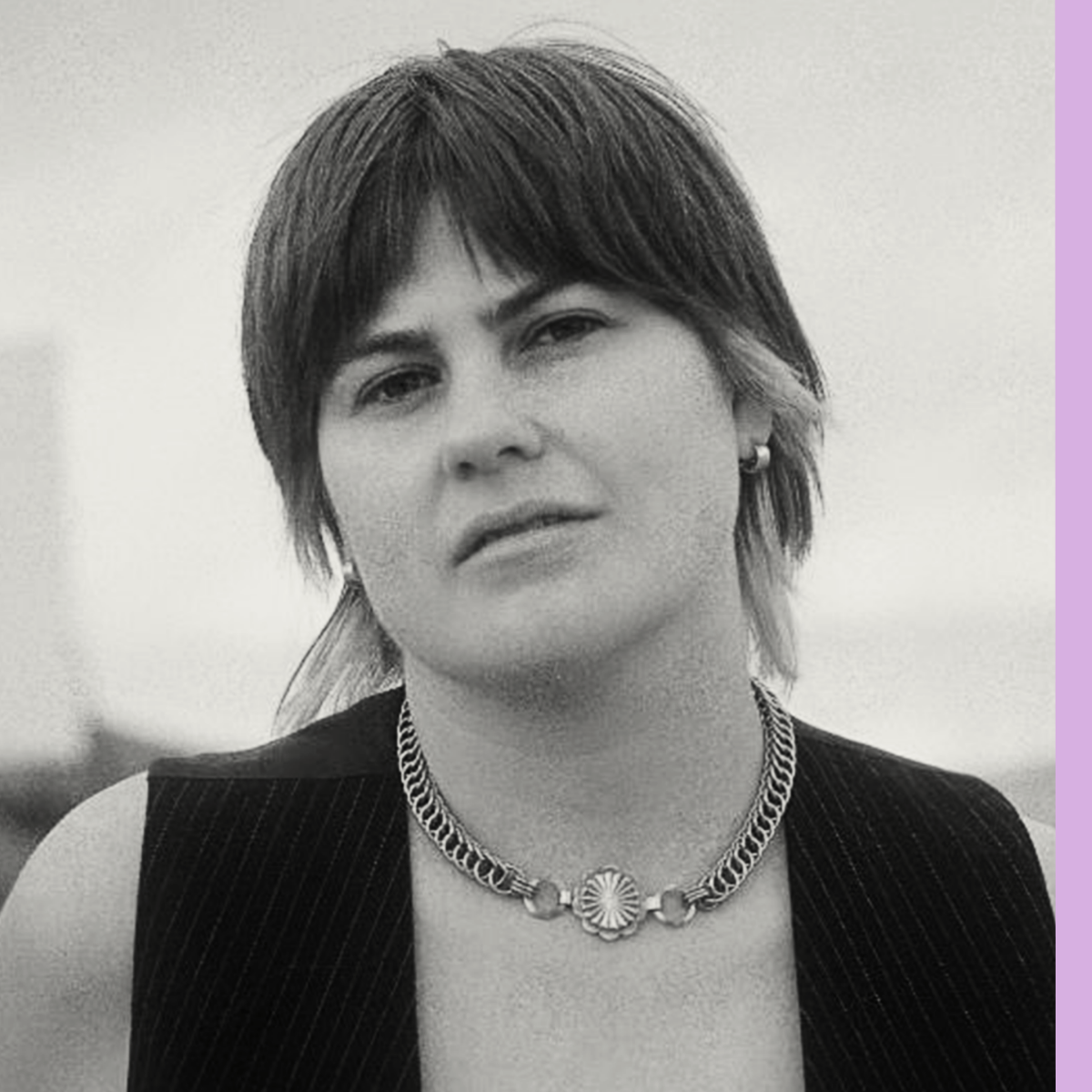
Another excellent artist who bridges country, bluegrass, and more – but perhaps from the opposite end of the continuum from Dailey & Vincent. Bella White’s music feels elemental, channeled from across time, but never anachronistic. Her songwriting and style feels in the vein of other country oracles like Gillian Welch, Iris DeMent, and Lucinda Williams. But it’s also all her own. Her latest album, A Sign In The Weather, was released June 5.
Listen to this issue of Ed’s Picks in one YouTube playlist here.
Listen to the full Ed’s Picks archive playlist here.
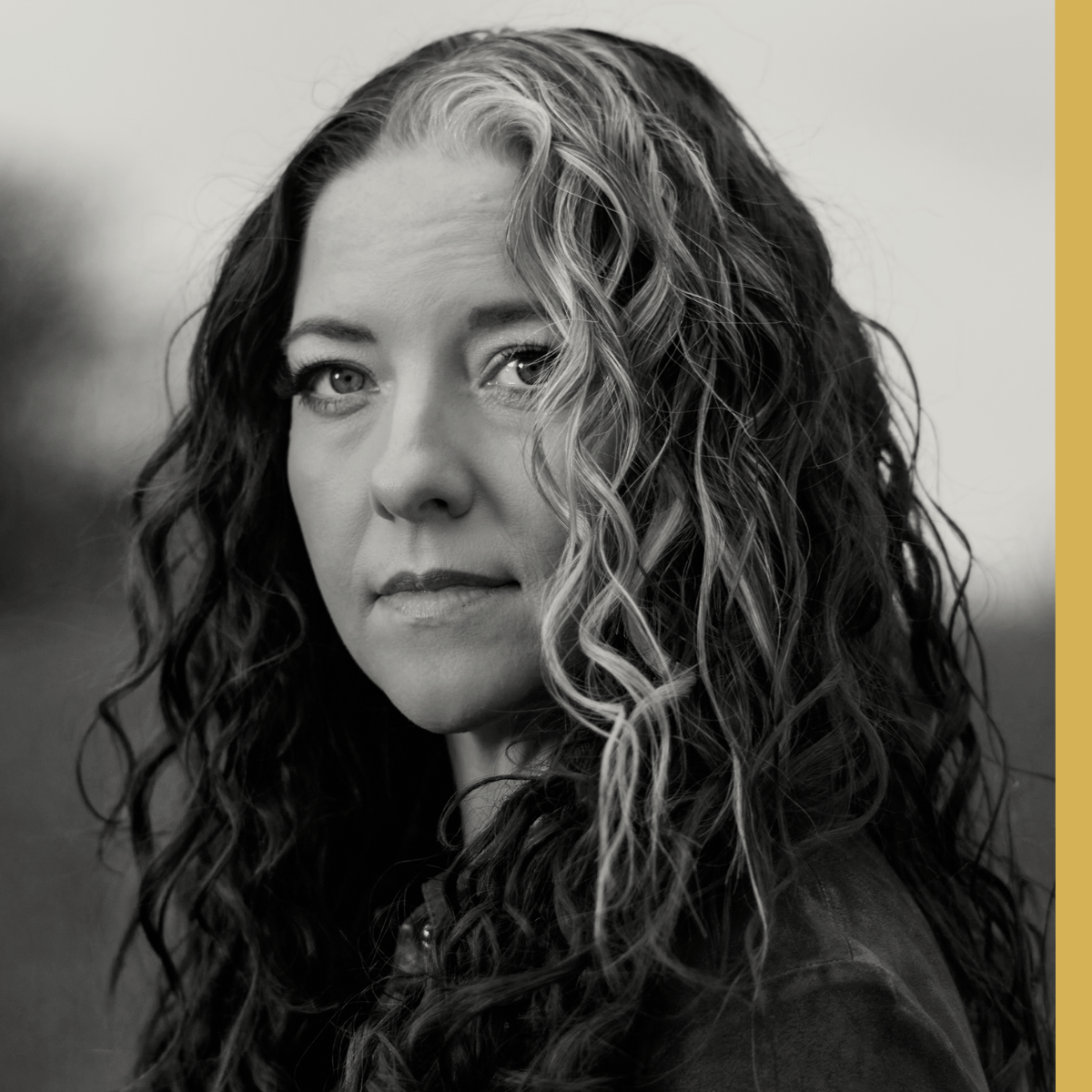
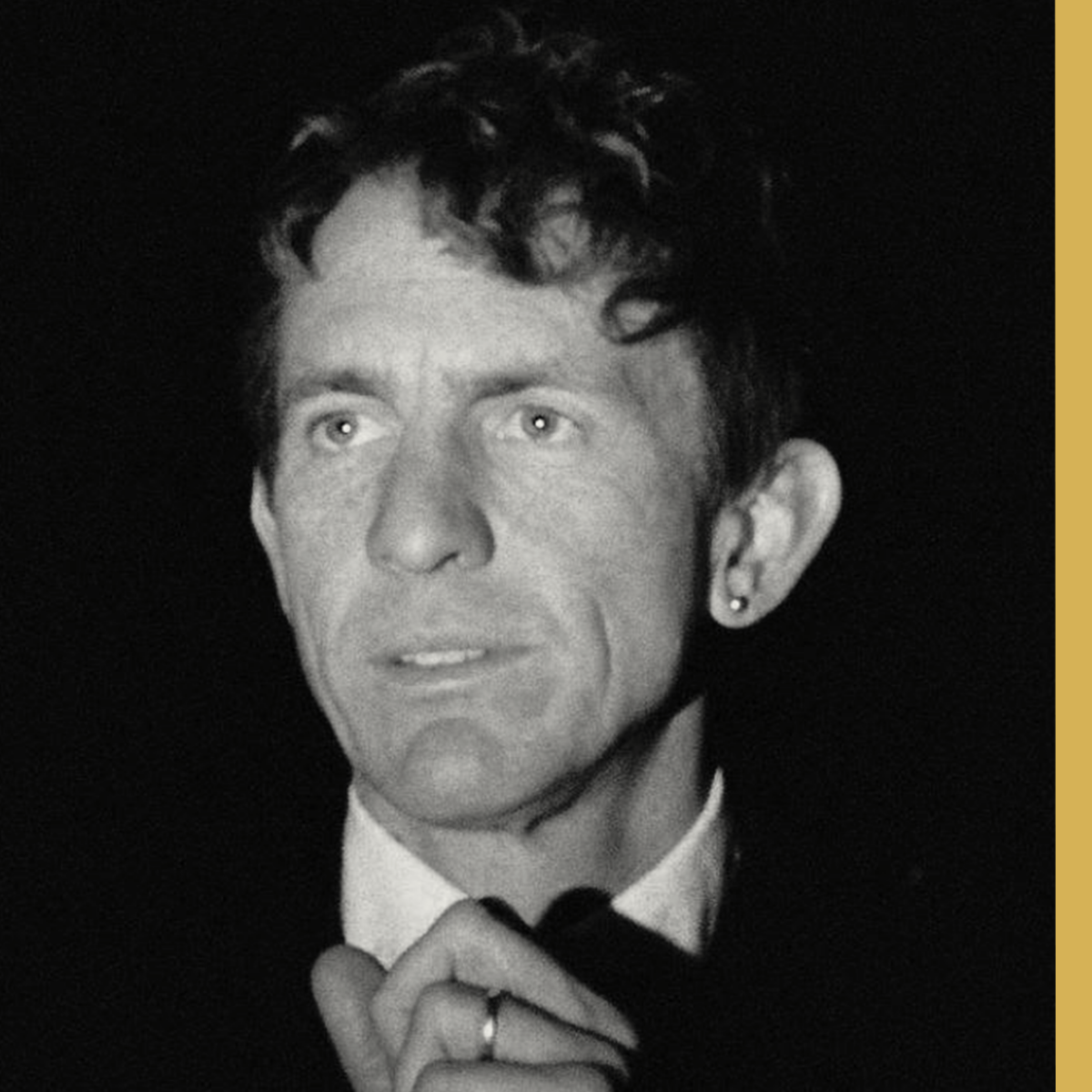
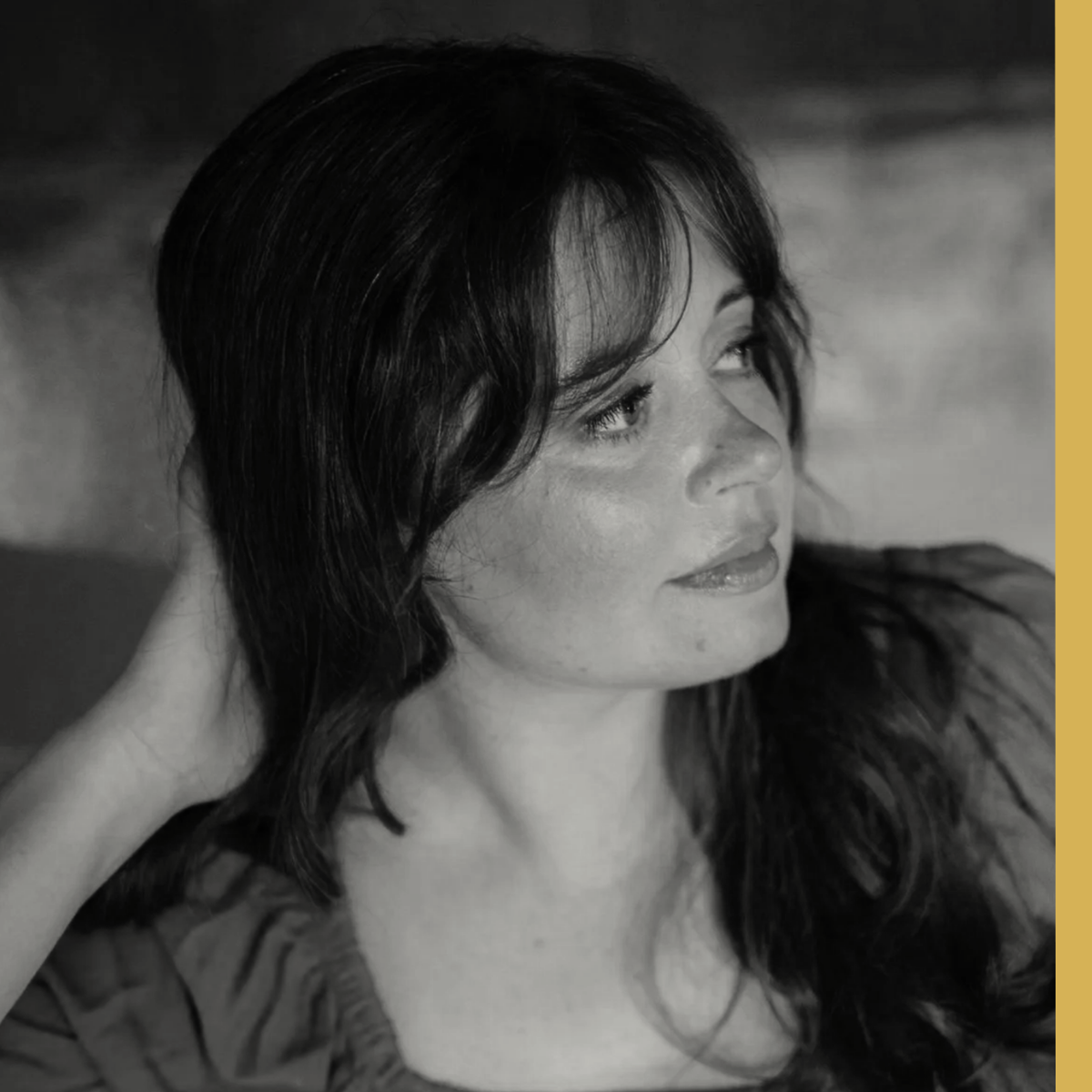
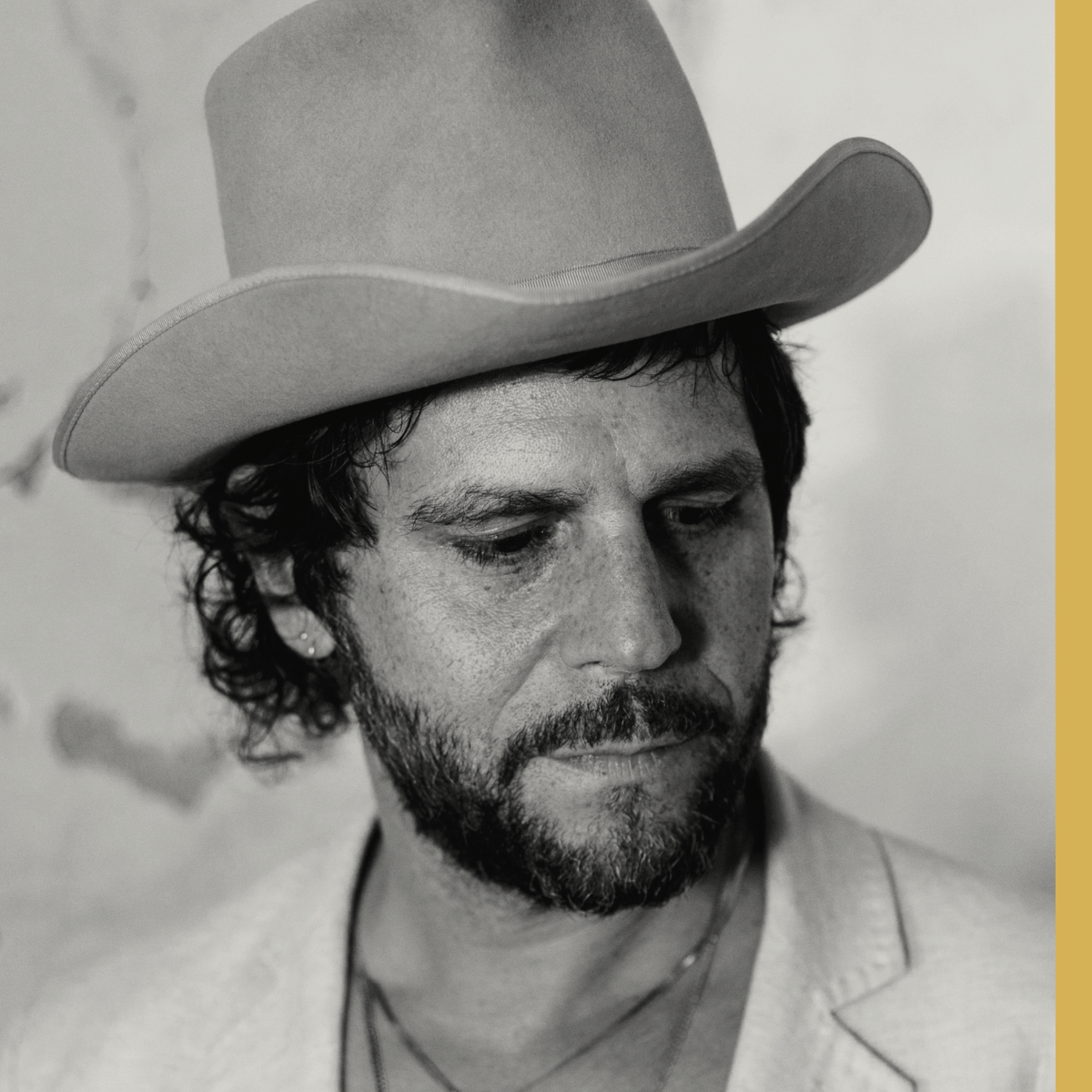
Photo Credits: Dailey & Vincent by Gregg Roth; Miranda Lambert by Robert Ascroft; The Red Clay Strays, Grateful album cover; Joshua Ray Walker by Mike Dunn; Bella White by Tamara Flemming
Editor’s Note: Each issue of Good Country, our co-founder Ed Helms shares a handful of good country artists, albums, and songs direct from his own earphones in Ed’s Picks.
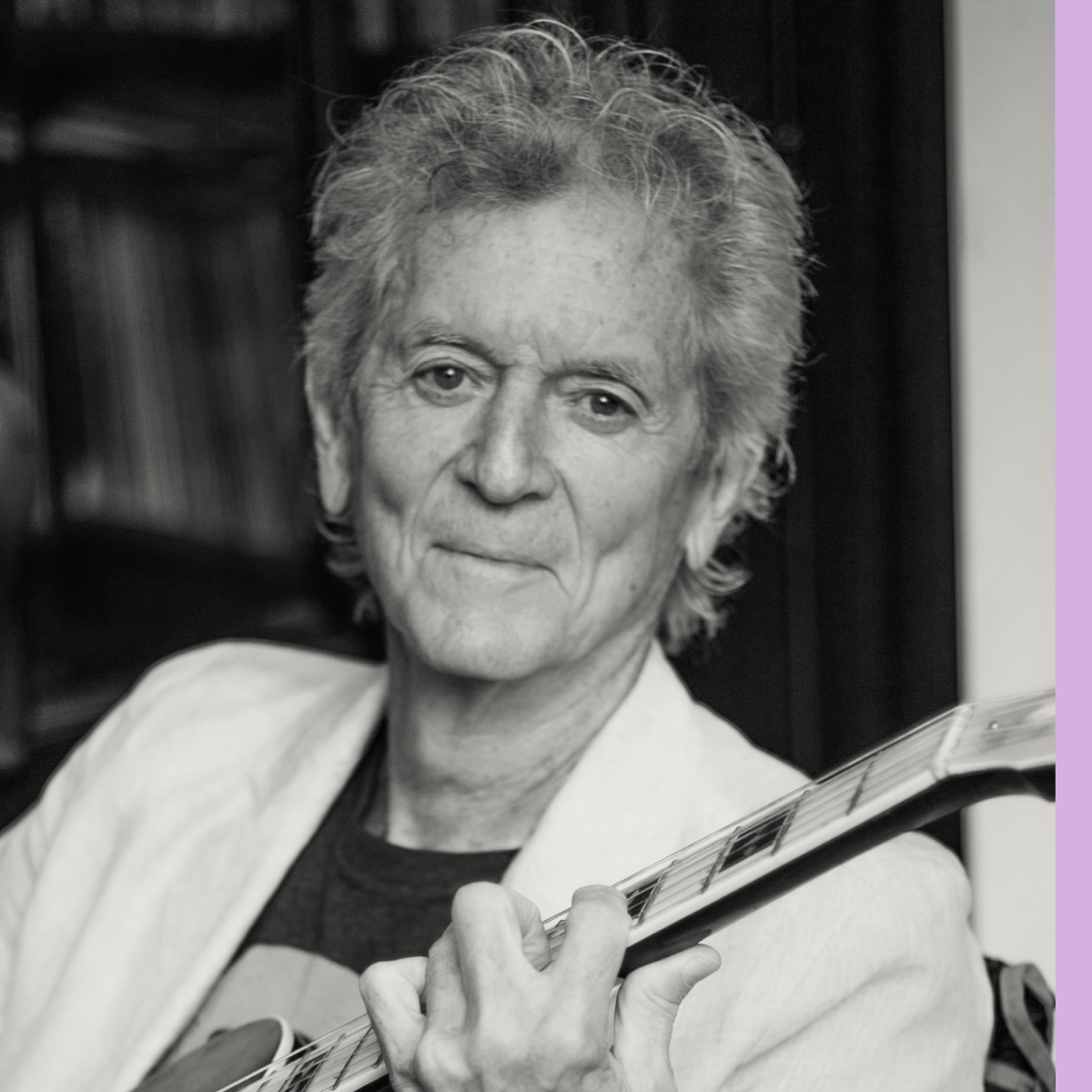
Great news from a roots-country legend, Rodney Crowell returns with a “new/old” album on June 26, Then Again. Largely recorded over two decades ago in the early 2000s with Steuart Smith co-producing and completed with Dan Knobler stepping in, its lead single, “Are You One of Us?,” is the final recording by Crowell and his friend and compatriot Guy Clark. It’s a track perfectly suited for these divided times we’re living in, bringing wisdom and wit like only Crowell and Clark could. We can’t wait to hear more from Then Again!
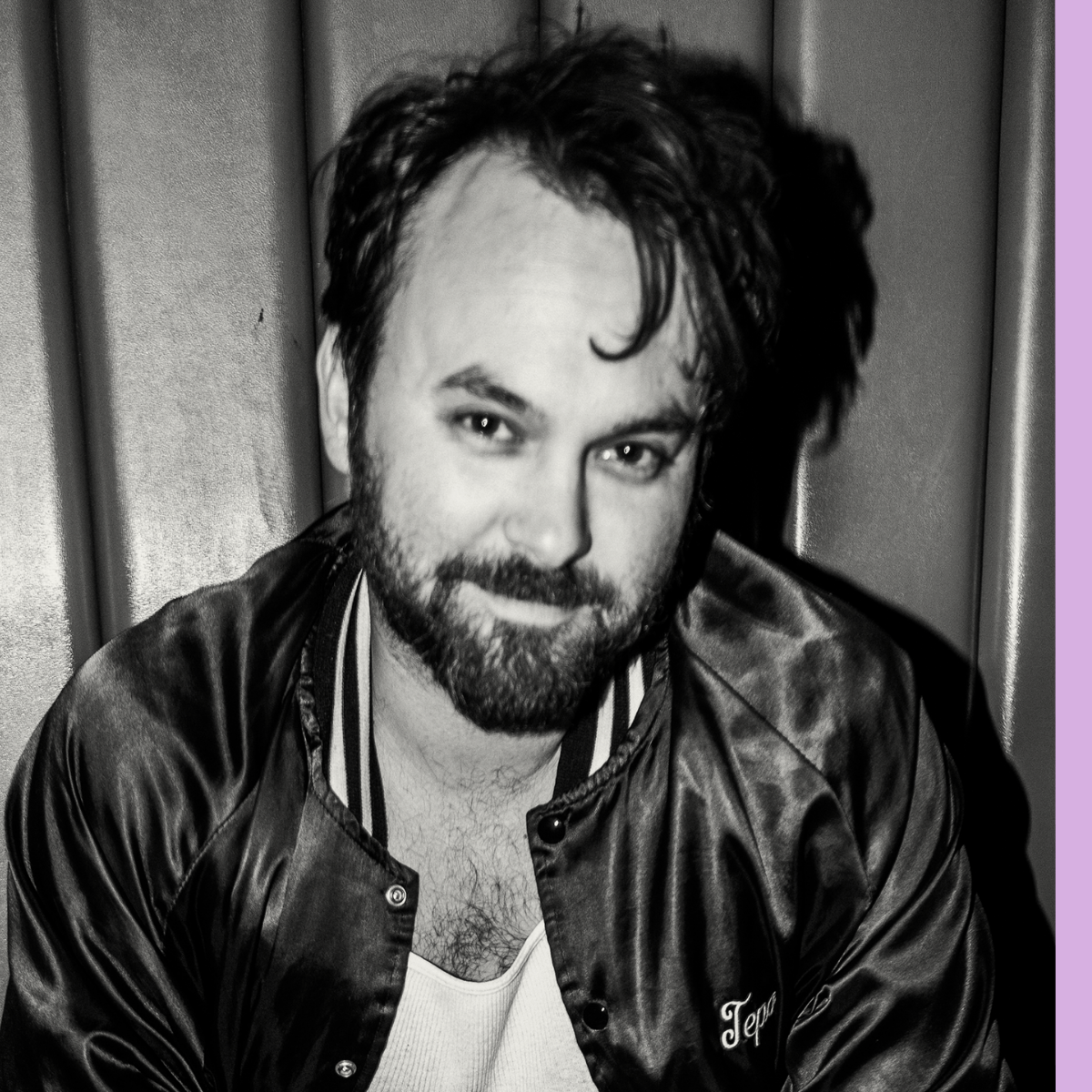
We’ve known, covered, and collaborated with our friend Alejandro for years and years, so we’re especially excited to have him as our current BGS Artist of the Month, celebrating his brand new album Fondness, Etc. For an artist who’s adept at sonic and aesthetic reinvention, his music still always sounds exactly like himself – even as he bends and breaks the barriers of alt-country, neo-folk, Americana, and western to his liking. This is one of our favorite Shakey eras yet.
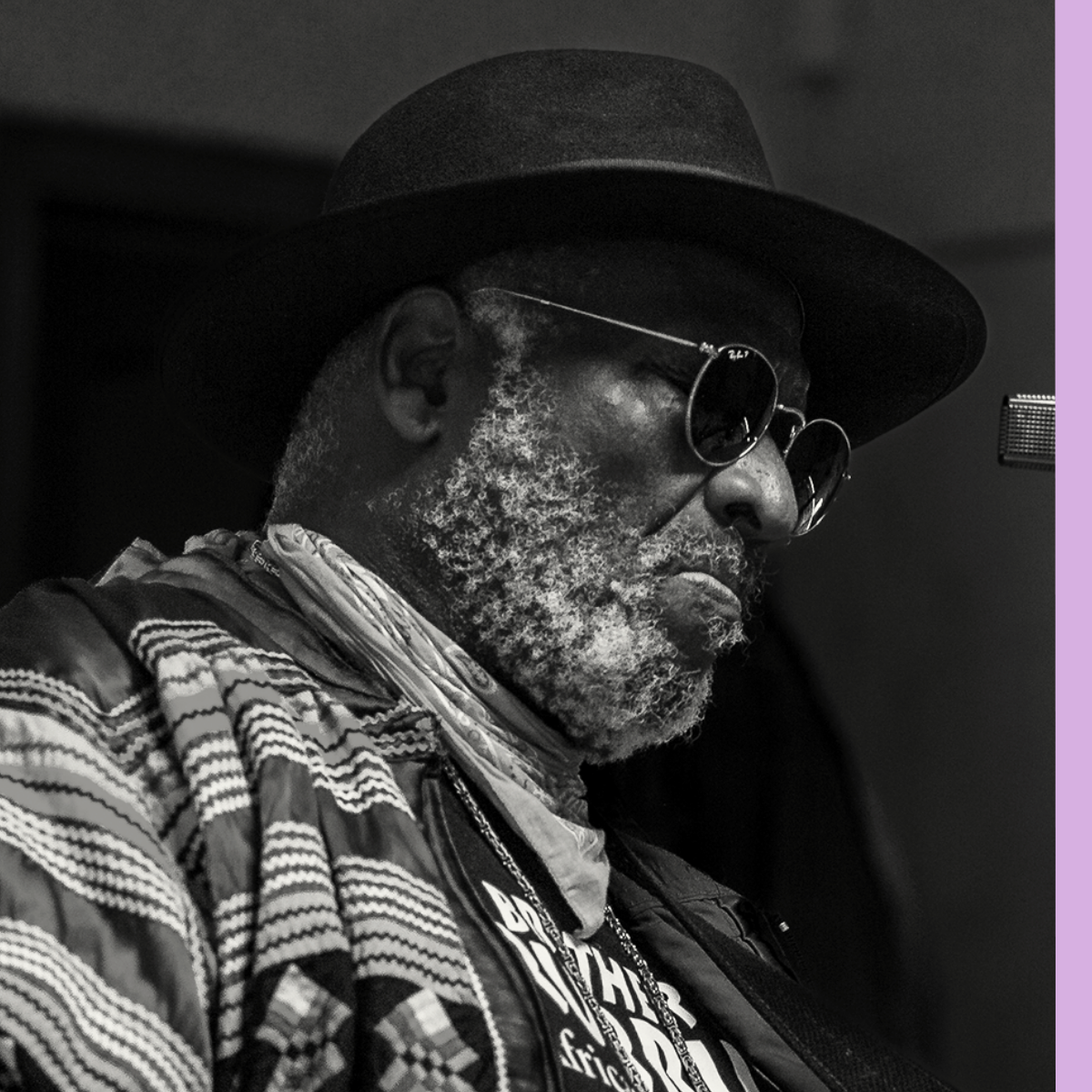
Another legend of American roots music, Taj Mahal is woefully underappreciated and undersung, even while being rightfully worshipped by so many as a keystone of blues, Americana, string band, and country musics. His new album, Time, released with his Phantom Blues Band on Resonatin’ Records/Thirty Tigers, shows that he remains as dynamic and innovative as ever. The title track is a deep-pocketed and smooth never-before-heard Bill Withers number that Taj makes his own. If you’re used to his gritty, playful, and down home blues, the sound here may surprise you – but damn, that’s Good Country, isn’t it?
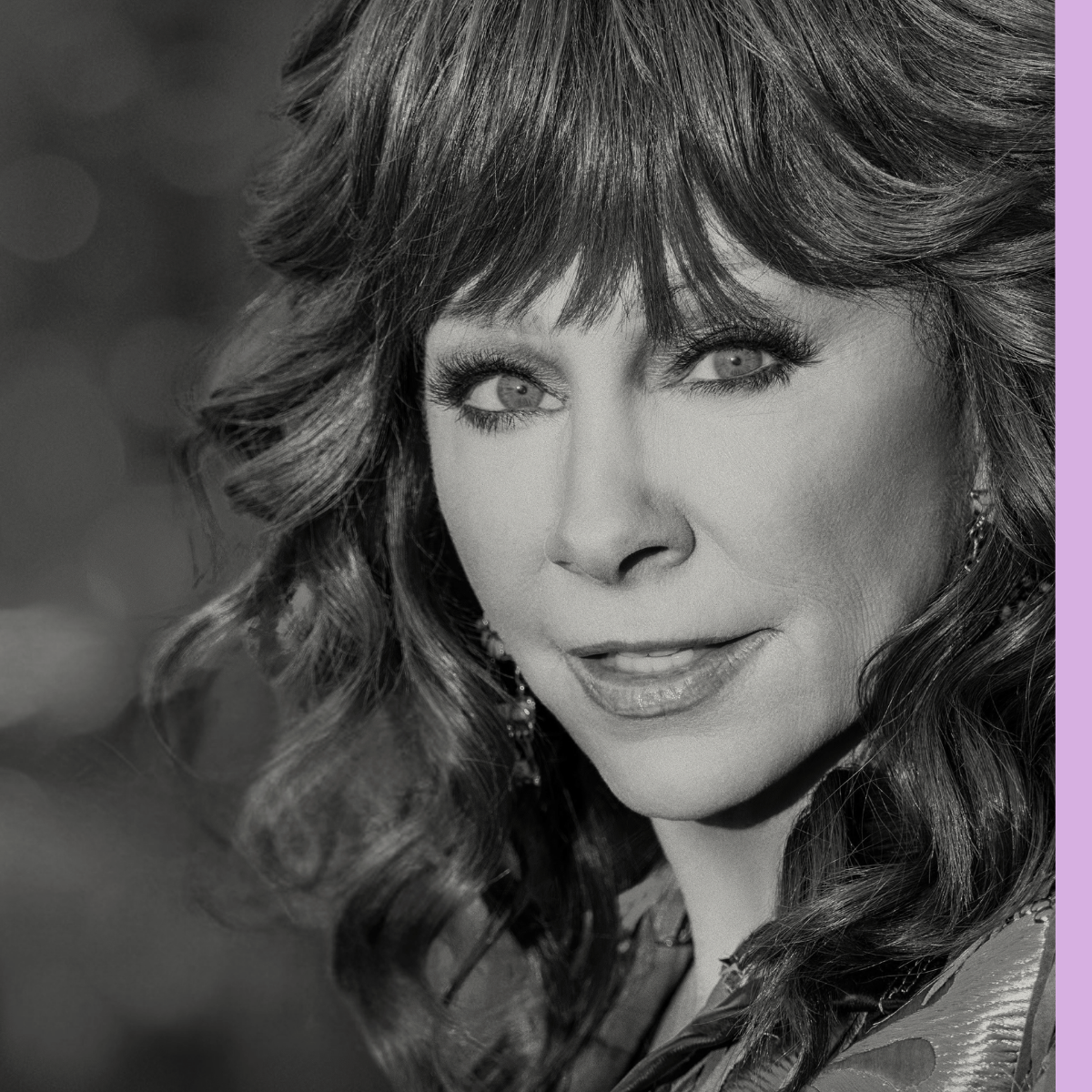
Our queen of country, Oklahoma, and corn dogs is celebrating her 50-year groundbreaking, iconic career with new music – lucky for all of us! A brand new track, “One Night In Tulsa,” leads off an EP that encapsulates a few of her musical tributes to her home state from over the years: “Tulsa Time,” “Oklahoma Swing” featuring Vince Gill, “Does the Wind Still Blow in Oklahoma” with Ronnie Dunn, and the excellent Buddy Cannon-produced “No U in Oklahoma.” “One Night In Tulsa” is a soaring, dramatic, and longing love song to Tulsa and beyond, uttered like only Reba could. This version is the just-released live performance video of the song shot live at Reba’s Place, her restaurant, gift shop, and music venue in Atoka, OK.
Jobi Riccio charmed the country universe with her 2023 debut, Whiplash, but hold onto your necks, ‘cause her brand new album, Face the Feeling, finds the Coloradoan singer-songwriter evolving her production styles and genre descriptors in a big way. She’s infused grunge, alt-folk, and country-rock into these new songs; the results vary from straight-down-the-middle Southern rock to expansive, electronic indie-twang. We especially find Good Country touches in songs like “Pilar, NM” and “Wildfire Season,” but they can be found throughout the rockin’ project.
Listen to this issue of Ed’s Picks in one YouTube playlist here.
Listen to the full Ed’s Picks archive playlist here.
Want more Good Country? Sign up to receive our monthly email newsletter – and much more music! – direct to your inbox.
Photo Credits: Rodney Crowell by Claudia Church; Shakey Graves by Jonathan Terrell; Taj Mahal by Mike Coeyman; Reba McEntire, One Night in Tulsa album cover; Jobi Riccio by Rett Rogers.
Editor’s Note: Each issue of Good Country, our co-founder Ed Helms shares a handful of good country artists, albums, and songs direct from his own earphones in Ed’s Picks.
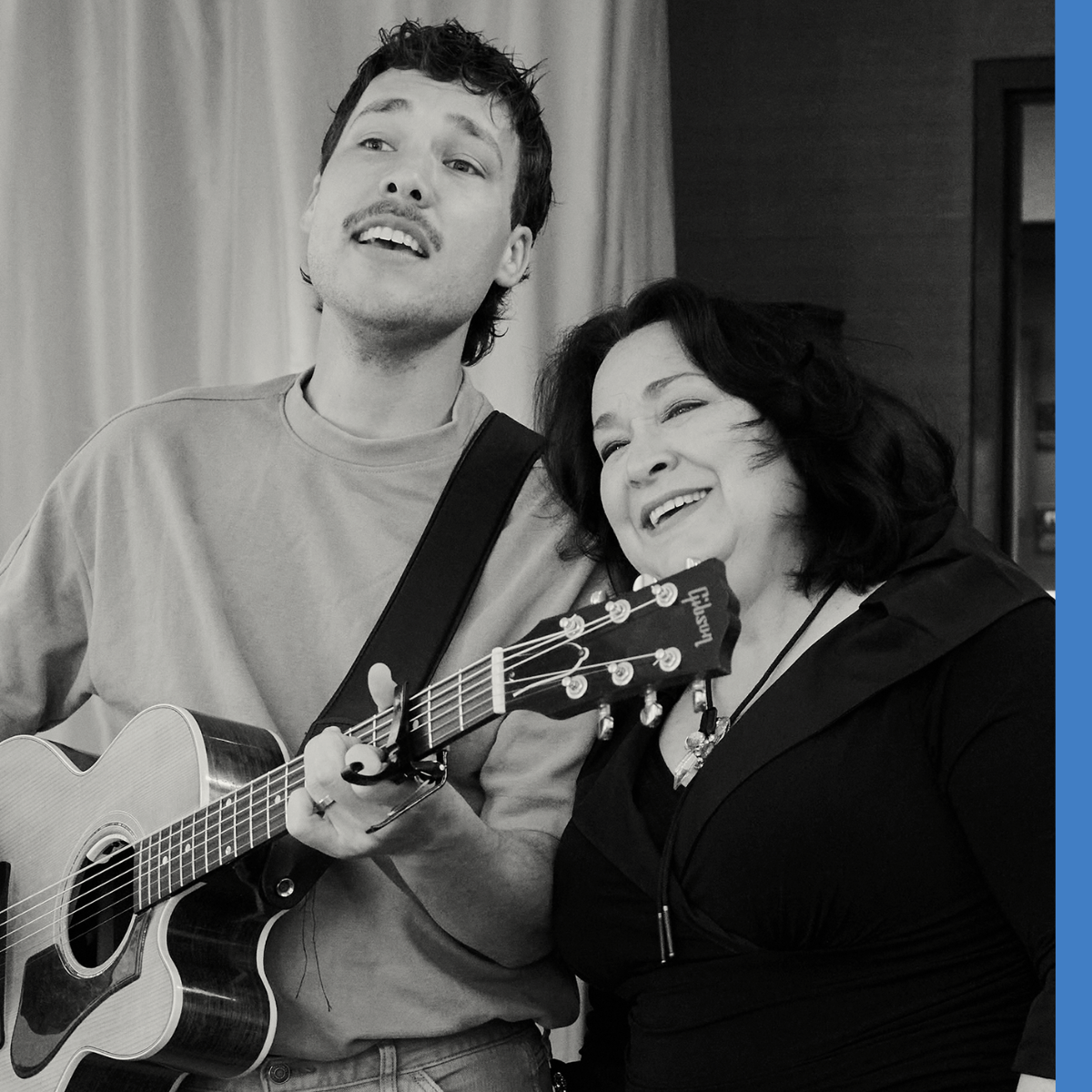
Suzanne Cox (of the GRAMMY-winning bluegrass band the Cox Family) and her son, country singer-songwriter Brandon Ratcliff, are taking the internet by storm with their lovely and tender familial harmonies. Their duets have racked up millions of views and likes on social media, leading to a new EP, Mother/Son Volume 1, and a recent appearance on the Grand Ole Opry. Those voices!
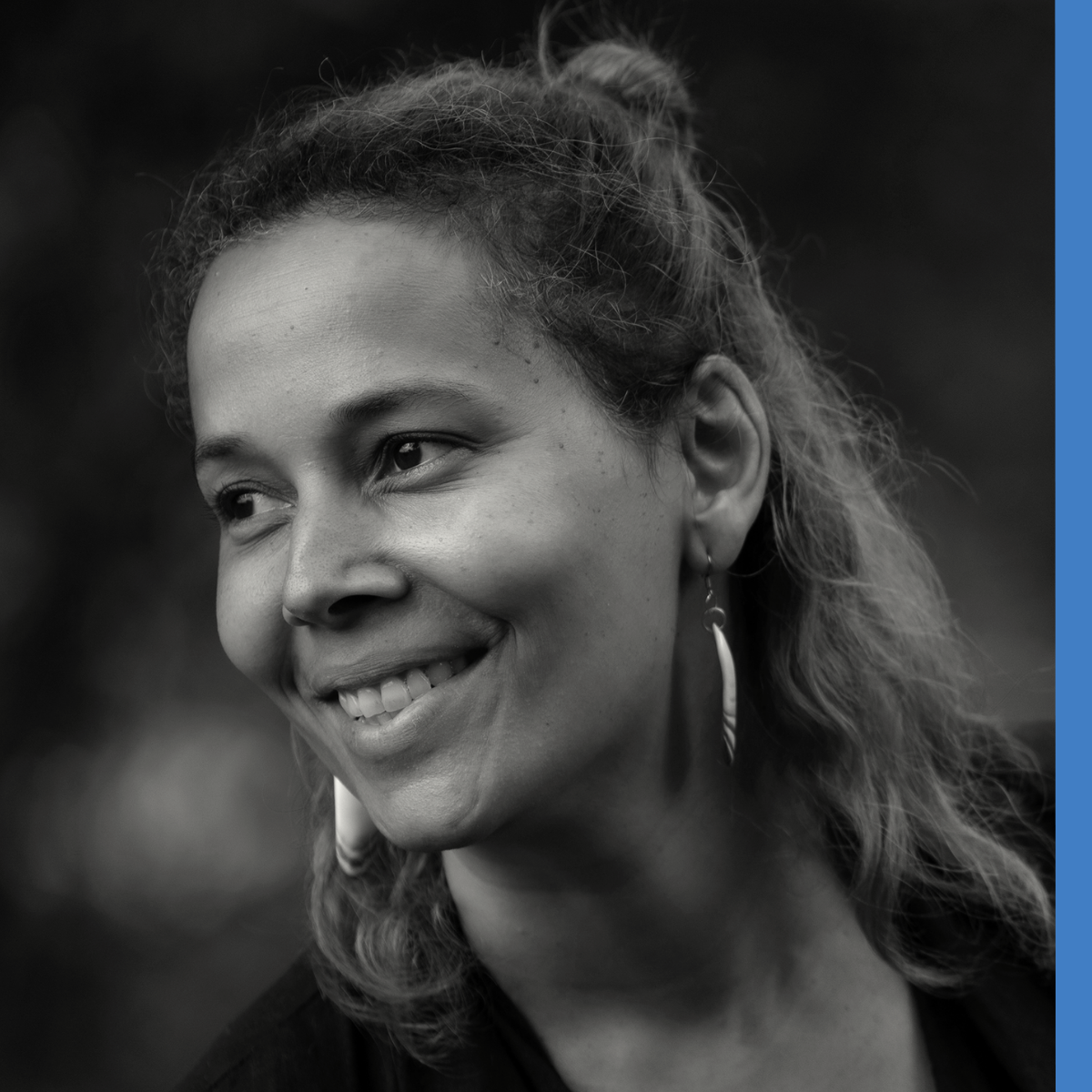
You may have seen, I’ve had the good fortune of getting to spend a lot of quality time making a film – and doing plenty of banjo pickin’! – with Rhiannon Giddens recently. Since shooting An Ode to Mary Jo together, I keep going back to Rhiannon’s catalog of recordings and cannot get enough. This duet with fiddler Justin Robinson is from her most recent release, 2025’s What Did the Blackbird Say to the Crow. Fantastic old-fashioned, down-home fiddle and banjo music drawn from North Carolina.
I’m with I’m With Her, too. One of our favorite trios in Americana and bluegrass released a brand new live album today, Sing Me Alive, packed with 20 tracks captured at performances across the country and in Canada. Many familiar favorites can be found alongside cover songs and tracks they’ve never released before. Here, they’re joined by Ye Vagabonds in Rocky Mount, Virginia, on “Rhododendron” in November of 2025.
Our Good Country and BGS Artist of the Month, Tenille Townes, released the first full-length album of her independent era last week. As she describes in our exclusive Artist of the Month interview, she took a much different approach to recording this music, doing most of the tracking herself, alone. The songs are deep, meaningful, and cathartic – and damn good. But it’s not an entirely solo album, as I’m With Her (how perfect) and Lori McKenna both feature on tracks. Hear McKenna join Townes on the title track, “the acrobat.”
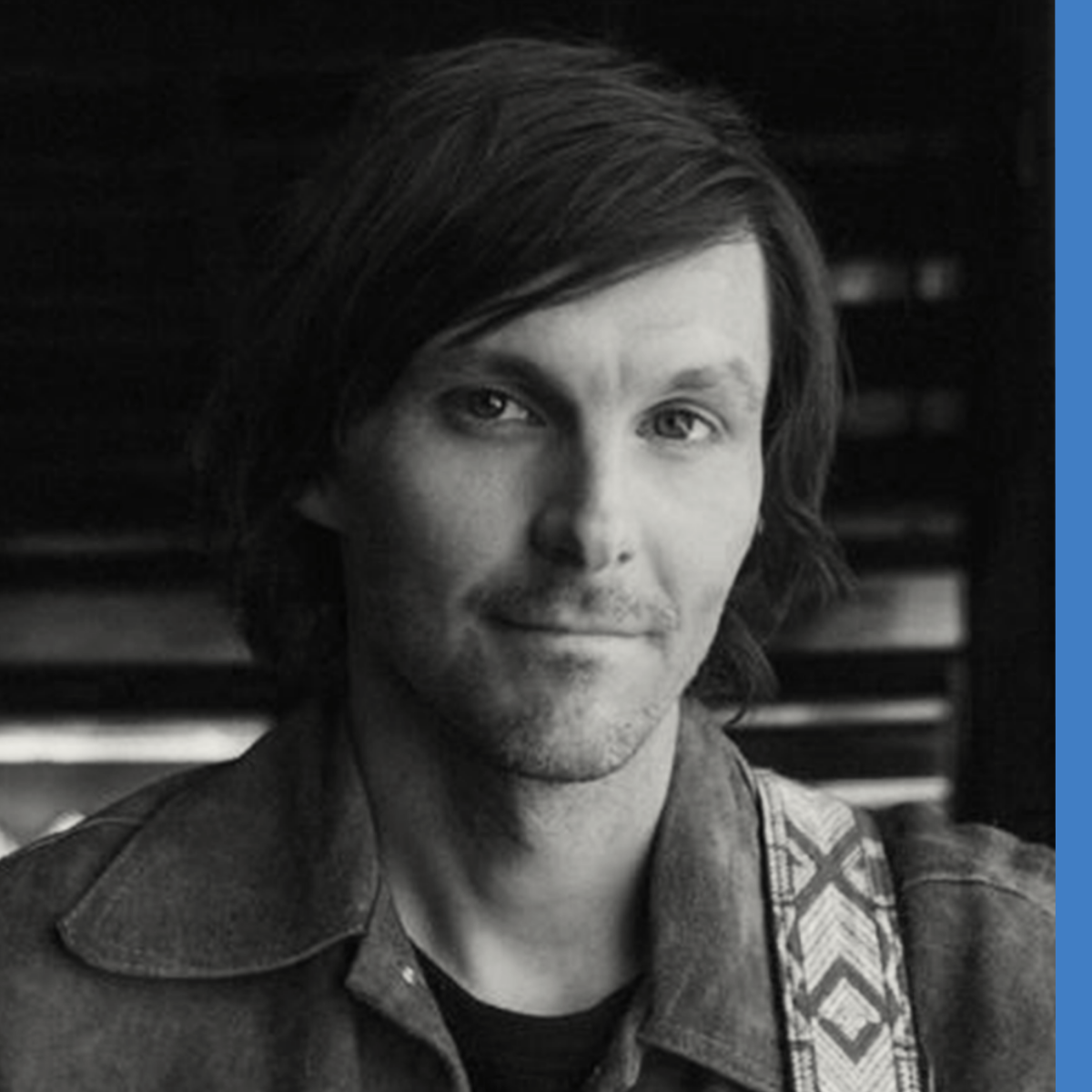
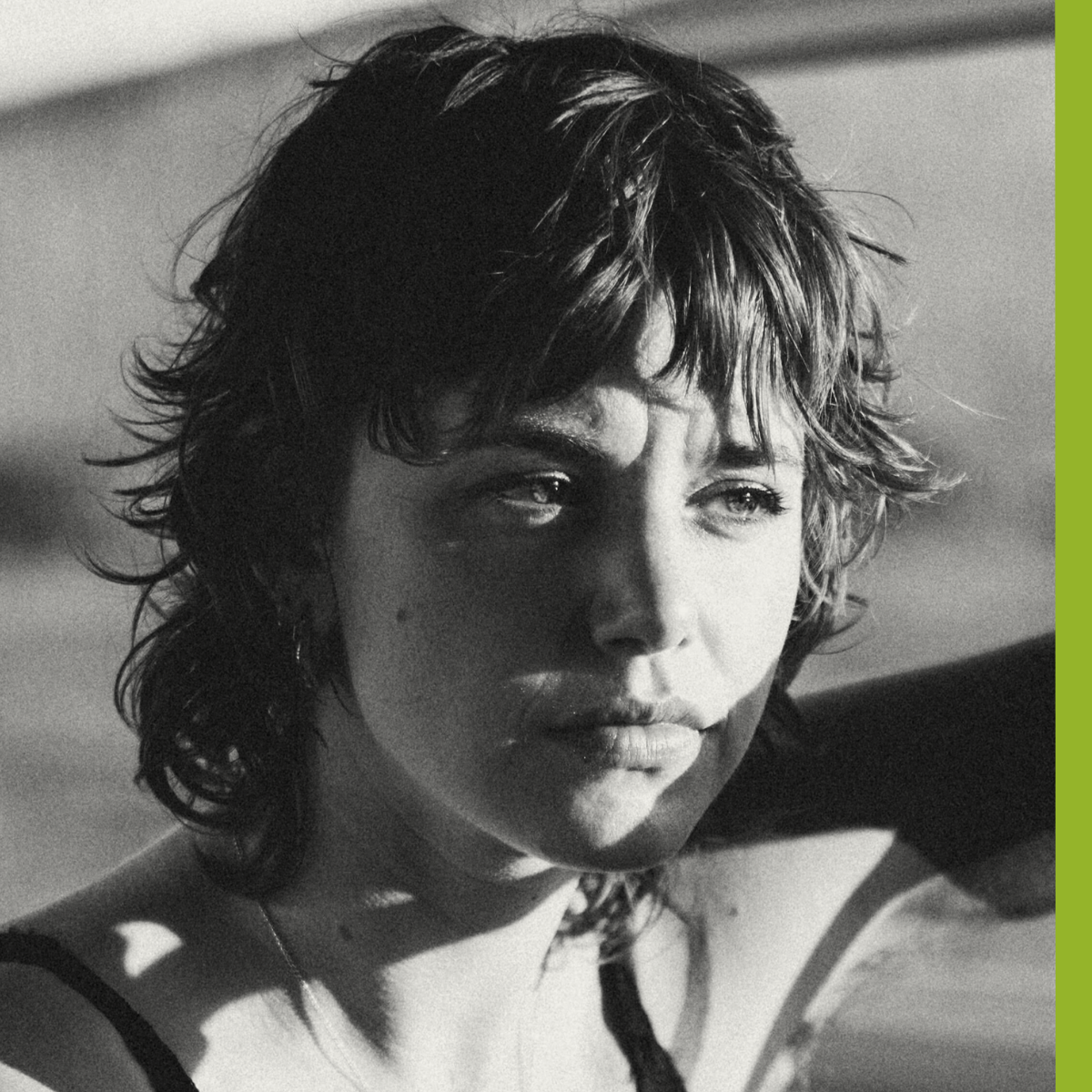
Our old pal Charlie Worsham is back at it – though he truly never stops. A sideman, radio and podcast host, session player, songwriter, and artist, Charlie does it all. He’s got new music of his own out and the GC team can’t wait for more. As he usually does, he’s once again calling on his superlative cohort of friends in Music City. On his most recent single, “They Never Do,” it’s Lainey Wilson joining in. From some teases on social media, though, we’re expecting many more special guests on Charlie’s outings in the future!
Listen to this issue of Ed’s Picks in one YouTube playlist here.
Listen to the full Ed’s Picks archive playlist here.
Want more Good Country? Sign up to receive our monthly email newsletter – and much more music! – direct to your inbox.
Photo Credits: Suzanne Cox & Brandon Ratcliff by Chase Hentges; Rhiannon Giddens by Karen Cox; I’m With Her by Alysse Gafkjen; Tenille Townes by Madison Rensing; Charlie Worsham courtesy of the artist.
Editor’s Note: Each issue of Good Country, our co-founder Ed Helms will share a handful of good country artists, albums, and songs direct from his own earphones in Ed’s Picks.
We loved Cat Clyde’s 2023 release, Down Rounder, and on her brand new album Mud Blood Bone the Canadian singer-songwriter turns the dial a few more clicks toward alt-country, indie, and rockabilly. There’s a raw, gritty quality to the collection that’s remarkably refined for how unhinged it lands – and very country, too.
Ella Langley’s megalith hit, “Choosin’ Texas,” has brought her to the top of the charts, but we’re zooming in on a new single she just released a little over a month ago. “Be Her,” one of four tracks unveiled so far from her upcoming April release, Dandelion, might end up being the best mainstream country song of the year. Delightfully coy, jealous, and longing, it’s a bop that’s as deep and thoughtful as it is fun.
No one is making mainstream, crispy, hyper-stylized country like Megan Moroney. Her new album, Cloud 9, is certain to lift you up. With a lyric video showcasing beaches, palm trees, and Los Angeles sunshine, the title track perfectly illustrates how Moroney combines pop and twang, city and rural into a country style all her own. Right at home on Top 40 radio, but certainly Good Country, too.
Kacey Musgraves ended her post-Deeper Well dry spell with “Dry Spell,” a hilarious, catchy, and craveable song to bridge eras and albums. Her next LP, Middle of Nowhere (coming May 1), will expand the rat-race-opt-out universe Musgraves began building with Deeper Well. And we’re more than happy to see dashes of the wit and wordplay of Same Trailer, Different Park and Pageant Material infused in the lead single.
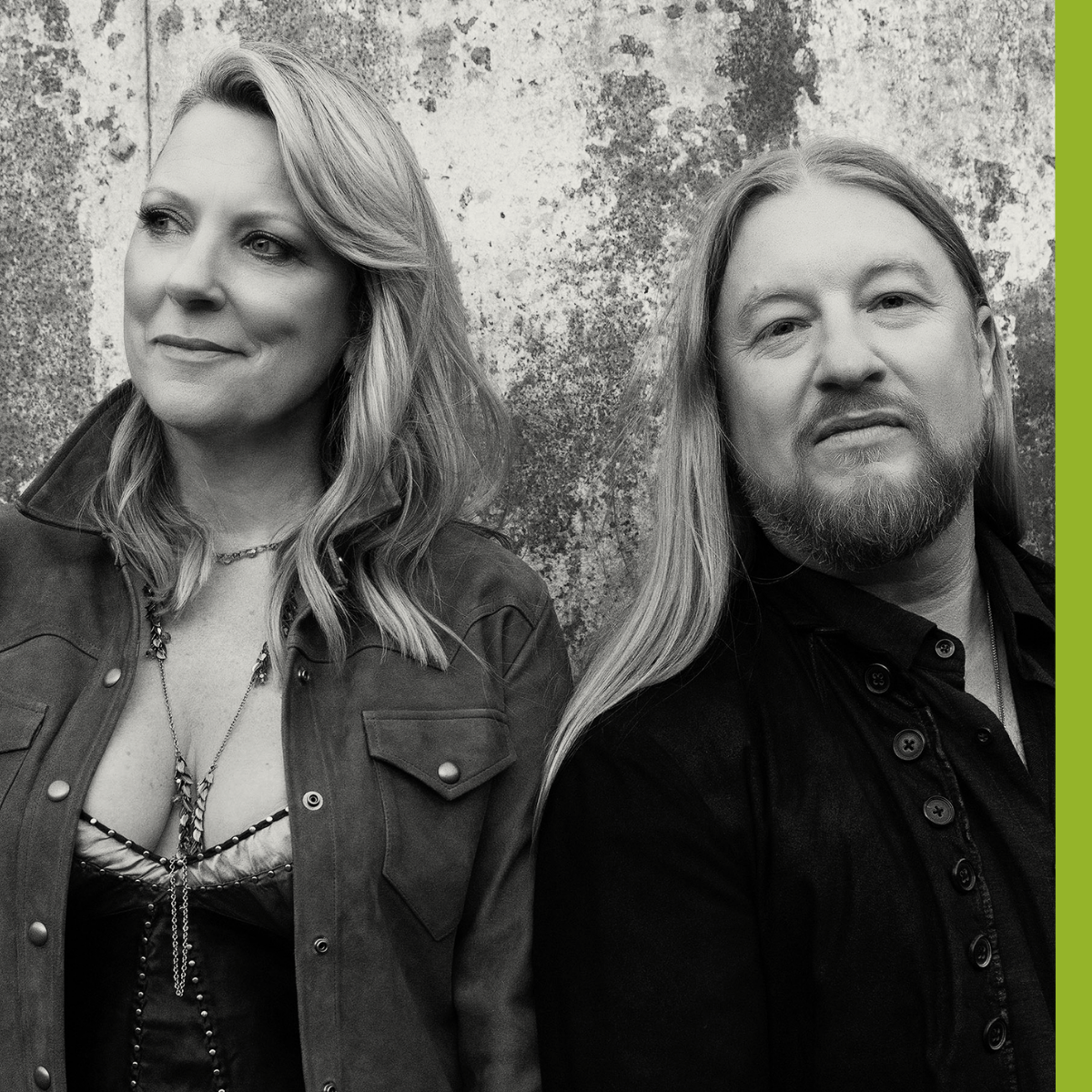
An Americana, Southern rock, and modern blues supergroup, Tedeschi Trucks Band’s 12-person ensemble returns with another no-misses album, Future Soul, released Friday. The project is strikingly diverse sonically and while it features some more genre exploration and subdued moments than you may expect from their stage shows, it’s still an absolute banger. The group kicked off their album release tour beginning a 10-show residency at the Beacon Theatre in New York City that runs through March 28 before they take the show on the road in the spring, summer, and beyond.
Want more Good Country? Sign up to receive our monthly email newsletter – and much more music! – direct to your inbox.
Photo Credits: Cat Clyde by Julio Assis; Ella Langley courtesy of the artist; Megan Moroney by Cece Dawson; Kacey Musgraves by Kelly Christine Sutton; Tedeschi Trucks Band by Chapman Baehler.
Editor’s Note: Each issue of Good Country, our co-founder Ed Helms will share a handful of good country artists, albums, and songs direct from his own earphones in Ed’s Picks.
Ashley McBryde gets the year started off right with a soaring, anthemic new single. As you’ll see with “What If We Don’t,” Good Country and arena country aren’t mutually exclusive styles. Garage rock, country grit, and stadium-ready flair – McBryde is doing it better than almost anyone else out there.
Not your mamaw’s “Ring of Fire.” Big Thief’s Buck Meek launches his upcoming solo album, The Mirror, in just a couple of weeks. Its songs were grown where alternative, indie, folk, and country overlap, though each feels just outside of reach of any single one of those terms. Featuring Adrienne Lenker on BGVs, “Ring of Fire,” like Johnny’s classic by the same name, is about love and connection – but is perhaps the flipside of the Cash coin.
You can always trust the John Prine-founded Oh Boy Records to put out amazing music by generational songwriters. Emily Scott Robinson is certainly one. Her new album, Appalachia, embodies her heart-forward, community-minded approach to songcraft and musicmaking. Stand outs include “Hymn for the Unholy,” “The Time for Flowers,” the album’s title track “Appalachia,” and this lovely duet with John Paul White, “Cast Iron Heart.”
Read our recent interview with Emily Scott Robinson here.
Speaking of rock ‘n’ roll, our old pal Langhorne plugs in and turns up on his new album, The Dreamin’ Kind, which was produced by Greta Van Fleet’s Sam F. Kiszka. Slim’s personality – and the signature, charming touches that made us all fall in love with his music – is front and center on the new collection, however far into rockin’ territory he brings his Americana and folk sensibilities.
Find out more about
The Dreamin’ Kind in our recent Cover Story interview.
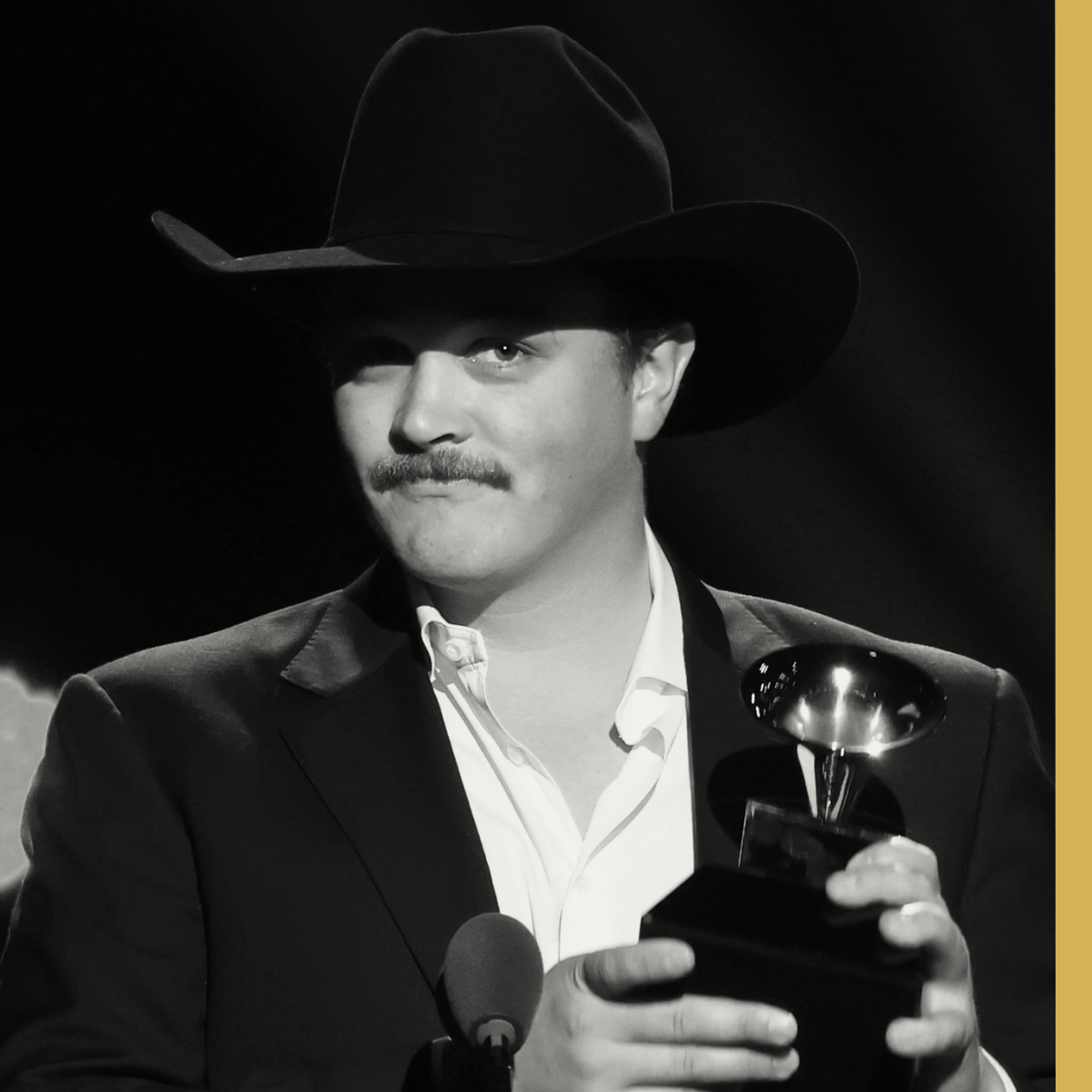
He started as a bluegrass picker in a family band and a Keith Whitley and Tony Rice diehard. Now everyone’s favorite trad country revivalist is a GRAMMY Award winner. Top took home the trophy for Best Traditional Country Album for his sophomore release, Ain’t In It for My Health earlier this month. He’s the first awardee in the buzzed-about new category opposite Best Contemporary Country Album. Well deserved!
Want more Good Country? Sign up to receive our monthly email newsletter – and much more music! – direct to your inbox.
Photo Credits: Ashley McBryde by Nathan Chapman; Buck Meek by Germaine Dunes; Emily Scott Robinson by Angelina Castillo; Langhorne Slim by Savannah Lauren; Zach Top by Getty Images for the Recording Academy.
As our second year of Good Country comes to a close, we’re reflecting on another 12 months’ worth of the best in country music. Whether Americana, bluegrass, or string band, blues, outlaw, or Western swing – or any of the many styles of country we know and love – there’s been plenty of excellent picks from my ear buds directly to your inboxes and playlists.
We sampled post-modern Mississippian country from KIRBY, got funky and soulful with Memphis family band and GRAMMY nominees Southern Avenue. We celebrated Suzy Bogguss’ invitation to join the Grand Ole Opry and traveled to the remote center of the Pacific Ocean for Maoli’s particular twang.
Fiery twin fiddle by Jason Carter & Michael Cleveland had our jaws on the floor, while we were surprised – but not really – at how well Brooks & Dunn went together with the Earls of Leicester. Huge stars like Billy Strings, Warren Zeiders, Sabrina Carpenter, and Carín León were enjoyed alongside everyday working musicians like Jordan Tice, The Creekers, Nick Shoulders, Sunny War, and more.
That depth and breadth – of artists and styles, of notoriety, or approach – is exactly what we’re going for with Good Country.
Good Country isn’t any one thing. It’s a feeling. It’s a place. We’ll be chasing more Good Country feelings and places in 2026, and we’re so grateful to have you along for the ride. Look back at all of Ed’s Picks for 2025 with our master playlist.
Want more Good Country? Sign up to receive our monthly email newsletter – and much more music! – direct to your inbox.
For the past few years, as the music industry goes quiet, spooling itself down for a two-week sleep over the Christmas and New Year’s holidays, the team here at BGS has taken the opportunity to utilize December to spotlight a few of our heroes. We began the series with Dylan in December in 2018 and followed up the success of that nontraditional “Artist of the Month” pick in following years with Dolly in December, Del in December, Dawg in December, and last year’s incredibly popular Dead in December.
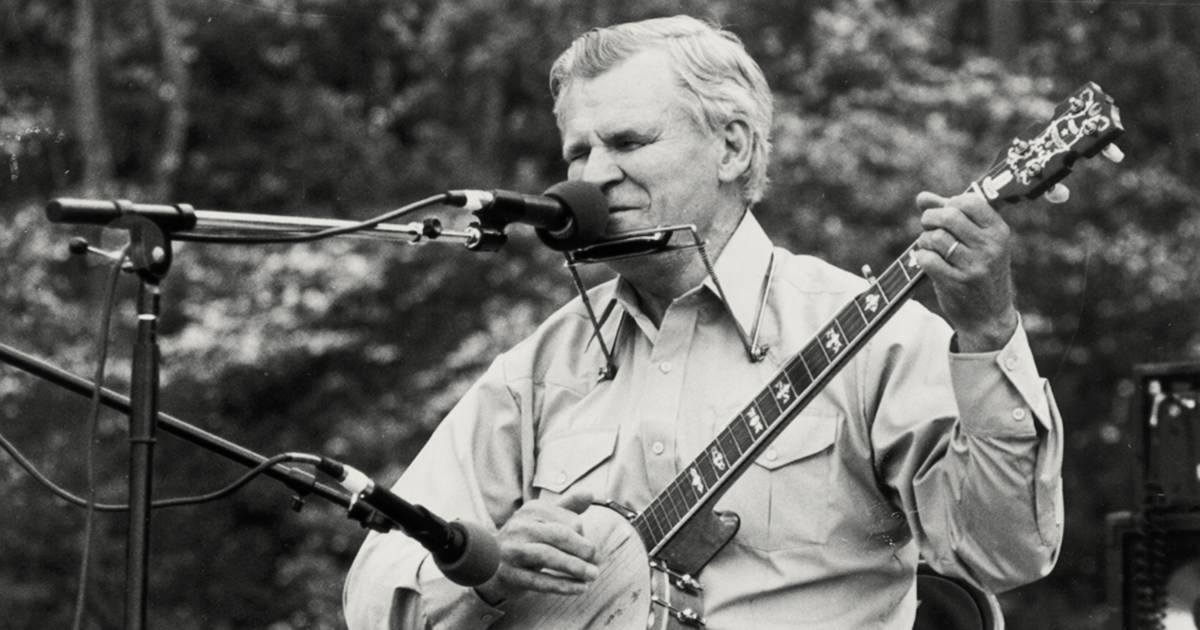
What better way to spend a cozy, holiday-filled, wintry month than celebrating some of the legends – artists, songwriters, musicians, and bands – that have made our roots music scene what it is today? This year, it’s clear who our December Artist of the Month should be: “Doc” Arthel Watson, himself.
Born in Deep Gap, North Carolina, in the heart of Appalachia in 1923, Doc Watson started playing guitar – and other instruments, too – as a child. Doc lost his vision in his youth, but would go on to become one of the most important American guitarists in history even with his disability. His position in modern roots music, especially in bluegrass, old-time, and folk, is canon. He is a legend to any and all, from the diehard lifelong acolytes to the recently initiated neonates. He’s one of our Americana music figures who tends to get lost, like the forest for its trees, within his own ubiquity and universal adoration. But no matter from which angle you drill down into his career, discography, artistry, and legacy there’s always more to find. To explore. And to enjoy, of course.
Over the course of December, we’ll be doing just that. Our writers and contributors will offer new articles considering Doc’s songs and output and his career as an American guitar hero. And, how even after his passing in 2012, he continues to be a definitional stylist on flat-top, flatpicked guitar. But don’t sell him short, either. Though most known for his fiddle tunes, folk songs, and old-time and bluegrass licks, Watson was accomplished in many genres across the roots continuum; he dabbled in and conquered sounds from hillbilly and rockabilly, electric guitars, blues, ragtime, fingerstyle, chicken pickin’, and more. He collaborated with artists from well within his own circle and far outside it – sonically, socially, and geographically. Watson was incredibly dynamic, a characteristic that has contributed greatly to his lasting, ongoing appeal.
We will also be dipping back into our BGS archives to share past features, playlists, and articles about Doc, and his son Merle; about his festival MerleFest, which continues to this day; and about the albums and offerings celebrating the 100th anniversary of his birth that were released in 2023. Truthfully, there’s nearly an endless supply of BGS content that touches on, focuses on, or mentions Doc. Because of course there is – these genres we all love and hold dear wouldn’t be what they are today without him.
You also won’t want to miss perhaps the most exciting aspect of our Doc in December Artist of the Month celebration. In 2023, BGS was invited to Bryan Sutton’s Blue Ridge Guitar Camp in Brevard, North Carolina. Sutton, alongside his friend and peer Billy Strings, is one of the most prominent proselytizers for Watson in the 21st century, so it’s no surprise his annual camp just up the mountains from Watson’s hometown of Deep Gap is usually dripping with Doc’s music.
That year, one of Doc’s most famous guitars, “Ol’ Hoss” – a 1968 G-50 Gallagher Guitar Watson played in the late ’60s and early ’70s and on many recordings – was also at the Blue Ridge Guitar Camp. The instrument was one of the first of a few Gallaghers that Doc owned. BGS made the trip to Brevard to capture special video performances and interviews with many of the event’s instructors and pickers, each of whom played Doc tunes and shared stories and memories while picking Ol’ Hoss. It was a magical week in the mountains. Now, for the very first time, we’re making select songs from these tapings available in a new series, the Ol’ Hoss Sessions. Three sessions pulled from the shoot celebrates Doc in December and features Bryan Sutton, Courtney Hartman, and will also feature Billy Strings. Stay tuned as we share those videos right here on BGS and on our YouTube channel throughout the month.
It’s not that Doc Watson is underappreciated or underrated, or that he needs any of the visibility that being a BGS Artist of the Month might afford. In our neck of the woods, seemingly everyone knows and loves Doc Watson already. But with so many folks and institutions shouting Watson’s praises from the rooftops lately – artists like Sutton, Strings, and a host of guitar pickers and roots musicians from across our community and scene; the folks who put on and attend MerleFest; the communities of Boone and Deep Gap, North Carolina; projects like I Am a Pilgrim: Doc Watson at 100 – it’s clear there’s always more to learn, love, and enjoy about Arthel Lane Watson.
Get started with Doc in December with our Essential Doc Watson Playlist, below. Plus, follow along right here on BGS and on social media as we share Doc Watson content throughout the month. We’ll have a new feature on Watson’s status as American guitar hero, and you can see our YouTube playlist of his incredible musical collaborations here. Plus, of course, our very special Ol’ Hoss Sessions, exclusively available right here on the Bluegrass Situation. (Watch Bryan Sutton here. Watch Courtney Hartman here.) Plus, we’ll be combing through the BGS archives for everything Doc Watson for y’all to enjoy. Buckle up for a mighty month of guitar pickin’ glory, it’s Doc in December!
Editor’s Note: Each issue of Good Country, our co-founder Ed Helms will share a handful of good country artists, albums, and songs direct from his own earphones in Ed’s Picks.
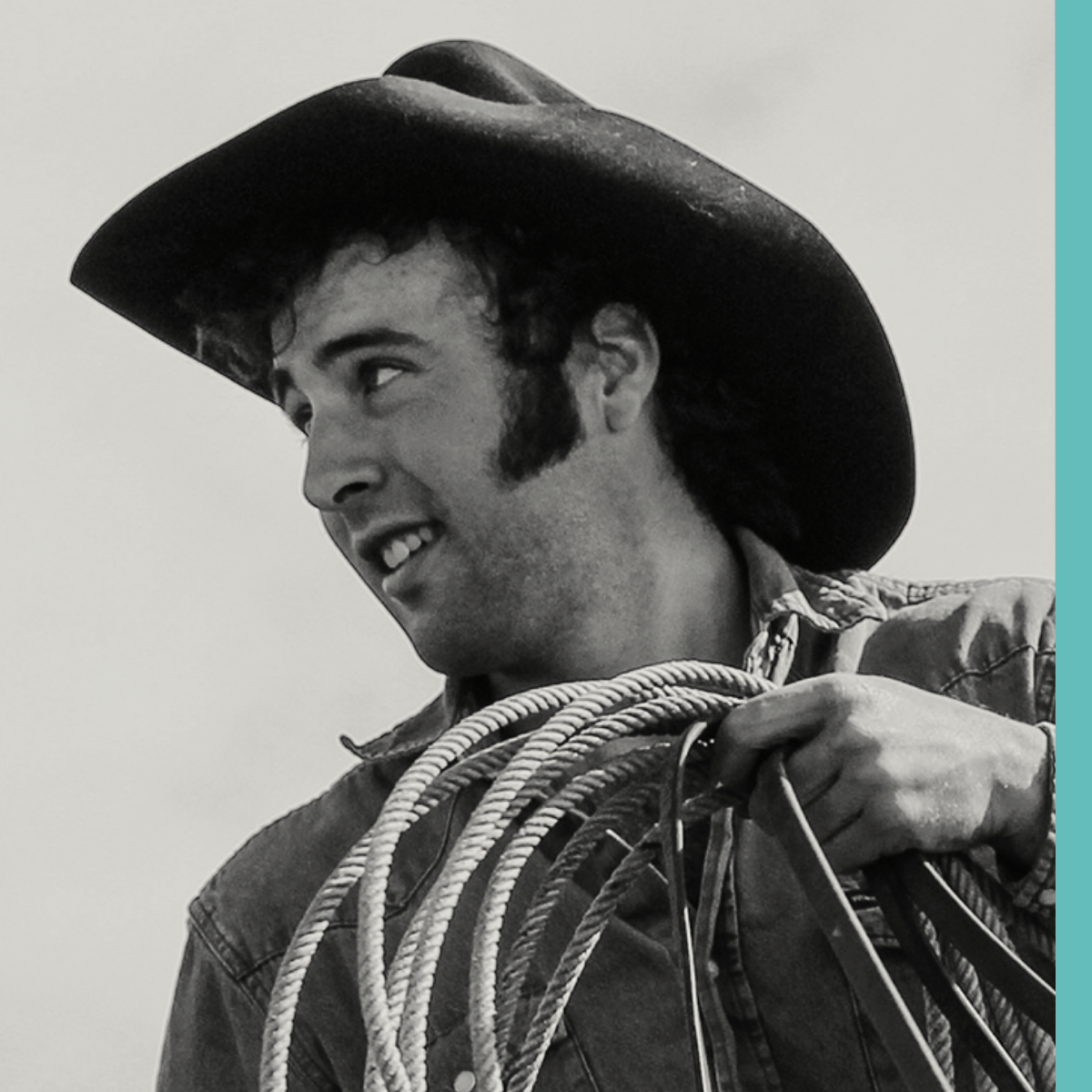
When country singer-songwriter and community-builder Luke Bell passed away in 2022, he left an enormous vacuum in the scenes that made him and adored him. But, he left an even larger legacy. His only posthumous album, The King Is Back, was released last week after being lovingly compiled by his mother Carol, sister Jane, and his team, friends, and collaborators – many of whom perform the LP’s 28 Bell-penned songs. It’s a devastating and heartfelt collection that benefits the Luke Bell Memorial Affordable Counseling Program. Learn more and donate here.
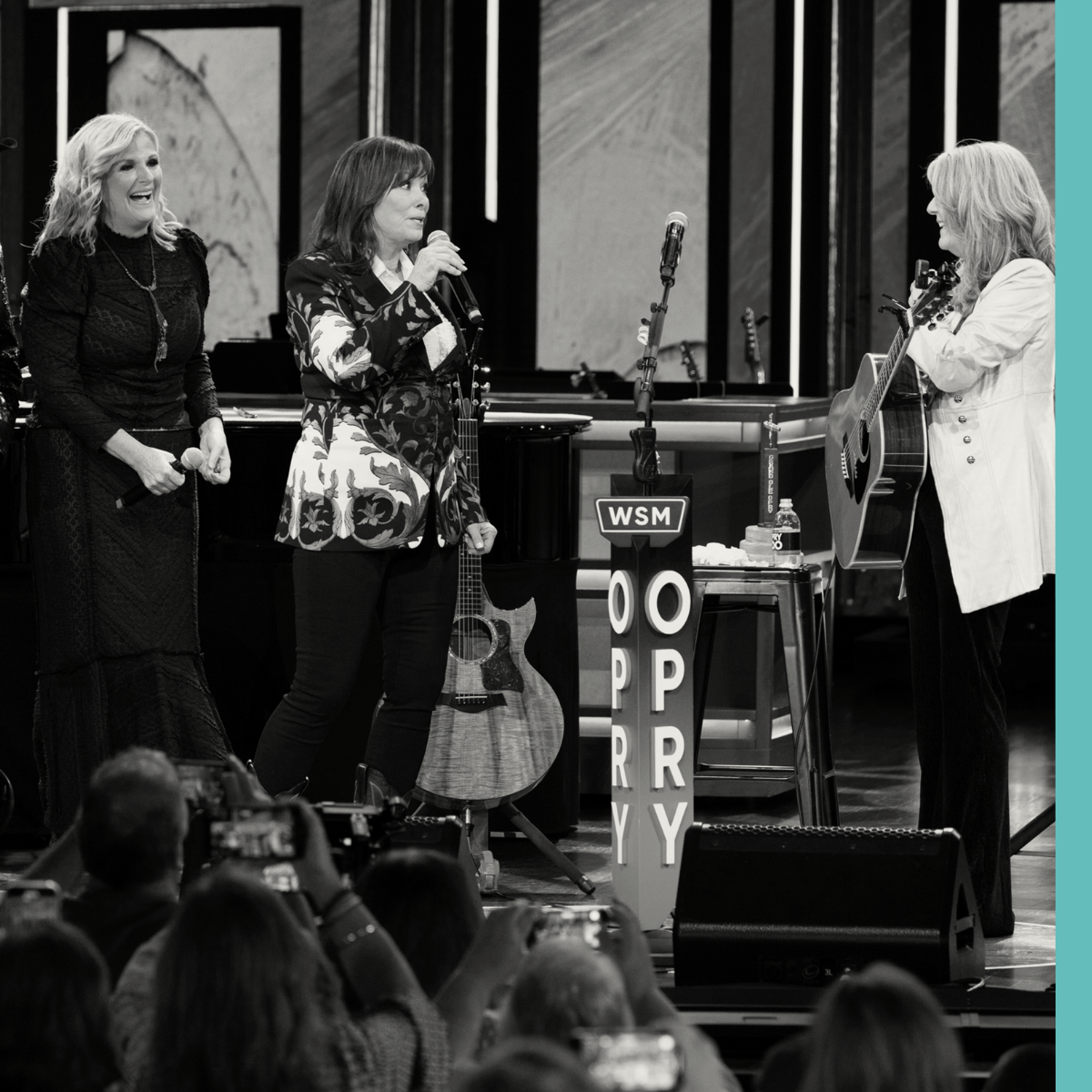
Suzy Bogguss is a country artist and singer-songwriter who’s won a GRAMMY, two CMA Awards, and an ACM award, and has had eight original songs become top 10 hits on the country charts across her career. Now, she’s adding another impressive title to her resumé: Grand Ole Opry Member! Last month, while her longtime friend Kathy Mattea celebrated her own induction into the Opry, Mattea interrupted her performance of “Eighteen Wheels and a Dozen Roses” (with Bogguss, Trisha Yearwood, and Terri Clark singing along) to surprise Suzy with her own invitation. Congratulations, Suzy! (She’ll be inducted in early 2026.)
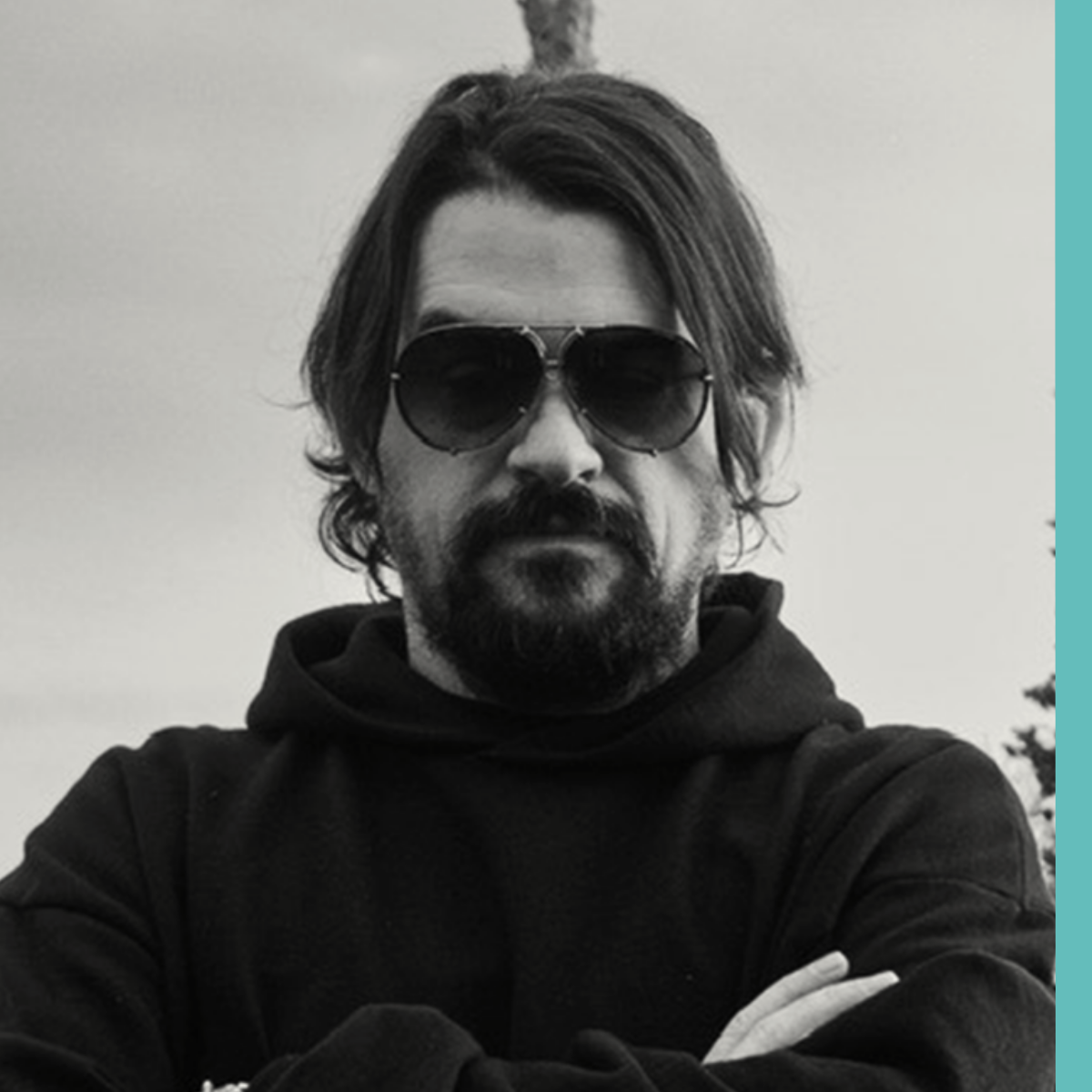
It would be hard to find a more prolific artist-producer-actor in country these days. Shooter Jennings is everywhere, producing albums for Jake Owen, Charley Crockett, Jeremy Pinnell, and the Turnpike Troubadours this year alone. In addition, he’s reached back into the archive of his outlaw father, Waylon Jennings, to release Songbird, the first in a three-album series of posthumous Waylon releases curated by Shooter. His influence is everywhere in modern country – and we’re glad about that.
Read our brand new feature on Shooter Jennings and the new Waylon project, Songbird, here.
We first heard about Memphian modern blues-Americana family band Southern Avenue way back in 2017 and now, more than eight years later, they’re nominated for a GRAMMY! Their most recent album, Family, dropped in April and gained the group their second GRAMMY nomination last week for Best Contemporary Blues Album. The band showcases how Memphis, though it’s often overlooked in favor of its nearby music city sisters, produces fascinating, genre-blending roots music dripping with personality.
Everyone’s favorite Canadian cowboy recluse is back with more of his signature raw, down-to-earth, and grizzled country & western sound. Memories and Empties, Wall’s first studio release in two years, is out today. Tracked in Nashville at the legendary RCA Studio A with his touring band, Scary Prairie Boys, and production by bandmate Pat Lyons, it’s a stellar collection of traditional, working-class, flatland-steeped country that wouldn’t even dare to try getting above its raising. Plus, it celebrates the communities and relationships often obscured or overlooked in songs and recordings that sound like this. Good Country? That’s for damn sure.
Want more Good Country? Sign up to receive our monthly email newsletter – and much more music! – direct to your inbox.
Photo Credits: Luke Bell by Mike Vanata; Suzy Bogguss, Kathy Mattea, and Trisha Yearwood at the Grand Ole Opry by Chris Hollo; Shooter Jennings by Jared Christopher; Southern Avenue by Rory Doyle; Colter Wall by Jake Zielke.
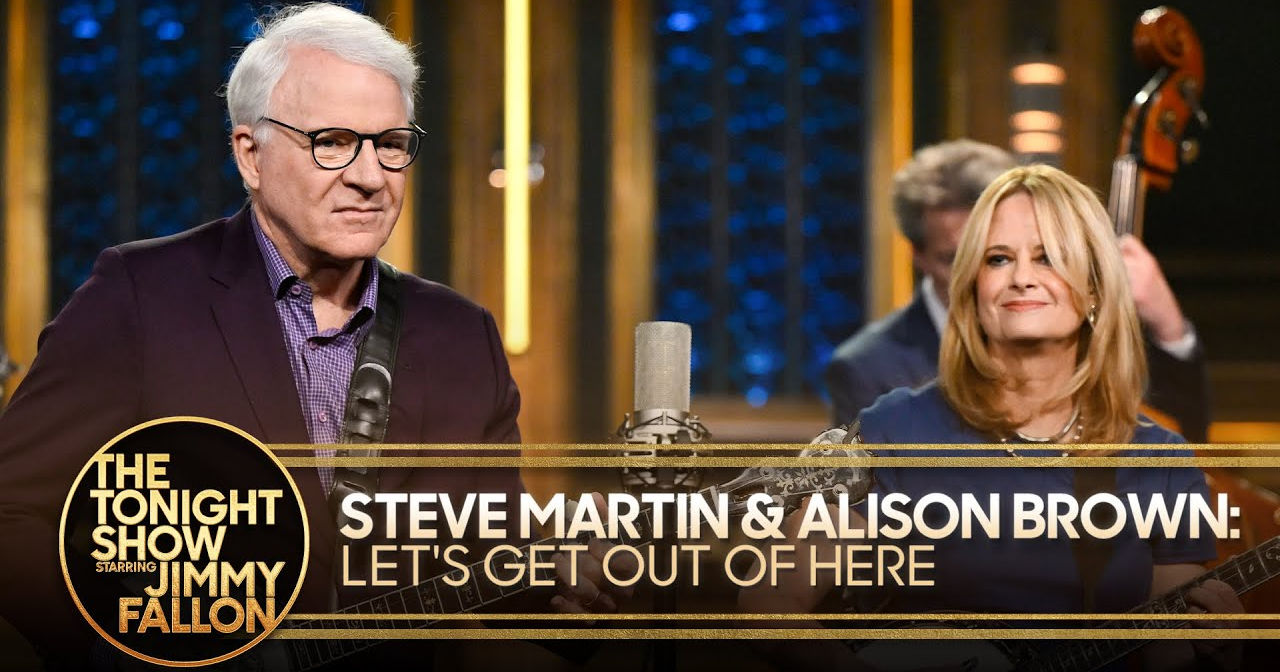
Last week, Steve Martin & Alison Brown brought a star-studded bluegrass band to The Tonight Show Starring Jimmy Fallon to celebrate their brand new duo album, Safe, Sensible and Sane. Released via Brown’s Compass Records on October 17, the album showcases a mighty roster of pickers and special guests as well a packed slate of original tunes and songs co-written by Martin and Brown. For their Tonight Show appearance, they burn through the LP’s closing track, “Let’s Get Out of Here,” a perfect selection to close out the late-night television show.
On the album, Martin’s dancing clawhammer banjo and Brown’s confident three-finger style on the number are bolstered by Sam Bush, Trey Hensley, Stuart Duncan, and Todd Phillips. But for their live TV appearance, they tap an equally astounding group of players, bringing along Bronwyn Keith-Hynes (fiddle), Sierra Hull (mandolin), Michael Daves (guitar), and Brown’s husband and business partner Garry West (bass). The tune demonstrates the special – and often tricky – stylistic dialog Martin and Brown accomplish with ease, blending frailing old-time with Scruggs-style bluegrass. The melody is especially suited to both approaches, danceable and driving at the same time. It’s something of a hallmark of the pair’s work together across the years, and especially this new recording.
As viewers can attest watching their performance of “Let’s Get Out of Here,” the music of Safe, Sensible and Sane is excellent, engaging, hilarious, and heartfelt. All qualities that have attributed to its debut last week at No. 1 on Billboard‘s Bluegrass Album Chart. Need more of this duo? BGS co-founder, actor, comedian, and banjoist Ed Helms, recently had a lovely in-depth chat with both Martin and Brown about the album, three renowned banjo stylists in conversation. Read that feature interview here.
They always say, “Don’t meet your heroes,” but in the bluegrass world, I’ve mostly found that not to be true. Take Steve Martin & Alison Brown, for instance – two of the most recognizable and veritable banjo players alive today. Earlier this year, I was fortunate enough to join them (along with Rhiannon Giddens and a formidable lineup of bluegrass, folk, and old-time musicians) onstage at the legendary Hollywood Bowl. It was a night I’ll never forget.
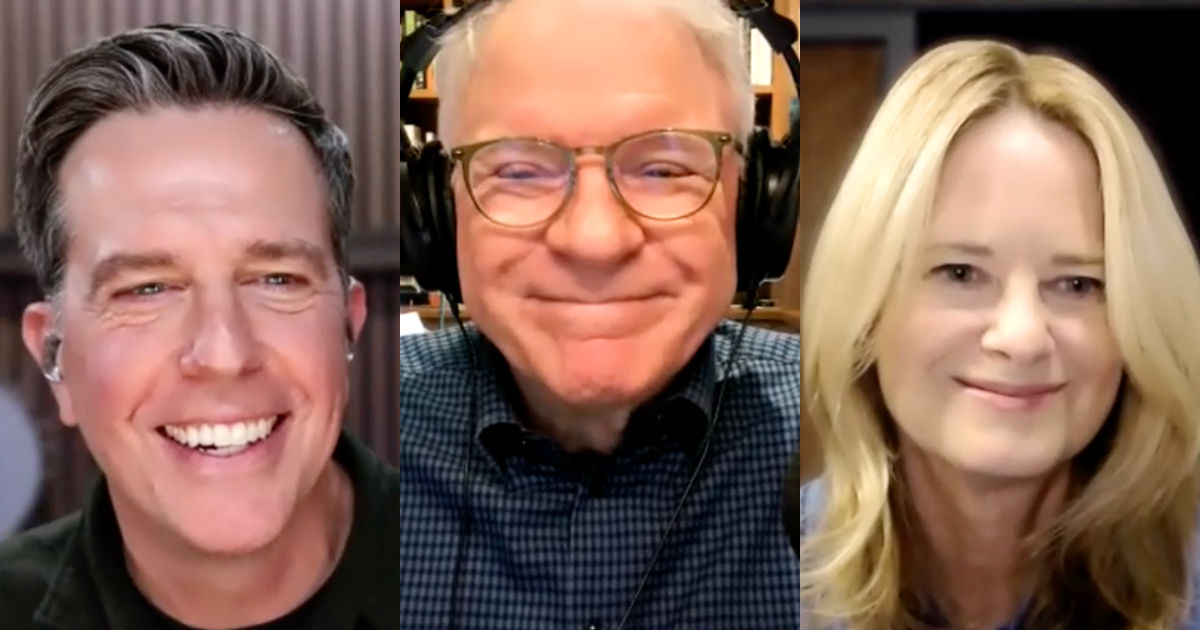
And earlier this month, I had the pleasure of rejoining Steve and Alison in conversation about their new collaborative project, Safe, Sensible and Sane, (out now via Compass Records). It’s a beautiful album filled with original songs, guest appearances from musical friends, and a whole lot of banjos.
Hope you enjoy our conversation!
Ed Helms: First of all, let me just say huge congratulations. An album like this is such a big undertaking and this is phenomenal. I’ve been listening to it basically on a loop for the last couple of days. And my family, my kids are loving it.
Steve Martin: Thanks. Thank you. It’s not easy to rope the family in.
I know! My four- and seven-year-old are extremely critical of anything banjo-related. You won them over.
SM: Awesome.
Right off the bat, what jumps out at me about this album is the title – which immediately strikes me as a kind of direct counterbalance or maybe even a rebuke of these unsafe, nonsensical, and totally insane times that we’re living in. I do think that the album title sets such a warm, funny, and welcoming tone that the music then totally delivers on. Am I getting close?
SM: You’re so far. [All laugh]
Tell me what it is. Walk me through.
SM: I’m almost embarrassed to tell you. Alison, should we confess?
Alison Brown: You told us never to tell, but it’s up to you. [Laughter]
SM: When Alison and I were writing songs together, I had come across a book published in the 1930s on how to improve your letter writing. 80 years old, 90 years old, and it had a list of phrases you can use in your letter writing or business letter writing to brighten up your letters. It said things that are formal phrases, like “thank you for the frank statement of your affairs.” And it went on, things like that.
One of them was “safe, sensible and sane.” I just listed these suggestions and I wrote Alison and said, “I think there’s song lyrics in here somewhere.” Alison organized it, so they kind of rhyme, then Alison wrote this tune for it, and Jason Mraz made sense of it. Because the lyrics are actually nonsense, we have noted that the more we listen to it they actually start to make sense in some way.
That is wild. That is such a weirdly specific rabbit hole of where that came from.
Is the banjo itself something that feels safe, sensible, and sane to each of you in some way? Is it a place of home?
AB: For sure. I think so, certainly speaking for myself. It’s definitely been an anchor for me in my life and I noticed, Steve, watching your documentary, how many scenes the banjo was in the background and realizing that it’s been trailing you your whole life, too.
SM: Yeah. I find you’re right, in the sense that it’s not a “dangerous” instrument like the guitar, sure. Which can be naughty. The banjo is safe, sensible, and sane – but the way Alison plays and the way these great banjo [players] turn it into a kind of extraordinary jazz instrument. It’s too bad that most people probably have an idea of what the banjo sounds like and they’re way off.
I think what you’re saying is that the banjo can be edgy.
AB: it can be edgy, but it can be mainstream, palatable at the same time.
SM: Edgy in the sense of avant-garde, yes. There are some. Didn’t you write a 12-tone banjo song, Alison?
AB: I did. I had a chance to produce and play on a track called “Old Atonal Music” and I actually wrote a 12-tone row banjo solo, which–
Oh my gosh.
AB: Which was then analyzed by the classical community. And fortunately it really was a 12-tone row, so that’s about as edgy as you get.
That’s getting out there.
AB: Boy, are we.
This just got so nerdy so fast.
AB: It sure did. I knew that was gonna happen.
The last time I saw you guys, we had the incredible privilege of joining Rhiannon Giddens at her show at the Hollywood Bowl, and I remember showing up to rehearsal for that and you guys were working on what I thought was just “Cluck Old Hen.” I’m watching you and listening and thinking, “What are these lyrics? What is this? This is so funny.”
Of course, now I know that’s “New Cluck Old Hen,” which is on the album. But what I observed that day in the rehearsal stages was just the rapport that you guys share, which seems so easy and effortless, light, fun, and playful – and well earned. It makes me very curious about the origin of your friendship and was it music immediately? Where did you first connect and what was it you saw in each other?
SM: Go, Alison.
AB: Okay, we were on a Caribbean island at the same time by chance, really just by luck. It was a place that we both vacation regularly with our families and I knew we were gonna be down there at the same time that Steve was gonna be down there. We were gonna overlap for a couple of days and Steve suggested we get together for lunch. Of course, banjos had to be involved, so we had a really wonderful lunch and then sat and spent the afternoon playing banjo together, just sonically clicked really easily.
Because Steve and I both really love finding beautiful melodies in the instrument, we’re both in the same pursuit when we’re playing and composing music. Writing this music, it’s been surprising to me how easy it’s been. It is almost like the tunes were just waiting to be written and we just had to pull them outta the sky.
How long ago was that first connection?
AB: I would say maybe about 10 years ago.
Then was it right away, “Let’s start collaborating!” Or did you guys circle back to each other?
AB: It took me a little while to get up the nerve to see if Steve actually would co-write some music together. [Laughs] I got a chance to do a few shows with Steve and Marty [Short] when the Steep Canyon rangers weren’t able to make shows, so we got a chance to jam some more backstage and play some more clawhammer banjo and three-finger banjo, which is my favorite combination. Like chocolate and peanut butter. Clawhammer and three-finger.
I totally agree. It’s so beautiful. And there are a lot of great players that do both, but usually I think most people assume that a song is in an old-time style or in a sort of three-finger style. So to hear [you] two just beautifully mixed together, you guys are really sharing a language that transcends the style of playing. You’re playing very differently, but there is a fluidness.
I think the song “Evening Star,” which might be my favorite on the album, is such a great example of that, starting out with your three-finger, beautiful lilting rolls and melodic runs. Then Steve comes in picking up the same tune in a [clawhammer] style that feels like a really even, woven-in feel. It doesn’t change the feeling of the song in any way. I think that’s a testament to the connection that you guys share musically.
SM: Our roots and love of the banjo are very similar in the sense of Appalachian sound, the Celtic sound, the modal mountain sound. That’s what gets me. We both like to find those melodies that reside within those tunings and history.
And Alison, as I recall, you sent me this beautiful part and I contributed another part and then Alison found– You can tell the story. You found yourself in Dublin?
AB: Yeah, actually that one, I knew that we were gonna be in Glasgow. I dunno if you have ever become acquainted with the music of John McSherry, Mike McGoldrick, and John Doyle, they have a fabulous trio. They’re completely badass Irish players, Celtic players and I knew that it would sound great to play this tune with them. John Doyle in particular, when he plays rhythm guitar, it’s like riding a big wave. They’re also heroes.
SM: They’re heroes of mine, too.
AB: It’s funny, though, because the genesis of that tune was really Steve telling me about a song he wrote called “Canadian Girl” where he was playing clawhammer in 3/4 time. I’d never even thought about the clawhammer playing in 3/4. But it’s so beautiful. Then I tried to write a melody that could work for both.
I think it’s a real testament to Steve’s banjo playing, too – like you were saying, a lot of banjo players will choose a lane. They’re either three-finger or they’re clawhammer. But Steve’s really unique that he plays both. I think that’s part of the reason why our two banjos go so well together, ’cause he completely understands the three-finger thing. But when he’s playing clawhammer, he brings some of that sensibility to it.
SM: You can also play the modality that you find in clawhammer on three-finger. I remember a song I found on a record recorded by Dick Weissman called “Trail Ridge Road” and it was played with picks, but it had this unique– I just call it modality. I’m sorry to keep using that word, but it had this minor sound that just kept rolling. I always loved it. I think that sound stuck with me forever. I even wrote him once to tell him that.
I think your song, “The Crow,” falls in that category, right?
SM: It is in double C. [It has] that drone sound, ’cause you have two strings tuned to the same note. Yeah, that does have a bit of that in there.
That was one of my favorite songs to learn. I found a transcription in a Banjo Newsletter and I was able to work it up and I love it. Another one of my all-time favorite tunes.
SM: Alison told me that banjo players like to play my songs because they’re easy. [All laugh]
How do you guys collaborate? Walk me through that process. Are you sending each other tracks and just saying, “Hey, here’s an idea.” A little melody or a catch or a hook, and then you’re building on it together? Or do you try to make sure you’re in the same space, just steeping the tea together?
SM: All of the above. Garry [West] and Alison flew out to California, where we spent like three, four days there just writing and recording. We got ideas, initial ideas for songs there. Then we started communicating by text and sending song ideas. It’s the new way to write things. It’s everything.
But we did meet and get that sound of two people together. You’re listening to the other player.
AB: That’s the thing, when I get a chance to sit around with Steve and just play, it always gives me more ideas for where we can take the banjo. Or gives me a new way of thinking about what he’s doing that maybe you could expand on. That’s really exciting. But technology’s totally been our friend, so we’ve done a lot of this by just swapping ideas back and forth and it’s amazing how efficiently you can do that.
How frustrating is it that Zoom, the latency of these video conferences, you can’t quite jam.
SM: You cannot play over the internet! You can’t play, you gotta bounce it back and forth.
That’s [why] I flew down to Nashville to record with Vince Gill, so it’d all be in the same room.
You mention flying down to Nashville to work with Vince and others. This album is so much more than just a double banjo album. It’s this grand collaboration. So many special guests, close friends of yours like Tim O’Brien, Aoife O’Donovan, Sarah Jarosz, Vince Gill, Jason Mraz, Jackson Browne, Jeff Hanna, the Indigo Girls – I’m from Georgia, so that’s a huge one for me. I love, love, love the Indigo Girls.
You two obviously have such a deep well of relationships and friendships throughout music. How did you decide who to rope in on these particular songs? What was that decision-making process like?
SM: I’ve said this before, I’m a talk singer. I sing like Robert Preston, The Music Man. I know Alison sings harmony, but she’s never presented herself as a lead singer, as I know. So we’re forced to find someone to sing these songs. A good example is the song “Michael,” which was written without anybody in mind. The lyrics to that are imperfect in the best sense, in a good sense. Sometimes they don’t quite scan out. Sometimes the rhyme is soft.
Alison was at an event with Aoife O’Donovan and said, “Hey, would you mind singing?” And [Aoife] just understood the song so perfectly. You just go, “Oh, that’s it!” There’s no need to look anywhere. She just really knew how to sing it. You’re looking for people who know how to sing these songs. Like Jason Mraz instantly understood “Safe, Sensible and Sane.” He knew that it was in some way humorous, that none of us could figure out why.
Both of those songs have a little international flair to them. “Michael” almost has a samba or Brazilian feel? And then “Statement Of Your Affairs” with Jason Mraz, is it like reggae?
SM: Is it reggae?
There’s something Caribbean there.
AB: It’s definitely Caribbean, yeah.
Really everything sprang from the banjo. The melody for “Michael,” I just wrote that chorus melody as a banjo tune and really could not fathom how you could do anything other than play a newgrass banjo tune with that melody. It was amazing that Steve could set words to it and then he developed this whole story. It was really fabulous.
SM: What I liked is Alison sent me the tune, I listened to it, and it inspired me to a situation, an atmosphere. And she said, “We can change those lines, some of those melodic lines, and shorten ’em.” I say no. That’s what you want, that unexpected line that extends too long or it forces the words to do something tricky. I really like that challenge.
I love your closing number, “Let’s Get Out of Here” [with] Sam Bush, who counts that one in. I’ve heard it said often that Sam Bush is the best drummer in bluegrass. He sets such a great, driving tempo and rhythm.
SM: I couldn’t play without the mandolin! I’d be all over the place, rhythmically.
AB: No, that’s true. There is nothing like Sam’s chop. When Stuart Duncan and I were teenagers, we were presidents of the “Sam Bush Chop Fan Club.” A super nerdy thing.
This is one for both of you. You’re both multifaceted, creative people. You move so effortlessly between different creative disciplines, collaborative contexts, different bands, different musicians, different media and art forms. Obviously, Steve with film and comedy and writing and performing. You’re also a passionate art collector. Alison, you have tremendous business acumen running Compass Records for so long with your husband.
This is a question as a fellow sort of striving, creative person: How do you balance all of it? I always wonder when I see people like you, is this something that you set aside and approach each discipline as a chunk? Or do you feel more like these are constantly interwoven? Is there a seamless overlap of your various disciplines and ideas and you’re just weaving in and out? Or is it more, “I do this for this time” and now, “It’s comedy time. I’m gonna work on this.” How do you break it down?
SM: Go ahead, Alison. I know my answer.
AB: Okay. So mine probably is less interesting, ’cause mine is kinda like that right brain versus left brain thing. I find that sometimes I’ll be doing just banjo for a stretch of time or music or producing a record or getting to go out and play shows. Other times, I’ll be behind the desk doing spreadsheets and financials – that kind of thing. In some kind of bizarre way, the two things inform each other.
I think for me, I spent so many years in school and got an MBA studying finance. I was an investment banker for a while, so there’s part of me that really enjoys doing all that and feels a responsibility to my mom and dad, too, that I do some of that stuff on some kind of regular basis. I have to look analytically at the music business. I think it helps me when I go in the studio to think about positioning a record – whether I’m producing or just writing my own stuff – positioning it for success, because I understand the challenges of the business landscape in a way that if I was just a banjo player, I wouldn’t understand.
Then when I get to go out and play, it’s like a complete relief just to be out and let your mind be a little bit more free. I know you can be structured and disciplined about creating, but it’s a completely different mindset to sit and look at financials than it is to have enough of an expansive view in your mind to be creative for a moment. But, somehow, the two things work together.
SM: I’ll give my answer. Most people have a job. They maybe, let’s say, go to work at nine and they come home at six – or sometimes they work [until] maybe seven or eight. And if they’re gonna do any extracurricular thing, like practice the banjo, they have to do it at night or on the weekend.
But I just wake up. I don’t have a job, so I can have breakfast and have an idea and go pick up my banjo and go play it. There’s a lot of time where you’re just really doing nothing, because you don’t have a job.
I think it really is that concept they used to apply to basketball players, “being in the zone.” Where you don’t have a sense of time. It’s just there and it’s either working or not. And it’s fun, especially at this age where my creative mind is more agile, where I’m not afraid to go other places or think of things. Ideas seem to come without as much angst, because it doesn’t have to be a success. It just has to be fun.
I know Alison hates hearing that. [All laugh]
AB: No, actually. I’m glad to hear that!
SM: The creative part of my life has become really fun. Whether I’m working with Alison or with Marty or live stage shows… or just dinners! Dinners will be fun.
That’s really beautiful and really inspiring and I’m really grateful to both of you for opening up a little bit and talking me through this. Congrats! This is a fantastic album. It’s a really wide pastiche of different ideas and feelings and vibes, and it all works together. So congrats and thank you.
SM: Thank you, Ed. It’s always great to talk with you. And you’re a great player, too. Don’t forget that!
Thanks, guys.
AB: I’m thinking what we need to do is a triple banjo thing!
SM: I’m up for it! We’ll figure it out.
AB: We’ll figure it out.
SM: Fifteen banjo strings. Can’t get enough. You can never have too many.
This website uses cookies to improve your experience. We'll assume you're ok with this, but you can opt-out if you wish.AcceptRejectRead More
Privacy & Cookies Policy
Privacy Overview
This website uses cookies to improve your experience while you navigate through the website. Out of these, the cookies that are categorized as necessary are stored on your browser as they are essential for the working of basic functionalities of the website. We also use third-party cookies that help us analyze and understand how you use this website. These cookies will be stored in your browser only with your consent. You also have the option to opt-out of these cookies. But opting out of some of these cookies may affect your browsing experience.
Necessary cookies are absolutely essential for the website to function properly. This category only includes cookies that ensures basic functionalities and security features of the website. These cookies do not store any personal information.
Any cookies that may not be particularly necessary for the website to function and is used specifically to collect user personal data via analytics, ads, other embedded contents are termed as non-necessary cookies. It is mandatory to procure user consent prior to running these cookies on your website.