May is Mental Health Awareness Month, but for those with lived experience, every day is about mental health awareness. During the most difficult times, many creators and listeners turn to music. It’s where we connect through lyrics and melodies that express the things we so often cannot, will not, dare not say.
The intersection of music and mental health is nothing new. Long before memes and catchphrases about “break the stigma,” Hank Williams did just that with “I’m So Lonesome I Could Cry.” Years later, Porter Wagoner exposed the ugly unspoken truth about “The Rubber Room.”
Thankfully, through incremental steps, times have changed – although not enough – in terms of media portrayal and public discourse. With great courage, more and more artists are coming forward about their struggles. Dozens of artists and musicians have spoken openly with BGS and Good Country about how mental health challenges move them to create songs and albums that make us all feel a little bit less alone. (Scroll to find our playlist of roots songs all about mental health below.)
Artists and bands like Becky Buller, Courtney Marie Andrews, Sister Sadie, and Tenille Townes give us glimpses at how mental health and self-care inform their creative processes and how they craft their songs, albums, and sets. Groups like Southern Avenue and the Band Loula – who make music built on the sonic and storytelling traditions of the South – subvert regional expectations about what’s “allowed” to be spoken about in the light of day with their approaches to infusing mental health awareness into their songs. Still more conversations with artists like Fruit Bats, Cole Chaney, Emily Scott Robinson, and Chely Wright reinforce that mental health in roots music isn’t a fad or passing trend, it’s an intentional through line. Songwriting and roots music are perfect vehicles for this sort of vulnerability and these once forbidden topics.
The proliferation of YouTube and democratization of music videos in the 2000s and 2010s opened up new dimensions for artists, giving them more formats in which to express themselves, depict their work, and consider mental health. Additionally, of course, it offers live performances that go beyond anything a studio recording can capture.
“I Think It’s Going to Rain Today” – Randy Newman
Randy Newman’s masterpiece has been covered many times, and the internet is full of those recordings – as well as his. This performance, however, at his induction into the Rock and Roll Hall of Fame, may very well surpass them all.
“God, Can You Hear Me?” – Dax
Dax is fearless in addressing the most difficult and “taboo” topics. “God, Can You Hear Me?” asks the unspoken question within the context of a subject that far too many people refuse to address: suicidal ideation. (Content warning: graphic.)
“Let the Circle Be Broken” – Sister Sadie
In genres predicated upon generational legacies and “handing down” tradition, Sister Sadie’s song of release, letting go, and stepping out from underneath the long shadow of generational traumas is more than powerful. By the same token, that it was written and is sung and performed by a band of all women makes it a truly transcendent message. Some circles are meant to remain unbroken, others must be demolished.
“Bench Seat” – Chase Rice
Chase Rice broke down walls and stereotypes and opened doors to discussions about suicide with this multiple-award-winning video. Country needed this. Country needs more of this. (Content warning: graphic.)
“Hurt” – Johnny Cash
Johnny Cash. Enough said.
“I’m Gonna Be the Wind” – Laurie Lewis
Bluegrass legend Laurie Lewis has penned many a fine song tackling issues of mental health, but this is the song for when you’re ready to stride out anew again. It’s a song of strength, resilience, of realizing that often one of the primary forces keeping us down is our own mindset. Tired of being a blade of grass, bent and bruised by the wind? Be the wind!
“Sunday Morning Coming Down” – The Highwaymen
Mickey Raphael described them as “like Mount Rushmore onstage” and called Kris Kristofferson “the Shakespeare of our time.” This is why.
“Will the Sun Ever Shine Again” – Bonnie Raitt
One of the best songs Bonnie Raitt has ever sung and released was recorded for the 2004 animated film Home on the Range. Devastating, endlessly relatable, but ultimately hopeful, the film cut of “Will the Sun Ever Shine Again” is hard to track down on streaming services and online, but it’s truly lovely. A gem of a soundtrack find from an often overlooked Disney children’s movie from the aughts.
“Alone Again (Naturally)” – Gilbert O’Sullivan
In 1971, Gilbert O’Sullivan bravely addressed loss, grief, heartbreak, loneliness, depression, suicidal thoughts, and questions of faith, wrapped them up in a lovely melody, set them to a catchy beat, and rode to the top of the charts with one of the most gutting, most accurate depictions of mental health challenges ever put to song. Decades and numerous cover versions later, stripped down to keyboard and guitar, his voice aged like fine wine, “Alone Again (Naturally)” remains poignantly accurate and relatable.
“Bad Mind” – Erin Rae
A song so perfect in its illustration of how we project and ascribe mental health, onto ourselves and others. We all may know, somewhere inside ourselves, that there is no such thing as a “Bad Mind,” but stigma and internalized expectations leave so many of us feeling broken and “incorrect.” Listening to Erin Rae sing this lovely, devastating song brings an immediate feeling of needing to reassure the singer that there really aren’t bad minds… and thereby the realization we should also apply that grace to ourselves.
Below, you’ll find our full playlist of nearly 8 hours of roots music created by the teams at BGS and Good Country that features some of the many excellent songs that address mental health. For Mental Health Awareness Month and beyond.
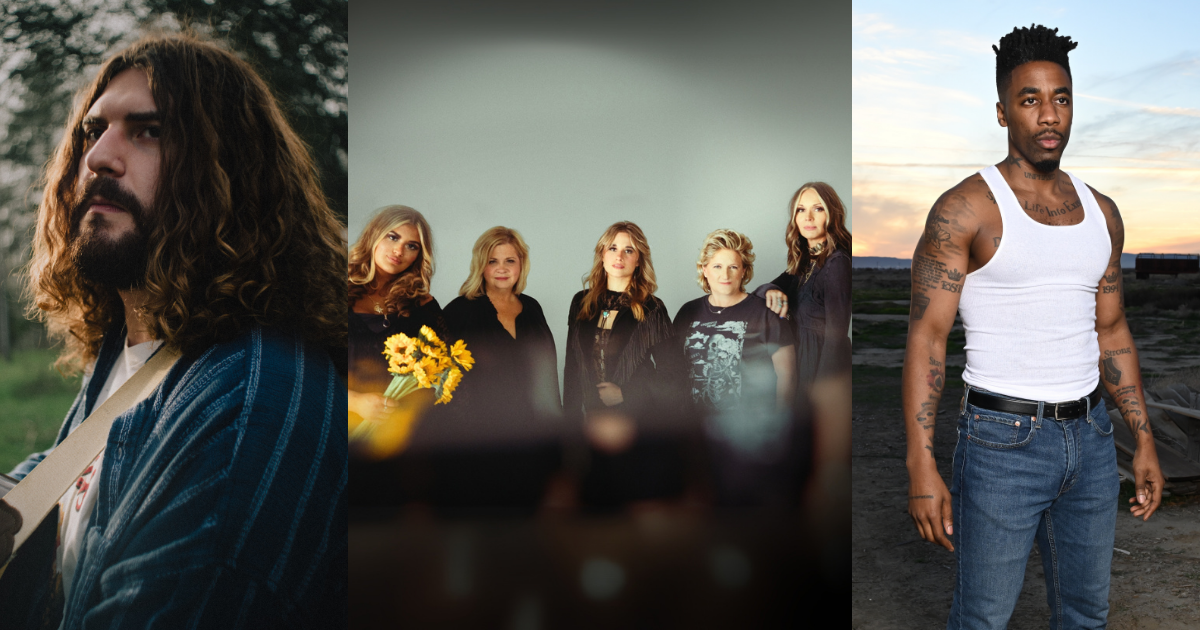
Photo Credit: (L to R) Cole Chaney by Anthony Simpkins; Sister Sadie courtesy of the artist; Dax by Annie Devine.
Additional curation and contributions by Shelby Williamson and Justin Hiltner.
While many young talents, willingly or hesitantly, bow down to music industry boardroom suits who promise stardom if they’ll follow a professionally curated path, Cole Chaney takes a hard pass. He knows exactly who he is, what he does, and how he wants to get there. He creates songs, not content. He’s a career musician, not a brand. And the only thing he hopes to influence, maybe, is someone, somewhere, who wants to make music for all the right reasons.
Chaney grew up in Catlettsburg, Kentucky, surrounded by the legacies and storytelling of his elders. After graduating high school he worked as a welder, uncertain of his career path, but already fueled by his passion for music. Today, he keeps one musical foot in the bluegrass traditions of his Appalachian roots and the other in guitar-centric, amplified bands like Soundgarden, Nirvana, Alice In Chains, and Stone Temple Pilots.
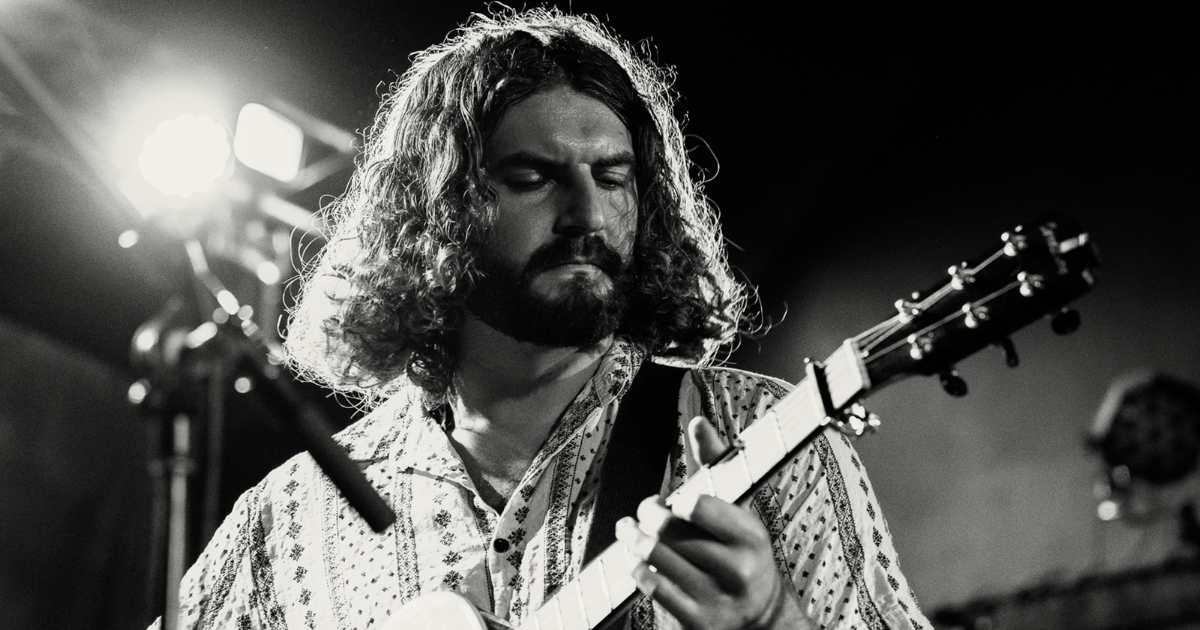
His debut album Mercy and subsequent OurVinyl Sessions reflect his love of acoustic music and showcase his leanings toward introspection and melancholy. In the Shadow of the Mountain, released last fall, takes that darkness to a new place, balances it with moments of light and leans into the aforementioned rock influences, while never losing the origins of his sound. All of this shines at peak level onstage, captured by Western AF on a Live AF Session.
Sitting outside at home on an April morning, drinking coffee and surrounded by the sounds of birds and a breeze, Chaney spent a couple of hours on the phone with Good Country. He spoke candidly about his music, faith, values, mental health, and the intertwining of inner peace and inner turbulence that make all these things uniquely him.
When you were ready to do this professionally, you went to Lexington. Most songwriters would have chosen Nashville. Was yours a deliberate decision or a natural one?
Cole Chaney: To understand that decision, you have to look at who I was looking up to at the time – and still do – and what drove that decision. When I was in high school, probably around my freshman or sophomore year, 2014 or 2015, I started getting into this band called Sundy Best. They’re from Prestonsburg, Kentucky, which is just down the road from me. This was pre-Tyler Childers. At the time, in Eastern Kentucky, these guys were the biggest thing coming and going. They leaned heavily on being from Kentucky, the same way I do, and they moved to Lexington to get a foothold.
That was my early example, watching those guys. I knew they weren’t going about it the traditional way, which was to go to Nashville and pray somebody picks you up. They did it in Lexington. A couple years later, Tyler Childers comes along – another super-influential figure in my musical upbringing. Of course, he’s anti-Nashville – not the city, but the machine, if you will. I’m pretty sure he lived in Lexington, or at least around the area in the scene, for a while. So did Sturgill Simpson. The list goes on.
I was like, “What business model makes more sense to me? Do I go to the place where there’s more songwriters than the rest of the entire planet or somewhere where people will actually understand what I’m saying and I can maybe build myself a little bit of a foundation?”
The way I saw it is if I started building a sort of fan base or if I had enough ticket buyers, places like Nashville or Denver, these big music scene cities, what choice would they have other than to book us? That’s the way I looked at it.
And it worked.
It did work. It’s a simple business model, but the difference between that model and the other is you’re not sitting around waiting for something to happen. It’s on you to go out and make your own connections. It’s a very grassroots and organic way of doing it and that’s the way I like to do things. I’m anti-machine. Even though I work with some bigger companies, I keep it as limited as possible. That’s so I can play pretty much wherever I want, whenever I want, and they understand that.
On the Whiskey Riff Raff Podcast you said, “Music found me.” Would you mind expanding on that just a bit?
It did. I never would have dreamed at 16 years old that I would be doing this as my full-time job at 25. That was never on the horizon for me. I didn’t know what I was going to do. I knew I was going to weld for a little bit, see what happened, and maybe try to start my own business. And I did. But I really didn’t think it was going to end up like this.
I started realizing that people liked to hear me play and sing around the same time that COVID hit really hard. That gave me an opportunity to sit down, write some songs, and think about what I wanted to do with the rest of my life.
I’m very much a subscriber to the Bible, and I think the Lord has a mysterious way of working. He put me on a path without me even realizing it way back then and I do my best to stay on it now. I think my job while I’m here is to create as much good stuff as I can, stuff that means something, get it out to the people, and get out in front of them and play it for them. As somebody who enjoys going to shows in their free time and watching my favorite bands perform live, I know how that feels, and it’s truly a privilege to be able to offer that same service to other people.
There is music in your bloodlines, not professionally, but family members who played in church and at home. You obviously assimilated the sound of the area, and also this wider scope with bands like Alice In Chains and Stone Temple Pilots. When did all of that begin seeping into your songwriting?
We listened to the radio when I was growing up. I didn’t get educated on music or how to play until I started really getting into it. To this day, I’m still being educated and learning how to play on a daily basis. Part of what keeps it so fun to me is how much I don’t know and constantly learning about things.
Mercy was my first album, and I had access to what was around me. I had just moved to Lexington and I was really into bluegrass. There’s a band called the Wooks that, to this day, Glory Bound is one of my top three favorite records of all time. I was infatuated with that sound and that was what I wanted Mercy to sound like, or at least as close to it as I could get. A lot of the Wooks ended up playing on that album, plus Michael Cleveland. It was crazy.
Alice In Chains has been a mainstay in my musical taste since I was probably 15 or 16 years old. Since I first found them, I was very drawn in by the tone of Layne Staley’s voice and the weight of Jerry Cantrell’s guitar. It feels like you could bite it and chew on it. I don’t know how to describe it.
I’ve also always loved bluegrass, so it was [figuring out] how to bridge the gap of what I listen to and where I want to go with my writing without completely abandoning that sound. And bringing the alternative rock sound into the folk realm, where you have mandolin, upright bass, fiddle, acoustic guitars, and drums. The biggest change in the sound has been the addition of drums over the past two years, navigating that and seeing how it fits into the whole equation. It opened up a lot of avenues for me as a songwriter.
You began playing guitar at 13 or 14. Did you always play acoustic?
The thing about electric guitar, for me, is that it’s such a deep realm of gear and a deep dive. I’ve always been attracted to good-sounding acoustic guitars and players like Tony Rice, so I felt my effort was best spent getting really good at playing the acoustic guitar.
That will carry over whenever I decide to pick up an electric guitar, more so than if I only played electric guitar and tried to write some bluegrass-style acoustic lines. It would be a tougher transition to come over from light gauge strings on an electric guitar to .013s on a dreadnought and trying to play “Blue Railroad Train” or something like that.
Do you have an electric guitar?
I have several electric guitars. I’ve got a ’57 reboot Stratocaster, an American Professional Telecaster, my old Paul Reed Smith that I learned how to play electric on, and a nice Vox amp. I don’t know all that much about electric guitars. I still have a lot to learn.
Prior to this interview, you sent over your touring rig: a Gibson J-45 Banner in standard tuning with a K&K Pure Mini pickup, and a Breedlove sitka/rosewood Custom Dreadnought in drop D/double drop D, with an LR Baggs Element VTC pickup. Also two Grace BiX DI’s and a Lampifier Model 711 cardioid mic for lead vocals.
Those are my road guitars. They aren’t the ones I recorded everything with, but those are what you see at the shows.
In addition to the Gibson and Breedlove, do you have other acoustics?
I have two Gary Cotten guitars. [On] OurVinyl [Sessions, that] was my first Cotten I recorded with. On In the Shadow of the Mountain, many of those songs are my newer Cotten, which is sinker mahogany and an Adirondack top. “Alone?,” “In the Shadow of the Mountain,” “Into,” “Feels Like Rain,” and “Spirit” [were all recorded] on the Cotten.
That guitar sounds huge. It’s an outstanding guitar. I don’t tour with it because I’m scared something would happen to it and it’s too special to me. And Gary’s a great dude. He’s always taken really good care of me, and I want that guitar to stick around for a long time.
I don’t have any electronics in it, either. It’s a very traditional style, it’s a dovetail, and I want to keep it as traditional as I can and keep as much weight out of it as I can, because the more weight you add, sometimes it makes them sound worse.
What makes the Gibson and Breedlove right for touring?
They’re super-versatile and they both sound fantastic plugged in. That Breedlove is the longest-standing guitar I have that I’ve consistently played shows with. I got it in 2019 from 4 o’clock Rock Guitar Shop in Ashland [Kentucky]. It’s a custom dreadnought that they shop-ordered and it’s got the LR Baggs VTC Element in it. It has always sounded so good plugged in. I mean, all guitars sound bad plugged in, but it’s a matter of how much of the original sound can you actually preserve when you plug it in.
I’ve gotten to the point where I am almost starting to desire a little bit of that direct input texture. Maybe it’s because I’m listening to too much MTV Unplugged, but I’m starting to desire that kind of cardboard bad sound.
The Gibson, I put a K&K Pure Mini in and it sounds really close to what it sounds like not plugged in. Man, that Gibson is a beast. I love that guitar. It’s been to every show with me since I bought it last year.
I still have a Paul Reed Smith acoustic guitar and it’s a damned good little guitar. I’ll probably end up using it again on some stuff. It’s one of those that you plug in and it sounds great, too. But when I got into the whole bluegrass thing, I knew I needed something with a little more body.
Sometimes you use a pick, sometimes fingers. Either way, your attack is strong. How did your technique develop?
It’s one hundred percent out of necessity. I had a really bad injury in 2015 and I damn near cut my index finger completely off at the knuckle. I can’t wholly bend my index finger and I can’t feel the picking side of that finger. If you watch some of my older videos, my index finger is flailing around all the time. It’s because I’m picking with my thumb and middle finger, and that’s where I’m holding the pick. That took me long enough to learn how to do.
In recent years I’ve learned how to use my middle finger to lock my index in place and be able to hold a pick. It looks normal, but if you could see how the sausage is made, it’s not that pretty. I wish I had that dexterity in my finger. The takeaway message from that is, “Take care of your hands, y’all.”
Let’s talk about the through line from bluegrass to bands like Stone Temple Pilots and Alice In Chains. You blend the genres seamlessly and it all makes sense. Did you always feel that connection?
If you listen to any playlist I’ve had, I’ll go from Ralph Stanley to Chris Cornell in a heartbeat. Obviously the music is different, but there are common themes between the two. Mountain folk music, hard rock, and that era are very dark and brooding, and they can be heavy in their own ways too.
What is heavy? What makes a song heavy? You’ve got people drop-tuning their guitars, but it’s still not as heavy as Pantera or Black Sabbath or something like that. So it’s not necessarily the sound that makes it heavy. It’s the vibe of the song.
I feel like a salesman a little bit, trying to sell this idea that this stuff can be brought together and related in an authentic capacity. Let’s take [Stone Temple Pilots’] “Big Empty,” for example. To do a cover of that and be looked at as a folk artist or an Appalachian artist, or some people will even say country – which I disagree with, but whatever – it always seems like somebody will start into a cover of this great song, but then they’ll get hokey with it and it loses all its purity.
That’s not at all the intended purpose for me. It’s to say, “This is a fantastic song and it fits the vibe that we’re all going for in this realm.” A lot of people probably didn’t know that a mandolin or fiddle sounds great on “Big Empty,” but now they do, because it fits. That’s the way I listen to that kind of stuff. It’s just how to pull that off without being cheesy or coming off in a capitalistic way. More so in a way of, “I love this song and you guys should listen to it.”
Was it challenging to find musicians who understand going from bluegrass to Stone Temple Pilots and back again?
The band, I think through a lot of prayer/manifestation, has come together and, as you hear, they’re fantastic. They can play anything in any style. Ella [Webster] and Kyle [Kleinman] come from a more traditional folk music side of things. Kyle is a bluegrasser and Ella is an old-time fiddle player. Lars [Swanson] and James [Gooding] are jazz cats, so they have infinite vocabulary when it comes to music. If you can play jazz, then you’re going to be all right. If you can pull off that stuff, you don’t have anything to worry about when it comes to my type of music. Stone Temple Pilots is a walk in the park for you.
In our van, the most listened-to bands between us are Soundgarden, Pantera, whatever James’s choice of jazz is, and Alice In Chains MTV Unplugged. That’s a really good piece of music. But yeah, they’re a great band and they can play anything.
Did Lars and James know each other before they joined your band? To lock in a rhythm section…
No, they didn’t. Once you start playing with a jazz drummer, you need somebody who can comprehend the stuff he’s laying out and answer that on the bass. To have those two sit in a room and jam is really something to witness and listen to, because they speak a language to each other that I don’t understand. But I love when they do it, and it’s great to hear.
I’ll be playing onstage, singing and doing my thing, those guys are behind me and I’ll hear them back there, talking to each other while we’re doing this thing, and it’s awesome. They’re special. Those two dudes – they’re incredible. They’re the unsung heroes of music in general. That’s your metaphorical offensive line right there. If you don’t have a Lars and a James, then your quarterback’s getting sacked all the time.
This is you in 2025 on The Western Side, talking about Shadow: “a lot of darkness and an equal amount of joy in other songs. It’s a good depiction of where I’ve been for the past two years. A tumultuous and chaotic time period, but also great. And I’m still here.”
Then, In 2021, on With A View: “I load the pressure on. It’s how I operate. My brain lives in constant turmoil.” In 2020, talking about “Fever Dream,” “a song about trying to keep it all together. … the way I deal with this is isolation. And when you isolate yourself, you don’t have much of a choice but to hash some things out in your head.”
You are no stranger to the dark place.
Hearing those things, I look at that younger version of myself almost as I would look at a younger brother. Part of me wishes I could put an arm around that kid’s shoulders and be like, “You’re going to be all right, buddy.” Times got a little tough, as they probably should for anybody at points in their life. You can’t really enjoy the great parts of your life without having a little bit of adversity to overcome or deal with. The darkest part, for me, was maybe just growing up and gaining a new understanding of the way the world actually operates and how hopeless that can be at times, but also how beautiful it can be in the same stroke.
What I’ve realized is you get out of this world what you pay attention to, because whatever you want to find, you can find it. It’s there and it’s aplenty, whether you want to find the negativity and suffering, or whether you want to find the positive and the good. I don’t have the answer to where folks are supposed to operate and live, but I think it’s good to help people who are in that suffering side of things. But you can’t let that dominate your existence, and for a little while, I was maybe dominated by the darker side of life.
I try to be as empathetic as I can, but with that comes feeling a lot and also accidentally hurting people sometimes. That’s really tough, because then you have this cycle of guilt that you deal with trying to make it right in your head. As I’ve gotten a little older and maybe figured a couple things out, I try to have a lot more grace for myself. What I’ve learned about the pressure is that it’s really just perceived pressure and none of that exists, and you should just care less what people think.
Obviously, music is where you go during those times.
Absolutely. If something is eating at me that I’m having a hard time getting out in a linear fashion, a lot of times I find myself writing about it without even realizing it. My mom is an abstract painter, so I grew up with an understanding of what “abstract” means and abstract concepts. That’s how I materialize a lot of that stuff, because some of it is things I would never come right out and literally write down, for multitudes of reasons, but things you want to indirectly address. That’s when [abstraction] becomes a great tool for addressing those kinds of things. Metaphors.
It seems, when it comes to expressing those things, you’re in the balance between the emotionally open world of Cornell, Cobain, and others and the world of bluegrass, country, hunting, fishing, and those stereotypes of “manly men” – and not so much emotional transparency.
Not necessarily. I don’t know about the whole “alpha male” personality type. It’s always seemed to me that a lot of times the guys who are trying to be perceived as macho are probably the ones who need a hug the most. Now it’s everybody else’s problem because their dad didn’t do it, and that sucks.
As I’ve emotionally developed a little bit, I’ve really started to respect individuals like Chris Cornell. If you look into him as a person and watch some of his interviews, he’s intelligent and seemingly self-aware. I respect the way he conducted himself, especially in interviews, and the way he made sure to pay attention to people and make them feel seen. The only way you can empathize with people like that and make sure of those types of things is if you’ve been on the other end of that stuff and you’ve felt looked over and brushed off.
I may not be the best at answering Instagram DMs, and I definitely don’t stay on the internet because I think it sucks, but if I talk to somebody in person, I always try my best to give them that and be present in the moment. Somebody else that does a fantastic job of that is Nicholas Jamerson, the frontman of Sundy Best, who’s a mentor, friend, and hero of mine.
Have you ever felt any hesitation about publicly ripping off the mental health Band-Aids? Or, conversely, is there a feeling of opening the door to people having these conversations?
Sure, there’s hesitation about a lot of things. There’s a lot of decisions about, “How do you want to portray yourself in a public light?” But my main goal is and has been to just be as authentic as I can, as representative of how I feel about things as I can, and to be accepting of people and understand that they come from different places and have different perspectives.
With that hesitancy, there’s also much more in the way that when we were talking about 20-year-old Cole, the way I want to put my arm around that kid and comfort him, that’s what I want my music to do for people that feel the way I was feeling at that time.
Listening to you, I’m reminded of something Charlie Daniels said to me during an interview years ago: “Music is too precious for me to prostitute it.”
Oh, yeah. Absolutely. And, too, Charlie Daniels is one of the greatest country musicians ever. I want to go on record saying that.
The way I look at it is, could I see my heroes, people I look up to, going online and being like, “Comment what song you think I should release next”? No, I don’t think I could. When I see someone who has musical and artistic integrity, that’s how I’m going to operate. I’m going to try my hardest to uphold my integrity and not do the TikToks and the really cheap stuff.
You absolutely will suffer financially for not playing the game and if you don’t kiss the right ass, but, to me, that suffering is not negative suffering. I’m honored to be able to suffer like this, because if my options are suffer or have to watch Country Central’s “Hot Take Tuesday,” then give me suffering all day long, because I’m not paying attention to that bullshit. It’s ridiculous. I don’t care who’s beefing and I don’t care what dude is playing cowboy this week.
That’s why I’m trying to get out of the country scene. It’s becoming so fake and there’s so many people trying to be carbon copies of other people. There’s no authenticity. Everybody’s full of shit. We went through this period where people like Tyler [Childers] drove the spear through the heart of this mainstream country thing and it was akin to when Nirvana came on the scene and effectively killed hair bands for a while. But then the Nirvana copycats came along and garnered a lot of the same attention.
I’m not saying that just Tyler Childers is responsible for this. People like Sturgill, and a lot of smaller artists in their own scenes, are responsible for the turning over of the dirt, if you will. But it’s getting stale. It’s past getting stale. It is stale and it’s bad. There’s a lot of really shitty music being put out right now and I don’t want any part of that.
If I’ve got to step away and back off and be out of the internet eye, then fantastic. That doesn’t bother me one bit. If it means a few less people know who I am, then so be it. But I hold out hope that people will eventually realize how cheap and bad a lot of the music is that is being promoted right now, and there’ll be another turning of the dirt soon.
Yes, art is subjective, but art is subjective. Not this corporate bullshit that they’re trying to push. That’s not art. That’s six dudes in a room trying to come up with a song that’s going to sell on the radio or sell on the internet, or “We’re going to put thirty tracks on this album” so they can set streaming records. It’s like, “Man, y’all have lost the complete plot of the whole thing.” There’s nothing interesting about that to me. I’m all about authenticity. I want to believe the person on the other side of the microphone from me, and if I don’t believe you, then I’m out.
Bidding farewell to May already? It seems impossible, but somehow we’ve quickly reached our final collection of premieres and new music for the month. You Gotta Hear This!
We’ve got bluegrass to get you moving this week, with North Carolina’s Balsam Range kicking us off with a dark and gritty story song of a shipwreck and the sea, “The Pacific,” their latest single dropping today. Then, prodigious young mandolinist Wyatt Ellis takes us from ocean to land with a classic, “Choo Choo Coming.” We’re sharing the brand new video for Ellis’ hit track.
There’s plenty more bluegrass to be enjoyed, too. Caroline Owens has just dropped a new music video for her March-released single, “You’ve Still Got It,” a song about the tight hold love can have on one’s heart and soul that highlights Owens’ bright, sparkling vocals. Plus, Kansas-based group MoonShroom take us into raucous, lovable jamgrass territory with “Somewhere On A Mountain” set to a fun and trippy lyric video. Exile – whether externally or self-imposed – sure can be enjoyable with the right soundtrack and a gorgeous view.
Don’t miss Maygen & the Birdwatcher included below, as well. Their brand new single, “Feel Good,” was released yesterday and will remind you of well executed country-string band-grass from artists like the Chicks, Darrell Scott, or Hailey Whitters. You’ll be feelin’ good, for sure.
For an alt-folk, indie-Americana counterpoint, singer-songwriter Jade Jackson shares “Pretending” in recognition of the conclusion of Mental Health Awareness Month. Brooding, vibey, and ravishing, Jackson’s beautiful voice cuts through the dark and stirring bed of sounds and synths before being joined by a broad, pocketed country-tinged back beat.
We hope you enjoy this week’s assemblage of excellent new music. You Gotta Hear This:
Balsam Range, “The Pacific”
Artist:Balsam Range Hometown: Haywood County, North Carolina Song: “The Pacific” Release Date: May 30, 2025
In Their Words: “This song has everything I like. A great story, great melody and chord progressions, and a great delivery by Caleb and Don. Just a great song. It’s kind of a bluegrass version of ‘The Wreck of the Edmund Fitzgerald.’ This was a song that just seemed to musically fit everybody in the band all at once. Caleb especially has a real gift for a delivery on a song like this. The depth of story was really appealing, too – you could almost make a movie out of it.” – Tim Surrett
Track Credits: Caleb Smith – Acoustic guitar, lead vocal Tim Surrett – Bass, harmony vocal Marc Pruett – Banjo Don Rigsby – Fiddle, harmony vocal Alan Bibey – Mandolin
Wyatt Ellis, “Choo Choo Coming”
Artist:Wyatt Ellis Hometown: Maryville, Tennessee Song: “Choo Choo Coming” Release Date: May 16, 2025 Label: Knee High Records
In Their Words: “‘Choo Choo Coming’ was one of the first songs my band and I started playing together and it’s always had a certain kind of electricity to it – it just moves. We’ve played it live so many times, including during our first Grand Ole Opry band performance, and it never fails to light up the stage. It’s one of those songs Keith Whitley and Ralph Stanley used to tear into and I’ve always loved how raw and driving their versions was. That sound – gritty, tight, and right in the pocket – is what we’ve worked hard to capture as a band. When we sing together, I like to think we land somewhere between a freight train and a church choir barreling through the mountains. This single really shows who we are: young, rooted in tradition, but not afraid to push the tempo and let it roar. I’m proud of how far we’ve come and excited for folks to finally hear my band’s first recording. It’s the sound of where we started – and where we’re headed.” – Wyatt Ellis
Video Credits: Directed, filmed, and edited by Joseph Cash. Styled by Bonny Mary Green. Shot at the Tennessee Valley Railway, Hiwassee, Tennessee.
Jade Jackson, “Pretending”
Artist:Jade Jackson Hometown: Santa Margarita, California Song: “Pretending” Release Date: May 30, 2025 Label: Jackson Star Records (Independent)
In Their Words: “‘Pretending’ was written during a season when I was going through the motions, but felt completely lost inside. It was meant for a record that never came out and, for a long time, I thought it might never be heard. I’m sharing it now, for Mental Health Awareness Month, in hopes it reaches someone who needs to feel less alone in what they’re carrying. Releasing it now feels like closing a chapter, so I can fully step into the new music I’ve been creating.” – Jade Jackson
Maygen & the Birdwatcher, “Feel Good”
Artist:Maygen & The Birdwatcher Hometown: Minneapolis, Minnesota Song: “Feel Good” Release Date: May 29, 2025 Label: Yellow House Music Collective/Missing Piece Records
In Their Words: “Although we’re just now coming out with the studio recording of the song, ‘Feel Good’ is one that we’ve played live for a while now. It’s definitely one of my very favorite parts of our set, because it gets me right into the moment on the stage where it always ‘feels good’ to be.” – Maygen Lacey, vocals, acoustic guitar
“I’m really satisfied with how both Jesse’s mandolin and my banjo part line up/dance around Maygen’s vocal delivery throughout the song, especially on the line ‘mama’s cookin’ in the kitchen.’ Also props to Noah for the tasteful major 2 chord in the chorus. Chef’s kiss.” – Nik Pellinen, banjo
“I’d agree with what Nik said on ‘Feel Good.’ It’s really impressive how each instrument has a unique part yet still all feel like they’re pulling in the same direction! Also love that we got to include a little of our drummer Peter’s infectious laugh in the intro.” – Noah Neumann, acoustic guitar, background vocals
“To me, the song ‘Feel Good’ represents a lot in a Maygen & The Birdwatcher set, because it truly highlights the optimistic and empowering nature of the band in one single moment. It was an honor to be a part of capturing that feeling for the studio recording with such a stellar cast and crew.” – Joe Barron, bass
“I love the bluegrass feel in the chorus. I grew up listening to and playing bluegrass, so this makes the music along with the lyrics feel like home for me.” – Jesse Moravec, mandolin
MoonShroom, “Somewhere On A Mountain”
Artist:MoonShroom Hometown: Kansas City, Kansas Song: “Somewhere On a Mountain” Album: Take a Trip Release Date: May 30, 2025 (single); June 27, 2025 (album)
In Their Words: “No matter what walk of life you are in, everybody is on a journey of their own. The path to success is not always linear and, for most people, the road to where you want to be is riddled with hurdles, adversity, and setbacks. Sometimes you pour your heart and your soul into something, only to watch it crumble in an instant.
“I wrote ‘Somewhere On A Mountain’ amidst a past musical project of mine falling apart during the COVID pandemic. We had hit the road hard for five years building, only for it to end abruptly due to several factors out of our control. I felt like I had been climbing for years trying to reach an unknown peak, only to have the whole mountain give out from under me. Although it was unfortunate that the project had to come to an end, I realized that it was just a stepping stone leading to where I was headed. I learned a lot touring with my past band, but it was a lesson that sometimes your expectations are subverted and you have to rebuild.
“Ultimately, the universe had a weird way of shaking up my life in order to make way for the new. Now, I couldn’t be happier with the music we are creating with MoonShroom, and the progress we are making. I’m still somewhere on a mountain, just in it for the view.” – Jake Keegan
Track Credits: Jake Keegan – Vocals, Dobro, songwriting Lily B Moonflower – Harmony vocals, acoustic guitar Colby Allen Walter – Harmony vocals, mandolin Zach Bozeman – Upright bass Staś Heaney – Fiddle Nate Deel – Drums
Caroline Owens, “You’ve Still Got It”
Artist:Caroline Owens Hometown: Denton, North Carolina Song: “You’ve Still Got It” Release Date: March 7, 2025 Label: Billy Blue Records
In Their Words: “‘You’ve Still Got It!’ This song, this video, this moment – what a true labor of love.
“I’m completely overjoyed and filled with gratitude for the support this song has received from the bluegrass community, and I’m so incredibly thankful for the help from our team at Billy Blue Records.
“From sunrise to sunset, every single detail of this video just fell right into place, and we can’t wait to share it with the world.” – Caroline Owens
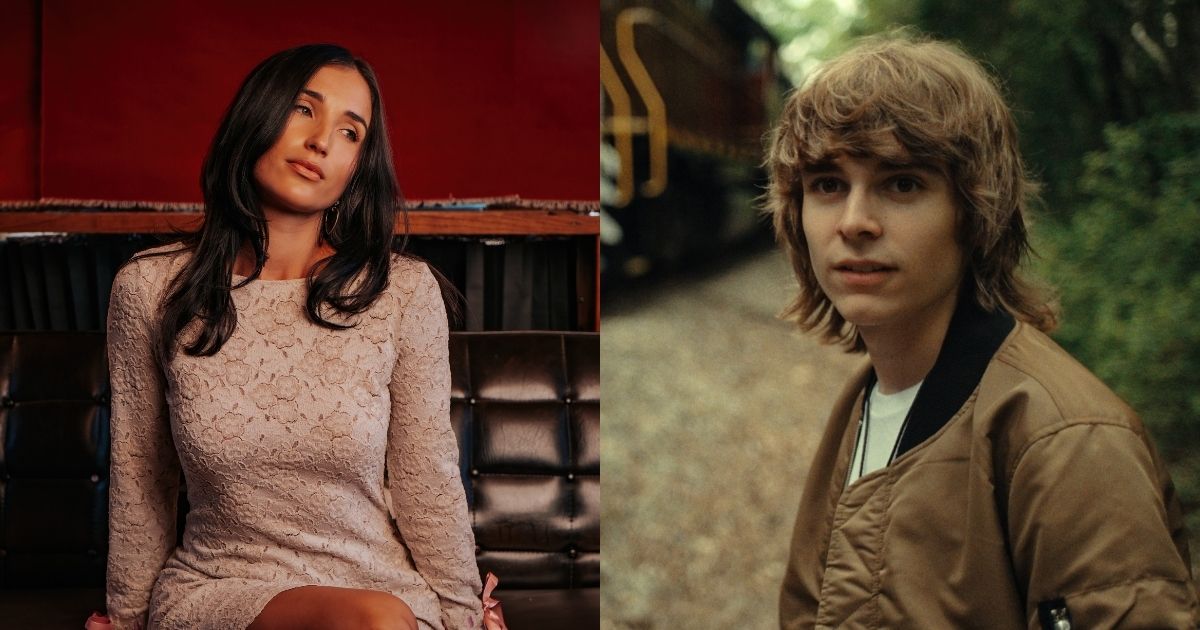
Photo Credit: Jade Jackson by Lauren Farrah; Wyatt Ellis by Joseph Cash.
From growing up on a Kansas farm, to building an award-winning country music career, to a groundbreaking coming out in 2010, to now. As Senior Vice President, Corporate Social Responsibility and New Market Growth at global workplace experience and facilities management company ISS, Chely Wright has followed a simple but effective mantra: “Plan your work and work your plan.” Her parents instilled this ethic in Wright and her siblings, and to this day it guides her trajectory.
“My parents raised all three of us kids to be problem solvers,” she says. “When you live on a farm, you’re poor, and you have to fix things with duct tape, you get really good at problem-solving. It’s in our DNA, and I love that they raised us to do that.”
A singer and songwriter, she moved to Nashville in 1989. Awarded the Academy of Country Music’s Top New Female Vocalist of 1995, her steady ascent led to over fifteen chart singles — including her first hit, “Shut Up and Drive” (1997), first number one, “Single White Female” (1999), and “The Bumper of My S.U.V.” (2005) — and eight studio albums.
Wright came out in 2010, making history as the first country star to publicly do so — at great personal and professional risk. At that time, she could not have anticipated that her courage and authenticity would not only reverberate and empower countless others, but would eventually lead to a high-level position.
“When I came out, I wanted to do it well,” she says. “That included embedding myself with organizations that could inform, educate, and help me be a good voice in the LGBTQ community. In doing that, I gained tremendous understanding of the power of storytelling and, essentially, culture work. I began having opportunities to do that work with corporate organizations, higher education, and faith communities. It became what I called my ‘side hustle,’ in addition to my work as an artist.”
When COVID-19 lockdowns brought touring to a halt in 2020, Wright continued her “side hustle” through virtual events and workshops. One of her clients, global design firm Unispace, brought her on full-time as chief diversity officer, working in DEI (diversity, equity, and inclusion). This year, she joined ISS, whose international reach includes over 320,000 employees worldwide.
Moving into corporate social responsibility was an organic transition, as CSR intersects with DEI. “We think about creating access and opportunity for Black- and Brown-owned businesses, women-owned businesses, locally owned businesses, LGBTQ-owned businesses, veteran-owned businesses,” she says. “We think about procurement, sustainable sourcing, and ethical supply chains. Our clients have their eye on mindfulness around who works for them. They know there’s an employee value proposition. Those employees want to know that the company they work for is not only being good corporate citizens, but also ‘What are they doing for my community? What are they doing within a twelve-block, twenty-block, hundred-block radius of where I go to work?’
“Especially in the past five to ten years, companies are seriously asking themselves, ‘How do we not only protect our shareholders, our stakeholders, but how are we making sure that the people who work here know that not only do we need and want to give them health insurance, and economic security through a 401k and a paycheck, but what are we doing to use the monies we are making as a company to make the communities outside the four walls of this business, this office, better?’ That’s how I see the shared space between DEI and CSR.”
Wright works in the ISS New York office, sometimes telecommuting from home, and often traveling to meet with clients onsite. “I keep having opportunities to use my story,” she says, “and I cannot think of a single thing more gratifying than doing that now in a corporate space, in a global organization. I get to use that on their behalf and on behalf of our clients.”
In time for Mental Health Awareness Month, Chely Wright spoke at length with BGS about what she calls a move “from C-chord to C-suite,” how the landscape on Music Row and beyond has and hasn’t changed in the fifteen years since she came out, and how she balances fear and caution about the current climate with innate hope and optimism.
So many of us, especially women, experience impostor syndrome in our careers. Did you experience this as you moved into corporate spaces?
Chely Wright: Yes, a hundred percent. “Am I good enough? Am I smart enough? Do I belong here? Do I actually have the goods to deliver?” Making a dramatic life pivot, impostor syndrome bubbled up and it wasn’t my first bout. I dealt with it when I came out. I dealt with it when I left Polygram and went to MCA Records. I dealt with it in 1989, when I went to Nashville to get a record deal. I know now that when impostor syndrome scratches at my back, I just turn around and say, “Okay, I have things to learn.”
There is nothing more exciting than taking on a new skill set and dipping my toe in a body of water that I never thought about being in before. I have 10,000 sunrises left, if I’m lucky. So it’s not “What can I do?” It’s “What do I get to do?” Why wouldn’t a person like me have a second and third life, take the leadership/communication/radical listening/storytelling/execution skill set, and go into corporate spaces?
We take a myopic view of the music business, but it’s business. The artists who have staying power and choices are iconic not just because of their talents. They do open their mouths and something magical comes out. But when you look at what they’ve done with their business and marketing and the protection and stewardship of their brand, it is business.
When Rodney Crowell produced Lifted Off the Ground [2010], he asked me, “What is your goal as an artist?” I said, “My goal is to be able to make music as long as I want to, when I want to, where I want to.” Because I’m in a corporate role right now does not mean in any way, shape, or form that I’m not going to make more records. I know I will. I have the choice to do that when, where, and how I want to, and having that choice is a blessing and a gift.
What changes do you see in the music industry? How does the big picture look today compared to when you came out?
It looks different than it did fifteen years ago. The music industry, as a whole, obviously is making progress. And I think it would be safe to say that the country music industry is making its own progress at its own pace.
All I know is this: change happens, whether we want it to or not, and there will never again have to be someone who says, “Do I jump first?” I jumped and several others since then have joined me in raising their hands, owning their narrative, and saying, “I am a writer, a producer, a picker, and I happen to be a queer person.”
That said, a lot has changed in the world that makes it more difficult to raise your hand and say who you are. Certainly in the last few years, politically, it’s gotten, in some ways, more dangerous to do that. In some ways, the stakes feel higher right now. But change happens. That’s the thing about time: you can’t slow it down. It’s coming.
Does country music have quite a ways to go to be known as a bastion of equity, fairness, justice, and safety for all? Of course. So does banking, construction, and tech. They’re all on their respective journeys and it takes courage. It takes courage to be a holder of a unique story that people might not be ready to hear. It takes courage, tenacity, and a sense of self. God bless those who raise their hands and say, “I am also this.”
Change is not always a forward or positive step. Change is happening now, but in ways that many of us feel are going backward and becoming increasingly frightening.
Change is happening in some terrifying ways. I won’t gaslight and say, “It’s not as bad as it seems,” or, “It’s just rhetoric,” because even if the thing itself doesn’t happen, the terror that it might is the damage.
Some of these things we fear might not come to pass for certain populations, but we look at our brothers and sisters who are in the fight as well — Black and Brown people, immigrants, trans people — they are my family, and very real things are manifesting for them that aren’t just rhetoric. My wife is Jewish, we are an interfaith family, we are two moms, we are women, and we feel under threat in a lot of different ways. People in our family, and in our circle of love and trust and chosen family, are under threat.
American democracy is, by all intents and purposes right now, very close to being disabled. When we hear we’re in a constitutional crisis, in farm terms, we’re hogtied. As a mother of Jewish babies, as a queer person, as a person who has traveled the world and believes America is the greatest nation on the planet, the importance of America and democracy surviving this — it’s not just America at stake. It’s everyone. It’s the human population. We need to find a way to become un-hogtied, because democracy and freedom, real freedom for all, has to stand. I shudder to think what the world would look like without an American democracy.
In a 2010 interview with Entertainment Weekly you said, “It’s the secret haters who do the most harm, historically.” Those haters are now loud and proud. Is that better or worse? Knowing the enemy versus not knowing who and where they are?
Yes. They’ve become unburdened by any concern of being seen as homophobic, anti-Semitic, misogynistic. The power of gang mentality is real and negative gang mentality scares me a lot. There’s danger in it and people are very easily pulled into the vortex of those energies. When these people group together, form coalitions, lock arms, and move, they take on a new and exponential energy that can suck others up into it.
That scares me. I almost wish they would stay in their closets. But it’s also helpful to know who’s with us and who’s against us. That is really powerful information to have.
You said earlier that you have 10,000 sunrises left, if you’re lucky. There was a point in your life when you no longer wanted those sunrises. The Trevor Project’s 2024 U.S. National Survey on the Mental Health of LGBTQ+ Young People cites, among other things, that 39% seriously considered attempting suicide in the past year. What is your message – and how is your mental health today?
Coming out as gay when I did was the only way I could survive. On the morning after I didn’t end my life, on that cold winter day in my house in East Nashville, I was afraid I was going to go back downstairs, grab that gun, and do it. So I got on my knees and said, “God, if you have a way for me now, I need to know it.” Hand over my heart, in an instant I knew, “You’re going to come out, you’re going to come out well, and you’re going to tell the whole story.”
I had a responsibility to my maker to tell that story, which included a successful, relatively well-positioned person who always had a ton of confidence, love, friends, health, and resources. I had all those things, and I found myself with a loaded nine-millimeter gun in my mouth – a gun my parents bought for me for protection.
I had a responsibility to say, “This is how bad it gets when you don’t get to be who you are.” It was important, and I’ve said this many times, for the 14-year-old kid at the foot of their bed with their dad’s gun in their hand. It was important because we have to raise our hands in spaces where representation does matter, like in country music. Somebody needed to say, “I love the Grand Ole Opry, I love our troops, I love having grown up in a farm town in Kansas, I’m a person of faith, and I am a queer person, always have been, and always will be.”
My mental health, ever since that morning after I didn’t end my life – I’ve never had another thought of doing it. I’m often asked if the day I came out was the best day of my life. It wasn’t. The best day of my life was the day I decided I was going to come out, because for the first time since I was 9 years old I had hope that I could be me – the whole me.
So my message … I don’t say “It gets better.” I never liked that campaign of “Just survive junior high. Just make it through being bullied in high school, because once you’re an adult and have resources to change your zip code, it gets better. Just hang on through the shit because it’s going to get better.” I don’t like it. Our job as grown-ups is not to ask young people to survive the shit until it gets better. Our job is to roll our sleeves up, reach out, go to the shit, and fix it for young people right now. It’s incumbent upon those of us who have power, position, and resources to make it better now.
What can each individual, those of us who don’t have “power, position, and resources,” do to help make it better?
What I realized after coming out and having conversations with thousands of other queer people, whether it be on the phone, or they’d write a letter, write to me on Facebook, or stand in line after an event and talk to me and share their story, I understood that everybody has a fan club. That fan club may be your neighbors, your colleagues, your family, your congregation. It may be one person or a collection of people that notice what you do, what you say, how you express yourself. Everybody has their own personal story and presence. How will you use your respective power, position, and resources to do good?
Power means your personal influence – and it may just be with one neighbor or coworker. Position means, for example, if you’re really good at swinging a hammer, then do a little work with Habitat for Humanity. Use your skill. Resources might be, “I’ve got some extra ‘this,’” so use it.
Everybody has power. How will you wield it? How will you use your skill set? How will you use your unique resources, your influence, to make things a little bit better for an organization or a single person? That might mean swinging your hammer, or it might mean helping someone in a crosswalk when the light is about to change. There are a thousand ways we can use our power, position, and resources every day.
I’m exactly the same. I have new experiences to add, my CV looks different, but I am exactly the same person. Still a person of faith, a person who loves country music and the Grand Ole Opry, who loves to meet and talk to people. I’m still really curious, proud of who I am, and as hopeful as I always have been.
And I’m still strategic, as evidenced by the way I came out. If you look at the way I’ve lived my life and evolved my career since then, it should surprise no one how strategic I was in how I came out. I wanted to come out well, and that required strategy, because the people who will and do malign people like me, the Focus On the Family [kind of] organizations and the far-right fringe, who want to tell stories that aren’t true about people like me — you better believe they’re strategic.
I’m going to meet and match their strategy with how I tell the real story of me and people like me. It goes back to what [my parents] Stan and Cheri Wright told me: “Plan your work and work your plan.” I did that when I came out, and I’m doing that now.
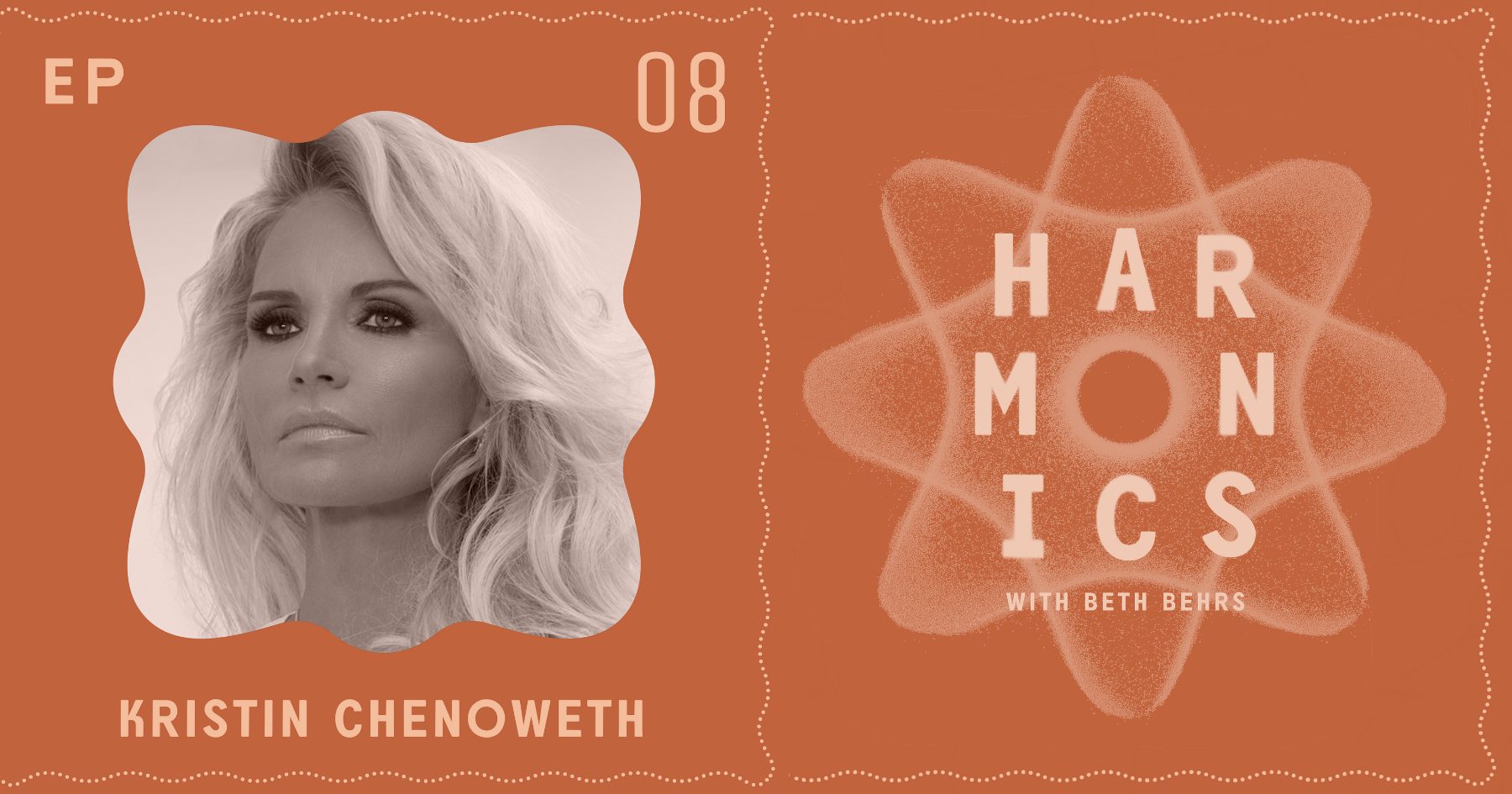
This week on Harmonics, in honor of Mental Health Awareness Month, we bring you an emotional conversation with Tony- and Emmy-winning actress and singer Kristin Chenoweth.
Having recently lost a lifelong voice teacher and dear friend to COVID-19 at the time of this interview, Kristin Chenoweth brings a very open conversation about grief and mental health, talking with host Beth Behrs about her struggles with depression and anxiety during the pandemic, and throughout her life — accepting that she does need to acknowledge her mental health struggles, even though due to her public persona, most people expect her to be “rainbows and glitter” 24/7.
Listen and subscribe to Harmonics through all podcast platforms and follow Harmonics and Beth Behrs on Instagram for series updates!
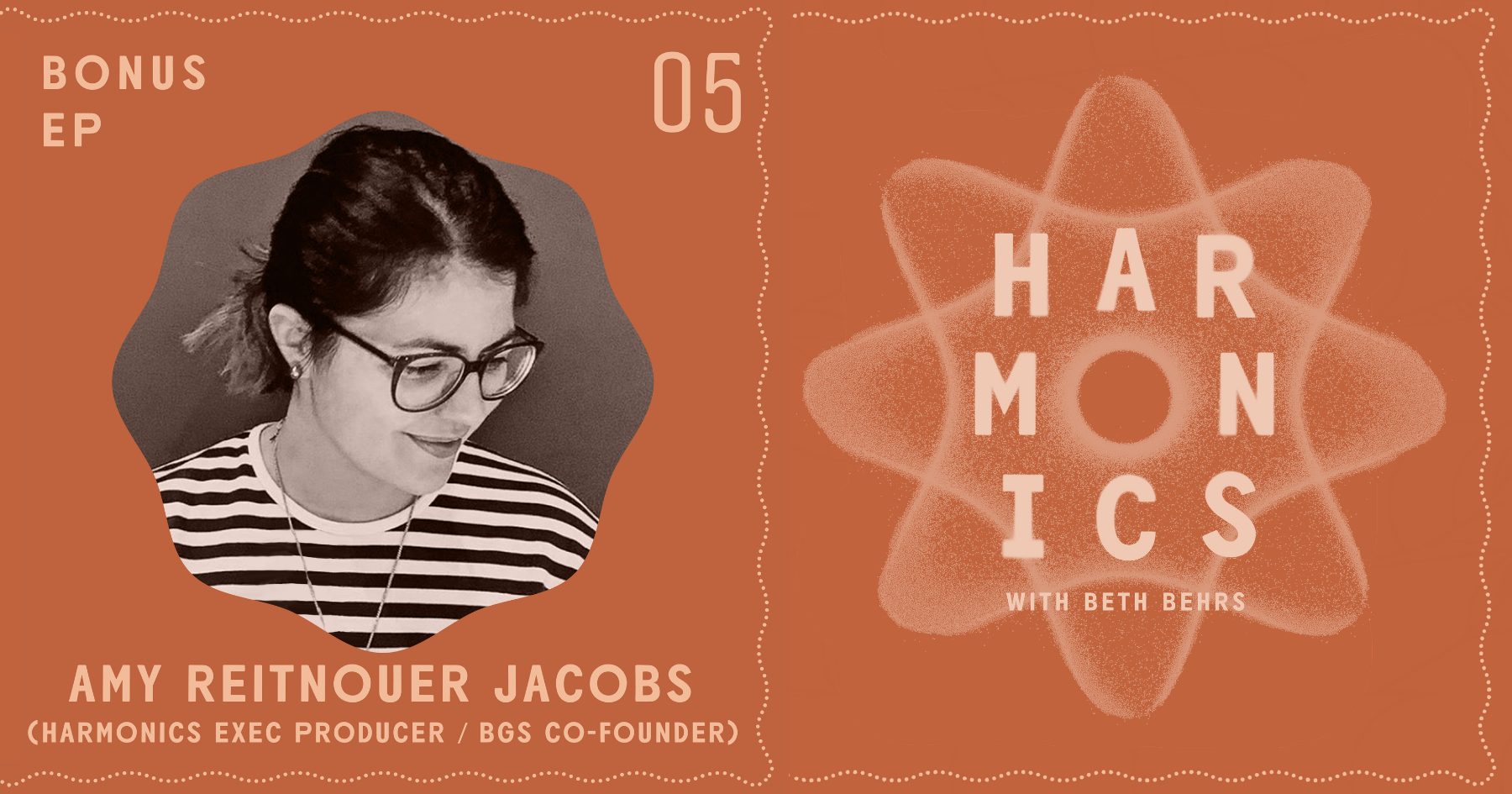
This week on Harmonics, host Beth Behrs slows things down and checks in with a dear friend: our very own BGS co-founder and Harmonics executive producer Amy Reitnouer Jacobs!
While the pandemic is beginning to subside here in the U.S. — and what a wonderful thing it is — let’s be real: it’s a weird time right now. Folks are getting vaccinated (on so many different timelines, might we add) and some are immediately diving head-first back into society and socialization, six feet be damned. With everyone at varying levels of anxiety, with differing expectations on what “comfortable speeds” of fully returning to the ways of the “before” times means, and after a year-plus of having our mental health challenged from every possible direction, we think it’s important to take this month of May, Mental Health Awareness Month, to give ourselves and others some grace and set some boundaries. Our mental health is worth it.
Listen and subscribe to Harmonics through all podcast platforms and follow Harmonics and Beth Behrs on Instagram for series updates!
This website uses cookies to improve your experience. We'll assume you're ok with this, but you can opt-out if you wish.AcceptRejectRead More
Privacy & Cookies Policy
Privacy Overview
This website uses cookies to improve your experience while you navigate through the website. Out of these, the cookies that are categorized as necessary are stored on your browser as they are essential for the working of basic functionalities of the website. We also use third-party cookies that help us analyze and understand how you use this website. These cookies will be stored in your browser only with your consent. You also have the option to opt-out of these cookies. But opting out of some of these cookies may affect your browsing experience.
Necessary cookies are absolutely essential for the website to function properly. This category only includes cookies that ensures basic functionalities and security features of the website. These cookies do not store any personal information.
Any cookies that may not be particularly necessary for the website to function and is used specifically to collect user personal data via analytics, ads, other embedded contents are termed as non-necessary cookies. It is mandatory to procure user consent prior to running these cookies on your website.