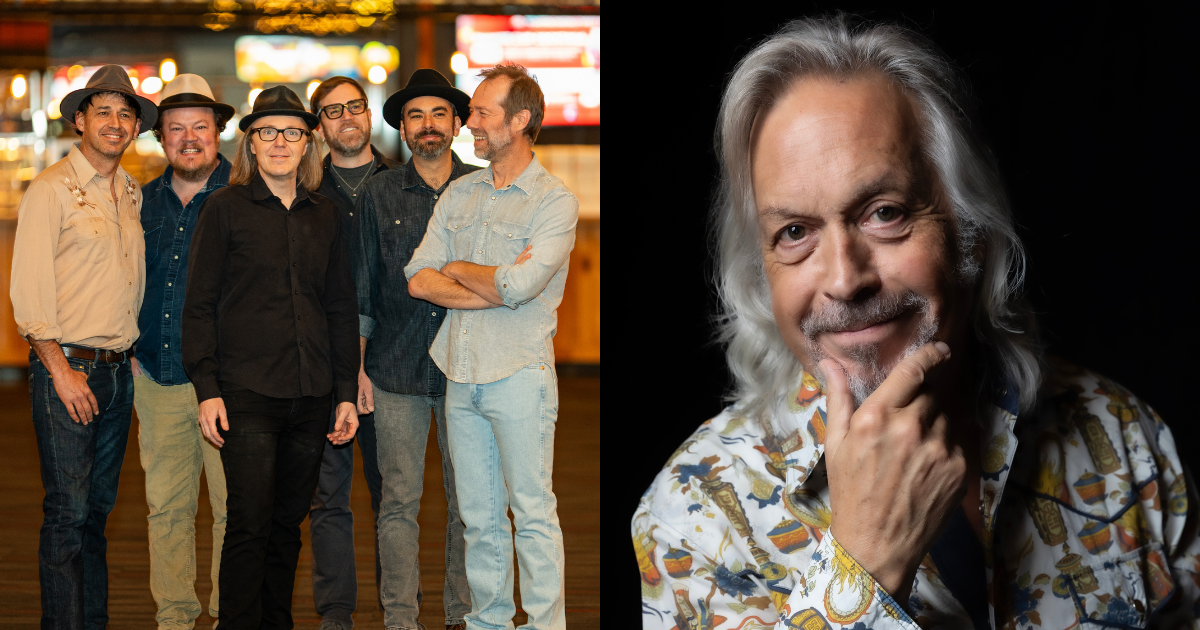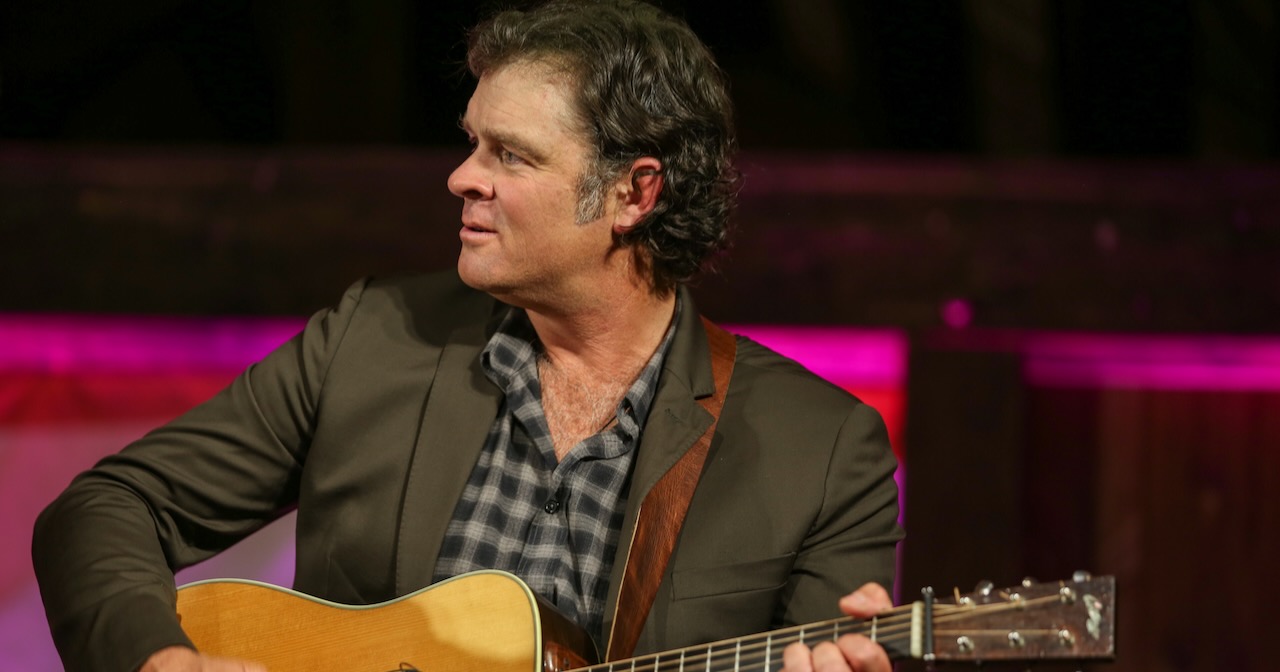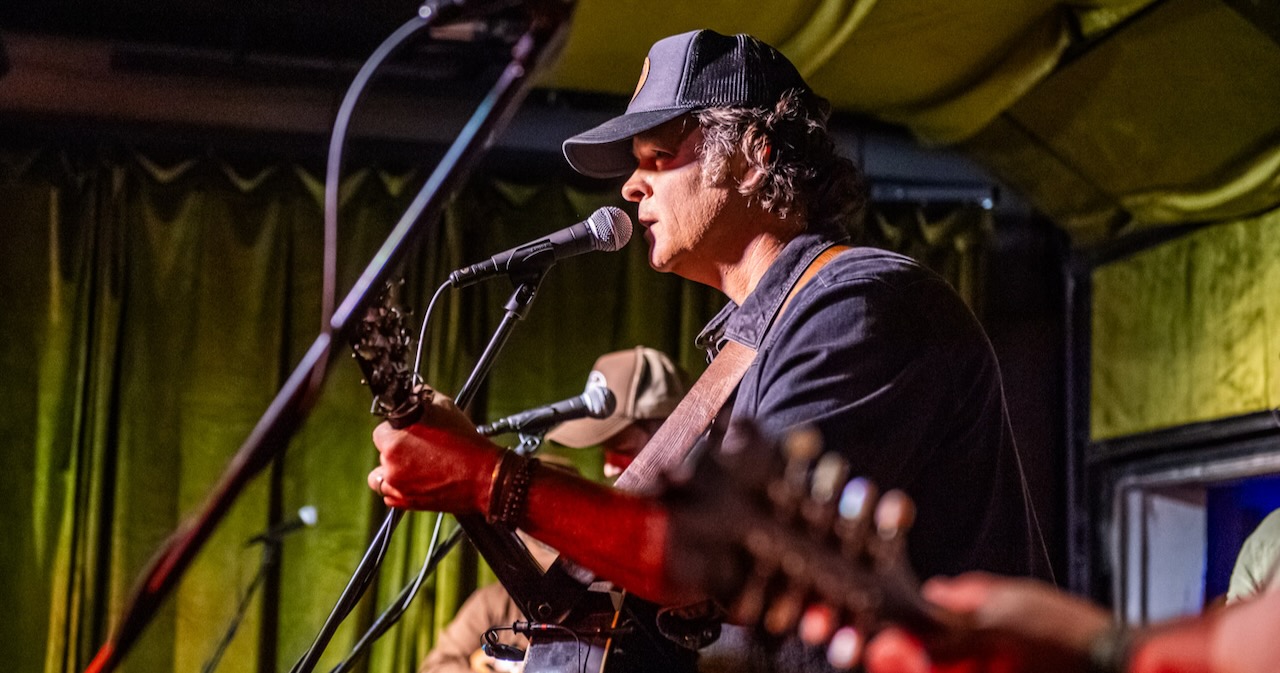
Steep Canyon Rangers Are “A String Band Again”

Twenty-six years into its life as a band, the Steep Canyon Rangers get back to basics on Next Act, unplugging their amps and instruments in favor of an acoustic setup with minimal percussion. It marks a return to the foundations that first set the group up for success.

Releasing May 22, Next Act is the second studio effort to feature guitarist and vocalist Aaron Burdett, who joined the Rangers in 2022 following the departure of founding member Woody Platt. In addition to appearing on their 2023 album, Morning Shift, Burdett is part of the Rangers’ 2024 live record, which features several of his own compositions, too.

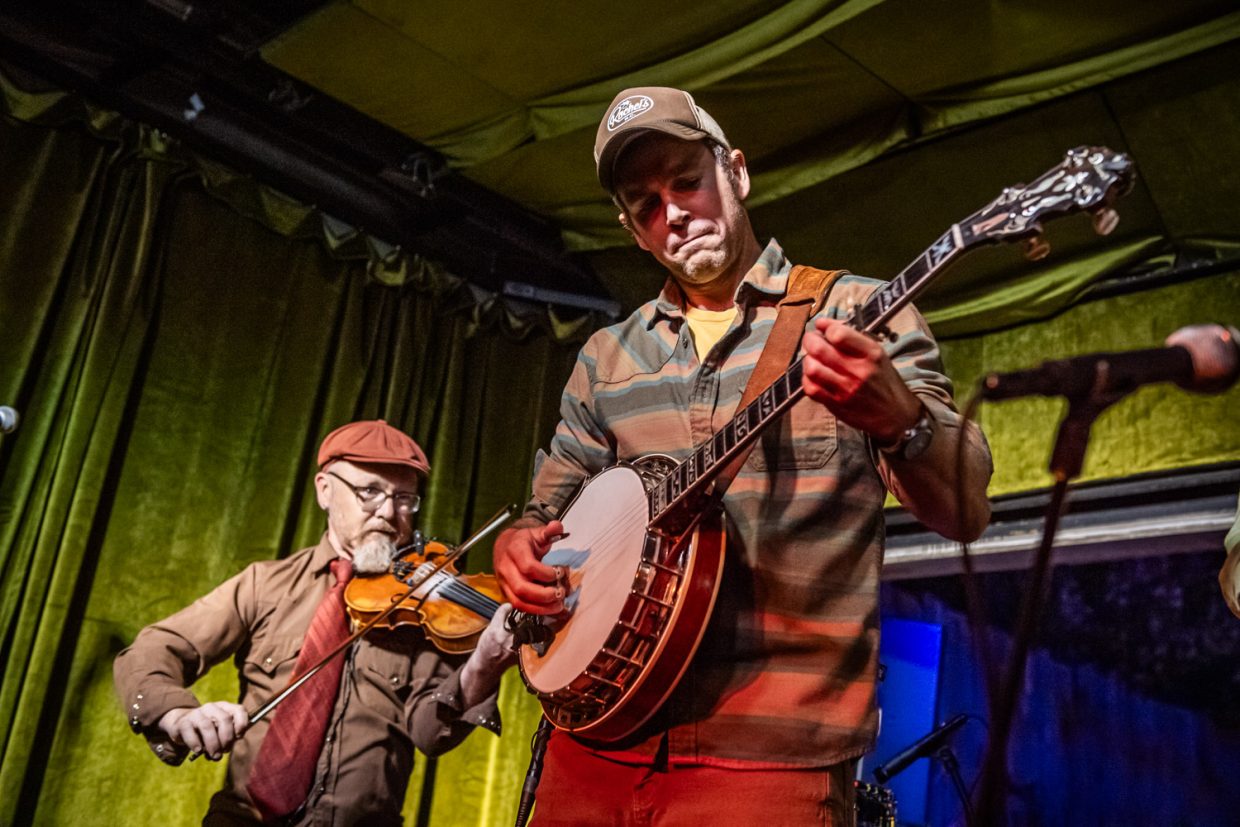
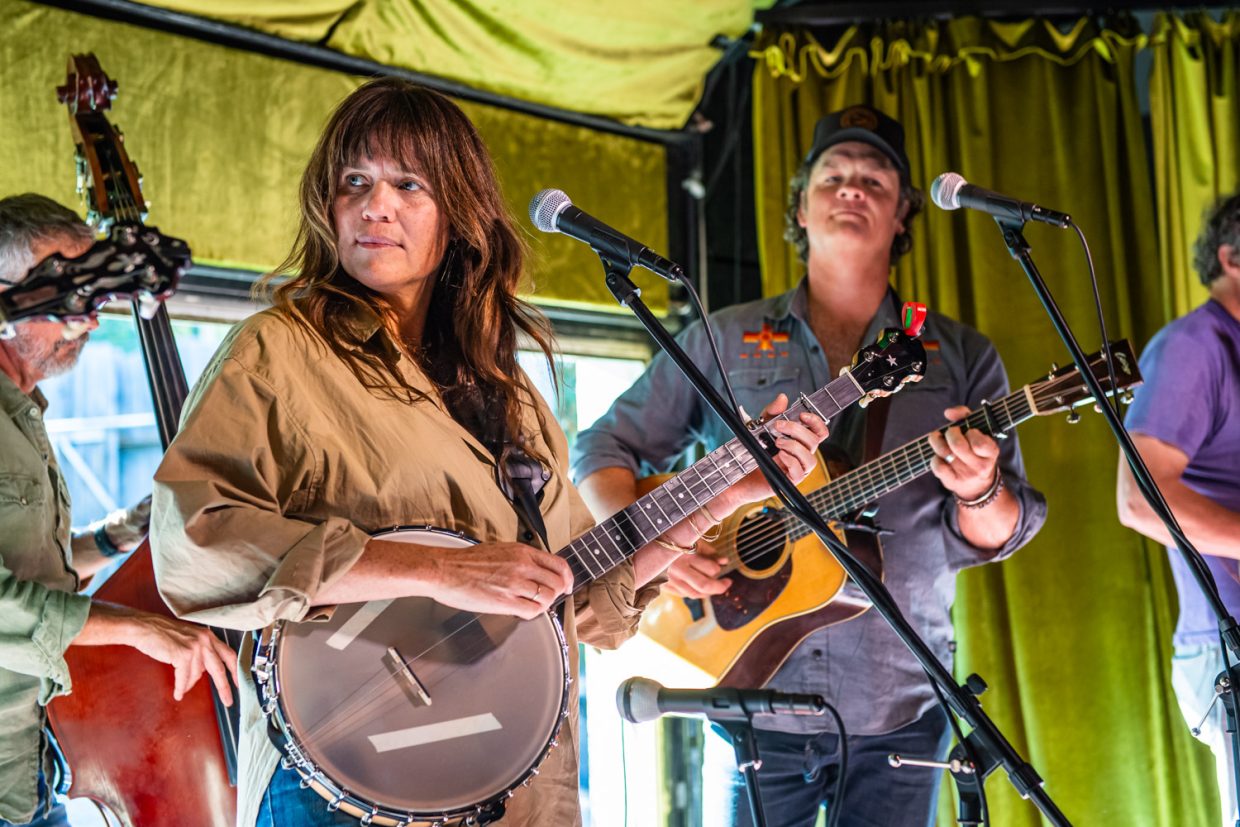
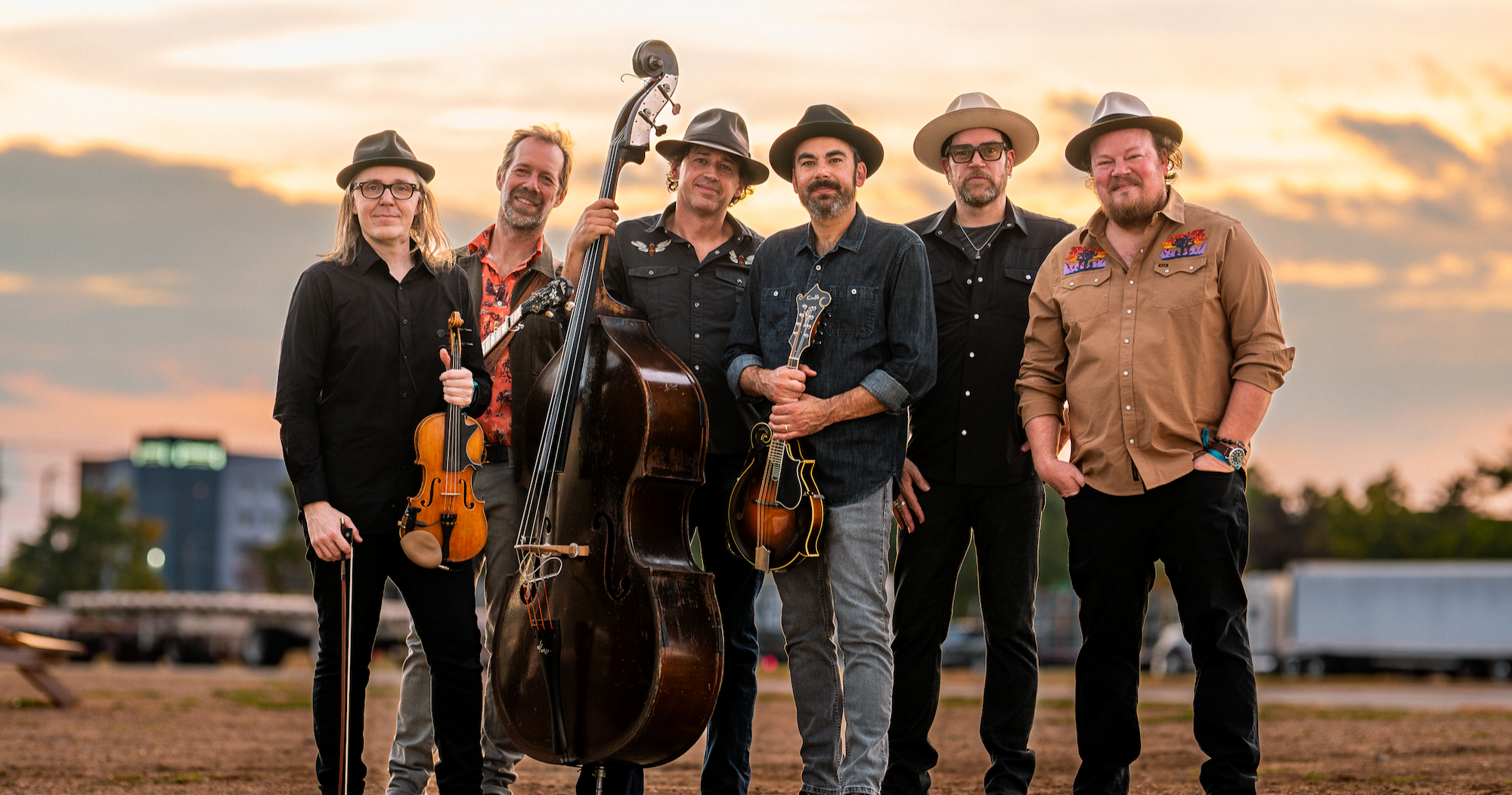
Alongside the band’s other members – Graham Sharp (banjo), Mike Guggino (mandolin), Nicky Sanders (fiddle), Mike Ashworth (percussion, Dobro), and Barrett Smith (bass) – Next Act brings Burdett into the fold even more, with six tracks written or co-written by him. “Roll of the Dice” catalogs Burdett’s early days traveling with the band and “Hard Times” finds him reflecting on adversity and how moments that once felt overwhelming can later soften in memories.

According to Ashworth, the growing role of Burdett in the band is simply a carryover of having multiple voices contributing to their songwriting over the past decade, with Sharp being the other primary force of late.

“Aaron came into that role really well with a bunch of his own material while also taking lead on some of the stuff Graham had written as well,” Ashworth explains. “After incorporating more of his own stuff on that live record, the next step was to up the ante even more on this album by bringing even more of his older work into the studio.”

Steep Canyon Rangers’ Mike Ashworth and Barrett Smith caught up with BGS to delve into how books inspired two of the album’s songs, how a road trip instigated “Halfway To Reno” featuring Edie Brickell, what remains on the group’s bucket list, and more.

How did Aaron’s level of involvement on this record grow compared to Morning Shift?

Barrett Smith: It feels like Aaron has always been here – he just fits with us so well. He’s become such a close friend and a great person to work and make art with. We’re just excited with everything having to do with the band right now, and Aaron is a big part of that. Things went well when we worked together on Morning Shift, even though we were considerably less worn-in and stable than we are now on this album. We’re really cooking right now and feel great together as a group.

Mike Ashworth: From a relationship standpoint, things have gelled much further than I’d ever hoped. It does feel like Aaron’s been a member for more like 10 years, not three. On this record you can see the band in more of a way that feels like a group that’s sure of itself. The last time we were in the studio we arranged in more of a rock ‘n’ roll style where everybody reinforces the same rhythms, but on Next Act we gave everyone a lot more room to explore their own parts. It’s indicative of how much we trust each other now and how much growth artistically the band has seen in the last few years.

BS: Another good indicator of the growth is that on Morning Shift we worked with a producer, Darrell Scott, even though we enjoy and produce ourselves really well. But then when Next Act came along, we felt like we had enough chemistry together that we could move forward without an outside producer this time. Doing that allows us more space to bounce ideas around and feed off each other, which we feel like is our greatest superpower as a band.

As well as y’all work together, it’s hard to pass up a collaboration with someone like Darrell Scott when it presents itself!

MA: I imagine it’d be hard to come into a band like this and produce, because oftentimes we have to be careful to not already be done with everything. As a result, we intentionally leave certain things unarranged or on the table to give them something to do or else we’ll just wind up taking everything away from them.

BS: I remember Darrell, a number of times, looking around and saying, “Y’all are pretty weird with how you do things.” One time when we were recording, I remember him stopping and asking us if we always had so many opinions about each song that we communicated to each other. Eventually he started telling us to just “shut up and play” – that was one of the catchphrases of our studio time together. [Laughs] If you have an idea, we want you to be confident that it’s going to be heard. There’s a lot of trust in the whole system.

MA: Another thing Darrell pointed out was, “Y’all really care so much about the story.” He’d never heard an entire band comment on the lyrics and stories behind each song like we do – whether it’s where to punch things up or down or when to add harmonies.

That’s the cool thing about this new record. It delves even more into that exploratory realm of the band trying to sell the story – and the whole band, not just one singer, absorbing what it’s all about.

Tell me about naming the album Next Act. Is that a nod to this full circle journey that’s brought you back to being more of a traditional string band?

MA: The intention was twofold, but that was definitely a part of it. As the title of the song, it’s about picking yourself up, moving into a new phase of life, and embracing change. However, Next Act for the band is us reflecting on our change and growth and the ability to reveal what our potential is at any given moment. Because of that it became a pretty conscious decision to make it the title of the record.

BS: On Arm In Arm [in 2020], it was fun getting to mess around in the studio with organs, electric guitars and all these special guests – it was like our own mini-Brian-Wilson-like experience. But on this record, we wanted to bring it back home and return to being a string band again. Because of that, this new record doesn’t have any electric instruments on it. There is percussion, but it’s not a full drum set. We’ve been doing a lot more stuff around one mic at our live shows recently and feel like these new songs are very representative of that.

MA: We’ve all had amps and drums buzzing around our heads for years, so we wanted to remind ourselves that this thing still starts around a campfire and can always come back to that. I don’t think fans will know what to call what we’re going to do on any given night, because even we won’t [know] until we see the room and start to feel the vibe of the city and people there. Doing this record has allowed us to rediscover the foundation of what we are when you strip everything away. That’s been a really cool and unnerving process to get out from behind all the extra noise and see that when you take those things away, the art is still really good.

There’s a couple songs on this record – “Back of Beyond” and “Circling the Drain” – that were inspired by books, Barbara Kingsolver’s Demon Copperhead and Horace Kephart’s Our Southern Highlanders, respectively. With that in mind, how would you say literature informs the band’s songwriting, not only with this record, but overall as well?

MA: Graham actually wrote both those songs, but I do want to speak about Demon Copperhead, because we all just absolutely loved that book. We’re not just a band, we’re also a close circle of friends, and with that comes shared mutual interests, like books. I’m so glad that Graham is my friend, because he can write things that I wish I had the ability to say. But once something is written, whether it be a book or a song, it doesn’t belong to [the writer] anymore, it belongs to you, [the reader/listener]. That’s the really cool thing about art.

I love that Graham is a voracious reader because we wind up getting a lot of great songs out of it, like these two. Damon [Demon Copperhead’s protagonist] is such a wonderful, resilient character that reminds me so much of people I grew up with – and I’m sure Barrett would agree.

BS: As a writer, artist, and creator, I think it’s a good habit to have different areas you pull inspiration from to keep you out of a rut. For Graham a big one is literature. Demon Copperhead threw all of us for a loop as it was getting passed around the bus. When we found out he was basing a song off it we jumped right on it.

As for “Back of Beyond” and Our Southern Highlanders, I think that book is essential reading for any Western North Carolinian. “Back of Beyond” was simply a term that came from meaning the middle of nowhere out in the country, in a place where you can go for days without seeing anyone or speaking a word.

“Back of Beyond” is a song that’s been lingering with y’all for several albums before finally getting recorded now. What made Next Act the right spot for it to land?

BS: During my time in the band, I would say that “Back of Beyond” is the biggest survivor, in terms of songs that have stuck around and taken on many different forms before finally making it onto a record. We actually wanted to include it on Morning Shift, but Darrell Scott didn’t think it would be a good fit, so we didn’t. We may have even called that album “Back of Beyond” if it had been on it. But when that happened, we knew it would reappear on our next record. After it missed the cut we all really wanted it for this one, which is why we call it a survivor.

I was also curious about the song “Halfway to Reno,” which came from a roadtrip you [Mike] had with Aaron from California to a gig in Reno, Nevada. Is that right?

MA: That’s right. I think Aaron was behind the wheel that day. From my view, he’s someone that is more influenced by an experience or feeling than anything else, which he can then take like putty and mold into a piece of art. That’s the beauty of being in this band, these guys will come up with these nuggets – and if it hits the Steep Canyon grinder and comes out the other end still in one piece, then they’ll take it and finish writing it.

Then when we were mixing that song we kept envisioning a high voice on it, but couldn’t figure out exactly who to ask to fill the role. Then we sent it to our dear friend Edie Brickell and she ended up putting the icing on the cake. The song is about one lover trying to get back to the other and the little things that you carry through your day – especially when you’re separated by distance – that keep you tied to home. She really understood the assignment and put this beautiful piece on top of the tune that I absolutely love.

How did the opportunity to work with Edie on the tune come about?

MA: We first met her over a decade ago through Steve Martin. He would send her banjo ideas and she’d send them back to him with lyrics over them. That quickly evolved into a fantastic record produced by Peter Asher called Love Has Come For You in 2013. But touring together is where we really befriended her, during late nights on the bus and in the dressing room. I remember being drawn in by her spontaneity and creativity and the way that she can write a song in the moment about that moment. It’s almost like a fortune teller.

Since that first encounter we’ve recorded many times together through the years and she’s become not just one of my favorite female artists, but one of my favorite artists, period. She’s just so heartfelt every time she adds to something. It comes from a real place and that’s harder and harder to find these days.

Speaking of Steve, what did it mean to have him featured with you on “Heart’s the Only Compass”? I think this is his first time on an album or single with you since 2020’s “California.”

BS: It’s always a huge honor any time we’re able to work with Steve. He’s an iconic American art figure, so to have the opportunity to create with him is a treat. When we decided we wanted clawhammer banjo on that tune we tossed a few other names around first, but it all came back to Steve, because the prowess he has on the instrument is second to none.

From what I understand, you reconstructed “The Kindest Thing” in the studio at the behest of Nicky. Tell me about that process and how the final song differs from what you were initially going for?

BS: That song took on a bunch of different forms in the studio, as our songs often do. At one point it had this Don Williams, cool country kind of feel and Nicky heard that pretty late in the game, but didn’t care for it. Instead he kept talking about “Going to California” by Led Zeppelin, which led to Mike Guggino kicking off this riff similar to the one in that song that wound up setting the foundation for what the song eventually turned into. Ultimately, it was a good decision on Nicky’s part.

Steep Canyon has been together for 26 years now. With that in mind, is there anything that remains on your musical bucket list?

BS: The band hasn’t won a GRAMMY since I’ve been a part of it, so I’d love to see that happen – maybe even with this album. [Laughs] Aside from that, it’s hard to think of specific venues, not that there aren’t any, but because we’ve gotten to play so many of our dream places already. My bucket list is mainly just keeping on and continuing to discover and hone my role in this band.

What has bringing this album to life taught you about yourselves?

MA: I thought I’d become more patient as I became older, but I actually think I’m becoming less. [Laughs] In all seriousness, this session taught me to slow down again. I kept wanting to schedule and have it done sooner rather than later, but instead, the cycle for this record was one of the longest we’ve ever endured. In the end I think it’s exactly what it wanted and I’m grateful for how it got me to take it easy and be more in the moment.

BS: Even though we’ve been playing together for so long, working on this record brought me a new level of comfort and trust with the band. I have more faith in the people in the band, what we’re doing and my place in it than ever before, which is such a good feeling. I’m really enjoying where we are right now and am excited to see how we keep building upon it.


Photo Credit: Jay Strausser

Our Jamgrass column is brought to you in partnership with Preston Thompson Guitars.
The Band of Heathens Leave Nothing on the Table

Don’t be fooled by their name, as the Band of Heathens actually give us something to believe in.

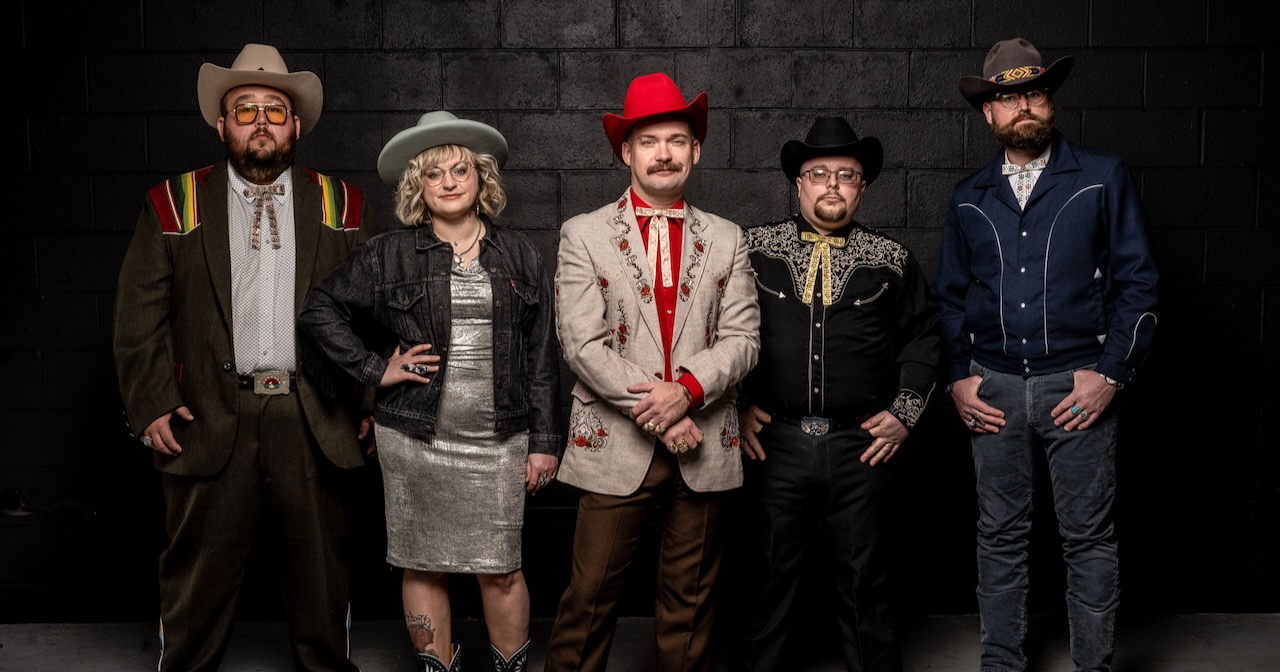
Coinciding with their 20th anniversary as a band, their new project Country Sides is equally feel-good and philosophical. The band’s co-founders and songwriters Gordy Quist and Ed Jurdi called in to Good Country from their homes in Austin and Asheville, respectively, to talk through their inspirations for the album, their writing (and rewriting) process, and how banjo fits into their house of music.

Just a few weeks after our visit, Country Sides and the single “Take the Cake” topped the Americana Music Association’s album and singles airplay charts simultaneously, a new feat for the well-established group.

“We have been really fortunate as an independent band,” Quist says. “We’ve never been on a label or been a part of the machine, and we just have a lot of gratitude for the 20 years we’ve had together as a band.

“This record is like a message of gratitude for all that we do have. And as much as we love making records, the live show is certainly my favorite part of this career. That’s what’s special about this band. When we get on stage, I feel lucky to be a part of this thing that really is fun live, so I would encourage people to check out a live show if you haven’t done it.”

As I was listening to the album, I was picking up a lot of messages of encouragement. It feels like a positive record to me. Is that a fair statement, do you think?

Ed Jurdi: Yeah, I think so. It’s like the musical retrospective of the band, in a way, sort of our history as an entity. Maybe in the background, with the realization that we’re making it 20 years at this point, there’s a little bit of a celebratory nature. I don’t know about Gordy, but in my writing process, I tend to almost have the opposite reaction to everything going on around me, outside in the world. If everything’s really negative, and the messaging is really negative, and there’s a lack of hope – maybe it’s a form of escapism for me, but I tend to lean into that [opposite reaction] a little bit more in my messaging.

And insofar as sharing music with people, it’s almost like the internal pep talk that I’m having with myself turns itself into the art and into the lyrics and something to share as a message with other people. We’ve never really been ones for beating people over the head with the message, but things are pretty wild and wooly – and not in a good way out there, in a lot of ways. So, I think some messages of community and togetherness and rallying around a common good – we could certainly use more of that.

Did you have a certain sound in mind as you made this record?

Gordy Quist: I think we talked about trying to make a country soul record. We were listening to some of the early Dobie Gray records and thought, “OK, what if we took a mix of soul music and country music melodies and textured it…” We put more pedal steel on this record than we probably ever have on any record. And that was intentional. From the beginning we knew we wanted to do that. I guess it was intentional to try to make a country soul record. Whether we did that or not, I’m not sure. But that’s how we arrived at whatever we did.

I like the spirit of fellowship in the song “High on Our Own Supply” and there’s a lyric in there about hearing the banjo playing soft and slow, like a stereo. This being the Bluegrass Situation (and Good Country), I’m curious, do you often reach for the banjo?

EJ: I do. I’m a terrible banjo player. You know, my buddy Graham Sharp in Steep Canyon Rangers is an amazing banjo player. So if I need a banjo on a record, I’d probably call him.

I think writing “High on Our Own Supply,” it was almost like we’re building a house of music. You know, if you were to go into any room in that house, there might be this different scene going on. You open the door and there’s someone in there playing the banjo, and it’s so good, it sounds like it’s just coming out of the stereo.

The song “Pleasing People” reminded me of soul music from the ‘70s and I wondered about that soul influence. How does that show up in your music?

GQ: I guess there’s two elements. I think the rhythm section is the foundation of soul music and the groove. That was something on this record we really tried to dig into. The band right now – Clint Simmons on the drums and Nick Jay on bass – are a deep and heavy rhythm section, so that lends itself to a style of American roots music that leans into soul music. But also, simplicity. Lyrics that sound conversational and simple but have some depth to them. It’s hard to do that well. That’s part of what makes soul music great – that it’s simple but it’s good.

It takes skill to make it look easy or sound simple. What’s your editing process and your rewriting process like for you?

EJ: It never really ends. Even after we record these songs, I definitely change lyrics to songs as we play them live. The cool thing about these songs, especially making a recording, it’s a snapshot in time. But songs, I think of all the artistic mediums, they kind of move with you through time in a really special way. What a song means to you at 16 can mean something completely different to you at 40. You’ve piled up life experiences and you view the world in a little bit of a different way. So that’s always fun, but editing is constant.

I would say Gordy and I both are doing a lot of lyrical editing and we’re doing a lot of musical editing, too. When we get together and make records, it looks something like Tuesday morning, 10 o’clock: “Hey, Gordy, what do you got?” You know, Gordy grabs an acoustic guitar, sits in the middle of the room… And I’ve [already] heard these songs we’ve worked on, the two of us, but that’s the first time that Trevor Nealon (our keyboard player) and Nick and Clint have heard the songs.

So it’s like, “Hey, OK, first impressions? Go!” and then we start filling the canvas up, taking stuff away, adding stuff, changing colors, all these different things, until we’re at a point where we feel like we’ve edited something down to a nice, presentable format. So, it’s a work in progress, always. To your point, the more you can tolerate the editing, the better things become. It certainly is the most challenging part of the job, but it can also be the most rewarding.

“Take the Cake” has a great vibe. I’m sort of a workaholic, so it’s a nice message to hear, to hit pause and go do something fun. What were you hoping to convey in that song?

GQ: I think I was playing with the idea of giving versus taking, in life. I’ve been working on that song and editing that song for a couple of years actually. I’ve had it for a while. You know, there’s a weird juxtaposition of giving and taking. If you are always taking, in theory you should have lots of things because you’re receiving them. But in reality, you usually end up empty, whether it be friendships or whatever.

The opposite is true also. If you’re always giving and generosity leads, in theory the fear side of you thinks you’re going to run out of stuff. But the opposite actually is true. And that’s kind of what I was playing with, just the idea of letting go of that consumerism or just the [mentality of] “I need to keep what’s mine.” And being cool with letting go of that and letting generosity be the leading force.

As you mentioned earlier, this album is like a 20th anniversary celebration of the band. Are you enjoying this period of your life? You still have a lot of years ahead, but you’ve got 20 years of experience behind you too.

EJ: Yeah, I think it’s a good vantage point. I’ve heard Gordy describe it as standing at almost the peak of a hill. We’re all dads, so we can look down and look at our kids and remember being their age. Looking the other way on the hill, we see our parents, and we remember our grandparents being that age. So, it’s kind of a trip to be in this middle age of life. We still have the energy of young people. I think the fire is still there. There’s no lack of commitment or of energy or passion to what we’re doing. But we’ve assimilated a little bit more wisdom, and we have a few more tricks up our sleeve, a few more shortcuts. It’s fun exploring those things and trying to share them with people.

GQ: Talking about this phase of life that we’re in, I have this feeling like, when we were young, making our first records, we would put everything into it and the goal always was, “I hope this is good enough that we get to keep making records and make another record.” At the end of every record we’ve made I felt like, “Man, that’s the best thing we’ve ever done and I don’t know how we’re ever going to top that.” Whether it is truly the best thing we’ve ever done or not each time, that’s not for us to decide, but it feels that way to us.

EJ: We’ve always left nothing on the table when we’ve made a record. Now we’re just a little bit more conscious of our surroundings and what our intentions are. Again, I don’t think there’s ever been a lack of effort, but now there’s maybe a realization like, “Hey, every time we get on stage, every time we sing, every time we make a record, it might be the last time we do, so let’s make sure we’re doing it with everything we got. Let’s leave it all out there, because at the end of the day, that’s all you got.” You can feel good about that in the rearview mirror.


Photos courtesy of the artist.

You Gotta Hear This: Steep Canyon Rangers, Jim Lauderdale, and More

Welcome to the conclusion of another week. With it, we’re once again sharing our weekly roundup of brand-new tracks, singles, videos, and more. You Gotta Hear This!

To start us off, Kentuckian singer-songwriter and instrumentalist Adam Chaffins shares a lyric video for “Sugarcoat It,” a new original song about the temptation and believability in misinformation these days. Chaffins and his collaborators leverage groove and catchy hooks for a meaningful and oh-so-timely message in the rockin’ Americana track. Also bringing a topical and cutting central thesis are Joe Troop & the Truth Machine, who have released a new live performance video for “Billionaires.” Bluegrass and old-time stemming from Southwest Virginia are the musical trappings for a funny, satirical song taking the 1% of the 1% to task. Troop and his queer cohort are well equipped to proffer their message with silliness, joy, and string band music.

From across the Atlantic, Spanish (via Amsterdam) singer-songwriter Liza Lo shares “Birdsong,” a tender and vibing alt-folk number zooming in on the present moment. “Life can get overwhelming and the simple things are quickly forgotten or overlooked,” she explains to BGS, using the song to remind all of us – and herself – not to lose sight of the beauty in the simplest of everyday things.

Bluegrassers Chris Jones & the Night Drivers have a new single out today. “Steal My Today” is the band’s first recording released with their latest member, Nelson Williams, playing the bass. Plus, Italian resonator guitarist Paolo Ercoli guests on the track, which also features banjoist Grace van’t Hof throwing some accordion into the mix. It’s also a song about the present moment, and not letting it be soiled by another. Meanwhile, perhaps the most prolific recording artist in roots music has announced a new project. Jim Lauderdale once again teams up with the Po’ Ramblin’ Boys, this time on his upcoming album The Birds Know – out in April. The lead single, “We Look At Things In Different Ways,” furthers our unofficial theme today of examining societal discourse, by pointing out you actually can love and care for another even with disparate points of view.

And, you won’t want to miss the latest from Western North Carolina’s bluegrass troubadours the Steep Canyon Rangers. Earlier this week they launched “Rumble Strips” a new single that will be included on their May Yep Roc Records release, Next Act. Written by Aaron Burdett, it’s a straight ahead bluegrass jam about getting back on track after you’ve wandered a bit from your lane and hit the rumble strips. But hope need not be lost, as Burdett points out, often you “maybe only need a little course correction to get back on the right path.”

Just in time for St. Patrick’s Day next week, country rockers Reckless Kelly share a reimagined, “evolved” acoustic version of “Seven Nights in Eire.” They originally released the song in 2005 on Wicked Twisted Road and it’s since become a fan favorite. This new edition of the track features mandolin, fiddle, pedal steel, and more combining country, Celtic, and string band in a pub-ready blend.

Check it all out below, right here on BGS. You Gotta Hear This!

Adam Chaffins, “Sugarcoat It”

Artist: Adam Chaffins
Hometown: Nashville, Tennessee, via Louisa, Kentucky
Song: “Sugarcoat It”
Release Date: March 13, 2026 (single)
Label: Spirit Nashville Recordings / Fluid Music Revolution

In Their Words: “Lately it just feels harder and harder to tell what’s real and what isn’t with so much information flying at us all the time. Sometimes, you hear something so outrageous you assume it can’t possibly be true – until you realize it is. That tension really shaped the song. It’s got sweet, sugary, sticky hooks and a groove you can’t help but move to, while shining a little light on how the truth can sometimes be deceiving. It was a lot of fun to track this playing upright bass. Along with Frank Rogers and the crew we really brought it to life. We’ve got a lot of new music on the way and we’re really excited to kick it off with this one.” – Adam Chaffins


Chris Jones & the Night Drivers, “Steal My Today”

Artist: Chris Jones & the Night Drivers
Hometown: Nashville, Tennessee
Song: “Steal My Today”
Release Date: March 13, 2026 (single)
Label: Mountain Home Music Company

In Their Words: “This song represents some firsts for us: it’s our first release to feature Nelson Williams on the bass (including some bowed bass). He’s the newest Night Driver, though he’s already been with us for over two years. It’s also our first time to feature Italian Dobro player Paolo Ercoli as a musical guest. He and I have been doing duo tours in Europe and in the U.S. for a few years now. Grace van’t Hof and I co-wrote the song, one about not letting the material loss of a breakup take away the joy of the present moment. Grace also played banjo and even added some accordion to the recording.” – Chris Jones

Track Credits:
Chris Jones – Acoustic guitar, lead vocal
Nelson Williams – Bass
Mark Stoffel – Mandolin, harmony vocal
Grace van’t Hof – Banjo, accordion, harmony vocal
Tony Creasman – Drums
Paolo Ercoli – Resonator guitar


Jim Lauderdale, “We Look At Things In Different Ways”

Artist: Jim Lauderdale & the Po’ Ramblin’ Boys
Hometown: Troutman, North Carolina
Song: “We Look At Things In Different Ways”
Album: The Birds Know
Release Date: March 13, 2026 (single); April 24, 2026 (album)

In Their Words: “This song came through me to speak to these times of divisiveness in our world. It was an important message I wanted to get out: that you can still love somebody even though your views might differ.” – Jim Lauderdale


Liza Lo, “Birdsong”

Artist: Liza Lo
Hometown: Amsterdam, the Netherlands
Song: “Birdsong”
Release Date: March 18, 2026
Label: Gearbox Records

In Their Words: “‘Birdsong’ reminds me of a new love, a gentle morning walk, or a hug from a friend. Life can get overwhelming and the simple things are quickly forgotten or overlooked. First morning coffees, meeting someone new, real connection, holding hands, song of birds in the garden, the smell of spring air, sunlight on your face after a long period of rain and grey. ‘Birdsong’ is written to remember the beauty in the smallest of things life gives us, I hope it can be this reminder for you too.” – Liza Lo

Track Credits:
Sean Rogan – Acoustic guitar
Chris Rabbits – Double bass
Owen Spafford – Fiddle
Liza Lo Hoek – Vocals, acoustic guitar


Reckless Kelly, “Seven Nights In Eire (Alternate Routes)”

Artist: Reckless Kelly
Hometown: Austin, Texas
Song: “Seven Nights in Eire (Alternate Routes)”
Album: Alternate Routes
Release Date: March 13, 2026 (single)
Label: No Big Deal Records

In Their Words: “‘Seven Nights In Eire’ is a collection of stories based on trips taken to Ireland by myself, my dad Muzzie, and our old friend Pinto Bennett. We had all been there individually a time or two and had had some amazing experiences that we wanted to write about. We got together at Pinto’s house in Boise, Idaho, and after a couple hours and a few beers, we had the song down. We basically just sat around swapping stories and telling jokes and working them into the verses that became the song as you know it today.

“The original version was recorded for our 2005 release, Wicked Twisted Road. Over the years it’s become a fan favorite and one of our most popular songs, so we decided to include it in its new evolved version on Alternate Routes. We had our friend Kym Warner come play some mandolin on it and we did the version we’ve been playing live over the last several years. It’s a little different from the OG, but it’s one of those songs that has stood the test of time and will definitely continue to be a staple on the set list.” – Willy Braun


Steep Canyon Rangers, “Rumble Strips”

Artist: Steep Canyon Rangers
Hometown: Asheville, North Carolina
Song: “Rumble Strips”
Album: Next Act
Release Date: March 10, 2026 (single); May 22, 2026 (album)
Label: Yep Roc Records

In Their Words: “My friend Nate is fond of saying when a person has gotten off track a little bit and notices they’ve ‘hit the rumble strips’ and maybe only need a little course correction to get back on the right path. I took this imagery and applied it to a relationship. Some ongoing conversations between Graham [Sharp] and I filled this one out.” – Aaron Burdett, songwriter, guitarist, vocalist


Joe Troop & the Truth Machine, “Billionaires”

Artist: Joe Troop & the Truth Machine
Hometown: Winston-Salem, North Carolina
Song: “Billionaires”
Album: The Truth Machine (EP)
Release Date: March 13 2026 (video); April 3 2026 (EP)

In Their Words: “I formed this band with friends that I made at the Galax Fiddlers Convention many moons ago. This track has Southwest Virginia written all over it. It’s Southern bluegrass gospel with four-part vocal harmonies in the Stanley Brothers style.

“Lyrically, it’s unabashed political satire, a high lonesome roasting of MAGA and their principal talking points. But funnily enough, people often approach me after gigs to thank me for singing it without realizing it’s satire. Yikes! Is media literacy a problem in this country? On occasion, some folks have walked out on our show during this song. One couple told the presenter that they didn’t pay to be insulted – they work hard for their money! And while we aren’t ragging on anyone for accumulating wealth, to add some perspective: a million seconds is 11 days. A billion seconds is 32 years. Who needs that much money!? What could you possibly spend it on?! Election meddling, propagating divisive talking points? Beyond partisan politics, the wealth disparity in this country ought to alarm everyone. We plebs are not that different. Let’s rally together around music, laughter, and class justice in this billionaire-induced hellscape of a country. It’s time for a change!

“‘Billionaires’ is part The Truth Machine, a five-track EP that drops everywhere on April 3, 2026. It is available for preorder now on my website.” – Joe Troop

Track Credits:
Joe Troop – Banjo, vocals
Lu Furtado – Guitar, vocals
Malia Furtado – Fiddle
Olivia Fernandez – Mandolin, vocals
Jimmy Washington – Bass, vocals

Video Credits: 
Kayla L Oelhafen – Producer
Alexei Mejouev – Videographer
Andy Augustyn – Gaffer
Larry Vellani, Toni Murray – Location coordinators


Photo Credit: Steep Canyon Rangers by Jay Strausser; Jim Lauderdale by Jeff Fasano.

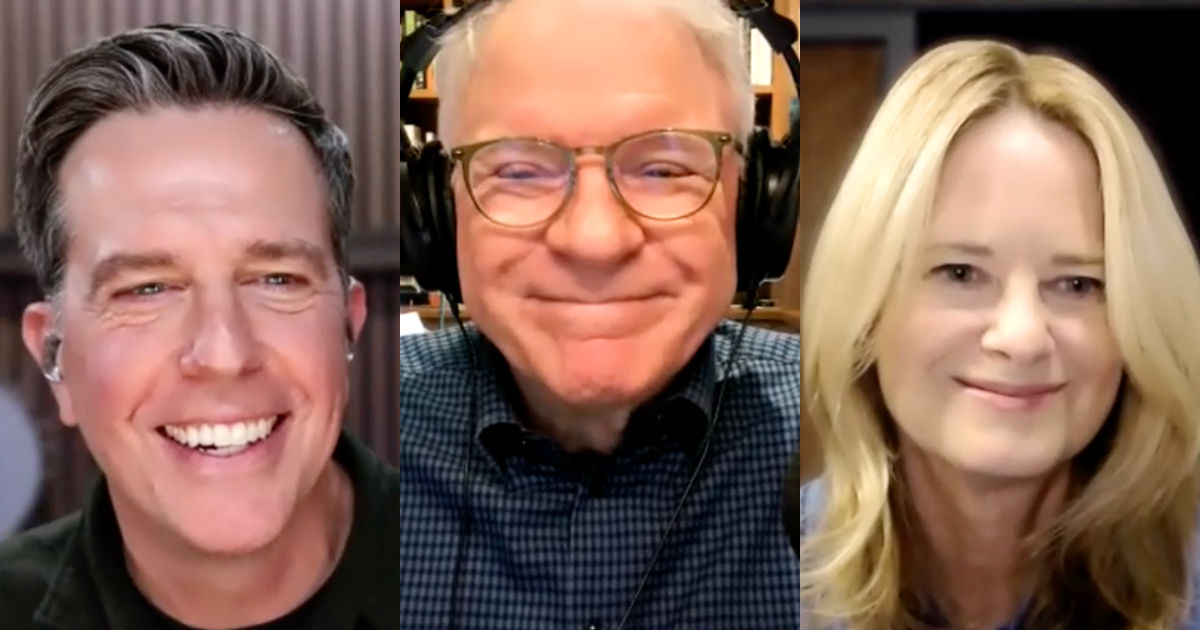
Ed Helms Chats With Steve Martin & Alison Brown About Their New Album

They always say, “Don’t meet your heroes,” but in the bluegrass world, I’ve mostly found that not to be true. Take Steve Martin & Alison Brown, for instance – two of the most recognizable and veritable banjo players alive today. Earlier this year, I was fortunate enough to join them (along with Rhiannon Giddens and a formidable lineup of bluegrass, folk, and old-time musicians) onstage at the legendary Hollywood Bowl. It was a night I’ll never forget.

And earlier this month, I had the pleasure of rejoining Steve and Alison in conversation about their new collaborative project, Safe, Sensible and Sane, (out now via Compass Records). It’s a beautiful album filled with original songs, guest appearances from musical friends, and a whole lot of banjos.

Hope you enjoy our conversation!

Ed Helms: First of all, let me just say huge congratulations. An album like this is such a big undertaking and this is phenomenal. I’ve been listening to it basically on a loop for the last couple of days. And my family, my kids are loving it.

Steve Martin: Thanks. Thank you. It’s not easy to rope the family in.

I know! My four- and seven-year-old are extremely critical of anything banjo-related. You won them over.

SM: Awesome.

Right off the bat, what jumps out at me about this album is the title – which immediately strikes me as a kind of direct counterbalance or maybe even a rebuke of these unsafe, nonsensical, and totally insane times that we’re living in. I do think that the album title sets such a warm, funny, and welcoming tone that the music then totally delivers on. Am I getting close?

SM: You’re so far. [All laugh]

Tell me what it is. Walk me through.

SM: I’m almost embarrassed to tell you. Alison, should we confess?

Alison Brown: You told us never to tell, but it’s up to you. [Laughter]

SM: When Alison and I were writing songs together, I had come across a book published in the 1930s on how to improve your letter writing. 80 years old, 90 years old, and it had a list of phrases you can use in your letter writing or business letter writing to brighten up your letters. It said things that are formal phrases, like “thank you for the frank statement of your affairs.” And it went on, things like that.

One of them was “safe, sensible and sane.” I just listed these suggestions and I wrote Alison and said, “I think there’s song lyrics in here somewhere.” Alison organized it, so they kind of rhyme, then Alison wrote this tune for it, and Jason Mraz made sense of it. Because the lyrics are actually nonsense, we have noted that the more we listen to it they actually start to make sense in some way.

That is wild. That is such a weirdly specific rabbit hole of where that came from.

Is the banjo itself something that feels safe, sensible, and sane to each of you in some way? Is it a place of home?

AB: For sure. I think so, certainly speaking for myself. It’s definitely been an anchor for me in my life and I noticed, Steve, watching your documentary, how many scenes the banjo was in the background and realizing that it’s been trailing you your whole life, too.

SM: Yeah. I find you’re right, in the sense that it’s not a “dangerous” instrument like the guitar, sure. Which can be naughty. The banjo is safe, sensible, and sane – but the way Alison plays and the way these great banjo [players] turn it into a kind of extraordinary jazz instrument. It’s too bad that most people probably have an idea of what the banjo sounds like and they’re way off.

I think what you’re saying is that the banjo can be edgy.

AB: it can be edgy, but it can be mainstream, palatable at the same time.

SM: Edgy in the sense of avant-garde, yes. There are some. Didn’t you write a 12-tone banjo song, Alison?

AB: I did. I had a chance to produce and play on a track called “Old Atonal Music” and I actually wrote a 12-tone row banjo solo, which–

Oh my gosh.

AB: Which was then analyzed by the classical community. And fortunately it really was a 12-tone row, so that’s about as edgy as you get.

That’s getting out there.

AB: Boy, are we.

This just got so nerdy so fast.

AB: It sure did. I knew that was gonna happen.

The last time I saw you guys, we had the incredible privilege of joining Rhiannon Giddens at her show at the Hollywood Bowl, and I remember showing up to rehearsal for that and you guys were working on what I thought was just “Cluck Old Hen.” I’m watching you and listening and thinking, “What are these lyrics? What is this? This is so funny.”

Of course, now I know that’s “New Cluck Old Hen,” which is on the album. But what I observed that day in the rehearsal stages was just the rapport that you guys share, which seems so easy and effortless, light, fun, and playful – and well earned. It makes me very curious about the origin of your friendship and was it music immediately? Where did you first connect and what was it you saw in each other?

SM: Go, Alison.

AB: Okay, we were on a Caribbean island at the same time by chance, really just by luck. It was a place that we both vacation regularly with our families and I knew we were gonna be down there at the same time that Steve was gonna be down there. We were gonna overlap for a couple of days and Steve suggested we get together for lunch. Of course, banjos had to be involved, so we had a really wonderful lunch and then sat and spent the afternoon playing banjo together, just sonically clicked really easily.

Because Steve and I both really love finding beautiful melodies in the instrument, we’re both in the same pursuit when we’re playing and composing music. Writing this music, it’s been surprising to me how easy it’s been. It is almost like the tunes were just waiting to be written and we just had to pull them outta the sky.

How long ago was that first connection?

AB: I would say maybe about 10 years ago.

Then was it right away, “Let’s start collaborating!” Or did you guys circle back to each other?

AB: It took me a little while to get up the nerve to see if Steve actually would co-write some music together. [Laughs] I got a chance to do a few shows with Steve and Marty [Short] when the Steep Canyon rangers weren’t able to make shows, so we got a chance to jam some more backstage and play some more clawhammer banjo and three-finger banjo, which is my favorite combination. Like chocolate and peanut butter. Clawhammer and three-finger.

I totally agree. It’s so beautiful. And there are a lot of great players that do both, but usually I think most people assume that a song is in an old-time style or in a sort of three-finger style. So to hear [you] two just beautifully mixed together, you guys are really sharing a language that transcends the style of playing. You’re playing very differently, but there is a fluidness.

I think the song “Evening Star,” which might be my favorite on the album, is such a great example of that, starting out with your three-finger, beautiful lilting rolls and melodic runs. Then Steve comes in picking up the same tune in a [clawhammer] style that feels like a really even, woven-in feel. It doesn’t change the feeling of the song in any way. I think that’s a testament to the connection that you guys share musically.

SM: Our roots and love of the banjo are very similar in the sense of Appalachian sound, the Celtic sound, the modal mountain sound. That’s what gets me. We both like to find those melodies that reside within those tunings and history.

And Alison, as I recall, you sent me this beautiful part and I contributed another part and then Alison found– You can tell the story. You found yourself in Dublin?

AB: Yeah, actually that one, I knew that we were gonna be in Glasgow. I dunno if you have ever become acquainted with the music of John McSherry, Mike McGoldrick, and John Doyle, they have a fabulous trio. They’re completely badass Irish players, Celtic players and I knew that it would sound great to play this tune with them. John Doyle in particular, when he plays rhythm guitar, it’s like riding a big wave. They’re also heroes.

SM: They’re heroes of mine, too.

AB: It’s funny, though, because the genesis of that tune was really Steve telling me about a song he wrote called “Canadian Girl” where he was playing clawhammer in 3/4 time. I’d never even thought about the clawhammer playing in 3/4. But it’s so beautiful. Then I tried to write a melody that could work for both.

I think it’s a real testament to Steve’s banjo playing, too – like you were saying, a lot of banjo players will choose a lane. They’re either three-finger or they’re clawhammer. But Steve’s really unique that he plays both. I think that’s part of the reason why our two banjos go so well together, ’cause he completely understands the three-finger thing. But when he’s playing clawhammer, he brings some of that sensibility to it.

SM: You can also play the modality that you find in clawhammer on three-finger. I remember a song I found on a record recorded by Dick Weissman called “Trail Ridge Road” and it was played with picks, but it had this unique– I just call it modality. I’m sorry to keep using that word, but it had this minor sound that just kept rolling. I always loved it. I think that sound stuck with me forever. I even wrote him once to tell him that.

I think your song, “The Crow,” falls in that category, right?

SM: It is in double C. [It has] that drone sound, ’cause you have two strings tuned to the same note. Yeah, that does have a bit of that in there.

That was one of my favorite songs to learn. I found a transcription in a Banjo Newsletter and I was able to work it up and I love it. Another one of my all-time favorite tunes.

SM: Alison told me that banjo players like to play my songs because they’re easy. [All laugh]

How do you guys collaborate? Walk me through that process. Are you sending each other tracks and just saying, “Hey, here’s an idea.” A little melody or a catch or a hook, and then you’re building on it together? Or do you try to make sure you’re in the same space, just steeping the tea together?

SM: All of the above. Garry [West] and Alison flew out to California, where we spent like three, four days there just writing and recording. We got ideas, initial ideas for songs there. Then we started communicating by text and sending song ideas. It’s the new way to write things. It’s everything.

But we did meet and get that sound of two people together. You’re listening to the other player.

AB: That’s the thing, when I get a chance to sit around with Steve and just play, it always gives me more ideas for where we can take the banjo. Or gives me a new way of thinking about what he’s doing that maybe you could expand on. That’s really exciting. But technology’s totally been our friend, so we’ve done a lot of this by just swapping ideas back and forth and it’s amazing how efficiently you can do that.

How frustrating is it that Zoom, the latency of these video conferences, you can’t quite jam.

SM: You cannot play over the internet! You can’t play, you gotta bounce it back and forth.

That’s [why] I flew down to Nashville to record with Vince Gill, so it’d all be in the same room.

You mention flying down to Nashville to work with Vince and others. This album is so much more than just a double banjo album. It’s this grand collaboration. So many special guests, close friends of yours like Tim O’Brien, Aoife O’Donovan, Sarah Jarosz, Vince Gill, Jason Mraz, Jackson Browne, Jeff Hanna, the Indigo Girls – I’m from Georgia, so that’s a huge one for me. I love, love, love the Indigo Girls.

You two obviously have such a deep well of relationships and friendships throughout music. How did you decide who to rope in on these particular songs? What was that decision-making process like?

SM: I’ve said this before, I’m a talk singer. I sing like Robert Preston, The Music Man. I know Alison sings harmony, but she’s never presented herself as a lead singer, as I know. So we’re forced to find someone to sing these songs. A good example is the song “Michael,” which was written without anybody in mind. The lyrics to that are imperfect in the best sense, in a good sense. Sometimes they don’t quite scan out. Sometimes the rhyme is soft.

Alison was at an event with Aoife O’Donovan and said, “Hey, would you mind singing?” And [Aoife] just understood the song so perfectly. You just go, “Oh, that’s it!” There’s no need to look anywhere. She just really knew how to sing it. You’re looking for people who know how to sing these songs. Like Jason Mraz instantly understood “Safe, Sensible and Sane.” He knew that it was in some way humorous, that none of us could figure out why.

Both of those songs have a little international flair to them. “Michael” almost has a samba or Brazilian feel? And then “Statement Of Your Affairs” with Jason Mraz, is it like reggae?

SM: Is it reggae?

There’s something Caribbean there.

AB: It’s definitely Caribbean, yeah.

Really everything sprang from the banjo. The melody for “Michael,” I just wrote that chorus melody as a banjo tune and really could not fathom how you could do anything other than play a newgrass banjo tune with that melody. It was amazing that Steve could set words to it and then he developed this whole story. It was really fabulous.

SM: What I liked is Alison sent me the tune, I listened to it, and it inspired me to a situation, an atmosphere. And she said, “We can change those lines, some of those melodic lines, and shorten ’em.” I say no. That’s what you want, that unexpected line that extends too long or it forces the words to do something tricky. I really like that challenge.

I love your closing number, “Let’s Get Out of Here” [with] Sam Bush, who counts that one in. I’ve heard it said often that Sam Bush is the best drummer in bluegrass. He sets such a great, driving tempo and rhythm.

SM: I couldn’t play without the mandolin! I’d be all over the place, rhythmically.

AB: No, that’s true. There is nothing like Sam’s chop. When Stuart Duncan and I were teenagers, we were presidents of the “Sam Bush Chop Fan Club.” A super nerdy thing.

This is one for both of you. You’re both multifaceted, creative people. You move so effortlessly between different creative disciplines, collaborative contexts, different bands, different musicians, different media and art forms. Obviously, Steve with film and comedy and writing and performing. You’re also a passionate art collector. Alison, you have tremendous business acumen running Compass Records for so long with your husband.

This is a question as a fellow sort of striving, creative person: How do you balance all of it? I always wonder when I see people like you, is this something that you set aside and approach each discipline as a chunk? Or do you feel more like these are constantly interwoven? Is there a seamless overlap of your various disciplines and ideas and you’re just weaving in and out? Or is it more, “I do this for this time” and now, “It’s comedy time. I’m gonna work on this.” How do you break it down?

SM: Go ahead, Alison. I know my answer.

AB: Okay. So mine probably is less interesting, ’cause mine is kinda like that right brain versus left brain thing. I find that sometimes I’ll be doing just banjo for a stretch of time or music or producing a record or getting to go out and play shows. Other times, I’ll be behind the desk doing spreadsheets and financials – that kind of thing. In some kind of bizarre way, the two things inform each other.

I think for me, I spent so many years in school and got an MBA studying finance. I was an investment banker for a while, so there’s part of me that really enjoys doing all that and feels a responsibility to my mom and dad, too, that I do some of that stuff on some kind of regular basis. I have to look analytically at the music business. I think it helps me when I go in the studio to think about positioning a record – whether I’m producing or just writing my own stuff – positioning it for success, because I understand the challenges of the business landscape in a way that if I was just a banjo player, I wouldn’t understand.

Then when I get to go out and play, it’s like a complete relief just to be out and let your mind be a little bit more free. I know you can be structured and disciplined about creating, but it’s a completely different mindset to sit and look at financials than it is to have enough of an expansive view in your mind to be creative for a moment. But, somehow, the two things work together.

SM: I’ll give my answer. Most people have a job. They maybe, let’s say, go to work at nine and they come home at six – or sometimes they work [until] maybe seven or eight. And if they’re gonna do any extracurricular thing, like practice the banjo, they have to do it at night or on the weekend.

But I just wake up. I don’t have a job, so I can have breakfast and have an idea and go pick up my banjo and go play it. There’s a lot of time where you’re just really doing nothing, because you don’t have a job.

I think it really is that concept they used to apply to basketball players, “being in the zone.” Where you don’t have a sense of time. It’s just there and it’s either working or not. And it’s fun, especially at this age where my creative mind is more agile, where I’m not afraid to go other places or think of things. Ideas seem to come without as much angst, because it doesn’t have to be a success. It just has to be fun.

I know Alison hates hearing that. [All laugh]

AB: No, actually. I’m glad to hear that!

SM: The creative part of my life has become really fun. Whether I’m working with Alison or with Marty or live stage shows… or just dinners! Dinners will be fun.

That’s really beautiful and really inspiring and I’m really grateful to both of you for opening up a little bit and talking me through this. Congrats! This is a fantastic album. It’s a really wide pastiche of different ideas and feelings and vibes, and it all works together. So congrats and thank you.

SM: Thank you, Ed. It’s always great to talk with you. And you’re a great player, too. Don’t forget that!

Thanks, guys.

AB: I’m thinking what we need to do is a triple banjo thing!

SM: I’m up for it! We’ll figure it out.

AB: We’ll figure it out.

SM: Fifteen banjo strings. Can’t get enough. You can never have too many.


You Gotta Hear This: New Music From BEATrio, Graham Sharp, and More

From banjo geniuses to borderless country and folk, this time, our weekly new music and premiere roundup has a little bit of everything!

Kicking us off, BGS Podcast Network host and singer-songwriter Bri Bagwell, who’s behind the Only Vans podcast, brings us a lovely fresh country track called “Border Girl.” It’s about how close we all really are to each other, and how the culture, communities, and music of our neighbors really do rub off on all of us. From across the state line in Texas, Jack Barksdale accomplishes the complex through simplicity with “A Funny Song,” which is equal parts satirical and contemplative in an ethereal indie-folk package.

Virginian Jesse Smathers offers up his version of a Randall Hyton number, “Good Time Get Together,” and with the roster of bluegrass pickers he had join him in the studio for the recording, it surely must have been the titular good time get together just to make the single. Plus, Kenny Feinstein steps away from his band Water Tower for just a moment to release a bluegrass single under his own name, “Old Richmond Prison,” a “fast waltz” about mistakes, consequences, and redemption.

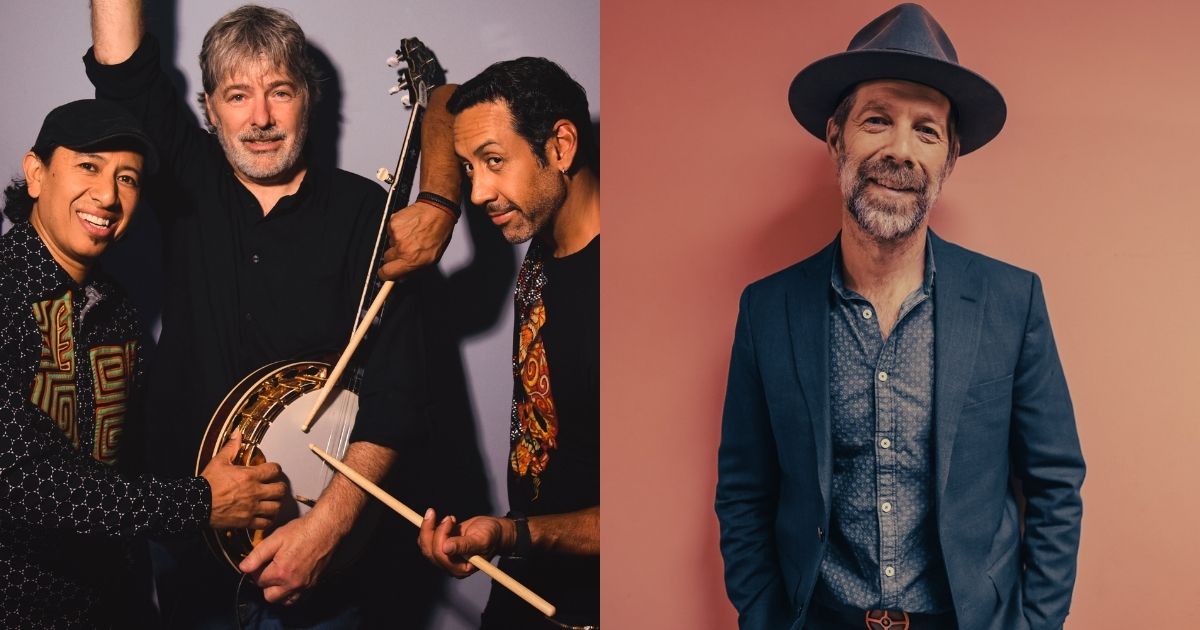
Banjo virtuosity brings us home, first with BEATrio featuring Béla Fleck, Edmar Castañeda, and Antonio Sánchez blending styles, sonics, and banjo, harp, and percussion on “Walnut and Western.” Not quite jazz, folk, jam band, or string band alone, the instrumental draws from seemingly endless inspirations, combining each with expertise and ease. The track is, of course, infinitely charming, raucous, and fascinating. Five-string aficionado Graham Sharp (who you’ll know from Steep Canyon Rangers) releases his brand new solo album today, How Did We Do It. We’re sharing “Living Like Thieves” from that project, an original which features Jerry Douglas, Lyndsay Pruett, Michael Ashworth, and more trotting towards a getaway while having a good time and with a vacation in mind.

It’s all worth a spin, that’s for sure! You know what we’re going to say– You Gotta Hear This!

Bri Bagwell, “Border Girl”

Artist: Bri Bagwell
Hometown: Las Cruces, New Mexico
Song: “Border Girl”
Release Date: April 18, 2025

In Their Words: “I am from the border of New Mexico, Mexico, and Texas. My hometown of Las Cruces, New Mexico, is a very beautiful blend of people and cultures. I believe a lot of people feel that they ‘belong’ to different places, straddling a line between ethnicities and geographical influences that shape who they are. Instead of wrestling with the idea of feeling very deeply rooted in Hispanic culture without having it in my blood, I always have embraced the idea that where I am from seeped into the fiber of my being, and that is a beautiful thing. Being from the border of all of these places created a girl who sings in Spanish every night, loves both Selena and George Strait, and knows that the Rio Grande is just a divider for map (and not for a heart).

“My boyfriend Paul Eason really took to this song after I wrote it and recorded all of the instruments and my vocals in our home studio in New Braunfels, Texas. It features harmonies by Lyndon Hughes from The Wilder Blue, and receives a big reaction at shows when I play it live. I think people really relate to the idea of loving where you are from and embracing all of your geographical and cultural influences!” – Bri Bagwell


Jack Barksdale, “A Funny Song”

Artist: Jack Barksdale
Hometown: Fort Worth, Texas
Song: “A Funny Song”
Album: Voices
Release Date: April 25, 2025 (single); June 13, 2025 (album)
Label: Truly Handmade Records

In Their Words: “I’m really interested in ways to inspire nuance and complexity with songwriting, which can be a surprisingly tough task. Somewhat counterintuitively, the way I tried to achieve that complexity in ‘A Funny Song’ is through simplicity. Sometimes if you strip something back to its simplest form and try to understand it through that point of view, you can gain a deeper understanding of it or, at least, a good foundation for future understanding. It’s not the final destination, but it’s good start. In this song, I used that same framework to try and understand some of, what you might call ‘the big questions.’

“This song borders on satire and works in pretty much the same way as satire, where the substance isn’t really in what’s being said, but in the listener’s reaction to what’s being said. Ultimately, I’m not trying to simplify ‘the big questions’ by telling a black-and-white story. I’m trying to create more nuanced thought around these questions in the minds of listeners, whether they agree or disagree with what the song has to say.” – Jack Barksdale

Track Credits:
Jack Barksdale – Vocals, acoustic guitar, songwriter
Diana Burgess – Cello
Jared Reynolds – Uke Bass


BEATrio (Béla Fleck, Edmar Castañeda, Antonio Sánchez), “Walnut and Western”

Artist: BEATrio (Béla Fleck, banjo; Edmar Castañeda, harp; and Antonio Sánchez, drums)
Hometown: Nashville, Tennessee
Song:Walnut and Western
Album: BEATrio
Release Date: April 16, 2025 (single); May 16, 2025 (album)
Label: Béla Fleck Productions

In Their Words: “Here’s a tune I have had for many years that’s been looking for a home and the right band. I am positive that this is the best setting it could have, and thrilled that I waited! Antonio and Edmar knew exactly what to do. This project kind of reminds me of the early days of the Flecktones, when audiences would go, ‘How is this supposed to work?’” – Béla Fleck


Kenny Feinstein, “Old Richmond Prison”

Artist: Kenny Feinstein
Hometown: Los Angeles, California
Song: “Old Richmond Prison”
Album: Kenny Feinstein
Release Date: April 18, 2025 (single); TBA (album)

In Their Words: “There’s something magical about siblings making music together. The way Jake and Carter work together reminds me of Ralph and Carter Stanley – it’s like they share a musical language that only brothers can understand.

“The song is about mistakes, consequences, and redemption – themes I’ve grappled with in my own life. There’s a universality to the story that I think anyone can relate to, whether it’s the weight of regret or the hope for a second chance. Water Tower will always be my home base, but this album is a chance to explore the music that shaped me as an artist. It’s a love letter to the sounds and stories that have been with me through every high and low.” – Kenny Feinstein


Graham Sharp, “Living Like Thieves”

Artist: Graham Sharp
Hometown: Asheville, North Carolina
Song: “Living Like Thieves”
Album: How Did We Do It
Release Date: April 18, 2025
Label: Enchanted Barn

In Their Words: “For me, this tune is about being in tune with the moment, paying attention to the magic when you find it. I was sitting at friend’s one afternoon thumbing through this melody and it seemed to capture the time and place (‘The prettiest thing that I know right now/ Is these little chords and the way they move/ The only place that I wanna be/ Is where I’m playing them for you”). I leaned on a recollection of an afternoon several years ago on vacation with my sweetie for the first verse. I’ve always loved Earl Scruggs’ banjo style in open D Reuben tuning and it happened to fit this song really well. Having Flux and this group of Western NC all stars on the track brought the whole thing together and made it sing!” – Graham Sharp

Track Credits:
Graham Sharp – Banjo, vocals
Ryan Stigmon – Guitar
Michael Ashworth – Bass
Jerry Douglas – Dobro
Lyndsay Pruett – Fiddle
Drew Matiluch – Mandolin


Jesse Smathers, “Good Time Get Together”

Artist: Jesse Smathers
Hometown: Floyd, Virginia
Song: “Good Time Get Together”
Release Date: April 18, 2025
Label: Mountain Home Music Company

In Their Words: “When I first ran across this old Randall Hylton tune, I knew it was something that I wanted to record. I sought out the lyrics and Wanda Dalton, Randall’s sister, wrote them out for me. I truly cherish this tune and its uplifting melody and message. When I think of my friends, loved ones, and heroes that have gone on, it is a beautiful and consoling thought to think of the music making that will happen once we get to heaven. It will truly be a ‘Good Time Get Together’!” – Jesse Smathers

Track Credits:
Jesse Smathers – Guitar, lead vocal
Hunter Berry – Fiddle
Corbin Hayslett – Banjo
Nick Goad – Mandolin, harmony vocal
Joe Hannabach – Upright bass
Patrick Robertson – Harmony vocal
Dale Perry – Harmony vocal


Photo Credit: BEATrio (Béla Fleck, Edmar Castañeda, Antonio Sánchez) by Shervin Lainez; Graham Sharp by Nathan Golub.

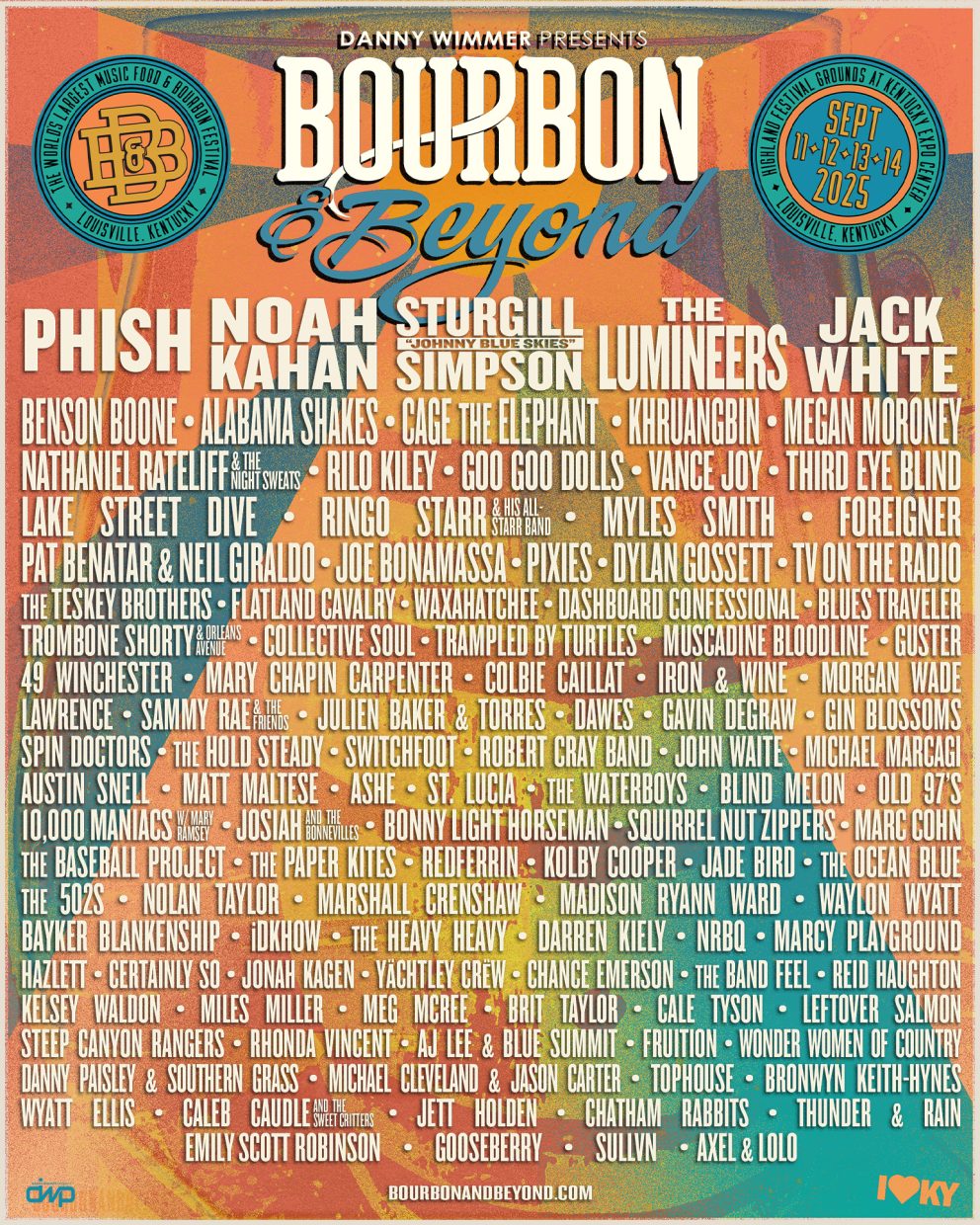
ANNOUNCING: The Full Lineup for Bourbon & Beyond 2025 is Here

Today, Bourbon & Beyond, the world’s largest music and bourbon festival, announced its lineup for their 2025 event, occurring September 11 through 14, 2025 in Louisville, Kentucky once again held at the Kentucky Expo Center. Last year, the festival attracted more than 200,000 attendees over its four days, setting a record as the largest music festival in the state’s history with its singular and wildly attractive roots-meets-mainstream lineup.

This year, main stage headliners include The Lumineers, Alabama Shakes, Phish, Sturgill Simpson (as Johnny Blue Skies), Jack White, Noah Kahan, Megan Moroney, and more. Plus, BGS returns to Bourbon & Beyond for our seventh consecutive year, programming The Bluegrass Situation stage in the Kroger Big Bourbon Bar. Attendees can enjoy delicious Kentucky Straight Bourbon Whiskey from dozens of distilleries while hearing the best bluegrass, country, and Americana from across the country. Don’t miss line dancing between sets while you enjoy the sounds of BGS – from new discoveries to living legends – and one of the shadiest spots on the festival grounds.

Our headliners gracing the BGS stage will be some of our biggest gets yet for the event, including AJ Lee & Blue Summit, Rhonda Vincent, Steep Canyon Rangers, and Leftover Salmon. Plus, you can catch Jason Carter & Michael Cleveland – who just announced their upcoming debut duo album – young mandolin phenom Wyatt Ellis, the impressively big-voiced Jett Holden, GRAMMY nominee Bronwyn Keith-Hynes, and many more. (Find our full BGS stage lineup below.)

While there’s always plenty of bluegrass and old-time, folk and Americana to be found on our own stage, B&B boasts an incredibly diverse array of artists, bands, and musicians each year across all of its stages. Elsewhere during the event we’ll be running around, too catching sets by Bonny Light Horseman, Kelsey Waldon, Flatland Cavalry, Jade Bird, Julien Baker & TORRES, Mary Chapin Carpenter, Lake Street Dive, Trampled by Turtles, and so many more.

“Bourbon & Beyond is the best lineup of the year – bringing together the biggest names in rock, Americana, and alt, alongside country icons and breakout artists,” says Danny Wimmer of Danny Wimmer Productions, who produces the event. “It’s a festival that doesn’t just celebrate one sound, but the best of all of them, paired with world-class bourbon, incredible food, and that unmistakable Kentucky vibe.”

We couldn’t agree more. Bourbon & Beyond remains one of the highest quality events we’ve ever partnered with, bringing together world class food and beverage, unique experiences and activities, so many genres and sounds, and the buzziest talents alongside sparkling fresh discoveries and legacy acts with household names. All set in the heart of roots music country in beautiful Kentucky.

Tickets for Bourbon & Beyond are on sale now. We hope you’ll join us for yet another year in Louisville – you won’t want to miss our BGS stage lineup or any of the limitless fun B&B has on offer.

BGS Stage Lineup:

AJ Lee & Blue Summit
Rhonda Vincent
Steep Canyon Rangers
Leftover Salmon
Caleb Caudle & the Sweet Critters
Jason Carter & Michael Cleveland
Chatham Rabbits
Wyatt Ellis
Fruition
Jett Holden
Bronwyn Keith-Hynes
Danny Paisley & Southern Grass
Steep Canyon Rangers
Thunder & Rain
TopHouse
Wonder Women of Country


Graphics courtesy of DWP.

Woody Platt Seamlessly Steps Into His Solo Career On ‘Far Away With You’

After over 20 years behind the wheel of Western North Carolina-based bluegrass and roots band Steep Canyon Rangers, founding member Woody Platt is forging a new path ahead as a solo artist with his debut album, Far Away With You.

Released on October 11, the 10-song project sees the GRAMMY and IBMA Award winner teaming up with a variety of collaborators – from the North Carolina writers whose songs litter the collection to guest spots from legends like Del McCoury, Tim O’Brien, Sam Bush, and Darrell Scott. The album also showcases covers from Georgia bluesman Blind Willie McTell (“Broke Down Engine”) and rockers Kings of Leon (“Beautiful War”) that showcase Platt’s ability to take songs from far outside the bluegrass space and capture them within it, casting these familiar tales in an entirely new light and making them new all over again.

“This album is a big step for me,” Platt tells BGS. “When I left the Steep Canyon Rangers, it was only to slow down and be home more. I didn’t really have a plan to make a record or to have any sort of solo career, but when you spend half your life on the road and playing music, it just becomes a little bit of who you are.”

That big step has come with even bigger adversity in recent weeks as Platt has joined others in recovery efforts after Hurricane Helene pounded his home region. While his property and most of the city of Brevard were spared catastrophic damage, countless other communities nearby were not. Though recovery will likely take years, Platt is determined to help for the long haul with both power tools and his baritone bluegrass bops.

During a break from hacking away at a fallen tree with his chainsaw to get a neighbor’s bridge reopened, Platt spoke with BGS about the mixed emotions leading up the release of Far Away With You, how Western Carolina informs his music, his song selection process, and how fatherhood has impacted his outlook on music.

What’s it been like for you balancing promoting and preparing for an album release while simultaneously helping your community recover from Hurricane Helene?

Woody Platt: I’m not going to lie to you, I’m conflicted. This is the first time I’ve ever focused on a record that is a solo project with my name on it. With that comes a general sort of concern, anxiety, and excitement, and I’m proud of it, but at the same time I’ve been conflicted about trying to promote something that’s so singular and personal during this huge storm event that’s got so many people in such a bad situation.

Originally, I thought there’s no way the album release show can go on, but when you think about it a little bit more, you realize that music is a great way to bring people together, create a healing environment, and use it as a platform to continue to create awareness and raise money. There’s so many benefit concerts and there always has been, but that just gave me some peace of mind that if we can transition this into being less about the album and more about the community at large and the health of the community, these two things can coexist in a really good way. Being further and further away from the storm and as more people are getting power back, I think it’s a good chance for people to come together and contribute to a greater sort of healing process.

Aside from the pivot to the release show turning into a benefit, what do you hope to accomplish with Far Away With You?

The reason I first started playing music was to play bluegrass music, so this album for me represents a return to my roots. I never stopped playing bluegrass music, but when I was with the Steep Canyon Rangers we evolved and developed more of an Americana sound, so this [album] has been a good way for me to get back to basics and playing the music that originally got me fired up about creating a band and performing in the first place. Also, there’s a lot of great songwriters here in my home community, including my wife Shannon [Whitworth], which has allowed me to tap into some of the local talent to put a spotlight on them as well.

Do you see yourself getting back on the road for any tours or solo runs in support of this record or anything else you may do in the future?

I see shows always on my calendar, but tours, not so much. I don’t envision long runs of shows, but I do see myself playing a festival here, a concert there. I’m also doing a fair amount of work with Shannon, which is sort of separate from this. Between the two, I feel like I’m actually playing more music than I thought it would be. I didn’t have any expectations of what was next after years of touring, but every time I look at my calendar I have some work to do. It’s all been really organic. I’m not out there chasing it or pushing it very hard, but if an opportunity presents itself then I’m usually pretty willing to take part in it.

As you just mentioned, most of the songs on the album are penned by other songwriters. How do you go about deciding what work from others to incorporate into your shows, or in this case, an album?

I’m really drawn to songs, melodies, and just the feel of a composition. I didn’t start this project with a goal to find the songs just within this community, but when a song speaks to you, it speaks to you. Because of that, there was no real roadmap of what the final 10 songs would be. I just went with my gut and the songs that meant something to me or moved me for one reason or another, and this is where I ended up. It was only when looking back on them at the end that I realized that most of them came right out of Brevard.

I was so lucky when I was with Steep Canyon Rangers to be in a band with some really great songwriters. It set the bar pretty high for what I look for in a song, leading to this album where every song is one that I love to play and sing.

From songwriters to nature, how do the mountains of Western North Carolina inspire and inform your music?

We live in such a beautiful place. One of my favorite things about it is all the water. It’s no secret that I’m a lifelong, serious fly fishing angler and I get in the river a lot, like more than most. There’s a real sort of music to the river, so when I’m in the water there’s a lot of inspiration that washes over me. There’s a lot of sounds and what you see is not what you hear and the way it surrounds you is all very inspiring and helps to clear my mind. It’s always been a way for me to reset, which leads to loads of creativity and inspiration.

That’s interesting you bringing up water, because I agree it can be peaceful and relaxing, but as we’ve seen it can also be powerful, destructive, and deadly. Quite the duality.

That’s very true. I just spent the morning in the river with some other guys trying to clear a neighbor’s bridge. Right now the rivers don’t feel as peaceful as they have. There’s a lot to be done, but it’s amazing how rivers can heal themselves and how water can be healing in general.

Sticking with that concept of duality, I can’t help but get a similar sentiment from the song “Like the Rain Does,” which lyrically plays out like a love story (“you’ve got me falling like the rain does”), but is also flexible and ambiguous enough to tie into the recent storms y’all have experienced.

I absolutely love that about music. A song might be written for one particular perspective, but the listener might take it in a totally different direction based on personal experience or, like you said, a recent natural disaster that can sort of change what a song means to you. I’ve always liked that about songs and feel that many of the songs on this record have that sort of ambiguity and openness to interpretation while others are more direct.

Another song I’ve really enjoyed is “Walk Along With Me,” an original of yours that combines your life at home as a father with your love of music. How did it come about?

“Walk Along With Me” was one I wrote in 2015 shortly after our son was born. Shannon and I would work different shifts and I would put our little boy in a Moby [Baby] Wrap on my chest, staying up real late with him while she got some uninterrupted sleep, sort of like a night shift. I wound up writing a lot of songs with this classical guitar nestled against his back, which was really inspiring, because I’d never really thought of myself as a songwriter. I was a part of a lot of song creation, but not as a first writer of songs.

With this one in particular, I was emotional about all of the sudden becoming a father, so I thought about my life and the experiences that I’ve had and how that translated into how I would be as a father. And, how close I would keep my child or how far I would let them go, the ebb and flow of wanting to keep your arms around them and be by their side while also realizing that they’ve got to blaze their own trail. Being a father is ultimately what led me to slowing down my touring. It really changed my whole life, having a son and starting a family and that song is just one example of how I felt about it at that time.

Given that your son is eight years old now, has he started catching the musical bug himself yet?

He really is. Just this morning he was getting ready for school and he had his own music on in his room. He’s also been singing a lot and is getting quite good on the drums. He takes drum lessons from [Aquarium Rescue Unit and Leftover Salmon’s] Jeff Sipe here in town. We were at a little jam not too long ago and he found a cajon and next thing I knew he was a part of the jam and was holding it down pretty well. We’ve tried not to push music on him, but I think just being around these rehearsals at the house and these shows that we play is causing it to seep into his bones.

You’ve mentioned your wife Shannon a couple of times now. What does it mean to you to not only have her by your side for encouragement, but also to lean on as a songwriting partner?

It’s wonderful. She’s super creative [and] also a painter in addition to being a multi-instrumentalist, a songwriter, and a great singer. We play and write a lot together now, but when she was touring with her solo band or with The Biscuit Burners and I was touring with Steep Canyon Rangers we’d oftentimes just put our instruments by the door and not get them out when we got home. We were working so hard with our other groups that when we got together, we were just hanging out. Now that we’re both not playing as much we’re doing a lot more together. It’s been a lot of fun to write together and have her as a good sounding board, and vice versa. We’ve come to a really good place of musical compatibility and creativity.

What has music taught you about yourself?

I was never naturally made for this type of thing. For a long time I didn’t even realize that I had the talent and the capability to carry a show. Because of that, I usually show up over-prepared – I’m not the kind of guy that can just show up and jump on a show, I have to be studied and be ready. That preparation and drive to be good has helped to keep me humble and honest about it. I’ve always felt like at any minute this could all go away. It’s not only aided in keeping my head down and staying focused, but it’s also kept me playing and enjoying music for all the right reasons.


Photo Credit: Bryce Lafoon

Woody Platt’s Release Show Became a Hurricane Benefit, Raising Thousands

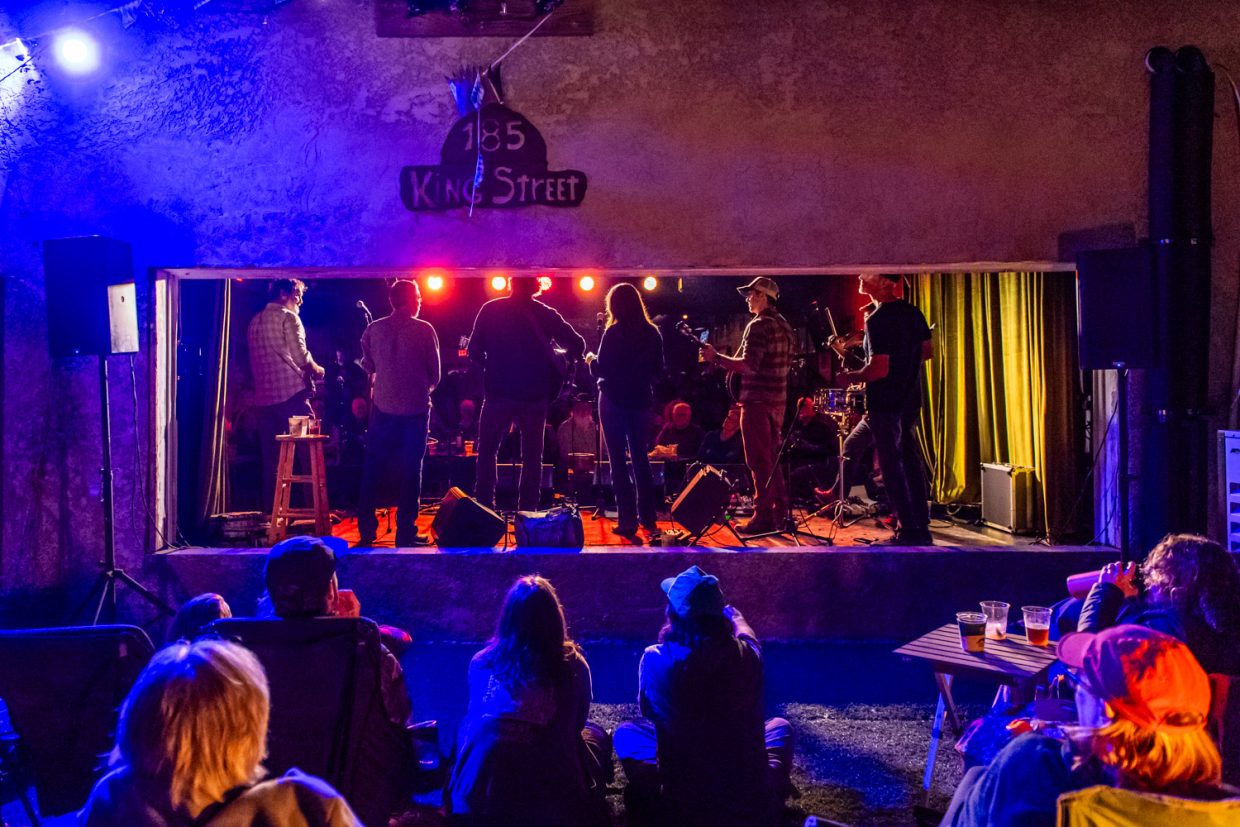
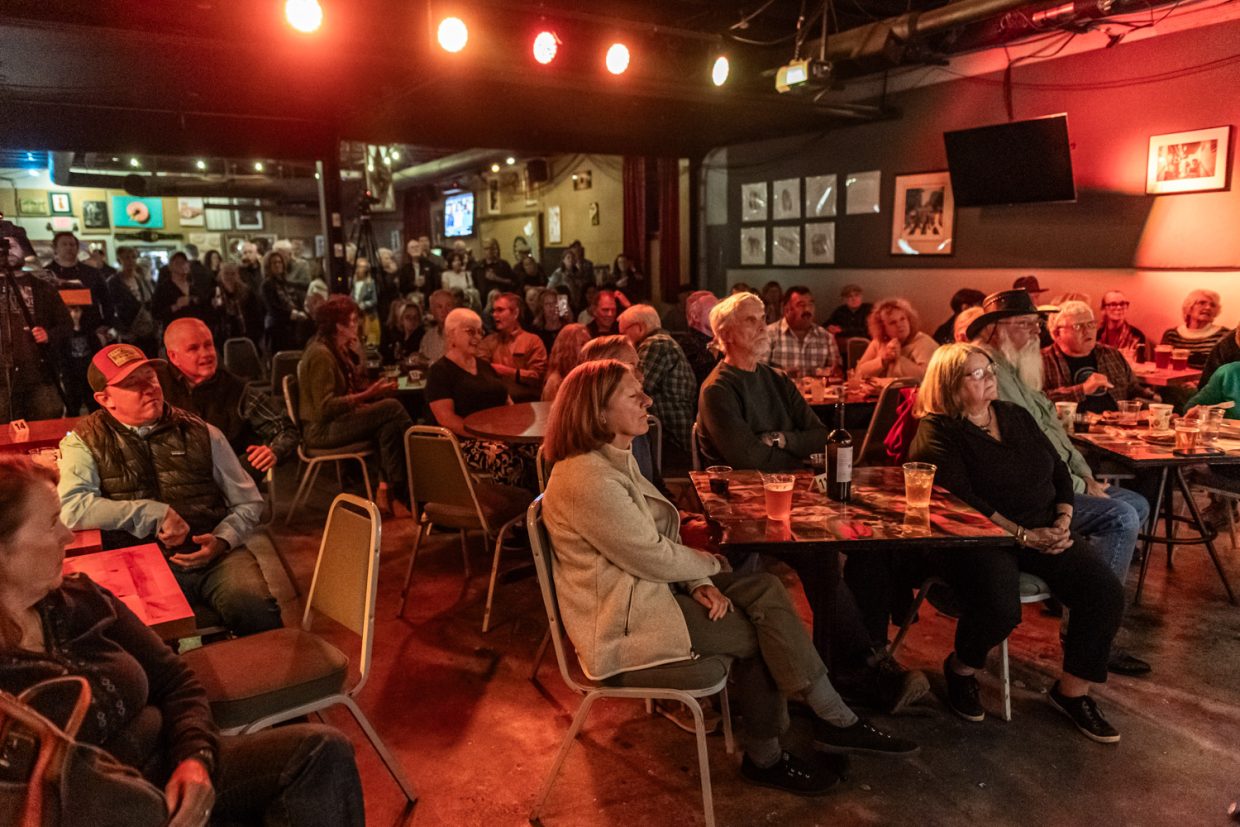
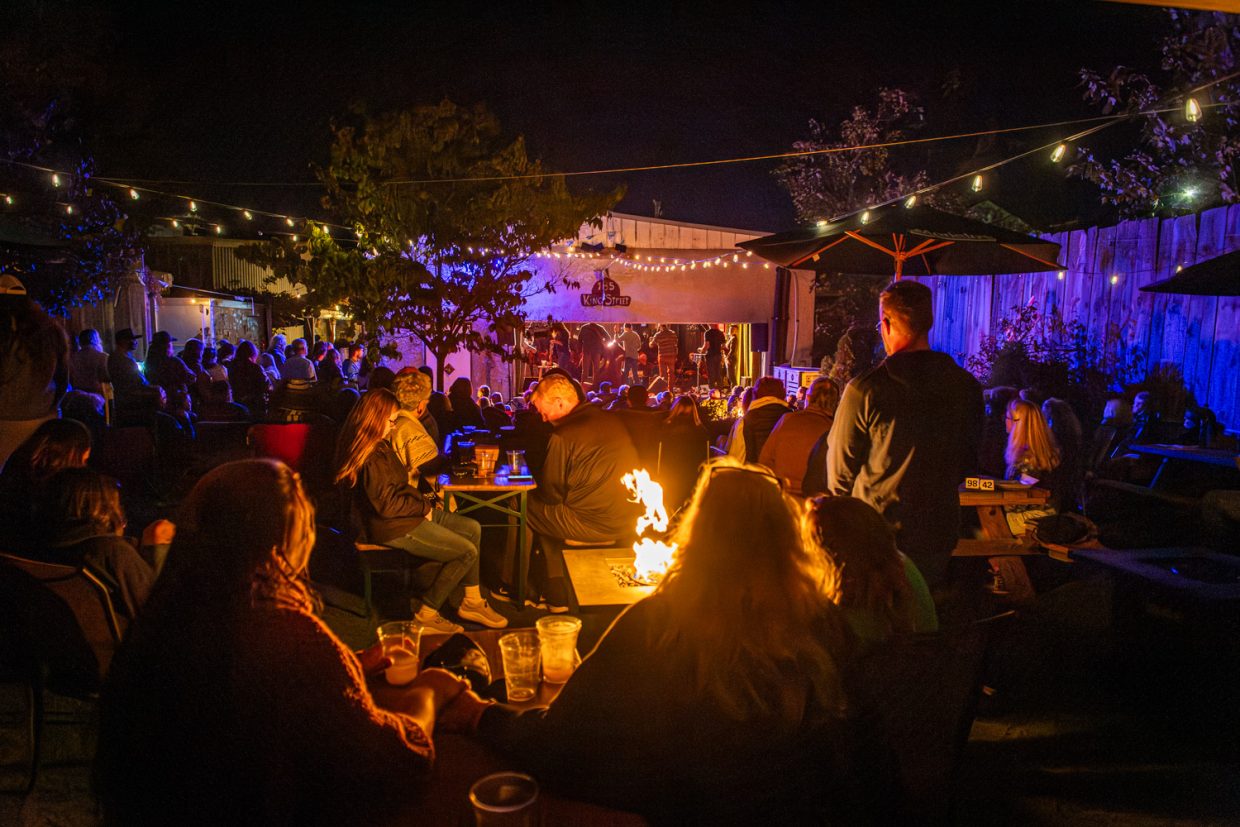
On October 11, singer-songwriter Woody Platt stood onstage at 185 King Street, a cozy music venue in the depths of the small mountain town of Brevard, North Carolina. And what was supposed to be an album release party for Platt’s Far Away With You became a fundraiser for flood victims of Hurricane Helene, which devastated the region last month.

“I was conflicted about even having a show,” Platt says. “But, then I remembered that music is healing, helpful, and great for the community. It’s also a wonderful way to raise money.”

Dubbed “Rescue Carolina,” the sold-out benefit concert was a genuine celebration of togetherness after the traumatic events and during ongoing struggles of Asheville and greater Western North Carolina. Platt and his wife, acclaimed singer-songwriter Shannon Whitworth, came up with the idea for “Rescue Carolina.”

“Why don’t we use our platform, this show, and our relationships in the community to figure out what’s the quickest and more direct use of these donations to those who need help?” Platt says.

Woody Platt and band as seen from 185 King Street’s backyard. Photo by David Simchock.

At last count, the GoFundMe page for “Rescue Carolina” has raised more than $107,000 and counting. The funds will be doled out to an array of hyperlocal nonprofit organizations, small businesses and residents in need.

“There are many individuals that lost their homes and businesses that were totally destroyed,” Platt noted. “It’s pretty bad out here.”

A Brevard native who still calls Transylvania County home, Platt is the founder and former frontman for the Grammy-winning Steep Canyon Rangers. Formed almost 25 years ago while students at the University of North Carolina at Chapel Hill, the Rangers are a marquee act in the Americana and bluegrass realms.

“It was just us jamming in the college dorm rooms,” Platt recalls. “And then, all of a sudden, we got excited and hit the road.”

In 2022, Platt decided to step away from the Rangers in a genuine effort to spend more time with his wife and young son. And to simply slow down, maybe go fly fishing more – another lifelong passion that’s now parlayed itself into a private guiding service led by Platt.

“I have a habit of turning all my hobbies into careers,” Platt chuckles. “You know, I did 23 years with the Rangers and did enough years on the road to pay my dues out there.”

And yet, even though Platt stepped off the bus, literally and figuratively, the music hasn’t stopped. Quite the contrary. It flows seamlessly and endlessly through the heart and soul of the troubadour like the ancient rivers and creeks in Southern Appalachia.

Standing room only – inside and outside – at 185 King Street for Platt’s release show and Rescue Carolina benefit. Photo by David Simchock.

You’re no stranger to philanthropic causes and have always been involved with charities. Why is it so important to continually be involved in these efforts? Because it can take a lot out of you to do it.

Woody Platt: Yeah, it does, man. Honestly, I come by it real naturally. My whole life, my family has always been at the forefront of fundraising. My mom started the local Boys and Girls Club chapter here. And not just started it, but raised the money for a really significant facility that now services hundreds of kids. It’s a way of life for my family. I really don’t know any other approach than to get in the trenches and try to give back, you know? I mean, I’ve been really lucky, in my life and my career, to have had a lot of community support. And it’s very natural to want to turn back around, if you can, and give back.

And we’re still not out of the woods with efforts here in Western North Carolina. Not by a long shot. Everyone’s just kind of dazed at this point, where it’s like a kind of a “Twilight Zone” thing.

Yeah. I’ve used that term “Twilight Zone” so many times. There’s normalcy and there’s work. People still have to pay the mortgages and do the things they’ve always done. But, you don’t have to look too far to just see somebody in total devastation. You turn the corner and everybody’s all happy up on [a] hill, and then you just go a hundred yards down and you start seeing the devastation. I hope we don’t have to see this again. I tell you what, I hope this was truly a thousand-year flood.

Casey Driessen (fiddle) and Bennett Sullivan (banjo) perform as part of Platt’s band. Photo by David Simchock.

Obviously you scheduled the album release party prior to the flooding and it was aiming to be a special night. But, it just felt like way more of a special occasion. What did that night mean to you?

There were so many layers to that. The first layer was that I’ve never in my career done a Woody Platt concert, just a show that has my name on it. I’ve always done band shows or collective shows with other musicians, but I never just had a show that was sort of centered around music that I made and recorded. So, that in itself, even leading up to the event, had a special feeling to me because that’s a long time coming. And then, you had the hurricane and how the show quickly needed to pivot to a fundraiser – put the record in the backseat and the fundraiser in the front seat. And it kind of created some anxiety, but excitement. During the show, I [played] a lot of the songs from local songwriters right here in Transylvania County. And I invited them all to come and sing a snippet of their song in its original form before I did my version of it back-to-back throughout the night – that made it even more familial and really Transylvania County-centric. It was a special night.

You’ve been playing music for a long time, but it feels like this fresh avenue with the new album. But, how is this all going to work moving forward? Are you going to tour, play with a band, case-by-case gigs?

Well, one of my favorite things about music right now, Garret, is that when I play, it’s just solely about the joy. Not that music wasn’t joyful before, but it’s just coming from a really easy place right now. I’m not worried about the money as much or worried about the tour and all the gigs that you need to put together when you’re full-time on the road. You need to put together a robust [touring] schedule and that can weigh on you a little bit. It’s just the nature of the music business.

So, I feel like I’m playing music from a really free place, and that’s made it so fun that I’ve kind of wanted to do a little more of it. Shannon and I have a band together, and we have sort of a fixed lineup where we play [out] a little bit. This project and this band that I played with the other night, we’re going to play some, but not much. Just enough to scratch that itch and enjoy music in its just simplest form, which to me is just wonderful. I do anticipate a handful of gigs, but there’s no sort of pressure attached to it. It’s a fun place to be.

Shannon Whitworth and Woody Platt soundcheck before the show. Photo by David Simchock.

Well, it’s where you’ve always wanted to be.

A hundred percent. And that’s where it started early on. You know, with the Rangers, we got so many offers and were so busy for so long. It was incredible and such a fun ride, but it’s one of those things [to be on the grind].

The Rangers are such a freight train with their touring. Then you wonder, “Should I step off the train?” or “What’s going to happen when I step off the train?” But, you stepped off the train and you found stability in your life.

Yeah, it’s pretty crazy. Somebody asked me just yesterday, “Did you anticipate making a record? Did you anticipate playing these gigs with these different guys and developing a new repertoire?” And honestly, I didn’t. I just knew I needed to step off that train and the rest would unfold naturally. And that’s what’s happening, you know? And I was so flattered to get tucked in with Compass Records and work with [label owners] Alison [Brown] and Garry [West].

You talk about being in a free space, and that’s the way I felt listening to the album. It felt very light and that you had a kick in your step, like momentum was moving forward. There’s no heaviness on the record.

And I’m glad. I just wanted it to come from a really easy place, and get to sing with Shannon. We sing together all the time, but we’ve recorded together very little. And so, with having her there, I wanted it to be easy, fun, fresh, happy and all the things.

And that’s where you’re at right now.

You better believe it, man.

A huge crowd watches from 185 King Street’s cozy backyard. Photo by David Simchock.

When you first left the Rangers, I remember you telling me that the goal was: more time with family and more fishing, with one foot still in music.

The goal was family first. I only got one little boy, and I felt like I was missing a lot of that. When I go to the studio now, it’s like a day job, where I come right home. And when I go fishing, it’s just a few hours and I come home and sleep in my own bed. I’ve got a nice balance of those three things you mentioned. Still being front and center with the family, enjoying [fishing], and keeping the music in a good place — it’s kind of a dream come true at this point.

(Editor’s Note: Though Rescue Carolina has reached their GoFundMe fundraising goal, donors can still give to continue to support hurricane relief in Western North Carolina here.)


Photo Credit: All images by David Simchock.

The Po’ Ramblin’ Boys: “Everything That Is Traditional Now, Once Was Progressive”

Over the past decade, The Po’ Ramblin’ Boys have established themselves as a modern voice in traditional bluegrass. They are equal parts researchers, archivists, and artists, continually reframing what it means to be “traditional” – with a particular focus on the ways that bluegrass and roots music have always been progressive and boundary breaking.

For BGS, I spoke via video call to mandolinist CJ Lewandowski and fiddler Laura Orshaw around the release of their new album, Wanderers Like Me. We talked about their unique approach and mission for the group, we covered a lot of ground, and I left the conversation feeling inspired to put more thought behind my own mission in music making.

I see that you are coming up on 10 years as a band. Many years ago I had the pleasure of writing a bio for The Po’ Ramblin’ Boys, and I’d love to know a bit about the way the band has developed and changed over the years?

CJ Lewandowski: I think we are all ten years older than when we started, for one, and that’s a lot. It started as four guys working at a distillery, you know, working a day job. … There was no traveling, no planning, no pushing to be something. And it naturally progressed. There were videos coming out and promoters started calling and asking us to come out and play.

A lot of people plan for stuff, and they push and push, and everything we’ve been involved with before this band was like that, plowing through clay. You push and you push and never get anywhere. Then this band just happened. We didn’t think we’d be traveling in a bus and going all over the world, but here we are!

Laura Orshaw: The coolest thing for me is seeing the material and the message of the band start to come together. Everybody is really interested in super regional groups from around where they grew up, or maybe just bands they got interested in, so the members have interesting and diverse listening palates.

For several years, the band was doing a lot of covers that people hadn’t heard before, drawing on that research. Then, for the past five years, we’ve been doing a majority of original material and I think that the conversations that it brings up within the band are new … like, “How did you come up with this?”

For example, a lot of the more recent songs are about traveling. … For me, I spin that from the women’s perspective, a lot of them are about mom or a woman waiting back home and I like to think about, “What if a woman sings this song?” I think a lot about those classic themes but making sure they’re relevant to the modern days.

You’re one of the few bands that has never changed their commitment to traditional bluegrass over the years. Tell me about that interest in maintaining your style and how to you resist the temptation to move in more commercial directions?

CL: We had a manager at one point and we were talking about different material we could cover, and I said, “I don’t know if that’s gonna fit us…” And he said, “Well whatever you play, you’re gonna play it the way you play, so it’s gonna sound like you.” I think about that a lot, because I think he’s right.

I try to stray from the word “traditional” and think more about “authentic.” It’s just the way we play, and the way we learned to play from the mentors in our home regions. Anything we do is going to sound like that. We just play and sing true to ourselves, it’s not a plan or an act, we kind of let it go with the flow

There has been pressure sometimes– maybe the band should push this way or that way, but all in all, it’s like, “Well, if it ain’t broke don’t fix it…” We are all just true to the way we play

LO: What CJ said, “whatever you do is gonna sound like you” – with the current album coming out, it’s the first time we’ve had a really heavily involved producer, Woody Platt (formerly of the Steep Canyon Rangers), working with us from pre- to post-production. I think five people are going to have their own opinion about every suggestion that comes up, but because of Woody we did try a lot of things that I don’t think we would have individually gone for. And after we all did them, we usually liked them.

CL: Woody had our sound in mind, and he said, “The main thing is, I want you guys to be you.” We spread our wings, we got a little more vulnerable. There’s a natural progression to all of this and this record is a great next step.

LO: It was just really refreshing to work with a producer and have that level of focus and excitement, having that external voice that studied and focused is huge.

Since the time I wrote your bio, Laura has formally joined the band, tell me about what she’s added to the group and how that came about? I think it’s such a magical fit, and really rounds out the sound of the band.

CL: Her first show with us was in December 2017 at the Station Inn and after that she did some sporadic shows with us and played on our next couple records. In January 2020, she joined full time and she has officially been with us for four/four and a half years now. We tried a lot of different fiddle players on the road and nothing fit quite like what she had on the table; the attitude, the drive, and the musicianship

I’m a huge fan of triple-stacked harmonies, like Jimmy Martin and Osborne Brothers, so she brought a completely different vocal opportunity to the group. There was us three guys, and we could do some three-part harmonies, but with her we could move to different keys and had a lot more flexibility. … And of course, her fiddle playing is sassy and full of energy.

A lot of people ask about the name, The Po’ Ramblin “Boys,” but there’s a tradition of that in bluegrass, with Bessie Lee playing with The Blue Grass Boys, and Gloria Belle with The Sunny Mountain Boys. I like playing into that. But it’s also the band saying, “Hey we aren’t limiting.” Like, whoever can cut the gig, we love you! We’re very open and try to be as inclusive as possible. There are a lot of demographics in the group and she just added another one. …

Bluegrass Unlimited dubbed us as being “progressively traditional,” and it’s true in that everything that is traditional now, once was progressive. I don’t try to stand on a soapbox, and it took me a long time to figure it out, but I’m a queer artist, and I didn’t have anyone to go to when I was figuring that out and I didn’t feel I had a place. So, a lot of the stuff we do today has an open mind to it. [I’m included in] an exhibit in American Currents at the Country Music Hall of Fame and I put a rainbow guitar strap in there just to say, “Hey we’re out here, and holler at me if you need something.” Because I didn’t have anyone to look up to in that way.

Can you tell me a little bit about the album art for this new record, Wanderers Like Me?

CL: The cover photo is a painting of a cowboy. It plays into the title and many of the songs on the record and goes back to the story of wandering all over the country. But that piece of art was painted by our bass player Jasper’s great-grandfather, who was a North Dakota scene painter born in 1900 who painted all the way until his passing. His artwork is in governors’ mansions, he was a very prominent artist and to include something like that for our album art is also another way of honoring tradition.

LO: The way I see bluegrass, it’s a truly American art form. just like painting scenes, it reflects the culture and the time that it was painted in. In a lot of traditional art forms, there’s a kind of preservationist stance, but I think as a band we don’t like to have that mindset as a way to hold up barriers, or to say we don’t like modern or progressive music. A lot of what is told about American and bluegrass history is through a very particular lens; it’s very easy to see a fuller picture when you start digging. We travel and meet a lot of people, we live in modern society, we all have a lot broader perspectives than the people creating music years ago.
So, we just see this mindset as a way to make the music reach its full potential. Preserve and broaden it by being aware of what’s going on around us, thinking about language and thinking about American art forms.

CJ: “Being you” is it’s own art form as well… There’s a lot to just making sure that you’re being yourself.

The people that we learned from, it’s amazing to learn at the knee or the foot of these incredible people, but it’s not a boundary. It’s something that you take and grow from and learn from. Not everyone is perfect or mindful… I learned good and bad from some of these folks. You learn what to do and sometimes you learn what not to do. You take it from spades and grow from that. We want to honor people, but also make this a better realm for everyone. Just because you play traditional music doesn’t mean you have to have a traditional mindset.

I think the fact that this record is coming out on Smithsonian Folkways says a lot about the timeless nature of the music you are creating. What do you hope that folks will get from your music now and also in the future?

LO: I think that one of the most neat things is knowing [Smithsonian’s] mandate around preserving music, knowing that everything that they have and archive will be there for ever. It will always be available.

CL: there’s a lot of good material out there that’s been overlooked. I call listening through it “digging for gems.” As an artist, I hope that one day when we’re gone… someone might find our music like that. I don’t have any kids, so I really think about how my music might be left behind for the next generation. With Smithsonian, we could be dead and gone and someone’s great-grandniece could ask for a copy of our record from the label and even if it’s out of print, they will print one copy and send it to them.

You have a lot of songs about the hardships and joys of travel and touring, do you guys see yourself touring for another 10 years?

CL: There’s a lot of different factors, I think we’d all like to go as long as we can, but within this 10 years we have fiancés, marriages, children, people living in different states. In 2018, when we got Emerging Artist of the Year [award] at IBMA, I looked at everybody and I said, “OK, if you want out, get out now.” And we all put our hands in and said, “We got this.” We all got together about how if one of us going leave, then we’d all let it go.

We never really felt like there was a place for us for a long long time, so when we found success we felt like, “Wow, we did this together…” I think the future is bright, especially with this new album.


Photo Credit: Michael Weintrob

The Travis Book Happy Hour: Mike Ashworth (Steep Canyon Rangers)

When I asked Mike Ashworth’s bandmates and friends to give me a sentence describing him, it was almost comical how similar their answers were. Two of them were identical, describing him as “the most natural, gifted, and versatile musician I have ever known.” One even said, “when God made the perfect musician, he made Mike Ashworth; enormously talented and versatile, but also humble, joyous, and a wonderful listener…” I call Mike whenever I can to join me on the Happy Hour or Travis Book & Friends – and he was my bass player of choice for my record. He laid his heart out for us in this interview and my only regret is that it took me so long to get this episode out.

LISTEN: APPLE • SPOTIFY • STITCHERAMAZON • MP3

This episode was recorded live at The Grey Eagle in Asheville, NC on February 3rd, 2021.

Timestamps:

0:09 – Soundbyte
0:47 – Introduction
2:45 – “Turn Your Radio On”
5:20 – Monologue
7:44 – “I Will Lead You Home”
10:21 – Monologue
14:30 – “Beauty In The Ugliest Days”
19:42 – Interview
48:00 – “First Girl I Loved”
52:06 – “I Want To Sing That Rock & Roll”
55:11 – “Palm Tree”
58:55 – “I’ve Endured”
1:02:50 – Outro


Editor’s Note: The Travis Book Happy Hour is hosted by Travis Book of the GRAMMY Award-winning band, The Infamous Stringdusters. The show’s focus is musical collaboration and conversation around matters of being. The podcast is the best of the interview and music from the live show recorded in Asheville and Brevard, North Carolina.

The Travis Book Happy Hour Podcast is brought to you by Thompson Guitars and is presented by Americana Vibes and The Bluegrass Situation as part of the BGS Podcast Network. You can find the Travis Book Happy Hour on Instagram and Facebook and online at thetravisbookhappyhour.com.

Photo Credit: David Simchoock