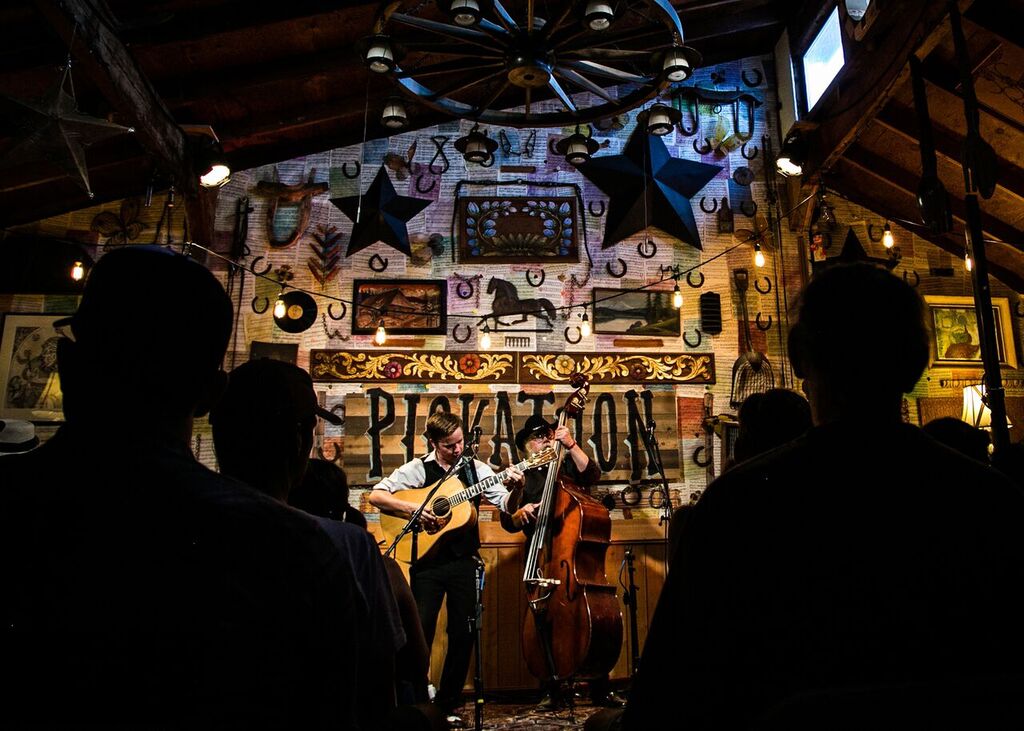
LISTEN: The Matchsellers, ‘Betty Sue’

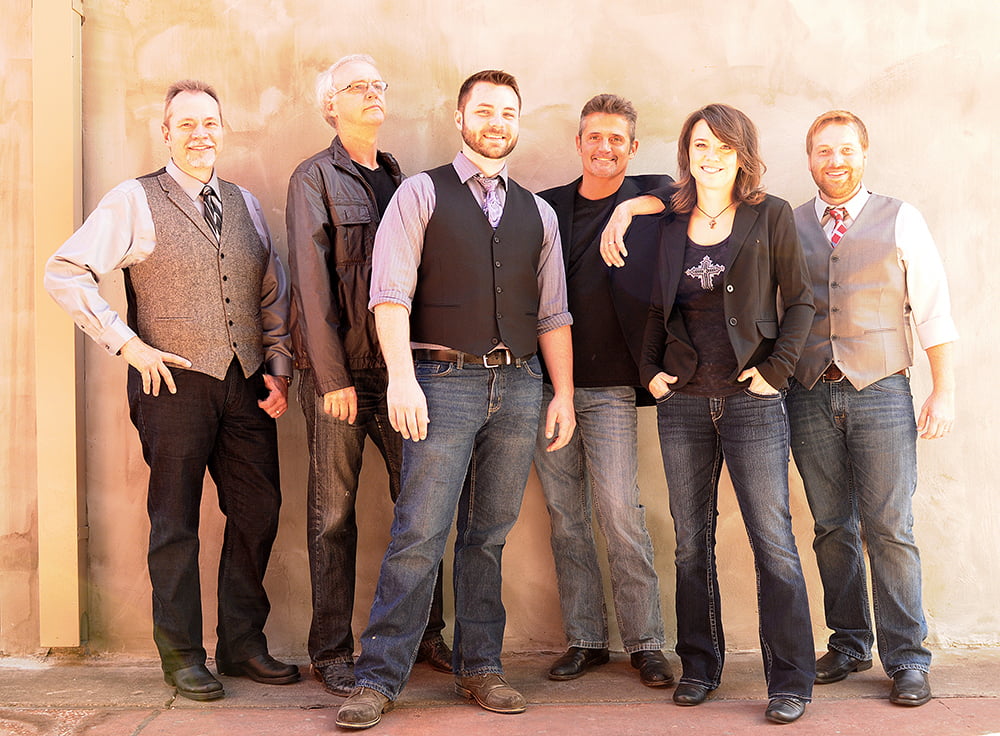
Artist: The Matchsellers
Hometown: Kansas City, MO
Song: "Betty Sue"
Album: Songs We Made Up
Release Date: February 12

In Their Own Words: "For this album, we've been really trying to focus on the humor of traditional music that sometimes gets lost in the seemingly never-ending race to infuse 'newness' into bluegrass and old-time music. This is not to say that experimentation and genre-hopping is bad (it is perhaps a correct reflection of our times), but simply that the funniness and fun can be overlooked.

That being said, 'Betty Sue' is about nothing in particular. I guess it's just about somebody rambling around and having a good time. That's what we try to do. Isn't that what Uncle Dave Macon, John Hartford, and Roger Miller wanted to do, as well?" — Andrew Morris


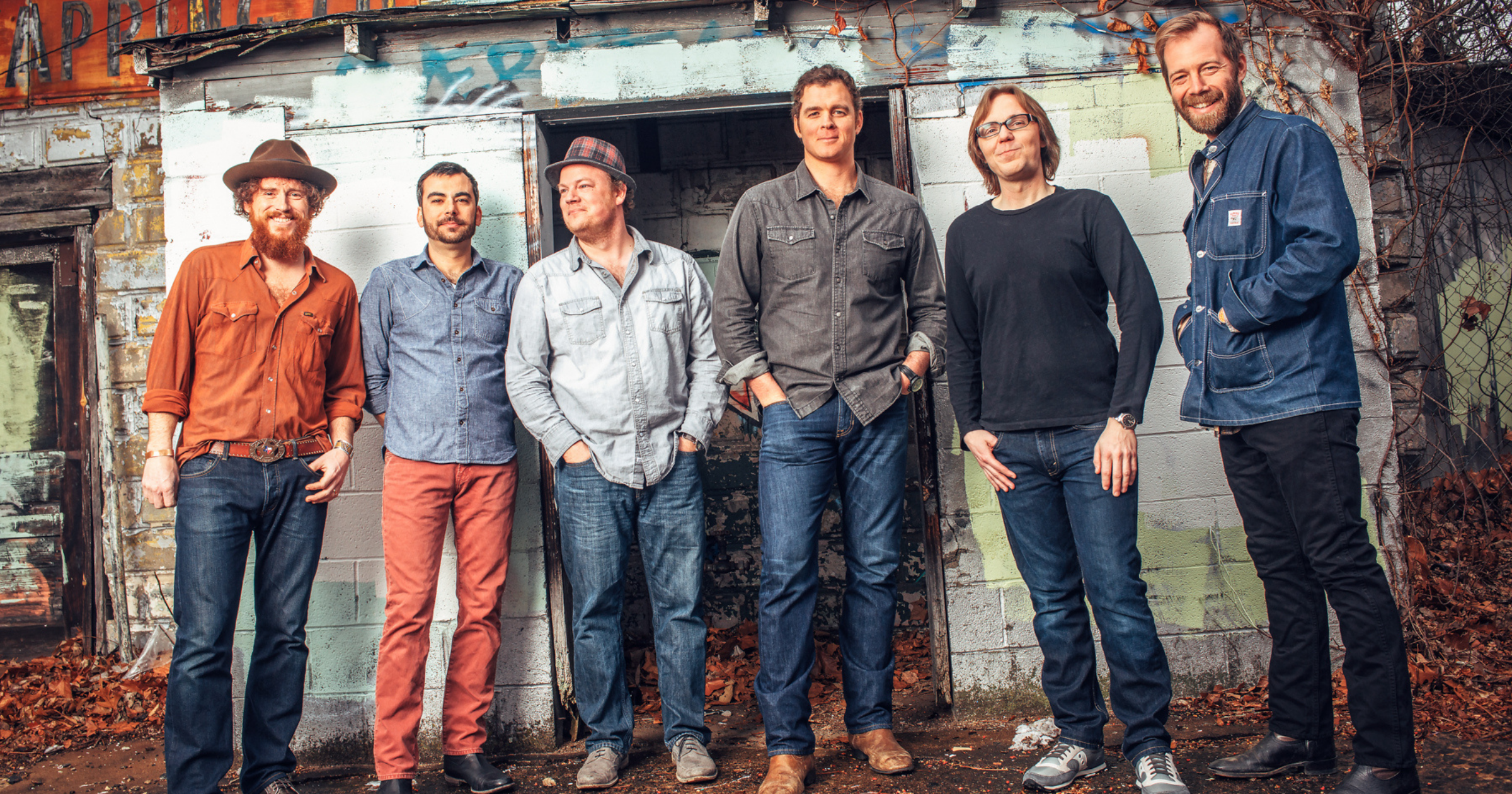
Photo credit: Mathias Kang and Ian Skeans

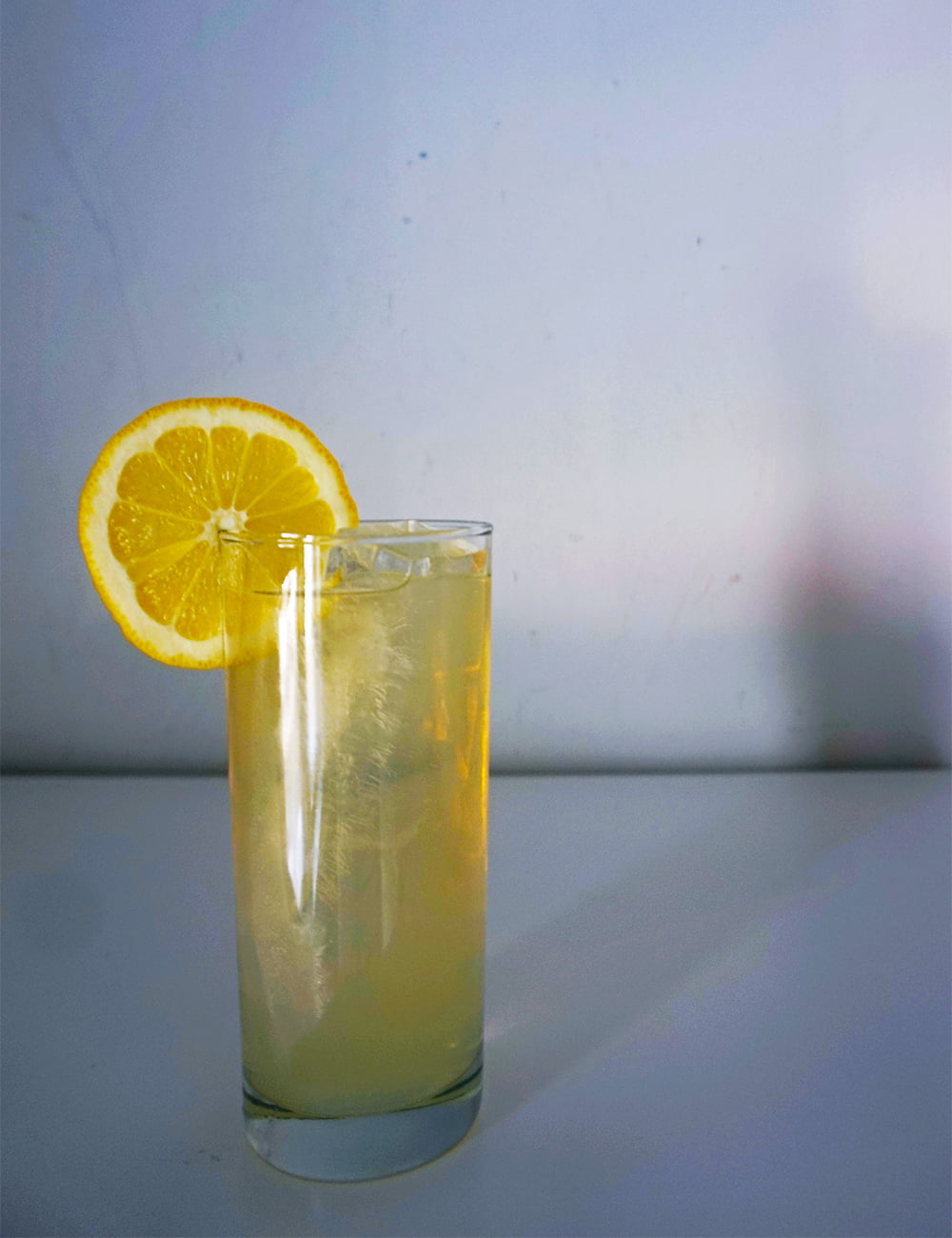
Bluegrass Cocktails: Uncle Pen

Perhaps there was no greater influence on Bill Monroe’s career than Pendleton Vandiver, his maternal uncle and, importantly, fiddle teacher. In “Uncle Pen,” Monroe remembers his mentor’s life, focusing on his dance-hall rollicks playing tunes like “The Boston Boy” and “Soldier’s Joy” — also the name of a post–Civil War concoction made with whiskey, beer … and morphine.

Eschewing the last of these, our Uncle Pen cocktail is an update of this boilermaker of sorts. Cinnamon and apple are obvious complements, but tequila makes for a vegetal, somewhat spicy addition to this refreshing mix — perfect after a frolic on the dance floor or simply a long day of work.

INGREDIENTS
1 1/2 oz reposado tequila (I prefer Espolón)
3/4 oz lemon juice
1/2 oz cinnamon syrup
Dry alcoholic cider (I prefer Harpoon)

DIRECTIONS
Add tequila, lemon juice, and cinnamon syrup to cocktail tin with one ice cube, and shake briefly to incorporate. Strain into high-ball glass or tumbler with ice, and top with cider. Garnish with lemon.

On Life and Lessons: An Interview with the Grascals’ Kristin Scott Benson

Six-piece bluegrass band the Grascals have been a genre staple since they first formed in 2004. What continues to set the band apart in a landscape overflowing with competition has much to do with the sweetness apparent in their songs, which already overflow with driving rhythms and full-bodied harmonies. It’s a sweetness that original members Danny Roberts, Terry Smith, and Terry Eldredge have built together over time, and which the band’s current banjo player, four-time winner of International Bluegrass Music Association’s Banjo Player of the Year Kristin Scott Benson, has helped underscore since joining them six years ago.

Although the band has undergone changes over the years — most recently by adding fiddler Adam Haynes and vocalist/guitarist John Bryan to the mix — they’ve managed to infuse their modern sound with an exuberant air that refuses to become staid. That much can be seen from their work output. The Grascals released their ninth studio album, and then there’s this…, in early January and will hit the road shortly for a series of shows that will effectively keep them on the road until September.

The Grascals have a pretty lengthy tradition of playing the Grand Ole Opry. What’s it like getting on that stage … even today?

Yeah, I still remember the first time I played it; I was 19 years old. Needless to say, it’s very nerve-wracking. The first time I played it, it was at the Opry House. That’s where it is most of the time, and it’s still got all the elements that you associate with playing the Opry. It’s there at either location, but the Ryman [Auditorium] just happens to be a little special because of the history.

Absolutely. And it’s such a beautiful venue. I imagine the acoustics there are tailor-made for this genre.

I heard when Earl [Scruggs] would play a banjo solo at the Ryman, it would just explode, and you couldn’t hear what was going on because people were so excited about it. It’s easy to envision, and I’ve seen pictures from that era. It’s not an exaggeration. It’s a super special place, and it still has a lot of that charm today.

You hear, especially with some of these older auditoriums, that you can feel a sense of the history about it. Do you feel that weight when you take the stage?

Yeah, I think we do. We’re blessed to have in the band, with Terry Smith and Terry Eldredge, a couple of guys that are part of that history. We could argue at this point, they started playing the Opry in the 70s. They were both very young musicians and they are part of the history now, when we see the pictures, especially backstage. Terry Smith knows everybody in every single picture. And they have stories. I’ve listened to some live shows from the Opry before, and they’ll actually have been there, so it’s even cooler to get to play with some guys who’ve been doing this for a long time now.

Turning to the music, I’m always struck by the sweetness that comes across in the Grascals’ songs. Where does that come from? Does it have to do with each member’s different personality?

The material, oftentimes, is driven by the singers. If you’re doing vocal songs, we can all bring ideas, but the singer has to feel it and believe it. It’s primarily (I think anyway) their decision, because they have to deliver that song night after night. Especially for an emotional singer like Terry Eldredge, it has to be something he believes in because that’s how he sings. I think most of our material is driven by the taste of the vocalist.

I do really agree with what you said about personalities. The band is — it’s clichéd to say — but it’s such a great group of guys. It genuinely is. I’ve been in the band for eight years now, but they were a band for a few years before I came into it. The thing I admired most about the Grascals is they seemed to have such a great time when they played onstage; it felt like they were happy to be there. Now, as a member of the band, I can attest to the validity of that.

That’s such a hard thing to fake.

It is, and I think people can tell when you fake it. People respond to authenticity, whether it’s stage presence or vocal delivery or instrumental execution. No matter what area of music you’re talking about, whether it’s the entertainment side or the music side. They know whether it’s real or not. Sometimes the masses will respond to an extreme musical force — even if it’s not necessarily a mainstream sound — if it’s real and authentic. The Grascals do have a lot of personality. I can say that humbly, because I really don’t contribute to that.

No! How can you say that?

I get to benefit from some of the personalities in the band. They really do have a lot of cool personalities; they’re personable guys, and people can sense that it’s real.

I’m curious how the band continues to push itself creatively in new directions. More and more, you have these different versions of bluegrass popping up. I’m thinking of Punch Brothers and maybe even Greensky Bluegrass. How do you all keep pushing yourselves?

One thing that’s certainly sparked creativity is having two new members. We added Adam Haynes on fiddle a couple of years ago, and a huge transition has been adding John Bryan as one of the lead singers and a tenor singer for the band. Adam, Danny, and I all agree on what an instrumental influence adds in a group, but we also agree that a vocalist — primarily a lead singer — is such a crucial aspect of any band. You’re absolutely going to change and transition when something like that is different. John has brought a lot of energy and youthfulness to the group, and it’s pretty easy to be creative and different when you have a fundamental shift in personnel like that.

As far as the overall style of the Grascals, it’s stayed the same; it’s actually what we just talked about before. You know, Terry Smith and Terry Eldredge are very much oblivious to the bluegrass scene, as a whole … and I say that lovingly. They are not driven by anyone else. They only do what they like and what they want to do. They’re not concerned about trends or what other people like, and it’s not because they’re snooty or disinterested; they just aren’t. The Grascals have always kind of had an identity that reflects what they like in their hearts, which again goes back to authenticity. They aren’t even aware of anyone else enough to care to chase after any other thing.

I, personally, am a fan of the different sects in bluegrass, because we have this huge umbrella of acoustic music, and you take the genius of Chris Thile and the Punch Brothers, and Noam Pikelny, and all these people that I just think … I’m fascinated by them. They’re so amazing. I really think there’s room for everyone, and they’re quite different crowds with each of these circuits that you may play and see, as far as live performances.

It’s nice to know there’s room for growth because a lot of times, with any creative art, you can bump up against egos. It’s nice to hear that that’s not necessarily the case here.

Yeah, and I think everybody has their own opinion, and that’s mine. But I really do welcome it. For one thing, you named the Punch Brothers, and I’m so much a fan of Noam. I think he’s a fantastic guy and an amazing banjo player and musician. I can’t imagine not being proud to be associated with him, even in a minor way, in that we’re both banjo players. Even though we do entirely different things, an association with someone that great? Gosh, I’ll take it!

Building off that idea, then, of this collection of banjo players, you obviously sing with the Grascals. What has the banjo allowed you to express that your voice hasn’t?

Well, I’m certainly in my comfort zone playing the banjo and not singing.

Really?

Oh, yeah. I don’t like to sing. I just like to play the banjo. When I heard a banjo the first time, it was in the context of a bluegrass band. I love the instrument. I like to hear what it can do, and I love its role within a bluegrass group. The first aspect of a bluegrass band that really captured my attention as a kid was seeing Scott Vestal with Doyle Lawson & Quicksilver. This would’ve been mid-'80s. The part of that group that got me more than anything was Scott’s banjo playing. It’s certainly what I’m most comfortable doing.

There’s a heightened sense of visibility when it comes to singing. Is that what becomes intimidating?

I absolutely feel that increased visibility, and I don’t like that. I’m much more content to be on the sidelines and contribute to the band. I certainly would not like to be the center of attention. Thank goodness that there are people the other way, because some people thrive on attention. We all have our places.

I read that you give lessons. How does teaching push you to be a better player?

Well, I could talk a long time about that. It’s done so many things. My husband [Wayne Benson] — he’s a mandolin player with IIIrd Tyme Out — and he teaches, as well. We were actually a bit reluctant to teach. It wasn’t something we envisioned doing, and yet it’s grown and become a huge part of who we are. It’s almost become an entirely separate entity. There’s us when we go play and there’s us when we teach.

One thing it will do is shore up your fundamentals. This is a very specific example, but my pull-offs on the banjo have gotten better because I teach people how to do pull-offs all day and when you do ‘em slow — time after time for people — they are naturally going to get better when you play. It’s also then some more abstract things. For instance, it’s put us back in touch with the general public and put us back in touch with our audience. We do associate with the crowds after the shows and stuff, but you don’t really get to know people. You just see them for a few minutes and then they’re gone. It’s been a healthy reminder to me that people really do come to shows to enjoy themselves and they try to play these instruments to enjoy themselves, and that’s the reason you start playing an instrument. It’s a therapy and it’s an escape, and it’s something that you look forward to doing whether you’re going to come from school or work.

It’s easy to become jaded as a musician because it’s so associated with you’re living; it’s a job. Students help refocus me to the original intent I had when I played the banjo, and it was just to be excited about wherever I was. I see students in their 60s who get through a song, and they’re so excited about it and they’re invigorated. That’s how I used to feel when I was learning and I still feel that way sometimes, but the students reminded us of those super pure parts of music, which haven’t been corrupted by being overworked or being overtired, or having to travel too much, or not traveling enough. These students are such great people, and that’s how you become successful as a teacher. The skillset for that is entirely separate from performing. You really become a better teacher when you get to know your students and care about them and want to help them enjoy their instrument and help them get better. Then you really tap into a fullness where you’re not going to burn out and get tired of teaching, because it becomes personal to each of the students.

What a lovely idea, and it builds into my next question, which is something we kind of touched on earlier. You’re traveling so much; you’re playing show after show every night. In addition to having your students serve as this reminder about what the music can be and the way you can approach it, how do you keep things fresh? I feel that’s always the risk you run when you do a creative endeavor for a job.

That’s absolutely right. Anytime you’re passionate about your job, there are a lot of advantages to that. There are a few disadvantages; it’s hard to detach, if you’re not necessarily happy with something about your job. Whereas, if you just go and mindlessly invest yourself for the paycheck, it’s easier to keep things separate, I think. Because music is art, it becomes very personal. It’s tough to stay fresh and excited when the passion and the creativity of art is drug down by the mundane facts of life, as far as you’re just tired or you’re homesick.

A couple of things that help me personally — one is, there is always this underlying thankfulness I get from playing music. It’s not what I intended to do; I just started playing the banjo and one thing led to another, and I’ve been so blessed to do it, and so thankful for it. That actually doesn’t go away. Even if it’s stale, or we can’t hear each other, or whatever the circumstances may be, that underlying thankfulness is always there and I don’t lose sight of it. Now we have a son — he’s nine years old — and he’s still little, but we are all praying that he can do something for a living that he’s passionate about, because it can greatly determine how you feel about your life.

The other thing is, being in a band with guys that are overall happy guys. Like any other band, we have things going on and it’s a job, and there are things that try to pick away at the creative parts of it, but they’re good guys. We’re all pretty happy; we’re all pretty even-natured. I stand next to Terry Eldredge on stage and he’s always in a good mood. It’s kind of hard to not give it your best, when you’re up there with people who you feel like they’re doing that. It helps you have a right attitude and a right outlook on each and every night. And, then, remembering that the people who came … it’s one of many nights for us, but it’s one of one night for them. You owe it to them to try your best.

Creatively, again, having [Adam and John] come into the band, it totally changes everything. When you have a new fiddle player and singer, everything about the dynamics — personally and musically — everything about it is different. I was the last band change before Adam, so we had about six years, I guess, of complete continuity, and that’s a great thing. But you make the best of things when they happen and you just have to embrace it. We’ve been really blessed to have Adam and John come into the band, and help us move on. Now this is the new version. It’s still the Grascals, but it’s with some new people, and they have something new to bring to it.

It’s an ever fluid, changing process. How exciting.

Yeah, it is. And, when it’s people-driven, you don’t have to force it. It just is.
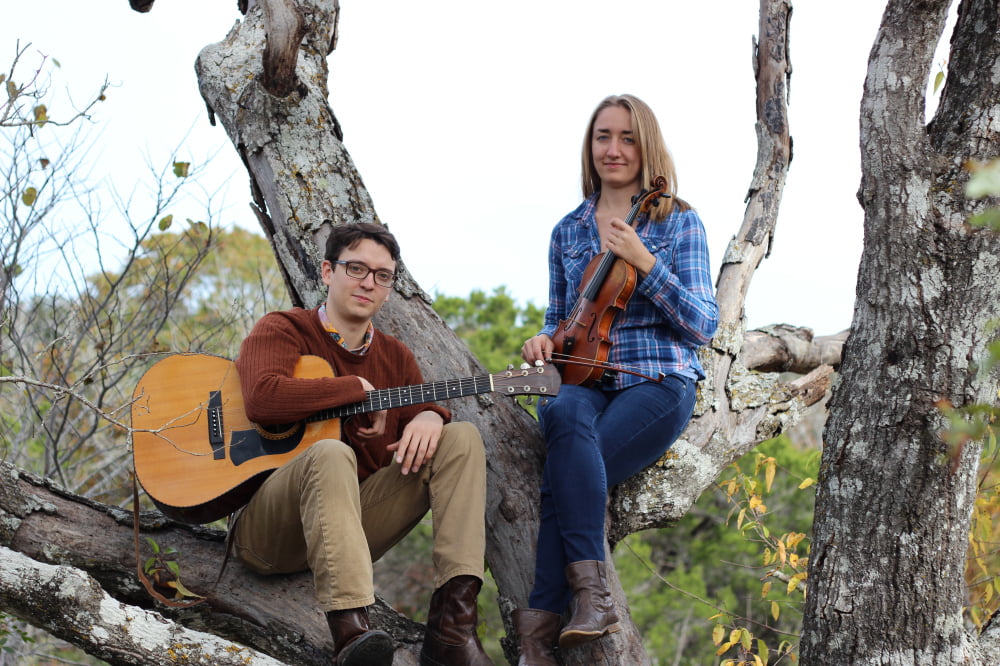
LISTEN: Larry Keel, ‘Memories’

Artist: Larry Keel
Hometown: Lexington, VA
Song: "Memories"
Album: Experienced
Release Date: February 26

In Their Words: "This is my mama's new favorite song of mine, since it puts into words my honest sentiments about treasured people and experiences from times past. At a certain point in the song's development, I needed another verse and it just wasn't coming to me. That's usually when I turn to my wife Jenny for some input. She nailed it with the next-to-last verse. Mostly, this song is just my way of expressing very basic, universal feelings that I figure most everyone has about the lasting impression certain memories have. I hope everyone can relate." — Larry Keel


Photo credit: Stephanie Young of Forever Young Photography

STREAM: Matt Flinner Trio, ‘Traveling Roots’

Artist: Matt Flinner Trio
Hometown: Nashville, TN
Album: Traveling Roots
Release Date: January 22
Label: Compass Records Group

In Their Words: "We've been writing tunes the day of the show for quite a while now—on at least 150 gigs. We just picked out seven or eight of the tunes we'd written that seemed to us to be the most beautiful or moving to us, and then built a CD around that. This music is very personal to us, but I hope listeners can connect with it in their own unique ways." — Matt Flinner


Photo credit: Michael McGrath

Sierra Hull and the Shortest Way Home

The cover of Sierra Hull’s forthcoming Weighted Mind depicts a small Hull pulling a cart that holds a larger version of herself, thoughts pouring out of what must be one heavy head. It’s a fitting image for the mandolin virtuoso’s third full-length, which was as much pulled forward by Hull’s conviction as it was delayed by her insecurities. Like the art that will adorn its cover, the record is carried by Hull’s increasing confidence, stripping back the additional instrumentation to which she’d grown accustomed and entrusting the bulk of the record to her capable vocals and swift picking.

“I had never really challenged myself in that way,” says Hull. “What if I really did have to cover all the roles in one setting — what does that mean?”

The word “prodigy” has hung over Hull for a decade and, between debuting on the Opry stage by her pre-teen years to being the first bluegrass musician to receive a Presidential Scholarship to Berklee College of Music, she wears the distinction well. But working with other musicians has always been at the core of her craft, and she is effusive about the influence that her family and the bluegrass community have had. After all, her beginnings with the mandolin were sparked by her father’s lifetime affinity for the instrument: Her chance to take it up came along just a year after he began playing, himself, in their hometown of Byrdstown, Tennessee. She credits her self-taught Uncle Junior for early music lessons and recalls many a weekend spent in neighboring Jamestown, Tennessee, jamming with the locals on a community stage.

“A lot of those bands started getting me on stage with them to play. I didn’t even know very much, but I’d chop along and play rhythms,” she says. At 9, she attended her first IBMA event, and it’s there that, one year later, she would meet Ron Block, who passed along Hull’s music to his band mate (and her hero) Alison Krauss.

“The bluegrass world is a very sweet community. Your heroes are more accessible than in some other genres,” says Hull. Krauss, who brought Hull out at a televised Opry performance shortly after Block connected them, has become somewhat of a mentor to Hull, who signed to the same record label — major indie player Rounder Records — at age 13.
“In a kid’s life, a year can feel like five years. Even in a young person’s life, from 19 to 22, 23 — that’s an interesting time period in life,” Hull offers. That added significance of each year for 24-year-old Hull have made the five years since her last record, Daybreak, feel particularly weighty. “There was something different about what I felt I was writing this time around. I knew it would be different just because of the way it came out,” she confesses. Hull was writing songs on the guitar rather than the mandolin, and was wary about “forcing” the latter on them during the recording process. “It wasn’t something that felt like it would lend itself to a bluegrass album, straight ahead.”

It’s not like Hull had the intention to spend half a decade on Weighted Mind: She got into the studio with six tracks to record not long after her last full-length was released.

“I always think back to that quote: ‘The longest way around is the shortest way home.’ That was the case for me with this album,” says Hull. She holed up in RCA Studio A, handling the producer role herself and recording those six songs with renowned engineer Vance Powell. Hull went big on instrumentation, enlisting other musicians to compliment her sound and ending up with a richly layered final product. Ultimately, though, she opted not to release the material. “I think I was running from this idea that I thought everybody had of me,” she says. “Although I still think [the recordings] are really cool — working with Vance, an incredible engineer, they sound really good — something about it just wasn’t 100 percent right. I think, sometimes, you just know that.”

Mixed feedback surrounding the tracks put Hull in a vulnerable place, down on herself and unsure how to do her songs justice without reverting back to the well-worn instrumentals that she was worried had come to define her. Hull leaned on Krauss, talking through her insecurities and toying aloud with the idea of handing off the producer reins. It was Krauss that suggested banjo extraordinaire Béla Fleck for the job.

“There’s nothing, musically, he doesn’t understand,” Hull remembers Krauss saying, noting also that he would make a particularly great vocal producer. A lucky seat in front of Fleck at that year’s IBMAs gave Hull the confidence to reach out about the project and, before long, they were re-working the songs she had recorded already with a new focus.

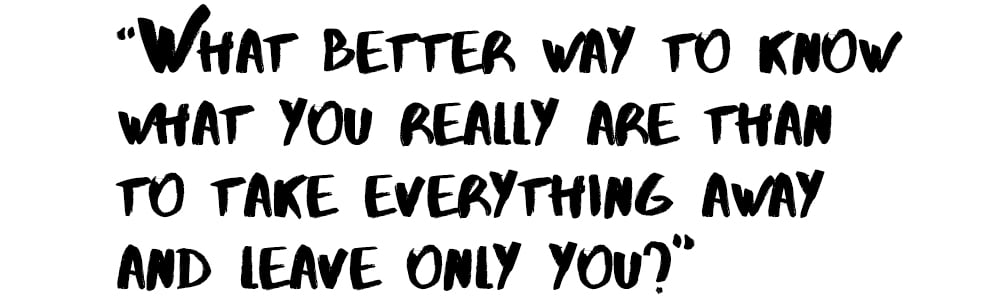
“It was him that, for the first time, made me think that stripping everything away to just mandolin and voice could be enough,” says Hull. It started with album track “Compass.” Fleck heard the version of her song from the initial sessions and asked her to perform the number with just a mandolin. While the thought terrified her, the result was a “life-changing” one: “I was trying to make a solo record, but covering myself up. If you heard it, it could sound like anything or anybody,” she says. “What better way to know what you really are than to take everything away and leave only you?”

For the most part, that’s what Weighted Mind has become — a celebration of Hull that zeroes in on her truly unique gifts. Much of the record is characterized by impressive solo instrumentals paired with just Hull’s vocals, and stripping things back has allowed her songwriting strengths to shine through, too. “Bluegrass music is very instrumentally and melodically driven. It’s a lot about the picking and the virtuosity of the musician and their solo moment,” she says. Given her background excelling at instrumentals, it’s easy see how she might have gotten caught up there, but instead she shifted her priorities. “This time around I really felt like the lyrics were more important to me than they’ve been on a project.”

On Weighted Mind, “In Between” details the highs and lows that went into the record, touching on Hull’s being “too young to crash, but not to get burned.” Meanwhile, standout track “Black River,” which closes the album and features contributions from Fleck and Krauss along with Abigail Washburn and Rhiannon Giddens, is as much a collaborative high point as it is a mark of Hull’s growth lyrically. Rife with metaphor, the song’s chorus successfully lends a literary quality to mascara-stained tears, and tempered harmonies contrast lyrics that detail the uncontrollable welling of emotions. For all Hull’s qualifiers and warnings that Weighted Mind wouldn’t fit the bluegrass mold, the record is an astonishing celebration of traditional sounds juxtaposed with modern themes.

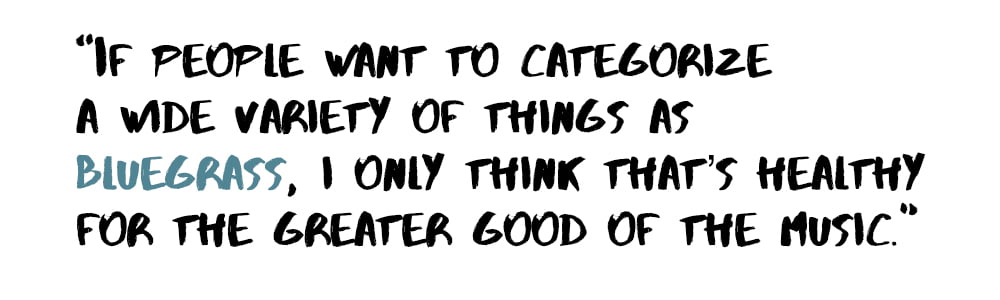
“Bluegrass has been my home base, my world,” Hull confides. “I’ve found that people’s ideas of bluegrass music fluctuates from Mumford & Sons to Bill Monroe. It’s a little bit of everything, and I think that’s wonderful. If people want to categorize a wide variety of things as bluegrass, I only think that’s healthy for the greater good of the music.”

Weighted Mind is a testament to Hull’s lived experiences and the study of her craft, and it seems prime to pluck Hull from her prodigious roots and place her among the varied contemporaries she admires in the bluegrass community. A confident step, one can only hope it is but the first on her shortest way home.

This post was brought to you by Weber Fine Acoustic Instruments. To shop Sierra's favorite mandolin and more, visit webermandolins.com.


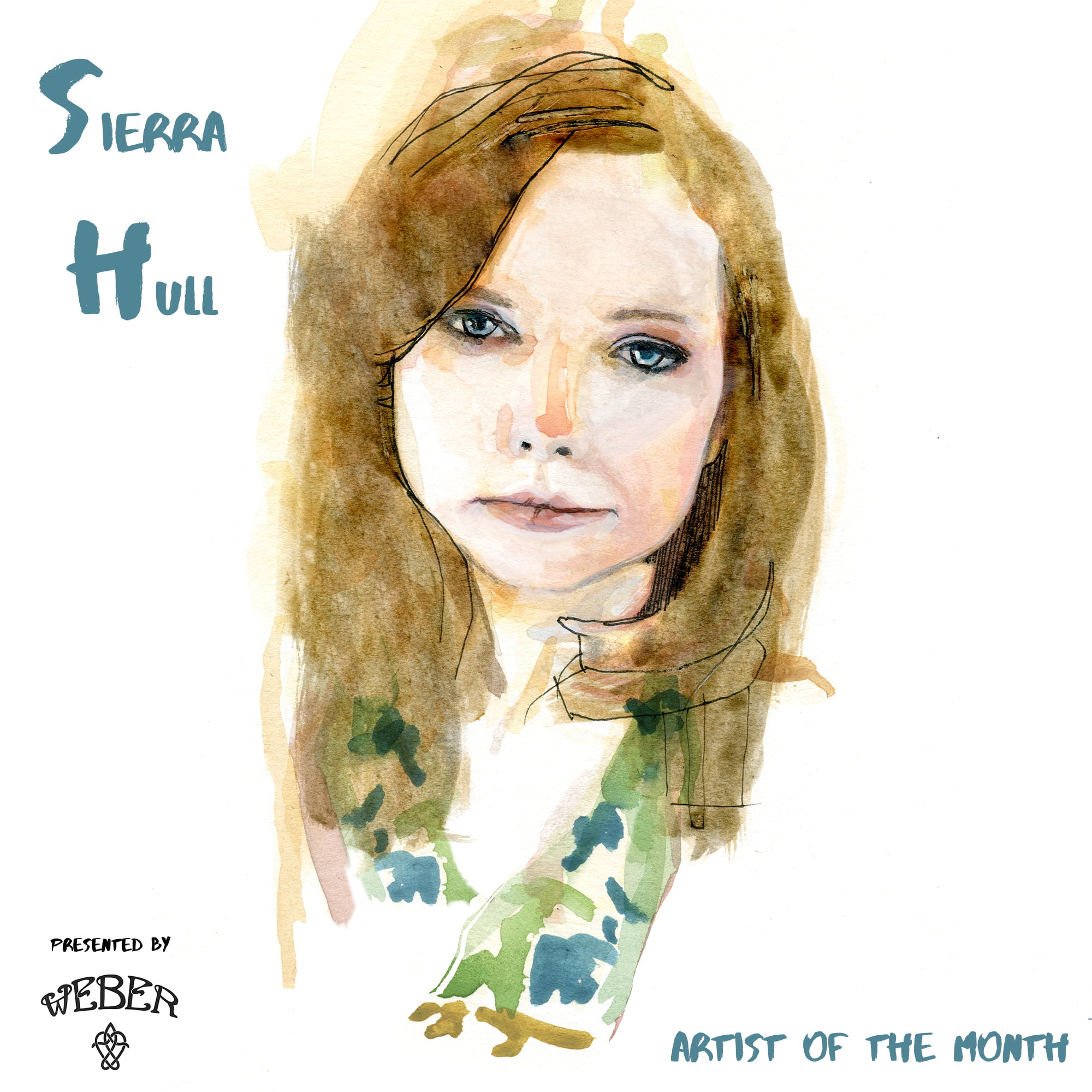
Lede illustration by the fantastically talented Cat Ferraz.


Bluegrass Band Struggles to Keep EP Under 90 Minutes

Macon, GA — In what he called the most grueling step of the recording process, fiddle player and aspiring producer Steve Duncan, of the recently formed nu-funk dance pop bluegrass band the Appalachia Seeds, could not manage to keep their upcoming EP under the 90-minute mark. “Do I cut into Jerry’s seven-minute, monster fingerpicking guitar solo, Ethan’s absolutely transcendent pedal steel part, or my own epic fiddle super-interlude? It’s tearing me apart.”

Duncan guaranteed the studio engineer that every excruciating note holds a place on the final mix, arguing that although there are only four songs on the EP, each exhaustive, drawn-out solo is integral to the smooth jam vibe the band believes they’re delivering.

“After the Live from Larry’s Tiny House bootleg got leaked at Merlefest, we’ve seen how the extended-extended play format can create a frenzy of new fans,” he said, citing their six-spot jump on the local ReverbNation bluegrass chart. “We can’t keep conforming to traditional EP lengths, if we’re really going to blow up this scene. The revolution is now, man.”

Filled with overconfidence and near-complete disillusion, Duncan has since booked an extra week in the studio to record more material. The questionable executive decision will set the band back more money than they could ever dream of recouping from their fan base, which currently consists of elderly family members and loner single friends.


The above is a work of satire. Any resemblance to actual persons, living or dead, or actual events is purely coincidental … although entirely likely.

Photo credit: Prayitno / Thank you for (8 millions +) views via Foter.com / CC BY.

LISTEN: The Grascals, ‘I Know Better’

Artist: The Grascals
Hometown: Nashville, TN
Song: "I Know Better"
Album: and then there’s this …
Release Date: January 8
Label: Mountain Home Music Company

In Their Words: "This project was a blast to do, from beginning to end. With the combination of our new lead and tenor singer, John Bryan, and this being the first recording we have had the chance to do with fiddler Adam Haynes, the excitement level was way up on this project, and I think our fans will hear it in the music. John is one of the finest young singers in our business today and Grascals fans are loving the addition of John to our live shows. Adam is a seasoned pro, and his fiddling has brought the band to new heights. I believe this new talent shows through on the new album. I feel this record is the most traditional one we’ve done. It’s the first Grascals album without piano, steel, or drums. This decision was not necessarily by design. It was just what we felt each song did or didn’t need.

We are very blessed with material from some of the best songwriters in the business: Carl Jackson, Larry Cordell, Billy Smith, Alan O'Bryant, Harley Allen, Jeffery East, Bill Castle, Billy Droze, Shawn Camp, Sharlene Hazelwood, and Ray Edwards, plus an original from the band. I hope our fans enjoy this record as much as we enjoyed making it. We are so excited to perform this new material on our upcoming shows." — Danny Roberts


Photo courtesy of Mountain Home Music Company

WATCH: Steep Canyon Rangers, ‘Blue Velvet Rain’

Artist: Steep Canyon Rangers
Hometown: Brevard and Asheville, NC
Song: "Blue Velvet Rain"
Album: RADIO
Label: Rounder Label Group

In Their Words: “’Blue Velvet Rain’ was inspired by Phil Barker and my interest in the life of Duane Allman. The lyrics are a flash of the protagonist’s life as he struggles with self-control and inner turmoil.” — Charles R. Humphrey III


Photo credit: Sandlin Gaither

LIVE AT LUCKY BARN: Billy Strings & Don Julin, ‘Meet Me at the Creek’

We've teamed up with the good people at Pickathon to present a season's worth of archival — and incredible — videos from the Pacific Northwest festival's Lucky Barn Series. Tune in every fourth Tuesday of the month to catch a new clip.

For the second installment of Live at Lucky Barn from Pickathon 2015, Billy Strings and Don Julin team up to play the hell out of "Meet Me at the Creek." The two spend a good chunk of the eight-minute performance trading licks. After the tune, Strings talks about how he started out playing bluegrass as a kid, but then he got an electric guitar when he was 11 or 12. "I had played bluegrass all my life and I really wanted to play with people my age, so I started playing with friends and people from my school," Strings says, adding, "and they were playing heavy metal and really heavy stuff." Eventually, though he dug back into his roots.

Pickathon comes back to the Pendarvis Farm in Happy Valley, Oregon from August 5-7, 2016. Click here for more, and stay tuned for an exciting season of Lucky Barn videos.


Photo credit: Dylan WanWeelden