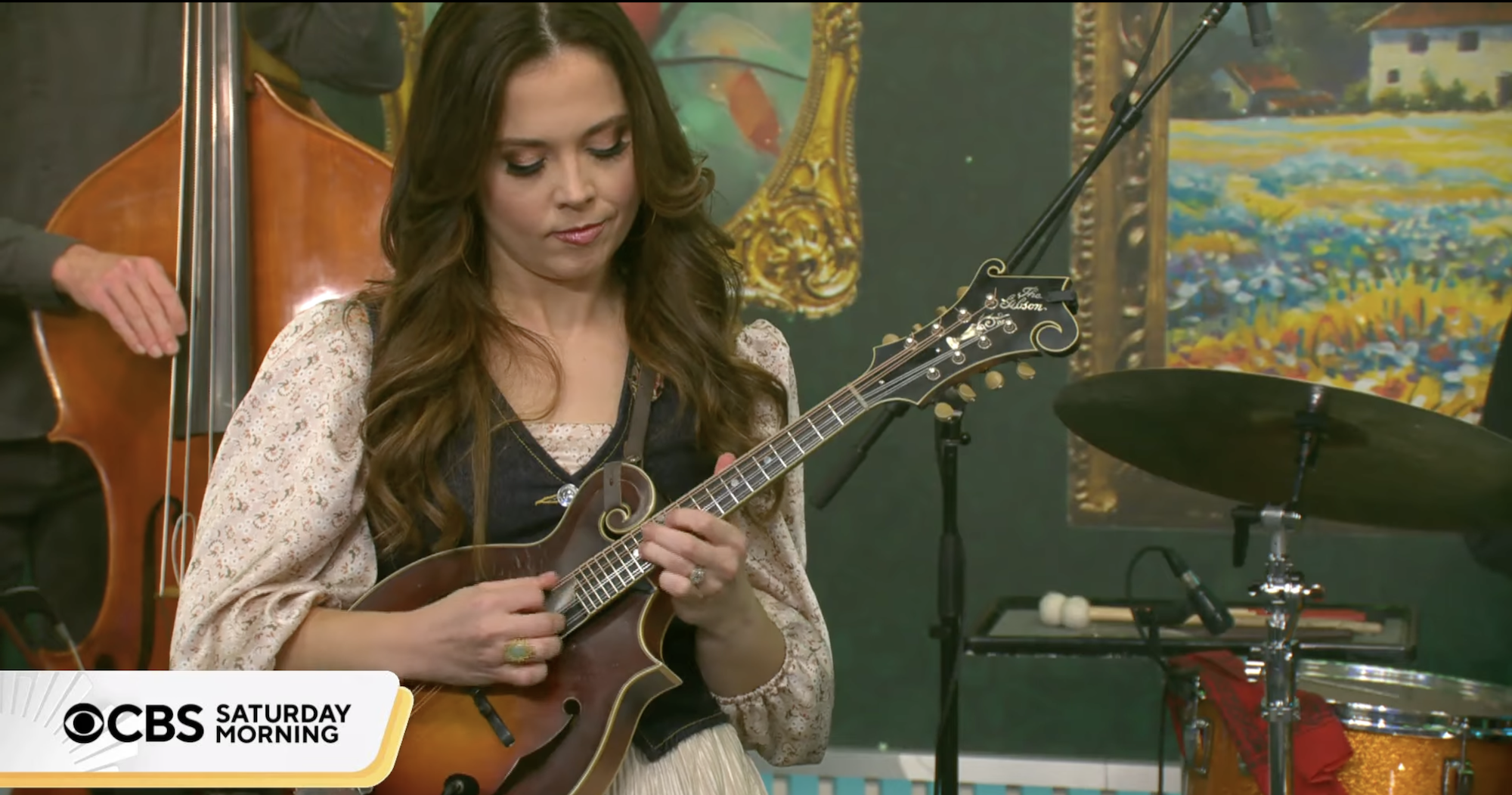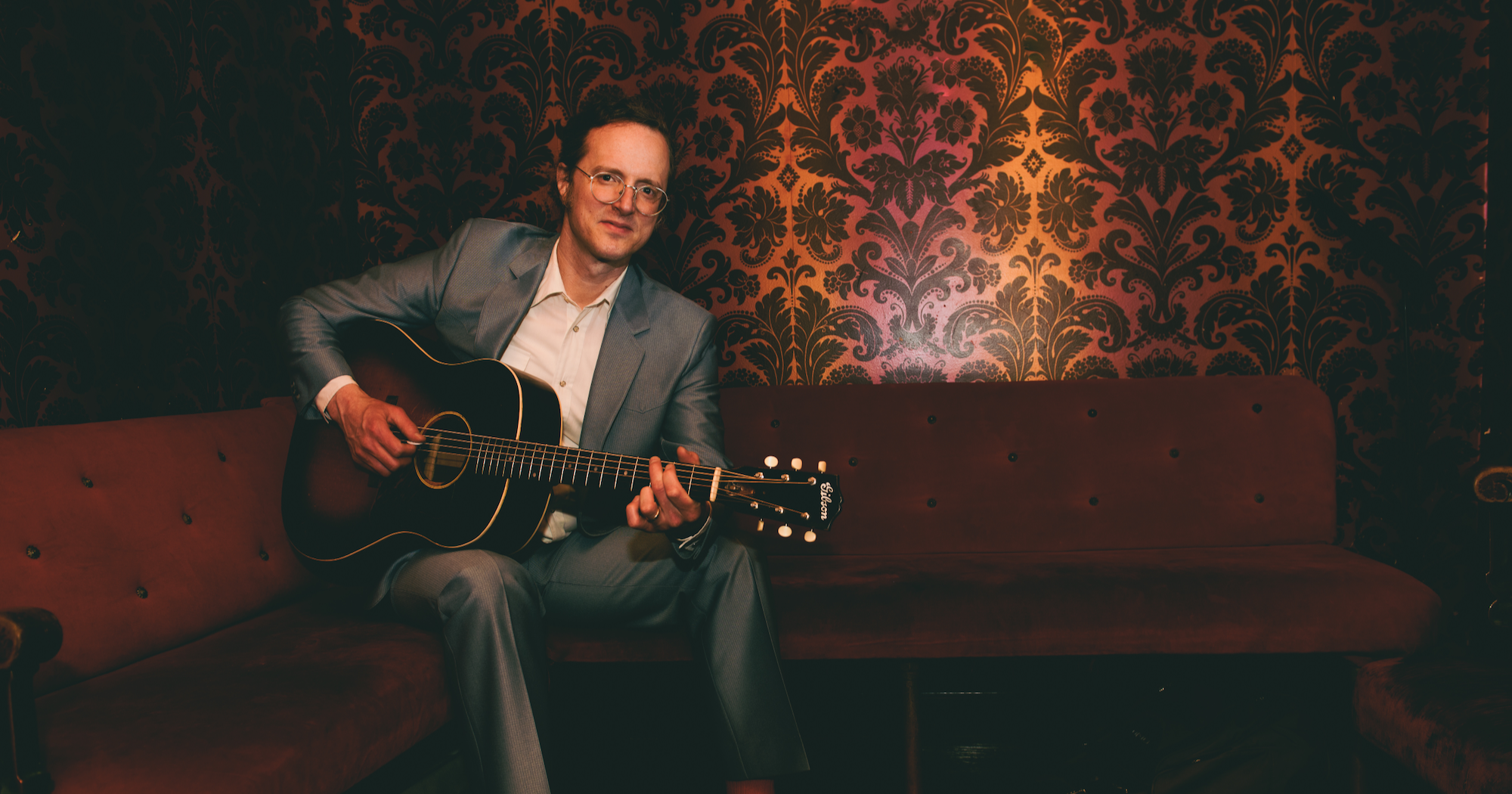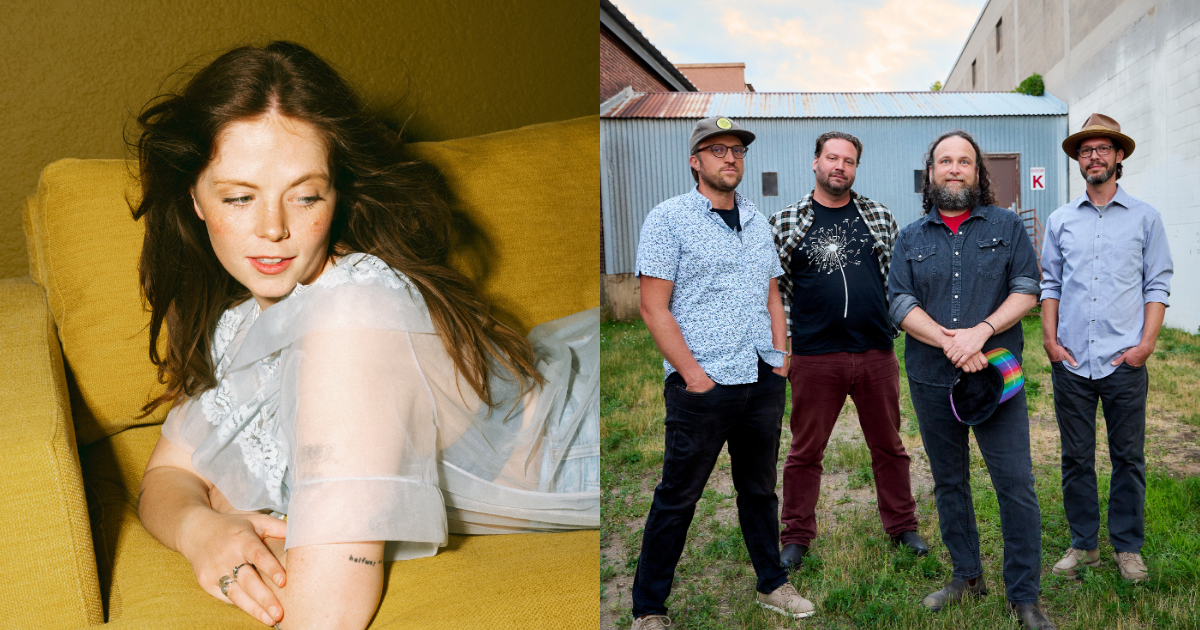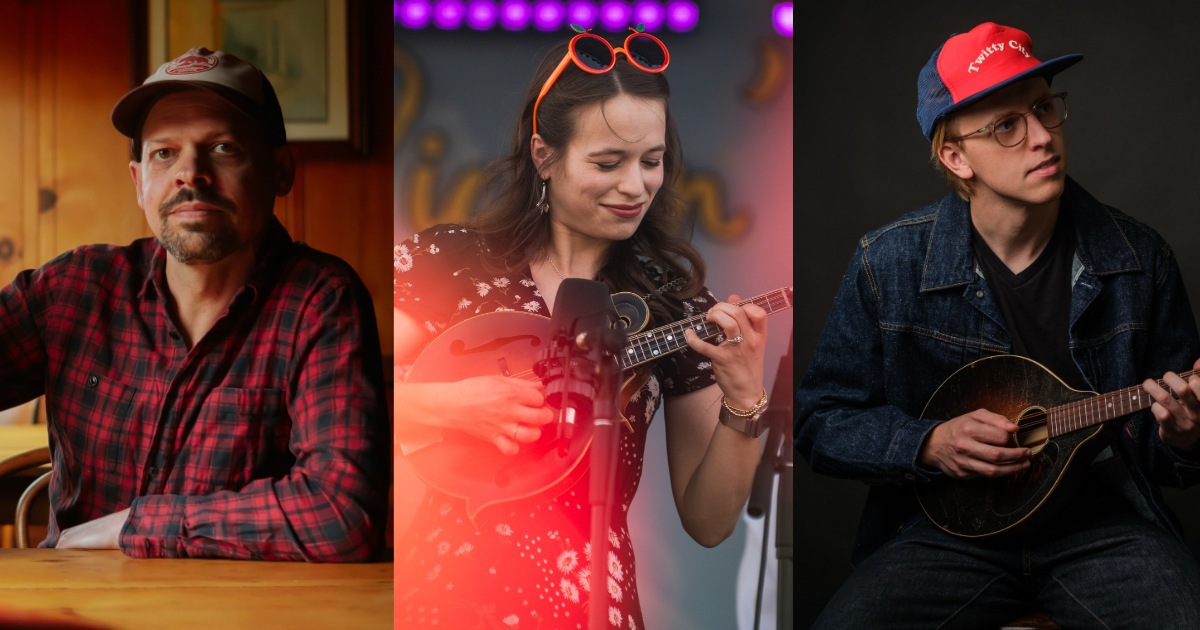
12 Mandolinists We Know You’ll Love

The mandolin’s role in music has changed a lot over time and with its steady pace of change comes a constant flow of new players. Nobody plays or interprets music in the same way as anyone else, bringing plenty of new ideas and explorations.

There have been many different eras of mandolin playing in bluegrass. Ranging from the classic Bill Monroe style to David Grisman to Chris Thile – and, lately, a more string band sound is being popularized by players like Andrew Marlin. And of course, there are countless other mandolin eras beyond and in between.

The mandolin has also been used in many other genres besides bluegrass; it lends itself to genres such as Choro, jazz, classical, and pop. The mandolin even fills major arenas. There have been a lot of folks making incredible music on the instrument and though this is just a starting point, here are 12 mandolinists who you might not be familiar with, but we know you’ll love!

Jean-Baptiste “JB” Cardineau

Franco-American mandolin virtuoso Jean-Baptiste “JB” Cardineau is currently Boston-based, having graduated from Berklee College of Music. JB’s mandolin playing delves into many genres such as bluegrass, classical, old-time, and some traditional French music, too. His style is quite adventurous; he dives deep into the old-school Monroe ways, looking towards Frank Wakefield for much inspiration. JB has spent a lot of time touring with different bands, such as the Ruta Beggars, as well as his own project, JB and Cardineau Sin. As well as being an incredible instrumentalist, JB is also a gifted songwriter. Above is one of JB’s original tunes, “Si Tu Vois Ma Mandoline.” This tune blends the more traditional French style with bluegrass influences.

Ian Coury

Raised in Brazil’s capital, Brasília, Ian Coury is a masterful, well-respected 10-string mandolinist currently based in Boston. Growing up playing Choro, Ian pushes the boundaries of the genre, writing original music that has won him “Best Instrumentalist” awards from the National FM Radio Festival (2020) and second place in Brazil’s eFestival (2021). He has shared the stage with renowned musicians such as Hamilton de Holanda and Armandinho. In 2019, Coury enrolled at Berklee College of Music and later earned his master’s degree from the program. Here is Ian playing an original composition entitled “Solando no Limbo” for Mandolin Mondays.

Maddie Witler

Originally from and based in California, Maddie Witler is a phenomenal musician. Primarily known for her mandolin playing, Maddie is also an incredible guitarist and banjoist. Having also attended Berklee College of Music, Maddie was a founding member of the Boston-based bluegrass group the Lonely Heartstring Band. Maddie also used to tour with powerhouse GRAMMY-nominated band Della Mae. In 2022, Maddie released her debut solo album, Astronaut, a truly incredible compilation of all original songs and tunes from Maddie. In this video, Maddie is joined by Jacob Jolliff at Mandolin Camp North shredding on a classic bluegrass tune by Frank Wakefield, “New Camptown Races.”

Jesse Appelman

Jesse Appelman is both a gifted mandolinist and tune writer. Based in California, Jesse frequently tours with the Sam Grisman Project, as well as his own group, Jesse Appelman’s West Coast Stringband Project. His debut album, Where We Go, which was released in February, is a collection of original tunes and select cover songs and was produced by John Mailander. His tunes are mellow yet groovy, capturing anyone listening. This clip is Jesse’s rendition of “The Hills of Isle Au Haut” joined by Eli West and Patrick M’Gonigle.

Ethan Setiawan

An Indiana native who now makes his home in Maine, Ethan Setiawan is an incredible mandolinist and tunesmith. Ethan was the 2014 National Mandolin Champion, and in 2017 was the first place winner of the Rockygrass mandolin contest. He is also a graduate from Berklee College of Music, and has also done some teaching there, too. Ethan has toured with bands like the Acoustic Nomads, Corner House, and currently tours with both his duo Hildaland and his own group, Ethan Setiawan and Fine Ground. He has released a few albums of his instrumental music, Flux (2018), Gambit (2023), and Encyclopedia Mandolinnica (2025). Bringing in elements of bluegrass, classical, jazz, and Scottish music, Ethan makes his own sound and brings his listeners along for the story. Enjoy a recording of Ethan playing his original tune, “Uncrossed.”

Korey Brodsky

Originally from Connecticut and now based in Asheville, North Carolina, Korey Brodsky is both a talented mandolinist and guitarist. Yet another of our mandolinist picks who studied at Berklee College of Music, Korey has toured all over. In 2021, he joined Boston bluegrass band Mile 12 and he’s traveled and recorded with artists such as Jody Stecher, the Tray Wellington Band, Nefesh Mountain, the April Verch Band, and more. Above, Korey plays a beautiful take of a Karl Suessdorf and John Blackburn tune, “Moonlight in Vermont.”

Megan Cody

Originally from Colorado and now living in New York City, Megan Cody is a killer mandolinist as well as an incredible guitarist and singer. Fronting the band the Cody Sisters alongside her younger sister Maddie, Megan’s mandolin approach is playful and thoughtful. Megan tours year round with the Cody Sisters and frequently plays all over New York City. Here is a recording of the Cody Sisters playing a medley of a few songs and tunes.

Casey Campbell

A rare Nashville native, Casey Campbell is a fourth-generation bluegrass musician. An extraordinary mandolinist, Casey has performed with musicians like Bryan Sutton, Chris Stapleton, Vickie Vaughn, Becky Buller – and the list goes on! Casey was the 2017 winner of the IBMA’s Momentum Award for Instrumentalist of the Year. He has a duo mandolin album that was released back in 2017, Mandolin Duets: Volume One, which features Casey playing with various masters of the mandolin. In the video above, Casey is joined by Sam Bush as the two play a Jethro Burns tune in honor of Sam called “Sam’s Bush.”

Michael Prewitt

Originally from Kentucky, Michael Prewitt spent many years touring with the iconic bluegrass band Special Consensus. In 2024, he released his debut album, The Peerless Mountain Sessions, and then followed that up later that year with an incredible album of all original music, Something He Can Handle. Michael currently tours around the country with his own band, Michael Prewitt & CrunchGrass Supreme. The video above features one of Michael’s original songs, “Winnipeg” played by Prewitt with CrunchGrass Supreme.

Thomas Cassell

From Southwest Virginia, Thomas Cassell now resides in Nashville. A a founding member of the band Circus No. 9, he currently tours with the Wood Box Heroes and performs as a sideman with many other groups. Thomas has won many awards – he was the 2021 National Mandolin Champion and in 2020 he won the IBMA’s Momentum Instrumentalist of the Year Award. Thomas fronts his own band as well and has a few of his own albums out, Voyager (2018), What You Need to Prove (2022), The Never-Ending Years (2024), and he has a forthcoming album soon to be released! The video above is of Thomas’ new single, “Ramblin’ Heart,” featuring Tim Stafford. This is the first single off his upcoming album, so stay tuned.

Lauren Price Napier

Based out of Owensboro, Kentucky, Lauren Price Napier is a talented mandolinist and singer who digs deep into Monroe-style mandolin playing. Fronting the traditional bluegrass band the Price Sisters with her twin sister Leanna, Lauren has been nominated for multiple awards from the IBMA, such as Momentum Vocalist and Momentum Instrumentalist of the Year in 2019 and 2020, respectively. Lauren brings her own spin to playing traditional Monroe-style mandolin while also sticking to the roots of the genre. Above is a video of Lauren playing one of her original tunes entitled, “Tuel’s Landing.”

Tristan Scroggins

Tristan Scroggins is a GRAMMY-nominated mandolinist who also won the IBMA’s Momentum Instrumentalist Award in 2017. He spent years touring with his dad’s band, Jeff Scroggins and Colorado, but he also has a duo with violinist Alisa Rose called Scroggins & Rose and recently toured full time with Missy Raines & Allegheny. In 2019, he released an all-instrumental EP featuring his style of mandolin crosspicking called Fancy Boy. Tristan also has an ongoing, multi-volume project with fiddler George Jackson recording 100 of the most popular old-time tunes called Old Time 100. Tristan currently tours with Bronwyn Keith-Hynes. Here, Tristan is joined by fiddler Ellie Hakanson playing a bluegrass tune, “Ashland Breakdown.”


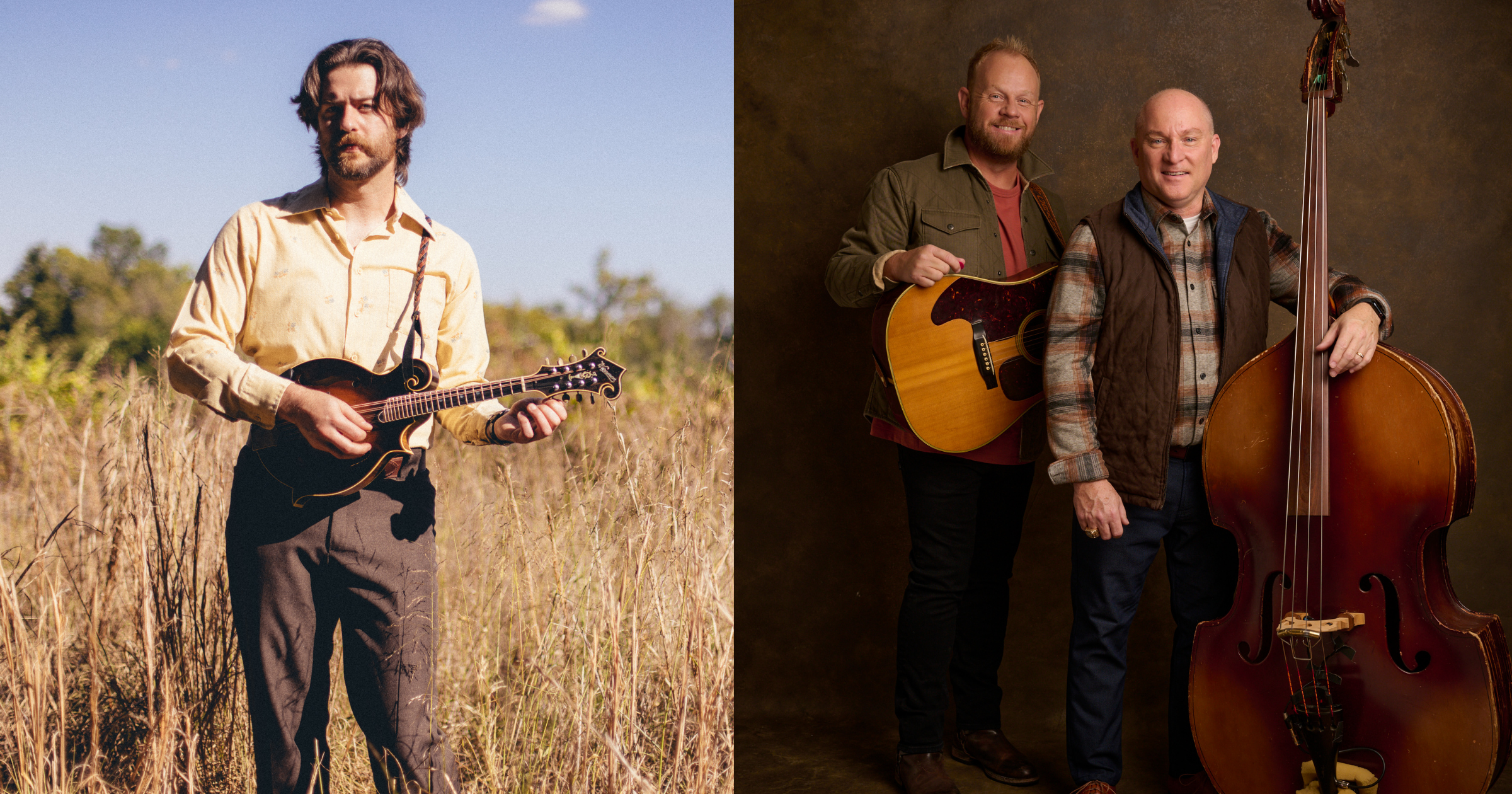
Photo Credit: Lead image (L to R), Jesse Appelman by Giant Eye Photography; Lauren Napier Price by Jay Strausser; Thomas Cassell by Scott Simontacchi.
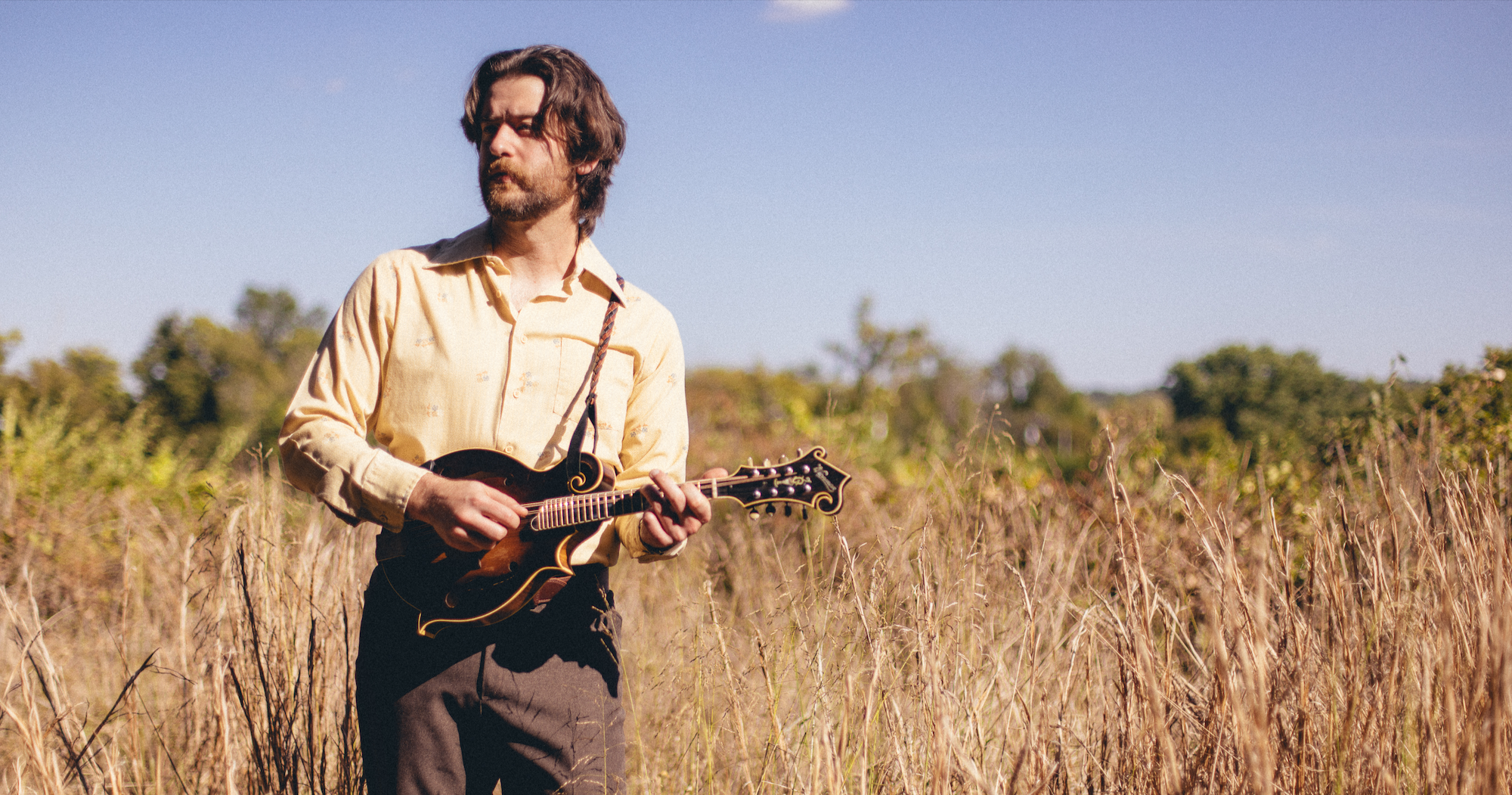
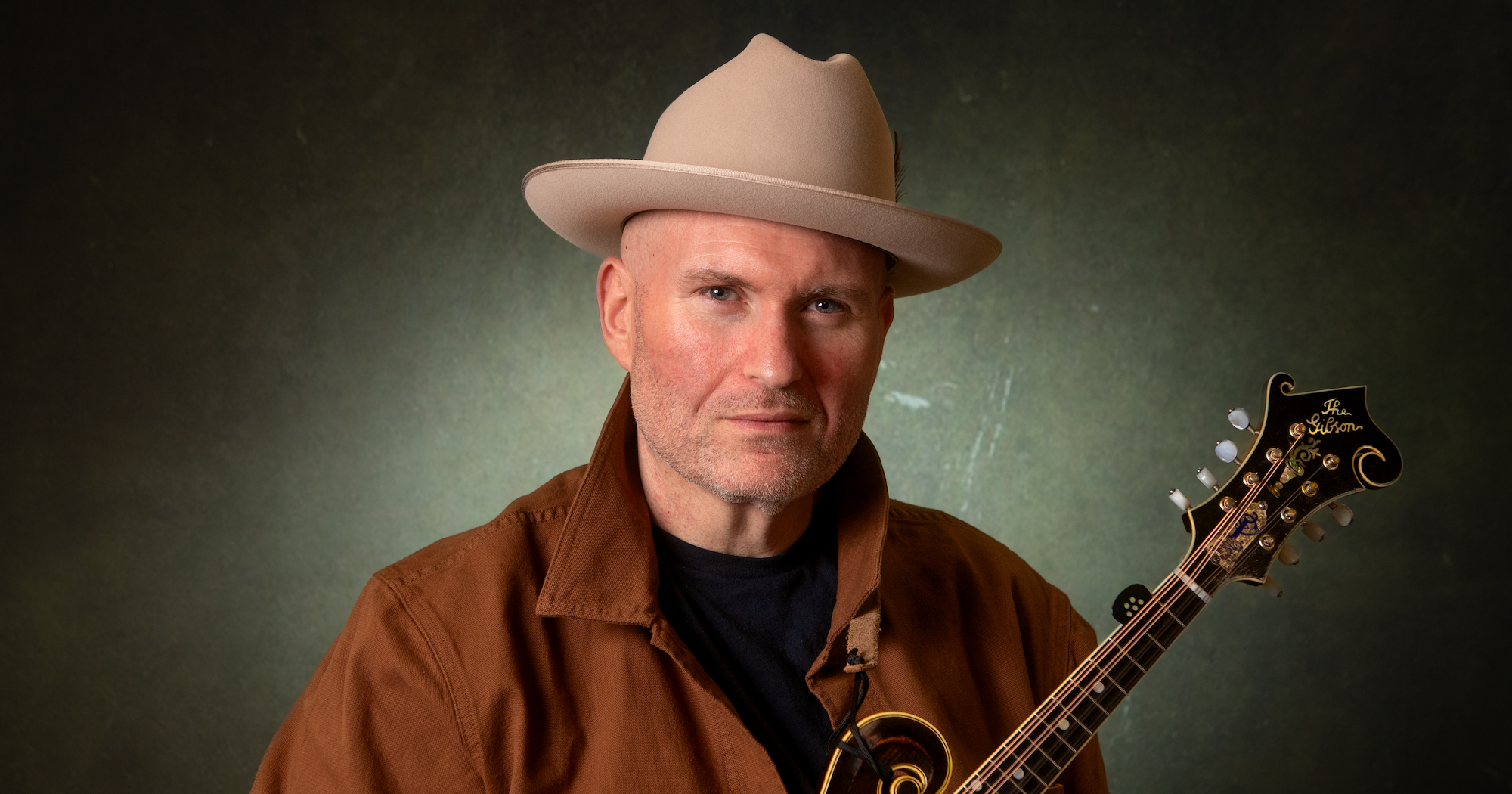
Jarrod Walker is Much More Than Just a Sideman

You know Jarrod Walker because for nearly 10 years he’s been Billy Strings’ mandolinist. But within the tight-knit bluegrass community, Walker has been a well-known and sought-after sideman for much longer. Before going on the road with Strings, he did stints touring with Claire Lynch, Missy Raines, Rebecca Frazier, and more, and he got his start in the rich bluegrass landscape of Florida, gigging with his brothers – including East Nash Grass banjoist Cory Walker – in a family band, the Walker Brothers.

Beloved for his taste, virtuosity, and a cleanliness to his picking unparalleled in modern bluegrass mandolin – except perhaps by his childhood friend and peer Sierra Hull – Walker enjoyed a reputation pre-Billy Strings that holds strong now, as he’s gone from being a humble bluegrass sideman and session player to having nearly 50,000 followers on Instagram and a niche fandom of his own within the greater Billy Strings Cinematic Universe. His song “Red Daisy,” recorded and performed by Strings and co-written with longtime friend and fiddler Christian Ward, has garnered more than 10 million streams and was awarded IBMA Song of the Year in 2022. (Though, shockingly, Walker has still never even been nominated for Mandolin Player of the Year by IBMA.)

Earlier this month, Walker took yet another step toward the limelight and away from the increasingly reductive “sideman” title. He released Nighthawk, his debut solo album, a fascinating and artful collection of bluegrass and string band-centered Americana that demonstrates the incredible depth and breadth of skills he has developed since his Lynch and Raines touring days. All but one of the 13 tracks are Walker originals – many co-written with Ward, who also plays fiddle on the project – and all but the two instrumental tracks are sung by Walker, as well. His vocals are thoughtful and intricate; he’s clearly put in plenty of time and energy into crafting an equal level of virtuosity with his voice as an instrument.

For a picker who’s remained booked, busy, blessed, and performing on stage hundreds of times a year on average for the greater part of two decades, it’s notable that Walker has launched Nighthawk and, with it, shown the remarkable level of growth and development he’s undertaken simultaneously, right under our noses. An impeccable sideman has blossomed into a fully-fledged, intentional, and multi-faceted artist. Even if, like me, you’ve been fortunate enough to call Walker your friend and a collaborator over those years, this is a revelatory, infinitely expressive body of work – surprising if not at all unexpected.

This isn’t an album meant to capitalize on Strings’ rabid audiences and pick up some extra spending money at the merch booth. This isn’t a vanity project or simply a mandolin record – or a hobby with which to spend time and keep him occupied when he’s not on the road with his main gig. No, it’s clear that with Nighthawk Jarrod Walker is telling the world exactly who he is, what he does, how he thinks, and what he sounds like. And it sounds damn good.

I wanted to start by talking about how you kick off the album with “Miles on My Shoes” and how the first single released was “Nighthawk,” the title track. Both of those tracks, to me, feel like straight-ahead, traditional bluegrass. I was curious about this being the audio “swatch” that fans and listeners first get of this album and about what you’re trying to communicate to them by the first track and the first single being pretty much straight-down-the-middle trad bluegrass.

Jarrod Walker: It took a long time to decide what to put forth as the first single, and same goes for the first track on the album. But I did feel like there was a certain expectation of me putting out a record and there being bluegrass elements to it. I wanted to reassure people that there would be some bluegrass elements. And, like you said, those two tracks are probably the most straight-ahead bluegrass tracks on the album. But the rest of the album is very different. The second single, [“Cordova Street Blues”] is very different from the first track or the first single. I think it was somewhat a conscious decision, but also just listening to people around me and seeing what they thought.

For no particular reason both of the singles that came out wound up being the two songs that Billy Strings sang background vocals on. It just worked out that way. We decided not to do the whole “featuring Billy Strings” route, because then that puts such an emphasis on [what’s] really just background vocals. But of course you could put “featuring Jake Stargel” or “featuring Christian Ward” [on it] by the same regard, ‘cause it’s not a true feature or whatnot.

But yeah, Cordova Street is a street in St. Augustine, [Florida] where I’ve spent a lot of time. I have some family who still live down there and some deep family roots going back to a store in the main part of town, which is now the historic district, called Denmark Furniture. It was probably very misleading to people, because I don’t think they sold Danish furniture. [Laughs] I think it was just American furniture with my mom’s maiden name, which is Denmark – and it’s my middle name. I’ve spent a lot of time down there and it’s inevitable that some St. Augustine imagery would make it into one of these songs. “Cordova Street Blues” is more of a dreamscape, ethereal kind of track, which is entirely different than the first single, “Nighthawk,” which is more or less just a Stanley Brothers-style bluegrass song.

It’s funny that you say “dreamscape,” because I was already drawing parallels here between single one “Nighthawk” and single two “Cordova Street” and track one “Miles on My Shoes” and track two “Leaving Canaan’s Land.” What I wrote in my notes for “Leaving Canaan’s Land” is “it’s like an Americana dreamscape” – especially with that groove and its pacing. So I see this parallel with the singles and also with the sequence: “here’s what you’re expecting, here’s where we’re going eventually.” Bluegrass, then beyond. You’re immediately showing people the continuum on which you’re creating music, sonically.

The groove differences between “Nighthawk” and “Cordova” or “Miles on My Shoes” and “Leaving Canaan’s Land” are incredible, too. It’s the best kind of whiplash from barn-burning, leaning-forward bluegrass to this sort of languid, lazy river, chill, floating vibes. Can you talk a little bit about that?

I’ve always liked the contrast and the juxtaposition between something, like you said, very bluegrass and something that offsets that. It’s like sometimes I wear camouflage and then I wear a tie-dye T-shirt. “Who the hell is this person?” I like to do that musically sometimes, too.

There are a lot of songs on the record that I wrote with just a guitar. It was more of a folky kind of approach. But then I decided to get drums and percussion and pedal steel on nearly the entire record and that really shaped these songs into something that I hadn’t imagined before – in a very positive way. I think it’s turned out how I would’ve wanted it to, ultimately. But it wasn’t necessarily a conscious decision. I think I just have that mentality throughout a lot of aspects of my daily life.

The variety also makes the album listen by really quickly. You have so many different textures and so many different style points and references. But, when I listen through the whole thing, to me it still feels like a bluegrass album. It reminds me of Jim & Jesse when they had pedal steel and drums in the band. Or a lot of those bluegrass bands from that golden age of bluegrass where they still were calling themselves country – the Osborne Brothers, Ricky Skaggs, J.D. Crowe and the New South.

Oh, for sure. I feel like I have never been afraid to introduce some drums or exterior, non-traditional bluegrass instruments into the mix. Like you said, I think it just adds some texture. And I love the early bluegrass where they were still figuring out and shaping the sound. There’s so much snare drum in Jimmy Martin music. And like you said, the Osborne Brothers, Jim & Jesse – and listen to J.D. Crowe and the New South’s first record. There’s steel, there’s piano, there’s drums and percussion. By that definition a lot of people, on paper, would consider it not a bluegrass record. But of course it’s one of the classics that everybody thinks of.

I think it was the reason that I put drums on nearly everything. But I made the decision after things started shaping up and I heard the songs that were more folk-oriented coming together. They would’ve been incomplete without drums. I wanted to use drums as glue for the record and to offer some cohesion. The pedal steel served that same purpose, too. Spencer Cullum is a fantastic steel player. And Jamie Dick is playing drums on this. They’re both coming from a different musical background, so it kinda makes everybody else think on their toes. Everybody has to adjust a little bit in order to accommodate each other, and I think everybody being a little bit out of their element gives it a certain freshness that it might not have had otherwise.

I was struck by how your voice sounds so good and confident. You’ve always been a singer, but on this record I hear so much more personality in your voice and I hear more of your musical point of view – in your voice as an instrument, instead of your voice just being something you also do. How did you feel in the process of getting to the point where you’re singing on all but two of these tracks? Your voice sounds really dynamic, even when you’re shifting between trad bluegrass and those slower, grooving songs. It doesn’t sound like you’re intimidated by the space that’s left for your voice to inhabit. It really feels confident and self-possessed.

Oh, thank you. I think you’re right, most people see me playing on stage and think of me more or less as a sideman. That’s what I have done for years. But behind the scenes, I have been writing a lot of songs, and when I have written those songs oftentimes they are sung by Billy Strings. So the outlet was not necessarily available to me.

A lot of these were songs that I threw into the mix over the years with Billy and they wound up getting passed on for one reason or another. For some of them that’s the case, others I was holding onto for a record. But this was really just an opportunity to work that muscle. And myself, if I’m going to listen to a record, most of the time I prefer to listen to lyrical music in some shape or form. Having written all these songs, it was like, “I’m not gonna get somebody else to sing these songs.”

So, over the years it has been something that I’ve worked on, and I guess somewhat behind the scenes. This project was very informative. I might have died a thousand ego deaths in the vocal booth. [Laughs] … It’s been just like playing an instrument. You learn things about it over the years. Now I listen to some of the singing [on the record] and I’m like, “Oh, I wish I would’ve done this differently,” but that’s the name of the game. I think, ideally, I will not look back 20 years from now and be like, “This is the best thing I ever did.” ‘Cause hopefully I continue to improve, love it for what it is, and move on from it. …

We tried to leave everything as live as possible, which– emphasis on “live as possible.” Because sometimes you hear something and it’s so wrong you have to change it. There are some moments where I could have probably taken a better mandolin solo than what I left on the record. But you just start going down a very deep, dark rabbit hole when you start chasing the perfect solo. If I can live with what I played in the moment, it’s probably gonna come across as a more real representation anyway. There’s something that you lose when you try to perfect things.

I want to talk about the songwriting, because in a similar way to noticing the development of your vocals I think your songwriting is really great. It doesn’t feel “try-hard” or contrived. So many of these songs are about movement, traveling, covering ground, putting miles underneath your feet. That’s not entirely surprising, given the last eight to 10 years of your life being you doing exactly that. Can you talk a little bit about the songwriting process and the inspirations for the songs? And that sort of overarching theme of movement and traveling – and that sort of loneliness and longing that comes with that?

Most of the songs that I’ve written in the past 10 years have been with Christian Ward, who’s playing fiddle on the album. Early on we would just get together and spend the entire day trying to just come up with a verse. We would work on things maybe to a fault. Extensively. But through doing that I think we found a rhythm where we were able to get things done a little faster. He and I both like and hate many of the same things.

I don’t think it was a conscious decision to write songs that are involving movement, but like you said, it does make sense. That’s how they turned out. Oftentimes I’ll just see a pond and I’ll say, “Oh, I could make a chorus using the word pond.” And then, “What rhymes with pond?” That’s how it takes shape. Generally I don’t start with, “I wanna write a song about leaving home on the next train” and that’s what it turns into. Most of the time when I start writing something it turns into something vastly different than what I originally imagined.

For me at least, I’ve only written one song – as far as I remember – where I wrote the music before I wrote the lyrics. … Almost always it’s just an object or a singular thought that winds up turning into a song. That song that I wrote with Christian called “Red Daisy” was kinda the same way. It’s a very simple song, melodically and lyrically, but it more or less sprung from that.

So maybe you knew this question was coming, but we gotta talk about “Nighthawk,” not just from the perspective of it being a song about longing, existential dread in the middle of the night. But also, to me, nighthawks – as a group of birds – I always equate them with Florida. Florida’s one of the only places you see them during the day when they’re migrating; it’s where I’ve had some of my favorite experiences with whip-poor-wills or chuck-will’s-widows, out in the middle of the Everglades and you hear them booming their song in the middle of the night.

When I saw the lead single/title track come out I immediately drew a line from that song to Florida – I have a feeling I’m making that connection up, but I wanted to ask you about that song, the inspiration of it, and if there is any reference here to all the nightjars – nighthawks – in Florida. [Laughs]

When I lived in Florida, I didn’t know different bird species – other than maybe a Bald Eagle and a turkey. [Laughs] So unfortunately, I probably have seen a bunch of them and didn’t realize that I was looking at them. I probably wrote it off as something else. But the way that I found out about nighthawks was through this book called The Dictionary of Obscure Sorrows. Little did I know these were made-up definitions [in the book]. When I first was thumbing through this book I was just like, “Oh, this could make a good bluegrass song.” Nighthawk – it sounds a little macabre, a little gothic. One of the pillars of my songwriting is that I can’t write a joyful song. So I was like, “This is perfect.”

When I first started writing that song, I was trying to make it more of a vibey song. Eventually, I was just like, “This works better just as a bluegrass song.” Sometimes I want to expand my horizons and try to do something entirely different, but ultimately, the world that I know the best is bluegrass and a lot of times it’s very difficult to write a good bluegrass song. It can be very challenging and there’s also such a precedent and such a box that you seemingly – at least from my experience – have to write within. You can’t talk about modern technology or you have to pretend a little bit. It’s a little bit of cosplay.

With those kinda songs, I try to make them as authentic as I possibly can. Which oftentimes is just being a little bit more ambiguous and not as direct in the songwriting. These lyrics – “nighthawk, just an old memory” – that’s very vague. But I come to find out the word nighthawk was associated more or less with that famous painting. I was writing with somebody one day and I was like, “I just wrote this song called ‘Nighthawk.’” He was like, “Oh yeah, like the painting.” I totally had seen the painting, but didn’t know the name of it. It’s called Nighthawks.

I probably should have done some research before completing the song. [Laughs] Truth be told, I thought it was just a hawk. Which is very logical of me to assume, right? But then I found out it’s its own species of bird. I had to make sure when I was having all the artwork drawn – I was like, “Hey guys, just want you to know a nighthawk is not a hawk. Don’t draw a hawk. Here is the silhouette of a nighthawk. Let’s do something like this.” ‘Cause I knew somebody like you would be out there and would catch it instantaneously!

Oh man, I would’ve been so happy to “Um, actually…” you. It would’ve been the first thing I said on this interview! [Laughs]

That’s what keeps me honest! [Laughs] I just downloaded the Merlin app [for identifying birds by song and call], which I had never heard of. It’s great! …

It’s so hard for me to try to write a song without including either a bird or a flower or trees. I want to get to a point where I can write about any given subject and just talk about that thing. But once you put birds or trees or flowers or mountains into a song, it’s like, “Okay, now we’re getting somewhere.”

I think my favorite track on the album is “Cold Daylight.” I love the groove of it, I love the feel of it. I love the long, extended vocals. But the thing that jumped out at me is that this must really be a bluegrass record, because you reference a bluegrass song in one of the songs!

Which is against the rules. [Laughs]

Since when?! You sing about “True Life Blues” – again you’re talking about lonesomeness and that same sort of existential feeling, sitting around a fire, singing “True Life Blues.” Can you talk to me a little bit about that song and where it came from?

Jarrod Walker: That particular song was maybe the best example of a song that I just wrote in more or less typical, boom-chuck, medium tempo bluegrass, folky, singer-songwriter [style]. It bored me at first, just the way that the chords were, the way that they laid, didn’t resonate with me. I revisited the song and tried to imagine it with drums – this was a couple weeks before actually going into the studio – then I fell in love with that song again.

I think the idea for this was just another example of some word association. Like, daylight is generally warm, but what if you call it cold? That’s where that came from. It was a challenging one to get the groove of [right], but it wound up being one of my favorite tracks on the record, too. It was probably the toughest vocal to lay down.

It feels pretty exposed vocally.

Yeah, it is. Like I said, being in that vocal booth is no joke. Singing the line that’s, “Pass the bottle around the fire and sing those ‘True Life Blues,'” I was a little hesitant to reference another bluegrass song within a bluegrass song – to do the bluegrass inception thing. But I was like… “Gillian Welch does it. I gotta give myself a pass to do that.” It adds another dimension, another layer. If you just said “singing those blues” it wouldn’t have the same effect. And most people don’t even know what the song “True Life Blues” is. It also just works as a phrase. it doesn’t necessarily have to be a song, so it kinda works on a couple levels.


Photo Credit: Jesse Faatz

Darren Nicholson Wants His Style of Bluegrass to Sound Different

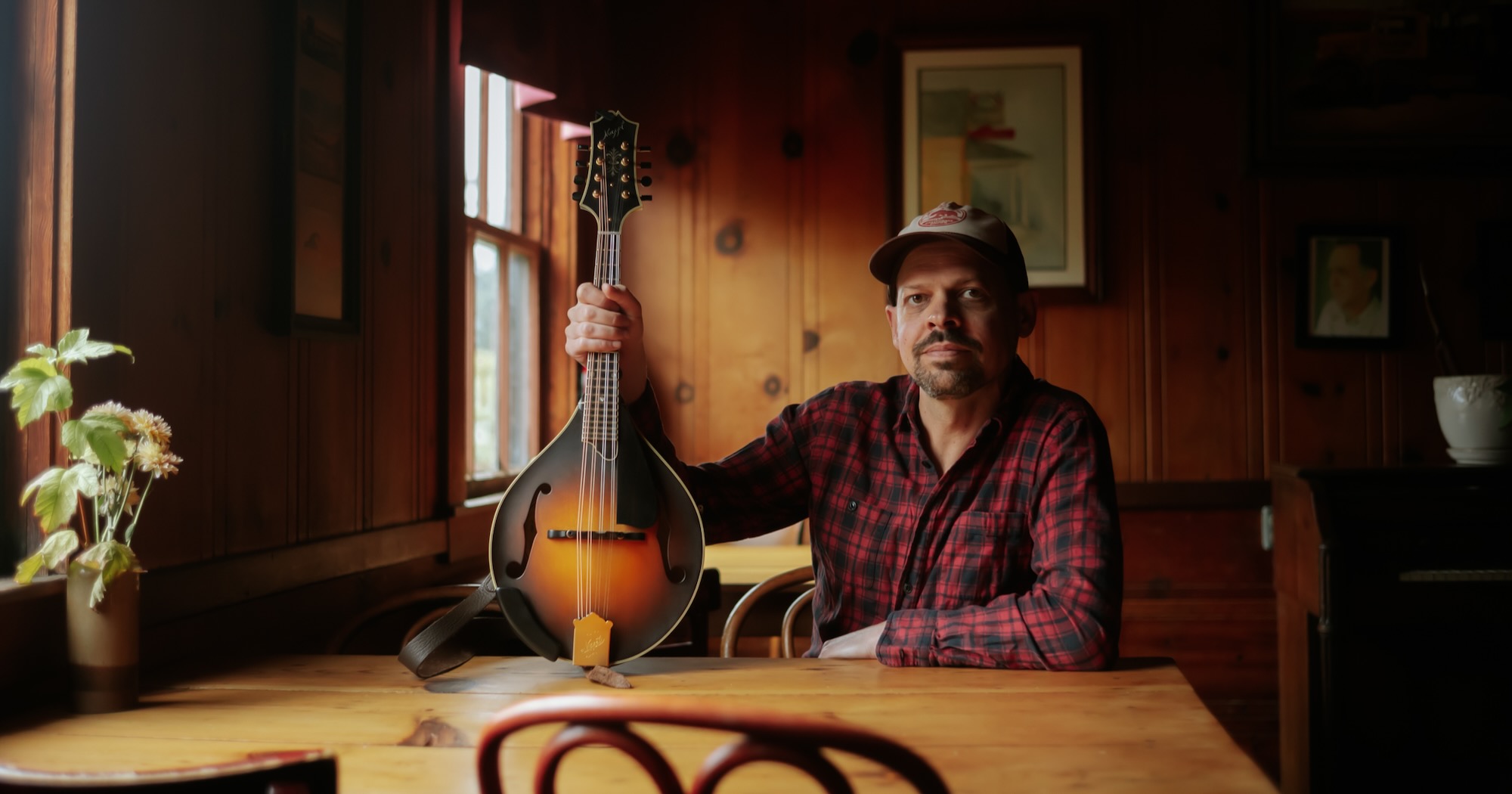
Over the past twenty-some years, Darren Nicholson has played mandolin all over the world – whether with Alecia Nugent, as a member of Balsam Range (a group he co-founded), or on his own (with or without a band). No matter where he traveled, you can be sure that Nicholson was bringing Western North Carolina with him. Nicholson was born, raised, and still lives in the area.

When BGS caught up with Nicholson, he was home in Canton, N.C., a town about 20 miles west of Asheville. It’s a region that he feels has been a bit overlooked in music history. “The oldest folk festival in the country [Mountain Dance and Folk Festival] is held in Asheville,” he shares. “There were recordings that happened in Asheville before the Bristol Sessions.”

The area he pointed out, despite its remoteness, also has been home to many significant musicians – as well as developing a dance-friendly style of bluegrass that drew from many different styles.

Nicholson’s love for the area has led to a rather unique sponsorship for his tour van and trailer. Through a friend he met with representatives of the Avalon Mountain Community, a private mountaintop neighborhood and development in the hills of Western Carolina. Nicholson calls it a “win-win” situation as he receives some financial support for touring expenses while Avalon now has a “rolling billboard.” “I even wrote a jingle for them,” he states.

Nicholson will be traveling around this year touring a fine new album, Lonesome Trails and Tall Tales. He counts it as either his fourth or sixth solo effort, depending on whether you factor in two EPs. Lonesome Trails and Tall Tales arrives after several particularly eventful years for Nicholson, including leaving his longtime band Balsam Range, getting sober, and acquiring a prized 1923 Lloyd Loar mandolin – all among the topics that he was more than willing to talk about with BGS.

How does your new album Lonesome Trails and Tall Tales tie in with your earlier albums?

Darren Nicholson: My records have a sound, you know. I’ve always been pretty much consistent – besides an electric country EP – doing the music that I consider my style of bluegrass or the bluegrass that I grew up on, which is to me the traditional bluegrass of the ’60s. Having a producer like Carl Jackson in the early days influenced how I made records, because Carl had played with Jim & Jesse and he came out of [when] an entire bluegrass movement had almost a country kind of feel to it. I love the sound of those records. And it was partly because I grew up in Western North Carolina and there’s a huge dance element here – the square dance music.

The old-timey driving style of rhythm with that light percussion – like Jimmy Martin, Flatt & Scruggs, the Osbornes – that really fits in with people who danced. And the modern kind of bluegrass – like the Alison Krauss style of bluegrass, which is amazing – does not lend itself to dancing. The modern style of bluegrass that was really kind of heavy on the one and three beat, and then the older style of bluegrass, which was very much more even, rhythmically.

And how does the new album differ from your prior ones?

What separated this particular recording from the others is just my growth as a songwriter… I was picking what I thought were the best songs I had or songs that were different from each other. A lot of times… [with] the way things are being mass produced now, if Nashville finds one song that’s a hit, they’ll write 10 more just like it for all the other artists. So they all start sounding the same.

To me, all the great artists of yesteryear, all their material was different. Their sound was different. Instead of just finding something you could mass produce, make a buck on, and then hop on to the next thing, they were actually creating art and trying to artistically be different. That was what was good about it.

So [in] the same way, I try to pick songs in my set. I don’t want to play five songs in a row that sound the same. Otherwise, it’s boring – I see bands do it all the time. They kick off in [the key of] B and they play five songs that could basically be the same song, you know? I understand why people who are non-bluegrass fans will go, “You know, all bluegrass sounds the same.”

I tried to pick six songs that were completely opposite from each other, so when you go down track by track, it’s a different journey and it doesn’t bore the listener. Every song is a different tempo, it’s a different groove, it’s a different key, it’s a different vibe, and so that’s how I put records together.

Were these songs ones that you’ve accumulated over the last couple years or are they all a recent crop of songs?

A few of them were really old and a few of them were really new. “Big Sky” has been around for a few years and I wrote it with Charles Humphrey. I thought it was “okay,” and this shows you how off-base I can be sometimes.

I’m driving to a gig one day with my buddy Kevin [Sluder]. He plays bass with us. It was a solo gig, but he was just riding with me. We’re listening to songs and Kevin goes, “That song is amazing. You’re an idiot if you don’t cut that song.” I was like, “That song? It’s okay.” He goes, “No, that song’s more than okay. That song is special. You need to cut that.” I took this batch of songs to Jeff Collins, who produced the record, and that was one of the first ones he picked. And sure enough, radio played it. Banjo Radio wore that song out. If it were up to me, I would have probably left that one on the pile of demos.

One of the newer ones was “Eager Overachiever.” I’d just written that song with Andrew Blythe. It was so fun. Every time I would sing it for somebody, they loved it. It’s a funny song about addiction.

It made me laugh, and the song also shows a lot of personality.

That’s the point, you know. That song has personality. One of my favorite artists [growing up] was Roger Miller and he would sometimes do these spoken pieces. Especially in country music, sometimes there would be recitations or things would set up songs. It was interesting and just funny, you know.

Can you talk a little about the music traditions of Western North Carolina where you grew up?

There’s a definite style. If you go across the country, there’s little pockets of bluegrass that have their own sound, for sure. But Western North Carolina and this region was so rural and cut off… If it’s 120 years ago and you’re in the mountains of Western North Carolina, people would walk for 10 miles to get to a barn dance or some place on Saturday night. And the band would be whoever showed up. It might be a banjo and guitar. It might be fiddle and banjo. But it changed the way you played. When Doc Watson plays his leads, he also plays his rhythm; he’s playing lead and rhythm at the same time. Where modern players who have a whole band behind them, they’re like playing rhythm and then when it comes time to take their solo, it’s a whole different mindset.

As [the area] grew and people got together more and more, they still played the same way. They passed it down from generation to generation, that strong sense of rhythm and timing that is a trademark for Western North Carolina. Look at Marc Pruitt and Steve Sutton; you know, Jason Burleson is from Western North Carolina. Doc Watson, Earl Scruggs, Mark Kuykendall, Tom McKinney, Mike Hunter – all of these amazing players are from Western North Carolina. Randy Davis – Bill Monroe introduced him every night for five years: “He’s the man from Asheville, North Carolina; he’s the man with perfect timing.”

At these musical gatherings in Western North Carolina, you’re describing how people frequently would bring whatever instruments they had – acoustic or electric. And it wasn’t doctrinaire about what a bluegrass instrument had to be.

Yeah, it was community. And I’m going to say this, and I don’t care to say this because I’m from here and I’m from generations and generations of people who play this music. It’s always somebody who got into bluegrass in college or they got into it older, and they’re not even from this area. It’s somebody that’s from New York or from California or from Oregon. They write articles, and they become self-proclaimed experts of bluegrass. And they say, “Well, this is bluegrass and this isn’t bluegrass.”

They didn’t come from generations of this music. They don’t know. They’re not at the epicenter of where it came from and how it started, but they’re always the ones who try to dictate. And then most of the time, they don’t even play. But that’s their way of being involved in the music somehow. It really hurts the music because any time you start segregating something, you’re just keeping somebody [out]. That’s not how this music started.

Do you think Earl Scruggs said, “I’m not going to play if there’s an electric bass here”? You know what I mean? Look at the people who created the music: Earl Scruggs, the Osborne Brothers – they had electric bass. They had drums. But there’s somebody, who’s basically a yuppie, who is trying to tell us what the music is. I do take offense to that.

That’s why the Gibson Brothers have that song called “They Called It Music.” That’s great. I love that because that’s what it was. It’s like, they just called it music. We got together and made music and everybody was welcome. And it sounded like bluegrass. It sounded like country. It sounded like old-time. And it’s just sad. It’s like bluegrass has almost tried to put too fine a point on itself. And it’s almost made itself smaller because of that.

To me, sometimes it feels like the more I write or listen to music, the less I know, in a sense – or, the more I learn, to say it another way.

That’s how we all should be. We should remain a green tomato. If we’re red, we’re done, right?

If I moved out to Seattle – I really enjoy grunge. And if after five years, I read about grunge as much as I could, all of a sudden I know more than the people who created it? But I see that happen [with bluegrass], you know. It’s almost like someone is such a fan or likes this so much that they take ownership to a point where they’re hurting it. It’s like a pet. They’re holding it and petting it so much that they’re actually hurting it.

Bluegrass can look like a lot of different things and so there’s different styles depending on the regions, too.

I was wondering who are the main musicians that have influenced your mandolin playing?

Basically, there are four guys who are on my Mount Rushmore of mandolin. Country music or bluegrass or whatever in roots music – and that’s Bill Monroe, Jesse McReynolds, Bobby Osborne, and Jethro Burns.

Every modern style has come out of those four guys or a combination of those guys. That’s where David Grisman, Ricky Skaggs, Doyle Lawson, Sam Bush, [were all] influenced by those. So, there are some songs that I try to sound like Bill Monroe and there’s some songs I cross-pick like Jesse. Then there’re some songs I play more fiddle-note stuff like Bobby and then there’re some songs that get a little swingy and jazzy and I’m channeling my Jethro, you know?

Those guys kind of set the landscape. My big influence, as far as players that I got to see and got close to, is Mike Hunter in Western North Carolina. He was a huge, huge influence. He was an incredible mandolinist.

You have said you tend to let the song guide you and not to impose a style on it. Did this approach come from someone’s advice or was it something you learned along the way?

I had a mentor named Steve Sutton. I started playing with Alecia Nugent in 2004 and Steve was the bandleader. He got me that job. During that time, musicians would come through in little waves, like in five-year clusters. A lot of my peers were Aaron Ramsey, Ashby Frank, Andy Ball, Jesse Cobb, and so there were a bunch of guys during that time. Not all of them are Adam Steffey clones, but a lot of my peers were influenced heavily by Adam Steffey.

It’s like, who can play like Adam Steffey? You can get close, but you’re not going to beat the guy. So, my mentor told me, “All of these other people are in that vein. You would be way ahead to do your own thing and just sound like yourself. You won’t mess up as much either, because instead of thinking about what somebody else did, you’re actually thinking about what you’re doing. So, your brain is actually in the moment with your hands.… Try to play what fits the song and instead of trying to settle into a style – just play what the song or the band needs.”

And, you know, I just never turned back from that. He really helped me with that. Then, all of the sudden, too, if you sound like yourself and everybody else is going after this other thing, then you’re a peacock in a room full of chickens.

A couple years back, you acquired a rare 1923 Lloyd Loar mandolin. How are you enjoying it?

Oh, it sounds incredible. It’s a hundred-year-old wood. You can’t replicate that. Ferdinand [named after the mandolin’s original owner] hadn’t really been played until I got it, but I’ve played it quite a bit. You can play that thing for just a few minutes and it’s just singing. It’s just unreal.

It gets better and better every minute that you play it. It’s balanced. It’s loud, but it’s also got these real pretty, sweet tones in it. It’s just a pretty magical instrument. It’s a life-changing instrument, for sure. It’s a rare bird amongst rare birds.

Early in the pandemic you got sober, which you’ve been quite open about. How has this changed your life?

Getting sober, I had all this time on my hands and I started getting productive. I started recording, writing songs, and all of a sudden, after all these years, I felt my creativity. I started throwing all my time into healthy things… I had my life back. I had my time. I had my energy. I had my mind, my spirit – all that came back because of sobriety.

So, I talk about it because I think talking about it is a great way to maybe touch someone who’s maybe struggling with it out there, you know? Give them a little shot in the arm and say, “You know what? If that poor bastard can do it, I can do it too.”

That was around the time you left Balsam Range too?

When I left that band, people were like, “Why would you leave a high-profile band?” And it’s like, there’s more growth over here [going solo]. The last year I was with them, we went on about 20 dates and I did about 160 dates on my own. I wasn’t stagnant anymore. A band has been together for a long time, people request the same songs and you’re playing the same songs all the time.

The pandemic also resulted in you having something of a revelation about performing music, right?

I found myself doing house concerts for 20 people, and they’re people who saw me on huge stages with Balsam Range. They would cry because they’d never experienced bluegrass like this. I’m like, “Well, this was how it was intended.” This was how it was created in these houses a hundred years ago in the mountains of Western North Carolina — community people entertaining each other.

So, there’s that. Then there’s sobriety. And then there’s like, “Wait a minute, am I doing this for my ego to get famous or am I doing this to be healthy and be part of a community?” It all goes together. Like, I talk about my sobriety to help others. I want to use my music to impact others.

If we do it with a good heart and the right intentions, all that other stuff will fall into place. We want to play anywhere. We’ll go and we’re ready. We’re road ready. We’ve got original music; we can do covers; square dances… I want to be the Bob Wills of Bluegrass.


Photo courtesy of the artist.

You Gotta Hear This: New Music From Jarrod Walker, Dailey & Vincent, and More

Welcome to another edition of our weekly round-up of new roots music! You Gotta Hear This…

To get us started this week, Dailey & Vincent continue to tease tracks from their upcoming album, A Beautiful Life, which will arrive on June 12. In the meantime, they’re sharing a music video for “Moon Shines on the Still,” another delightfully bluegrassy number for the country-and-gospel-and-bluegrass powerhouse duo. The fresh single’s breakneck tempo doesn’t stymie any of the fine pickers who shred throughout the feisty song about moonshine running and that good ol’ mountain dew. For another bluegrass duo, check out fiddlers Deanie Richardson & Kimber Ludiker launching their new track, “Rutland’s Reel.” It’s an acrobatic and challenging tune by Howdy Forrester with several complicated parts, but these two turned it into a stellar twin fiddle number anyway. What, like it’s hard?

From Asheville, North Carolina, Appalachian string band TANASI infuse their songs and tunes with influences from around the world. “Give Me Love (Give Me Peace On Earth)” is their timely rendition of a George Harrison song, on which Dobroist and multi-instrumentalist Billy Cardine plays a chaturangui, a slide instrument that draws from Indian classical music traditions. Watch a performance video for their cover below. Singer-songwriter Maisy Owen has shared a new music video today, too. “Dark On A Sunny Day” is lush indie folk wrapped in a sonic dreamscape, with a slightly dark and gritty tinge to pair perfecdtly with her evocative lyrics. The beat pulses forward, pushing and pulling the track ahead.

Plus, mandolinist Jarrod Walker – who you may know from Billy Strings’ band – just this week announced an upcoming solo album, Nighthawk, his first release as an artist in his own right. Prior to the album announcement Wednesday, Walker unveiled an upcoming tour in May. Now the lead single/title track from his debut LP is available everywhere, and we’re sharing the lyric video visualizer for the remarkably straight-ahead bluegrass number below. Nighthawk arrives in full on May 8.

Bluegrass, folk, and indie; mandolins, fiddles, and banjos; moonshine, darkness, and emotions – there’s something for everyone to enjoy. You Gotta Hear This:

Dailey & Vincent, “Moon Shines on the Still”

Artist: Dailey & Vincent
Hometown: Nashville, Tennessee
Song: “Moon Shines on the Still”
Album: A Beautiful Life
Release Date: April 10, 2026 (single); June 12, 2026 (album)
Label: Pillar Stone Records

In Their Words: “‘Moon Shines on the Still’ is a fun, up-tempo song with a lot of personality. It’s the kind of record that makes you want to roll the windows down and enjoy the ride.” – Jamie Dailey

“We had a blast recording this one. ‘Moon Shines on the Still’ has energy, heart, and a sound that feels both fresh and true to who we are.” – Darrin Vincent


Maisy Owen, “Dark On A Sunny Day”

Artist: Maisy Owen
Hometown: Nashville, Tennessee
Song: “Dark On A Sunny Day”
Album: Dark On A Sunny Day
Release Date: April 10, 2026 (single); May 1, 2026 (album)
Label: Tompkins Square

In Their Words: “There was a period of time two years ago in the summer when I was writing almost every night. ‘Dark On A Sunny Day’ was one of the first songs I kept. There’s a kind of honesty that comes with someone’s early work, something I always look for when I deep dive into a new musical obsession. Something early is something pure. This is the only song on the album with a full band arrangement. The instrumentation is dark and unceasing. There is no metaphor or veil regarding the lyrics, they are candid.” – Maisy Owen


Deanie Richardson & Kimber Ludiker, “Rutland’s Reel”

Artist: Deanie Richardson & Kimber Ludiker
Song: “Rutland’s Reel”
Release Date: April 10, 2026
Label: Mountain Home Music Company

In Their Words: “‘Rutland’s Reel’ was written by one of my ultimate fiddle heroes, Howdy Forrester. In typical Howdy fashion, it’s got several parts and is challenging to play. It was a lot to take this one on as a twin fiddle piece and Kimber took on the challenge of learning the harmony part. She nailed it! I’m so proud to have this tune on our record honoring the great Howdy Forrester.” – Deanie Richardson

Track Credits:
Deanie Richardson – Fiddle
Kimber Ludiker – Fiddle
Cody Kilby – Acoustic guitar
Hasee Ciaccio – Upright bass
Tristan Scroggins – Mandolin
Kristin Scott Benson – Banjo


TANASI, “Give Me Love (Give Me Peace On Earth)”

Artist: TANASI
Hometown: Asheville, North Carolina
Song: “Give Me Love (Give Me Peace On Earth)”
Album: TANASI
Release Date: April 9, 2026 (single); May 8, 2026 (album)

In Their Words: “This song by George Harrison feels especially relevant right now – we need as many songs about peace and love as possible in difficult times. It echoes both backward and forward, carrying layers of meaning that resonate personally and globally. In addition to honoring the song itself, we wanted to pay tribute to Harrison’s influence – particularly his role in bringing classical Indian instruments like the sitar into popular music. Alongside his signature Dobro, Billy Cardine plays the chaturangui, a slide instrument developed by his teacher in India, Debashish Bhattacharya. With its 22 strings, it creates a rich, shimmering tone reminiscent of the textures heard in many of Harrison’s recordings. Mary Lucey and Anya Hinkle share the lead throughout, trading lines and weaving their voices together in sister-like harmony.” – TANASI

Track Credits:
Billy Cardine – Dobro, chaturangui
Mary Lucey – Bass, vocals
Anya Hinkle – Guitar, vocals


Jarrod Walker, “Nighthawk”

Artist: Jarrod Walker
Hometown: Lithia, Florida
Song: Nighthawk
Album: Nighthawk
Release Date: April 8, 2026 (single); May 8, 2026 (album)

In Their Words: “A few years back, I stumbled upon the word ‘Nighthawk’ in The Dictionary of Obscure Sorrows, a collection of definitions for newly invented words that describe unnamed emotions, feelings, and experiences. Initially, ‘Nighthawk’ began as a moody, vibey track, but Christian Ward and I soon realized it worked better as a straight up bluegrass song. Once we committed to that approach we were able to lock down a couple verses, a chorus, and everything started to take shape. One of the trickest parts of songwriting is revisiting an unfinished song, returning to that headspace to add final touches Eventually we added a third verse which tied it all together with a big ribbon and bow. Now I couldn’t imagine it without it. I find that with trad bluegrass it’s best to keep things close to home or else you risk losing the essence of the song. I say that now, but ask me how I feel next year. The band knocked this one out in a few takes and later Billy [Strings] added a killer tenor harmony. Ultimately, ‘Nighthawk’ wound up being by far one of the grassiest tracks on the record.” – Jarrod Walker

Track Credits:
Jarrod Walker – Vocals, mandolin
Cory Walker – Banjo
Jamie Dick – Drums
Christian Ward – Fiddle
Jake Stargel – Guitar
Royal Masat – Upright bass
Billy Strings – Background vocals


Photo Credit: Jarrod Walker by Jesse Faatz; Dailey & Vincent by Gregg Roth.

John Reischman: Between the Salish Sea and Salt Spring

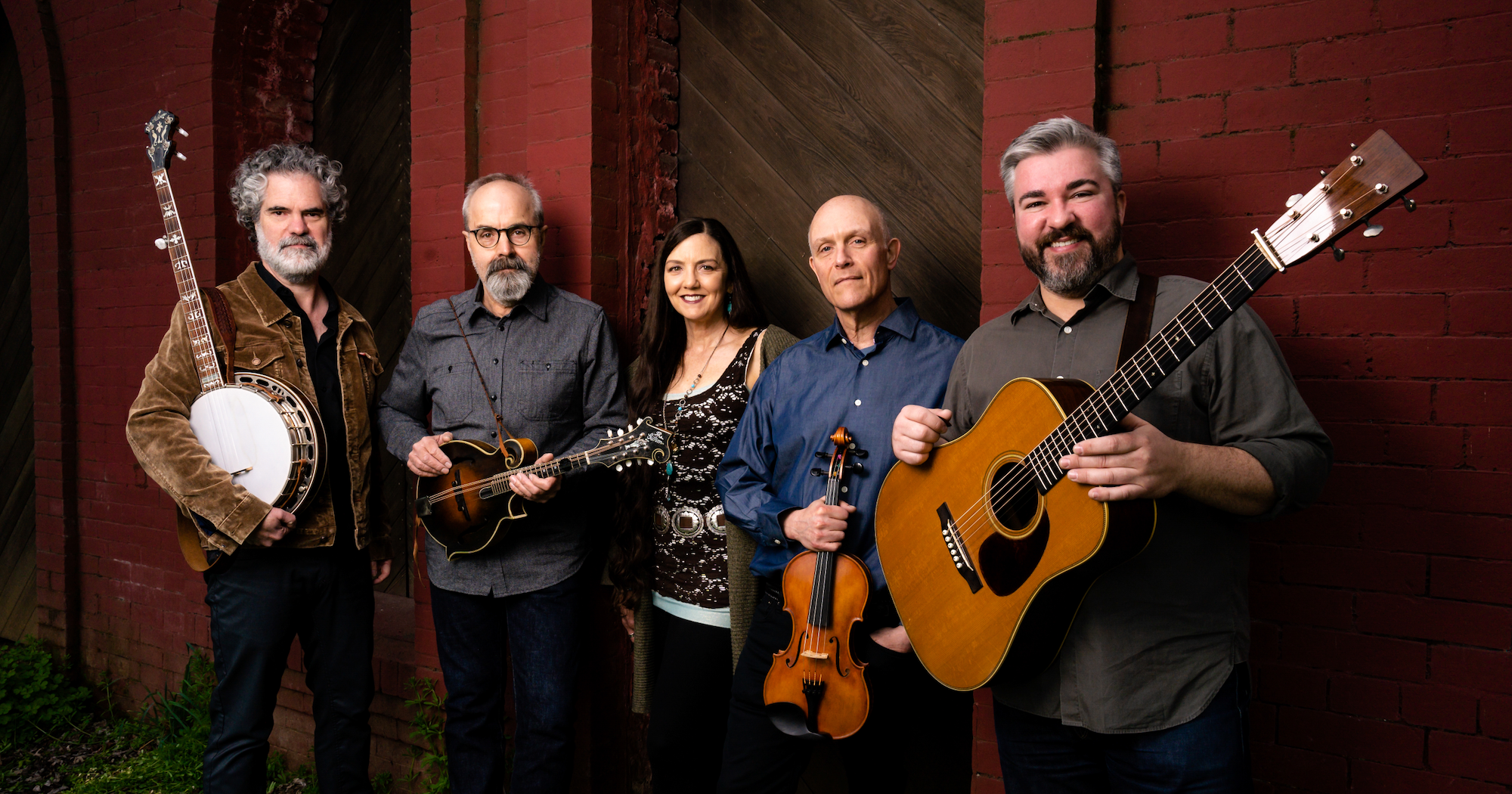
There are no U.S./Canada border wars when it comes to John Reischman. The revered mandolin master was born in Northern California but has lived in British Columbia since the early 1990s. His longtime band, the Jaybirds, are a quartet that includes two members who are also based in British Columbia (bassist/vocalist Trisha Gagnon and banjoist Nick Hornbuckle) and two who reside in America (fiddler Greg Spatz lives in Eastern Washington and guitarist/vocalist Patrick Sauber is from Southern California).

Their latest album, The Salish Sea, refers to the body of water between Vancouver Island and the British Columbia mainland. The record is their first since 2017’s On That Other Green Shore along with being the first to feature “new” guitarist Sauber on the entire album. The song “The Salish Sea” not only serves as the album’s title, but also is part of an original “Bluegrass Concerto” that Reischman was commissioned to create for FreshGrass in 2024. The honor is just one example in a long line of accolades for Reischman, who began his career in the Bay Area bluegrass/folk scene of the 1970s (including a stretch with the Tony Rice Unit) before moving to Canada, where he started the Jaybirds as well as performing solo and in other groupings.

In recent years, Reischman has seen his song “Salt Spring” become something of a modern bluegrass classic. He spoke with the BGS from his home in Vancouver about “Salt Spring” as well as The Salish Sea, his famous Lloyd Loar mandolin, and how he got into bluegrass music.

What was the process of putting the new album together?

John Reischman: There was one venue in Washington State where we had a residency. It was in the fall, in a beautiful spot. It was just ideal. So we took the extra day, worked up like six new tunes, and then started performing them right away. I guess this was October of ‘23.

And then you recorded the album in Vancouver?

In December of ‘23, I wanted the band to check out the studio here in Vancouver, where we ended up ultimately recording. I just want to make sure everybody was cool with it. I knew I liked it, because I had used it for my solo record, New Time & Old Acoustic. They all liked it. At the end of any tour we had that was close to Vancouver in 2024, I’d book a day or two in the studio, and we’d go record two or three or four songs. We were able to perform all this material mostly before we recorded it. … And it was great, because we’d be warmed up from the tour and we’d go in and track some tunes.

This album was the first in a while, and also the first that Patrick Sauber was fully on it.

Right, On That Other Green Shore came out in 2017. That was kind of the tail end of our time with [guitarist] Jim Nunally being a band member. He was exploring other things and decided he’d leave the band. We had a few more tracks to do… and we had some dates on the calendar.

I thought of Patrick immediately, because I’d known him for many years and I thought he’d be good. So he signed on for a tour and then another tour and it was just like, “This works great.” We asked him to join and he immediately said yes. He was a great fit.

How did the Jaybirds come together in the first place?

I didn’t really set out to have a band, except for the fact that I had a solo record called Up in the Woods. There was a local festival, so I put the band together to help promote the record. Seemed like a good idea. And I liked playing with all those people and it just continued on.

It’s called John Reischman and the Jaybirds, because I conceived of it. My name was probably the most well known at the time, but I wanted to be integrated into a bluegrass band. People present stuff, and I almost always accept it. Mostly it’s a pretty democratic presentation, I think. That’s what I like. It’s not Gladys Knight & the Pips.

Can you talk about the title track and how it’s also part of a larger project?

I had been asked to write what they call a “Bluegrass Concerto” by the East Coast festival FreshGrass, and I came up with these three tunes that work together. The first tune was the first movement, which ultimately was called “The Salish Sea.” I thought this will be my contribution to the new Jaybirds record, because they were involved with the performance of the Concerto.

We performed it [at FreshGrass in 2024] and I really liked the idea of having two mandolins and I’ve always loved two fiddles. I knew Darol Anger was going to there, so I asked him if he’d play twin fiddles on it. And then Sharon Gilchrist is a good friend and great mandolinist; we’ve played a lot together, and I asked her to play a mandolin on two of the three pieces.

I’ve got to acknowledge David Grisman, because the music is influenced by his “Dawg Music.” It’s also the sound that I initially heard on his first solo record, The David Grisman Rounder Record. He incorporated harmony mandolin on a lot of it.

It must have been very inspiring and gratifying to receive this commission.

You know, I’ve written a lot of tunes and a lot of folks have learned my tunes, which is really gratifying. But to have been commissioned to write this and have the confidence of this great festival and organization, yeah it was.

I had plenty of time to work on it and the time that it mostly came together was when I think my wife was visiting family. I had the house to myself. That first piece, in particular, really developed over a period of time. The second one [“The Family’s Farewell”], I came up with the A part pretty quickly and it took a while to get a bridge for it.

The third part [“The Little River Ramble”] was similar. … The thing about the concerto format is the third movement typically has an extended solo section and it’s often a bender where it’s just the featured soloist playing solo without any accompaniment. But I wasn’t really comfortable so much with that. I thought, I’ll just have it break down and I’ll solo all through there but have it build back up.

I’m really happy with the response it has gotten. Even playing it just as the five-piece band, I think the band sounds great on it. It’s only like icing on the cake when the twin fiddles and the twin mandolins are there.

And this spring, you’re going to record the entire concerto?

At the end of March, we’re going to be on tour on the East Coast and the FreshGrass Festival has a recording studio. They offered to make the studio available, so we’re going to record that just as we performed it, with Darol and Sharon joining in. That will be part of a solo record, even though I’m using those musicians. And I have other sessions planned. I’ve done one session that will add to the whole thing. Those three tunes of the concerto will just be one component of the new recording.

“Salt Spring,” one of your older songs, has become a highly popular instrumental now in the bluegrass world. How much of a pleasant surprise has that been?

It’s kind of remarkable to me that it’s as popular as it is. I mean, I’m not complaining. It’s great. … But it’s interesting how it’s just traveled all over and people think it’s just a traditional tune in some circles. They have no idea that it was composed by me. That’s cool, too.

The Jaybirds recorded it and it came out on a CD in 2001. We were at a music camp with some folks from Colorado and they learned it. I think that’s largely the beginning of it getting circulated among other people – where they took it back to Colorado. They’re the “patient zero,” I guess.

I know that a certain generation of Berklee students were playing it a lot, and maybe a bit later – maybe 10 years later. It’s pretty cool having people play your tune when you’re not there. That CD was never available digitally until recently, but we made a video of it around 2011… and that was the source, I think, for a lot of people learning it.

And then you recorded it again with Molly Tuttle, Alex Hargreaves, Max Schwartz, and Allison de Groot on your 2021 solo album New Time & Old Acoustic.

I didn’t have all the material when I started that whole project, but I knew I wanted to re-record “Salt Spring” with some of these younger musicians who had grown up playing it.

What do you remember about writing it? And why do you think so many musicians have gravitated to playing it?

I was on Salt Spring Island [in British Columbia] staying with some friends and they had a little old turn-of-the-century Martin small-body guitar. I was just playing the guitar and I was playing out of a D chord shape, and the A part of the tune just kind of took shape under my fingers. It was memorable enough that I don’t think I had to record it to remember it. The B part was just this little phrase I would play on the mandolin, just noodling around … so I just kind of stuck it on there and it worked pretty well.

I think the thing about the tune is the basic melody is very simple, but the way I played on the mandolin, the technique I use, is not quite cross-picking. But it falls into a right-hand pattern that sort of mimics the way the frailing banjo is played with that “bum-ditty, bum-ditty, down-down up, down-down up” pick stroke. So, these extra “down ups” are drone notes and that just kind of enhance the whole overall effect. Because of that, it lays out really nicely on the banjo. Then on the fiddle, you can add drones and add to it that way. And on the guitar also, you can fall into that kind of “bum-ditty” pattern as well.

I think you can learn the tune pretty easily. It’s not super challenging like some fiddle tunes where they’re very detailed in the melody. It’s pretty straight and so I think that’s partly why people gravitate towards it.

You grew up in Northern California. How did you get interested and involved in music, specifically bluegrass music?

Have you heard of a guitar player named Robben Ford? He grew up in the same town where I did in Northern California. He was in a high school band with my neighbors. I must have been 12 or 13. They were rehearsing on a patio and I went over to listen. I was interested in music and I heard them play the Freddie King tune “Hideaway,” which Eric Clapton recorded on the John Mayall & the Blues Breakers record. My brother Steve had that record. I recognized the tune and I thought, “What? This is impossible. This sounds as good as the record!”

From then on, I was just focused on trying to play the guitar. I had taken guitar lessons prior to that, but it didn’t really work. But there were guitars around the house. So that was the thing that really sparked my interest in learning to play. But I was open to all kinds of music. I’d have access to the PBS station KQED and they’d often air Pete Seeger’s Rainbow Quest, where he’d have different folk musicians, bluegrass musicians, old-time musicians. I thought, “Oh, this is cool!” And then the mainstream presentation of bluegrass with The Beverly Hillbillies, having Flatt & Scruggs on it, and the Dillards and the Country Boys playing on The Andy Griffith Show.

At some point, I had access to a mandolin, which I associated [with] bluegrass music, and taught myself to play it. I tuned it to an open chord for a long time, like a banjo, which was incorrect. And I didn’t use a pick. But eventually I got things squared away.

I discovered the John Hartford Aereo-Plain record. I saw them on TV as well. That was very inspiring. Then I discovered Norman Blake and Vassar Clements. I come to find out they had their own records. … That first Norman Blake record, I couldn’t believe it. I just flipped over that, and I thought, “This is so great!” And I’d heard Doc Watson at that point, so I just got really interested in it, and focused on that music, primarily.

So, was the Good Ol’ Persons your first significant band?

Yeah, it was the first real pro band I was ever in, and I was a fan of theirs before that. I [had] lived in San Francisco for a short while and saw their original lineup, which included all women. And it was exciting to get the opportunity to play with these folks. Because I was living near Eugene, Oregon, and I was just playing the mandolin all the time – a lot with my brother, Steve – but I wasn’t in a band, and I was working on a farm, just part-time. And a friend from the Oregon bluegrass scene had joined them and they needed a mandolin player. He said, “I know a guy.”

That placed me in the Bay Area, which was a great scene. There were lots of good bluegrass bands. And the Grisman Quintet was there. … But the thing that set Good Ol’ Persons apart was their original material, because Kathy [Kallick] is a fantastic songwriter. And Paul Shelasky, who was in the band, also wrote great songs. That opened the door for me to try and write tunes – because, “Oh, these guys write tunes. I’ll try it.” I wrote a few and people liked them. That just gave me encouragement to keep at it, which I have done.

So consequently, when Grisman and Tony Rice parted ways, Tony was aware of me. He’d heard me play at the local bar. He wanted to put a band together and needed a mandolin player. So, I went to the audition and he hired me.

You are well known for having an antique Gibson Lloyd Loar mandolin. What do you think makes those mandolins so special?

I guess that [mandolin] was kind of the ultimate expression of Gibson mandolins. But there’s plenty of new makers and a lot of them are using that basic design. So, aesthetically and as far as the craft of the instruments, some of these builders are way better than the Gibson mandolins were to look at, but the Gibsons have 100 years of aging and playing.

I think the playing of the instrument contributes hugely to its sound. Because, if there’s a Lloyd Loar that left the factory and went into someone’s closet and never came out for 50 years, I don’t think it’s going to sound like one like mine that has been played consistently over time.

I feel fortunate to be the caretaker for this great instrument. I think for most bluegrass musicians, it’s not only the music, but it’s the tools. These vintage instruments, like the Martins from the ‘30s and ‘40s, and Gibson mandolins from the ‘20s, and old banjos, it’s just a vibe that goes along with the music and aesthetic.


Photo courtesy of John Reischman.

Magoo on Taking Chances and Giving Up Second Guessing

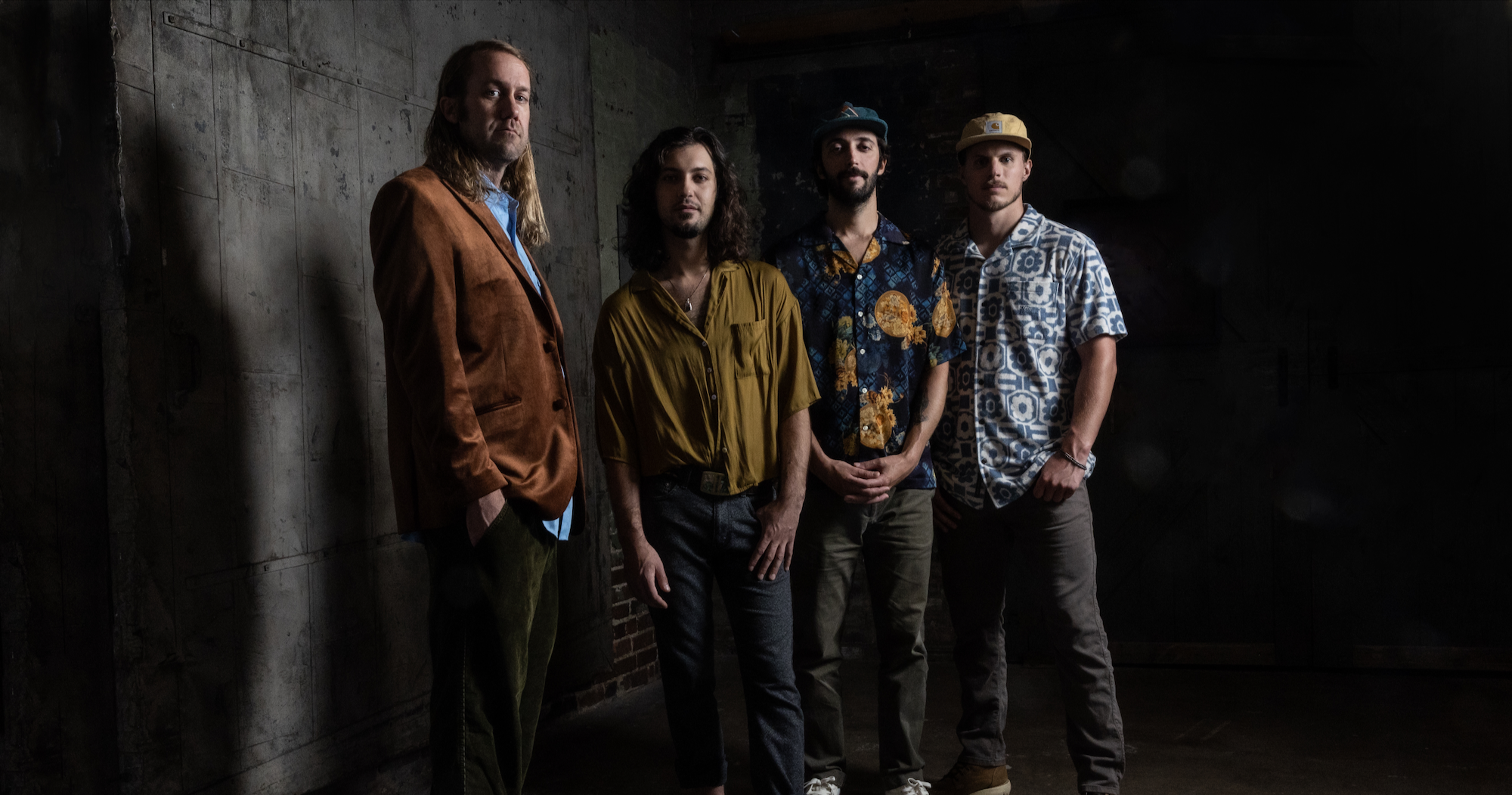
Magoo has been lighting up Colorado’s vibrant and crowded jamgrass scene since 2022. Their collision of string band music with danceable beats, jazzed up instrumental breaks, and anthemic lyrics rooted in rock has led guitarist Erik Hill to coin the phrase “bluegrass with lasers” to describe their sound and style.

After turning heads with two volumes of Magoo The EP in 2023 and 2024, the band – now comprised of Dylan Flynn (Dobro), Courtlyn Bills (mandolin), A. Denton Turner (bass), and Hill – have finally unleashed their full-length debut, What A Life. The 10-song compilation sees the upstart group of pickers contemplating everything from the sacrifices of a life lived on the road, the places that have transformed us, and how our stories are all connected.

Across 52 minutes of run time, the musicians rip their way through meandering jams that flow freely from one song to another as if it was a live show, an approach Hill says was intentional to keep the album from feeling sterile.

“Our live shows and recordings are very important to us, so it was imperative that this album not feel so copy and paste or cut and dry like studio projects often can be,” explains Hill. “I think we landed on a nice, organic feel that stretches the songs out, but not as much as we do when you see us live. In that sense, it serves as a good bridge between the two.”

During a free-flowing conversation with the band inside the green room at The Burl in Lexington, Kentucky, midway through their winter tour, Magoo spoke about the DIY approach to What A Life, Telluride’s significance to the group, near-death experiences, and more.

Why was now the right time to release your debut record?

Erik Hill: We had all the songs that we wanted to record. With the EPs we released previously, we basically recorded the couple originals that we had at the time along with a few covers. Eventually we started collecting a nice set of original music and figured it was time to do a full-length album.

Denton Turner: A big part of it is just having all the parts in place, from our management to booking people, so we can hit the road full speed. But in order to do that right it was important we have an album out to go with it – we needed a product to market. That was a big motivator for us this year, having an album to really kick in the door and make the most of our 100+ shows this year. Getting those other pieces in place on our team gave us ample time to focus on recording. When you’re trying to do everything it’s easy to half-ass it all, so having them by our side allows us to focus on and tackle what we love – the music – head on.

And with What A Life you opted to tackle it in your own DIY studio. Tell me about that experience?

Courtlyn Bills: I’ve made about 80 records in the past, but for this one everything was set up special just to make this album. I was moving and had my dad drive up a bunch of equipment from Texas, including my console he’d been holding in storage that was previously owned by Prince.

EH: Sessions were scattered throughout the month when we weren’t touring. Any time we were able we’d try getting over to Courtlyn’s to bang out a tune or two.

CB: There were a lot of 4 a.m. sessions. The coffee pots were flowing! The only big difference from one session to the next came on the jams, which we decided to use our pedal boards on and mic them up simultaneously. The only other thing is that I changed the action in my mandolin near the end of some tunes, which is why my mandolin sounds a bit thicker to close out three songs. There was a lot of us repeatedly asking each other, “How does your instrument sound?” Because there’s no turning back now, so no pressure. [Laughs]

DT: Even though we’re coming from touring and going straight into recording and back to touring – which seems hectic in a way – it’s nice for me doing [songs] one at a time. Being in a studio can be a grueling, tedious process, so having the luxury of being able to do it ourselves when it made sense for us was nice. We were able to just focus on one song or two songs at a time and give them all our attention. It didn’t feel like we were on the clock and paying by the hour with the pressure to get it all done quickly. Instead we were able to focus on banging out a song then hitting the road and discussing what next song we want to do and develop next before coming back being ready to give that song the attention it deserves, which was a lot of fun.

Courtlyn, you mentioned having a deep catalog of producer credits already. Has it always been a goal of yours to record your own band’s projects?

CB: I first started working in a studio when I was 15, mostly with younger artists that have less developed material, which I love. However, what I don’t love recording is my own music, which is why I never made a record for myself up to this point. But the cool thing about Magoo is, even though I write for and sing a lot with them, it feels like I’m working for a band and not myself. Knowing that removed a lot of the pressure of it being a make or break thing because I could trust my dudes. If they said something was good I wouldn’t question it, I’d just say, “Let’s move on!”

If I’m not mistaken, the only song you didn’t record at the DIY studio was “Angel Of Telluride,” which you flew to Nashville to knock out with its feature artist, Sam Bush. How’d that one come about?

CB: That connection came about through Jeff Fasano, an amazing photographer who used to shoot the rock band I was in prior to Magoo. Whenever we first met I had just started playing mandolin and I remember him telling me that he could see into my soul and could tell that playing it was my destiny, not rock music. I knew he was also close to Sam, so when I eventually wrote “Angel Of Telluride” I did it to be a Sam Bush song.

One day Jeff emailed Sam about the song and once he realized we were a real band and not full of shit he gave me a call and said he’d be honored to be a part of it. When we got to recording, I remember asking him if he wanted a producer credit on the song and he turned it down even though he was still effectively acting as a producer, because every freaking note, chord change, and tone shift he hit was spot on.

DT: Sam actually beat us to the studio the day we recorded. We wound up spending the entire day hanging out with him. It reminds me of a line in “What A Life” – “Buy the ticket, take the ride.” You only get one life, so don’t shy away from taking chances and shooting for the stars. Who knows, you might just wind up at a studio in Nashville recording with one of your heroes. Working with Sam never would’ve happened if we hadn’t taken the chance, and I’m so glad we did. I hope it inspires others to bet on themselves and their abilities too.

That song also holds a lot of significance given what the Telluride Bluegrass Festival has meant to the band, notably how you wound up bringing Courtlyn into the fold. Can you tell me about that?

Dylan Flynn: Erik, myself, and my Uncle Paul [Flynn] were the original Magoo and would regularly attend and pick around at festivals like Telluride, Rockygrass, and Tico Time. Then a few years ago Courtlyn, still new to bluegrass at the time, stumbled into our campsite. We ended up picking all week, through the night until 8 a.m. each day.

Then at one point when we were watching Greensky Bluegrass perform I remember him turning to me and saying, “I want to be in your band” and I responded, “I just met you like five minutes ago. Let me talk to the guys about it first.” [Laughs] But after spending all that time with him there and seeing not just how his brain works, but also how far along he was as someone still new to bluegrass, it was a no-brainer. In the weeks after Telluride it dawned on us that he was the missing piece we needed, not just as a player but as a person as well.

We rode with that lineup for about a year until my Uncle Paul decided he wanted to step away from music to travel the world – he’s actually rooting us on from Thailand right now. But when he departed, Denton was presented to us by a mutual friend. Similar to Courtlyn, after being introduced he tagged along to play several gigs before we formally asked him to join us long-term.

DT: I still remember them proposing to me and making it official with a Slim Jim ring. I still have mine and see it every day. It’s on the bus sitting on the butter tray in our fridge. [Laughs]

Sounds like you’re preserving it like one of those Big Macs you see in a museum that’s unchanged after 20 years!

Switching gears now – Courtlyn, what led to your move from the rock world into bluegrass?

CB: I was seeing the String Cheese Incident and going to festivals like Hulaween a lot, but I still didn’t quite love or understand bluegrass yet. I come from a really progressive and heavy world of jazz fusion, metal, and radio rock, but once I started hearing Cheese do more bluegrass-leaning songs I started falling in love and learning how to do them myself.

Then in 2019 – still prior to picking up a mandolin – I ingested DMT for the first time. When I did, I remember a friend who’d been telling me for years that even though I didn’t know it, that I was a mandolin player. [He] put a 1916 Gibson A[-style mandolin] into my hands and told me to shred. I don’t know how to explain it besides it being like “Dr. Strange,” but with numbers. It was that moment I became a mandolin player.

From there I formed a Celtic band and began plugging away with that, all the while realizing I had to get this bluegrass thing figured out. Bluegrass is one of the most prominent genres in the counterculture-ish scene that I loved being a part of, from String Cheese people to Deadheads and Spreadnecks and beyond. One day I sat myself down and said bluegrass is gonna have to be it – you are married to bluegrass now. Then I started going online and listening to pickers like Ricky Skaggs, Sierra Hull, Jarrod Walker, and David “Dawg” Grisman, slowing down YouTube videos to learn their breaks. That was about it. Once I learned what was going on in bluegrass musically, then it was obvious that these guys and gals are monsters. To be able to create such a back pocket with no drums on that mash grass stuff – there’s nothing like it.

You’re right, there is nothing like it! With that in mind, is that what your song “What A Life” is about – taking chances and being grateful to make a living making music?

CB: The melody and chorus for that song came together really quickly one day in my buddy’s living room. At that time in my life, the songs I was writing didn’t hold a lot of meaning or significance, so I wanted this one to be profound. The last verse really says it all: “What a life/ Is what I thought before I got swallowed by the tide/ Something felt amazing/ But I knew it wasn’t on the other side.”

I had a near-death experience when I was 19 and that is where I take a lot of the song’s inspiration from – although in the beginning I try to get cute talking about grandpas and other relatives and how their actions and memories have impacted the person you are in this very moment. Despite how insignificant those stories may seem to you right now, the fact that they were passed down and made it to you means they must’ve been pretty big moments in their and your family’s history.

So even though something like hopping into a stranger’s car and hauling ass to Telluride may not seem significant to anything other than the present moment, it’s so much more than that. We’re all connected in the climb and the work we put in together to build the memories we cherish. If none of us were here, what would be the point?

DF: …There’d be no life at all. That’s my favorite line in the entire song: “If none of us were here there’d be no life at all.” [Laughs]

A big part of the musical life and memories in your Colorado stomping grounds are its vibrant jamgrass community, a talented and tight-knit group that reminds me a lot of the Kentucky scene I’ve been fortunate to grow up in. What are your thoughts on the scene there and where Magoo fits into it all?

EH: We’re pretty lucky to call Colorado our home base. It’s certainly a breeding ground for a lot of great bands and even better music fans. People that love our type of music are everywhere in Colorado, no matter what town you’re in. From Denver to Boulder and up in the mountain towns, people want to hear that jam music, bluegrass, or a mix of both. It keeps us constantly busy and buzzing with new ideas to explore.

DF: We also have so many friends who are a part of great bands like Clay Street Unit, Tonewood String Band, and The Fretliners. I have more friends in my life now than ever before because of the community that we’re building. It’s also funny too – like one day I was driving home and saw [the Infamous Stringdusters’] Andy Hall in my neighborhood and am in awe, only to find out he lives half a mile down the road. My number one Dobro inspiration is Andy Hall, so having him so close by is a testament to just how unbelievable the music scene is in Colorado right now.

CB: There’s just something about being above 8,500 feet [elevation] that pushes people to their limits, whether it’s climbing a mountain or writing a song. The special thing about Colorado is the people here are making music for their friends. They’re making music for their little community to get together and have a good time. Someone like Vince Herman isn’t out there writing a song to have a number one hit. He’s writing a song so his family and his homies can get in front of the stage and throw down and feel comfortable and have the time of their lives, which is exactly what we’re getting to do now.

All: What a life!

What has bringing this album to life taught you about yourselves?

EH: Doing this album DIY style, we had to learn to trust ourselves and say, “Hey, this is really good.” You can sit here and nitpick each part and each take fucking forever, but at the end of the day what we have is really good, good enough to put out for people.

DT: For me, it’s in line with the phrase “what a life,” to take the chance and take the ride, call Sam Bush, whatever. I hope it inspires others the way it inspired me. When I met these guys, I lived three and a half hours away on a good day, but I saw what was going on and wanted to be a part of it. That meant getting in my car and driving to Denver multiple times a week to practice and learn the material. People thought I was crazy, but if you want something, you’ve got to go for it and give it your all. When you do that, amazing things can happen.

This whole experience has been a case in point of that, especially with the Sam Bush thing and making that call. We didn’t sit there and second guess ourselves about it and look at what happened. It’s always worth your time to give it a shot. You never know where the ride will take you. For me, that’s what this is all about.


Photo Credit: Jeff Fasano

BGS 5+5: Jesse Appelman

Artist: Jesse Appelman
Hometown: Oakland, California
Latest Album: Where We Go (released February 20, 2026)

If you had to write a mission statement for your career, what would it be?

For me, music is about community, connection, and collaborative creation.

It’s about the intimacy of singing harmony with someone, or finding musical ideas that only occur to me because of what someone else just played. I’m in awe of people like Keith Jarrett who can carry a full solo show, but my musical voice only feels complete in collaboration. I play best when I have things to respond to.

I leave most festivals with at least one new real friendship, forged through a shared language and the vulnerability of playing music together. There are not a lot of spaces where this can happen so easily, especially once you’re past your 20s, and they only exist because people keep showing up and participating.

I’m most interested in the music that results when musicians prioritize the collective sound while still bringing their full and unique personality to the table. When everyone listens and tries to make everyone else sound better rather than demonstrating their own ability. It’s easy to take for granted the ability to sit down with strangers and create music in real time but we are so lucky to get to do it.

Genre is dead (long live genre!), but how would you describe the genres and styles your music inhabits?

I don’t think anyone involved in this record ever discussed what genre of music we were making. Not John Mailander, who produced the album, and not the band (Eli West, Sami Braman, and Emily Mann). We talked a lot about the how and the why. We talked about density and space, groove, melody, interaction, texture, and flow. Nobody asked if they should be playing these tunes like bluegrass, old-time, Americana, or anything else.

So what kind of music is it? It’s the sound of these particular musicians playing these tunes, trusting their ears and instincts, and adding their unique personalities to the stew. Bluegrass is certainly in there, and old-time, and probably some jazz and classical, but it’s not a conscious “little bit of this and little bit of that,” it’s just what comes out when we play without thinking too hard.

I remember listening back to the tunes at the end of the first day in the studio and John said something like, “Isn’t it cool how you can do all this planning and arranging and preparing, but you have no idea what the album will sound like until you start making it?”

Some musicians immerse themselves in a single tradition or lineage and spend a lifetime going deep inside it. I listen to a lot of stuff like that, and it’s some of my most beloved music, but when I play I’m most interested in what happens when you agree on priorities and principles, and let musical identity emerge. My priorities come from lessons learned from musicians in my West Coast string band community. Some get called innovators, some traditionalists, but all share a commitment to deeply-felt, collaborative, and highly personal music-making.

Music is an activity and genre is a labeling system; the best I can do is focus on the activity and get the right people together and trust that the result will sound like us.

If it needs a label, maybe string band music that breathes?

What rituals do you have, either in the studio or before a show?

I have a loose mental checklist that I try to review before I go on stage or into the studio or even to a jam. I don’t succeed at all of them all the time but it’s a north star to aim for.

The first is from Chick Corea:

1. Play only what you hear.
2. If you don’t hear anything, don’t play anything.

This is simple and sometimes really hard. To me it means that every note should exist in my mind before it comes out of my hands – whether it’s a particular texture when playing backup or a phrase in a solo. Even down to the tonal color, dynamics, and articulation. This takes deep focus and deep listening both outward to the band and internally to your own ideas. When I listen to my favorite improvisers – Jim Hall, Stuart Duncan, Keith Jarrett, David Rawlings – I hear this level of intentionality.

The second is from John Hartford: “Style is based on limitations.” This means giving myself permission to play within my actual capabilities rather than the ones I wish I had. If I have to take solo over something that is outside of my comfort zone in terms of tempo, harmony, or whatever, I search for the most musical solution available within the boundaries of my own technical and conceptual limitations. This might be something simpler and more spacious than what I might feel like I’m supposed to play, and consequently truer to my own voice.

The rest of the checklist: Stay relaxed in mind and body. Listen deeply at all times. Never sacrifice groove or tone to execute an idea. Never go on autopilot when playing behind someone else’s vocal or solo. Search for the most beautiful idea, not the cleverest.

Which elements of nature do you spend the most time with and how do they impact your work?

My happiest place outside of music and family is underwater. I scuba dive and snorkel for the same reasons I play music. It feels like a portal into another universe. Diving requires an intentionality of every movement that I try to apply to making music. Your time underwater is limited by the air in your tank, and the more you exert, the faster you breathe. Every muscle movement costs you air and time, and the best divers carry themselves in the water with a calm and economy of movement that is almost meditative. It’s a flow state that slows your breathing and lets you focus your attention fully on the environment around you. I make my best music when I find that same state and put most of my awareness on what’s happening around me.

I find a lot of inspiration in California’s landscapes and colors. Kelp forests, rocky coasts and windswept coastal meadows with washed-out browns and green, golden hills dotted with green oaks, the pale gray granite of the High Sierra. There’s an aesthetic minimalism to these environments that I think shows up in some of my music, like “Lyell Fork,” a stream that flows from a glacier on a high peak in Yosemite and flows through alpine meadows and over granite slabs before joining the Tuolumne River. Or “Montaran” which is a stretch of coast south of San Francisco. In both cases I thought those tunes sounded like how those places feel.

What would a perfect day as an artist and creator look like to you?

Waking up to my kiddo climbing in bed for a cuddle. Breakfast, immediately followed by some quiet unstructured time with an instrument in my hands with an extremely good cup of coffee, before all the details of life fill my brain. A hike or bike ride with my wife. Some silly afternoon play time with my kid. Cooking mapo tofu for family dinner. Tunes and songs in the evening with a few dear friends. Someone else sends all my emails for the day.


Photo Credit: Giant Eye Photography

Watch Sierra Hull Perform
on CBS Saturday Morning

On Saturday, December 13, mandolinist and singer-songwriter Sierra Hull brought music from her latest GRAMMY-nominated album, A Tip Toe High Wire, to CBS Saturday Morning for a three-song Saturday Session. With Erik Coveney (bass), Avery Merritt (fiddle), Mark Raudabaguh (drums), and Shaun Richardson (guitar), Hull performed three tunes: “Lord, That’s a Long Way” from A Tip Toe High Wire, which is nominated for Best Instrumental Composition, as well as “Stomping Grounds,” a tune by Béla Fleck and Victor Wootenand “Movement 3,” a Hull original from an upcoming release. Watch all three numbers right here, on BGS.

Announcing the appearance on social media, Hull pointed out the serendipitous rarity of performing three instrumentals for her Saturday Sessions. “We were originally scheduled to play all three of our GRAMMY-nominated songs – ‘Boom,’ ‘Spitfire,’ & ‘Lord, That’s A Long Way,'” Hull explained on Instagram. “However, by this past Saturday morning, my voice was gone. The worst laryngitis I’ve ever had despite feeling great otherwise! Doctor’s orders was vocal rest and no singing for a few days (which I honestly couldn’t have even had I tried). I was super bummed thinking we’d have to cancel, but my publicist spoke with the show producers and in a very rare exception we are told, they let us come play 3 instrumentals on the show!”

Of course Hull could pull off three engaging and exciting instrumentals. Though of her two prior planned songs, “Boom” is nominated for a GRAMMY for Best Americana Performance and “Spitfire” for Best American Roots Song, the three tunes the group did perform still show the immense depth and breadth of Hull and band’s technical prowess and dynamic range. Plus, each of the selections showcase various creative inputs and outputs for Hull; “Stomping Grounds” isn’t just pulled from the catalog of Hull producer, mentor, and collaborator Fleck, but also from the set lists of her frequent touring colleague Cory Wong. “Movement 3” is a delightful harbinger of musical eras yet to come, a discursive and flowing composition that pulls as much from the Chris Thile school of mandolin as jamgrass, newgrass, and more crunchy roots music climes. “Lord, That’s a Long Way” is one of the tentpoles of the new album, a staple of her live shows over the past year and into the future, surely.

Hull’s appearance on CBS is just the latest in an impressive outlay of accomplishments and accolades in 2025. Not only is she nominated for four awards at the 2026 GRAMMYs – including for Best Bluegrass Album for A Tip Toe High Wire – Hull also appeared with her band on NPR’s Tiny Desk, made our own 2025 Good Country year-end list, announced two of her own signature model Gibson Mandolins, and is currently wrapping up a holiday tour appearing with Béla Fleck & the Flecktones. We’re sure 2026 will hold even more impressive musical moments for Sierra Hull, but in the meantime enjoy these CBS Saturday Morning performances by one of the most talented groups in bluegrass, Americana, and roots music today.


Check out our feature interview on A Tip Toe High Wire from earlier this year here.

LISTEN: Michael Daves, “Can’t Get There From Here” (R.E.M. Cover)

Artist: Michael Daves
Hometown: Atlanta, Georgia (originally); New York, New York and Adams, Massachusetts (currently)
Song: Can’t Get There From Here
Album: Fables (EP)
Release Date: December 19, 2025
Label: Wild Geranium Records

In Their Words: “As a Georgia boy growing up in 1980s, R.E.M. was my first musical obsession and I still love those early albums. The dream logic, the obscure references to Southern culture, the addictive hooks, the ghostly background vocals. I thought it would be interesting to adapt one of them to bluegrass and it happens that Fables of the Reconstruction is celebrating its 40th anniversary this year. It’s an arty rock album, but there’s a lot of droney stuff in there that sounds like it came from mountain dulcimer, banjo, and mandolin. The quartet I lead with Hargreaves, Jolliff, and Alvar has proven very adept at interpreting music from non-bluegrass sources and though they had no prior knowledge of this music, they were open to it and knocked it out of the park.” – Michael Daves

Track Credits:
Michael Daves – Guitar, vocals
Alex Hargreaves – Fiddle
Jacob Jolliff – Mandolin
Erik Alvar – Bass
Duncan Wickel – Cello
Sean Cahill – Background vocals
Jefferson Hamer – Background vocals

Video Credit: Jason Zucker


Photo Credit: Manish Gosalia

You Gotta Hear This: New Music From Ber, Pert Near Sandstone, and More

Somehow it’s December and we’ve already reached our final collection of new roots music, songs, and videos for 2025. It’s been a year absolutely packed with essential new music that you gotta hear, hasn’t it? We think this final roundup is the perfect way to go out, as we look ahead to plenty more fresh tracks to share in 2026.

First, mandolinist Jesse Appelman previews the first single from his upcoming debut solo album. “Glacier Song” is sung from the perspective of the titular glacier, examining the inevitability of time and change with bluegrass trappings and tasteful dashes of old-time from his talent-stacked ensemble. Texan singer-songwriter Dustin Brown calls on fellow Texan Billy Hartman and Nashville-based Rachel Cole for his new track, “Ballerina.” Out next week, it’s a simple, stripped-down, and twangy arrangement for a song about yet another tale as old as time: a love triangle between two people and their freedom.

Also, Kara Arena draws inspiration from the Hindu deity Hanuman for a new single, “Whose Face Is On Your Heart.” A harbinger for her upcoming EP, which is set for release in January 2026, the vibey modern folk number finds the singer-songwriter considering the concept of our loved ones leaving indelible marks on our hearts while wrapped in cinematic strings. From Toronto, Meredith Moon returns to her just-released September album, From Here to the Sea, to share a brand new performance video for “Poseidon.” She’s accompanied by Tony Allen, Rachel Melas, and Mikey Shakes as they play the song down at Compass Records’ Hillbilly Central studio. “Poseidon” is about rising above the tumult of toxicity and negativity and choosing your own heart.

To conclude, we take a trip to Minneapolis and St. Paul, Minnesota, to catch new singles debuted this week by both Ber and Pert Near Sandstone, two acts from the incredibly music-rich Twin Cities. Today, Ber announced her upcoming new album, Good, Like It Should Be, set for release in early April 2026. The lead single from that project, “Book Cover,” is about the deeper meaning and understanding that can be hidden inside ourselves and is found in the delicious sonic territory where country, indie, and pop overlap. You can easily picture the song on mainstream country radio and an indie-pop playlist, too.

Pert Near Sandstone, for their part, lean into Irish folk and Celtic sounds with accordion, tenor banjo, and a shout-along, pub-ready lyric. “Side by Side” is about perseverance and rising above interpersonal challenges together. With resonant accordion and banjo tremolos, you’ll feel like you’re huddled up with the band in the corner of a cozy pub jamming along.

There’s plenty to hear and enjoy below. Thanks for sharing a year’s worth of new music with us! We’ll see you in 2026 right here for more premieres, but for now… You Gotta Hear This!

Jesse Appelman, “Glacier Song”

Artist: Jesse Appelman
Hometown: Oakland, California
Song: “Glacier Song”
Album: Where We Go
Release Date: December 12, 2025 (single); February 20, 2026 (album)

In Their Words: “This song might not make much sense until you realize that it’s sung from the first-person perspective of a glacier – and what better inanimate object could there be to explore the inevitability of time and change? Written one of my oldest friends, Will Fourt, the crooked and circular structure was a perfect vehicle for this ensemble to weave the spontaneous and lush whirlwind of melody that ends the track. The refrain, ‘I don’t know where we go,’ here an expression of uncertainty, gave rise to the album title, reworked as a statement of intent: Where We Go.” – Jesse Appelman

Track Credits:
Jesse Appelman – Mandolin, vocals
Sami Braman – Fiddle
Allison de Groot – Clawhammer banjo
Emily Mann – Bass, harmony vocals
Eli West – Guitar, harmony vocals


Kara Arena, “Whose Face Is On Your Heart”


(Click to listen)

Artist: Kara Arena
Hometown: New York, New York
Song: “Whose Face Is On Your Heart”
Album: Whose Face Is On Your Heart (EP)
Release Date: December 5, 2025 (single); January 2026 (EP)

In Their Words: “‘Whose Face Is On Your Heart’ was born after I encountered the story of Hanuman, the Hindu deity. What truly distinguishes Hanuman is his deep devotion to his Lord, Rama and Devi Sita. When his loyalty comes into question, Hanuman says, ‘Every inch of my body has Rama in it. My heart and soul are made of Rama.’ When doubt of his love persists, he tears open his chest to reveal images of Rama and Sita glowing within his heart. When writing this song, I thought about what it would be like if our hearts were branded with the ones we love most. We wear their faces like a badge of honor. And when love leaves, do those sketches become scars?” – Kara Arena

Track Credits:
Kara Arena – Vocals, guitar, songwriter
Michael Lepore – Piano
Brett Bass – Upright, electric bass
Matt Bent – Drums, percussion
Mae Roney – Violin
Rachel Rice – Cello
Joe Cilento – Electric guitar, keys


Ber, “Book Cover”

Artist: Ber
Hometown: Minneapolis, Minnesota
Song: “Book Cover”
Album: Good, Like It Should Be
Release Date: December 5, 2025 (single); April 3, 2026 (album)
Label: Nettwerk Music Group

In Their Words: “I wrote ‘Book Cover’ last year over a cup of tea with my friend Corey Sanders, who at the time was consoling me as I was feeling very overlooked and invisible as a small, independent artist and writer in the music industry. At its surface, ‘Book Cover’ is about heartache and longing to be known for what’s inside, to be given a shot by someone not based on your looks or appearance, but because of the person you are. In its bones I’ve personally found deeper meaning— ‘Book Cover’ is a sweet reminder to myself to know your worth and acknowledge what you bring to the table. It’s one of my favorite songs from my forthcoming album, and I hope you like it!” – Ber


Dustin Brown, “Ballerina” (with Billy Hartman, Rachel Cole)

Artist: Dustin Brown, Billy Hartman, Rachel Cole
Hometown: Moody, Texas (Dustin); Texas (Billy); Nashville, Tennessee (Rachel)
Song: “Ballerina”
Release Date: December 12, 2025
Label: New Usual Records

In Their Words: “Writing a song can be as complex as the characters in it. Some fall out on the table, but this one definitely reflects its process as much as its meaning. The turmoil behind the writing of this song influenced its jaded undertones. It’s a tale as old as time, a love triangle between two souls and freedom. A dilemma of one’s resolve and another’s yearning.” – Dustin Brown


Meredith Moon, “Poseidon”

Artist: Meredith Moon
Hometown: Toronto, Ontario, Canada
Song: “Poseidon”
Album: From Here to the Sea
Release Date: December 2, 2025 (video); September 12, 2025 (album)
Label: Compass Records

In Their Words: “‘Poseidon’ was written during a pretty tumultuous time in my life, juggling priorities and in the end choosing my heart over all else. I felt the weight of the negativity inflicted on me by the toxic situations I’d left recently and ‘Poseidon’ was about re-instilling my own power and safety, like surrounding myself by an orb of protection.” – Meredith Moon

Performance Credits:
Meredith Moon – Guitar, vocals
Tony Allen – Fiddle
Rachel Melas – Bass
Mikey Shakes – Drums

Video Credit: Filmed at Compass Studios by Emma McCoury.


Pert Near Sandstone, “Side by Side”

Artist: Pert Near Sandstone
Hometown: Minneapolis / Saint Paul, Minnesota
Song: “Side by Side”
Album: Side by Side
Release Date: December 3, 2025 (single); February 27, 2026 (album)

In Their Words: “I originally started writing ‘Side by Side’ about my relationship with my wife and us pushing through challenging times. However, as the song came together, I realized the message of perseverance applied equally to the band and the challenges we go through together as professional musicians touring on the road. The music is traditional Irish-folk inspired, featuring wonderful accordionist Patrick Harison and Nate Sipe on Irish tenor banjo. I sing the lead along with full band group vocals and harmonies, which add to that real pub anthem sound. While in the recording studio we pulled the title ‘Side by Side’ from the lyrics which eventually became a rallying cry and decided it would be a fitting name for the new album.” – J Lenz

Track Credits:
J Lenz – Acoustic Guitar, vocals, songwriter
Kevin Kniebel – Clawhammer banjo, vocals
Nate Sipe – Mandolin, tenor banjo, vocals
Justin Bruhn – Upright bass, vocals
Patrick Harison – Accordion


Photo Credit: Ber by Tom Thornton; Pert Near Sandstone by Tony Nelson.