16 Summer Reads: New Books by Brandi Carlile, Mary Gauthier, and More

My summer essentials list is pretty simple: A ball cap and sunscreen for a hike, driving directions and a trail map for a day trip, and more than a few reading options for the couch that’s inevitably waiting for me at the end of a long hot summer day. Gathering together all the new memoirs and taking some tips from my BGS colleagues, here are 16 top tomes to get us all — even the kids — through this sweltering season of 2021.
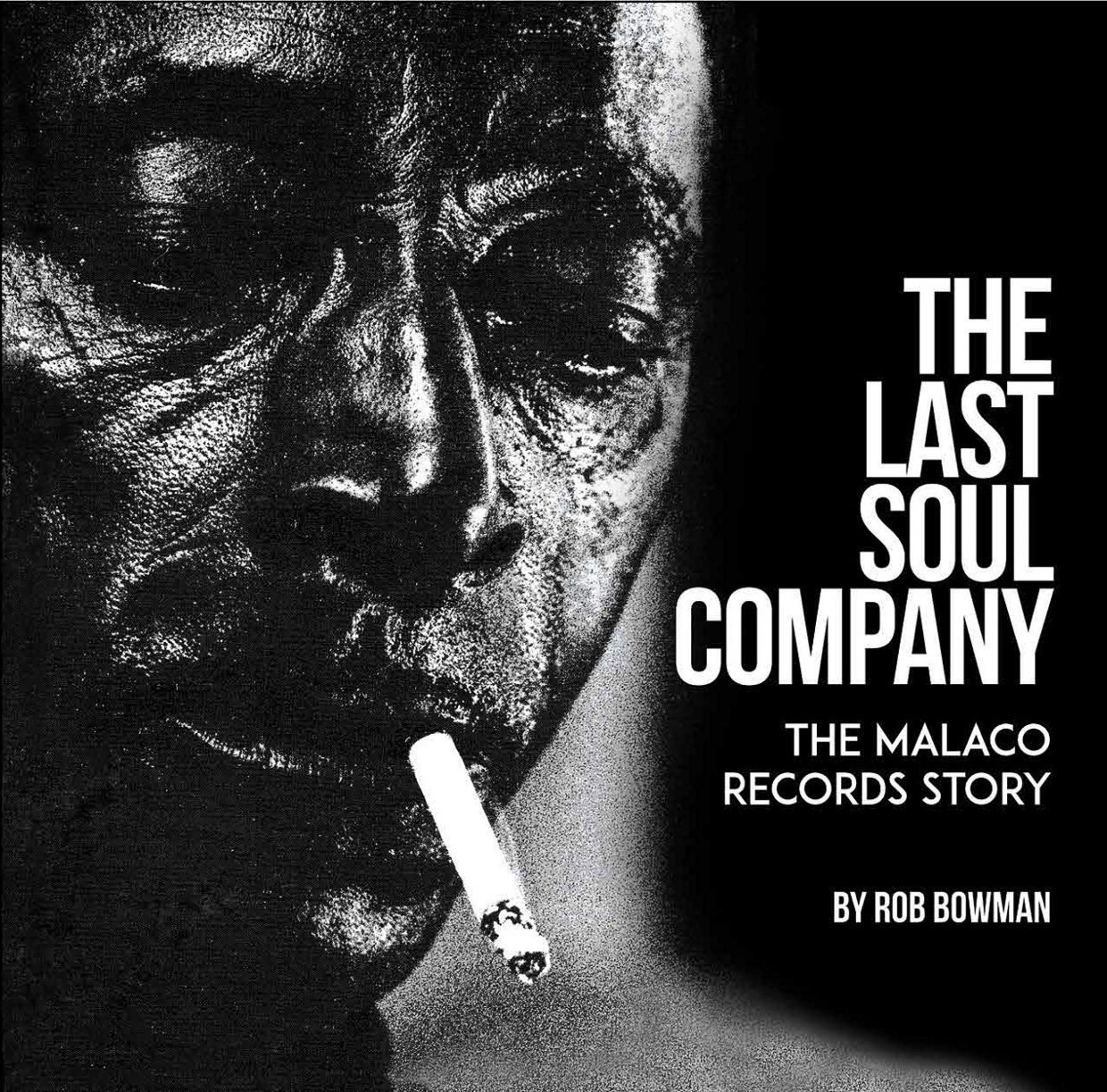
Rob Bowman, The Last Soul Company: The Malaco Records Story

Generous in its photography and its scope, this overview of Malaco Records explains how a pioneering independent label founded in 1962 brought a wealth of African American music to the world via artists like Mississippi Fred McDowell, Bobby Blue Bland, Z.Z. Hill, Johnnie Taylor, Little Milton, and James Cleveland.


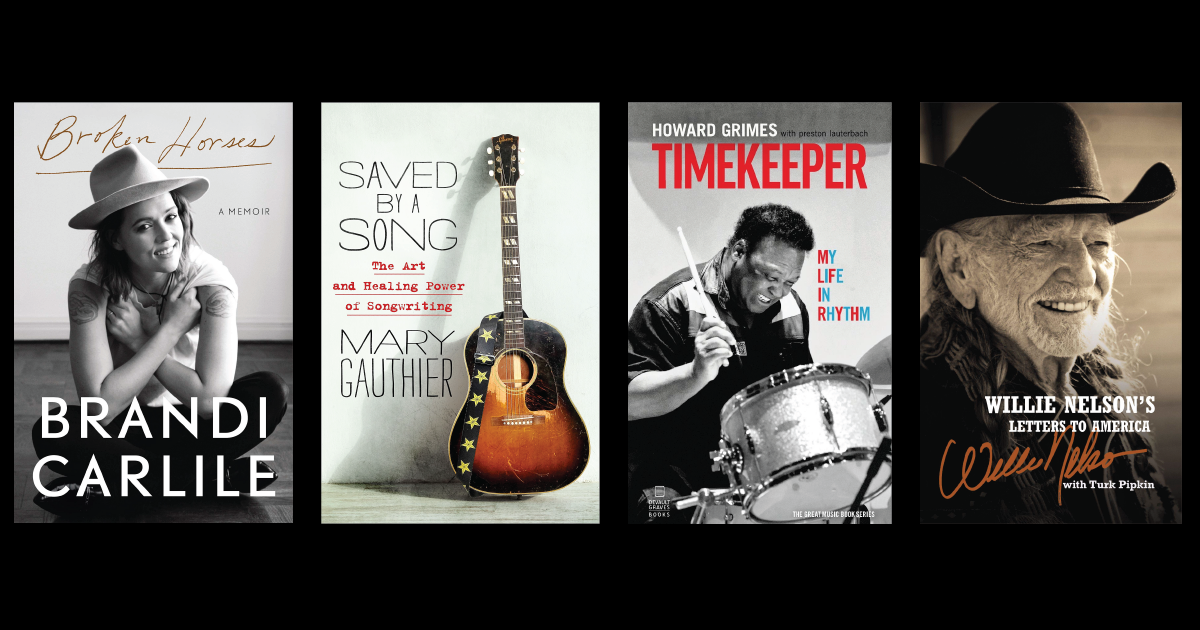
Brandi Carlile, Broken Horses

This memoir satisfies the longtime fans who will learn what inspired the songs from her early albums, yet it’s also a candid and conversational statement about what it’s like to be a queer woman in roots music today. The cast of characters is charming, too, particularly her exchanges with Elton John and Joni Mitchell.


Brent Cobb, Little Stuff

Country tunesmith Brent Cobb has said he writes every album with his kids in mind, so transforming the song “Little Stuff” into a children’s book came naturally. But how many children’s books get their own music video? Whether you read it or watch it, the Georgia musician’s homespun wisdom shines through.


Robert Owen Gardner, The Portable Community: Place and Displacement in Bluegrass Festival Life

This scholarly look at bluegrass festival culture in the American West comes from sociology professor Robert Owen Gardner. It’s also an examination of how arts and music grapple with social and environmental change. A digital version of the academic textbook allows more room in the backpack for sunscreen and guitar strings.
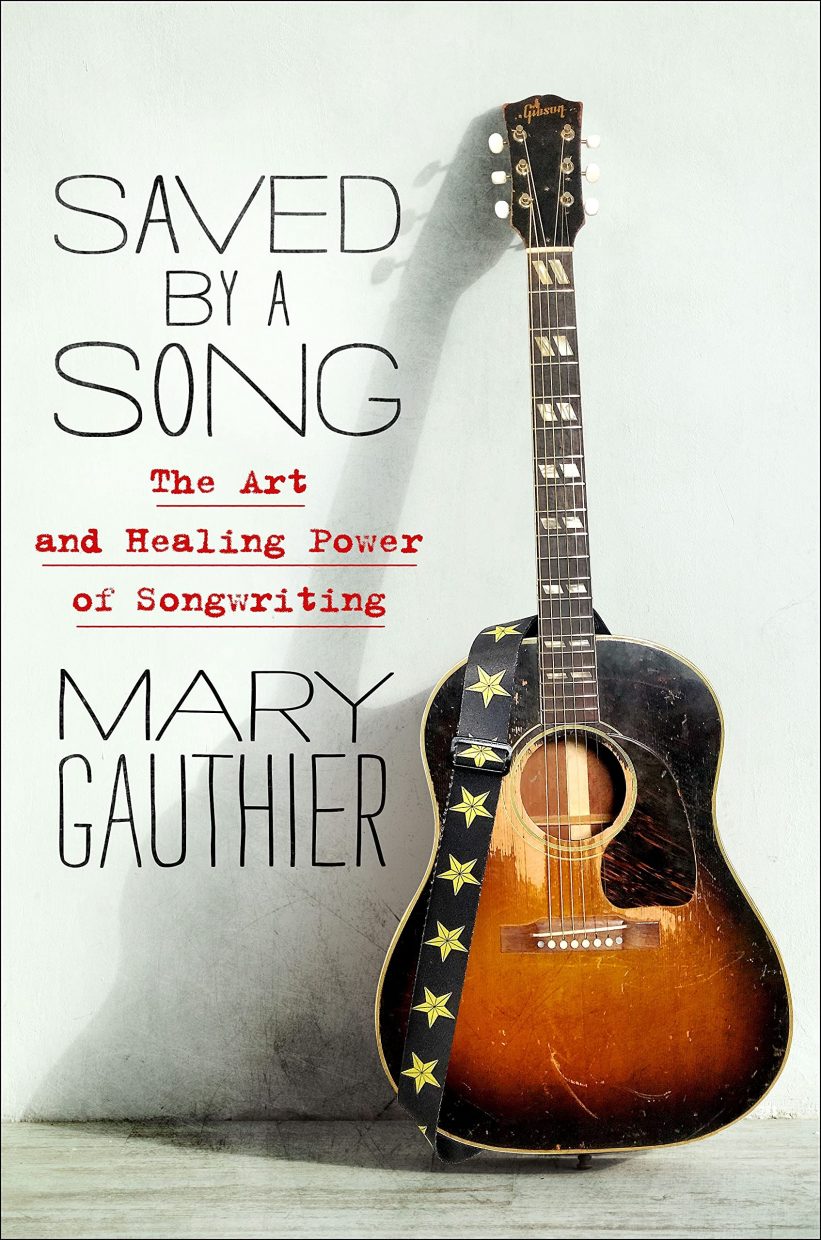

Mary Gauthier, Saved by a Song: The Art and Healing Power of Songwriting

More of a memoir than an instruction manual, Mary Gauthier tells the stories behind original songs like “Mercy Now” while leaving the mystical and magical aura of writing them intact. By sharing her intimate conversations and co-writing experiences, she offers both a creative and compassionate point of view.
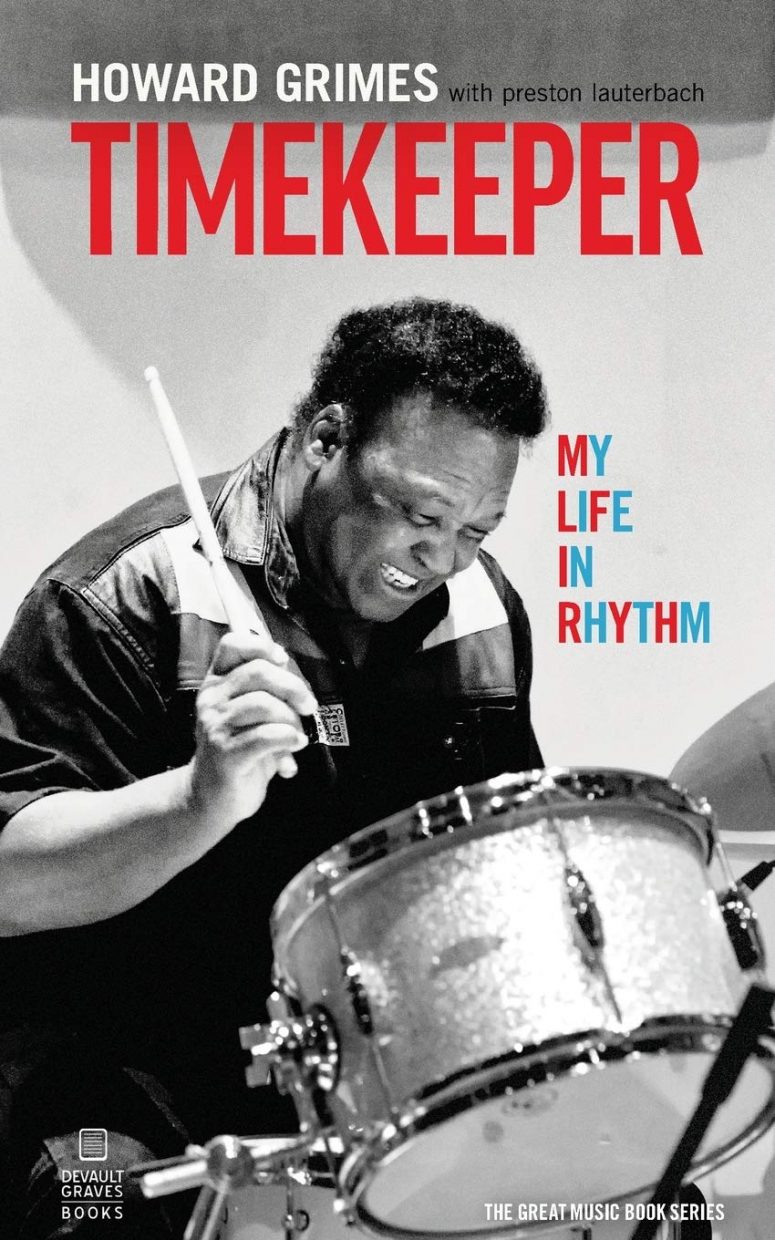

Howard Grimes with Preston Lauterbach, Timekeeper

Known as Bulldog, Memphis drummer Howard Grimes has propelled R&B classics like Al Green’s “Let’s Stay Together” and Ann Peebles’ “I Can’t Stand the Rain.” In this autobiography, he also explains how he wound up homeless for a time and how he’s been guided by the Bible. Fans of Stax and Hi Records won’t want to miss this one.
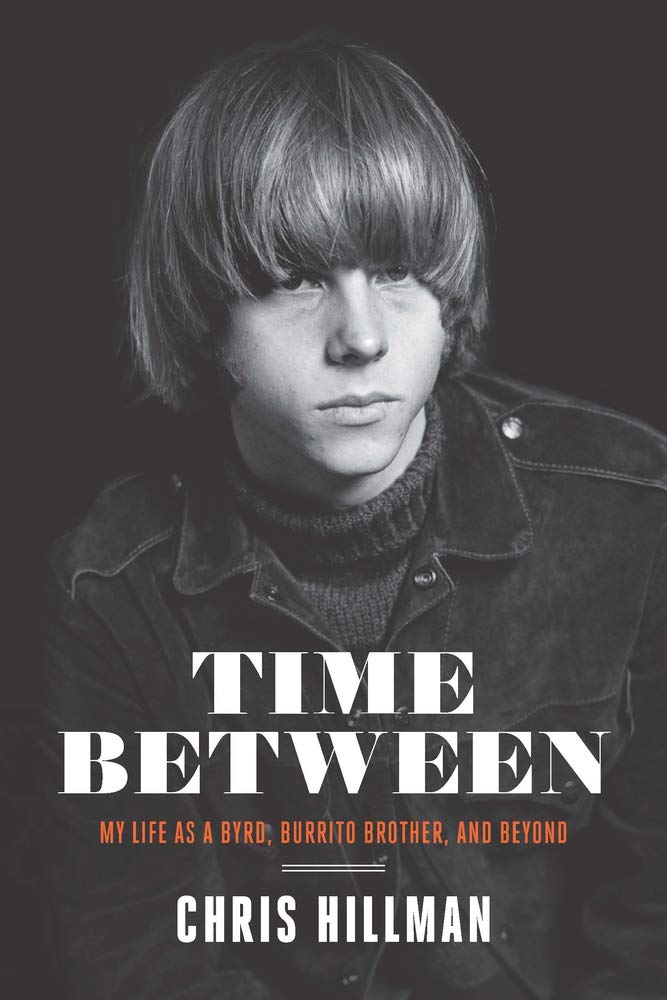

Chris Hillman, Time Between: My Life as a Byrd, Burrito Brother, and Beyond

You can’t tell the story of country rock without Chris Hillman. Time Between entered its second printing earlier this year, proving there’s still a curiosity about near-mythical bands like The Byrds and the Flying Burrito Brothers. Start at page one and turn, turn, turn to the get the whole story from this prolific Rock and Roll Hall of Famer.
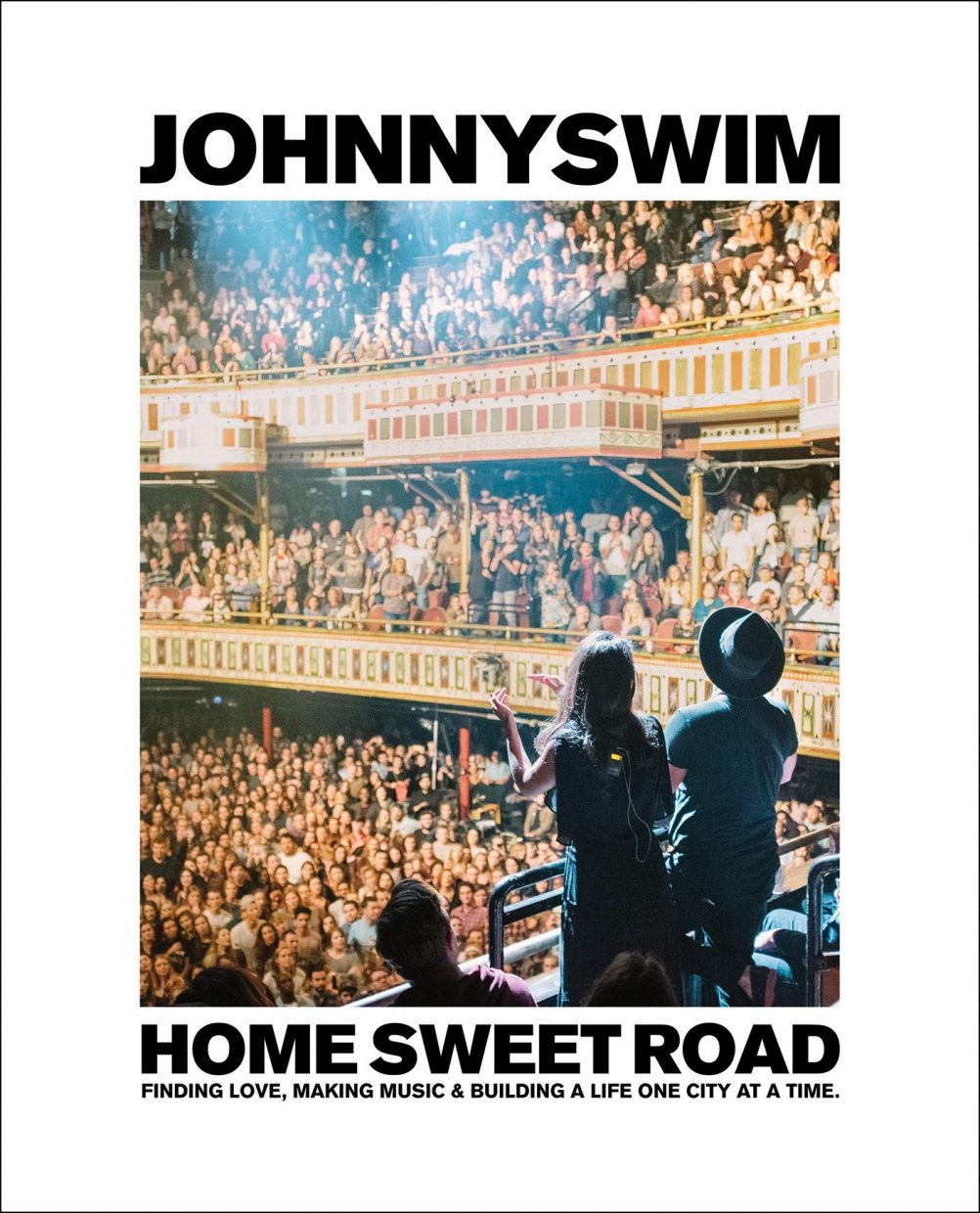

Johnnyswim, Home Sweet Road: Finding Love, Making Music & Building a Life One City at a Time.

The ever-endearing Johnnyswim found an even larger following when Chip and Joanna Gaines chose the duo’s anthem “Home” as the theme to Fixer Upper. Now, Amanda Sudano-Ramirez and Abner Ramirez give fans a deep dive into their own family life with Home Sweet Road, their debut book brimming with photos, recipes, stories, and poetry.
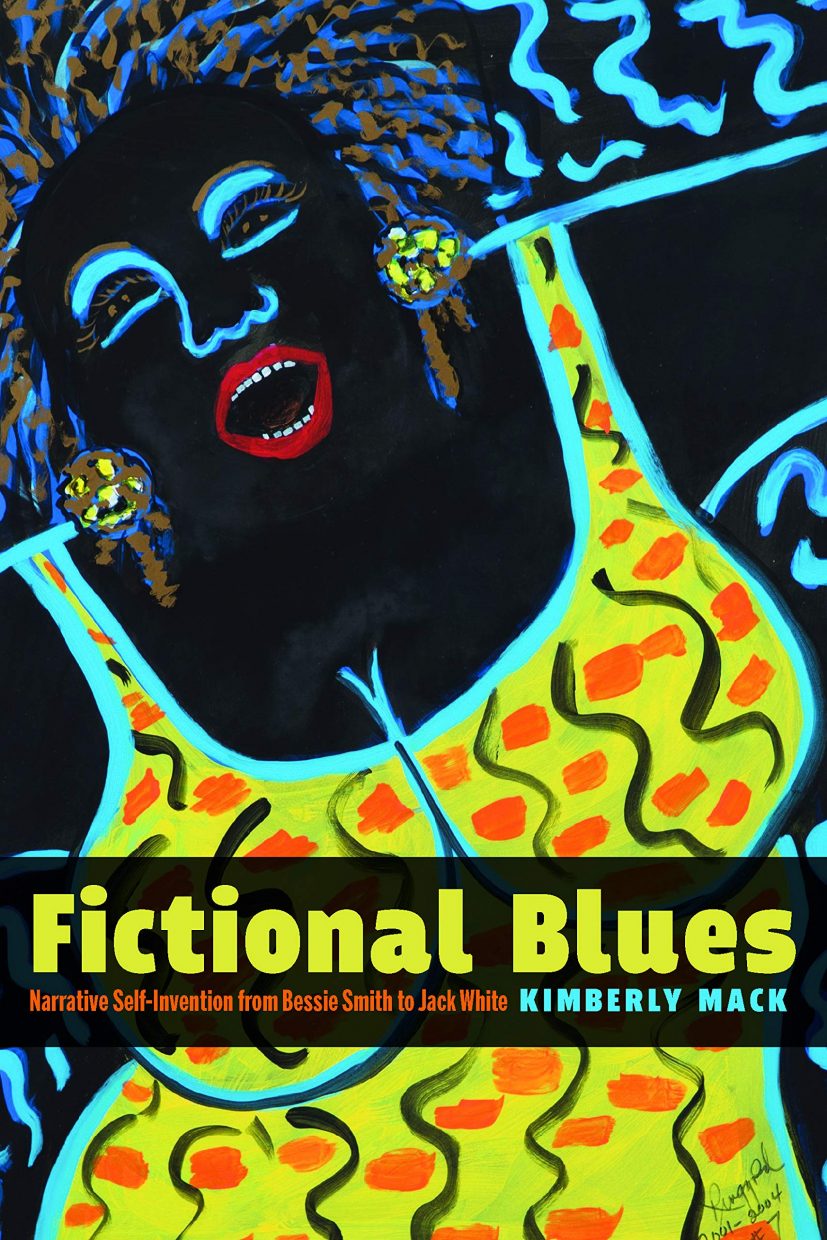

Kimberly Mack, Fictional Blues: Narrative Self-Invention from Bessie Smith to Jack White

The story of Robert Johnson selling his soul to the devil isn’t the only larger-than-life narrative in blues music. A scholar of African American literature and American popular music at The University of Toledo, Mack writes about how similar self-made personas resist racial, social, economic and gendered oppression.
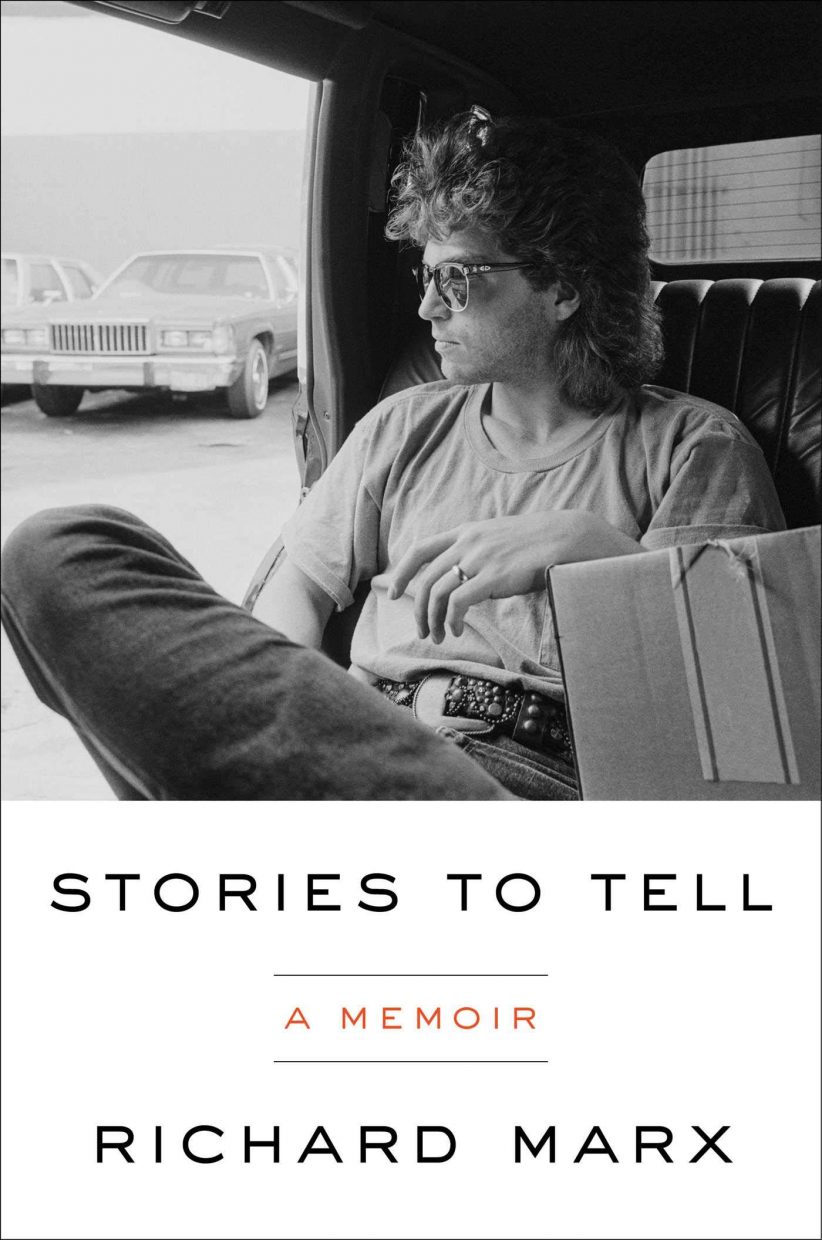

Richard Marx, Stories to Tell: A Memoir

A late ’80s pop star whose catalog still holds up, Marx writes about his life and career, including a few interactions with era-defining figures like Olivia Newton-John and Kenny Rogers. He also gives his candid perspective of what the music industry is really like. By the way, can’t you totally hear Alison Krauss covering “Right Here Waiting“?
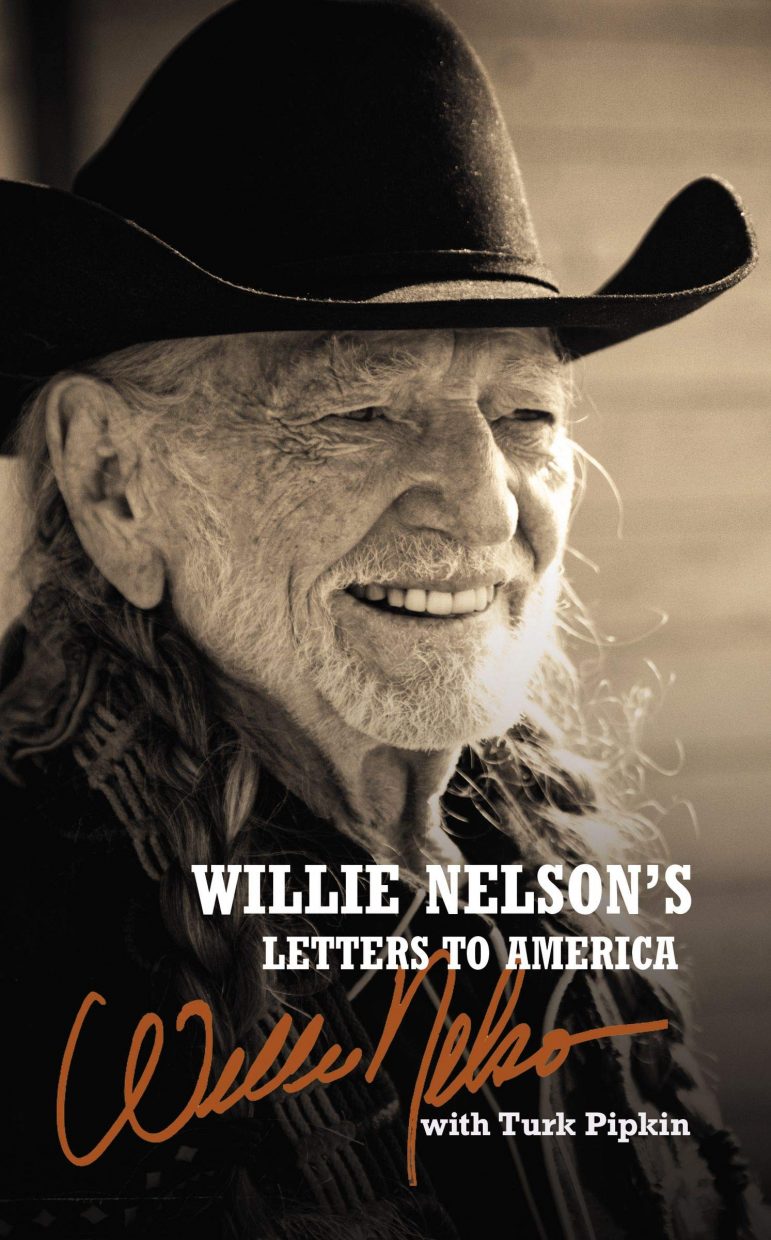

Willie Nelson with Turk Pipkin, Willie Nelson’s Letters to America

At 88 years old, Willie Nelson is a living legend with a modern point of view. Yet, rather than ranting on social media, he’s channeled his thoughts into a series of letters, even writing one to Texas and another to marijuana. With his classic lyrics reprinted alongside these letters, the book captures his conversational charisma.
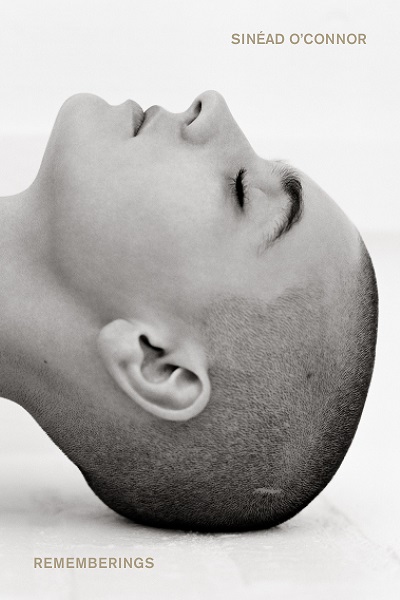

Sinéad O’Connor, Rememberings

This Irish artist made an iconic music video by tearfully emoting into the lens, but there is much more to her story than “Nothing Compares 2U” and her infamous appearance on SNL. As The Guardian notes, “O’Connor also doesn’t need a ghost writer because she has, throughout all of it, rarely been at a loss for what to say.”
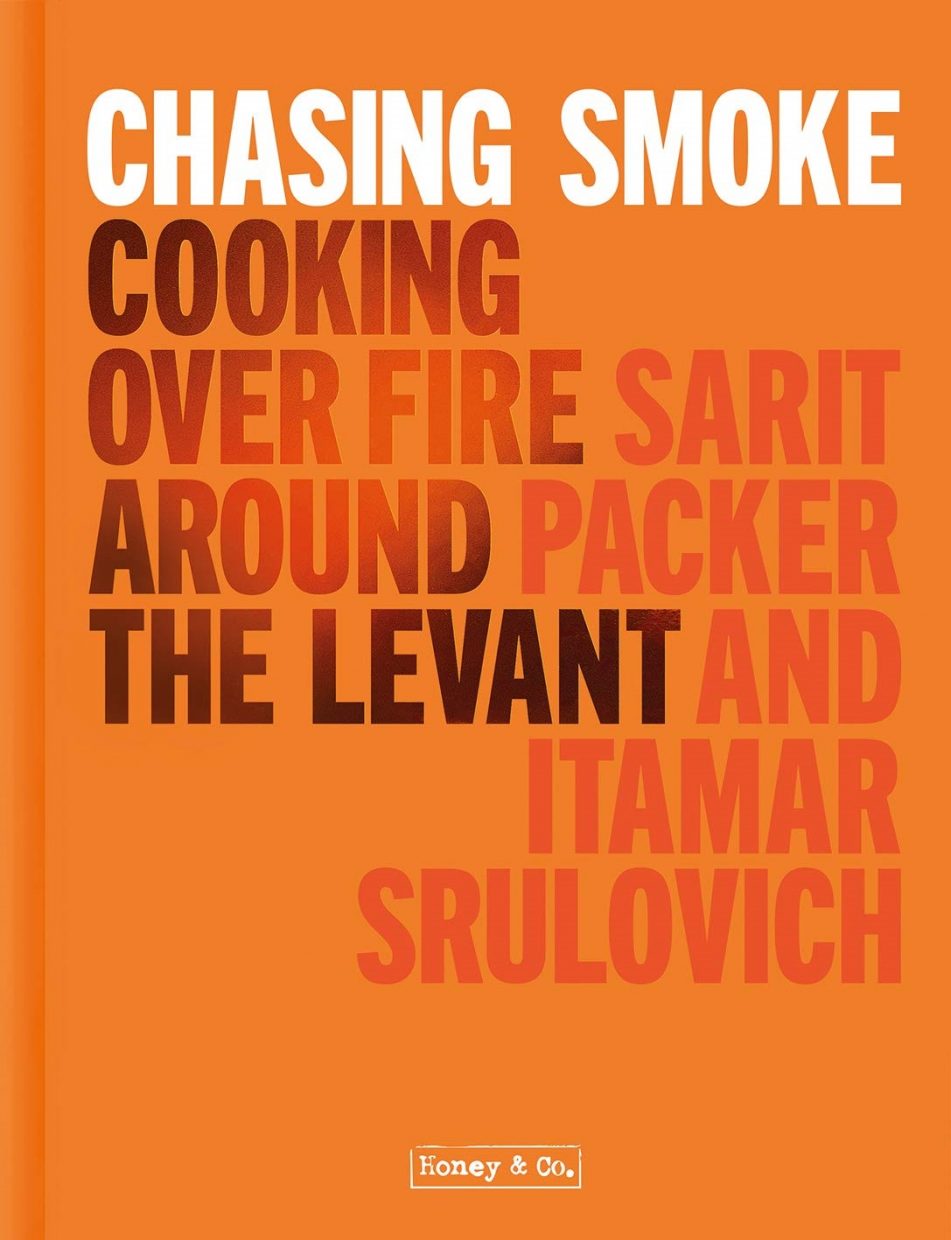

Sarit Packer and Itamar Srulovlich, Honey & Co: Chasing Smoke: Cooking Over Fire Around the Levant

In this cookbook and travelogue, the founders of London restaurant Honey & Co. are seeking out savory smoke flavors in Egypt, Jordan, Israel, Turkey, and Greece. And it’s not just grilled meat! Fruits, vegetables, breads and “Unmissables” are make their way into these pages, too. Find out more about the authors on BGS’s The Shift List.
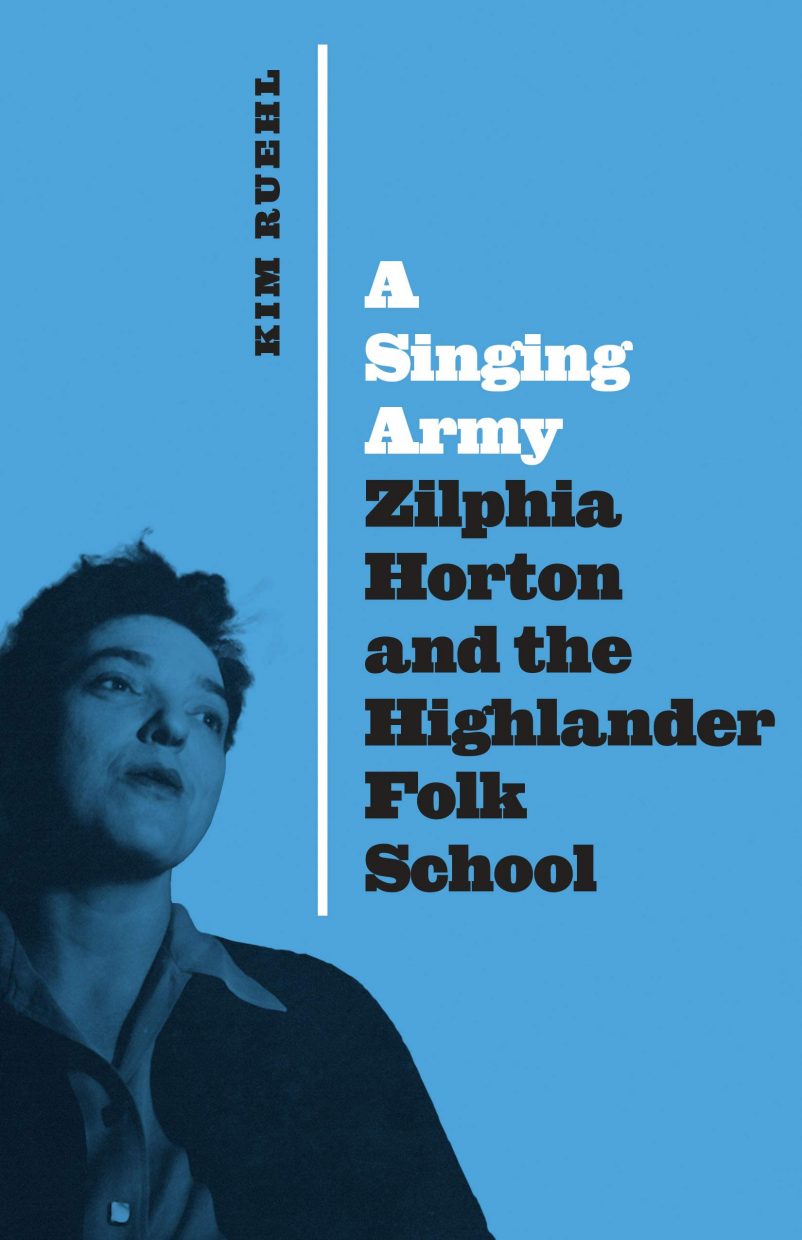

Kim Ruehl, A Singing Army: Zilphia Horton and the Highlander Folk School

An activist and song collector, Zilphia Horton finally gets her due. Ruehl (also a BGS contributor) explains how Horton adapted folk music and hymns for empowerment and social causes, with “We Shall Overcome” as just one example. Considering the school’s ties to civil rights, this piece of Tennessee history merits the attention.
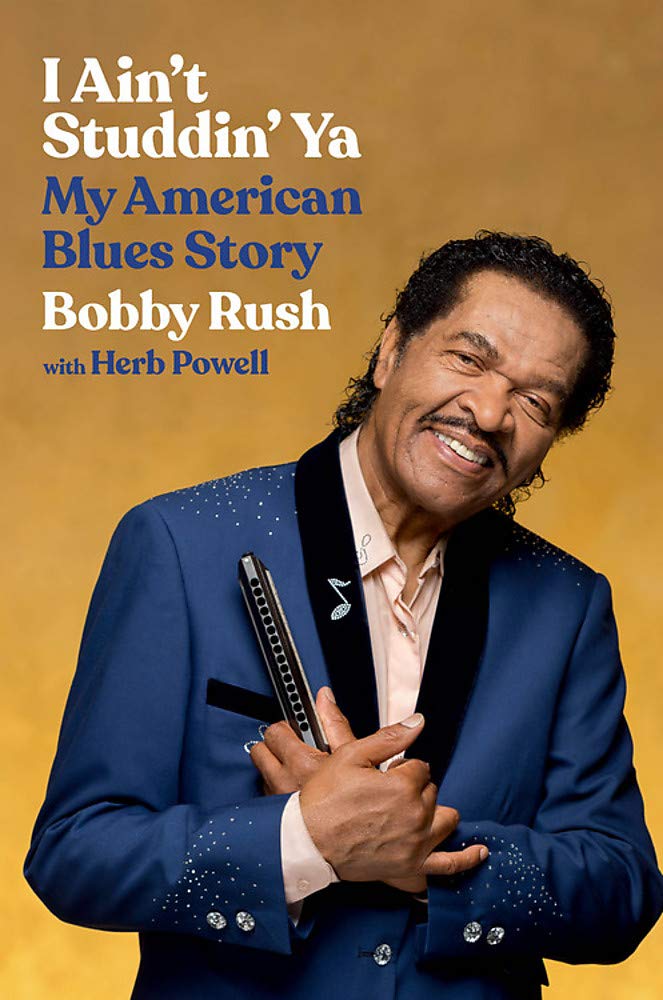

Bobby Rush with Herb Powell, I Ain’t Studdin’ Ya: My American Blues Story

A favorite on the blues scene since the 1950s, Bobby Rush remains a beloved figure in the genre, winning his second Grammy for Best Traditional Blues Album earlier this year. A well-traveled entertainer at age 87, this memoir follows his remarkable life journey from Louisiana to Arkansas, on to Chicago and ultimately the Blues Hall of Fame.
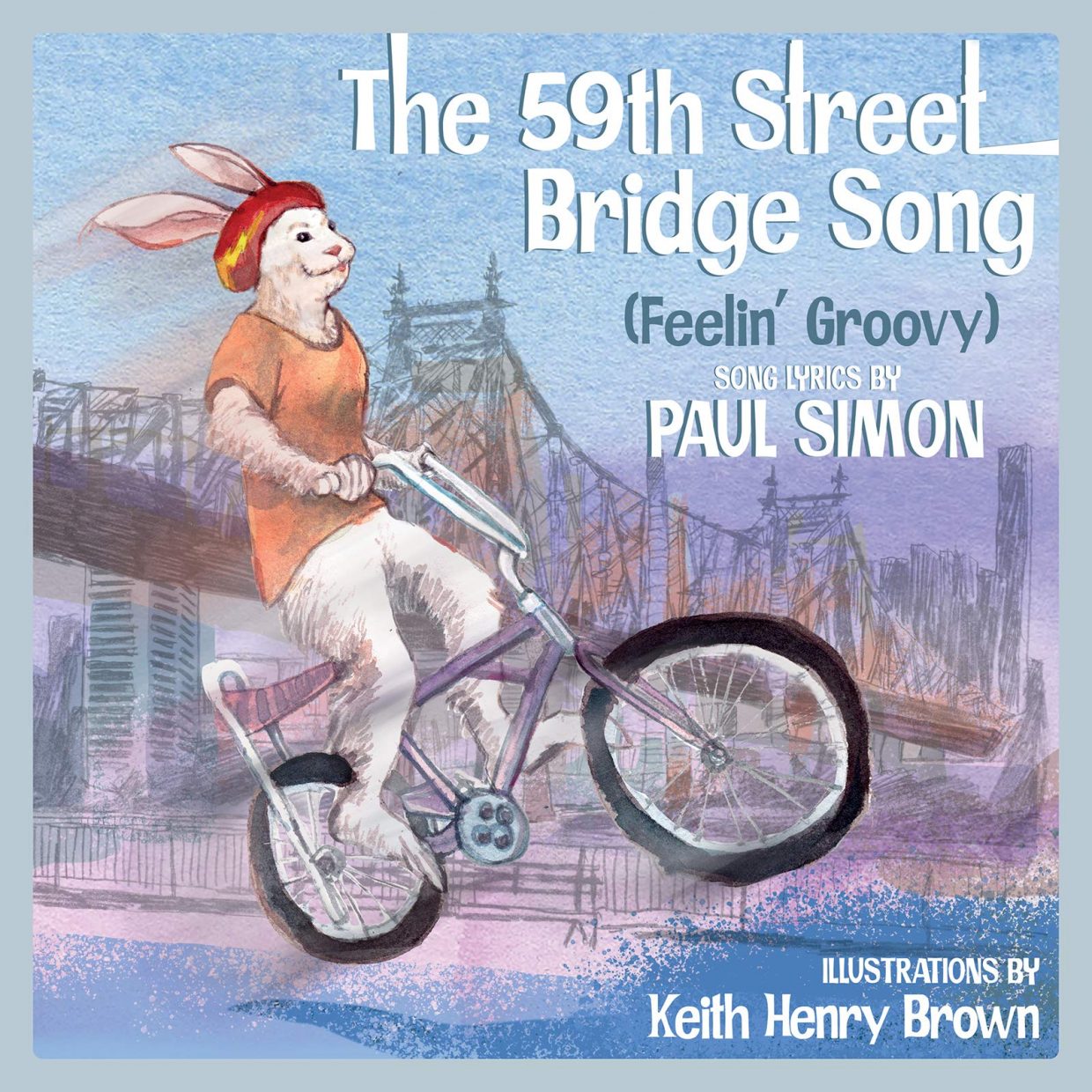

Paul Simon, The 59th Street Bridge Song (Feelin’ Groovy): A Children’s Picture Book

If you gotta make the morning last with little ones around, try this imaginative picture book. With song lyrics from the 1966 Simon & Garfunkel classic and vivid illustrations by Keith Henry Brown, the 24-page book captures the small details of city life by following a bunny on a bicycle — how groovy is that?
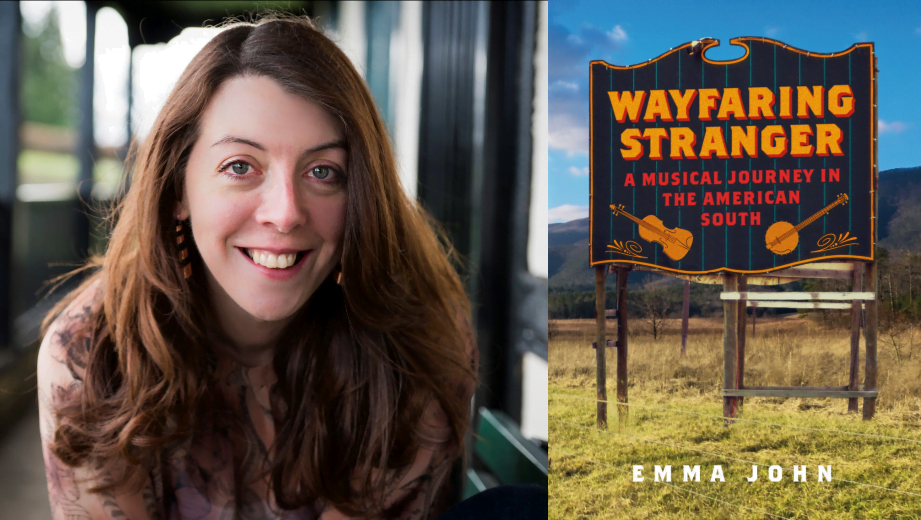
 

‘Wayfaring Stranger’ Shows London Author’s Journey to Bluegrass

Award-winning author and journalist Emma John has intensely pursued many passions through her gift of writing. Her first book, Following On: A Memoir of Teenage Obsession and Terrible Cricket, was named the 2017 Wisden Book of the Year, and her newly published title, Wayfaring Stranger: A Musical Journey in the American South, tells a story of self-discovery in the Londoner’s trip to the hills of North Carolina.

An email discussion with John (who also regularly contributes to BGS) uncovered a number of universal truths about the wide-reaching allure in the people, stories, and culture of bluegrass.

BGS: Describe the overall experience of writing this book. Were there any particularly surprising or challenging points in the experience?

EJ: There were two very distinct parts to the process. First came the trip itself, which was supposed to take six months, but got extended far longer because I was enjoying myself so much. That was the fun part, and the real reason for writing the book in the first place. What was really hard was heading back home to the UK, sitting in a tiny little study, in the middle of winter, when there are only about 6 hours of daylight, and trying to recreate all my memories without feeling really miserable that I wasn’t still in the mountains! I found a solution: I went back.

Early in the book you describe bluegrass music as “the sound of the past, being enjoyed with all the verve and vivacity of the present.” What is it that seems to make bluegrass so timeless?

I think it’s the fact that it’s always been pretty true to itself. You don’t play bluegrass to be modern, you don’t play bluegrass – Lord knows – to make money or get famous. The only people who play bluegrass are the people who really love it and can’t help themselves. I think that has given it a truly unbroken thread over the past 80 years. Plus, acoustic instruments are never going to age as badly as electropop synth music or the keytar.

It sounds like your trip to North Carolina turned your life upside down in the best possible way. How much did the sheer unfamiliarity of everything play a role in your self-discovery?

It really hit me for six, as we say over here in Britain (that’s a cricket metaphor). The fact that from my very first day in North Carolina I stumbled into – and was immediately embraced by – a world of rural pickers meant that I had to start from scratch. On every score: the music, yes, but also the food (an endless quest to source a vegetable that wasn’t cooked in sugar), the culture (lunch before noon?! what is that?), manners (if I even said ‘damn’ I got funny looks), and accents (I struggled to make myself understood because of my incredibly clipped vowels, and I often had to smile and nod when Southern folk spoke to me because I had no idea what they were saying.)

In a way it was incredibly liberating. Yes, I was an alien, but I was also someone about whom no one had any preconceptions, really. In fact everyone seemed to believe the best of me at first sight! And so I shrugged off my more cynical side, and began to enjoy and try to live up to their confidence in me. I also found the openness and generosity of American society a lot more suited to my own natural character than my own country. I’ve always been gregarious and felt that at home in London where people are quite reserved I can be “a bit much.” In the South I found myself being the best version of me I could be!

As your friend Fred is describing the many achievements of Earl Scruggs, you write, “Fred said all this with a personal pride, as if Earl’s success reflected well on everyone, including himself.” What makes bluegrass so personal to those who follow the genre, and why do people take so much pride in being a part of this music?

Again, I think this is because the music is so niche, so people feel very protective of it. If you pour yourself into something that not a lot of other people appreciate or even notice, you feel incredibly attached to it and sometimes even defensive of it. The pride can come from family connection and ancestry — ‘My great granddaddy played on this fiddle!” — or from that strong sense of geography – “This is the music of our mountains!” – but it can also, I think, just come from ‘getting’ it. Bluegrass is a language that not everyone speaks.

In describing the atmosphere of Pete Wernick’s bluegrass camp you wrote, “When people weren’t playing their favourite songs, they were talking about them.” How much do the non-musical aspects of bluegrass such as the stories and characters play a part in the culture of the genre?

Very much. In fact it always amazed me at how no one got tired of hearing the same stories do the rounds a million times in picking circles! Remember that one about Bill Monroe and the bagels? One of his bandmates brings him a bagel and he eats it and says, “This donut tastes kinda strange.” I mean, we’ve all heard that, right? At least a dozen times. But the sharing of those stories – that everyone already knows! – is part of the ritual. It’s part of the homage you pay to the music. You don’t stop someone mid-flow and say, “Yeah yeah, I know how this one ends.” You listen to someone tell you about how Carter Stanley drank himself to death, or Stringbean was murdered, or Earl and Lester fell out. It’s a grand narrative that we all belong to.
Have you returned to playing classical violin since discovering bluegrass music? If so, has learning bluegrass fiddle changed the way you think about or play classical music?
I have not. The only time I play classical violin is if I want to show off in front of a bluegrasser, and then I’ll peddle out the first few bars of “Eine Kleine Nachtmusik” or “Czardas” just to prove I know where fifth position is. But bluegrass fiddle has changed the way I think about all music. I just didn’t LISTEN to it before, or at least I listened in a very superficial way. I listened to the notes, but never the feel. I listened for familiarity, not for emotion. I consumed music so that it could fulfil a purpose, but I didn’t appreciate the utter genius of the people who were making it.

One of the interesting things about this book is that it can be enjoyed by someone who’s never heard of bluegrass equally as much as it can be enjoyed by a bluegrass veteran. What can a novice learn from your story? What can a veteran of the genre learn?

Well hopefully the novice will be interested by the very American story of this music’s history — its 19th century distillation in the Appalachian mountains, its crystallisation in the post-depression Southern diaspora, its rebirth in the hippie and folk movements of the 1960s. But one thing I really wanted people who are new to bluegrass to take from the book is the realisation that it’s a truly unique meeting place. That this kind of music can be and very much is a place where people with very different political outlooks, backgrounds, and experiences do sit alongside each other and put aside what divides them. It’s a music that demands your wholehearted commitment to the moment of playing, and in that moment, everything else gets stripped away, and you can have a pure human connection. And surely that’s what the world needs right now.

Have you discovered more bluegrass music in Europe since becoming interested in the genre? Have you found that other “bluegrassers” in Europe share a similar introduction to the music as yours?

I have! I think meeting the Kruger Brothers in Wilkesboro, North Carolina, was a big turning point for me, because the realisation that these two Swiss siblings had been channeling Doc Watson for years, and come up with their own adaptation of bluegrass, was really the first time I’d understood that it was OK to have your own relationship and tradition with this music. I always had this sense that bluegrass was someone else’s music, and something that as a non-American I would only ever be “playing” at, and never have a true part in. Now I realise that music is just music and I shouldn’t get hung up on that!


Photos courtesy of Orion Books

BGS Top Books of 2018

As we turn the page on another year, the Bluegrass Situation has compiled ten music-related books from 2018 that may appeal to fans of bluegrass, roots, classic country, and yes, even alt-country.

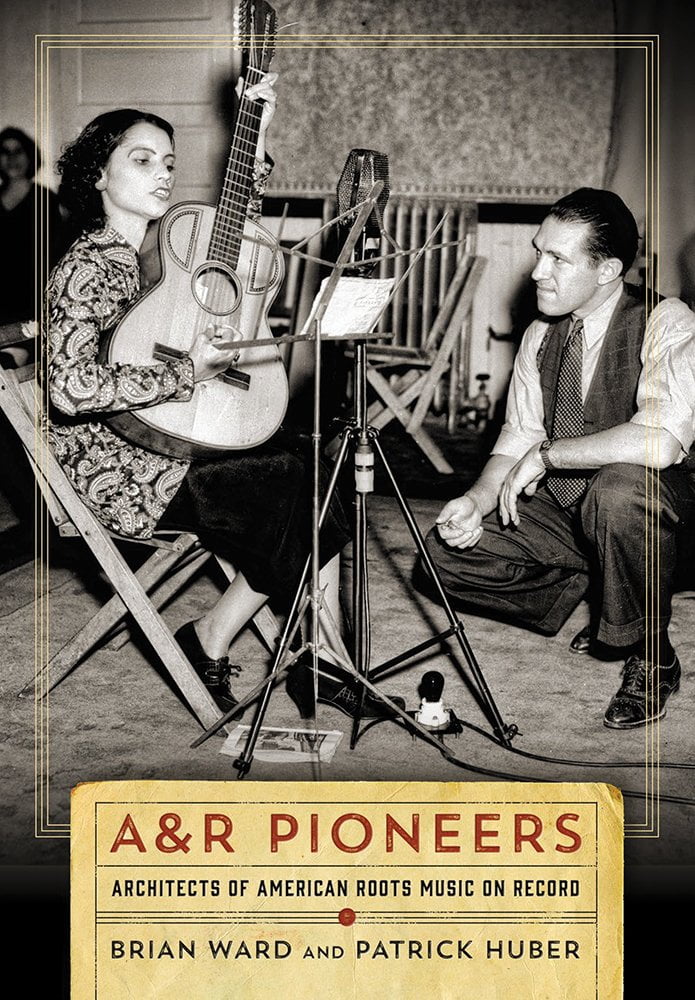
A&R Pioneers: Architects of American Roots Music on Record
Authors: Brian Ward and Patrick Huber
Some musicians just have that “it” factor – as true 100 years ago as it is today. This historical volume looks at the men and women who shaped raw talent for record labels as A&R (“artists and repertoire”) scouts. With an emphasis on roots music, the book focuses on important figures like Ralph Peer, Art Satherley, Frank Walker and John Hammond, as well as many less-celebrated figures. It also acknowledges that some of these A&R executives were not exactly virtuous. Authored by two professors, the project is jointly published by Vanderbilt University Press and the Country Music Foundation Press.


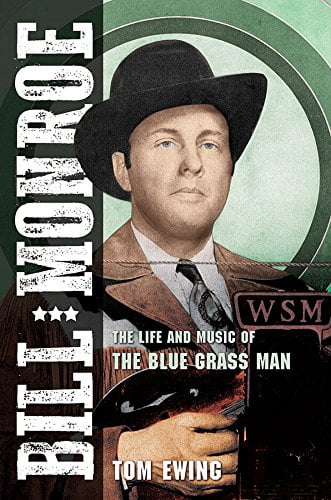
Bill Monroe: The Life and Music of the Blue Grass Man
Author: Tom Ewing
In addition to spending 10 years on the road as Bill Monroe’s bandleader and guitarist, author Tom Ewing may be the foremost expert on the Father of Bluegrass. At 656 pages, this biography ties together Monroe’s personal and professional life without glossing over the tougher times. Ewing writes with the knowledgeable bluegrass fan in mind, making this an especially rewarding book for students of bluegrass and those who are familiar with Monroe’s contemporaries. With hundreds of new interviews and rare access to Monroe’s archive, Ewing is able to build a comprehensive narrative that is likely to become the definitive account of an American music legend.


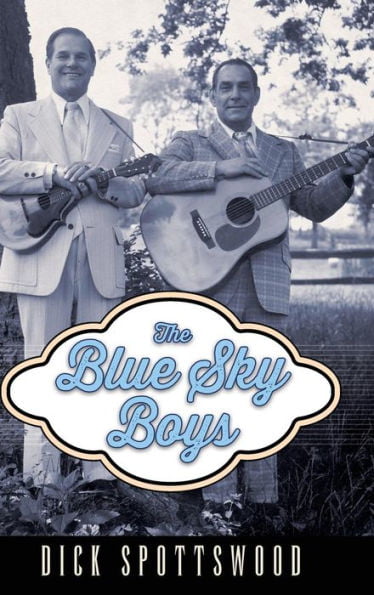
The Blue Sky Boys
Author: Dick Spottswood
Born and raised in North Carolina, the Blue Sky Boys emerged as one of the first and finest brother duos in country music. As teenagers, Bill and Earl Bolick riveted radio listeners in the Southeast with a stunning harmony blend. Earl sang baritone lead and acoustic guitar, while Bill sang tenor vocal and played mandolin, although their music was never fast and high like bluegrass. A deal with RCA Records in 1936 led to appealingly understated recordings such as “The Sunny Side of Life.” Drawing on archived interviews and Bill’s written accounts, this biography also compiles vintage photos and a complete discography.


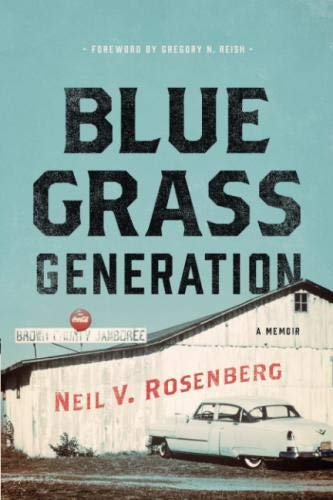
Bluegrass Generation: A Memoir
Author: Neil V. Rosenberg
Author and historian Neil V. Rosenberg vividly recounts his own experiences with Bill Monroe and many other memorable characters at the Brown County Jamboree and the Bean Blossom Bluegrass Festival in the early 1960s. Through these recollections, Rosenberg shows how these seminal concert events helped solidify Bill Monroe as a bluegrass icon. Rosenberg’s scholarly reputation is already well-established, thanks to his prior books and the title of Professor Emeritus of Folklore at Memorial University of Newfoundland. Yet this volume is more personal, as it describes how an eager college student in Indiana became entrenched in bluegrass banjo and the festival scene.


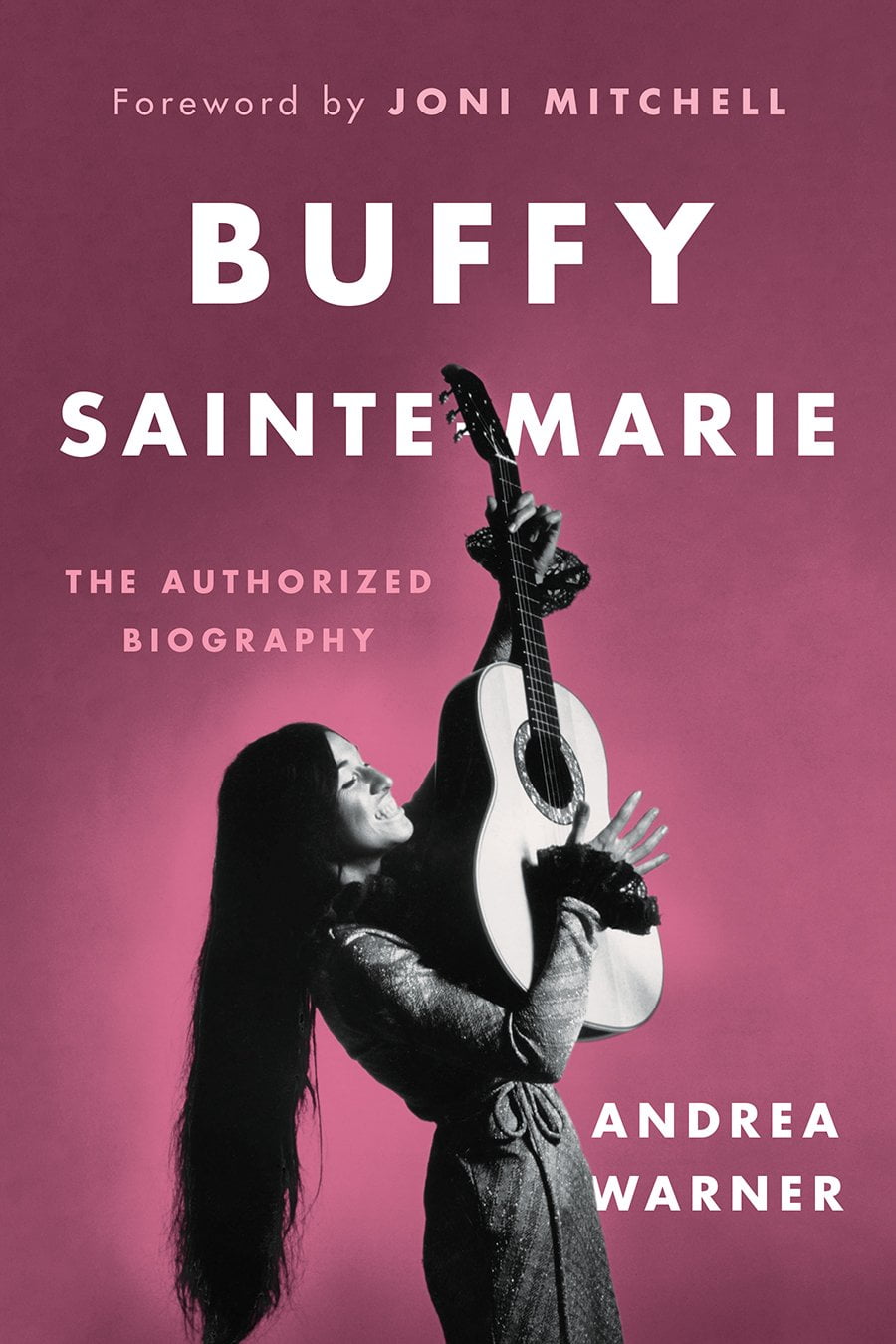
Buffy Sainte-Marie: The Authorized Biography
Author: Andrea Warner
In February, Buffy Sainte-Marie will receive the People’s Voice award at Folk Alliance International in Montreal. Presented to an individual who unabashedly embraces social and political commentary in their creative work and public careers, the songwriter known for the poignant 1964 anti-war anthem “Universal Soldier” fits that description neatly. This approved biography portrays the Cree musician as an advocate for Indigenous rights, as well as a woman who endured a traumatic childhood and intimate partner violence. Feminist author Andrea Warner distilled more than sixty hours of original interviews into an insightful story that illuminates Sainte-Marie’s activism and art.


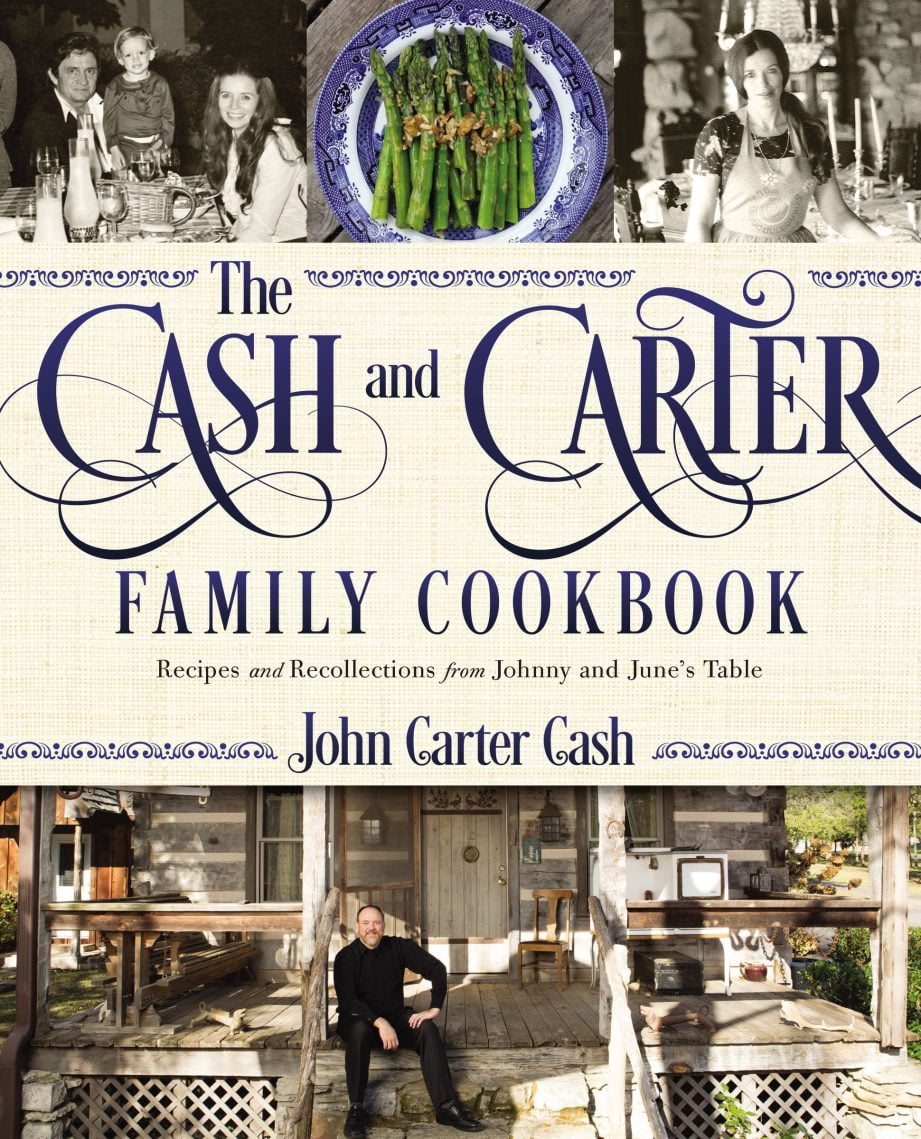
The Cash and Carter Family Cookbook: Recipes and Recollections from Johnny and June’s Table
Author: John Carter Cash
John Carter Cash is a foodie and it shows in this lovely cookbook dedicated to his parents, Johnny Cash and June Carter Cash. Family recipes abound, with the first two recipes being June’s biscuits and Mother Maybelle Carter’s tomato gravy. This isn’t all Southern cooking, however. Johnny and June also liked Asian flavors and vegetarian dishes, including their own veggie burger (a.k.a. Cashburger). The full-color photos are beautiful but the coolest pic is in the front, where the Man in Black presides over a barbecue wearing a white apron and shorts. His famous recipe for Iron-Pot Chili is in here, too.


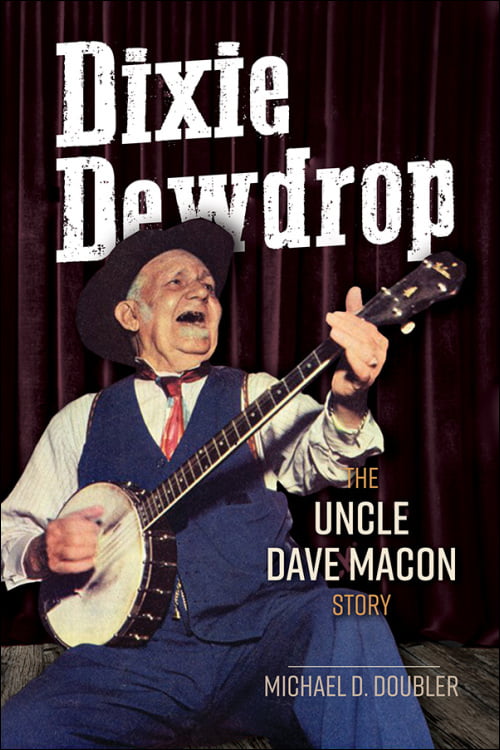
Dixie Dewdrop: The Uncle Dave Macon Story
Author: Michael D. Dubler
Considered the first superstar of the Grand Ole Opry, Uncle Dave Macon is remembered as one of the finest banjo players of his era. This well-researched biography by his great-grandson, Michael D. Dubler, also captures the entertainer’s complex personality. Pulling from original and archived interviews, the narrative provides a detailed account of Macon’s recording output, as well as crucial personal moments, such as his father’s murder in Nashville. Because Macon’s career didn’t really take off until he was 50, the book also conveys just how much strength – both physical and emotional – it took for Macon to stick with it.


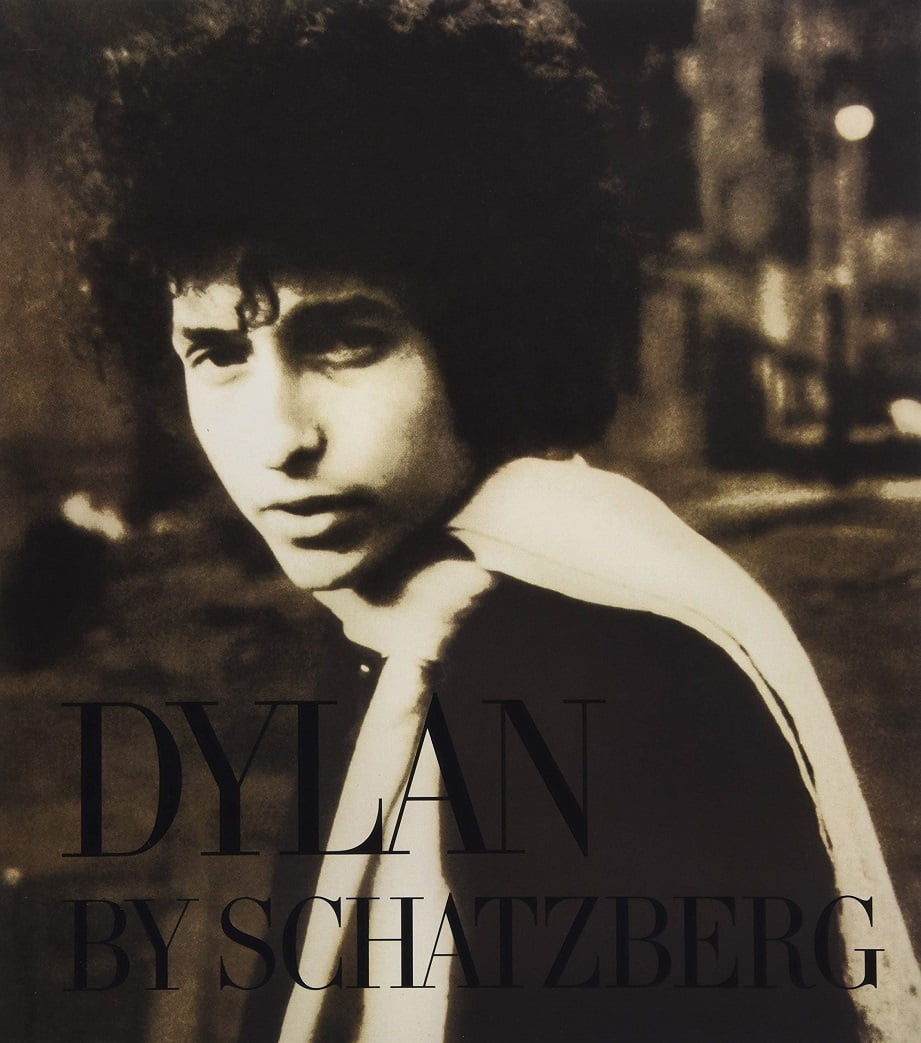
Dylan by Schatzberg
Author: Jerry Schatzberg
Bob Dylan seems the epitome of cool when gazing at the lens of photographer Jerry Schatzberg, who took innumerable pictures of him in the 1960s. Now in his 90s, Schatzberg has compiled personal stories and never-before-seen photos from that era for Dylan by Schatzberg. Inside, the enigmatic subject is documented in recording studios, concert stages, and city streets. For example, Schatzberg snapped the famously blurry Blonde on Blonde album cover in the Meatpacking District in Manhattan. Some believed it was a metaphor for drug use, but Schatzberg says it’s out of focus simply because both men were shaking in the cold.


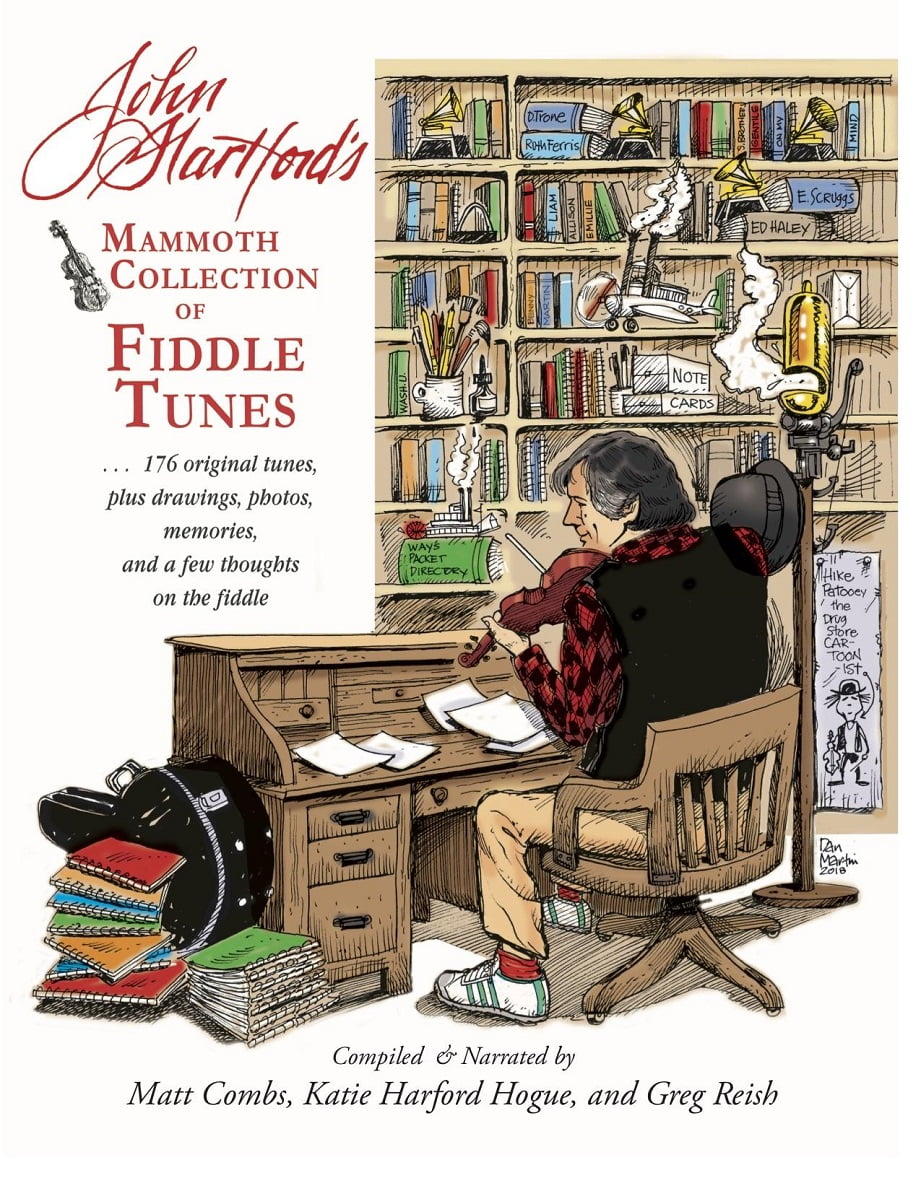
John Hartford’s Mammoth Collection of Fiddle Tunes
Authors: Matt Combs; Katie Hartford Hogue; Greg Reish (Author), John Hartford (Illustrator)
One of acoustic music’s most treasured talents, John Hartford left behind a brilliant legacy that is ceaselessly resonant. This full-color book goes a long way to explain why generations of bluegrass fans continue to admire him. Co-authored by accomplished fiddler Matt Combs, Hartford’s daughter Katie Hartford Hogue, and musicologist Greg Reish, the volume expands beyond career landmarks like writing “Gentle on My Mind” and recording Aereo-Plane. Readers can also peruse 176 original compositions (some never before published), more than sixty of Hartford’s personal drawings, interviews with musicians who still consider him an essential player of American music, and Hartford’s own ruminations on playing the fiddle.


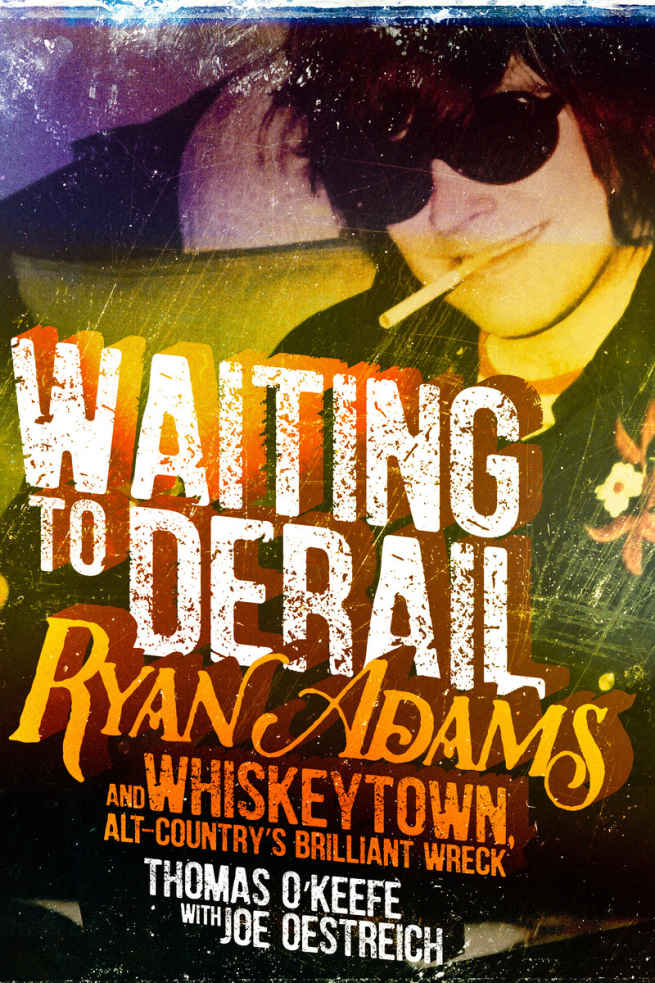
Waiting to Derail: Ryan Adams and Whiskeytown, Alt-Country’s Brilliant Wreck
Author: Thomas O’Keefe
Time has been kind to Whiskeytown’s 1997 album, Strangers Almanac, with country-tinged tracks like “16 Days” and “Yesterday’s News” paving the way for the Americana movement. (Back then it was usually called “alt-country.”) But why didn’t the band have more national success? This candid book written by their former tour manager makes it obvious that Ryan Adams didn’t care about playing nice to fans, venue owners, influential radio programmers or the music industry. Still, there’s an important scene where Adams silences a North Carolina club with “Avenues,” serving as a potent reminder of just how powerful his music can be.


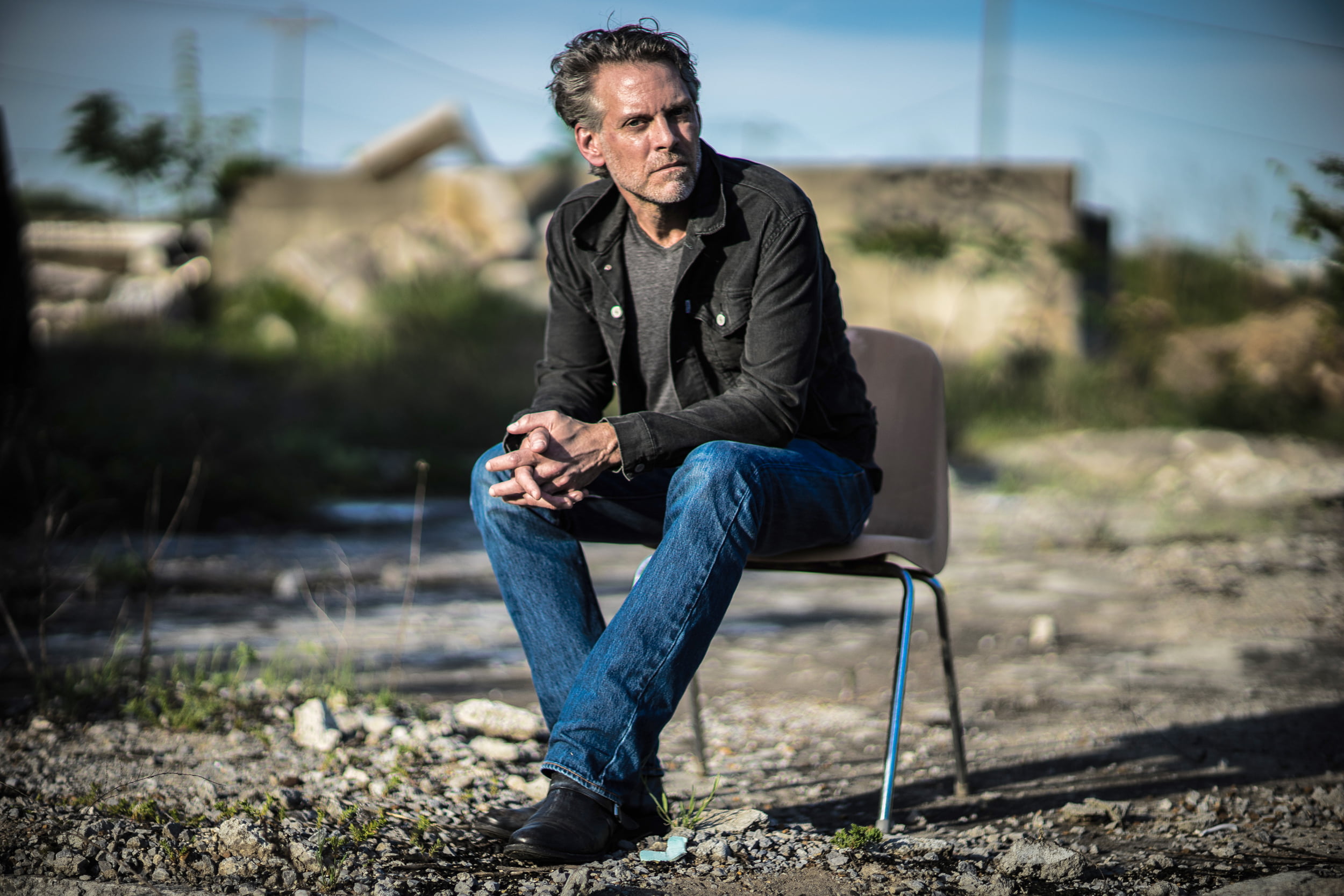
Gig Bag: Rod Picott

Welcome to Gig Bag, a BGS feature that peeks into the touring essentials of some of our favorite artists. This time around, Rod Picott details the items he always has nearby when out on the road.

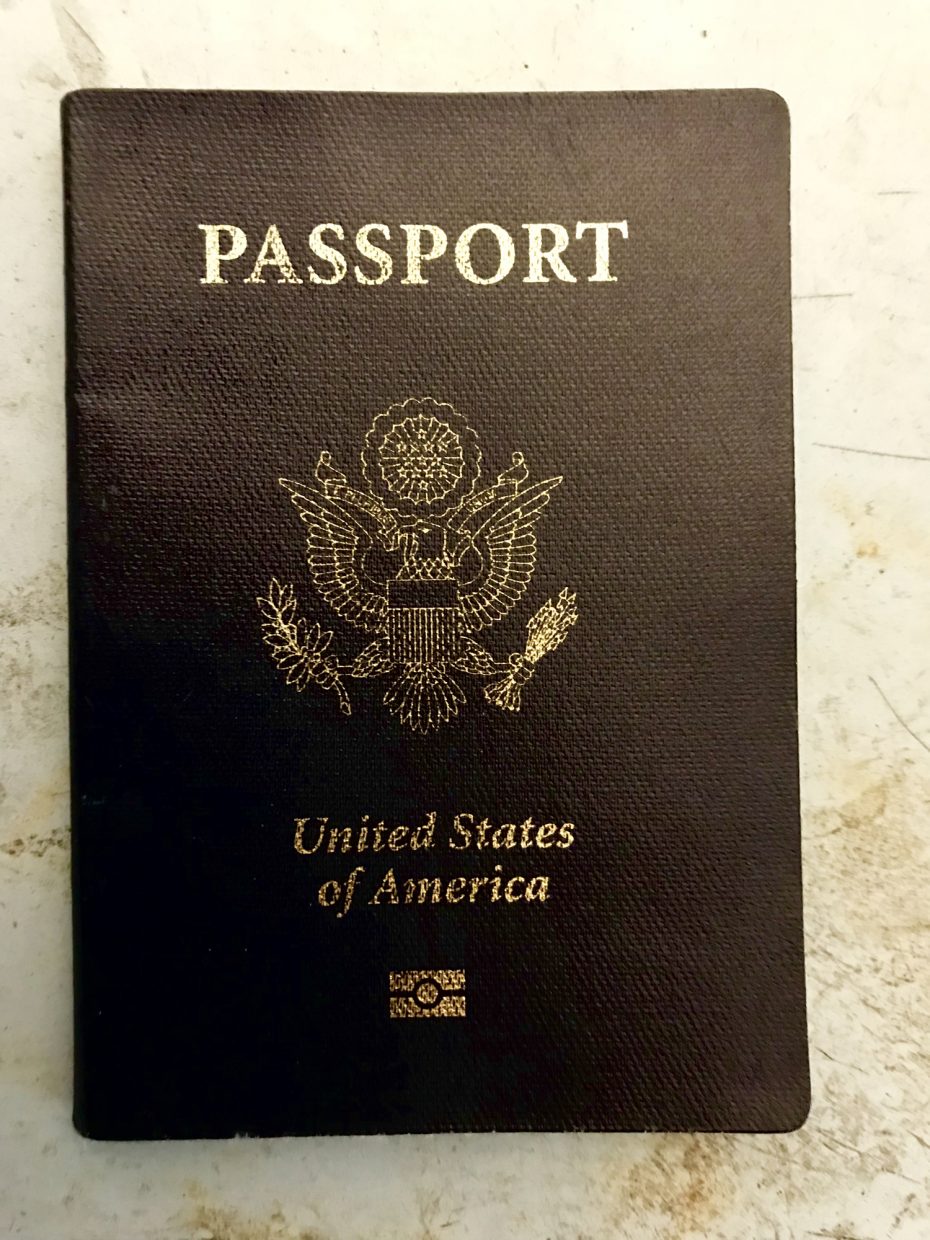
Passport: I tour Europe every year, sometimes twice. Every country has different, shadowy rules regarding the validity of your passport. I got stuck in the Netherlands once because my passport wasn’t valid for 30 days after it expired. Huh? Exactly. “You can come in, but you can’t leave because this passport will only be valid for another 28 days when you leave.” “But it will be valid … for another 28 days.” “We require 30 days …”

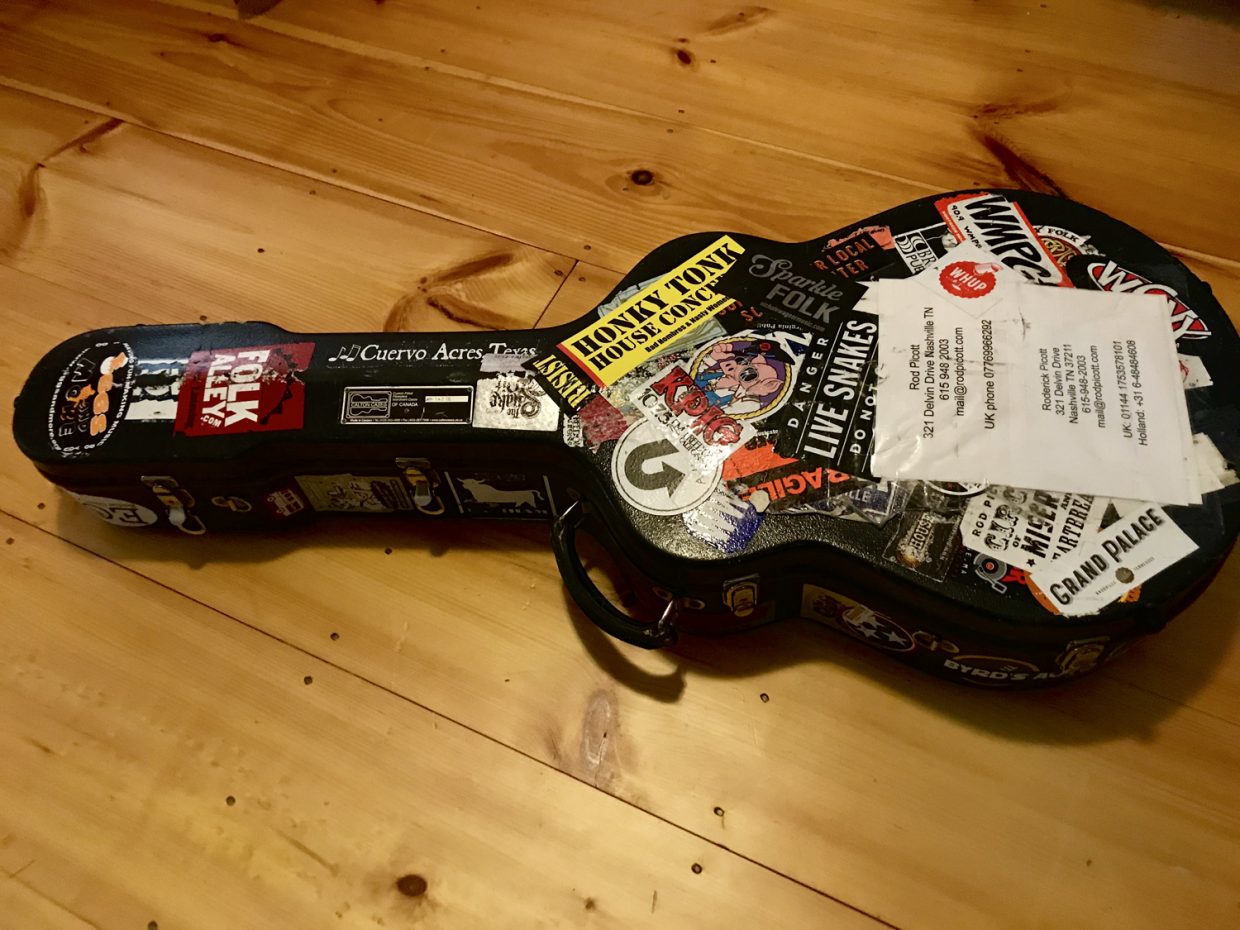
Calton flight case: This case has been to 48 States, 20 European tours, lost, found, abused, kicked, dropped, insulted, hurled, and humiliated. In all that time, the Gibson J-45 inside has remained intact. I might have jinxed myself writing this, but so far …

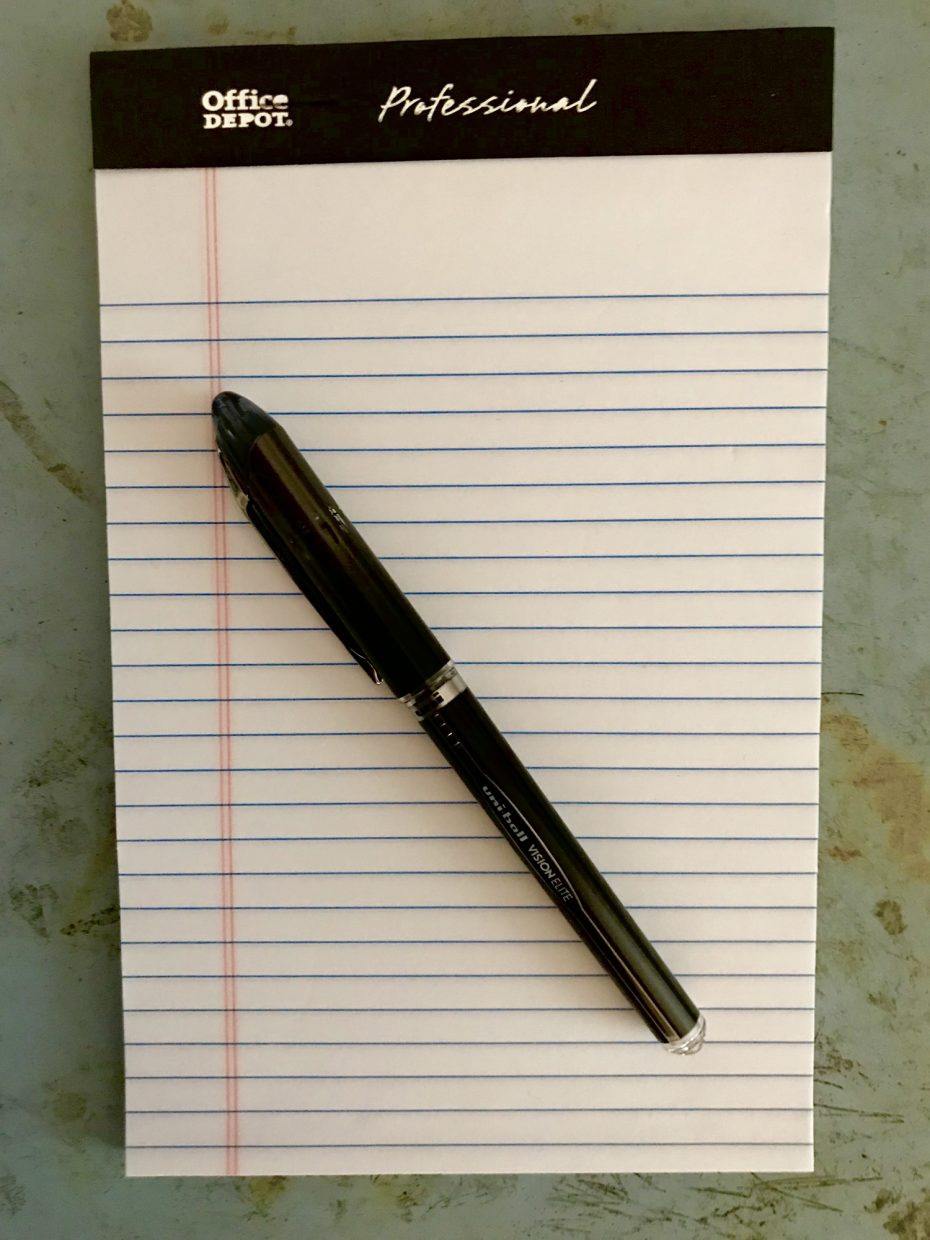
Uniball Vision Elite and notebook: The notebook pages must tear from the top (for driving) and there is no better pen in the kingdom of pens than the Uniball Vision Elite Fine Point. The cover clicks on with a satisfying, solid “thunk” — you can do this repetitively to help you think — and the pen has a sort of scratchy quality that really tells your hand you are writing something. You’re almost carving into the paper, when you wield this pen, and you can’t feel the roller roll at all. It’s like writing with a knife.

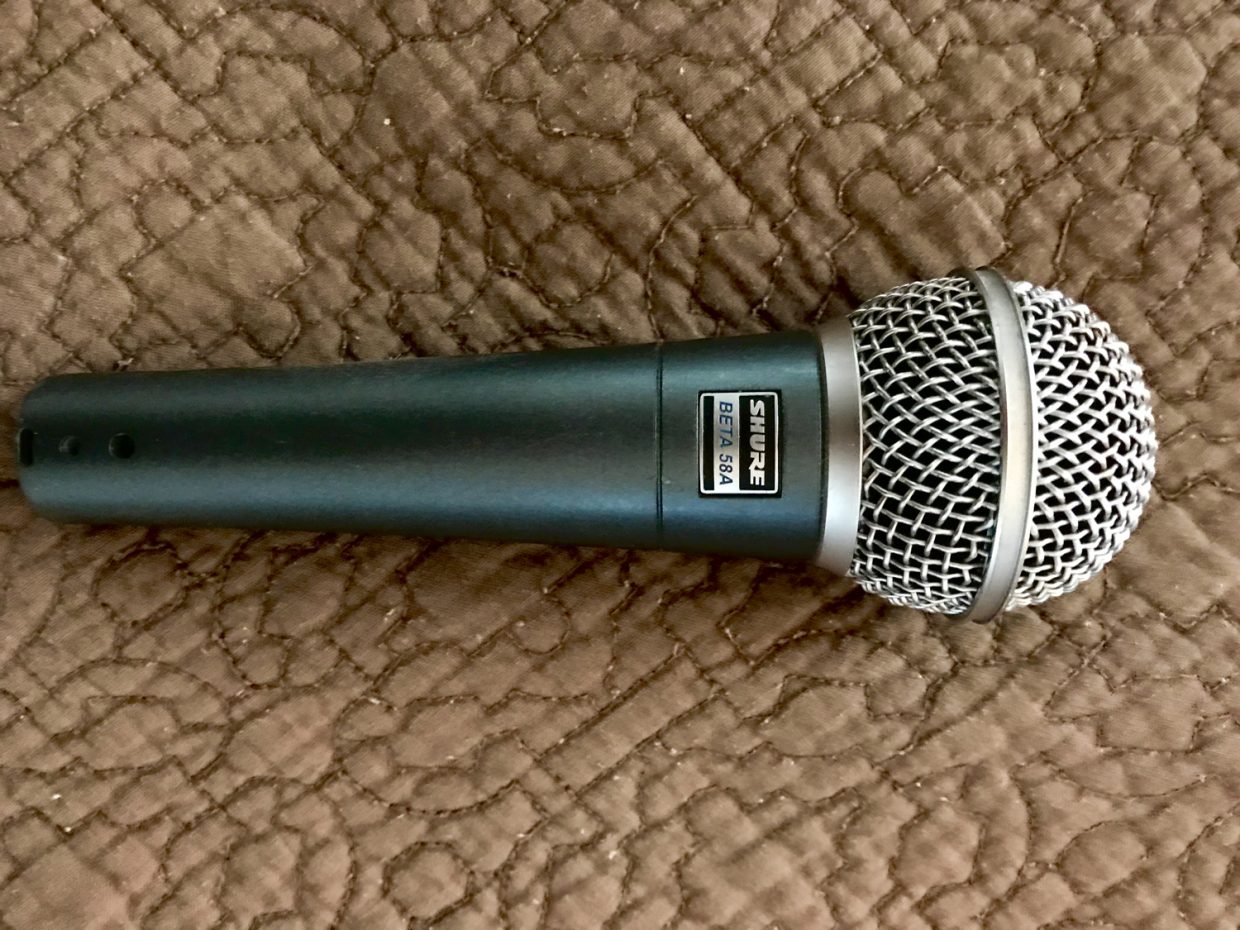
Shure SM-58 Beta: Sometimes the sound person would prefer you use the mic that they have tuned the room for. My only response is, “I don’t share a mic with anyone I haven’t kissed.” The little bit of extra high end on this tank of a microphone helps my ragged baritone cut through a bit more than a regular SM-58.

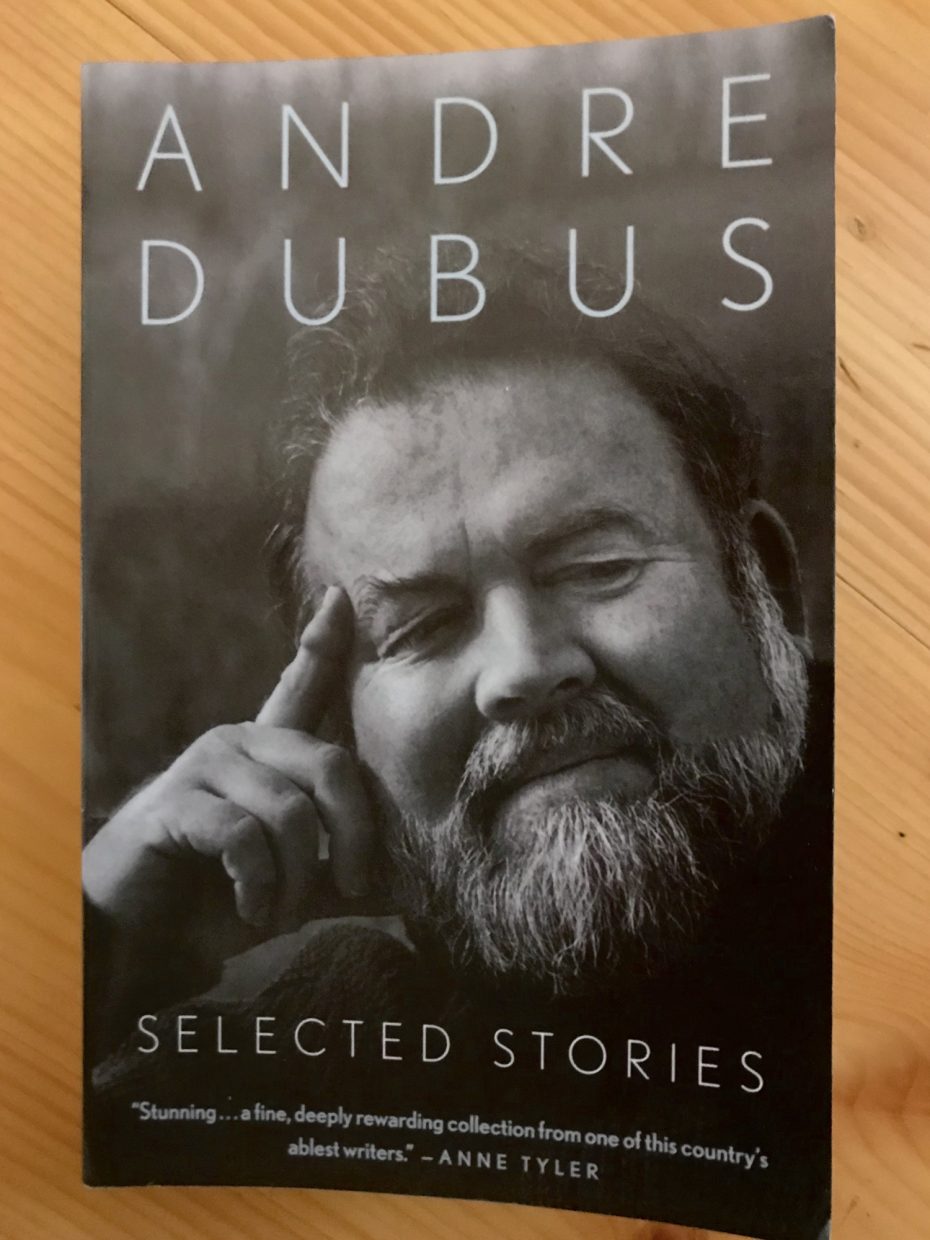
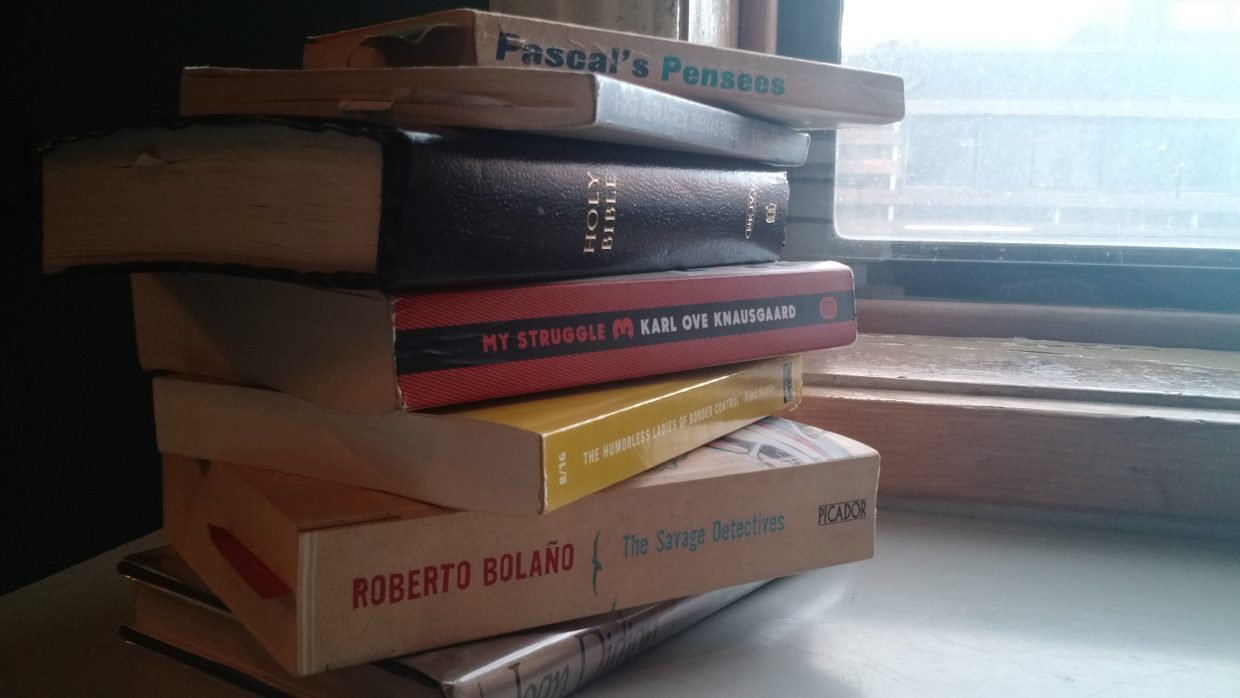
A long book: The terrifying moment of finishing a book mid-tour will bring on a panic attack. Ideally, you will close the last page as the flight attendant brings your last tiny bottle of cabernet — just before the landing gear engages. If you get it wrong and finish some Nicholson Baker or Ron Rash and have to buy another book, it’s no tragedy. You get to go to a bookstore. But then you have to carry two books. I’m all about utility. If you see some friends on tour, sometimes you can trade. That works, too.

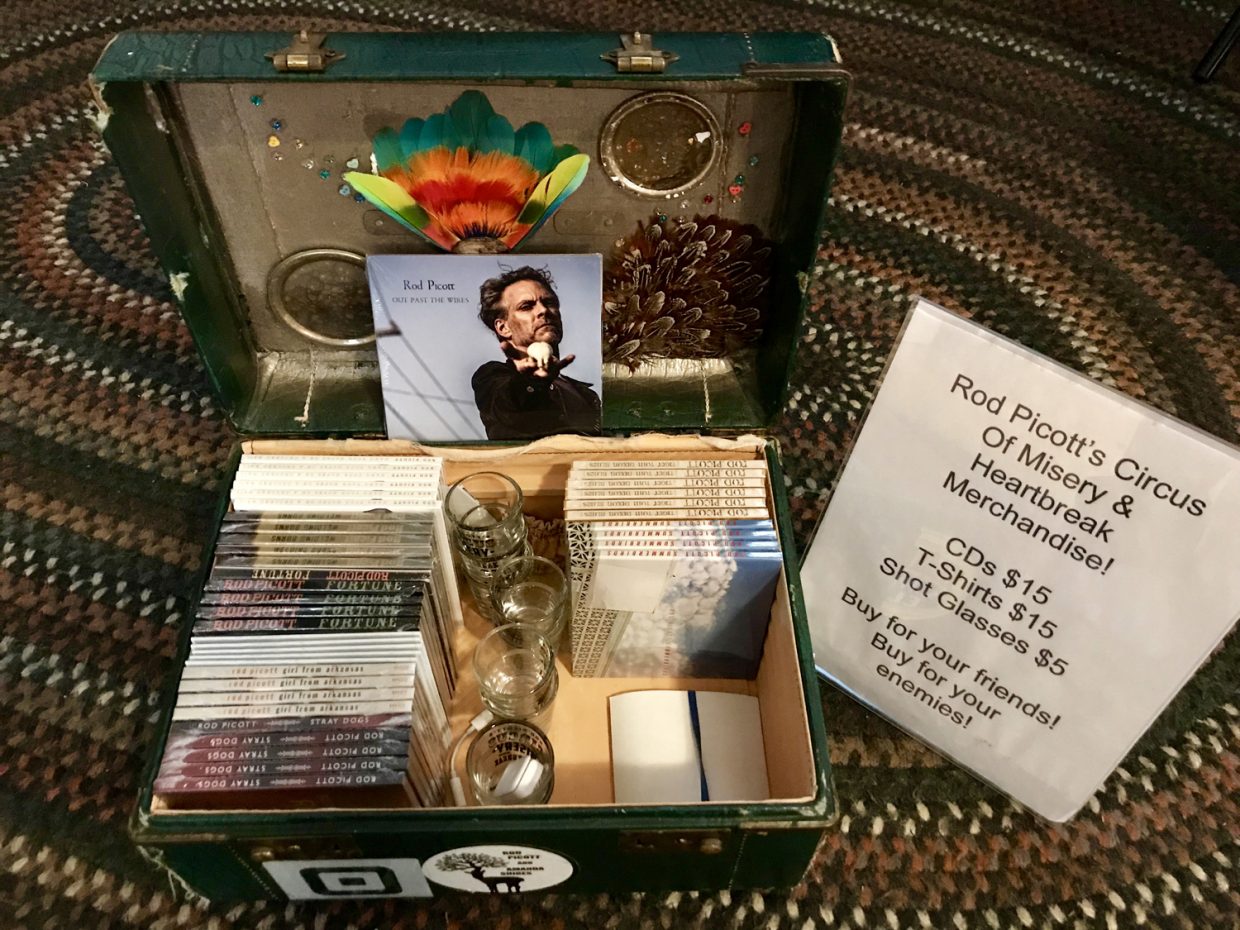
The merchandise box: The cardinal rule of touring — never ever run out of merchandise. This one was decorated on the inside by Amanda Shires, back when we were touring together. A fan gave me one of these feather things to replace one that fell off. I think it’s a make-up box from the 1940s or 1950s. I’ve had it so long, the handle is bare metal. The leather peeled off slowly over all the years of touring — like rings on a tree but in reverse. I figure, on the very last tour, when I’m 80, the handle will fall off as I sell the last CD. Then I’ll keel over in a corner booth, and they can bury my ashes in it. Or someone can keep it. It will be the ultimate piece of merchandise. “I have all the CDs.” “Oh yeah? I have the guy in a box. It was only 15 bucks.”

Gig Bag: Blitzen Trapper

Welcome to Gig Bag, a BGS feature that peeks into the touring essentials of some of our favorite artists. This time around, Blitzen Trapper’s Eric Earley gives us a look at what the band has to have handy when they are out on the road.

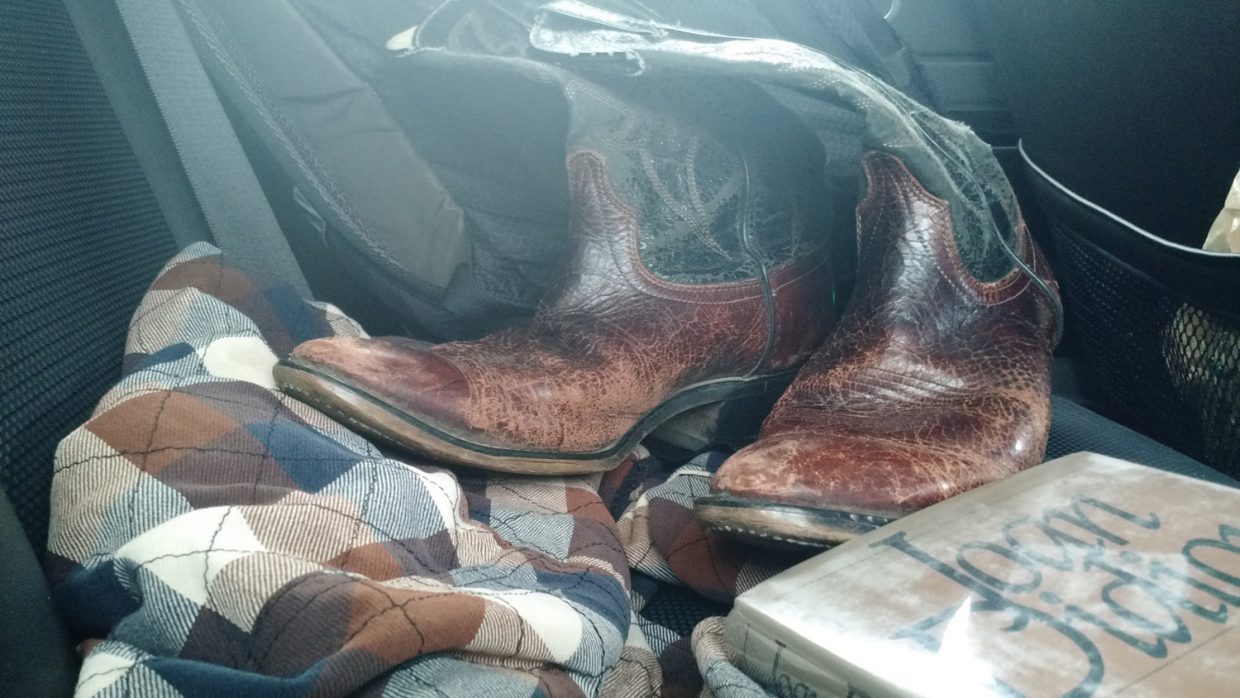
Lucky boots: I always bring my lucky boots, bought for $8 in Tucson in ’07. Road worn and wise, they’ve seen things and walked weird roads upon the Earth.

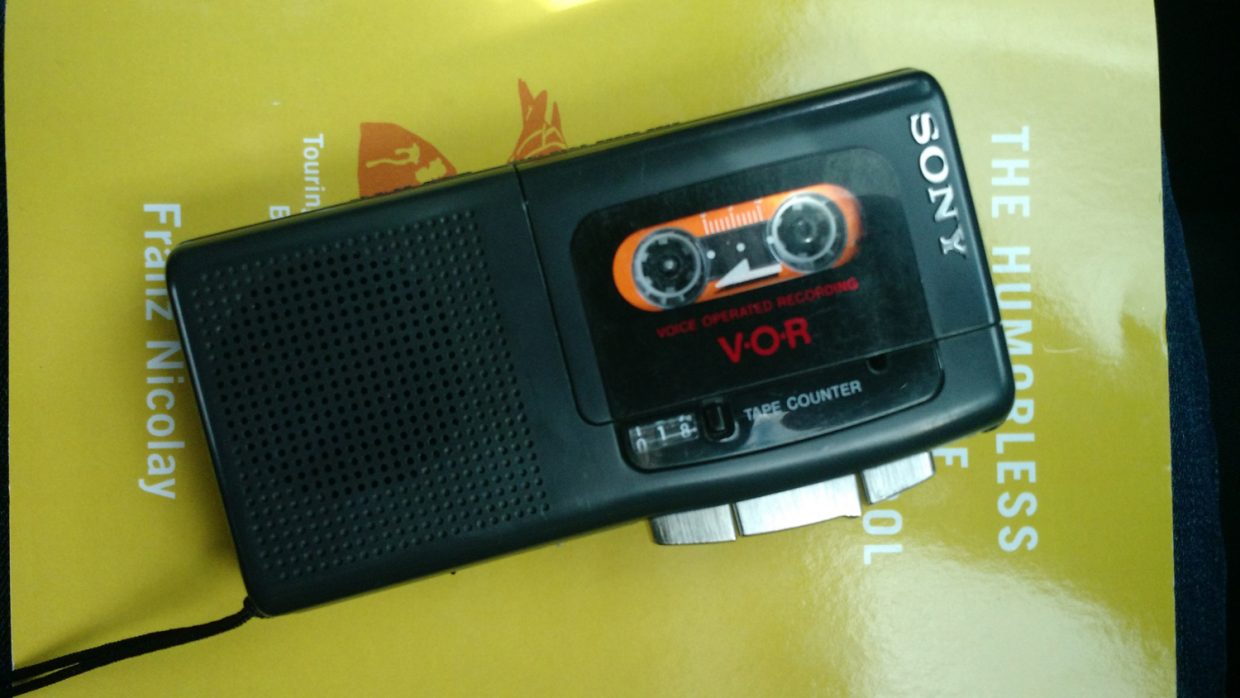
Tape recorder: Can’t forget the trusty Sony VOR. Nothing like tiny tape to capture the waking world in all its glory. Sounds live on or die accordingly. Call me old school, but I prefer the non-digital hand held.

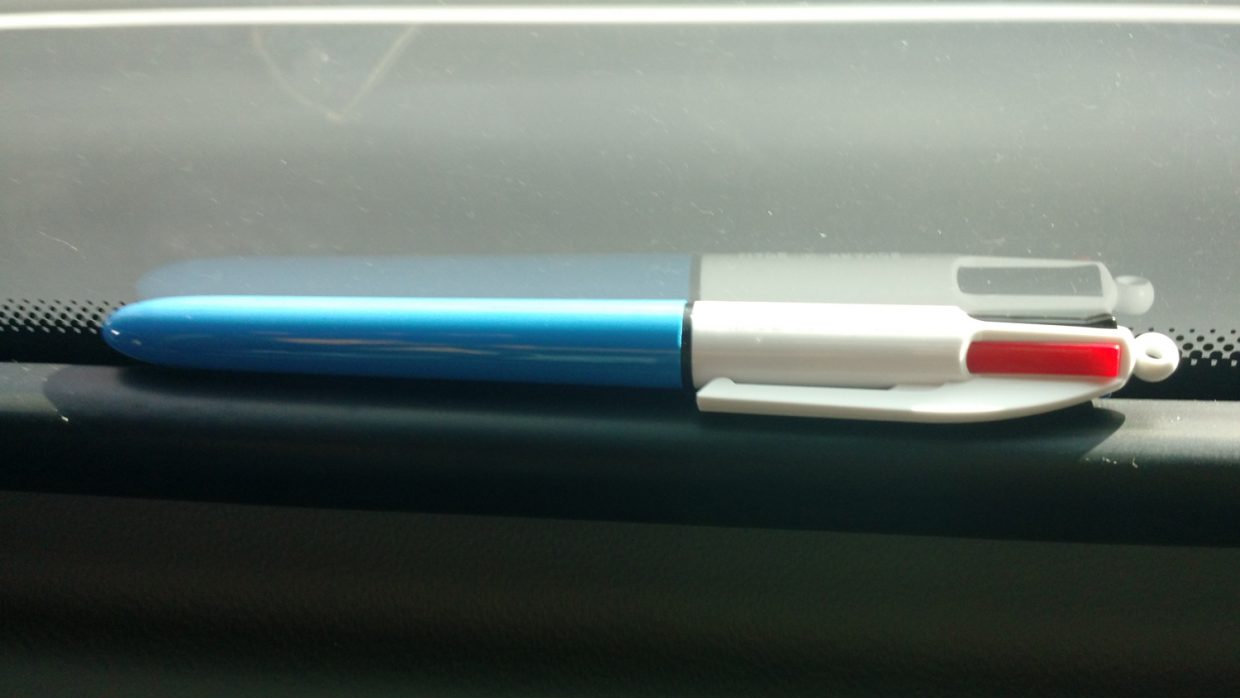
Pen: Always with a four-color pen, Made in France like good wine, never know when you’ll need an overlooked color choice. “Treat words with respect” is a fine motto.

Bracelet: Mike always wears his bravery bracelet, which his son Winter used to get through those first few scary days of kindergarten.

Books: Brian always brings far more books than he can possibly read, but “better safe than sorry” is a fine motto, once again.

Gig Bag: Gill Landry

Welcome to Gig Bag, a BGS feature that peeks into the touring essentials of some of our favorite artists. This time around, Gill Landry gives us a look at what he has to have handy when he’s out on the road.

Hat: So I can look semi-dignified after just waking up in a car and, therefore, places will let me use their bathroom without purchasing anything.

Fake Glasses: In case the hat isn’t enough.

Leatherman: Obvious reasons. 

Small Italian Owl Candle Holder: For those romantic nights alone in hotel bathtubs.

Hasselblad: Because everyone should have a hobby.

Book: Because I’m a libtard.

Colombian Leather Pic Bag: Because it’s nice, and reminds me I need to go to Colombia.


Lede photo credit: Alysse Gafkjen

Gig Bag: Ethan Gruska

Welcome to Gig Bag, a BGS feature that peeks into the touring essentials of some of our favorite artists. This time around, Ethan Gruska gives us a look at what he has to have handy when he’s out on the road.


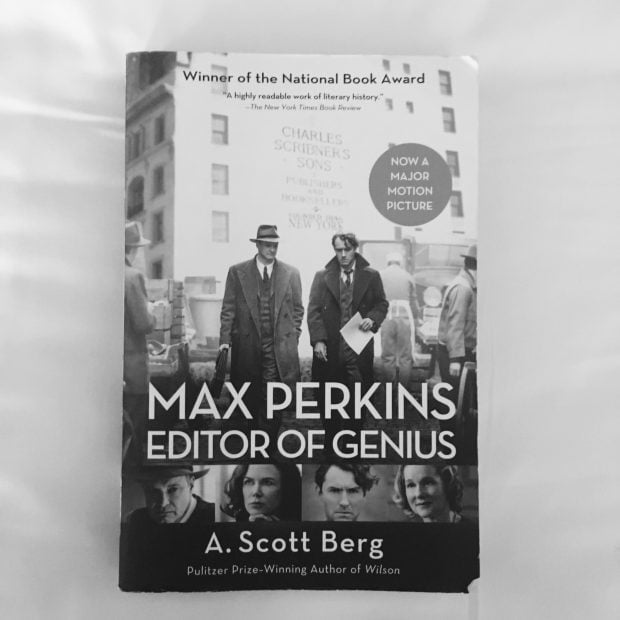
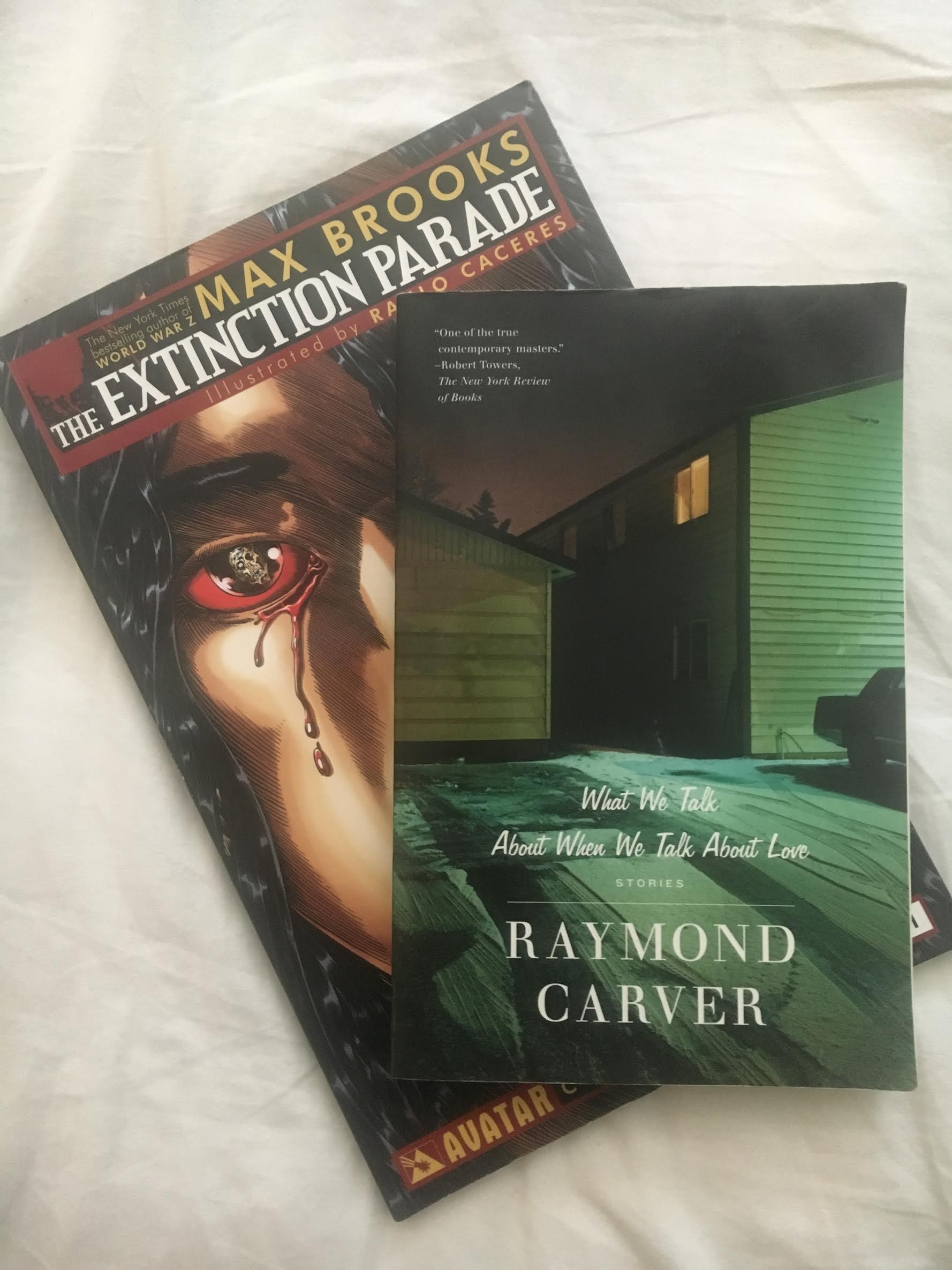
A good book: There’s a lot of downtime on tour and being glued to your phone is not a good look, and it will ruin your brain. So a good, long book is necessary for healthy and inspiring downtime. Right now, I’m reading the biography of Maxwell Perkins called Editor of Genius by A. Scott Berg. Highly recommended for anyone interested in working with artists in any field.

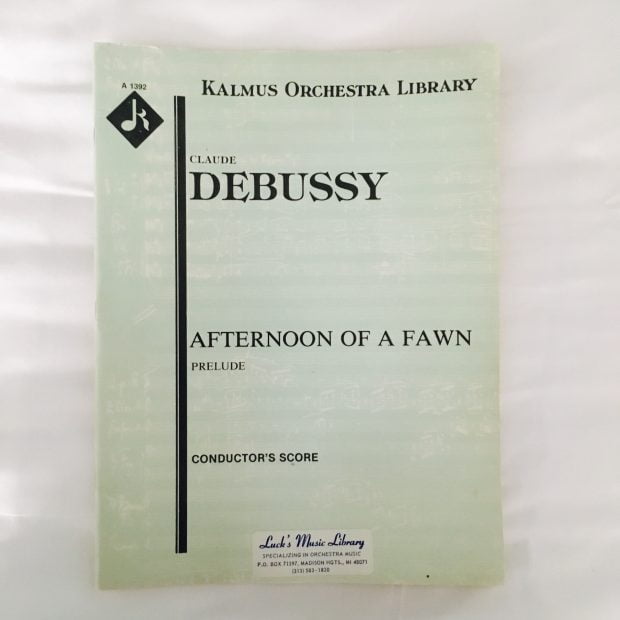
A few orchestral scores: Lately, as I’ve gotten more and more into classical music and orchestration, I’ve enjoyed bringing a few scores out on the road to study and read along with while listening. Yes, I’m a dork and look pretentious if I’m reading them in public, but I don’t care!

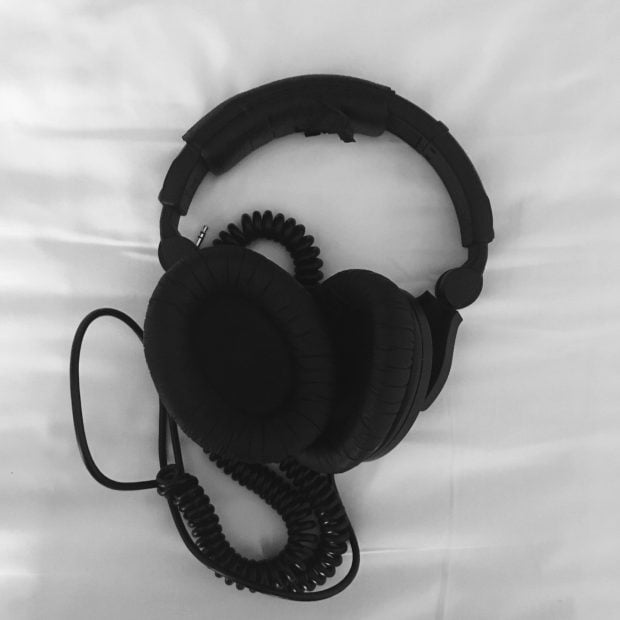
Great headphones: I always bring my Sennheiser headphones out on the road (I know these headphones are the best — sponsor me??) so I can have good listening experiences and in case I need to check mixes/masters of anything I’m working on back at home.

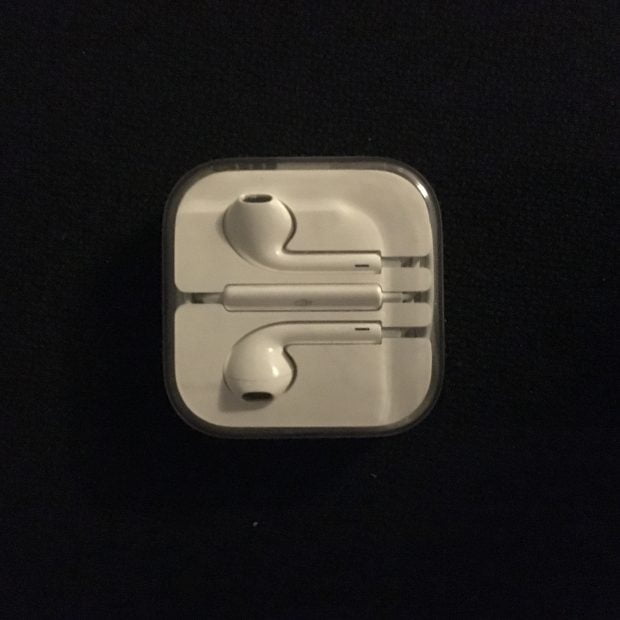
Average headphones: I also bring a pair of Apple earbuds so I don’t have to be walking around wearing my nicest/biggest headphones, if I want to listen to music walking around town. It’s also good to check stuff I’m working on a second and not as “open” pair of headphones …

Extra cables and strings: Cables and strings go bad, and it helps to have extra in case you run into an issue on stage!

Gig Bag: David Ramirez

Welcome to Gig Bag, a BGS feature that peeks into the touring essentials of some of our favorite artists. This month, singer/songwriter David Ramirez shows off what he has on the road with him supporting his new album, We’re Not Going Anywhere.

Books: I always bring a couple books on the road. When I’m not driving, I’m either sleeping or reading (mostly sleeping). I bring something easy, like a comic or two, as well as something a little more challenging. I had a classical guitar teacher for one semester in college who told me, “If you want to be a great writer, then you have to read.”

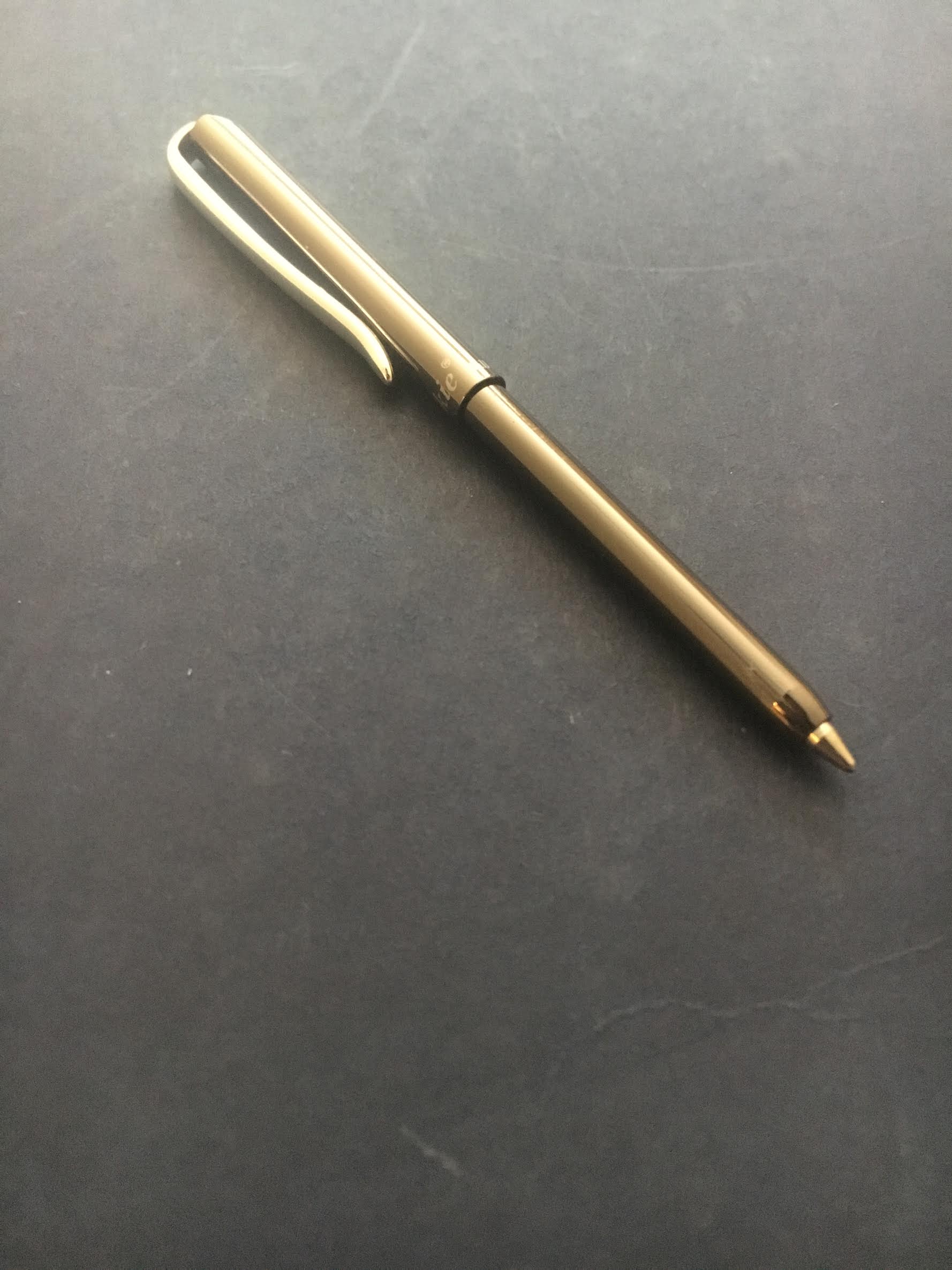
​A pen: I go nuts over a good pen. In fact, earlier today, I almost stole the one I used to sign my check at lunch. I was a good boy, though, and left it at the restaurant. I take a lot of notes on my phone because, let’s face it, it’s convenient but, when I’m writing with focus, I prefer pen and paper. This one is a Walkie ball point and was a gift from a friend. I’m obsessed with this pen.   

Headphones: Van time is silent time. We’ll cut up for a few minutes when we all first climb in, but eventually, headphones turn on and mouths turn off. I’m constantly losing and/or breaking headphones, so I never go all out with an incredible pair (these kind of suck) but they do cover my ears and, for that, I’m thankful. 

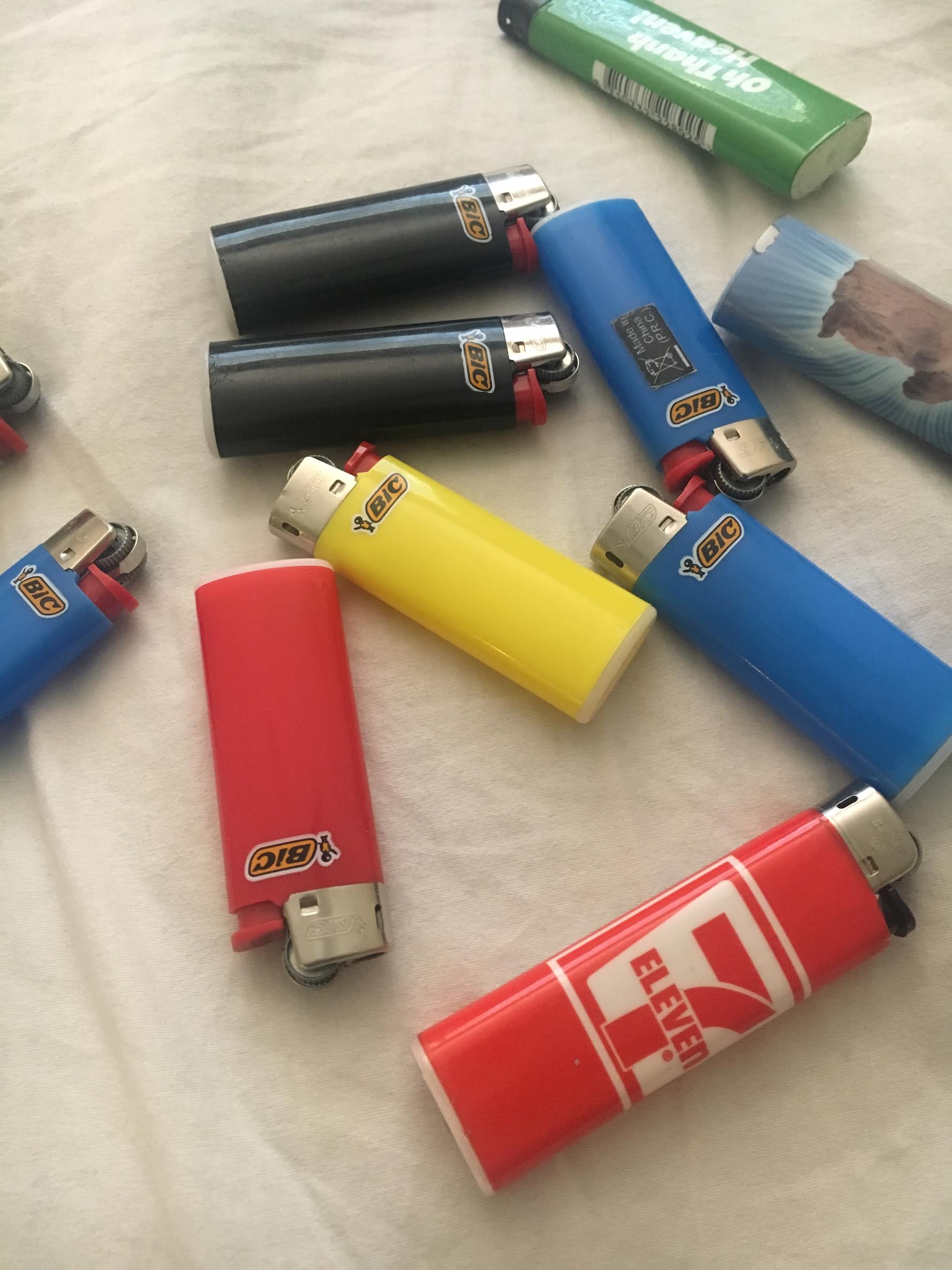
Fire: My bag is filled with lighters, and I always have one in my pocket. I’m not an “accessories guy” so, aside from my shades, the only thing I carry with me at all times is a lighter. Yes, I smoke, BUT you can also open a beer with a lighter, AND what lady doesn’t enjoy having her cigarette lit by a charming musician? Lighters bring people together. Even if for just an evening.  

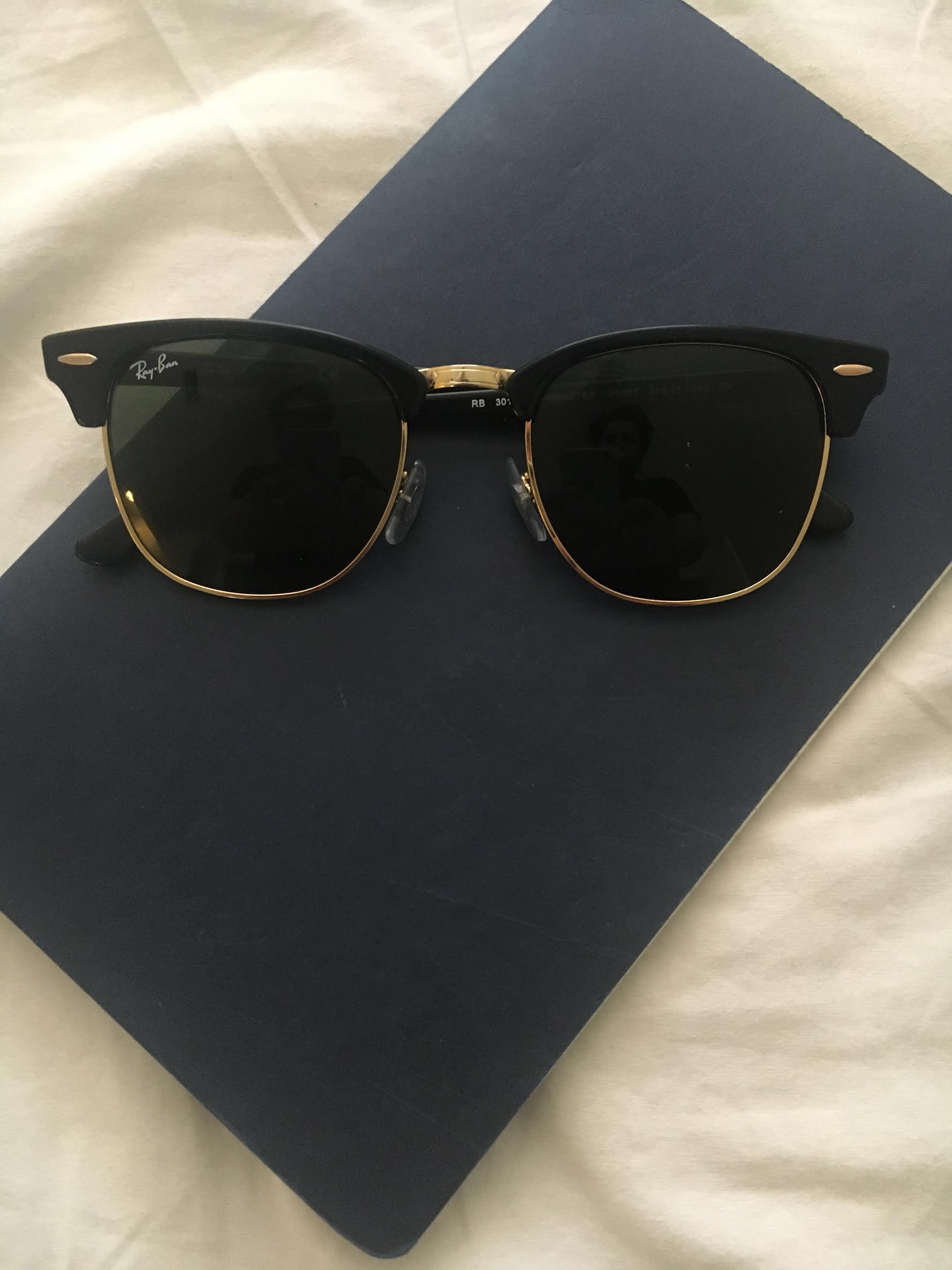
Shades: Last, and certainly not least, my shades. Gotta have ’em. I appreciate what the sun brings to the table, but I don’t want it in my eyes. I will wear these up until the sun is barely a sliver on the horizon and sometimes well into the night. Some folks hate it and roll their eyes at me but I love wearing shades. This new-ish pair is hands down one of my all-time faves. 


Photo credit: Stefanie Vinsel

k.d. lang: Flawless, Fearless

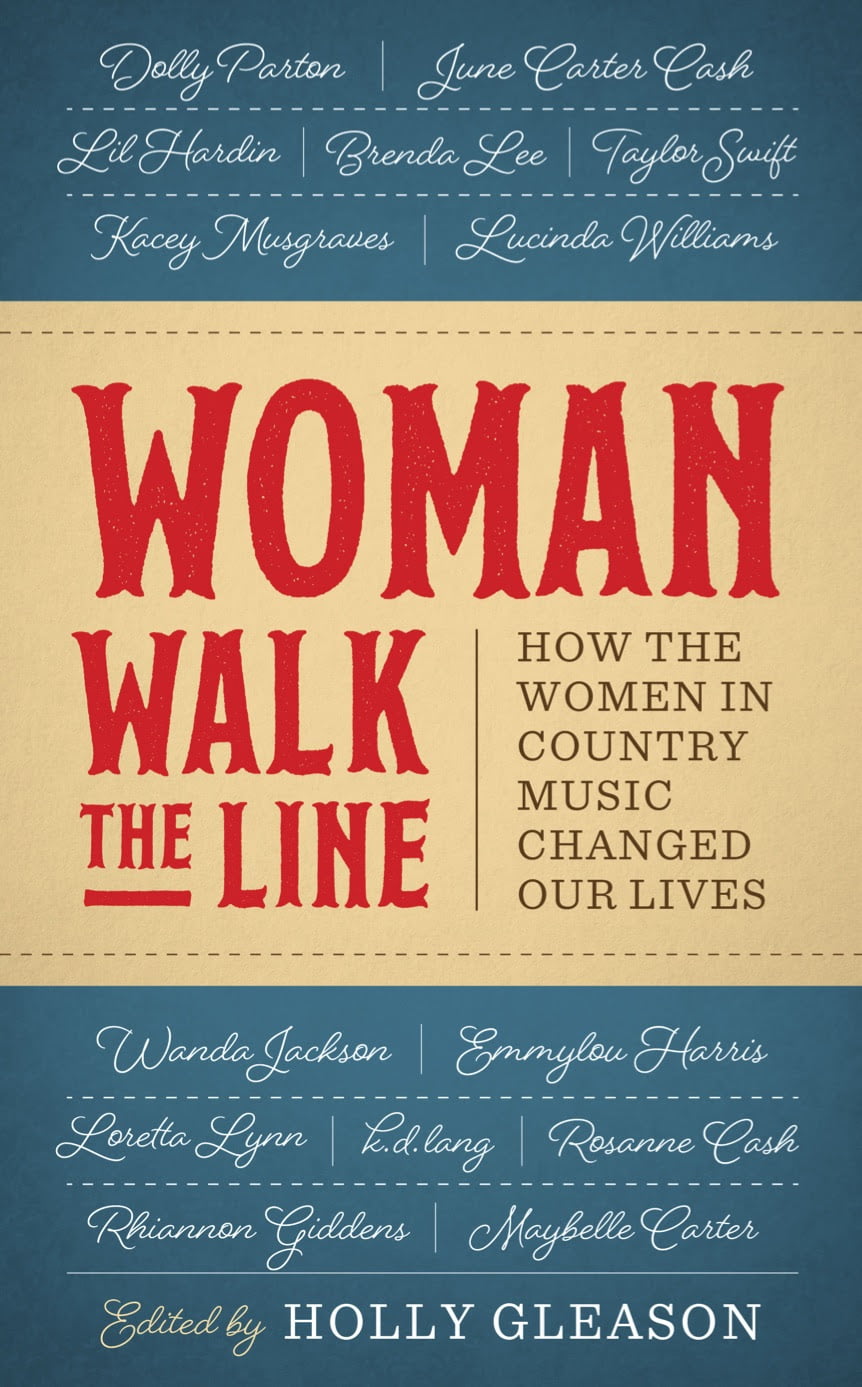
Just about a year ago, legendary music journalist Holly Gleason asked me to contribute an essay to a book she was editing titled Woman Walk the Line: How the Women in Country Music Changed Our Lives. The premise was to have a bunch of female writers explore female country artists and the impact they had on our lives. It didn’t take long for me to pick k.d. lang, as I simply would not be who I am today without her. The book — which includes essays by Taylor Swift, Rosanne Cash, Grace Potter, Aubrie Sellers, Kim Ruehl, Ronni Lundy, and many others — comes out on September 15 via the University of Texas Press, and I couldn’t be more proud to be part of it. In honor of its release — and the 25th anniversary of k.d.’s seminal album, Ingenue — here’s an excerpt from my piece.

It wasn’t the first time I heard k.d. lang’s voice that carved out a forever place for her in my heart. It was the first time I saw a photo of her for, in it, I saw a reflection of who I was or, more likely, who I wanted to be. It was 1990, maybe 1991, and media representation of those of us who are “masculine-of-center” was sparse, at best. But there was k.d., handsome and heartfelt, staking a claim for all of us … even those still nestled safely in our closets.

Actually, in 1991, k.d. wasn’t out yet, either. Not publicly, at least.

…

Musically, k.d. put her reverence and respect for the form and its icons at center stage — her first band was called the Reclines, after all. But, stylistically, she injected a sharp wit and a cow-punk ethos into her earliest works, much of which she learned from another country legend — Minnie Pearl. On her first few albums, k.d. still considered herself to be a performance artist, playing with gender by sporting a crew cut while donning a cowgirl skirt and horn-rimmed glasses. By the late ’80s, her look had settled into the tomboy version of a cowboy, letting denim, boots, and short hair frame her prairie-born good looks.

Because her talent was undeniable — and she wasn’t yet waving a rainbow flag — country music fans could abide by their own version of “don’t ask, don’t tell” and just enjoy her utterly stunning voice. Heck, Patsy Cline’s beloved producer, Owen Bradley, helmed Shadowland and recruited Kitty Wells, Loretta Lynn, and Brenda Lee to sing on it. Doesn’t get much more classic country than that.

But then, in 1990, the avowed vegan caused an uproar among said classic country folk for appearing in a “Meat Stinks” ad for PETA, earning herself a lifetime ban from country radio. A sign proclaiming Consort, Alberta, to be ”Home of k.d. lang” was even burned in effigy. Naturally, k.d. was bothered by it all, but she never wavered from her convictions. Instead, she doubled down.

Within a couple of months of that kerfuffle, k.d. was waltzing toward the adult contemporary music space with a contribution to the Red Hot + Blue Cole Porter tribute compilation benefitting AIDS research and relief. Her performance of “So in Love” was a highlight of the platinum-selling album, showcasing her extraordinary gift as an interpreter of song. She finalized her transition in March of 1992 with the absolutely captivating collection that is Ingenue. Flourishes of pedal steel here and there were, really, the last remaining vestiges of country music in k.d.’s sound.

In June of 1992, before “Constant Craving” led the album to multi-platinum sales and a third Grammy Award, k.d. came out as gay in The Advocate, confirming the open secret that everyone already knew, but dared not speak. That year — along with the Indigo Girls’ — k.d.’s courage and conviction, artistry and activism made a bigger impact on my life than anyone before or since.

I still remember sitting on the edge of my seat in the first row of the balcony on August 7, 1992 for the entirety of her first-of-two performances at the Universal Amphitheater in Los Angeles. Having already come out, k.d. introduced the gender-play that is “Miss Chateleine” with a comic bit meant to put everyone in the crowd at ease: “There’s been something I’ve been meaning to tell you, something that’s been on my chest for quite some time. So I’m just gonna conjure up the gumption and spit it out.” [drum roll] “I… AM… A… LLLLL… AWRENCE WELK FAN!”

The show was one of the best I’ve ever seen. EVER. And it was a show: k.d. is not just an incredible singer; she’s a captivating entertainer, paying attention to every detail, from the punchlines to the performances. Summing up his review of the show for the Los Angeles Times, Chris Willman wrote, “Even the most die-hard meat industry activist would be hard-pressed not to switch-hit and walk away from this one a close t… LLLLLLLANG FANATIC.”

Less than a month after that fateful night, I too became an avowed vegan and, in November, I became an out queer. Doubtful I could’ve, or would’ve, done either without having k.d.’s lead to follow, without having her image to reflect. Seeing k.d. stand so gloriously in her truths inspired me to find and live my own. Though I didn’t yet have the capacity to understand or accept it, I’d known since I was a kid that I was queer. But growing up in rural Louisiana did more damage than good, where understanding and acceptance were concerned. (Funnily enough, the same could be said of not eating meat: Of all the left-leaning things in my life — moving to Los Angeles, working with rock stars, being a homo, living in a meditation ashram, and being a vegan — the one thing my Southern-born and bred father could never get a handle on was me not eating meat.)

So when I finally saw someone who looked like me, lived like me, and loved like me, I started moving toward the light that she was shining. Turning toward that light meant turning into myself — digging into my own identity and drumming up my own courage. That process of discovery, sparked almost entirely by k.d., uncovered who I was at my core … and who I continue to be today — an Eastern philosophy-abiding, activist-minded queer who works in music and doesn’t eat meat.

…

Though I haven’t been as dedicated a follower as I should have been, the past 15 or so years have seen the release of several more k.d. collections and collaborations, including her 2016 project with Neko Case and Laura Veirs, aptly monikered case/lang/veirs. When their tour brought them to Nashville’s Ryman Auditorium on August 6, 2016 — the Mother Church of country music and long-time home of the Grand Ole Opry — k.d. greeted the crowd with a big ol’ Minnie Pearl-style “HOOOOOW-DYYYY!” before reminiscing about how she’d been kicked out of the Ryman on several occasions. Both Case and Veirs seemed to understand the gravitas of k.d.’s triumphant return, and everyone else in the room understood it, too, by the end of her rafter-raising cover of Neil Young’s “Helpless.”

As soon as I heard the song’s opening plunks, I let out a big ol’ “WHOOP!!!” and moved to the edge of my front-row balcony seat, just as I’d done 24 years (minus one day) earlier. And I hung on every note, remembering all that she has meant to me over the passing decades. Quite simply, k.d. lang is one of the greatest singers of any generation, with flawless pitch and fearless control. She is also one of the greatest influences on my life, with flawless talent and fearless style.

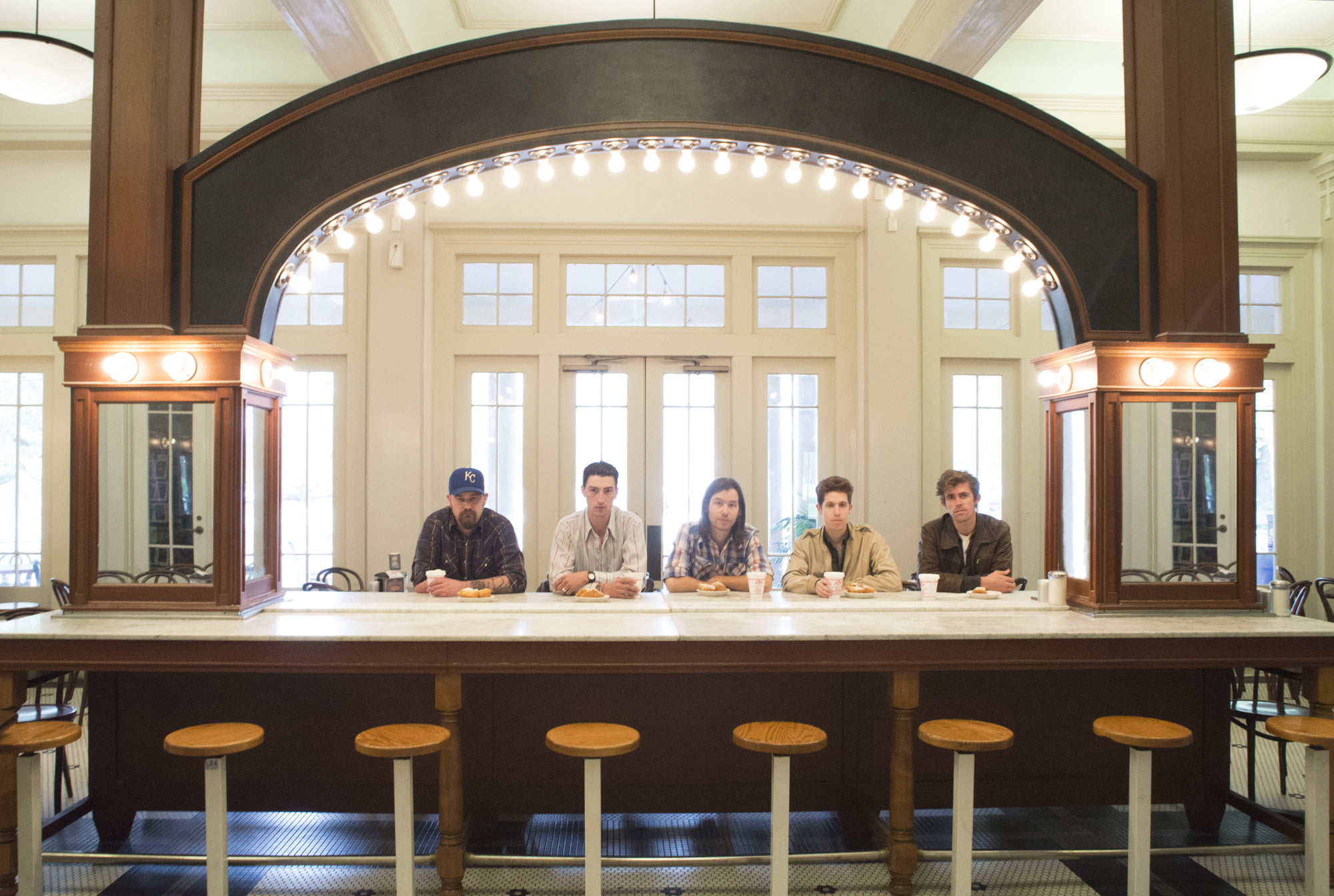
Gig Bag: The Deslondes

Welcome to Gig Bag, a BGS feature that peeks into the touring essentials of some of our favorite artists. This time around, the Deslondes give us a look at what they have to have handy when they are out on the road.

Sam Doores: This is my 1950s Kay acoustic guitar, DeArmond sound hole pickup, and harmonica rack. These are the only possessions I have that go everywhere I do. They’ve met my whole family and most of my friends. They’ve survived many long nights of trading tunes around the fire as well as seven+ years of touring with the band. It’s the warmest and most comfortable guitar I’ve ever played and, when plugged into a small tremolo amp, it sounds so good that it often distracts audiences from the fact that I can’t play very fancy. It’s the best $400 I’ve ever spent. I love it and can’t imagine my life without it.

Riley Downing: I usually take the same basic stuff on tour with me — socks, toothbrush, 44 Magnum/box a shells. But if I had to, I would pick my new guitar strap that my Aunt Cathy made me. I love it more than my guitar. It was like getting a quilt from grandma. She also makes some other amazing things out of leather. 

Dan Cutler: Here’s my diddy bag. I guess it’s my favorite thing to bring on tour. It’s definitely my most hygienic thing. Personal hygiene can feel like a fleeting dream sometimes on tour, so my diddy bag helps to keep me on a cleaner path. It originally belonged to my big brother, so it’s kind of a family heirloom now. Nothing special about it really, though it is pretty remarkable that I’ve managed to hang on to it all these years!


John James: This is my tour stuff — books … I’m into short stories, poetry, novellas. My bucket is the shit. It keeps everything dry and protected. It’s my seat and sometimes table. This is a rare bucket cuz it’s six-and-a-half gallons, which is the perfect height for my pedal steel and legs. It’s seen better days … notice the duct tape job. I don’t fly with it anymore. A carton of smokes is crucial, yet not ever usually enough. It’ll get me a handful of days into tour.

Cameron Snyder: I don’t have a picture, because it lives in the van, but I never go on tour without my trusty cot. It was inexpensive, it’s easy to carry around, and it doesn’t take up much space. It’s nice to have a dependable place to sleep for the nights when our accommodations don’t include enough beds for everyone. My home away from home.


Photo credit: Tamara Grayson