Caleb Caudle Has Learned to Trust Himself

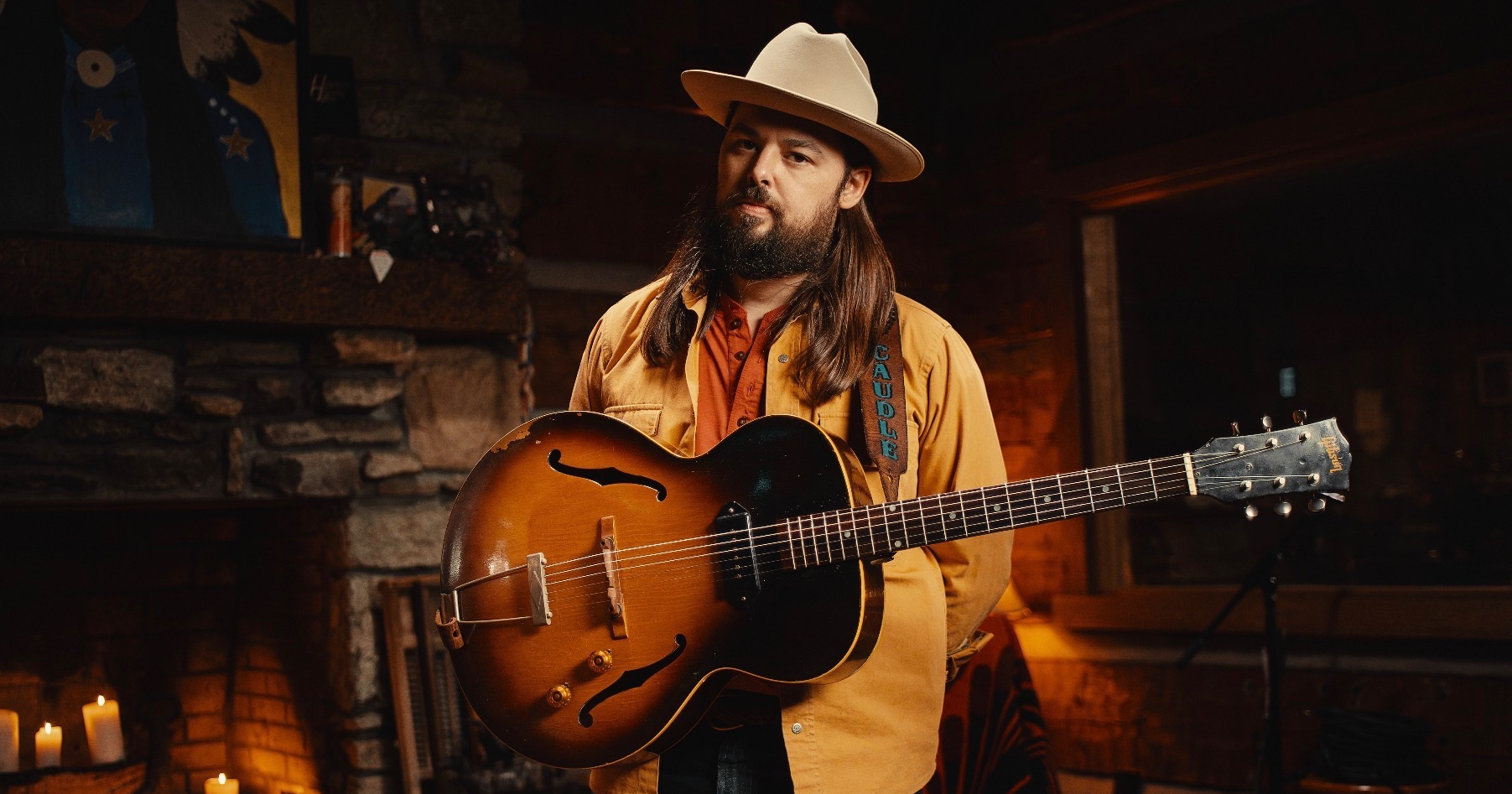
For nearly two decades North Carolina folk singer Caleb Caudle has traveled the country bringing his music to fans wherever they’ll listen, but on his forthcoming eighth studio record he adds a new role to his repertoire – producer.

Released June 5 via his newly launched imprint Hand Plow Records, Heavy Thrill looks to be his most ambitious work yet, as it melds his personal evolution and artistic journey into one singular vision. Whether he’s ruminating on a bumpy road to self-improvement on “Slow Growth,” analyzing self-doubt with “Anxious,” or examining how people deal with adversity on “Path of Desire,” Caudle’s words tell the story of his individual journey through a world that’s changing too fast for him to keep up with.

Although the bulk of the record was recorded at Johnny Cash’s former retreat-turned-studio, the Cash Cabin, Caudle actually recorded his bits for the album at a friend’s studio in the Pocono Mountains – before returning to Tennessee to wrap things up at the same place he captured his projects Better Hurry Up (2020) and Forsythia (2022). He says that the familiar setting not only helped him hone in as a producer, but also helped him to tap into the building’s history as continues chipping away at perfecting his retro modern sound.

“I feel like I’ve started to develop my own sound over the past 20 years that marries traditional elements with more modern sounds,” Caudle tells BGS.

“Because of that I’ve never been afraid to try new things. In many ways I think of what people like Sturgill Simpson, Tyler Childers, or myself are making as modern country music, but in a different timeline where people aren’t as focused on songs about pickup trucks and shaking your ass,” he continues, laughing.

Caudle spoke with BGS about learning from other producers, fatherhood, artificial intelligence, and more.

This is your eighth studio record, but your first time self-producing one of those projects. What motivated you to finally take the plunge?

Caleb Caudle: It’s been one of my end goals for a really long time. I’ve always wanted to produce my own records, but I wanted to go and work with people first that I could learn from. Each has brought different things to the table I’ve picked up on. I’ve also always been involved in the process and have a good idea for how I wanted things to sound. Then after talking with some of my past producers and telling them my plan they all gave me their votes of confidence.

Once I jumped in I wound up doing a lot more pre-production than I’d ever done in the past. I also had great mixing and mastering engineers – Jacquire King and Pete Lyman – who were my safety net in case anything went off track. It turned out to be a really fun experience that even has me thinking about producing records for other folks someday.

While producing the record was new for you, the place you did most of it at – the Cash Cabin – was not. Tell me about what drew you back there to record for the third time?

That place is like my second home now. I’ve done several video sessions there and written with John Carter Cash a bunch. This time around I also kept the band leaner there than I had ever done before. It was just five people total, with no features or guest vocalists like some of my past records have had. I instead wanted to make something that was more self-contained. I knew I could make a record the other way, so I wanted to see what it’d feel like if I took some of those pieces out and really relied on my own instincts above everything else.

It’s also a place with so much history that I’m able to tap into even though I’m writing mostly about my own modern-day experiences. At the end of the day, I love Ralph Stanley just as much as I do Big Thief. They all come from a place that’s honest to that person, which is what I’m after, too. I love what indie rock bands like Bonny Light Horseman do with melodies, but I also love Flatt & Scruggs. It’s all music to me – I’m just trying to take bits and pieces from all of it that I feel would suit my sound.

With that in mind, I also think it’s important to listen to music outside or your own genre. Sometimes when I’m struggling with songwriting I’ll start listening to a ton of jazz to provide that spark that gets me writing again. Other times I’ll go a month listening to music with no lyrics before I grab the pen again. Whether it’s a playwright, actor, poet or songwriter, I always find myself drawn to folks that are passionate about what they’re doing.

Tell me about the writing process for this record… Did anything stand out compared to previous writing sessions? And how many leftover songs did you pen for it that didn’t make the cut?

I’ve had extras every time I’ve made a record. For me, there’s the obvious ones that are going to make the record that everyone feels good about, then there’s another batch of songs that I wouldn’t call “filler,” [that] are less immediate. We do our best to decipher which of those are the missing puzzle pieces for the story we’re trying to build. It’s like having brother and sister songs on the record where something on Side A reminds you of a tune on Side B – it’s all very cohesive. Trimming the fat is such a big part of songwriting for me. As a writer you want to focus on giving people what they need and not all the fluff surrounding it.

Since writing and recording these songs you and your wife learned you’re expecting your first child this summer. How has that knowledge shifted the perspective you have of these songs?

While I didn’t know I was going to be a dad before I wrote it, it almost feels like a record that’s preparing me for that whole process. It’s a really measured and honest look at where my life is right now. There’s a lot of mass confusion in our world currently with artificial intelligence and inflation that feels out of my control. That’s the macro side of it, but I’m also looking at things on a micro level by taking care of the earth and those around me.

With this new label I’ve set up, with every 100 records I sell I’m providing 1,000 meals to the Second Harvest Food Bank of Northwest North Carolina. I want to do all I can to help the people around me in a meaningful way. I’m not saying to disregard the big stuff by any means, because I do believe it’s important to be tapped into what’s going on in the world, but for me personally I feel like my time is best placed in my own community with the people of Appalachia around me.

You just mentioned your label, Hand Plow Records. Tell me more about launching that and the intentionality behind its name?

I live across the street from my great uncle who has a single-horse hand plow that belonged to his great-grandfather and goes back multiple generations. My parents used to plow tobacco near Winston-Salem and sold it to RJ Reynolds, so it’s something I’ve always been around. It also seems like really hard work, which has me drawing lots of parallels between what I do as a musician and the farming they did. I weather storms the same way they did, by putting in the work, planting seeds and constantly nurturing them while they blossom and grow. Farmers are critical to our way of life, so I wanted to use the name to honor them for their hard work and sacrifice.

Is “Slow Growth” reflective of that hard work and change, whether it be on a farm, internally, or in society at large?

That’s a song about honing your craft and trying to become a better person each day. I’m not out here looking for shortcuts, even though so much of society right now is about “how I can get things done the quickest,” especially with AI – which in music feels like cutting corners on something I’ve dedicated 20 years of my life to. I don’t know that anything meaningful will ever come of that process, because lessons learned are the whole point. I don’t think I’d be writing the songs that I’m writing now had I not written the songs that I had before them.

AI feels like a very cheapened version of real life, and I’m not interested in that. It’s a huge threat to the existence of art and creativity – both things that can’t be faked or fast-tracked. It’s a slow process where you have to put the work in every day. There’s days where I pick up and play for two hours but don’t write a single word, but it still feels important. It feels like part of this bigger process where I’ve dedicated my life to this thing, so the fact that someone could use AI to generate a song that sounds like me is scary. It can give them an approximation of what I may sound like, but it’s not getting at where I’m at currently. It’s replicating what’s already been made, but I’m out here trying to tell new stories. It’s the opposite of progress.

Another song that reminds me of stepping away from technology and plugging into the moment is “Sequoia Polaroids.” Tell me about what inspired that one.

I’m constantly trying to pay attention to the small details. [My wife] Lauren and I were on a solo tour opening for Ray Wylie Hubbard in California a while back and we made a trip out to Sequoia National Park. That song is almost like a page from that day. We wound up taking a bunch of Polaroids and throwing them on the dash of the car. The song is about being present in those moments and spaces that feel ancient and vulnerable.

Places like Sequoia are majestic and big and we have an opportunity as humans to help preserve or destroy them. Those spaces are so important to me, so it was really cool to get a song out of that day. The trees out there shrink you in a way that’s very humbling – it’s a beautiful thing.

Nature is a great way to get in tune with yourself, just how vinyl is a great way to interact with music on a deeper level. On that note, I know the physical version of Heavy Thrill incorporates some cool imagery taken from its title track. How did that come to be?

I’ve got to shout out Skillet Gilmore, who did the art. He’s an incredible artist in Raleigh that I love working with. The ants carrying the peach pit [that appears on the center of Heavy Thrill on vinyl] come from a lyric in the title track about how an army of ants can lift up a peach. [That] is symbolic of our chaotic world and how we’ve got to work together to get things done, setting aside our differences along the way in order to find some common ground. When we do that you’ll realize we all have a lot more in common than we think and that our goal should be to help everyone be happy and thrive. A rising tide lifts all ships, so it’s important to work together and show empathy to your fellow humans, because you never know what sort of hard times they’re going through. It’s like Mr. Rogers once said: “Look for the helpers.”

One of my favorite parts of the record is the instrumental transition two thirds of the way through “No Show,” which feels like a new composition entirely. How did it come about?

That instrumental piece is something I’ve been playing at sound checks for a couple years called “June Bug Crawl.” I included it on the record because I was always a fan of when folks like Doc Watson included instrumentals on their records. I thought the song was really cool even though it’s in a different key than “No Show” is, but I still wanted them to live together on the record. I give a lot of credit to my buddy Philippe Bronchtein, who played pedal steel and keys on the record. He’s very good with the more electronic side of things. We basically had to get the instrumentals into a different moment to execute that transitional moment. It was executed flawlessly and really works well given the context of the song and record.

On a more reflective note, what has bringing Heavy Thrill to life taught you about yourself?

It’s taught me to trust myself. This is the first time I’ve seen an album all the way through calling the shots myself. I’ve spent 20 years doing this and developed good instincts over that time, so it’s important to believe in those and remain confident in what I’m doing.


Photo Credit: Joseph Cash
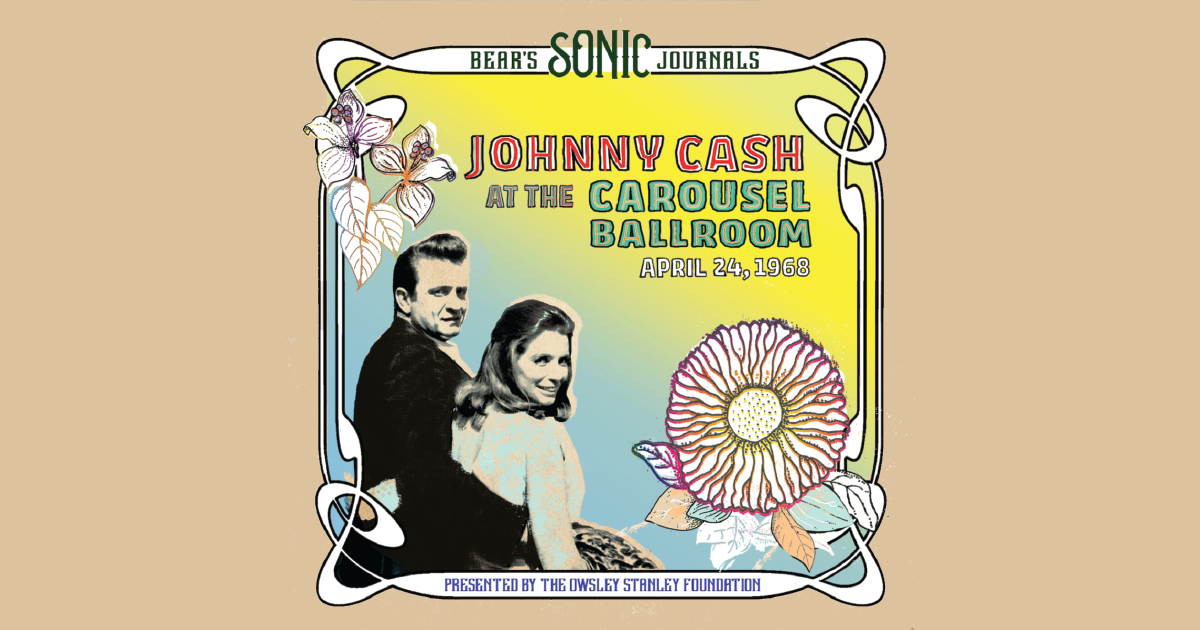
In This Unearthed 1968 Live Recording, Johnny Cash Sings “I’m Going to Memphis”

New music from Johnny Cash is coming in September from a surprising source. Members of the Owsley Stanley Foundation have partnered with Renew Records and BMG to release a never-before-heard capture of a Johnny Cash concert in 1968. The upcoming release, titled Bear’s Sonic Journals: Johnny Cash At the Carousel Ballroom April 24 1968, was captured by in-house sound engineer Owsley “Bear” Stanley only days prior to the release of Cash’s legendary live record At Folsom Prison. That means the new album will provide another window through which we’ll be able to hear Johnny Cash, June Carter Cash, and the Tennessee Three (guitarist Luther Perkins, bassist Marshall Grant and drummer W.S. Holland) at their peak, performing songs that shaped an entire genre. John Carter Cash, the country stars’ son, describes it as “what I believe to be one of the most intimate and connected shows I have ever heard.”

Recorded in the heart of the counterculture movement of the ‘60s in San Francisco, the new collection is slated for a September 24 release on a CD/2 LP set. To promote the project (as if we needed anything more to be excited about), the Owsley Stanley Foundation and Renew/BMG have released “I’m Going to Memphis” from the concert, and it is absolutely brimming with Cash’s signature charisma and debonair delivery. So many of classic country’s textures line the recording: tick-tack electric guitar, train-beat shuffle, brash acoustic rhythm, and of course, rich, velvety vocals to round out the arrangement. It’s a snapshot of one of country music’s most fertile moments in history and we’ll be wearing this one out all summer in anticipation for the rest of the live album’s release.

Listen to the official audio and check out this feature from Rolling Stone about new music from Johnny Cash.


WATCH: Marty Stuart Shares the Johnny Cash Song He Dearly Loves

Artist: Marty Stuart
Song: “I’ve Been Around”
Album: Forever Words (Expanded)

In Their Words: “I dearly love ‘I’ve Been Around.’ The song and video are both filled with that unexplainable charisma that John R Cash specialized in. He was such a great writer. A true poet at heart. It’s hard to believe that he never got around to recording this song. The words are cinematic, timeless, classic JR.

“When John Carter Cash first presented me with the raw lyrics the music seemed to dance off the page. I instantly heard the sound of Johnny Cash and the Tennessee Three in my mind. They were the north star band of my musical youth; in reality, they still are. They were my Beatles. I wanted the spirit of that group and the essence of that sound to follow me to that microphone. At the time the song was recorded the Tennessee Three’s drummer, W.S. ‘Fluke’ Holland, was the last band member standing. He played on the session and brought that classic sound with him to the studio. Fluke since passed away. ‘I’ve Been Around’ was to be his last recording and I will forever treasure it. The old line in Nashville is: It all begins with a song. And once again, Johnny Cash knocks one out of the park from 10 million miles away.” — Marty Stuart


Photo credit: Bill Thorup

June Carter Cash Connects the Classic Eras of Country Music

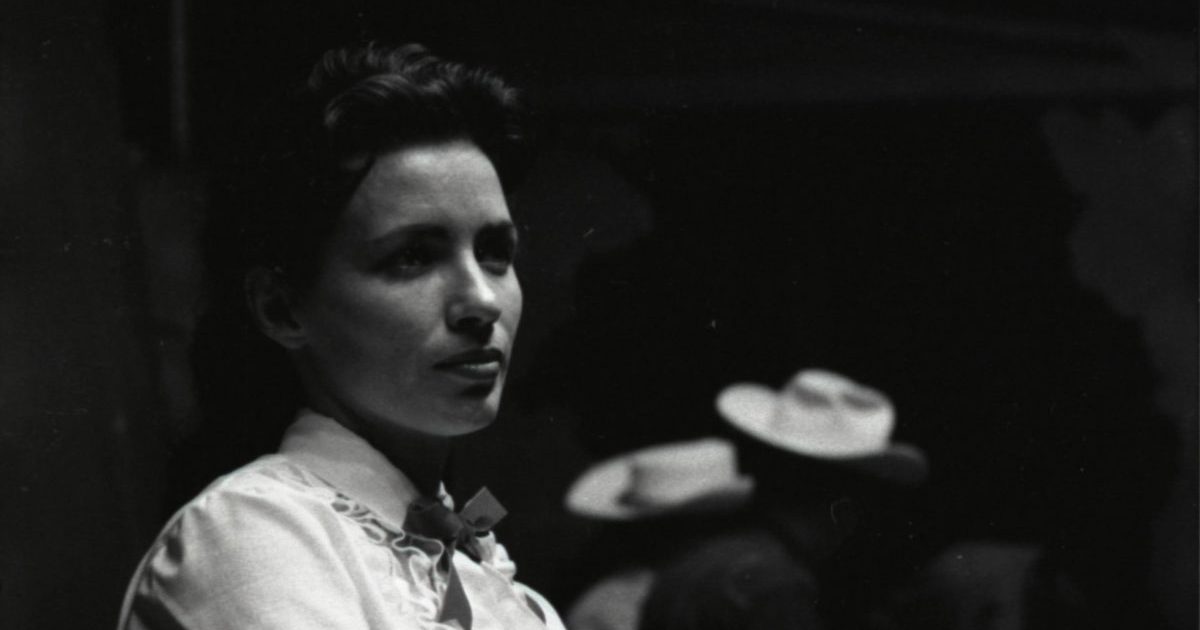
You can’t tell the story of country music without June Carter Cash.

Her mother, Maybelle Carter, helped usher in the era of commercial country music through the 1927 Bristol Sessions as a member of The Carter Family. When that group disbanded, Maybelle eventually gathered her three daughters – June, Anita, and Helen – and started performing radio shows, with June playing autoharp and cracking jokes. (They even had Chet Atkins in their band.)

In time June teamed up with comedians Homer & Jethro for a corny duet of “Baby It’s Cold Outside,” which charted for one week in 1949, and by 1950, the Carter Sisters debuted at the Opry just a month before June’s 21st birthday. The ensemble opened shows for Elvis Presley in 1956 and 1957. June also stepped out as a duet partner with her first husband, Carl Smith, on the eye-rolling (but quite hilarious) “Love Oh Crazy Love,” from 1954.

If your entry point to country music is the 1960s, June Carter is all over it. Still married to Smith, she shared the stage with Johnny Cash for the first time in 1961 as part of his touring package. Two years later Cash scored a major hit with “Ring of Fire,” which Carter co-wrote after seeing the phrase “love’s burning ring of fire” underlined in a book of Elizabethan poetry owned by her uncle, the Carter Family’s A.P. Carter.

By 1967, she and Cash landed a major hit (and soon their first Grammy) with “Jackson,” then got hitched in 1968. It’s important to remember June’s role on Cash’s landmark 1968 album, At Folsom Prison, performing a lively rendition of “Jackson” that got the captive audience hollering. They encored the performance for Cash’s 1969 album, At San Quentin.

June Carter Cash did pretty well for herself in the next decade, too, having her own 1971 country hit with a song she wrote, “A Good Man.” Johnny Cash produced her sole album of that era, 1975’s Appalachian Pride, even as they dug periodically into the folk canon for duet recordings and she won her second Grammy for the Cash/Carter duet, “If I Had a Hammer.”

She appeared regularly on the groundbreaking series The Johnny Cash Show, sang on Cash’s records, and almost always toured with him. Considered more of a comedian than a vocalist, June nonetheless charmed audiences around the world. In the rarely-seen 1979 performance of “Rabbit in the Log” below, she steals the spotlight with a banjo on her knee, cracking jokes and sharing her talent with a Century 21 real estate convention in Las Vegas.

Even listeners who came into country music in the ‘80s and ‘90s can find a tie to June. She harmonizes with her sisters, as well as Johnny Cash, on “Life’s Railway to Heaven” on Nitty Gritty Dirt Band’s seminal 1989 album, Will the Circle Be Unbroken, Volume Two. Around this same time Carlene Carter, her daughter with Smith, emerged as a force in country and rock, and later paid homage to Mother Maybelle as well as June’s stepdaughter, Rosie Nix (from June’s second marriage), on the sweet song, “Me and the Wildwood Rose.” Carlene also wrote one of that era’s most enduring compositions, “Easy From Now On,” and charted multiple singles like “I Fell in Love” and “Every Little Thing.”

Meanwhile, Rosanne Cash (June’s stepdaughter) placed 11 No. 1 singles on the country chart, including the modern classic, “Seven Year Ache,” and she’s now a cornerstone of the Americana community. John Carter Cash, the only child born to Johnny and June, continues to carry on the brilliant legacy of his parents, through books, museum presentations, and reissues. He also produced Loretta Lynn’s past three albums at the Cash Cabin recording studio in Hendersonville, Tennessee.

Johnny Cash, incidentally, was inducted into the Nashville Songwriters Hall of Fame in 1977 and the Country Music Hall of Fame in 1980. A.P. Carter joined the Nashville Songwriters Hall of Fame in 1970, “Ring of Fire” co-writer Merle Kilgore followed in 1998, and Rosanne Cash entered in 2015. However, June Carter Cash is not yet a member of the Country Music Hall of Fame or the Nashville Songwriters Hall of Fame — omissions that deserve reconsideration. A spiritual and religious woman, she shared the stories of her life in two memoirs: 1979’s Among My Klediments and 1987’s From the Heart.

Always a natural on stage, June actually trained at the Actors Studio in New York City after being spotted by Elia Kazan at the Grand Ole Opry in 1955. In the late ‘90s, she drew upon those thespian skills with roles on Dr. Quinn, Medicine Woman and the acclaimed film The Apostle. Not to be overlooked is her heartbreaking role in Johnny Cash’s 2002 video, “Hurt,” where the viewers sees the devastation of an American music legend through her shocked and tearful eyes.

Carter remained a legendary presence in the final years of her life — and beyond. Her 1999 collection, Press On, won the Grammy for Best Traditional Folk Album, while the Carter Family classic “Keep on the Sunny Side” resurfaced in a major way due to its inclusion on the O Brother, Where Are Thou? soundtrack in 2000, as sung by The Whites.

Following June’s death in 2003, she was awarded two more Grammys – one for her own performance of “Keep on the Sunny Side,” and the other for the folk album, Wildwood Flower. Nashville native Reese Witherspoon collected an Oscar for portraying her in the 2005 film, Walk the Line. A two-disc compilation released that same year surveyed her remarkable career. She is buried next to Johnny Cash in Hendersonville, Tennessee.


Photo credit: Don Hunstein, Sony Music Archives

BGS Top Books of 2018

As we turn the page on another year, the Bluegrass Situation has compiled ten music-related books from 2018 that may appeal to fans of bluegrass, roots, classic country, and yes, even alt-country.

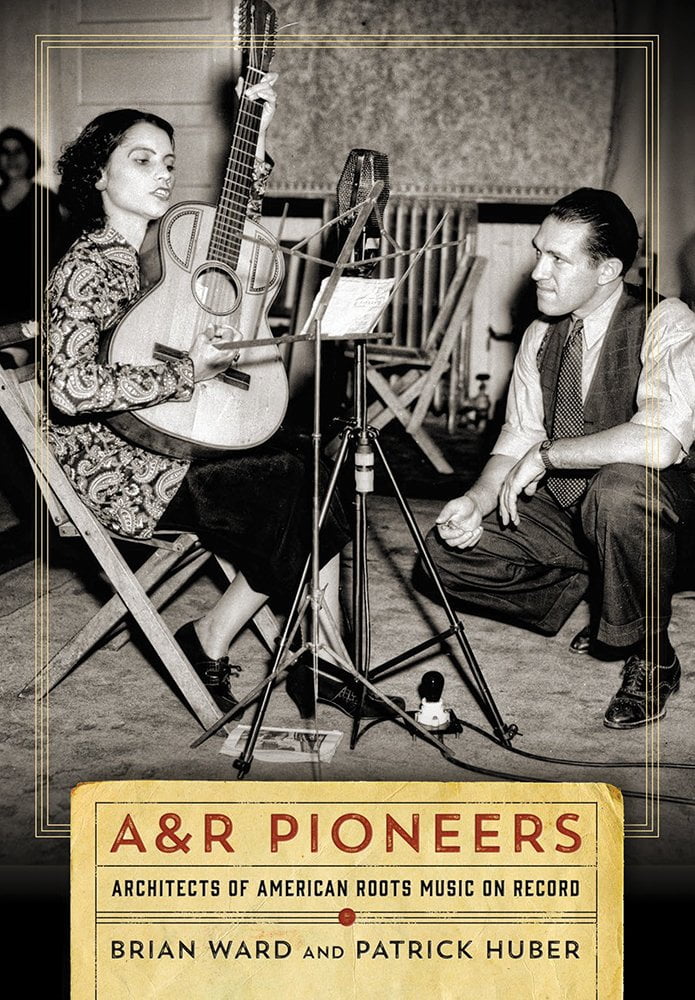
A&R Pioneers: Architects of American Roots Music on Record
Authors: Brian Ward and Patrick Huber
Some musicians just have that “it” factor – as true 100 years ago as it is today. This historical volume looks at the men and women who shaped raw talent for record labels as A&R (“artists and repertoire”) scouts. With an emphasis on roots music, the book focuses on important figures like Ralph Peer, Art Satherley, Frank Walker and John Hammond, as well as many less-celebrated figures. It also acknowledges that some of these A&R executives were not exactly virtuous. Authored by two professors, the project is jointly published by Vanderbilt University Press and the Country Music Foundation Press.


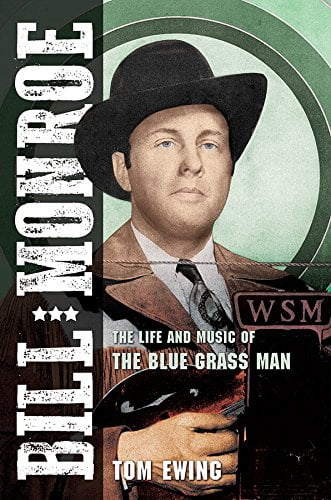
Bill Monroe: The Life and Music of the Blue Grass Man
Author: Tom Ewing
In addition to spending 10 years on the road as Bill Monroe’s bandleader and guitarist, author Tom Ewing may be the foremost expert on the Father of Bluegrass. At 656 pages, this biography ties together Monroe’s personal and professional life without glossing over the tougher times. Ewing writes with the knowledgeable bluegrass fan in mind, making this an especially rewarding book for students of bluegrass and those who are familiar with Monroe’s contemporaries. With hundreds of new interviews and rare access to Monroe’s archive, Ewing is able to build a comprehensive narrative that is likely to become the definitive account of an American music legend.


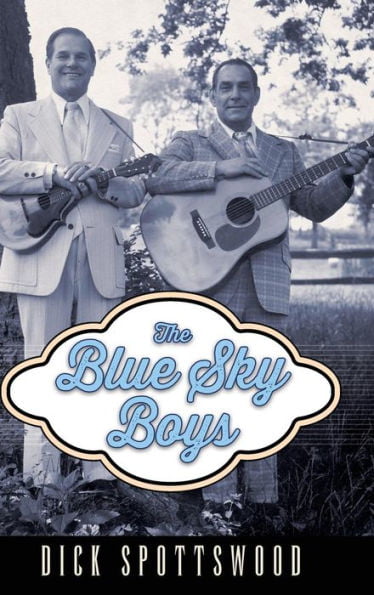
The Blue Sky Boys
Author: Dick Spottswood
Born and raised in North Carolina, the Blue Sky Boys emerged as one of the first and finest brother duos in country music. As teenagers, Bill and Earl Bolick riveted radio listeners in the Southeast with a stunning harmony blend. Earl sang baritone lead and acoustic guitar, while Bill sang tenor vocal and played mandolin, although their music was never fast and high like bluegrass. A deal with RCA Records in 1936 led to appealingly understated recordings such as “The Sunny Side of Life.” Drawing on archived interviews and Bill’s written accounts, this biography also compiles vintage photos and a complete discography.


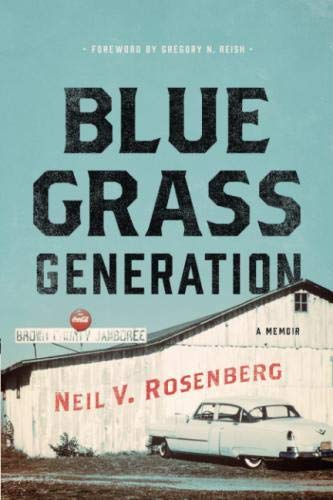
Bluegrass Generation: A Memoir
Author: Neil V. Rosenberg
Author and historian Neil V. Rosenberg vividly recounts his own experiences with Bill Monroe and many other memorable characters at the Brown County Jamboree and the Bean Blossom Bluegrass Festival in the early 1960s. Through these recollections, Rosenberg shows how these seminal concert events helped solidify Bill Monroe as a bluegrass icon. Rosenberg’s scholarly reputation is already well-established, thanks to his prior books and the title of Professor Emeritus of Folklore at Memorial University of Newfoundland. Yet this volume is more personal, as it describes how an eager college student in Indiana became entrenched in bluegrass banjo and the festival scene.


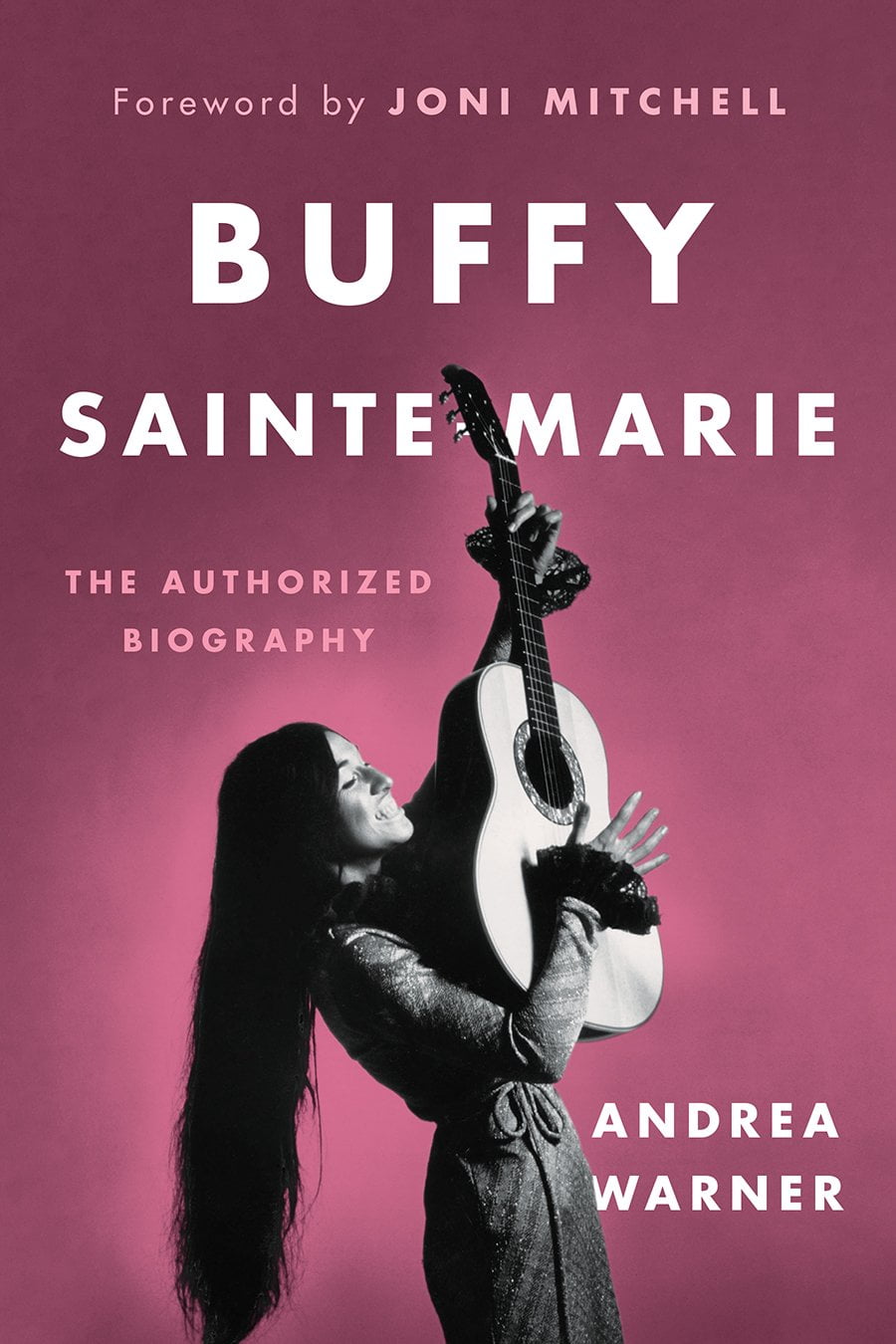
Buffy Sainte-Marie: The Authorized Biography
Author: Andrea Warner
In February, Buffy Sainte-Marie will receive the People’s Voice award at Folk Alliance International in Montreal. Presented to an individual who unabashedly embraces social and political commentary in their creative work and public careers, the songwriter known for the poignant 1964 anti-war anthem “Universal Soldier” fits that description neatly. This approved biography portrays the Cree musician as an advocate for Indigenous rights, as well as a woman who endured a traumatic childhood and intimate partner violence. Feminist author Andrea Warner distilled more than sixty hours of original interviews into an insightful story that illuminates Sainte-Marie’s activism and art.


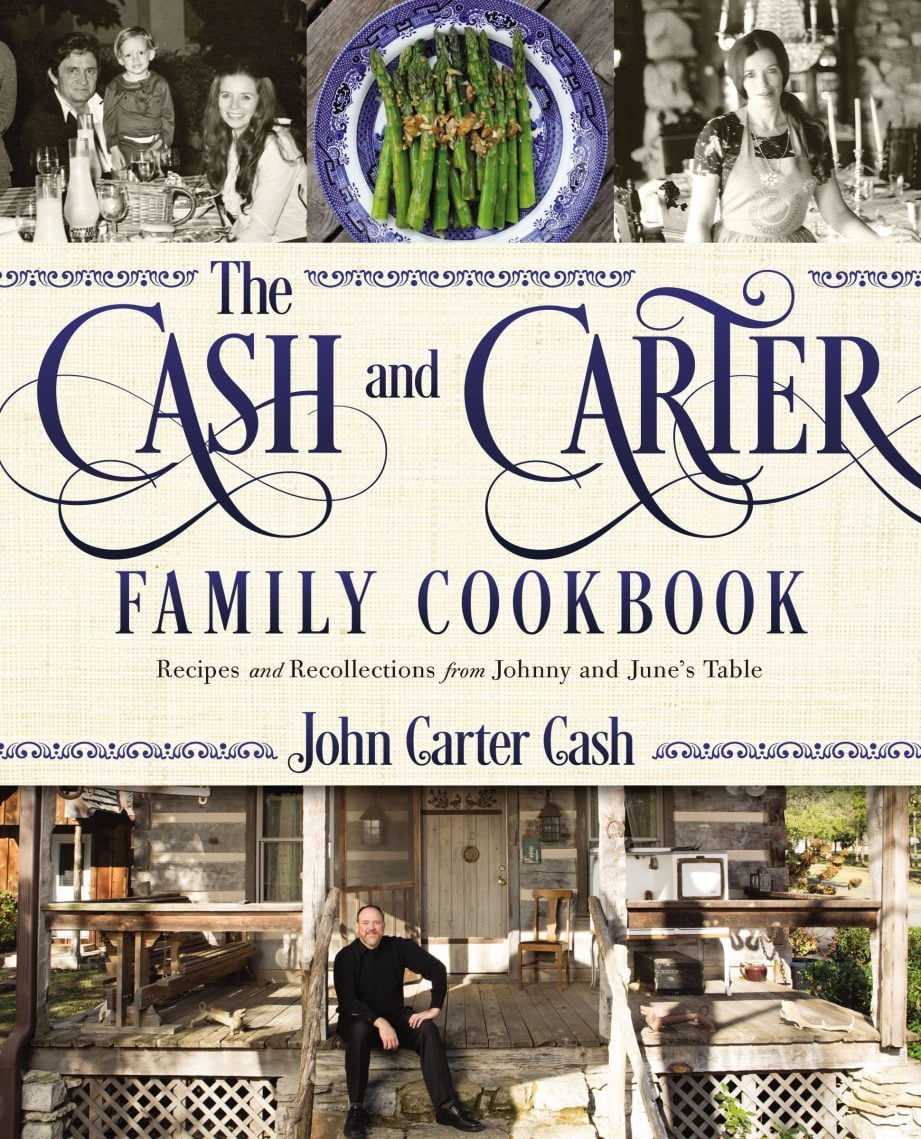
The Cash and Carter Family Cookbook: Recipes and Recollections from Johnny and June’s Table
Author: John Carter Cash
John Carter Cash is a foodie and it shows in this lovely cookbook dedicated to his parents, Johnny Cash and June Carter Cash. Family recipes abound, with the first two recipes being June’s biscuits and Mother Maybelle Carter’s tomato gravy. This isn’t all Southern cooking, however. Johnny and June also liked Asian flavors and vegetarian dishes, including their own veggie burger (a.k.a. Cashburger). The full-color photos are beautiful but the coolest pic is in the front, where the Man in Black presides over a barbecue wearing a white apron and shorts. His famous recipe for Iron-Pot Chili is in here, too.


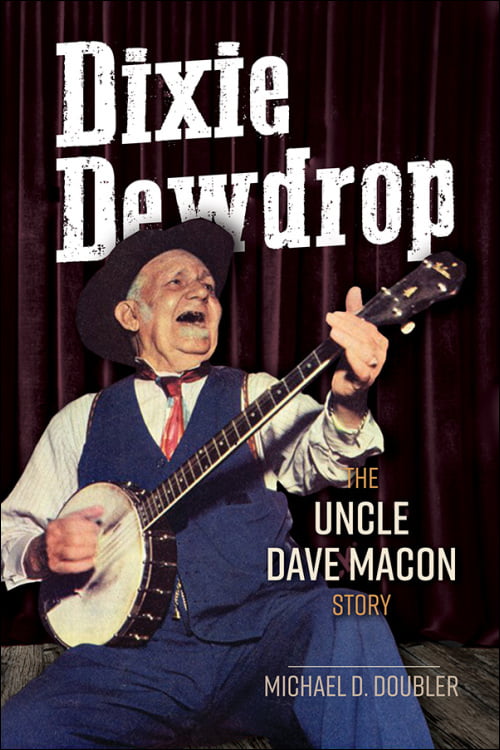
Dixie Dewdrop: The Uncle Dave Macon Story
Author: Michael D. Dubler
Considered the first superstar of the Grand Ole Opry, Uncle Dave Macon is remembered as one of the finest banjo players of his era. This well-researched biography by his great-grandson, Michael D. Dubler, also captures the entertainer’s complex personality. Pulling from original and archived interviews, the narrative provides a detailed account of Macon’s recording output, as well as crucial personal moments, such as his father’s murder in Nashville. Because Macon’s career didn’t really take off until he was 50, the book also conveys just how much strength – both physical and emotional – it took for Macon to stick with it.


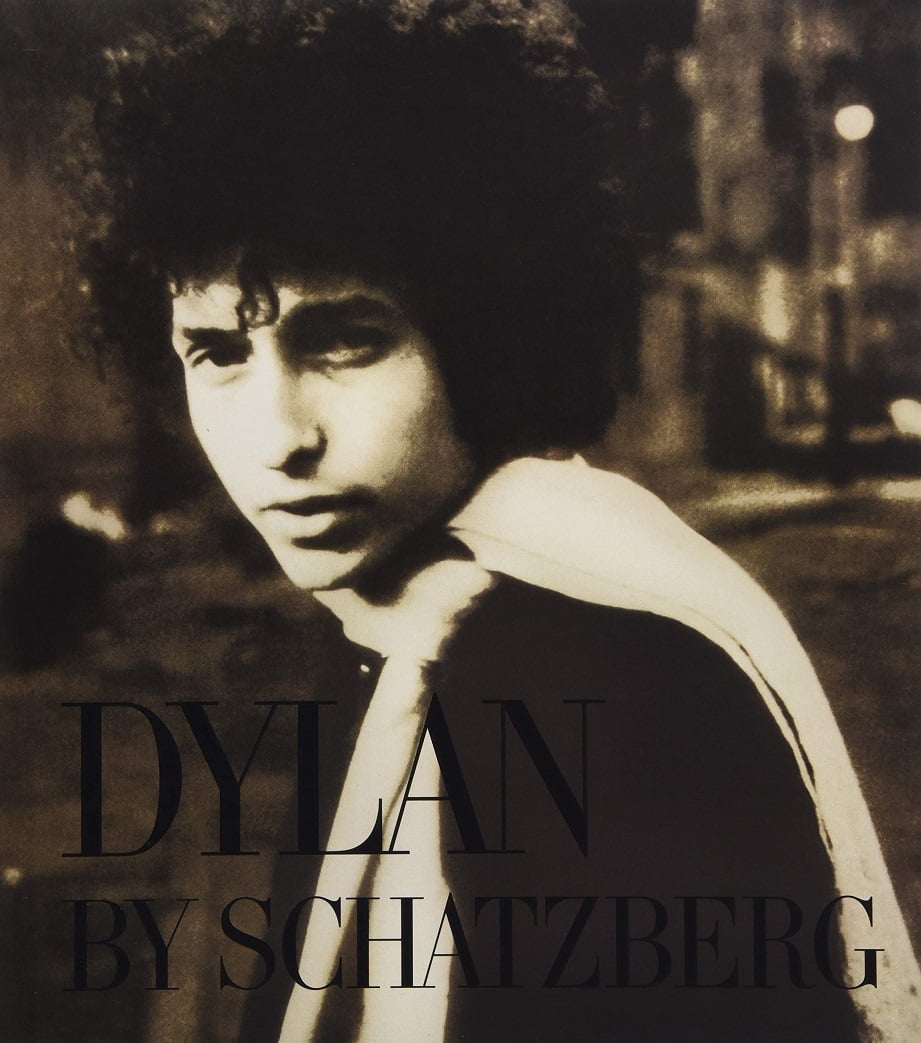
Dylan by Schatzberg
Author: Jerry Schatzberg
Bob Dylan seems the epitome of cool when gazing at the lens of photographer Jerry Schatzberg, who took innumerable pictures of him in the 1960s. Now in his 90s, Schatzberg has compiled personal stories and never-before-seen photos from that era for Dylan by Schatzberg. Inside, the enigmatic subject is documented in recording studios, concert stages, and city streets. For example, Schatzberg snapped the famously blurry Blonde on Blonde album cover in the Meatpacking District in Manhattan. Some believed it was a metaphor for drug use, but Schatzberg says it’s out of focus simply because both men were shaking in the cold.


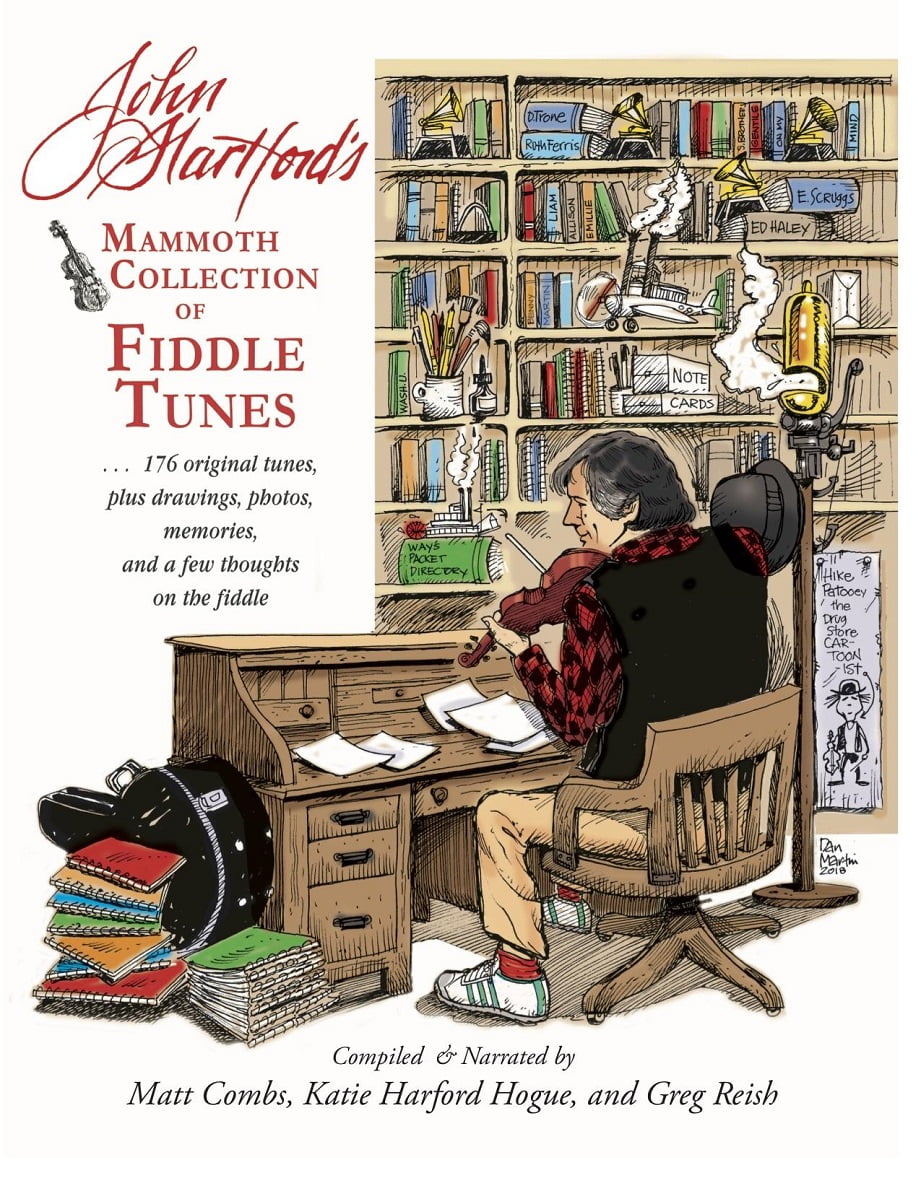
John Hartford’s Mammoth Collection of Fiddle Tunes
Authors: Matt Combs; Katie Hartford Hogue; Greg Reish (Author), John Hartford (Illustrator)
One of acoustic music’s most treasured talents, John Hartford left behind a brilliant legacy that is ceaselessly resonant. This full-color book goes a long way to explain why generations of bluegrass fans continue to admire him. Co-authored by accomplished fiddler Matt Combs, Hartford’s daughter Katie Hartford Hogue, and musicologist Greg Reish, the volume expands beyond career landmarks like writing “Gentle on My Mind” and recording Aereo-Plane. Readers can also peruse 176 original compositions (some never before published), more than sixty of Hartford’s personal drawings, interviews with musicians who still consider him an essential player of American music, and Hartford’s own ruminations on playing the fiddle.


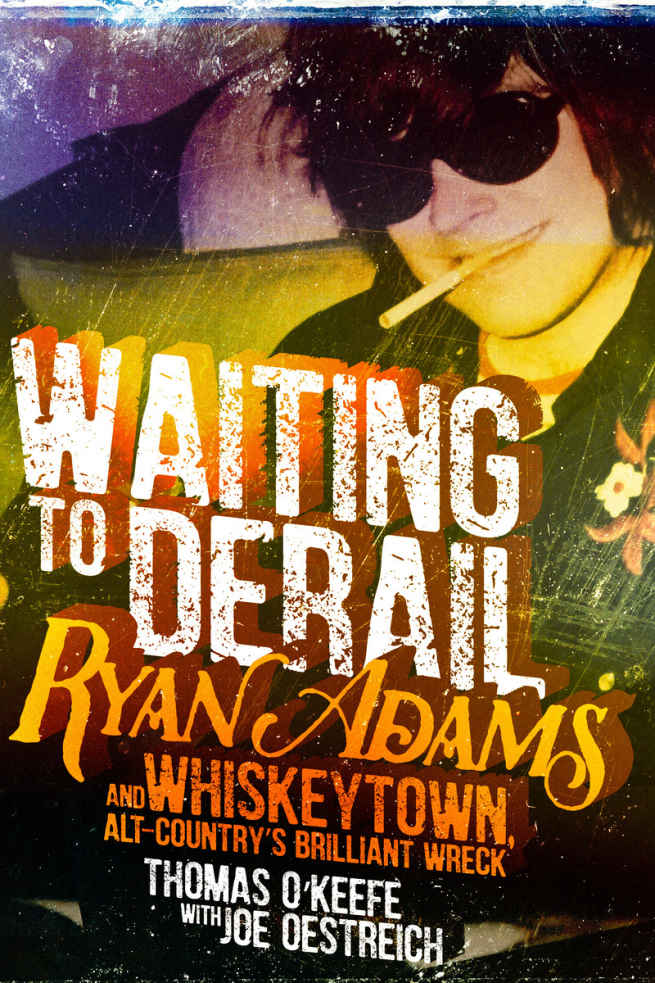
Waiting to Derail: Ryan Adams and Whiskeytown, Alt-Country’s Brilliant Wreck
Author: Thomas O’Keefe
Time has been kind to Whiskeytown’s 1997 album, Strangers Almanac, with country-tinged tracks like “16 Days” and “Yesterday’s News” paving the way for the Americana movement. (Back then it was usually called “alt-country.”) But why didn’t the band have more national success? This candid book written by their former tour manager makes it obvious that Ryan Adams didn’t care about playing nice to fans, venue owners, influential radio programmers or the music industry. Still, there’s an important scene where Adams silences a North Carolina club with “Avenues,” serving as a potent reminder of just how powerful his music can be.