With The Acrobat, Tenille Townes Has Reached the Other Side

When Good Country spoke with award-winning singer-songwriter Tenille Townes in 2024, she had severed ties with Columbia Nashville and claimed her autonomy as a recording artist. It was a tremendous, liberating step into the unknown.

This month, Townes releases her first independent project, The Acrobat. Over the course of its 10 songs, she transparently and hauntingly channels the healing journey of the past two years – one that intertwined heartache, isolation, a plunge into depression, and the long road back.

She recorded The Acrobat at home, in the company of her beloved dog Sam, played all the instruments, and produced and mixed the tracks. This wasn’t the original plan, but as the work tapes progressed, she found catharsis in the honesty of the stripped-down vocals and guitar. This, she decided, was the album, and the best way to bring it to audiences was to perform it the way it was recorded.

She is now on The Living Room Tour, again with just her vocals and guitar, for intimate performances across the U.S. and her native Canada – with one exception: two dates with the Calgary Philharmonic Orchestra on April 23 and 25.

“I’m working with Dave Pierce, who’s arranging the shows,” she says. “He has written musical interludes between the songs that will accompany the storytelling pieces of what I’m doing and connect it all together. Hearing these songs in a completely different light has inspired me. Thinking about the magnitude of that many people onstage, it’s going to be emotional hearing that wall of sound all around me. It’s unlike anything I’ve ever done.”

You moved from Alberta to Nashville in 2013. Who were you then and who are you now? How has Nashville changed over 13 years and how has Nashville changed you?

Tenille Townes: I still feel that the spark for music, the love for it, the complete joy is intact, and I’m grateful for that. Nashville, as a community, has obviously grown so much and taken on lots of different lives in those 13 years, but the heart of the community feels the same to me.

What drew me to Nashville initially was the creative community, the writers, the songs that are created there every day, and this group of people that creatively have each other’s backs. I still love the heartbeat of that town so much. It’s a little harder to get in to see rounds at the Bluebird [Cafe] these days, or things like that, but the spirit’s the same.

When I first got to town, I was so wide-eyed and just [full of] complete optimism. I had this belief that anything’s possible, everything to prove and nothing to lose, and that tenacious… maybe naivete helped me kick down some doors and get things going.

A lot of the dreamer’s expectation is to show up in town, get the deal, and try to find a tribe of people who believe in what you’re doing. I had such an amazing experience finding wonderful people who believed in it with me, and we had a great run. But the deal is not the finish line. It’s where the whole new page of the dream begins, and I feel like a different person now experiencing the other side of that.

There were a lot of beautiful highs and a lot of hard parts in that journey and losing myself for a while. I feel this return to that same “everything to prove, nothing to lose” situation I started with 13 years ago. So it feels good to be getting back to that feisty energy.

How did the cumulative effect of those years and experiences bring you to this point professionally and personally?

I think it’s just life lived. It’s the experiences of finding out that sometimes the picture we paint in our minds of how we think it’s going to be is completely different than how it turns out. Sometimes that’s for the better and sometimes that’s way harder.

Also I think about cumulative experiences, and about the places I got to travel because of music. Touring around the world, playing shows for people in the U.K. and Australia, and they know the second verses to songs I’ve written. That’s such a crazy thing to think about. My experiences on the road have definitely grown my capacity for seeing a community of music that’s bigger than your own backyard, and I love looking at music like that. It makes the world feel smaller in the best way.

It’s been a lot of experiences. It shaped this record I’ve just made, because for a while I lost my footing a little bit in going, “What artistically is my vision, and what do I want to say in these songs and talk about?” I had certain expectations that were like a moving bull’s-eye, and I got a little lost for a while. When I let that rest, I got back to the art of the truth of the matter, just songs I love that tell stories that are important to me.

I ended up making this record sitting in this spare room of my house, next to my dog. It’s this return to creatively tuning out all the noise around me and getting back to the truth underneath. All the experiences led to my hunger for that sparseness and return to self and that feels good.

You pursued every artist’s dream of a record deal, captured the dream, and walked away from the dream – which can be done in this DIY era. Still, it’s a breakup of sorts. Two years later, what are the lessons learned from being signed and from now being independent?

It really is a breakup of sorts. It’s this group of people that were working towards the same common goal beside me. We had such great experiences together and we moved a lot of mountains in our time together. But it got to this point of, “I think I’m losing myself in this.” It is such a unique opportunity right now, the power being back to the people, and being able to post something and have people get excited about it. There is the opportunity to have that freedom to make my own green lights for releasing music anytime it feels creatively right for me.

It took me a few years of unwinding from that structure and that system of how things used to be. There was a lot of heartache in that, a lot of feelings of failure for a while, and eventually busting out of that. I feel like I’ve gotten to this other side, where it is freedom and liberation and, “I get to do whatever I want now.”

With the label, we’d done vinyl before, but never this way. We launched this album online and I had this feeling in my gut that it needed to be a vinyl project. People got excited about it and it blew past all my expectations. I had planned to try to sell 300, which would have beaten my past goals. We launched it and I told the fans, “I’m doing this independently. Make this leap with me. You guys have been believing beside me for so long.” They totally embraced it. They took the leap and we sold over a thousand copies in one weekend of announcing the record. Feeling that support, I was like, “Wow, I feel so much more capable and able to take the leap into the unknown without the safety net of that system.” Feeling this supportive community behind what I’m doing, it was incredibly encouraging.

The Acrobat is obviously a deeply personal album, as are all your albums. You’ve spoken openly about your battles with mental health challenges, but as relates to this album, how was your mental health going into the creative process, during the process, and now?

I made this record in the heart of the mess and a lot of these songs were written in a really dark place. But I do feel, even though it’s a cliché to say this, the more I worked on this project, and the more I felt the liberating side of the freedom coming back to me, the better my mental health got.

This record was quite healing for me and the fact that I produced this myself and played everything on it was a moment of going, “I’m capable of doing this. I got this.” That feeling was really helpful in my mental health space. I didn’t seek out producing my own record and doing it this way. I started just making guitar vocals of some of my favorite songs that had never seen the light of day, so I could decide which ones to take into the studio for the next record. I got a handful done and I was like, “Wait. I really love these just like this. What if I did this myself? What if I recorded it here and made a record that’s really sparse and vulnerable and messy?”

I’ve never done that before. I’m not a master engineer of any sorts. A lot of the imperfections of this record, the truth that people can hear through it, are due to my limitations. None of these vocals are tuned, because I don’t know how to do that. It was a lesson in letting things be not perfect and that was helpful for my mental health, too. Coming to this place of, “I like this as it is,” and finding that strength on my own two feet again to be okay with that.

All in all, this record was a healing experience. I finished it and had this feeling of an exhale. So much of what I’ve walked through in the past few years is very much in the theme of these songs. There’s also this passage of time that I have a new appreciation for. Stepping back and looking at things from a different way and getting back to more vulnerability helped me see. I think that through line thematically is connected to being in a better state of mind as well.

Whatever happens to this record, I’m excited that people will get to hear it, and hopefully these songs will take on entirely different lives and meanings to other people. What I love about music is it’s so open for everyone’s own experiences, but the thread of emotion that runs through them is the same, and that’s something we can all hold on to together. I’m excited for the invitation of that, and whatever life it takes on beyond is great, but just the experience of making this record was so healing for me. That is a victory in itself, and I’m really grateful for that.

Is it paramount to find co-writers who understand your work from lived experience? What is your vetting process for opening up this way to someone who is going to have their input in your material?

Lived experience is so much a part of that, but also I have to feel safe around those people, to show up and be exactly who I am. There’s something disarming about a great co-writer who’s happy to sit with you in whatever you’re processing, and vice versa. Being a good co-writer means being a great listener. A lot of empathy has to be present, to me, in co-writers.

I’ve gotten to write songs with so many people through the years, and I’ve learned something new from every person. I’m always trying to be a sponge and soak in what somebody’s habits are, how they get past the little blocks that pop up in your mind, or how they keep diving in and not settling until you have complete peace about a line. Everybody’s got their own ways of doing that.

But, to me, it’s just feeling safe to really share the truth. That’s the vetting process. Sometimes that takes a few times and sometimes it happens on the first time. Music is such a magical mystery to me. I could sit with someone I’ve never had a conversation with before, but there’s something unspoken in the room, where you’re like, “Here’s what I’m going through,” and the other person is like, “Yeah, I’ve been there. Let’s talk about this. How can we unpack it?”

The song has its own agenda in the room, too. It’s this thing you can’t quite articulate, but when a song is supposed to be written, I believe it will be. I love getting to find out the characters that will help me pull out those songs. Sometimes it’s trusted friends and sometimes it’s complete strangers. It’s all such a magical thing.

On the Bobby Bones Show in 2024, you said every full record gets a new “time capsule” guitar. What’s your newest?

This album is an LG-2, and I love it. I’ve not had a Gibson before and it’s been so fun to play. I got this guitar a couple years ago, thinking that new music was a lot closer than it ended up being, so this guitar has been waiting in the wings for its moment. I wrote a lot of these songs on this guitar because it was on standby.

After I got to the point of “I think this is an album,” I was like, “I need to tattoo this guitar. It’s a match.” I met up with my friend Lewis Lavoie, who’s an incredible muralist painter in Alberta. I brought it to him and shared the different symbols and themes of the record. It was like, “There needs to be hands letting go.” There’s some azaleas from one of the lyric lines. “The Acrobat” is represented by a petal that turns into a bird, and that leads into “In Love With The Sky.” Every song has its moment on the guitar canvas. It’s a trilogy of the guitar time capsules I’ve made. I’m excited to take that one on the road.

How many guitars do you have?

I have two Martins that are tattooed as well. One was for The Lemonade Stand and one was for Masquerades, and the back was for Train Track Worktapes. I also have a Gibson electric that I love to play, an old D-28 that I love playing at home, and a Taylor 912ce that I got for my high school graduation. My family all wrote their names on little pieces of paper and tucked them into the case and I felt like I headed out into the world with this guitar in hand and all their love and support with it. My grandparents bought me my first guitar. It was a parlor size, not a Sears catalog guitar, but something close to that. It’s at my parents’ place in Canada. That was the first guitar I ever played. The stories that come with the guitars mean so much to me.

Does the guitar play as much a part as the lyrics in terms of expression and what you need to say?

Yeah. It’s really hard for me to separate the two. A lot of people will write the music and then write the lyrics. I respect that process, and I’ve written a couple songs that way, but to me, they really feed each other. I can’t hear the space for the melody and how many words need to make sense for it without the guitar laying that out. They’re like threads completely woven together. I enjoy taking away all the noise to leave space to hear how the guitar and vocal would interpret a song. That’s always the truest form to me. That’s the way I started as a kid, just playing songs in my room.

How do you protect yourself mentally and emotionally when you perform these songs?

There’s an exhale once the song has been recorded, and in the live experience it becomes so much more communal. I feel like my job up there is to hold open doors. Songs have ways of helping us sit inside the rooms in our hearts that are terrifying to go into alone, and the live experience is very much part of the exhale. It doesn’t hurt to relive it onstage as much as I might think it would, because it’s a part of something bigger.

I’m very nervous for these shows because there’s nothing else to fall back on. I’ll miss my band very much. I love those guys, so it’s going to be very different. But it feels timely for this creative season I’m in right now, and I think it will help me continue to build that intuition back even stronger. These shows are more of a living, breathing thing because it is just me up there. It’s going to be a two-way street with the audience and it will be a way for us to maybe chat a little bit, take some requests, and be less locked to a grid that five or six people are working towards the same goal on. It’s just me and the audience, so I’m pretty excited for that.

You posted a video last year in tandem with Mental Health Awareness Month, in which you said that you “came to a whole different low” the previous year and “depression doesn’t care how much you had a grip on positivity and gratitude.” What was different about that low, and how did you claw your way out?

It’s a process. There were a lot of personal changes in relationships for me, career shifts, and feeling a different kind of alone. The unending joy that music has always given me – it was such an indication that something was off, because that light was really dimmed. That was scary, because that has never gone away.

I consider myself a pretty positive person. I grew up learning tools of how to stay looking on the sunny side and all those things. But there’s also an avoidance of the truth that builds up over time, and that all caught up to me in that space, a lot of the people-pleasing tendencies and this realization that I was taking matters into my own hands again.

There’s such waves to it. Everybody’s experience with depression is different, but it’s this big scary thing to talk about because it is really scary. It’s dark. It’s so lonely and isolating and hard. I love when I see other people talk about it. It’s like, “Oh, I’m not the only one. Okay, good.” This is a part of the human experience, and we have to lean on each other to be able to know that it’s okay to feel that low sometimes and you’re not the only one.

I tried medication that helped and got me to a base level where I could go, “How else can I keep chipping away at this?” It’s not easy. It was an incredibly slow return of every day waking up and trying to have the right intention to take a step in a better direction for myself. So going for walks, trying to hit a certain amount of steps every day to keep my body moving, eating healthier foods, and being able to have friends that I force myself to check in with and be honest with.

Those things are not easy for me at all, but it’s part of the process and it definitely helps get me to this place. At that time I wasn’t creatively doing anything. Once I got a little bit better, I was able to start working on this record, and that really helped me continue the mental health journey.

How long were you in that dark place?

It was probably six to eight months of really dark. But I think it had been brewing for a long time and I had been denying its existence and covering it up. So it was a buildup, and then a slow, gradual return from there.

Was this your first experience with depression?

It was my first time acknowledging it for what it was. I think I’d experienced it before, but I hadn’t given myself permission for that to be okay, to be the truth.

Was it tough to record that video and say it publicly?

It was tough, for sure, but it also was part of the exhale. It was scary to make the video and press the button to post it. I didn’t want to do that, but after I did, the encouragement from the community and people reaching out going, “I have dealt with the same thing,” or “This helped me because I have been feeling the same way,” or whatever the responses, it’s like we give each other permission, and that encouraged me to do it, because I do love the community of people. It’s been a long ride, and I felt like I needed to be honest with what I was dealing with. It was powerful and encouraging to see that other people felt the same. It made a really lonely and isolating time feel a little less lonely.

Your awareness of and empathy for youth shelters, food banks, homelessness, the ills of the world, and now mental health, goes back to your school days, when you wrote a song from the perspective of a daughter whose father was in Afghanistan. Feeling so deeply for so many about so much, it’s easy to overload and spiral when you’re carrying everybody else’s struggles along with your own. How do you take care of yourself and find balance?

I don’t think I balance that very well at all, which is why I struggled for a long time. To me, it’s always keeping a connection to something greater than all of us. There’s different phases of what that’s looked like in my life, but that is what intuition is, just listening to that guiding force. If I keep that in check, then my compass tells me what to hold on to and what to let go of. When that “check engine” light is on, I know I’ve got to pay attention and get back to that.

I’m still learning what that balance is, and I don’t have all the answers at all, because I do feel things quite deeply. Maybe that’s an empath thing. I think that’s also part of being a creative and part of being a writer. You have to soak things in and feel them to a certain degree for it to become real in your own interpretation, so that you can write about it. Keeping those channels open is important to me, but I’m still learning ways to protect my own heart in that process.

Music is a big part of your healing, but dog lovers also understand canine therapy. Tell us about Sam.

Sam is 6. He is a pandemic baby. I found him on Petfinder and got him from a rescue in Illinois. He’s been my buddy ever since. He’s coming with me on tour. Because it’s an acoustic show, it’s a smaller crew – just my tour manager, my sound guy, and Sam and I – so Sam’s able to come on his first tour. I’m pretty excited about it.

Sam gets an unwritten executive producer role on this project, for sure, an emotional support credit. I’d be lost without this little guy. He brings me so much joy, but also a dog will force you to be present and in the moment. They need to go outside right now. They need to go for a walk. They need to get out of bed in the morning because they’re hungry. This beautiful creature is a constant reminder of showing up as your most authentic self in every moment. Sam is the perfect example of that.

They’re also such intuitive creatures. In some of those really dark times, he just knew. He would come snuggle right up beside me and put his little chin on my knee like, “Hey, I got you.” I’m so grateful to know and experience that kind of unconditional love from this beautiful little guy. There’s nothing like it.

When people listen to The Acrobat, what do you hope they learn about you, and maybe also about themselves, through your songs?

I hope they hear the courage it took to get to this sort of honesty, and that they feel permission to stand on their own two feet as well. This returning to autonomy, and this ability to let things go and embrace change, even when it’s hard and feels like the worst thing in the world, I hope they feel comforted that somebody else knows what that feels like and that they’re not alone.

That’s always the greatest mission of my music. I hope it helps people feel a little less alone, and that’s definitely one of my hopes with this record. I think there’s a lot more humanness when we talk about these things. That’s what I love about music. It opens the door for those conversations.


Continue exploring our Artist of the Month coverage of Tenille Townes here.

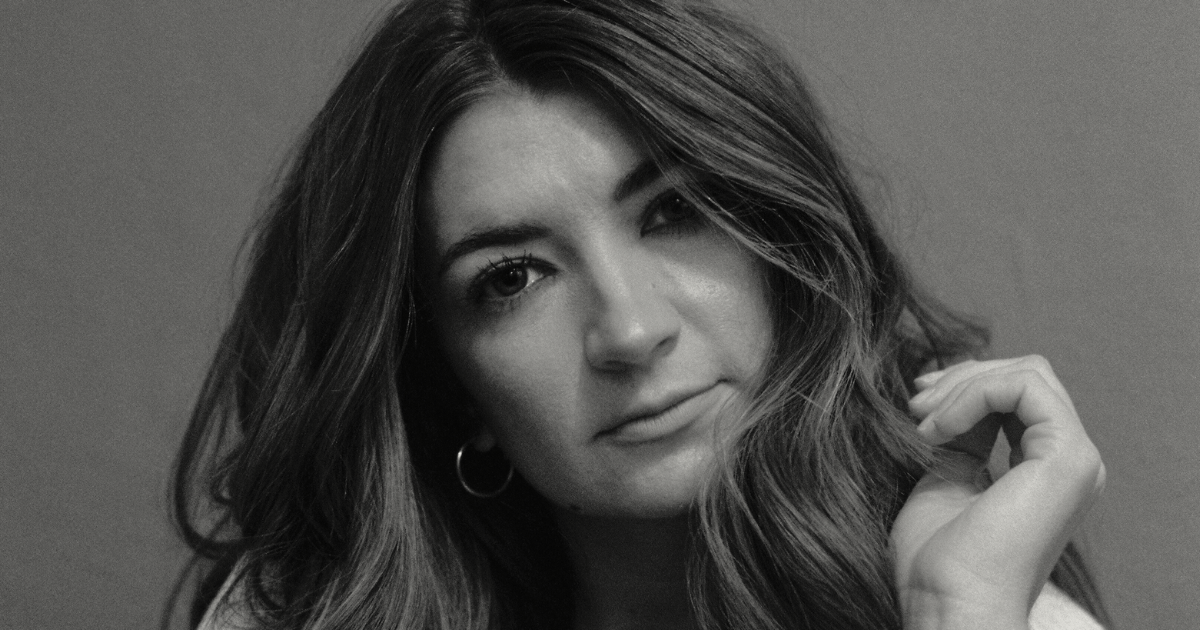
Photo Credit: Madison Rensing.
Courtney Marie Andrews Doesn’t Fear Vulnerability

Courtney Marie Andrews’ story begins in Phoenix, Arizona. An only child raised by her mother, she found solace and an outlet for her creativity and imagination in music. She planted her music roots in a self-described “feminist punk band” and began touring while in her teens. Along the way, she recorded a number of albums – best known are Honest Life (2016), GRAMMY-nominated Old Flowers (2020), and Loose Future (2022) – lived in a number of cities, and worked and toured with a number of musicians, including rock band Jimmy Eat World.

Andrews eventually made her way to Nashville, where she now resides. There, she creates music and other art, fueling her soul and inspiration with long walks and her love of animals, bonding with friends’ dogs, and feeding an assortment of “porch animals,” mostly cats, who take up residence outside her door.

In addition to music, Andrews expresses herself through painting and poetry. She has published two collections: 2021’s Old Monarch (2021) and the recent Love Is a Dog That Bites When It’s Scared. Her music, writings, and artwork explore a broad scope of emotions and experiences: loss, grief, fearless love, deep darkness, pure joy, and acceptance of the entire spectrum.

These outpourings are at the essence of her new release, Valentine (out January 16 via Thirty Tigers). Written in the throes of anticipatory grief, the album plummets into the vortex of her trajectory. While the message is raw, the recording is anything but. Valentine is an unfiltered look into Andrews’ heart, filled with waves of sounds and layers of instrumentation.

Among the numerous instruments she plays on Valentine, Andrews is featured on an assortment of guitars and basses, including a 1973 Martin D-28, 1968 Gibson B-45 12-string, 1970s high-strung Japanese Epiphone, Gibson J-45, Epiphone Casino, 1972 Fender P-Bass, 1960s Kay K5915 bass, and 1960s Teisco six-string bass. Longtime friend and colleague Jerry Bernhardt joins her on various instruments, with drummer Chris Bear rounding out the trio. The album was recorded by Michael Harris at Valentine Recording Studios in Los Angeles and produced by Bernhardt and Andrews.

BGS reached Andrews via Zoom for an Artist of the Month conversation.

Has Nashville changed you as a songwriter?

Courtney Marie Andrews: I thought it would deeply shift everything for me, but if anything, it made me want to do other things as well, maybe subconsciously. I started painting and focusing on poetry. But that core sense of self, that songwriter self, will always be with me wherever I go. It’s hard to say how it has shaped me until I’m looking back on my life 20, 30, 40 years from now.

But I will say the community I’ve found here is profound. I’m a Western girl. I’ve lived in Arizona and Seattle up until pretty much my 30s, and I didn’t realize how lonely the West can be. I think that’s apparent in my early work as a songwriter. That subject is throughout the work. When I moved here, I was almost overwhelmed by how much people wanted to hang out. It took a while to adjust and now I can’t imagine it any other way, not having that community to feel into and understand this work, because it is a strange career. So I think more [that] it has affected me personally, but I’ve always continued to write and been on this journey on my own and in my own time.

This is a stripped-down album – only three musicians, including you, and one of them is also your co-producer. Did you know, when the songs were written, that this is how it needed to be done?

I completely funded this album on my own, so if I’m being frank, it was an economical choice. Originally, we would have loved to have a band, but in hindsight, ultimately it created the record it created and I wouldn’t have had it any other way. There’s some power to it being a very condensed group of people, because the focus is a little bit more zoned in, and it becomes a vibe if it’s coming from a few core people, rather than everybody adding their stroke to what you’re doing – which I think is also valid. But looking back, it was probably the best thing we could have done, having Jerry and I playing all the instruments and Chris Bear, of course, on drums.

You played a number of guitars on Valentine. Do the songs determine the guitar, or does the guitar sometimes direct the song?

The songs ultimately lead the way on feeling and vibe. Jerry and I wanted to layer the record. There are a lot of different layers of guitars. We would varispeed one guitar up, so it’s super-high, and then we’d varispeed one guitar lower, so it’s super-low, to create the rounder sound, especially if you’re listening in headphones or on a high-definition speaker system.

But it’s definitely song-driven, whatever the feeling. “Best Friend” is just my guitar and Jerry’s twelve-string. We didn’t go much further than that, because the song was meant to be a bit sparser as far as the depth goes.
“Everyone Wants To Feel Like You Do” is about a certain type of misogyny where it’s, “I do whatever I want and I don’t care about the consequences, nor am I held accountable for the consequences.” The song was written with that feeling, and I thought it would be funny if I played guitar like that, where I didn’t care, so I over-distorted my guitar and played as crazy as I could to assert my power.

How do songwriting, poetry, and painting each fulfill a different side of your artistry and emotions? Is there ever some cross-pollinating?

I wanted to tell the same story with a different perspective, so there is cross-pollinating in terms of the source of the material, where it’s coming from, where I’m at in my life, whatever darkness or lightness I feel. It all sources from the same well of emotion and experience. But there are different ways of telling the same story. I found that when I was songwriting exclusively, I would write the same song over and over again. Whereas if I take a step back, do a different medium, and come back to songwriting, I feel fresher.

Ultimately and forever, I’ll always identify and feel the deepest connection with songwriting. That’s the first thing I fell in love with. It’s the thing I understand the most. But the mystery of these other mediums has really flourished.
There’s a natural through-line between poetry and lyrics. What about painting? Do lyrics sometimes inspire a painting? Does something you create on canvas ever become words in one of the other mediums?

There’s not a lot of crossover. I don’t look at painting like I would look at a page or a song. Painting is, for me, a place to describe emotions that are unexplainable. That’s why painting is so cool. It’s almost equivalent to jazz; it’s more of a feeling that you can’t describe. That was enticing to me. To express myself as a word person who ultimately values words so much, it was important to think outside of the box a little bit. Painting allows that. To not be confined by words is really interesting.

Tell us about your recent Artist in Residence at the Iowa City Songwriters Festival. You performed and did a reading from your new book, but what does “artist in residence” mean at this particular event?

Because Iowa City is a UNESCO World Heritage City of Literature, there’s a heavy college-funded element. I’m not sure if that was their direct funding, but they definitely have more of a collegiate approach to an artist in residence. I’ve done some residencies where they don’t want anything from you. They just say, “Come up and write whatever you want. We don’t care.” But this one was definitely a bit more mentorship-driven. I led a class, a songwriting workshop. I also had one-on-one mentorships with young songwriters, people who are just getting started. They had a packed schedule for me, but it was so lovely.

I think their ultimate goal is to prop up songwriting among the other literature of the world, having songwriting classes in college, and having it there with poetry, fiction, nonfiction, memoirs, memoir writing, and all that. I think that’s ultimately what they’re trying to attain with the residency program. So it was great.

I’ve found that I really love to talk about songwriting in that way. I think that, in our culture, it’s a dying thing, at least from where I’m sitting, to seek out opportunities to learn from elders, from people who’ve been doing it a long time. The more we can do that in our culture, the better off we’ll be. It’s an incredible festival, and I would highly recommend people going. The people who run it are just wonderful.

When you lead workshops and do one-on-one mentoring, is it as much a learning experience for you as it is a teaching experience?

Absolutely. I think to teach is to be a constant student. The moment you feel like you’ve figured it all out … I don’t know if that’s a good thing. Even as I speak about songwriting, I say things that open doors all the time to myself. It’s good to be endlessly curious.

Do you think being an only child contributes to your storytelling ability through songwriting and poetry? Living inside your head, escaping into your own head, in a way that might have been different if you had been surrounded by siblings?

Oh yeah, absolutely. Because I was a latchkey kid, I spent a lot of time alone. If I didn’t have a friend to play with, I had to go into the inner landscape of my mind. That was my way of communicating in a deeper way that I couldn’t quite get in my home life if my mom wasn’t home. I can attribute a lot of my childhood to that. I was a deeply imaginative kid and would create stories all the time. So I think the loneliness also fueled what I do now.

Do you draw from those past emotions when expressing what you’re currently experiencing?

How it manifests is that it’s like a period of reckoning when I’m writing songs. I’m generally alone. I find it very hard to write if I know somebody is even in the next room. I’ve had weird moments in my life where I wrote at soundcheck and stuff, but when I listen back to those things that I’ve written around people, it’s not as dialed in. So when I’m writing, I’m alone and reckoning with the life that I’m leading, or the life of others. It feels like this very quiet thing that needs to happen.

Are you an old-school pen-and-paper writer or have you gone the way of voice memos?

I do both. I exclusively use a green book to write in. It doesn’t matter what color green. They all are green, though, green-colored notebooks, generally the Moleskine variety or that look. I have plenty of them in a pile. [And] I love Micron, the ballpoint art pens. I really don’t like the standard DMV pen. I’m a little bit bougie when it comes to my pens. I like the flow of a Micron. I write and then voice memo. Generally, once I’m done writing a song, I try and always get it down in its unproduced form. I think it’s important to have that, and the phone happens to be the easiest way.

Is playing guitar, just playing, as much a part of songwriting as writing lyrics?

Oh, yeah. I love the guitar. I love open tunings. I love acoustic guitar music, Hawaiian slack key, and classical Spanish-style guitar on a nylon. I love to play and try and emulate that style. And so in certain works, it’s the first thing that happens. There’s many ways to come to a song, but one of them is [to] play a chord progression I like and sing gibberish, and that sometimes leads to a song. In that case, absolutely I need the guitar. But yeah, the instrument can definitely lead the way. It just depends.

When you spoke earlier about adapting to the Nashville community, it brought up the thought that growing up as “an only” maybe affects our social skills to a degree. It can make community something new, as opposed to something you’re used to having around you.

Yeah. I feel that. I have a hard time with small talk for this reason. I want to go immediately for the jugular, as far as intense conversations. I go from zero to a hundred. It’s really hard for me to be like, “Hey, how are you doing?” I feel like such an actor in those circumstances. Of course I’ve learned to do it by way of being a musician – you have to talk to new people every day. But small talk doesn’t do it for me. I have a hard time going in a simple, surface level.

In the bio accompanying this album, you said, “I was in one of the darkest periods of my life and songs were the only way I could reckon with it. I felt cursed and the only mental cure felt like songwriting and painting.” Have you always felt that darkness?

Obviously, as a teenager, I went through a pretty wild part of my life where I felt dark, but I think I actually denied my darkness for a very long time. I lived in a haze of denial and hope, which is a beautiful thing. It can do wonderful things for your mental health. But you also can’t really grow if you’re living in that state.

When I was younger, especially in my early twenties, I always had this hope – “Oh, one day things are going to change.” That denial, that hope, kept me in this holding place, which for a time was really nice, and as a matter of defense and self-preservation, I stayed there for a long time. It wasn’t until I started therapy that I realized I always had this underlying darkness. When I had that, we worked on that, and real things started to happen. Things in life that are so hard that happen to all of us – it became deeply dark and profound to experience that in a more awake state.

How did that help with writing this album?

During a lot of writing this, I was caretaking for my family member who was terminal. If you’ve ever been in that situation, it is all-consuming. The only way I could turn my brain off from that was to write. It wasn’t “I need to write an album.” It was “I need to get back to myself for a moment.” I wouldn’t say it was a conscious decision. It was just I know how I am, and I know that songs are my only way of regulating in these crazy times.

You once said you felt embarrassed by the vulnerability of your songwriting. Where do you draw the line, or do you draw one, between what needs to be said for yourself and what needs to be said for listeners for whom you are the voice? How do you do this and protect your mental health when performing these songs every night?

I’ve always said that once the song is written, it’s not mine. It also transforms for me as I sing it. There are songs I wrote fifteen years ago that I still perform, that have taken on completely new meaning and feel different to me when I sing them. I honestly can’t remember the headspace I was in when I wrote them, or the origin of them, or who I was thinking about, to a strong degree, but I feel differently about them.

As far as what needs to be said, ultimately I try to relate to people, or first myself, and then you put the song out and it becomes a different thing. I try, in an artistic space, to be as true to myself as possible. I try not to put up any walls in that space. As far as my life where I’m not playing music, that’s a different thing. But music is a safe space to say whatever the hell I want to say. That’s the reason it’s such a powerful thing. It’s a safe place for me to communicate. Whatever walls are up in a song are walls that I have up with myself. That’s always very apparent when you write a song. It’s not quite clicking and you’re like, “I’ve got some walls up to my subconscious, clearly.” So the extent to which the boundaries, the walls, are up is truly only the stage at which my heart is at in that moment.

Did that happen with Valentine – the walls, maybe the fear of the vulnerability? It’s deeply personal and powerful, going deeper and deeper into those emotions as your journey is sequenced.

I hate to say it, because I don’t want to sound trite, but making albums, making bodies of work like this, fear is the last thing on my mind. Obviously, natural fears come up: Is it going to be what I wanted, what I envisioned in my dreams? But as far as songwriting and being vulnerable in a song, that’s not the fear. In fact, if I got very close to the heart in a song, it’s generally the ones that I’m like, “That’s a good one. I got there. I got to the essence of this thing I was feeling.”

Being vulnerable in life can be really hard in my personal life, in some ways, and I think that is more where the fear is. But, for whatever reason, the way I direct it is okay in a song, and I’ve made up my mind for that to be true. I don’t know why; I guess it just makes sense to me. Human emotion makes the most sense to me in the backdrop of music.

As far as sequencing, Jerry and I argued quite deeply about the sequencing, but ultimately it did go to a place where once we got the sequence, it was undeniable. Side A and Side B are completely different frames of minds. Side A, you’re fighting for love and you’re desperate. Side B is a resignation – this is how it is, this is how it’s always been, and this is my childhood. By the end, in “Hangman,” you’re just “This is how it is, and you can fight for it or you can walk away.” So the sequencing was purposeful. I wanted it to be a journey. I think records should be like that. They shouldn’t be all one color or palette the whole way through.


Explore more of our Artist of the Month content featuring Courtney Marie Andrews here.

Photo Credit: Wyndham Garnett

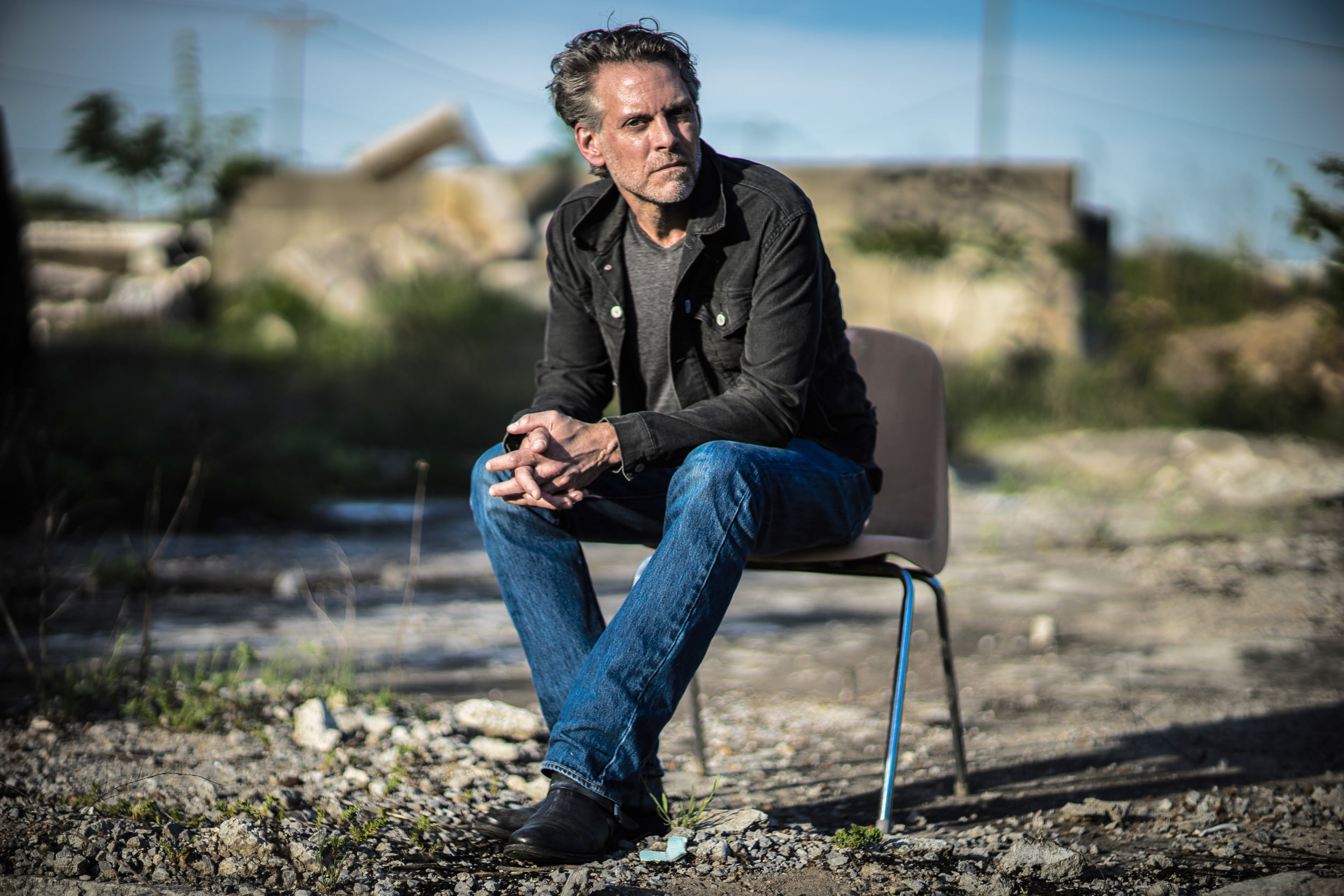
Gig Bag: Rod Picott

Welcome to Gig Bag, a BGS feature that peeks into the touring essentials of some of our favorite artists. This time around, Rod Picott details the items he always has nearby when out on the road.

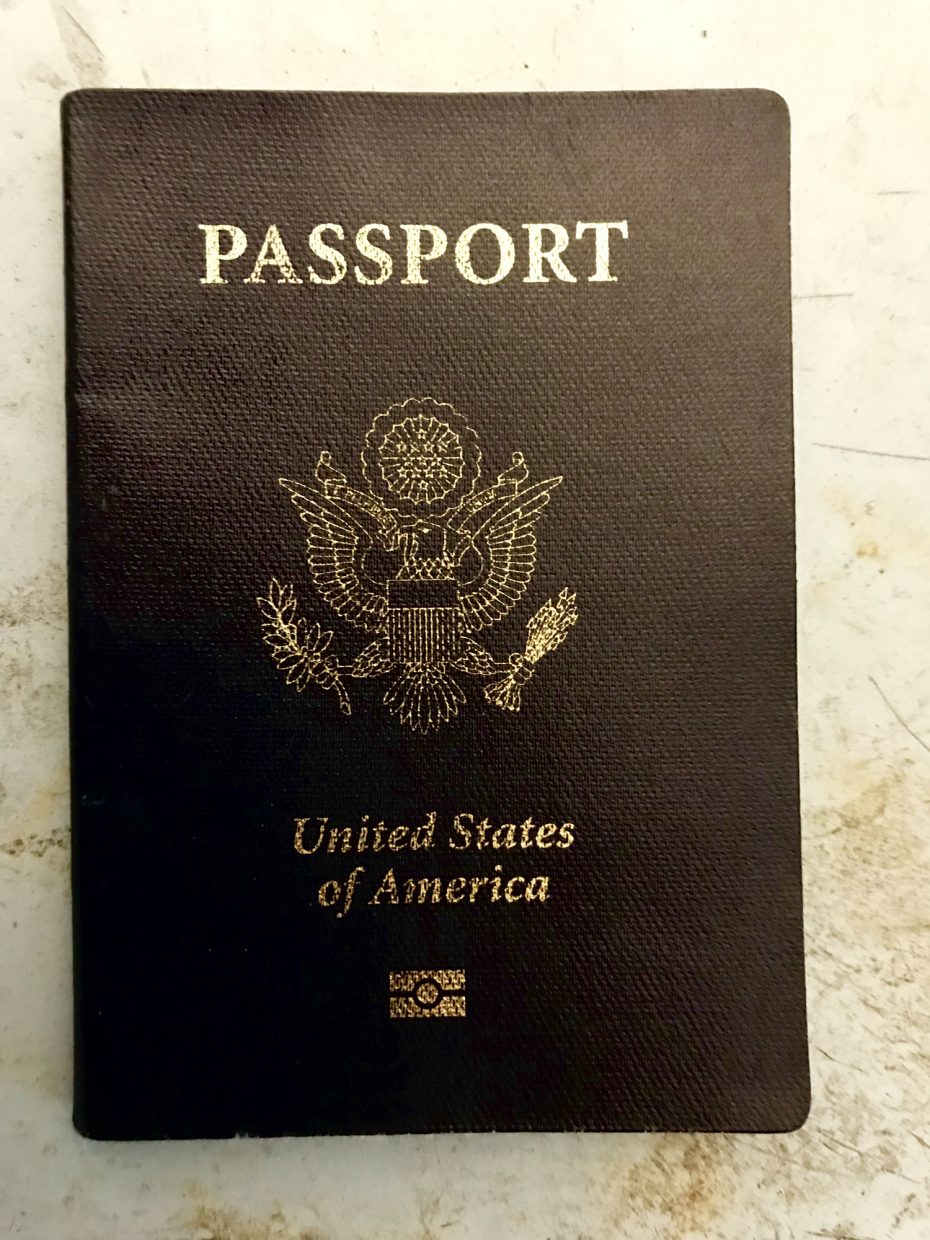
Passport: I tour Europe every year, sometimes twice. Every country has different, shadowy rules regarding the validity of your passport. I got stuck in the Netherlands once because my passport wasn’t valid for 30 days after it expired. Huh? Exactly. “You can come in, but you can’t leave because this passport will only be valid for another 28 days when you leave.” “But it will be valid … for another 28 days.” “We require 30 days …”

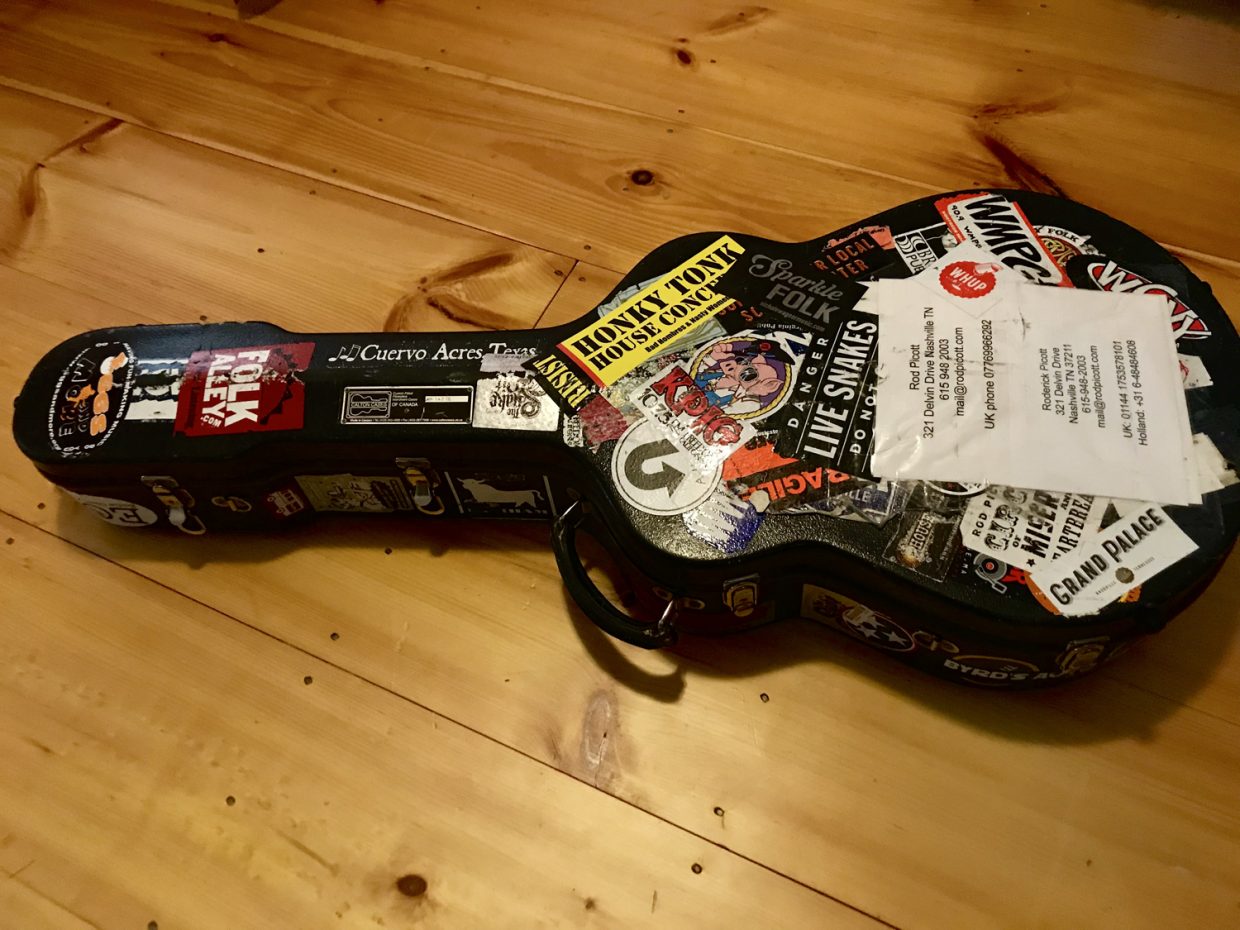
Calton flight case: This case has been to 48 States, 20 European tours, lost, found, abused, kicked, dropped, insulted, hurled, and humiliated. In all that time, the Gibson J-45 inside has remained intact. I might have jinxed myself writing this, but so far …

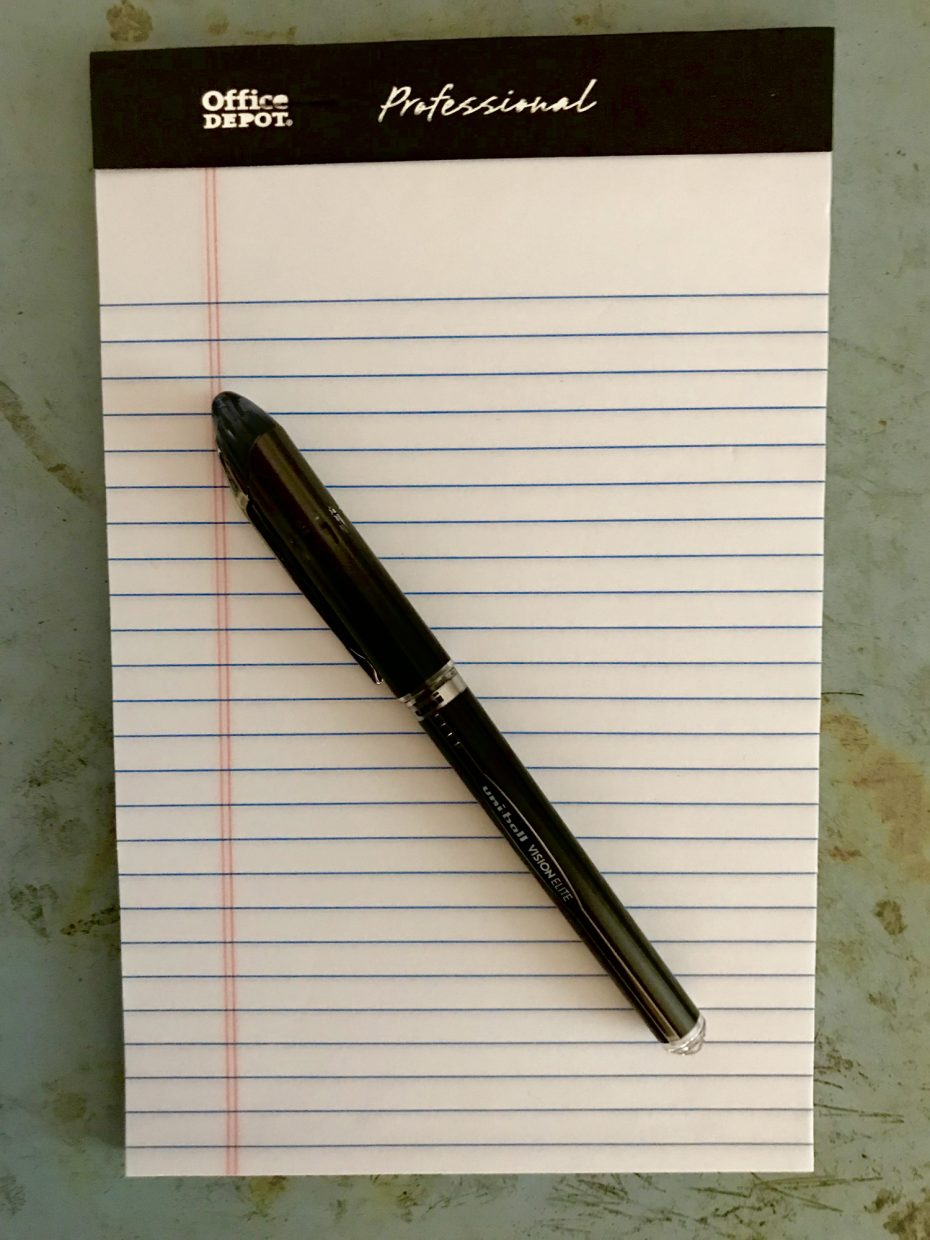
Uniball Vision Elite and notebook: The notebook pages must tear from the top (for driving) and there is no better pen in the kingdom of pens than the Uniball Vision Elite Fine Point. The cover clicks on with a satisfying, solid “thunk” — you can do this repetitively to help you think — and the pen has a sort of scratchy quality that really tells your hand you are writing something. You’re almost carving into the paper, when you wield this pen, and you can’t feel the roller roll at all. It’s like writing with a knife.

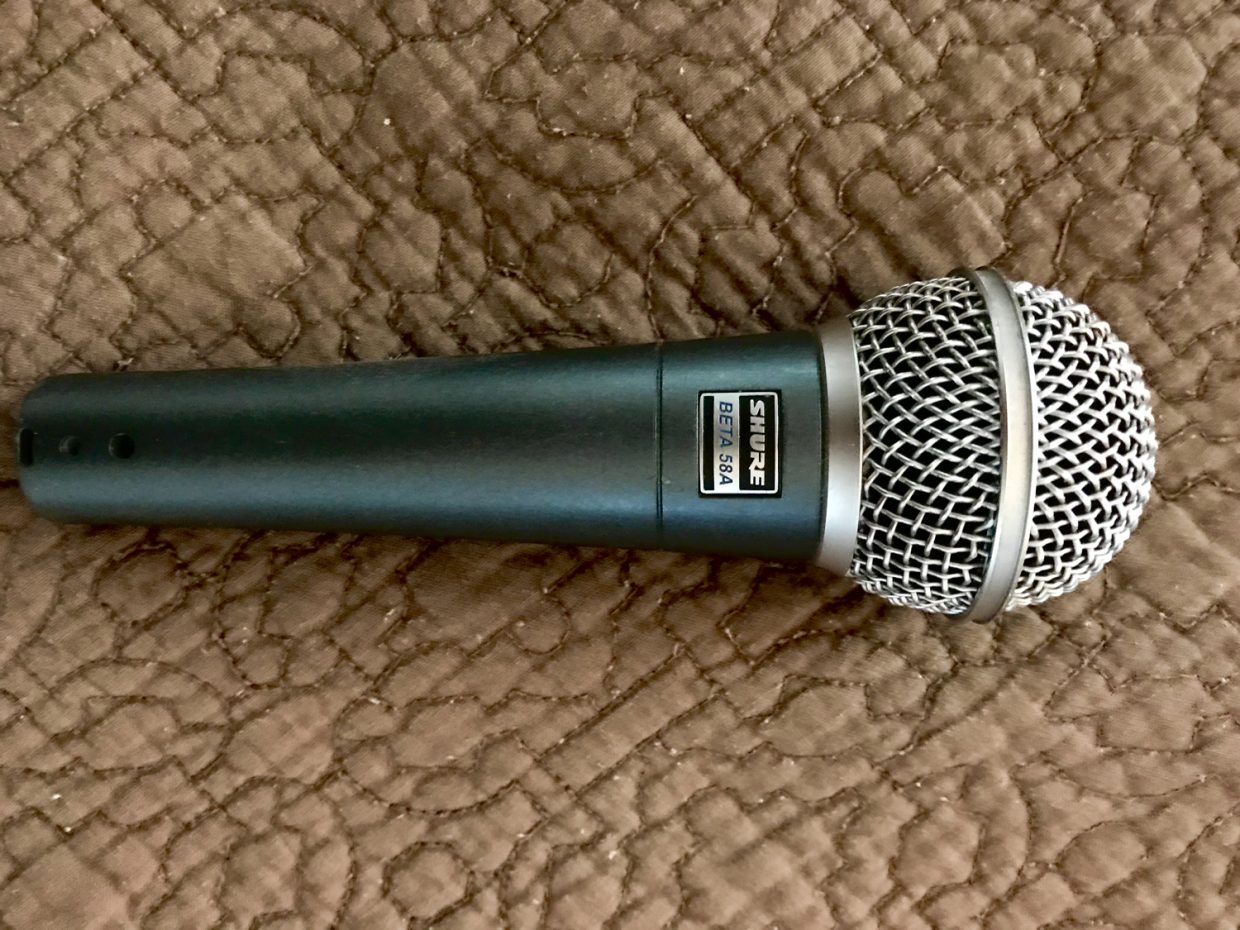
Shure SM-58 Beta: Sometimes the sound person would prefer you use the mic that they have tuned the room for. My only response is, “I don’t share a mic with anyone I haven’t kissed.” The little bit of extra high end on this tank of a microphone helps my ragged baritone cut through a bit more than a regular SM-58.

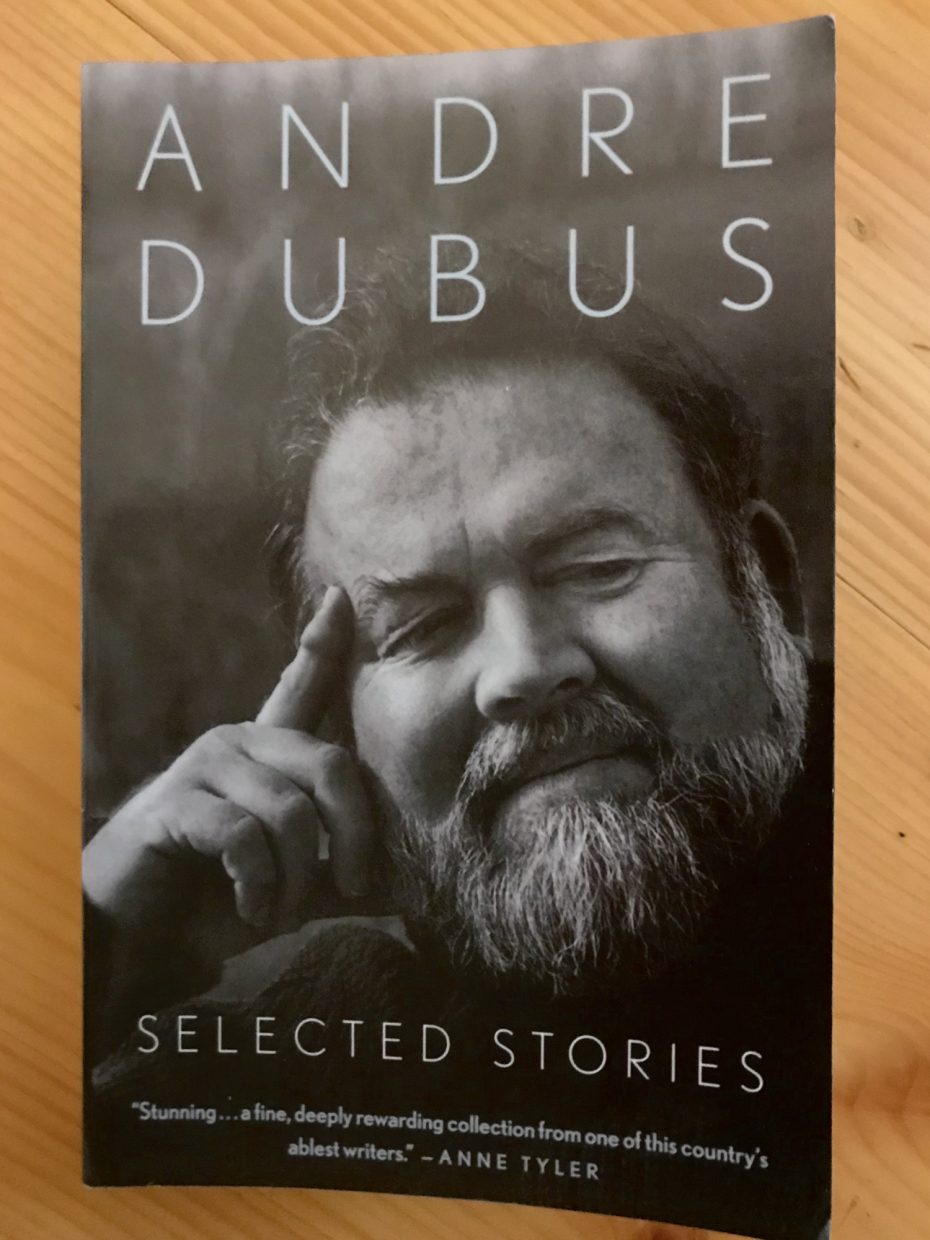
A long book: The terrifying moment of finishing a book mid-tour will bring on a panic attack. Ideally, you will close the last page as the flight attendant brings your last tiny bottle of cabernet — just before the landing gear engages. If you get it wrong and finish some Nicholson Baker or Ron Rash and have to buy another book, it’s no tragedy. You get to go to a bookstore. But then you have to carry two books. I’m all about utility. If you see some friends on tour, sometimes you can trade. That works, too.

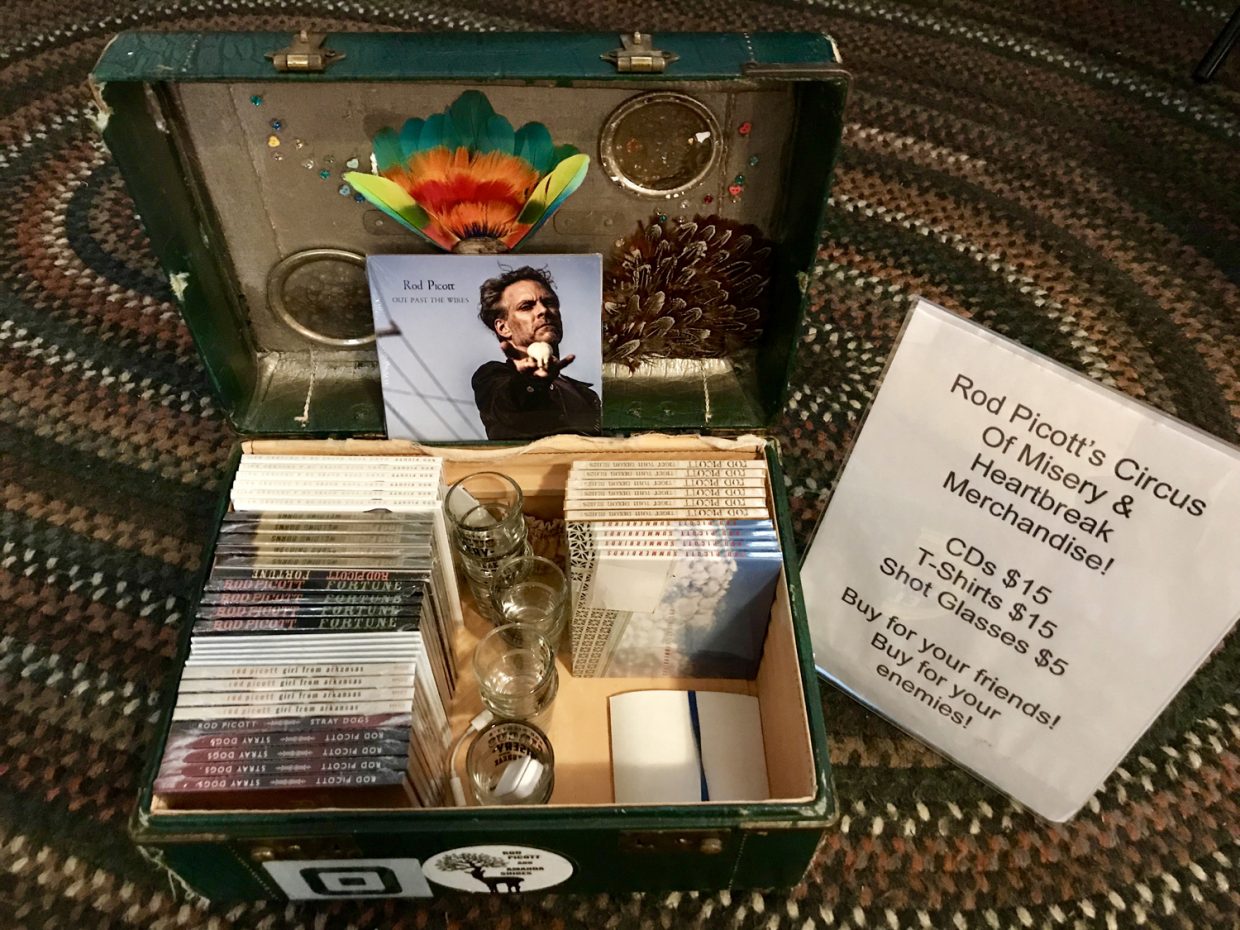
The merchandise box: The cardinal rule of touring — never ever run out of merchandise. This one was decorated on the inside by Amanda Shires, back when we were touring together. A fan gave me one of these feather things to replace one that fell off. I think it’s a make-up box from the 1940s or 1950s. I’ve had it so long, the handle is bare metal. The leather peeled off slowly over all the years of touring — like rings on a tree but in reverse. I figure, on the very last tour, when I’m 80, the handle will fall off as I sell the last CD. Then I’ll keel over in a corner booth, and they can bury my ashes in it. Or someone can keep it. It will be the ultimate piece of merchandise. “I have all the CDs.” “Oh yeah? I have the guy in a box. It was only 15 bucks.”

A Minute In Santa Cruz with the Coffis Brothers

Welcome to “A Minute In …” — a BGS feature that turns our favorite artists into hometown reporters. In our latest column, the Coffis Brothers take us on a tour of Santa Cruz, California.

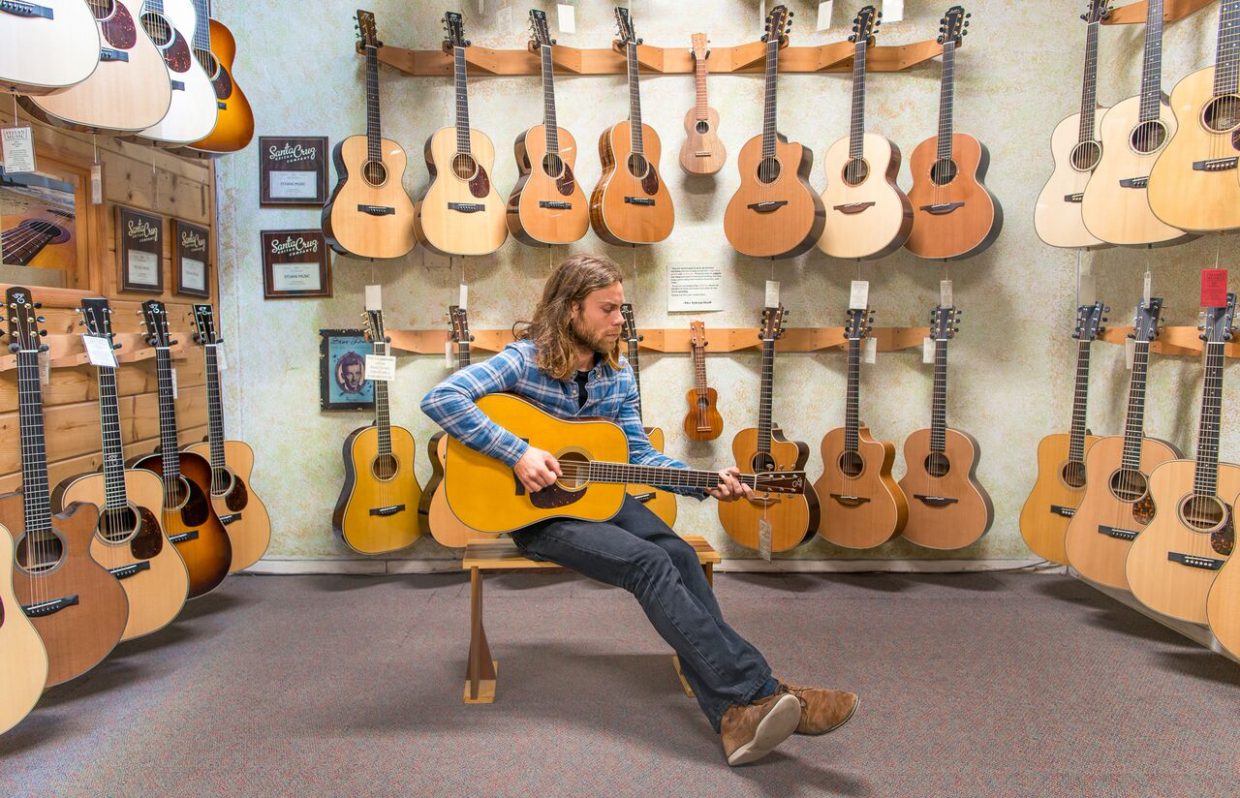
Sylvan Music: On the west side of Santa Cruz, at the corner of Mission and Bay, is Sylvan Music. Focusing primarily on stringed instruments, Sylvan Music is as good of a music store we’ve come across anywhere. As well as being a dealer of Fender, Martin, Taylor, and Duesenberg, among others, Sylvan has two vintage rooms that are a must-see for any musician coming through Santa Cruz. Sylvan also is the biggest show room for the locally made and internationally regarded Santa Cruz Guitar Company guitars. If that wasn’t enough, our bandmate, Aidan Collins — as well as our musician BFF, McCoy Tyler — are among the staff at Sylvan.

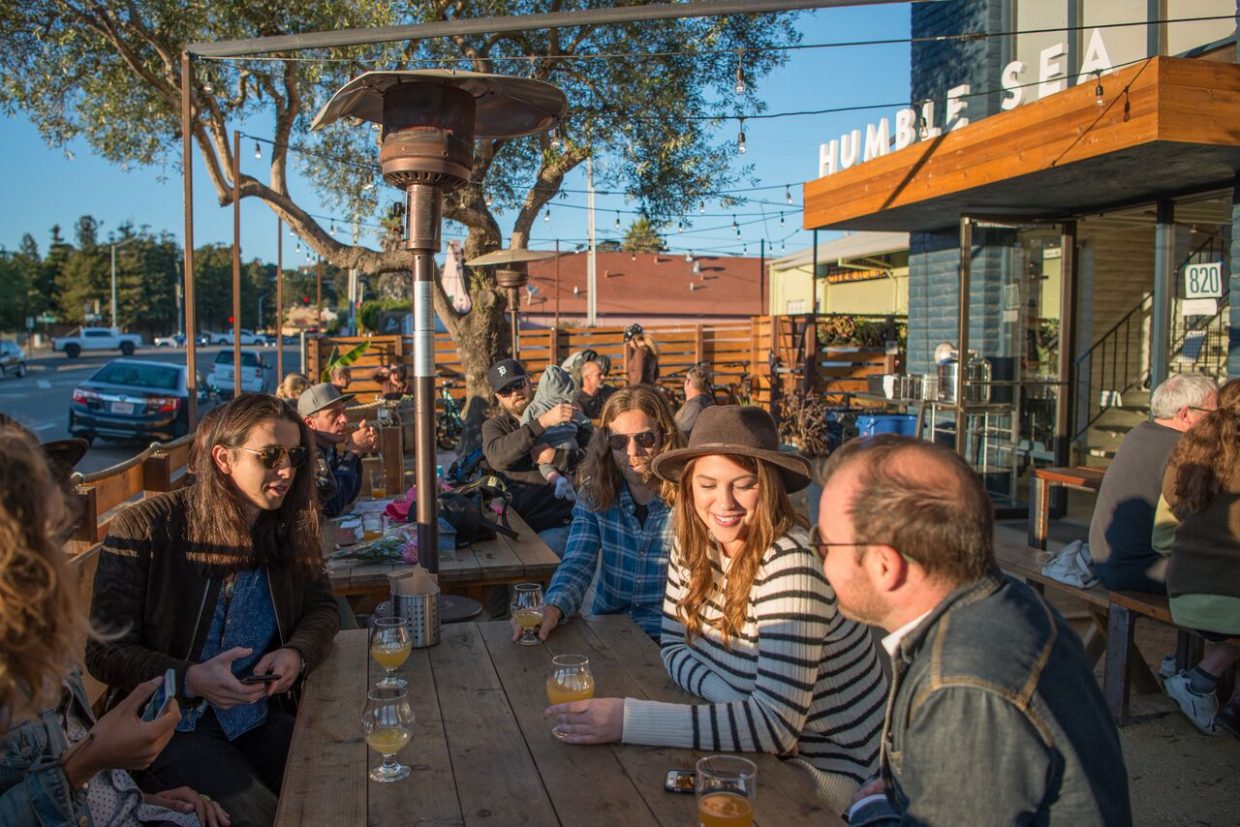
Humble Sea: In March of 2017, on the west side of Santa Cruz, Humble Sea Brewing Company opened and joined the burgeoning micro brew scene here in Santa Cruz. Between their often rotating and interesting tap list, friendly staff, and sunbathed outdoor beer garden, it has become our favorite brewery and weekend hang spot rather quickly. Humble Sea served beer for the first time in 2016 at a local show of ours and, since then, we have partnered with them on several occasions for special events. Enjoy a beer and the Santa Cruz sun at Humble Sea.

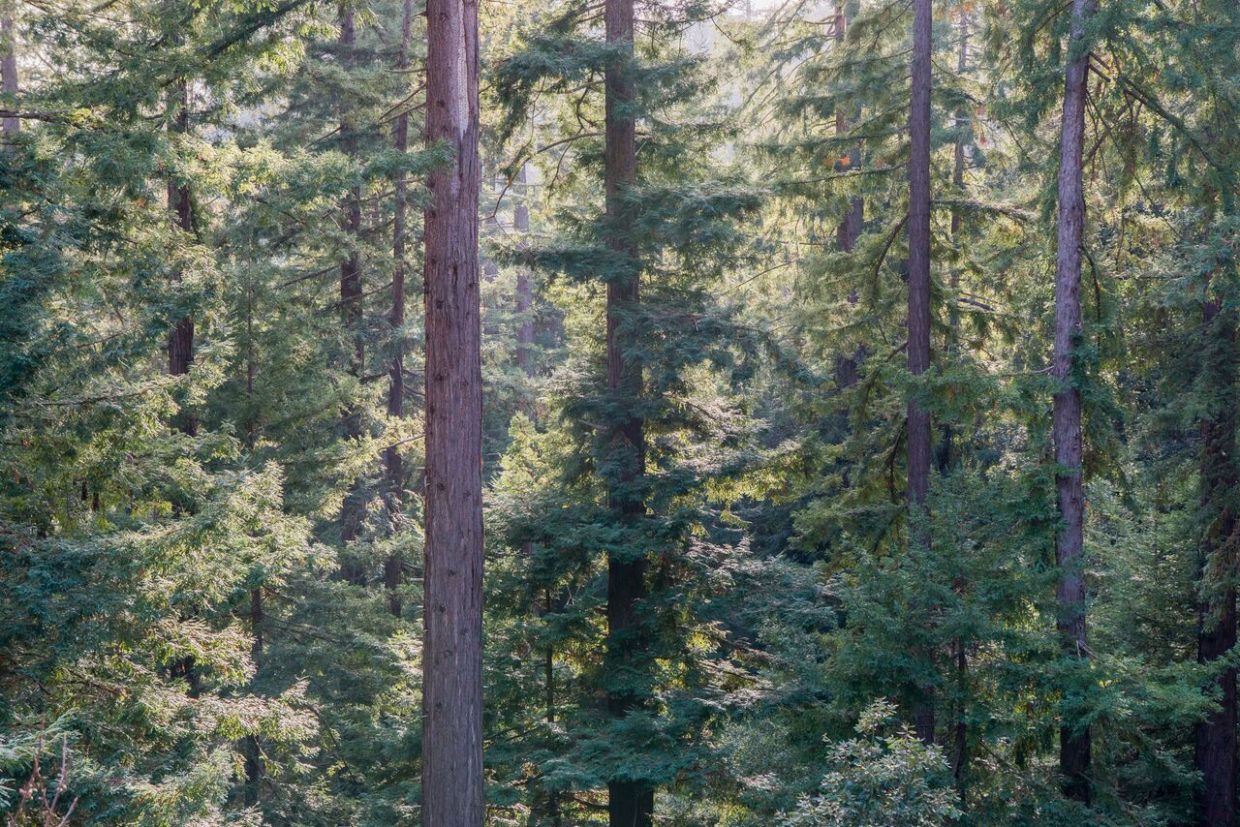
San Lorenzo Valley: You can’t explore Santa Cruz without exploring our redwood forest. In our hometown of Ben Lomond, we are surrounded by redwoods. We’d recommend taking the 10-minute drive from Santa Cruz into the San Lorenzo Valley and hang out amongst the redwoods. If you’re looking for a hike or a run, Fall Creek, Big Basin, or Henry Cowell have some of the nicest trails you can find anywhere. If that seems like a lot of work to you, then perhaps a drive through the San Lorenzo Valley on Highway 9 might be more your thing.

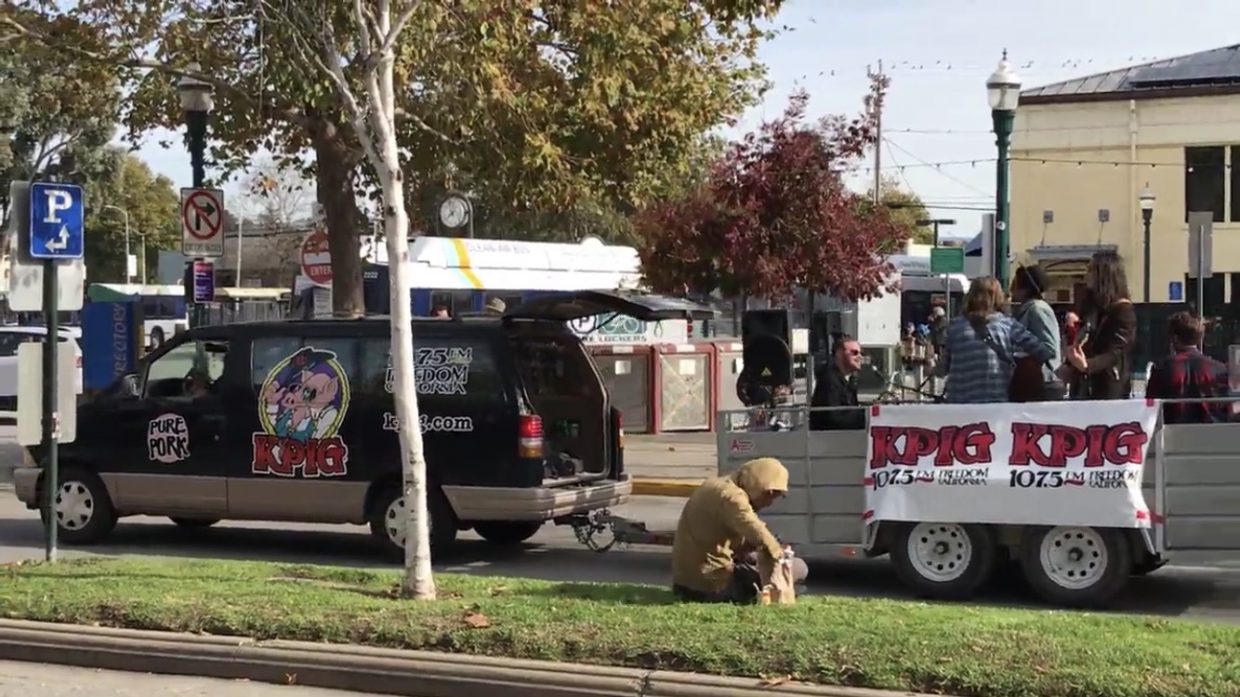
KPIG Radio: It’s the greatest radio station in the world, man — 107 oink 5 KPIG is a Santa Cruz institution. Located in Freedom, California, at the south end of the Santa Cruz County, KPIG is one of those rare radio stations that you don’t find everywhere. Sometimes KPIG takes their show on the road, even. Just recently we hopped in their pig pen and drove through downtown Santa Cruz playing music. Tune into KPIG when you’re in Santa Cruz. You might even hear one of their newest DJs, our very own Jamie Coffis.

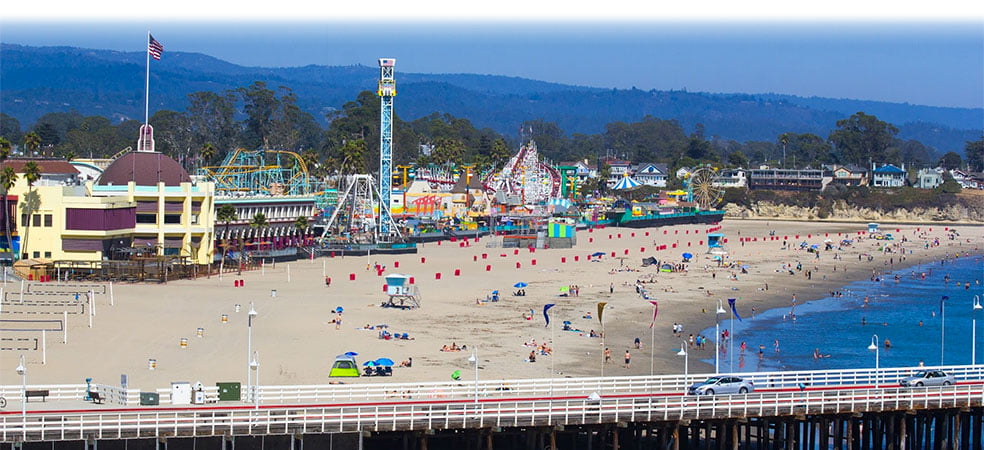
Santa Cruz Beach Boardwalk: Sometimes you just gotta be a tourist, and there is no better place to feel like one than at the Santa Cruz Beach Boardwalk. Just east of the Wharf and West Cliff is one of California’s oldest and only beachside amusement parks. It is home to the famous wooden roller coaster, the Giant Dipper, and also hosts free summer concerts. Speaking of concerts … we recently got to set up on the beach and play facing the boardwalk to celebrate the 150th anniversary of Santa Cruz. There’s always something fun happening at the boardwalk.

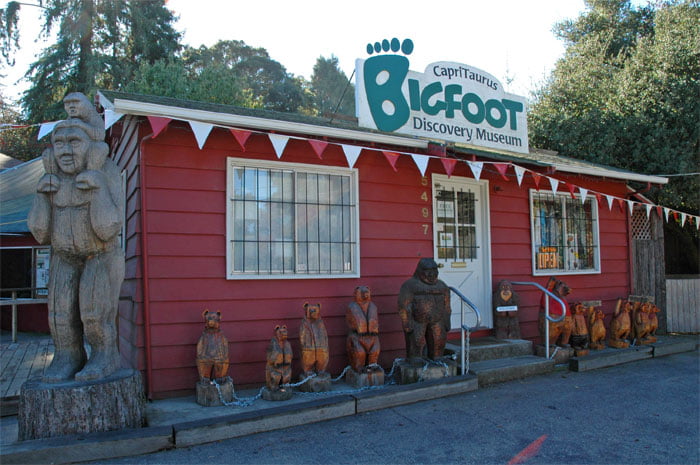
Big Foot Museum: The Santa Cruz Mountains are home to many different creatures: deer, mountain lions, hippies, but maybe most notable are sasquatches. So, naturally, located in Felton, in the Santa Cruz Mountains, you can visit the Bigfoot Discovery Museum. After you finish a hike in Henry Cowell State Park, cross Highway 9 and walk inside the Bigfoot Museum. Check out more Bigfoot-related paraphernalia than you ever knew existed and be ready hear about countless stories of actual “sightings” in the area. We have our own affinity toward sasquatches, and we keep a stuffed sasquatch named Sally on stage with us every show.


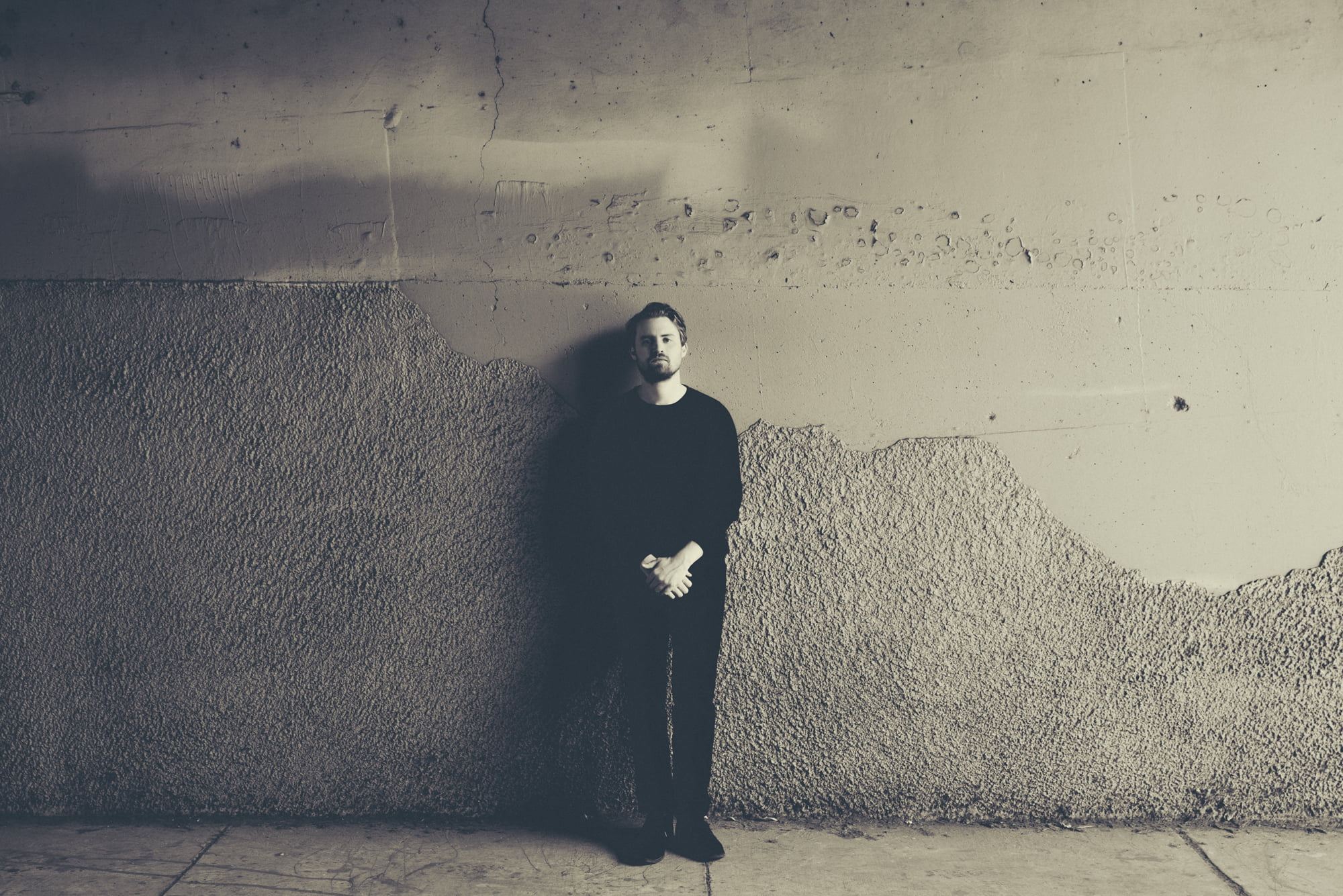
Photo credit: Connor Quinto

Gig Bag: Ethan Gruska

Welcome to Gig Bag, a BGS feature that peeks into the touring essentials of some of our favorite artists. This time around, Ethan Gruska gives us a look at what he has to have handy when he’s out on the road.


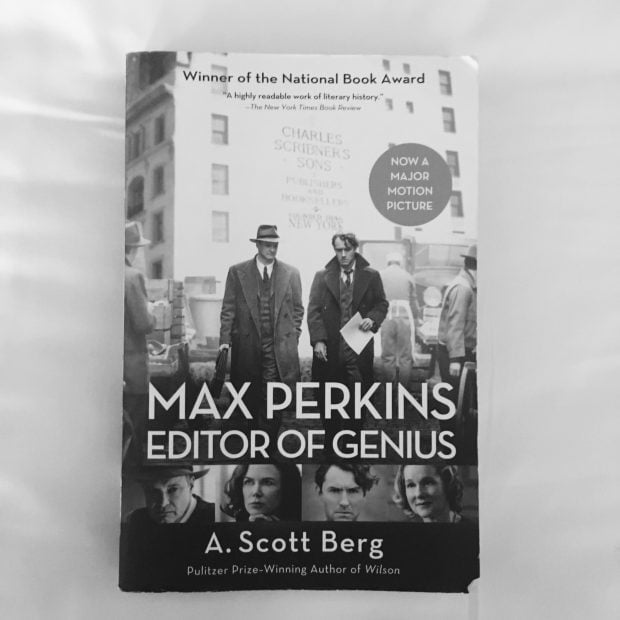
A good book: There’s a lot of downtime on tour and being glued to your phone is not a good look, and it will ruin your brain. So a good, long book is necessary for healthy and inspiring downtime. Right now, I’m reading the biography of Maxwell Perkins called Editor of Genius by A. Scott Berg. Highly recommended for anyone interested in working with artists in any field.

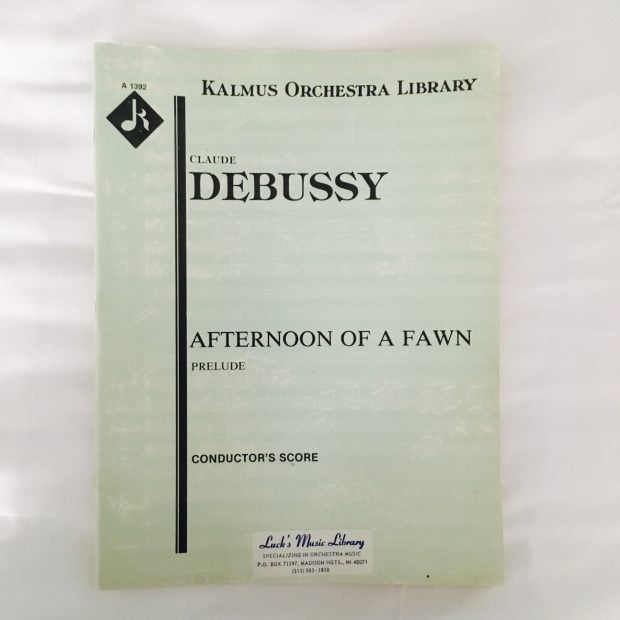
A few orchestral scores: Lately, as I’ve gotten more and more into classical music and orchestration, I’ve enjoyed bringing a few scores out on the road to study and read along with while listening. Yes, I’m a dork and look pretentious if I’m reading them in public, but I don’t care!

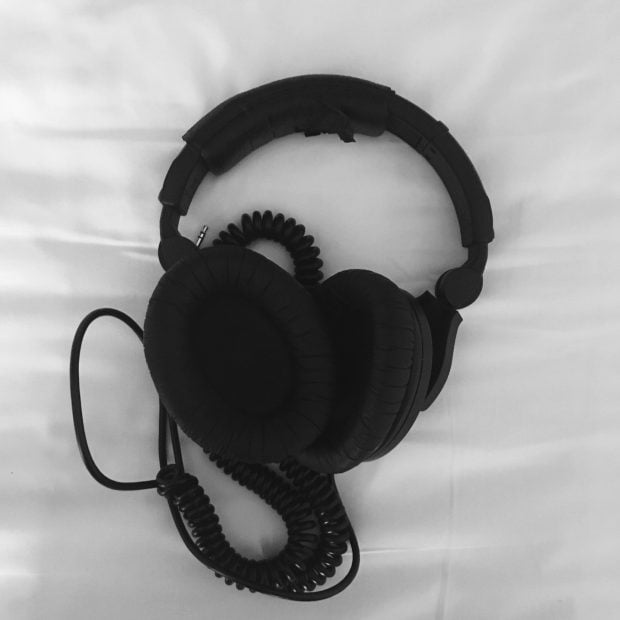
Great headphones: I always bring my Sennheiser headphones out on the road (I know these headphones are the best — sponsor me??) so I can have good listening experiences and in case I need to check mixes/masters of anything I’m working on back at home.

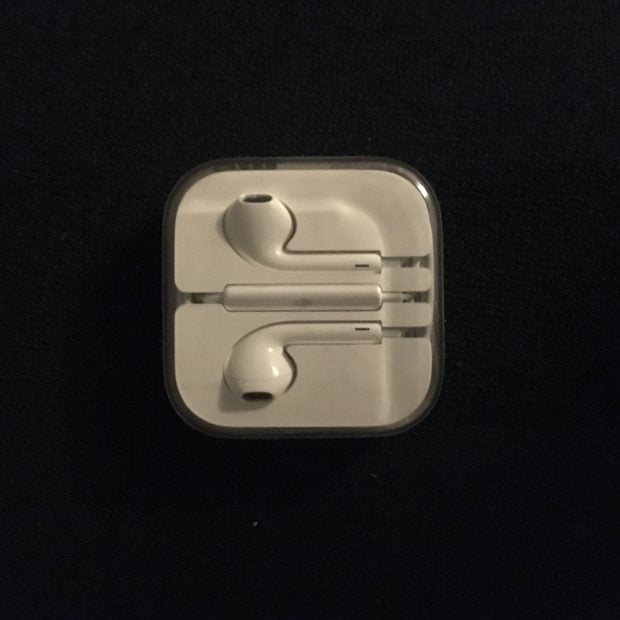
Average headphones: I also bring a pair of Apple earbuds so I don’t have to be walking around wearing my nicest/biggest headphones, if I want to listen to music walking around town. It’s also good to check stuff I’m working on a second and not as “open” pair of headphones …

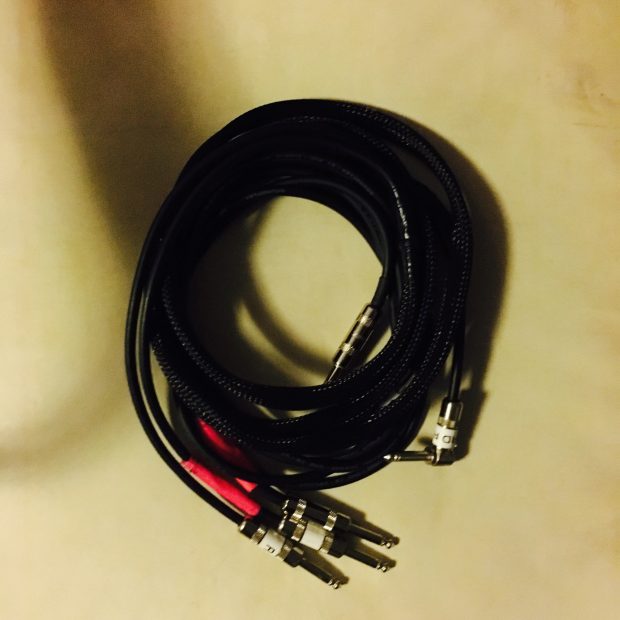
Extra cables and strings: Cables and strings go bad, and it helps to have extra in case you run into an issue on stage!

Gig Bag: Sammy Brue

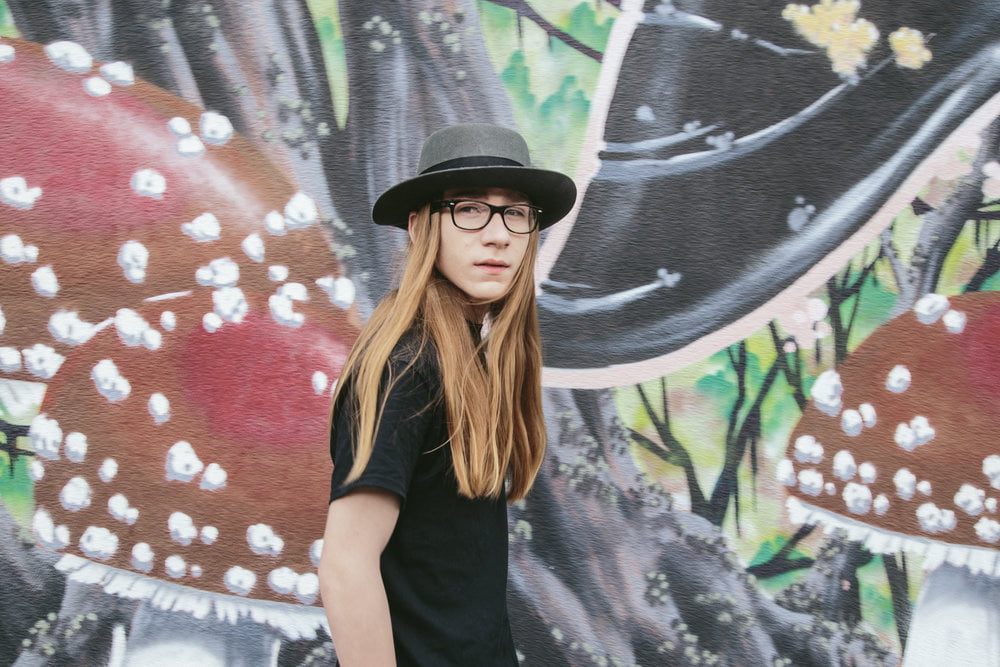
Welcome to Gig Bag, a BGS feature that peeks into the touring essentials of some of our favorite artists. This time around, we look at what teen phenom Sammy Brue has to have handy when he’s out on the road.

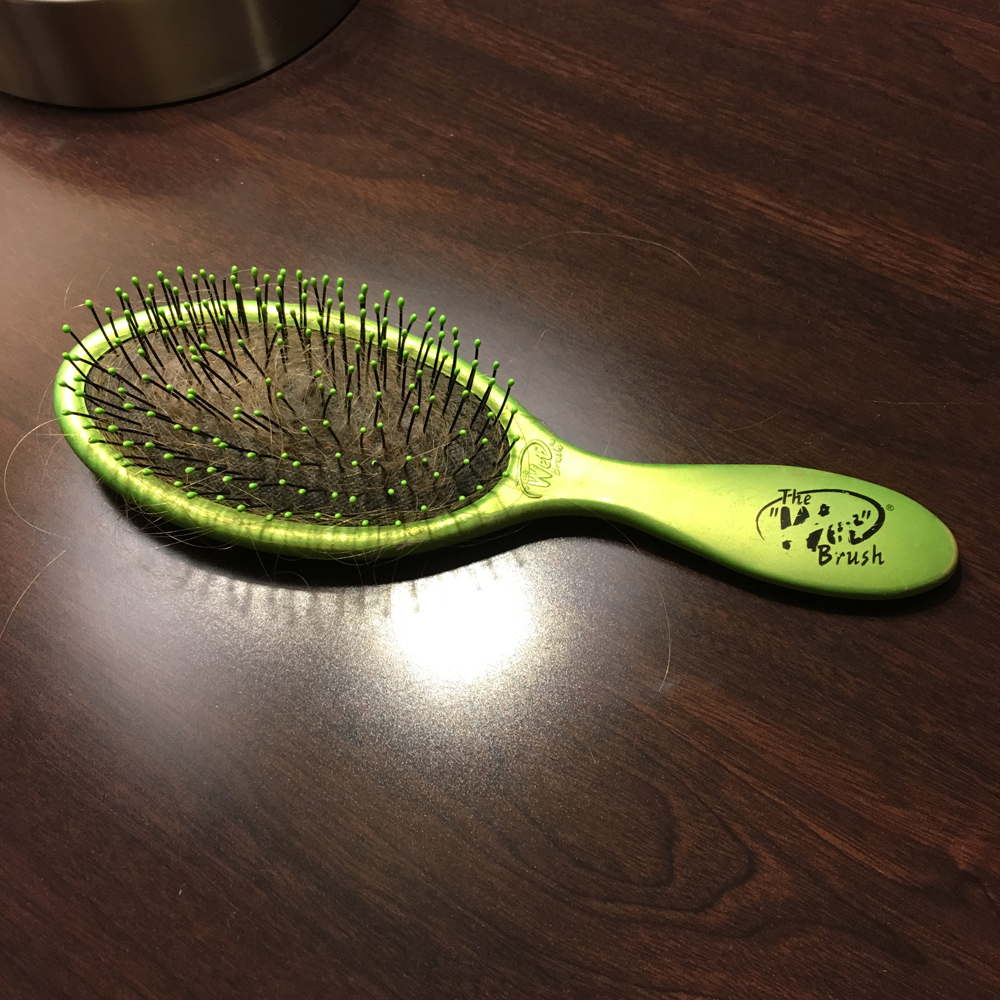
Wet Brush: When you have as much hair as me, you have to have this brush to tame the mane. If not, I get dreadlocks bigger than Bob Marley. I’m a total man-bun guy when I travel, so right before a show, there is a 20-minute ritual we do to get my hair straight. I’ve tried others, but they usually tear my hair out.


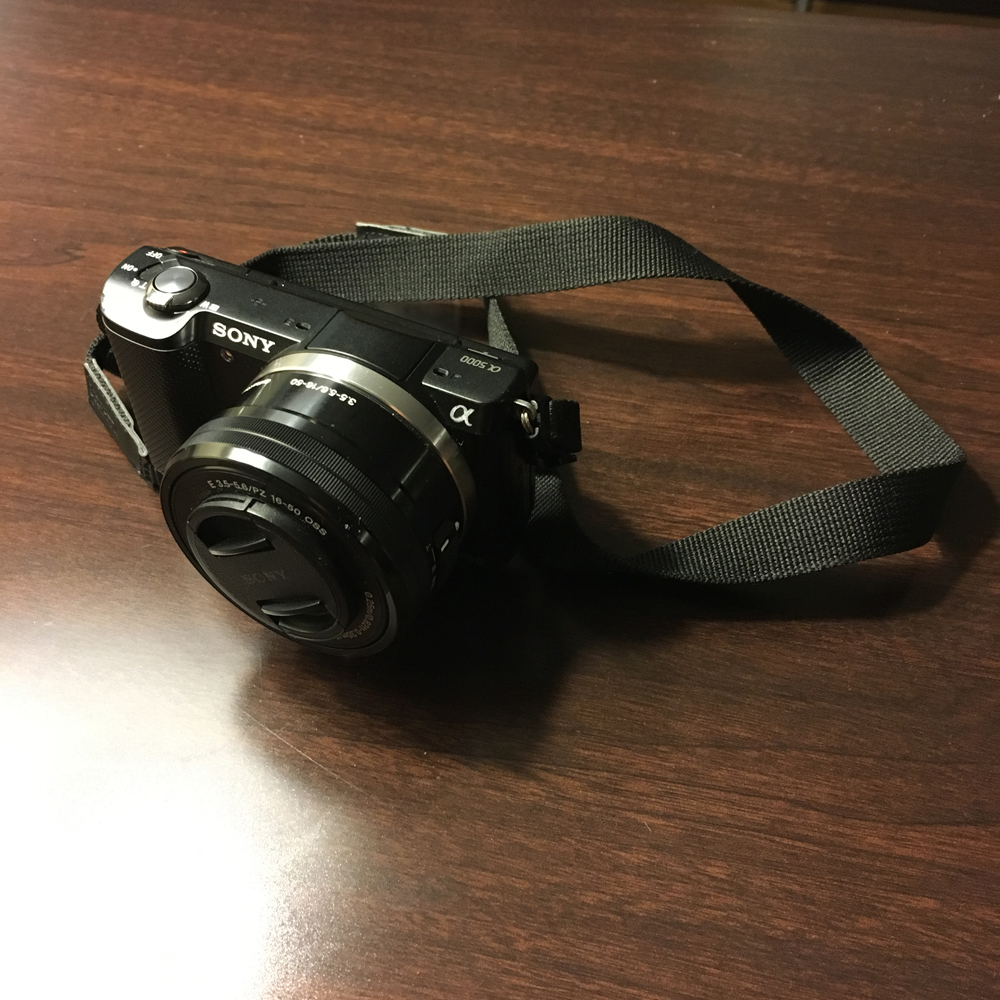
Camera: Even though my phone has a camera that works well for social media, I always bring my Sony camera for portrait-style shots around the cities I’m in. I also do Vlogging with it, and the quality is great. Coolest part is that I can send my photos directly to my phone after I shoot. 

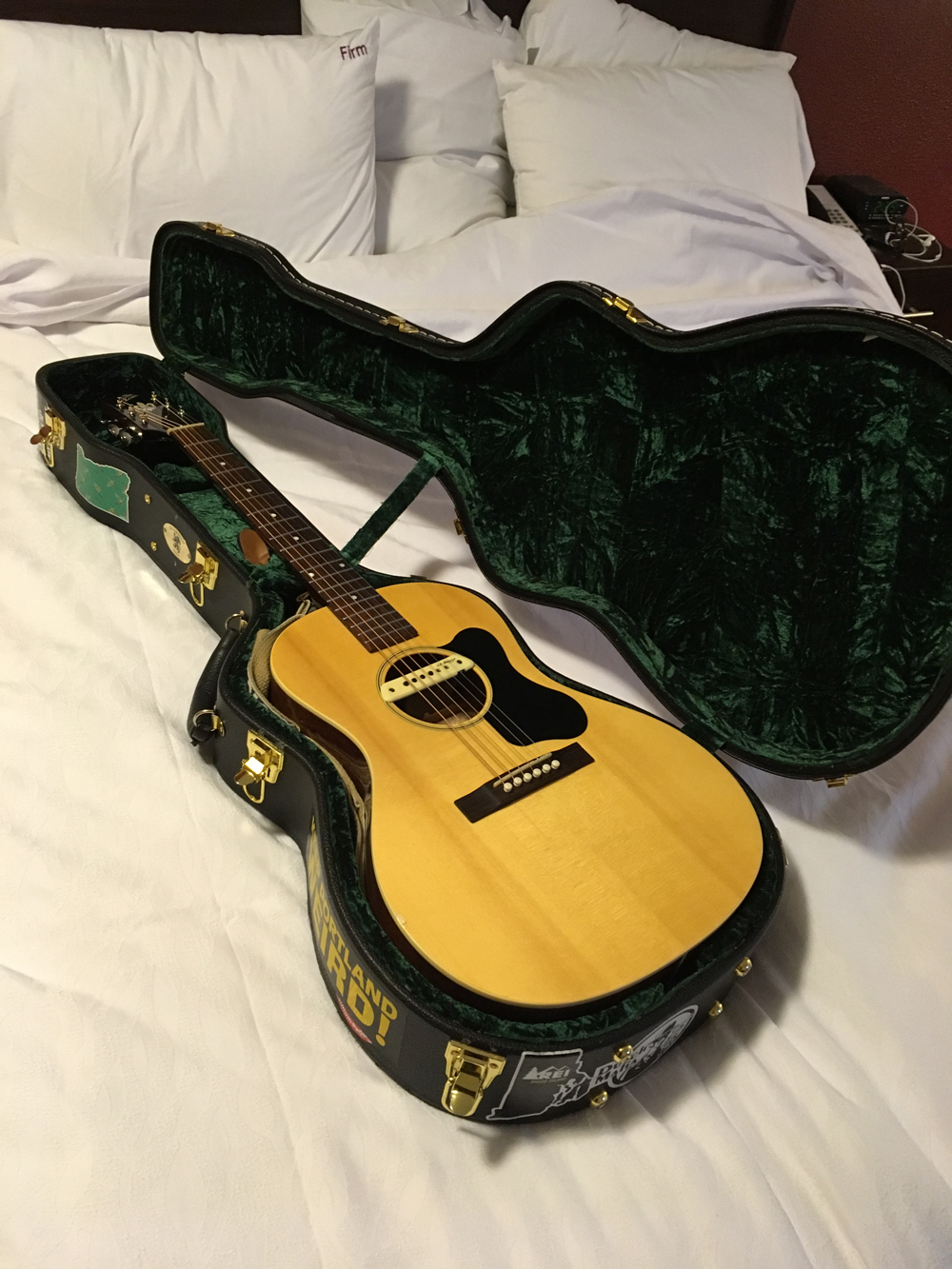
The Loar: I’ve been playing my Loar guitars for around five years now. I take my LO-16 with me everywhere. It gives me the ability to write new songs or practice anywhere. It’s usually in open D tuning to keep me motivated. 

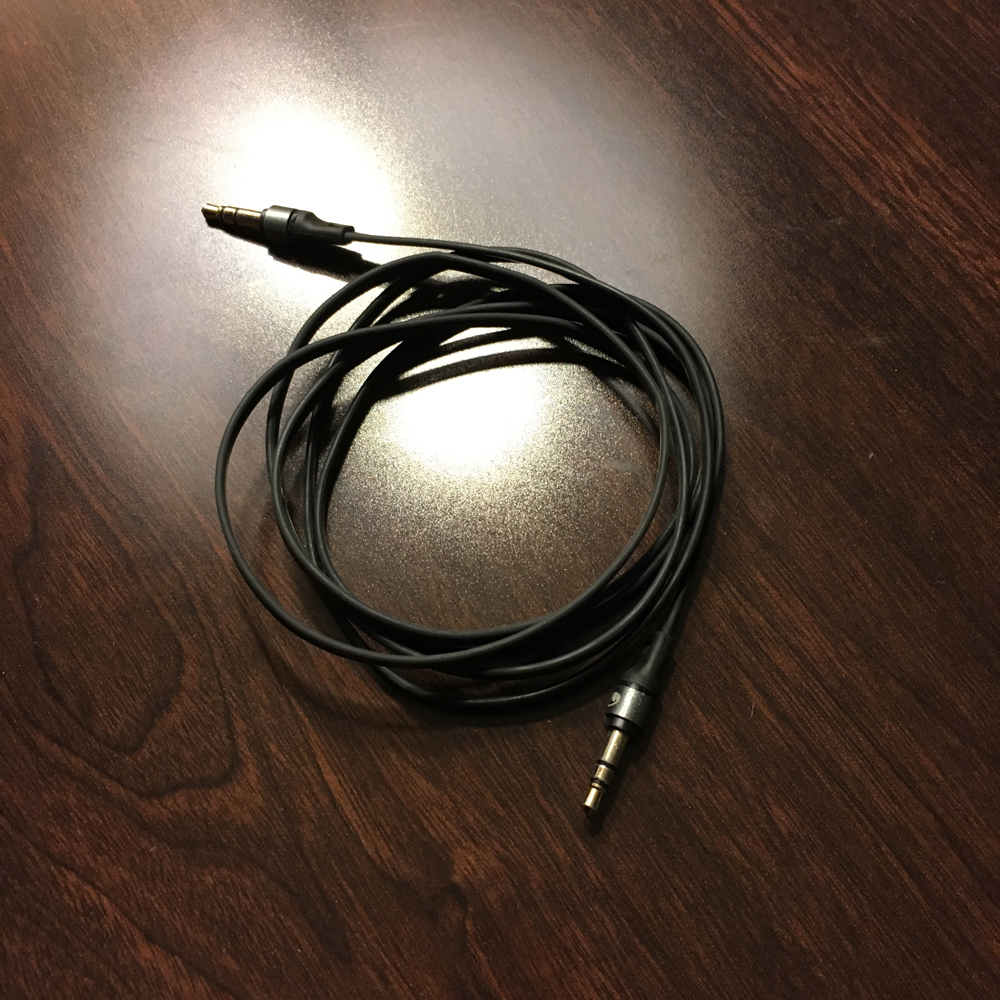
Auxiliary Cord: This is a must! When you’re stuck in rental cars as much as me, you need a way to make it enjoyable. If you don’t have the aux cord, you are at the mercy of anyone that can reach the radio! 


Lede photo credit: Joshua Black Wilkins

Gig Bag: The Sadies

Welcome to Gig Bag, a BGS feature that peeks into the touring essentials of some of our favorite artists. This time around, we look at what the Sadies have to have handy when they’re out on the road.

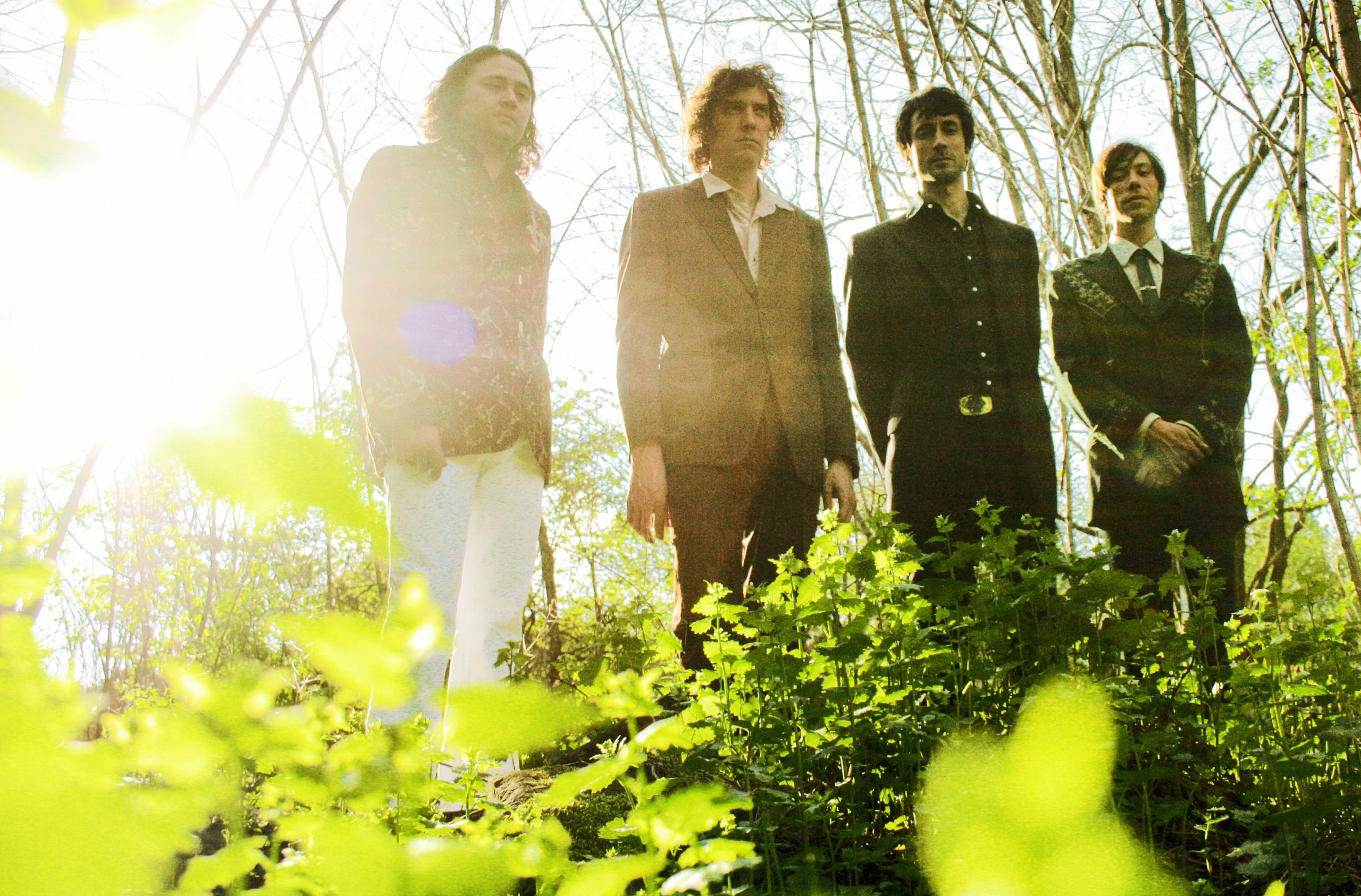
Alt-country veterans the Sadies are no stranger to the road. Formed in the ’90s and getting their start as the backing band for Neko Case, the Toronto band has since become a favorite of fans of all kinds of genres thanks to their unparalleled ability to switch styles and sounds with ease. Last month, the band released a new album, Northern Passages, an 11-song LP that’s been on heavy rotation here at the BGS. Below, the band shares their favorite instruments and items to have out on tour.

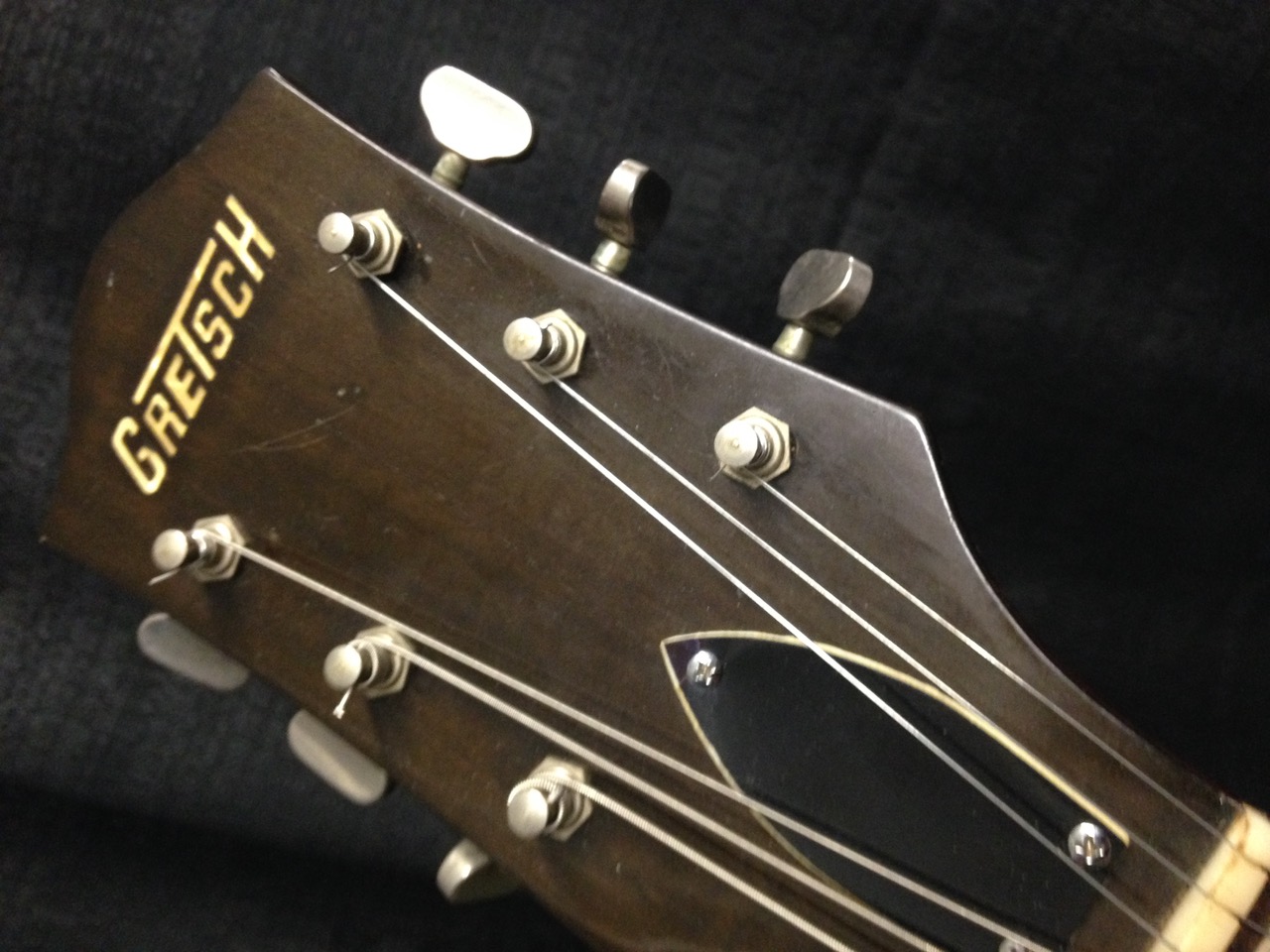
1962 Gretsch: A 1962 Gretch that Travis recevied as a gift from his Aunt Beth’s father. R.I.P.

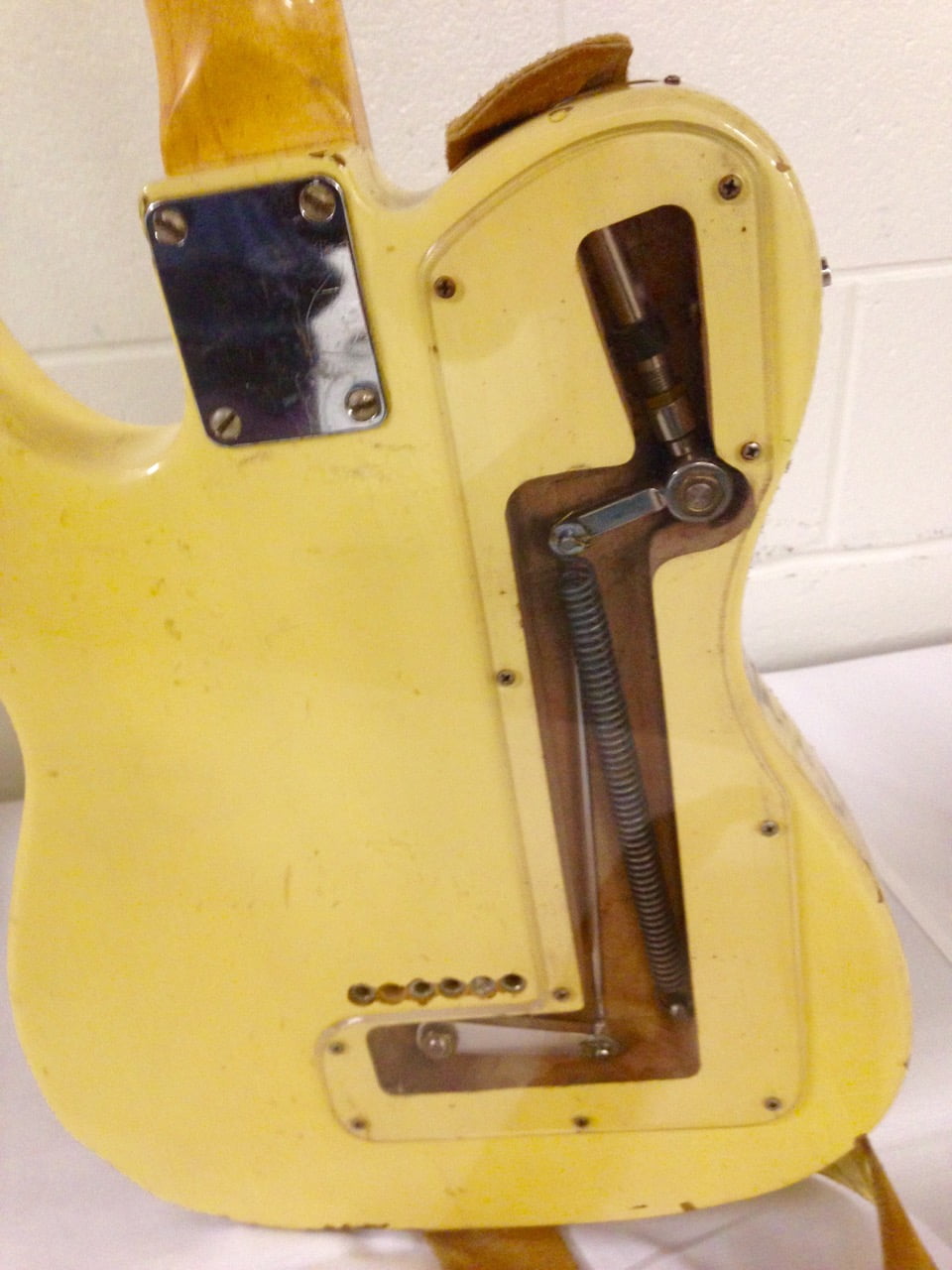
Dallas’s B Bender: It gives our band the option of having the B-string go from major to minor, creating a pedal-steel sounding effect we use quite a bit.

Anne Murray jacket: A jacket Sean breaks out for especially leisurely occasions and must-have for Anne Murray fans.

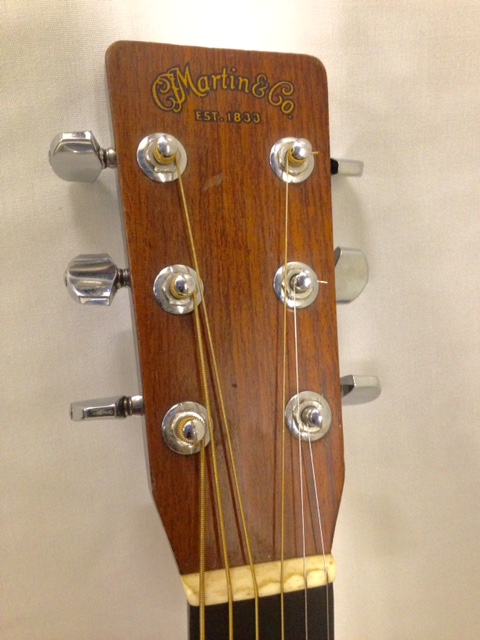
1985 Martin D-28: Belonging to Travis, it’s a must for stage but also before and after gigs to write or learn songs or just party jams.


Lede photo by Rick White. All other photos by the Sadies.

Gig Bag: Big Thief

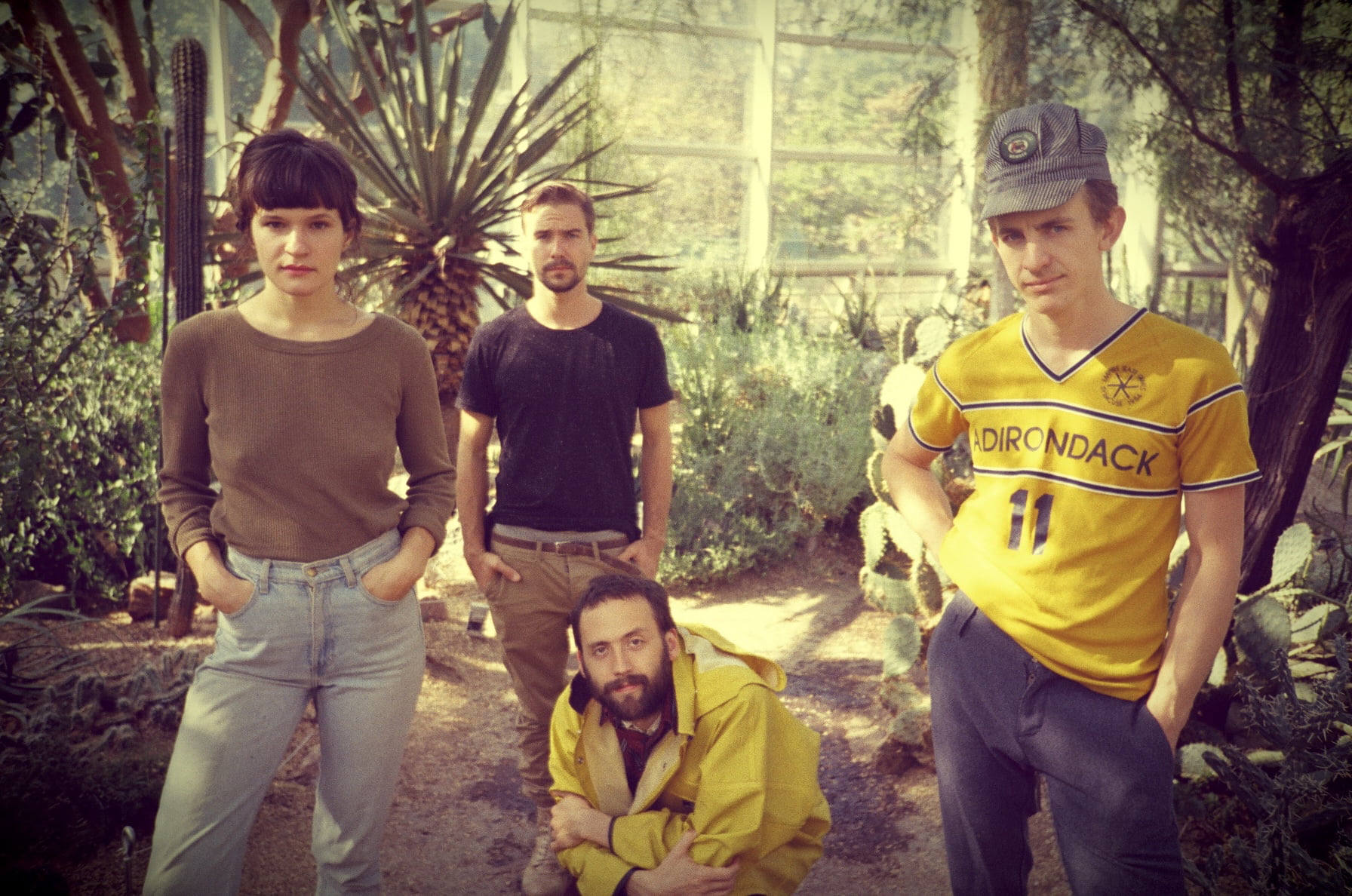
Welcome to Gig Bag, a BGS feature that peeks into the touring essentials of some of our favorite artists. This time around, we look at what Big Thief's Adrianne Lenker has to have handy when she's out on the road.

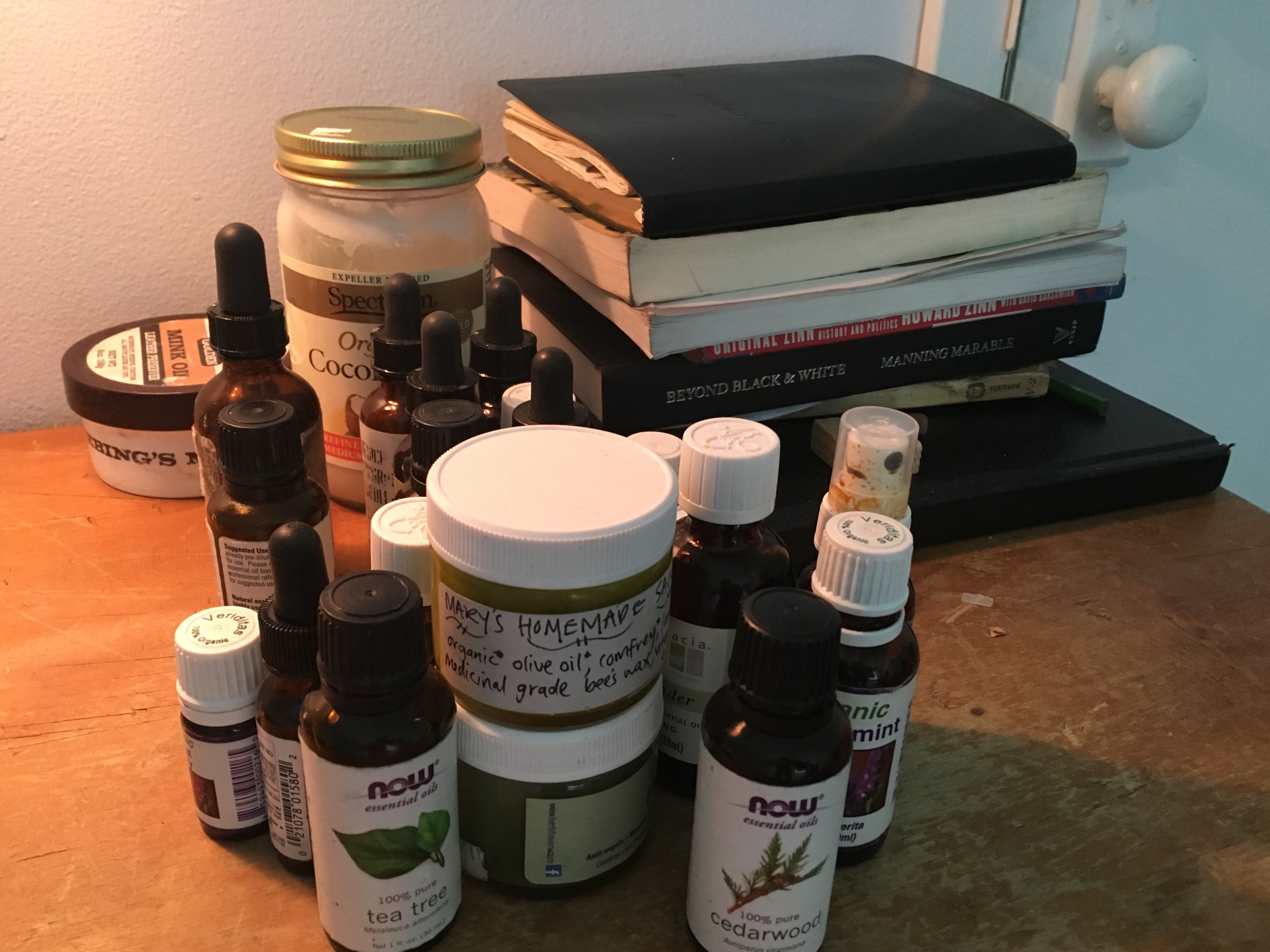
Essential oils: I keep lavender, frankincense, peppermint, titri, cedar wood, coconut, and my friend Mary Remington's handmade beeswax and comfrey vitamin lavender Olivia oil salve. They are medicinal and healing, and help me control my personal environment in the constantly changing paradigms of touring. 

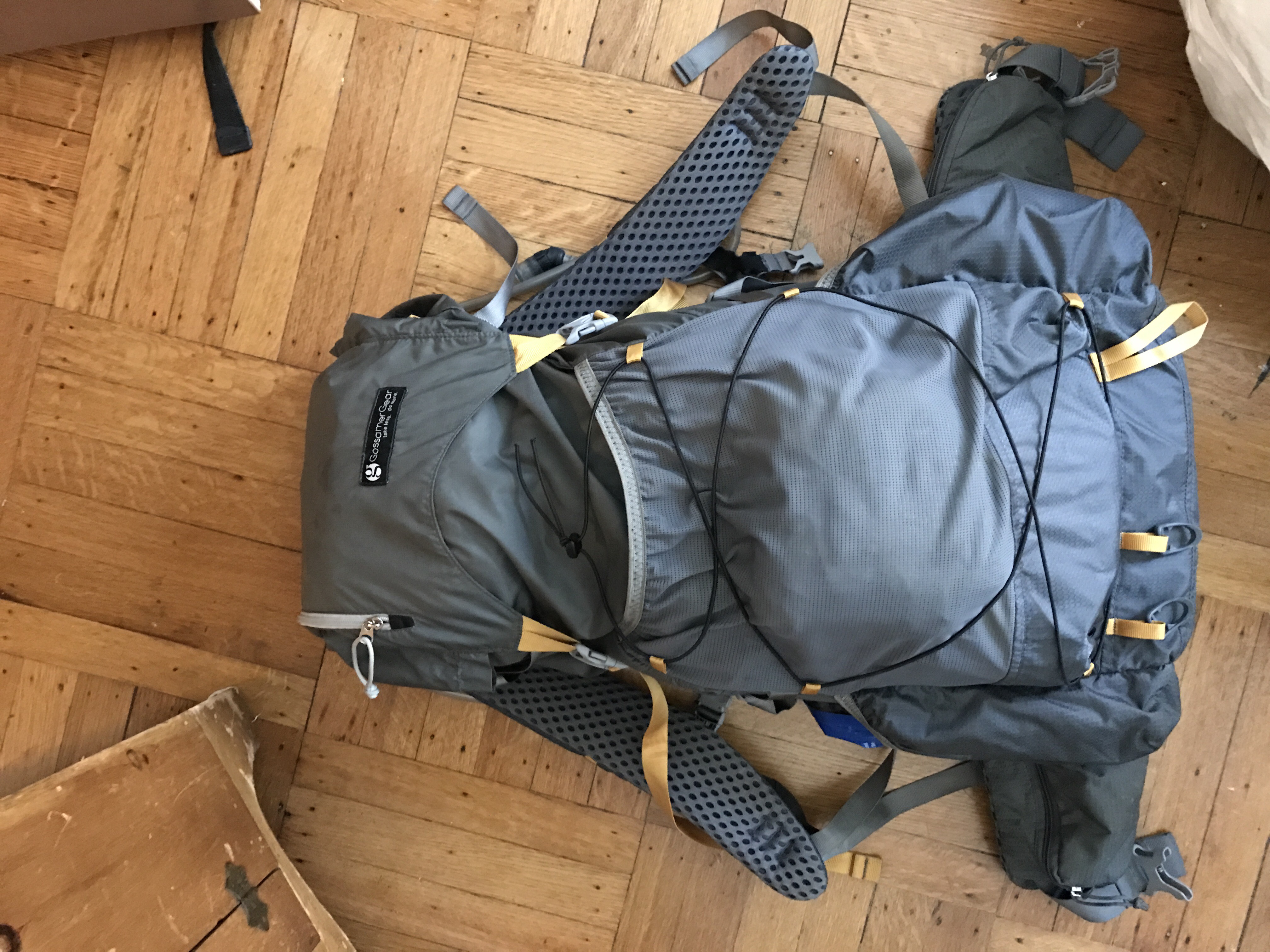
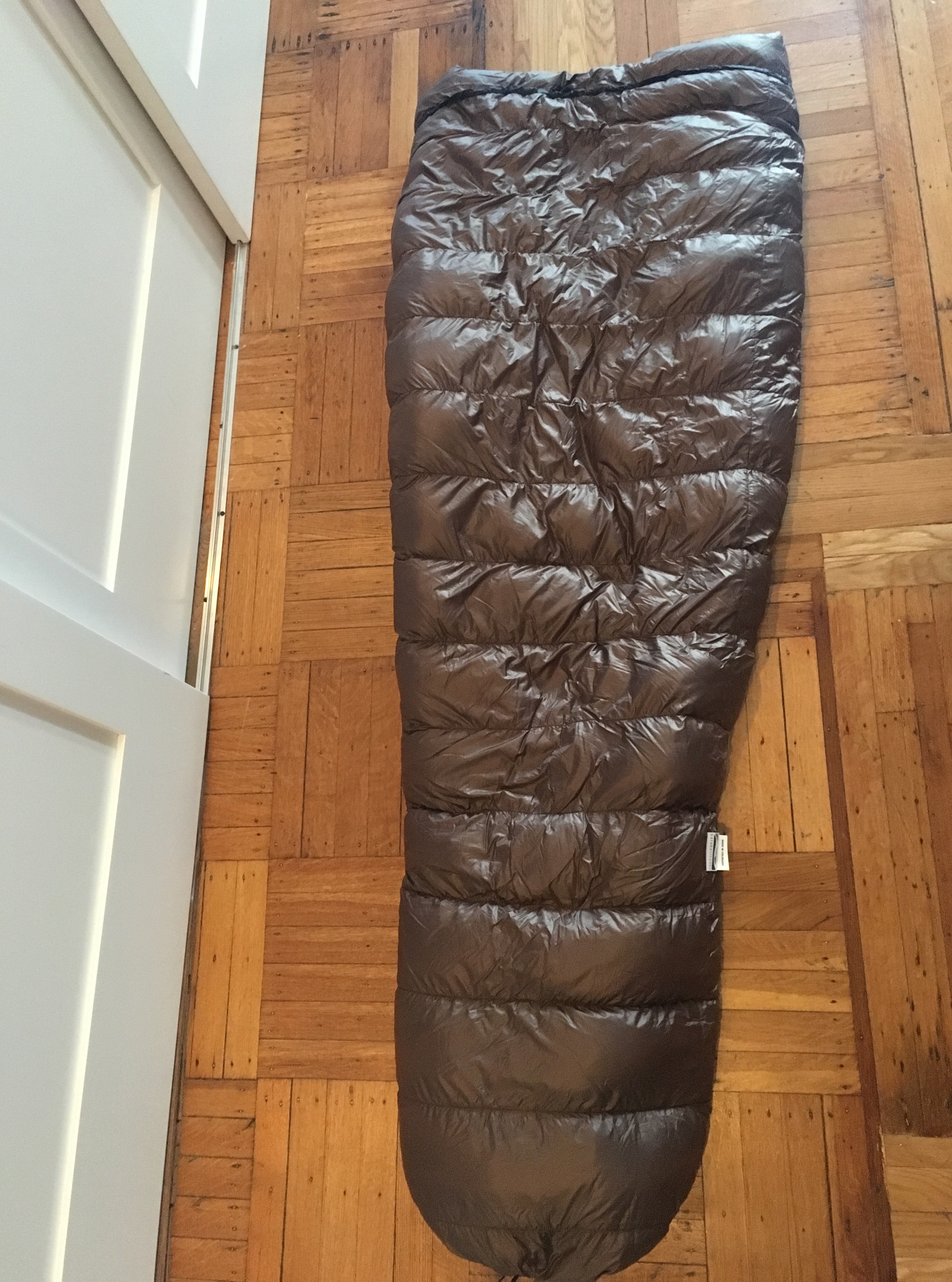
Camping gear: I always take a full rig of camping gear on tour in case there's a chance to sleep outside or hike. I use a Gossamer Gear backpack which is super light, a down sleeping bag, a water purifier, butane stove, ZPacks Duplex tent, air pad, waterproof jacket, warm wool layers, and a knife. 


Down sleeping bag: In addition to camping, this comes in handy for crashing on couches or in the van. 


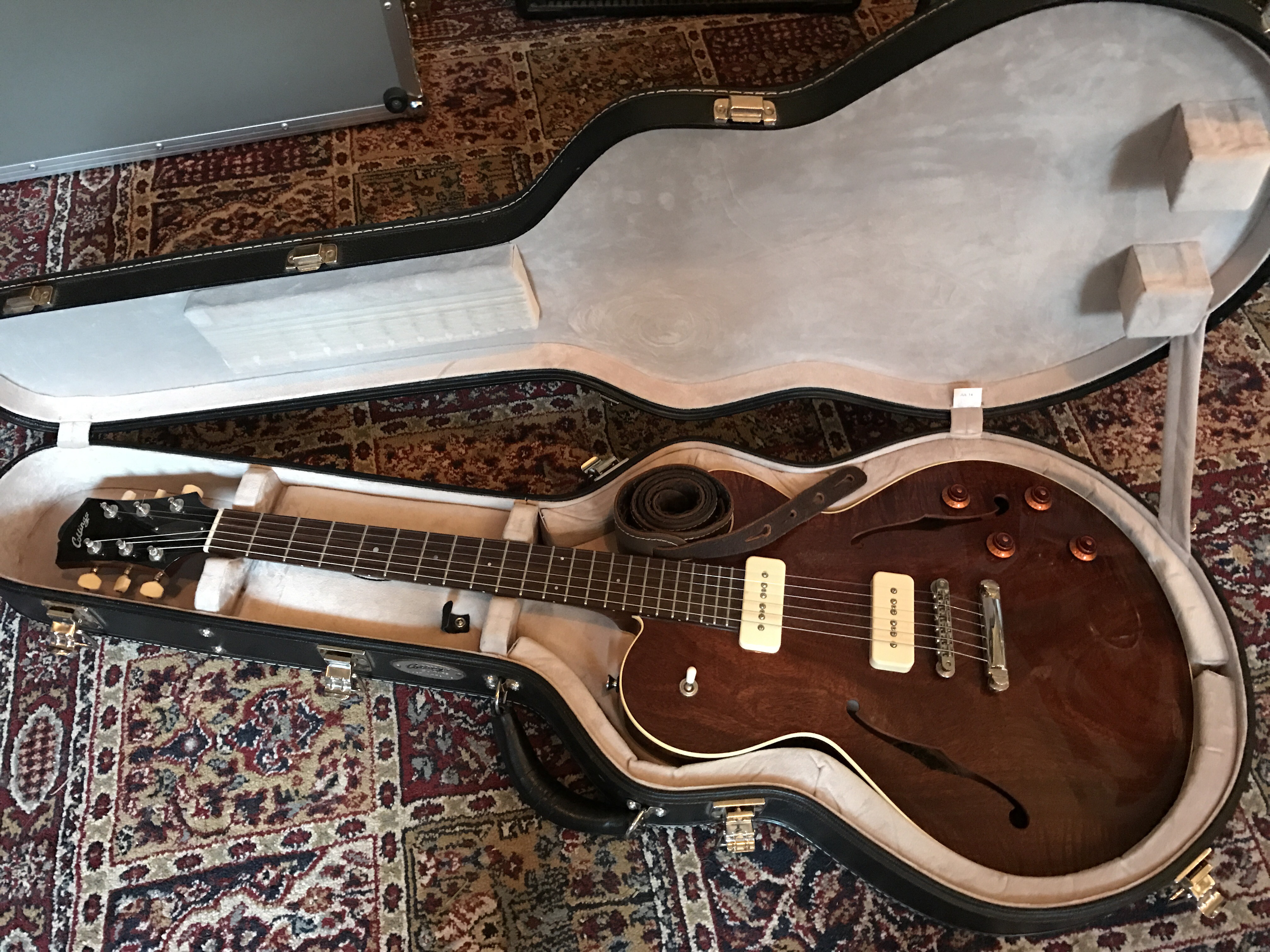
Collings SoCo guitar: I keep one photograph, a pen, a whittled necklace from my Texan friend, a piece of Labradorite from my brother, an extra set of strings, a guitar strap my dad gave me when I was six, a capo, a dollar bill I made busking when I was 14, a rattlesnake rattle, and thumb picks.


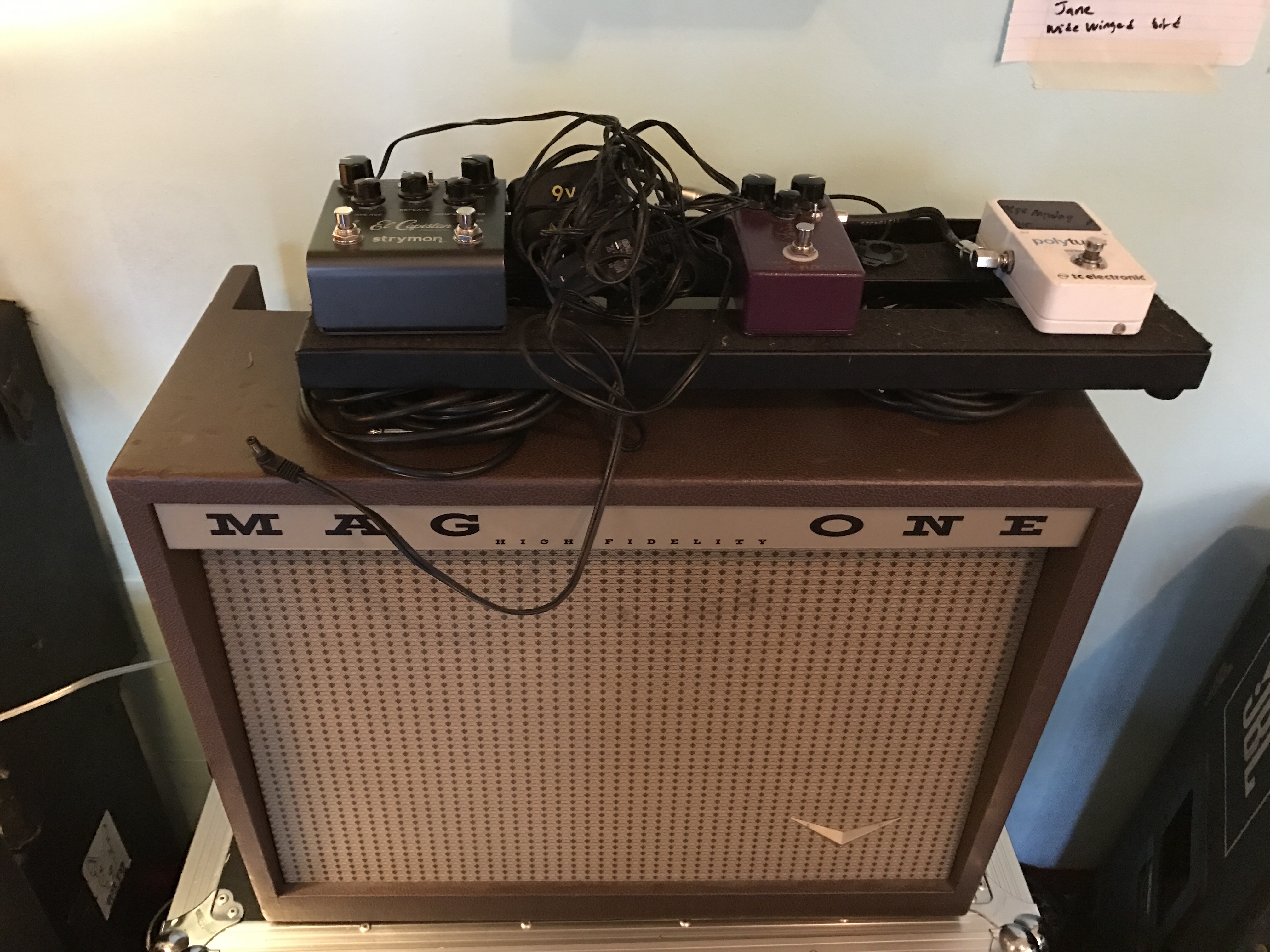
Magnatone Twilighter amp and my pedalboard: I think this is the best amp in the world. I use a Strymon Capistan tape echo pedal, an Analogman Prince of Tone, and a tuner. 


Lede photo by Mikey Buishas. All other photos by Adrianne Lenker.

SaveSave

A Minute in Melbourne with C.W. Stoneking

Welcome to "A Minute In …" — a BGS feature that turns our favorite artists into hometown reporters. In our latest column, Melbourne, Australia's C.W. Stoneking takes us down under on a tour of his favorite places for Vietnamese food, homemade donuts, and old-school instruments.

Footscray, Melbourne: This is the neighborhood where I first lived with my wife, Kirsty, when our two sons were born. I name the whole suburb because there are so many great places there: the Olympic Donuts van at Footscray Railway Station where they pump strawberry jam via an enameled aluminum dolphin into delicious, homemade, sugared jam ball donuts; Amasya Kebab House where we ate grilled lamb, dips, salad, and Turkish bread the entire time my wife was pregnant with our first son; 1+1 Noodle & Dumpling House in Footscray Market with homemade noodles, dumplings, and spicy cucumber salad; Little Saigon Market, just like being in Vietnam … Footscray is my very favorite part of Melbourne.

The Old Bar: This is a bar and music venue in Fitzroy, Melbourne. I played here for a little over three years in the lead-up to my music career getting some traction with my first original album, King Hokum. I used to draw the blackboard advertisements in the bar for upcoming shows, etc. Some of my blackboard pictures are still up in there. I met my wife there. I was also barred from there for a couple years due to some shenanigans prior to me quitting alcohol. The interior is like a time capsule. It's been through two different sets of owners since my wife and her ex-boyfriend sold it in 2005, but it still looks pretty identical in its decorations and decor. But no smoking in there anymore. Damn, it used to be smoky.

Photo credit: sharngst via Foter.com / CC BY-NC-ND

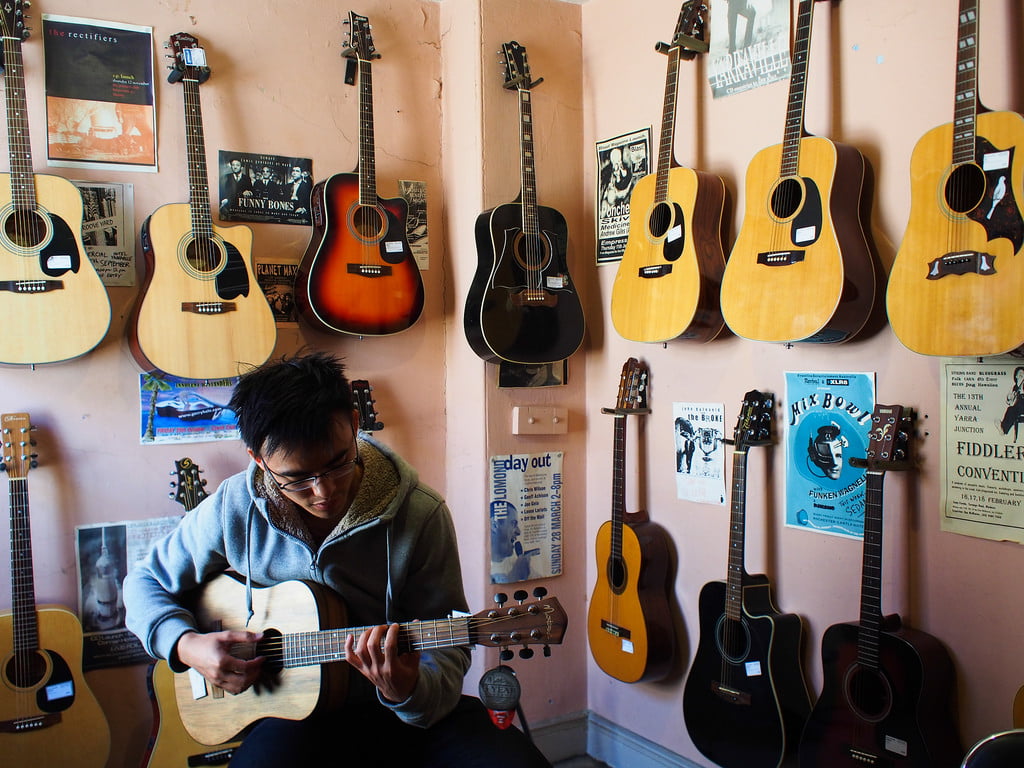
The Music Swop Shop: A proper old-school used musical instruments store in Fitzroy. They have lots of guitars, amps, keyboards, drums effects, microphones, etc. I've never actually bought a guitar from them, but have spent many hours over the years checking out the stuff in there.

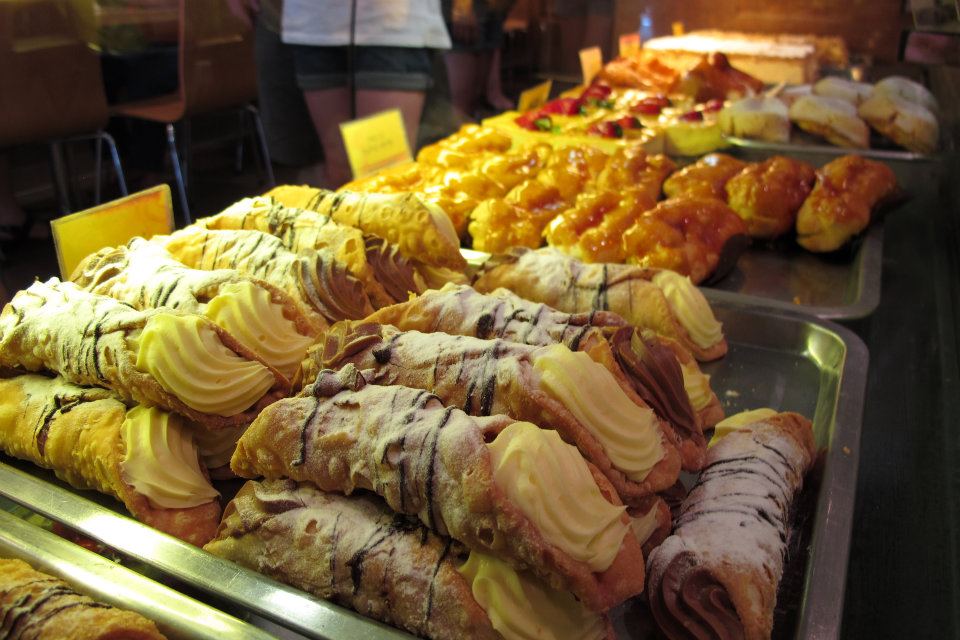
Gelobar: An Italian gelato bar in Lygon Street, East Brunswick. My kids always like to go here when we're in town. The place has been renovated — it used to look much more old time, but the Italian ice cream in there is great. The owner, unfortunately, was also a lawyer for some gangsters around town and last year was ambushed in his car and executed.

Photo credit: Br3nda via Foter.com / CC BY-NC-SA

Pellegrini's Espresso Bar: An Italian café in Bourke Street, It's a great old-school café with spaghetti, lasagna, gnocchi, minestrone soup, and more. They have this homemade juice they call a fruit cup that's a knockout. Unfortunately, you can't smoke in there anymore. It robs some of the atmosphere, but it's still a cool Melbourne joint.

Mélissa Cakes: In Smith Street, Collingwood. The spanakopita is all you need to know. They renovated the joint and it looks like shit now, but the spanakopita is good — good for walking along eating while you check out Smithy (Smith Street).

Kaki King Creates Sacred Space for Musicians with Other Cathedrals

For the uninitiated, Kaki King is one of the best guitarists playing today. Since releasing her debut album, Everybody Loves You, in 2003, King has made a name for herself with her unique style of playing, which incorporates unusual tunings, unorthodox instruments, and a preternatural ability to switch between genres in the matter of just a few notes. Over the course of her career — and in addition to releasing eight full-length albums — King has been named a "New Guitar God" by Rolling Stone, helped soundtrack major motion pictures like Into the Wild, and developed a touring multimedia show called The Neck Is the Bridge to the Body, named after her 2015 album.

King's most recent project is Other Cathedrals, a private musical space in Brooklyn that enables the Atlanta-born musician to share her passion (and her guitars) with the general public. Visitors of Other Cathedrals, which derives its name from the Adrian Legg album Guitars and Other Cathedrals, can take advantage of the space's recording studio, private rehearsal space, lessons, and, perhaps most exciting, a "library" of more than 30 of King's own guitars, most of which are high-end. 

"There were several different ideas and problems I was trying to solve," King, an avid guitar collector, says of starting Other Cathedrals. "The first was that I really got to the place where I did have too many guitars that could not be maintained and played on a regular basis."

Her primary motivation, however, was providing people in her community with access to musical equipment they otherwise would likely never be able to touch, let alone sit down and play. "About a year ago, I started teaching privately and I noticed that a lot of really great players had totally outgrown their guitars and had no idea," she says. "They would do something, I’d say, ‘Okay, try this’ and they would play it on their guitar and they’d be like, ‘Well, how come it doesn’t sound like you?’ And I’d say, ‘It’s really not you. It’s actually your guitar.’ There wasn’t enough education about their $300 entry guitar versus an $800 mid-range versus something that was hand-crafted and cost a lot but, in the end, would be worth it, if they were going to continue with their studying and playing."

The space also serves as a refuge for those who get the jitters upon walking into a music store, an environment King herself says can be "intimidating" and one that, while nerve-wracking for any beginner, isn't always the friendliest to its female customers. King is quick to note, however, her hope that Other Cathedrals attracts a diverse array of players.

"I had anyone in mind that would have felt overwhelmed," King says. "But I almost feel like I did this in homage to her — I saw someone who was at a store and she wasn’t a half-bad player, but she clearly was being ignored. I had my daughter with me — my daughter is two years old and she’s just crazy, otherwise I would have said hi — but, and I may just be making this up, but she really seemed like a cool player who wanted to check stuff out. I think things have gotten so much better recently, especially in Brooklyn where people are being very practiced and very cautious about how they treat members of the opposite sex, but I still know that this is a problem all over, everywhere, and it’s kind of a micro-aggression of assuming that you don’t know what you’re doing as a female, versus assuming you do as a male. I want anyone, including many, many, many, many women who have felt intimidated by the whole process, to be able to come here and feel very safe and secure and I want to be as helpful as possible."

Right now, if you want to take part in all Other Cathedrals has to offer, the space is currently booking applications through its website. King explains that it's a simple vetting process, in place only "to make sure that no one disrespectful is going to come and create any problems." She also plans to establish a scholarship for a female player who otherwise would not have access to such high-end musical equipment. 

"I don’t want to ever turn anyone away for lack of funds, so that’s why the scholarship exists," she says. "And I want the people who do have the money to pay for it, so we can include those who are having a harder time with that.”

In addition to providing valuable resources to fellow musicians, King hopes Other Cathedrals is a space that gives visitors an experience she feels is essential to the creative process (one that in New York City is, unsurprisingly, often hard to come by): one of solitude and of freedom, buoyed by the safety to explore musical impulses. "When people come here, it’s not about being on a clock," she says. "There’s no noise on the other side of you and no one can hear you. That alone time is so crucial, if you really want to get to the core of what you want to do musically. Sometimes just being alone is enough."


Lede photo courtesy of the artist

SaveSaveSaveSave