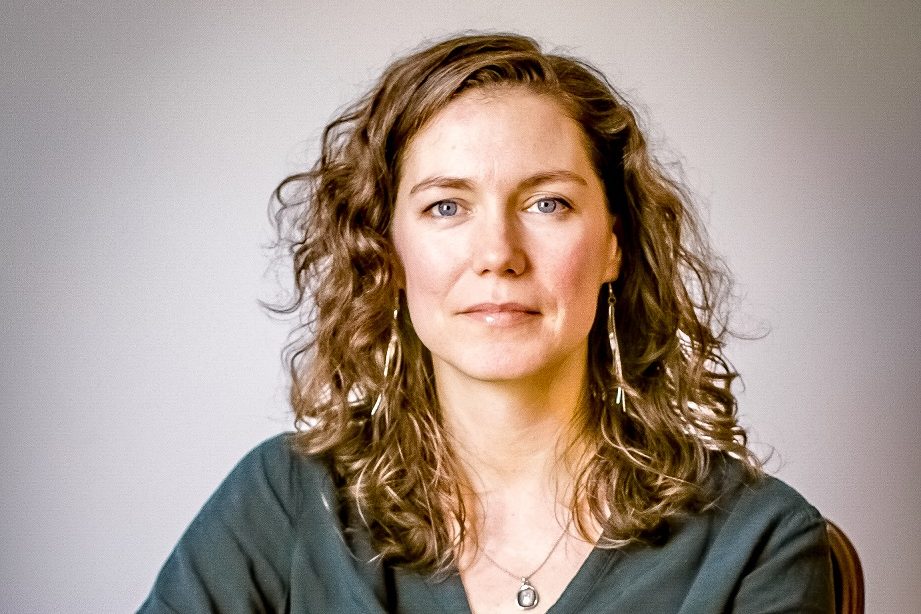
BGS 5+5: Catherine MacLellan

Artist: Catherine MacLellan
Hometown: Baie-Egmont, Prince Edward Island, Canada
Latest album: Coyote

Which artist has influenced you the most … and how?

If I couldn’t include my dad, then I would say Joni Mitchell. But truly, the artist that has influenced me the most is my father, Gene MacLellan. He wrote such songs as “Snowbird” and “Put Your Hand in The Hand.” He died when I was 14. Learning his songs and sharing his life story over these last few years has taught me so much about him, but also about the art of songwriting. As a kid I would watch him constantly with guitar, pen and paper — always editing, jotting down ideas, working out songs. That work ethic plus the singability and melodic structures of his songs have taught me all I need to know.

What’s your favorite memory from being on stage?

It’s hard to choose one favourite moment, there have been so many. From unexpected collaborations to beautiful settings or amazing connections with audiences. But if I have to choose one… I remember my first tour to the UK. It was my first trip that far from home and I had left my young daughter, Isabel, with my mom. I was feeling very homesick and far away from Isabel. I was touring with two other artists and when we entered the Bell Pub in Bath it was noisy and chaotic.

I felt depressed and frustrated that we had to play a loud bar. I really just wanted to go home. I offered to play first, so I could just get it over with. But then, as soon as I hit my first chord on the guitar, the entire crowd turned towards me and you could hear a pin drop. They were one of the most attentive audiences I have ever experienced and very forthright with their love for the music we were playing. It was such a switch of gears for my head and heart, it reminded me to have faith in hard times.

What was the first moment that you knew you wanted to be a musician?

I remember being in high school and everyone always asking “What are you going to do with your life?” I tried so many times to pick a practical career that also included creativity. Nothing ever seemed to stick. Music, though, was a constant companion and songwriting (as a severely shy kid) was my voice to the world. Music seemed to pick me, rather than me deciding. As far as a career choice, I did have to make a decision when I was still a fledgling artist and about to become a single mother. I decided to keep going with my music career, despite knowing it would be challenging to do both well. My daughter is now 14 and I feel like it was all worth it; she is amazing and I am still making a living at music as well as making a life at home.

What’s the toughest time you ever had writing a song?

I recently promised a young girl that I would write her a song for her birthday. What should have been an easy project turned into painstaking research and a “try, try again” approach. By the time it was finished, and I shared it with her, I was happy with the song. Part of the problem for me was the pressure of doing a good job, as I knew how much it meant to her. It created a real roadblock for my creativity.

Which elements of nature do you spend the most time with and how do those impact your work?

I live rurally, so nature influences just about every one of my songs. Where I write I can look out over a big field that leads to a river, and if I’m outside I can hear the sounds of the ocean, birds, and the wind through the grass or over the snow. These elements seep into everything I write.


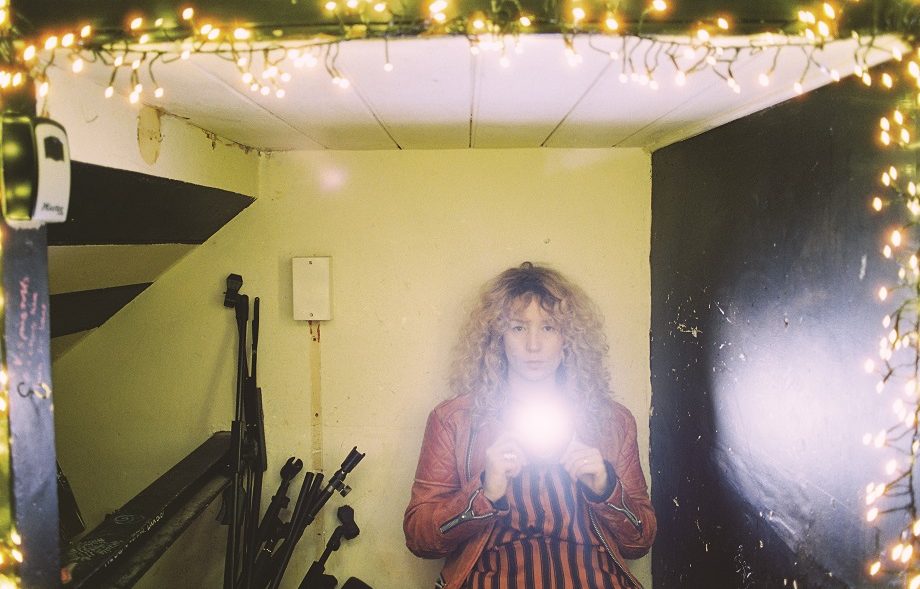
Photo credit: Millefiore Clarkes

LISTEN: Natalie MacMaster, “West Bay Road”

Artist: Natalie MacMaster
Hometown: Troy, Cape Breton, Nova Scotia; currently the tiny village of Douro, Ontario.
Song: “West Bay Road”
Album: Sketches
Release Date: November 1, 2019
Label: Linus Entertainment

In Their Words: “‘West Bay Road’ starts with an O’Carolan piece, a famous Irish composer. Then followed by a tune written for a good family friend who was battling cancer at the time of the recording. He unfortunately didn’t make it and has passed on since, but he got to hear his jig before he died. It will always be a special tune for me.” — Natalie MacMaster


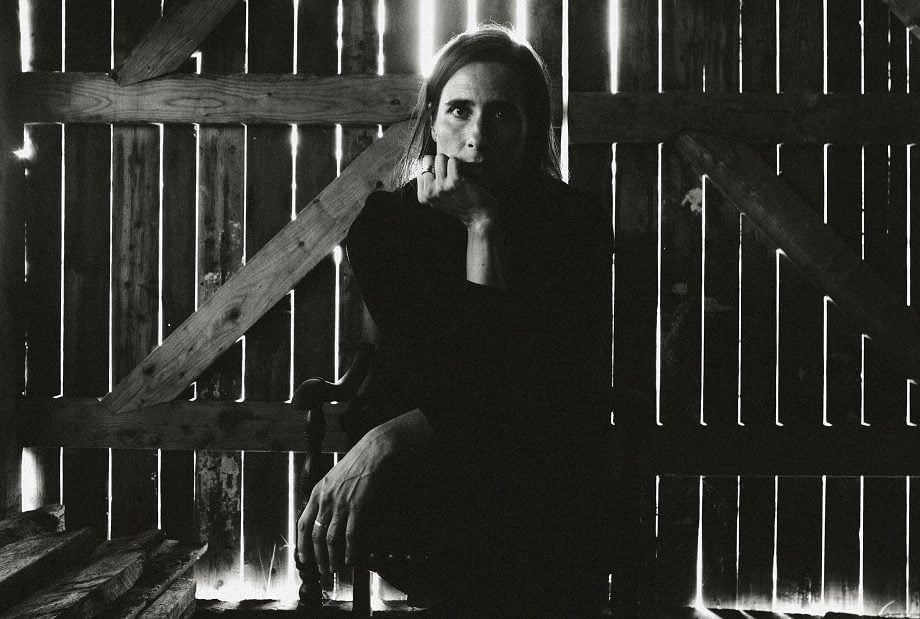
Photo credit: Rebekah Littlejohn

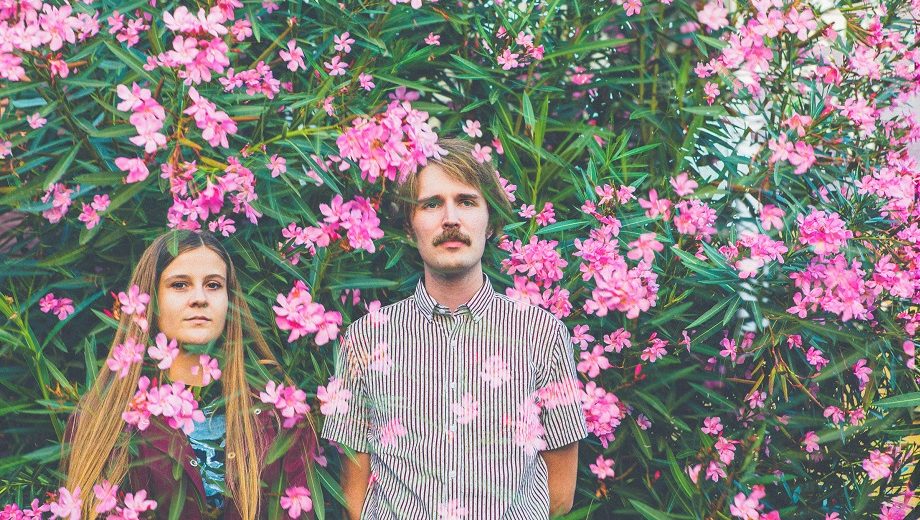
STREAM: Kacy & Clayton, ‘Carrying On’

Artist: Kacy & Clayton
Hometown: Wood Mountain, Saskatchewan
Album: Carrying On (produced by Jeff Tweedy and recorded by Tom Schick.)
Release Date: October 4, 2019
Label: New West Records

In Their Words: “Jeff and Tom have taught us a lasting lesson on what’s important and not important when making music. I can recall moments when their suggestions caused me to feel panicky and vulnerable, but I can see now that they were encouraging us to let go of unnecessary fixations. And those moments have all ended up being my favourite parts of the two records we’ve made with them. It’s easy to cling to your own ideas out of insecurity but trusting someone else’s judgment can allow you to be very free.” — Clayton Linthicum

“Making this record felt purposeful. The songs came together nicely and we integrated them into our live set with Mike Silverman and Andy Beisel leading up to recording. Returning at The Loft in Chicago seemed like, ‘Hey guys! We’re back again and we’ve been practicing so let’s make a better record now.’ It was three or four days and the whole thing was tracked and marked with a B. Working with Jeff Tweedy has been a mystical and Midwestern experience for Clayton, Mike, Andy and I. He shies away from seeming authoritative and that style of leadership has strongly resonated with us.” — Kacy Anderson


Photo credit: Mat Dunlap

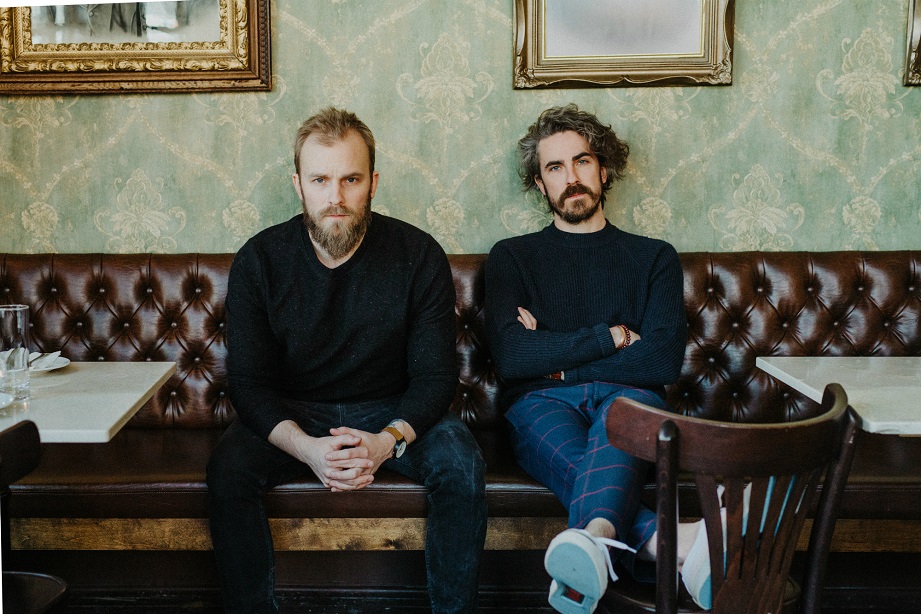
LISTEN: The Bros. Landreth, “Master Plan”

Artist: The Bros. Landreth
Hometown: Winnipeg, Manitoba
Song: “Master Plan”
Album: ’87
Release Date: September 25, 2019
Label: Birthday Cake/The Orchard

In Their Words: “‘Master Plan’ is all about putting your faith in your partner, when you’re really on your knees. We wrote this about halfway through what would end up being a pretty substantial hiatus between records and it was a tremendously difficult time. It talks about asking for grace from the ones you love and stating your intentions: ‘I know that I’m not strong right now, but I’m working on it’ — while simultaneously saying ‘Thank you for having my back and believing in me, even if I don’t right now.'” — David Landreth

“Dave came to the table with this incredibly honest and beautiful tune already finished. He wasn’t convinced that it was and thought it needed more. All I did was write a hook. Which is just his melody anyways. This might be my favourite song on the record!” — Joey Landreth


Photo credit: Josh Dookie

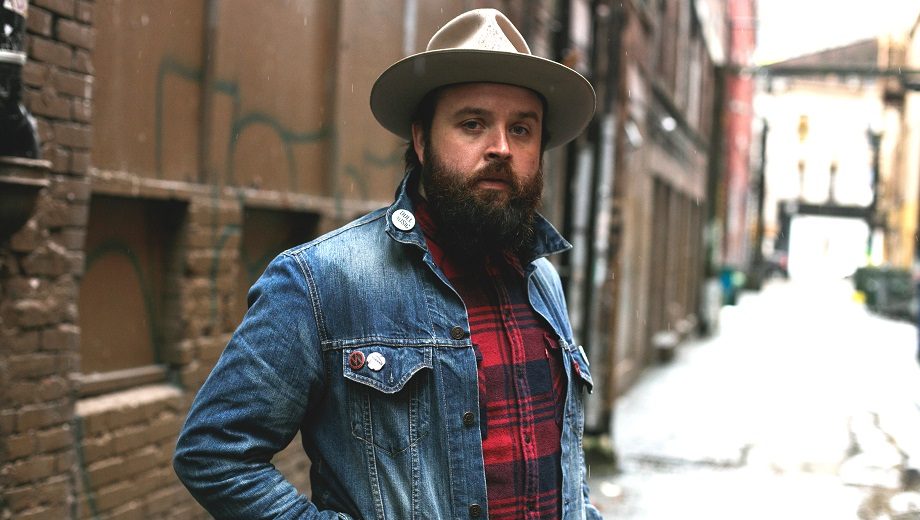
LISTEN: Leeroy Stagger, “These Things”

Artist: Leeroy Stagger
Hometown: Lethbridge, Alberta
Song: “These Things”
Album: Strange Path
Release Date: September 13, 2019
Label: True North Records

In Their Words: “This quest for something real, I wonder what that’s all about for me? What is it in my life that doesn’t feel authentic? I suppose when I really look at things, we are really living in a very unauthentic society. We are bred to consume, the food we eat is no longer real, our relationships play out on line like some sort of false reality SimCity. Dating isn’t even real anymore with its ‘swipe left’ culture. So yes, when I look around I see scads of humans wanting an authentic experience, especially in the establishments I inhabit. I suppose my job is to lend some authenticity to the music medium.” — Leeroy Stagger


Photo credit: Johann Wall

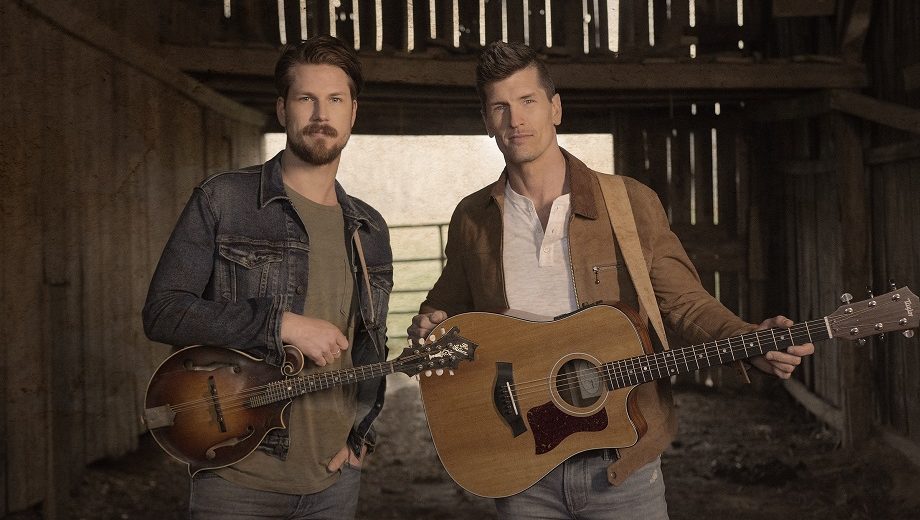
LISTEN: High Valley, “Single Man” (Bluegrass Version)

Artist: High Valley
Hometown: La Crete, Alberta, Canada
Song: “Single Man” (Bluegrass Version)
Label: Warner Music Nashville

In Their Words: “We grew up surrounded by bluegrass music. Ricky Skaggs was our hero thanks to a few records our parents introduced to us. When our town finally got a radio station, I spent a few years as a DJ hosting a bluegrass hour. Recently, Curtis and I called up a few of our friends and some of Nashville’s finest bluegrass pickers to turn them loose and let them show off! Recording this bluegrass version of ‘Single Man’ was easily the most natural moment we’ve ever had in the studio. When it came time to work on the mix and make sure everything was produced properly, it was so great to have Ricky Skaggs offer his help as the executive producer on this track. Talk about a full circle moment!” — Brad Rempel, High Valley


Photo credit: Mike Stahl

Beth Rowley: Just One Song on the Rush of Attraction

Editor’s Note: Beth Rowley will take part in the Bluegrass Situation Takeover at The Long Road festival, to be held September 6-8 in Stanford Hall, Leicestershire, England.

“This is a song I wrote with Canadian singer/songwriter Ron Sexsmith. I was writing for my new album and decided to go on a trip for some inspiration. I emailed Ron and a few other friends I knew in Canada and booked to go on a writing trip. Our writing sessions were very relaxed and laid back. Ron is a genius writer. I’ve written with many people and there are very few writers like him. Even his rough ideas sound like the most beautiful finished songs. I had a few ideas up my sleeve but nothing finished. I’d been a longtime fan and knew we’d come up with something cool.

“I read one of the poems I’d written and he played a few chords on guitar. It didn’t take long for some to stick and after some lyric tweaks it was there. We chatted lots about life, music, relationships and what it meant to be in love. ‘Forest Fire’ is about passion and desire and the rush of attraction when you’re around someone new. The excitement and possibility and the pull towards someone. But it’s also about choice and responsibility. Before you let yourself go or be led, you have the choice to go along with it or not. Sometimes it can feel like we don’t have the choice, and that if we feel something it must be right. This song is about the rush and fire of passion but then on the flip side of that of taking responsibility and owning our choices and the effects they may have on others.” — Beth Rowley


Photo credit: Maria Mochnacz

Rose Cousins: Just One Song Before the Relationship Ends

Editor’s Note: Rose Cousins will take part in the Bluegrass Situation Takeover at The Long Road festival, to be held September 6-8 in Stanford Hall, Leicestershire, England.

“One of the most vulnerable songs I’ve written is “Chosen.” I had the steady, rhythmic guitar feel for this for a couple years before I wrote it. I was in the Iqaluit, Nunavut, the Canadian Arctic, in November of 2013. I remember feeling exhausted and being comforted by the meditative pulse of the one string of the guitar as I stood out at the sunny, freezing tundra. I knew that it would turn into something.

“At the beginning of 2015 I was writing in LA and deep into questioning if I had what it took to follow through with a certain relationship and it was such a vulnerable place to be. I wanted so much to be brave enough and I also wanted to run. I wanted to live up to the person I was perceived to be and I didn’t know if I could. Vulnerability is painful and I find it very tough. I suppose I was afraid of failure and disappointment. I remember crying from my gut while writing the song as the truth of the matter came out through the question that kept coming up; wondering if I had what it took to be someone’s person. The steady rhythm of the guitar was the comforting backdrop to these tender thoughts.

“I find this song connects with people in different ways depending on where they are in their lives and it’s also one that I have everyone sing along with at the end. The writing of this song was sort of like a new permission to and for myself to go a bit deeper and more vulnerable in my writing. I’m thankful for it.” — Rose Cousins


Photo credit:Shervin Lainez

The Small Glories Share Canadian Stories in Song

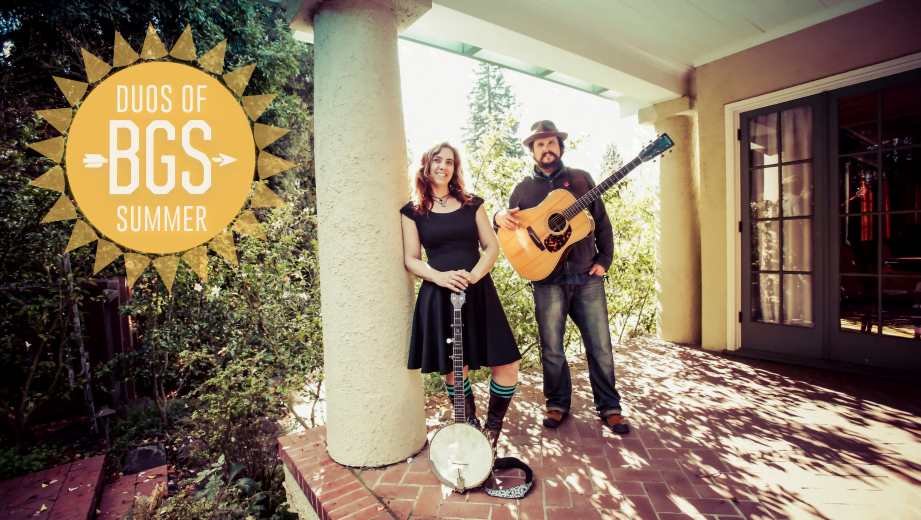
When it’s mentioned that the word “ambassador” comes to mind when listening to the Small Glories’ new album, Cara Luft starts to cheer. Along with her singing partner JD Edwards, the Small Glories see themselves as Canadian storytellers, like troubadours going from town to town singing about the world around them.

Truly, the Manitoba-based folk duo’s latest, Assiniboine & The Red, gives special insight into their unique worldview with songs like “Alberta,” “Winnipeg,” and “Don’t Back Down.” Chatting by phone, Luft shared a few more stories with the Bluegrass Situation.

BGS: It’s been a few year since you’ve made a record. What was the vibe in the studio when you were making this one?

CL: It was interesting in that we got everybody back together again. The only thing that changed was our engineer — and he’s a friend of ours. We had the same producer (Neil Osborne) and the same rhythm section, which was great. We actually recorded it in Winnipeg, and it was nice to be in our hometown. You know what was so funny? It was April but it was freezing cold. It was one of those moments like, “Oh my God, we live in Canada.” It’s April 15 and it’s minus 15 degrees, which is ridiculous! It was freezing! So, I remember being very cold!

This is for the Bluegrass Situation, so we have to talk about the banjo.

We do! [Laughs]

Tell me what attracted you to the banjo in the first place.

I grew up in a folk-singing family. My parents were a professional folk duo and played music when they were younger, too. My dad is a wonderful clawhammer banjo player. He’s been playing for close to sixty years now. So I grew up listening to the banjo, never thinking that I’d actually want to play it, but I did love the sound of it. I think it was kind of inevitable that I would pick it up. And of course it’s not the three-finger bluegrass style, even though I love that style. I don’t really play that but I do love the sound of the banjo.

And I love writing with it. It’s such a different instrument than the guitar. I really was guitar-focused for most of my career. I picked up the banjo nine years ago and I found it really fascinating to change the way my right hand worked, because it’s a different movement than if you’re doing fingerstyle guitar. And just having that drone string, I find that it’s like no other instrument that I’ve ever attempted playing. It’s this beautiful string that just rings out. I found it a very interesting way to write. I write differently on the banjo than I do on the guitar, so it’s brought me into a wider perspective of songs to write, I would say.

How are the songs different that you’re writing on banjo?

I would say I’m writing more tune-based songs on the banjo. As a guitar play, I am a really strong rhythm player and I would do the odd lick here and there, you know, coming up with something, but I wasn’t really a lead player on guitar. I would do some fingerstyle stuff, in more of the realm of those folkie fingerstyle guys like Bert Jansch and John Renbourn, but not really tune-based. The banjo is definitely much more tune-based for me. I write melodies on the banjo, where I never really wrote melodies on guitar before. I would sing a melody but I wouldn’t necessarily play a melody, so it’s been really beautiful to explore this melodic writing on a banjo.

I read an interview about how you loved the Nitty Gritty Dirt Band’s Will the Circle Be Unbroken as a kid. I was curious how that might have impacted your music.

Yeah! For me, growing up in a folk-singing family, there was music all the time in the house, whether it was listening to vinyl or listening to my parents rehearse, or listening to people play house concerts, or musicians who were traveling through town and rehearsing in our living room. So I was steeped in acoustic music from a very, very young age, whether it was live or recorded.

I remember listening to Will the Circle Be Unbroken, with the Carter Family and all these phenomenal people. There’s a track on there, “Soldier’s Joy,” with two banjo players, and one is playing clawhammer and one is playing three-finger, and to this day it’s still one of my favorite songs to listen to. I think it’s just the beauty of acoustic music and the history of acoustic music, whether it’s bluegrass or folk – and to me, the lines are a little blurred there. But that album in particular, I remember listening to it all through high school and even into my early 20s.

When I listen to “Don’t Back Down,” I can hear a sense of strength in there. What was on your mind when you wrote that song?

I wrote that with Bruce Guthro, who’s a great singer-songwriter, but he’s also lead singer of a group called Runrig, a great Scottish band, even though he’s from Canada. We wrote that as part of a collaboration where we were given the theme of writing around “home,” or what we would consider calling “home.” Bruce is from Cape Breton Island, which is in Nova Scotia, way out in the Maritime Provinces. It’s known for its musical history, but it’s also known for communities that are dying because either mining has stopped or fishing has stopped. So these people would be moving away from their communities, trying to find homes and work in other locations.

I was talking to him about being from the Canadian prairies, where there are quite a few areas in Saskatchewan that are full of ghost towns, where people have uprooted and moved to cities like Calgary or Edmonton, or Fort McMurray where the oil sands are. We were comparing notes about these communities that are dying, and what is it like for those who decide to stay? They don’t want to give up on all the things that hit them, right? They stick around during the dust bowl or when the fires come, when work has dried up and people are trying to find a way to make a living. So we thought, “Let’s write a song to honor those people who have decided to make it work in their home communities.”

Speaking of home, your song “Winnipeg” is such a love letter to your hometown. I noticed as that song progresses, there is another voice that comes in. Can you tell me more about that?

Yes, we have two guest vocalists on that track. Winnipeg has a huge indigenous population and a huge Métis population, which is a combination of people who have come from both an indigenous and a French background, and we also have a large French population, and then the English, and then everything else under the sun is in there, too.

We felt that in order to really honor our adopted hometown of Winnipeg, we needed to involve the French and the First Nations people in the song. We have a wonderful singer and songwriter who is Métis and she ended up writing a French portion to the song and doing a call-and-response with us on the track. And we invited a First Nations chanter and drummer to come and sing at the end of the song. We felt it wrapped up this beautiful multicultural community that we have in Winnipeg.

To me, “Sing” captures the spirit of this record. It lets people know about you and what you stand for. Is that important for you to share your own experiences with an audience?

Yes, I think it is. I think we’ve been more aware of bringing stories from other places that we’ve been, too, so it’s a combination of our experiences and also other people’s experiences. And with this record being released on an American label, we feel very privileged to be able to share about Canada with our American neighbors. It’s a very Canadian-focused album, with a strong sense of location. We want to bring stories about the people in Canada, and what things are like for us, and share that with the States, and Europe, and Australia, and the markets we get to go to.

It’s so great when people hear a song like “Winnipeg,” like, the people who come up to us in England and say, “Wow, I never thought I’d want to go to Winnipeg!” It cracks us up. We’re happy that we live in Winnipeg and we’re lucky that we live in Canada. We feel very privileged to live in Canada and we want to share some of the love, and some of the stories, of who we are and where we’re from.


Photo credit: Stefanie Atkinson
WATCH: Kacy & Clayton, “The Forty-Ninth Parallel”

Artist: Kacy & Clayton
Hometown: Rural Saskatchewan
Song: “The Forty-Ninth Parallel”
Album: Carrying On (produced by Jeff Tweedy)
Release Date: October 4th, 2019
Label: New West Records

In Their Words: “‘The Forty-Ninth Parallel’ video was filmed in Regina, Saskatchewan, and it shouldn’t be hard to tell. Filmmaking treasure, Sunny Adams, has created somewhat of a young woman’s ‘Experience Regina’ demonstration video. There are off-putting moments throughout involving a Bud Light Lime hat, a very faint farmer’s tan, and a couple of total Sasky party machines. The song itself is a Gen Z’s attempt at a fable. The moral is skewed but there still is one if you’re looking. Watching a truck rip donuts to our song has been an unexpected highlight of my life and I hope others may enjoy it too.” — Kacy Anderson


Photo credit: Mat Dunlap