How the Wood Brothers Made an Album out of a Print Shop Jam Session

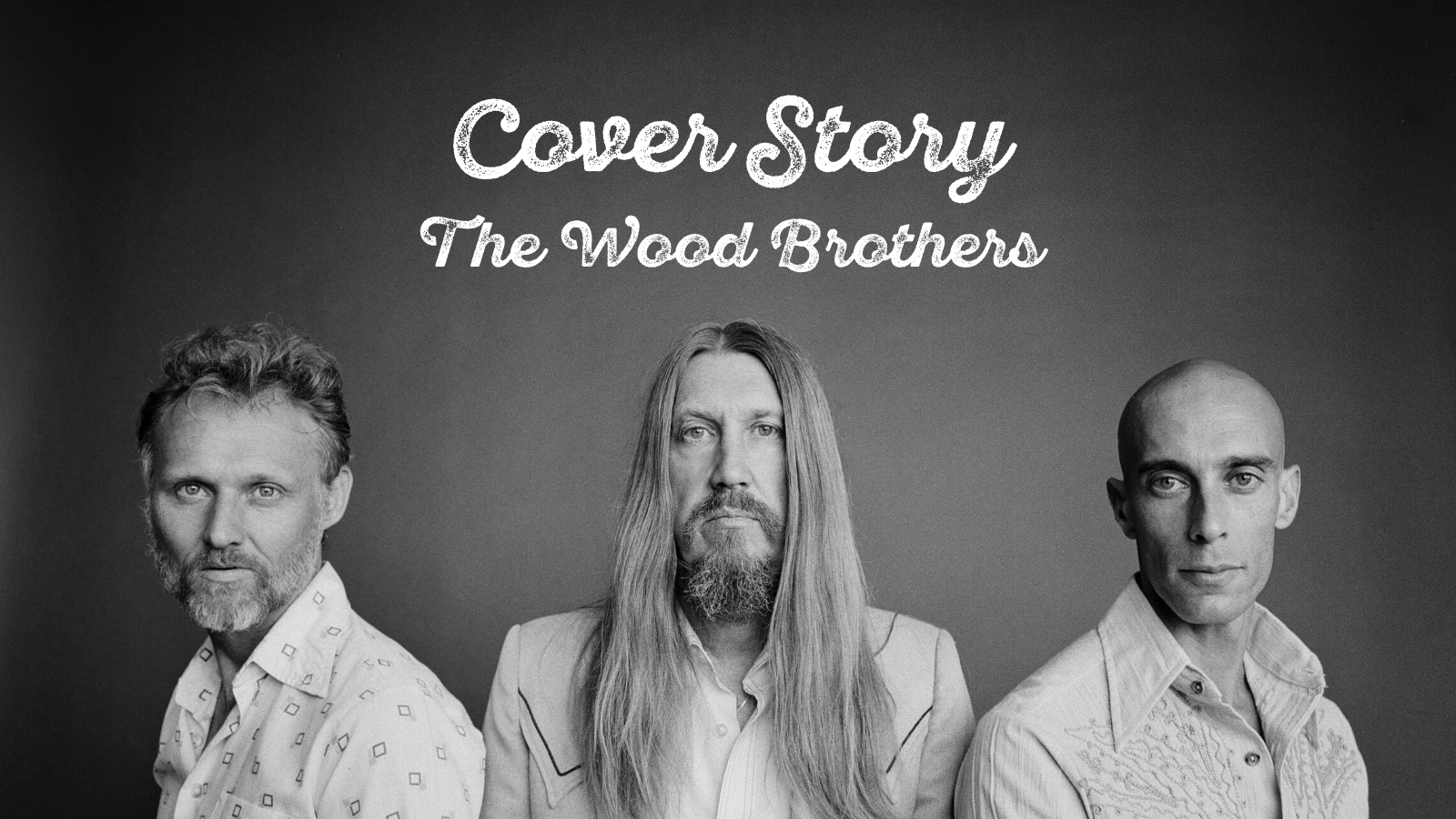
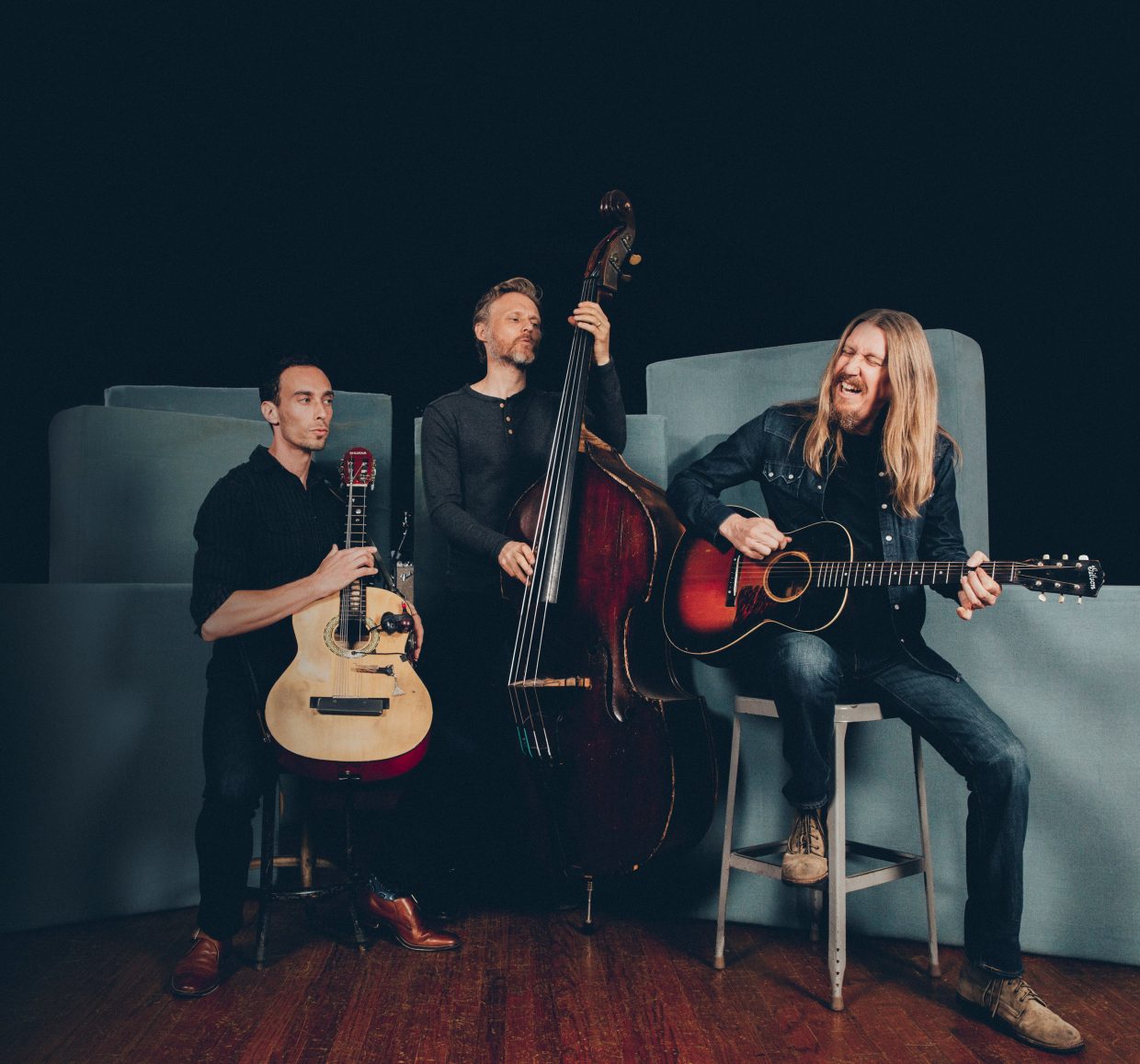
The Wood Brothers have been together as long as they were apart. For fifteen years or so Chris and Oliver Wood pursued separate careers — Oliver out of Atlanta as a blues/rock guitarist and singer, and Chris out of New York as the bass player with the uncanny jazz/jam success story Medeski, Martin & Wood. Then they sat in together and felt a pull energized by family ties and musical curiosity, and their folk duo was born, about fifteen years ago.

Chris jokes that over seven studio albums and uncountable miles on the road, they’ve been on “a slow rise to the middle” but that’s far too self-deprecating. Their last opus, 2018’s One Drop of Truth, was nominated for a Grammy, and not long after it was released the band headlined the Ryman Auditorium and Red Rocks Amphitheatre (their hometown shrine, as they grew up in Boulder, Colorado). In September, they released their fourth live album, culling songs from a two-night stand at the Fillmore in San Francisco, where their highly developed musical telepathy — between the brothers and with drummer/keyboard player Jano Rix — was on vibrant display in a warm sonic atmosphere.

Newly minted is Kingdom In My Mind, an 11-song collection inspired largely by the feel of a new studio. The band and their sound engineer Brook Sutton had to move out of the old church-like studio where they’d made One Drop of Truth, but they found a new place nearby on Nashville’s west side. The brothers spoke to BGS about how that new destination shaped the sound of their latest project.

BGS: I understand that shaking down your new recording space produced proved unexpectedly productive?

Oliver: In our downtime we’ve always had some sort of rehearsal space, whether it was Chris’s basement or something, where we would just improvise and come up with musical ideas. I think all of us enjoy the art of improvising and playing music without thought and without purpose. We’re not trying to write a song. We’re not trying to sound good even. We’re just trying to play something new. Chris and I will react off each other, or off Jano, and do that musical communication that can happen if you just listen. We’ve always done that. And we’ve always recorded it on a phone or on a laptop just to remember. Whereas this time we set up and did the same process but we had a professional studio and an engineer miking everything up so it was usable.

Chris: Yeah, we didn’t know what we were doing. We didn’t know this was going to be the beginning of a record. We’d got a studio and put a lot of work into getting it up and running and sounding how we wanted it with baffles and things like that. But then it was, well, this is a huge room. Where do you set up? Where do you put the drums? Let’s put them over here. Let’s see what that sounds like. And we set up near each other and threw some mics up intuitively. I think we were struck immediately as soon as we heard playback. Even with that haphazard setup, it sounded great. Something about the room made us play a certain way. It felt magical and inspired. So immediately we looked at each other and said, “Maybe this is how we make this record.” So we did maybe five sessions where we set up and improvised in different parts of the studio. There’s a big A room, which you could almost fit an orchestra, and then a smaller, dryer room. So we had fun with all kinds of different variations.

Can you give us a visual and the background of the place and why it became home?

Chris: It’s an old print shop. So what we call the B room is smaller. It’s probably where people came in and got stuff photocopied.

Oliver: And then the back room — after it was a print shop and before we got it — was a dance studio with a dance floor and high ceilings. It was probably a warehouse at some point. This is not a fancy building. It’s cinder block.

So you had to look at this print shop/warehouse/dance studio and imagine a plan?

Chris: It was easy, and it had to do with the layout. It was very clear immediately. The control room goes here. From that room you have access to both tracking rooms. There’s even a lounge. There’s a room with a loading dock that can also be an isolation room. And it’s all in a circular layout. Everything about it was easy to imagine how we could be up and running quickly once we got our stuff in there.

Oliver: It was luck. And it was cheaper than we expected. But I’ll add to that process that Chris was talking about. The improvising we like so much, almost never can you use that stuff on an album. Normally you perform songs to make albums. So Chris got really good at editing these improvs. These are just jams, maybe in the key of A for 20 minutes. Maybe we switch chords every once in a while. Maybe we don’t. But Chris started chopping them up (in audio software). And we realized that we could arrange these improvisations.

And the beautiful thing — which usually gets lost — is your first impression of things. Like when you’re inspired. You play something, and you’ll never do it again. But we actually captured those moments and were able to use them on the album. And so the things that all of us love about albums are these anomalies, little mistakes or weird things that bleed together — things that if you were thinking about a song you’d never have played. To us, that had a freshness that Chris was able to chop up, and we were able to write lyrics over these new collage-y things.

Chris: Like Sly Stone said, there’s a rhythm when you don’t know what you’re doing. And we really take that to heart. I think that’s why a lot of musicians who have been doing this a long time really cherish first takes. Because before all the musicians really know the song, they’ll play things that they’d never play once they really know the song. For a lot of us, I mean for me certainly, it’s always a red flag when we do a take and I feel like I really nailed (it). It’s almost a guarantee that that’s not the take. Not the good one. The good one was the one before, when I was searching and didn’t quite know what was happening next.

Oliver: Discomfort is good.

Chris: A little bit, yeah. You don’t want to know too much.

Right out of the box on “Alabaster” there’s this over-driven sound like a Rhodes piano and I wonder if maybe that was just an accident that worked?

Oliver: Absolutely. That was recorded the first day we set up. Jano was playing drums and keyboard at the same time. He had this keyboard rig with a crappy little amplifier and it just sounded like that. And again, we weren’t thinking about a song at all. We were all in one room in a circle, and it just happened to be cool.

Chris: We were thinking sounds more than anything. Oliver had this great Stella guitar that he recently got set up. I’m sure Jano played that sound on purpose because he liked it. It was very intuitive and in the moment. So he didn’t have to worry if it was fitting a song or not. He just liked the sound. That’s kind of what we were going for.

You both come from improvised music backgrounds, one jazz and one blues-based. When I heard these tracks, I felt like the Medeski, Martin & Wood approach and the Wood Brothers approach have never been closer. Also, Jano plays with even more freedom. This feels like a jazz record in many ways.

Chris: I absolutely agree. This is the most meshed those worlds have ever been. It was definitely a long-term goal to get to this point. Little by little, not only integrating the MMW background with the songwriting, but also, just as you said, Jano is such a talent and can do so many things. Great drummer. Amazing keyboard player, percussionist. Great singer and producer. So to integrate all of his talents into what we were doing as a duo took some time, you know?

I think that’s why it works. When you improvise, all your knowledge, all the music that’s inside you, can come out. It’s not restricted by a song that’s been written already. Jano’s drumming and all of our playing is featured more because we were improvising to create the source material for the songs and were able to keep that. In the past I loved all the songs, but there’s a lot more that we can do. Improvising is a way to showcase that.

Oliver: It does inform how you play live too. We learned that you don’t always have to be right on the money. It’s fun to pretend like you’re in a punk band for a minute or something and kind of let loose and try something different.
Here it is about 15 years into this journey. Maybe it’s been an even bigger force in your lives than you thought. What have you learned, as musicians and family?

Oliver: I bet we take it for granted doing it all the time and being busy with it, but certainly in the last 15 years I feel like Chris and I were slightly estranged in that we were living in different places and playing with different people. We had sort of lost touch. So initially, yeah, the music brought us back together and we were able to combine our shared interests and experiences. That was awesome, and it was how we reconnected as brothers. And it’s nice to have a family business, especially a creative one, where we get to do that together and make a living too.

Chris: Yeah, people usually frame the beginning of this band as if it must have been a casual side project. But I never thought about it that way. It was exciting from the beginning. And for both of us, in different ways, coming full circle. We grew up with our dad playing music live around the house, you know, folk songs. Playing and singing. And that was, we realized, a huge influence.

I always liked singing when I was younger and ended up in Medeski, Martin & Wood, an instrumental band, for 20 years. I hadn’t been singing, so it was scary, but it was something I was really excited about getting into again. And just the way we write songs and composing with my brother is really fun and different. Whereas MMW was, as you said, a lot of improvisation, I also like writing. It was nice to get into that too.

Pulling back, MMW was a band that took real jazz to the jam band audience. And I feel like there are bands that hover between the world of the jam audience, which loves freedom and surprise, and the songwriter audience, which focuses more on the lyrical emotion. And maybe those bands never quite get totally accepted by either camp. How have you all mapped that?

Oliver: That’s well put, and I think we ride that fence, and enjoy it for the most part. It’s a nice balance. Personally I like to hear somewhere in the middle. I like to hear a good song, but I also like to hear some musical interplay. I think a balance of those things is really cool.

Chris: Yeah, one of the things that can be amazing about music is when there’s some mystery. You don’t quite understand what’s happening up there but it still is engaging. And how do you do that? There’s no formula. Nobody knows. Which is why we never get tired of this job. You know, you can’t figure it out. You stumble upon it sometimes, but it’s not always obvious how you get to that magical balance between the two.

Oliver: It’s always a fun challenge for us to take a good simple song but set it apart and give it its own sound. So use a weirder guitar. Use a broken thing. But make it something you haven’t done before and you haven’t heard somebody else do before. That’s kind of what we’re always doing.

We talk about this all the time. Sometimes we’ll write a song and use just cowboy chords and write it like a country song. Then [we’ll] mess up the music completely and make it our own thing somehow. So it’s a combination of all this classic stuff we love. And then, how can we make a new classic?

Craig Havighurst is host of The String from WMOT Roots Radio in Nashville and a longtime journalist covering roots music.


Photos: Alysse Gafkjen

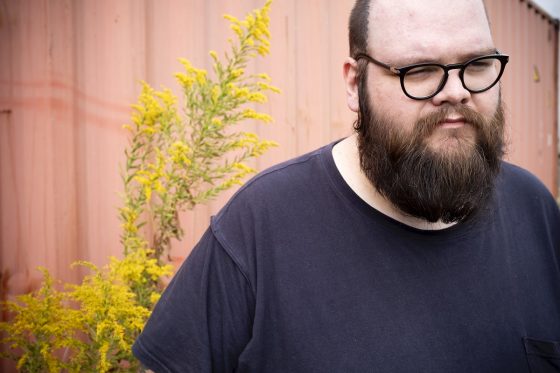
John Moreland Figures Out How to Love Music Again

Turns out there are drawbacks to any career – even when it’s your dream job – and you can confirm that with dark-folk favorite John Moreland.

After winning widespread acclaim on the strength of his devastatingly direct songcraft, often by casting an unflinching eye toward himself, it’s a truth the prolific writer and soul-mining vocalist has been forced to accept in recent years. Almost a decade into his solo career, rising expectations and a grueling tour schedule weighed so heavily on him Moreland even admits he “fell out of love with music” for a while. But the Oklahoma talent has fought his way back with his fifth solo album, LP5.

“It’s just that when you go from music being your passion and your hobby … to the point where it’s your job now, there’s an adjustment period where you have to figure out, ‘How do I do this?’” Moreland explains. “So I think that’s what the past five or six or years have been for me.”

Moreland feels like he finally has some of it figured out now — or at least is on the right path. He accomplished that partially by exploring new sonic territory with the help of producer Matt Pence (the first time he’s entrusted someone else with his songs), and also through hard-won personal growth, eventually deciding to treat himself a little better. Building off that foundation with tasteful drums, quirky synth embellishments, and whirring beds of B3 organ, what emerged on LP5 preserves the thought-provoking beauty of his stark songwriting, but adds a layer of intrigue … and perhaps, hope.

BGS: Music is such an outlet for you. How much did it bother you that you basically didn’t enjoy it anymore?

Moreland: Well, it was definitely a bummer. Writing music has always been the way I express myself, but it started to become harder and harder to do. It was like, if it’s just me sitting down with an acoustic guitar, there’s only so much I can do before it starts to feel like “OK, I’ve written this song 10 times already.” So it took messing around with some other instruments to get the creativity flowing again.

Did that feeling creep up on you, or come all at once?

I think it kind of crept up gradually. It just got more and more difficult to write and be creative, and then all of a sudden one day it was like, “Wow, I hate everything I’m coming up with.” I just needed a new context to see it in.

For LP5, you ultimately teamed up with a producer for the first time, and the textures and layers you and Matt Pence created are really interesting, but they don’t overwhelm the songs. What was the approach going in?

When I was writing the songs, like I said it got to the point where I needed to mess around with some other instruments in order to give the acoustic guitar and my voice a new context to live in. I was messing around with different drum machines and samplers, different pedals, getting different sounds at home, and that’s how we did the demos. … [Then in the studio] it was all pretty intuitive. We didn’t really talk about anything. We recorded the basic tracks like guitar, bass and drums together, and then we had a few days where me and Matt and John Calvin went crazy on overdubs. It was just flying by the seat of our pants, like “You wanna play synth on this song?” Or “You wanna put the Wurlitzer on this?”

Have you always played a lot of different instruments? If so, why haven’t we heard it in your previous work?

I actually started making hip-hop music when I was a teenager, so I’ve always done that as a secondary creative outlet. Then I stopped doing it for a few years when I started touring more and was busier with my career, and I got back into it when I needed that extra creative outlet. In the past, there were times I thought I’d like to incorporate it into what I was doing with my songwriting stuff, but maybe I wasn’t sure how to do it yet. I think because I feel a lot more comfortable with myself now I’m more open to whatever. If I like it, then it’s good enough to go on the song.

Is any of that hip-hop stuff out there?

No, not really. It’s just kinda my little home-studio hobby that I do.

I’d love to hear what kind of flow you’ve got, John.

[Laughs] Well, I’ve never actually rapped. I just make beats.

You say you’re feeling more comfortable with yourself, and I know these songs were written during a time when you were trying to be kinder to yourself. What does that look like in your everyday life?

I think it’s just in your thoughts and how you see yourself. I think there’s ways that we’re taught to be cruel to ourselves when we’re kids, and we just do it and think it’s normal. So I feel like I’ve been gaining more of an awareness of that and being able to catch it when I’m doing it, just being more careful and more mindful of how I talk to myself in my head. So it’s not like a big, visible change in my life I guess, but privately I’m in a better headspace because of it.

In “A Thought’s Just a Passing Train,” the central line begins with “I had a thought about darkness.” What were you going through at the time?

That just goes back to being kind to yourself and how it’s all in your thoughts and the way you talk to yourself. I think we place a lot of importance on our thoughts, but they’re not necessarily that important – they’re always just kind of coming and going. I wanted to try to talk about that.

I love the idea of a train as a metaphor for this, since that’s such a part of the country and folk canon. But you’re using it in a very modern setting.

Yeah, thanks. It’s funny, I don’t know if would feel comfortable doing a train-type song unless it was kind of a weird one, you know? [Laughs] I think it would feel a little too traditional to me otherwise.

“I’m Learning How to Tell Myself the Truth” is another interesting one, because to me, your songs have always been about exploring the truth around you. But maybe that’s different than telling yourself the truth?

You know, I think songwriting has always been my attempt to tell myself the truth — or to uncover the truth. So I guess I meant it in more of a personal, everyday life kind of a way. Like, I want to see things the way they are and not delude myself.

Are you getting better at that?

Yeah, I think so, and I think that’s another thing that comes with age and maturity. Hopefully you begin to see things as they are more, and not let things be as colored by your emotions.

The album ends with “Let Me Be Understood,” and that seems important. Why was that the way you chose to go out?

That’s a song that when I wrote it, it just felt like, “Yeah, that should be the last song.” And again, kind of like “Learning How to Tell Myself the Truth,” I think “Let Me Be Understood” is just what the impulse to do this is for me. I just want to understand myself and I want to be understood in the larger context.

To that end, I think this album is at least asking the right questions.

Thank you, that’s all I want to do.

It seems like you’ve learned something about life over these five albums …

Maybe. [Laughs] I don’t know what it is, but maybe I have.

What do you want listeners to get out of this project?

Whatever they can take from it is fine with me. I think I made it because it made me feel good, so I hope it can make somebody else feel good in whatever way they need.


Photos: Crackerfarm

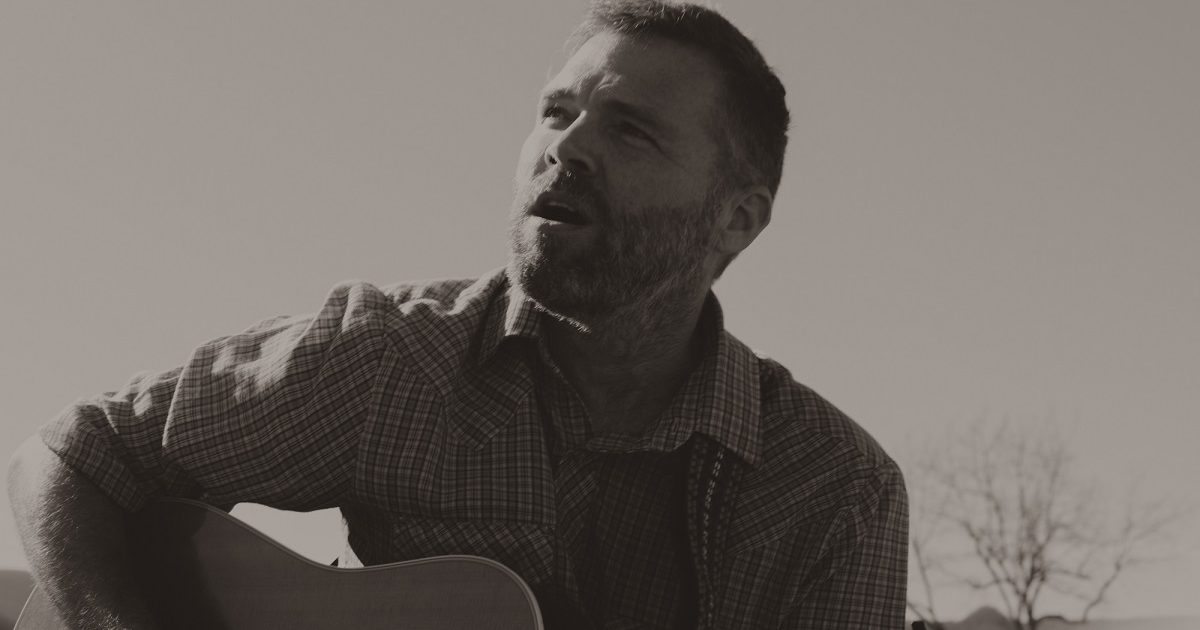
WATCH: Brew Davis, “Another Scarecrow Learning How to Fly”

Artist: Brew Davis
Hometown: Asheville, North Carolina
Song: “Another Scarecrow Learning How to Fly”
Album: Another Scarecrow Learning How to Fly
Release Date: February 28, 2020
Label: Hellbender Records

In Their Words: “This song is about transcendence and trying to get beyond the ruts we get stuck in, especially in ‘middle age,’ which is where I find myself these days. The opening line came to me in church, actually, and the verses just flowed out from there. I wrote the chorus later but it was clear to me what I wanted to say about life — how we get tempted by the stuff the world tells us is important when really the most important things are the people and things (i.e., music) that we love and that make us happy. One fun tidbit is that the shirt I’m wearing was my granddad’s. He died several years ago at 93 and is one of the ones I talk about in the chorus who’s ‘calling to me from the other side.'” — Brew Davis


Photo credit: Andrew Kornylak, FourMile Media

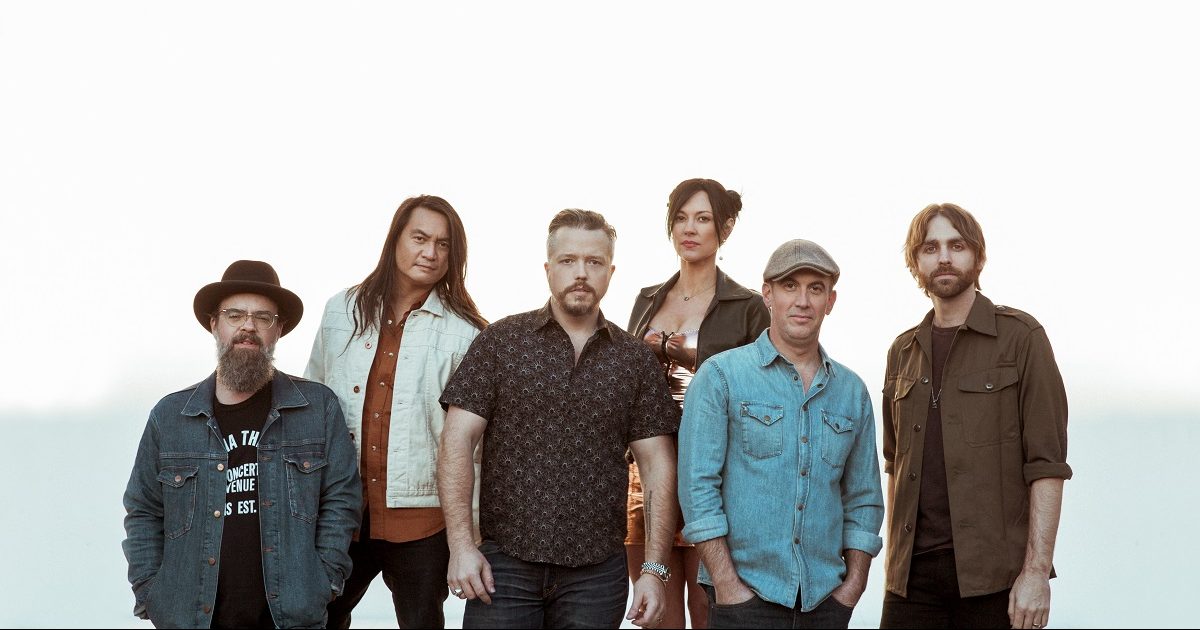
LISTEN: Jason Isbell & the 400 Unit, “Be Afraid”

Artist: Jason Isbell & the 400 Unit
Hometown: Nashville, Tennessee
Song: “Be Afraid”
Album: Reunions
Release Date: May 15, 2020
Label: Southeastern Records/Thirty Tigers

In Their Words: “There are a lot of ghosts on this album. Sometimes the songs are about the ghosts of people who aren’t around anymore, but they’re also about who I used to be, the ghost of myself. I found myself writing songs that I wanted to write fifteen years ago, but in those days, I hadn’t written enough songs to know how to do it yet. Just now have I been able to pull it off to my own satisfaction. In that sense it’s a reunion with the me I was back then.” — Jason Isbell


Photo credit: Alysse Gafkjen

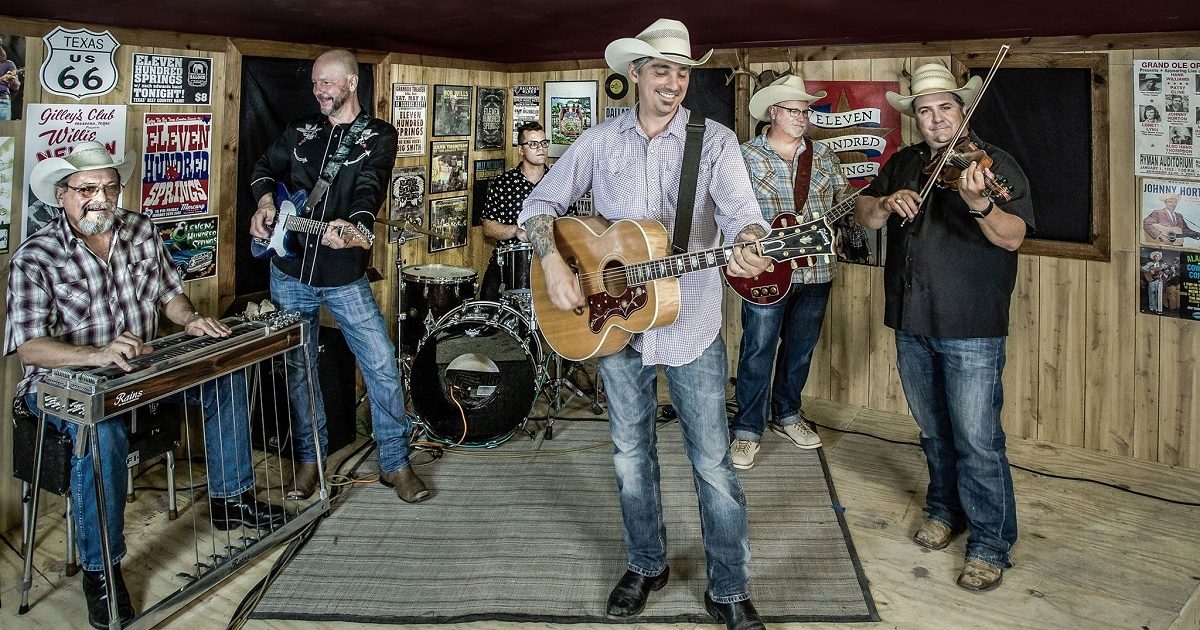
MIXTAPE: Eleven Hundred Springs’ Songs by Talented Friends

I have always maintained that whatever you do as a career, the great takeaway is the relationships you make along the way. That’s certainly been my experience in music. I have had the opportunity to get to know and share stages with so many talented people that play many different styles of music. This Mixtape is just a taste of the long list of friends who blow me away regularly with their songs, live shows, and friendship. — Matt Hillyer, Eleven Hundred Springs

Brennen Leigh & Noel McKay – “Breaking Up Is Easy”

I have been a fan of each of these folks independently of each other before they started making music together. Both of them sing and write so well. I chose this song because I really dig the groove and the way they sing together on it. There’s a moment when Brennen is singing underneath Noel while he’s singing the lead that is just so great. Truly though, I’m a fan of everything they’ve done. Separate or together.

Courtney Patton – “So This Is Life”

Courtney is like my sister. We have a lot of fun together. This song is just about as perfect an example as I’ve ever heard of an honest accounting of witnessing love coming together and falling apart. Being that honest is so difficult and she nailed it.

Max Stalling – “Blue Eyes”

Max is one of my best friends in “the biz.” We both kinda got our start at the same time and place, and he’s super great guy. He’s also able to paint a picture with words like no one else. This song I love because it’s a testament to his abilities as a poet, but also with melody. It’s a straight ahead danceable country love song.

The Wagoneers – “Sit A Little Closer”

When I started playing in bands I was 13 and into rockabilly. Through some twist of fate I crossed paths with this band and they took me under their wing. They were my introduction to so much great country music. They have such a great live show. Their frontman, Monte Warden, taught me so much about how to write songs.

The Derailers – “100% Pure Fool”

When Eleven Hundred Springs was beginning, The Derailers were a real example to us. The band was so tight. Their love of all things traditional country, particularly the Bakersfield sound meant a lot to us. They had roots in the rockabilly world. They were our kind of band. They were also very kind to us every time we got the chance to share the stage. This song was always a barn burner at their shows.

Mike & The Moonpies – “Steak Night at the Prairie Rose”

In the same way that I think the Derailers felt good about a young band coming up behind them that cared about traditional country music when they looked at Eleven Hundred Springs, that’s how we feel about the Moonpies. They’re great and they give a damn. They work their asses off and write great songs. I feel like they’re just getting better and better. The Steak Night record felt like a real turning point for them though.

Jason Eady – “Wishful Drinking”

Jason’s A.M. Country Heaven record is one of my favorites of all time. It’s a solid collection of great country songs. It’s hard for me to narrow down any one favorite, but this may be it.

The Tejas Brothers – “Don’t Be So Mean”

The music of the Texas Tornados and Doug Sahm have always been so influential to Eleven Hundred Springs. The first time we played with The Tejas Brothers, it was a natural match. Their connection to that sound was something we loved. We became friends instantly and found as many ways to collaborate as we could and we remain close to this day.

Joshua Ray Walker – “Canyon”

When we discover new artists on the scene that are doing really great things, it’s so exciting. Joshua Ray Walker is someone who’s topping that list right now. He’s such a great writer, singer, and guitar picker. Our friendship is just beginning, but I look forward to a lot of fun collaborations with him.

Reverend Horton Heat – “We Belong Forever”

Jim Heath has been one of my biggest mentors since I was 12. He’s always been like a big brother. Not only is his talent and voice one of a kind, but his work ethic has been a huge example. He and his band are truly self-made. This song isn’t the typical loud rocking tune the band is known for, but it showcases their ability to take it down to something quiet and also play something beautiful. I love the way the guitar melody on the high strings go along with the walking bass on the low strings. Not everybody can do that.

Tommy Alverson – “My Hometown”

Over the years Tommy and I’s relationship has evolved from him being a mentor to friendship. I have learned a lot playing shows with him, and I always feel like family when I’m with him and his son Justin, who is also a dear friend.

Walt Wilkins – “When It Was Country”

When spending time with Walt, I always hope some of his cool will rub off. This song makes the hair on the back of my neck stand up every time.

The String – Beth Nielsen Chapman

Often when songwriters talk process, we hear the same few nuggets about craft on repeat. Not Nashville Songwriters Hall of Famer Beth Nielsen Chapman, though. She has a deeply considered take on the art form and the personal work and qualities of mindfulness that truly unlock creative potential.

LISTEN: APPLE PODCASTS

Chapman’s workshops and lectures are in high demand and coming in 2020 she launches The Song School, a podcast that will include her wisdom and critiques of real songs in real time. Here, she invites host Craig Havighurst into her home studio to talk about her success as an artist and writer for others (Willie Nelson, Tanya Tucker, Faith Hill, Trisha Yearwood, and many more) and how she keeps the flame lit.

WATCH: Grammy Nominee Tyler Childers on ‘Late Night with Seth Meyers’

After a whirlwind year in 2019, Tyler Childers’ star is burning bright as ever at the start of this new decade with a Grammy nomination for “All Your’n,” a single off of his third full-length album, Country Squire. Released in August of last year, Country Squire fulfilled the promises of his previous breakout record Purgatory.

Childers takes bold steps as a mature writer and a gifted vocalist; the project is shaped like a concept album in which each song flows one right into the next, connecting the music and painting the record with a consistent palette allowing the songs to feel like a complete collection. The Grammy nod for Best Country Solo Performance is testament enough to the marked vocal prowess of the redhead from Kentucky. 

Childers and his band, the Food Stamps, are preparing for a very busy touring schedule in 2020 with highlights that include four sold-out concerts at the Ryman in Nashville, joining country outlaw Sturgill Simpson for his A Good Look’n Tour, and shows all over Europe. Watch as he performs the title track from his latest record on Late Night with Seth Meyers.


Photo courtesy of the artist

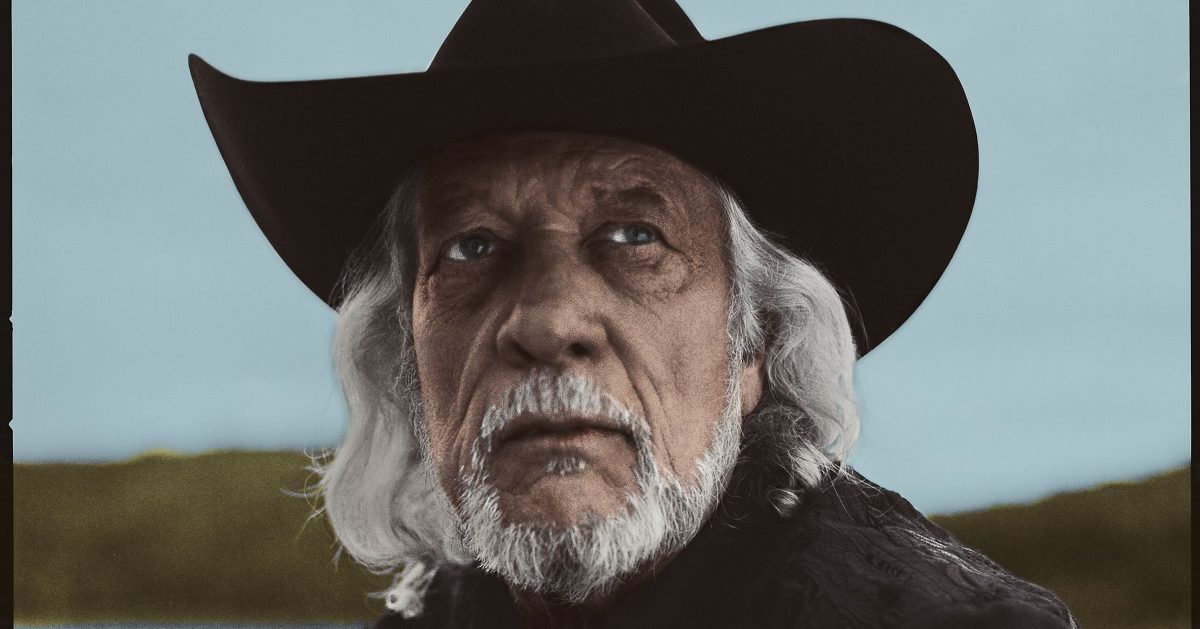
WATCH: John Anderson, “Years”

Artist: John Anderson
Song: “Years”
Album: Years
Release Date: April 10, 2020
Label: Easy Eye Sound

In Their Words: “My life has been a true blessing. I could have never dreamed to have lived as happily and as well as I’ve lived all these years. And if I passed away tomorrow, all the folks that knew me well could say, ‘Well, boy, he sure lived like he wanted to live.'” — John Anderson


Photo credit: Alysse Gafkjen

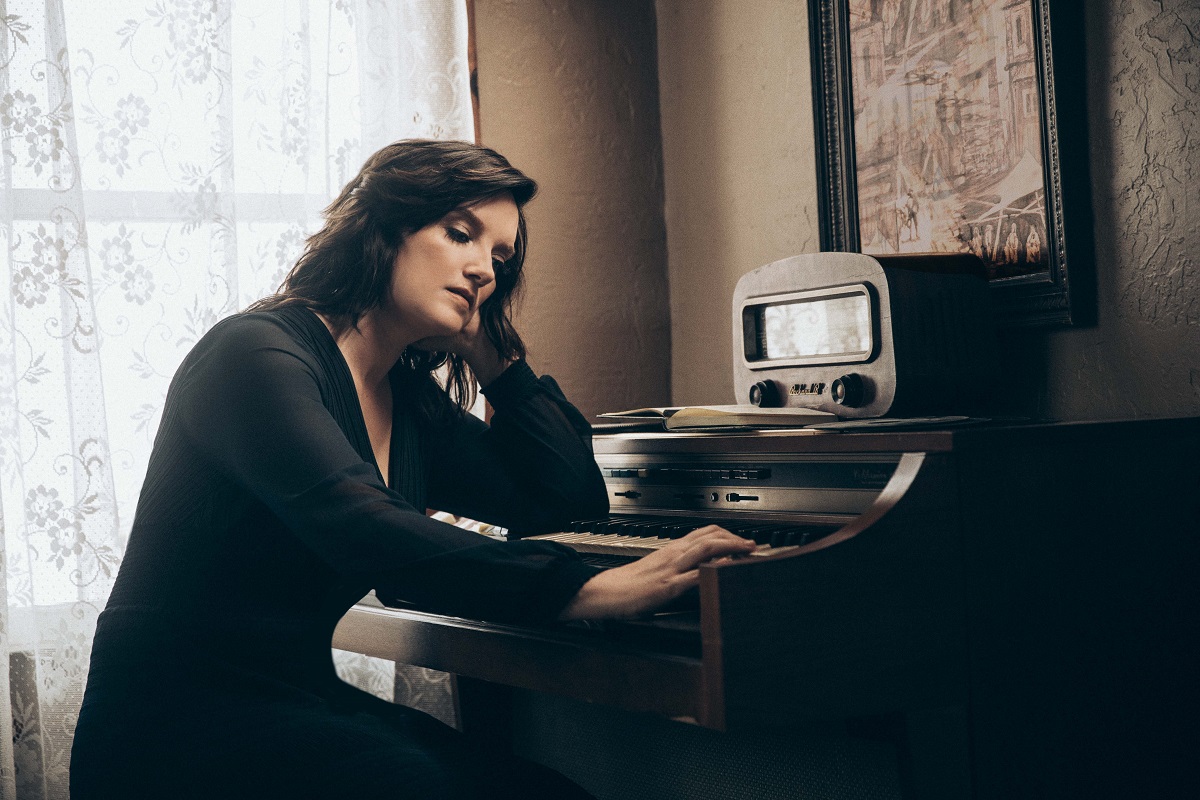
WATCH: Brandy Clark, “Who You Thought I Was”

Artist: Brandy Clark
Song: “Who You Thought I Was”
Album: Your Life Is a Record
Release Date: March 6, 2020
Label: Warner Records

In Their Words: “The seed of the song came from something that John Prine said a couple of years ago at the Americana Awards. He walked out onstage at the Ryman and everyone stood up and clapped for what felt like five minutes. When everyone sat down, he said with a little laugh, ‘Well, I’m John Prine, but I’d like to go back to being who you thought I was.’ Man… that hit me. The songwriter in me instantly knew it was a song and the heart in me knew it was how I had felt in my own life many times. I mean who of us hasn’t let somebody down or wanted to be the version of ourselves that someone who loved us thought we were?” — Brandy Clark


Photo credit: Chris Phelps

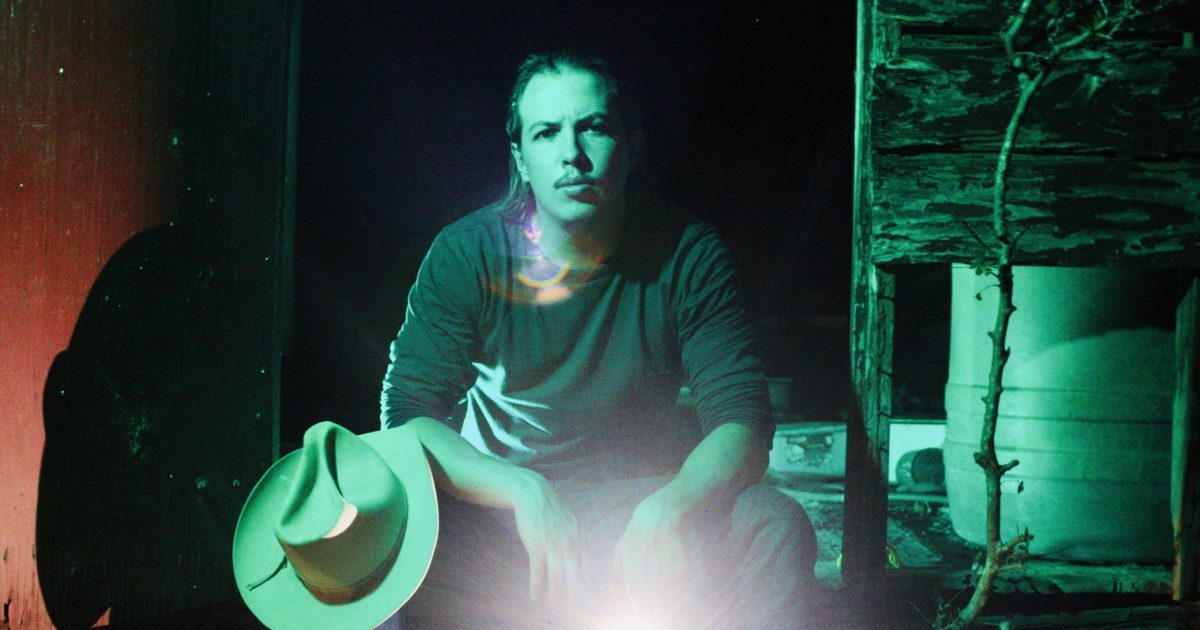
LISTEN: James Steinle, “Back Out on the Road”

Artist: James Steinle
Hometown: Pleasanton, Texas
Song: “Back Out on the Road”
Album: What I Came Here For
Release Date: February 7, 2020
Label: Shotgun House Records

In Their Words: “‘Back Out on the Road’ is about putting a face on in a relationship — and how one day the final straw breaks the camel’s back and you’re off to the races. One of the topics I visit a bunch on this record is the idea of being unhappy in a relationship and having the hunch it won’t work out in the long run, competing with a personality type that makes it hard to see people hurt. And so the vicious, drawn-out cycle begins. It always makes matters worse.” — James Steinle


Photo credit: Juliet McConkey